518 myths · Page 14 of 18
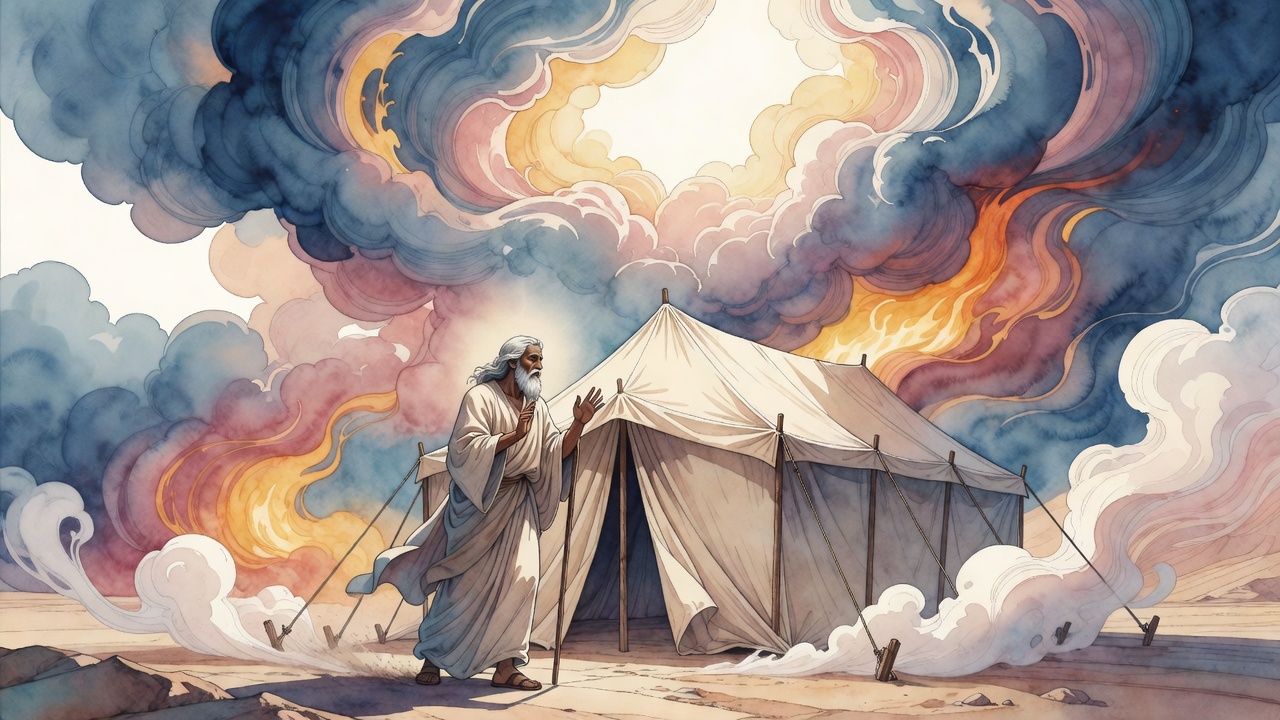
After Sinai Moses stood outside the finished Tent, afraid of the cloud, until the Holy One called him alone by name.
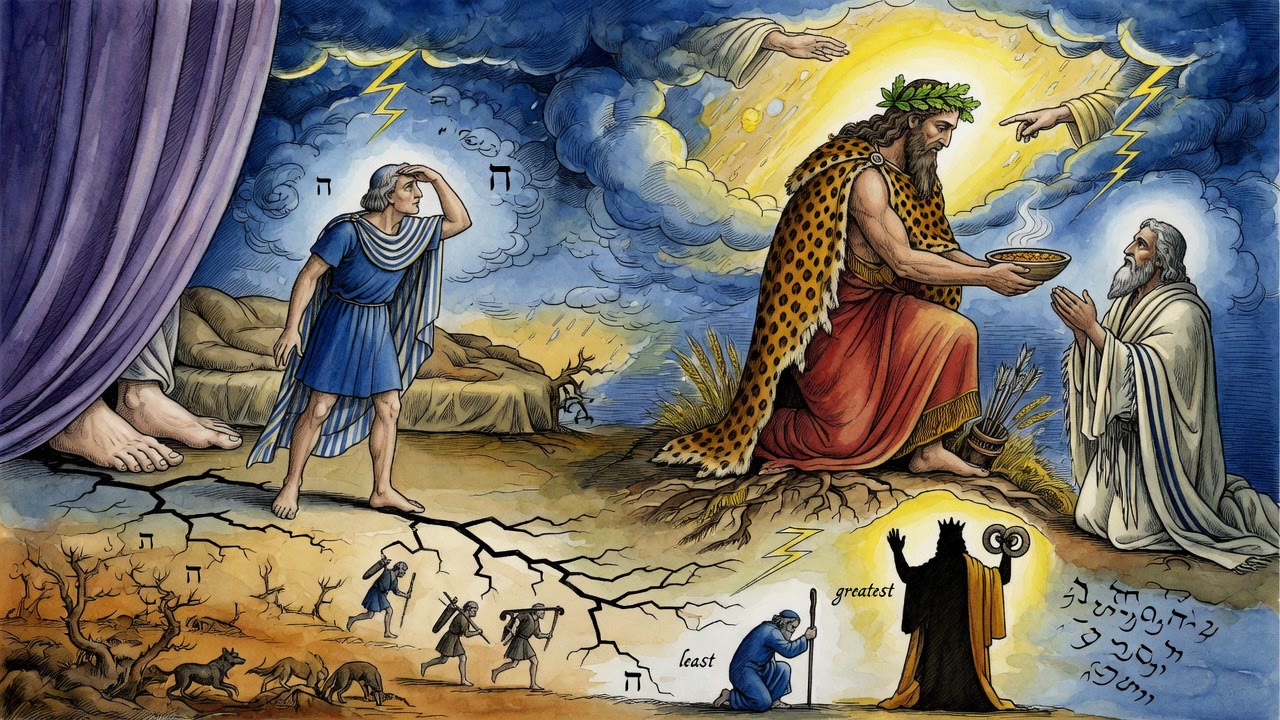
The stranger put a finger on a rock until it burst into flame. Jacob still held him. Dawn was coming, and the choir would not wait.
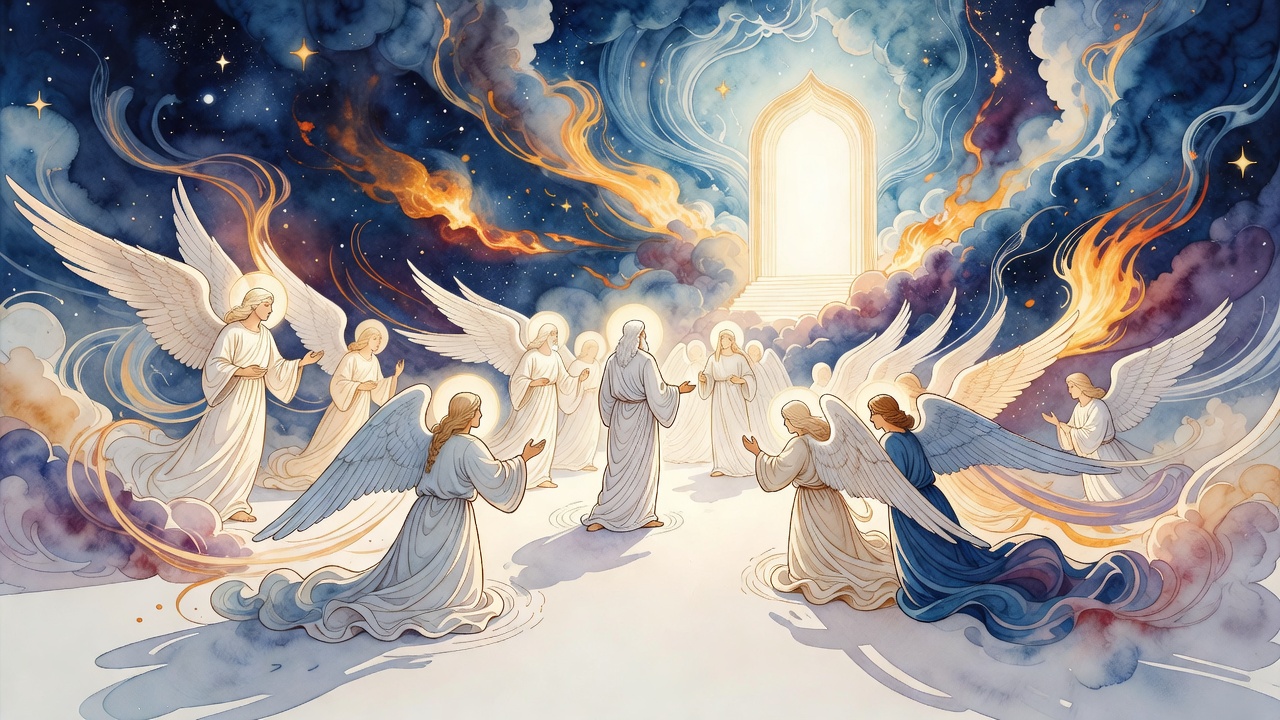
Before the world began, angels sanctified God's Name through Israel, then rejected Adam, Noah, and Abraham until Jacob arrived.
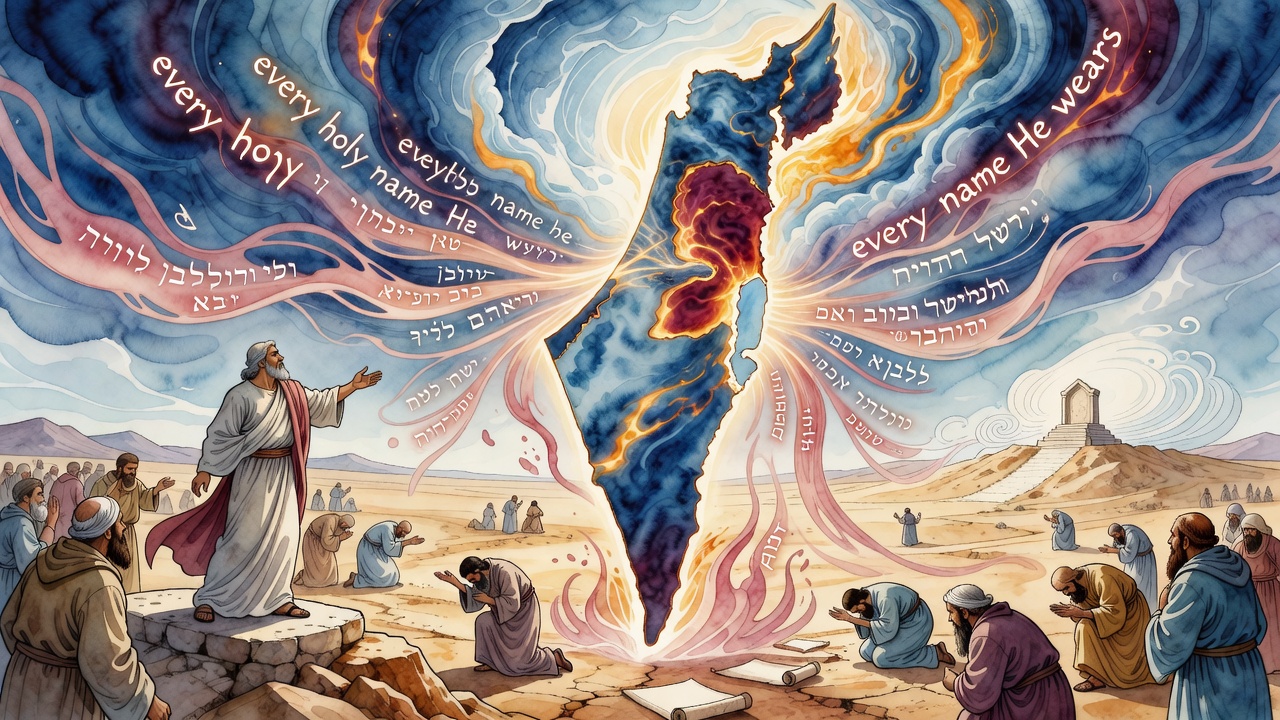
Moses heard the angels praising and brought the words down as a whisper. When Israel says them, the angels' wings droop and their own song stops.
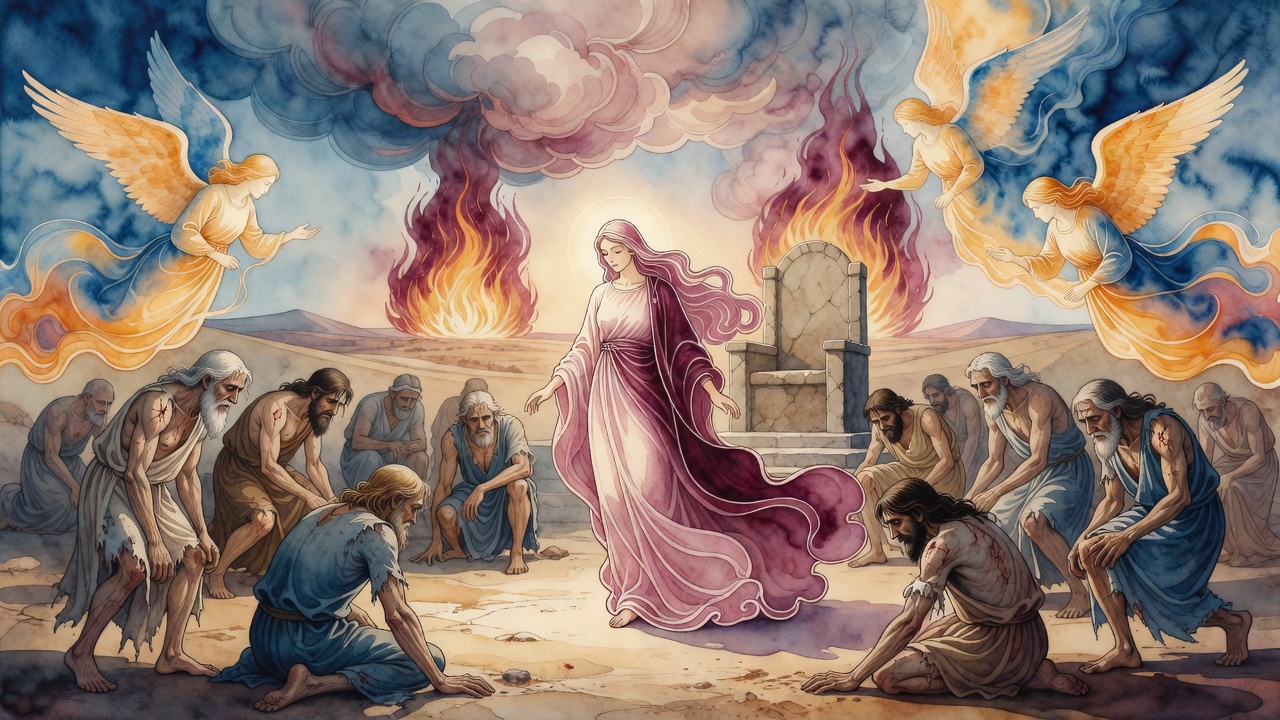
They reached the mountain with crushed hands. Angels went through the camp first. The seventh day still had no partner, and it asked why.
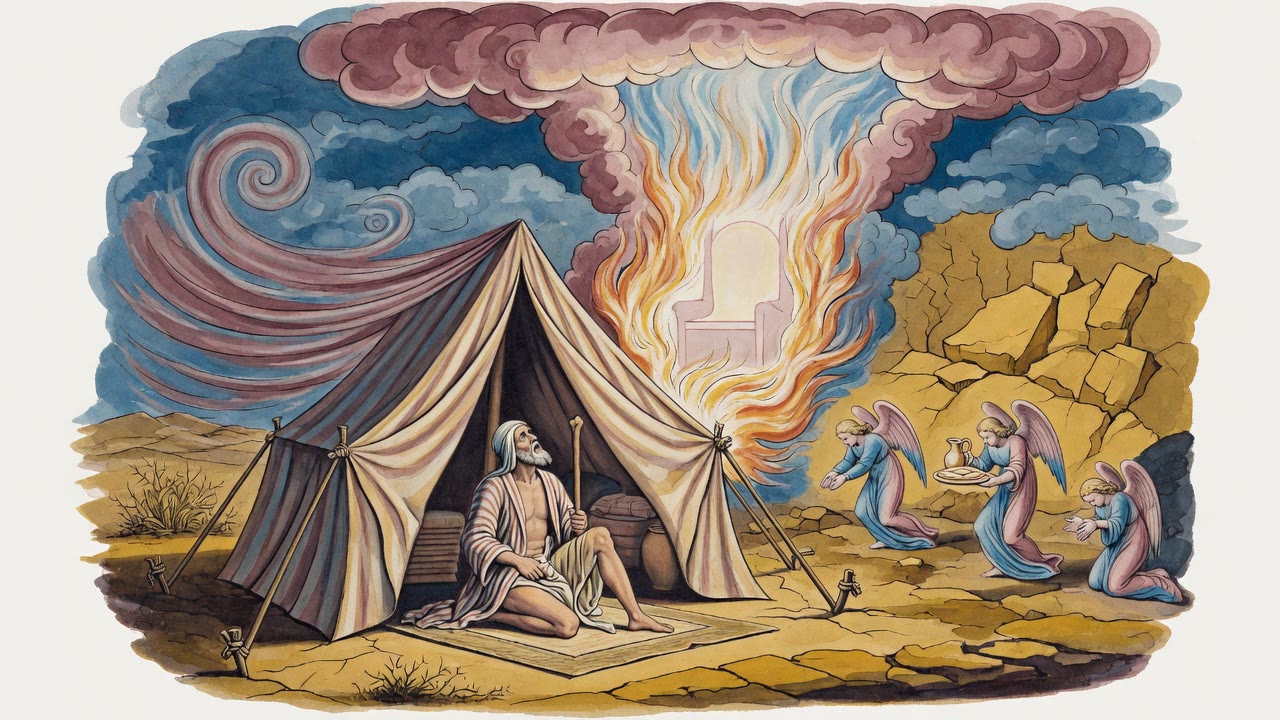
Lot leaves Abraham for Sodom's plain, then opens his door to a mob and offers his own daughters rather than surrender his guests.
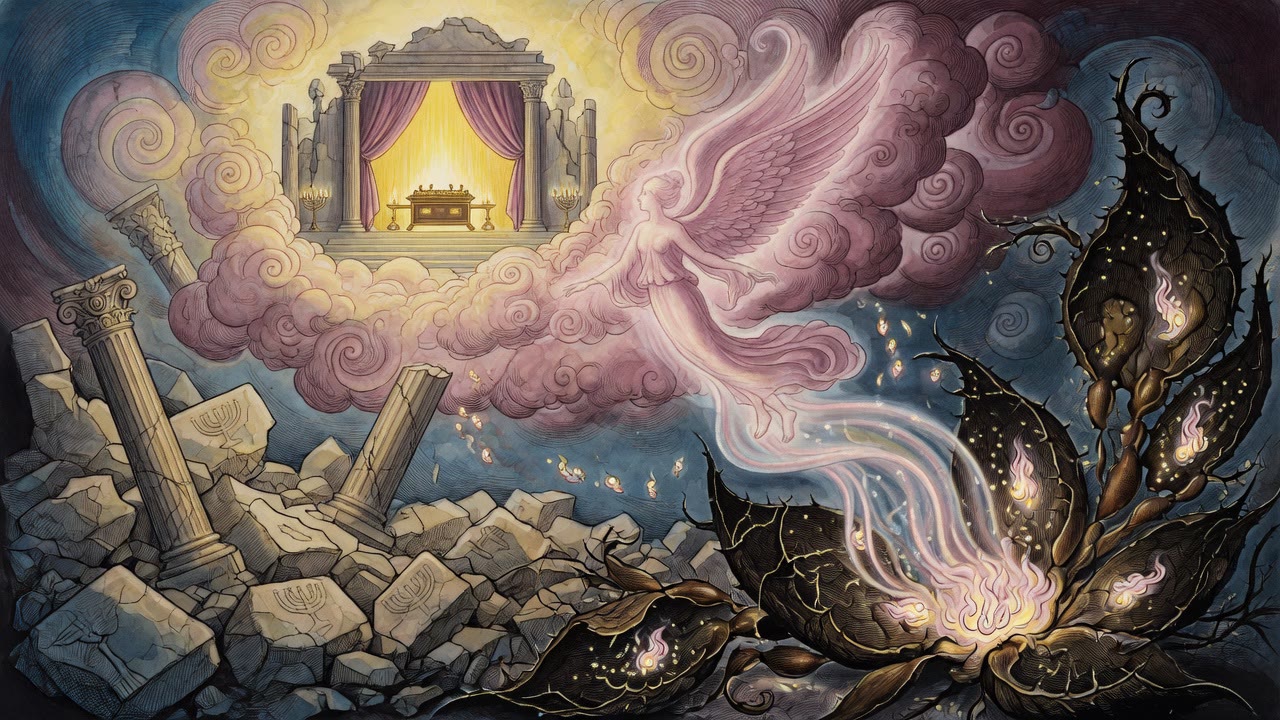
The first sentence emptied every chest on the mountain. The word itself turned back and said it had been sent to the dead.
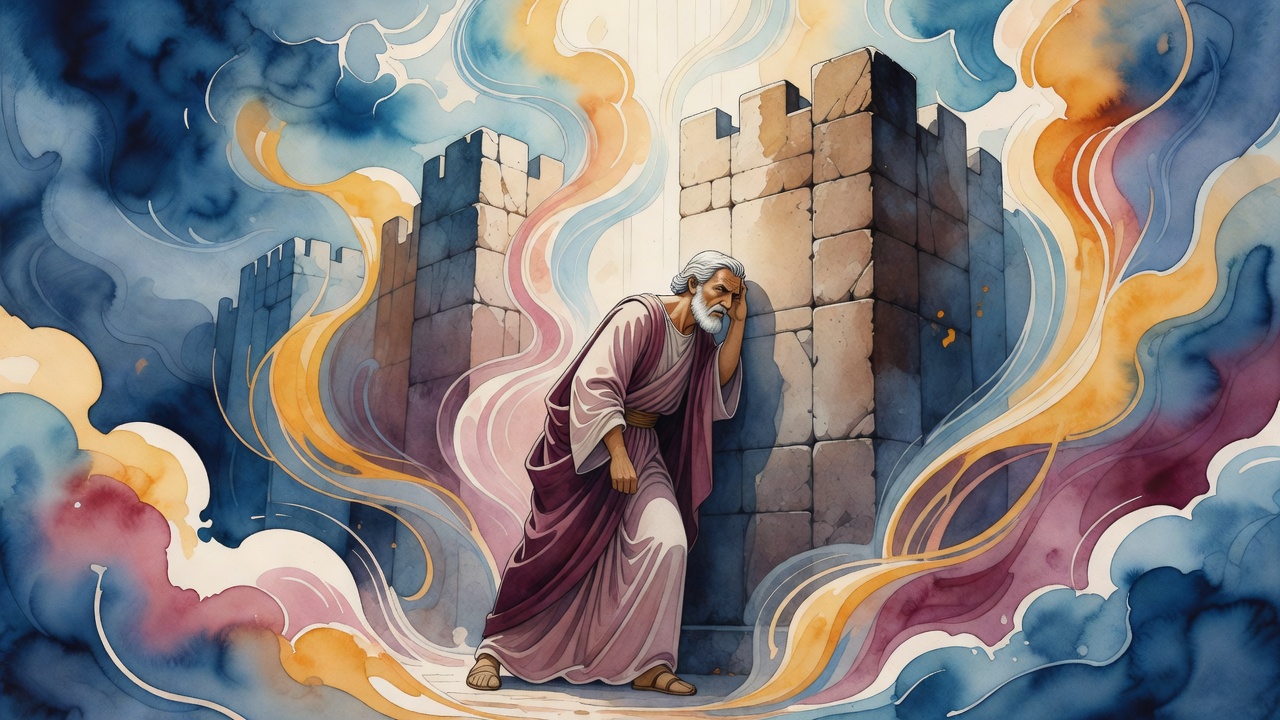
The king pressed his ear to the prison wall, expecting curses. Inside, the servants were still calling him their life.
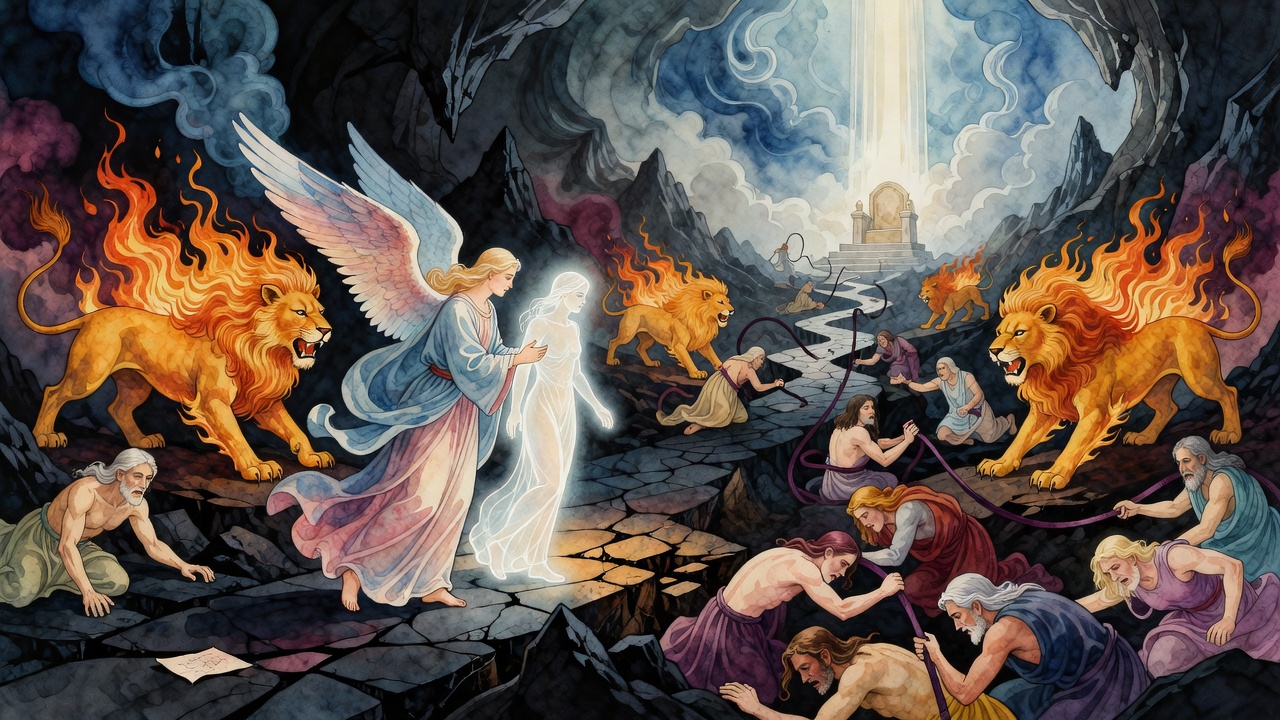
An angel walks a new soul past fire-lions and scourges in Gehinnom (afterlife of judgment), naming the damned as once-living people who ignored Torah.
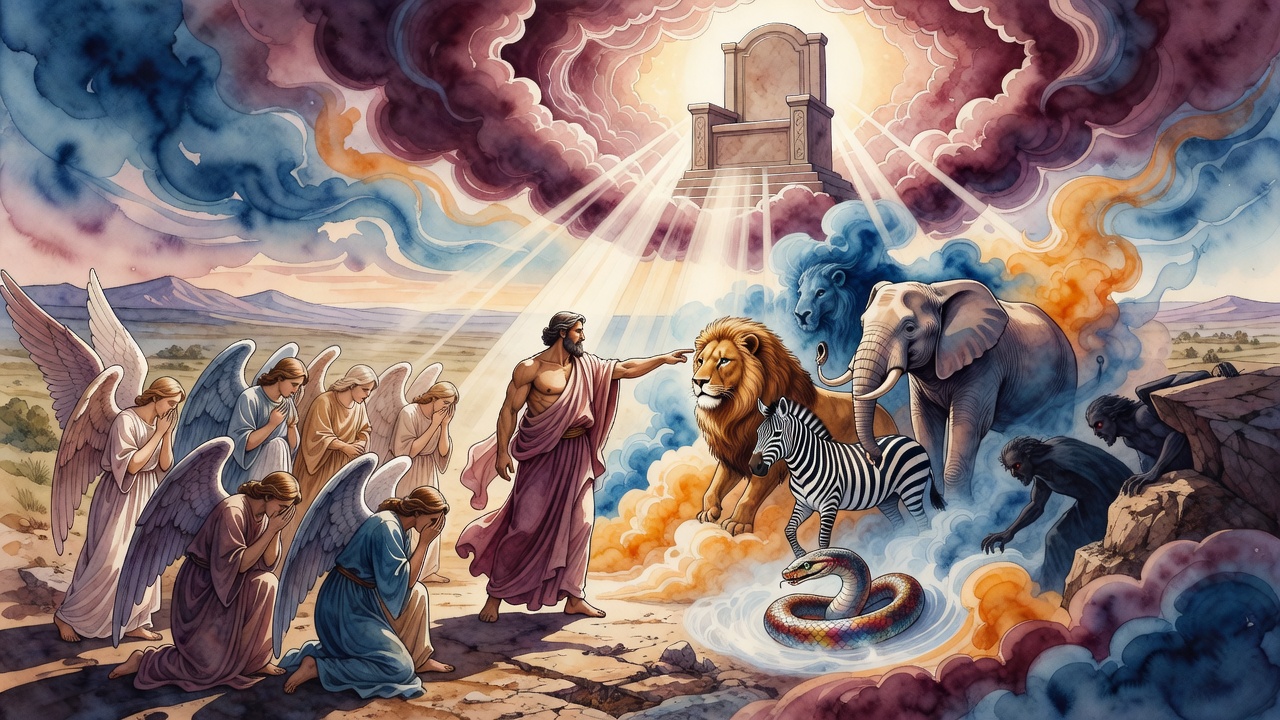
God asked the angels the name of a fox. They had none. He asked the man of dust. The word stuck like a joint in a bone.
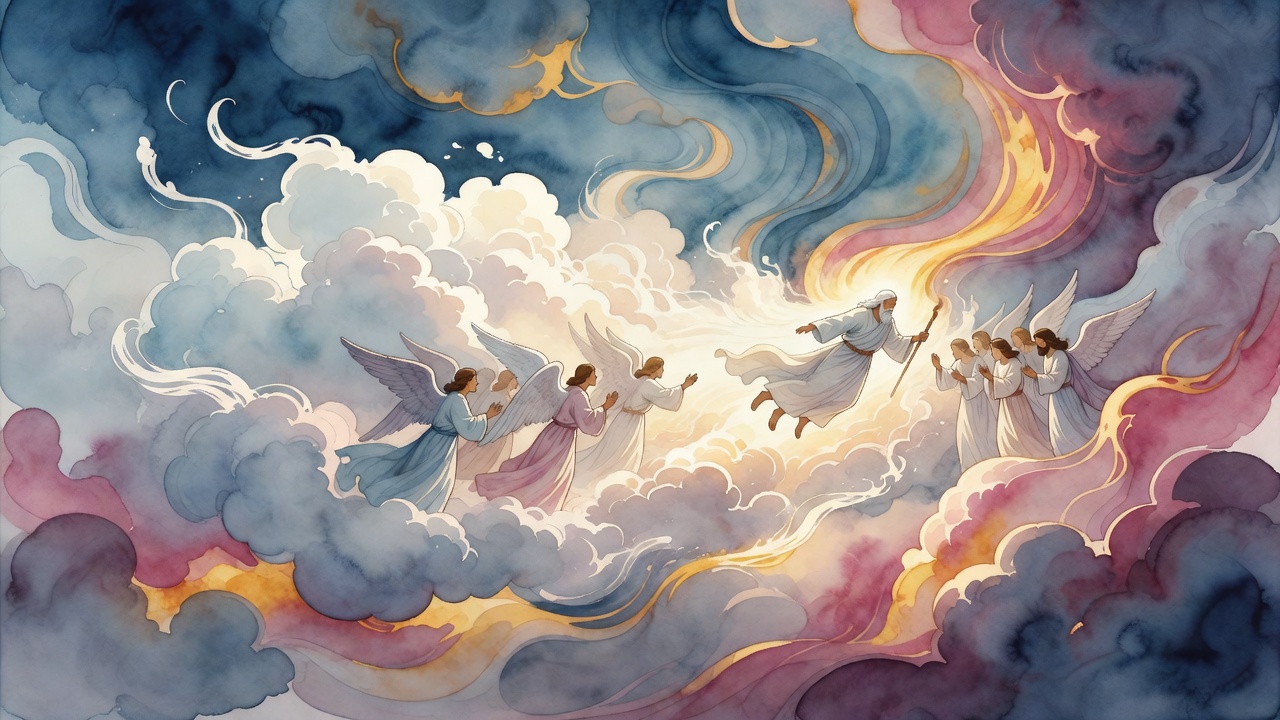
Seraphim stopped at the outer dark. Moses went in like a fish through water. Inside, God taught him the words that would keep Israel alive.
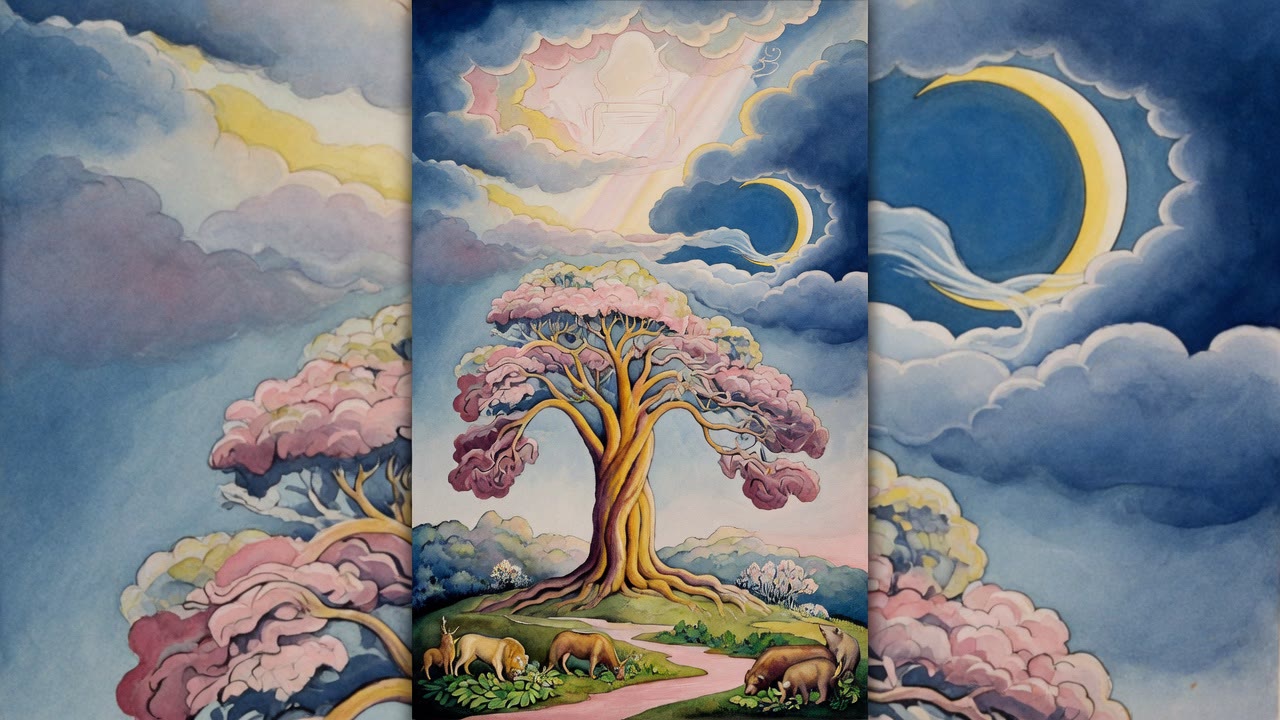
After the fruit, God speaks of Adam as one of us, angels ask if the edict is eternal, and exile bars the road to the tree of life.
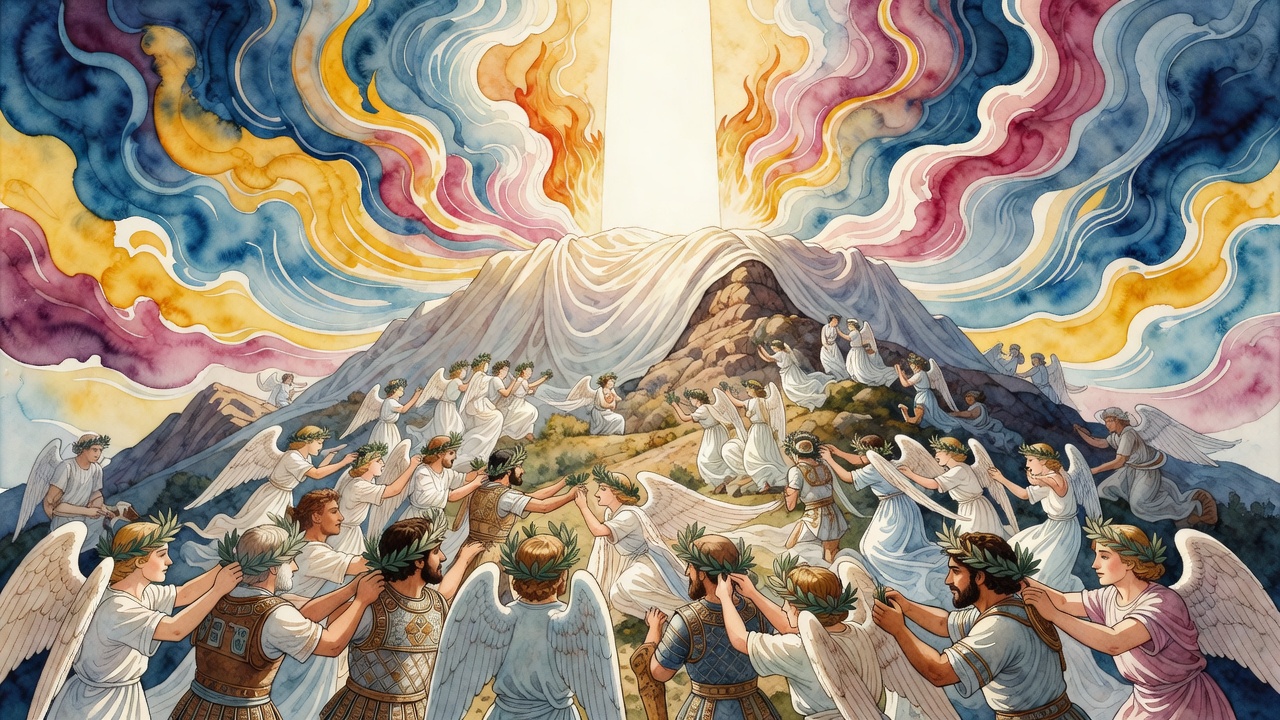
Israel spoke one sentence on the mountain. Before the echo died, an angel set a wreath on a head that had mixed mortar in Egypt.
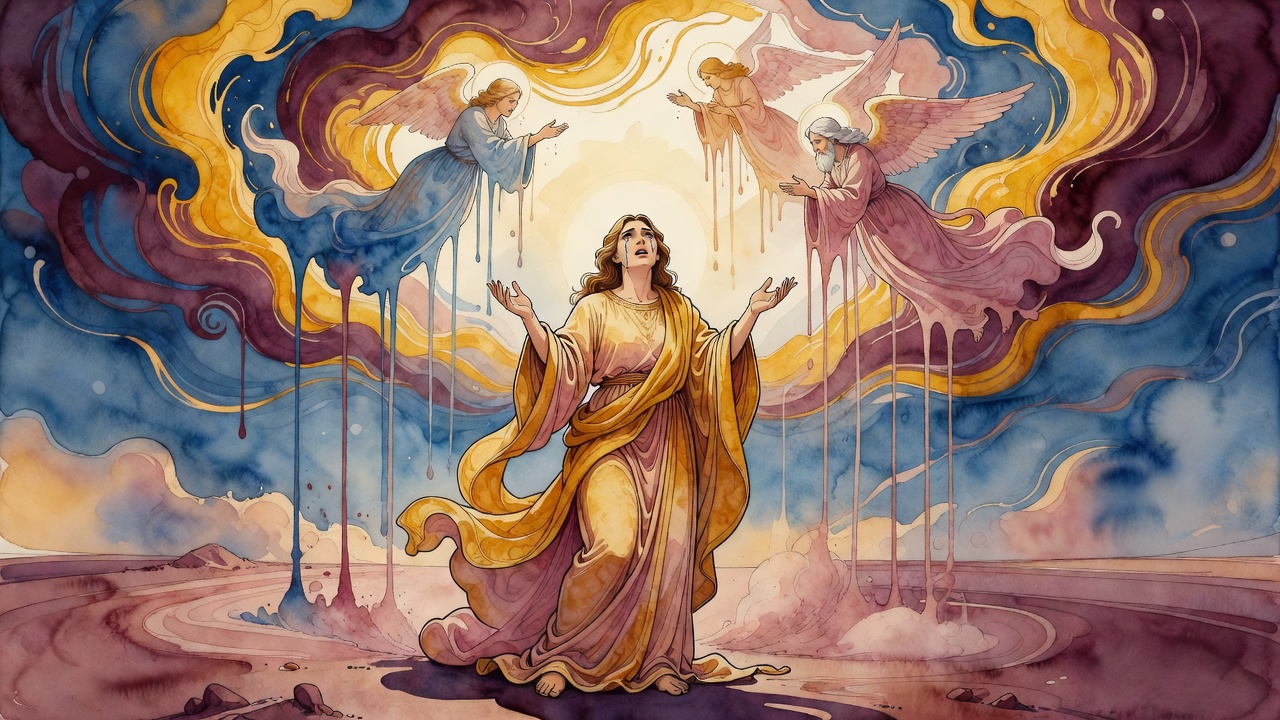
After three days of ash, Esther robes in Ophir gold, prays the patriarchs letter by letter, and the firmament opens so angels can cry for the world.
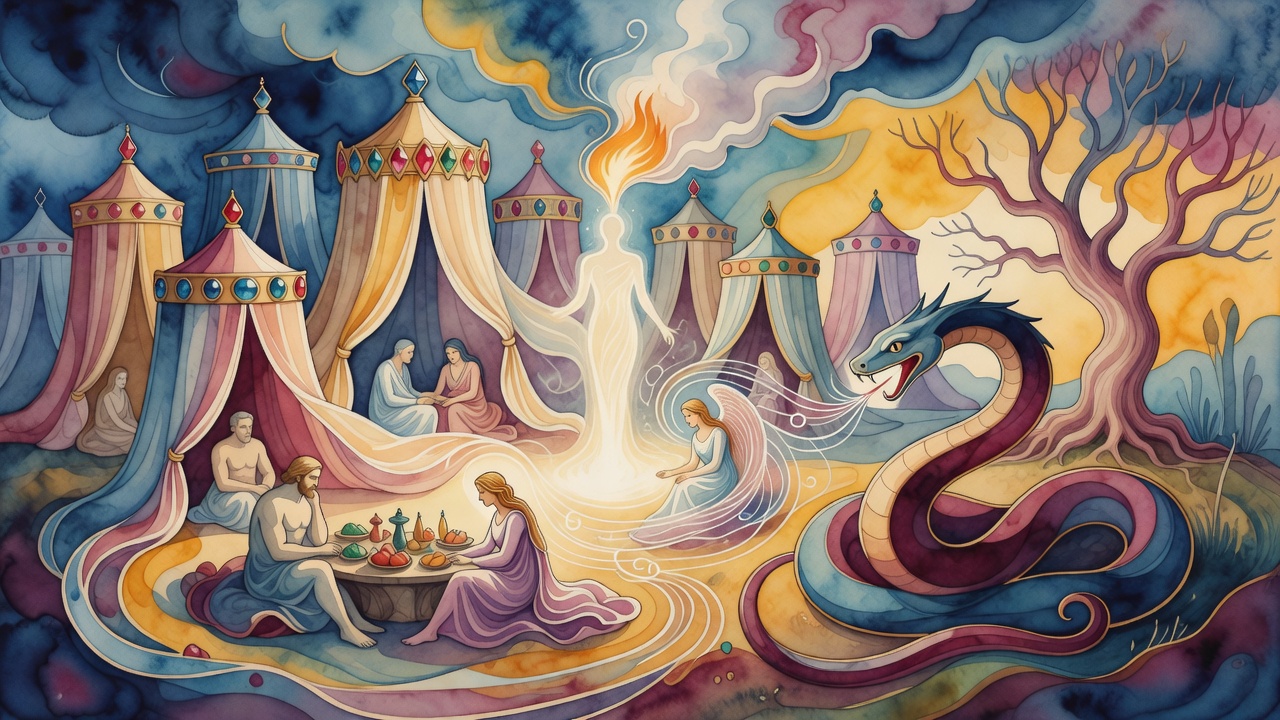
God built twelve jewel canopies for Adam and led Eve with angel music. After the feast the jealous serpent chose the tree.
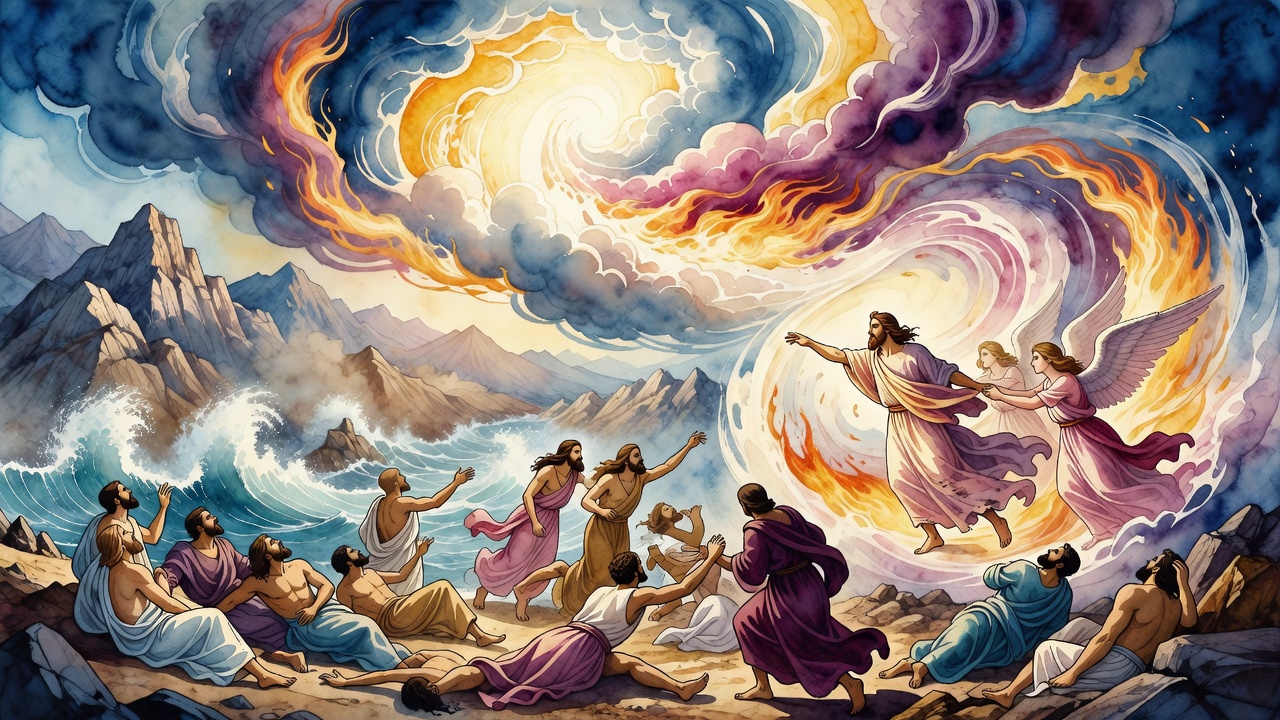
Heaven's first utterance shakes seas and mountains. Israel's dead stand up, the living fall twelve mil back, and angels drag Moses into the cloud.
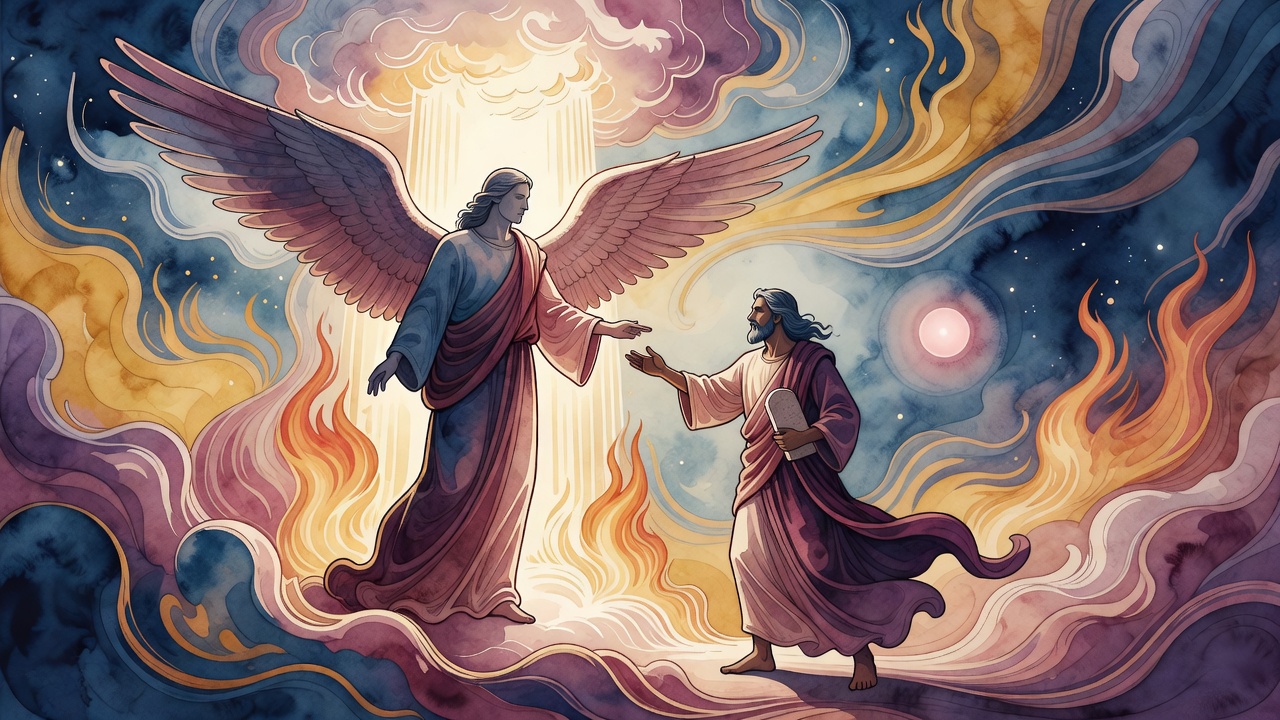
An angel blocks the earth-born stranger. A homesick star tells its exile. Moses grips the throne, walks the commandments, and wins Torah for needy bodies.
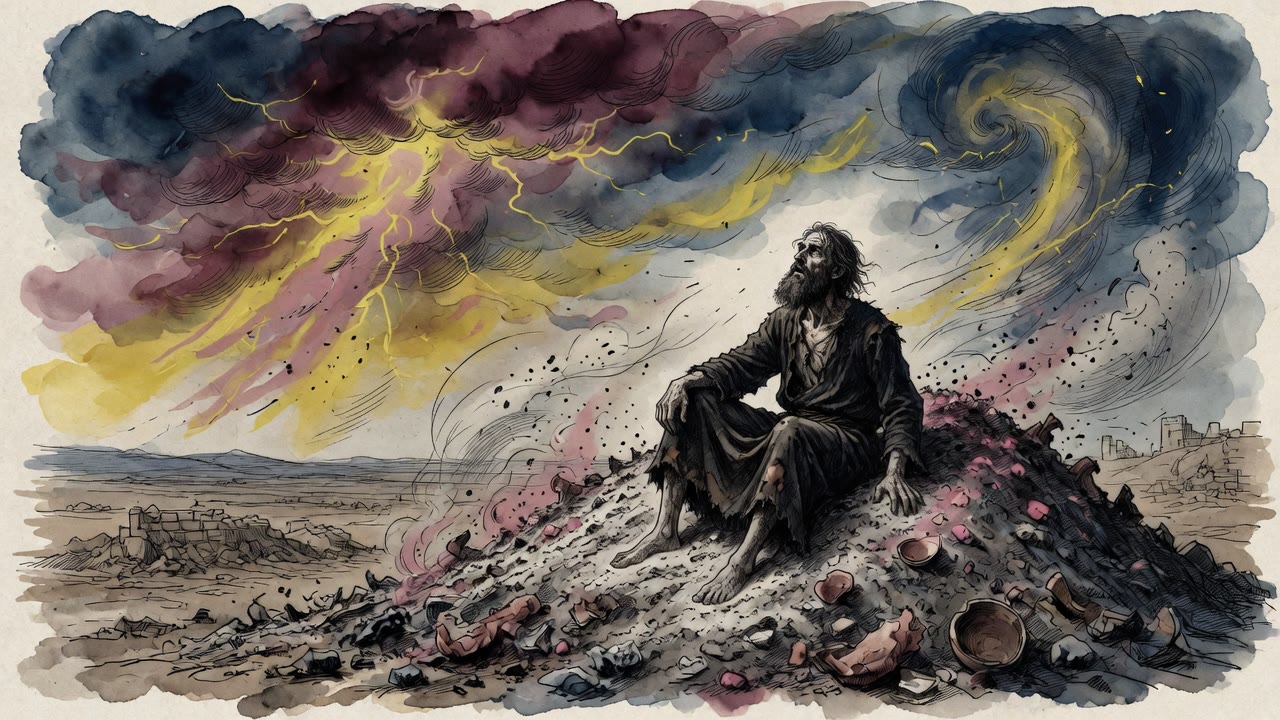
Daniel's knees were still marked by the floor. The angel's voice was tired. Persia had held him at the gate, and Greece was already on the road.
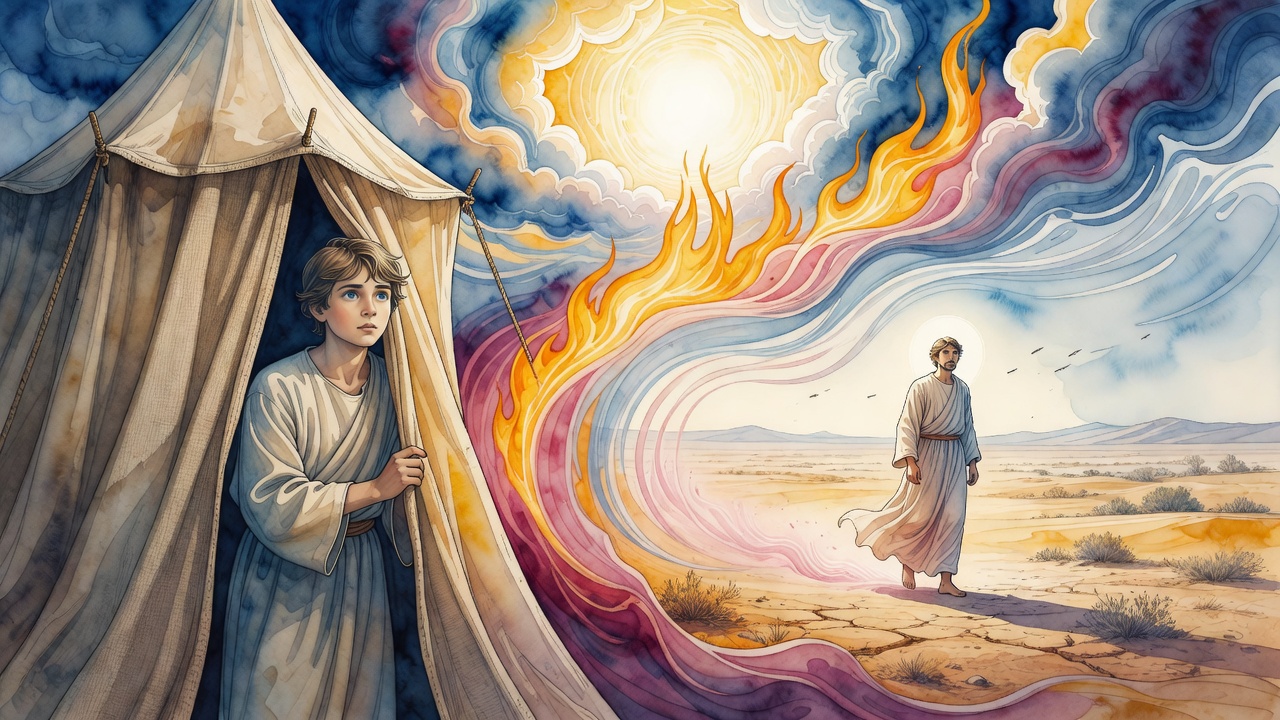
Sarah listened at the tent door. Ishmael stood behind her, thirteen and newly circumcised. The angel named a son who was not him.
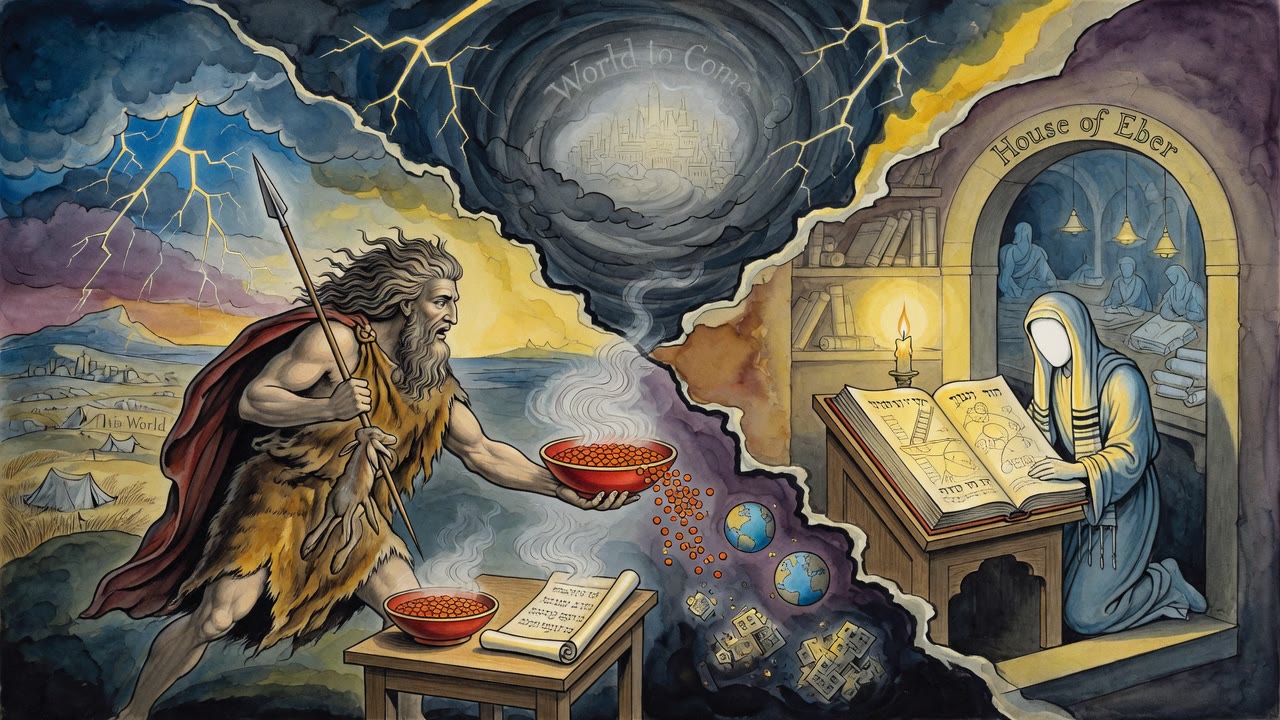
Iron armor, horsemen, and chariots block Esau's path. Every company answers with one name, Jacob, until the hunter begins to fear the brother he came to crush.
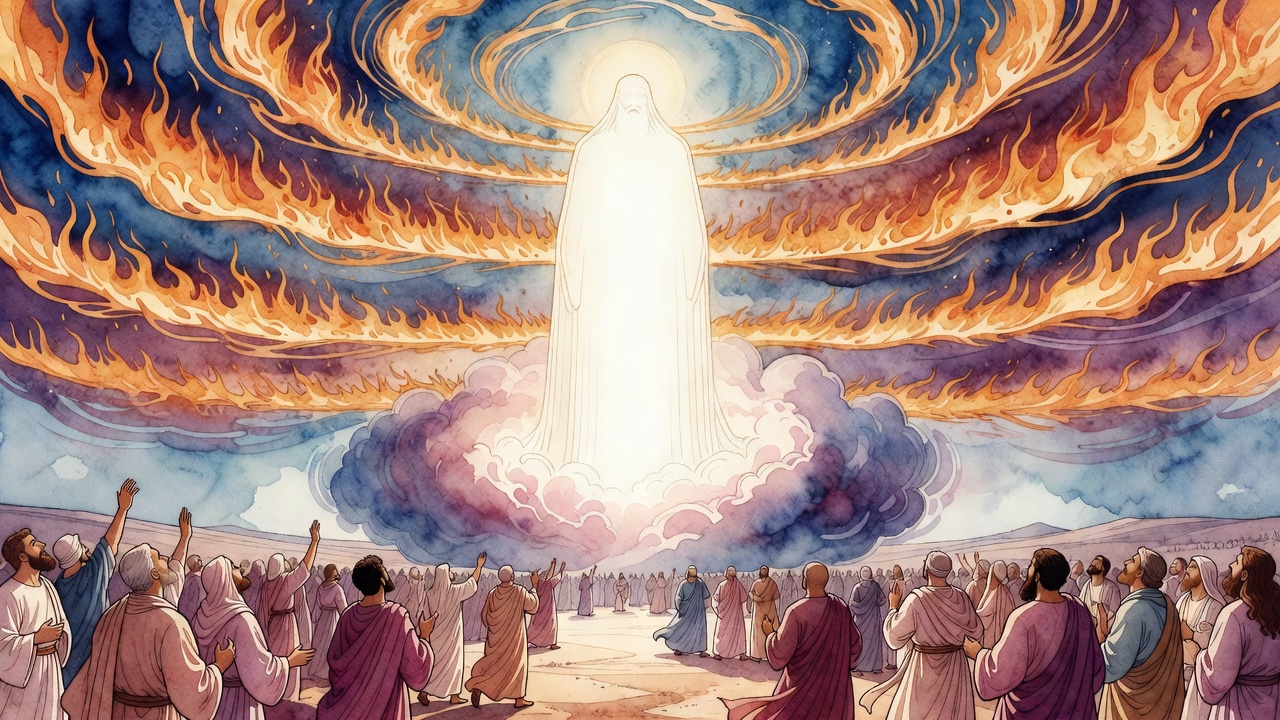
Moses sang of holy myriads and the camp looked up. Fire ranks without number filled the sky. None of them outshone the One who led them.
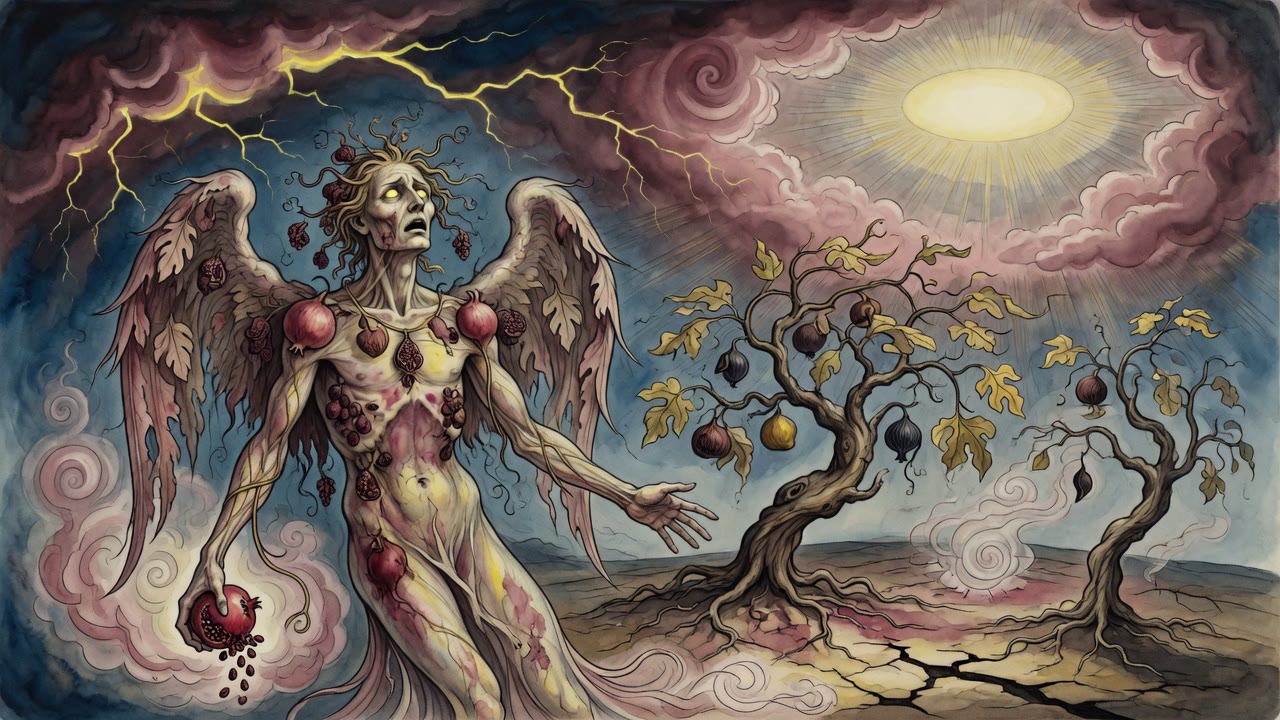
Juice ran down his wrist before a blessing left his mouth. Above the stall the appointed watcher went thin, waiting on a word that never came.
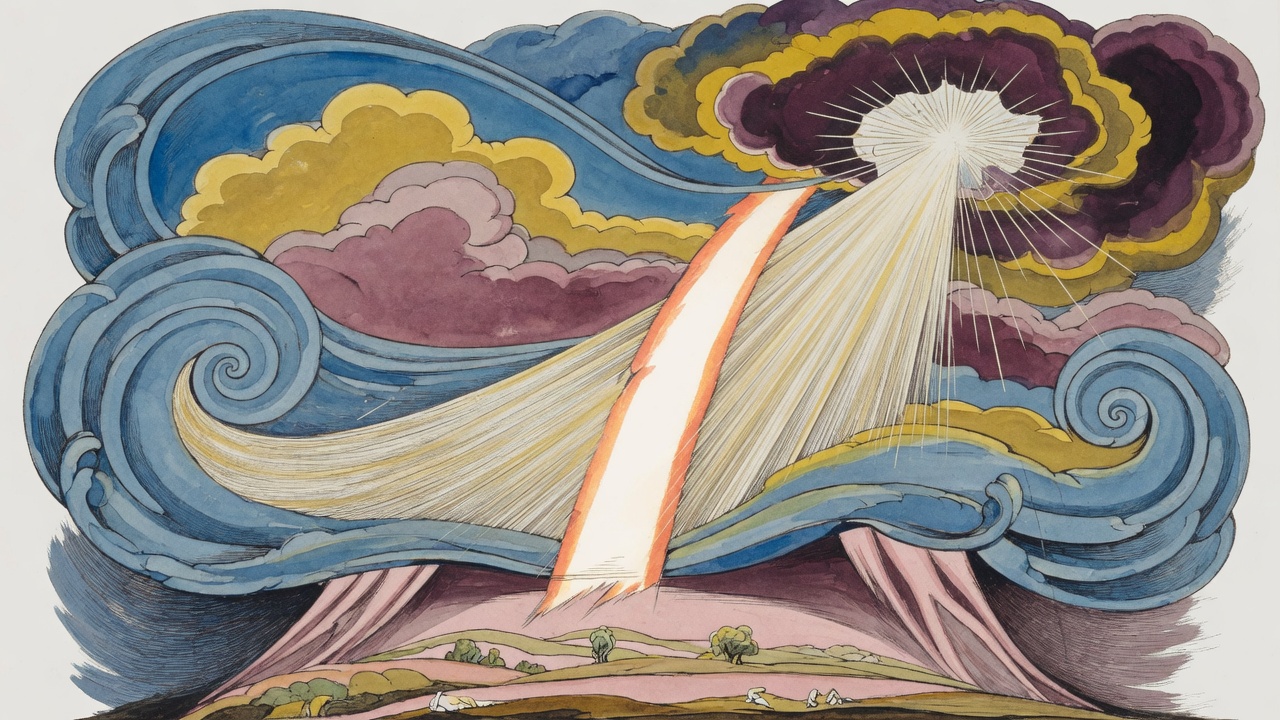
Adam watched a speck of Yod slip from the Aleph (the first Hebrew letter) of his making, and the first humans learned how a missing jot could unmake a world.
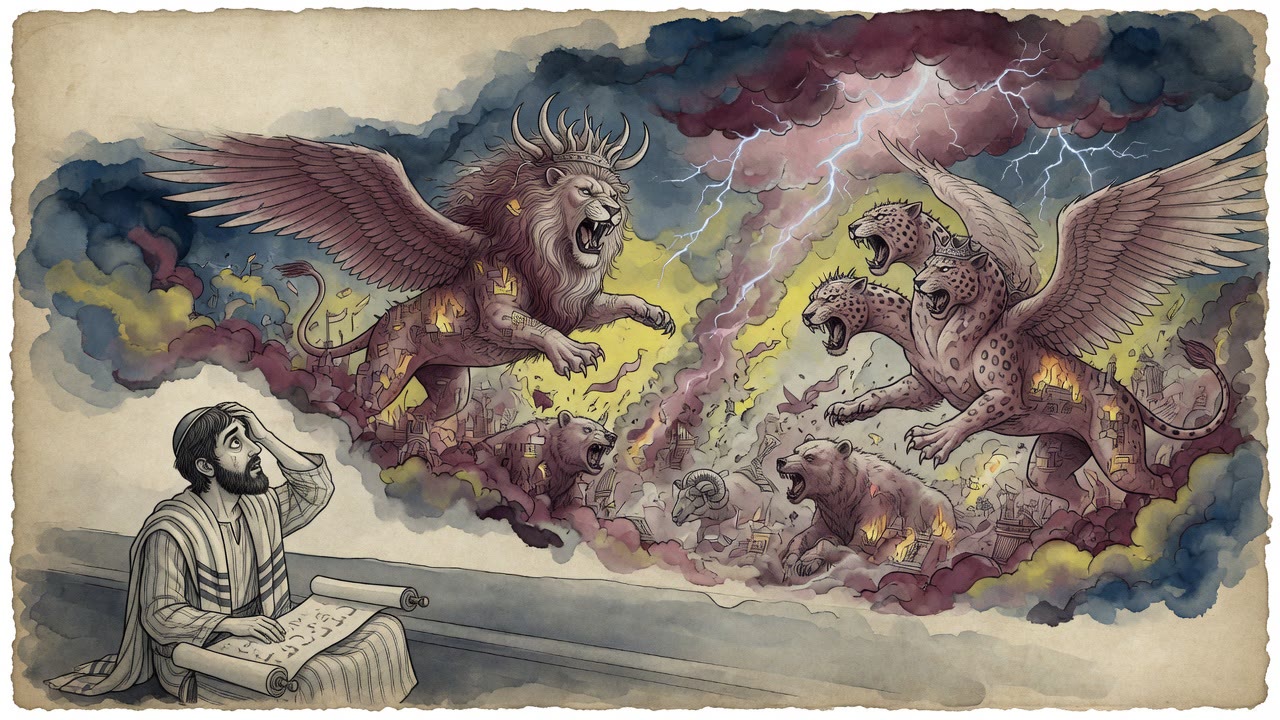
Rabbi Ishmael asked why the angel was weeping. Seganzegael opened the tablets and showed him letters written with grief.
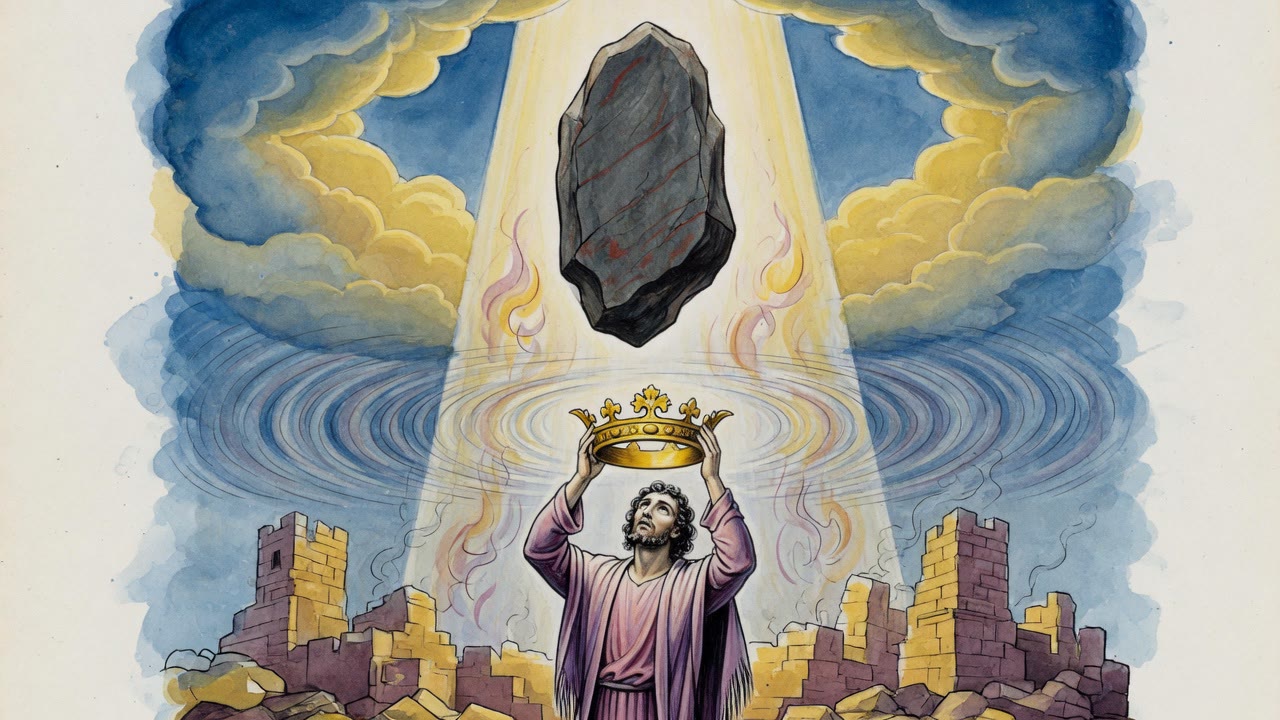
The Masters of the Mishnah cried out as if he had hurled rocks. No stone left his hand. The words finished their rows and the Throne shook.
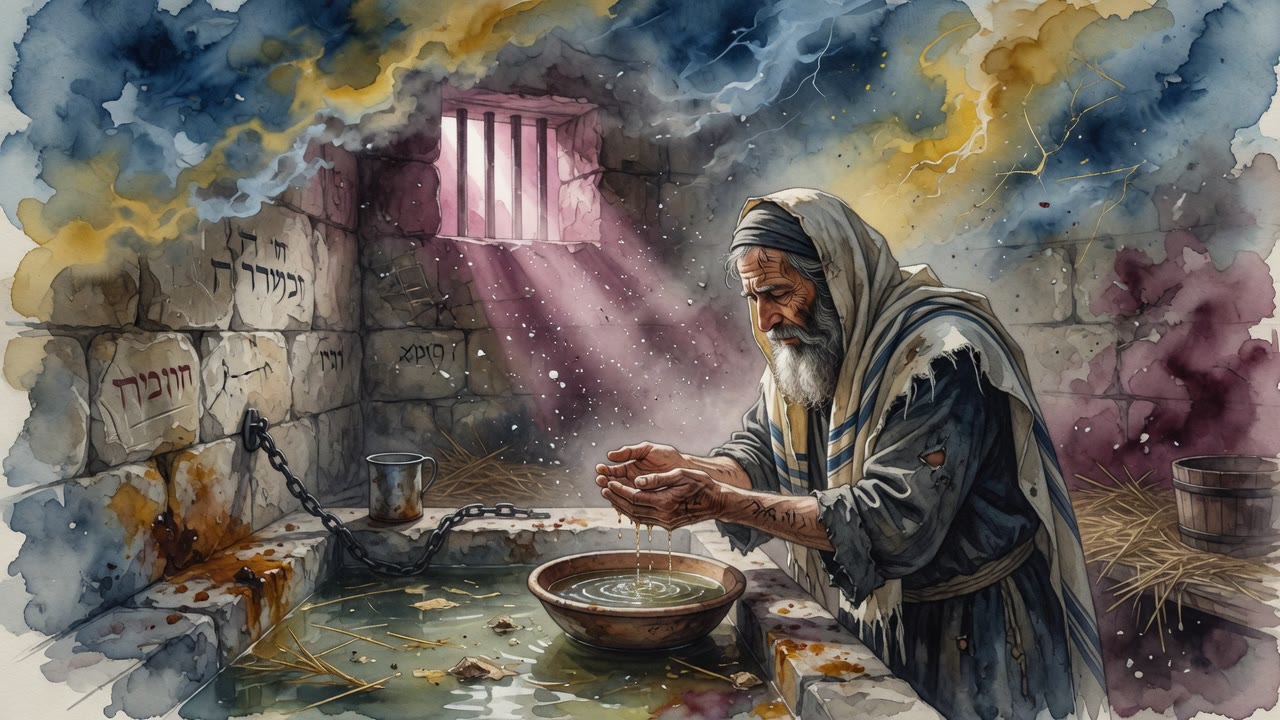
For six months Rome set tables along a river. One wind took every loaf. Joshua said those were only scouting angels.
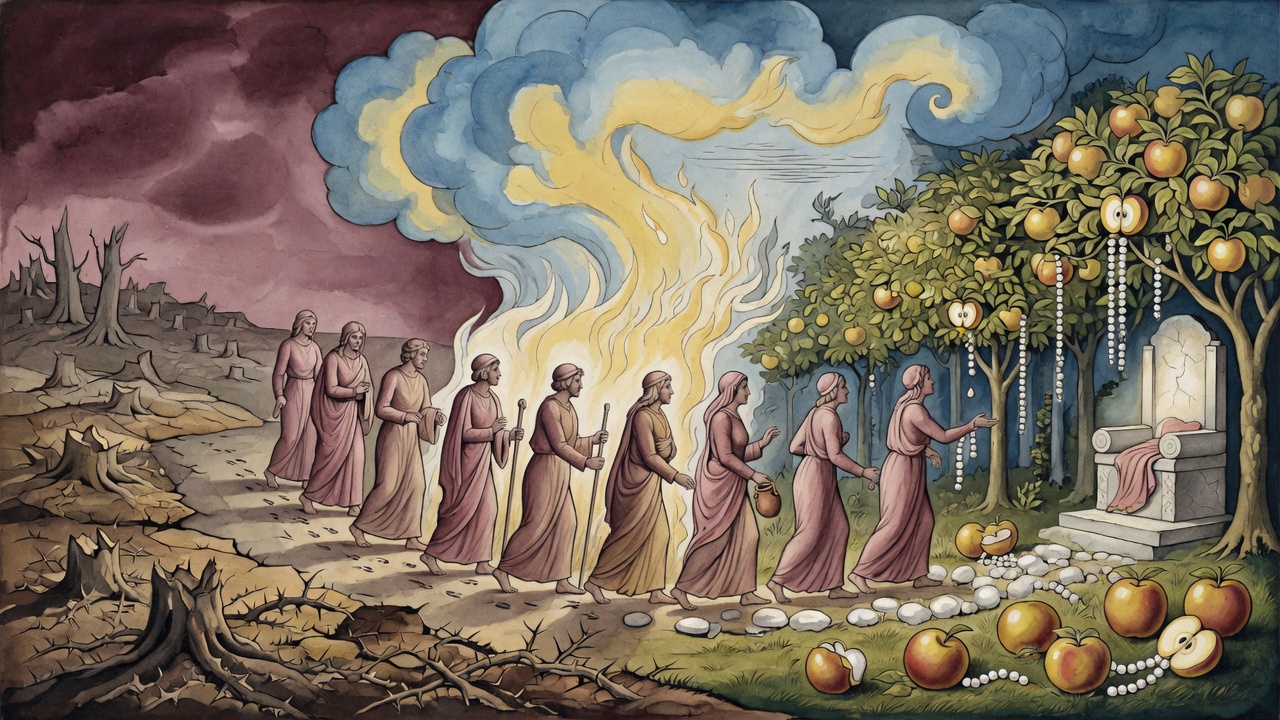
The first man rose from earth to firmament. Angels mistook him for a second power, until God pressed him down to a creature's height.
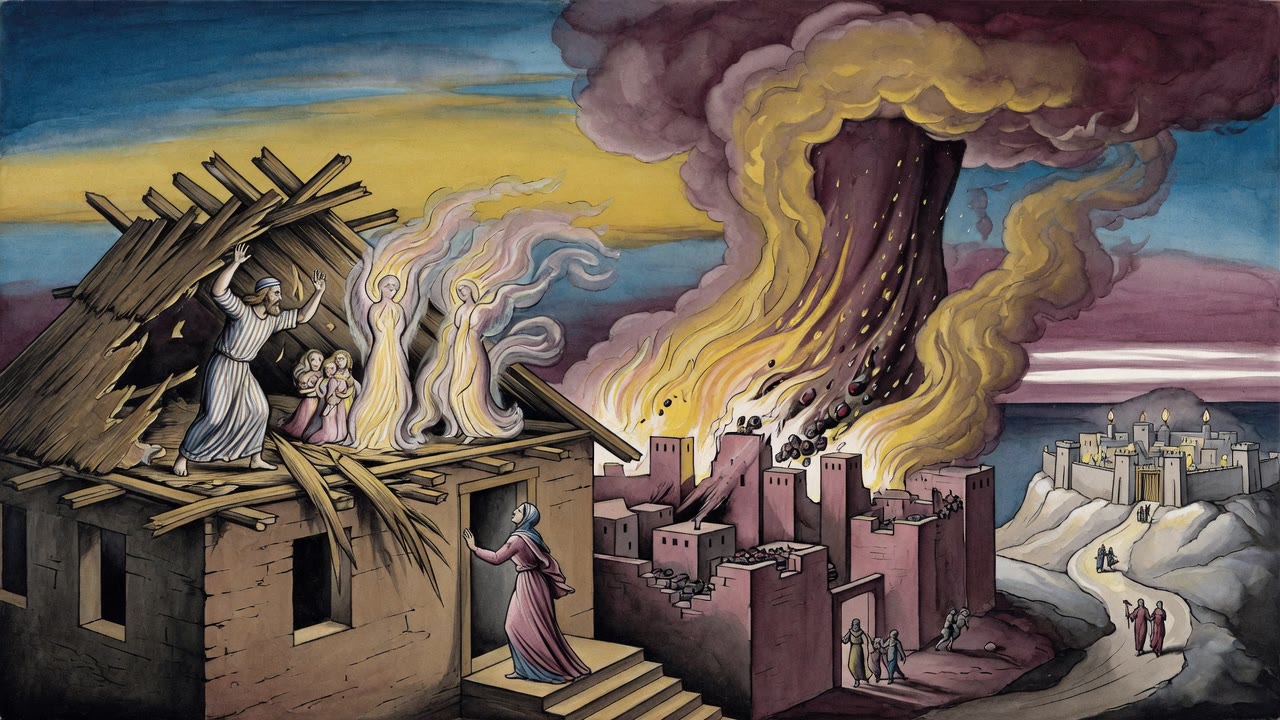
Behind the tent flap Sarah laughed at a promised child, then denied it. The visitor answered with four words that still hold the air.
Kings do not rise before the third hour. This one was out in the dark asking strangers where to find the man he had thrown out of his hall.
Jacob split the camp in two, then held God to His own law. You forbid taking a mother bird with her young. Will You allow it against my wives and children?
