339 myths · Page 9 of 12
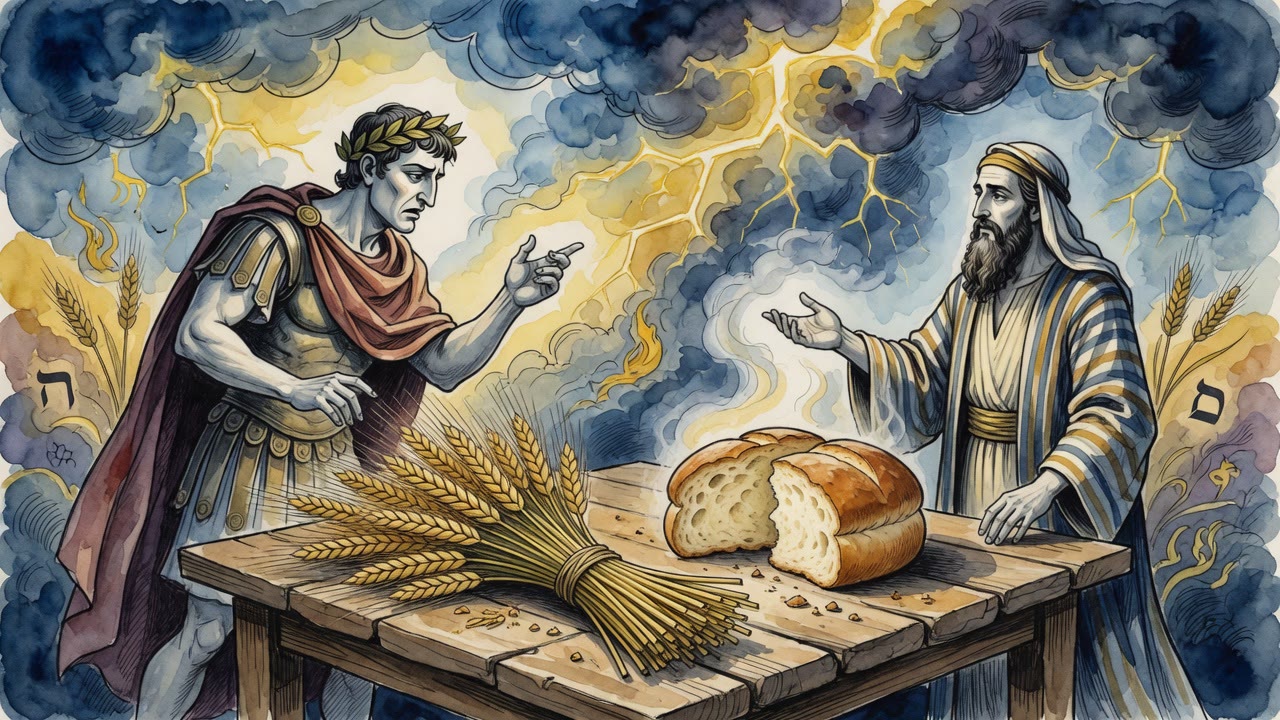
Tyrannus Rufus mocked circumcision as marring God's work. Rabbi Akiva set wheat beside white bread and let the table settle the argument.
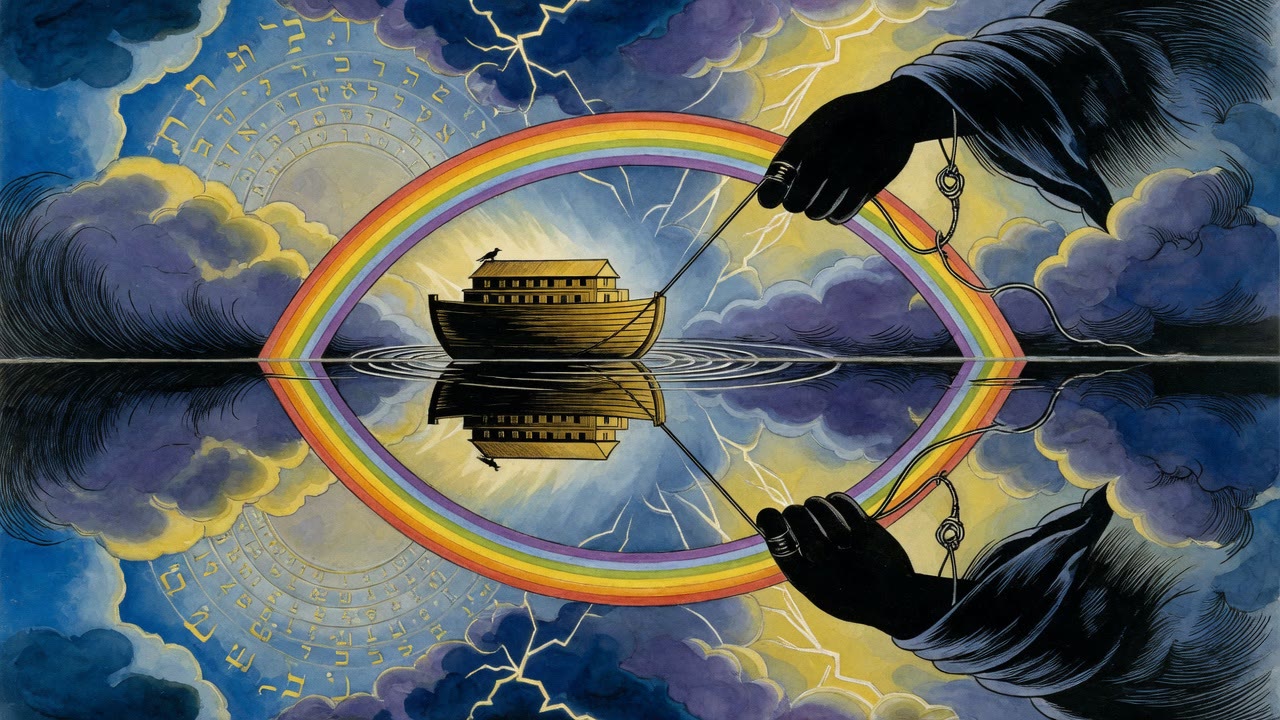
The flood began and ended on the same calendar day. Noah counted the mirrored year from inside the hull, and the bow held judgment on a leash.
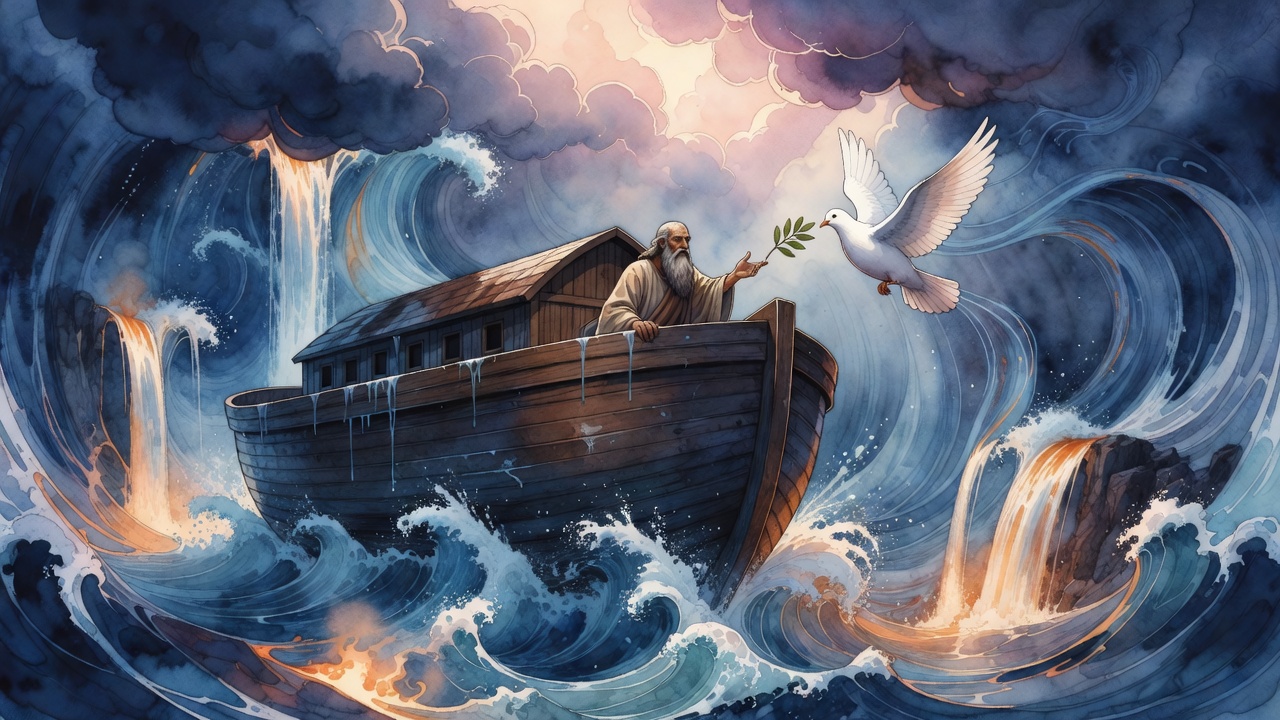
The raven went out over the drowned world and never came back. The dove could not find one dry stone to stand on, so she came home.
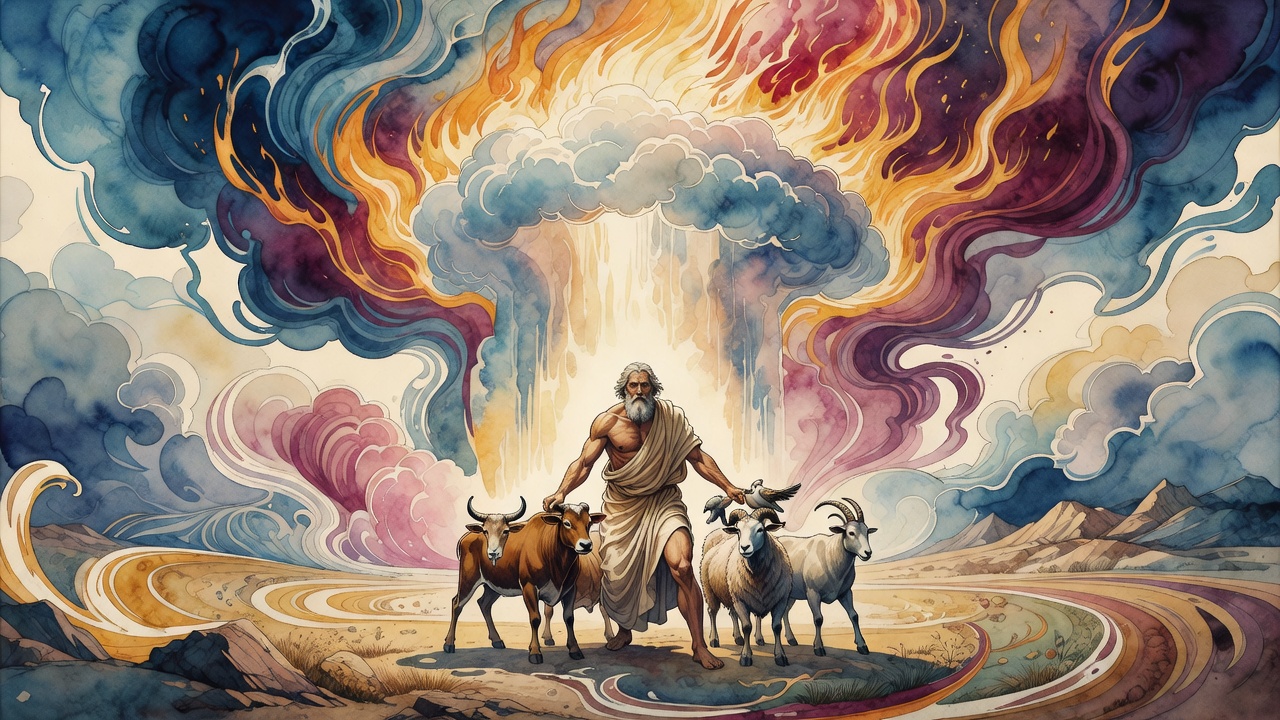
Abraham cut the animals himself and beat the birds off the meat until dark. God did not offer to promote him. God offered to make him.
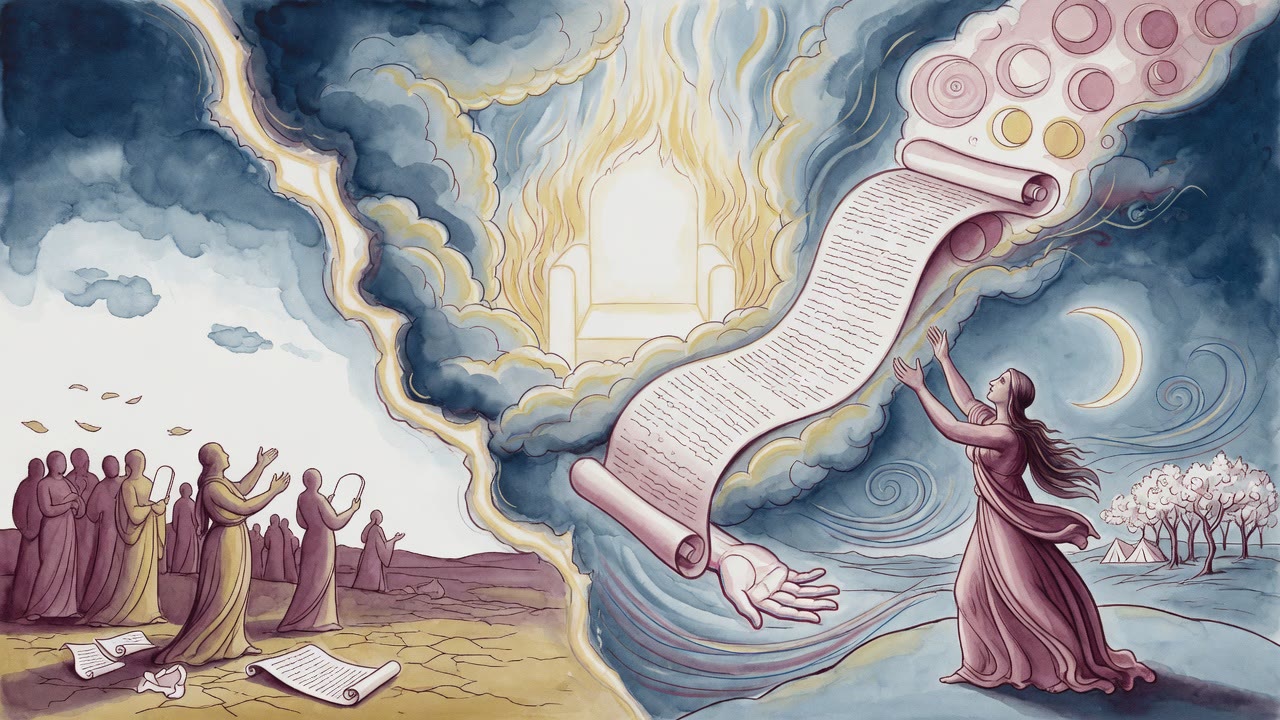
The other wives had no papers. For one daughter of good family he dated the month, the week, and which years would carry a second Adar.
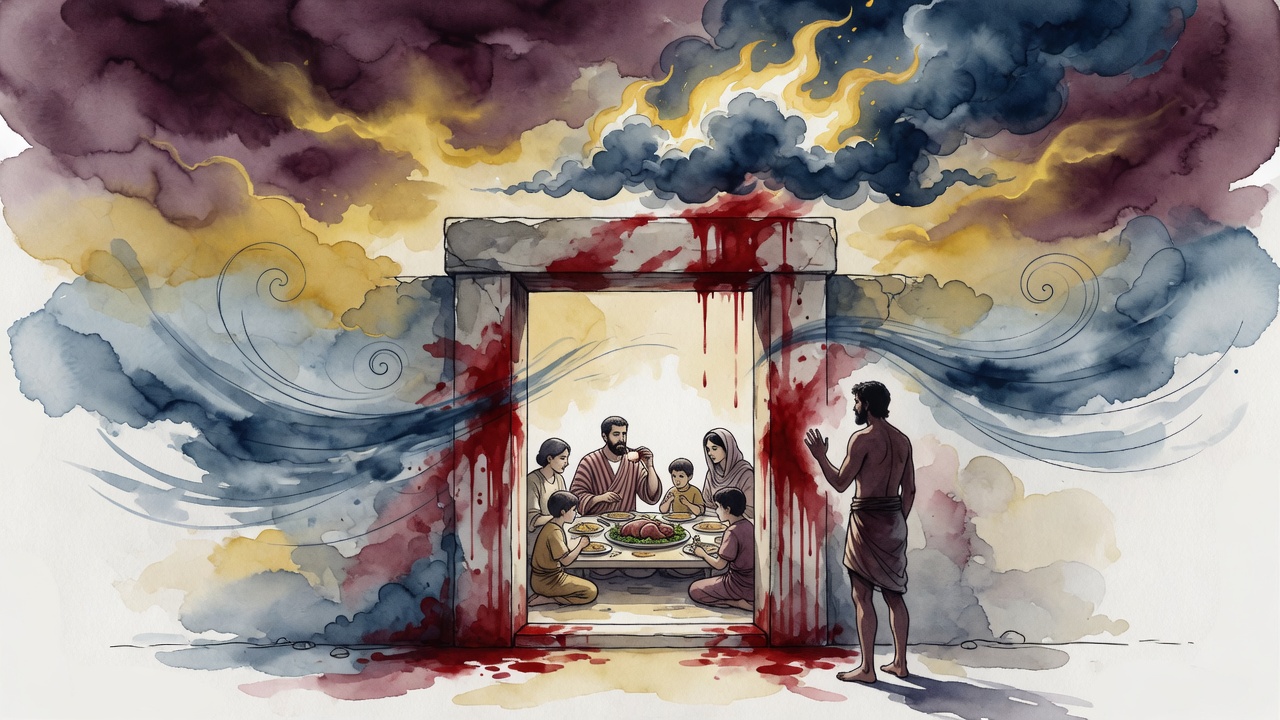
Israel stood at the water with the eighth-day mark in their flesh. Moses sang one word, and the sea tore along that cut.
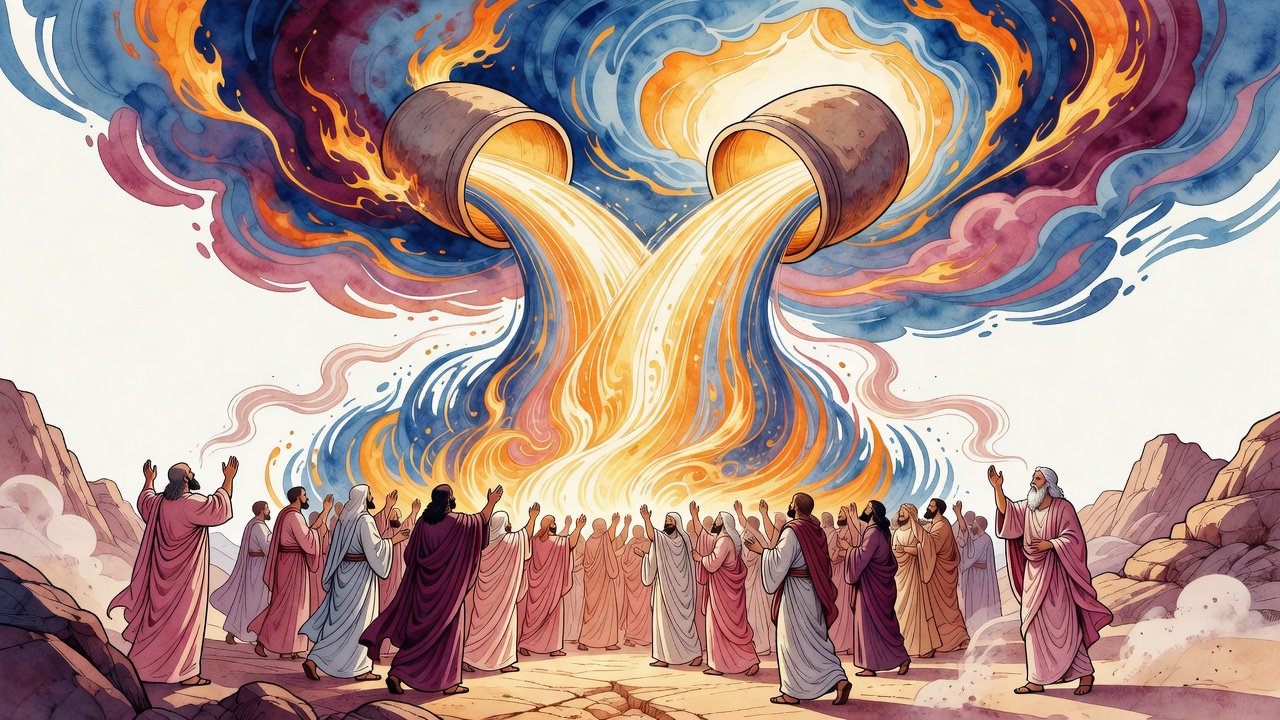
Adam and Noah received only a fragrance of law. At Sinai God tipped the jar and poured every commandment onto Israel.
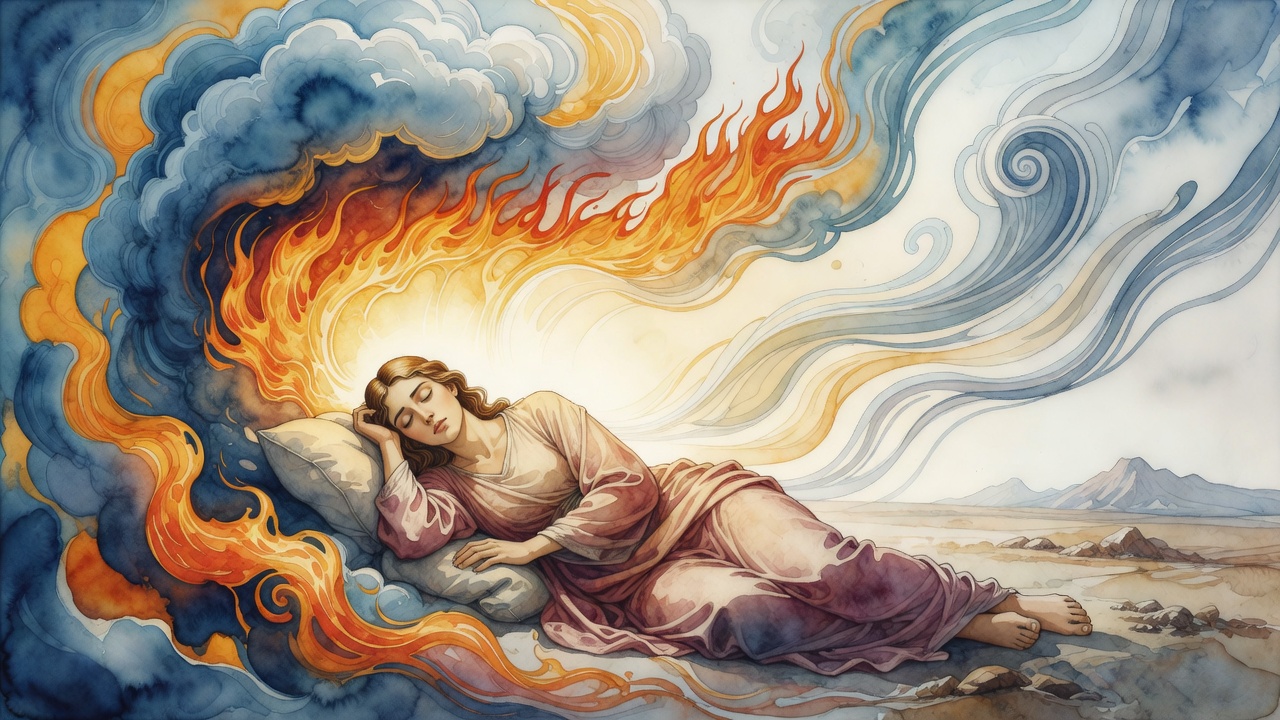
Love climbed past every title. God named Israel daughter, then sister, then mother, while Israel's heart stayed awake in exile's sleep.
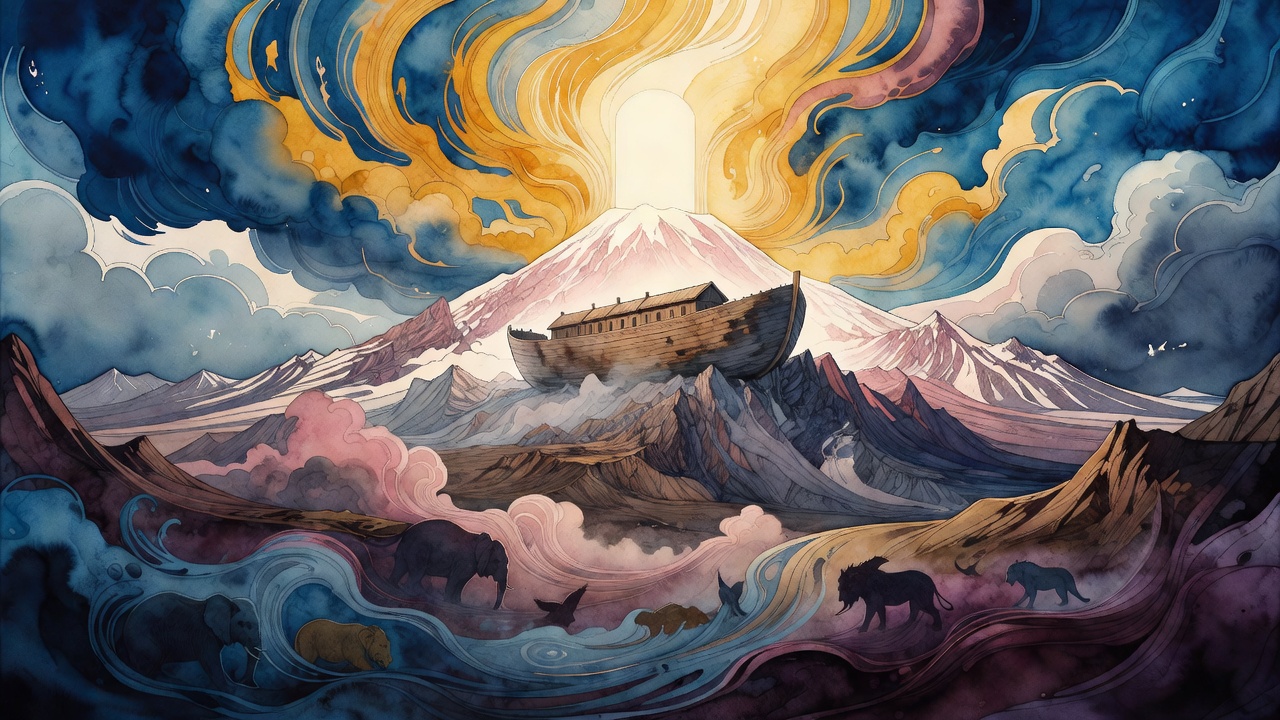
Rain hit the ark's roof without pause. Noah moved among stalls that stank of wet fur. Mercy had not shown its height.
A wind from the first garden reached Moses' roasting lamb. Mouths watered all the way across Egypt. He would not let an uncut man taste it.
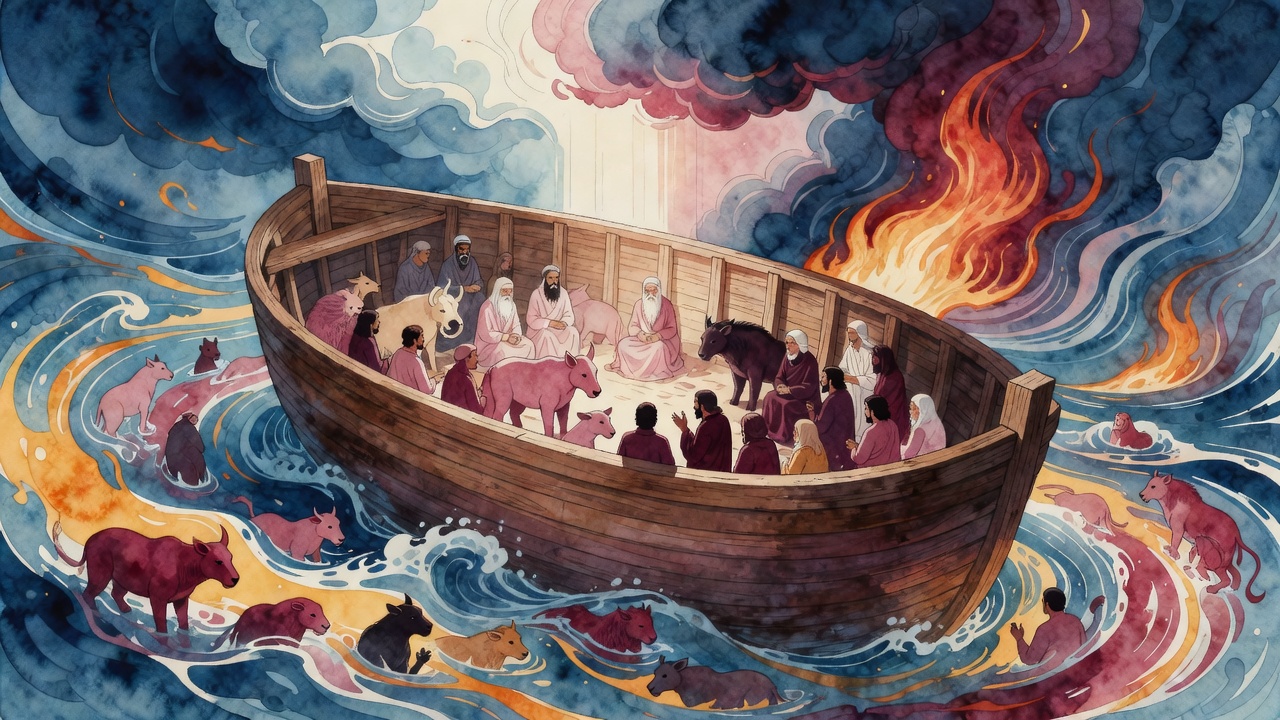
The stone dimmed and Noah called it day. Outside, rain was a wall. When the ground took feet again, God promised the water would not.
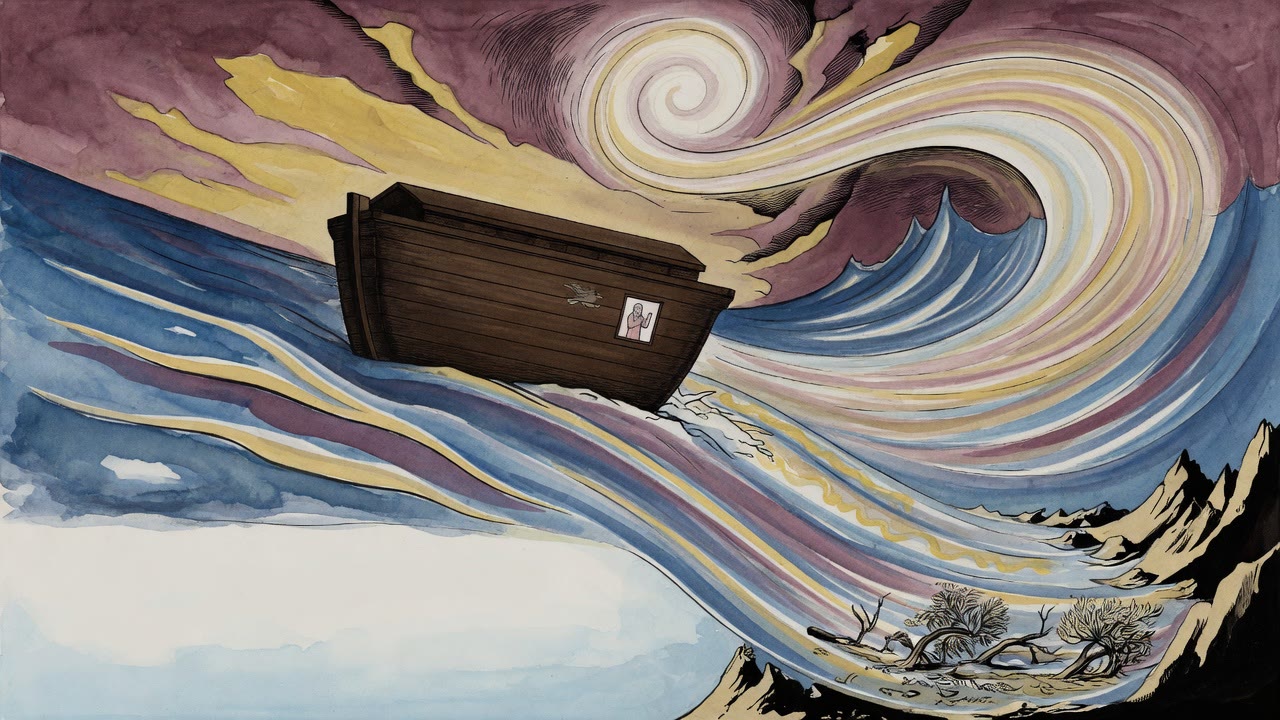
Noah waited in a sealed ark while the world drowned. Then a breath moved, wind or spirit, and the waters began to walk backward.
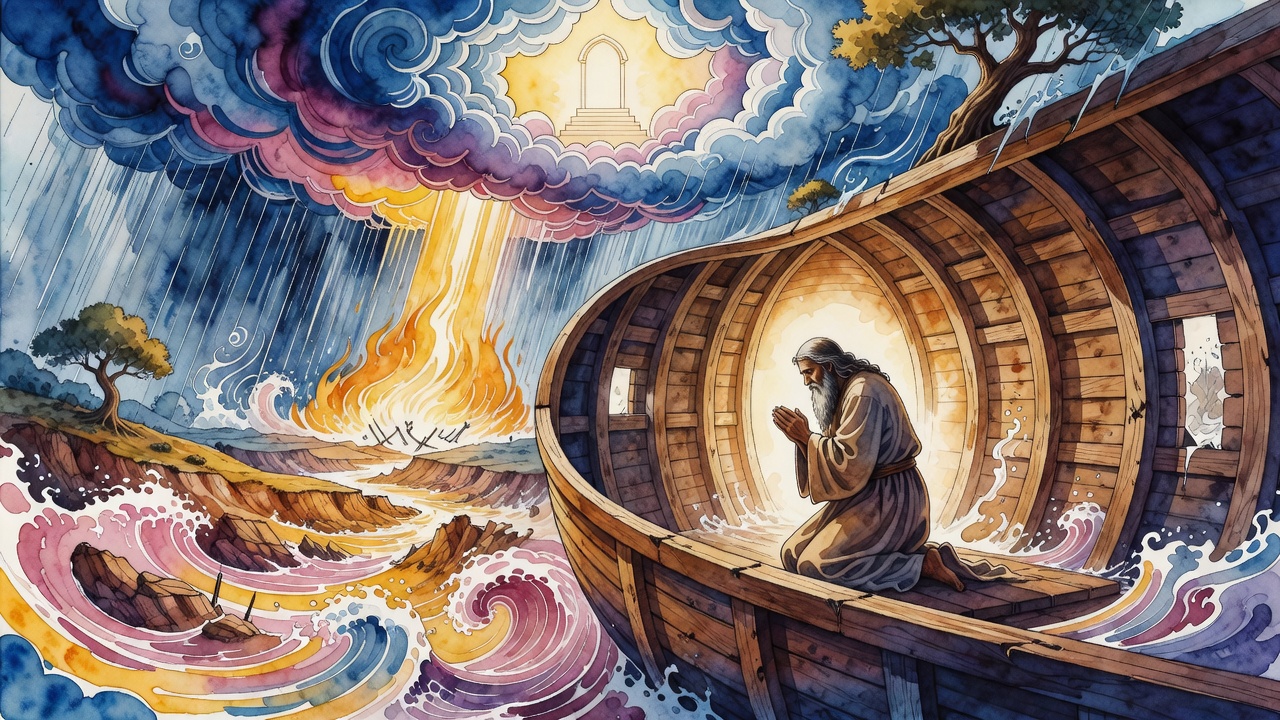
For twelve months Noah prays in a sealed wooden world. God forbids love on board while He tears the old earth down outside.
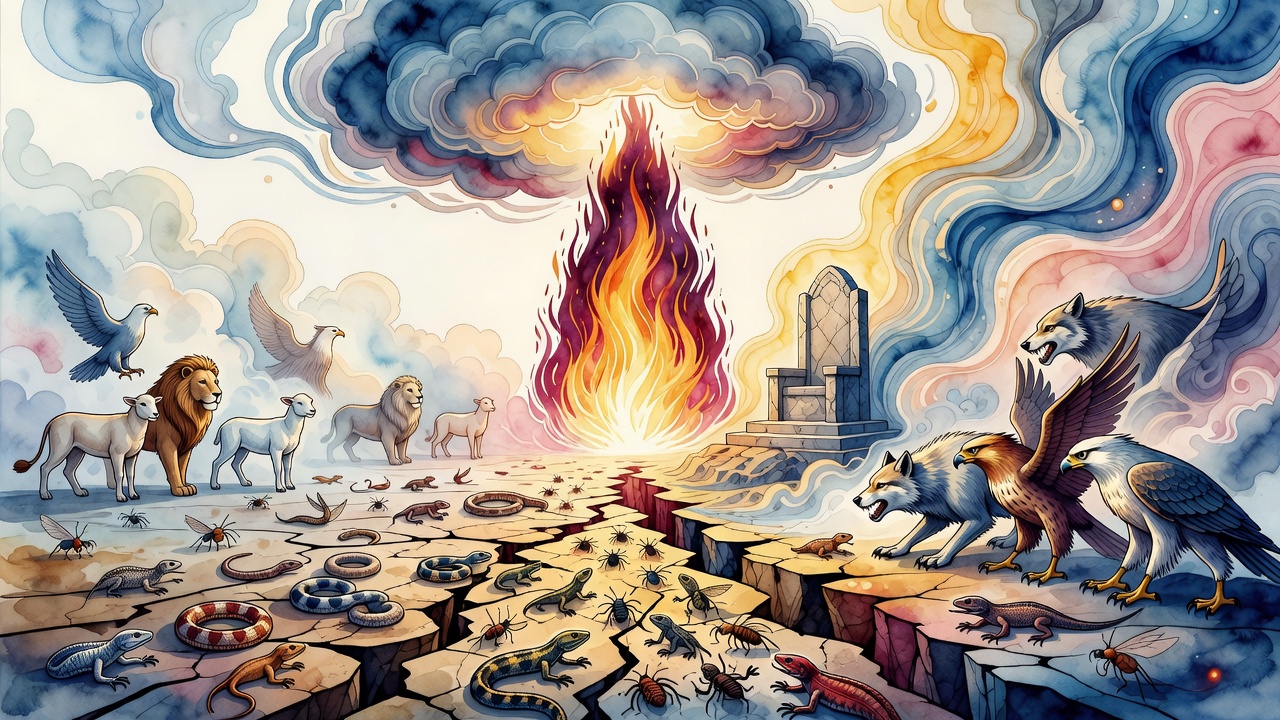
Once a lion did not see a man as prey. Then Noah stood on drying mud and heard that even the creeping things were food for him now.
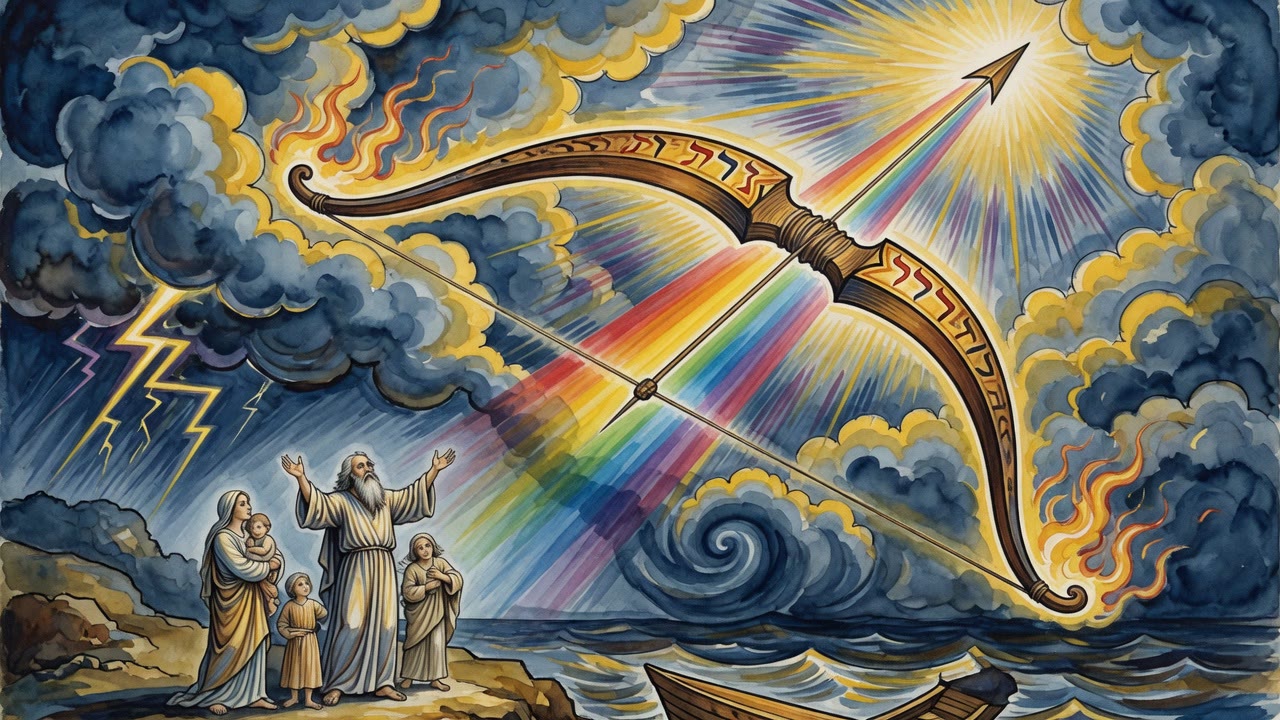
After the flood God sets a war-bow in the cloud, point turned from earth, so Noah's shaking household can trust the world will not drown twice.
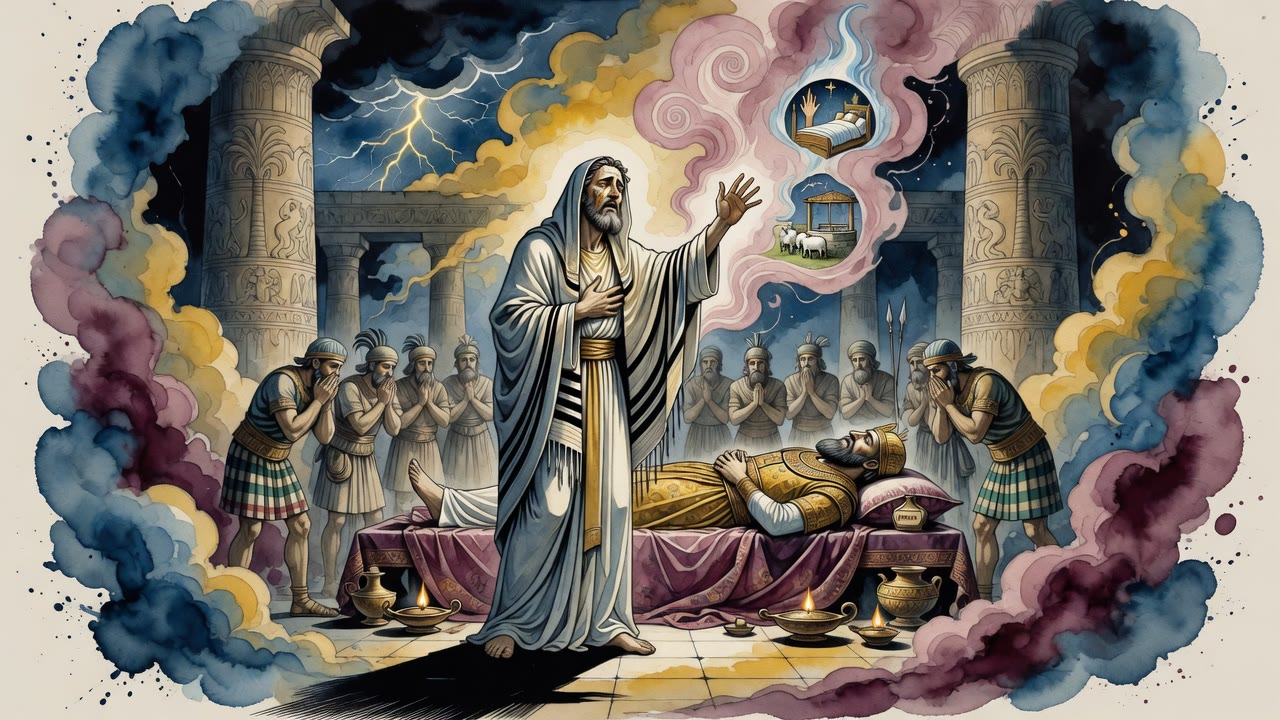
A twelve-year-old sat on Abimelech's throne and wore his father's name. Abraham came to Gerar to mourn, not to take land.
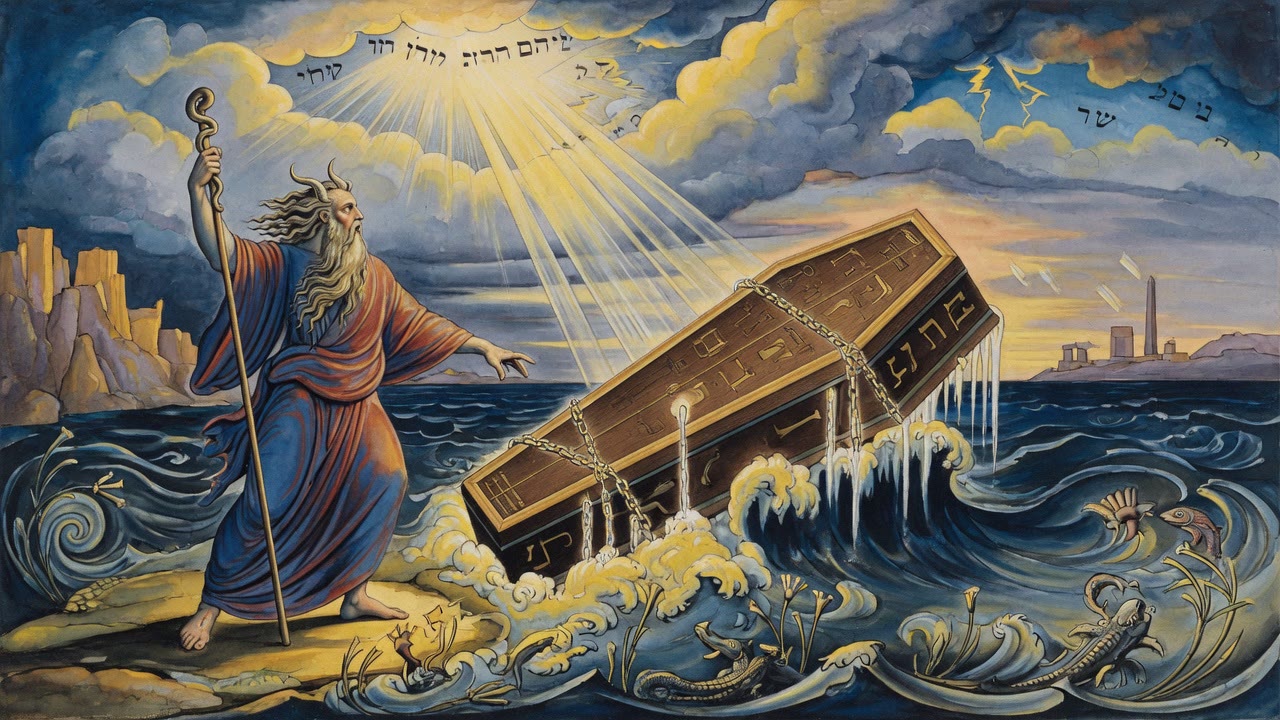
While Israel grabbed Egyptian gold, Moses spent three days hunting Joseph's sunken coffin until Serah bat Asher led him to the river's secret.
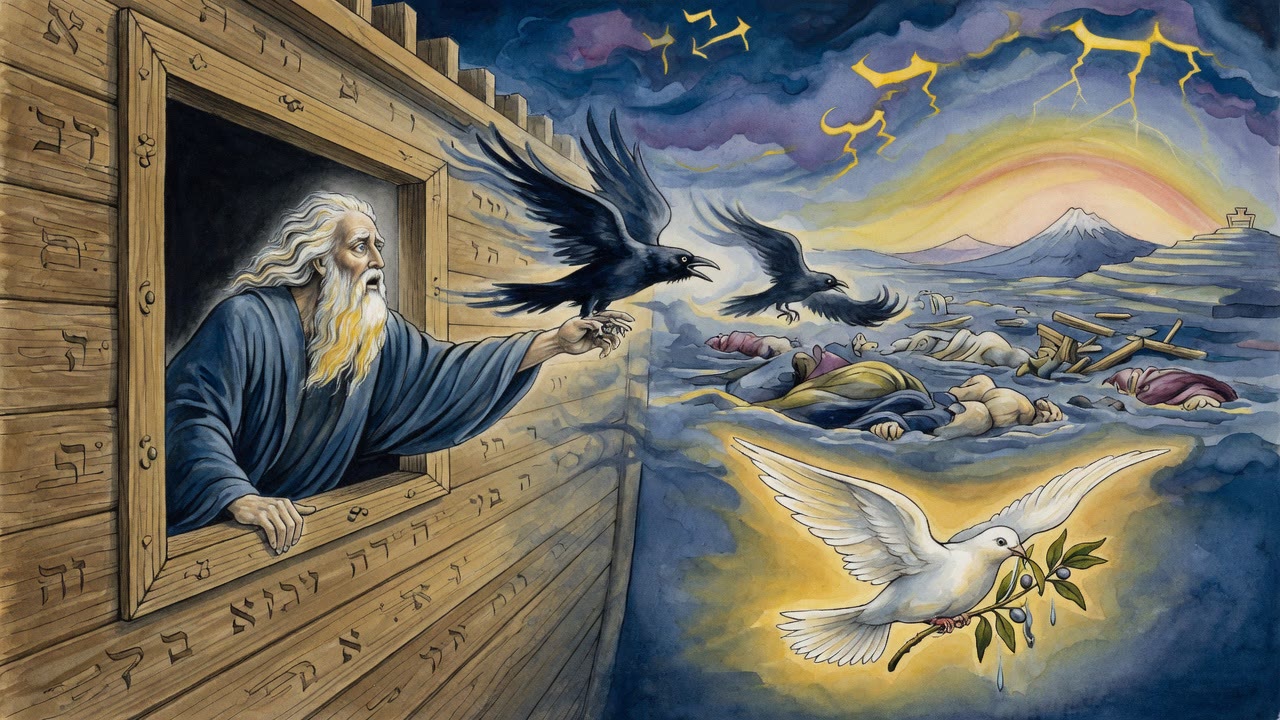
After the deluge Noah watches the abyss seal, open, and bare the mountain tops on new moons that Jubilees commands him to remember.
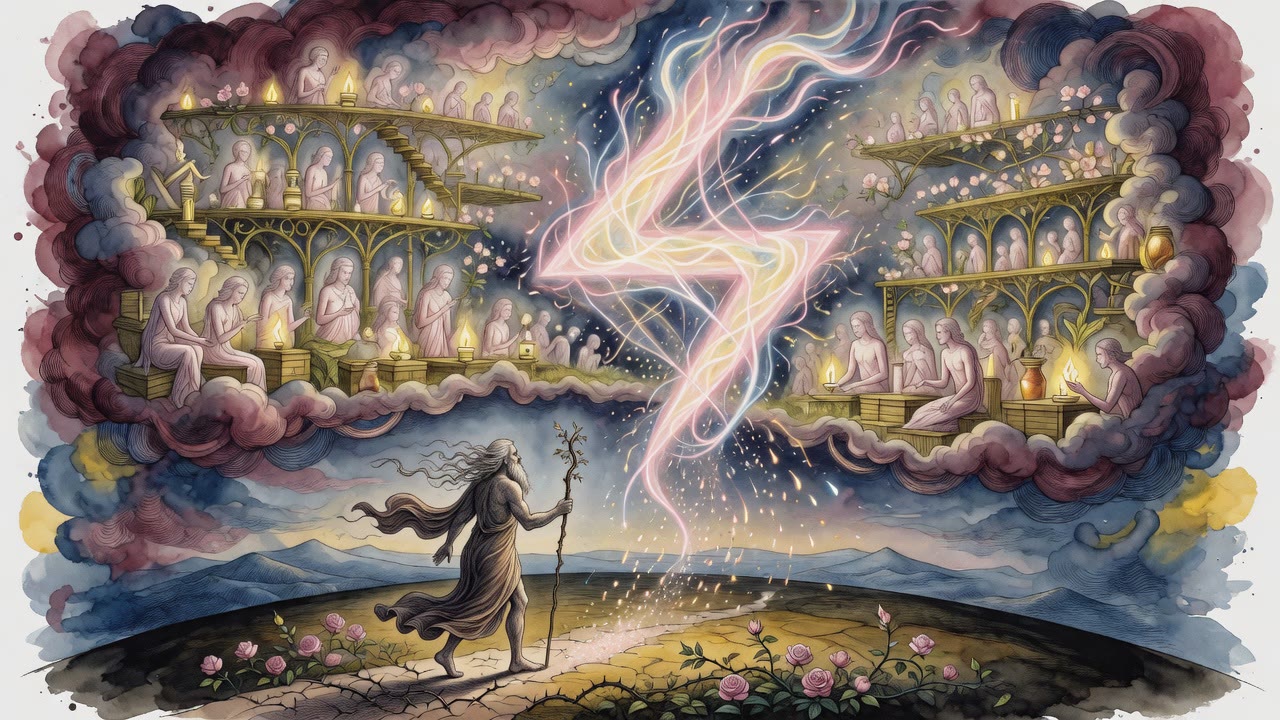
They hung unfinished above a stained field. Abram smashed idols and still wore a thin name. The door stuck until a letter arrived.
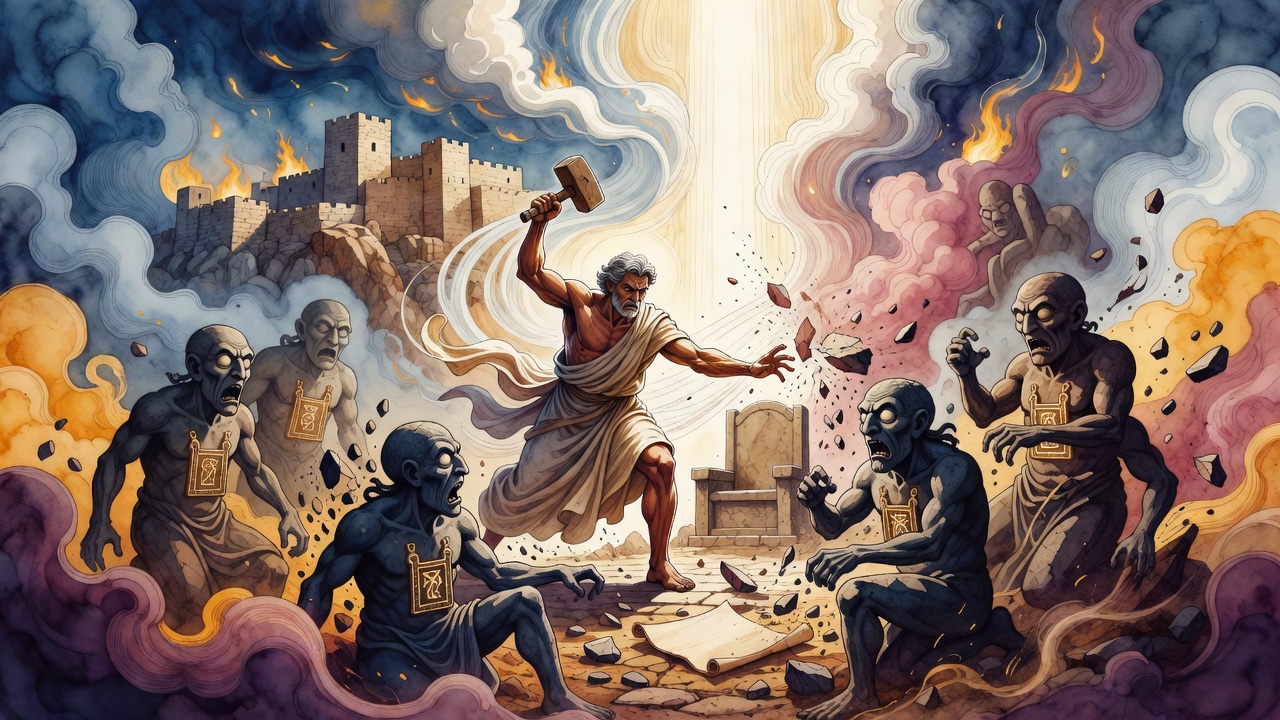
Jebusite idols wear Abraham's covenant mark as a lock on Jerusalem until David smashes the blind and lame gods and takes the stronghold.
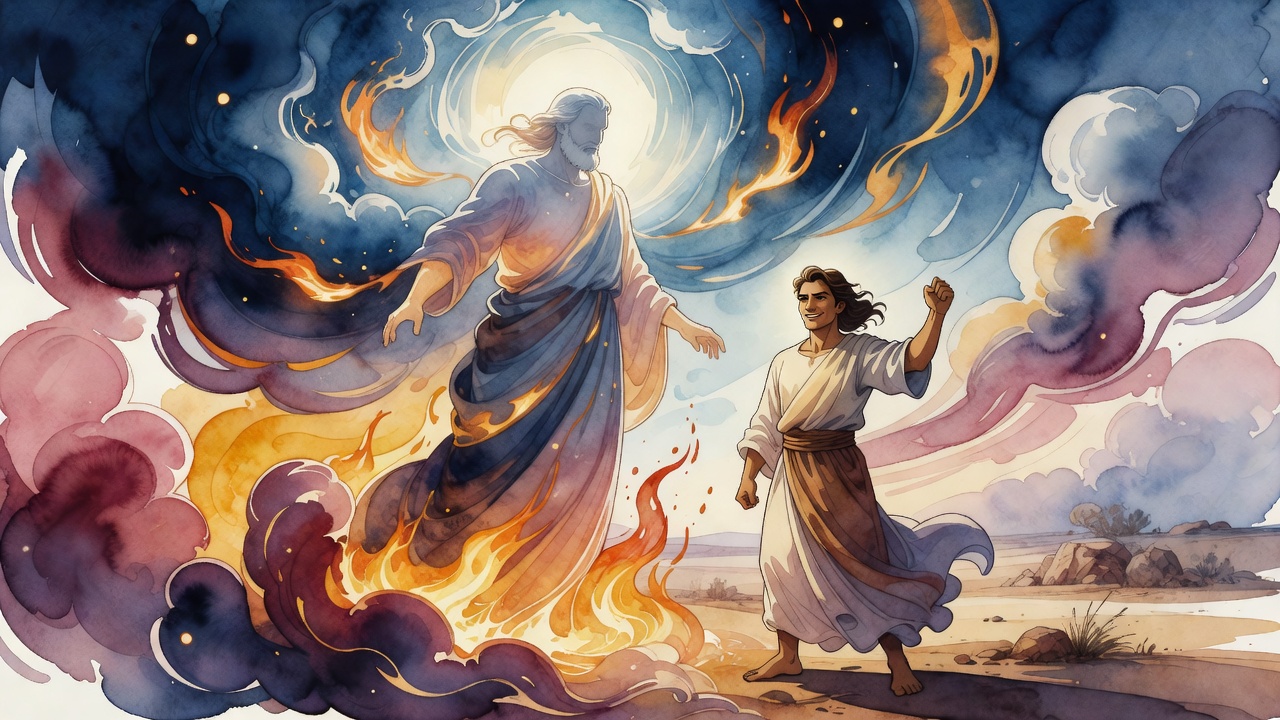
Before the Akedah, Ishmael brags of willing circumcision at thirteen, and Isaac answers that he would offer his whole life if God asked.
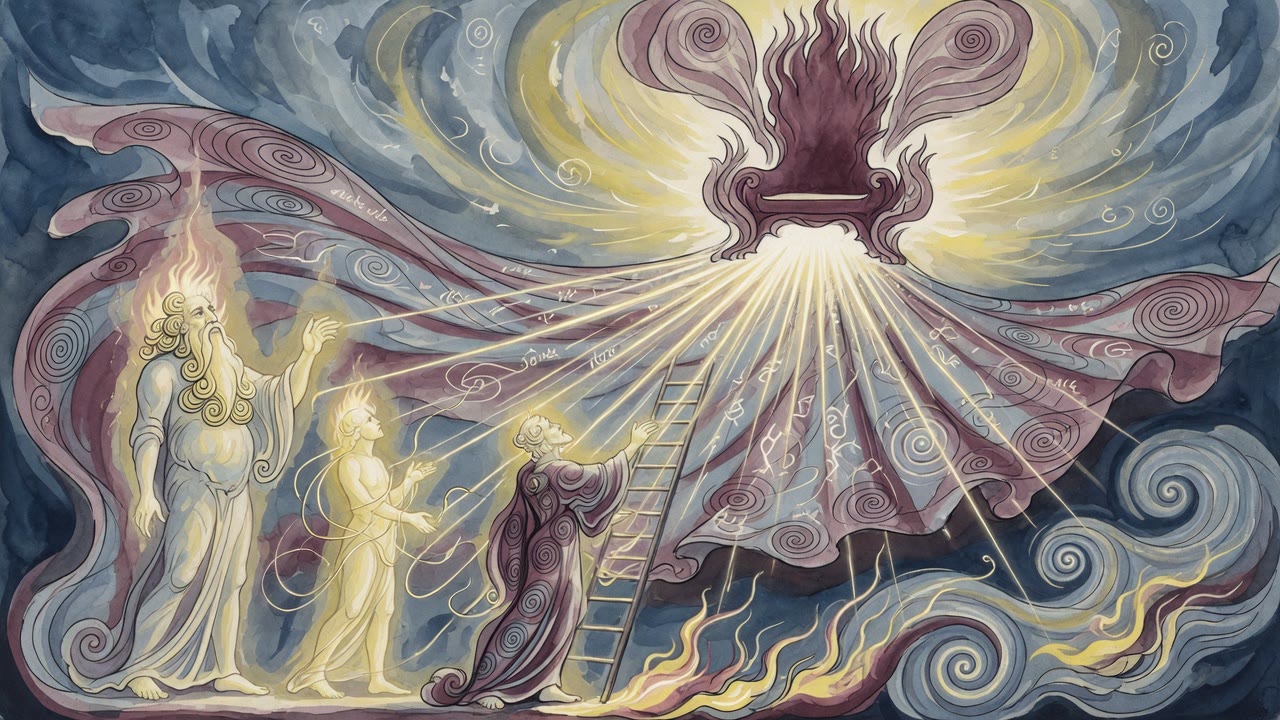
Moses came to the burning bush for a mission and left with a script. Abraham, Isaac, Jacob: the names God gave him there still open the standing prayer.
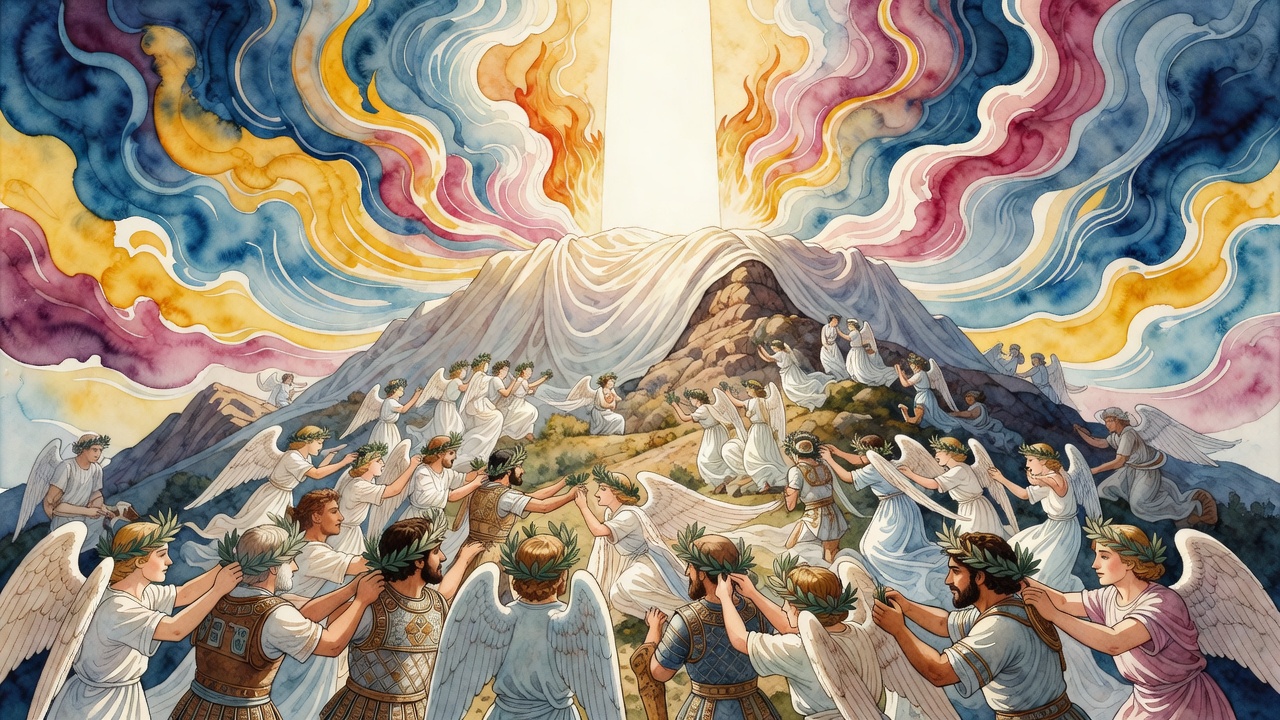
Israel spoke one sentence on the mountain. Before the echo died, an angel set a wreath on a head that had mixed mortar in Egypt.
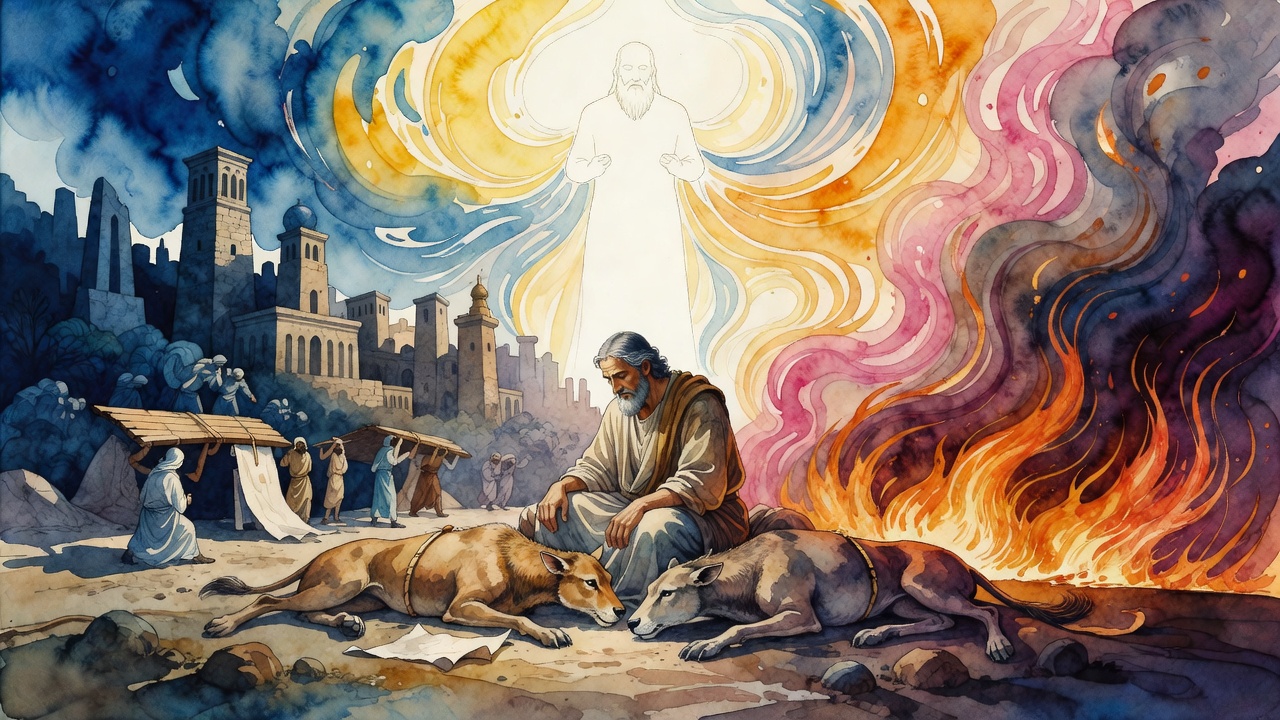
Between the pieces Abraham sees two futures, empire's yoke or Gehinnom (afterlife of judgment)'s oven. He sits all day, then chooses exile over the fire below.
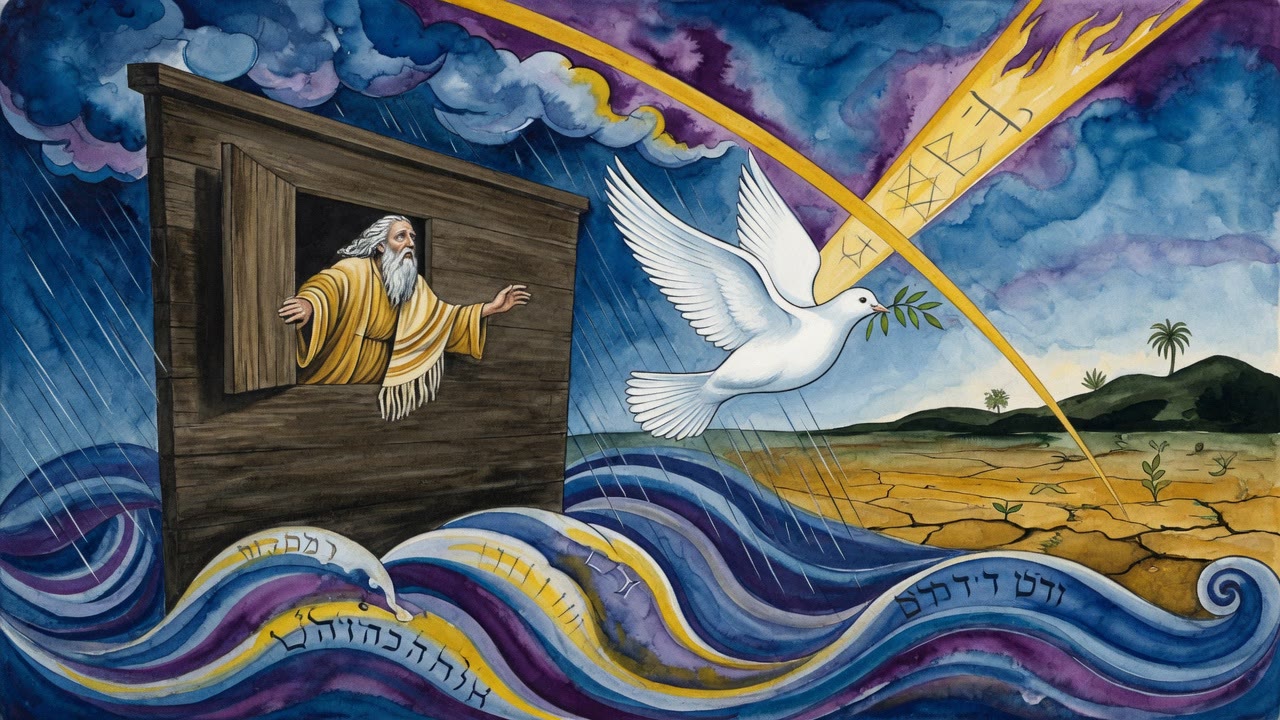
Noah opens the ark window a last time; the dove finds home and does not return, while covenant waters fall or rise with the mark Israel keeps.
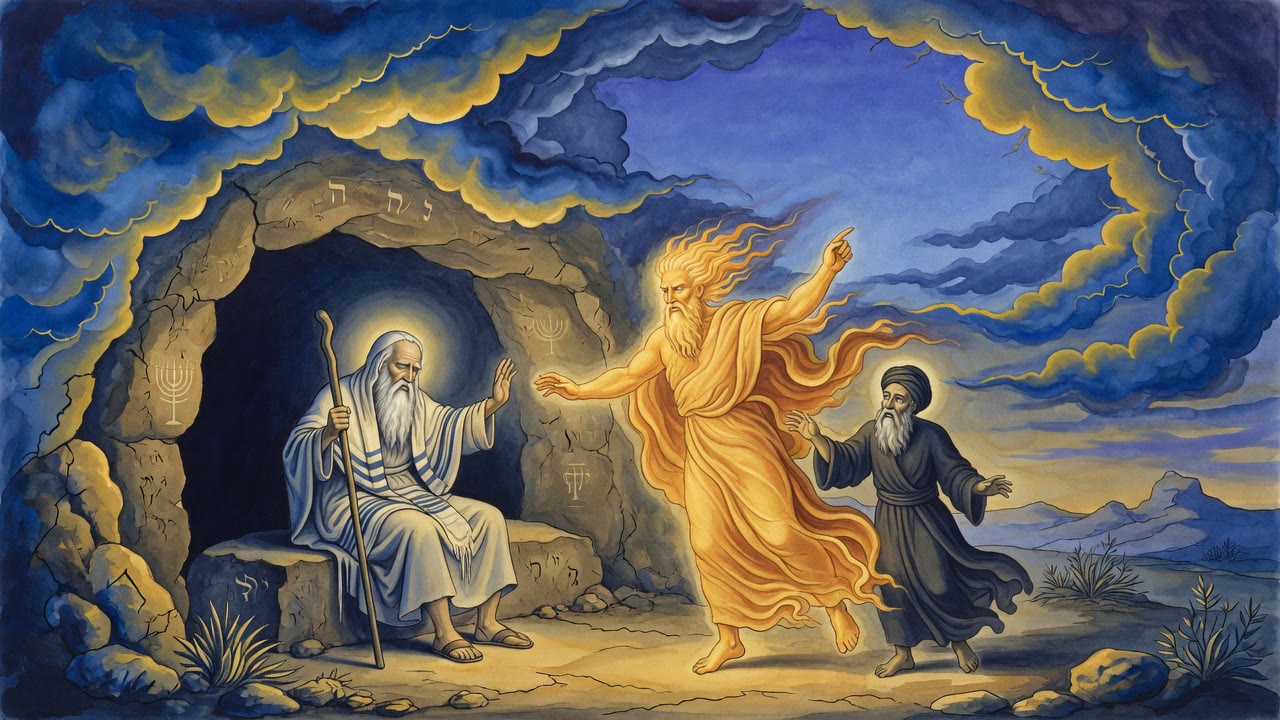
Elijah brings a great sage to Rabbi Shimon, who asks only whether the rainbow has appeared, then refuses a face heaven still needs to warn.
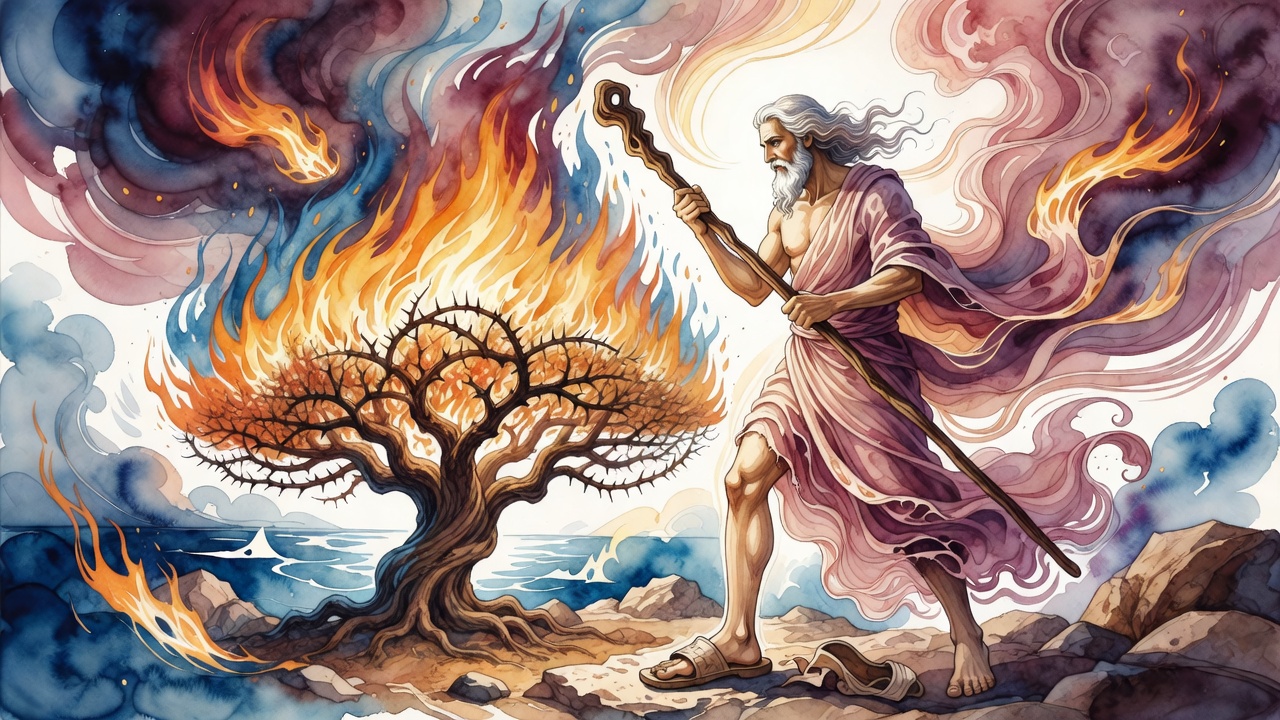
At Horeb the bush burned and held. Moses stripped the shoe of flesh, gripped the staff of covenant, and sang through Hod until the sea split open.
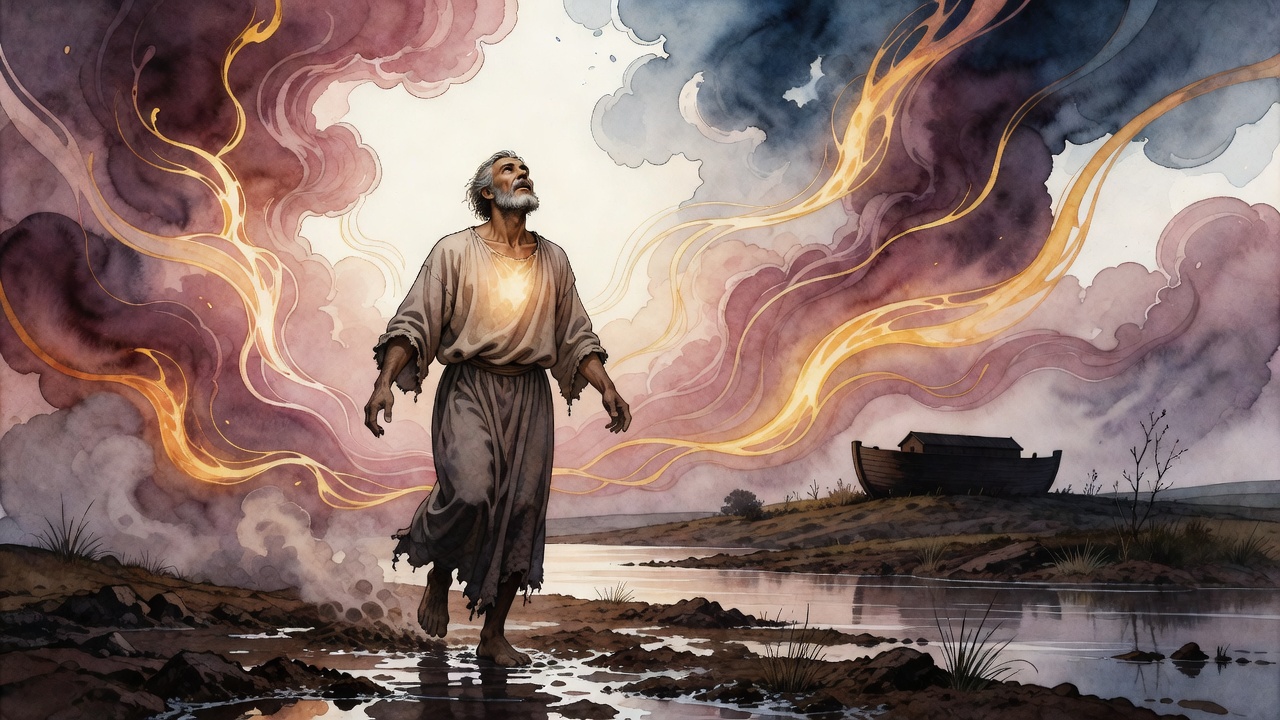
Noah stepped onto wet earth, tasted covenant sweetness like Torah on the tongue, and felt the Shekhinah, the Divine Presence, rest on a world rinsed clean.
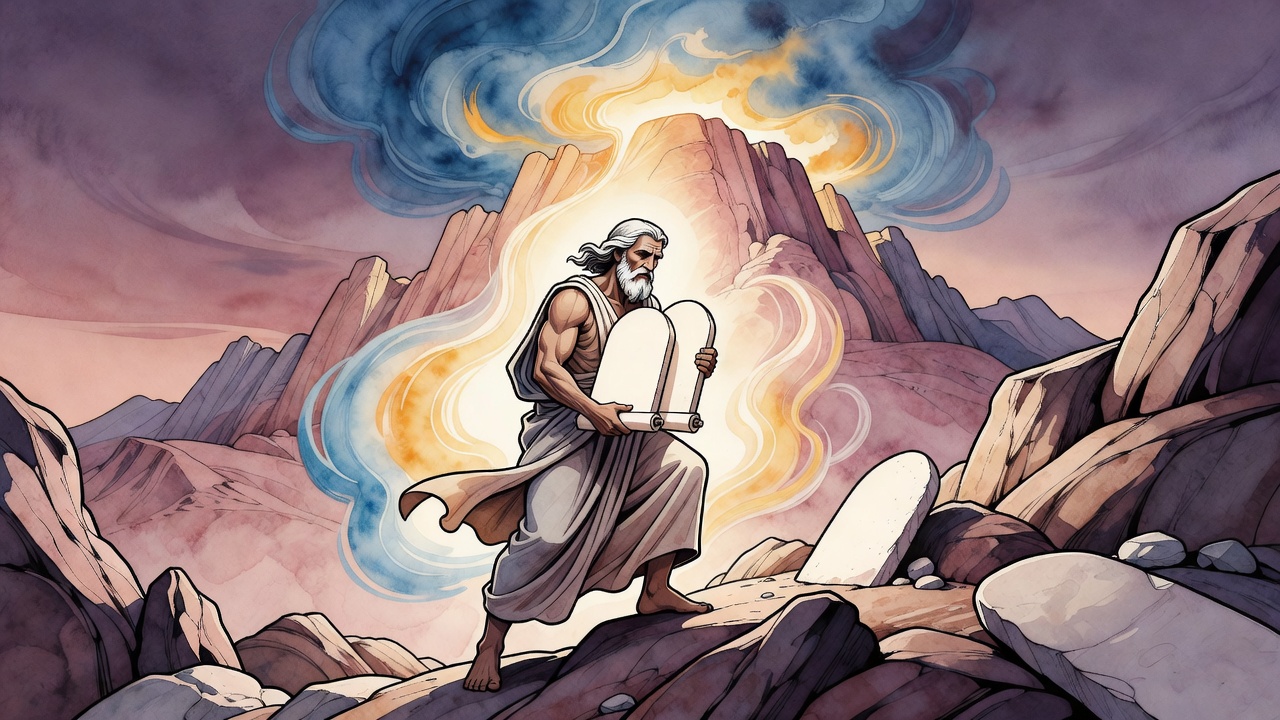
The first tablets had been cut by heaven. Moses hewed the next pair himself, then climbed Sinai before dawn with the stones in his hands.
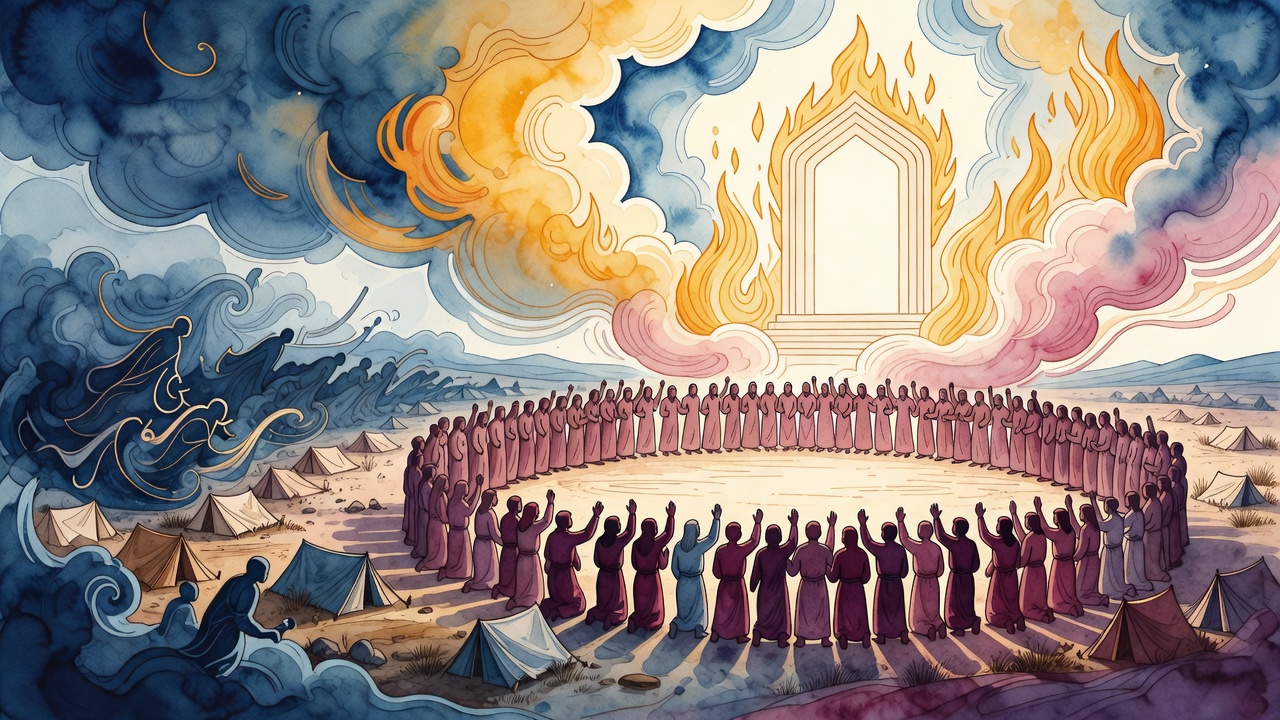
Quarrel followed them from Egypt to every campsite. Only when the nation camped as one body did Heaven open the wedding of Torah.
