438 texts · Page 8 of 10
To a fascinating exploration of just that, as we unpack a verse from Genesis and see what the Rabbis of old found hidden within its folds. Our journey begins with the powerful word...
It centers around a single verse, (Genesis 17:14), which deals with brit milah, the covenant of circumcision. The verse reads: “And the uncircumcised male who shall not circumcise ...
To a fascinating, and frankly, rather unusual story from Bereshit Rabbah, a classic collection of rabbinic interpretations of the Book of Genesis. (Genesis 17:23) tells us that Abr...
Take the story of Abraham, for instance. We all know he was commanded to circumcise himself and his household. But did you ever stop to consider the details of that commandment, an...
We read the stories, we know the milestones – but sometimes the weight of those moments gets lost. Take the act of circumcision, the brit milah, at the ripe old age of ninety-nine....
Today, let’s delve into a fascinating passage from Bereshit Rabbah, a classical rabbinic commentary on the Book of Genesis, that explores just that. The passage opens with a quote ...
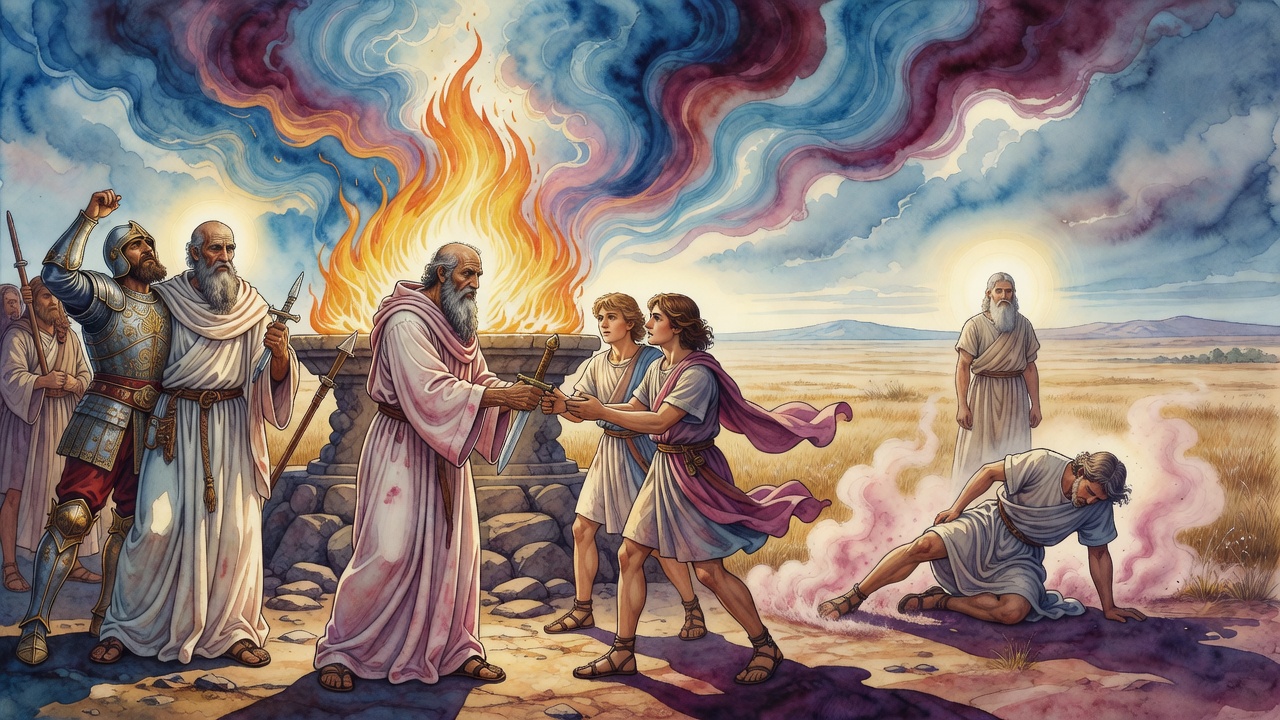
It all starts with a verse from Exodus, "You shall make for Me an altar of earth…[I will come to you and I will bless you]" (Exodus 20:21). Rabbi Yitzḥak takes this to heart. He im...
It's more than just a label; it's a key to understanding a person’s essence and their role in the grand tapestry of existence. Take the name ISAAC, Yitzḥak in Hebrew. It's so much ...
It begins, "Abraham said to his servant, the elder of his household, who was in charge of everything that was his: Please, place your hand under my thigh" (Genesis 24:2). Under his...
In the Torah, we find Abraham, the patriarch, facing just such a moment when sending his servant, Eliezer, to find a wife for his son, Isaac. It's a journey fraught with responsibi...
That’s the vibe I get from this little passage in Bereshit Rabbah 68. It’s all about Jacob leaving Beersheba, and the Rabbis are picking apart why he made such a point of leaving t...
The Torah tells us, "Jacob’s sons answered Shechem and Ḥamor his father with guile, and spoke, as he had defiled Dinah their sister” (Genesis 34:13). But was it really just guile? ...
Our story comes from Bereshit Rabbah, a collection of rabbinic interpretations on the Book of Genesis. And the verse in question is (Genesis 36:6): "Esau took his wives, and his so...
The verse says, "He raised his voice in weeping…. And his brothers could not answer him" (Genesis 45:2-3). It's a powerful moment! But what does it really mean? Well, Abba Kohen (a...
The Devarim Rabbah, a collection of rabbinic teachings on the Book of Deuteronomy, wrestles with the verse, "The Lord your God will maintain for you…" What exactly will God maintai...
It's like a subtle wink, inviting us to dig deeper and uncover hidden connections. Take this verse from Deuteronomy (7:13): "He will love you, bless you, and multiply you; He will ...
What does this seemingly simple commandment truly mean? What deeper lessons about mercy and compassion can we learn from a bird's nest? The Rabbis of the Midrash (rabbinic interpre...
Kohelet, Ecclesiastes, dives right into that tension. And Kohelet Rabbah, the rabbinic commentary on Ecclesiastes, unpacks it for us with layers of meaning. Let's look at one short...
To one of those fascinating in-between moments, found in Shemot Rabbah, a collection of rabbinic interpretations on the Book of Exodus. The text focuses on a seemingly simple phras...
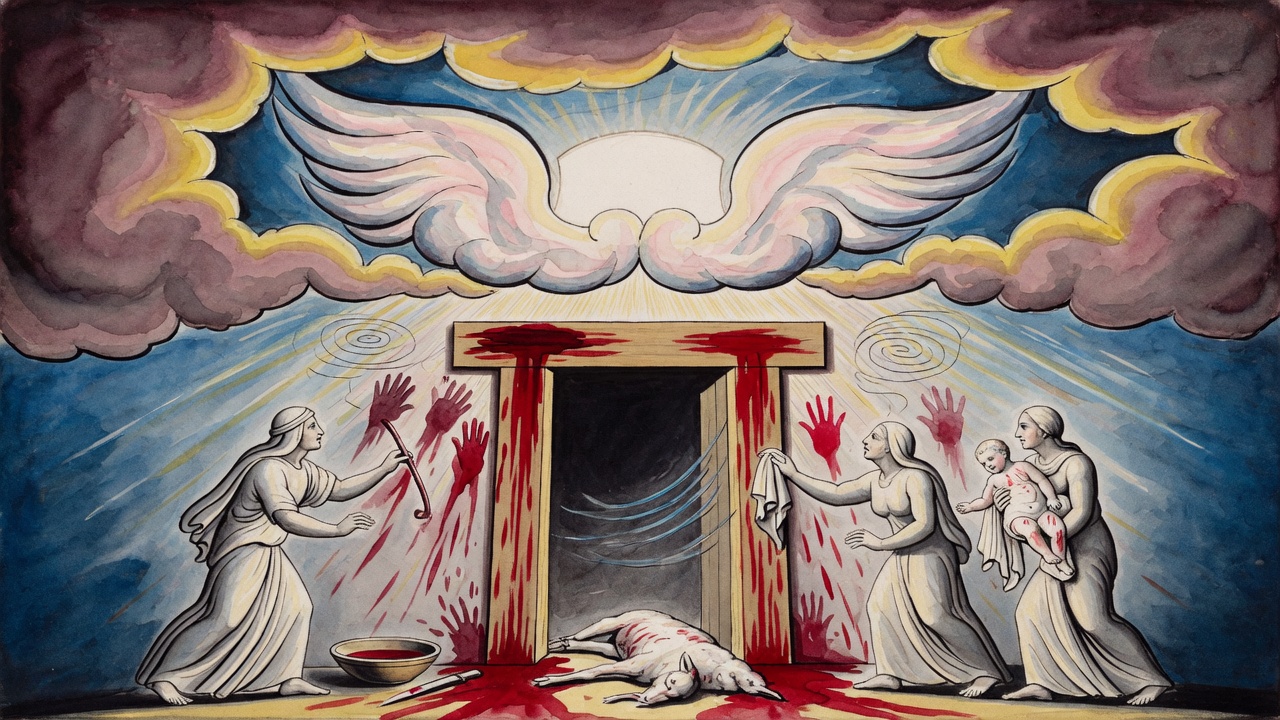
Our story comes from Shemot Rabbah, a compilation of rabbinic interpretations of the Book of Exodus. We’re looking at chapter 17, which delves into the symbolism of the Passover of...
It’s a question that's been asked for centuries. And Shemot Rabbah, a treasure trove of rabbinic commentary on the Book of Exodus, gives us a glimpse into a fascinating answer. The...
Today, we're diving into a fascinating, even audacious, story from Shemot Rabbah – a collection of rabbinic interpretations on the Book of Exodus. It's a story about Moses, the ult...
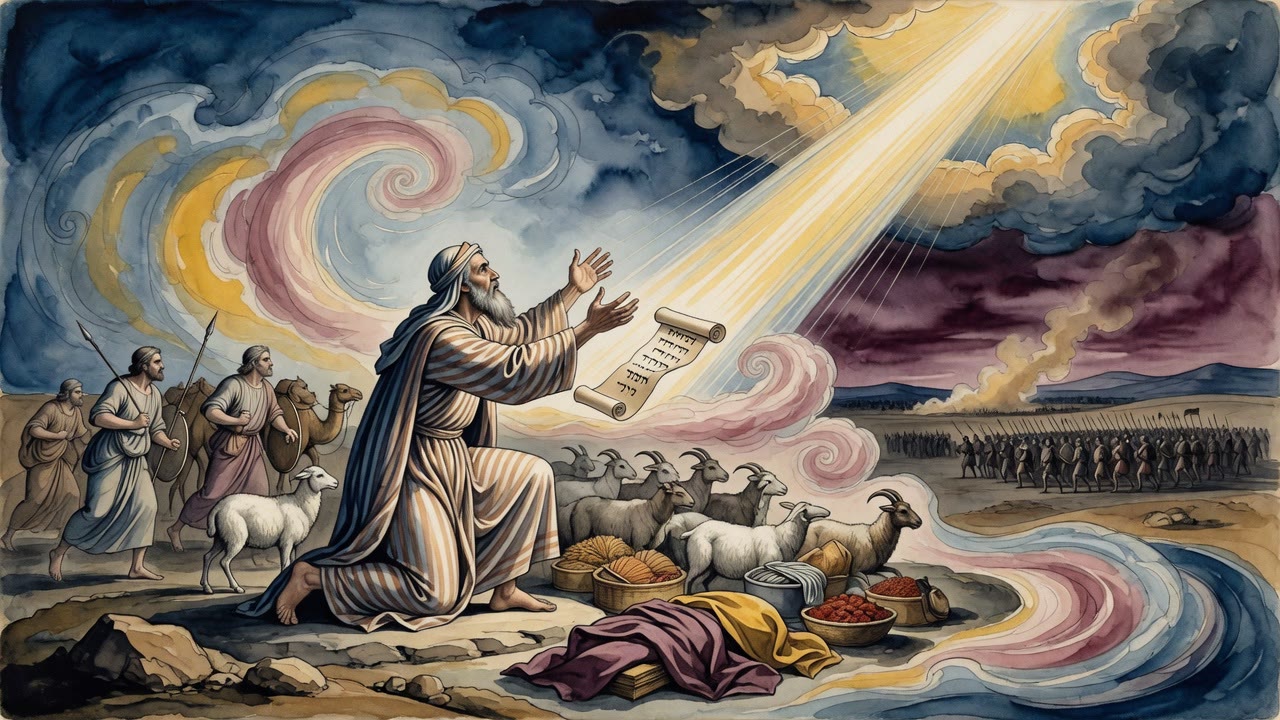
Today, let’s dive into a powerful story from Shemot Rabbah, a collection of rabbinic interpretations on the Book of Exodus, where Moses does just that after the sin of the Golden C...
The ancient rabbis grappled with this question, particularly when considering moments where Moses, arguably the greatest prophet, interceded on behalf of the Israelites. In Shemot ...
The Shir HaShirim Rabbah – a collection of rabbinic interpretations on the Song of Songs – opens up a fascinating window into this. Rabbi Eliezer, interpreting a verse about redemp...
To a fascinating interpretation from Shir HaShirim Rabbah (Song of Songs Rabbah) that paints a vivid picture. The Rabbis, in their insightful way, connect verses from different par...
I know, it sounds random. But stick with me. In Shir HaShirim Rabbah, a collection of rabbinic interpretations of the Song of Songs, that very grain becomes a powerful symbol for t...
Seven, for instance, pops up everywhere – the seven days of creation, the seven days of mourning (shiva), the seven weeks between Passover and Shavuot (the Festival of Weeks). But ...
Our tradition recognizes this struggle, and even offers some pretty ingenious battle strategies. It all starts with a verse from Leviticus (16:3): “With this Aaron shall come.” But...
The ancient rabbis certainly did! They saw profound symbolism woven into every thread, especially when it came to the garments of the Kohen Gadol, the High Priest. : the High Pries...
Sometimes, the answer lies in the most unexpected places, like, say, a close reading of the book of Ezekiel and a bit of ancient commentary. In Vayikra Rabbah 25, we find a fascina...
It’s more than just a random rule. to Vayikra Rabbah 27 and see what wisdom we can uncover. "A bull, a sheep, or a goat, when it is born, shall be seven days under its mother." Why...
Our ancestors felt it too. to a fascinating little piece from Vayikra Rabbah, a Midrashic (rabbinic interpretive commentary) collection that unpacks the book of Leviticus. This par...
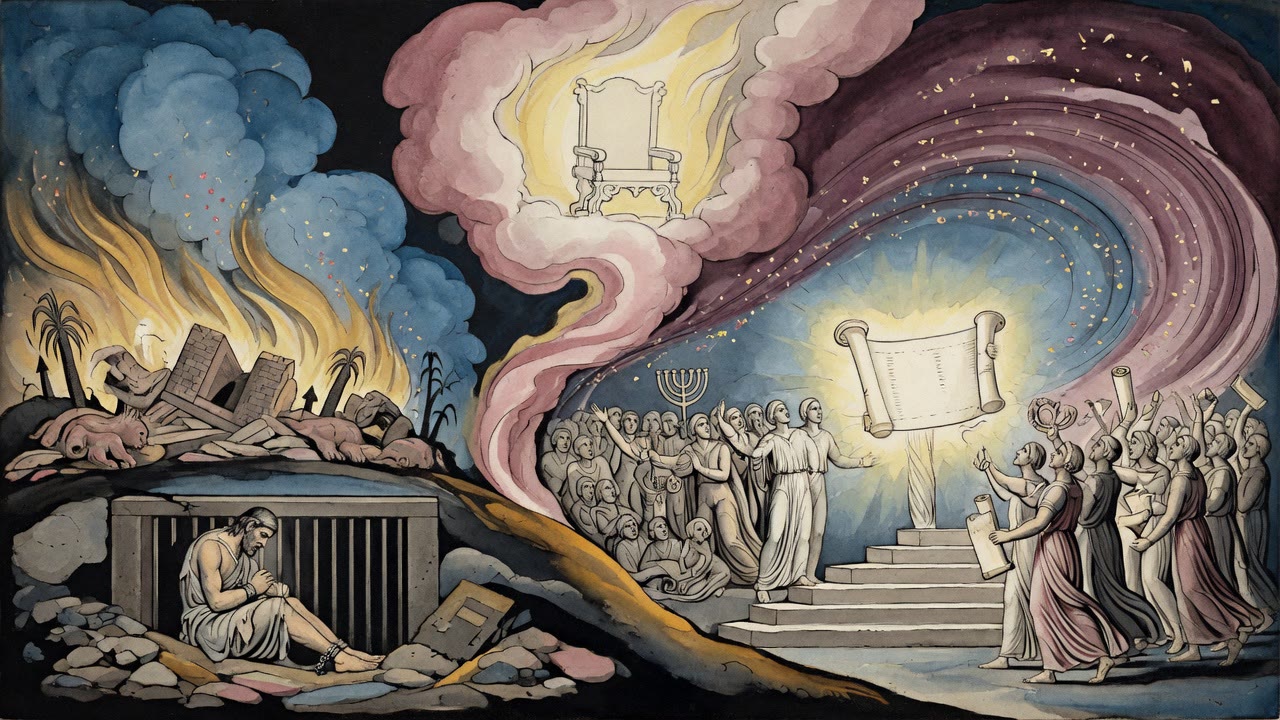
An Athenian came to Jerusalem. He entered a school and found children sitting there but their teacher was not there with them. He was asking them questions and they would respond. ...
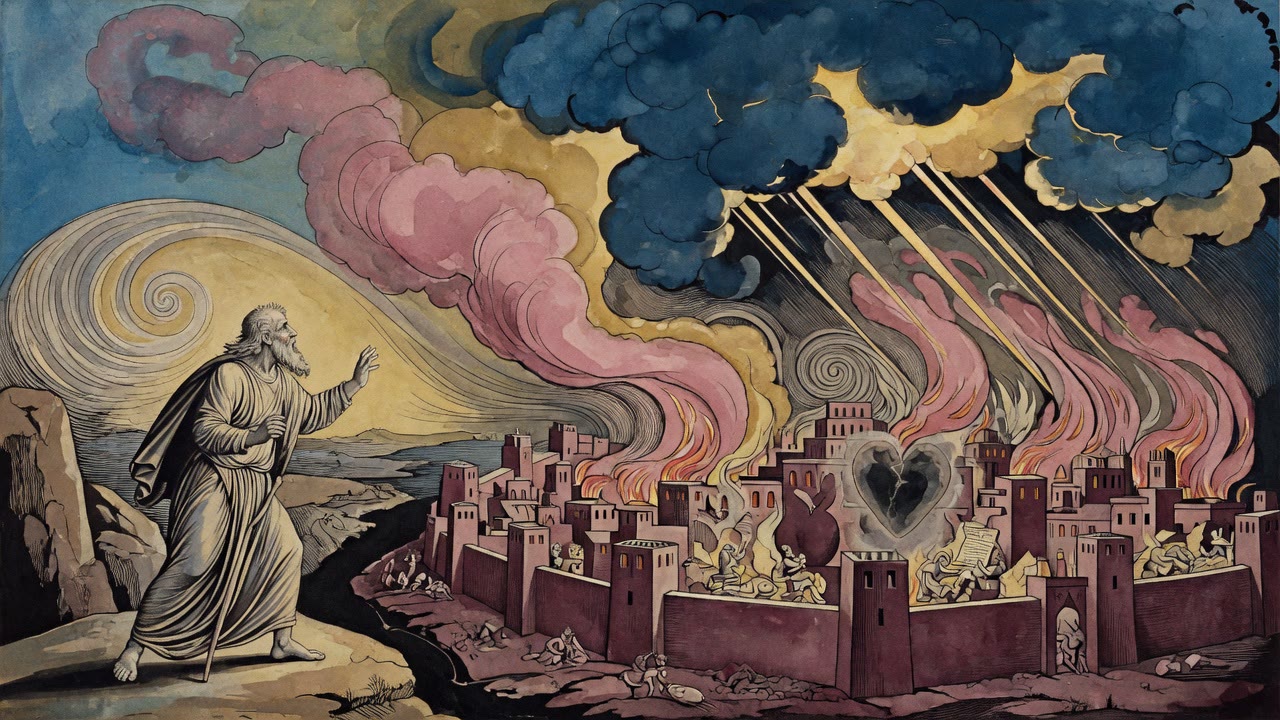
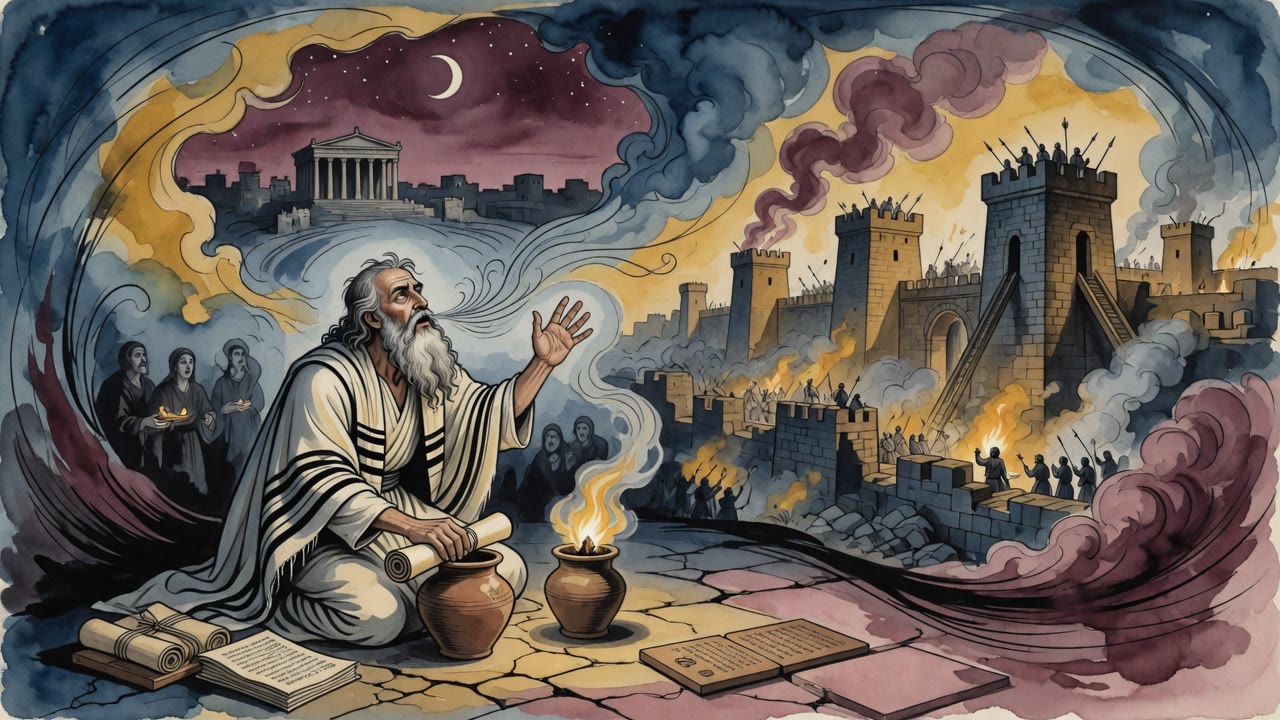
“Jerusalem has committed a sin, therefore she has become a pariah. All who honored her demean her because they have seen her nakedness. She, too, sighed and turned back” (Lamentati...
“The yoke of my transgressions is preserved in His hand, becoming entangled, coming upon my neck, sapping my strength. The Lord delivered me into the hands of those against whom I ...
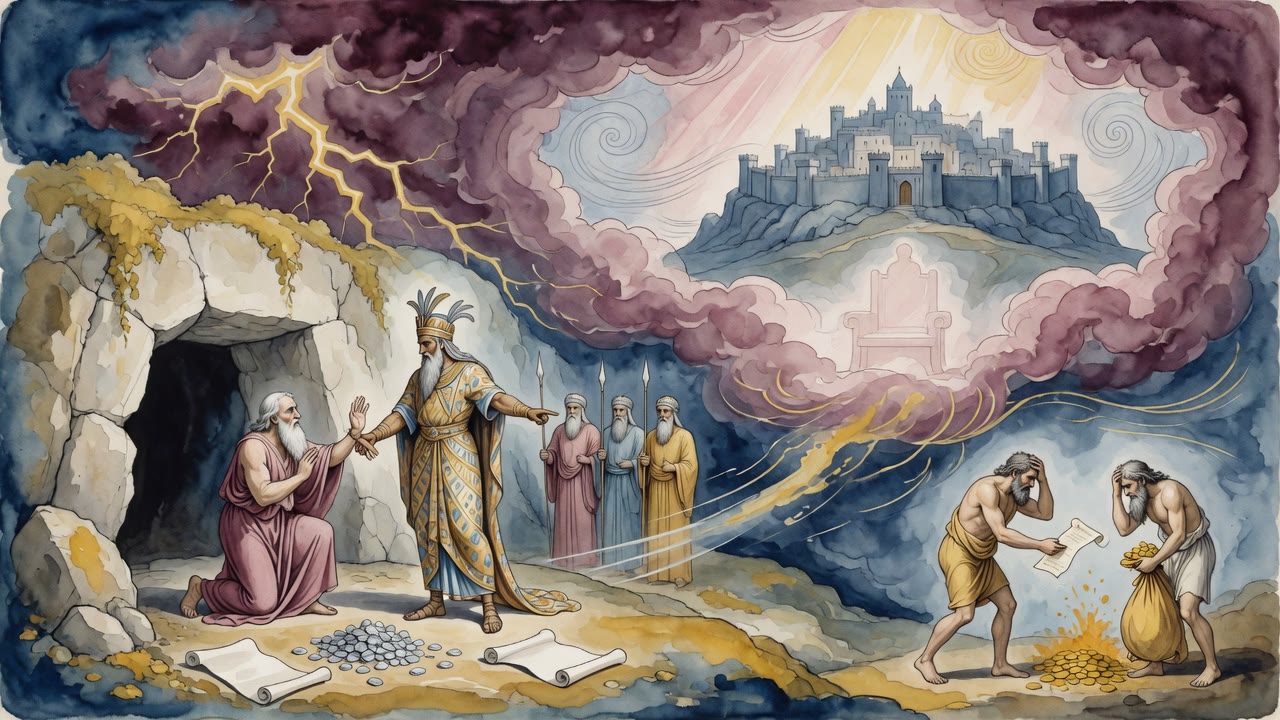
There was an incident involving Miriam bat Baitus, whom Yehoshua ben Gamla betrothed [to him], and the king appointed him to be the High Priest.173He was appointed to this position...
“The Lord accomplished what He devised: He implemented His statement that He commanded from the days of old; He destroyed and had no compassion. He caused the enemy to rejoice over...
“Pay them retribution, Lord, according to their handiwork” (Lamentations 3:64).“Pay them retribution” – Jeremiah said: “Pay them retribution.” Asaf said: “Pay our neighbors retribu...
“Turn away, impure, they called to them. Turn away, turn away, do not touch, because they were loathsome, and also wandering; they said among the nations: They will not continue to...
“Even now, our eyes fail toward futile help. In our waiting, we awaited a nation that cannot save” (Lamentations 4:17).“Even now, our eyes fail.” What would the Ten Tribes do? They...
“We extended a hand to Egypt, Assyria, to be sated with bread” (Lamentations 5:6).“We extended a hand to Egypt, Assyria, to be sated with bread.” What would the Ten Tribes do? They...
“…who reigned from India to Kush, one hundred and twenty-seven provinces.” Rabbi Eliezer in the name of Rabbi Ḥanina: Are there not two hundred and fifty-two provinces in the world...
Rav began: “Woe! He gives drink to his neighbor, amplifies your wrath, and intoxicates him, so that you may look upon their nakedness” (Habakkuk 2:15). “Woe! He gives drink” – that...
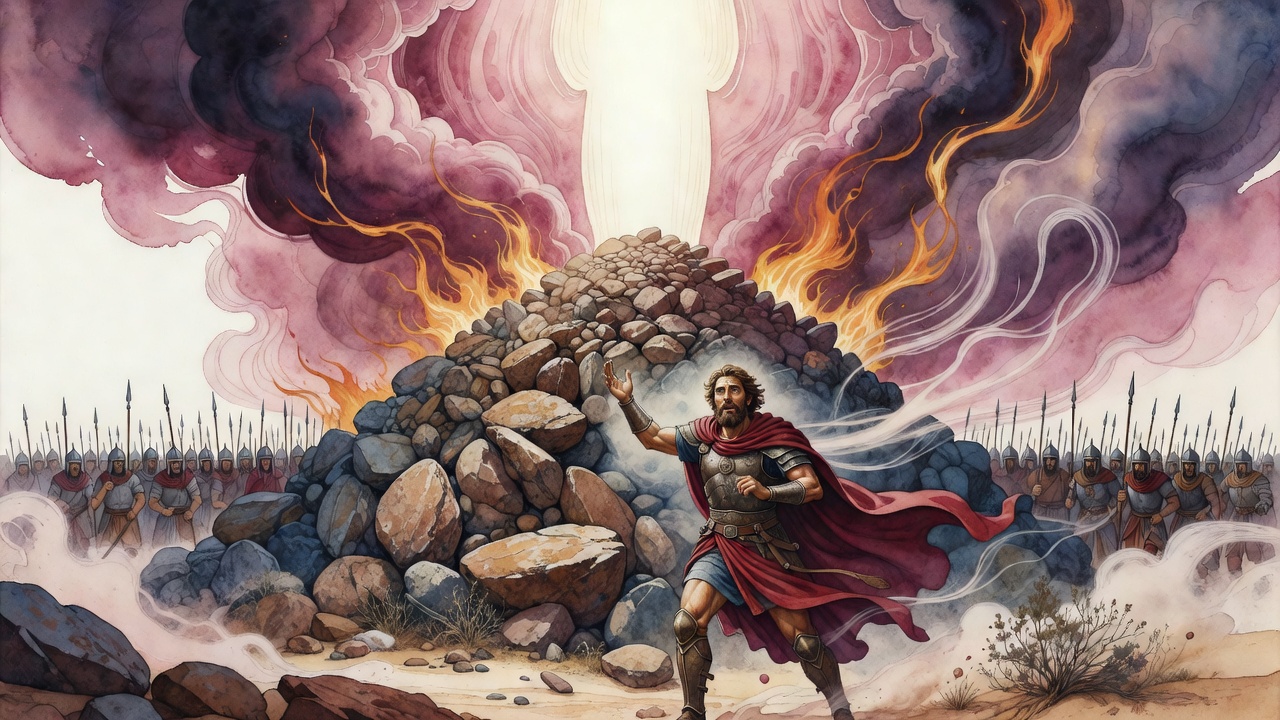
It is written: “And set it in the ears of Joshua” (Exodus 17:14), this is one of four righteous people to whom a portent was given; two sensed it and two did not sense it. A porten...
“Esther said, to respond to Mordekhai” (Esther 4:15). She said to him: “Go, assemble all the Jews who are present in Shushan, and fast on my behalf; do not eat and do not drink for...
After he erected the gibbet, he went to Mordekhai and found that he was sitting in the study hall with the children sitting before him, with sackcloth on their waists, engaging in ...
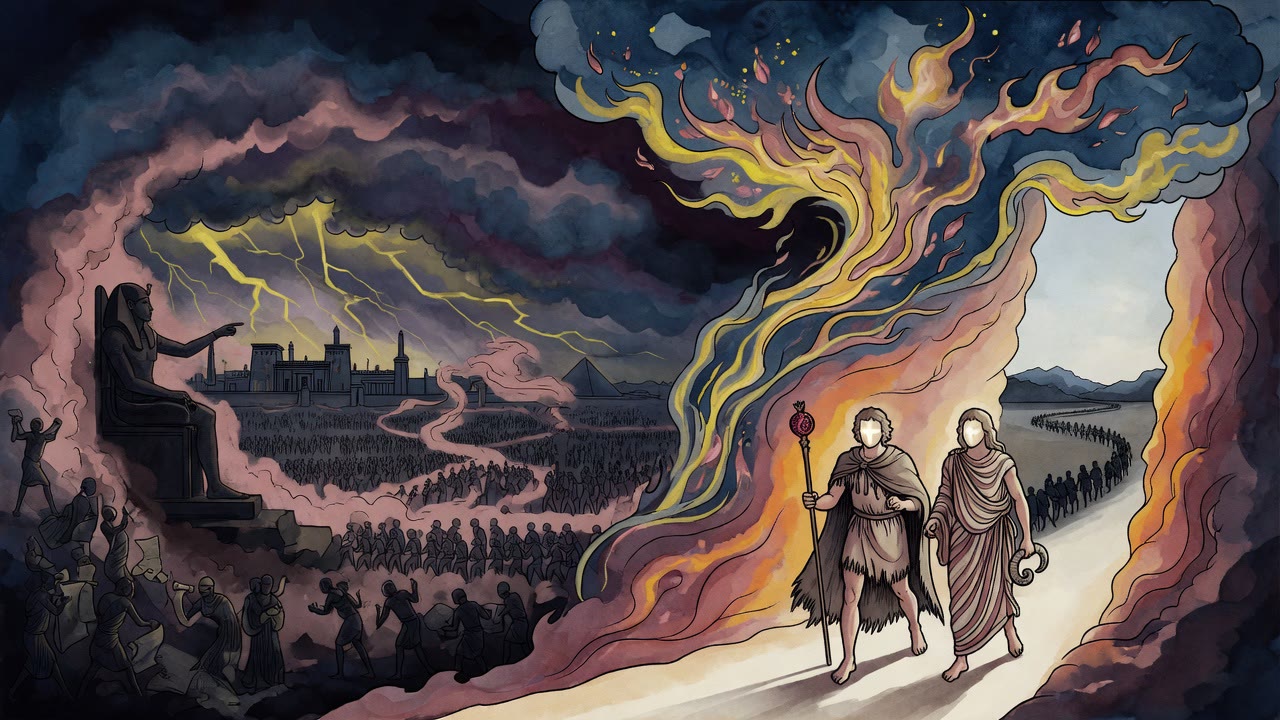
God told Israel three separate times: do not go back to Egypt. According to Esther Rabbah, they violated every single warning and paid for every single one. Rabbi Shimon ben Yohai ...