205 myths · Page 3 of 7
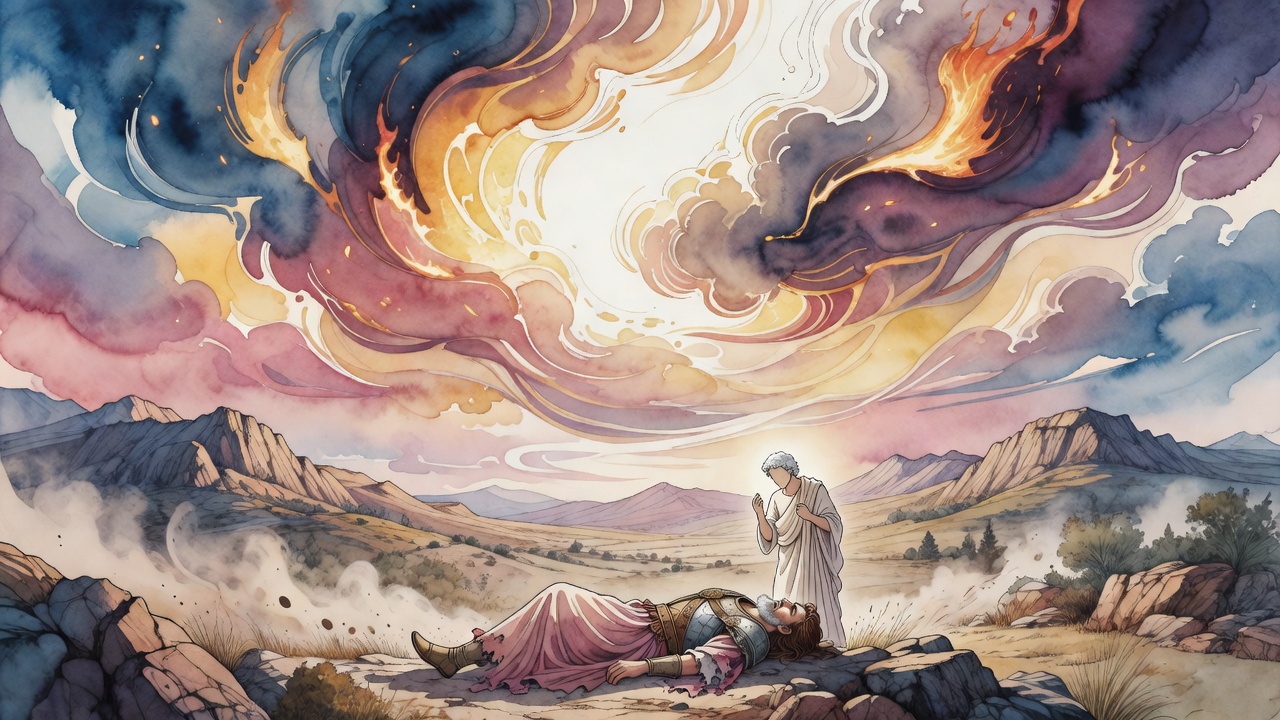
Years after Saul fell at Gilboa, a heavenly voice rang out over Israel and named the dead king God's chosen. Even David was rebuked.
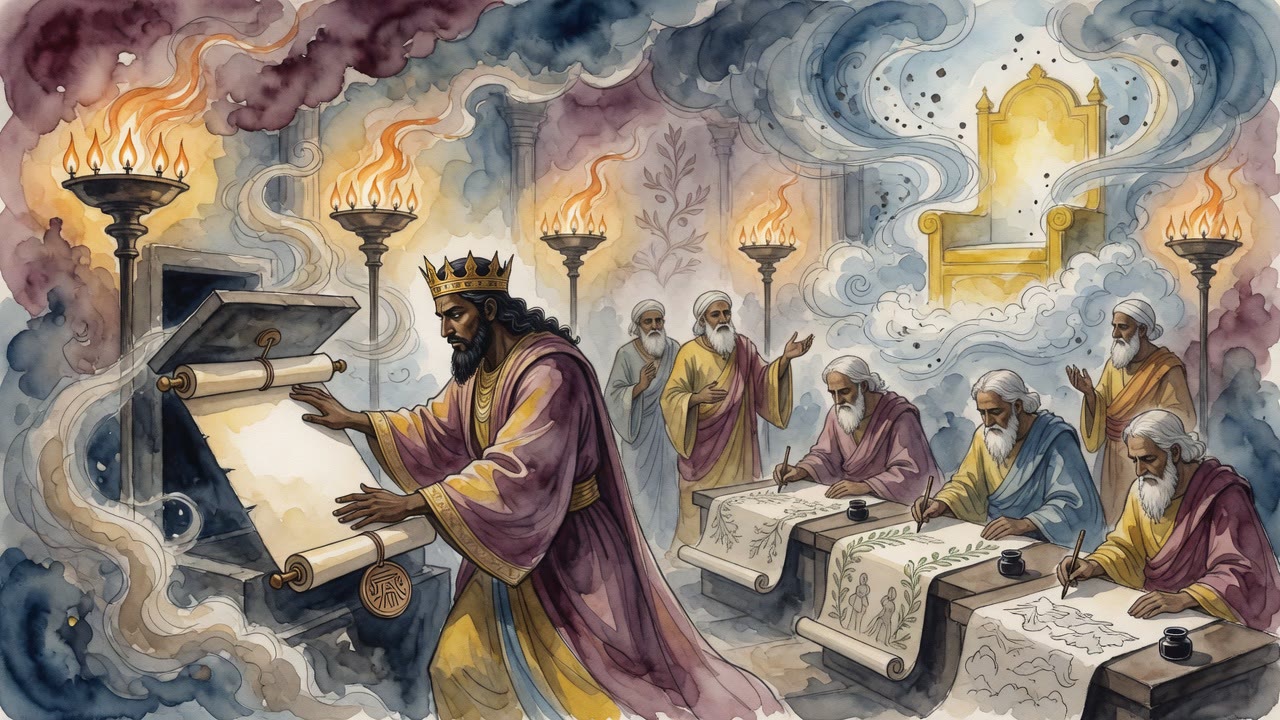
Hezekiah directed his scribes to copy Isaiah, Proverbs, and the Song of Songs. Then he buried a book of cures, and the rabbis praised both decisions.
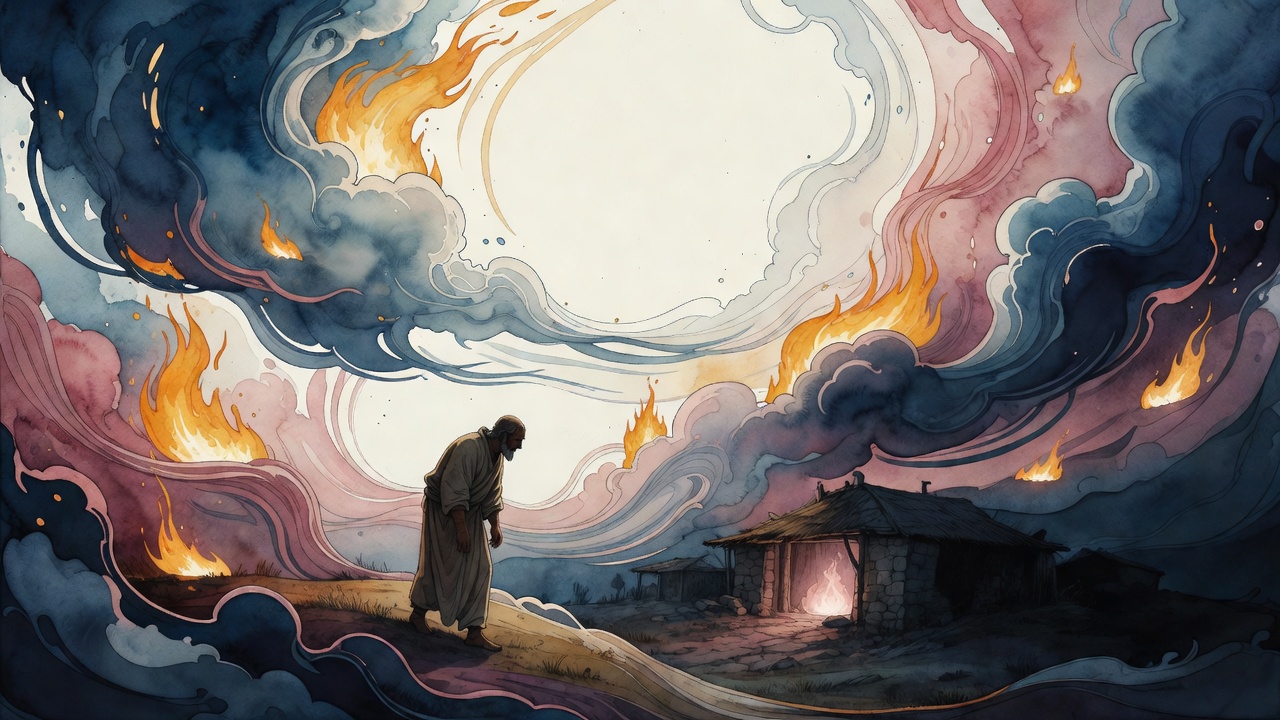
Saul lied to his two officers on the road back. The prophet had promised him victory, he said, and high commands for his sons in the morning.
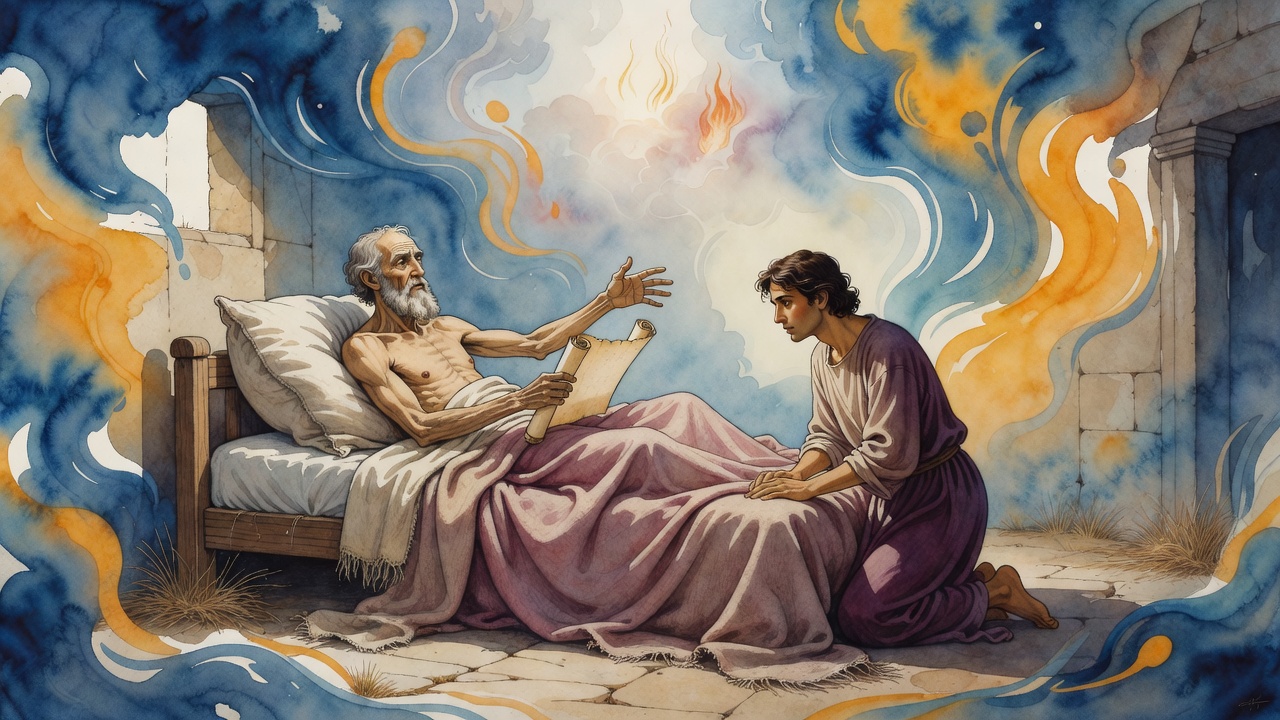
They piled clothes on the old king and he stayed cold. He sent for Solomon and named the men his own sword had never reached.
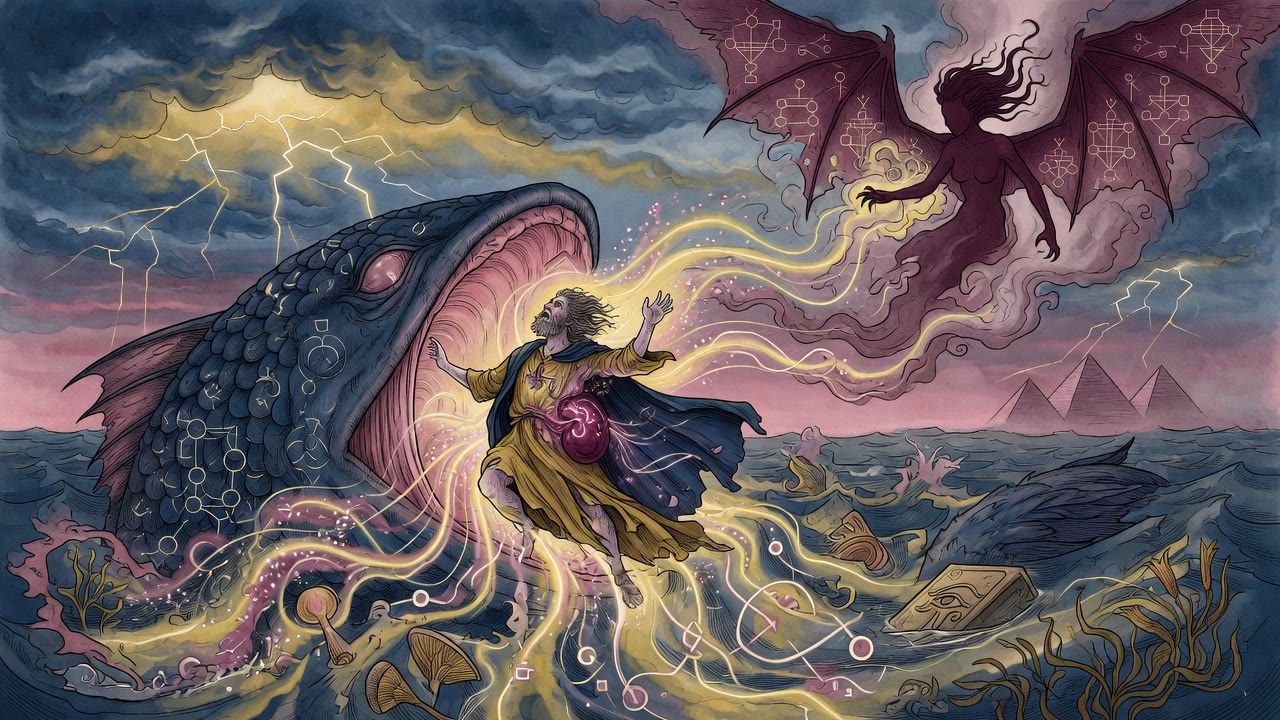
The sailors on Jonah's ship were not cruel men. They tried their idols, cast lots, jettisoned their cargo, and rowed for shore before they touched him.
Laban's household god was a salted human head set into a wall with a gold plate under its tongue. It answered questions. Rachel grew up with it.
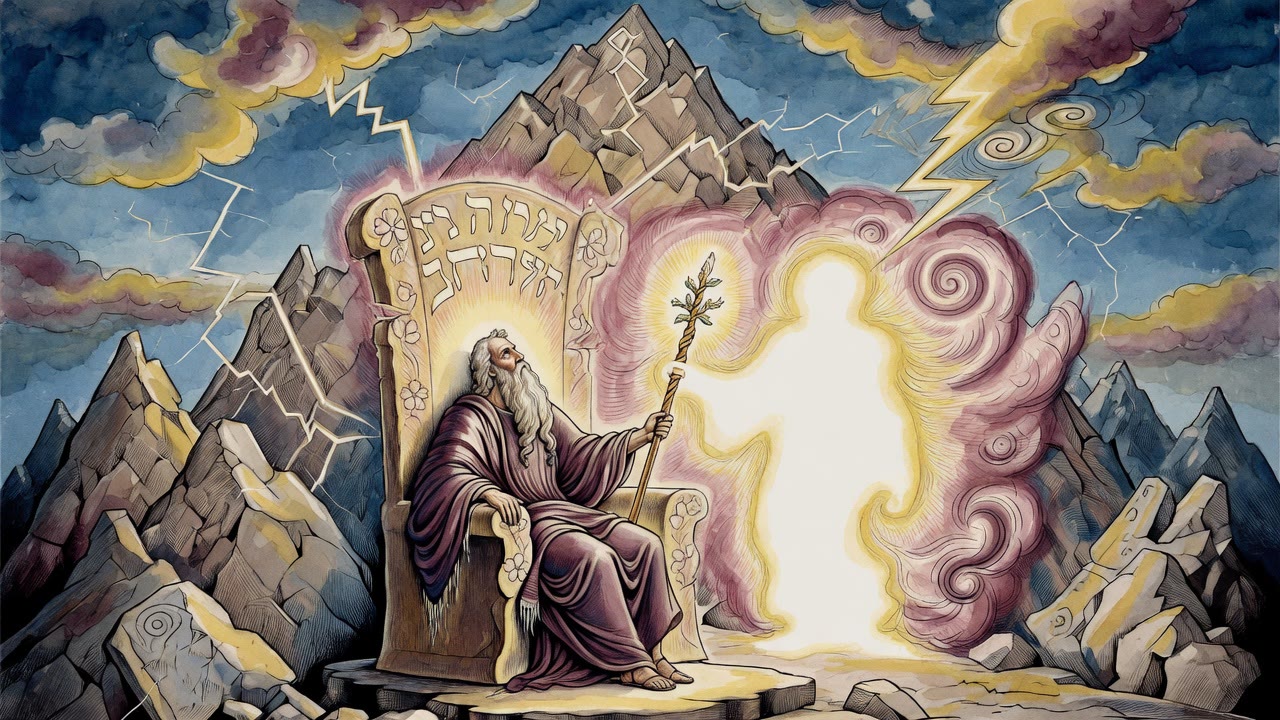
God tells Moses he will be gathered as Aaron was gathered. The rabbis heard desire: Moses wanted his brother's peaceful death, not his own.
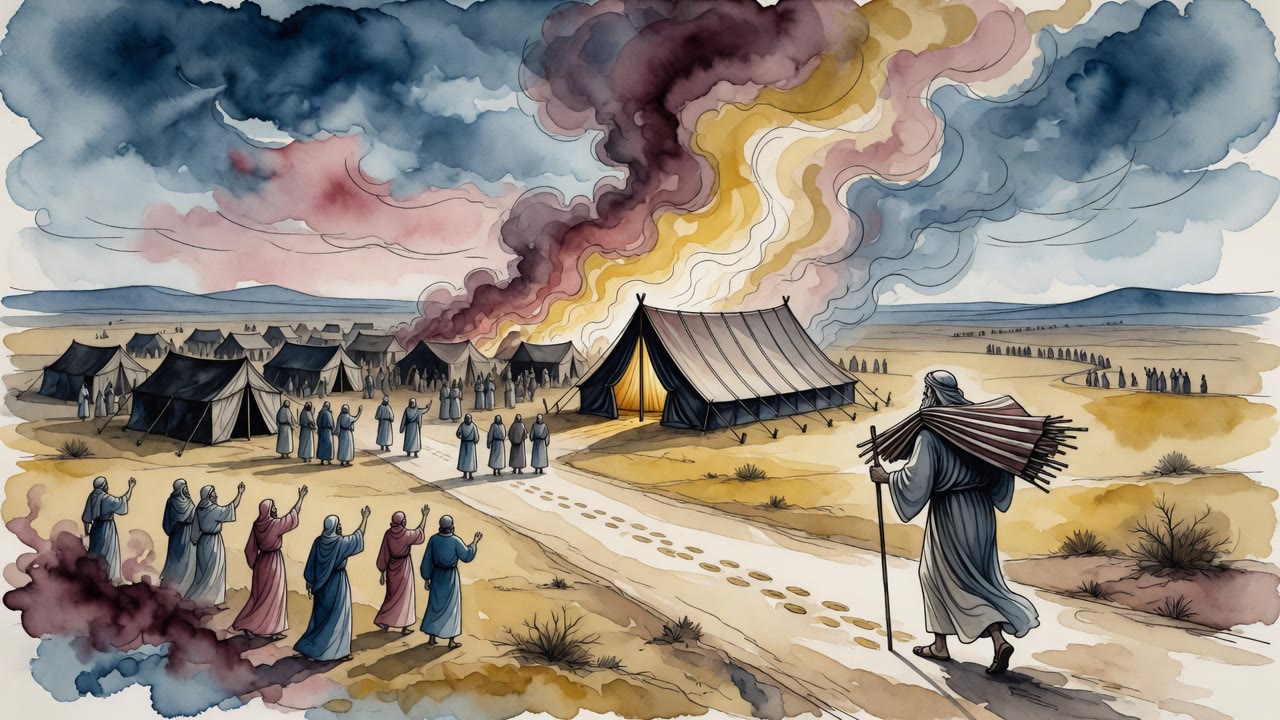
Moses prays 515 times at the Jordan's edge, draws a circle in the dust, and prays until heaven trembles. God finally says: enough, do not continue.
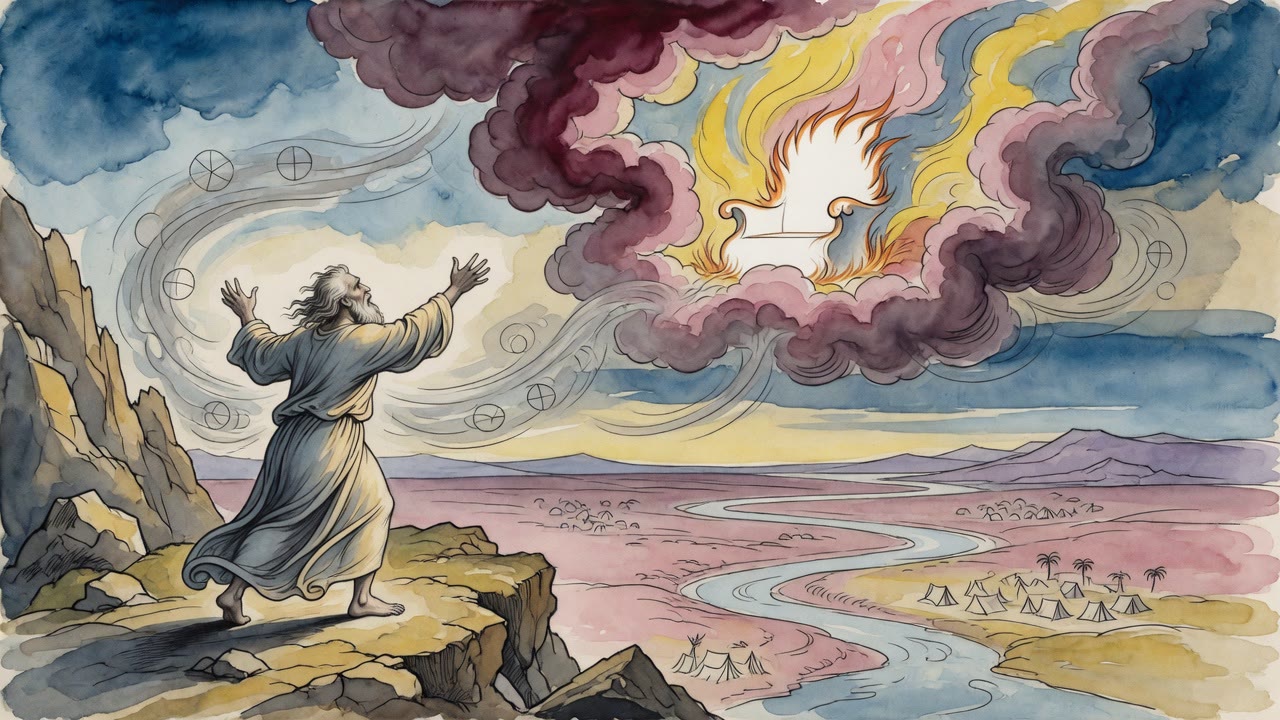
Moses did not accept the verdict quietly. He built a legal case, invoked precedents, and pressed heaven until God closed every exit and Moses agreed to go.
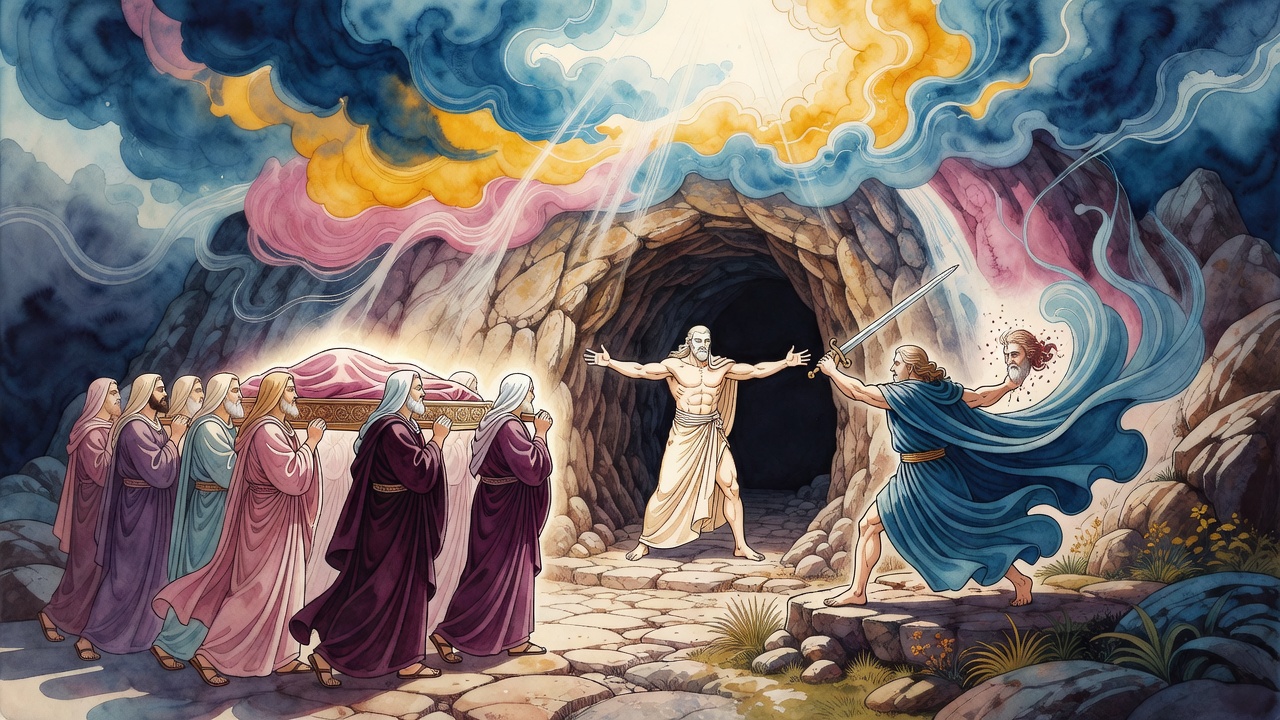
Jacob's body waited at the cave mouth while the brothers argued a deed. Dan's deaf son asked why the grave was still empty.
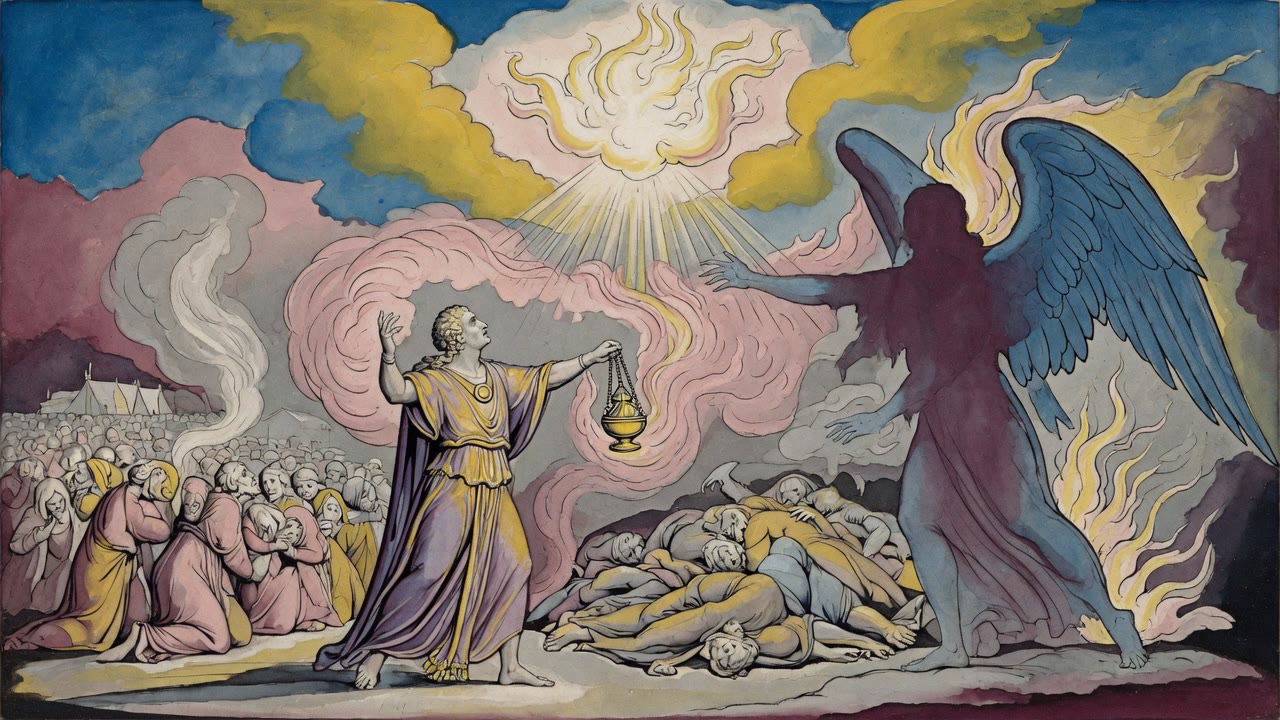
Korah was already under the ground. By morning Israel blamed Moses, and Aaron ran into the plague with altar fire and incense.
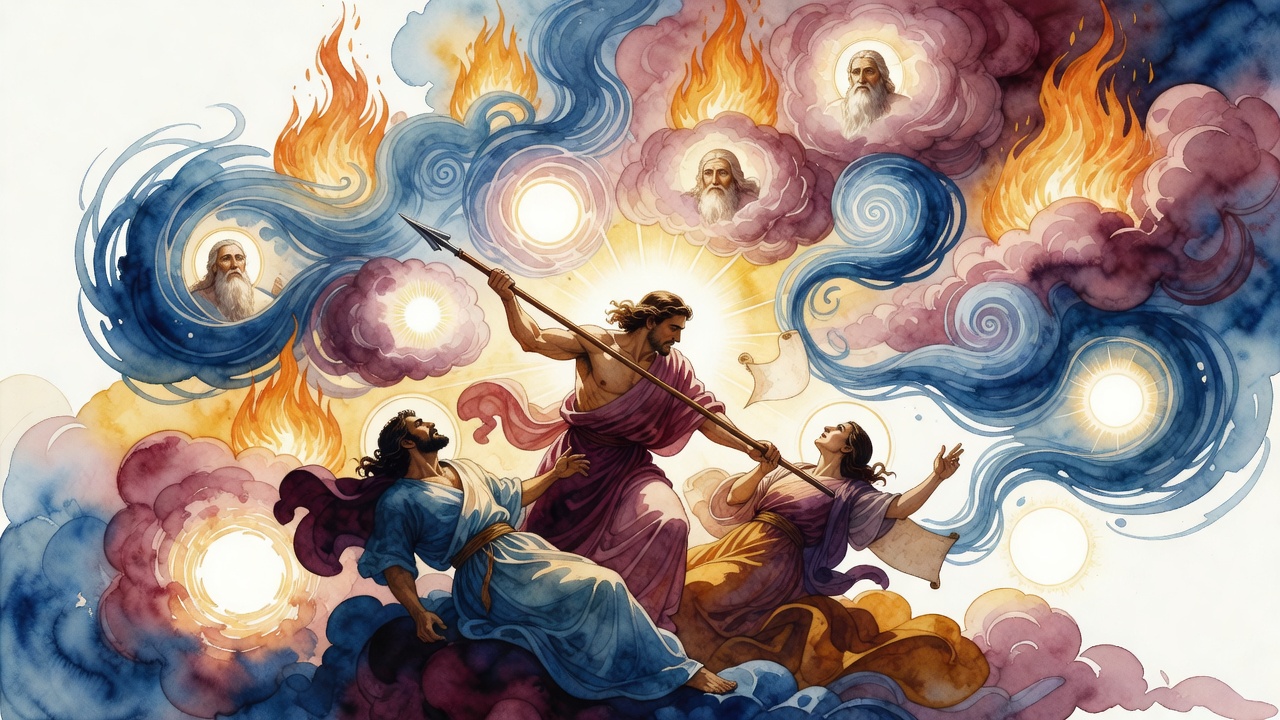
Zimri asked Moses what was wrong with a Midianite woman, since Moses had married one himself. Moses had no answer. A young priest stood up.
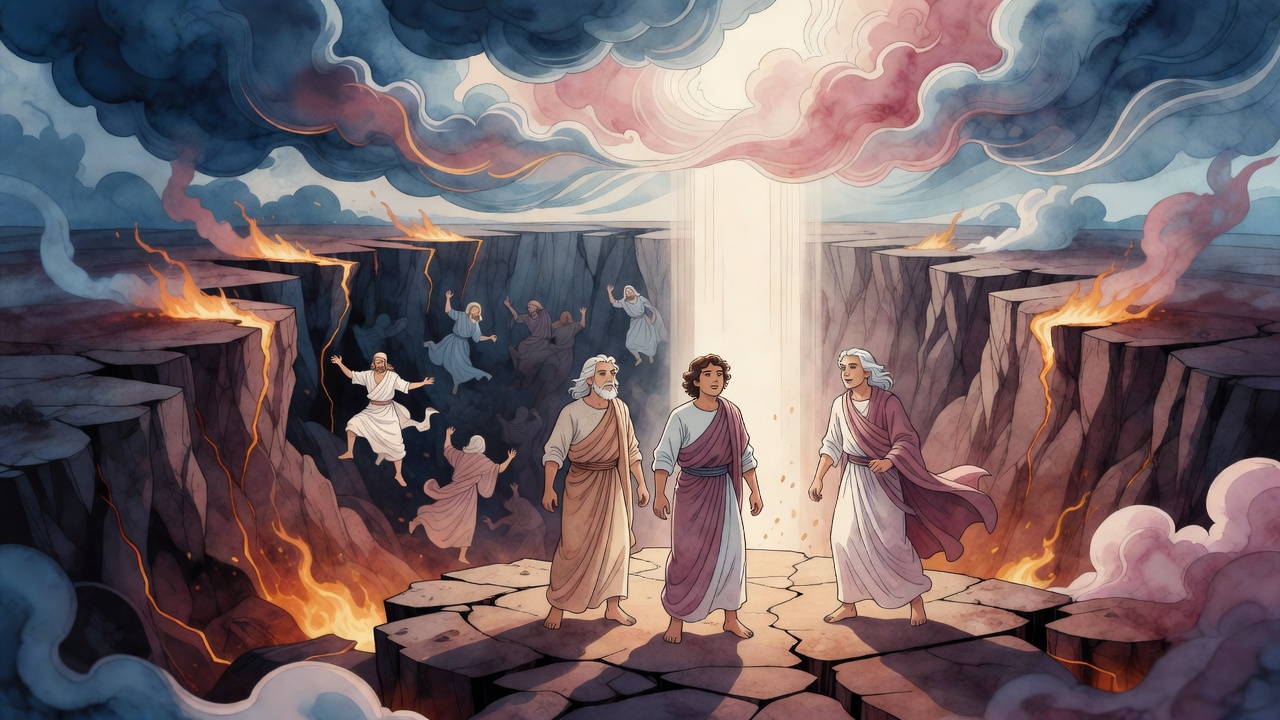
When the earth opened and swallowed Korah's rebellion, his sons were not among the dead. They had made a different choice while their father was still alive.
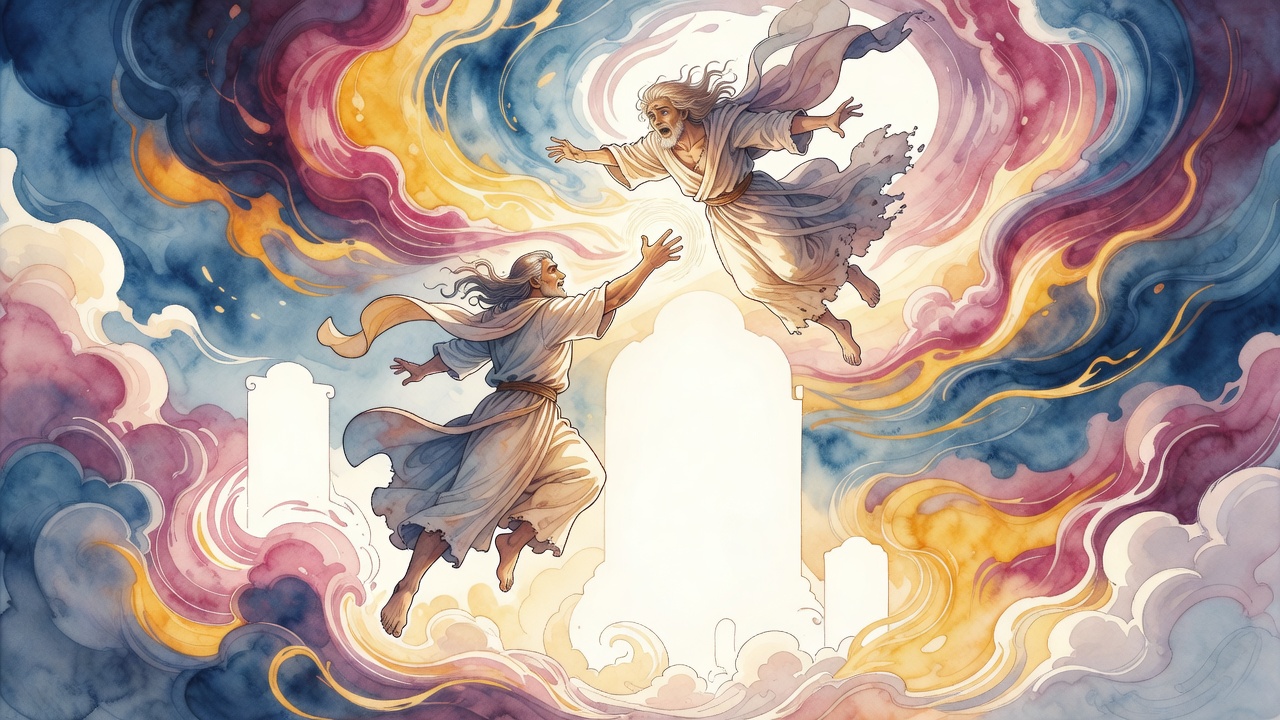
Balaam left the ground and found a road in the air no soldier could walk. Zaliah of Dan followed and lost him in the fifth sky.
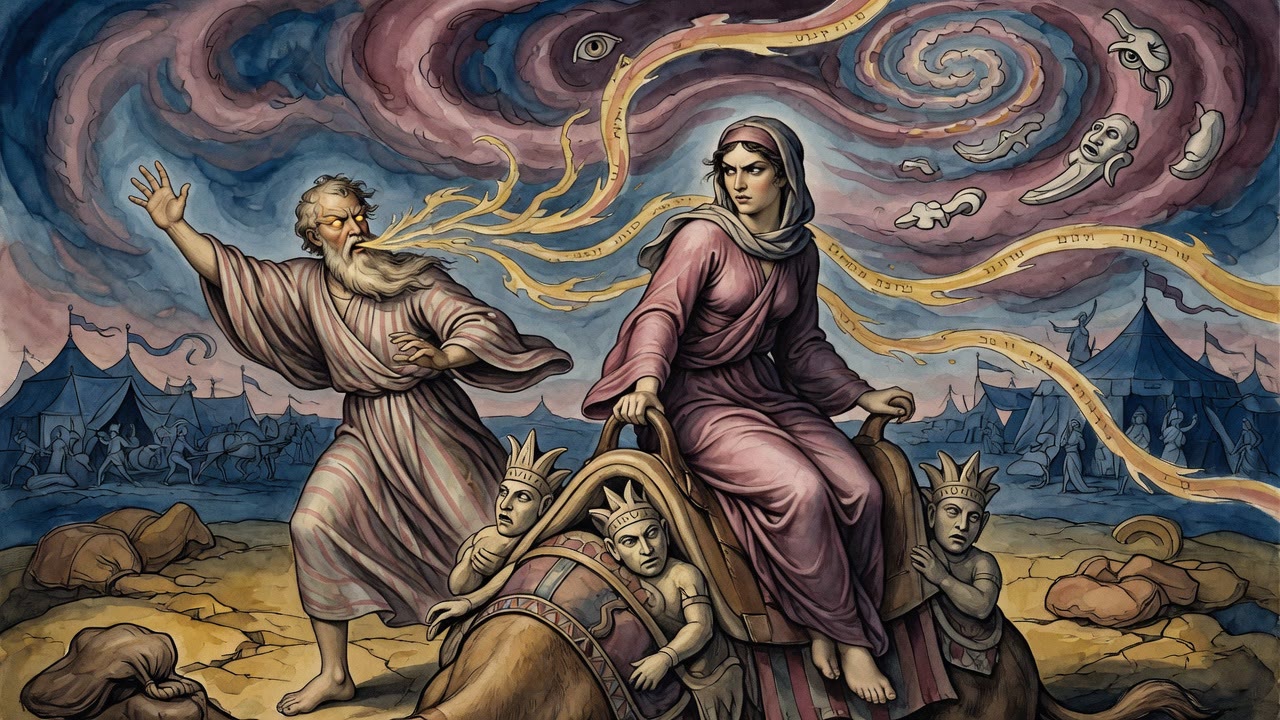
Moses stood before Israel, read every word of the Torah aloud, and sealed the covenant in blood. Then God told him none of it would protect him from dying.
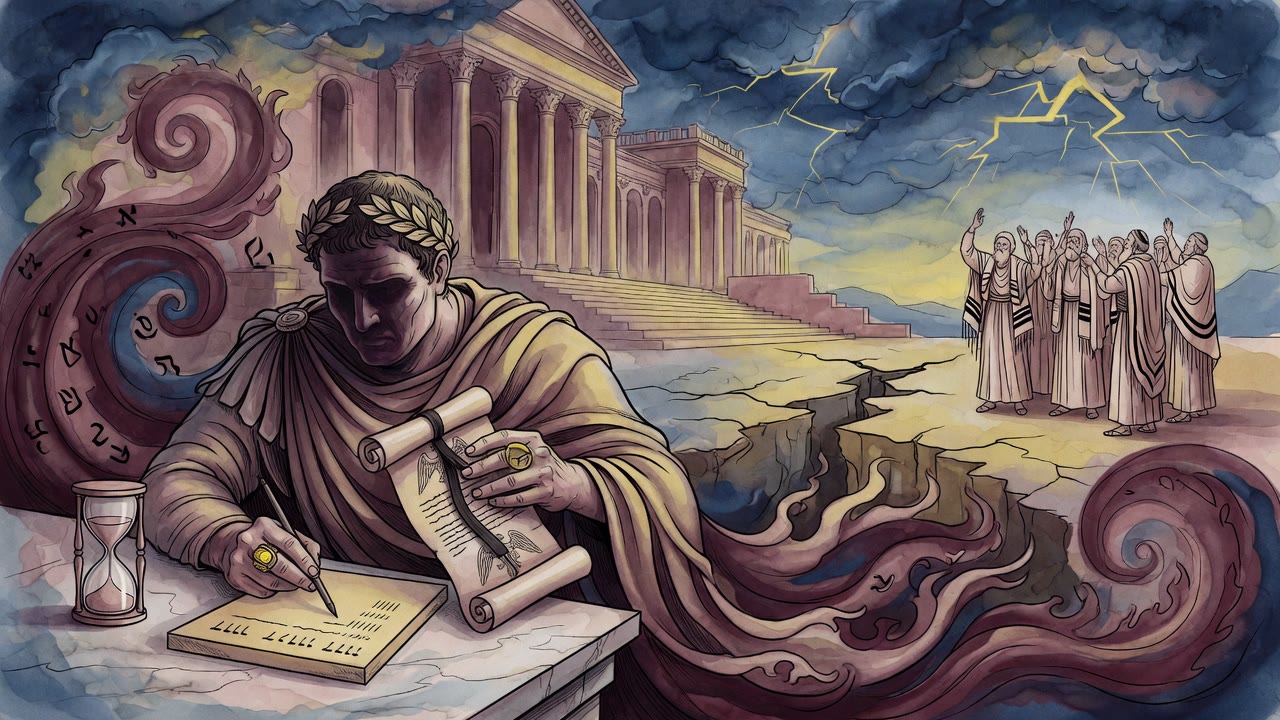
The day stood over Jacob's bed in Egypt and made a claim. He would not shut his eyes until twelve mouths said the same Name out loud.
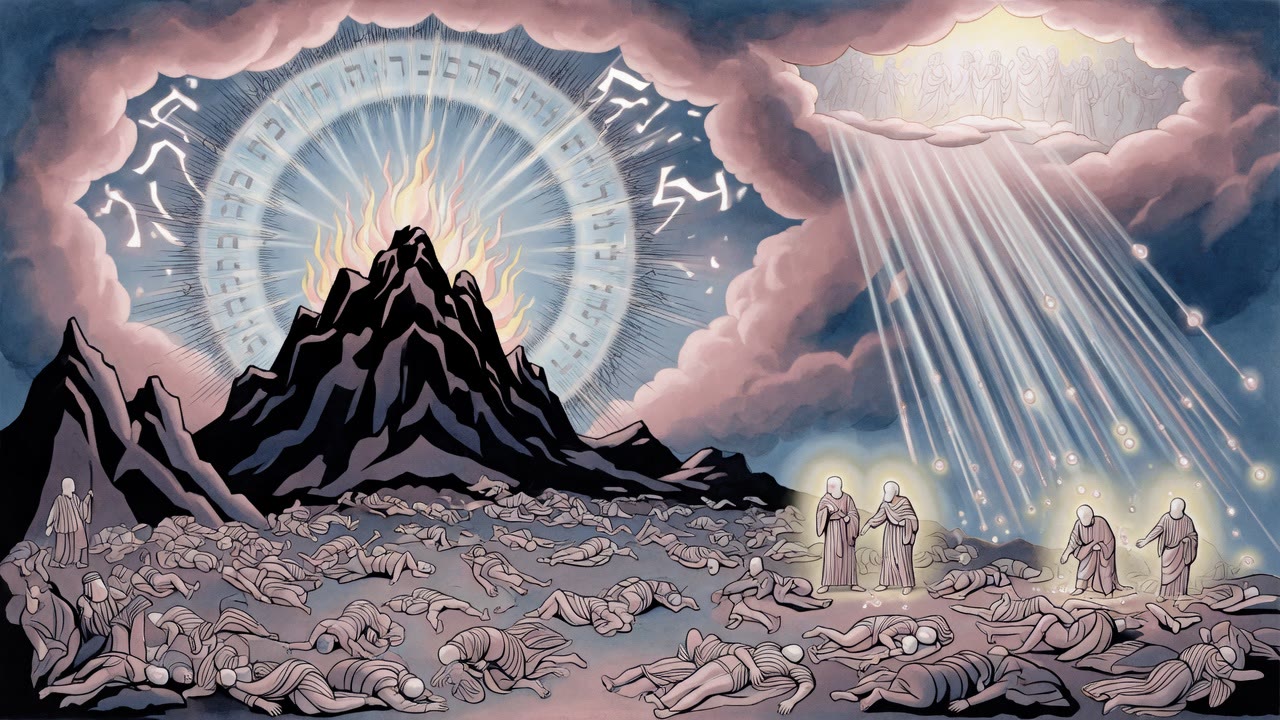
Moses threw the blood of bulls on the people. Then God's voice emptied every body in the camp. Dew saved for the last day woke them.
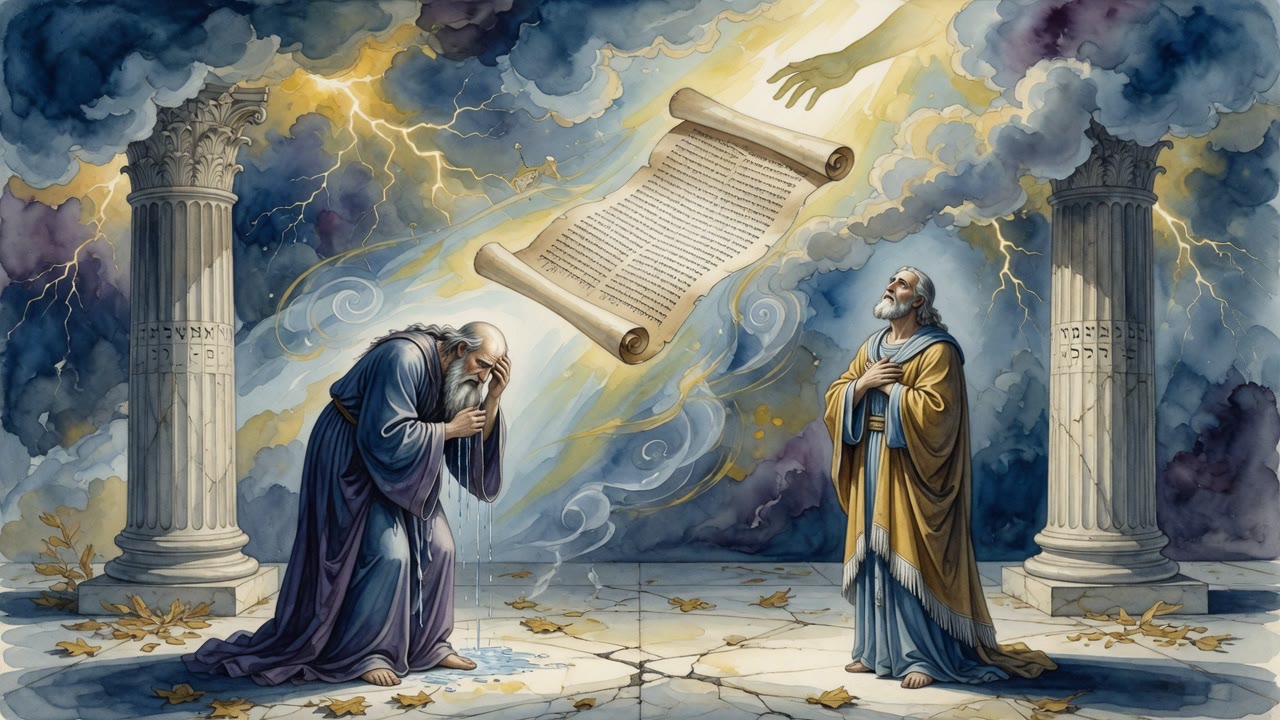
Rabban Shimon walked in Roman chains and wept because he could not name his sin. Rabbi Ishmael, bound beside him, told him to listen.
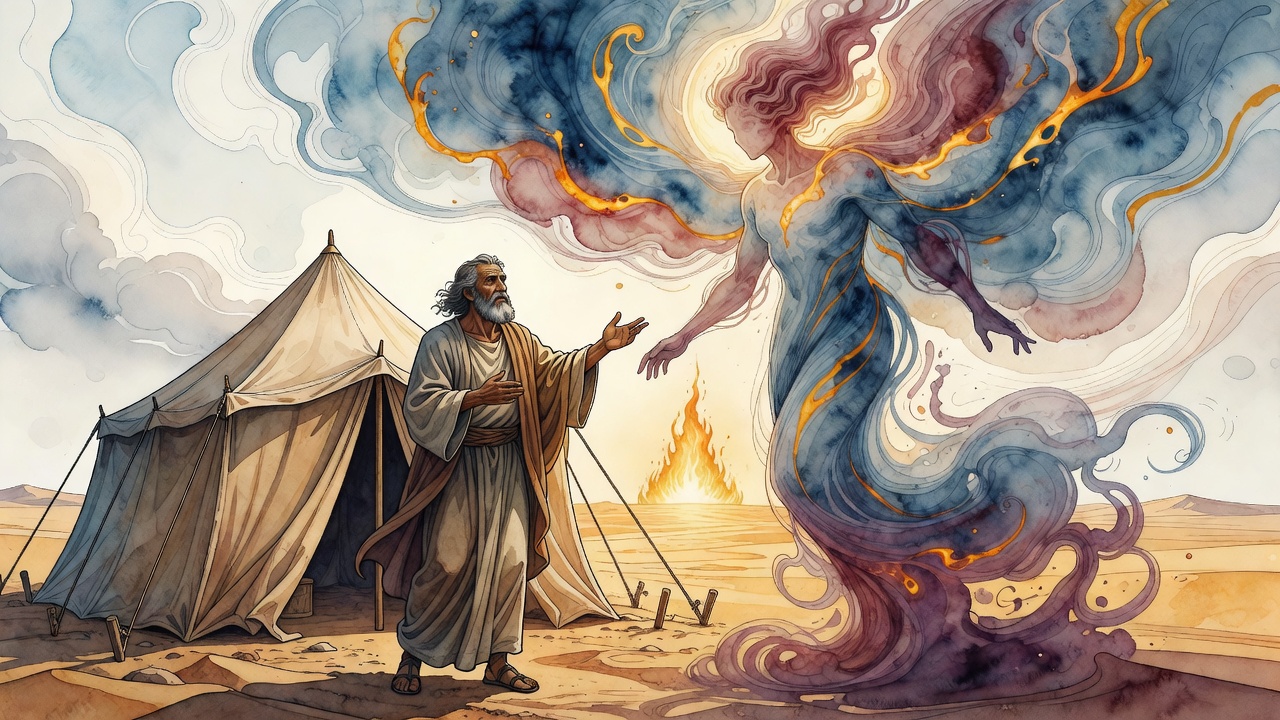
The Angel of Death arrived at Abraham's tent in his most beautiful form on God's orders. What happened next neither heaven nor the angel had anticipated.
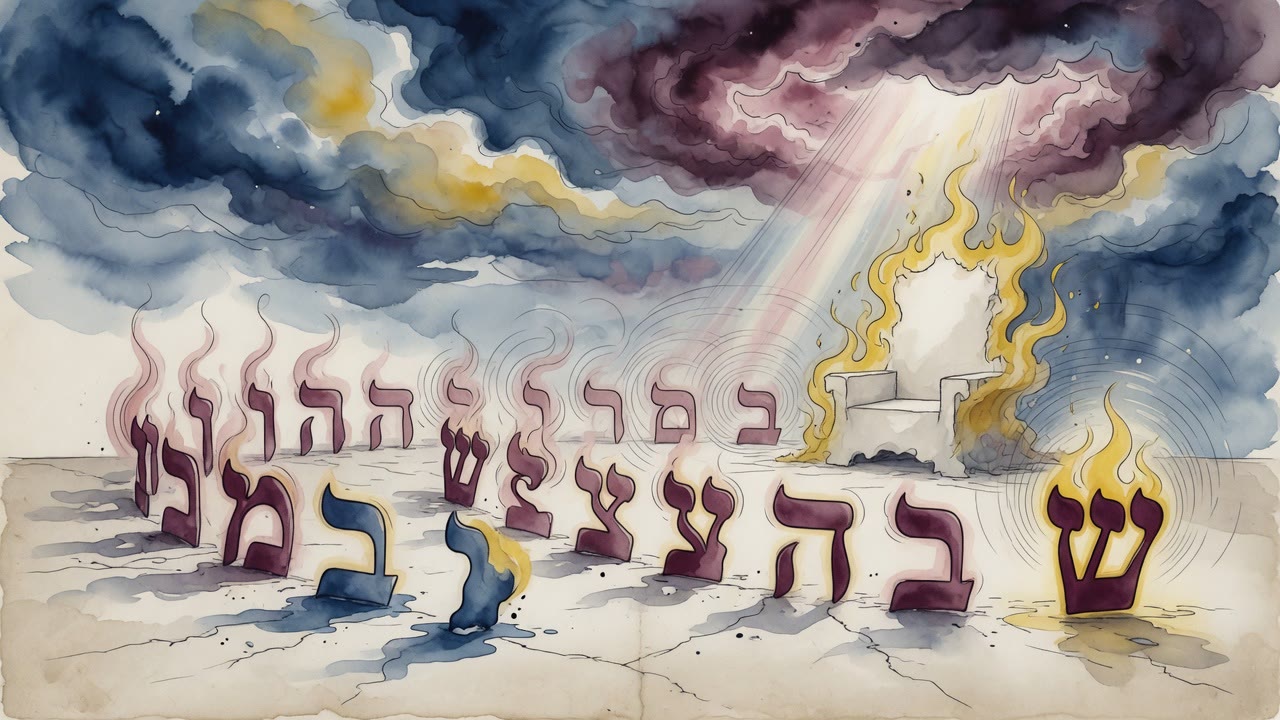
Jeremiah and his son spent three years on the Book of Creation. The man they built stood up, reached to his own forehead, and rubbed out one letter.
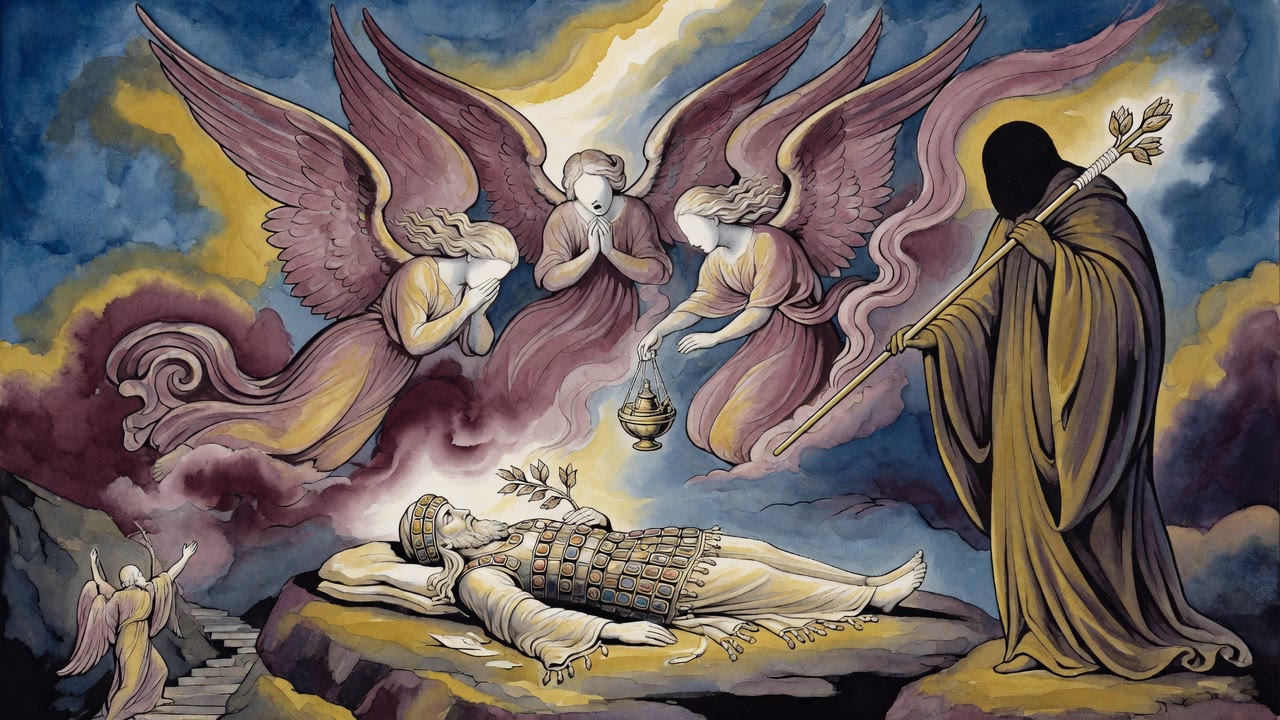
Moses asked his brother to step into a cave with him. Inside was a made bed, a burning lamp, a table set with food, and angels standing in attendance.
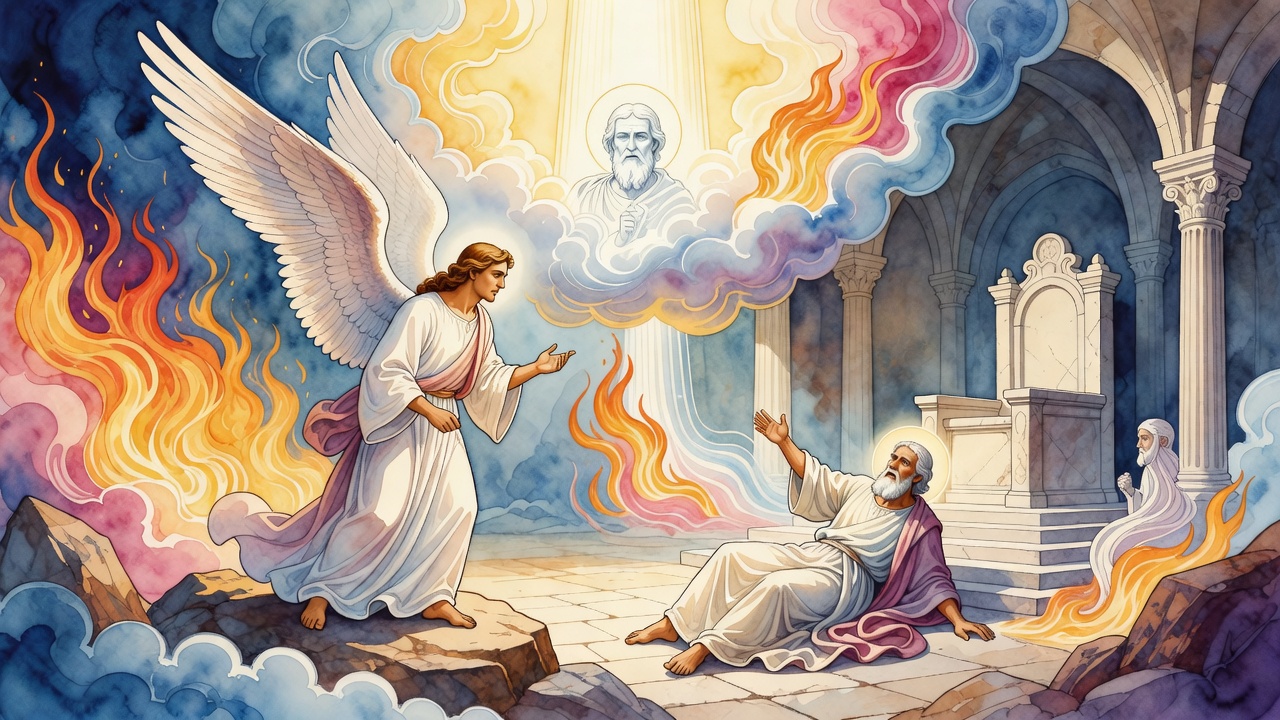
Michael sat through the whole meal and could not say why he had come. Abraham washed the visitor's feet and asked to see the gates first.
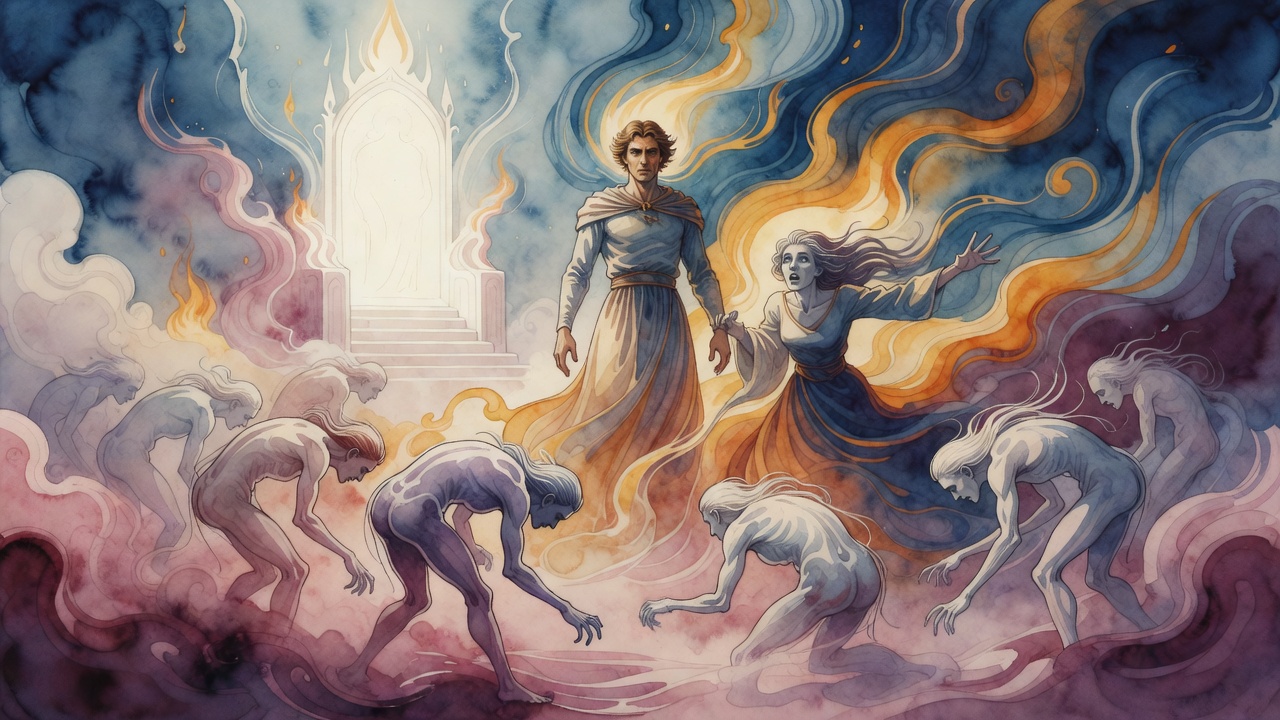
She screamed before she spoke a word to Saul. The man in the cloak was standing. The dead she knew how to raise never stood like that.
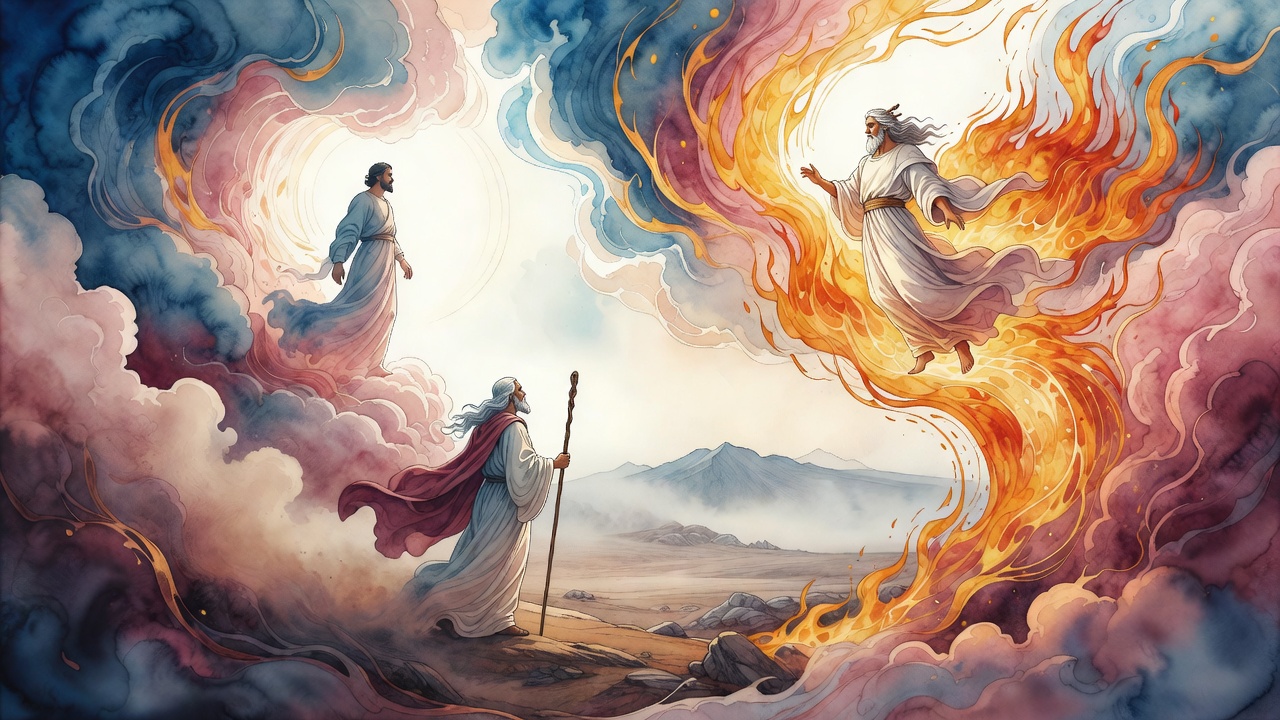
They searched the fields for Enoch and came back empty-handed. The man who walked with God had been taken, and there was nothing to bury.
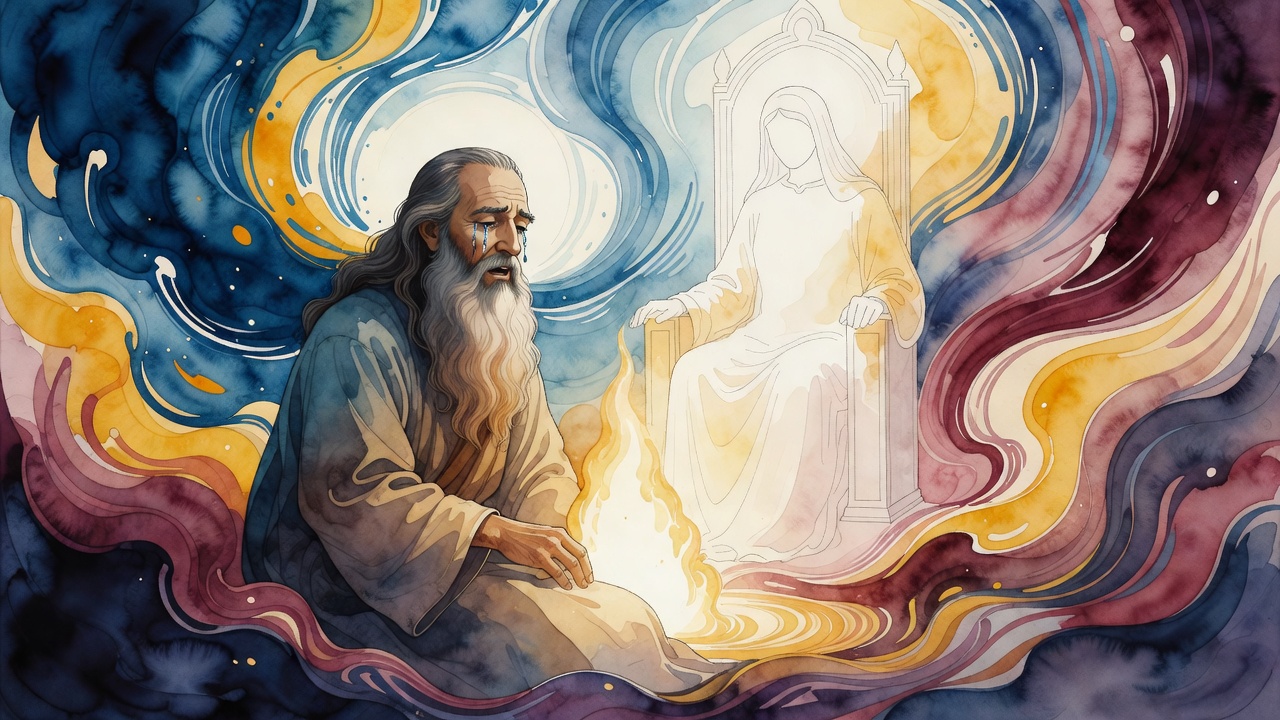
A hundred and twenty-seven years of marriage to account for, and the words he found were an old poem about a capable wife. Every line pointed at him.
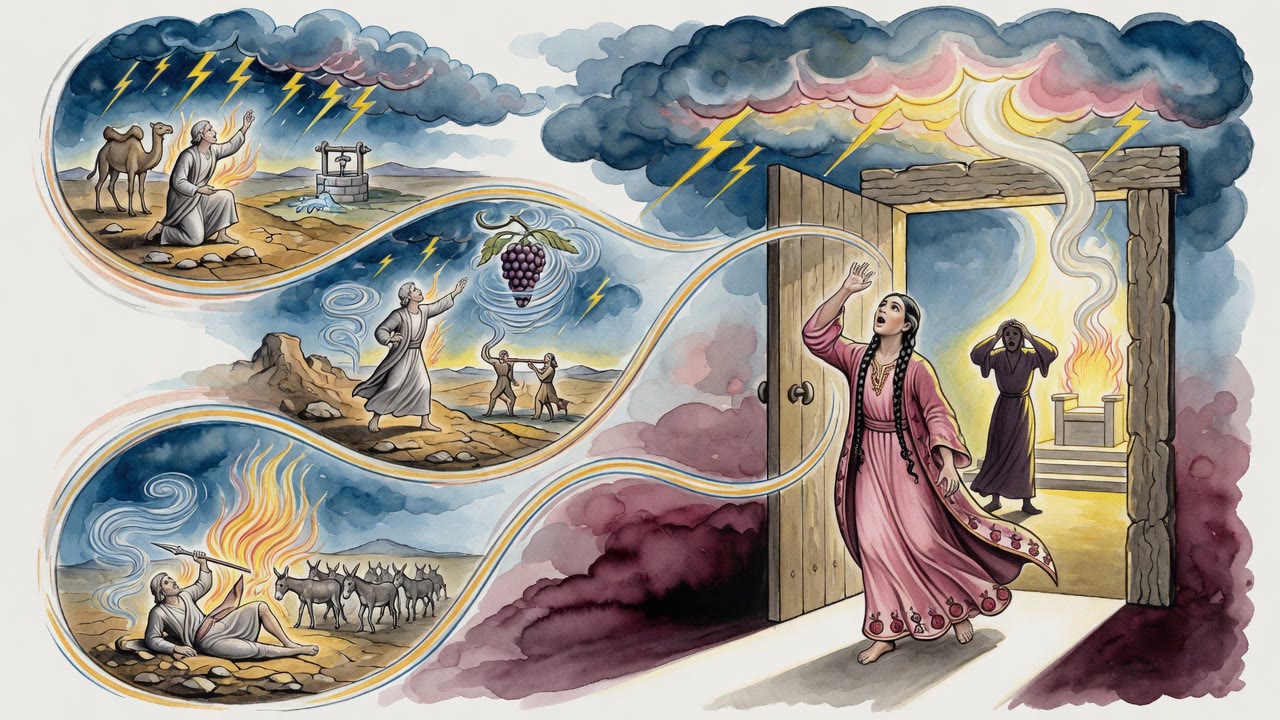
The Angel of Death came with orders to be generous. Rabbi Joshua asked to borrow the sword, then jumped the wall into Paradise while still alive.
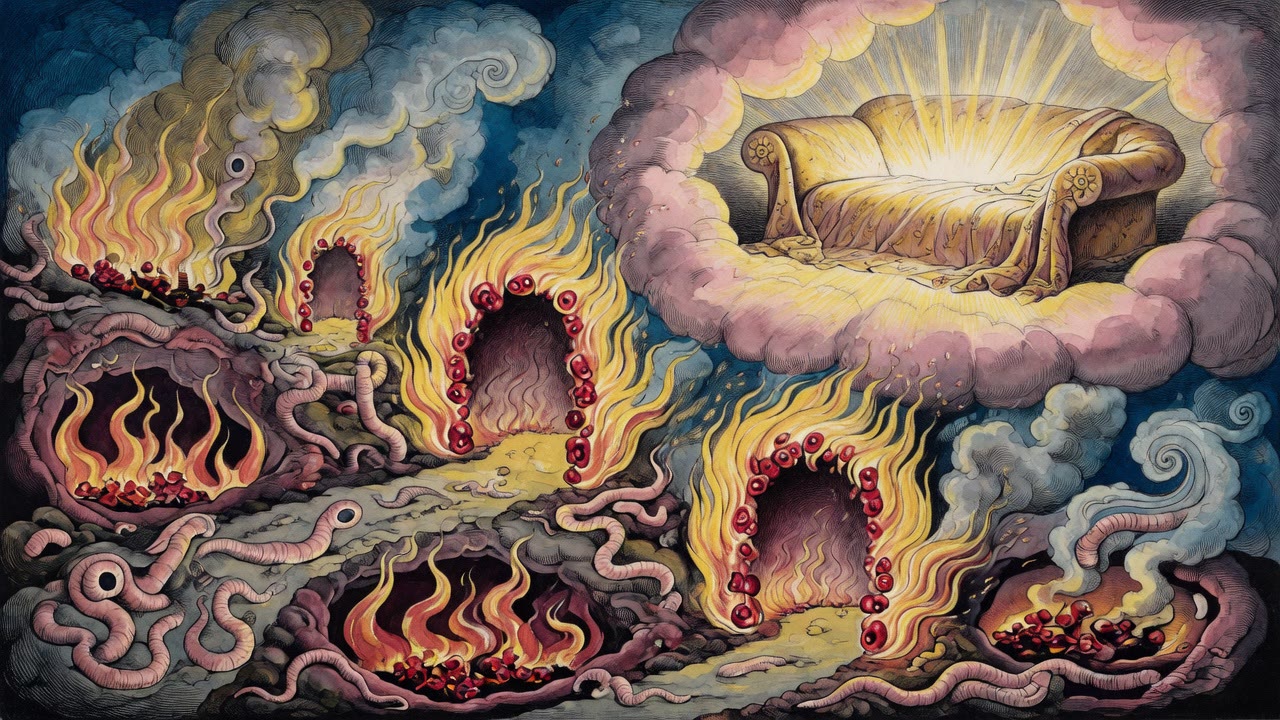
Chronicles of Jerahmeel says the righteous dead emerge from their graves each Shabbat eve to eat, drink, and praise God, then return before nightfall.
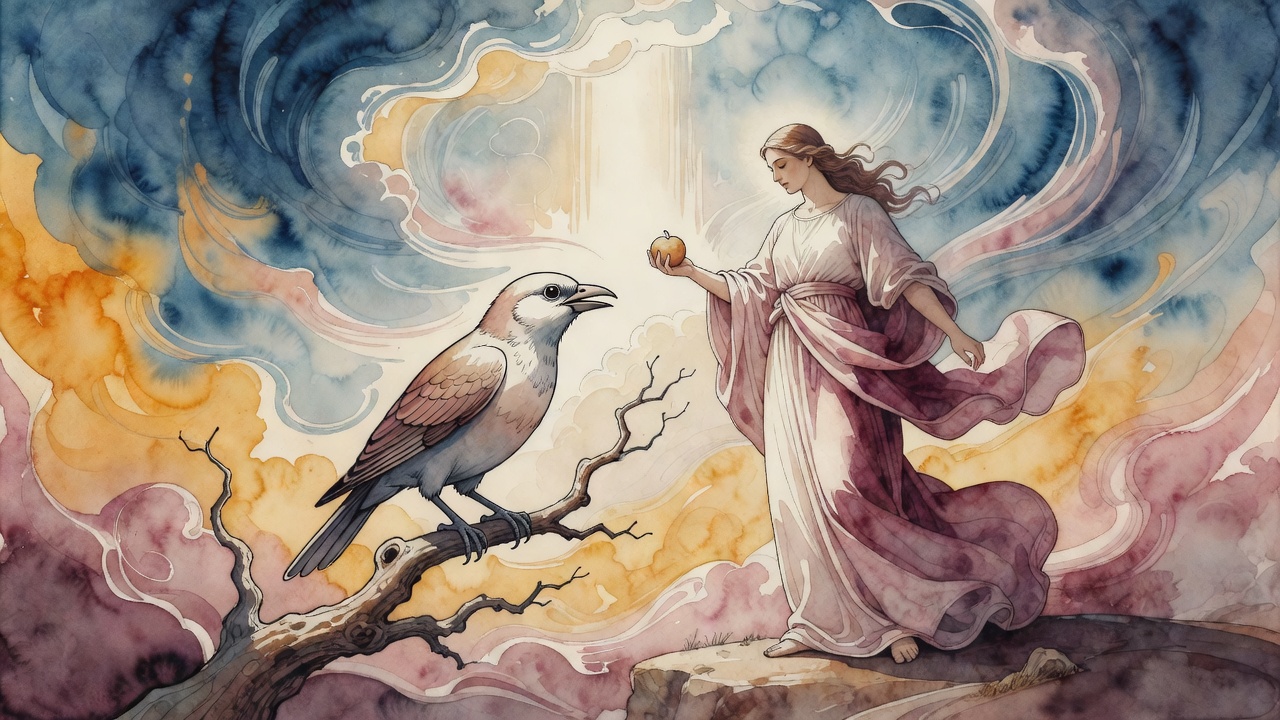
Eve fed the fruit to Adam, then to every animal and bird in the garden, so she would not die alone. One bird kept its beak shut.
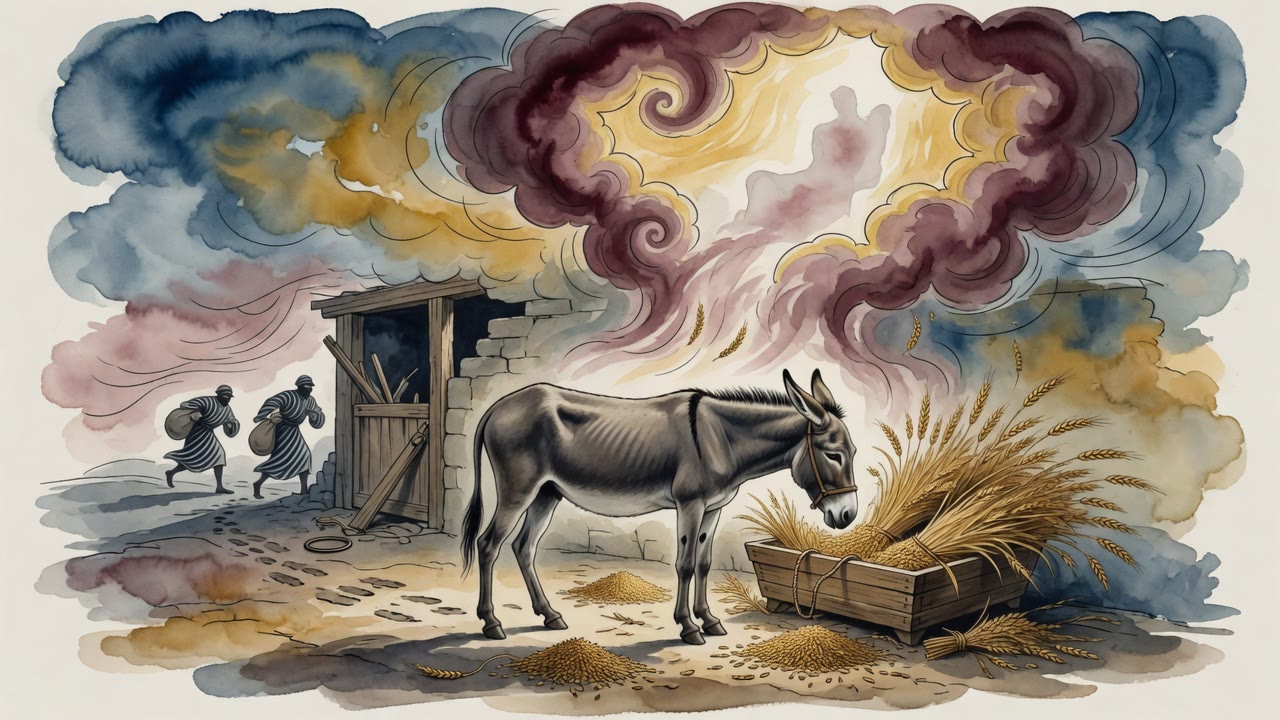
Litigants knocked, and a voice came from the loft. His wife sat by the door and did not say the man they asked for was dead.
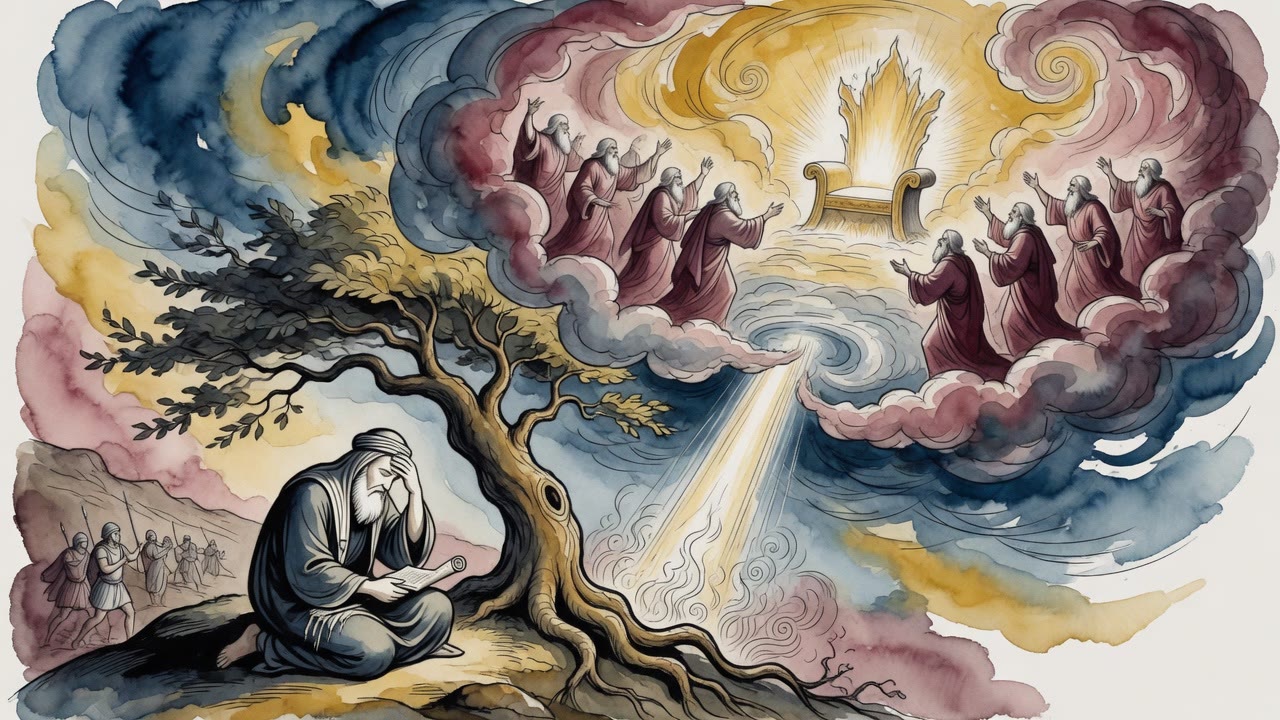
While Rabbah bar Nahmani sat under a tree fleeing arrest, heaven's sages were deadlocked on a point of ritual law. Only he could break the tie.
