124 myths · Page 3 of 5
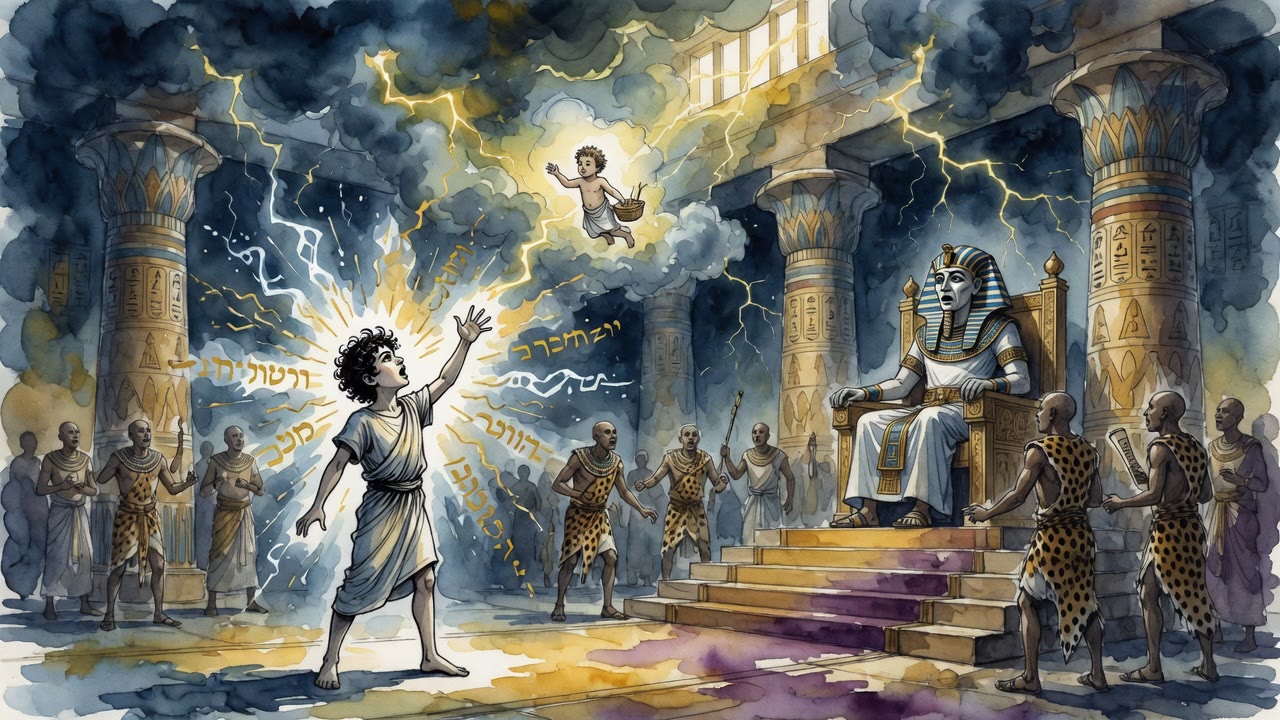
An old man hung merchants' scales in front of the throne, put every noble in Egypt in one pan and a baby goat in the other, and the goat went down.
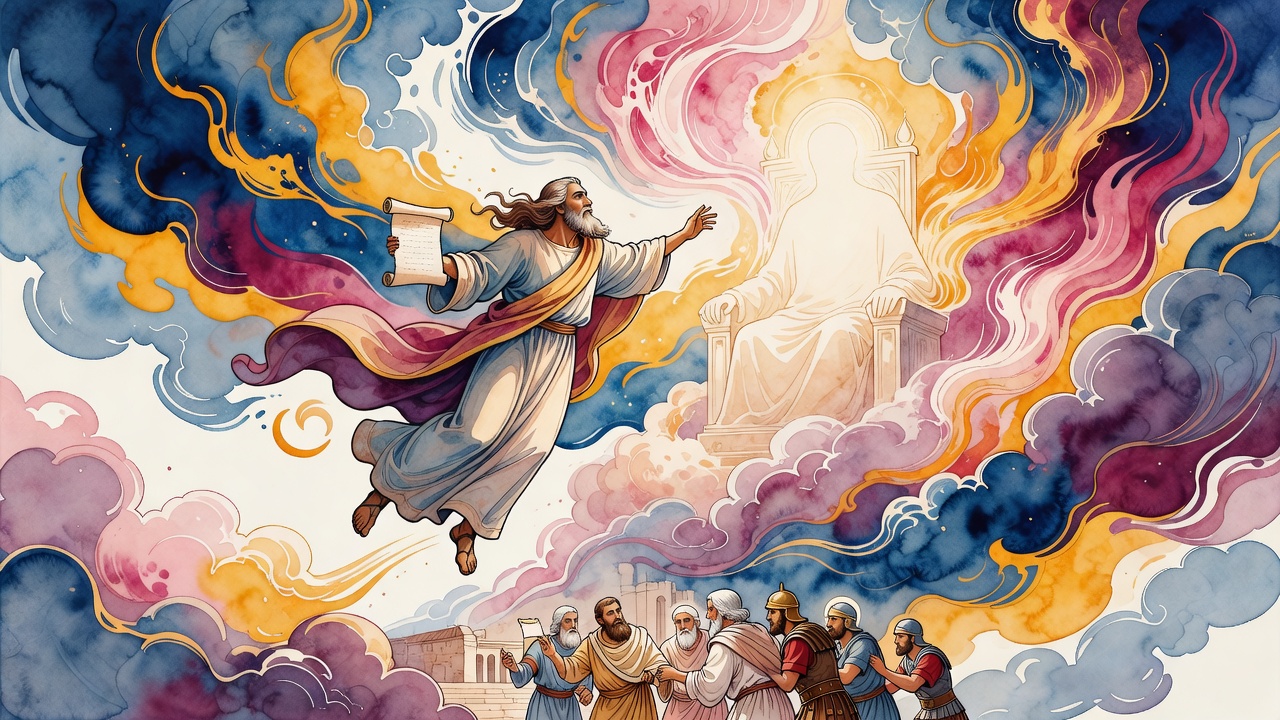
The news reached them on a Thursday. Rome had four of the great sages and wanted eight thousand students of Jerusalem as the price of their release.
No king who came after Solomon could replicate his throne. The problem was not the gold or the ivory. The throne was built to humble whoever sat on it.
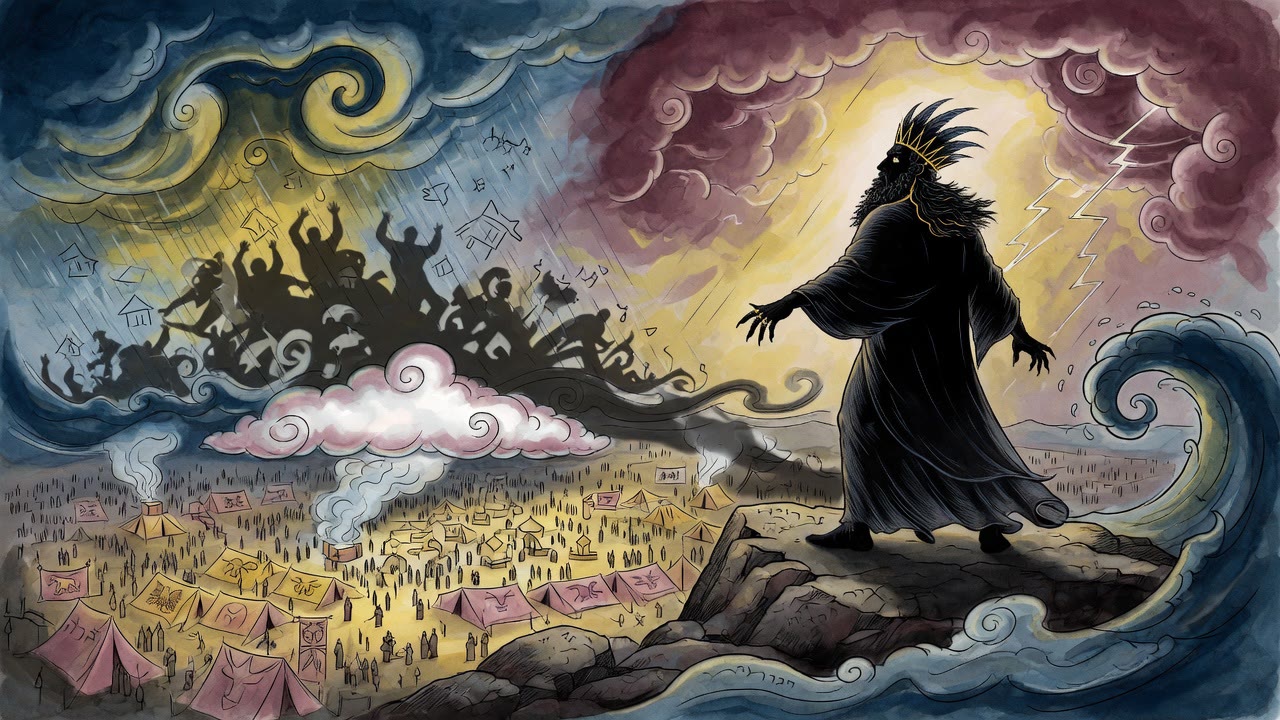
A golden lion put out its paw with a law cut into it, and Solomon could not reach the second step until he read it. In Babylon the lions were alive.
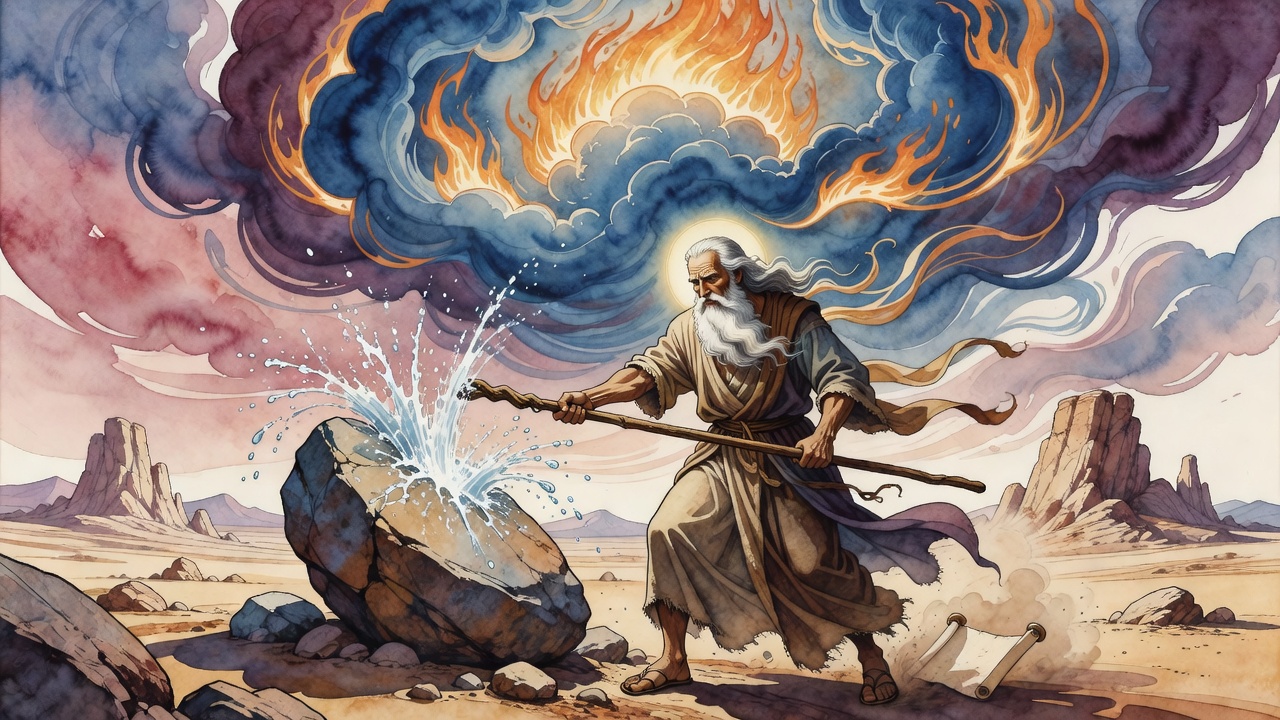
Water came when he hit the stone. God had told him to speak. At Beth-Peor he counted the prayers that had not opened the land.
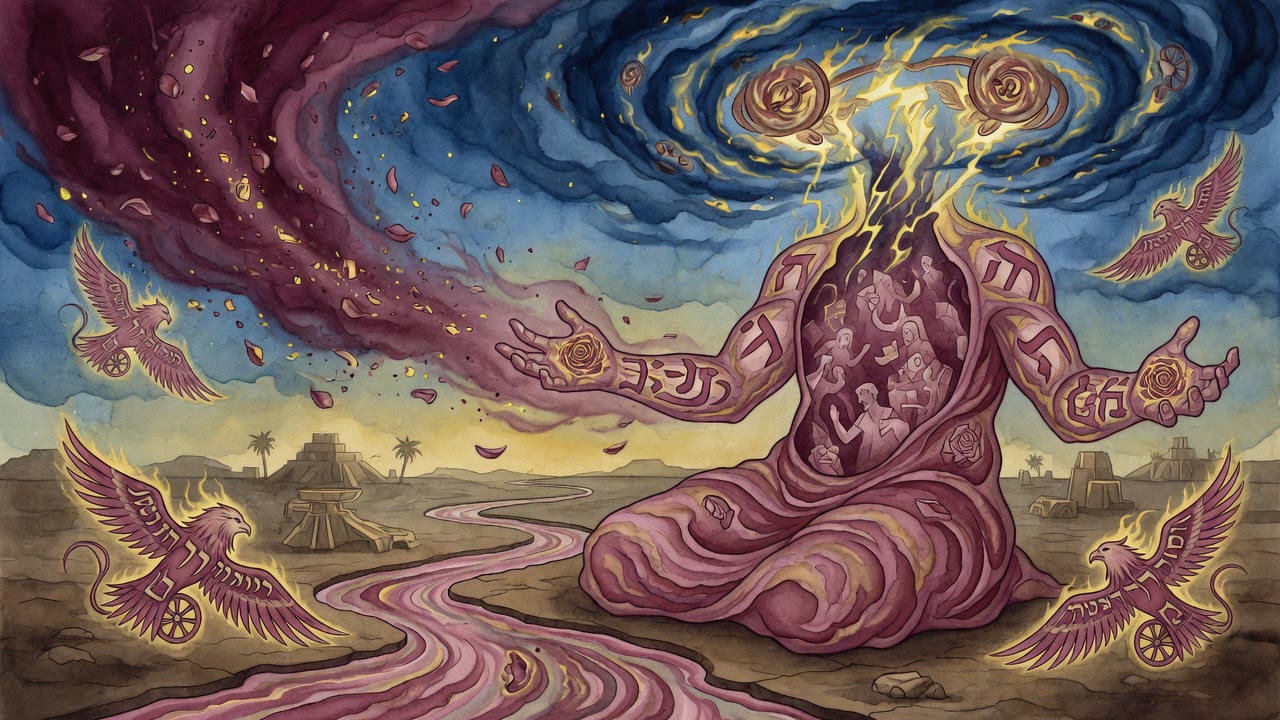
Moses saw God most clearly of all the prophets. Ezekiel saw through nine clouded panes. So why is Ezekiel's vision so much stranger and more detailed?
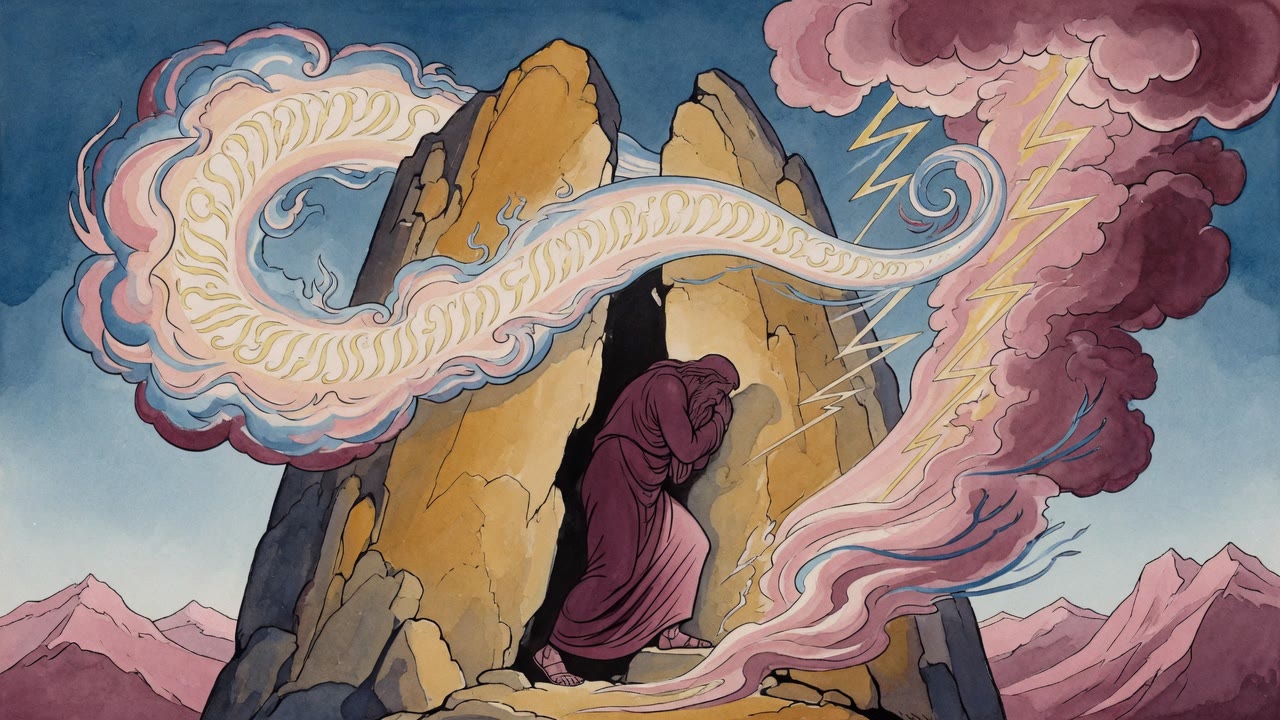
Thirty thousand angels escorted Moses upward, and he was terrified. Qemuel met him at the first gate and told him he came from a place of defilement.
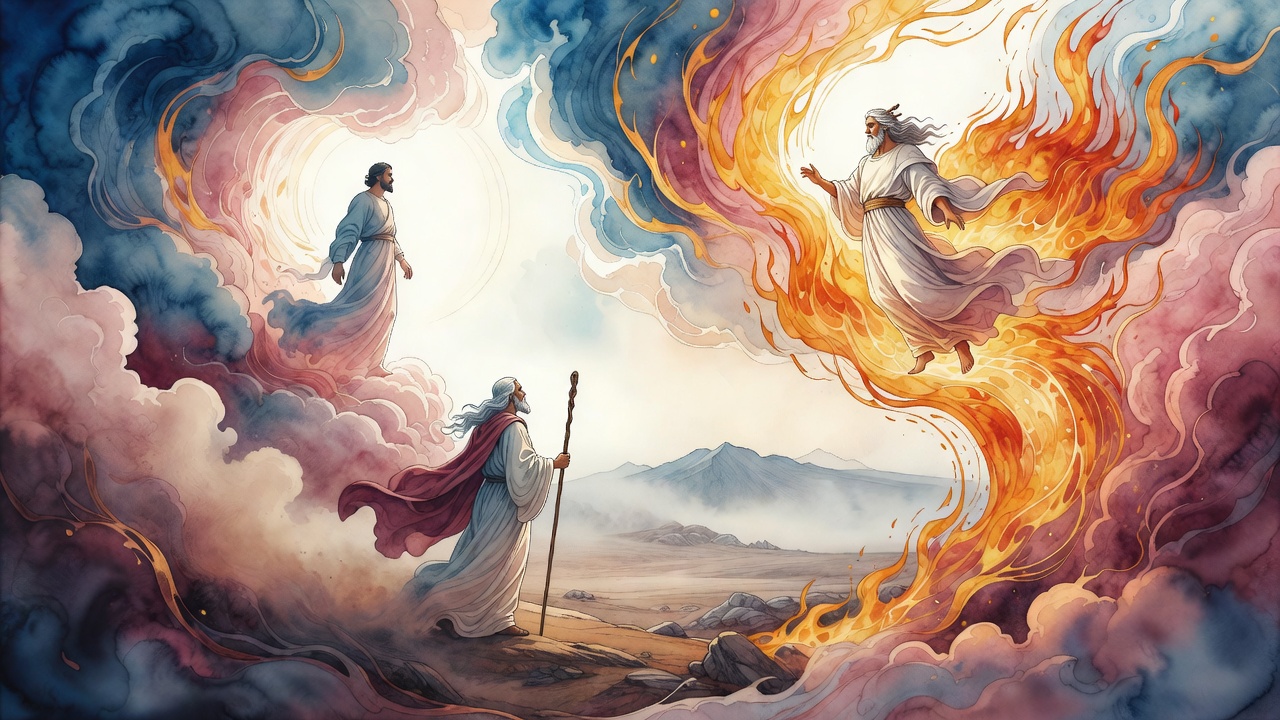
They searched the fields for Enoch and came back empty-handed. The man who walked with God had been taken, and there was nothing to bury.
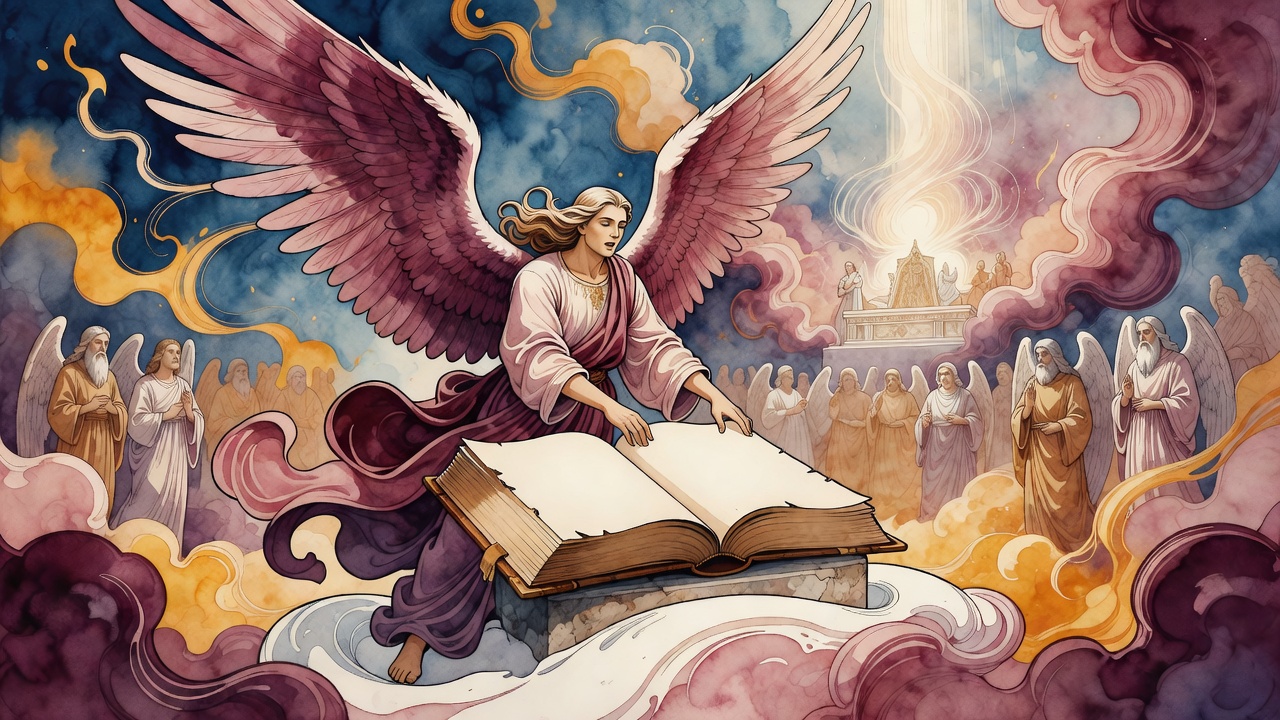
Radweriel carried a sealed case into the highest court. He broke the seal. Every deed anyone had ever done sat in that book, waiting to be read.
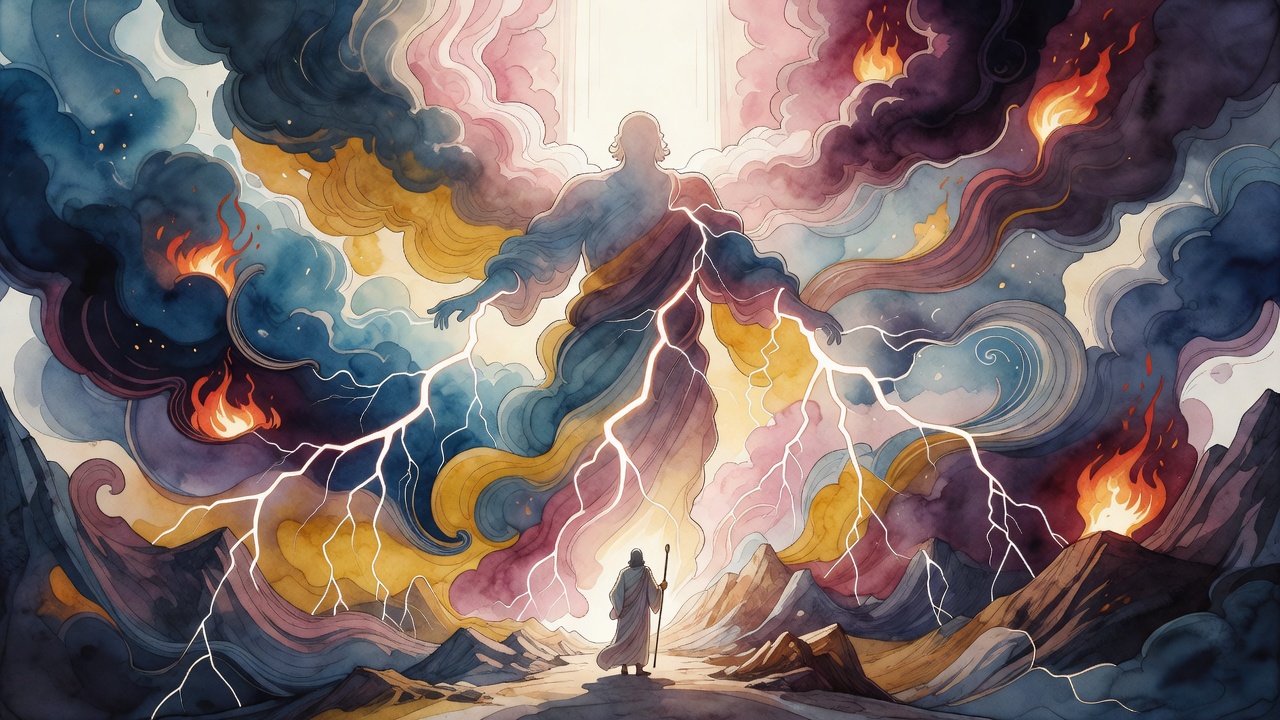
When Moses ascended to receive the Torah, an angel sixty myriads of parasangs tall blocked his path and unleashed lightning with every word.
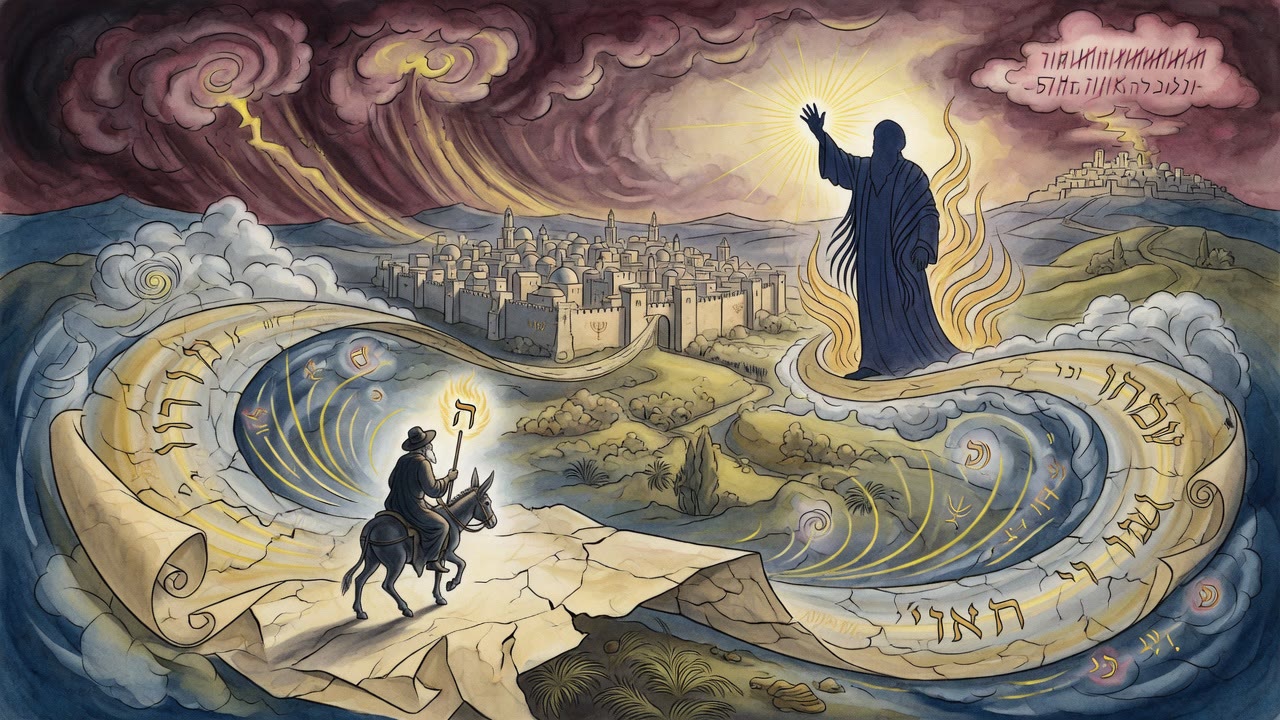
Rabbi Ishmael asked which songs would get a man past seven gates and back alive. At the sixth palace the water was a lie.
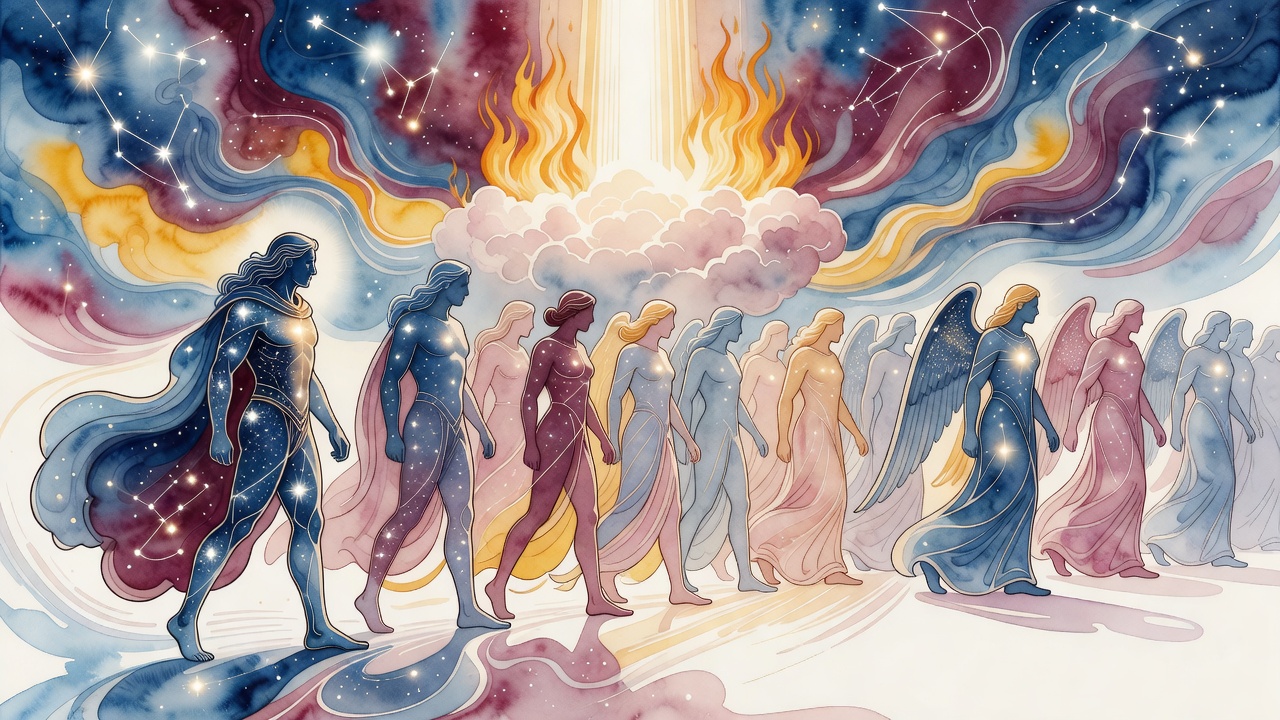
On the first Shabbat all creation paraded before the throne, and the constellations took their place in line beside the angels.
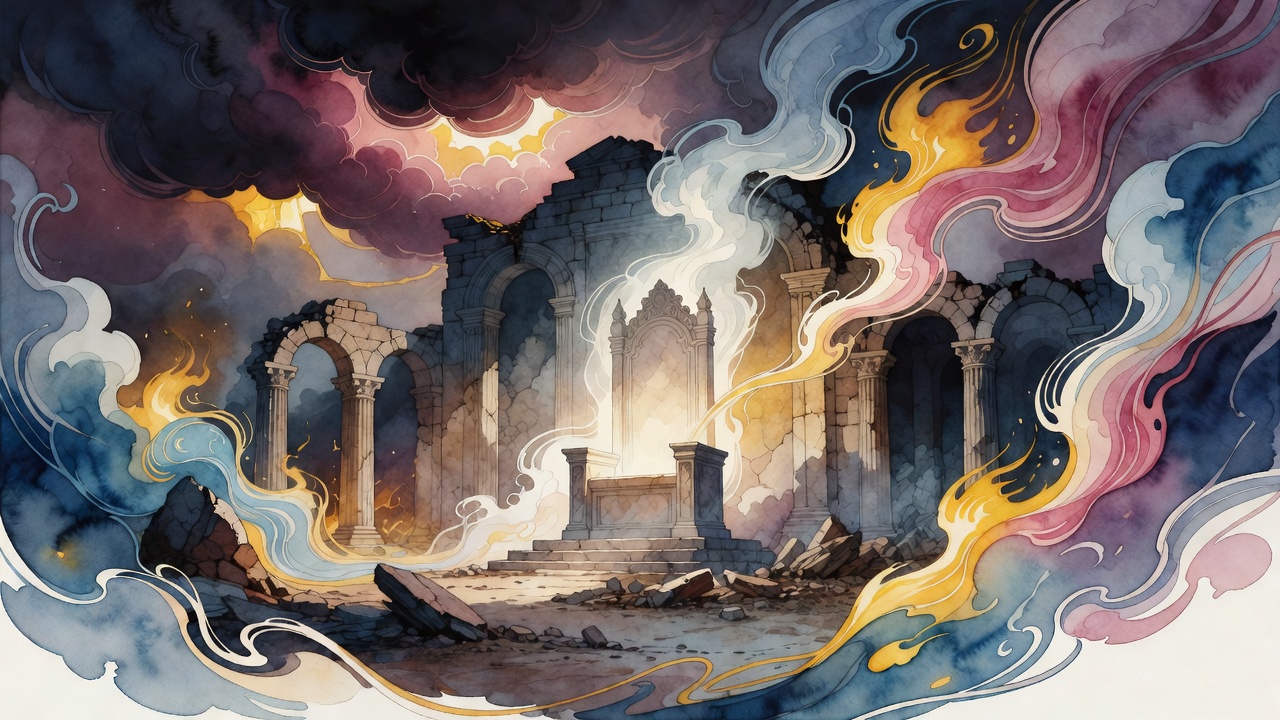
Metatron begged to weep in God's place. God refused him and went where no angel is allowed to enter. The Temple below was already ash.
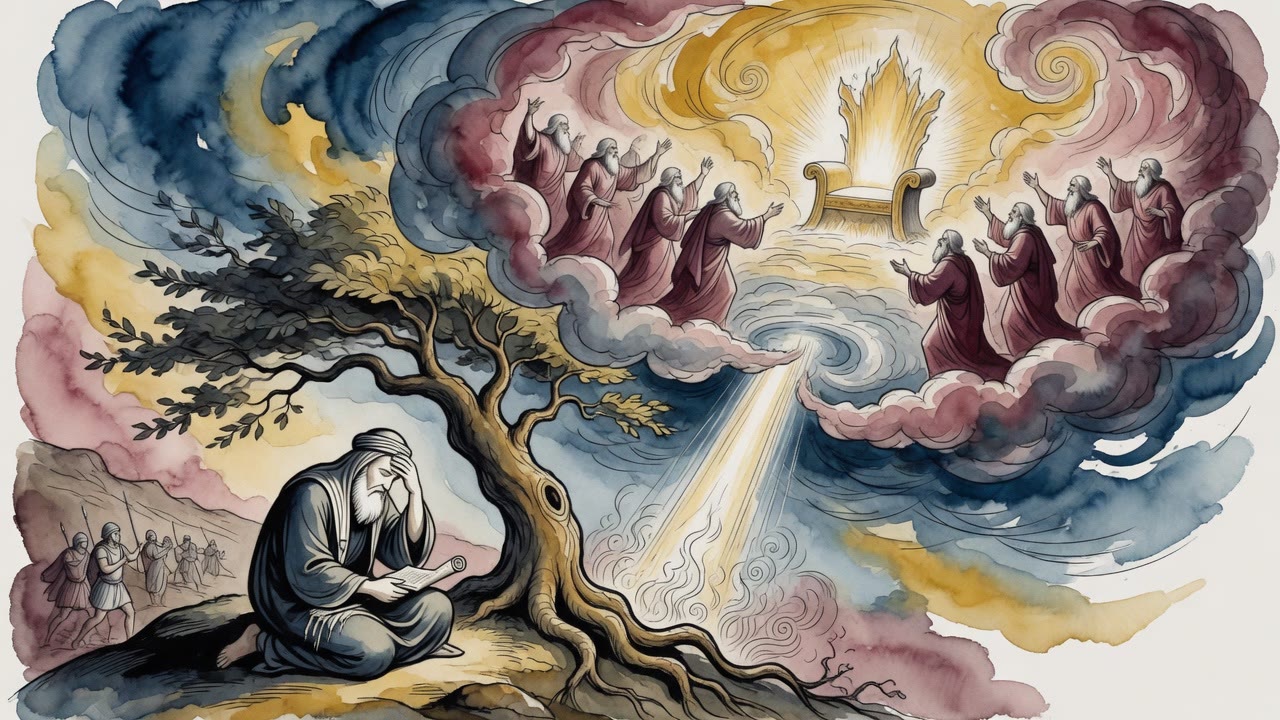
While Rabbah bar Nahmani sat under a tree fleeing arrest, heaven's sages were deadlocked on a point of ritual law. Only he could break the tie.
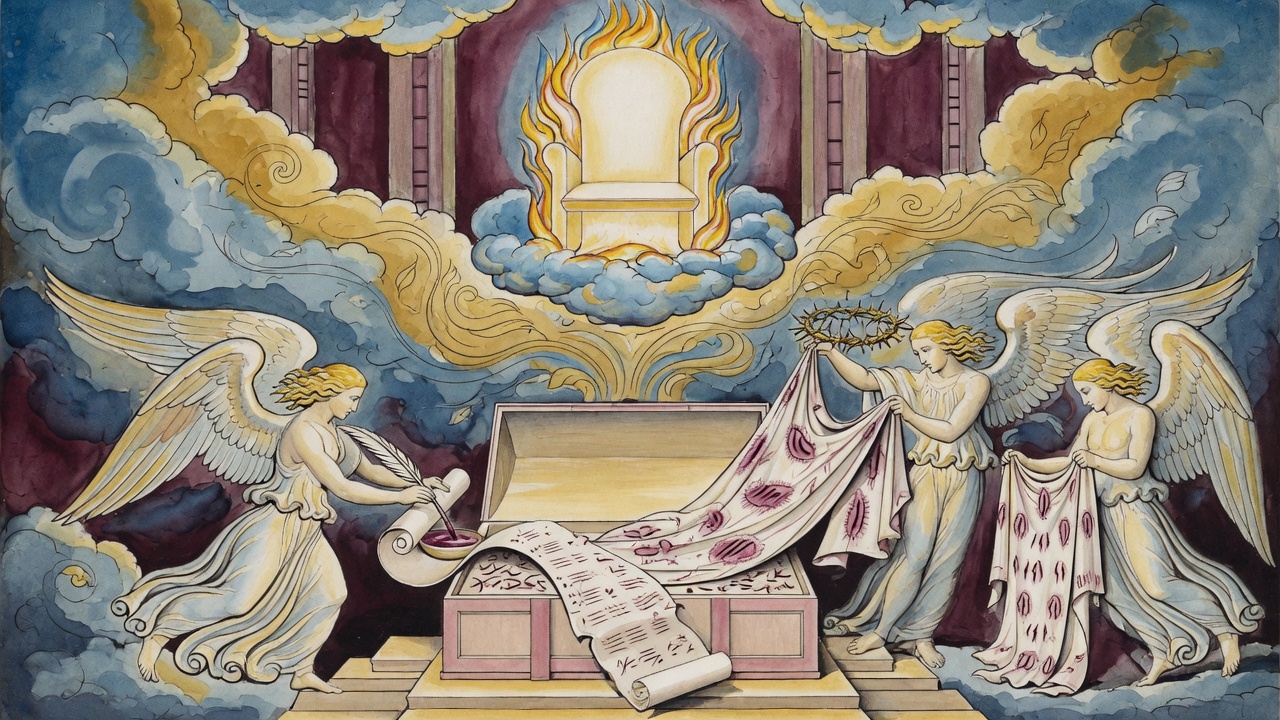
He fell backward when the voice struck. Hadariel put breath in him and walked him into rooms of ledgers. Angels sat there sewing crowns.
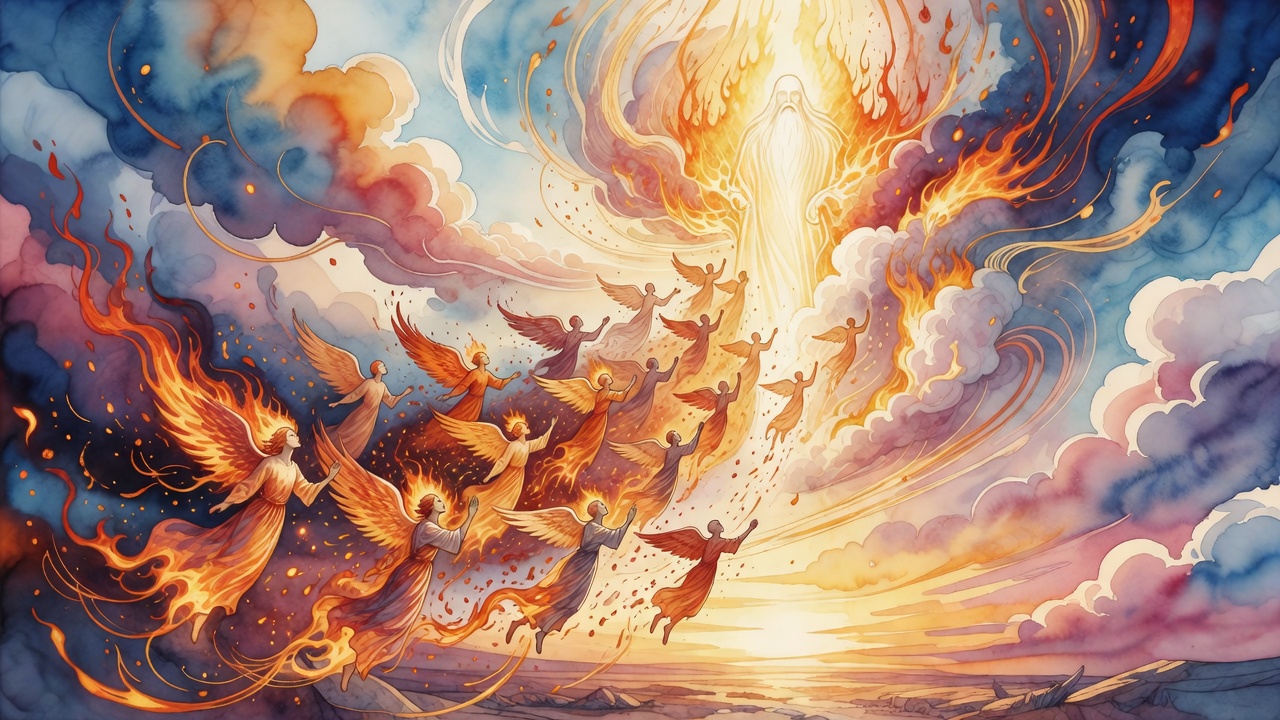
Every dawn a new host of angels is created from fire, sings one song before God, and is gone before the morning has fully opened.
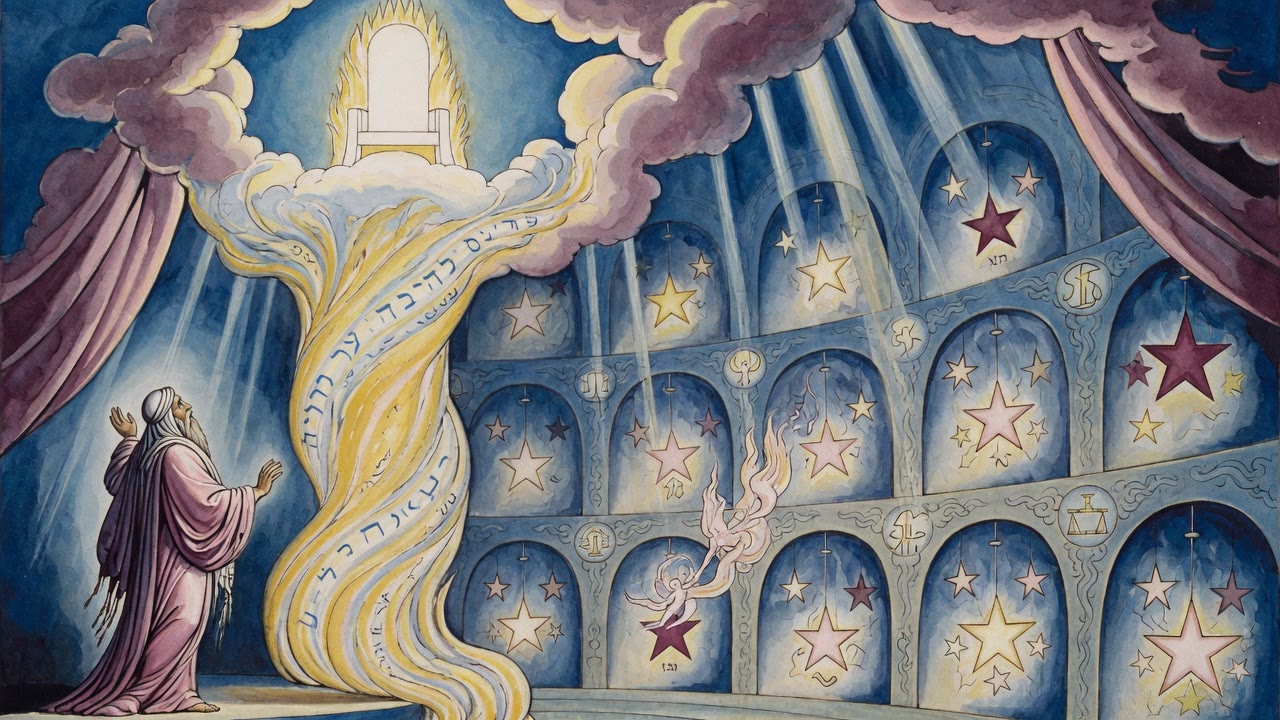
Metatron clapped his hands and the stars flew off the Throne on flaming wings. He named every one of them while Rabbi Ishmael watched.
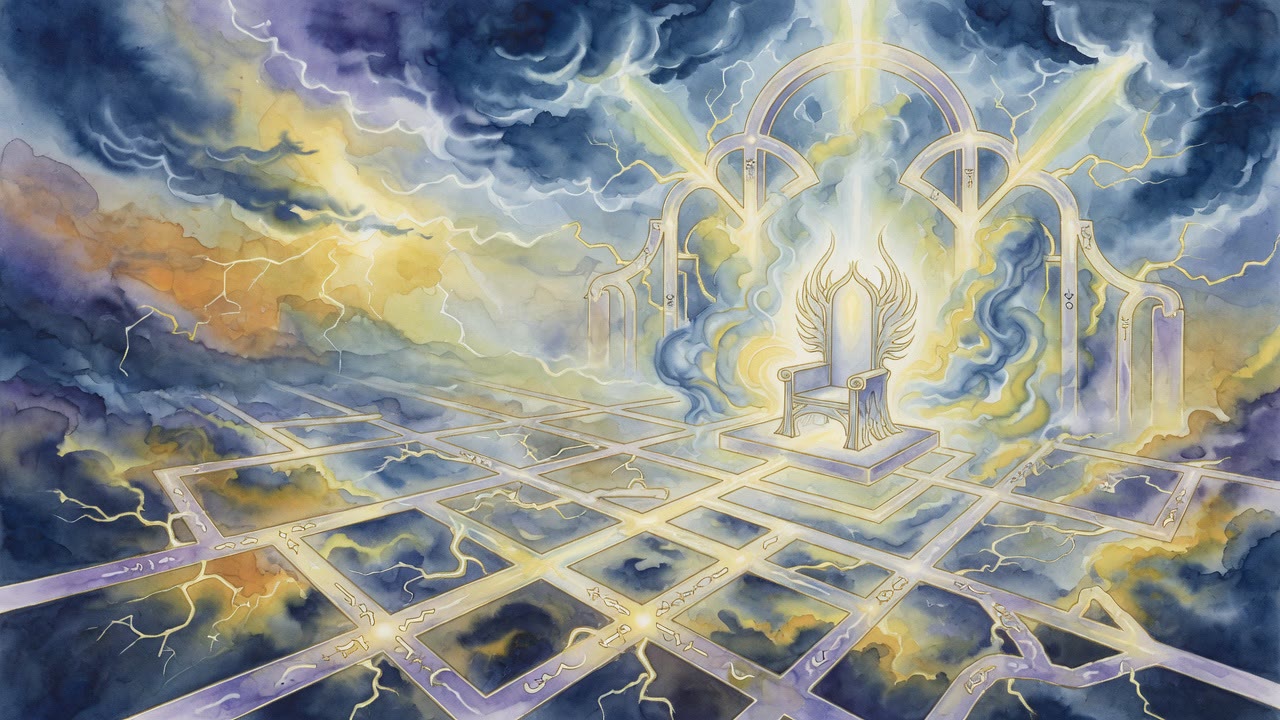
At the gate of the seventh palace, Anaphiel stands crowned with a radiance that fills the seventh heaven, holding the seal that opens the way to the Throne.
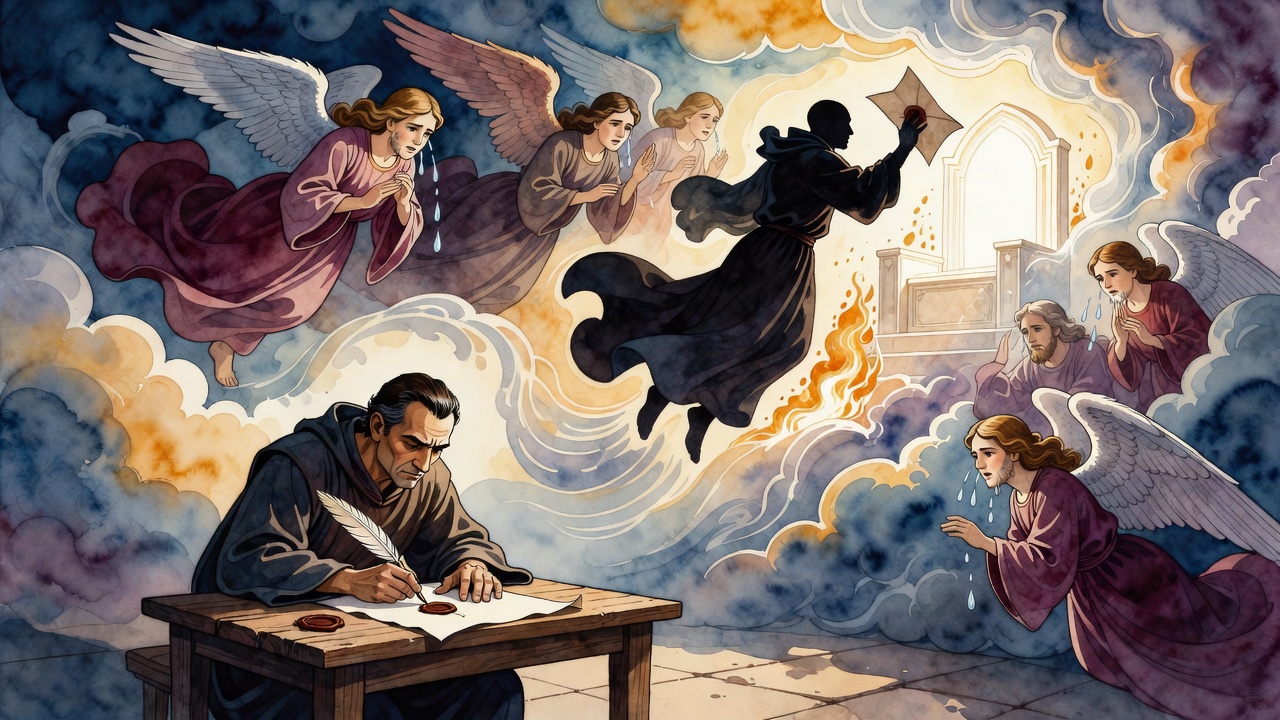
Haman's letter warned that the Jews were an eagle growing new feathers. Mordecai told them to skip Haman's feast. Thousands went anyway.
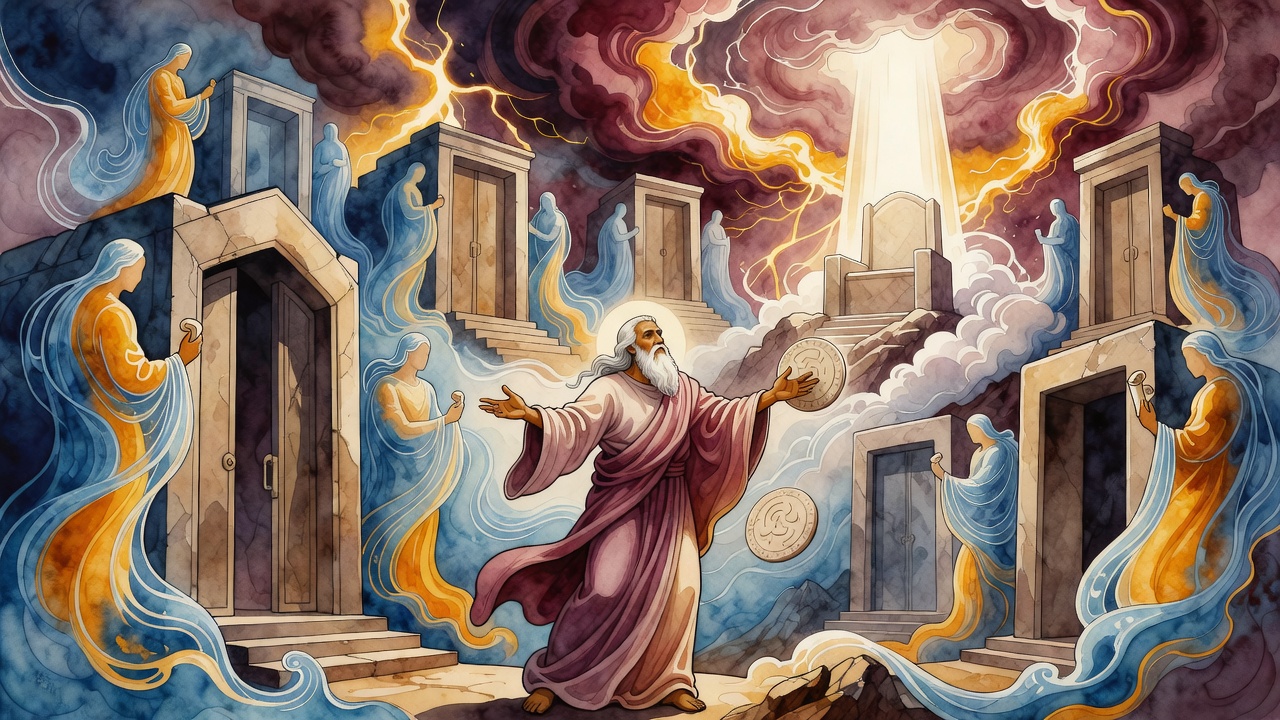
Nehunya sat on a bench with his eyes open and nothing behind them. His students needed the names of the two seals before more men died.
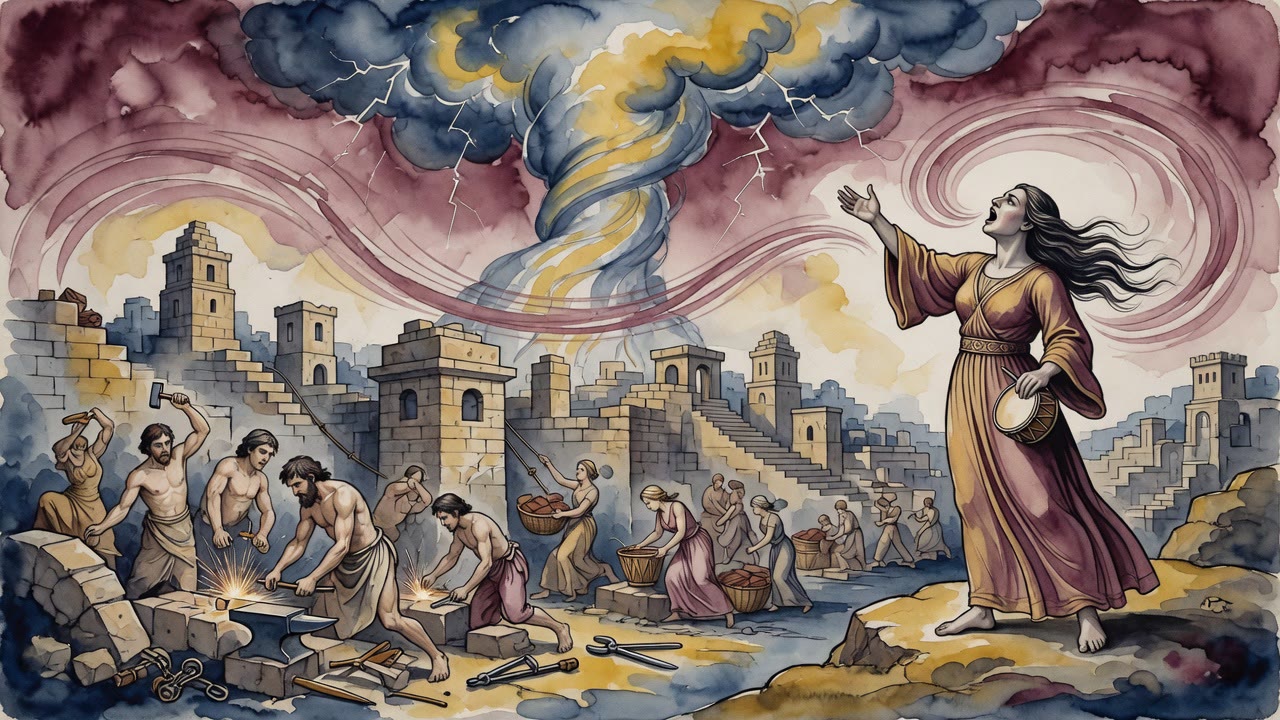
Heaven sings in layers. Stars move in praise, angels in Ma'on go silent at dawn so Israel's prayers can enter the court without competition.
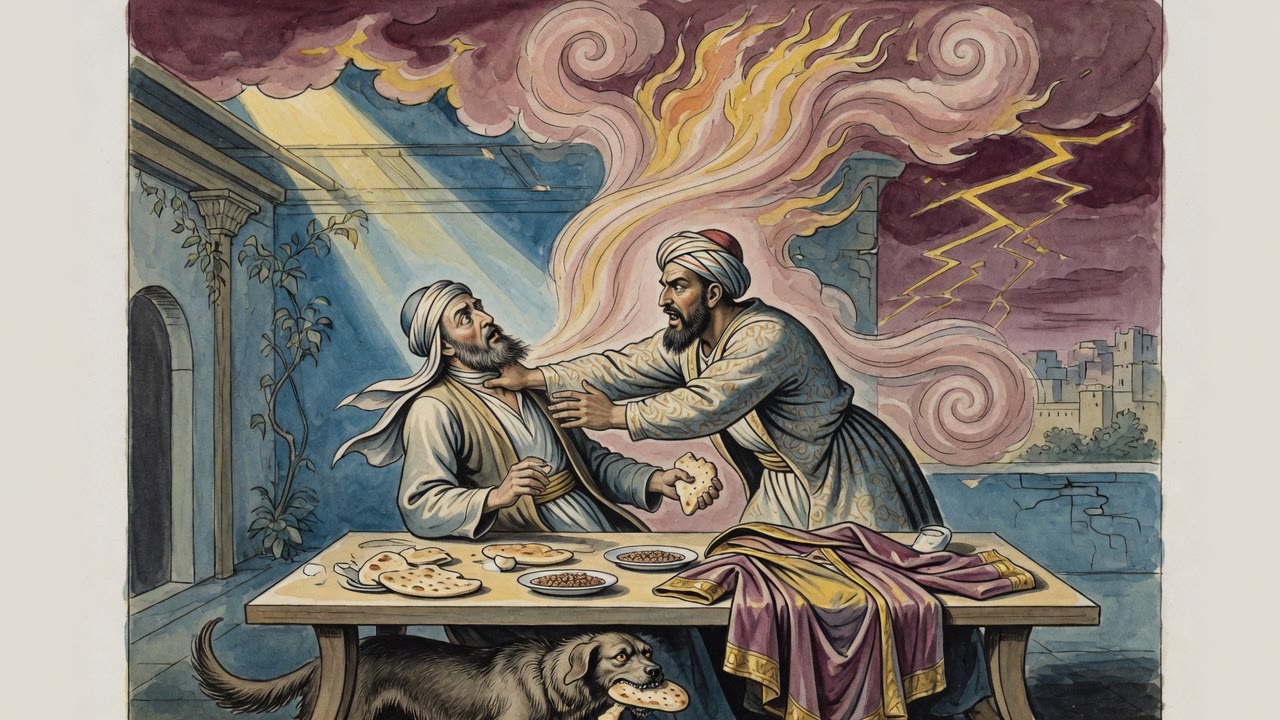
Somebody in Pharaoh's room said water, and the room went quiet. After the flood God had sworn the waters would not pass over the earth again.
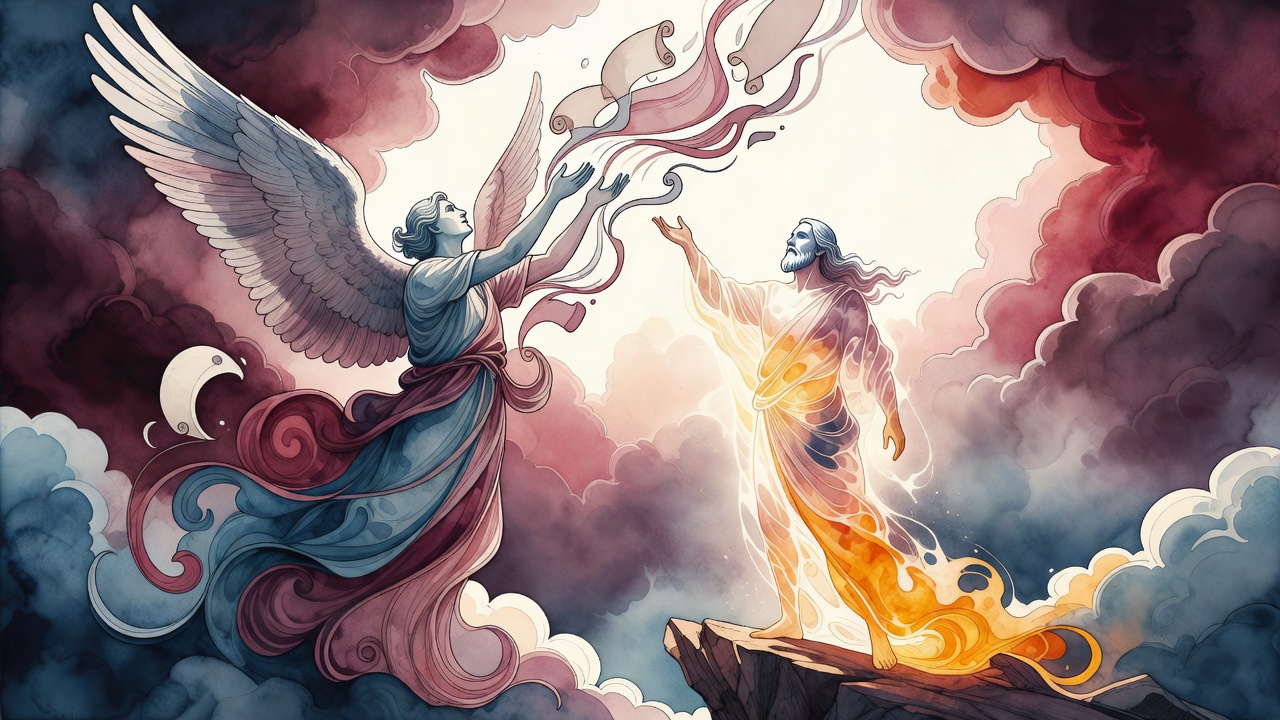
Solomon warned that a bird of heaven carries the voice. The midrash says that bird is an angel, and Saul's curse reached heaven as soon as he said it.
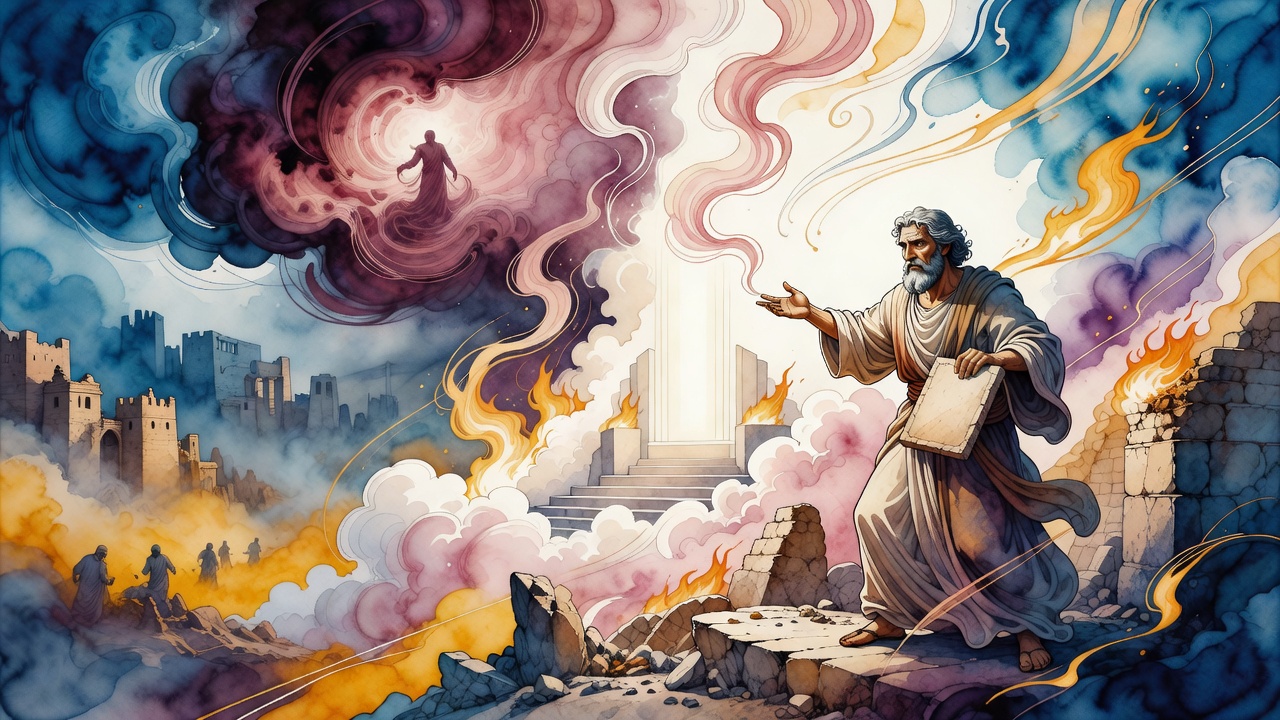
The guards would not let the column stop walking. The first ground the exiles were allowed to sit on was the bank of the Euphrates.
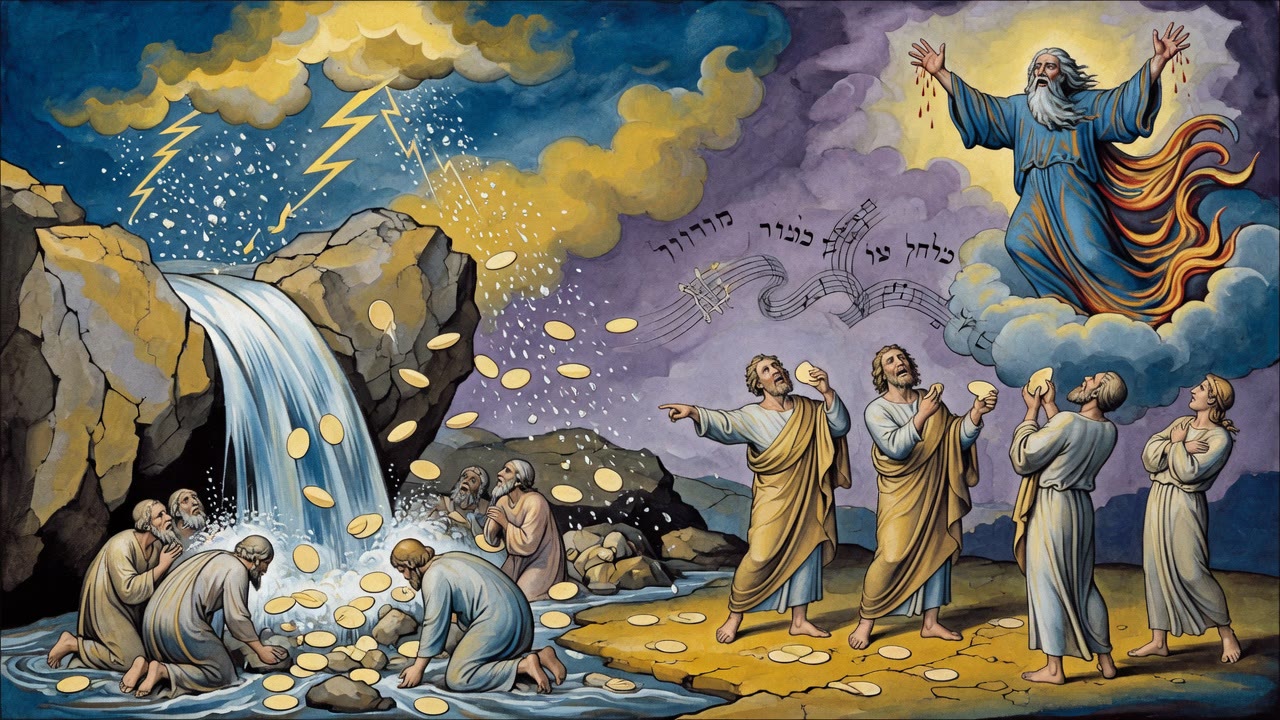
Israel drinks from a gushing rock and eats bread from heaven, then mocks the miracle before learning what a new song costs.
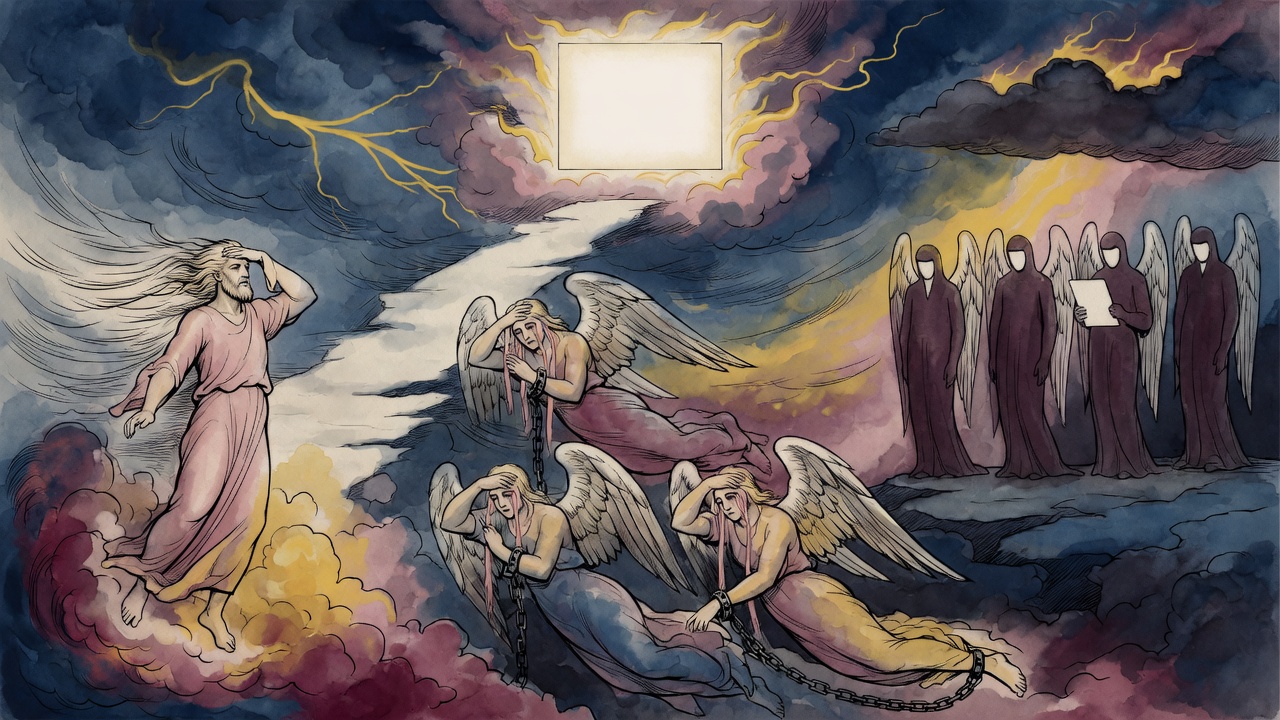
Enoch ascends through dark heavens, finds chained angels weeping in gloom, then silent Watchers stripped of light, still awaiting judgment.
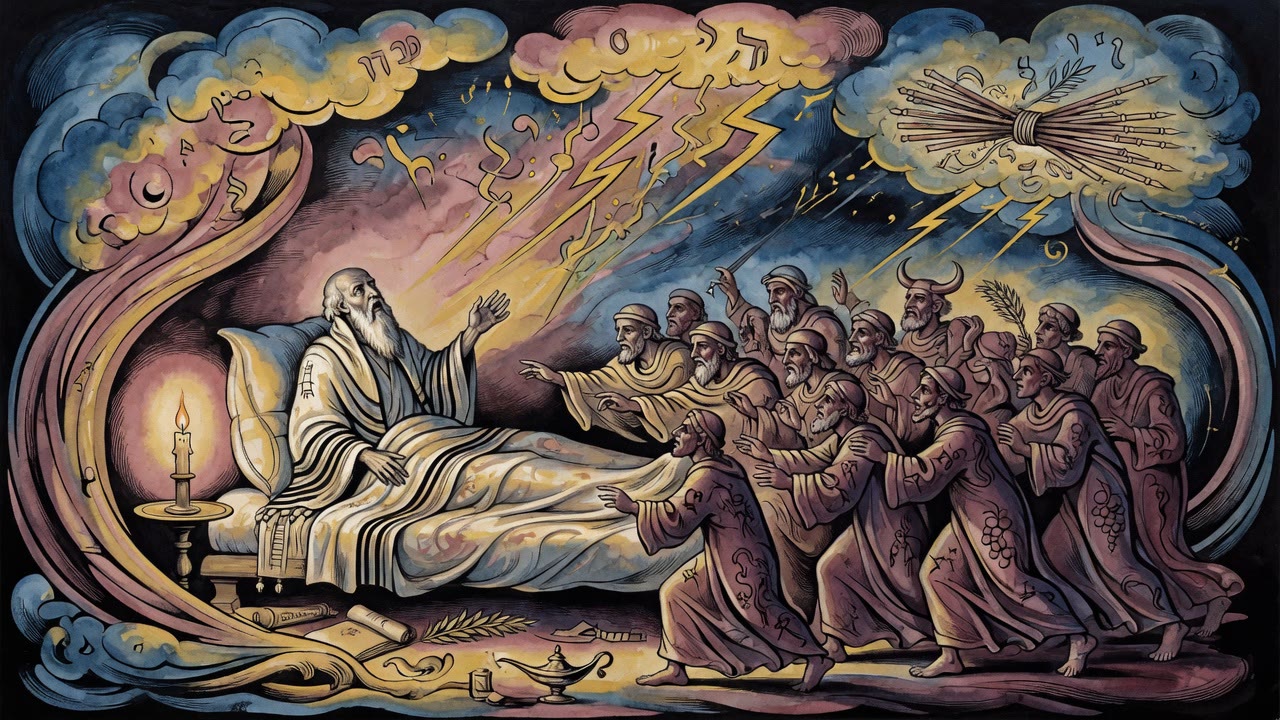
His wife looked at the ring and told him to suck it. Thirty days of mourning would cancel the edict. He died with the Shema in his mouth.
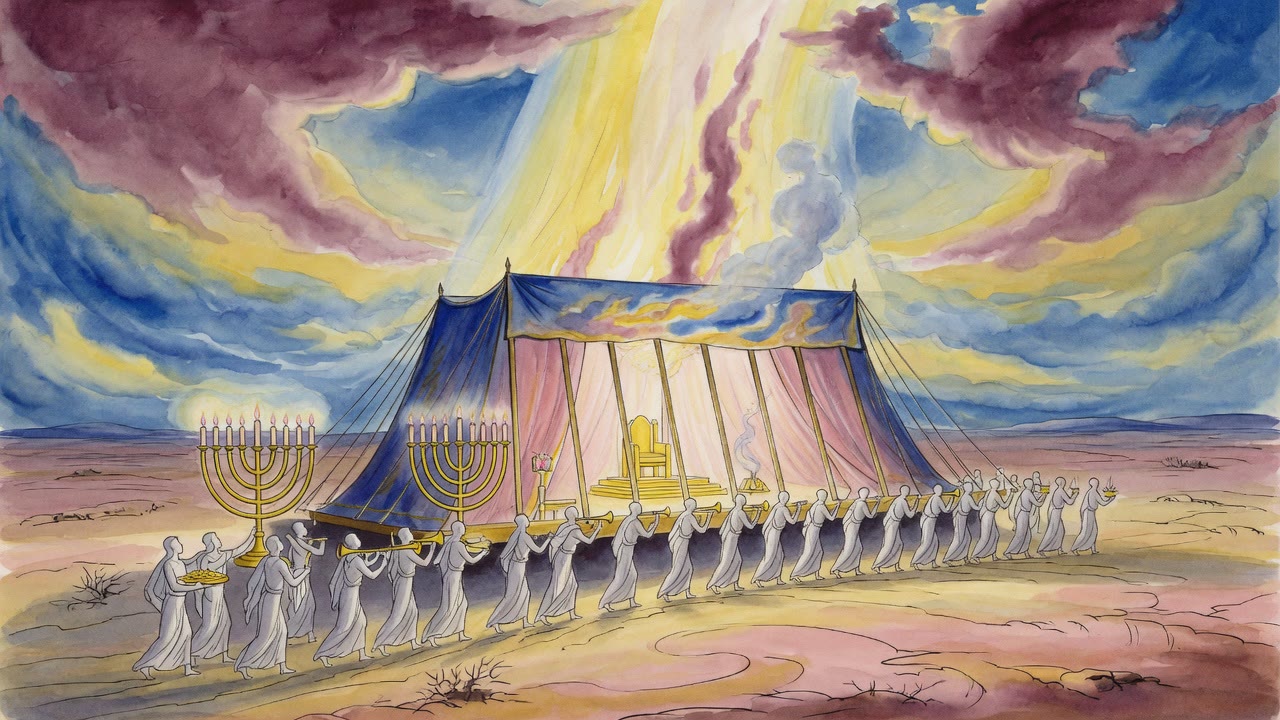
A poor man promised the king dinner, then hid the plain lamp he had made when the royal gold came through the door. The king sent his own lamp away.
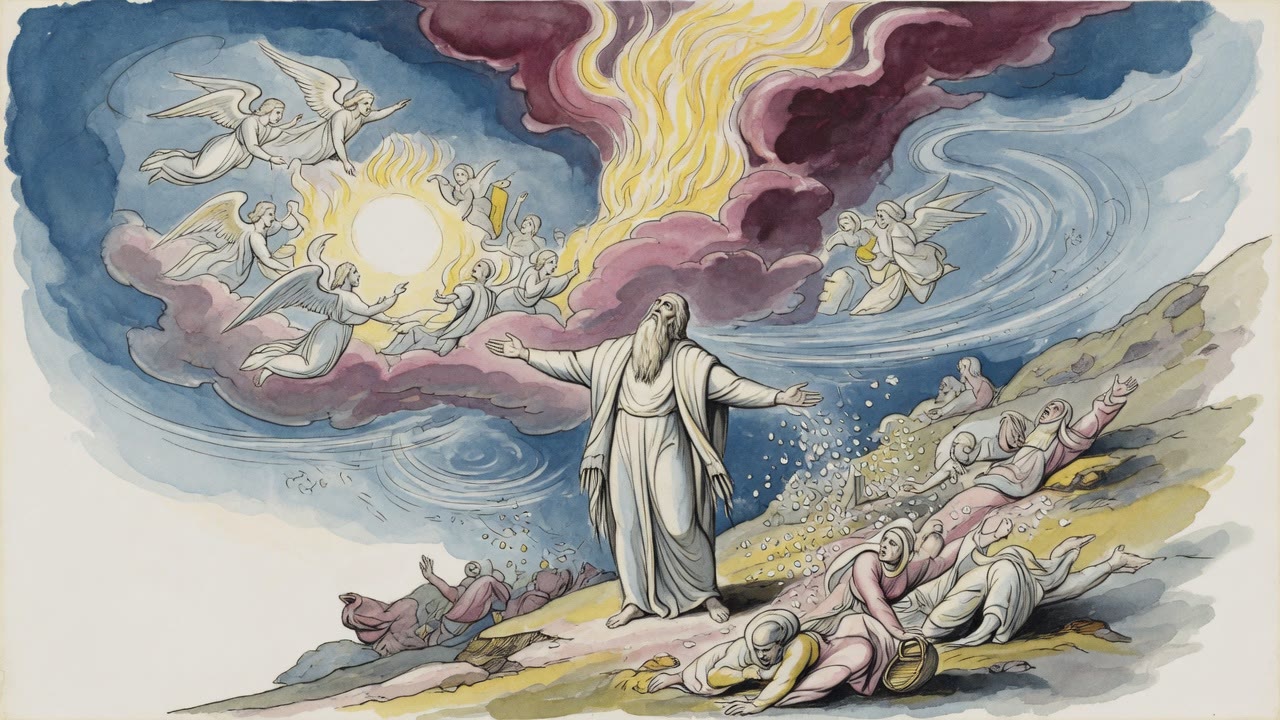
The tablets were still warm in his hands when he saw the calf. He broke them. Below the mountain, Israel was already dancing.
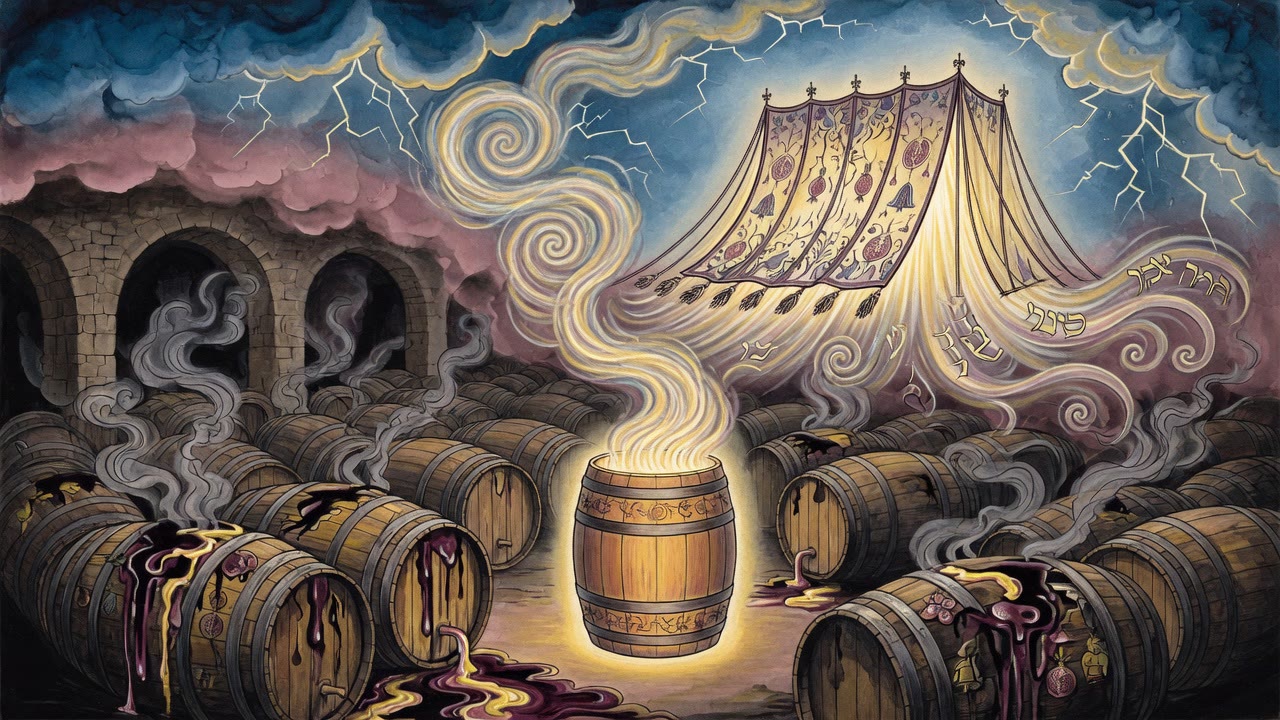
David looked down the line of kings coming out of him. When he reached the one who burned his own sons, he stopped calling himself a king.
