92 myths · Page 3 of 4
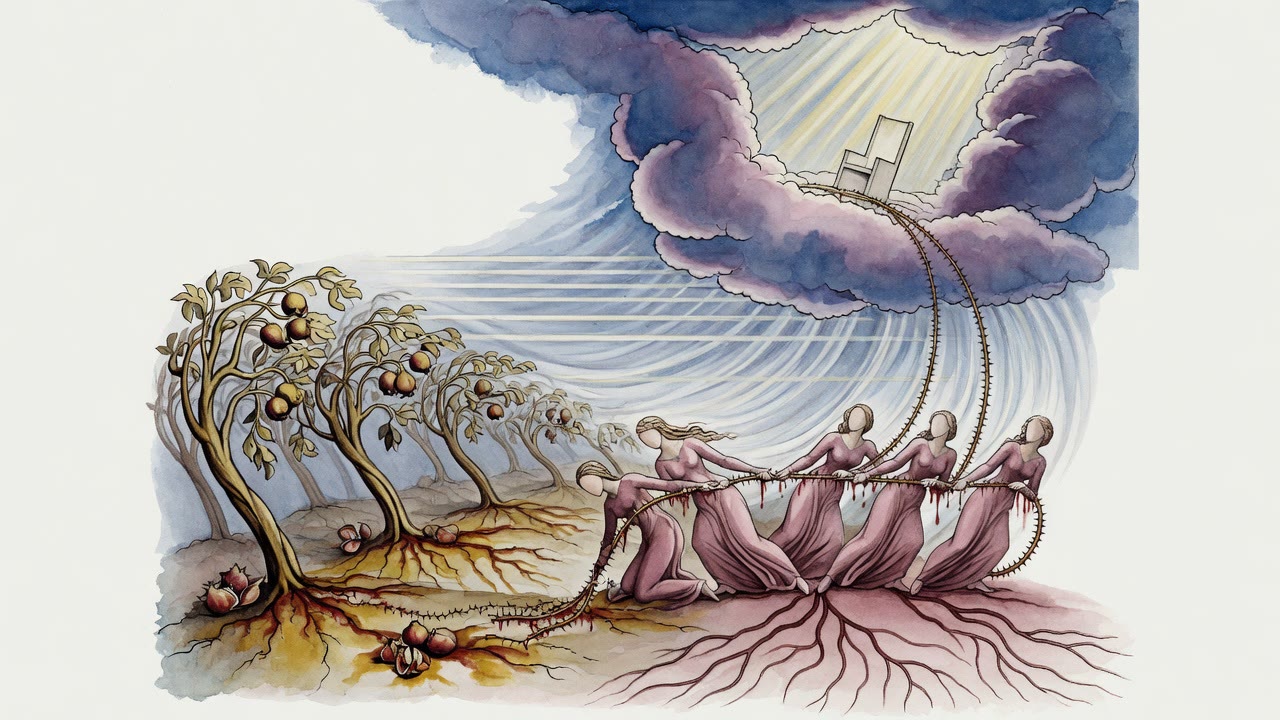
One afternoon in a garden bent every birth after it. God's presence climbed seven heavens away. Six righteous bodies slowly dragged it back down.
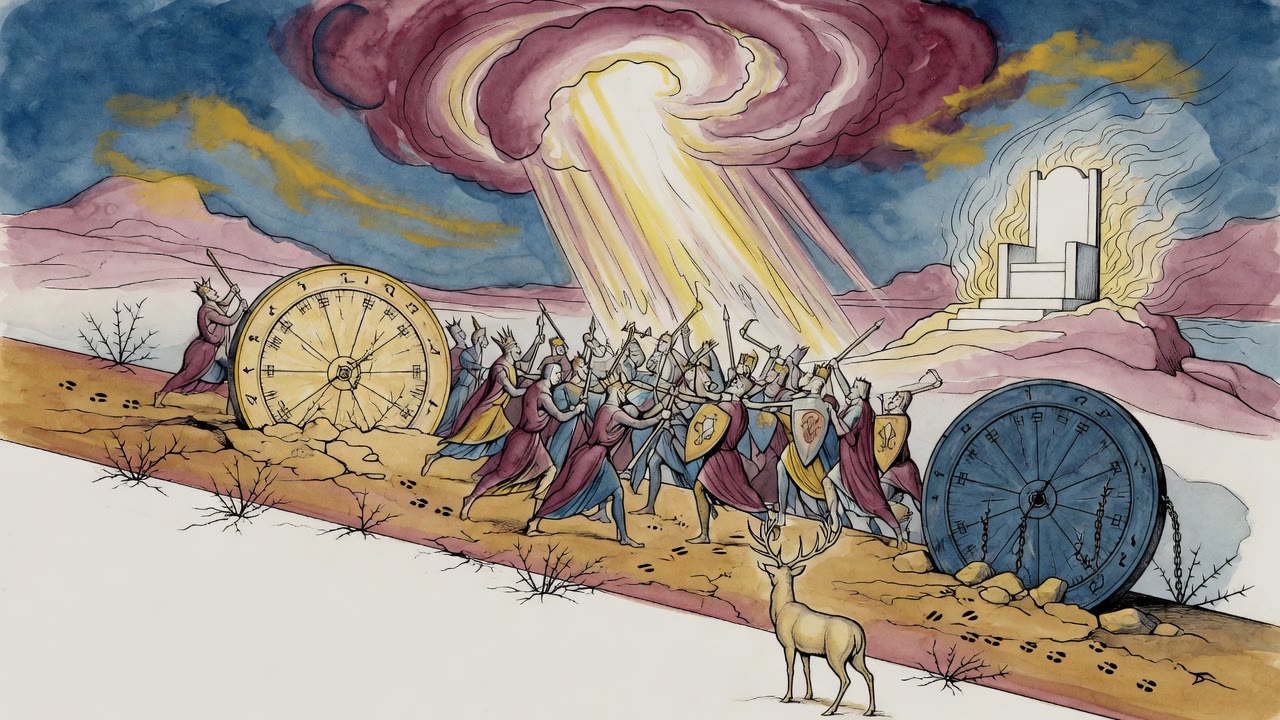
Thirty-one kings fight over a strip of land none of them plan to live in, where two debt clocks run at once and one word hides God's grief.
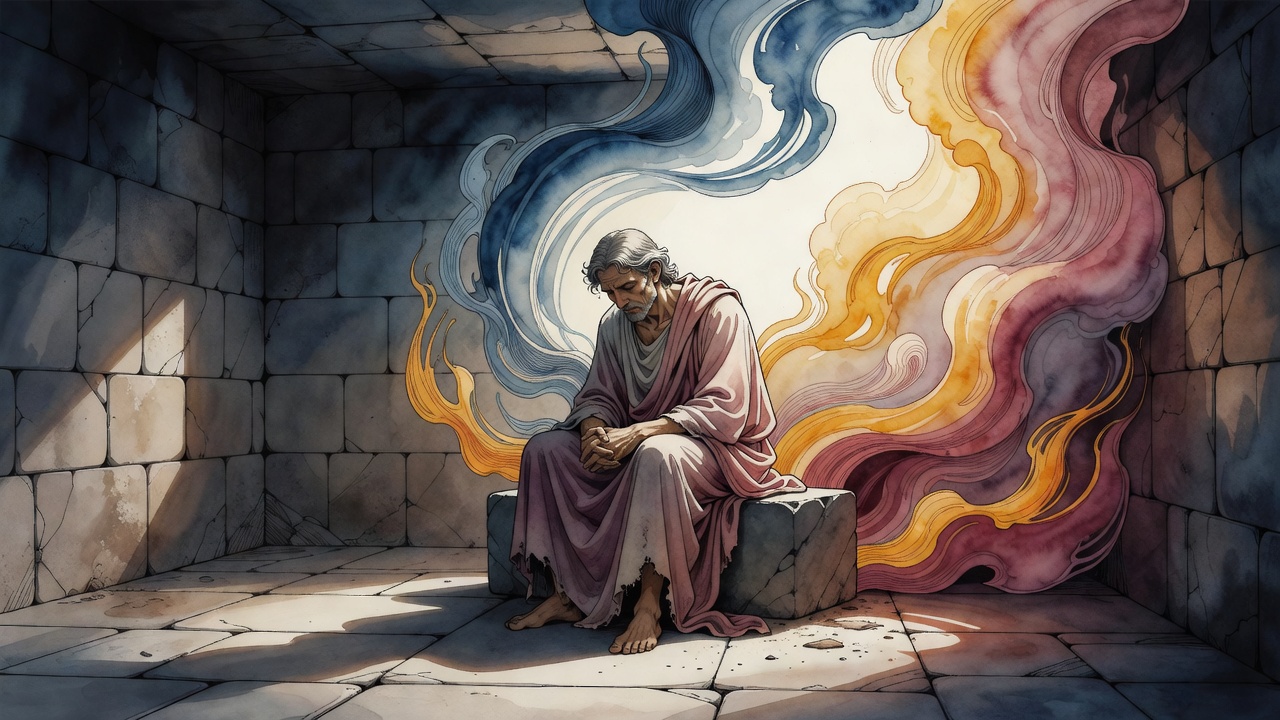
Nebuchadnezzar's advisers warned him not to raise a good puppy from a bad dog. So he took the boy king off the throne and put him in a Babylonian cell.
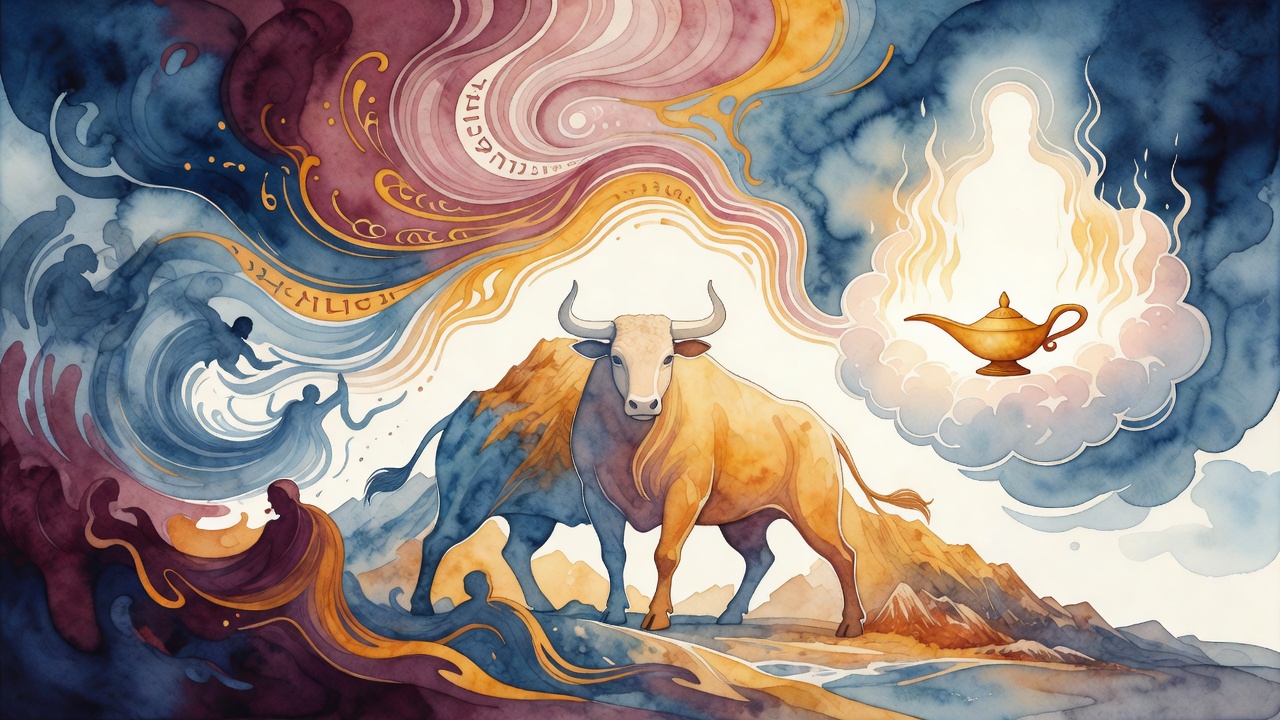
Malkitzedek walked out of Shalem with bread and wine for a man coming off a battlefield, and then he blessed him in the wrong order.
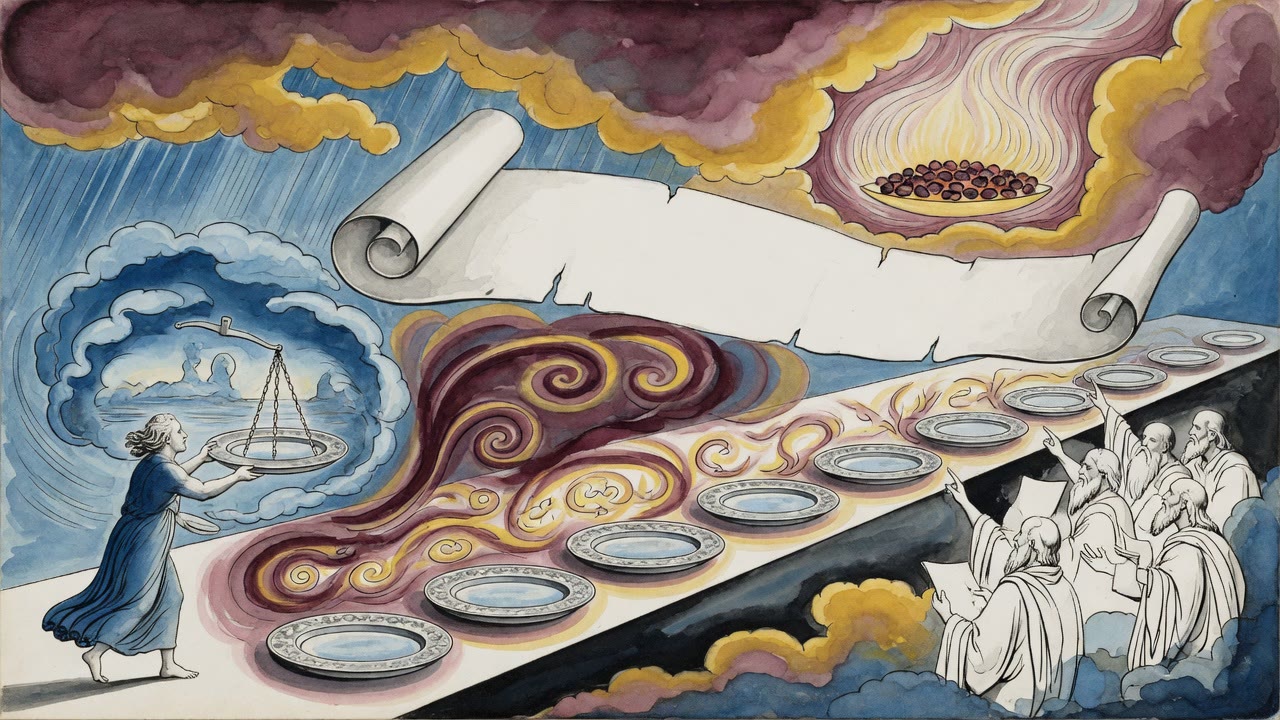
He paid for every item himself. The goat he set down answered for the blood his ancestor Judah once smeared on Joseph's coat.
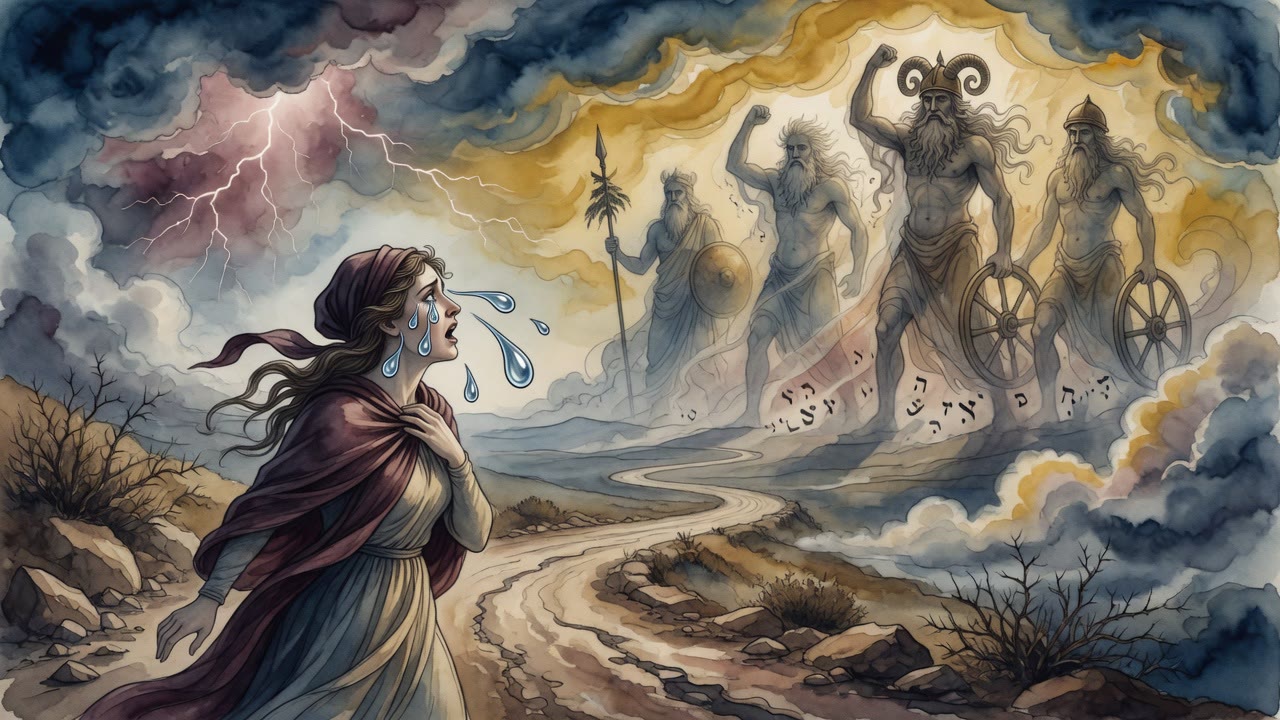
Bereshit Rabbah finds a human being concealed inside the word for very, and flips Moav's infamous birth into the ancestry of Ruth and David.
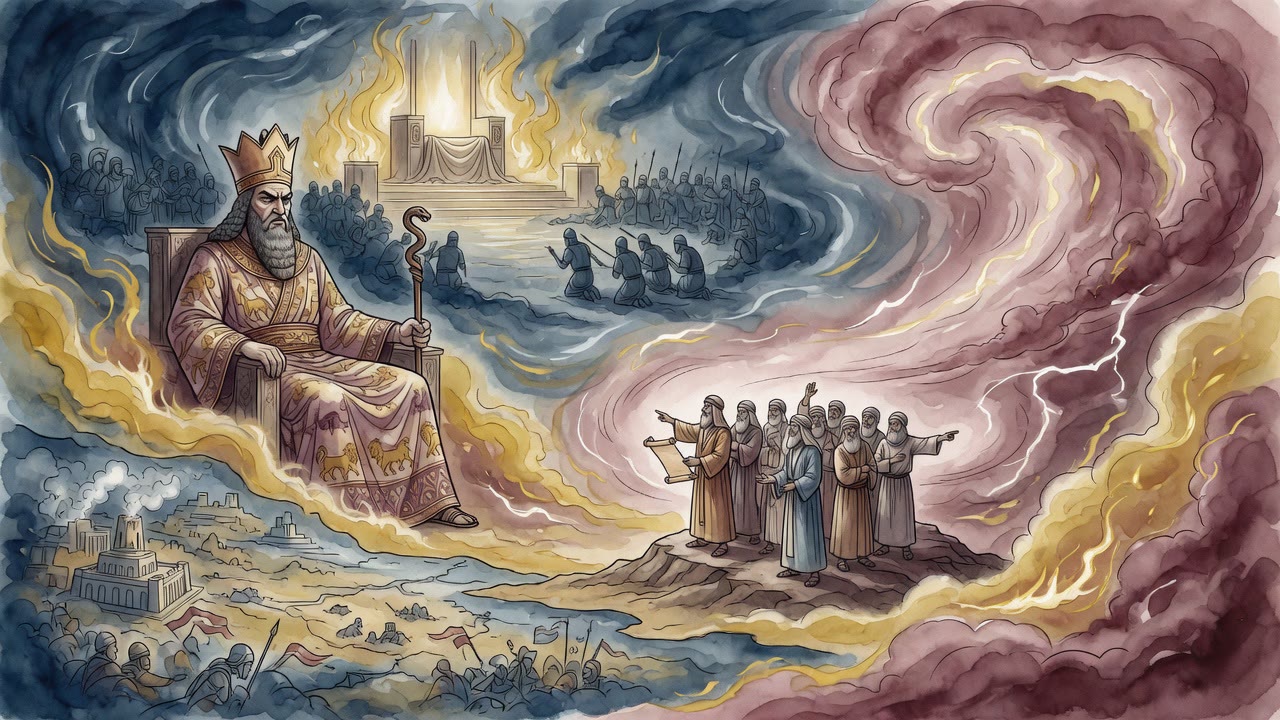
His envoys came home with dust on their cloaks. The west had laughed them out of the gates. He swore on the throne that those lands would burn.
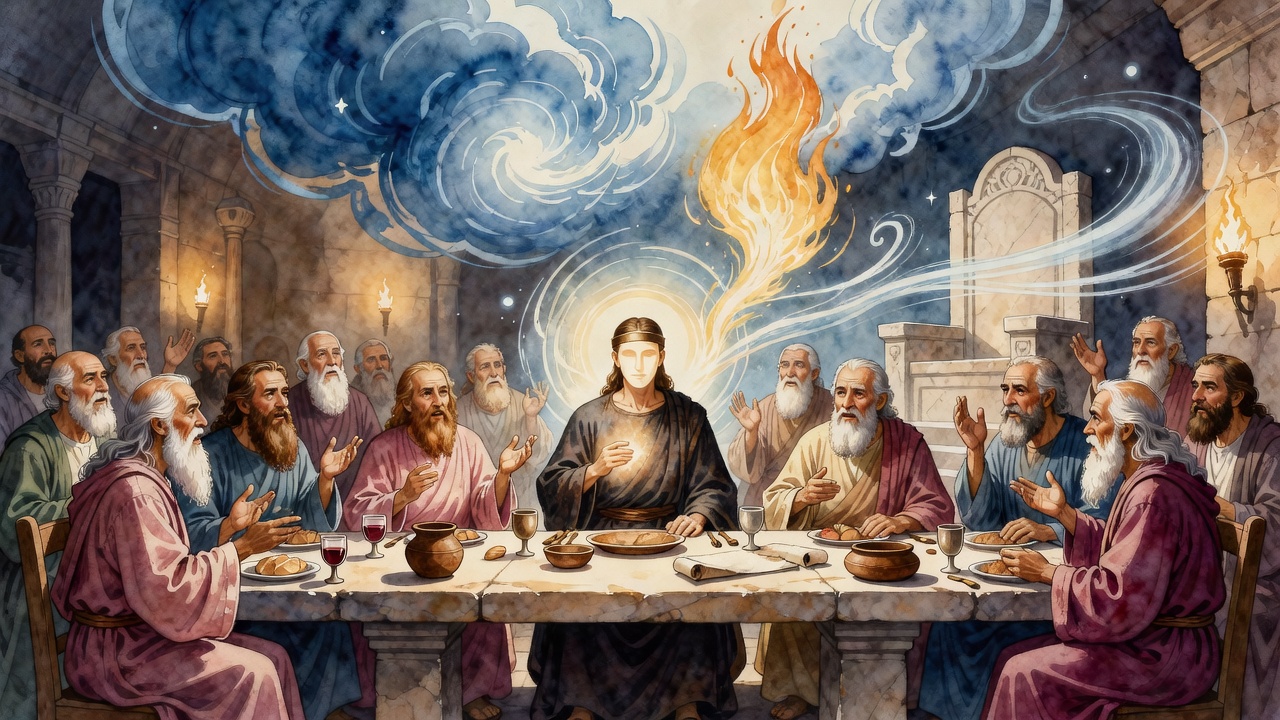
Other petitioners had waited days for an audience. The elders from Jerusalem came in at once, and the king's first question was how to keep his kingdom.
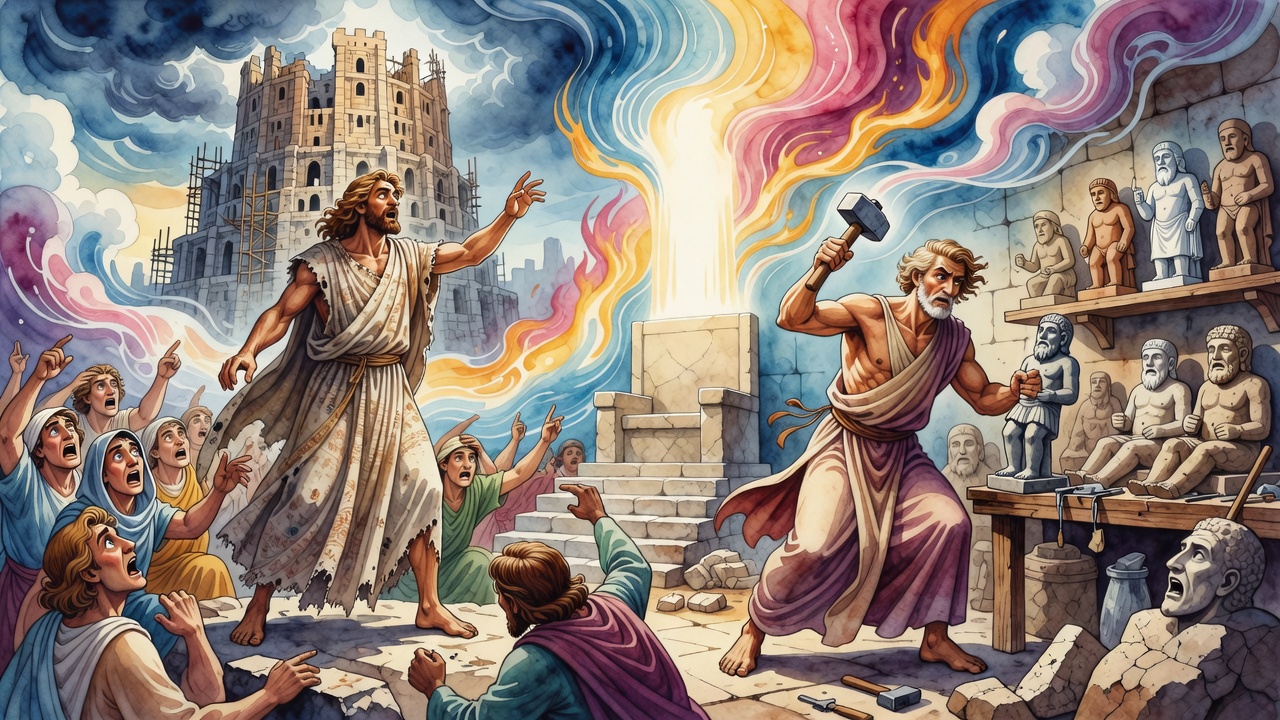
A brick fell off the tower and the whole work line sat down and wept. A man fell the same morning and nobody turned his head.
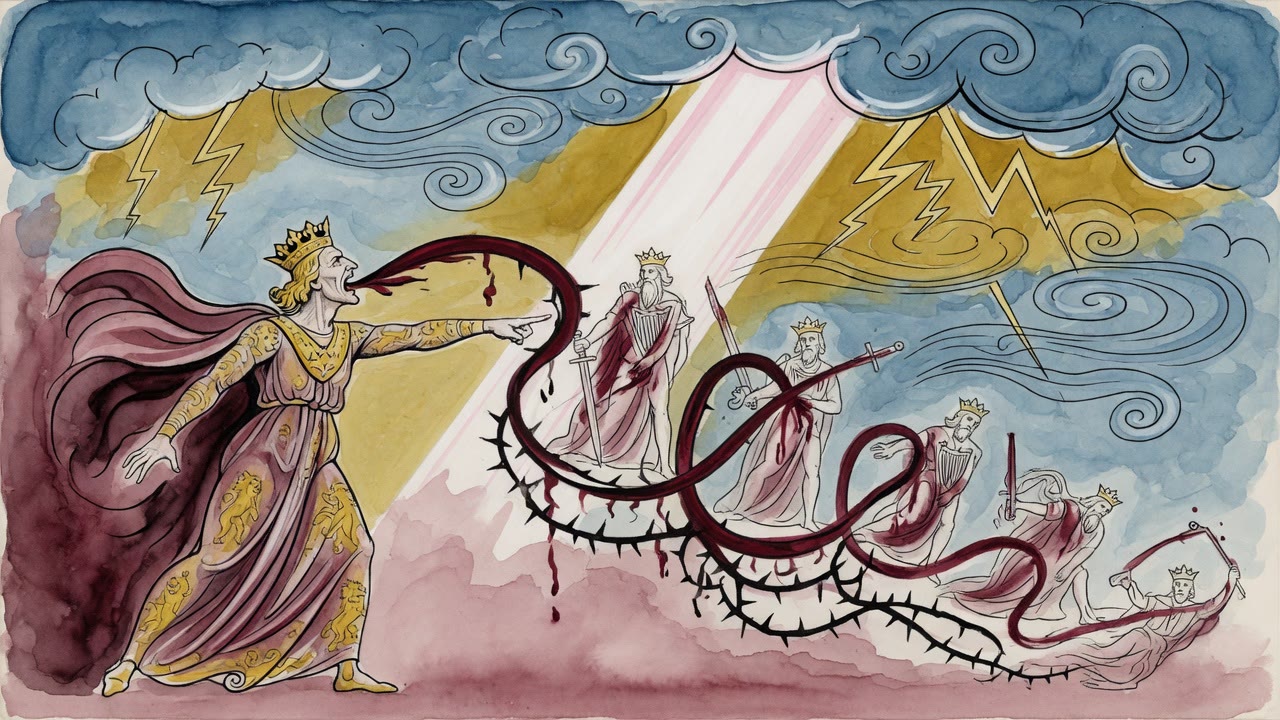
Fifteen hundred cubits down, David's spade hit a potsherd. The shard said it was holding the deep shut. He moved it anyway.
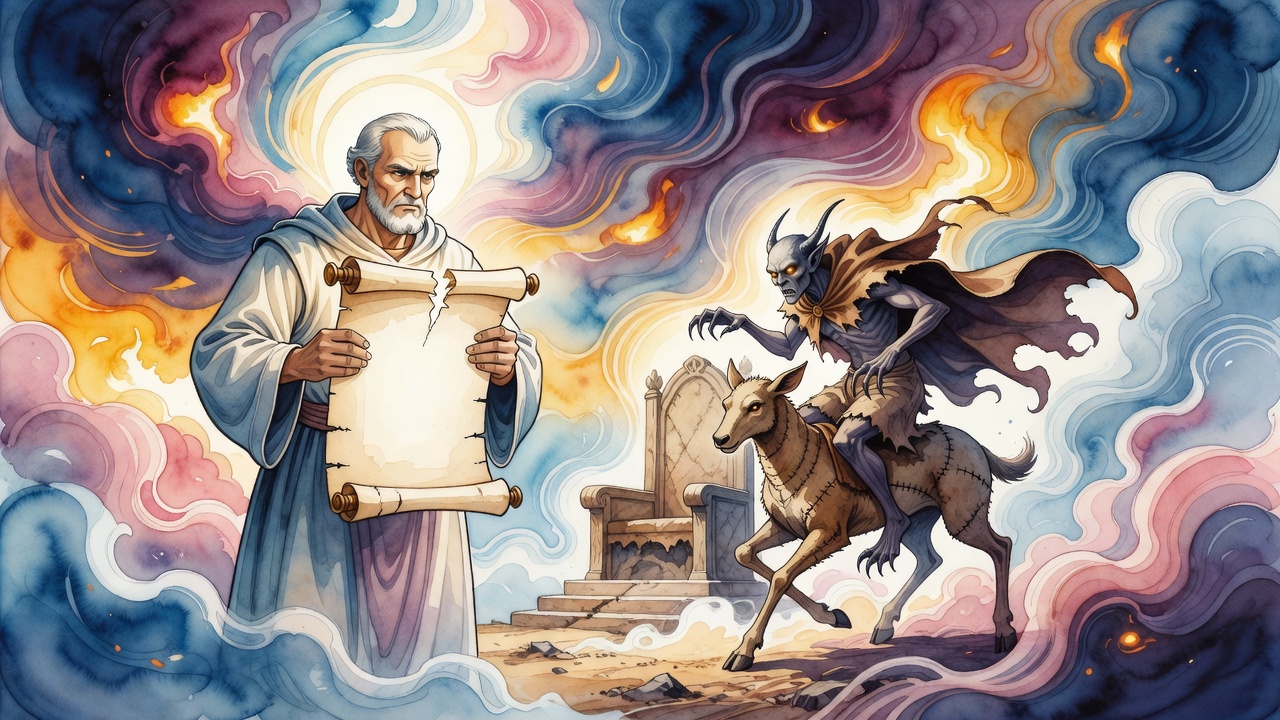
Hagag left the torn page under his heel and rode to hunt. In the thicket the deer stood up wearing his face and took the horse.
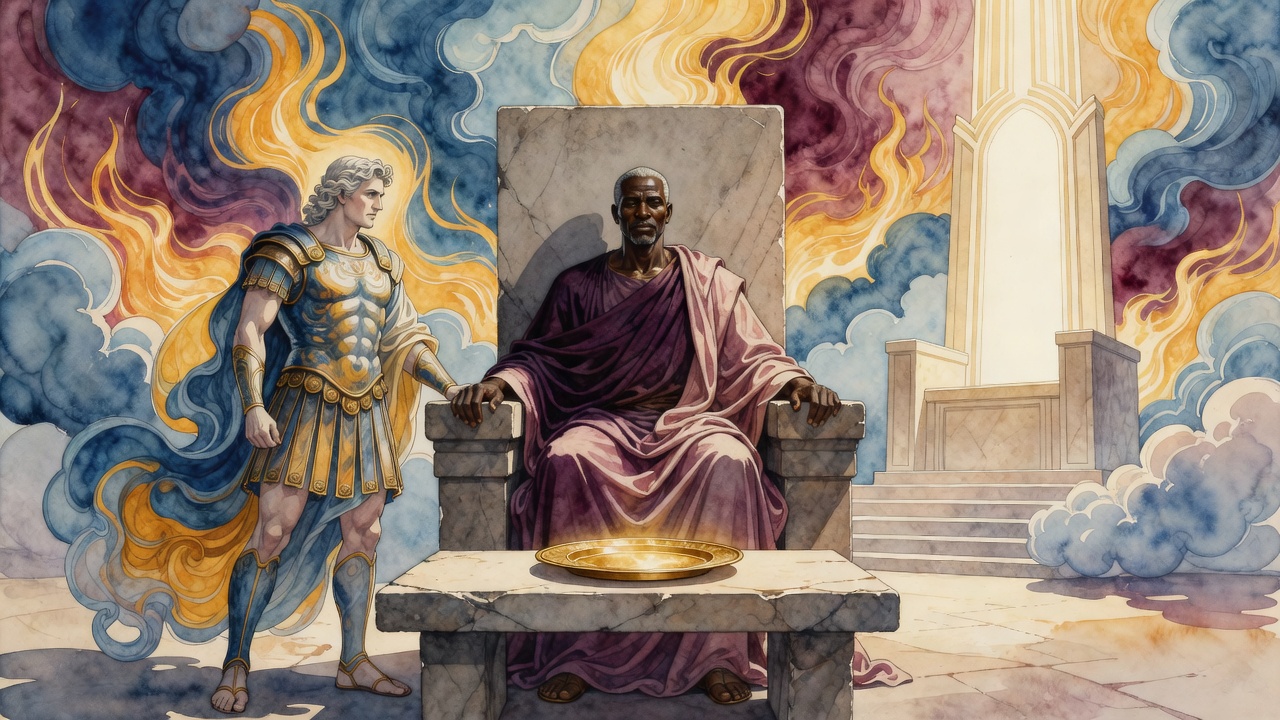
Alexander rode south to plunder Afriki and was sat before a feast he could not eat, then judged by a verdict that exposed his whole empire.
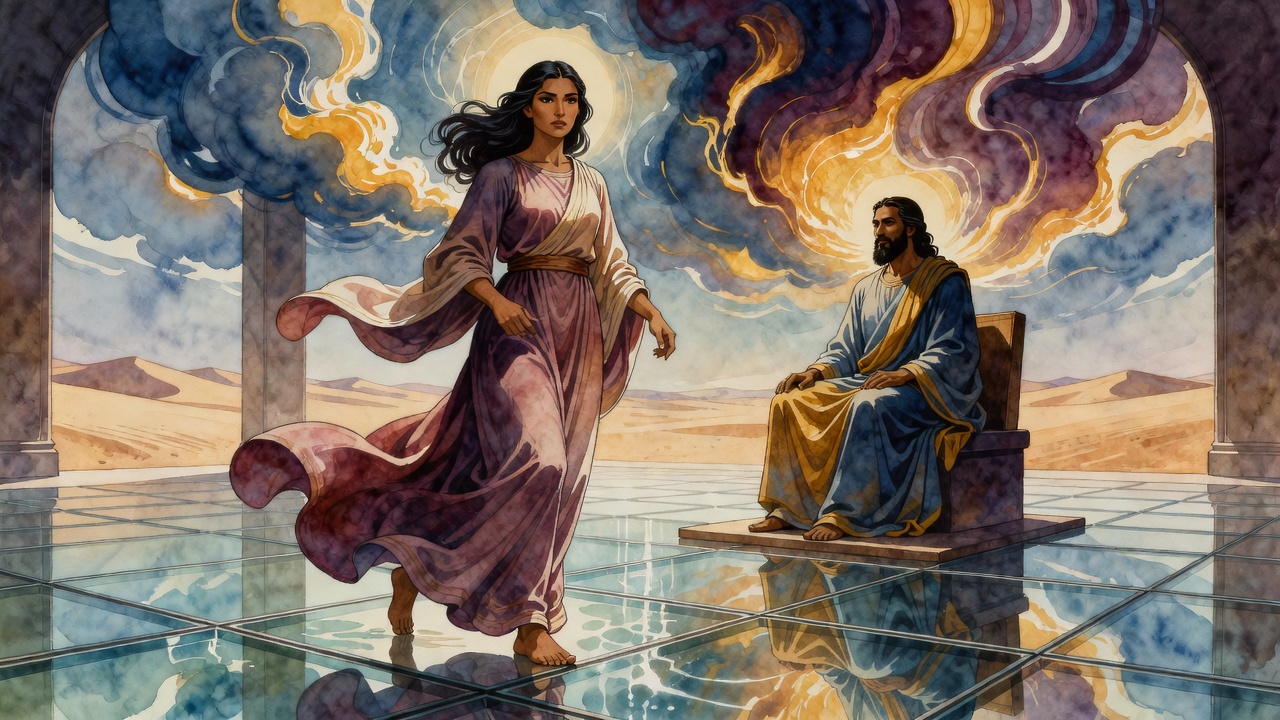
A hoopoe darkened the sky over Kitor at dawn. The queen tore her robe. The letter on the bird's wing named a king she meant to unmask.
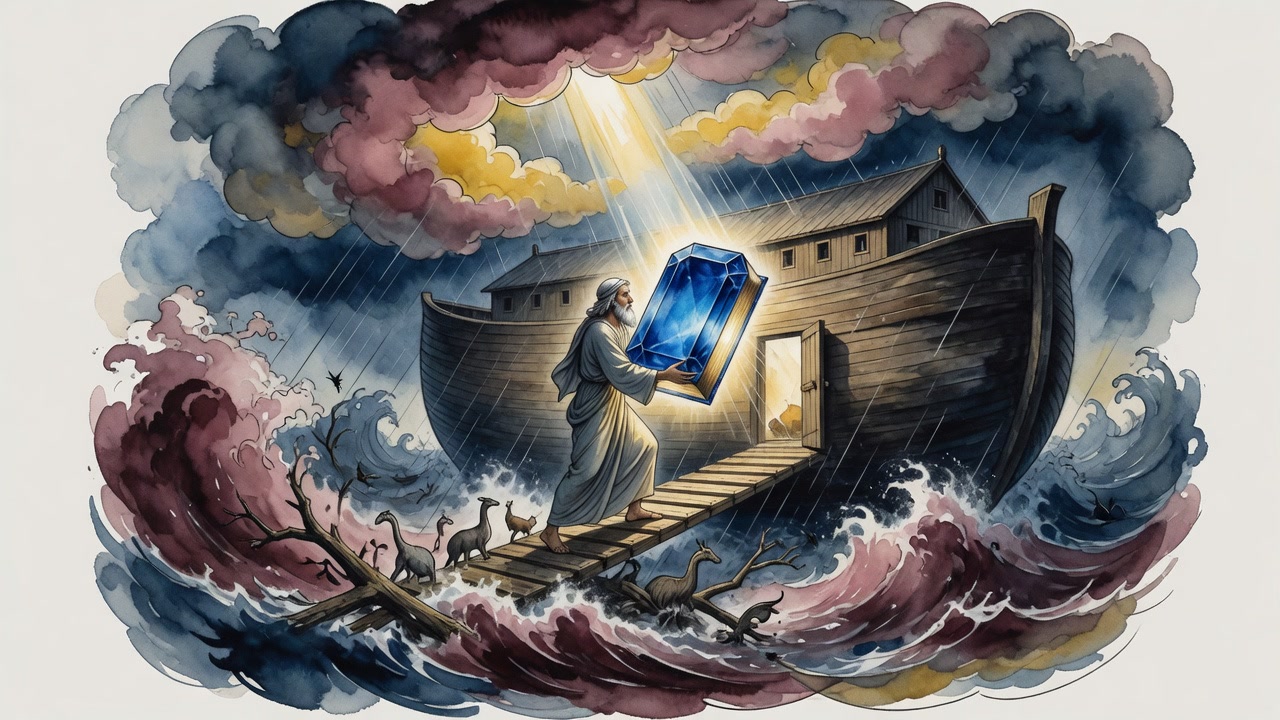
Lot came out of the wagons unchained. The kings' silver followed him like a second army. Abraham would not keep the glory.
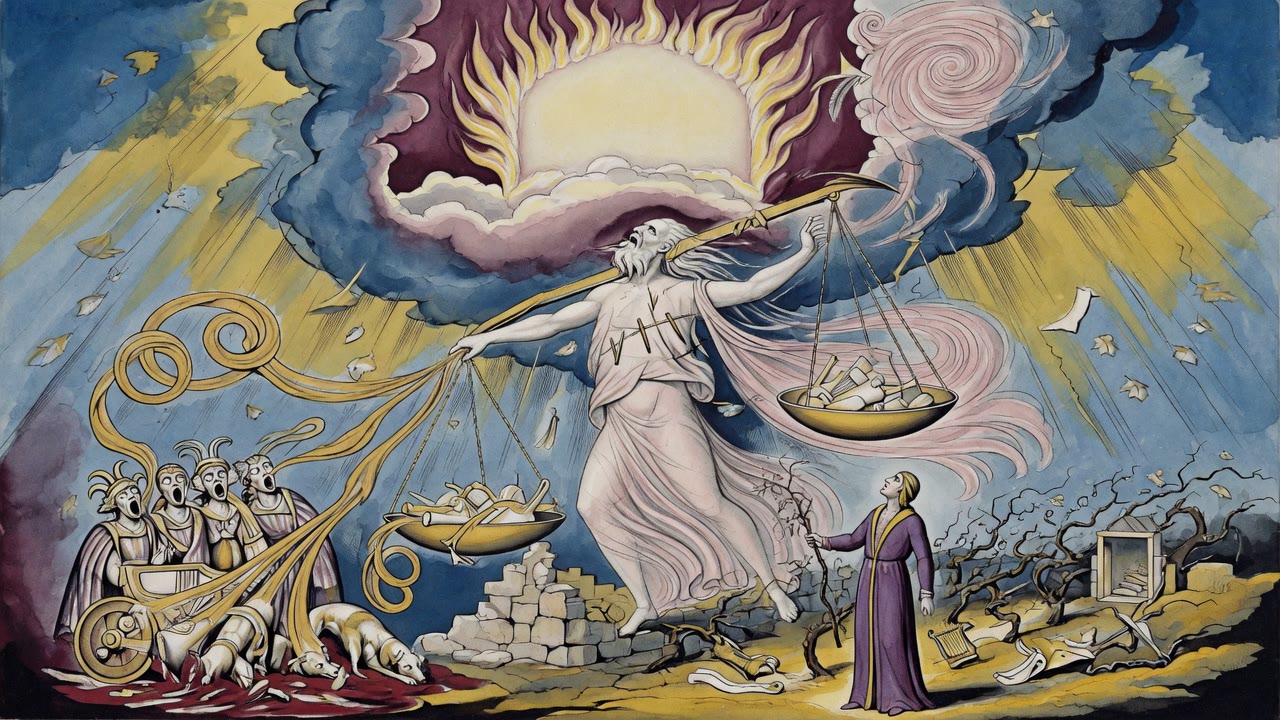
Ahab wanted a vineyard, so he had Naboth killed for a crime he never did. In the court of heaven the dead man stepped up and tipped the scales.
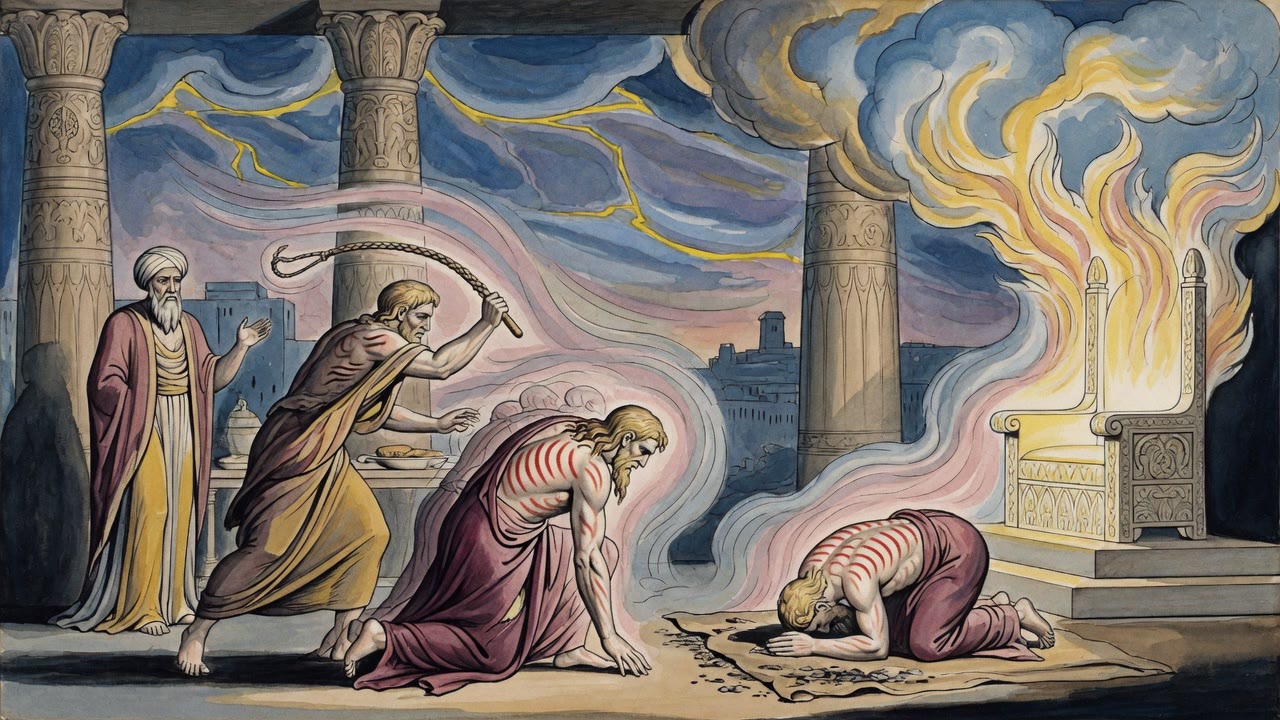
Ahab killed Naboth to steal his vineyard. Then he asked King Jehoshaphat to whip him, and he fasted and prayed, and God put off the punishment.
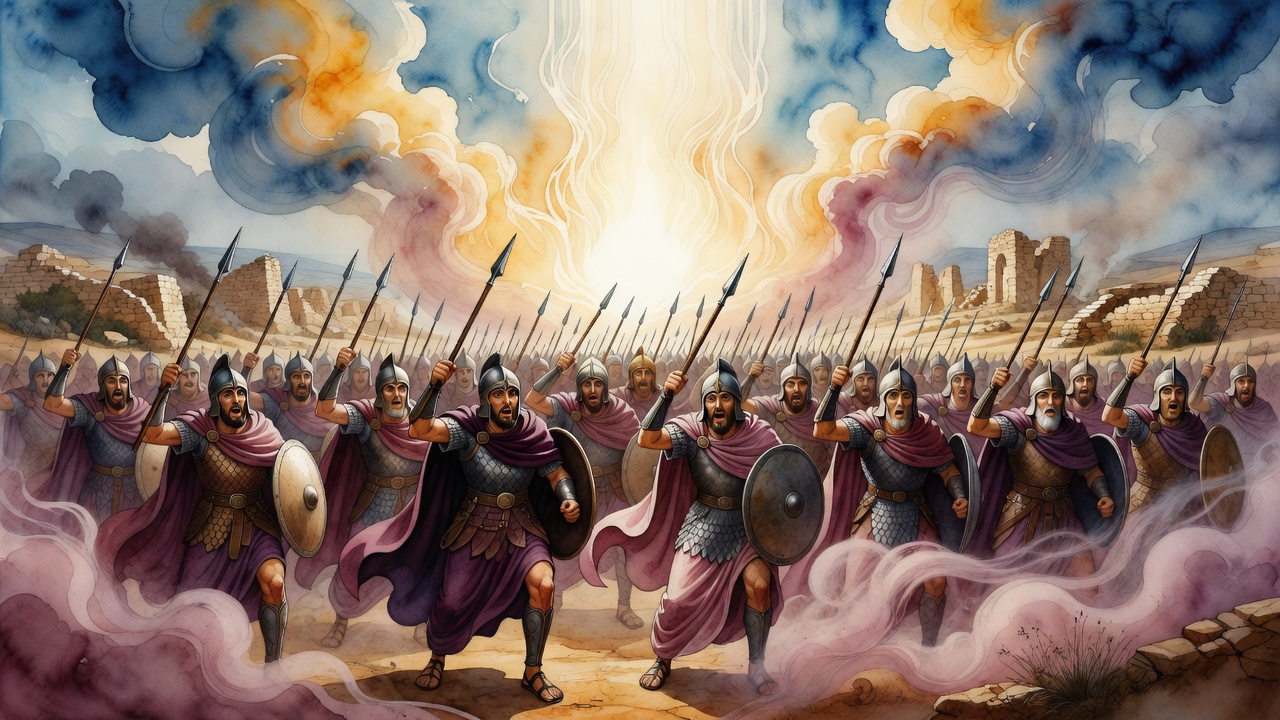
Counselors in the war tents listed every miracle done for Abraham. Kings who had come to avenge Shechem turned their horses around.
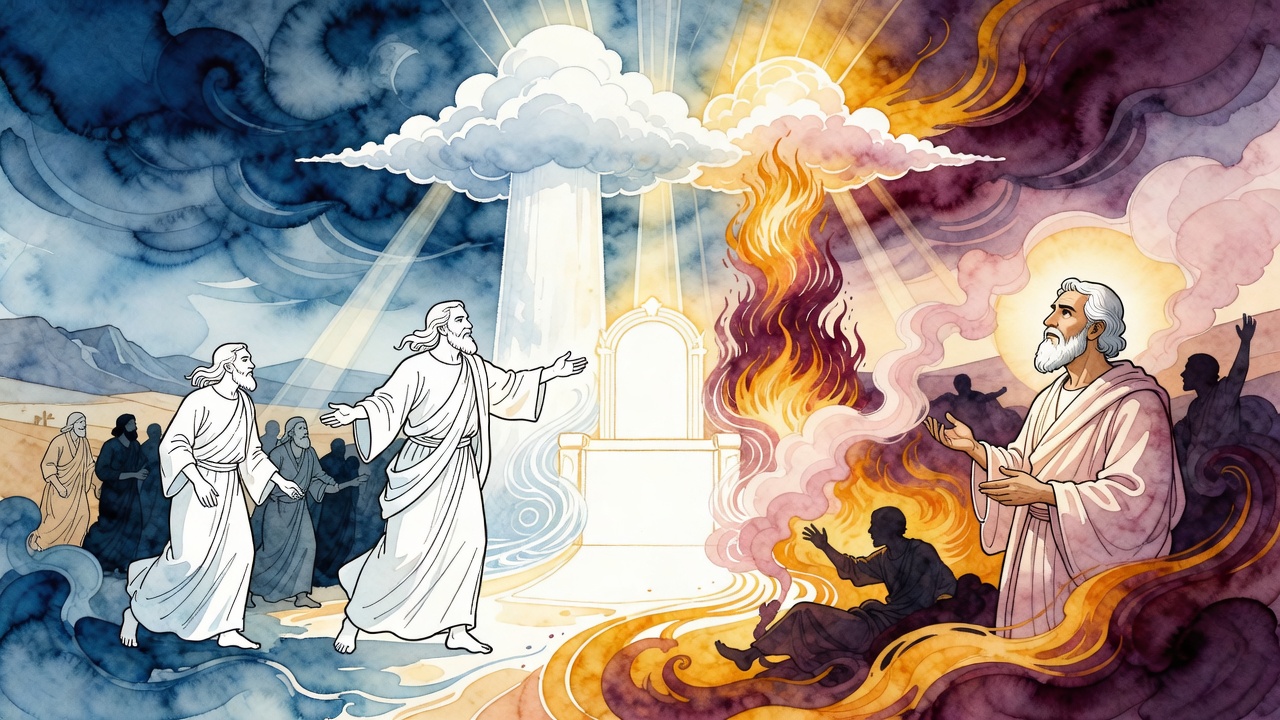
A runner reached the oaks of Mamre with the news that Lot was gone. Abraham armed three hundred and eighteen house servants and went after four kings.
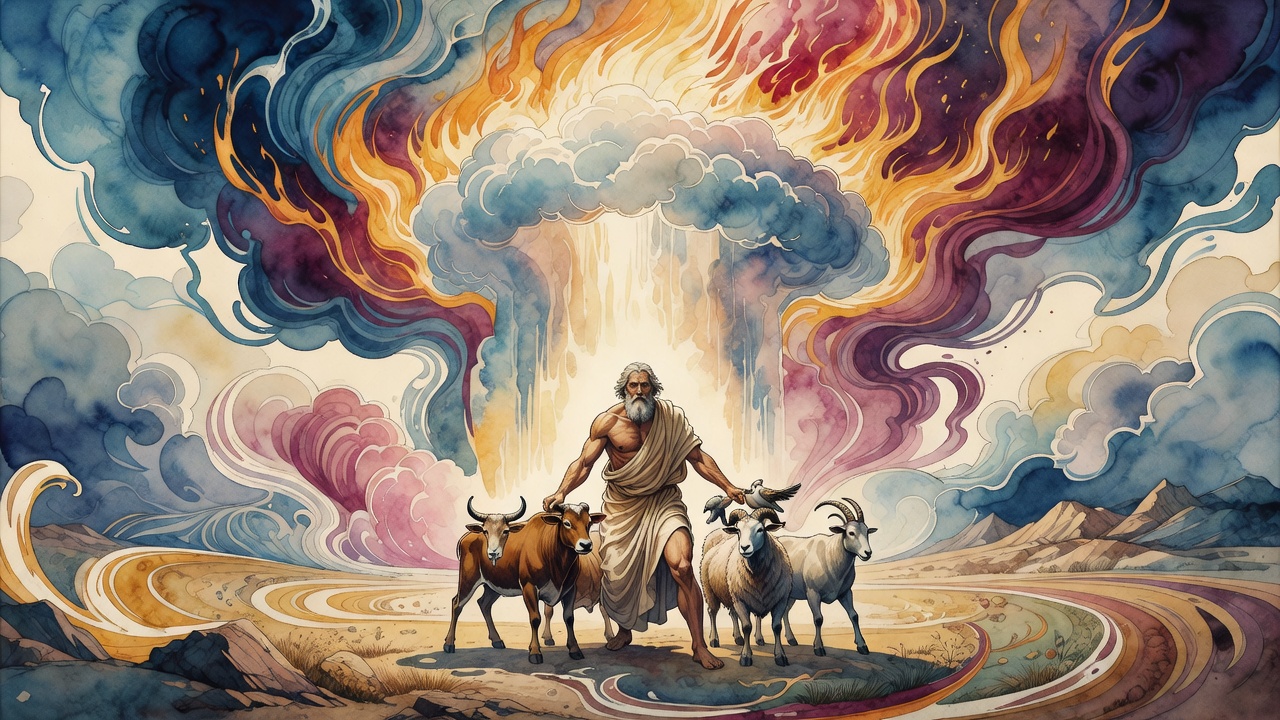
Abraham cut the animals himself and beat the birds off the meat until dark. God did not offer to promote him. God offered to make him.
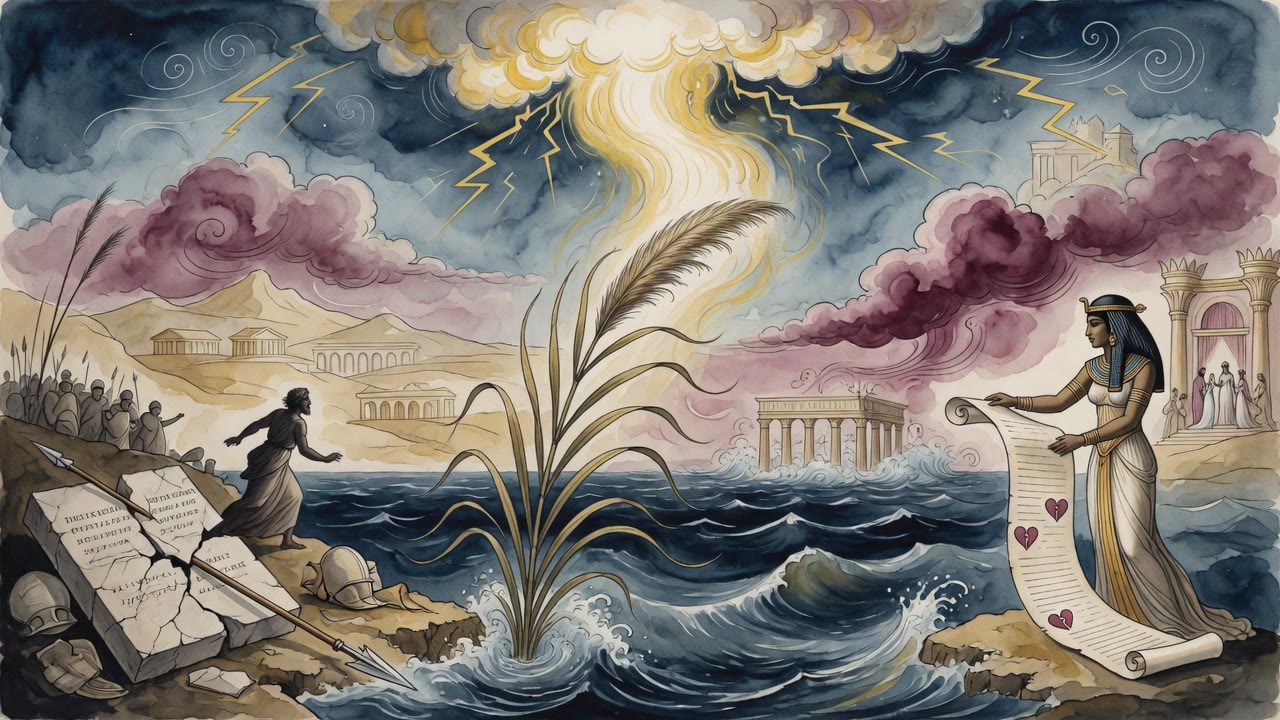
At Bethel's illicit altar Jeroboam seized toward the man of God, and his arm dried in midair until he begged the same prophet to heal him.
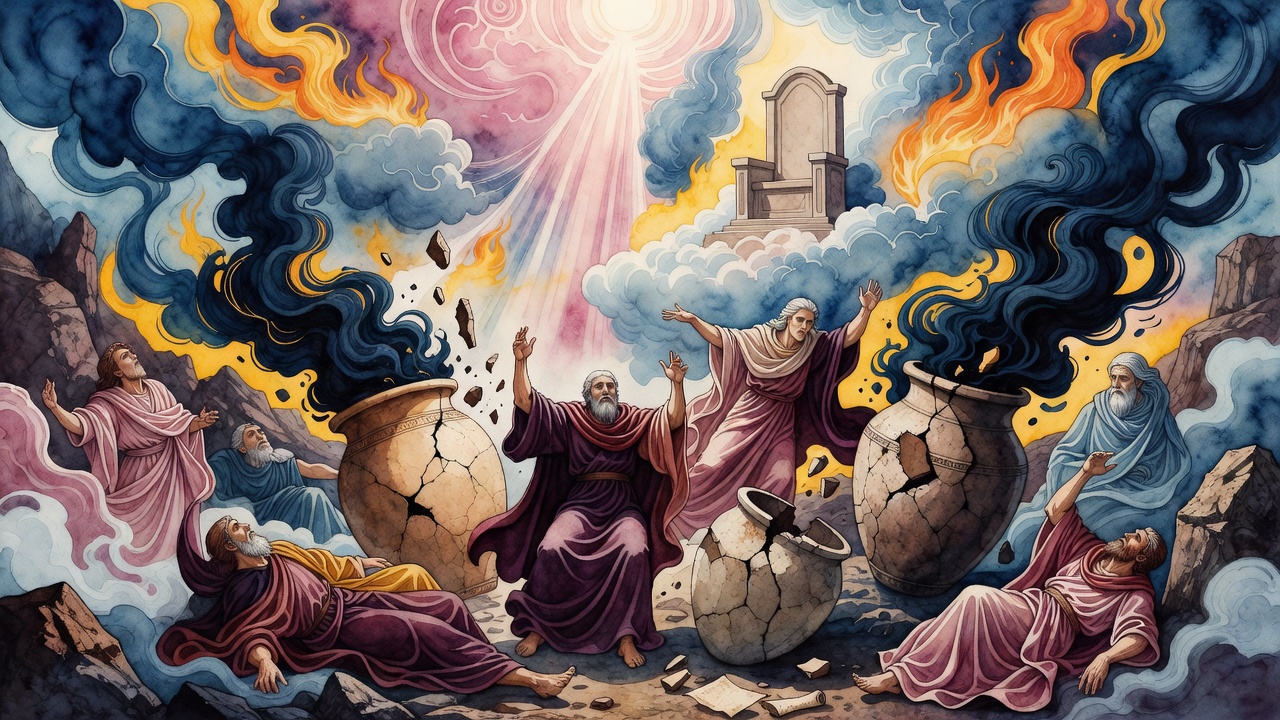
Primordial kings fall and vessels crack before the world is ready. Judgment hardens into limits, garments seize control, and light later sifts toward repair.
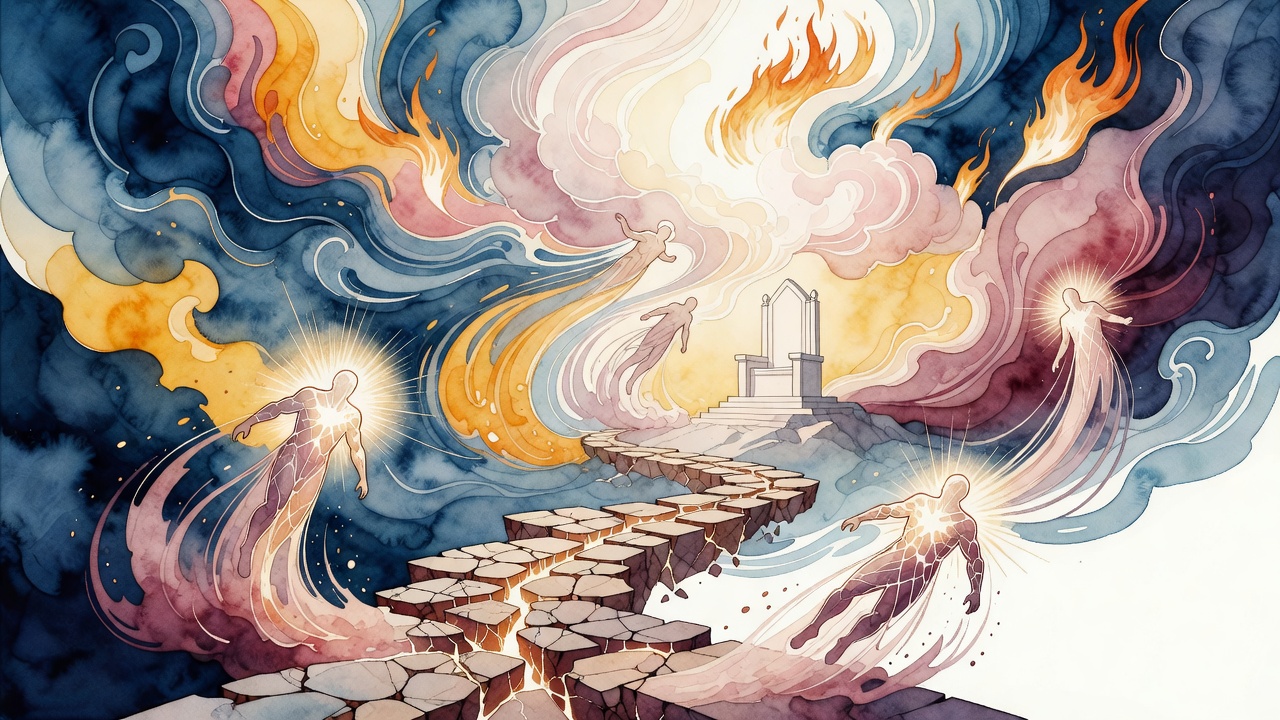
Bela sat on a throne of light until the light tore him. In a lower field a farmer put seed into a crack that had been only ruin.
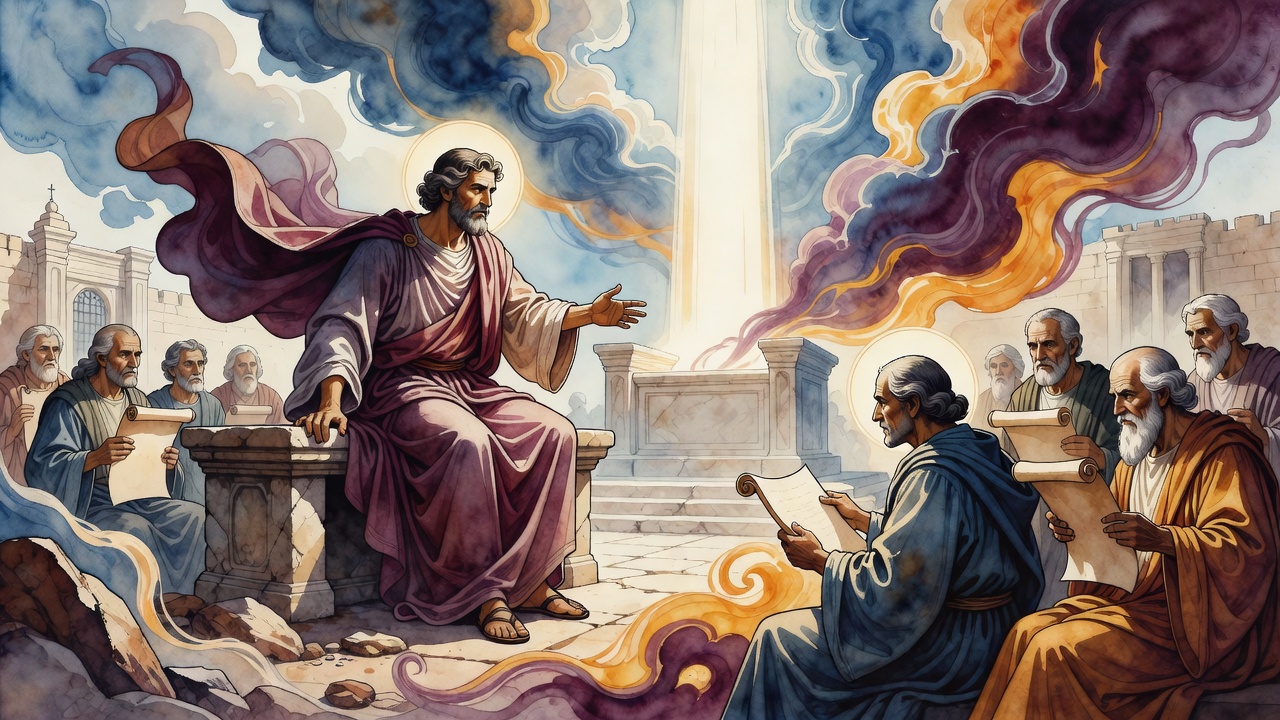
The new king ignored the pomp and hunted for judges. Jerusalem's beauty, he knew, was not marble. It was a clean court.
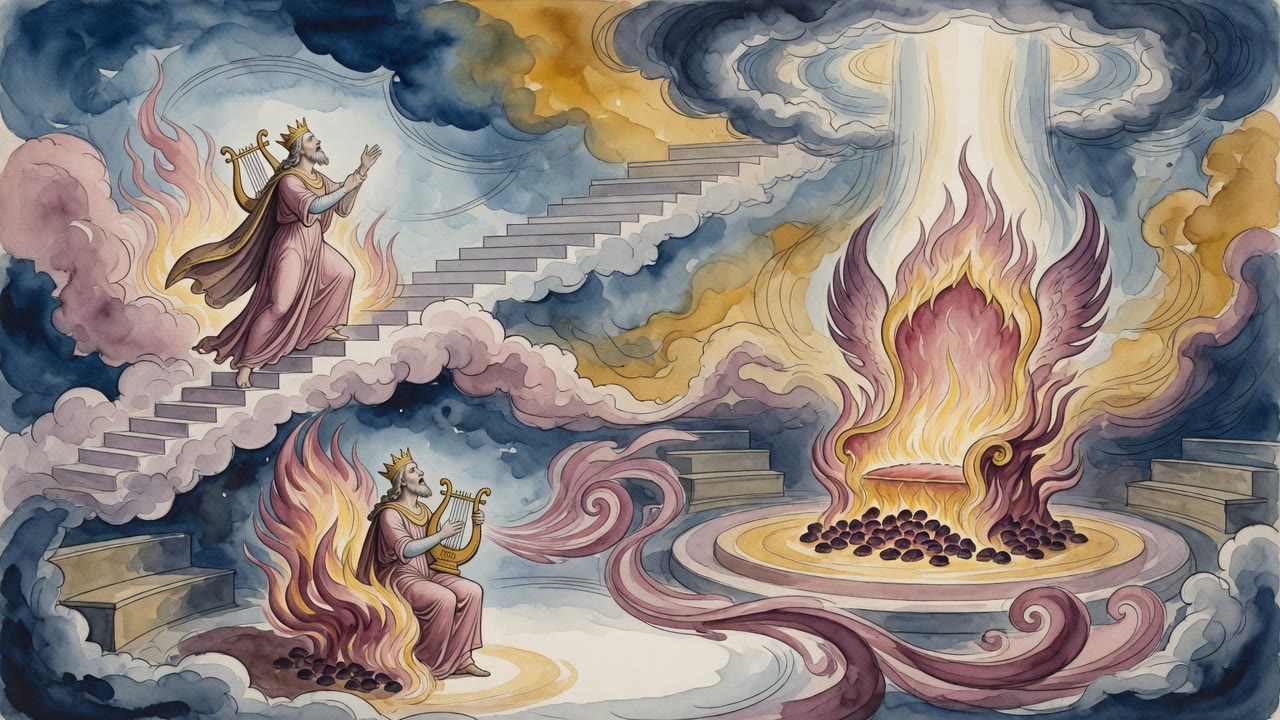
The seat under David was fire forty parasangs high. He sat and sang until Metatron answered, and the fire did not eat him.
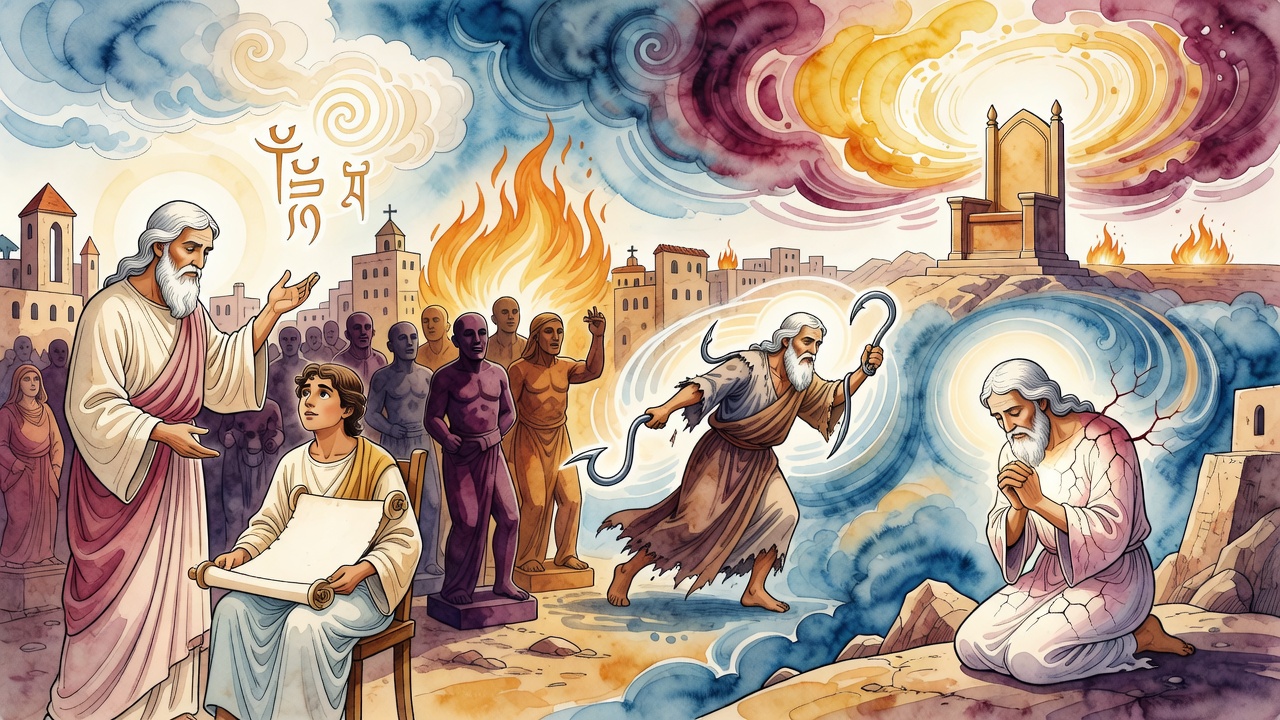
Hezekiah hired tutors for his son. Manasseh filled Jerusalem with idols anyway, and only Assyrian hooks in his flesh made him pray.
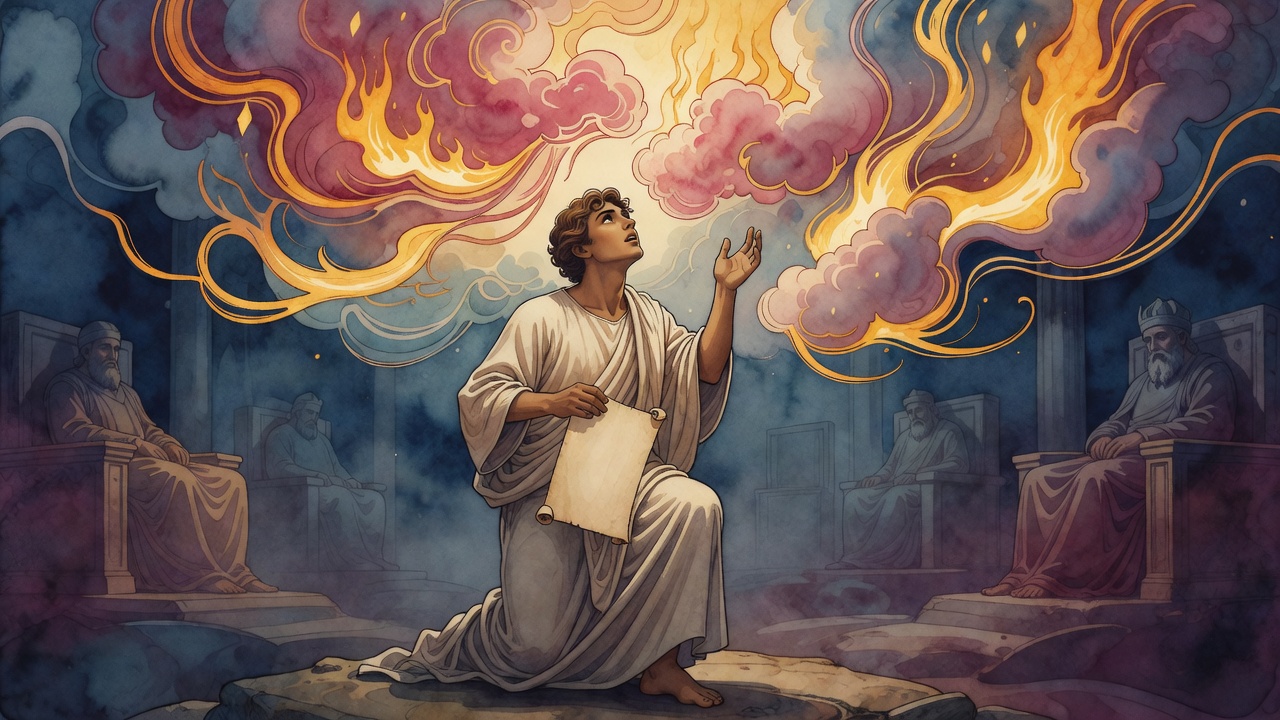
While kings of east and west slept until the third hour, David rose at midnight to praise God, then asked his teacher if his judgments were pure.
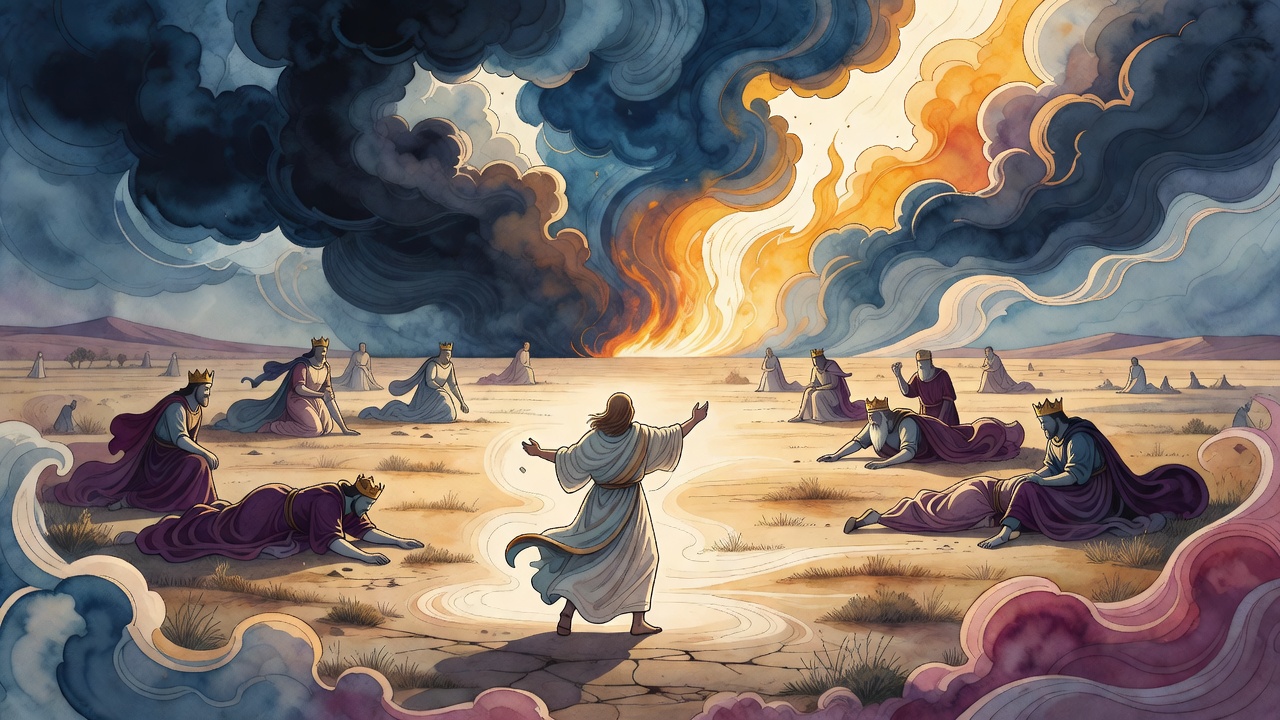
Nine kings already lay in the dust. Abraham still would not claim the night. He asked God what a lone man was without help.
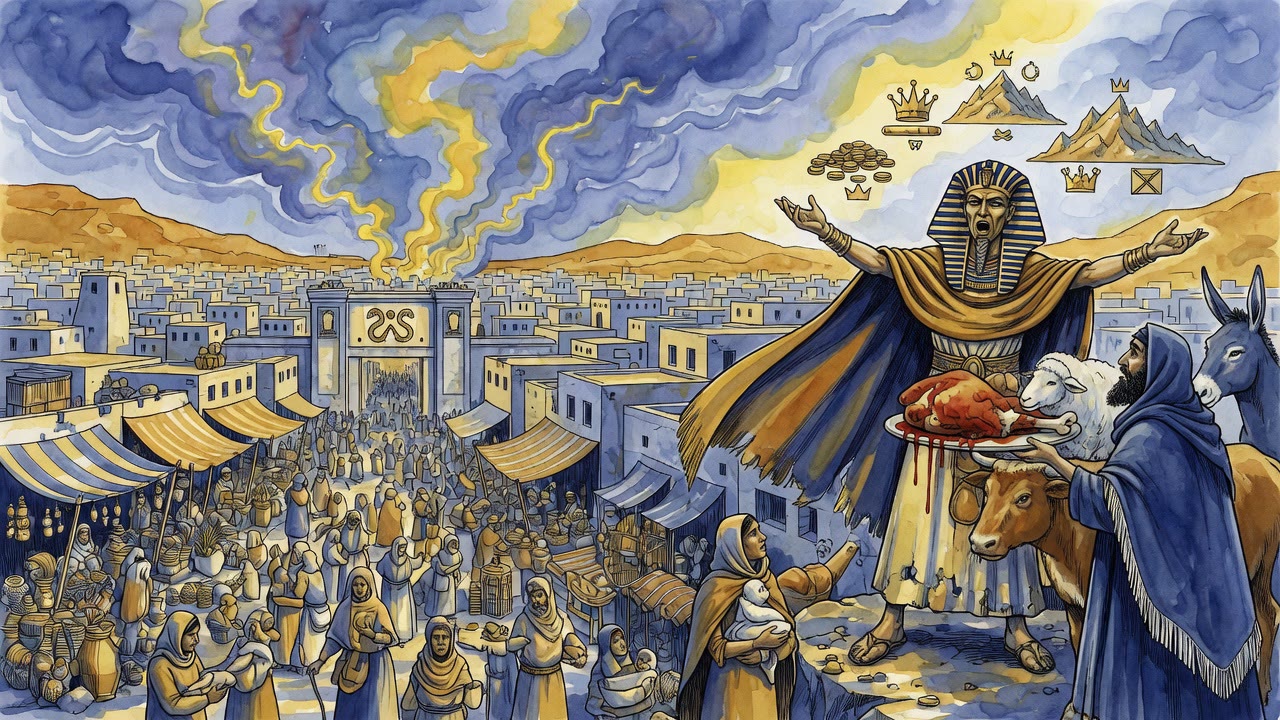
He promised mountains of honor. On the table sat one ox and one sheep. Balaam ground his teeth and named seven altars.
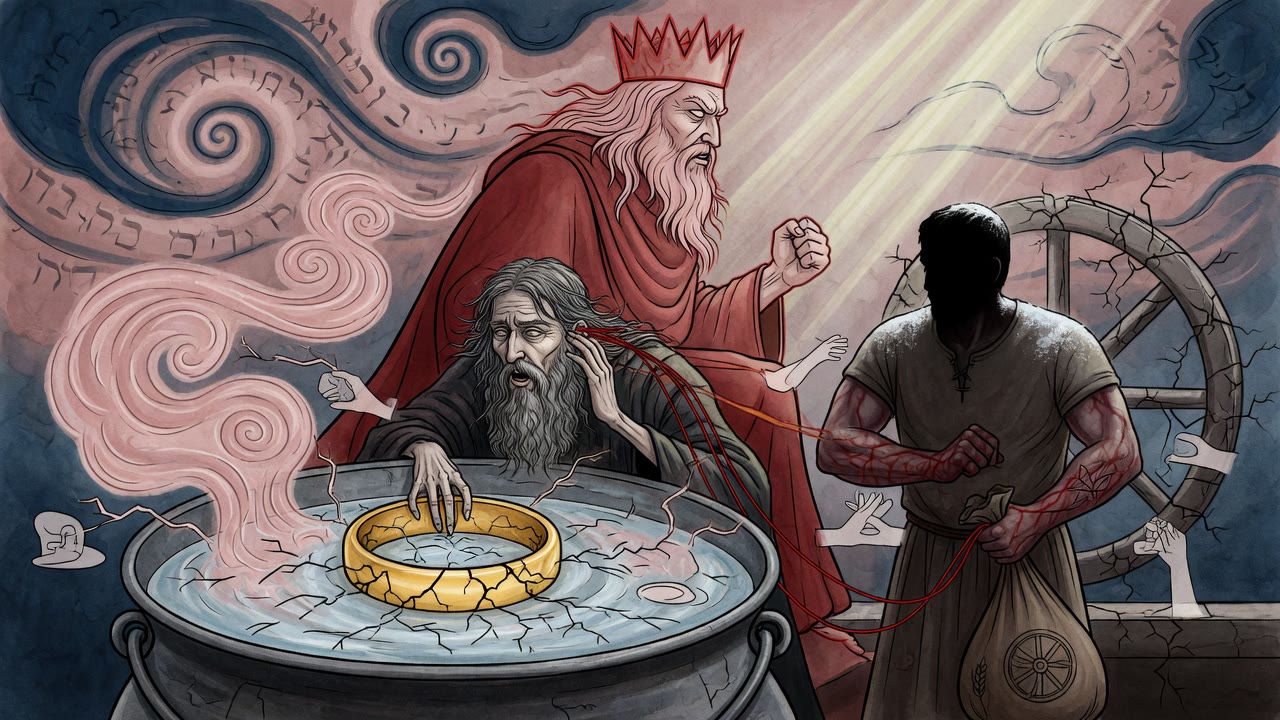
A starving sage tested the king's ring in boiling water and whispered Nature. When pressed, he named the miller blood that taught him every skill.
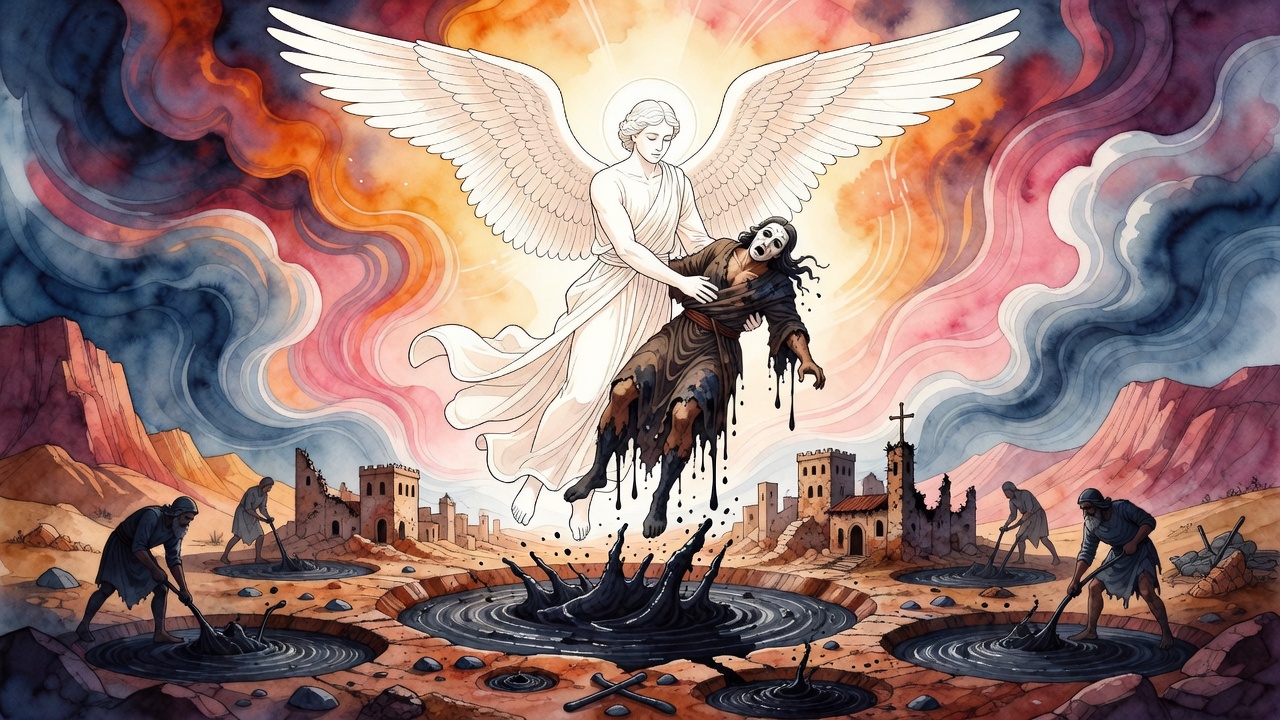
Four invading kings dig tar pits as traps in the Vale of Siddim. Sodom sinks into clay until an angel hauls the king up for later judgment.
