123 myths · Page 2 of 5
David hid at Adullam and decided the anointing had been a cheat. Samuel had poured oil on his head for nothing, and Saul was still coming.
He had killed eight hundred men in one engagement. The Torah promised a thousand to a man who kept it. David wanted to know about the gap.
Moses prays 515 times at the Jordan's edge, draws a circle in the dust, and prays until heaven trembles. God finally says: enough, do not continue.
Lot set unleavened cakes in front of two travelers and it only seemed to him that they ate. Before the night ended the whole city was at his door.
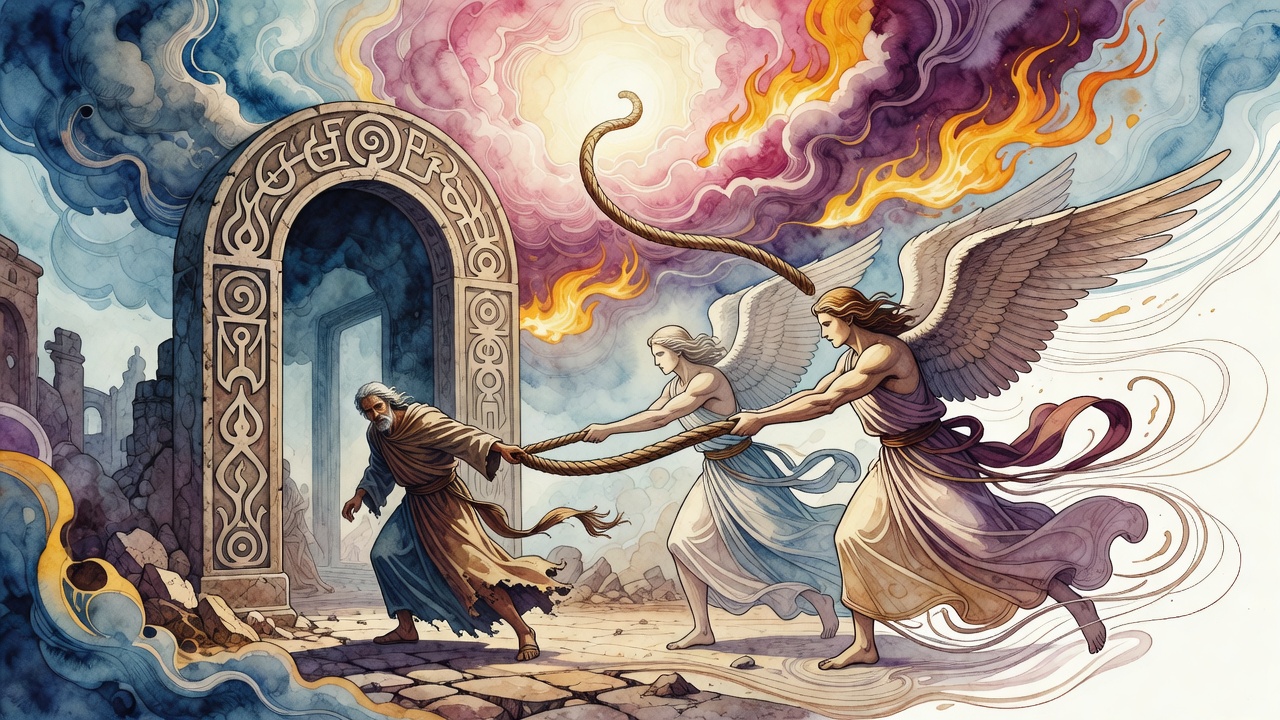
The chest stood open on the table. An angel took him by the wrist anyway, and the rain behind them was already burning as it fell.
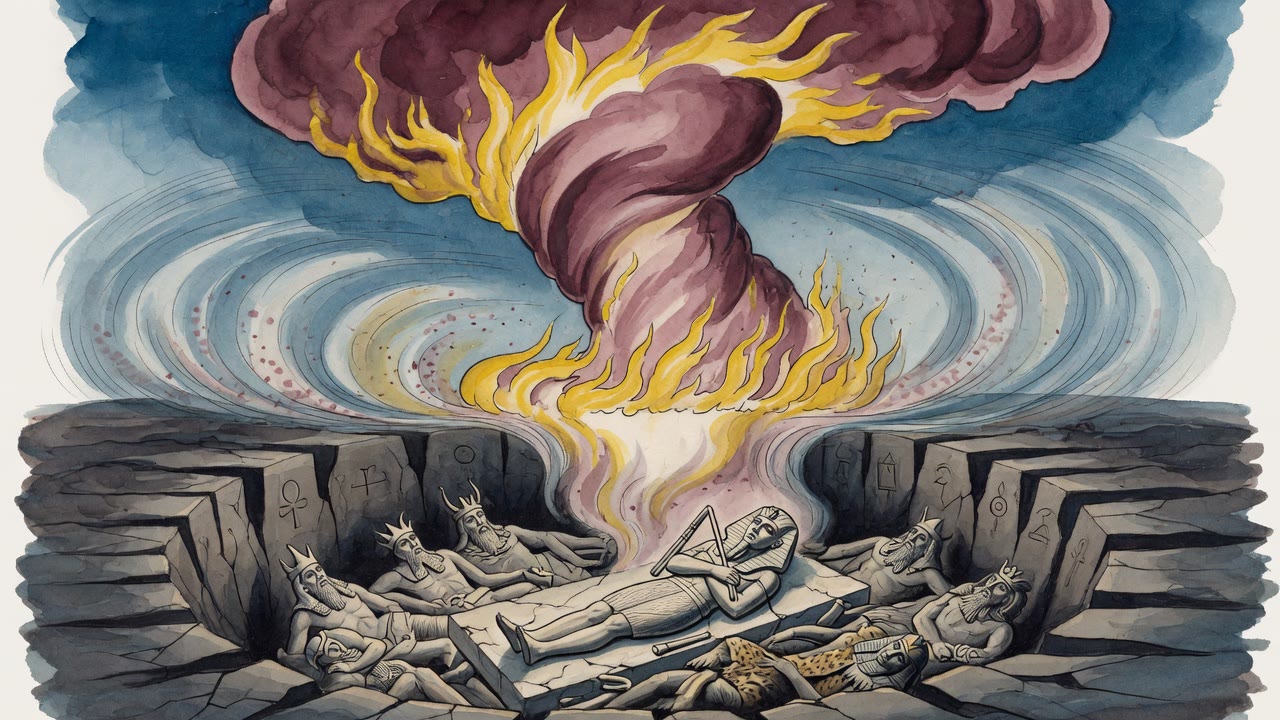
At the Red Sea, Israel and Egypt looked alike to strict justice. God split the water not because Israel was worthy but because an oath outranked merit.
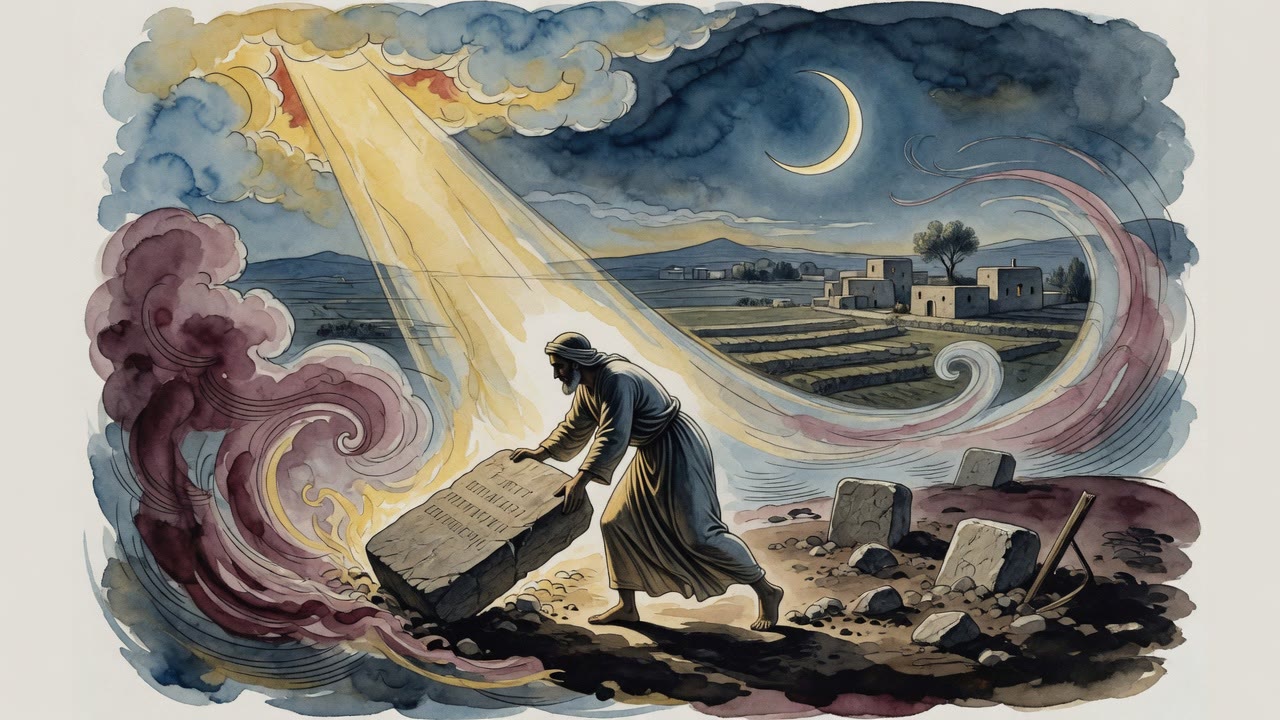
God cursed Cain, then marked him for protection. Philo argues the mark was not mercy but the sharper punishment, a sentence that would never end.
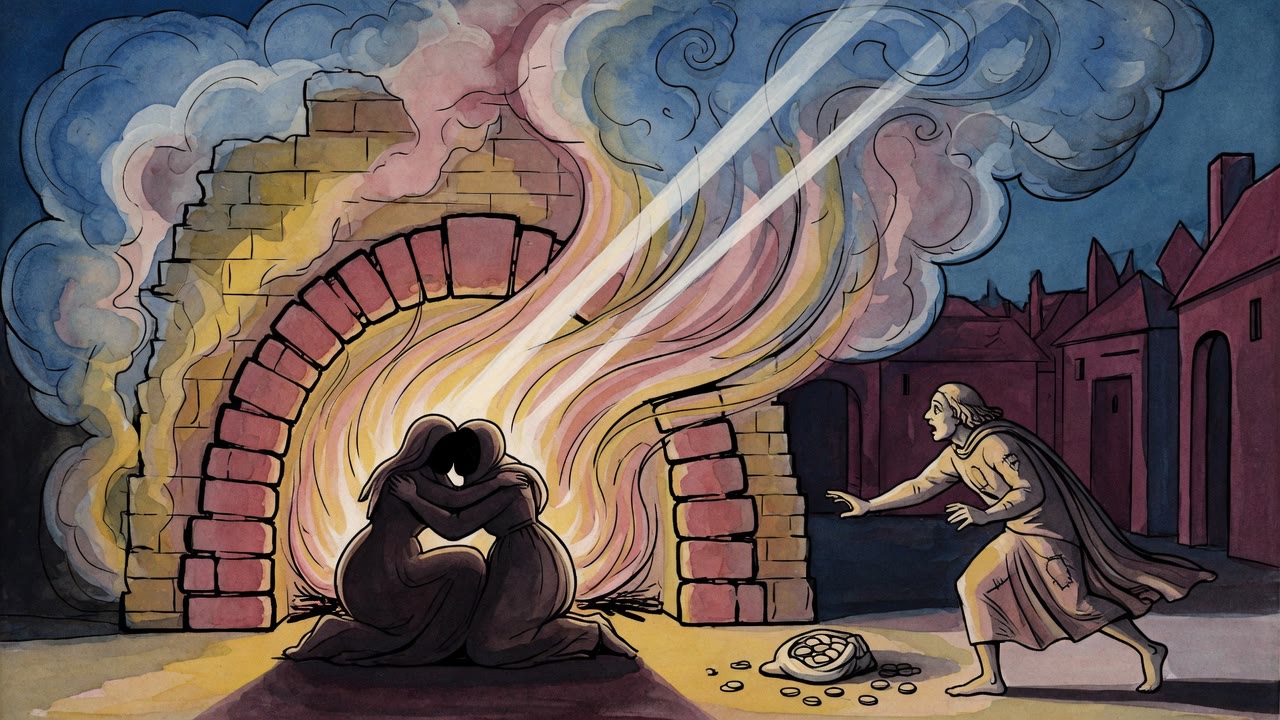
Coins appeared under a doorpost for years. Then the poor man opened the door, and the giver ran toward a furnace still hot from the day's fire.
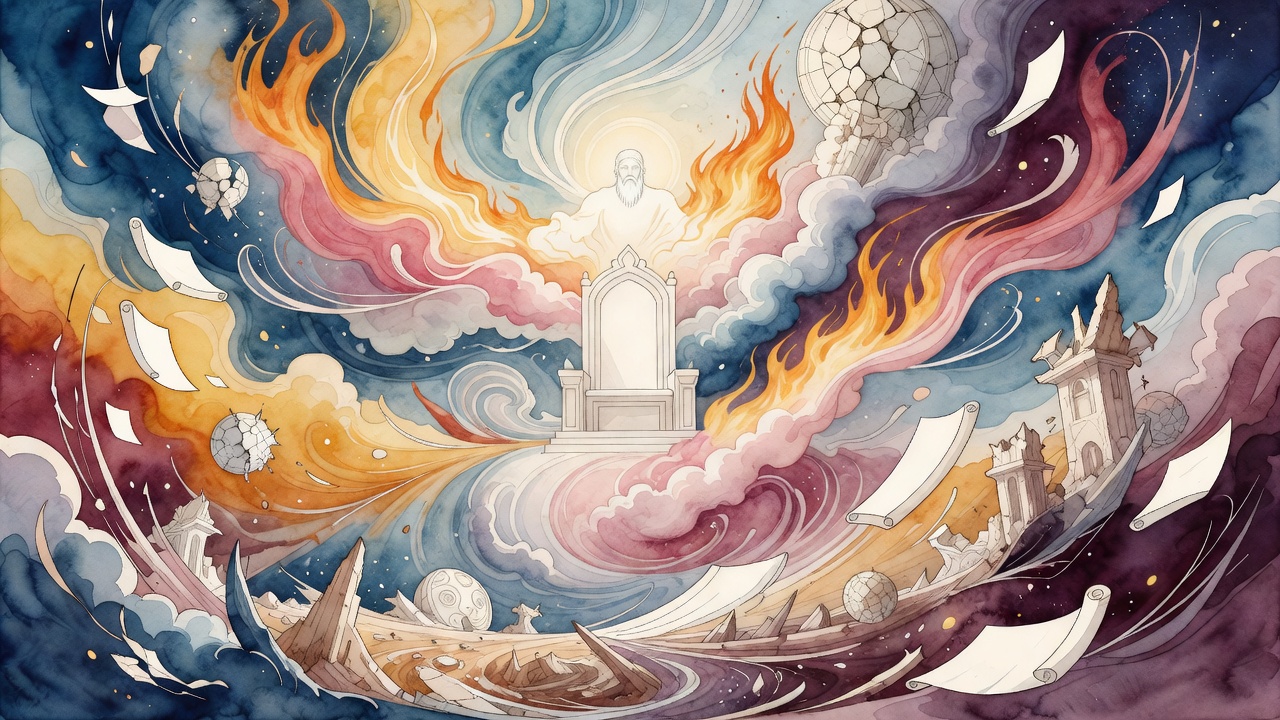
Before this world existed, God made worlds and destroyed them. Only when mercy entered the making did one world finally hold.
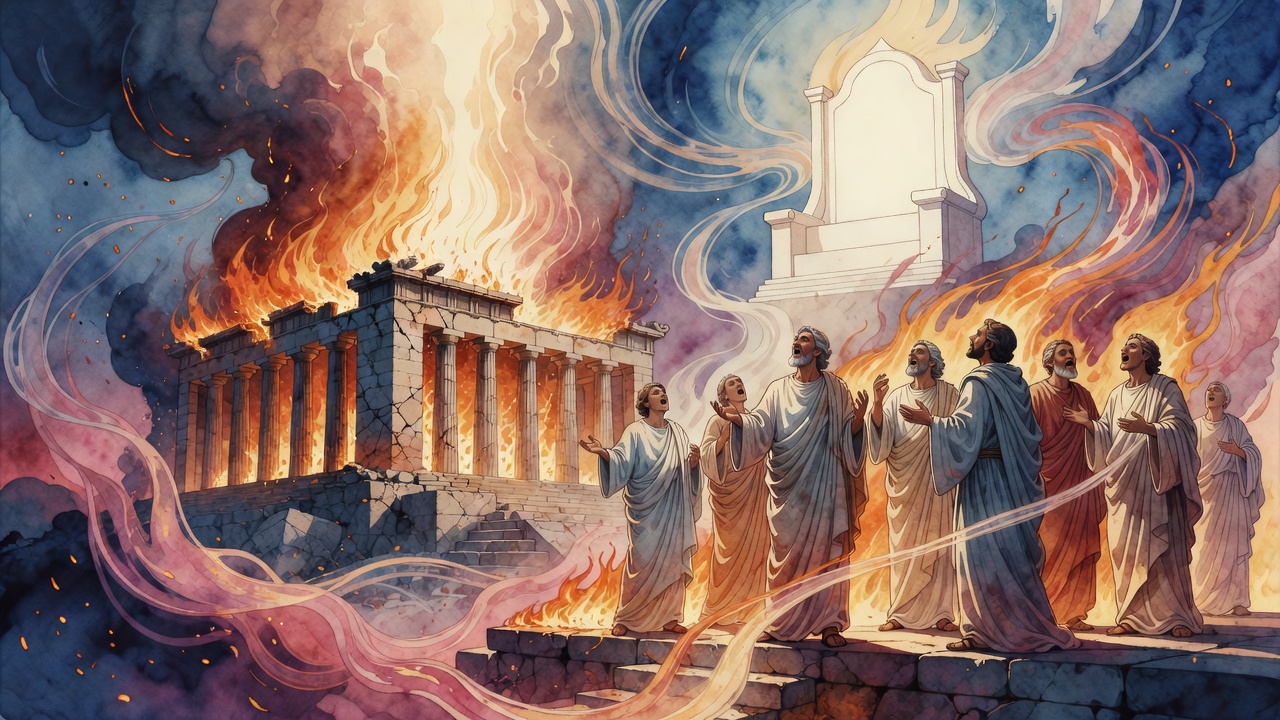
The Levites still had a verse in their mouths when the fire took the courtyard. David later asked not to be measured that closely.
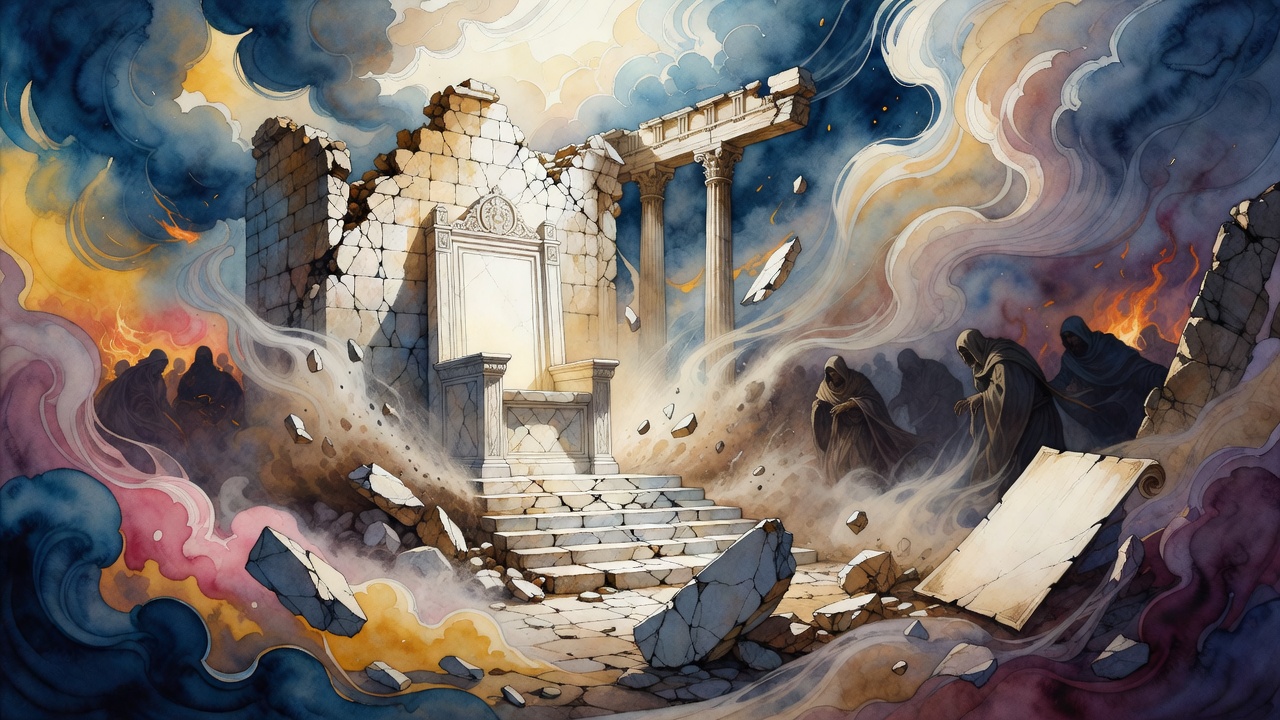
Nobody has ever woken in the morning and found his soul missing, or found his neighbor's soul in his hands. That deposit has never once been mixed up.
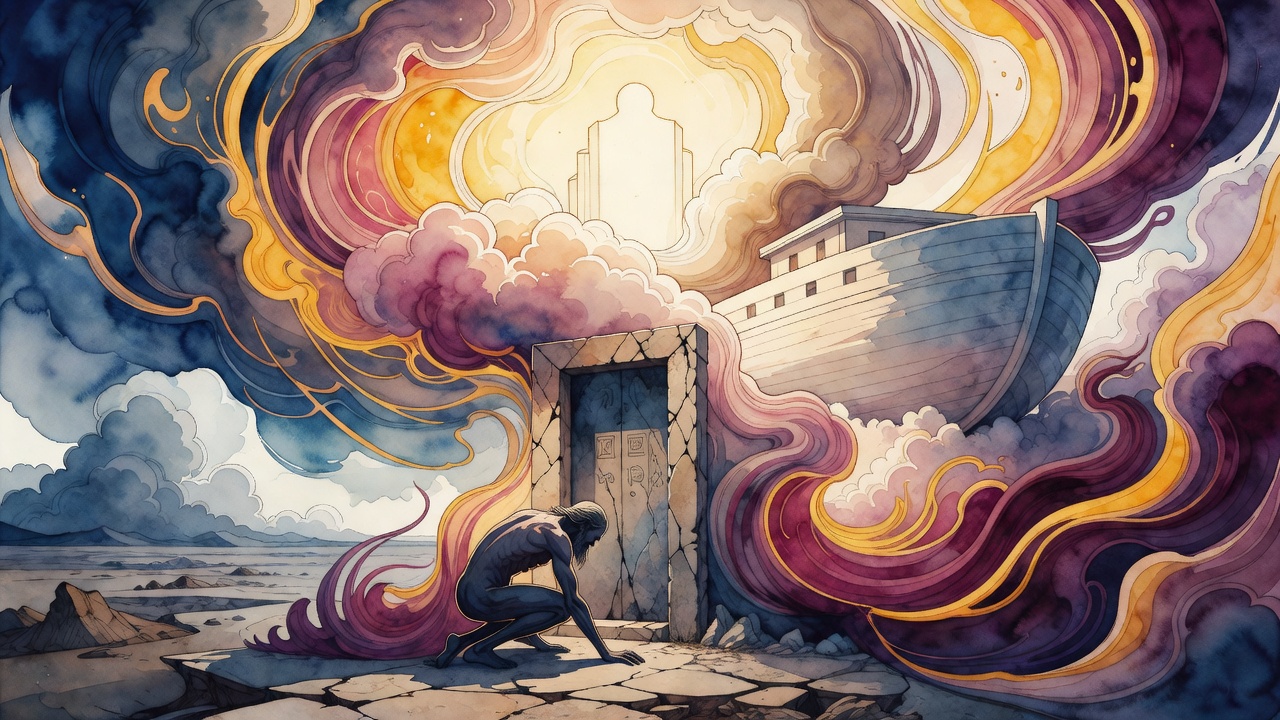
Sin crouches at Cain's door before the flood begins. Noah's name promises comfort. God waits 120 years. Then the ark rises on mercy and descends into sacrifice.
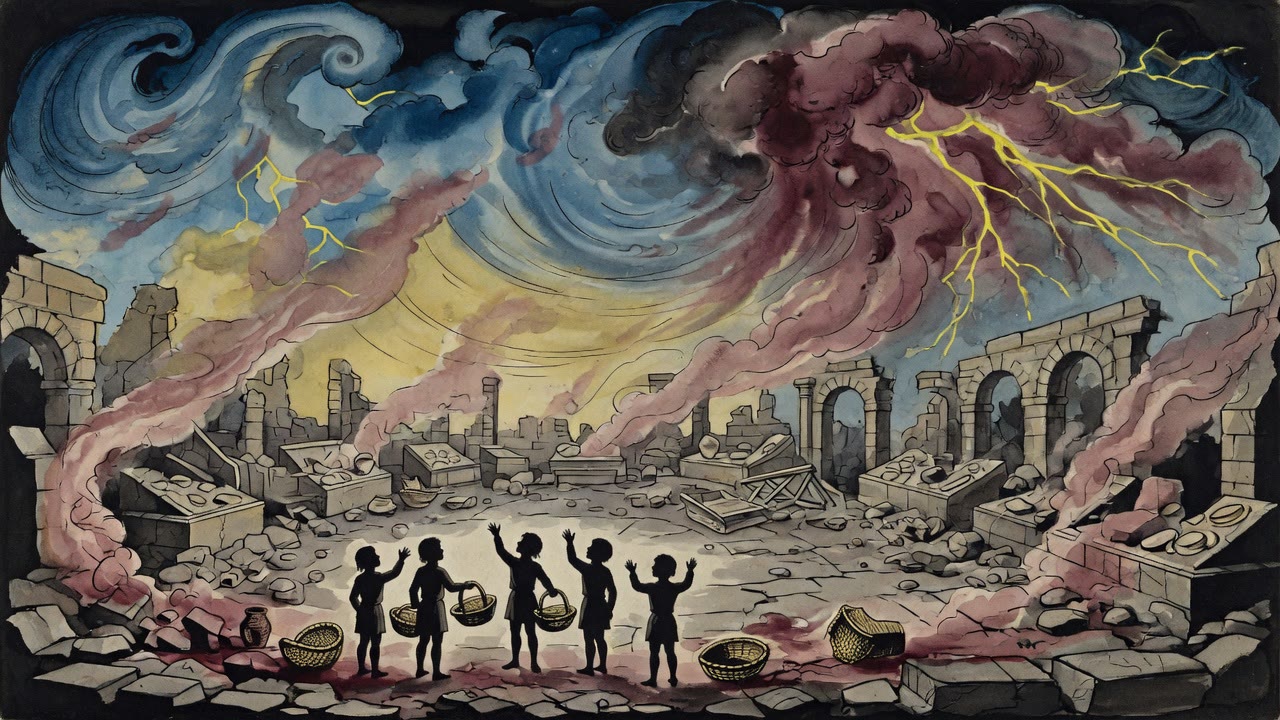
Eikhah Rabbah faces the siege famine through children who remembered abundance, a stream that ran dry, and women who gave away their last loaf to a mourner.
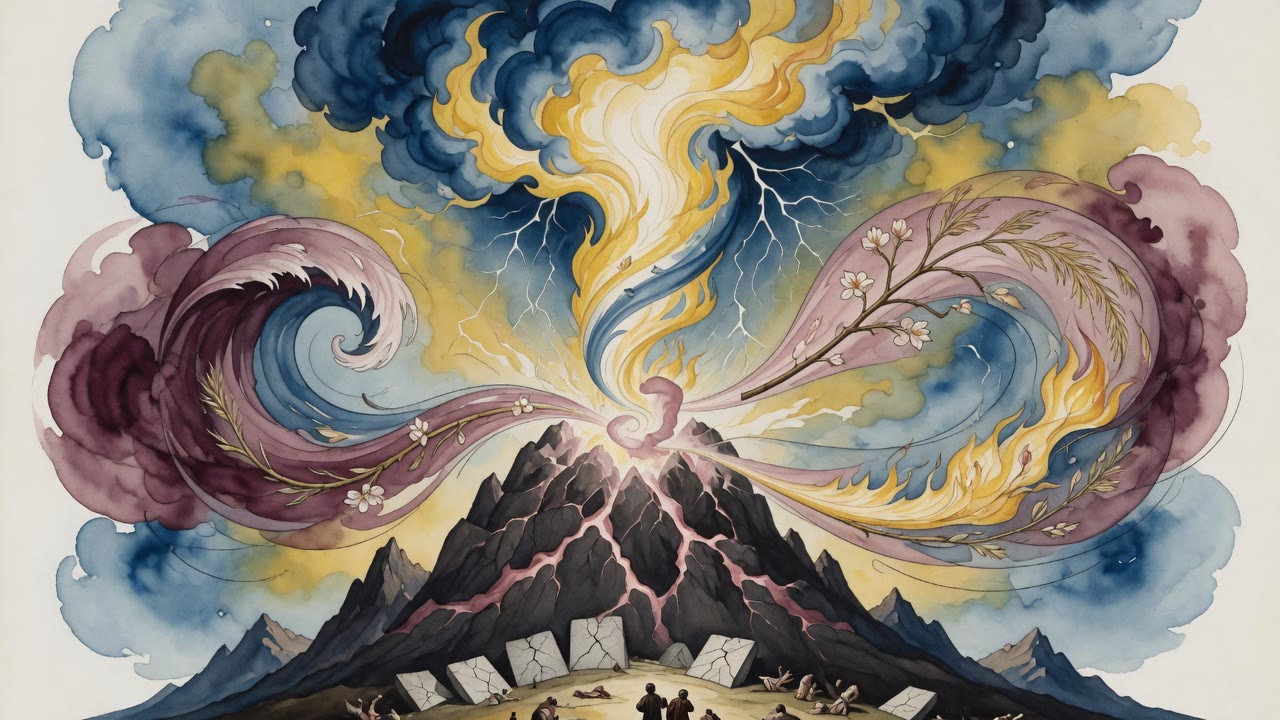
When the angels rose to sing as the Egyptians drowned, God stopped them with a sentence that cut through triumph and made mercy part of the judgment.
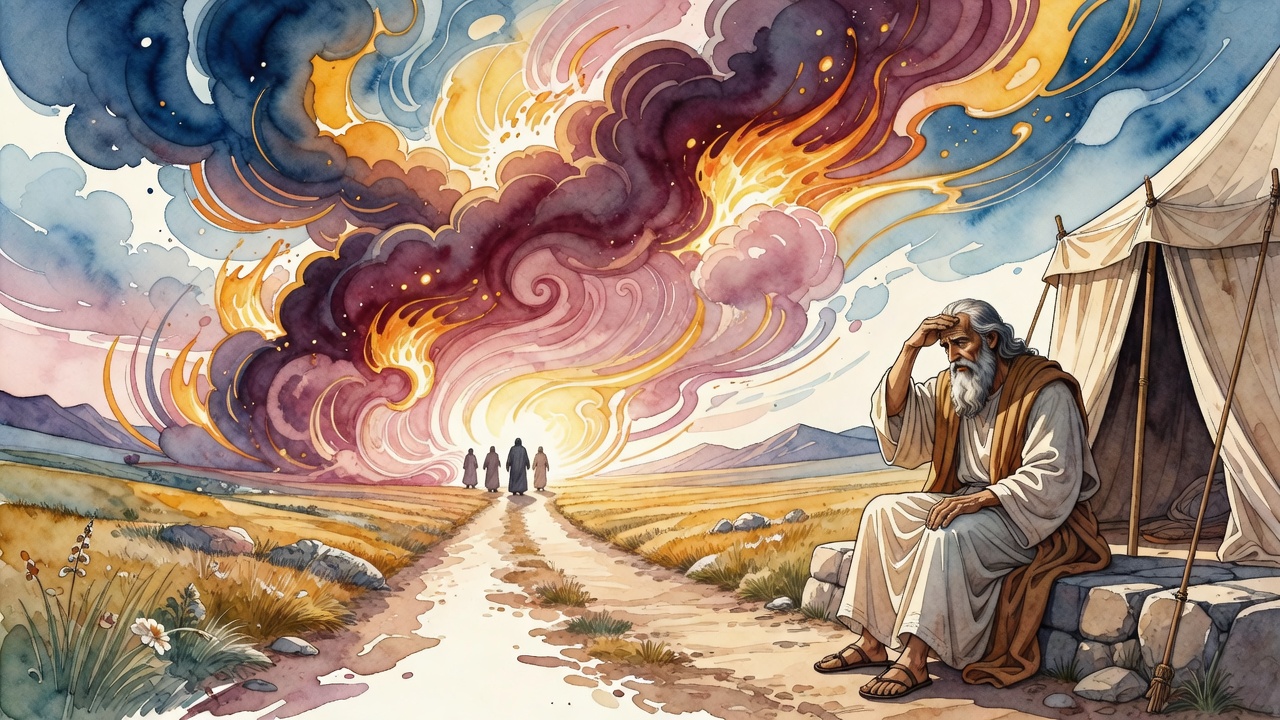
Sodom burned people for putting bread into a beggar's hand. Lot fed two strangers anyway, after dark, and then his wife refused them salt.
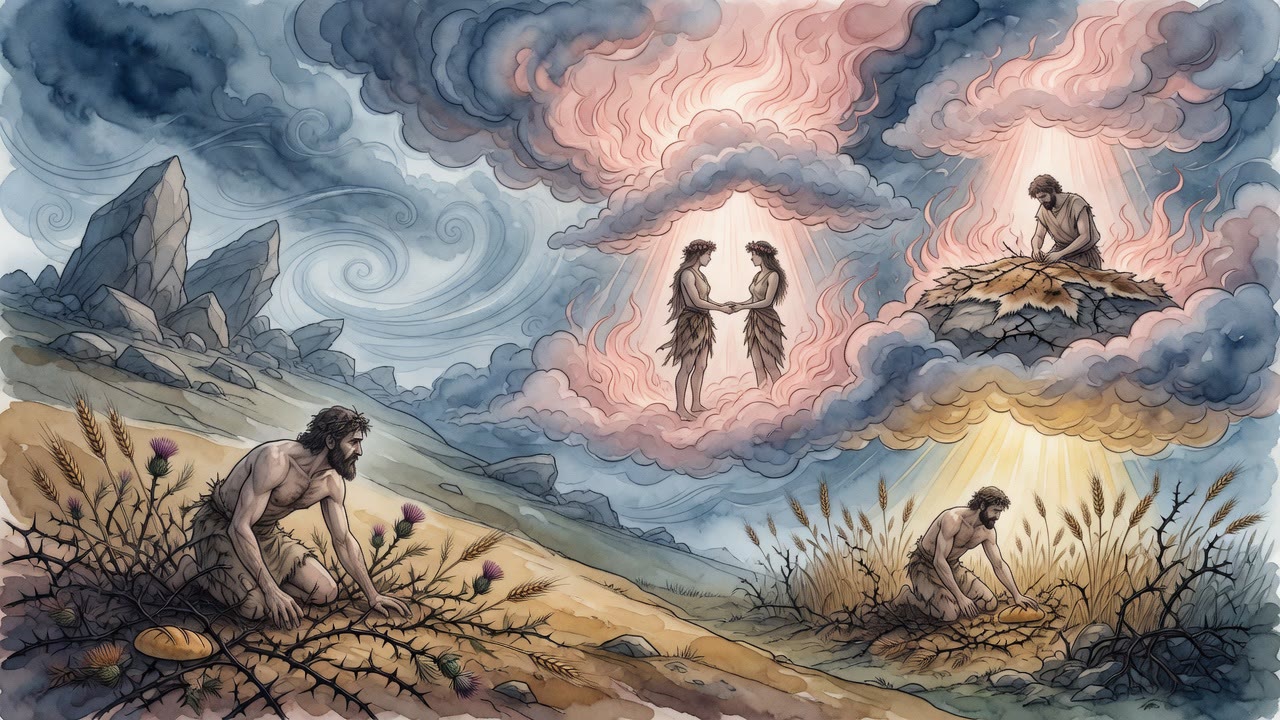
He wept when he heard about the thorns. Am I and my donkey going to eat out of one trough, he asked, and then God said the word bread.
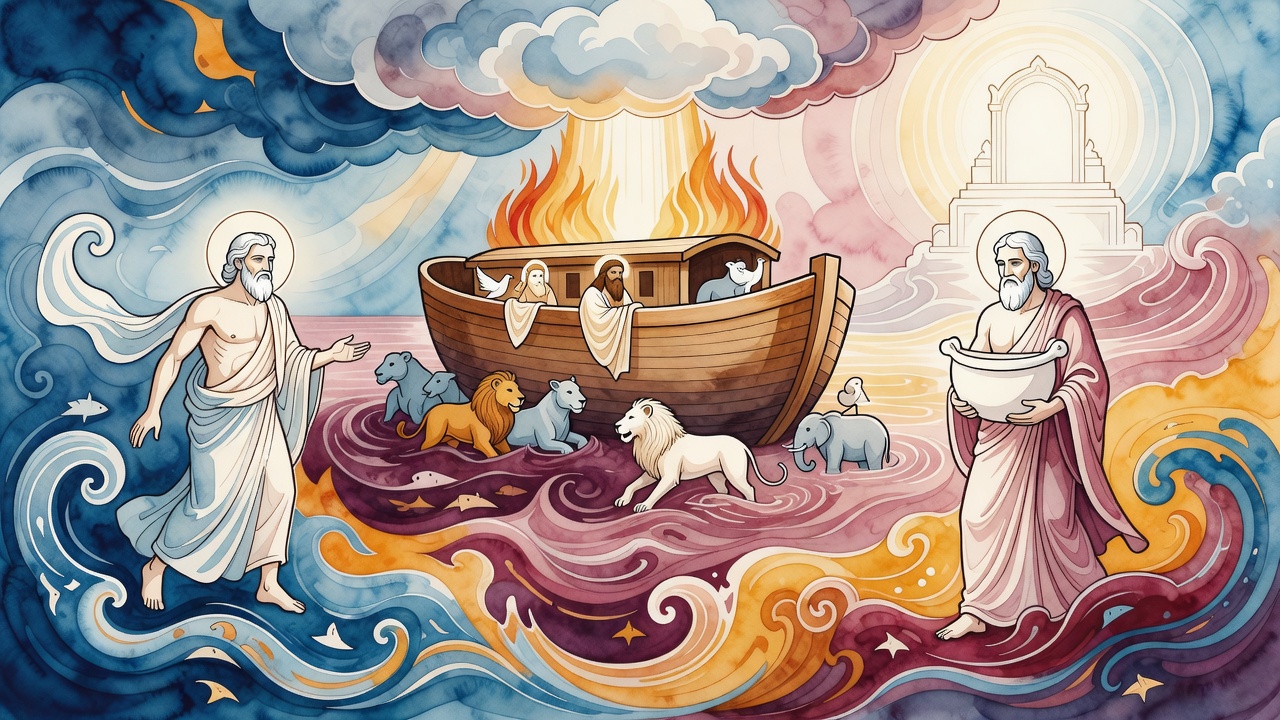
Zebulon's last words were about fish. Noah fed animals in the ark. Moses retrieved Joseph's bones. All three were carried by the same mercy they had shown.
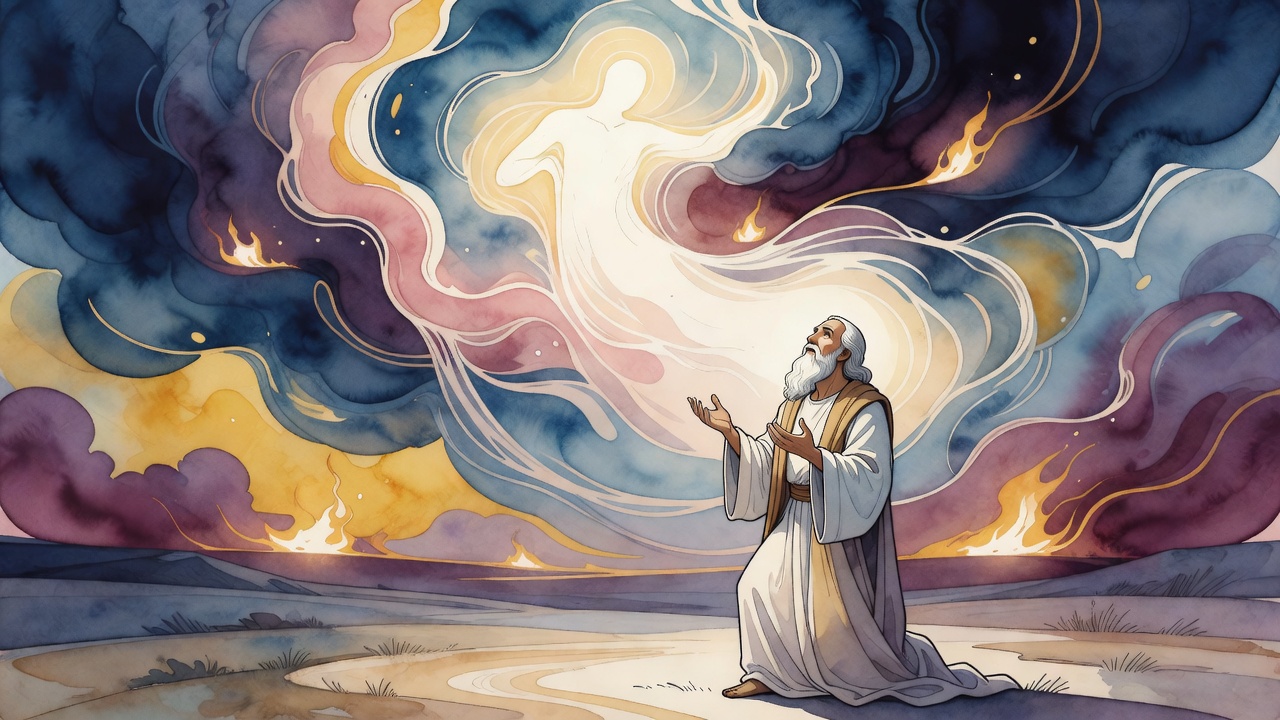
Sarah was still inside the tent when the promise landed. The cry from the plain came second. Abraham spent that hour on other people's houses.
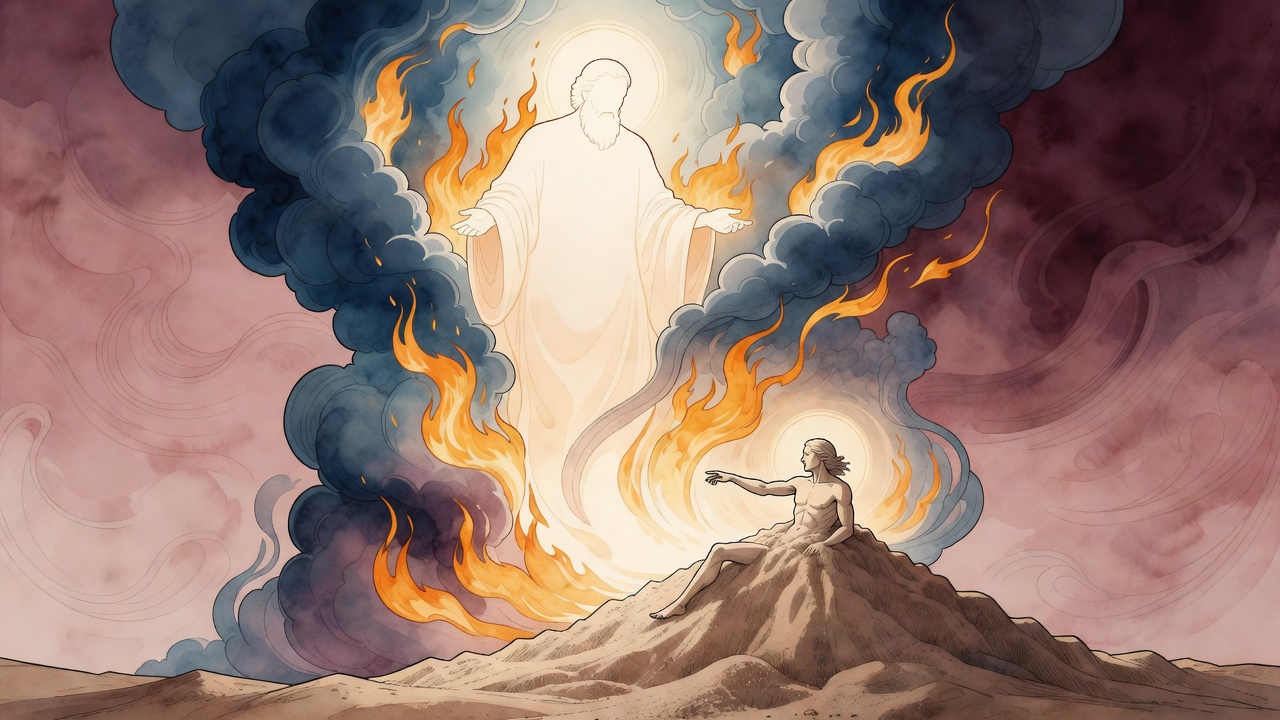
God reached for dust to make a man. Torah blocked His hand. Short days, it said, and a life of trouble, unless mercy came first.
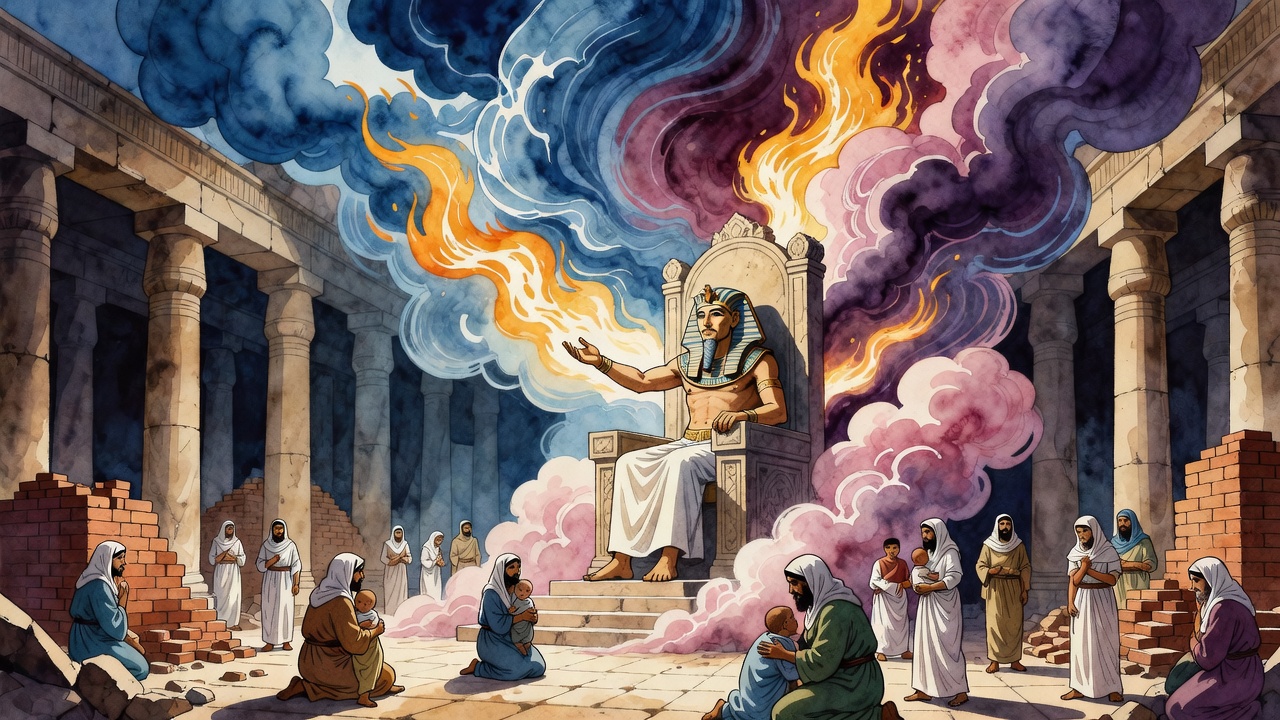
The midwives asked how to tell a boy from a girl while the child was still coming. Pharaoh answered with earth and rib, and a blade waiting for the face.
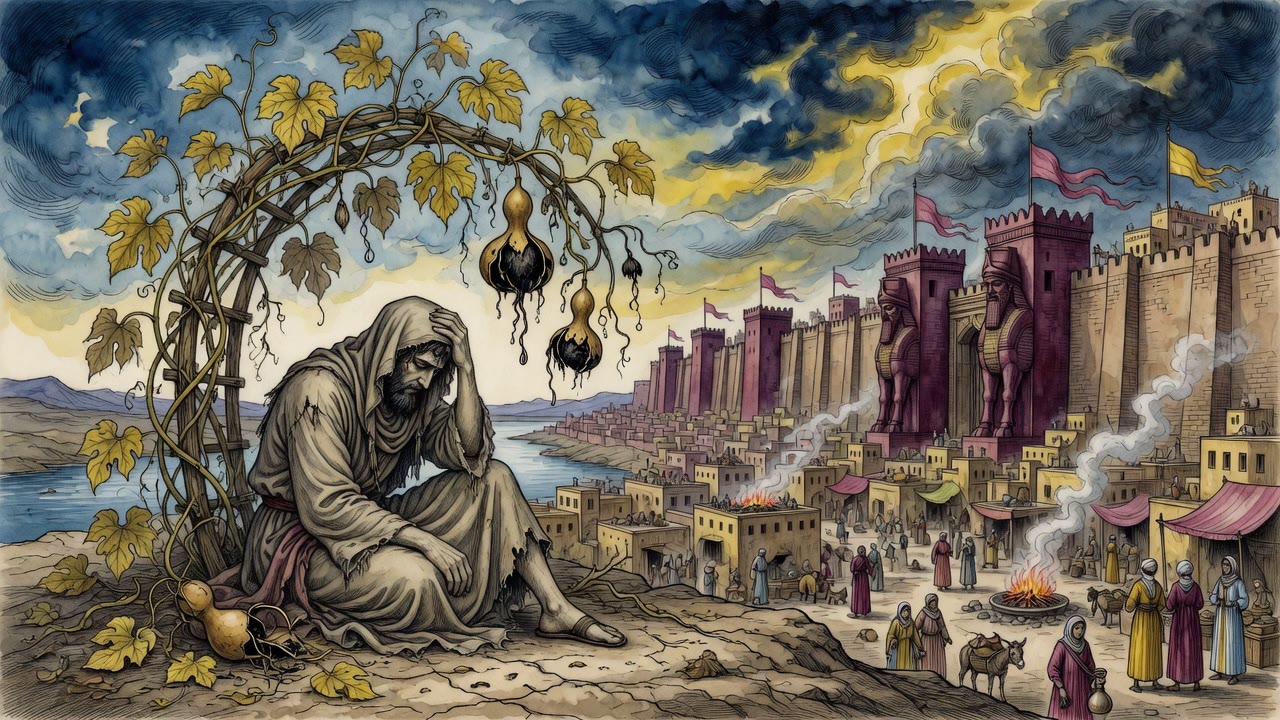
After Nineveh turned, Jonah still burned for his own honor. God grew a plant of two hundred seventy-five leaves, then withered it, and asked who deserves pity.
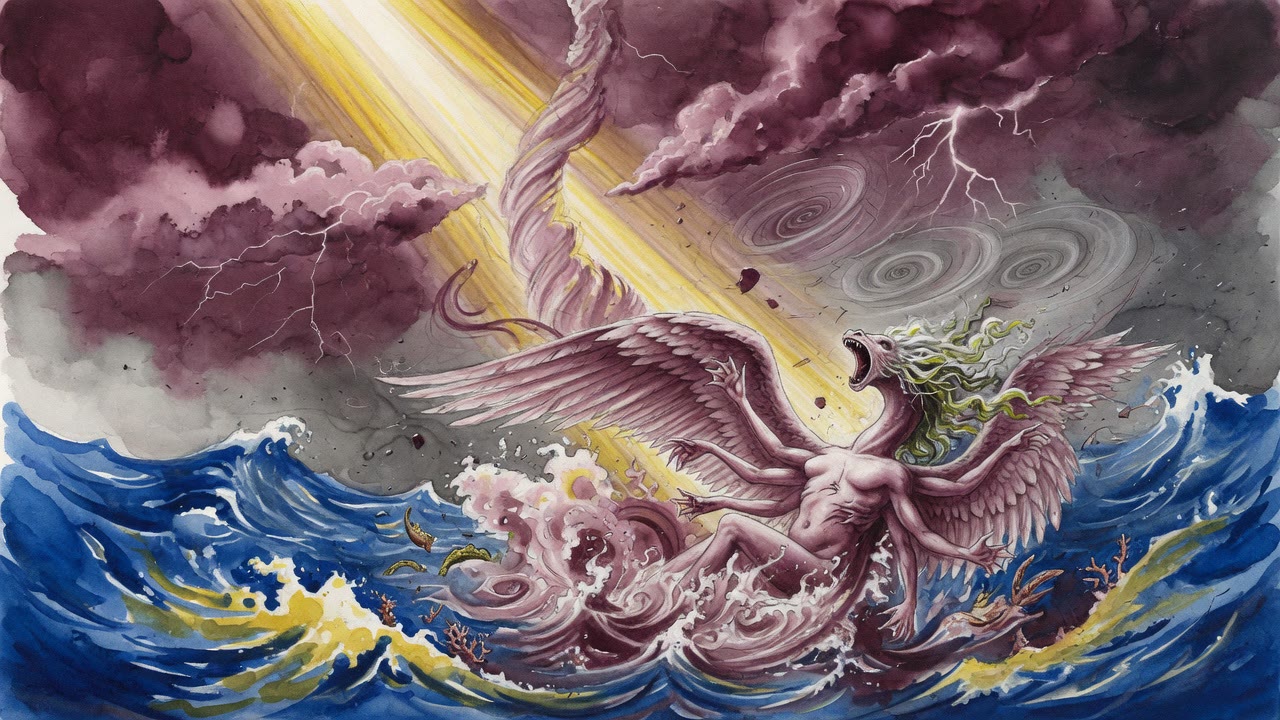
At creation the sea's angel refuses more water and is kicked down as Rahab. At the sea Israel runs past leaders to seize God in mercy, not justice alone.
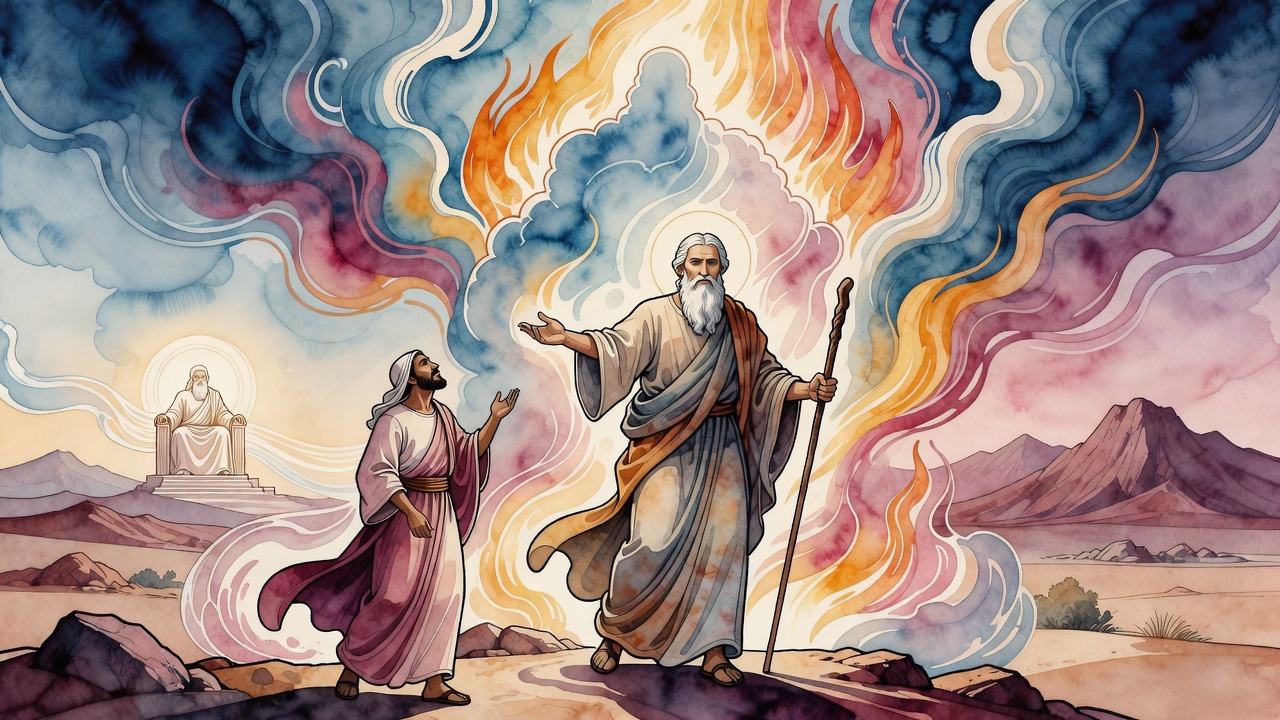
There are two ways to say goodbye in Hebrew. David used one on Avshalom, who never came home. Moses got the other at his father-in-law's door in Midian.
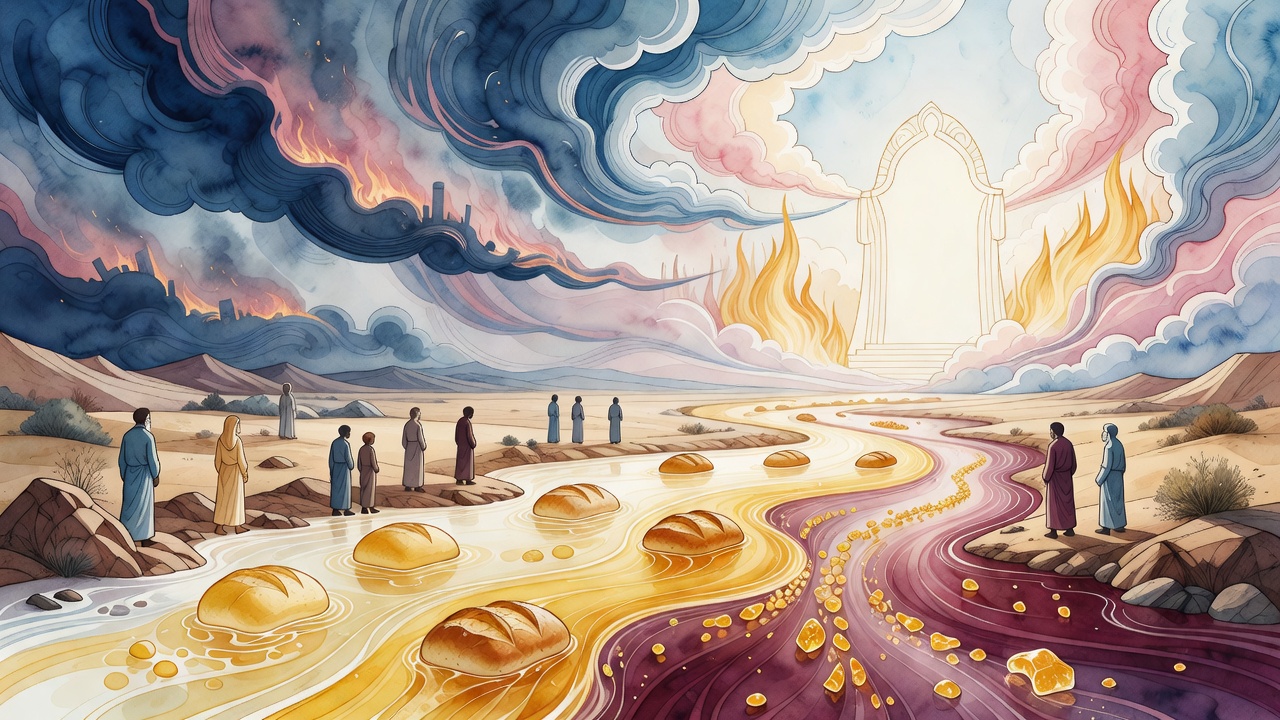
Heaven's bread shifts by the eater's years. It melts into rivers for the righteous, while the same sky that burned Sodom rains mercy on Israel.
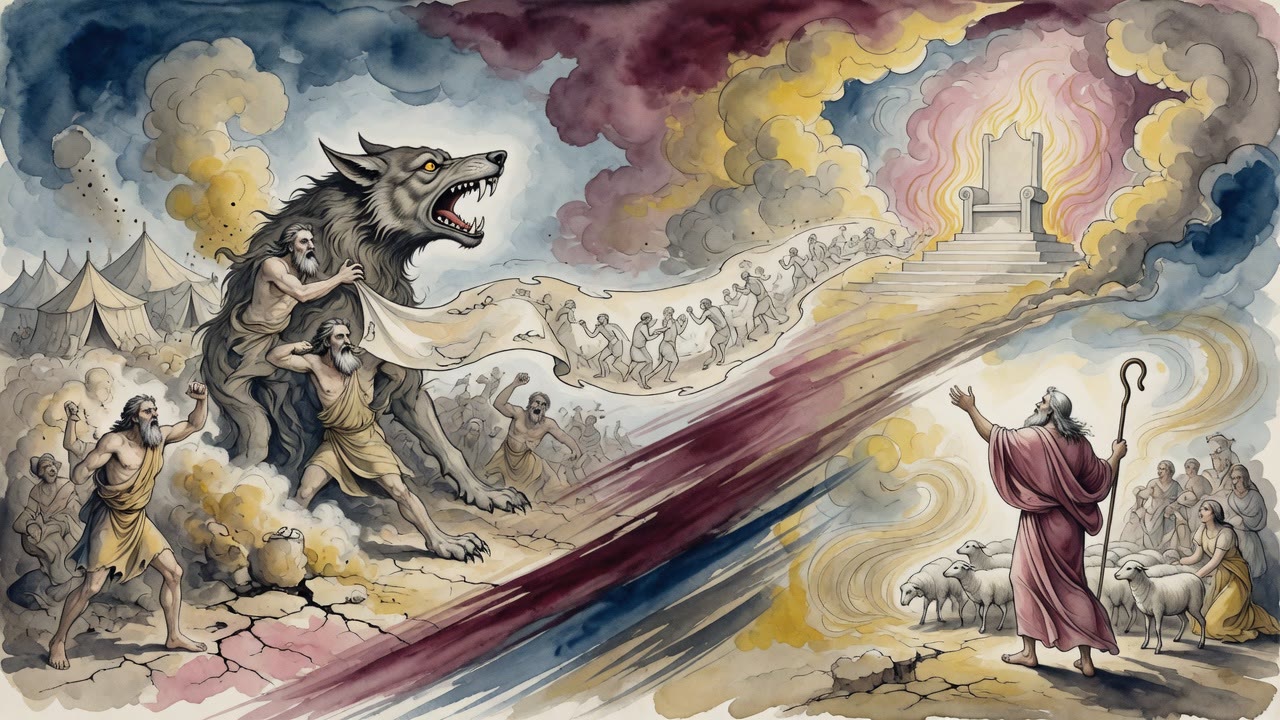
That same afternoon Pharaoh took the straw. Dathan and Abiram stood in Moses's path and cursed him. The lamb was already between wolf and shepherd.
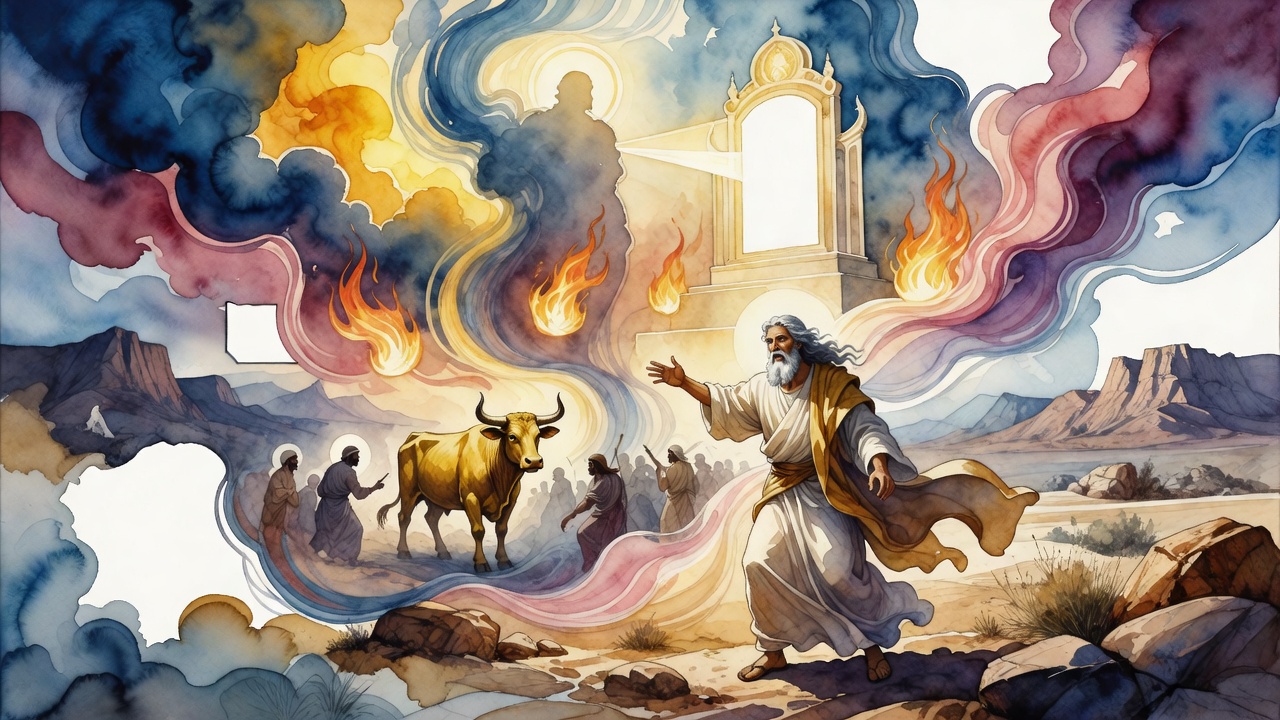
At the calf, Moses seizes a grammar loophole at Sinai. God said Elohekha, singular. Israel stole the ox from the chariot and paid fivefold in the wilderness.
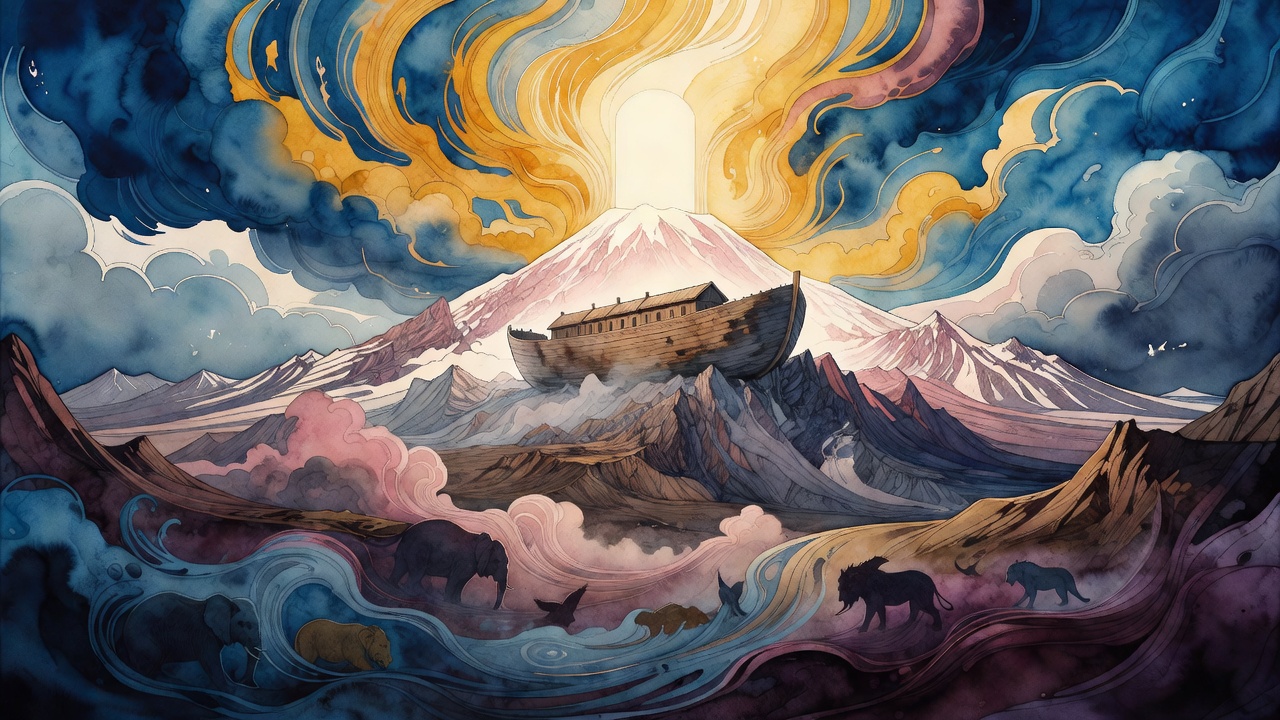
Rain hit the ark's roof without pause. Noah moved among stalls that stank of wet fur. Mercy had not shown its height.
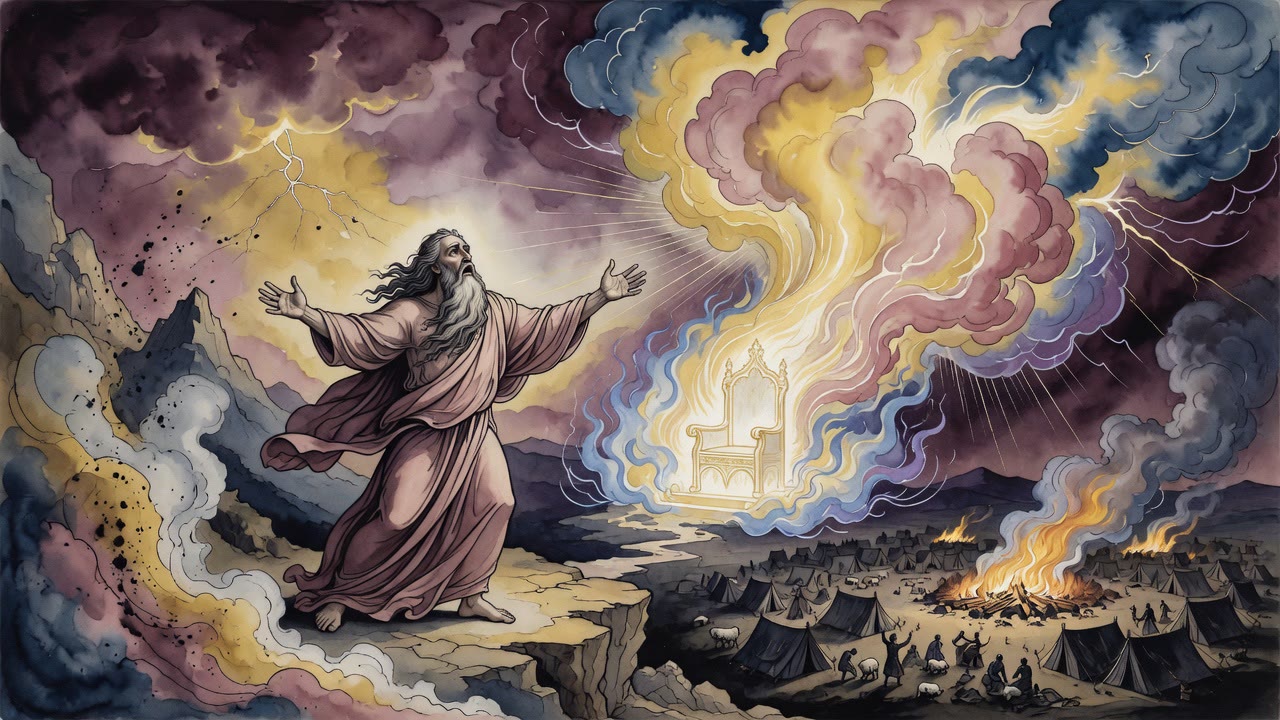
God would break one vow, not two. Live, and the people fall. Moses looked at both ends of the rope and left his own life on the table.
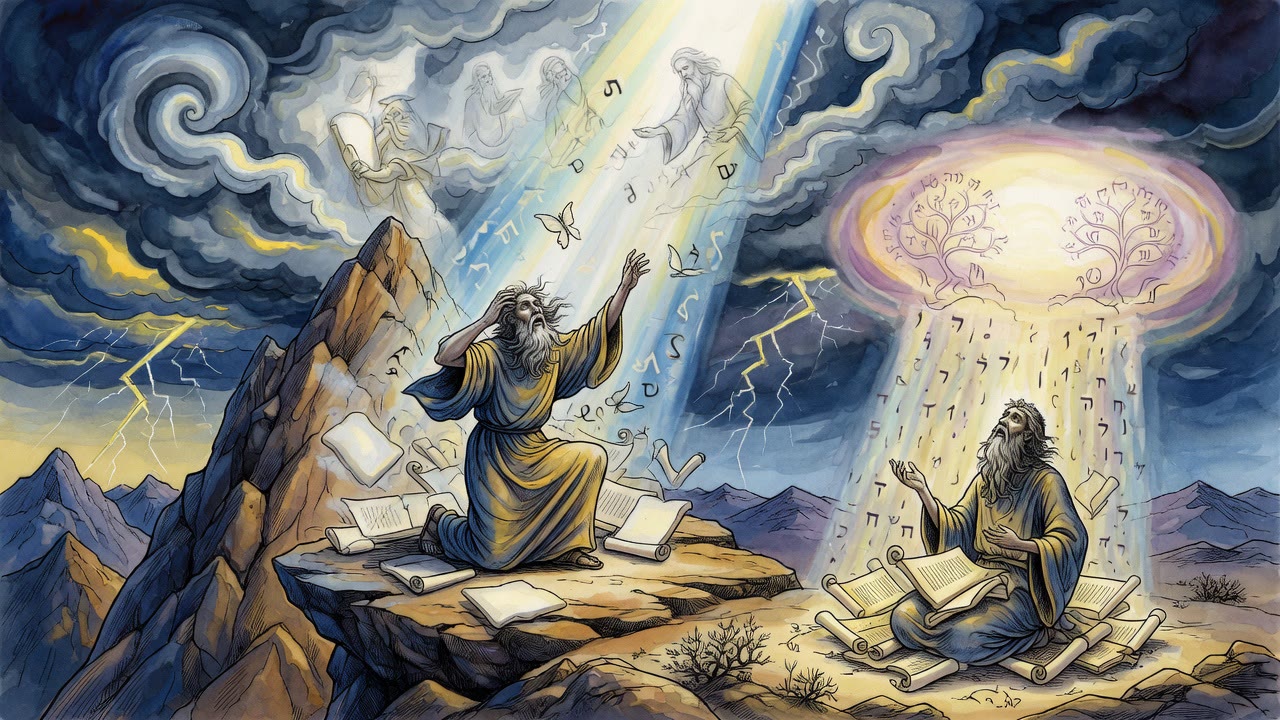
For forty days Moses learned Torah and forgot it. God poured it into him as a gift, and Ha-Satan (the Accuser) hunted the treasure across earth, sea, and death.
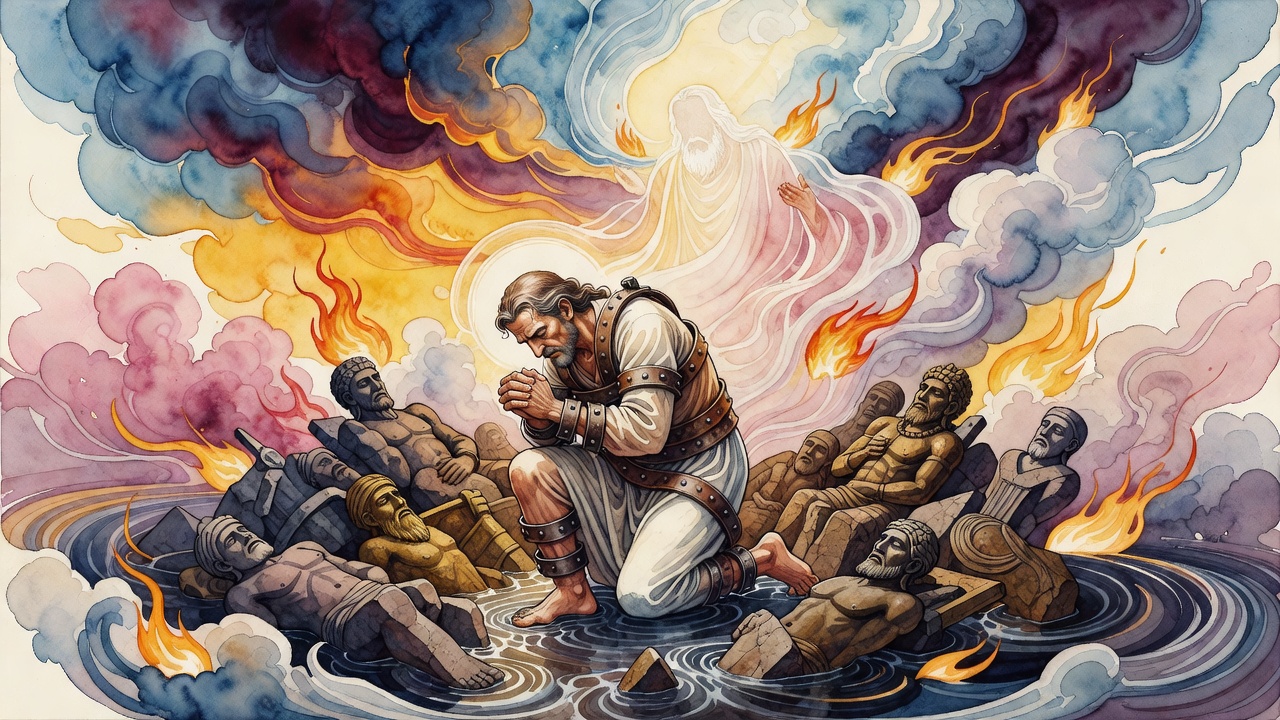
The king of Judah could not lift his head. Iron bit his neck in a foreign jail. He asked God not to let him die bent.
