123 myths · Page 3 of 5
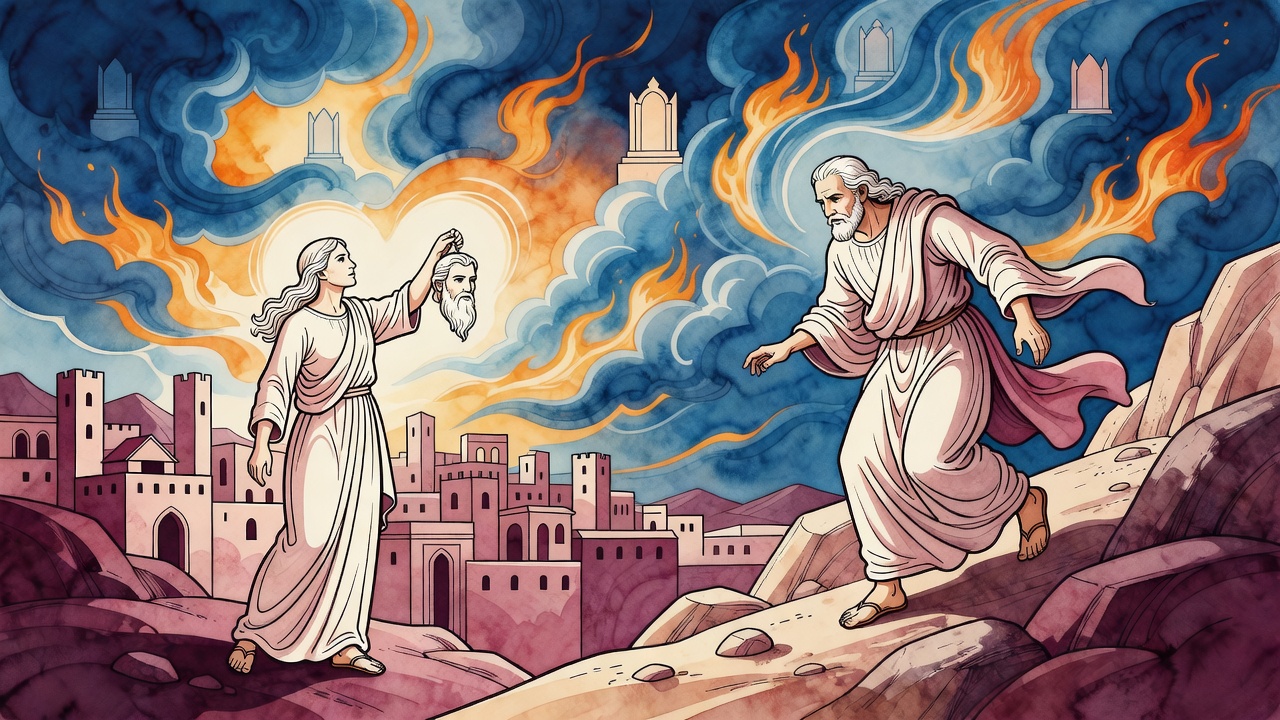
Abraham sees Serah save a city with one rebel's head, then climbs down from fifty righteous to ten in his plea for Sodom.
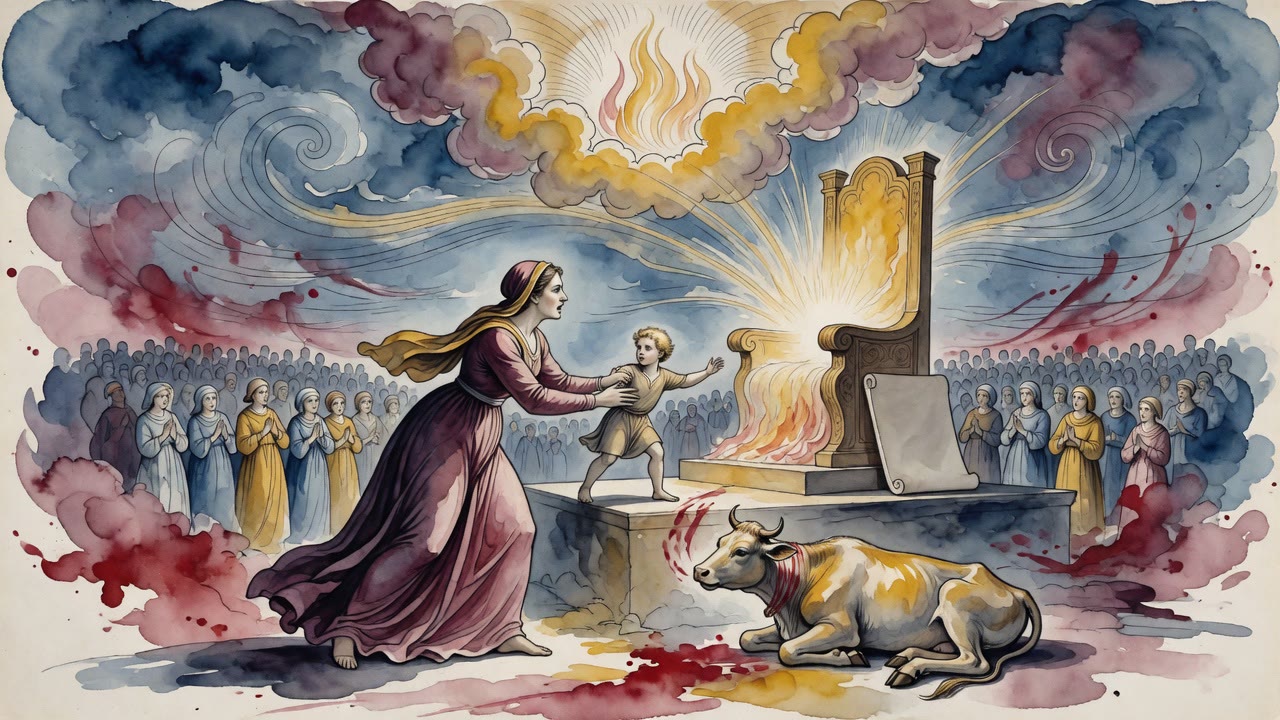
The onlookers told each other she had come to have the boy killed. She heard them. Then she stood up and told the judge he had kicked her.
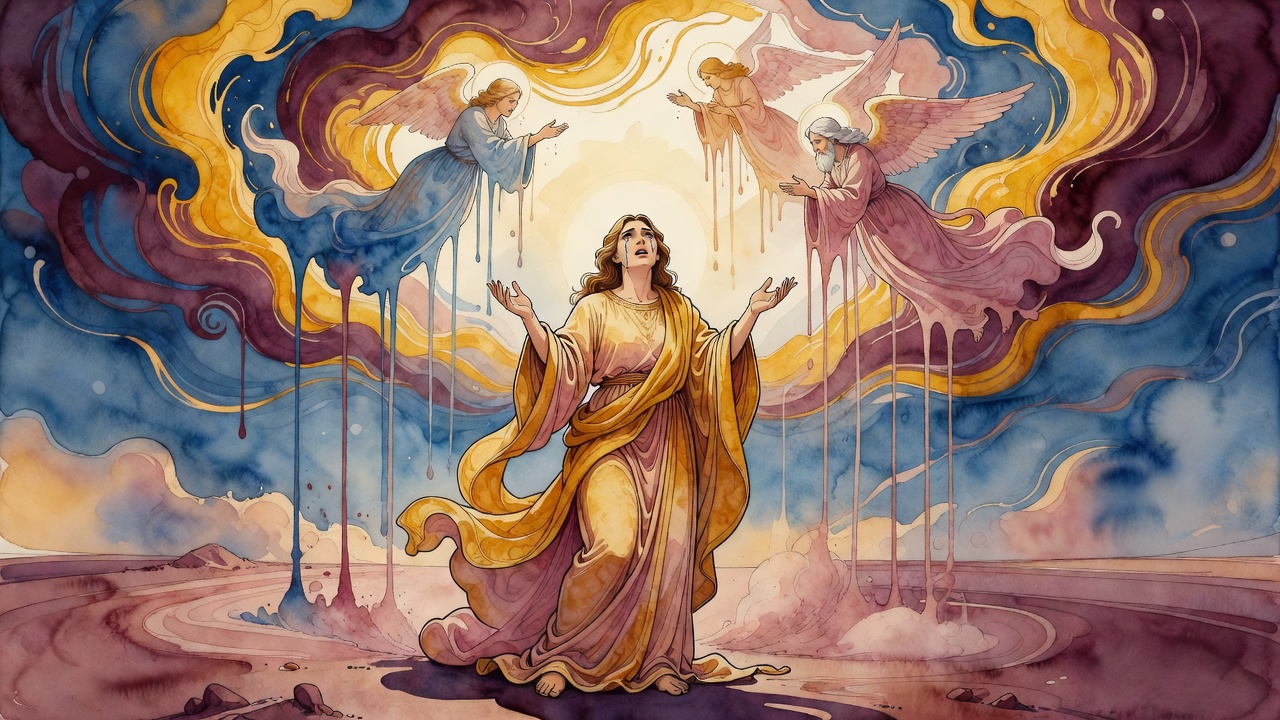
After three days of ash, Esther robes in Ophir gold, prays the patriarchs letter by letter, and the firmament opens so angels can cry for the world.
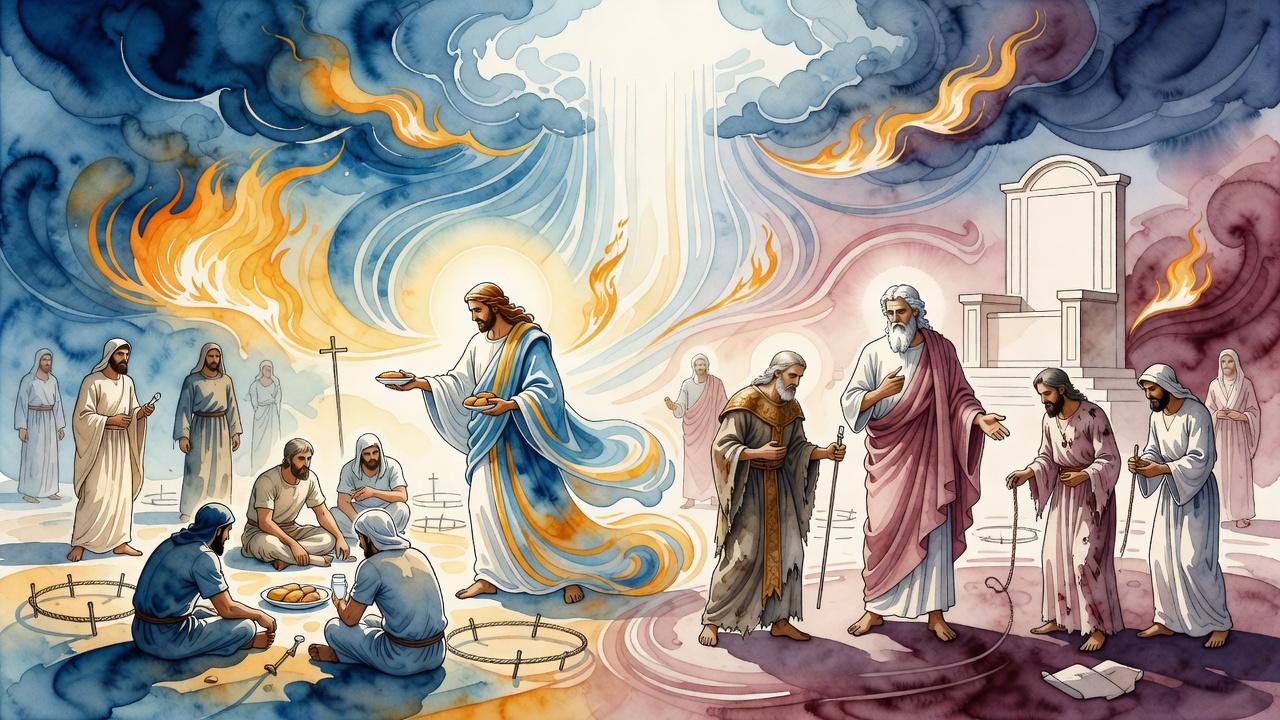
The king of Israel wanted them dead and asked the prophet for permission. Elisha said no and set out bread and water for the men sent to bind him.
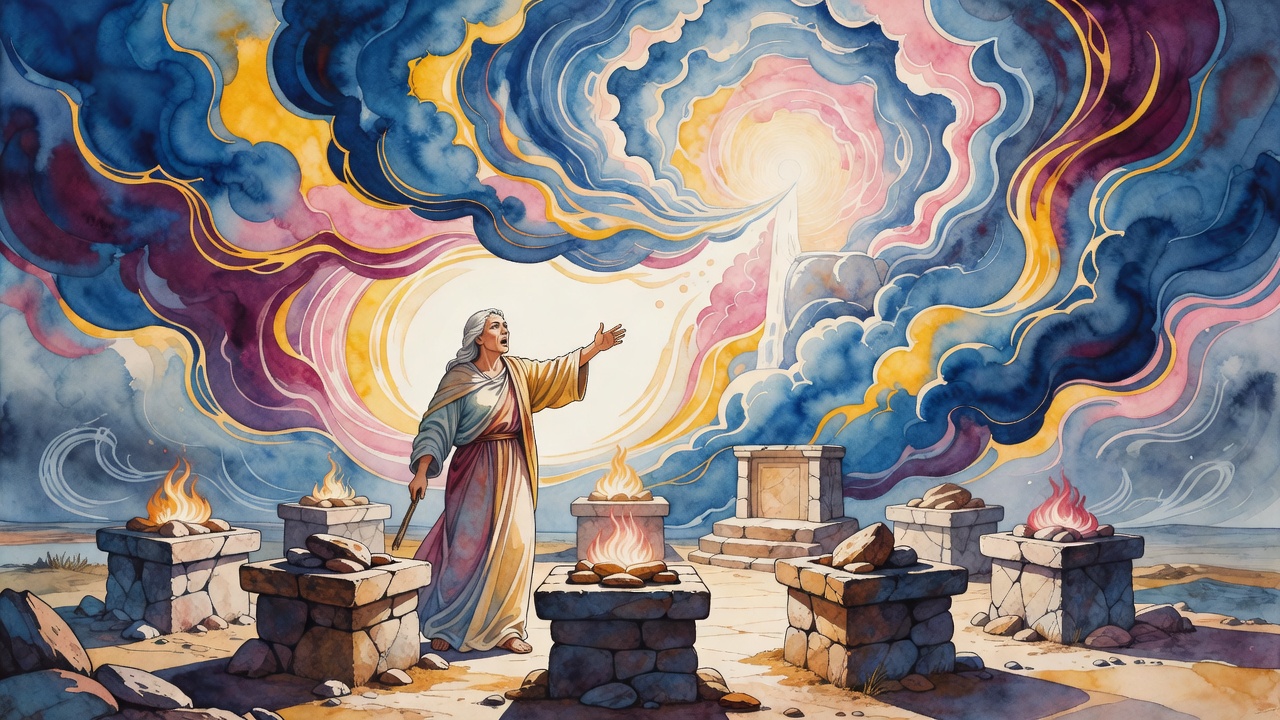
A mother of seven builds seven altars in one day, rebukes Abraham's single test, and God claps His hands to His heart and weeps in secret.
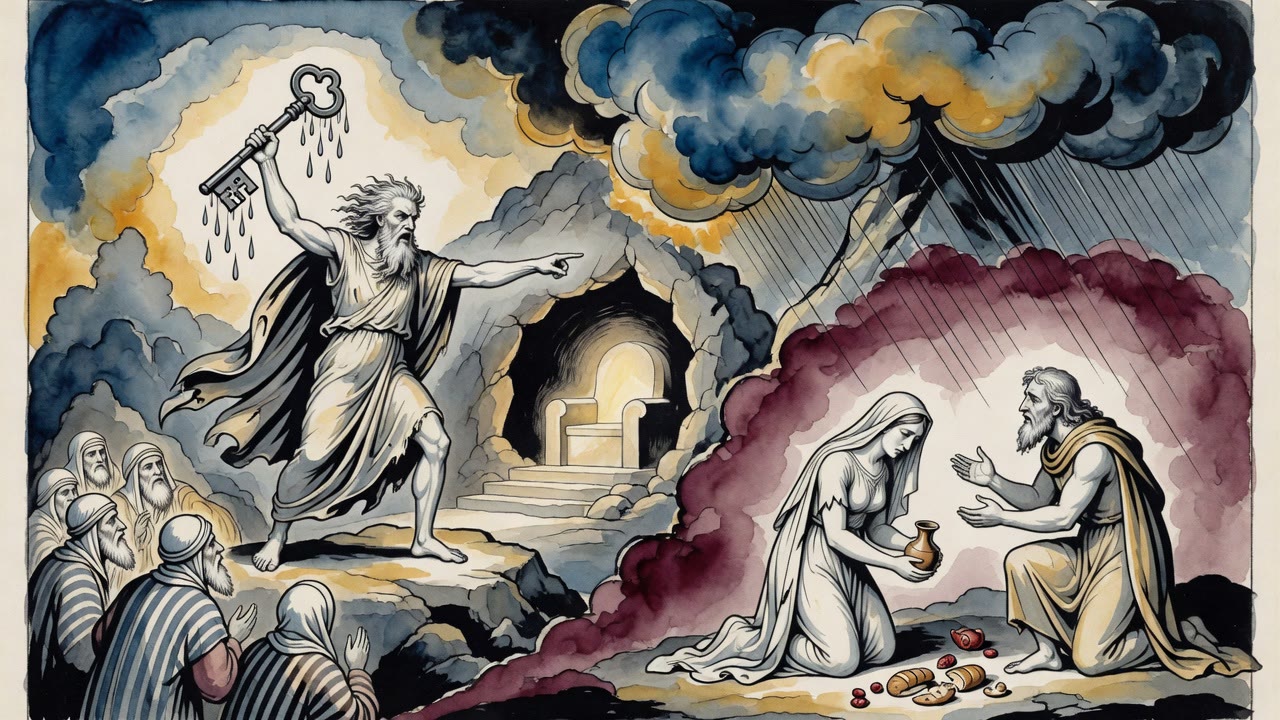
Elijah seizes the key of rain and accuses Israel at Horeb, while Hosea learns on his own marriage why a prophet must plead before he condemns.
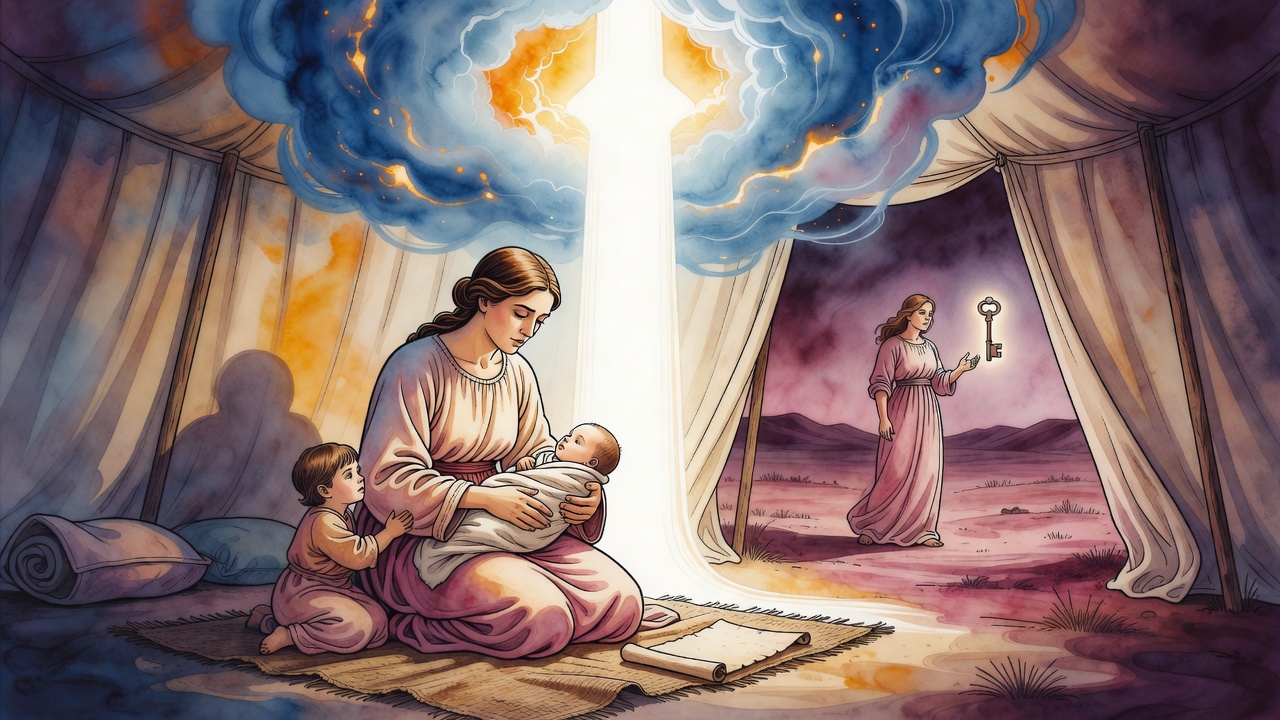
Leah, unloved in Jacob's tent, received sons first from the God who lifts the fallen, while Rachel waited on the one key no angel holds, the key of the womb.
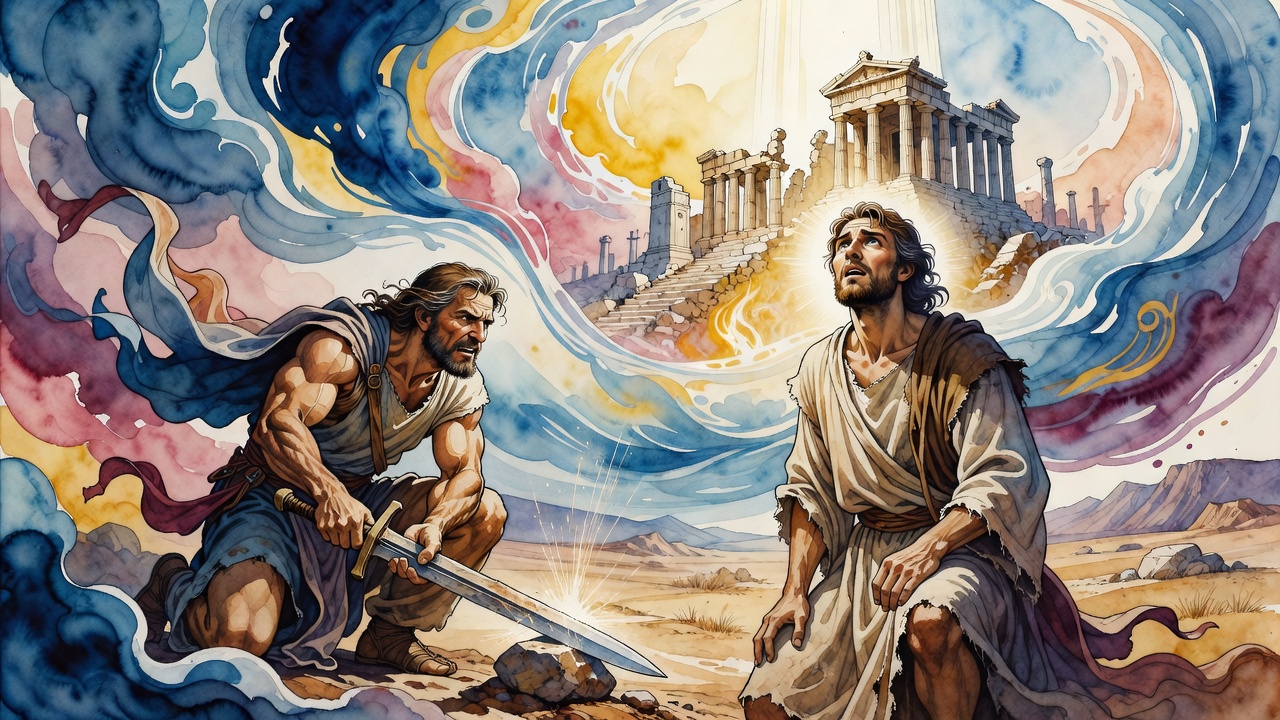
Esau timed a killing for the days of mourning, Jacob waited under the eye of Heaven through sword and famine, and at Bethel he saw the Temple fall and rise.
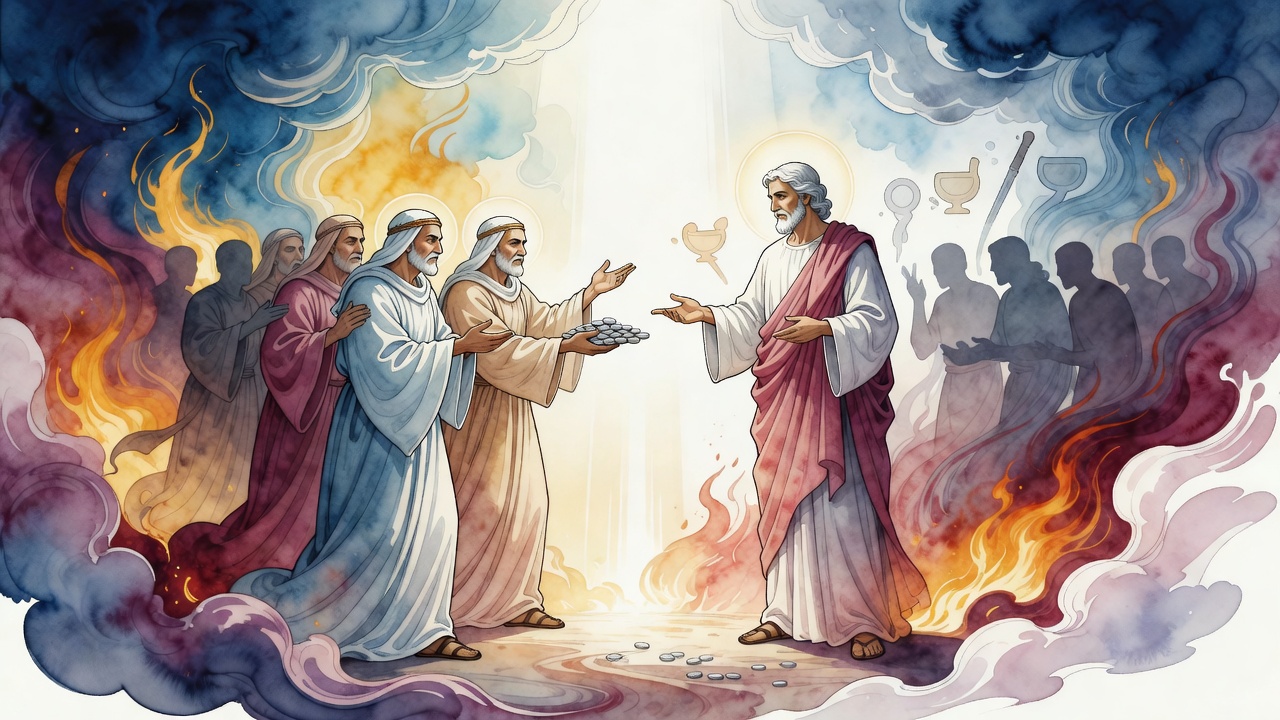
David offers silver for Saul's dead, the Gibeonites demand seven lives instead, and the king names three gifts they lack that mark Israel.
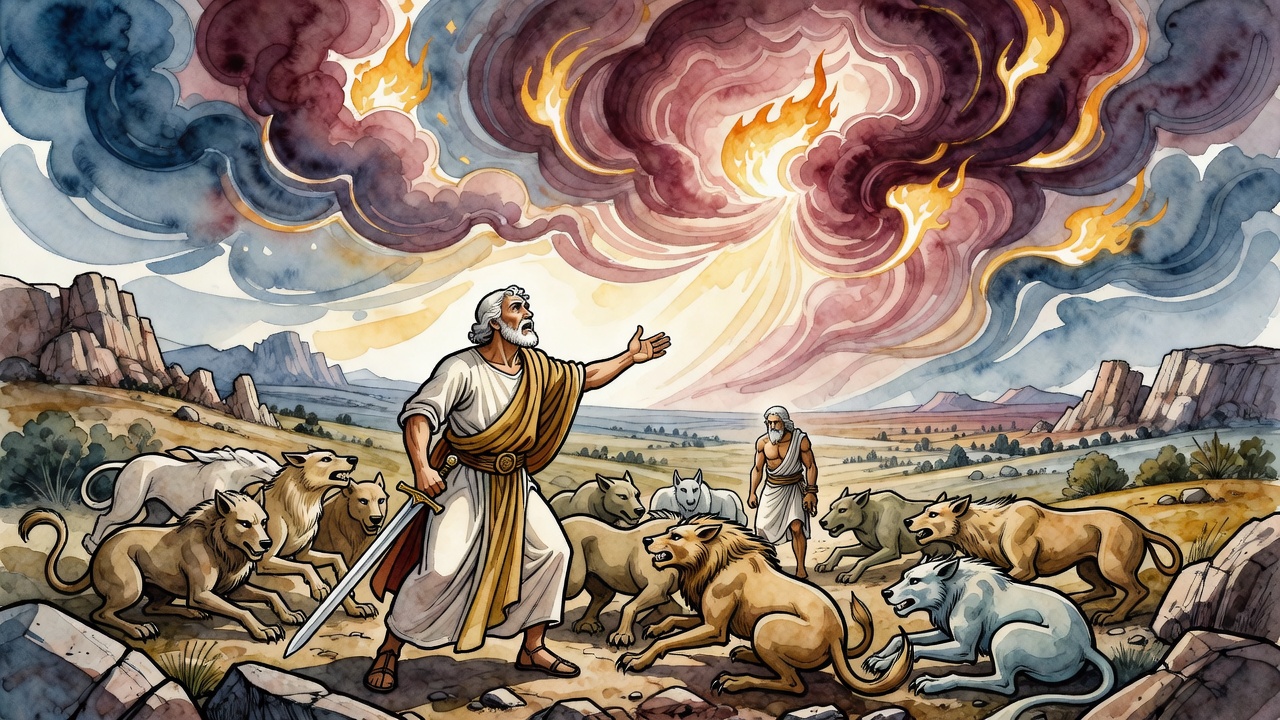
In the valley before Amalek Saul argues that beasts have not sinned. Heaven answers. He spares Agag. The sword he withheld later finds him.
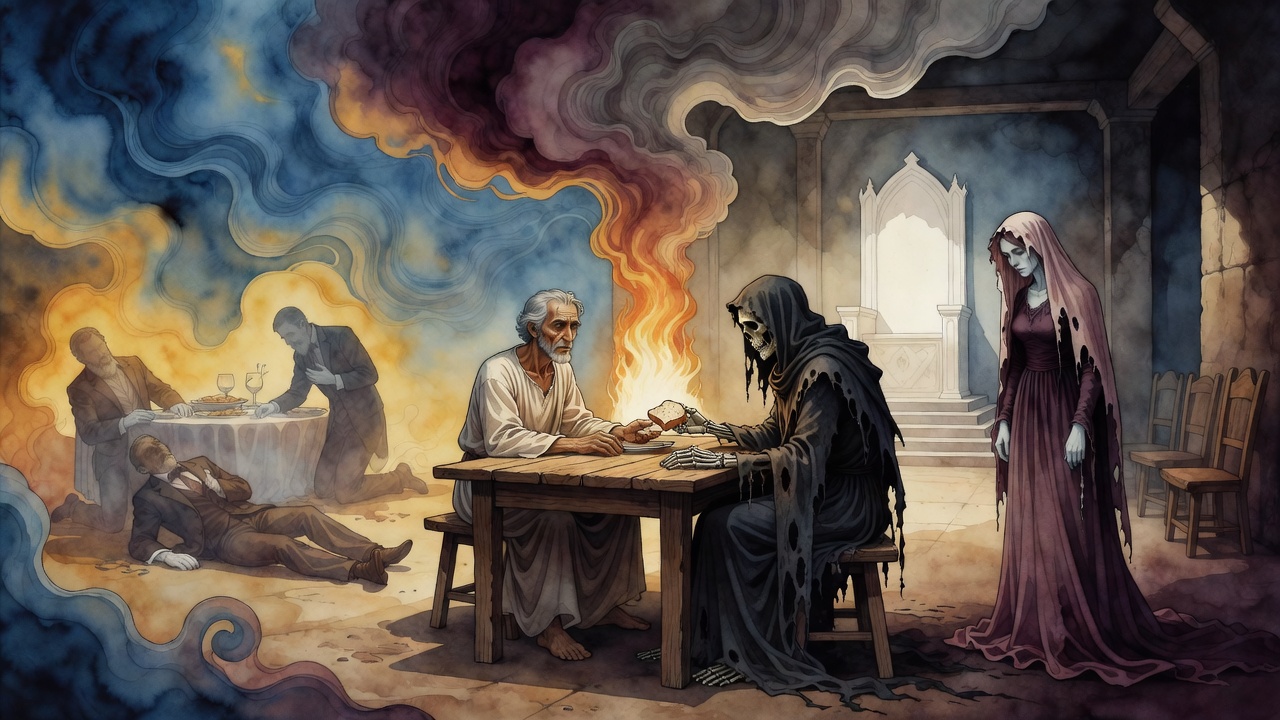
Three grooms die on Hannahs first nights. Poor cousin Joseph feeds Death at his table, lives past the wedding, and keeps the cursed bride.
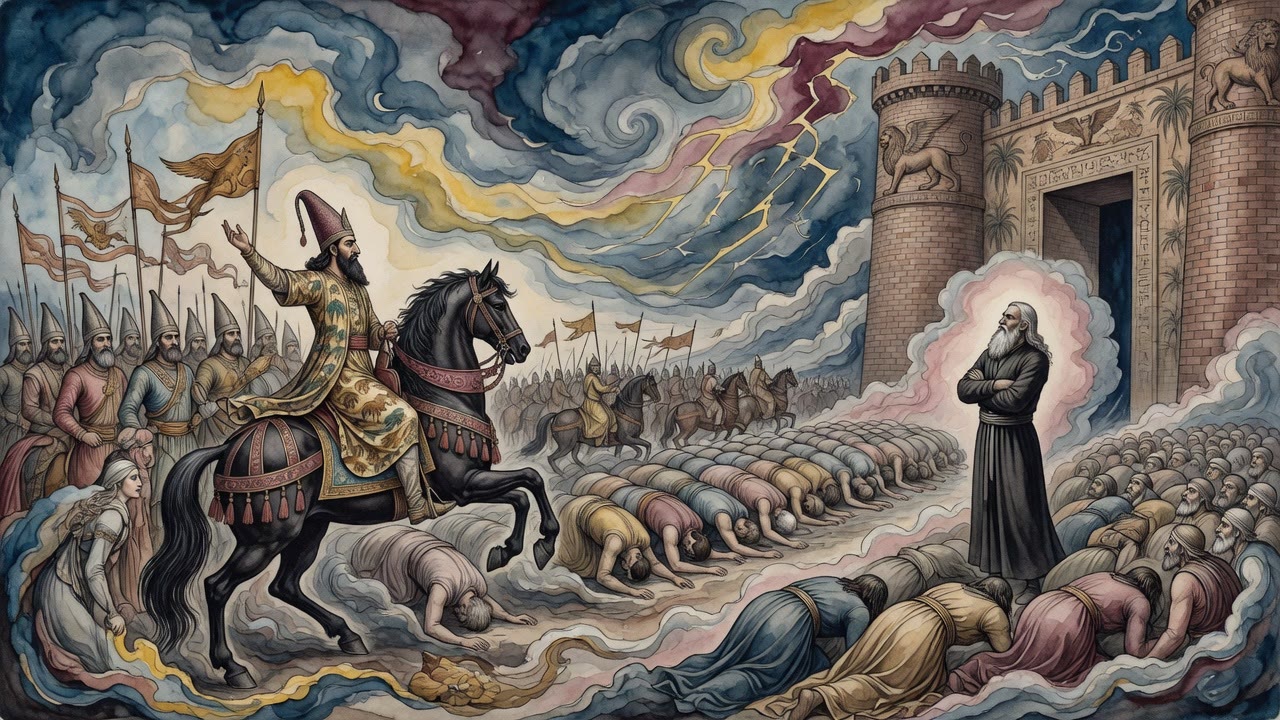
The morning let a thief walk free. At noon Rachel's scale stopped lying, and she sent the boy home with the bolt drawn.
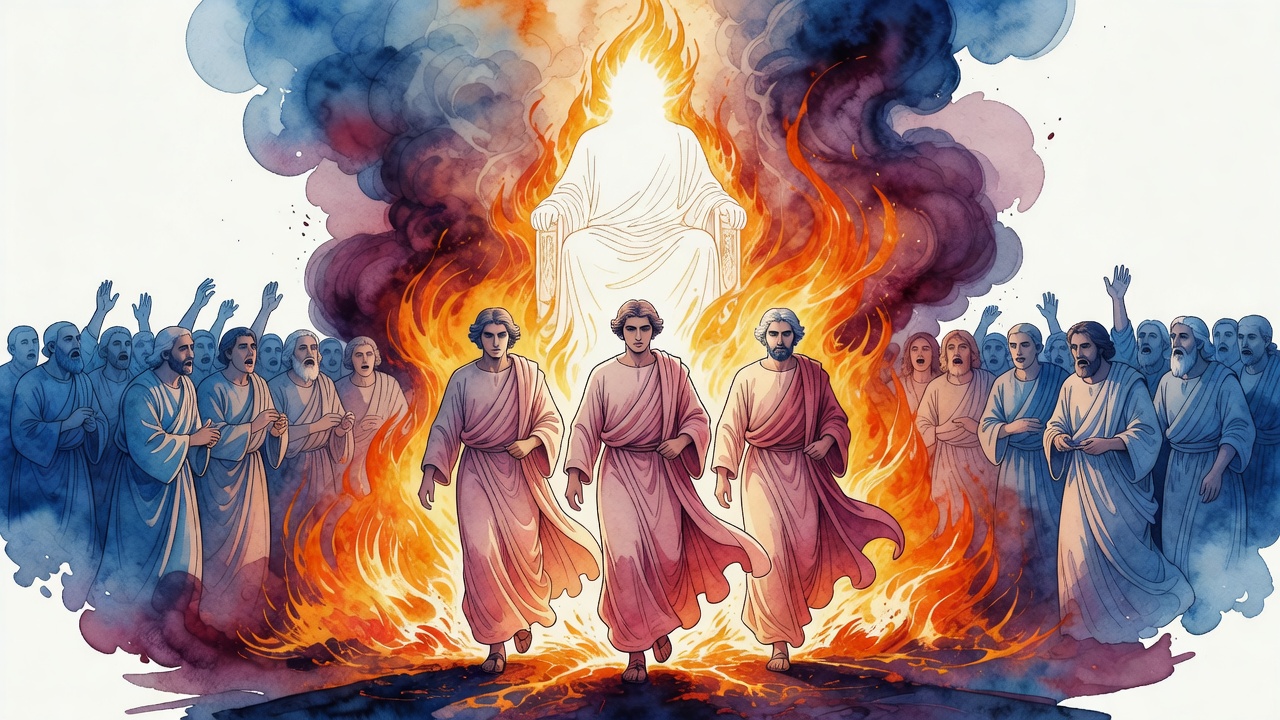
Kings crowded in and spat until the three looked like a clod. The men who had walked out of the fire lifted their faces and claimed shame.
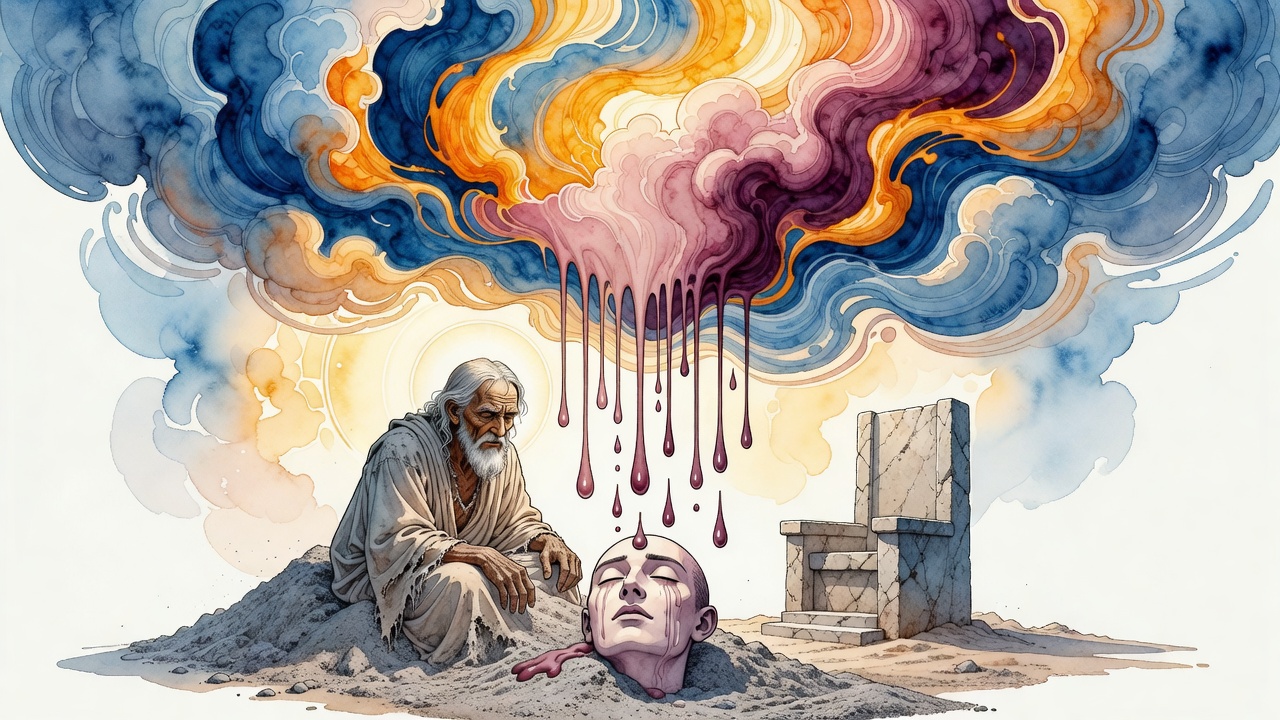
Friends circled with speeches polished for other men's disasters. Job scraped his skin with a potsherd and counted his dead in the pauses between paragraphs.
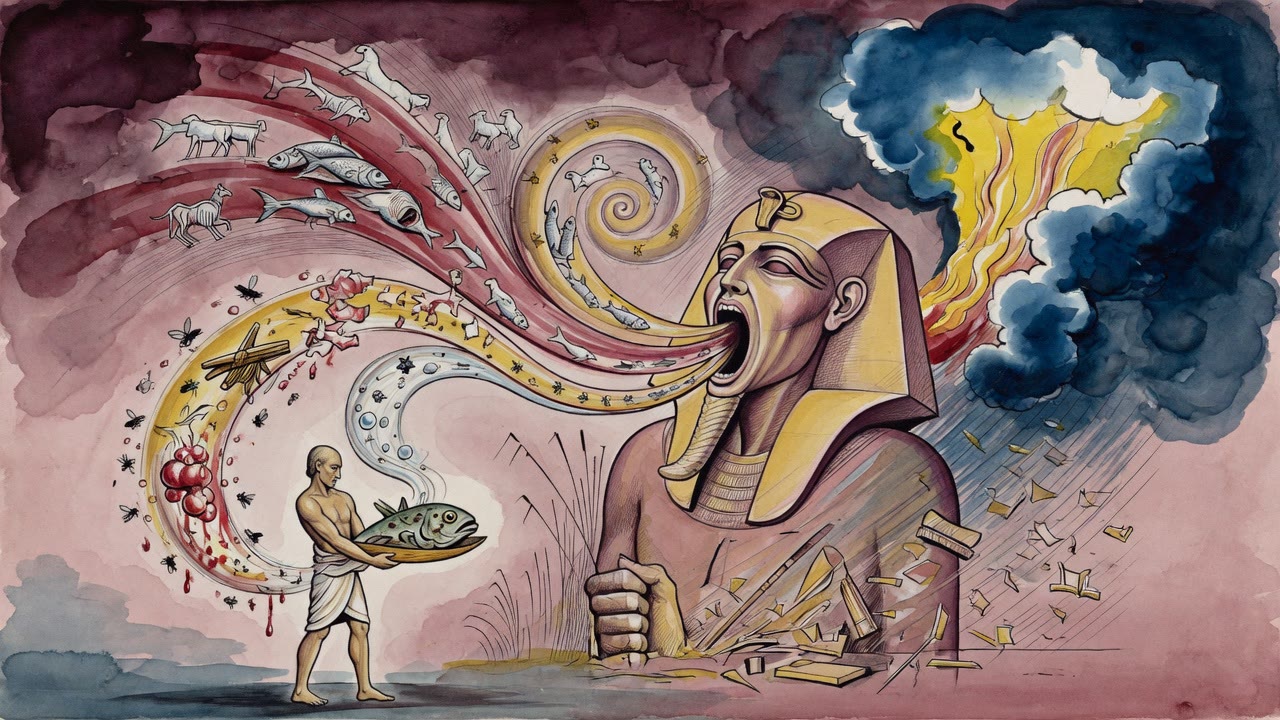
A servant picks the lightest penalty for a rotten fish and still pays all three. Pharaoh bargained the same way through every plague in Egypt.
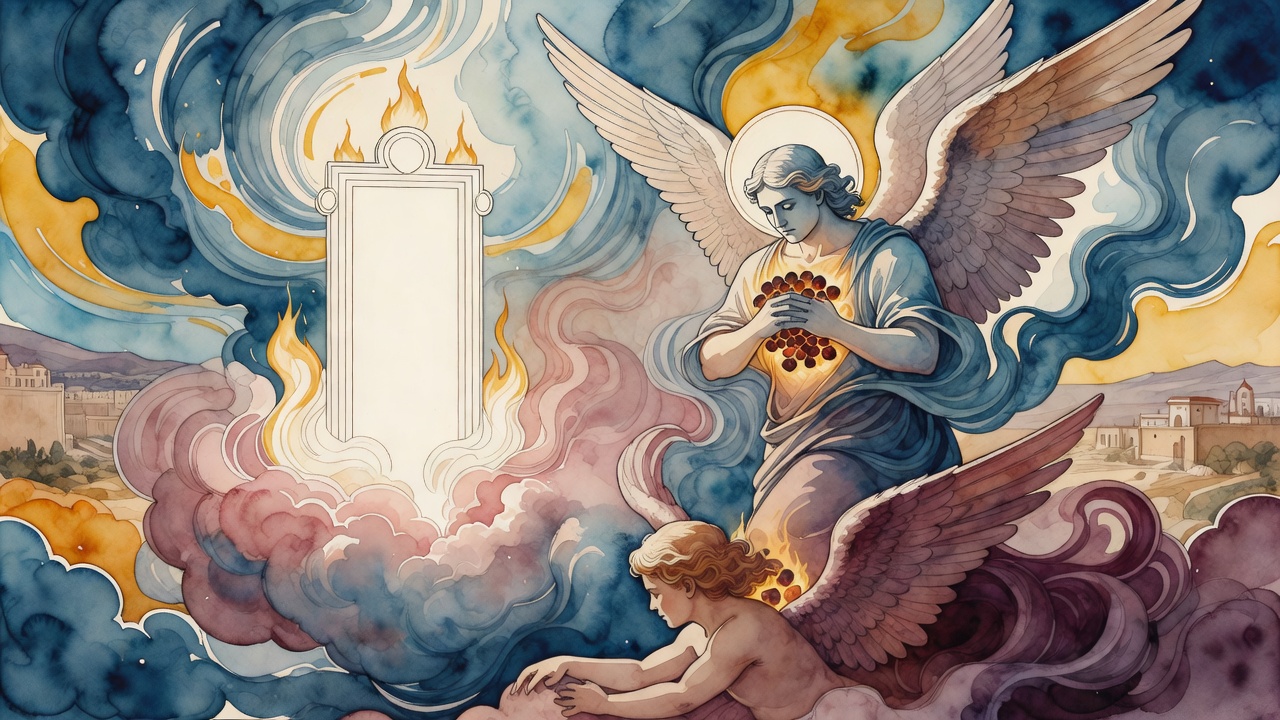
Gabriel cooled the cherub's coals against his chest for six years, waiting for Israel to turn, until mercy stayed his arm for the sake of kindness.
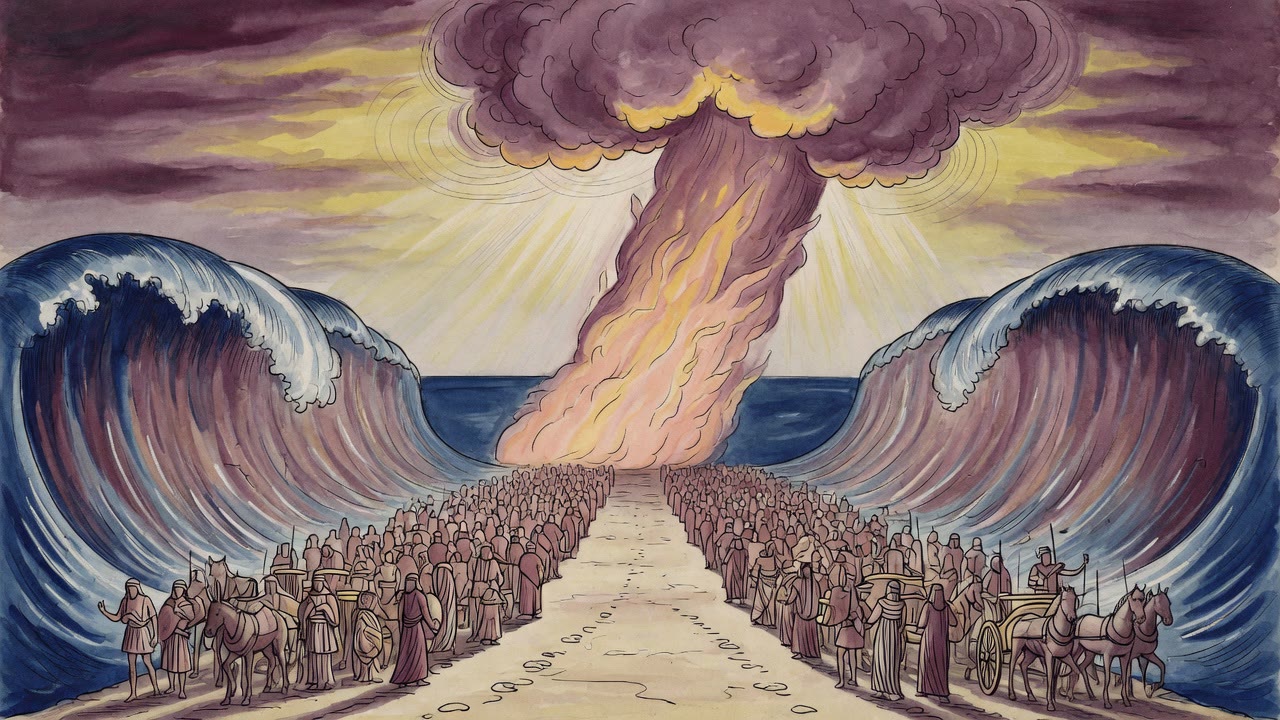
In the pit of the dead Pharaoh found company among fallen kings, but God refused to be comforted for the suffering Egypt had forced on Israel.
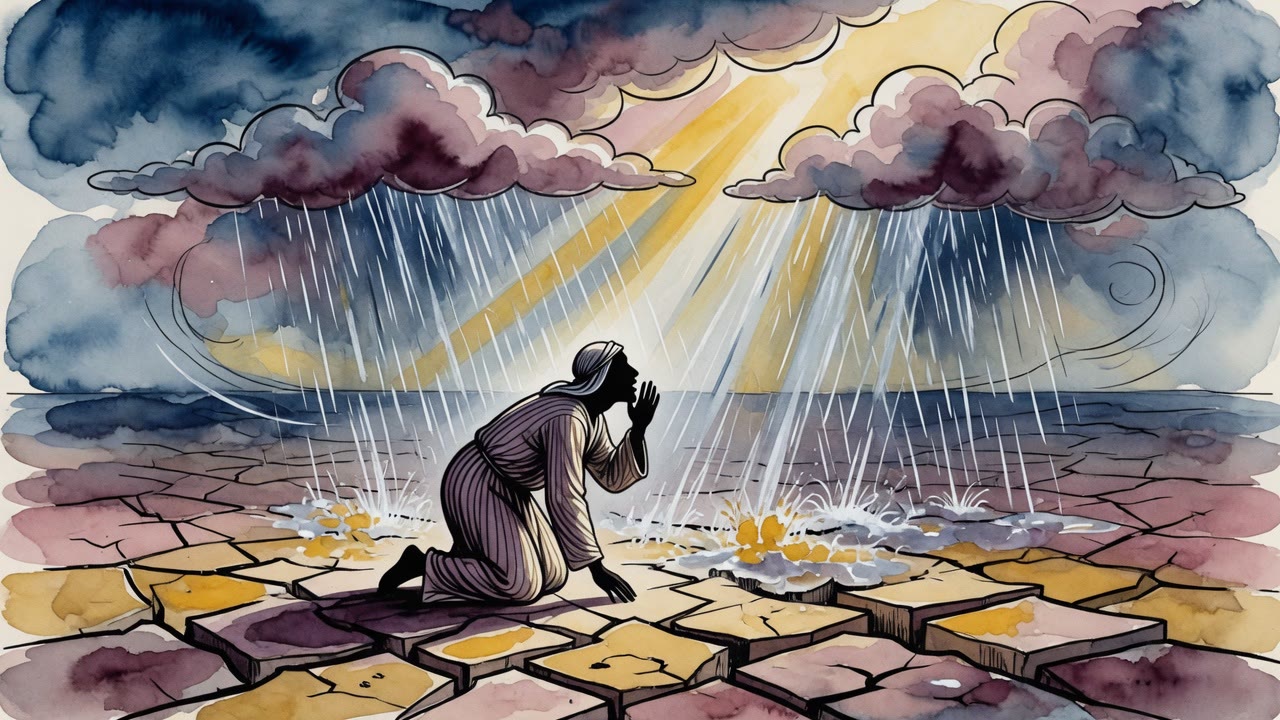
He asked his friends for water and silence, and they gave him theories. Then the first drop hit his wrist and left a clean spot in the dust.
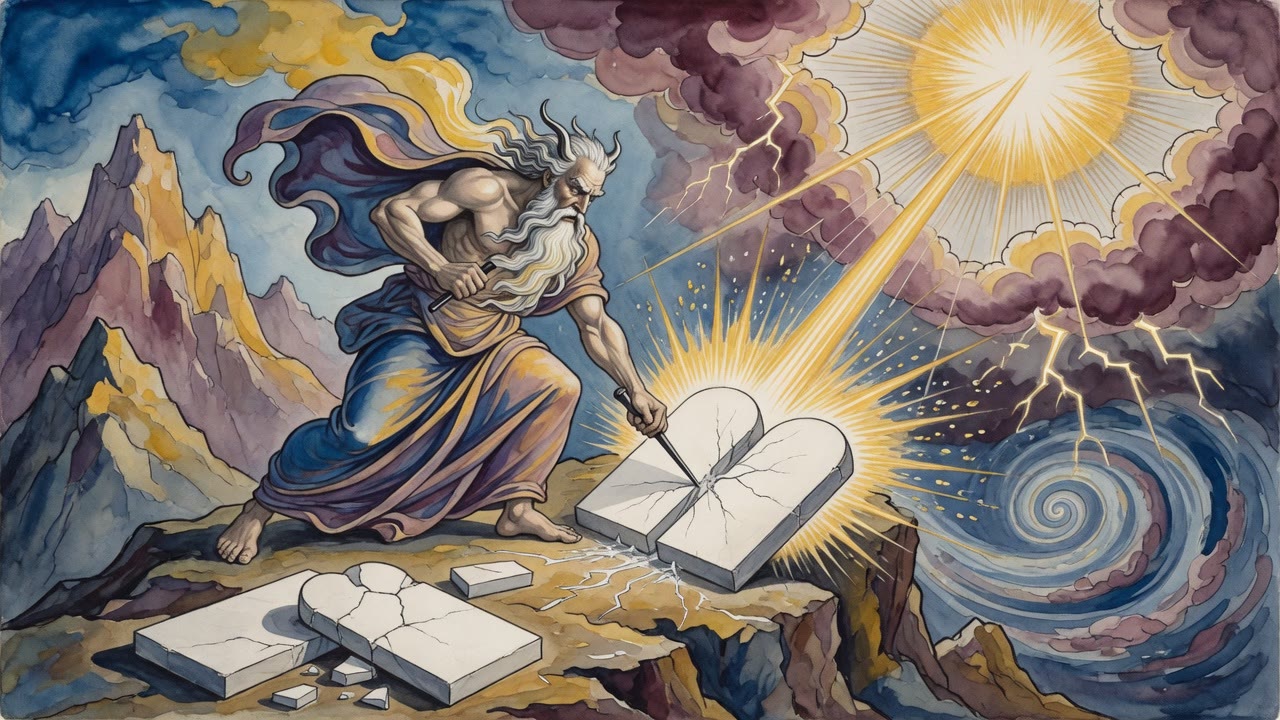
After the calf, Moses climbed Sinai with blank stone and watched God wrap Himself like a prayer leader, teaching the thirteen names that reopen mercy.
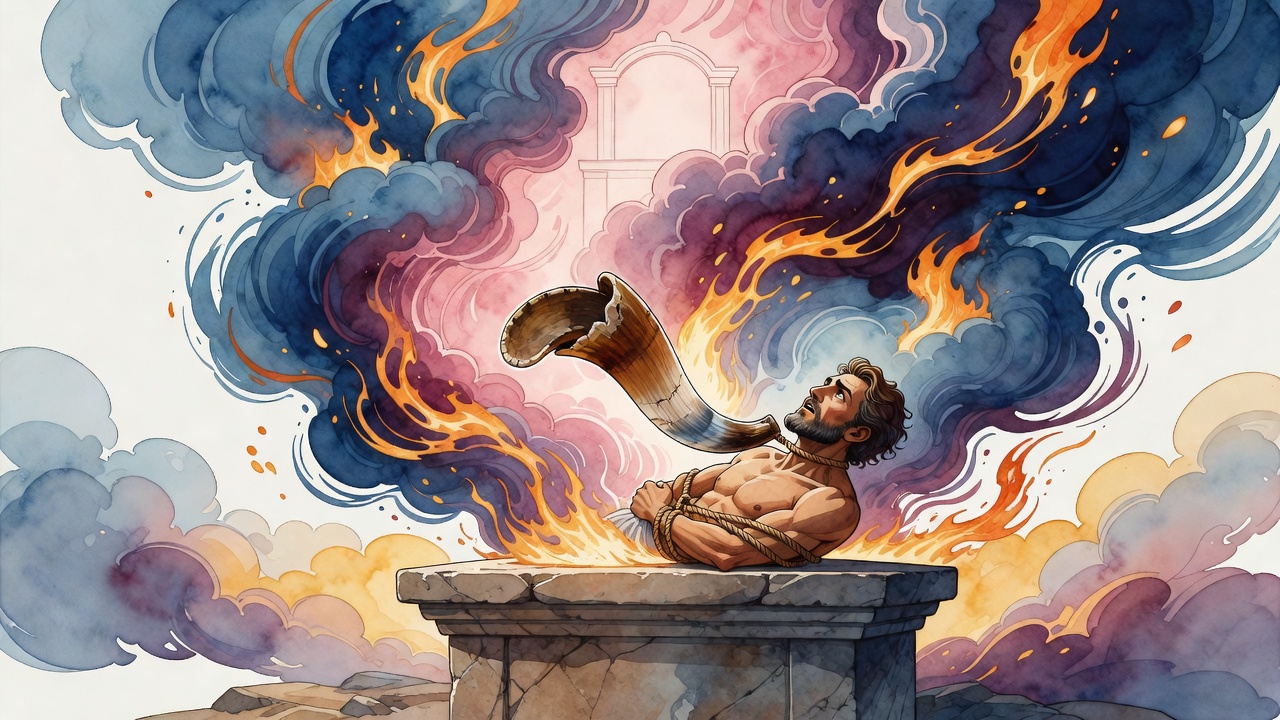
Each year the ram's horn makes Heaven remember Isaac bound on the altar, confuses the Accuser, and moves God from the throne of judgment to mercy.
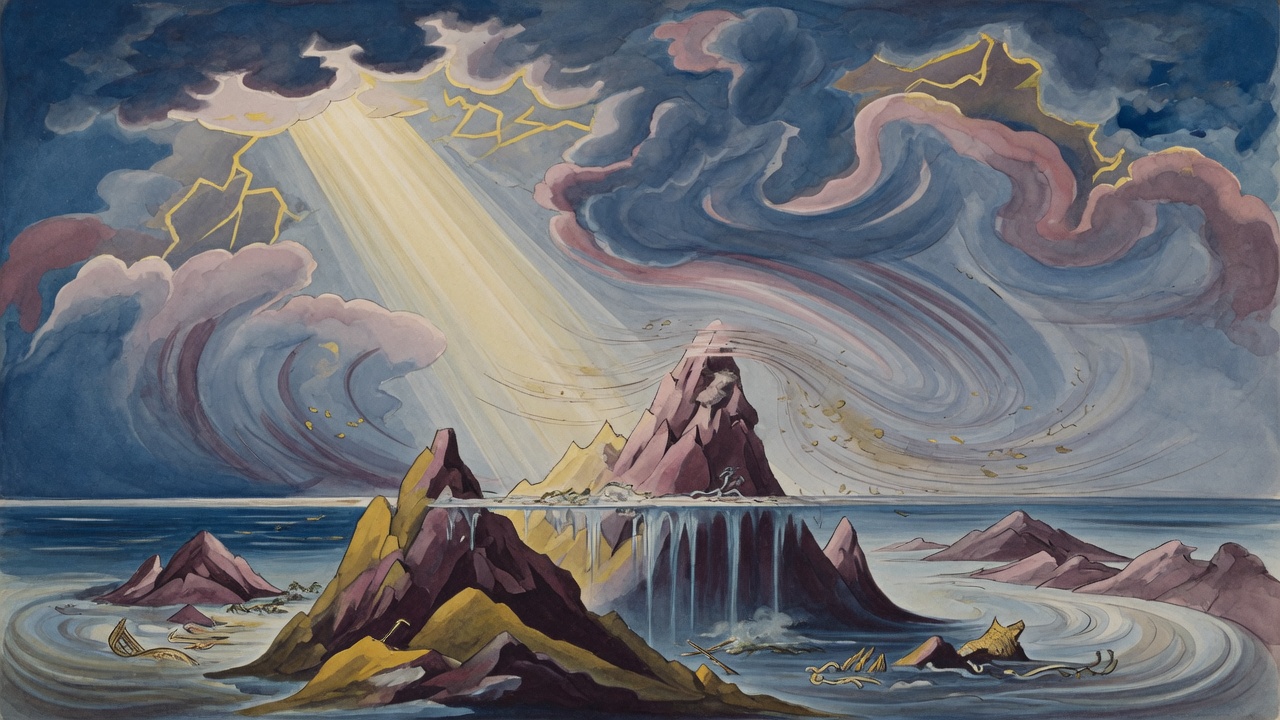
Fifteen cubits above the peaks, then a slow refund. Sixty days, one cubit every four. In Av the drowned world shows its mountains again.
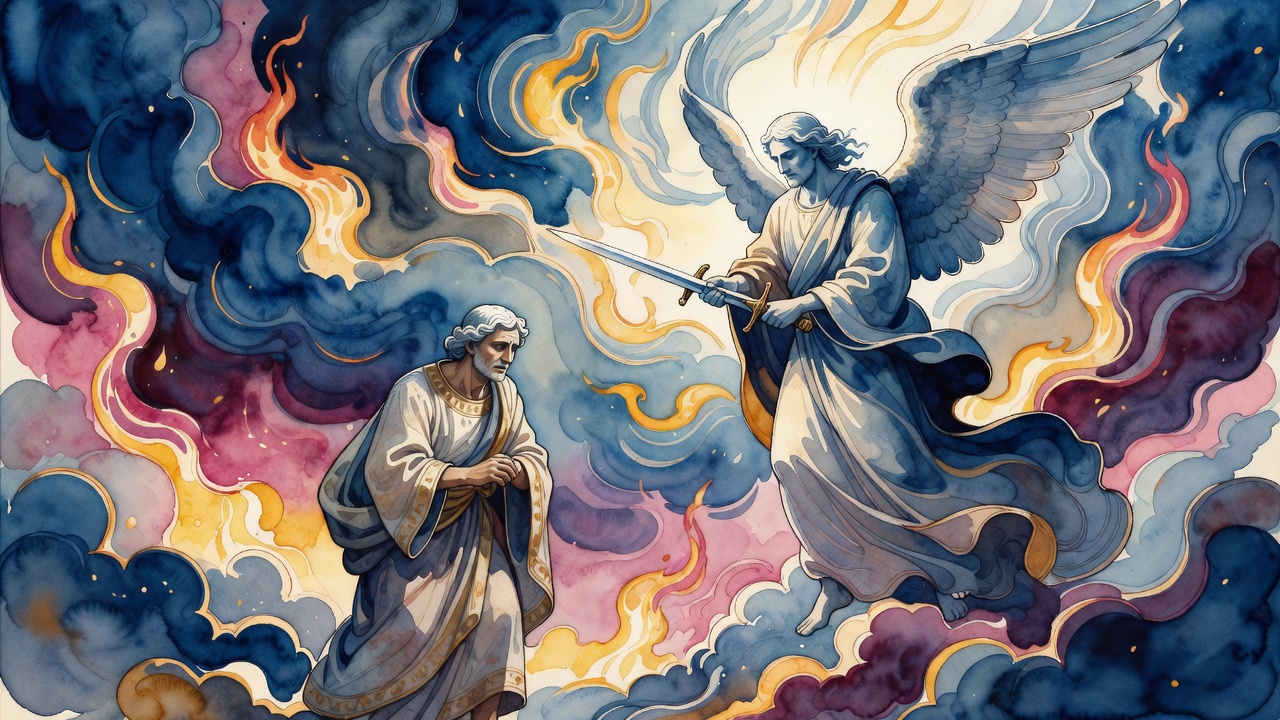
The plague ran through streets that had sung his psalms. David confessed and blamed no one else. Among the dead was a teacher of Israel.
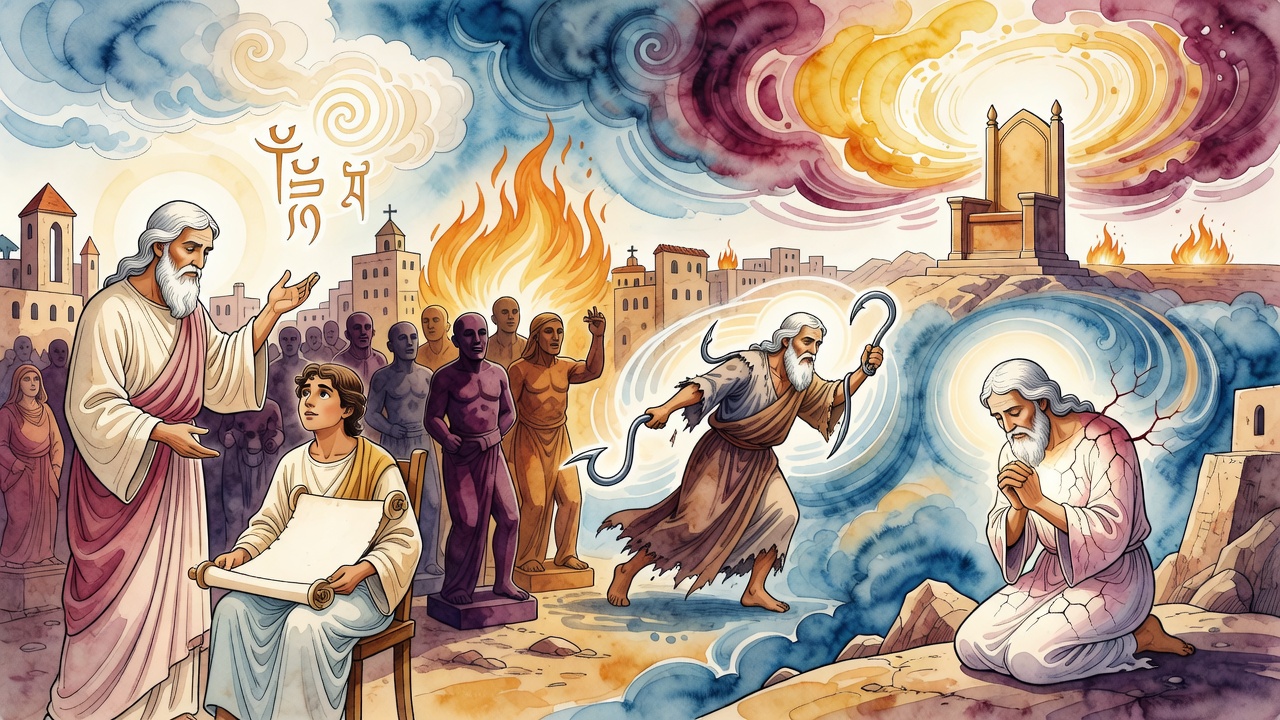
Hezekiah hired tutors for his son. Manasseh filled Jerusalem with idols anyway, and only Assyrian hooks in his flesh made him pray.
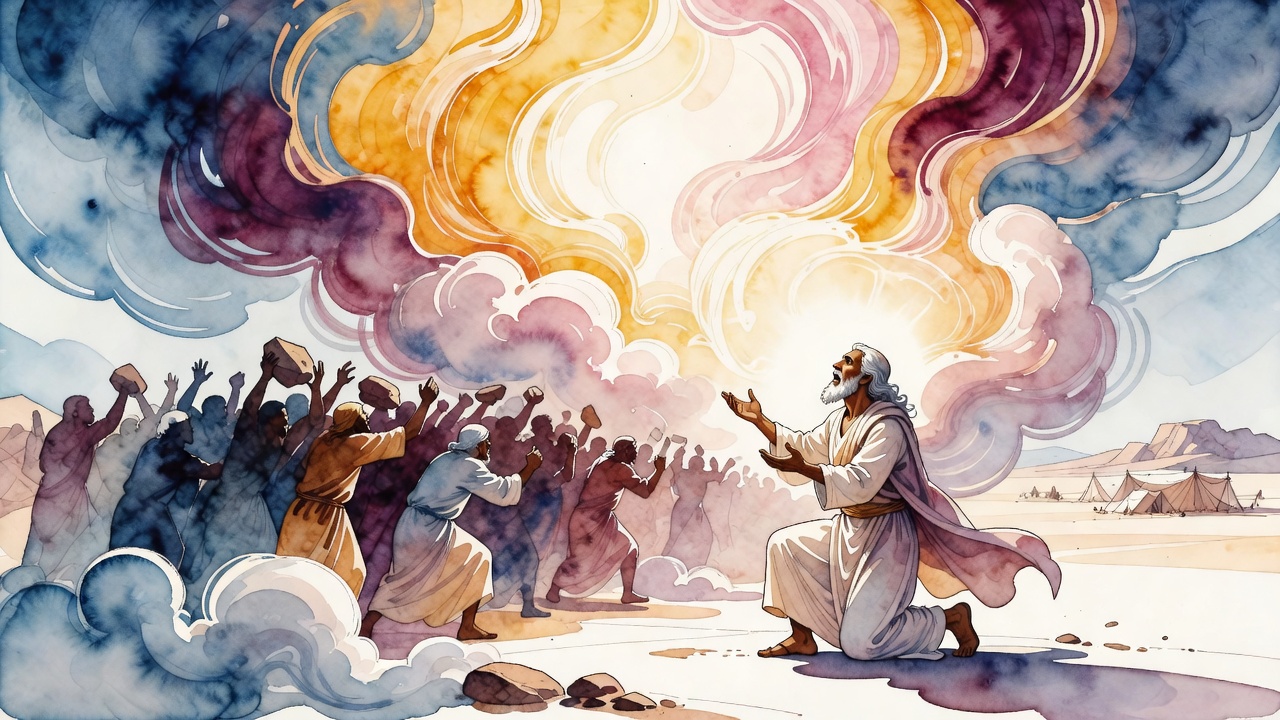
Long before the spies, Moses asked God not to be slow to anger with the wicked. God said nothing back. Then came the sentence of pestilence on the camp.
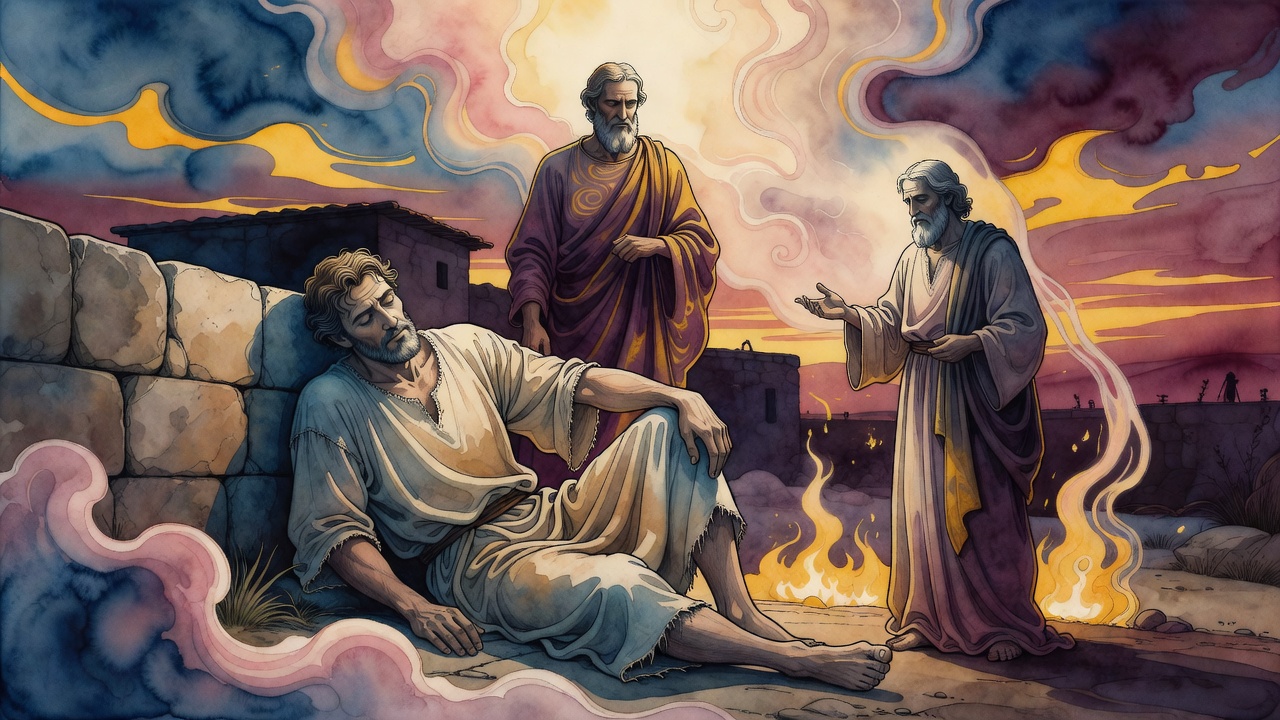
A master buys a servant Friday near sunset and cannot cut the covenant before dark. Akiva still grants the man Shabbat rest beside the household.
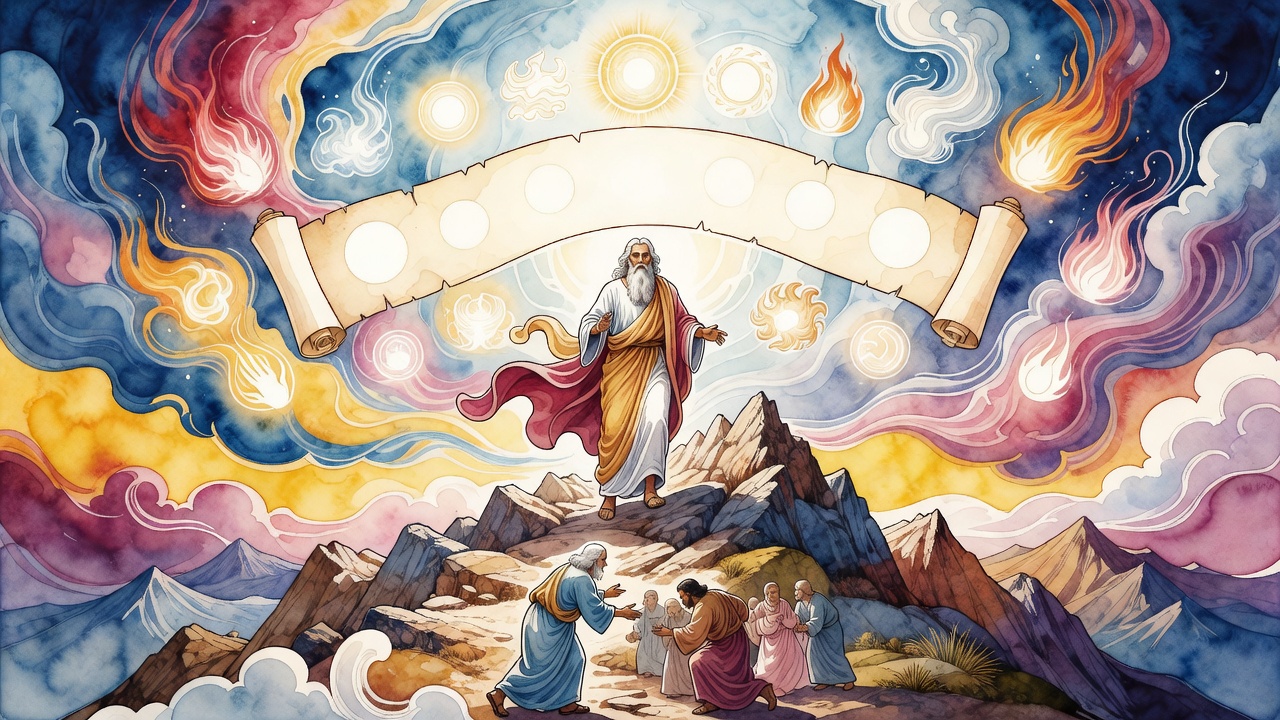
A king struck his wife, and her father demanded to know why. The king sent back five sealed letters. The fifth one named what she had done.
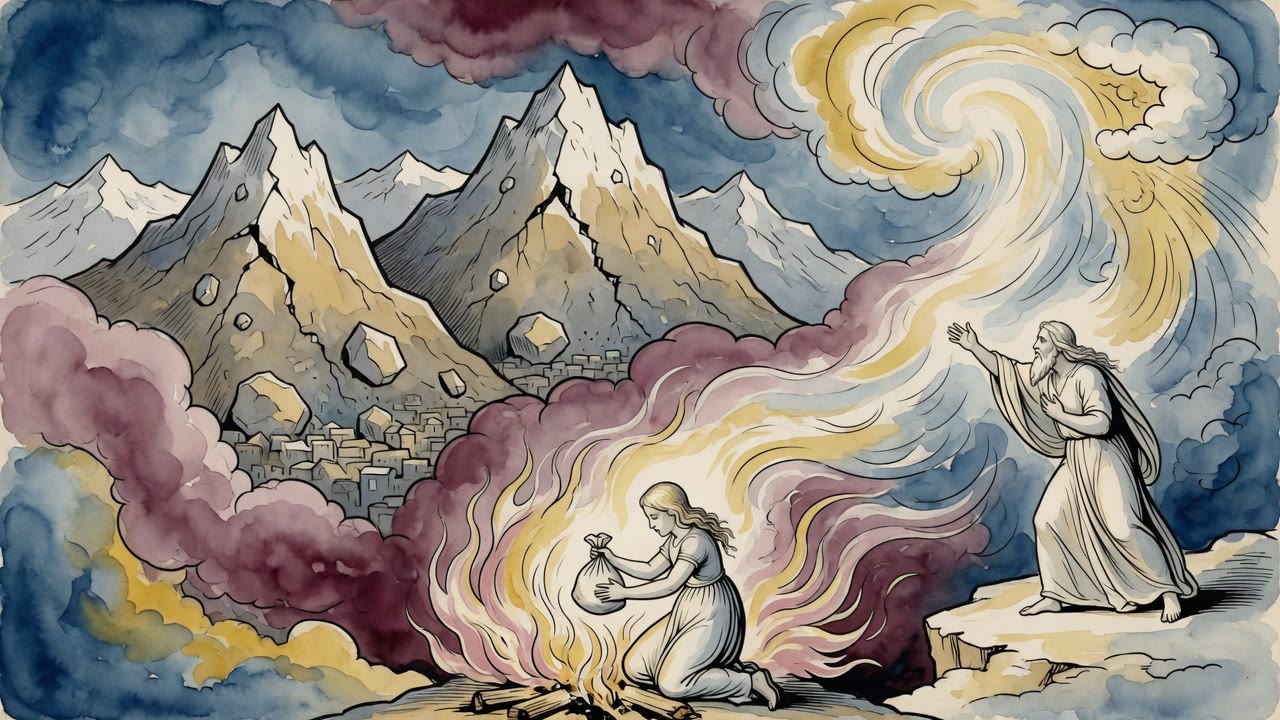
Mountains trembled under Sodom for more than two decades. A girl who hid flour for a starving friend burned. Abraham still drew near to plead.
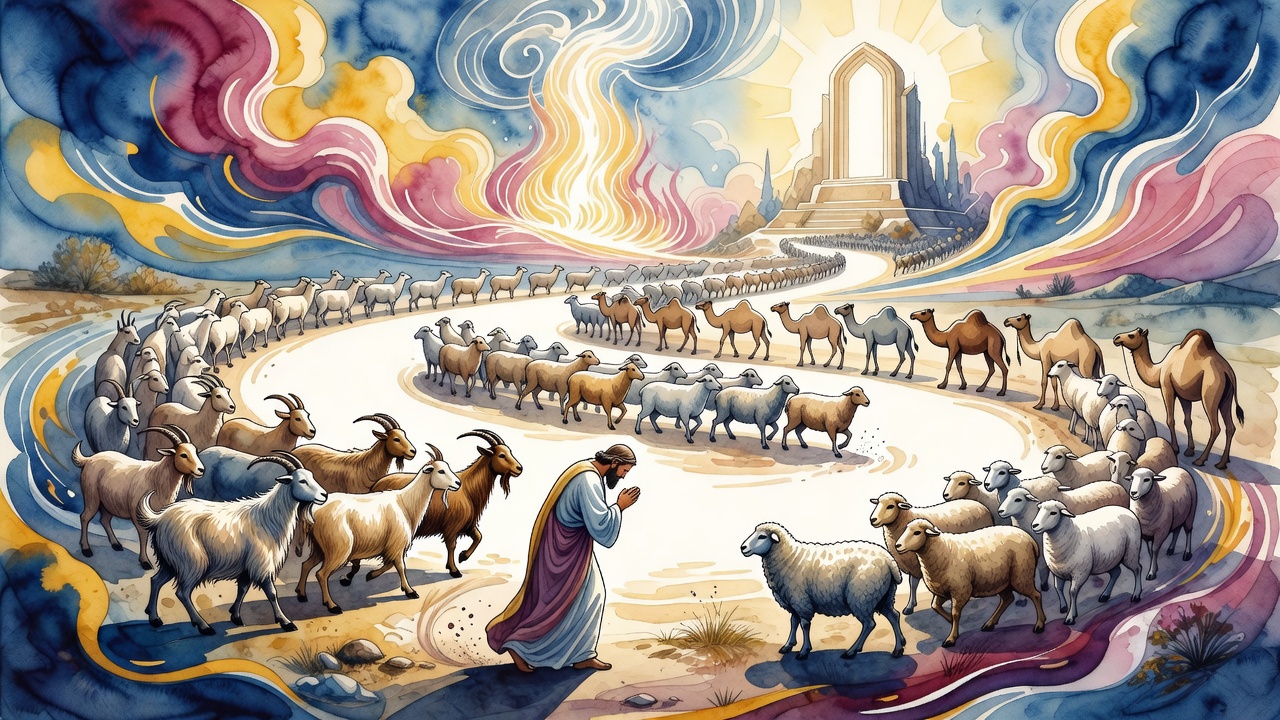
Four hundred men were coming up from Seir. Jacob put the camels in the middle of the gift. Then he locked Dinah in a chest by the ford.
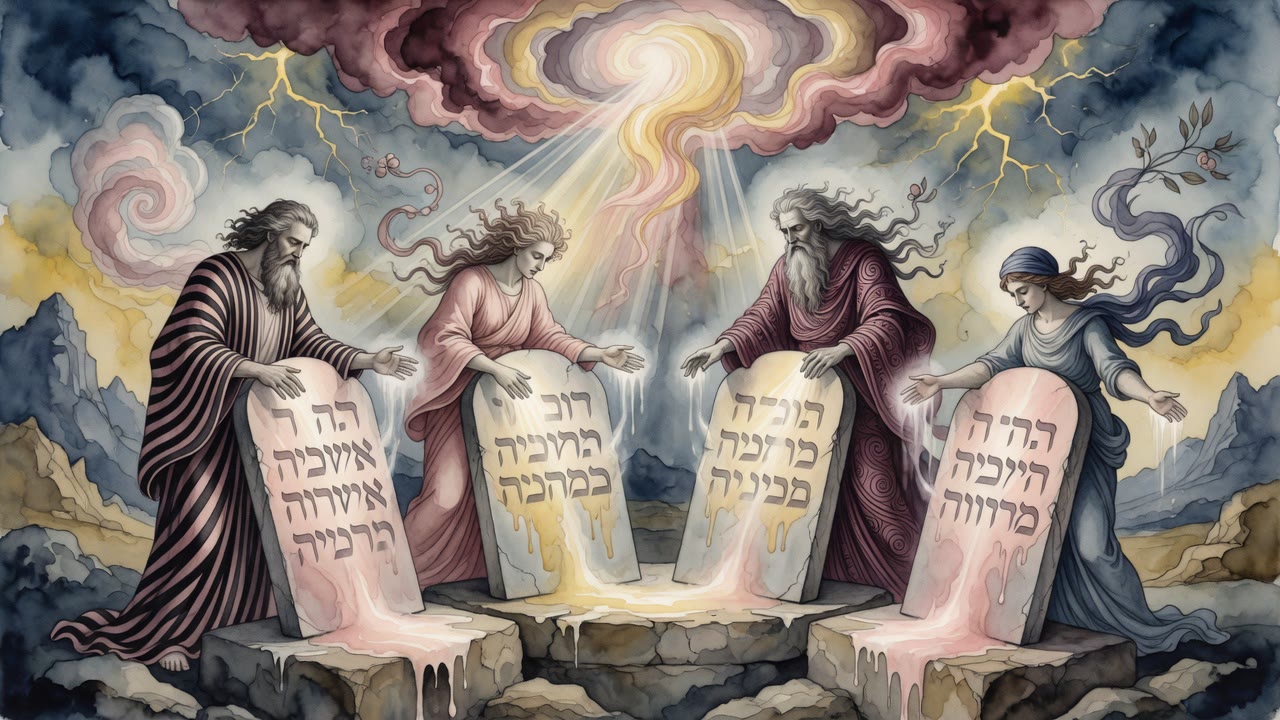
Moses spoke four hard judgments over Israel. Centuries later Amos, Jeremiah, Ezekiel, and Isaiah rose and mercy-read each decree until heaven agreed.
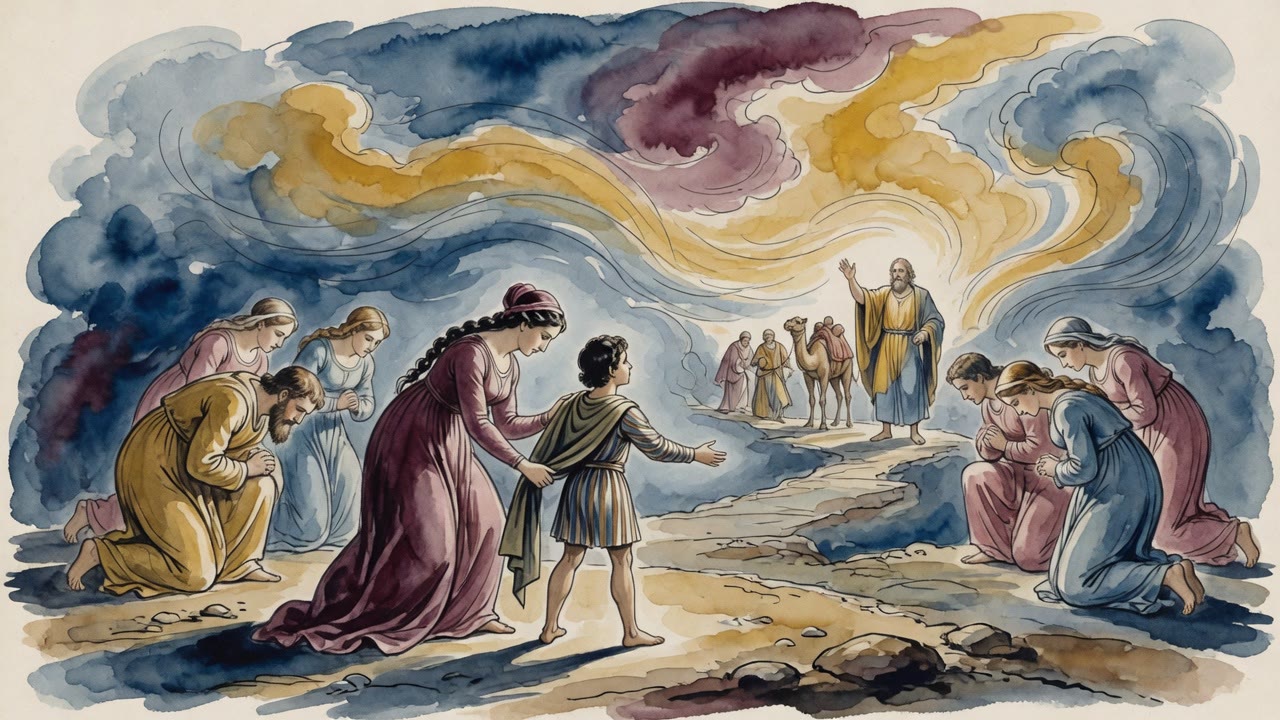
When the family bowed before Esau, Joseph stepped in front of Rachel and used his small body as a shield for his mother.
