448 myths · Page 8 of 15
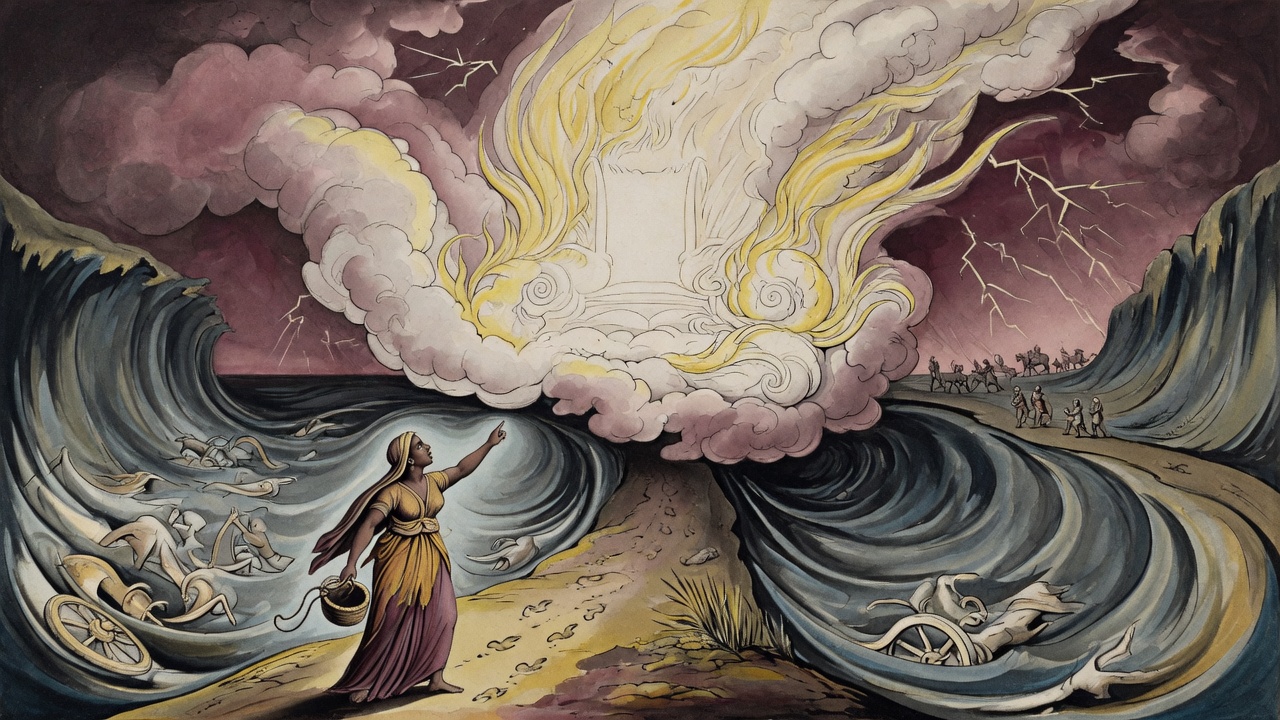
Ezekiel gave an uncertain answer about rescue. The three men declared they were ready to die regardless. That declaration was when the rescue became certain.
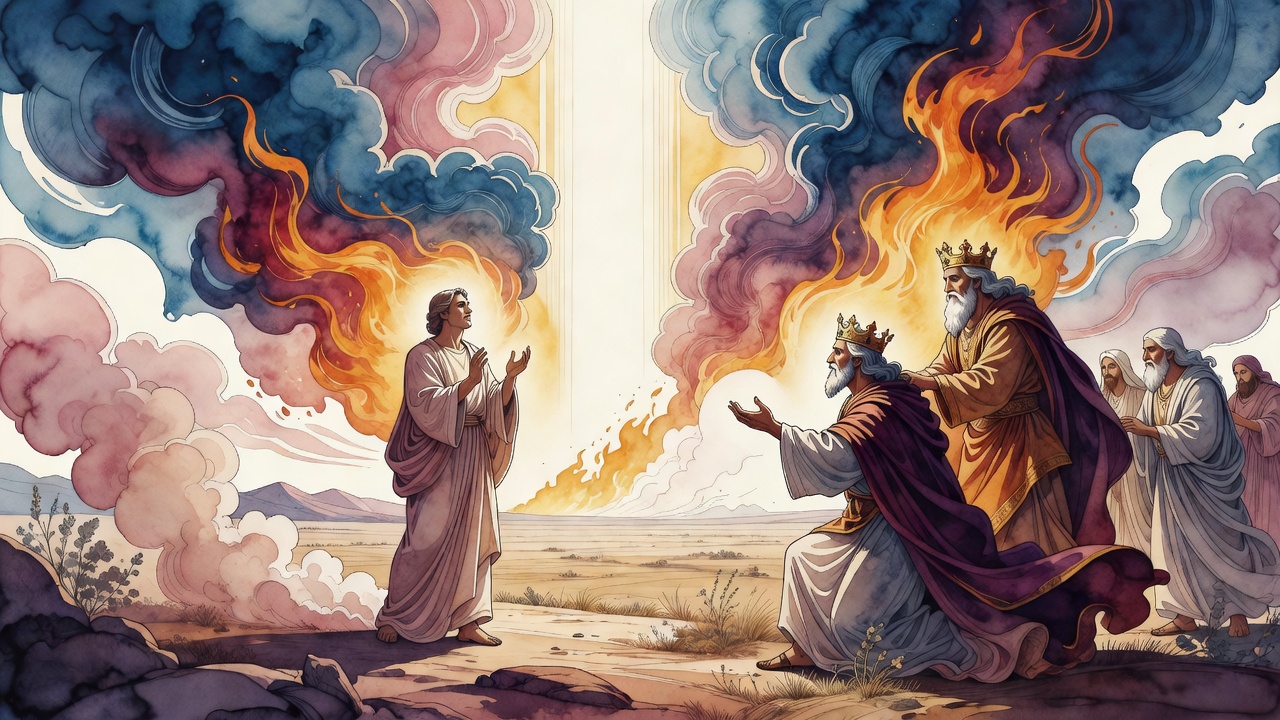
Nebuchadnezzar wanted to worship Daniel after the dream. Daniel refused. The king removed him from Dura before the furnace decree could force a confrontation.
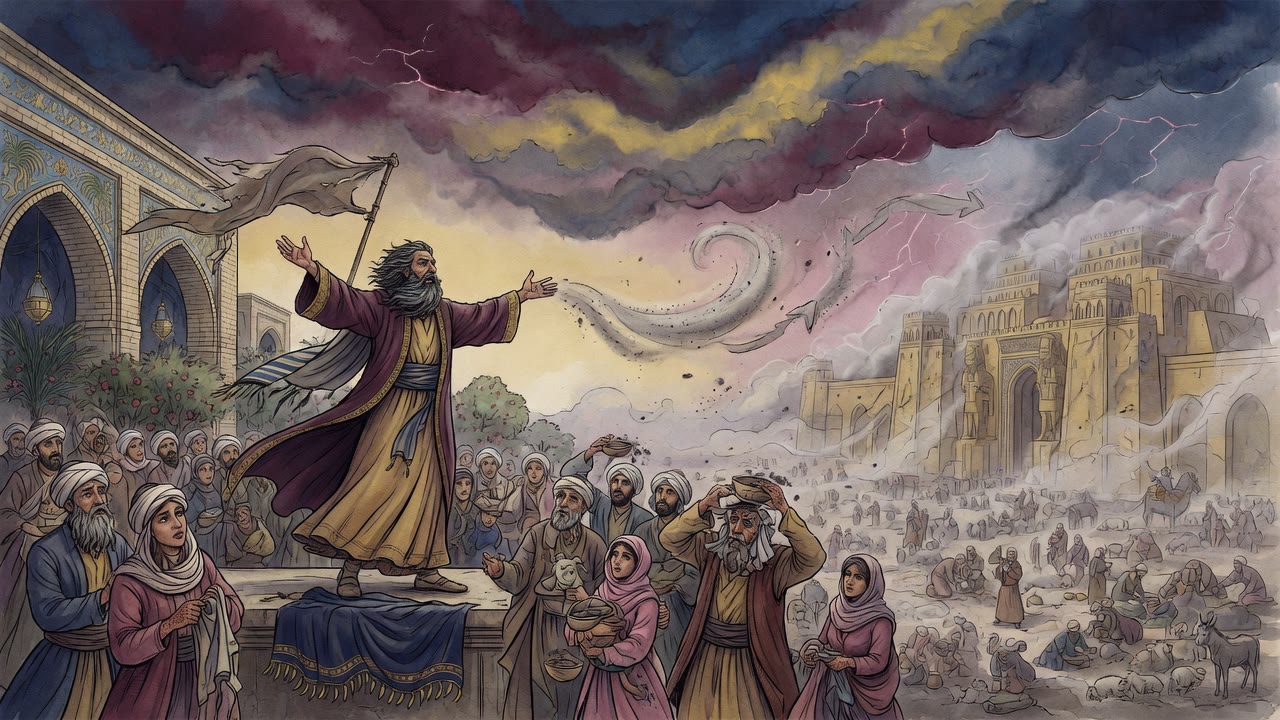
The stew was for men in a Judean field. Daniel was in a pit in Babylon. The pot arrived anyway, still hot, still full.
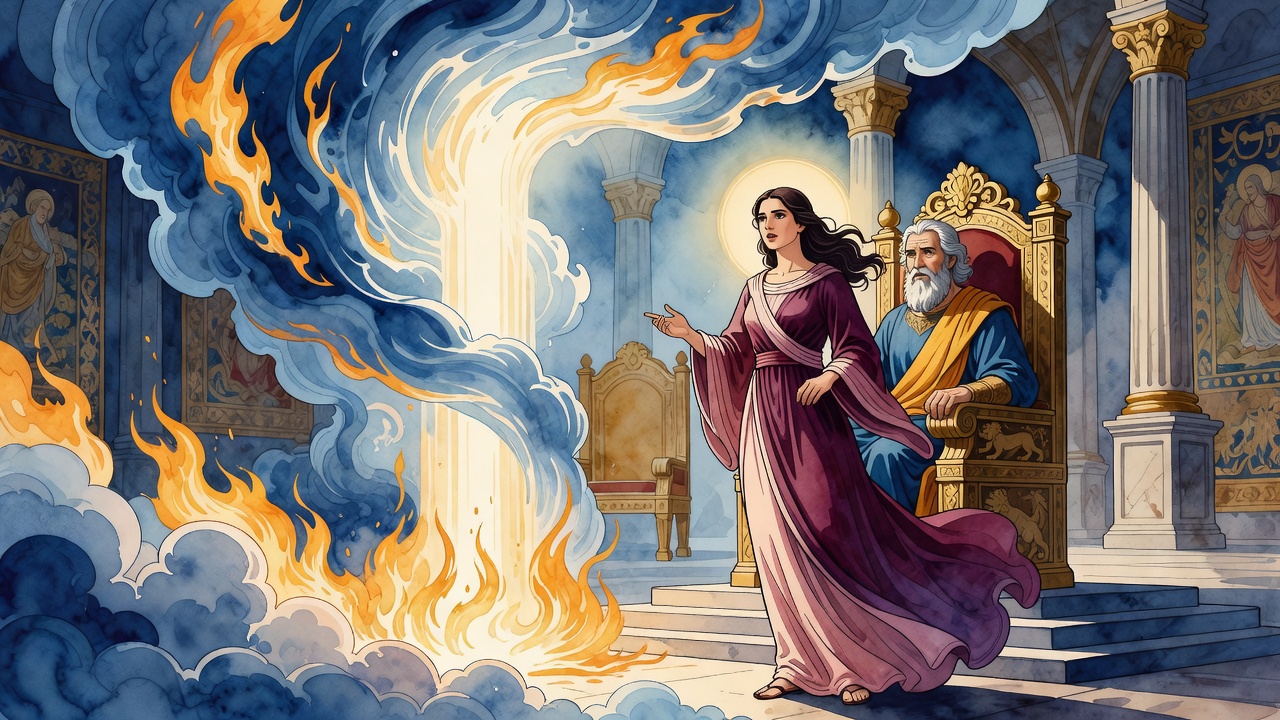
The king asked whose daughter she was and got nothing, again. When she finally answered him, she used the same breath to ask about Vashti.
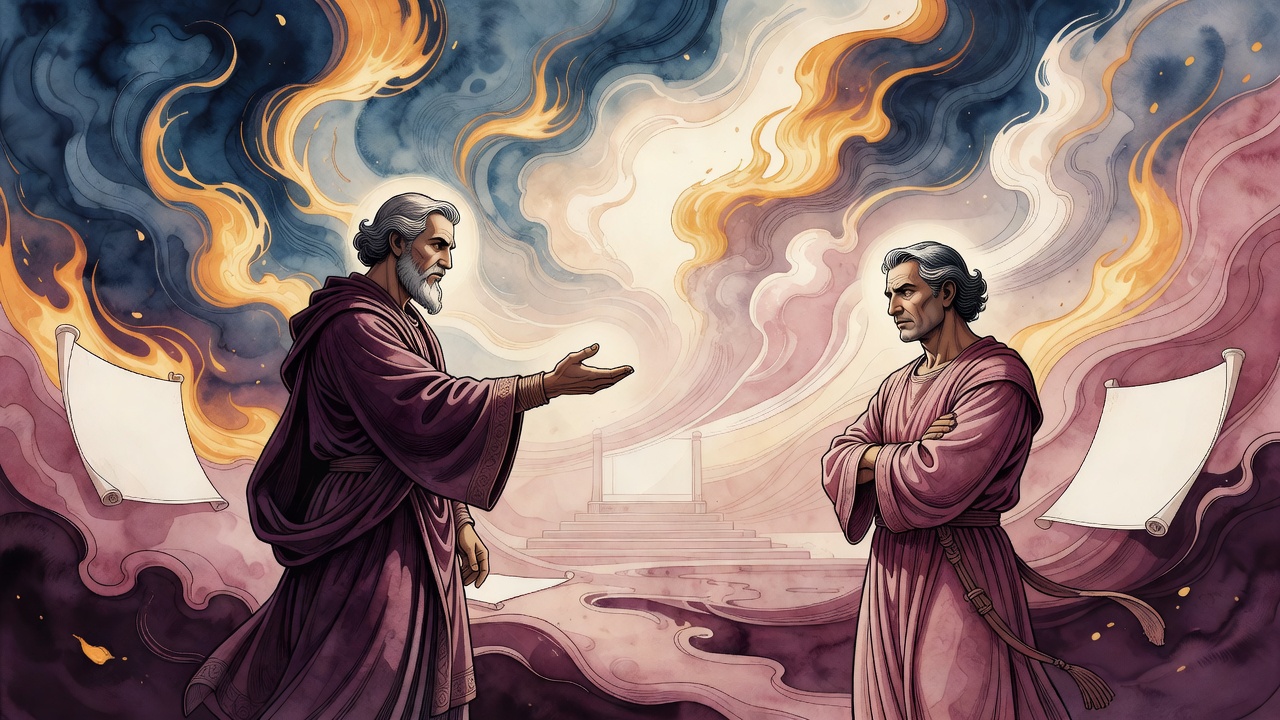
Before the decree, Haman offered Mordecai shalom. Mordecai answered with a verse from Isaiah. Some peace is camouflage for violence.
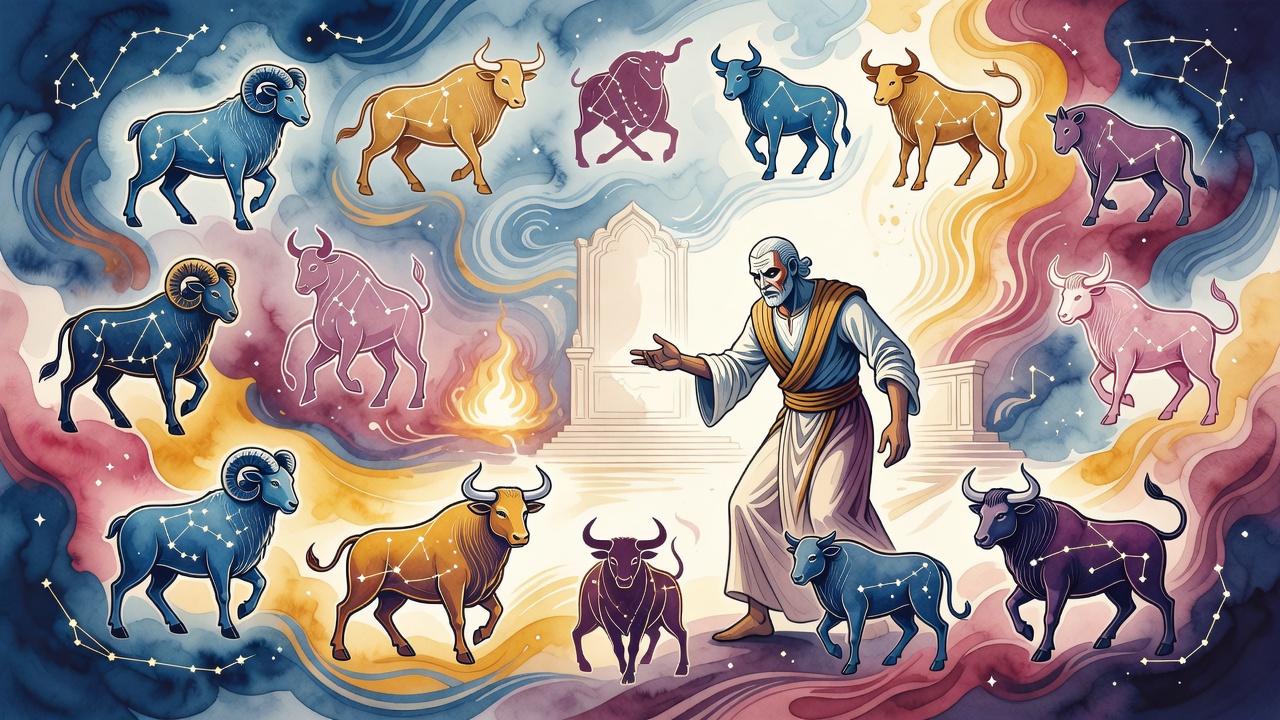
Before he bought the king's ring, Haman called the twelve signs one by one. Each named a reason not to touch Israel. He threw the lot anyway.
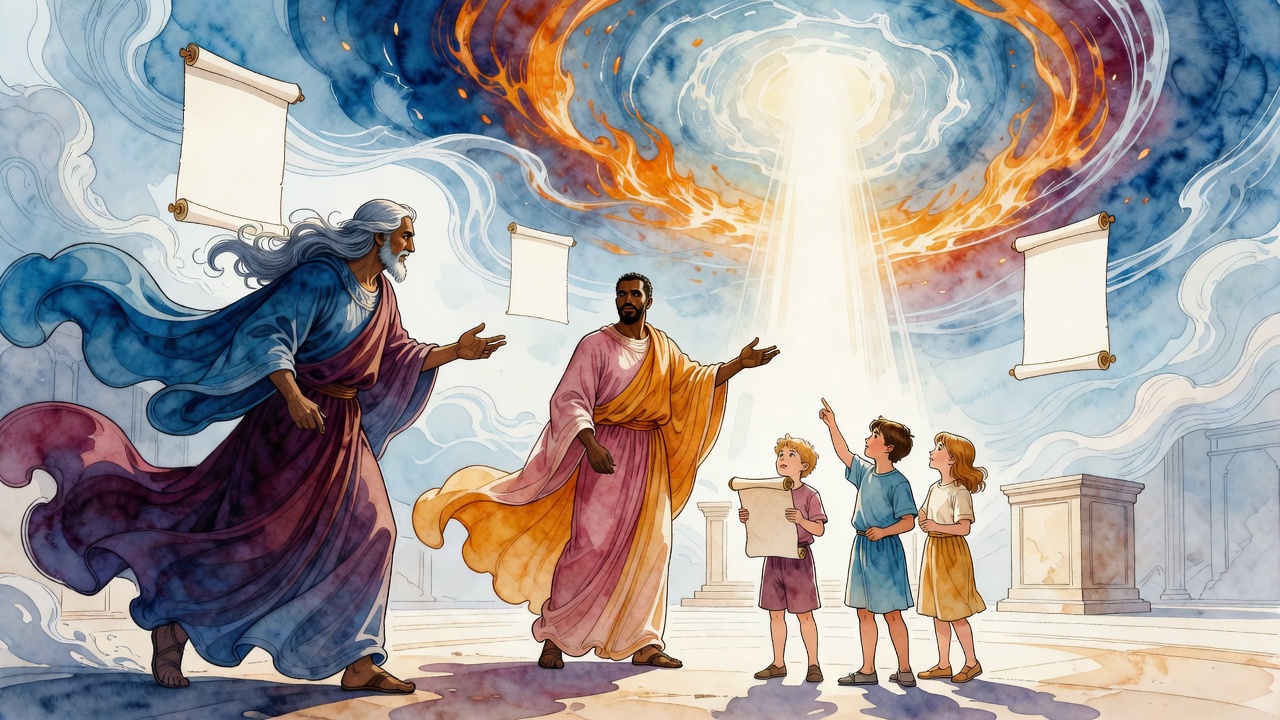
Persians in Shushan had begun telling Jews the date. Mordecai stopped three children walking home from school and asked what they had learned.
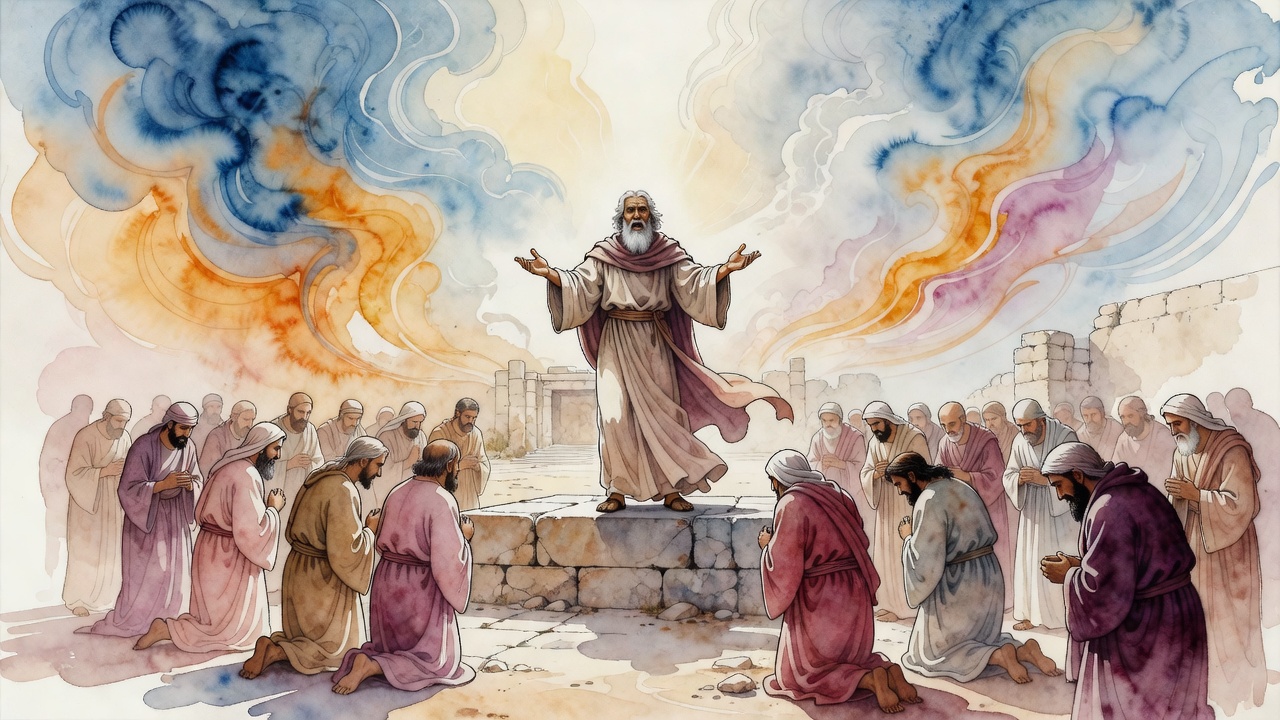
Mordecai's speech before the fast named every protection that was gone. No king, no prophet, no escape route. Then he asked the people to pray anyway.
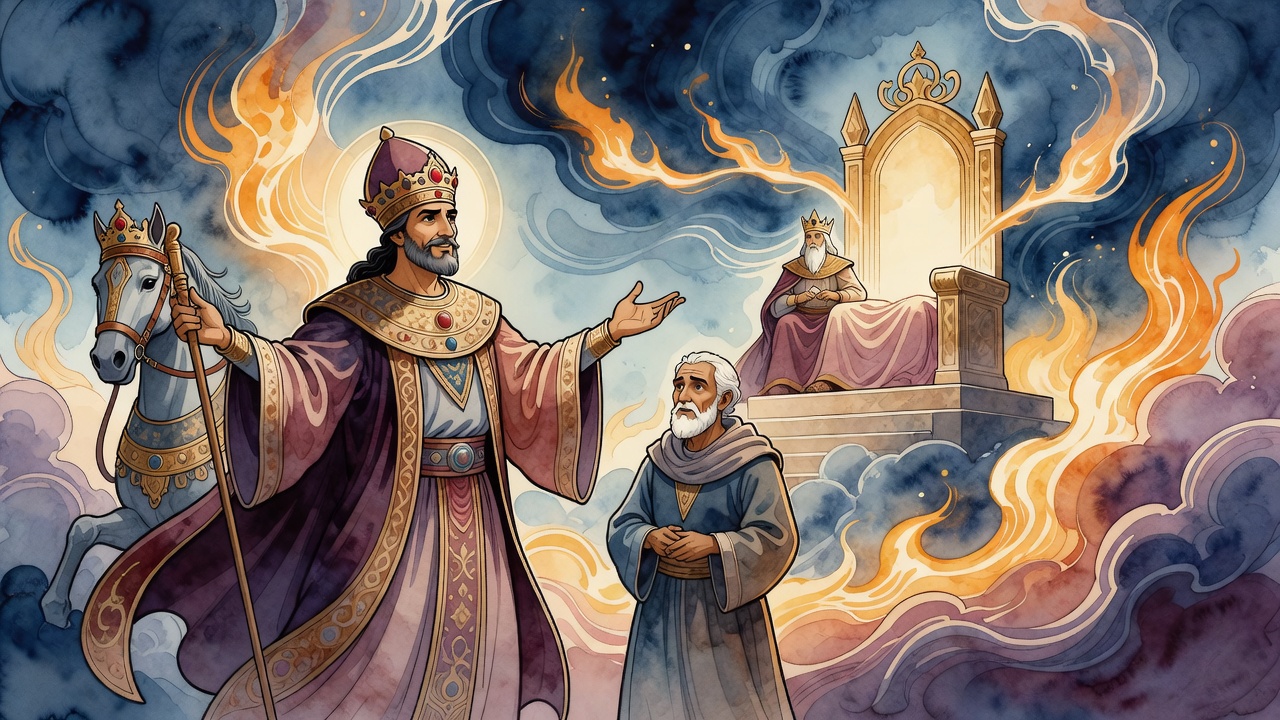
The gallows stood in Haman's courtyard, fifty cubits high. He came for a signature. The king asked a question with no name in it.
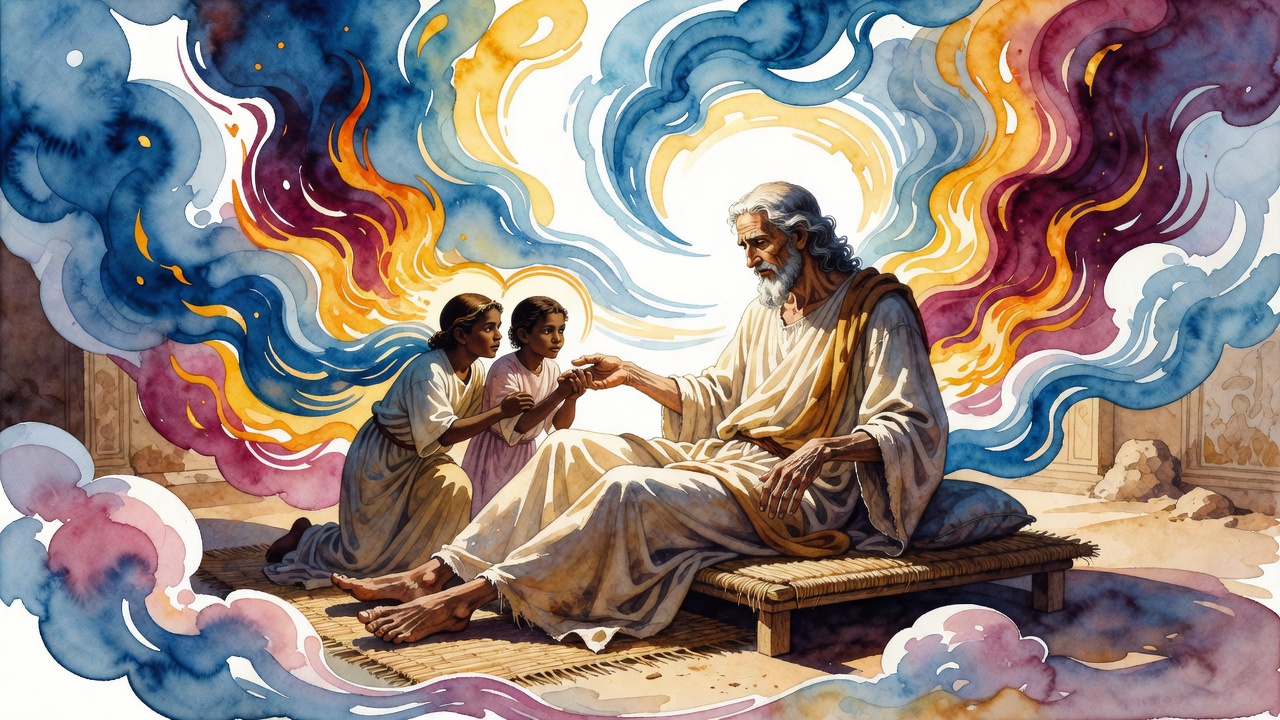
The firstborn was in the room. So was the son who would be king. Jacob sent for neither of them, because neither one could get a body past the border.
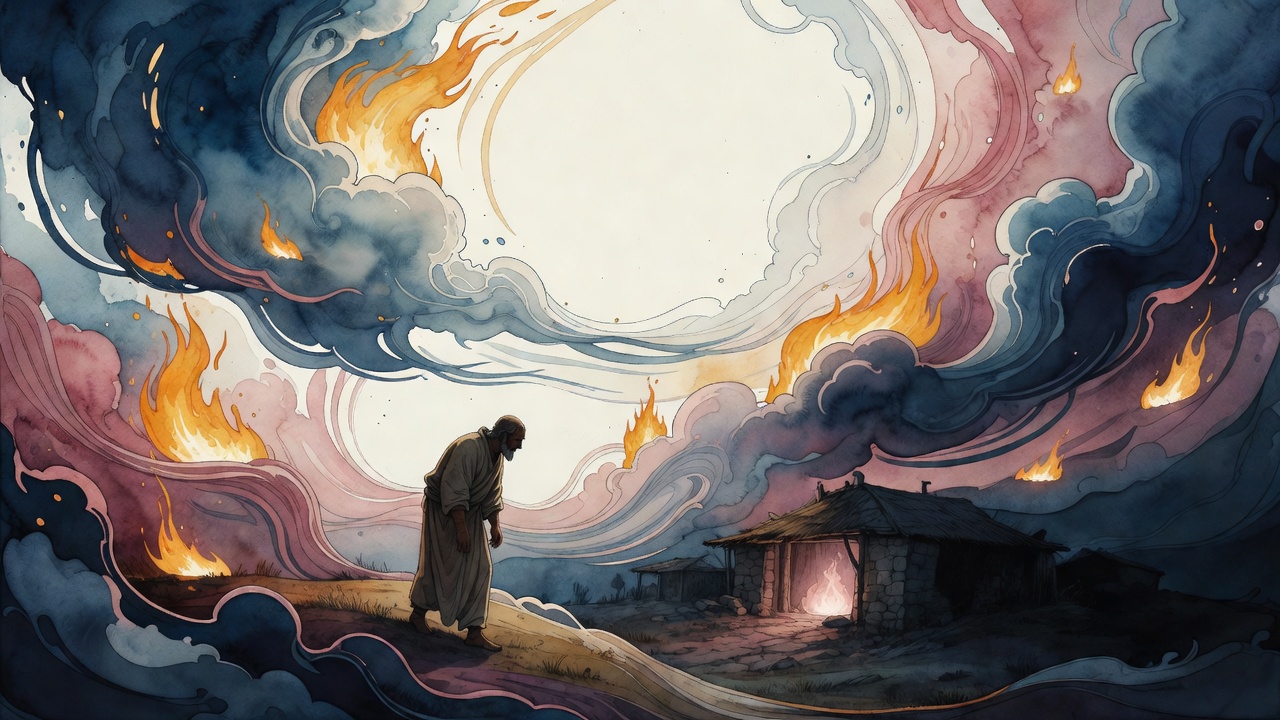
Saul lied to his two officers on the road back. The prophet had promised him victory, he said, and high commands for his sons in the morning.
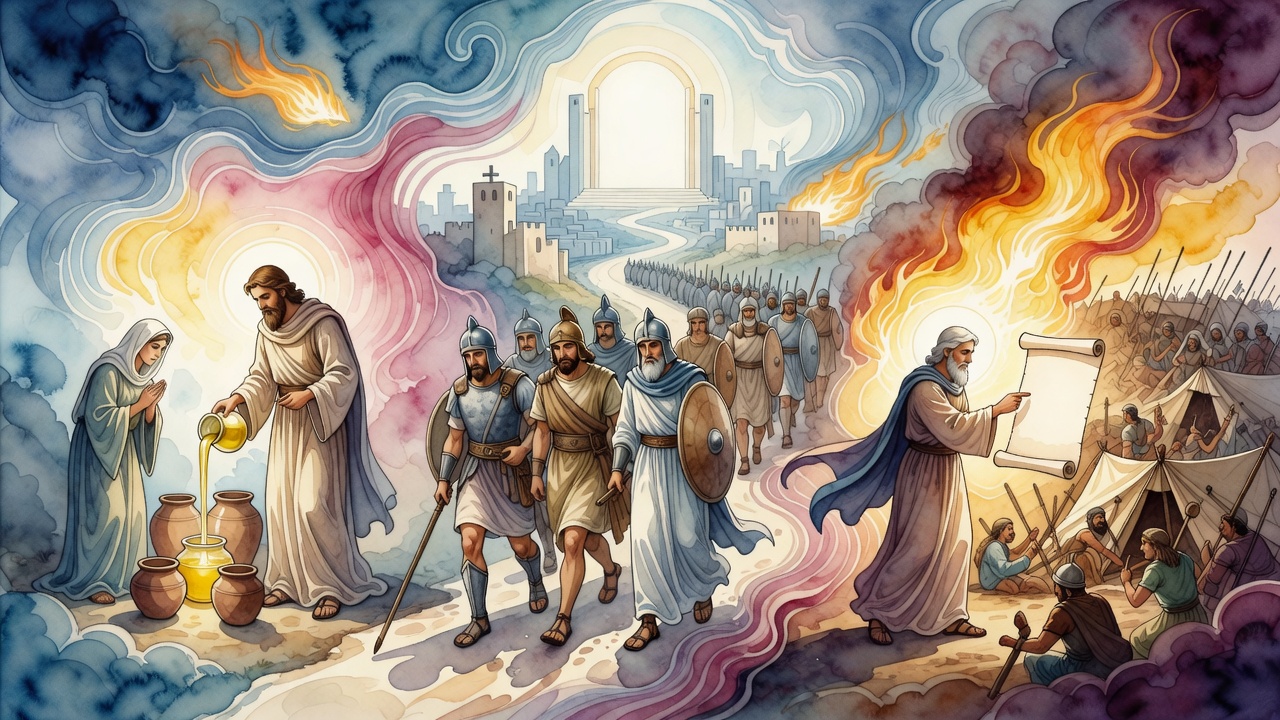
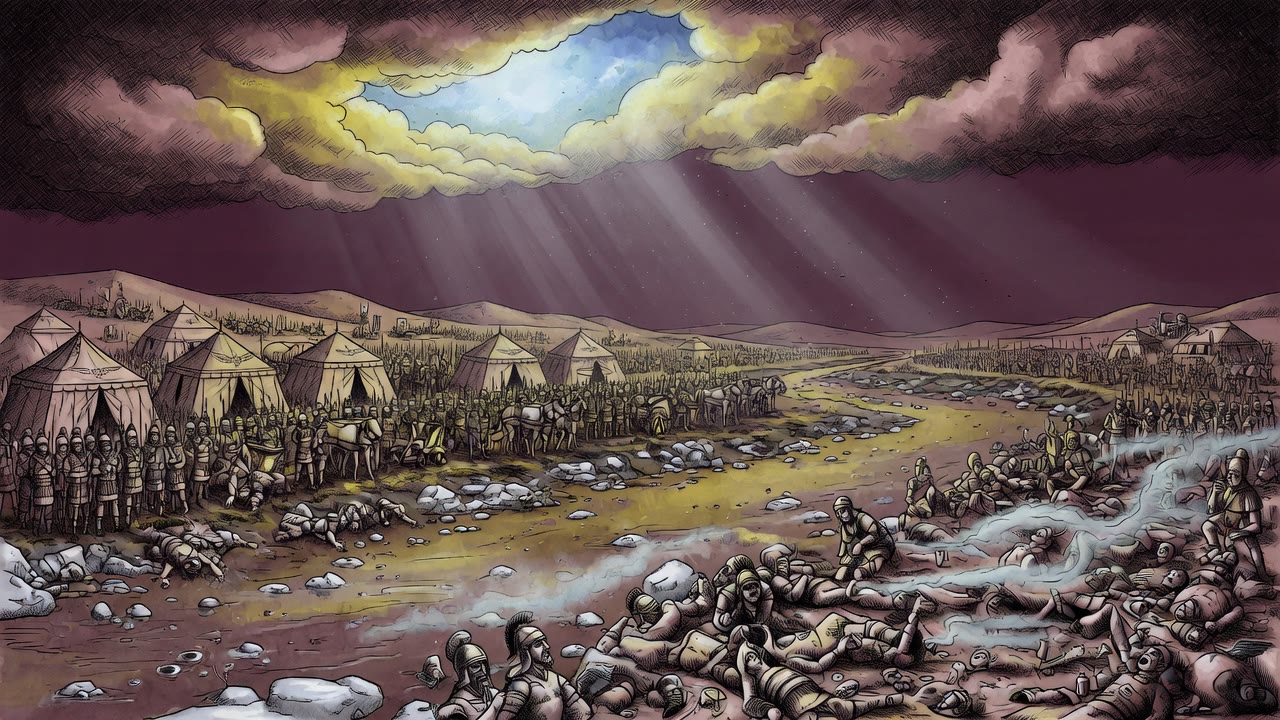
Samaria starved until a donkey's head cost eighty pieces of silver. Elisha named cheap flour for tomorrow. The officer who laughed died in the gate.
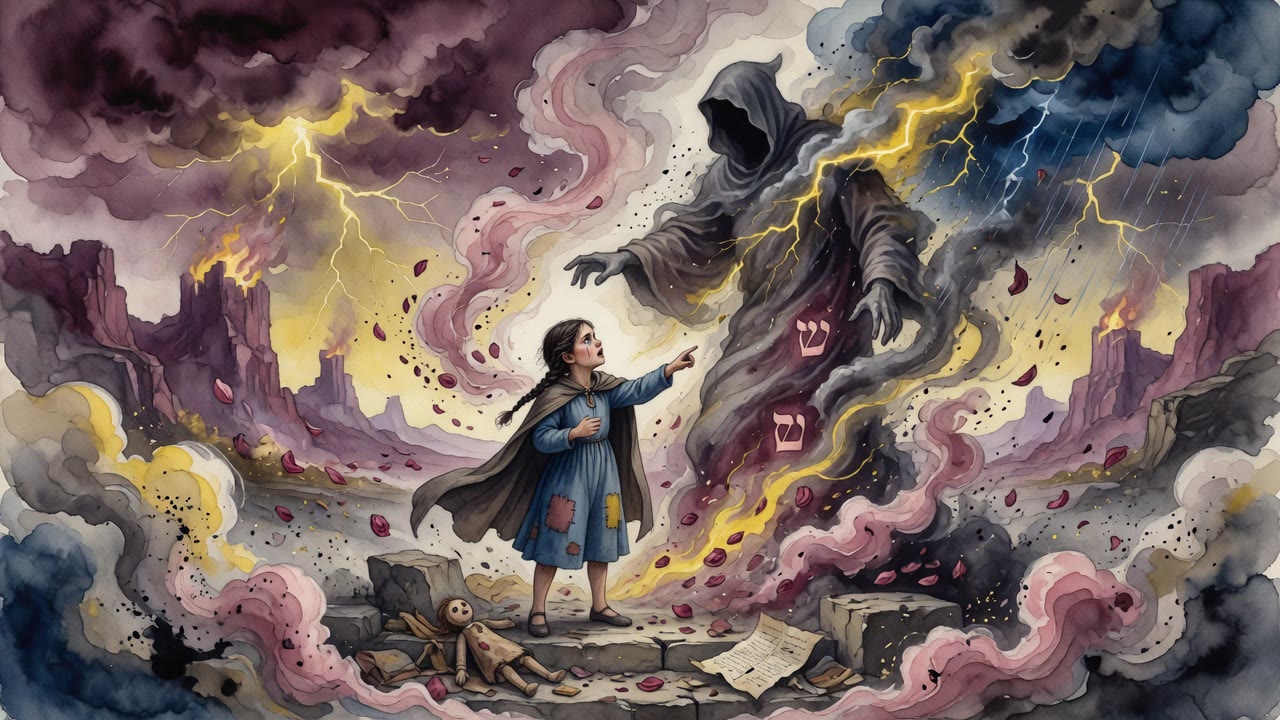
Nineveh was eating the northern kingdom city by city. Jonah paid for a berth toward Tarshish. A fish was already waiting in the sea.
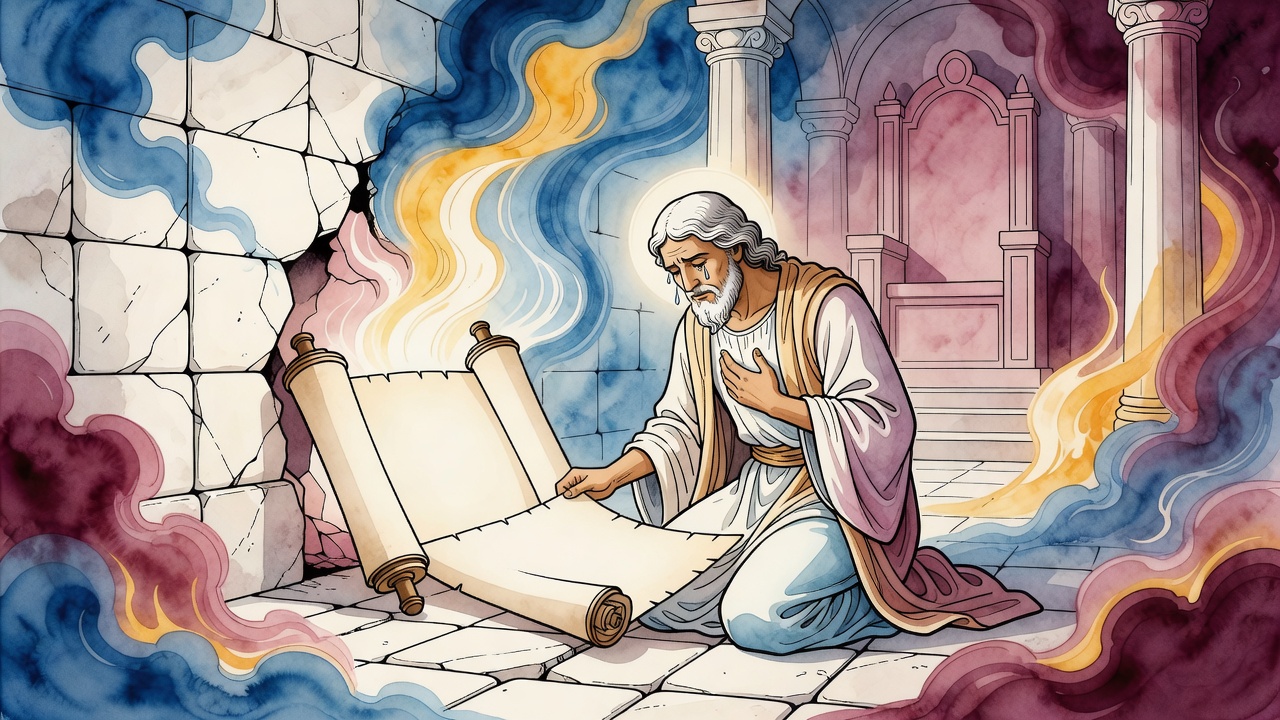
The Torah of Moses had been lost in the Temple so long no one searched for it. When it turned up in the walls, the king who heard it wept.
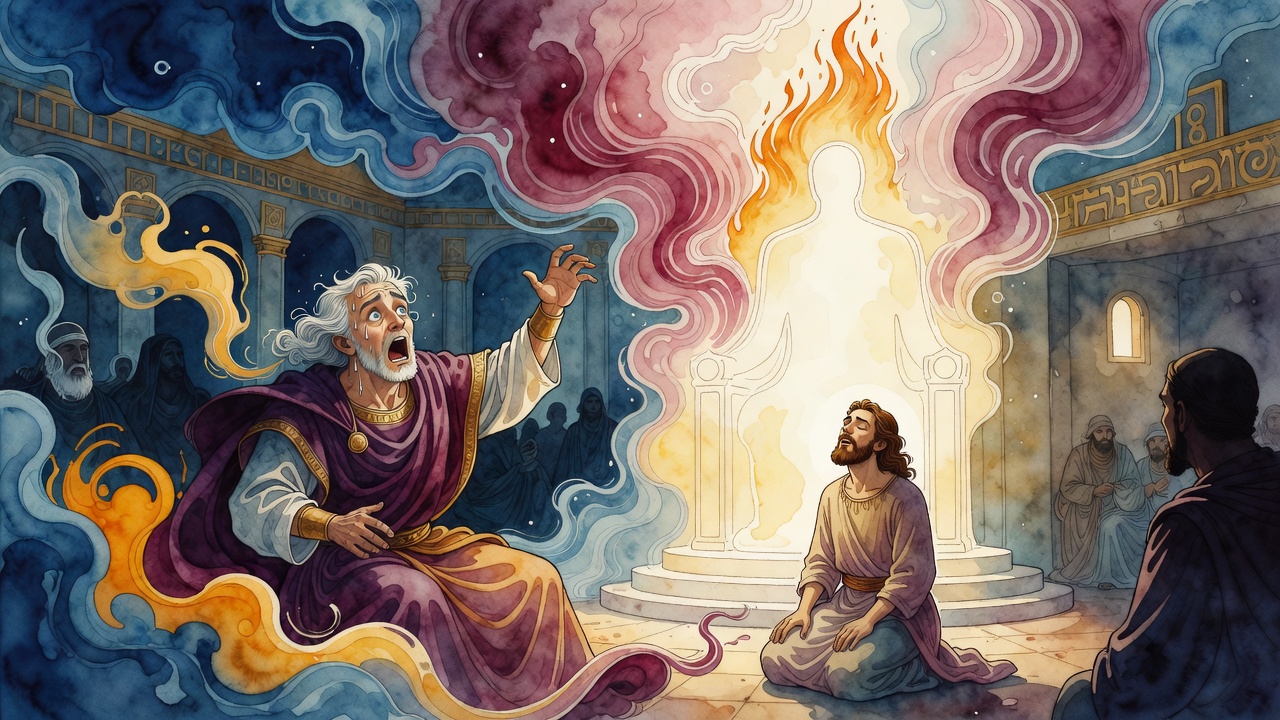
Tell me what I saw, the king said, and then tell me what it means. Otherwise you have all been lying to me and you die this afternoon.
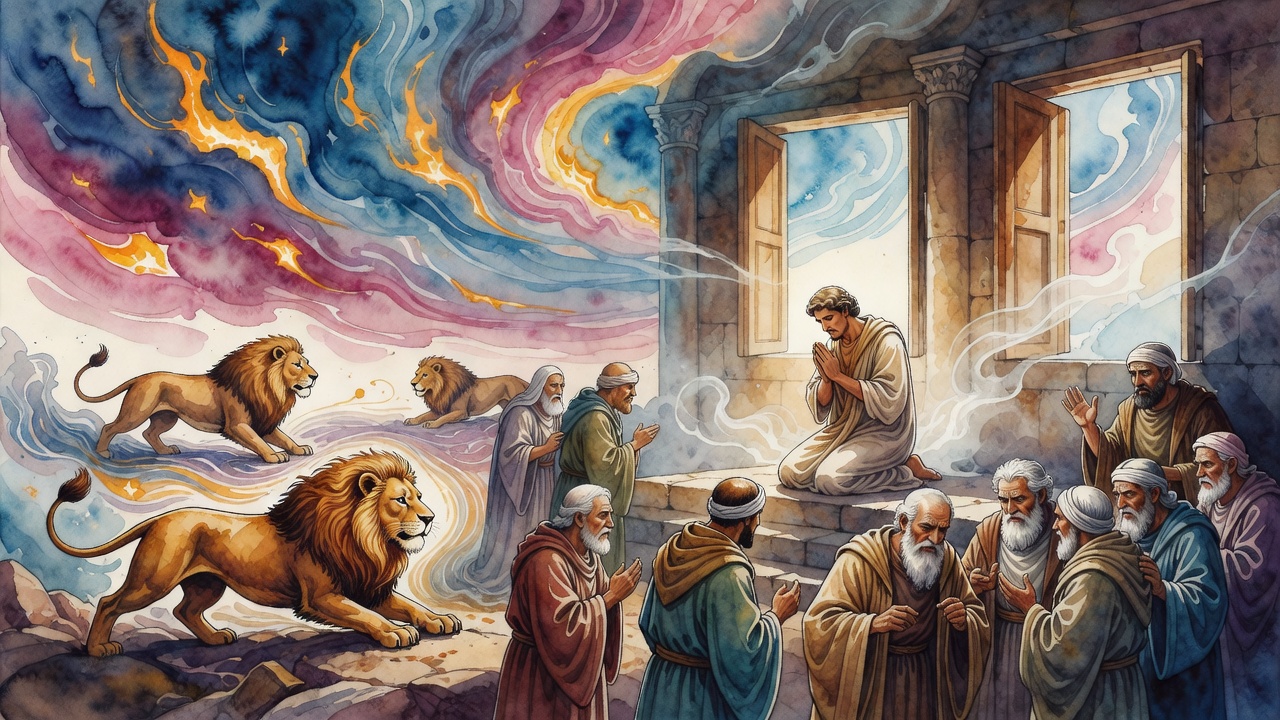
Darius fed the lions until they were full, then threw Daniel's accusers in. He had to know whether the lions had spared Daniel or had merely been fed.
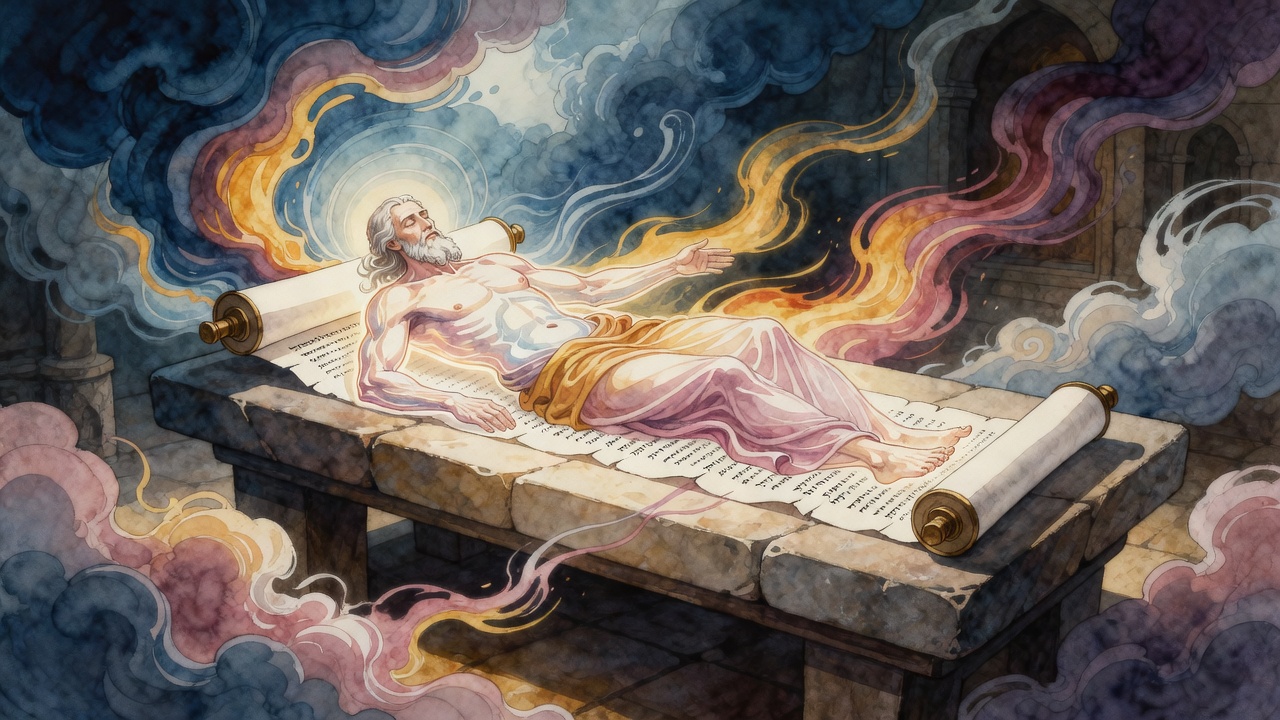
On Simhat Torah 1609 in Safed, a mystic dreamed that Moses was laid on the reading table and unrolled from Genesis to Deuteronomy like a scroll.
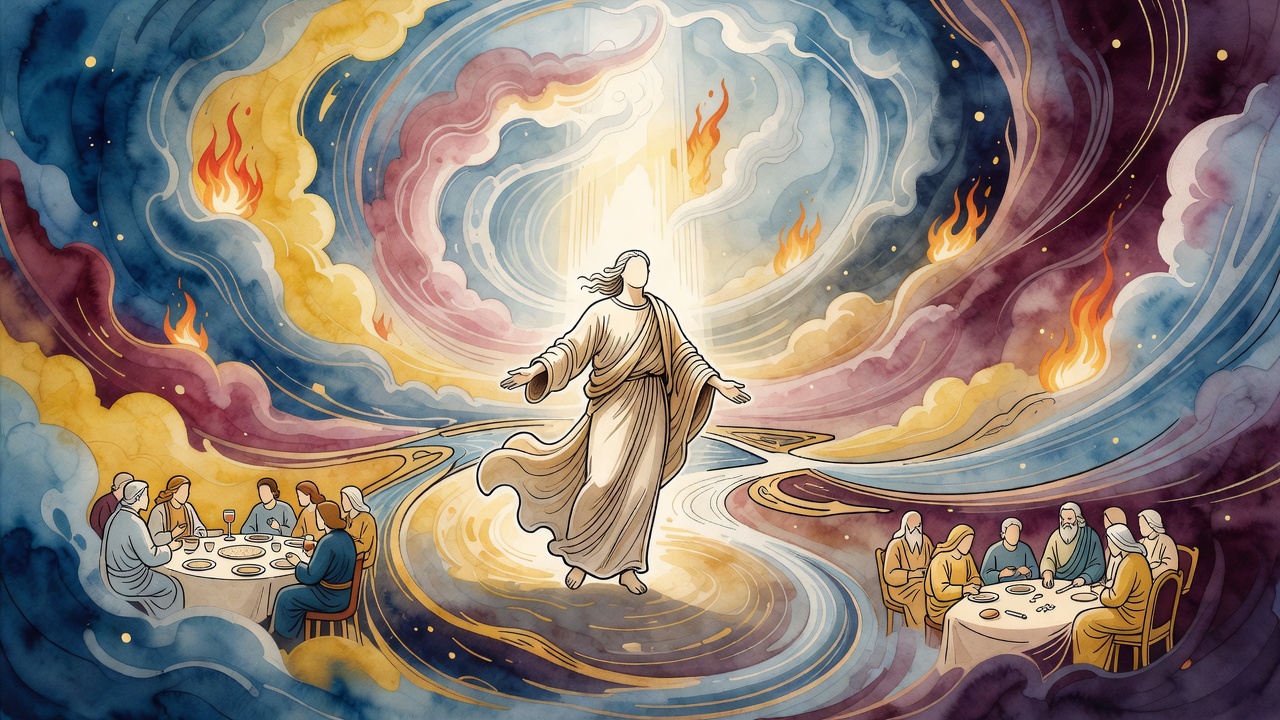
Elijah never died. He was taken to heaven in a whirlwind and has moved between worlds ever since, present at every seder, every circumcision, every crossing.
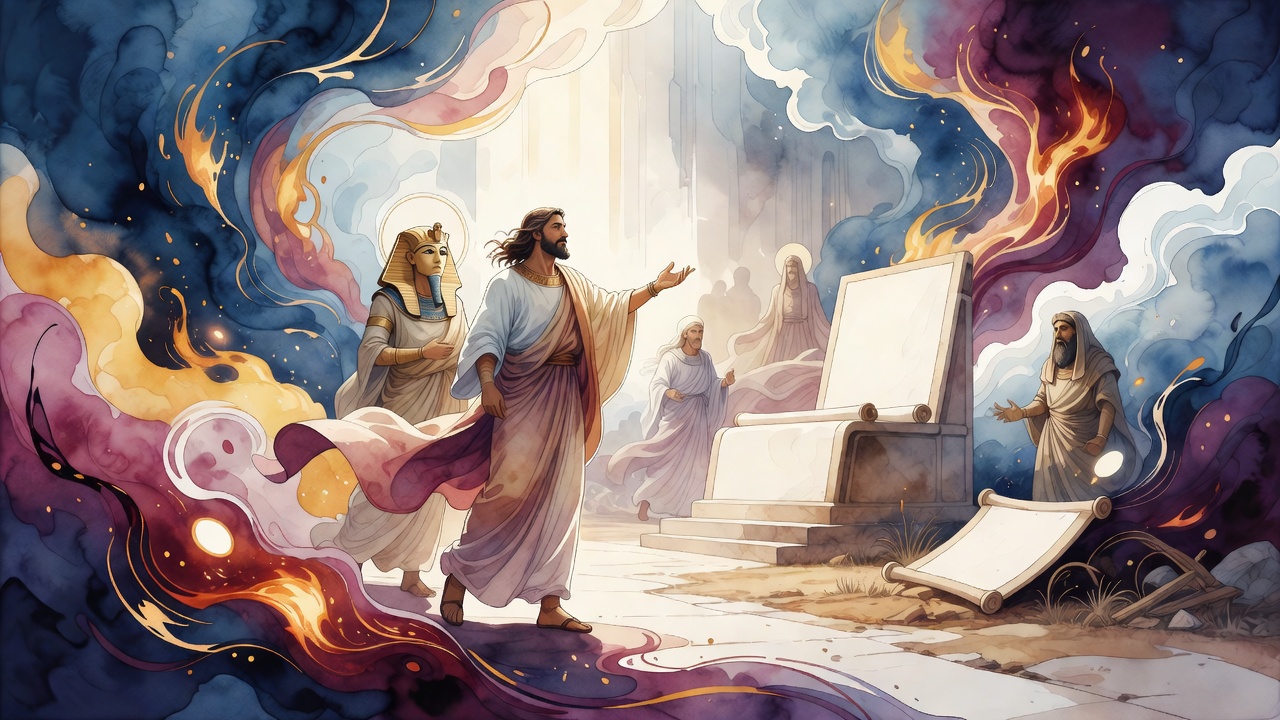
Joseph told Pharaoh the famine would last seven years, but Jacob's arrival canceled it after two. Rabbi Levi Yitzchak explains what Joseph knew when he spoke.
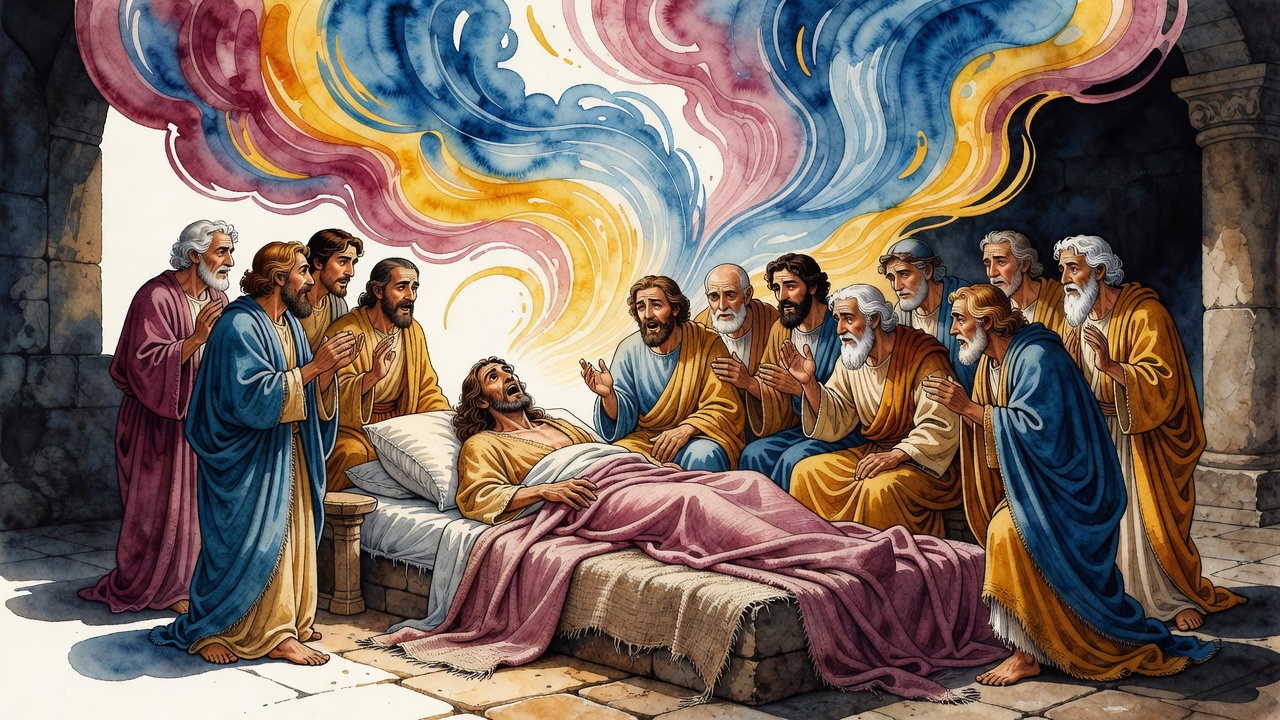
Twelve wet-haired sons waited for a date. Jacob opened his mouth, and the Presence took the year away before a number could land.
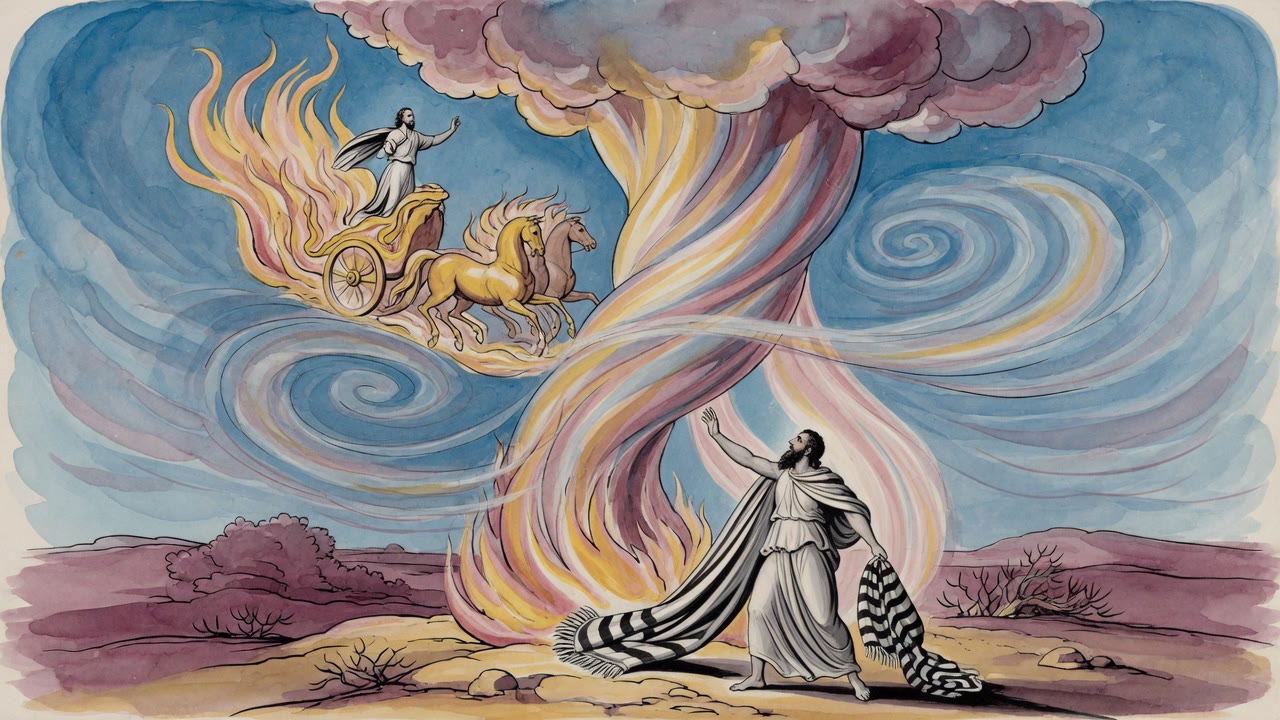
Every seder has a cup for Elijah. Every circumcision has his chair. But a tradition older than both holds that Elijah is not present everywhere. He is hidden.
She kissed the pillars and called from the hill for three years. Nobody climbed up. The innkeeper would not open after dark.
Jonah did not flee from God out of fear. He fled because he already knew what mercy would cost him, and he had already paid that price once.
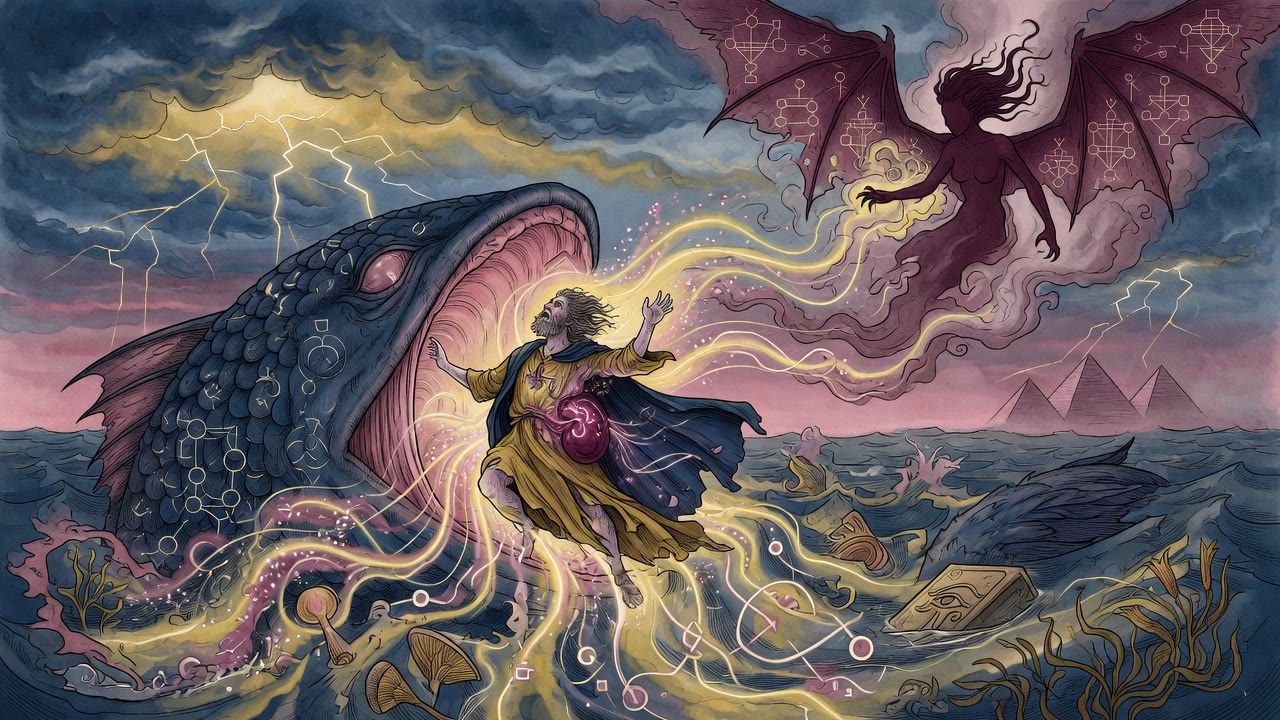
The sailors on Jonah's ship were not cruel men. They tried their idols, cast lots, jettisoned their cargo, and rowed for shore before they touched him.
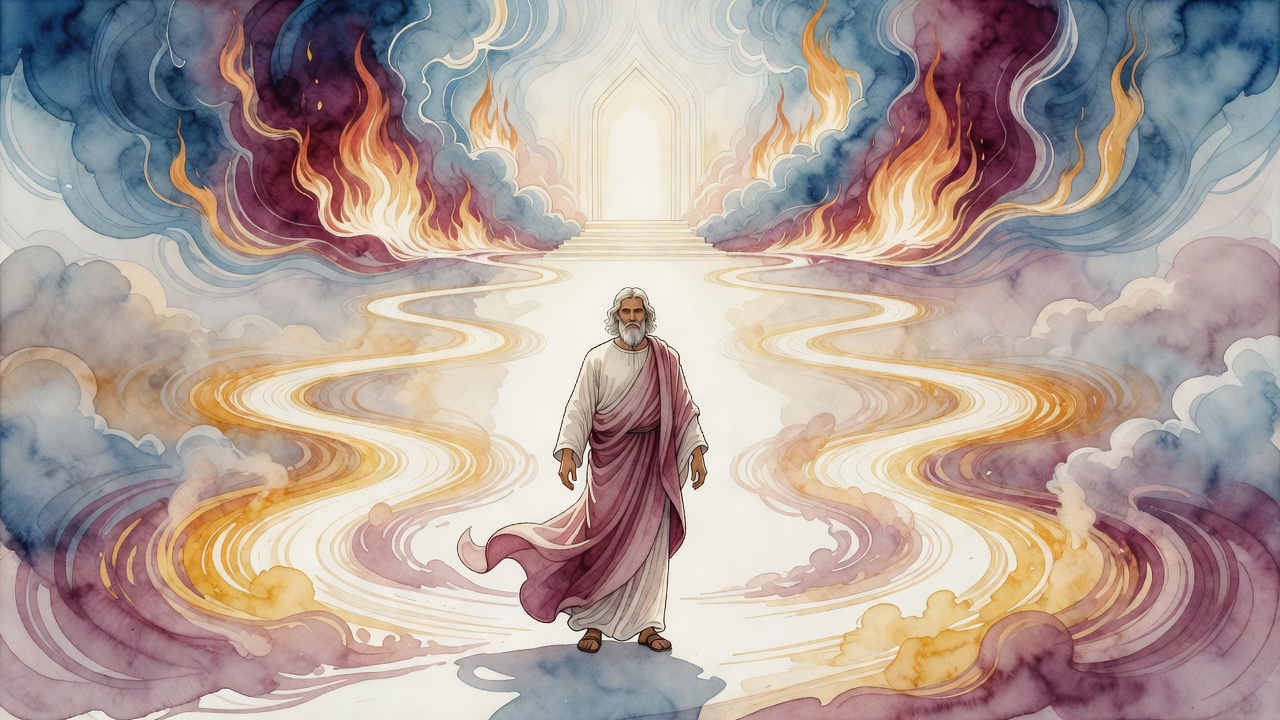
Samuel poured water at Mizpah while the Philistines came up the road. Later God named the place he had stood, between two goods.
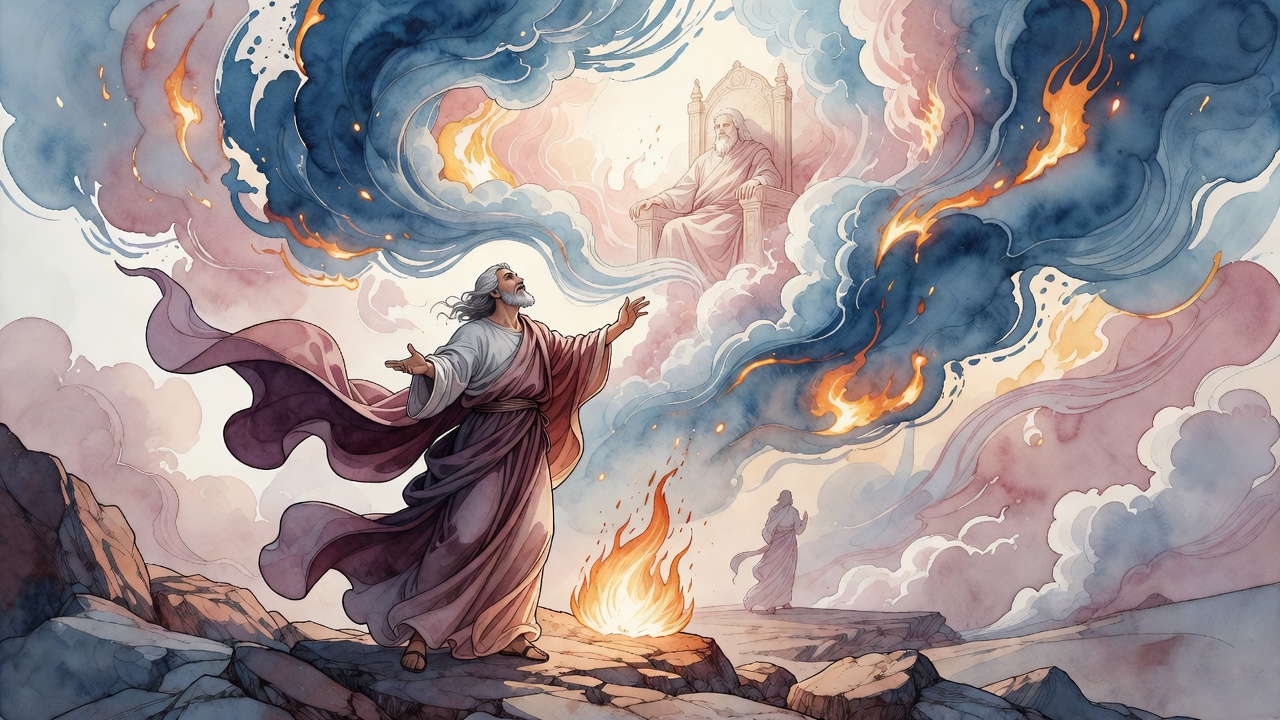
Three hundred years before Josiah was born, a prophet called him by name. The king who arrived had been expected all along.
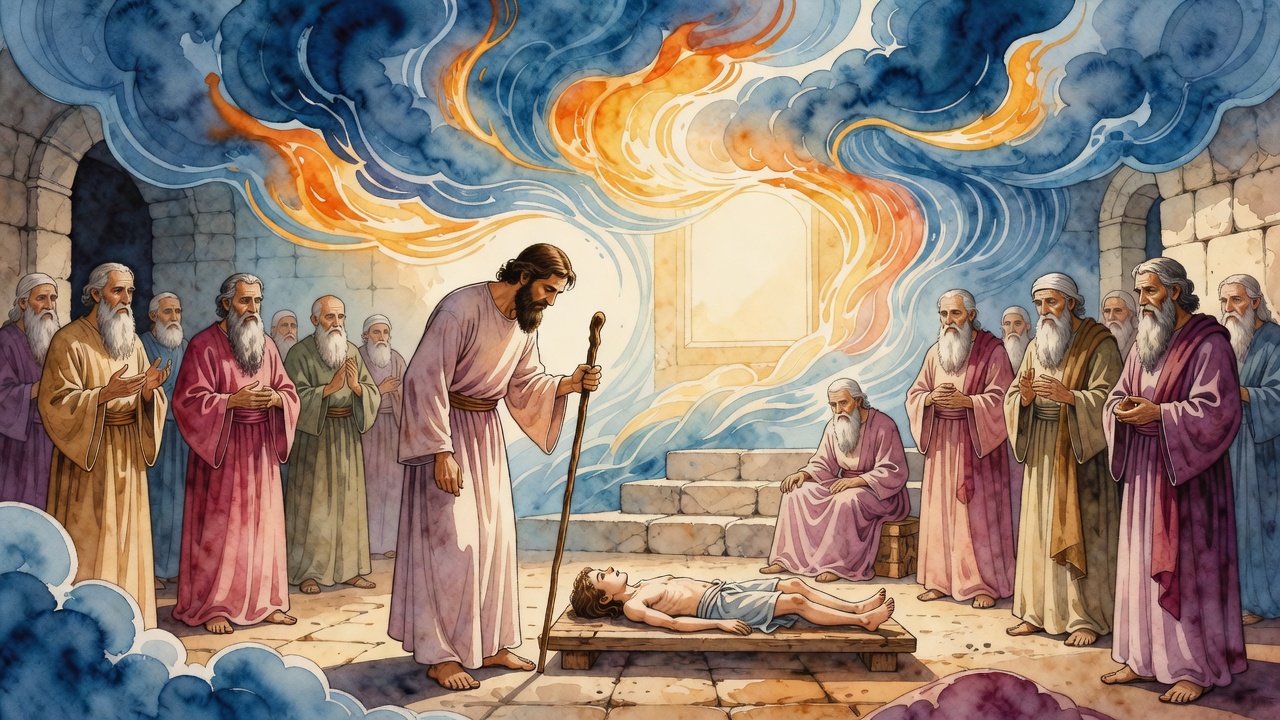
Gehazi asked the men in the street if a stick could raise a dead child. Then he laid Elisha's staff on the boy's face. Nothing moved.
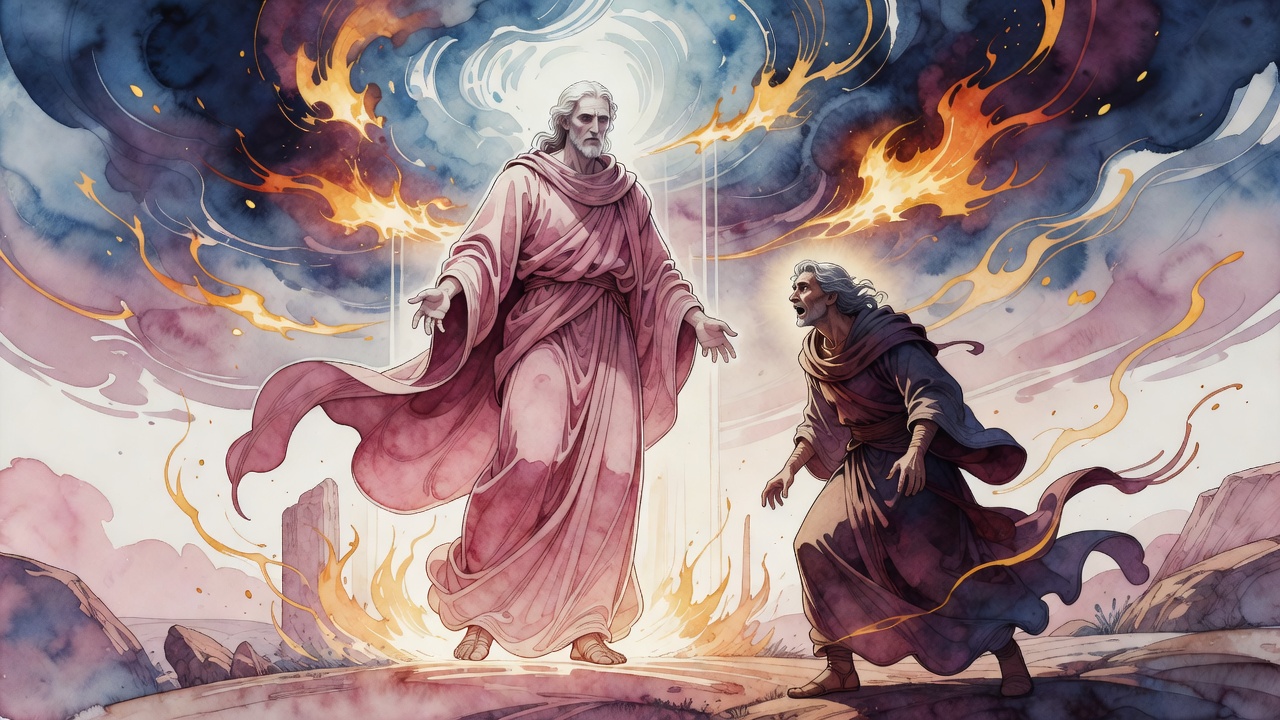
Saul took off the crown and walked to Endor at night. The woman called a name she did not know, and an old man in a mantle rose.
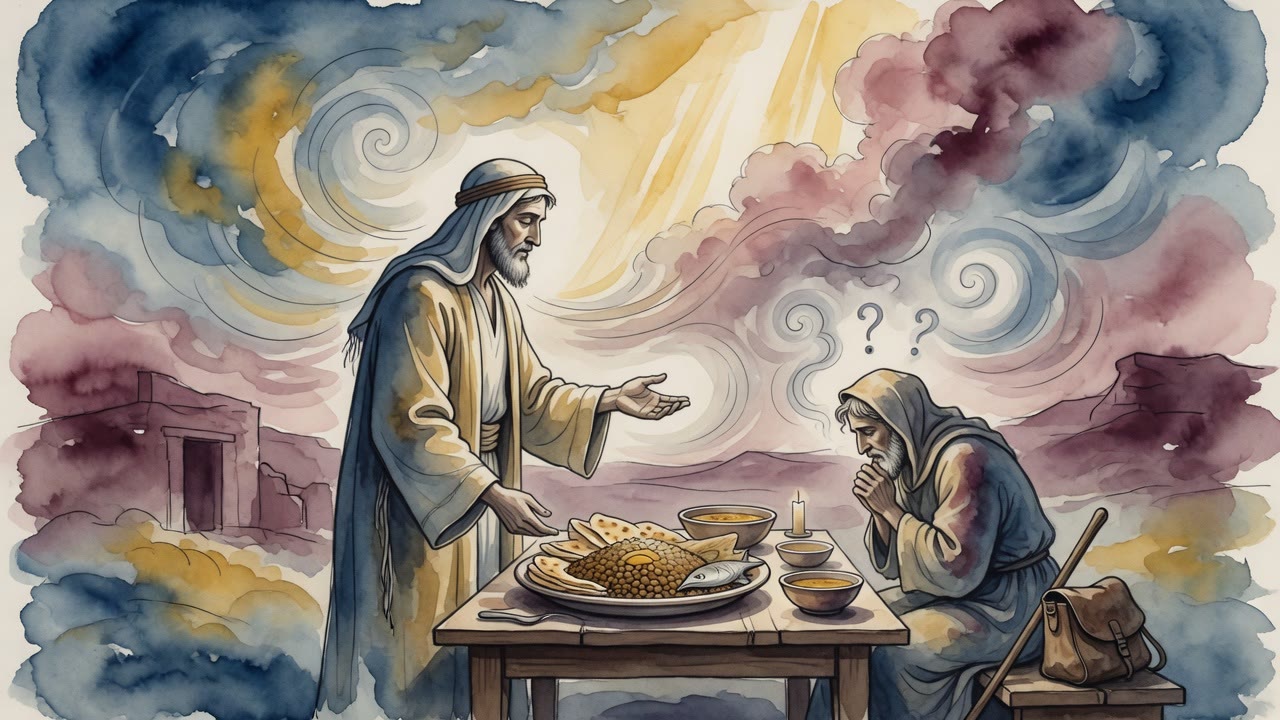
The bread sat untouched. One chair was empty. Hillel would not start, then he named a king who went looking among the dead.
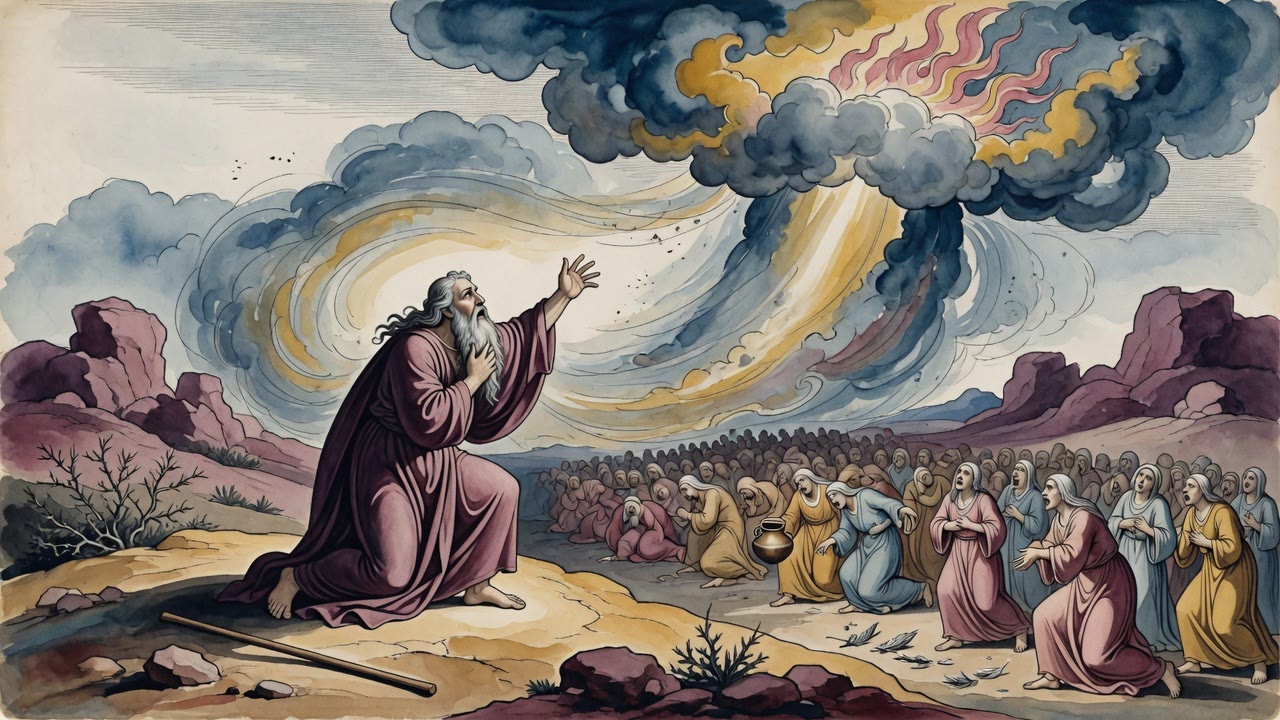
When Israel wept for meat in the wilderness, Moses did not pray for quail. He asked God to end his life. Sifrei Devarim examined the prayer word by word.
