470 myths · Page 9 of 16
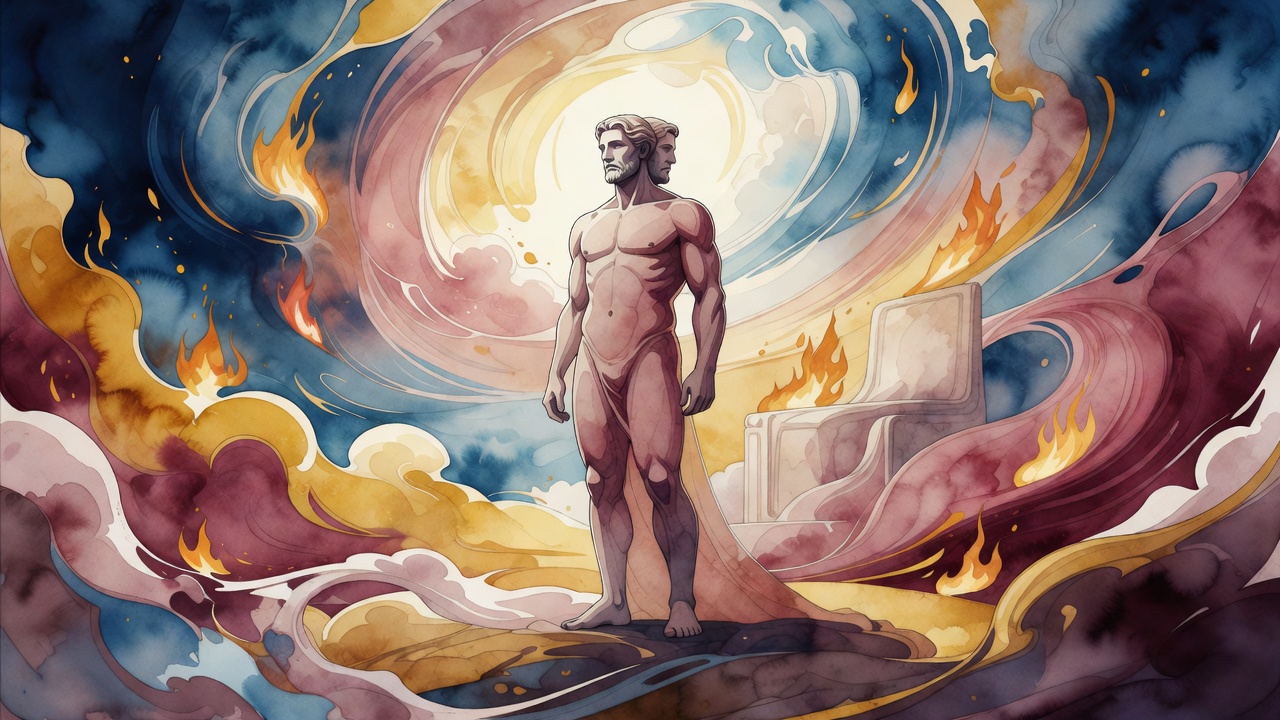
The rabbis say Adam's body waited silent through all of creation, was stamped from a single mold, and first walked with a second face at his back.
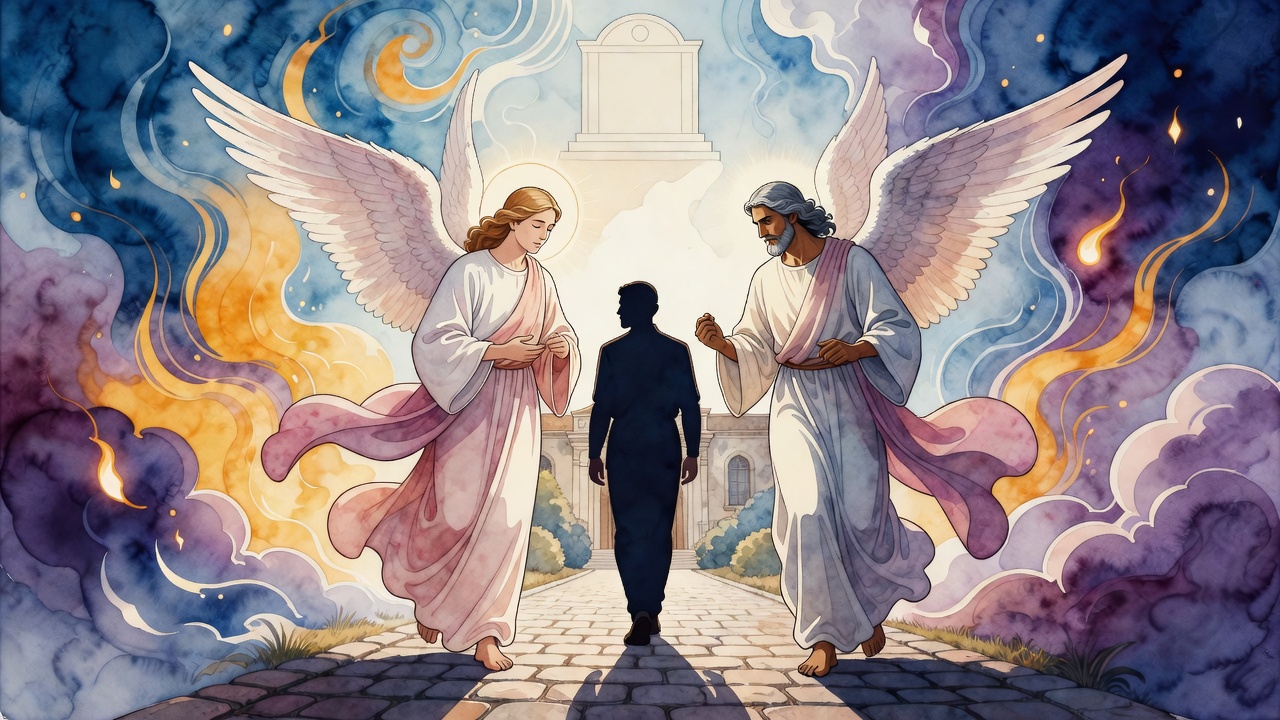
On Friday night, two angels walk home with you from synagogue, one good, one accusing, and which one speaks first depends on what they find inside.
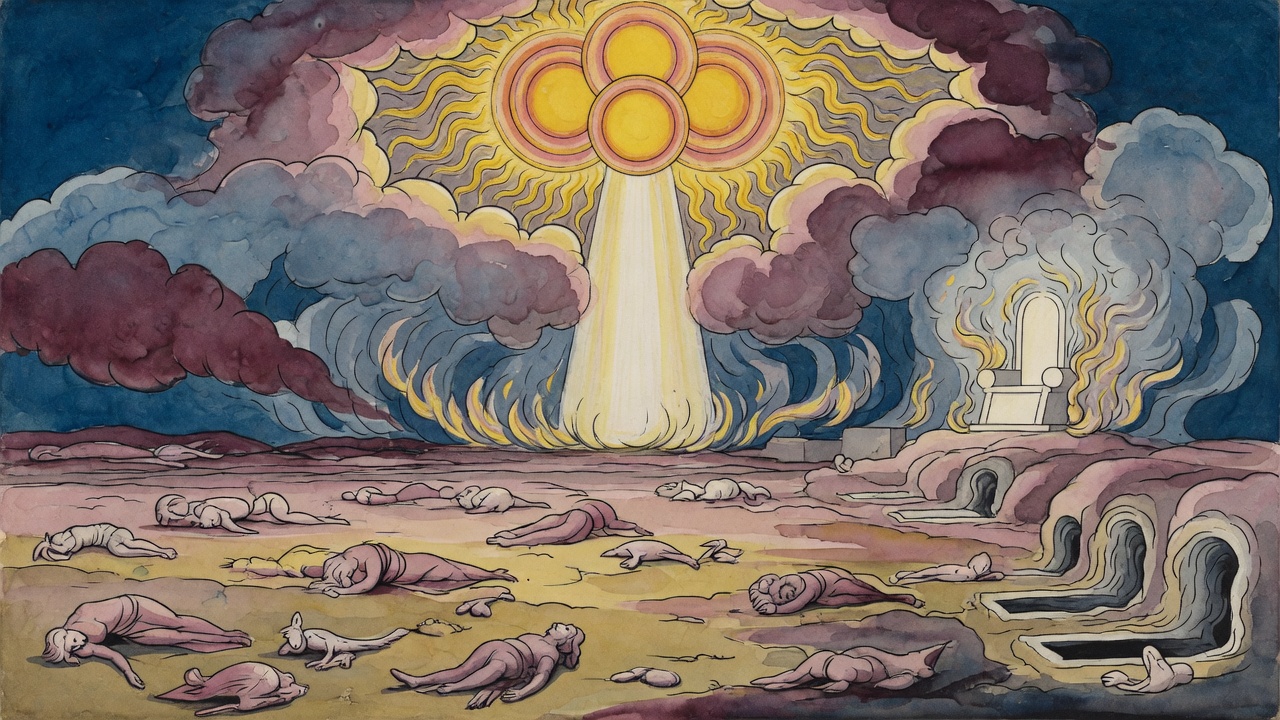
A rabbi asks how creation began and receives the answer in a whisper: God put on light like a garment and shook snow beneath the throne.
The first day of the week had the second. The third had the fourth. The fifth had the eve. The seventh counted them off and found itself standing alone.
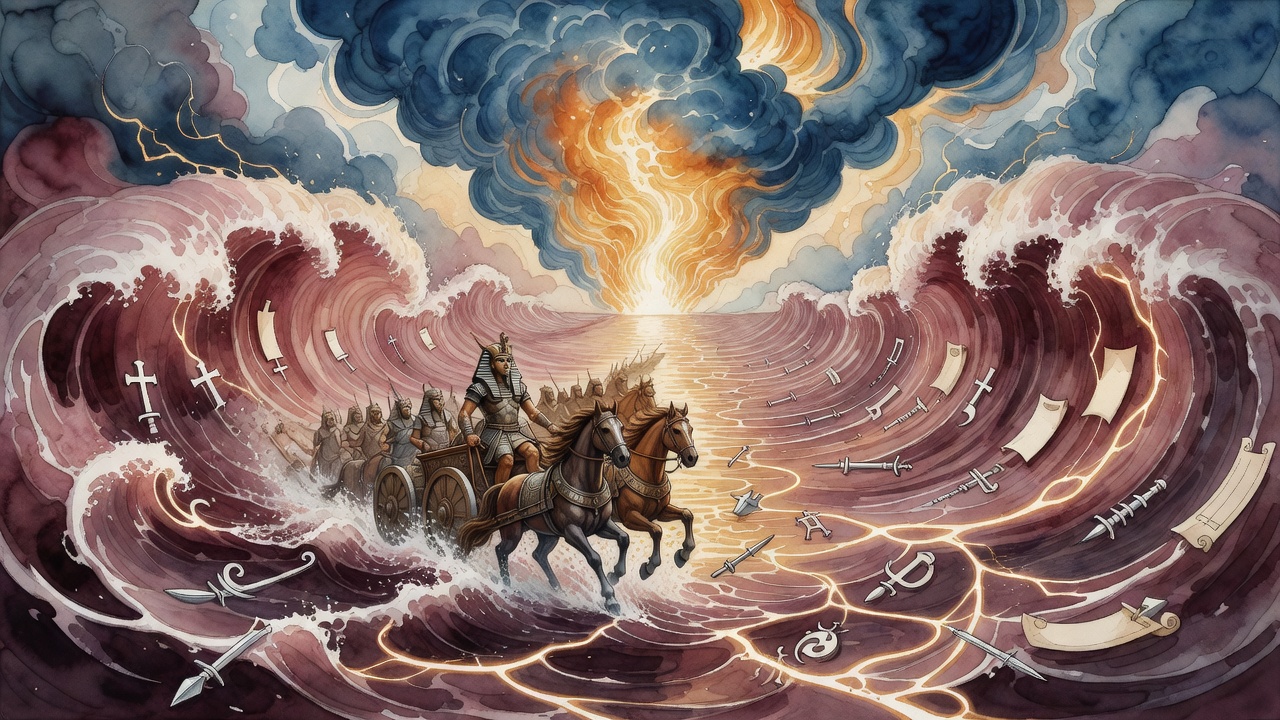
Pharaoh rides into the sea with horses and iron, and God answers every weapon in Pharaoh's own language before the waters close.
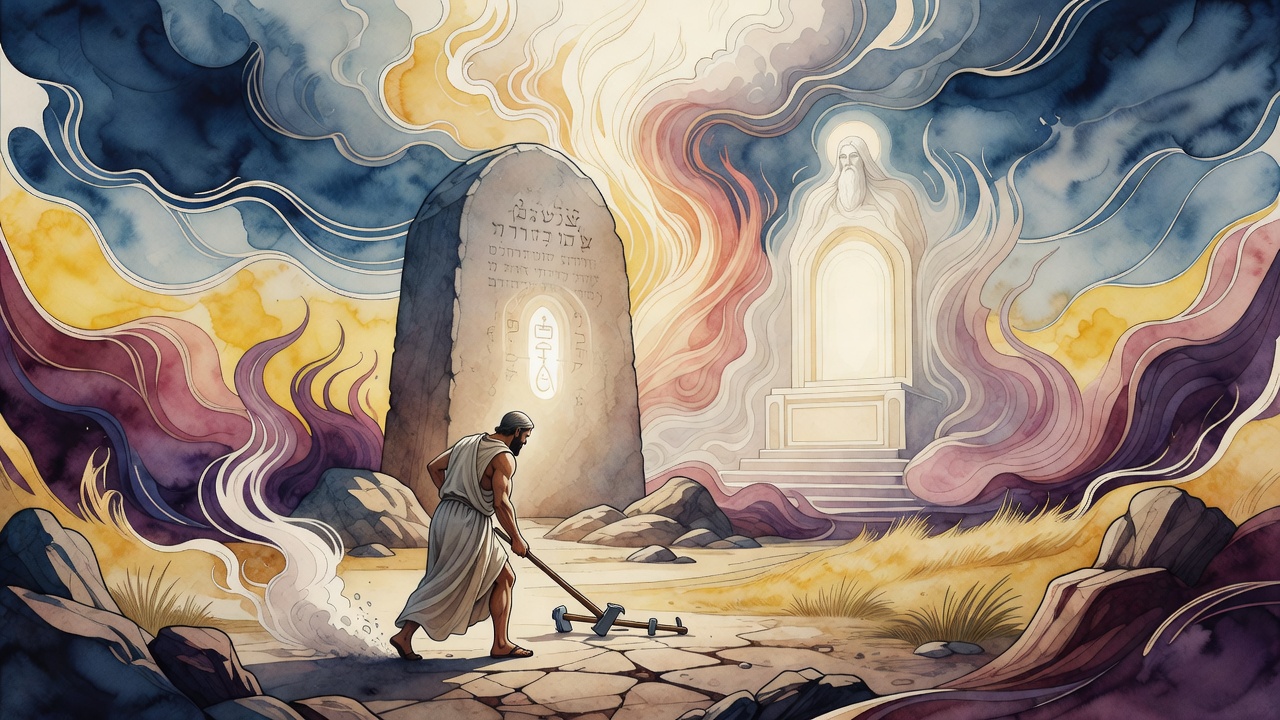
Rest on the seventh day is a sign between God and Israel. A man who picks up a tool in the street tears the sign, so the Torah puts him to death.
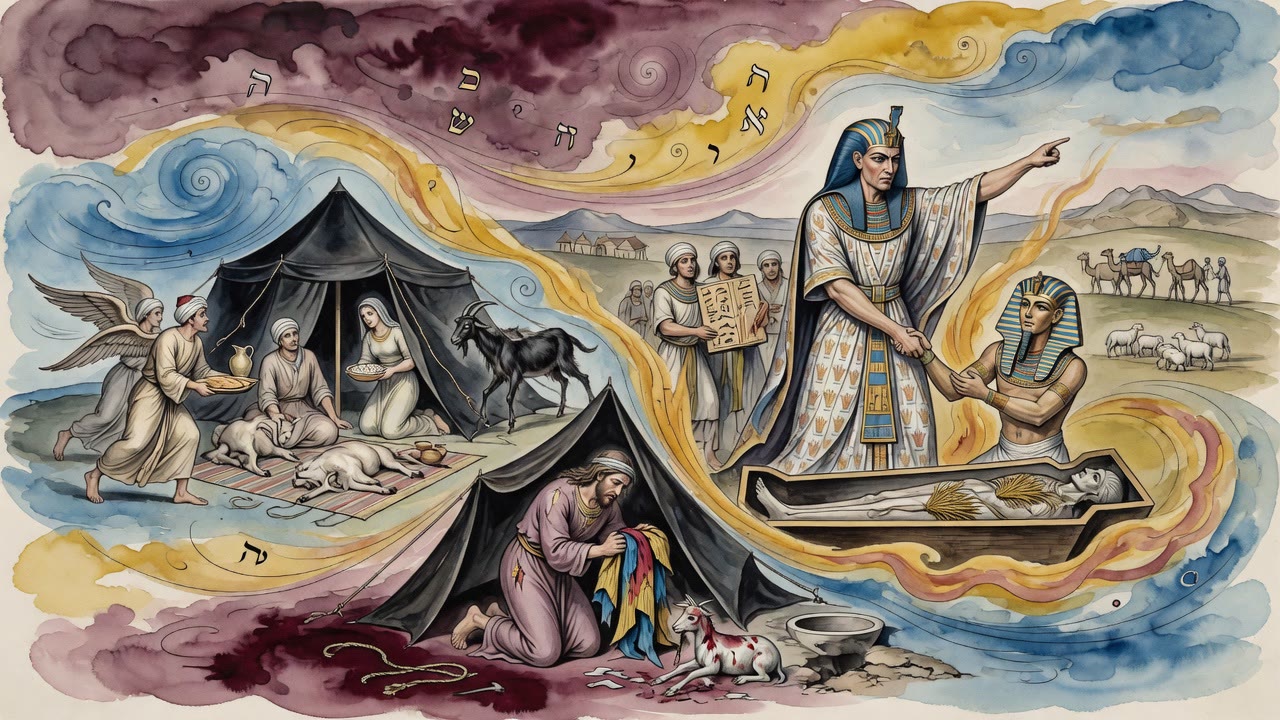
Moses turns to earth, sun, moon, and stars to plead for mercy, but each answers that it too must die, and creation cannot hold back God's decree.
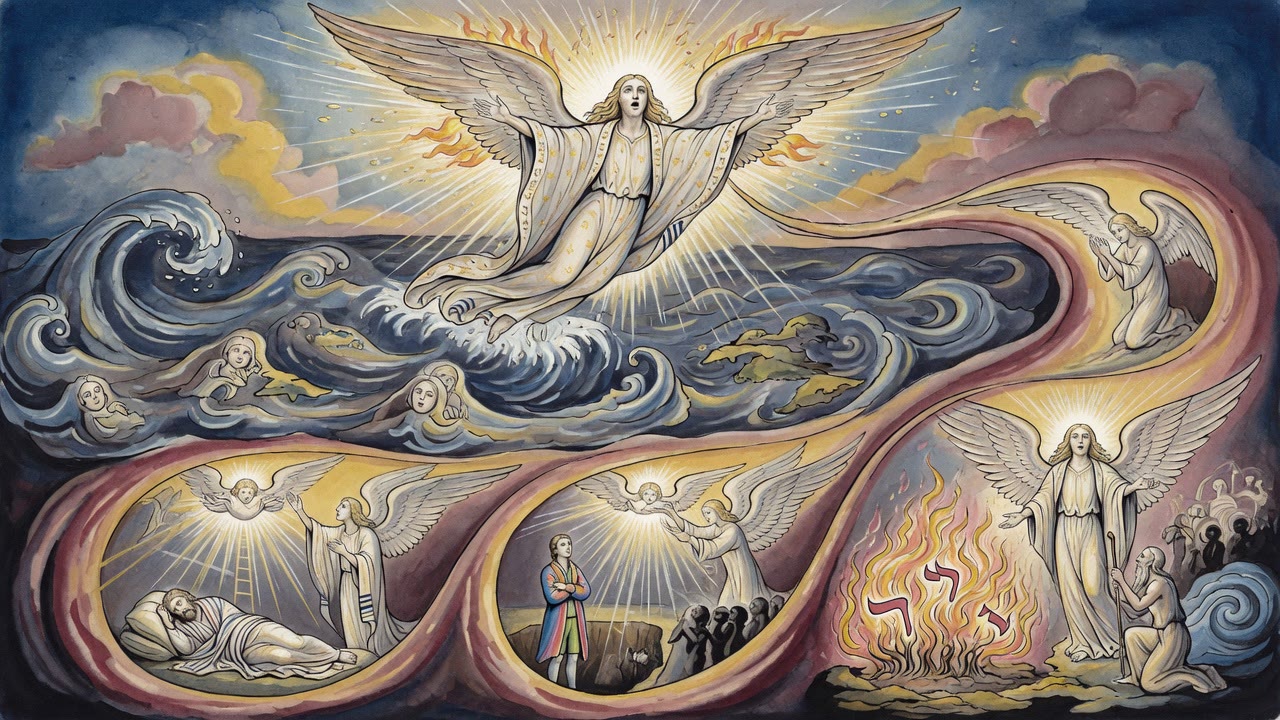
On the second day the lower waters wept and would not split. The sky was three fingers thick. An angel sang about Sinai, and the waters went quiet.
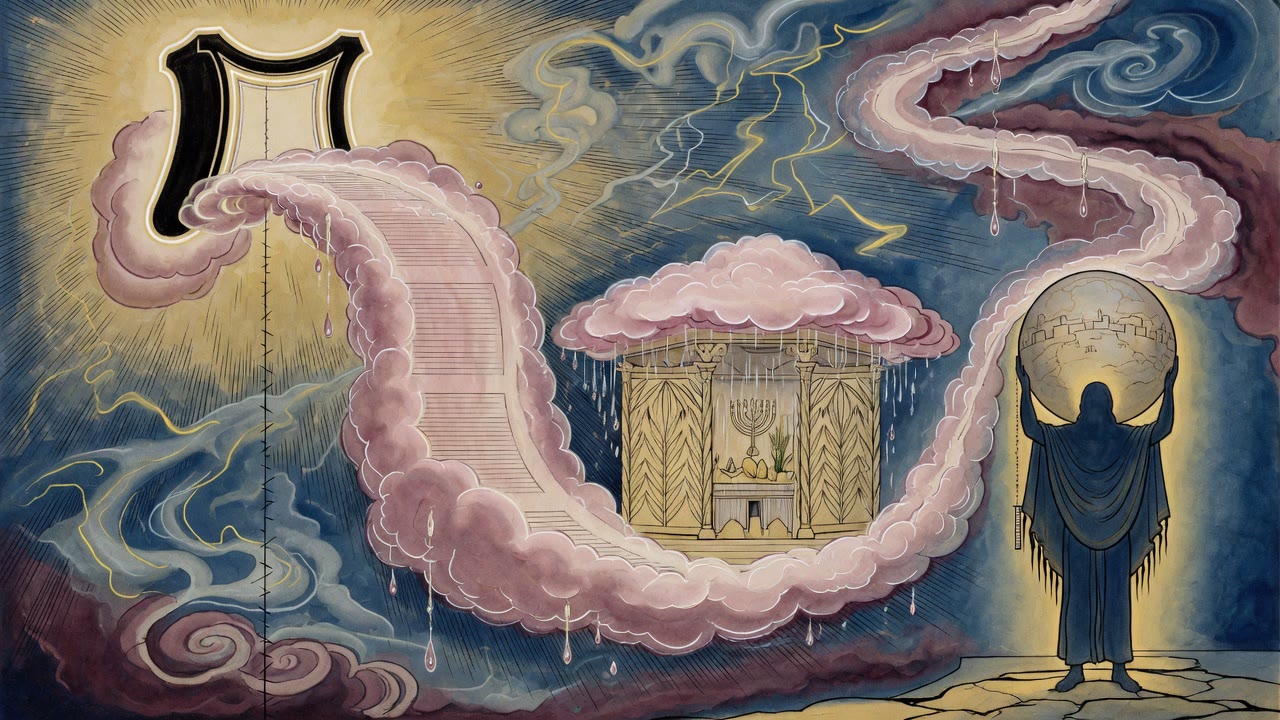
The etrog sat cool in a left hand. The Presence came down toward the righteous by measure, like manna poured, then went back up.
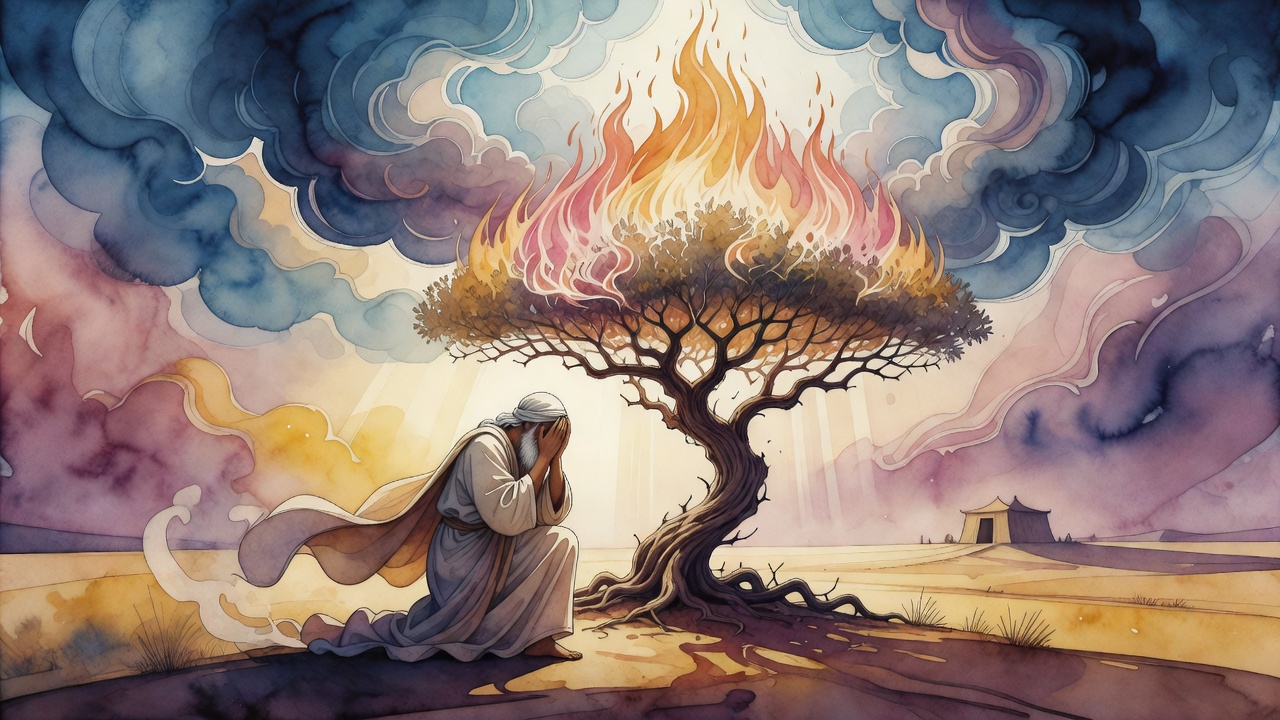
The flame used his father's voice. Moses came closer. Decades later the Tabernacle still would not rise for the craftsmen.
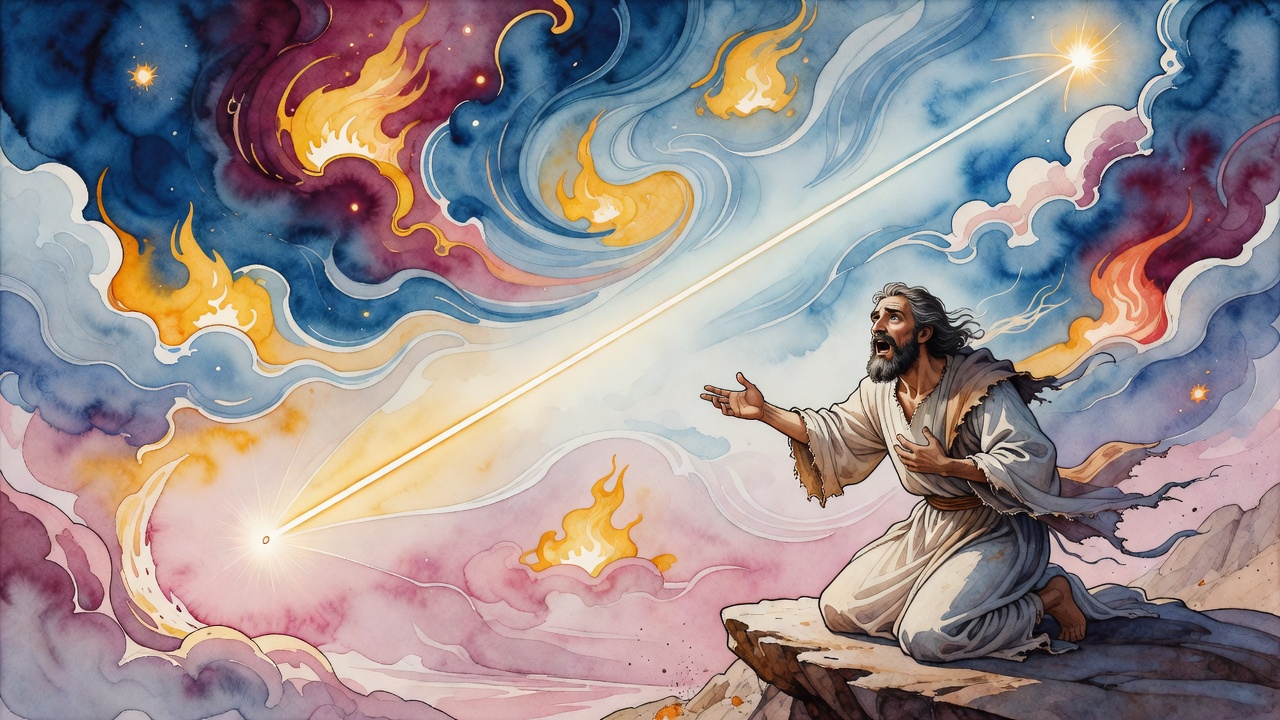
A mystic begs to see how something came from nothing. Tikkunei Zohar answers with a measuring line in primordial air and the tiny Yod that begins everything.
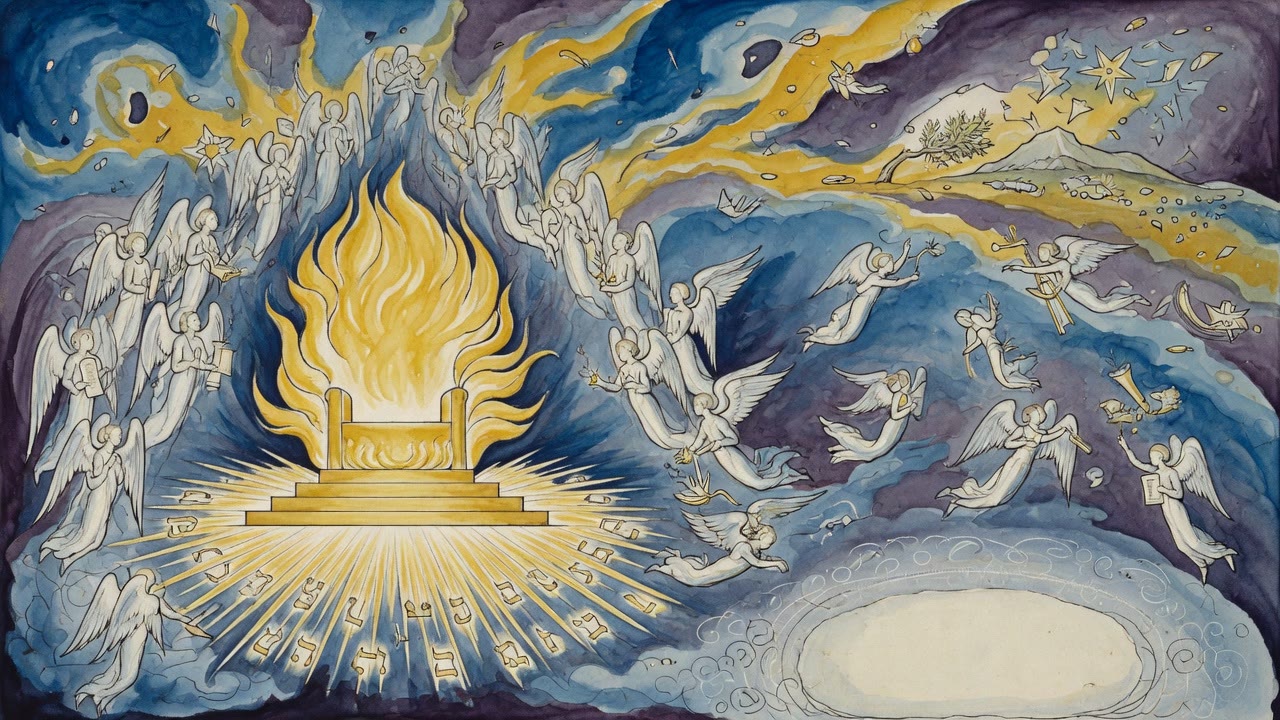
God dictated the words let us make man, and Moses stopped writing. Heretics will read that and claim there are two powers, he said.
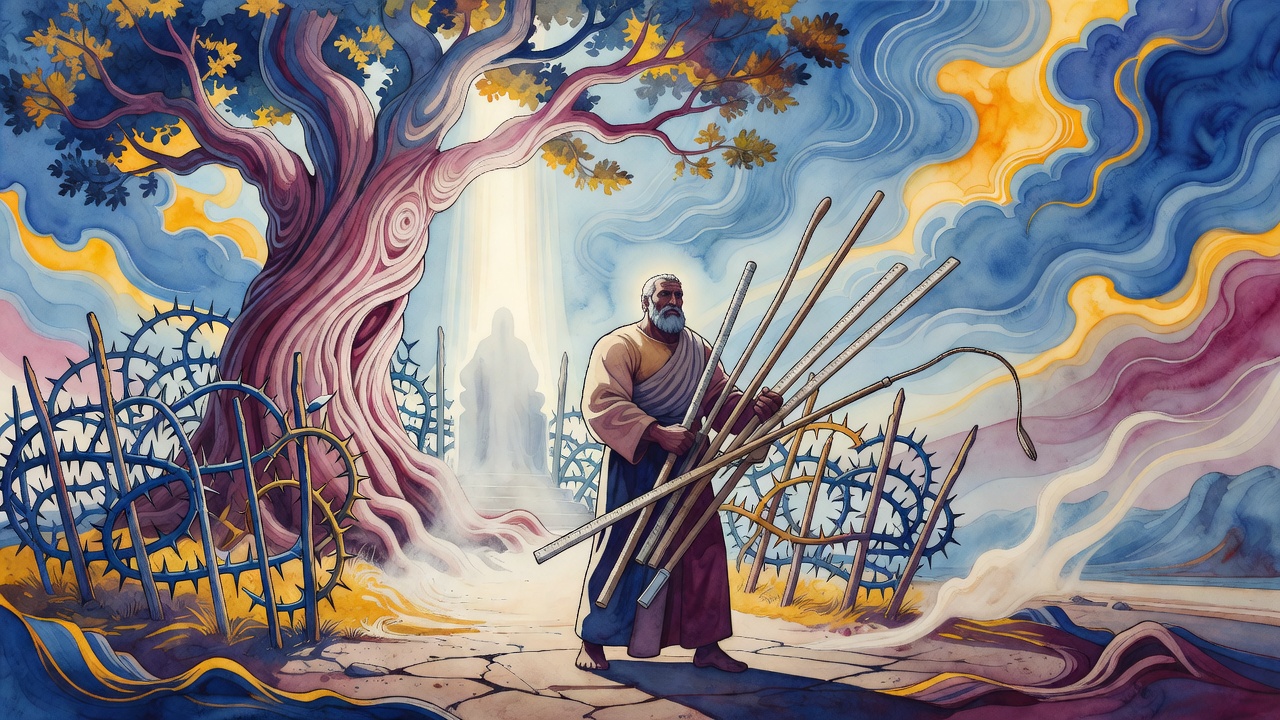
God walked Adam over the earth and showed him where to plant. At the tree, the serpent shoved Eve and waited for her not to die.
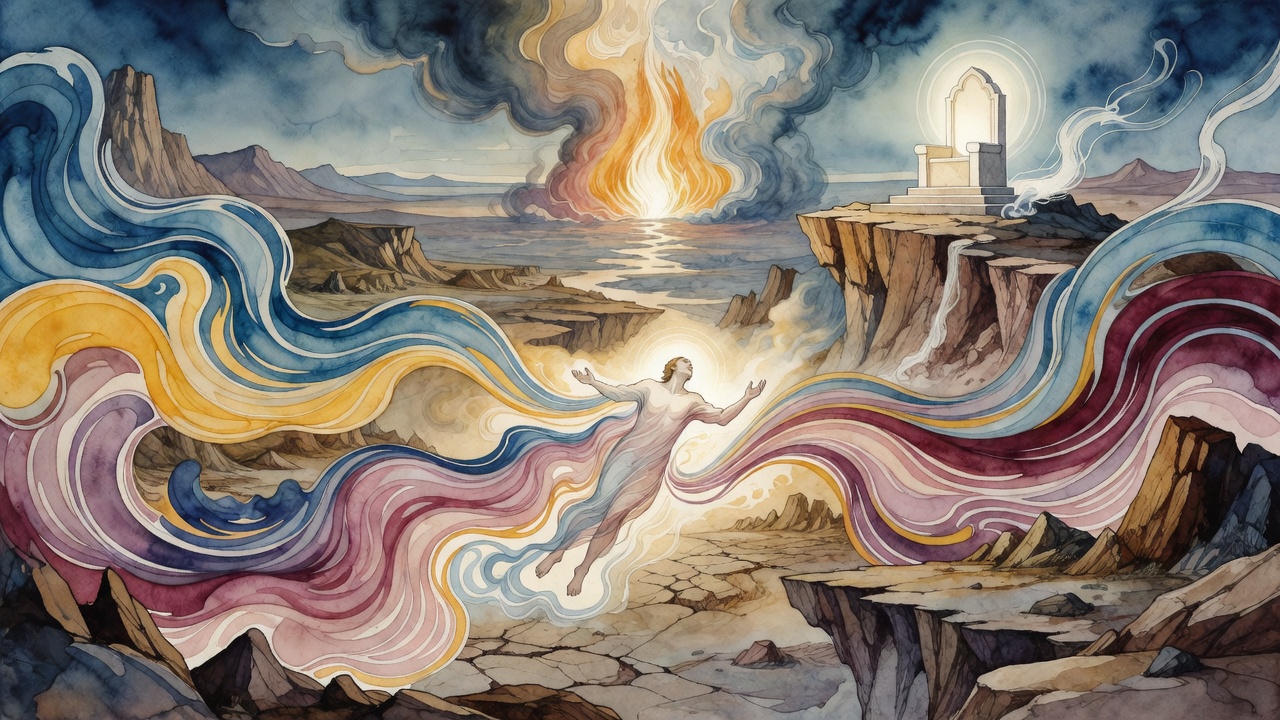
Three sounds cross the world from end to end though human ears cannot hold them. The loudest is the sound of a soul leaving the body.
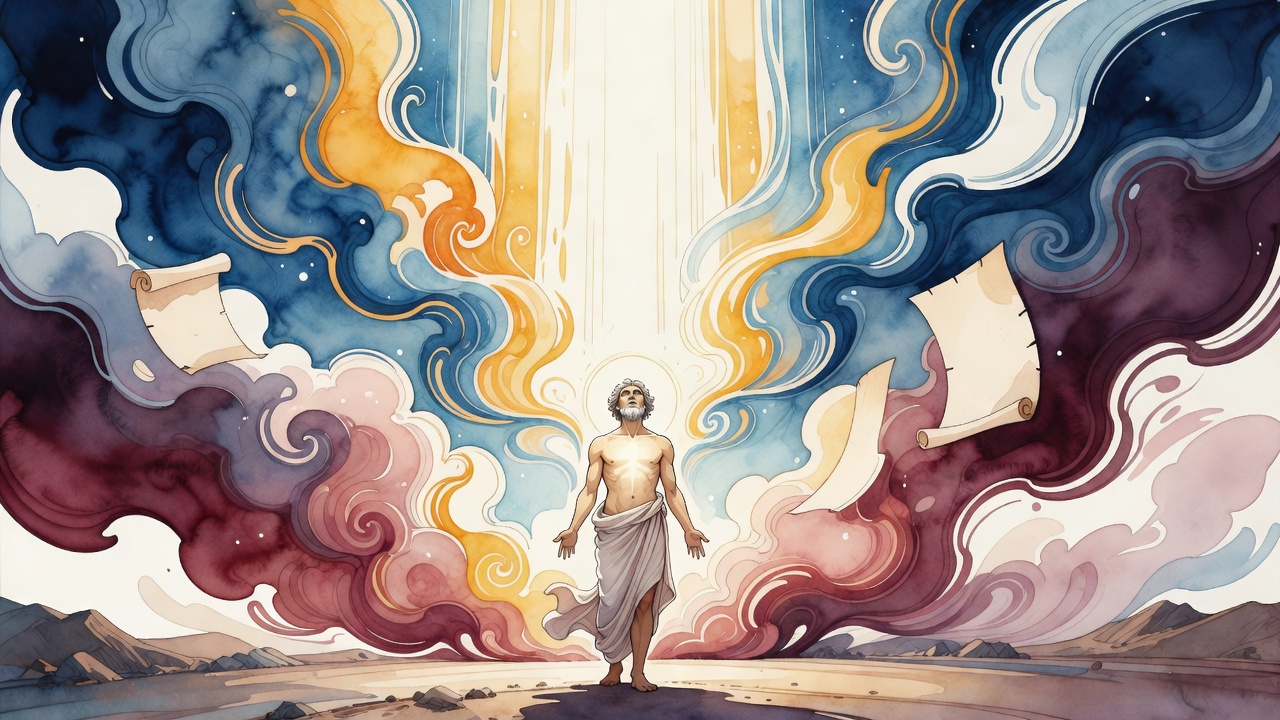
Adam stands under a divine image that hovers but does not fully enter him. The tzelem protects, guards, and descends by careful measure.
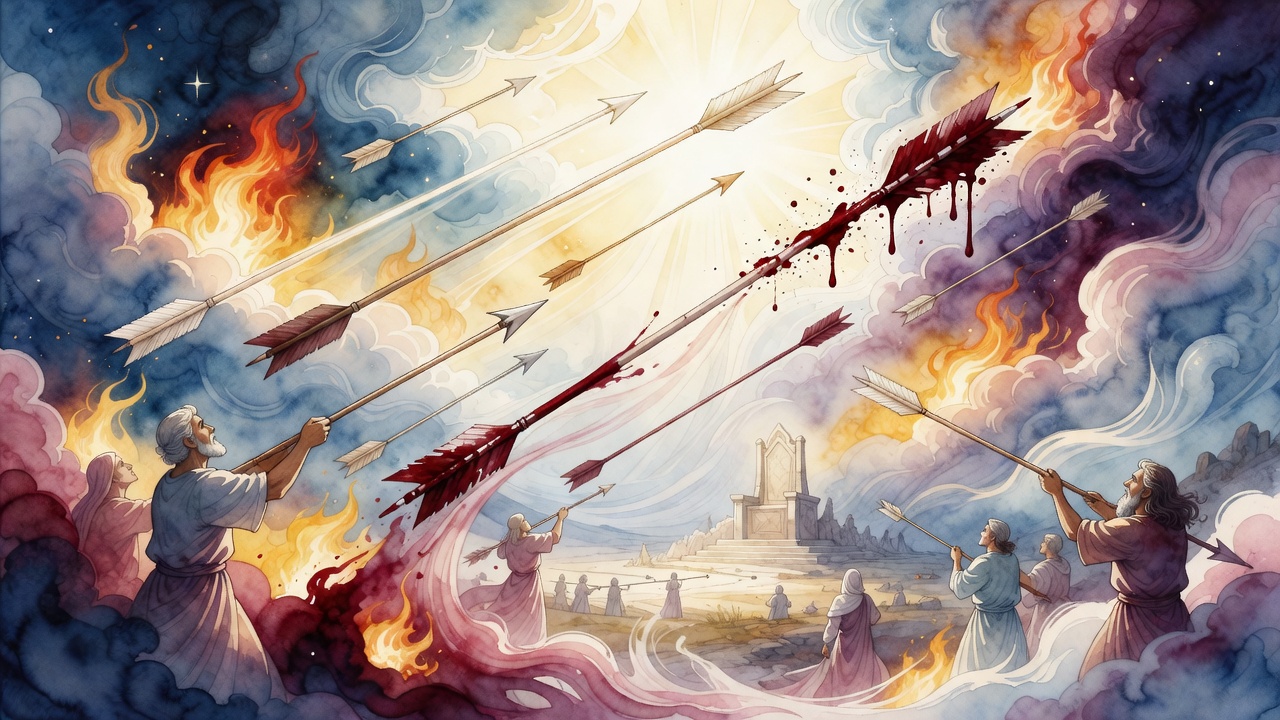
Before the world began, the letters fought to be first. Generations later, humans shot arrows at heaven. The arrows came back covered in blood.
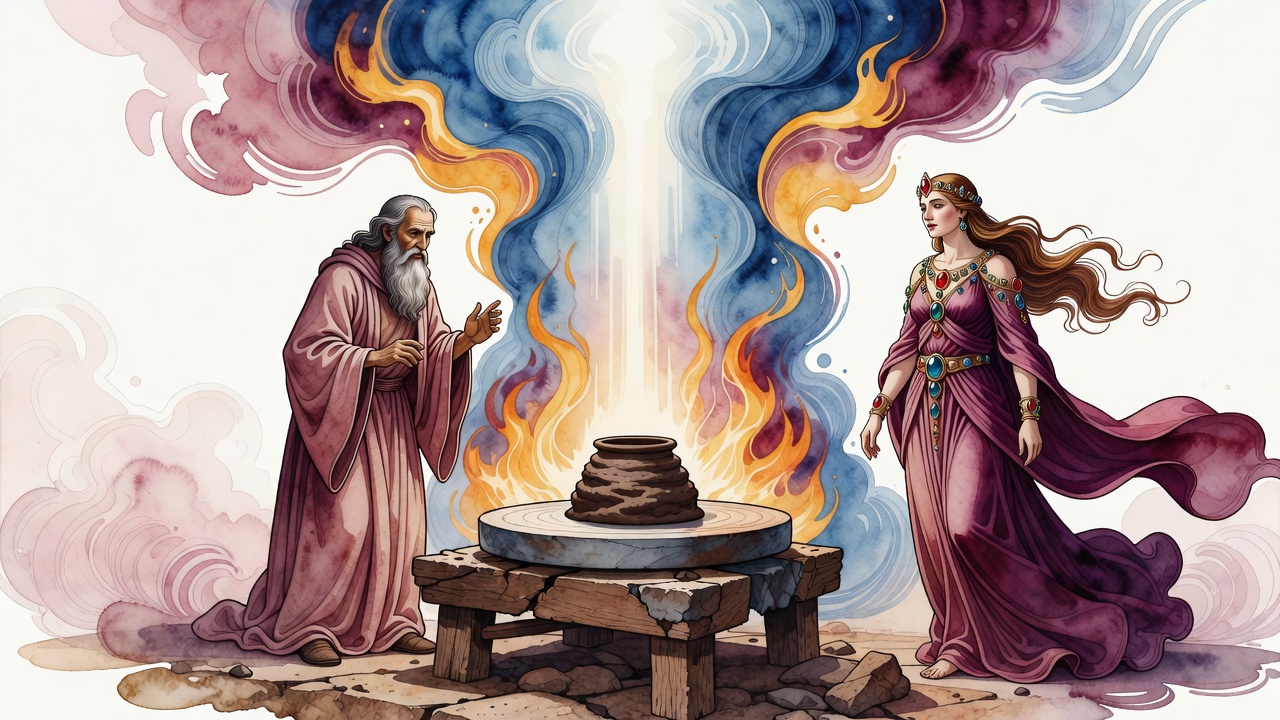
The wheel was still wet when He built her. The serpent wanted that woman, and the ground that fed them was cursed with them.
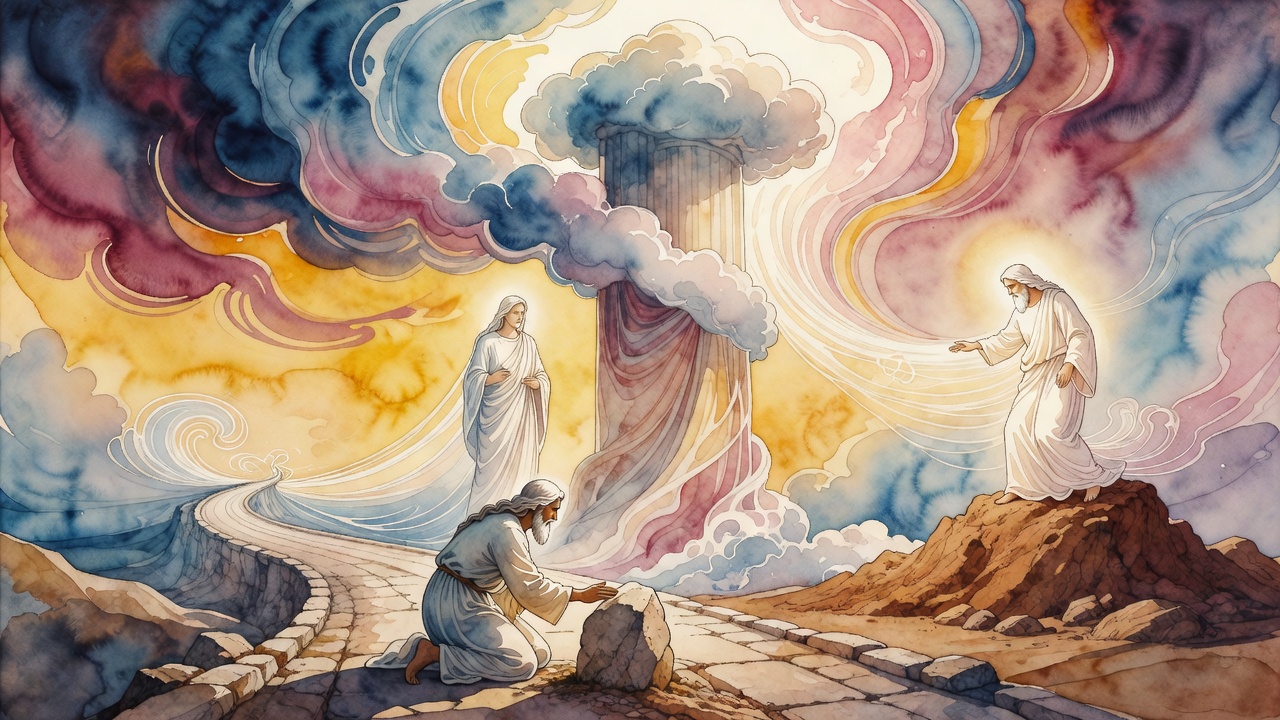
The angels wanted to know what the new creature would be like. God told them about the righteous who would come out of him and left out the other half.
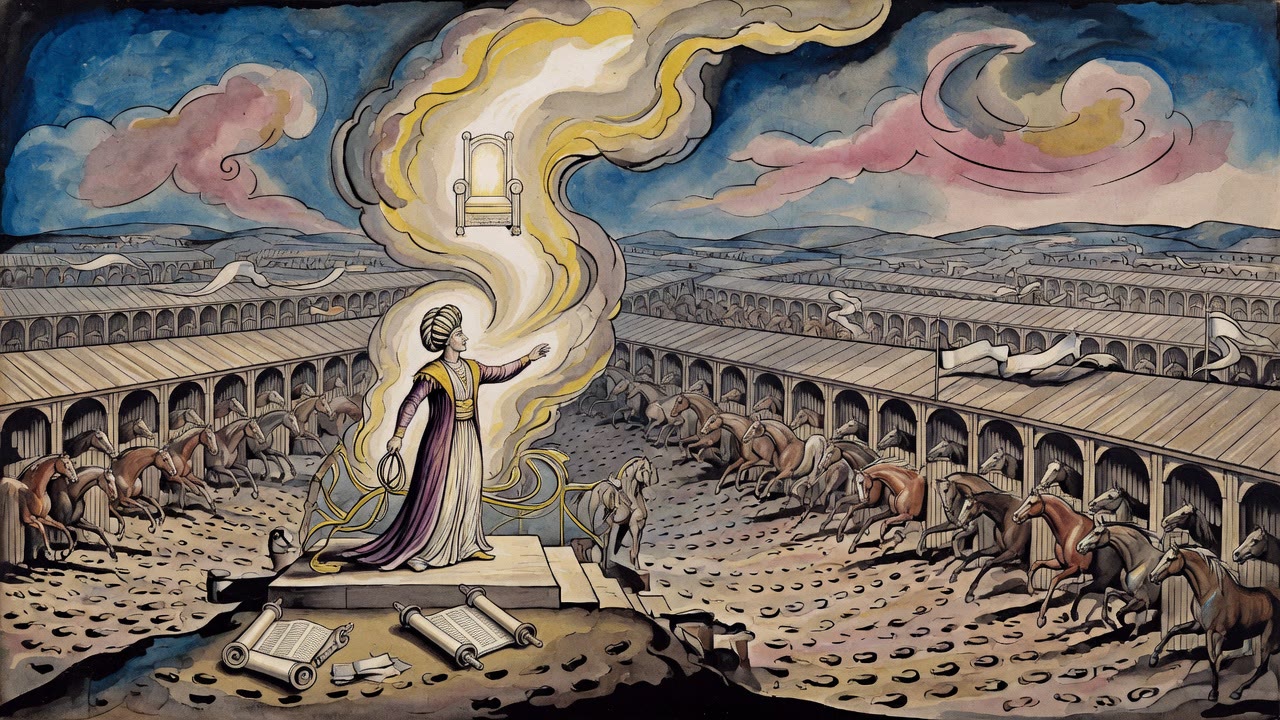
Students found one letter changed in Rabbi Meir's scroll. Very good had become good is death. The rabbis argued the limits of creation were its real structure.
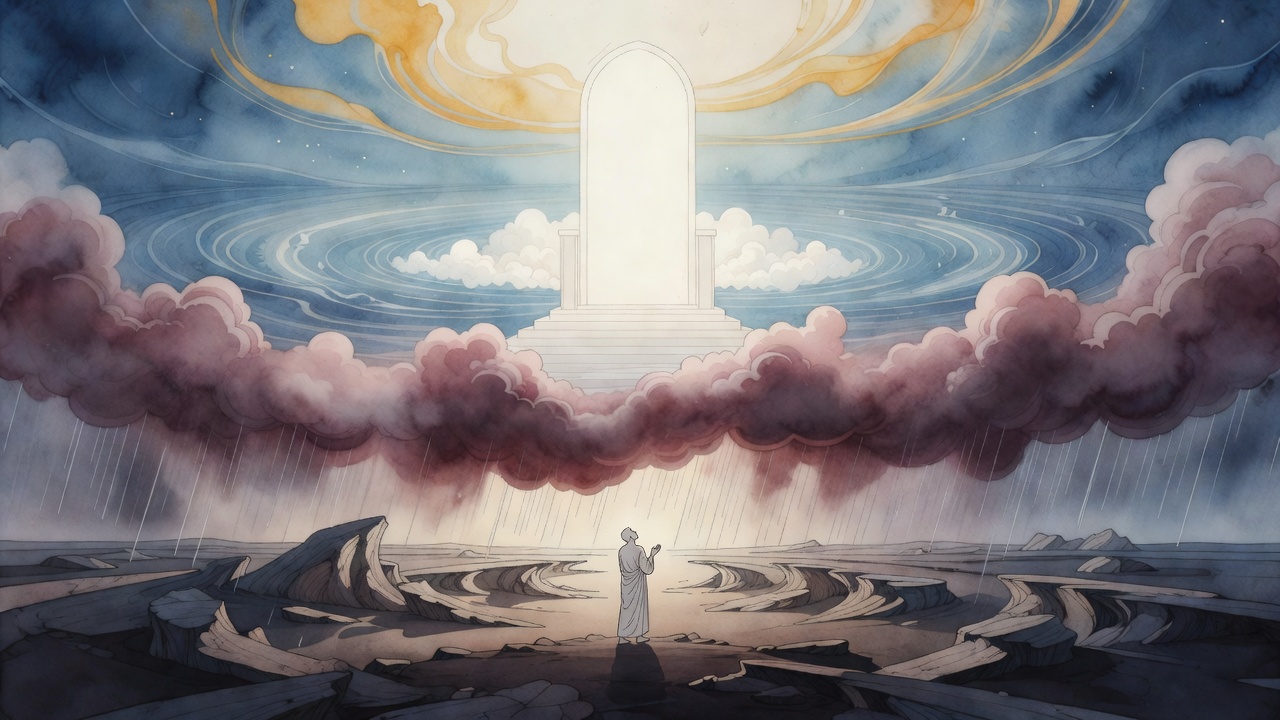
The upper waters floated on God's ongoing voice. The sixth day borrowed time from Shabbat. Rain did not fall until Adam stood and prayed for it to begin.
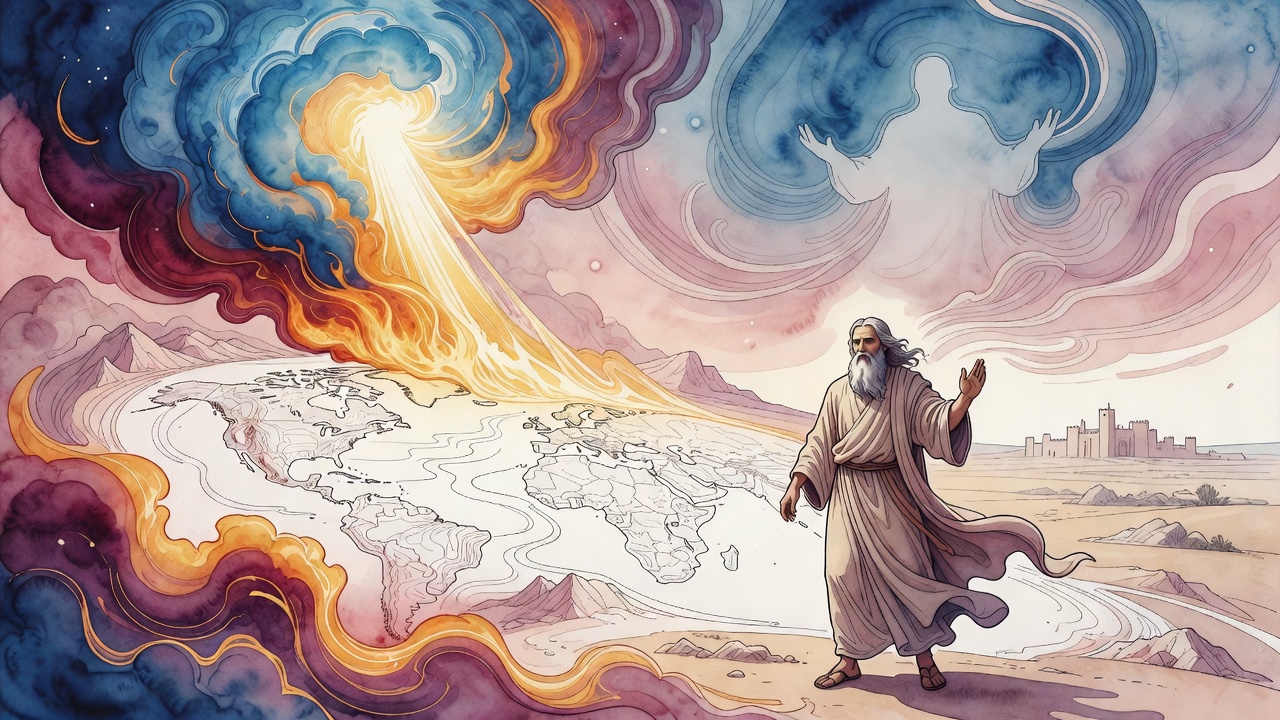
Abraham wanted to jump from fifty righteous people to five. God told him to back up, then poured more water into the clock so he could keep counting.
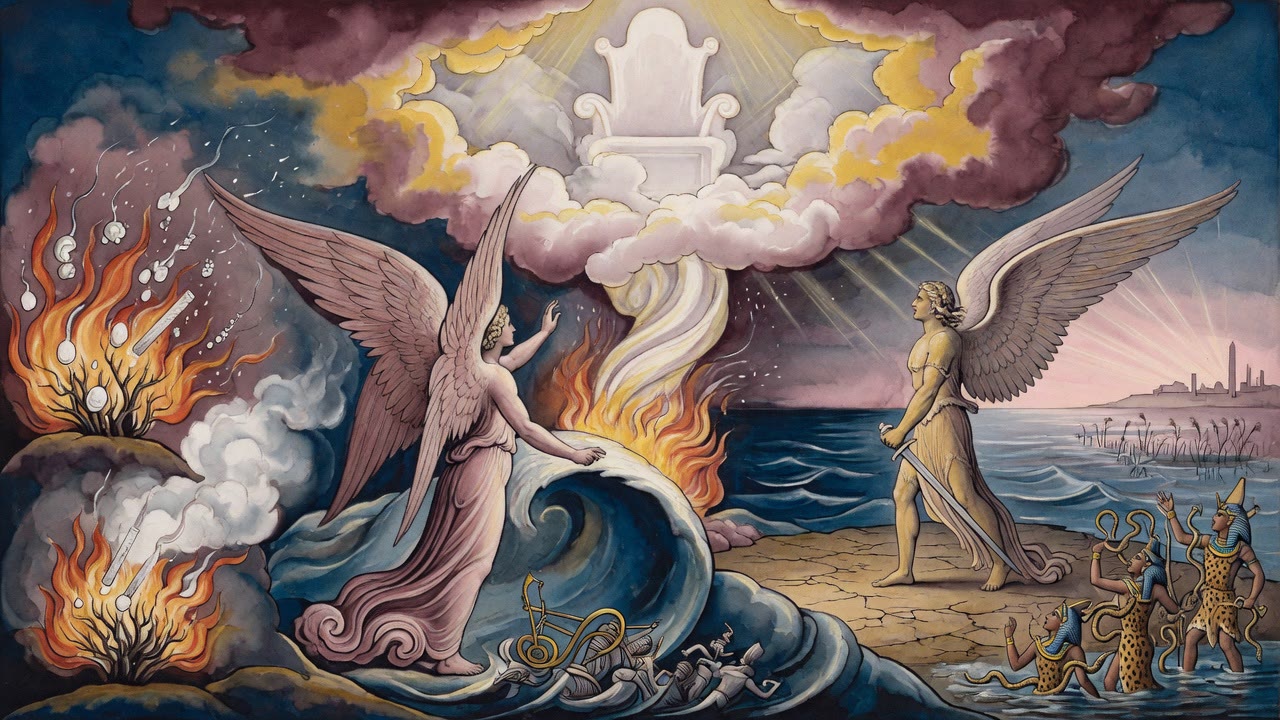
God took fire in one hand and water in the other and pressed them together until they held. Then a human body stretched across the whole sky.
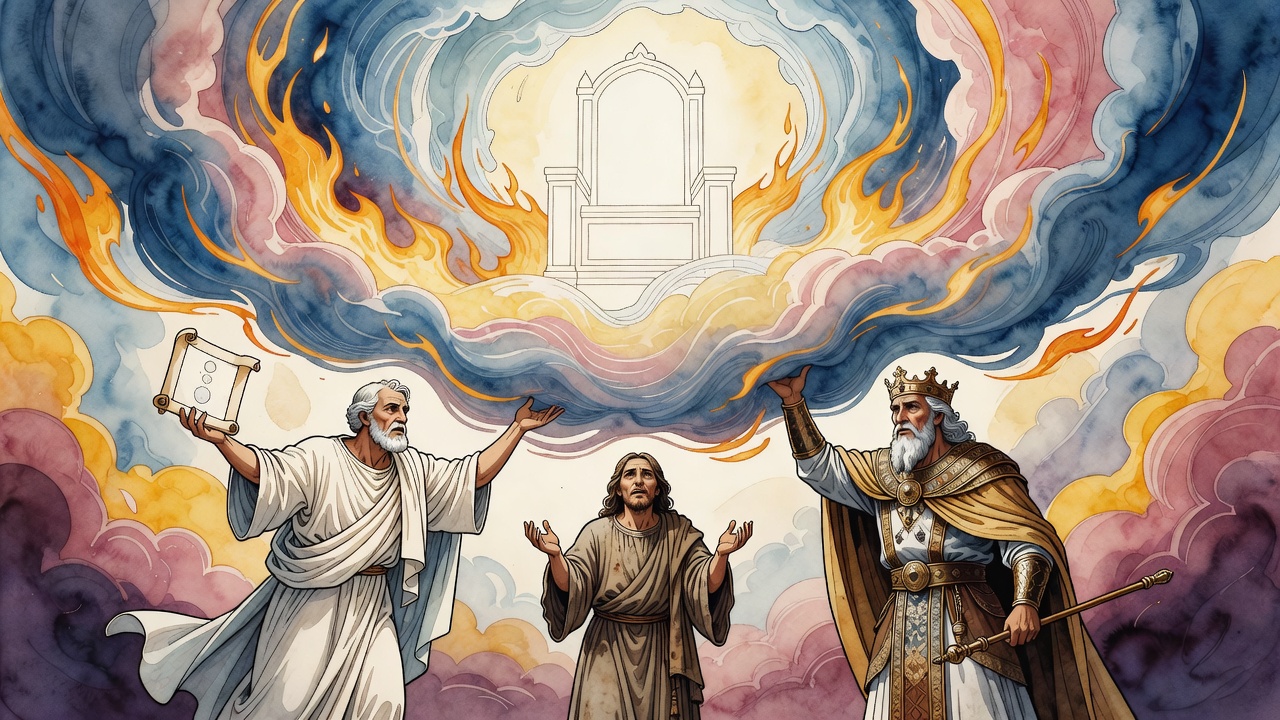
Eliezer still ran the house. Abraham looked at the dark and asked what was left to give. Years later a king came to the well for peace.
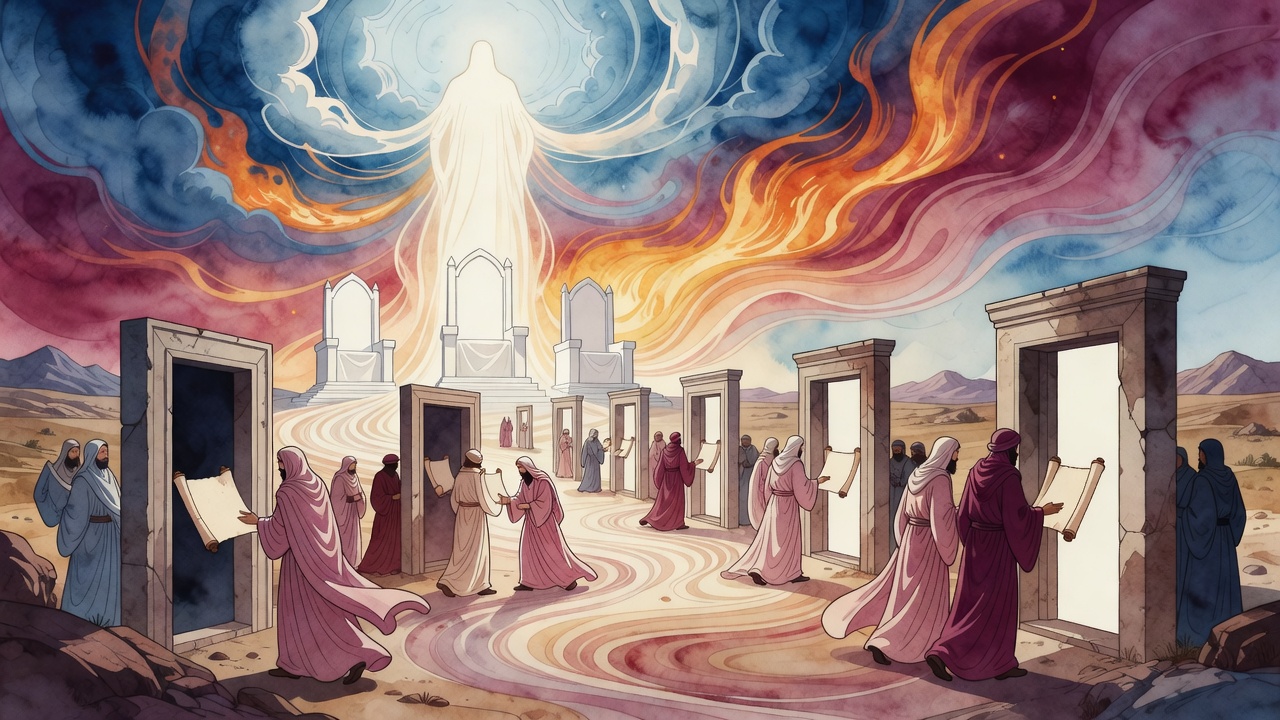
Cedars cracked and the hills ran. Houses filled with light that had no lamp behind it. The nations went looking for Balaam to ask what was coming.
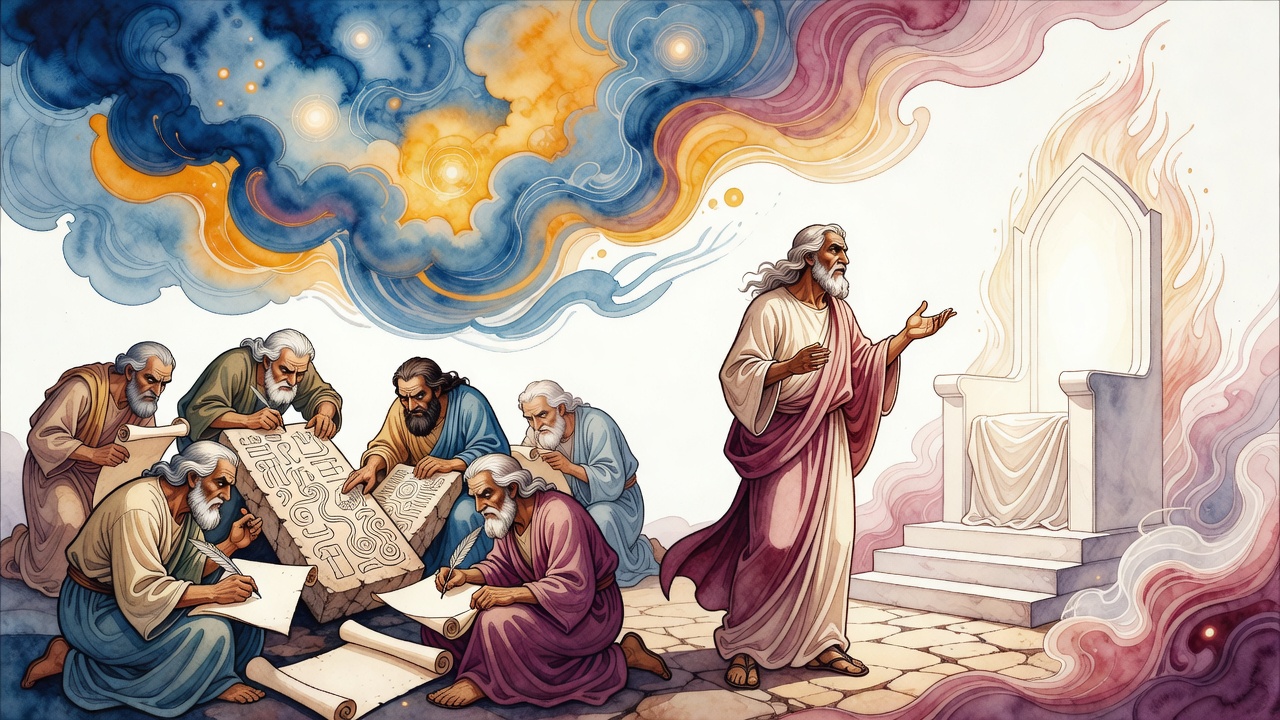
Pharaoh had his advisers go through every oath the God of the Hebrews had sworn, looking for a gap. They found one. They chose the river.
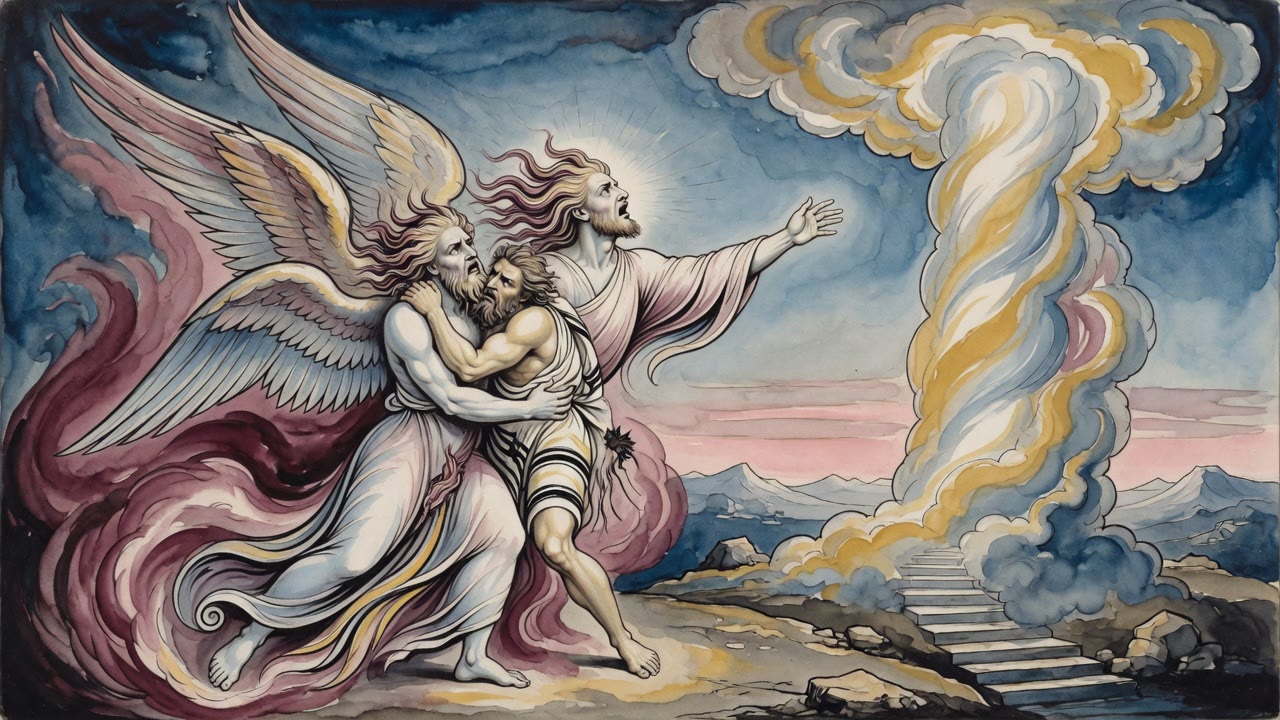
A king moved mute tenants into his new palace. They greeted him at dawn with fingers and a kerchief. He wanted voices instead.
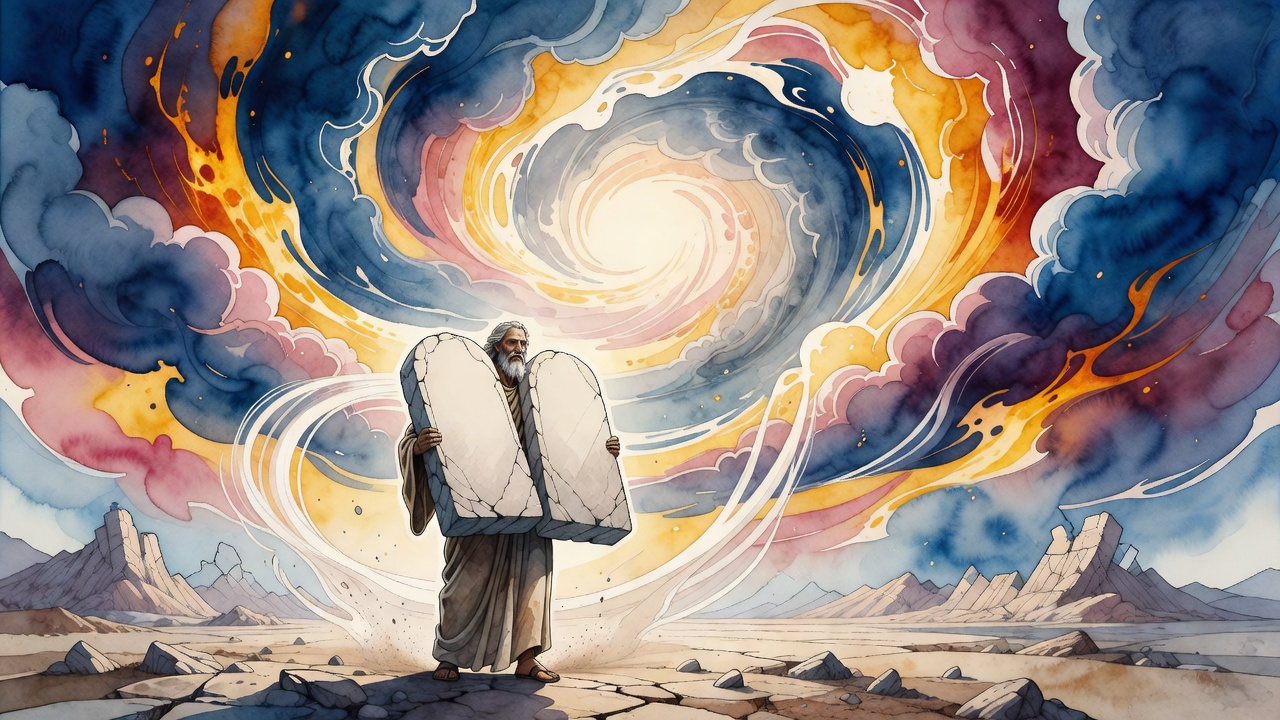
After the Golden Calf, Moses holds stone carved by human hands. Devarim Rabbah says God signed it with the word that begins and ends all creation.
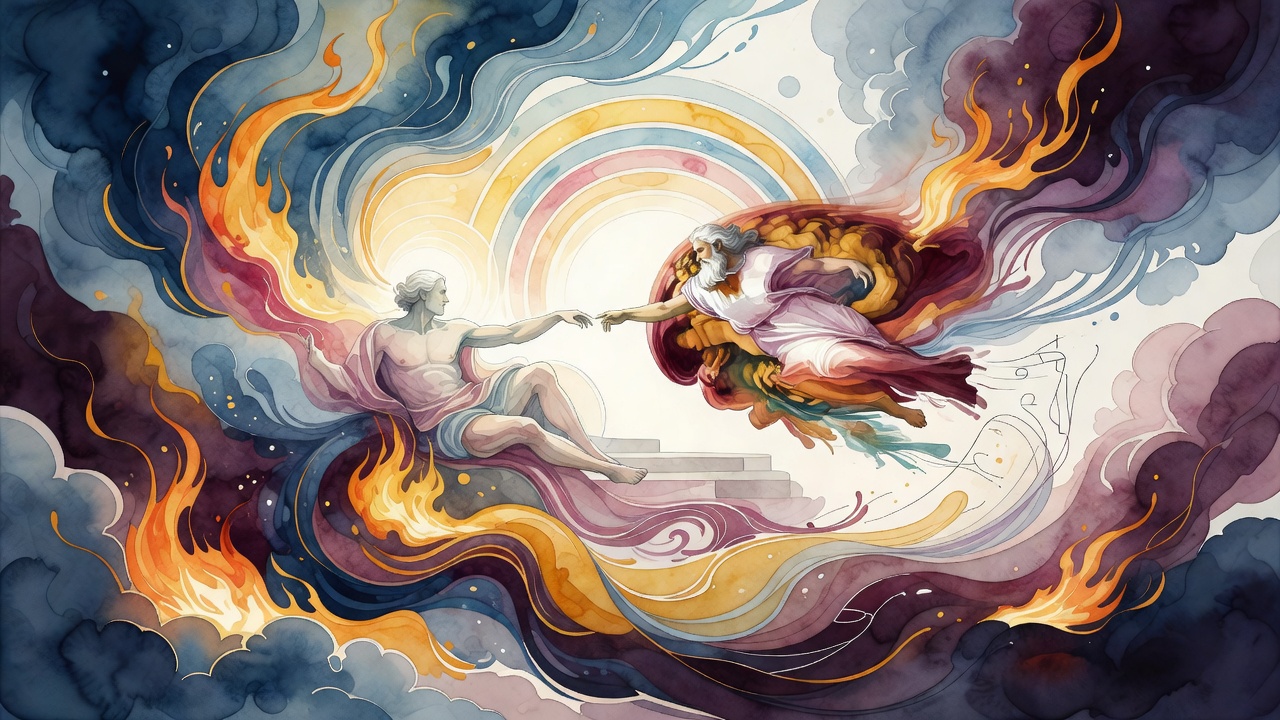
Adam stood in the river Gihon with the water up to his neck for a hundred and thirty years, waiting to hear whether the court had finished with him.
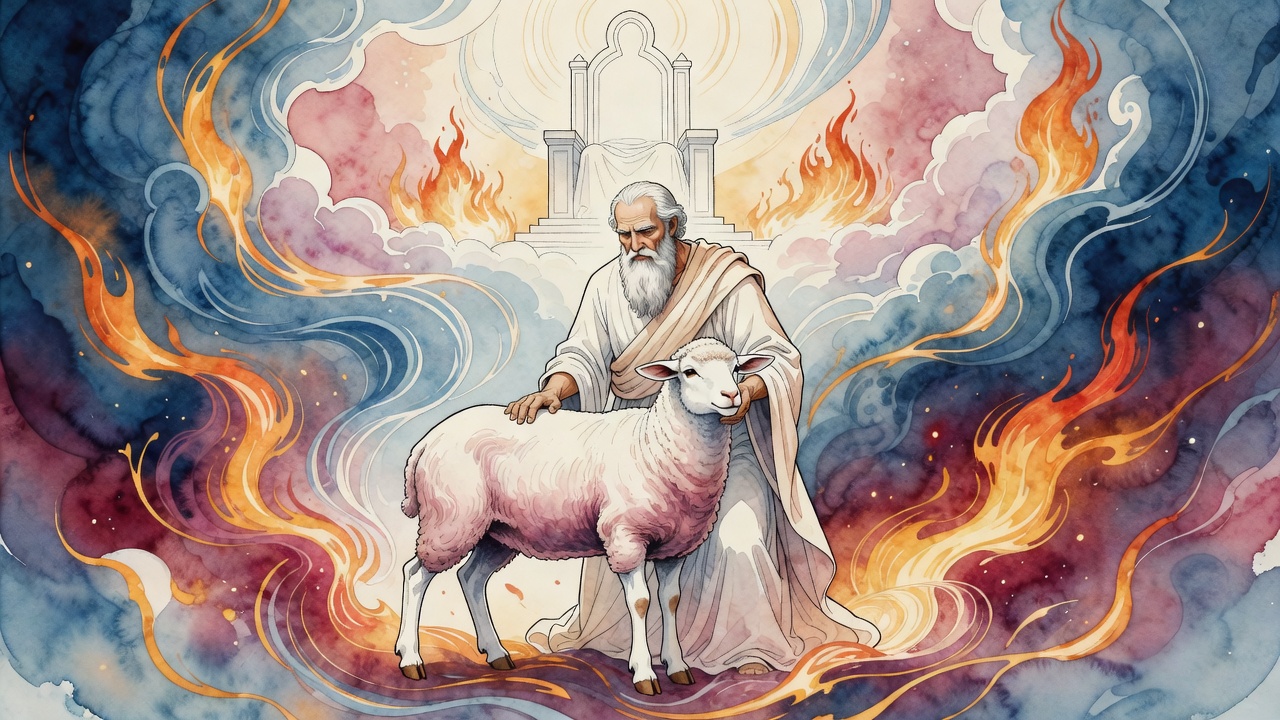
The sentence against the first man was handed down on a Friday. It was not carried out until Saturday night, and he spent the day in between shining.
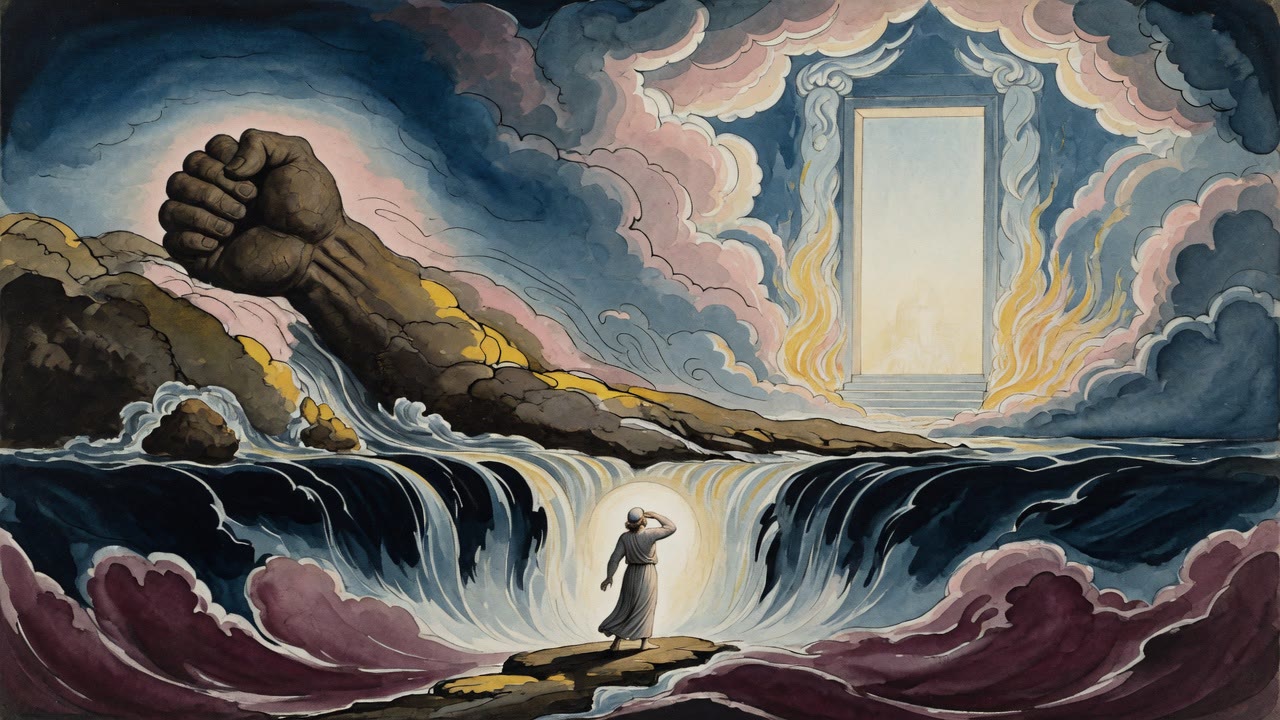
Earth pulled itself to the gate before heaven could look lazy, and Ben Zoma stared at the gap between waters until the world took him.
