308 myths · Page 2 of 11
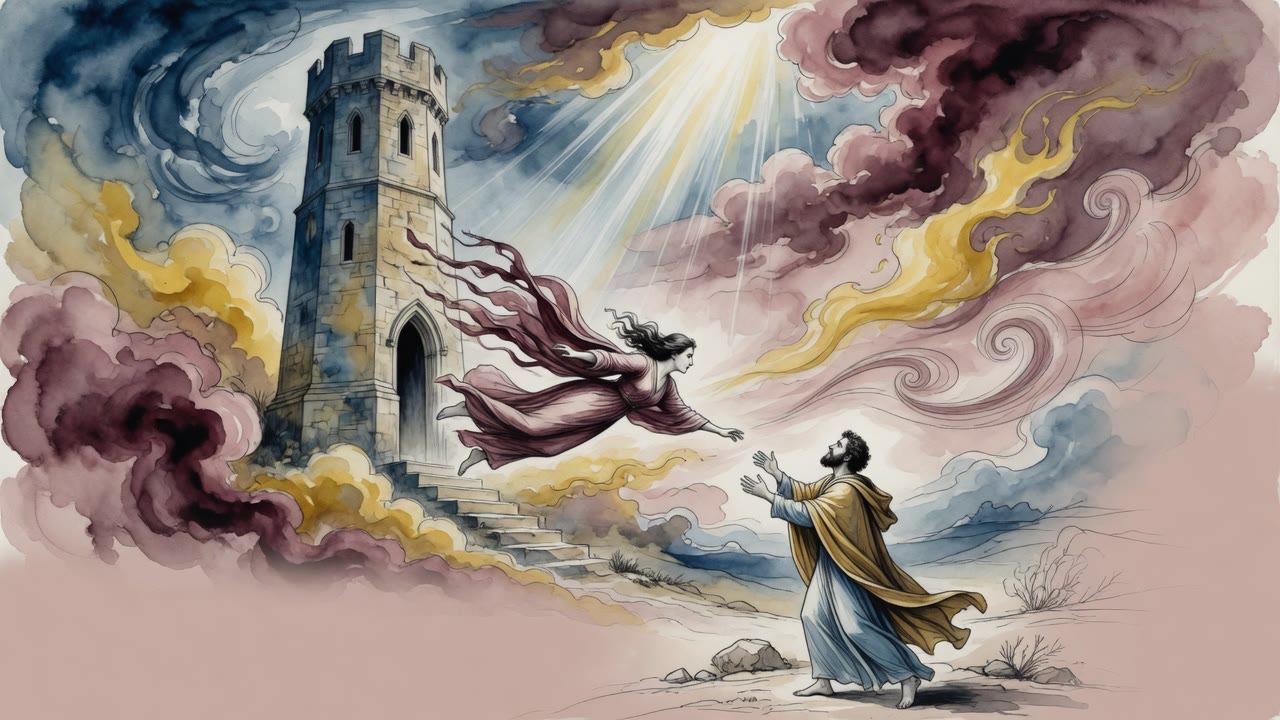
Twenty years after she sent him to Haran, Rebecca was still in the tower. A runner shouted that Jacob was on the road.
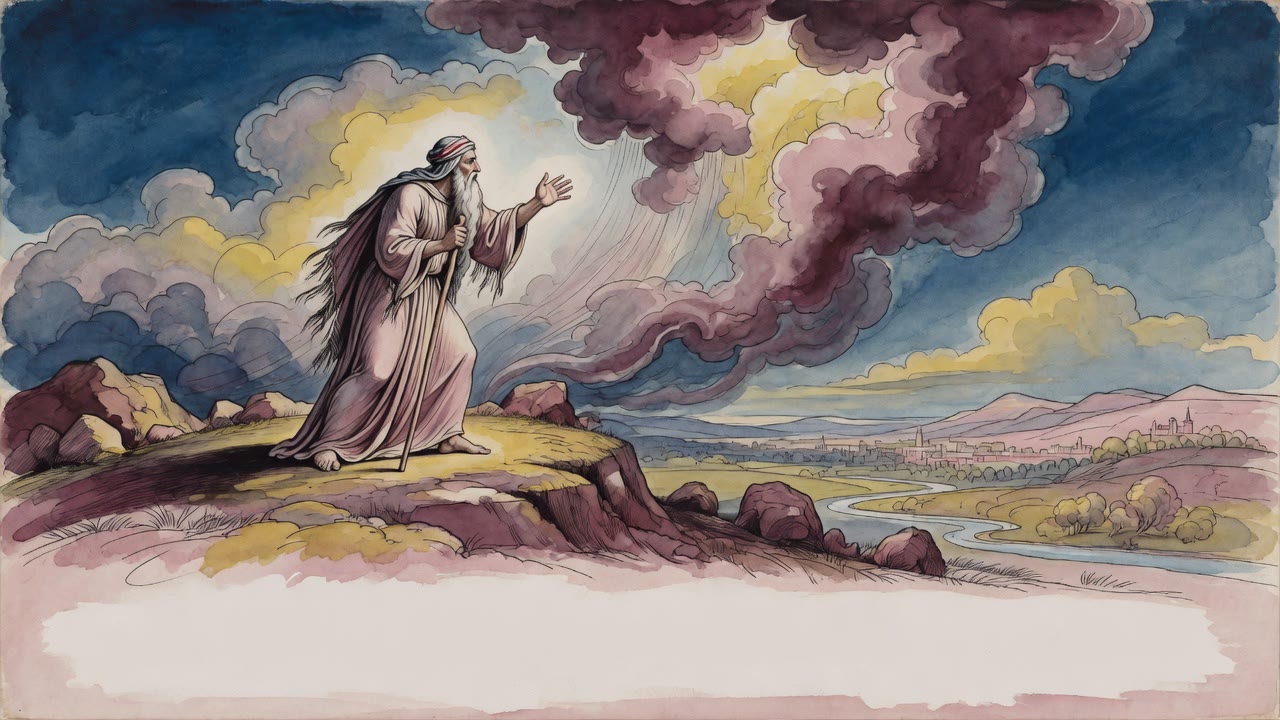
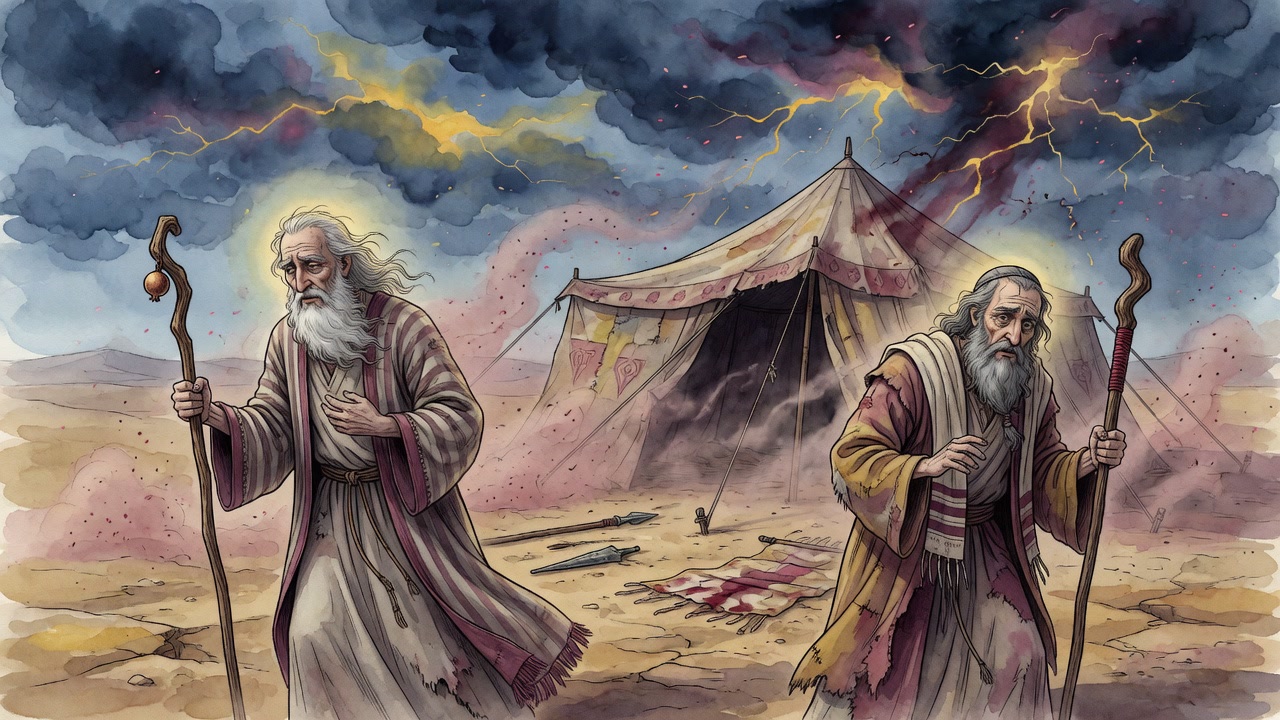
At the border he will never cross, Moses tells God that Adam broke one command and died, while he broke none. So why must he die too?
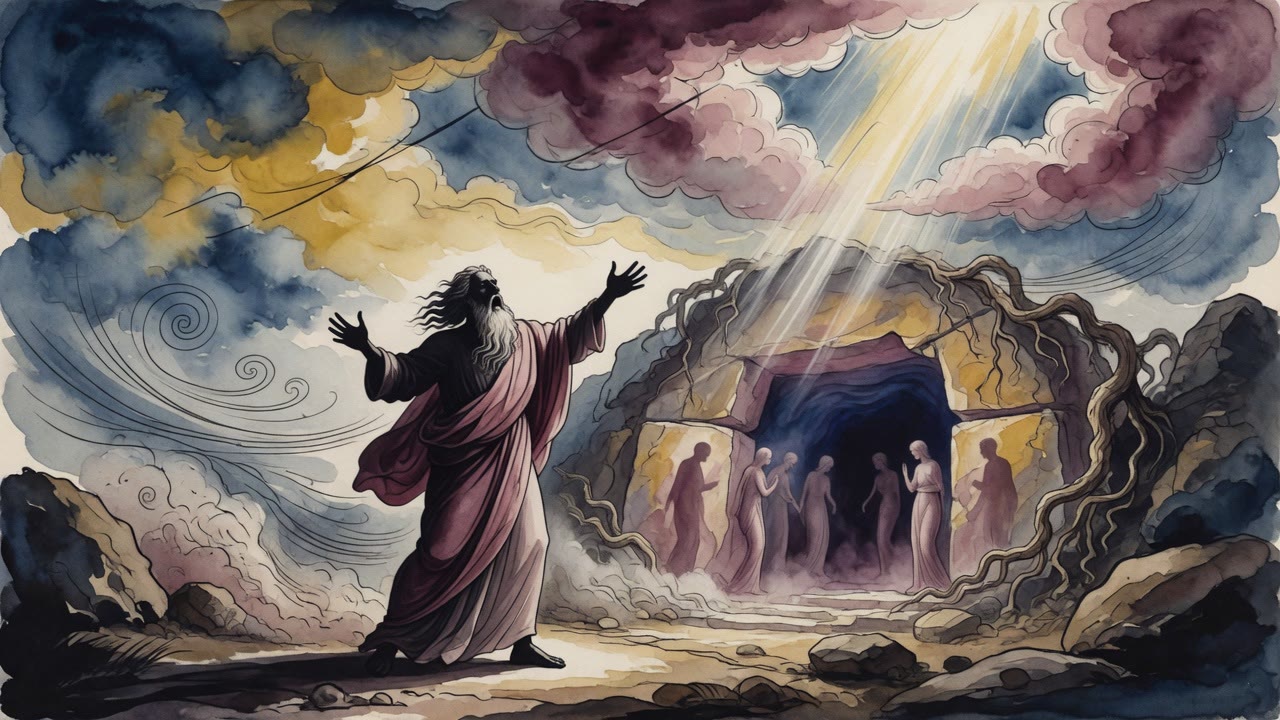
Five angels of wrath were already moving toward Israel. Moses ran to the cave at Hebron and begged the buried patriarchs to stand and intercede.
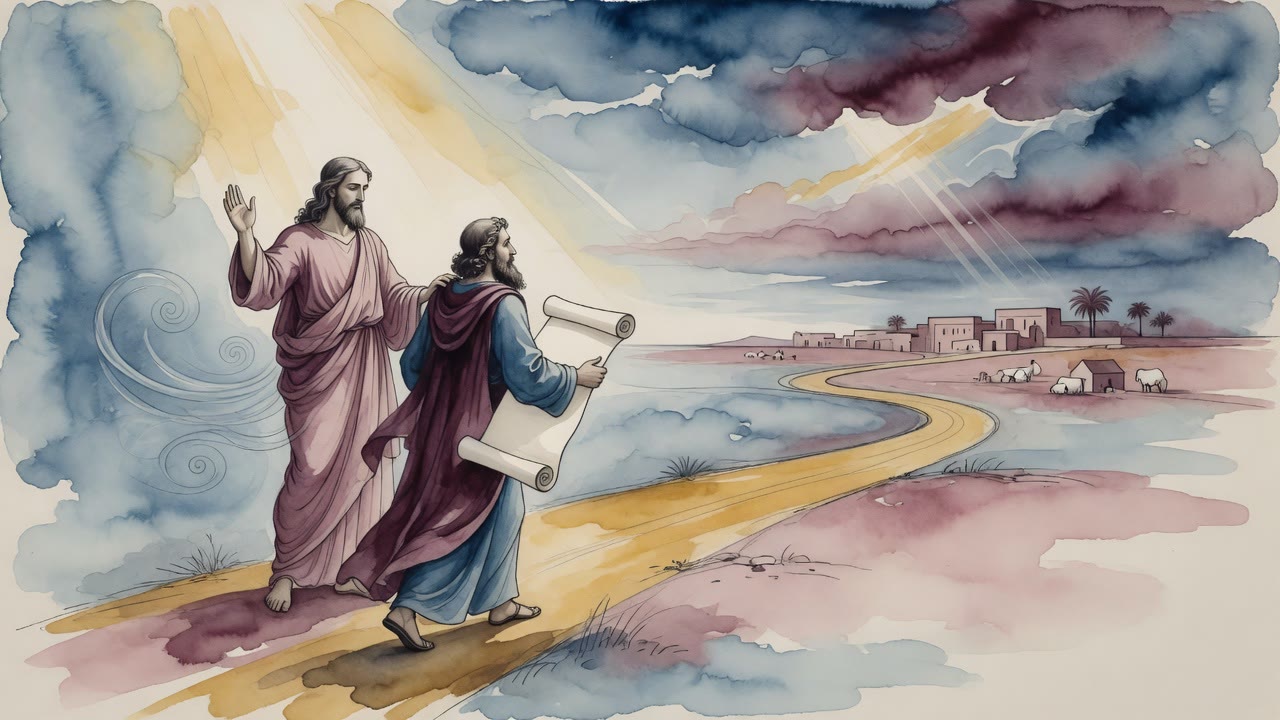
For twenty-two years Jacob secretly blamed Judah for selling Joseph. Then on the road down to Egypt, he handed Judah the keys to the family's future.
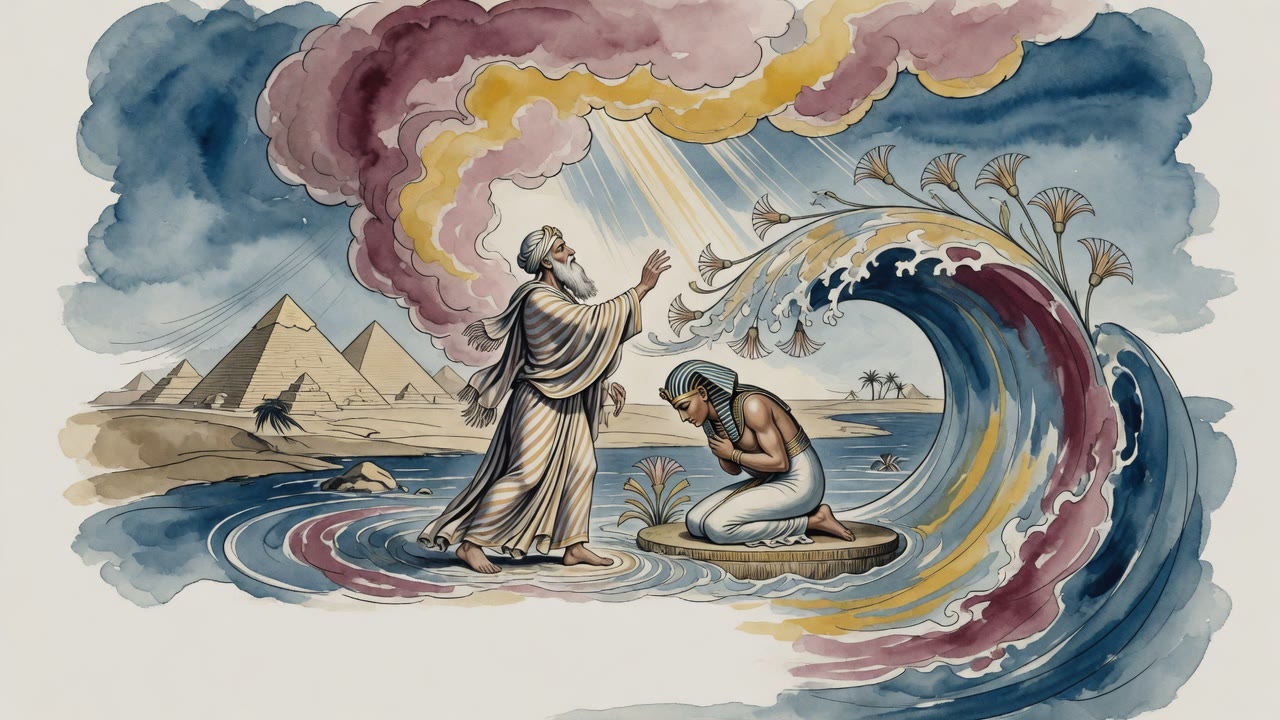
A hundred and thirty years old, leaning on a staff, Jacob walked into Pharaoh's throne room and blessed the most powerful man in the world. The Nile answered.
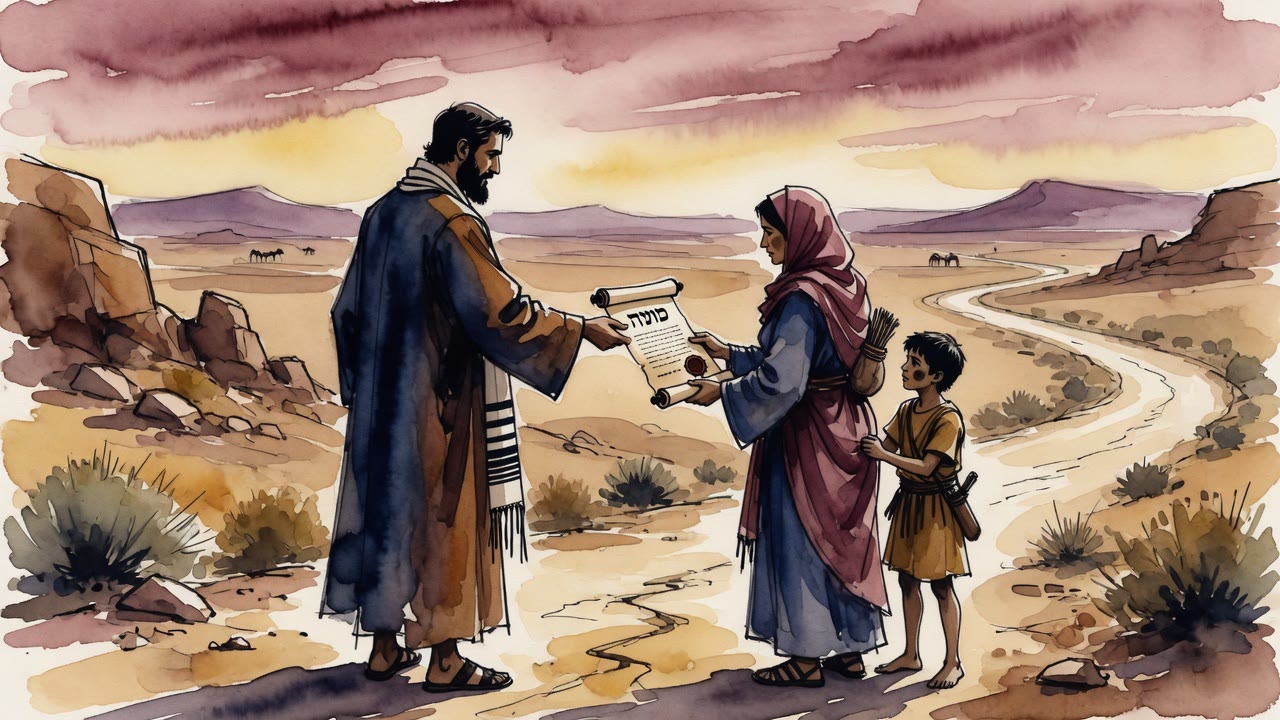
Sarah wanted the slave and her son out of the house. Abraham did not argue with his wife. He argued with God, and God told him to do what she said.
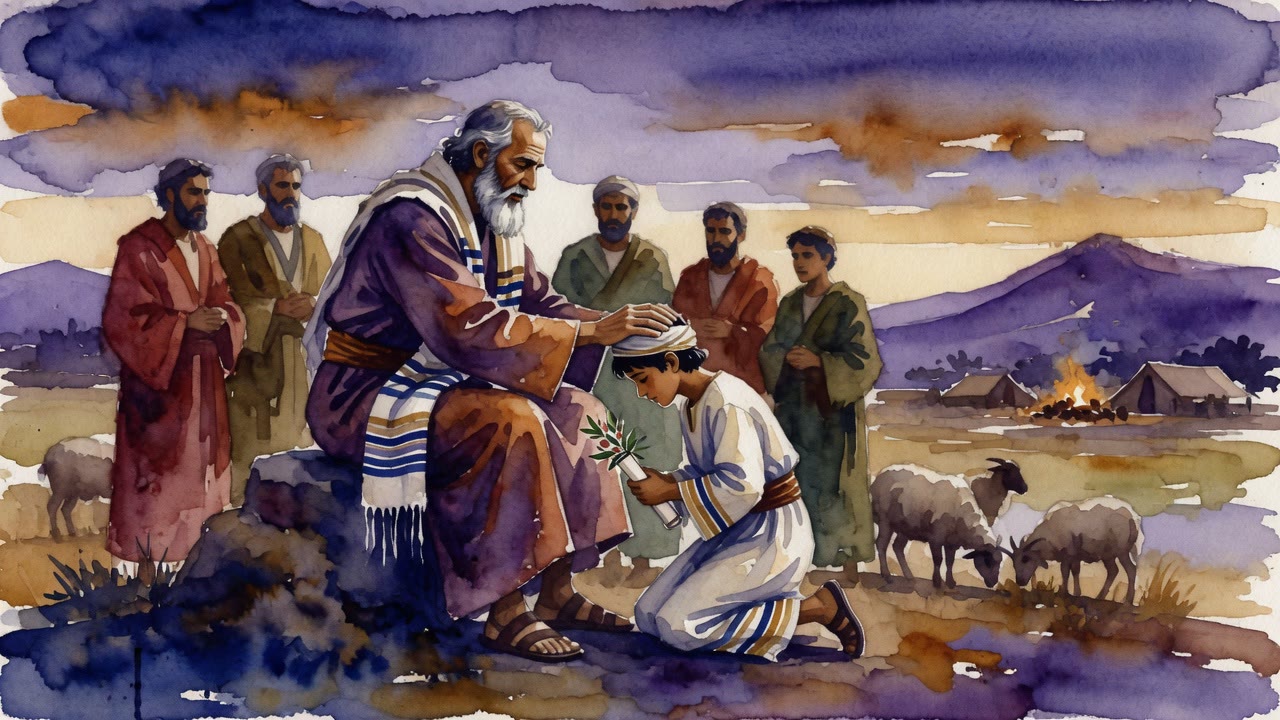
Centuries before a single Levite served in the Tabernacle, Jacob counted his sons at Bethel and picked one out for God. It was not the one you would expect.
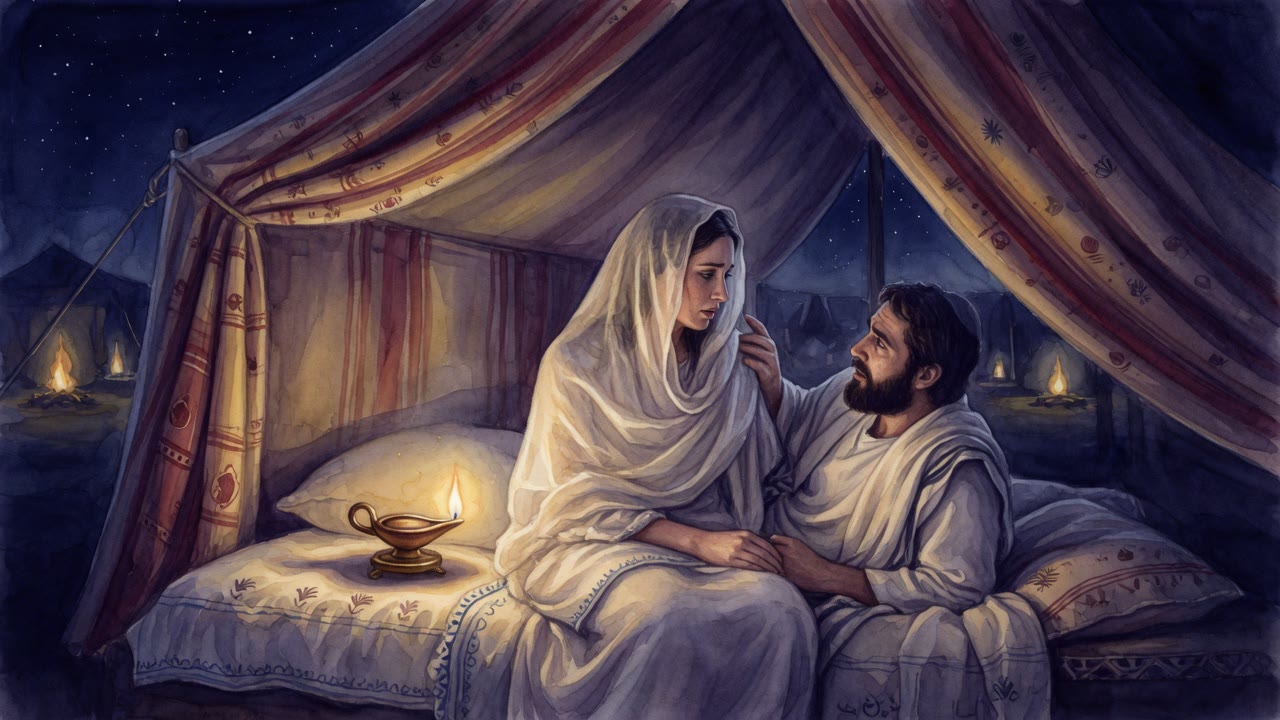
Laban spent the town's pledges on wine and meat. All day the guests sang two words into Jacob's face. He smiled and never heard them.
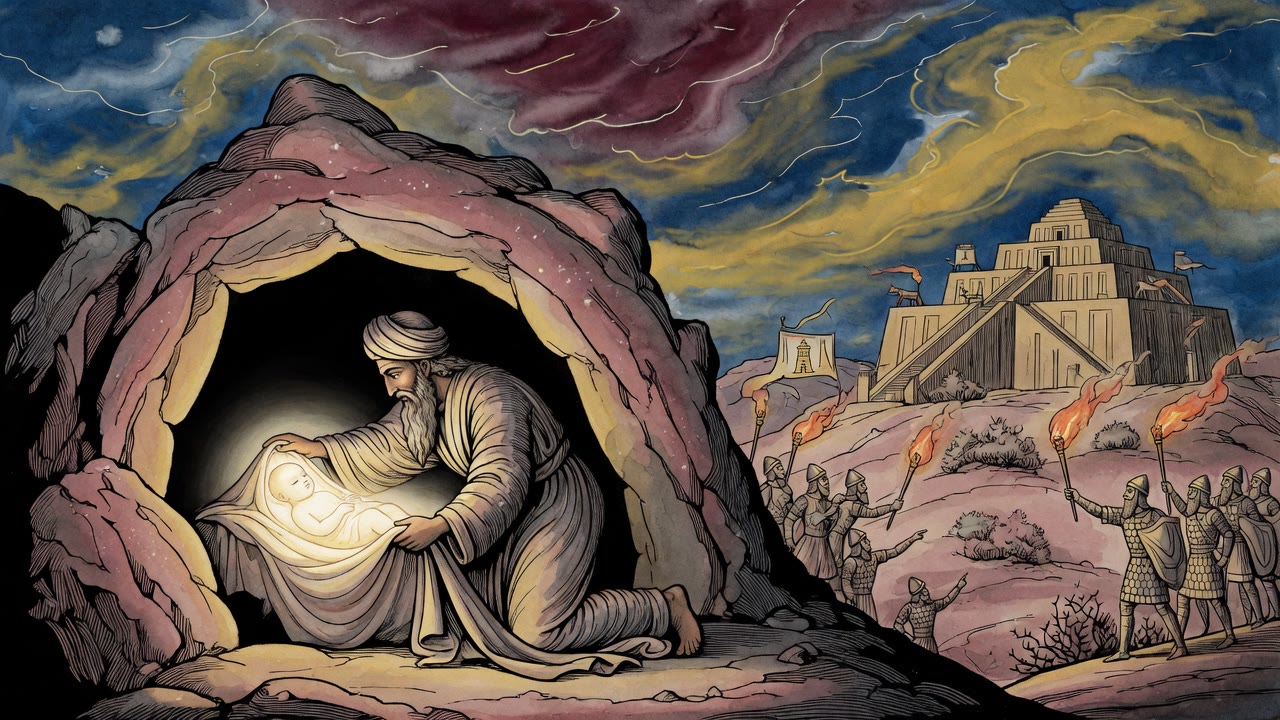
The Torah introduces Abraham as a grown man. The older traditions say his father had already saved his life once by swapping him for a slave child.
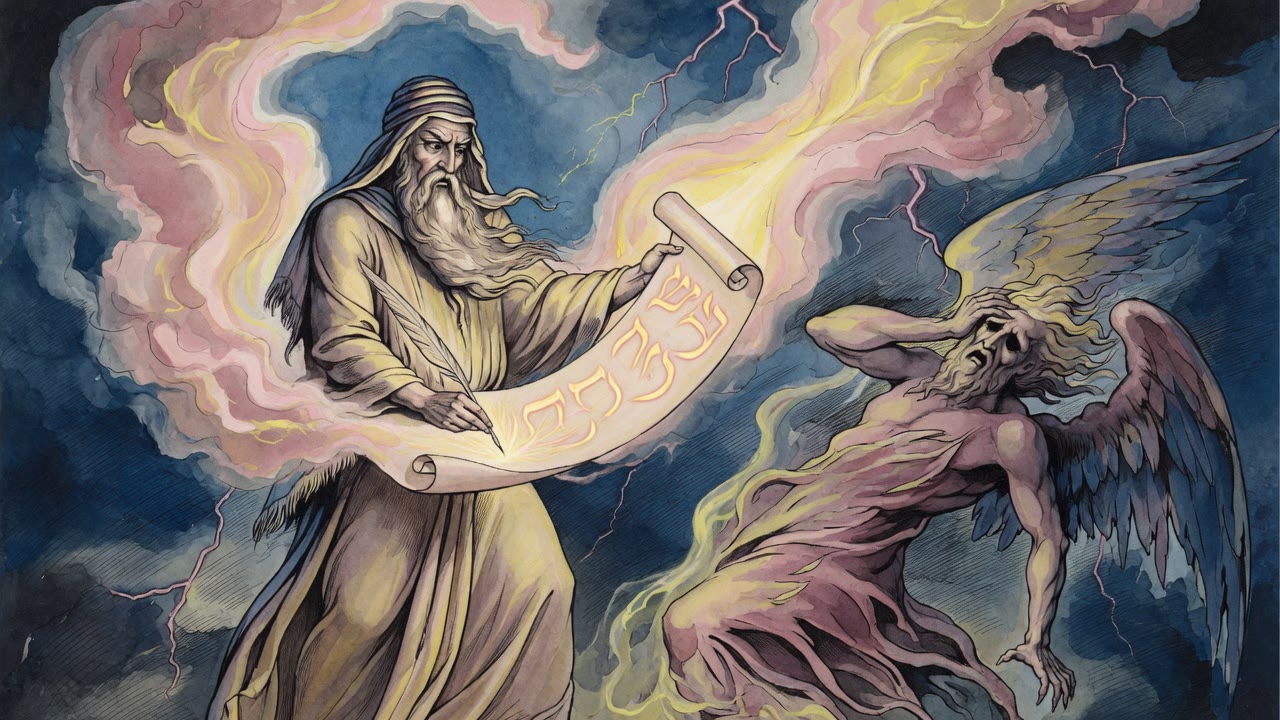
Joshua cast lots to divide Canaan among the twelve tribes. The rabbis said the lots already knew the answer. Jacob had written it four centuries earlier.
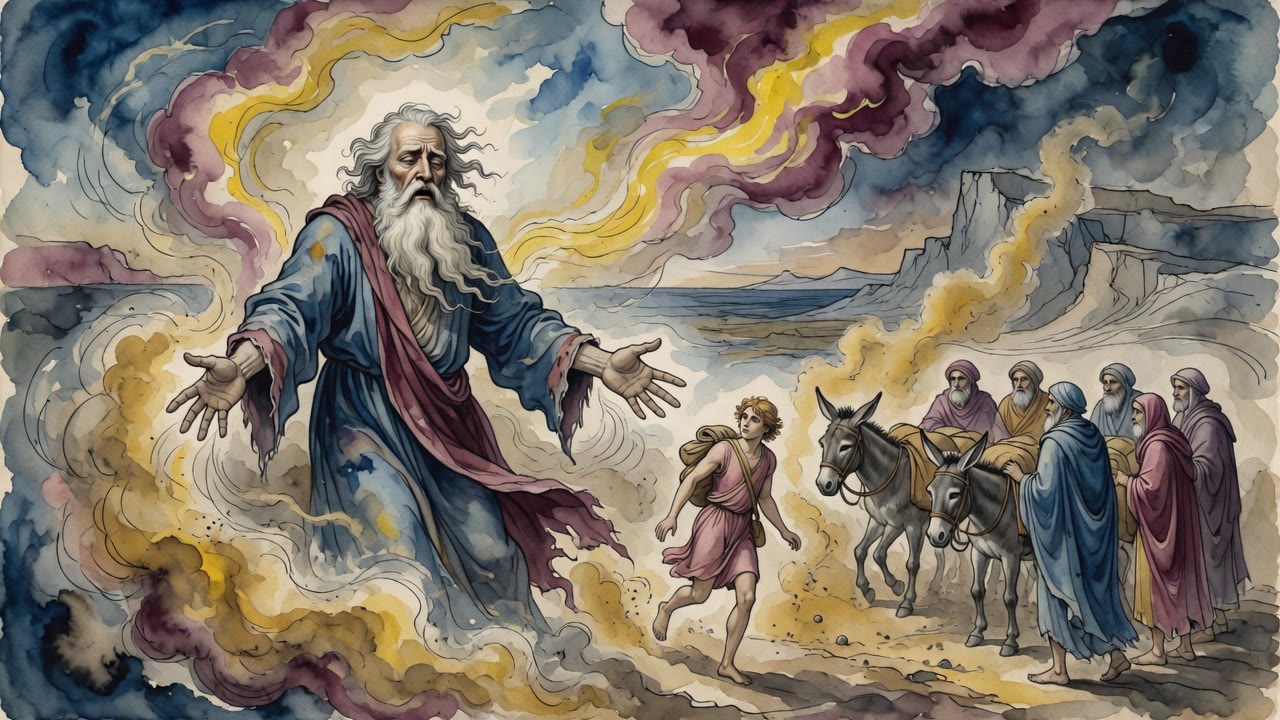
Benjamin was the last son Jacob could bear to lose. When famine pressed hard enough, even a father twenty-two years into grief had to open his hands.
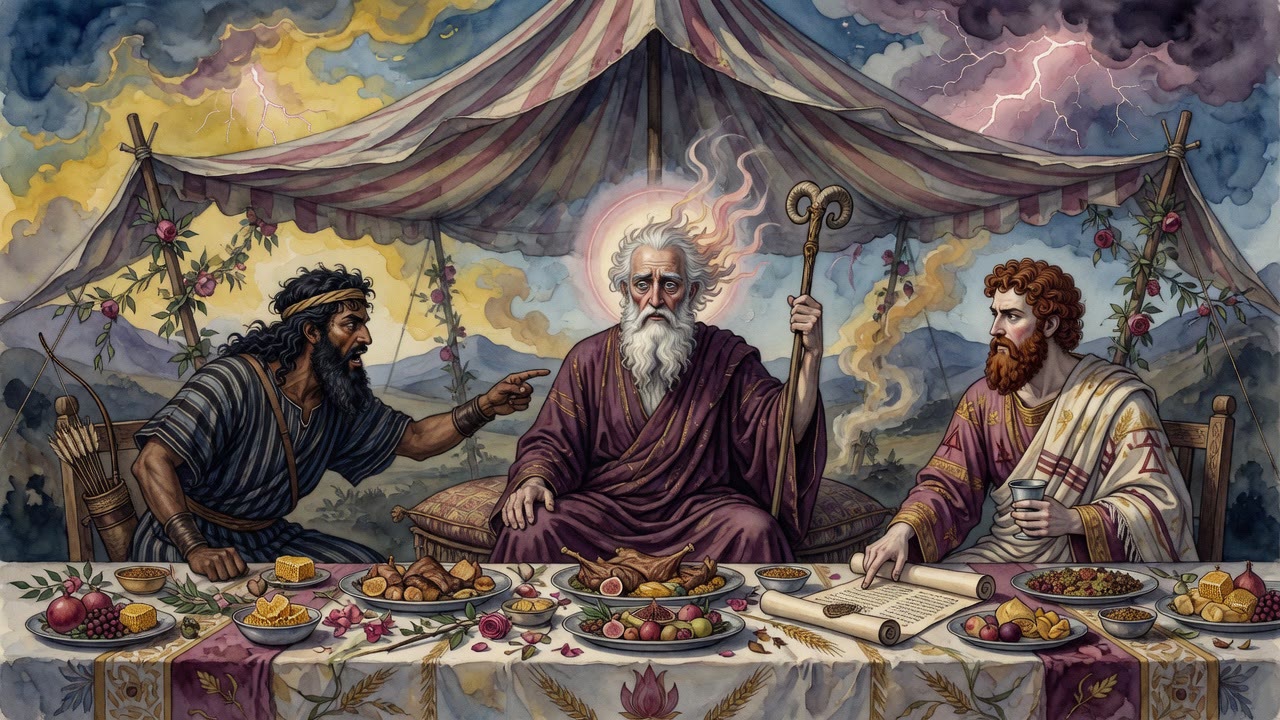
Two half-brothers arrive at Abraham's final Shavuot feast and argue over who deserves the covenant, and who has proven more.
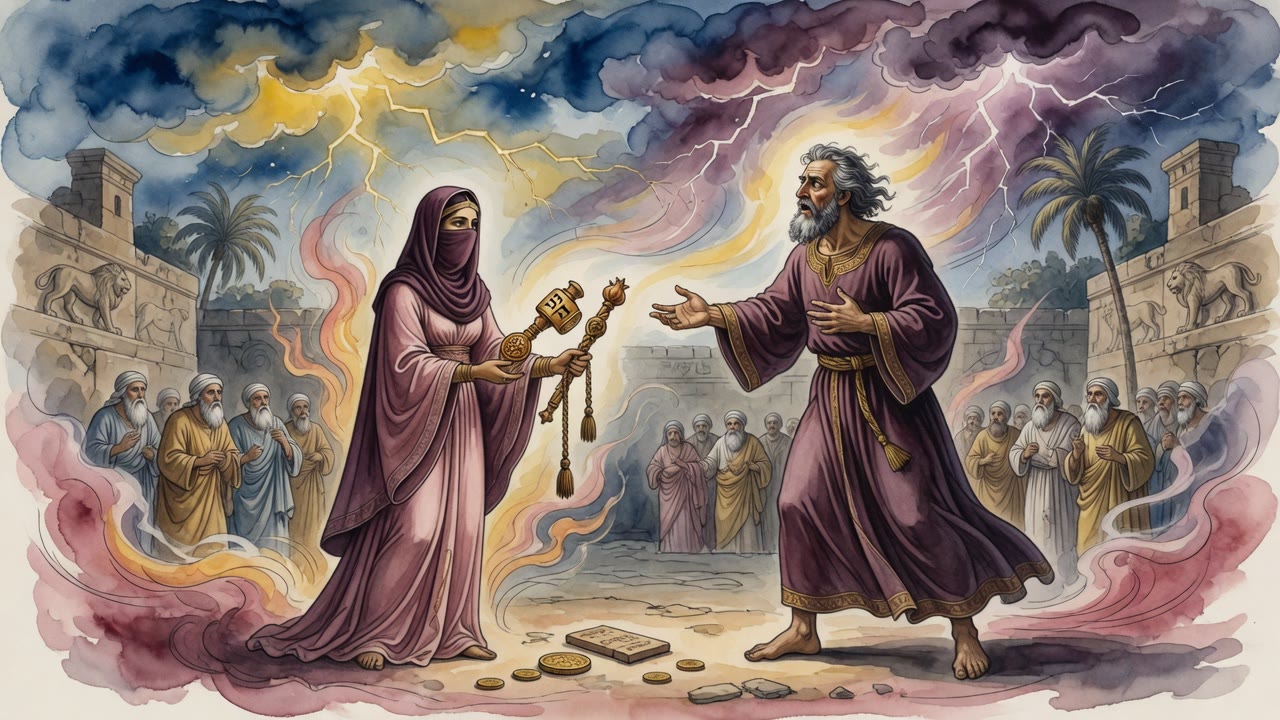
When Tamar revealed the signet ring and staff, Judah faced a choice, deny everything or admit that he had wronged her. He chose to speak.
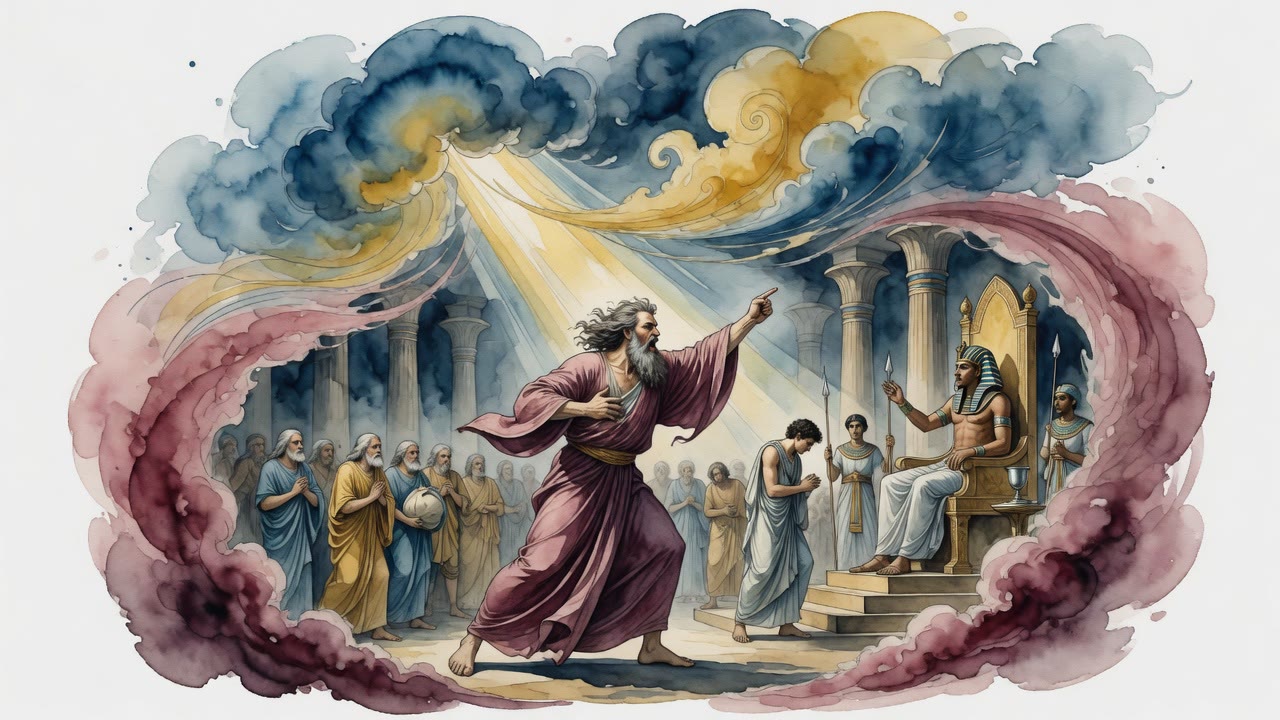
When Joseph was thrown into the pit naked, God sent Gabriel to clothe him. That angel never left, guiding him to his brothers, shielding him in Egypt.
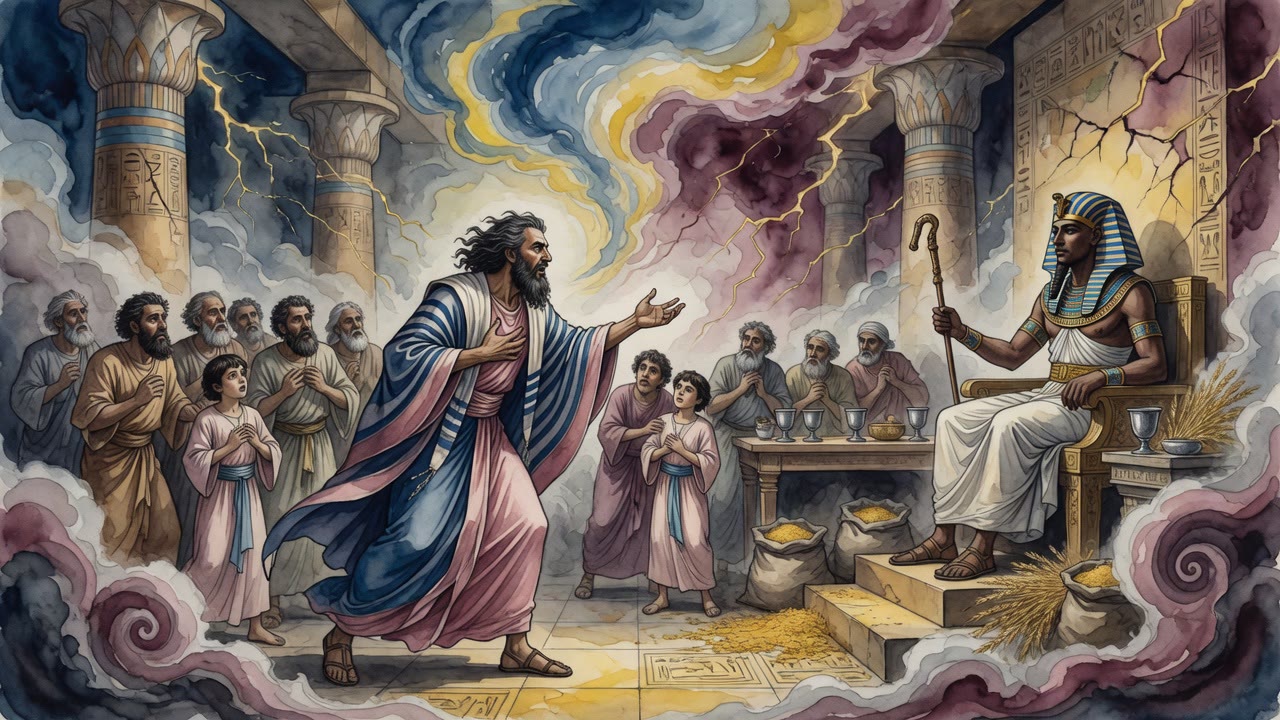
Nine brothers agreed to leave the boy in Egypt. Judah put bars of brass between his teeth, bit down, and spat the metal out as powder.
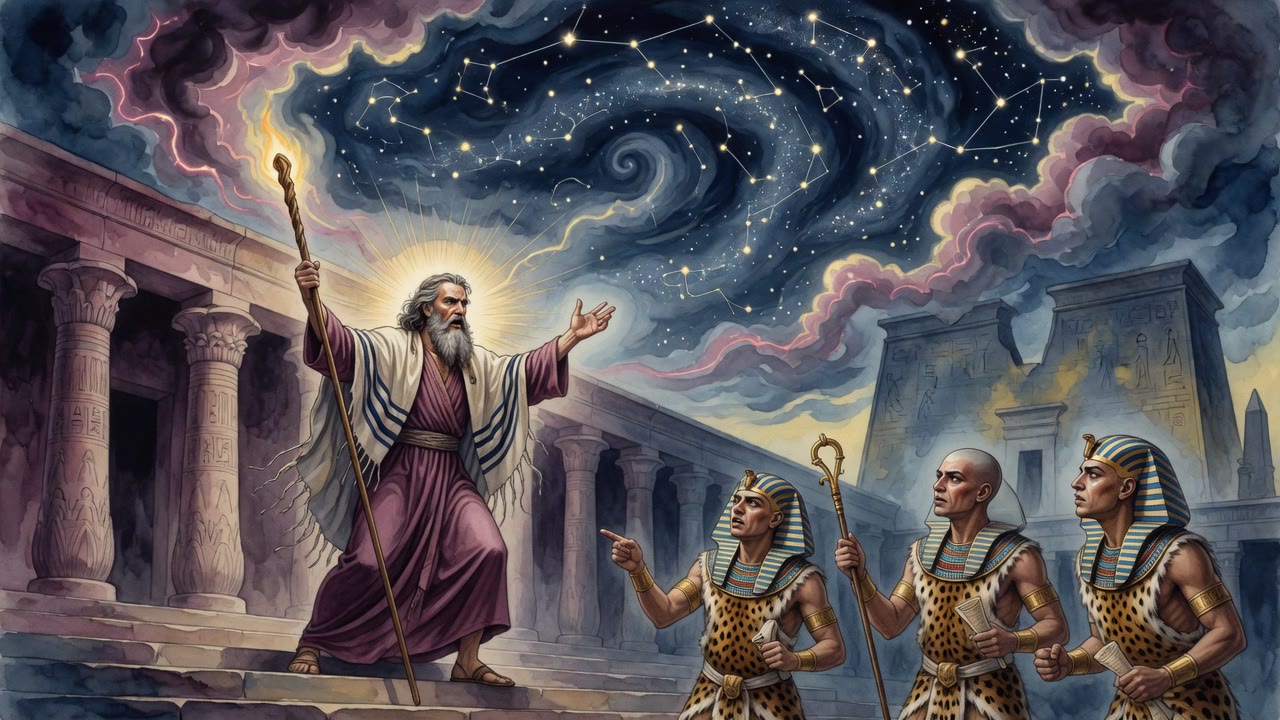
Abraham entered Egypt to debate its priests, not just escape famine. When he left, Pharaoh was plagued and the Egyptians had learned arithmetic.
Abraham had killed the sons of a righteous man and rode home expecting to be cursed for it. Shem came out on the road carrying bread and wine.
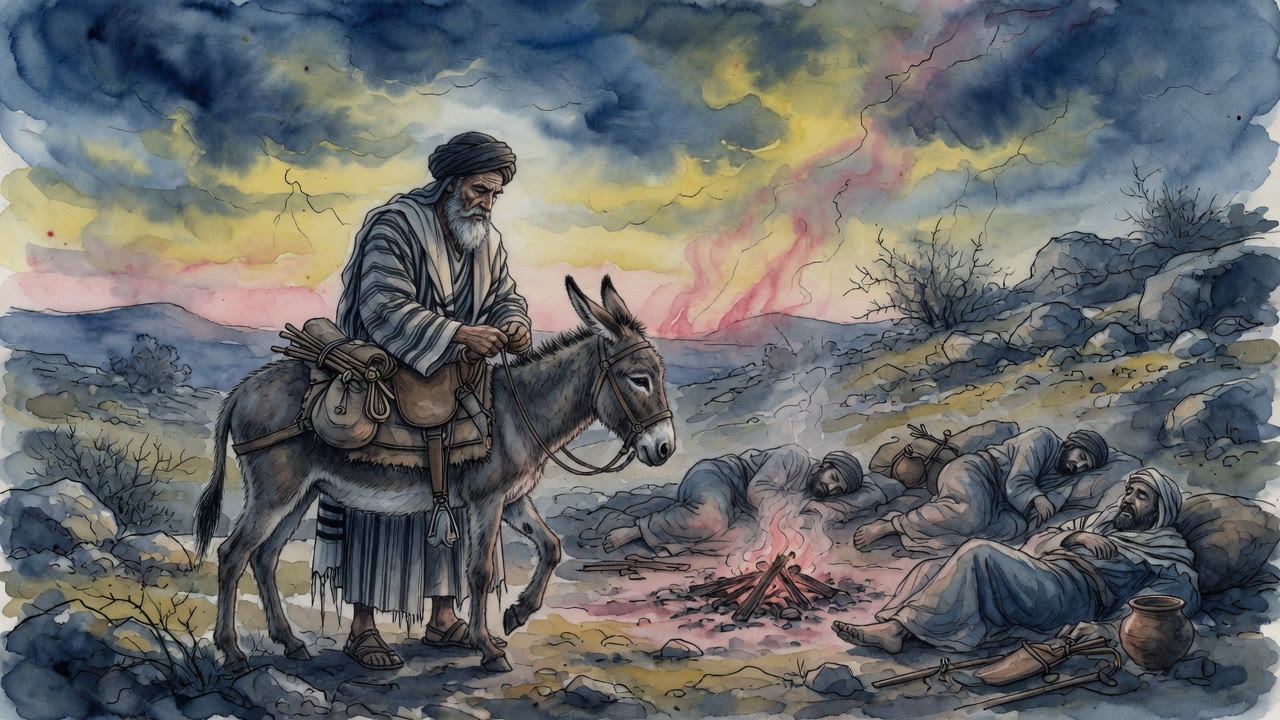
Servants slept in the tents. Abraham took the leather himself. Isaac was still breathing in the dark, and the road to Moriah would not wait.
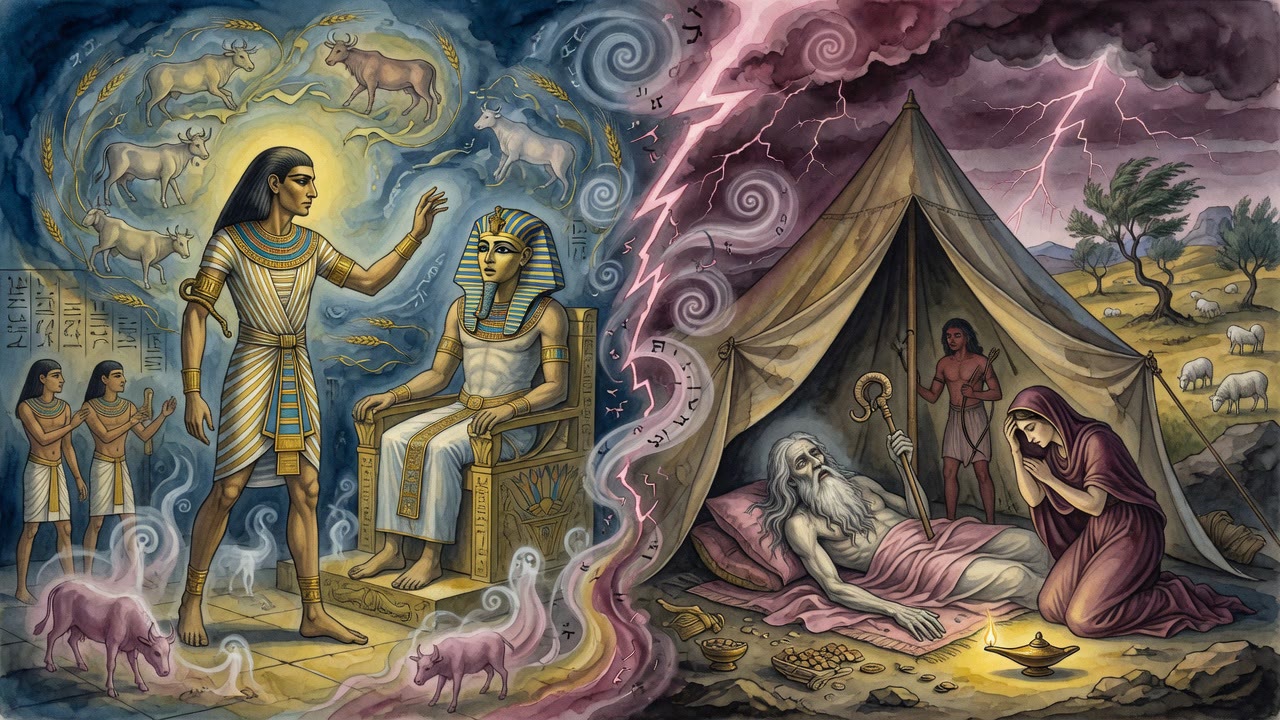
Joseph left the cell in borrowed clothes to stand before Pharaoh. In Hebron that same day, Isaac's eyes closed. The grandfather never saw the throne.
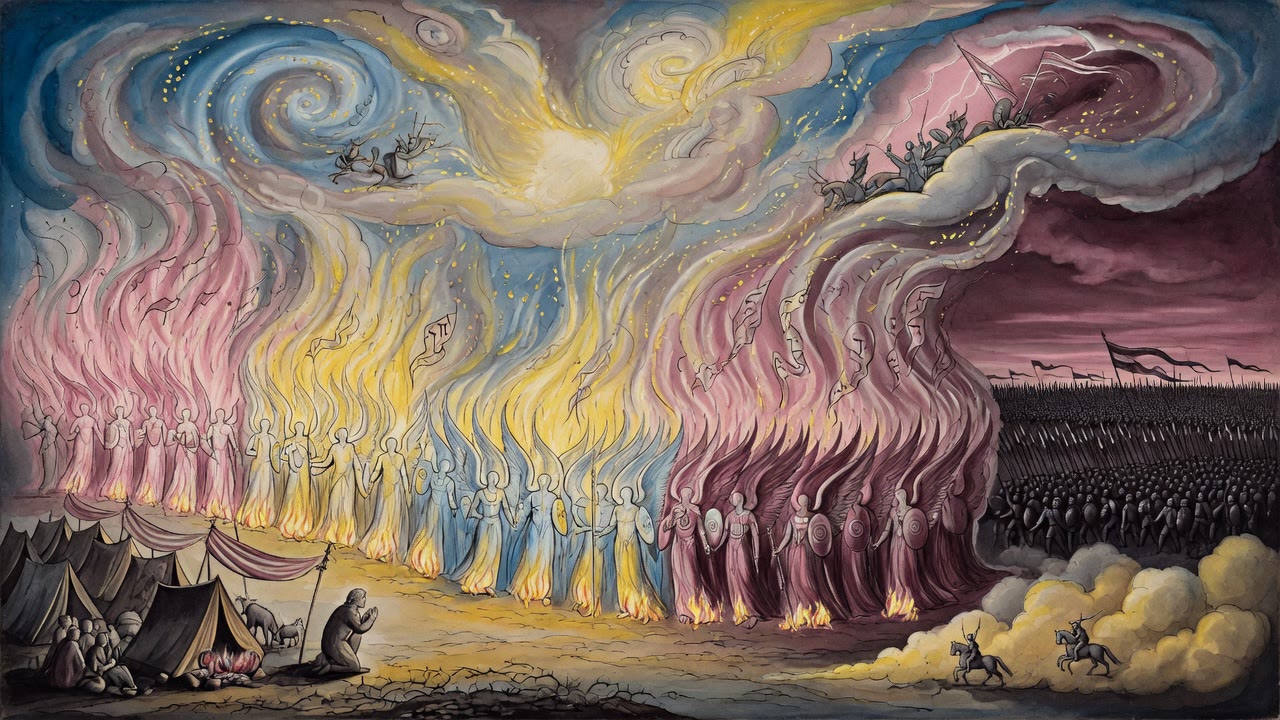
Esau came up the road with four hundred armed men. Something met them on that road in the night, and Jacob went to his grave not knowing.
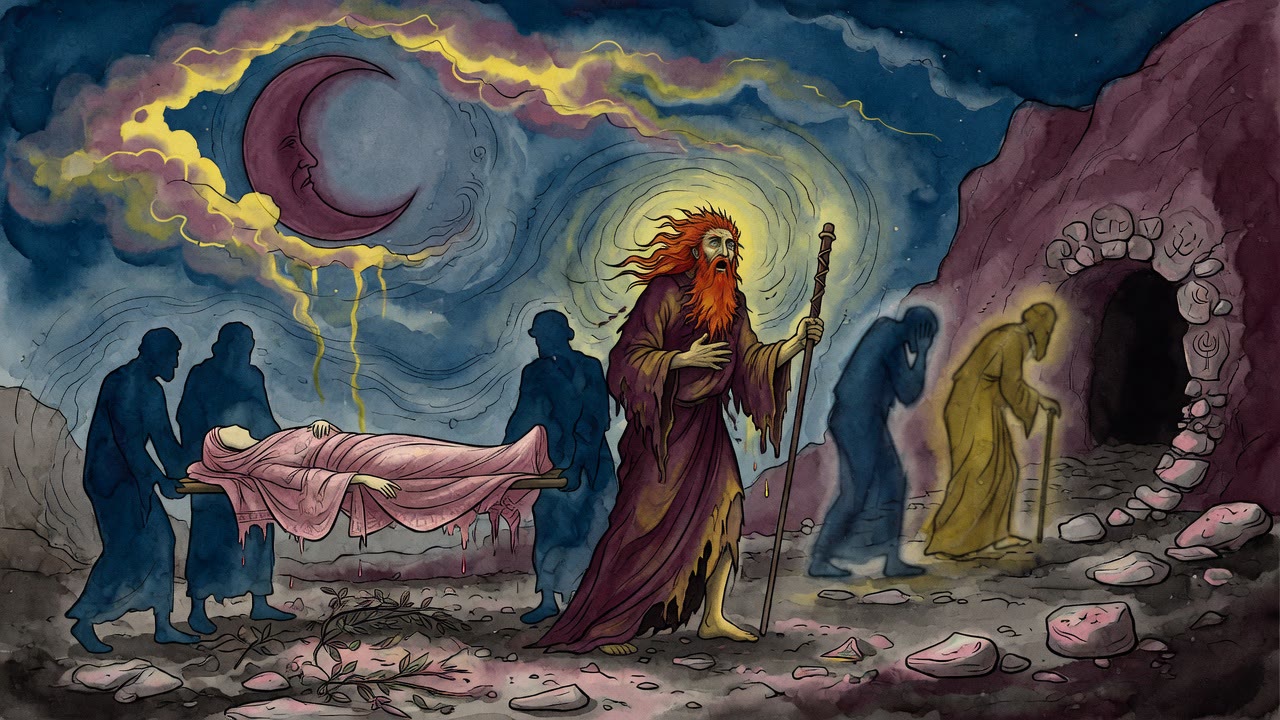
Rebekah died with only the disgraced Esau free to walk at the head of her burial, so the family carried her body out at night.
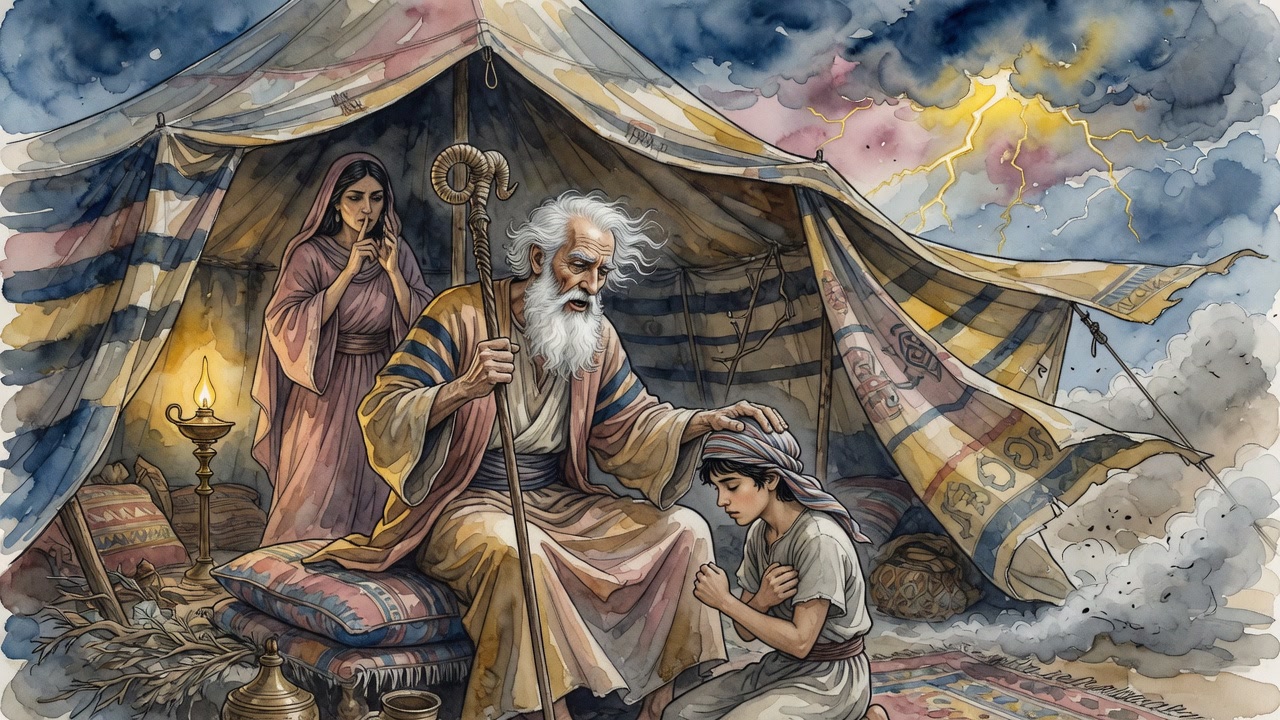
Old Abraham passes the tent flap and calls not Isaac but young Jacob to Rebecca's side, to hand him a blessing reaching back to Adam.
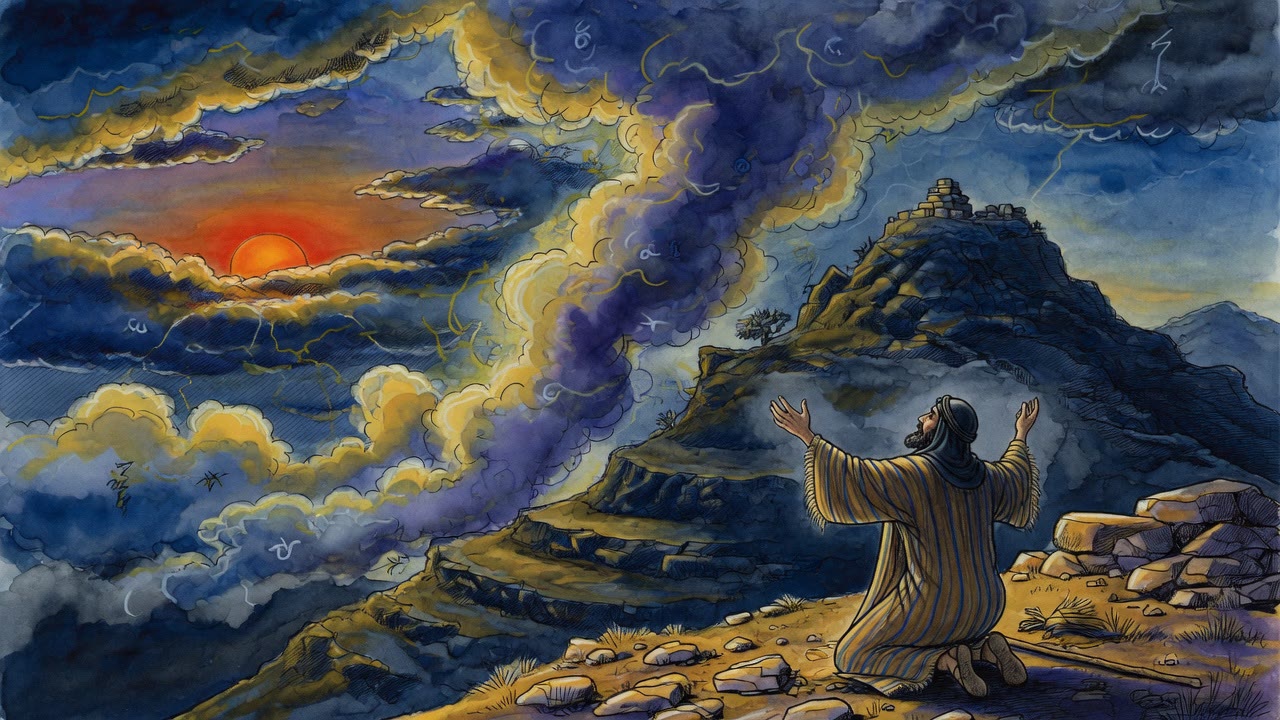
The sun dropped below the horizon at noon, and Jacob stood in sudden dark at the foot of Mount Moriah, two days from where he meant to be.
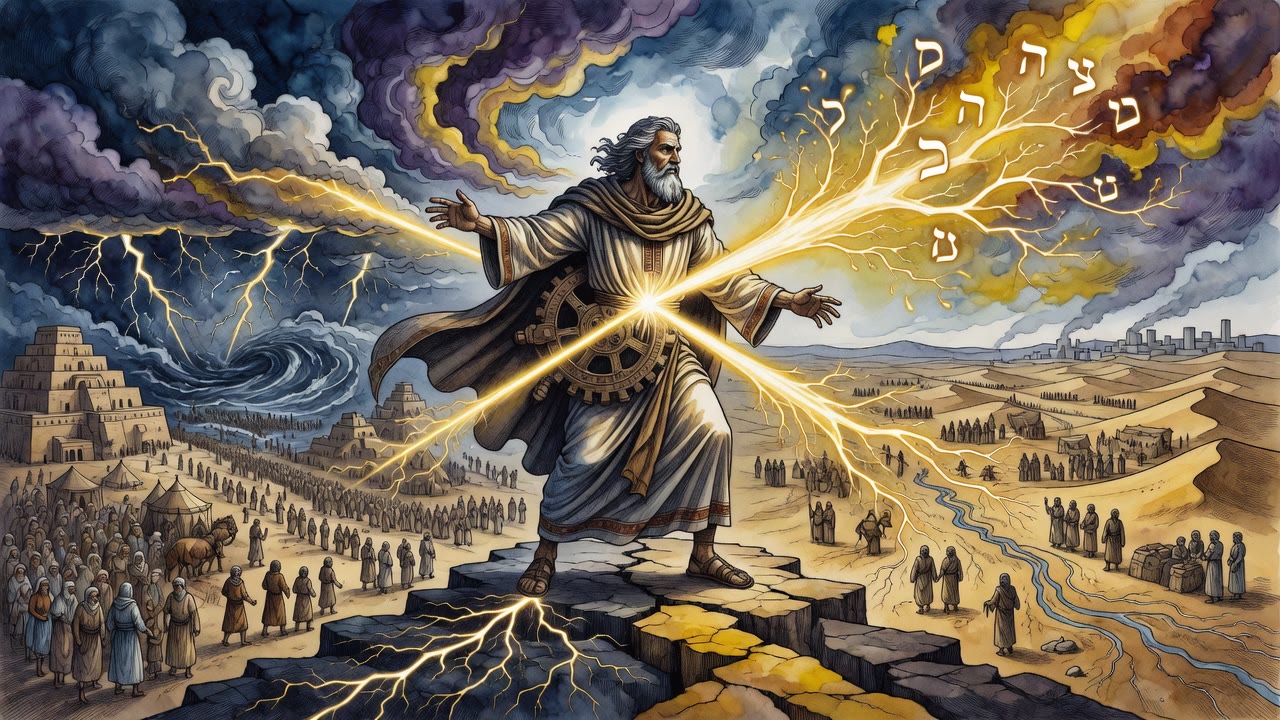
He looked up at the stars and believed a childless old man would father a nation. He was thrown into Nimrod's furnace for refusing idols and walked out alive.
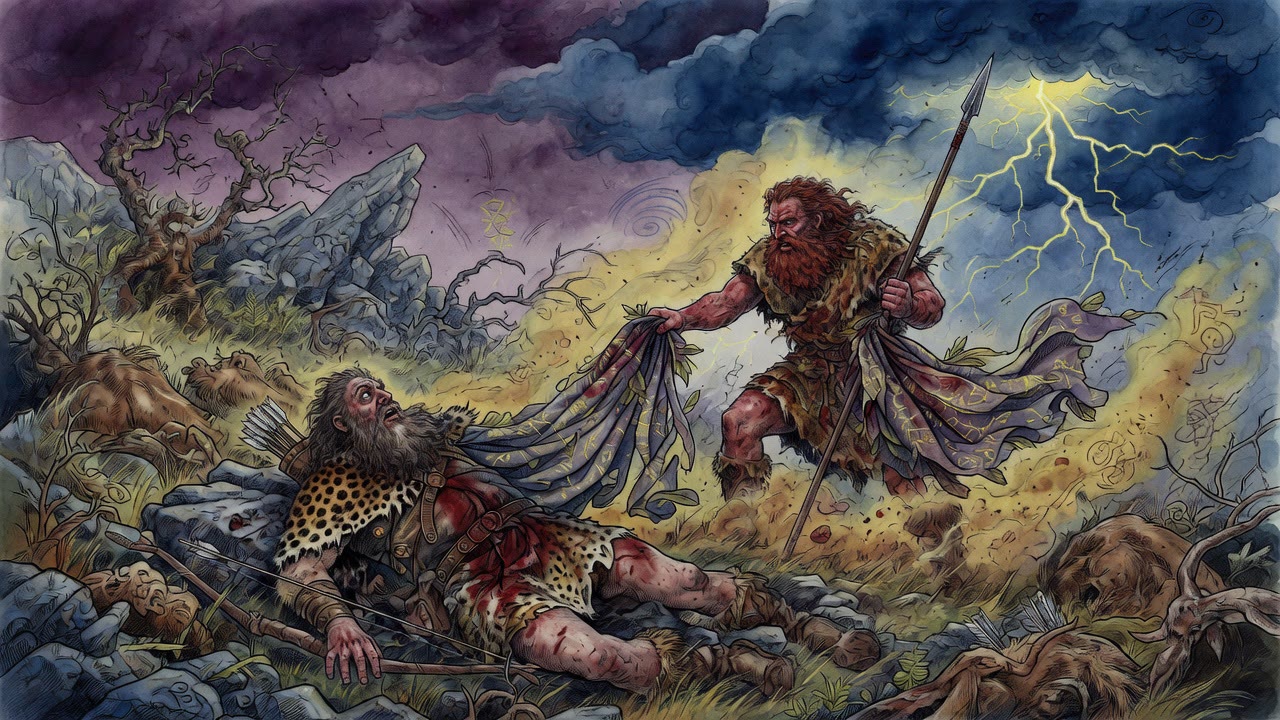
Before Esau sold his birthright, he had already killed a king. The clothes he stripped from Nimrod's body had belonged to Adam himself in the Garden of Eden.
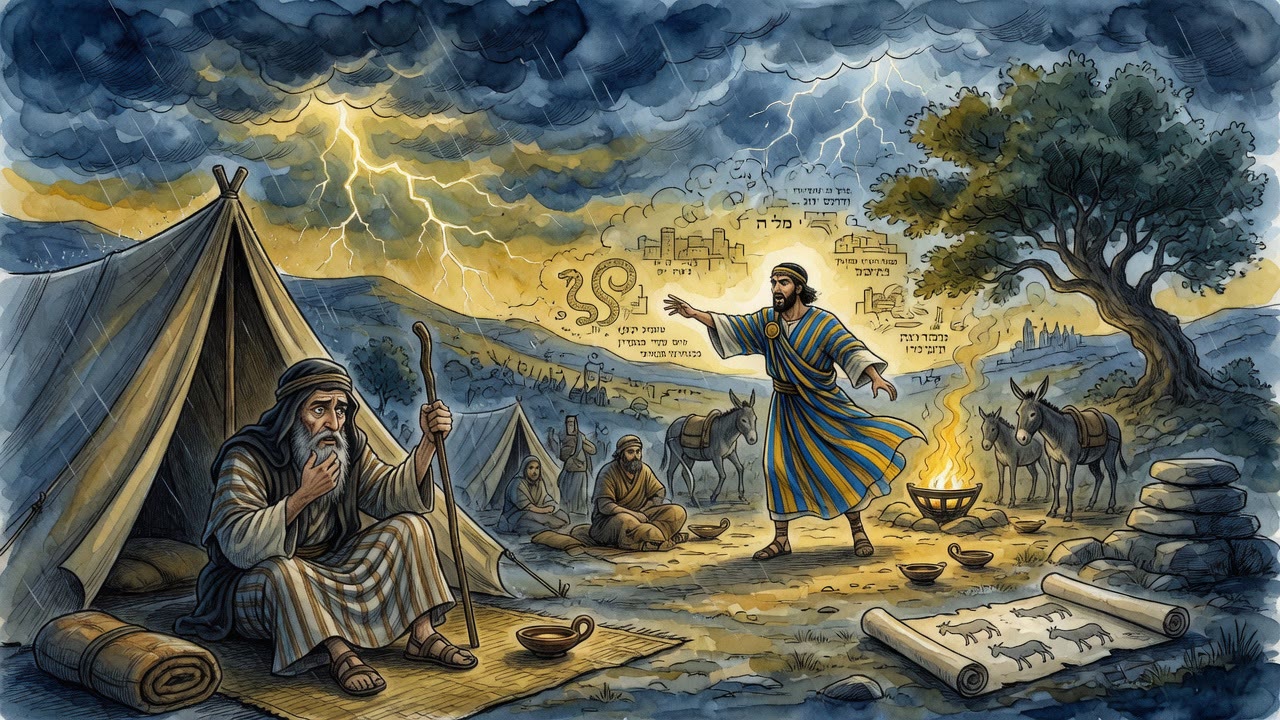
Seven Amorite kings march on Jacob's tents after Shechem burns, and only Judah's words about Noah stand between the family and the swords.
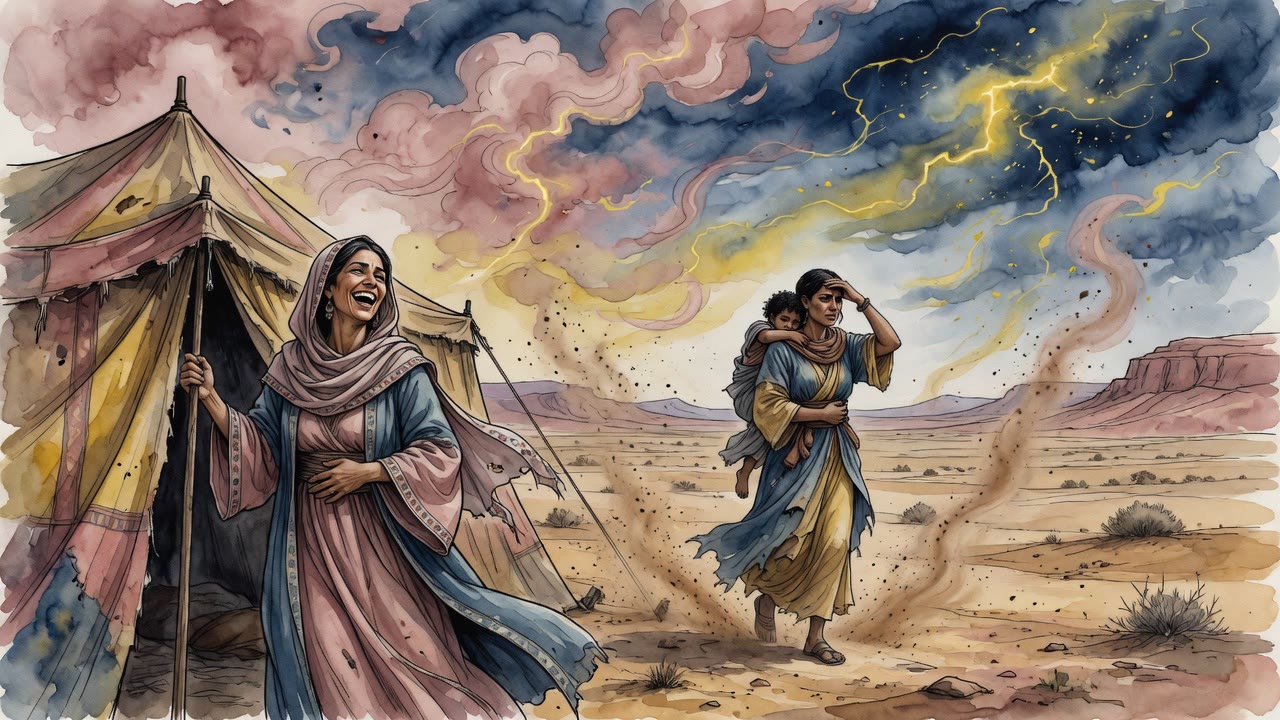
Abraham put bread and a water-skin on Hagar's shoulder. When it ran dry she set Ishmael under a bush and sat far enough not to watch him die.
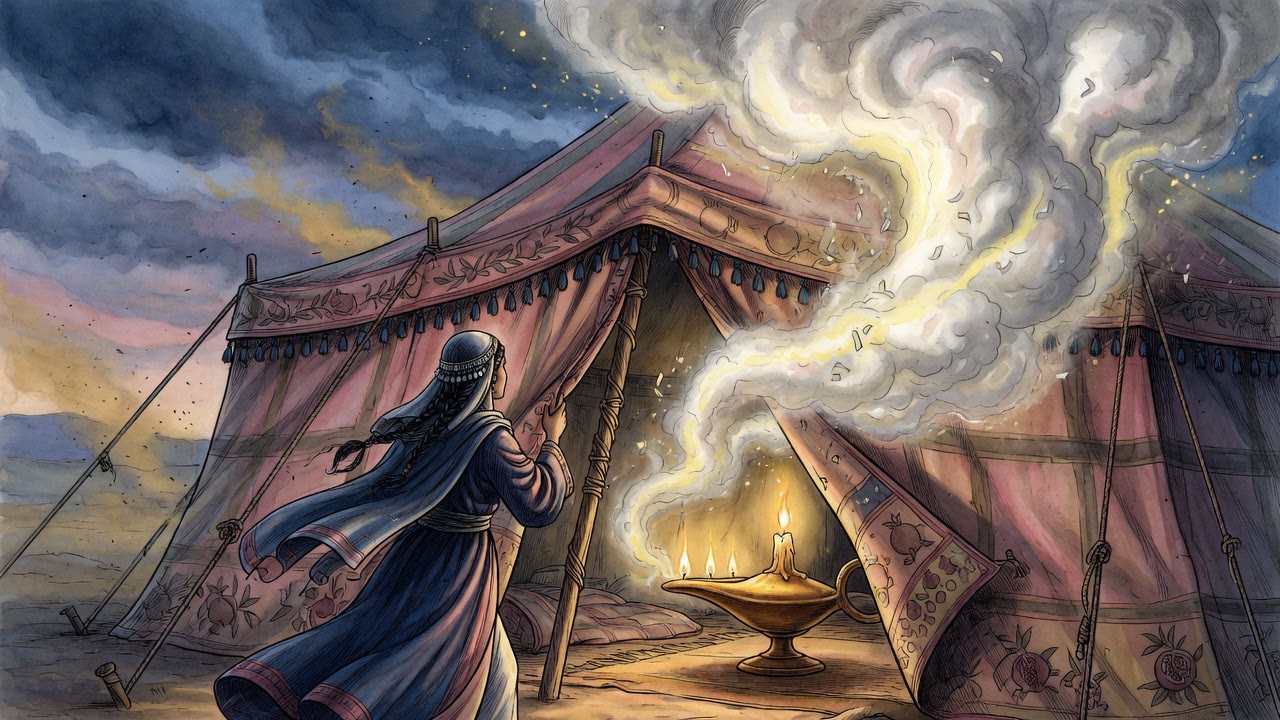
Sarah's tent had gone dark and empty. Then Isaac led Rebekah inside, and the cloud returned, the candle relit, the bread rose.
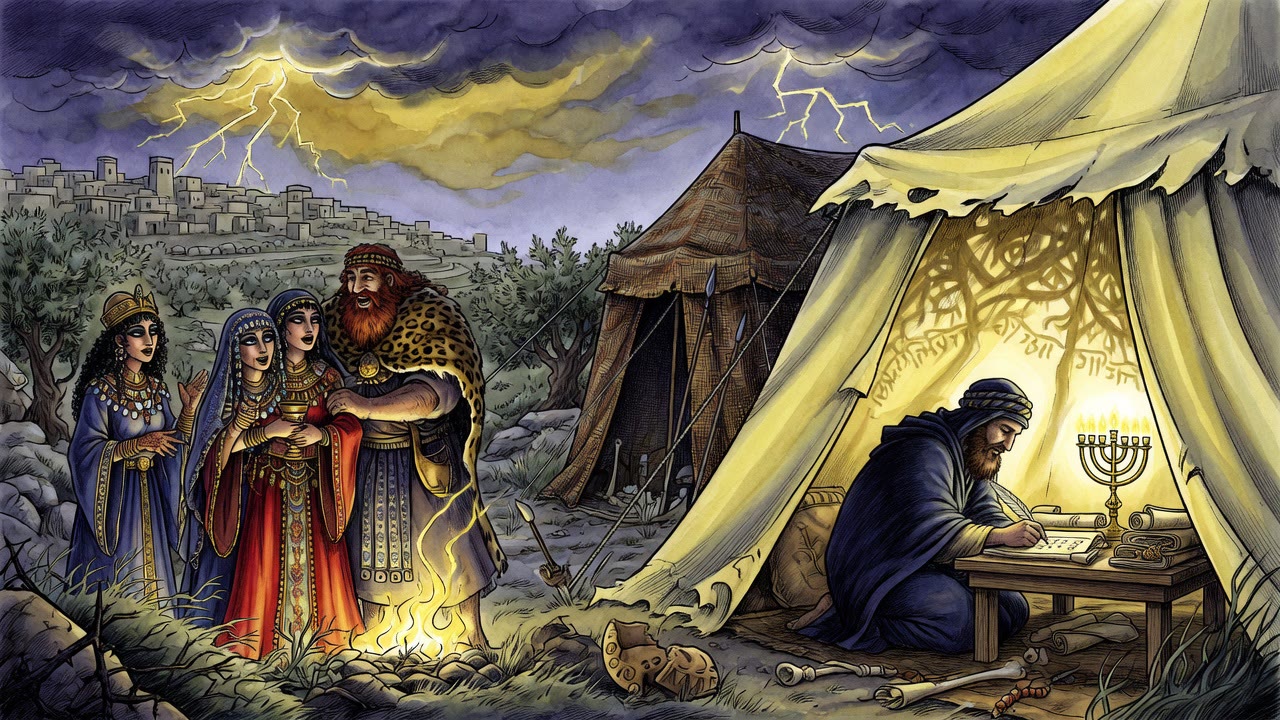
Esau hauls Judith back from the mountains of Seir to Hebron the same day, while Jacob waits unmarried at the house of study.
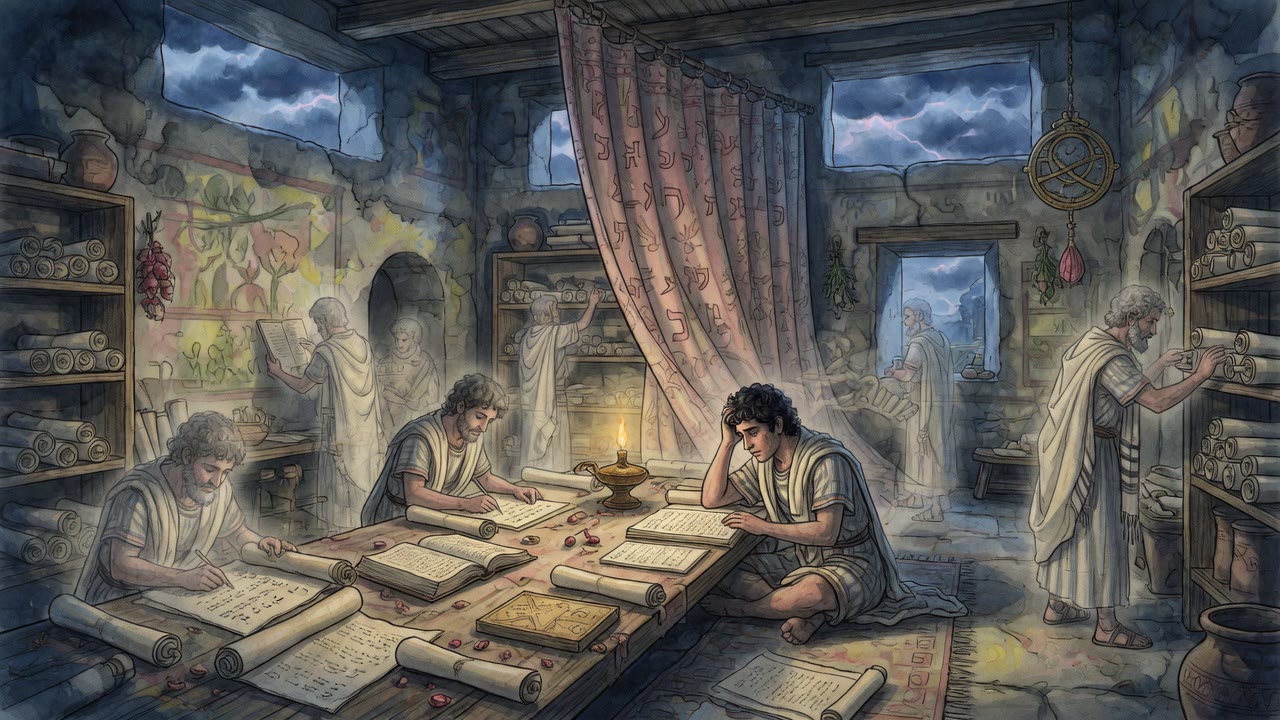
Jacob fled Esau's blade and vanished into the house of Eber for fourteen years, hidden among men who remembered the world before the Flood.
