135 myths · Page 2 of 5
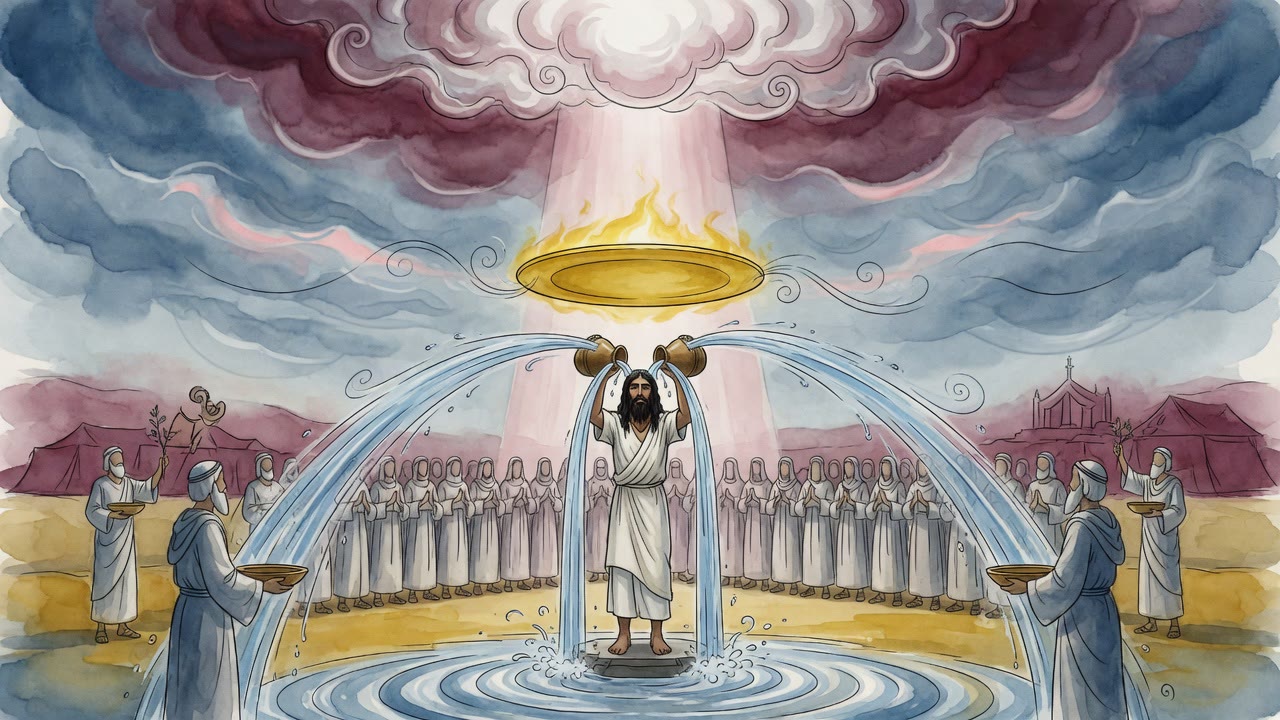
Moses brought Aaron to the Tent door where the whole camp could watch. Aaron still hung back, as if the calf were standing there with him.
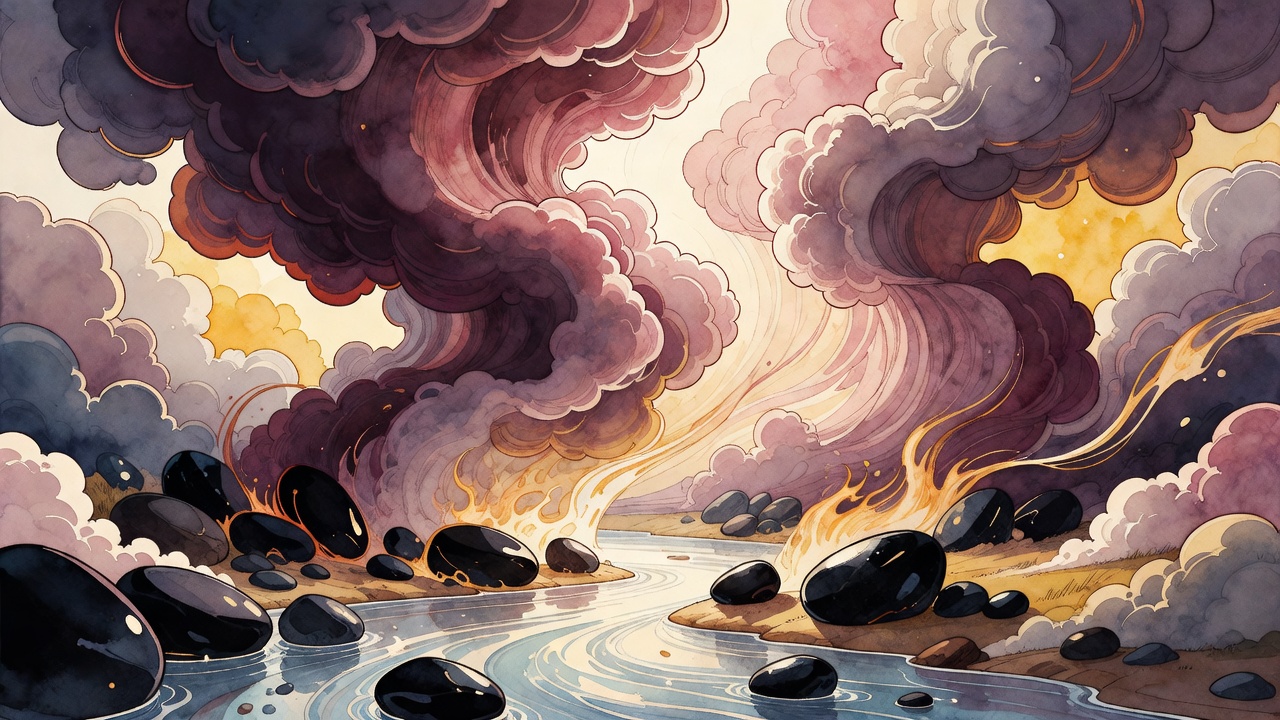
Clouds flew to the river Pishon at Eden's border and gathered onyx stones for Aaron's breastplate before Israel built the Tabernacle.
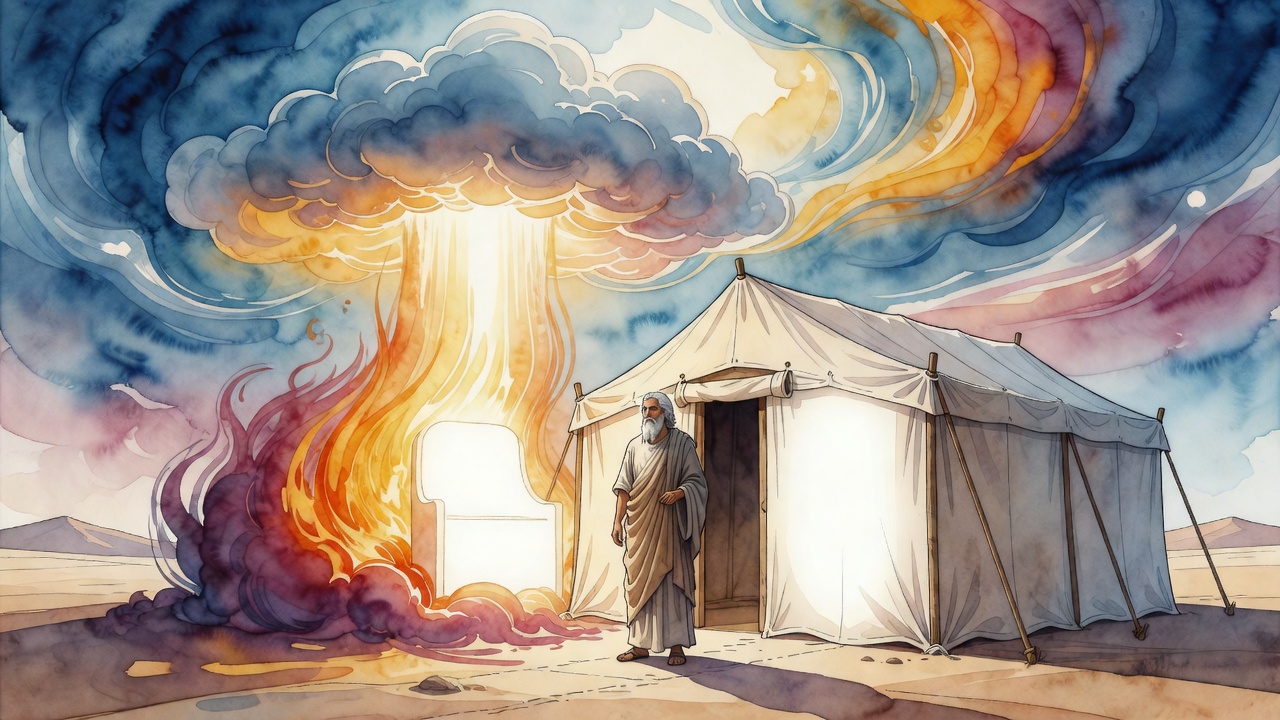
Moses built the Tabernacle and would not enter. He stood at the door until God called, because completing a sacred space does not grant ownership.
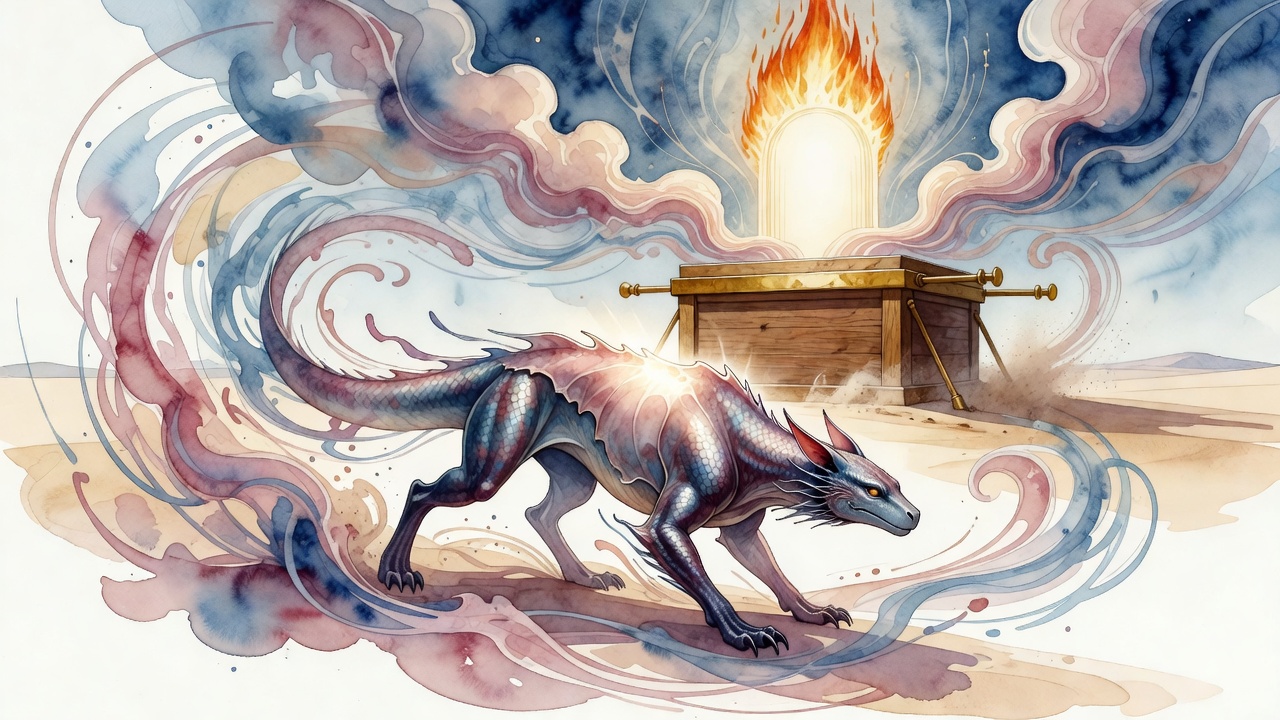
Three hundred priests washed the curtain. Two of them lowered it by inches onto the Ark so that no part of it would be in sight of the camp.
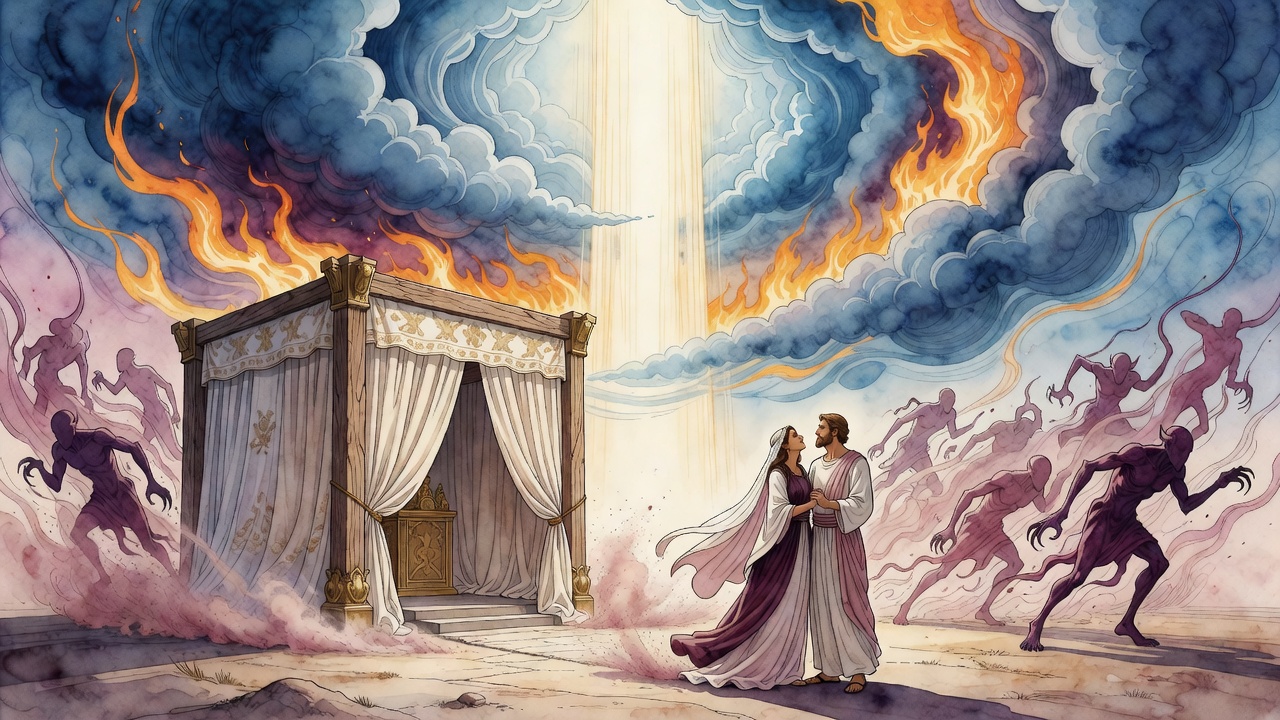
For seven mornings Moses put the Tent up. Every evening he took it apart. On the eighth the boards stayed, and the camp went quiet.
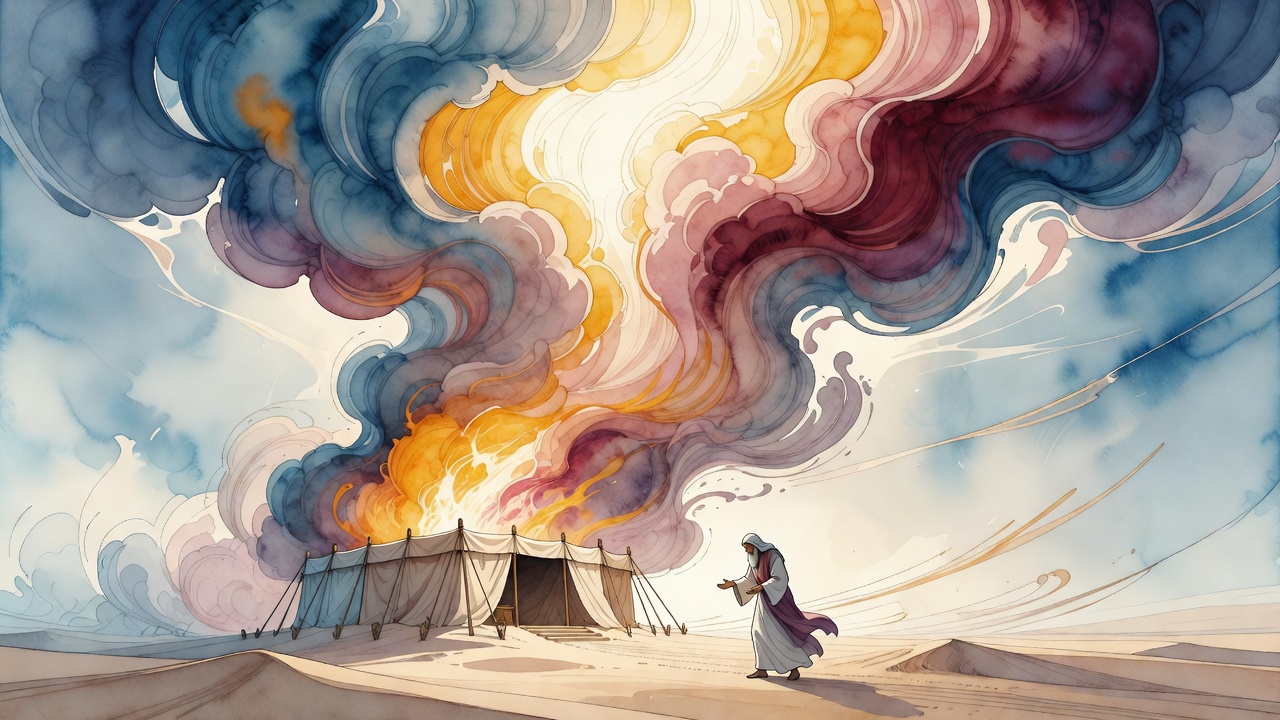
Moses prayed for forgiveness after the Golden Calf but asked too narrowly. The Tabernacle smoke was how the nations knew the husband had returned.
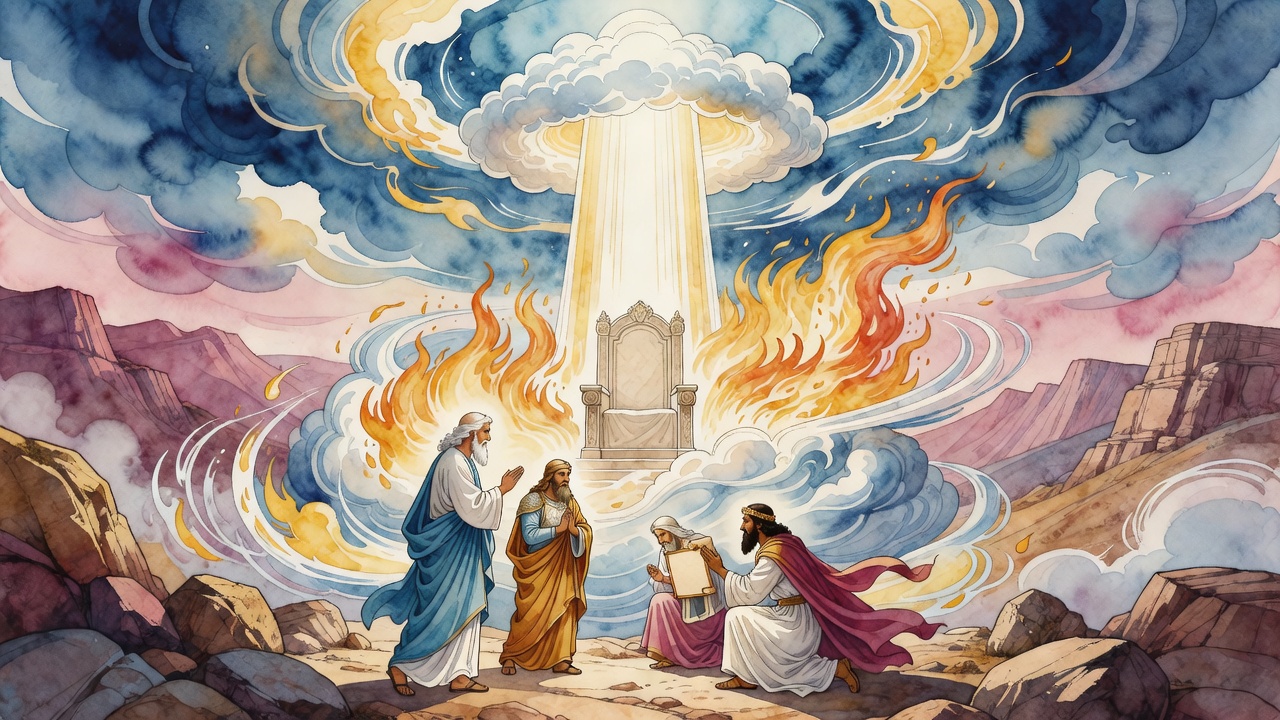
Shemot Rabbah places Moses, David, and Solomon before a God who lifts and lowers like a wheel, then demands that Torah and mercy govern the throne.
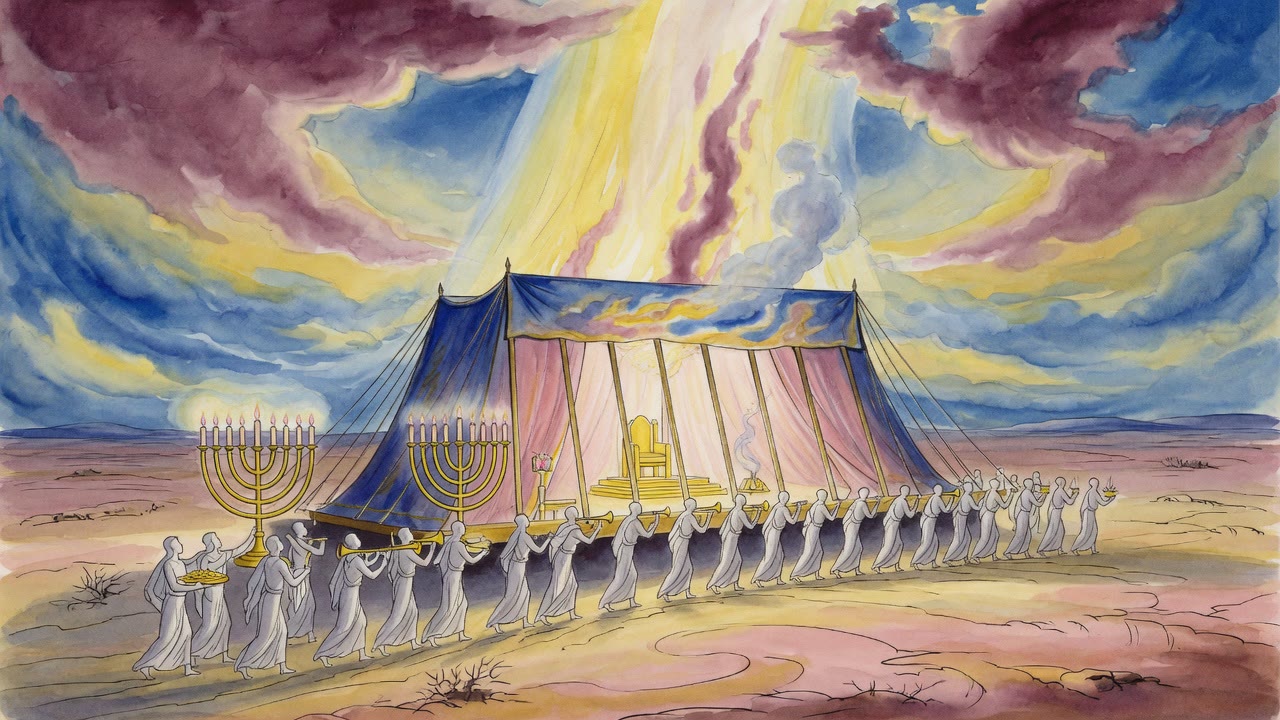
A poor man promised the king dinner, then hid the plain lamp he had made when the royal gold came through the door. The king sent his own lamp away.
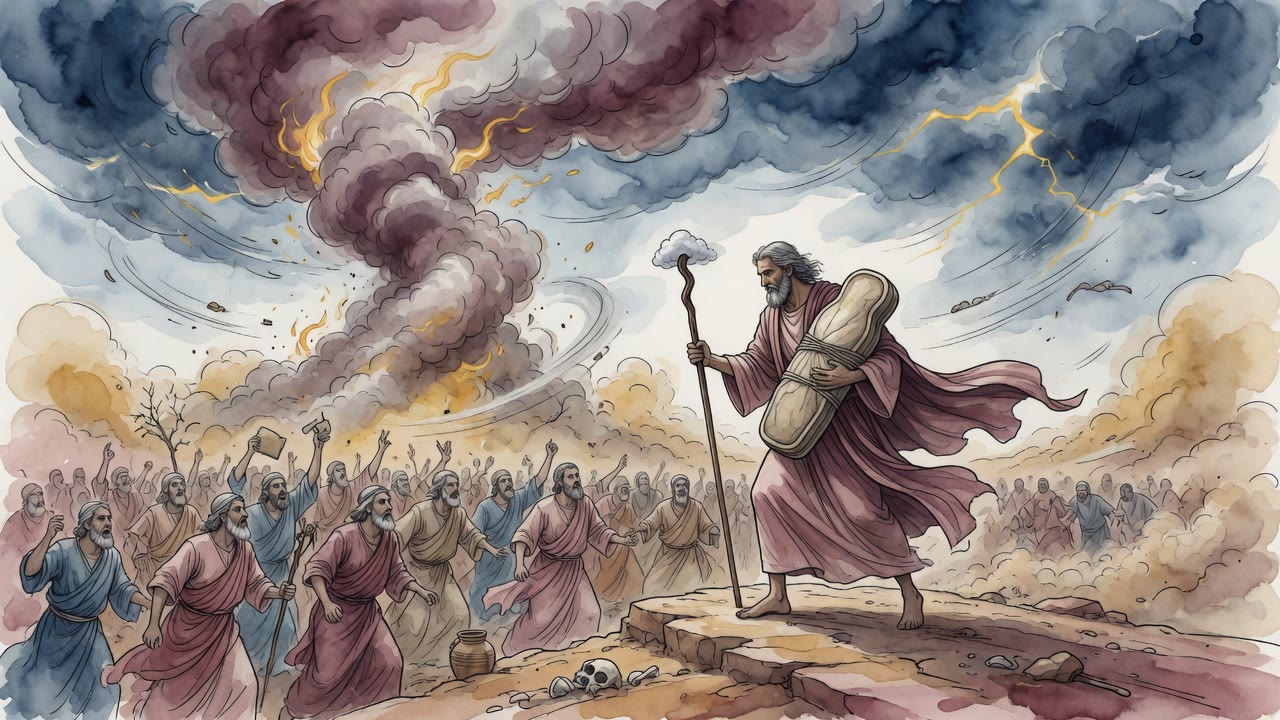
The people wept for meat and called the manna worthless. Moses told God the weight was too heavy and asked to be killed rather than watch it.
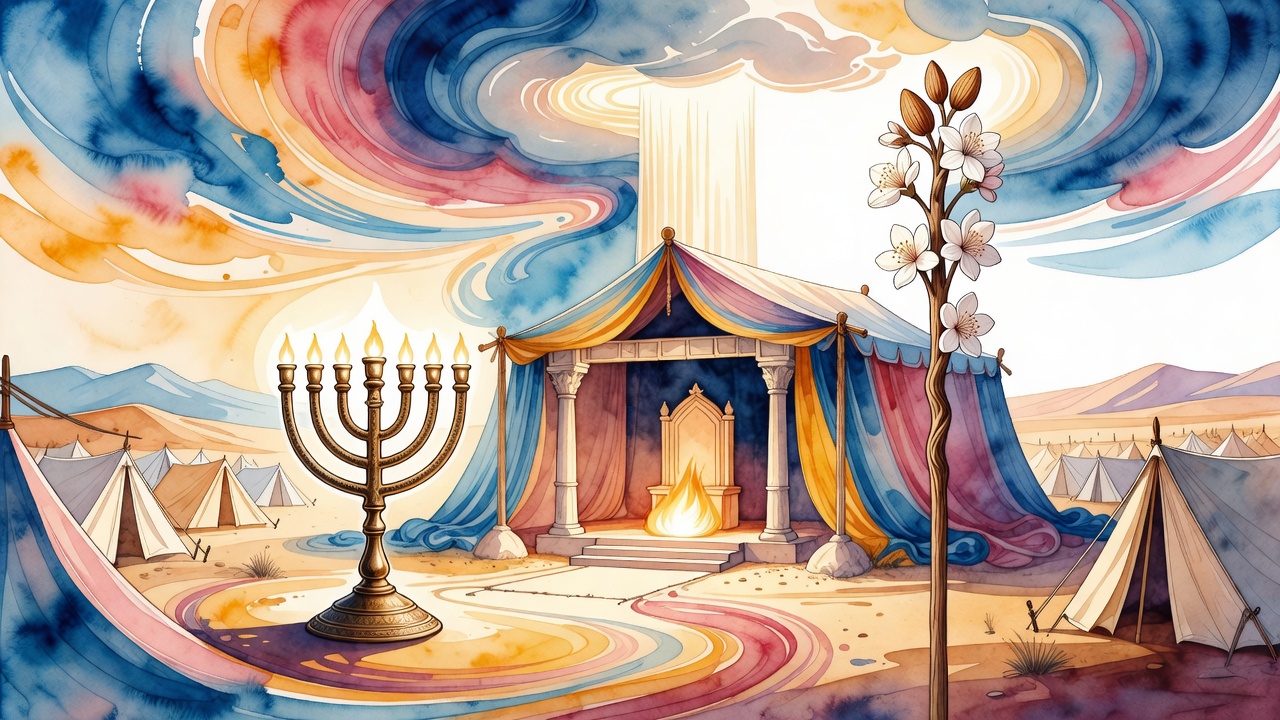
Twelve princes each believed the priesthood should have been his. Moses cut all twelve staffs out of one beam so nobody could argue afterward.
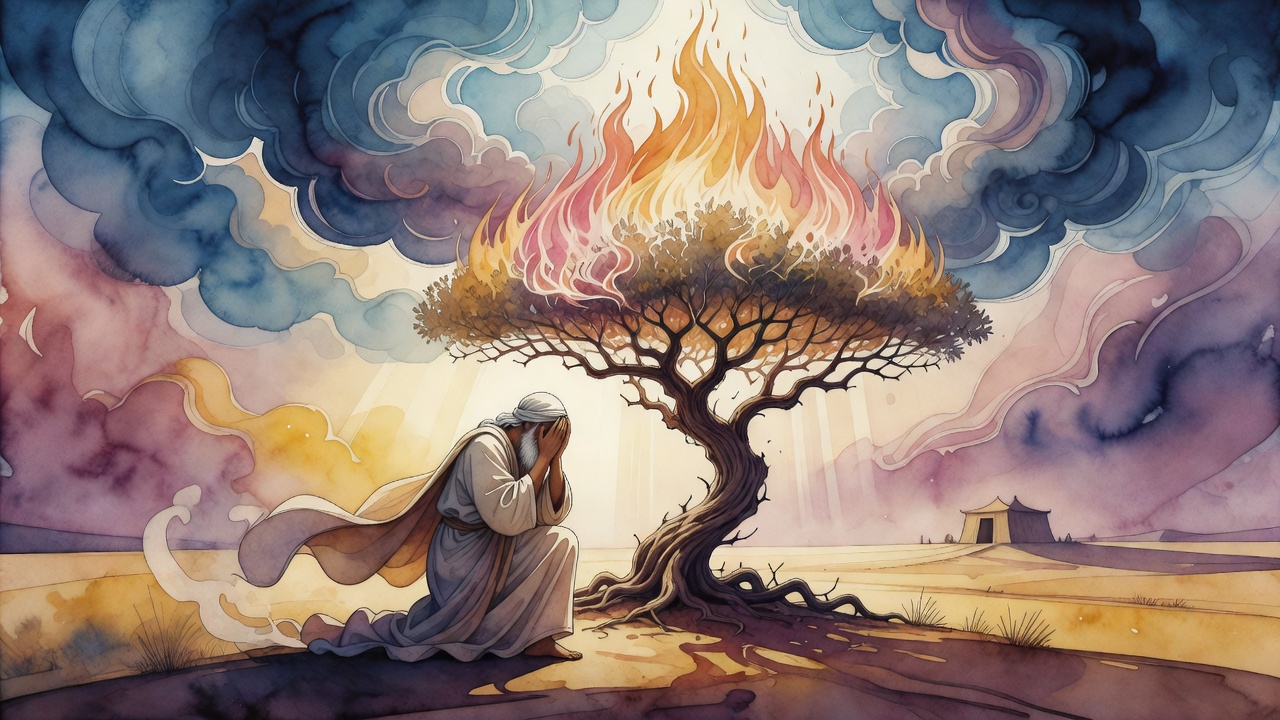
The flame used his father's voice. Moses came closer. Decades later the Tabernacle still would not rise for the craftsmen.
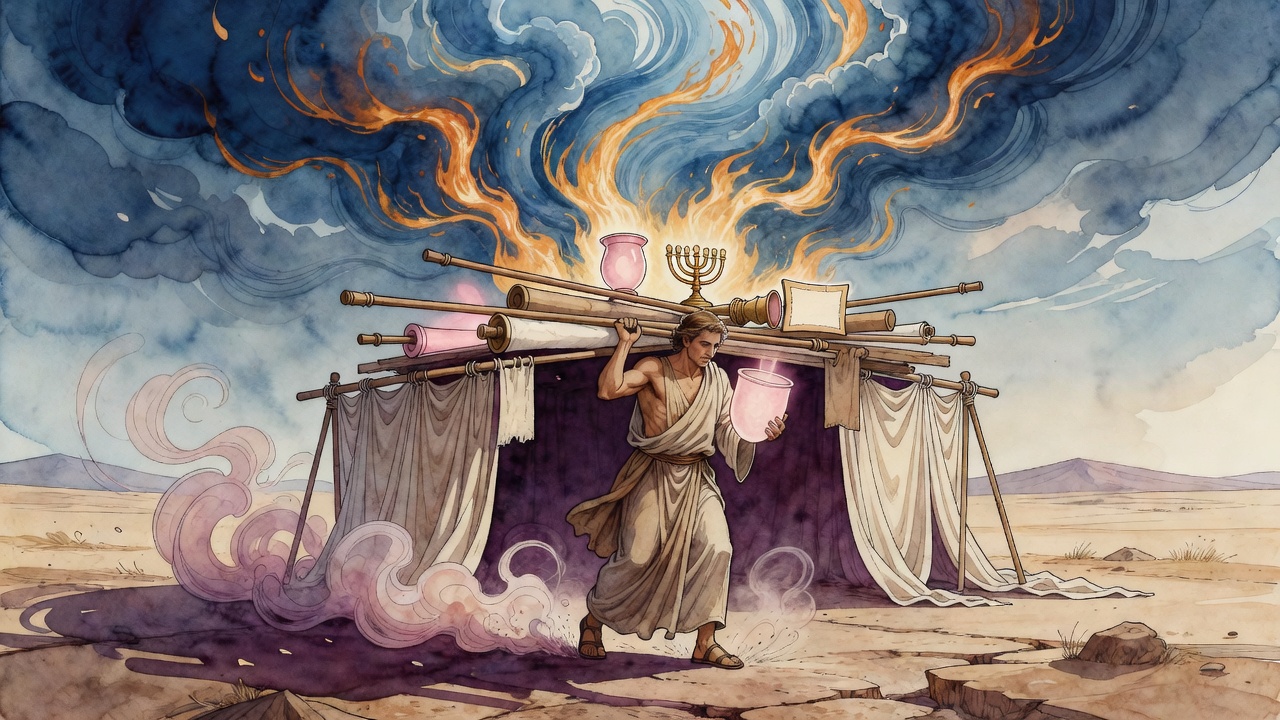
He had never been taught to read a line of it, so he waited in the synagogue for the one sentence he was allowed to say, and then he roared it.
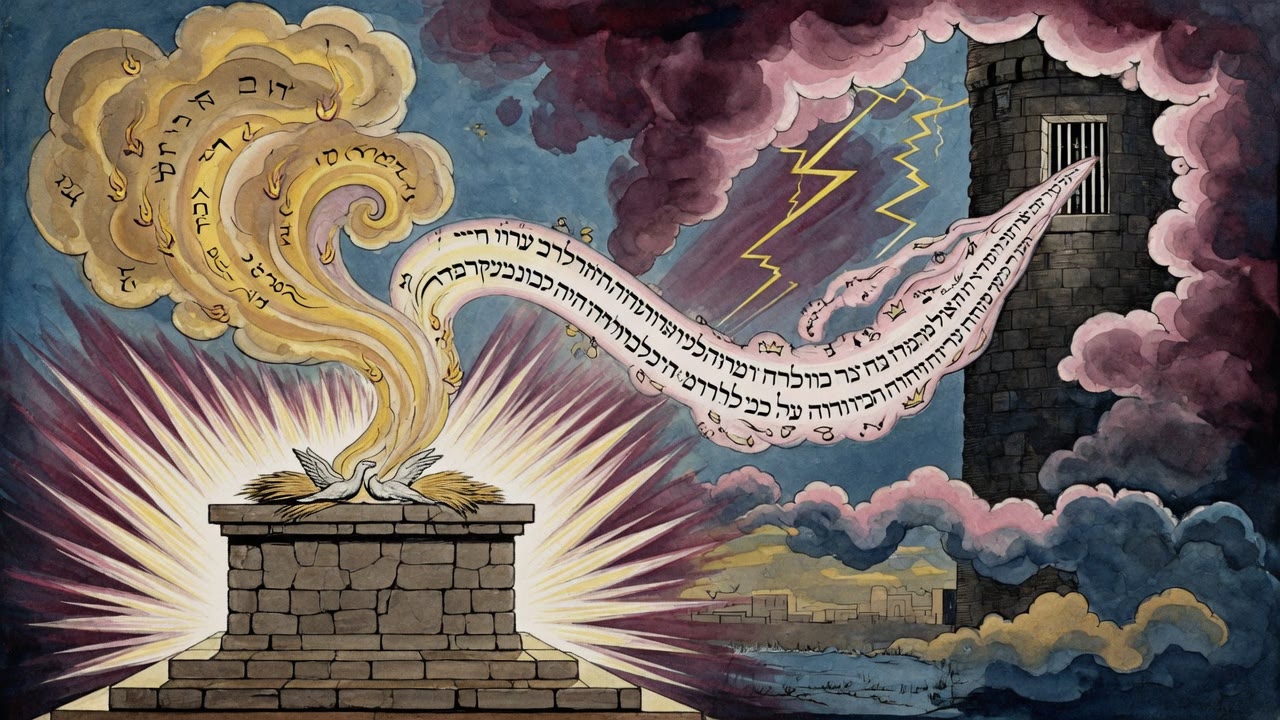
The angels came down in companies, each under its own cloth. Israel looked up from the dust and wanted the same flags.
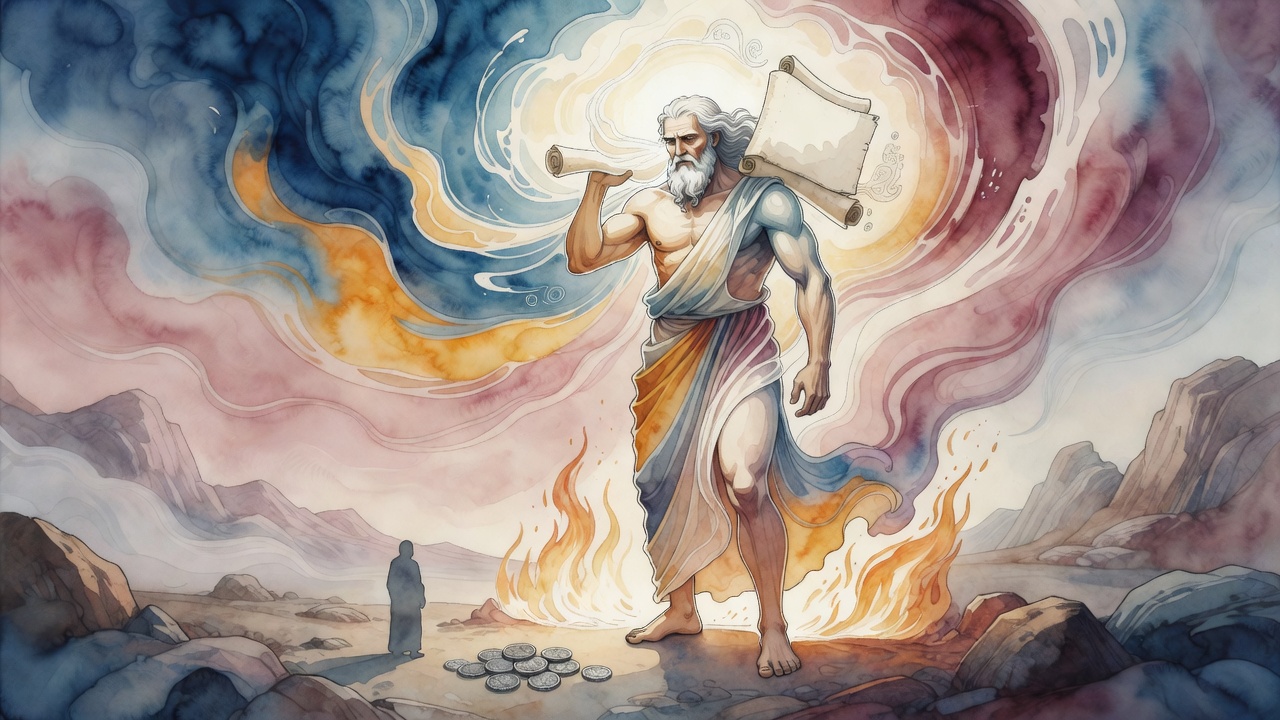
Moses refused to weigh the Tabernacle silver unless another man stood in the room and wrote the numbers down beside him.
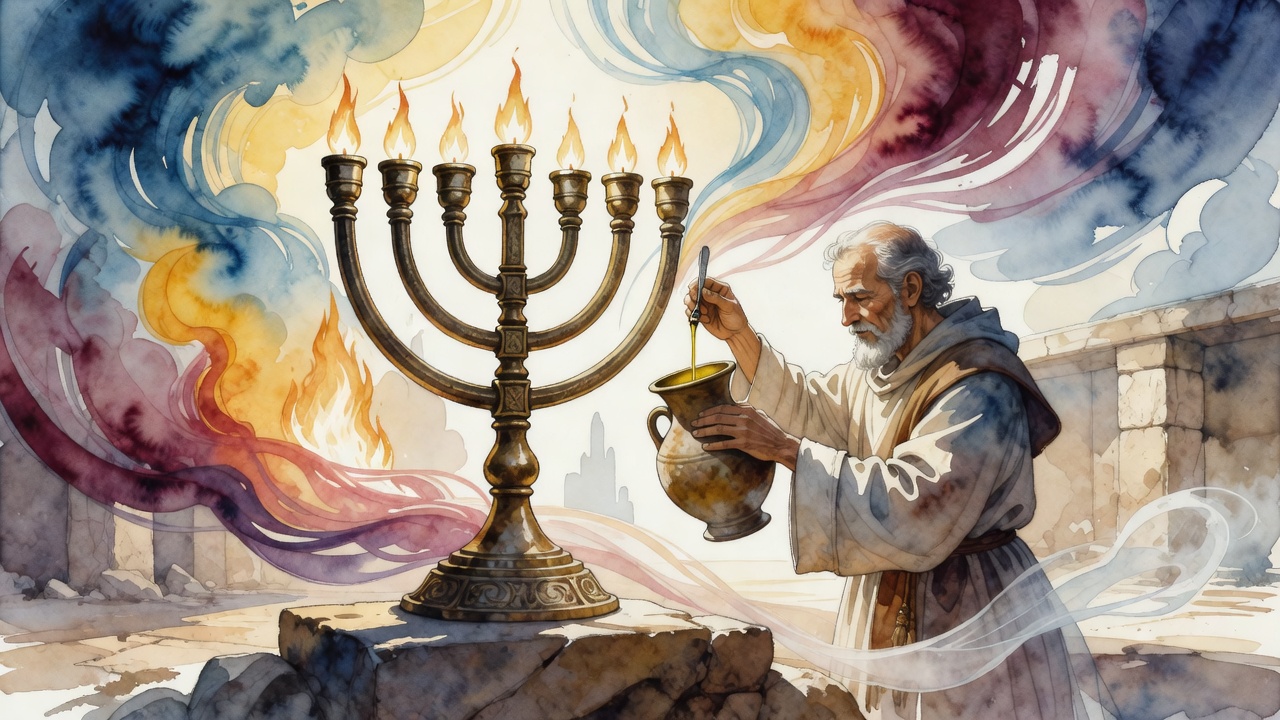
A priest presses olive oil into the cups and trims the wicks. God needs none of it. The flame burns for the hands that light it, not for heaven.
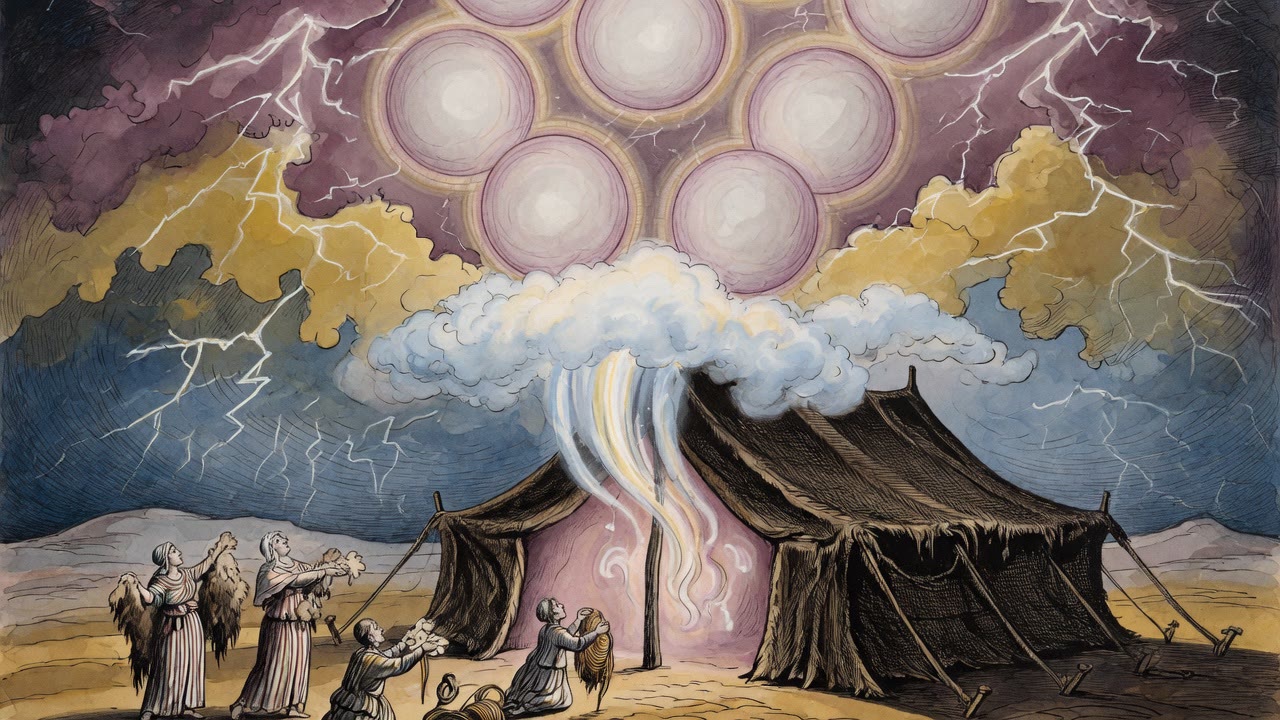
God's throne stood five hundred years above the seventh heaven. He left it all and asked freed slaves for scraps of wool so He could live among them.
Somebody lit a candle for him on the road and it went out. Somebody lit another. He stopped walking. From here on, he said, I am waiting for the morning.
He lifted the tent flap and looked up. The curtains were not cloth. They were the sky pulled taut, the same sky stretched on the first day.
A flame from heaven lodged on Moses's altar and stayed four hundred years. In the same Tabernacle, gold was plated in one place no human eye would ever find it.
Three hundred priests carried one curtain to be washed. A handbreadth thick, woven on seventy-two strands, the parokhet guarded the holiest room.
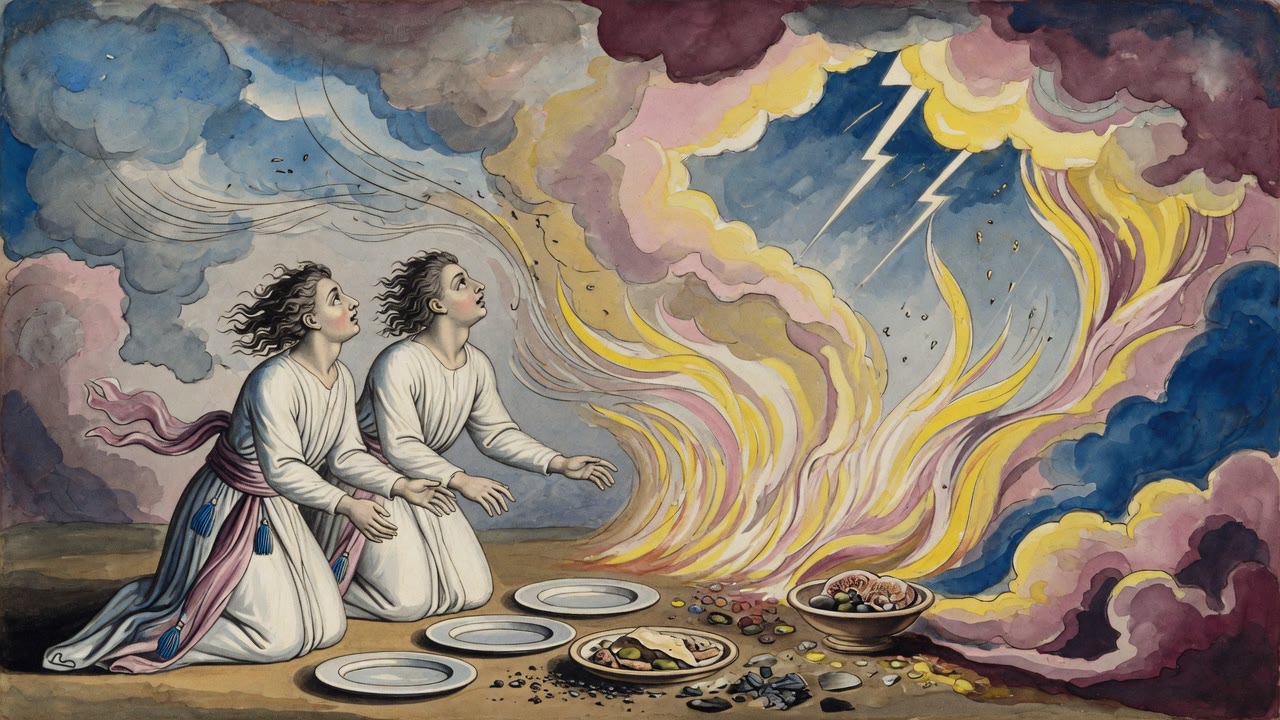
Aaron's two eldest sons reasoned that if Moses lived on the sight of God alone, they could feast their eyes and skip the body too.
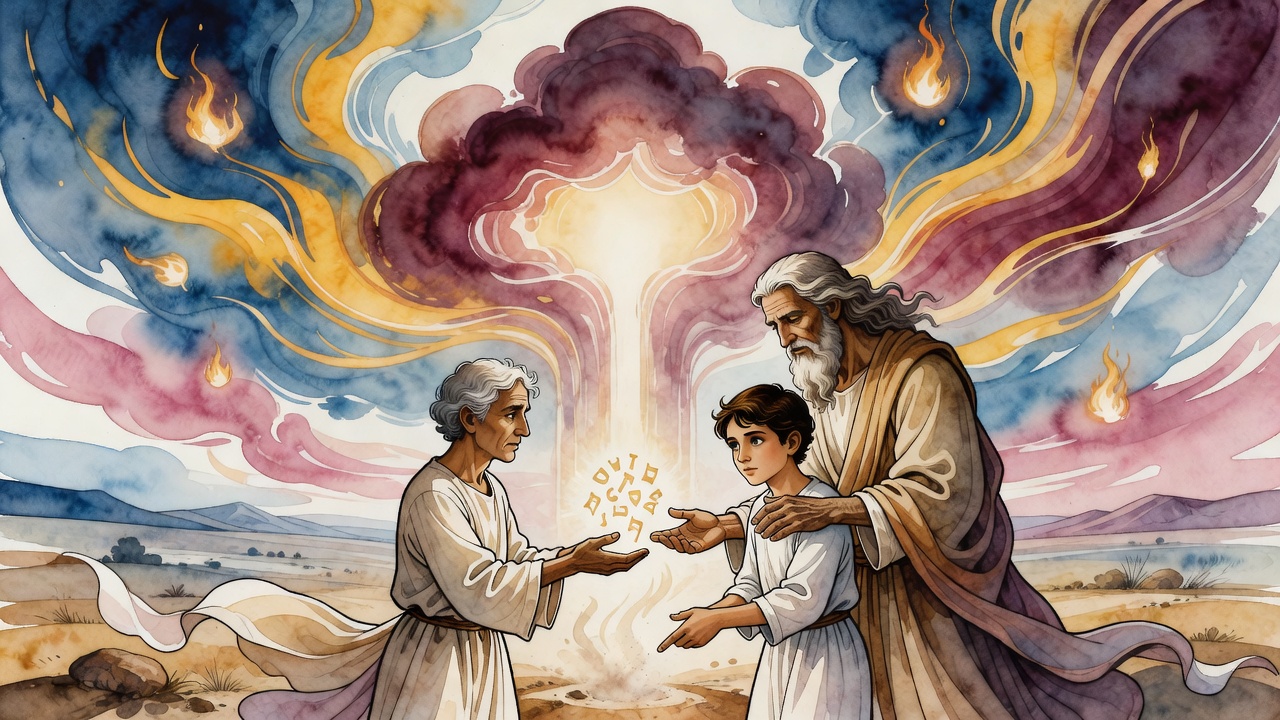
A martyr's grandson is handed the letters that made the world and told to raise God's house, then corrects Moses on where the building begins.
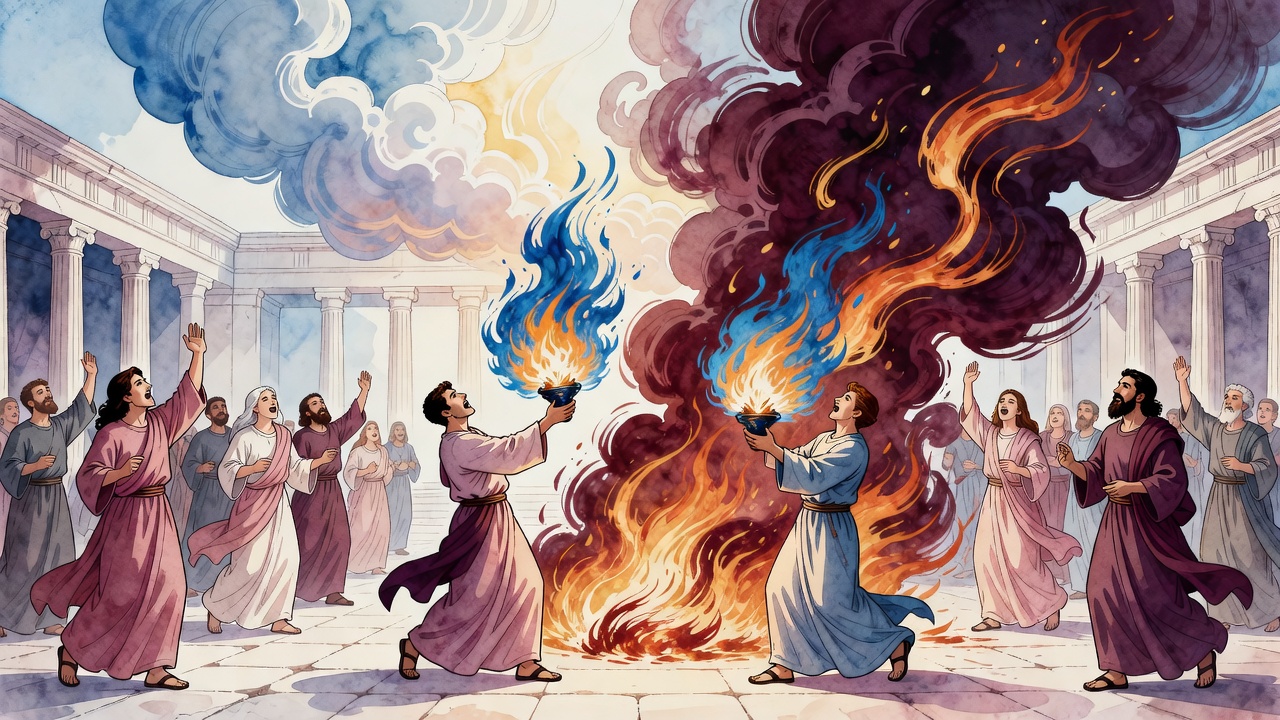
This was the best day of Elisheba's life. Her husband was high priest. Two of her sons were dead before the morning service ended.
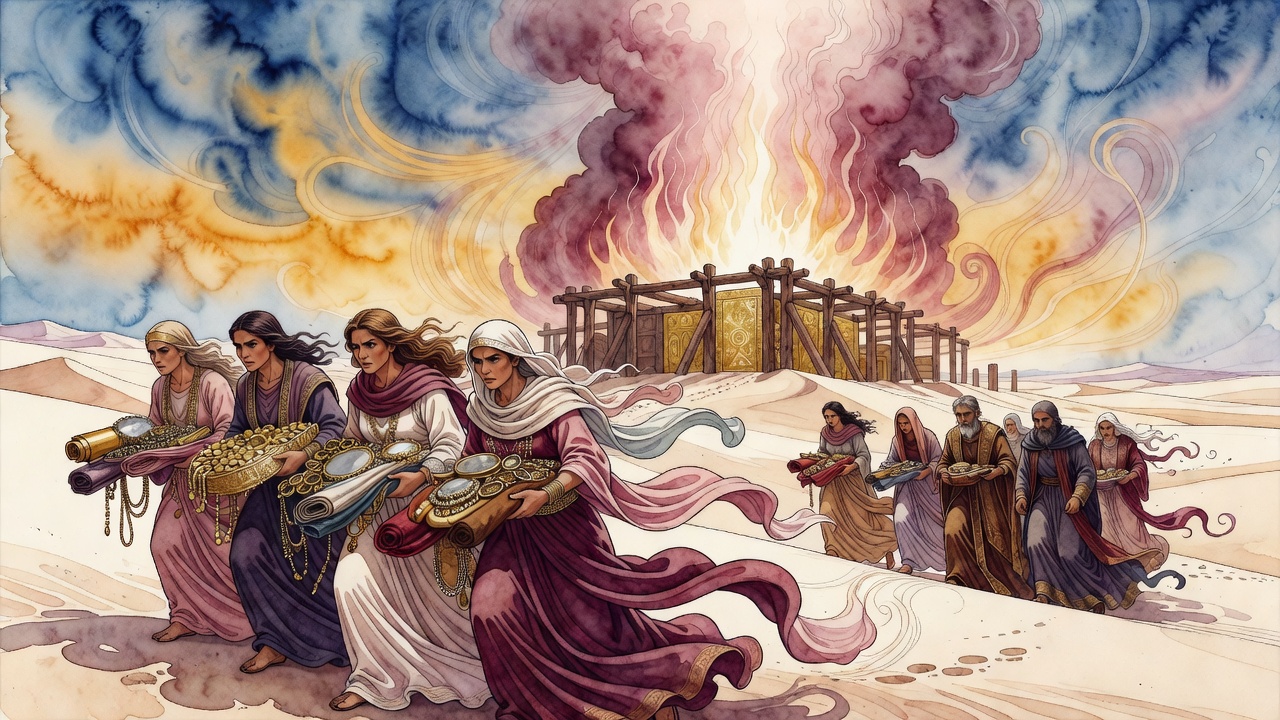
Moses asked for a willing heart. Earrings hit the pile before noon. The princes still held the stones meant for Aaron's breastplate.
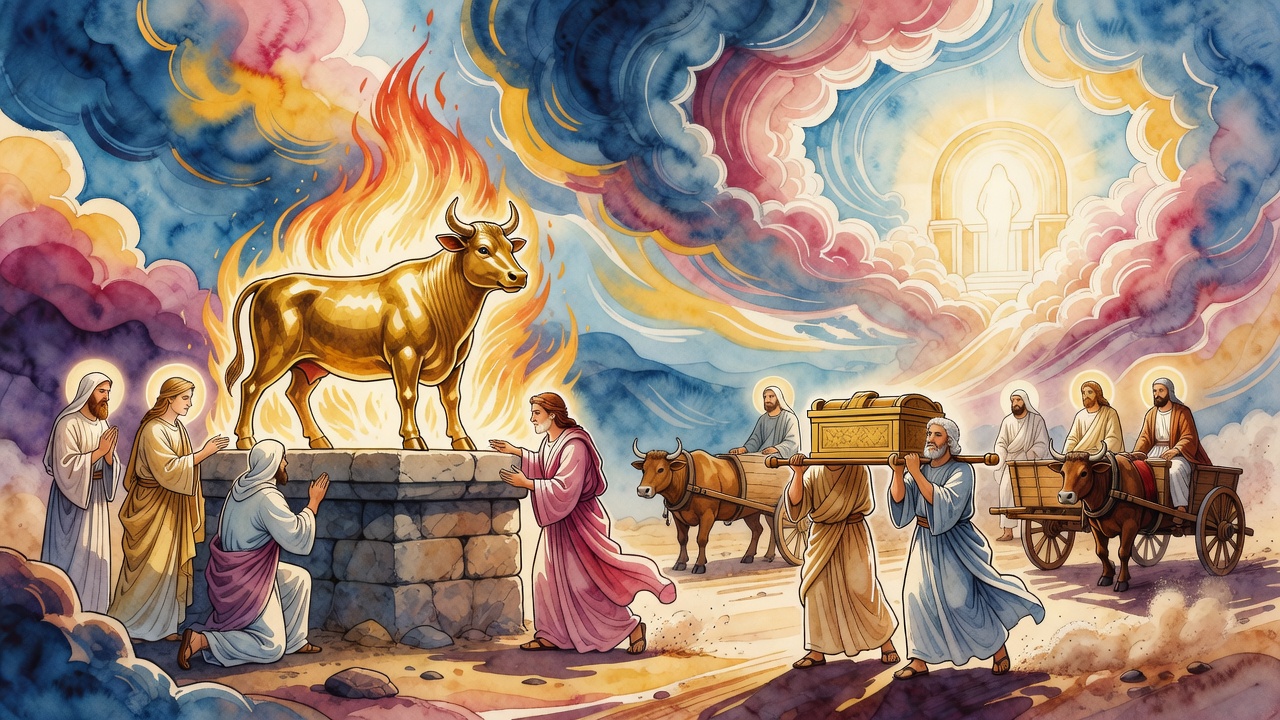
The firstborn still smelled of the calf's smoke. Levi took their place at the fire. The Ark would ride on shoulders, never on wheels.
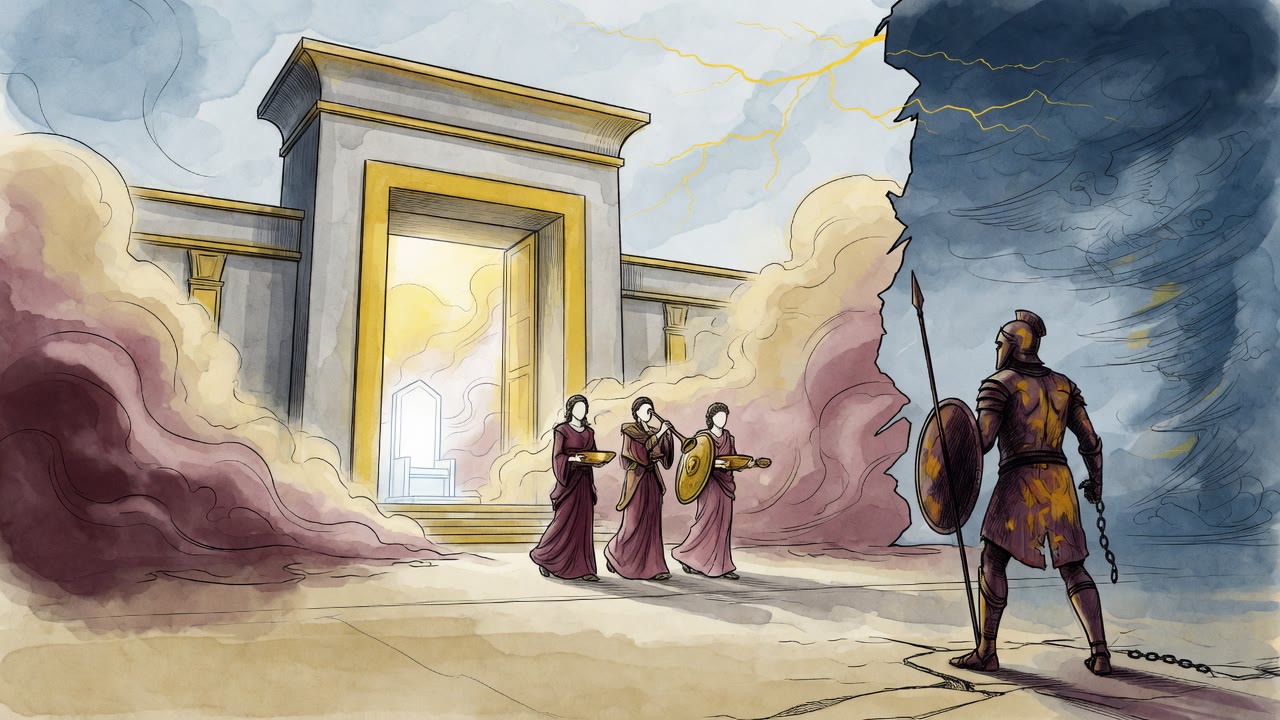
An overseer caught a smith's wrist before iron touched the Tabernacle. Gold could enter the sockets. Rome's metal stayed in the yard.
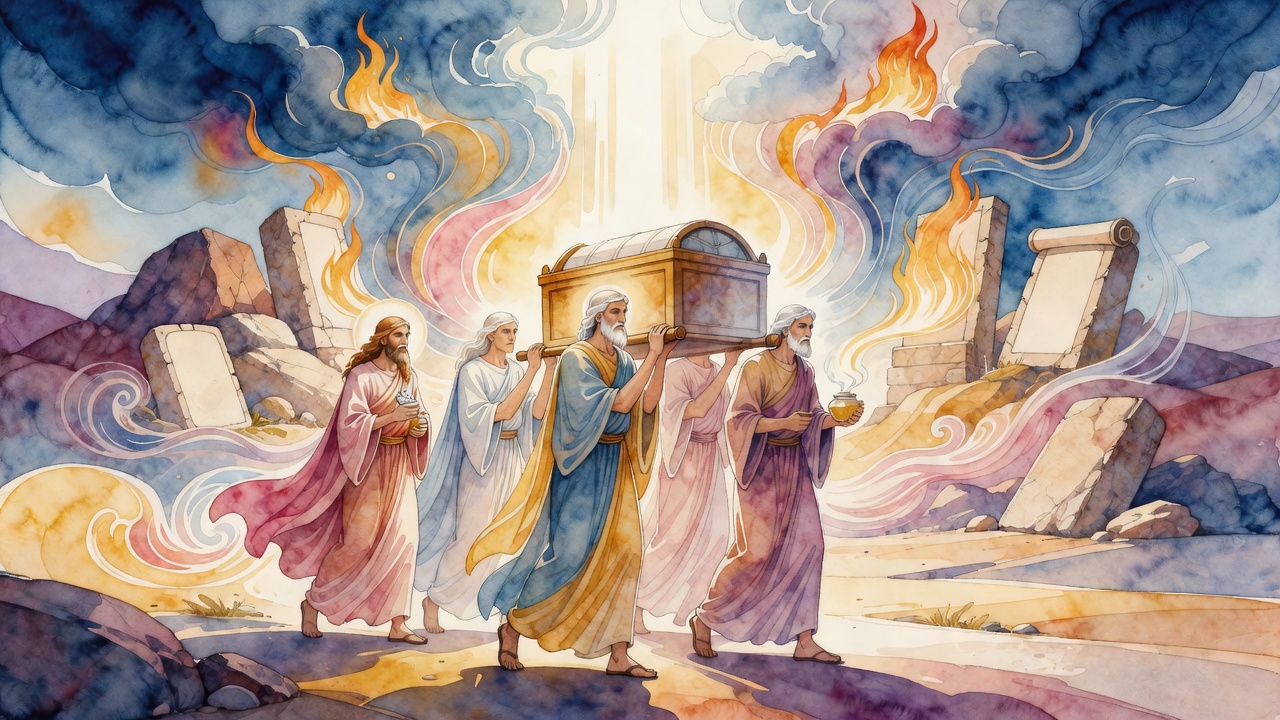
Gershon was Levi's firstborn, but Kohath's sons were counted first. They had the Ark. Eleazar, chief of the Levites, carried the lamp oil in his own hands.
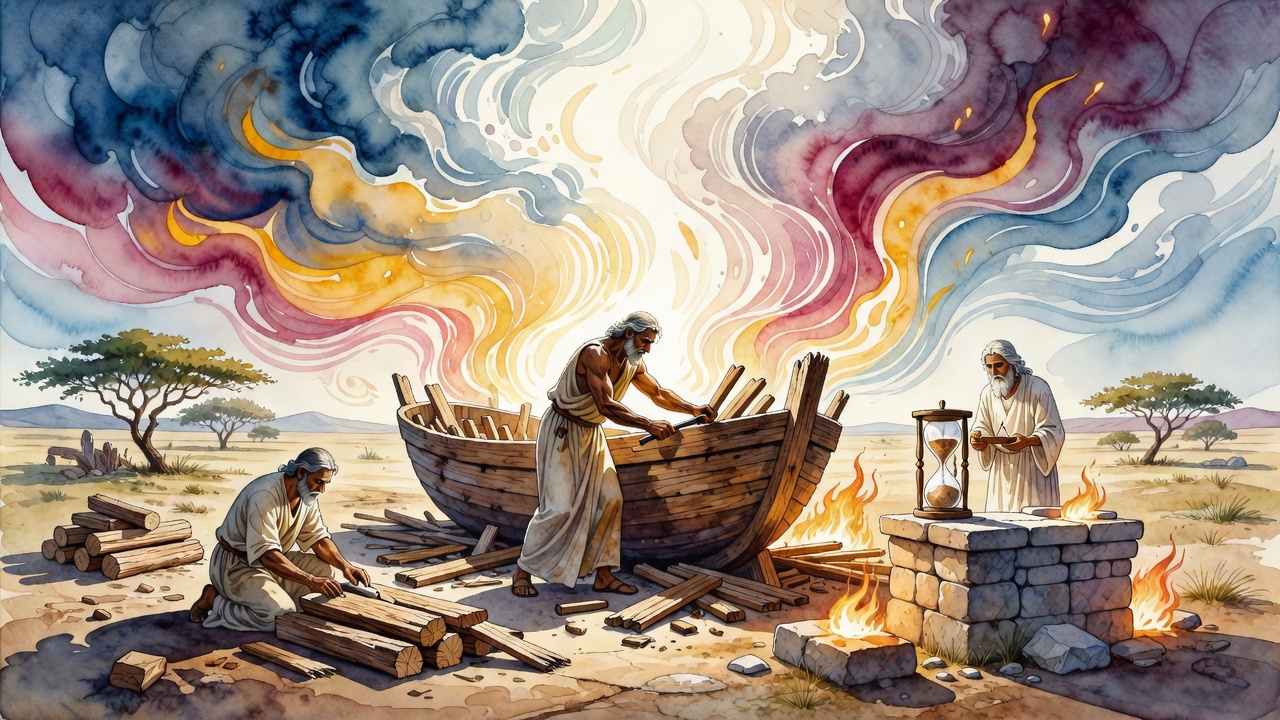
The plating was pure gold. Underneath, Bezalel's boards came from a tree whose name matched the place where Israel would later fall to Moabite women.
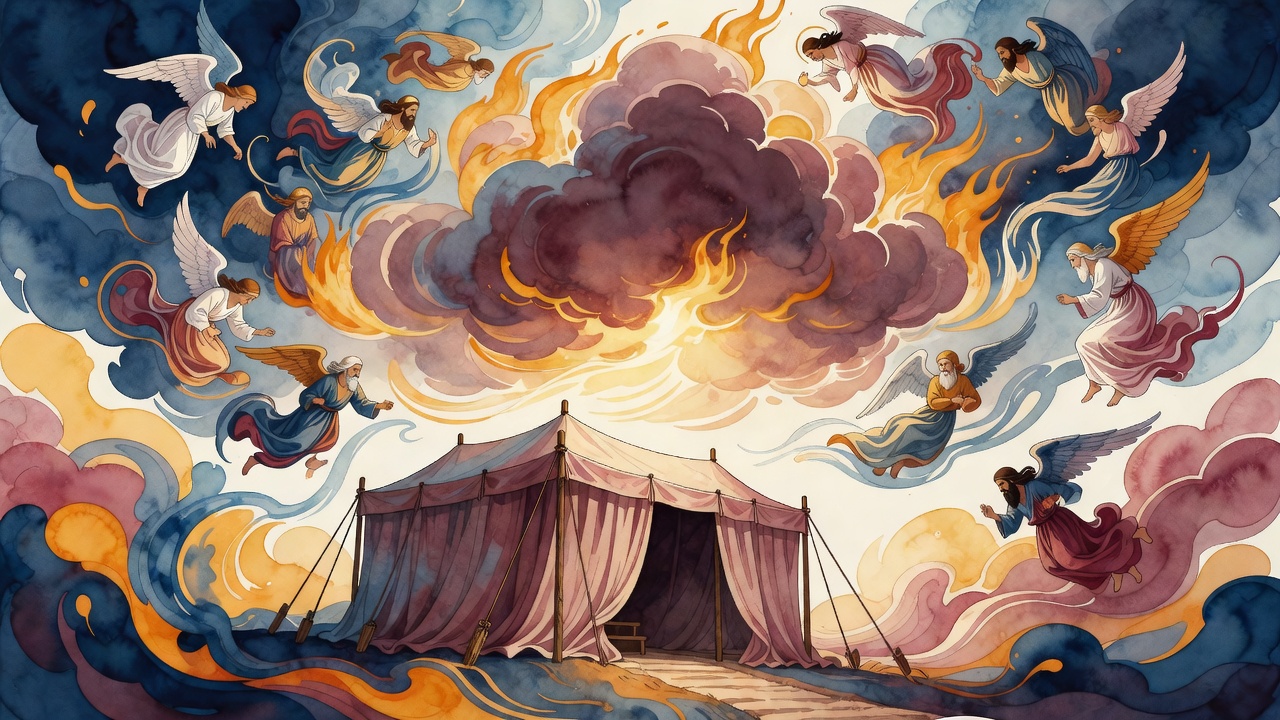
A king told his quarrelsome wife to make herself a royal robe. She sewed for months and never once picked a fight. Then he looked at it and said woe.
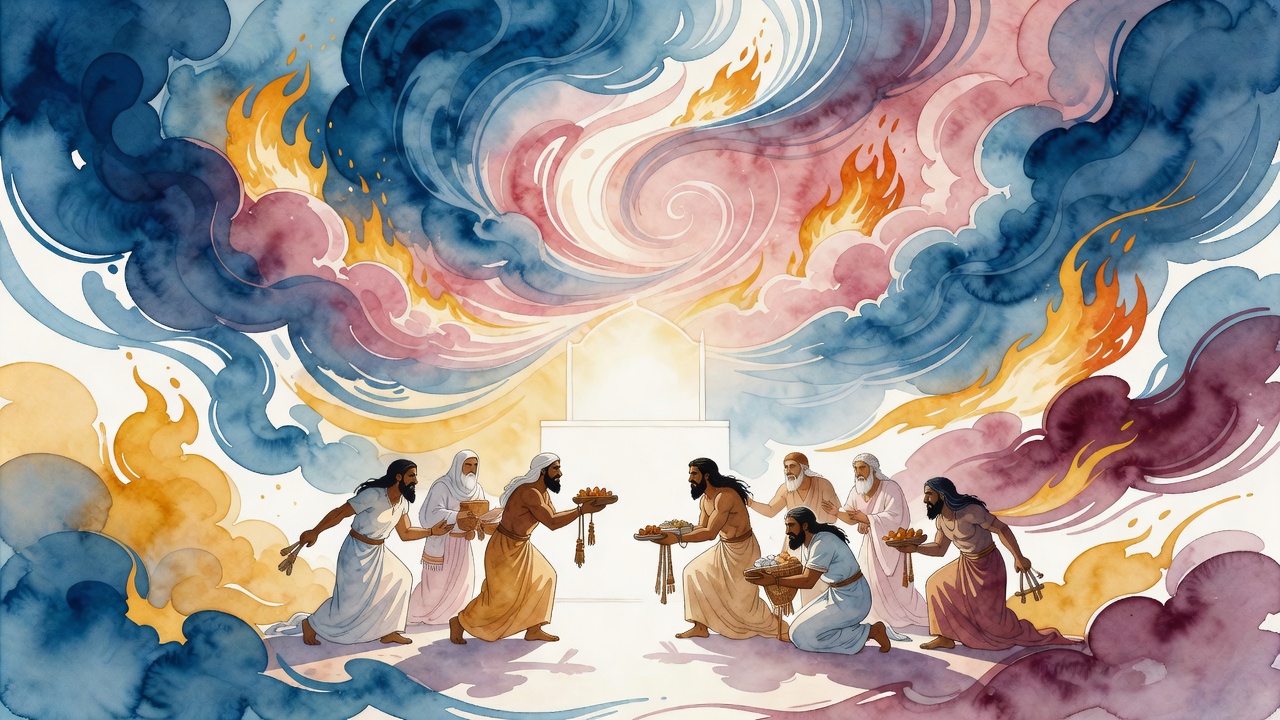
By your lives, God said, I do not need you. Two mornings later Moses had to make the camp stop bringing gold, yarn, and goats' hair.
