391 myths · Page 7 of 14
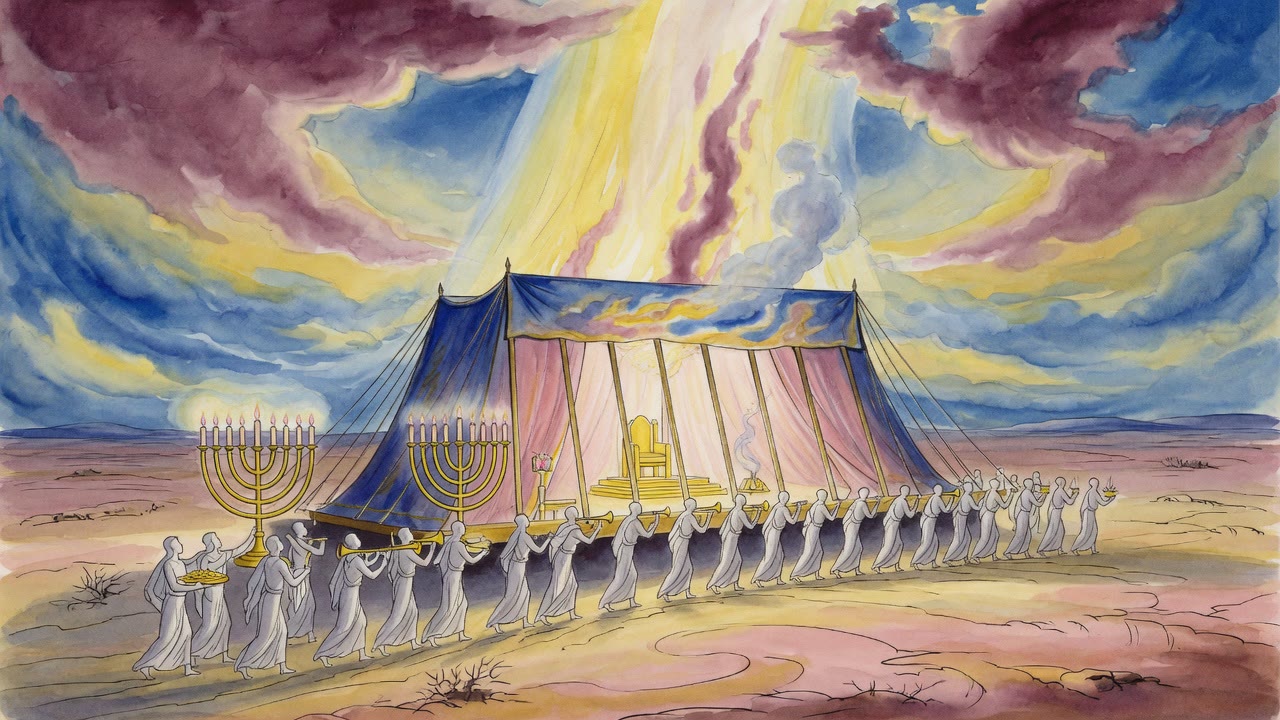
A poor man promised the king dinner, then hid the plain lamp he had made when the royal gold came through the door. The king sent his own lamp away.
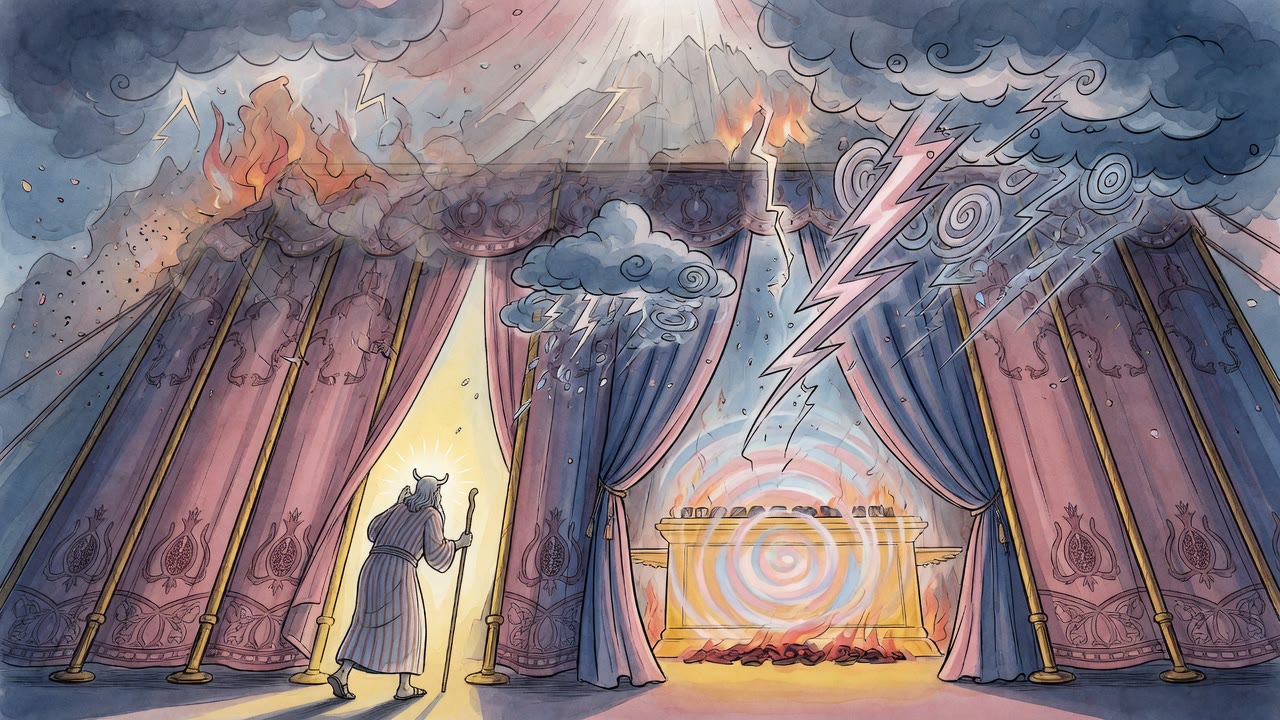
Moses enters the Mishkan and hears the divine voice pressed through holy space, from Sinai's thunder down to the Temple's last fire.
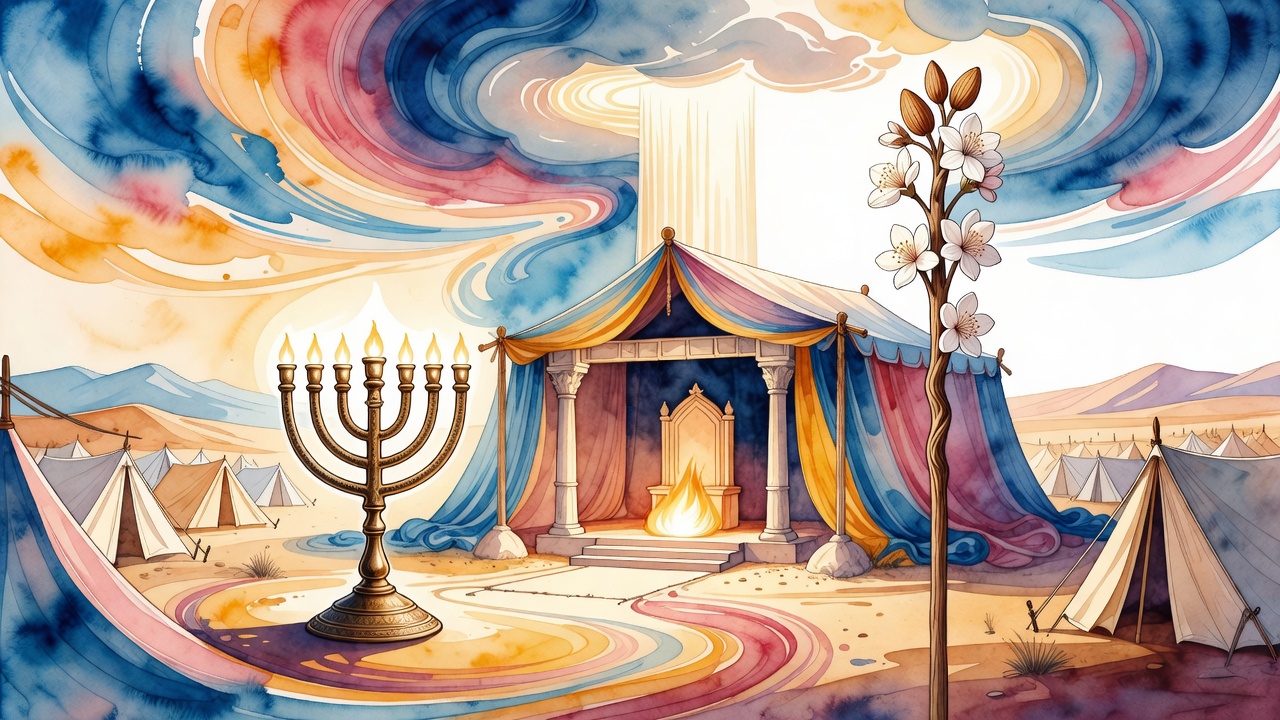
Twelve princes each believed the priesthood should have been his. Moses cut all twelve staffs out of one beam so nobody could argue afterward.
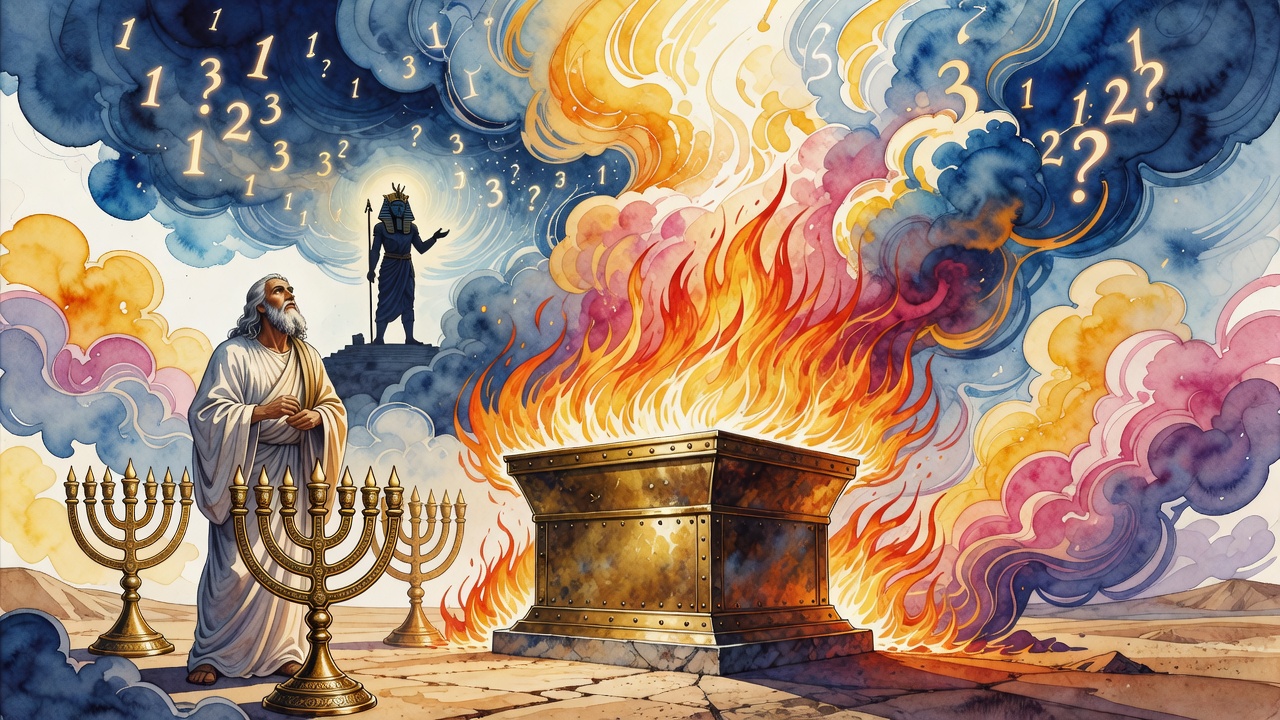
Pharaoh asked how many cities God had conquered; Moses forgot the menorah (the lampstand) three times; and the brass altar stood in constant fire without ever.
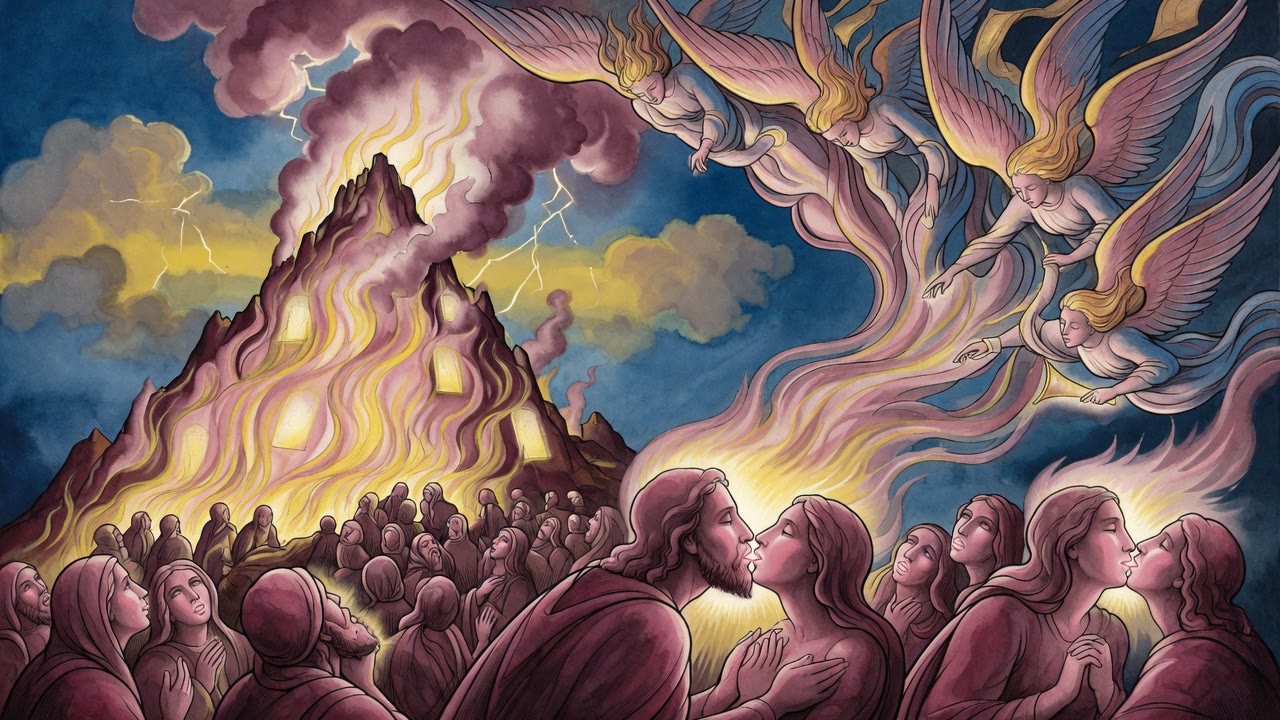
Esau ran at his brother with his mouth open like a man biting bread. Jacob's neck turned to marble. Esau's teeth broke on it, and the two of them wept.
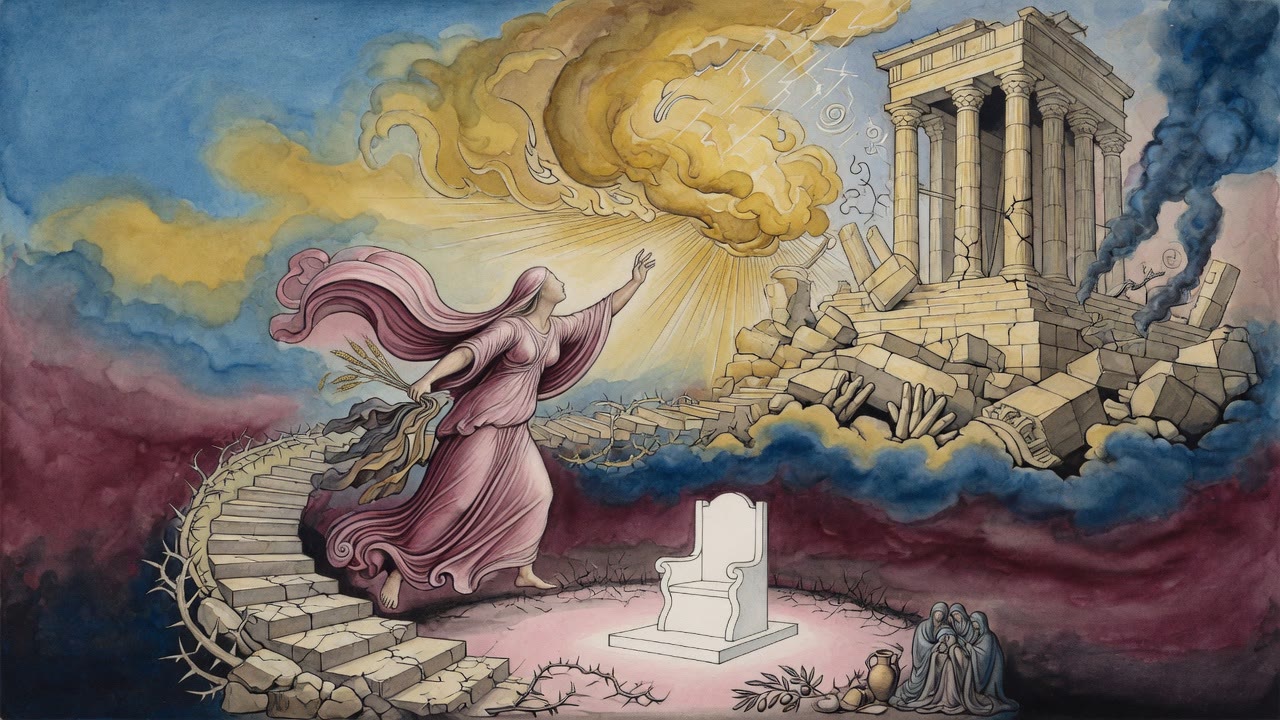
The Temple falls by human hands. The Shekhinah, the Divine Presence, argues for the poor, descends into exile, and waits for a house built from above.
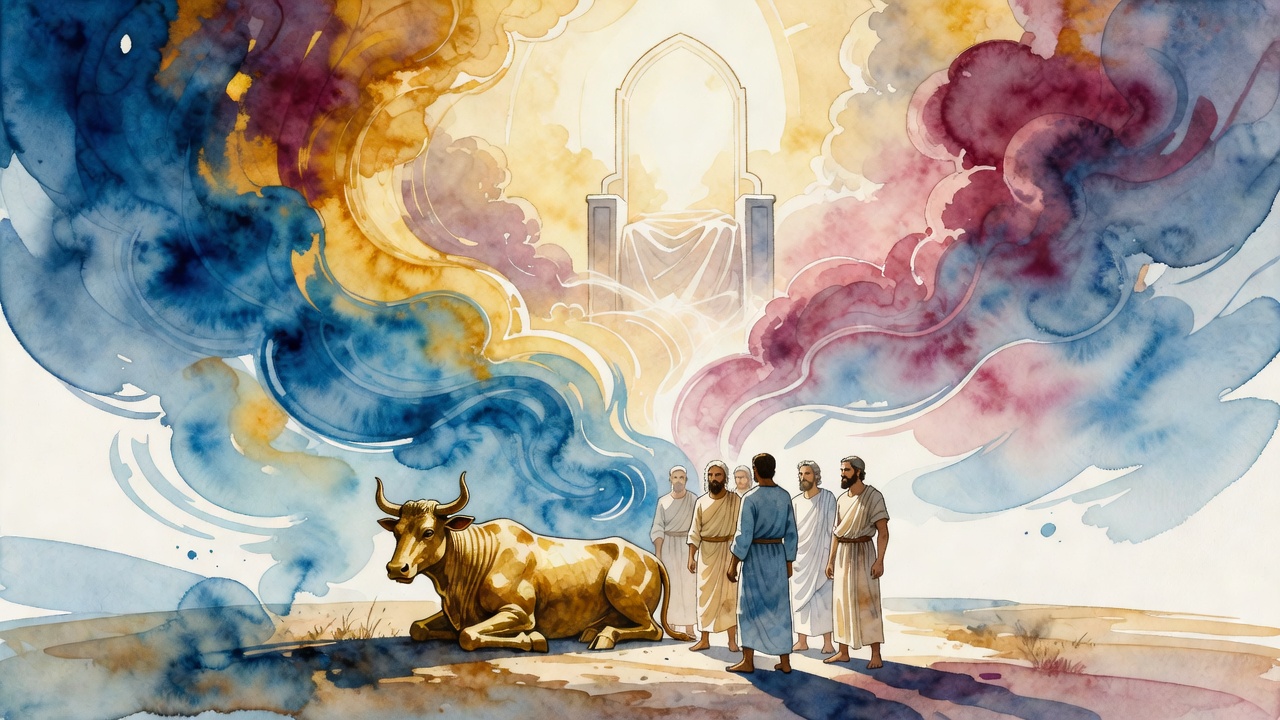
Everyone in the camp would have said they were loyal. Moses asked a narrower question, and only the men who had kept their gold could answer it.
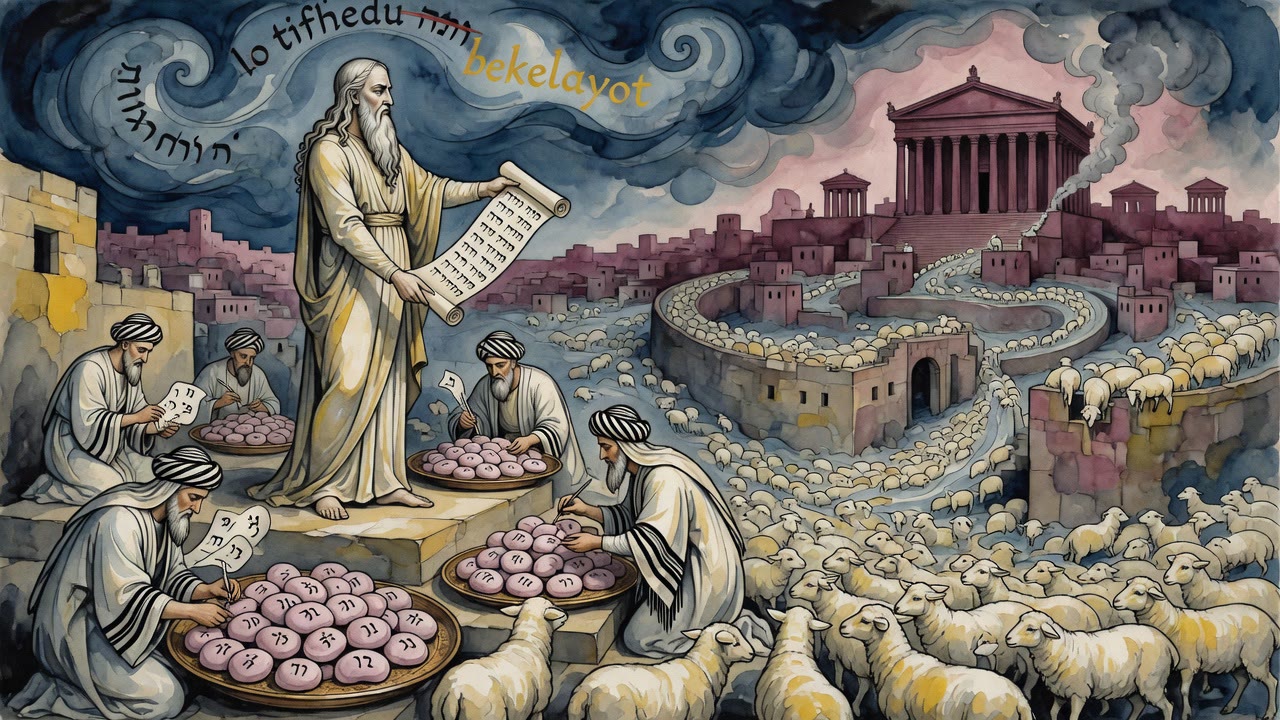
Ahashverosh's six-month feast is not Persian wealth on show. He displays the vessels of the destroyed Temple, turning sacred memory into imperial decor.
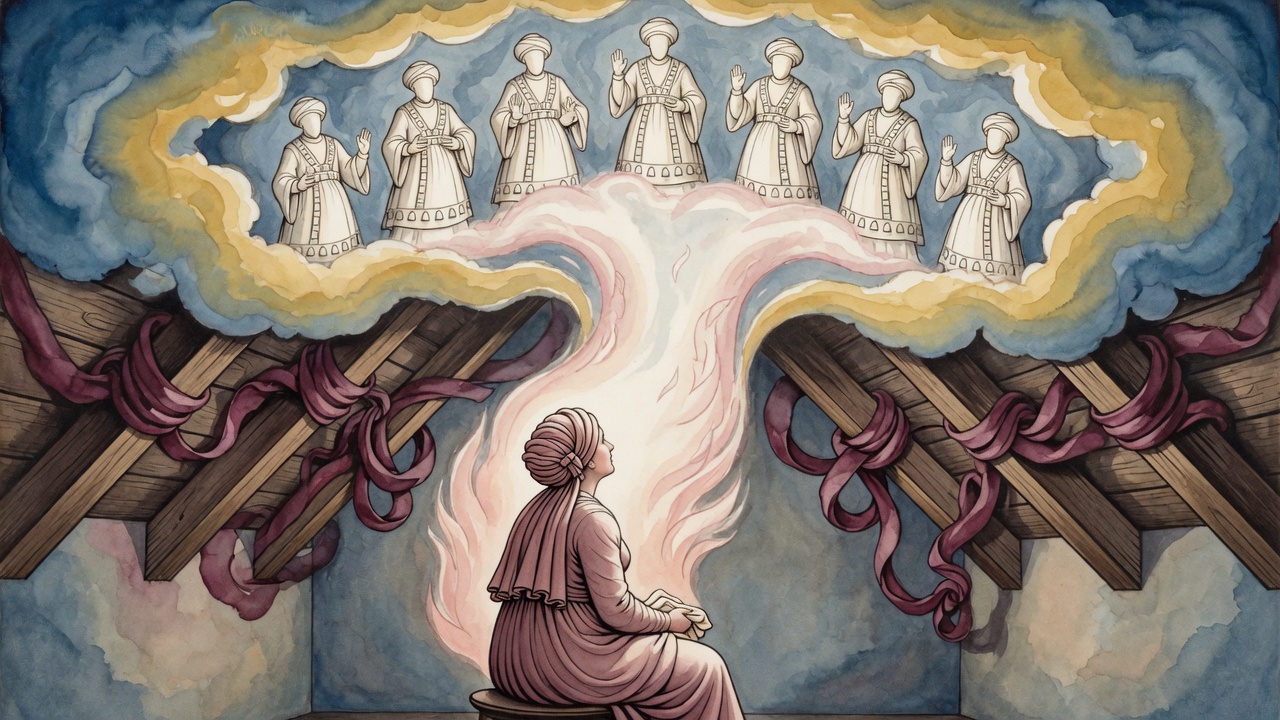
When the Presence rose out of Eden it did not go straight up. It went in hops, one floor at a time, and every hop was somebody's fault.
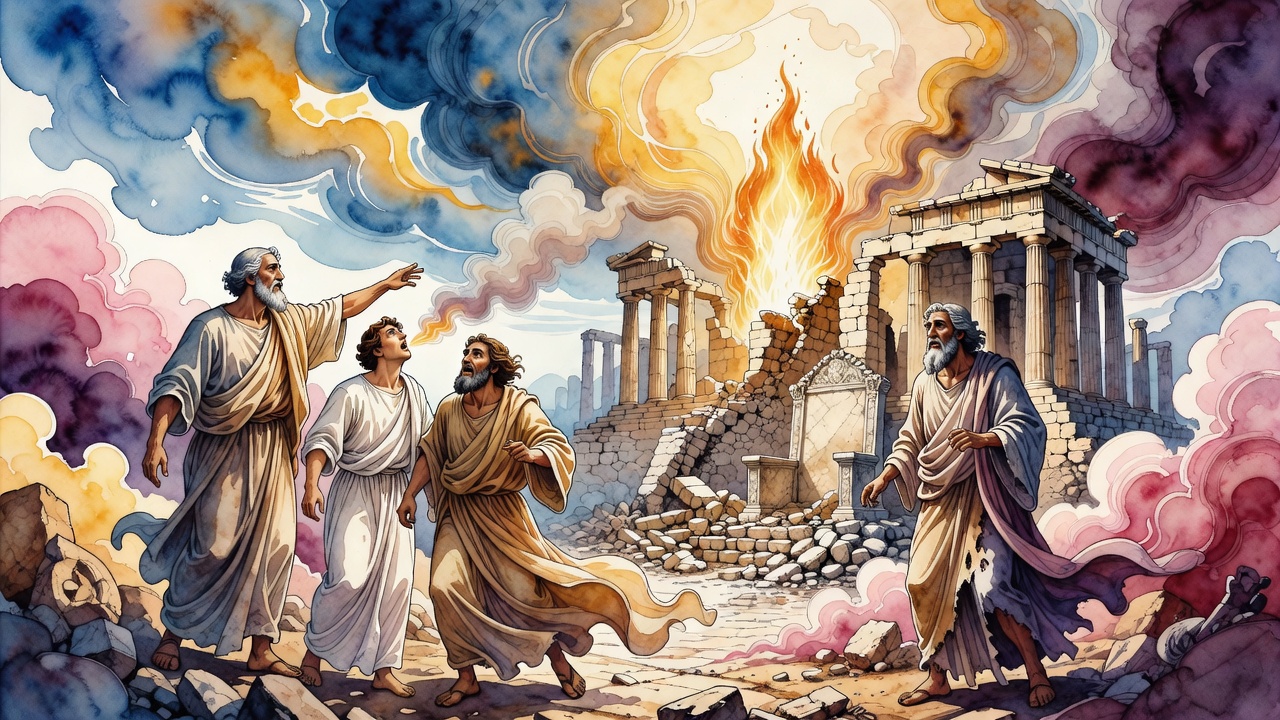
Abraham named it. Isaac smelled the smoke. Jacob woke shaking. And Tzidkiyahu, the last king, lived the ending three patriarchs had already seen.
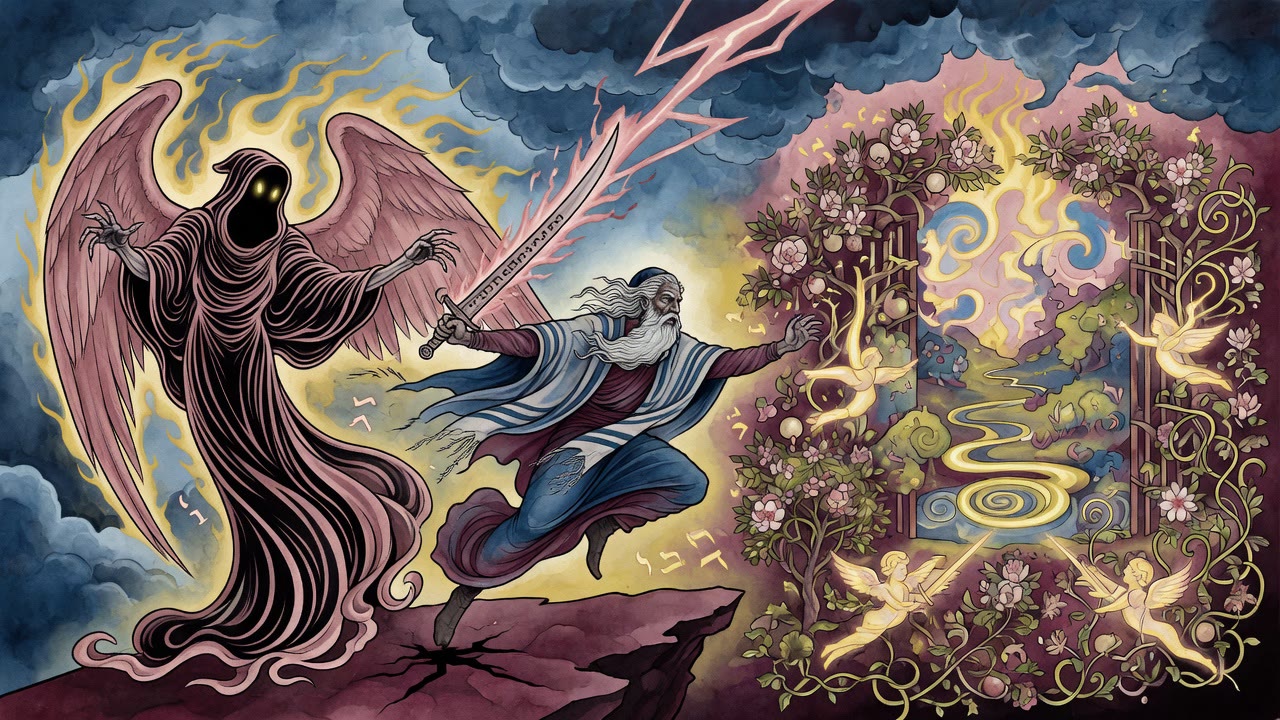
When Rome burned the sanctuary, the rabbis replaced altars with scrolls, tithes with scholarship, and the Temple platform with the page of Deuteronomy.
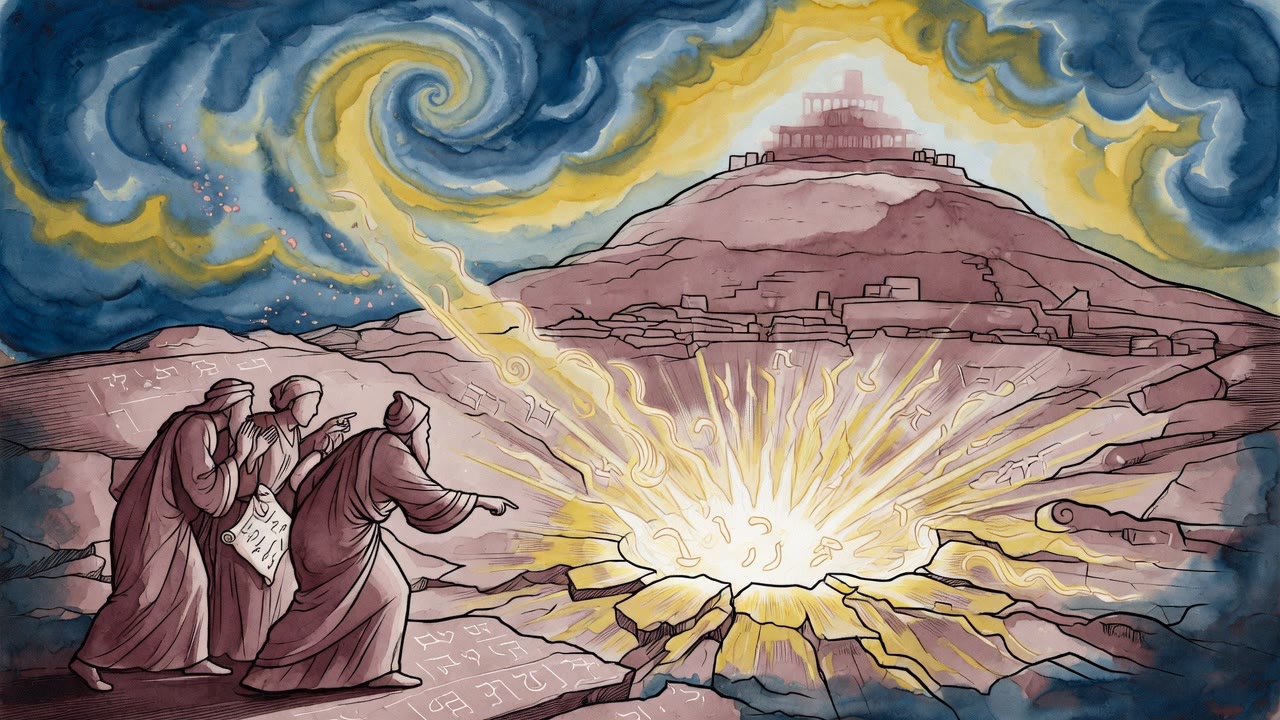
Rabbi Shmuel would only answer in a whisper. The first light, he said, came from a cloak. Another teacher named the stone in Jerusalem.
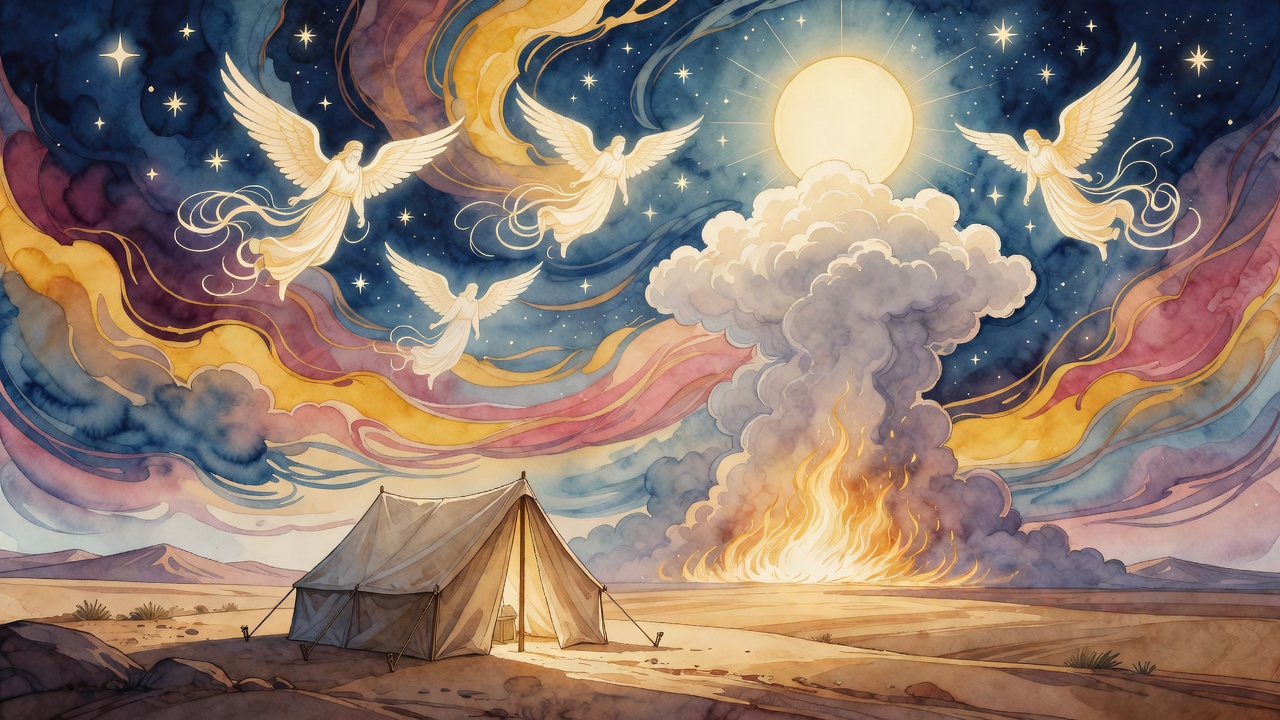
Moses set the Tent of Meeting outside the camp, and the seraphim, sun, and stars lined up to visit. God told him to come back to his people.
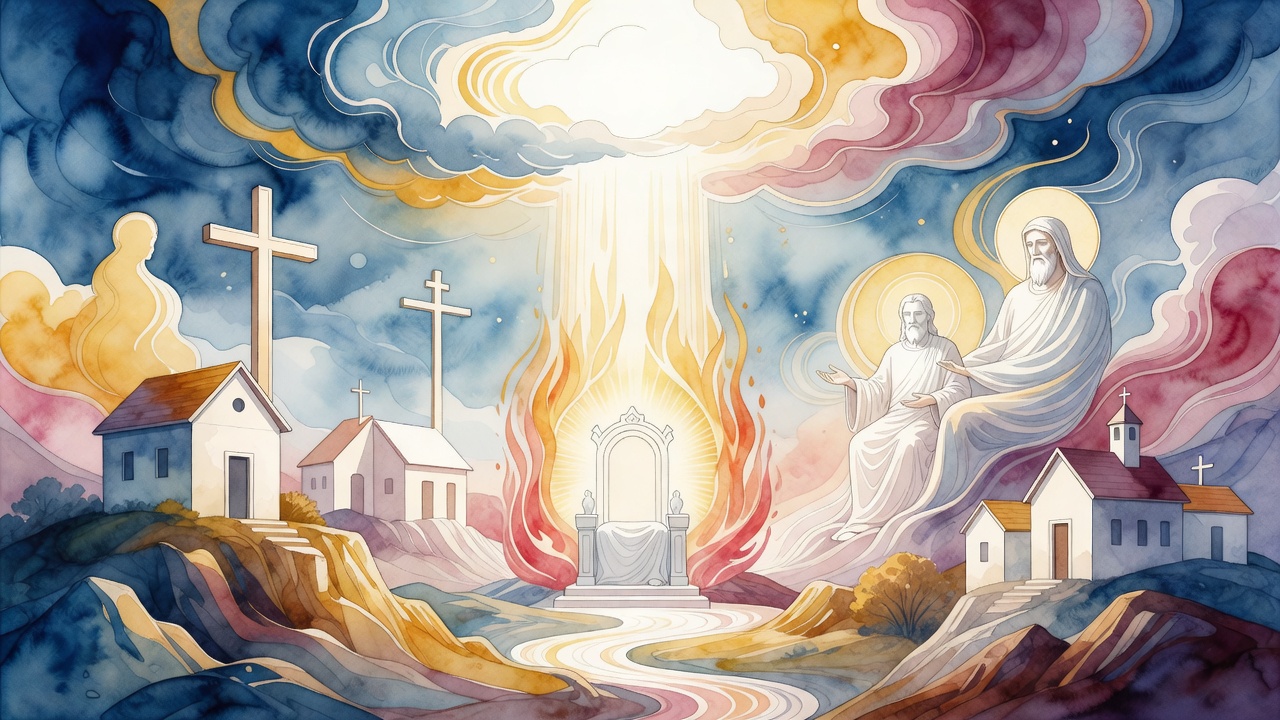
Israel told God every earthly king had a palace. God said He needed none. Israel refused ancestral credit and demanded to earn the relationship themselves.
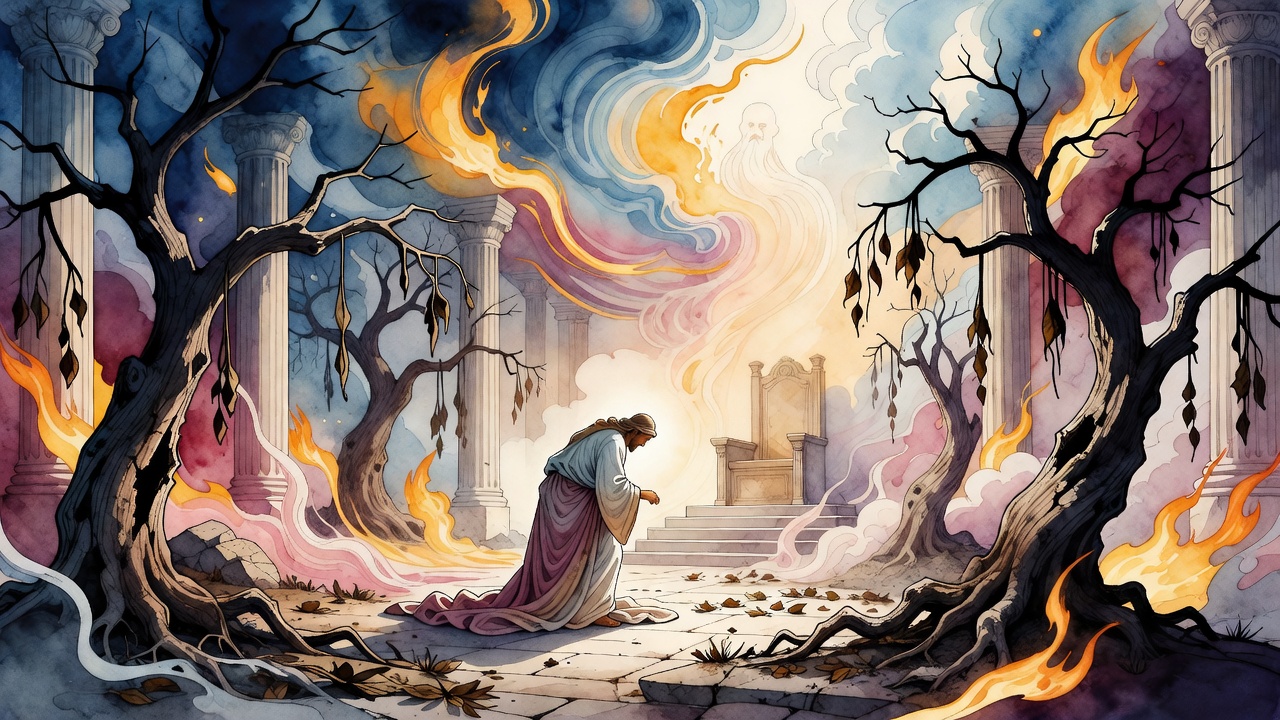
Solomon planted golden trees inside the Temple that bore real fruit. One king's idol made the whole forest die in a single afternoon.
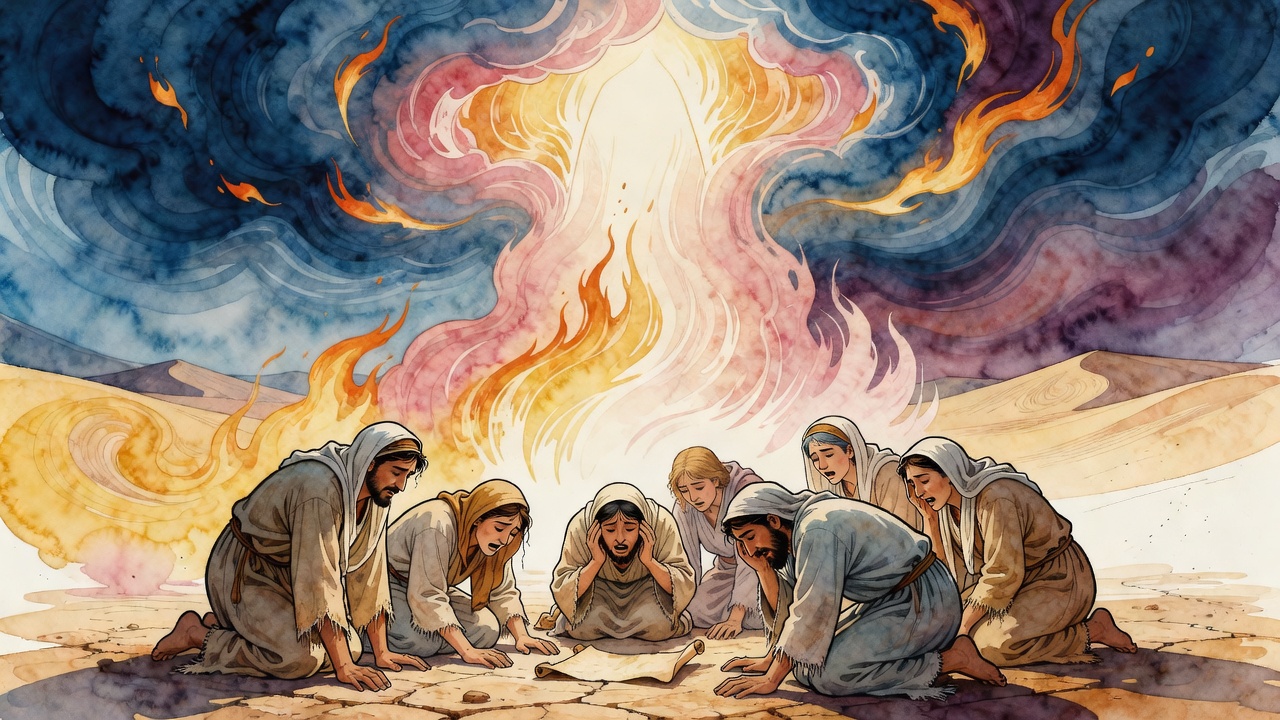
The scouts came back talking about giants, and six hundred thousand men cried all night over a land none of them had seen. That night was the ninth of Av.
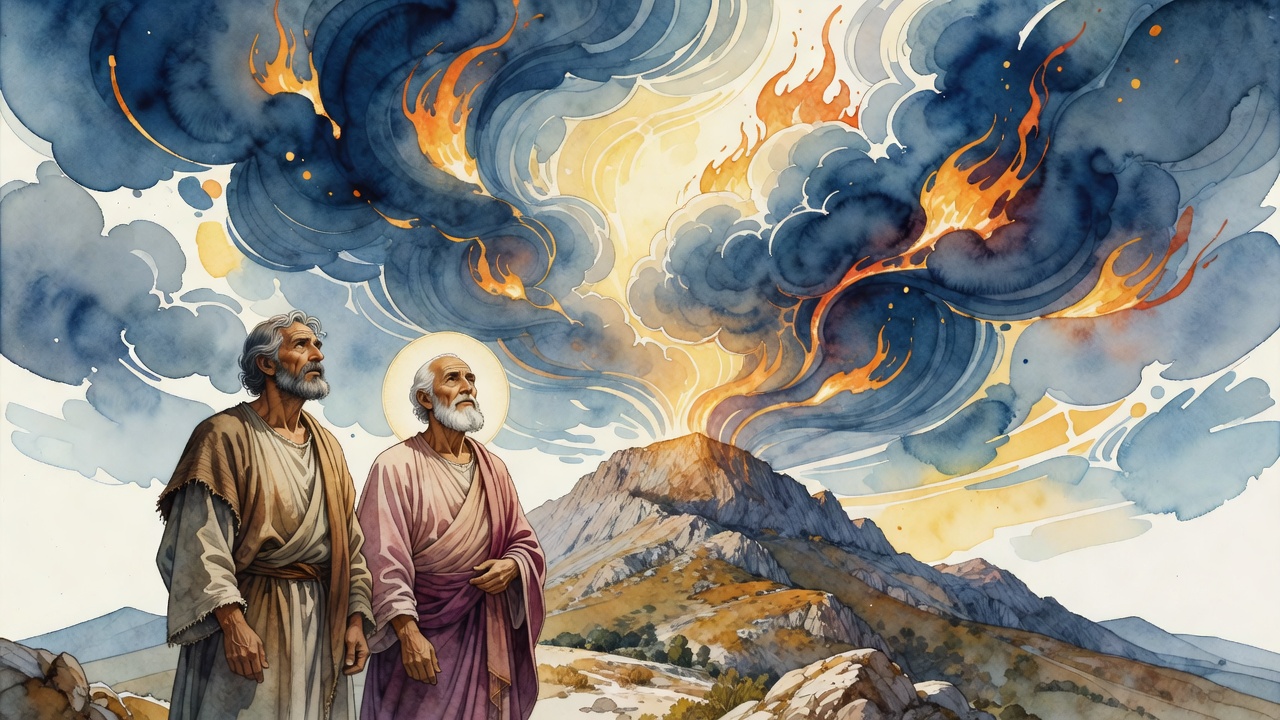
Long before either man arrived, God had put up a booth on that hill and prayed inside it for a house of his own to be built there.
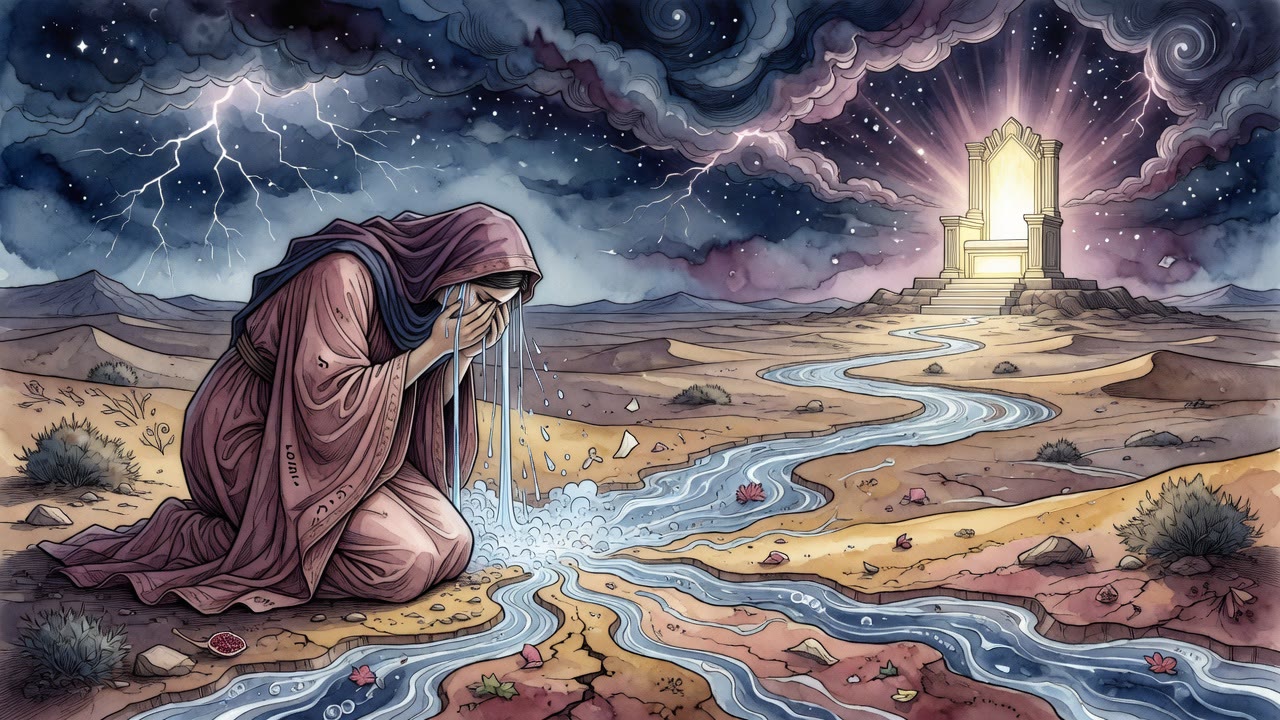
An Athenian handed a Jerusalem tailor a broken stone mortar and told him to sew it. The tailor put sand in his palm and asked for thread.
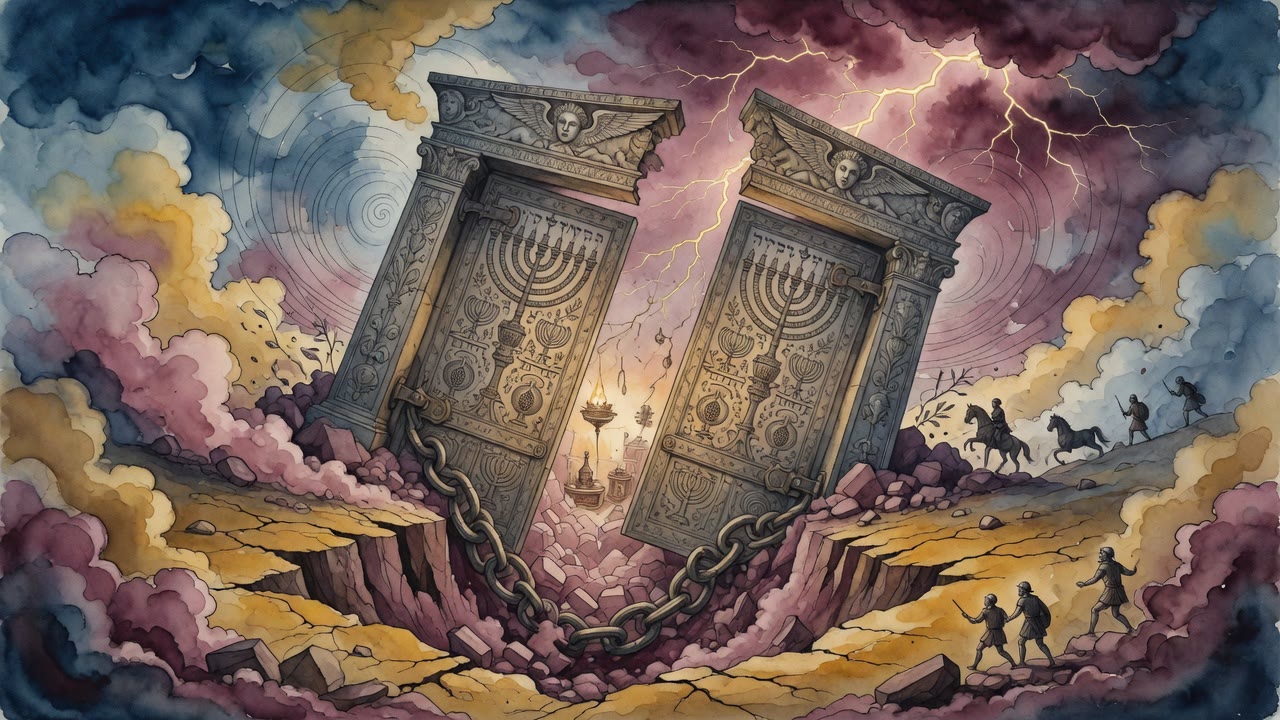
Eikhah Rabbah reads the Temple's ruin through a garden without water, gates that sank rather than be captured, and a wound as vast as the sea.
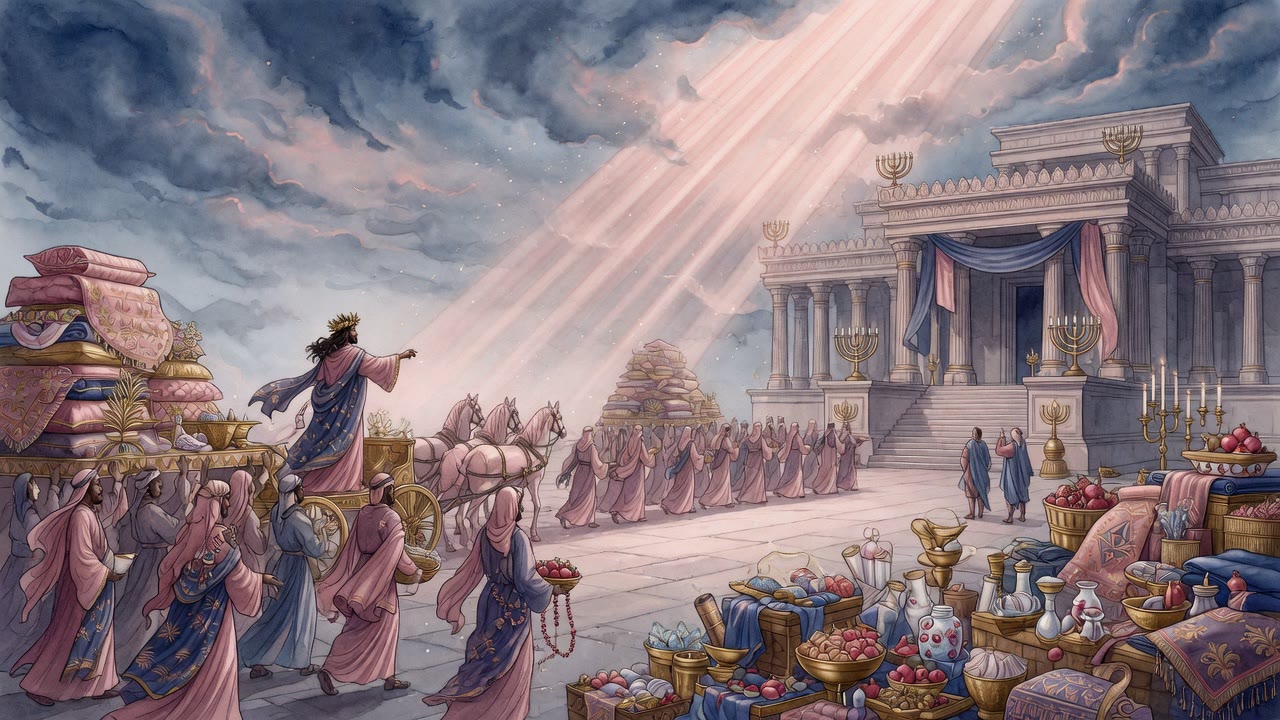
Ptolemy asked the Jews how big the Temple table was before he built one. His craftsmen made gold leaves that seemed to move in the air.
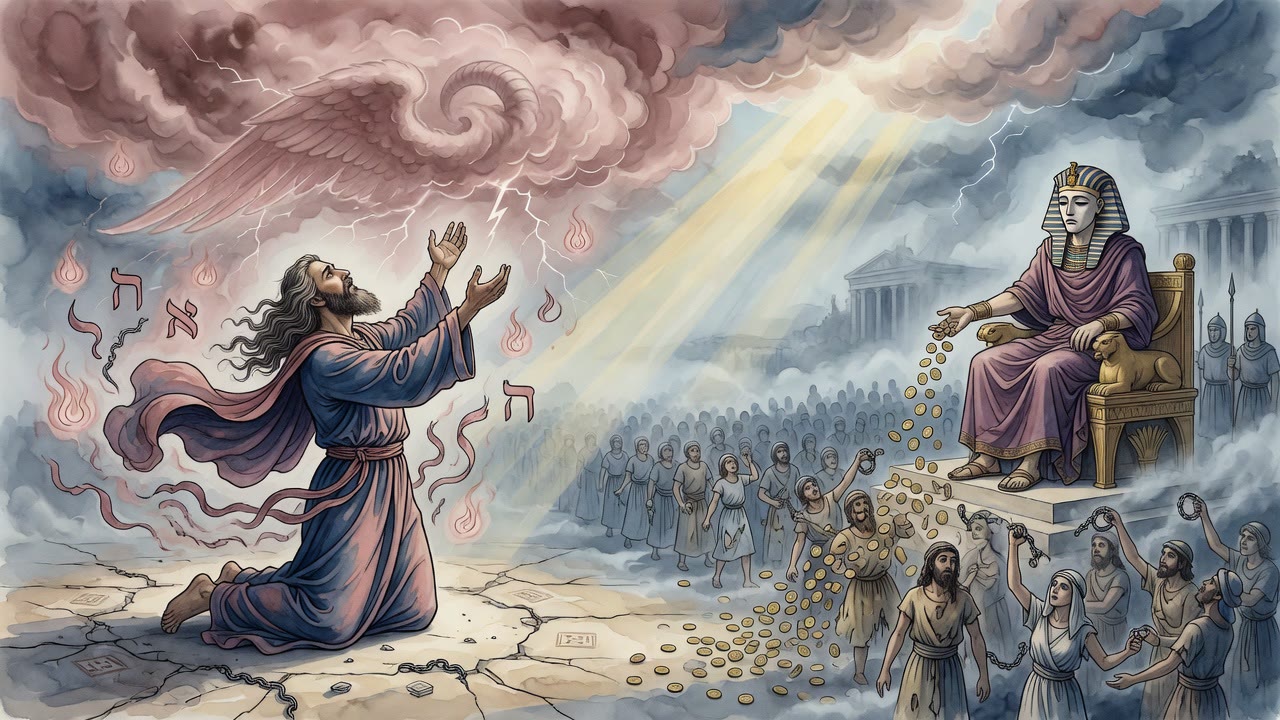
The curtain at the entrance never stopped moving in the breeze, and he could scarcely look away. Then he noticed seven hundred priests working without a word.
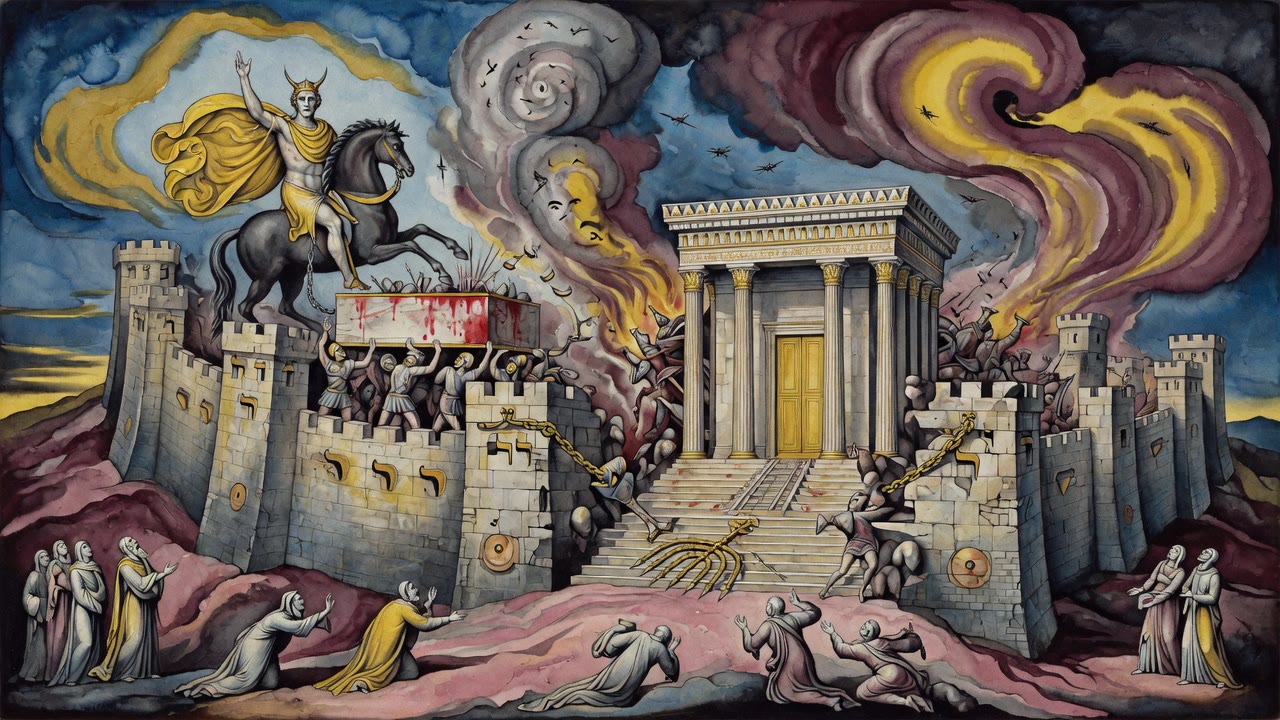
He walked into the sanctuary and lifted the menorah from its place. Two years later his men spoke peace at the gates, then set the city on fire.
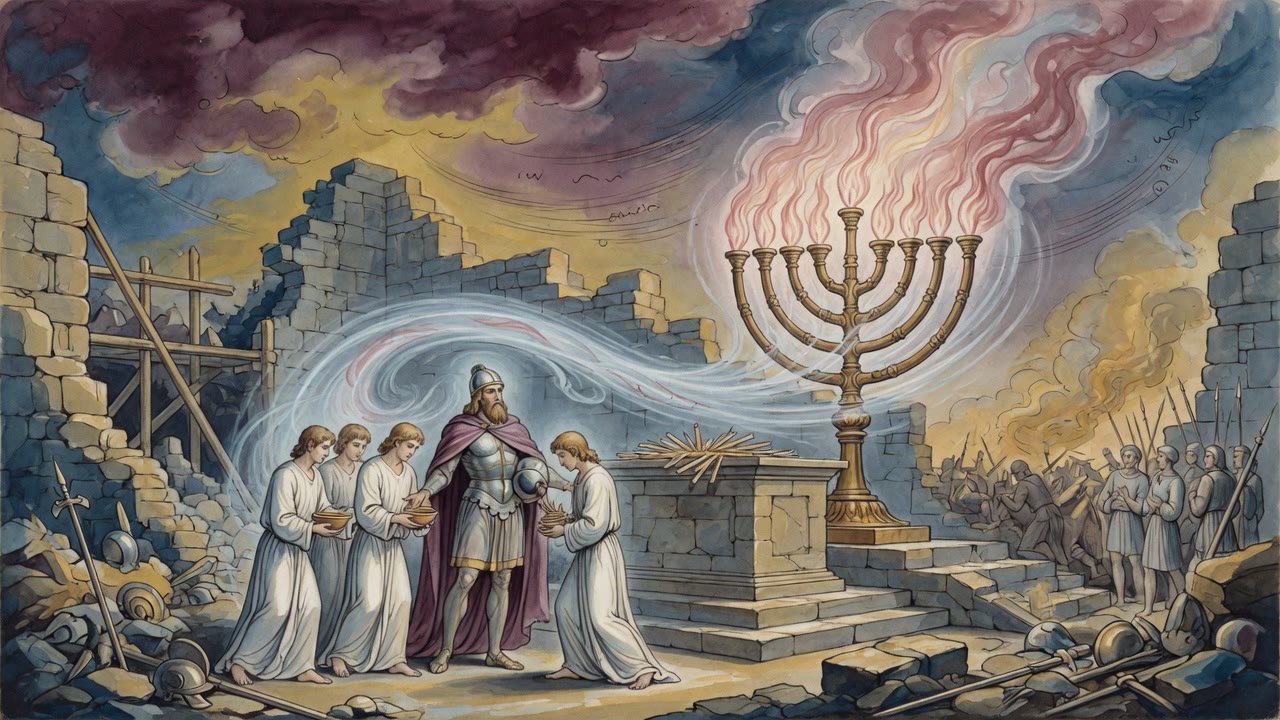
Gorgias still held the mountain. Judas told his men to leave the silver in the tents and keep ranks until the last horseman was gone.
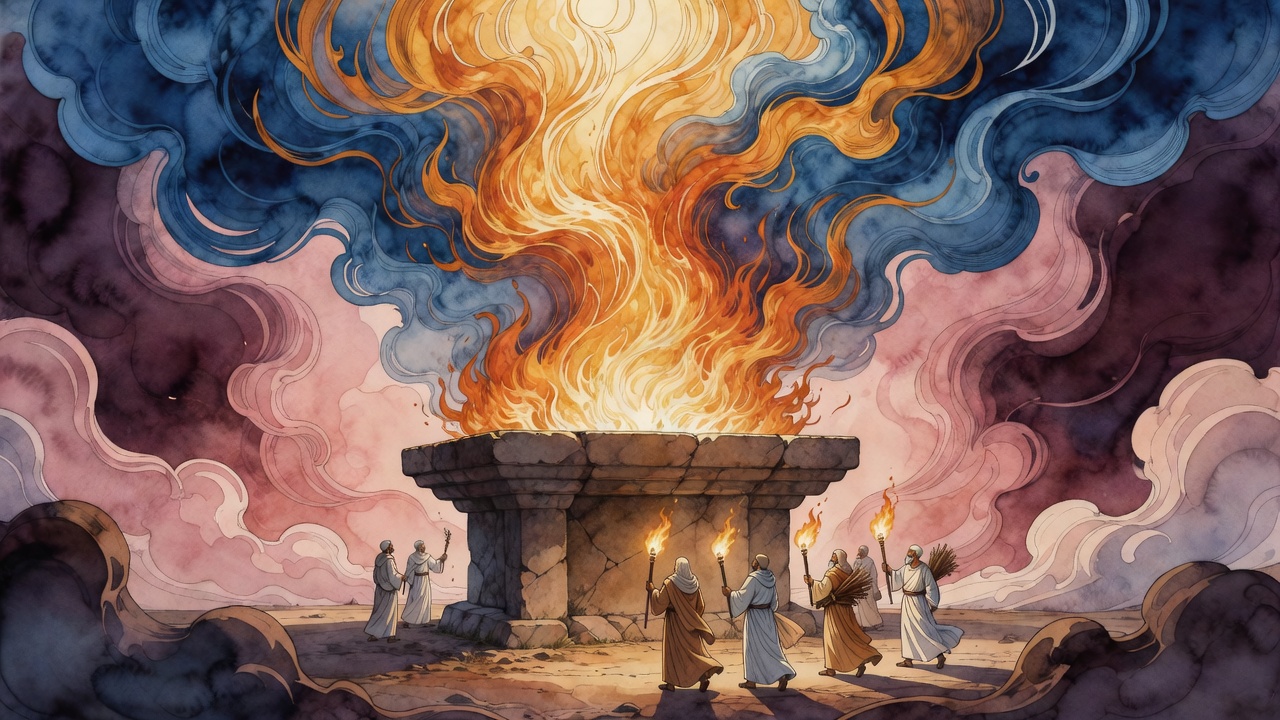
Fire descended from heaven onto the altar and stayed, yet the Torah still commanded priests to bring human fire, because the kindling itself was a commandment.
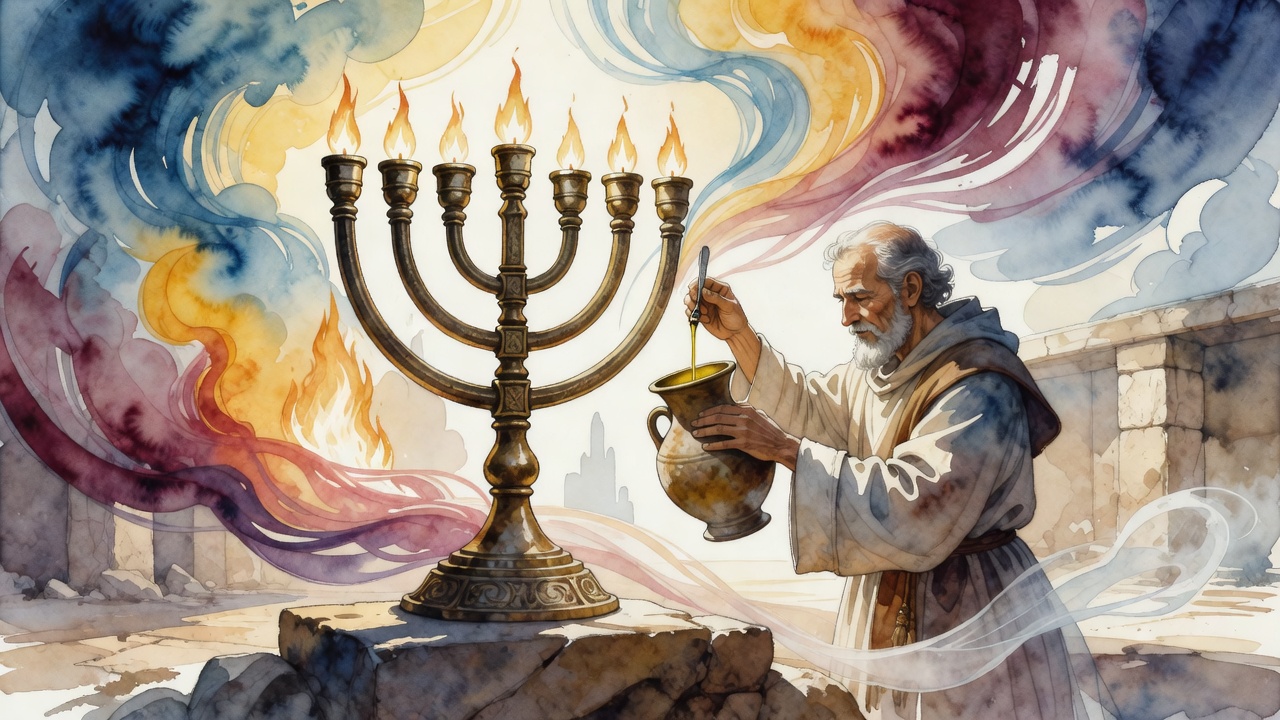
A priest presses olive oil into the cups and trims the wicks. God needs none of it. The flame burns for the hands that light it, not for heaven.
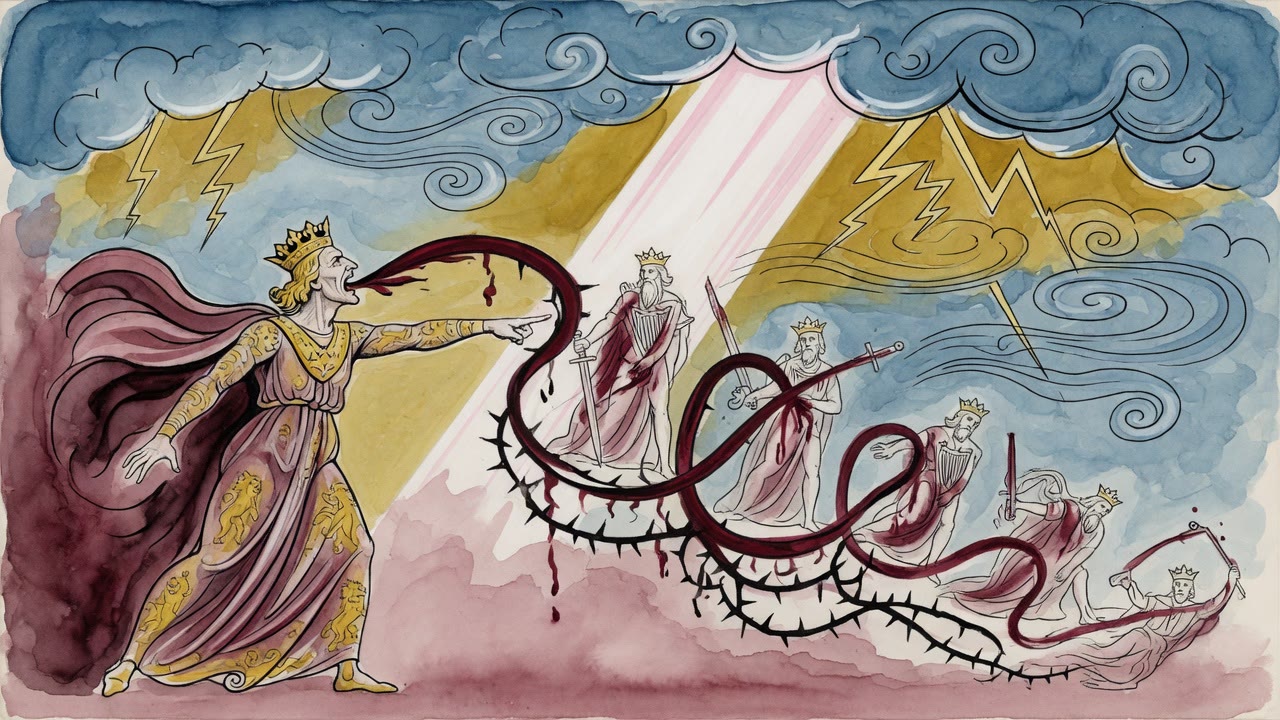
Fifteen hundred cubits down, David's spade hit a potsherd. The shard said it was holding the deep shut. He moved it anyway.
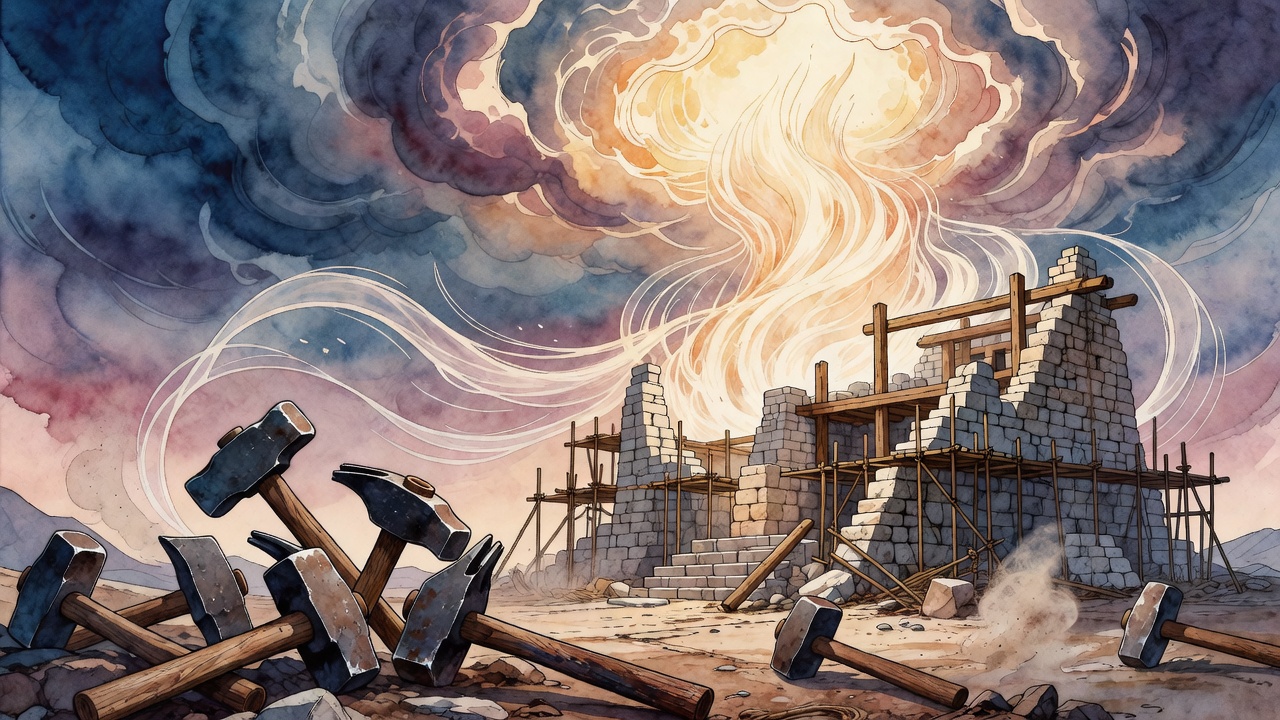
God ordered Israel to build Him a sanctuary, then commanded them to rest one day in seven. The Yalkut Shimoni asked whether holiness must yield to rest.
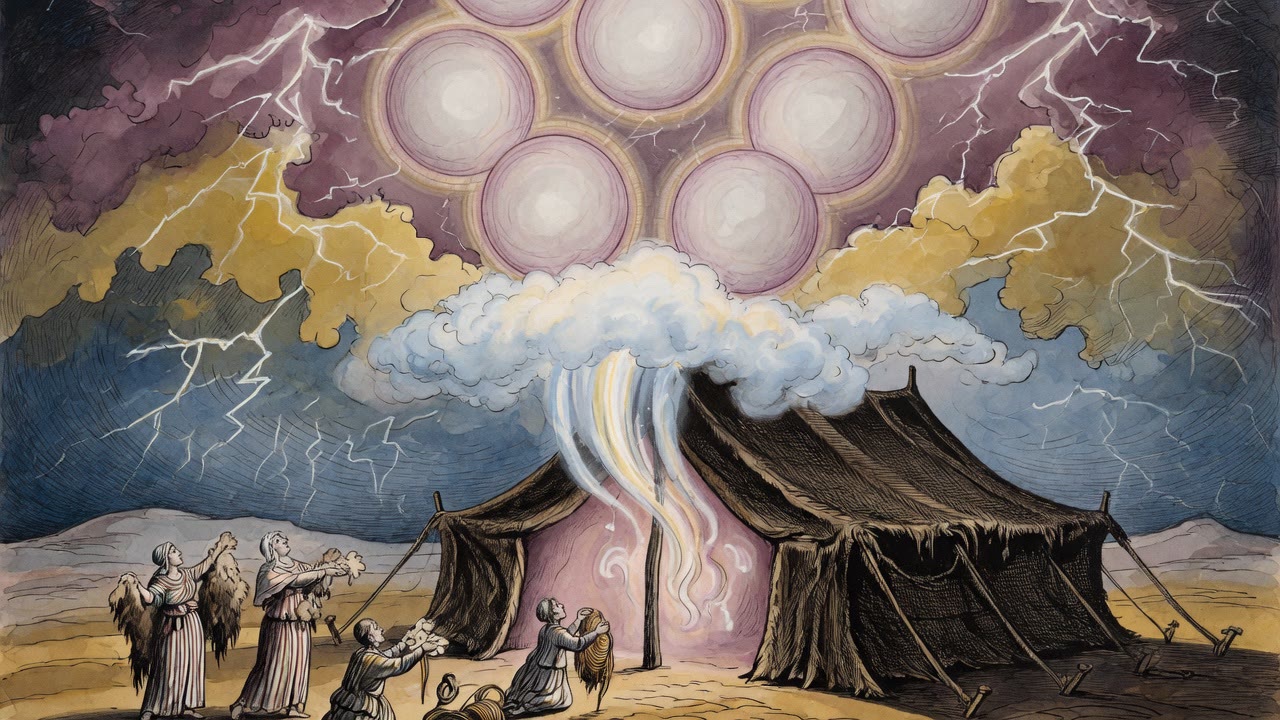
God's throne stood five hundred years above the seventh heaven. He left it all and asked freed slaves for scraps of wool so He could live among them.
Somebody lit a candle for him on the road and it went out. Somebody lit another. He stopped walking. From here on, he said, I am waiting for the morning.
Gold was never for human ownership. God placed it at the edge of Eden, named countries that did not exist yet, and waited for the Temple to be built.
