391 myths · Page 6 of 14
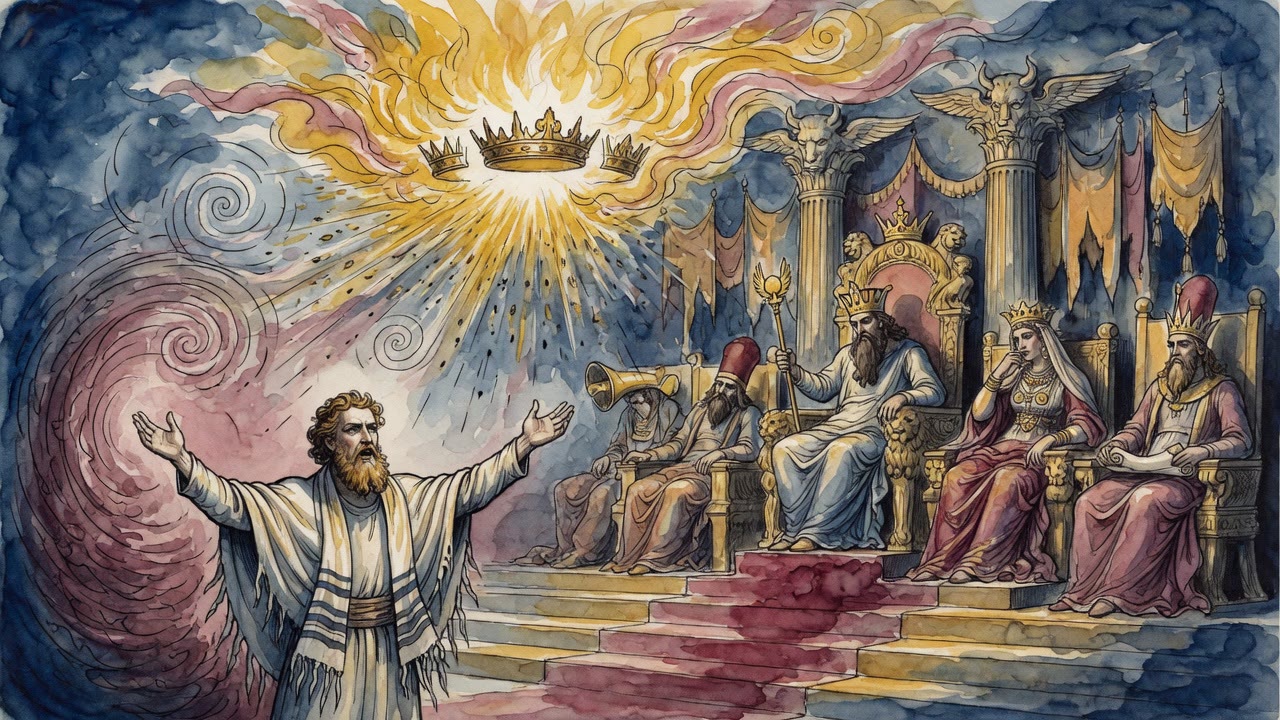
Daniel had grown too old to hold a court together. He walked out to the camp of the exiles, took a man by the hand, and brought him back as his replacement.
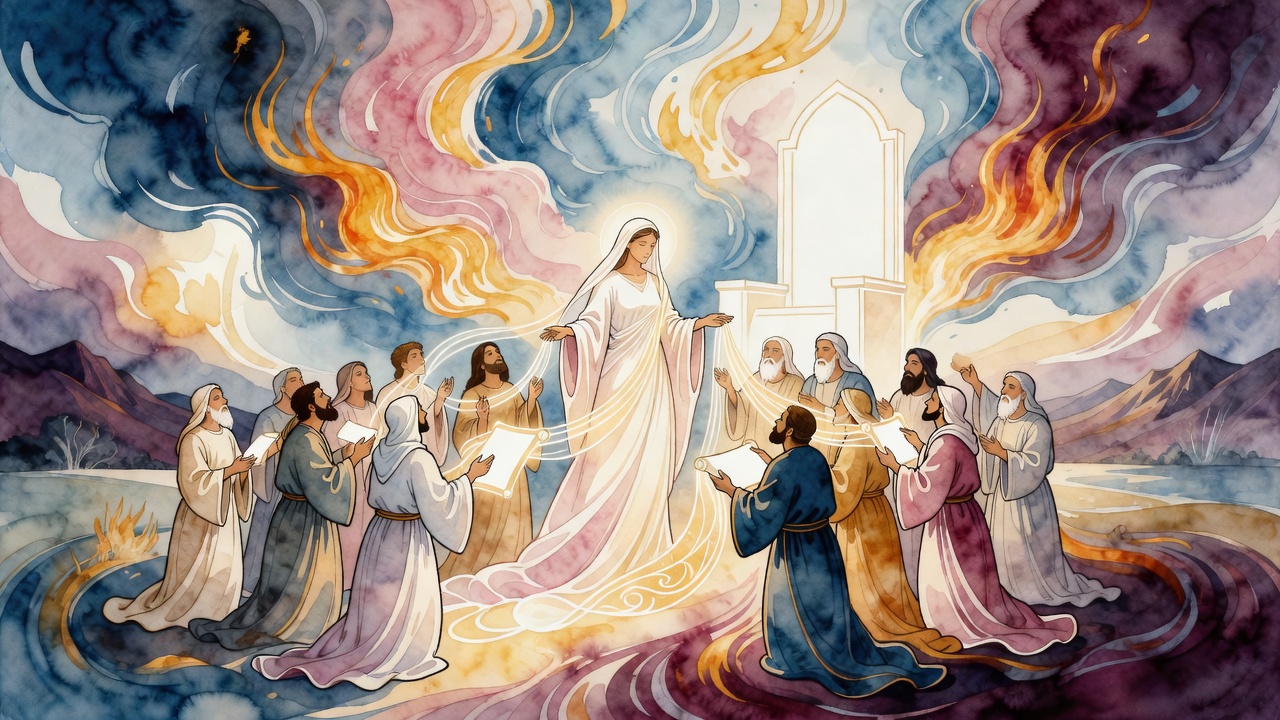
While the Temple stood, the King came down every midnight to the inner room. After it burned, His Bride went out into the road with nothing left to wear.
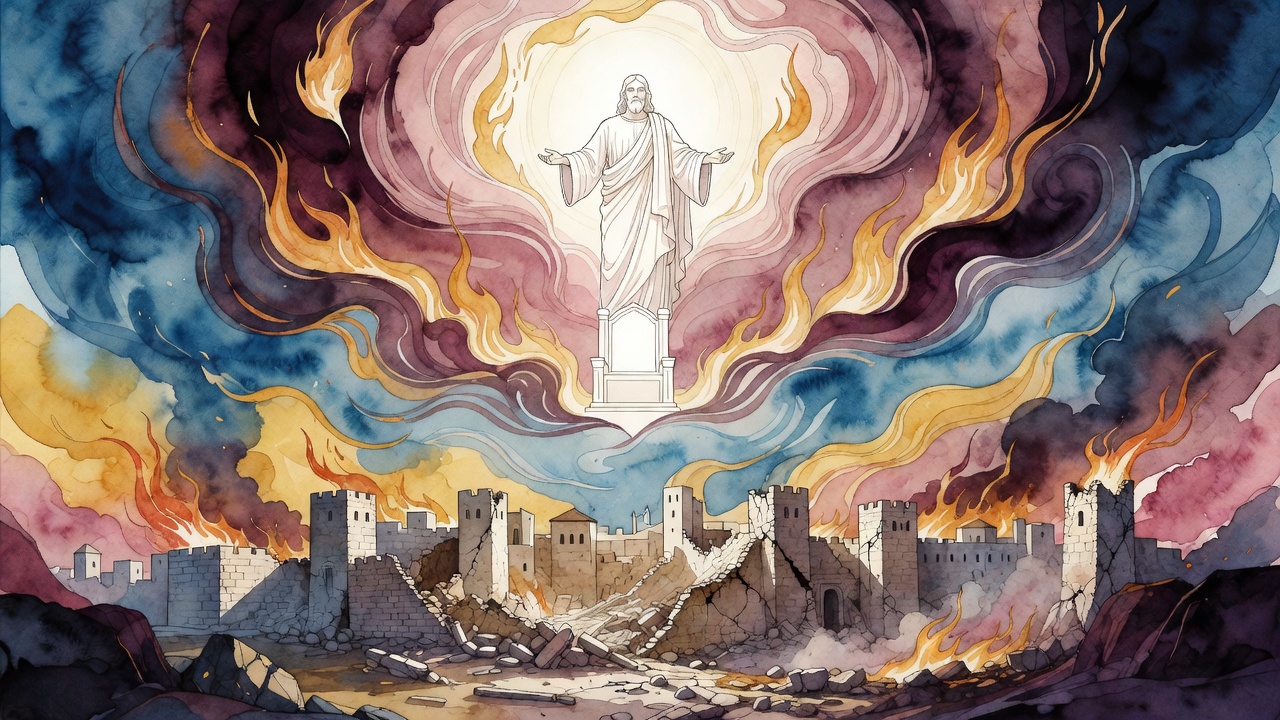
Above the city that can burn stands a Jerusalem that cannot, waiting in light above the ruins, aligned with what was lost below.
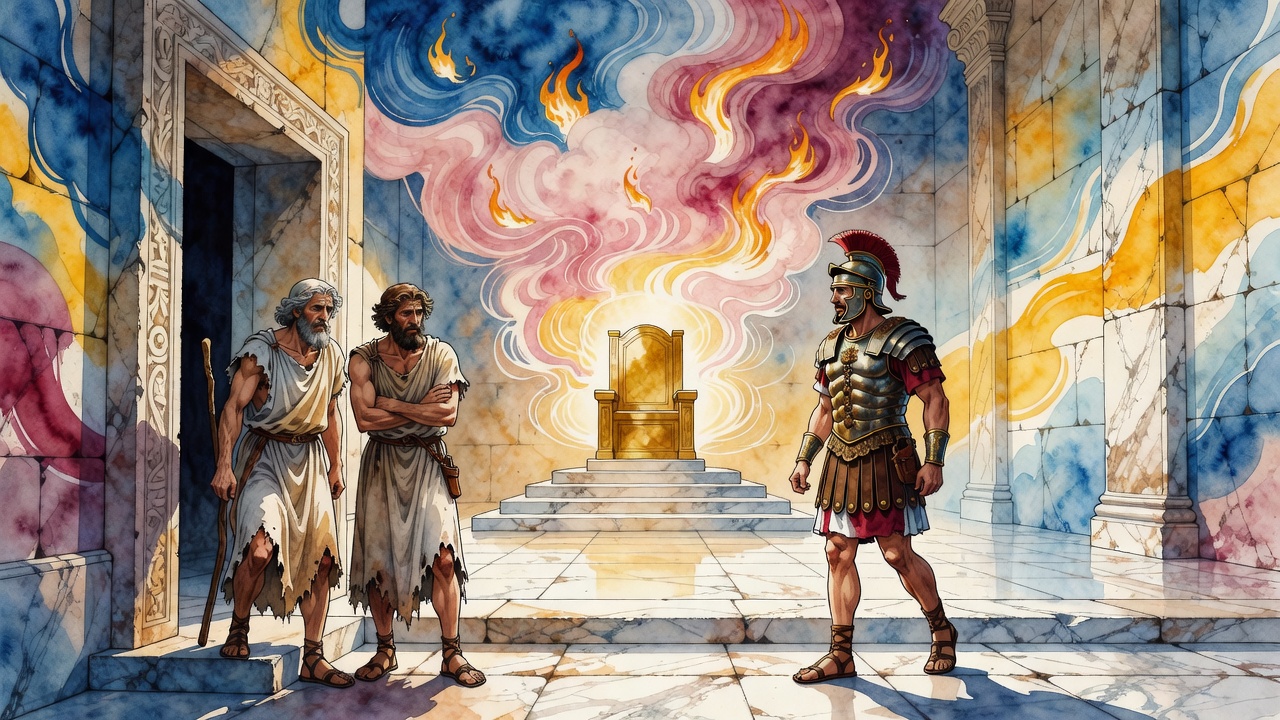
Two Hasmonean brothers each asked Rome to settle which of them should rule. The Romans built their siege ramp on Sabbaths, when nobody threw.
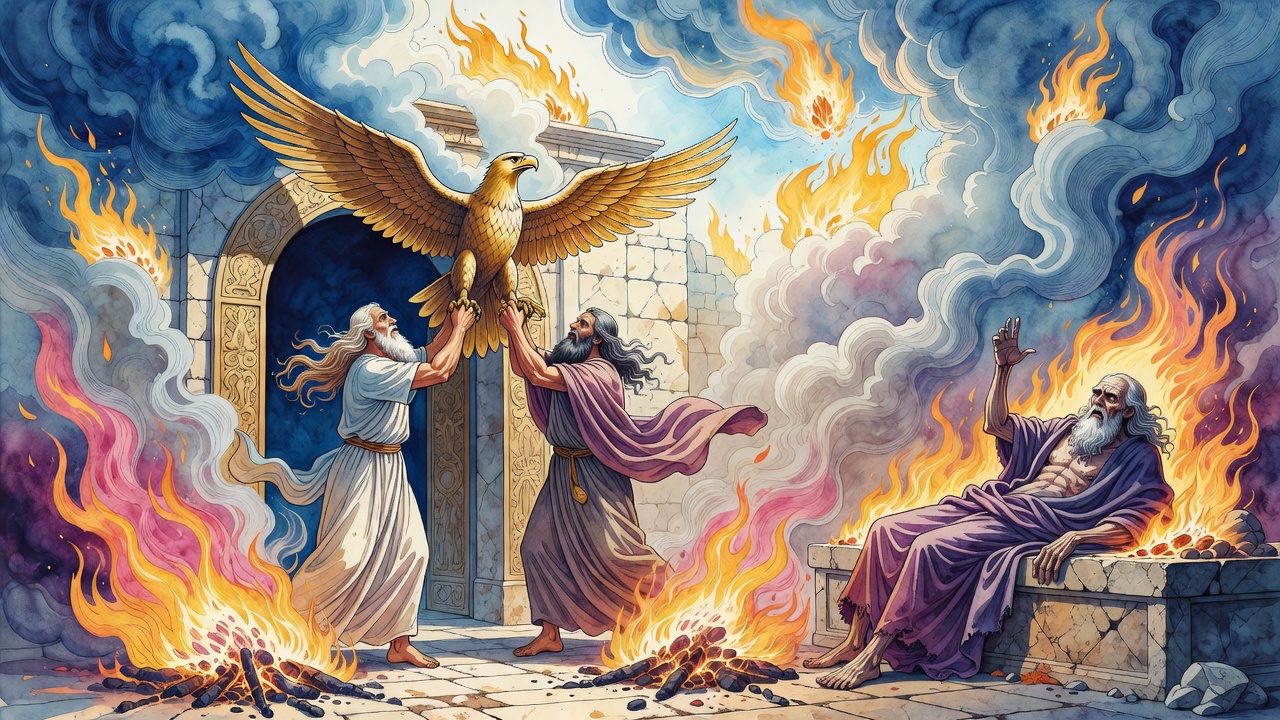
Two lecturers heard the king was dying and sent their students up the Temple gate with axes. Forty of them stayed when the soldiers came.
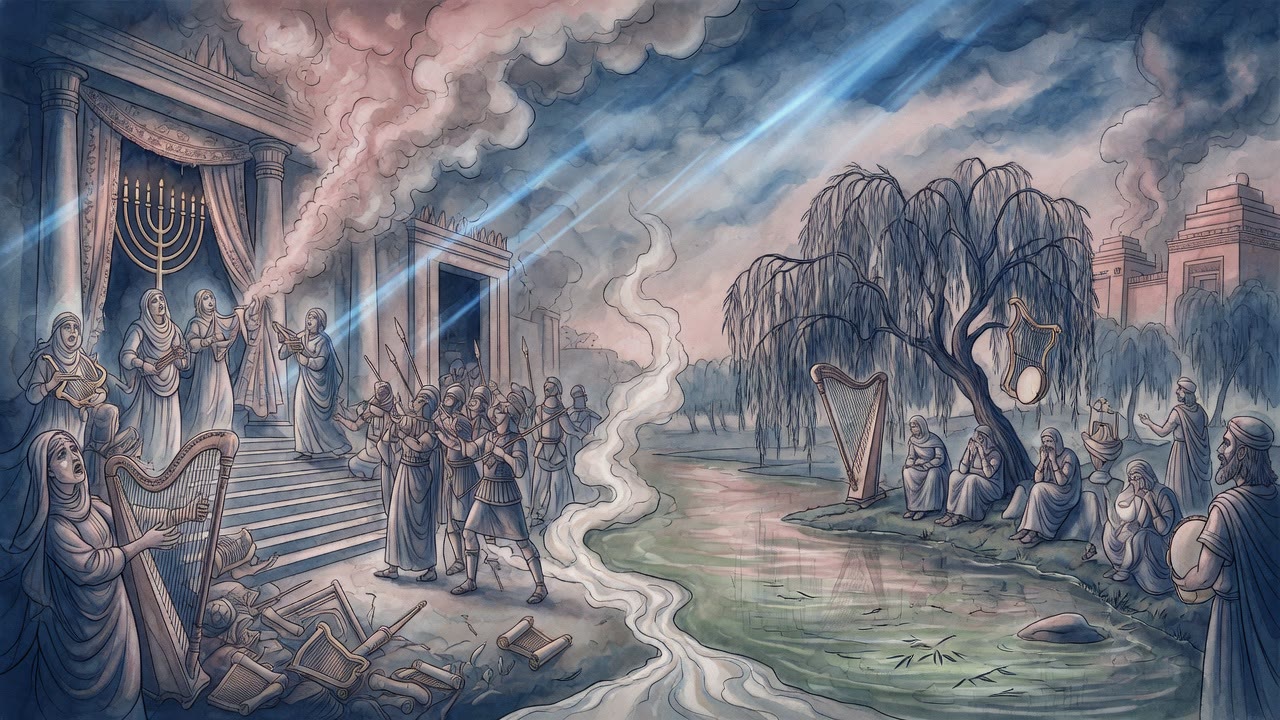
Six hundred thousand singers never finished the verse. The line broke at "and shall cut them off," and the soldiers were already in the court.
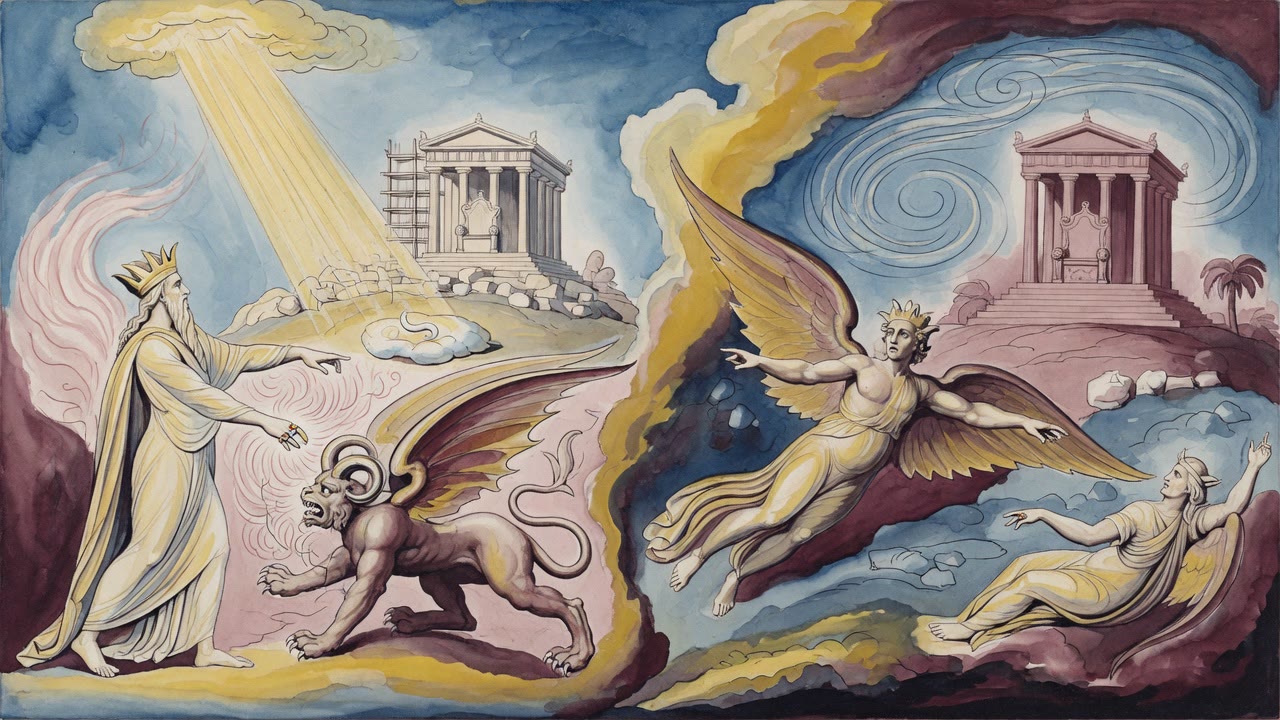
No iron could touch the Temple stones. Solomon needed a worm the size of a barley grain. The demon who knew its nest drank from one well.
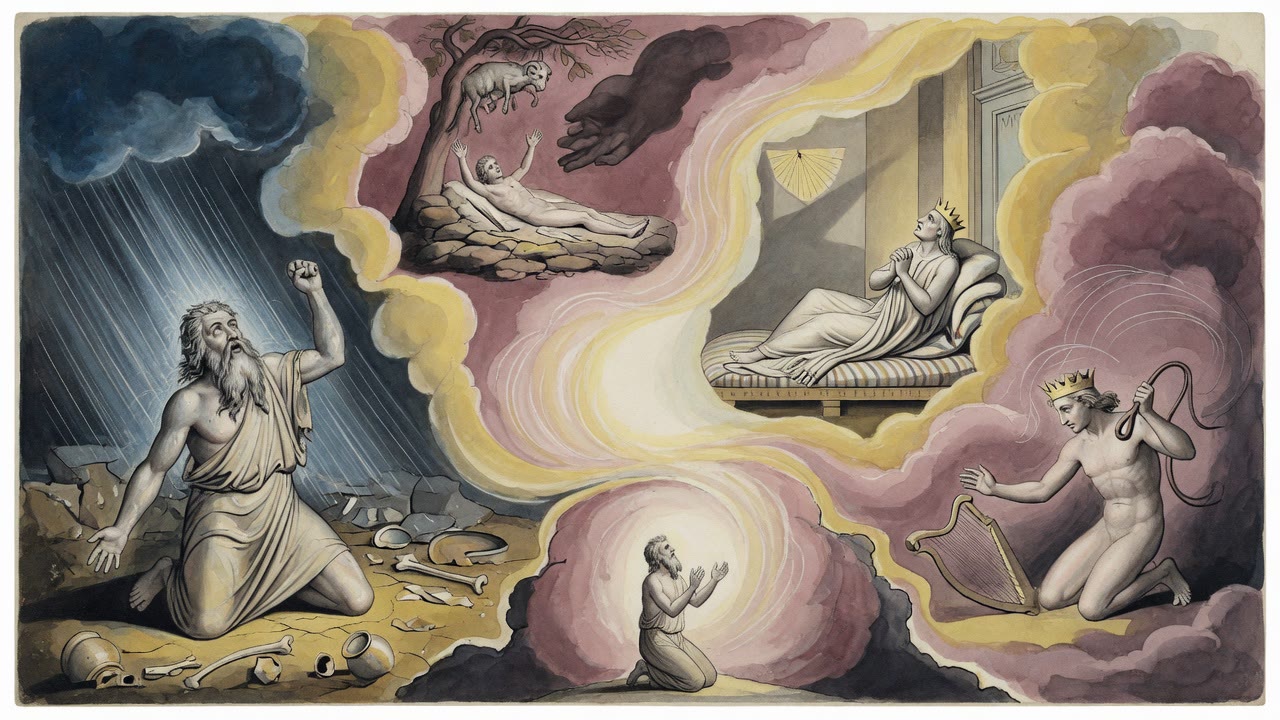
A sage escapes in a coffin, the dew stops blessing the earth, a pig appears on the siege wall, and the Levites hang their harps on Babylonian willows.
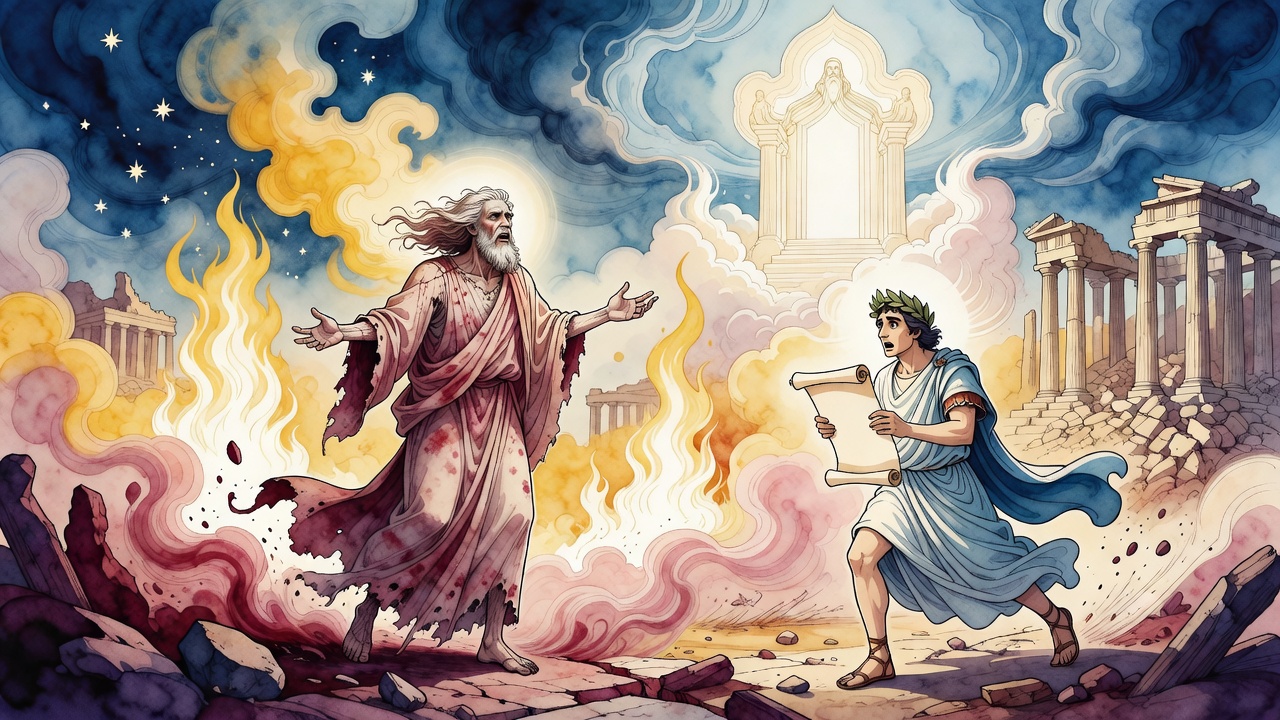
Forty years of omens precede the Temple's fall, a prophet's blood boils for centuries naming its killers, and Nero reads his own verdict and runs.
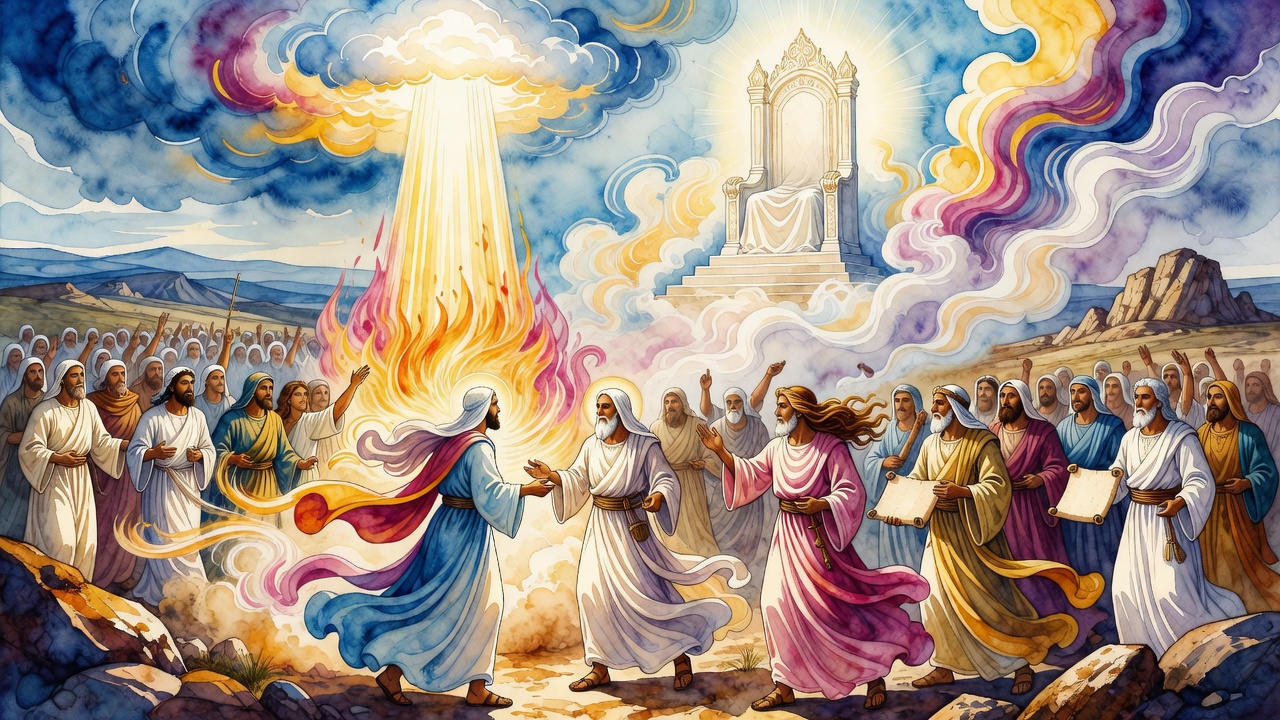
Moses asked for a man who would walk in front of the camp. After the Temple fell, the Presence did not stay in the ruin. She went with them.
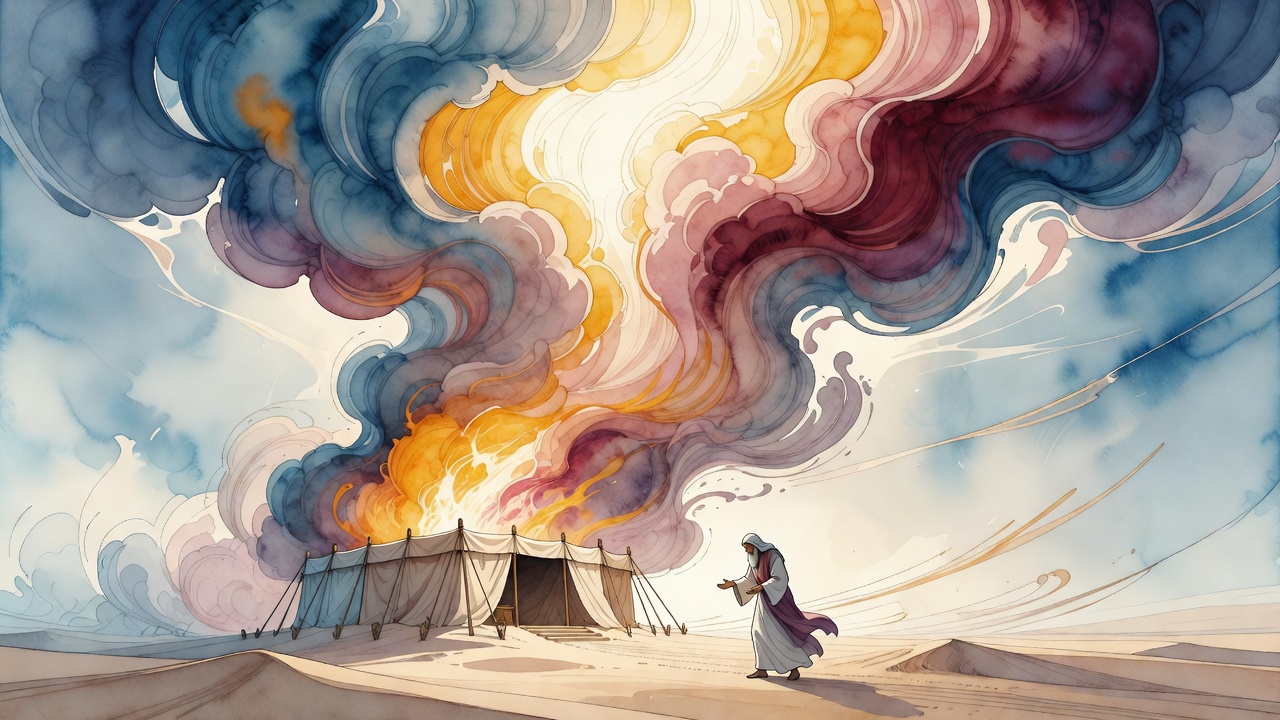
Moses prayed for forgiveness after the Golden Calf but asked too narrowly. The Tabernacle smoke was how the nations knew the husband had returned.
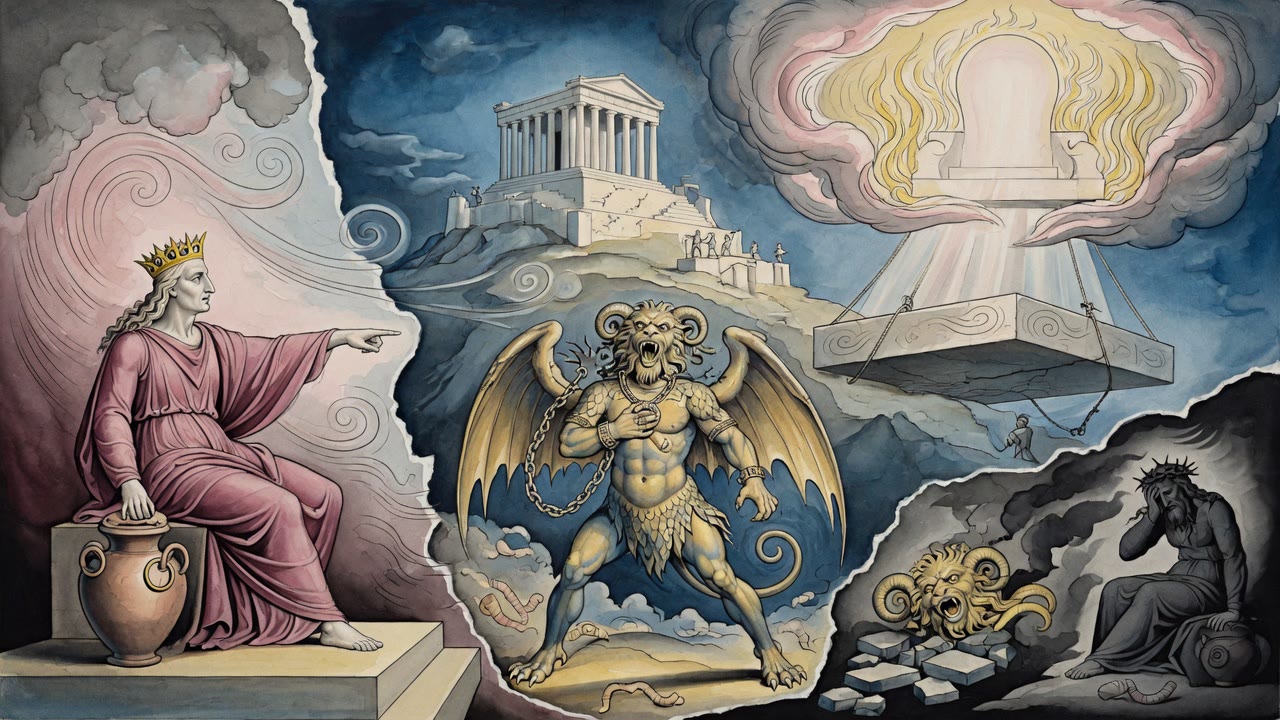
Solomon binds Ashmedai with the Ineffable Name to get the shamir. After the Temple is built, Ashmedai borrows the royal ring and throws Solomon into exile.
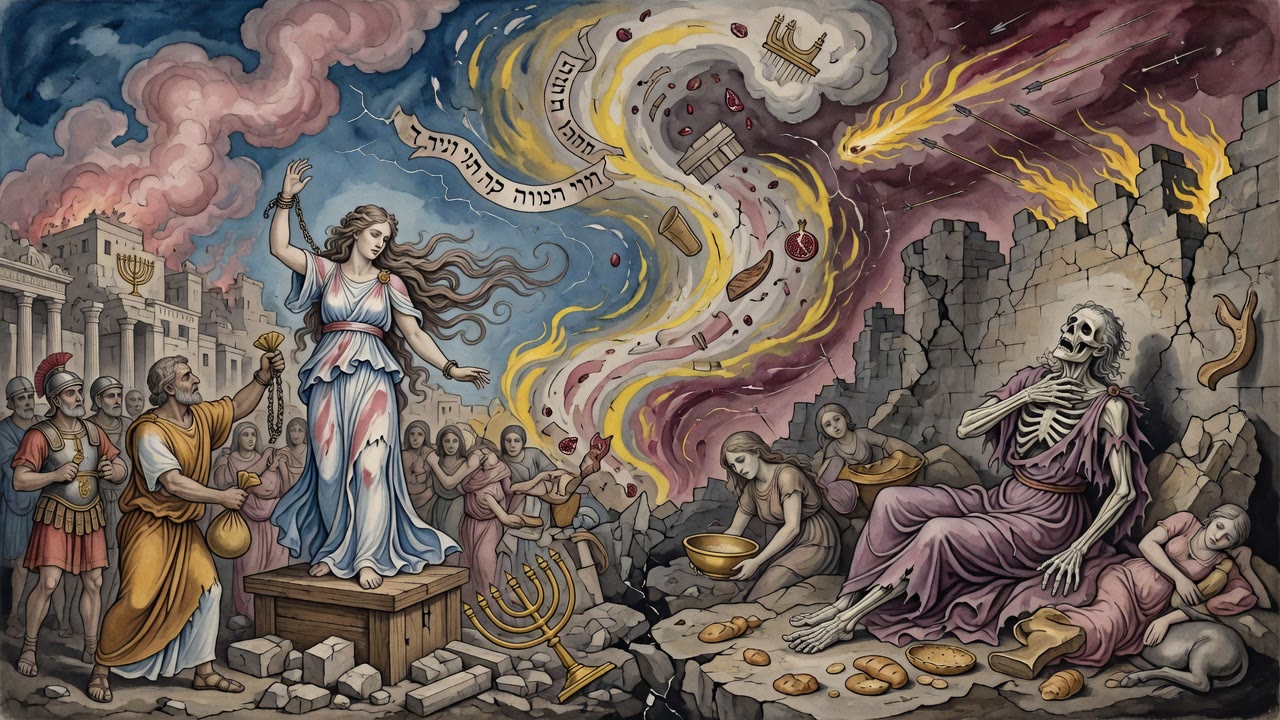
Buyers waited for the last cloth. Tzafnat tore it off herself and named her beauty out loud. She was dead on the stones before a bid could land.
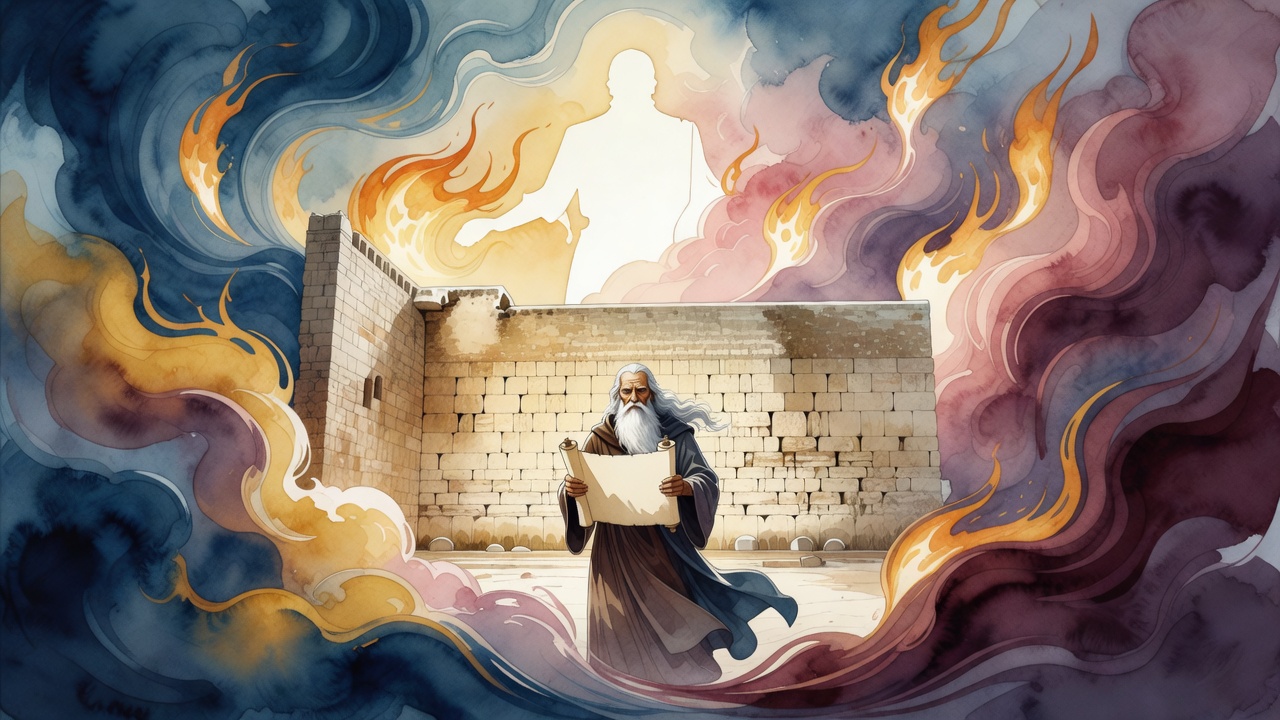
The Temple burned and one wall stayed up. Rabbi Yosei said God swore never to let that wall fall, and that God still stands behind the stones.
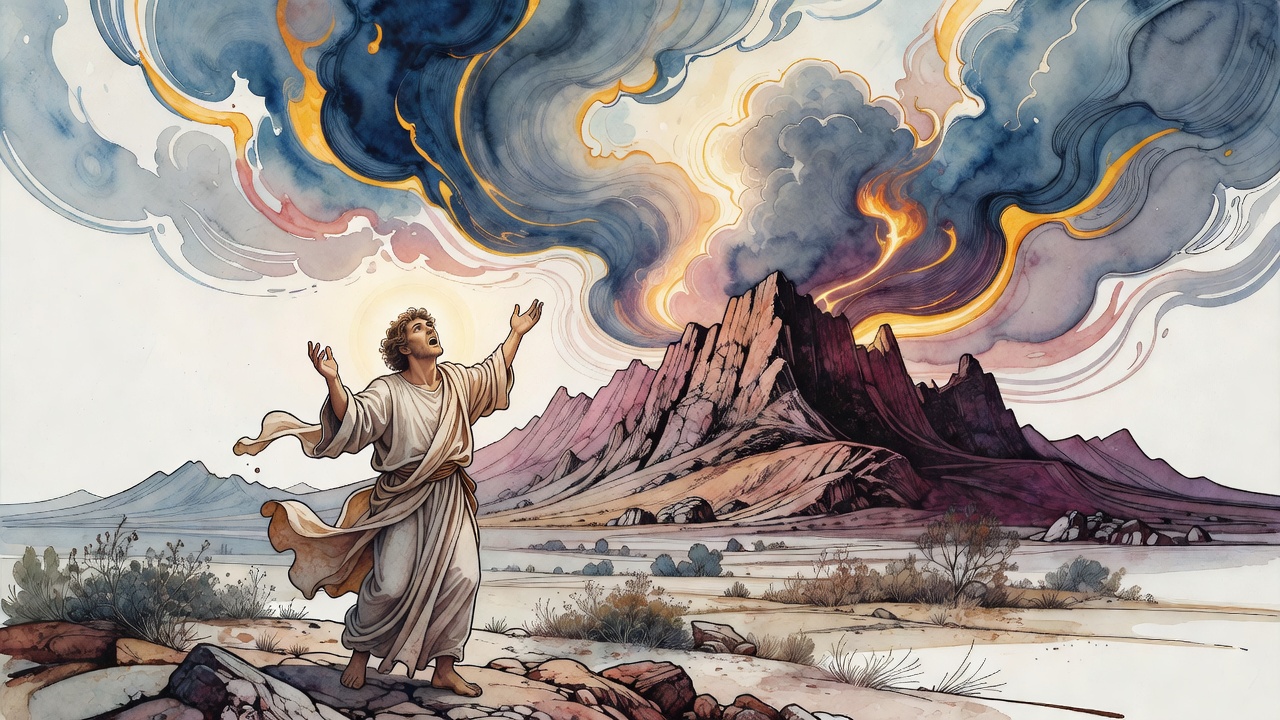
David wanted his own name in the blessing beside Abraham's. God told him what Abraham had gone through to get it there. David said, test me too.
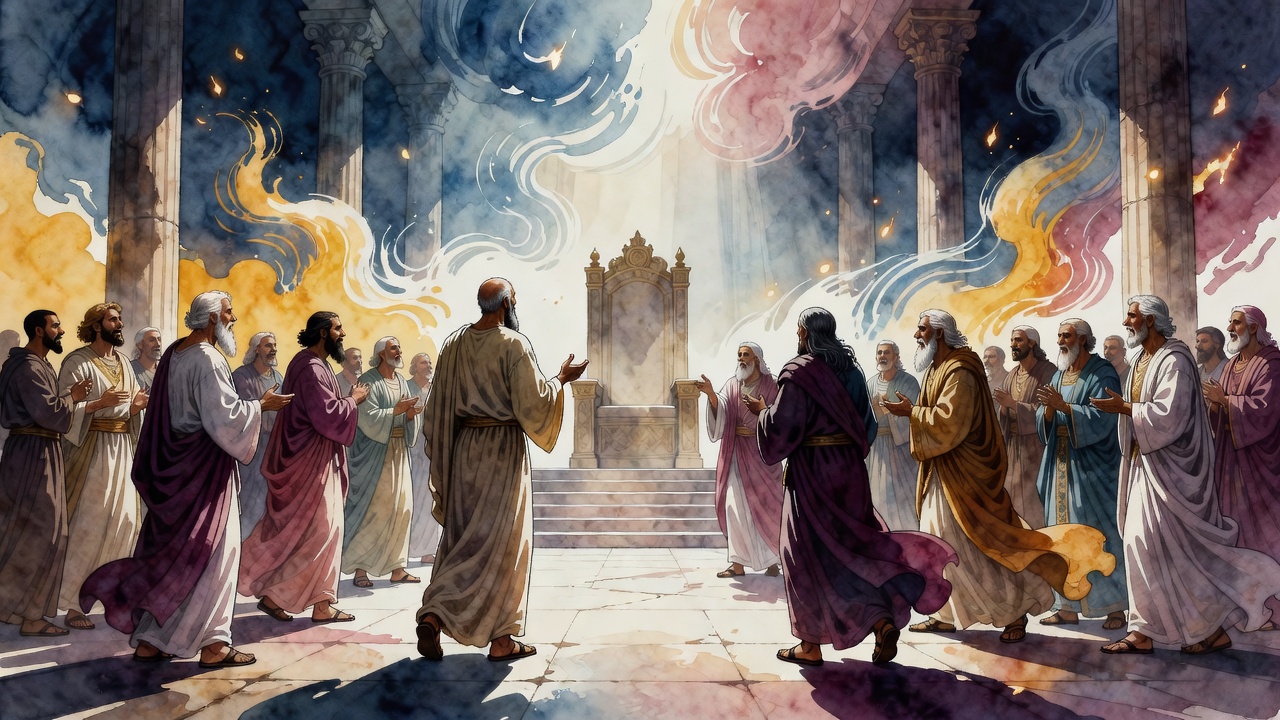
Moses promised locusts, then left the throne room. With him gone, the servants told Pharaoh the land of Egypt was already ruined.
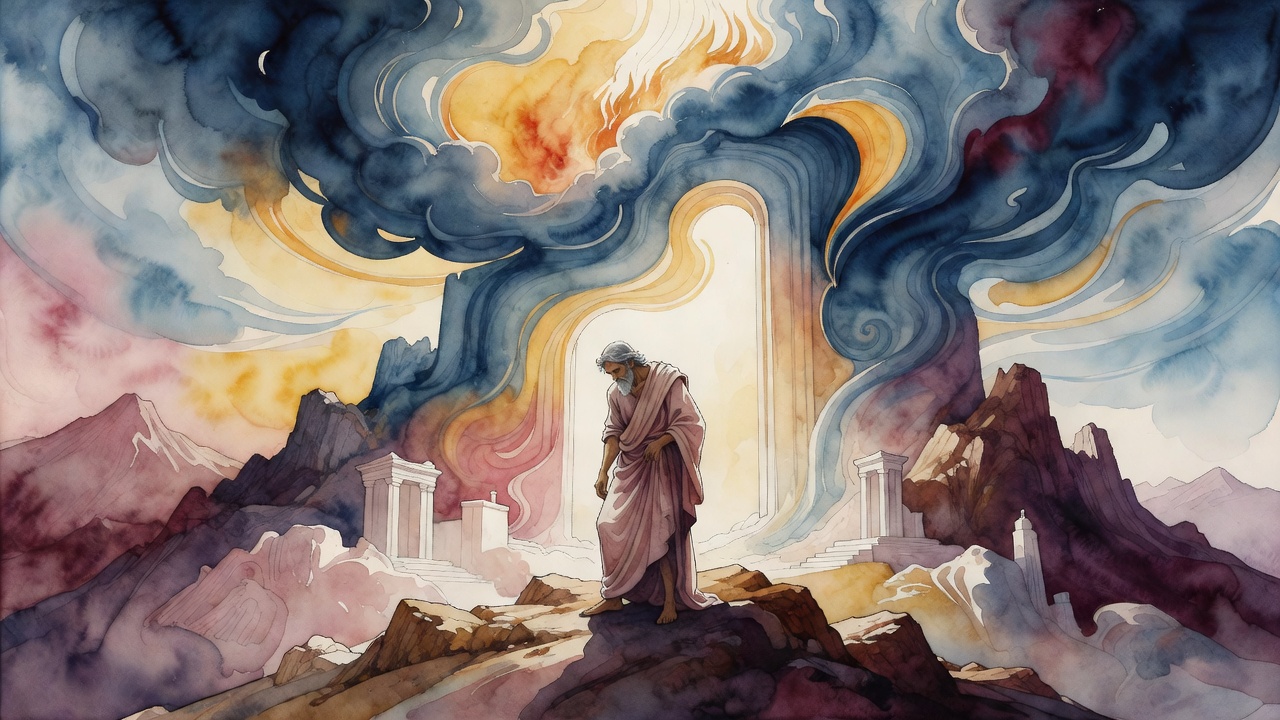
Adam settles on Mount Moriah after Eden because the gate he can no longer enter is close, and the place of return becomes the place of the Temple.
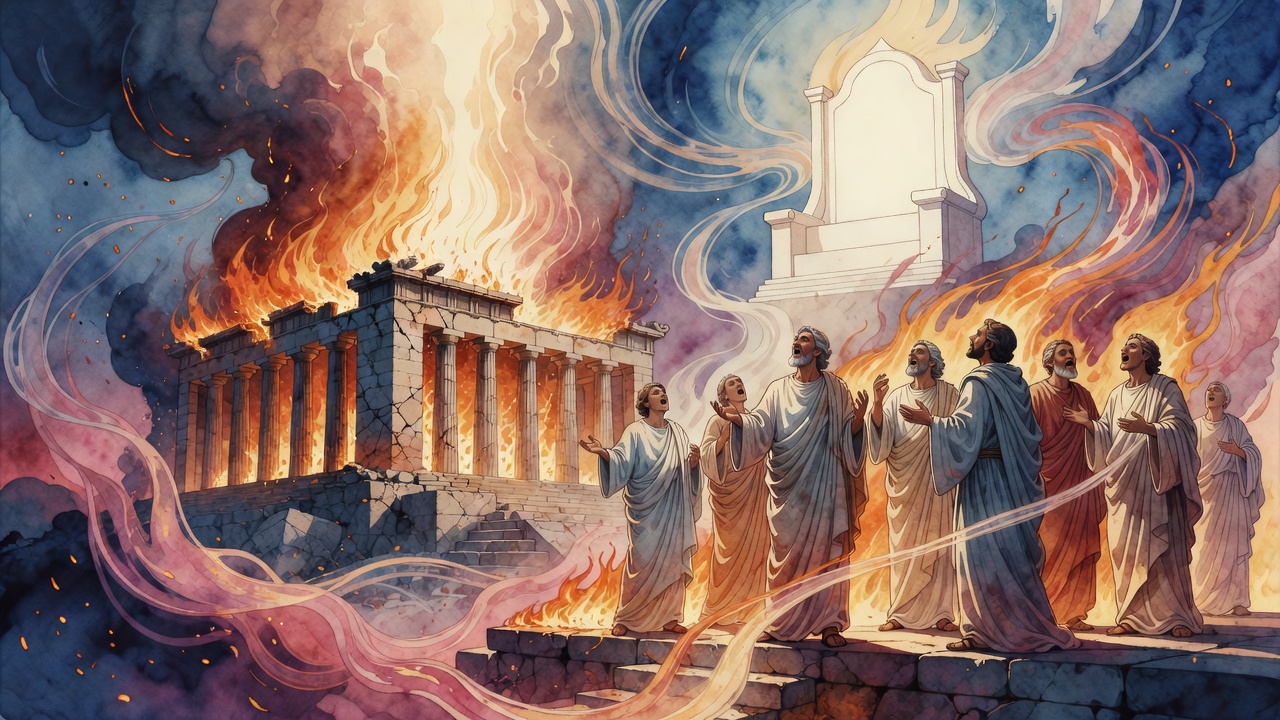
The Levites still had a verse in their mouths when the fire took the courtyard. David later asked not to be measured that closely.
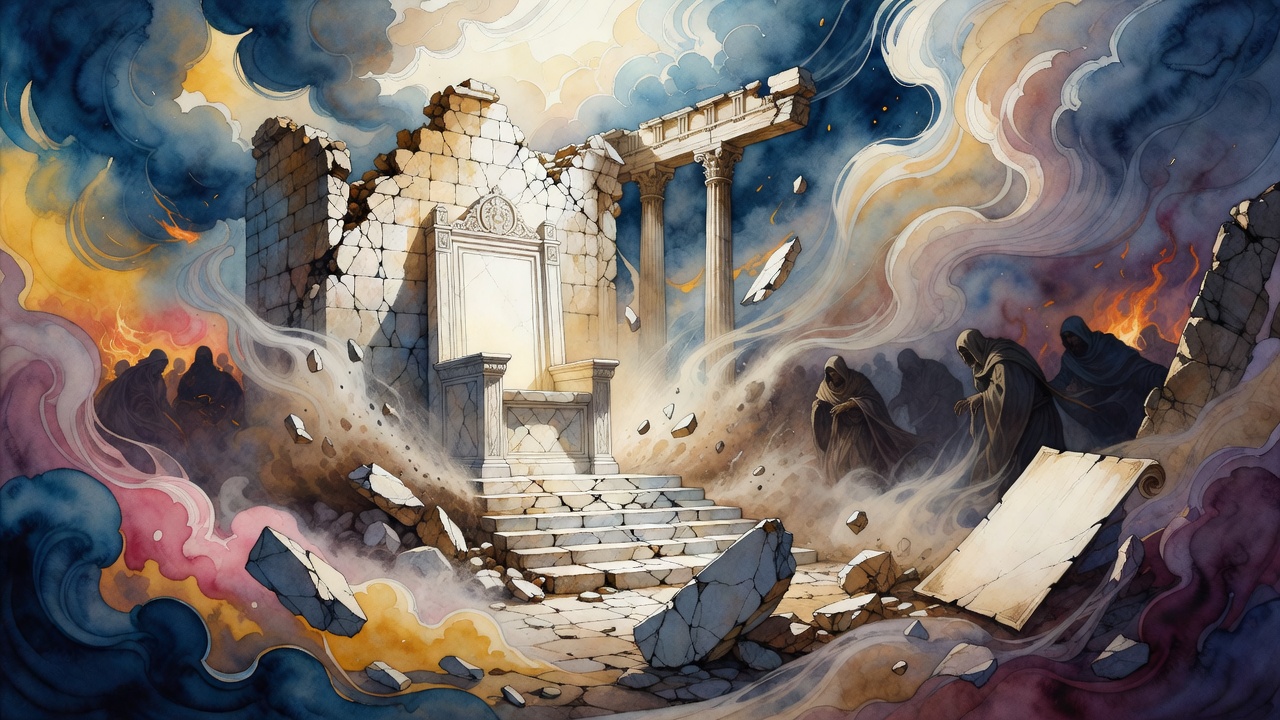
Nobody has ever woken in the morning and found his soul missing, or found his neighbor's soul in his hands. That deposit has never once been mixed up.
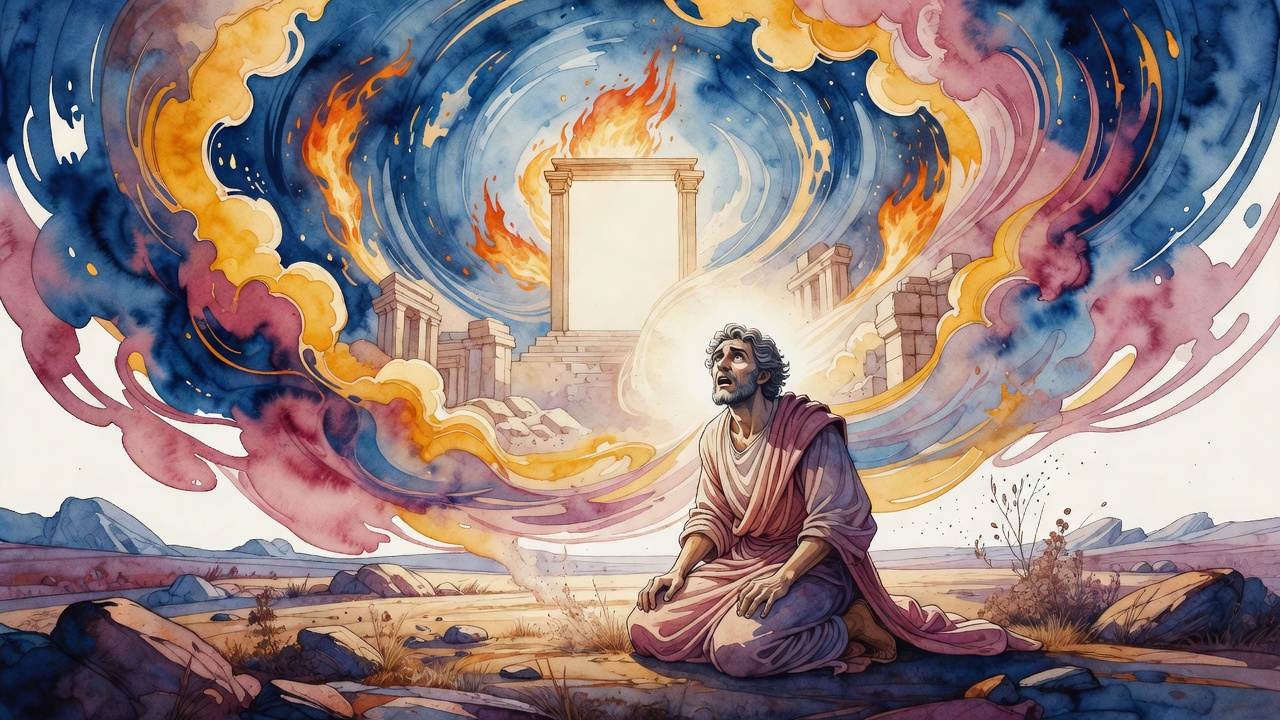
David cannot build the Temple but cannot stop wanting it, and God credits the longing as if stone had already been laid on stone.
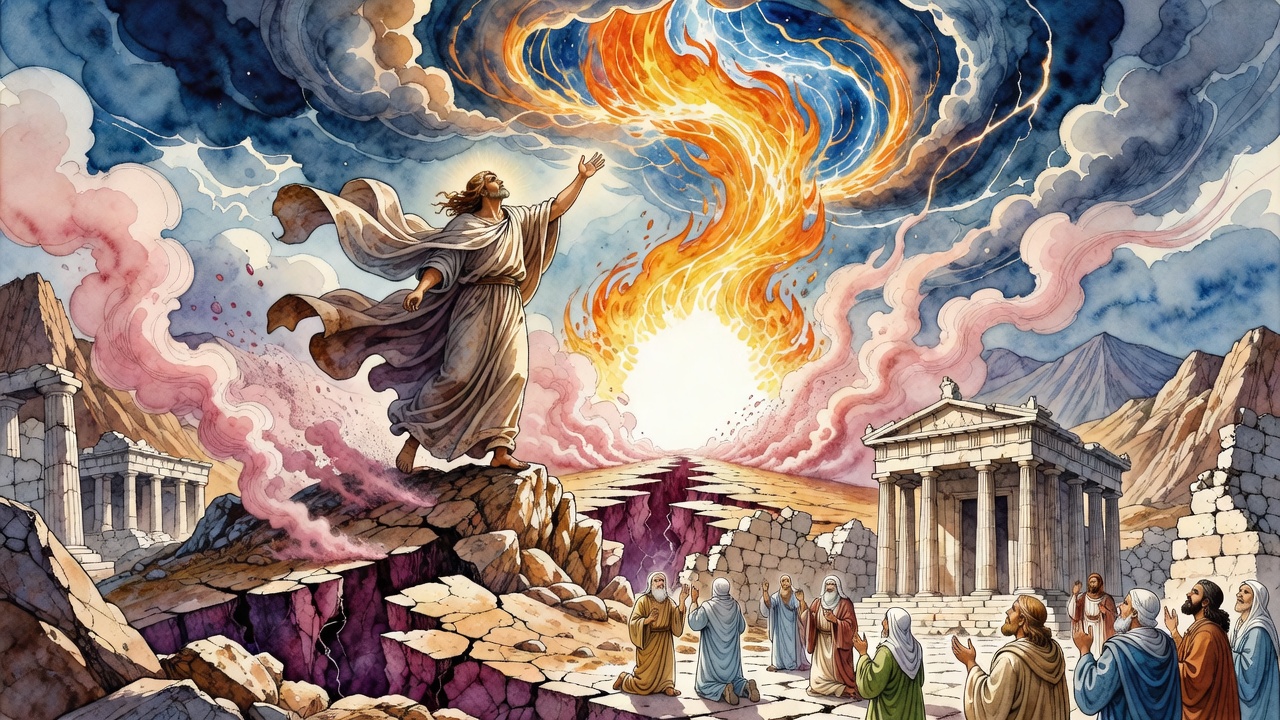
The floor moved under the study house. Rabbi Nehorai blamed unseparated tithes. Elijah told him the real reason, and the real reason was worse.
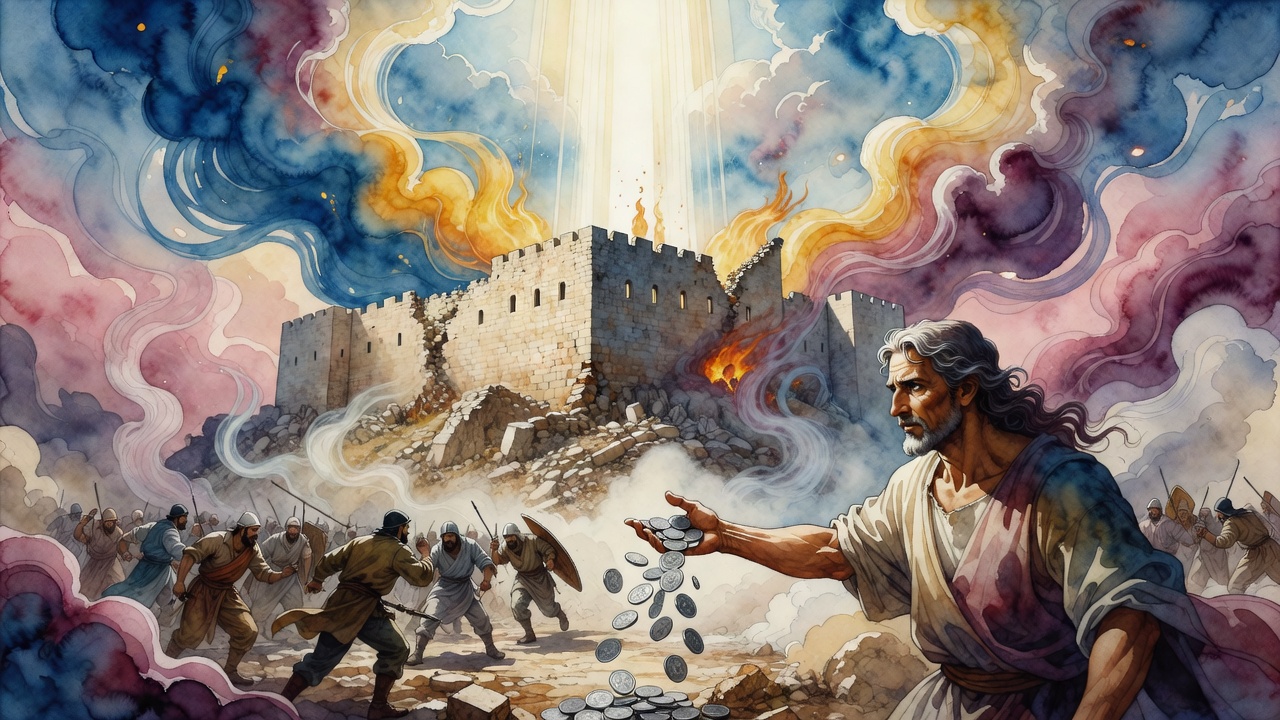
The Greek fort inside Jerusalem had watched the Temple for years. Simon starved the soldiers out, paid for the war himself, and let them live.
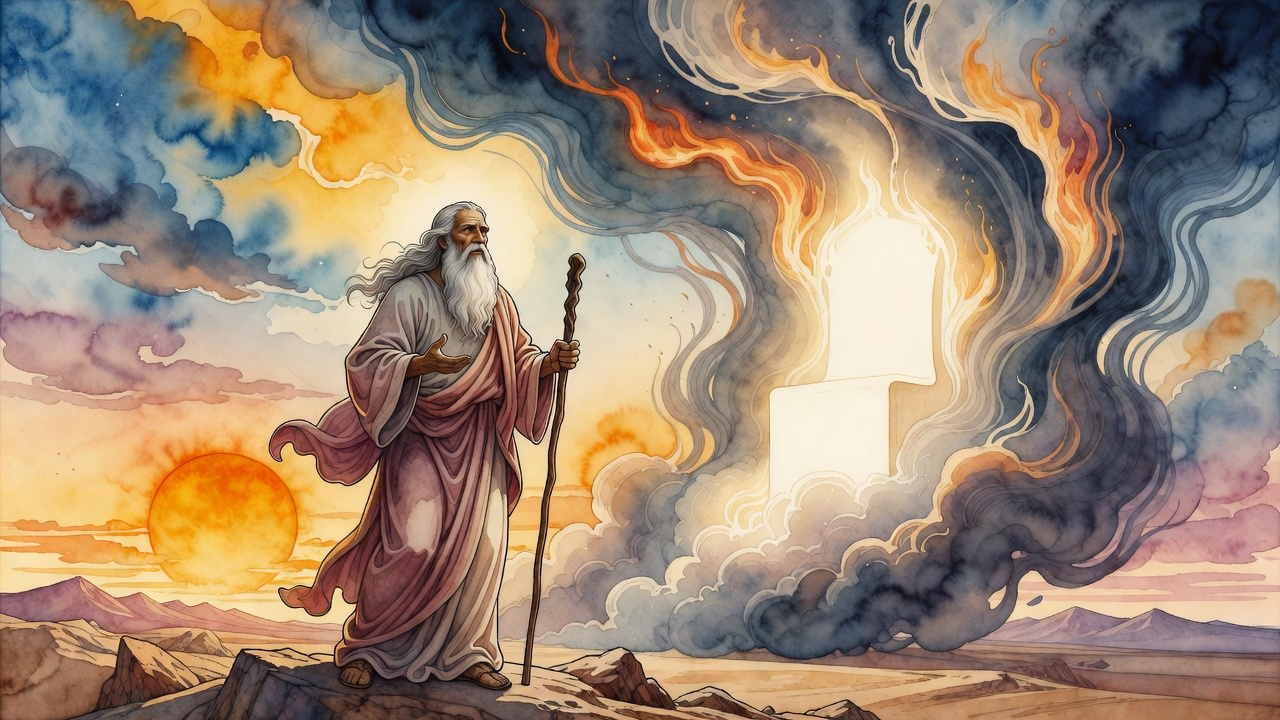
When Moses's final day arrived, Devarim Rabbah says the sun refused to set and the day itself filed a complaint before God about being forced to end.
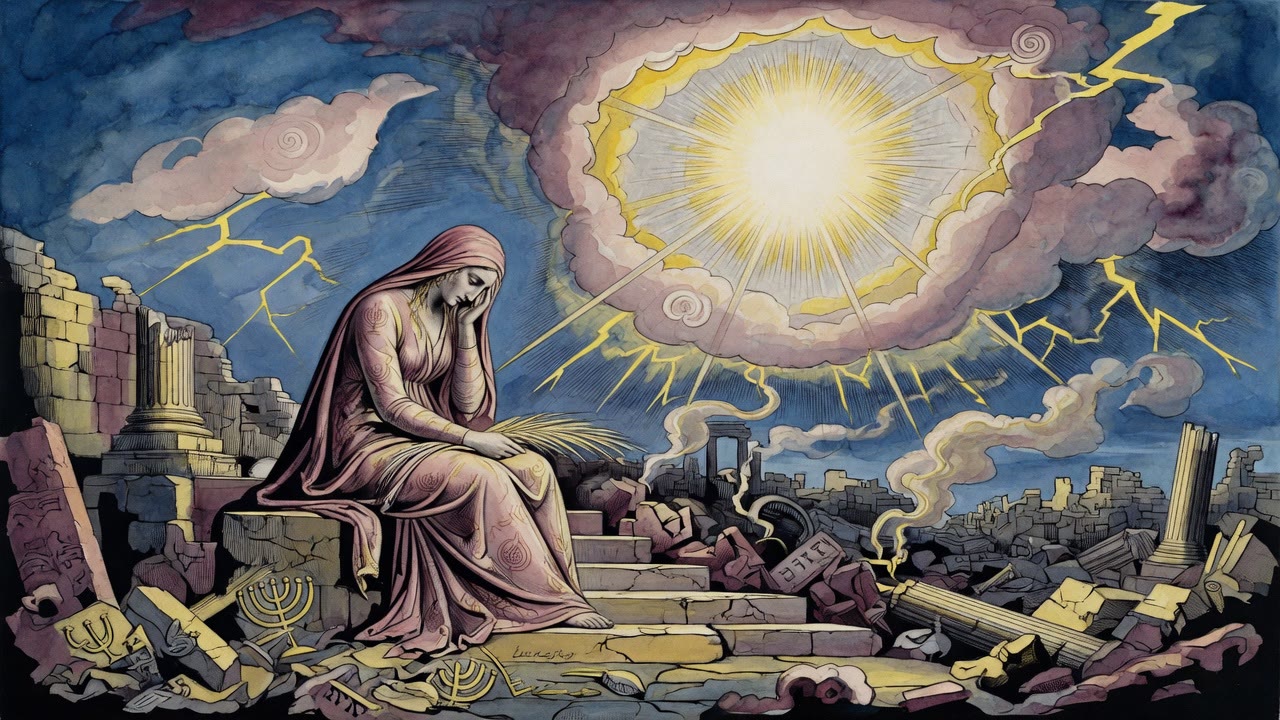
One man swore he would wall the city with water. They called the old angel names, and a stranger's voice said the work was no longer his.
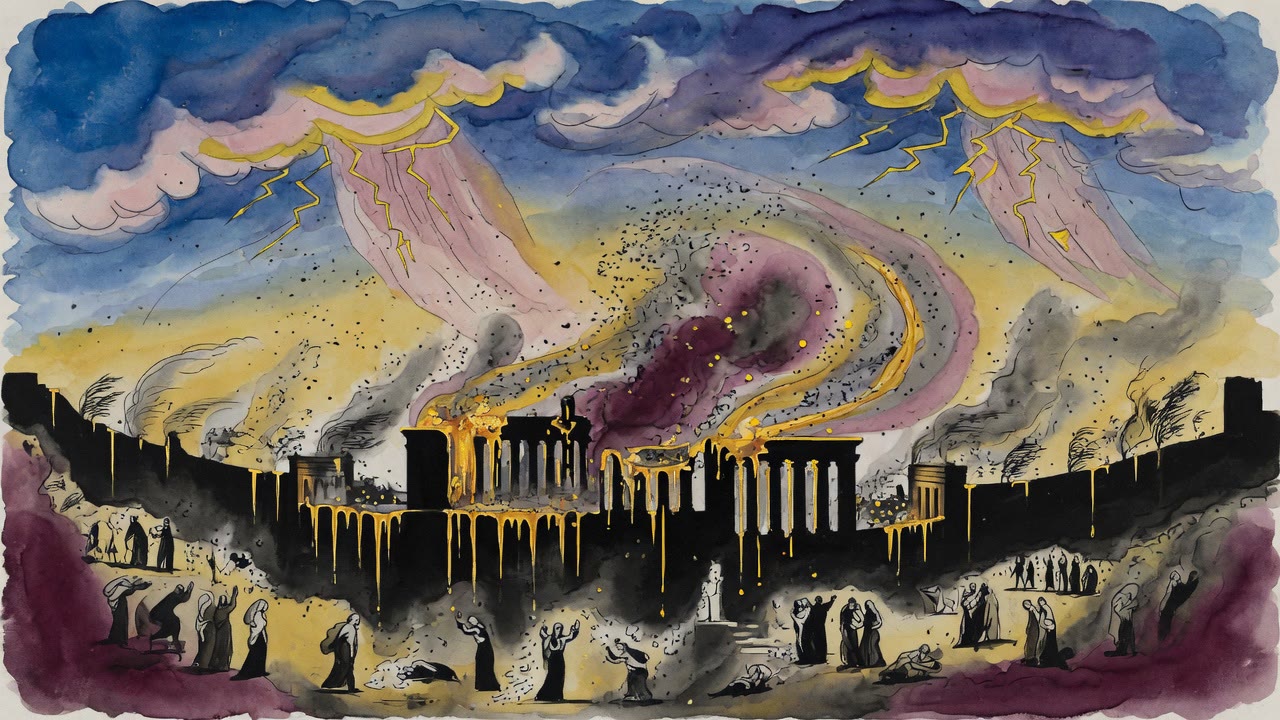
Three times a year the roads filled with dust and song. Then the feet stopped. Priests stood at empty gates with gifts no one came to take.
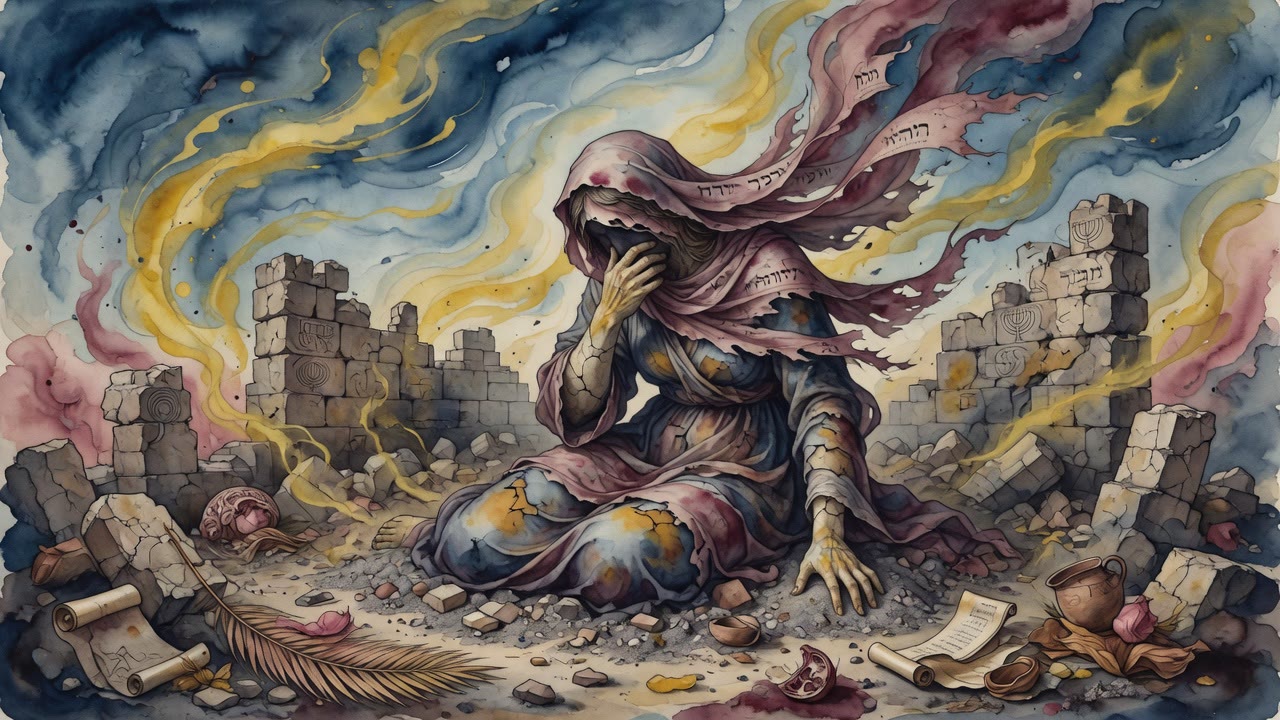
They heard Rome from a hundred and twenty mil and wept. Akiva laughed then too, long before a fox walked out of the Holy of Holies.
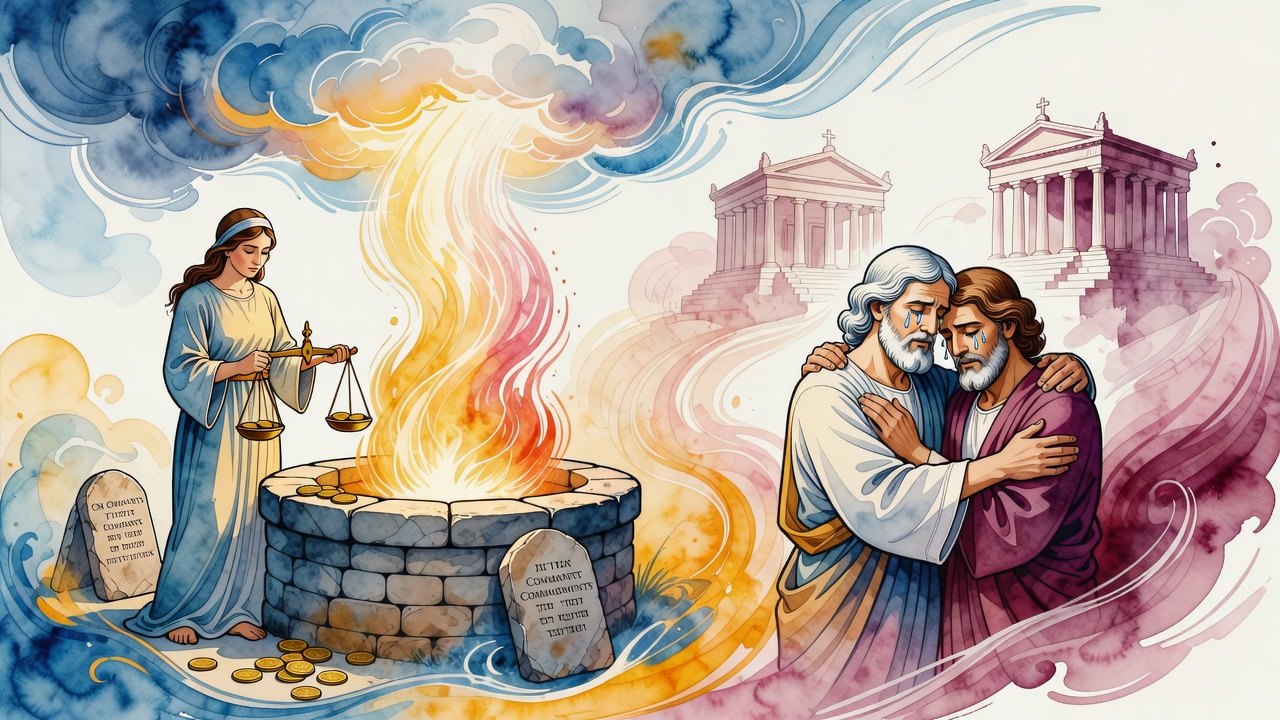
The servant would not touch the meal until he had said his errand. He talked half the night. By morning Rebekah's father was dead in the house.
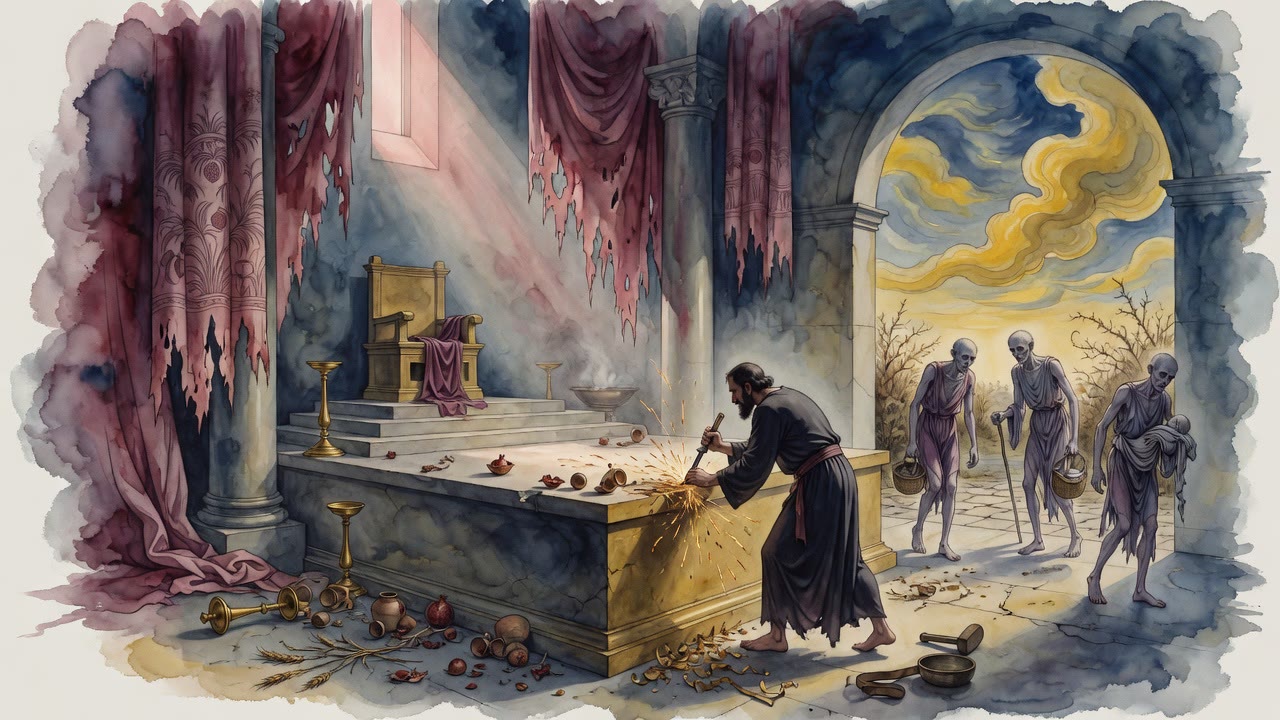
The last men inside the sanctuary did not leave because courage failed. They left because famine won. Then Simon stepped forward and carved his name in brass.
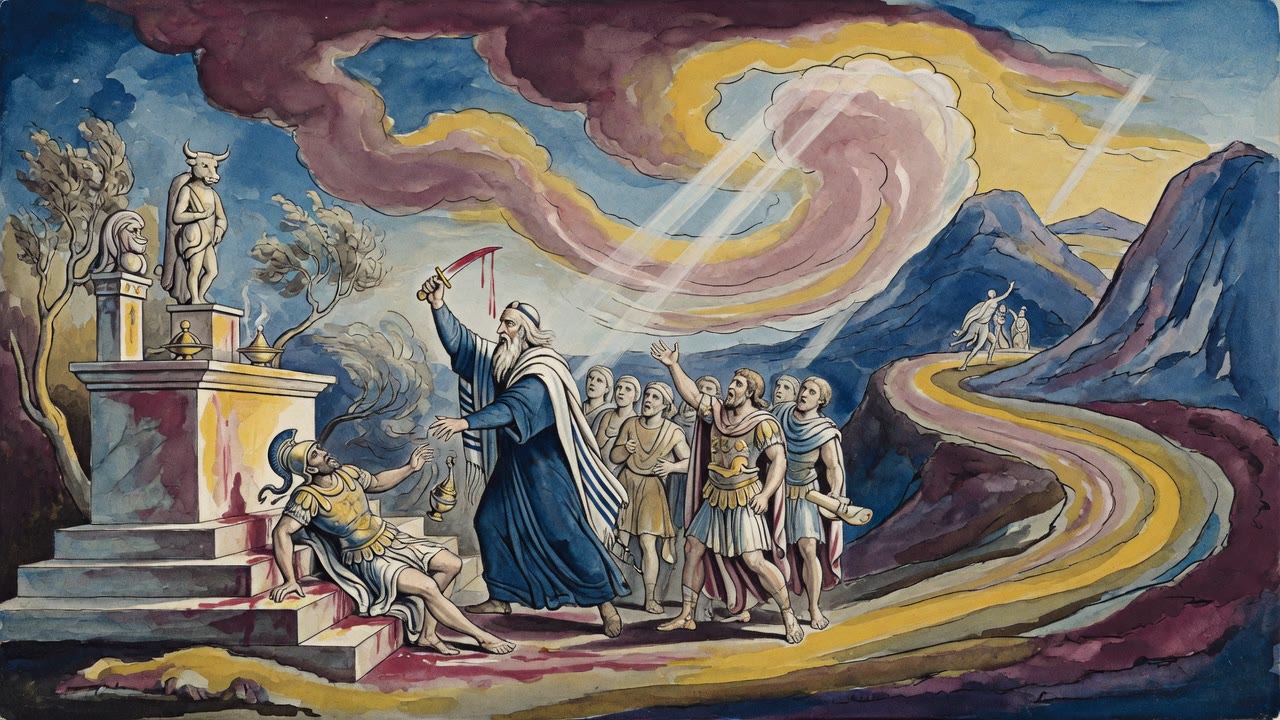
The king's officers praised Mattathias and offered his family safety. He refused, struck down the man who stepped forward to comply, and fled into the hills.
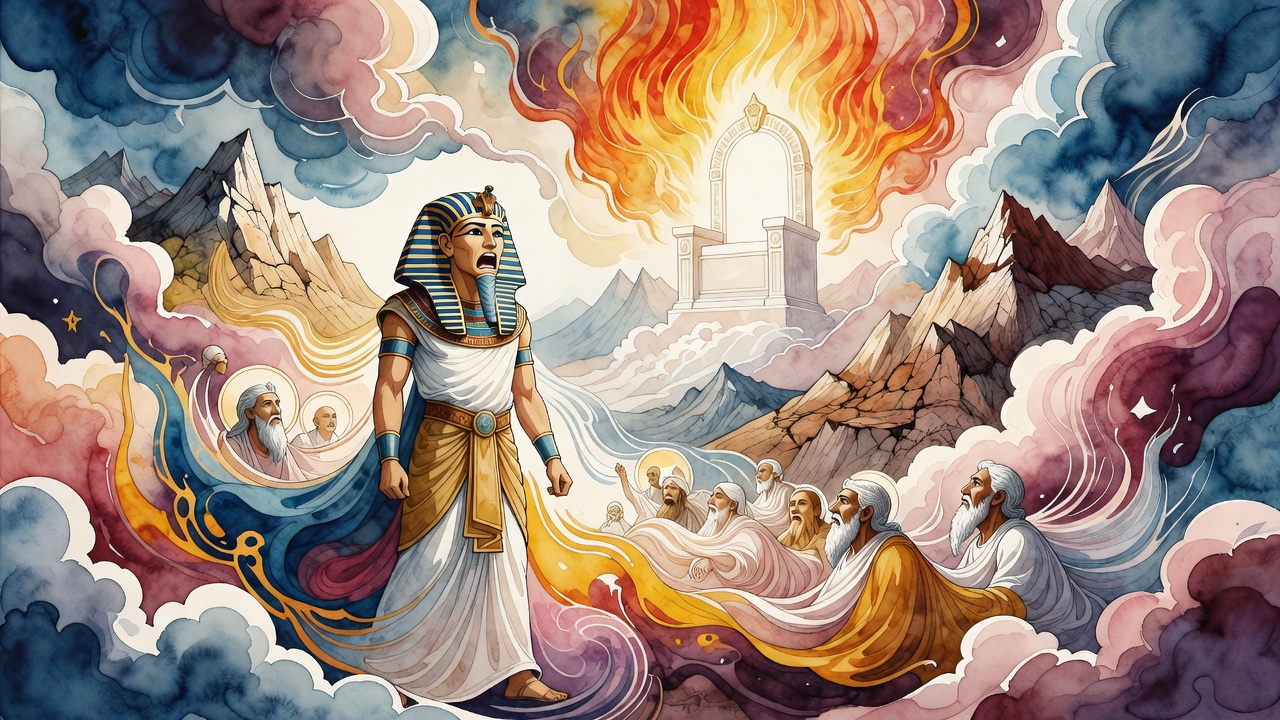
Pharaoh had said he did not know the Lord. At the sea his own men were shouting that the Lord was fighting for Israel, and fleeing as the water came back.
