470 myths · Page 6 of 16
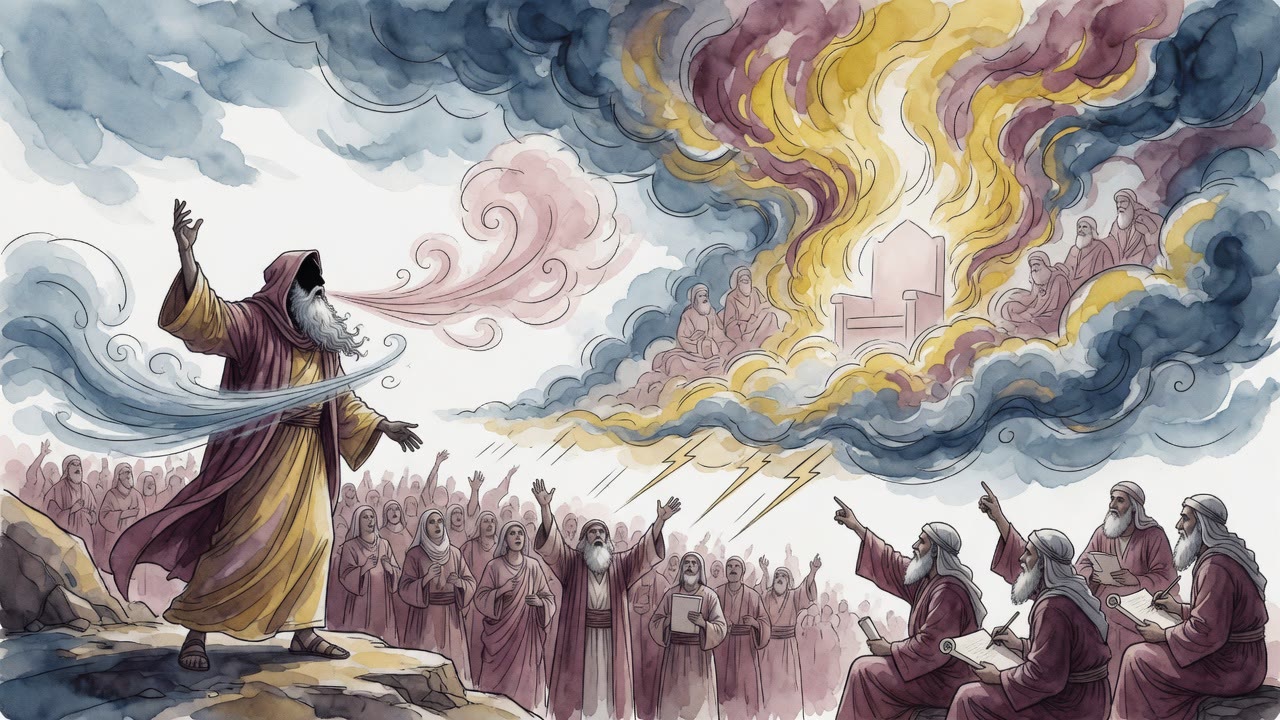
Answer the prayer leader out loud in synagogue and you are keeping a rule from Moses' last poem. He calls the name. The people praise it.
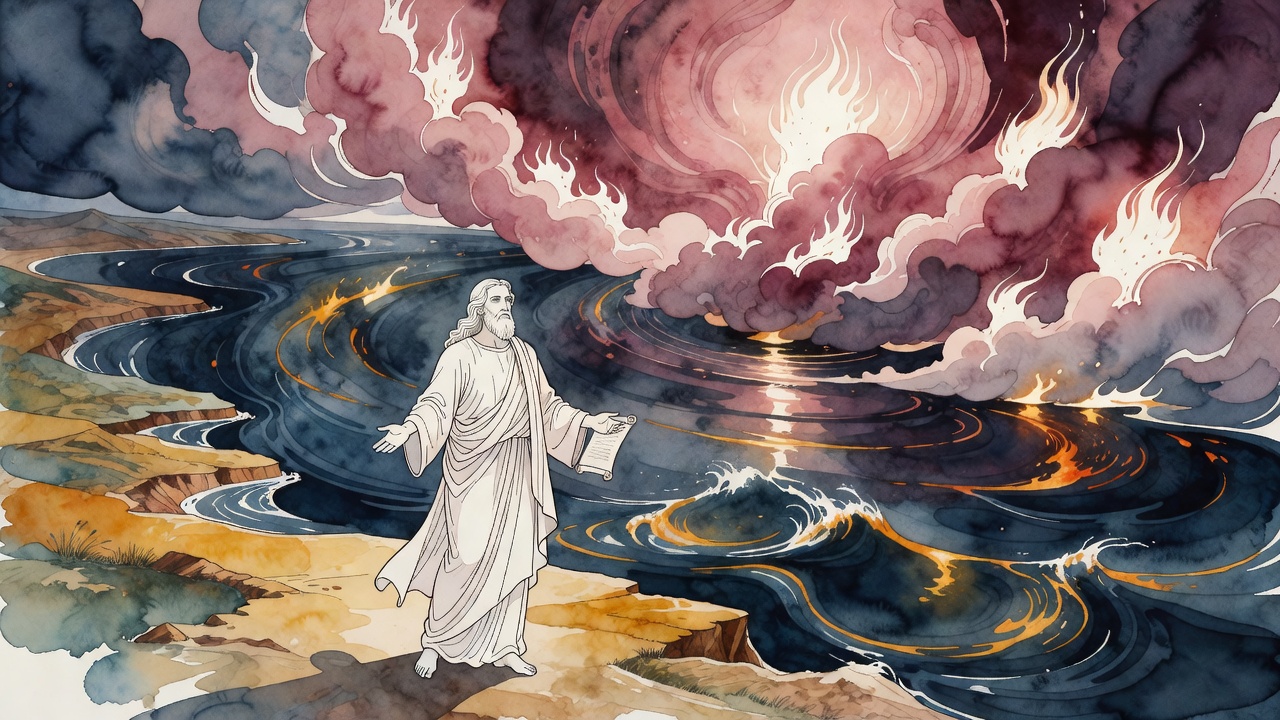
On the plains of Moab, Moses named a western edge no walker could pace. The line dropped through the sea into water older than the sky.
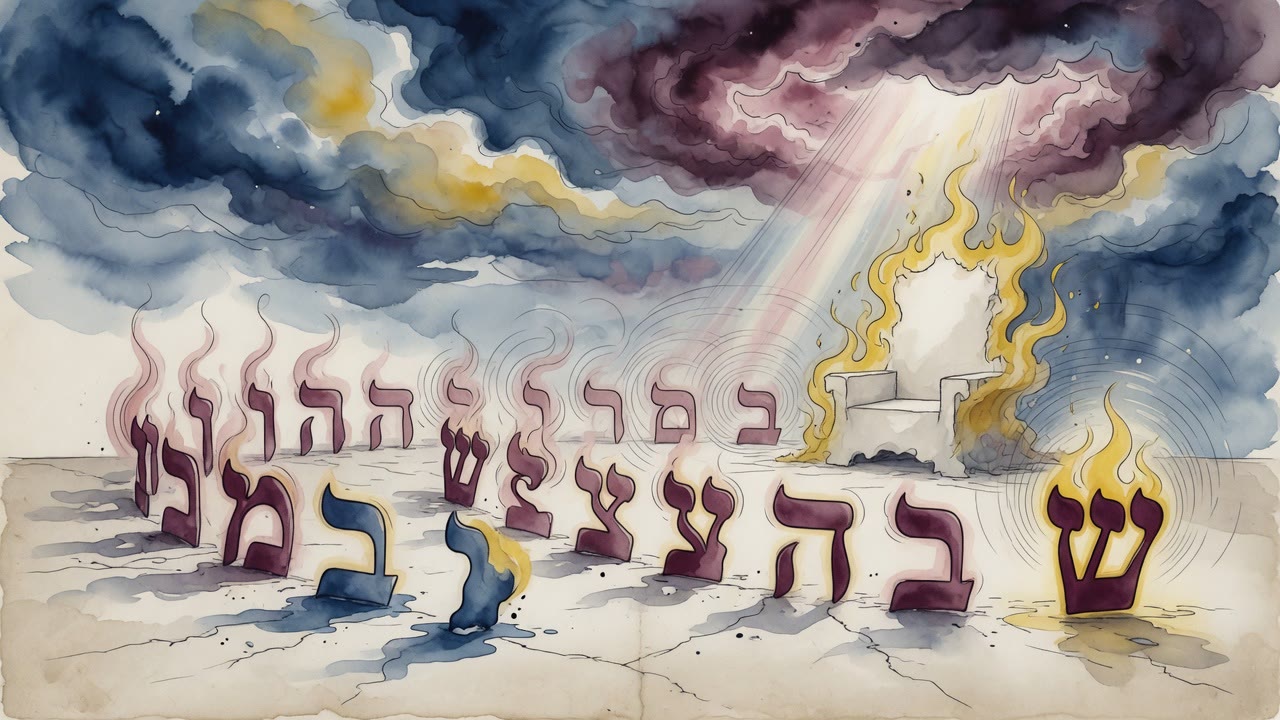
Jeremiah and his son spent three years on the Book of Creation. The man they built stood up, reached to his own forehead, and rubbed out one letter.
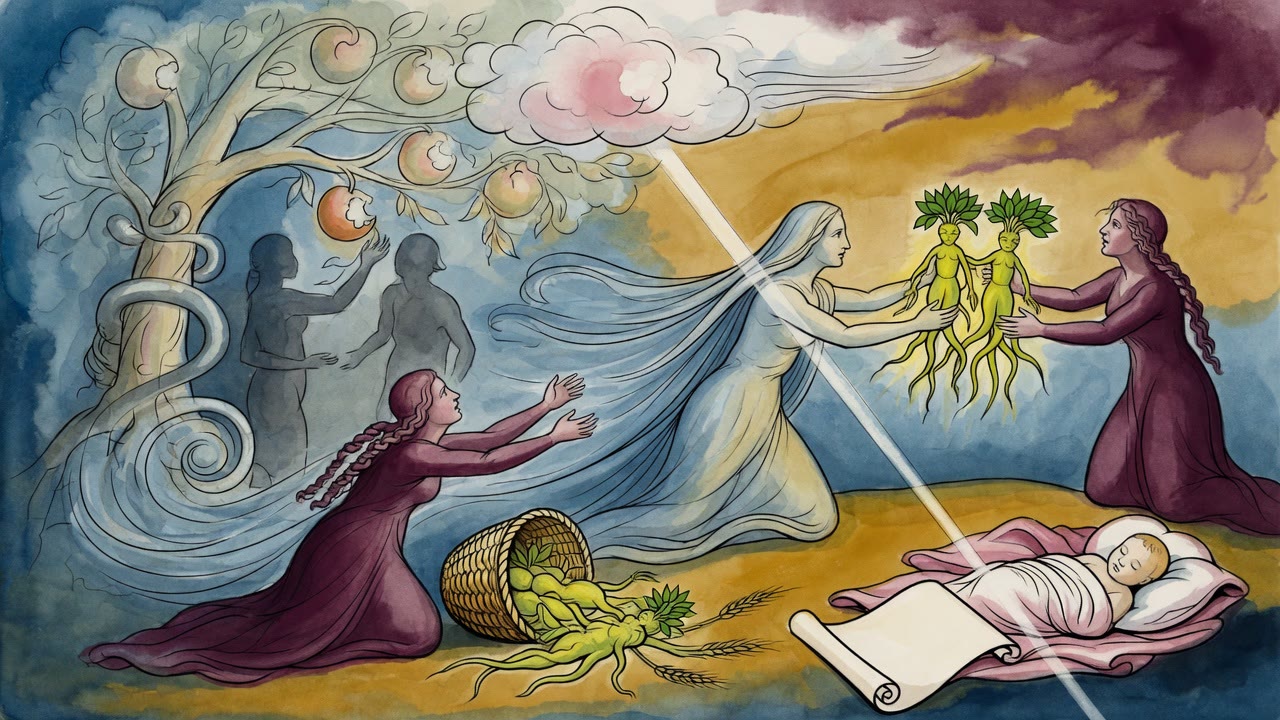
Reuben tied his father's donkey to a mandrake root and walked off. He came back to find the plant torn out of the ground and the donkey dead beside it.
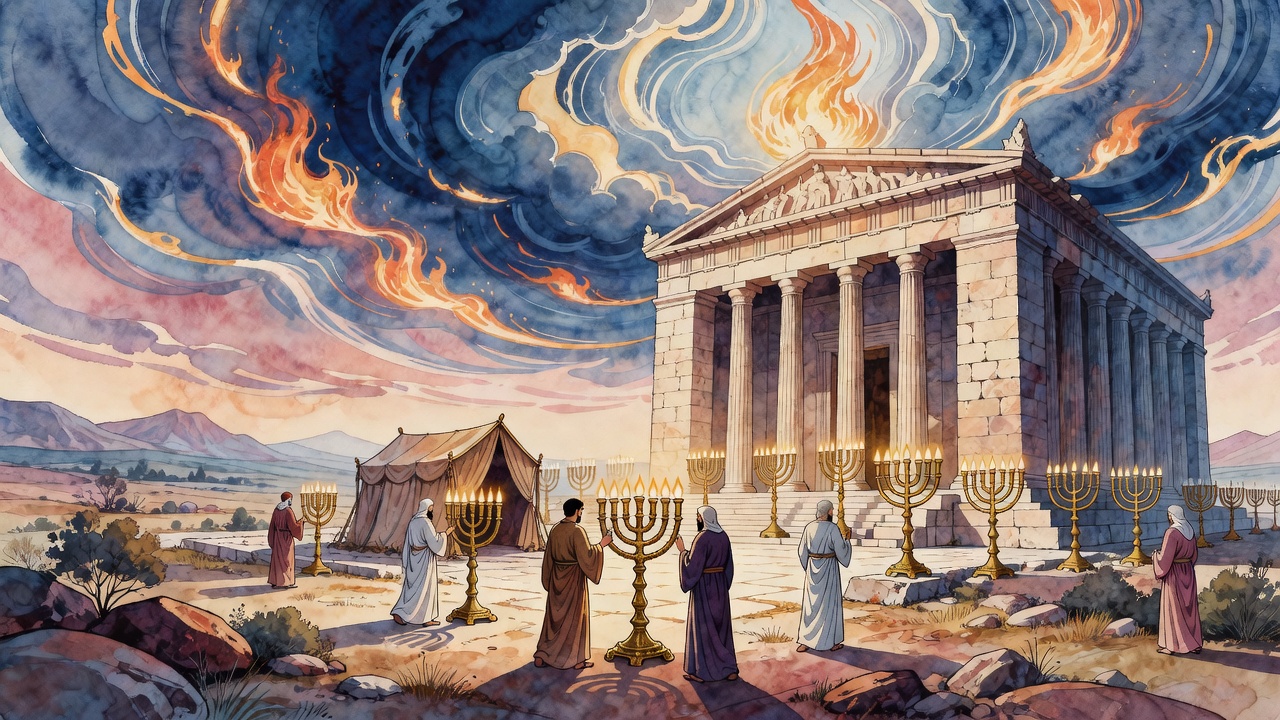
One Temple candelabra came out of the mold heavier than the wilderness lamp by a single coin's weight. It went back into the furnace eighty times.
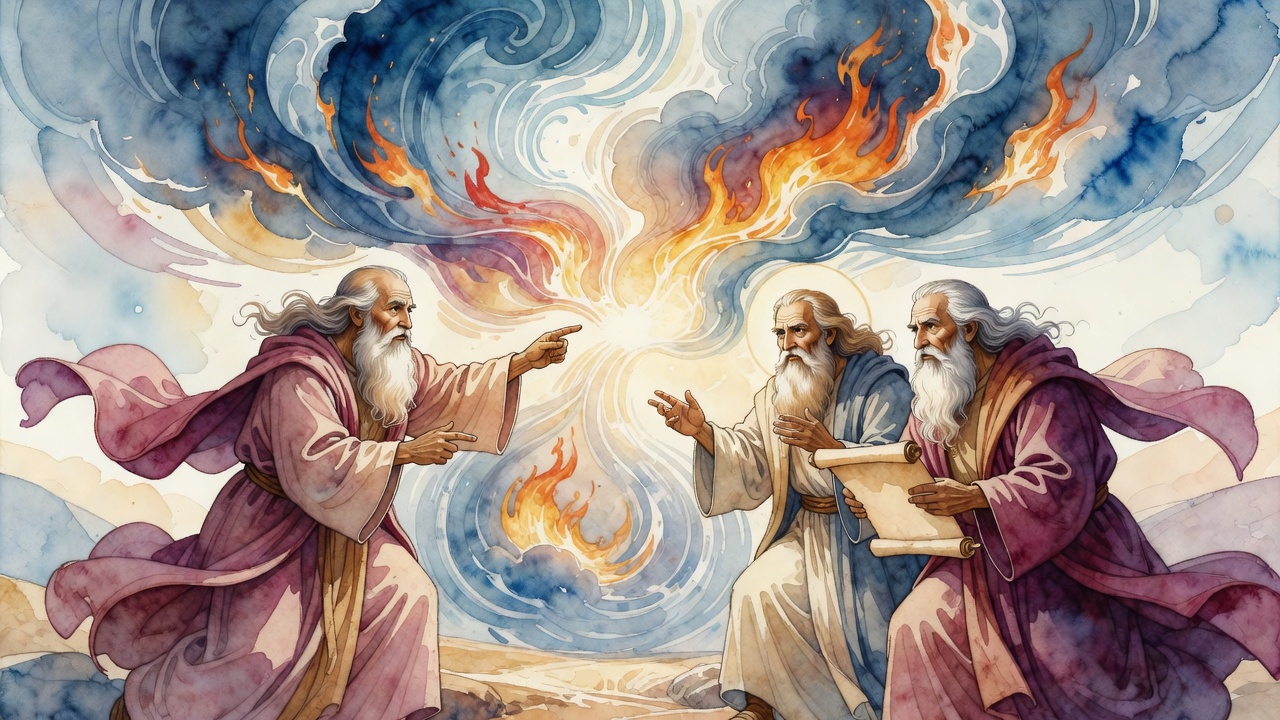
Numbers lists the rebel as Korah son of Yitzhar son of Kehat son of Levi, and stops there. The next name in that line should have been Jacob.
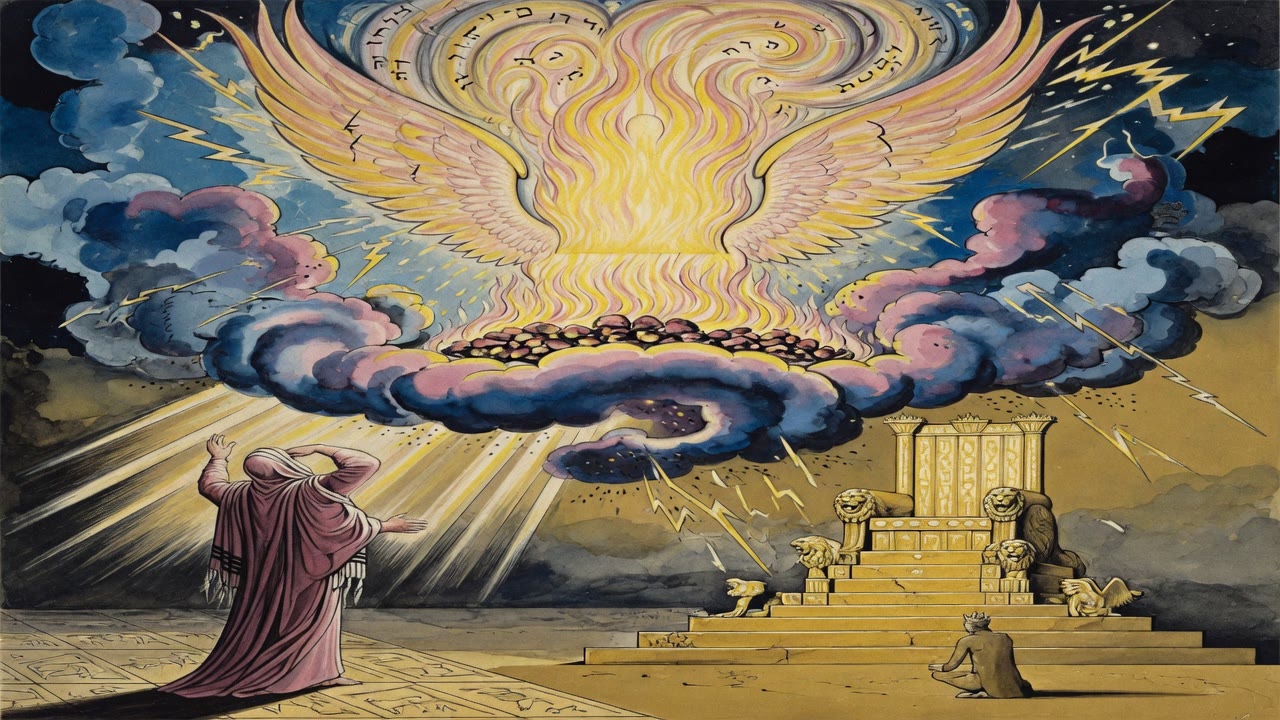
Sihon and Og took Moab's money for years to stand between Balak and the desert. Israel killed them both in one season. Now nothing stood there.
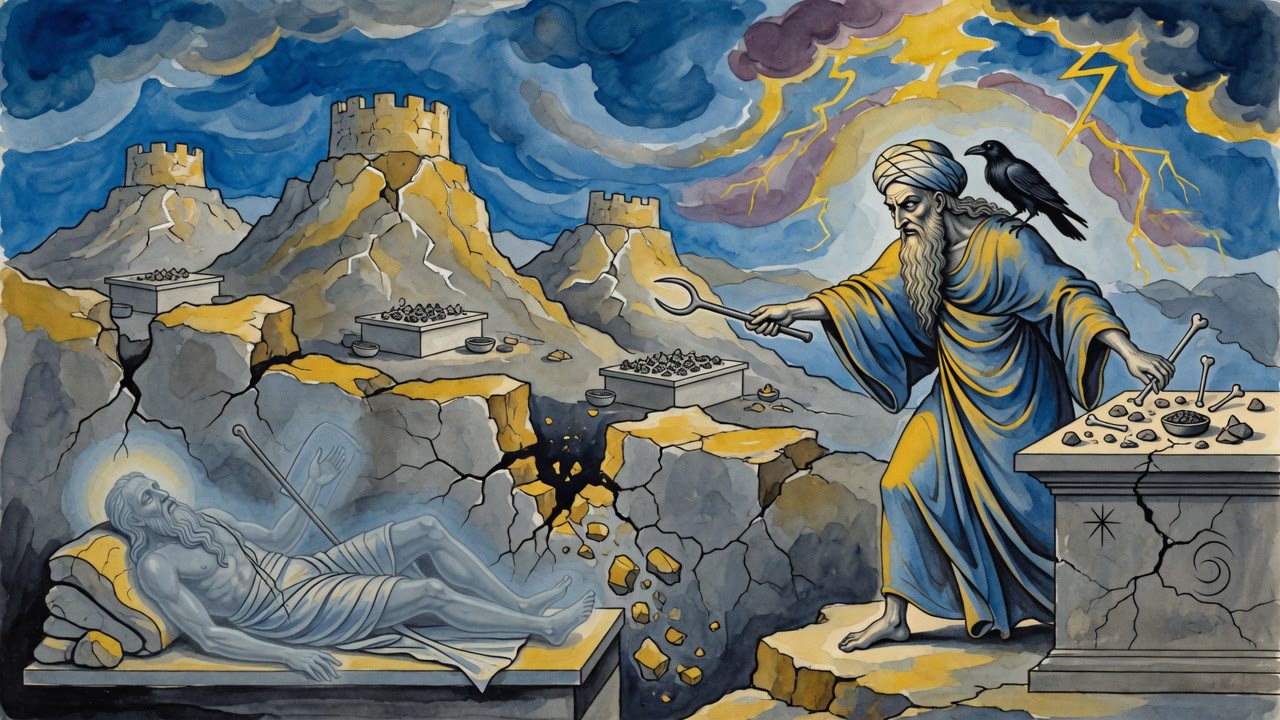
Balaam said of himself that he knew the knowledge of the Most High. He could not see the angel in the road, and his donkey could.
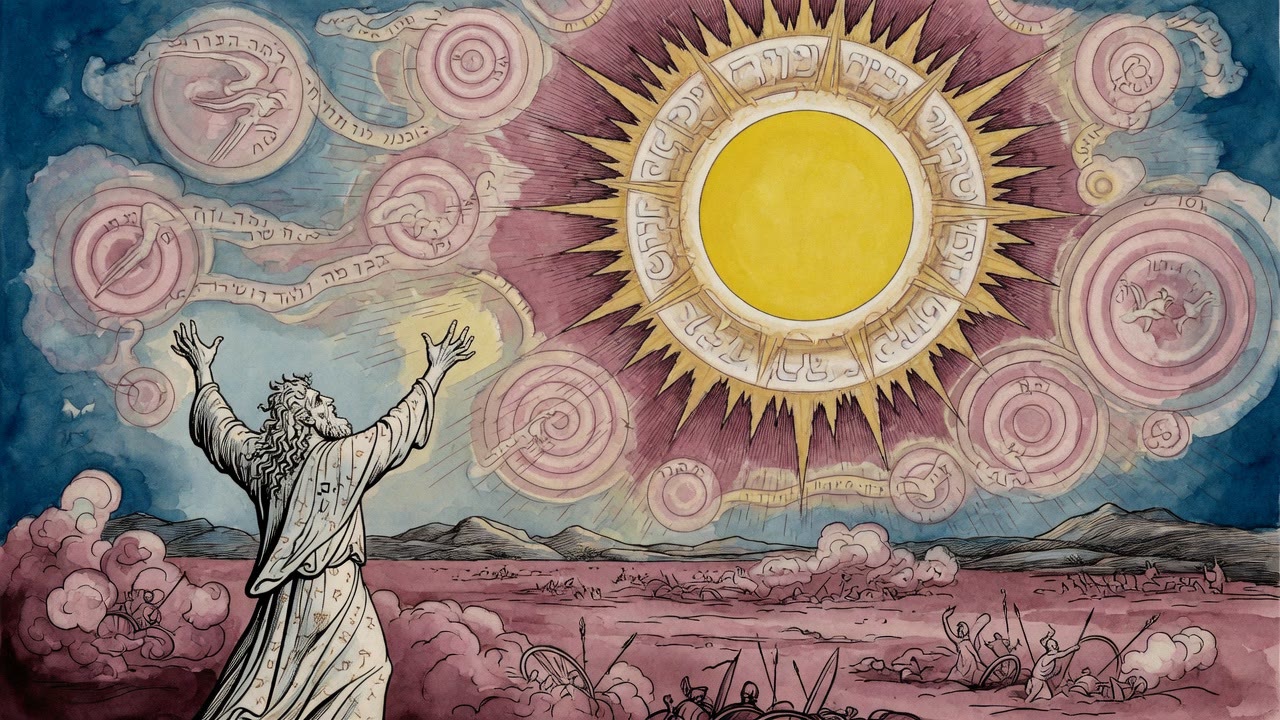
When Joshua commanded the sun to stand still, the rabbis said every power he had came from Moses. The moon was still the moon. Its light was borrowed.
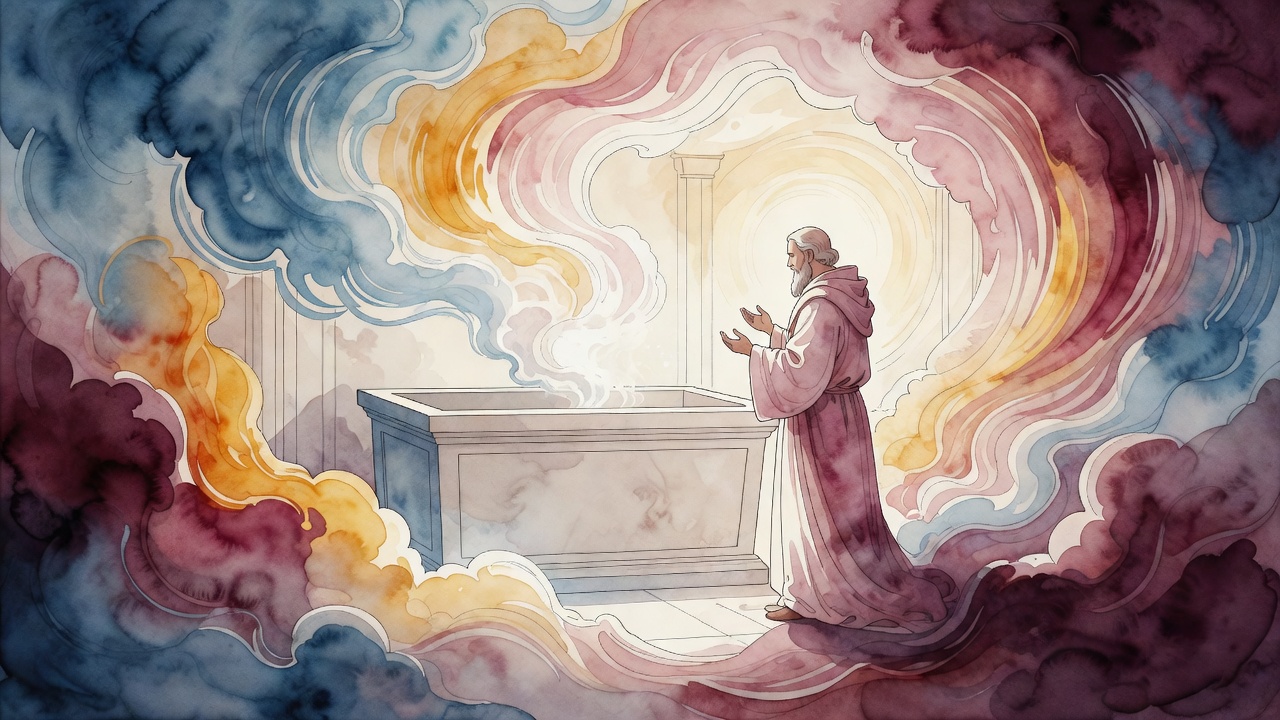
The High Priest had come only to burn incense. Akatriel Yah sat on the throne and asked him for a blessing, the way a father asks a son.
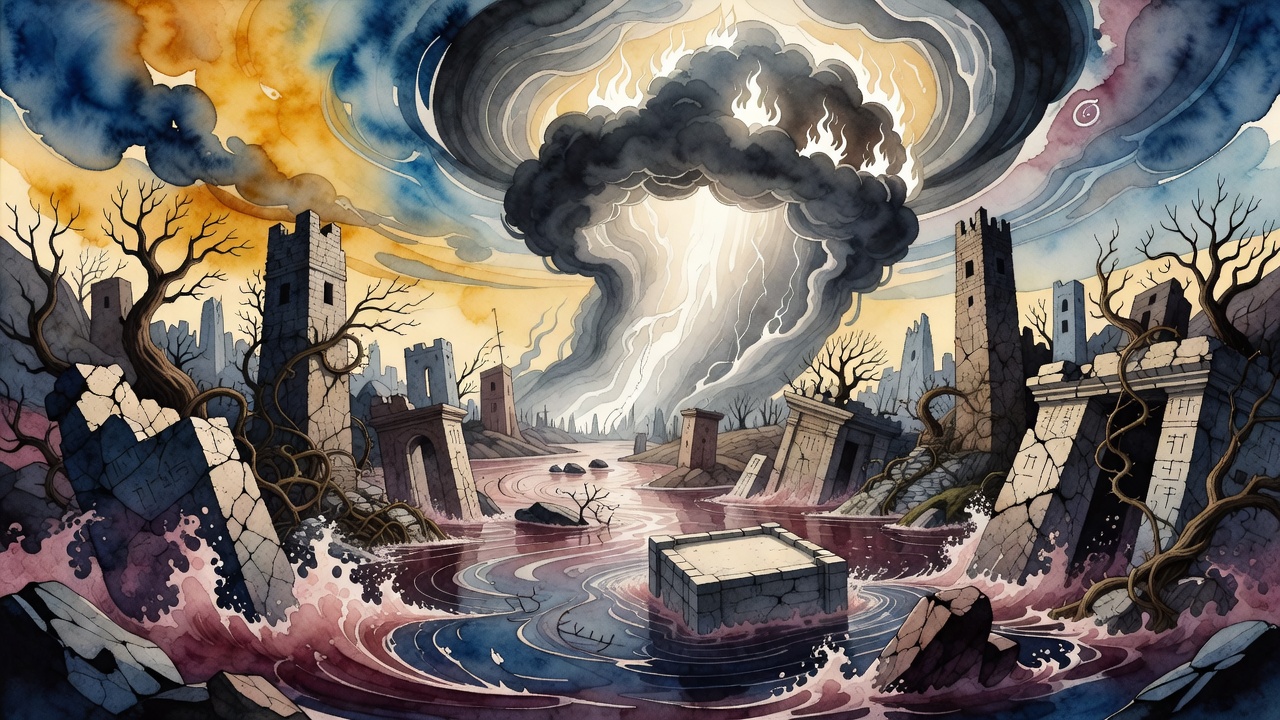
Cain's descendants settled the plain near Damascus, on the field where Abel died. The Sethites kept to the mountains until they came down and mixed.
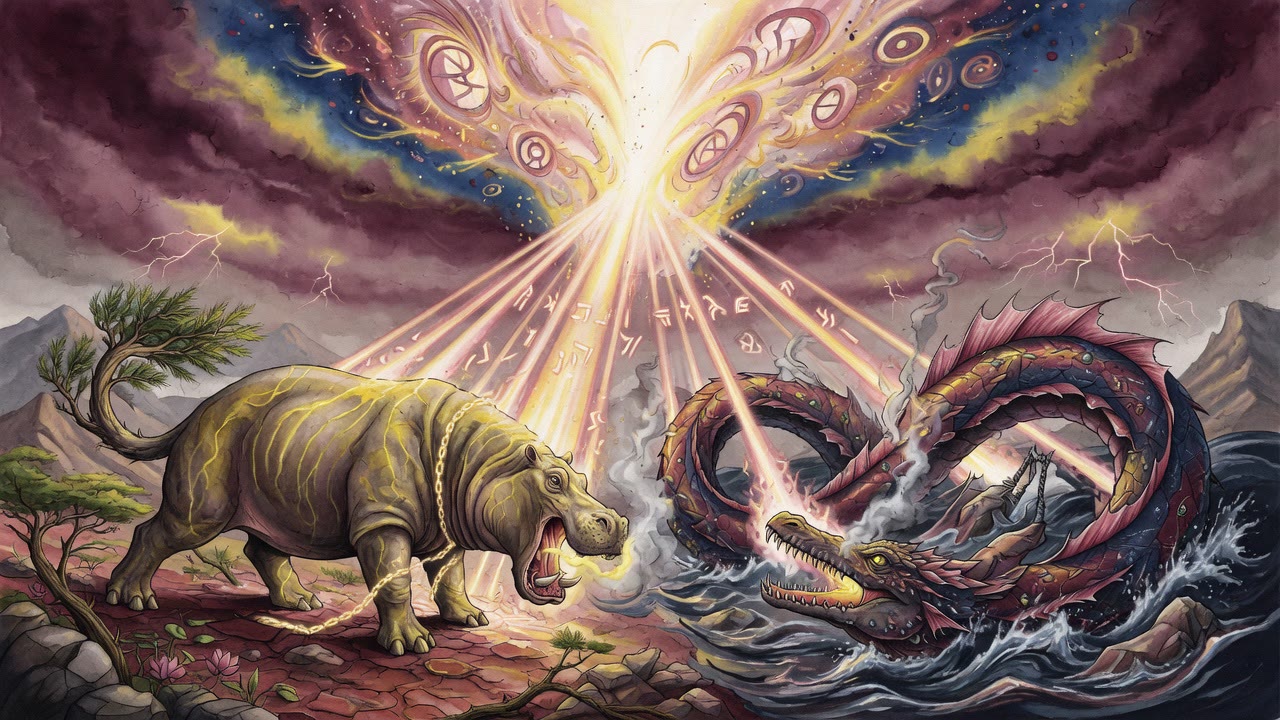
Nimrod named his cities after his own defeats. His son Bel became the first idol. Job, living in Nimrod's shadow, became the test case for righteous suffering.
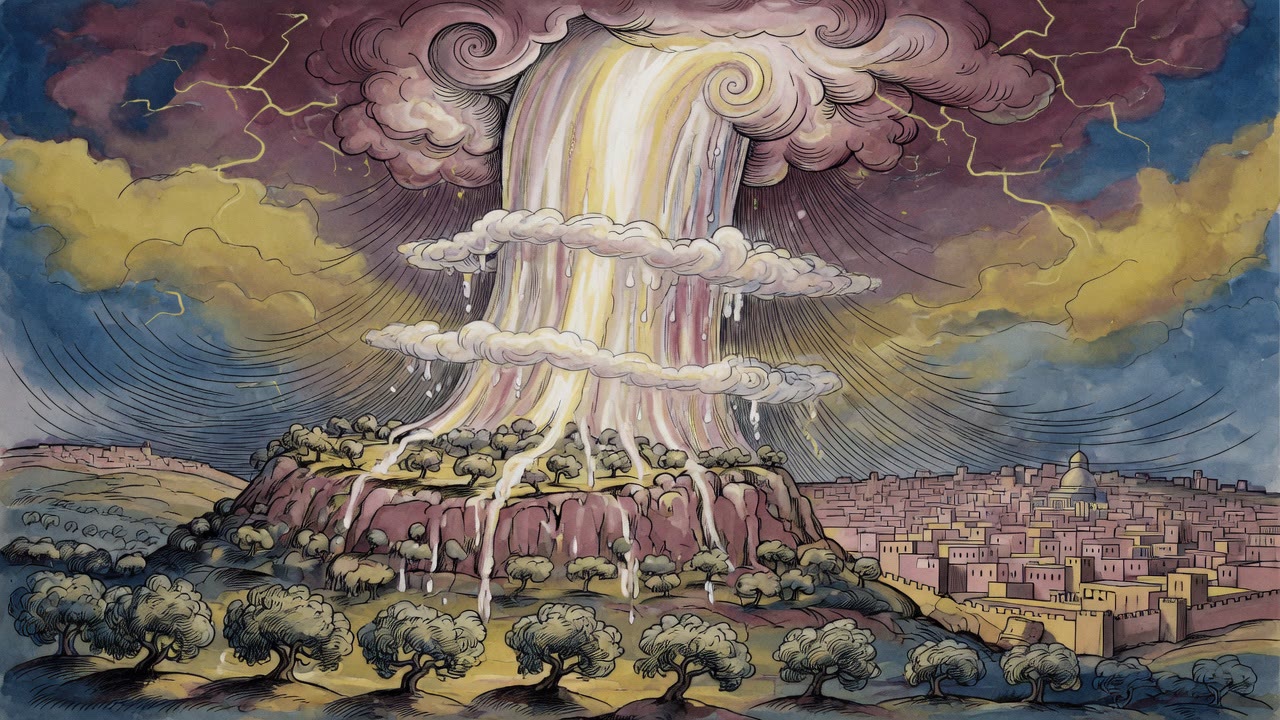
Adam saw from one end of the world to the other. God hid that light before the fourth day. Isaiah promised it was coming back.
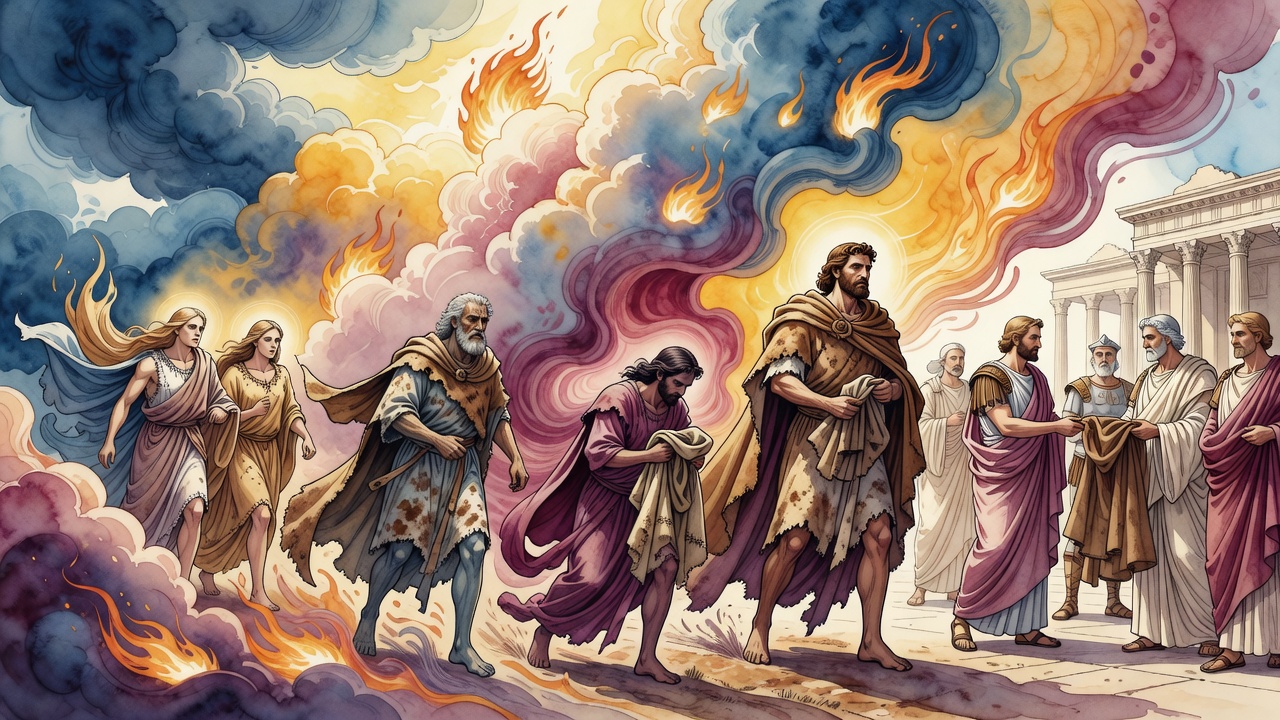
When Nimrod put on Adam's garments, the animals stood still for him. Esau killed him for them and stripped them off the body in the field.
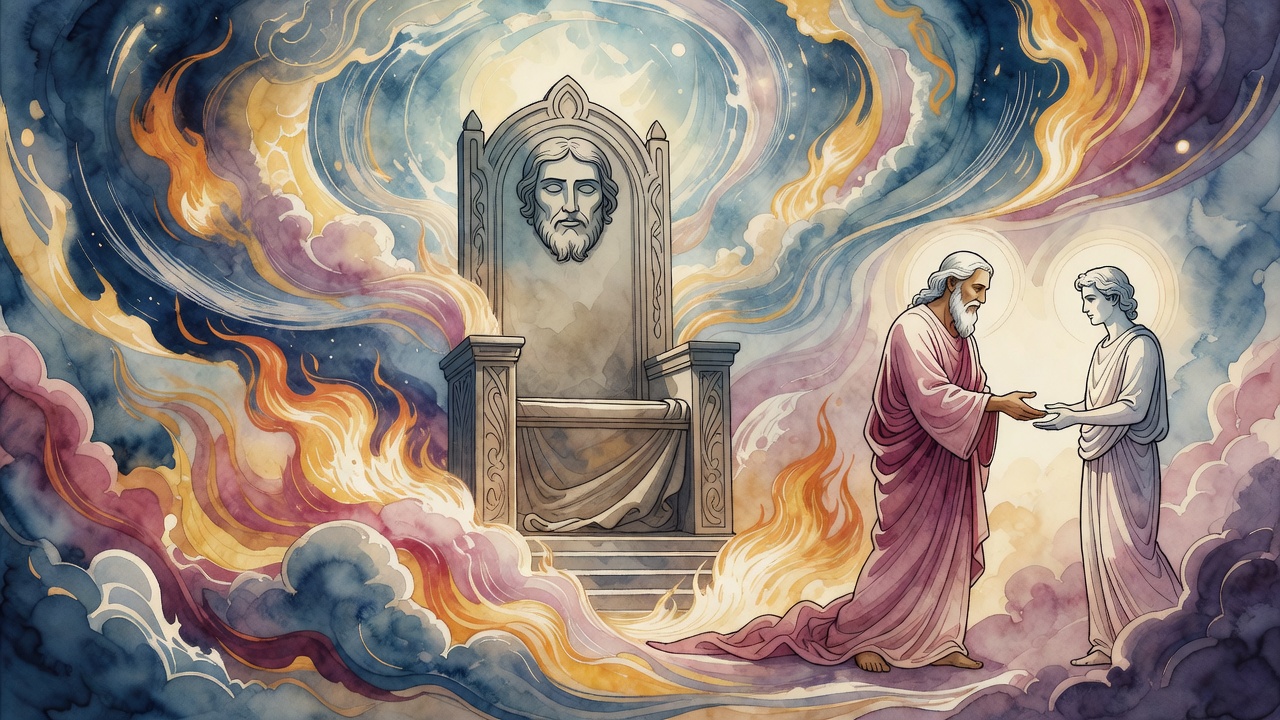
In Adam's vision of the generations, one soul had no years beside its name. Adam had a thousand of his own. He died at nine hundred and thirty.
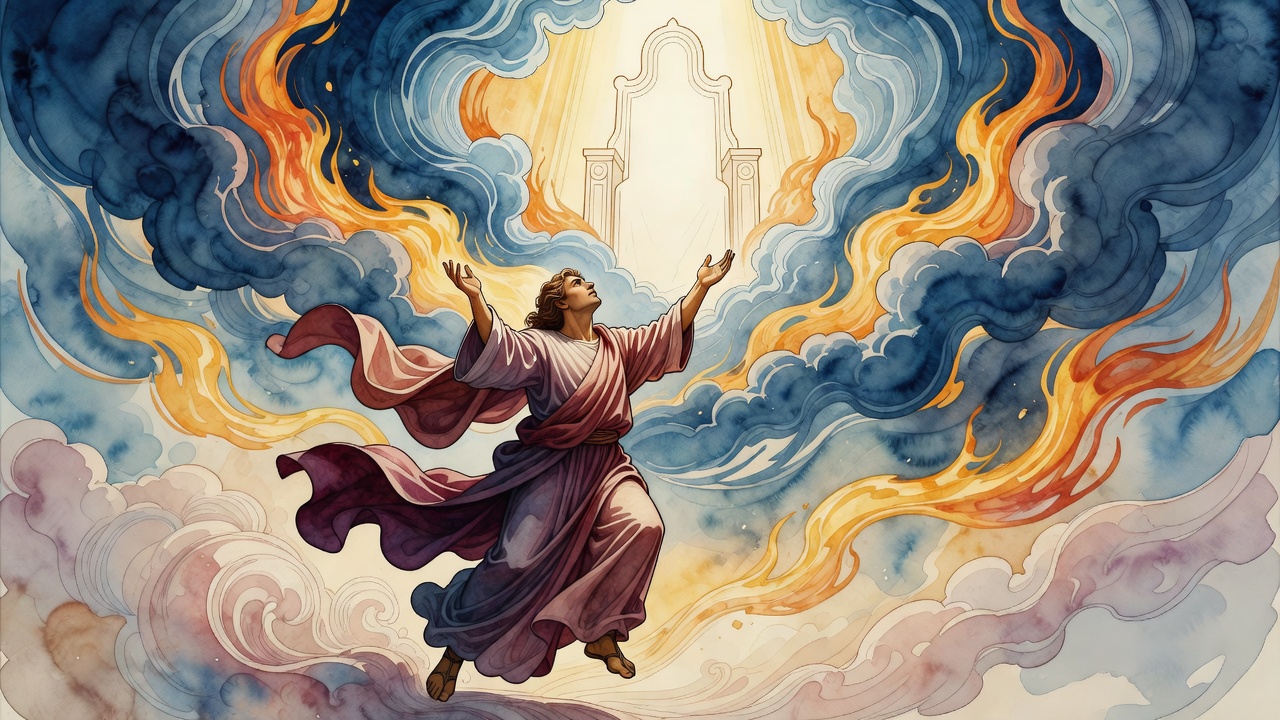
He was twenty, out with the flocks, when the sky opened and an angel told him to come in. On the road home he found the shield lying there.
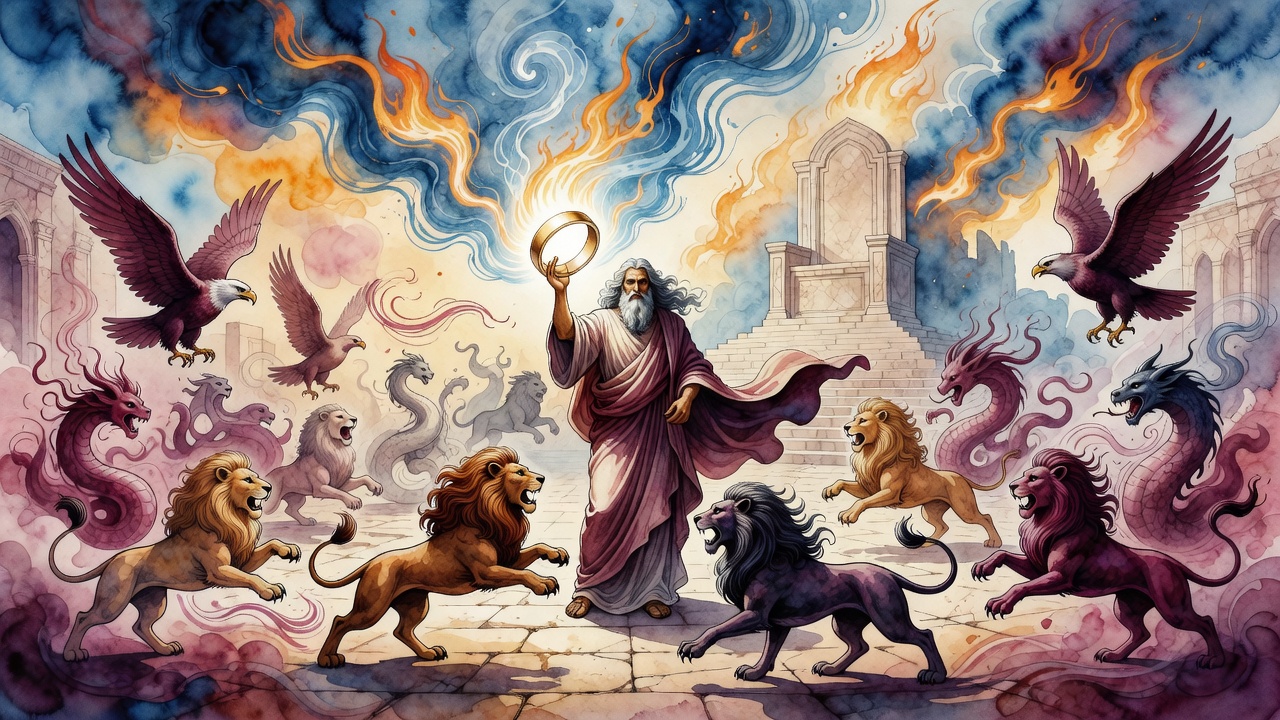
Solomon used a ring inscribed with God's name to call every beast, bird, and demon to his table. Every creature came dancing. Then one did not appear.
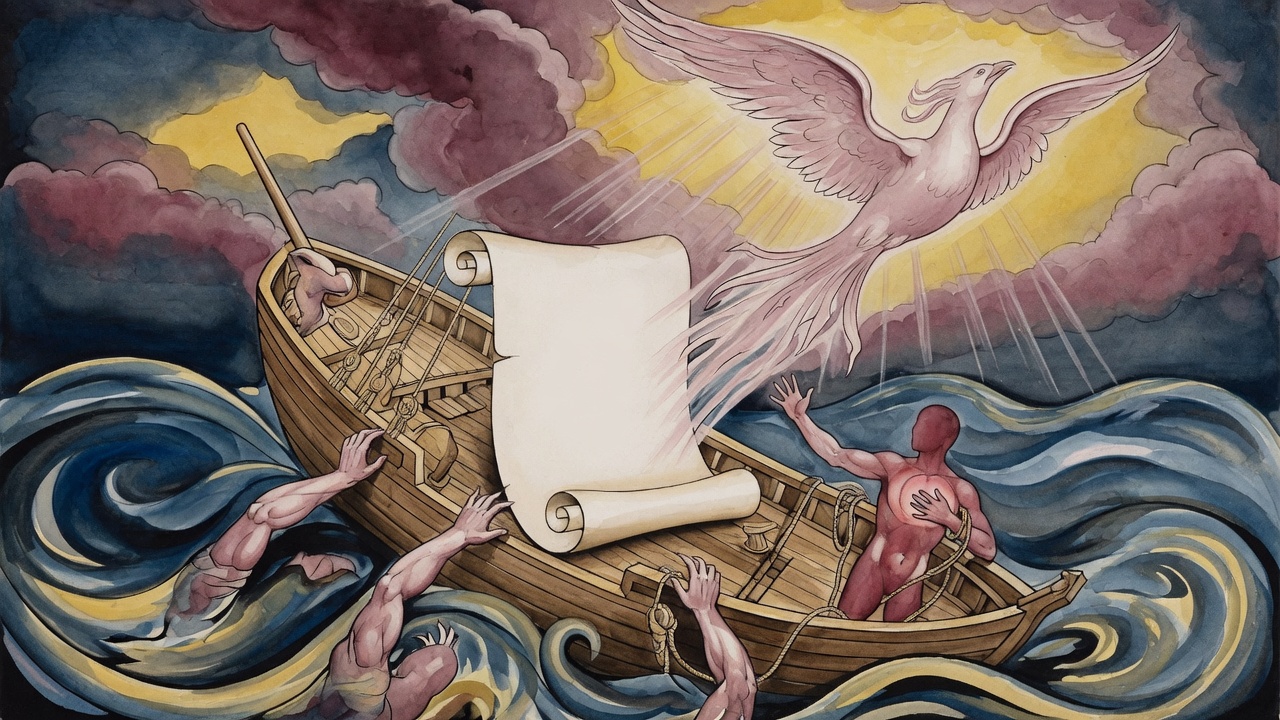
The Zohar and Pirkei DeRabbi Eliezer agree on the origin of demons: God stopped creating before their bodies were finished. The Sabbath did not wait.
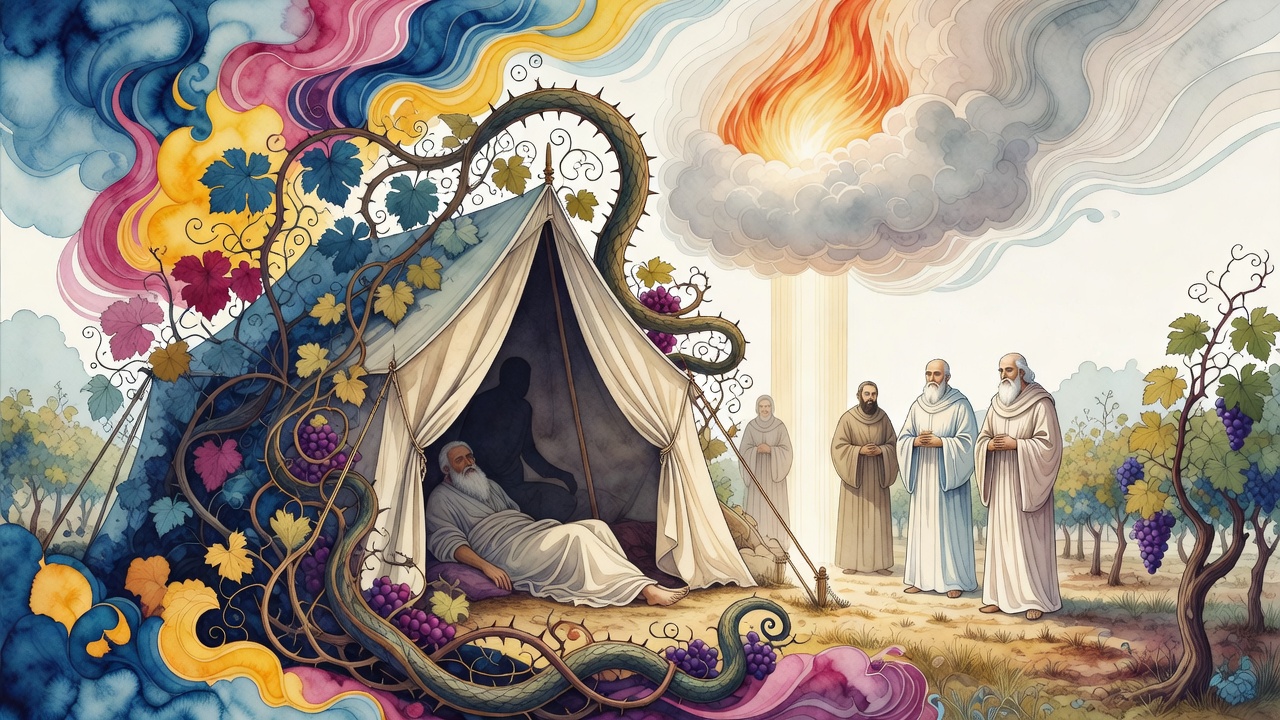
Noah woke up sober and went looking for the son who had done it. God had blessed all three brothers at the ark, so the one man he wanted was untouchable.
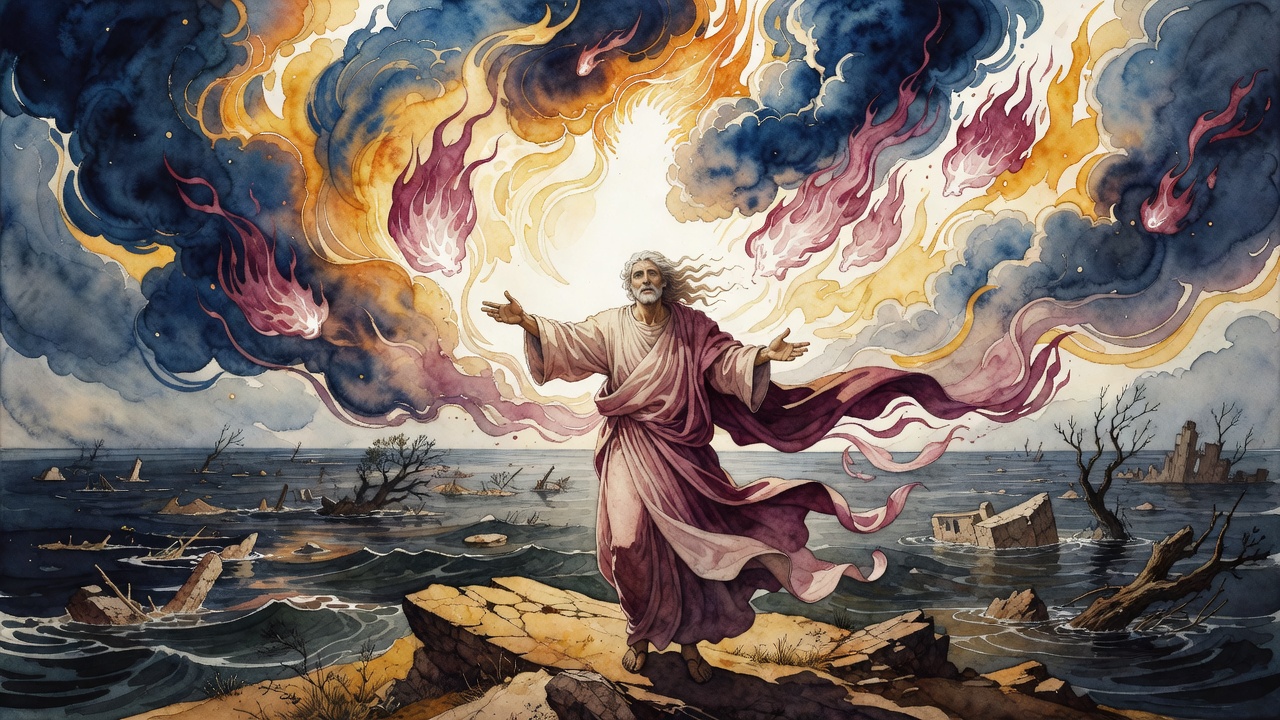
If my Torah had been among the ten generations before this, God told Shem, I suppose I would not have drowned the world. Go and ask the nations.
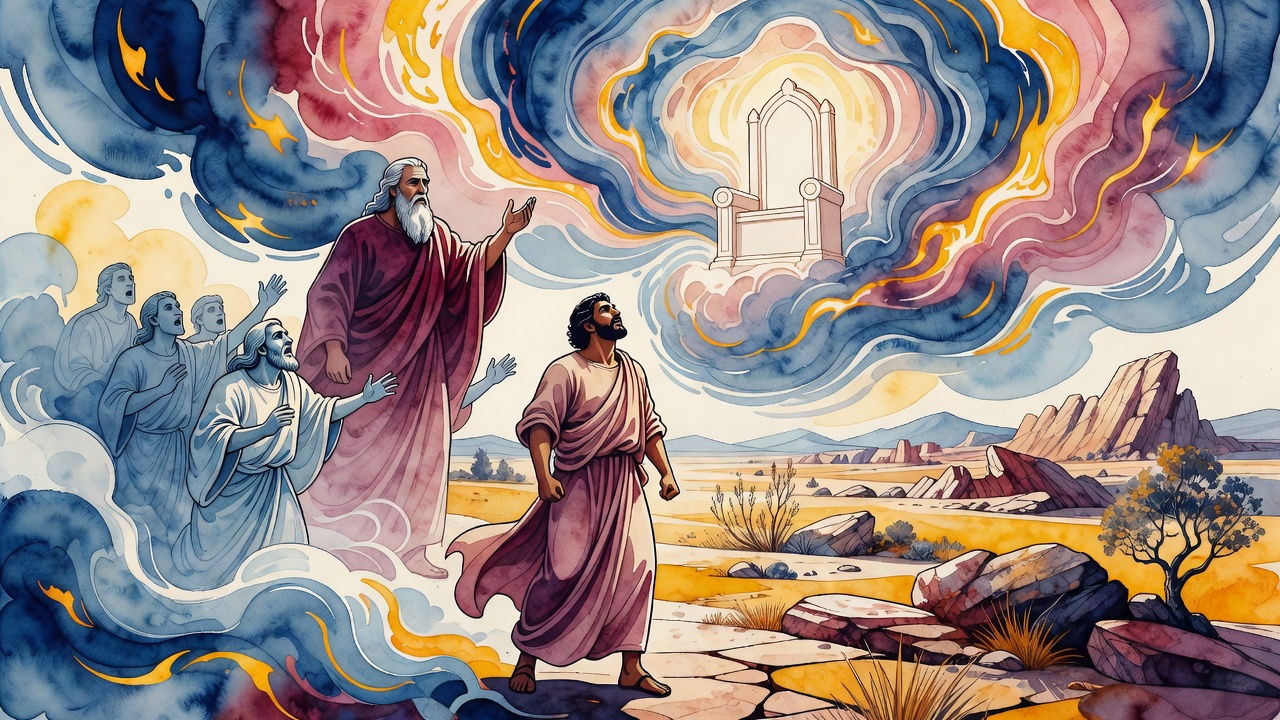
Every son of Noah swore to the boundaries out loud. Canaan moved inside Shem's share anyway, and his grandchildren still held it when Abraham came.
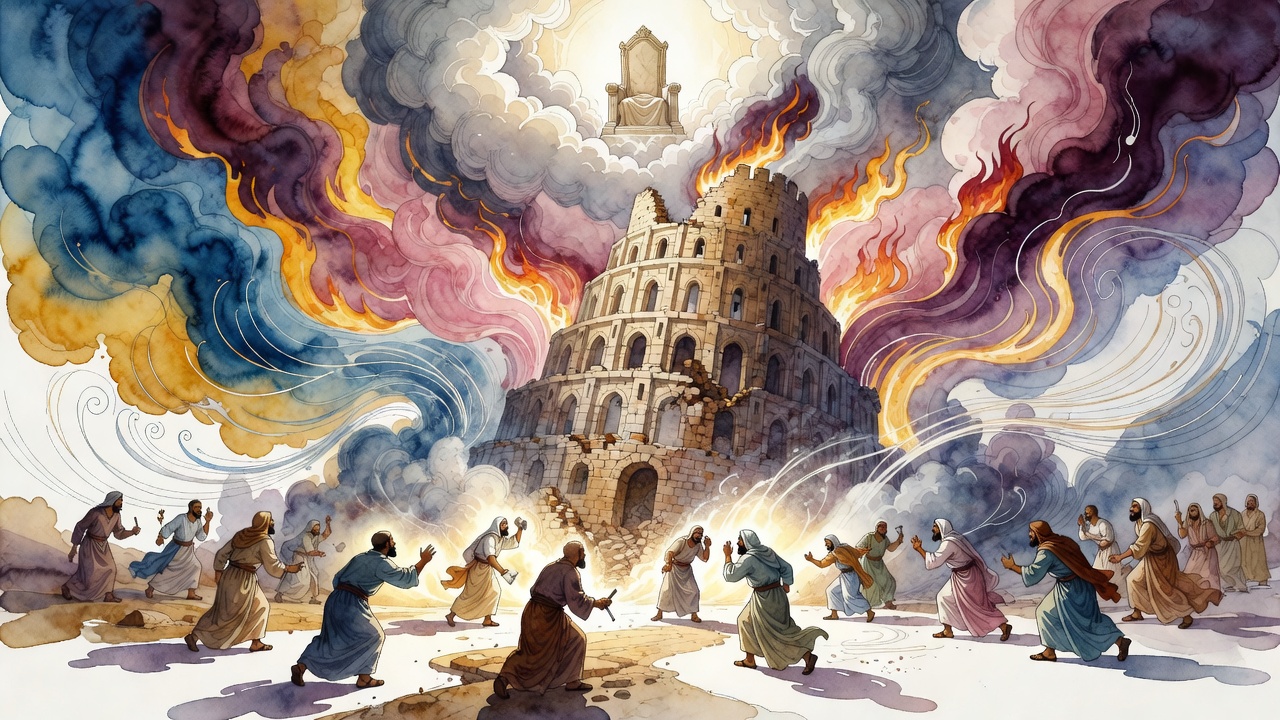
The builders of Babel spoke the tongue Adam used to name creation. When God scattered them, the world lost more than a common language.
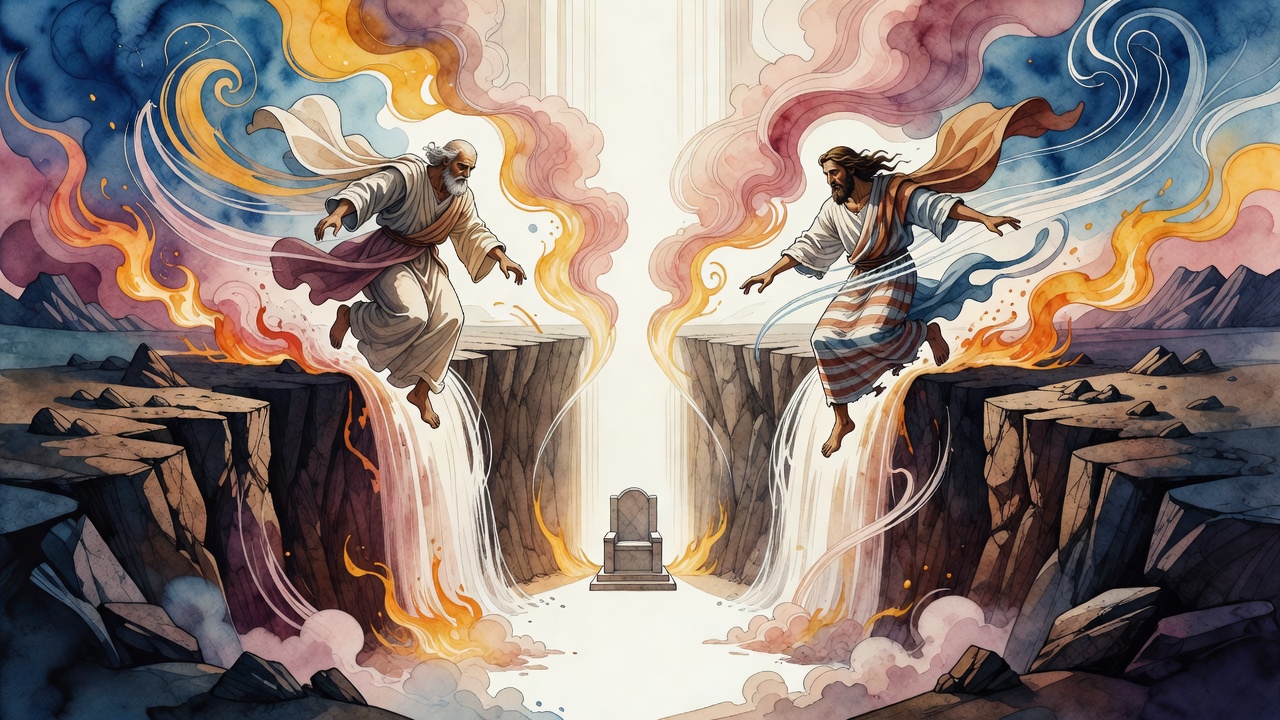
Lot looked at a valley that wore Eden's face and walked in. Years later a king in a cave asked God not to destroy him, because that walk had been paid.
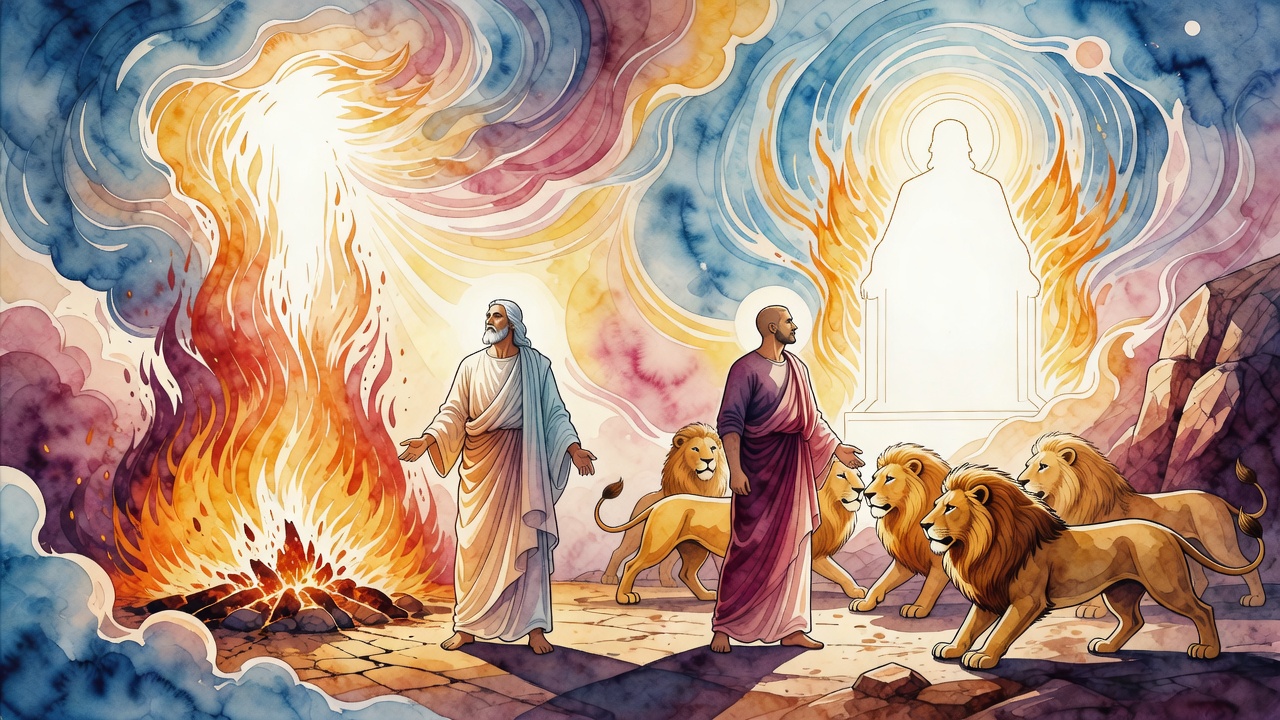
Abraham faced Nimrod's furnace before Daniel faced the lions. Both were the same divine test given to men prepared for it.
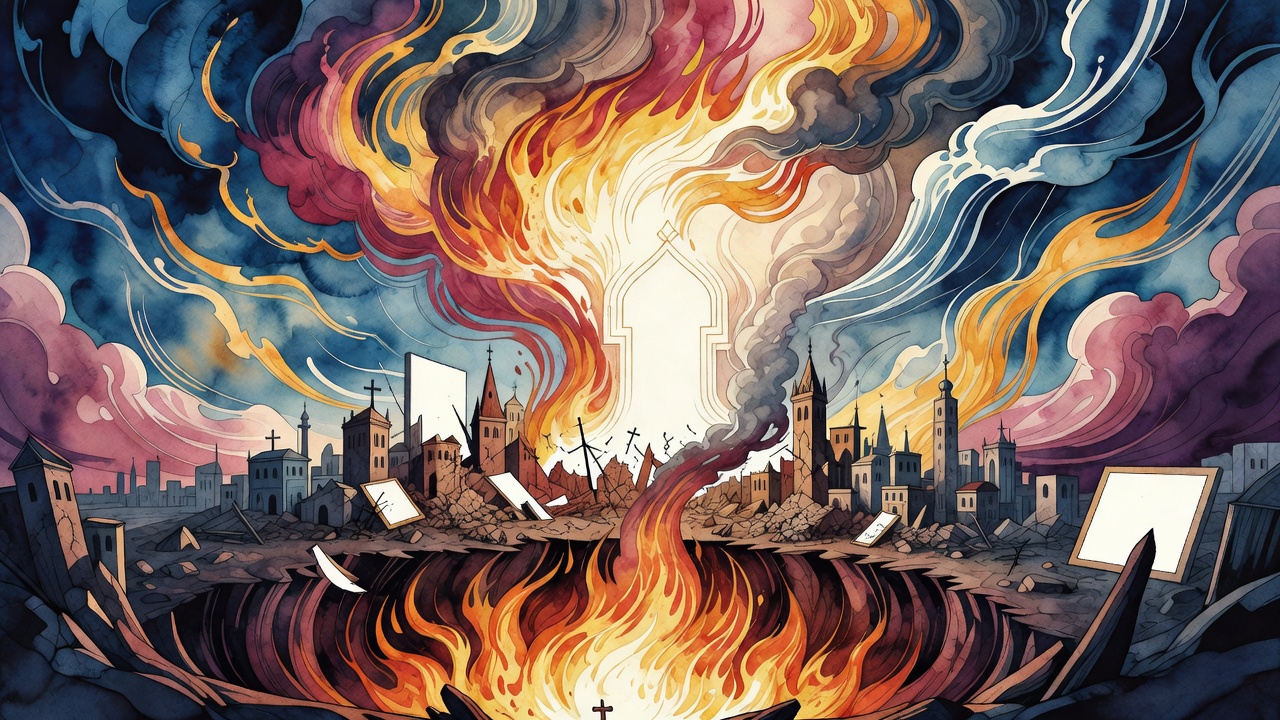
The fire that fell on Sodom from the sky had a partner rising from Gehinnom (afterlife of judgment) beneath. Both were prepared before the world began.
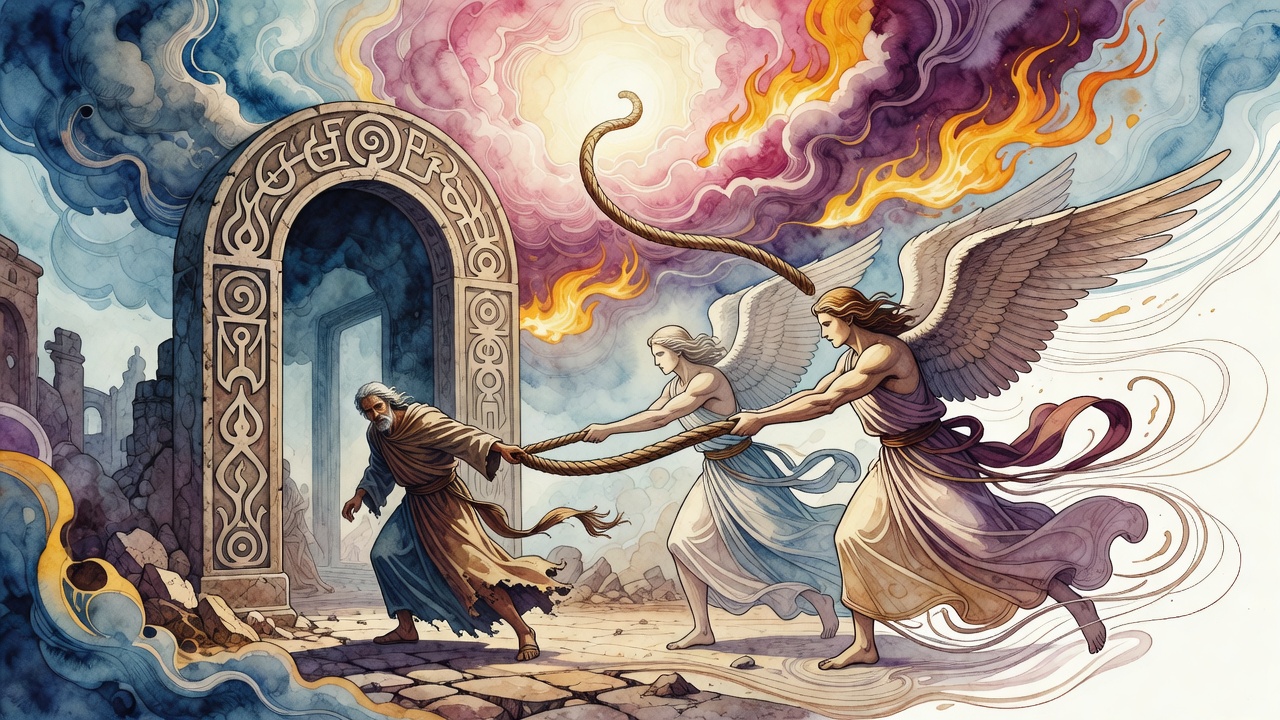
The chest stood open on the table. An angel took him by the wrist anyway, and the rain behind them was already burning as it fell.
Abraham's cattle went out muzzled so they could not eat another man's grass. Lot's went out bare-mouthed, and the argument split the family in two.
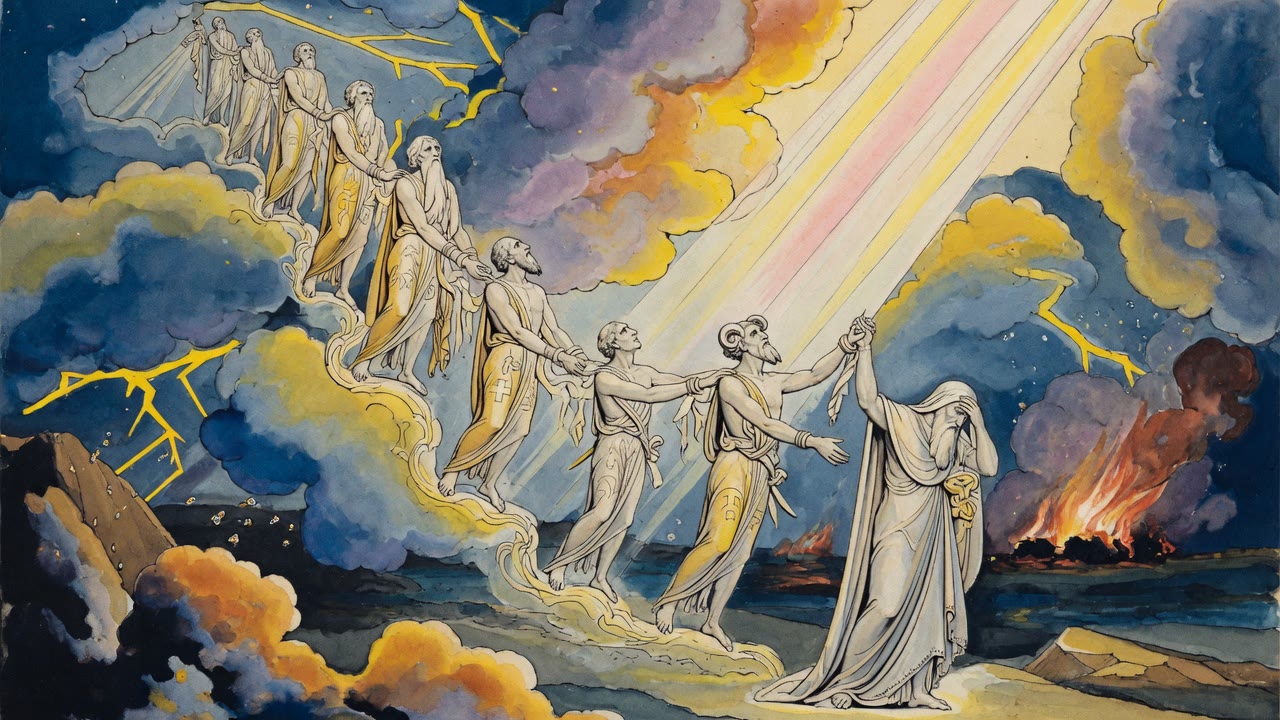
Lot chose Sodom and seemed to step out of the covenant. The rabbis found a hidden thread running from his fall all the way to King David.
Abraham prayed, and a foreign king's house filled with infants. Sarah walked home with silver and empty arms until the angels refused to keep quiet.
Elisha was plowing behind oxen when Elijah threw a cloak over his shoulders and said nothing. He performed sixteen miracles, twice Elijah's eight.
