215 myths · Page 7 of 8
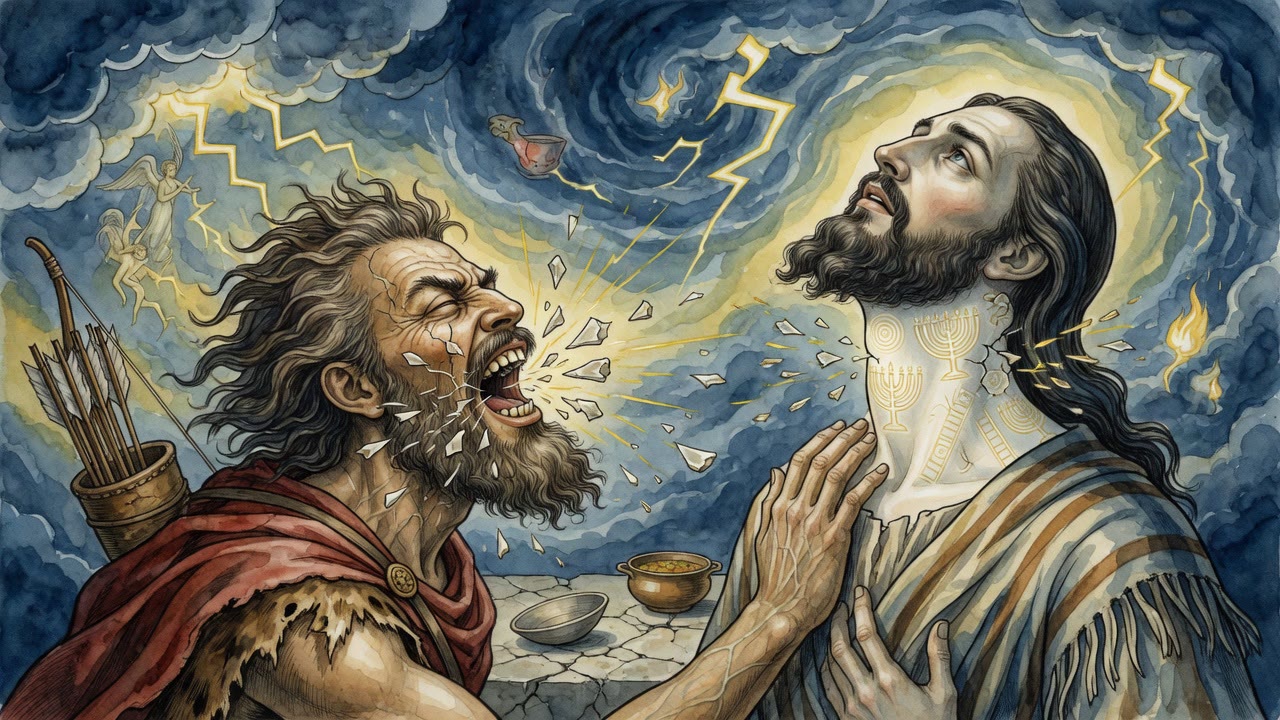
He had sworn not to use an arrow. He wanted his brother's throat in his mouth. The neck he bit turned hard, and his teeth failed.
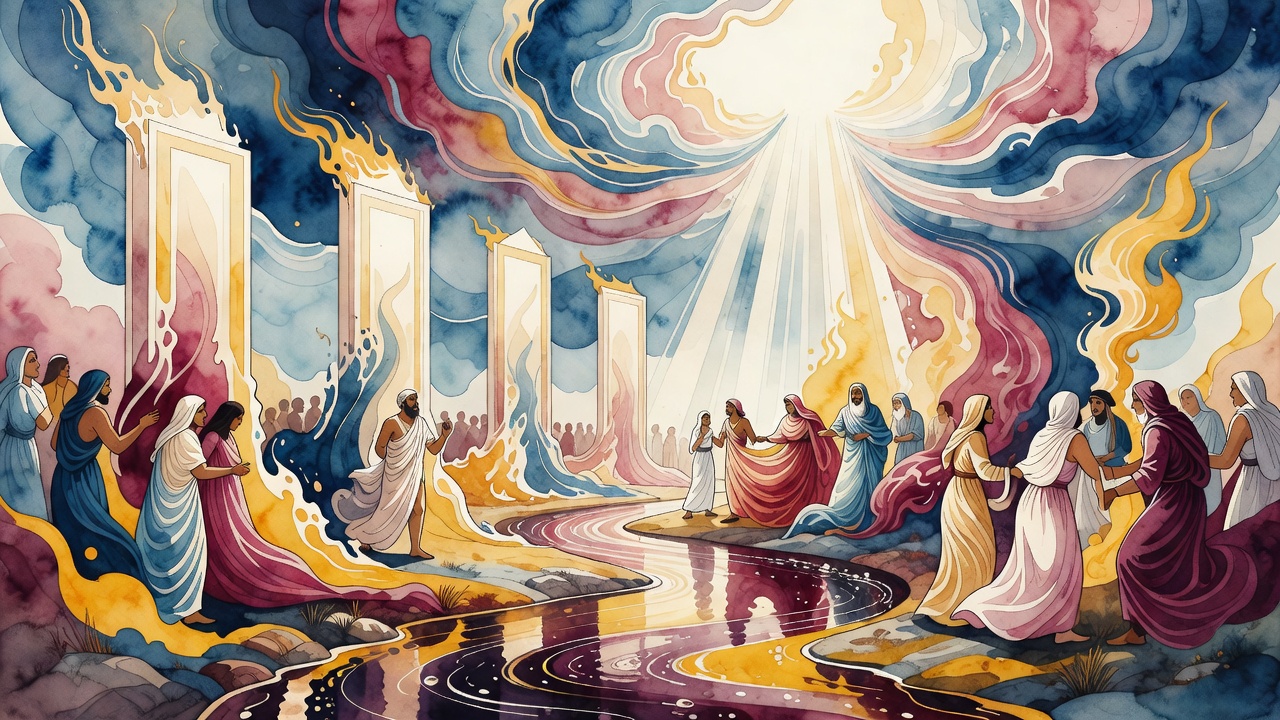
Four merits had carried Israel out of Egypt. At Shittim the people took Moabite women, and the midrash says the spring itself ran with Sodom's old poison.
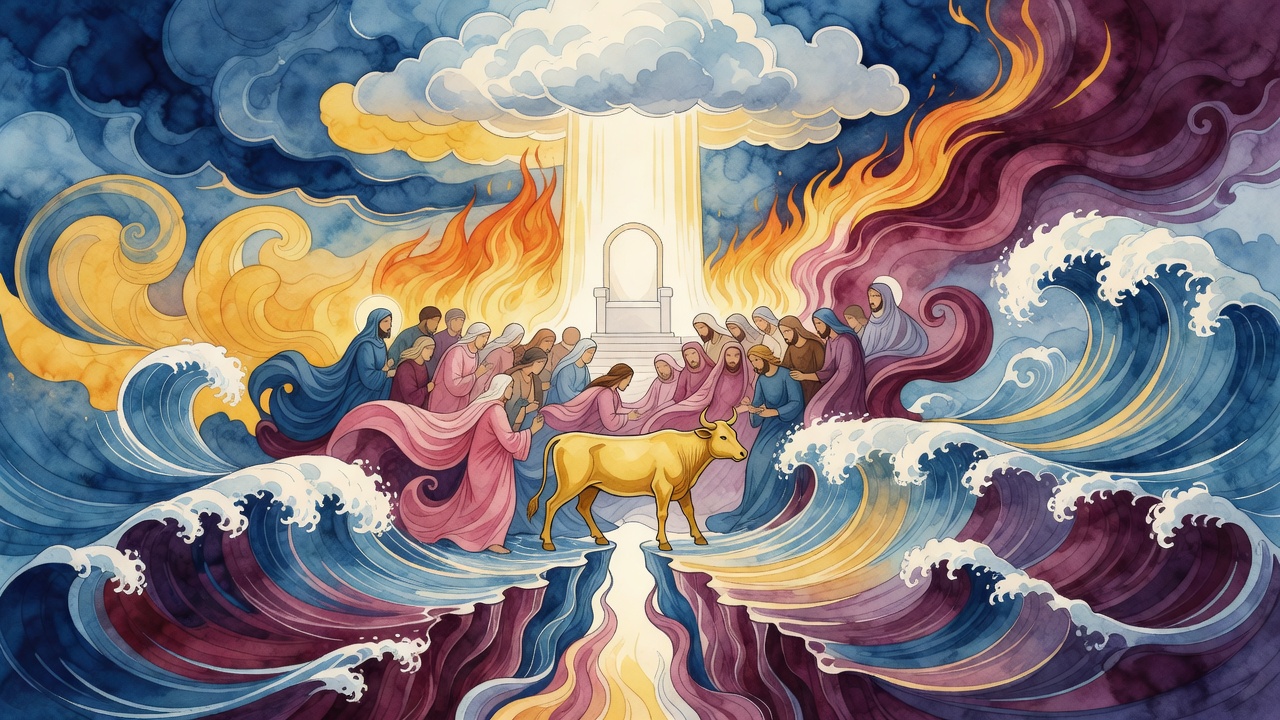
A father may carry a child who has grabbed a stone and will not let go. The rabbis proved it from God carrying a people that had packed an idol.
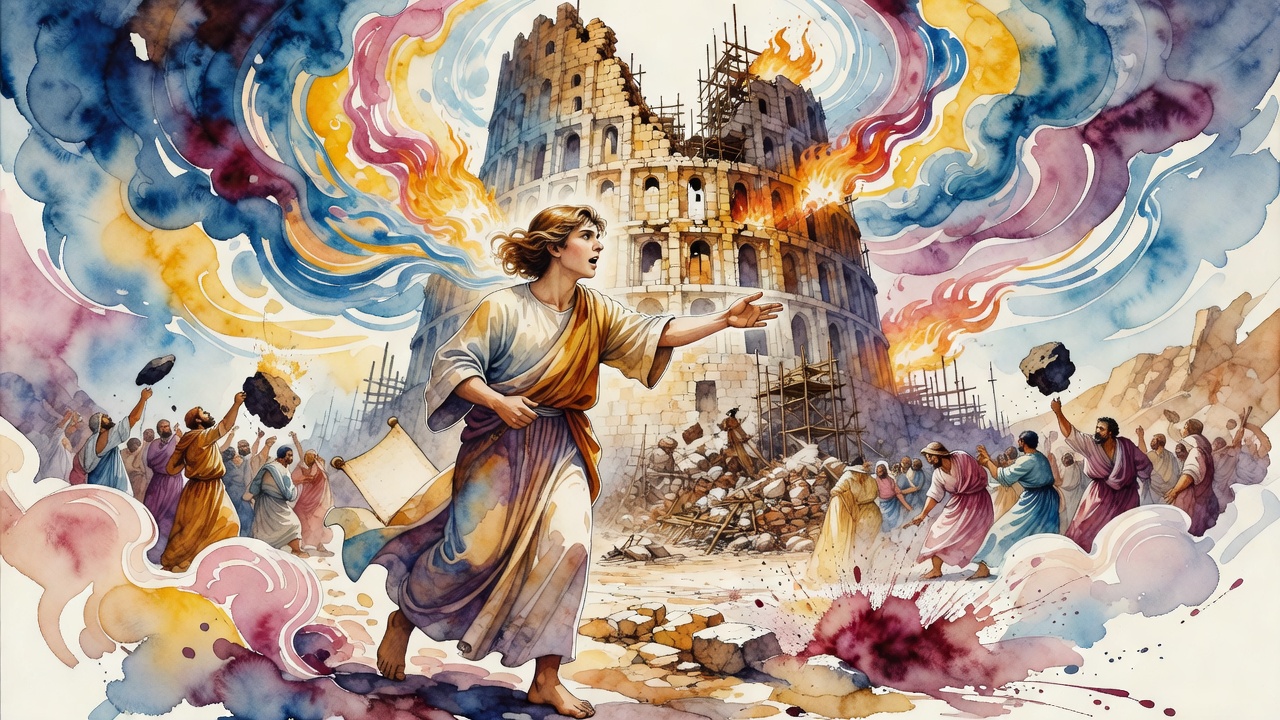
Brick dust hung over Shinar like a second sky. Men shouted in one tongue until a young man from Terah's house stopped as if he heard a knife.
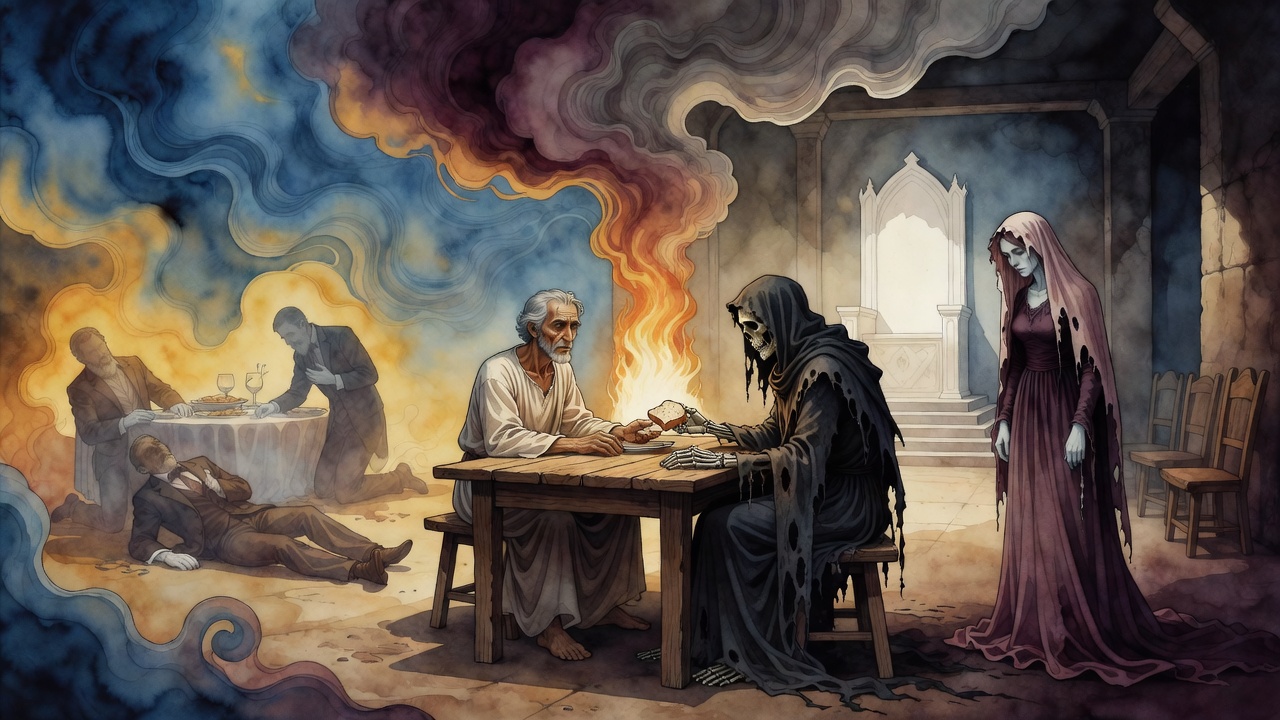
Three grooms die on Hannahs first nights. Poor cousin Joseph feeds Death at his table, lives past the wedding, and keeps the cursed bride.
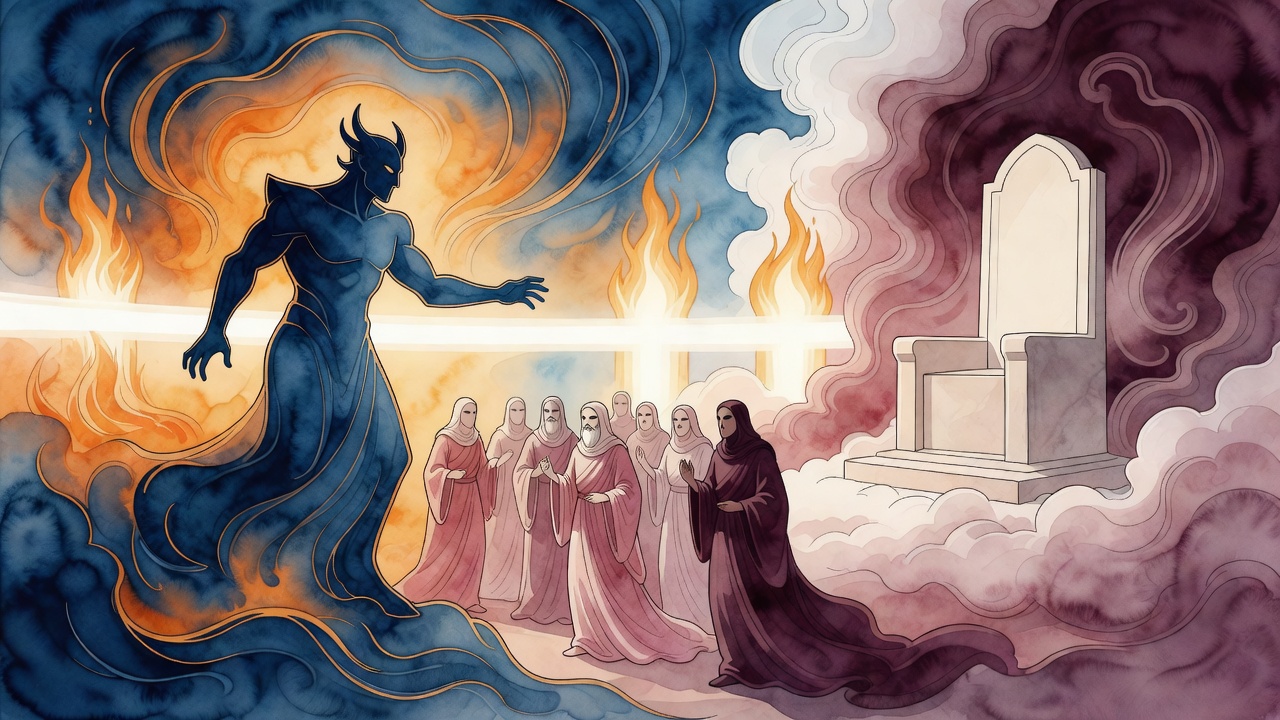
Nargesanel asked for Israel's names as fuel. God closed the book. Even the fire under the earth stills when the King approaches on Friday.
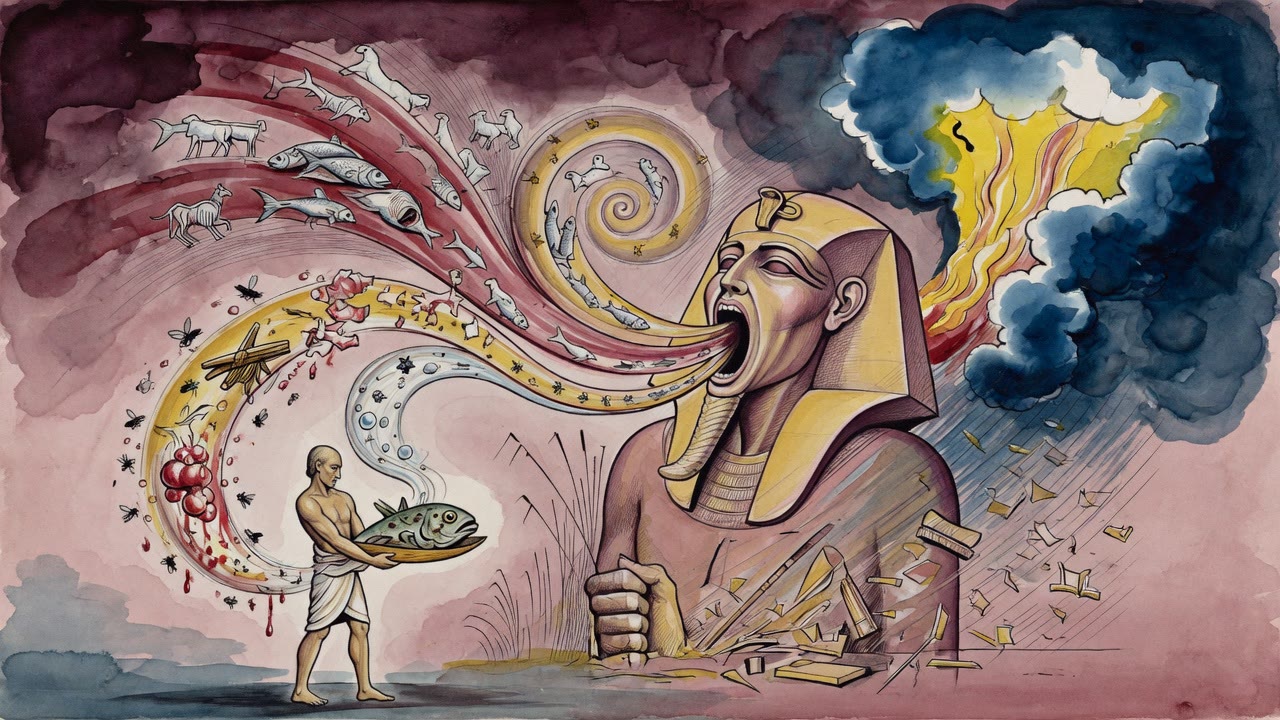
A servant picks the lightest penalty for a rotten fish and still pays all three. Pharaoh bargained the same way through every plague in Egypt.
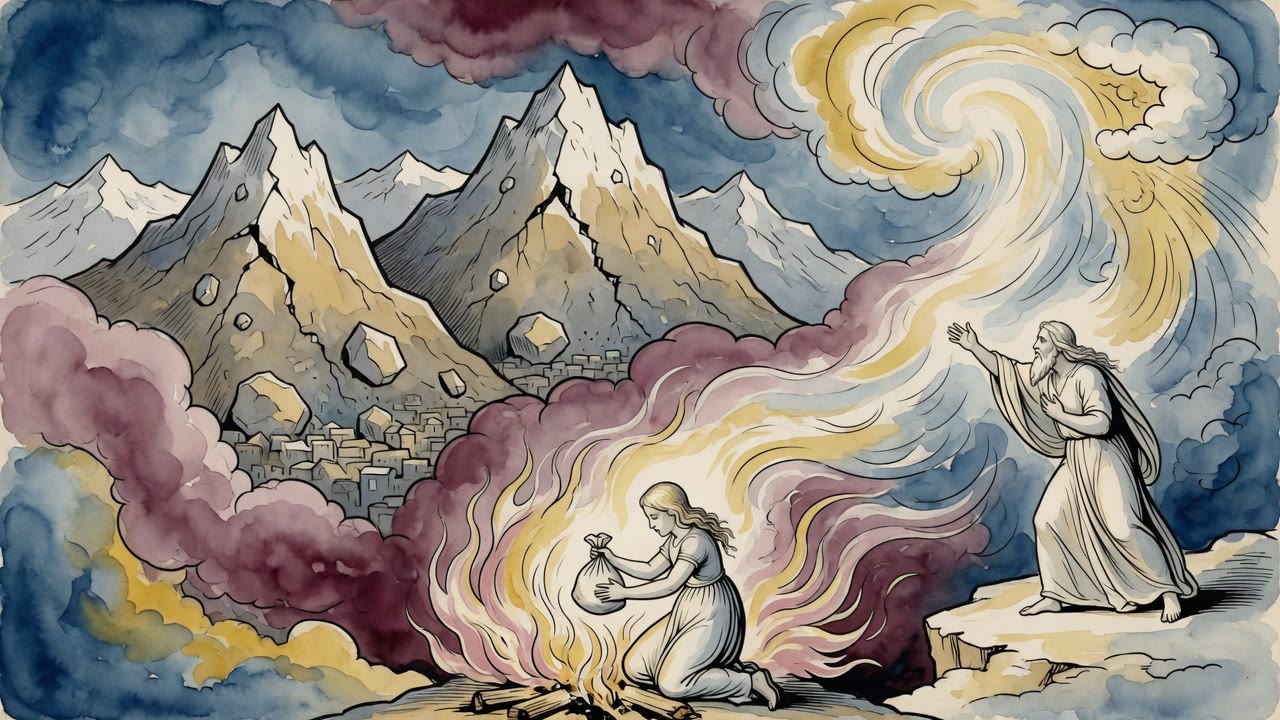
Mountains trembled under Sodom for more than two decades. A girl who hid flour for a starving friend burned. Abraham still drew near to plead.
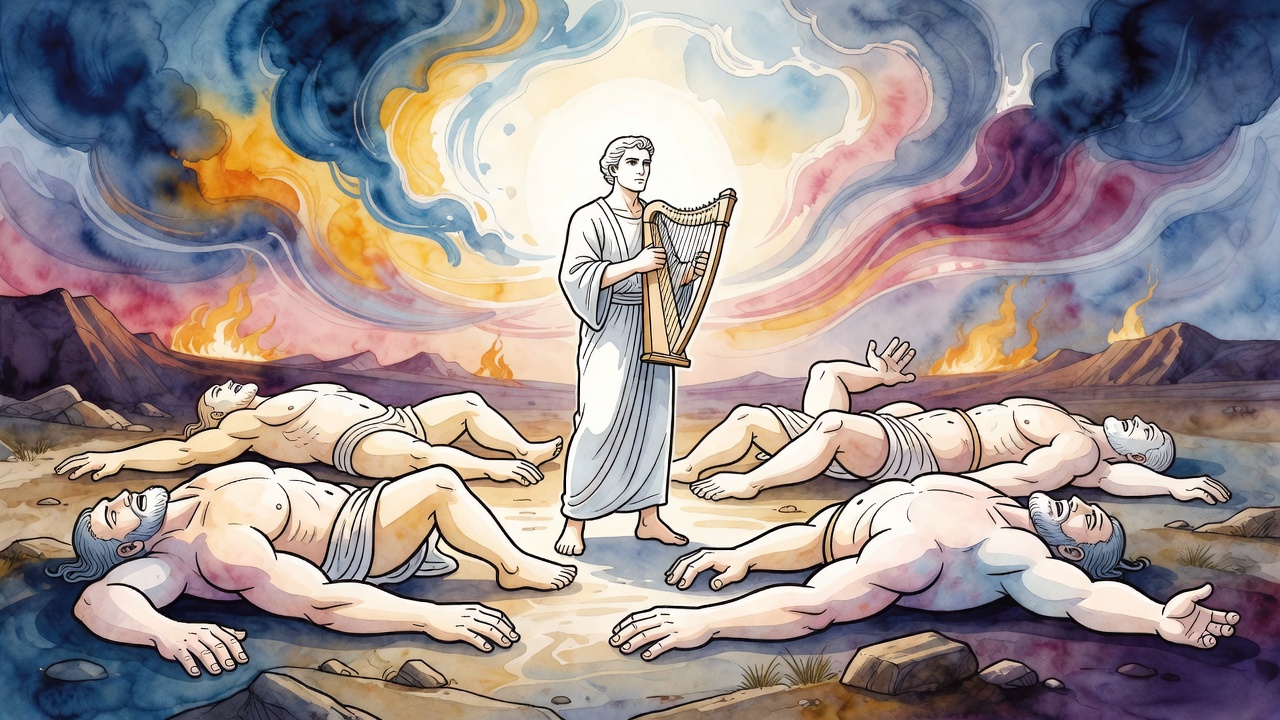
David went out with his men one more time and his strength gave out in the middle of the fighting. Afterward they made him swear never to come again.
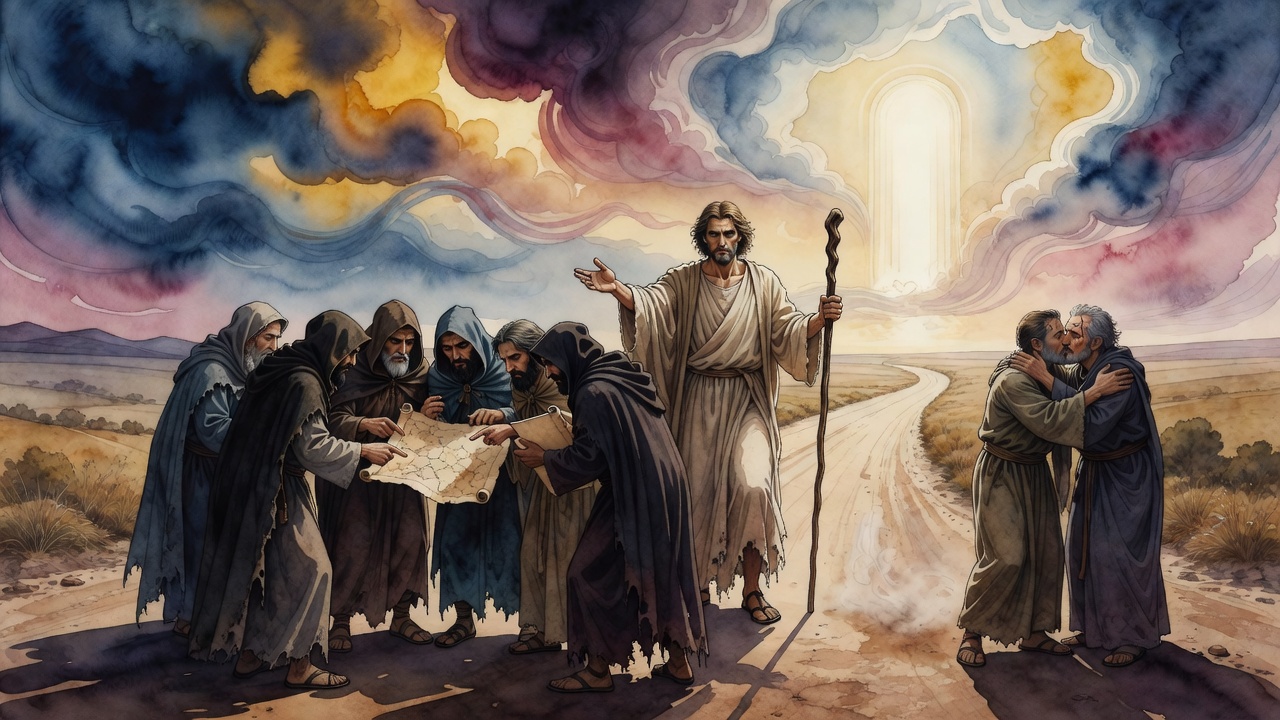
Aaron stopped on the road and greeted men planning sin that night. By morning shame held them, and two enemies kissed, never knowing who had lied for peace.
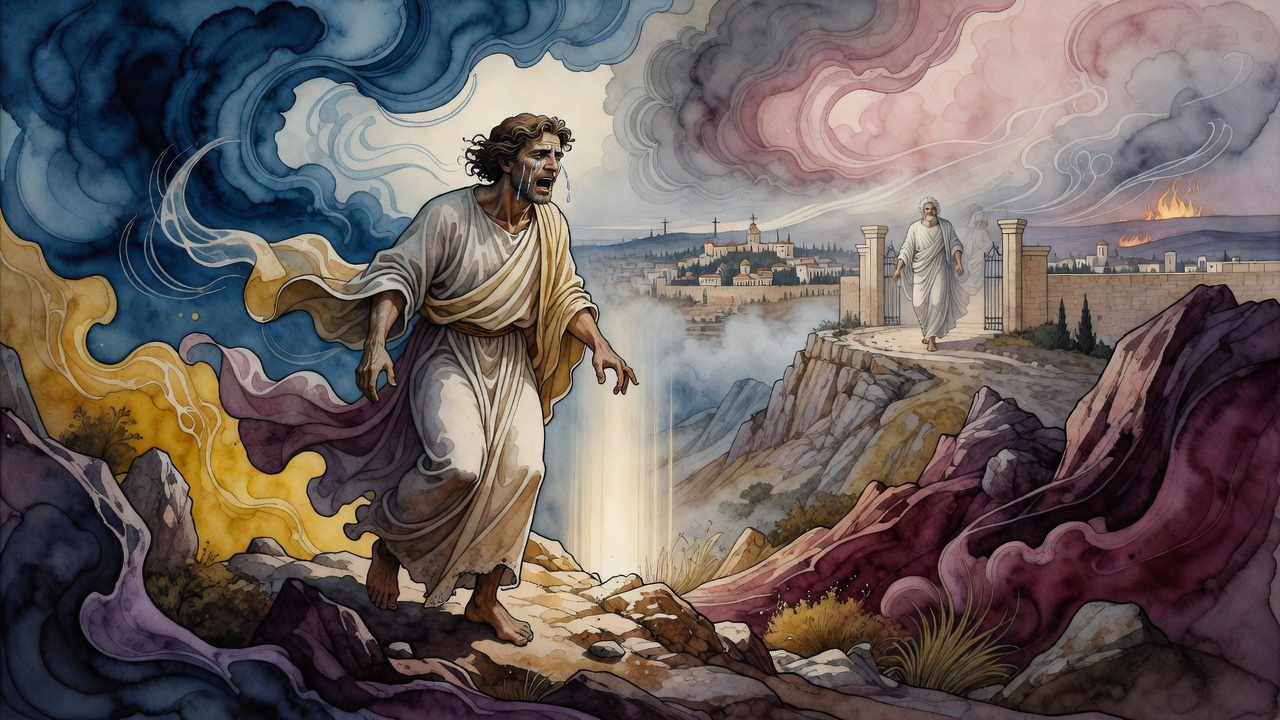
On the Mount of Olives David climbs barefoot, tears on his face, a psalm in his mouth. Absalom takes the city, and measure for measure walks with the king.
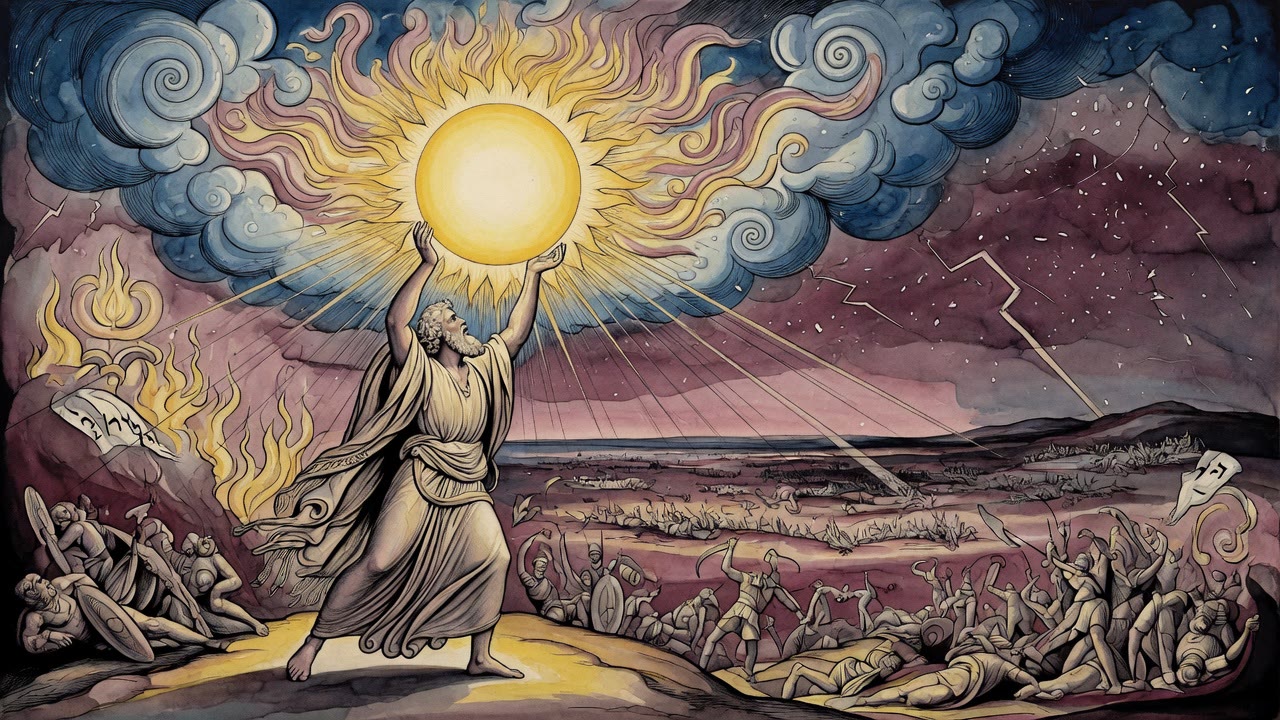
Joshua ordered sun and moon to stand, and the midrash says the righteous rule the lights, holding day open until Israel's battle was done.
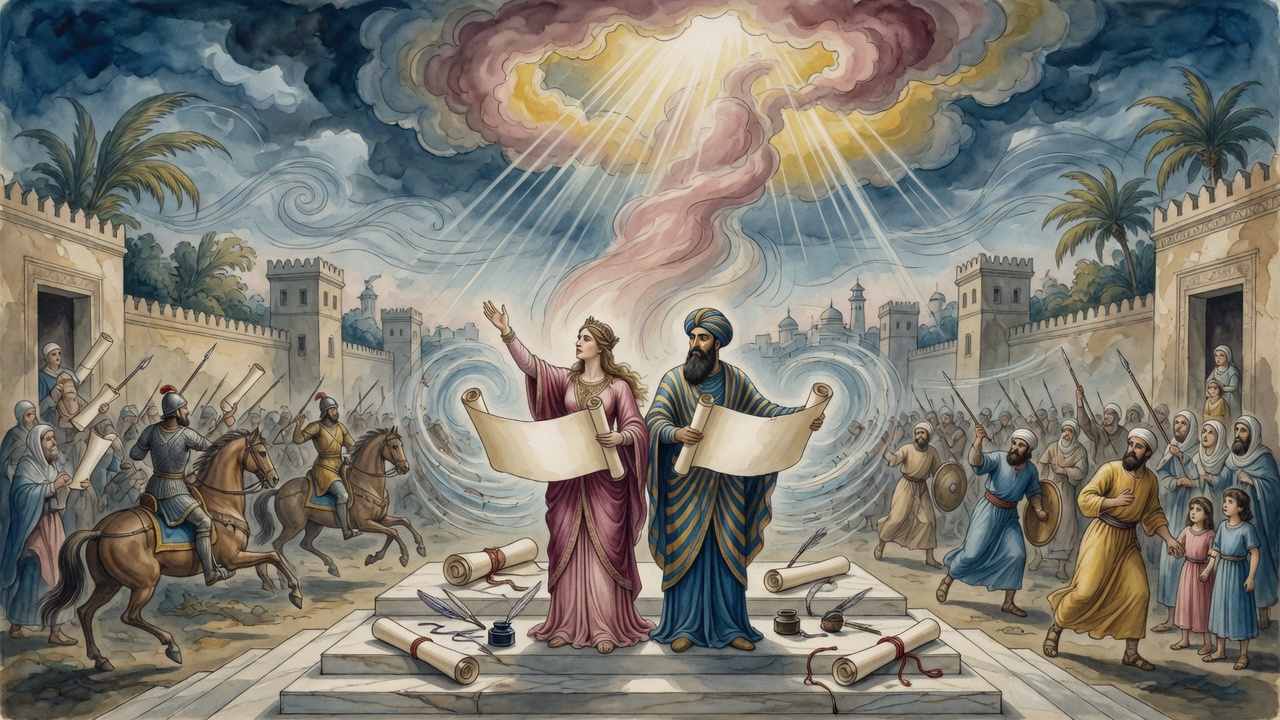
The king matched every goblet in the hall cup for cup. Then he sent for Vashti, and the room learned what a queen's no costs.
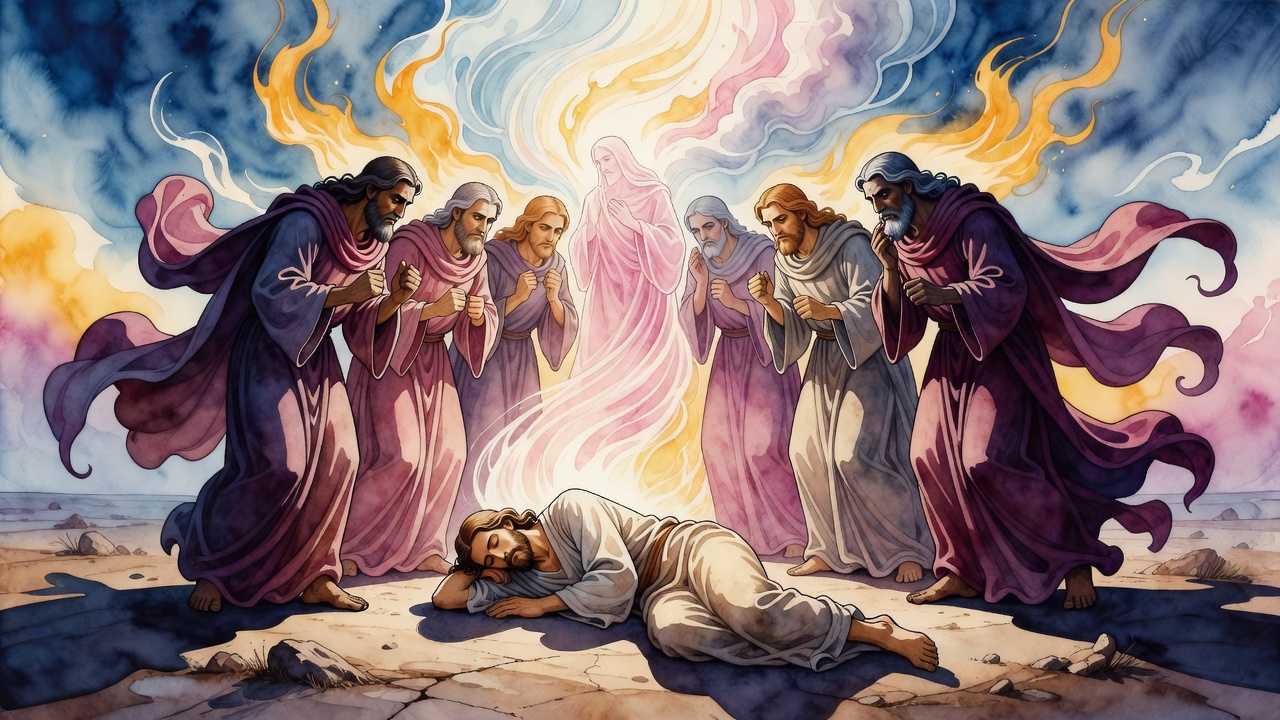
Jacob slept on bare ground while the guardian princes of the nations plotted above him, and God stepped between them and His favorite.
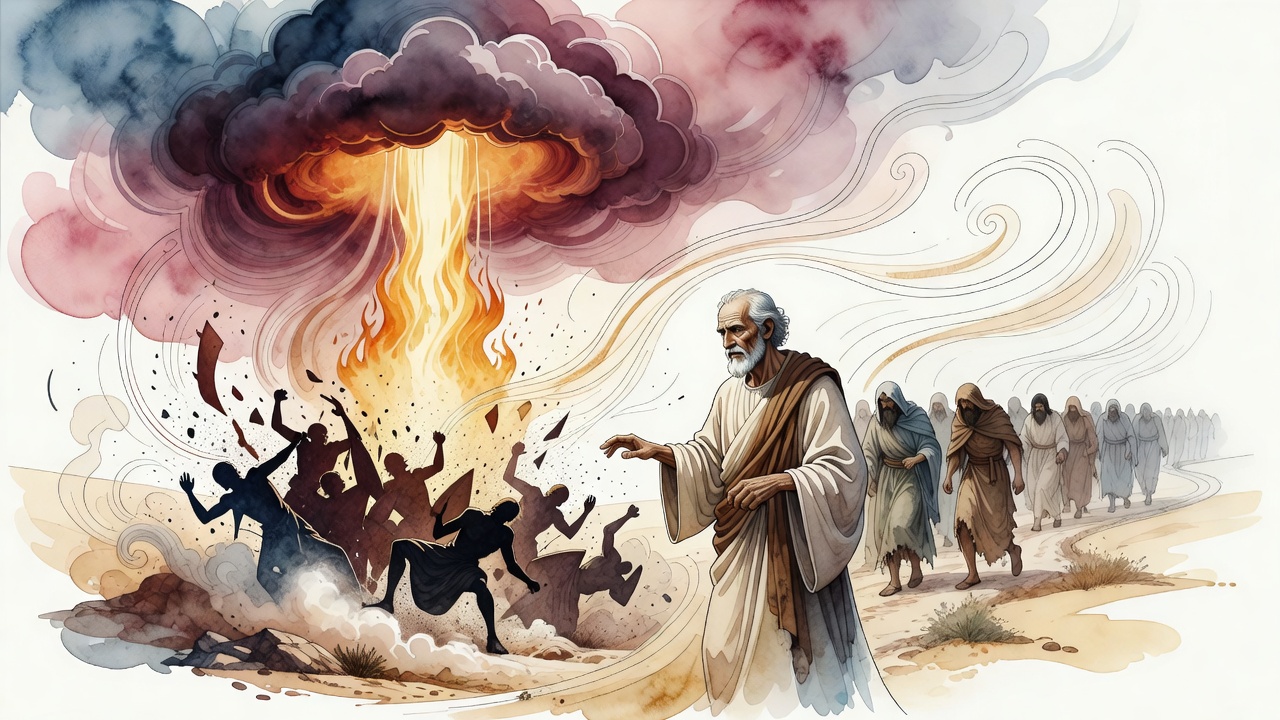
Some in the camp tested God without saying a word: if He knows what we are thinking, we will serve Him. The answer that walked in was Amalek.
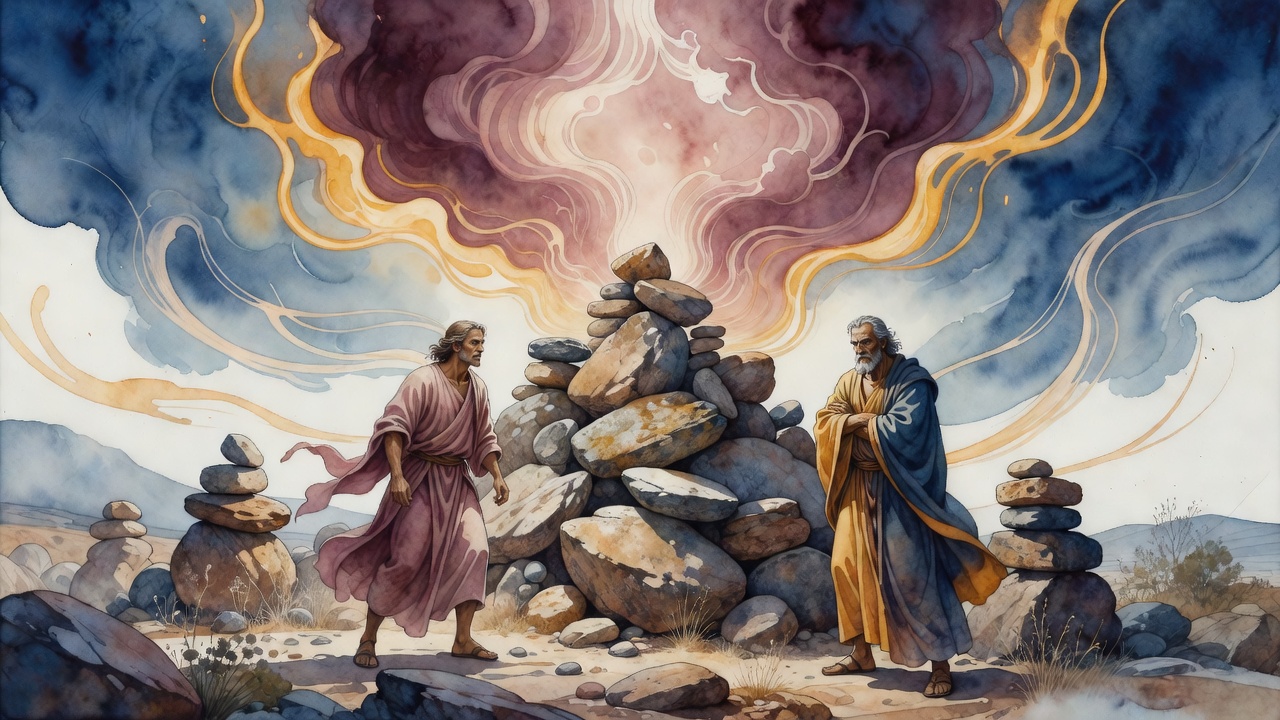
After twenty years they did not embrace. They stacked rocks until the line could speak, and each swore not to cross it for harm.
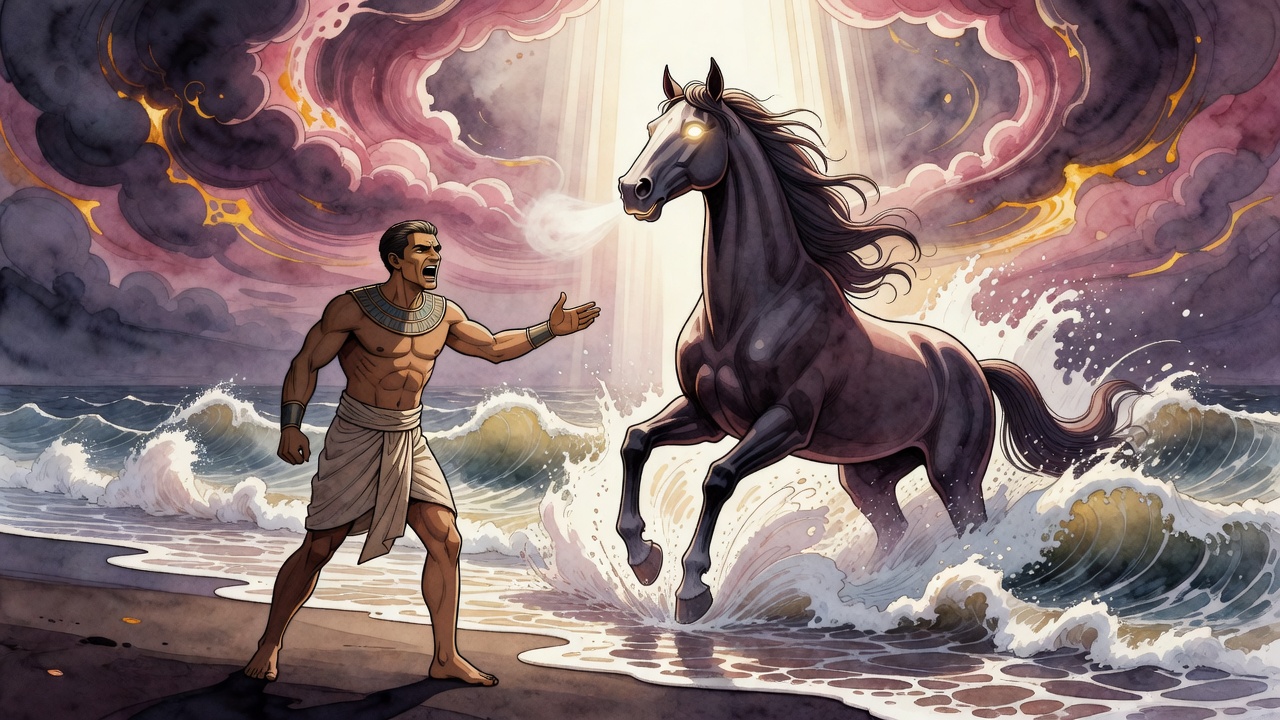
Yesterday the stallion would not drink. Today it dragged the chariot into the sea. In the wall of water the animal saw heaven folded down.
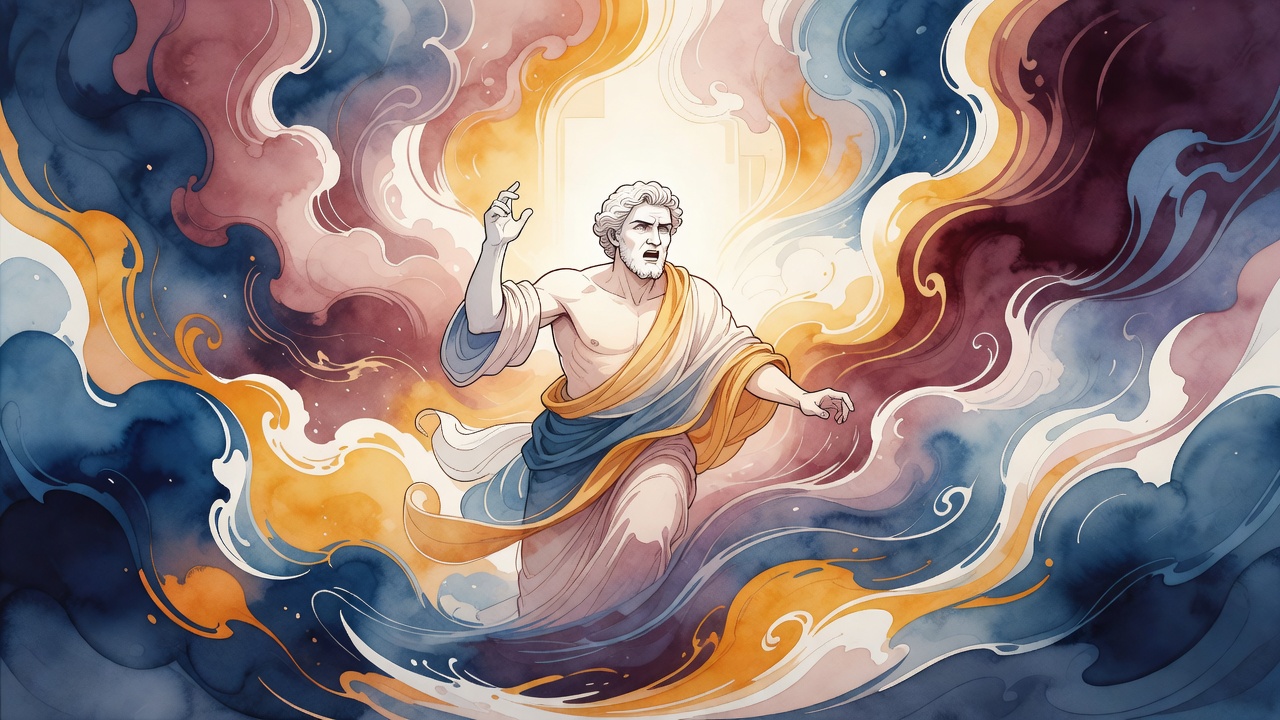
The harp still hummed when God asked who the enemy was. David had meant a crowd. Heaven answered with Saul's name.
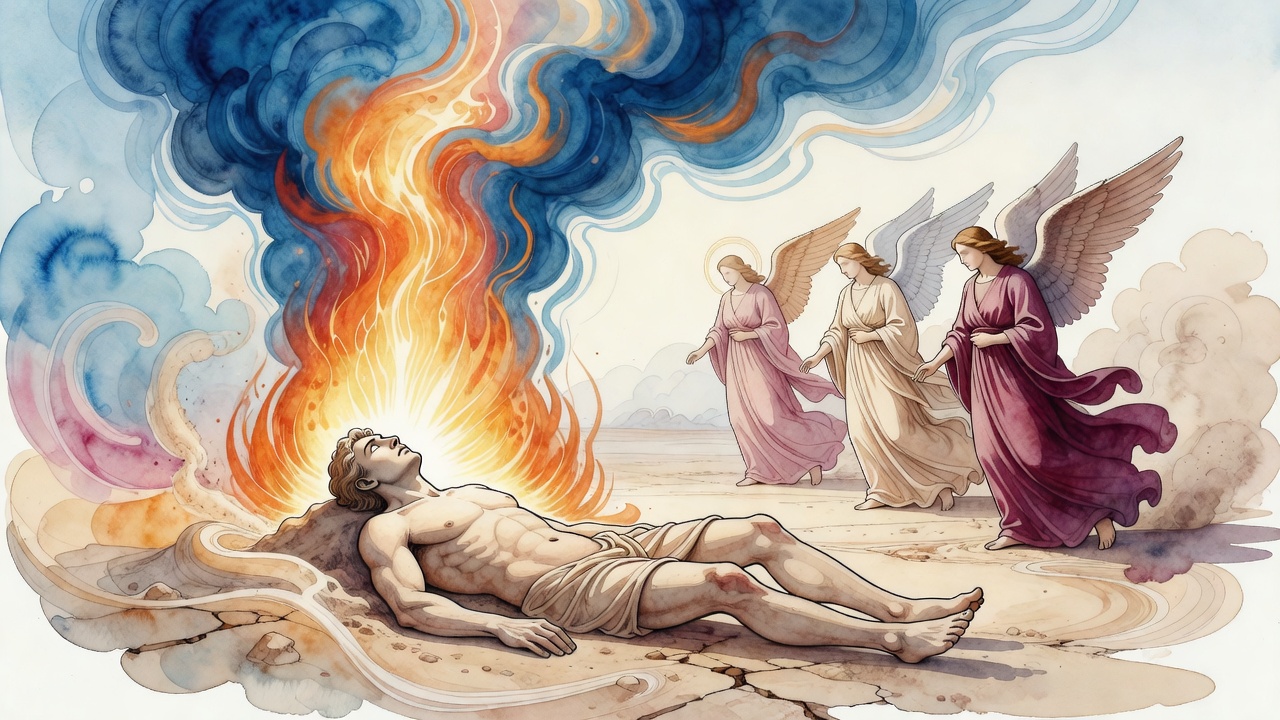
The body lay finished and empty, limbs shaped, face still. God looked at its mouth and heard the slander it would one day spread against a neighbor.
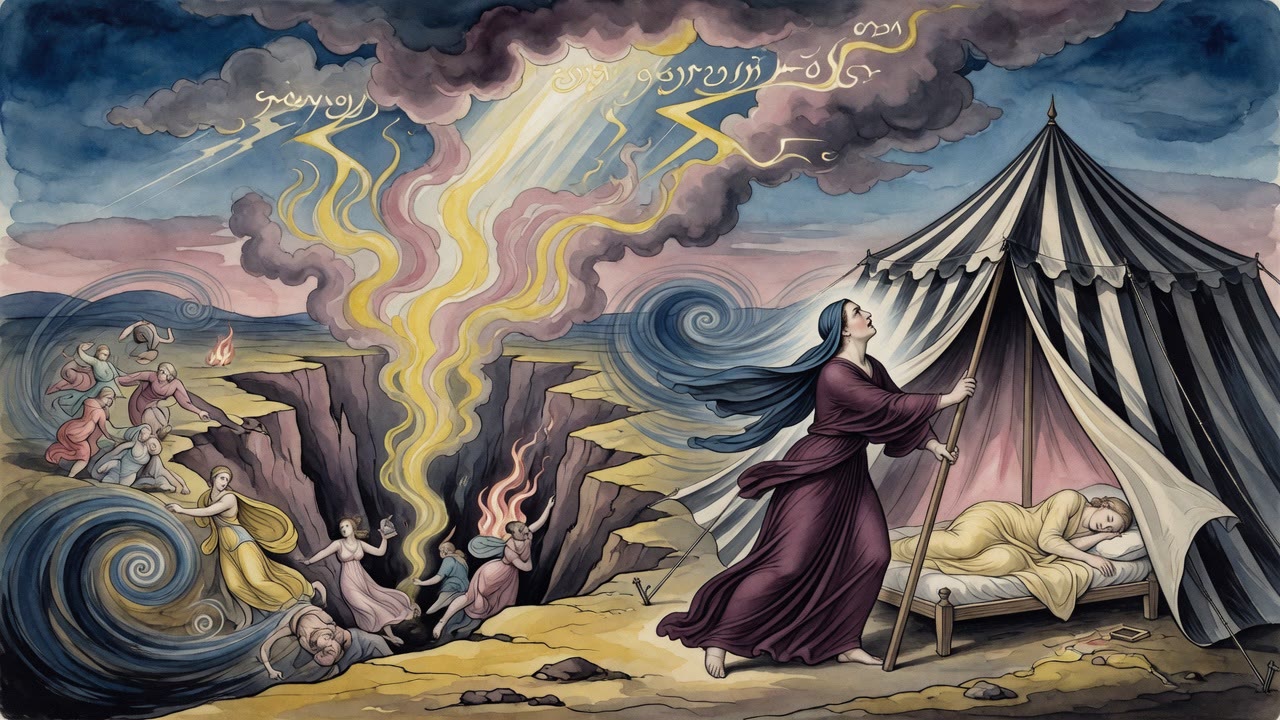
He pulled light from his own robe until the sky would not stop. He said Enough, and a name stuck to that word. The north he left raw on purpose.
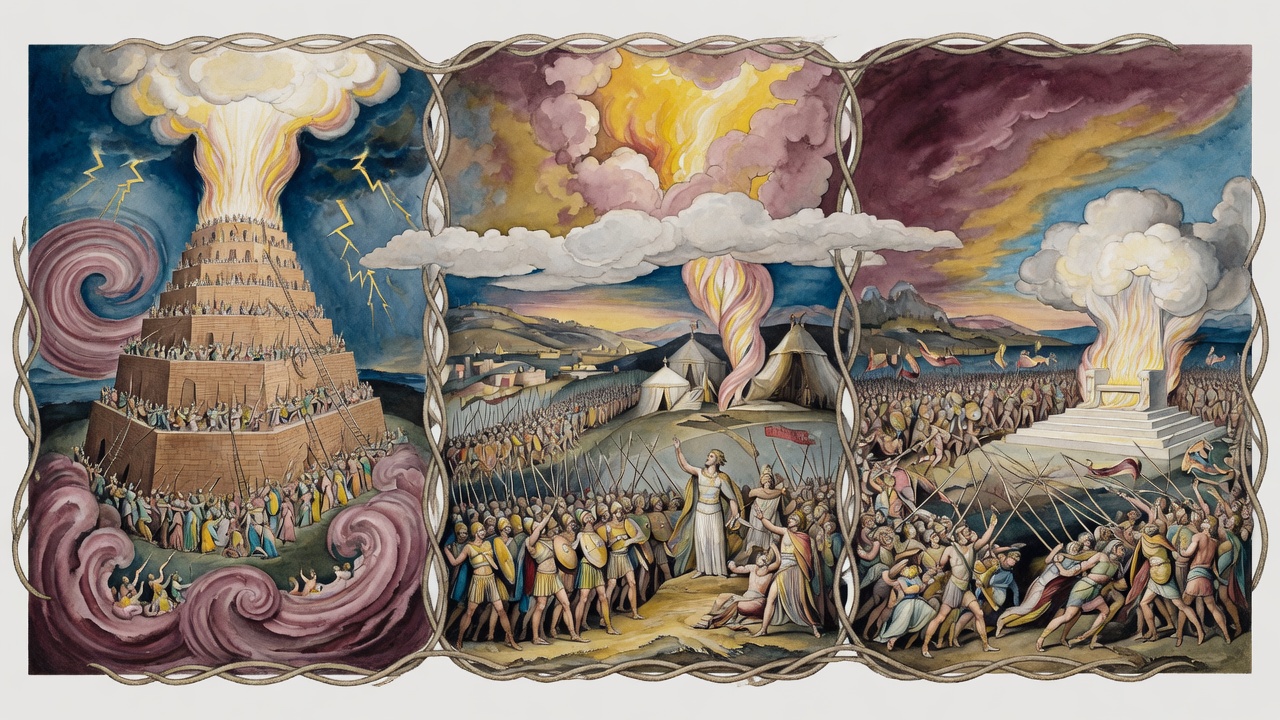
Jericho's walls were already dust. The kings of Canaan put their mouths together and came for Joshua as if they were one.
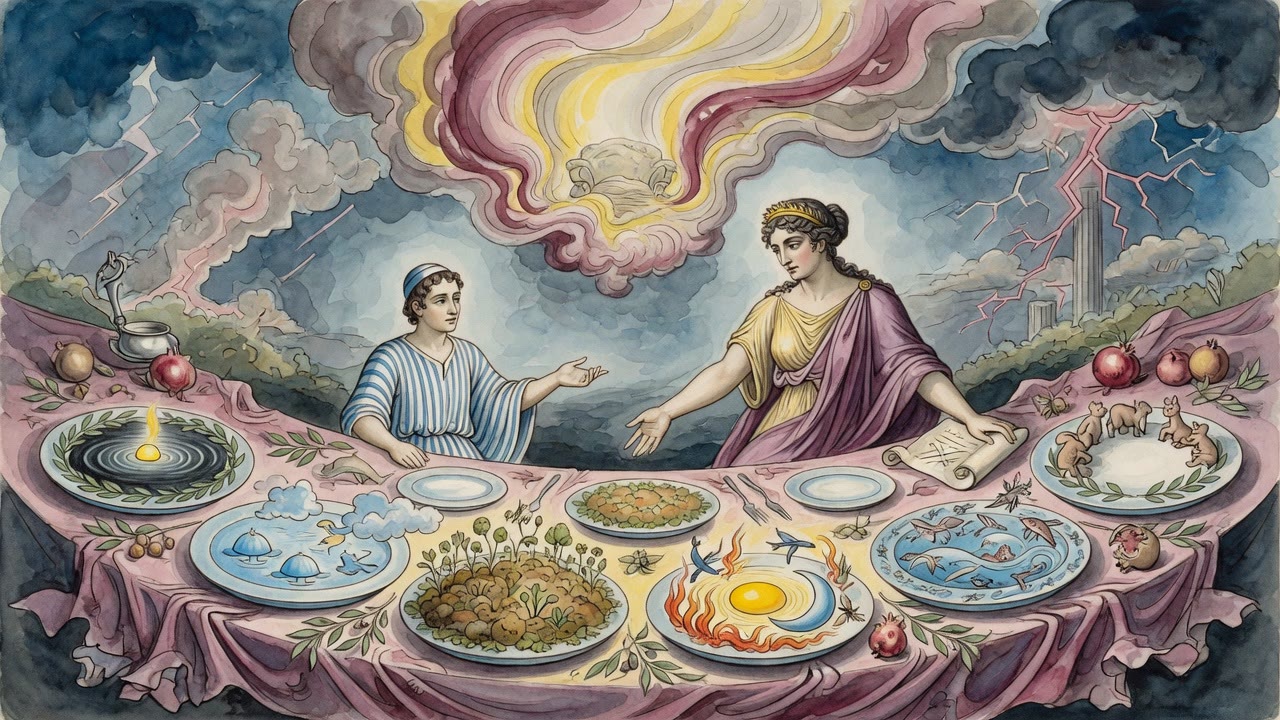
Rabbi Elazar hid behind a pillar when his teacher entered. Yochanan named the slight. He wanted his words spoken after he was in the ground.
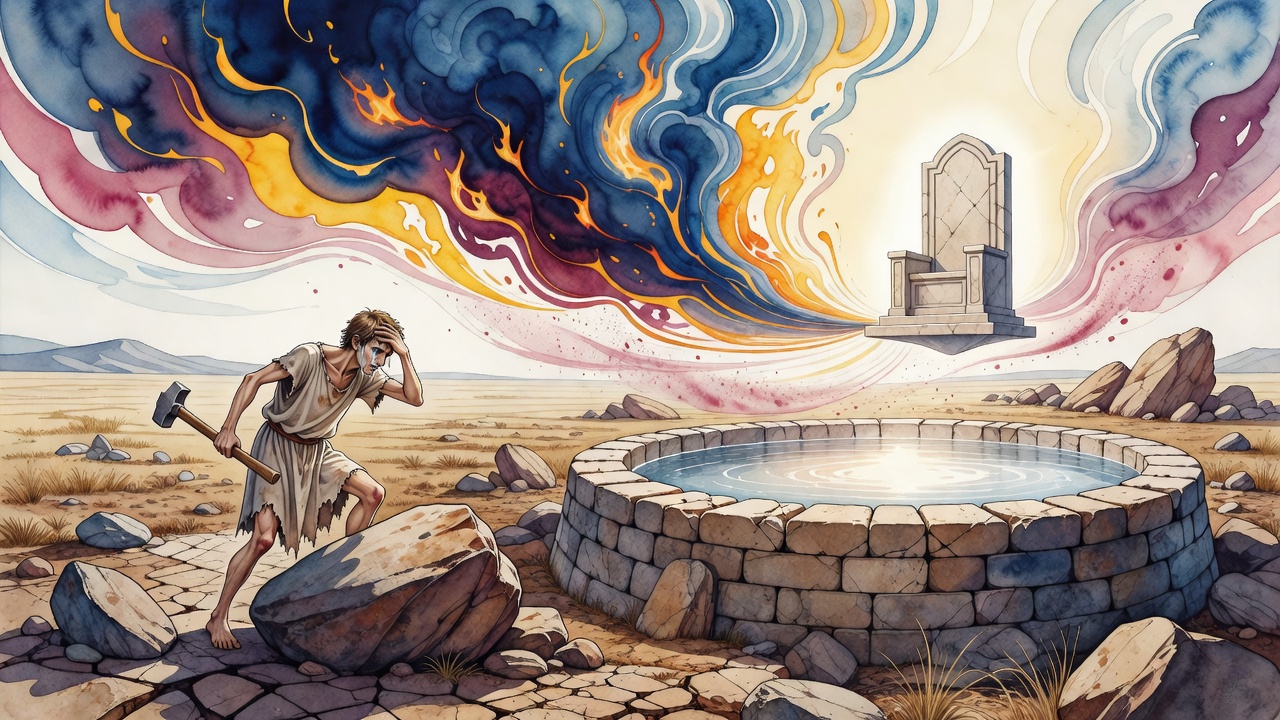
Hyrkanos moved his son off the stony field onto the best soil he owned. Eliezer cut one furrow in it and wept again. He was twenty-eight years old.
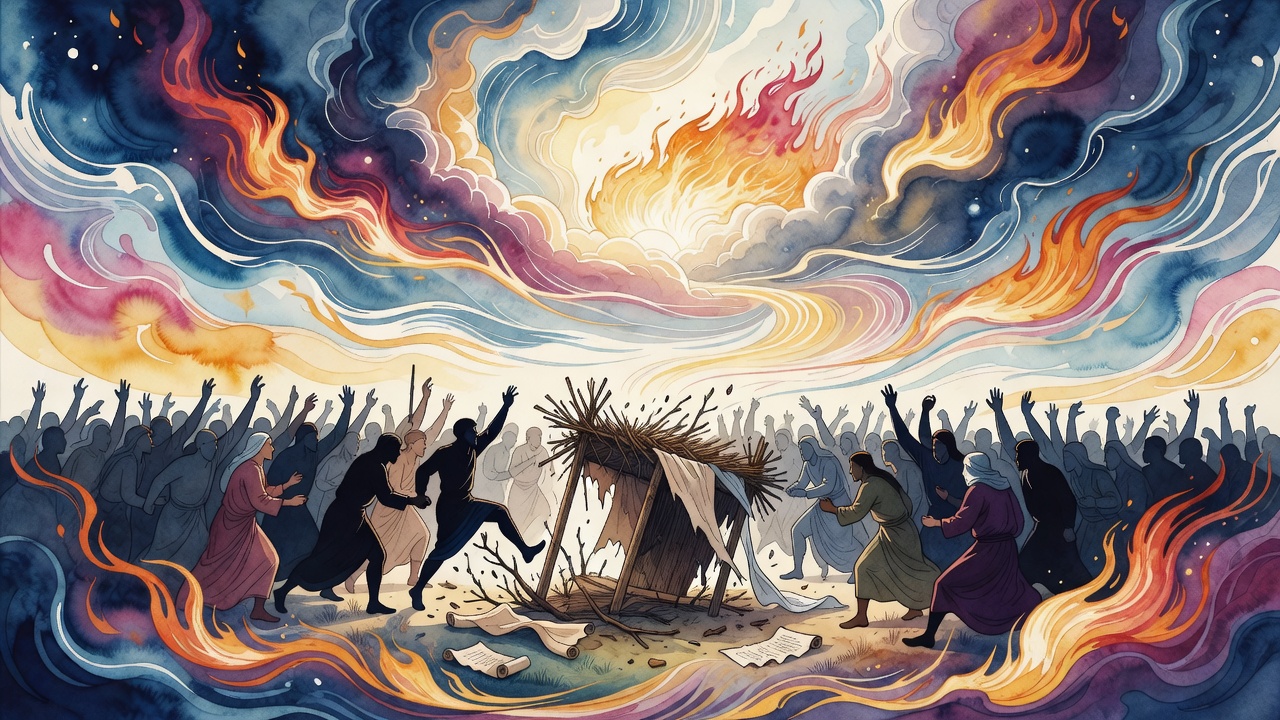
At the final reckoning the nations crowd in for Torah's wages, kick apart the one booth God grants them, and the whole account falls to a single line.
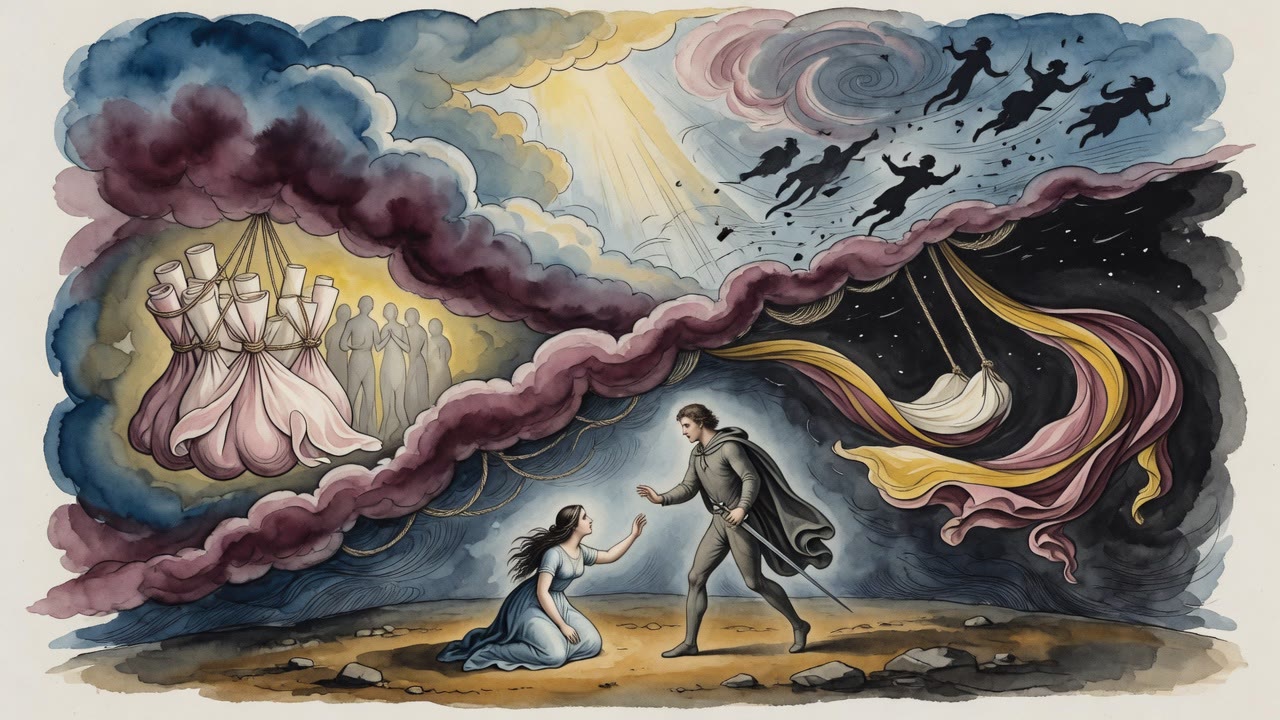
Abigail knelt in David's path and named where the dead go. The righteous bound in the bundle of life, the wicked slung out past the sky.
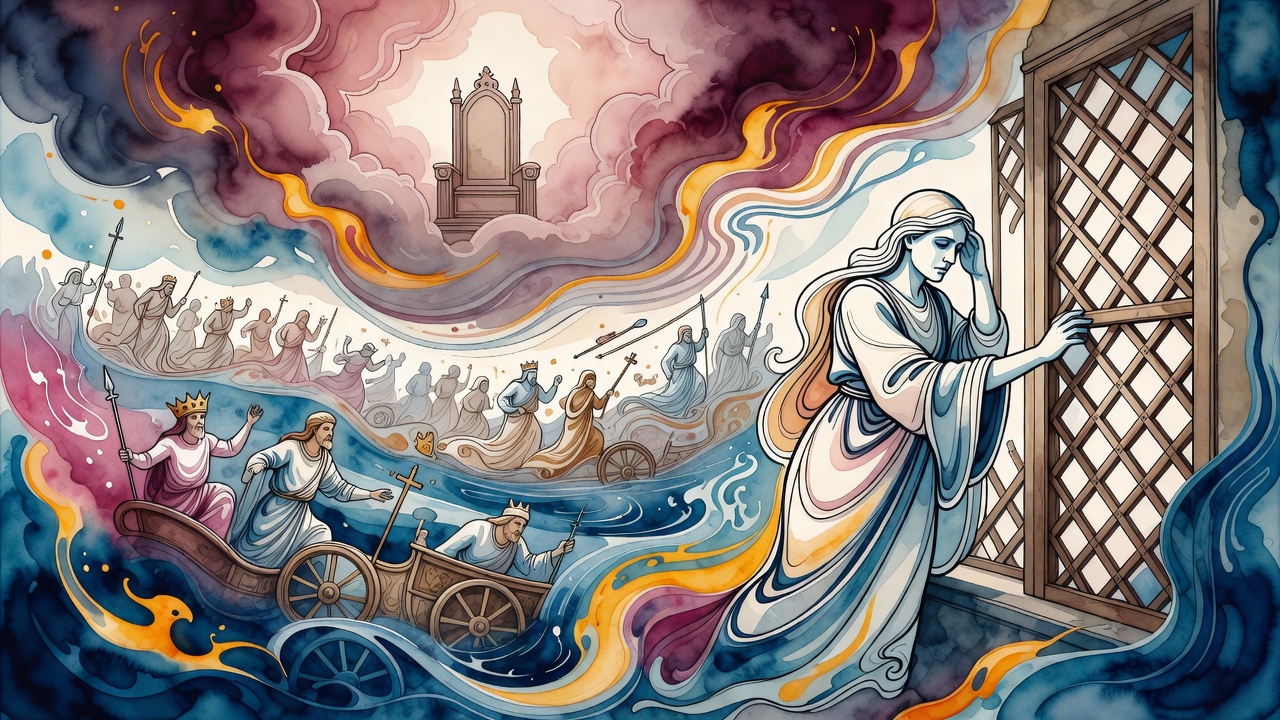
Thirty-one kings marched to drink Israel's waters and drowned at Kishon, while Sisera's mother counted the hours for a son who would never come home.
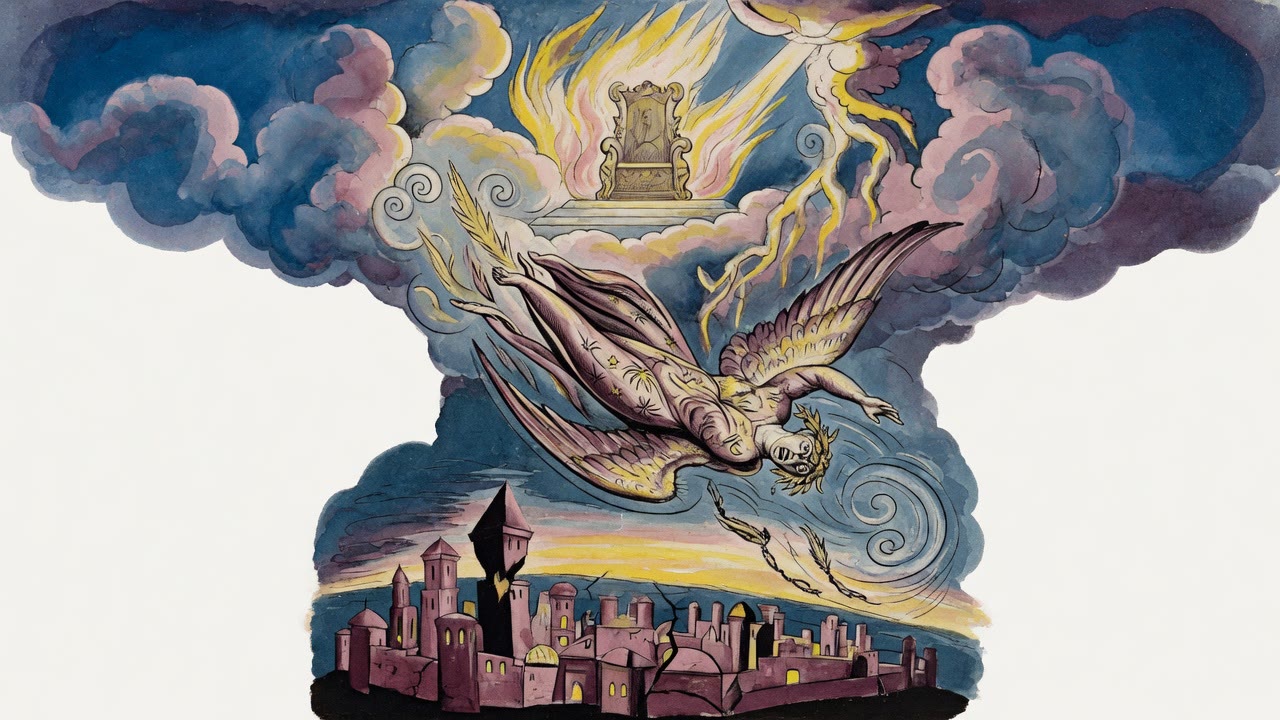
Before God strikes any nation on earth, His night court throws down that people's guardian-prince in heaven, and the kingdom falls by morning.
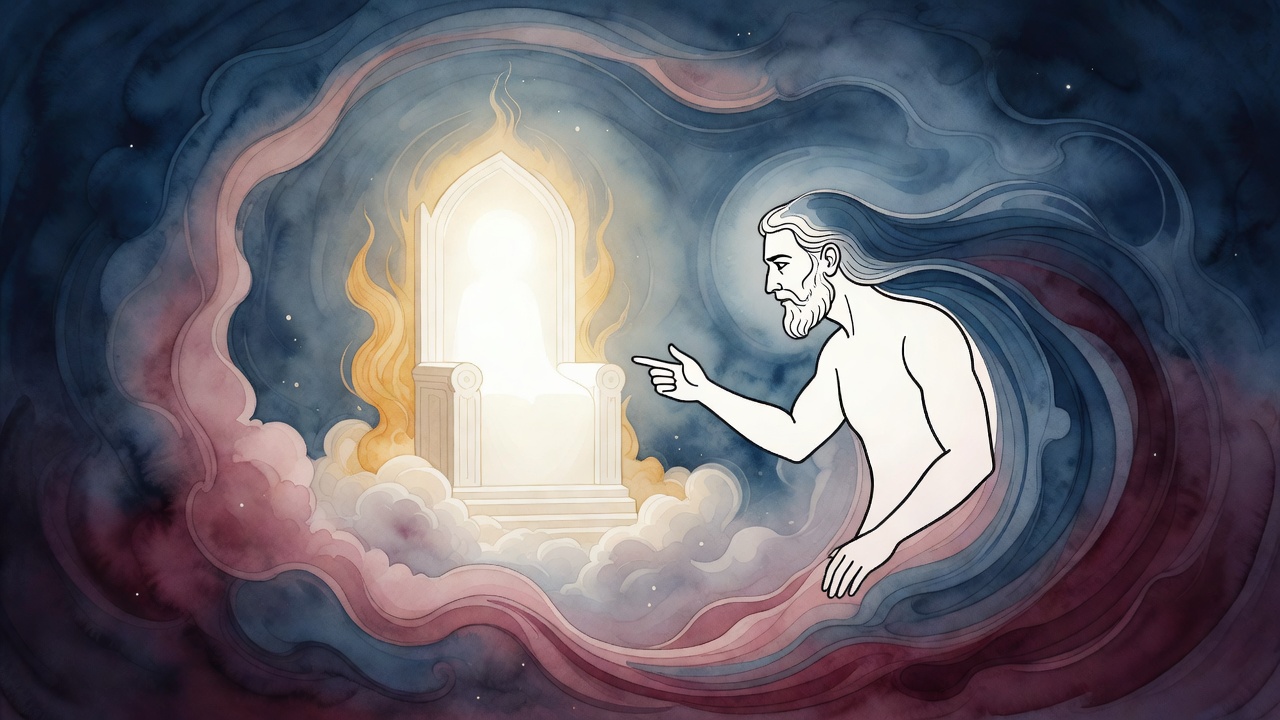
In the sealed dark of the womb God keeps the child from spilling, but an adulterer tells Him to step aside and the Shekhinah, the Divine Presence, draws back.
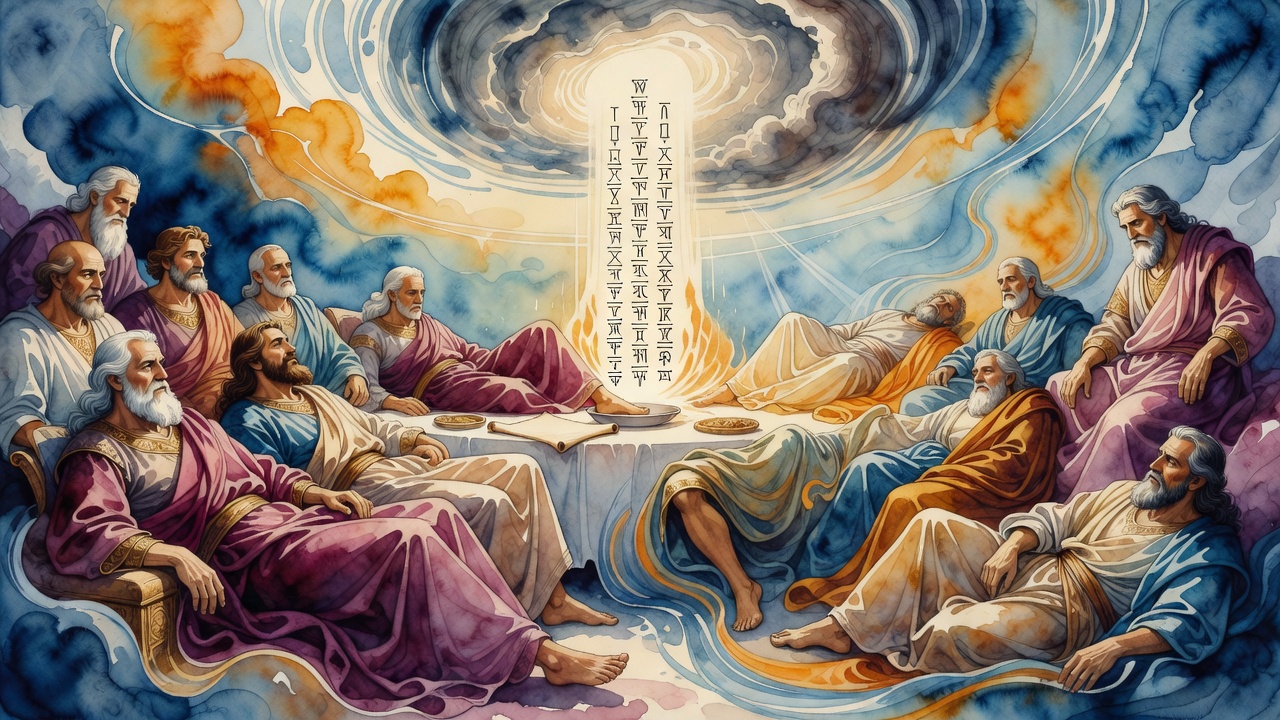
Every one of the thirty-one kings Joshua killed had once reclined at Abraham's weaning feast, their names later written in a column read in one breath
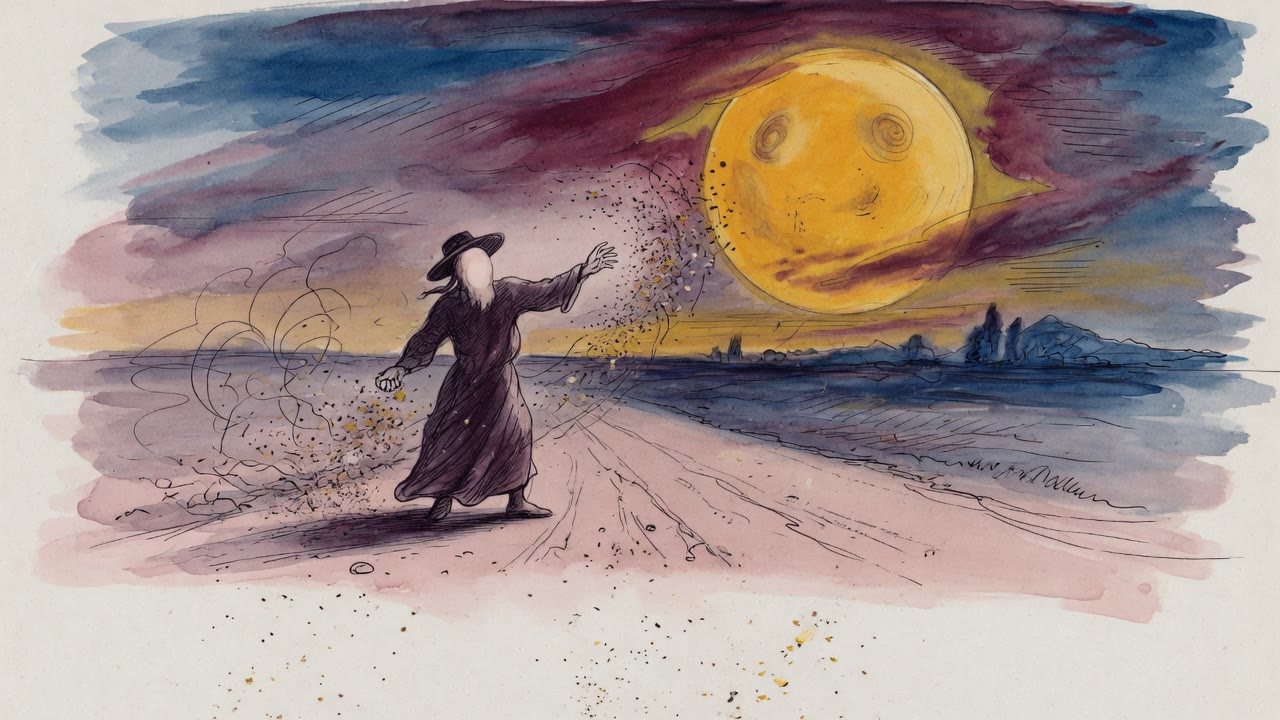
The moon blazed a night too early on the road to Rosh Hashanah, and Rabbi Hiyya filled his hands with grit and threw it at the sky.
