496 myths · Page 2 of 17
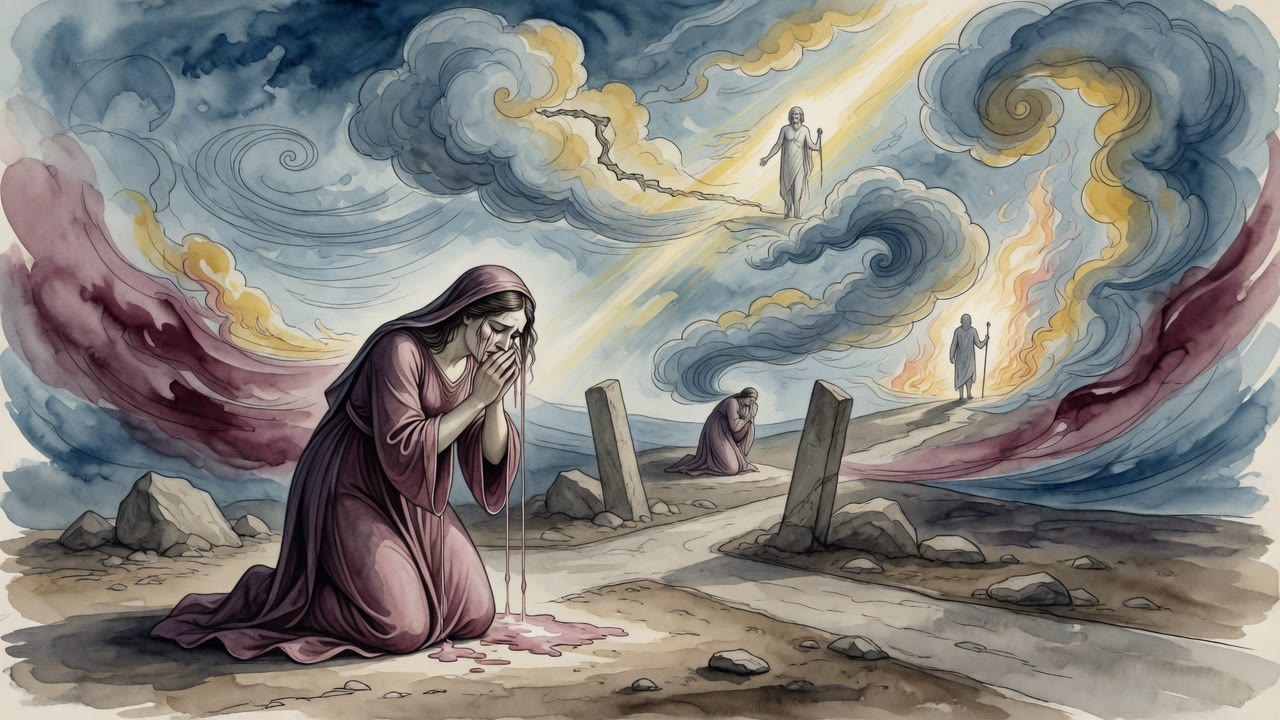
Leah walked to the crossroads and asked what kind of man Esau was. A hunter, they said, and a robber. She carried that news home.
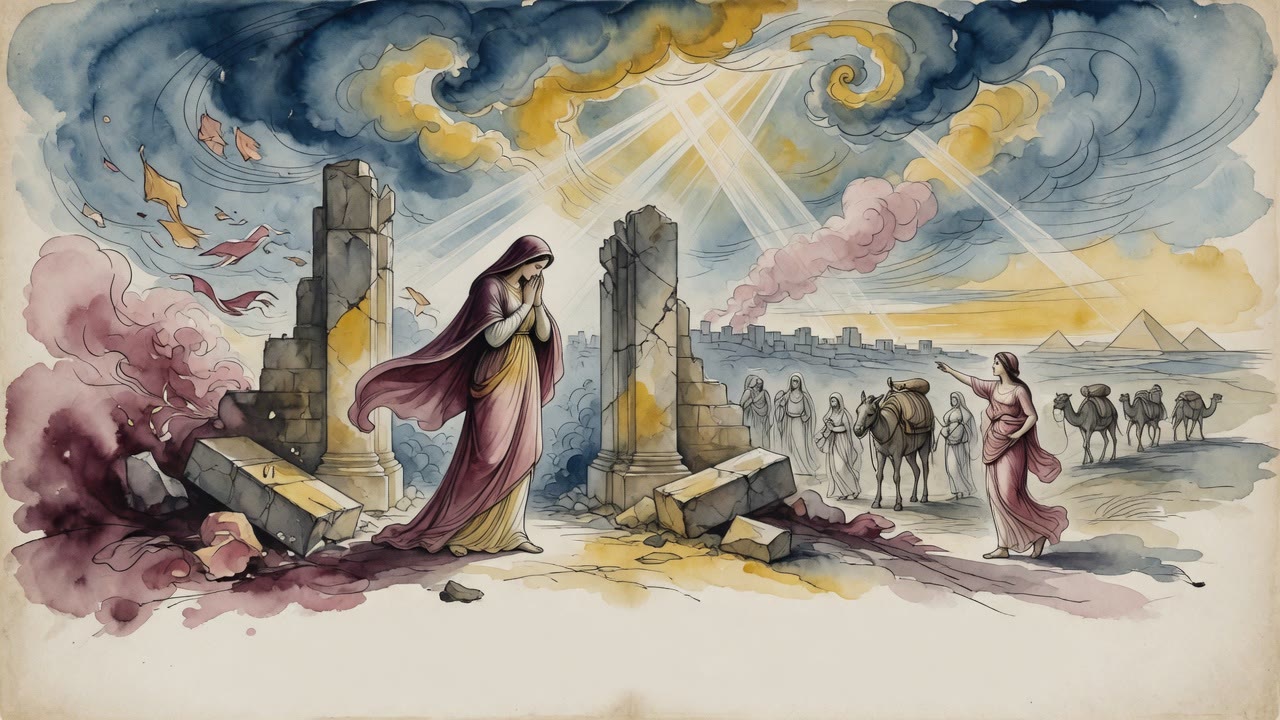
The Torah never mentions Dinah again after her brothers' revenge. The rabbis followed her into Egypt and found her daughter there.
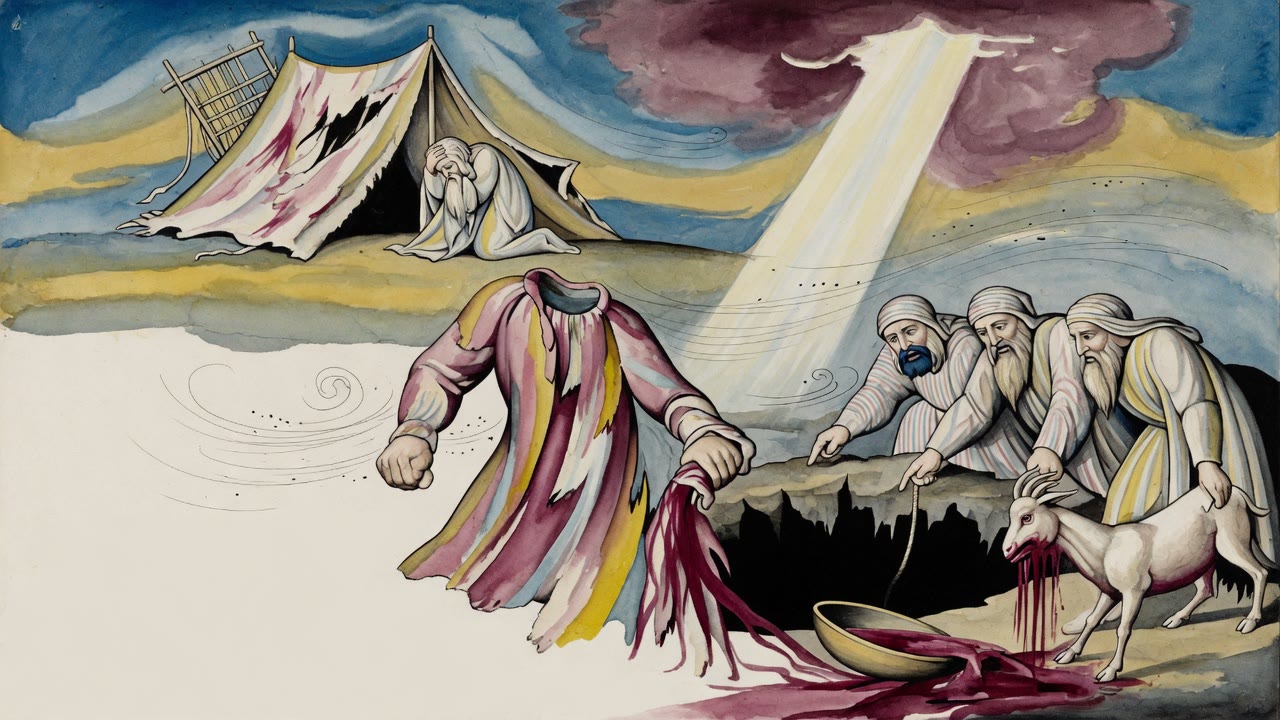
Joseph wore a coat light enough to hide in one hand, and the brothers answered with a pit, a sale, and goat blood that broke Jacob's house.
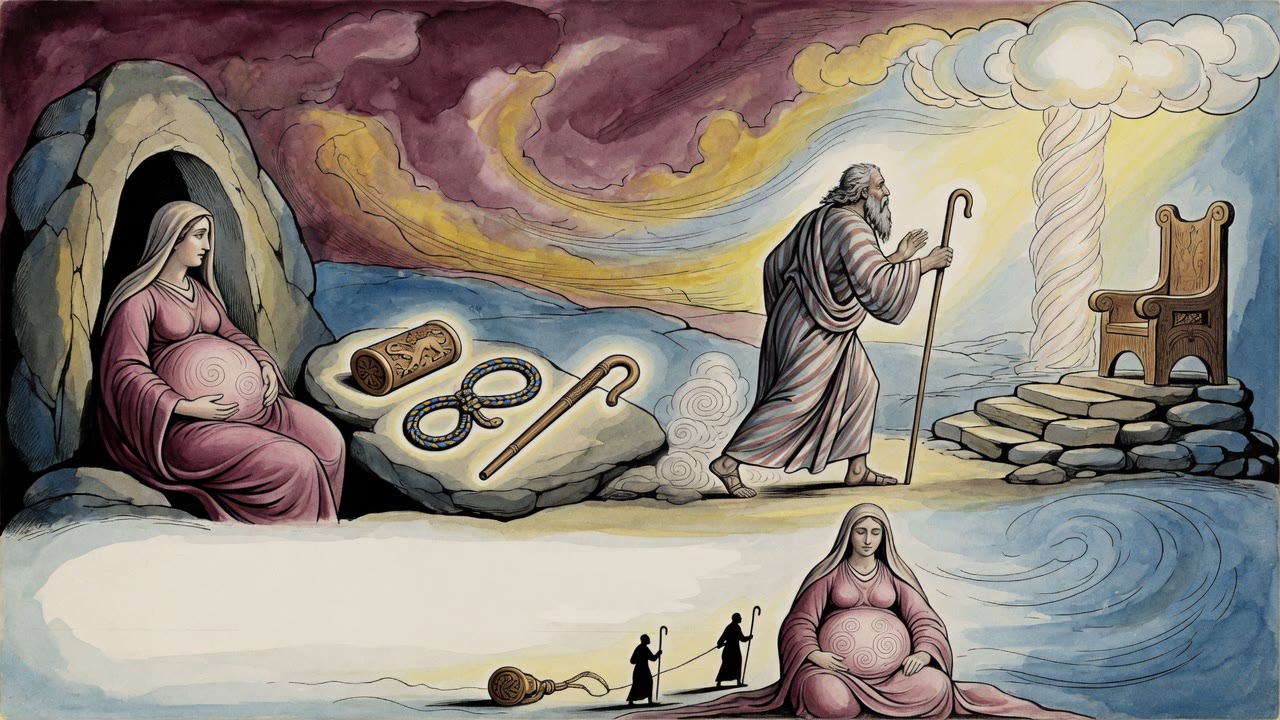
Judah once sent Jacob a bloodied coat and said recognize, please. Years later those same words came back from a woman walking toward the fire.
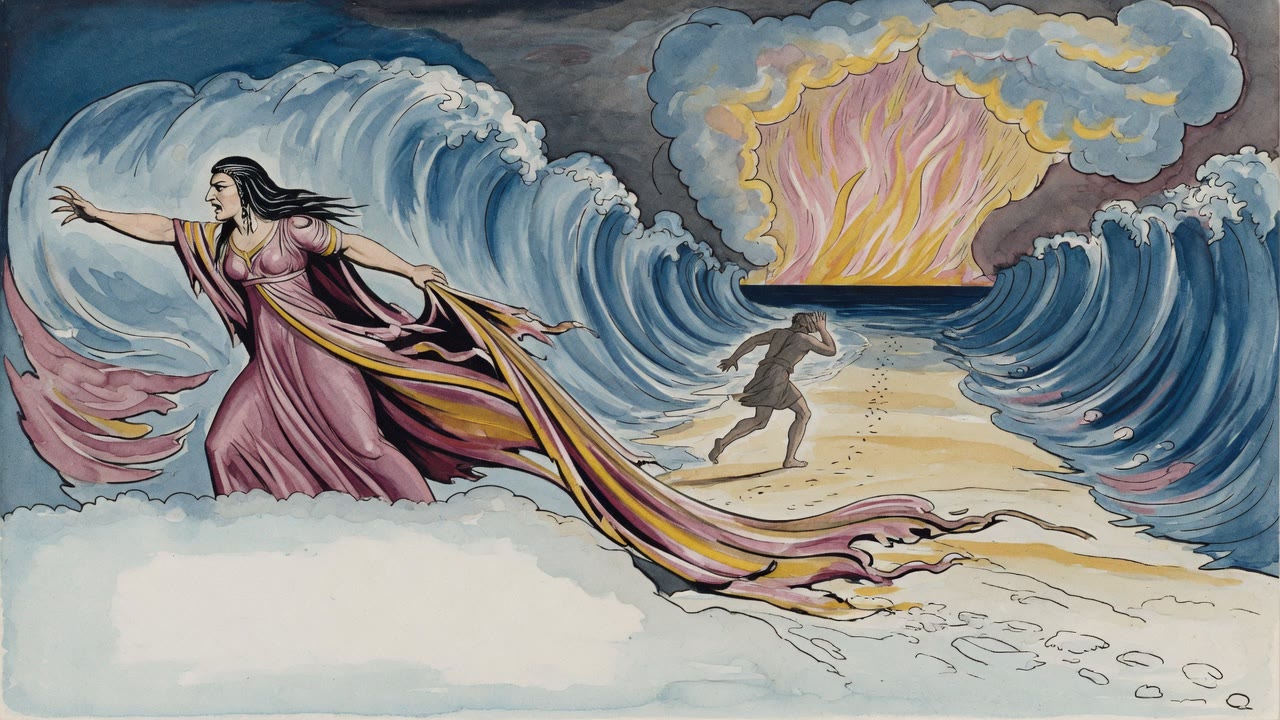
Joseph fled Zuleika's grasp and left his cloak behind. Her lie sent him to prison, but his flight later opened the sea for Israel.
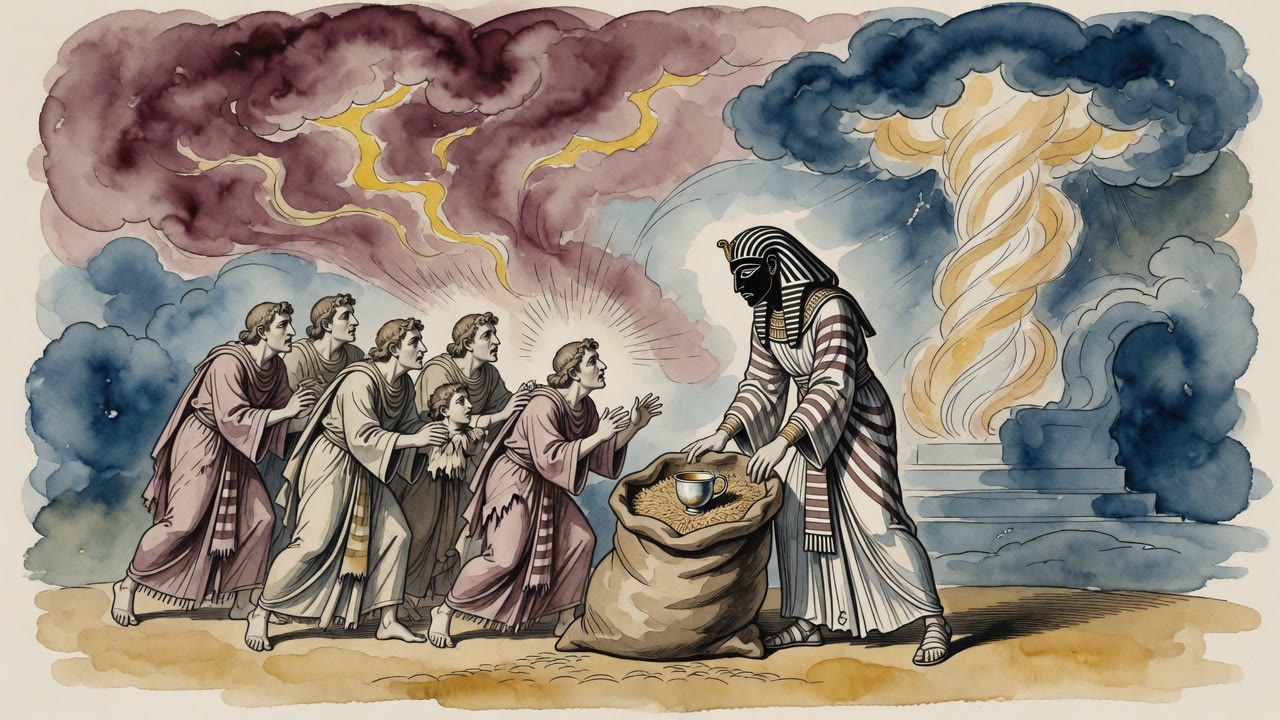
Joseph has the power to keep Benjamin forever. He wants to know what his brothers will do when given the chance to abandon the youngest.
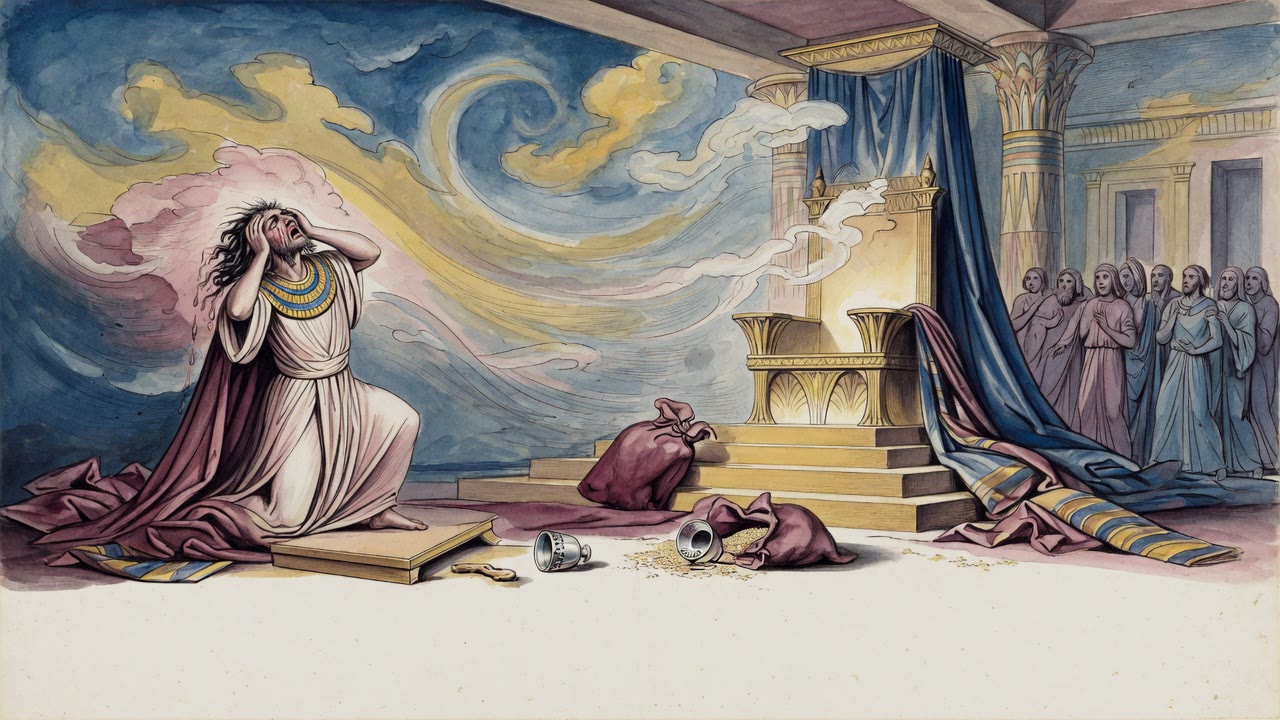
Benjamin had named five sons for a brother he barely knew: swallowed, taken captive, never stood under his wedding canopy. The Egyptian governor listened.
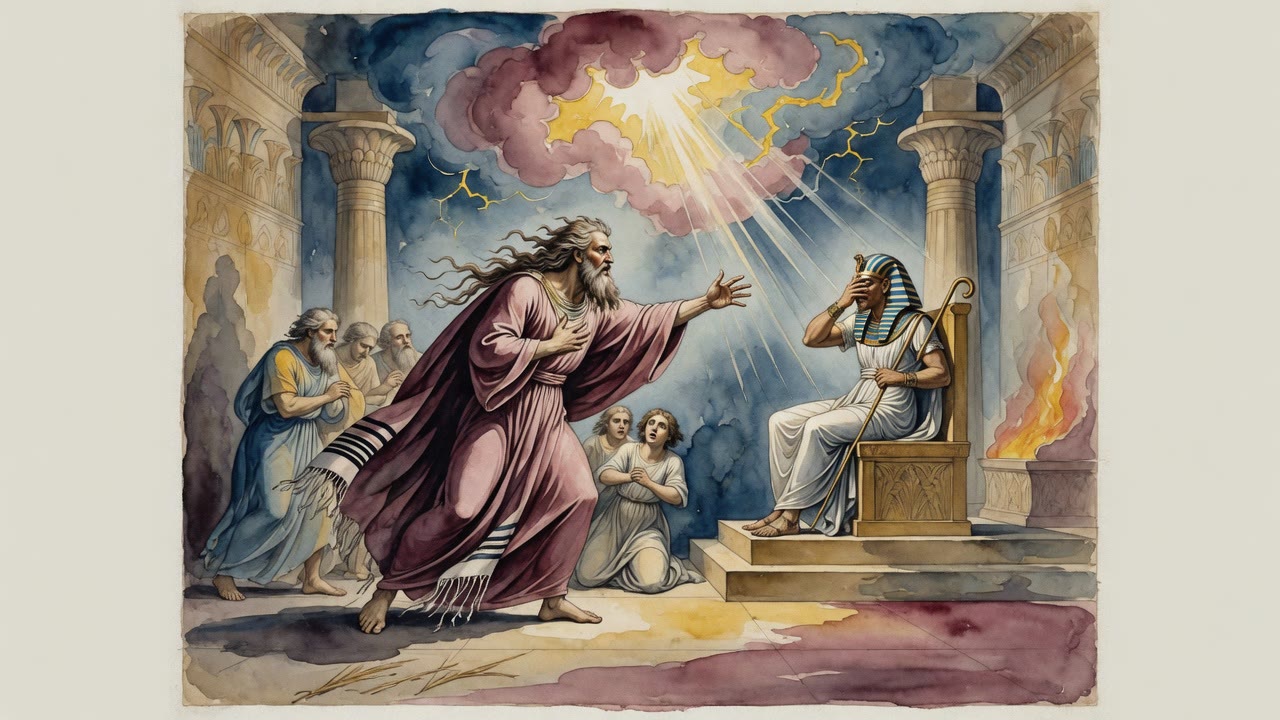
Judah stood in the throne room with nothing in his hands. Benjamin was already sentenced. Judah asked to stay in the boy's place.
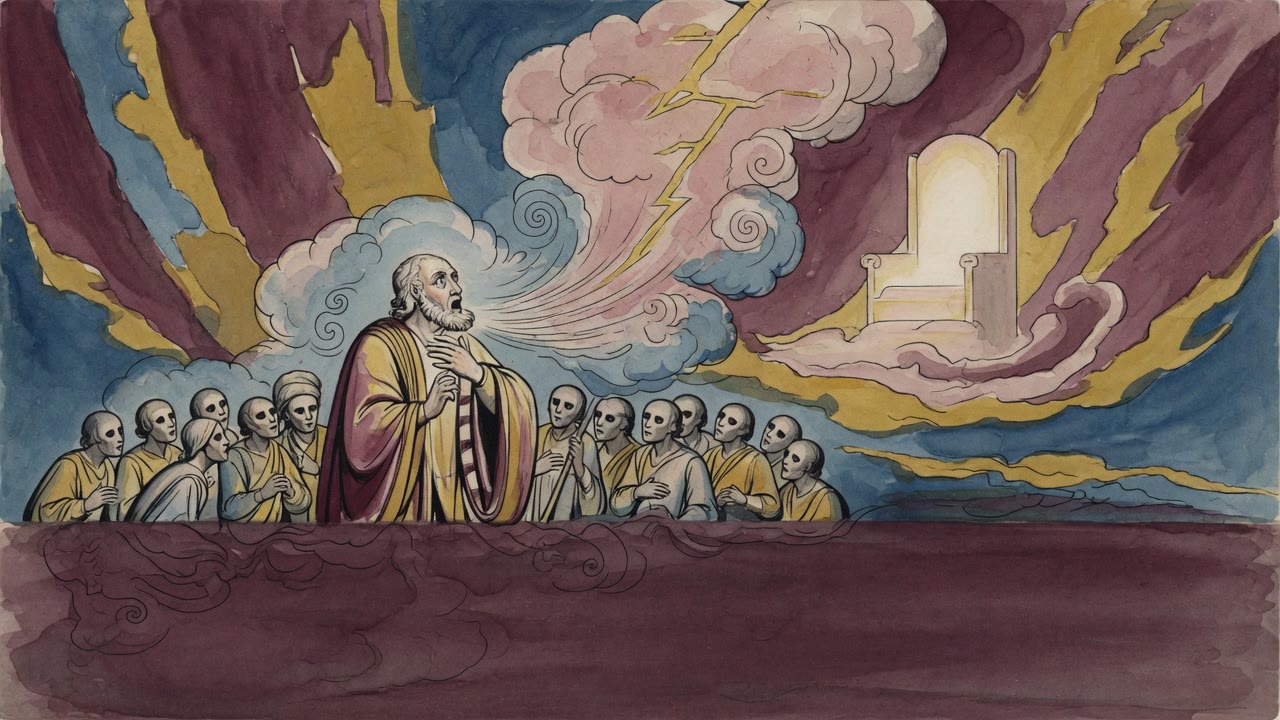
Jacob gathers his sons to reveal the End of Days. The moment he opens his mouth, the holy spirit lifts and the words freeze.
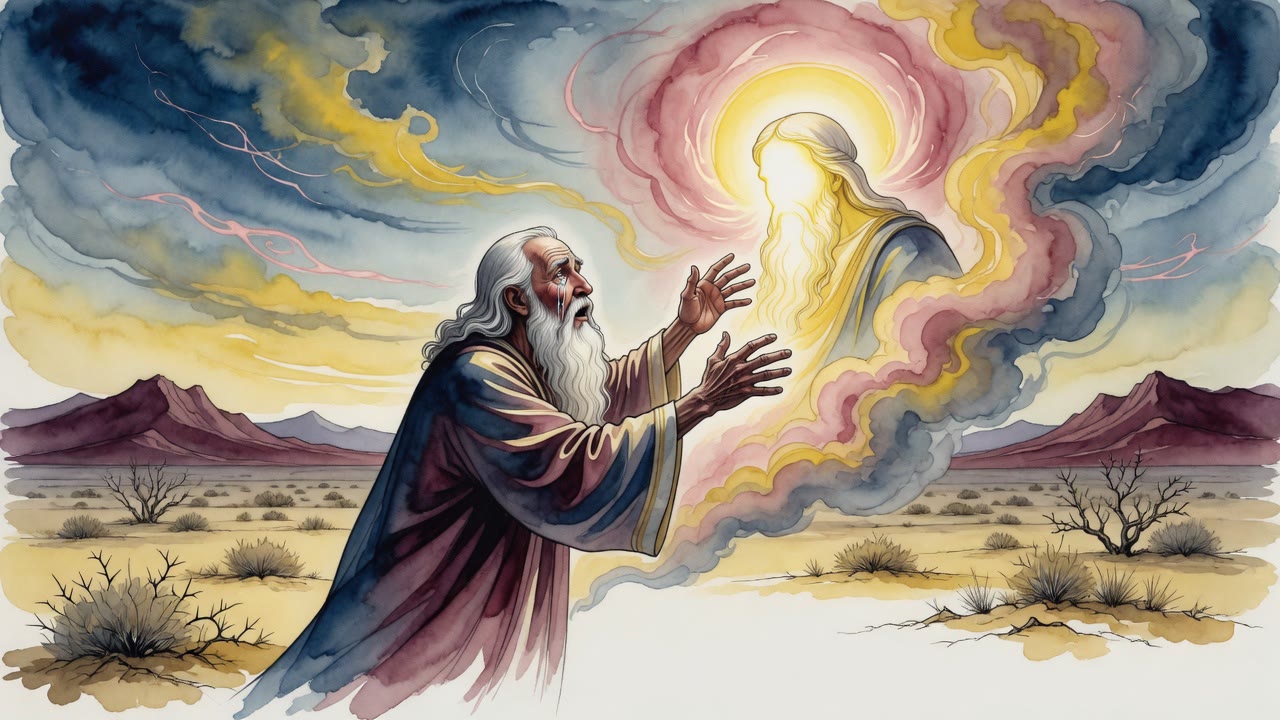
Aaron and Moses had not seen each other for decades. When they met in the wilderness, Aaron's joy was too large to speak.
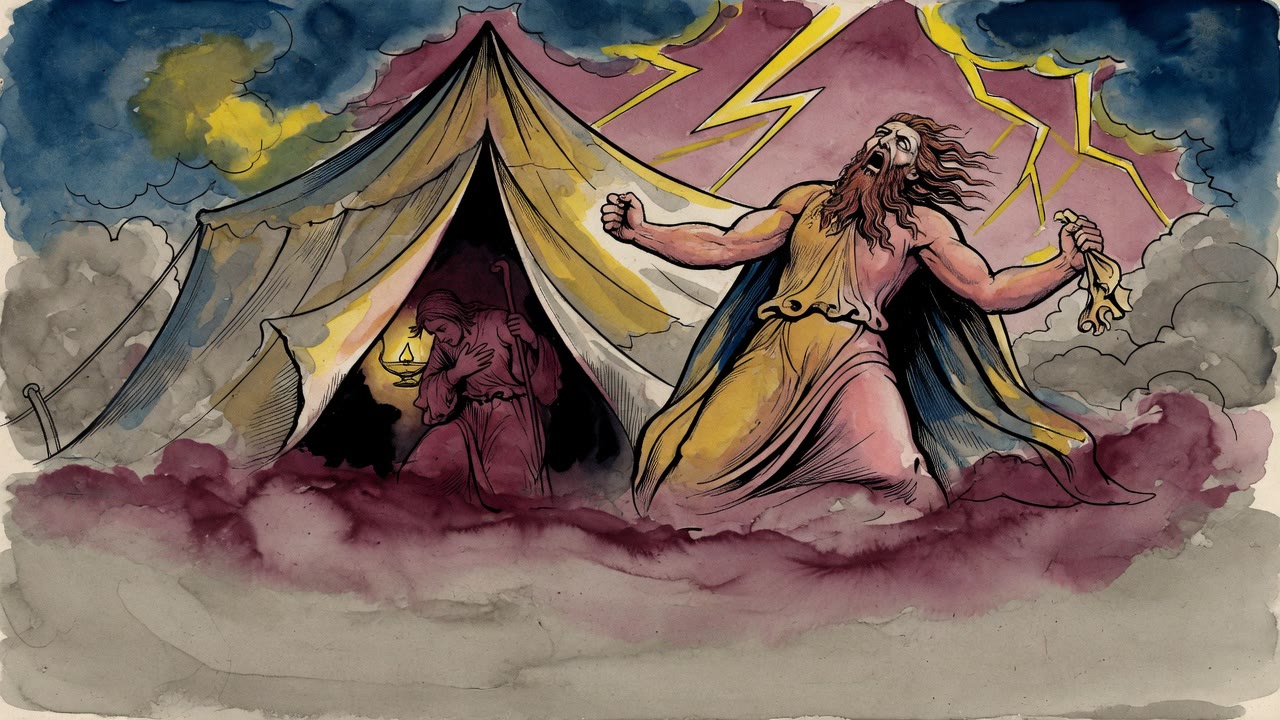
Esau returns from the field to find Jacob wearing his clothes and carrying his blessing. The cry that follows shakes the walls.
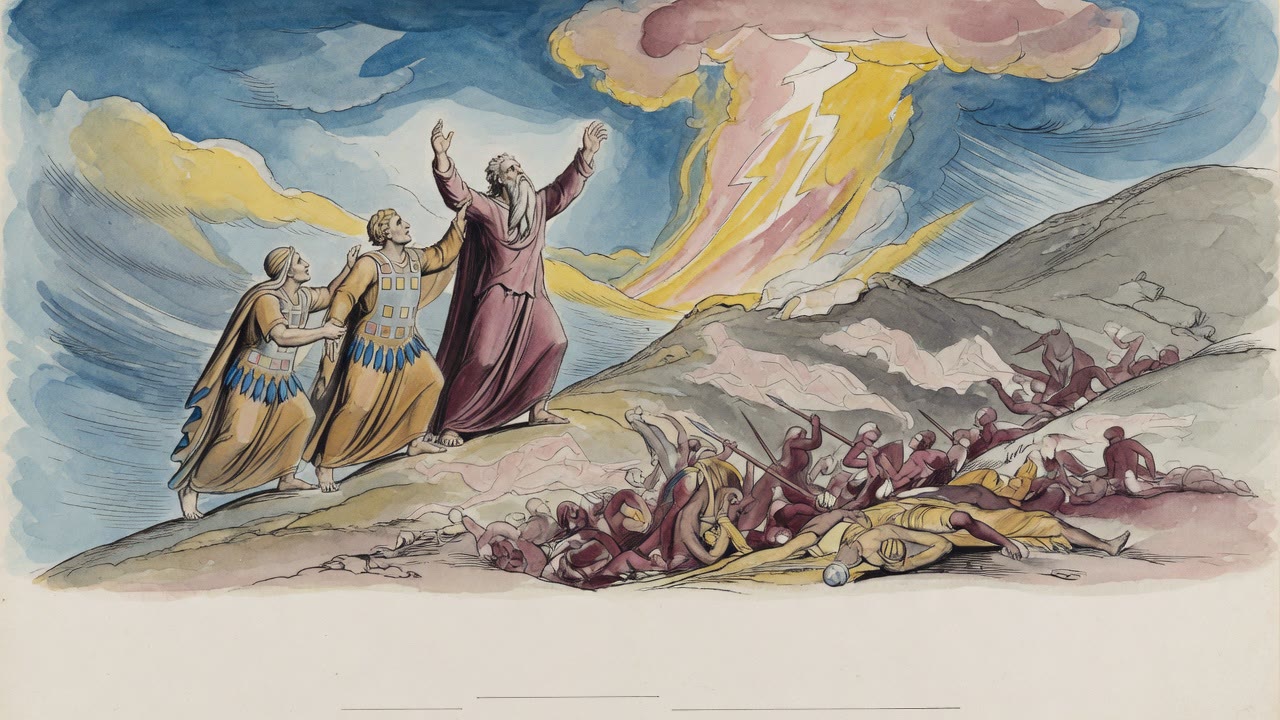
Moses, Aaron, and Hur climb a hill above the battle with Amalek, and the names they carry up are not the living but the dead.
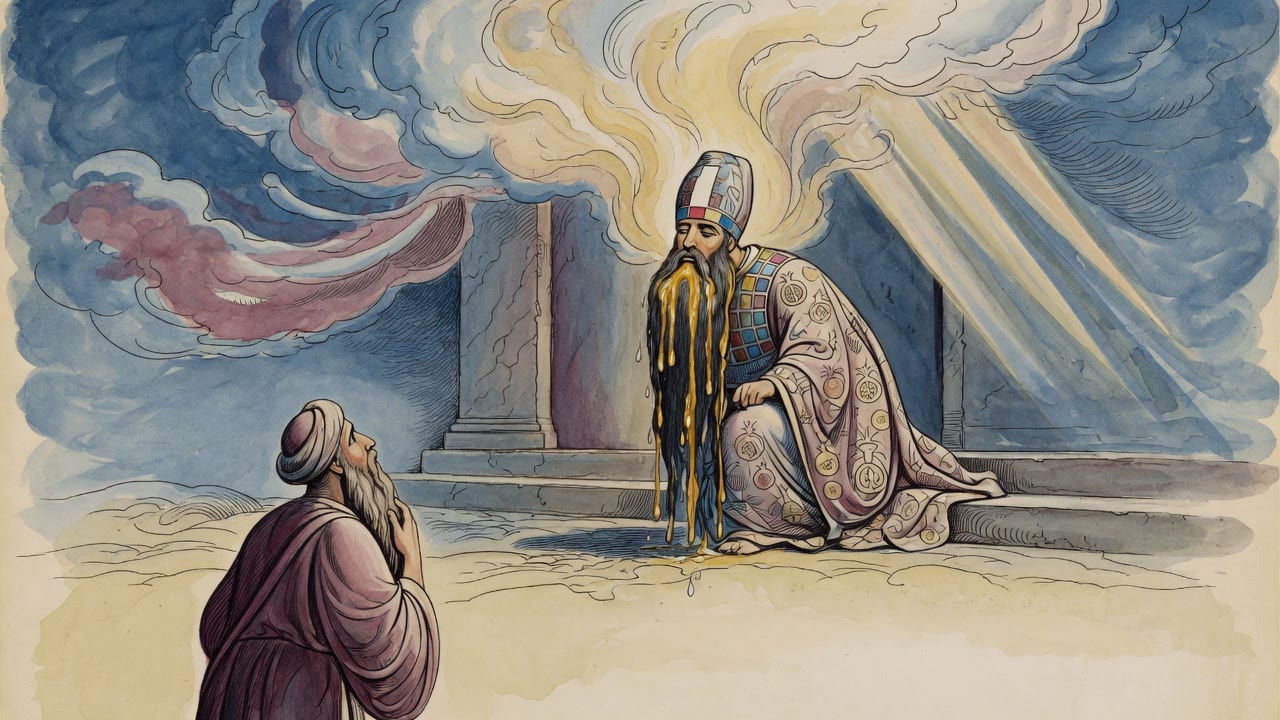
Moses tipped the holy oil over Aaron's head and felt it slide onto his own beard. One wet drop nearly broke him with fear.
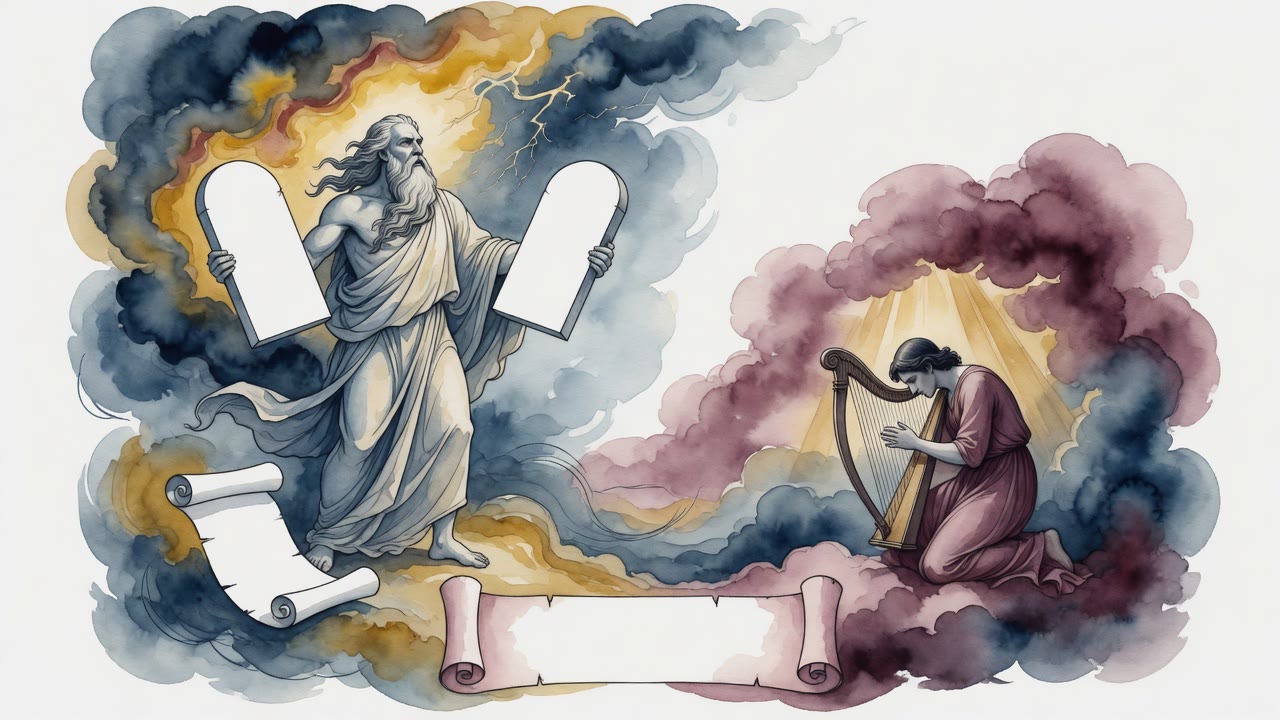
Two leaders, two sins, two opposite requests. One asked God to carve his failure into the Torah forever. The other asked God to bury it.
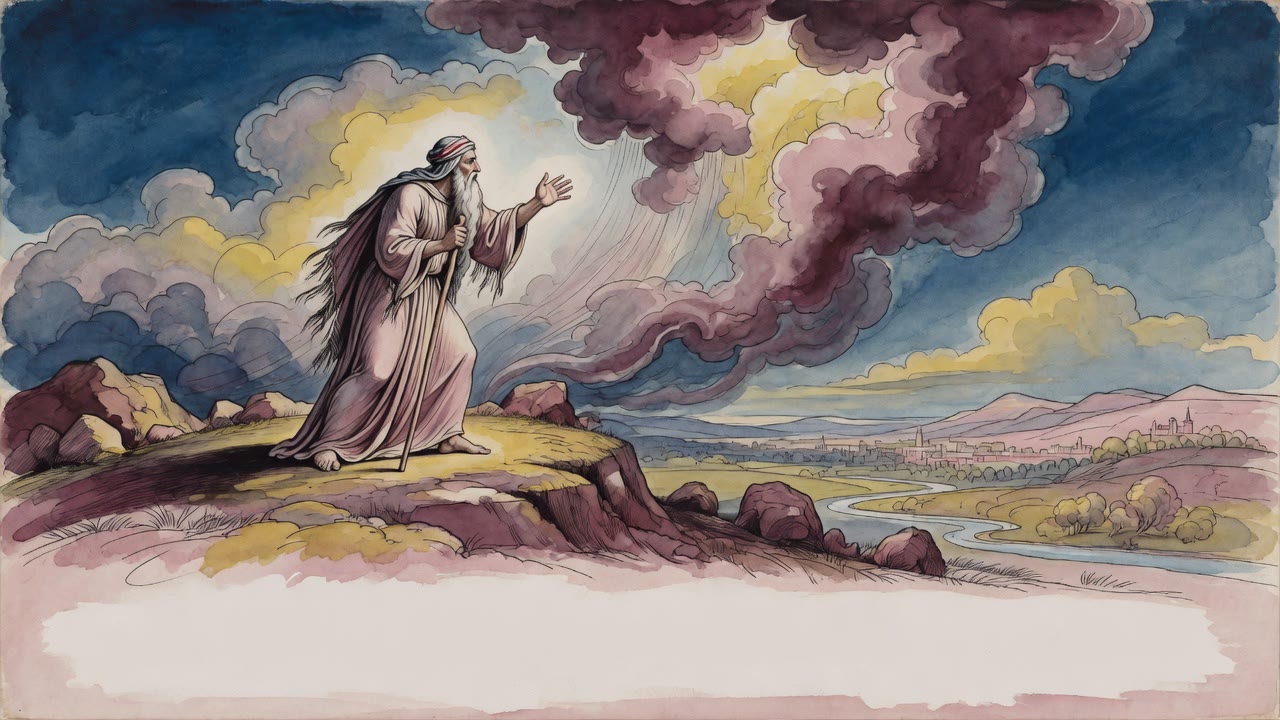
At the border he will never cross, Moses tells God that Adam broke one command and died, while he broke none. So why must he die too?
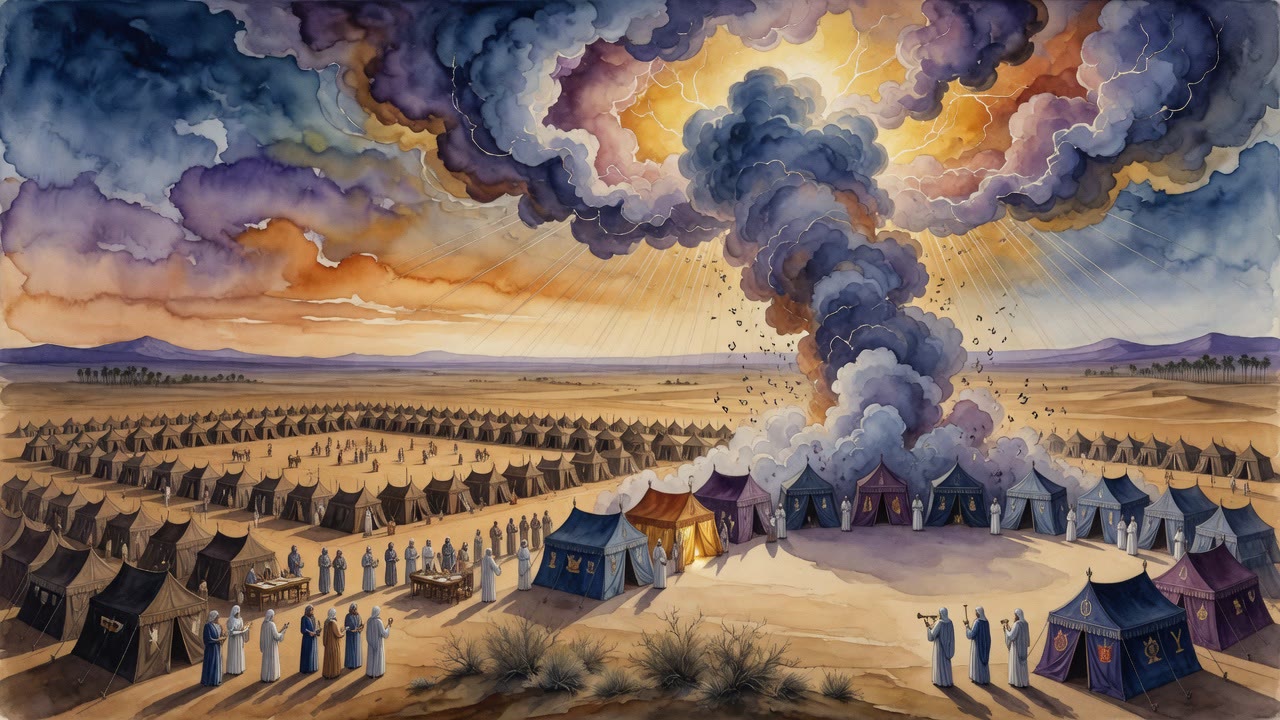
No prince of Levi came forward. Moses stood at his brothers' tents until the voice told him the war list was already a list of graves.
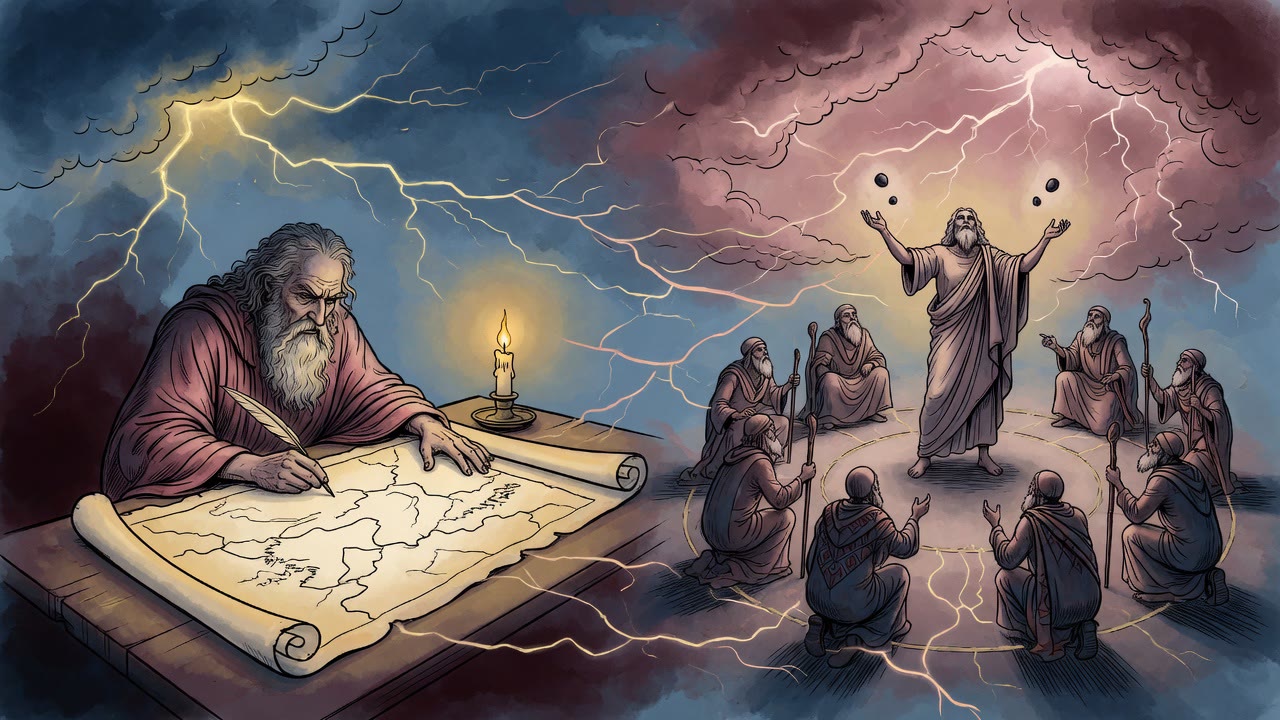
Joshua cast lots to divide Canaan among the twelve tribes. The rabbis said the lots already knew the answer. Jacob had written it four centuries earlier.
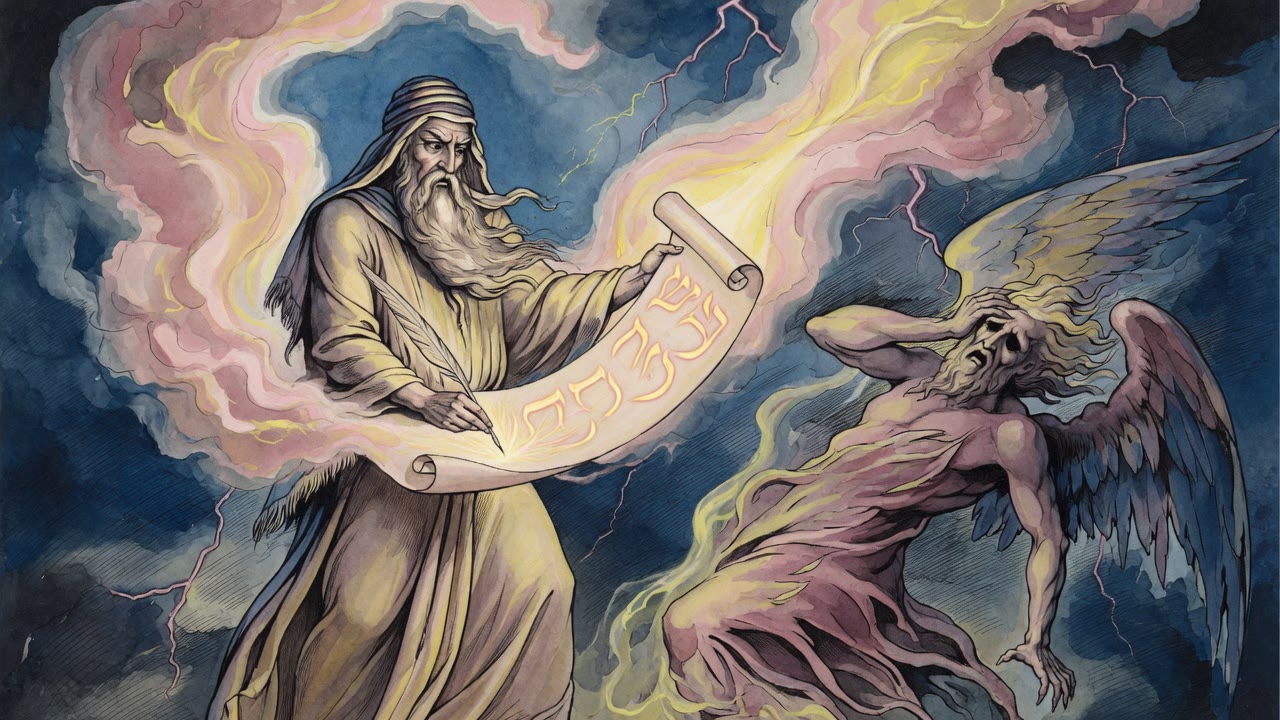
Samael came to take Moses and found him writing the Name of God. The angel's eyes went dark, he fell to his face, and still Moses refused.
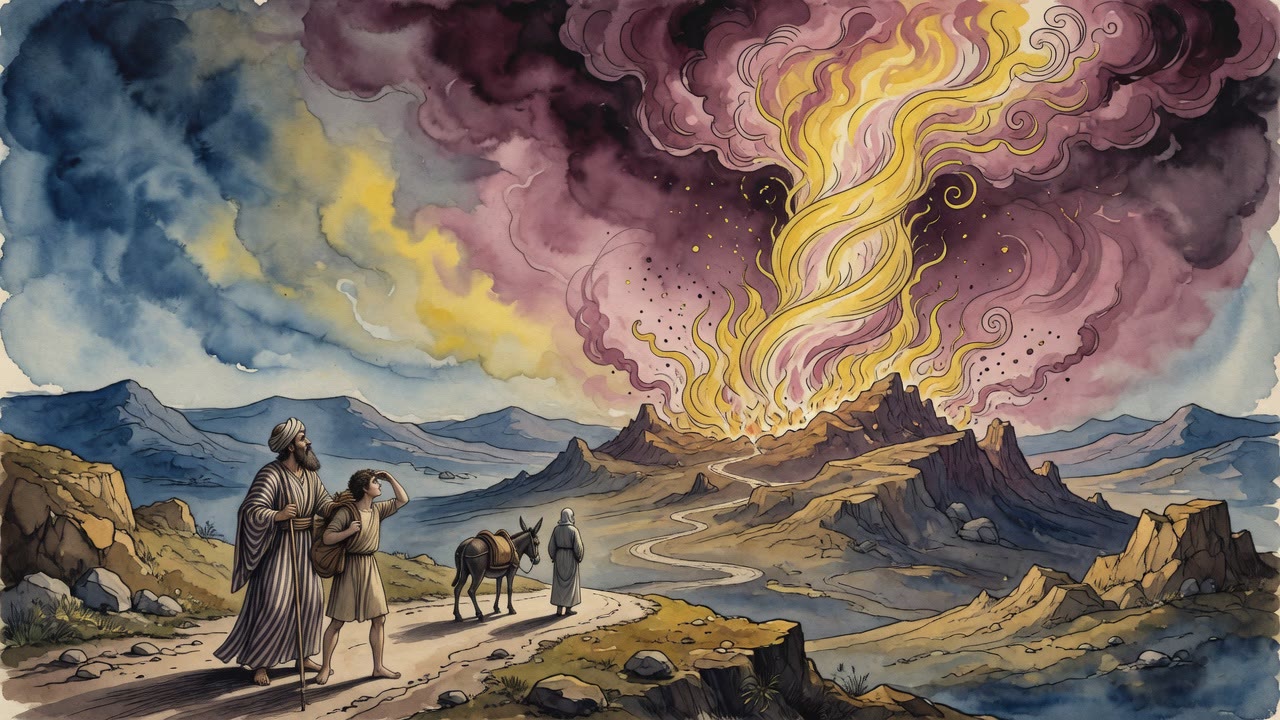
The two young men waited with the donkey. Ahead of them a ridge held fire from ground to sky. They looked and saw only desert.
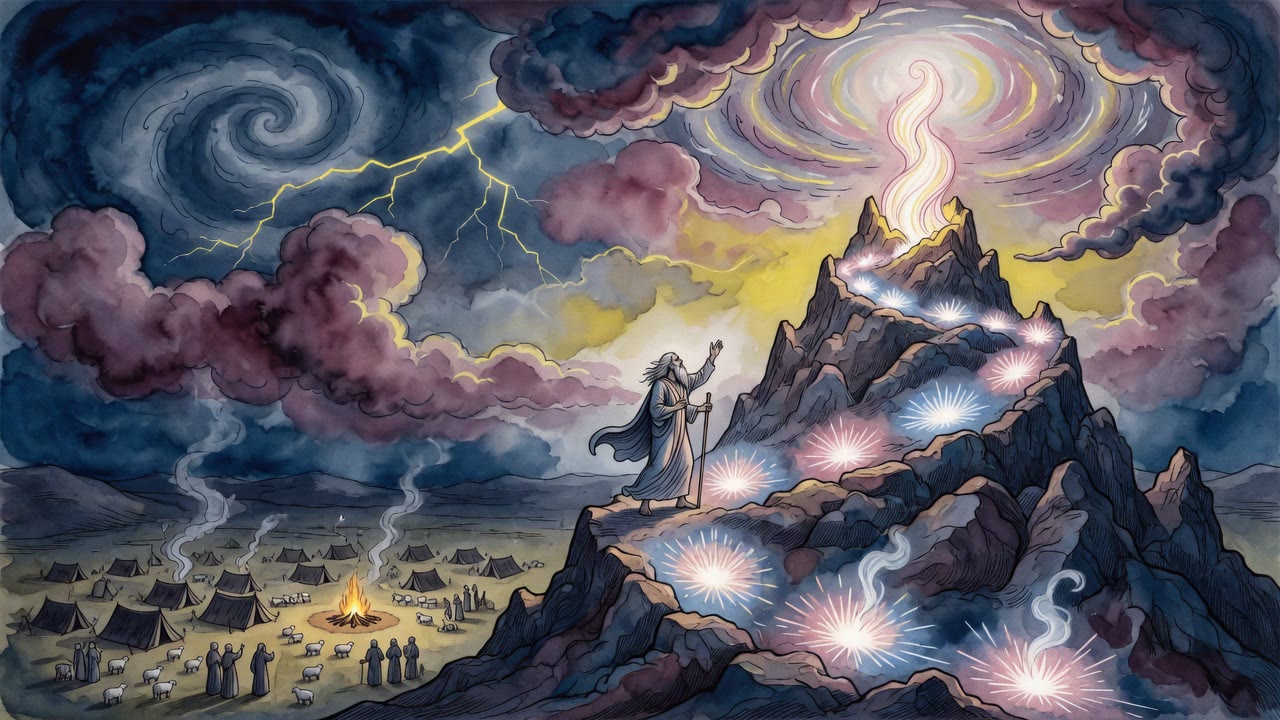
The Mekhilta reads Exodus 19 and finds something hidden: God gave one commandment at a time and waited each time for Moses to return with Israel's answer.
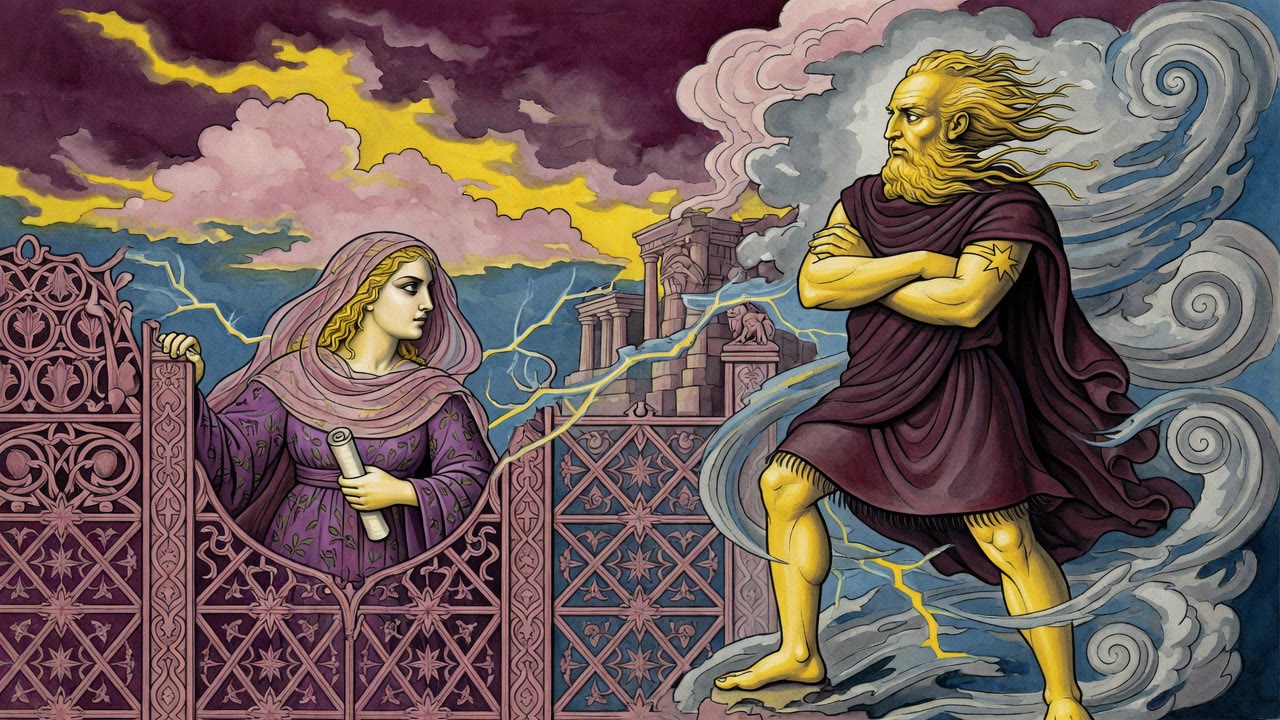
Esther sent Mordechai clothes to get him out of sackcloth. He sent the clothes back, and then sent her a copy of the order to kill every Jew in Persia.
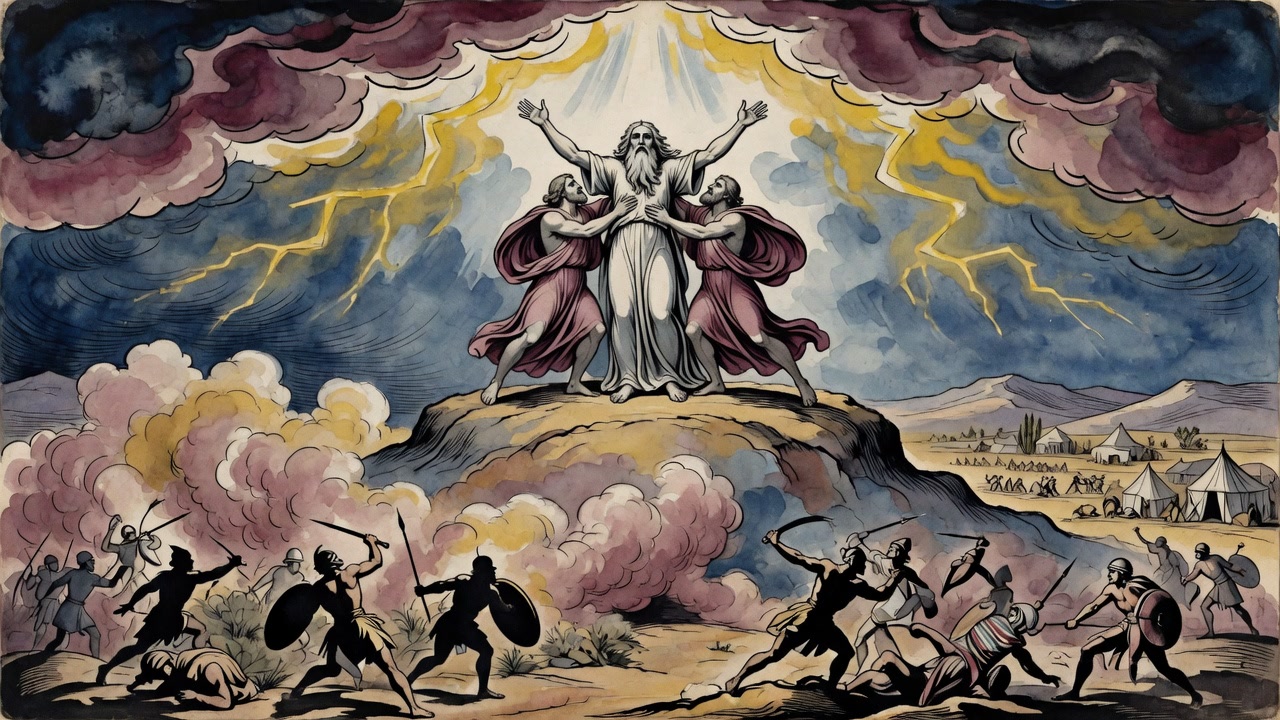
At Rephidim, Moses faced a mob ready to stone him and then an army attacking without cause. The Mekhilta reads both crises as a single lesson about Moses.
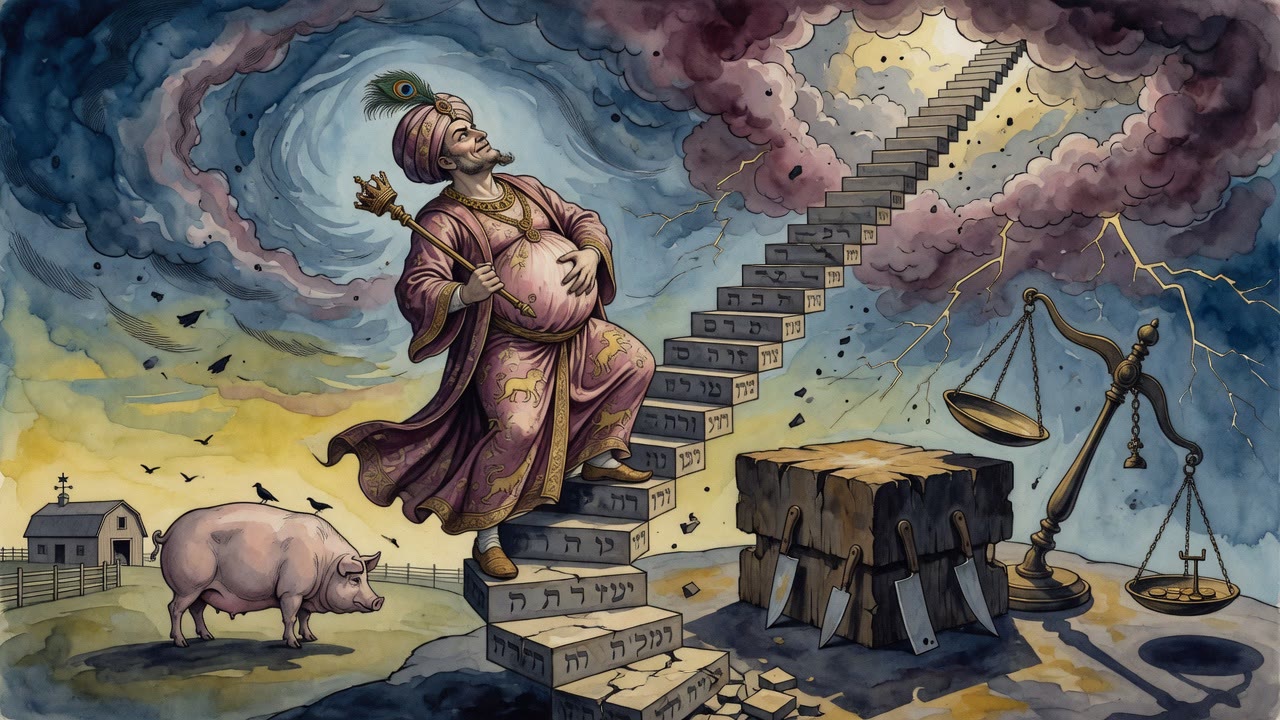
The sow ate without a measure. The filly hauled all day for a counted scoop. On the feast they took the fat one out and cut her throat.
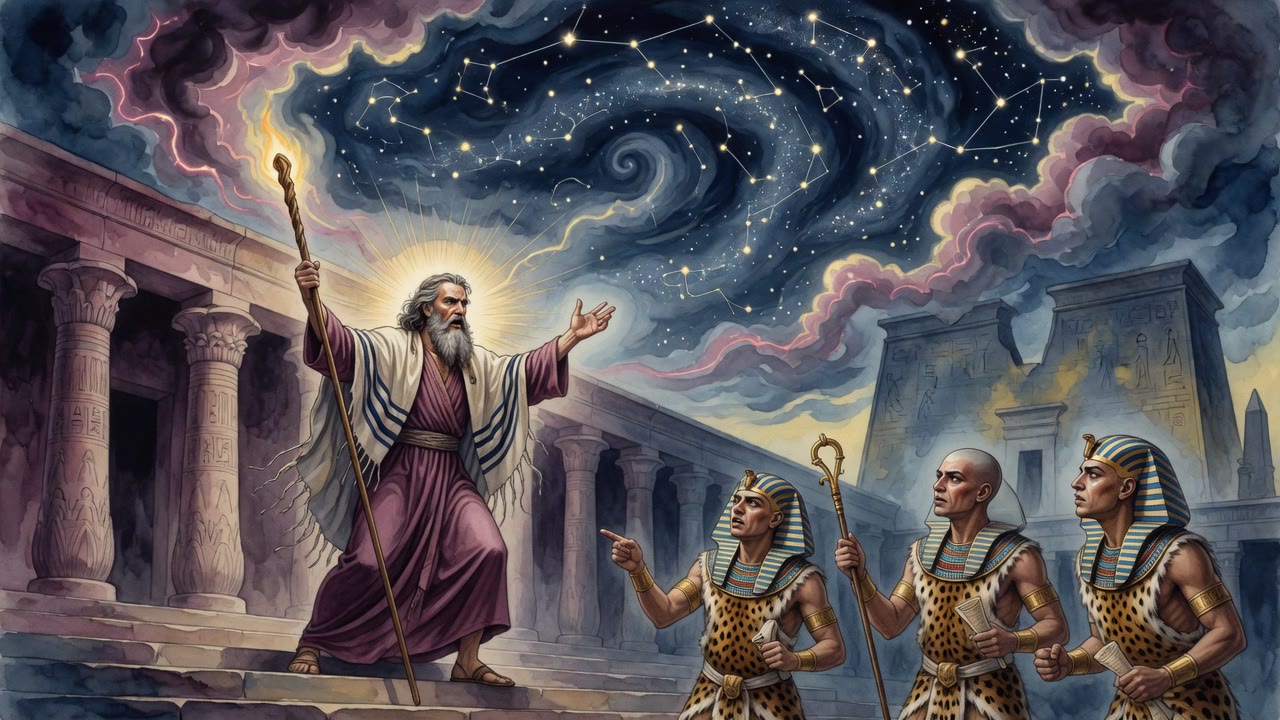
Abraham entered Egypt to debate its priests, not just escape famine. When he left, Pharaoh was plagued and the Egyptians had learned arithmetic.
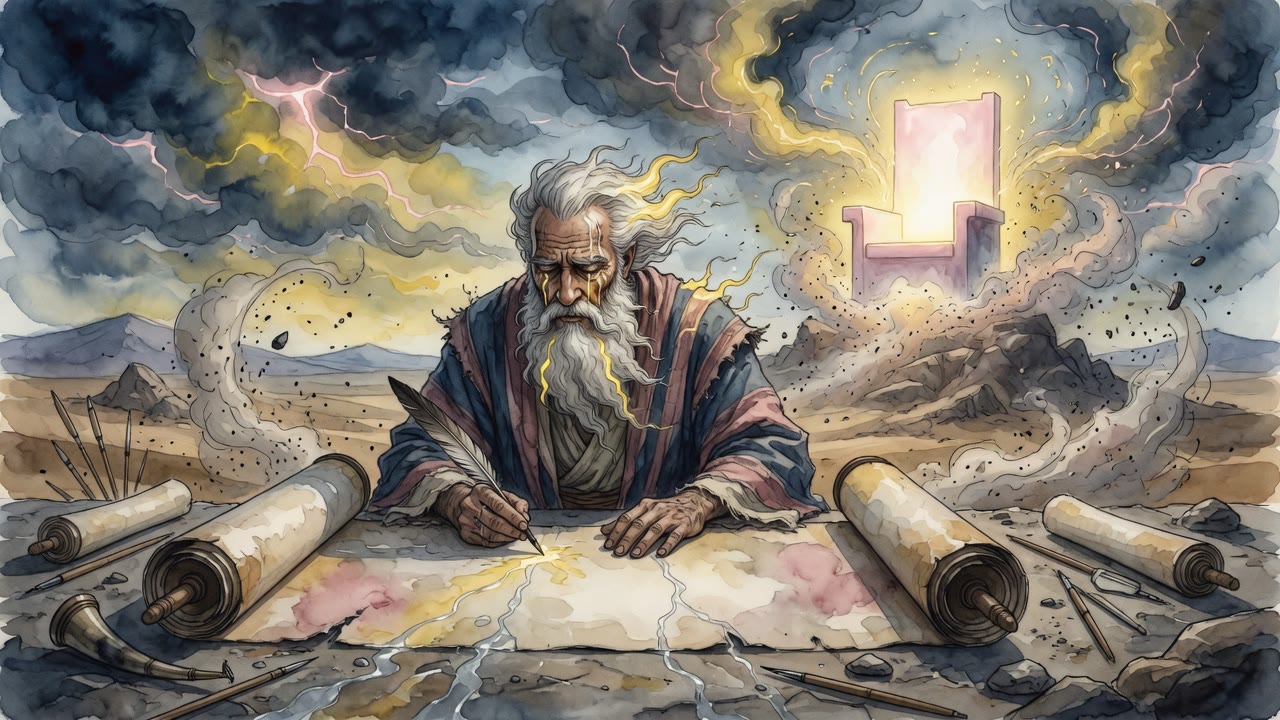
Every Torah scroll ends with Moses dying. The Talmud wrestled with who wrote those final words and how Moses could have done it.
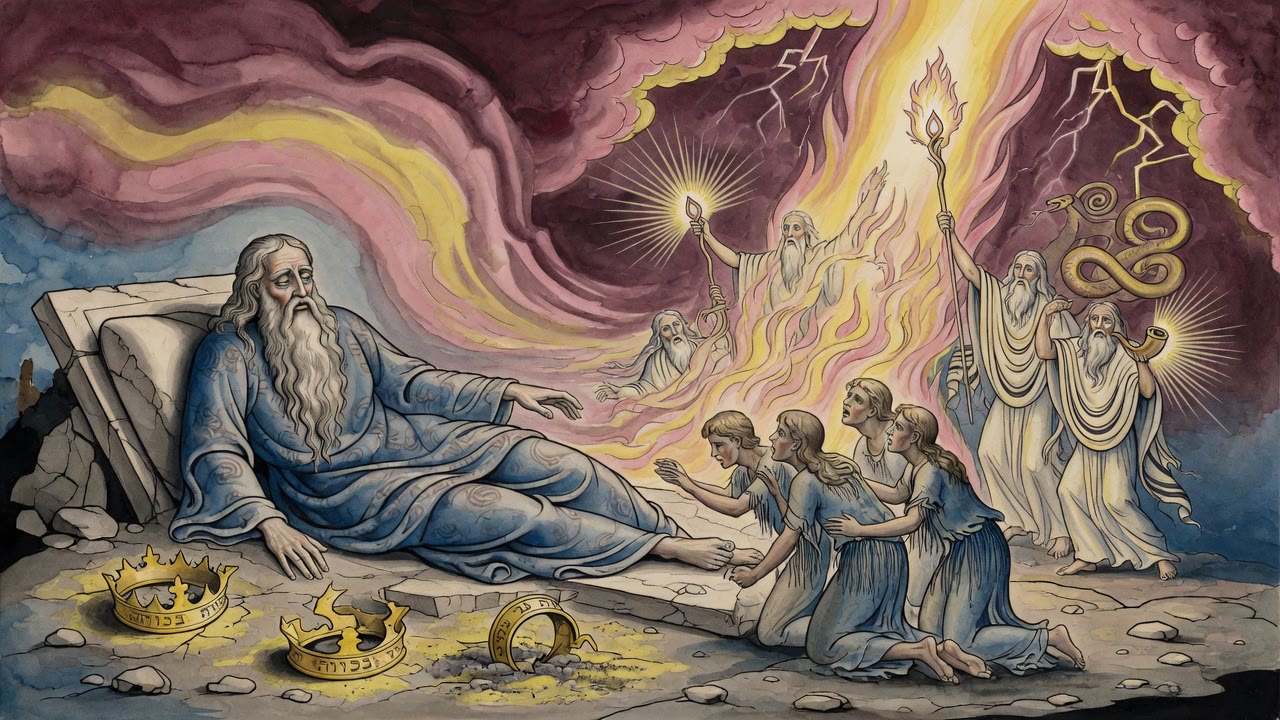
Reuben was born first and lost three crowns. Dying, he gathered his sons and told them to cleave to Levi, who would carry the priesthood.
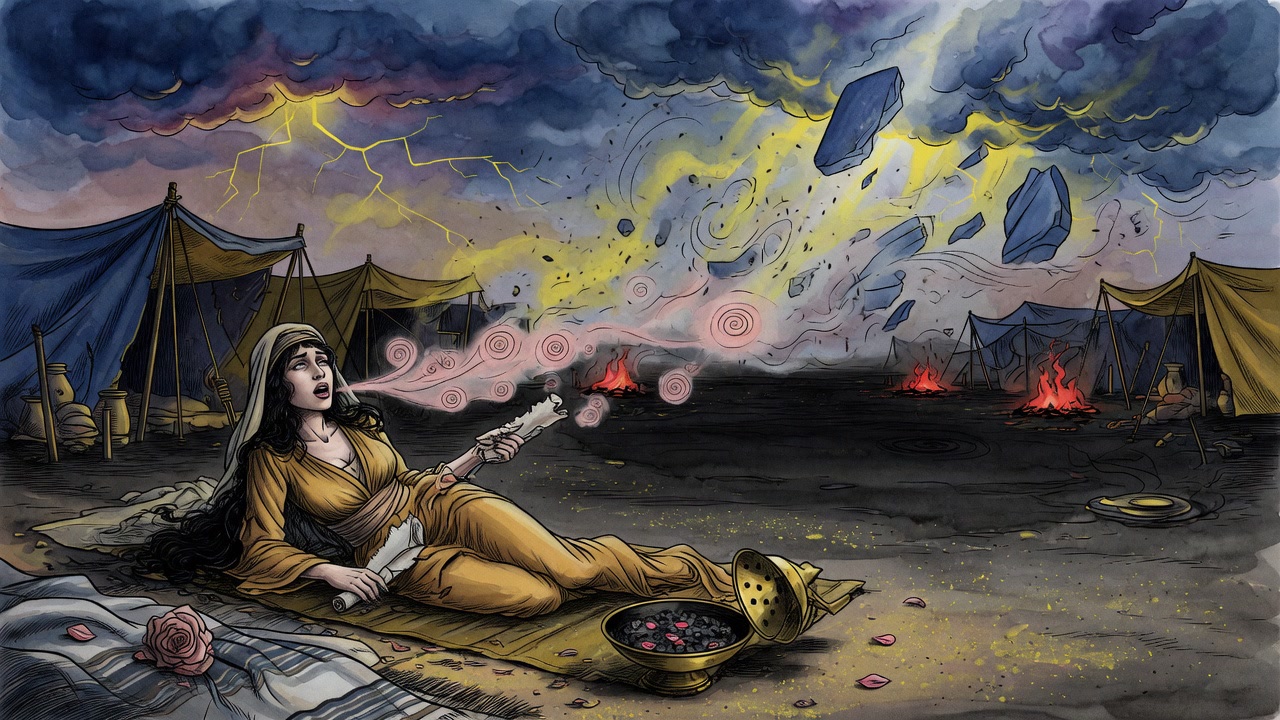
He dropped his voice so the camp would lean in. He told them about a widow and two daughters. The laws were real. The woman was not.
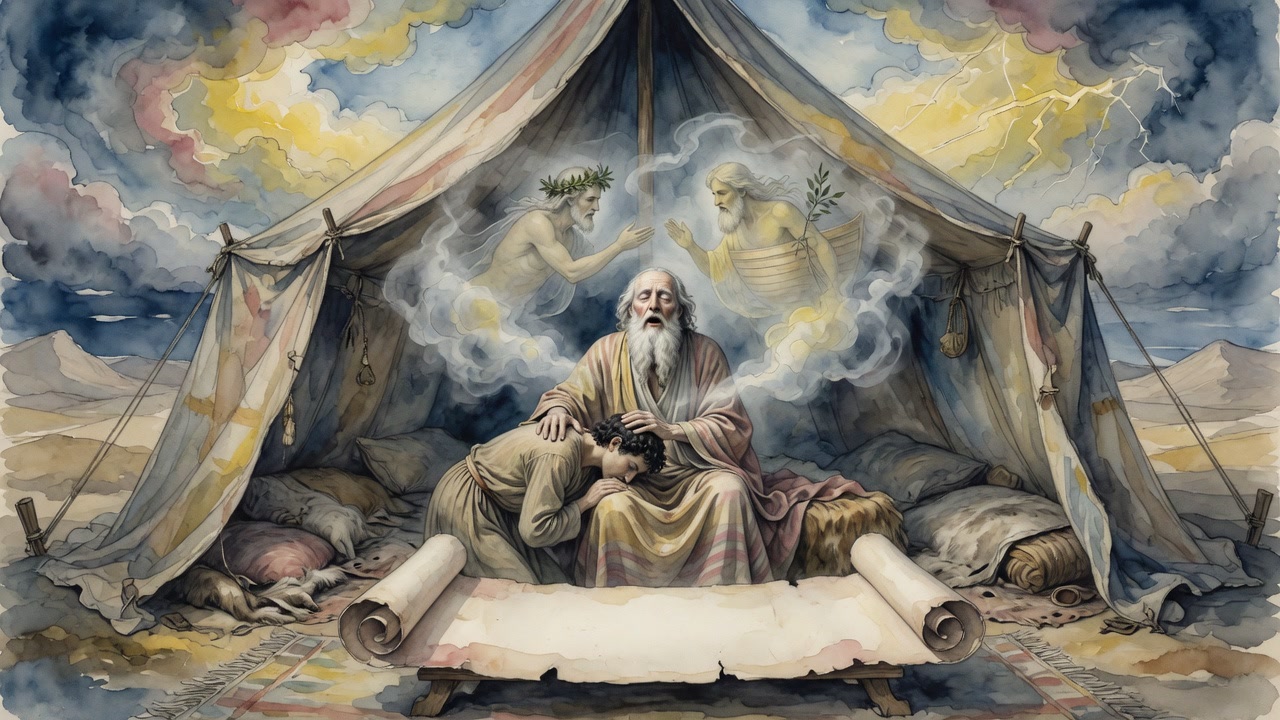
The blessing Isaac spoke over Jacob at Beersheba was not new. The same words had been spoken twice before, first to Adam, then to Noah, now to Jacob.
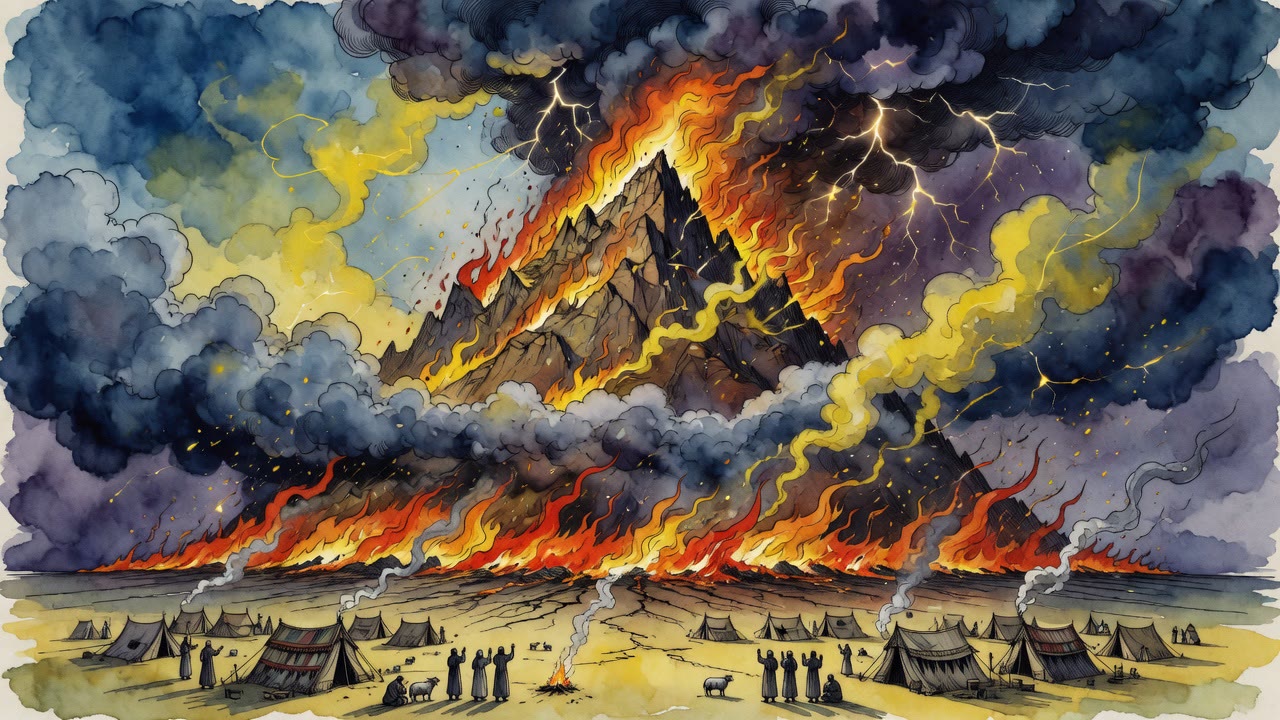
Israel had three days to wash their clothes and keep off the mountain. On the third morning the peak went up like a furnace and the horn would not stop.
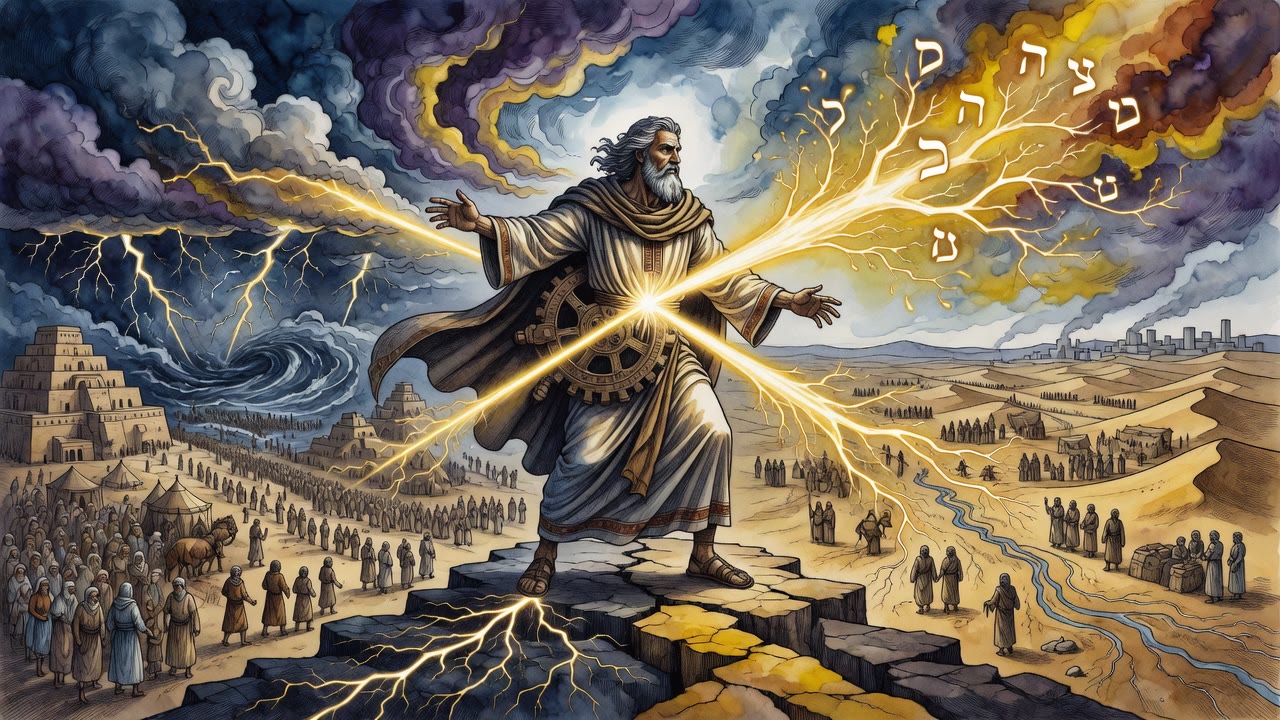
He looked up at the stars and believed a childless old man would father a nation. He was thrown into Nimrod's furnace for refusing idols and walked out alive.
