203 myths · Page 7 of 7
A disciple finished the blessings early. The room found a nickname. Their master named Moses, who had begged five words over white skin.
Aaron had not seen Moses in years. He ran the last stretch of Horeb and put his mouth to his brother's face before Egypt learned their names as a pair.
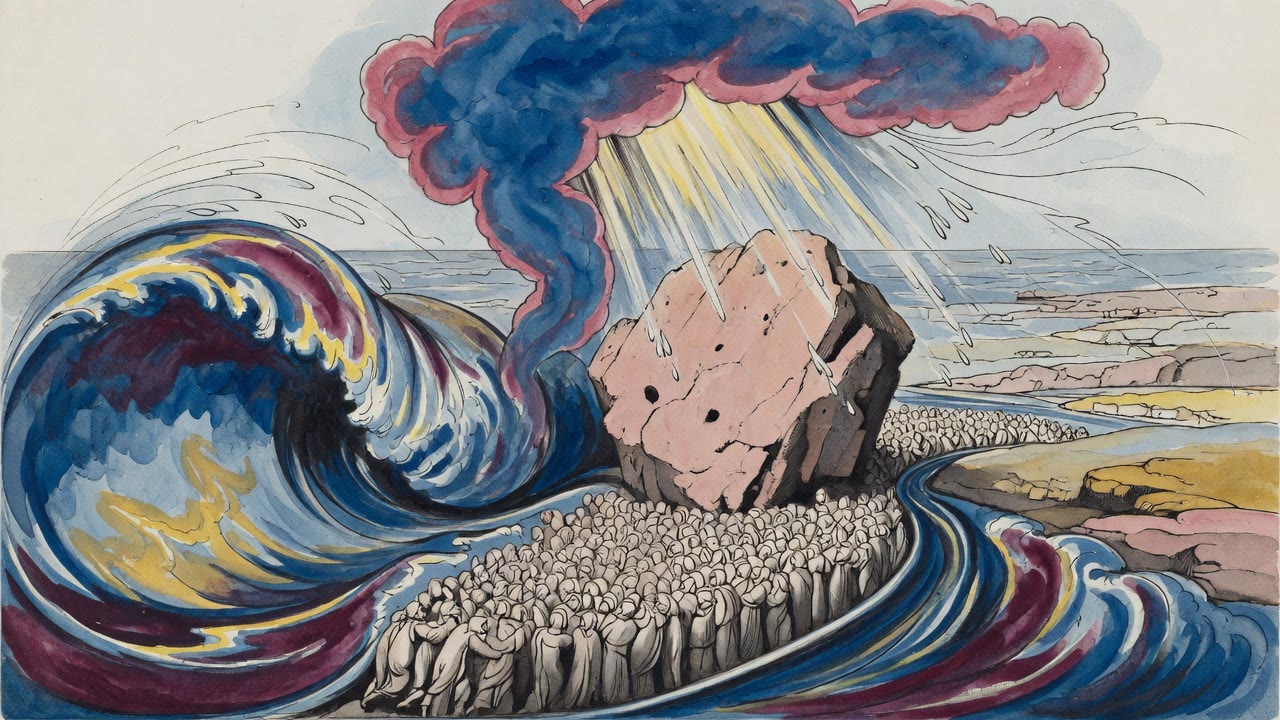
The deep already filled the world when God told the waters to gather. They crowded into a smaller bed, and dry land pushed up its face.
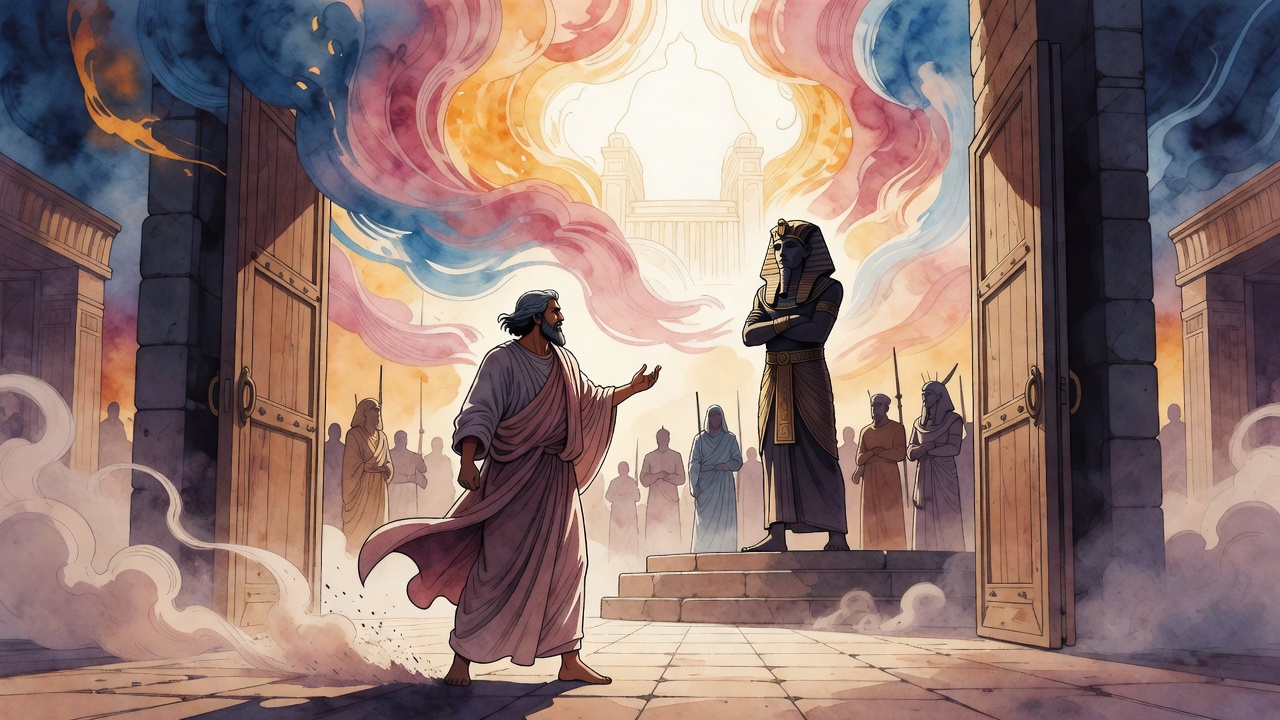
Go, Pharaoh said, but leave the flocks. Moses asked for the king's own animals too. The next word from the throne was a death threat.
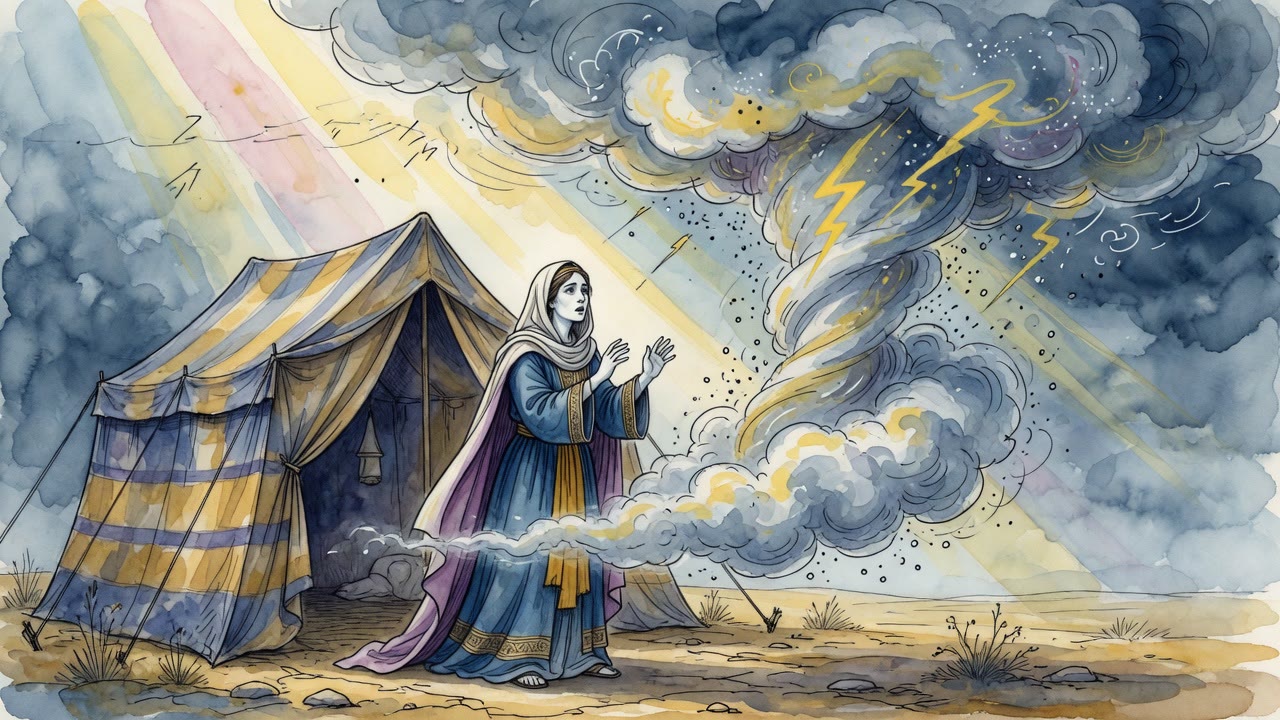
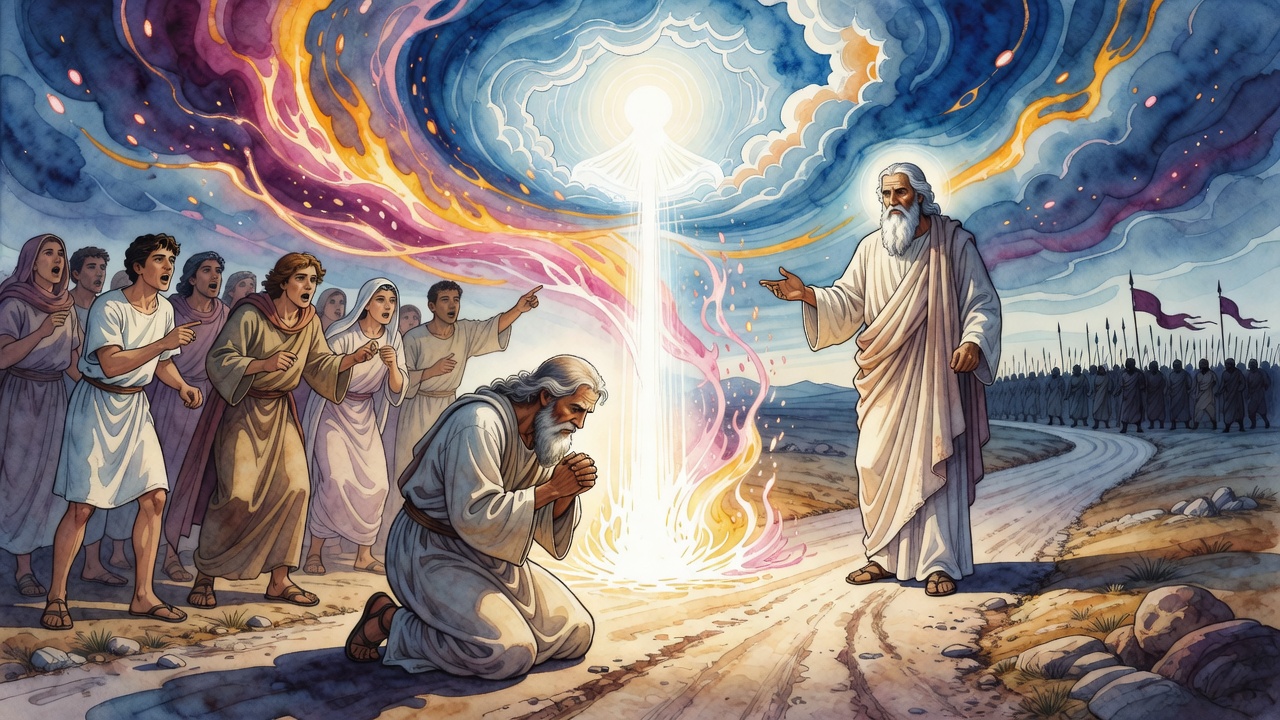
After Miriam and Aaron spoke against Moses, the cloud lifted from the tent. Miriam stood white as snow. Aaron turned, saw his sister, and begged for mercy.
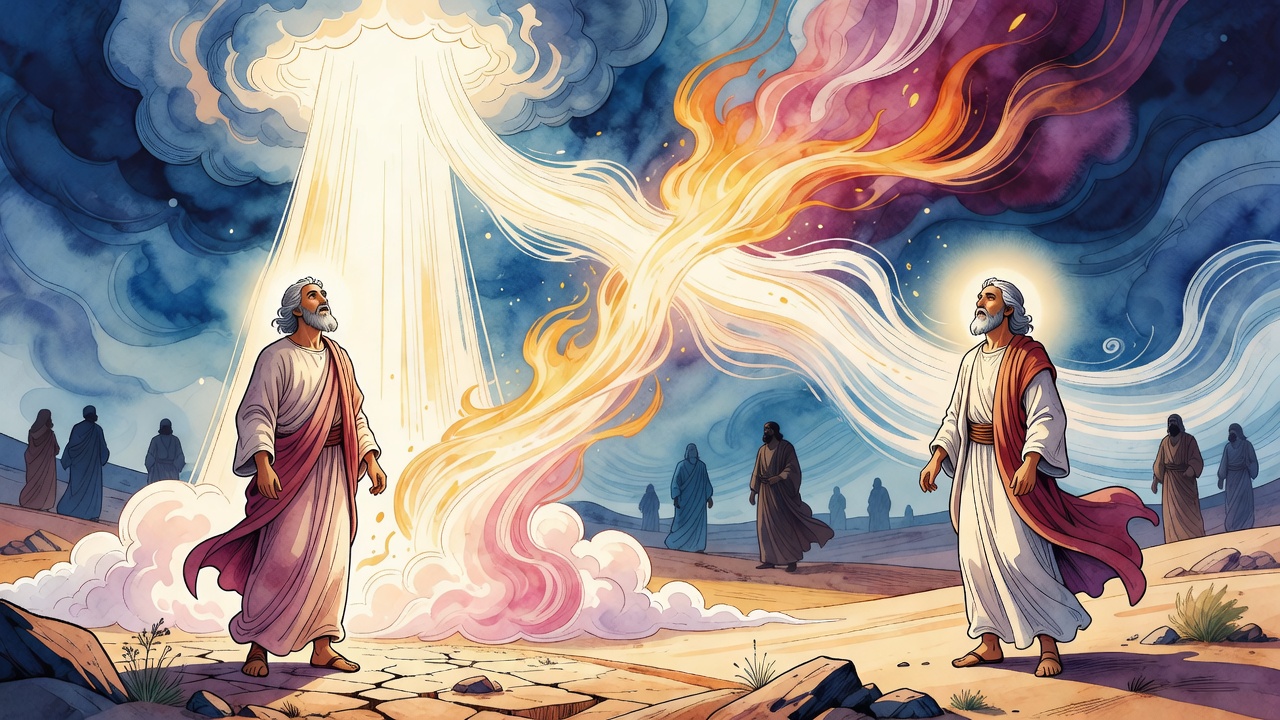
A single divine utterance splits in two. Moses hears return to Egypt. Aaron hears go meet him. Other prophets get only night and dream.
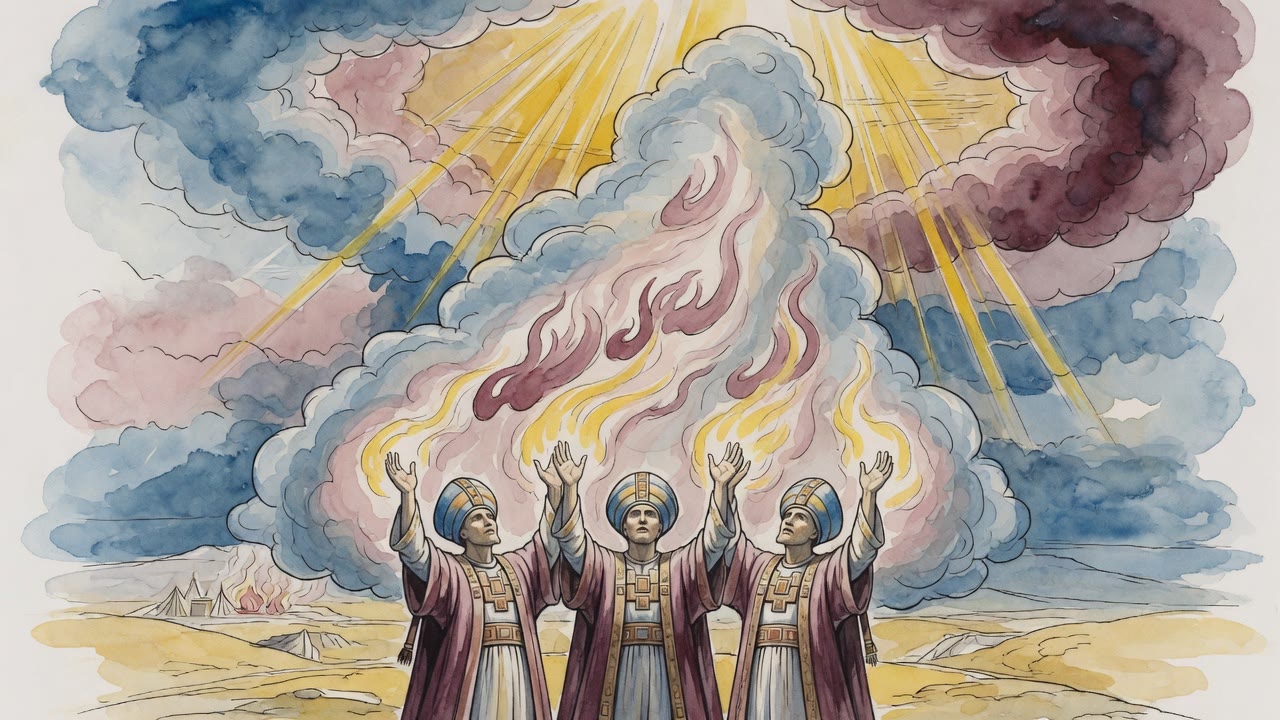
They wanted the look from heaven, not a cousin's fingers in the air. God did not take the priests back. He stood behind the wall of hands.
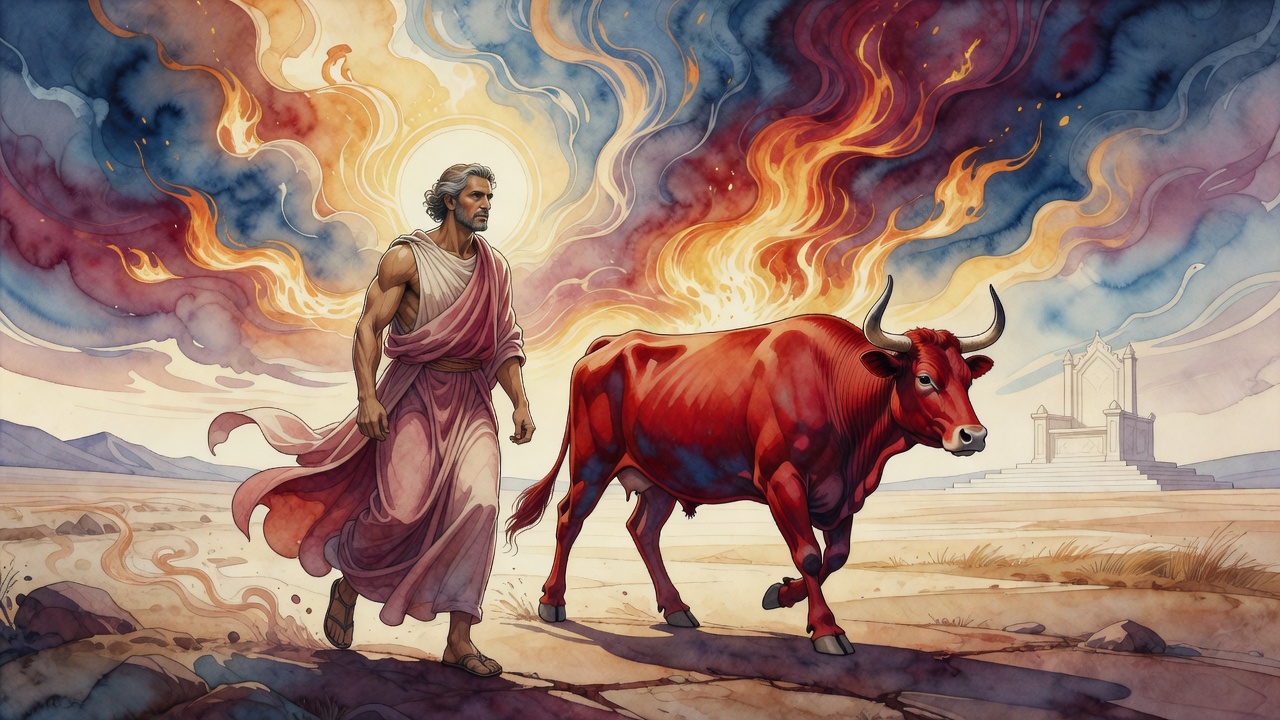
While Aaron still lived, Elazar led a flawless red cow east alone. One glance away from the slaughter, and the whole statute of purity collapsed.
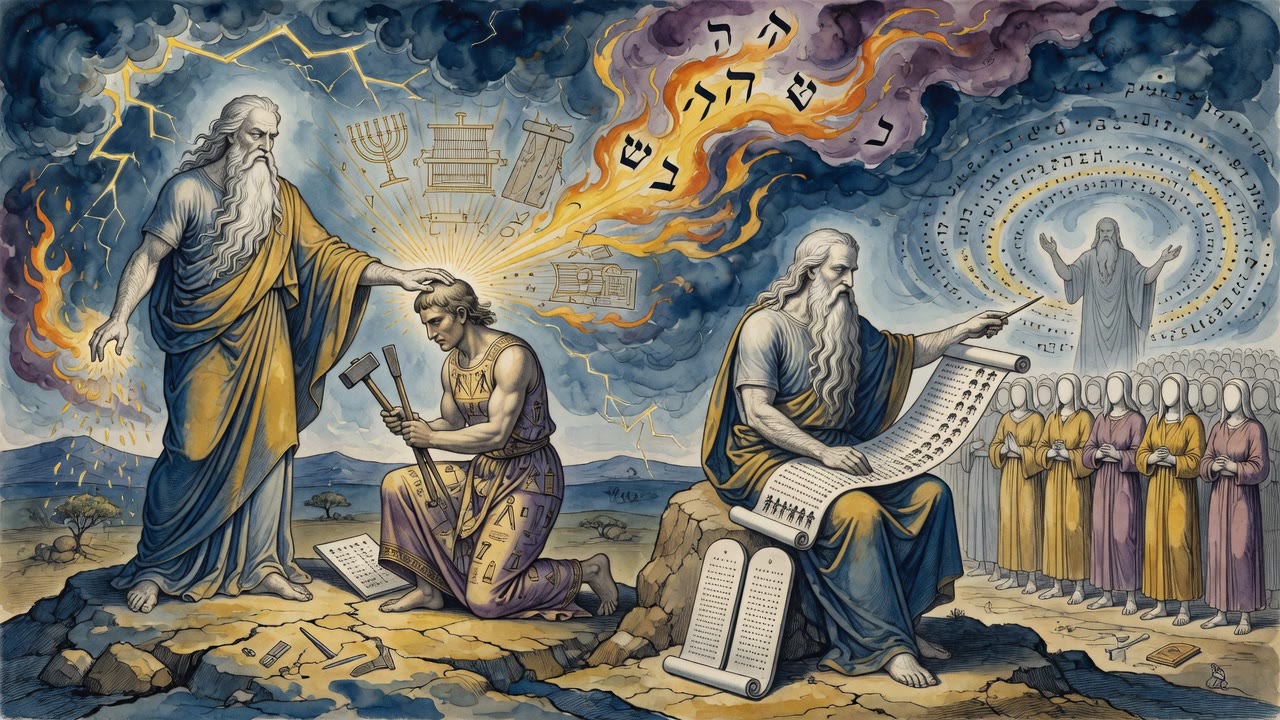
God asked Moses if Bezalel could build the Mishkan, then sent him to ask Israel. Before it rose, the camp was counted as treasure under heavy charge.
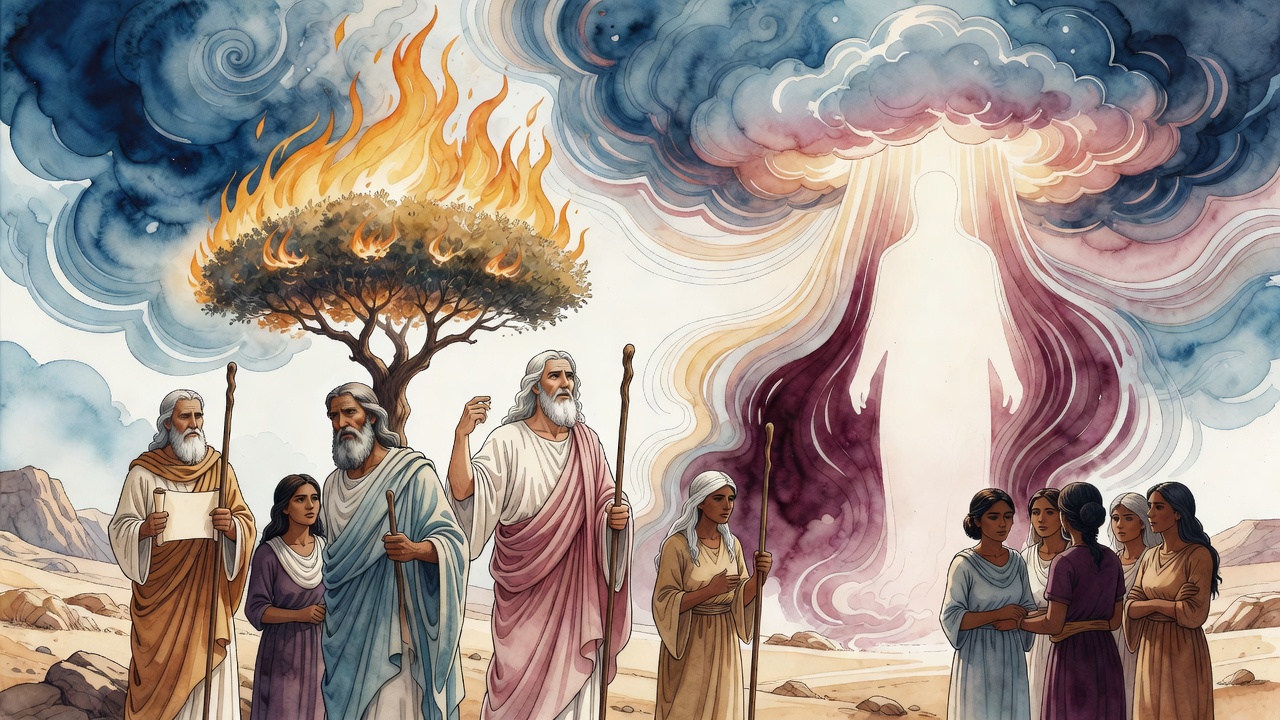
The bush burned and stayed green. Moses named his heavy tongue and asked for another messenger. The priesthood left his line before the fire went out.
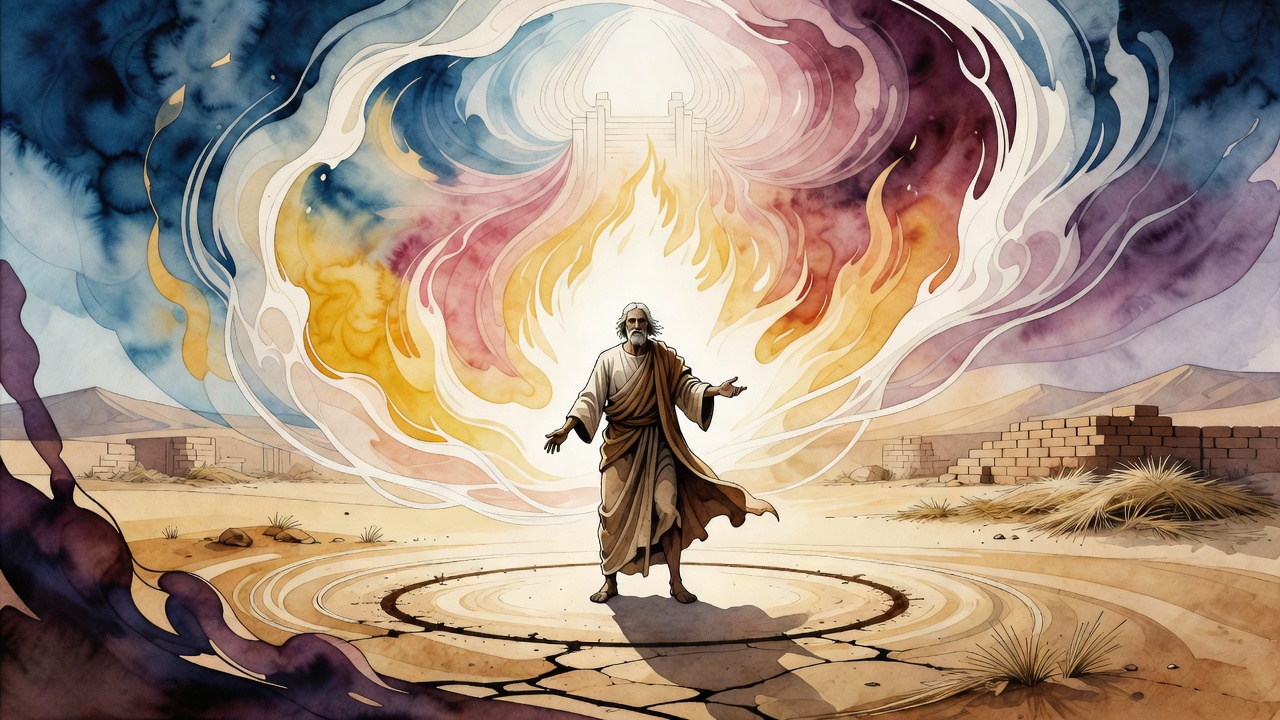
Moses, who once walked the brick yards urging Israel not to break, draws a circle and refuses to step out until God shortens Miriam's shame.
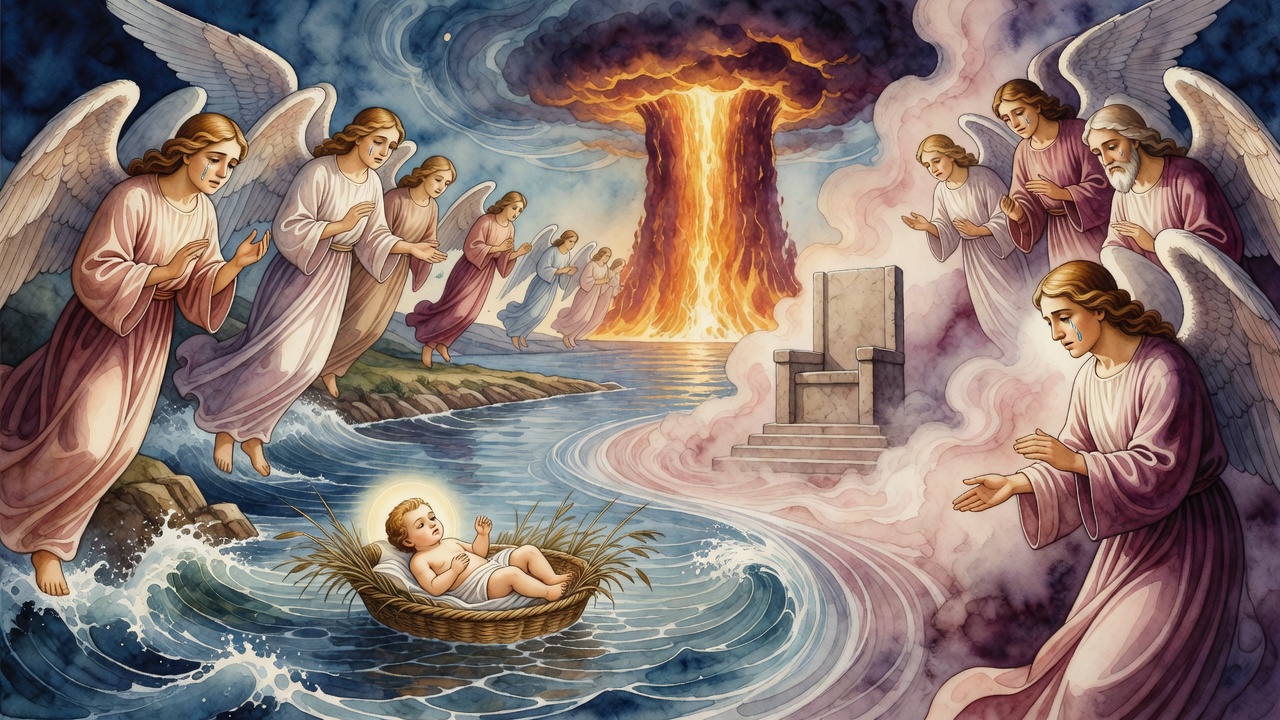
Angels leaned over the Nile and shouted that the baby scheduled to sing at the sea was about to drown in it. God refused to hurry. The basket did not tip.
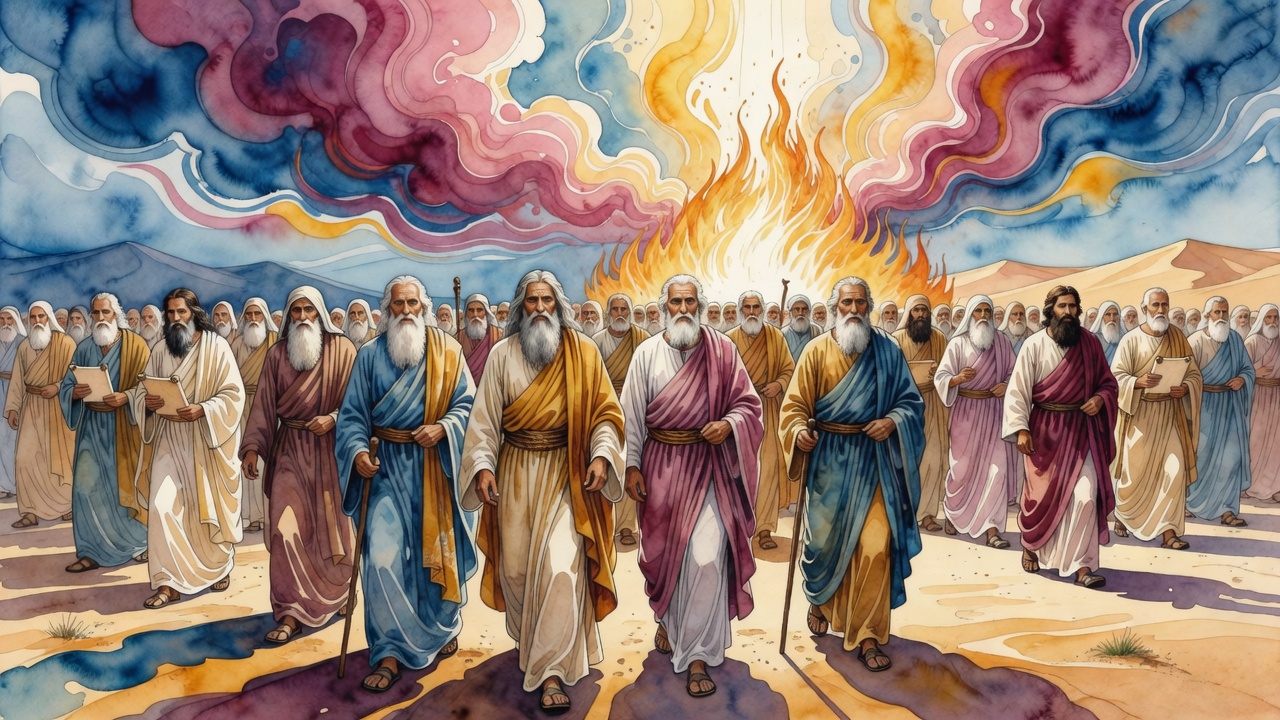
Moses spoke first to the elders, not the camp. They put their names beside his while Pharaoh's anger was still a live risk.
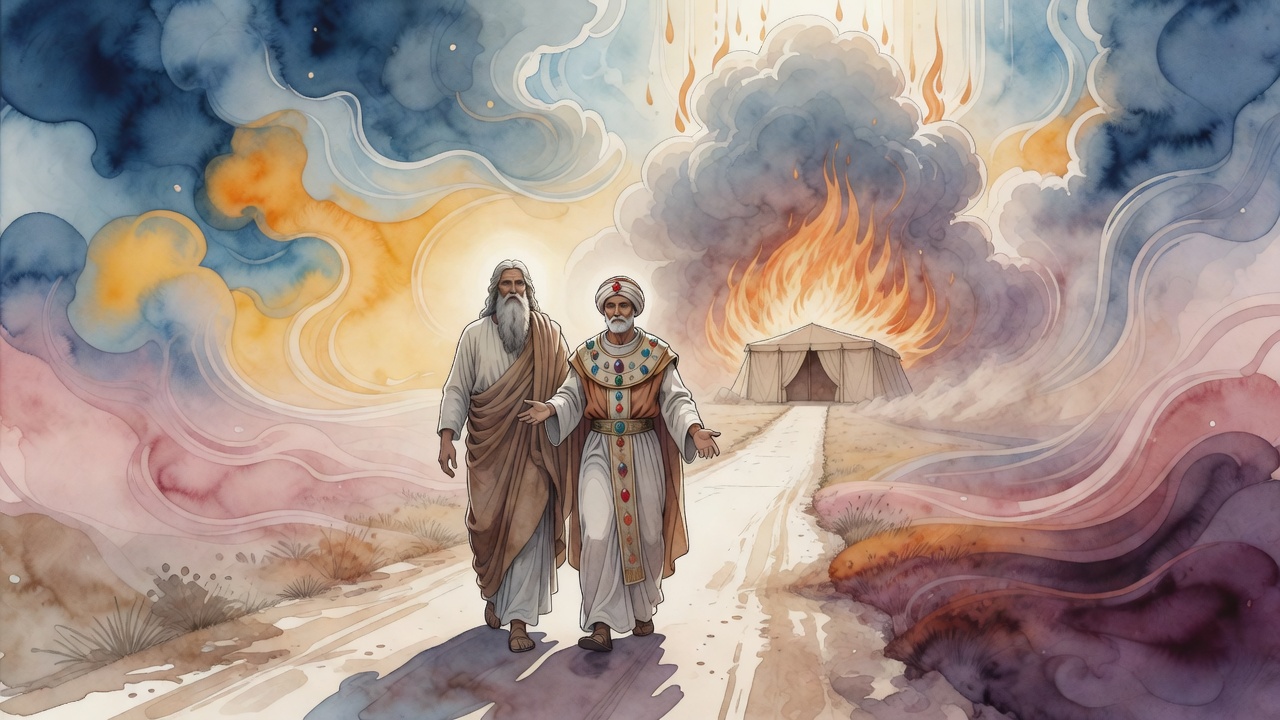
Every morning Moses took the middle of the path to the Tent. One day he stepped to the right and set Aaron where the camp would have to look.
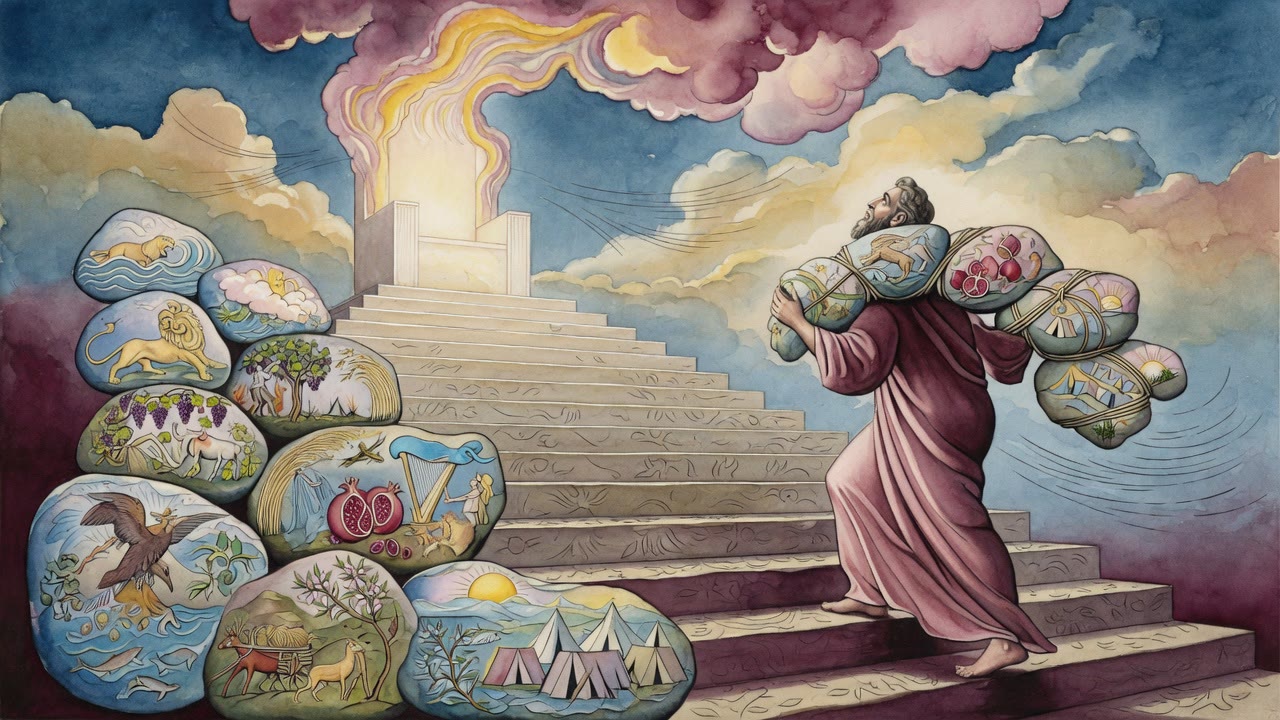
Twelve princes laid gold on the altar for twelve days. Levi brought nothing the camp could watch. God answered with a wick.
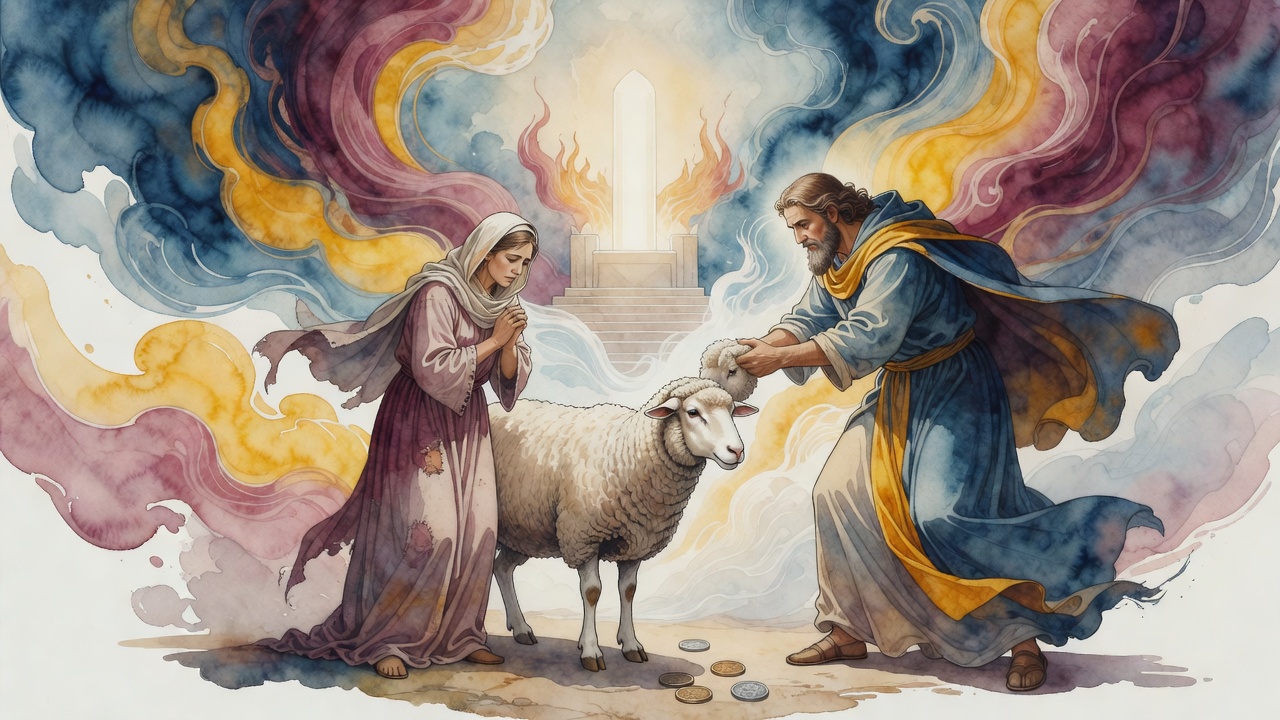
A widow owned one ewe. Aaron took the wool, the firstborn, the portions, then the meat. Korach paid her four coins and still lost the fight.
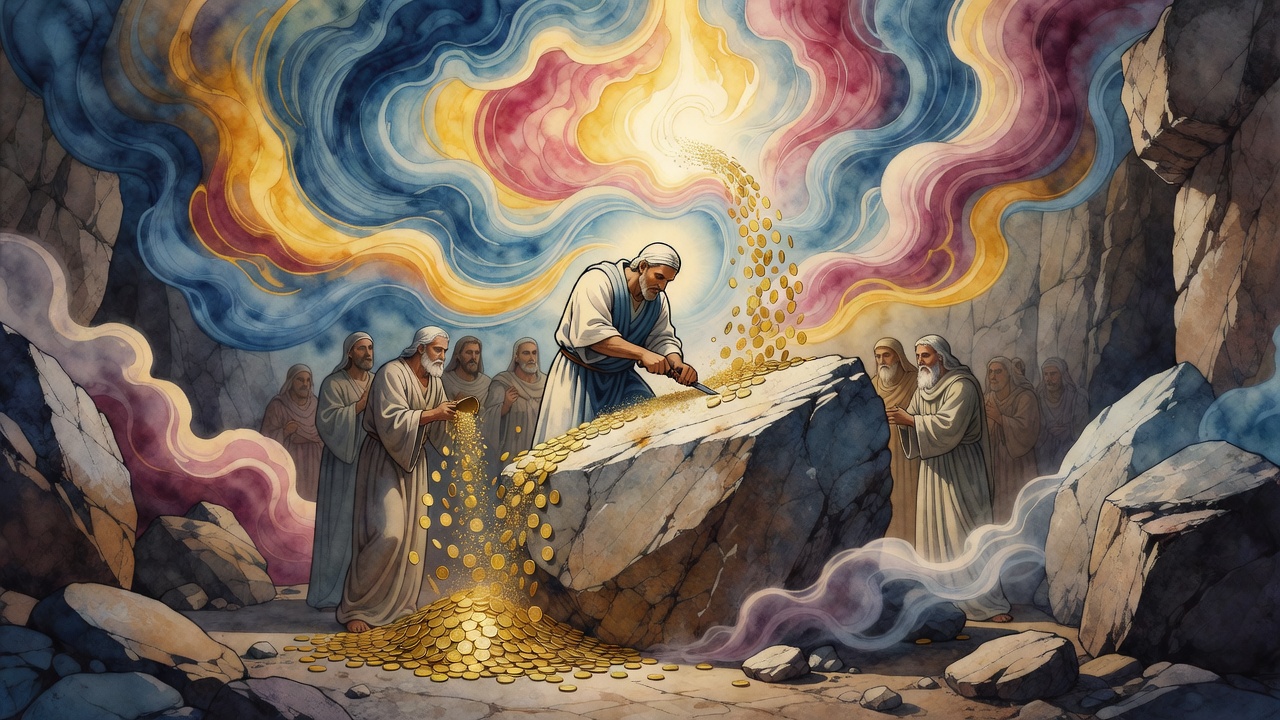
The new High Priest was still in the quarry at noon. His brothers did not argue. They poured gold over the rock until the chisel had nowhere to bite.
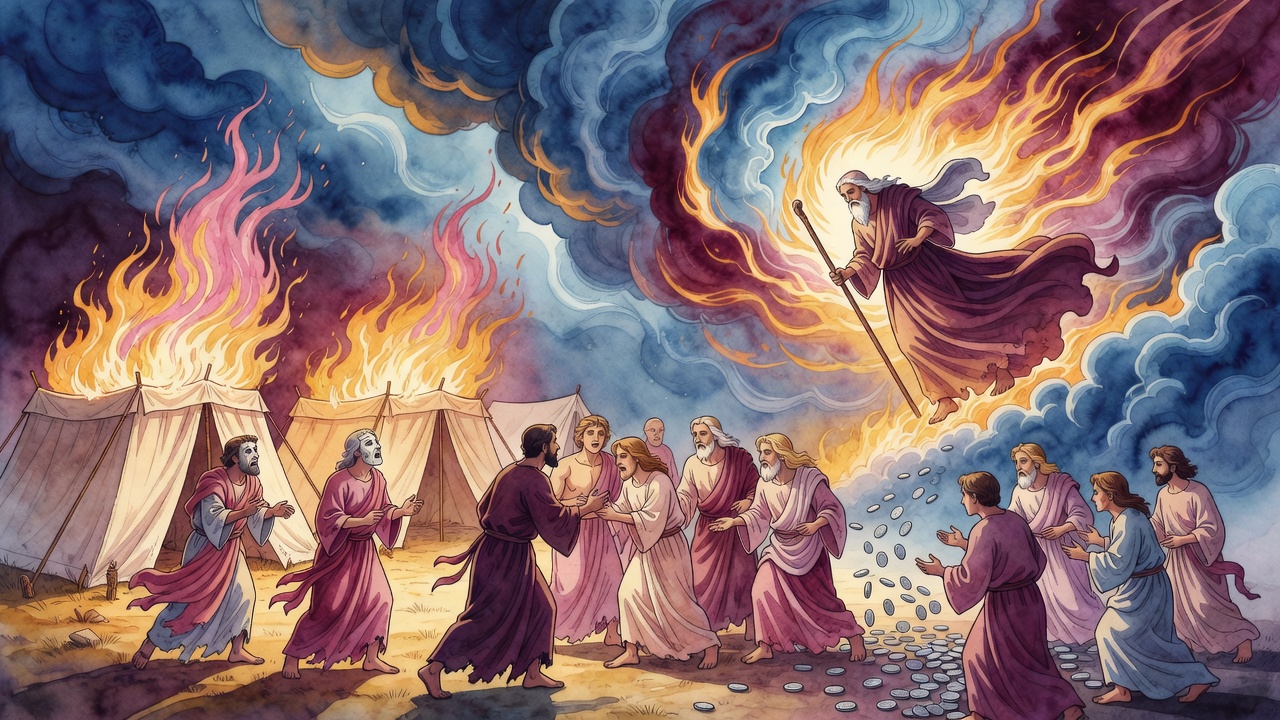
The census came up short. Israel counted 22,273 firstborn sons and only 22,000 Levites, so 273 fathers paid five shekels each and watched the silver go.
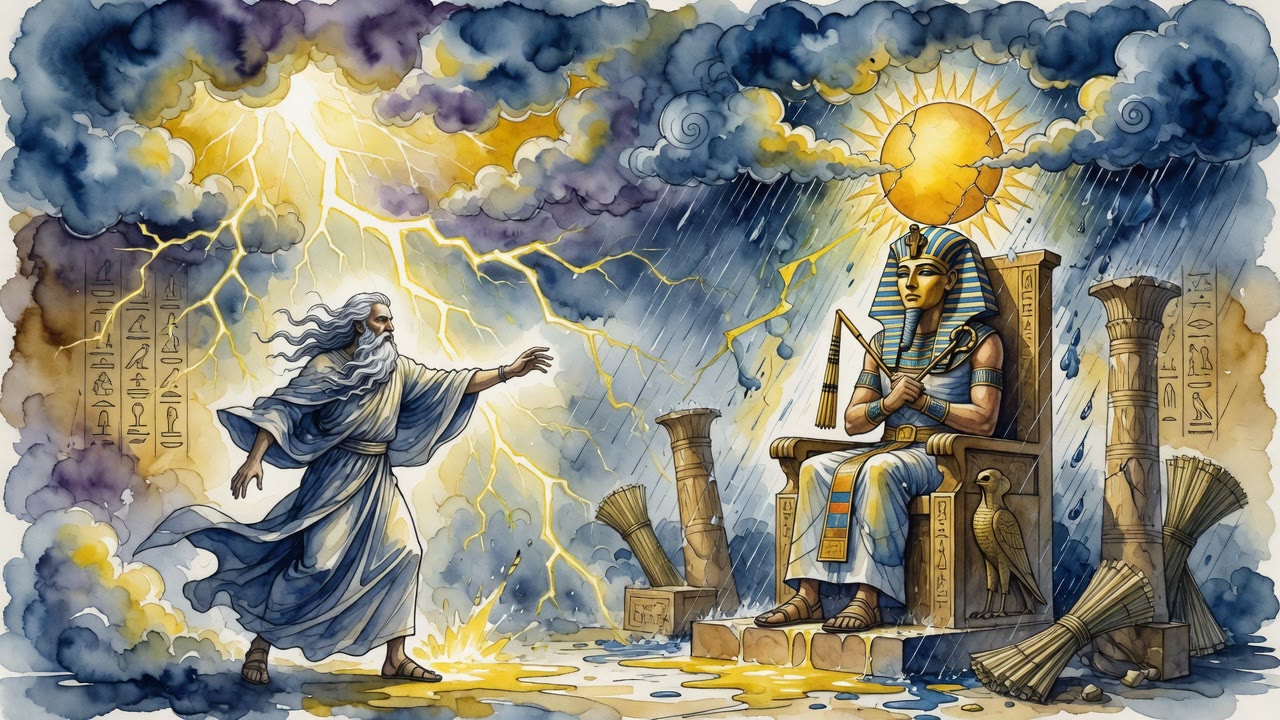
Pharaoh swore he made the Nile and needed nothing, so God set Moses as a god over him and sent him to ambush the king at the river at dawn.
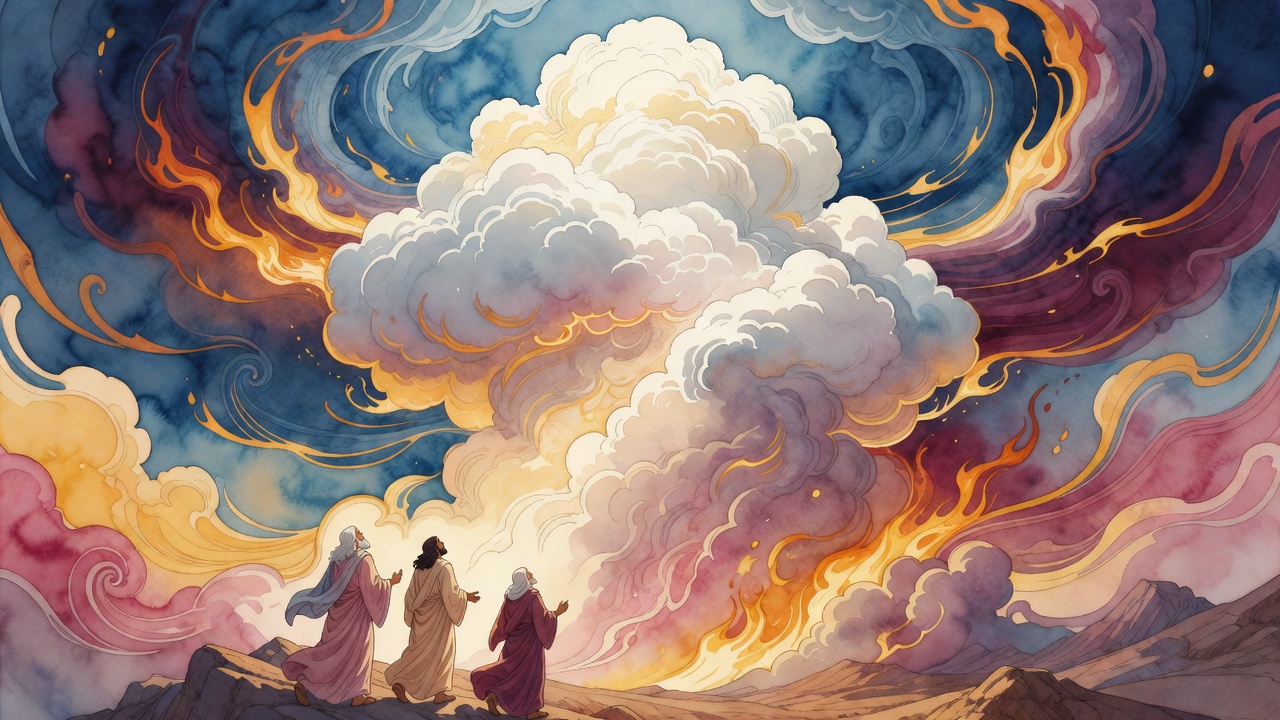
At Sinai the man spoke first and heaven answered out loud, and the same voice came down from the cloud for Aaron and for Samuel too.
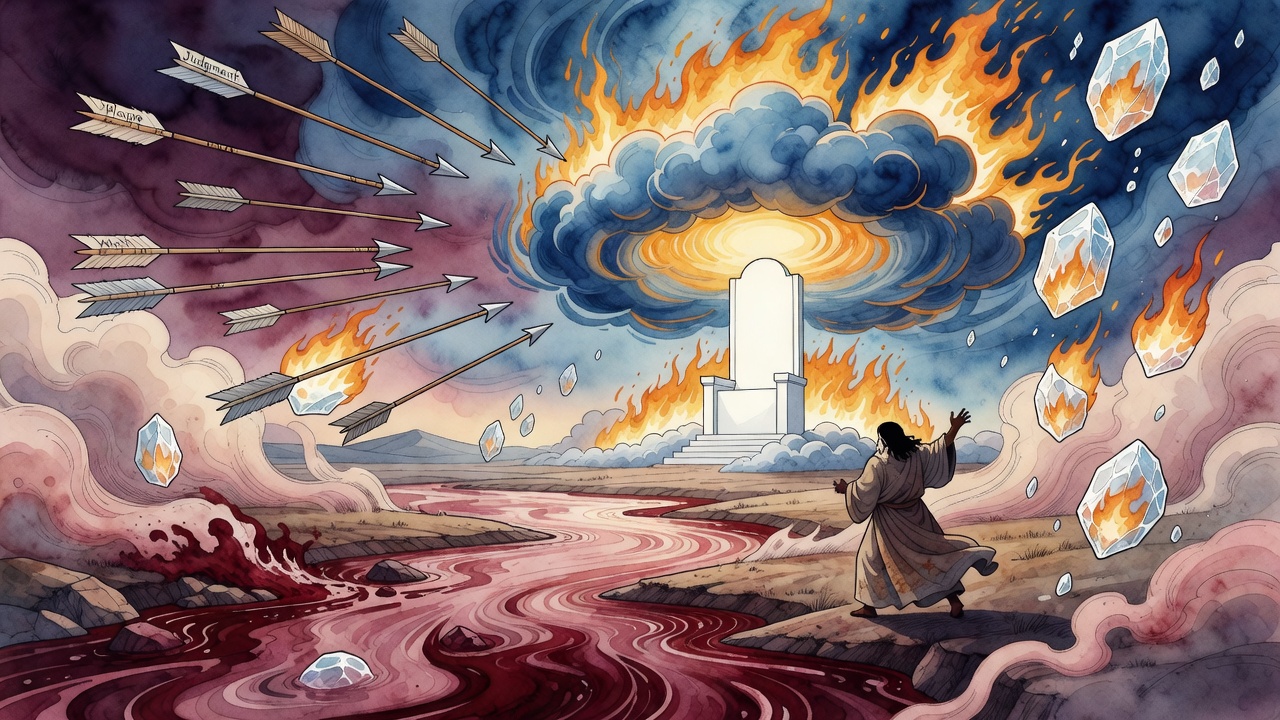
Pharaoh went down to the Nile at dawn as if the river still belonged to him. Aaron stood on the bank with the rod already raised.
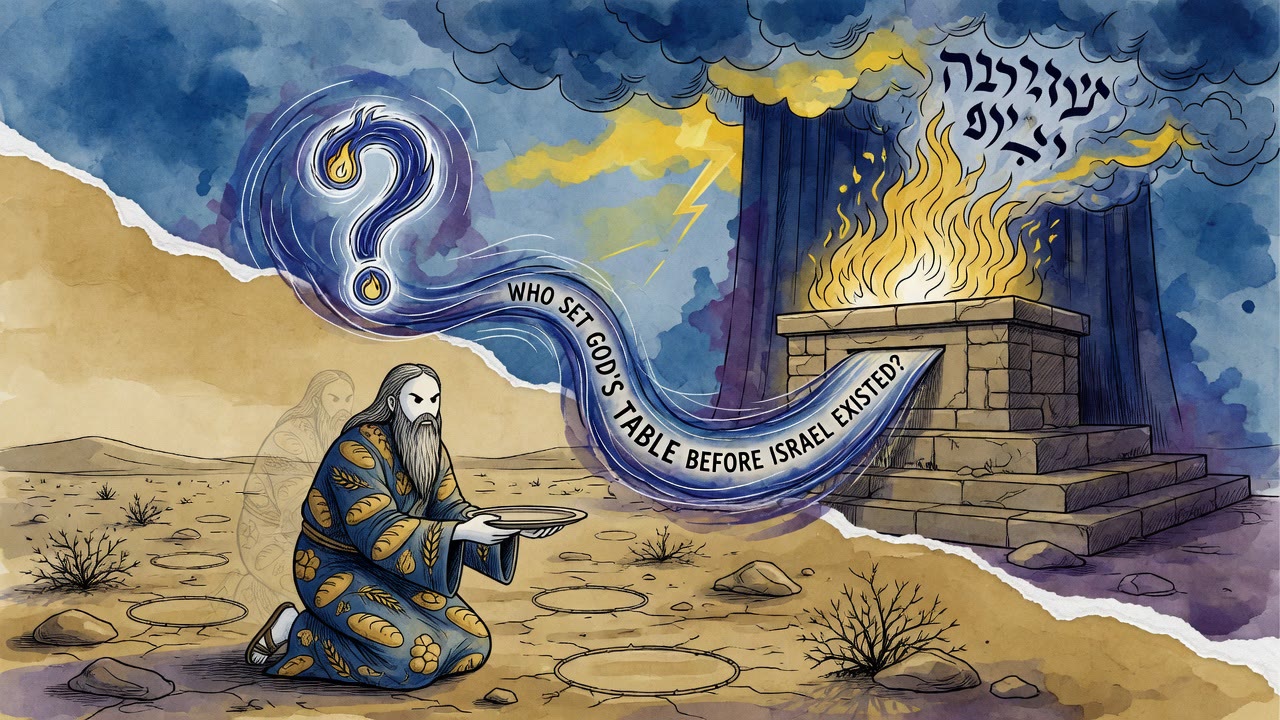
A voice at the ramp asks who set God's table before Israel existed. The answer is a man of bread who spent a hundred and twenty days where nothing eats.
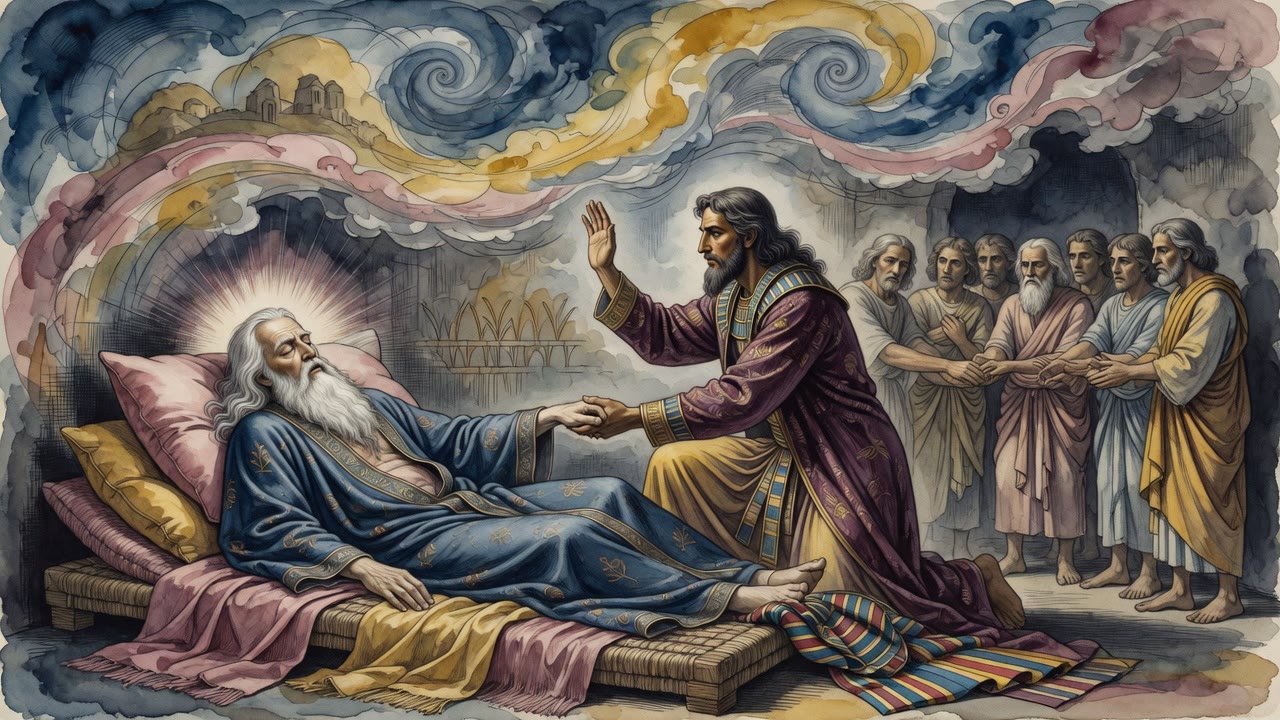
Moses set his own hands to the laver at the door of the Tent, and the water he poured over his brother paid for every Day of Atonement still unborn.
