143 myths · Page 5 of 5
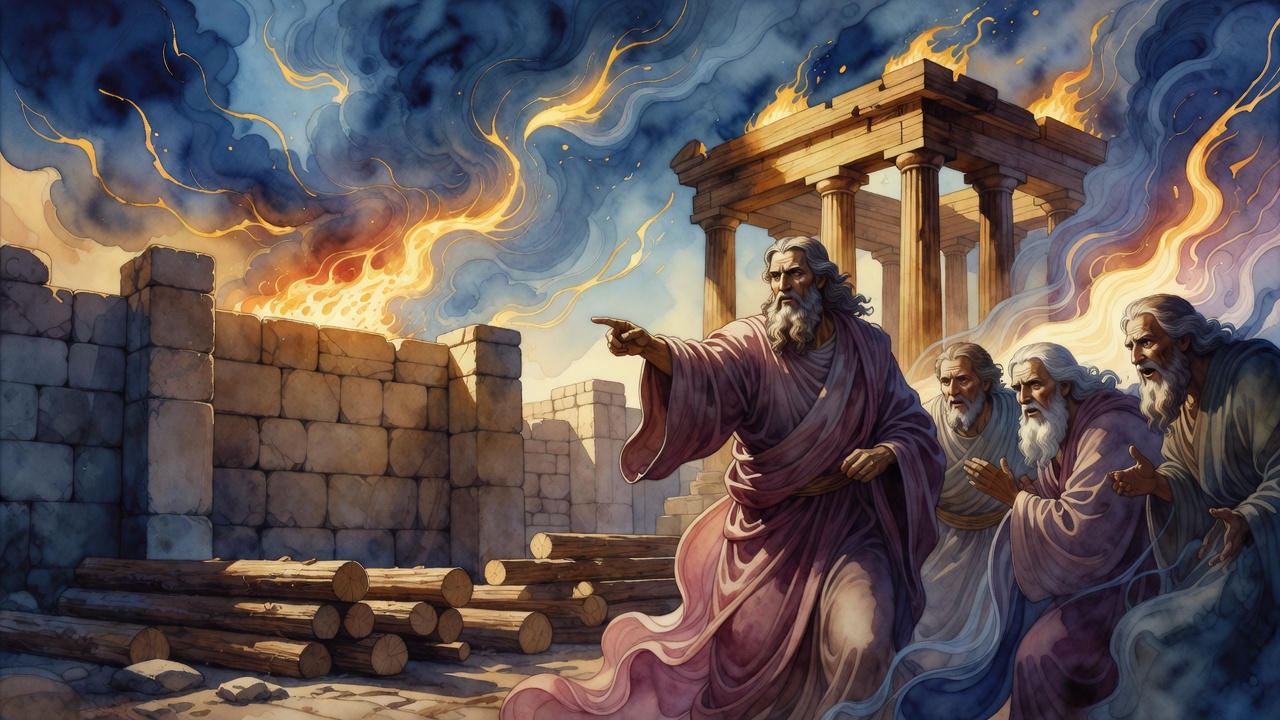
Cyrus funded Jerusalem's house and ordered wood set low in the walls. Solomon had set cedar high. The sages heard a king planning for a future fire.
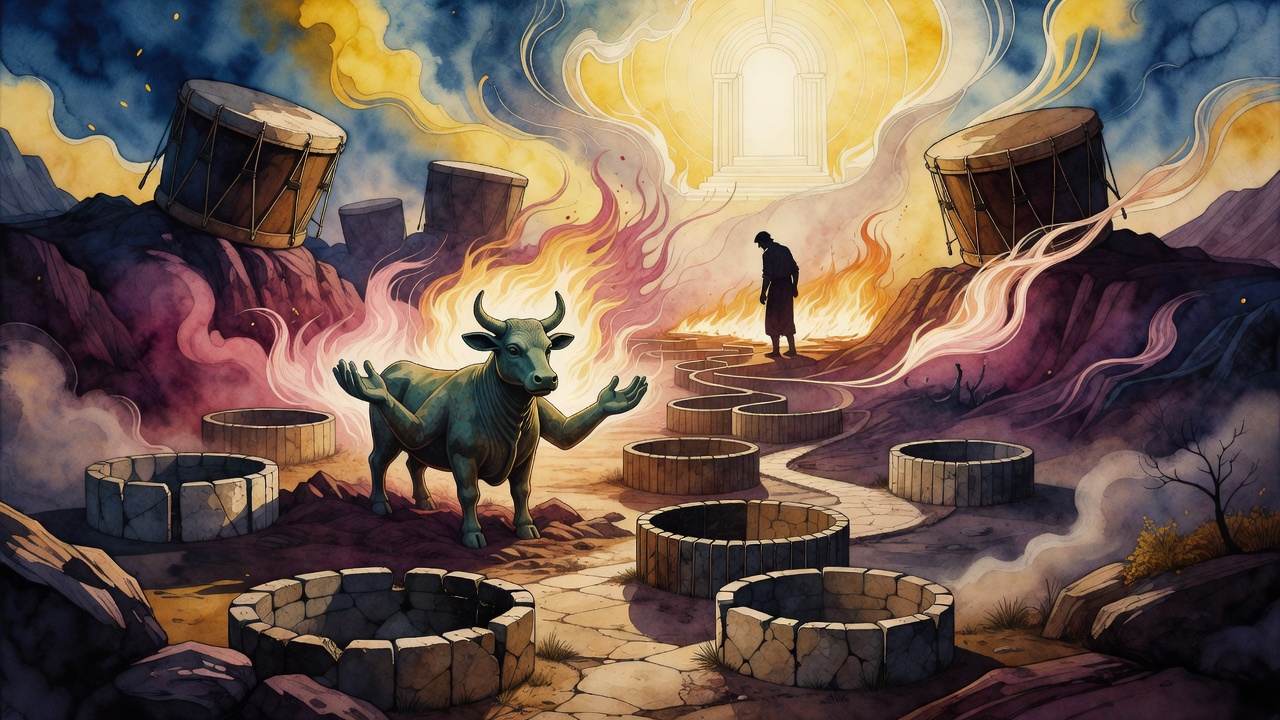
The calf's hands were already hot. A father kissed the metal and gave over his child. Drums started so he would not hear the moan.
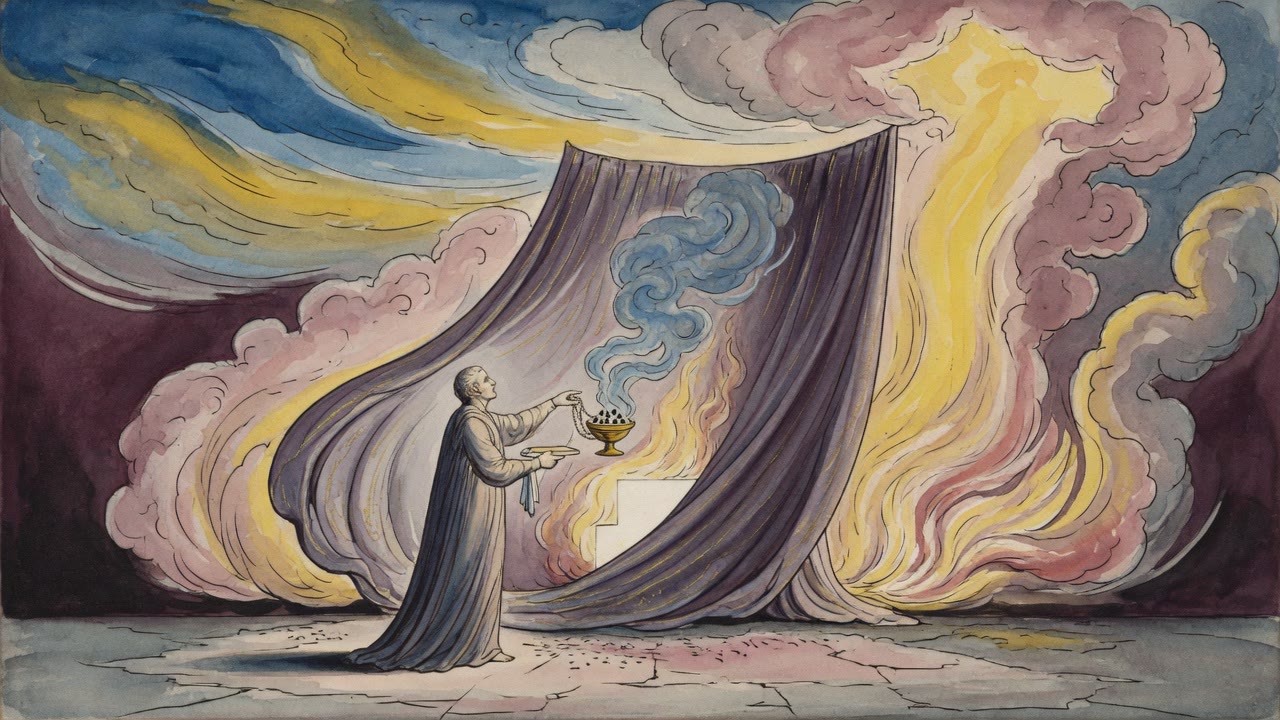
At the Western Wall she does not leave. Tradition places the Divine Presence at the northern corner, waiting for eyes trained by a life of Torah.
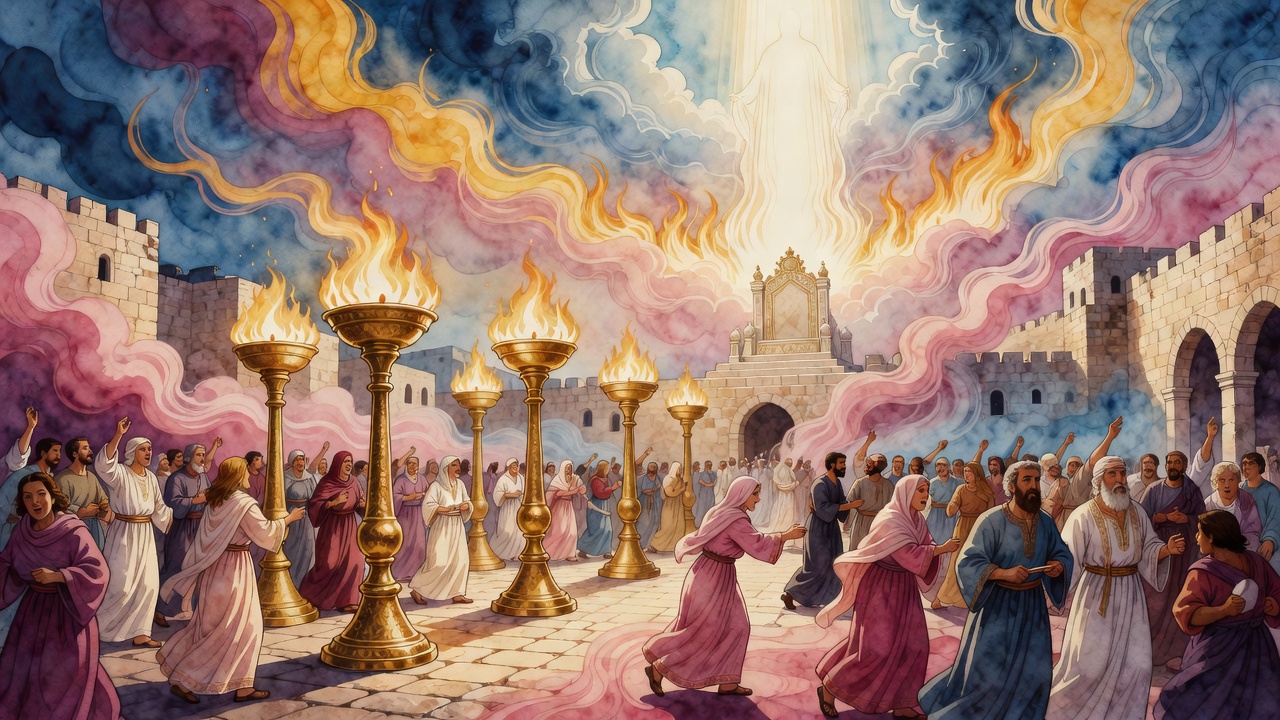
Four golden lampstands made Jerusalem glow at the water drawing. Beyond that joy, God Himself will teach Torah by heart.
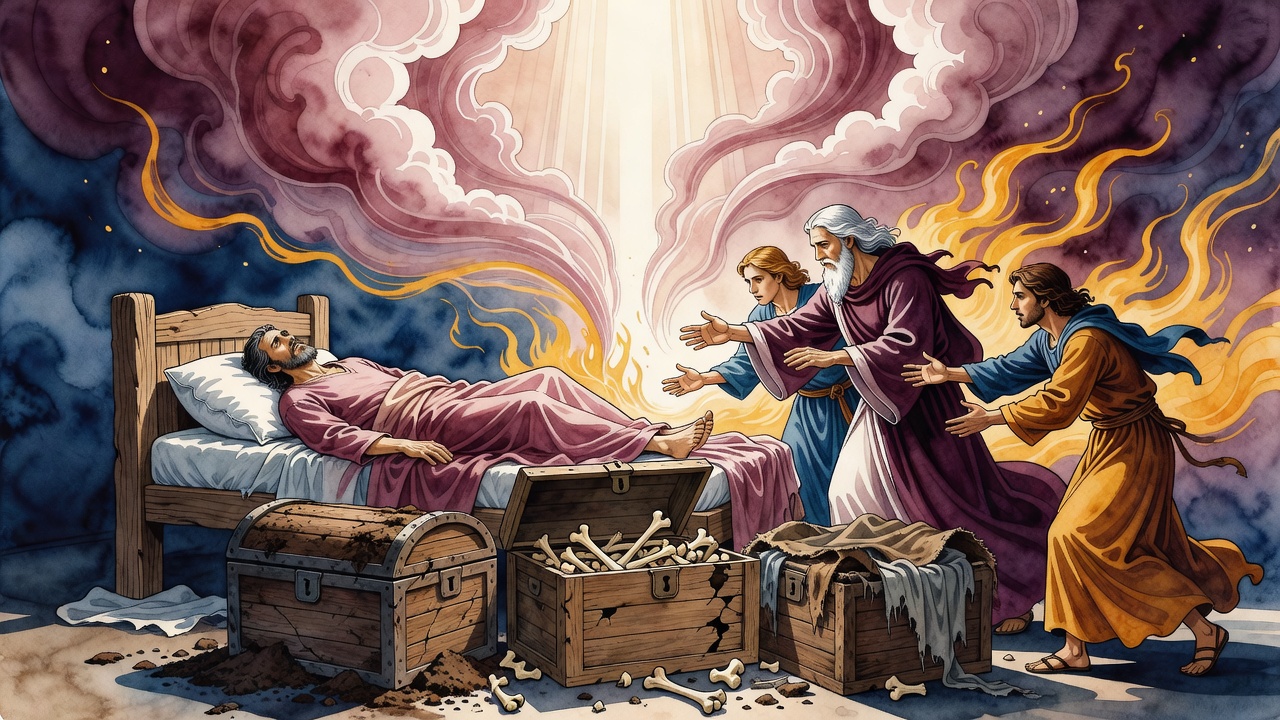
Three brothers stood around a bed that still held their father's shape. The will was three wooden chests that smelled of dust.
Pilgrims poured into Jerusalem for the feast, and the city made room for beds, ovens, and fear until even a stranger found a roof without asking twice.
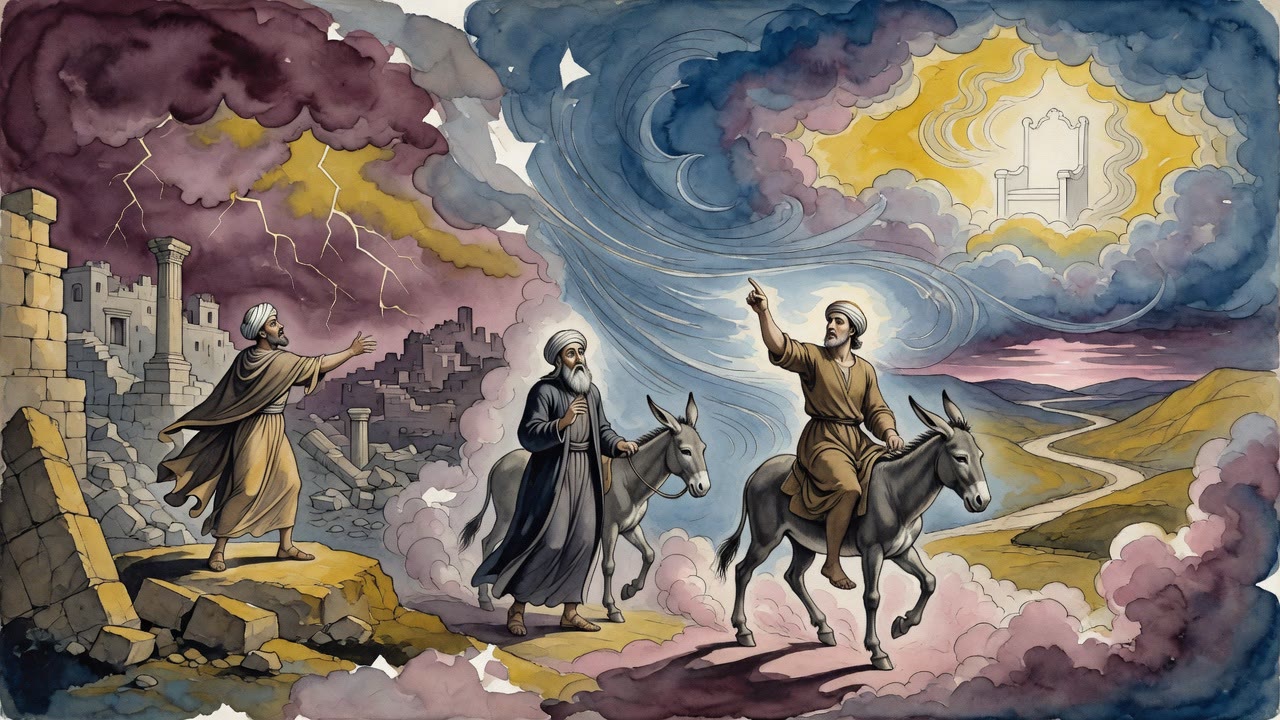
A Samaritan mocked Jerusalem as ruins. Rabbi Yonatan froze. His donkey driver answered from the Flood verse and rode home honored.
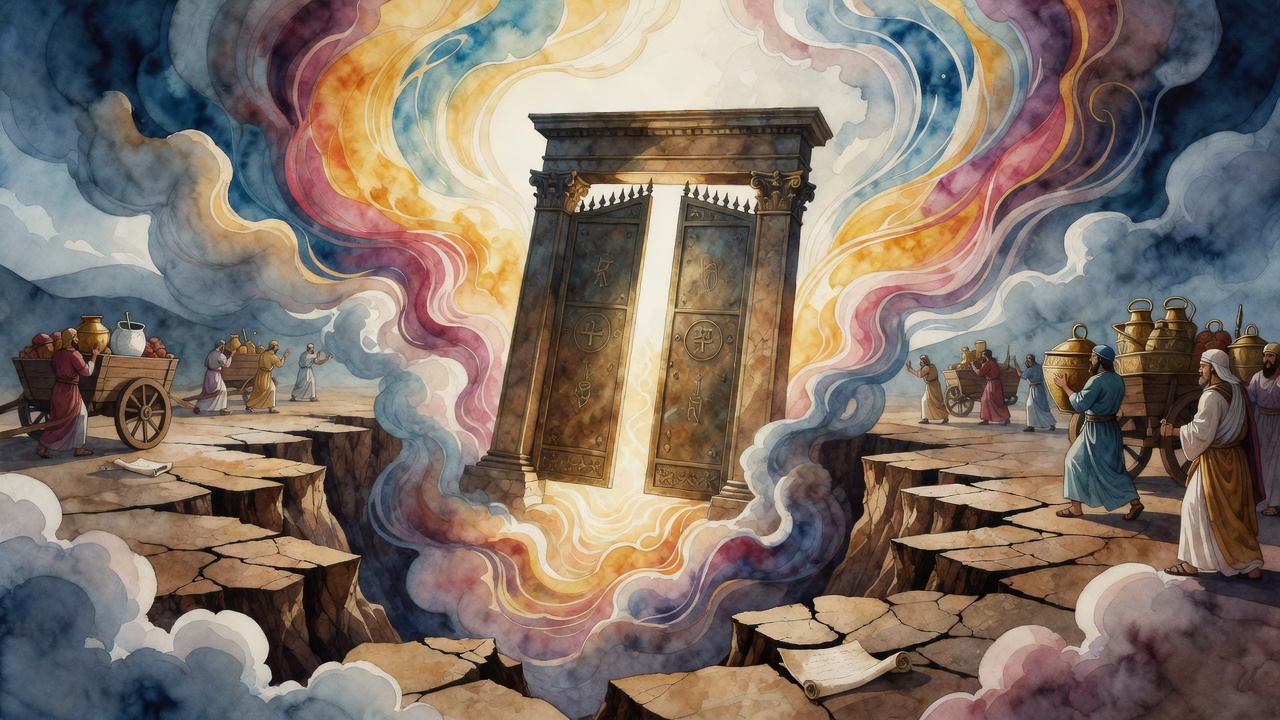
The gold left at midday. When the soldiers came back with chains for the doors, the courtyard had nothing left to tie them to.
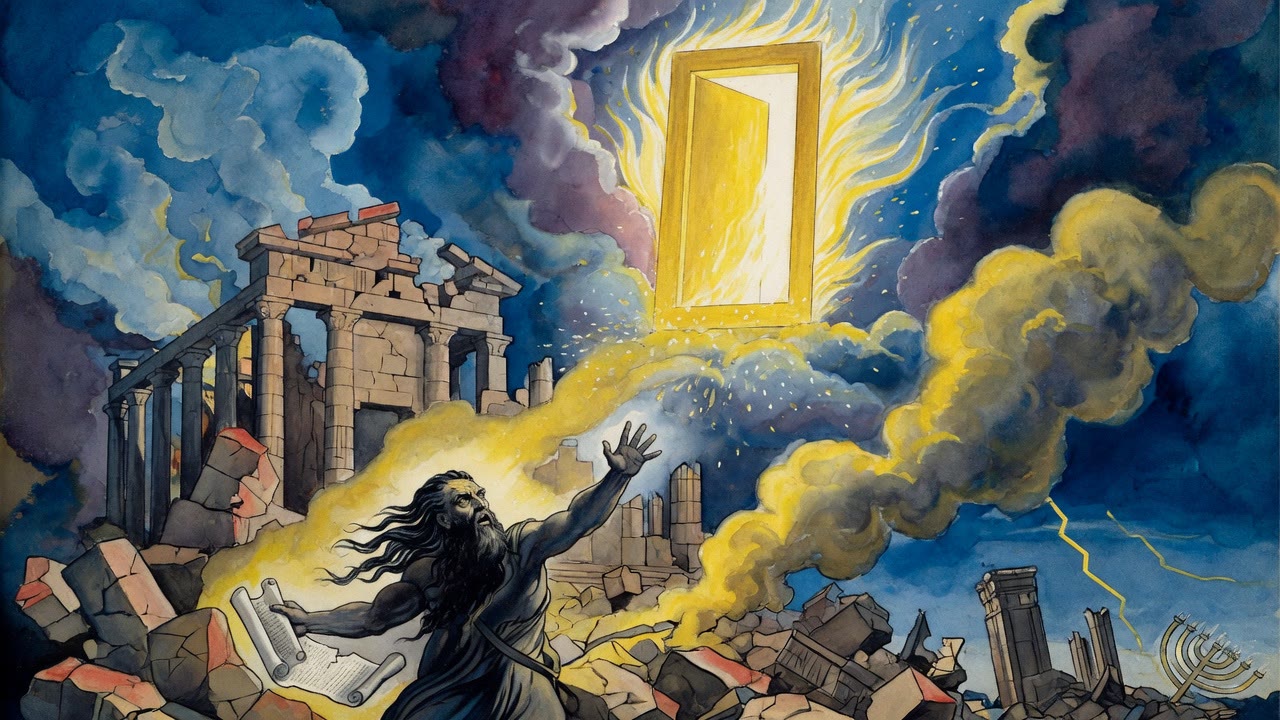
Smoke still climbs from the Temple stones while Reish Lakish refuses to let Lamentations end in final contempt.
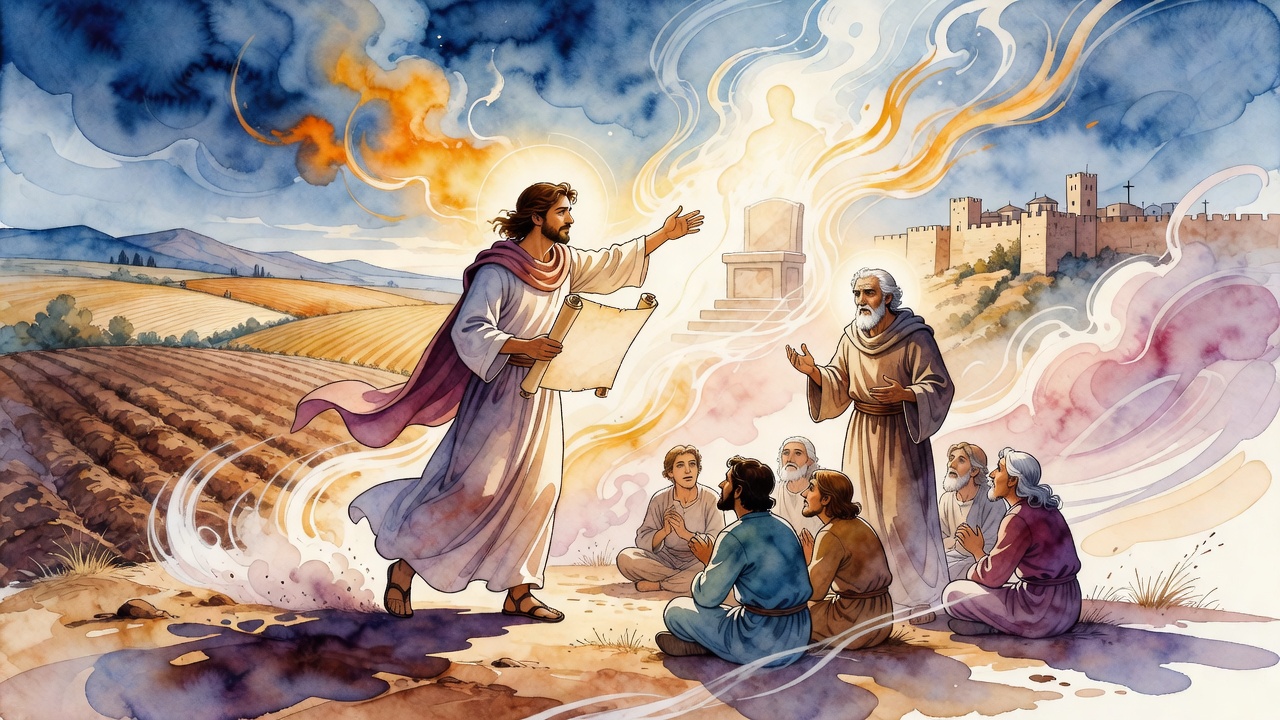
At twenty-two Eliezer left his father's fields for Jerusalem. Hyrcanus came to disinherit him and found a son already teaching Torah.
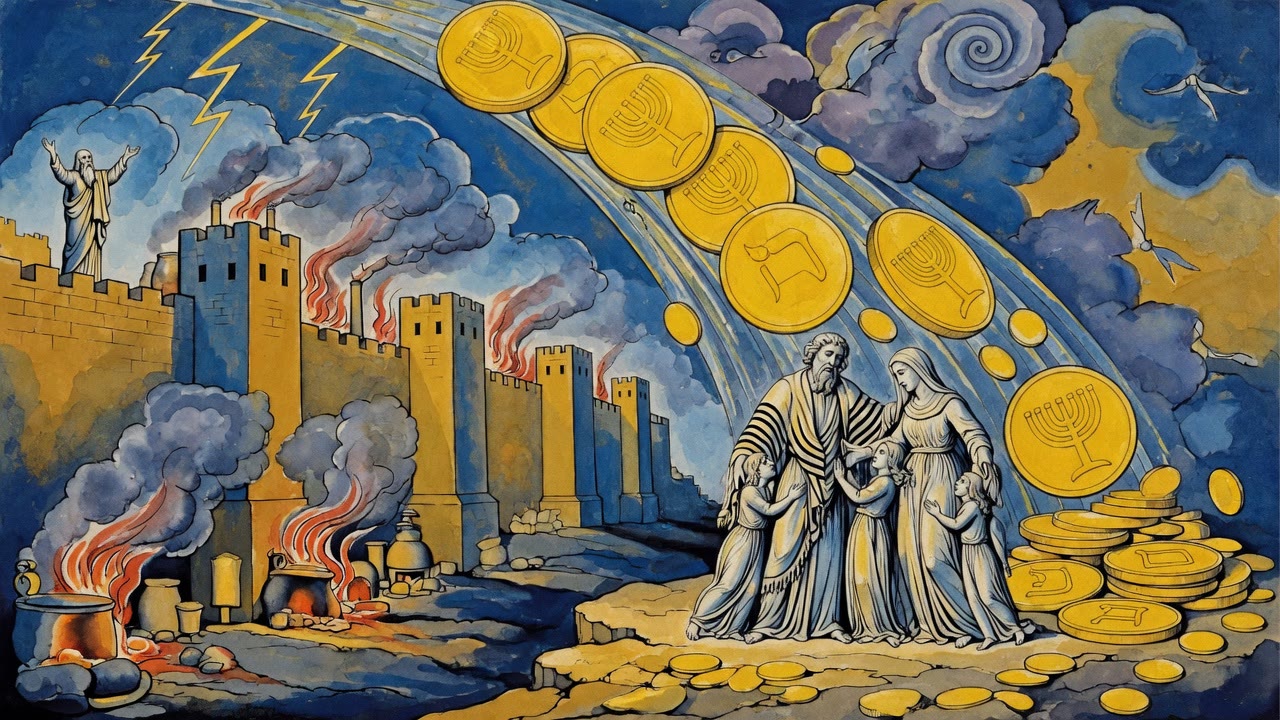
One family in the holy city was starving. Their neighbors counted out six hundred talents of gold so the family would not have to move away.
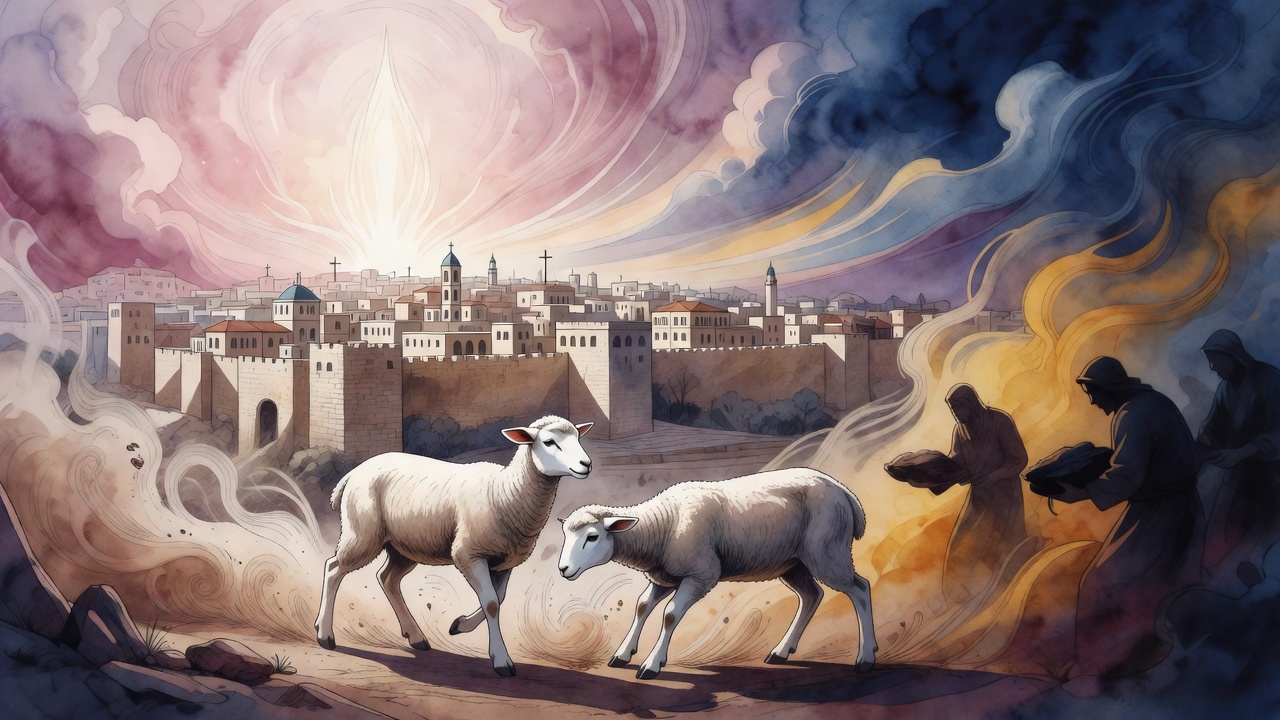
The first lamb climbed the ramp while Jerusalem still held last night's cool. Bakers had not opened their doors.
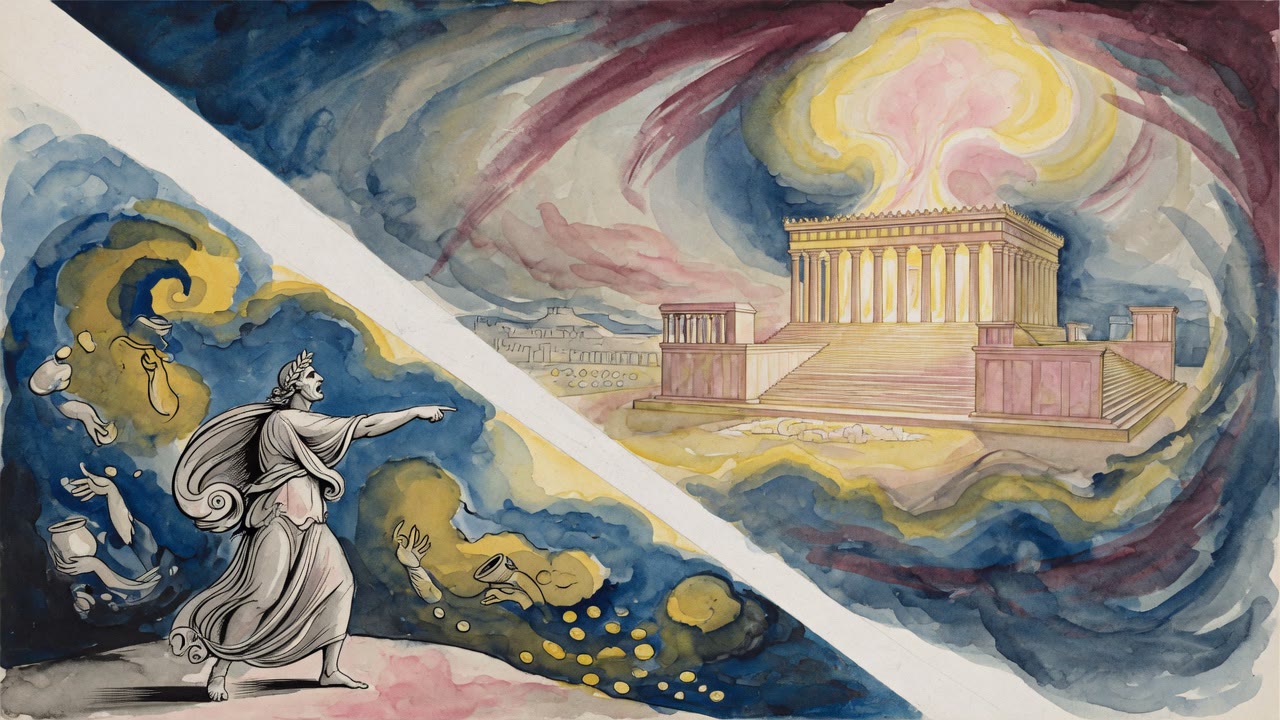
Lysimachus wrote that Egypt wrapped its lepers in lead and sank them in the sea. Josephus read the story as a forgery and took it apart.
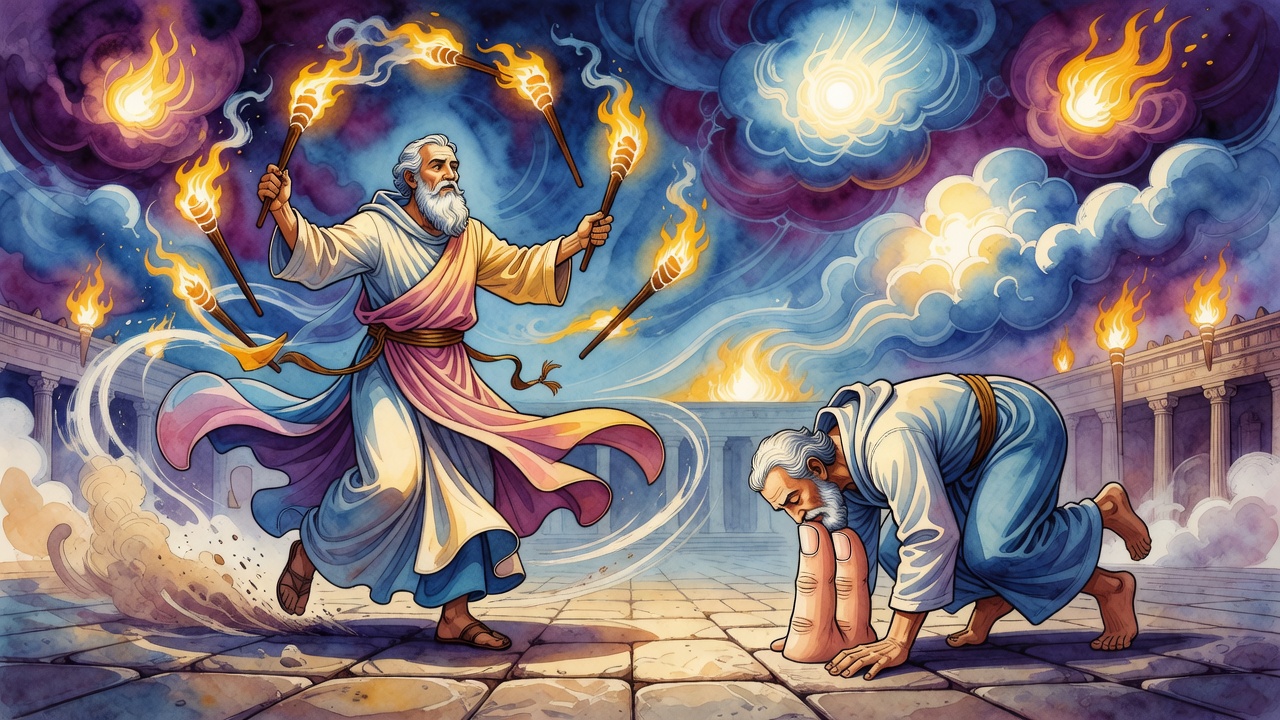
Oil spat from eight wicks over the Court of the Women. He caught every torch, then put them down and pressed his mouth to the floor.
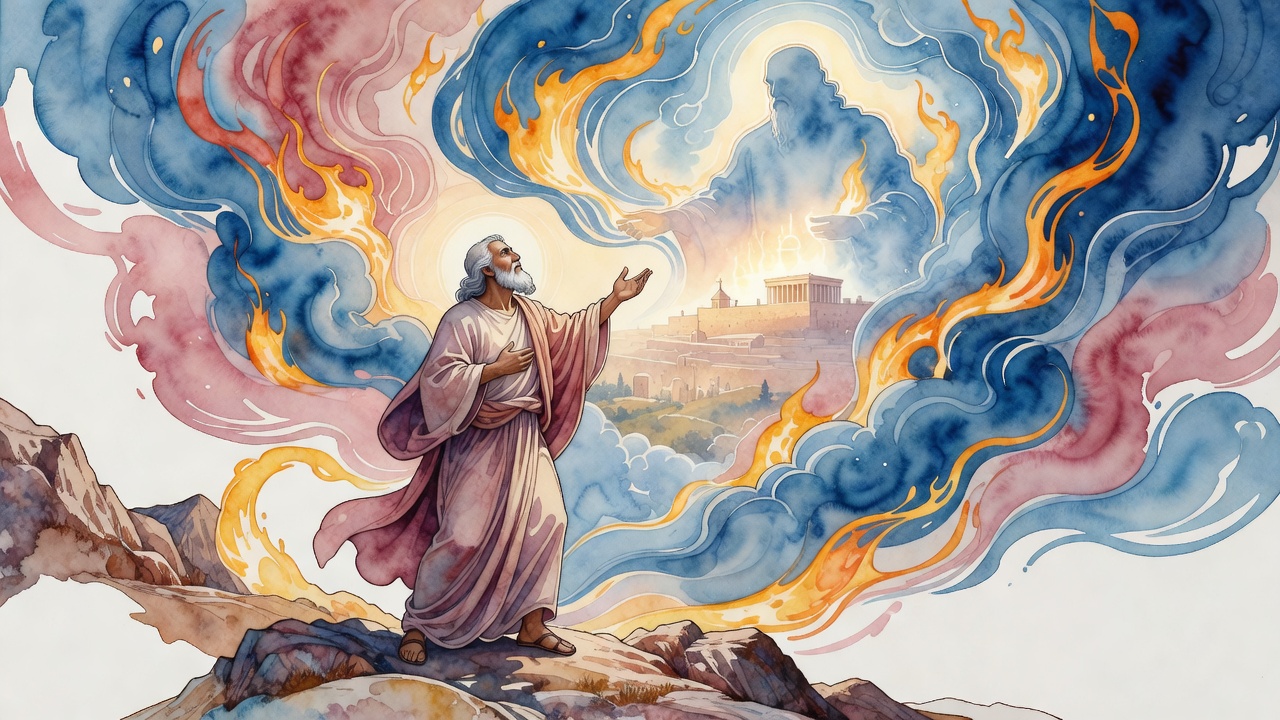
He had talked heaven out of destroying Israel twice. On the riverbank he used the softest word in the language, and the answer was still no.
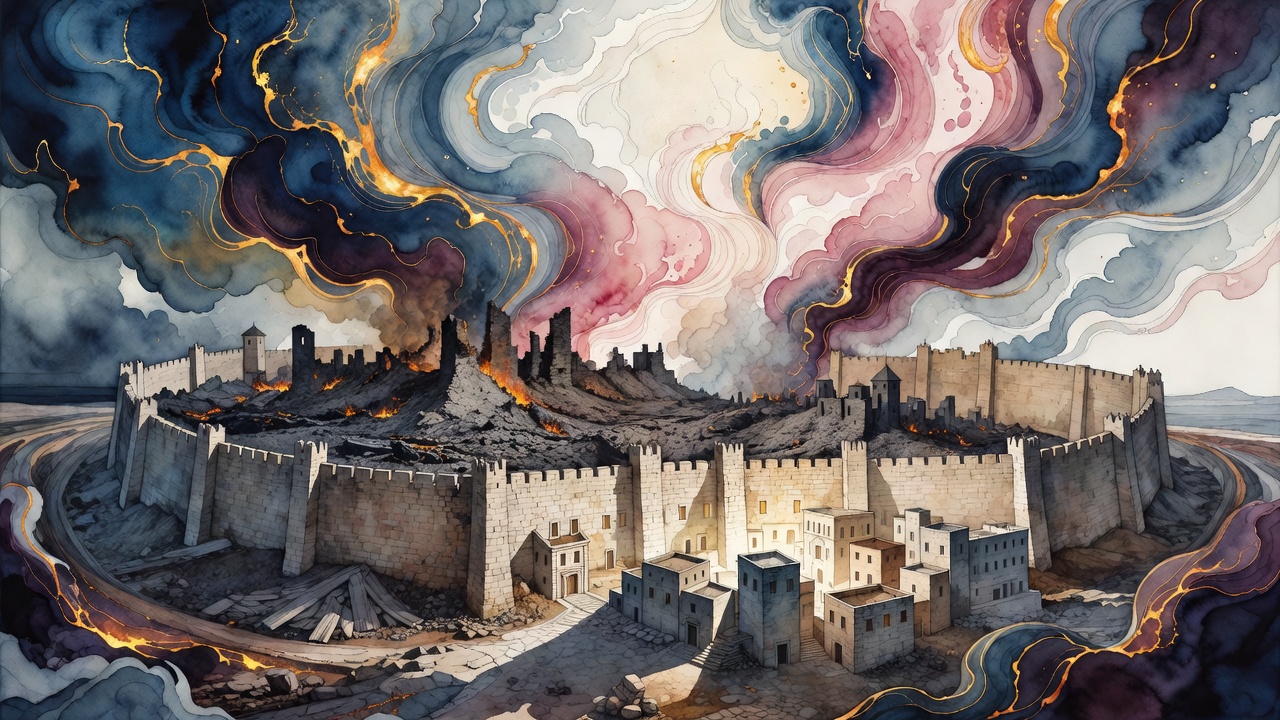
Judah left the ridge in charcoal. Benjamin left the lower streets to the Jebusites. David rode between ash and living courtyards and would not keep them split.
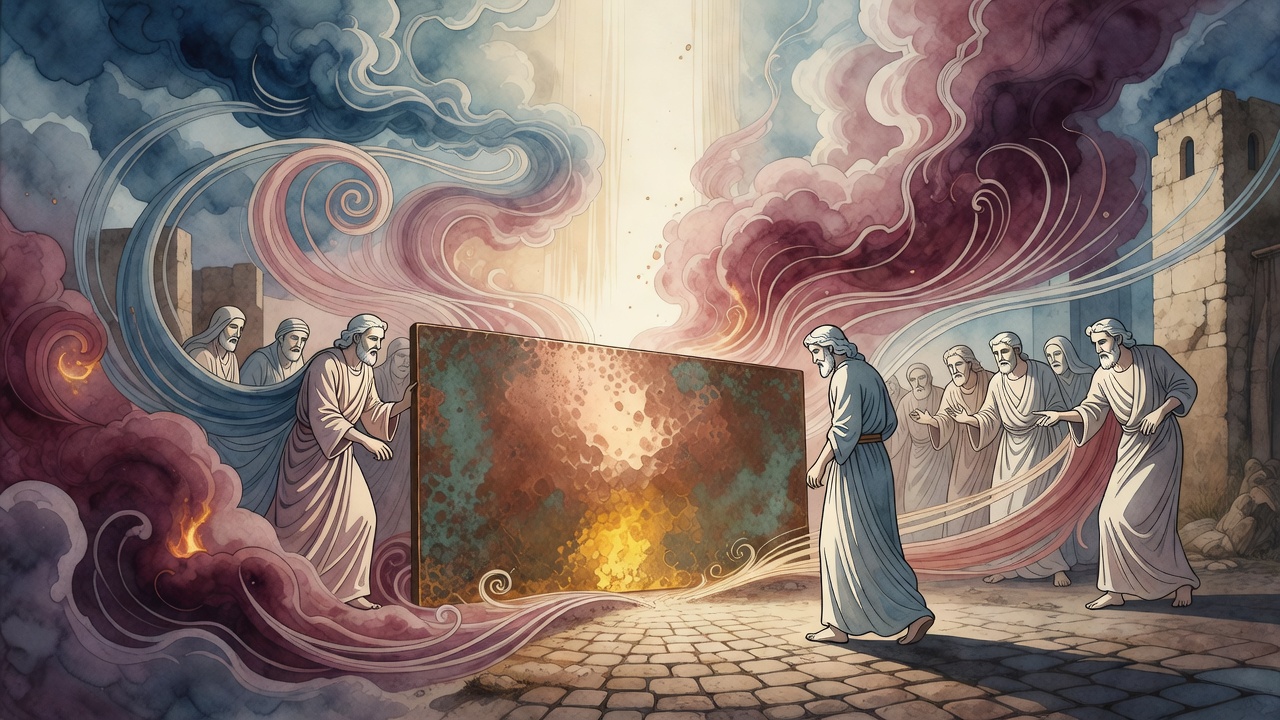
The images stood in the street. Abraham's oath was cut into the copper. David's men halted with their spears still raised.
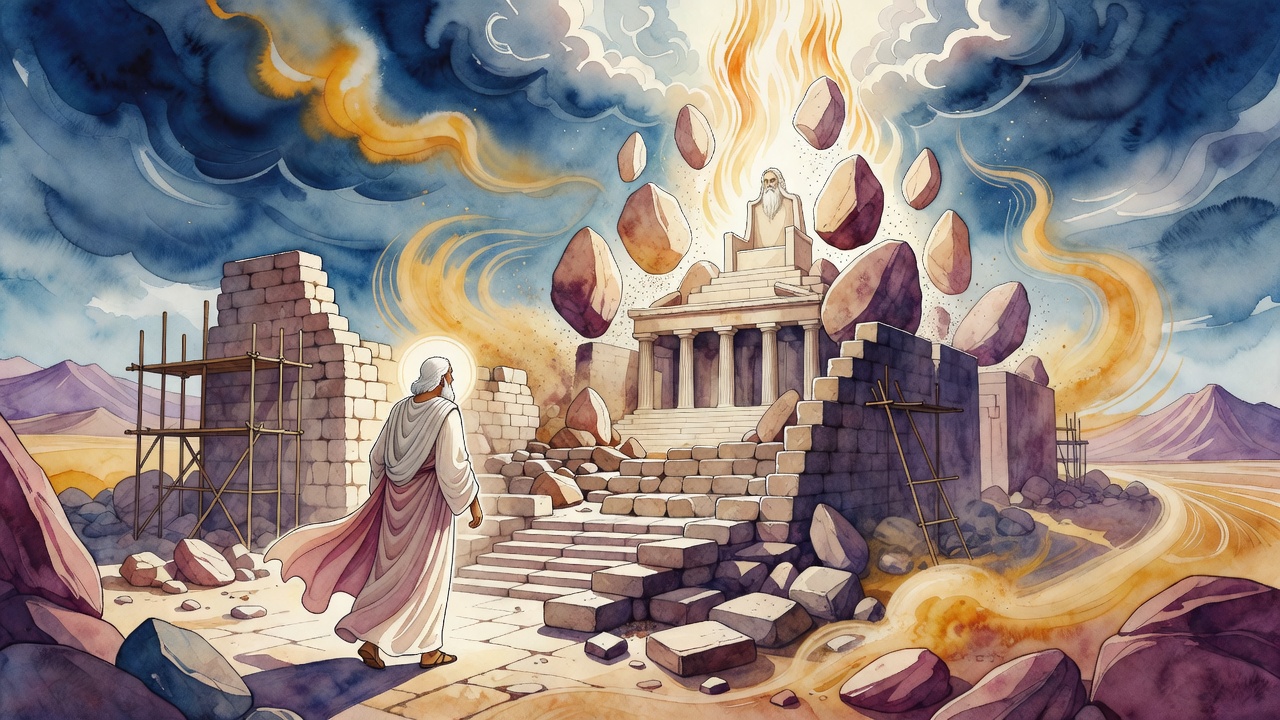
Solomon leaves his palace half-built for thirteen years while God's House rises in seven, stones lifting themselves onto the courses without a rope.
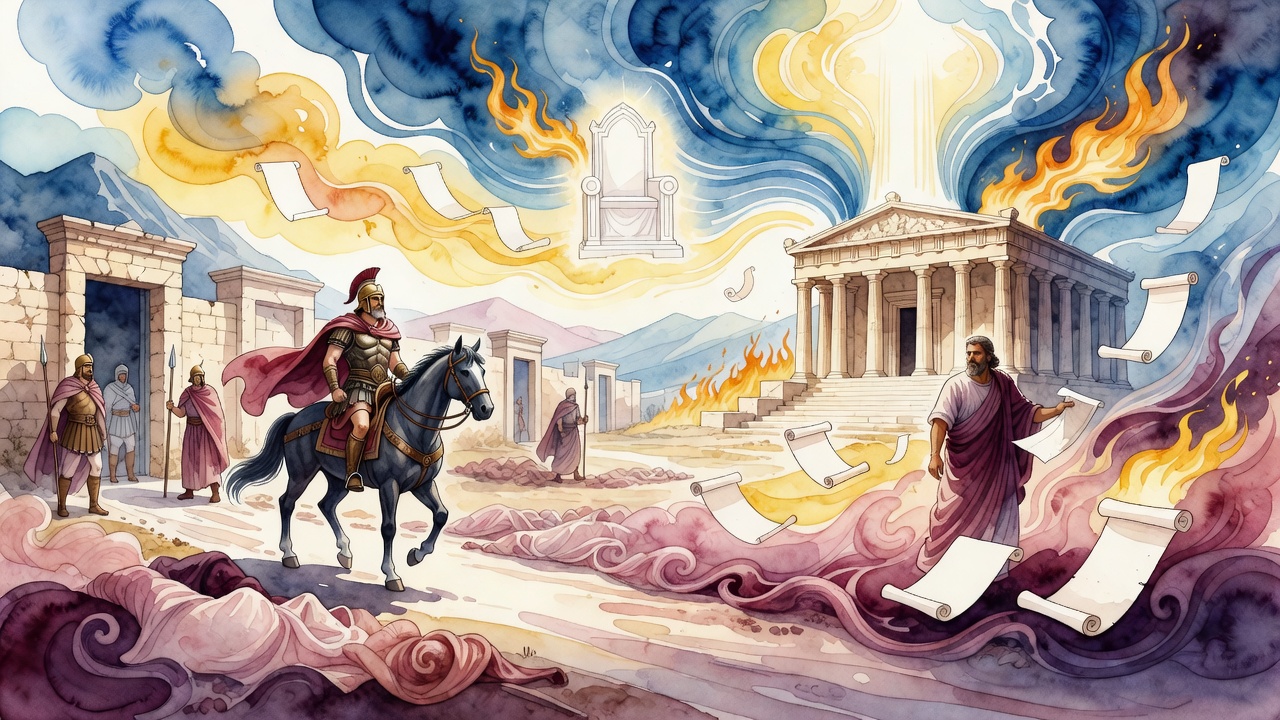
A shopkeeper watched foreign shields lean against his wall and said nothing. He wanted the stall open tomorrow. Near Azotus the dead lay stacked by the road.
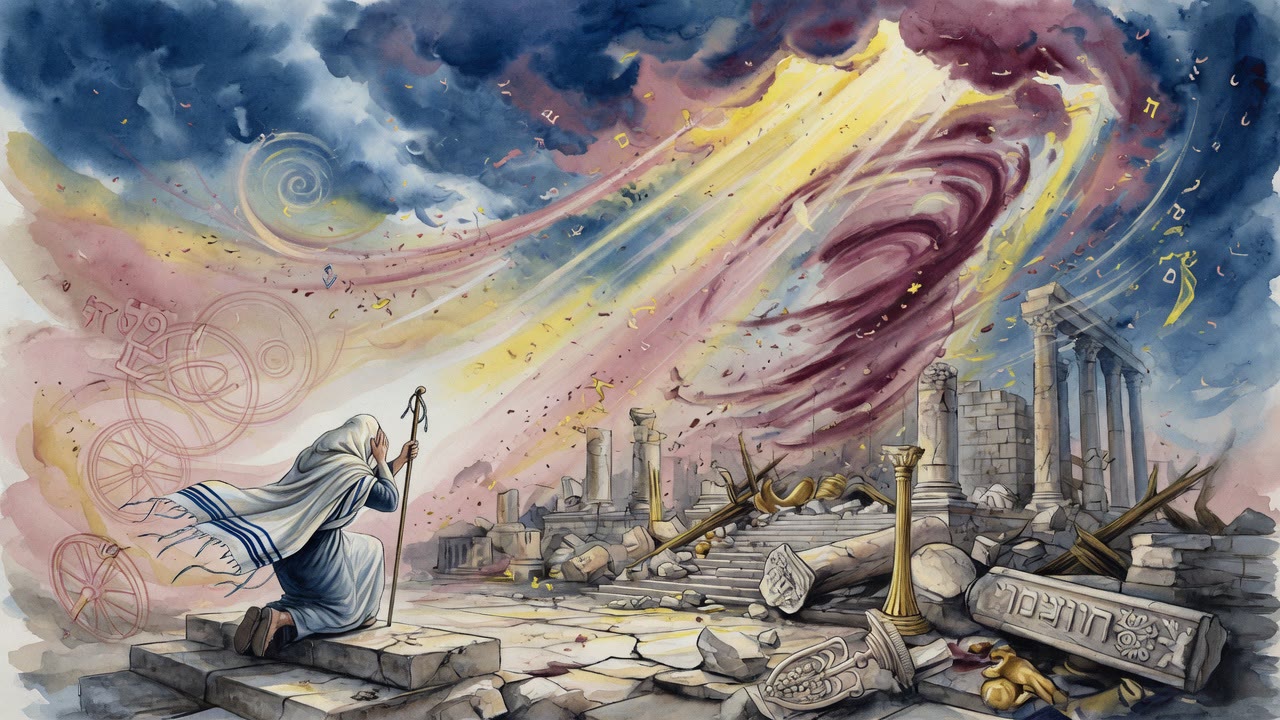
Praise cooled on his tongue. A voice used the street language of Jerusalem to bury a city, while the palace wall under his hand stayed warm.
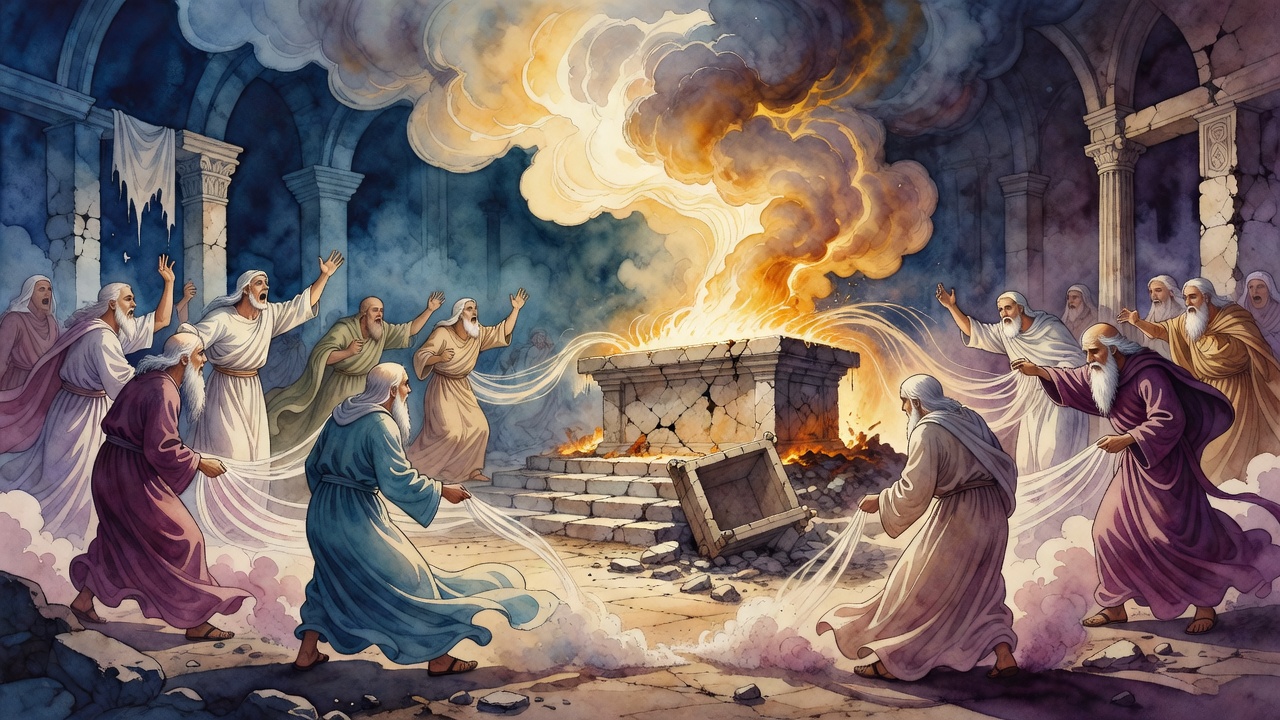
Soldiers drove their spears point-down into the sanctuary floor and sang like it was a feast day. No fire fell on them. Nothing came out of the smoke.
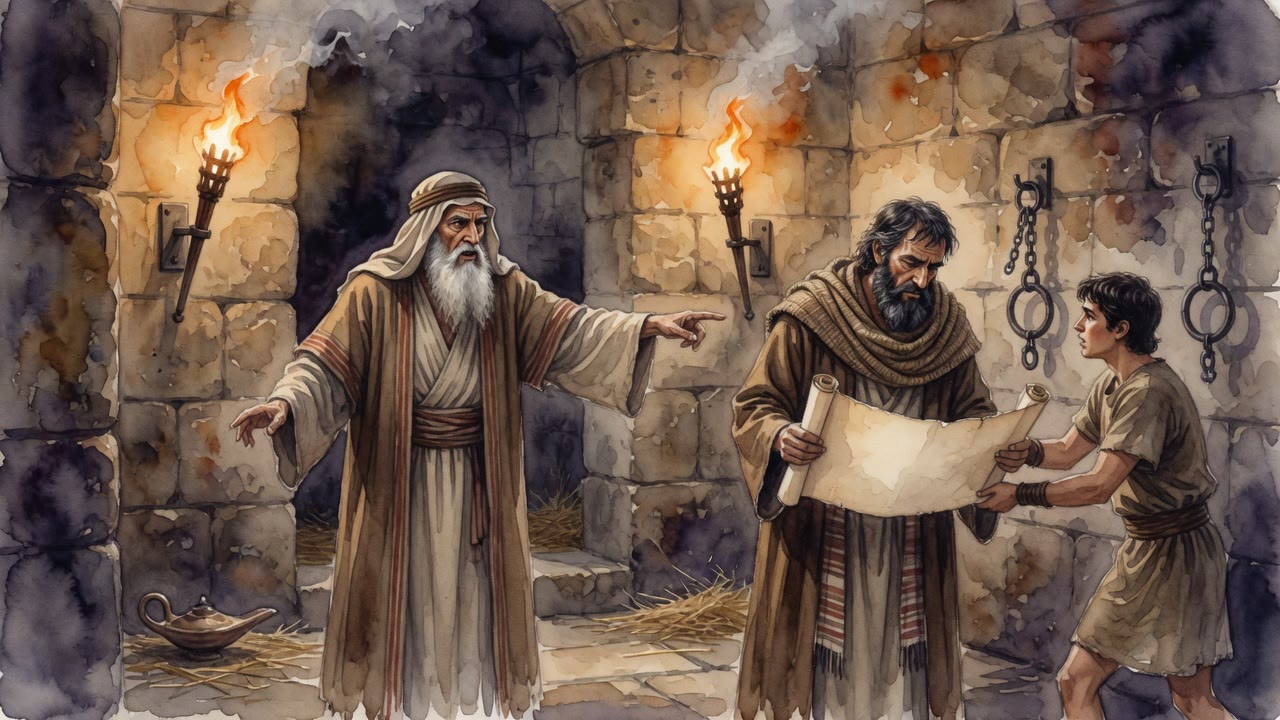
Hananiah promised the exiles would be home in two years. Jeremiah gave him one year to live, and Hananiah's sons hid the body for two days.
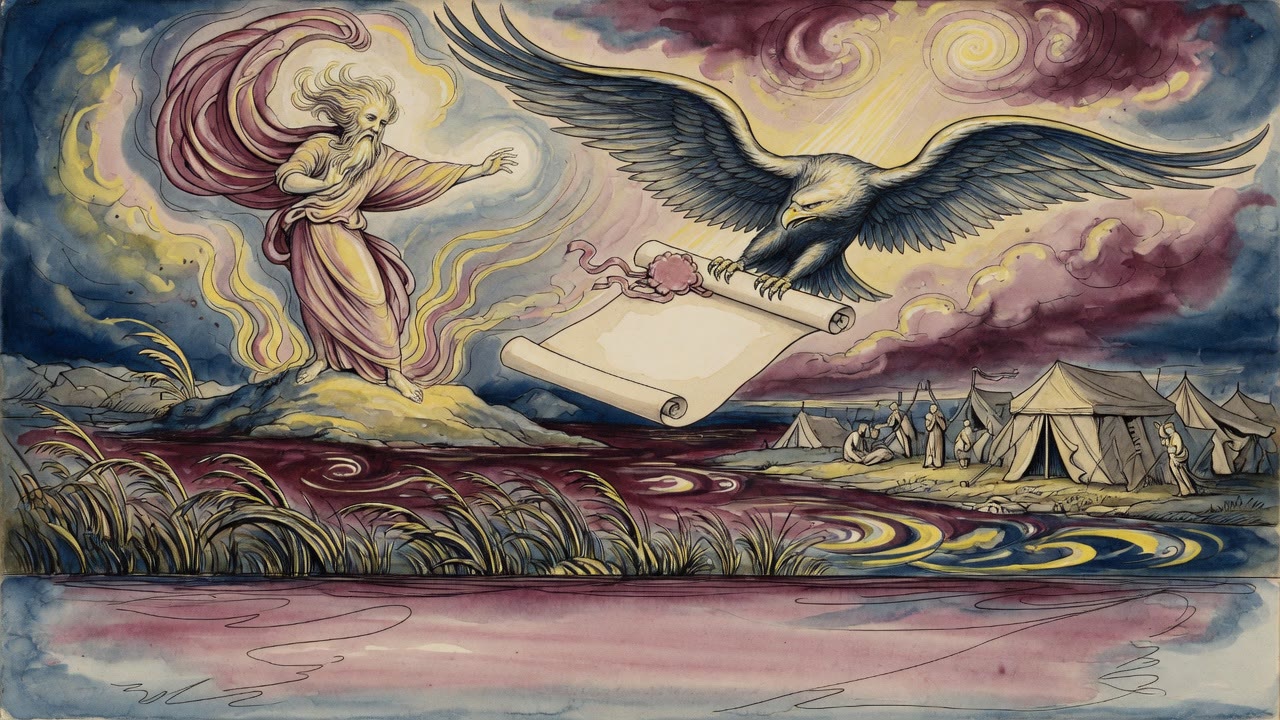
God told Baruch the city was already finished. He begged to die first, watched angels bury the vessels, then wrote to the tribes across the river.
