143 myths · Page 4 of 5
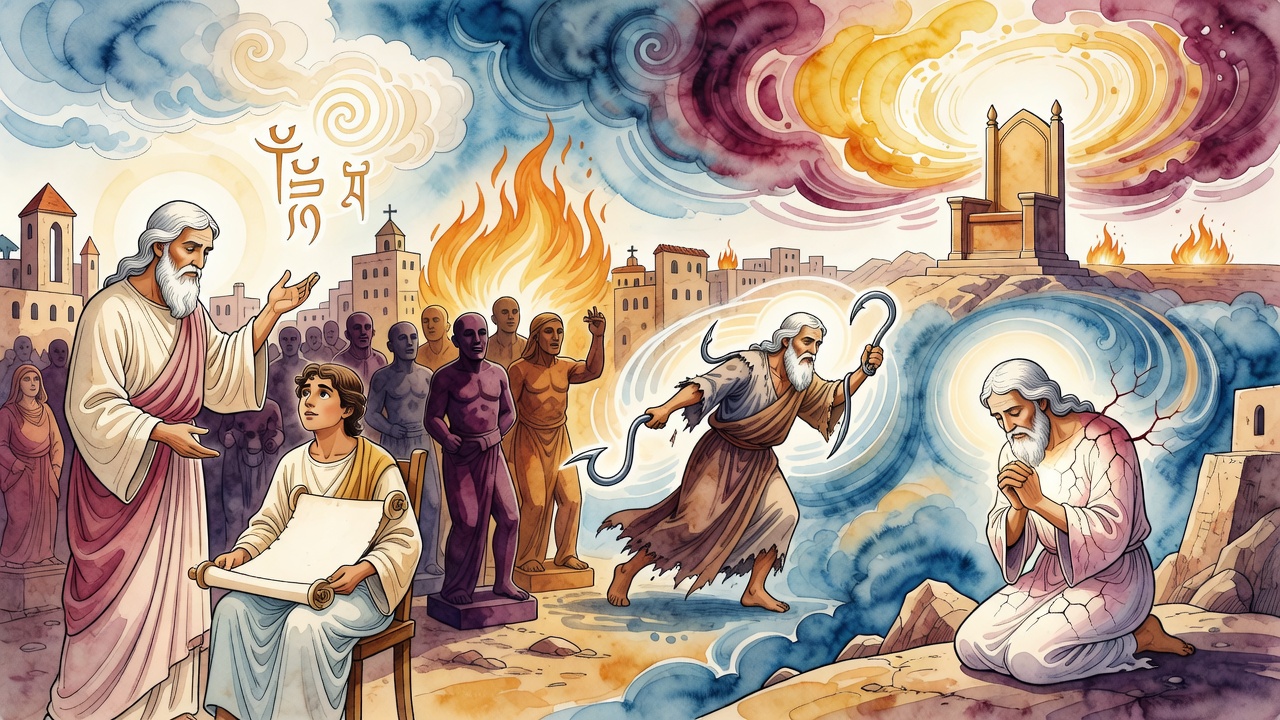
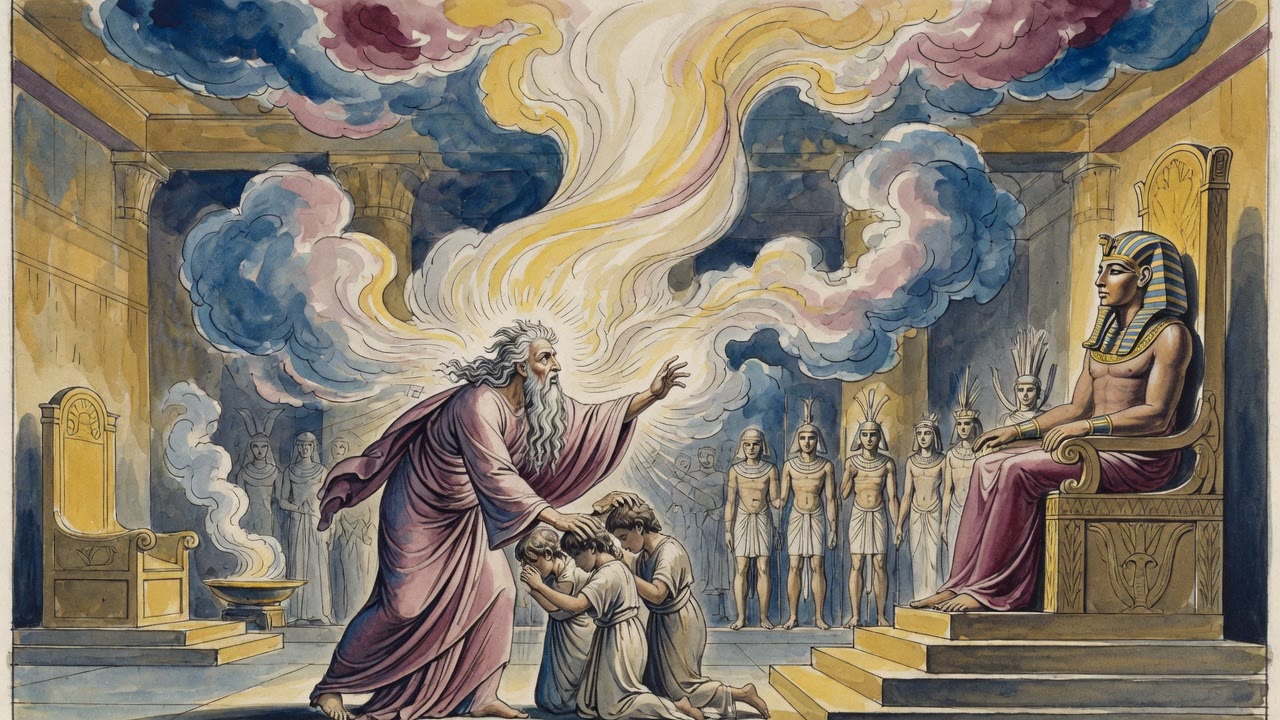
Hezekiah hired tutors for his son. Manasseh filled Jerusalem with idols anyway, and only Assyrian hooks in his flesh made him pray.
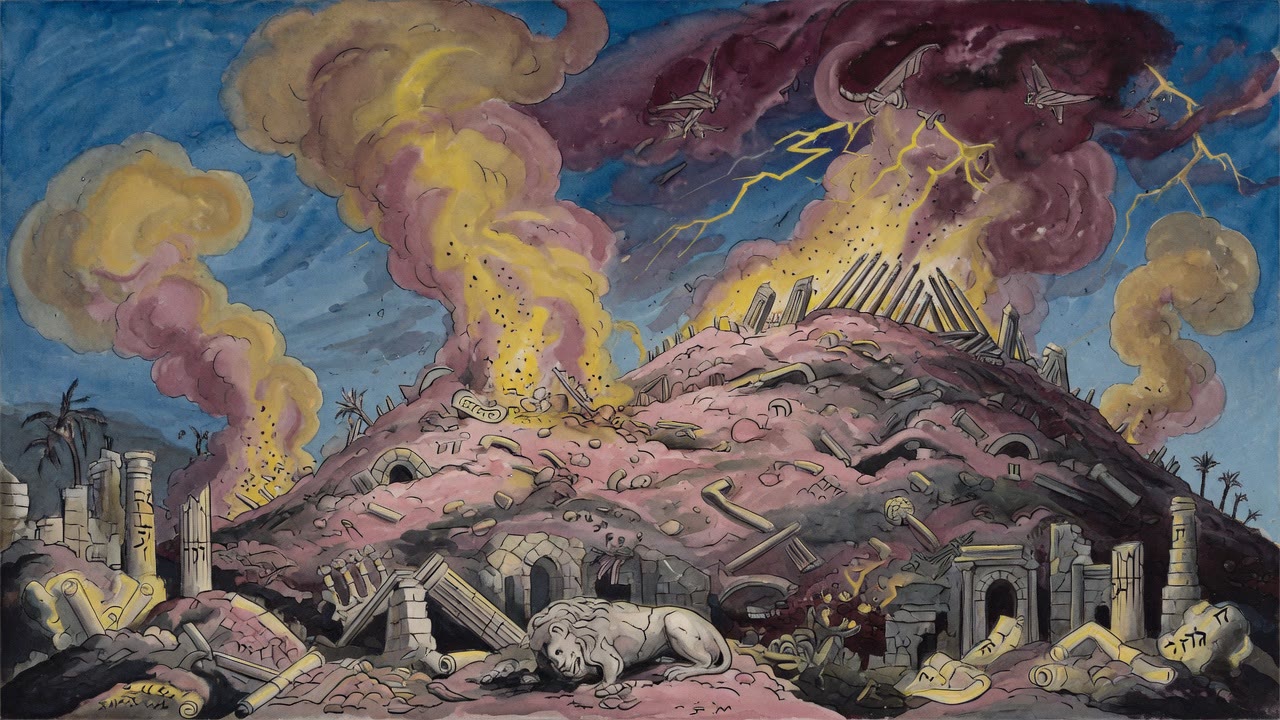
Scouts return with proof of a city's idolatry, courts dig until truth holds, and fire claims the square while holy writings are hidden from the flames.
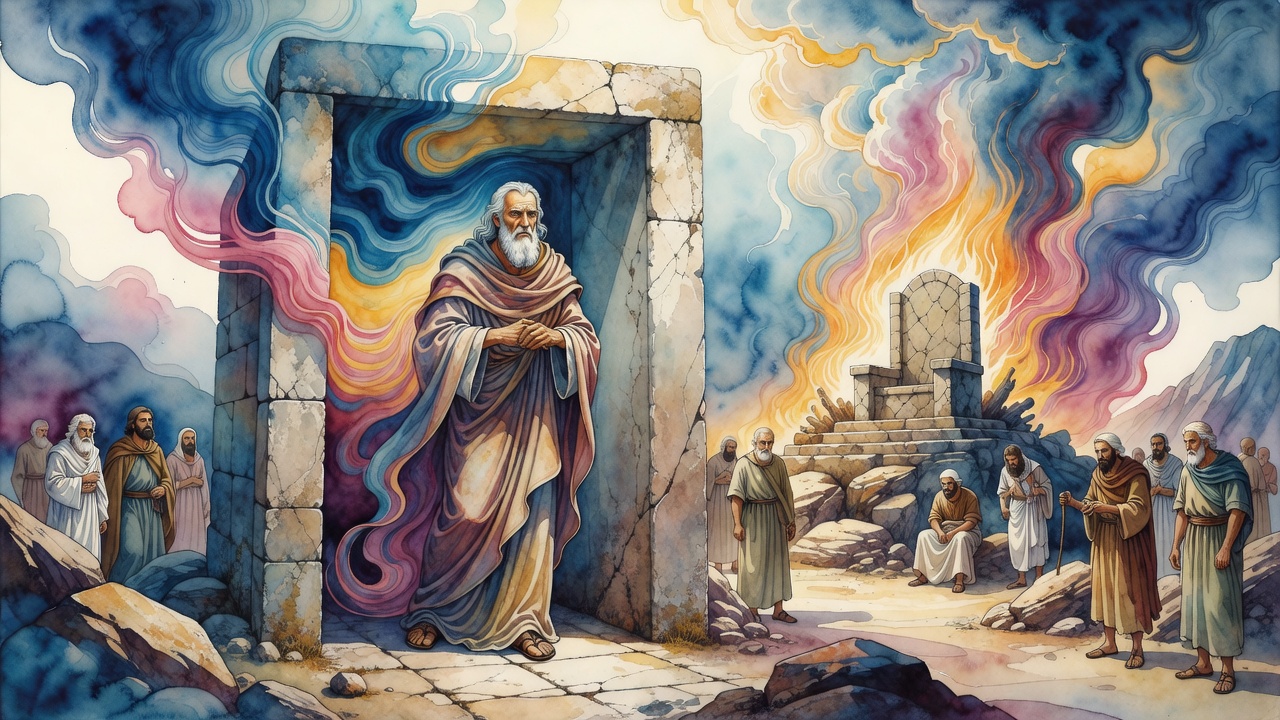
Even the high priest, if he killed without intent, had to flee. Ordinary exiles wait for his death to go free. If he is the exile, no door reopens.
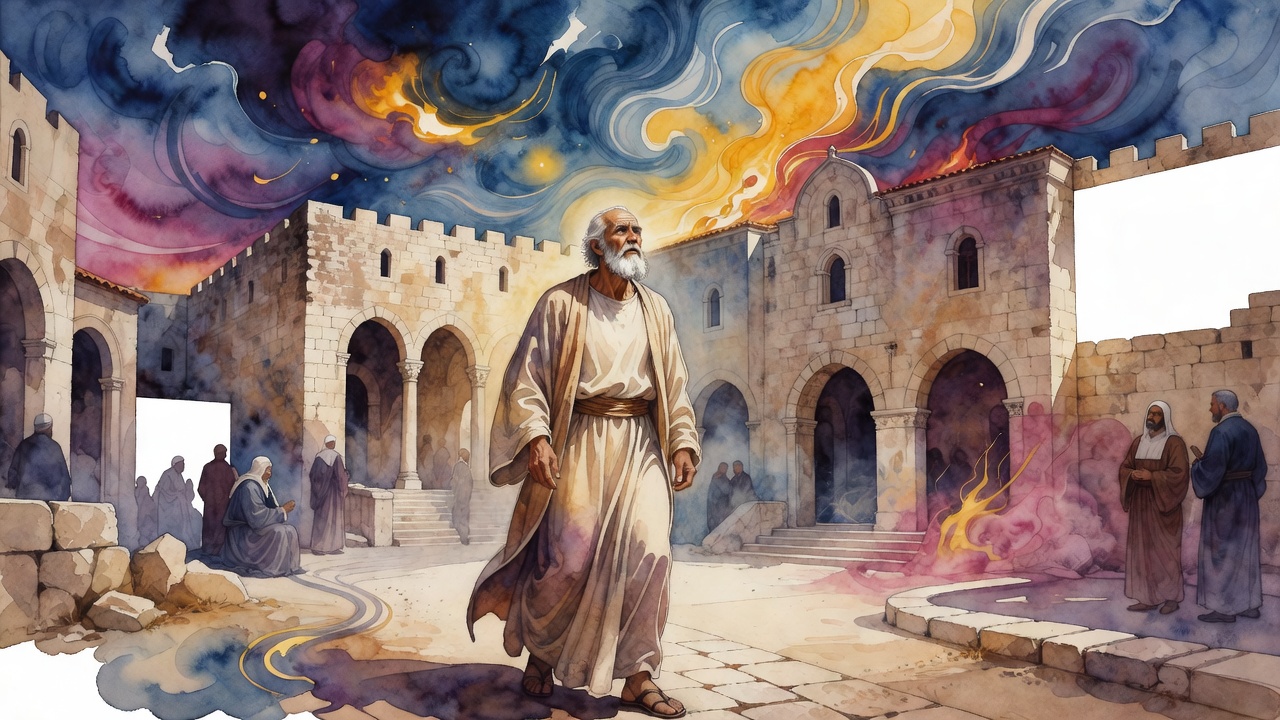
In Jerusalem the high court ruled, and an elder went home teaching the opposite on purpose. They called him zaken mamre. Willful teaching ends in death.
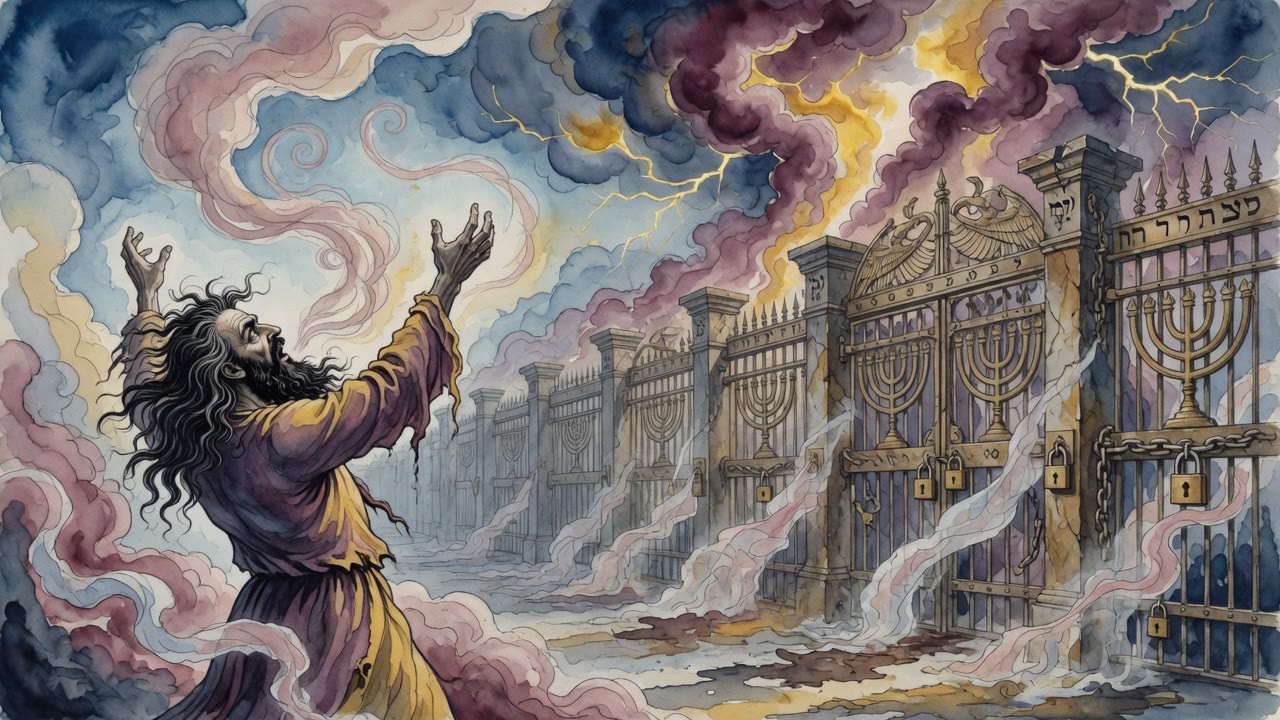
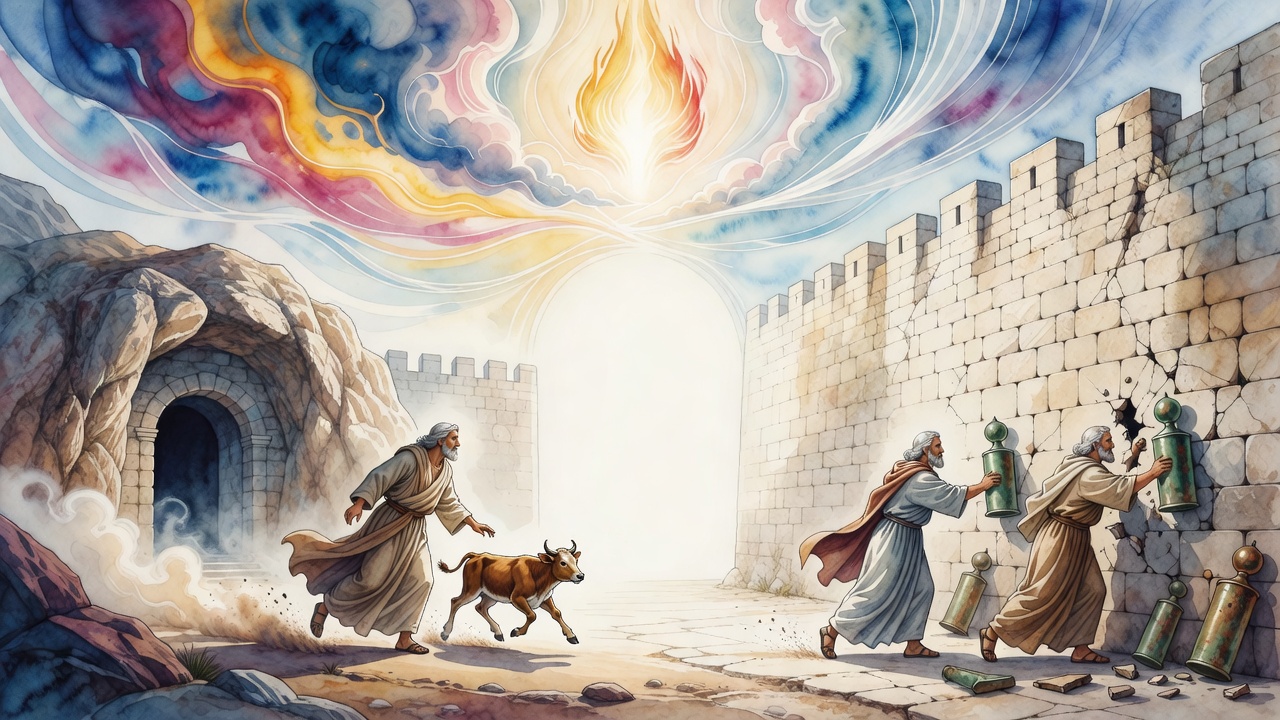
The angels who carry prayers up stood in a corridor with folded wings. Bolts that had no metal still held. Only salt found a seam.
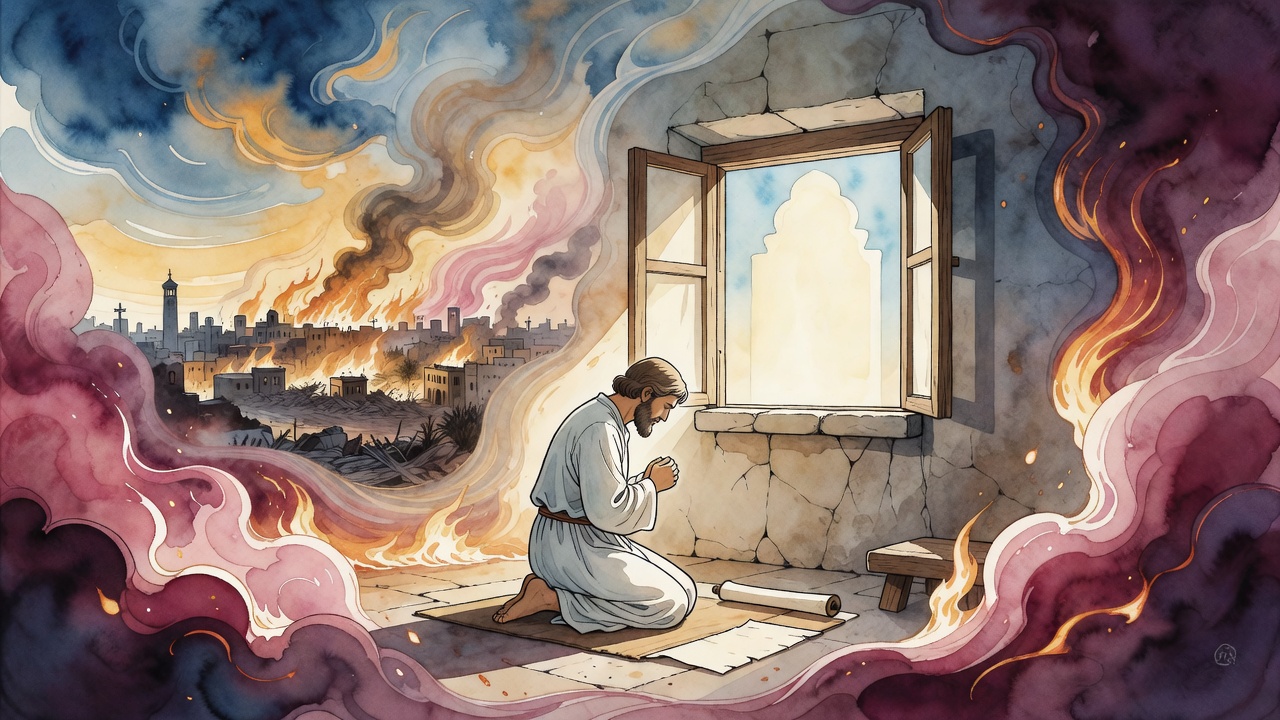
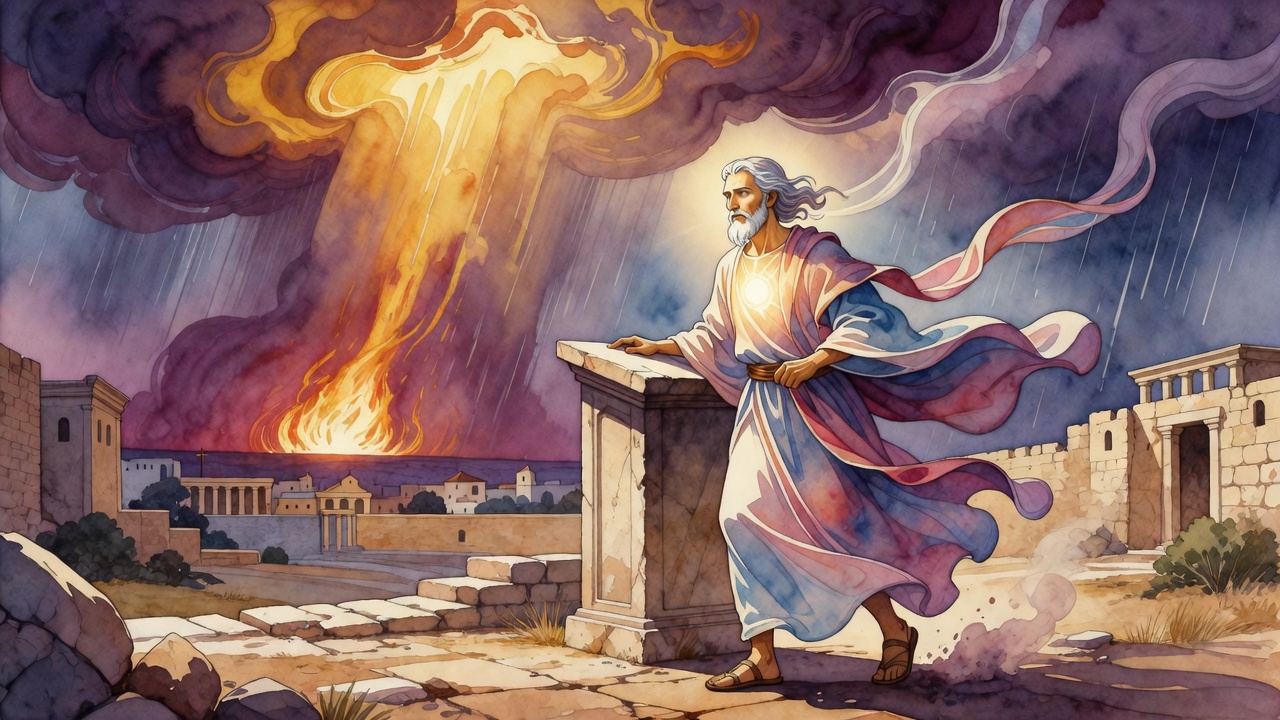
The ink on the king's ban was still wet when Daniel went upstairs. He knelt toward Jerusalem as if fire still lived on the ruined altar.
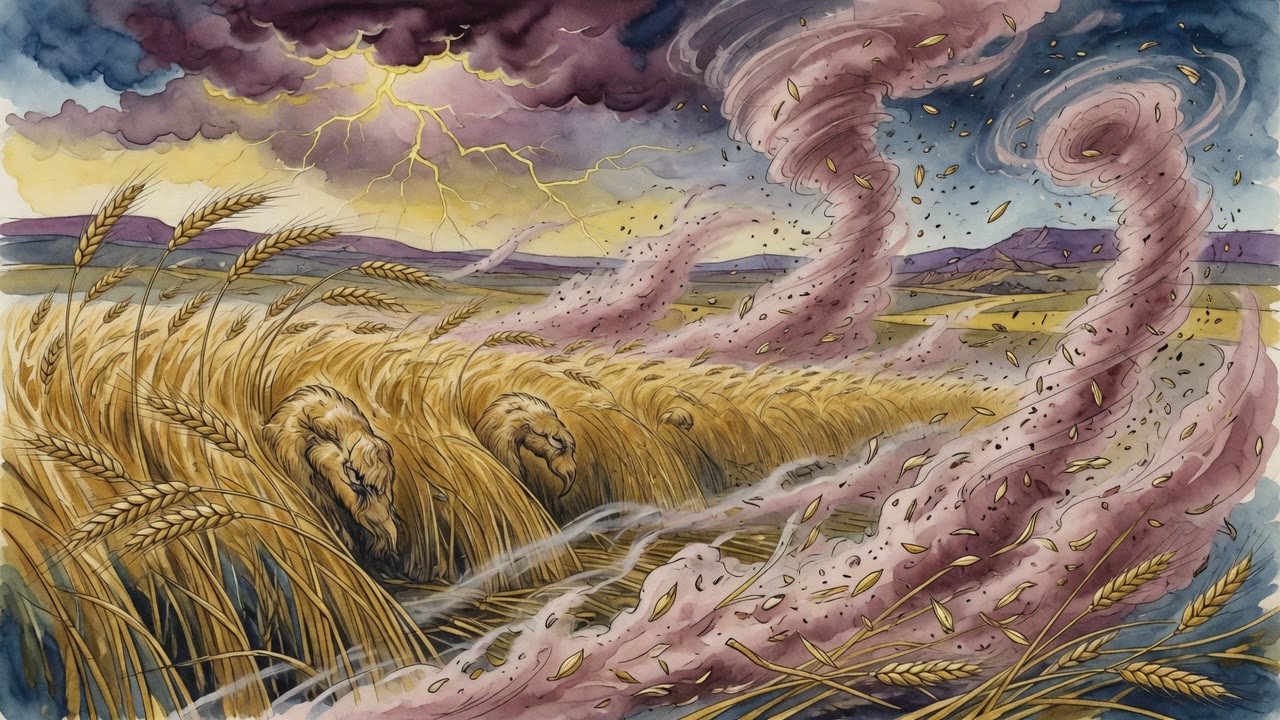
He would not lie down until God had a house. Gad sent him to a farmer's floor that still smelled of chaff, and older fire.
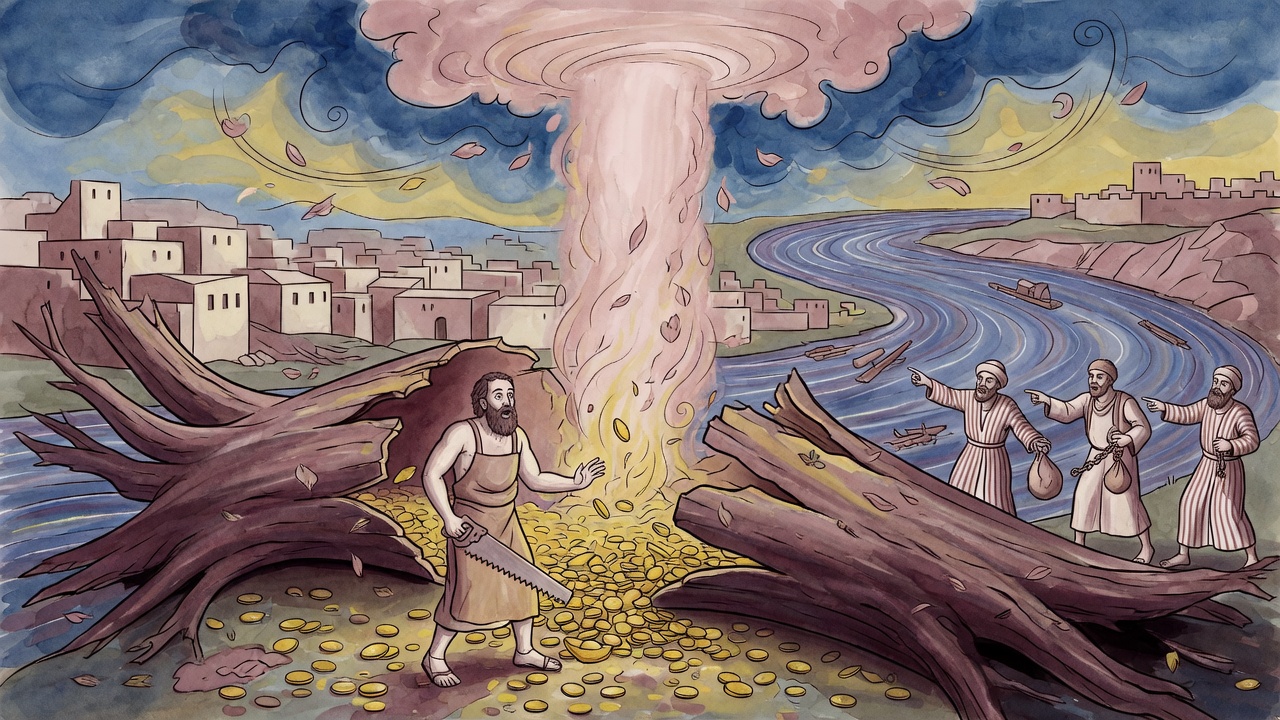
A neighbor stole the carpenter's purse and died on the road. Years later Abraham bought a beam. The saw found the sack inside the wood.
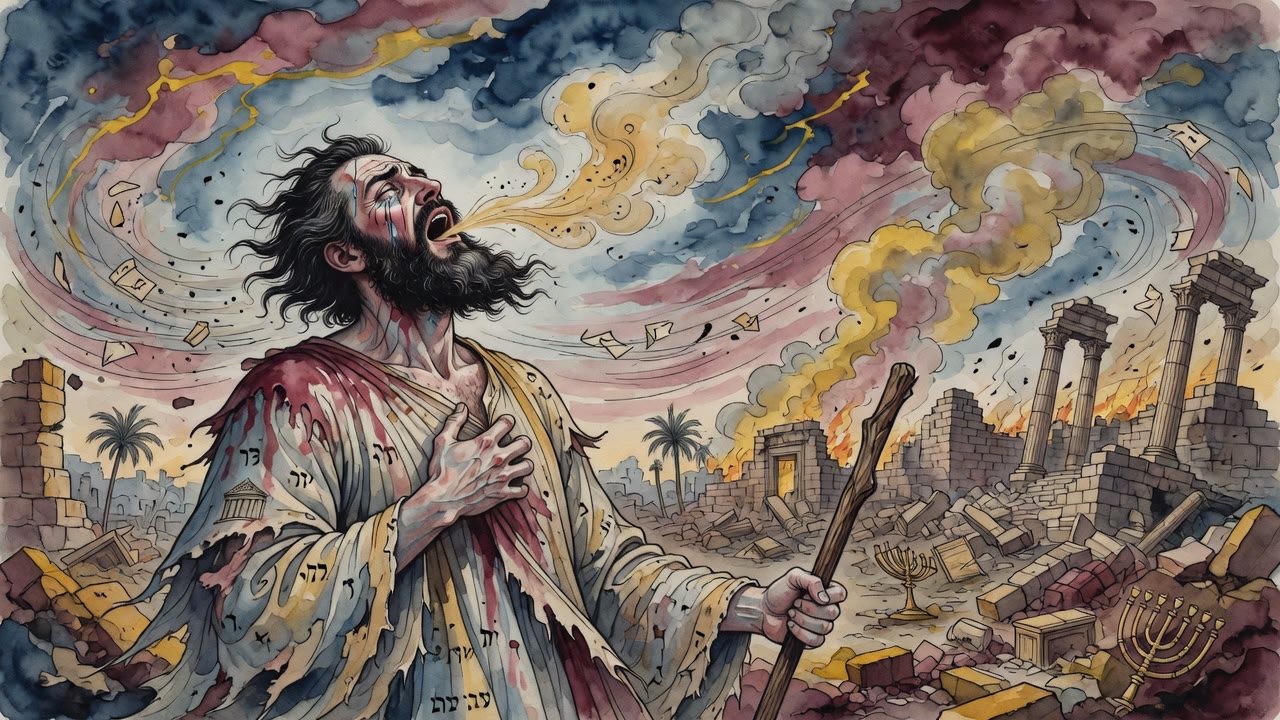
He did not want the job. The fire in his bones would not cool. At the gate a boy laughed, and years later that laugh was gone.
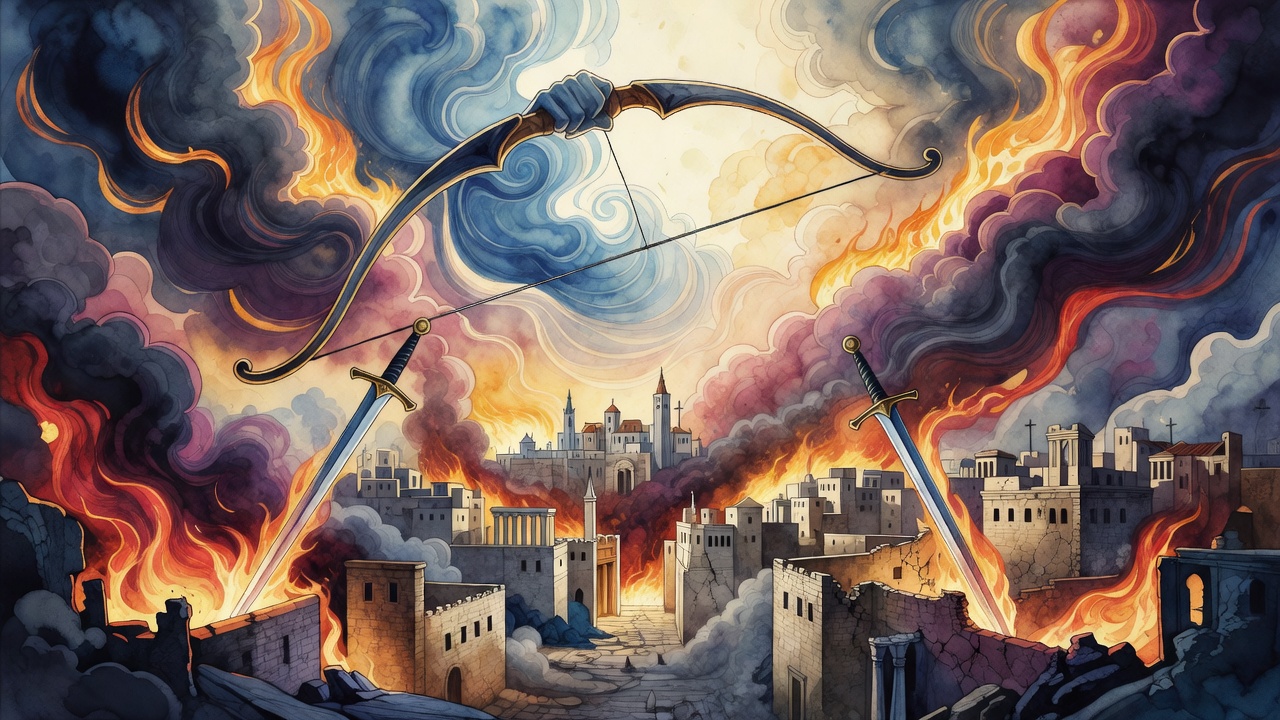
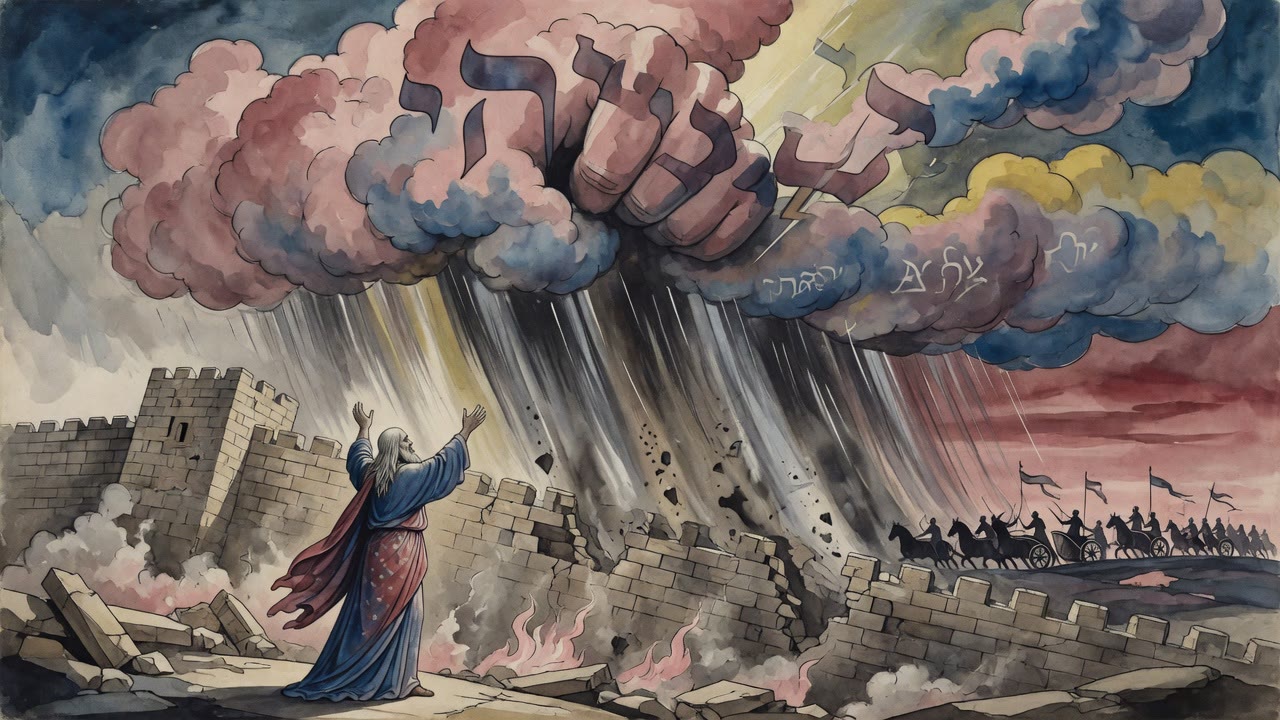
One rabbi said God filled the city's belly with worms, so Jerusalem was chewed from the inside while the sword took her sons at the gates.
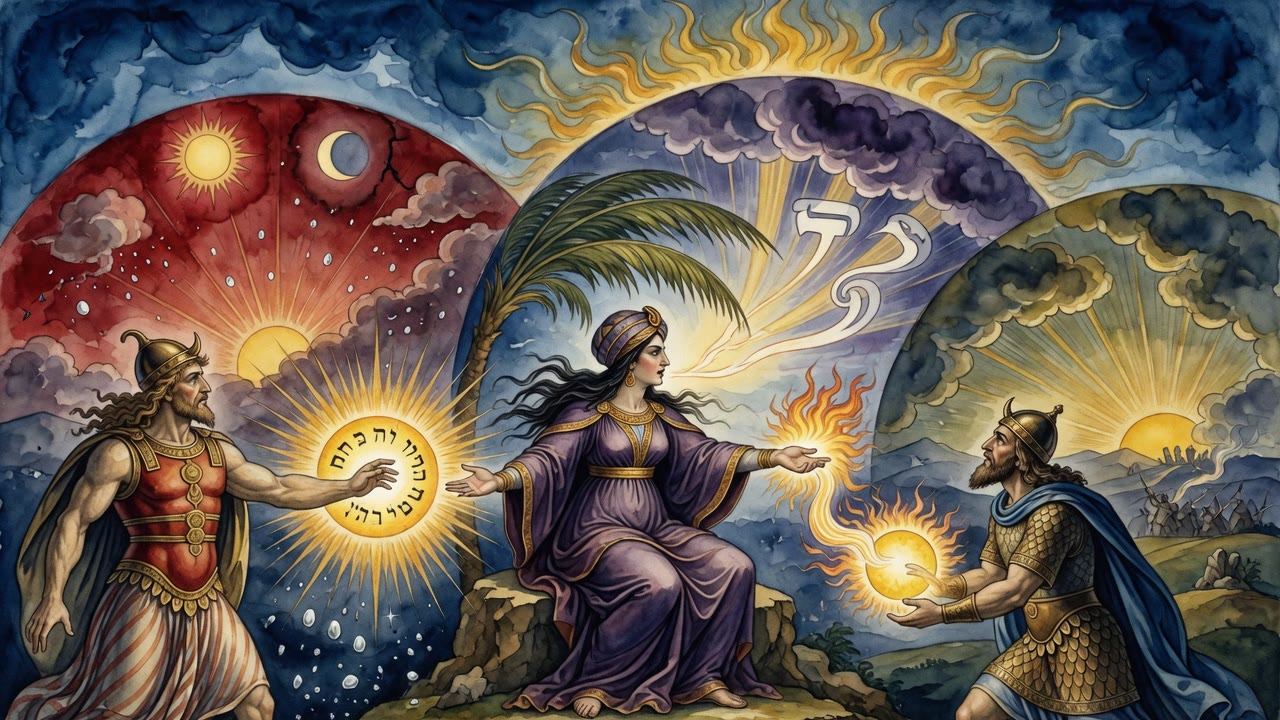
Ash clung to the hills. He closed twenty volumes on eighty-three names, ending with a man chosen by lot who did not know the rites.
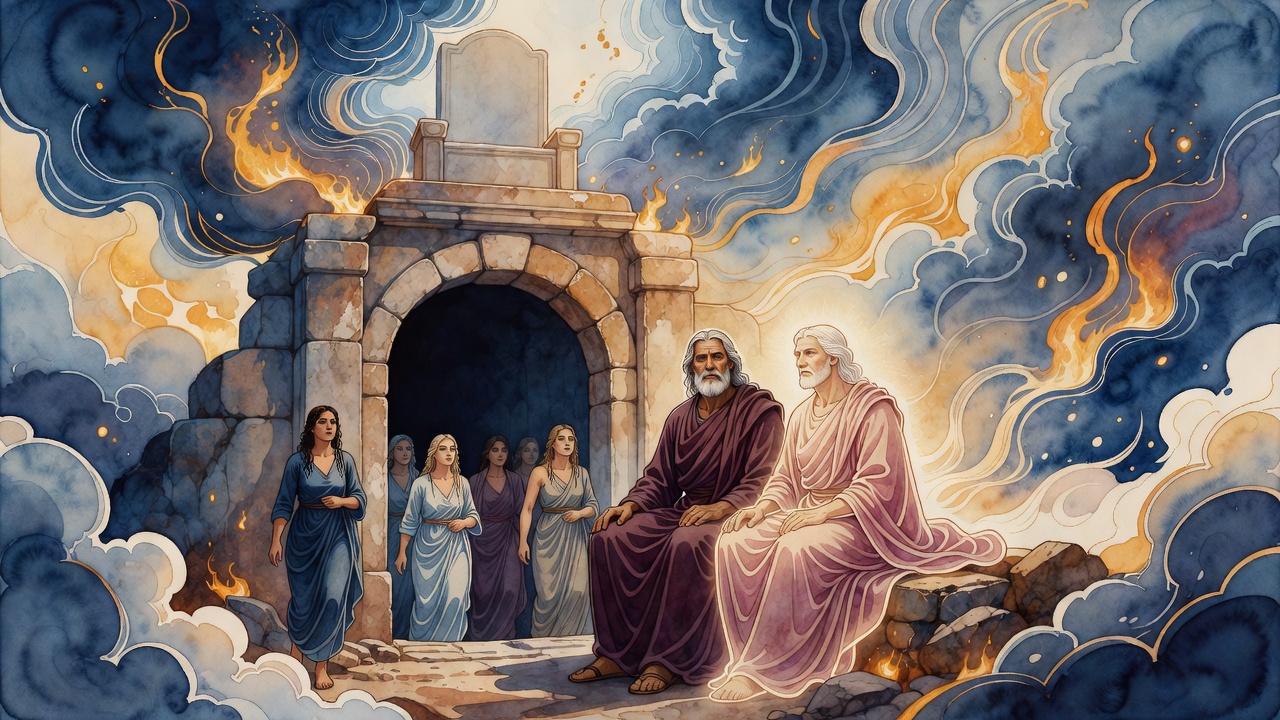
Rabbi Yochanan parks his famous beauty where women leave the mikveh so they will bear radiant children. He trusts Josephs immunity to the evil eye.
Inside the Cave of Machpelah, Abraham found Adam and Eve lying on their beds, lamps still burning. He wanted the ground. The Jebusites wanted an oath.
Two brothers left for Jerusalem while neighbors planned to loot them. Angels wore their faces at home, and covenant merit kept the road guarded.
A thing with one eye in its chest walked the noon shade between Tamuz and Av. Schoolteachers were told to put down their straps for four hours.
In dry Jerusalem, Rabbi Gershon felt the prayer open under his tongue, left the lectern, and chose delayed rain over a pride that could drown him.
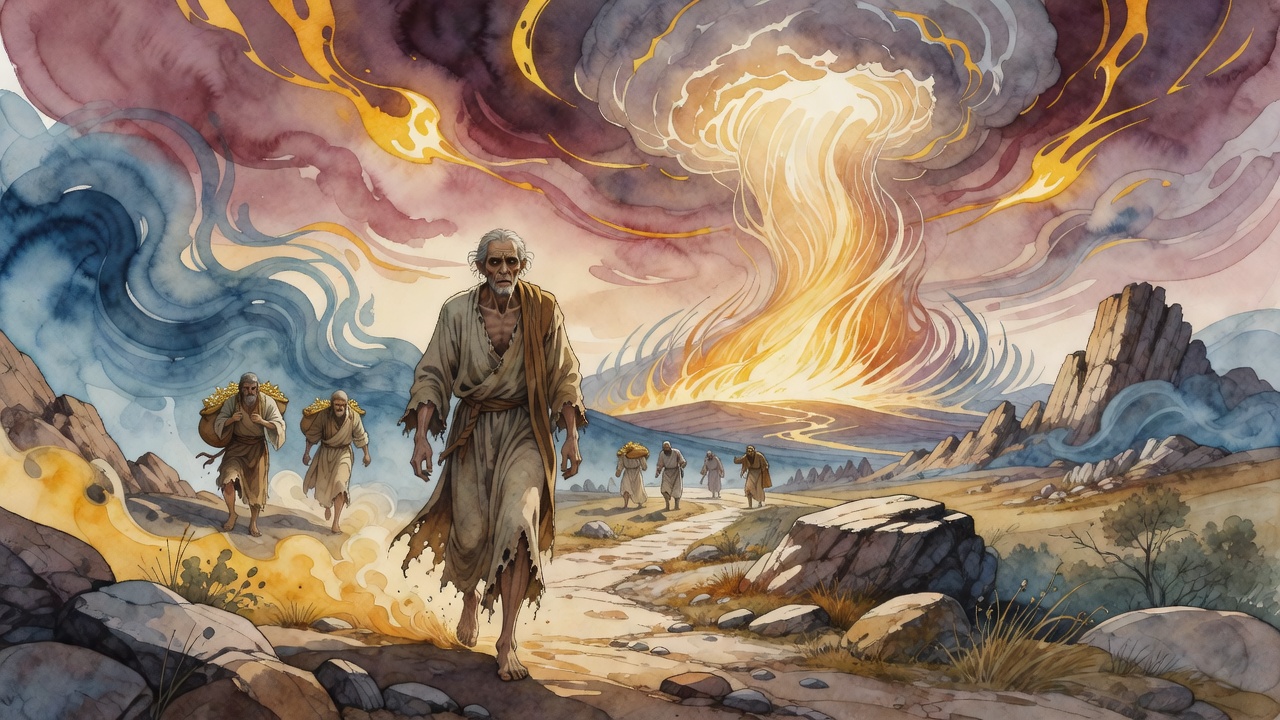
His brothers loaded the family silver and ran from the Romans. Eliezer walked the other way, to a study house in Jerusalem, and went hungry there for days.
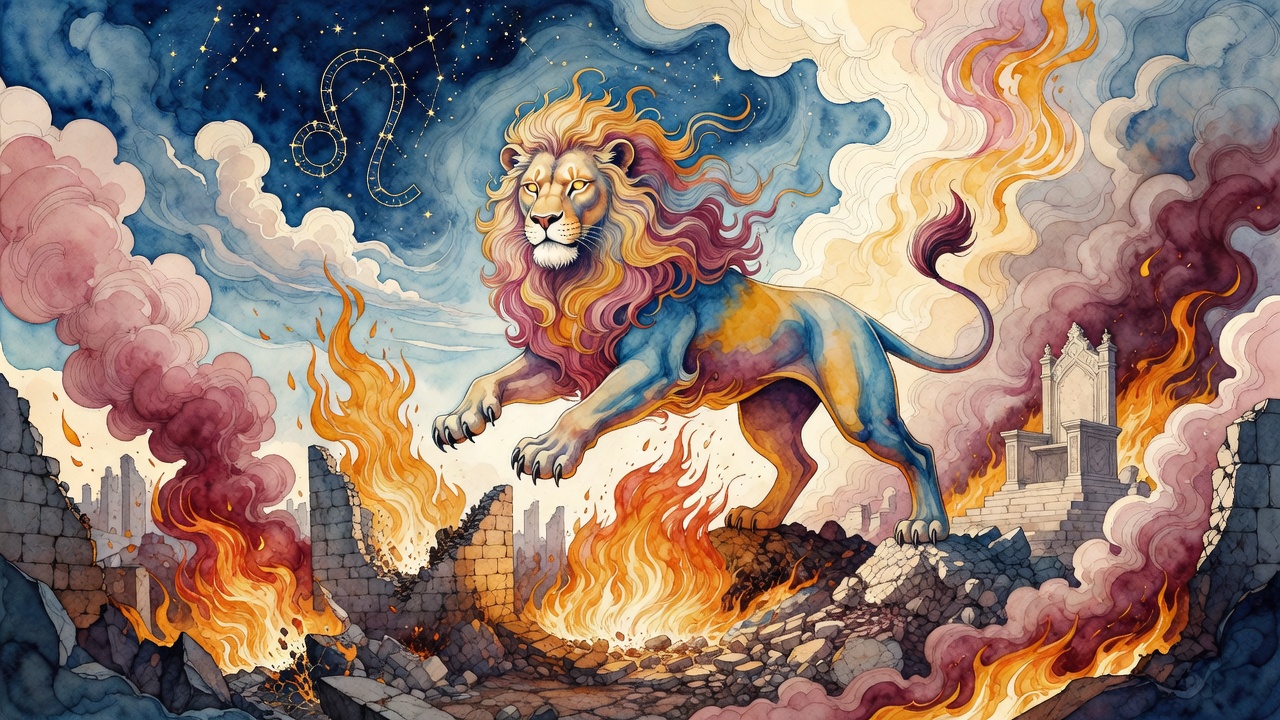
Smoke stained the Temple courts. Gold left on carts. Survivors walked east in chains while Av kept the lion in the sky.
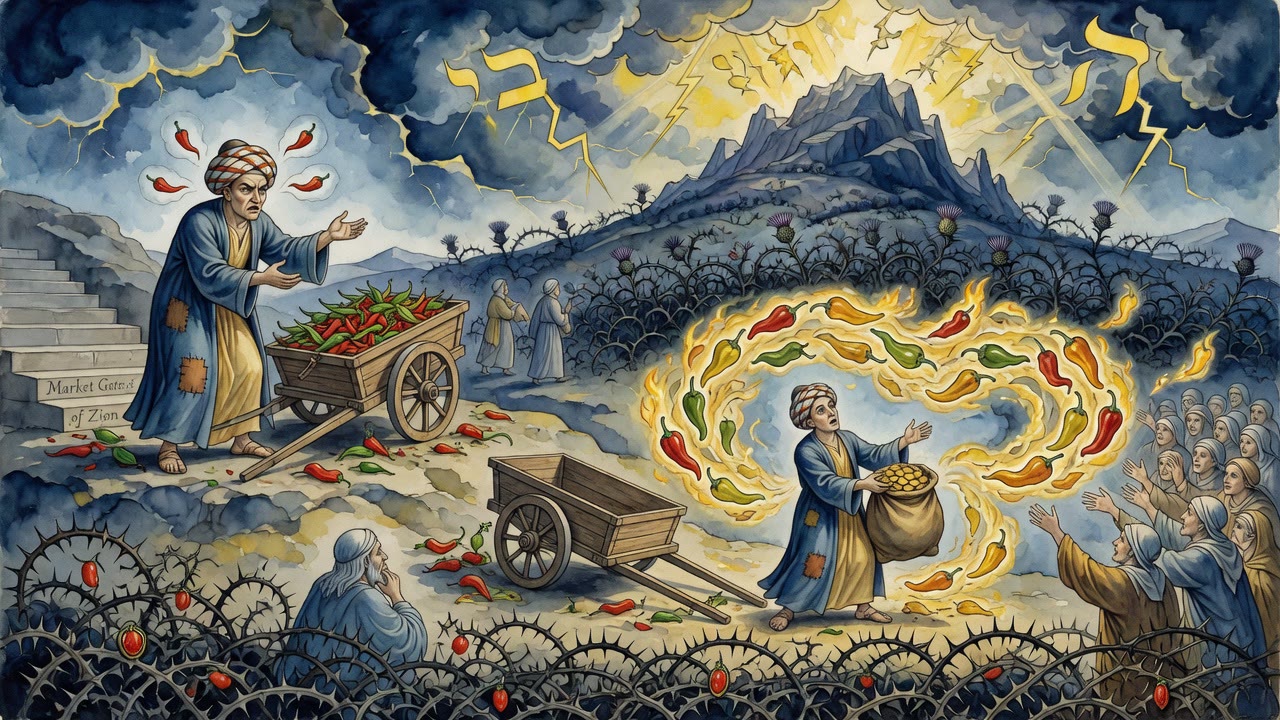
He carried his peppers up into the Land of Israel and sat in the market with nothing selling. An hour later his hands were empty and his purse was not.
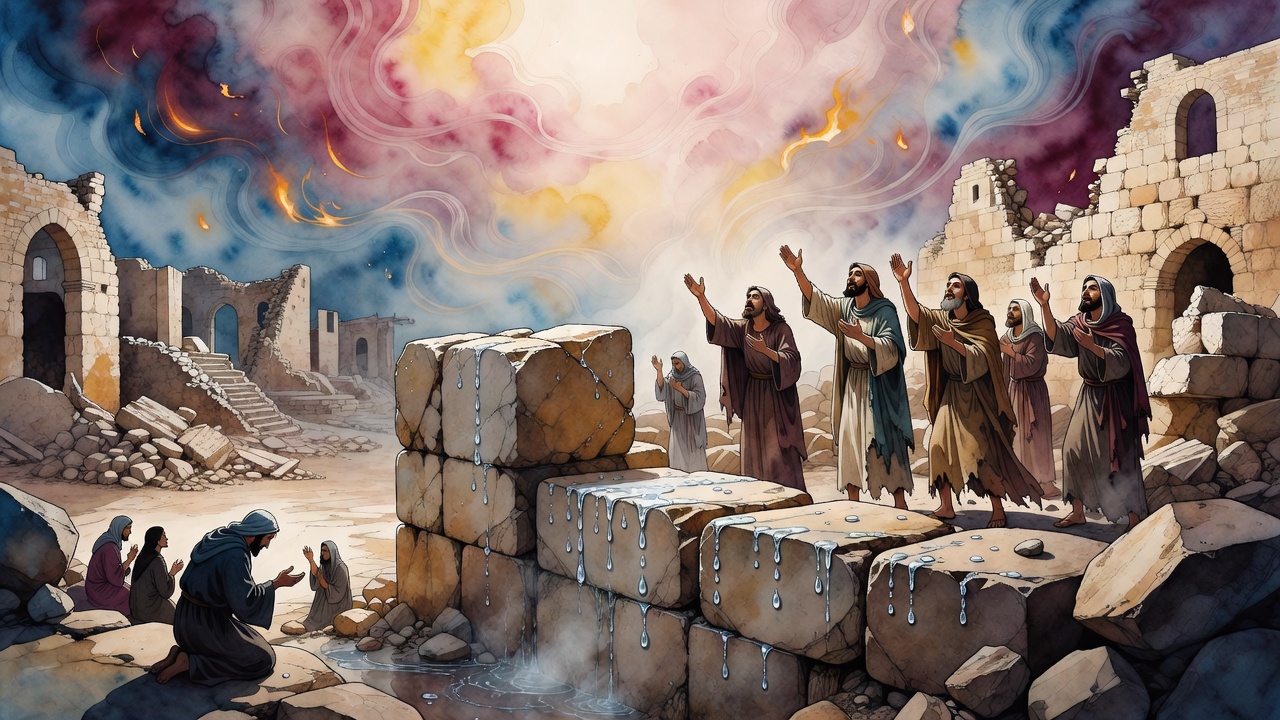
On the Ninth of Av, dew beads on the Kotel's stones like tears, wayfarers clap over ruined Jerusalem, and a mourner teaches that silence can be Torah.
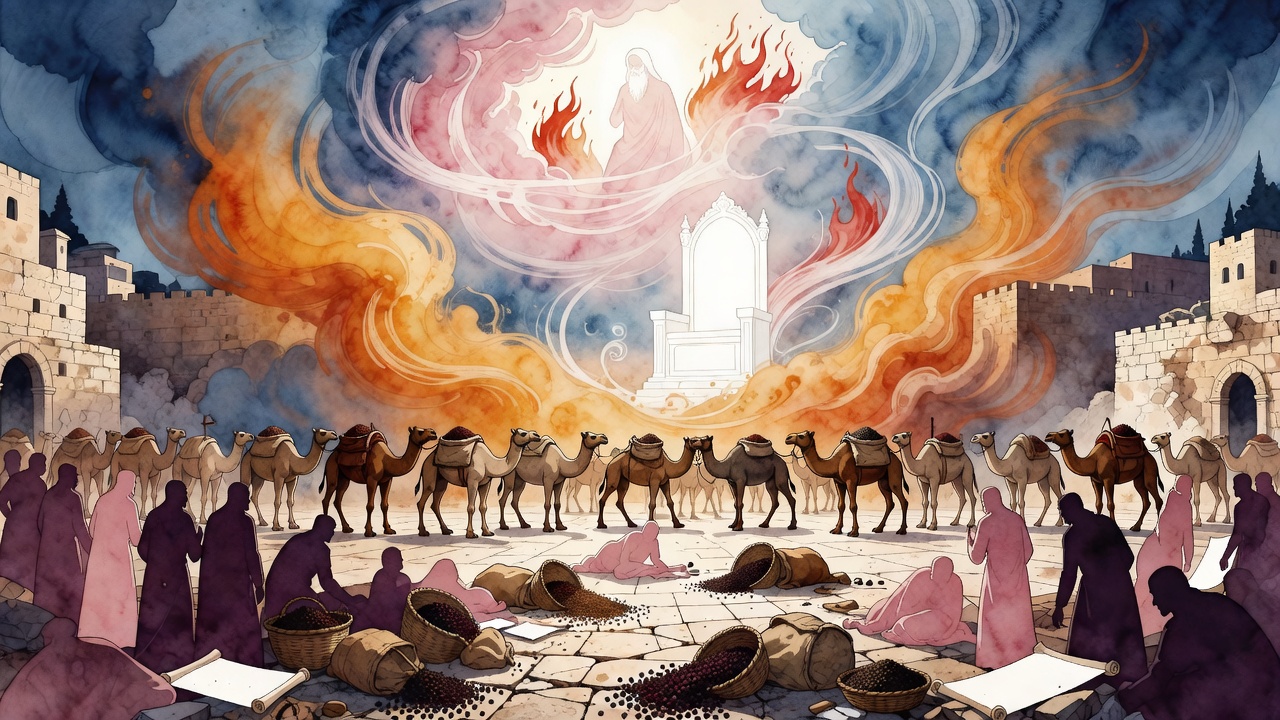
A tailor in Tyre asked the pepper merchant for a pinch and was refused. A tailor in Jerusalem walked him into a courtyard and bought all of it.
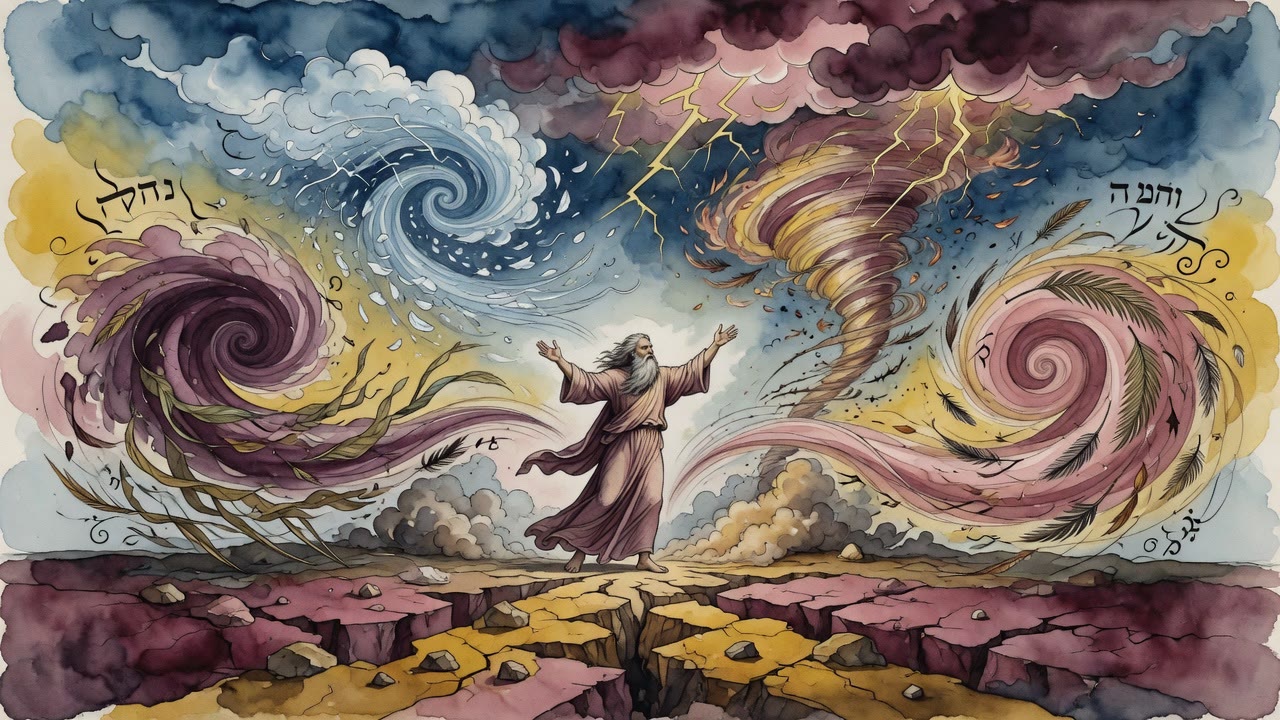
The priest asked for a son at the gate. The father named the small one still in school, the boy who sat over a verse.
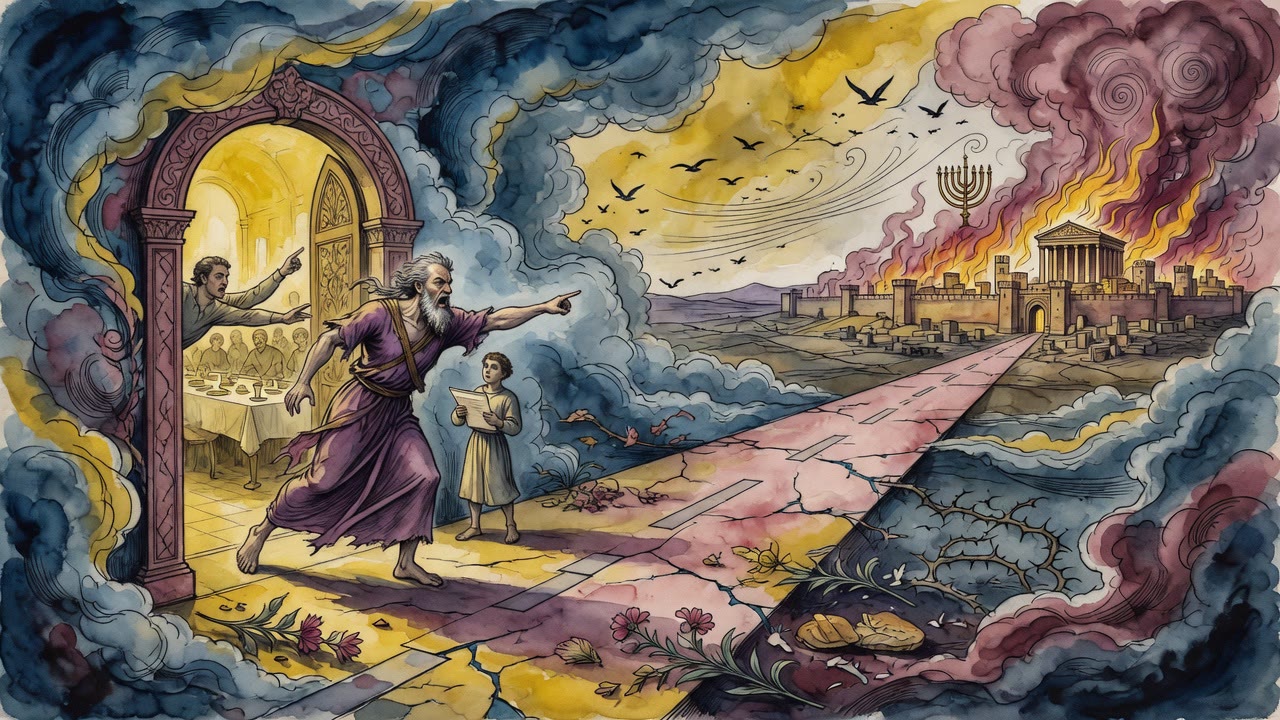
The host saw his enemy at the table and ordered him out. Bar Kamsa offered to pay for the whole feast. The rabbis sat and watched.
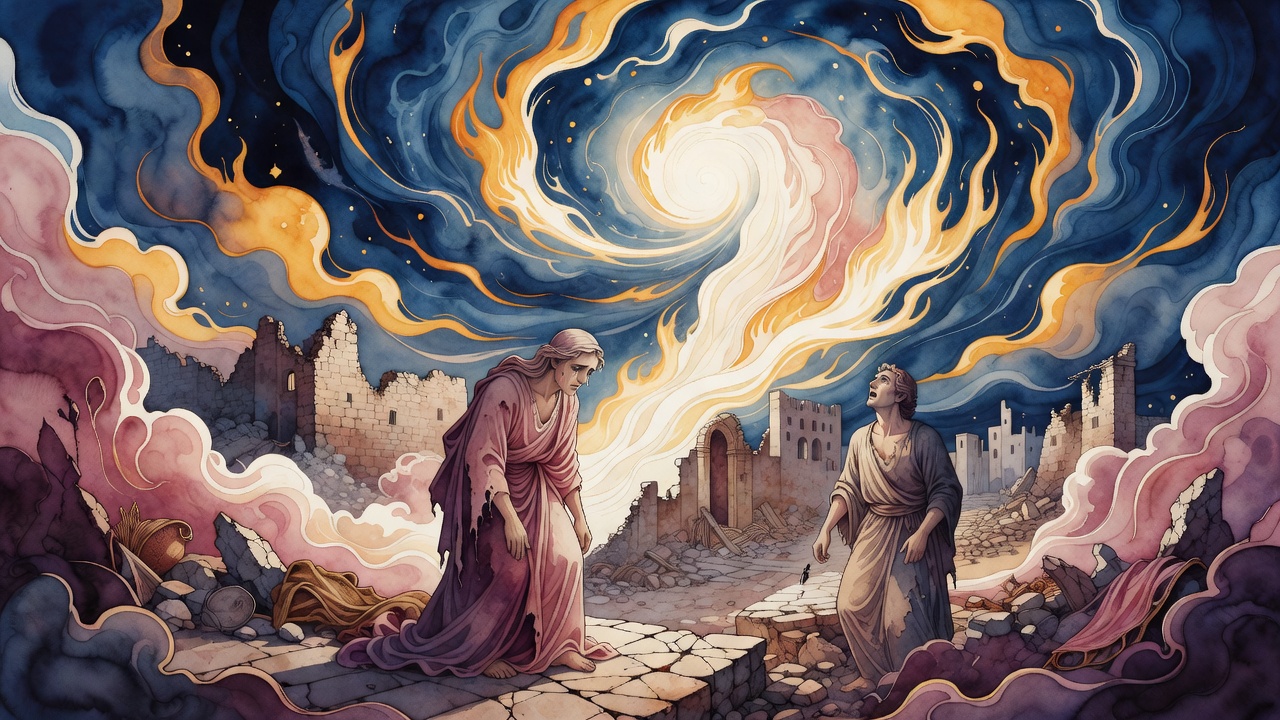
Zion weeps in the night while God weeps day and night. David asks how long, and the ruined city remembers her old delights.
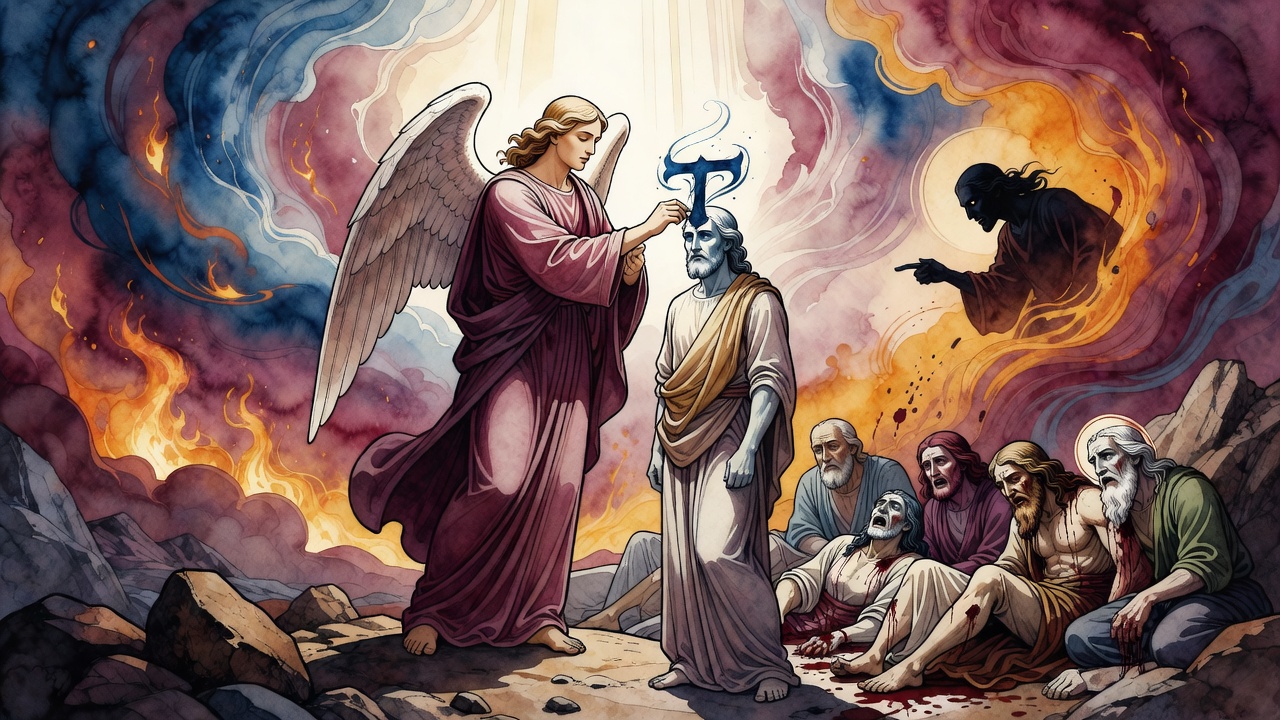
Gabriel inked a taw on the righteous and blood on the wicked. The Accuser argued the ink-marked had failed to protest.
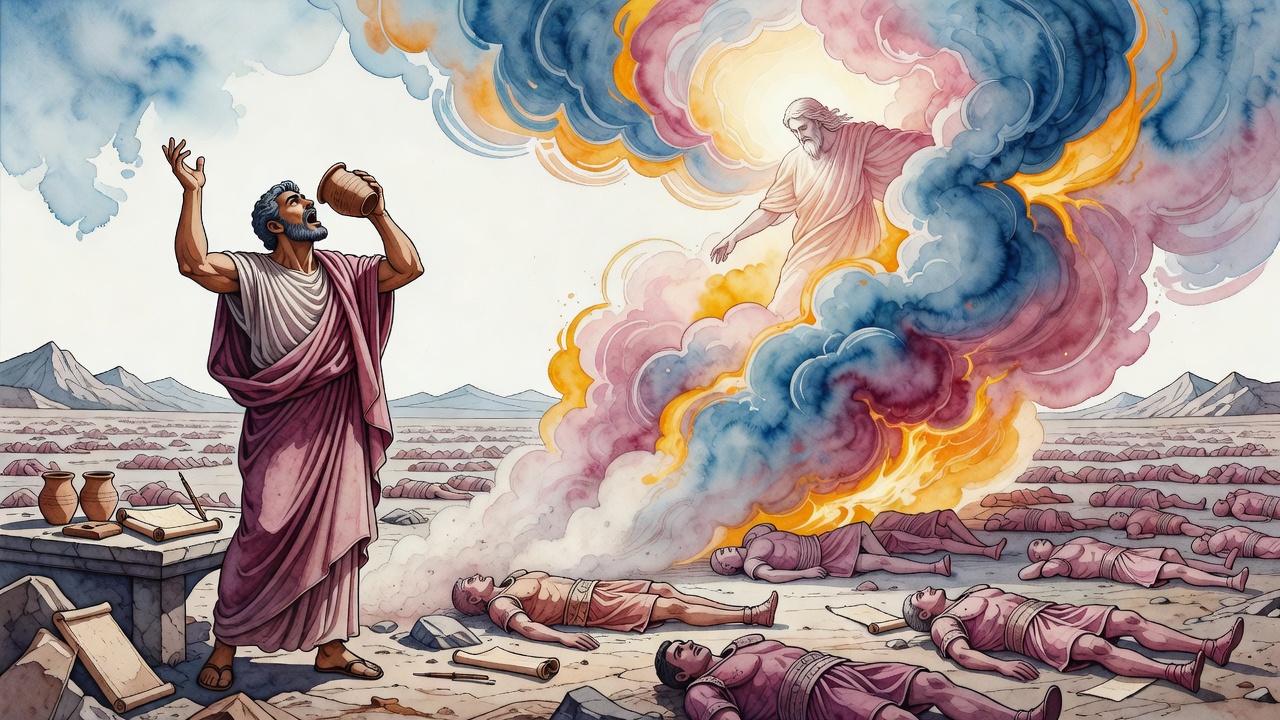
The Assyrian king drinks the water of strangers and counts his hosts, then an angel answers with a body count of one hundred eighty-five thousand.
They traded dresses in a back room. The innocent one swallowed the priest's cup. At the door her sister kissed her mouth and fell.
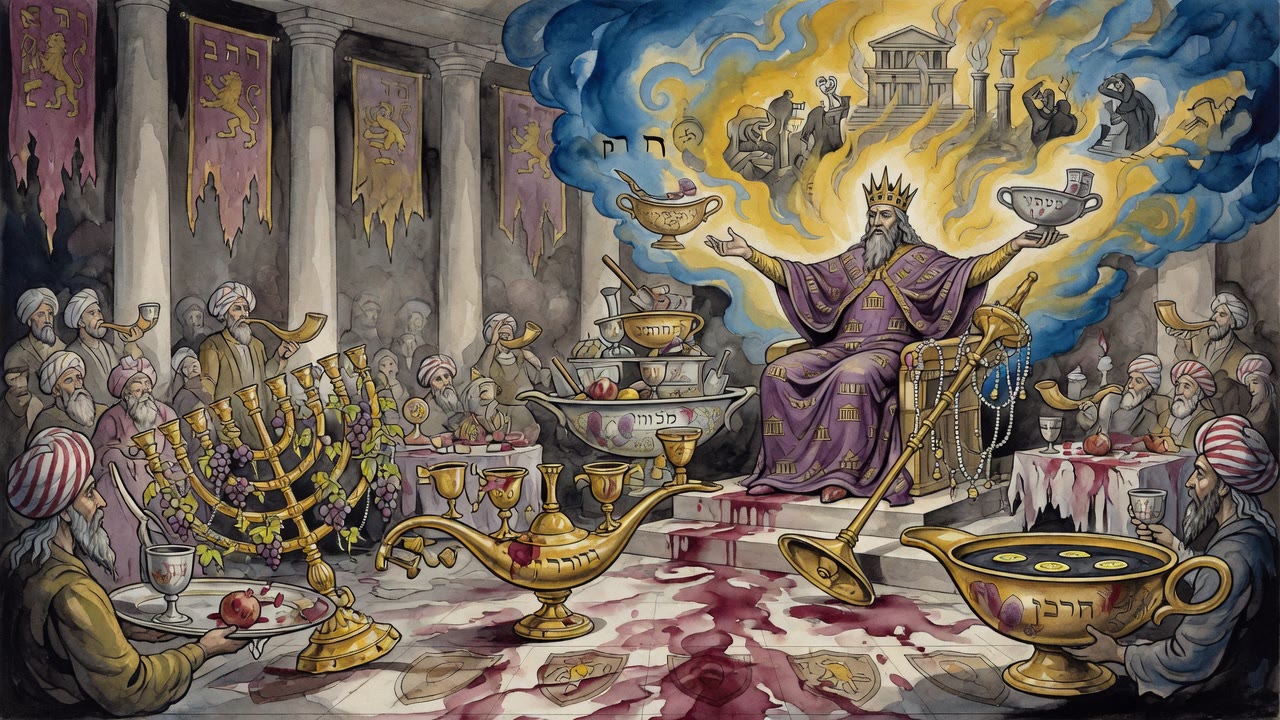
A boy held a basin in the courtyard. Priests lifted kidneys pair by pair. Agrippa wanted a number without counting a single head.
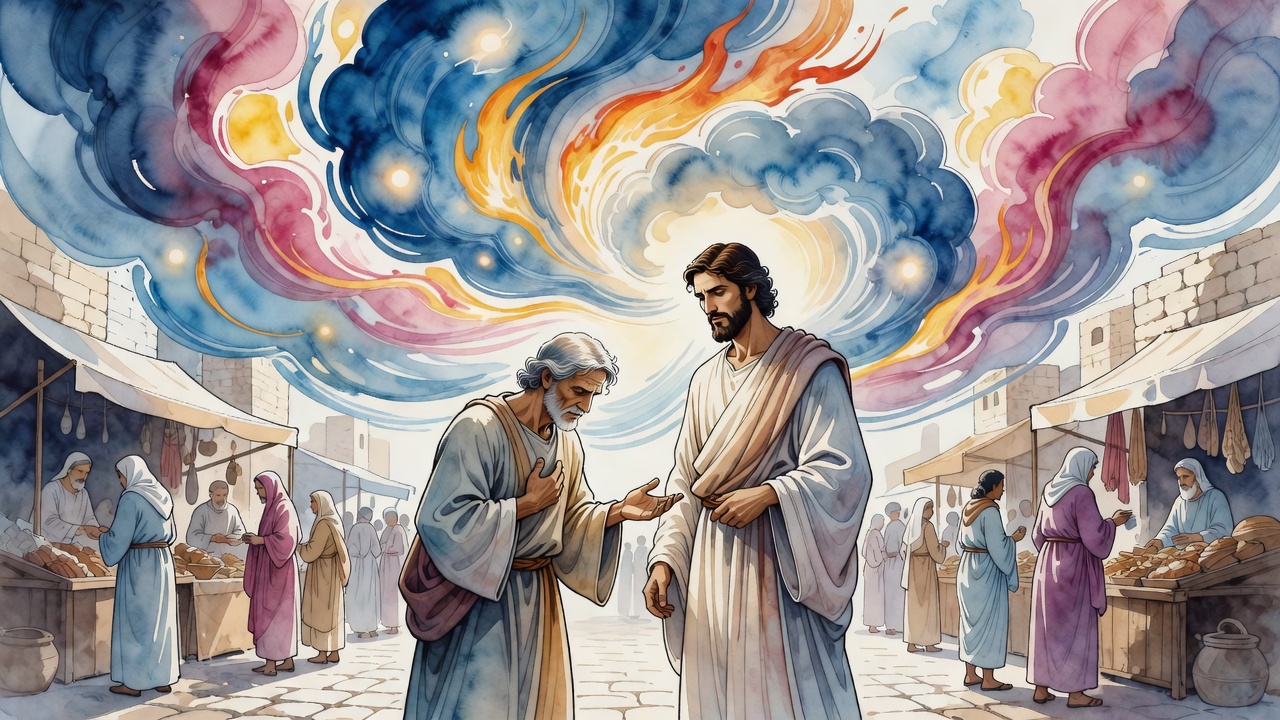
A Galilean accused the wrong Jerusalemite of holding his two hundred dinars, then stood in the same market to take the shame he had given.
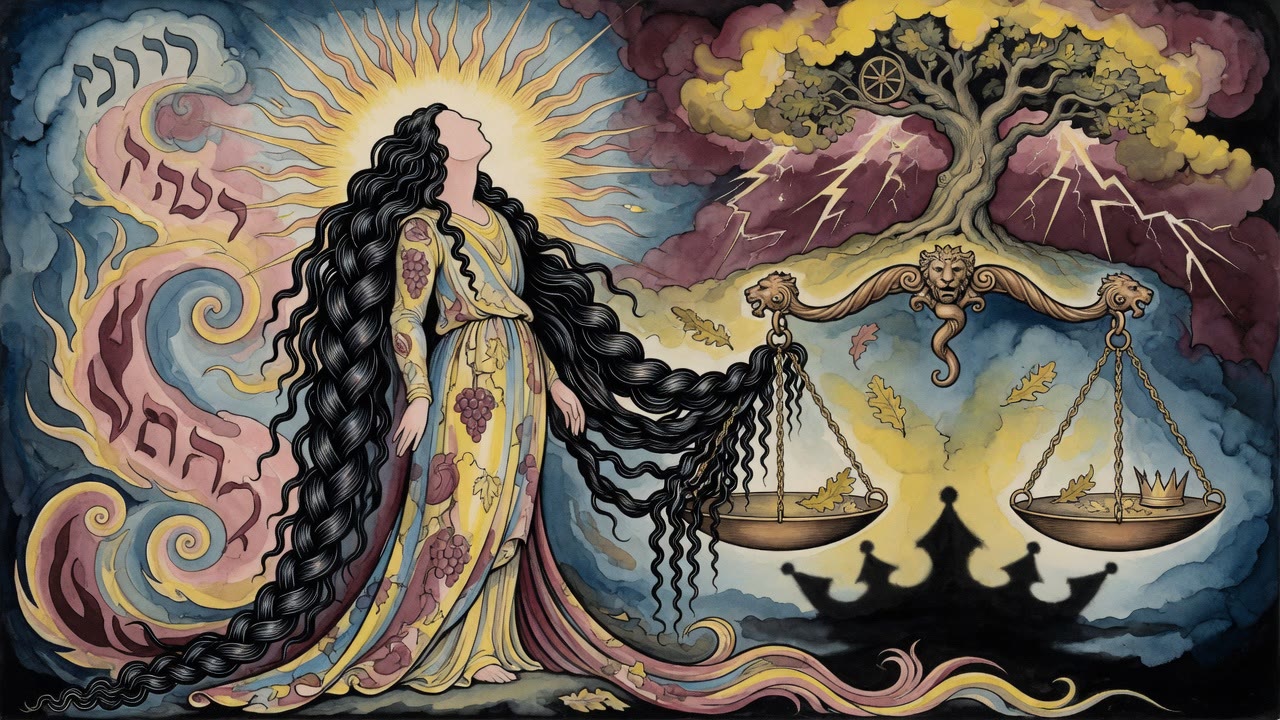
Scripture gives David forty years of rule, then six extra months. The sages said the missing half year was flight, grief, and a crown hanging in the air.
