282 myths · Page 2 of 10
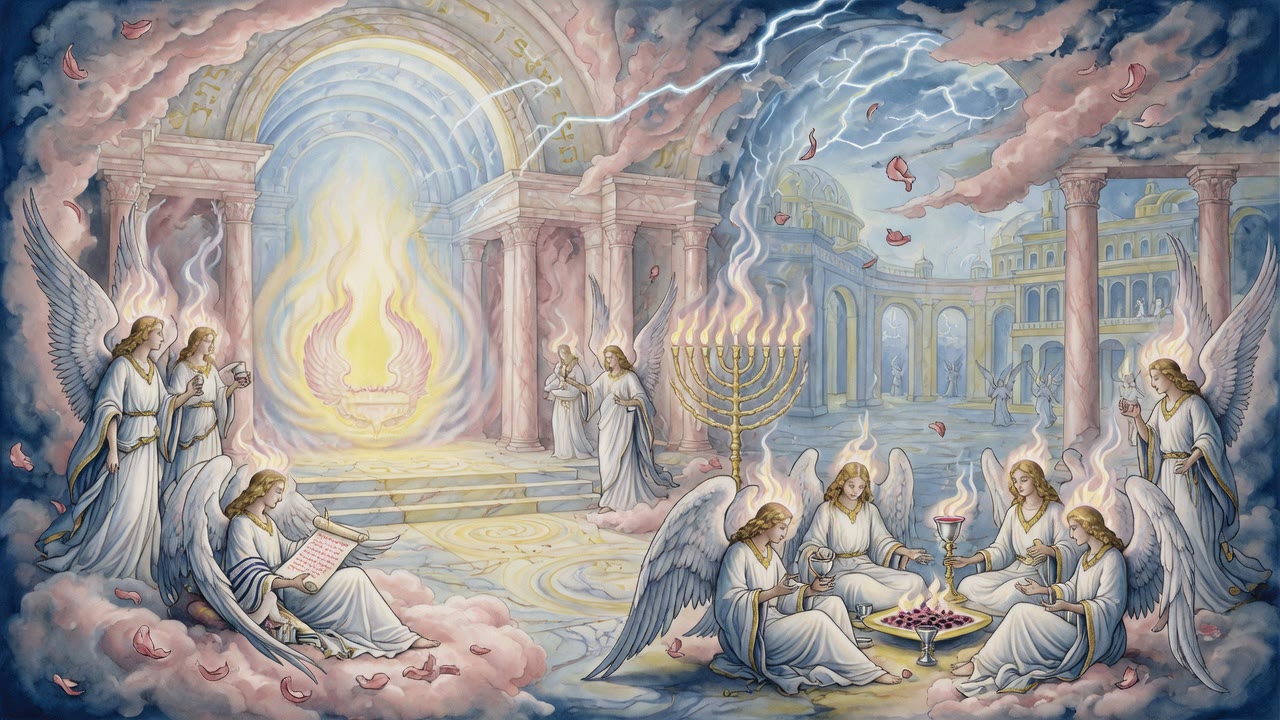
An overseer and four seraphim walked the Sabbath tables. Joy bought shelter from the River of Fire. A still face bought the river itself.
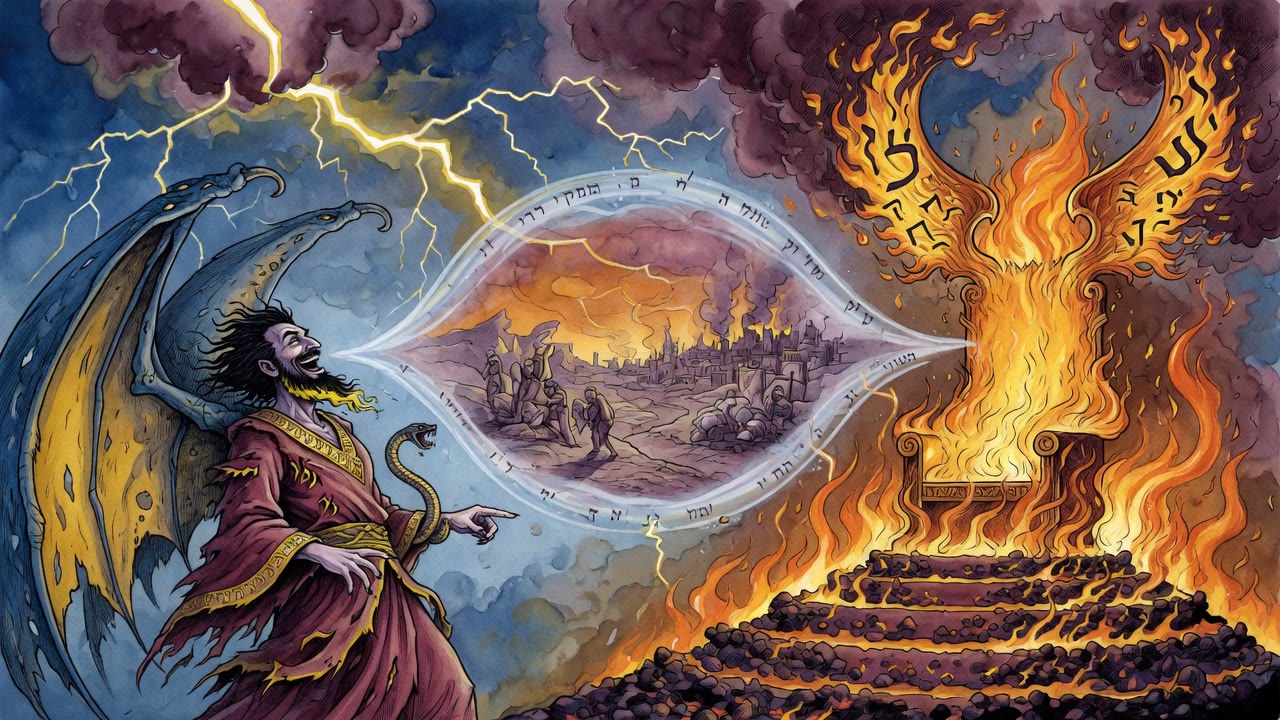
Before the exile, God revealed to Samael exactly what would happen and offered a reward for treating Israel with dignity. Samael chose mockery instead.
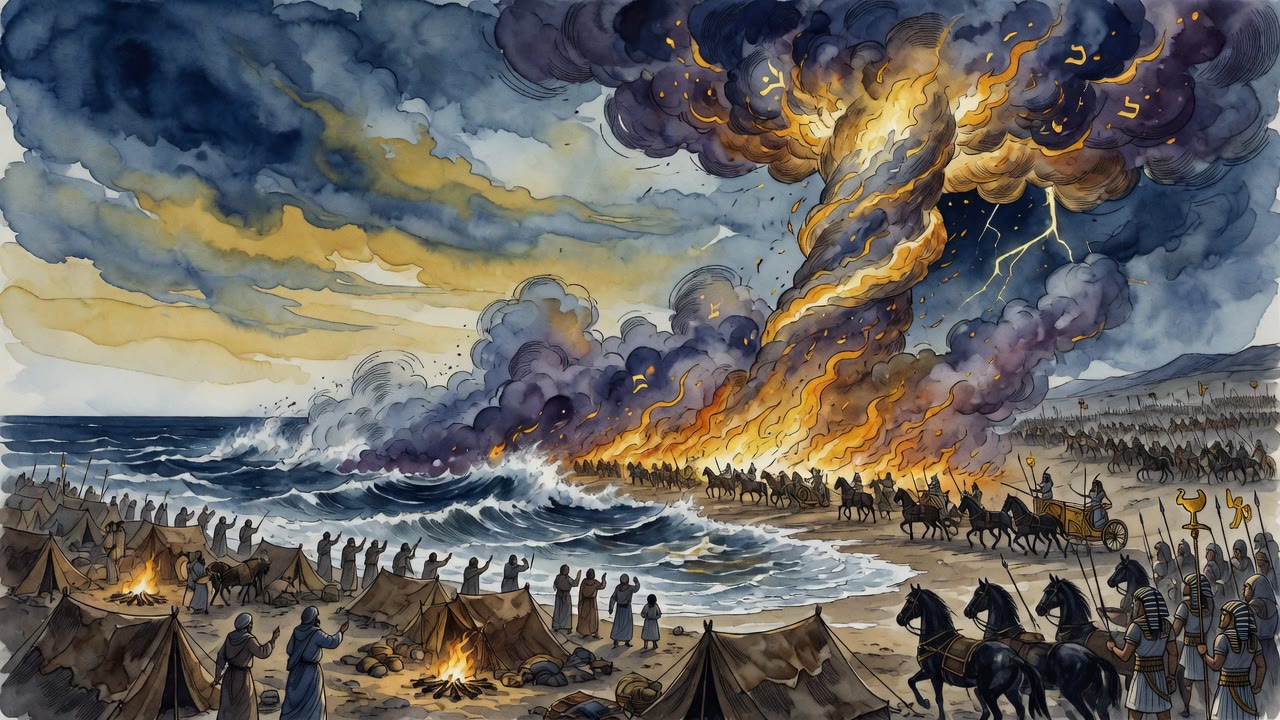
The angel moved from the front of the camp to the rear, set itself between Israel and Pharaoh's chariots, and a different Name rode with it.
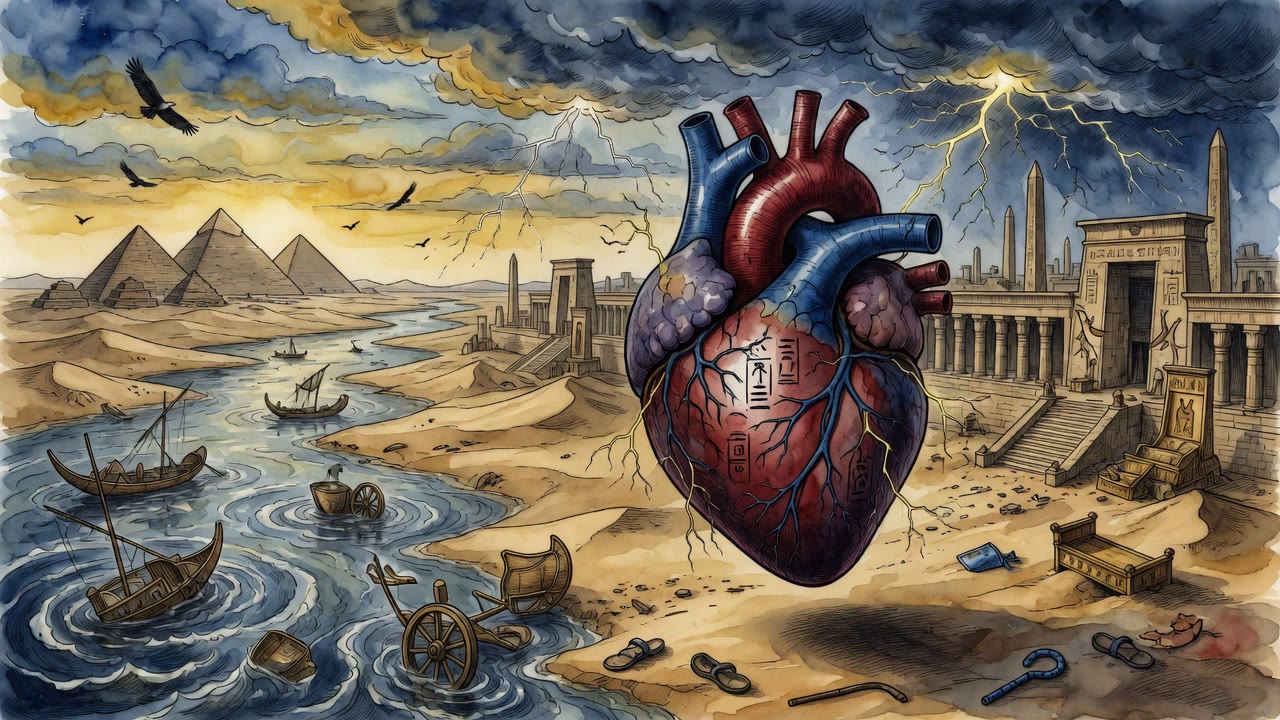
Pharaoh's heart reversed when Israel walked out, and the empty brick pits and silent treasuries told him Egypt had reversed with it.
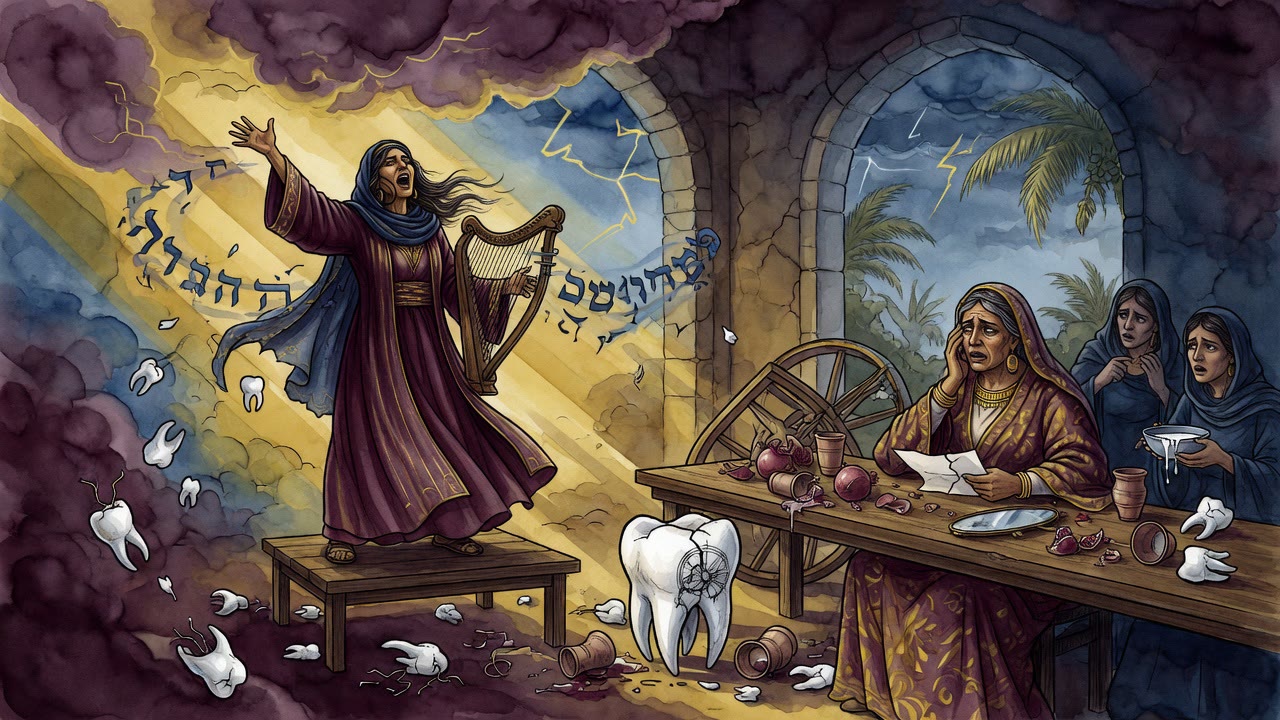
After the Kishon swallowed Sisera's iron, two travelers sat down at the same inn. One ordered the whole table. His teeth did not survive the bill.
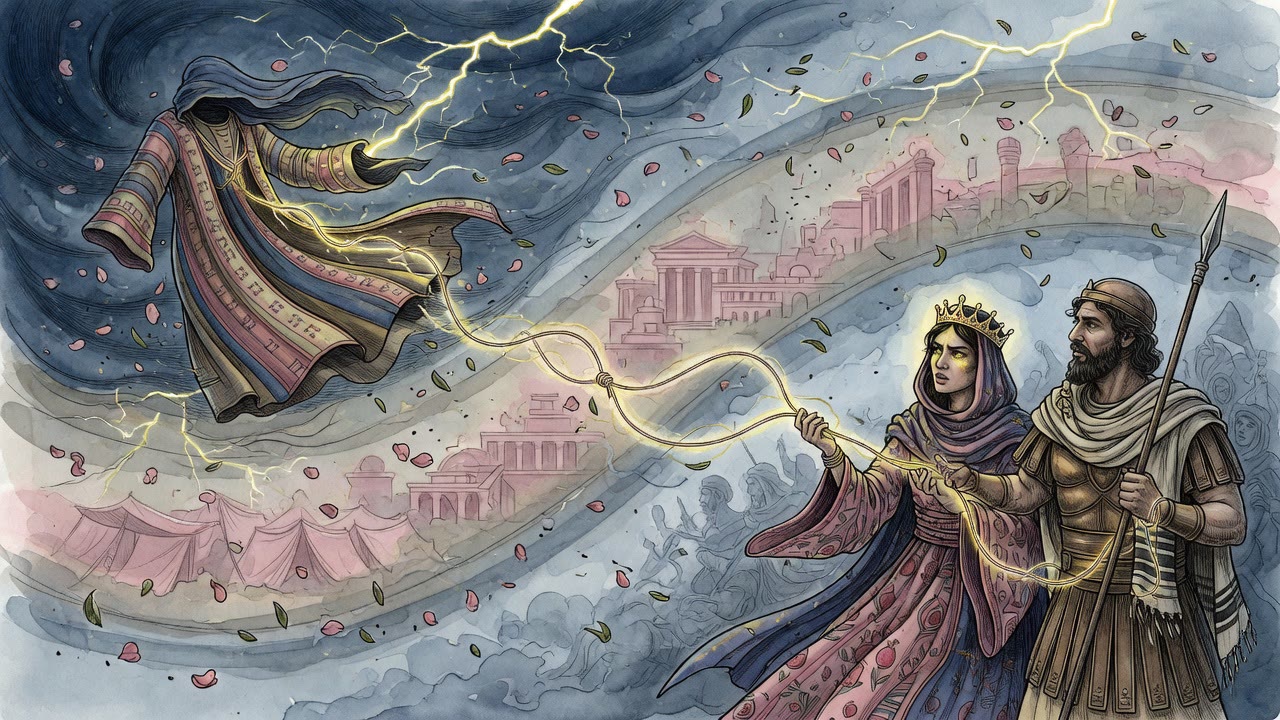
Twenty pieces of silver split ten ways is two pieces a man. The brothers spent theirs on shoes and sat down to eat while Joseph was still in earshot.
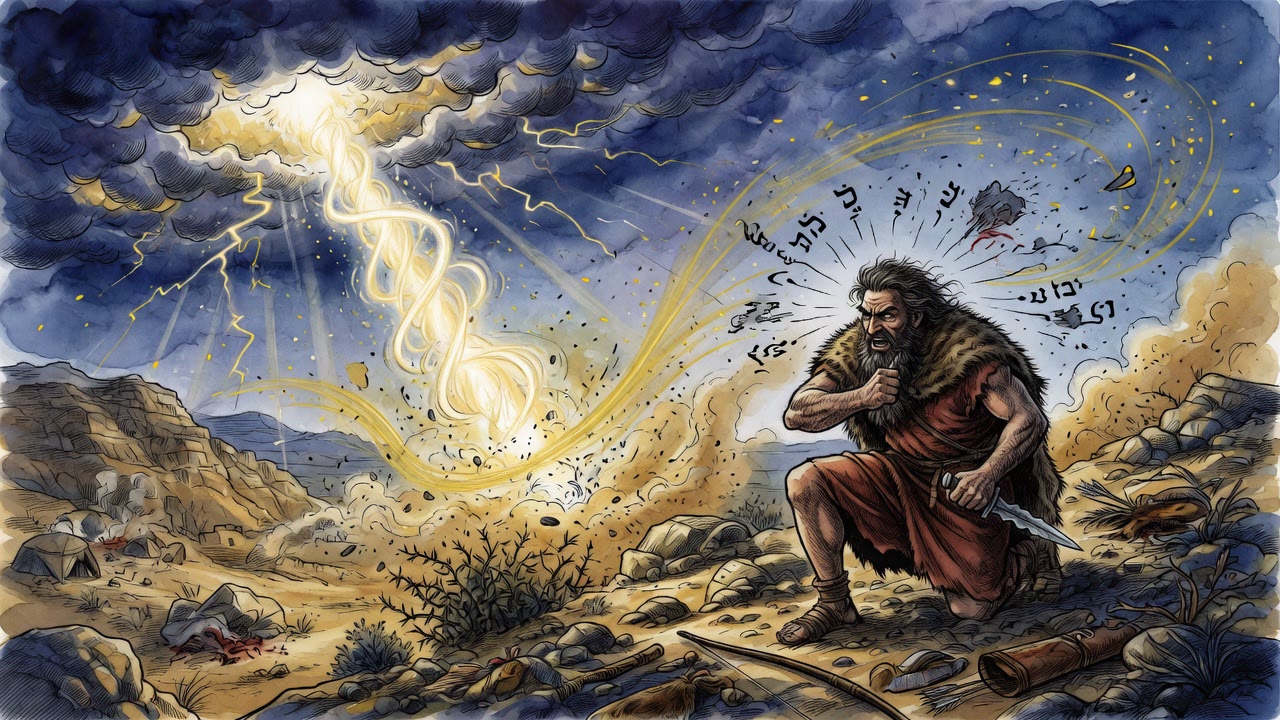
Esau never moved his lips. The murder plot stayed sealed in his heart, three deaths in careful order, until God spoke every word of it aloud.
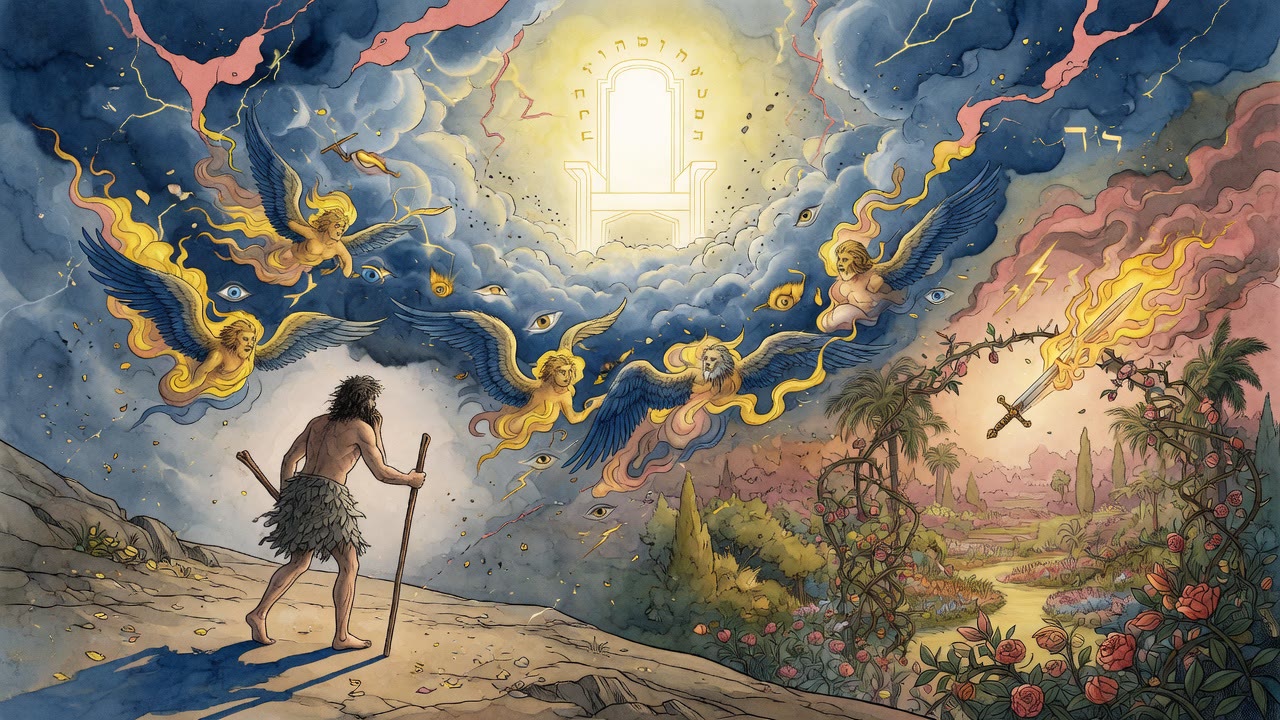
Adam broke one commandment and lost the Garden. The host of heaven, who never tasted hunger, still answers to the same Judge.
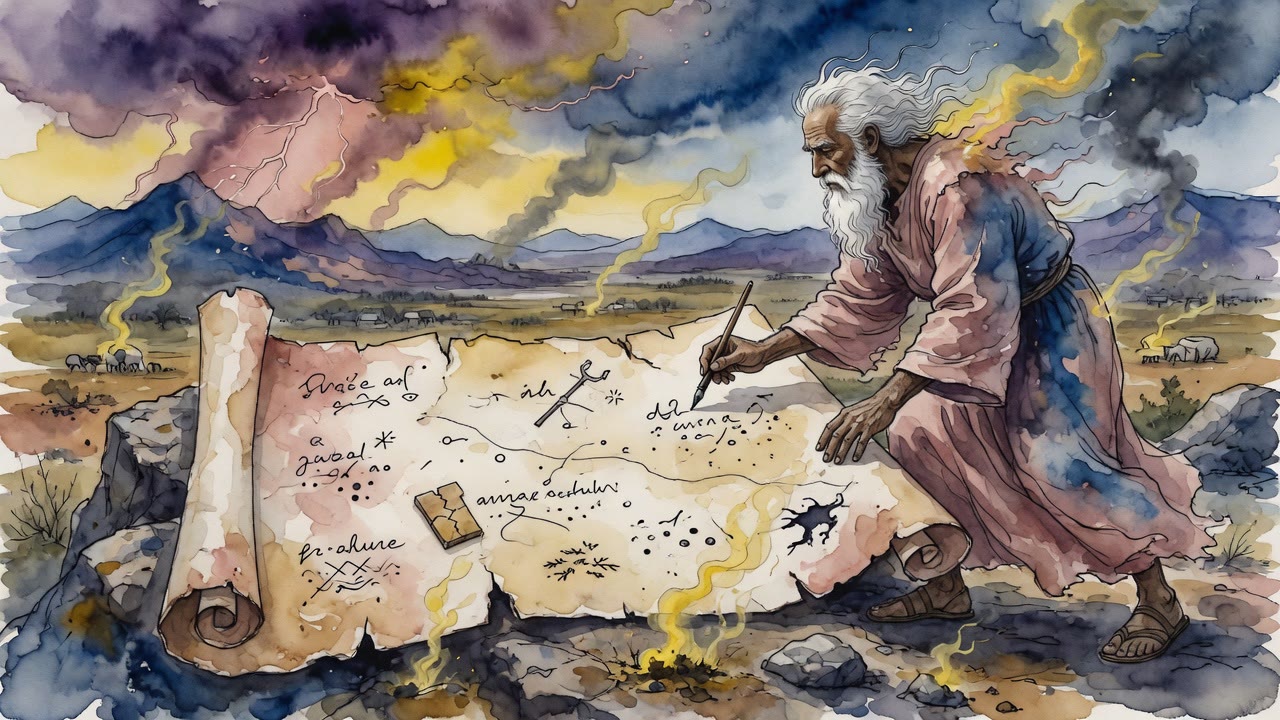
On the plains of Moab, Moses turns geography into rebuke, hiding ten failures of the wilderness years inside a string of place names.
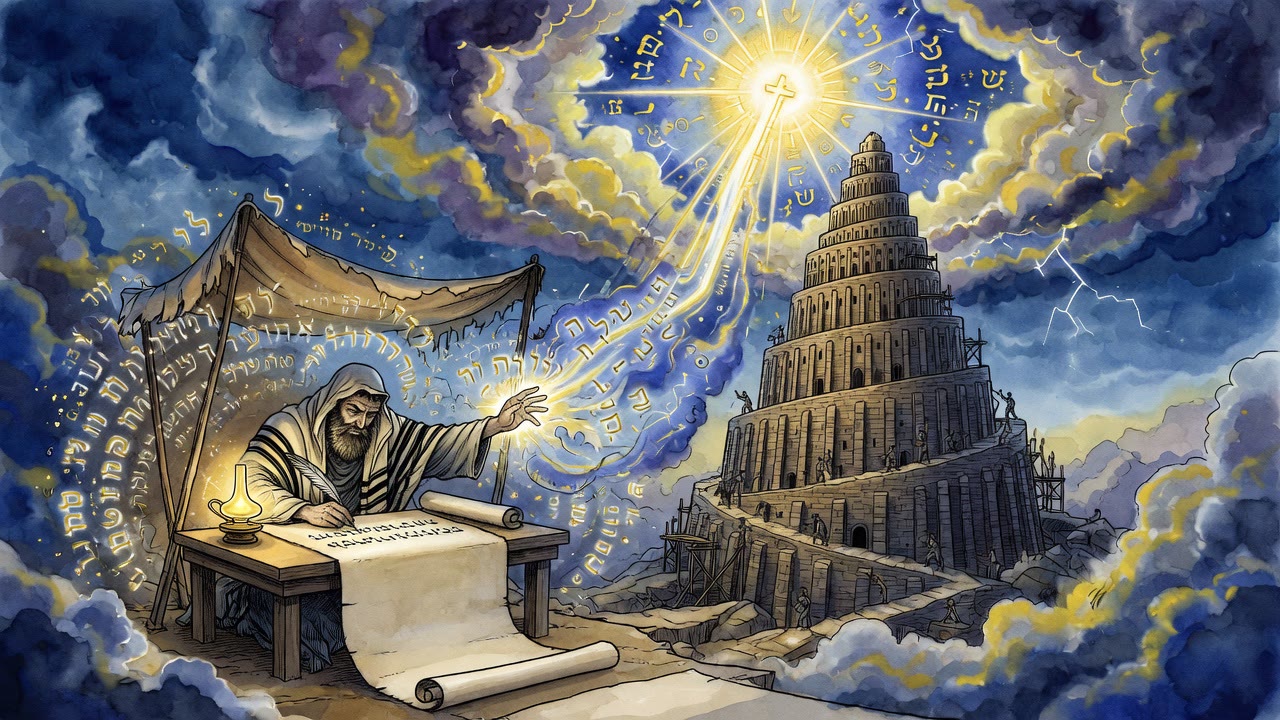
The builders of Babel raised a tower for their own name. Onkelos changed one verb and turned descent into revealed judgment.
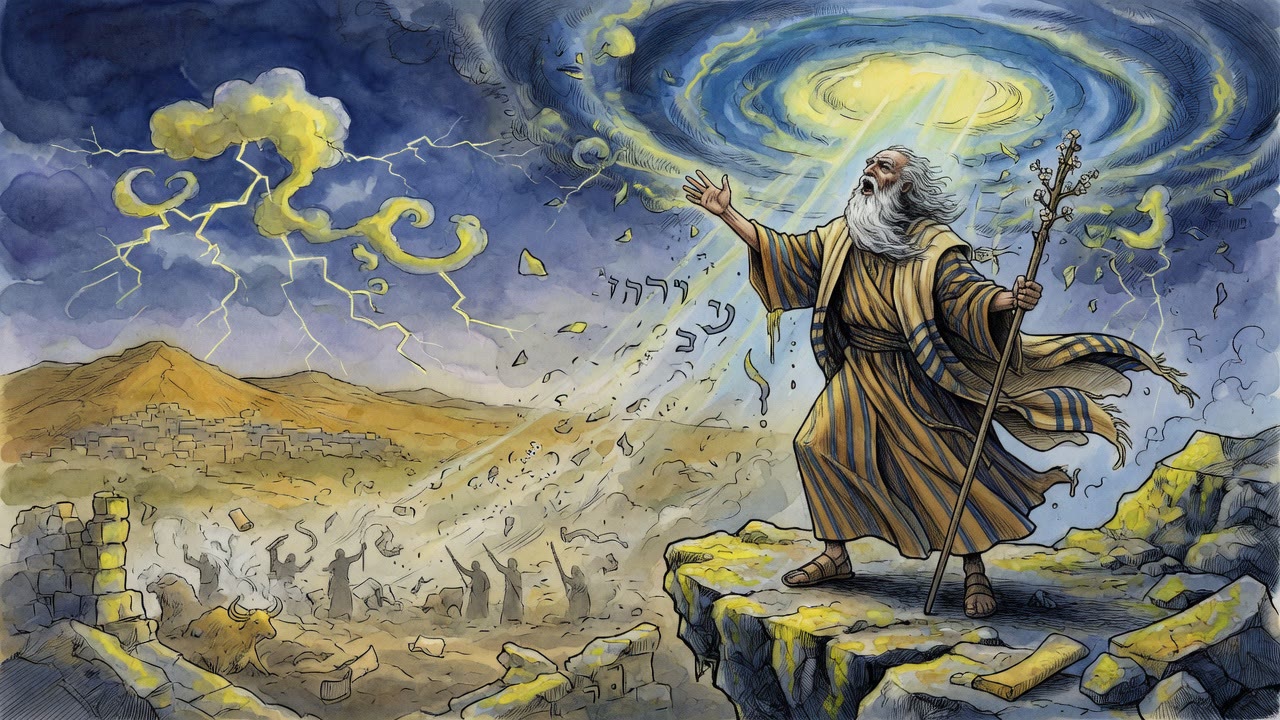
On the last day he called the heavens first, then the earth. Human ears would fail. The song had to outlive the man who sang it.
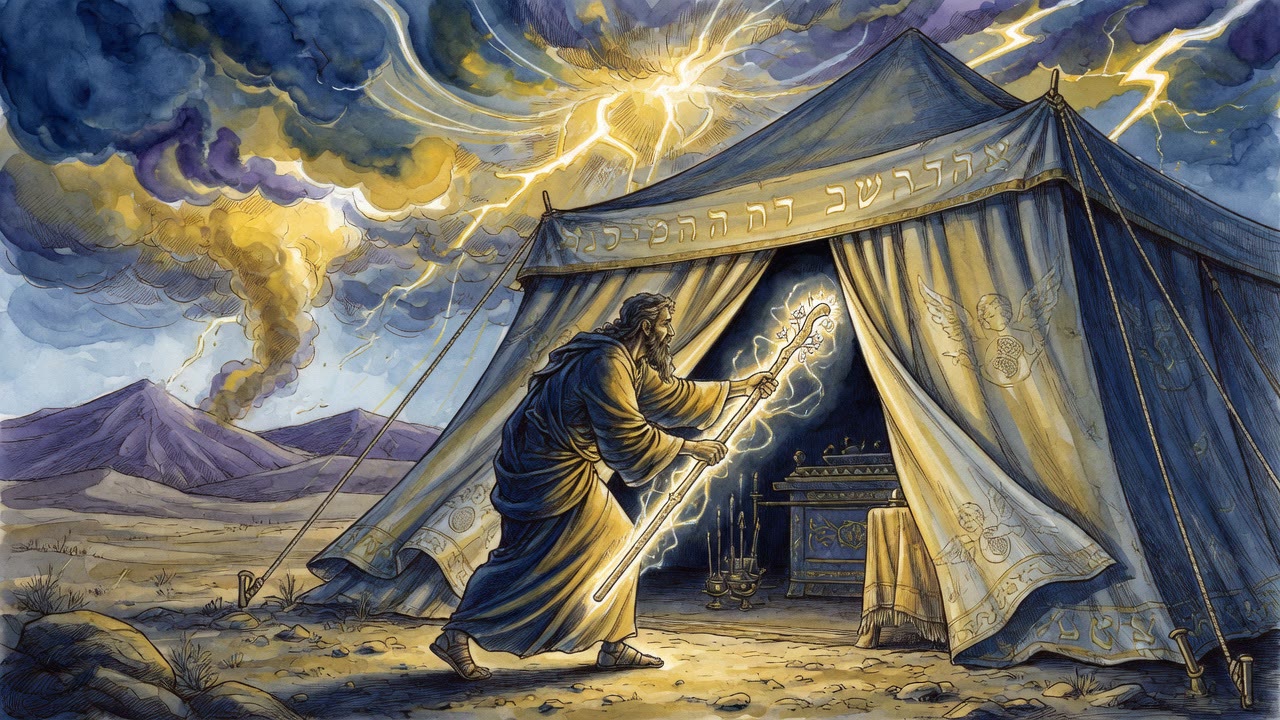
Two rabbis in the Sifrei Devarim saw something fall from the sky at Sinai. One saw a loaf and a rod. The other saw a scroll and a sword. Both were right.
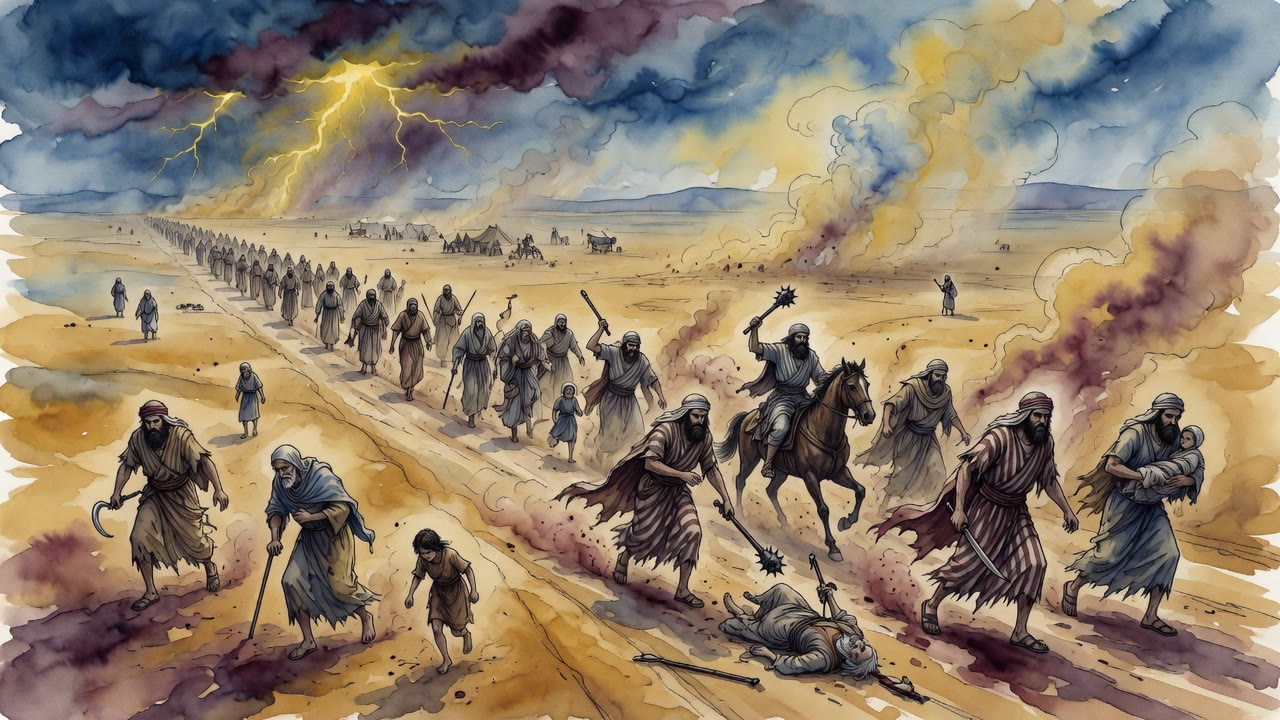
Eliphaz asked his son who would own this world and the next, then let it drop when the boy ignored him. The boy's name was Amalek.
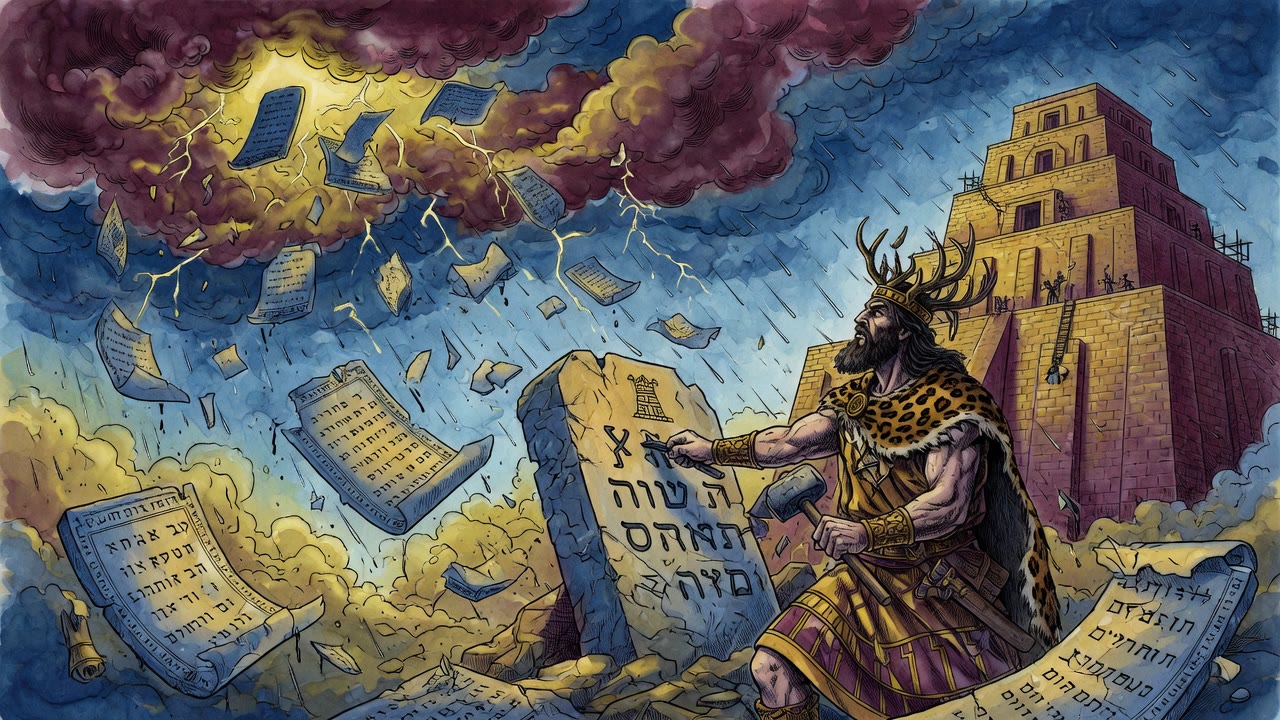
After Eden, forty decrees fell on Adam, Eve, the serpent, and the earth, and later Nimrod tried to rule birth by decree.
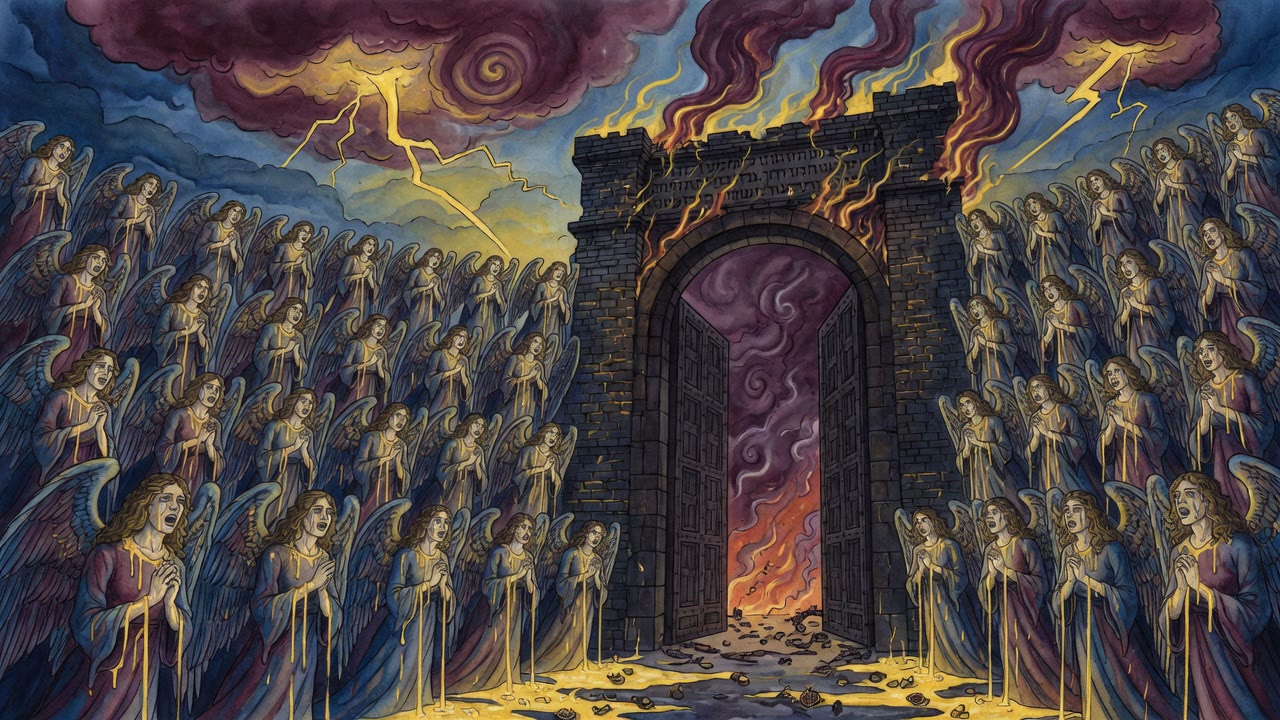
Inside the gate the angel Dumah waits. A soul arriving there has to say aloud its own name, its father's house, and the sin that brought it there.
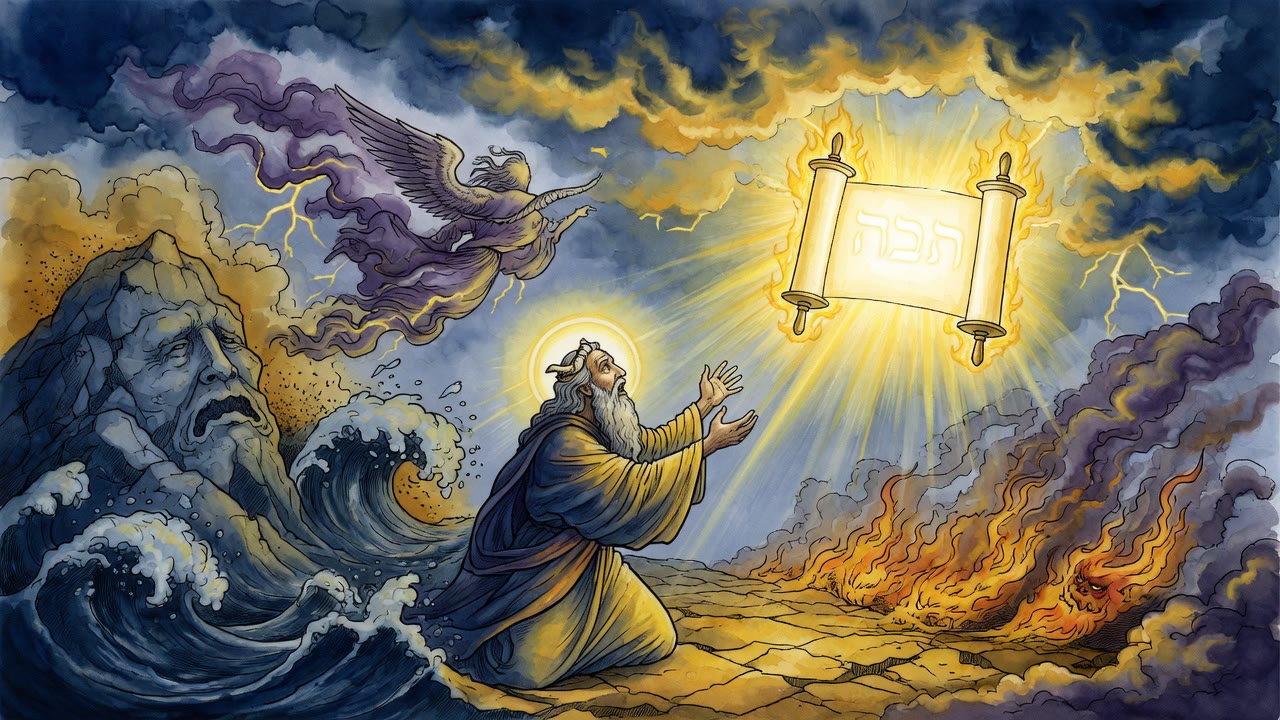
A voice out of heaven gave him five hours. He spent them offering trades: wings, fins, a cloud, and finally his own body in pieces.
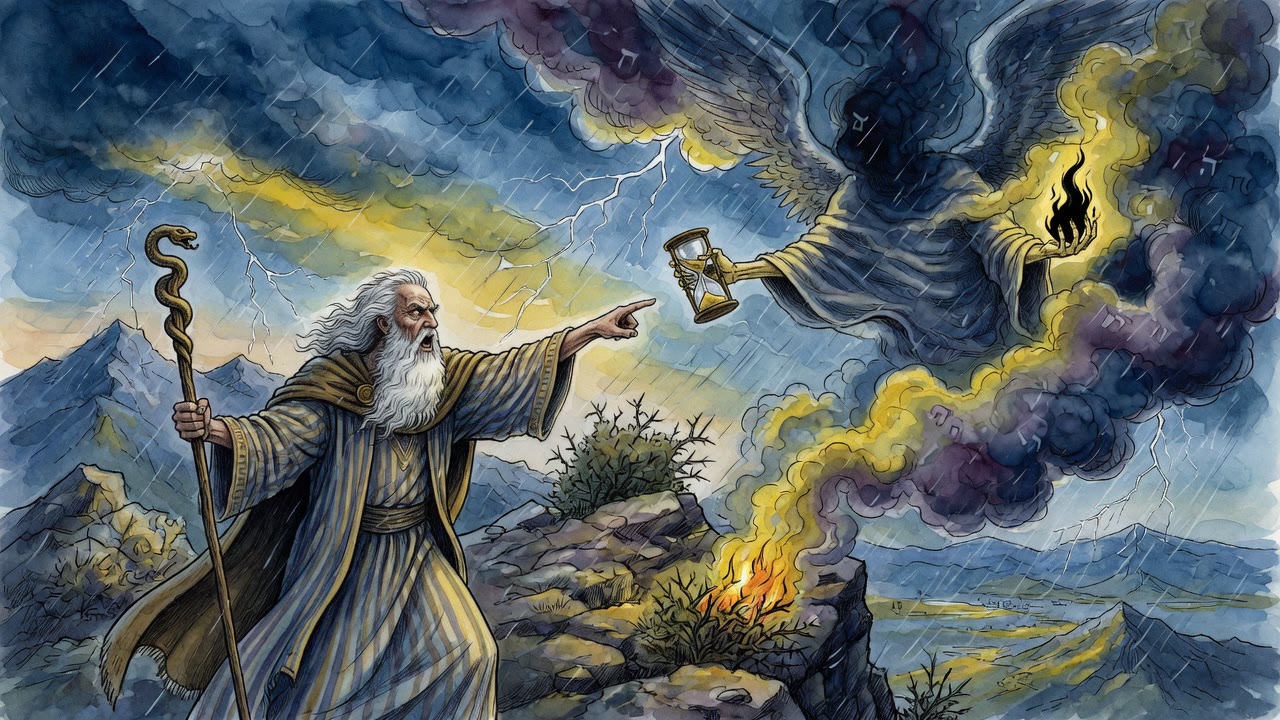
The Angel of Death came into the tent, and Moses spoke the Ineffable Name at him until he fled. On the third approach Moses met him with open hands.
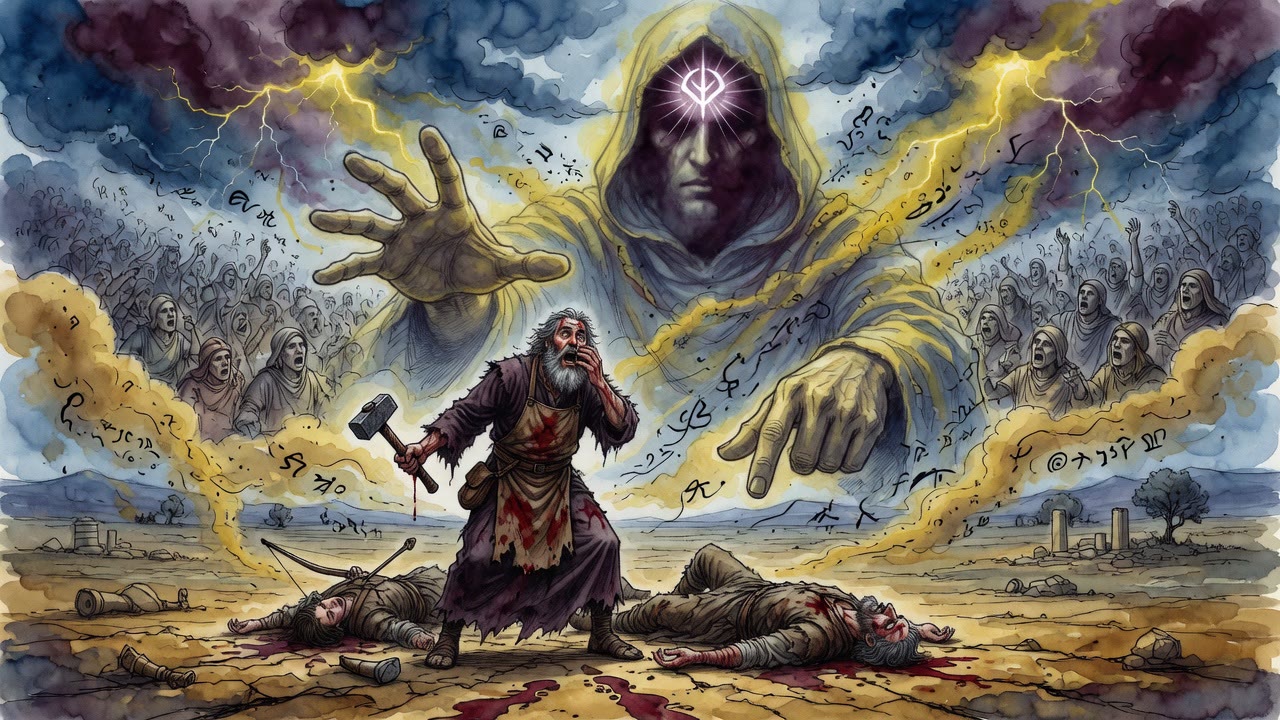
Cain murdered before anyone knew what murder was. Lamech killed after Cain had become the warning, and that made the blood heavier.
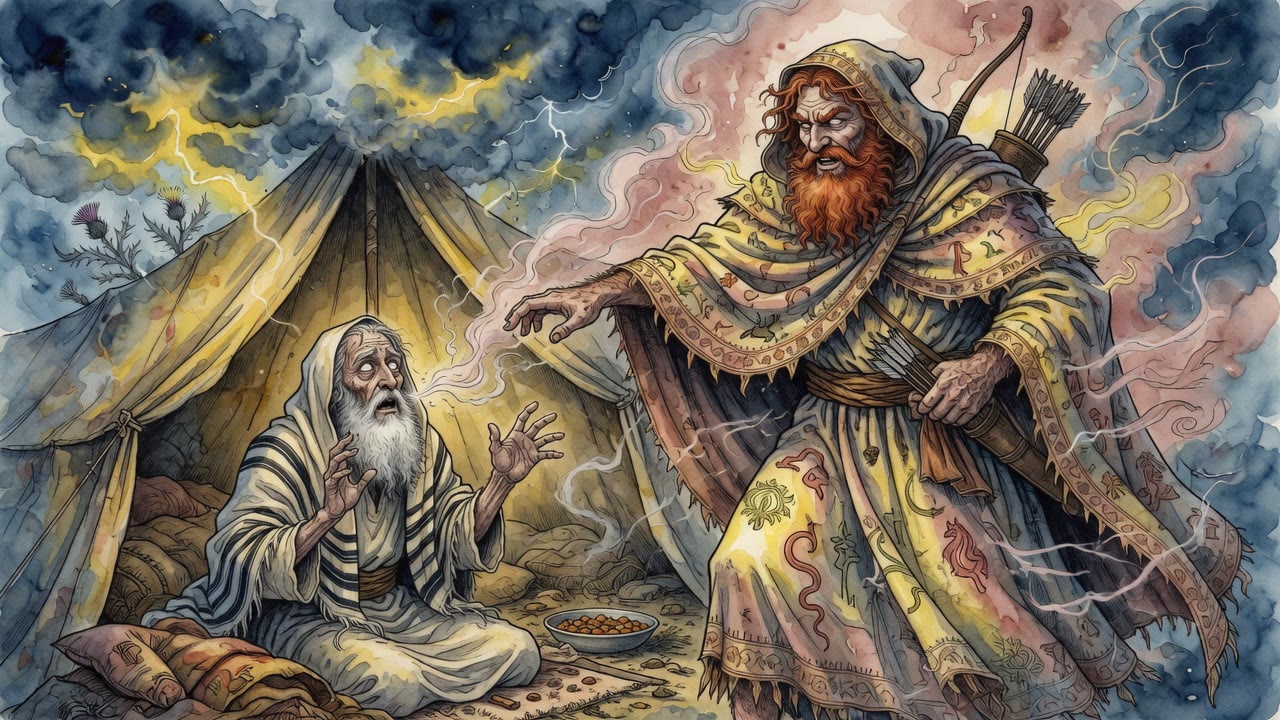
The clothes Rebecca put on Jacob were not costumes. They carried Adam, Nimrod, Esau, and the terror of power passing hand to hand.
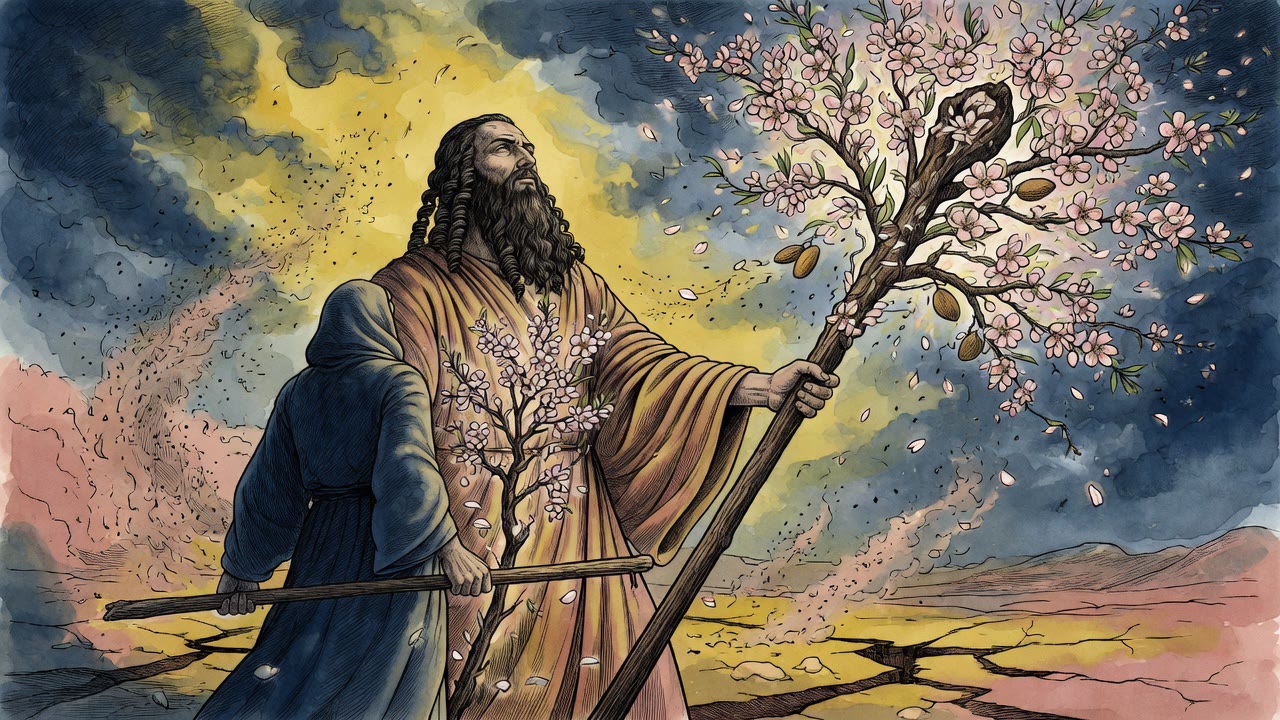
The Nile had carried him in a basket when Egypt was killing Hebrew boys. When blood was due, Moses would not raise his hand against that water.
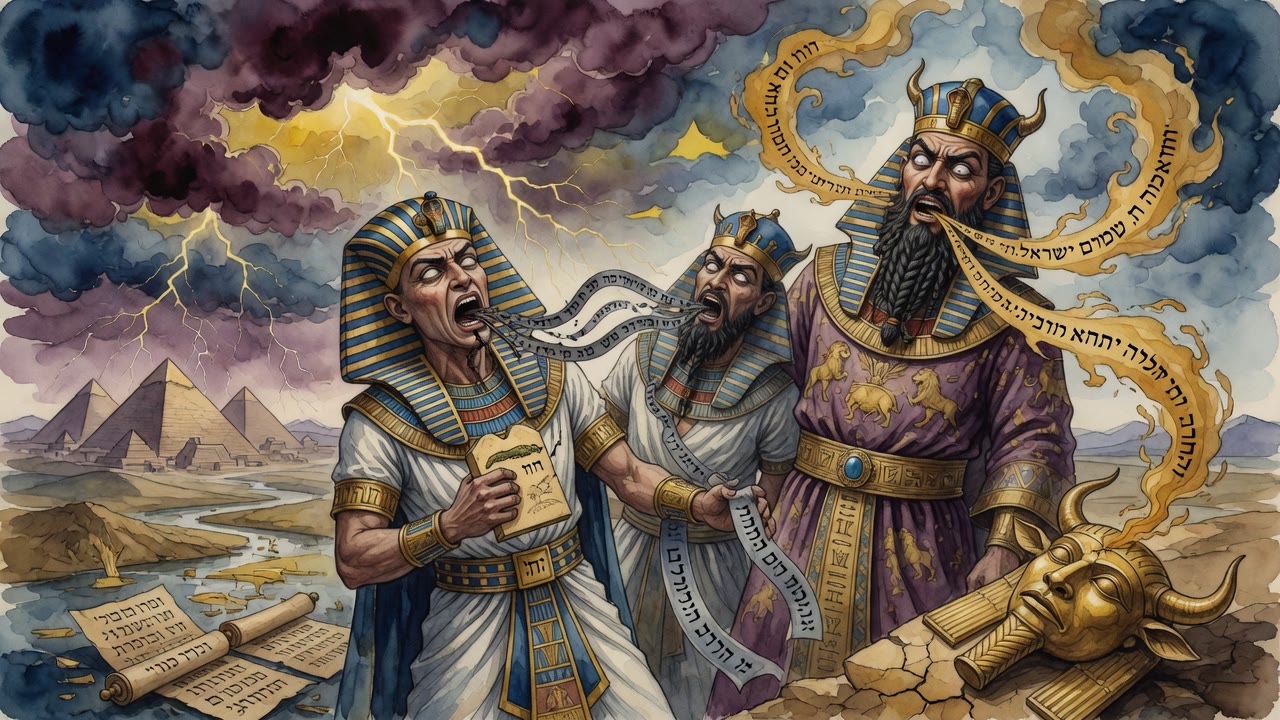
Four figures walked in the furnace. The king named the fourth a son of gods, and an angel flogged him until the words came out right.
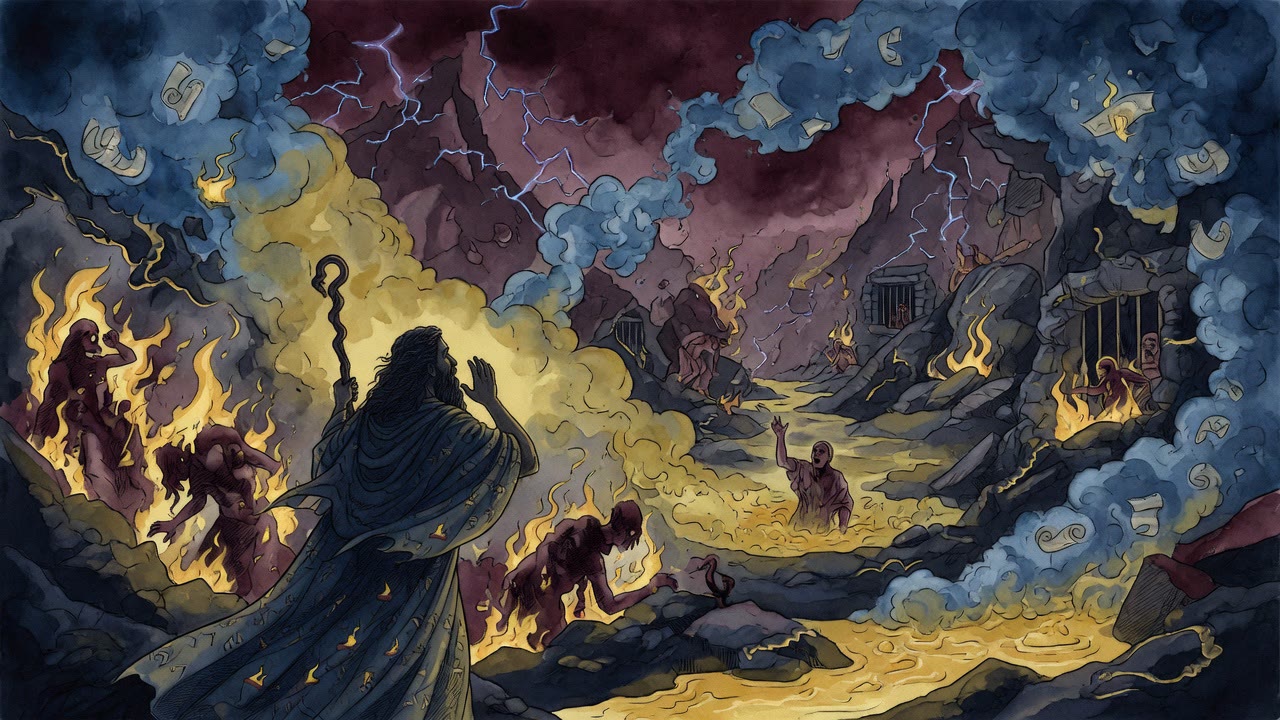
Moses saw the place of divine judgment on the same tour that showed him heaven. What he saw was not chaos. It was an exact inventory of social failures.
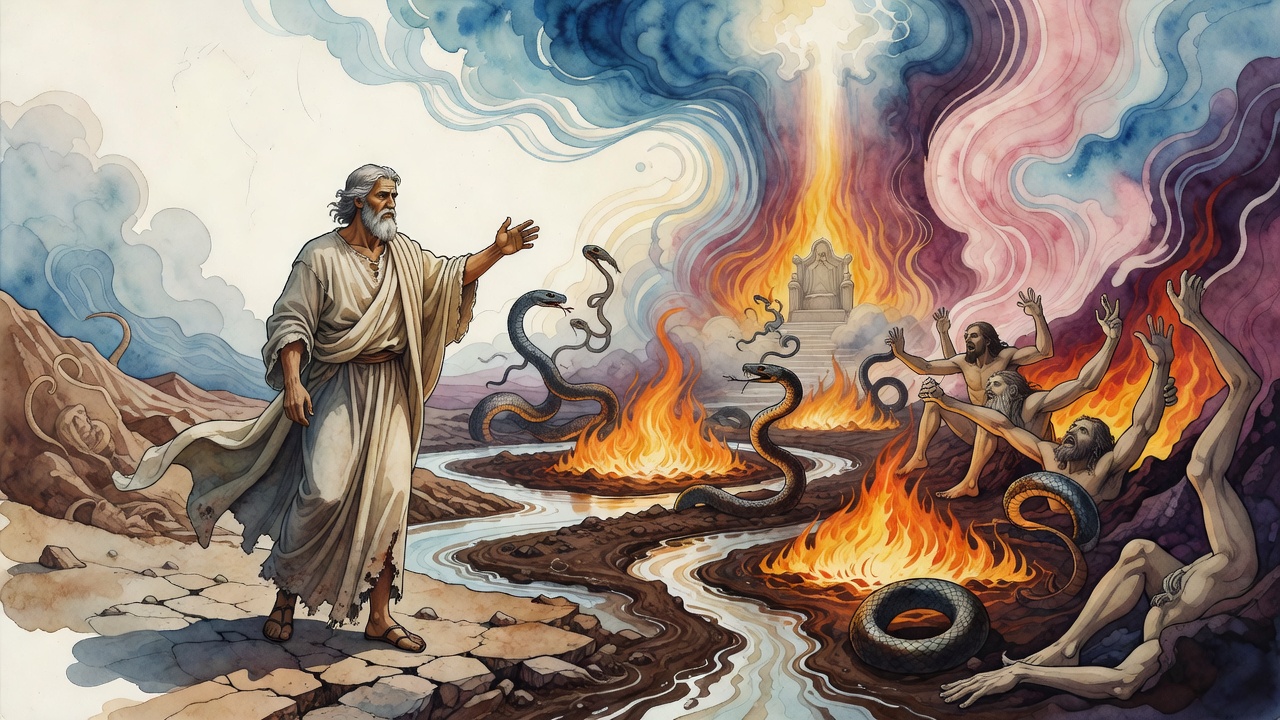
The sinners stood in mud up to their navels. Moses had not asked to see this. Then he stood on a mountain and was told not to cross.
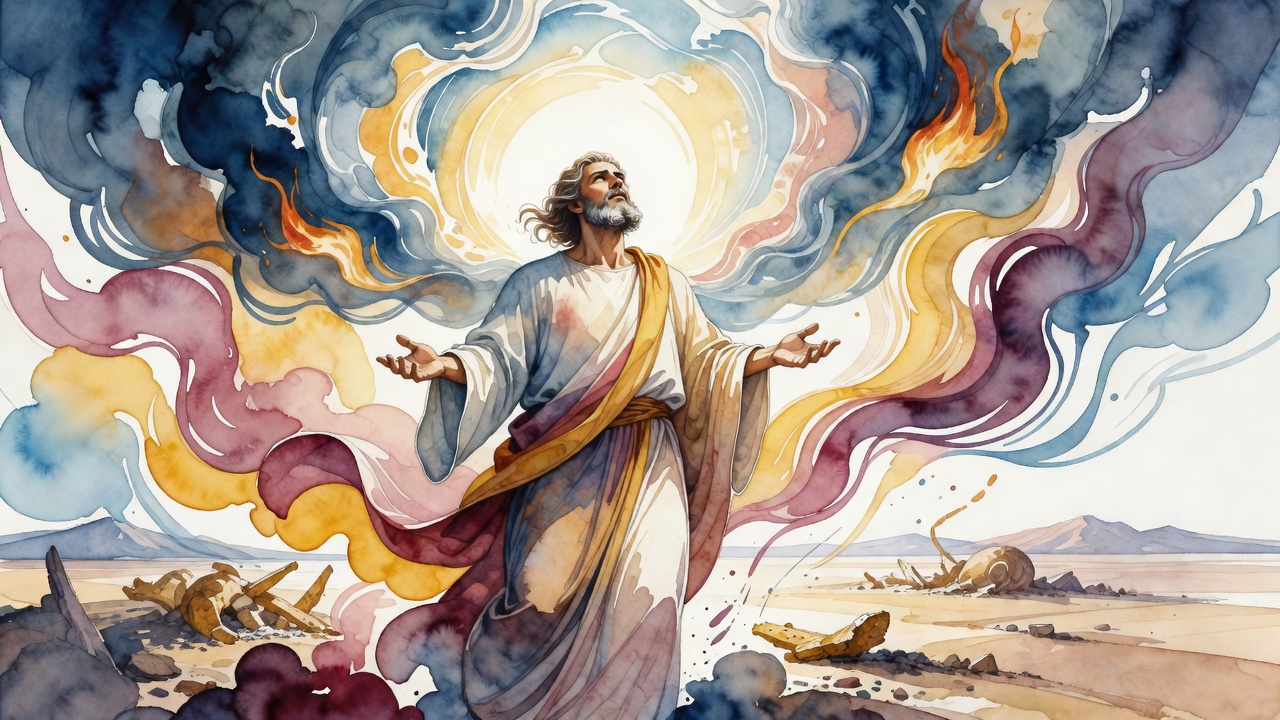
After the golden calf, Moses offered his own name to save Israel, asking God to erase him if the people could not be forgiven.
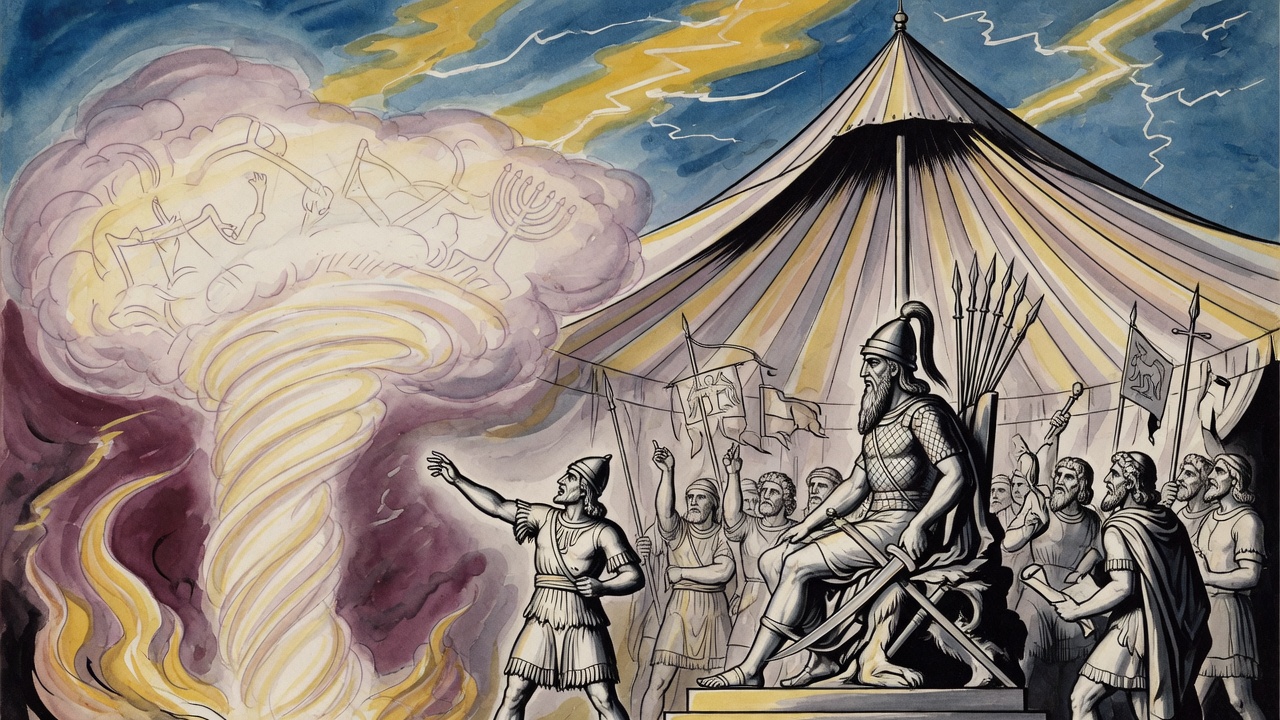
Figs and olives and mountain water met Abraham in Canaan. None of it was his. He asked God how a childless man could inherit a country.
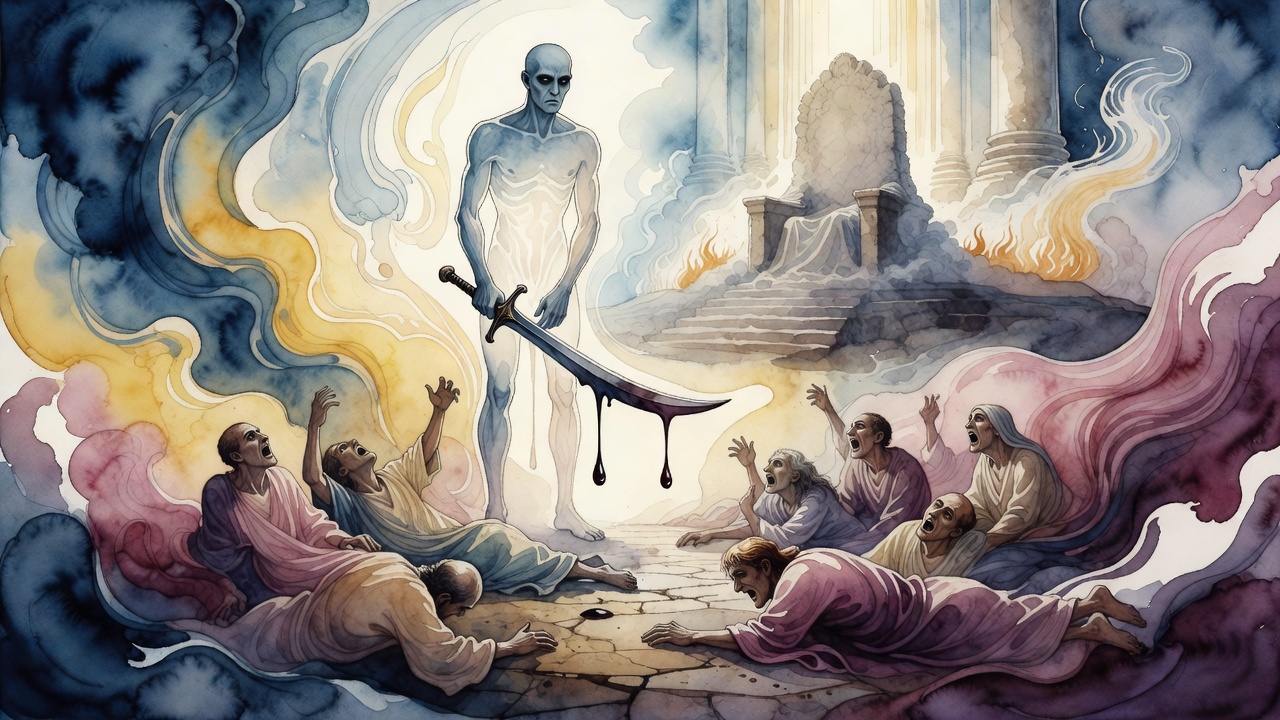
Adam put on sackcloth after Abel died. A voice spoke from inside his chest. Samael still stood in the room, and God would not send him away.
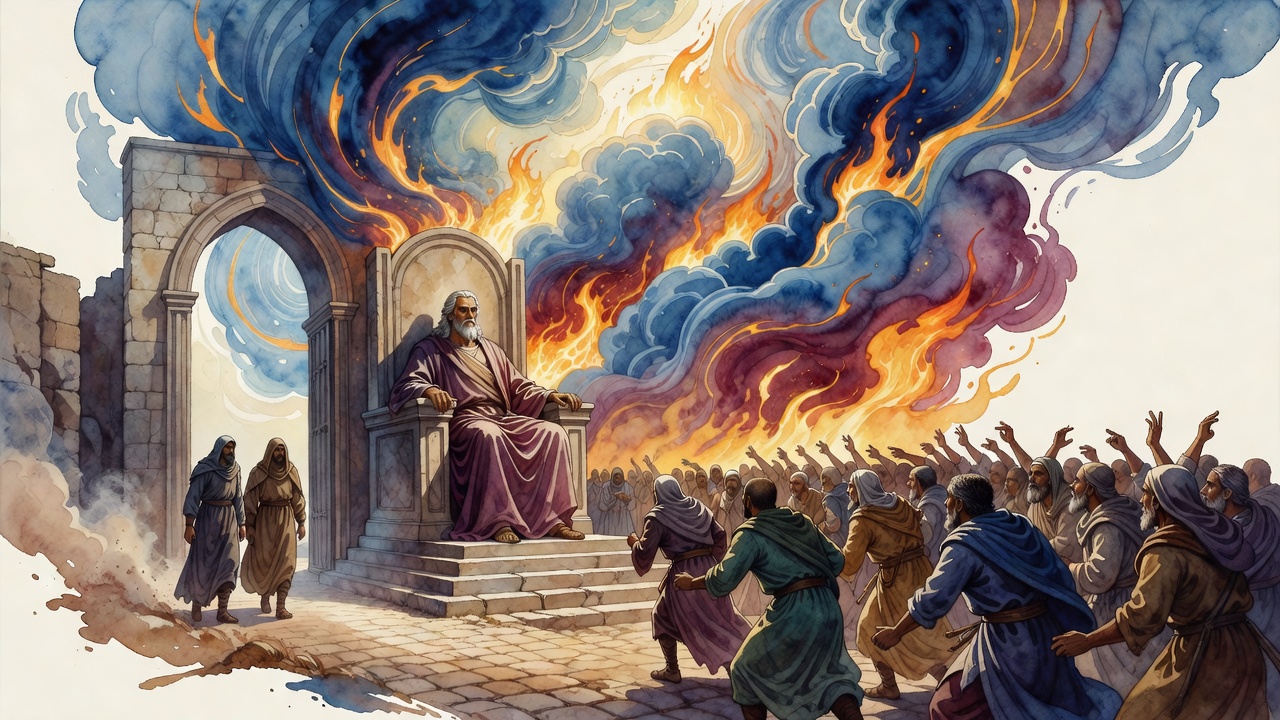
Lot took the judge's seat the same day two strangers walked through the gate. He barred his door before the city could apply its law.
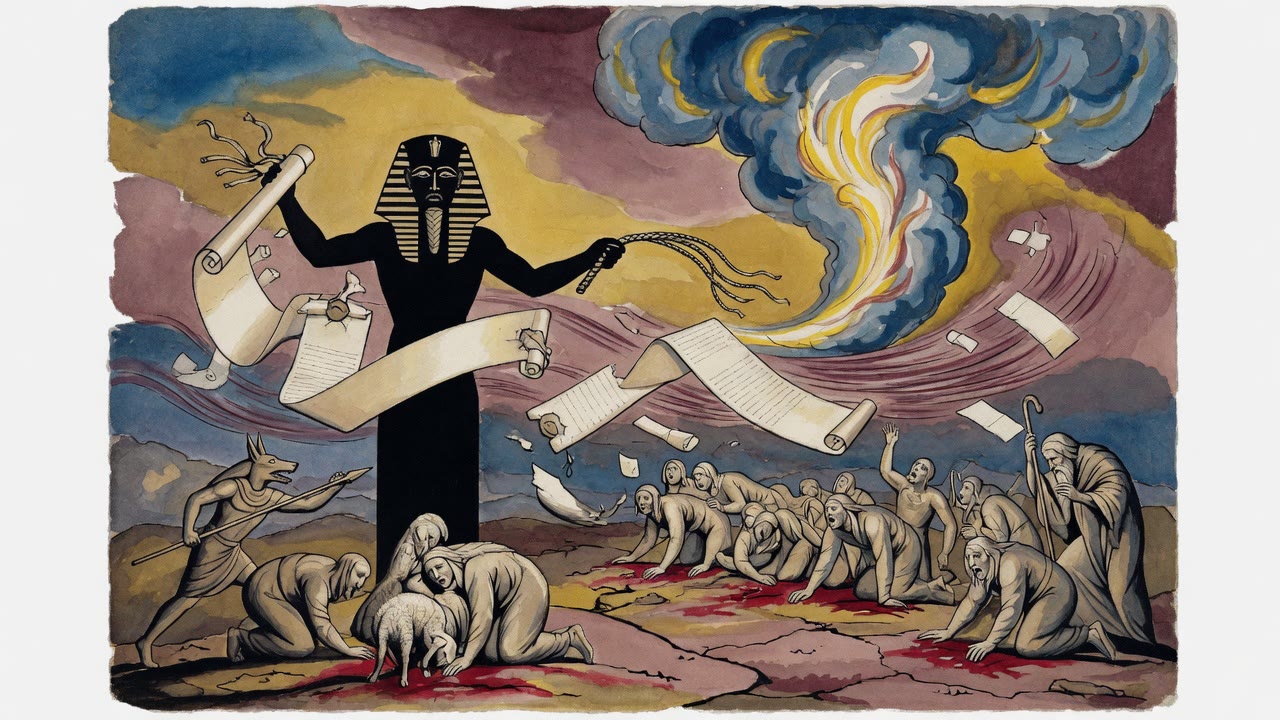
A king arrived at Gehenna expecting fire. Pharaoh stood in the doorway with fifty days of sea-floor dark still in his mouth.
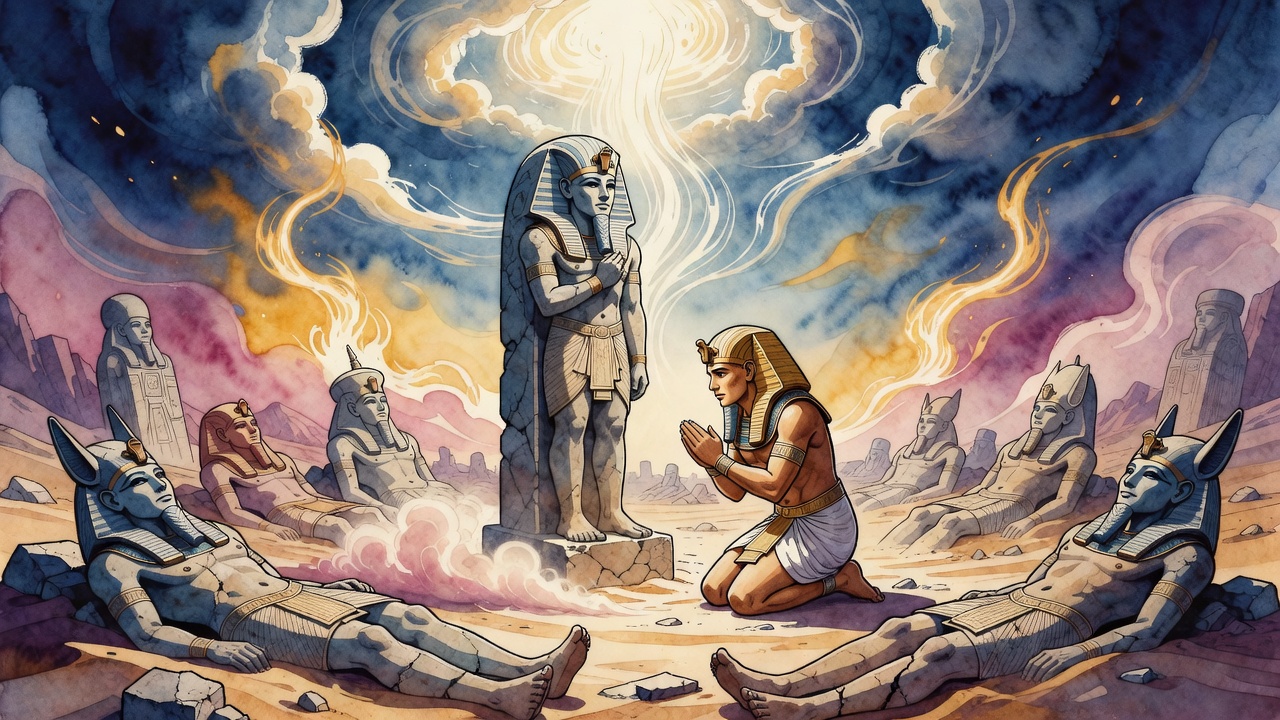
Every Egyptian idol fell during the plagues, but Baal-zephon still stood. God left it standing so Pharaoh would pray there, trust the sign, and charge.
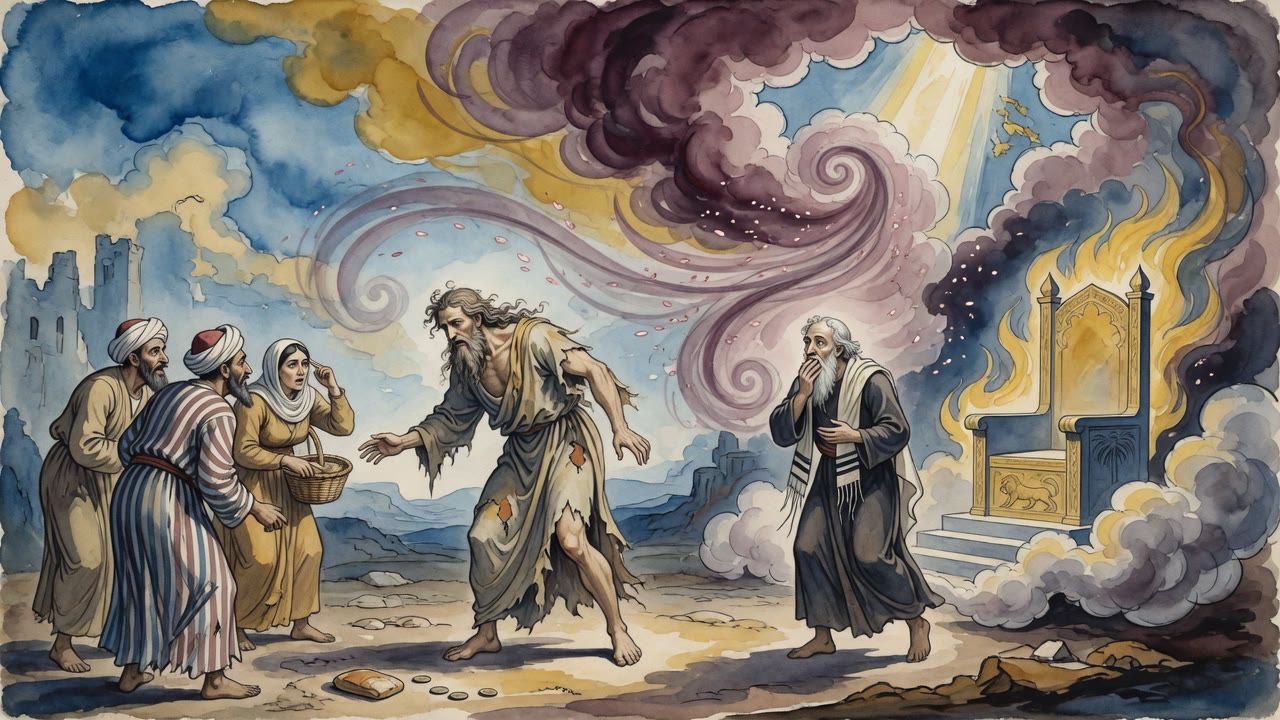
He held out his hand in a market that did not know him. The worst day was not the blank stares. It was the face that went pale.
