282 myths · Page 3 of 10
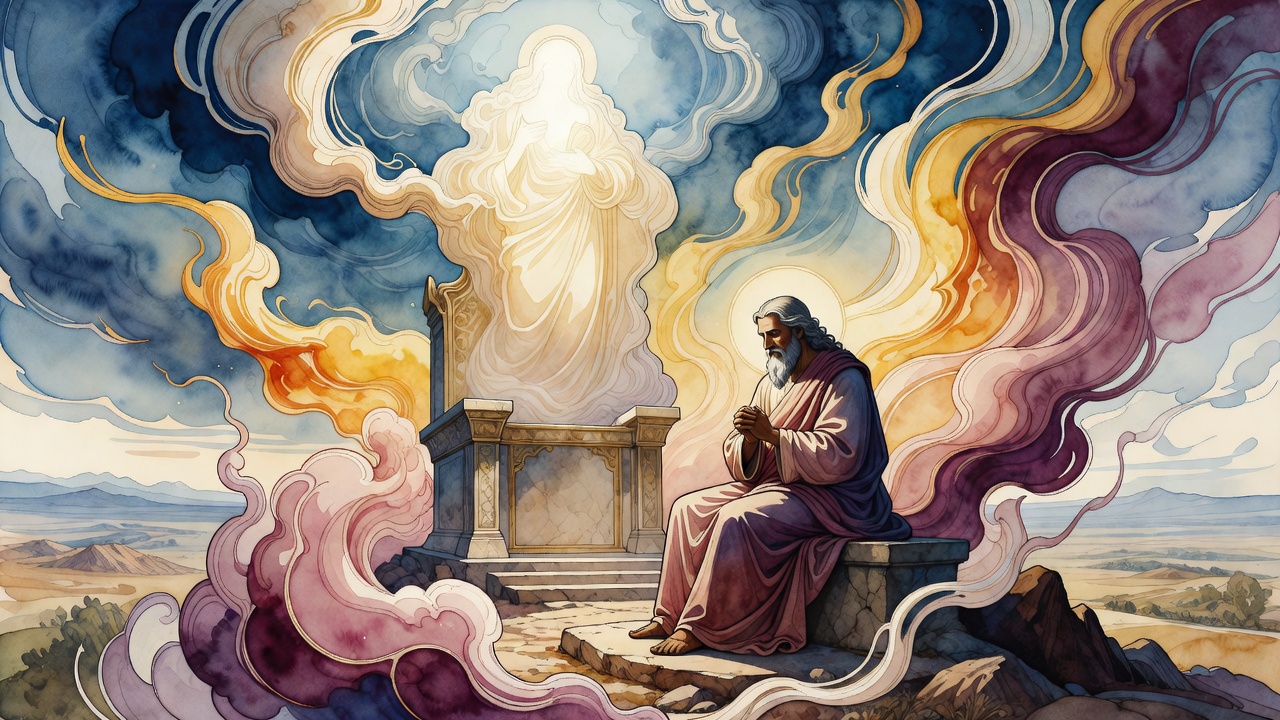
A voice at Gibeon said ask. Solomon named a listening heart. Two women came at dawn with one living child and no witness.
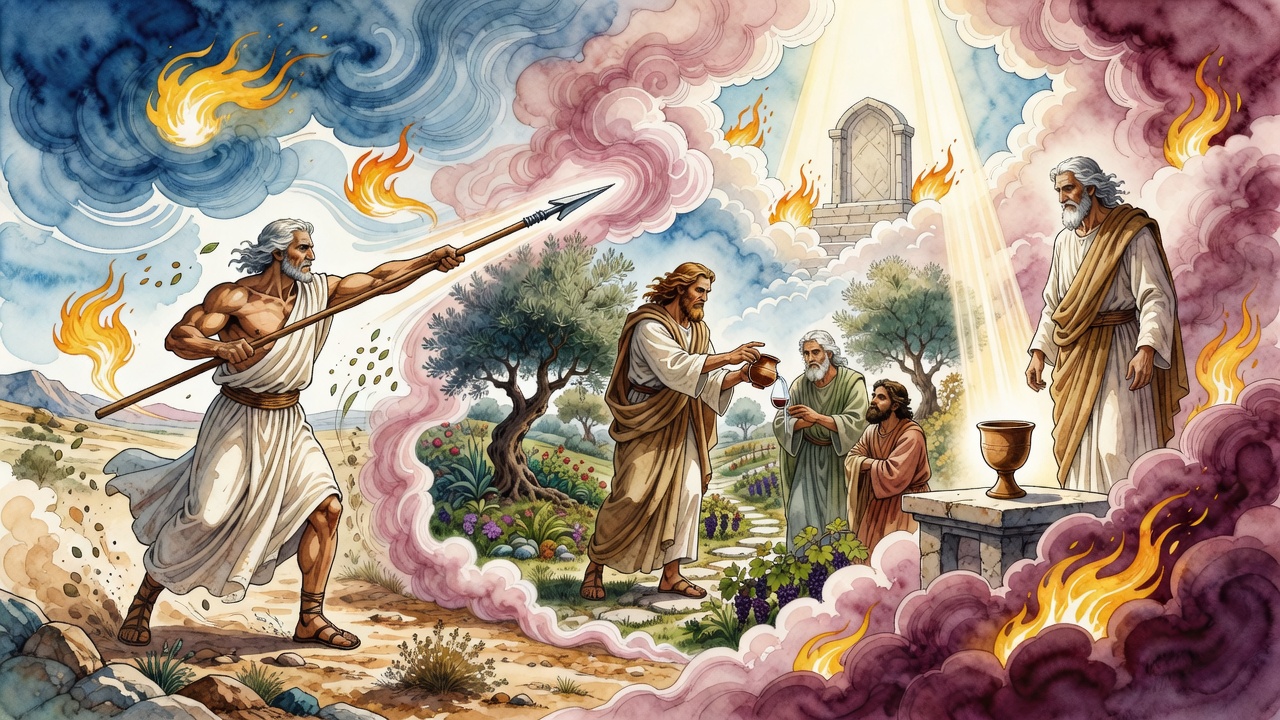
Twenty-four thousand were already dead and the people stood weeping at the tent. Moses did not move. Aaron's grandson walked in carrying a spear.
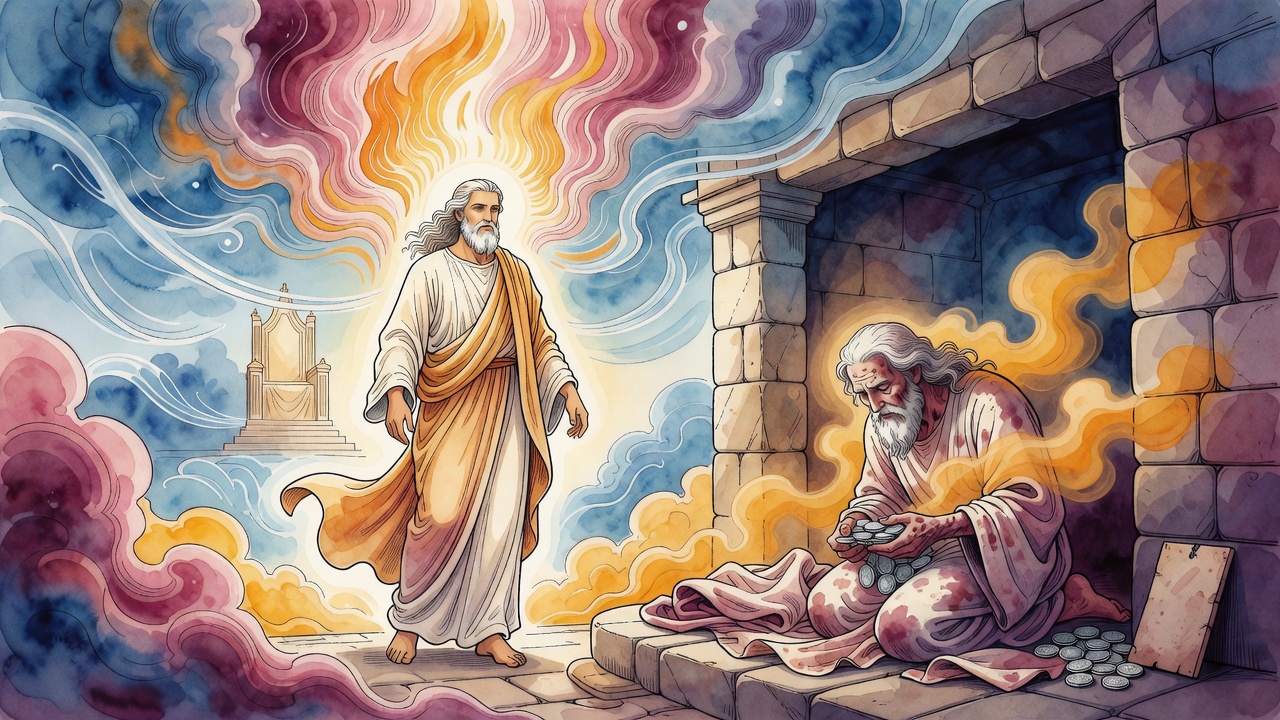
Naaman tried to press silver into Elisha's hands. Elisha would not take it. Gehazi waited until the chariot was on the road, then he ran.
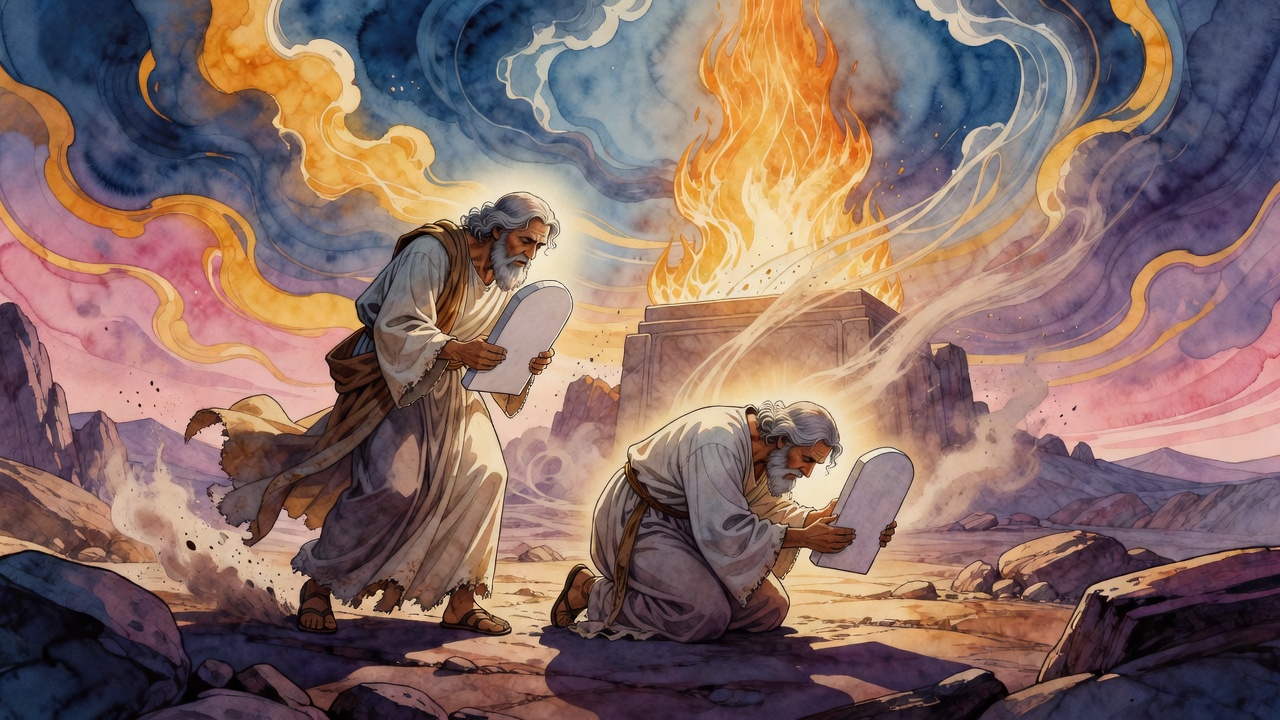
The quill stopped at Let us make. Below the mountain a calf had gone quiet. Moses shook, then asked whose people these were.
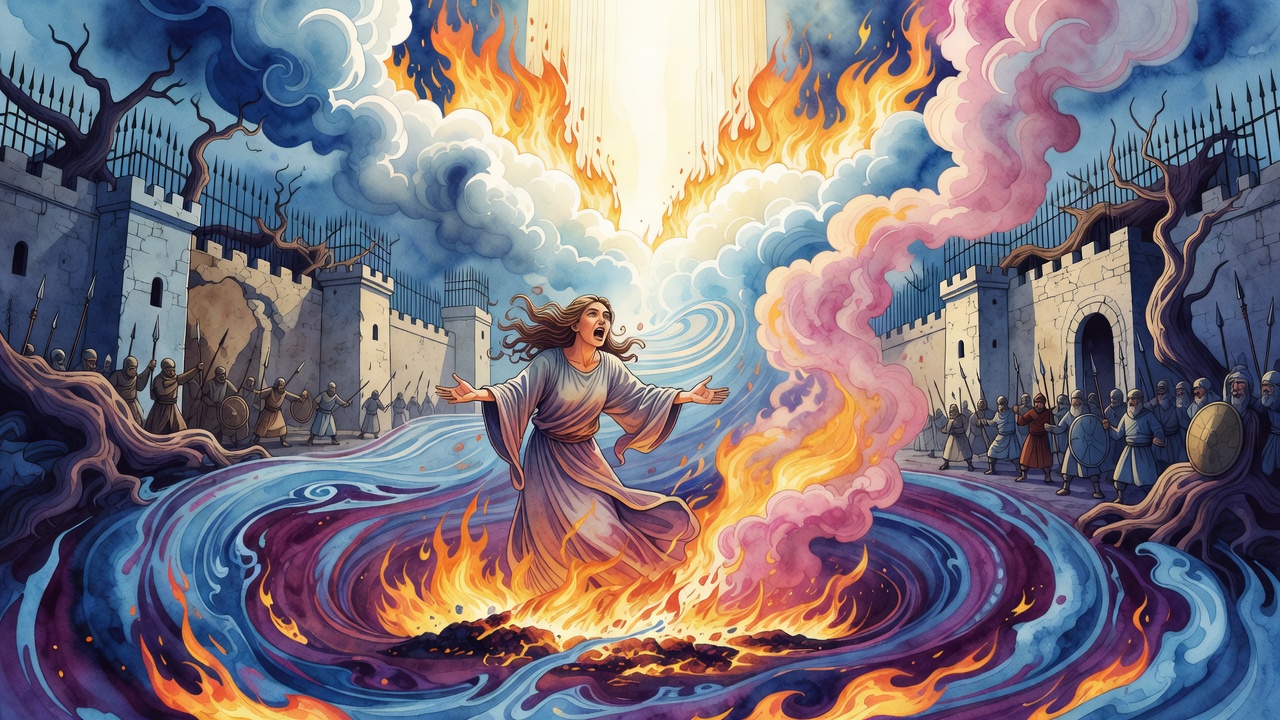
Peletith hid bread in her water bucket and carried it to the starving man in her street. Sodom burned her for feeding him.
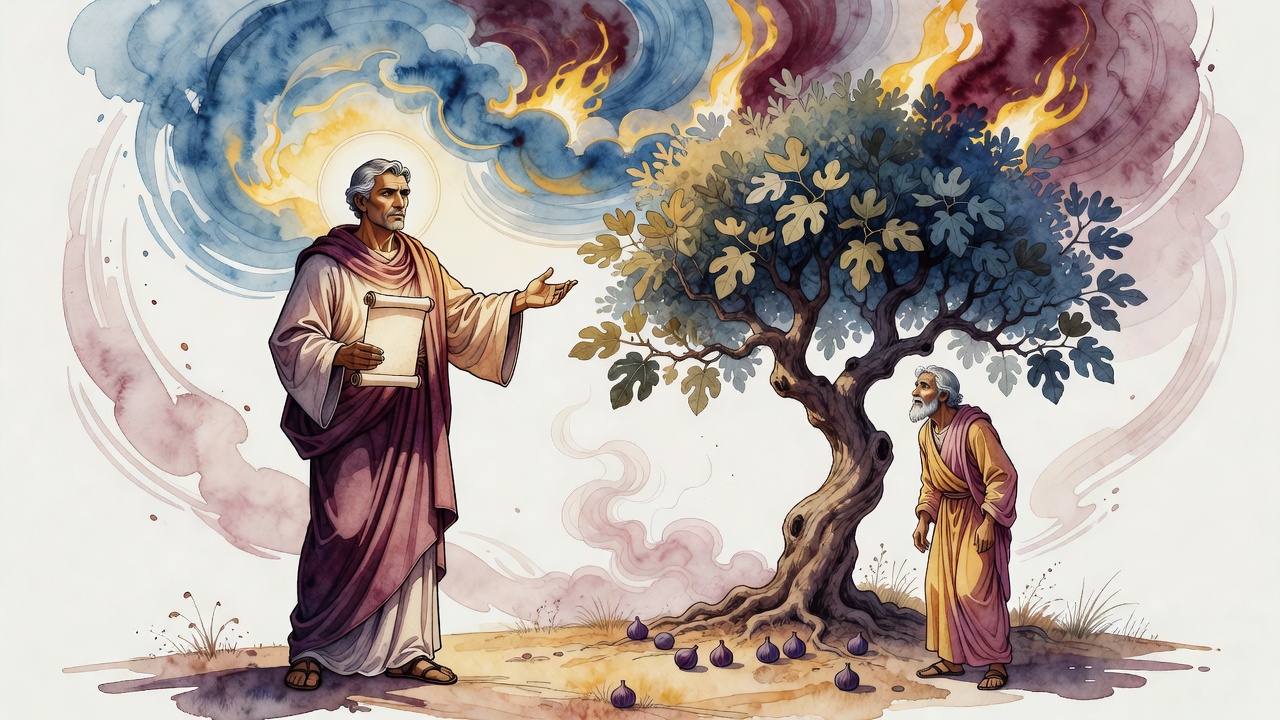
He was out picking before they arrived every single morning. The students decided he suspected them of stealing his fruit, and quietly moved to another tree.
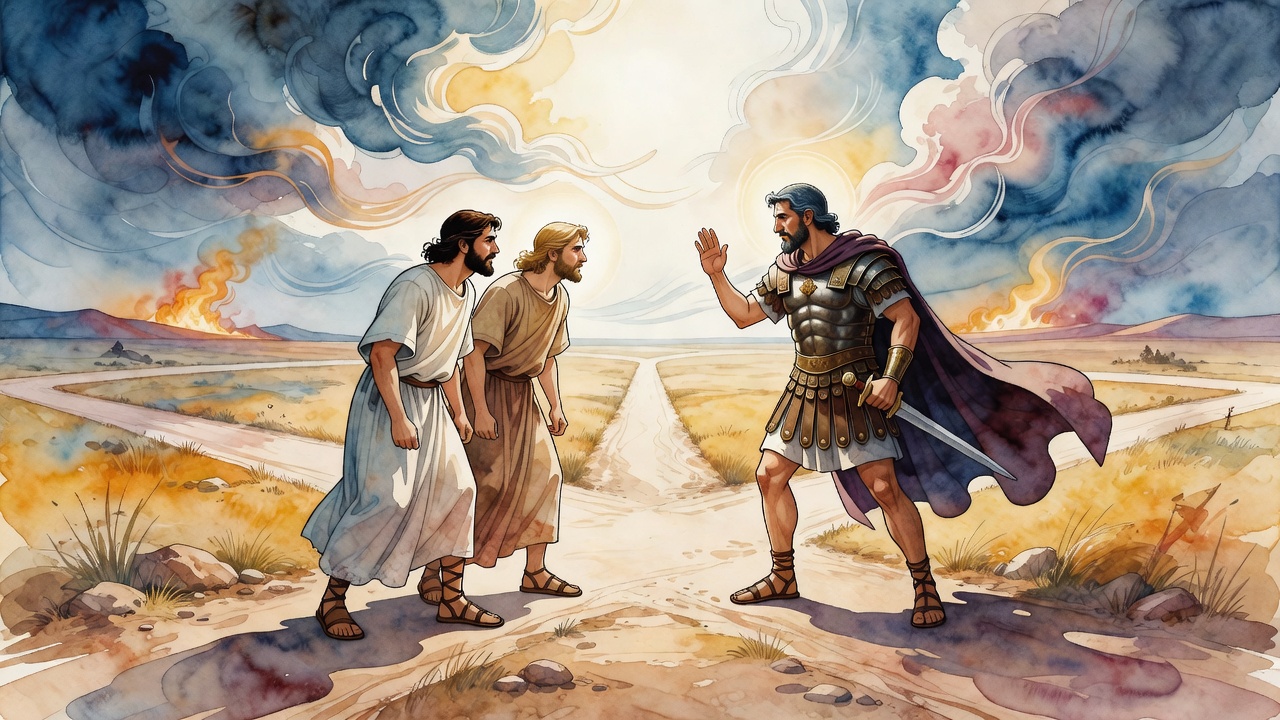
Two students of Rabbi Yehoshua disguised themselves in Roman dress. An officer who had heard the rabbi teach stopped them at a crossroads.
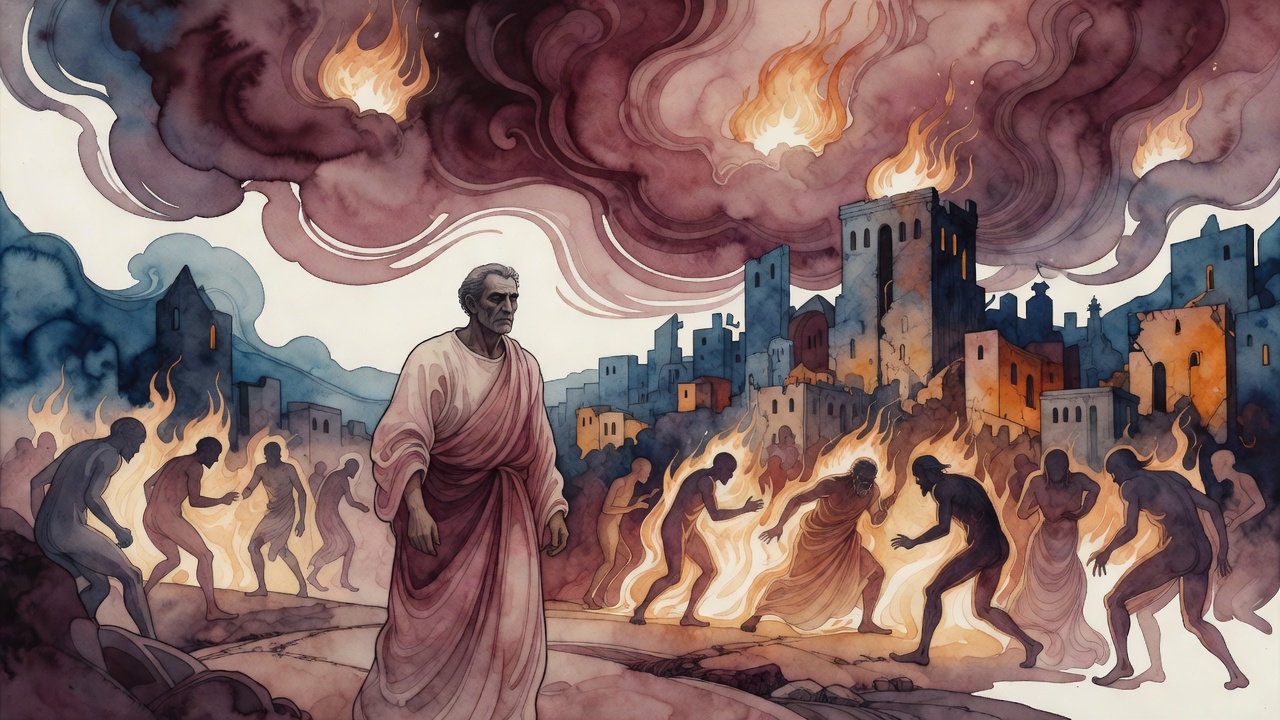
Sodom stamped its name on coins and pressed them into a stranger's hand. Shops would not sell him bread. They took the coins off his corpse.
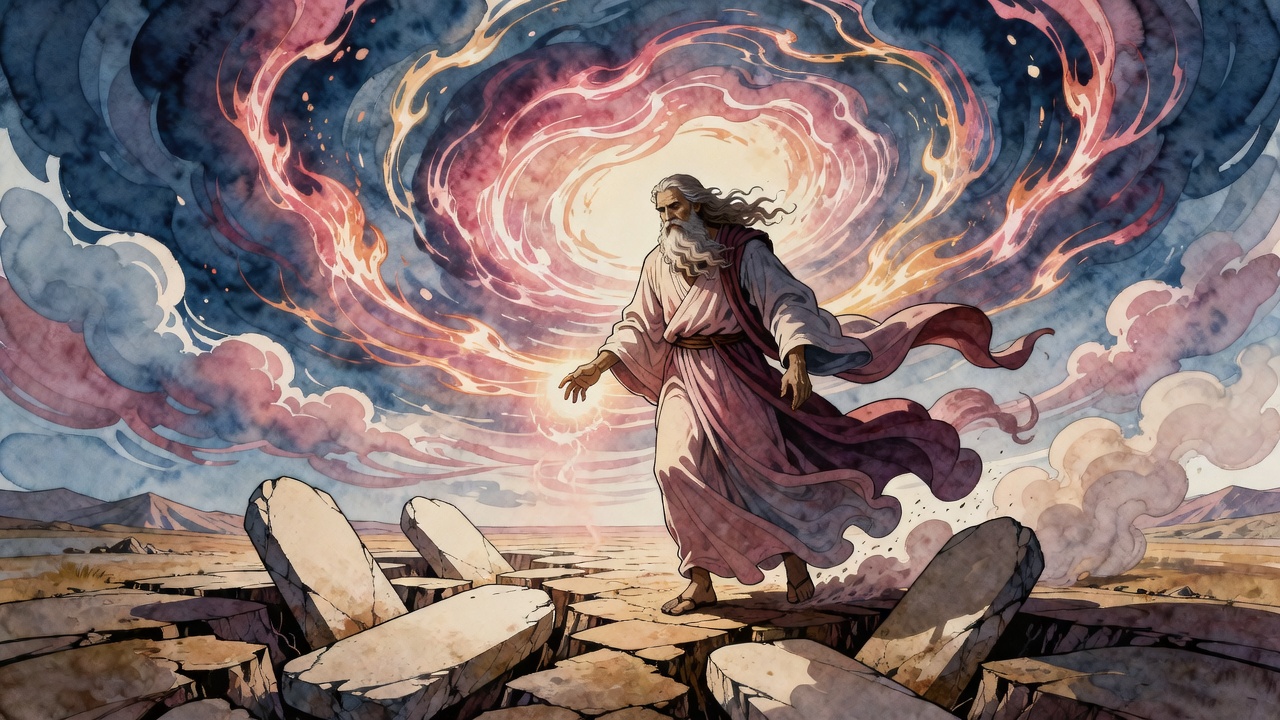
A horse paced in the air above the crowd. Enoch said it had come for him. Eight hundred thousand men followed him out of the city anyway.
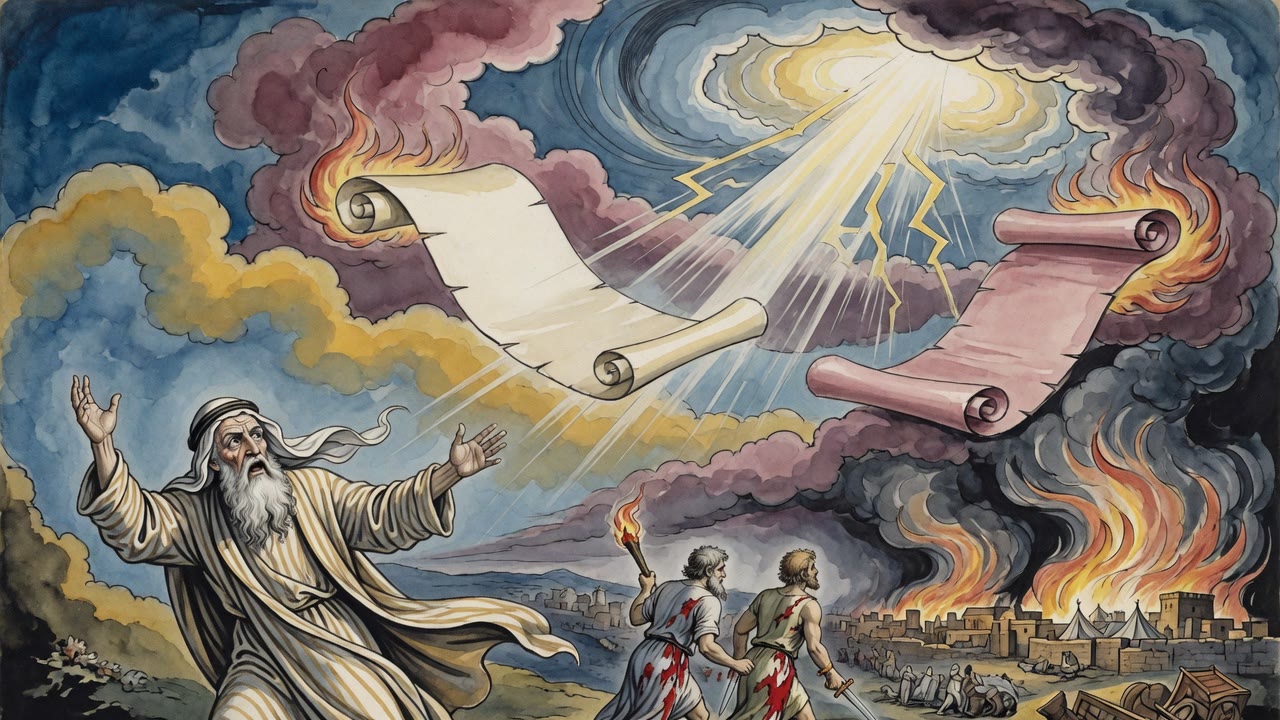
Jacob rebuked his sons for the slaughter at Shechem. A heavenly record reached a different verdict. Both accounts survived.
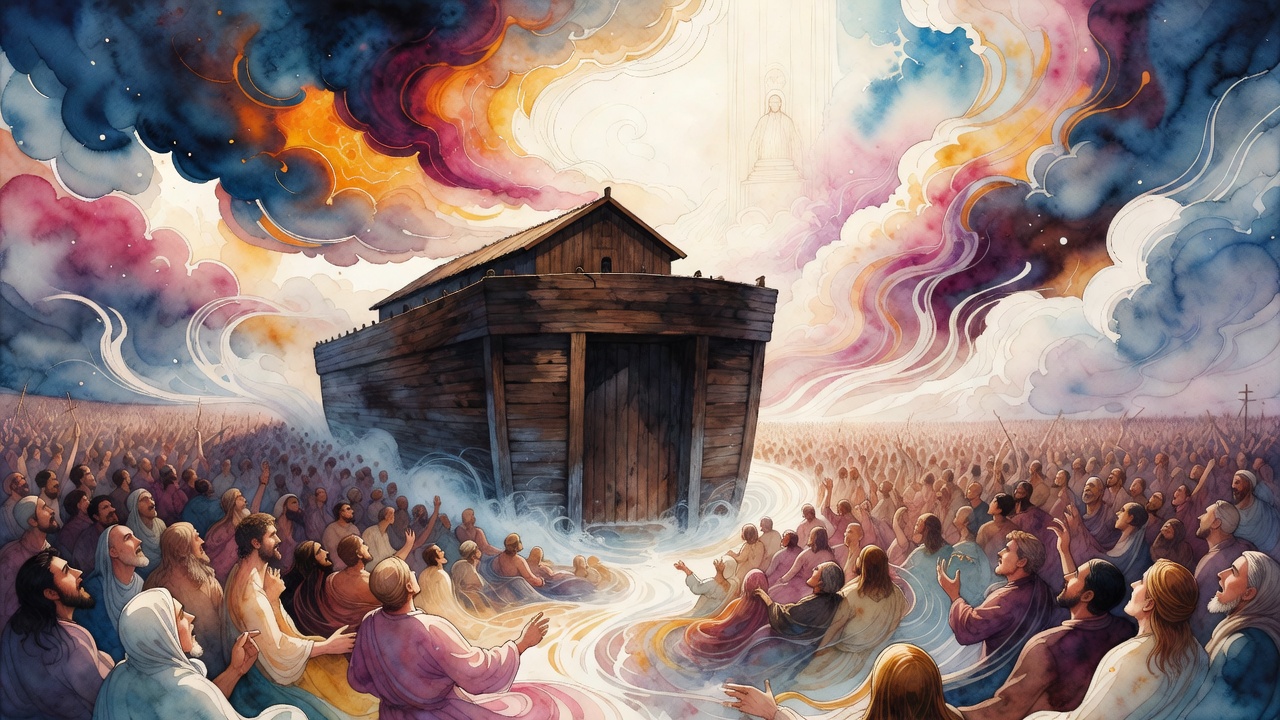
Seven hundred thousand people begged at the ark door and Noah shouted them down. He had been standing outside it himself a moment earlier.
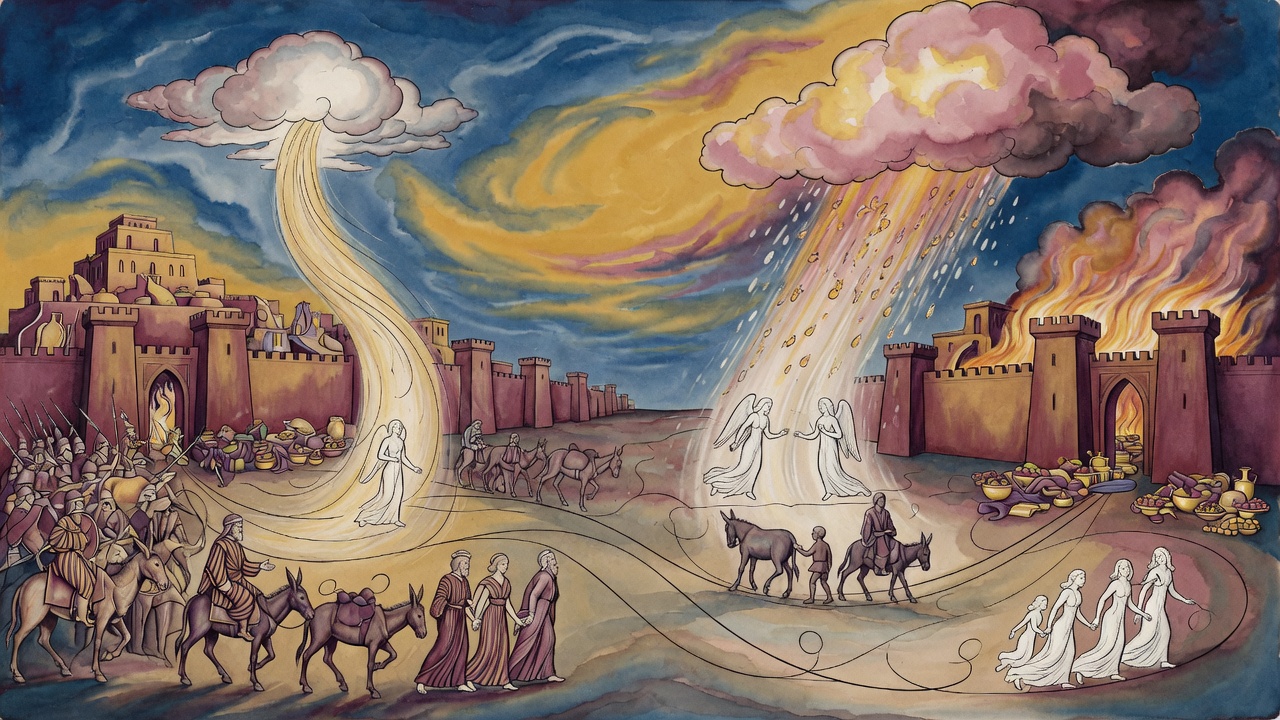
Lot was saved from Sodom once in battle, once from fire. Both times he returned. The texts explain what the city offered him and what the return cost.
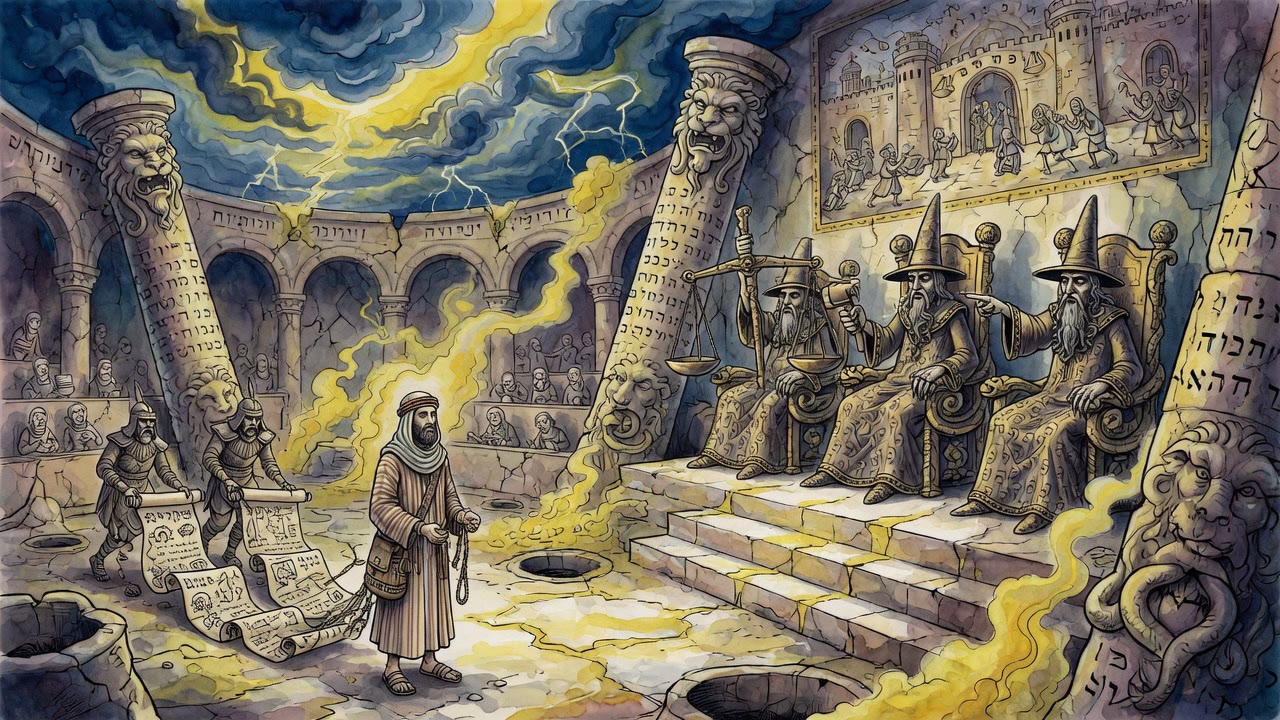
Sodom handed its beggars silver and forbade anyone to sell them bread. Lot's daughter hid a loaf in her water jar, and the city burned her in the street.
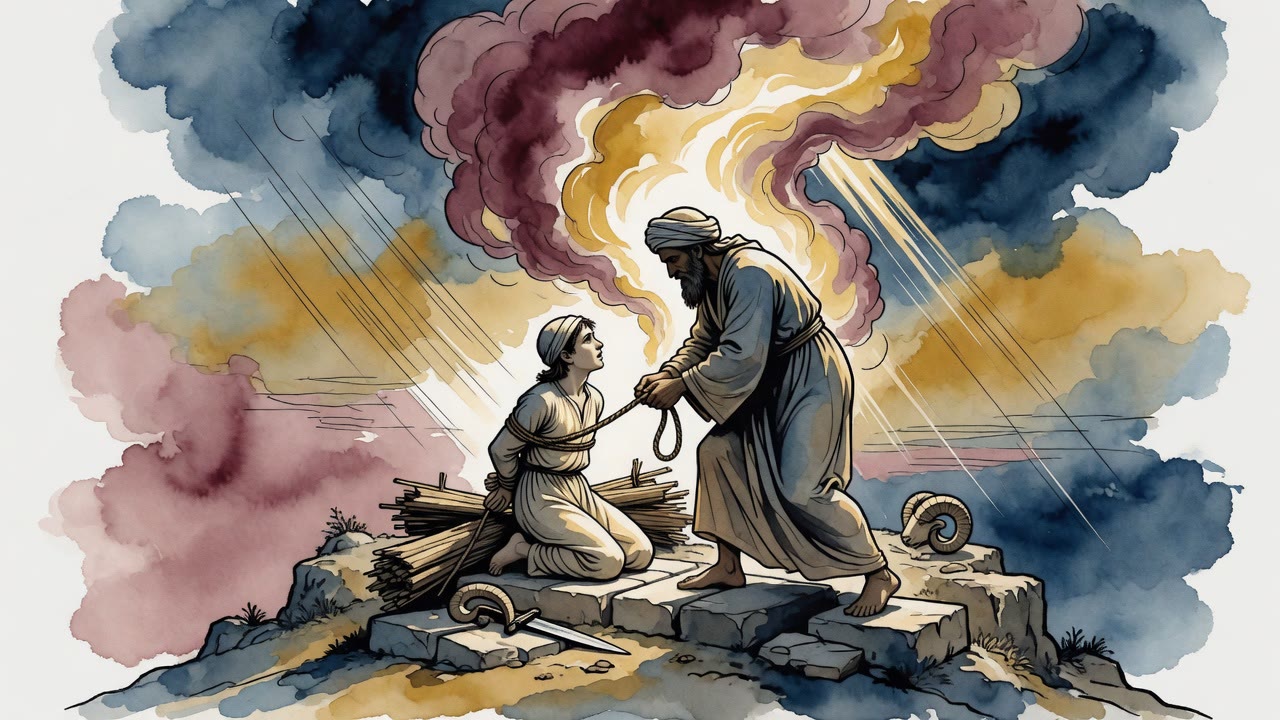
Abraham told God to wipe Israel out so the Name would stay holy. Jacob said the same. Isaac, who had been on the altar, began to count.
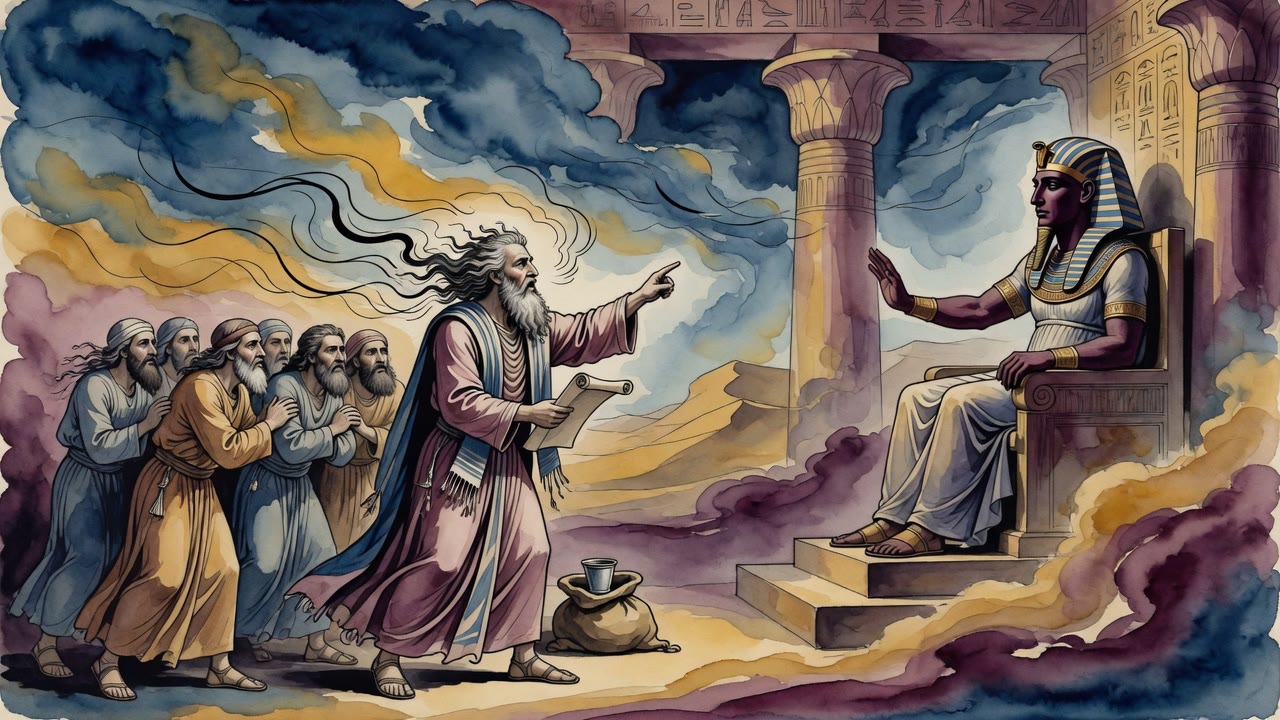
Standing before Egypt's Viceroy, Judah invoked the law of companions taken together. Joseph answered that only the one who stole should remain.
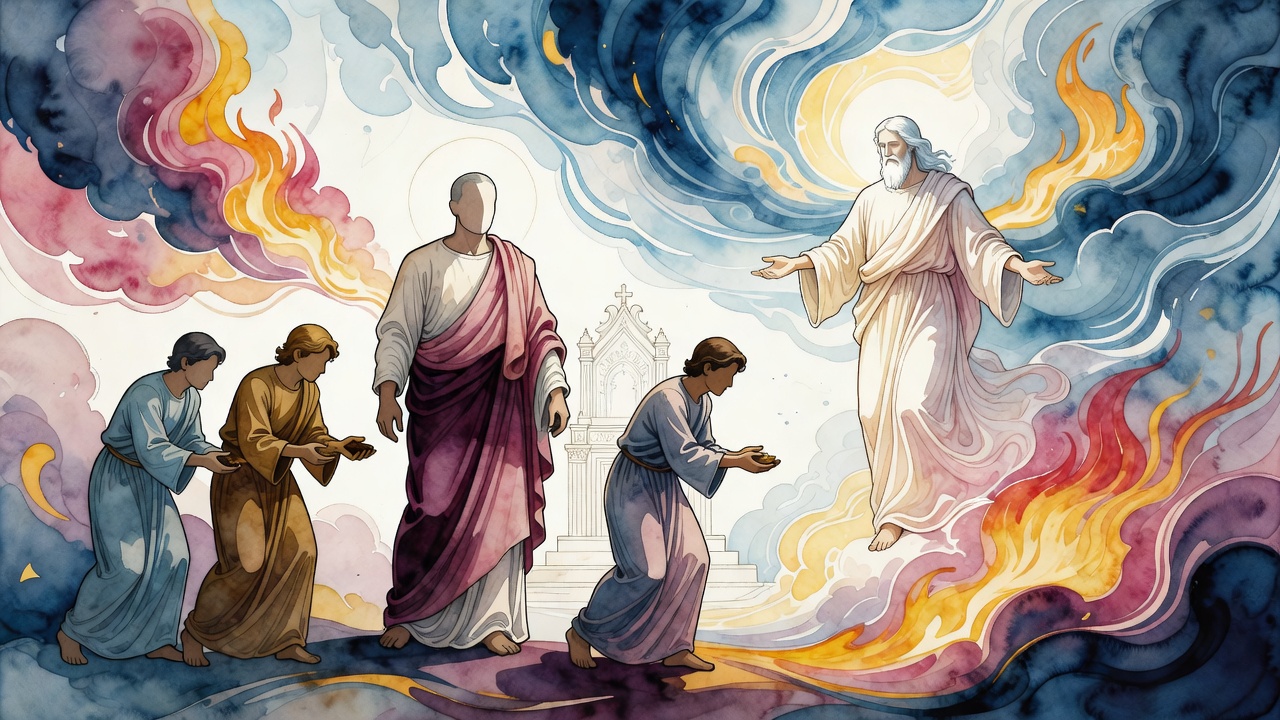
Samuel stood before Israel and dared them to name one gift he had taken. Nobody could. His sons sat at Beersheba and collected before they heard a case.
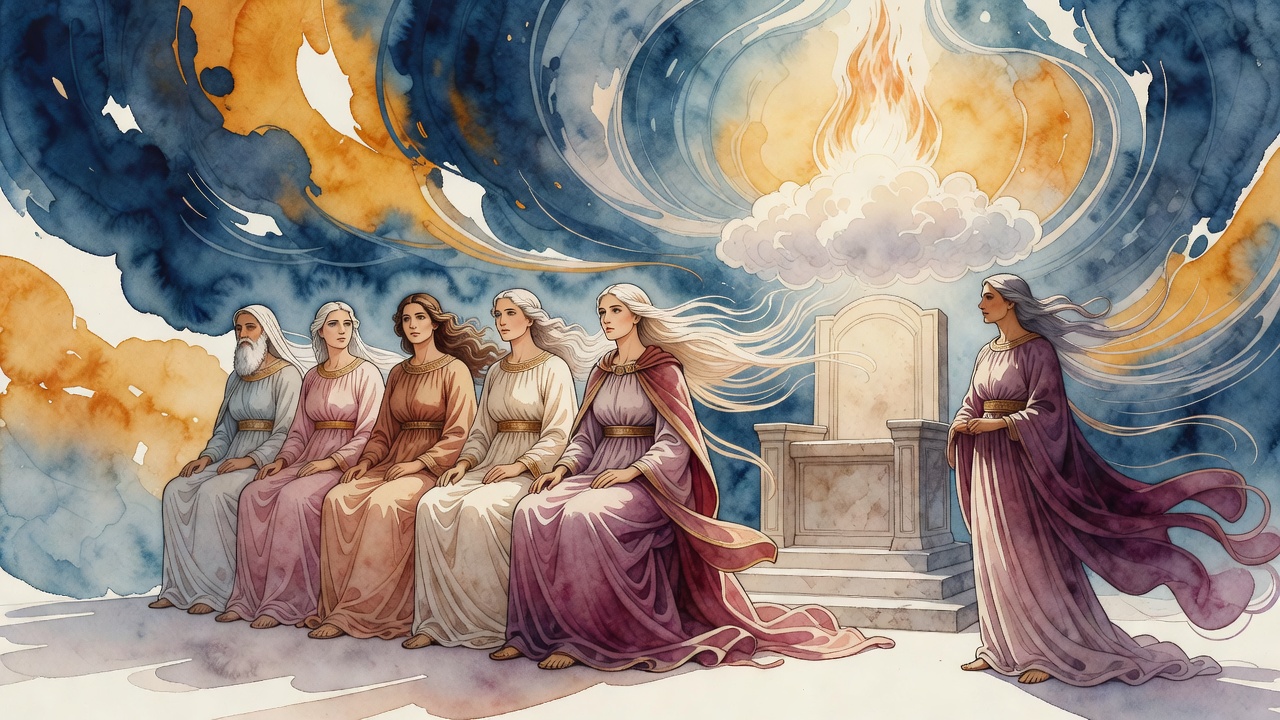
David rode out with four hundred armed men to wipe out one household. A woman met the column in the dark holding a lamp and a legal question.
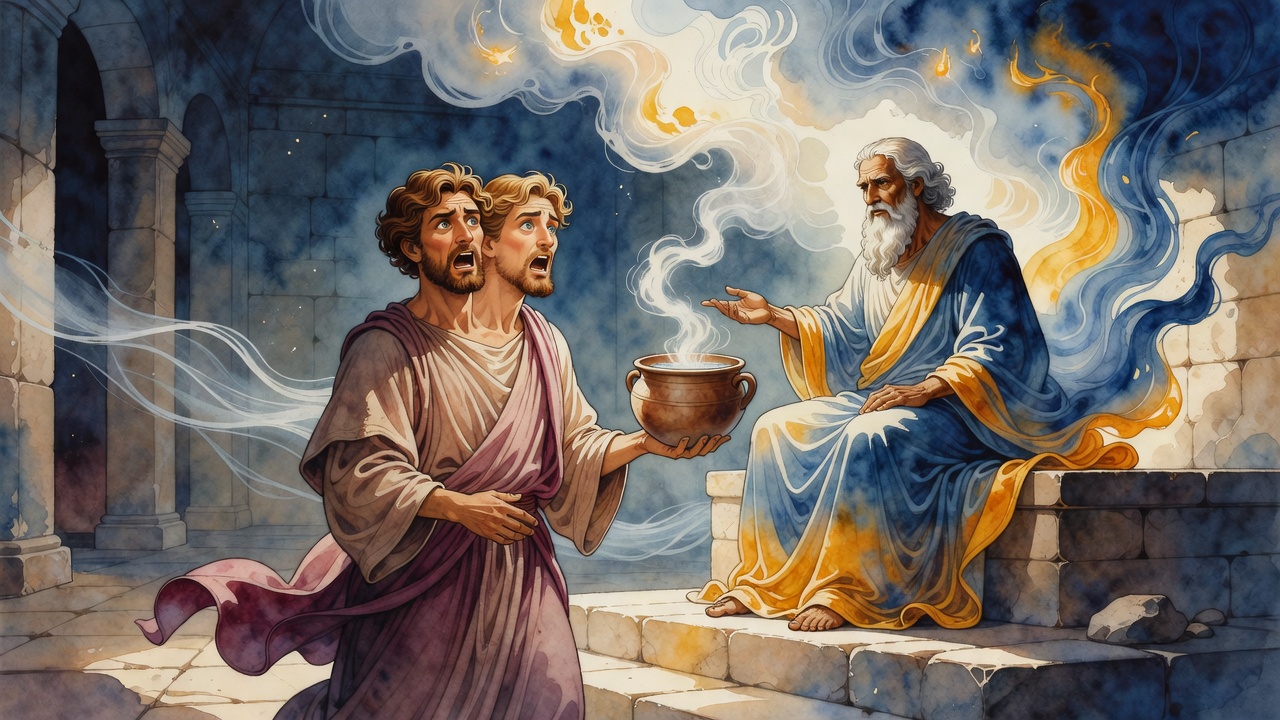
Ashmedai brought a Cainite up from under the earth to confuse the king. Years later the two-headed son wanted two shares. Both mouths screamed as one.
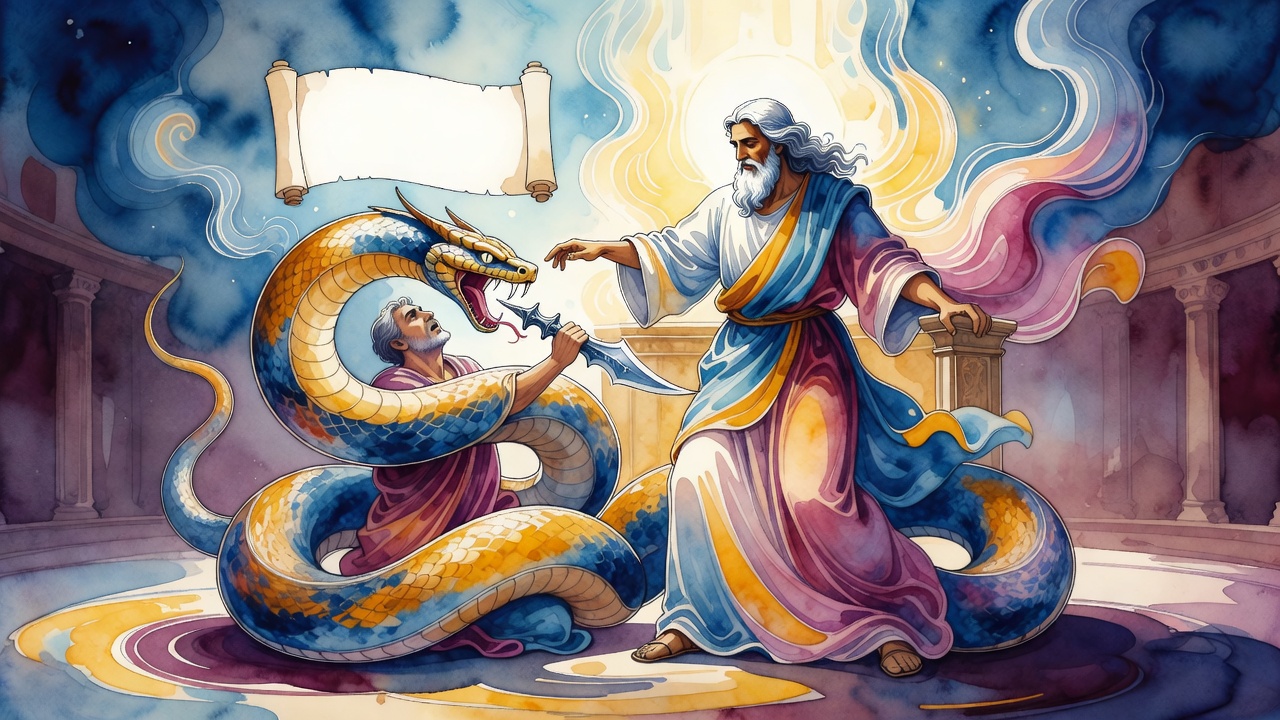
The serpent still had the man's neck when it quoted scripture. Solomon told it to get down. Then he told the man to finish the verse.
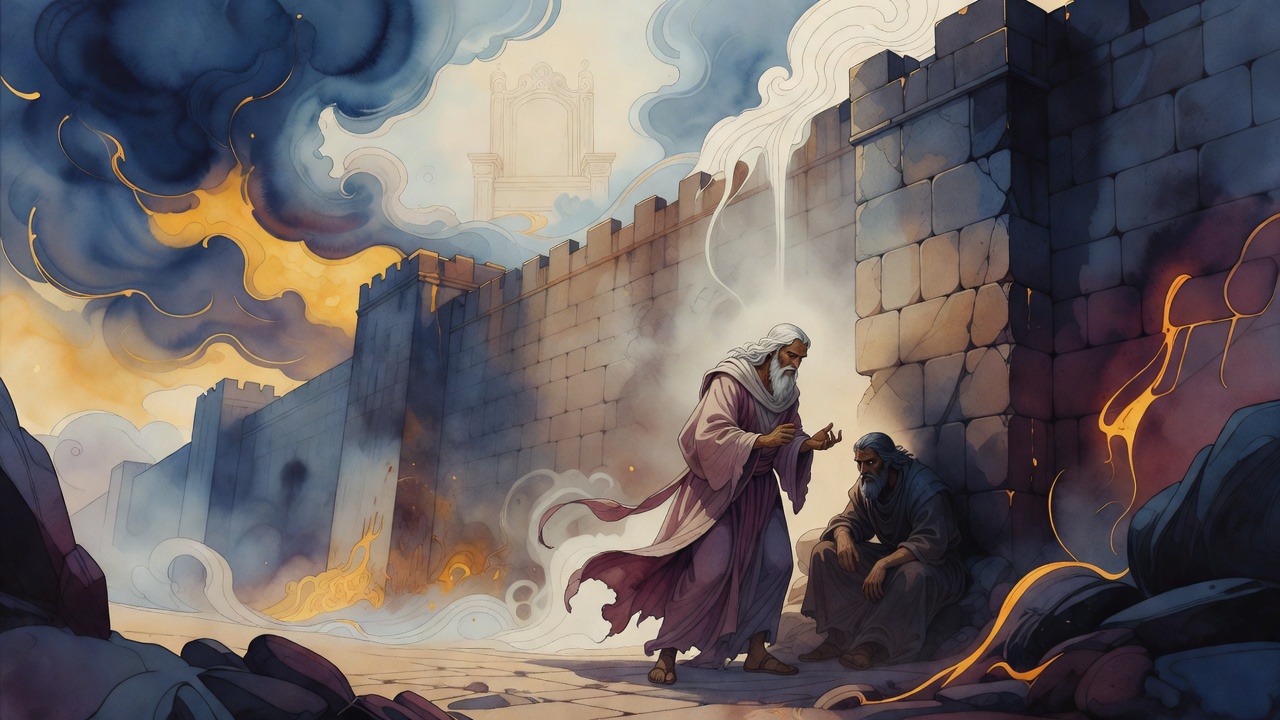
Two men were lurking near the palace walls. Solomon put on servant's clothes, introduced himself, said he had a key, and proposed a robbery.
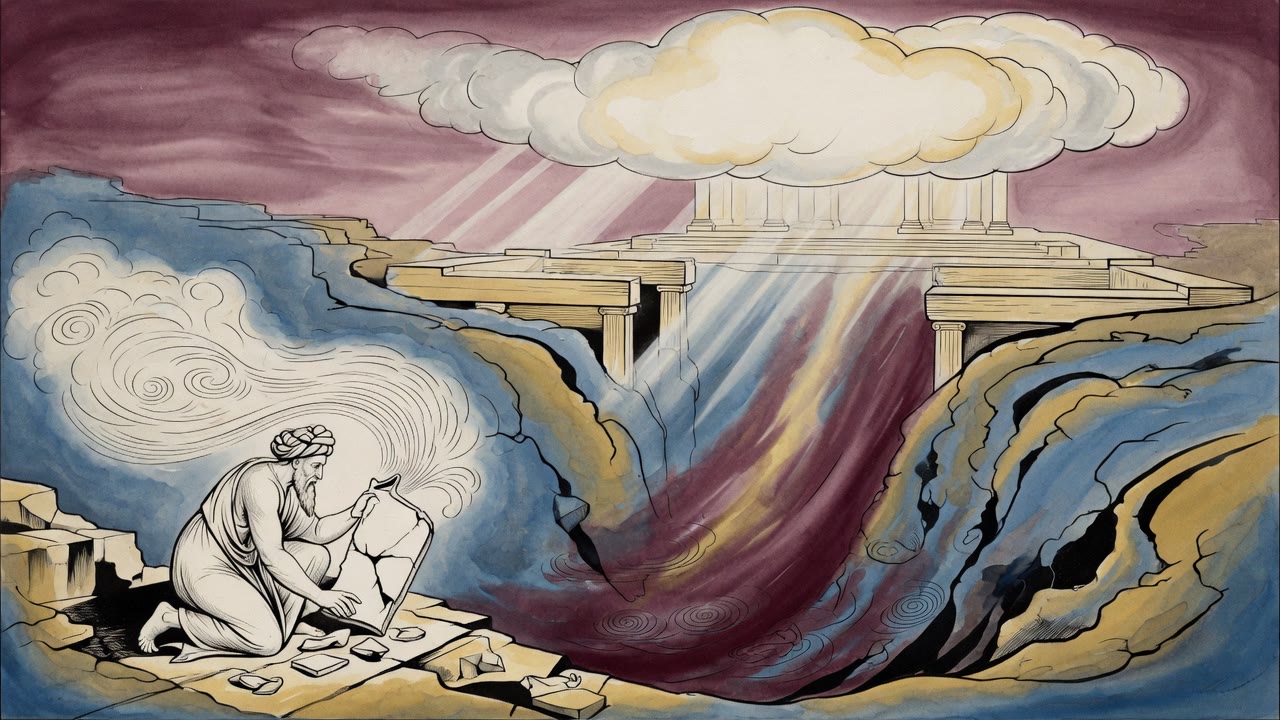
Zedekiah dug a tunnel from Jerusalem to Jericho. God sent a deer, soldiers gave chase, and it led them straight to the exit as the king emerged.
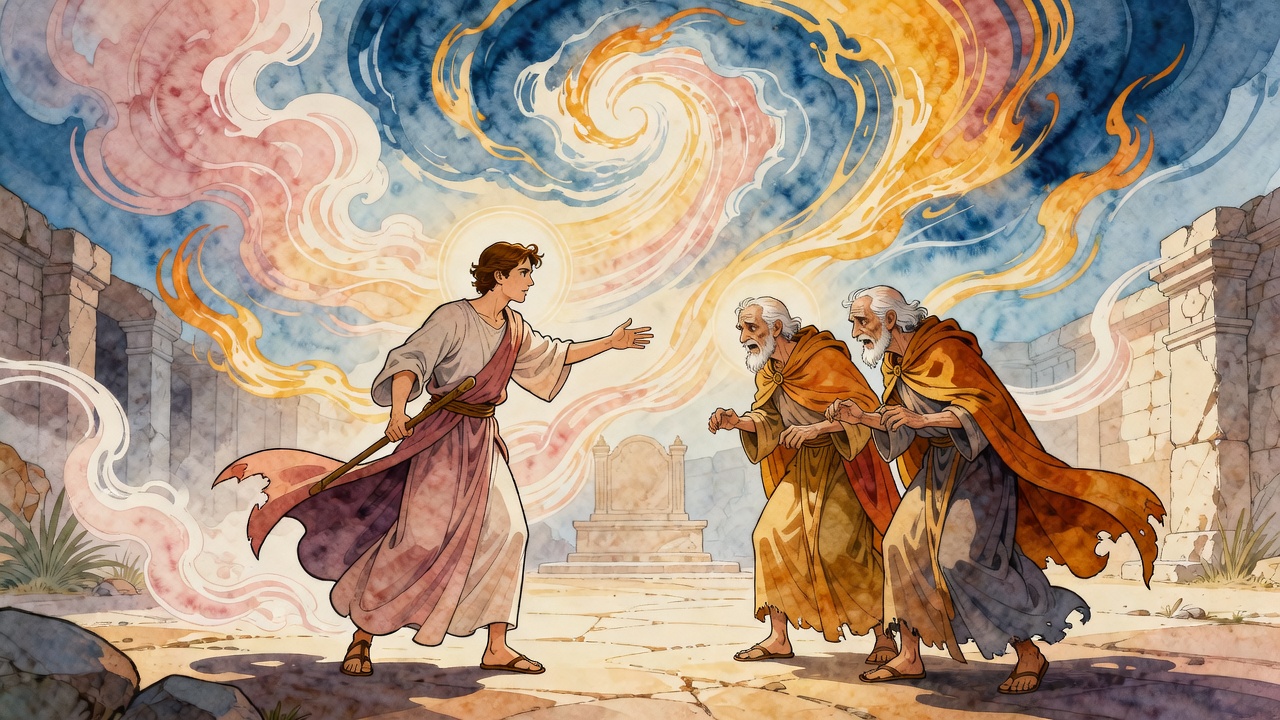
Two elders condemned a righteous woman with false testimony. A young man with no standing interrupted and asked each elder which tree they had stood under.
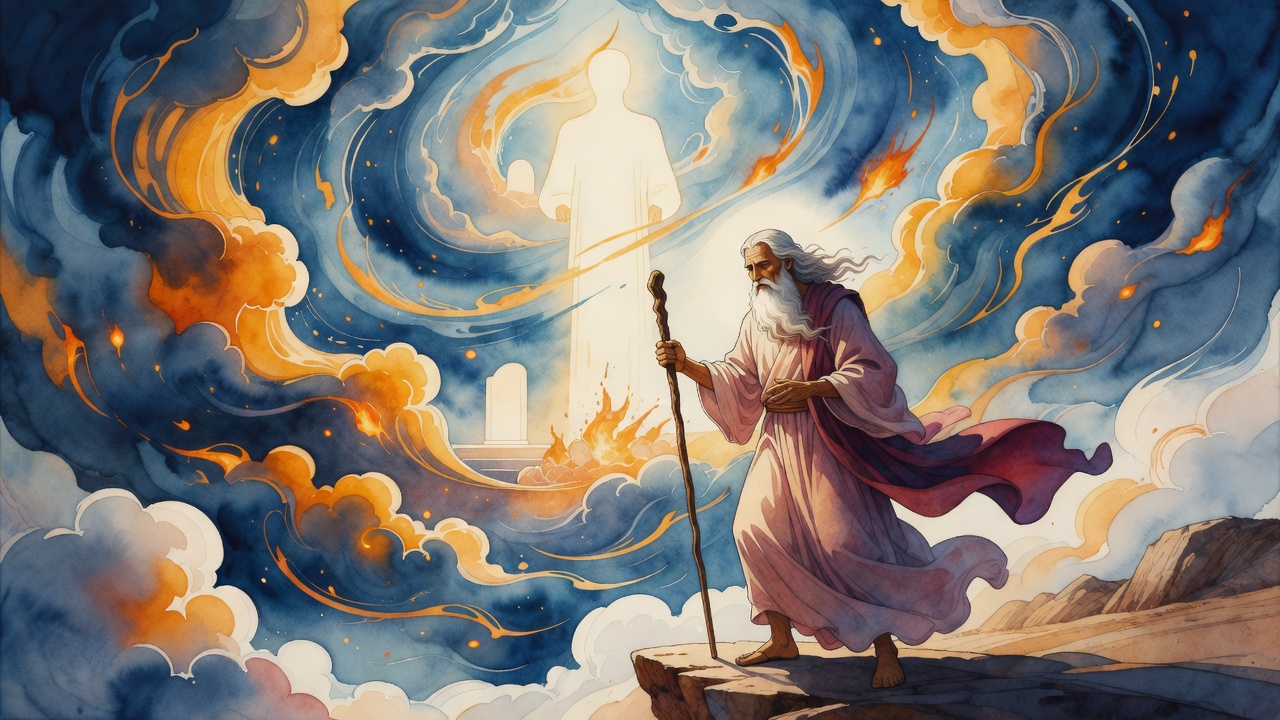
God told him to make the lampstand and Moses could not do it. God built a model out of four fires. Moses looked at it and still could not do it.
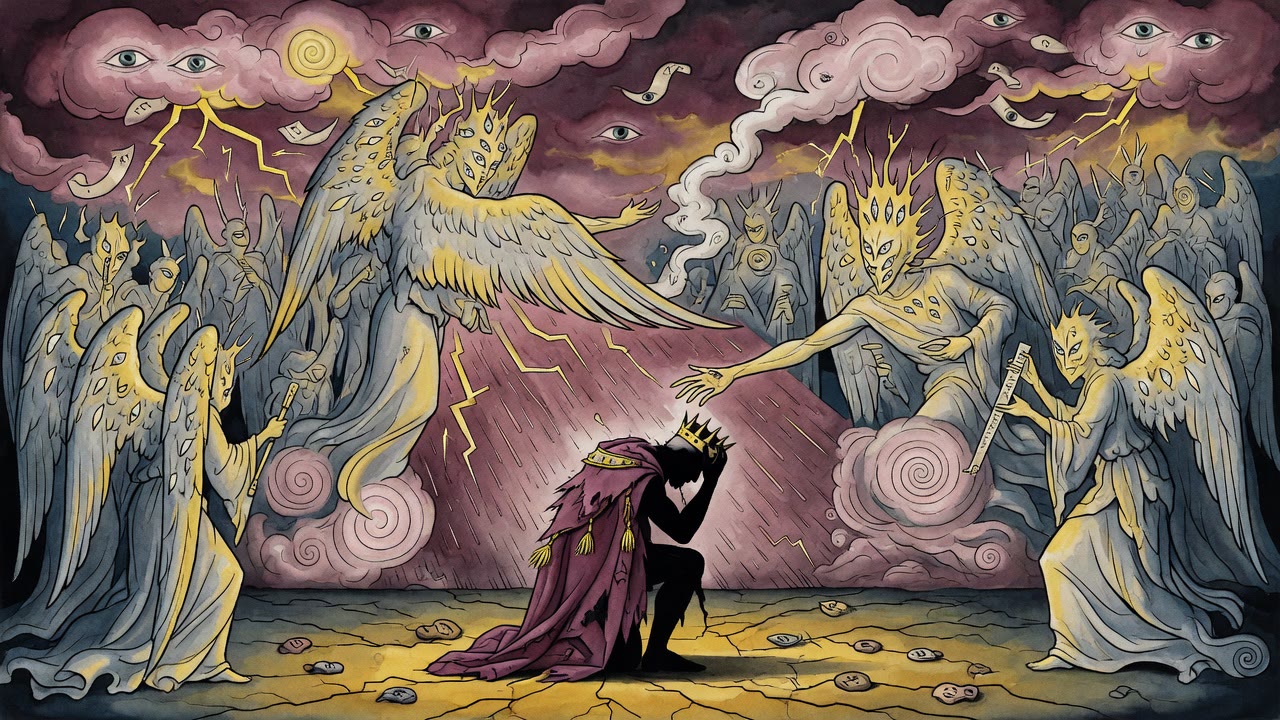
When Saul lost divine favor, the watcher angels shifted roles. Their change from observers to enforcers was the first sign that his protection was gone.
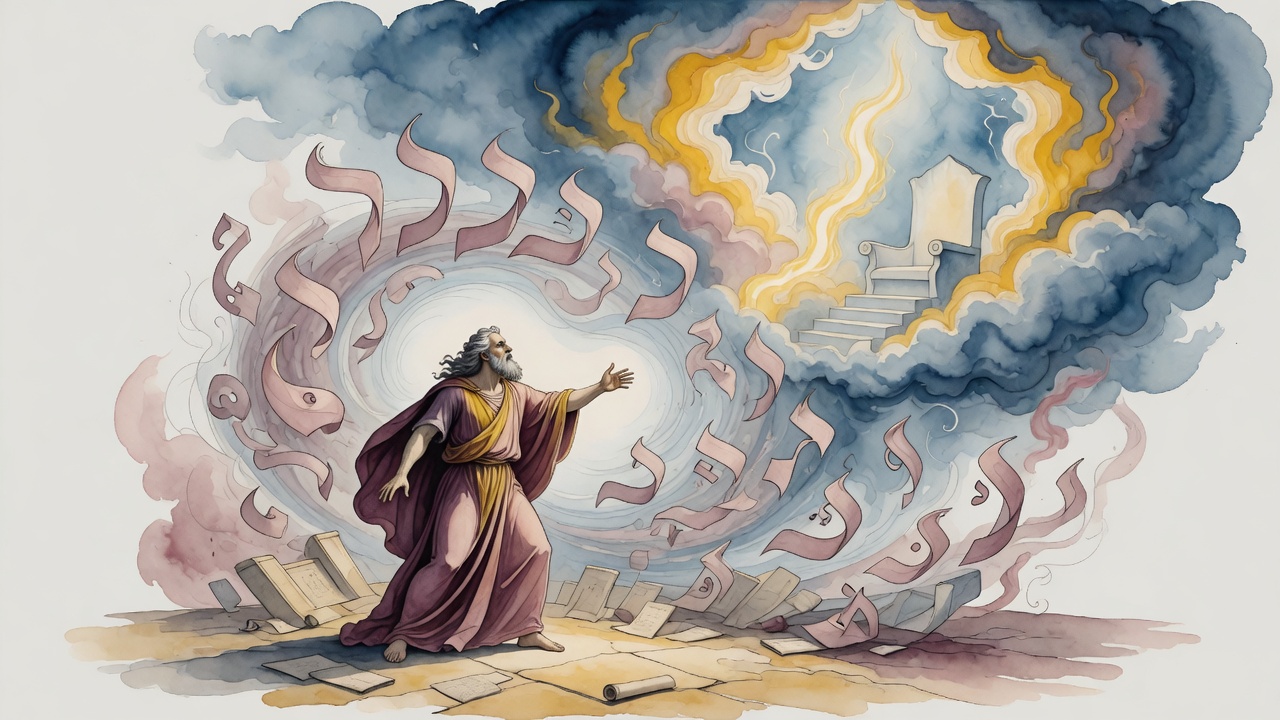
Aleph stood ready to testify against Israel. Abraham got there first. He asked the letter who had carried it when every nation refused.
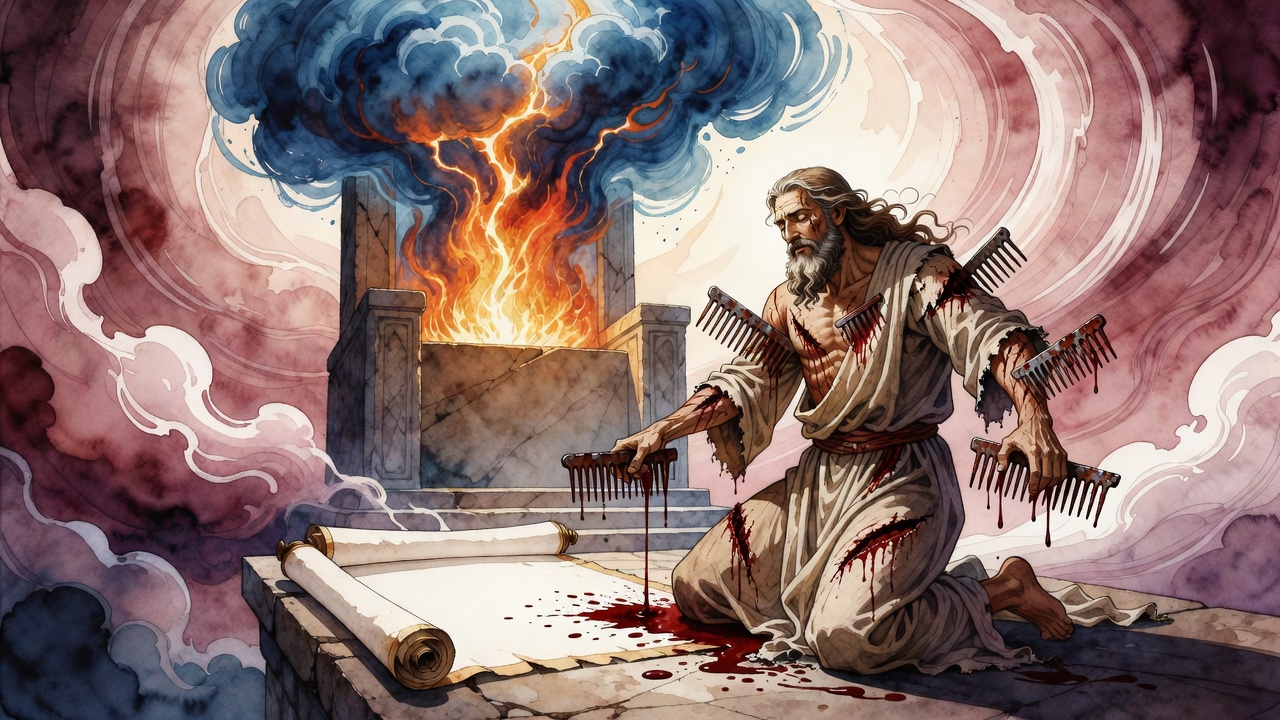
Iron combs tear Akiva's flesh while he finishes the Shema, Hear O Israel, and heaven records his blood as a legal claim not yet settled.
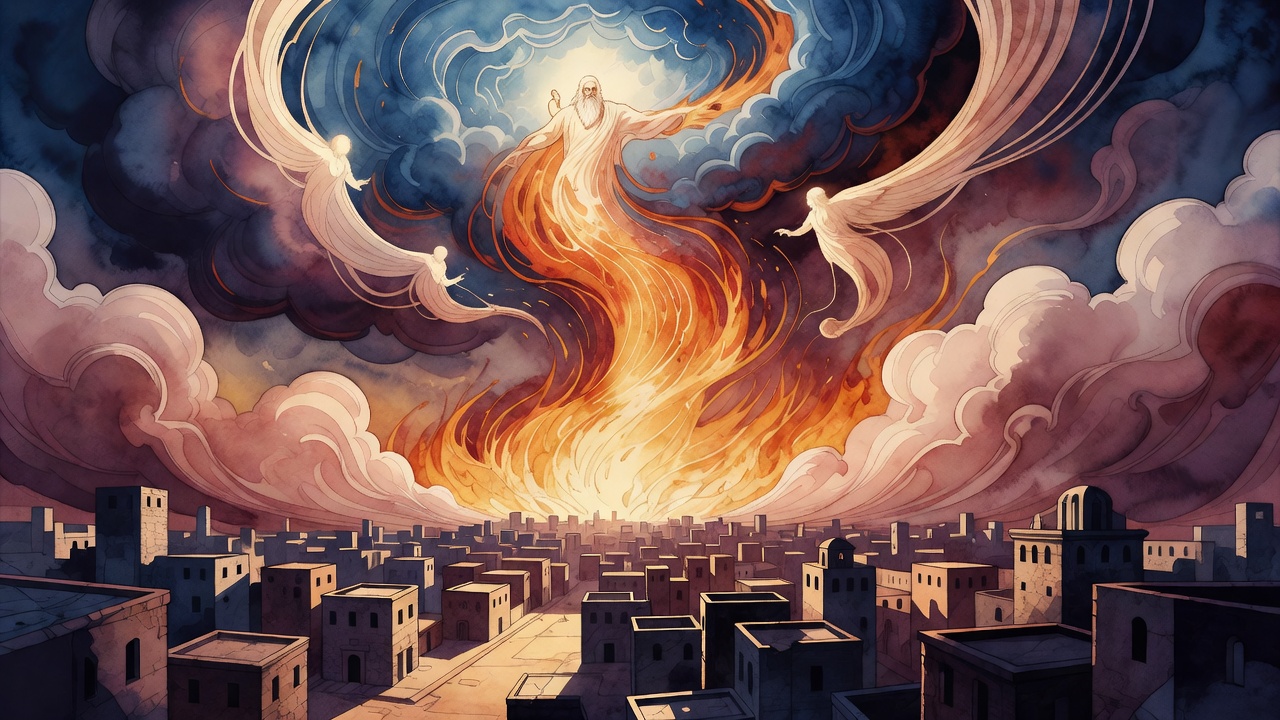
Two girls went down to the well. One asked why the other looked so sick. The answer came in the third person, as if the starving girl could not say I.
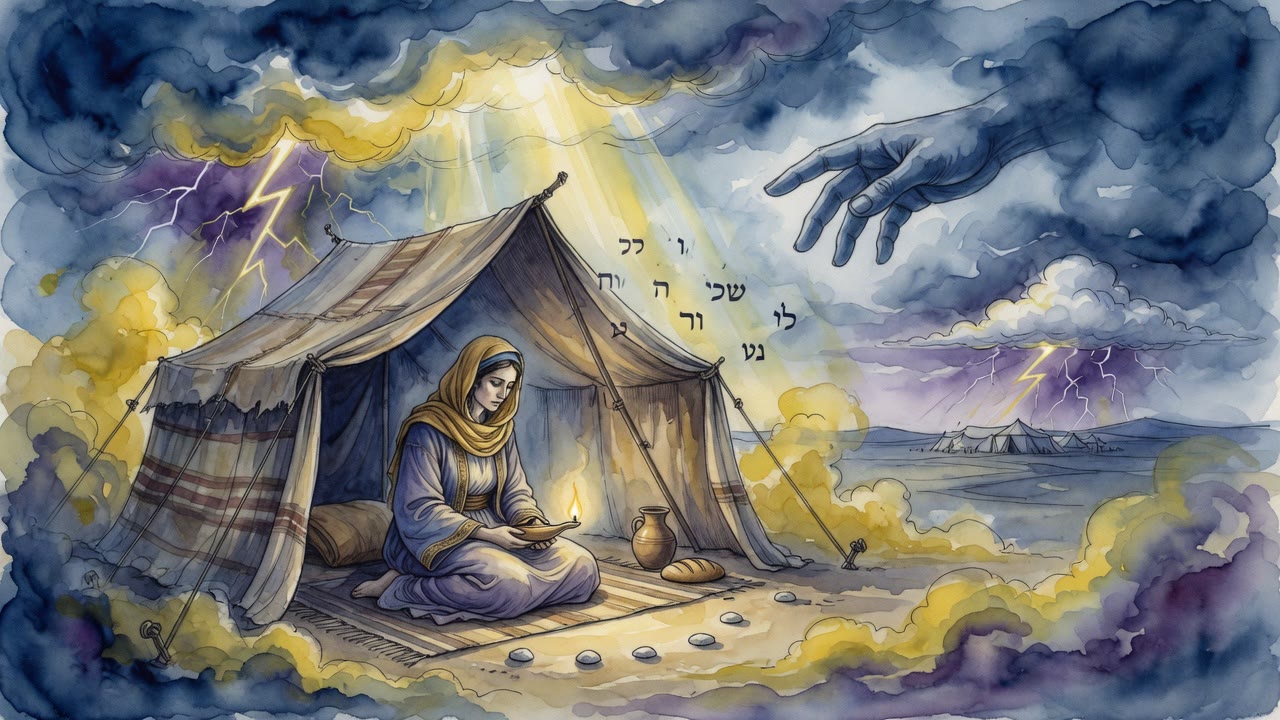
The beasts were saddled and the camp was ready to march when the pillar of cloud failed to move. Moses was missing. So was the well.
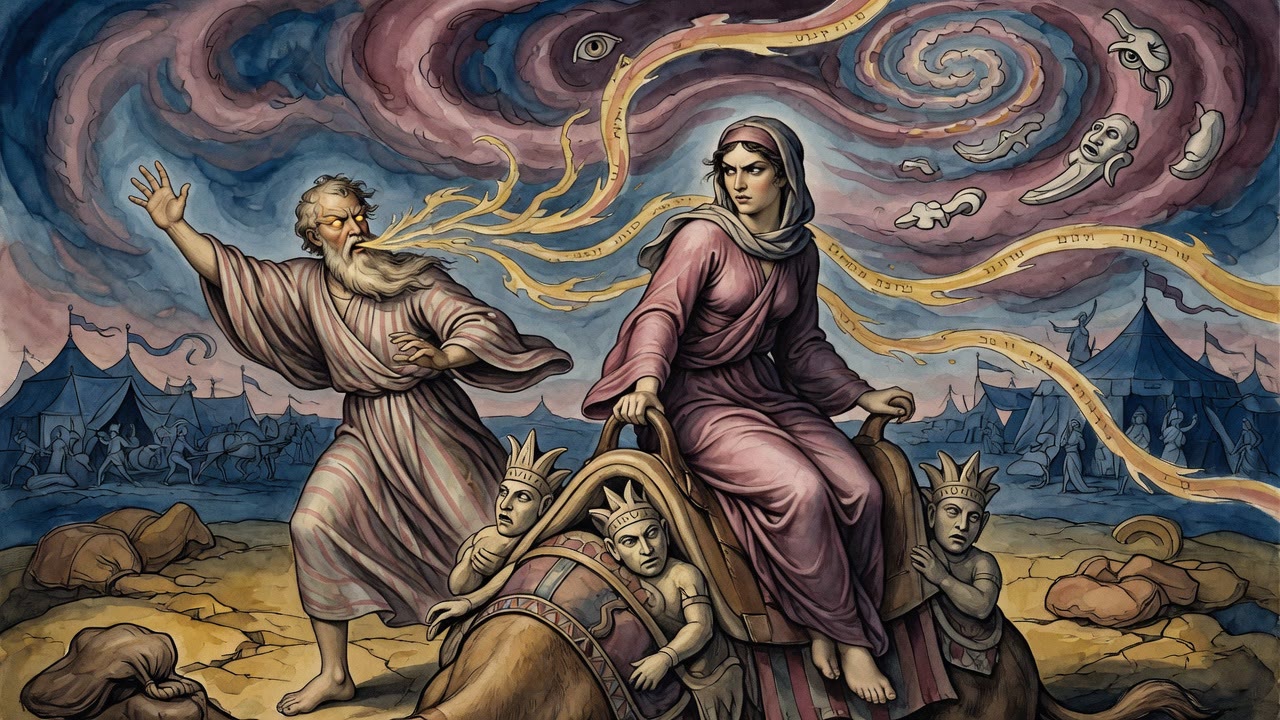
Moses stood before Israel, read every word of the Torah aloud, and sealed the covenant in blood. Then God told him none of it would protect him from dying.
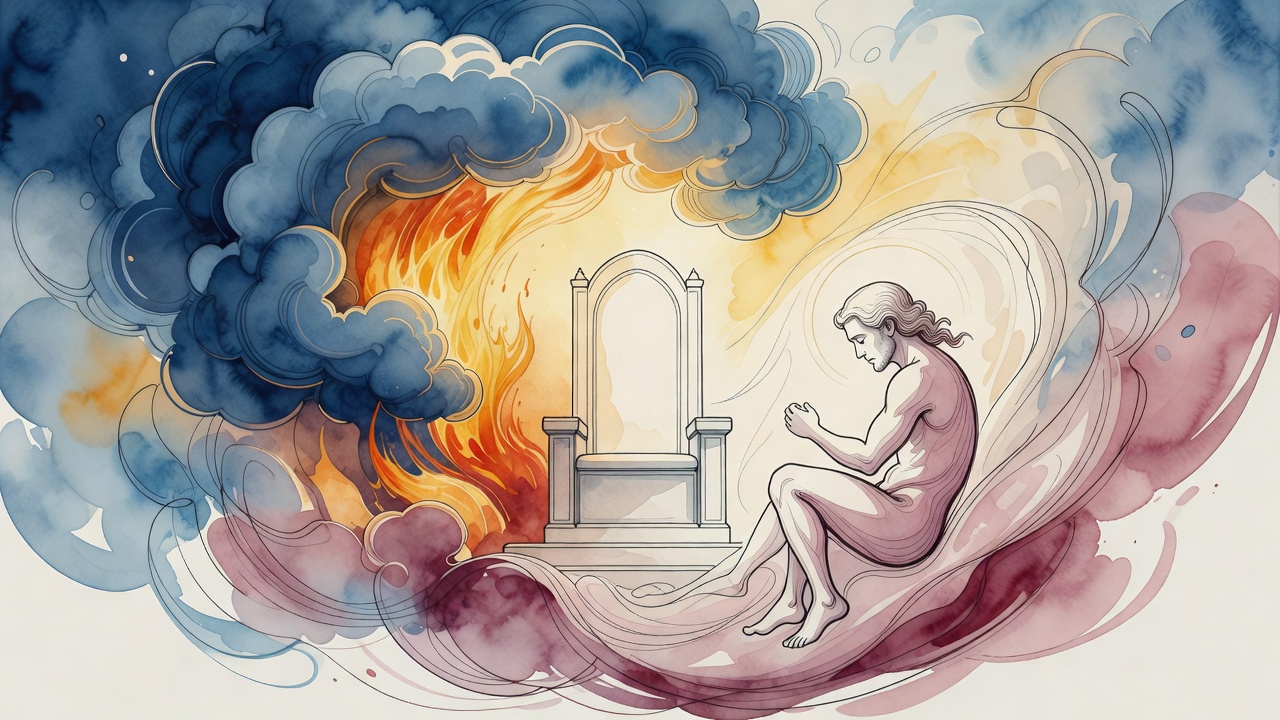
The terms of Jacob's judgment were set inside the covenant God made with Abraham. Every blessing he received came with an obligation he had not chosen.
