282 myths · Page 4 of 10
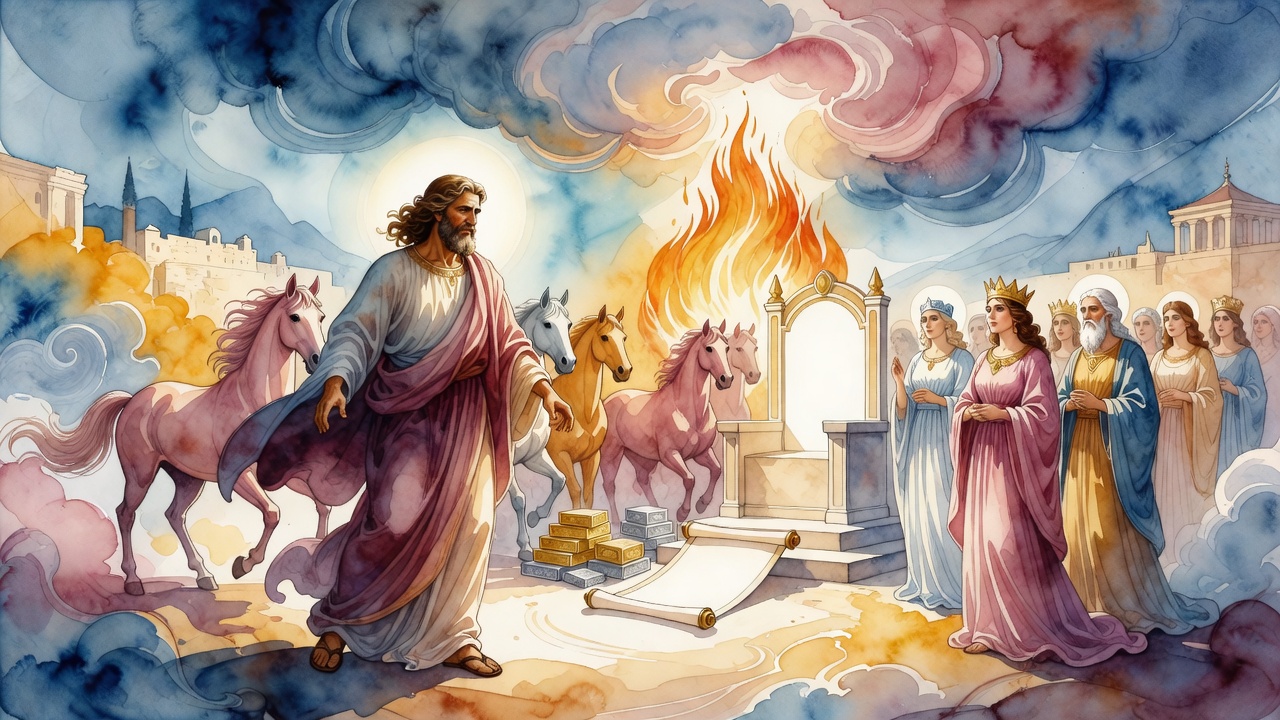
The Torah gave kings three specific prohibitions. Solomon knew all three and violated all three. His reasoning was brilliant. His reasoning was wrong.
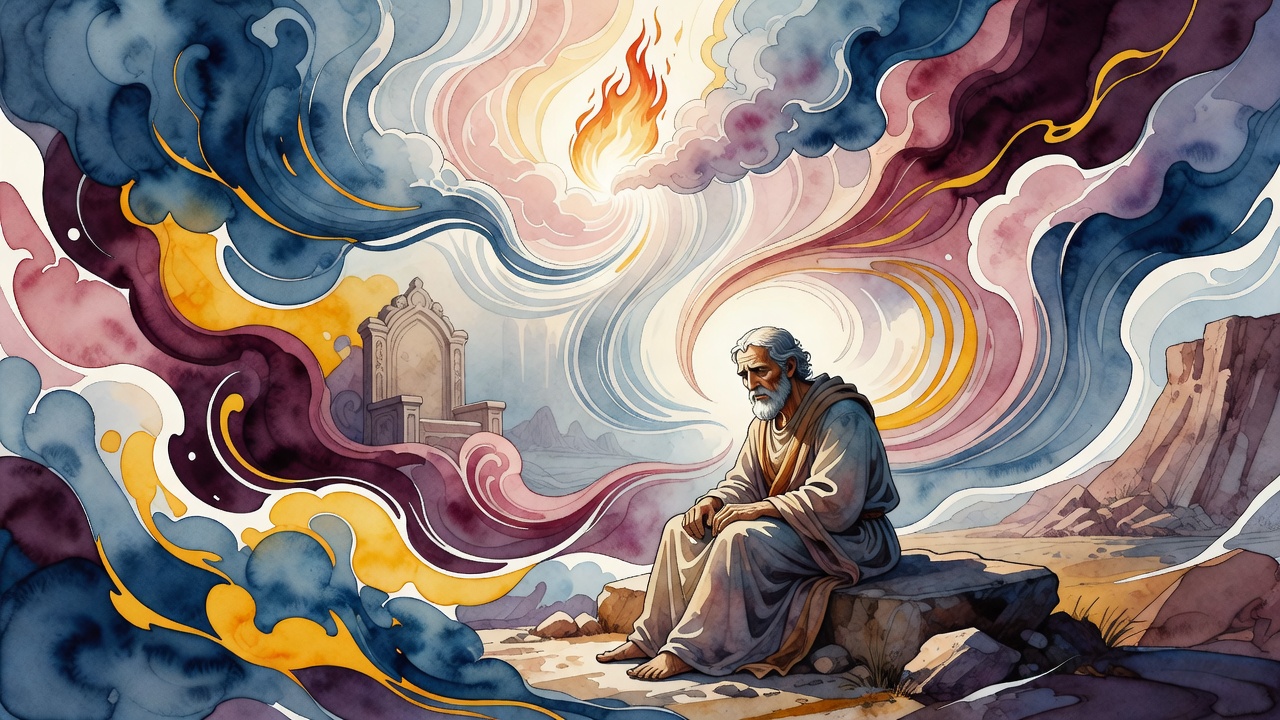
Samuel mourned for Saul until the day Samuel himself died. He had made the king and he watched what the king became. The grief was his own making.
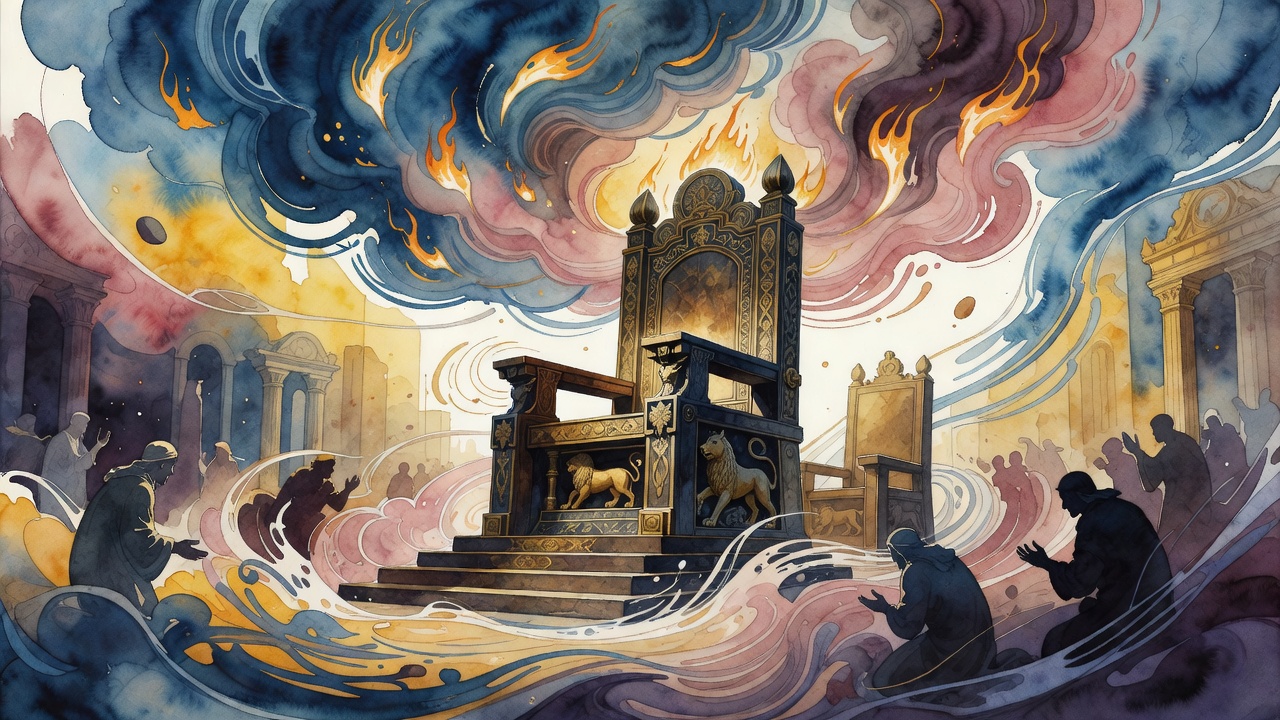
Solomon's legendary throne was not just a seat of power. It moved, tested every visitor, and punished rulers who lied before it.
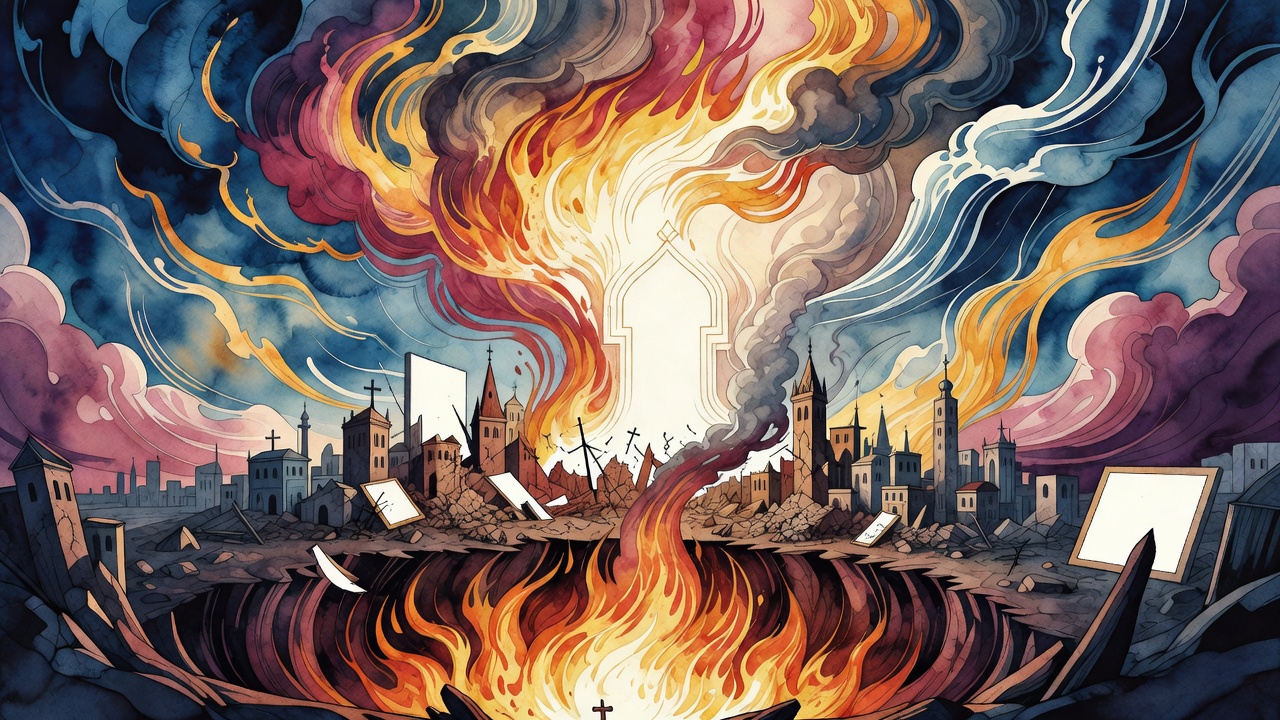
The fire that fell on Sodom from the sky had a partner rising from Gehinnom (afterlife of judgment) beneath. Both were prepared before the world began.
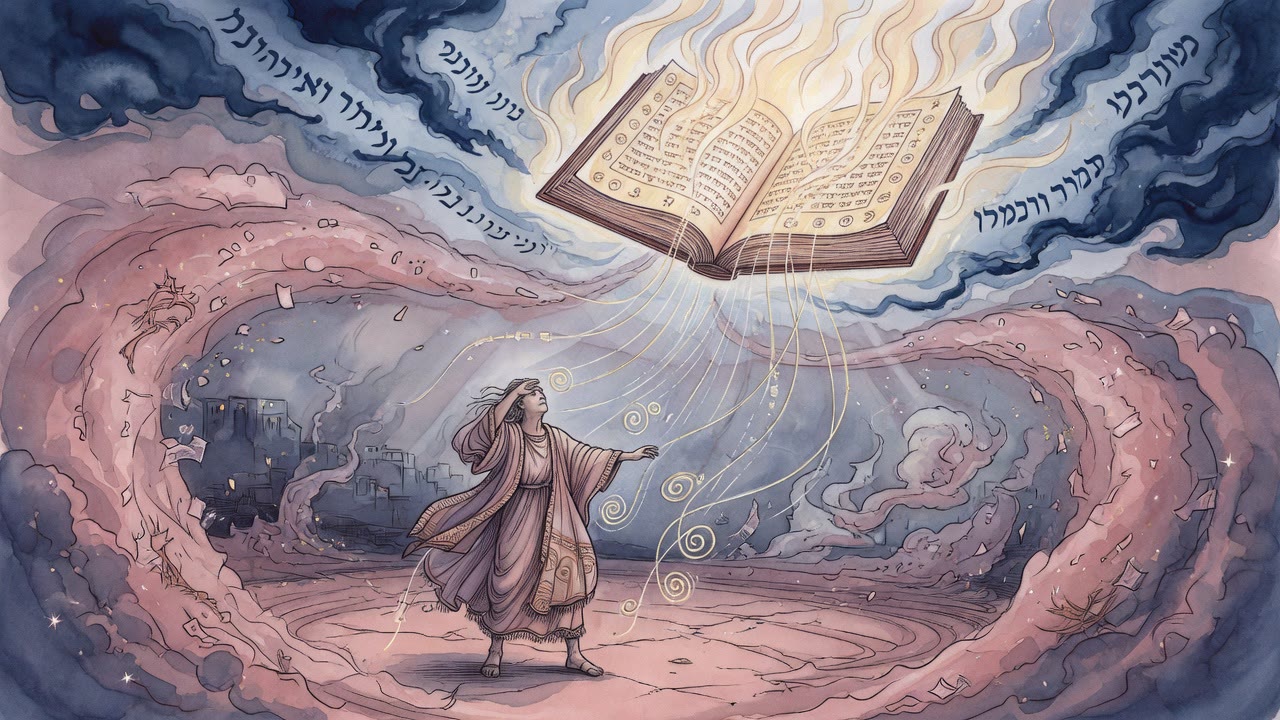
Abraham's cattle went out muzzled so they could not eat another man's grass. Lot's went out bare-mouthed, and the argument split the family in two.
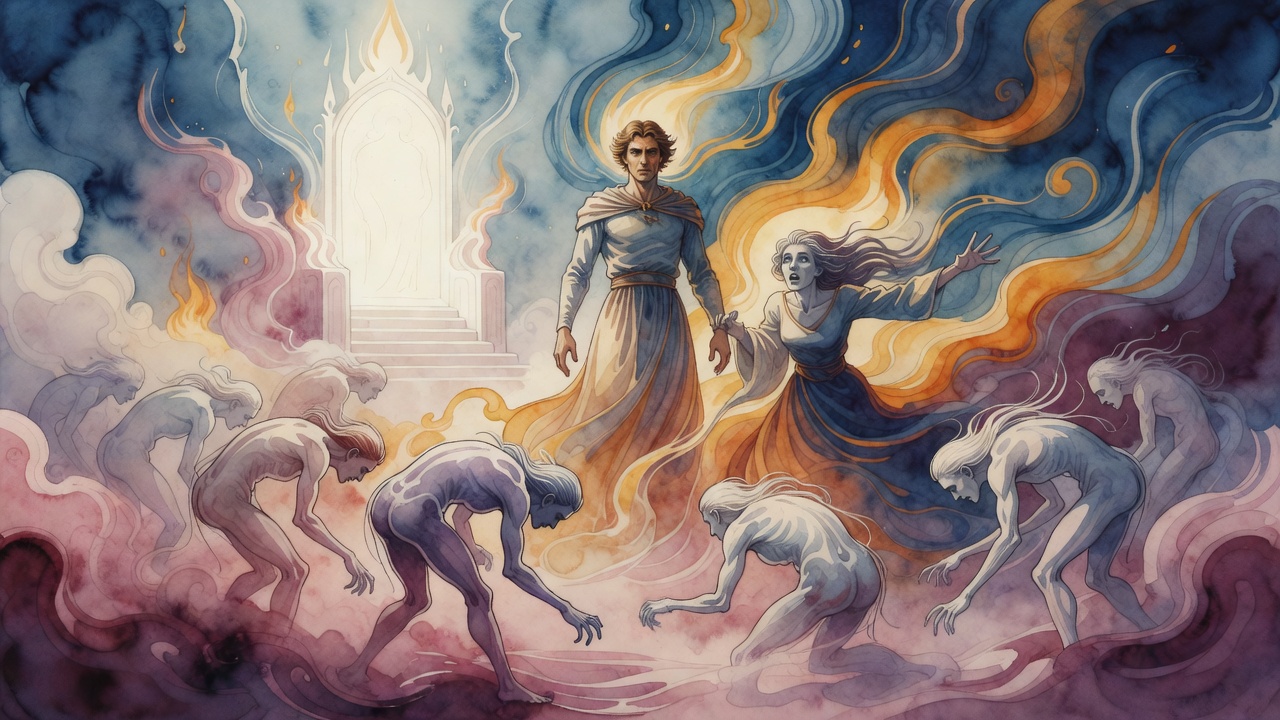
She screamed before she spoke a word to Saul. The man in the cloak was standing. The dead she knew how to raise never stood like that.
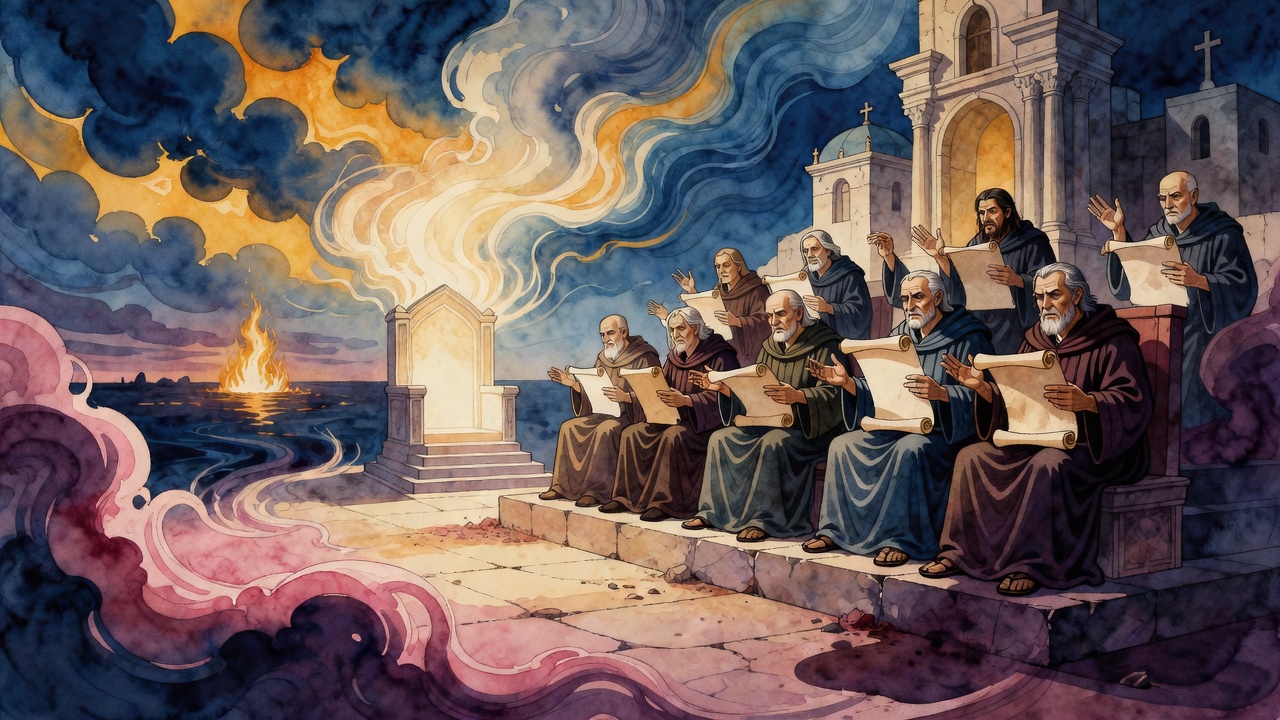
The four judges of Sodom were named Liar, Habitual Liar, Fabricator, and Perverter of Justice. Feeding a stranger got your clothes taken.
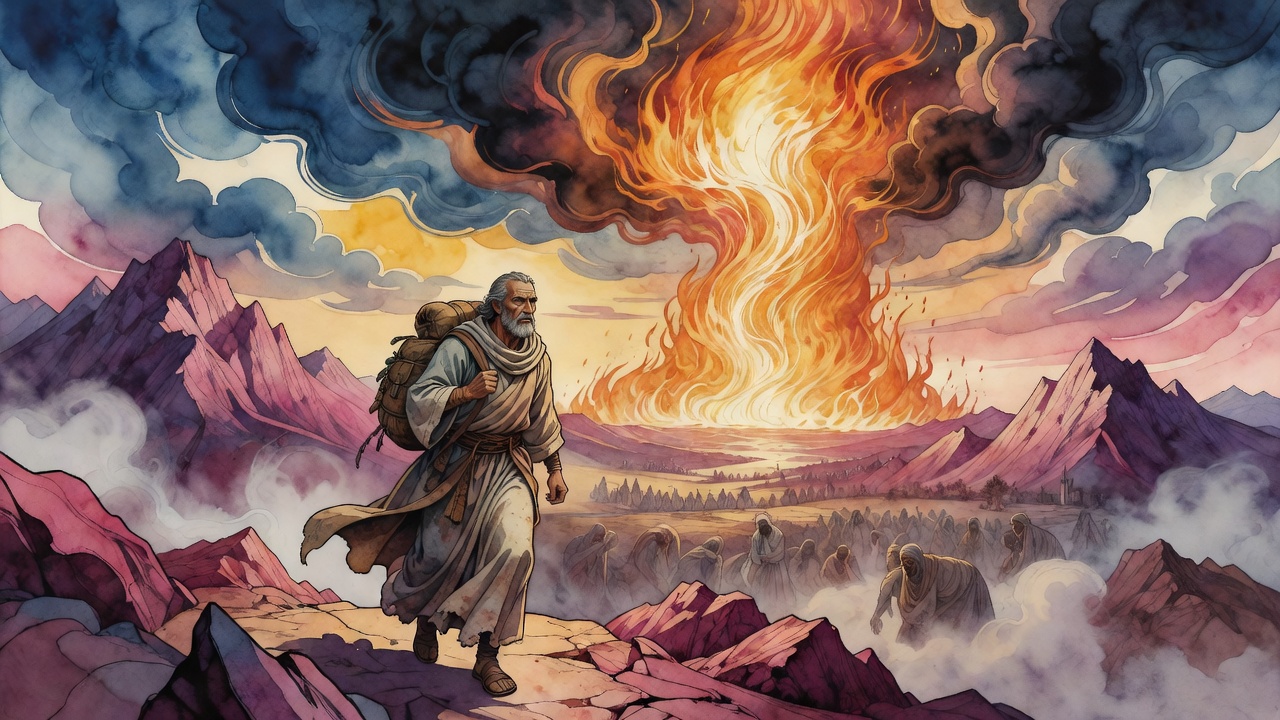
Every nation heard about the Exodus and trembled. Jethro heard it and packed up and walked toward it. The Midrash says that difference was everything.
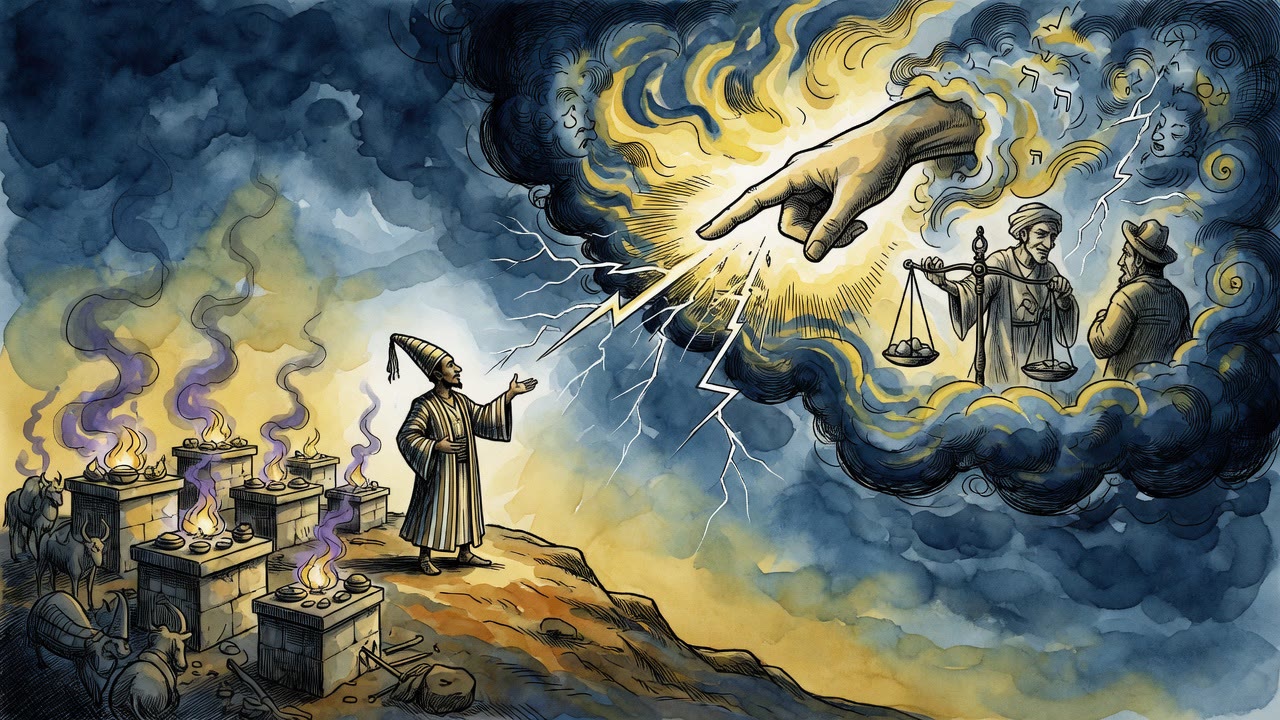
Balak's ministers waited beside the burning offerings while Balaam went off alone to meet God. What met him opened by calling him an evil man.
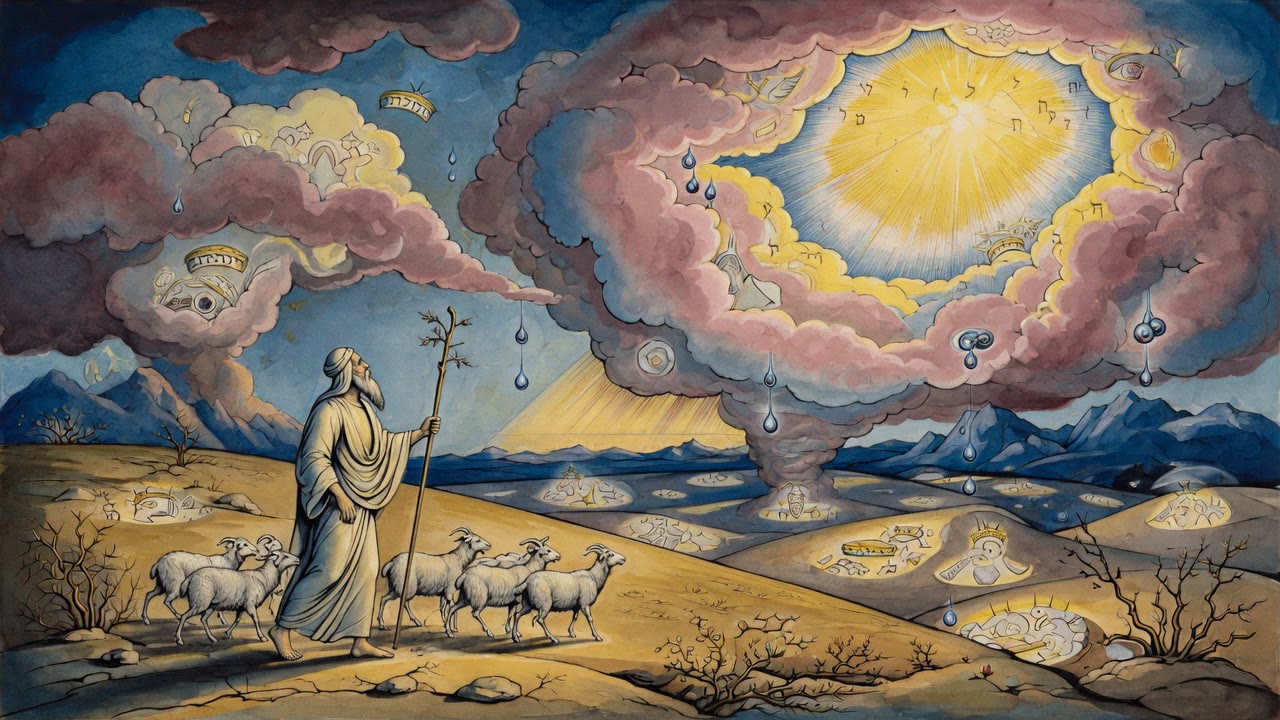
When Moses asked how to find the Israelites who sinned at Peor, God proposed peeling back the cloud so the sun would mark the guilty.
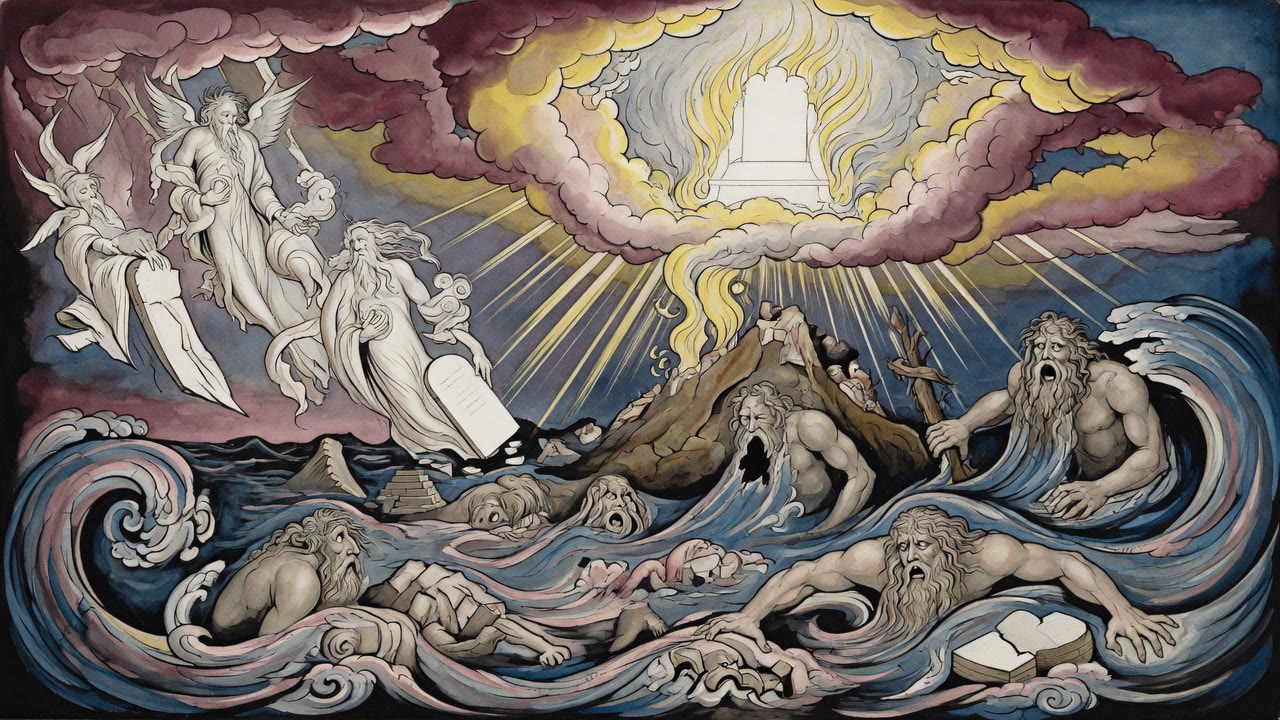
A girl named Istehar asked Shemhazai for the Name that lifts a body into heaven. She spoke it and never came back down to him.
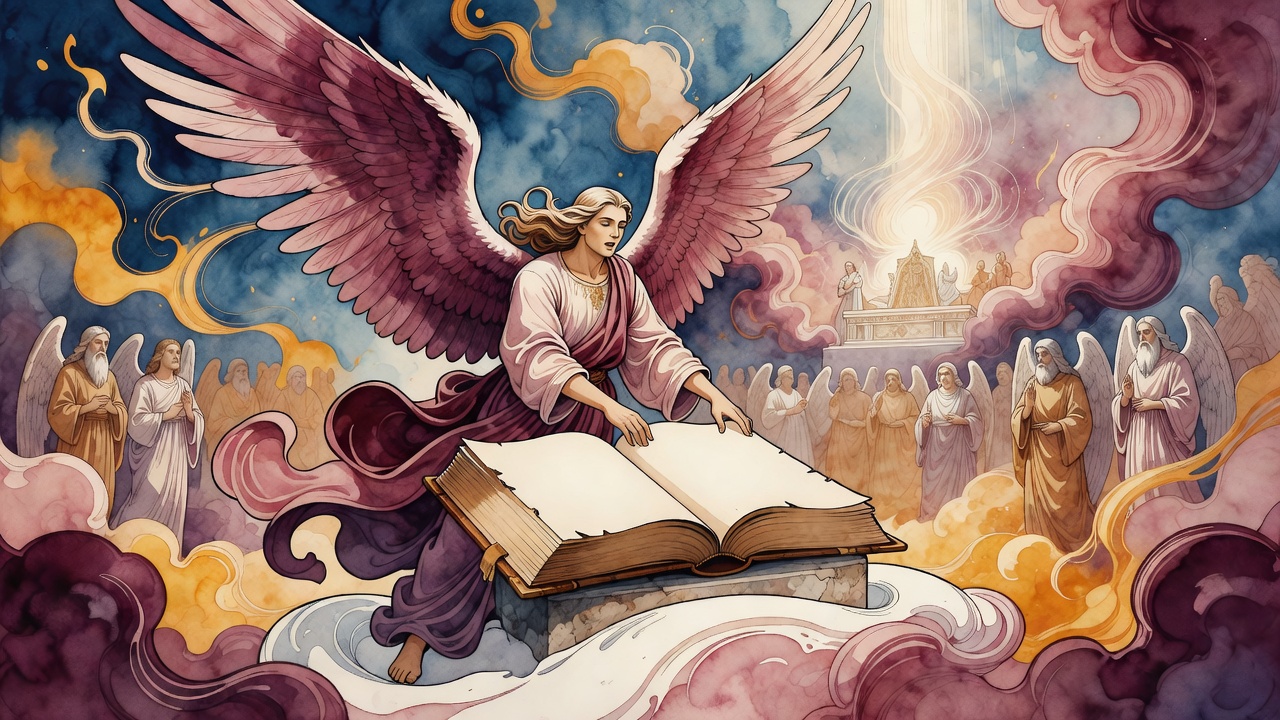
Radweriel carried a sealed case into the highest court. He broke the seal. Every deed anyone had ever done sat in that book, waiting to be read.
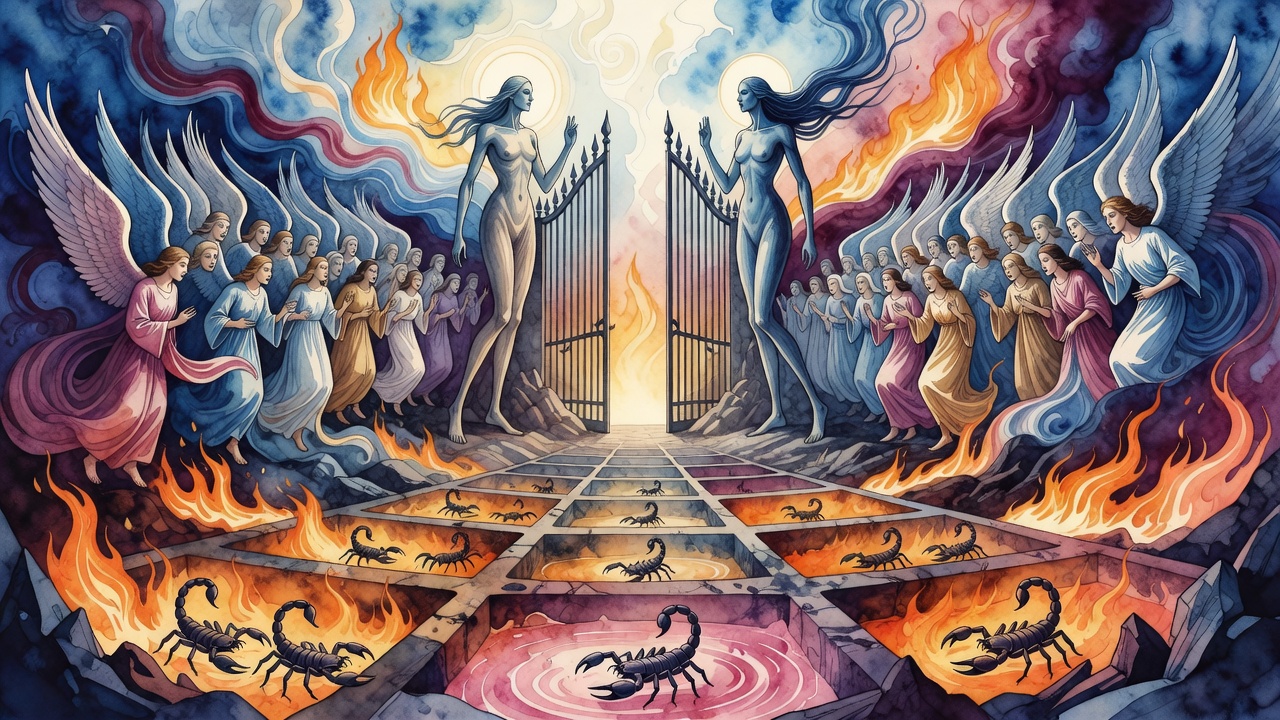
At the gates of Gehinnom (afterlife of judgment), two angel bands call out a single word forever, and beyond them lie seven named compartments of fire.
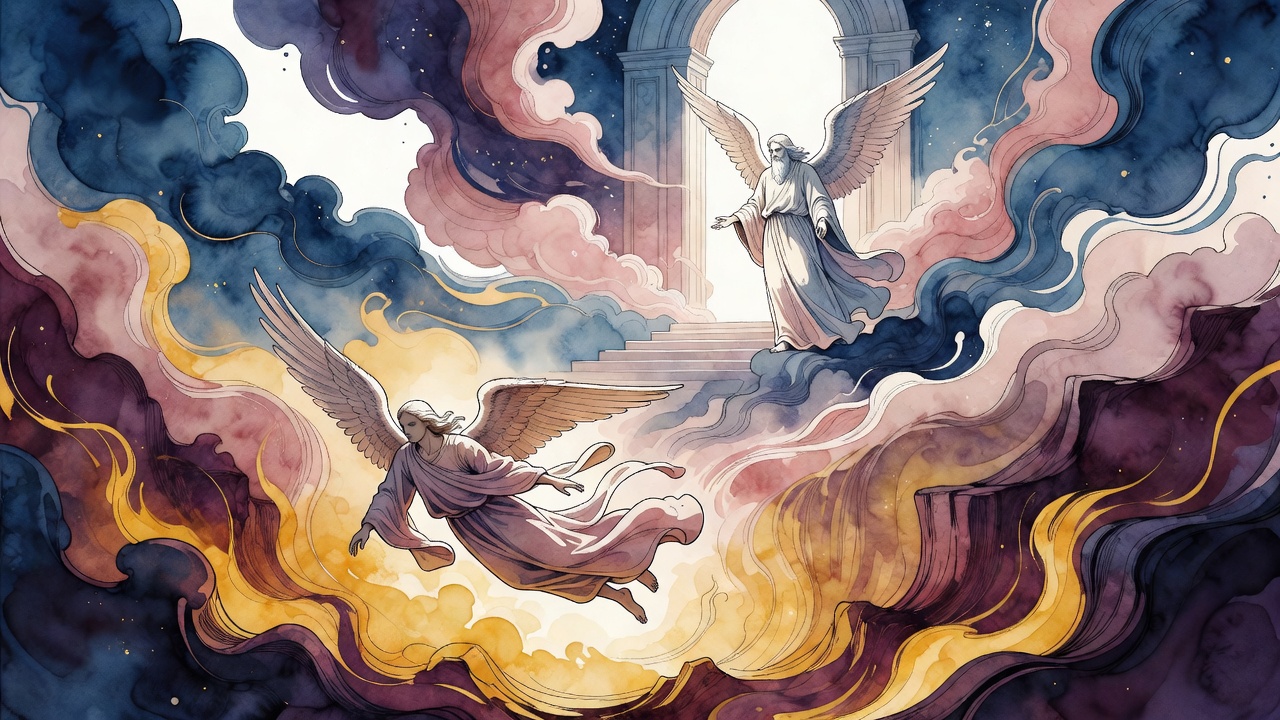
Egypt's prince ran four hundred parasangs from the decree. God stripped him and sent him down to keep the dead. Sabbath is their only rest.
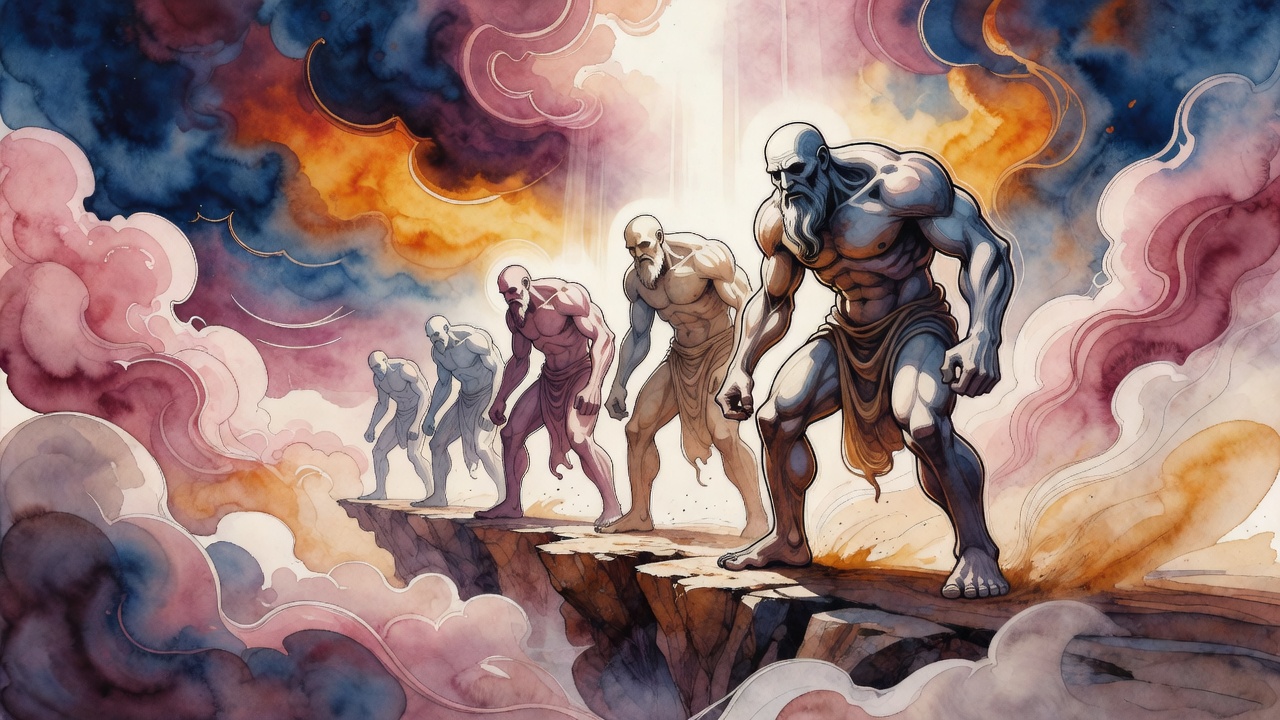
Og outlasted the flood by clinging to the outside of Noah's ark. Shemhazai, whose sons were giants, still hangs suspended between heaven and earth.
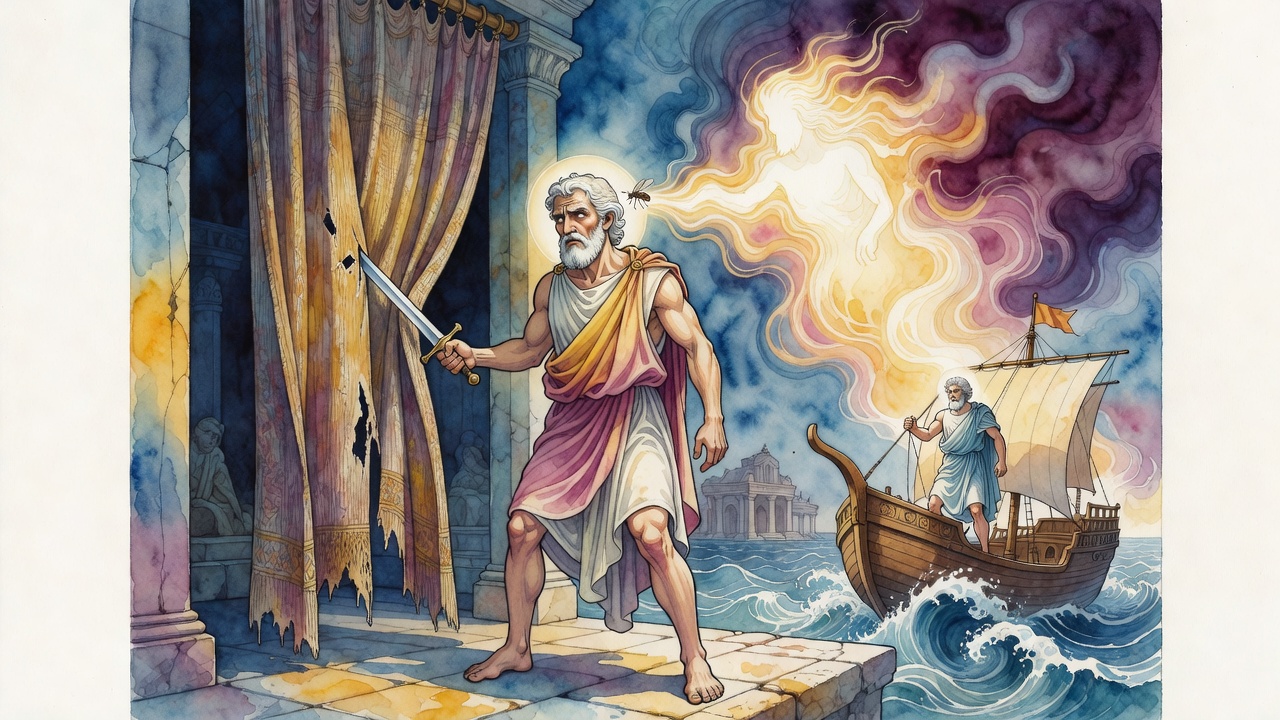
Titus defiled the Holy of Holies, stabbed the curtain, and sailed home victorious, but God sent a gnat into his nose that gnawed at his brain for thirty years.
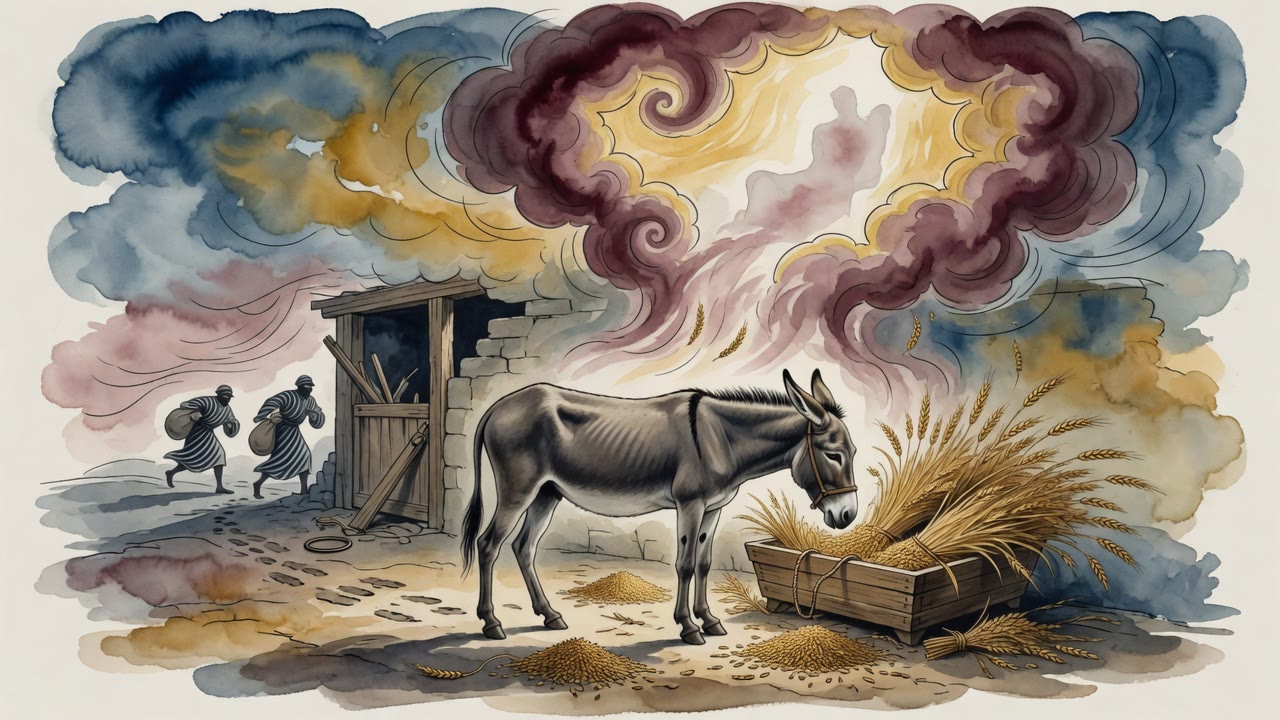
Litigants knocked, and a voice came from the loft. His wife sat by the door and did not say the man they asked for was dead.
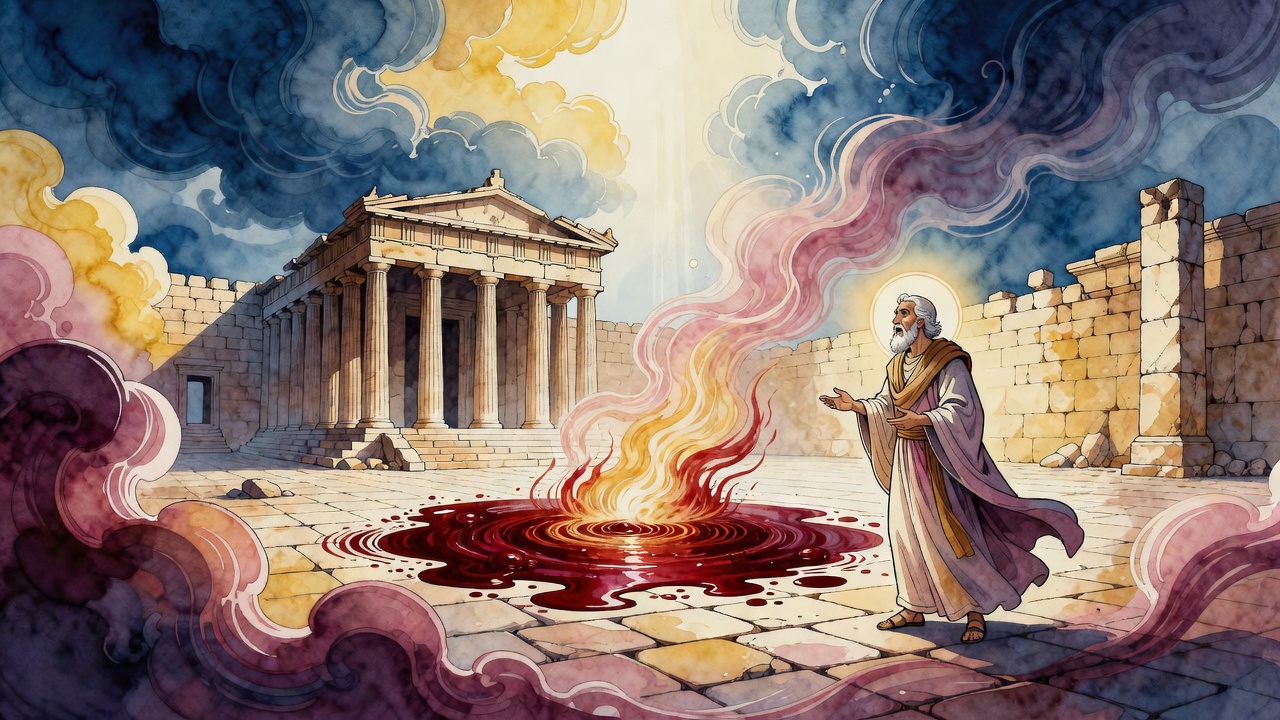
Nebuzaradan found blood moving on the Temple floor. The priests said it was cattle. He killed cattle on it, and the old blood kept churning.
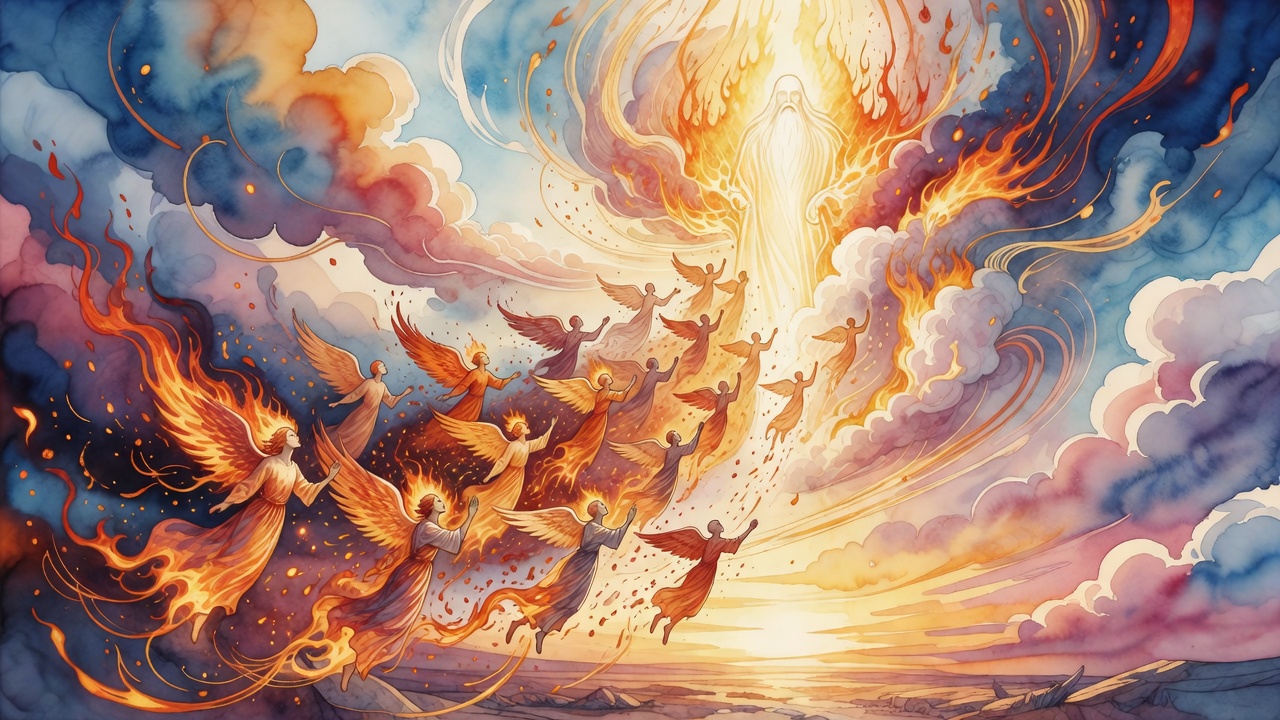
Every dawn a new host of angels is created from fire, sings one song before God, and is gone before the morning has fully opened.
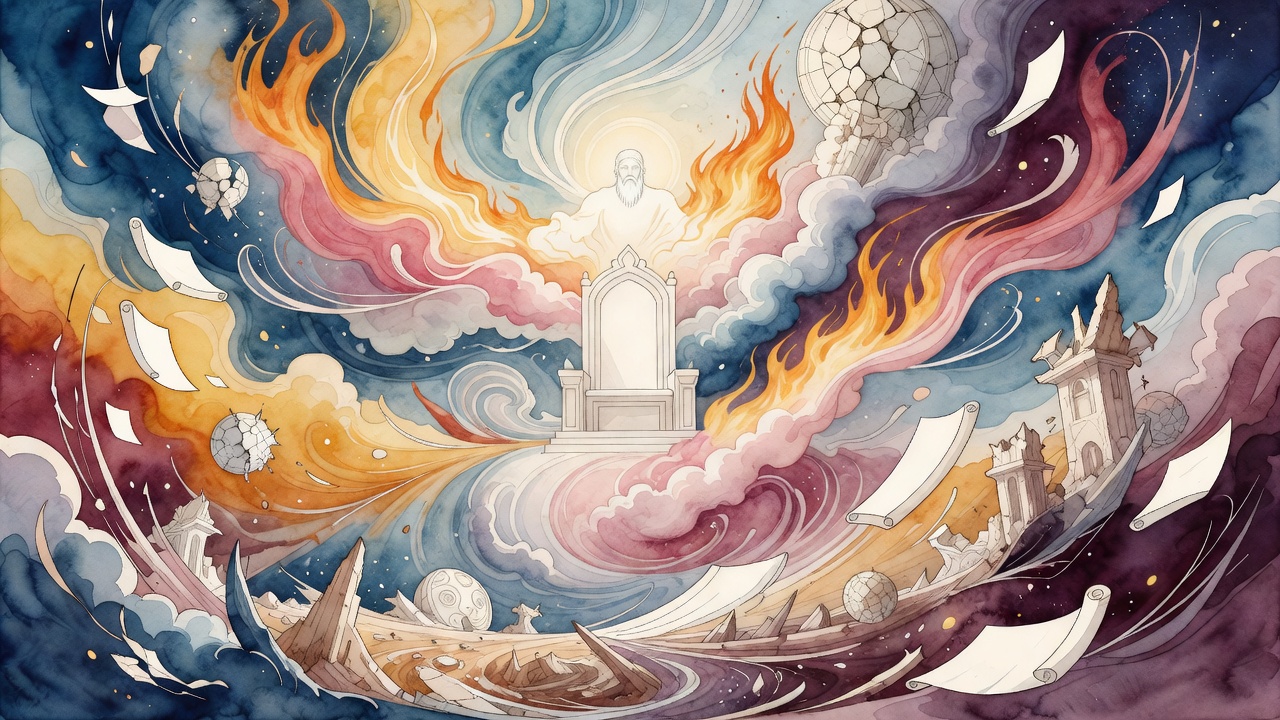
Before this world existed, God made worlds and destroyed them. Only when mercy entered the making did one world finally hold.
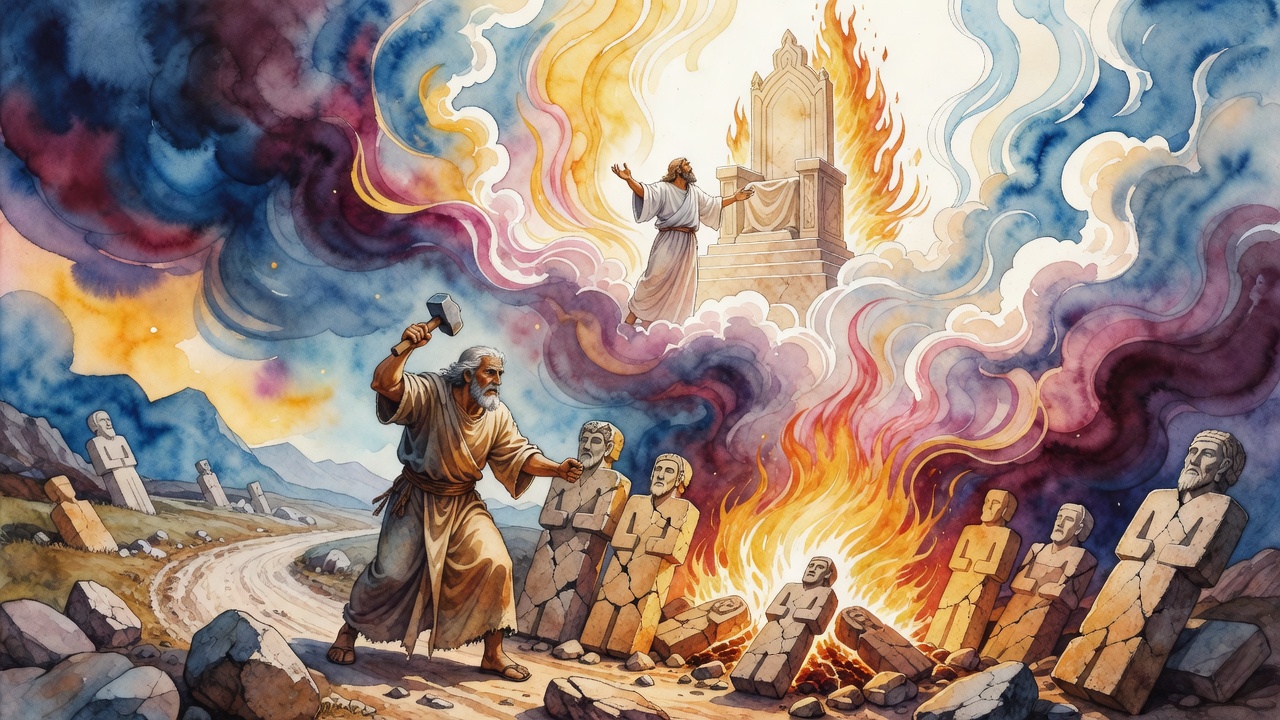
Terah's donkey threw five wooden gods into the road. Three shattered. Abraham threw the fragments in the river, and the river did not answer.
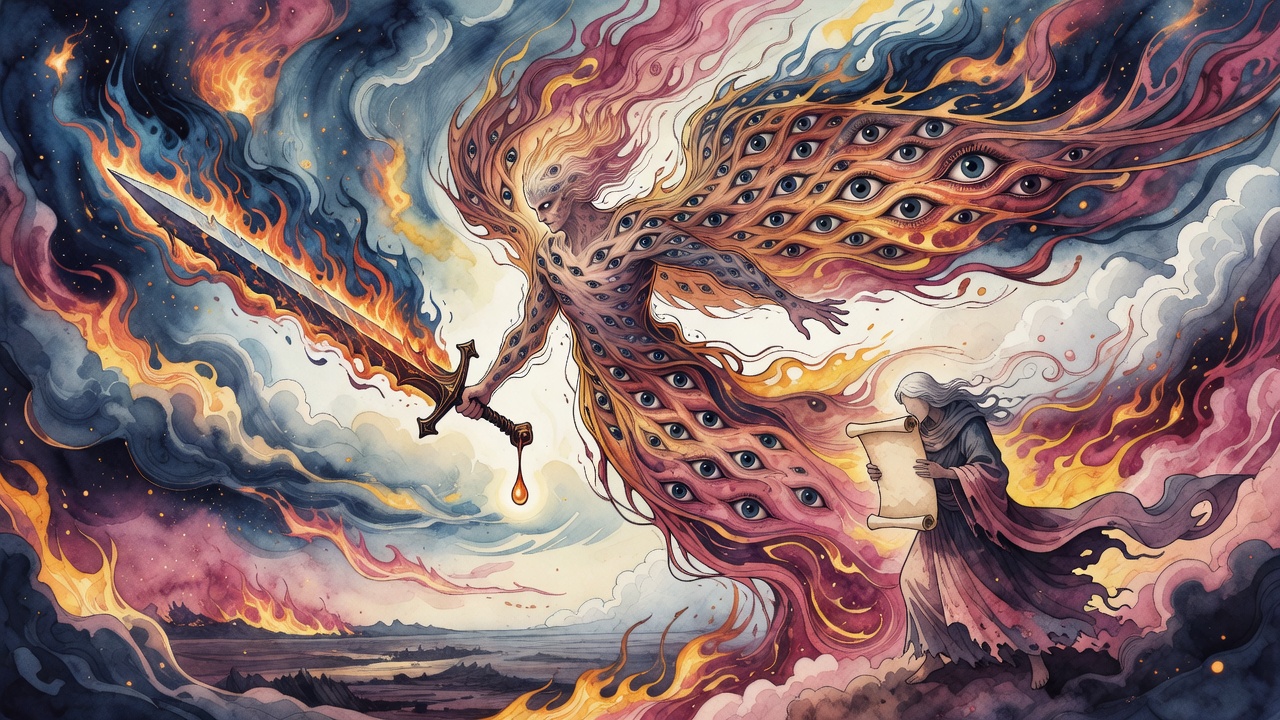
The scribe opens the ledger at the bedside and counts the days out loud. Nobody has ever won that argument, and only one animal hears the scream.
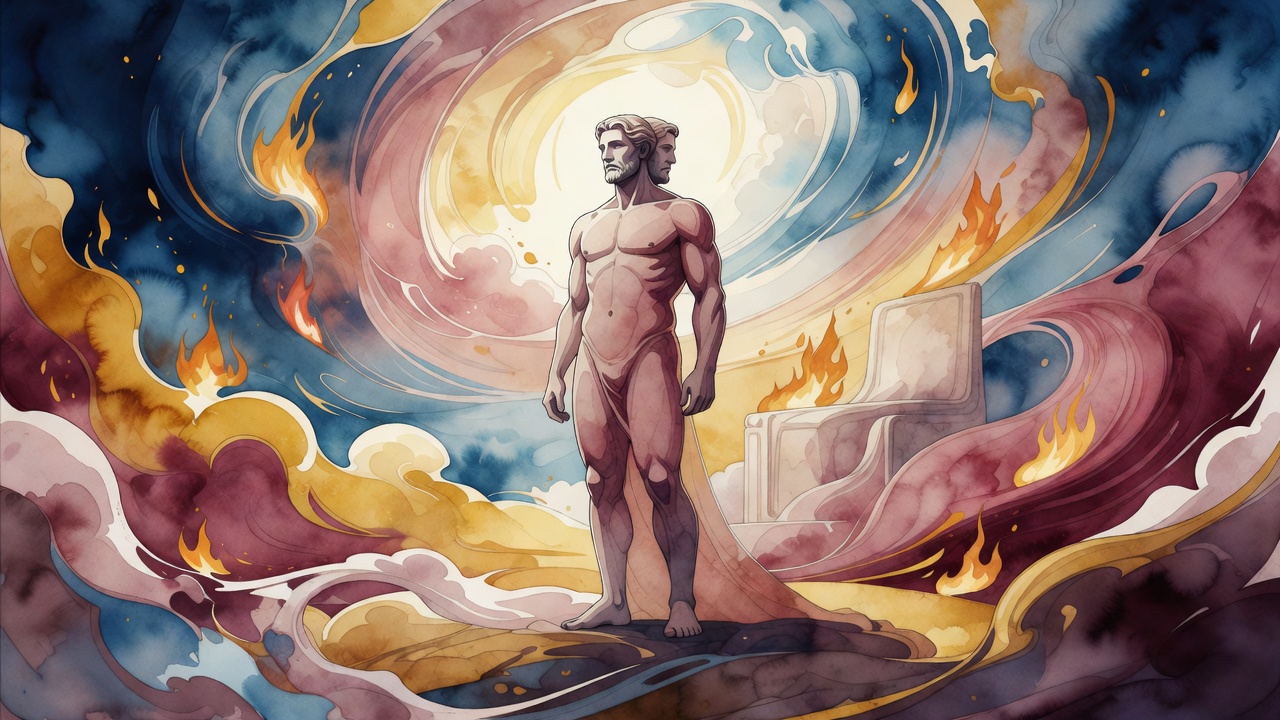
The rabbis say Adam's body waited silent through all of creation, was stamped from a single mold, and first walked with a second face at his back.
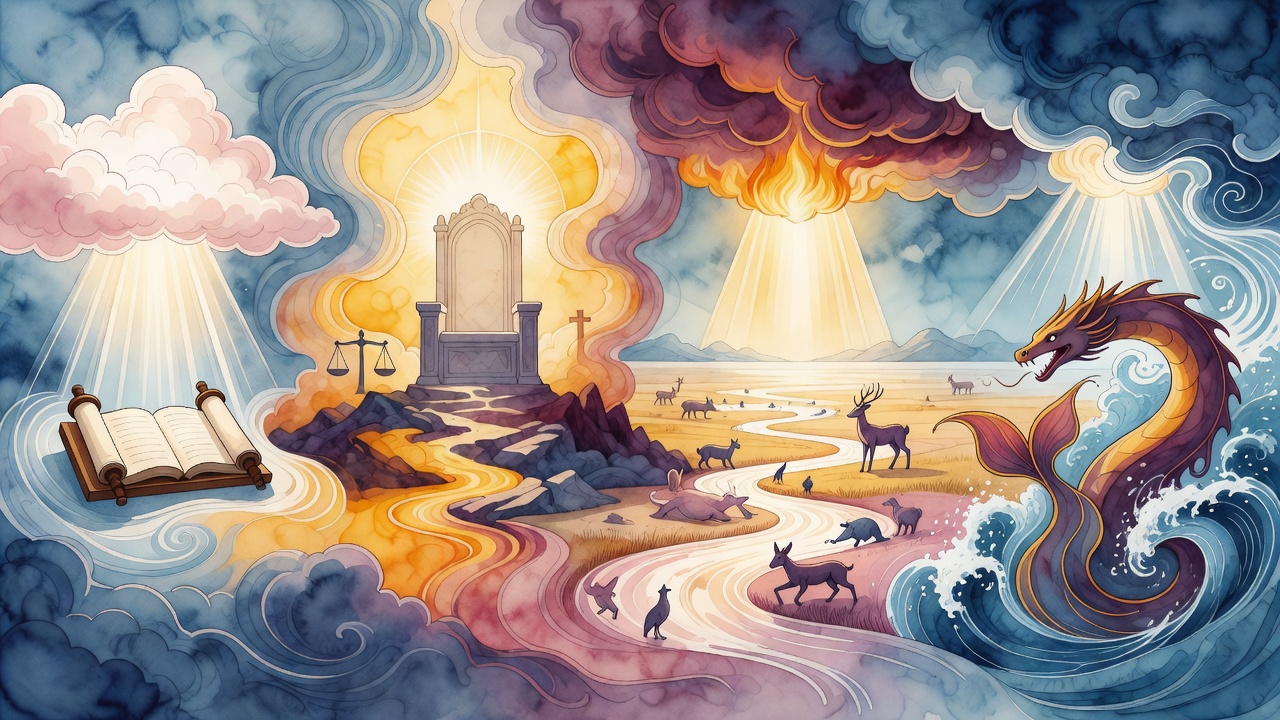
The verdict on the world came out as annihilation. He left the judgment seat, crossed the floor, and sat down on mercy. Every ordinary morning.
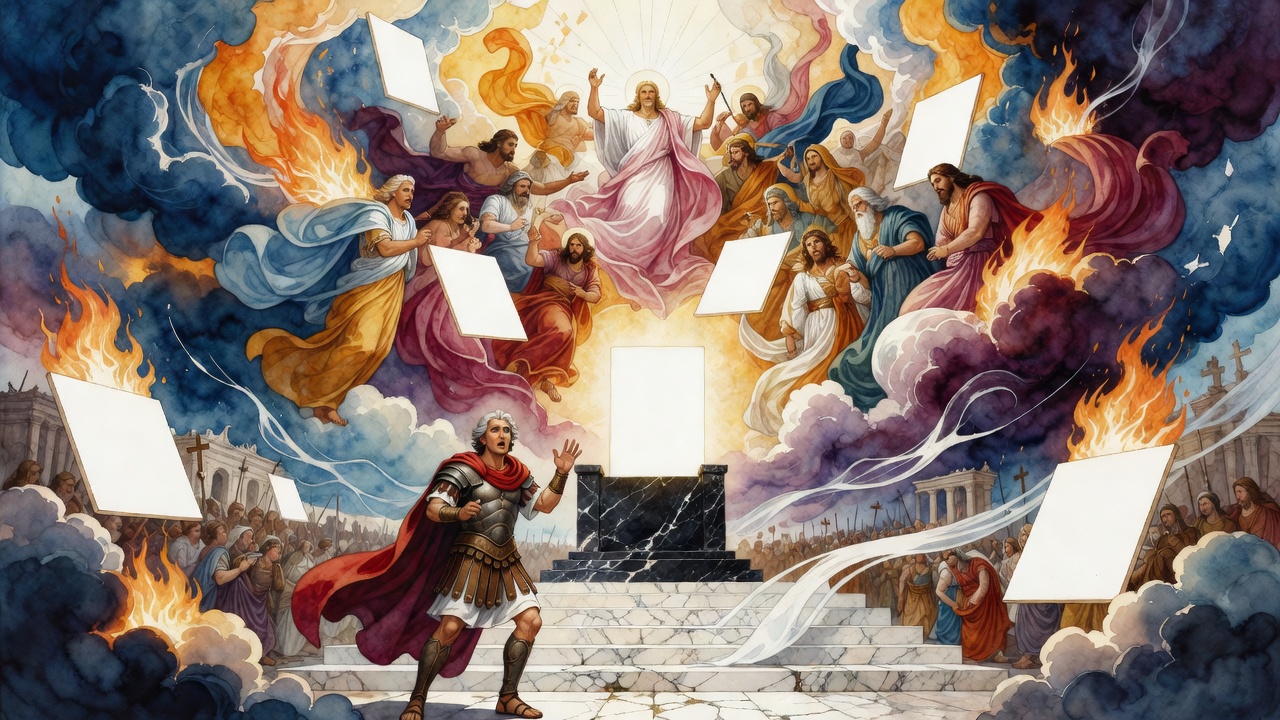
Rome commands armies but cannot command the record kept above, where Lupinus Caesar is summoned, named, and judged before he knows it.
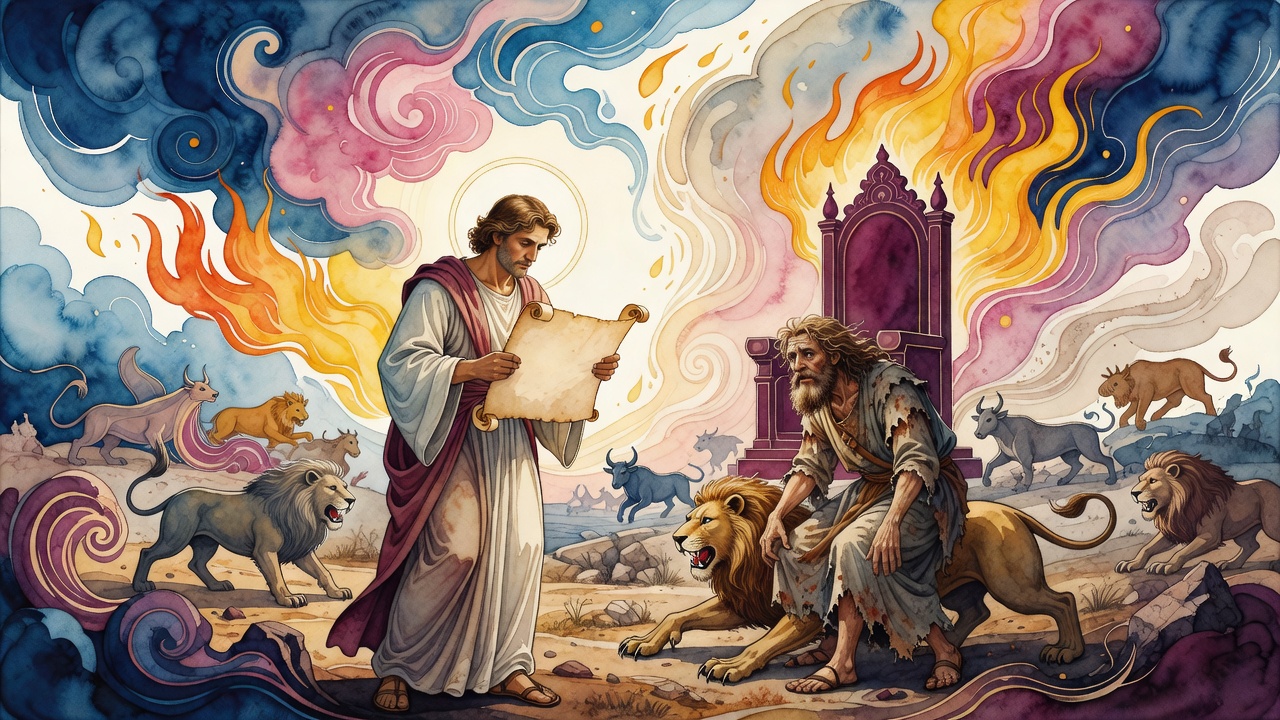
Crowds walked out past the walls to watch Nebuchadnezzar crop grass in the field. Daniel was the one man in Babylon who would not go and look.
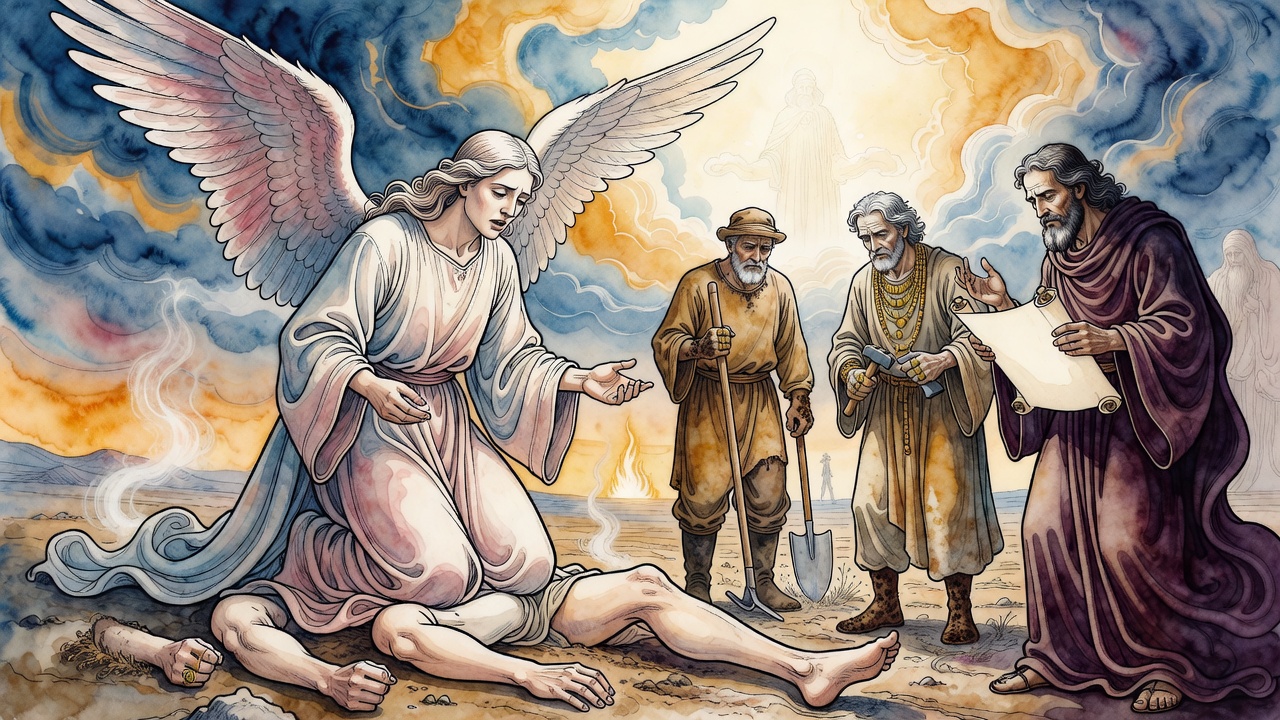
The angel did not comfort the dying man. It named his legs and his hands and wept. Each limb had already chosen its own road.
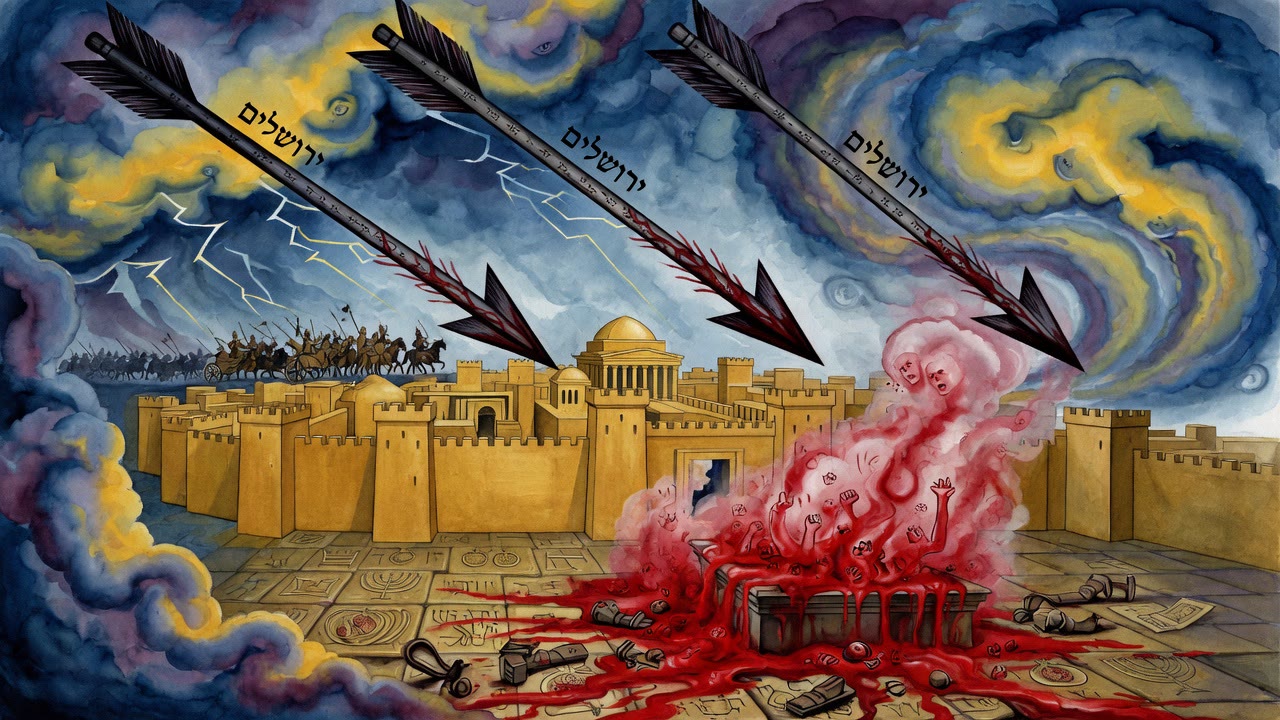
Nebuchadnezzar's arrows all turned toward Jerusalem. When his army arrived it found blood in the Temple courtyard still boiling after centuries of waiting.
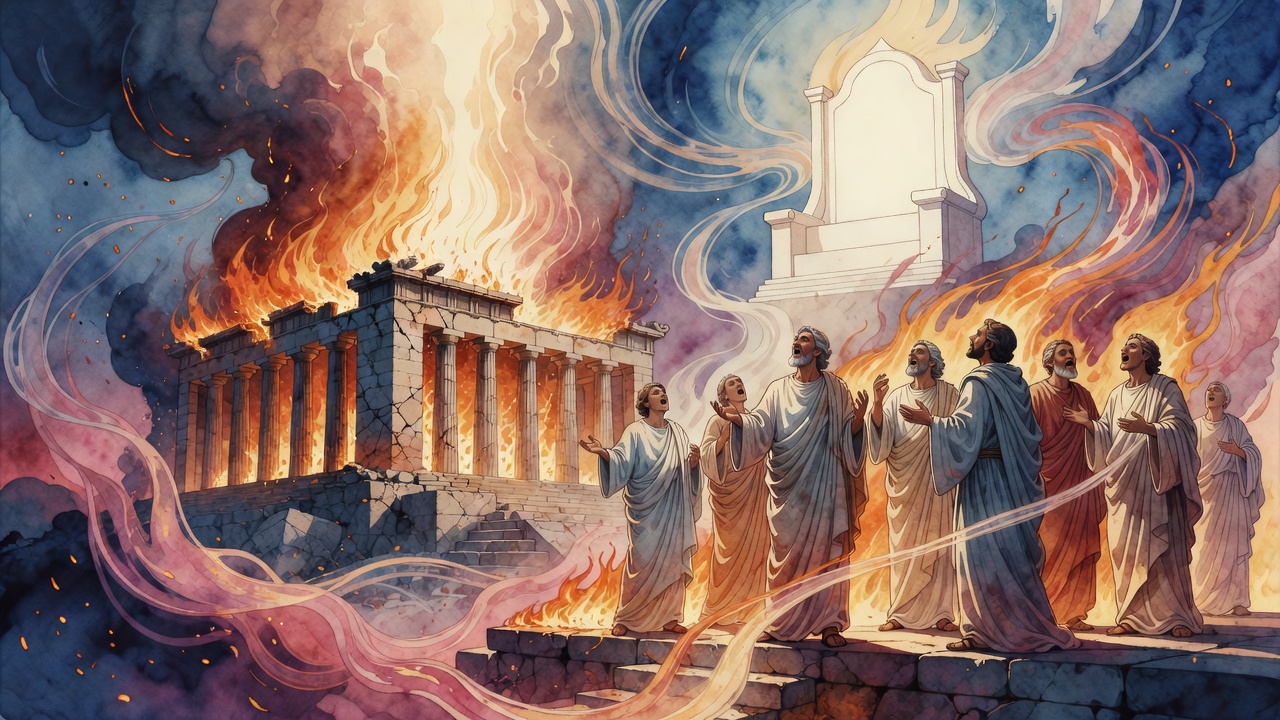
The Levites still had a verse in their mouths when the fire took the courtyard. David later asked not to be measured that closely.
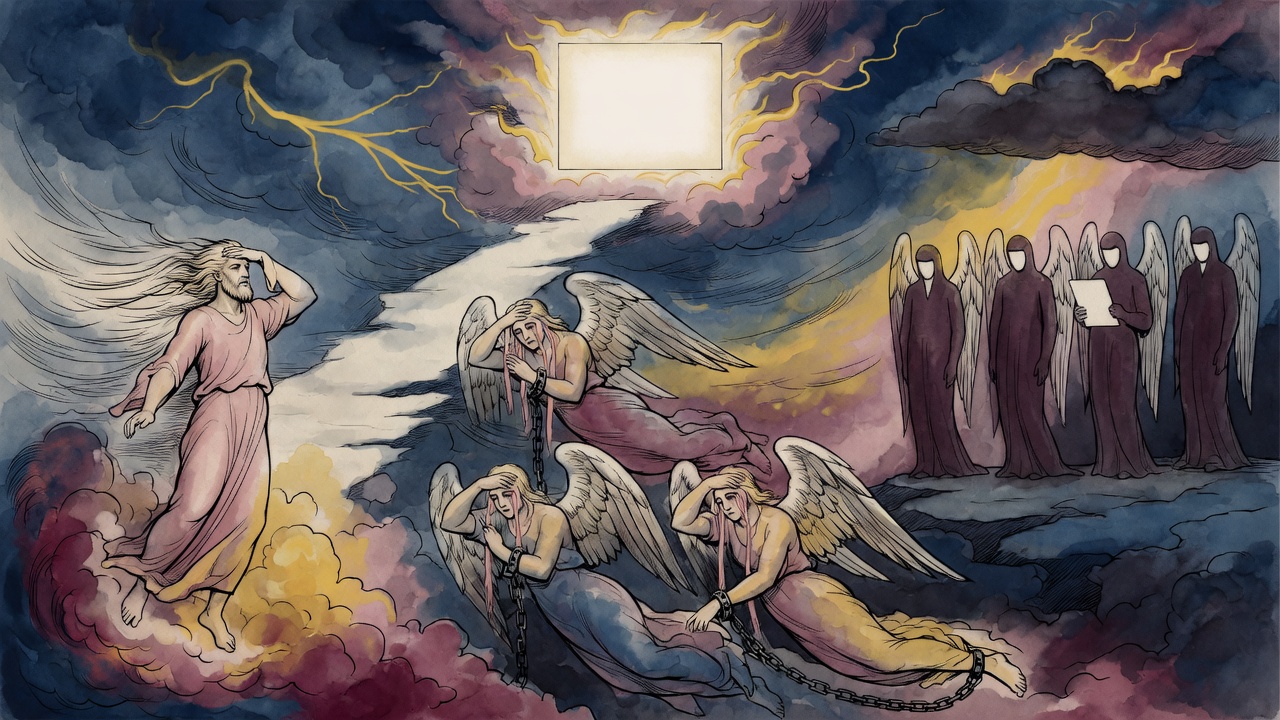
Enoch ascends through dark heavens, finds chained angels weeping in gloom, then silent Watchers stripped of light, still awaiting judgment.
