310 myths · Page 3 of 11
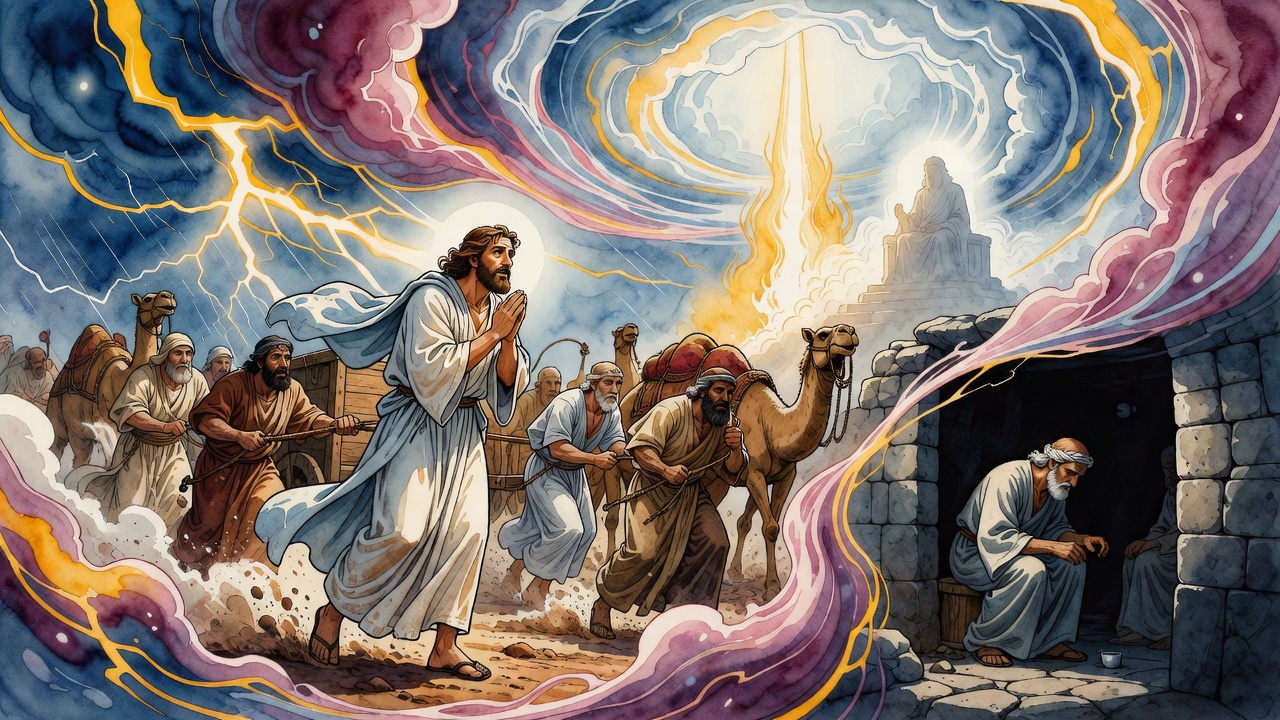
The butler tied a knot in his sash so he would remember the prisoner. An angel came and undid it, and two more years went by.
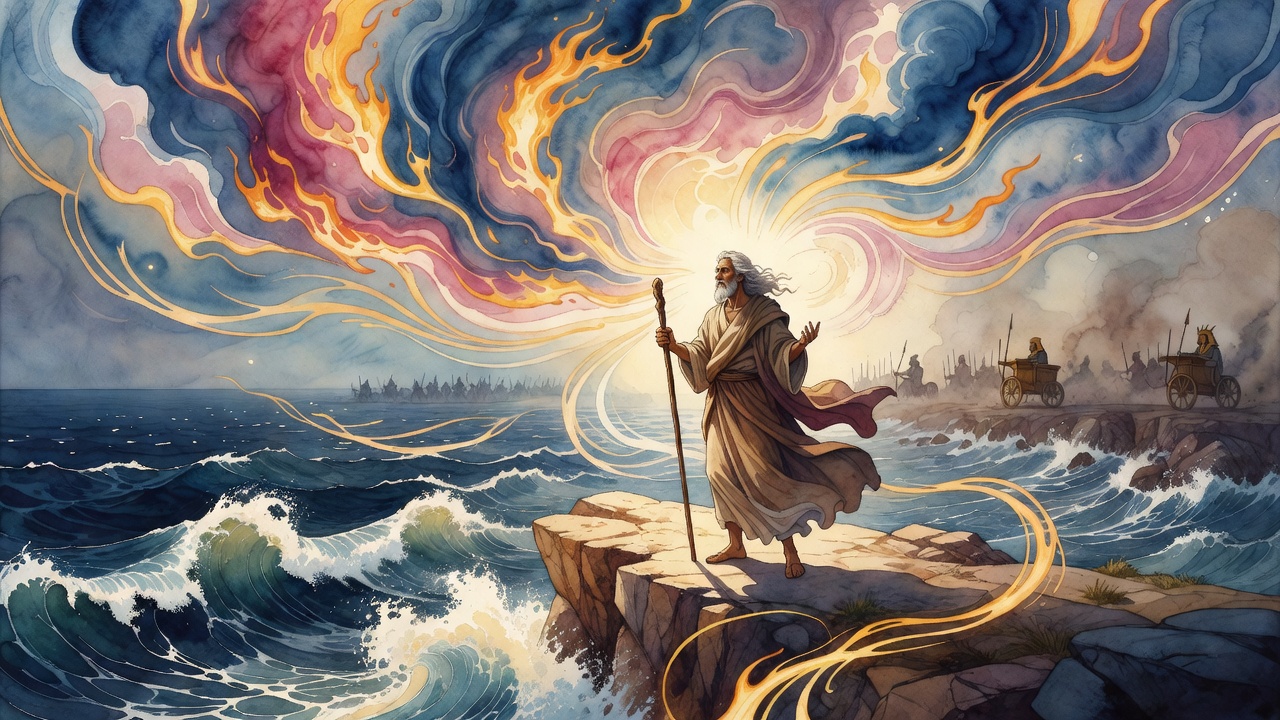
Trapped between Pharaoh and the sea, Moses confessed he had no plan. The same man had already written eleven psalms for Israel to pray.
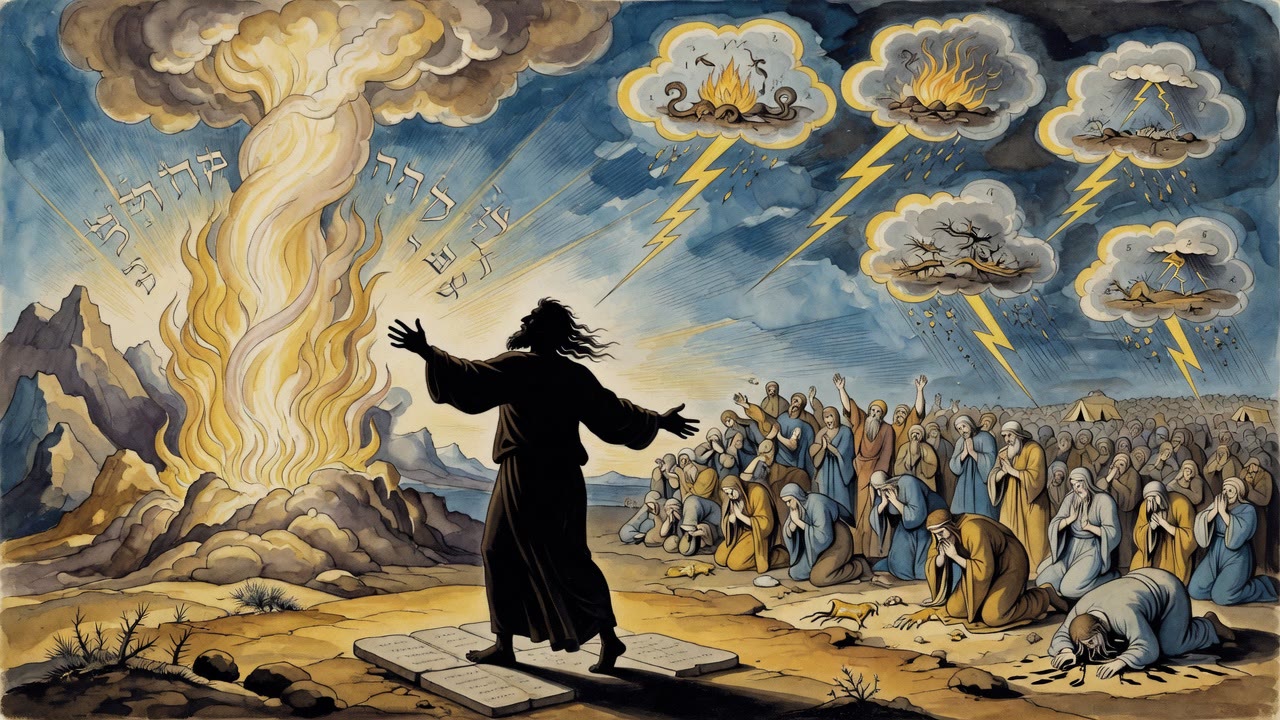
When God offered to destroy Israel and start fresh with Moses alone, Moses turned the offer into the most dangerous argument in scripture.
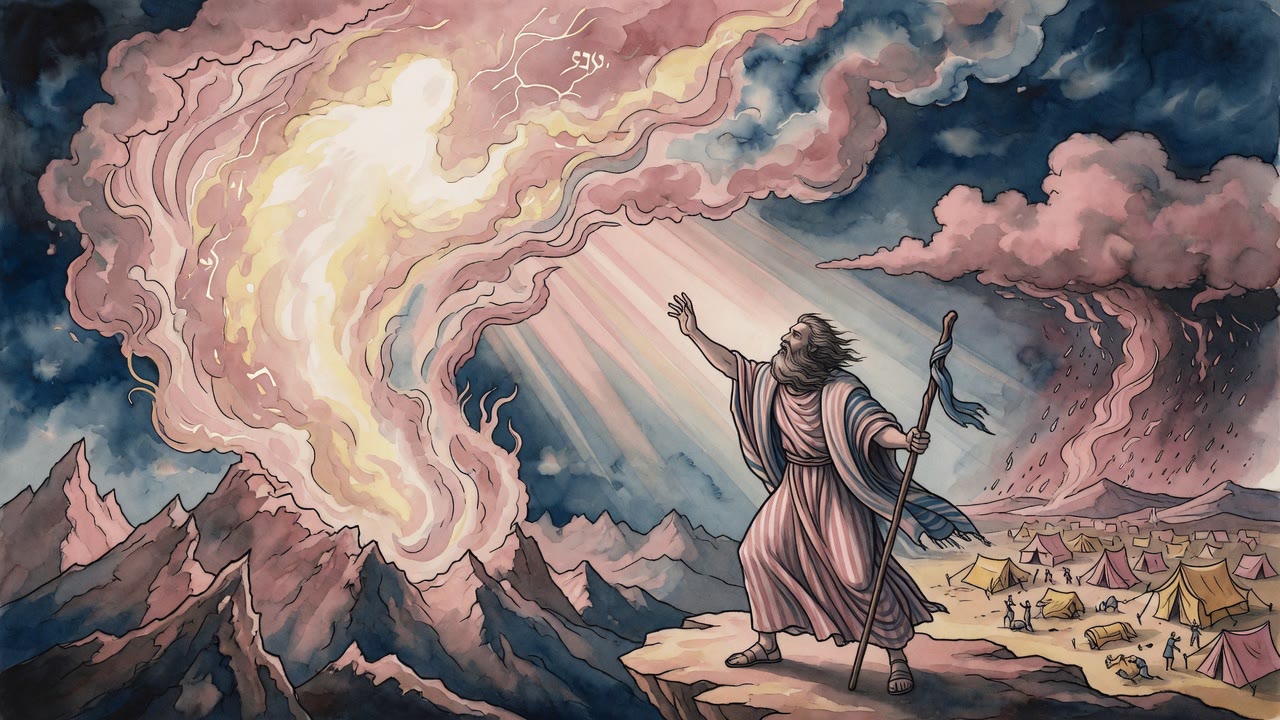
God offered to start the people over from Moses alone. The camp was still crying from the spy report. Moses would not take the offer.
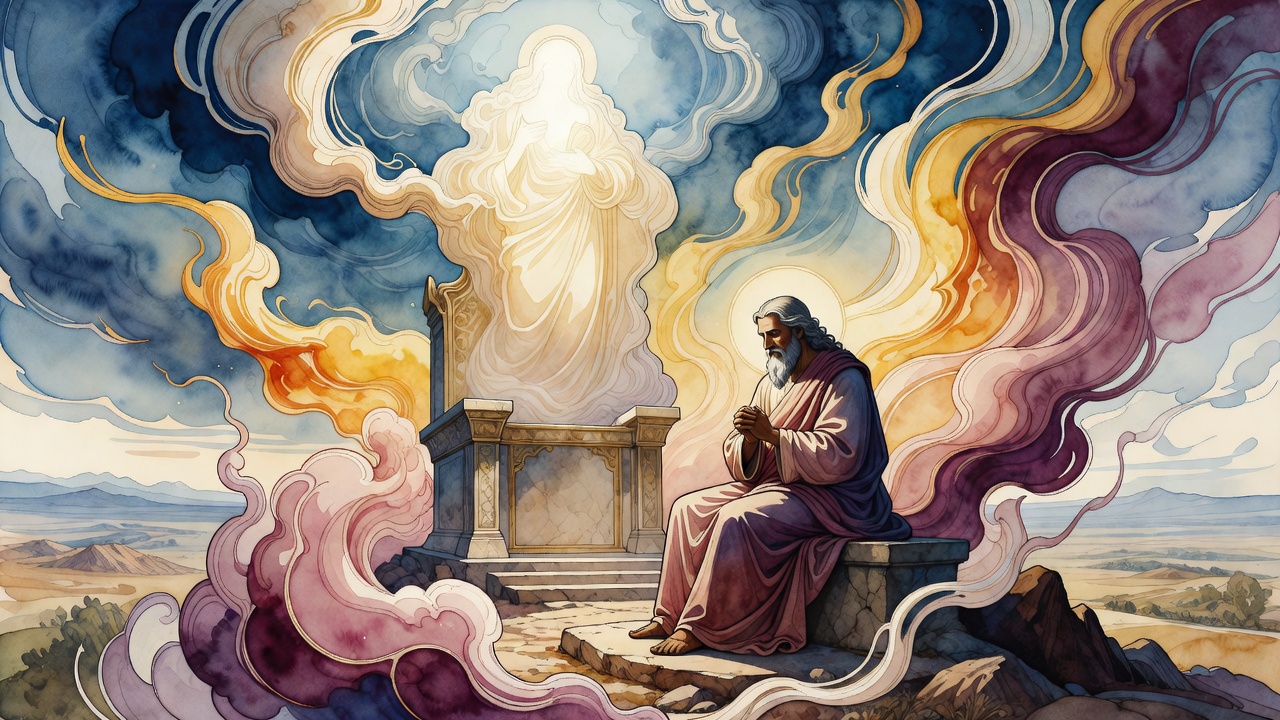
A voice at Gibeon said ask. Solomon named a listening heart. Two women came at dawn with one living child and no witness.
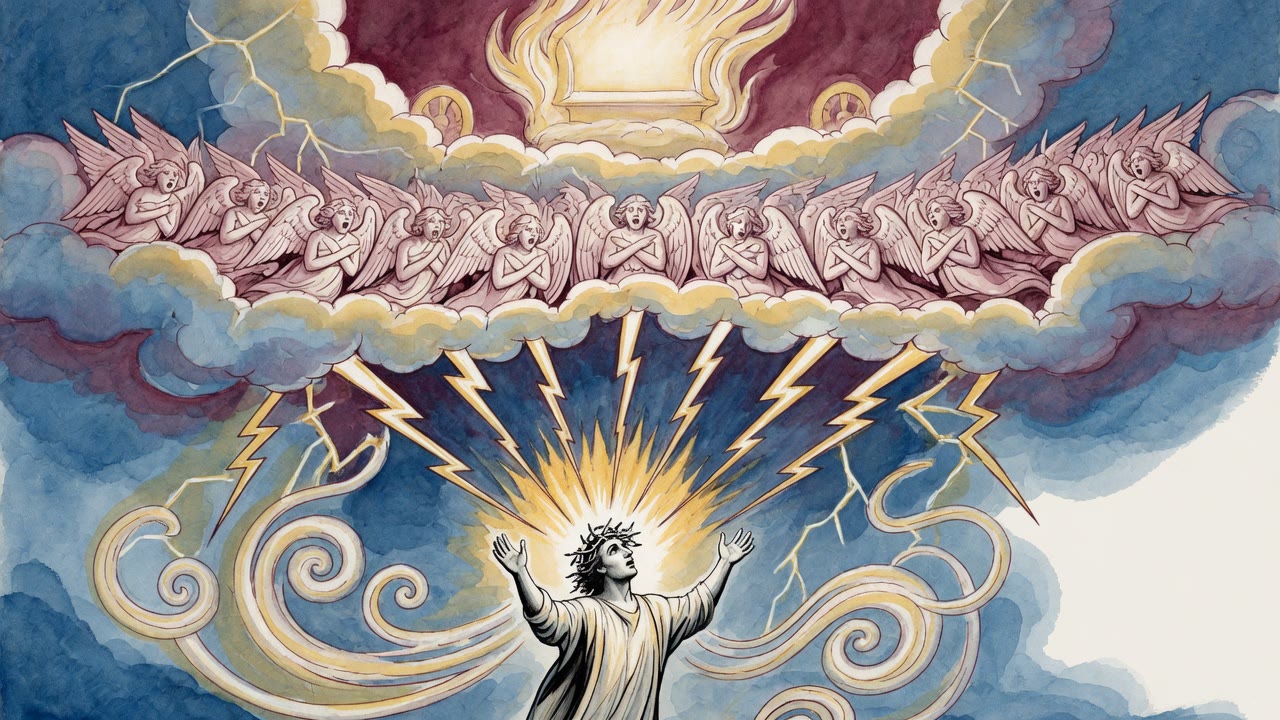
In the cave he said the same words twice. First, that he not fall into the enemy's hand. Then, that the enemy not fall into his.
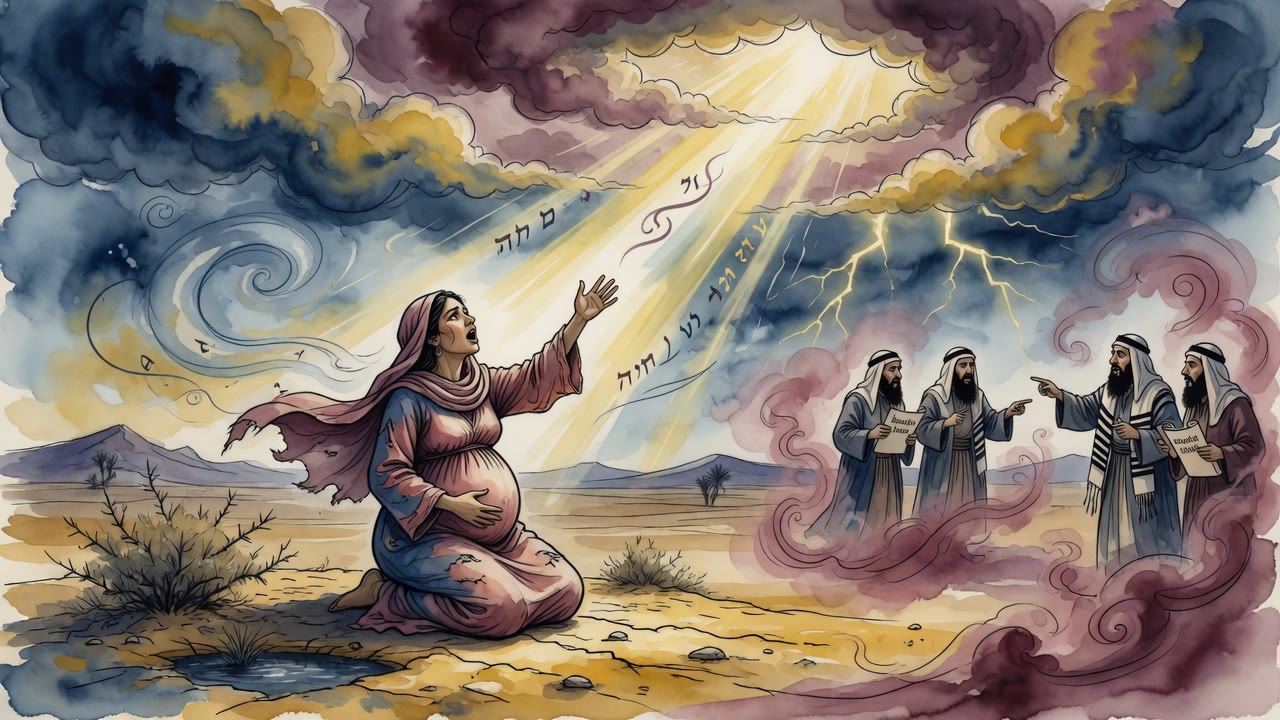
Pregnant in the desert, Hagar called the voice she heard El Ro'i, God Who Sees Me. Bereshit Rabbah and Philo's Midrash disagree about who she spoke to.
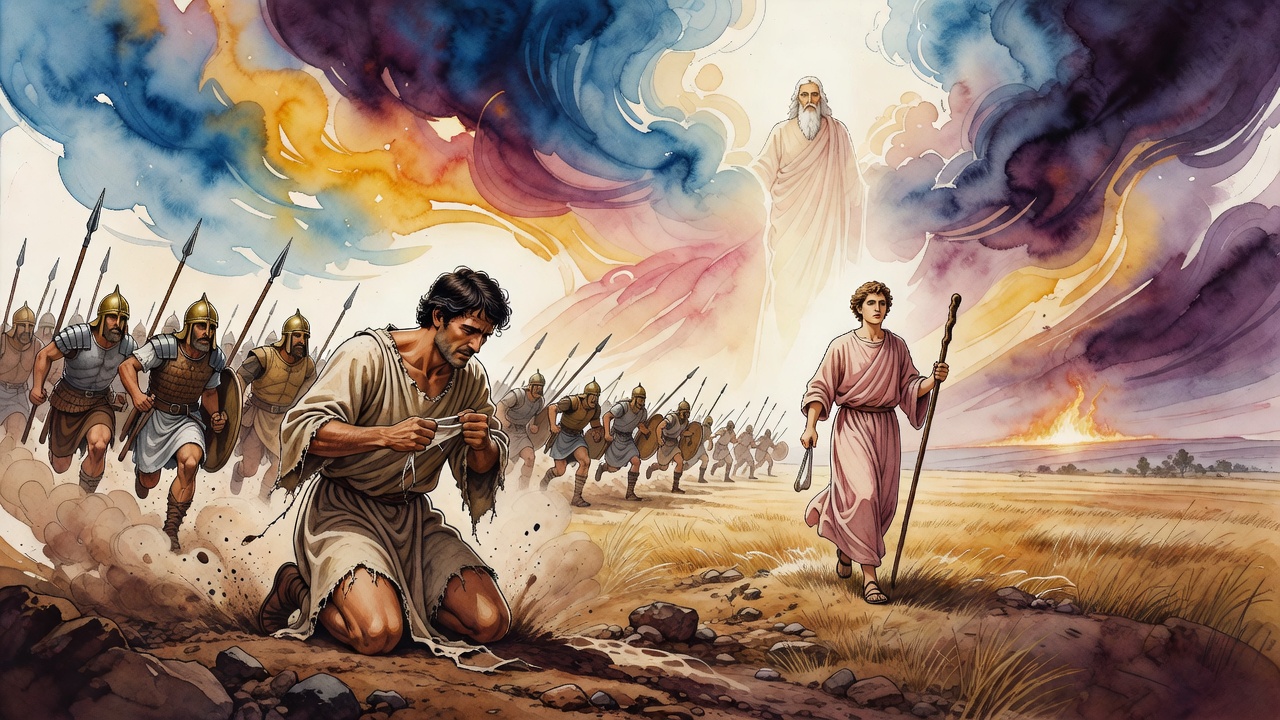
Jonathan the Maccabee tears his clothes in the dirt while his army flees. David walks onto a field no one sent him to. Both win the same way.
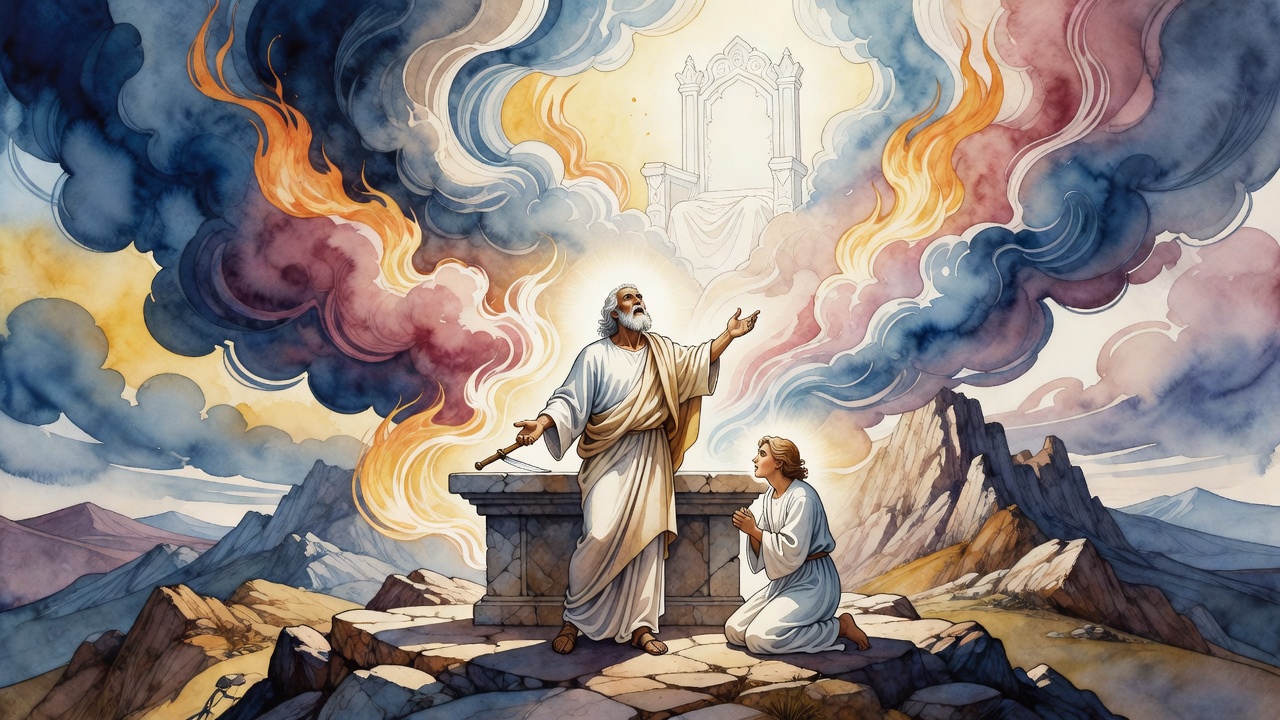
The ram was already burning. Isaac was breathing. Abraham still would not step down until God bound the morning to Israel's future.
The smoke had not risen yet. Abraham planted his feet in the dust and asked if the Judge of all the earth would burn the innocent with the rest.
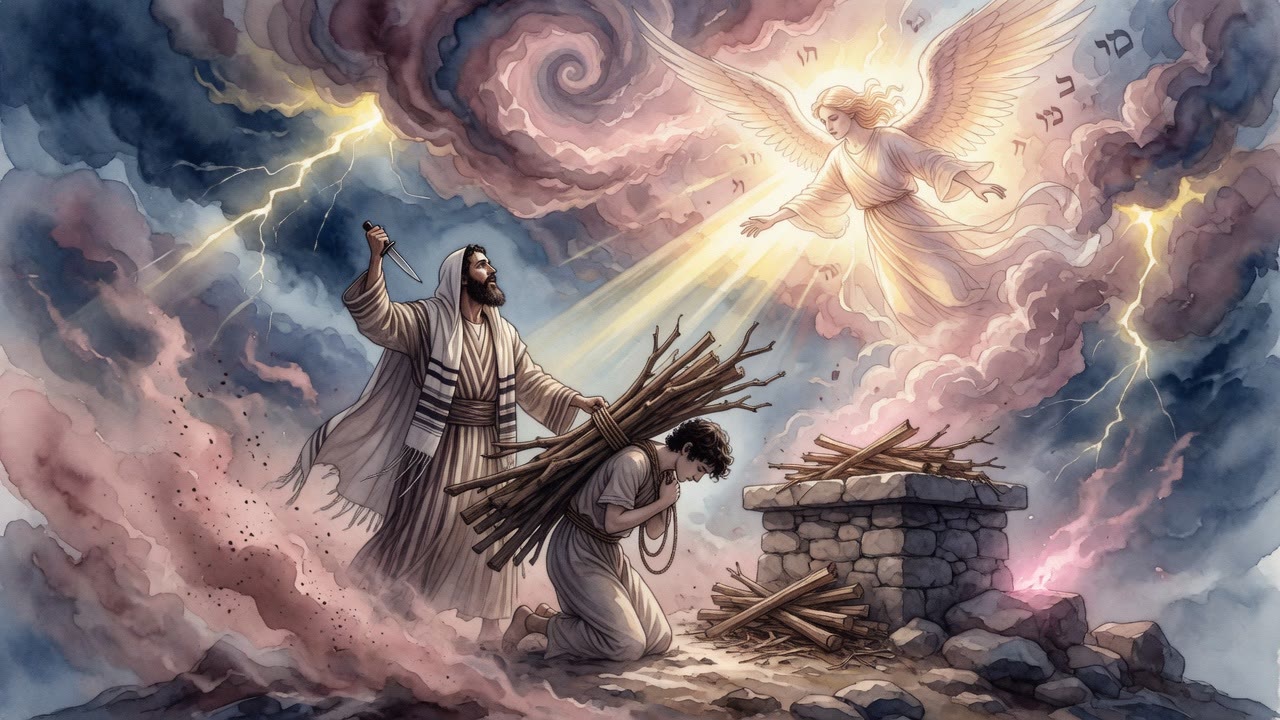
Isaiah's death sentence pushed Hezekiah to the wall, while Shevna carved himself a royal grave and aimed an arrow at the king.
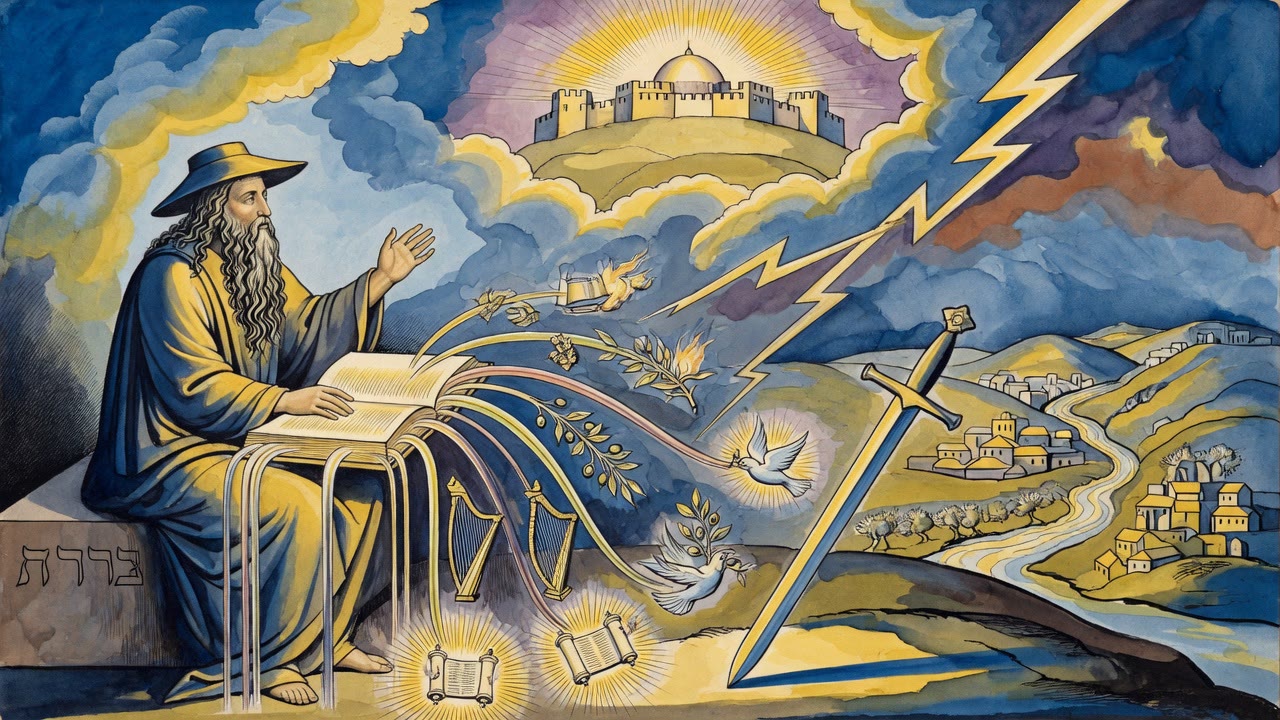
Two of Jeremiah's four questions came back through Moses. The other two stayed open until Zion carried them to the Throne herself.
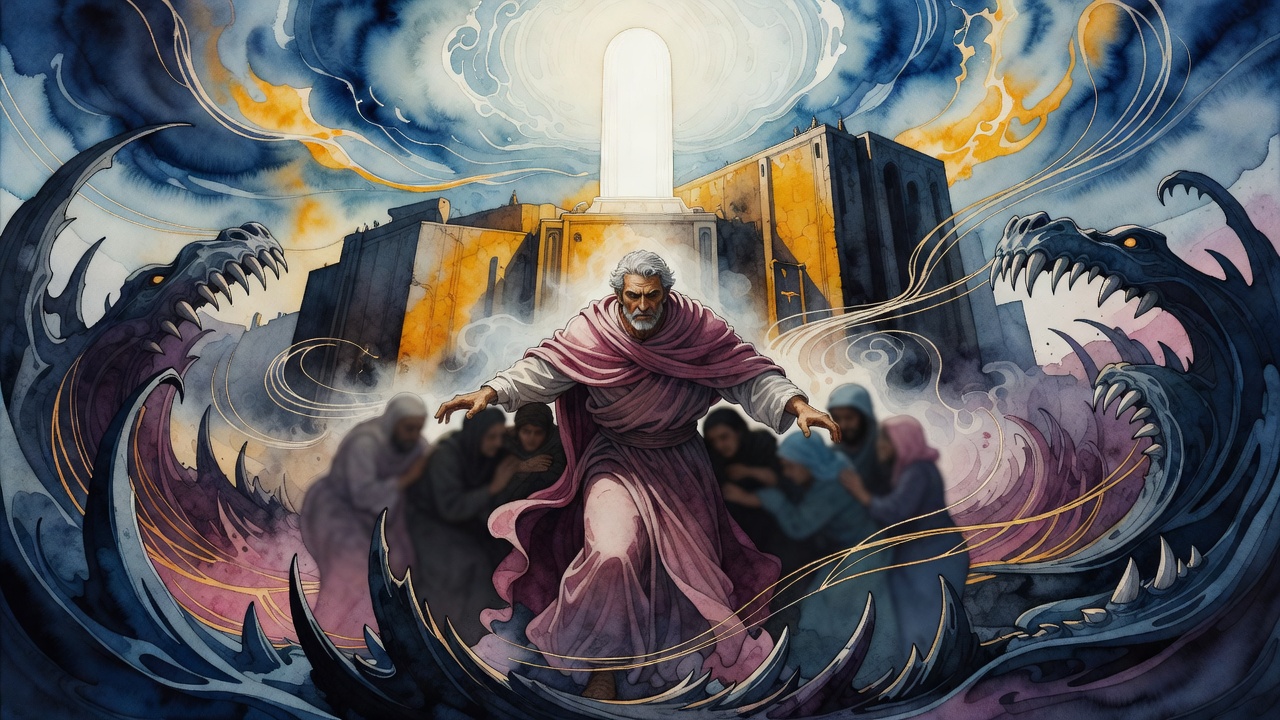
Mordecai hid Esther's people from the palace because rank, danger, and exile all had teeth. Heaven answered by placing Israel in his care.
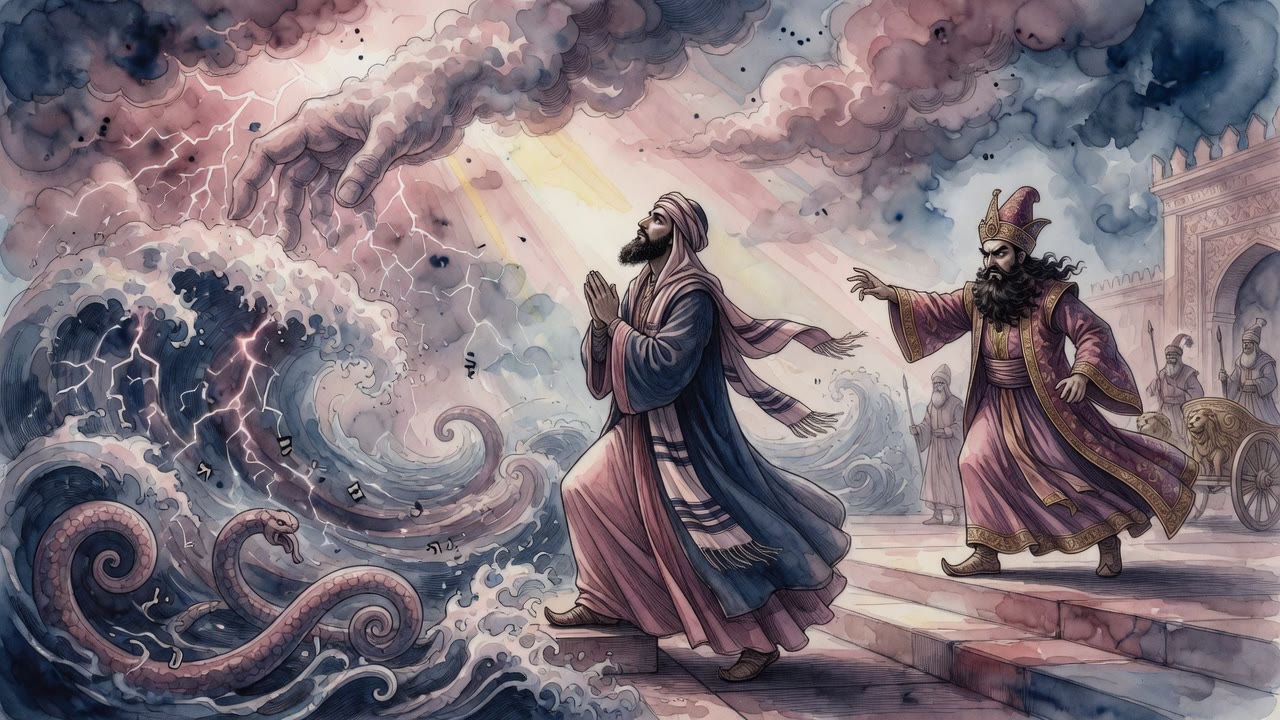
Mordecai's refusal to bow widened into a vision of God binding sea, sky, and stars, until Haman had to honor him in public.
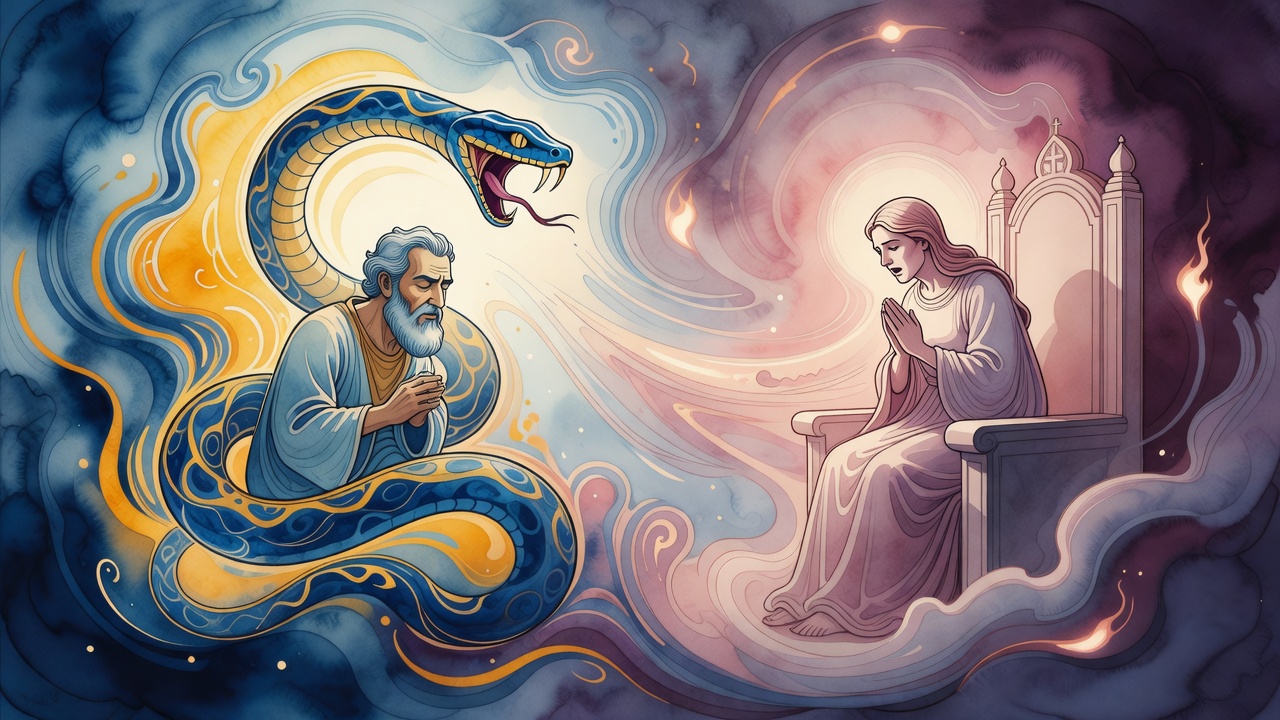
Mordecai dreams of a snake rising against Israel, then sends Esther toward the king as she prays through terror and fading holy strength.
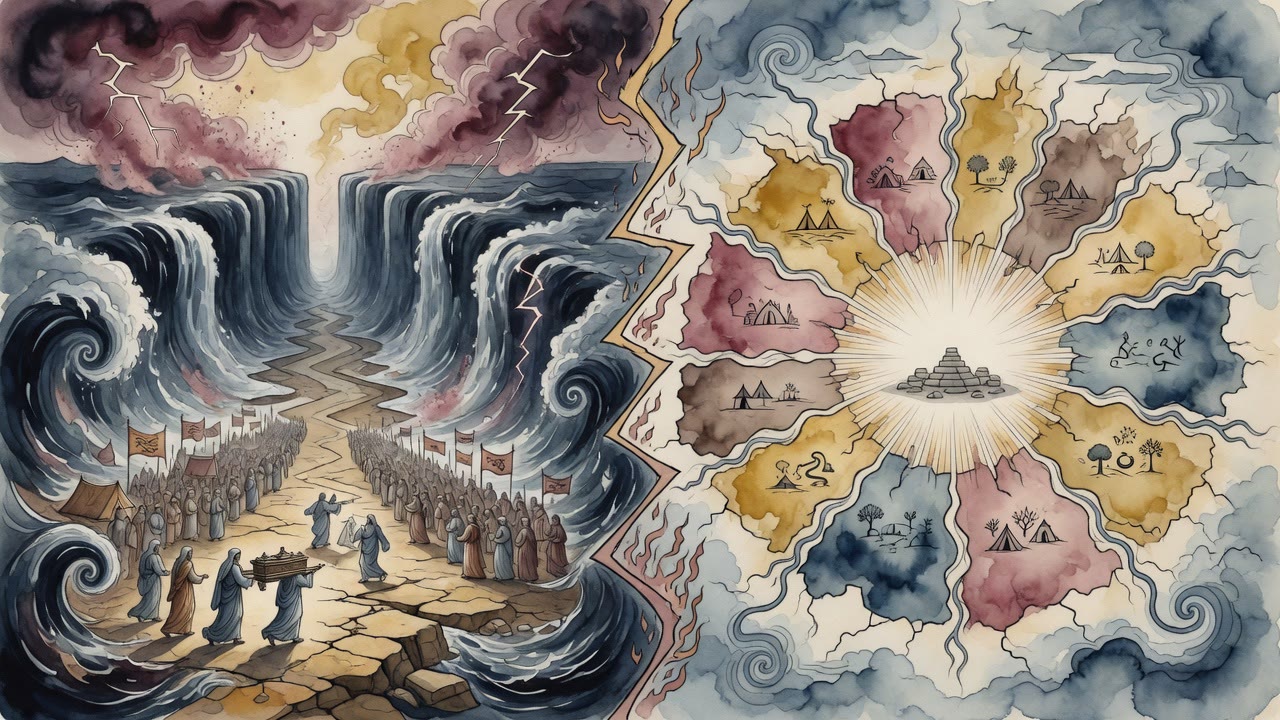
Fifty thousand men crossed the Jordan to fight for land they would never live on. When they went home and built an altar, Israel armed against them.
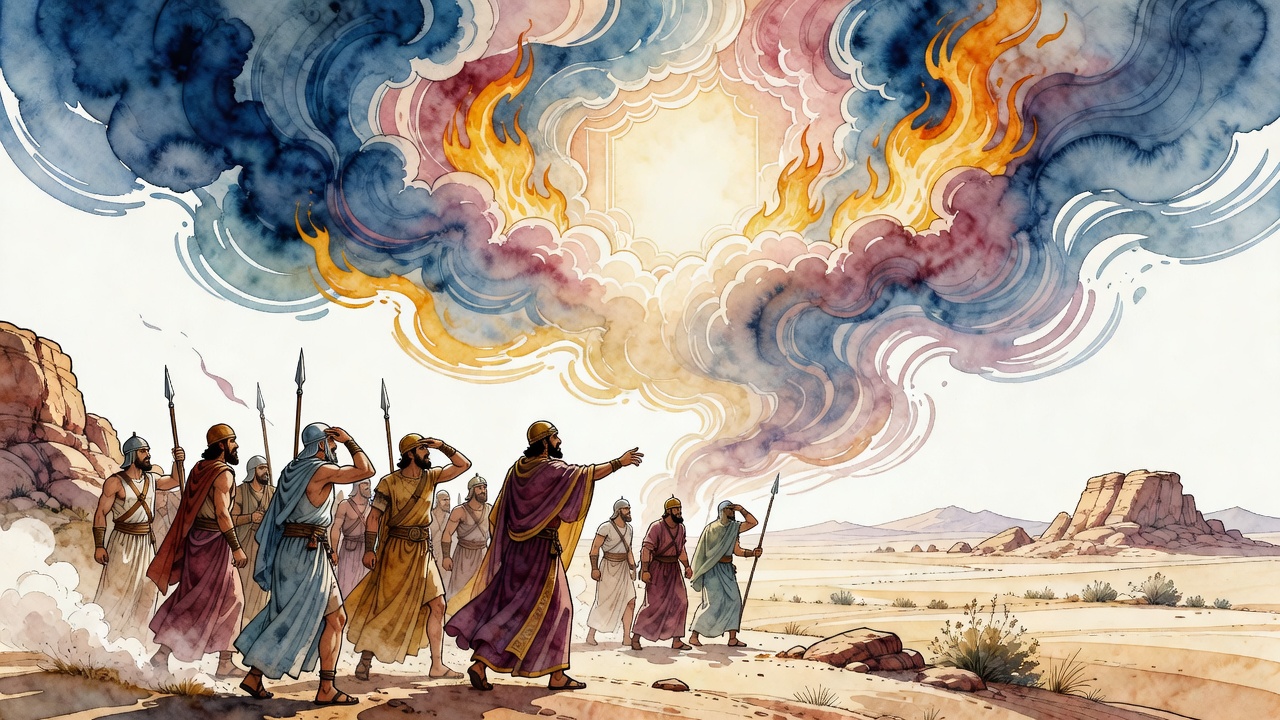
Old enemies joined forces when they learned Israel's strength lived in prayer, so Balak searched for a mouth that could curse.
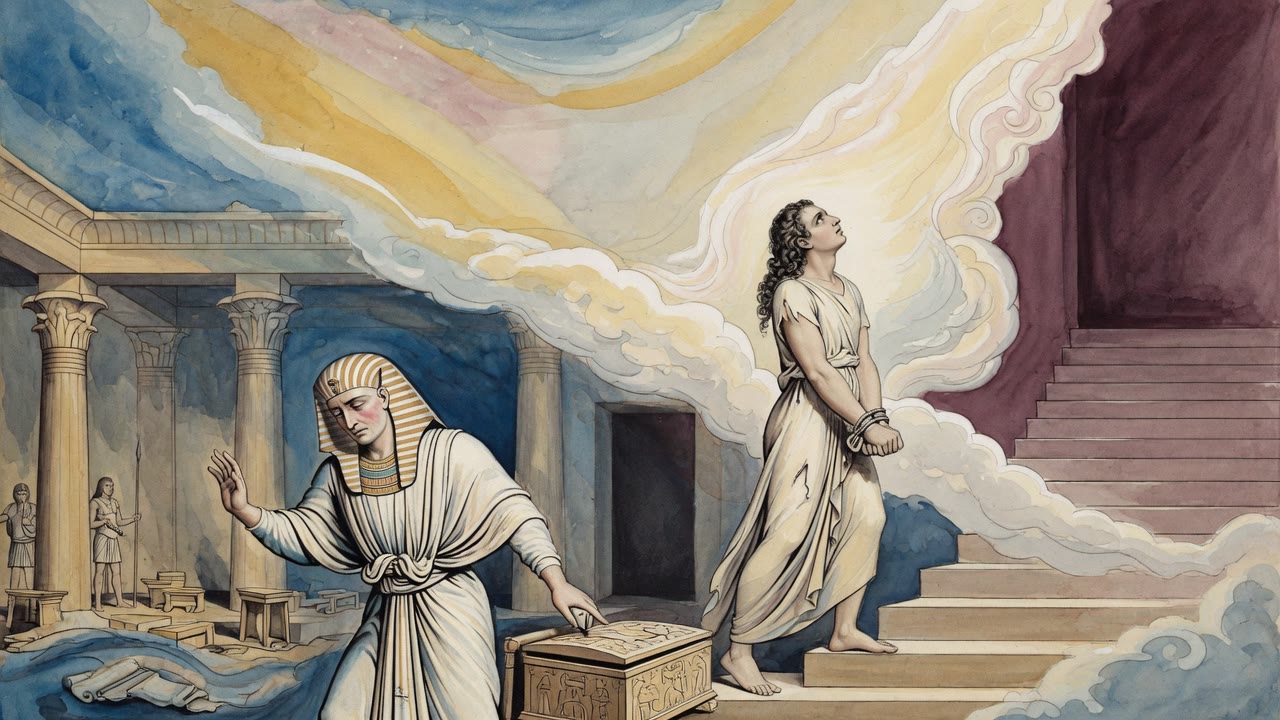
Three days after the sea split, Israel met water it could not drink and learned that confession can sweeten a bitter world.
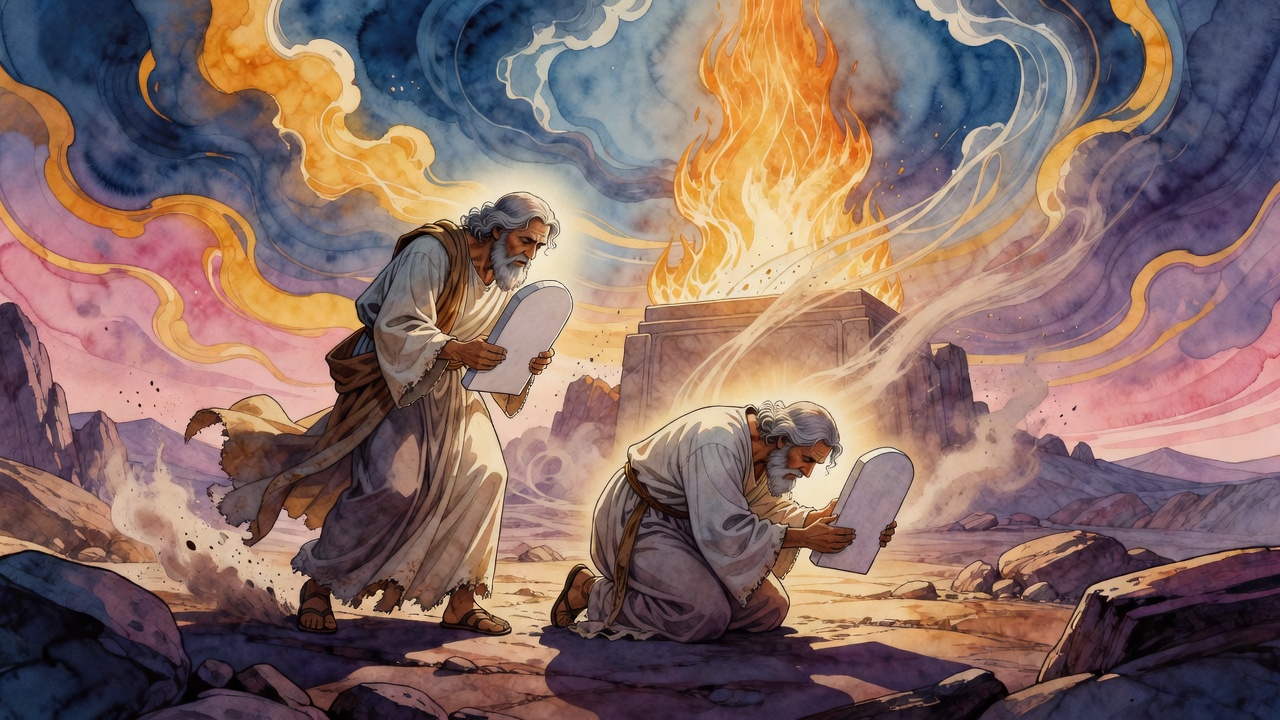
The quill stopped at Let us make. Below the mountain a calf had gone quiet. Moses shook, then asked whose people these were.
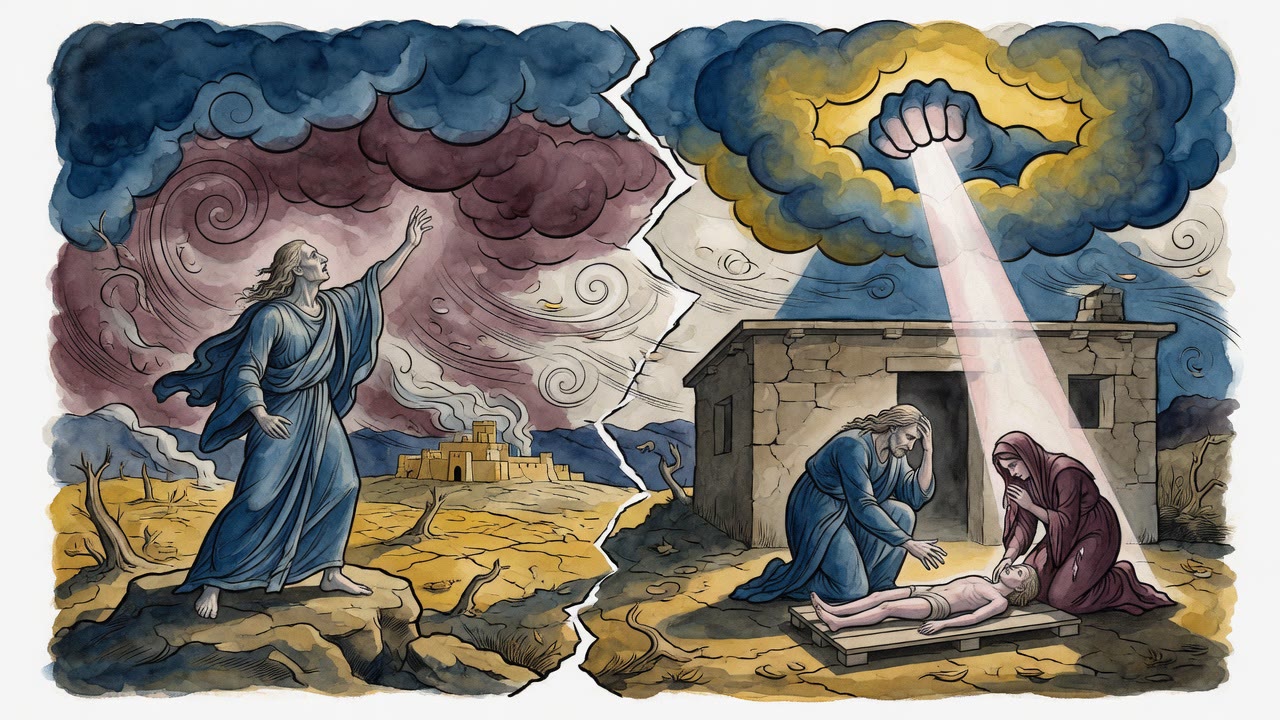
Ahab hunted the prophet through dry ravines. Elijah would not return while the king still stood unbent. Heaven answered with soil.
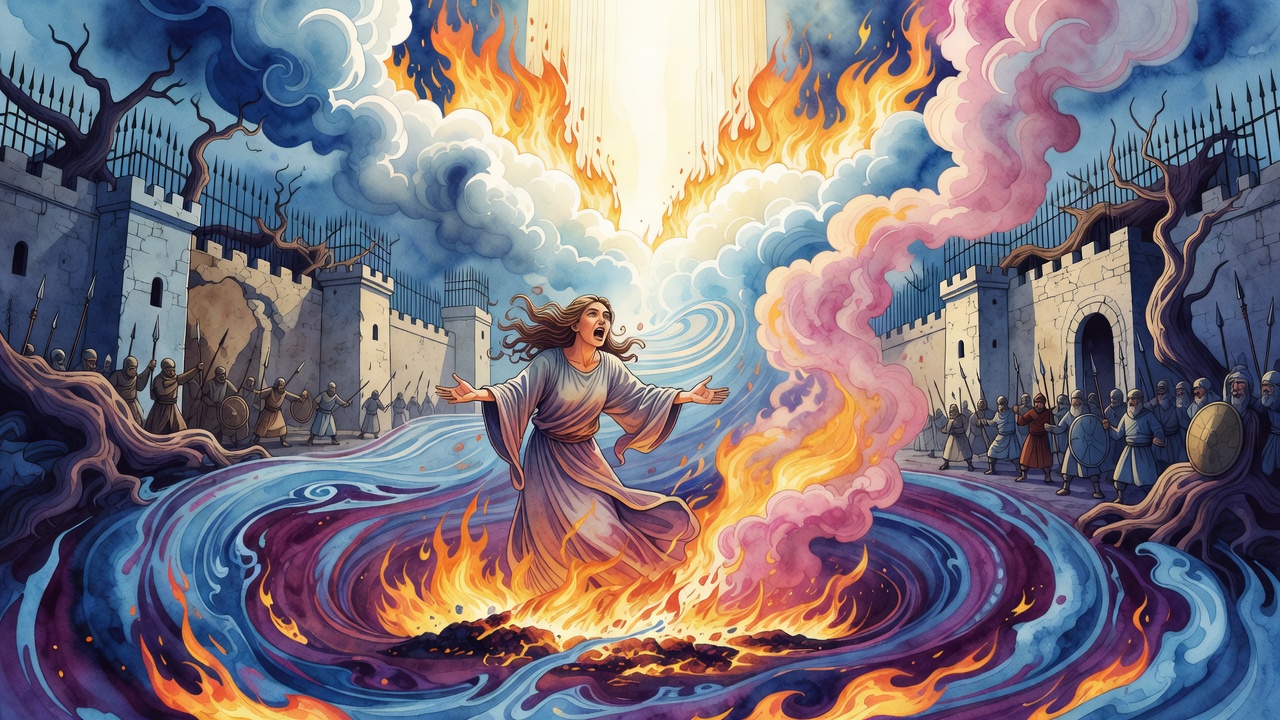
Peletith hid bread in her water bucket and carried it to the starving man in her street. Sodom burned her for feeding him.
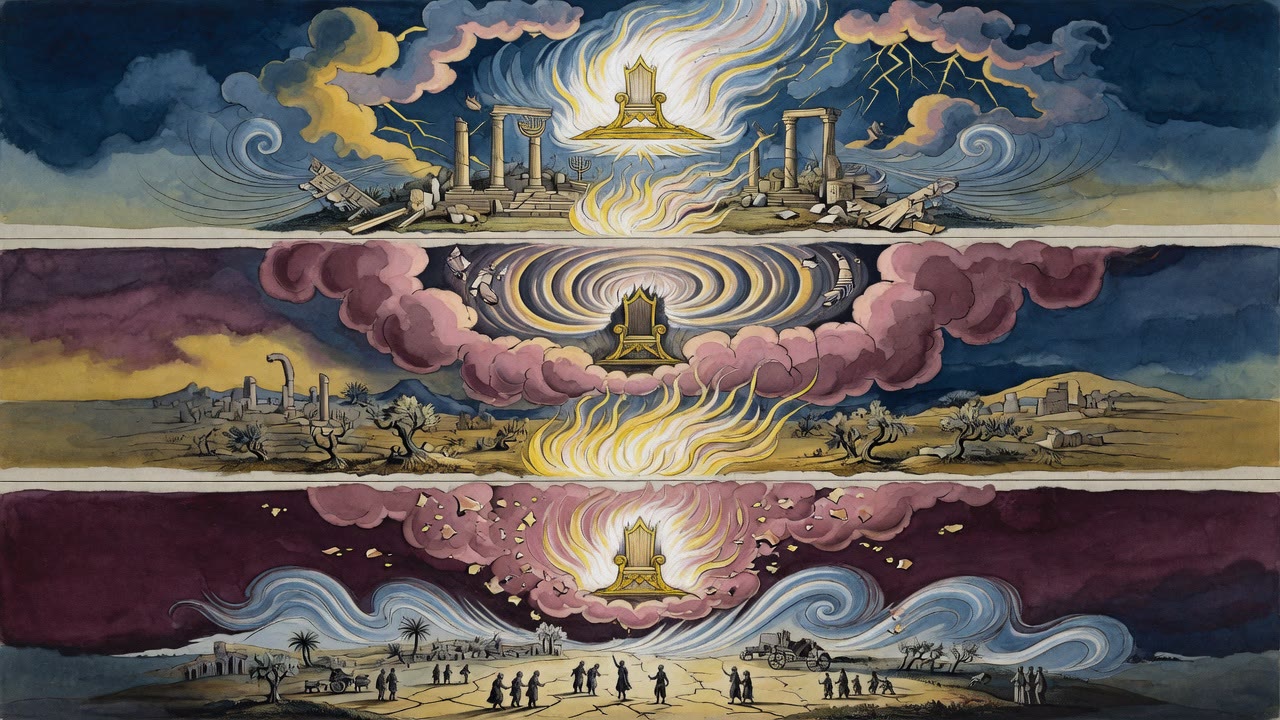
Every night has three watches in the Talmud, and at each one God roars like a lion over the Temple, the exile, and Israel's scattered children.
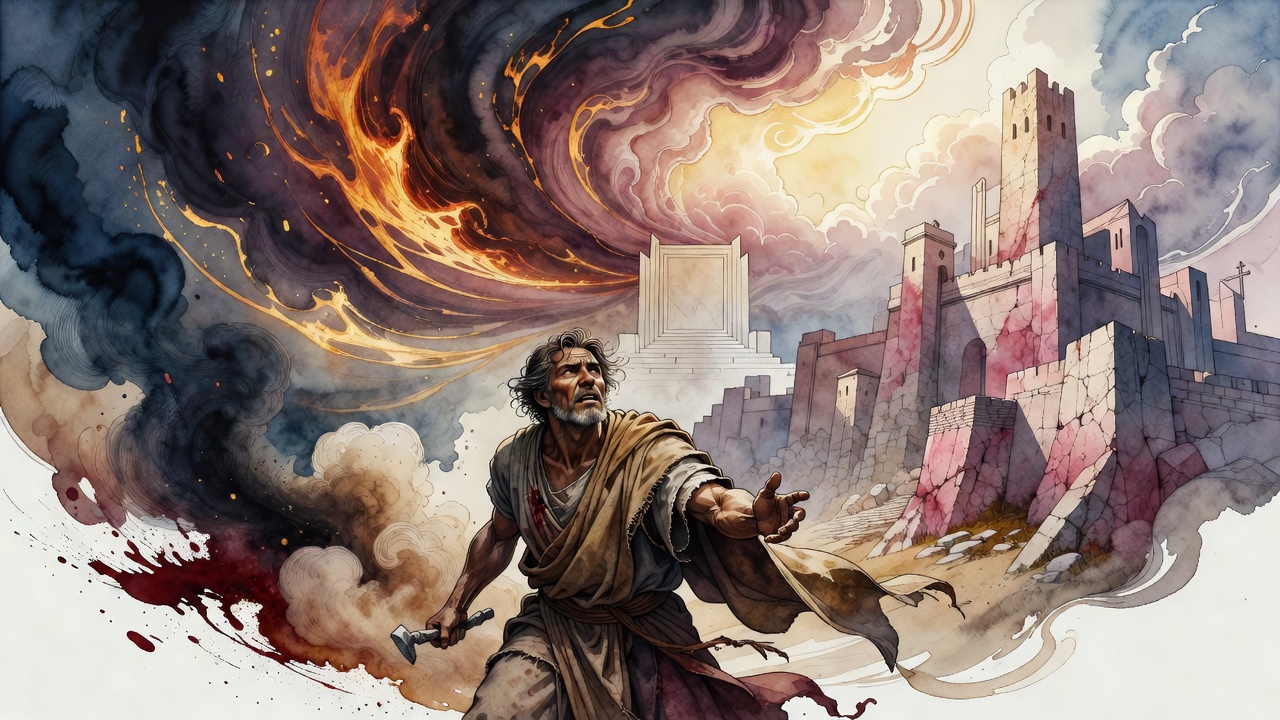
Cain answered the verdict with a verse. You carry the whole world, he said, and you cannot carry me? God took half the sentence off.
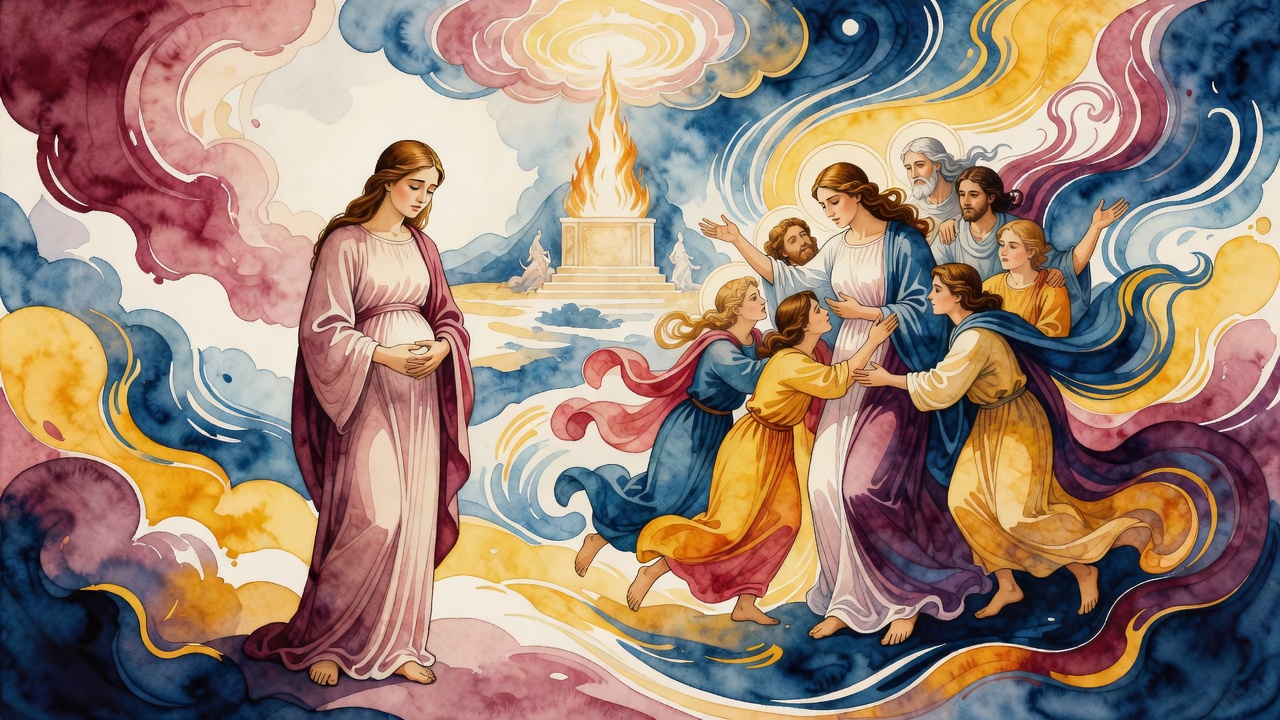
A jar went missing in Jacob's tent. Every face turned toward the wife with no sons. Rachel had lived that look for years.
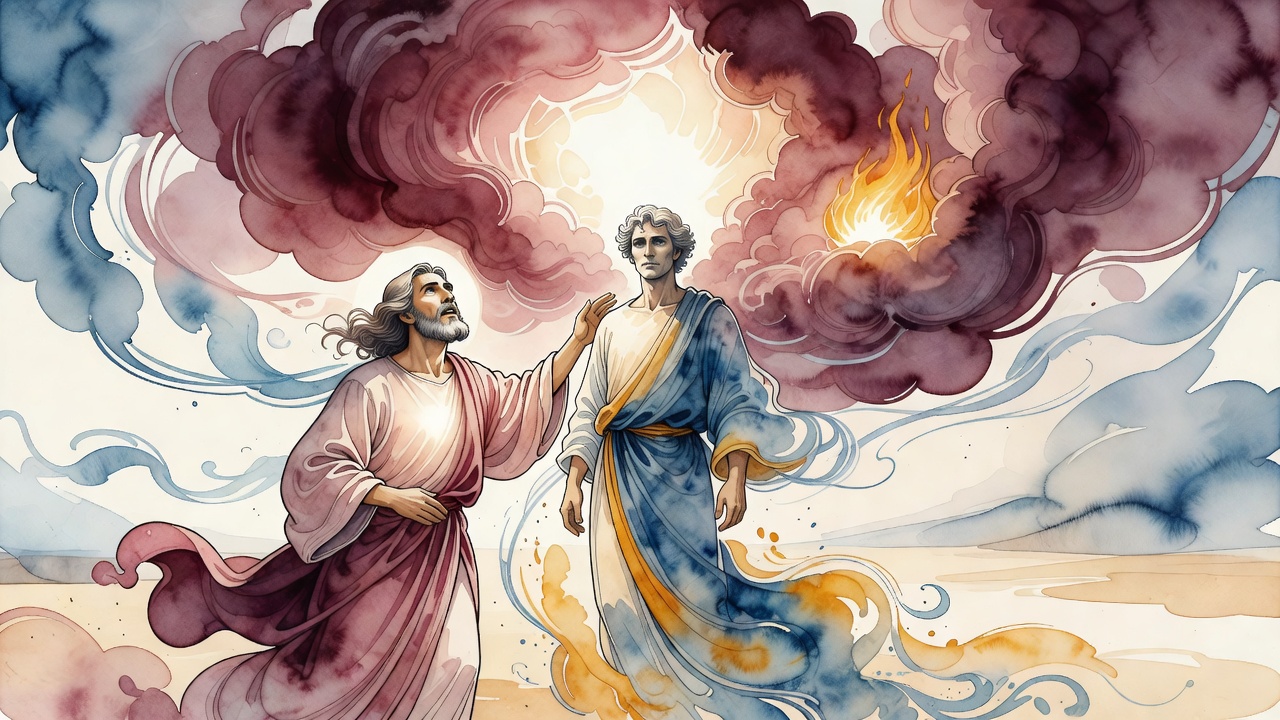
The last sacks were empty. Judah put his own life up for Benjamin, and Jacob still had to send the boy into Egypt. He prayed first.
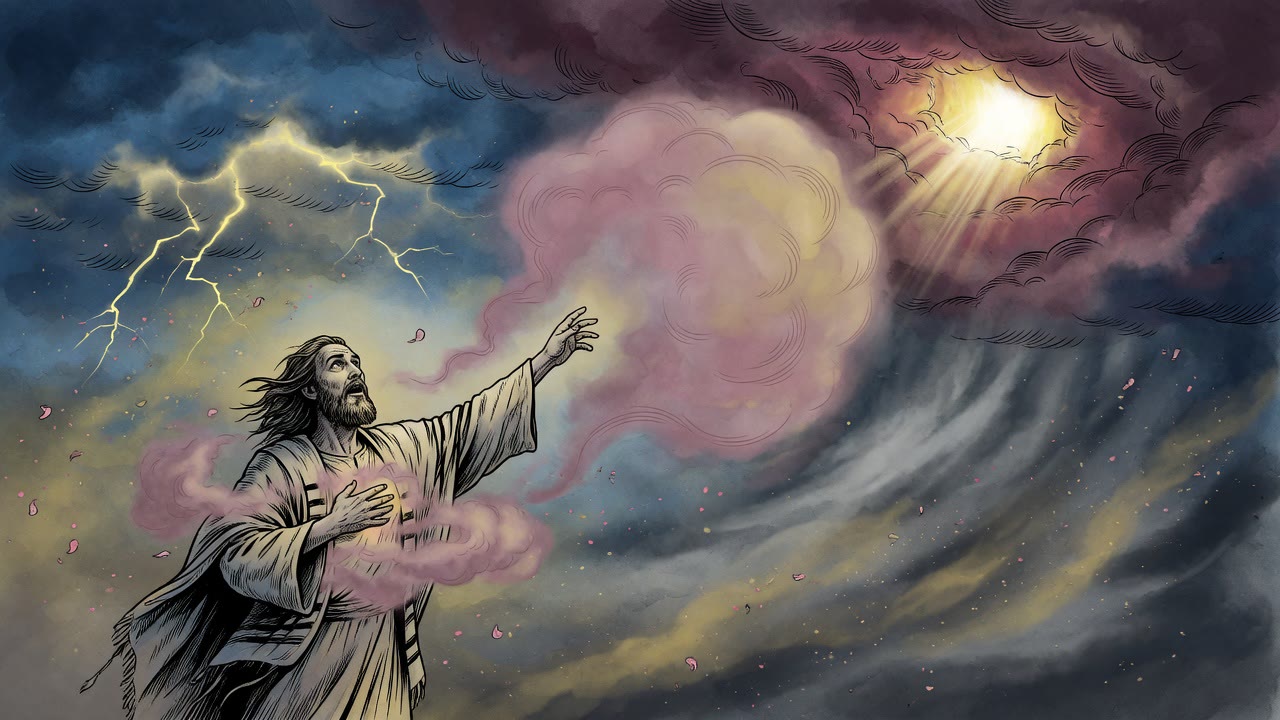
A carved god stands in the room, close enough to touch and dust. Heaven is five hundred years away on foot. Only one of the two answers when a man calls.
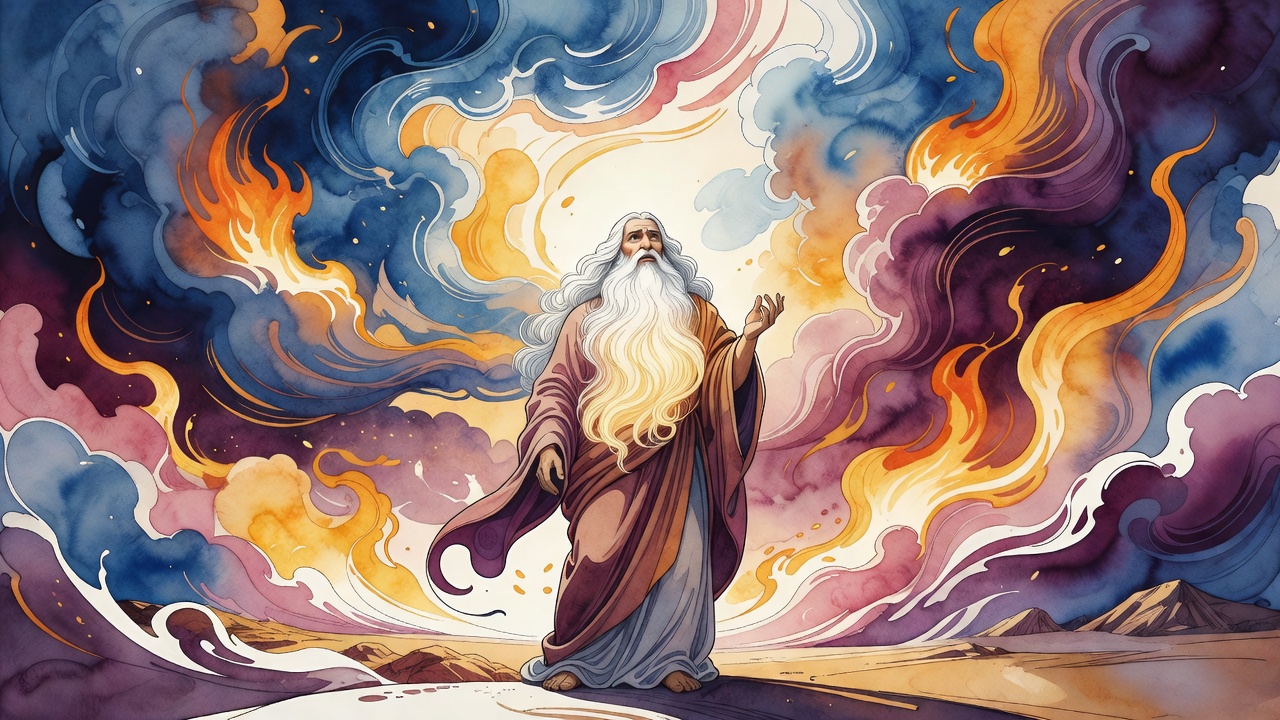
Before Abraham, no one looked old. He asked God to make age visible so the young would know whom to honor. By morning his beard had gone white overnight.
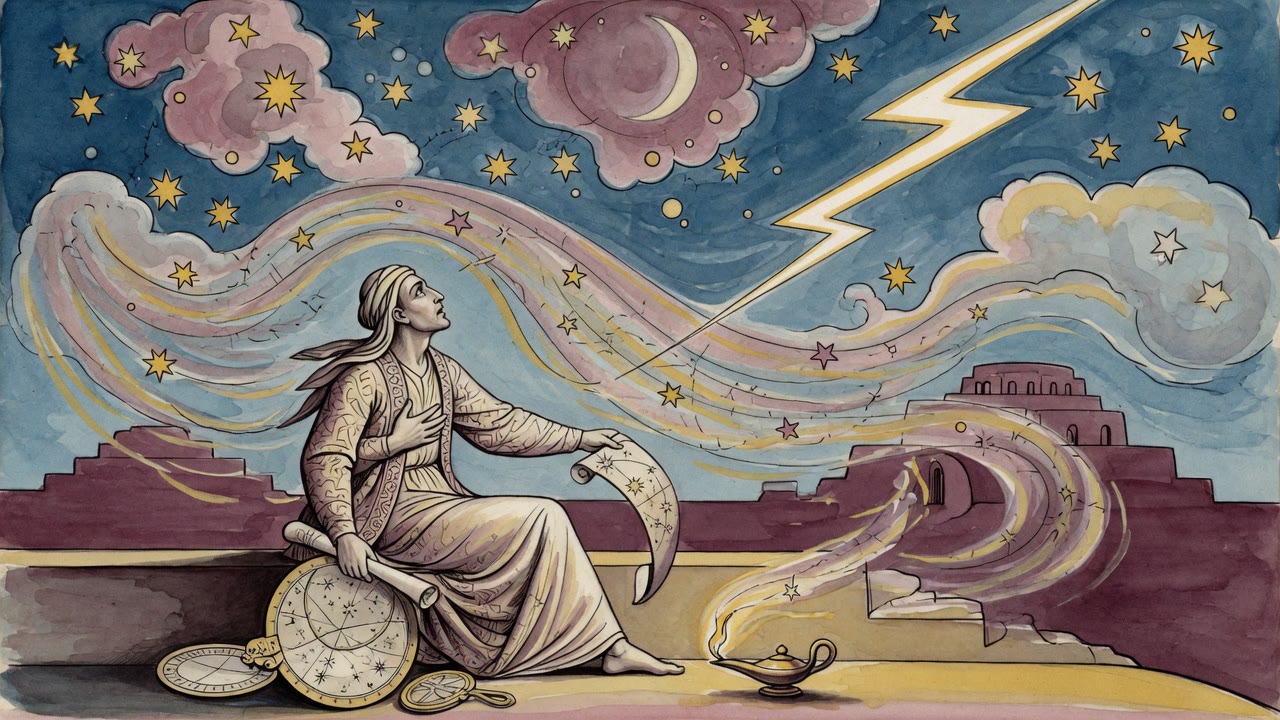
Abraham was a trained Chaldean astrologer. One night he sat watching the sky to predict the rain and talked himself out of the entire profession.
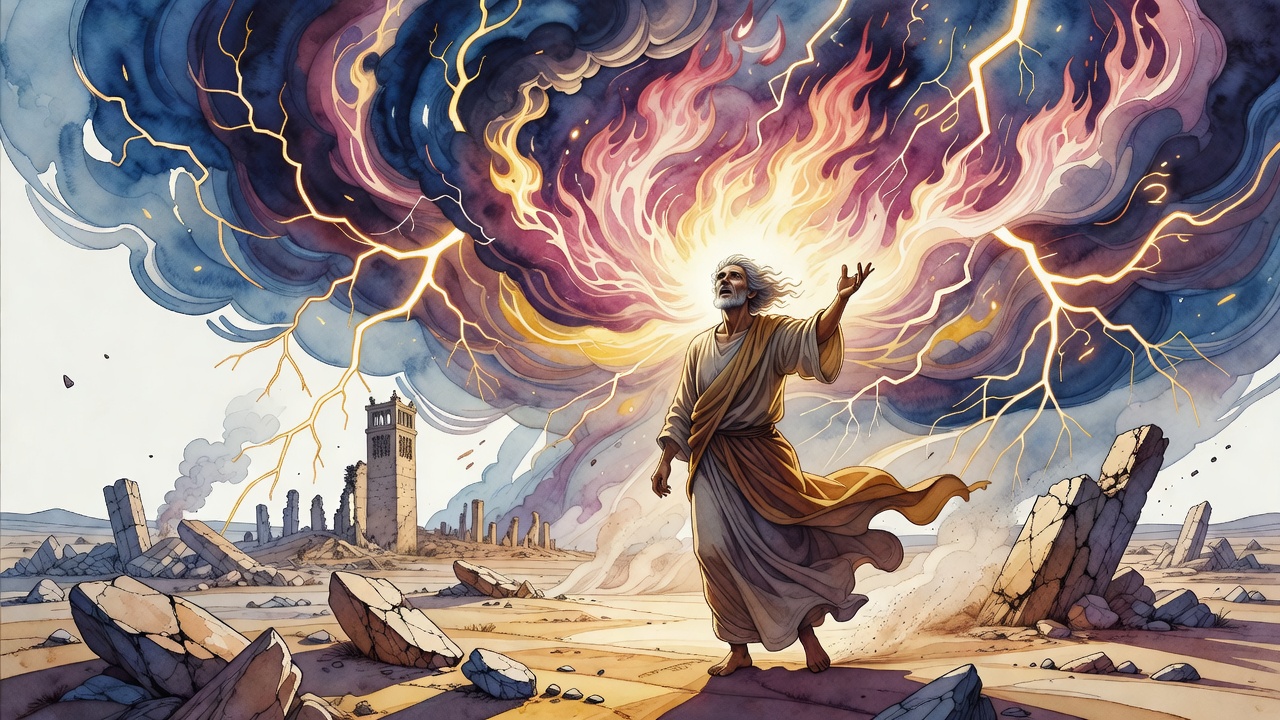
After the tower fell, Hebrew went silent in every human mouth. When God finally called Abraham, He opened his lips and restored the first language of creation.
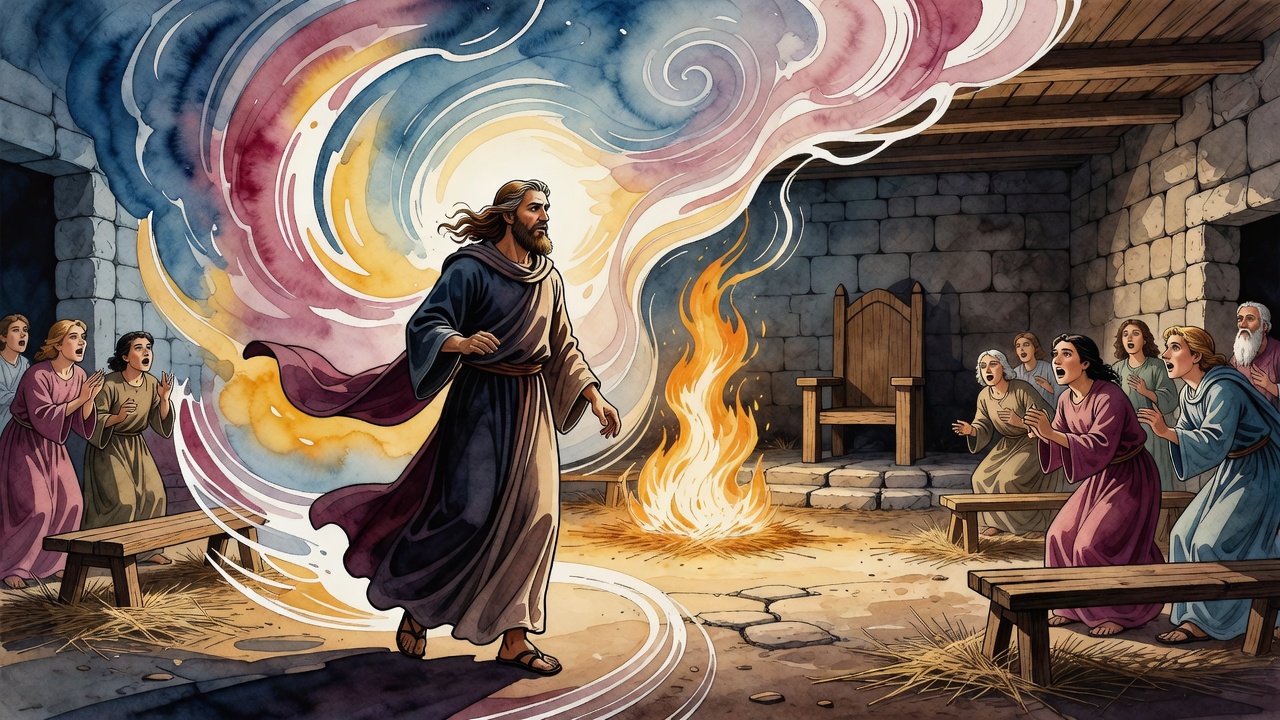
Elijah came daily to Rabbi Judah's school. One morning he was late. His explanation for why the Patriarchs could not pray together still echoes.
