310 myths · Page 2 of 11
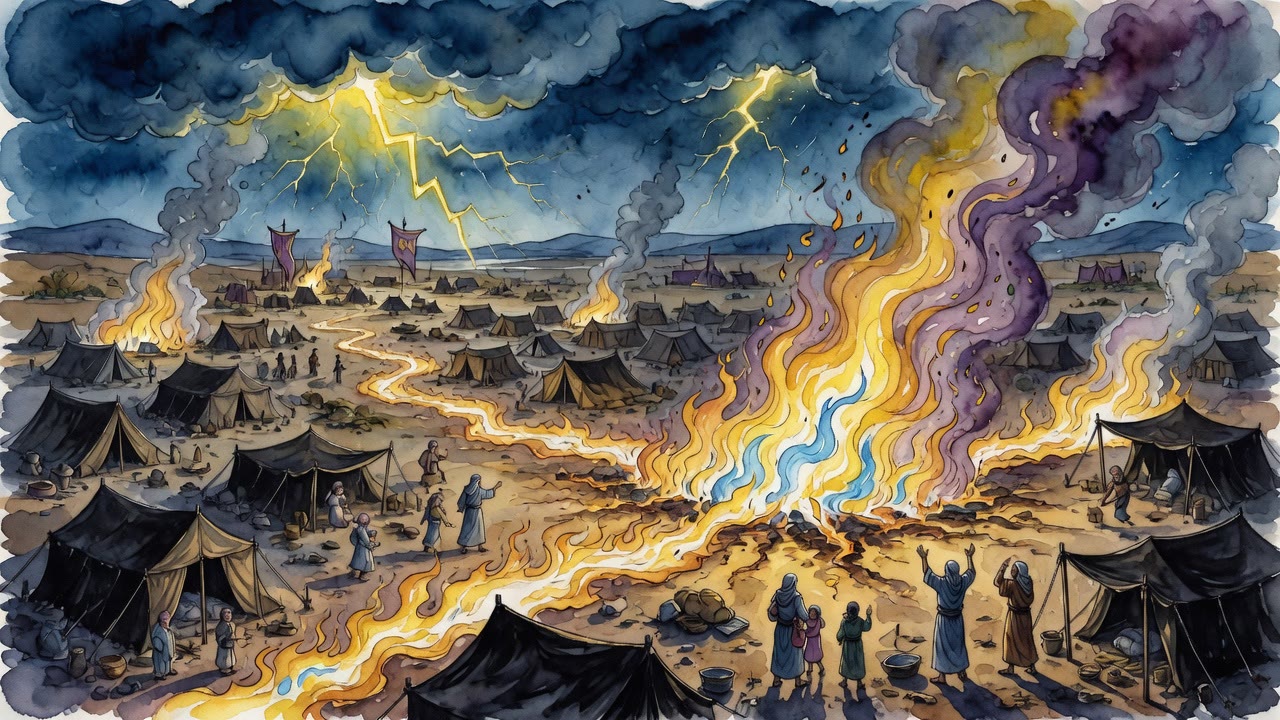
The camp still had water from the rock. Someone whispered whether God could set a table in this waste. Fire ran the edge of the tents before Moses stood.
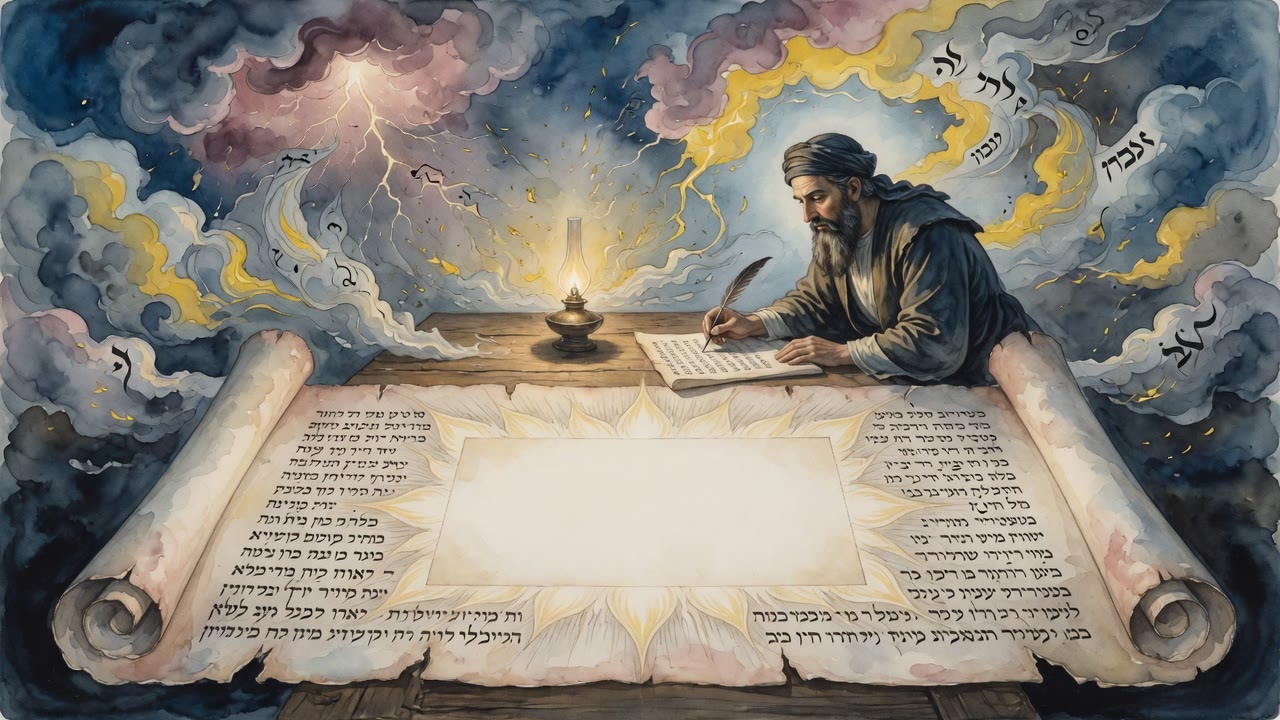
He had been cutting hands and descents out of the Aramaic Torah. At Hear O Israel he set the knife down and copied six words as they stood.
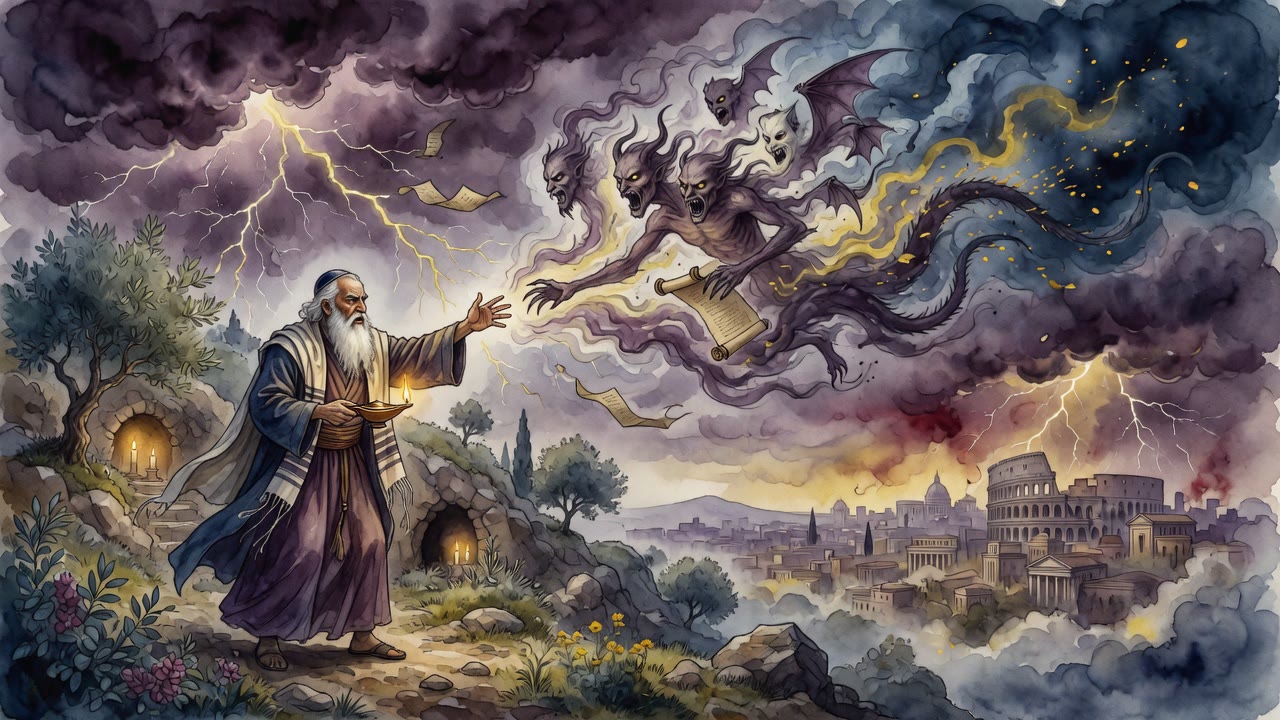
A Roman counselor found a way to repeal every decree against the Jews without losing face. He argued that the Sabbath would keep them poor.
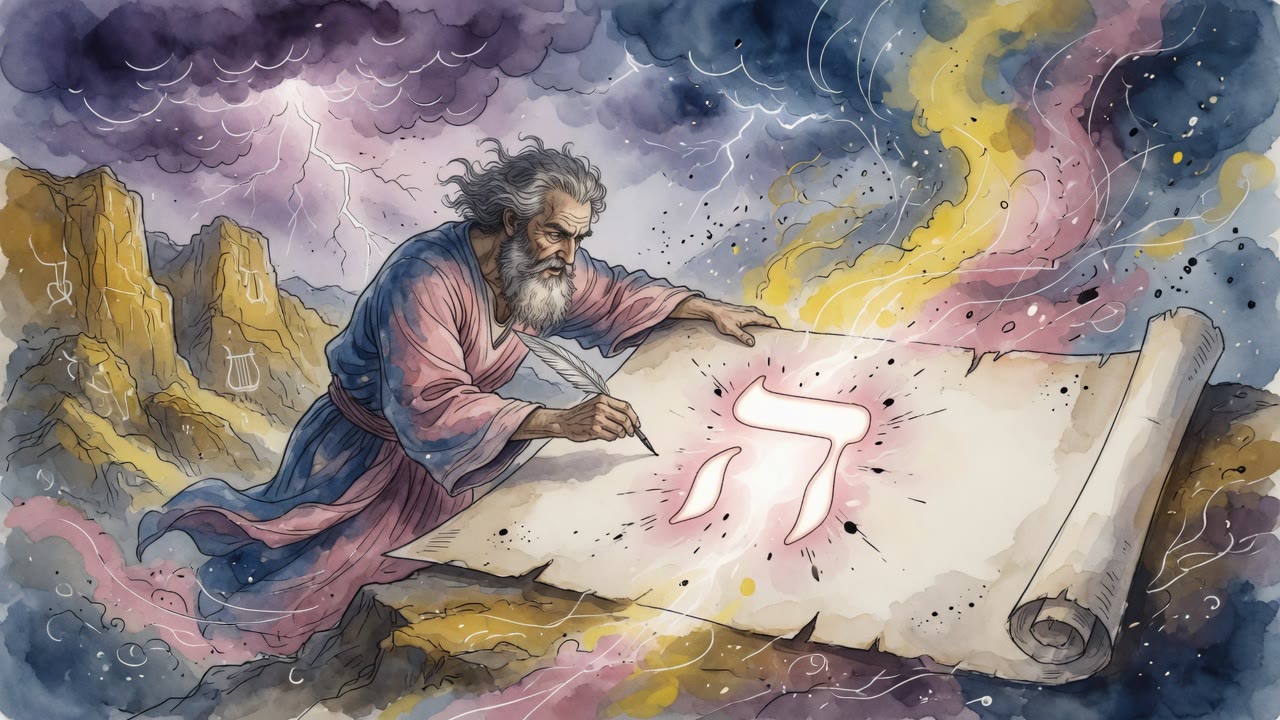
Psalm 145 praises God through the alphabet, but David left out Nun, the letter the sages heard as falling, and answered it anyway.
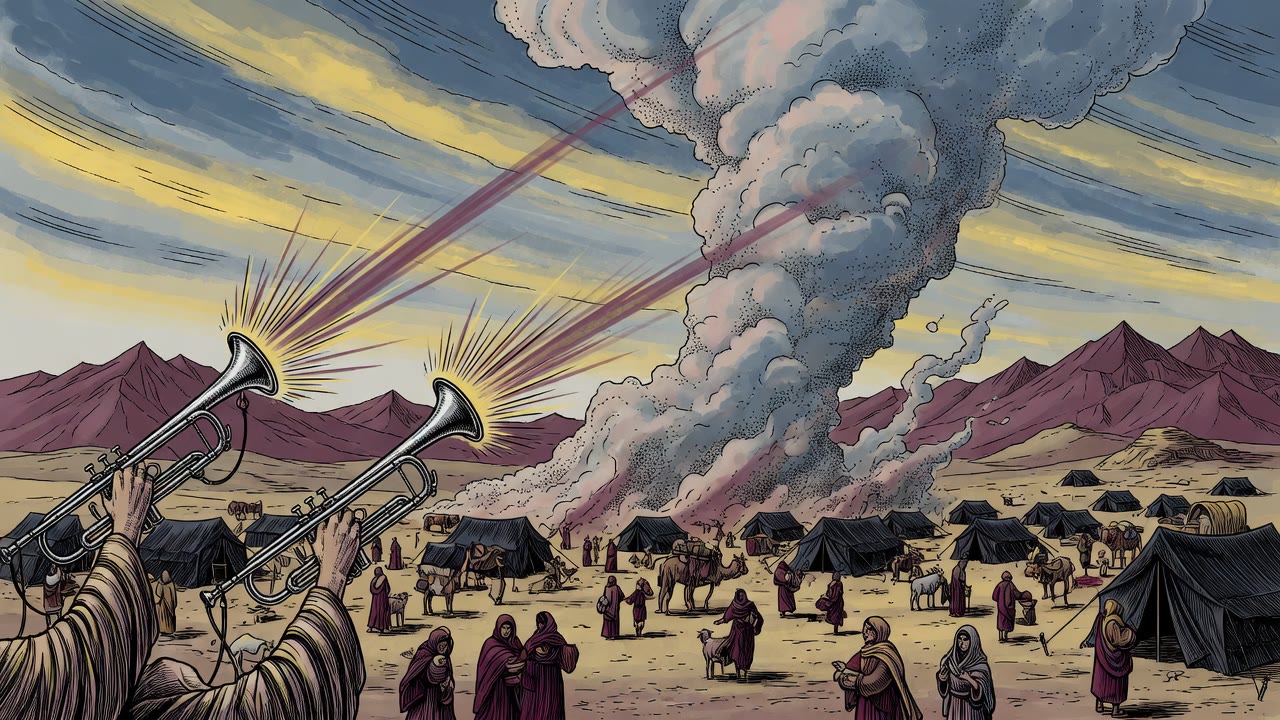
The pillar drew itself small and stopped at Moses' face. Six hundred thousand waited in the dust. The cloud would not move until he asked it to.
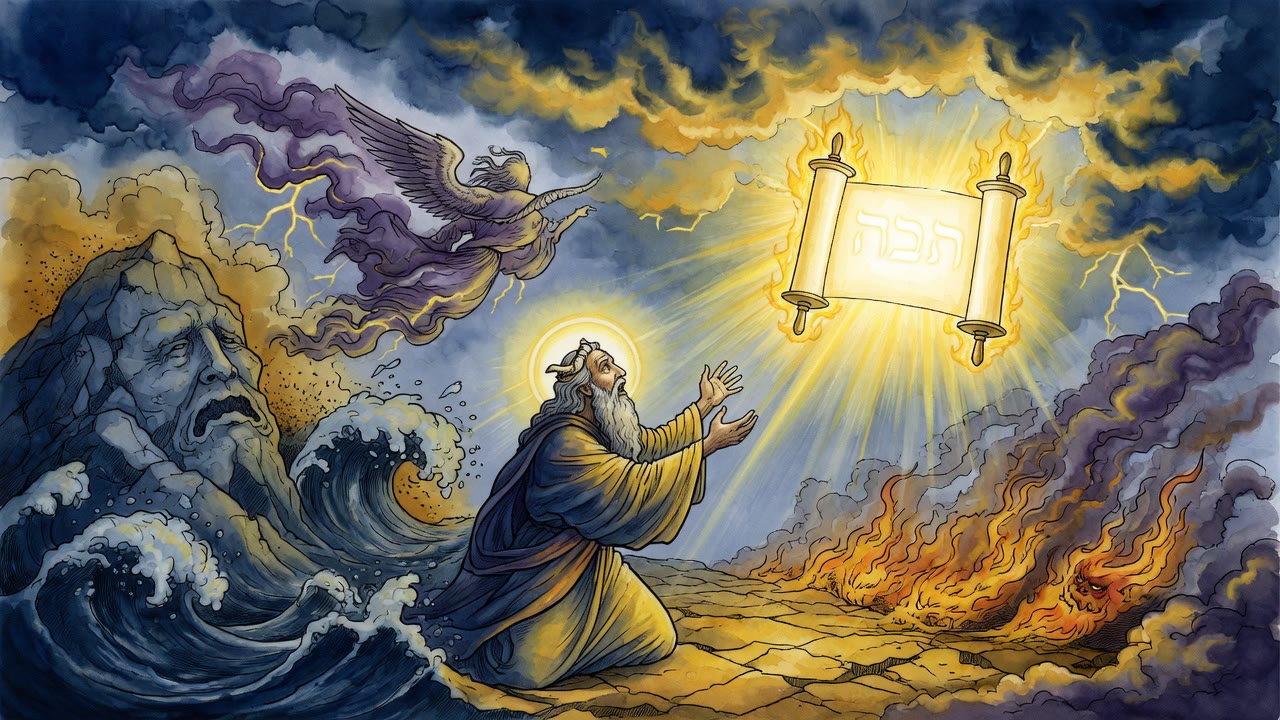
A voice out of heaven gave him five hours. He spent them offering trades: wings, fins, a cloud, and finally his own body in pieces.
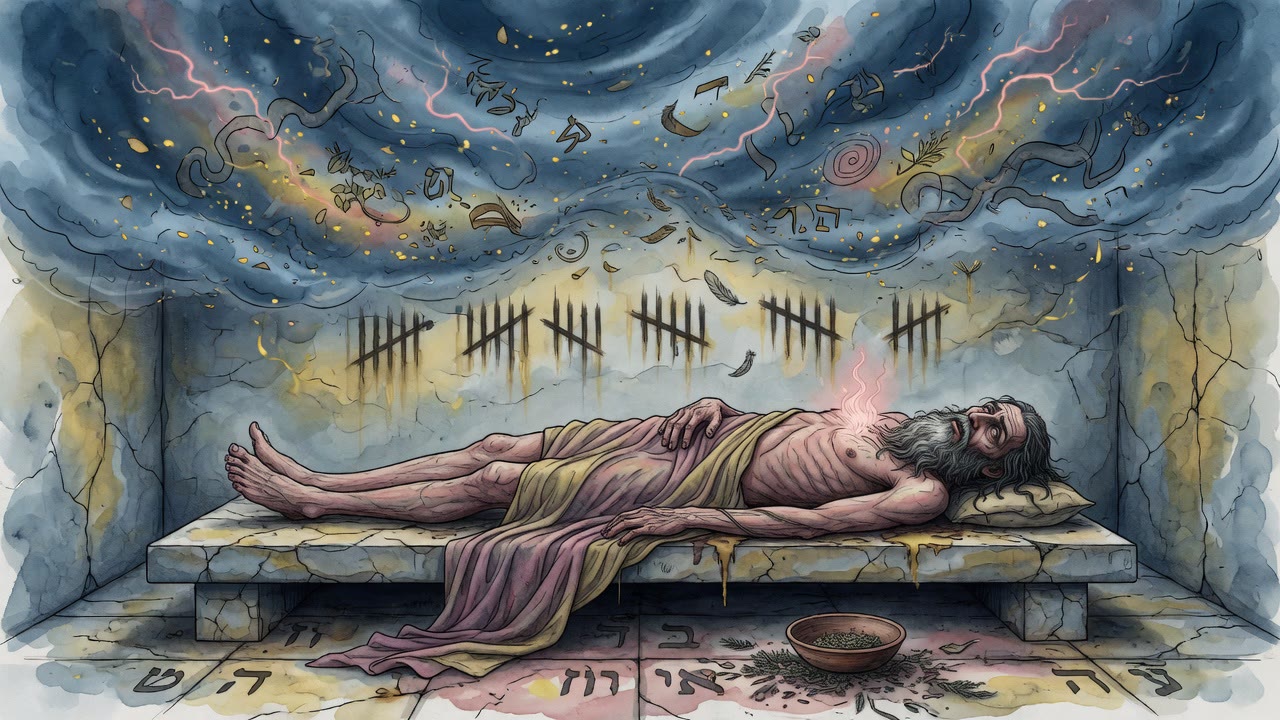
Seven sheep were laid against David each day for warmth, and none of it reached him. He had counted Israel, and seventy thousand men died in the plague.
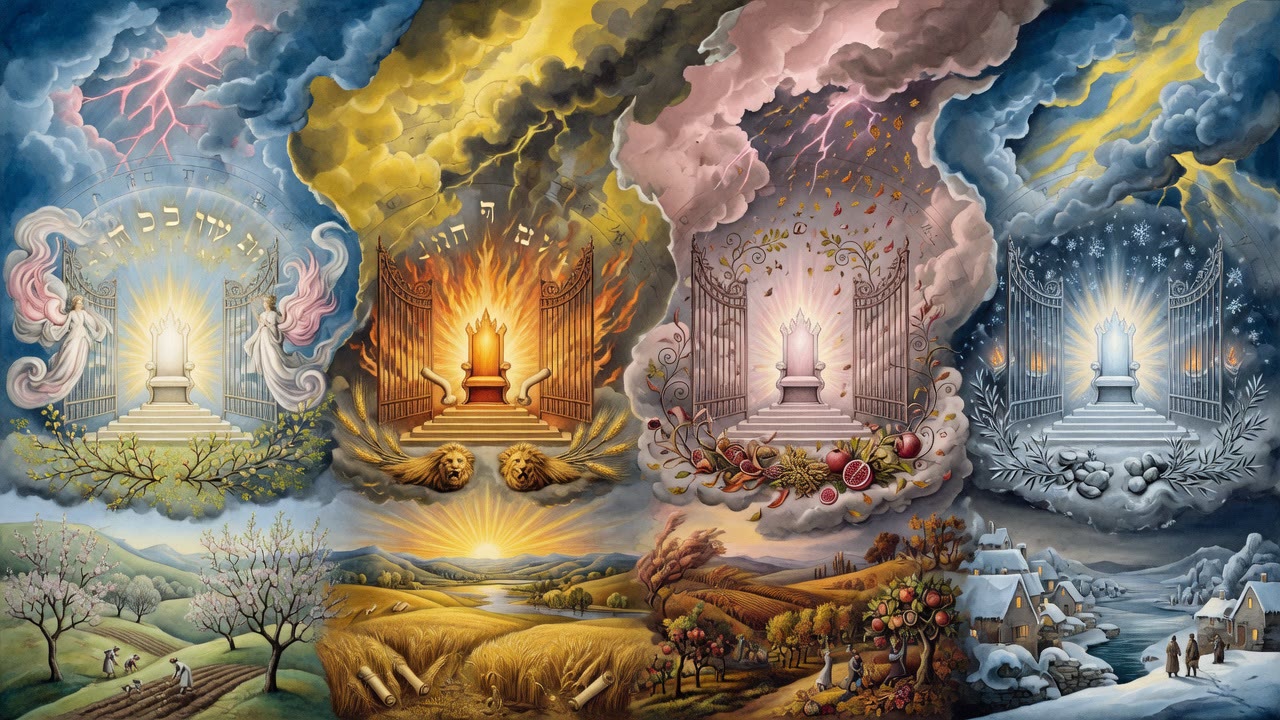
Abaye sent a man to sow the fast grain while the slow crop still thrived. A sick scholar's friends kept praying. The court might still be open.
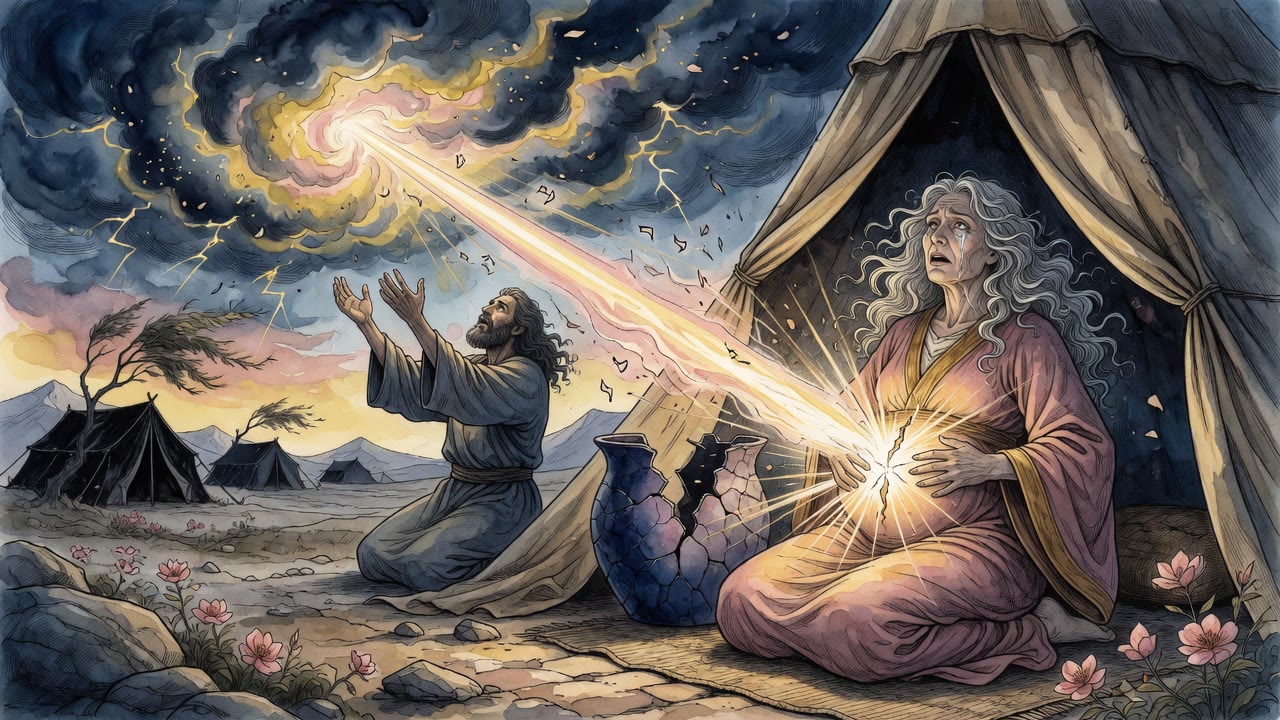
Sarah stood in a palace where every womb had shut, even the hens. Abraham prayed for that king, and the next name heaven spoke was hers.
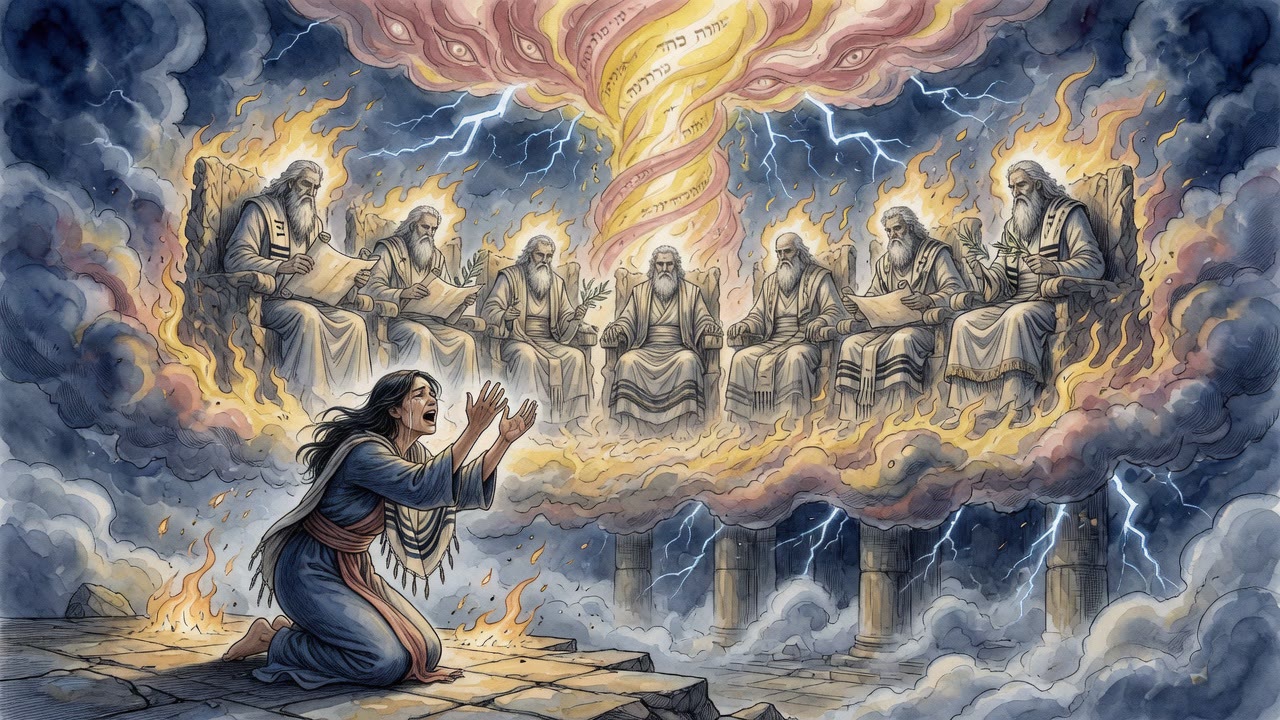
Peninnah's children filled the house, and Hannah had none. At Shiloh her lips moved without sound, and the priest watching decided she was drunk.
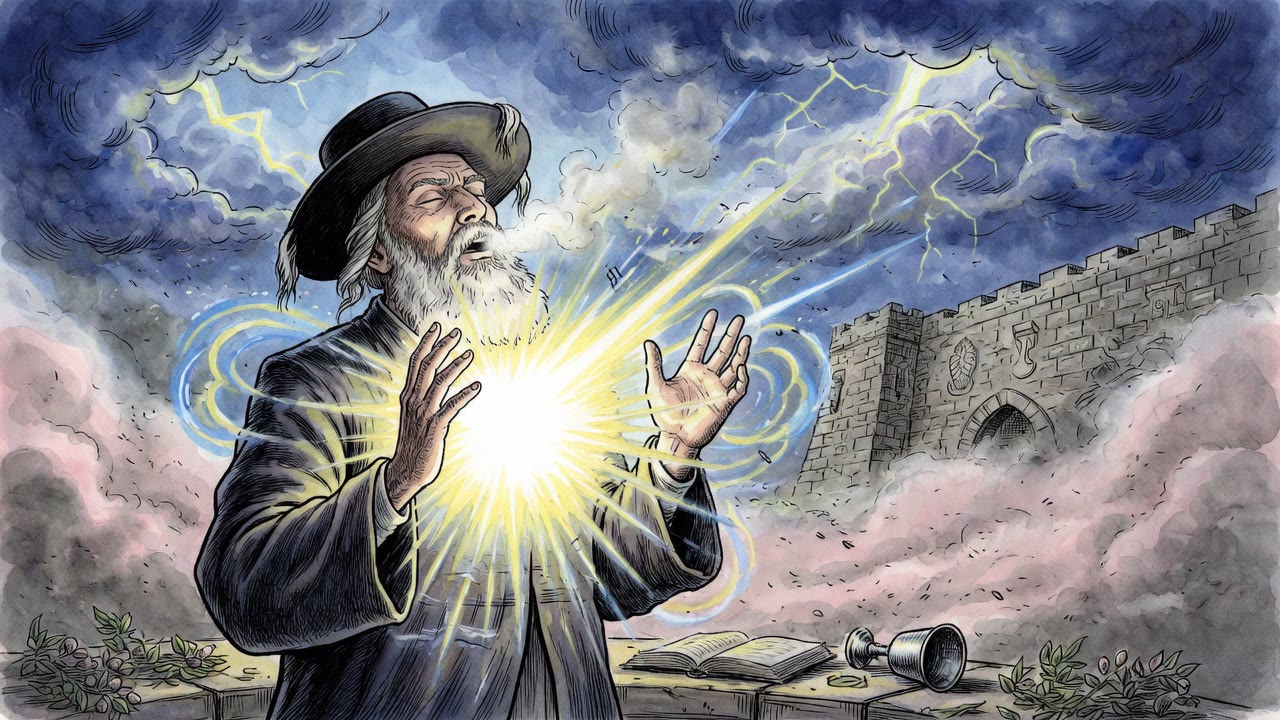
Rabbi Tarfon leaned close during the Temple blessing and heard the divine Name hidden inside the priests' chant, guarded by many voices.
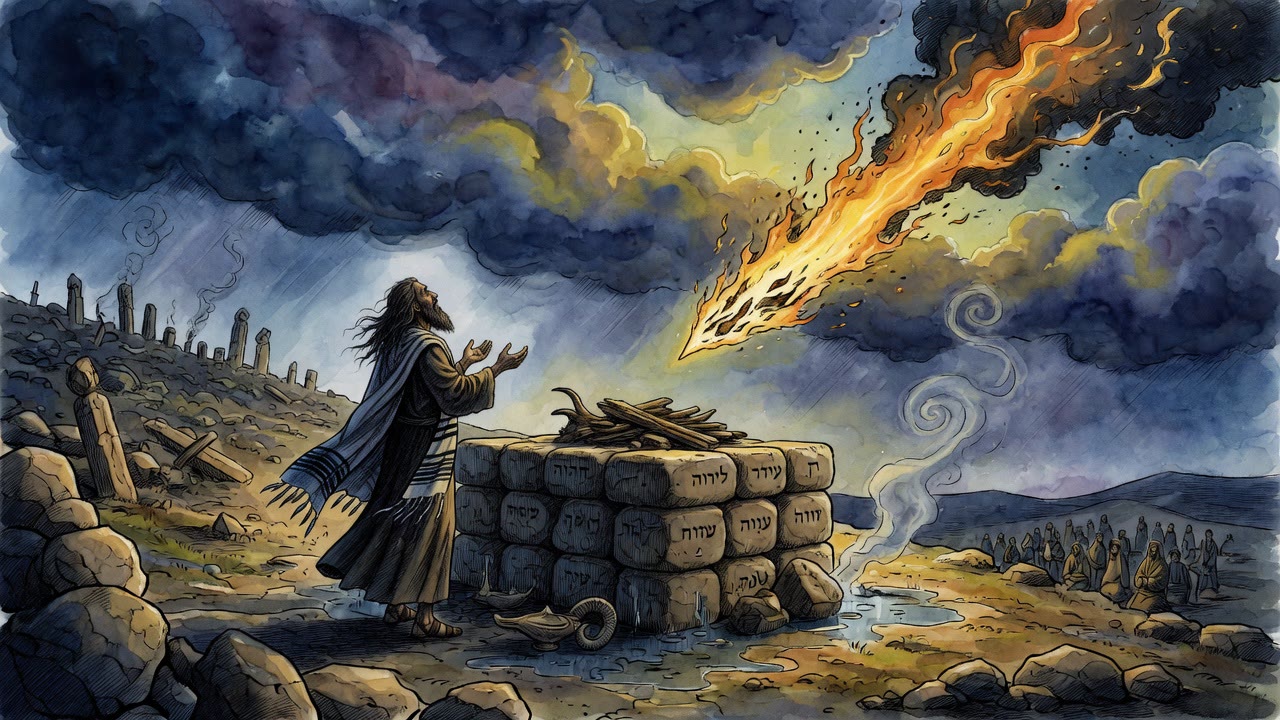
Hiel lay under Baal's altar with a coal ready. A serpent found him first. Elijah still did not pray until the afternoon offering.
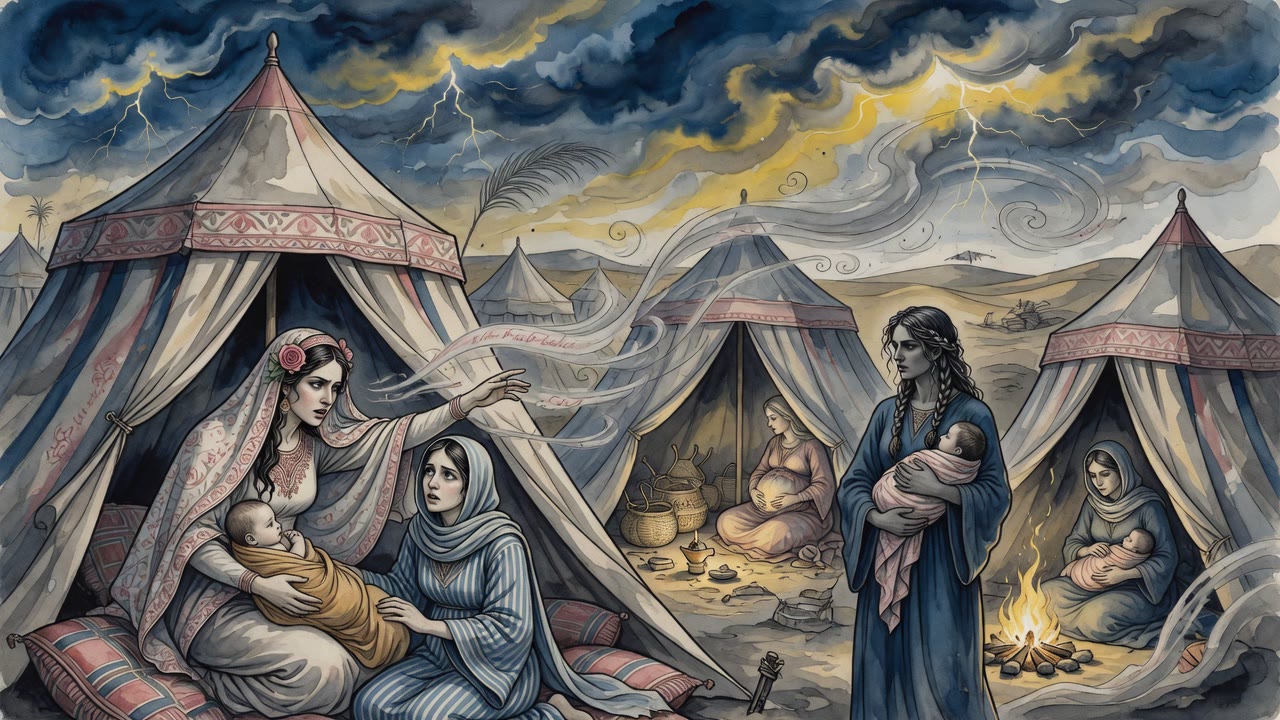
Six sons from Leah, two from each handmaid, and twelve tribes in all. She was carrying the eleventh, and she already knew what one more boy would do to Rachel.
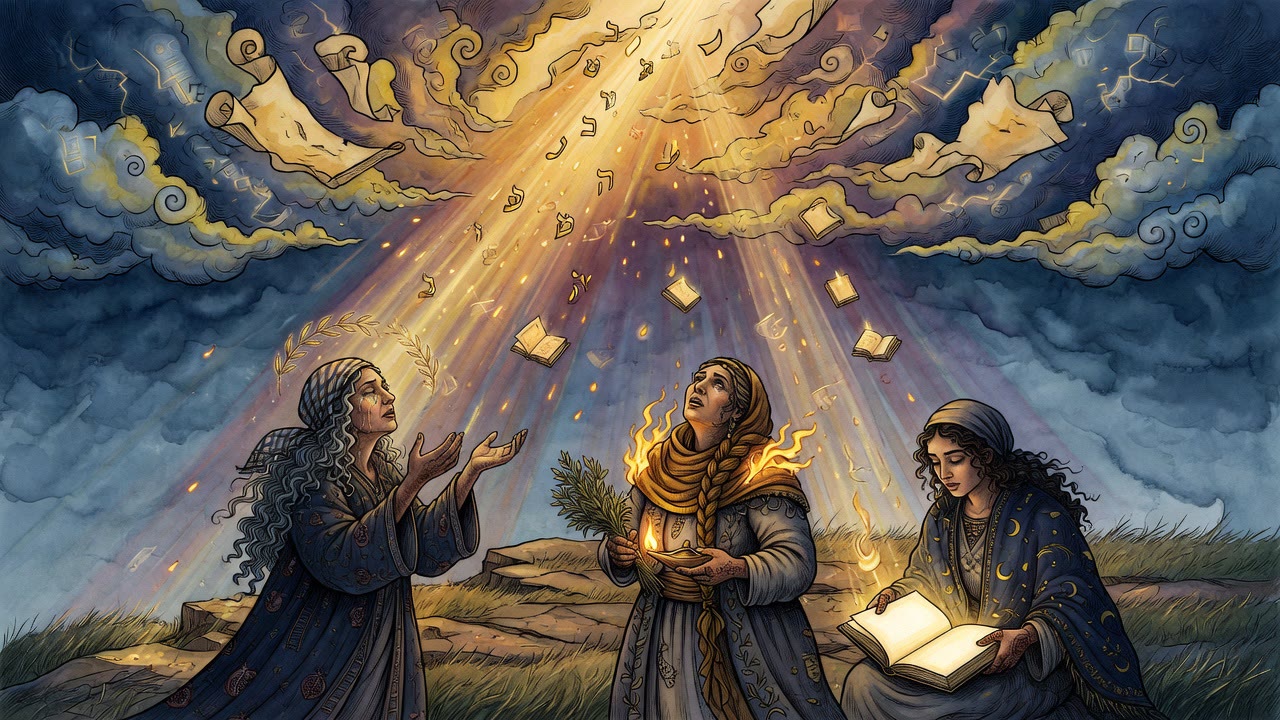
The ram's horn sounded on the Day of Remembrance. Three closed wombs were on the books. Sarah was already old enough to laugh at the promise.
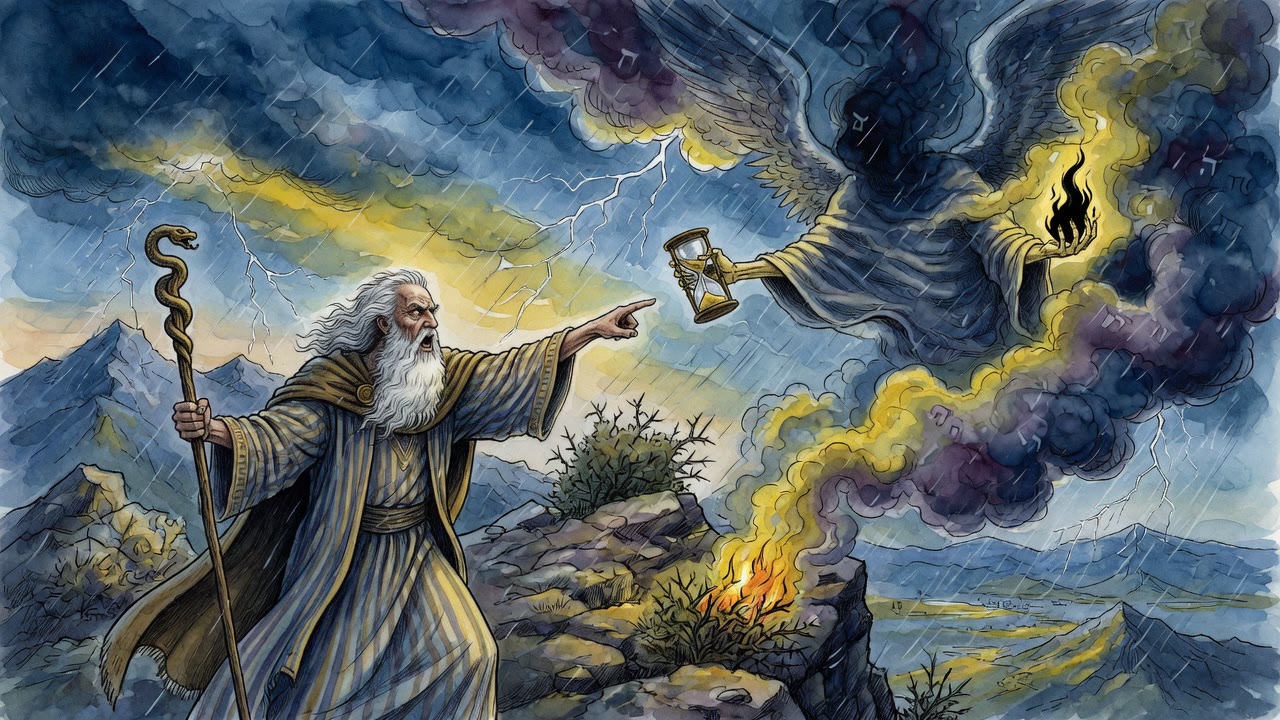
The Angel of Death came into the tent, and Moses spoke the Ineffable Name at him until he fled. On the third approach Moses met him with open hands.
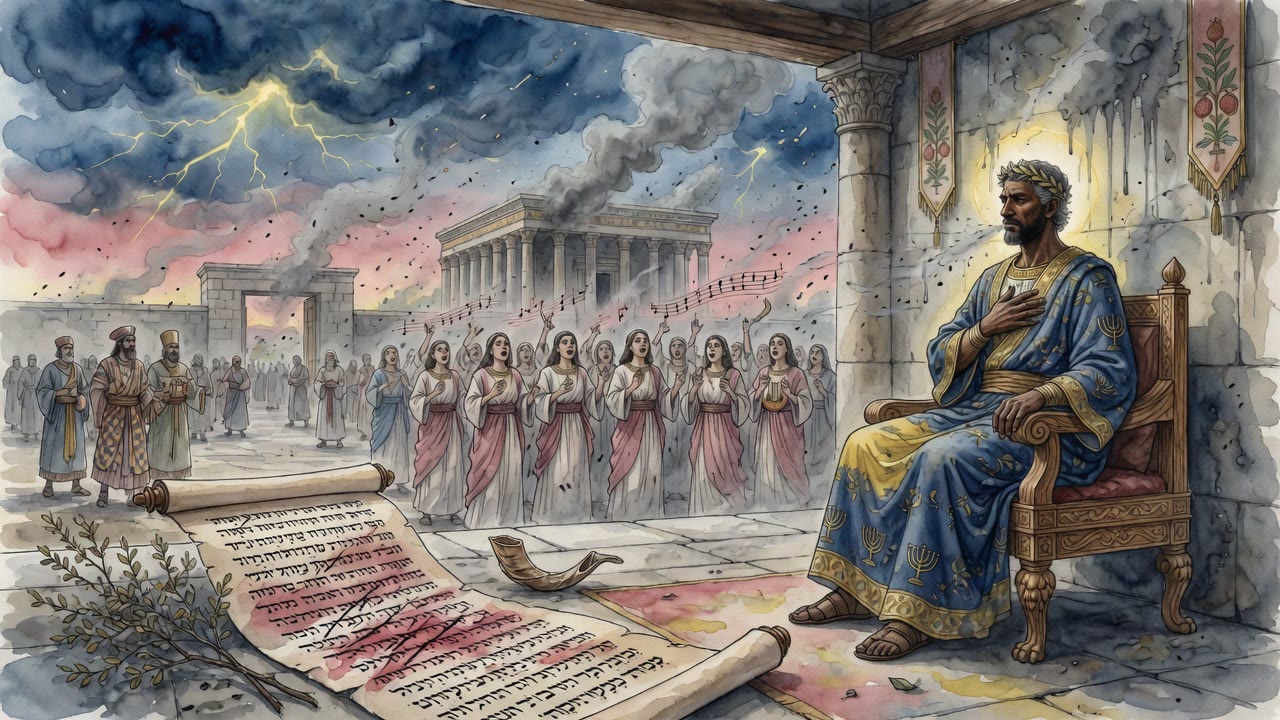
The camp outside Jerusalem did not wake. Isaiah asked the king for a song. Hezekiah kept his mouth shut and the study lamps burning.
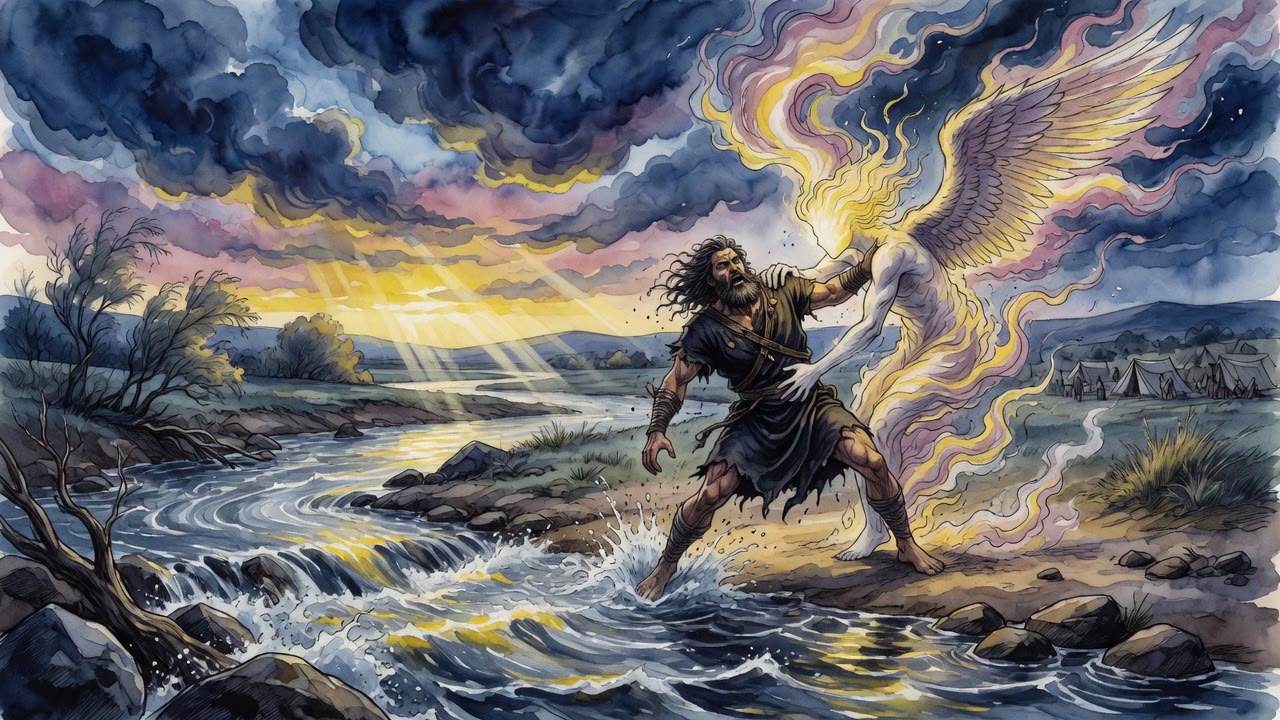
Jacob crosses the Jabbok alone at night and struggles until dawn with a being who will not say its name but gives him a new one.
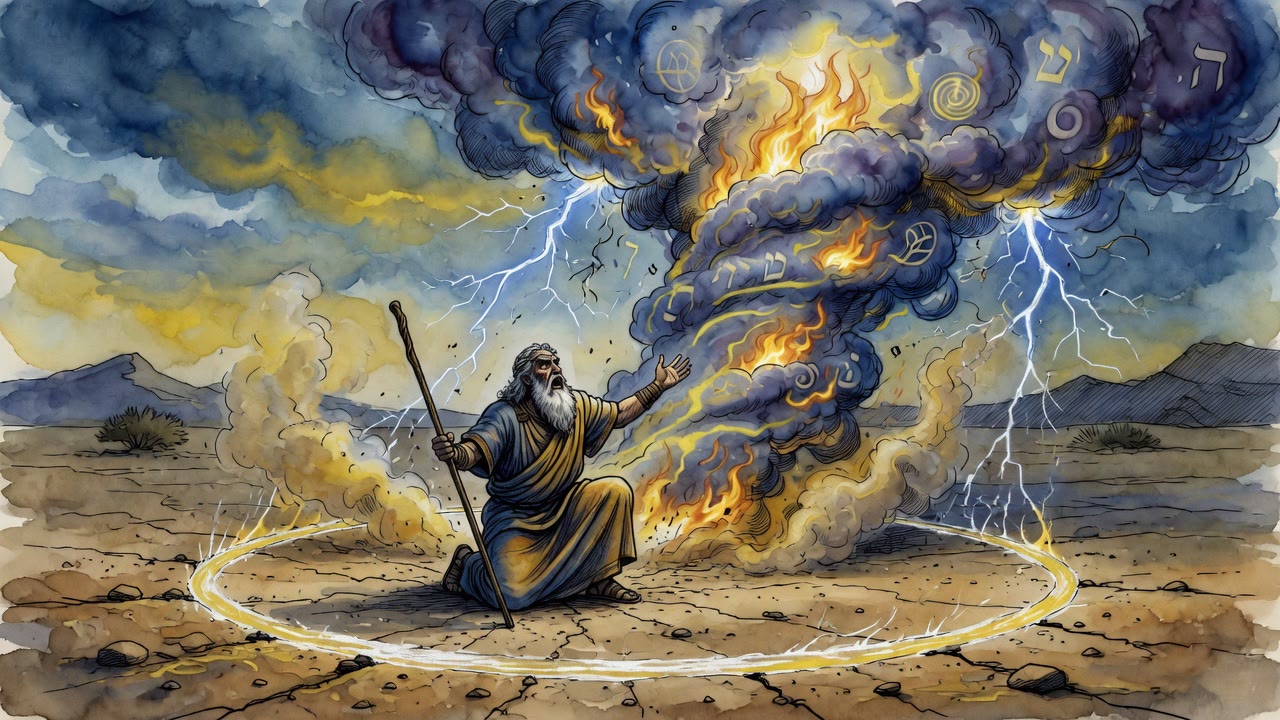
God ordered every gate in heaven shut, because the old man's prayer was cutting up through them like a sword and nothing could slow it down.
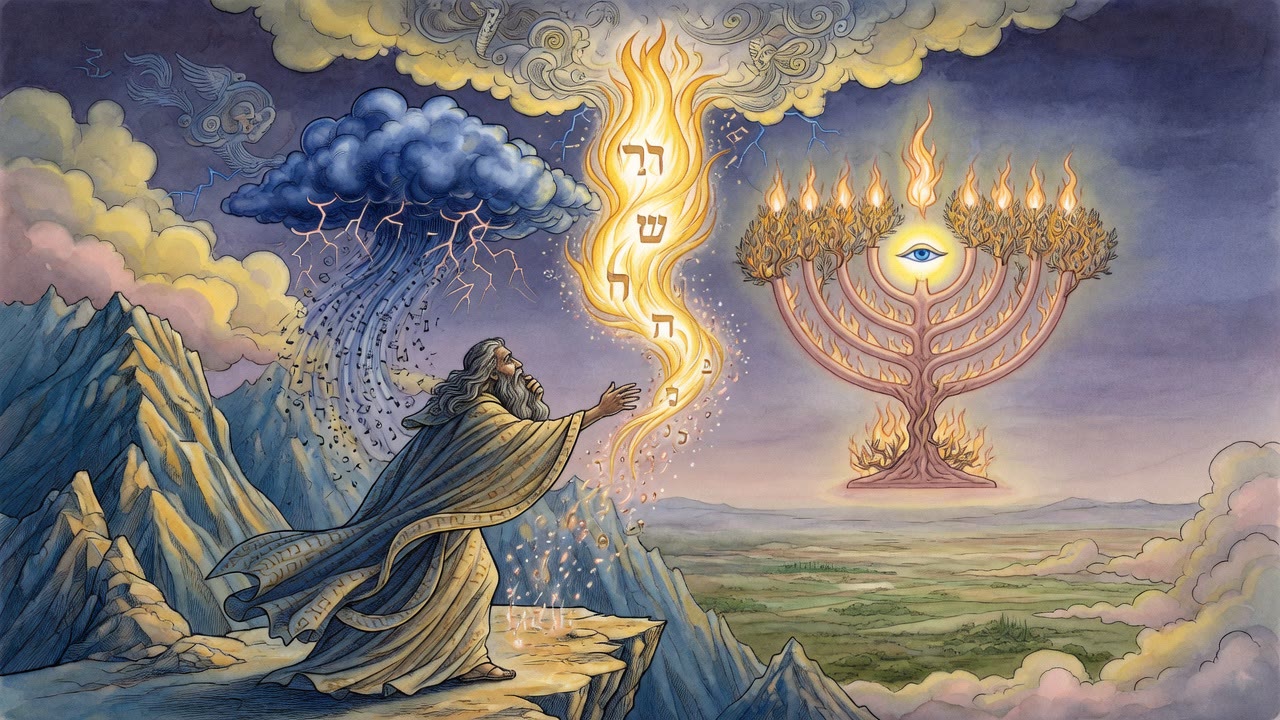
Moses prayed to cross the Jordan 515 times and was refused. But the rabbis preserved three deeper desires he had long before he asked about the land.
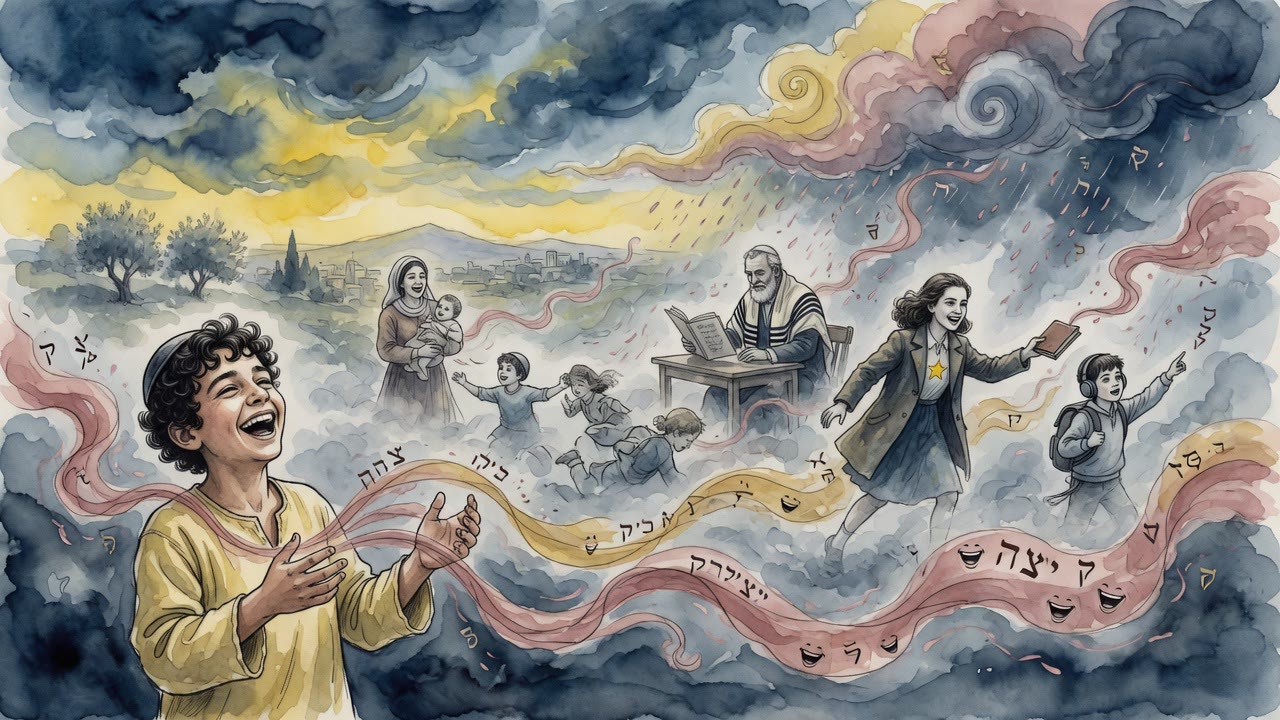
Og the giant came to the weaning feast and said the boy was small enough to crush with one finger. Isaac was the first child who needed a cradle.
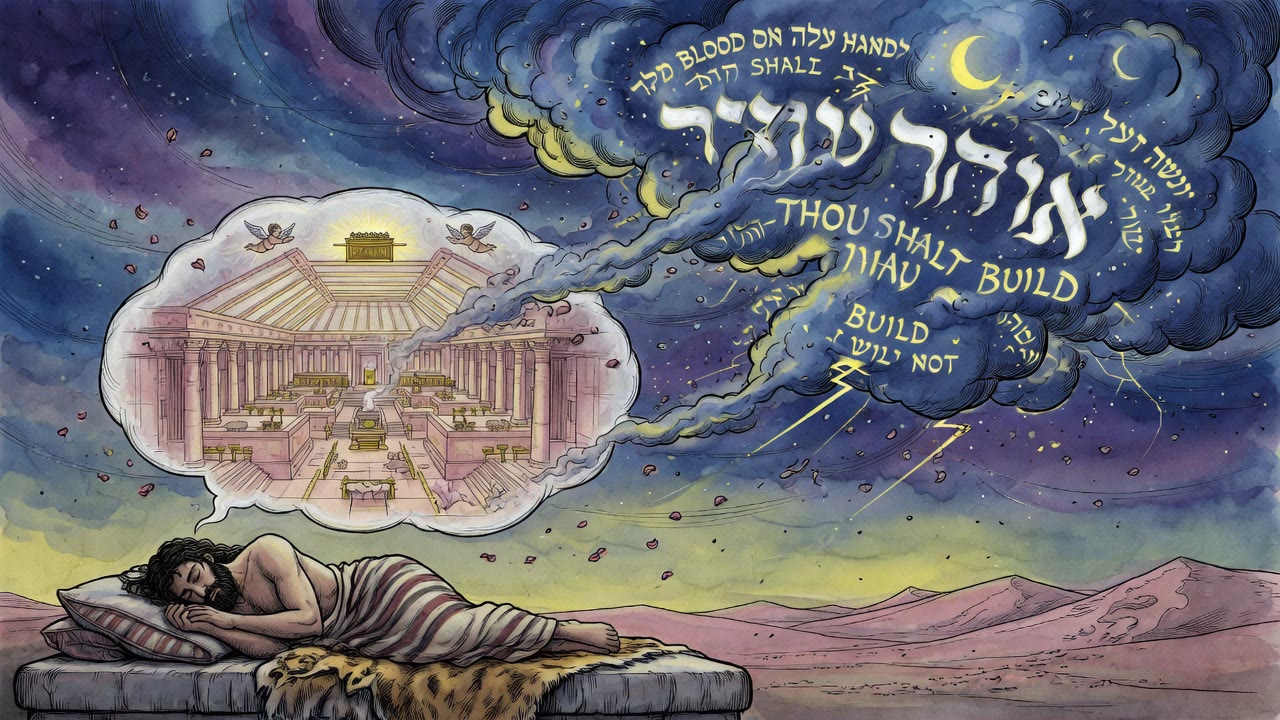
Nathan told him to do whatever was in his heart. God woke the prophet that night and sent him back with the opposite answer.
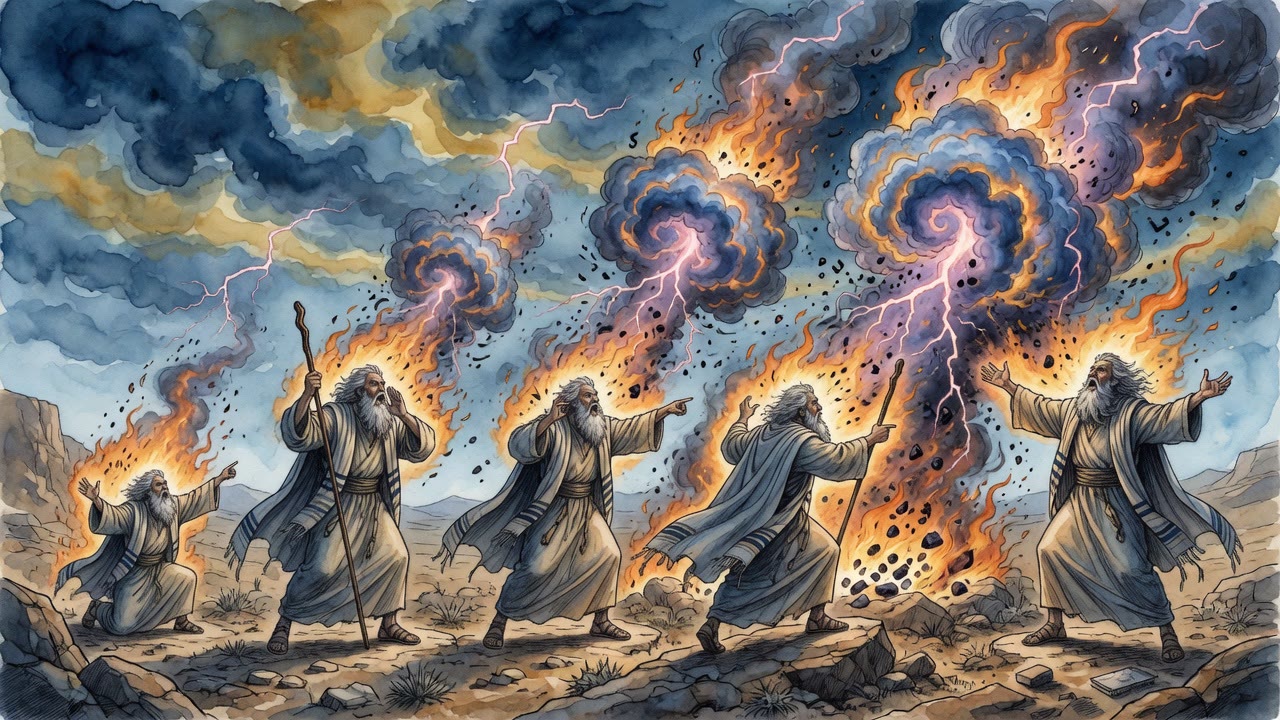
Five times Moses demanded answers directly from God. He did not always get what he wanted. He always got an answer.
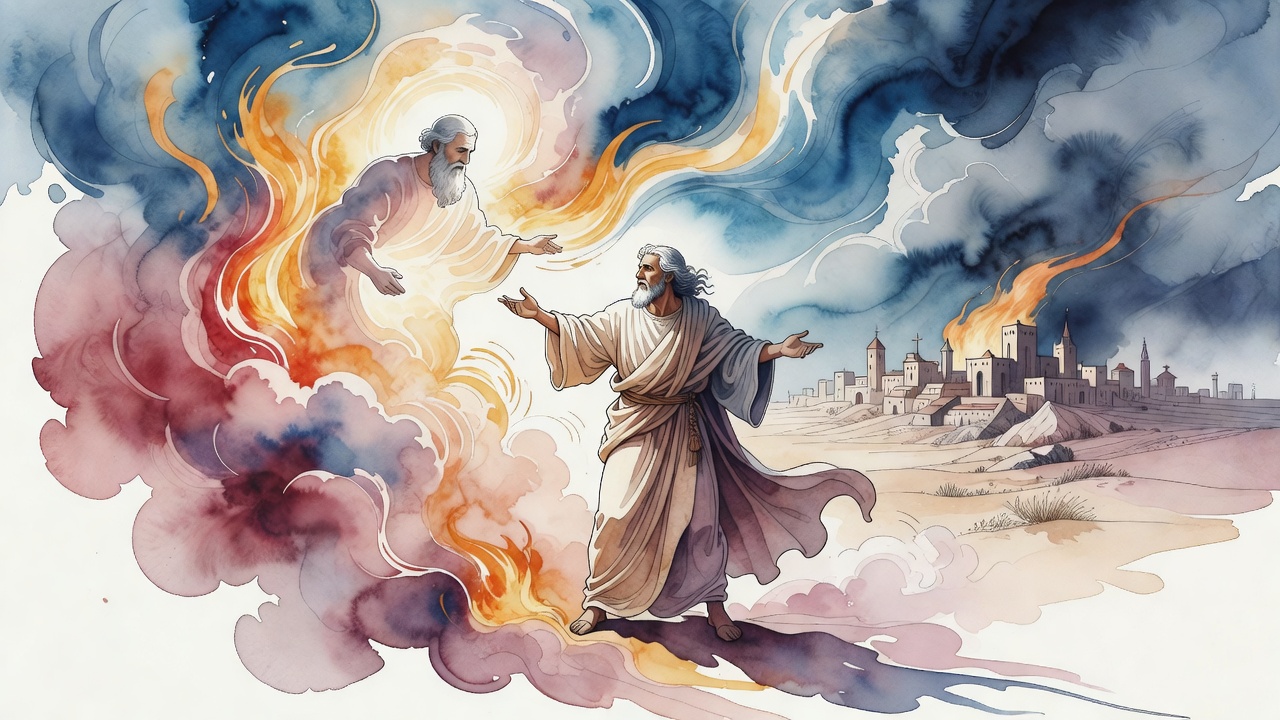
Abraham accused God of slipping out of His own oath. God answered by offering to march every generation He had ever destroyed past him, one at a time.
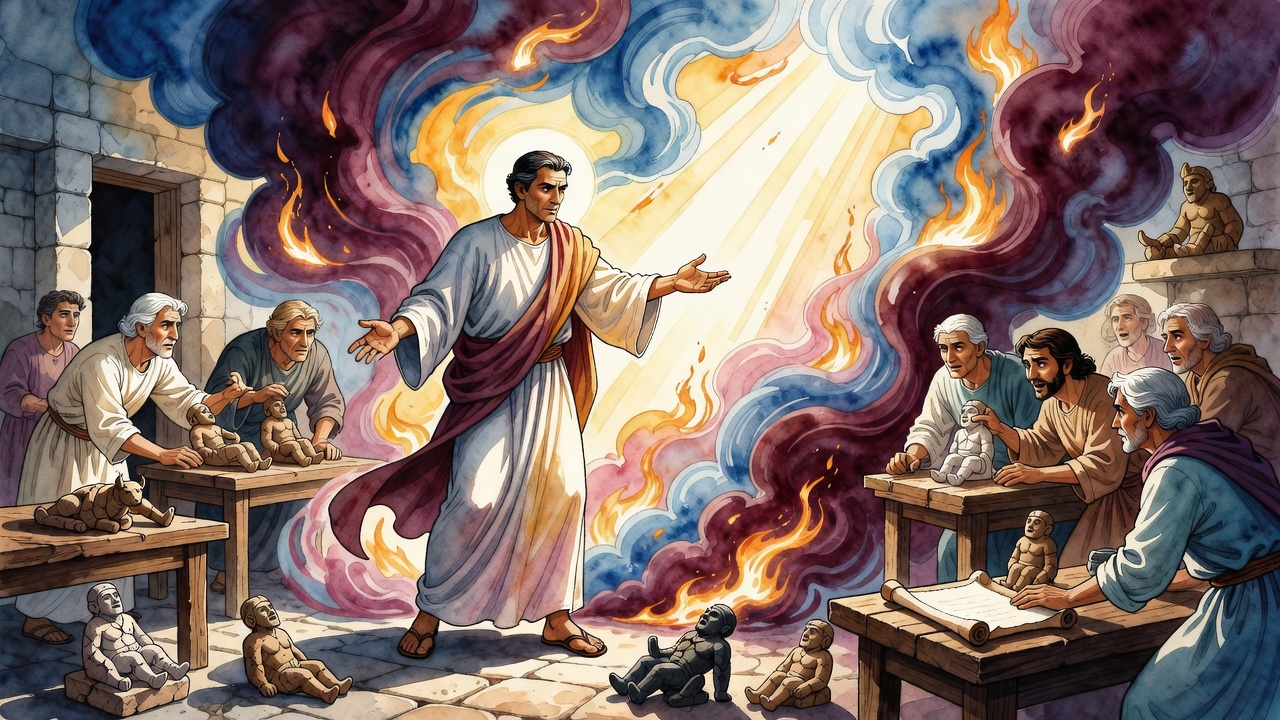
Abraham's father sent him out to sell idols. Abraham turned the shop into a courtroom and made every buyer doubt his god.
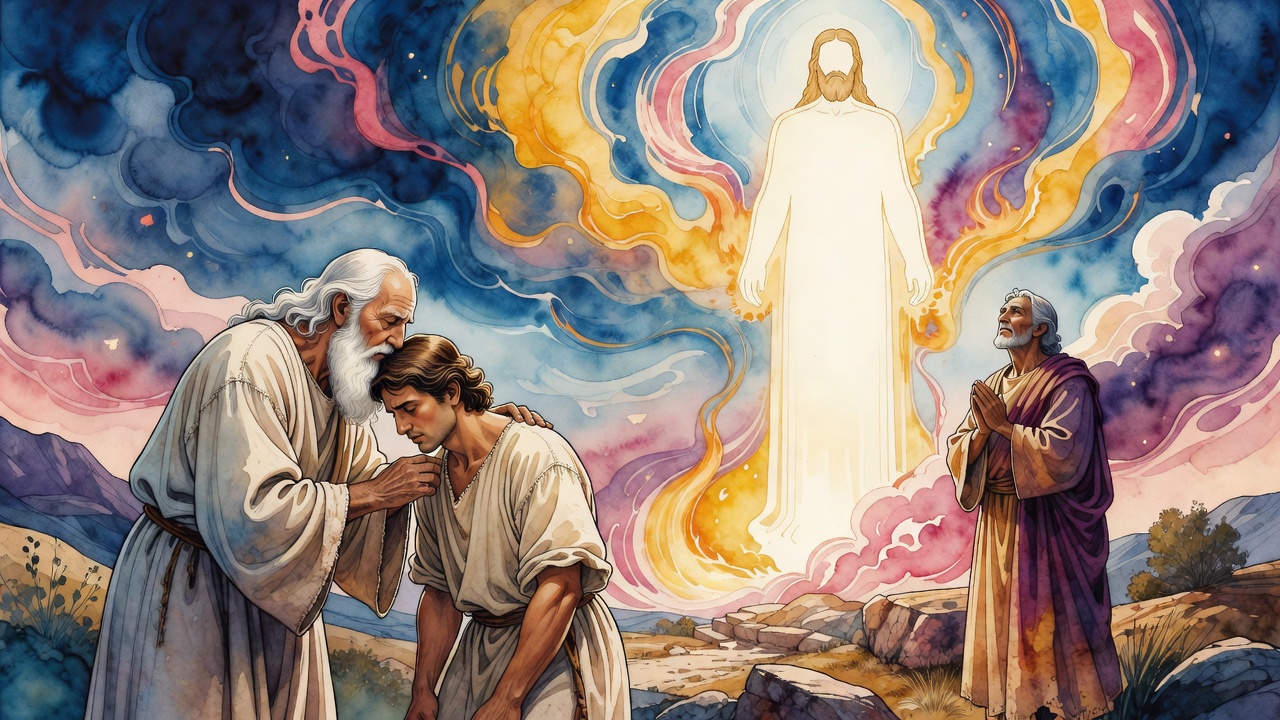
Abraham blessed Jacob and died that night. Later Jacob found the Shekhinah, the Divine Presence, waiting at Bethel, and night prayer became law.
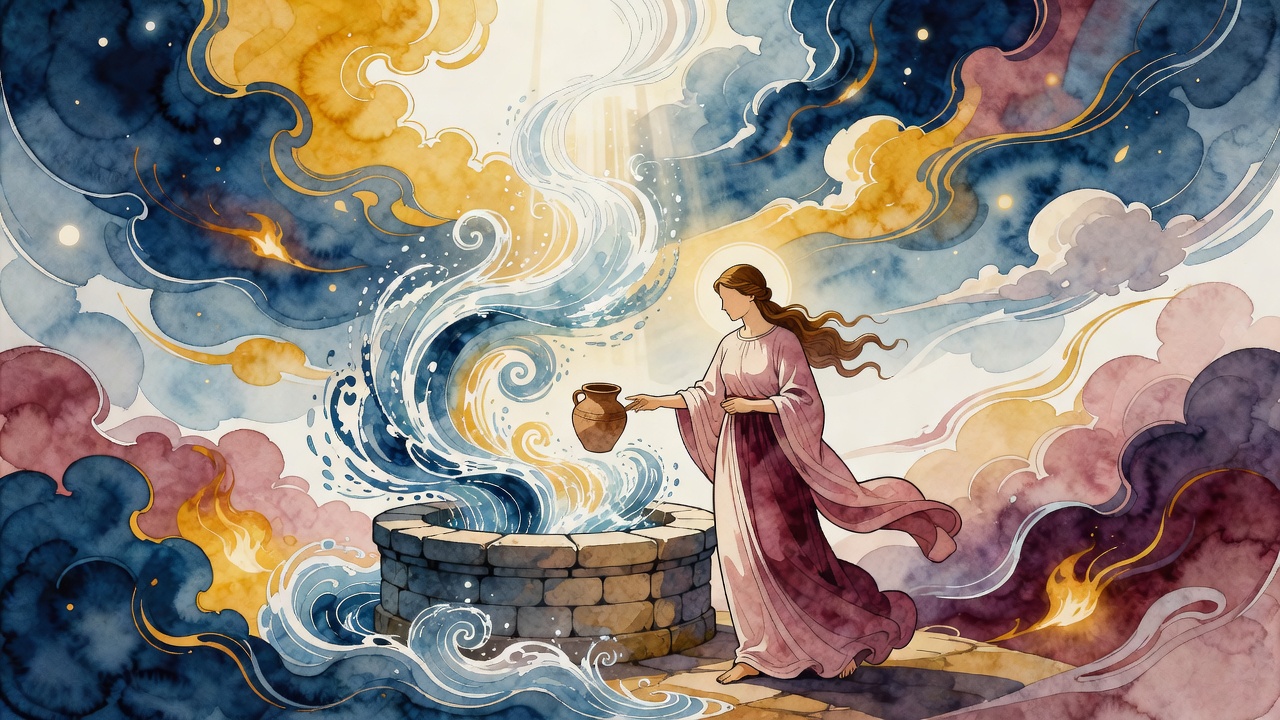
The midrash says water rose for Rebecca at the well before she touched the jar. Bereshit Rabbah says the cosmos arranged itself around her goodness in advance.
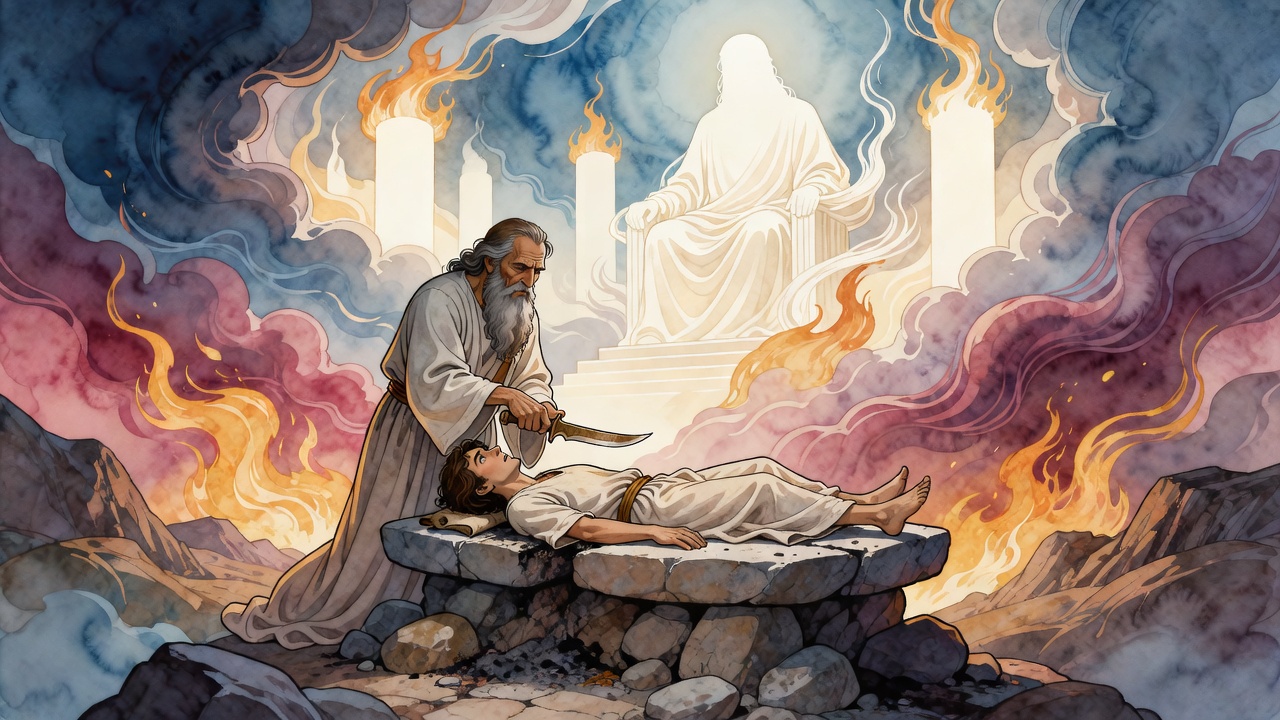
Isaac was breathing. The ram kicked in the thicket. Abraham would not come down until the mountain itself was sworn as mercy.
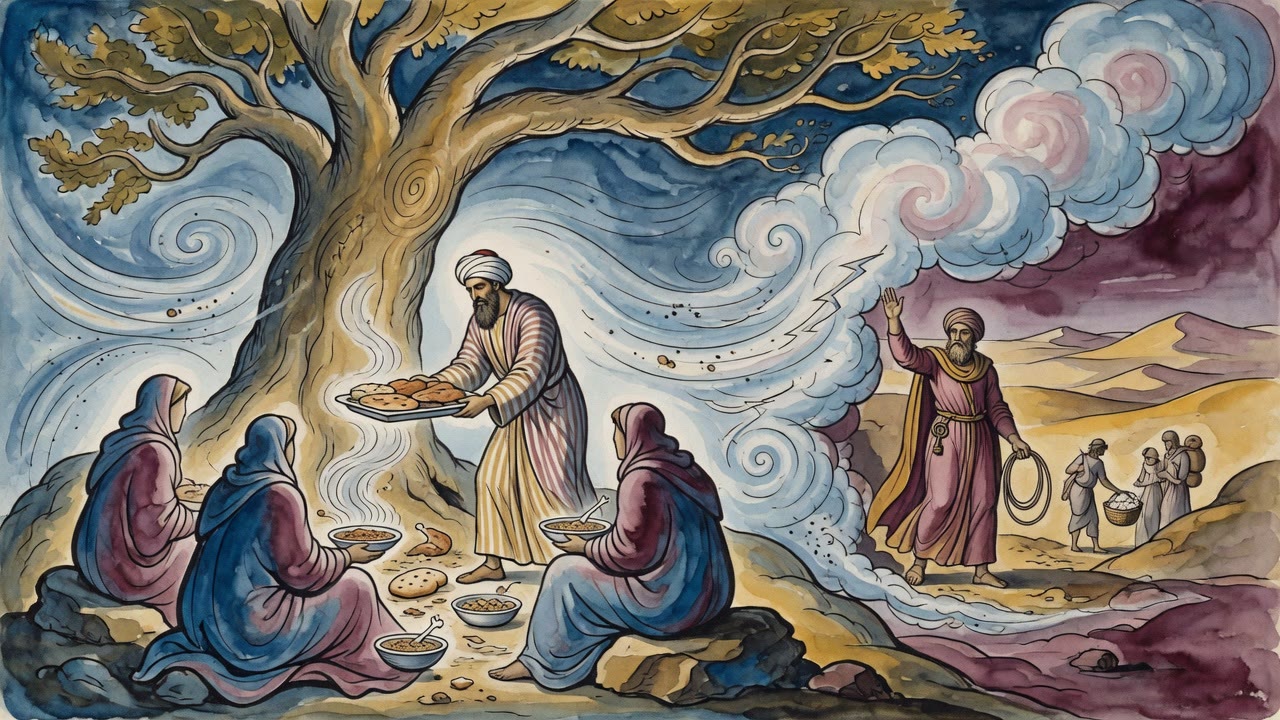
If he left the tent early, they said he had trouble at home. If he came late, they said he was plotting with his wife.
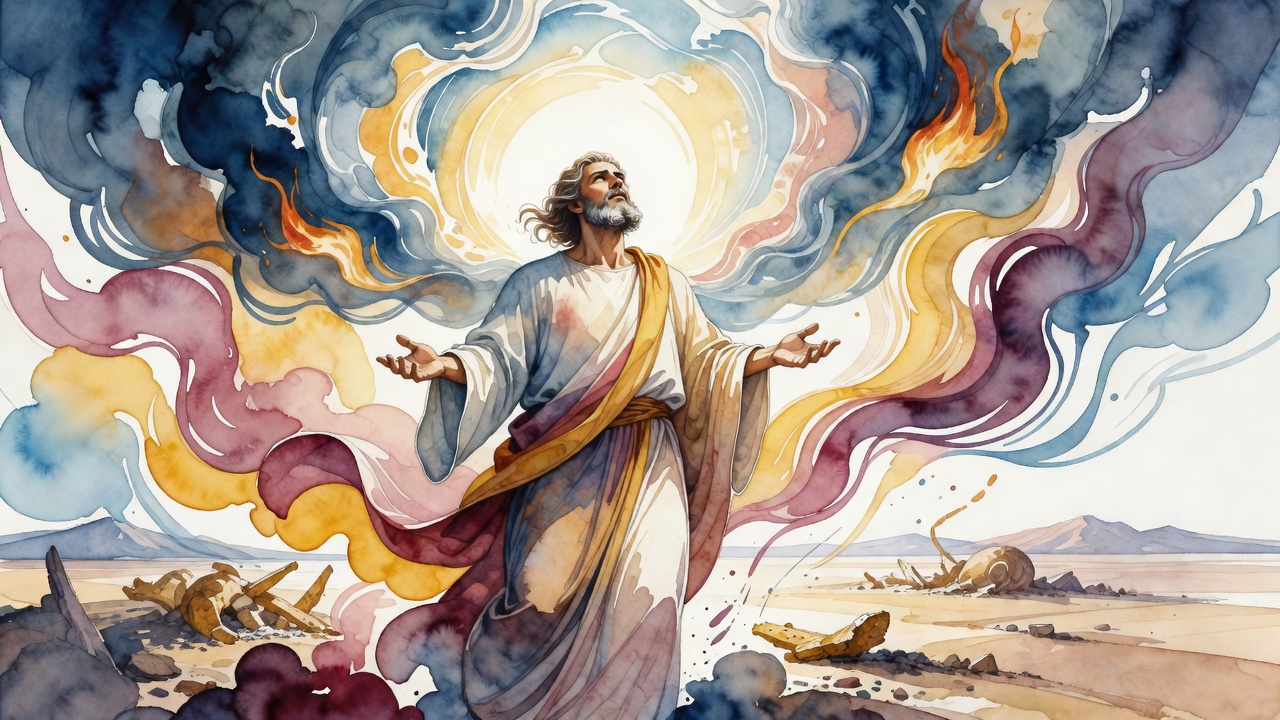
After the golden calf, Moses offered his own name to save Israel, asking God to erase him if the people could not be forgiven.
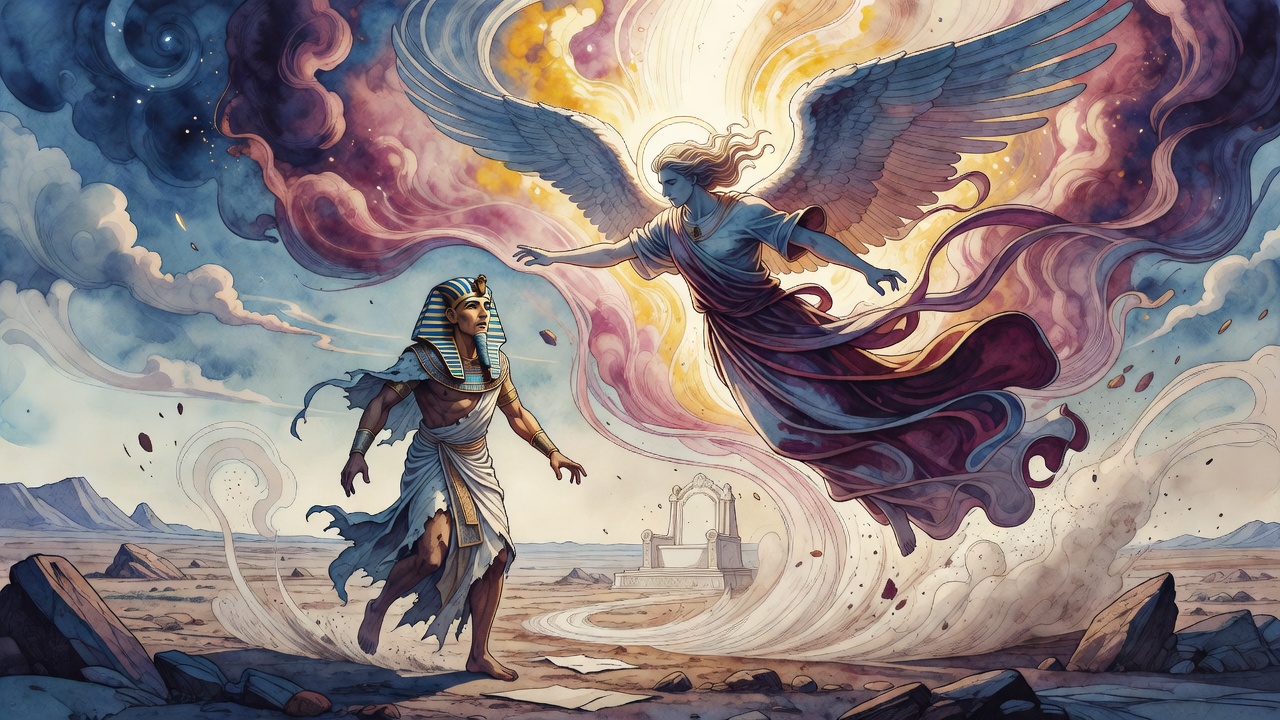
The last horse went under first. Pharaoh confessed into the wave, and Gabriel answered with an iron chain, not a rescue.
