310 myths · Page 4 of 11
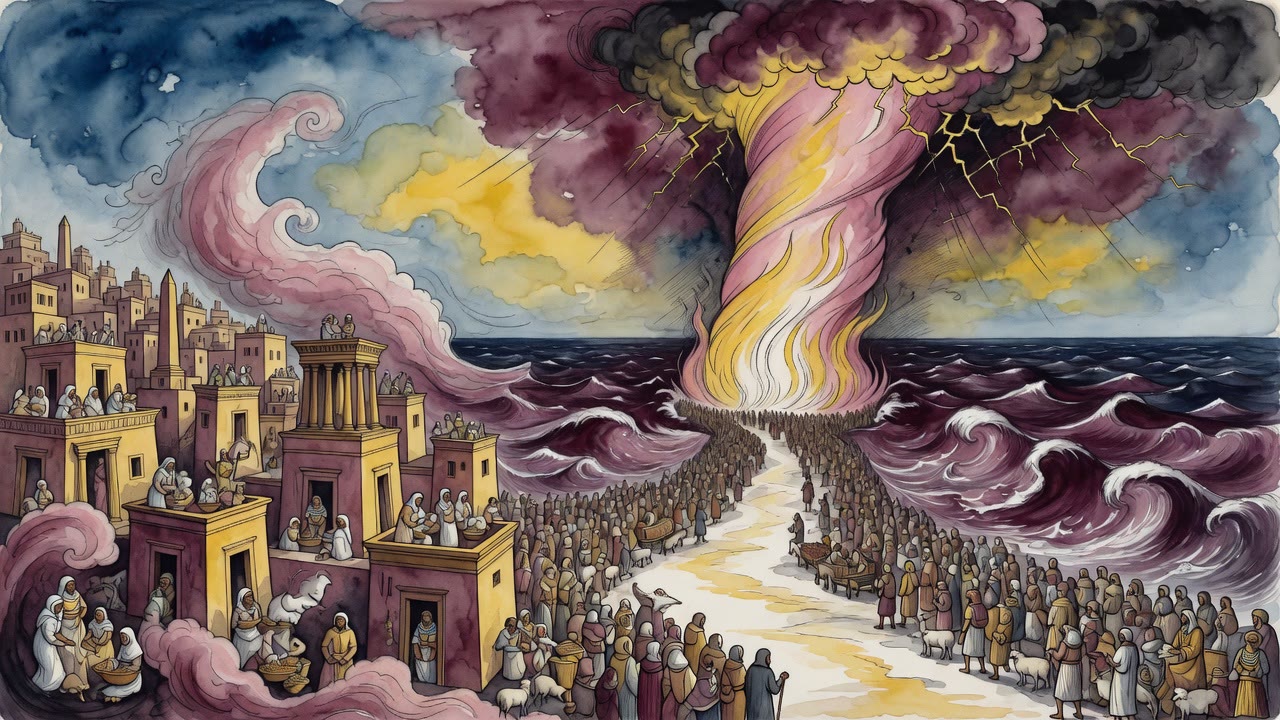
When word of Holofernes spread across Judea, every city fell silent. The priests fasted and the people wept, terrified the Temple would burn next.
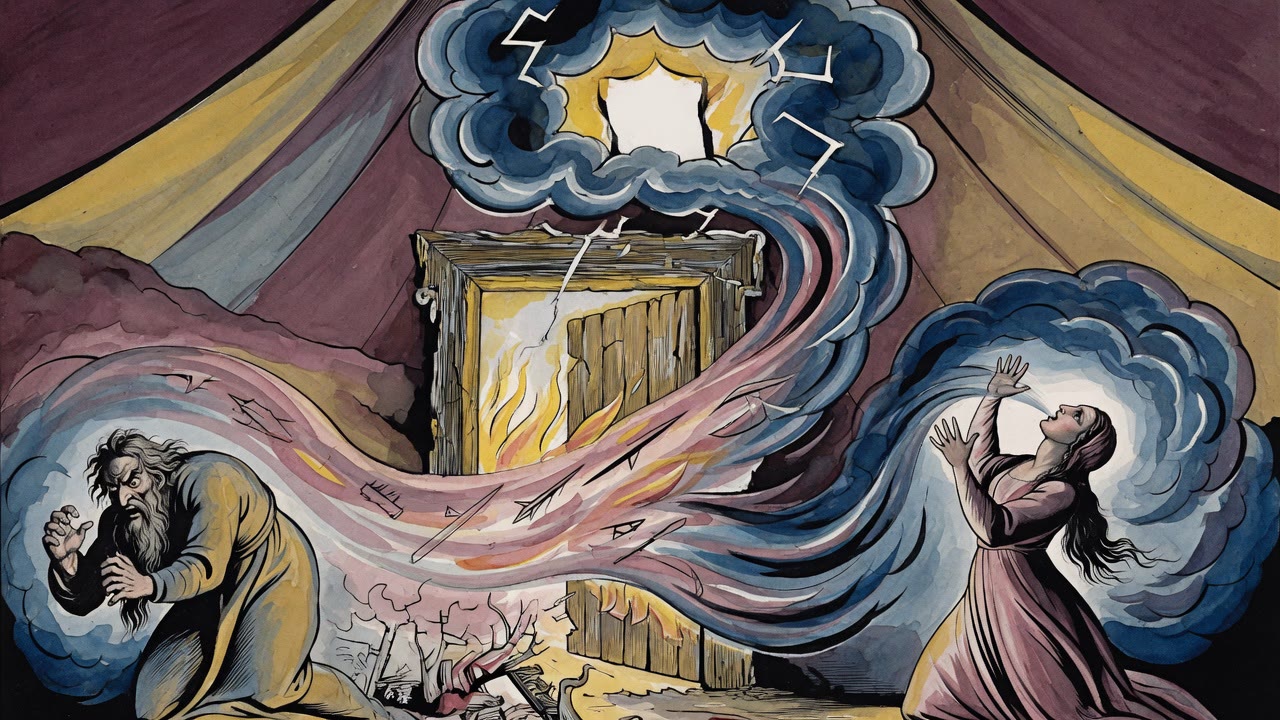
She rose from the floor with dust on her mouth. The name she had used was Simeon, the son who walked into Shechem with a sword.
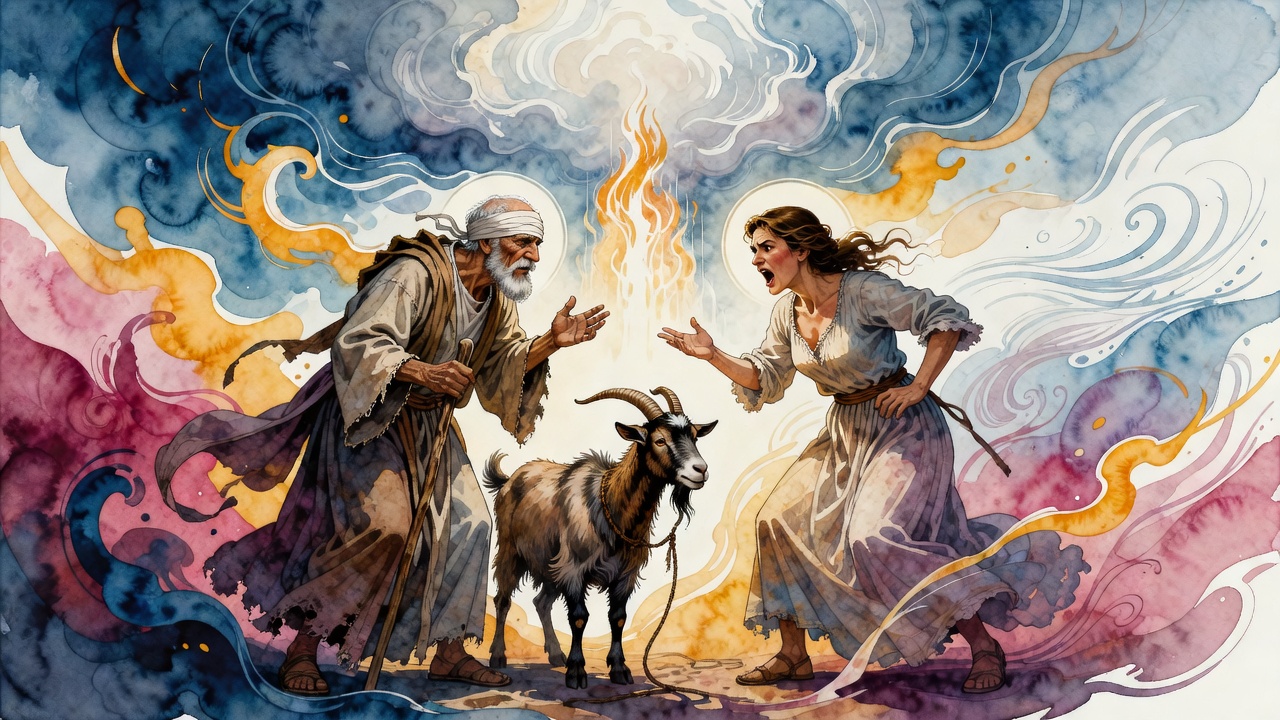
The kid cried in the dark house. Blind Tobit told Hannah to take it back as stolen. She asked where his alms had gotten him.
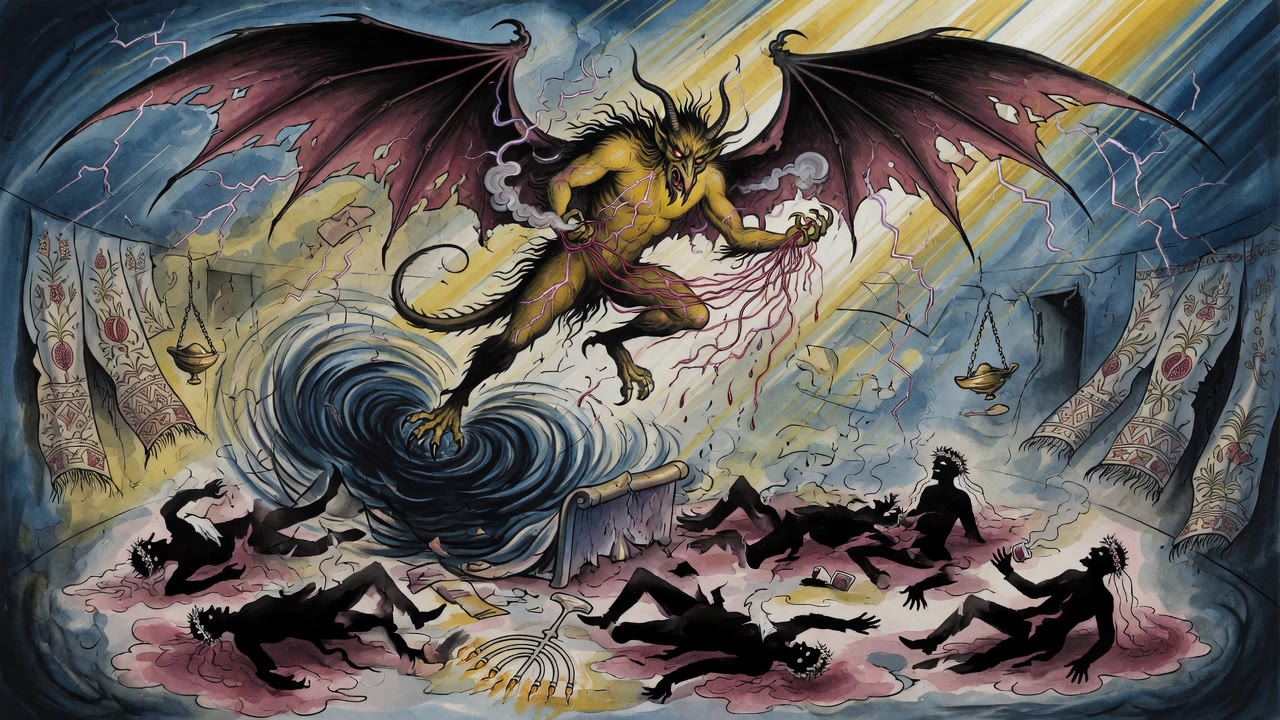
The maids would not call her Sarah. They called her Trouble. Seven wedding nights had ended with a body, and none of them were hers.
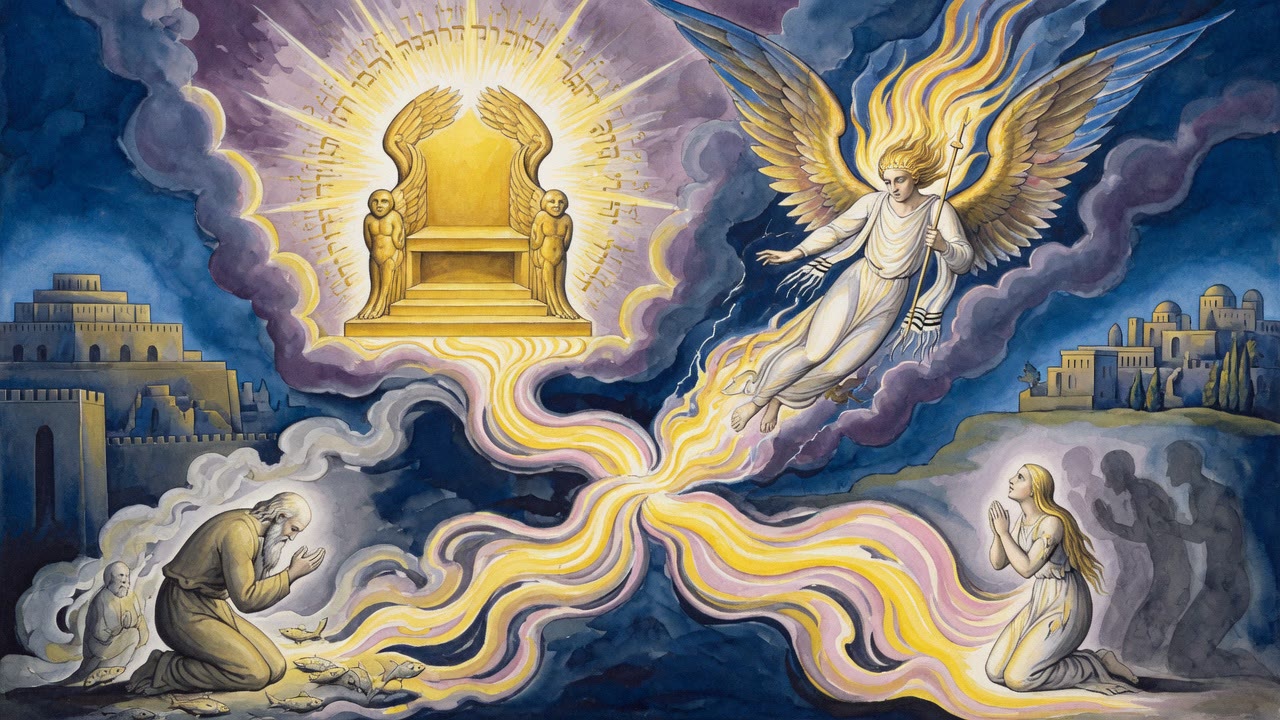
Tobit prayed for death in Nineveh. Sarah prayed for death in Media. Both prayers reached the throne of glory at once, and one angel answered them both.
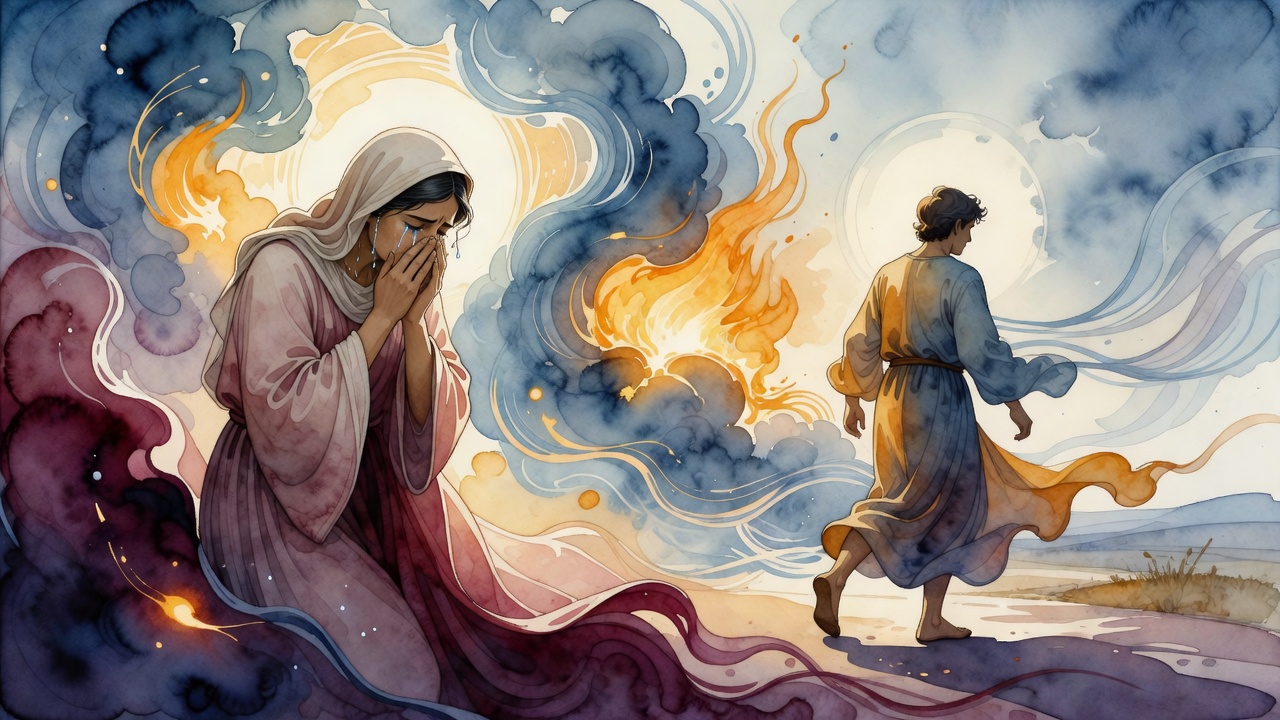
Tobias kissed them and walked south with a stranger and a dog. Hannah went to the road every morning. She tasted nothing but tears.
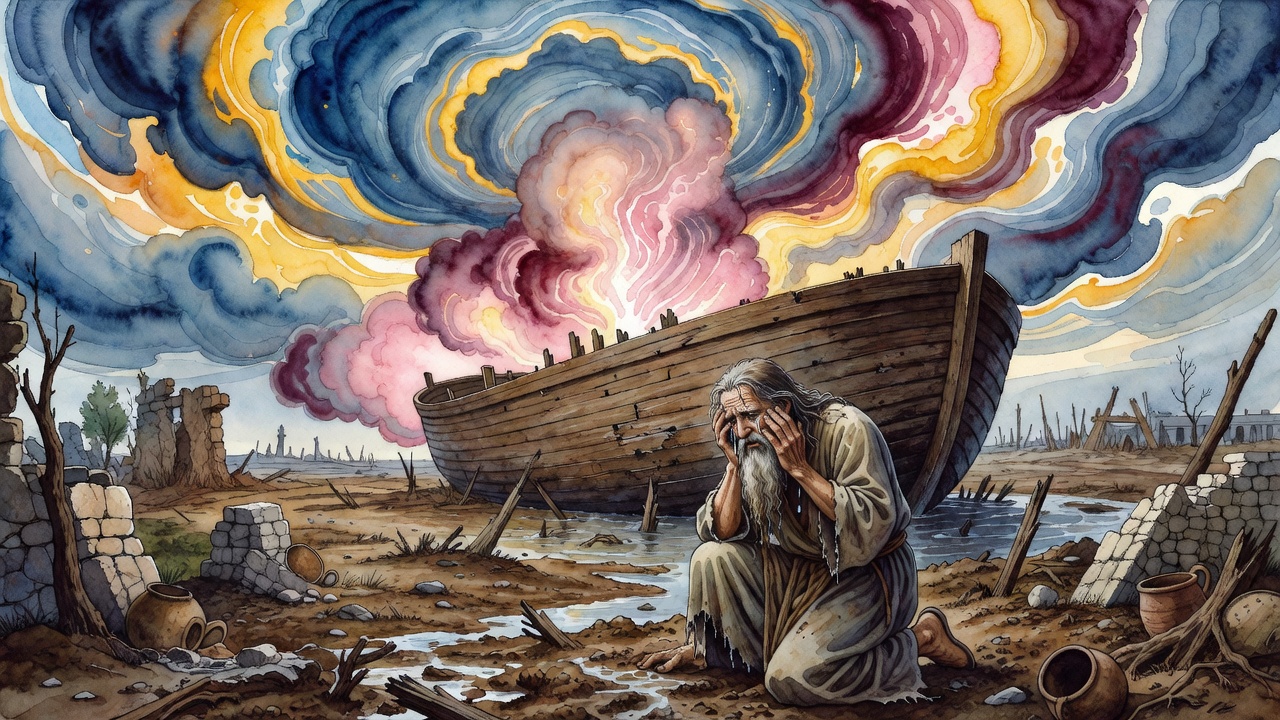
Noah built the ark, survived the flood, and wept at the ruins. Then God rebuked him for never praying for anyone outside the ark before it was too late.
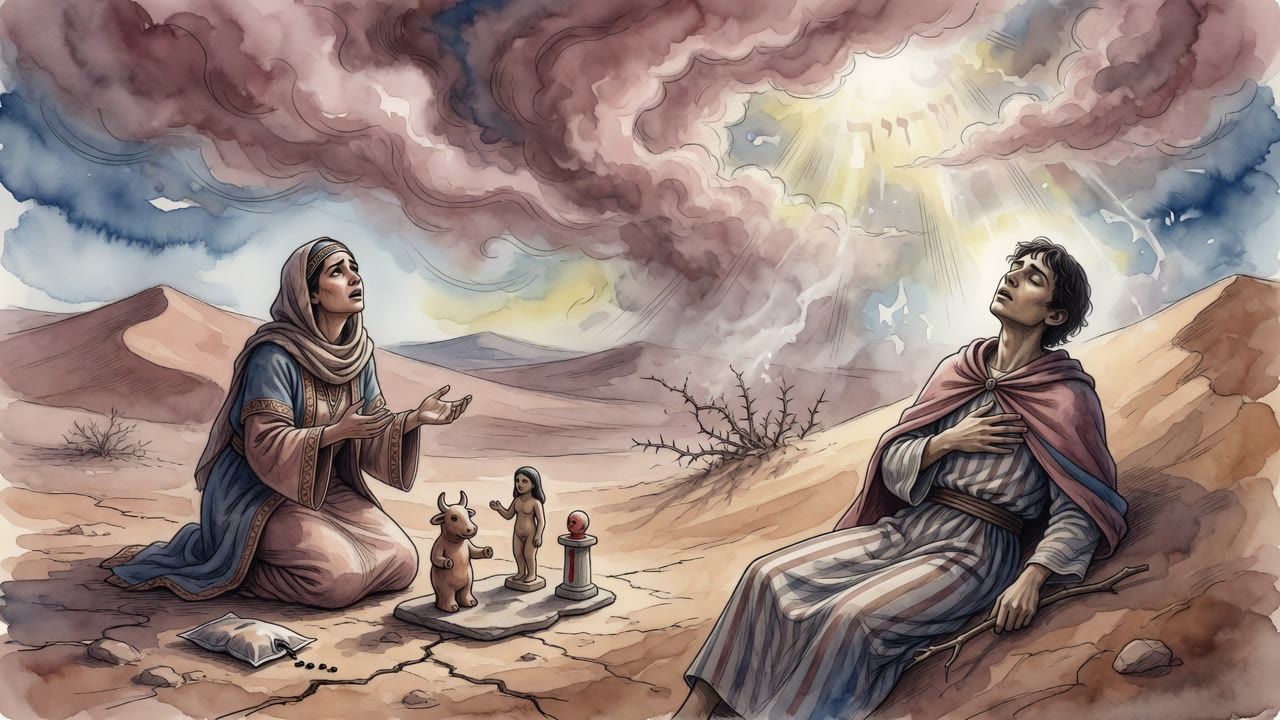
The angels crowded the throne to stop the well. His descendants will kill your children with thirst, they said. God asked what the boy was that hour.
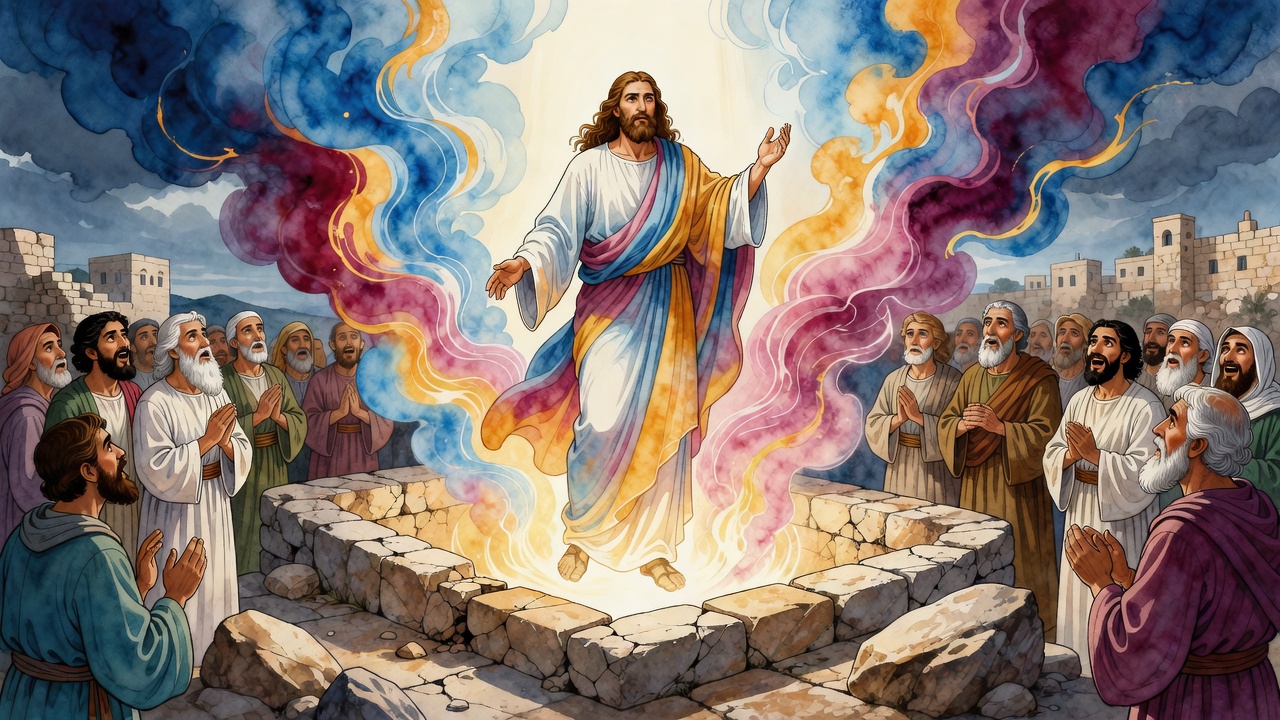
Nine men sat over the Cave of Machpelah and could not begin. A stranger prayed with them, then vanished on the road home.
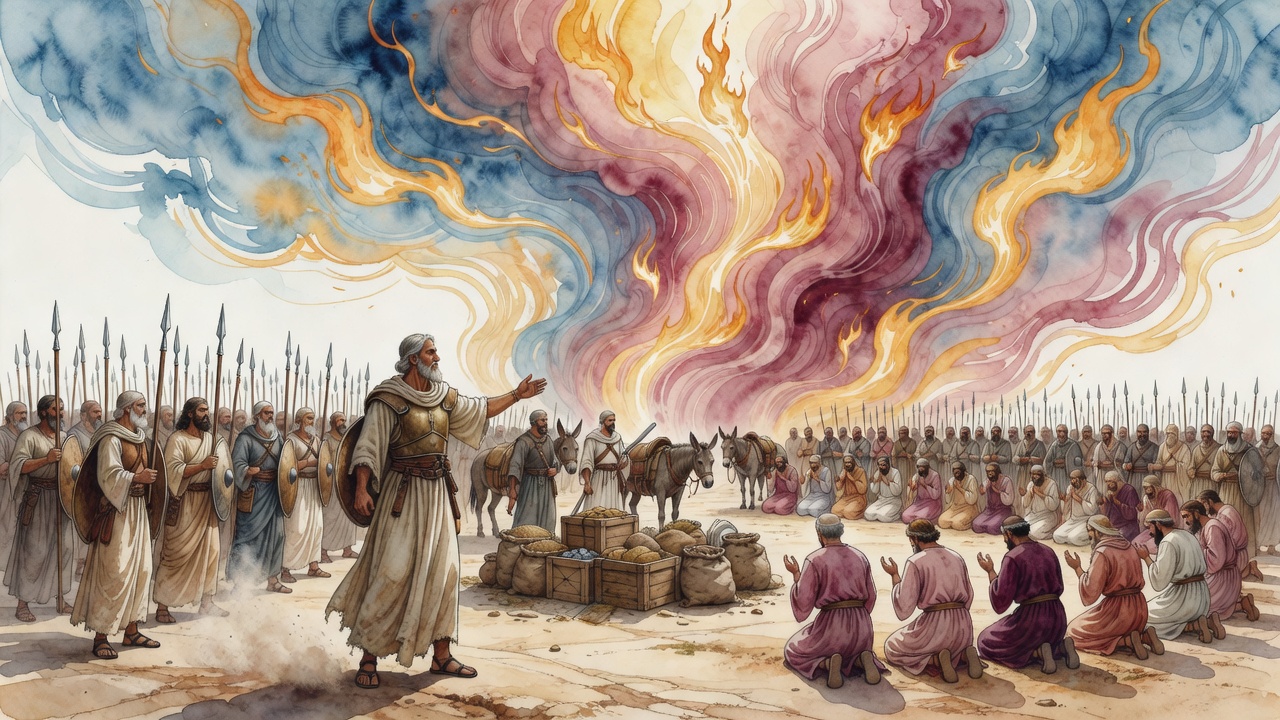
Moses put the gold plate in his hand before they crossed. One third of the men would never draw a sword. They would only pray.
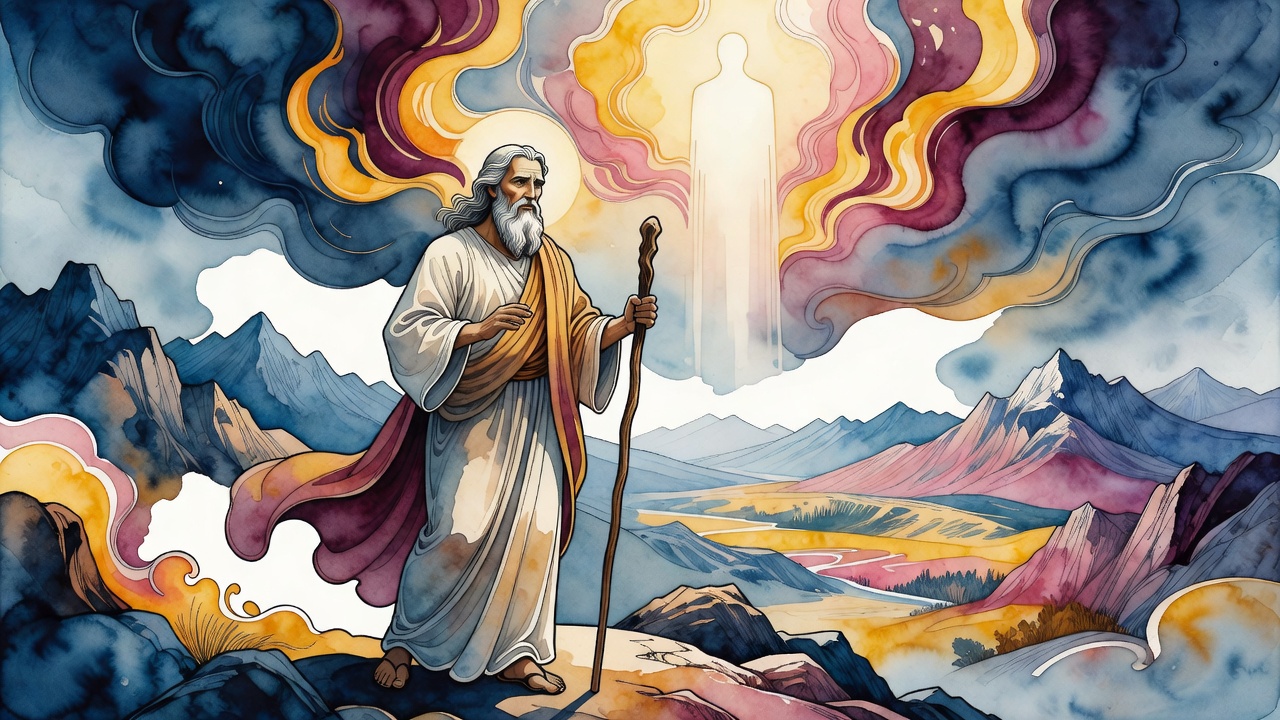
The river was already closed to Moses. He argued like a servant who loves his master and will not go free. God still said no.
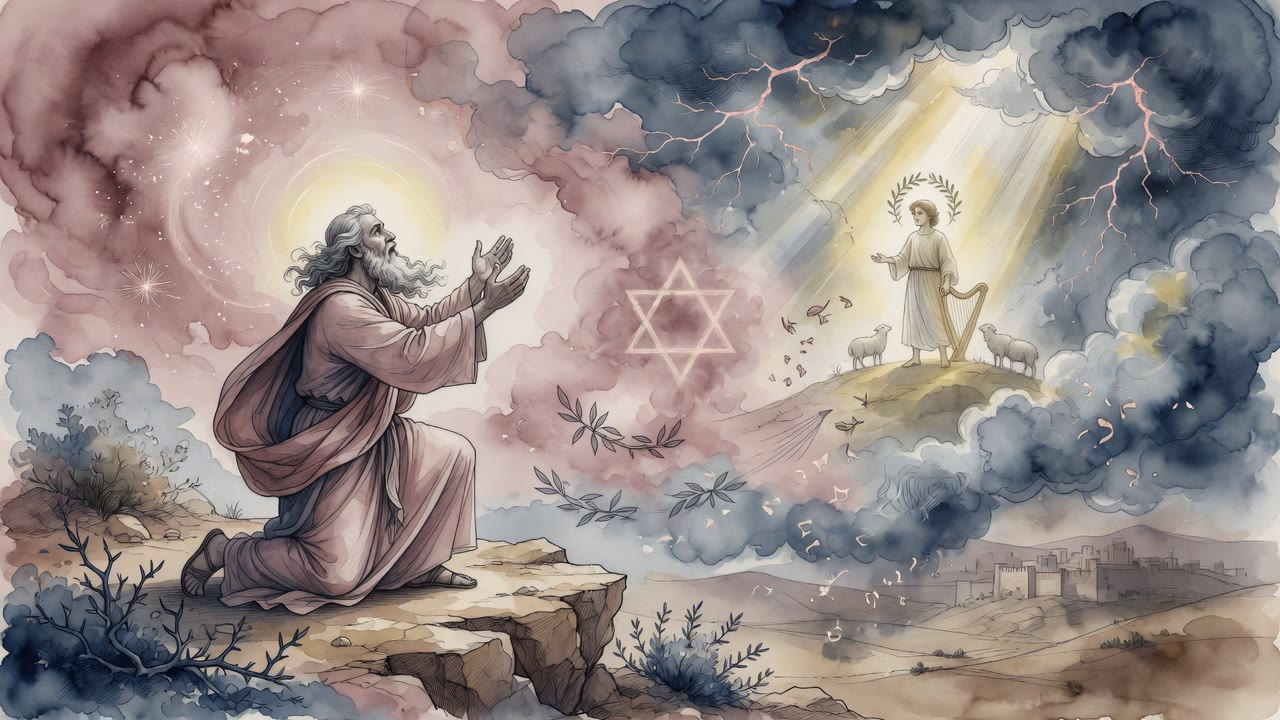
Moses saw the future king standing alone against a giant and prayed for him centuries before David drew his first breath.
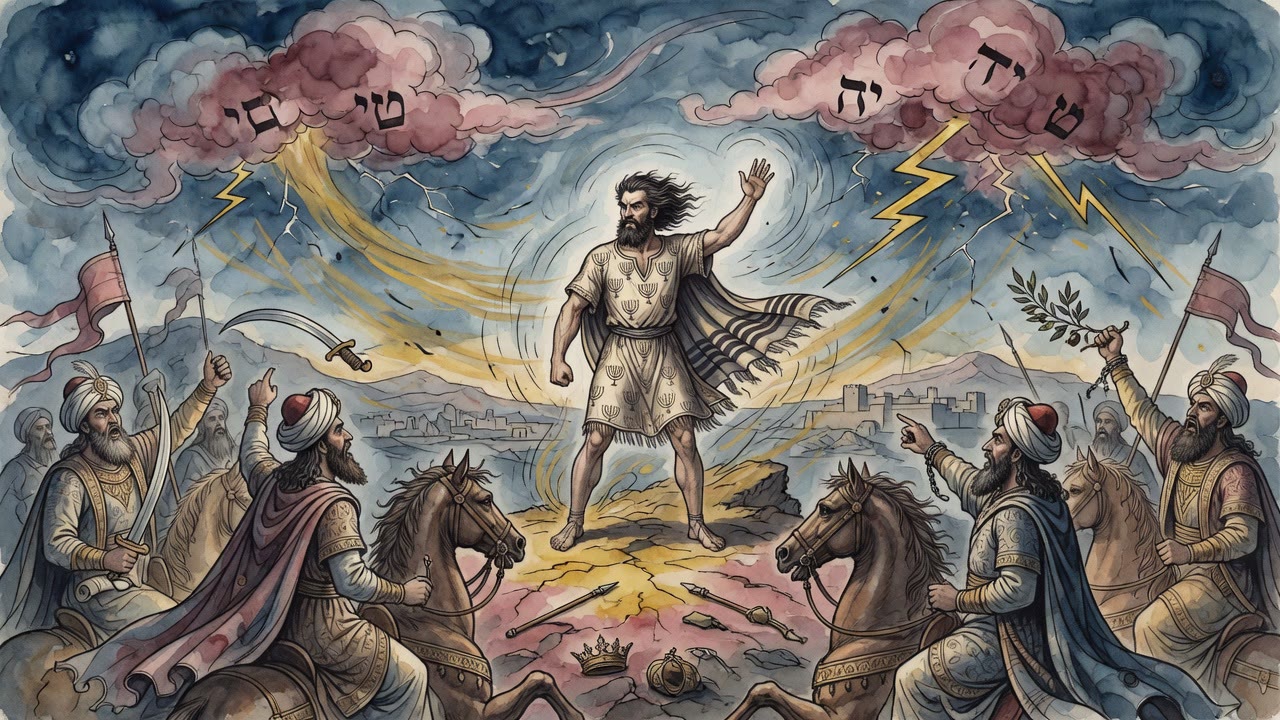
Shobach's letter called Joshua a wolf of the desert and gave him thirty days. Joshua took it to the elders, who put his whole conquest on trial first.
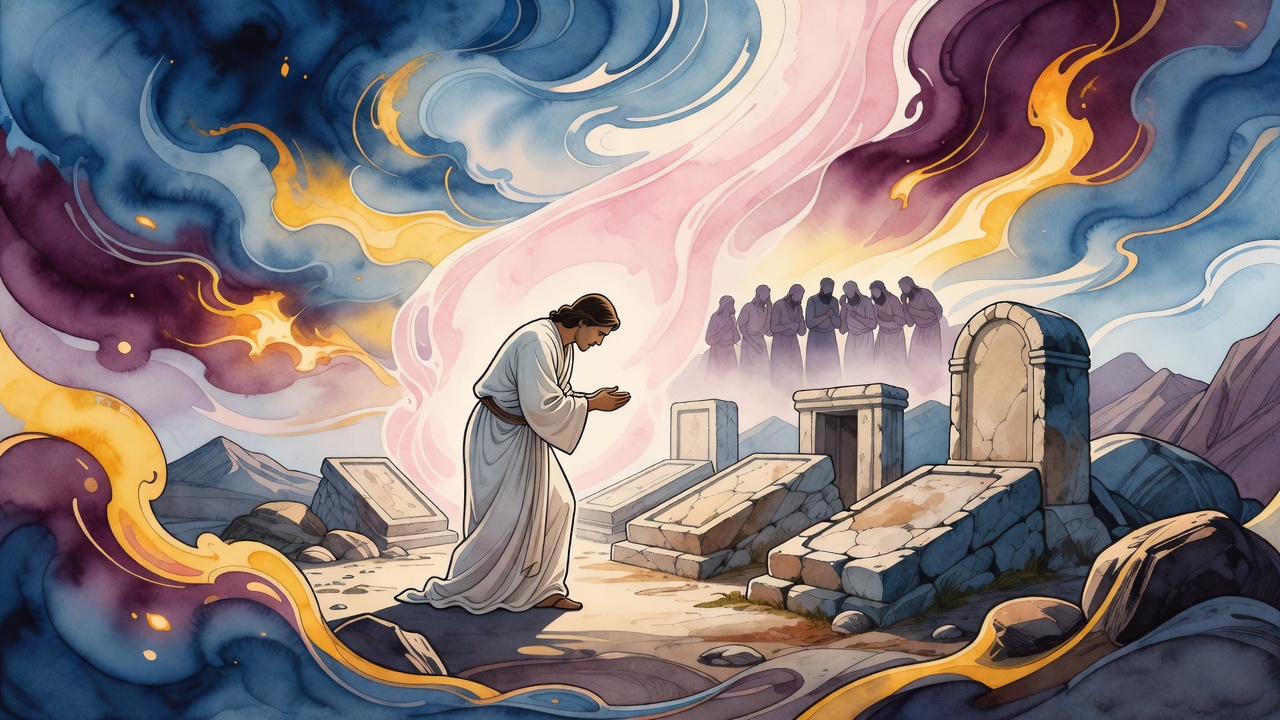
The ten had already chosen their report. Caleb left camp at night and stood at the graves in Hebron, asking bones to keep him from their counsel.
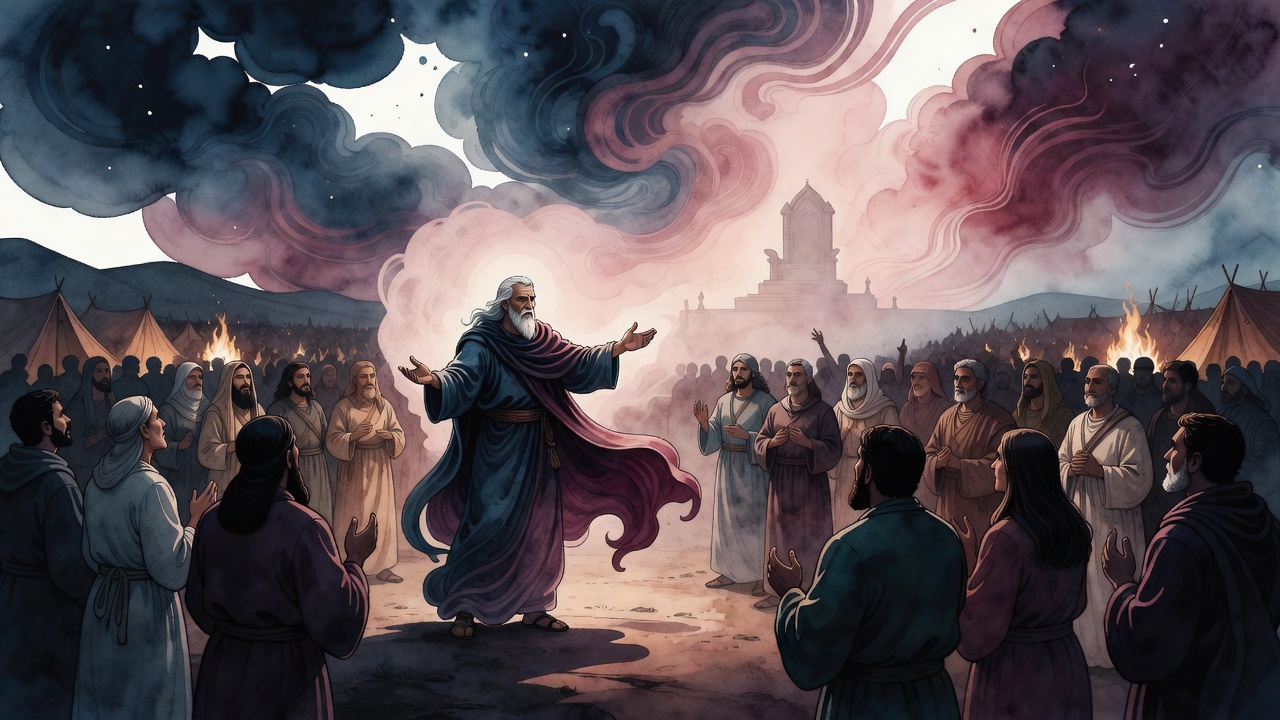
Moses had given him until morning to think. Korah used the dark on tent flaps, and dawn brought a whole camp to the incense test instead.
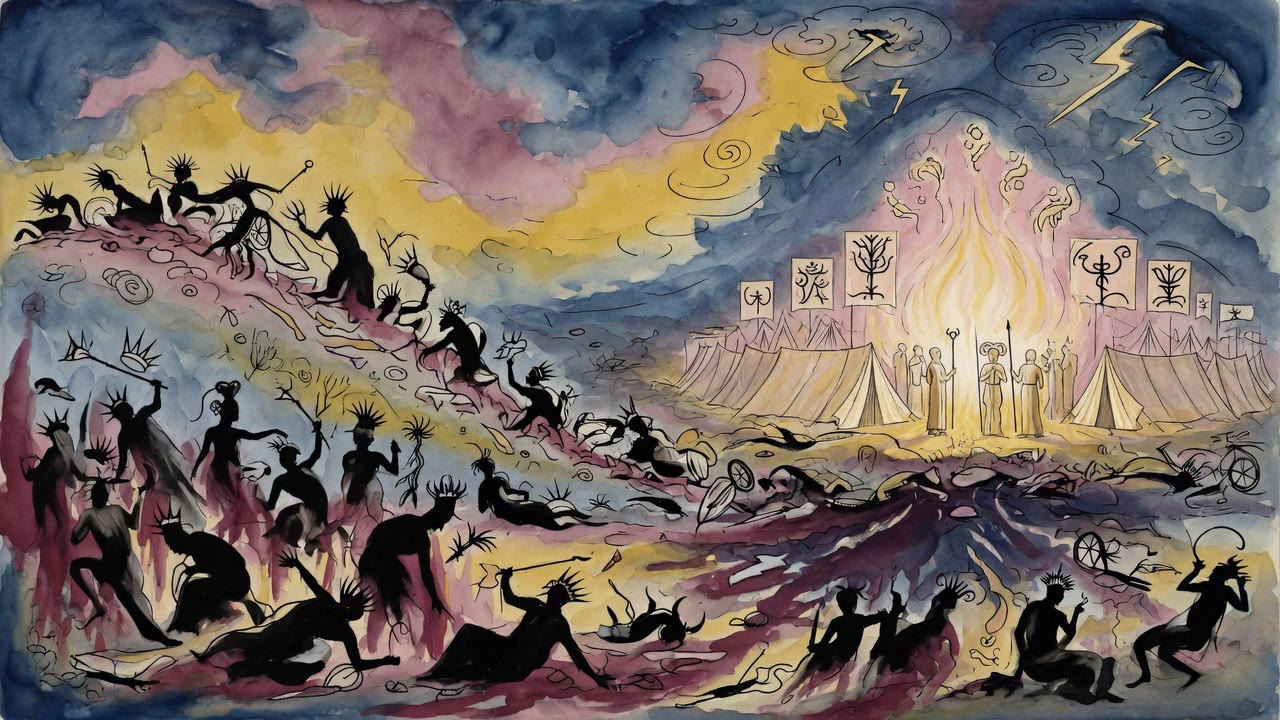
The letter named forty-five kings and thirty days. Joshua read it on the eve of the feast. He put it away until the last offering was done.
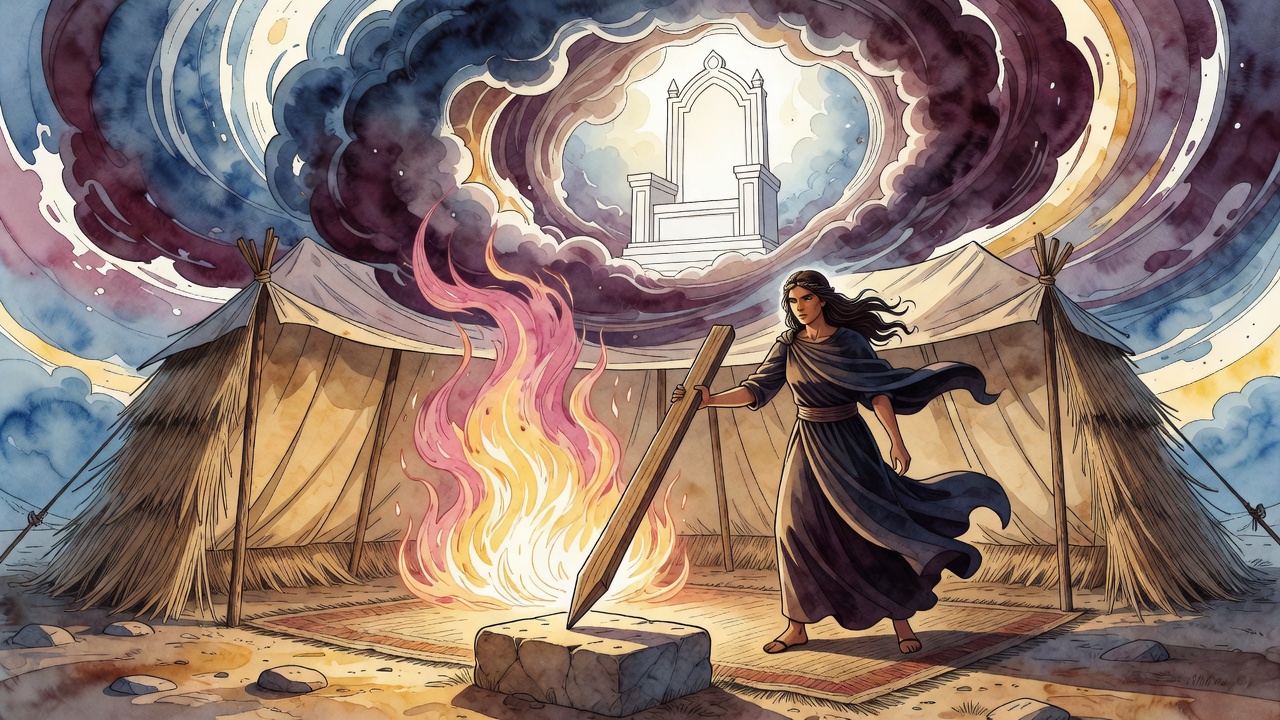
Sisera fled the battlefield and entered Jael's tent. Before she picked up the tent peg, she prayed three times and each prayer was answered before she finished.
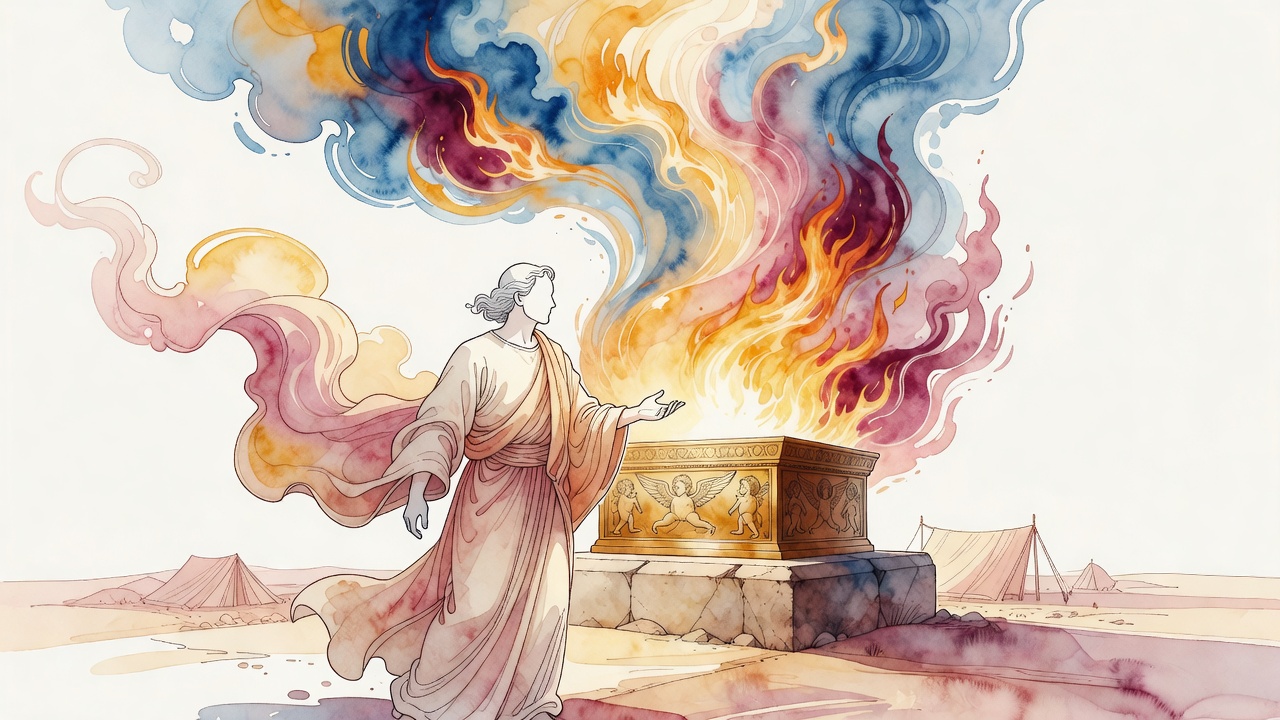
The oracle had said go forward. Two campaigns later the dead were stacked, and Phinehas stood at the Ark and asked why God had sent them.
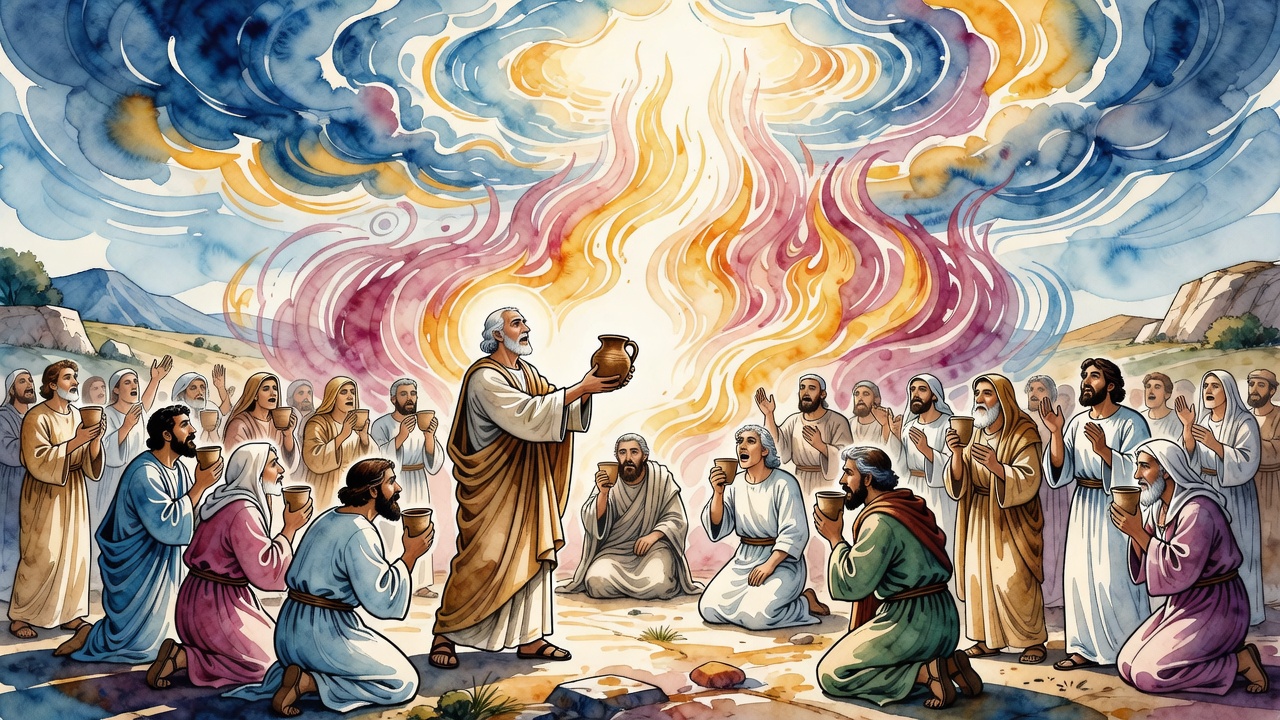
At Mizpah, Samuel gave Israel special water to drink. Those who had worshipped idols could not speak afterward. Most confessed before they lifted the cup.
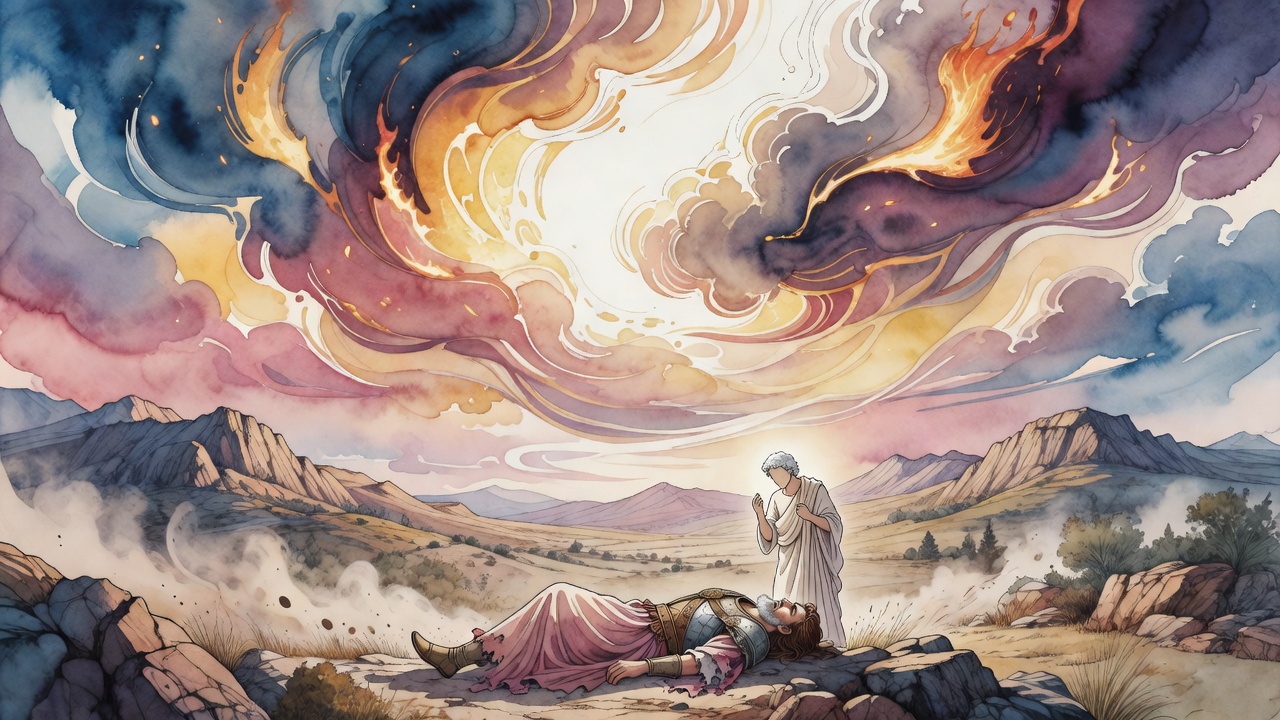
Years after Saul fell at Gilboa, a heavenly voice rang out over Israel and named the dead king God's chosen. Even David was rebuked.
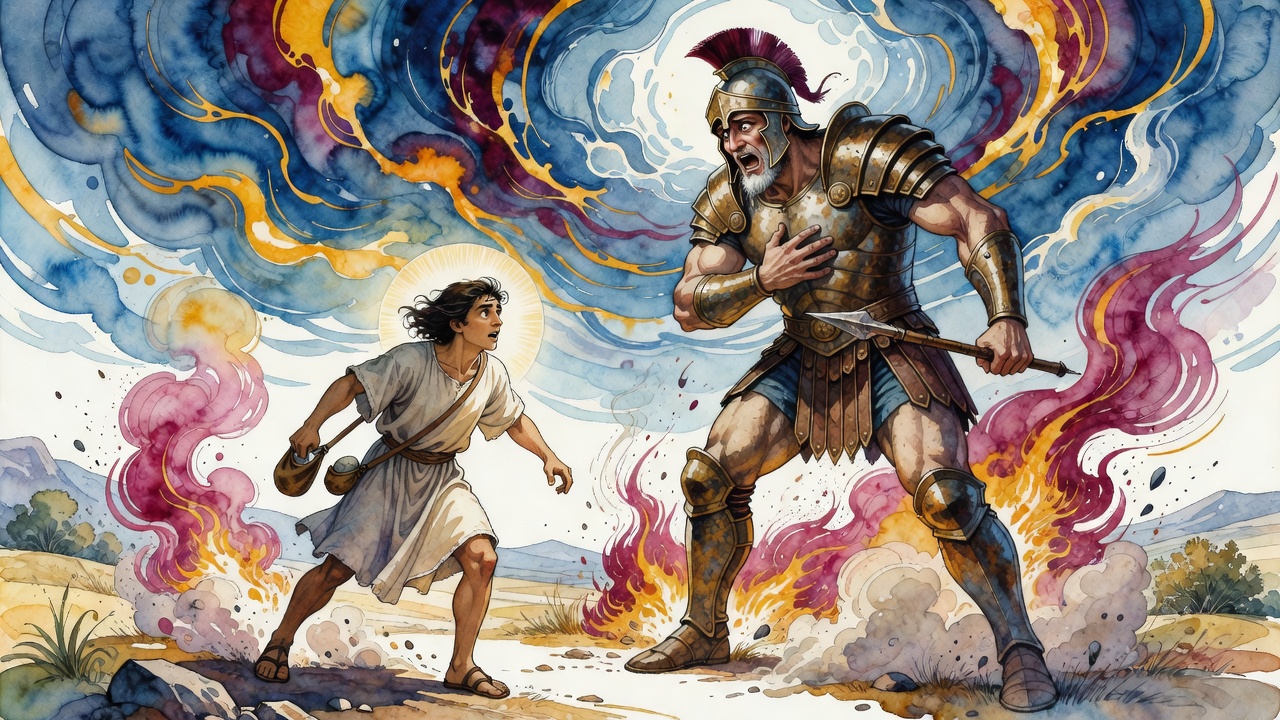
Before the stone left David's sling, something older and stranger had already struck Goliath. The giant felt it the moment David walked toward him.
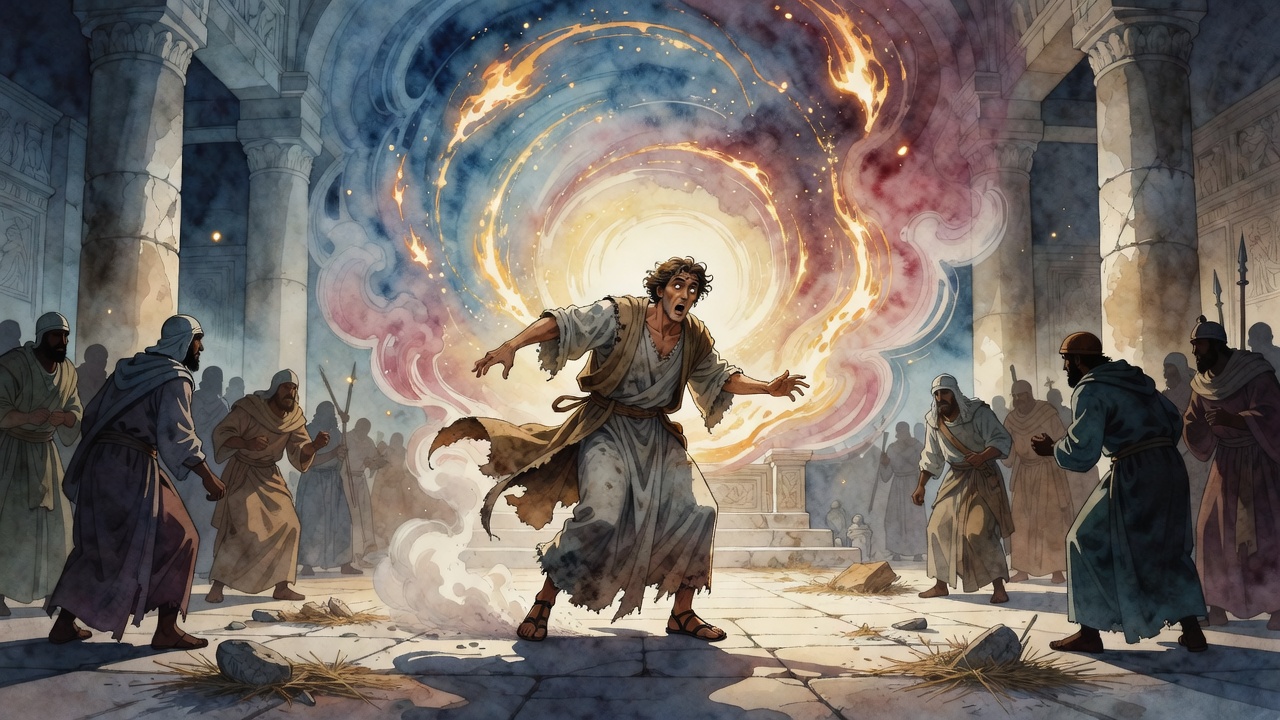
Goliath's brothers stood as bodyguards in Gath and asked for David's head. King Achish pointed at the madmen already living in his house.
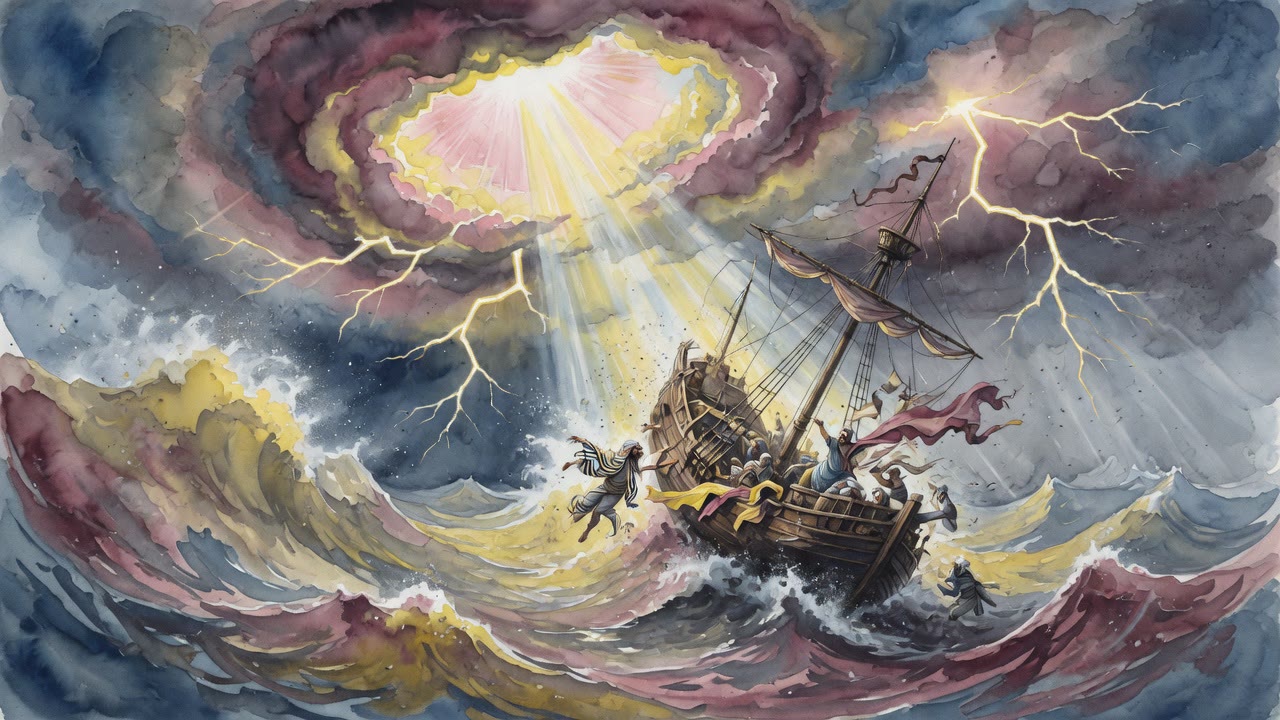
They had already stacked the wood. Tamar sent Judah his ring, his cord, and his staff, and did not speak his name.
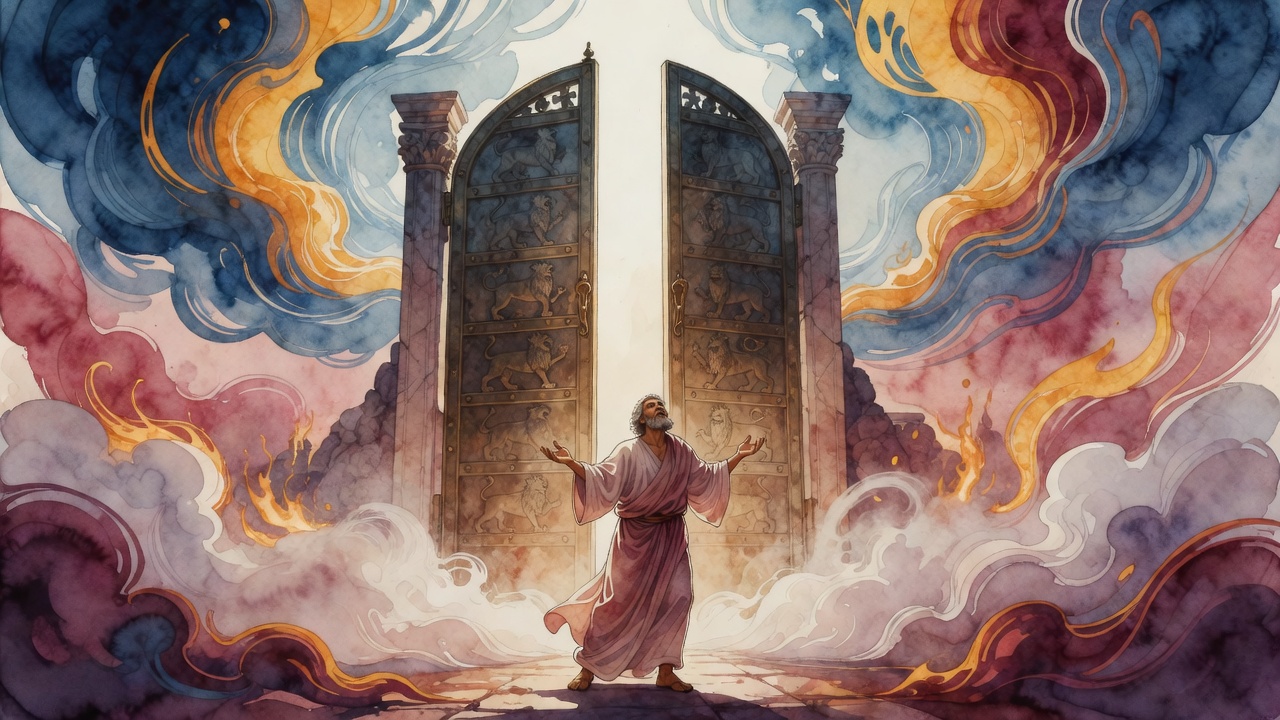
The Temple was complete, the Ark was ready, and the gates refused to open. Solomon prayed until he understood whose name had to be spoken.
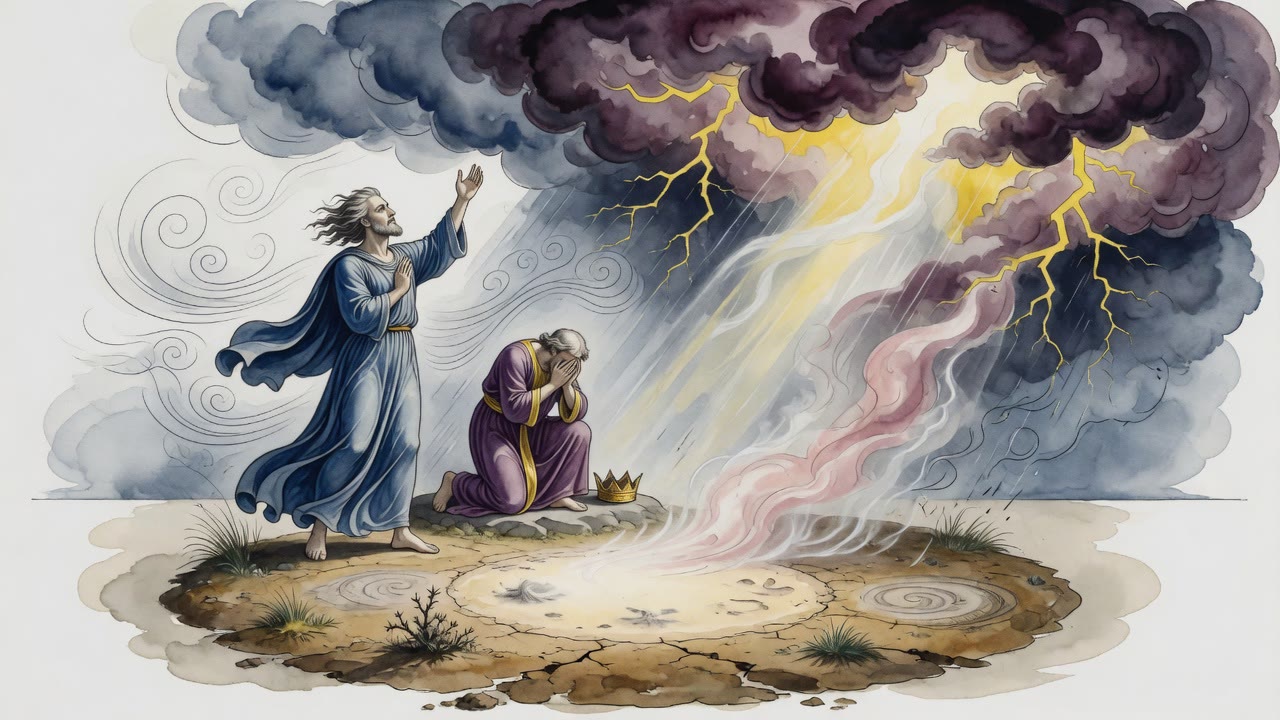
A dead child can only be raised by dew, and Elijah had sworn the dew away himself. God let the boy die in the one house where the prophet was sleeping.
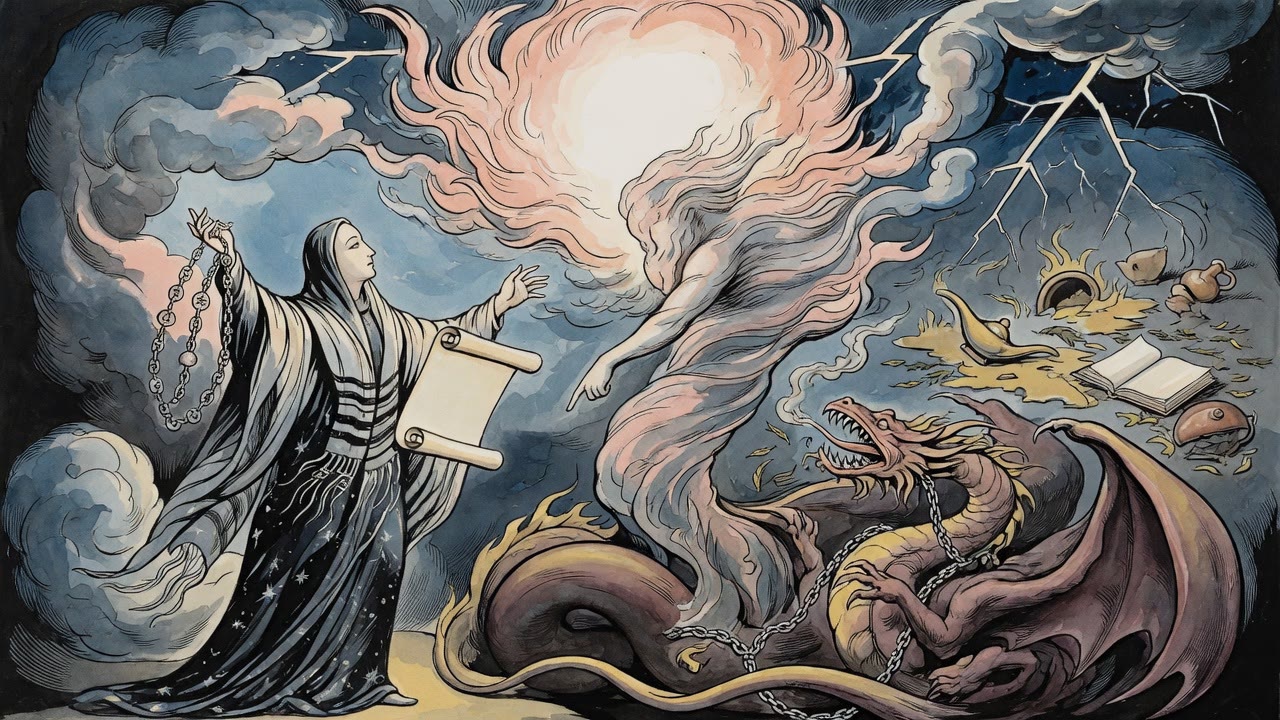
A kabbalist conjured Elijah and asked how to chain the Prince of Evil. He came within one act of forcing the Messiah's arrival. One mistake ended everything.
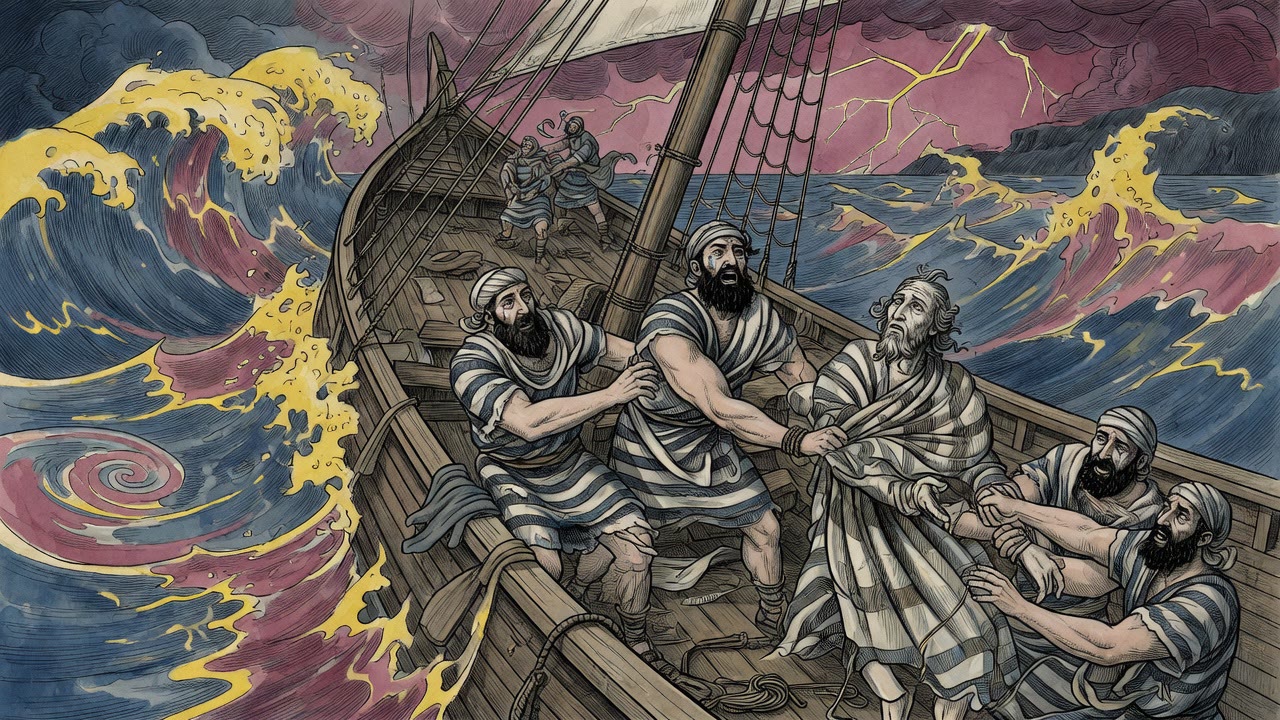
Inside the fish, Jonah had light, space, and no urgency. He sat there for three days without praying once, until God sent a pregnant fish to change his mind.
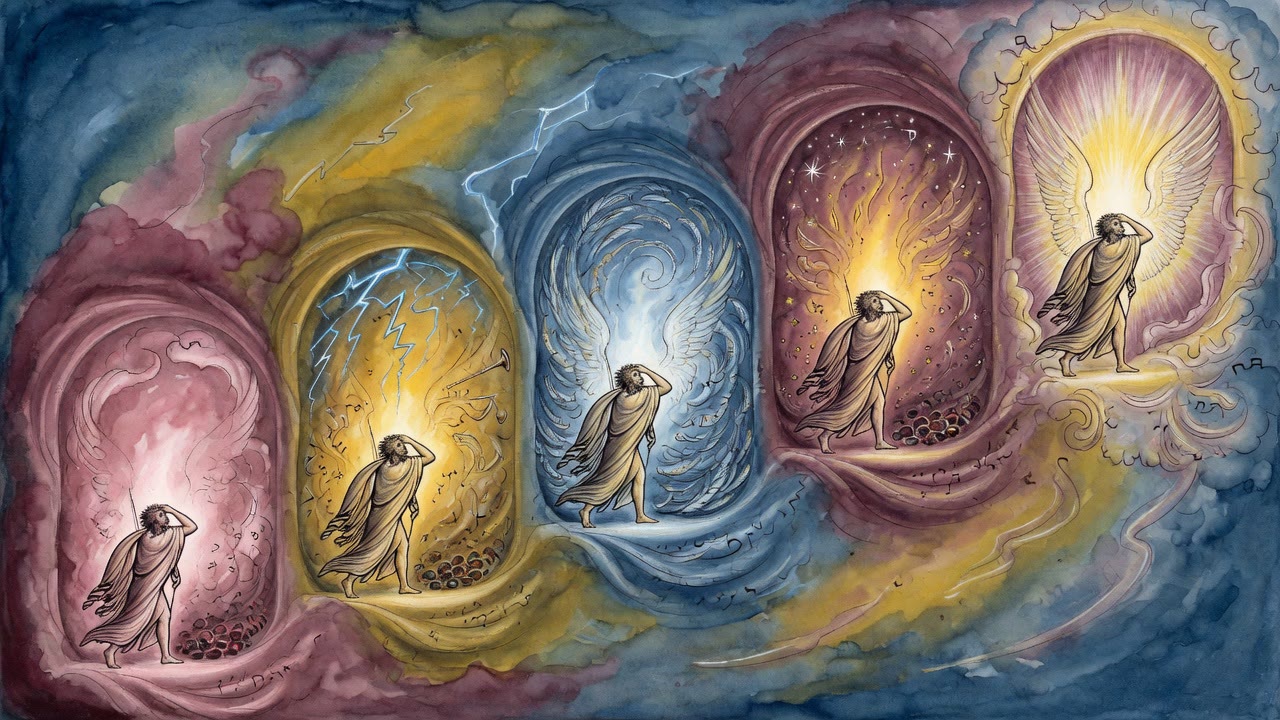
The first division drank the Jordan dry. The last kicked dust. Hezekiah spread the letter on the Temple floor and waited.
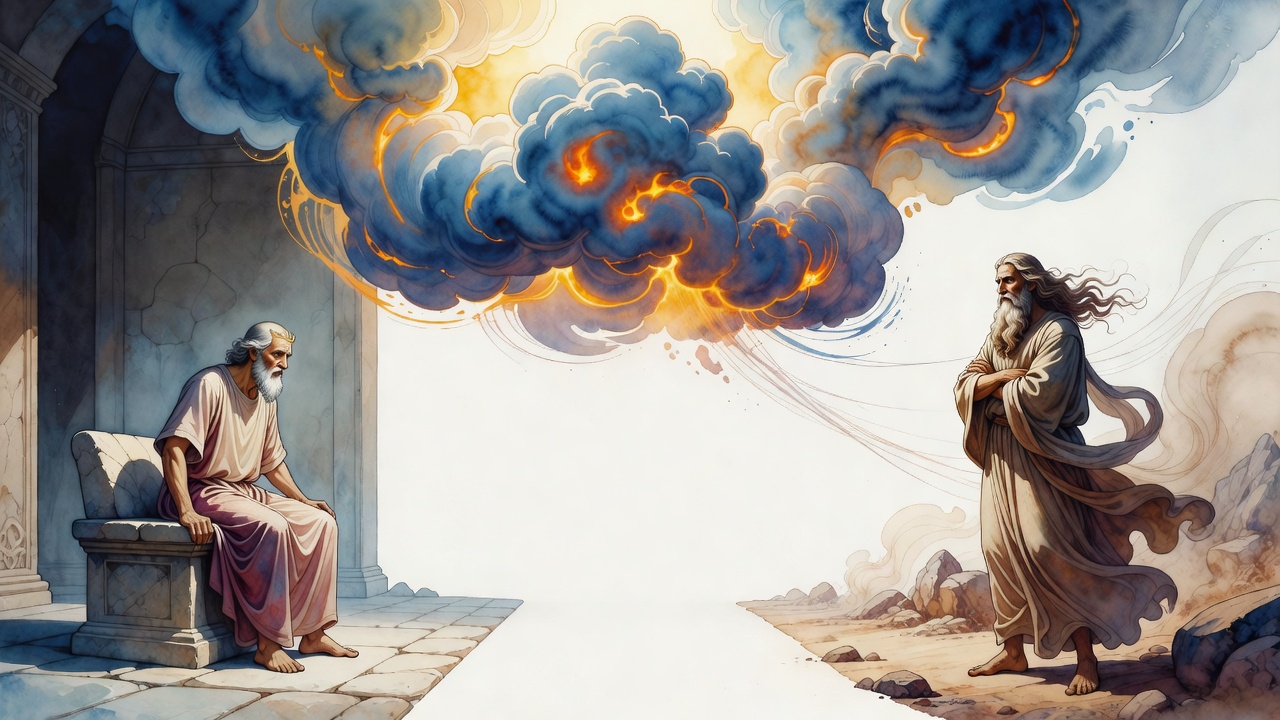
Hezekiah had stripped gold from the Temple for Assyria. Now his own skin peeled, and still Isaiah would not walk to the bed.
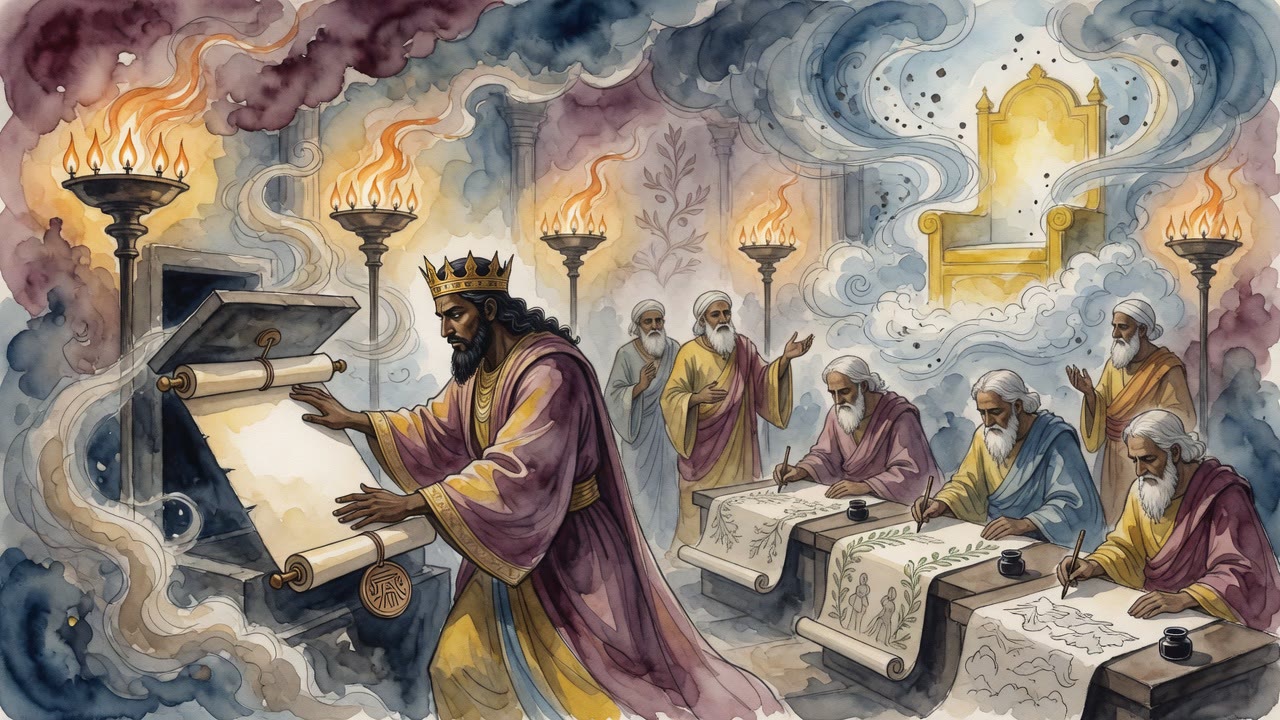
Hezekiah directed his scribes to copy Isaiah, Proverbs, and the Song of Songs. Then he buried a book of cures, and the rabbis praised both decisions.
