310 myths · Page 5 of 11
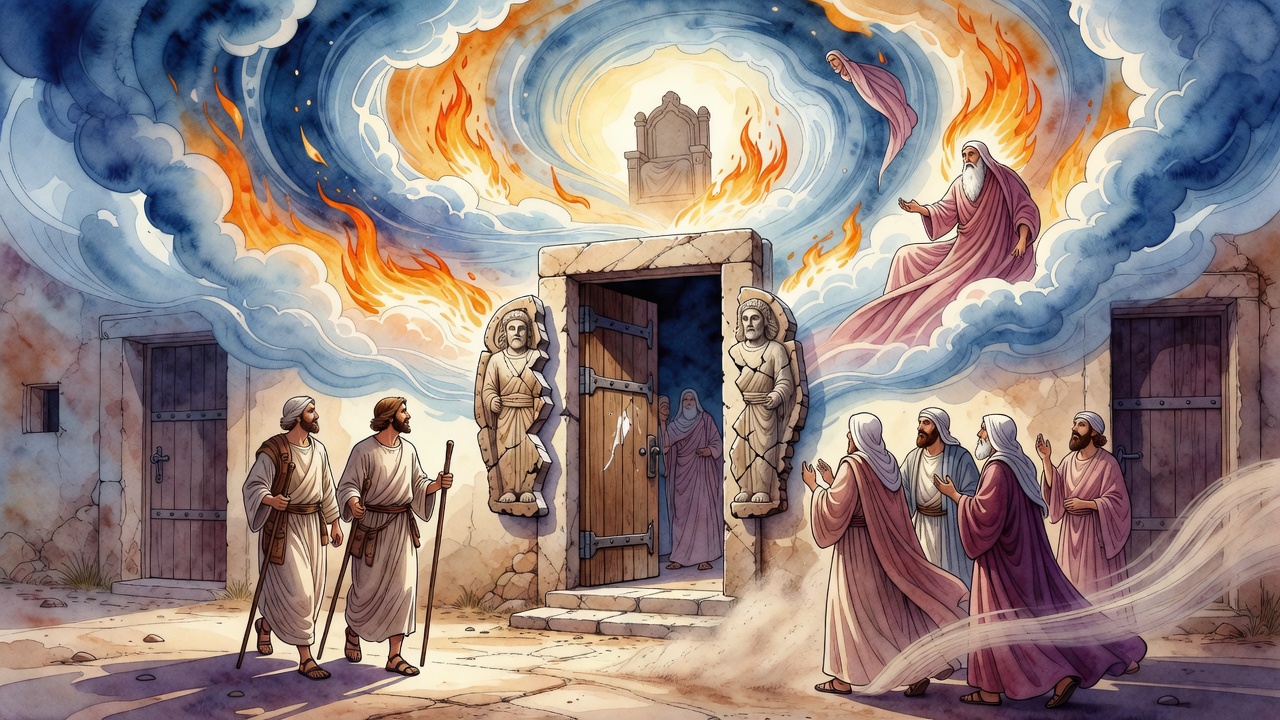
The inspectors opened every door in Judah and found no idol. Behind them the doors shut, and two halves met in the dark.
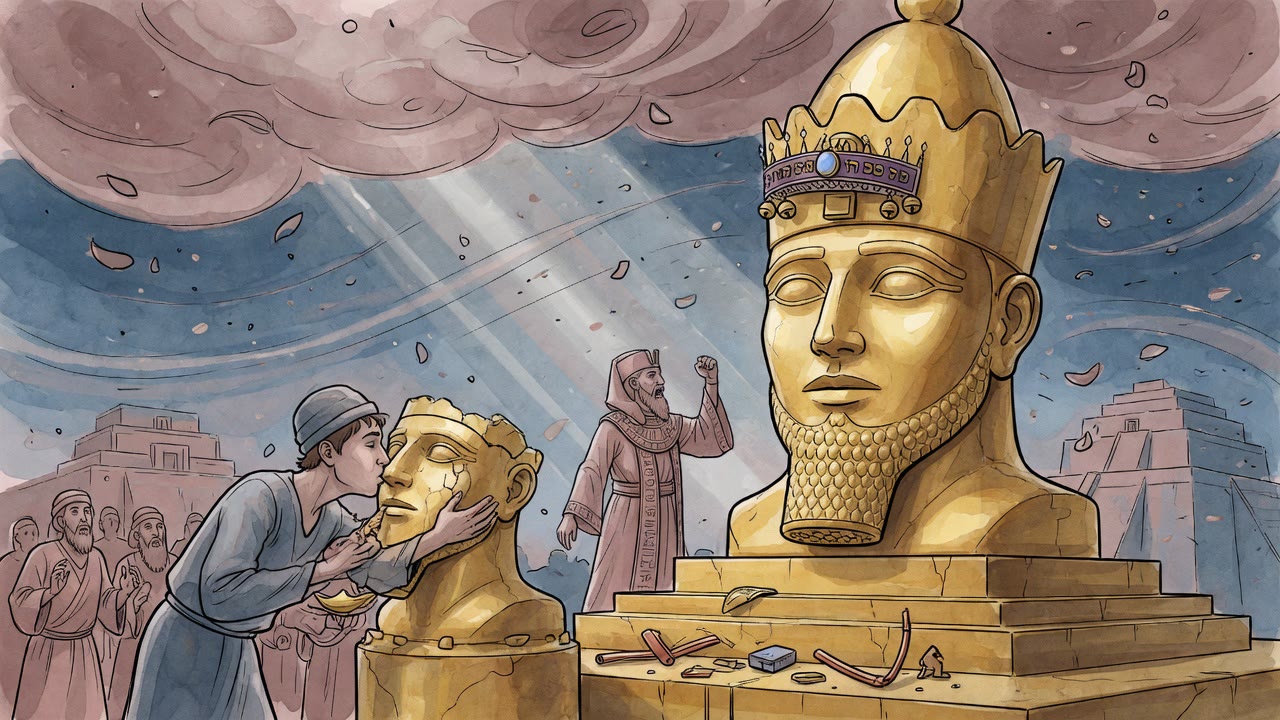
The idol said, "I am thy God." Music filled the hall. Daniel asked only to kiss it, and the king smiled as if he had won.
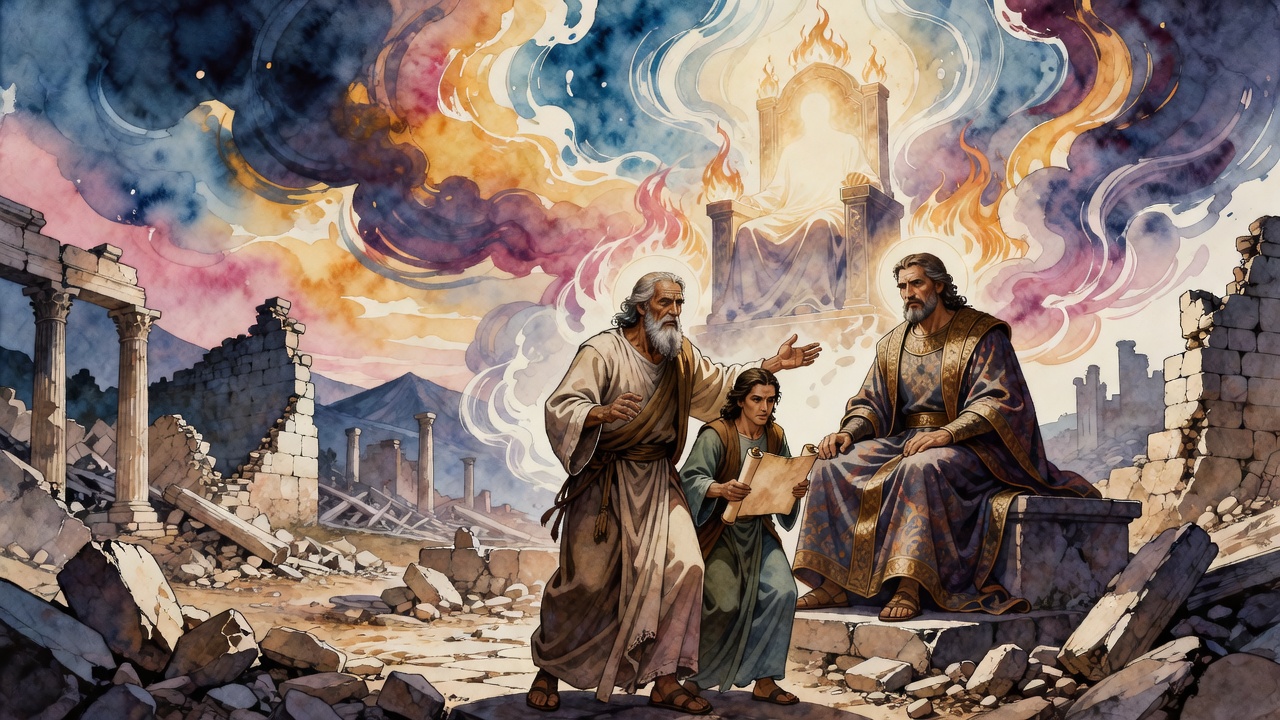
Daniel had outlived Babylon, but Jerusalem was still rubble. Persian officials could find nothing to charge him with, so they made his prayers illegal.
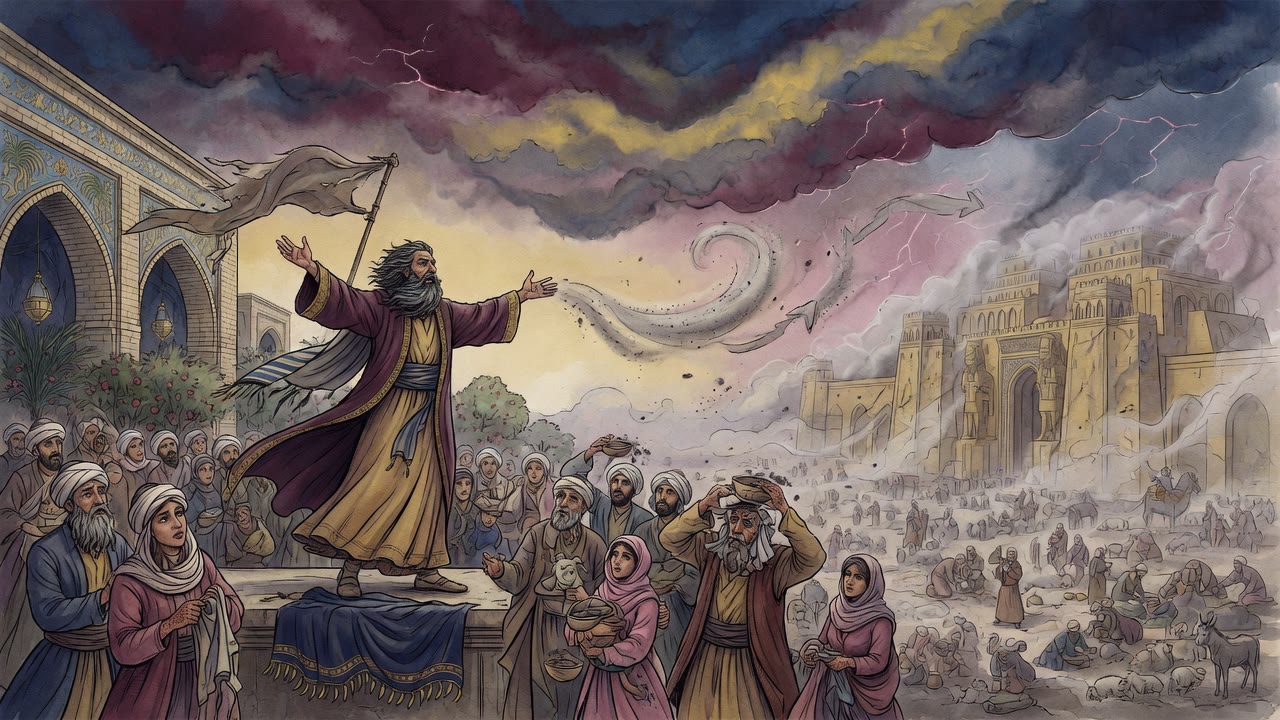
The stew was for men in a Judean field. Daniel was in a pit in Babylon. The pot arrived anyway, still hot, still full.
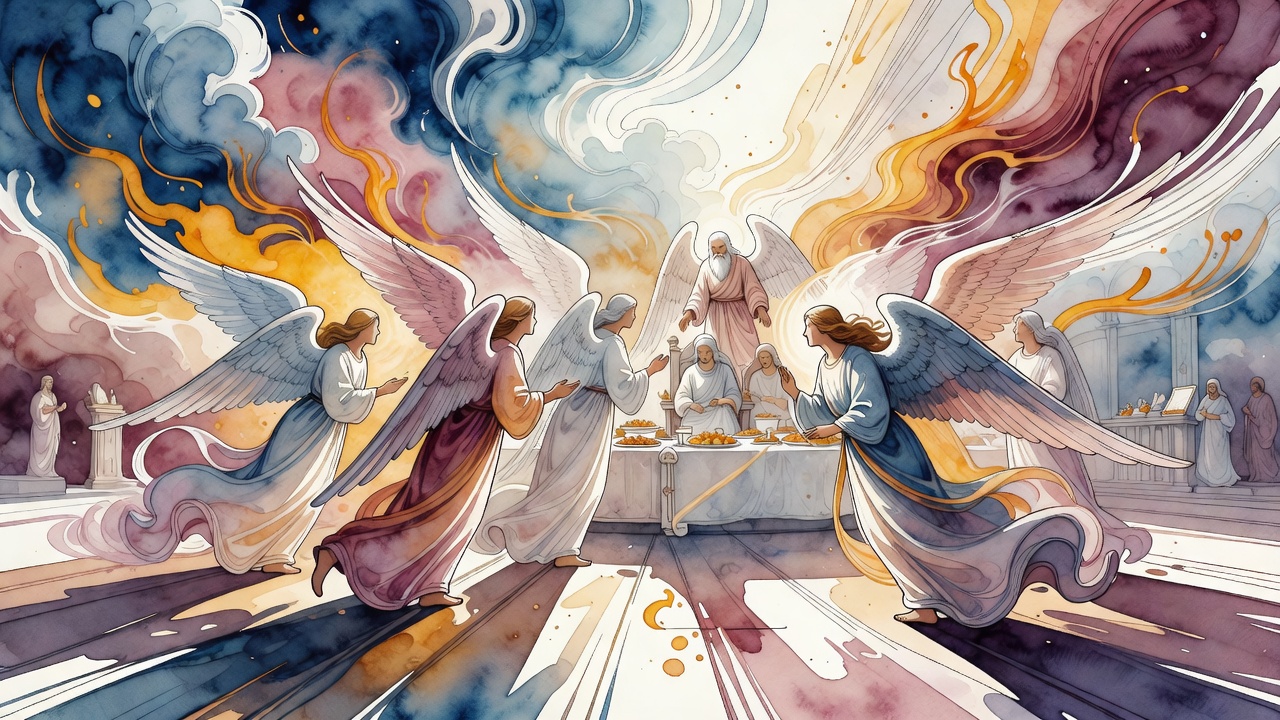
The wine sat in gold cups taken from Jerusalem. Mordecai fasted six days, then ate on the Sabbath. That was when the names arrived.
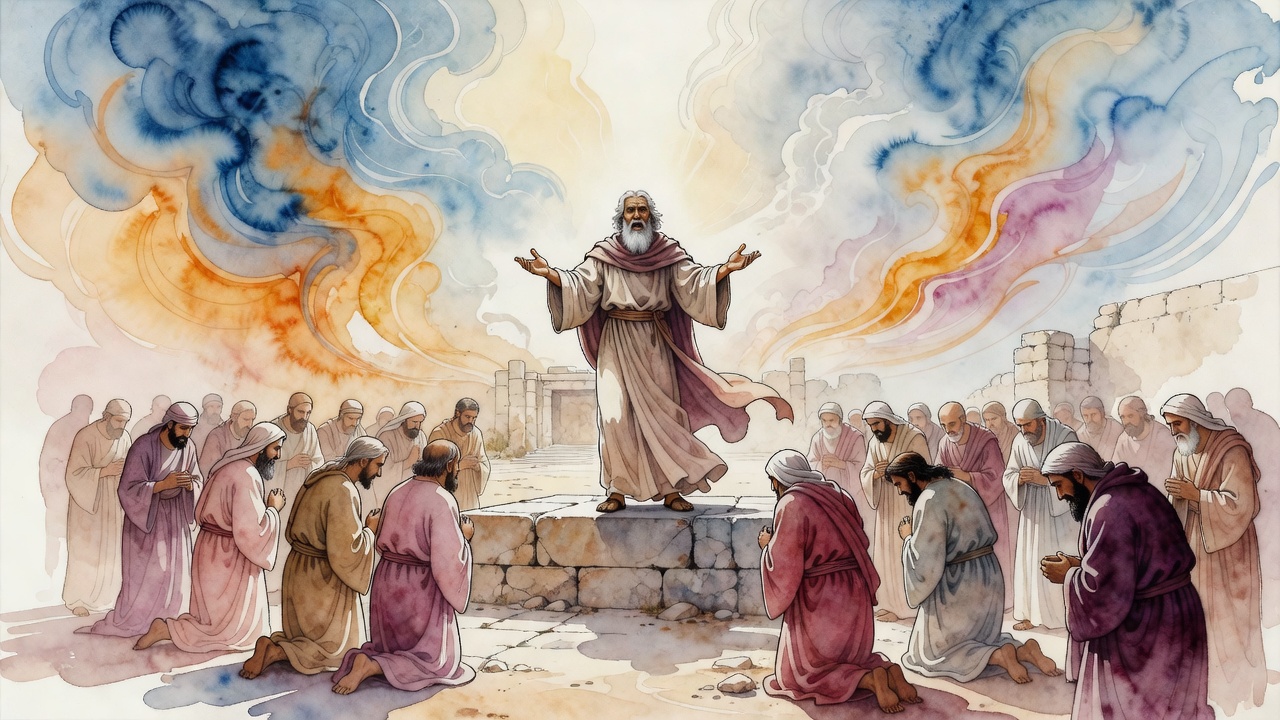
Mordecai's speech before the fast named every protection that was gone. No king, no prophet, no escape route. Then he asked the people to pray anyway.
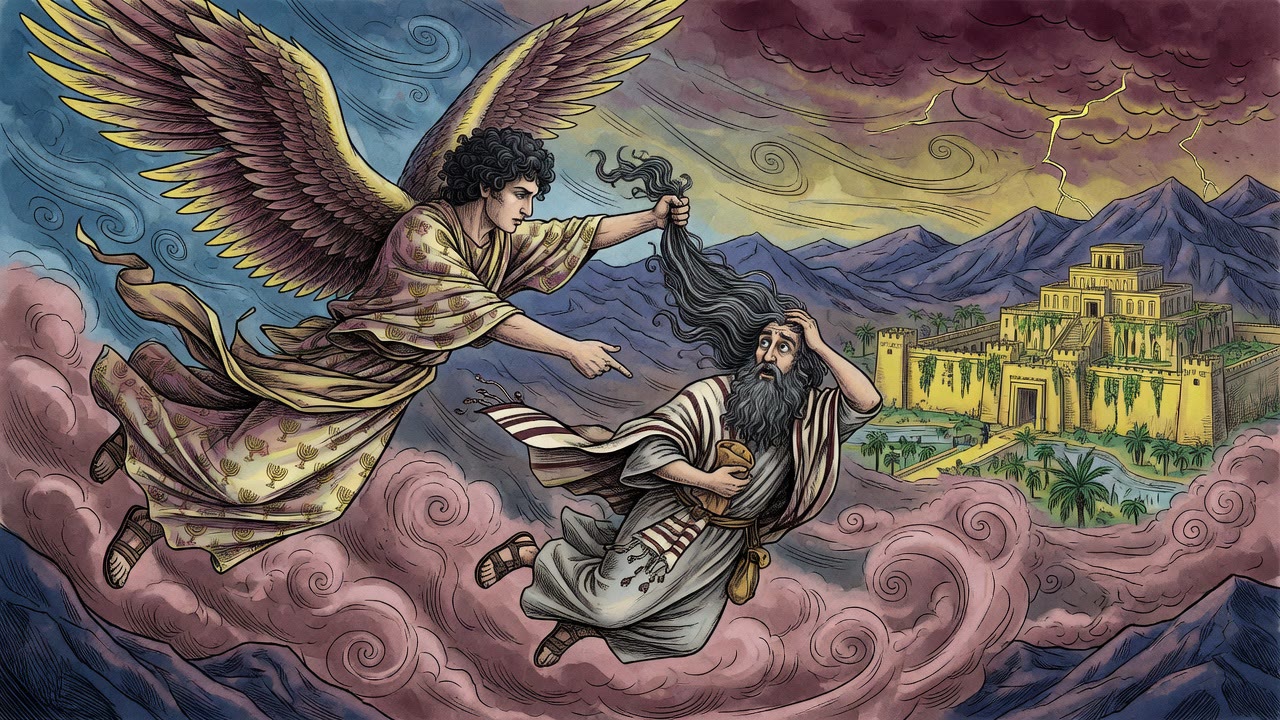
He did not name Moses on the mountain. At the palace gate in Shushan he quoted a foreign king who had sat down in ashes and starved his beasts.
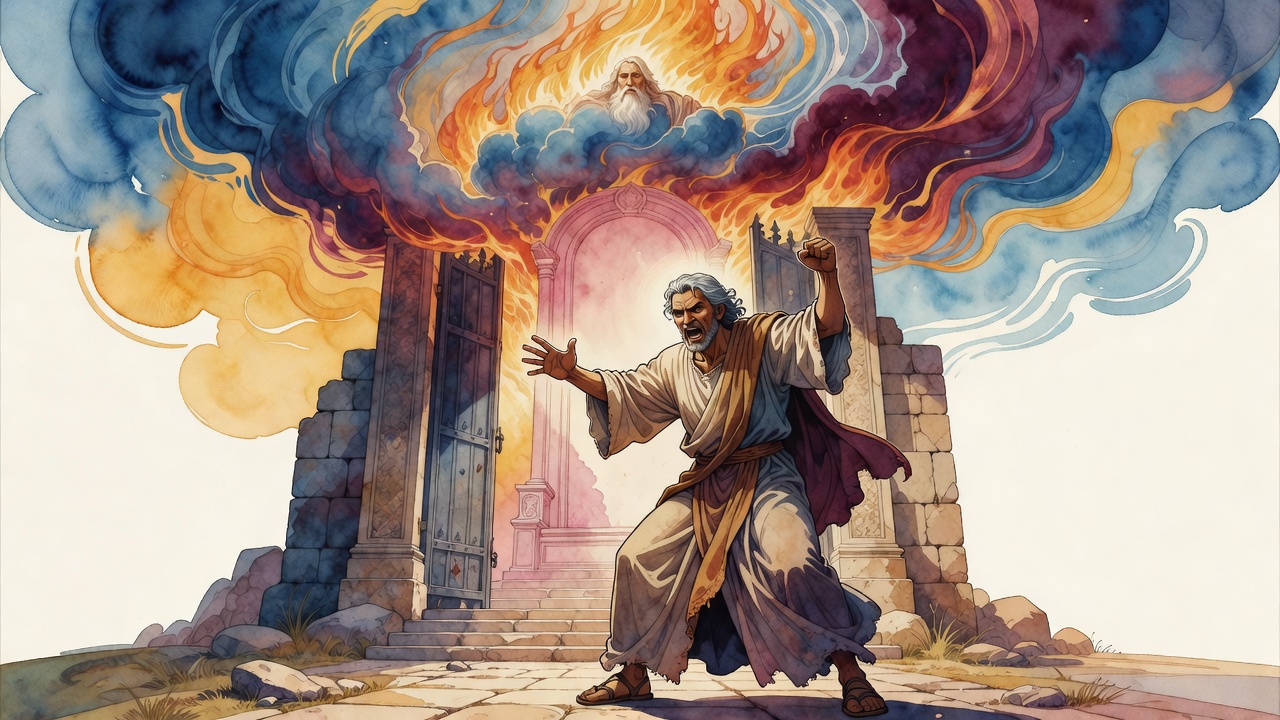
When the decree went out, Mordecai did not weep quietly. He pressed the covenant like a creditor, demanding God answer for the oath sworn to the patriarchs.
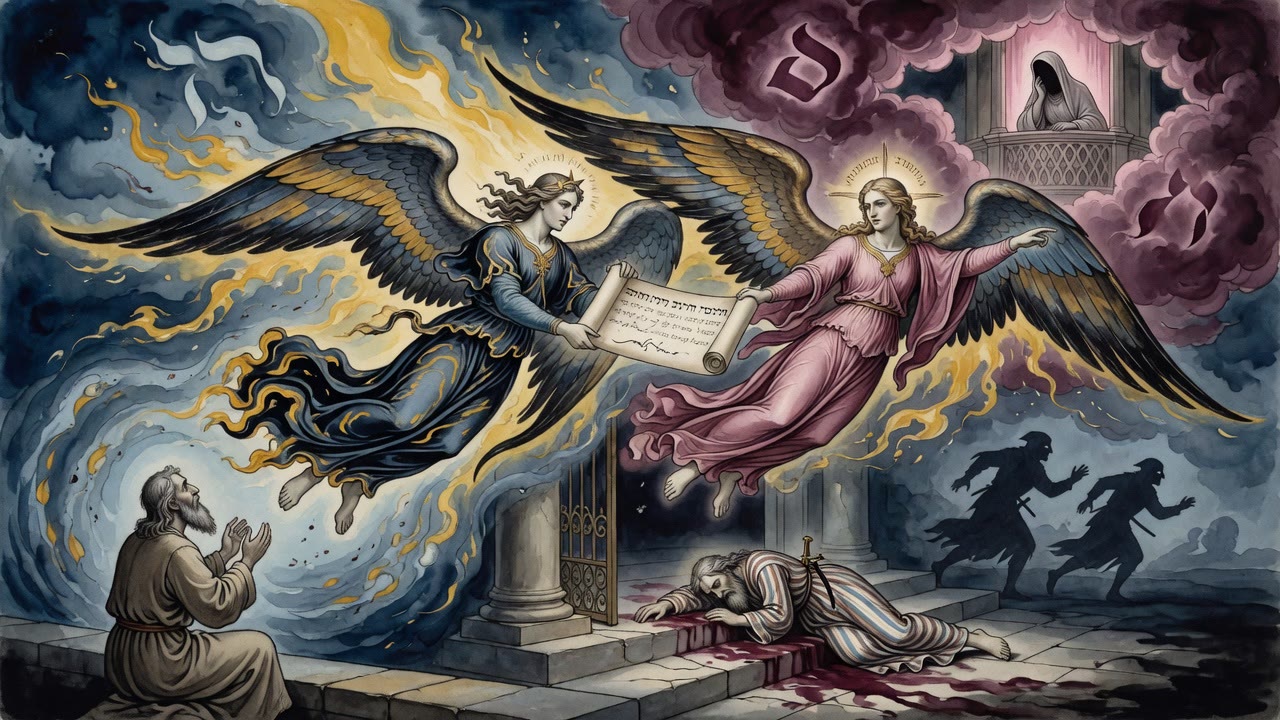
Haman had Hathach killed to cut off Mordecai and Esther. God replaced their go-between with Michael and Gabriel.
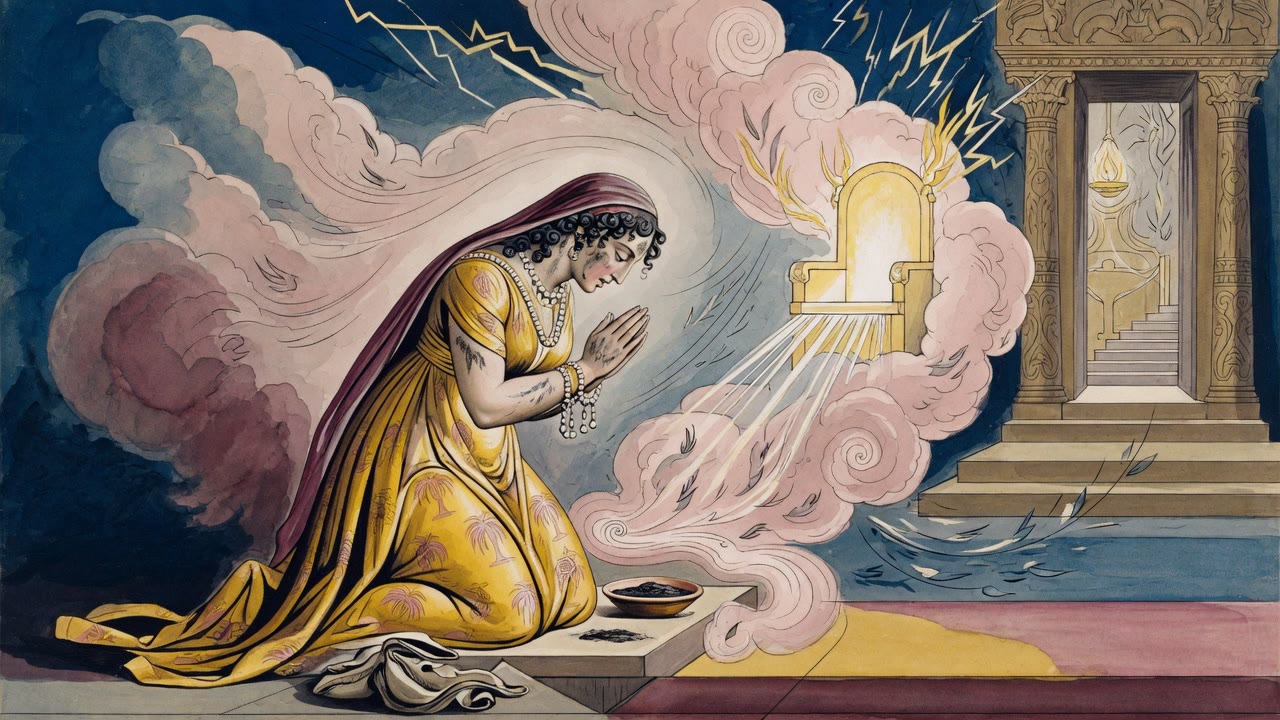
Three days face down in ash, then silk and gold shoes. She told God plainly that she was not asking because she thought herself without blemish.
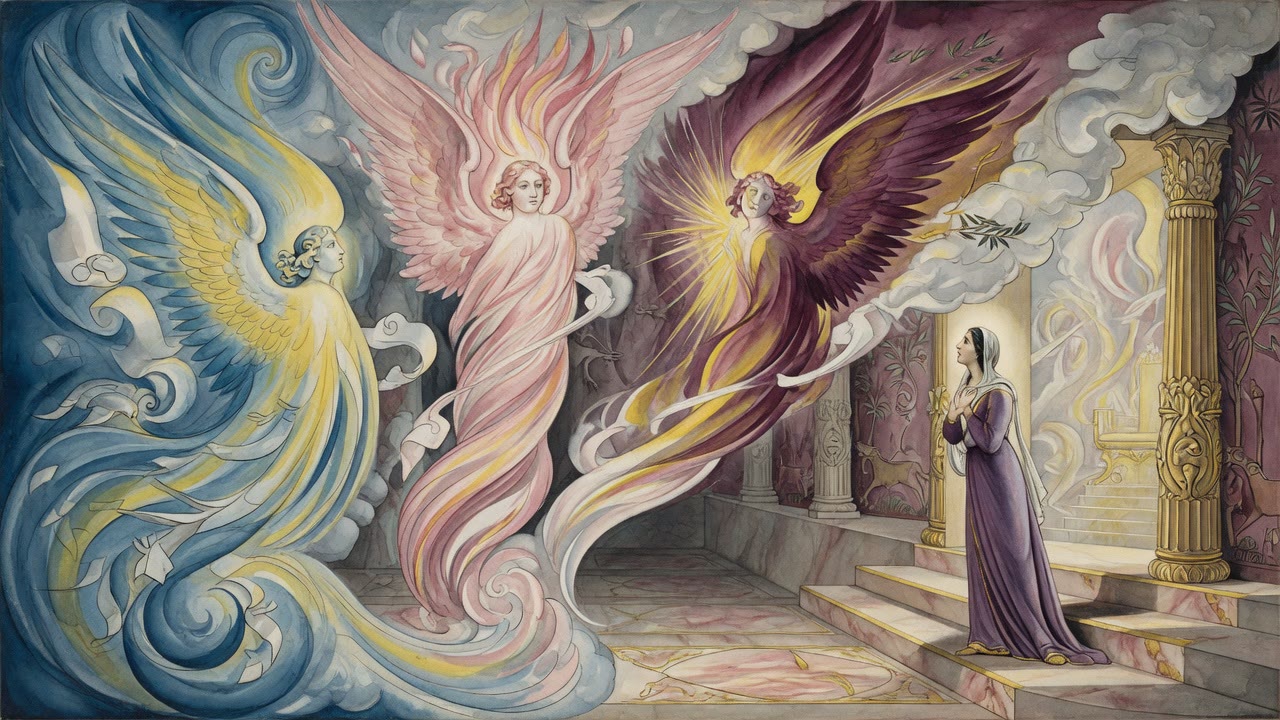
Haman's sons were already dividing her jewels. Esther stood in the fourth chamber and could not take another step toward the throne.
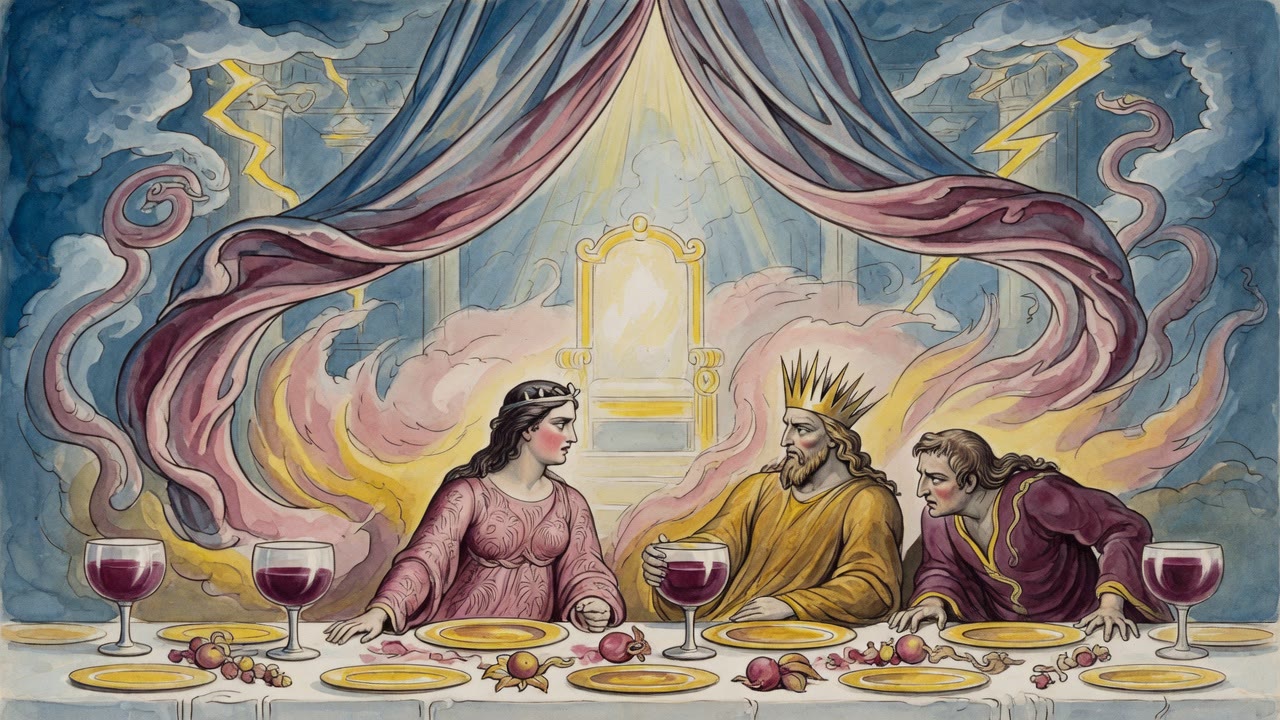
Esther had the king's ear and said nothing. She invited Haman to dinner instead. Then she invited him again. The sages debated her strategy for centuries.
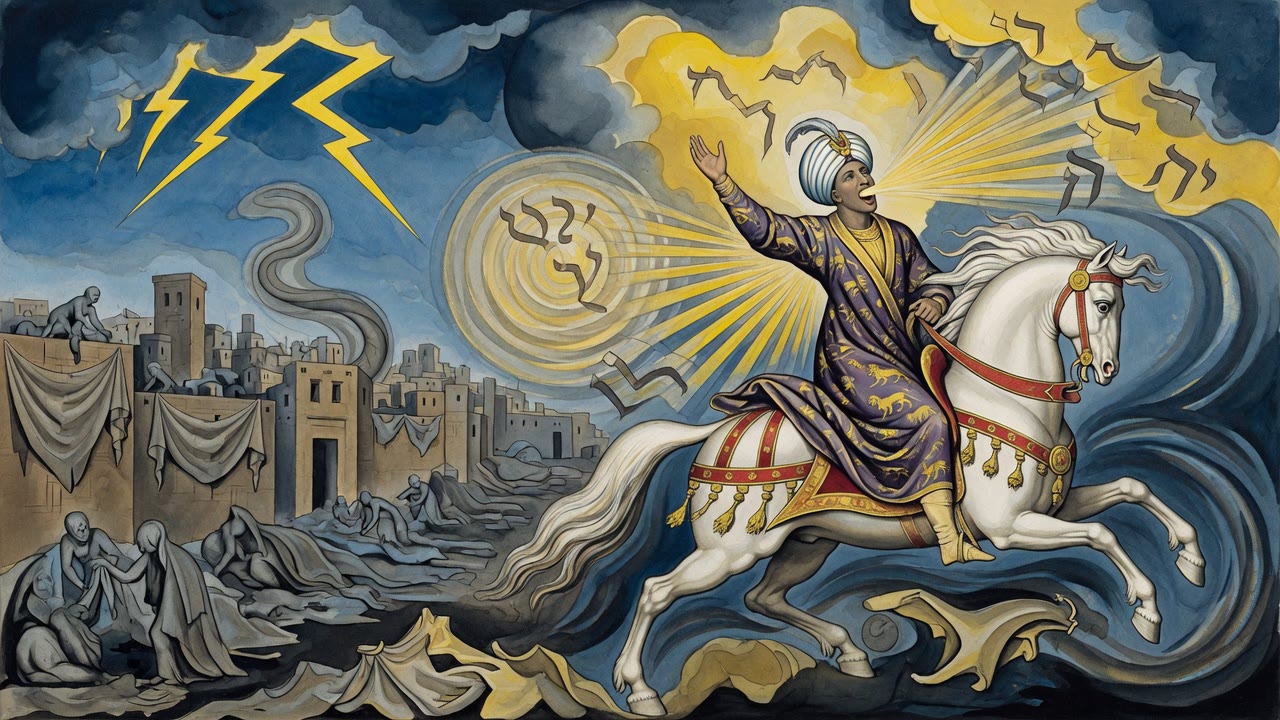
Three days before, Susa had wept in sackcloth. Now Mordecai rode on the royal horse in royal robes and burst into Psalm 30.
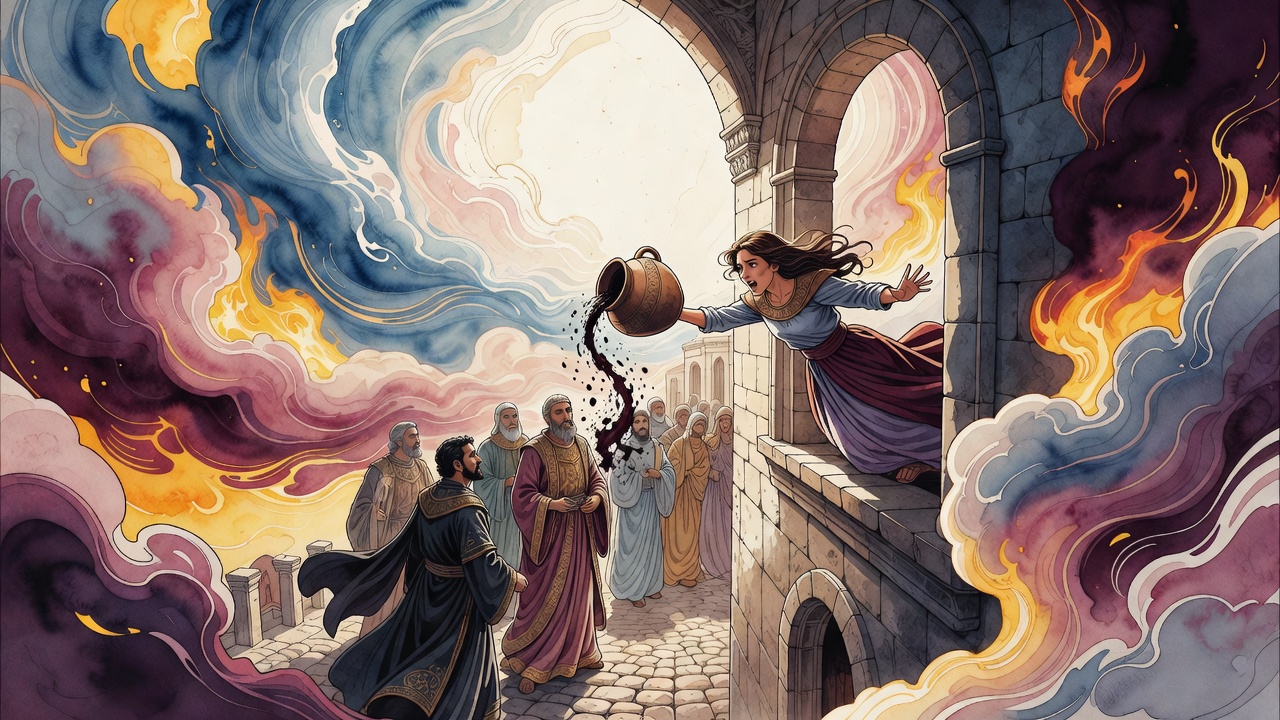
Filth ran into Haman's eyes before he found the window. His daughter was still holding the empty pot over Shushan's street.
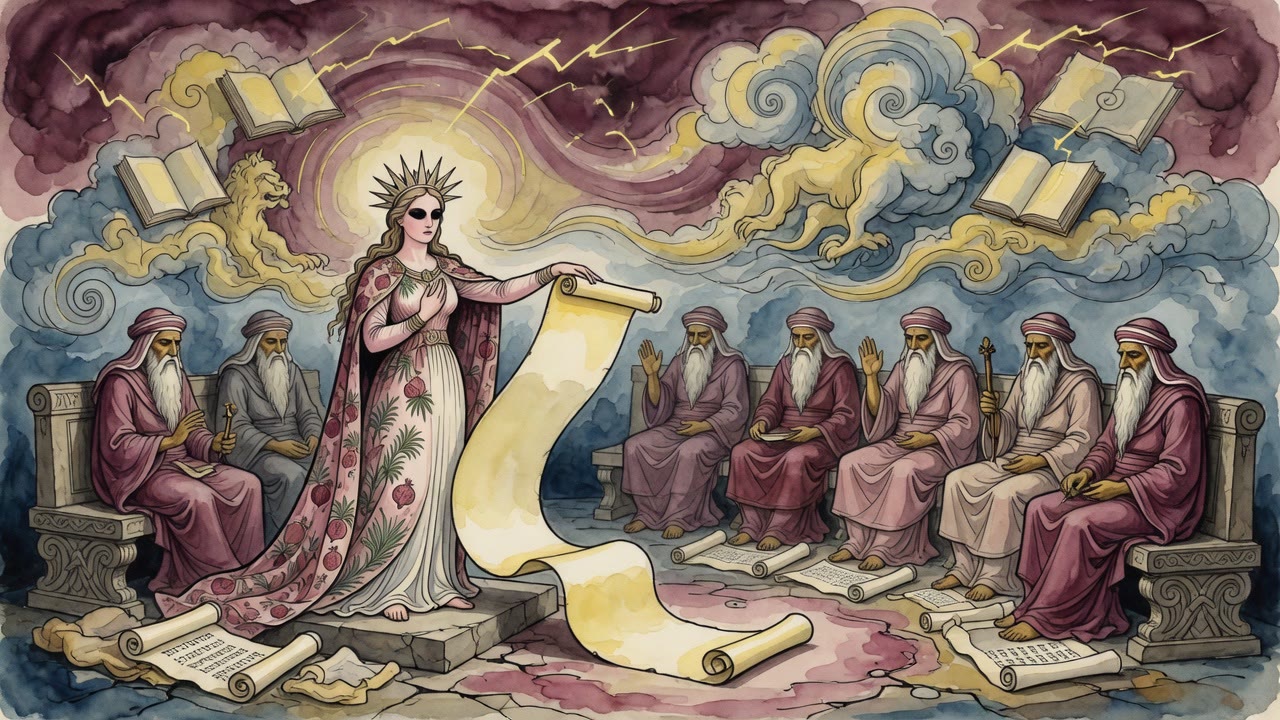
Haman was already on the gallows. Purim already had its dates. Esther still stood at the study hall with a book they would not take.
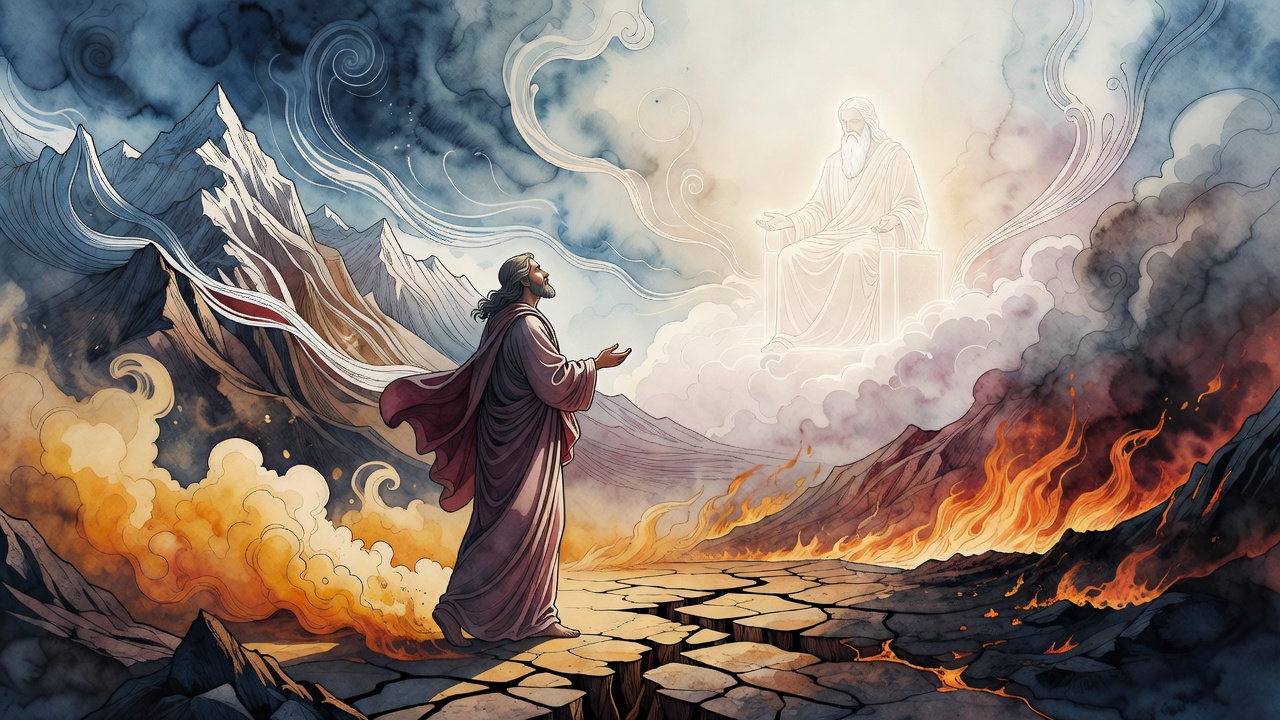
Wind split the mountains. Earthquake shook the ground. Fire swept through. In none of these was God present. Then came fine silence.
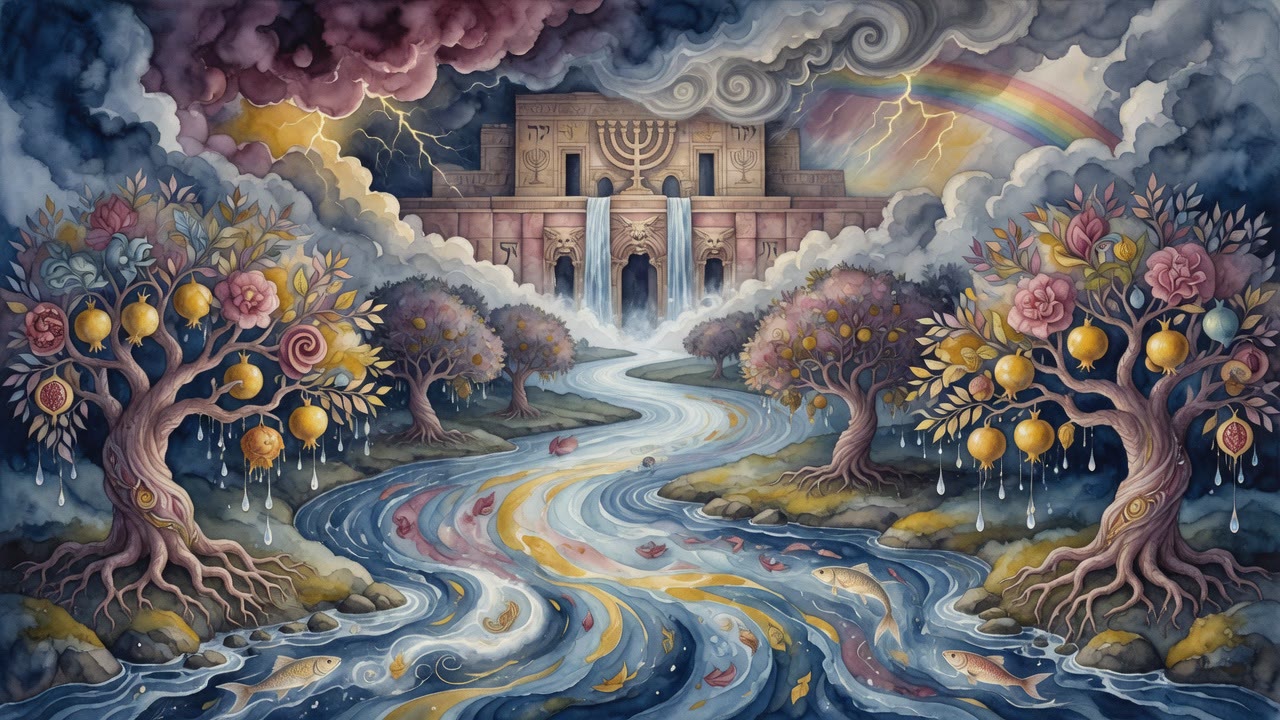
While the earthly Temple burned, Michael never left the heavenly altar, offering Israel's prayers as the high priest who never rested.
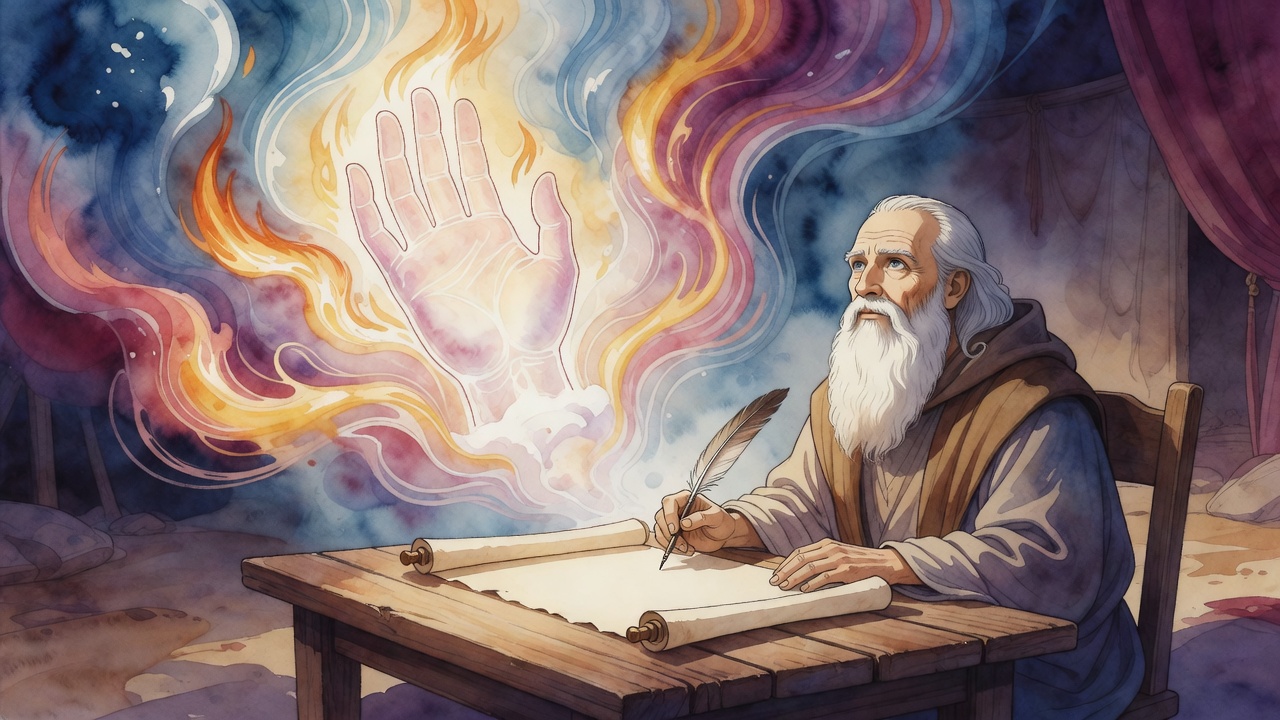
The camp woke to frost on the ground that was bread. Nobody sang over it. God had opened His palm before they asked.
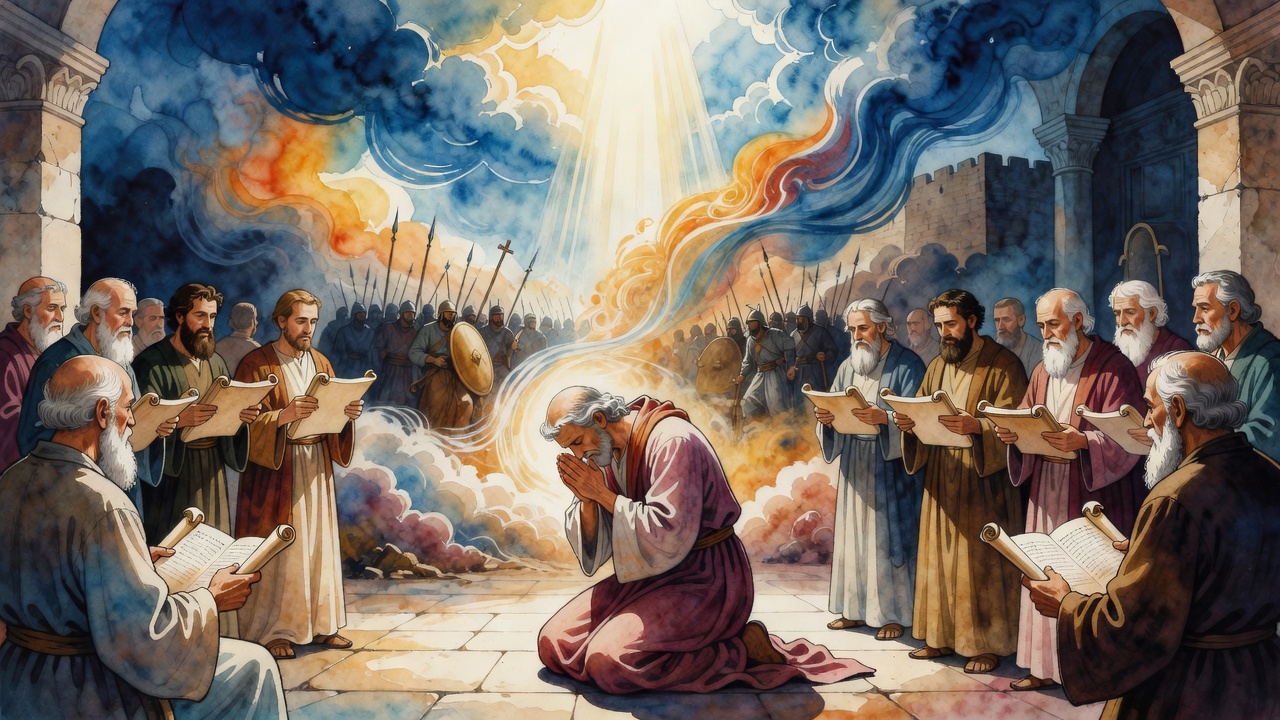
Ahaz meant to give his son to Moloch. The boy's mother rubbed him with the blood of a salamander first, and the fire could not have him.

Her skin was the color of myrtle. She ate vegetables in the palace and told her heart to seek God's face. A second body went in at night.
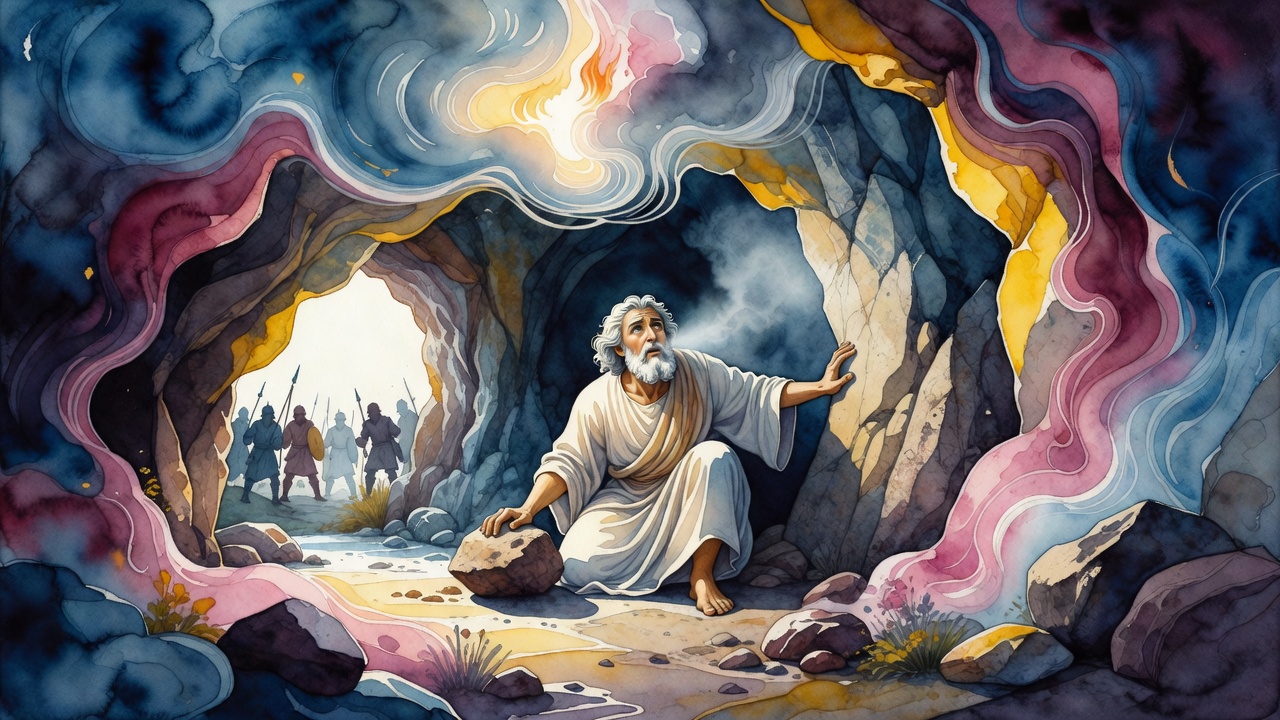
Saul's soldiers were outside. Inside, David had rock, breath, and a voice. He cried out twice, once for rescue and once against killing his own people.
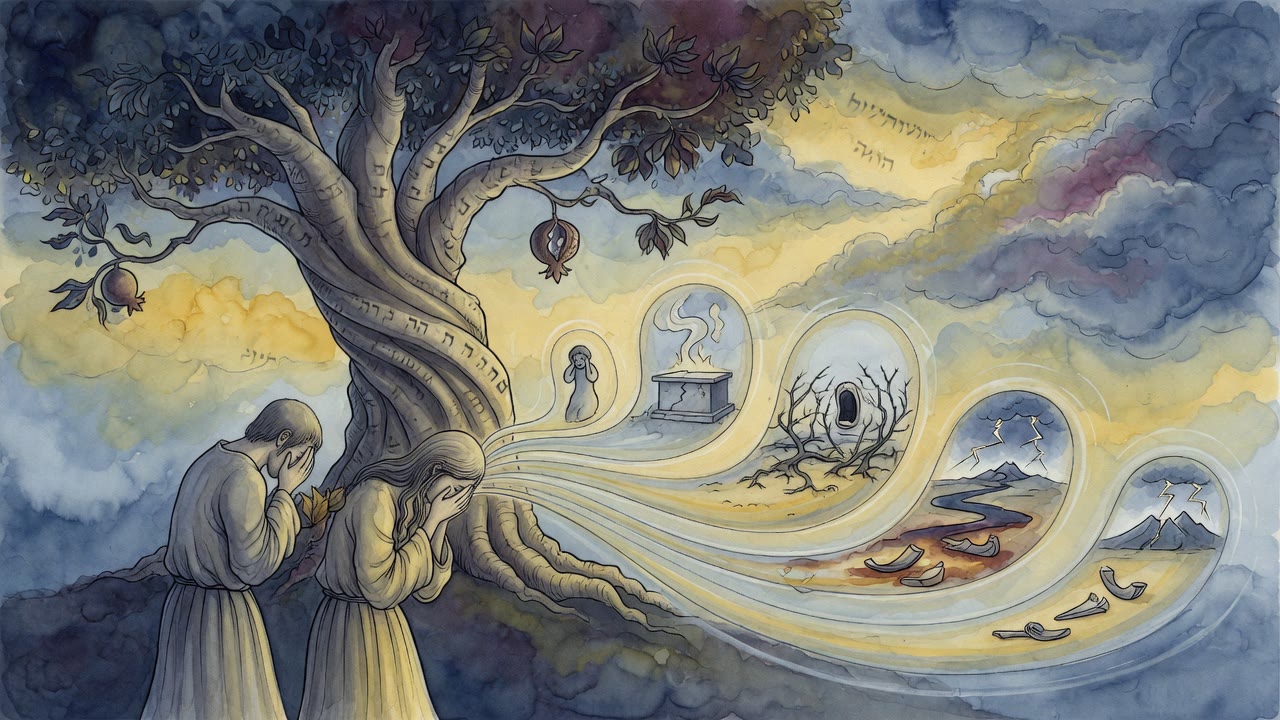
In the first moments after creation, every animal prostrated itself before Adam as if he were their god. What Adam did next set the pattern for all worship.
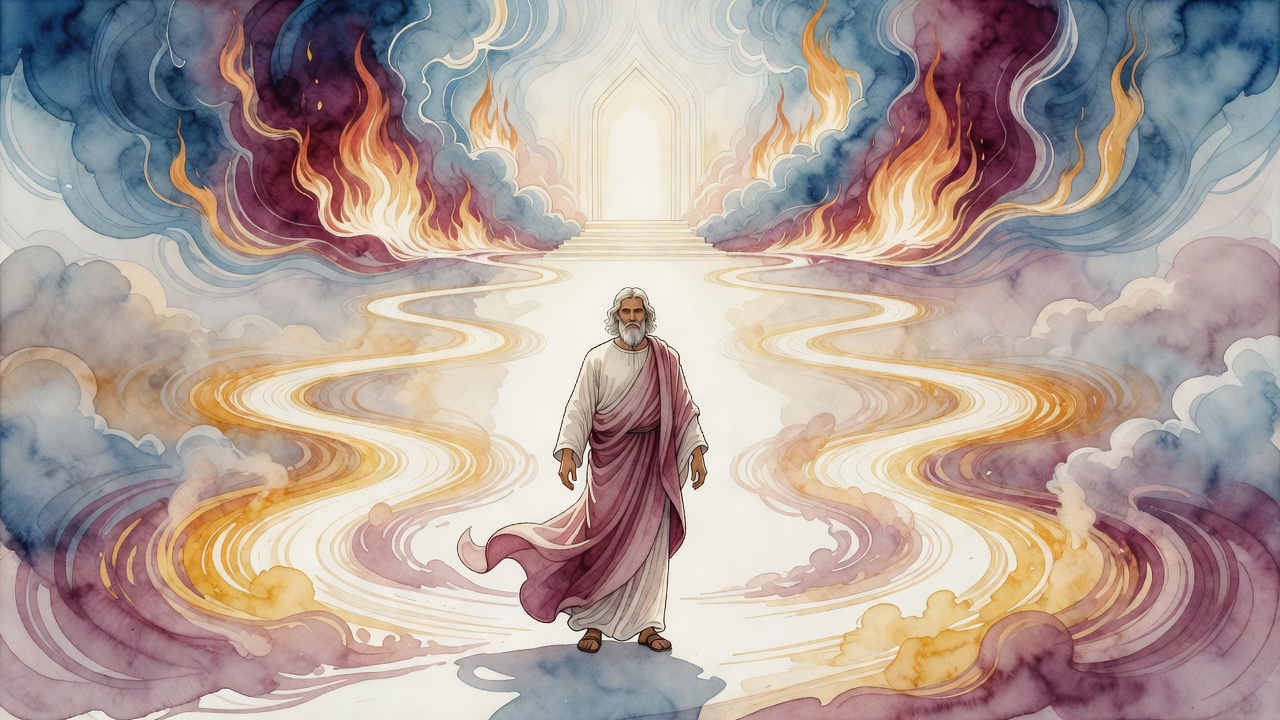
Samuel poured water at Mizpah while the Philistines came up the road. Later God named the place he had stood, between two goods.
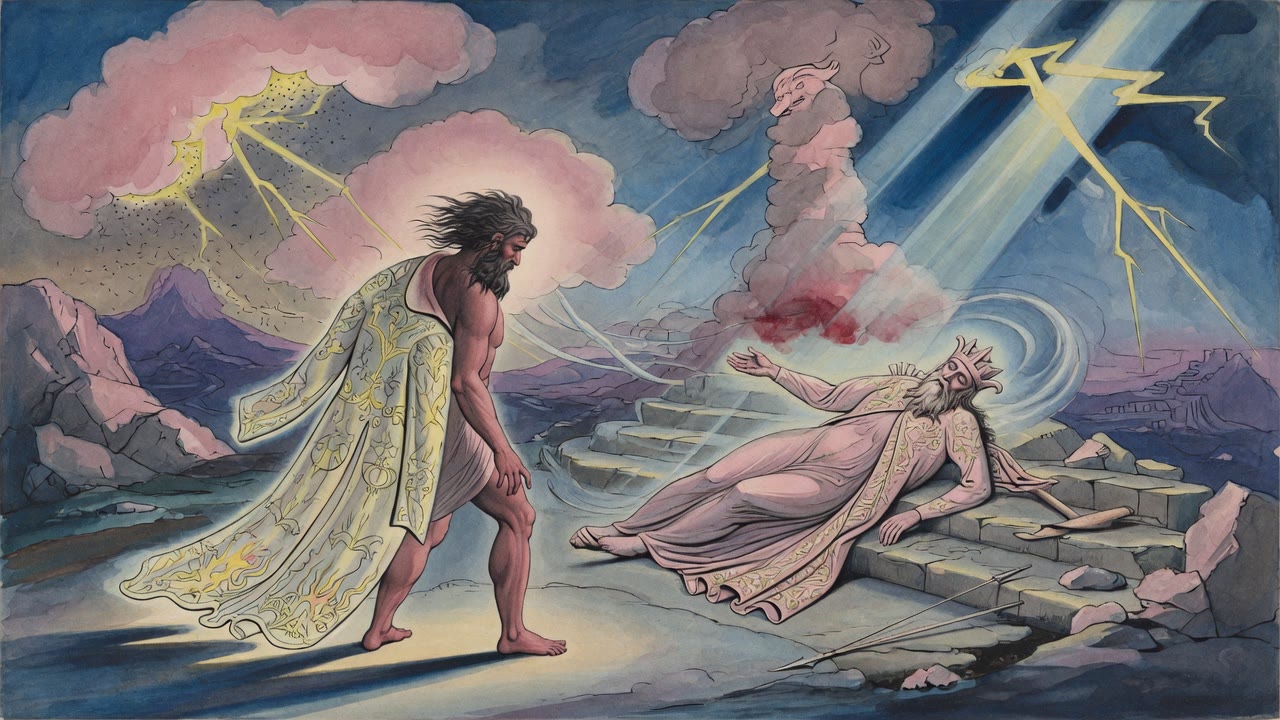
Isaac was blind and near death. He took Esau's head in his hands and asked God for mercy. The answer came back without softening.
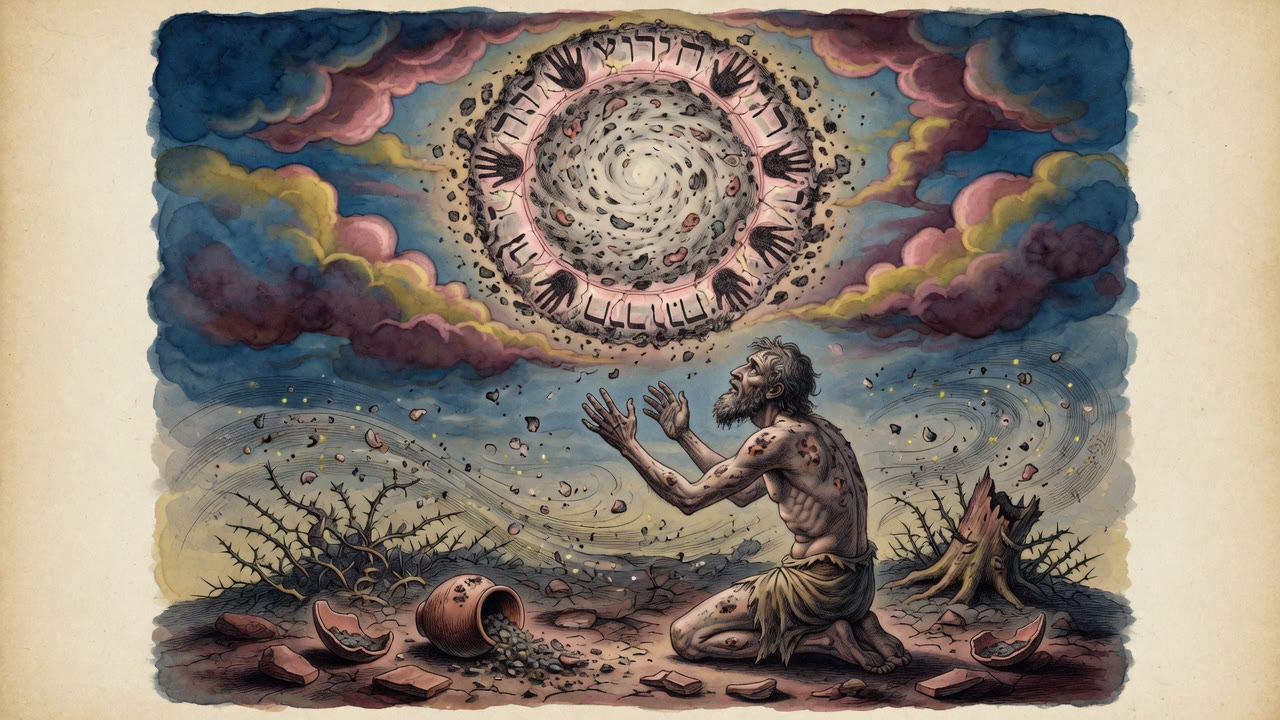
Old women priced the linen high. A girl behind the curtain poured wine and set Peor's idol beside the cup. Bow first, she said, then you may stay.
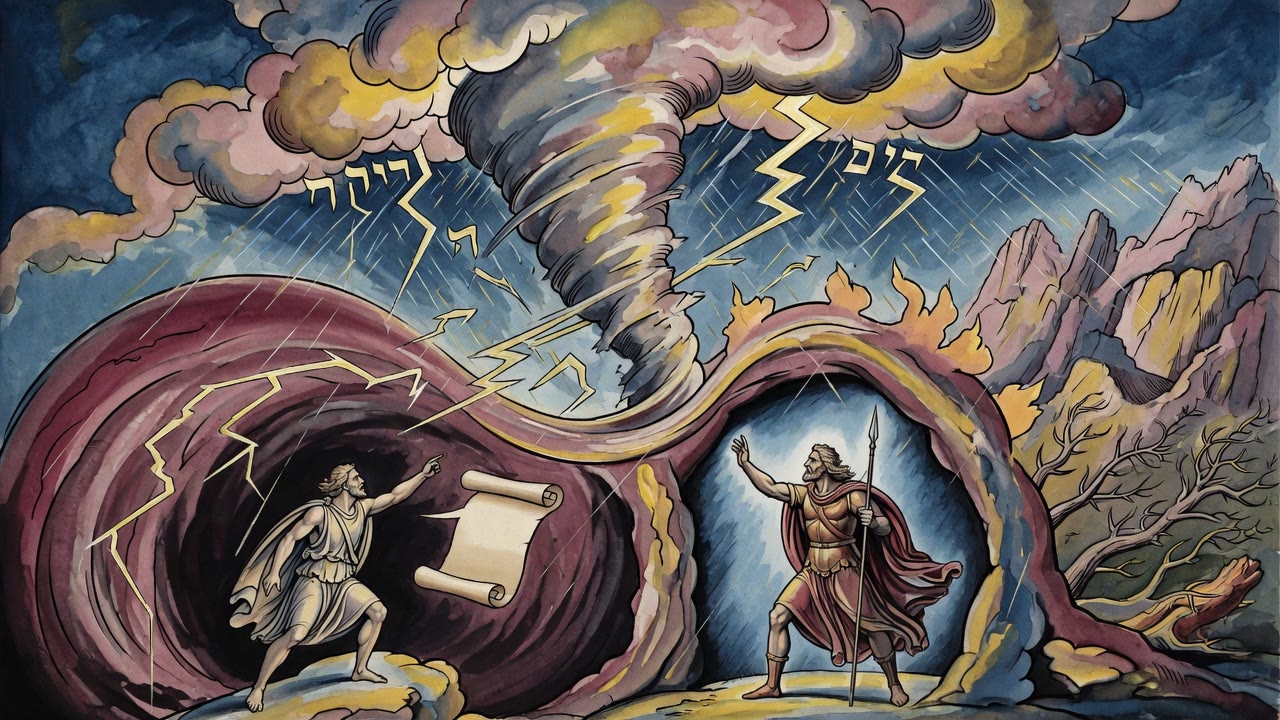
Samuel prays through the night, and the prayer strikes before the sword does. Agag lives one day too long and fathers the line that will become Haman.
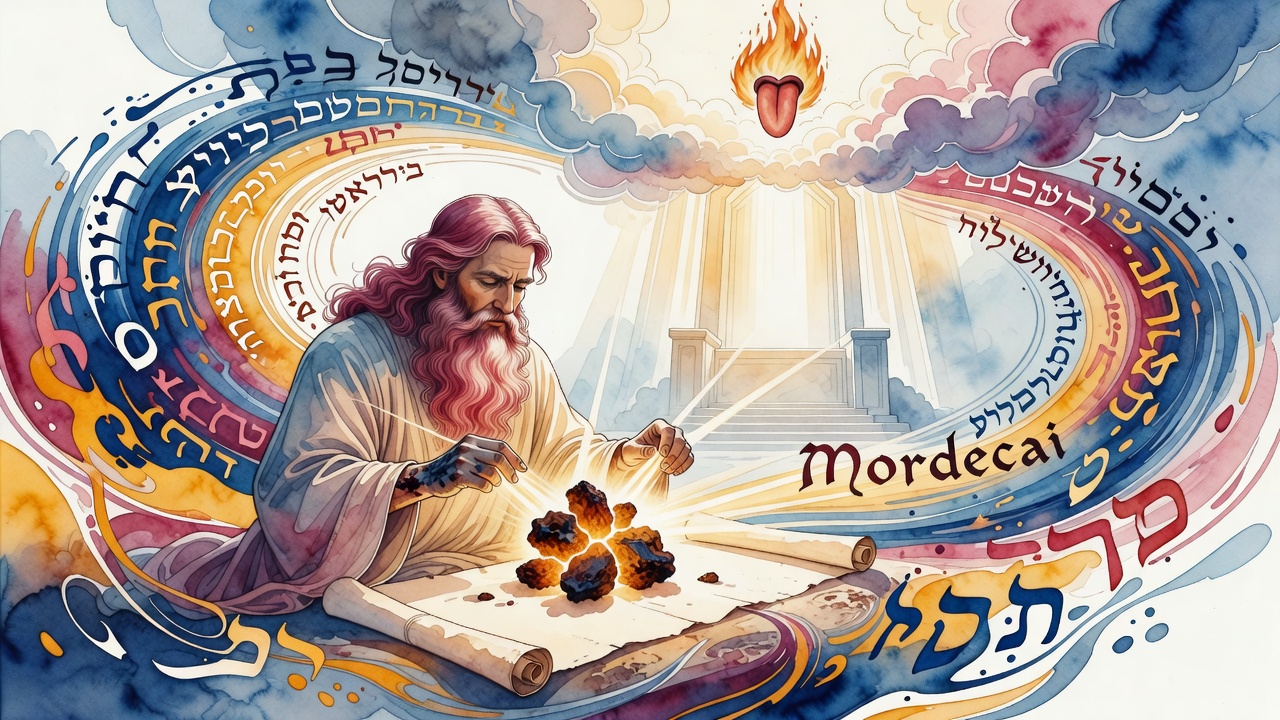
The two eunuchs picked a language nobody in that courtyard was supposed to know. The man sitting at the gate knew seventy of them.
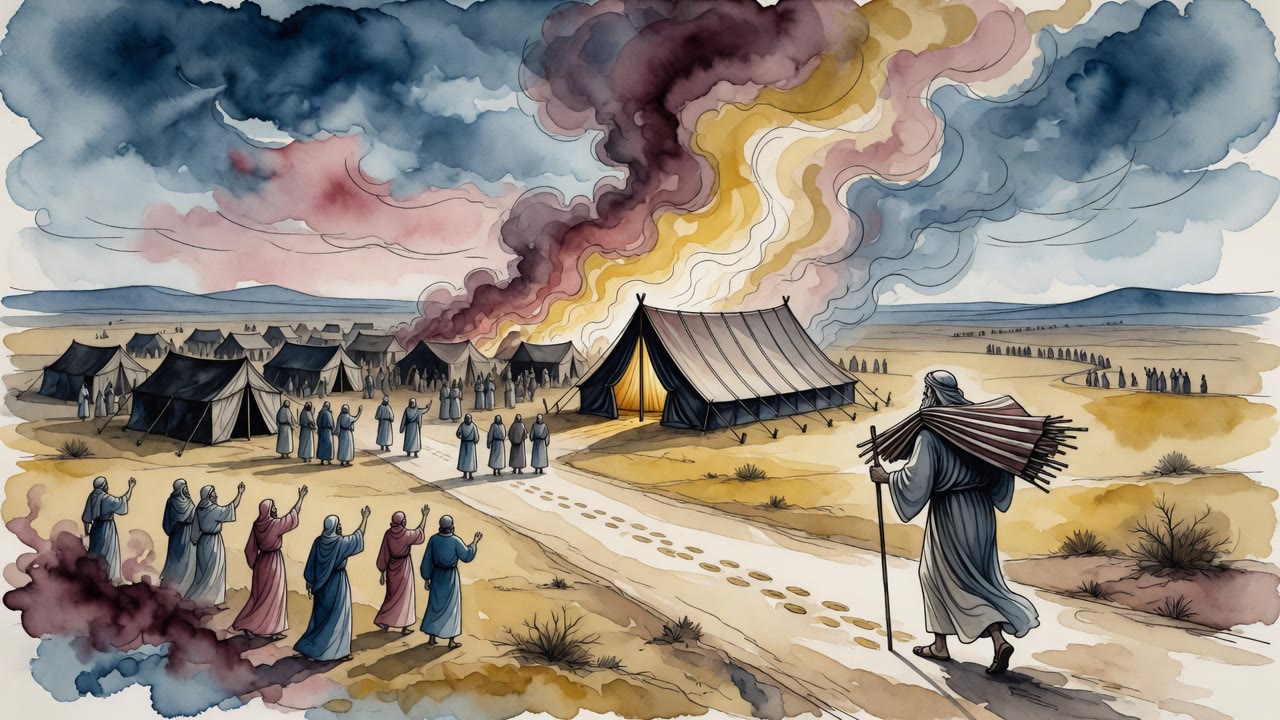
Moses prays 515 times at the Jordan's edge, draws a circle in the dust, and prays until heaven trembles. God finally says: enough, do not continue.
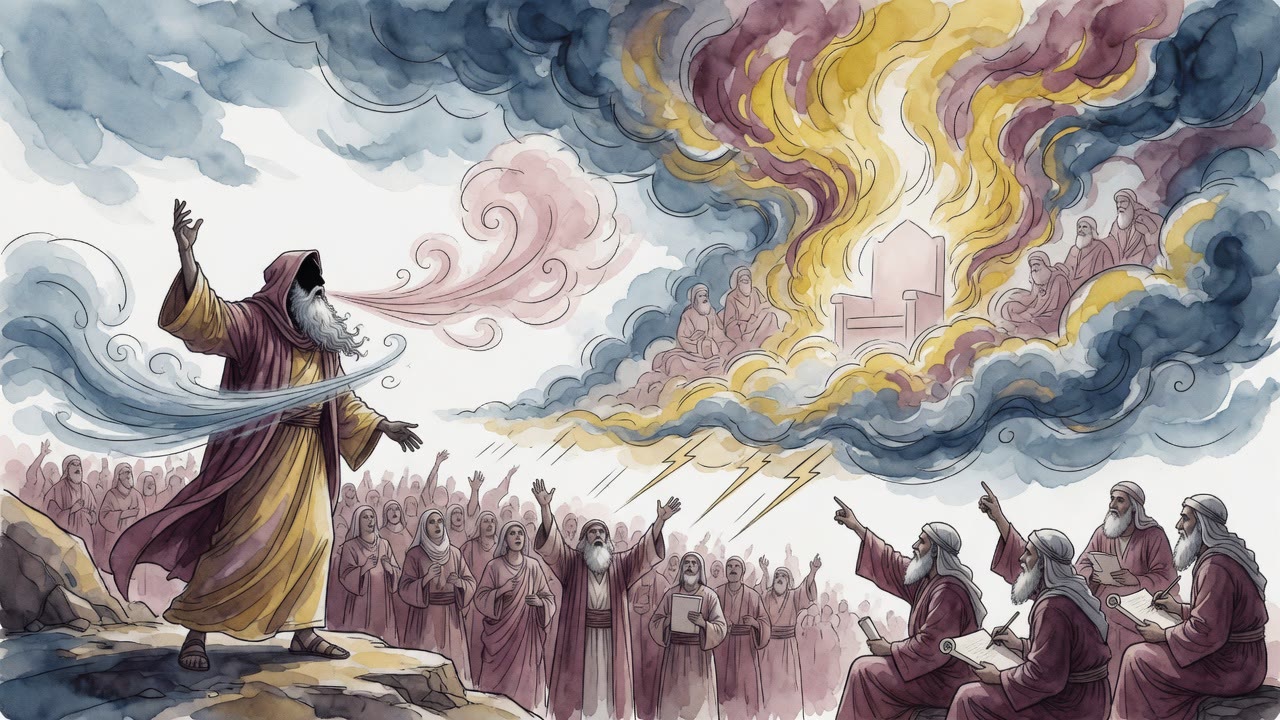
Answer the prayer leader out loud in synagogue and you are keeping a rule from Moses' last poem. He calls the name. The people praise it.
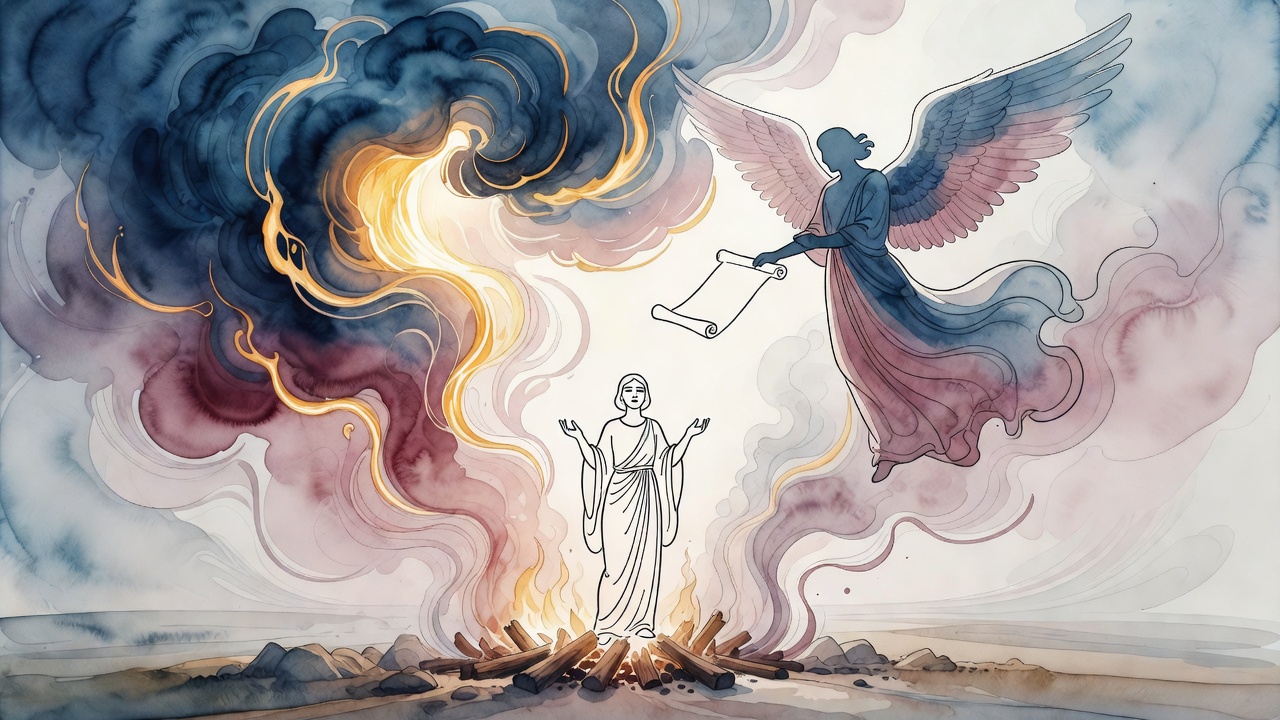
Tamar was about to be burned alive when her evidence vanished. She prayed, and God sent Michael to recover what had been lost before the sentence could fall.
