310 myths · Page 6 of 11
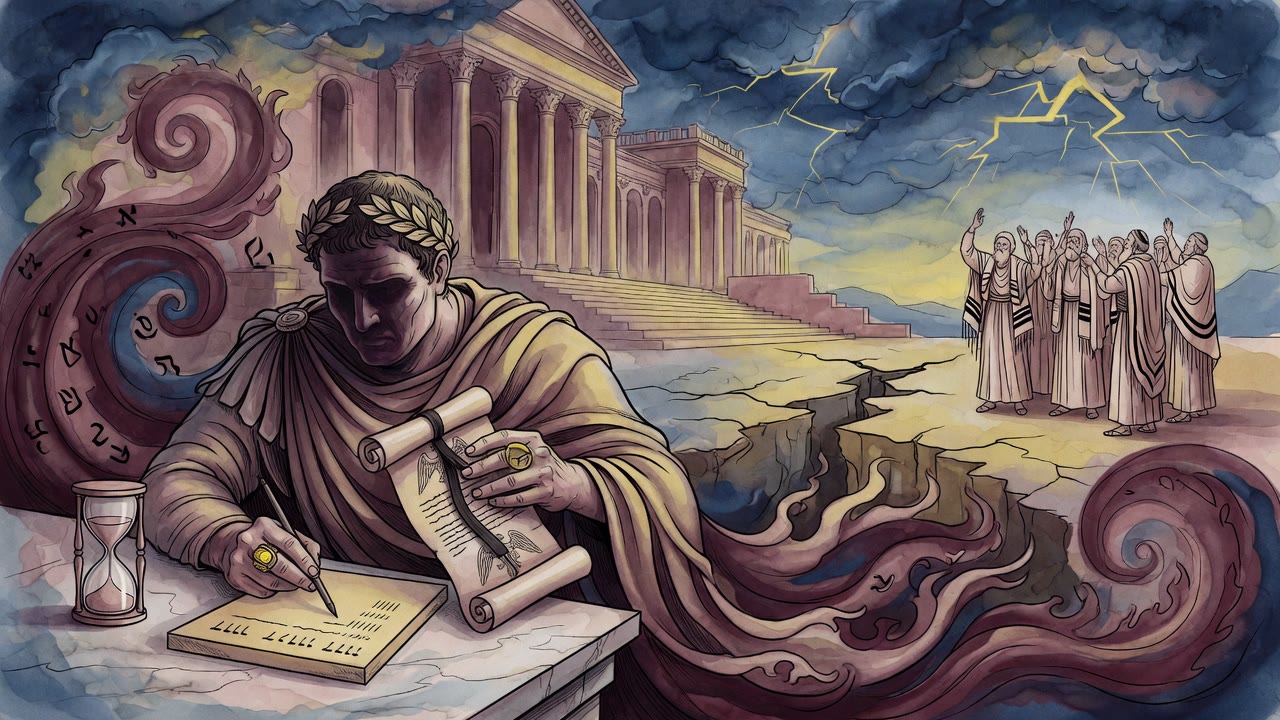
The day stood over Jacob's bed in Egypt and made a claim. He would not shut his eyes until twelve mouths said the same Name out loud.
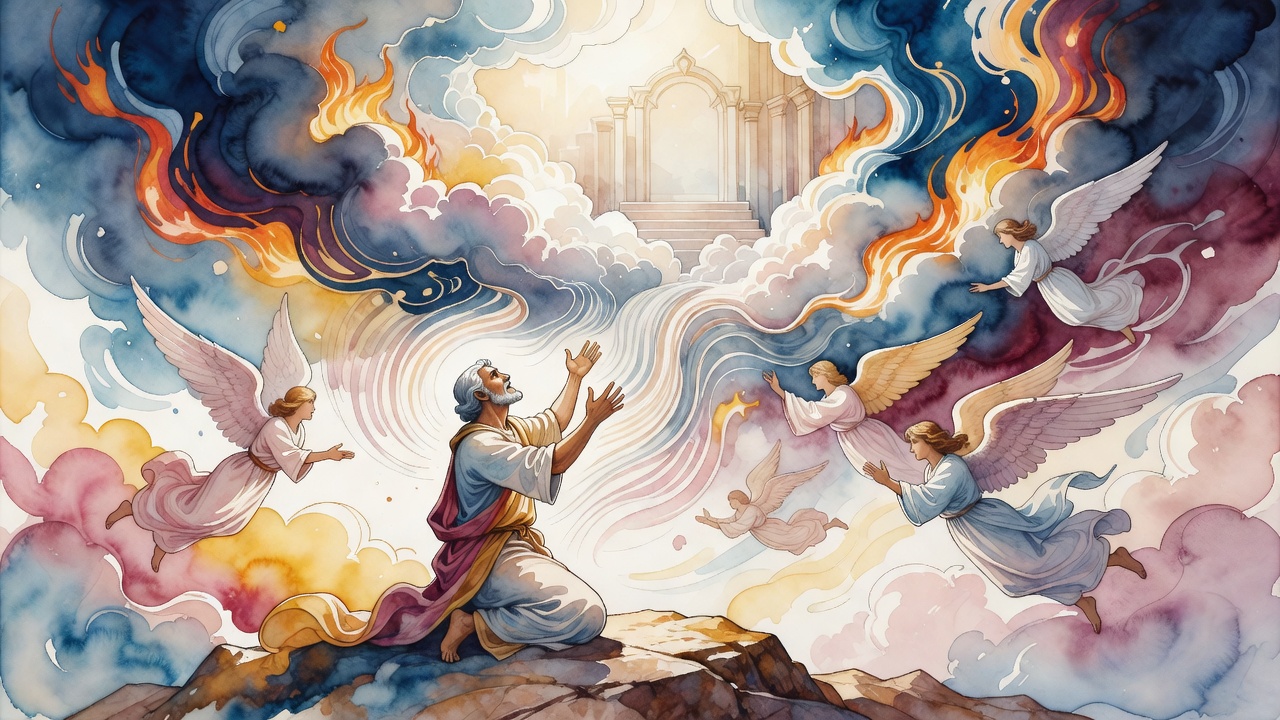
David's prayers were not petitions. The ancient rabbis said they physically altered the heavenly court and pulled angels into the world when he needed them.
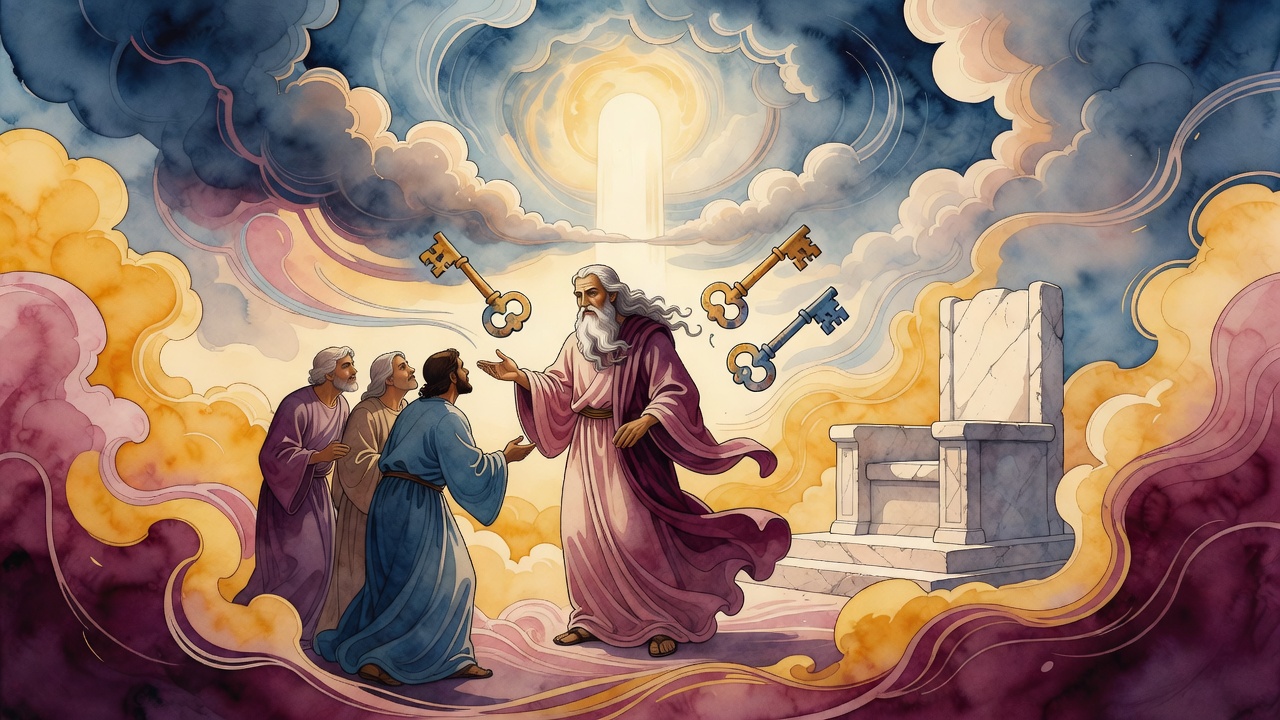
Two students reached Arav with one request. Hanina put his head between his knees. The prayer came back fluent, so the boy would live.
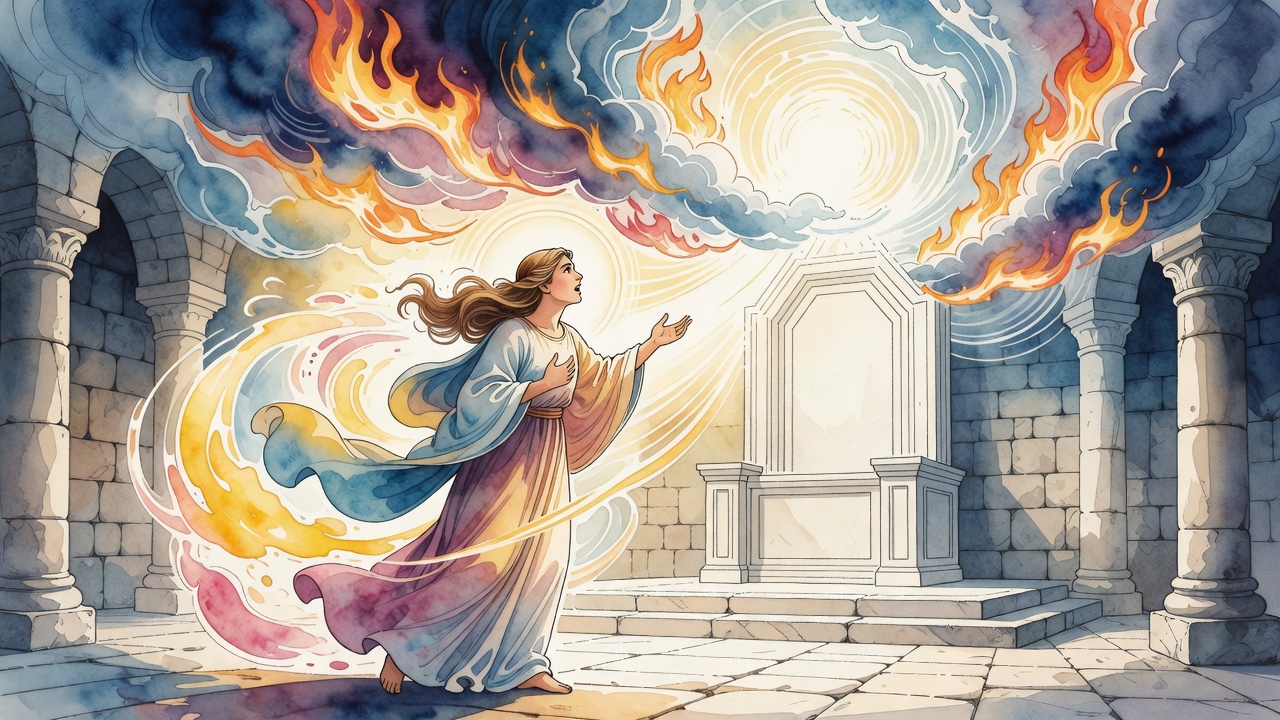
Her lips moved and no sound came out. Eli watched from the doorpost of the sanctuary and told her she was drunk. She had not touched wine.
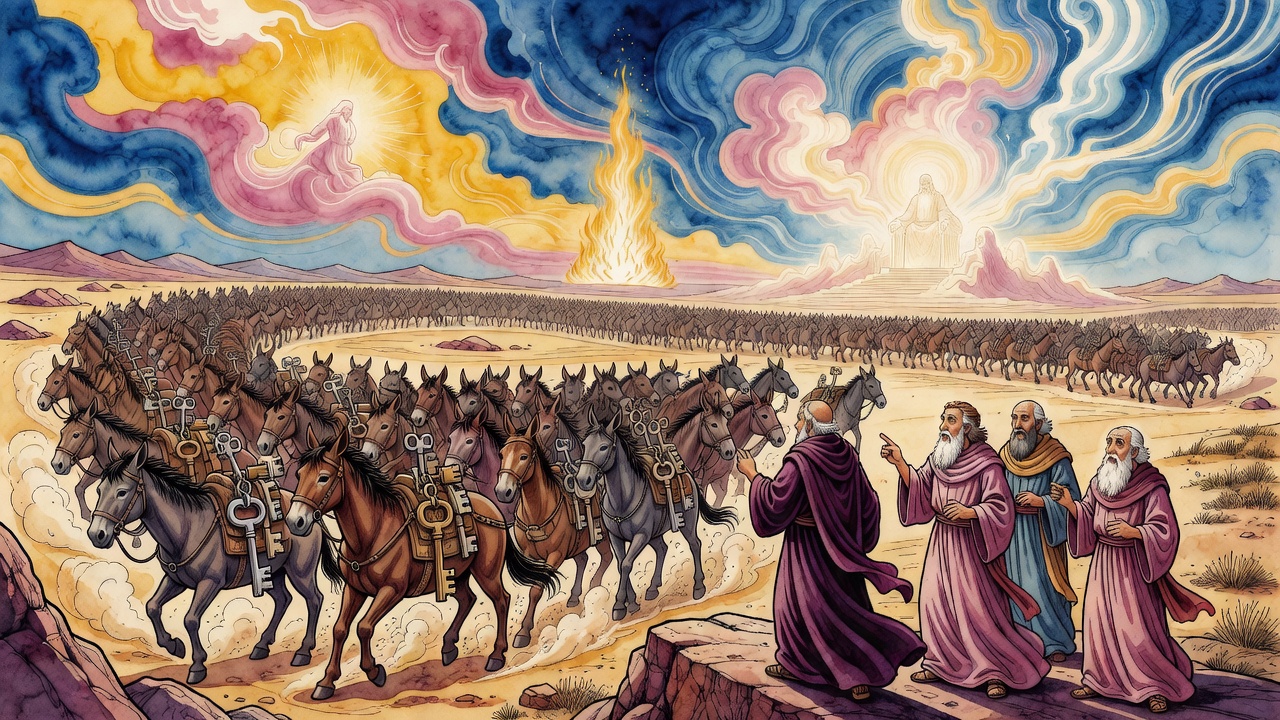
Three hundred white mules carried only the keys to his vaults. Korah came home shaved from the Levite rite, and his wife named it disgrace.
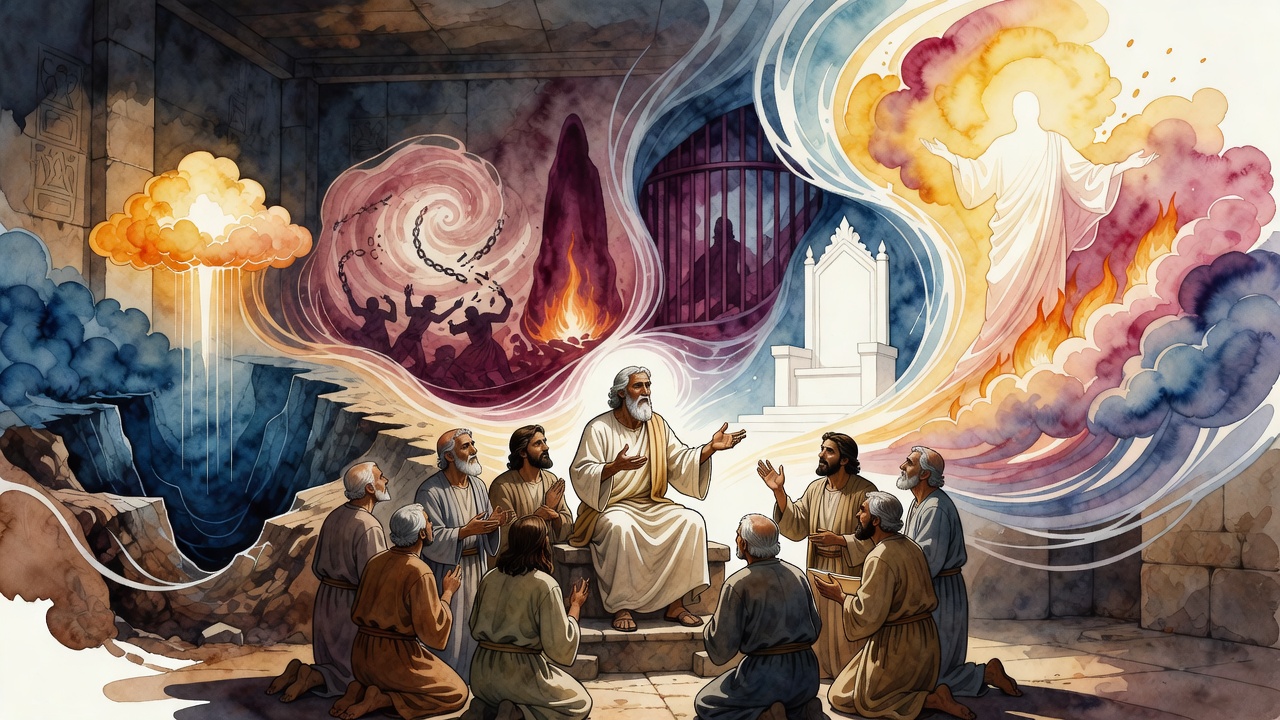
The woman of Memphis sent Joseph a dish laced with spells. He looked up and saw a figure standing behind the servant, holding out a sword.
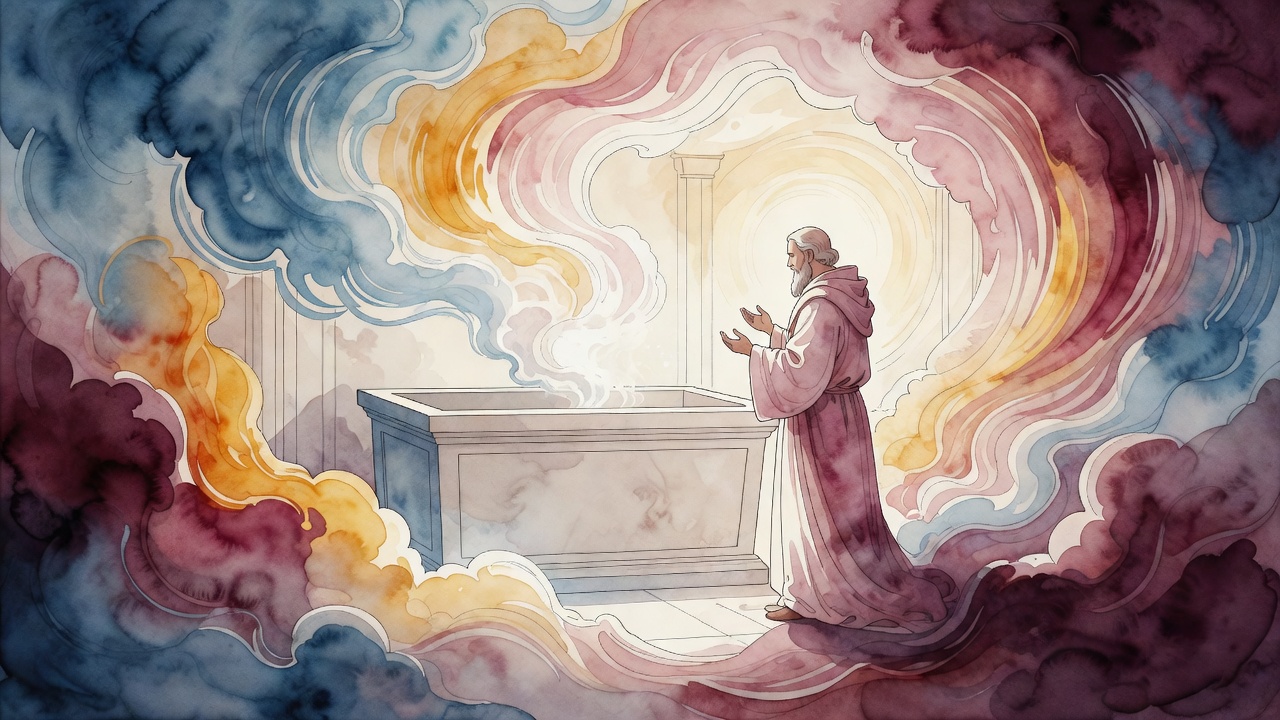
The High Priest had come only to burn incense. Akatriel Yah sat on the throne and asked him for a blessing, the way a father asks a son.
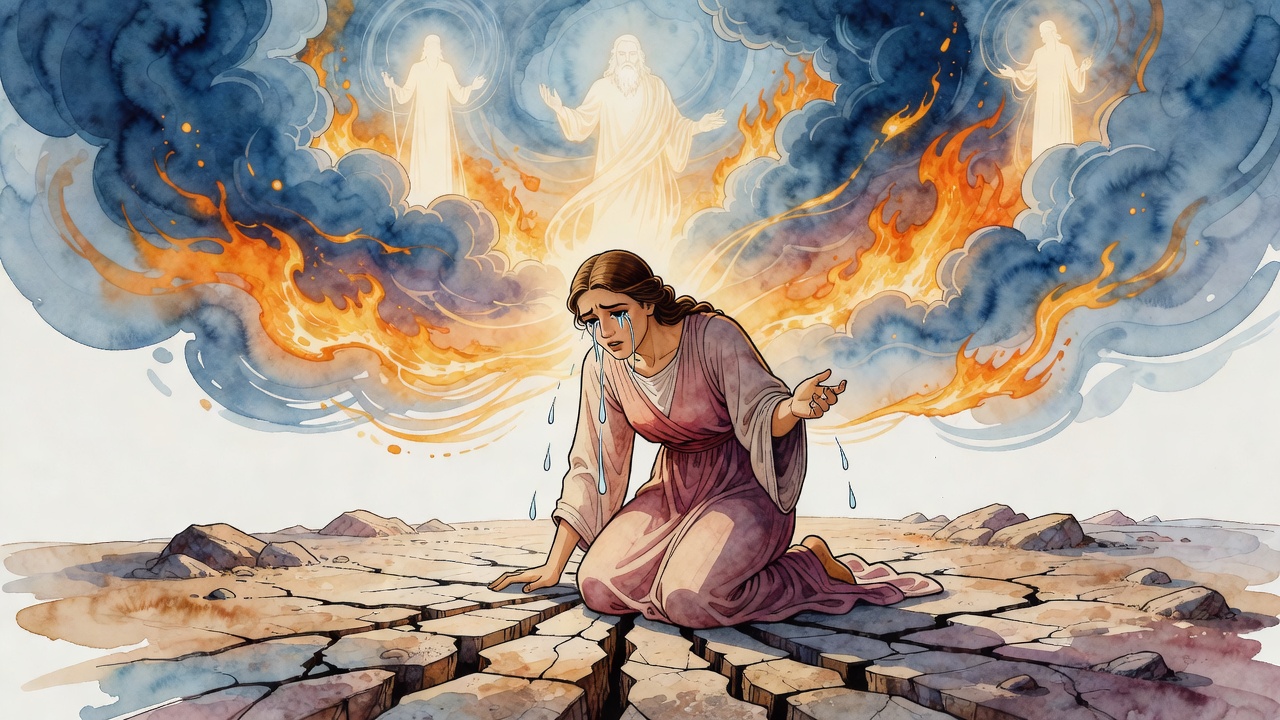
Two sisters, two brothers, and everyone in Haran knew which went with which. Leah heard what her half of the bargain was like and started weeping.
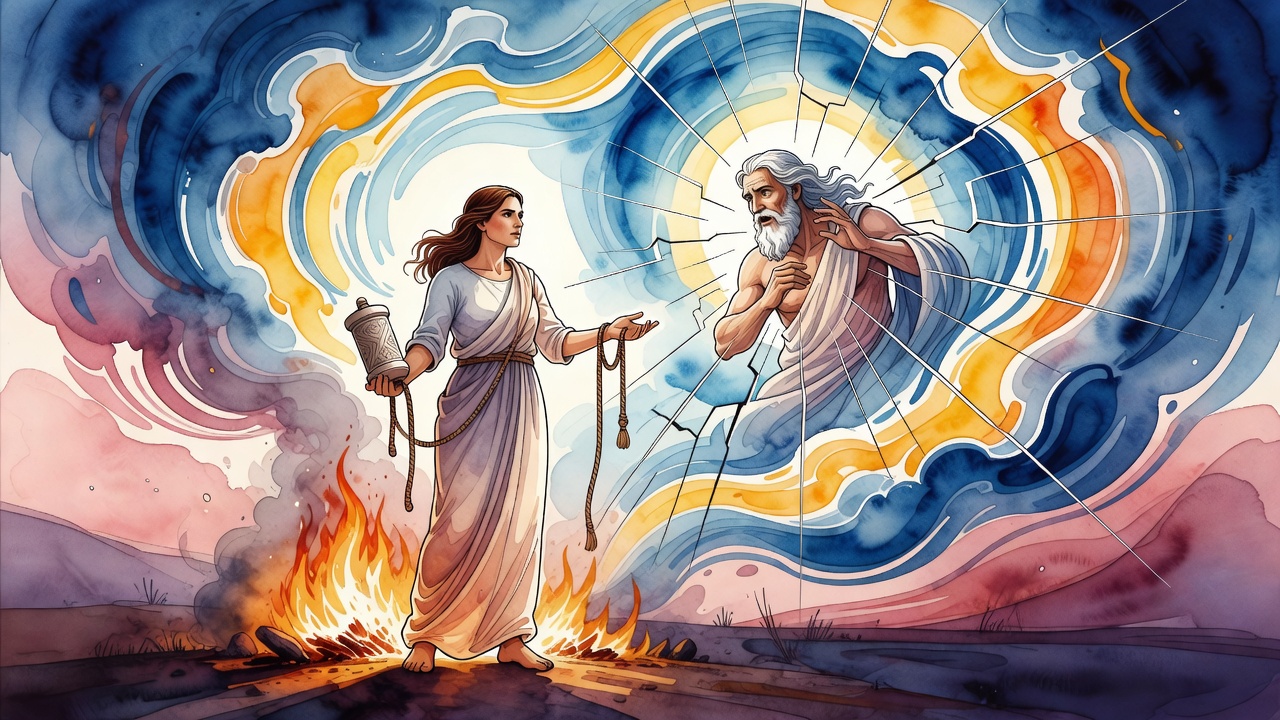
Tamar stood by the stacked wood with Judah's seal in her sleeve. She sent it privately. She did not shout his name into the fire.
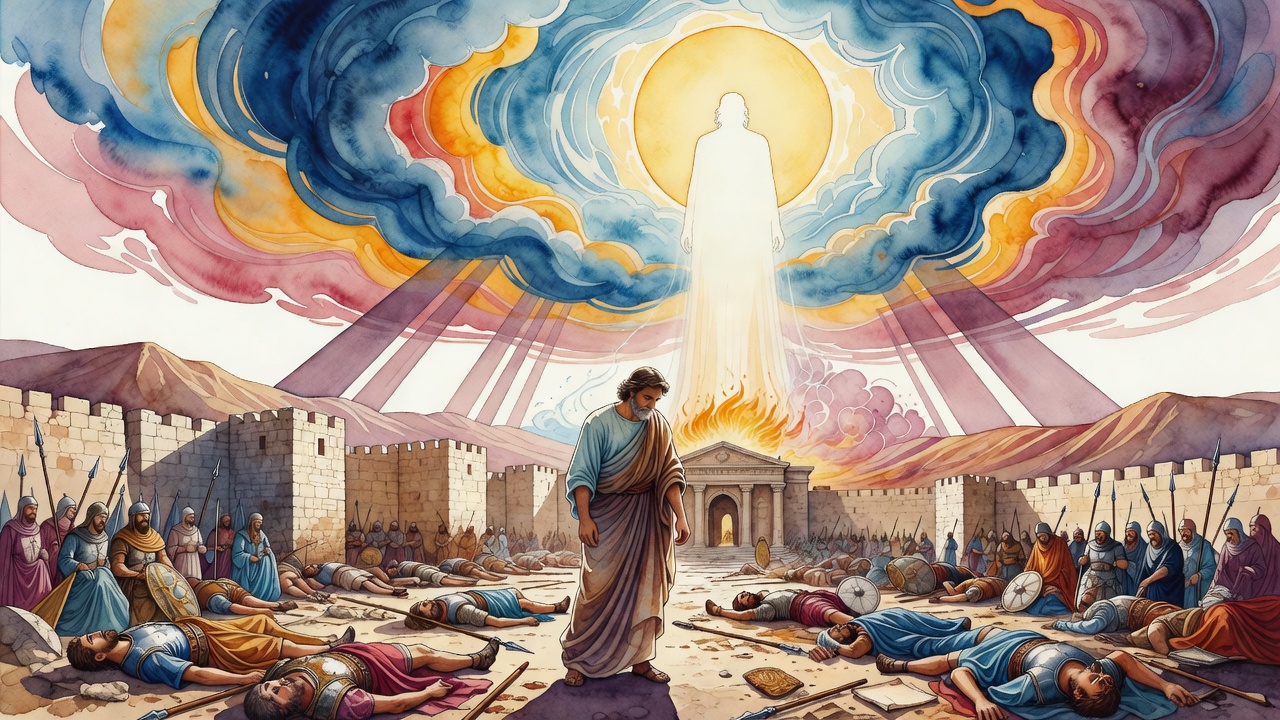
The sun went backward for Hezekiah. The Assyrian army died overnight outside Jerusalem. God had arranged everything. Then Hezekiah failed to sing.
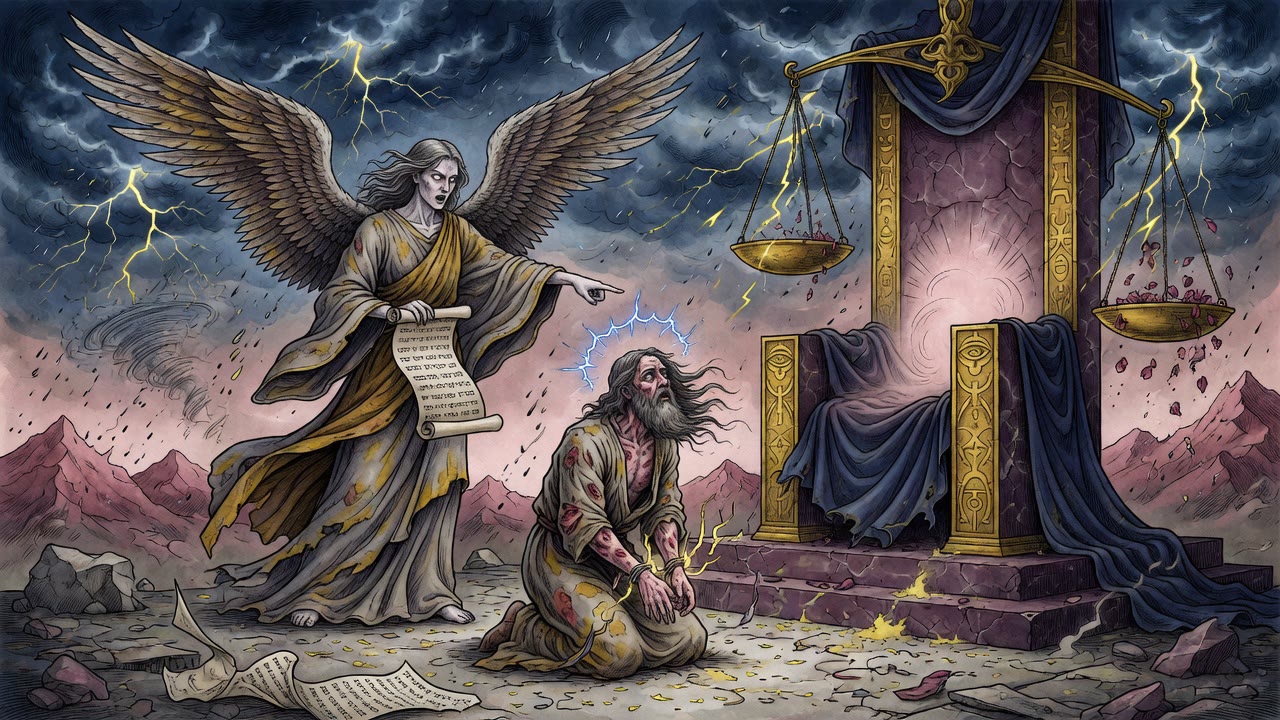
Jacob would not release the stranger until the sky paled. Job, married into that house, demanded a hearing. Solomon set both faces on a lamp of gold.
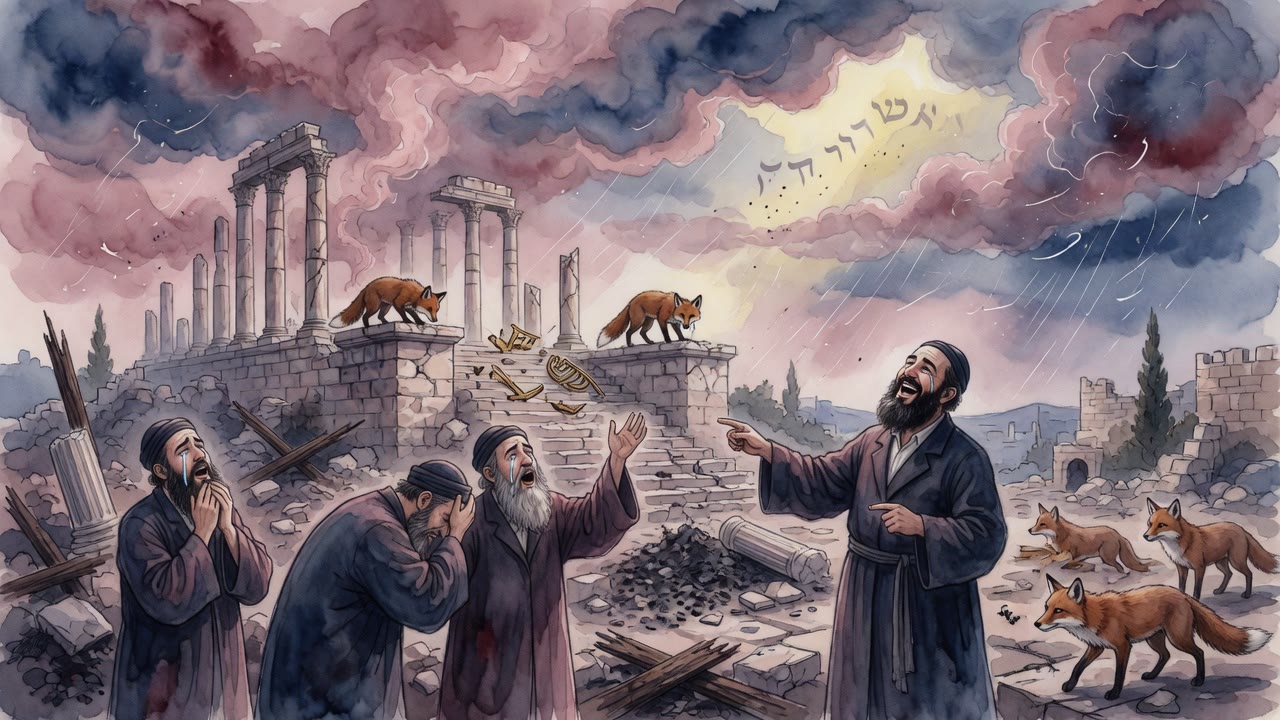
A fox walked out of the Holy of Holies. Three sages wept. Rabbi Akiva laughed, because a plow in Zion meant old men would sit there again.
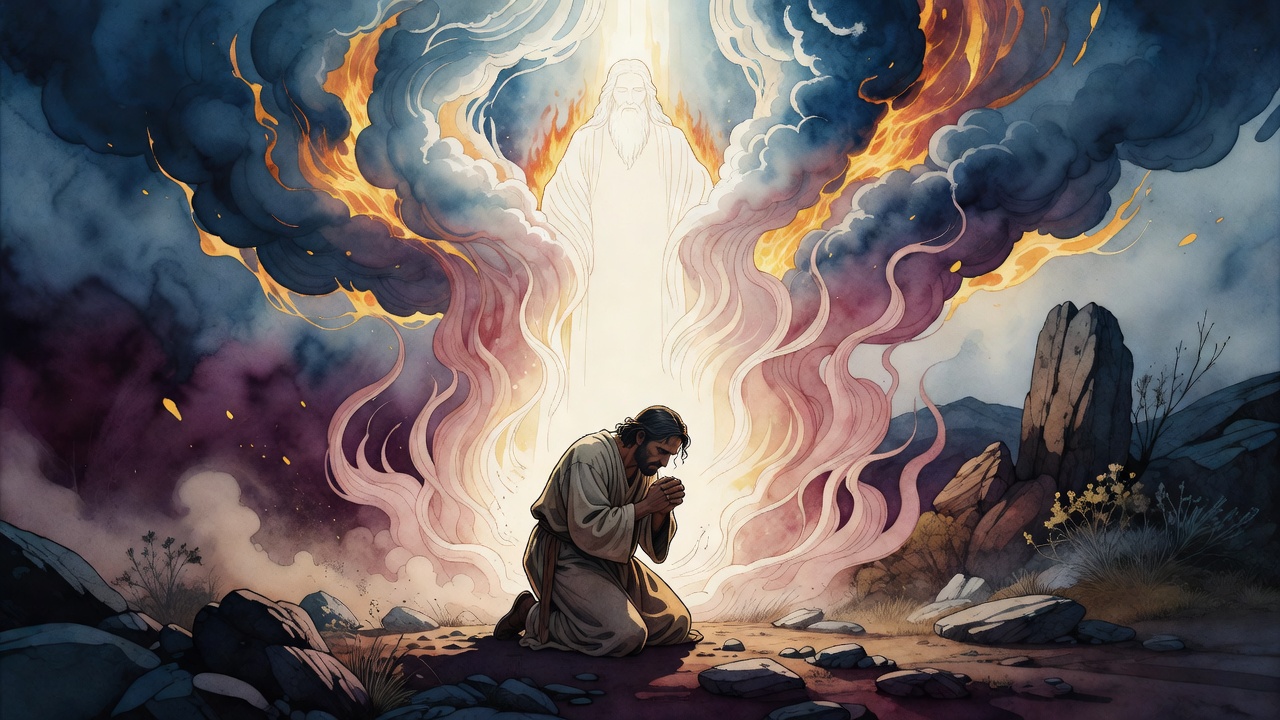
God told Jacob at Bethel: I will bring you back, not one promise will fail. Then Jacob spent twenty years in exile praying for what he already had been given.
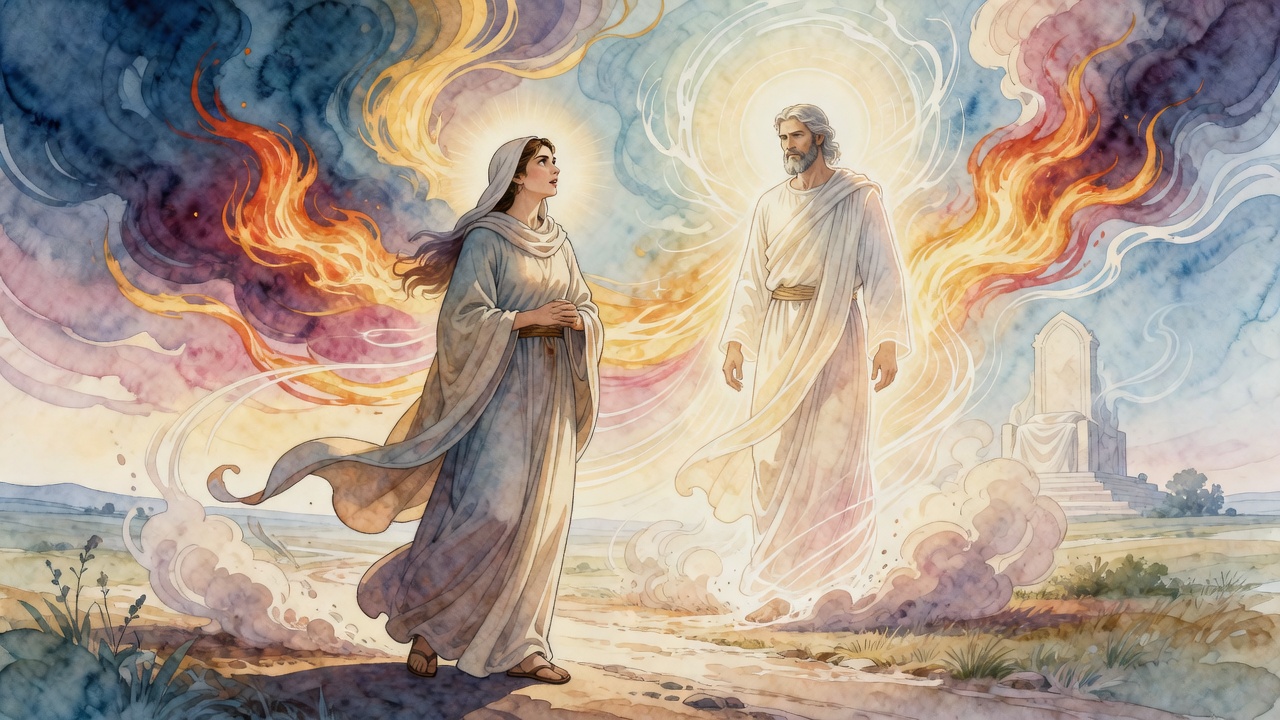
She stripped the prophet's bed after every visit. The linen came away clean. That was how she knew, and she kept the evidence to herself.
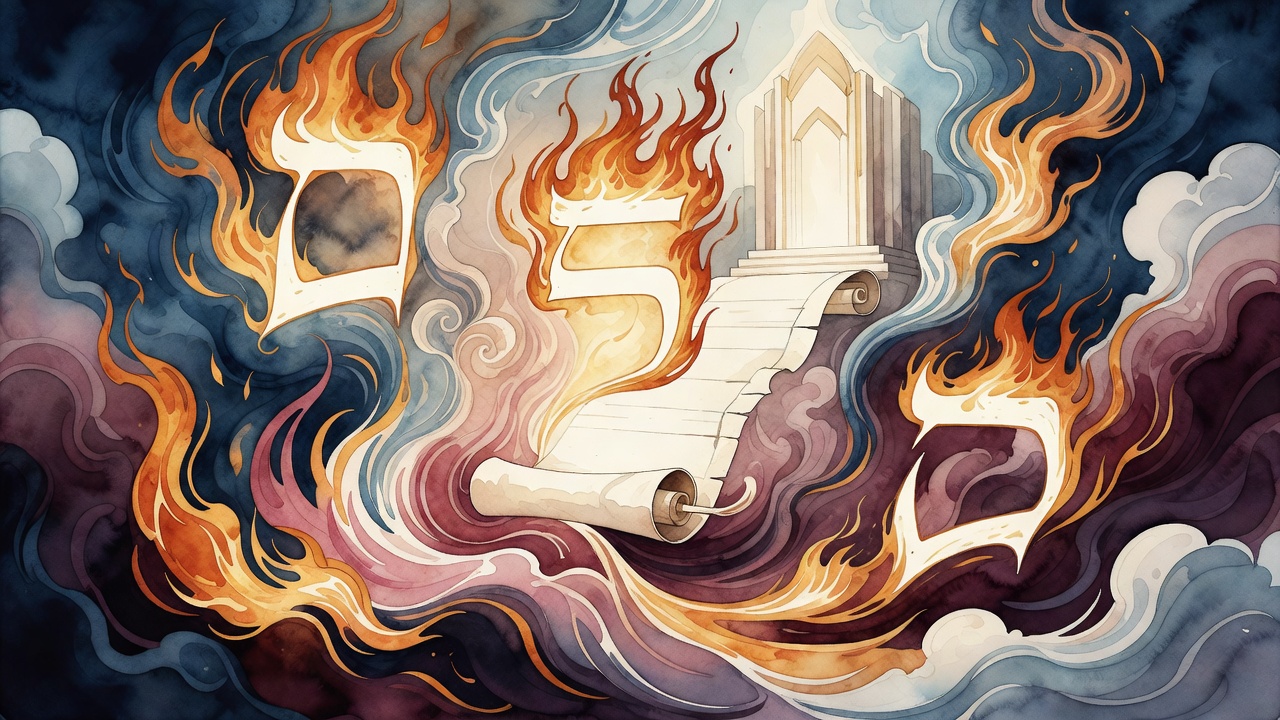
The nations were offered the law first and turned it down. God stood up and shook the earth, and the world came within one answer of ending.
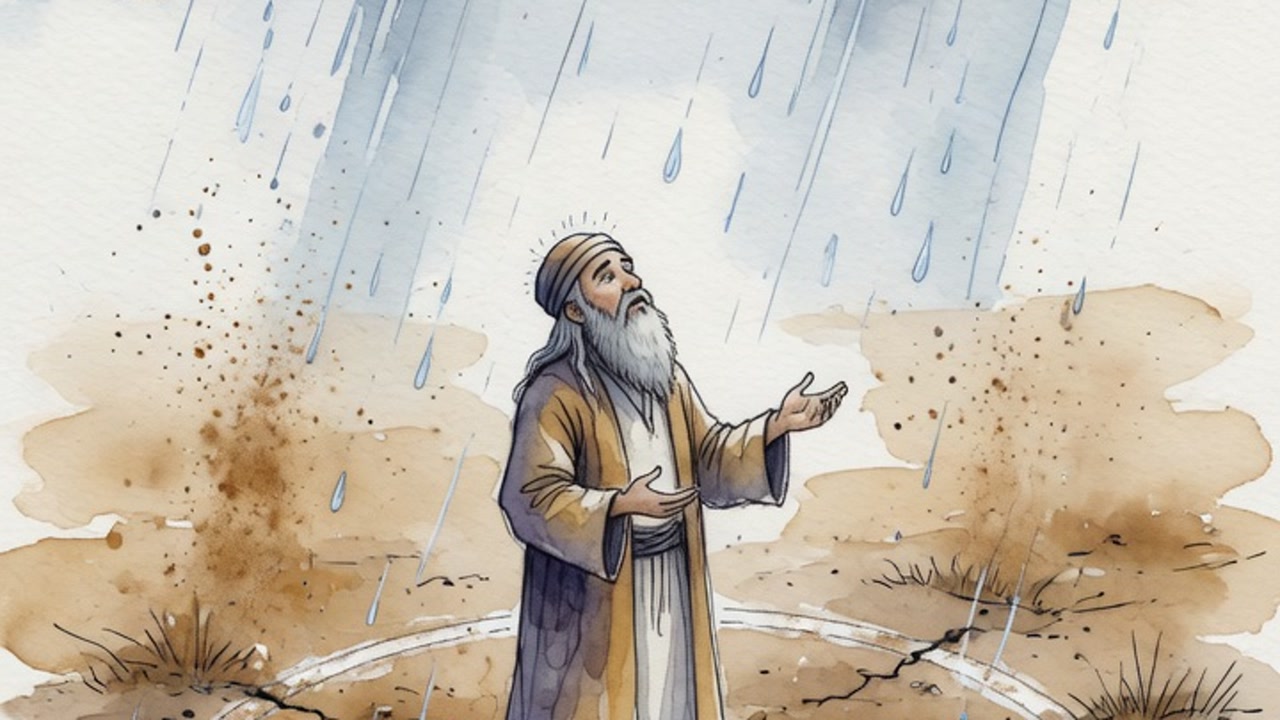
The first rain was a light drizzle, barely enough to notice. The second came down hard enough to flood Jerusalem, and people ran uphill to escape the water.
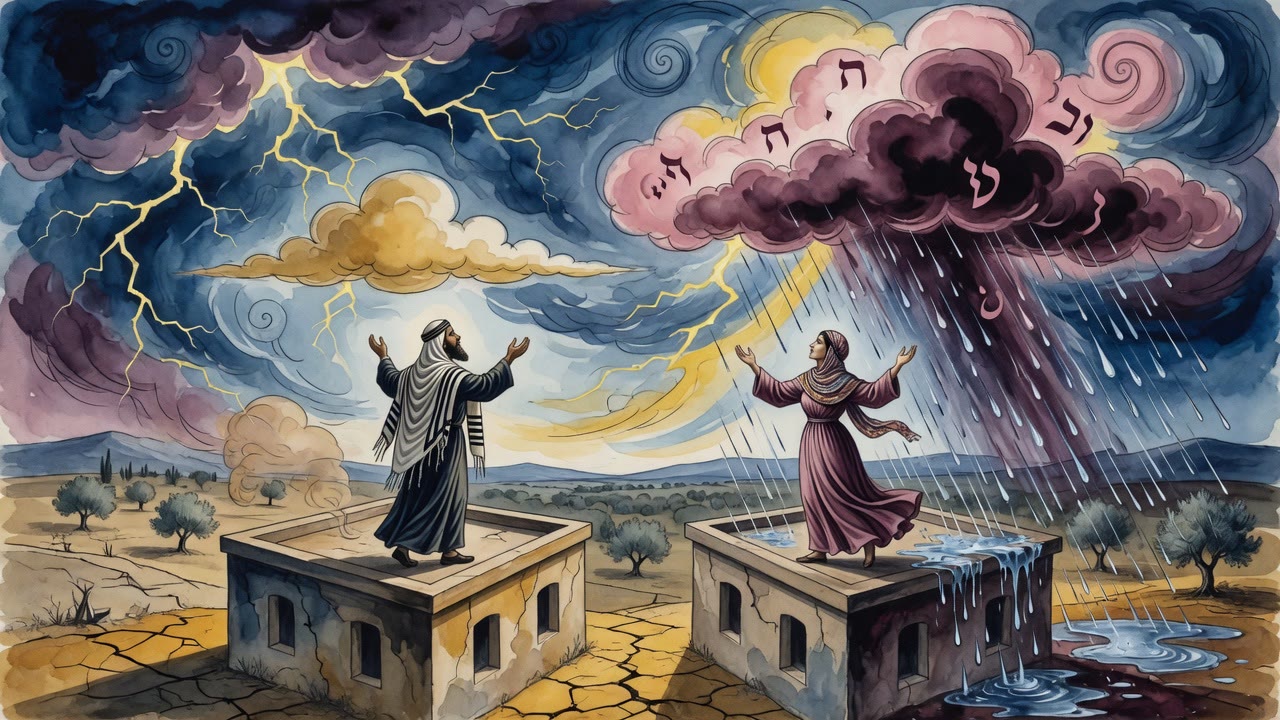
Two scholars walked out to a field to beg a man for rain. He would not return their greeting, so they followed him home to find out why.
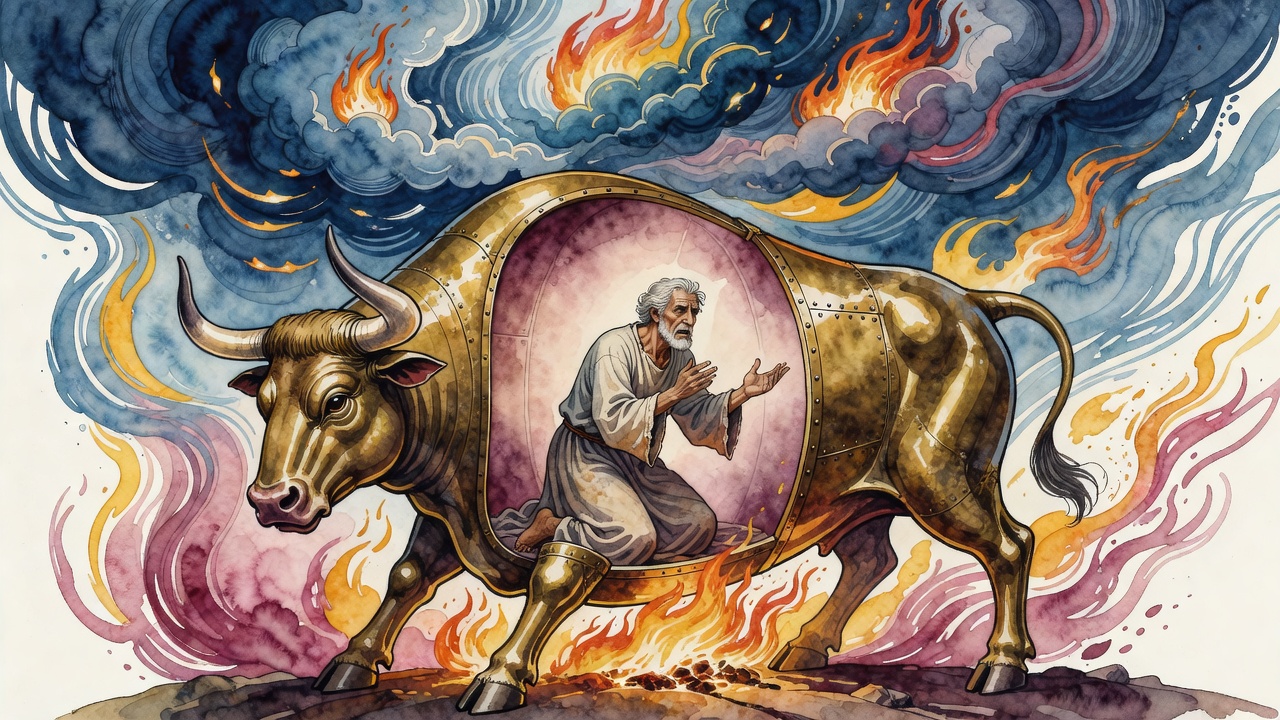
Manasseh had spent a lifetime closing every door back to God. Sealed inside a heated brass bull by his captors, he found the one door still open.
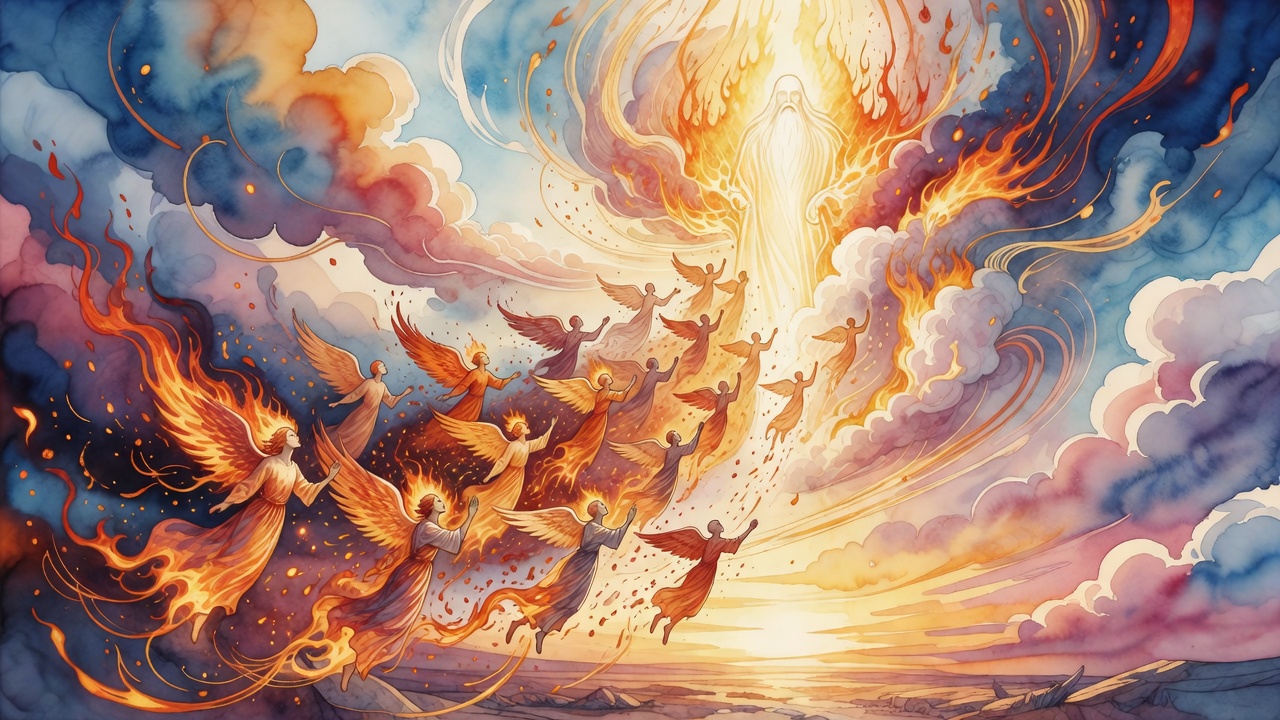
Every dawn a new host of angels is created from fire, sings one song before God, and is gone before the morning has fully opened.
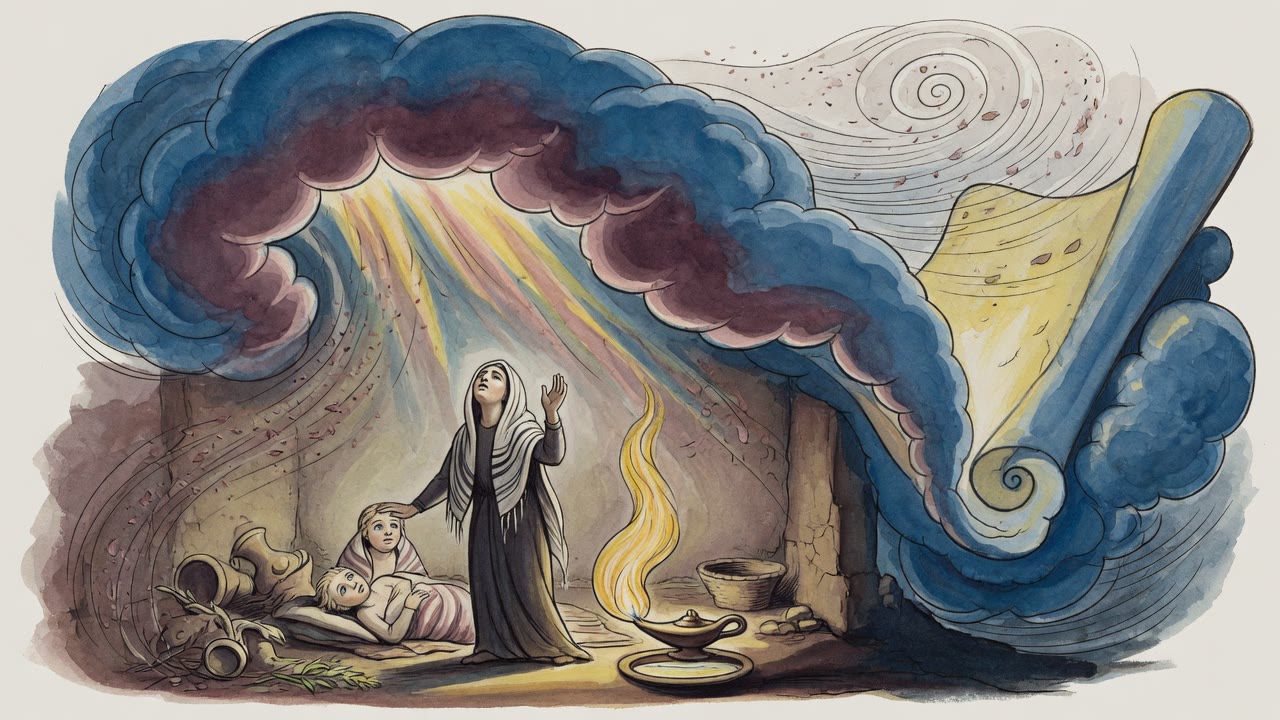
His daughter had fallen into a pit. The first two messengers heard only "Well, well." The third heard she had already climbed out.
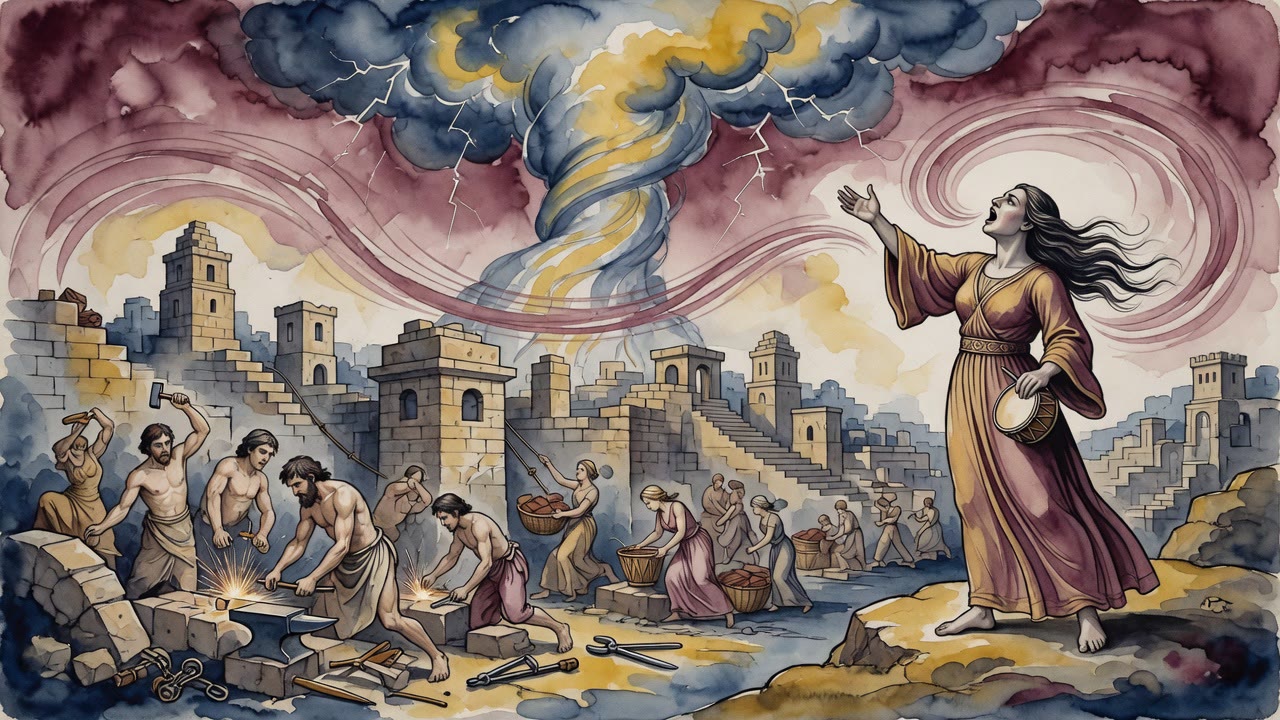
Heaven sings in layers. Stars move in praise, angels in Ma'on go silent at dawn so Israel's prayers can enter the court without competition.
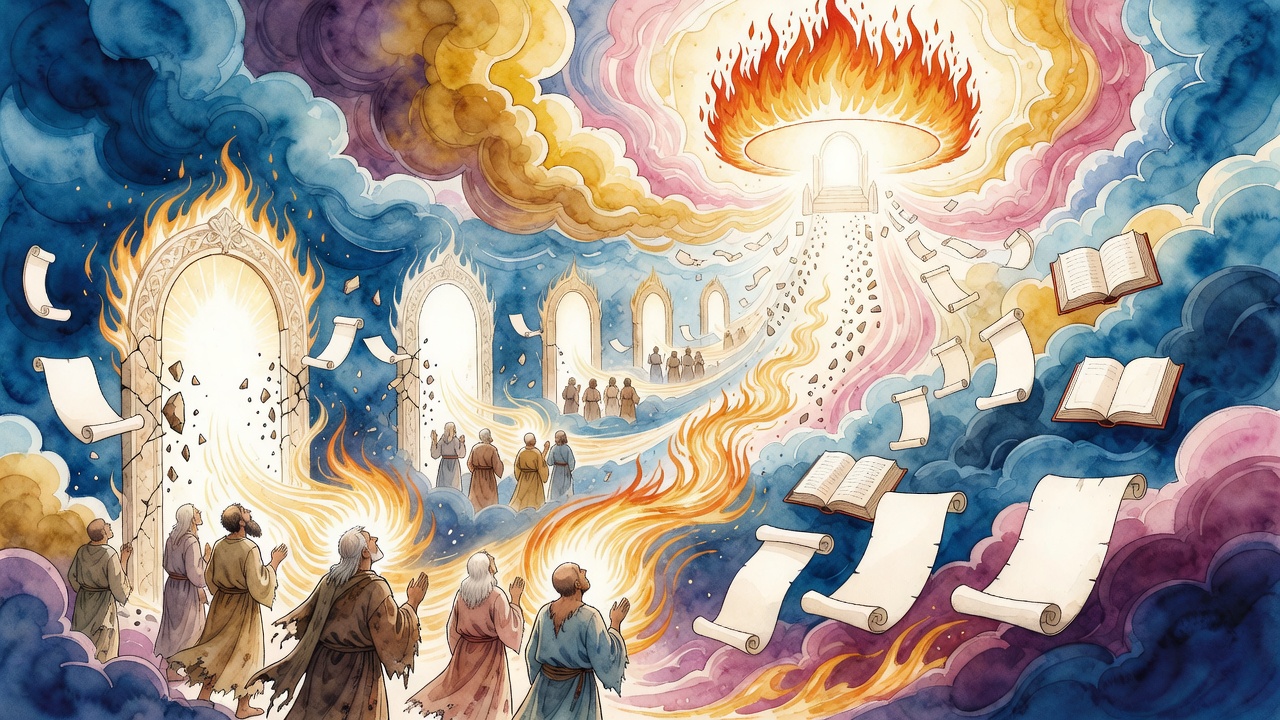
Palace texts and Tikkunei Zohar track each prayer from the mouth through gates of fire to the Shekhinah, the Divine Presence. The poor break every gate.
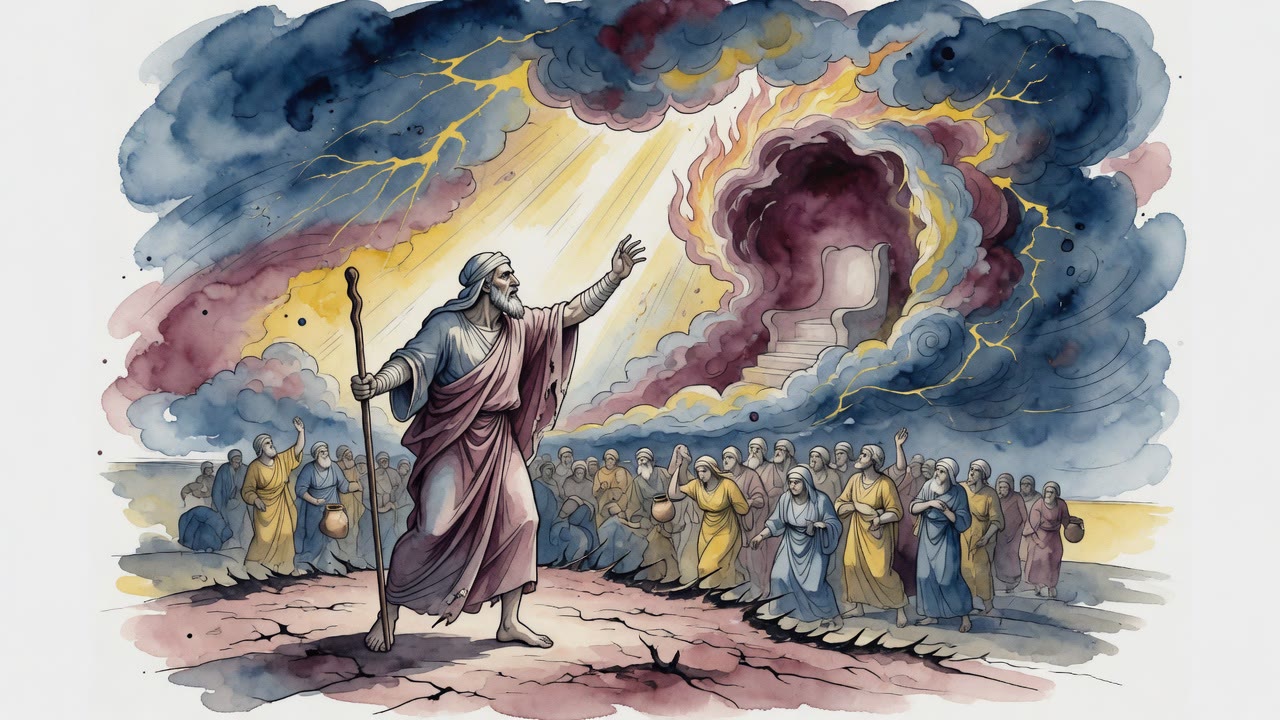
Solomon denied himself nothing his eyes desired. Then he looked at what his hands had made and called it vanity, the houses and the gardens and the pools.
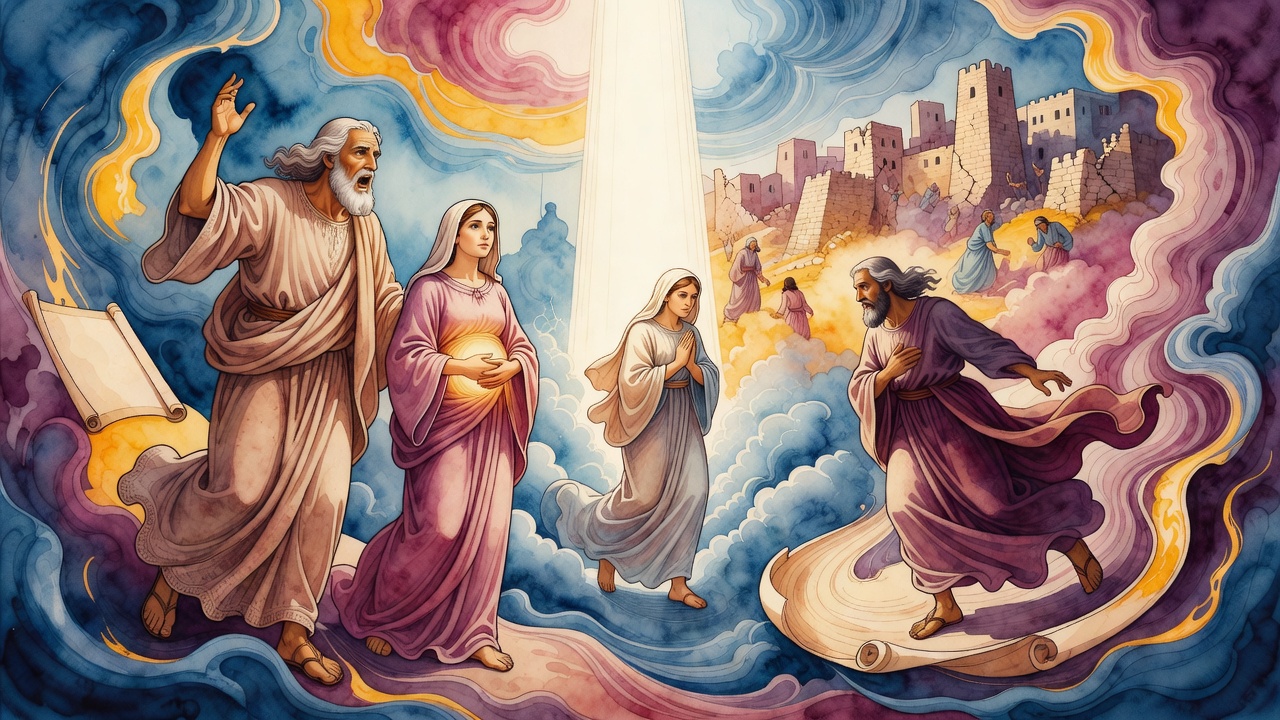
Jacob left home and the ground shortened under his feet. The sun set early so he would sleep at Bethel. The stones under his head gathered into one.
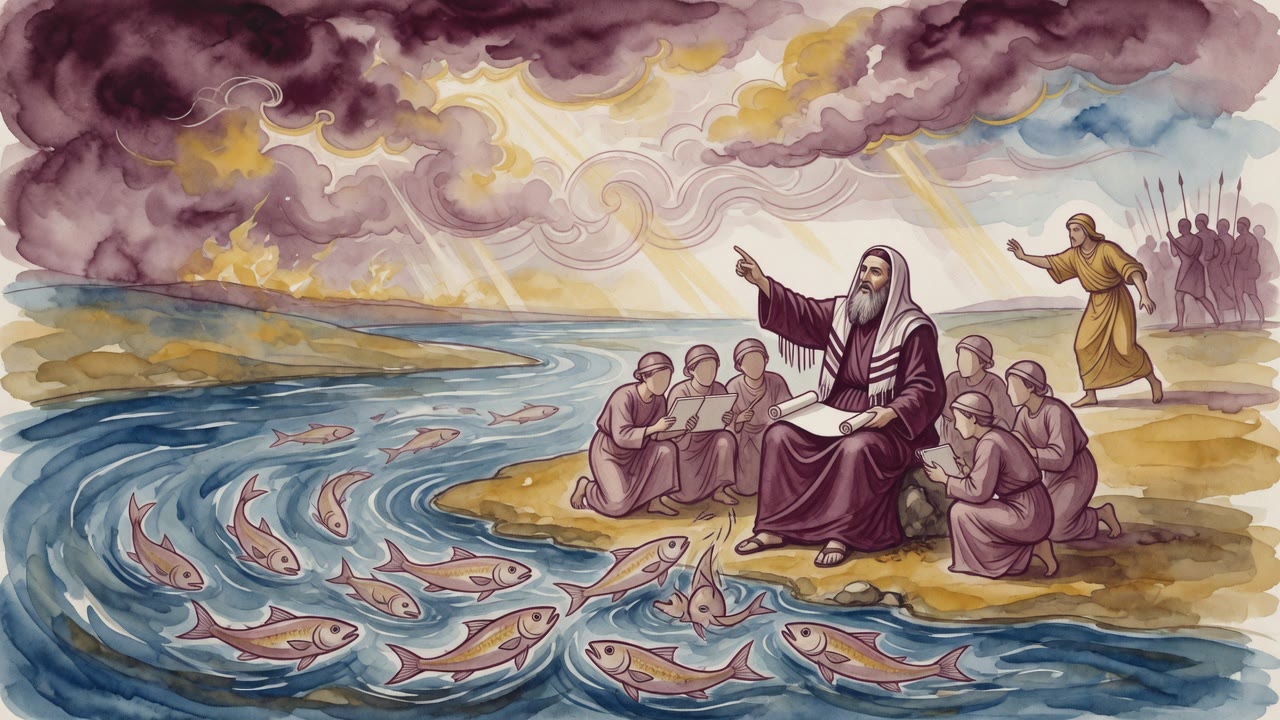
Pappos found him teaching in the street after the ban. The fox's offer sounded kind. The fish knew dry land was a faster death.
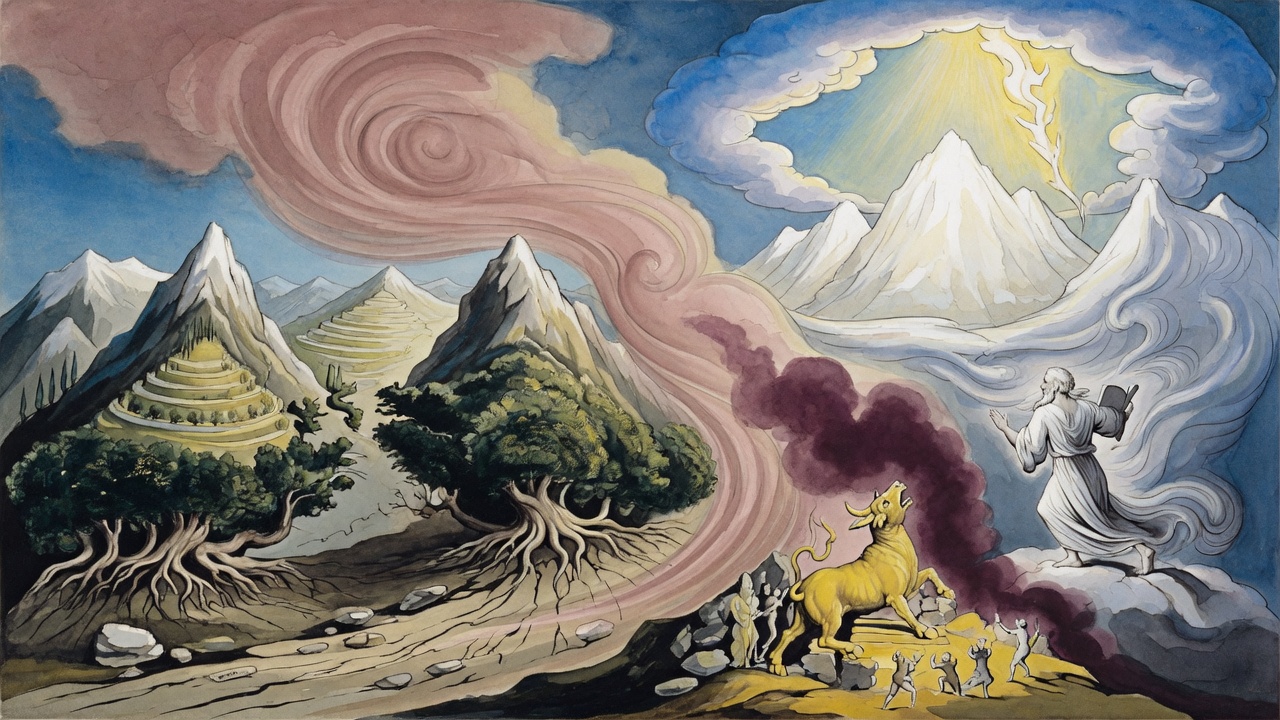
A man gathering firewood in the forest was dead. He burned in Gehinnom (afterlife of judgment) because of a shared sin, and only his son's voice in the.
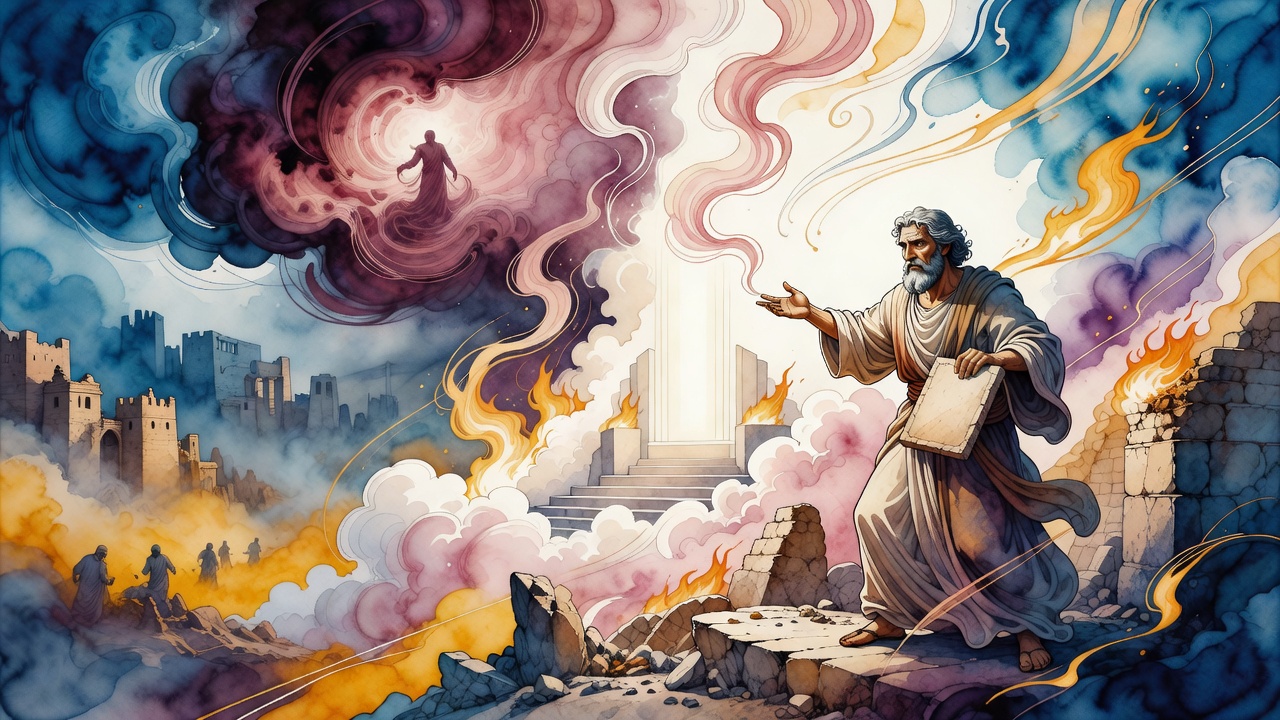
The guards would not let the column stop walking. The first ground the exiles were allowed to sit on was the bank of the Euphrates.
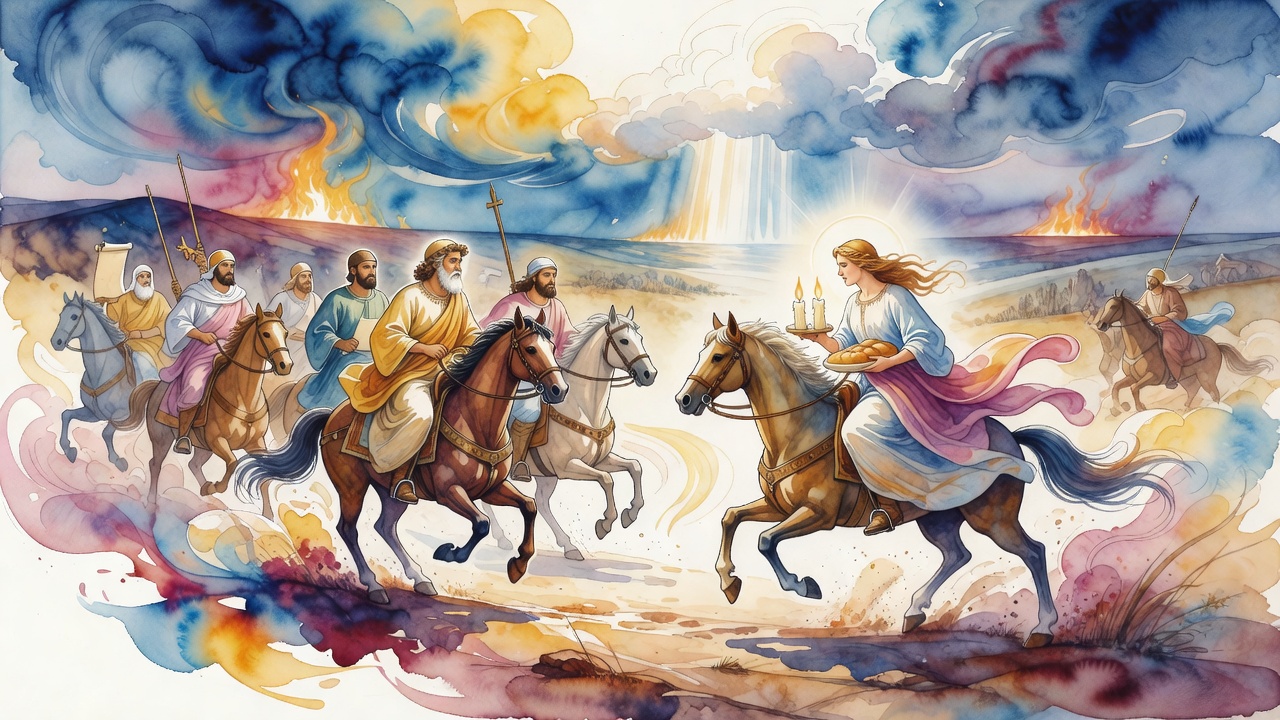
David rides toward Nabal with four hundred men and blood in mind, and Abigail rides toward him with bread and the truth about burning candles.
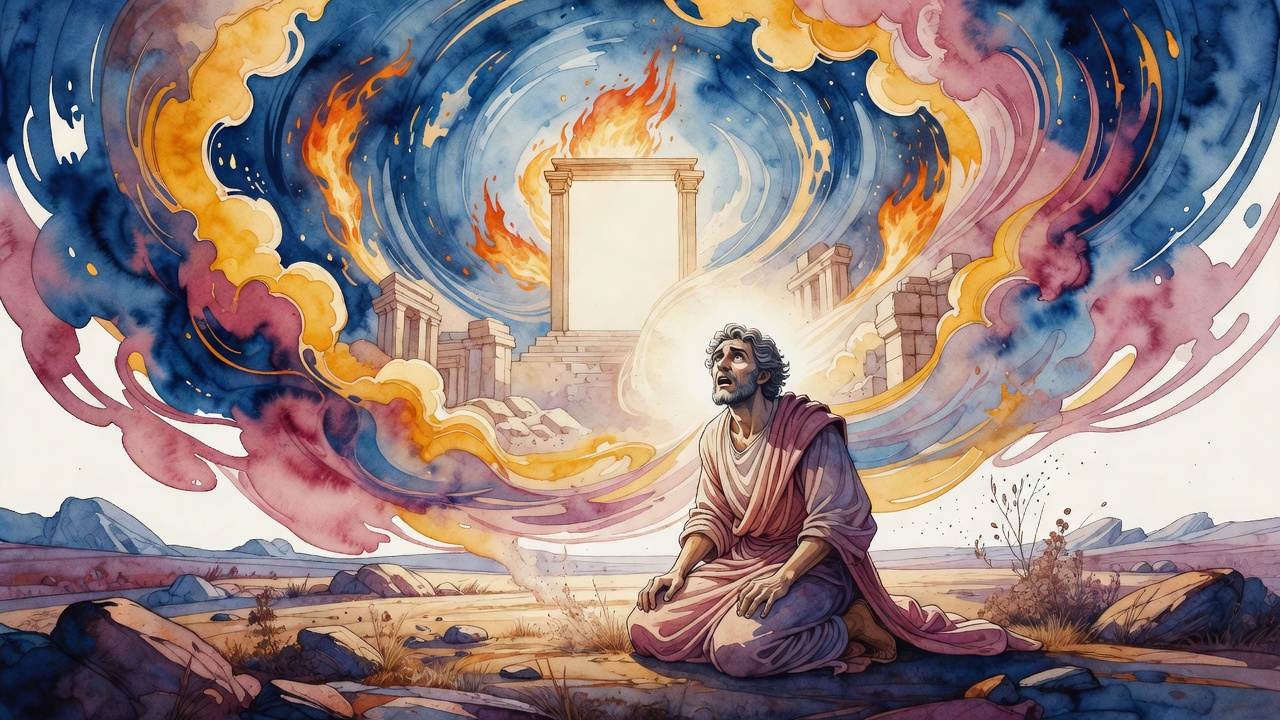
David cannot build the Temple but cannot stop wanting it, and God credits the longing as if stone had already been laid on stone.
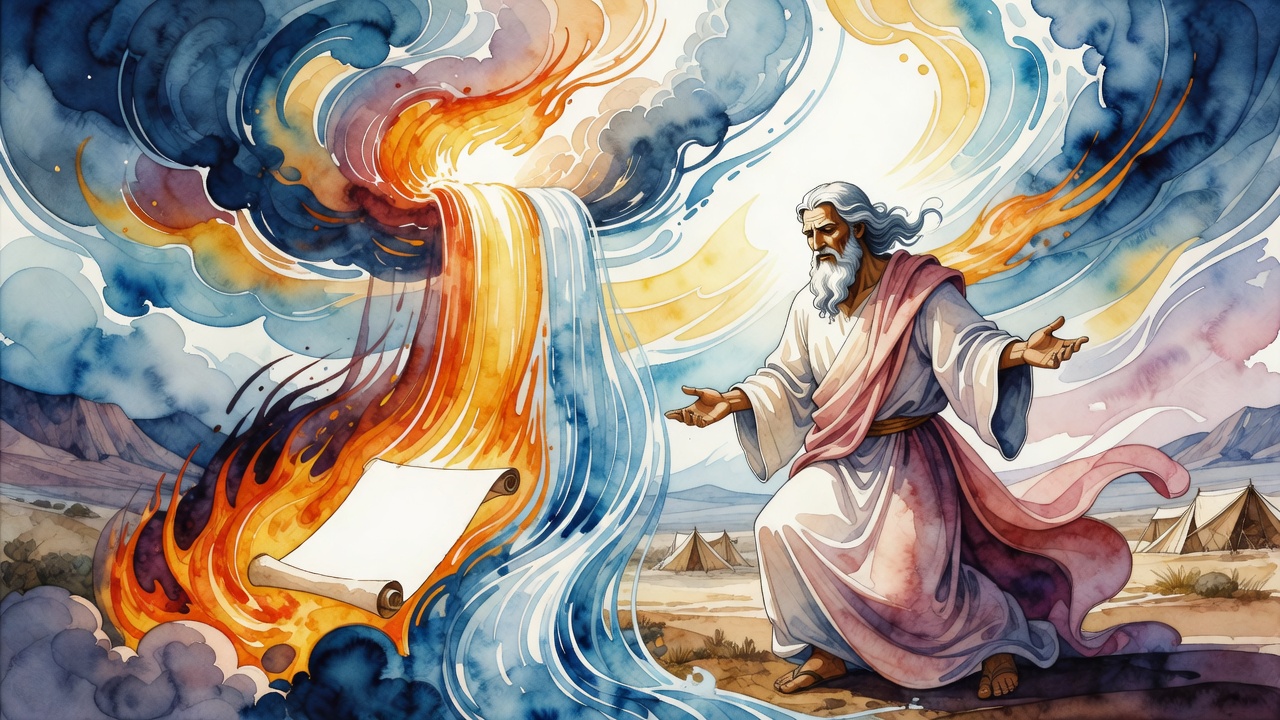
Moses named seventy-seven living men and could not find three more. He asked the dead patriarchs to stand in the breach.
