340 myths · Page 3 of 12
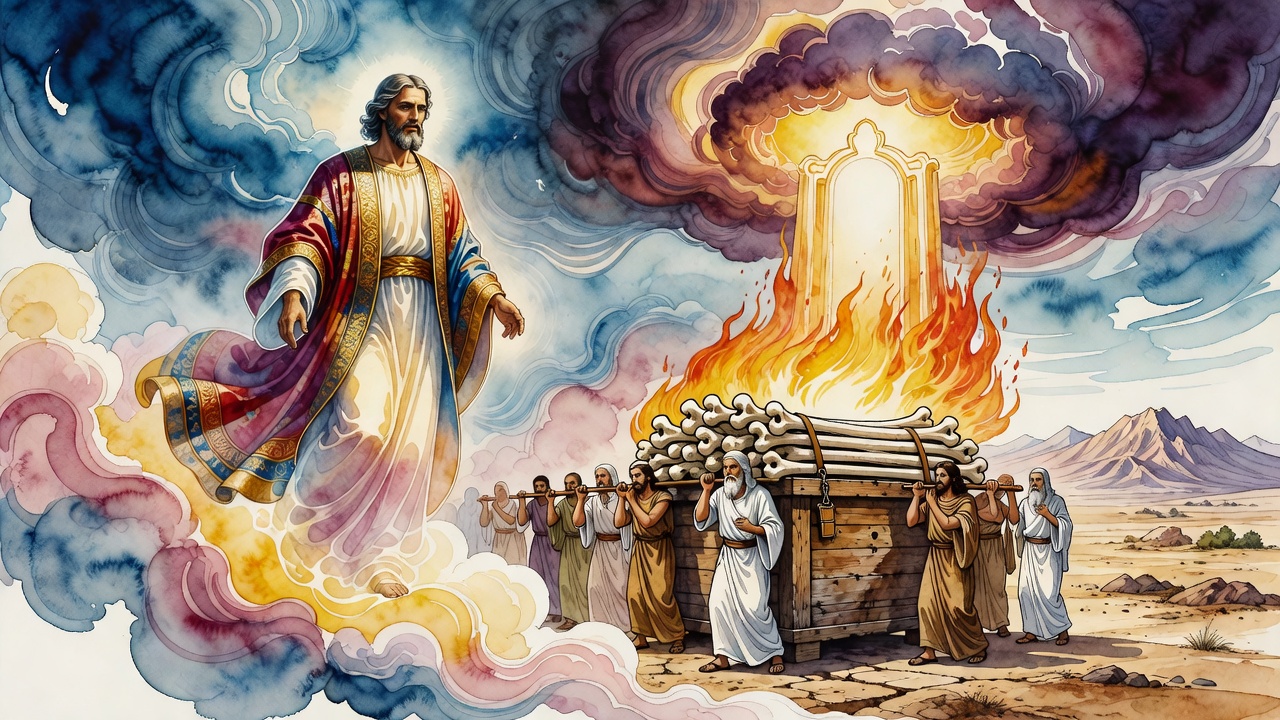
The brothers who sold him stood over the bed. He asked them for bones, not a tomb, because Egypt would trap his sons with honor.
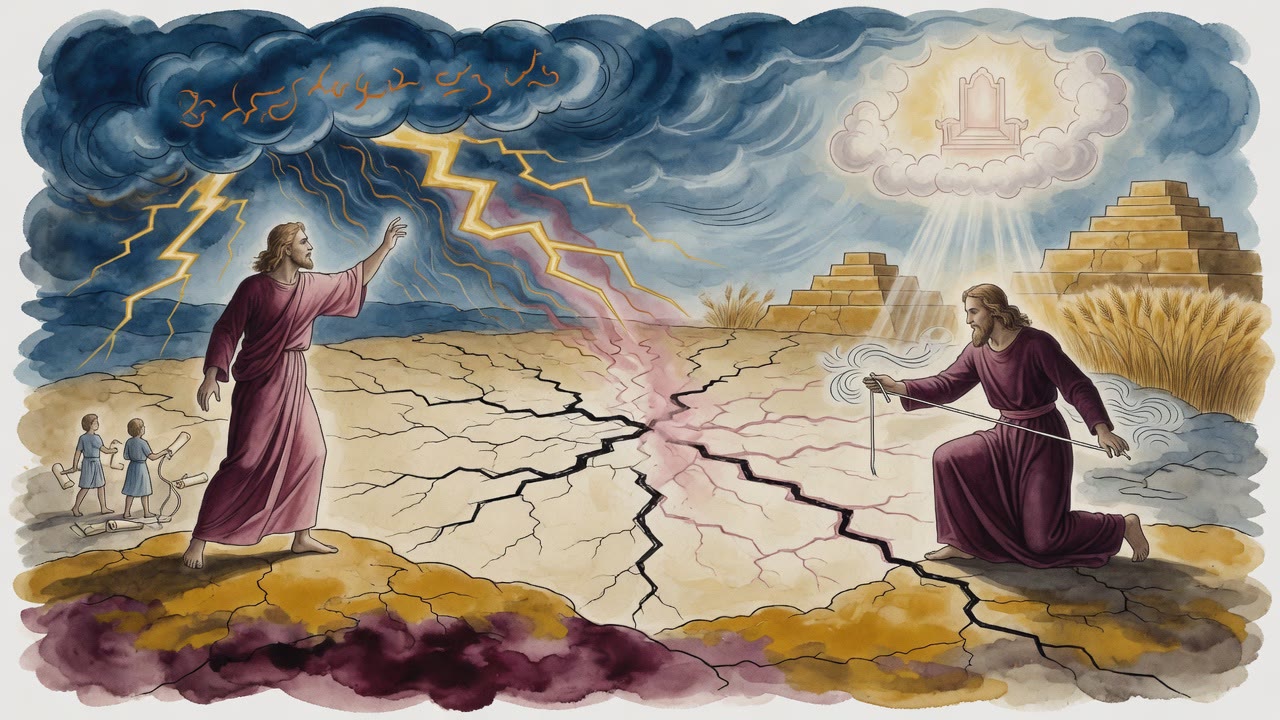
Noah bound his sons by an oath over lots from his chest. Cross a brother's line, he said, and the curse would last forever.
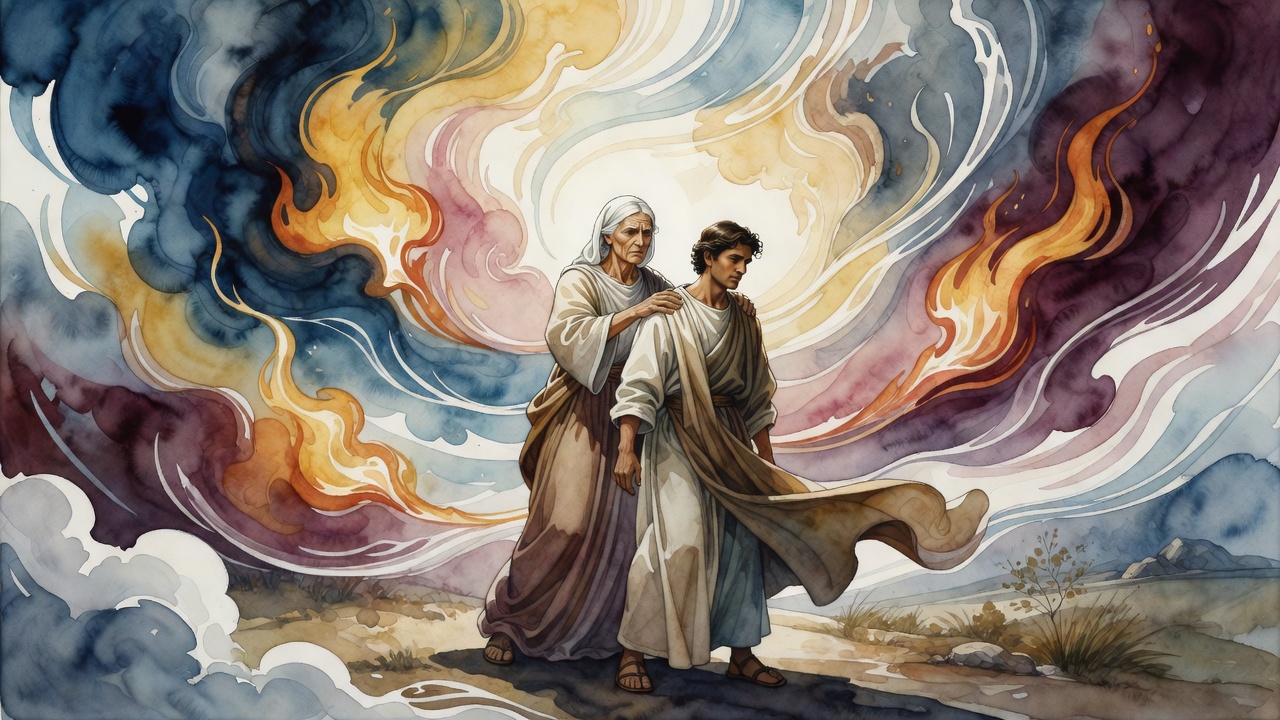
Rebekah laid hands on Jacob, dressed him in priestly garments, and sent him from Esau. Her warning became prophecy at Jacob's burial.
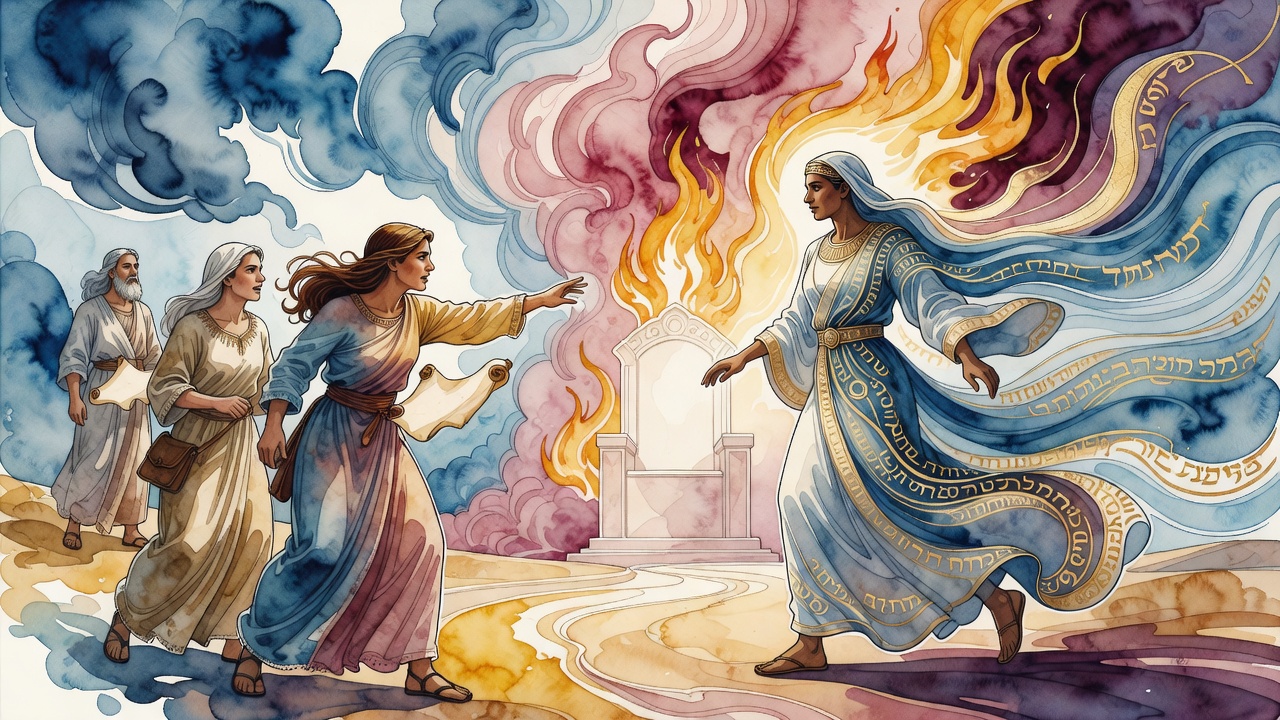
Dinah warned Jacob through a maid from Shechem's house. Her hidden daughter Asenath crossed Egypt with her lineage written in gold.
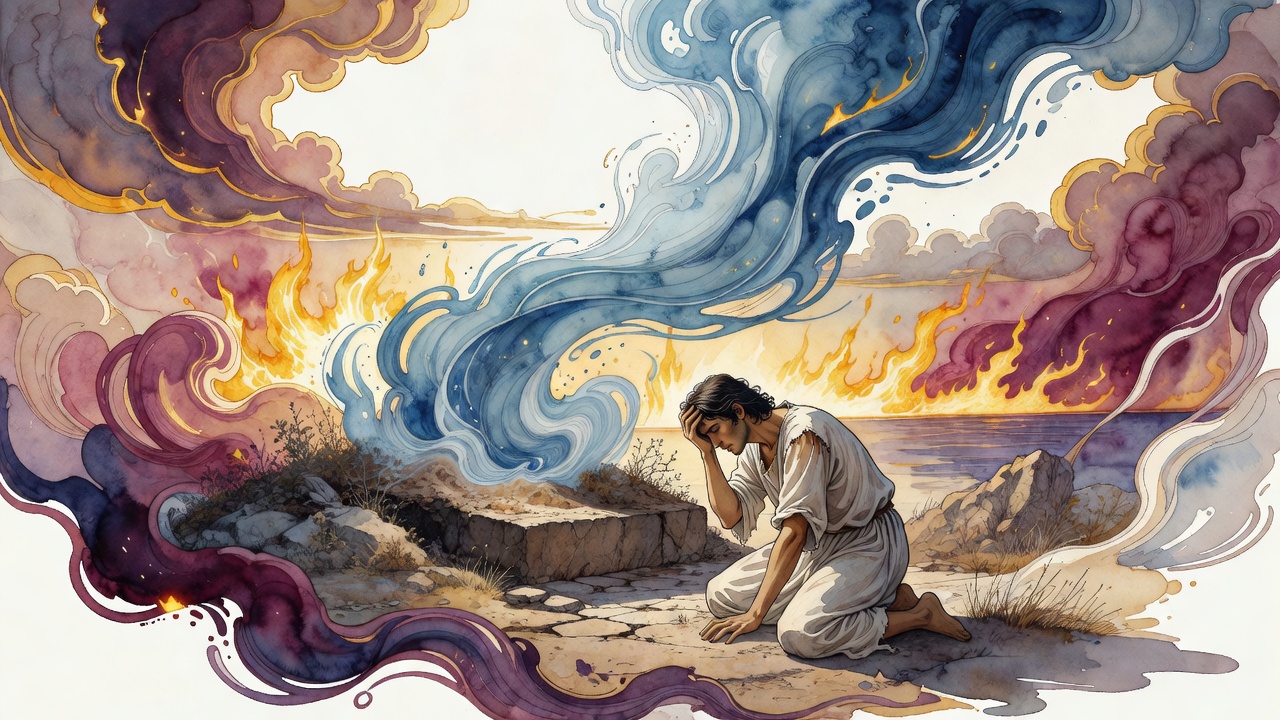
Sold toward Egypt at seventeen, Joseph collapsed at Rachel's grave and heard his dead mother answer from the earth with courage for exile.
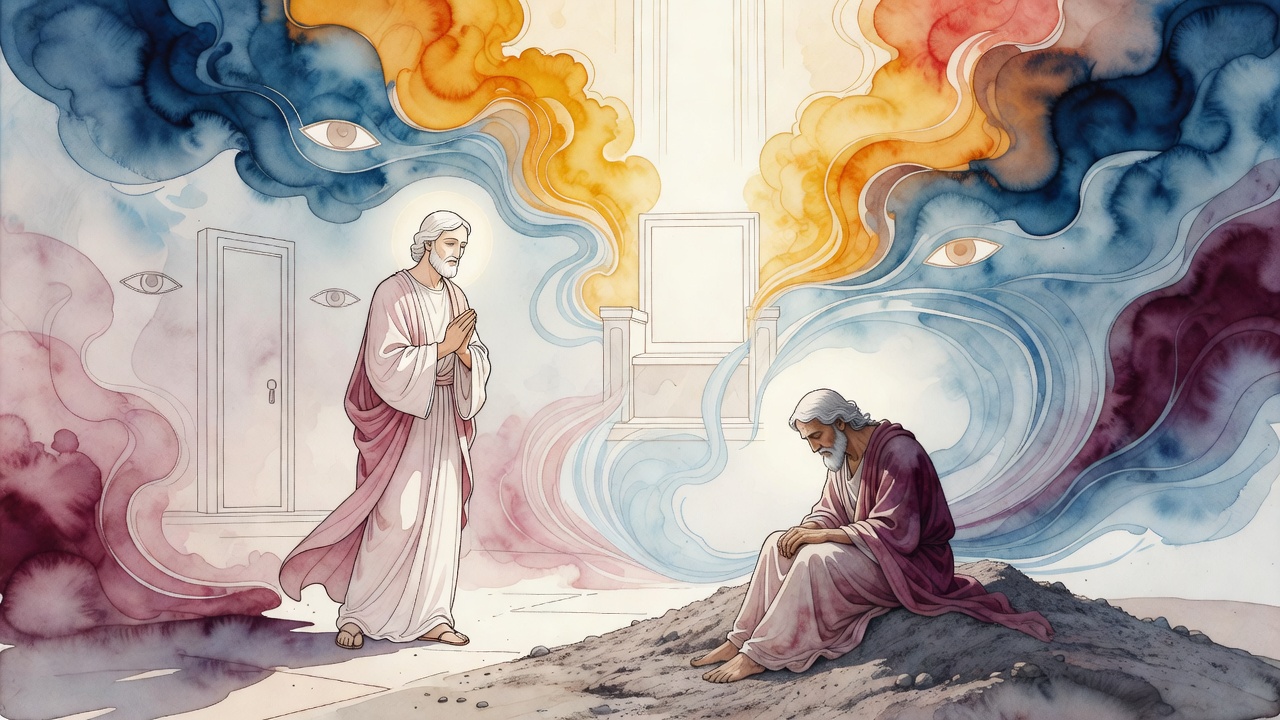
Joseph thanked God for a soft life in Egypt, but Jacob still sat in ashes. Heaven answered comfort with Zuleika's locked room and royal eyes.
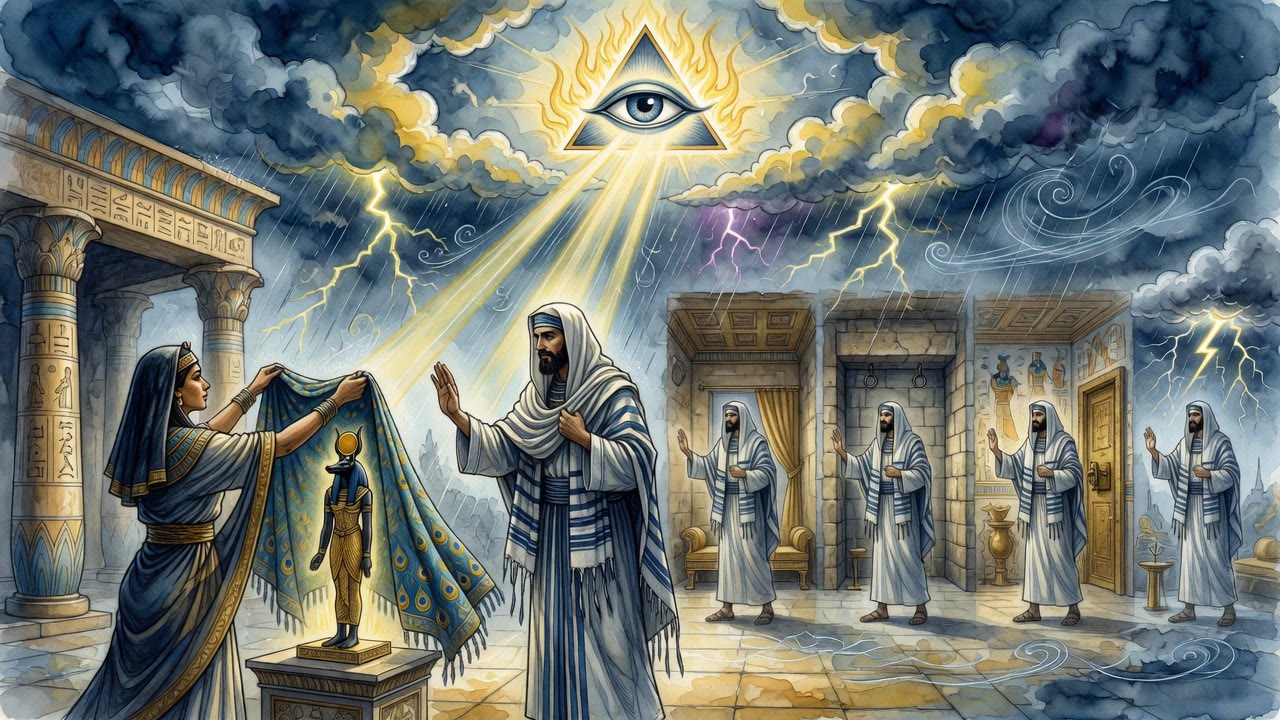
Zuleika covered her idol before approaching Joseph. He answered with five refusals, each one built for a room where power had closed the door.
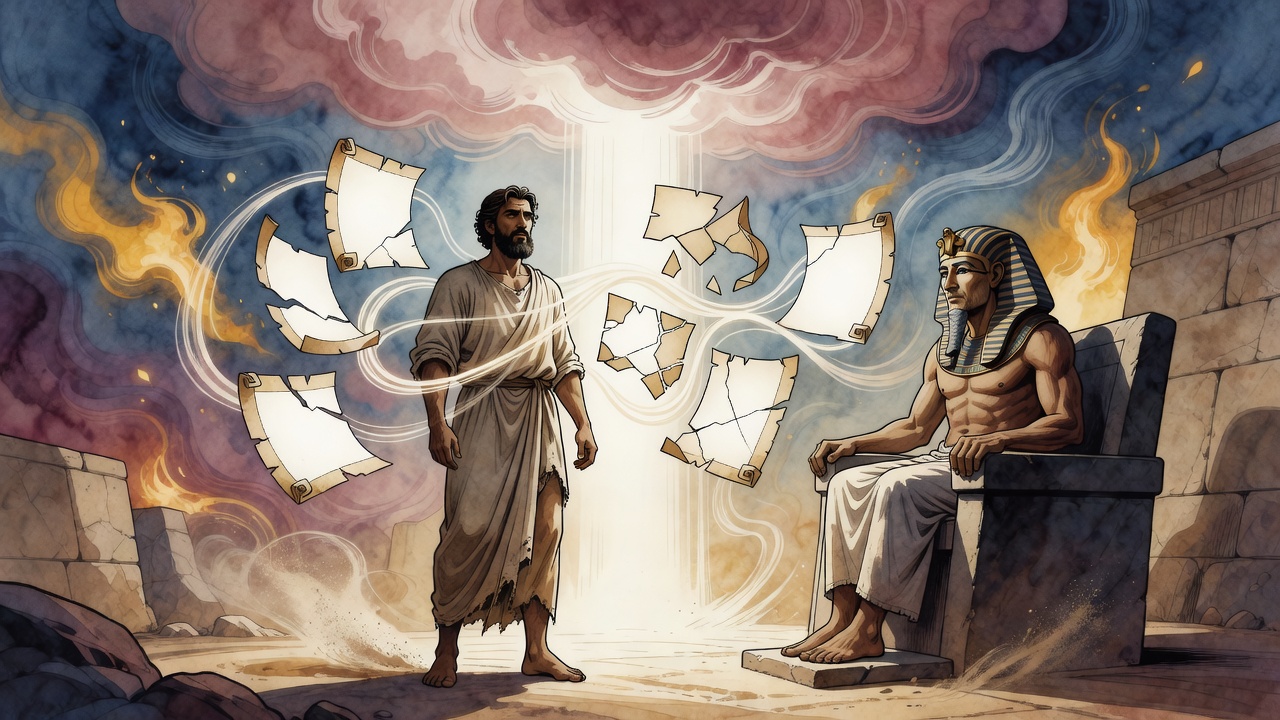
Pharaoh left gaps in the dream to test Joseph. The prisoner filled them because the same vision had reached him in the same night.
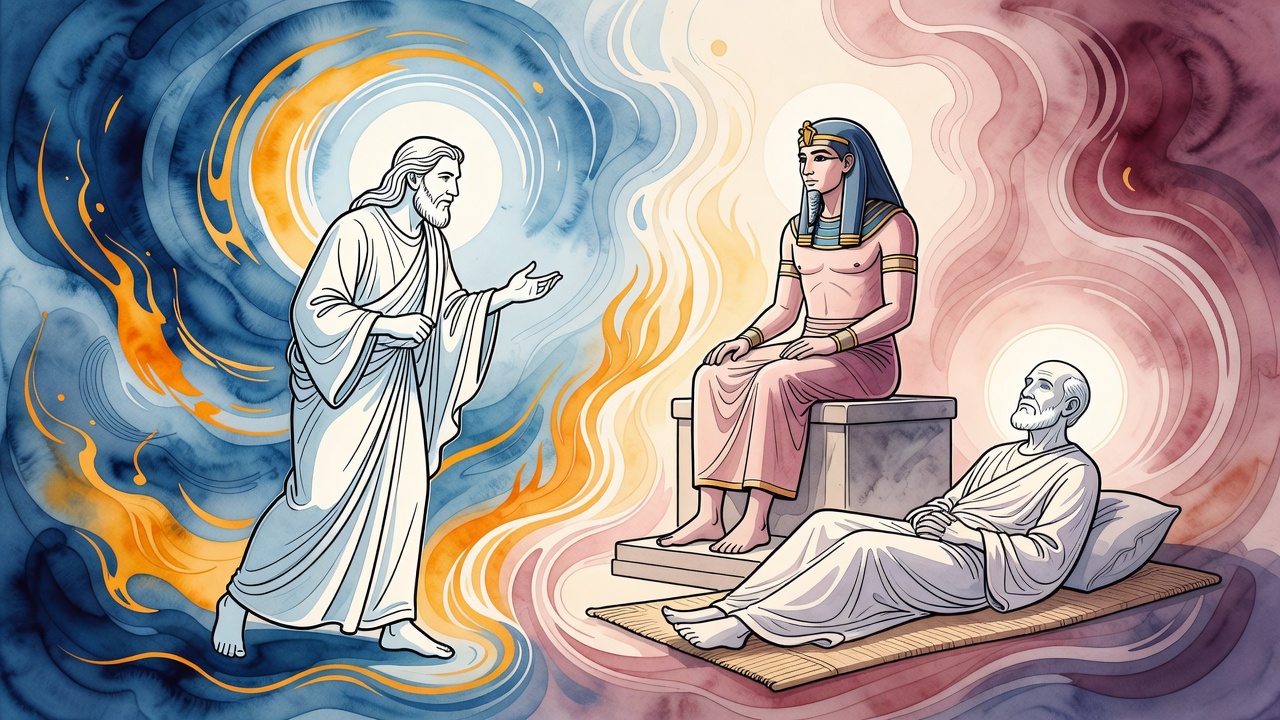
Judah did not kneel. He named the kings who had taken women from this family, and the viceroy who held Benjamin had to keep his face still.
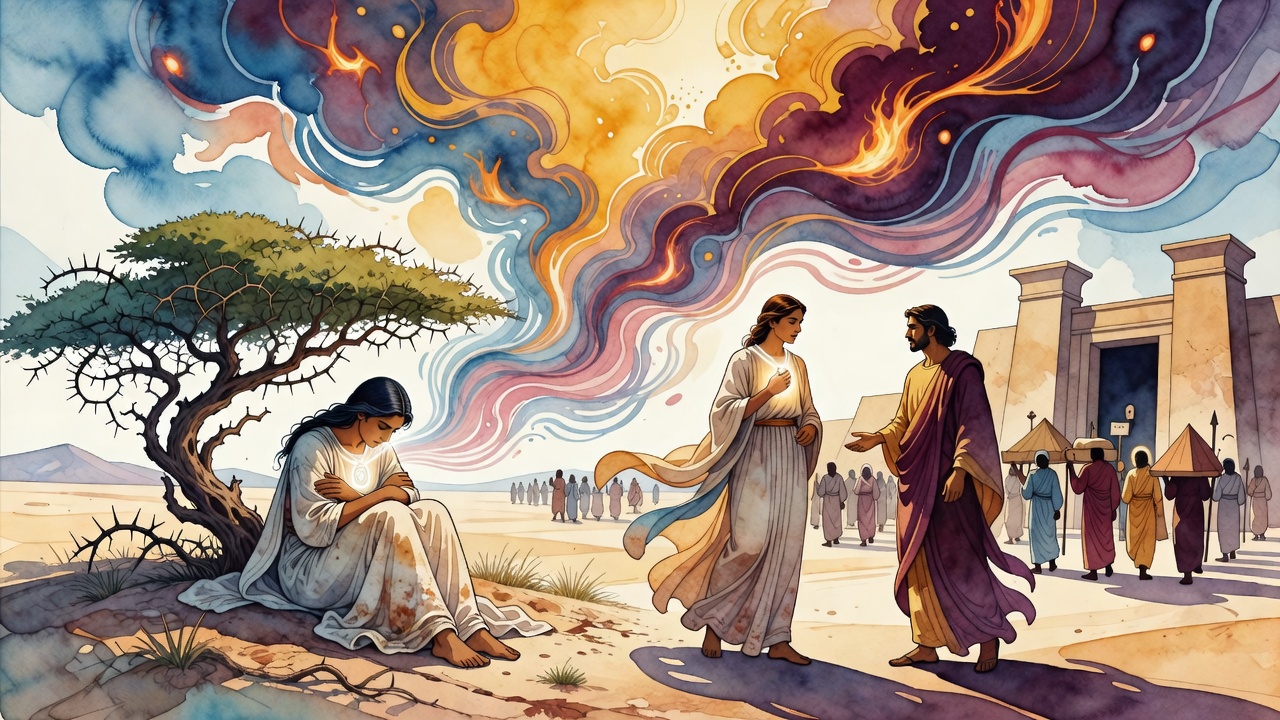
Jacob hung the Holy Name on Dinah's baby and left her under thorns. Years later the plate at her neck stopped Joseph's hand.
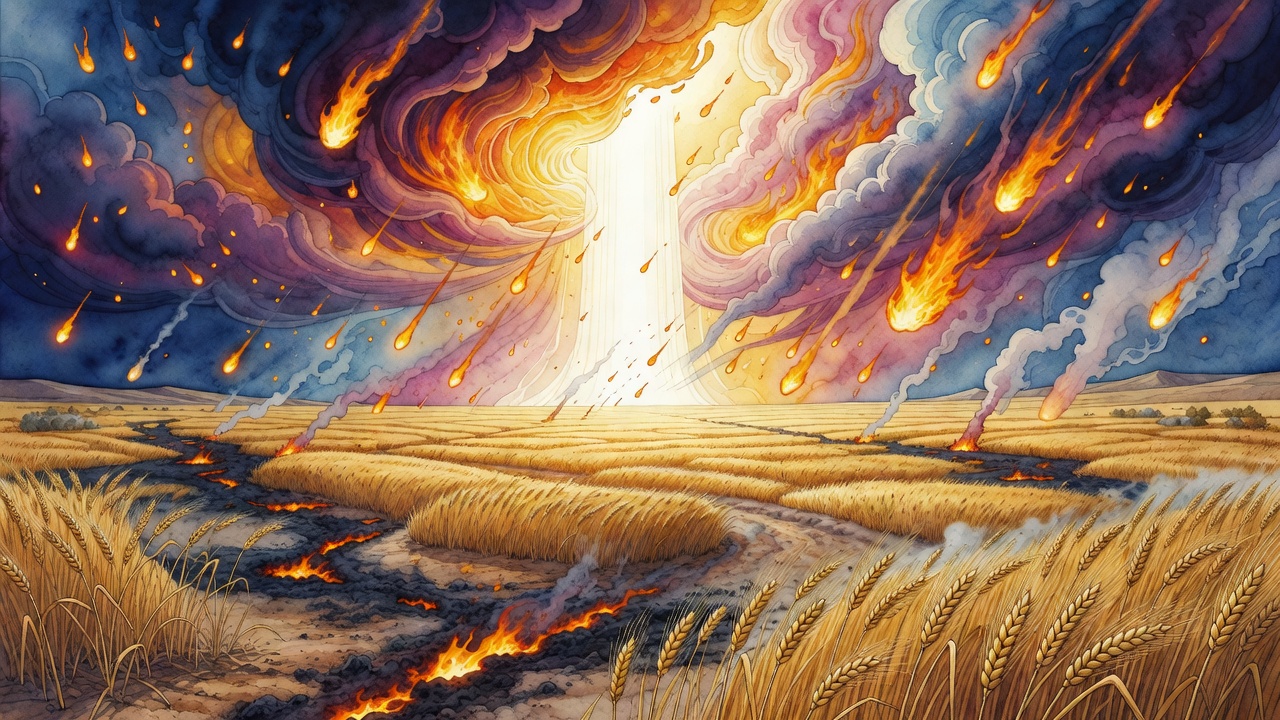
A wick of fire burned inside each hailstone. Egyptians cut meat from fallen cattle, and birds tore it from their hands on the road home.
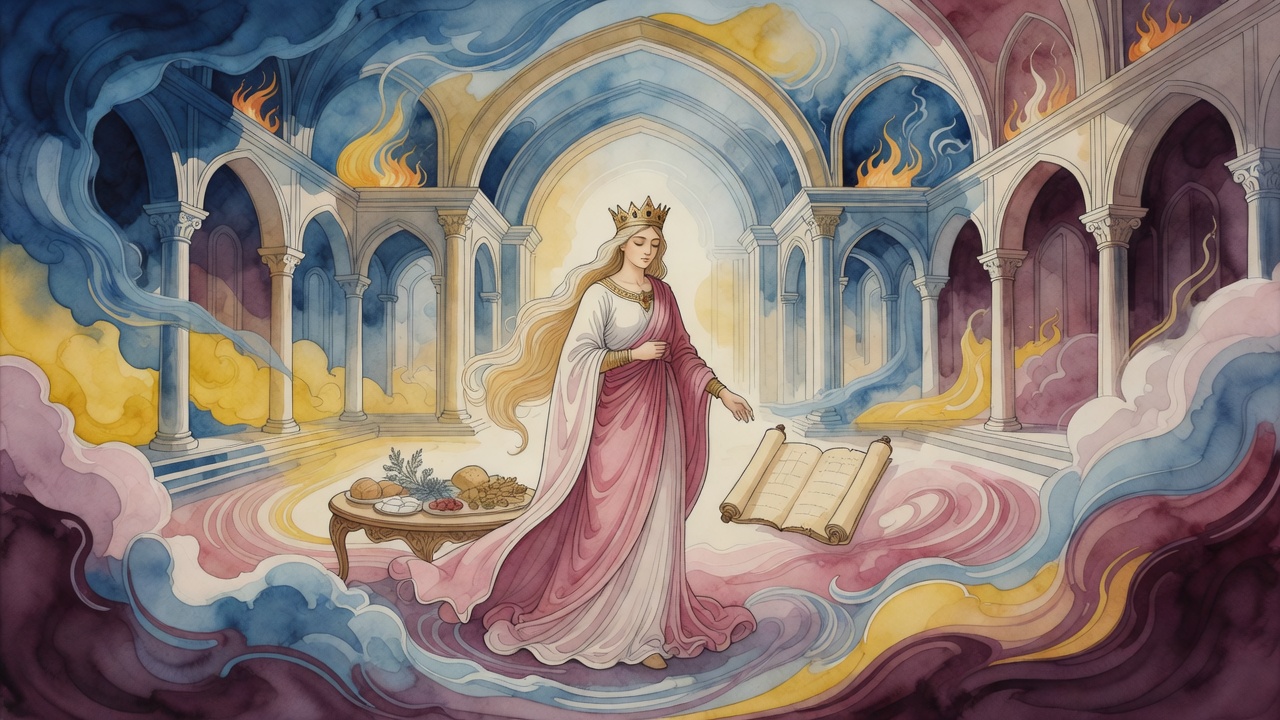
Mordecai hid Esther for four years. The king made it a killing offense to hide a woman, so Mordecai brought her out and the palace took her.
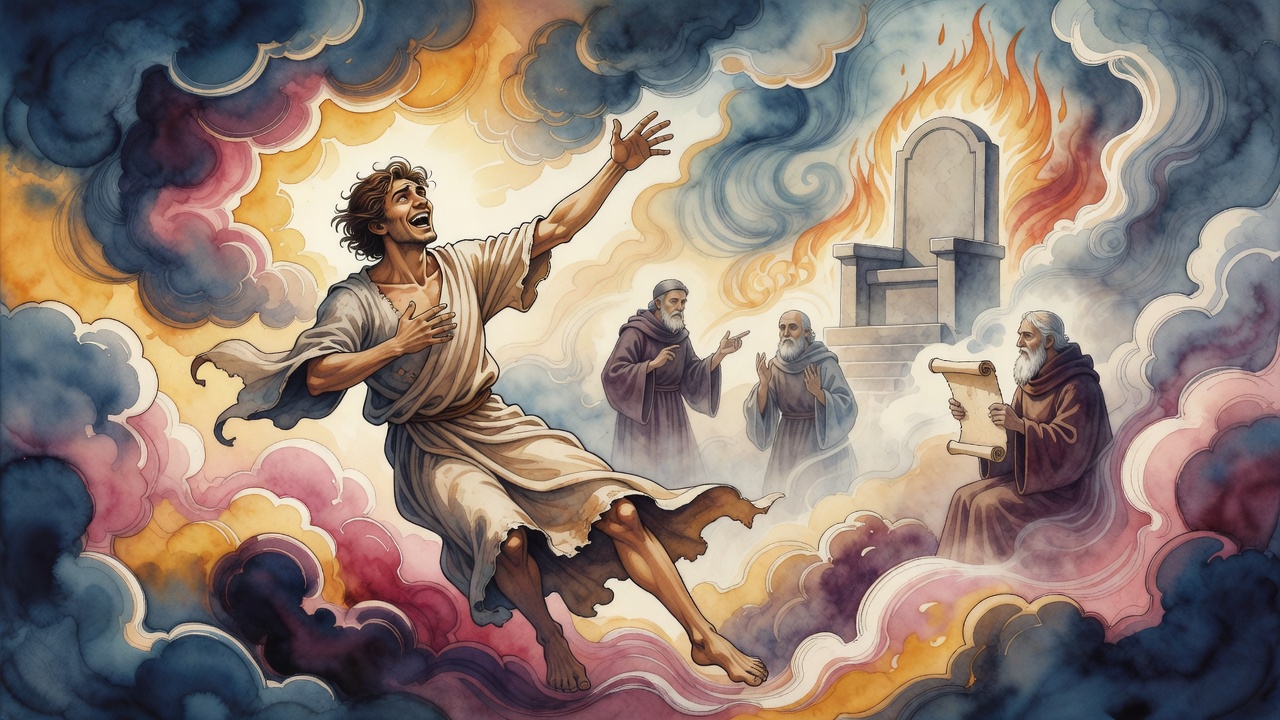
Sarah watched him in the yard with a bow. Then she told Abraham to send the boy and his mother out of the house for good.
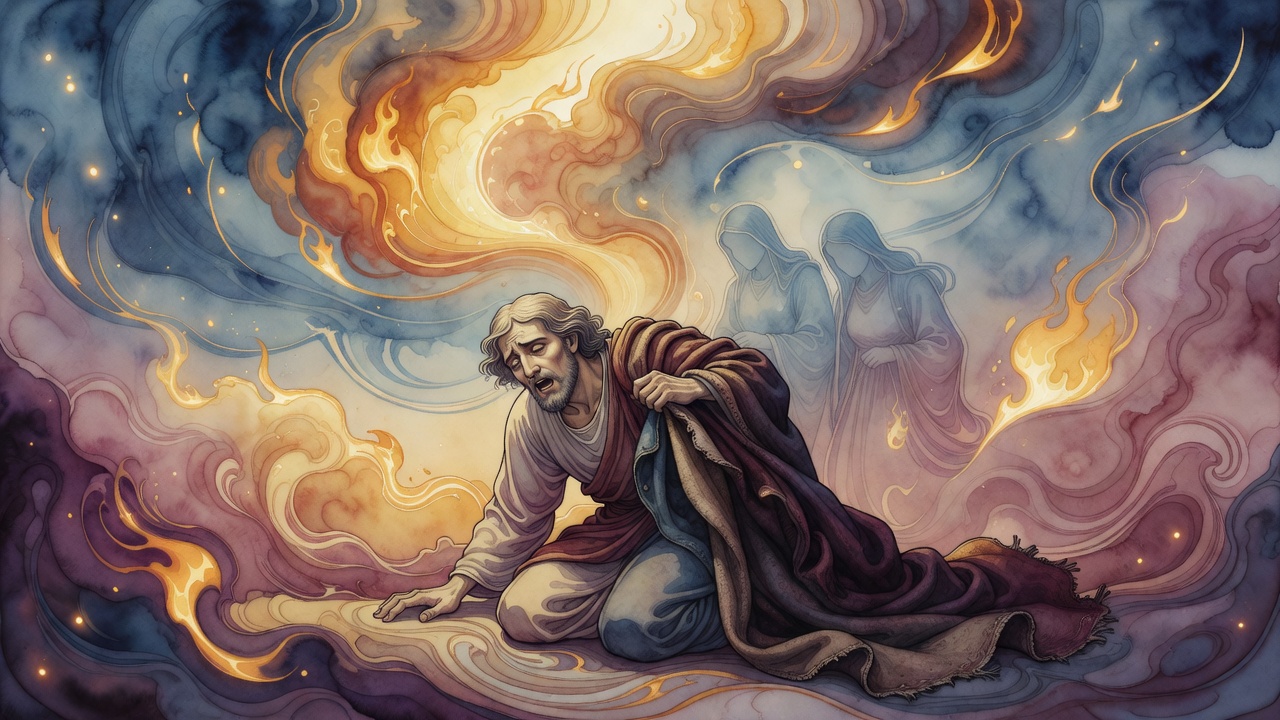
When the coat arrived, Jacob broke. Bilhah died the same day. Dinah followed. Jacob's grief outlasted all three because Joseph was still alive.
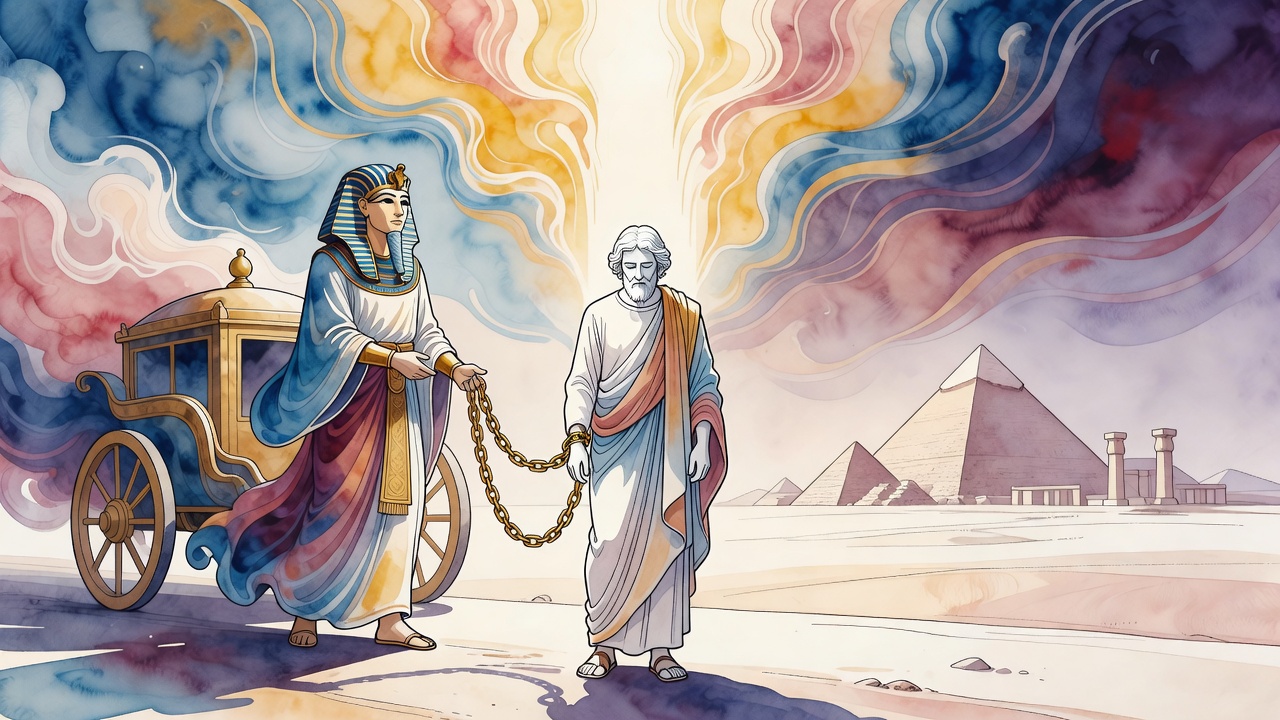
Pharaoh gave Joseph a gold chain, a chariot, and a new name. Joseph took none of it into himself. Egypt was at peace because of it.
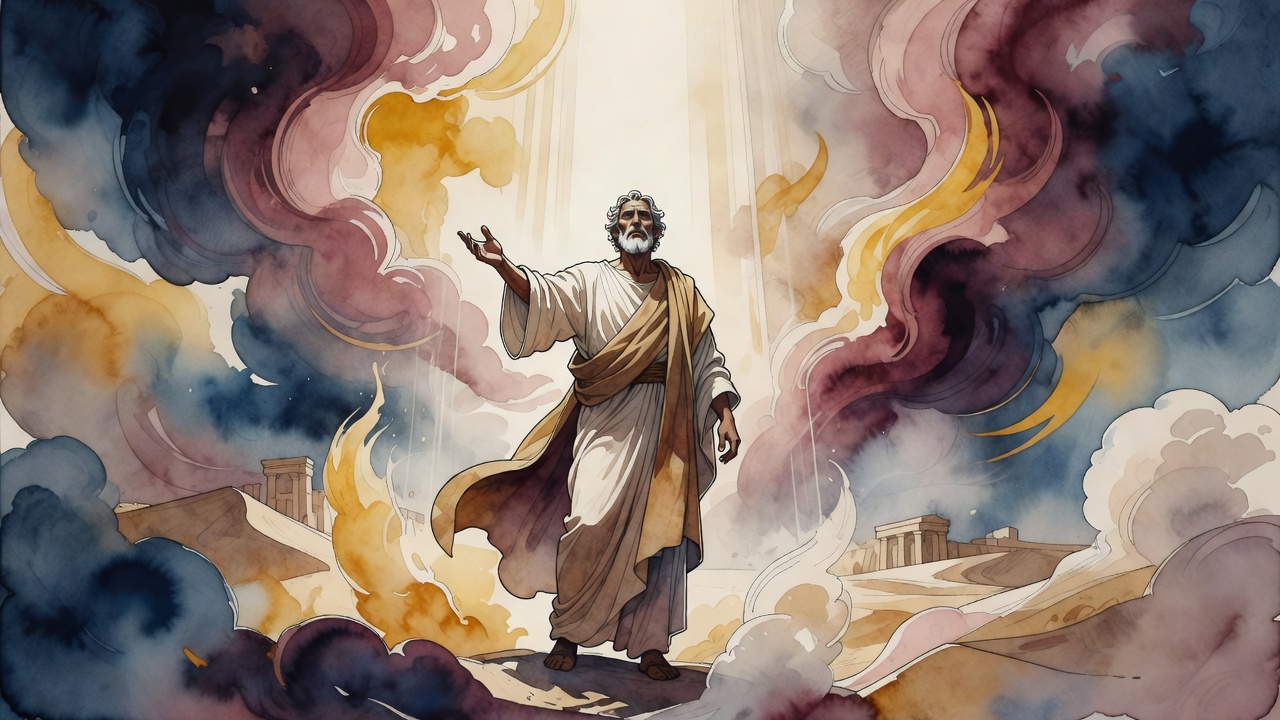
The silver cup came out of Benjamin's grain in the Egyptian court. Judah did not offer his sons. He put his own life in the gap.
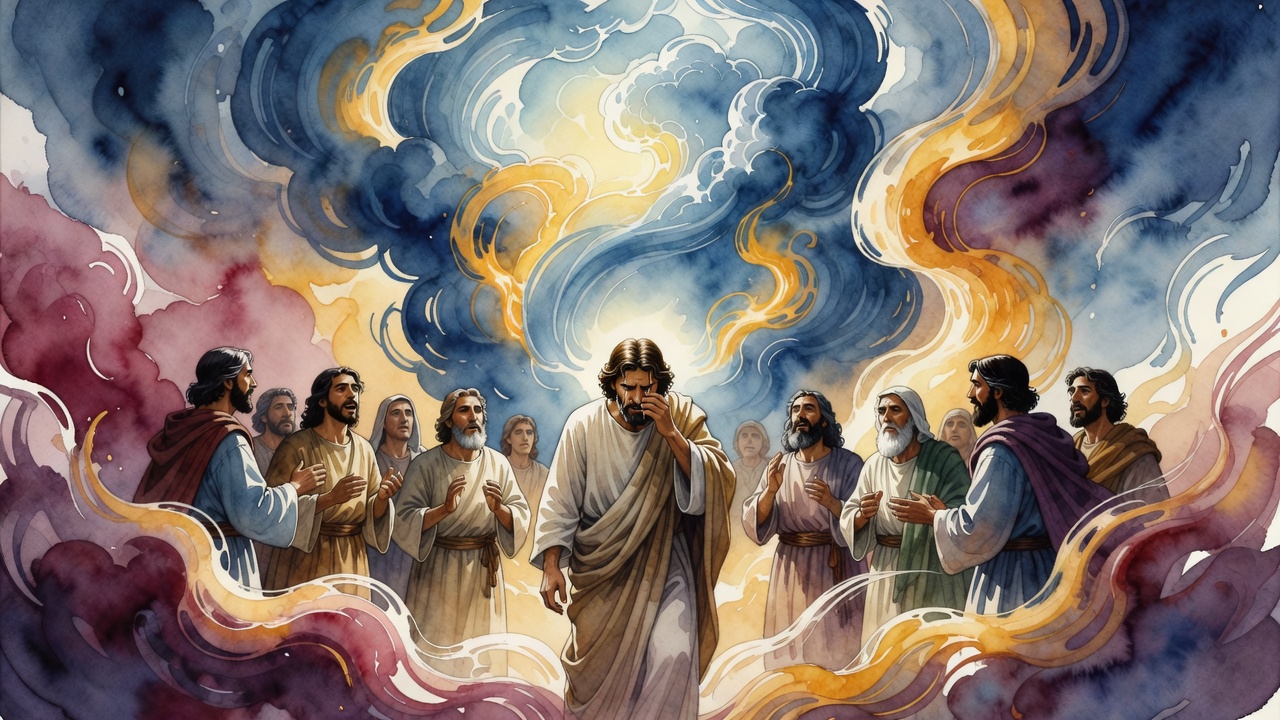
Joseph sent every Egyptian out before he wept. Twenty years of silence broke the moment only his brothers were left to hear it.
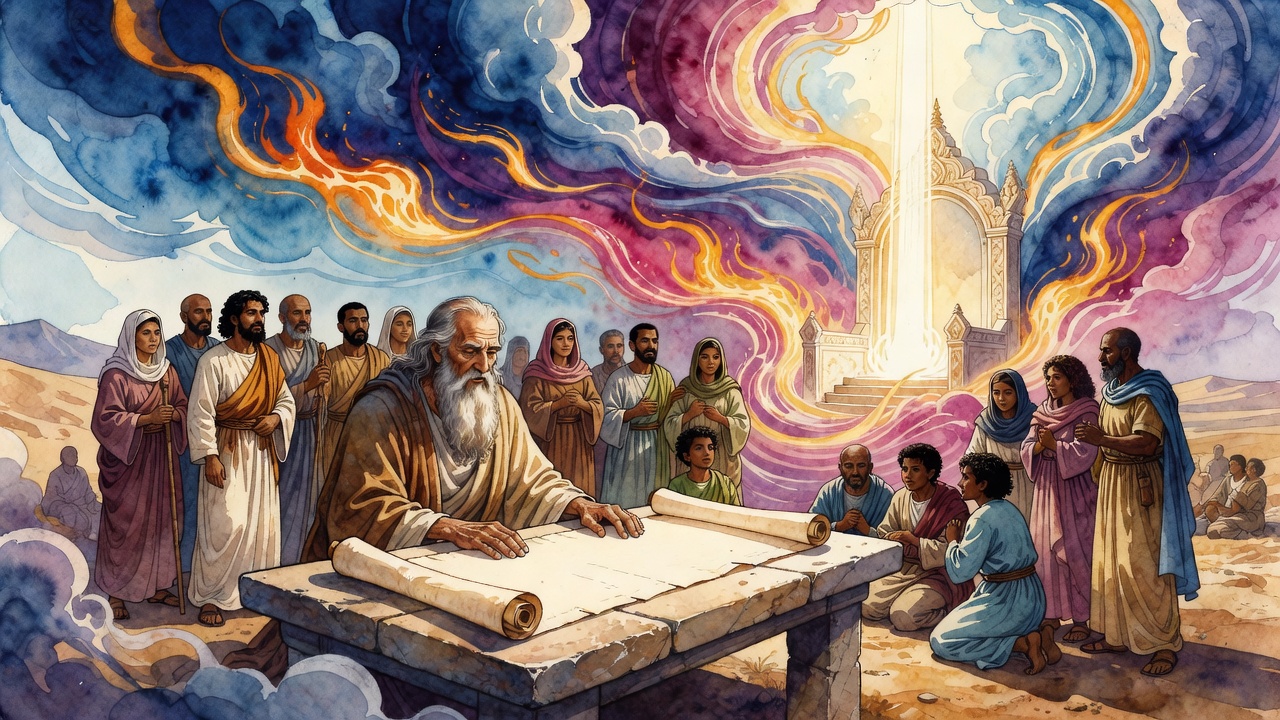
Jubilees counts every soul who descended with Jacob into Egypt. Seventy names, twelve tribes, one family mirroring the whole human world.
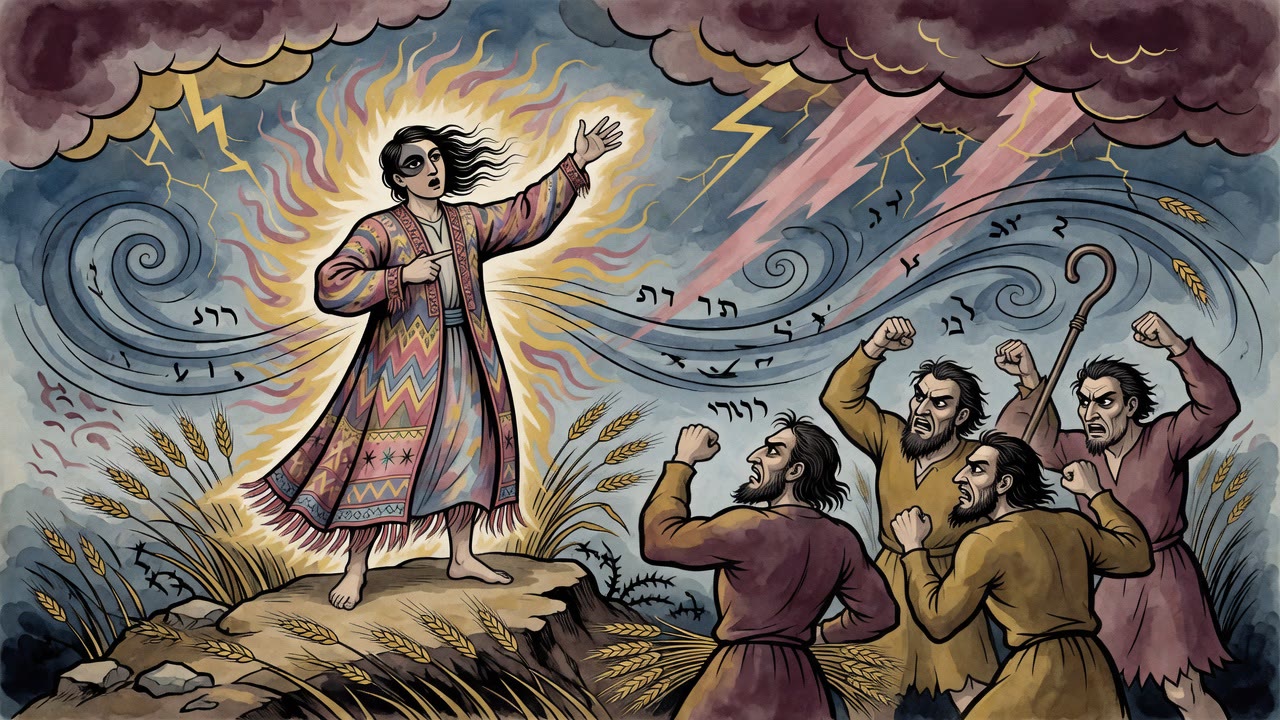
Gad pulled a lamb out of a bear's mouth and had to put it down. Joseph went home and told their father the handmaids' sons were eating the herd.
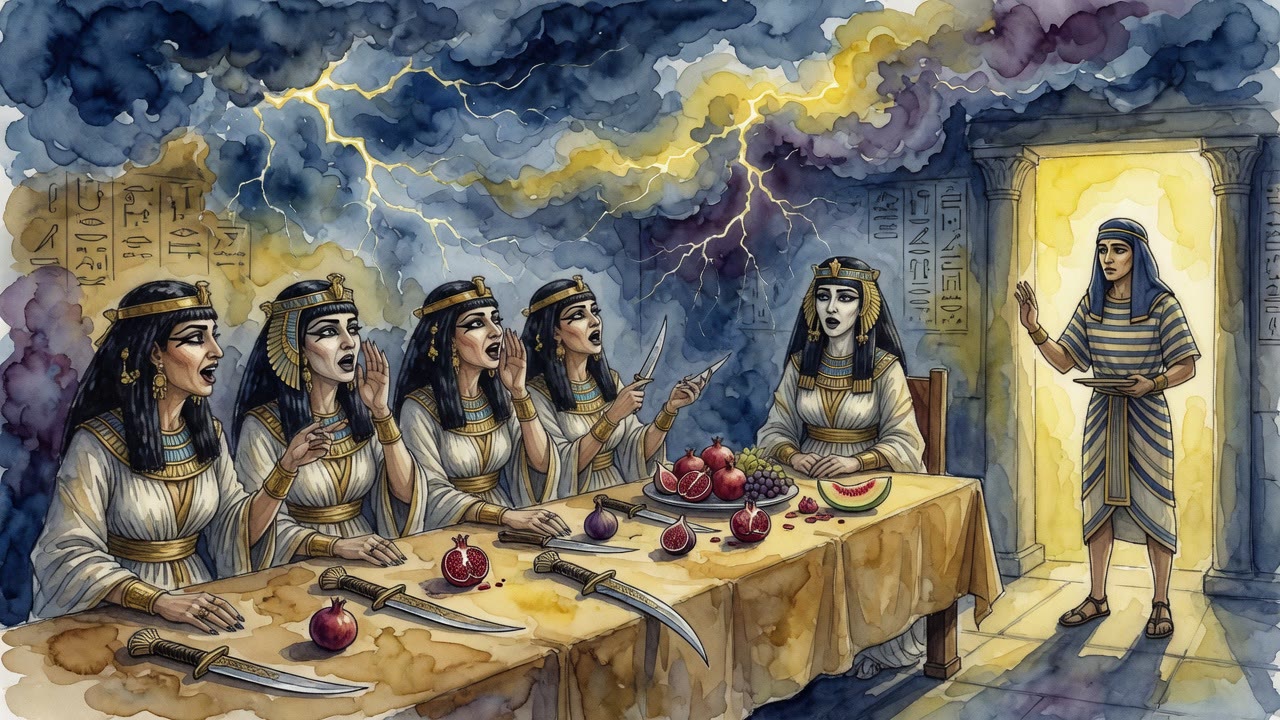
Egyptian noblewomen mocked Potiphar's wife for obsessing over a slave. She gave each guest a knife and an apple. Then Joseph walked in.
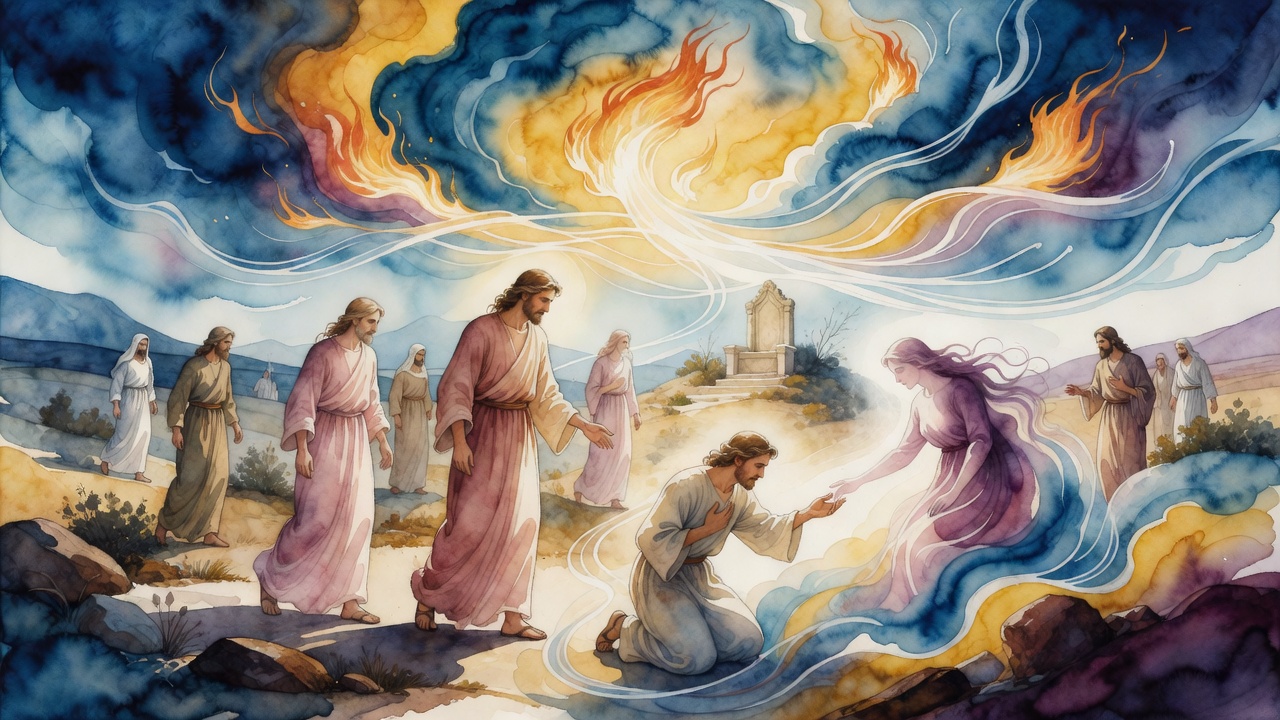
In the year Joseph was sold, Jacob was too broken to arrange marriages. His sons had to find their own wives in grief's shadow.
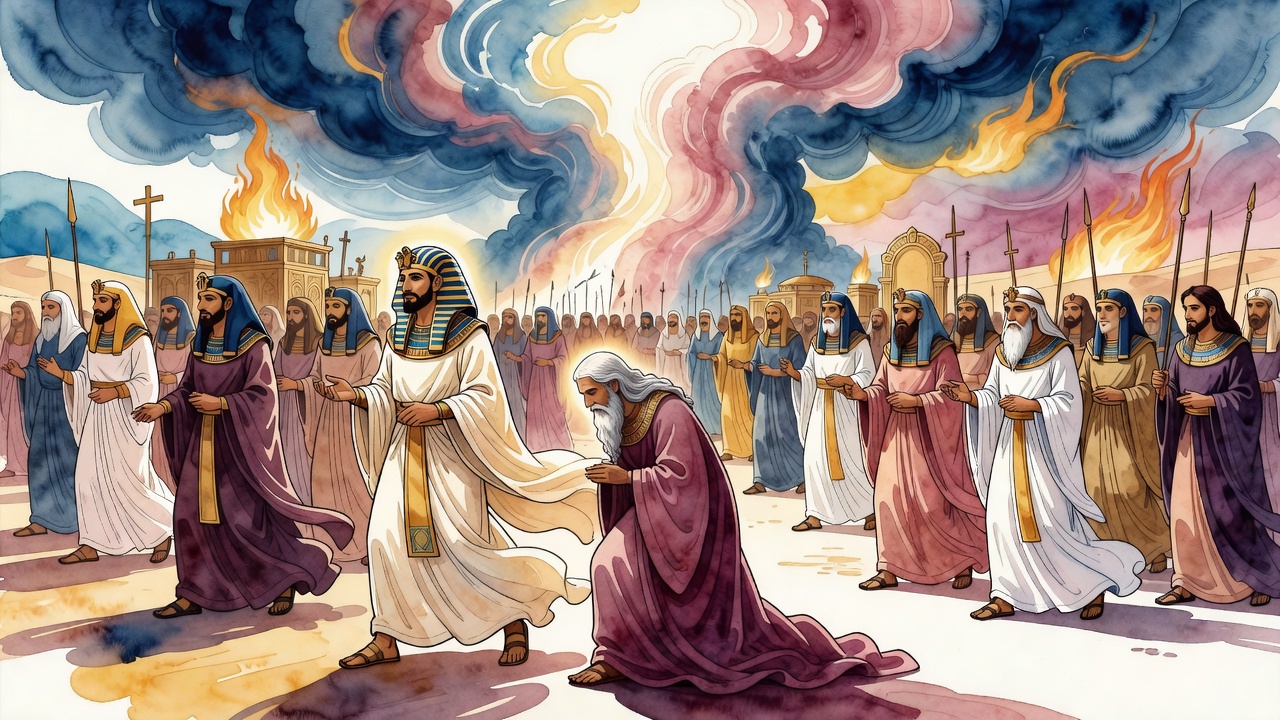
Joseph fell on his father's neck and wept. Jacob did not kiss him. He was in the middle of the Shema and he would not stop.
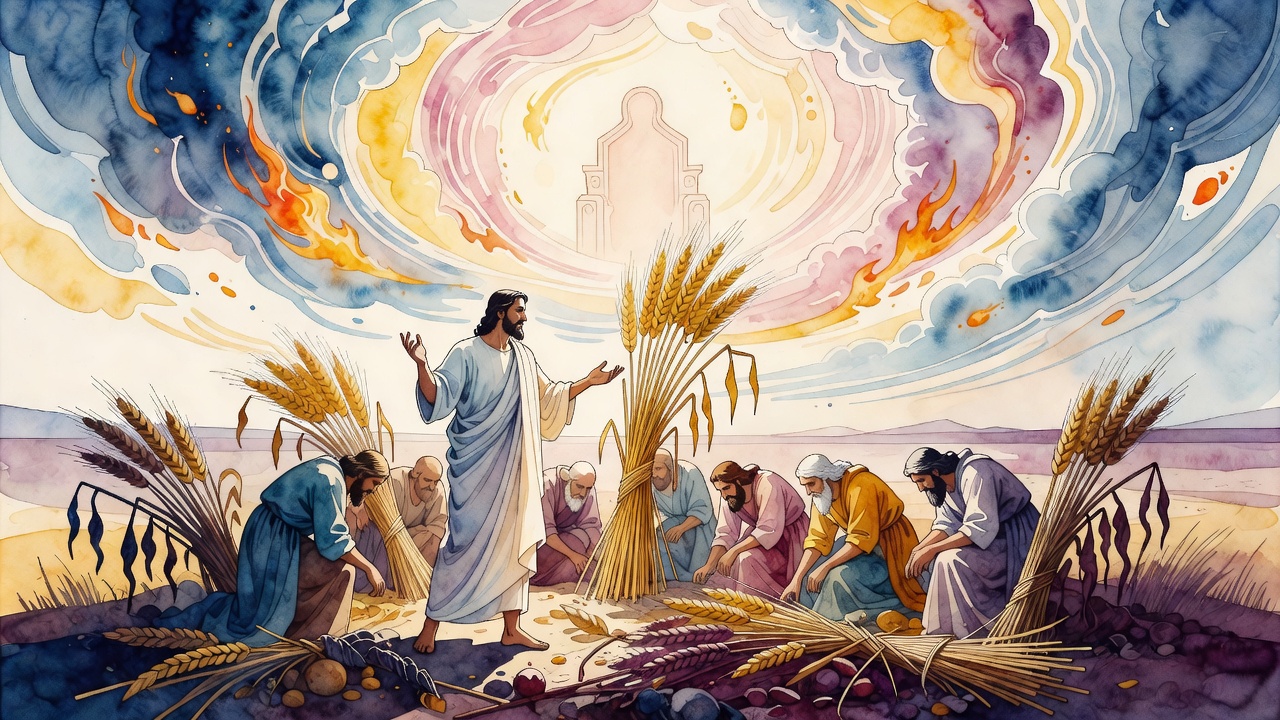
He warned them, before any of it happened, that they would keep the truth about him from his father. Then they sold him and soaked the coat in goat blood.
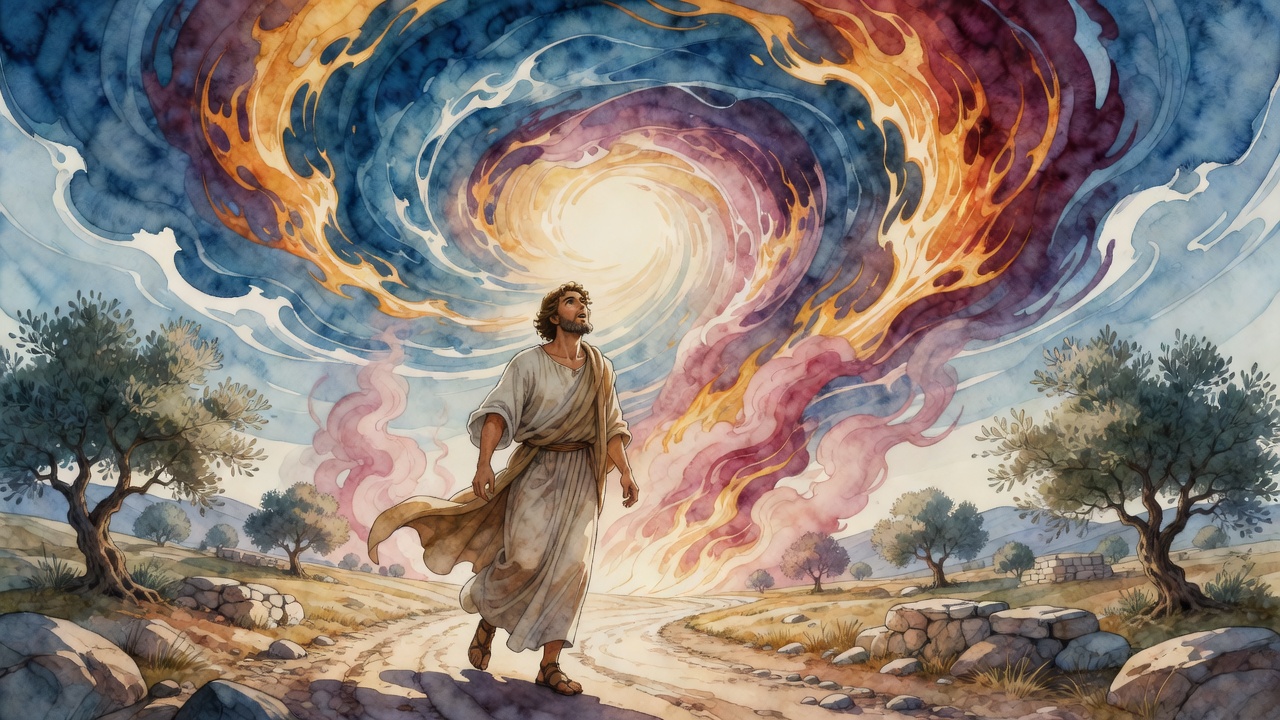
Jacob told him to walk by daylight and send word. He never said come home. In the empty fields near Shechem, a man was already waiting.
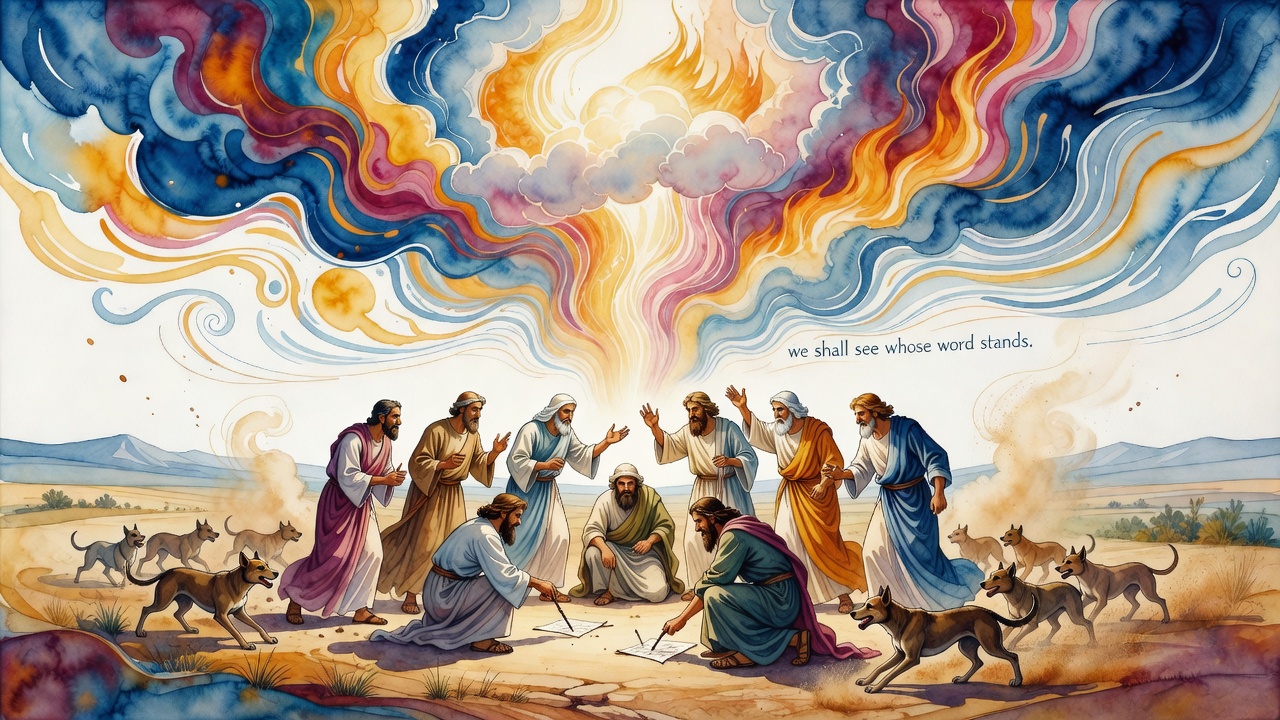
Before Joseph reached Dothan the brothers cycled through plans, including dogs. God heard every word and answered: we shall see whose word stands.
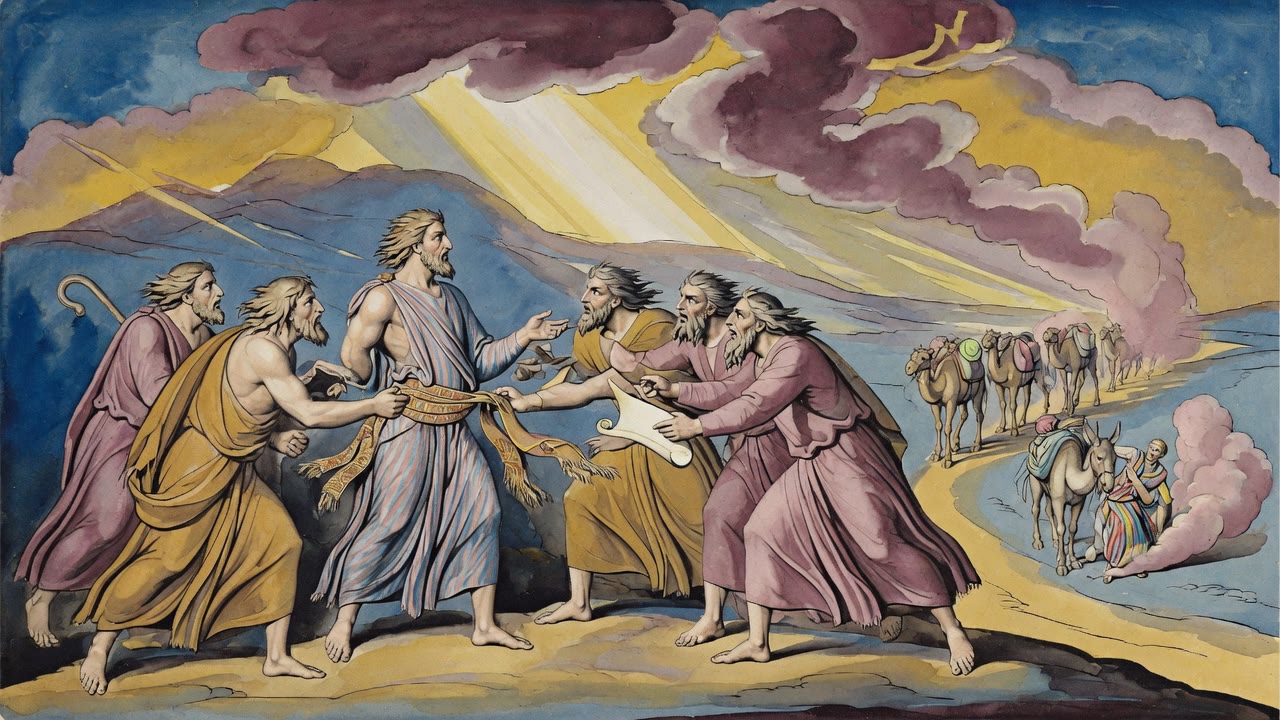
His brothers took the crown off him and put him out of the family. A Canaanite king threw him a feast, and the king's daughter kept his cup full.
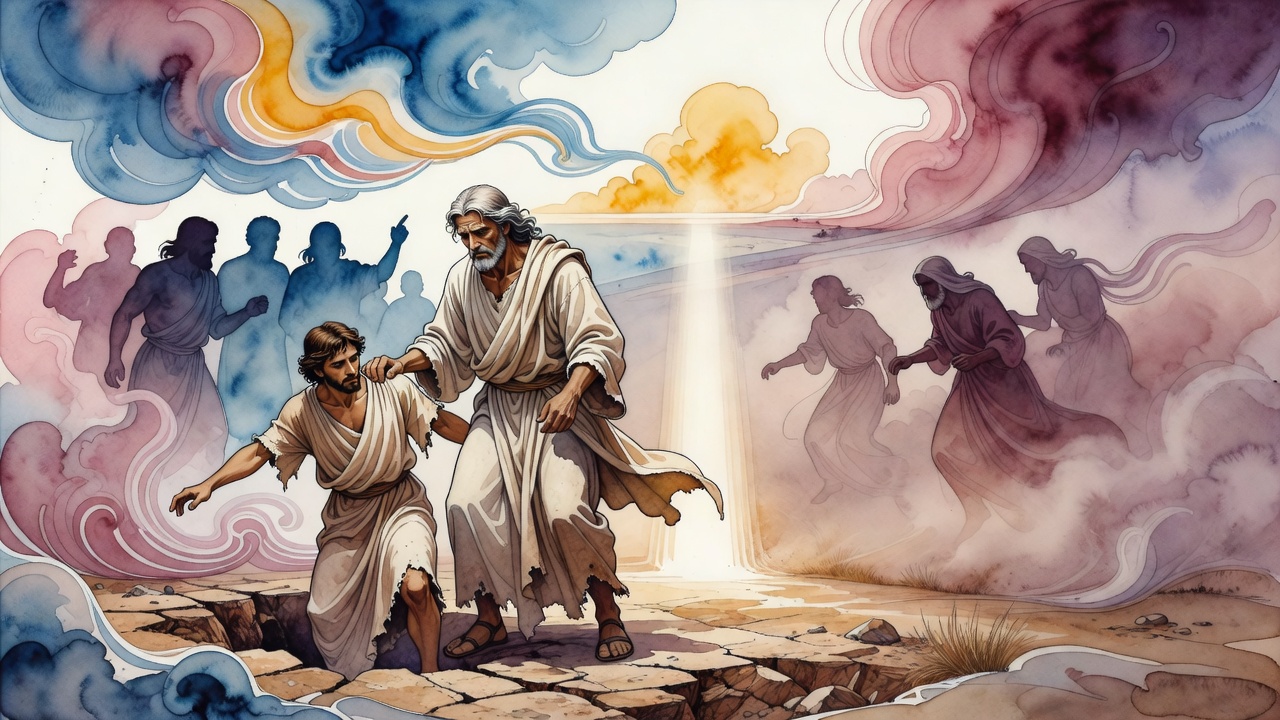
Judah saved Joseph from murder but sold him into slavery. His years in Adullam, with dead sons and a dead wife, were the price of a half-done rescue.
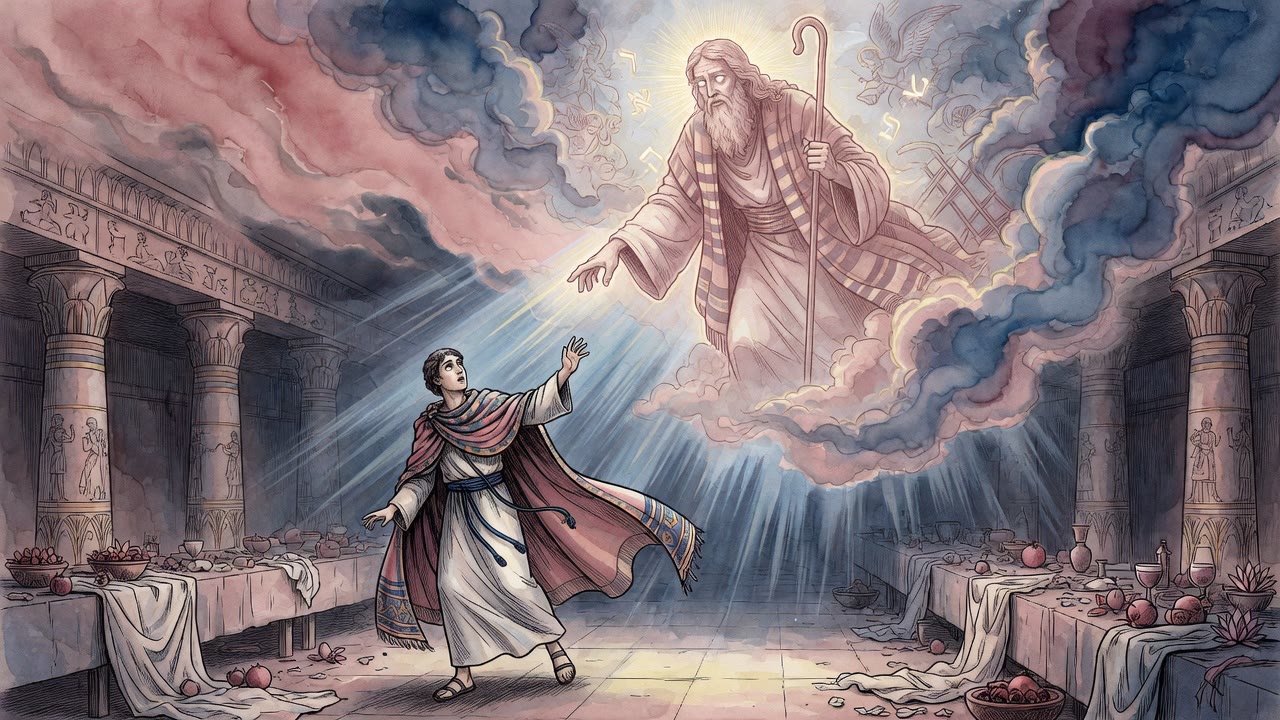
She praised his eyes in the Egyptian house. He told her they would look ghastly in the grave, and she came back the next morning anyway.
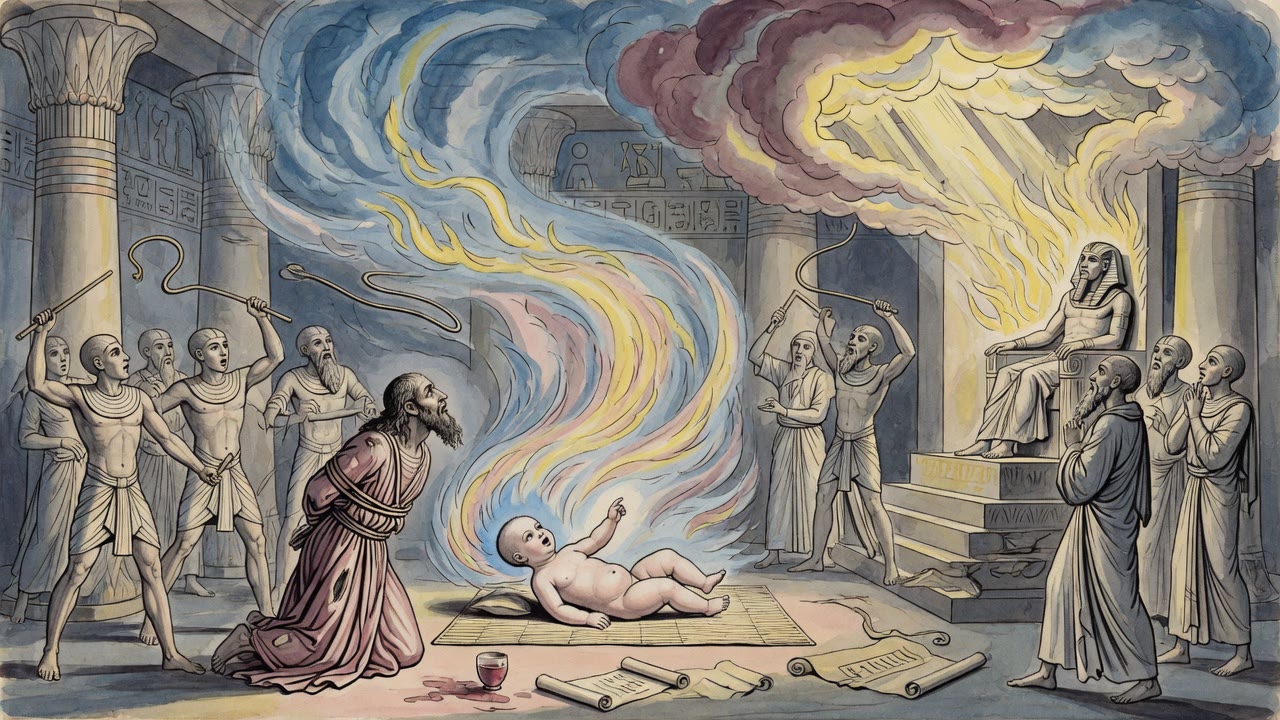
She changed out of her state robes, got back into the bed she had left that morning, and laid the torn coat down beside her. Then she called the house in.
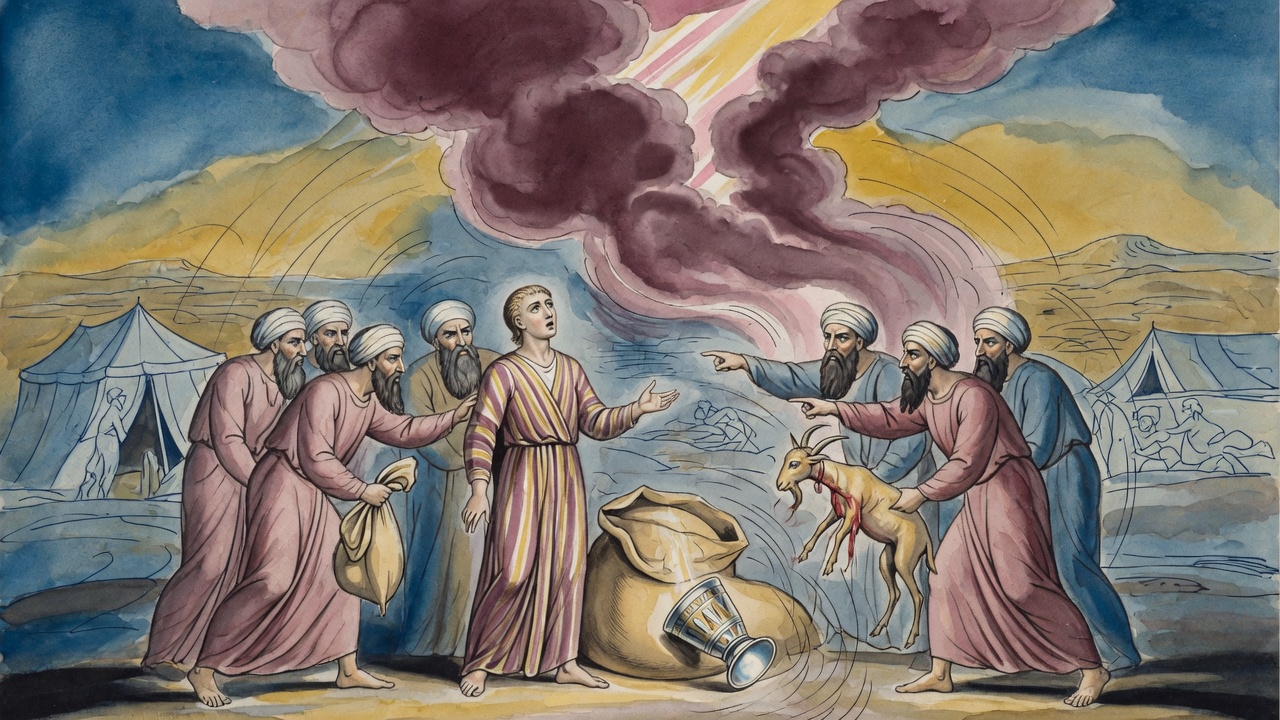
They called him thief, then they called his mother a thief. Benjamin asked about a kid of the goats and a coat soaked in blood.
