376 myths · Page 4 of 13
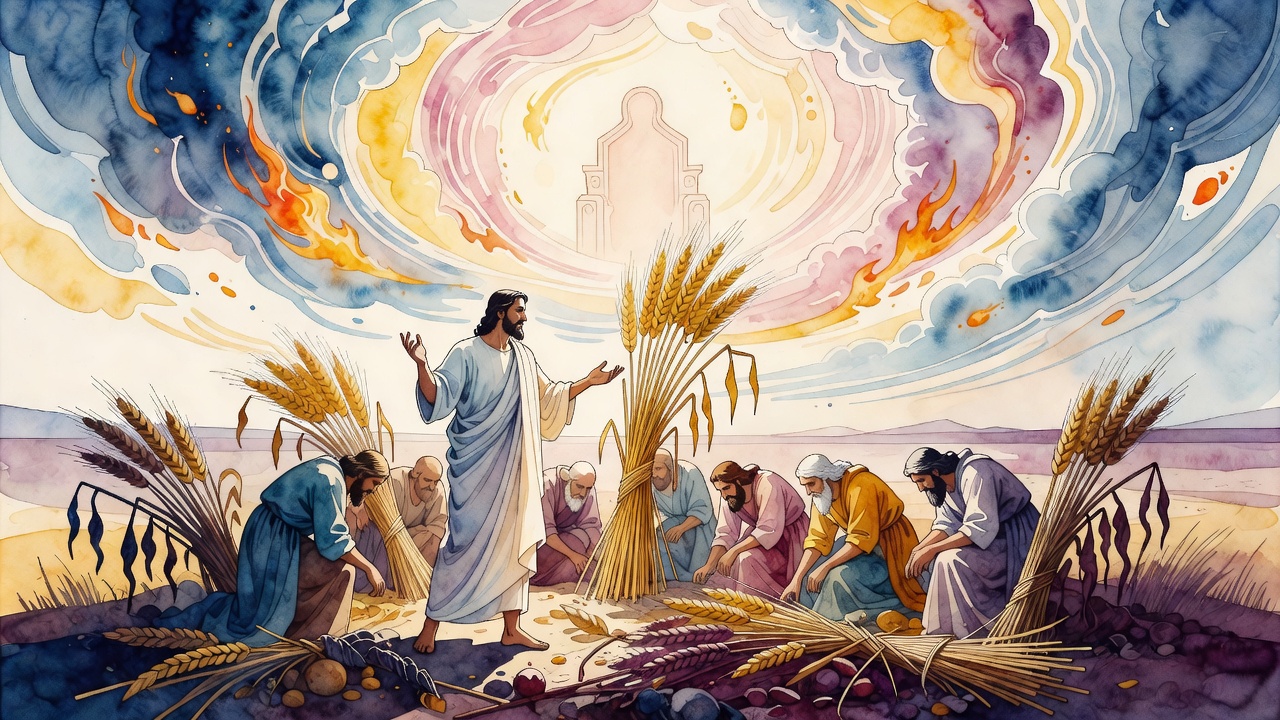
He warned them, before any of it happened, that they would keep the truth about him from his father. Then they sold him and soaked the coat in goat blood.
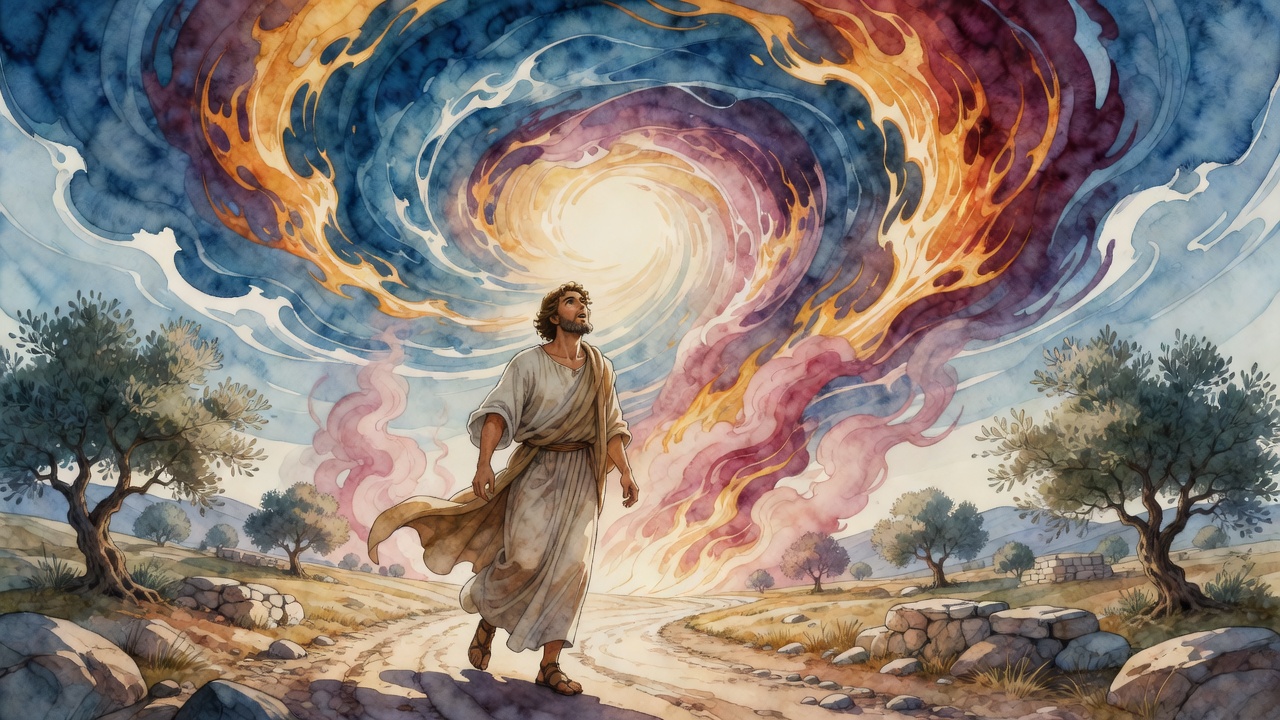
Jacob told him to walk by daylight and send word. He never said come home. In the empty fields near Shechem, a man was already waiting.
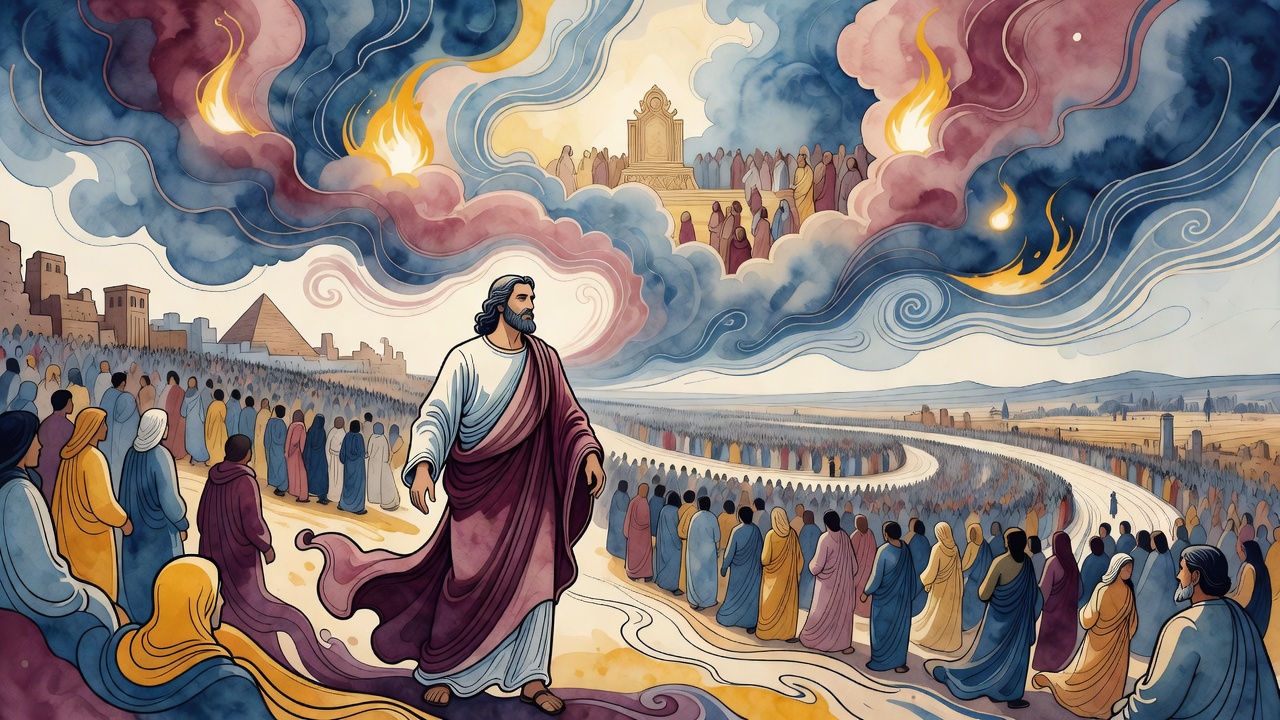
Egypt had sold him its silver, its cattle, and its fields. Then Joseph emptied its towns and moved the whole population, and his brothers never learned why.
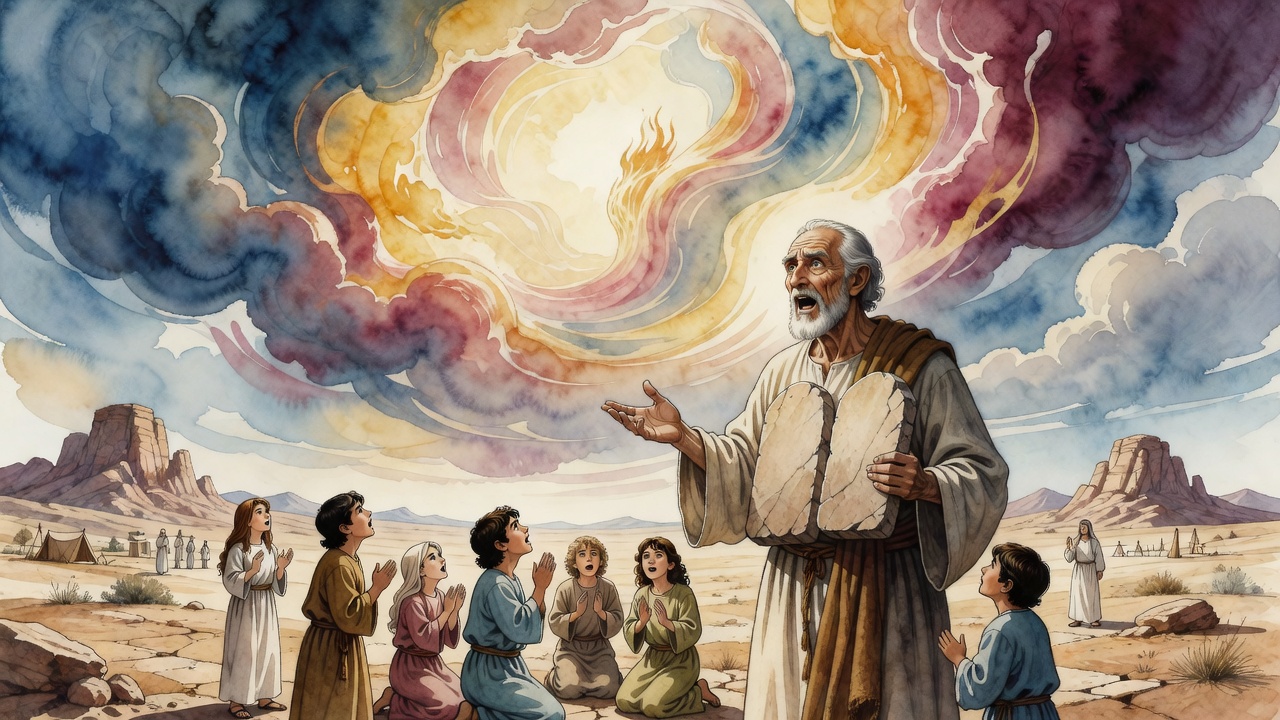
Centuries before the Temple was built, a patriarch warned his children: act like Sodom and your sanctuary will fall. He had read it in the tablets of heaven.
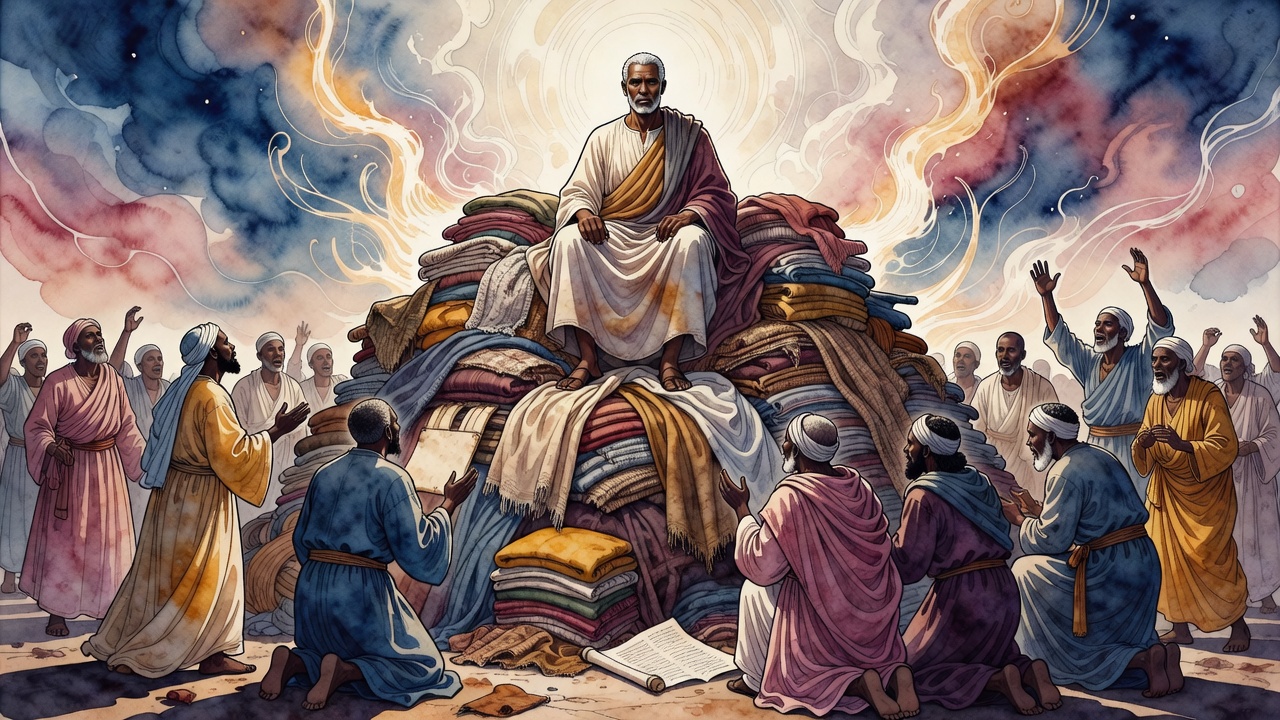
The Ethiopian army had no throne to offer Moses, so they stripped their garments, piled them into a seat, and crowned the man who had freed their city.
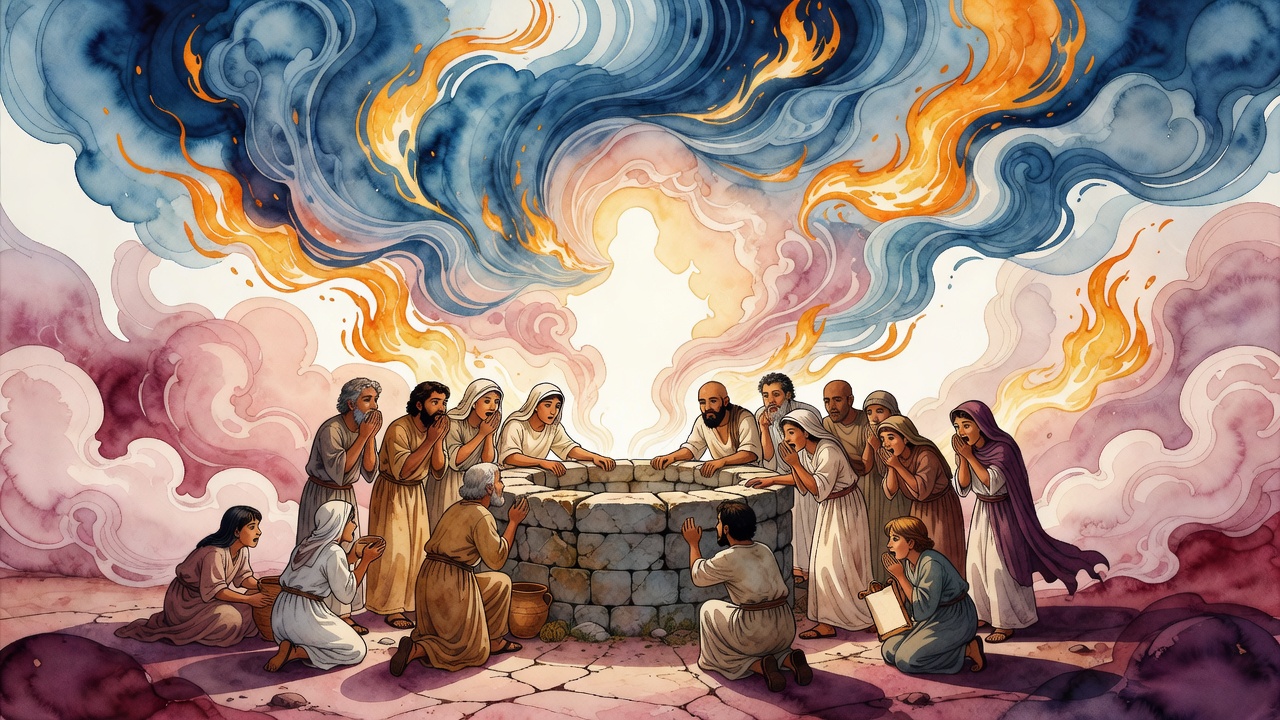
For generations nobody dared draw from it. Israel arrived after forty years in the desert and found cold water with no marker and no warning on it. They drank.
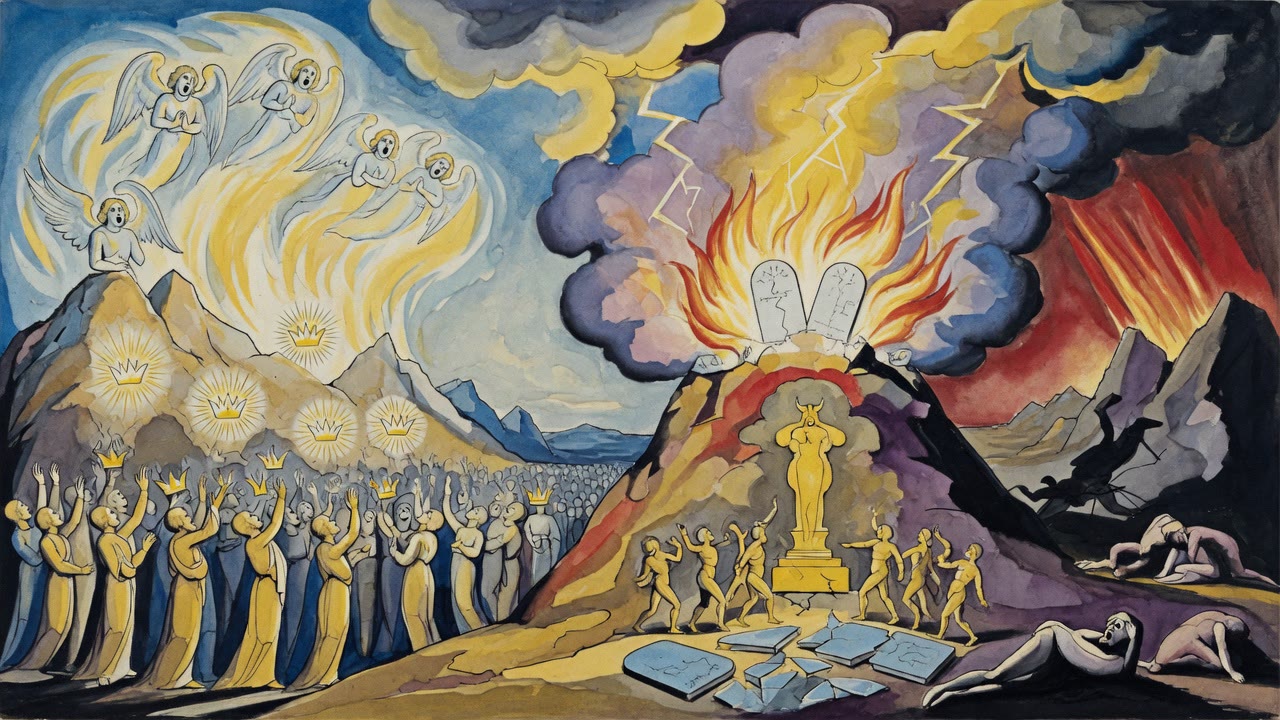
At Sinai the angels sang and Israel received crowns, but God already saw the calf, the broken tablets, and death returning to the camp.
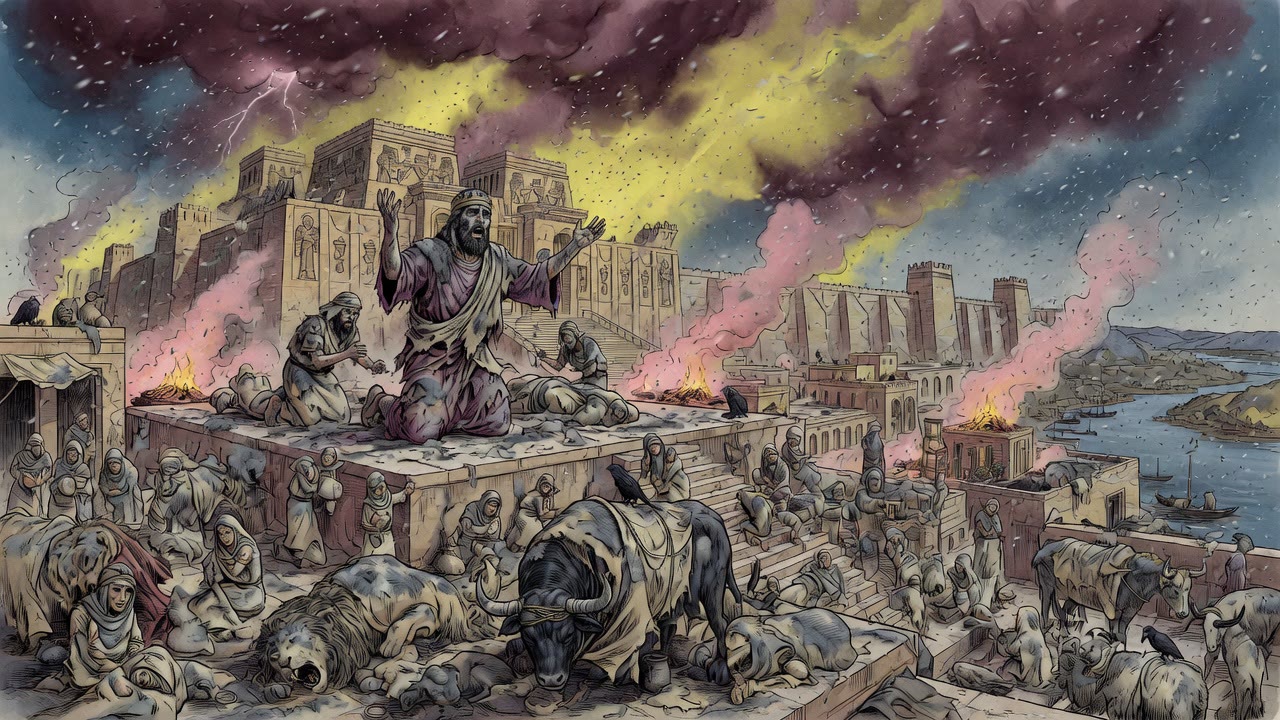
Jonah walked into Nineveh still tasting fish. The king left the throne for the ash heap. Stolen beams had to come out of the houses that held them.
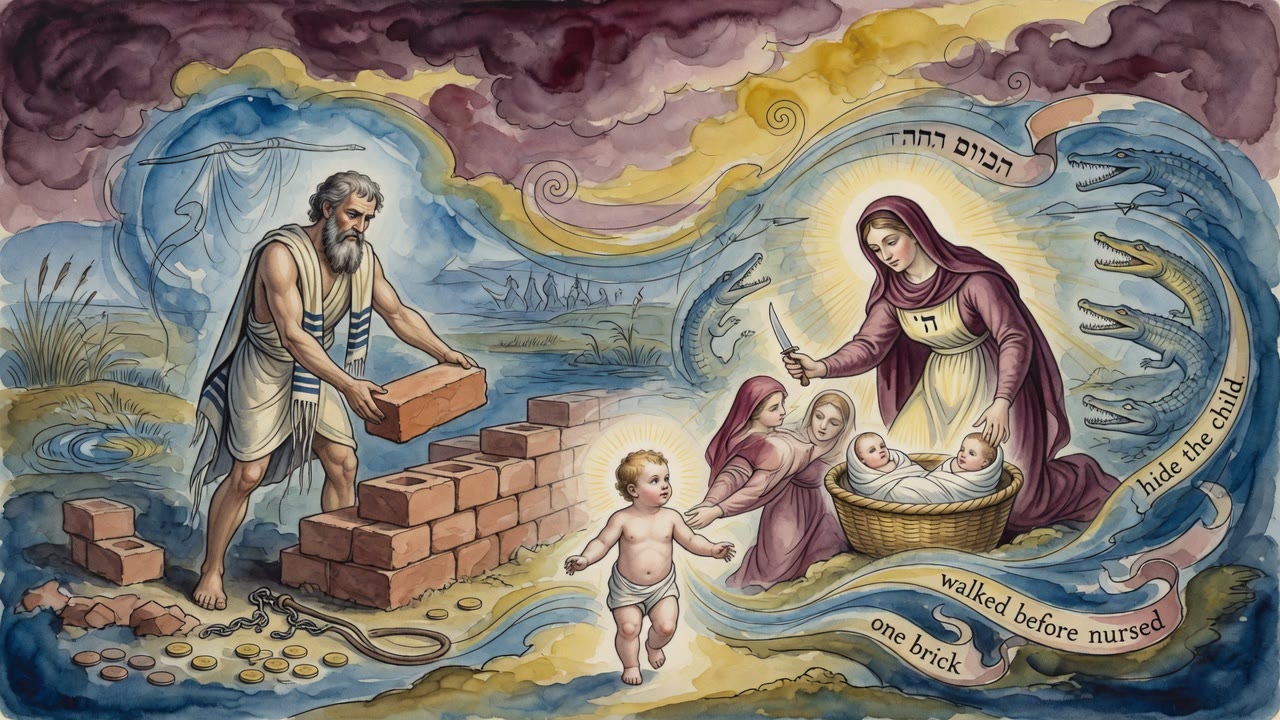
King Amon hunted down every Torah scroll in Judah and burned them. One scroll survived in the Temple wall. His son Josiah wept when he read it.
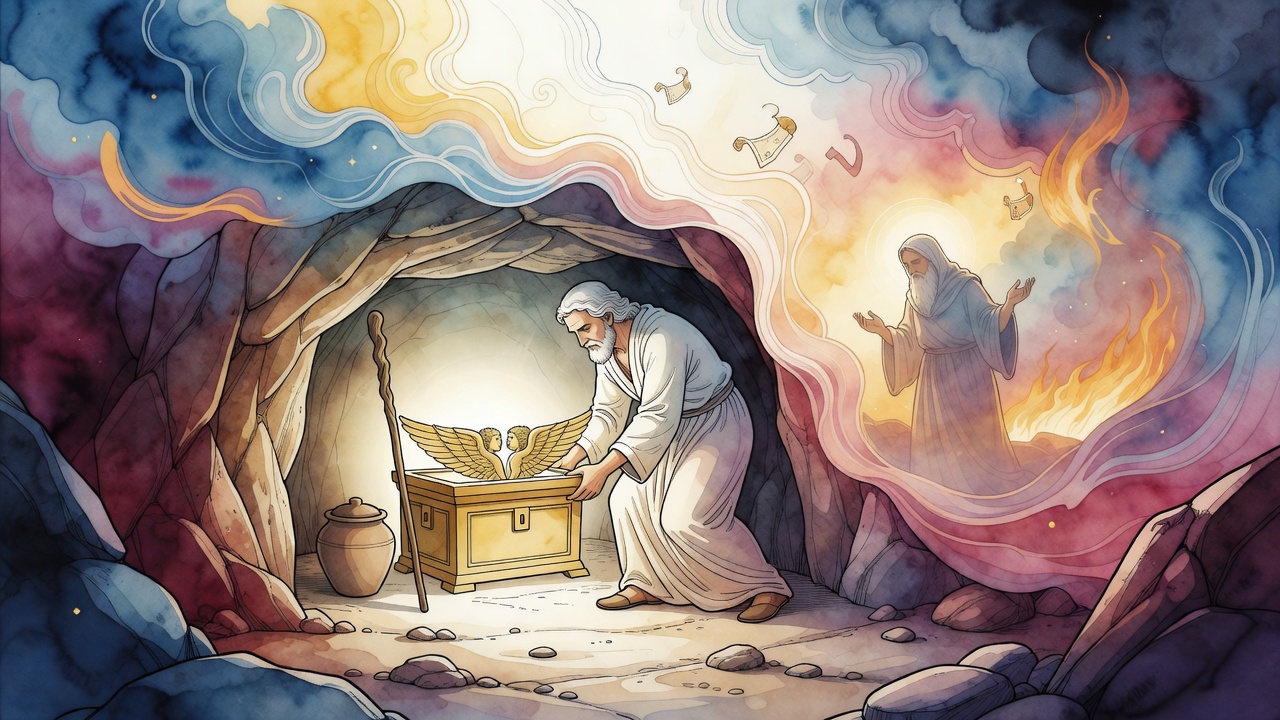
Huldah told him the Temple would fall after he died. He hid the Ark, the manna jar, and the oil where Babylon would find nothing.
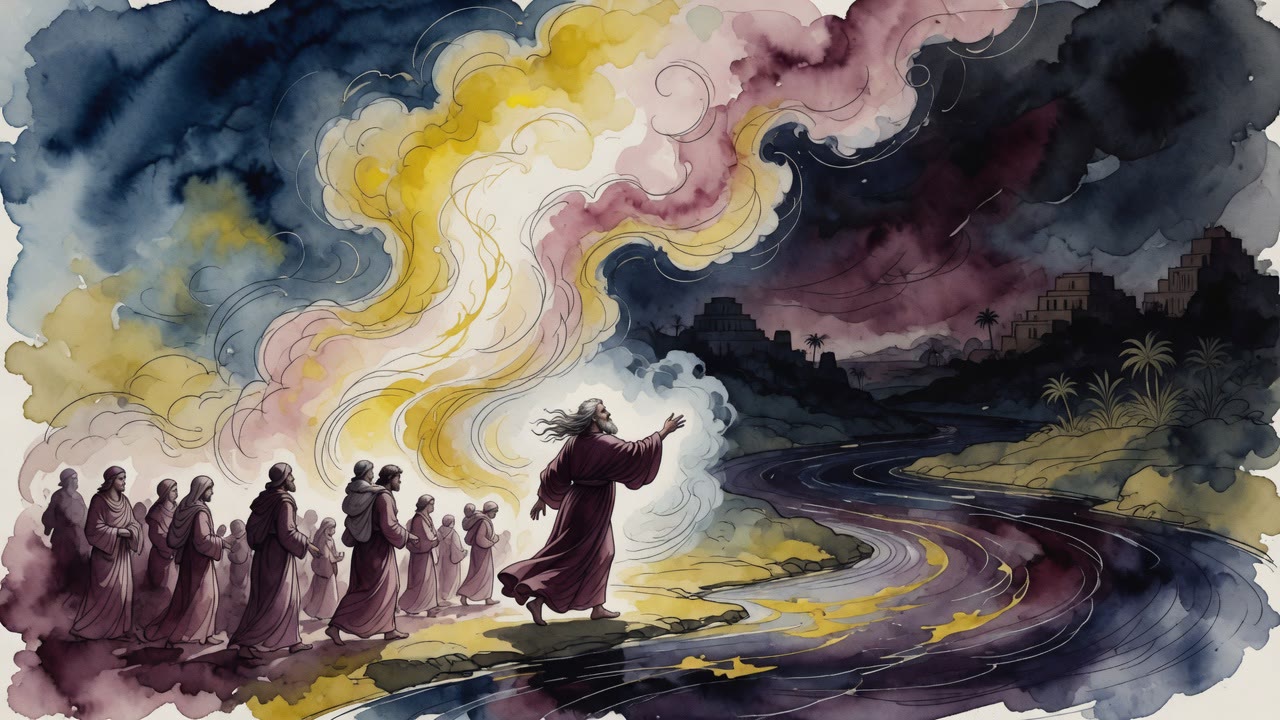
Pharaoh's fleet was sailing north to break the siege. Then God filled the water with drowned Egyptian ancestors, and the fleet turned back.
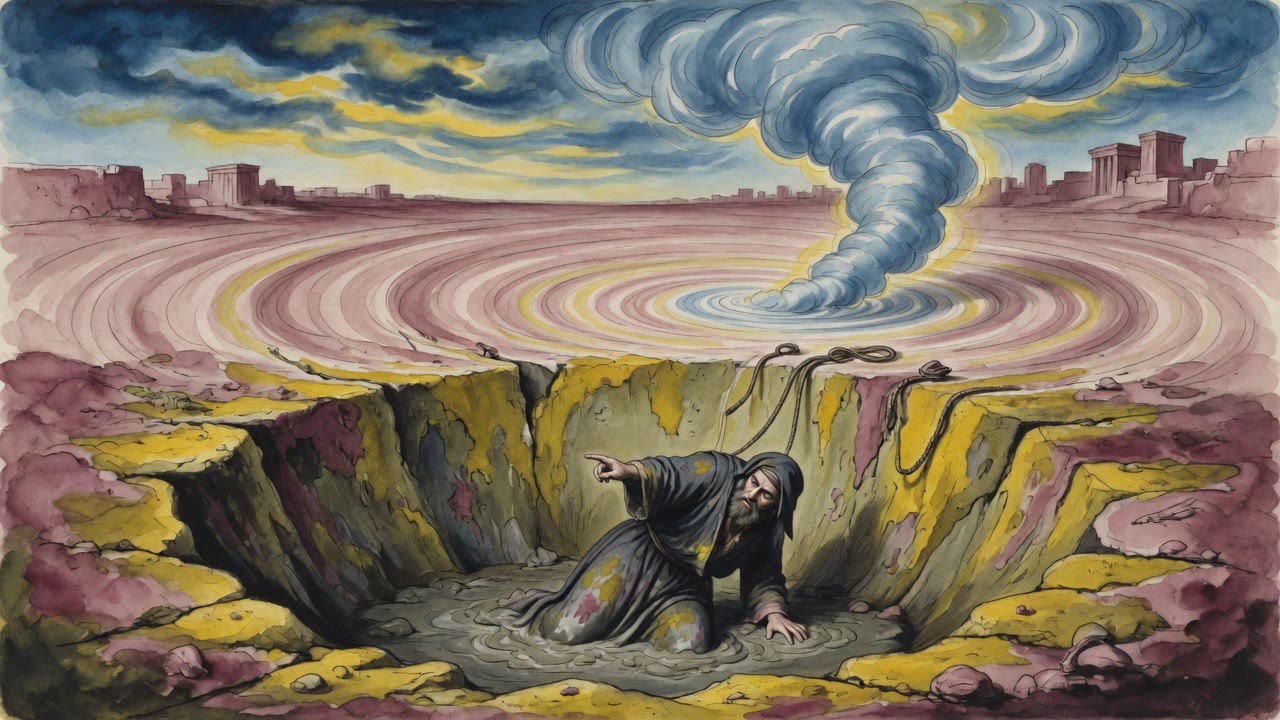
The prophet sank in mud and lime, and a voice called his name. He had been mocked too many times to trust a friendly sound. He did not answer.
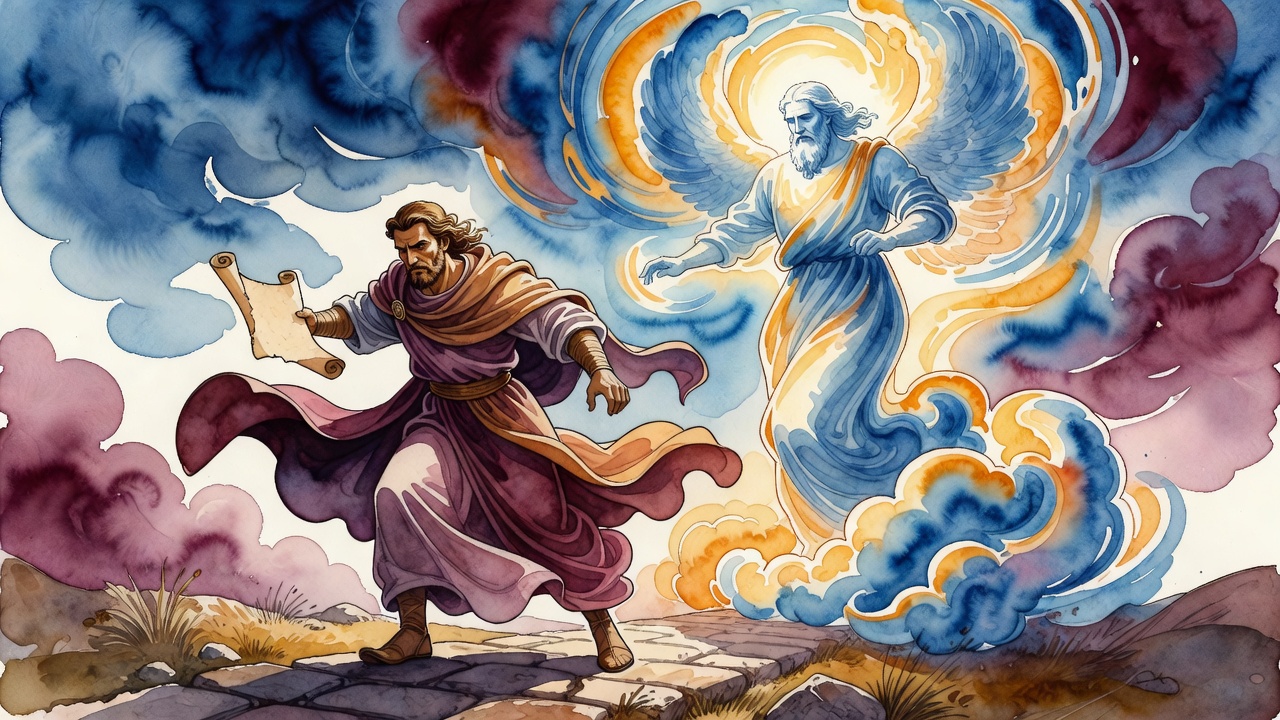
Nebuchadnezzar caught a disrespectful letter and ran to fix it. He took three steps. Gabriel stopped him. Those steps were the reason he rose to power.
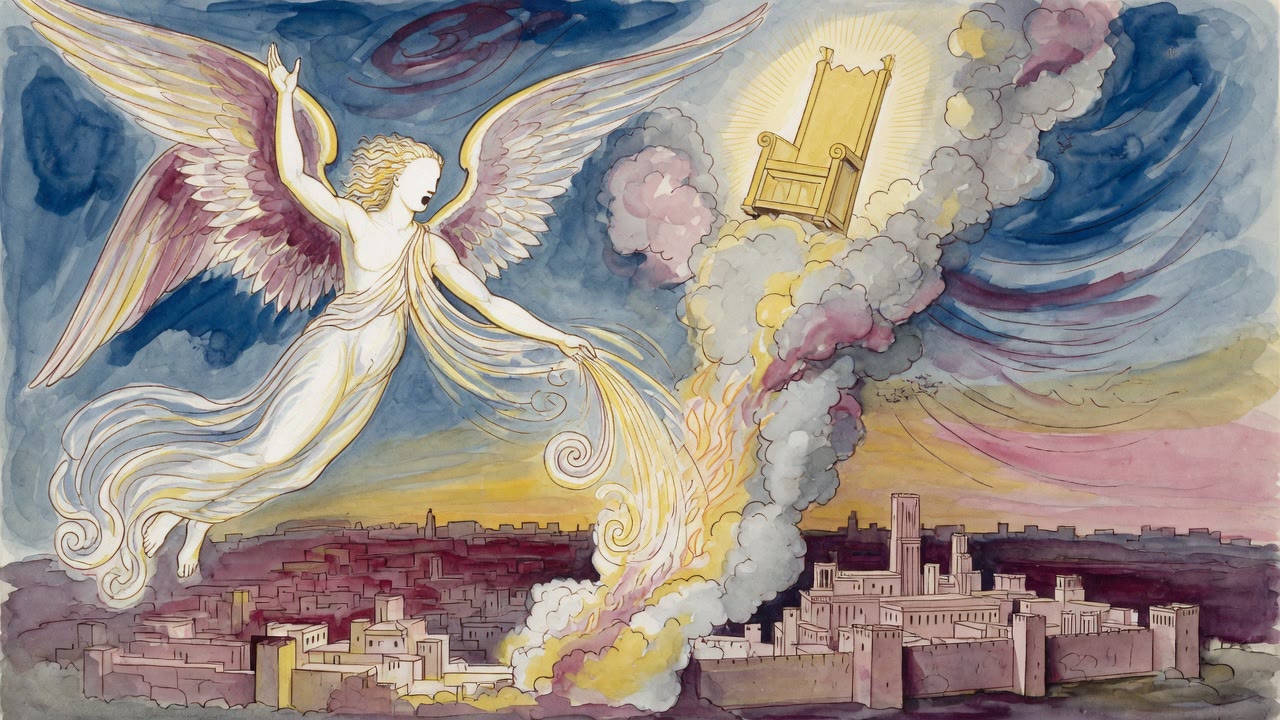
Jerusalem did not fall because Babylon was stronger. It fell after Jeremiah left the city and an angel stood on the wall to invite the enemy in.
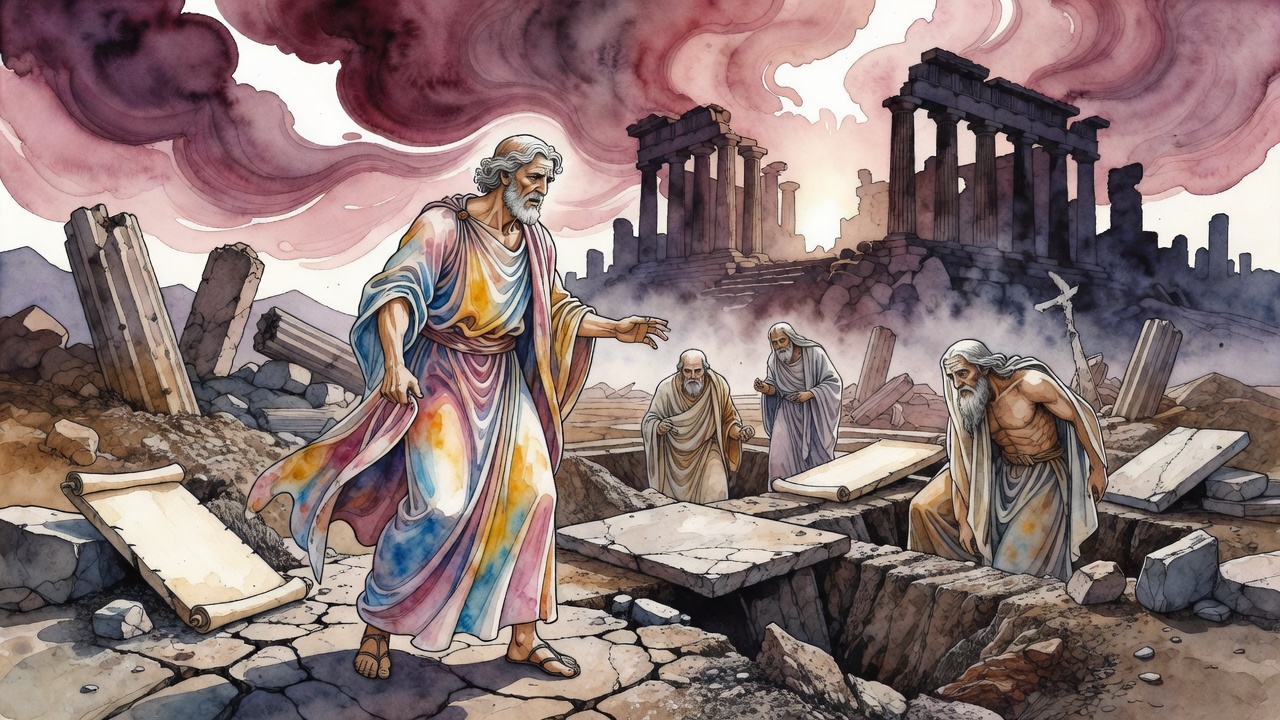
After the Temple fell, God sent Jeremiah to wake the Patriarchs from their graves. Jeremiah lied to them. He feared they would blame him for what had happened.
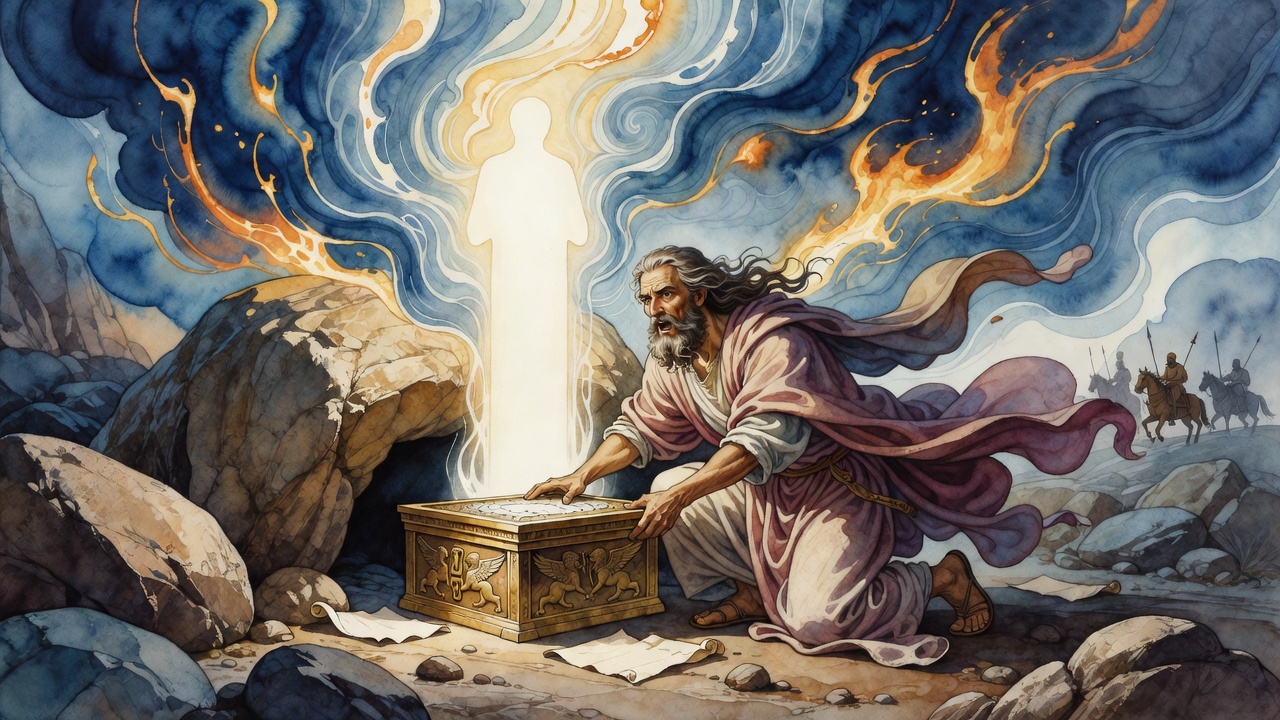
His men tried to scratch the rock so they could find the cave later. Jeremiah turned on them. God would show the Ark when God chose.
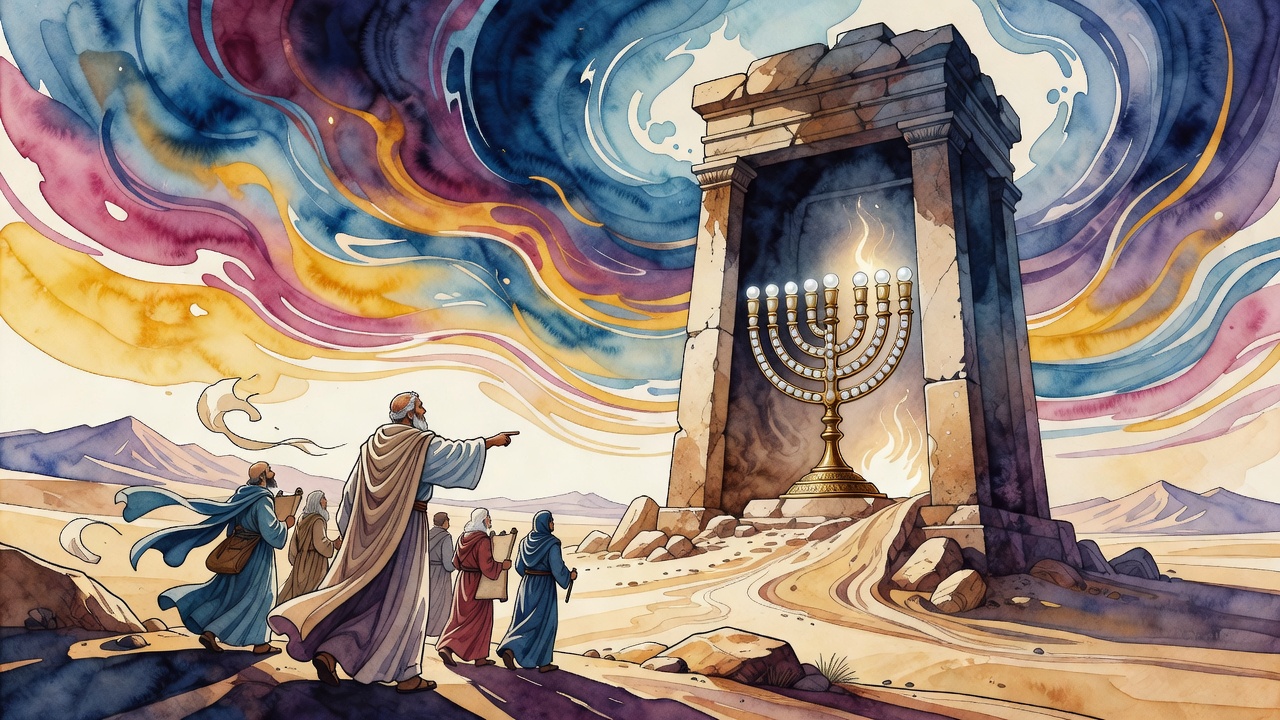
A Levite named Shimur led a group east to Babylon and hid the Temple's greatest treasures in a tower. The menorah (the lampstand) had twenty-six pearls on.
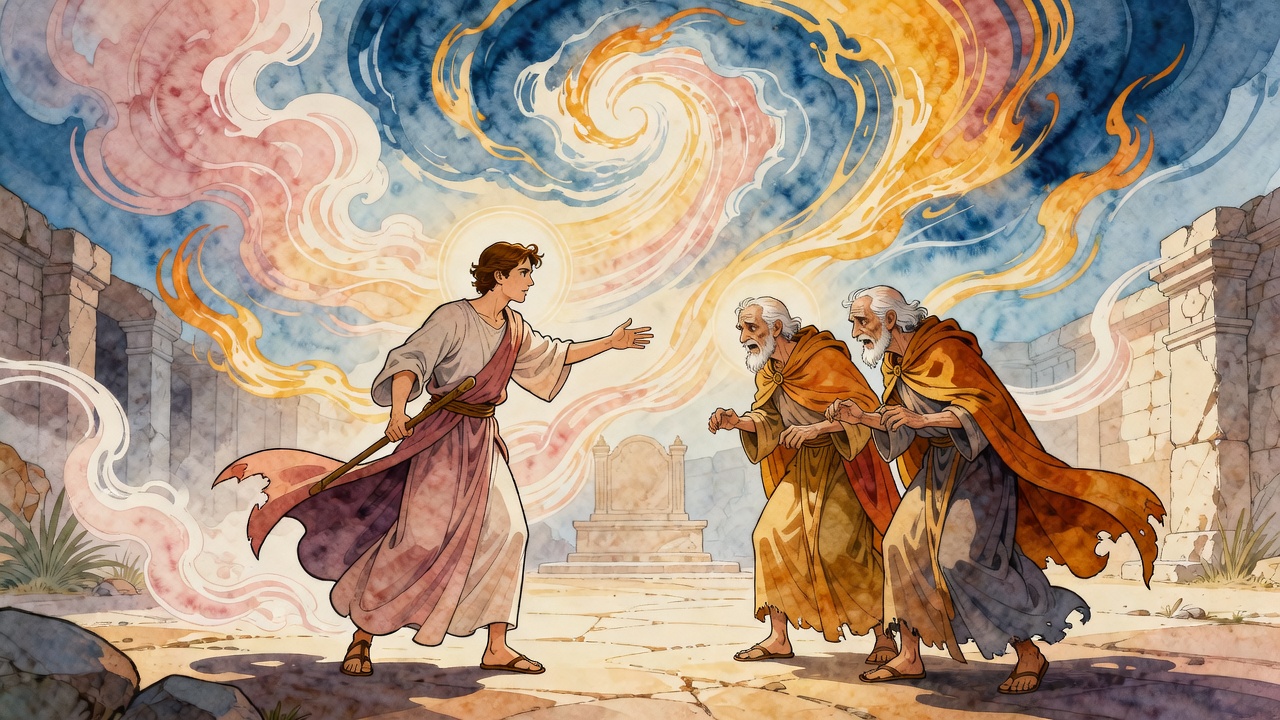
Two elders condemned a righteous woman with false testimony. A young man with no standing interrupted and asked each elder which tree they had stood under.
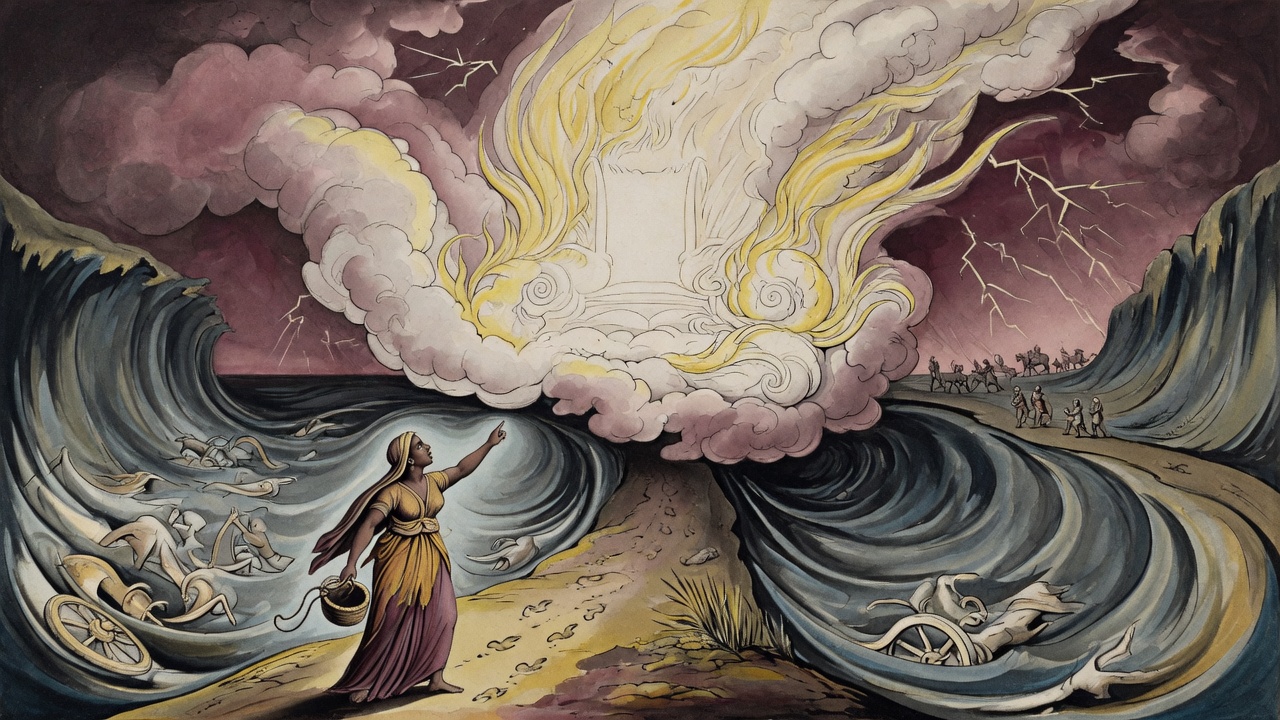
Ezekiel gave an uncertain answer about rescue. The three men declared they were ready to die regardless. That declaration was when the rescue became certain.
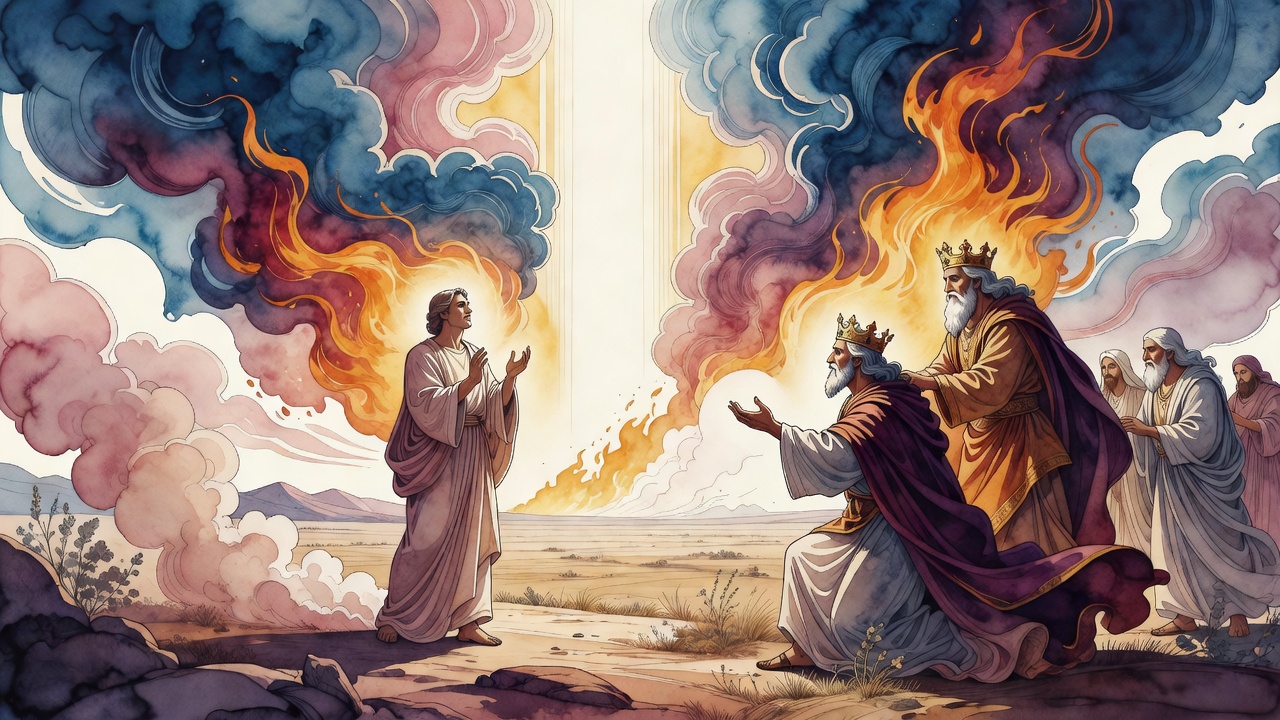
Nebuchadnezzar wanted to worship Daniel after the dream. Daniel refused. The king removed him from Dura before the furnace decree could force a confrontation.
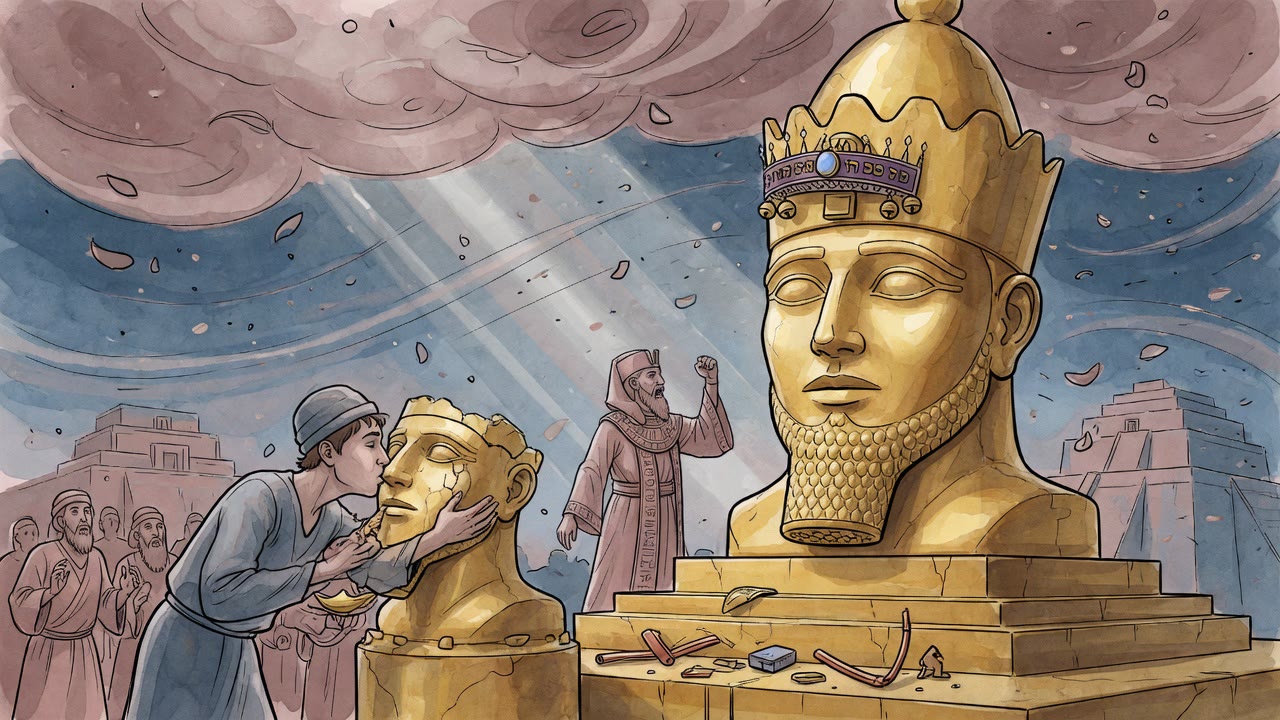
The idol said, "I am thy God." Music filled the hall. Daniel asked only to kiss it, and the king smiled as if he had won.
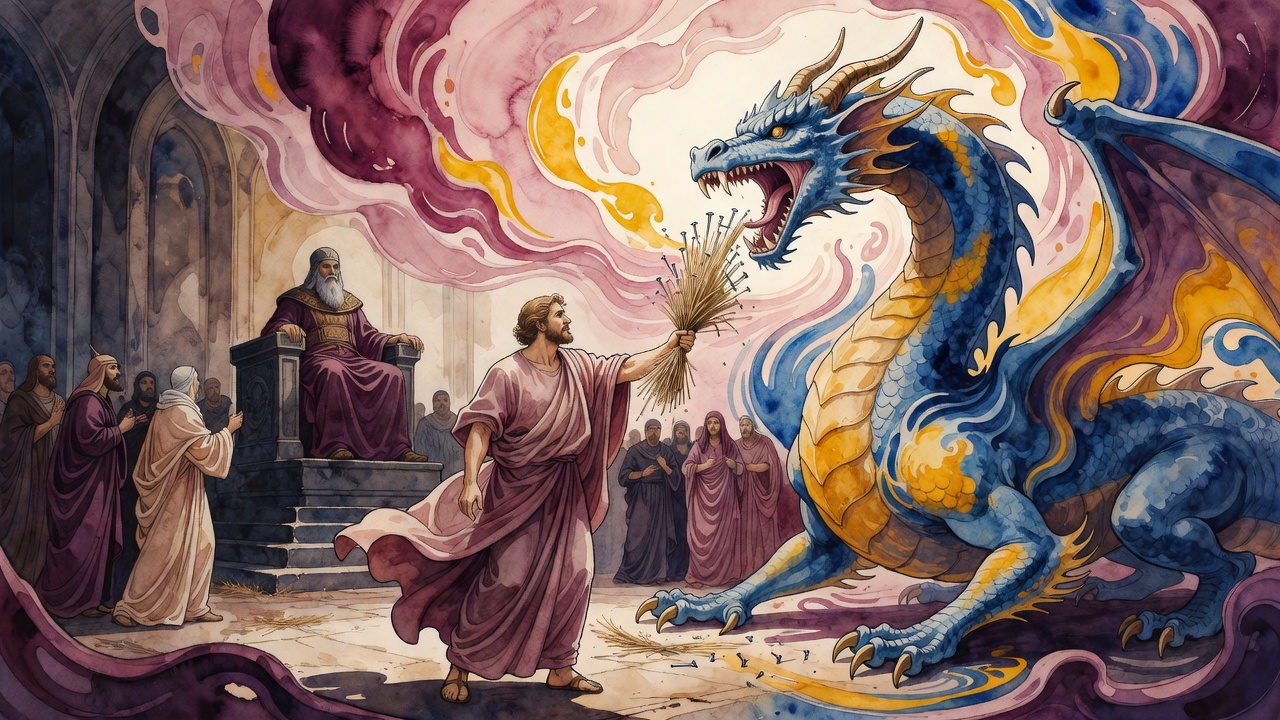
Nebuchadnezzar presented Daniel with a living dragon the court worshipped. Daniel asked to approach it without a sword and fed it straw packed with nails.
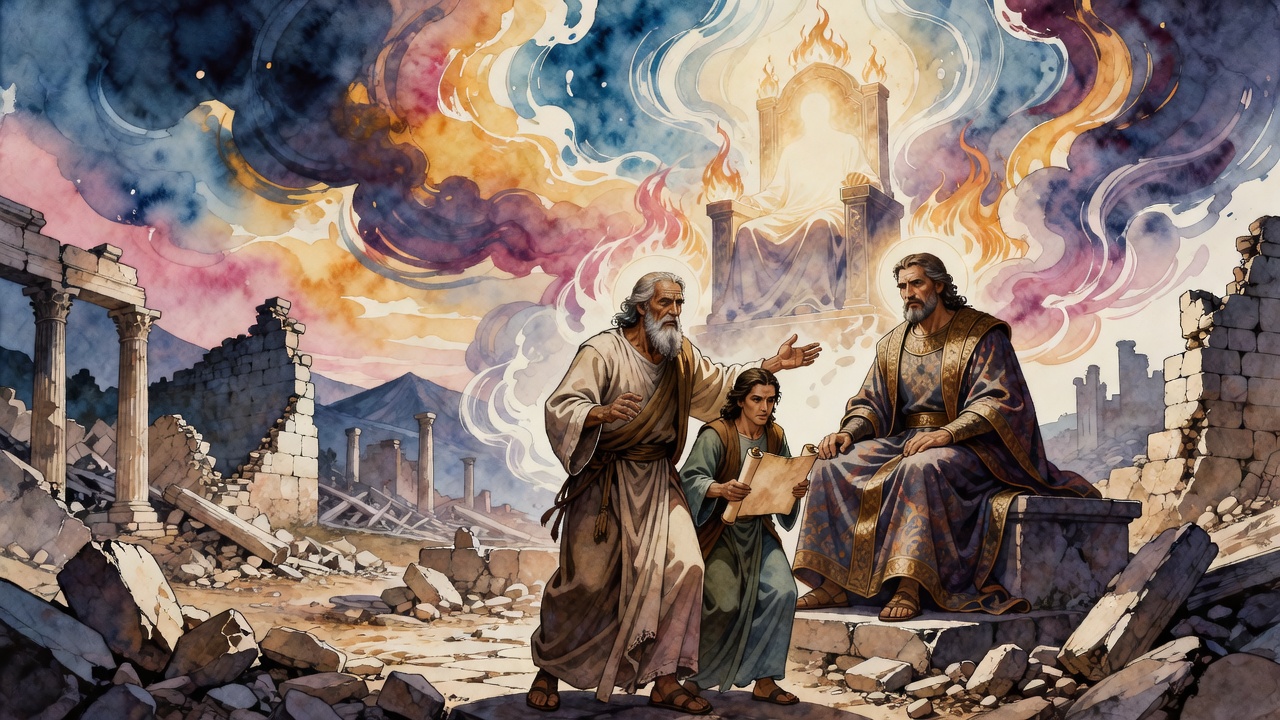
Daniel had outlived Babylon, but Jerusalem was still rubble. Persian officials could find nothing to charge him with, so they made his prayers illegal.
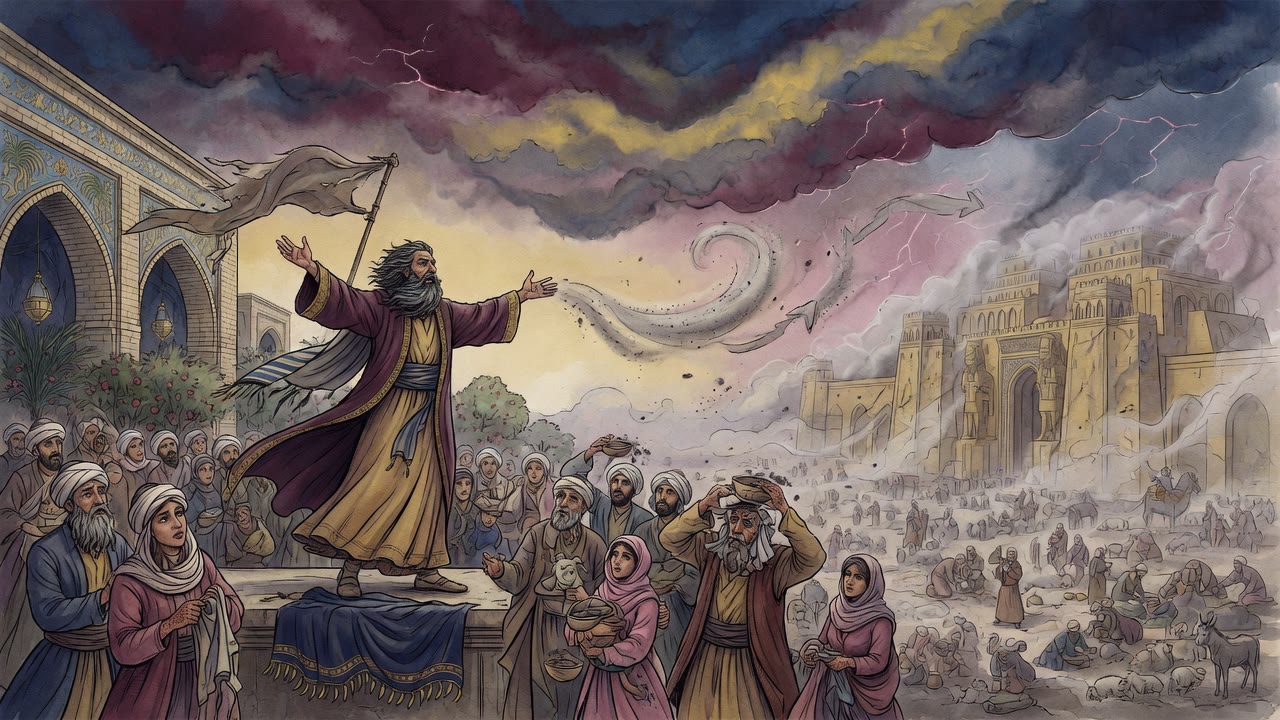
The stew was for men in a Judean field. Daniel was in a pit in Babylon. The pot arrived anyway, still hot, still full.
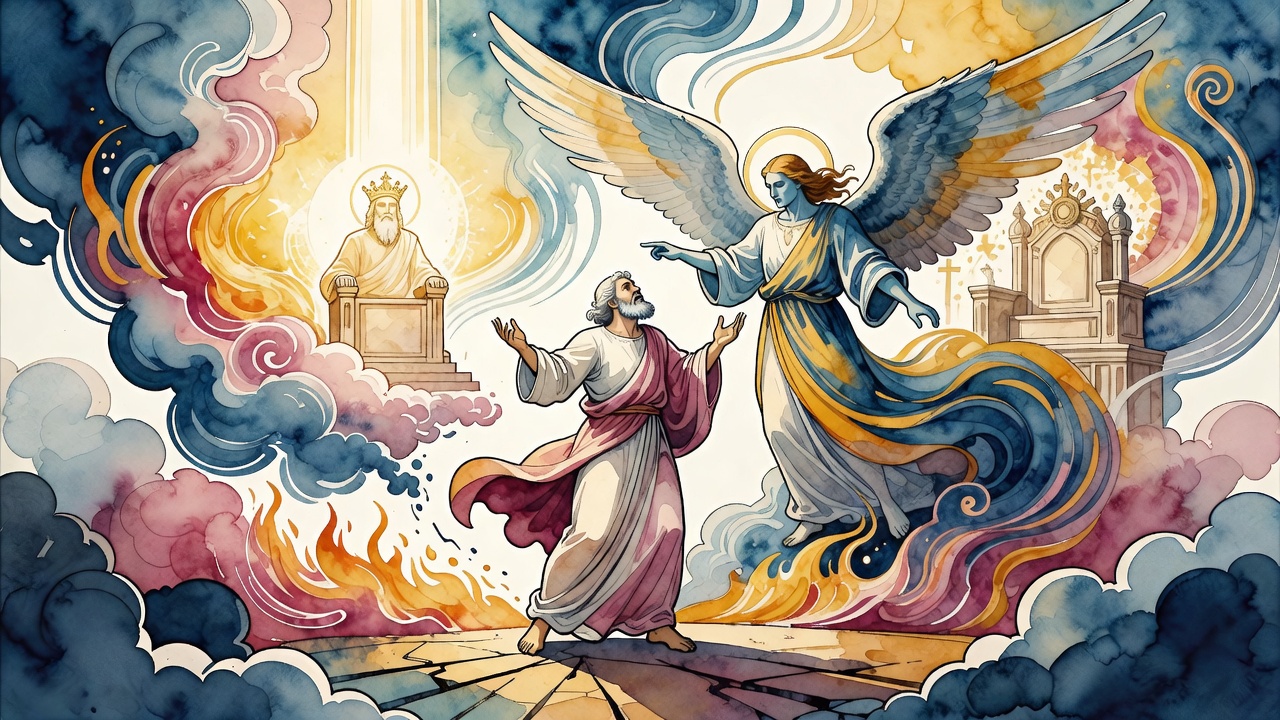
The archangel Metatron showed Zerubbabel the hidden Messiah and the shape of the future. Then Zerubbabel made one comment about Daniel and suffered for it.
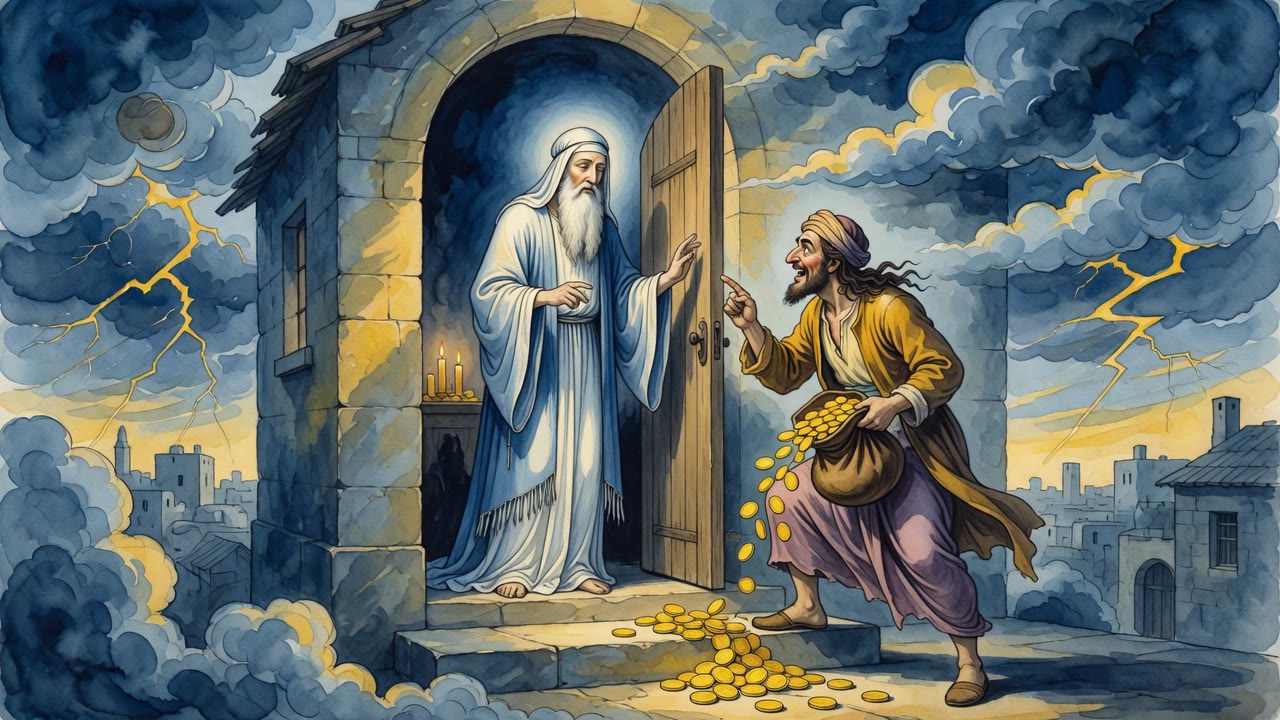
Ahasuerus did not lose Vashti because he hated her. He lost her because the men were comparing women and he wanted the room to admire him.
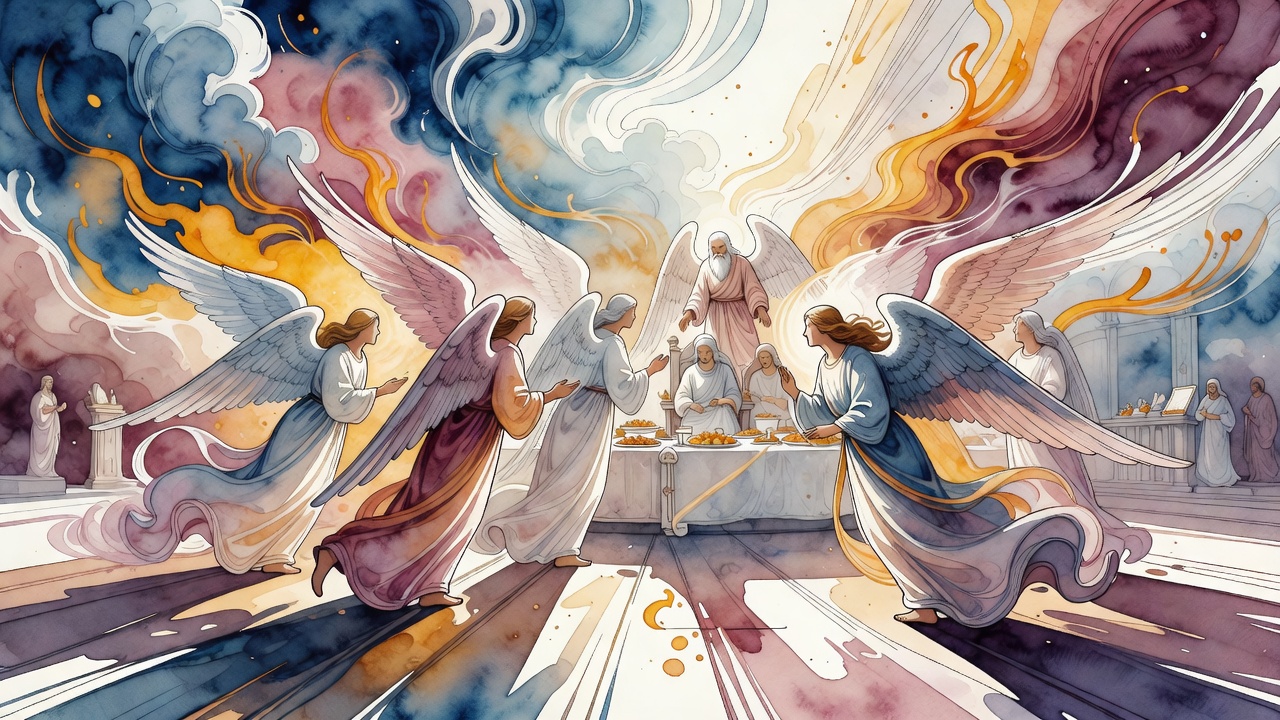
The wine sat in gold cups taken from Jerusalem. Mordecai fasted six days, then ate on the Sabbath. That was when the names arrived.
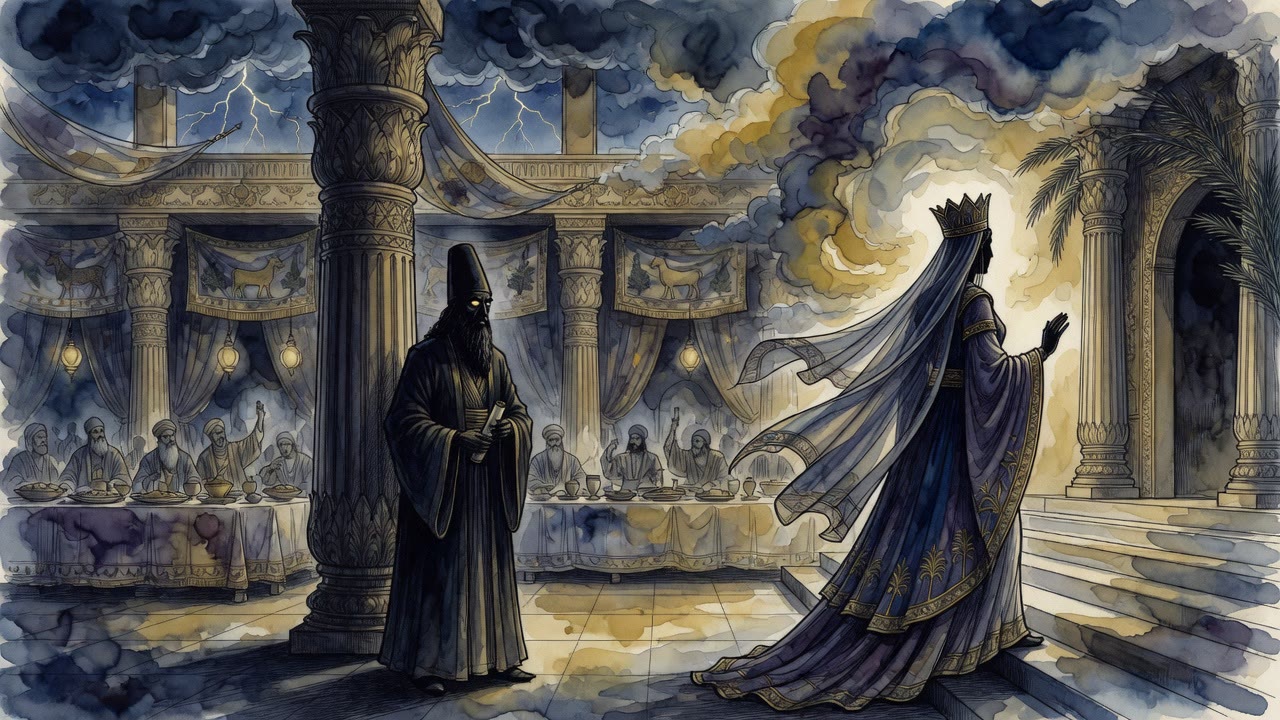
Vashti would not walk into a hall where Daniel stood. He had read her father's ruin off a wall in Babylon, and he was not finished with her house.
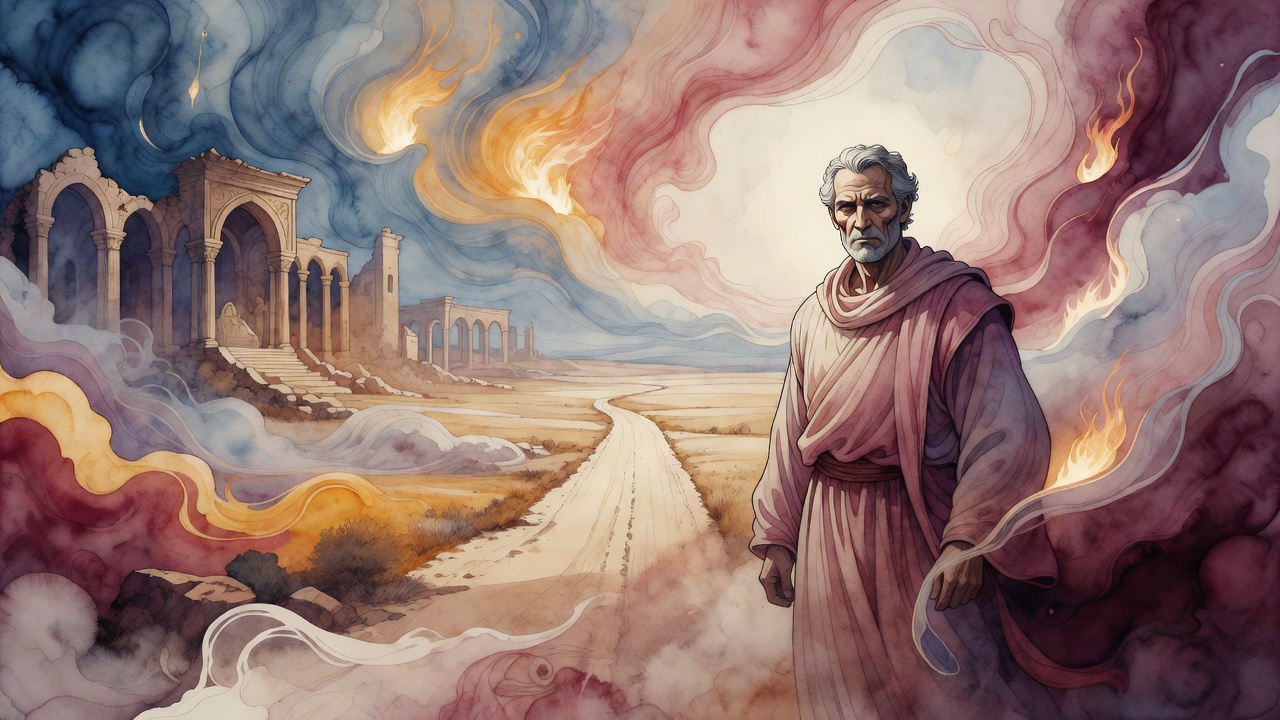
Mordecai was Jerusalem aristocracy, taken to Babylon by Nebuchadnezzar. When the road home opened, he stayed in Persia to raise Esther.
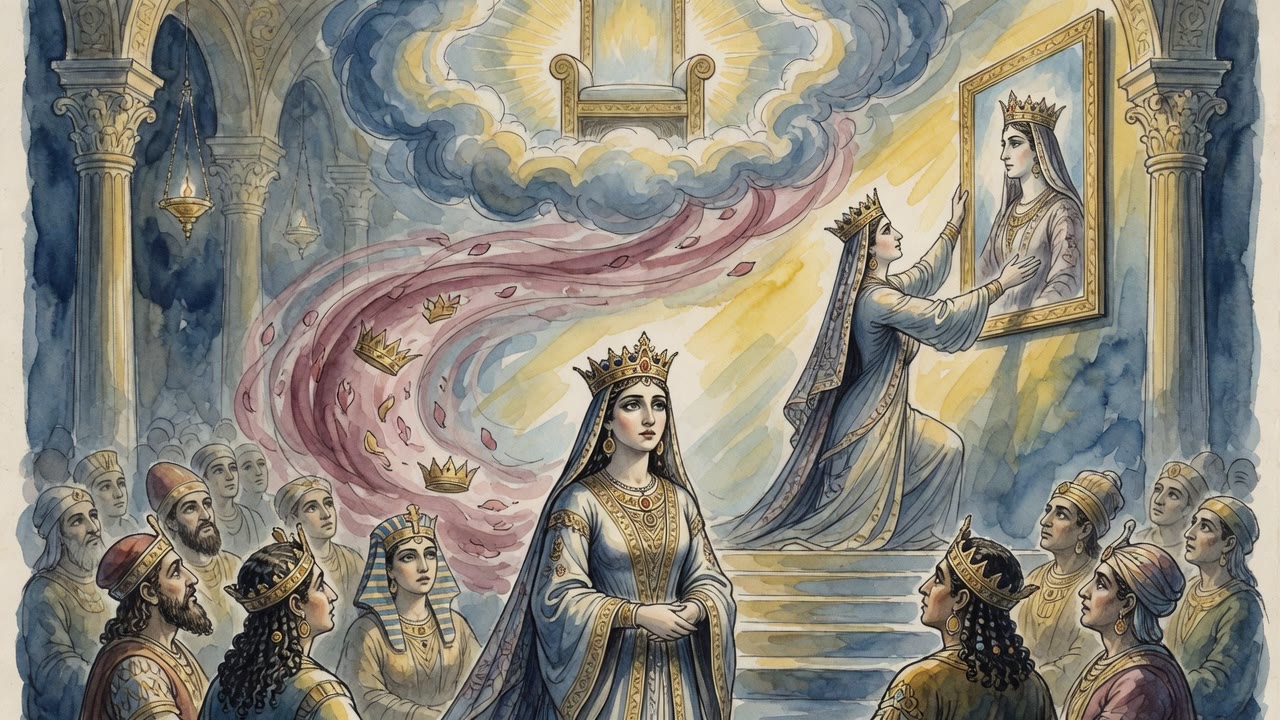
Hegai could hang if the king found the new girl unprepared. Esther would not touch the creams or the royal food, so he buried her in jewels.
