376 myths · Page 5 of 13
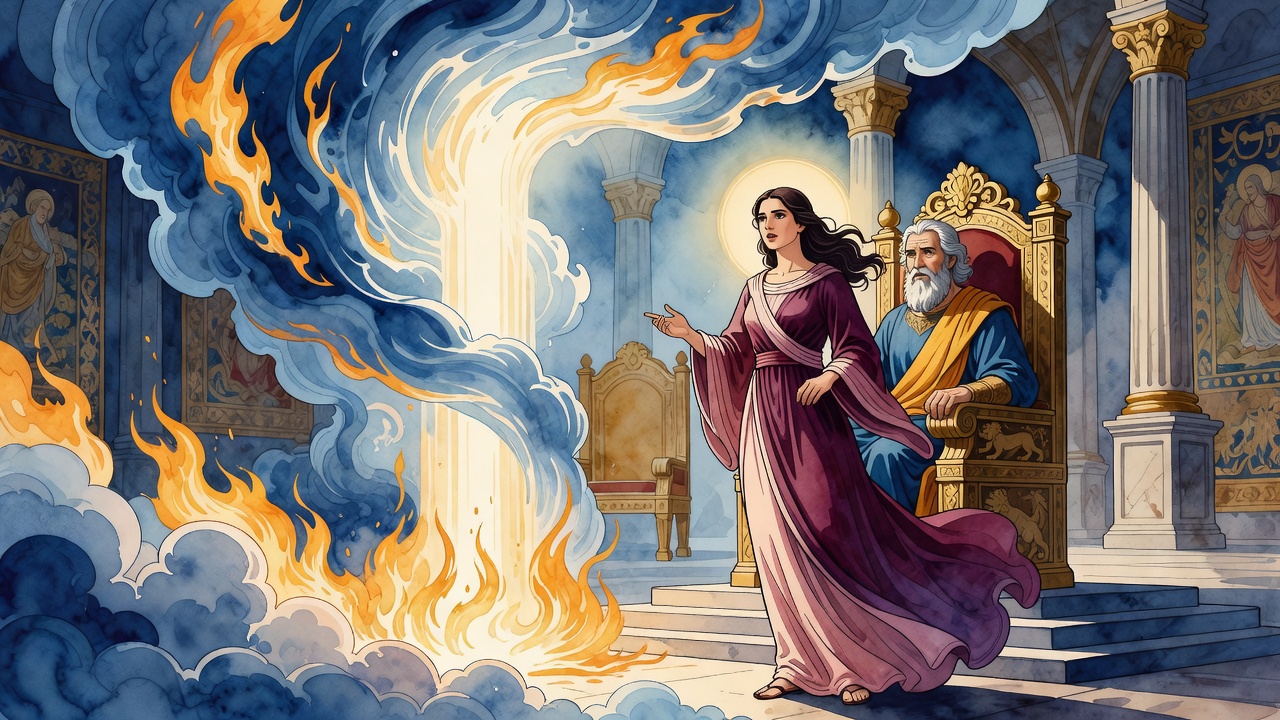
The king asked whose daughter she was and got nothing, again. When she finally answered him, she used the same breath to ask about Vashti.
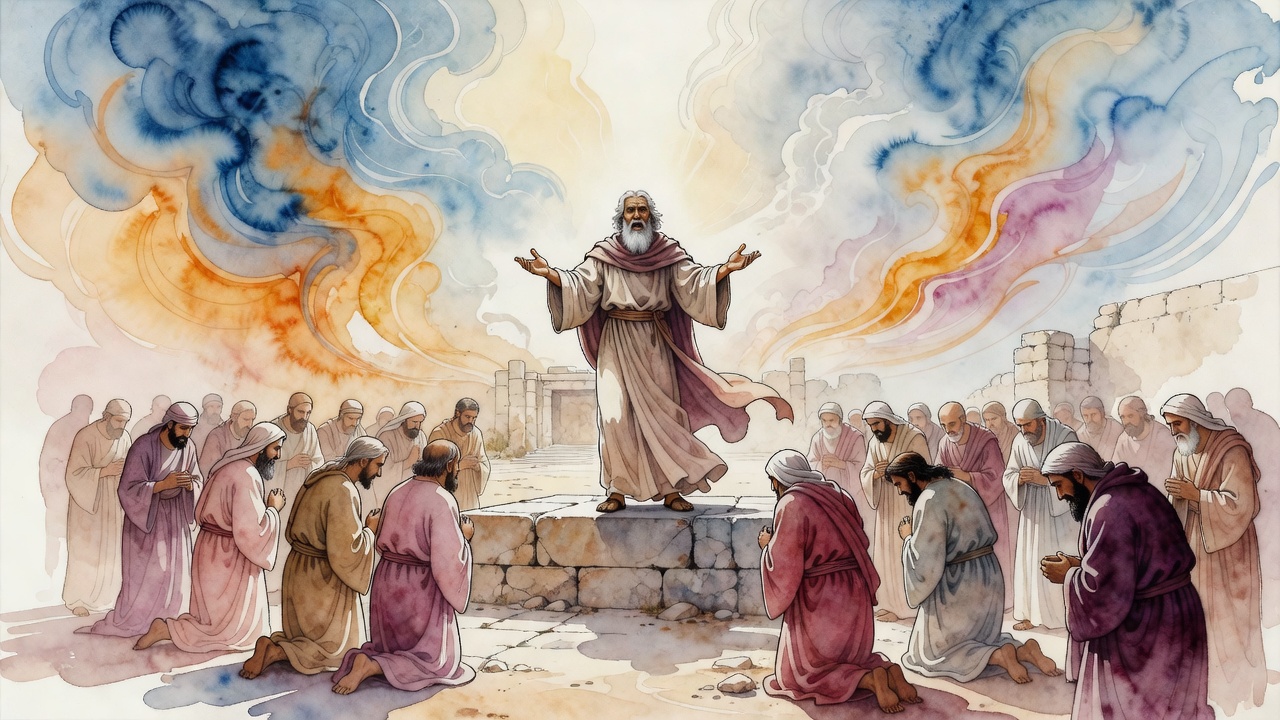
Mordecai's speech before the fast named every protection that was gone. No king, no prophet, no escape route. Then he asked the people to pray anyway.
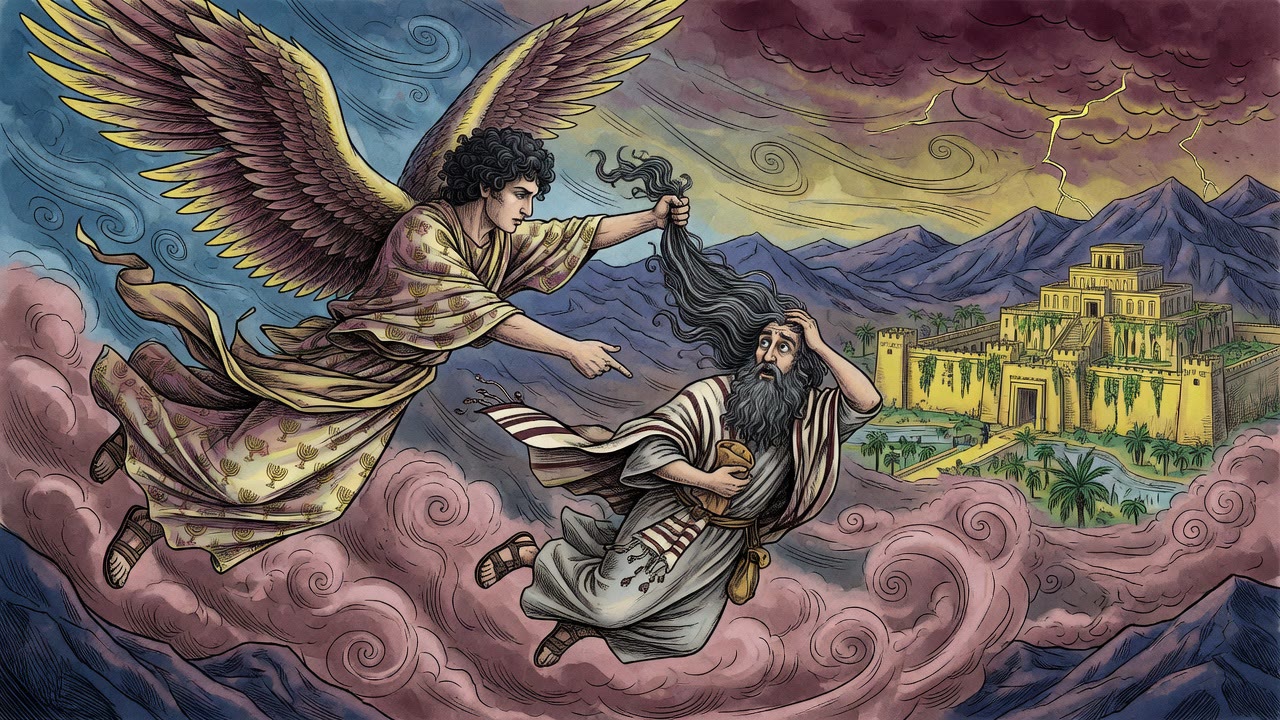
He did not name Moses on the mountain. At the palace gate in Shushan he quoted a foreign king who had sat down in ashes and starved his beasts.
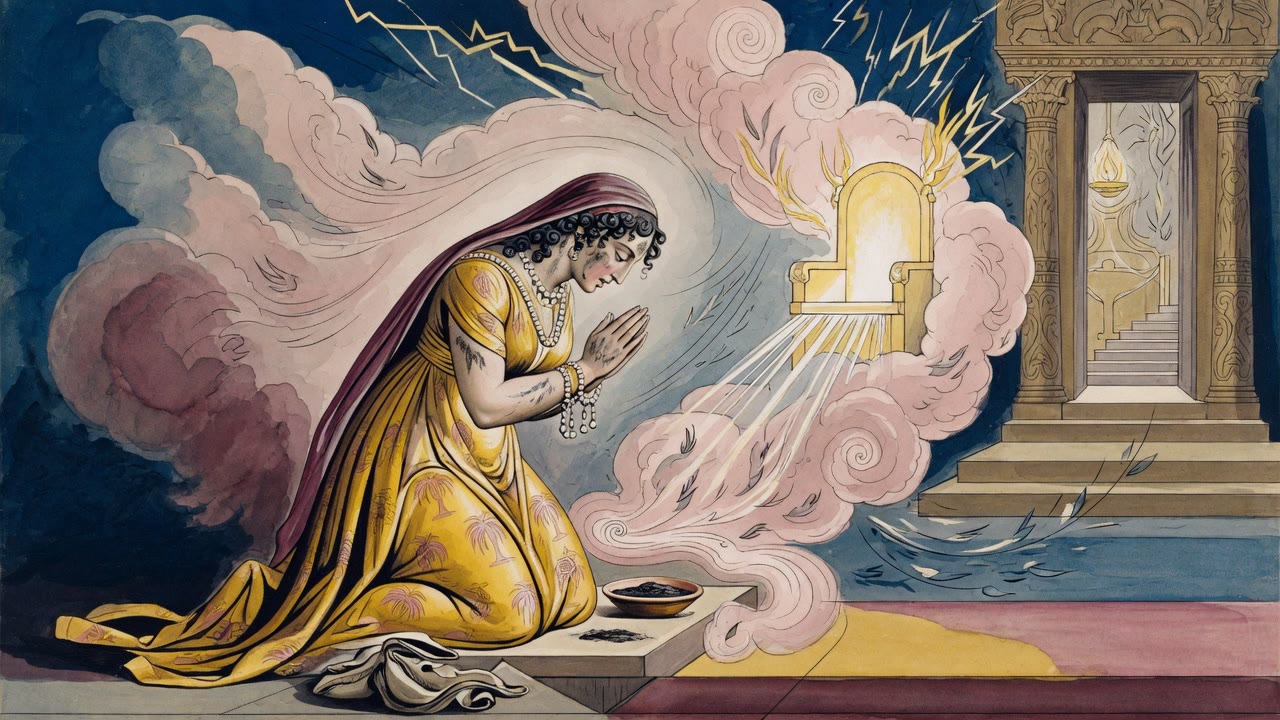
Three days face down in ash, then silk and gold shoes. She told God plainly that she was not asking because she thought herself without blemish.
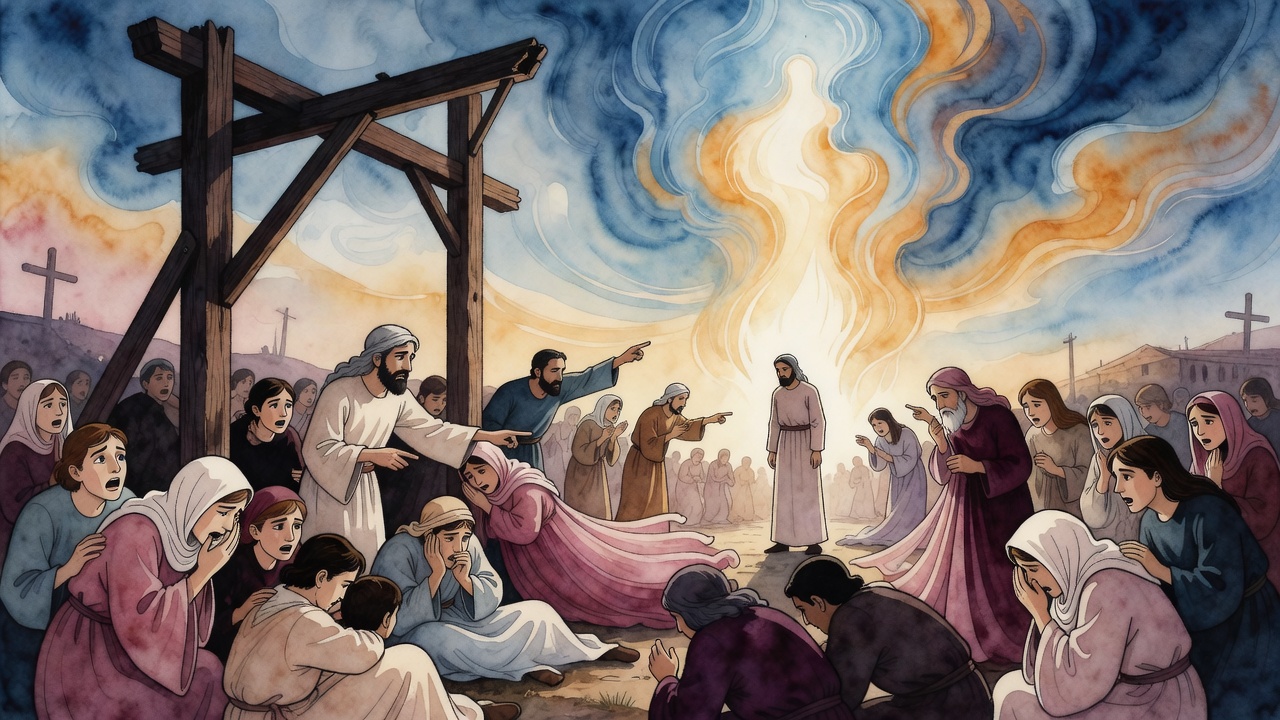
The night the Jewish people were supposed to celebrate liberation, they wept instead. And they blamed Mordecai for everything that was coming.
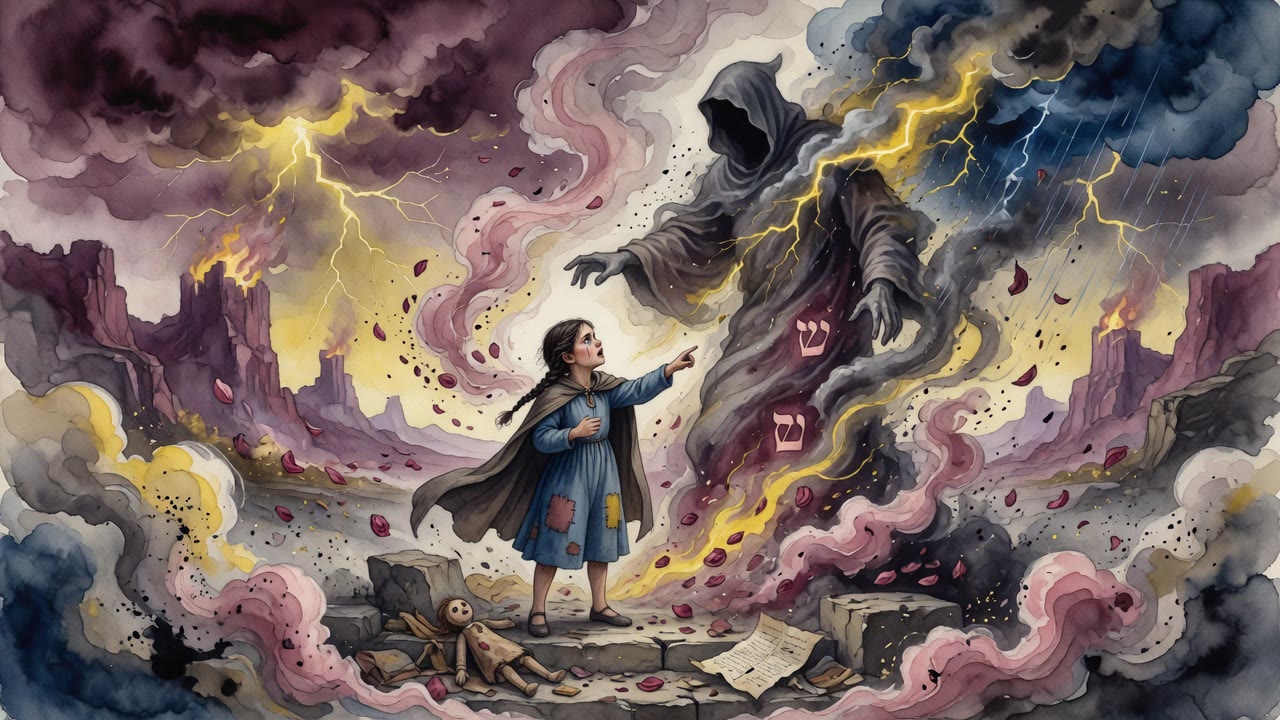
Nineveh was eating the northern kingdom city by city. Jonah paid for a berth toward Tarshish. A fish was already waiting in the sea.
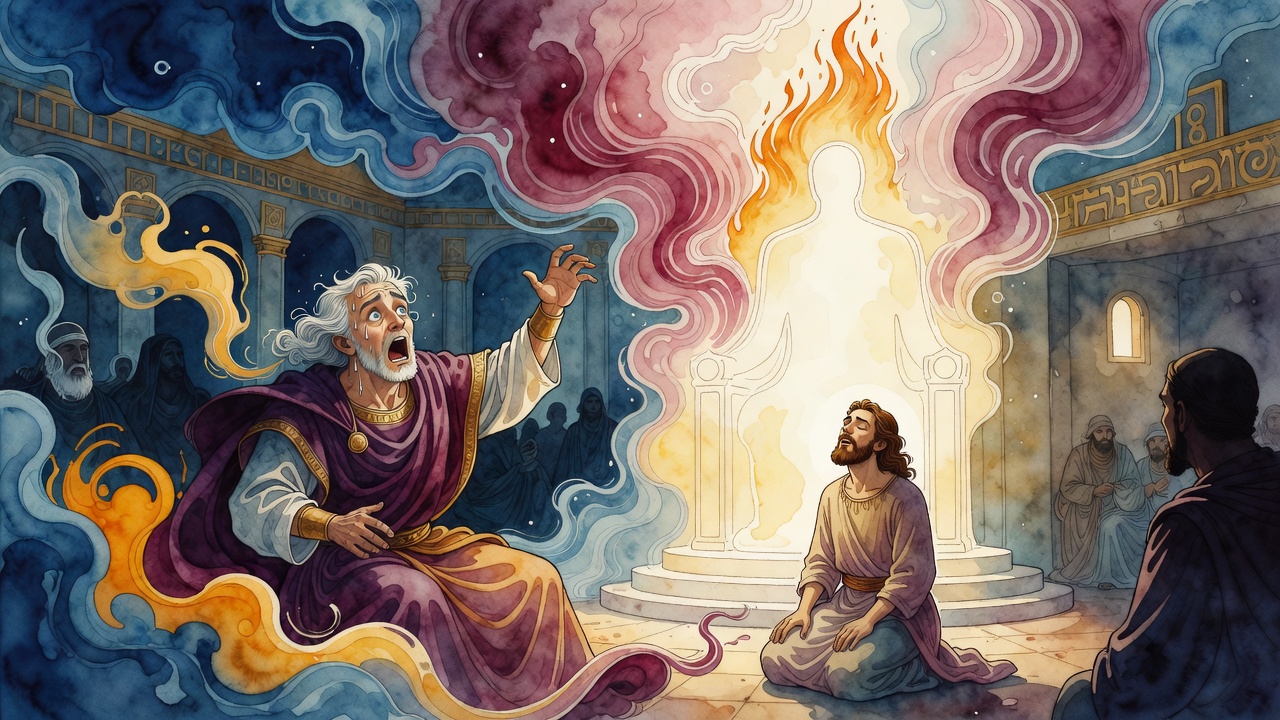
Tell me what I saw, the king said, and then tell me what it means. Otherwise you have all been lying to me and you die this afternoon.
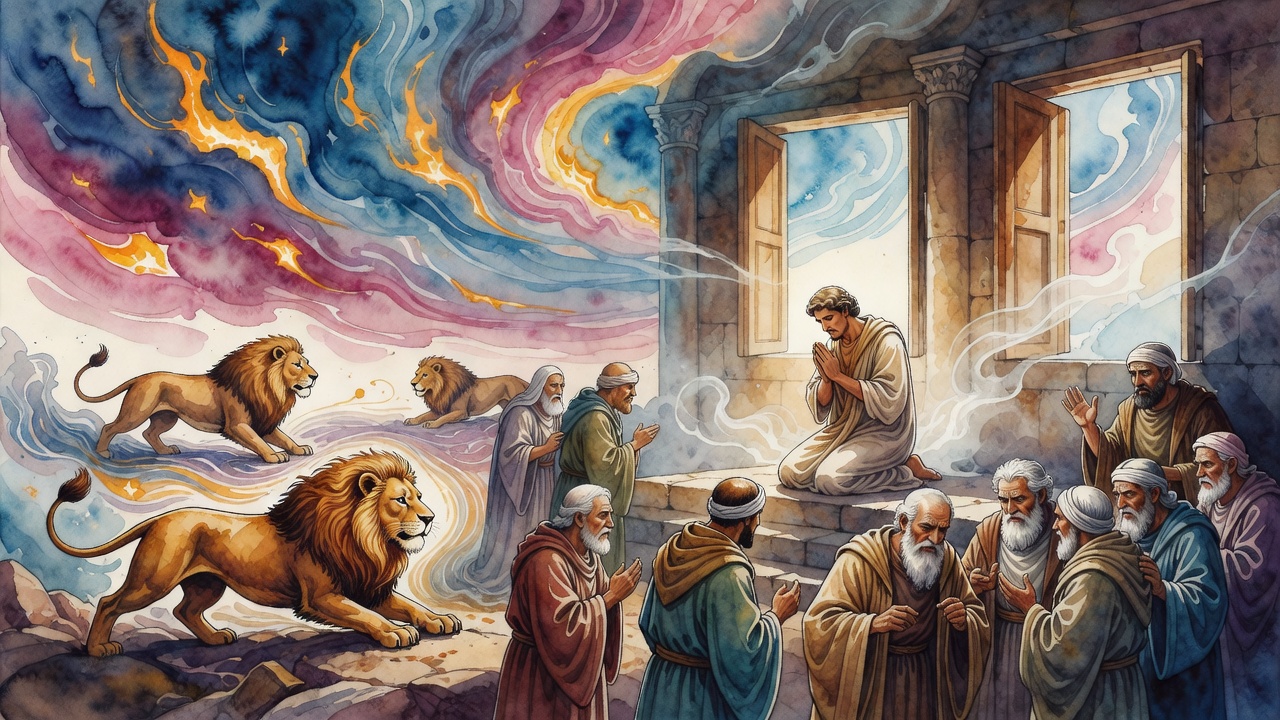
Darius fed the lions until they were full, then threw Daniel's accusers in. He had to know whether the lions had spared Daniel or had merely been fed.
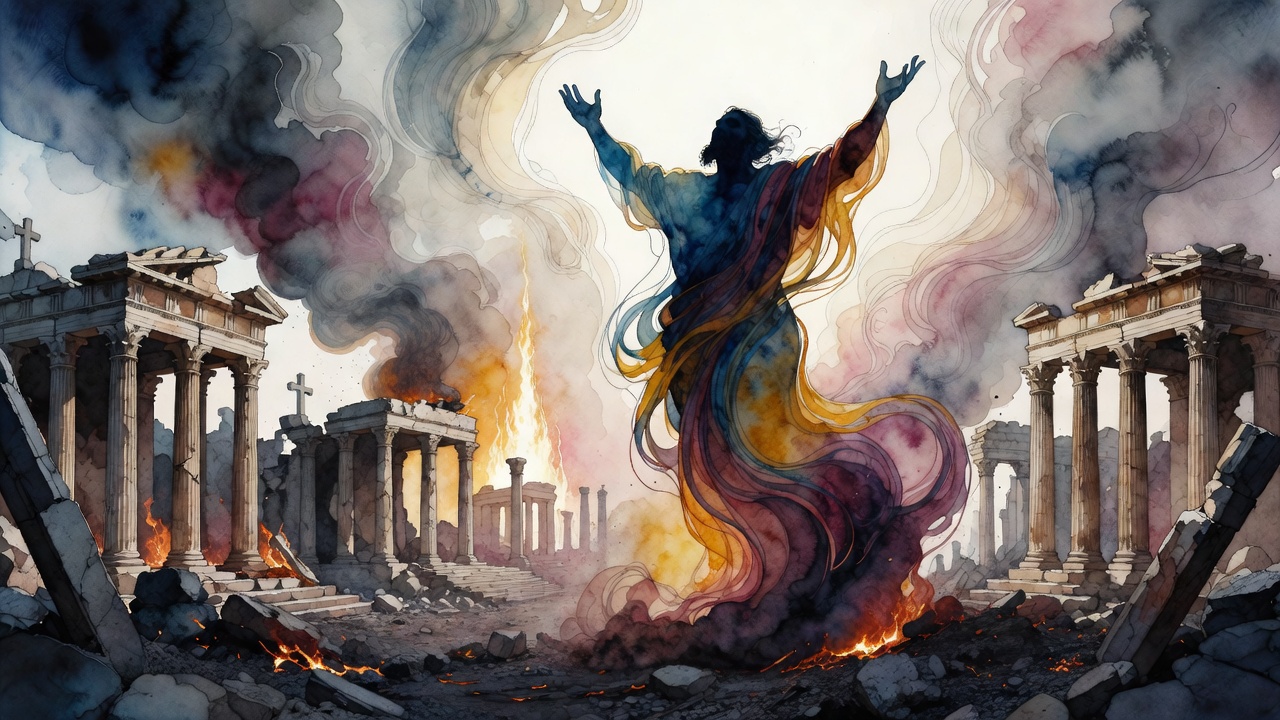
When the Temples burned, Samael celebrated. The Tikkunei Zohar says he did not cause the destruction but moved into the space that human failure opened.
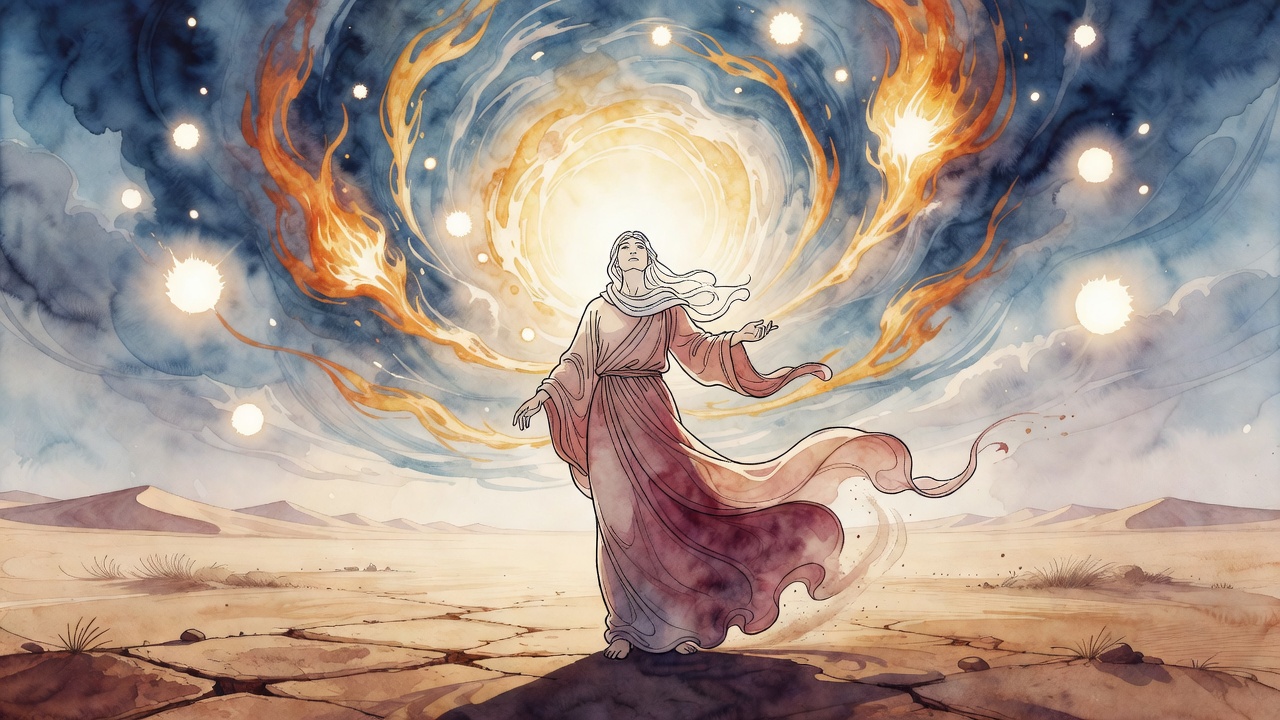
Pharaoh handed his own daughter over to Sarah as a slave. He would rather see her carrying water in a tent than crowned in another man's harem.
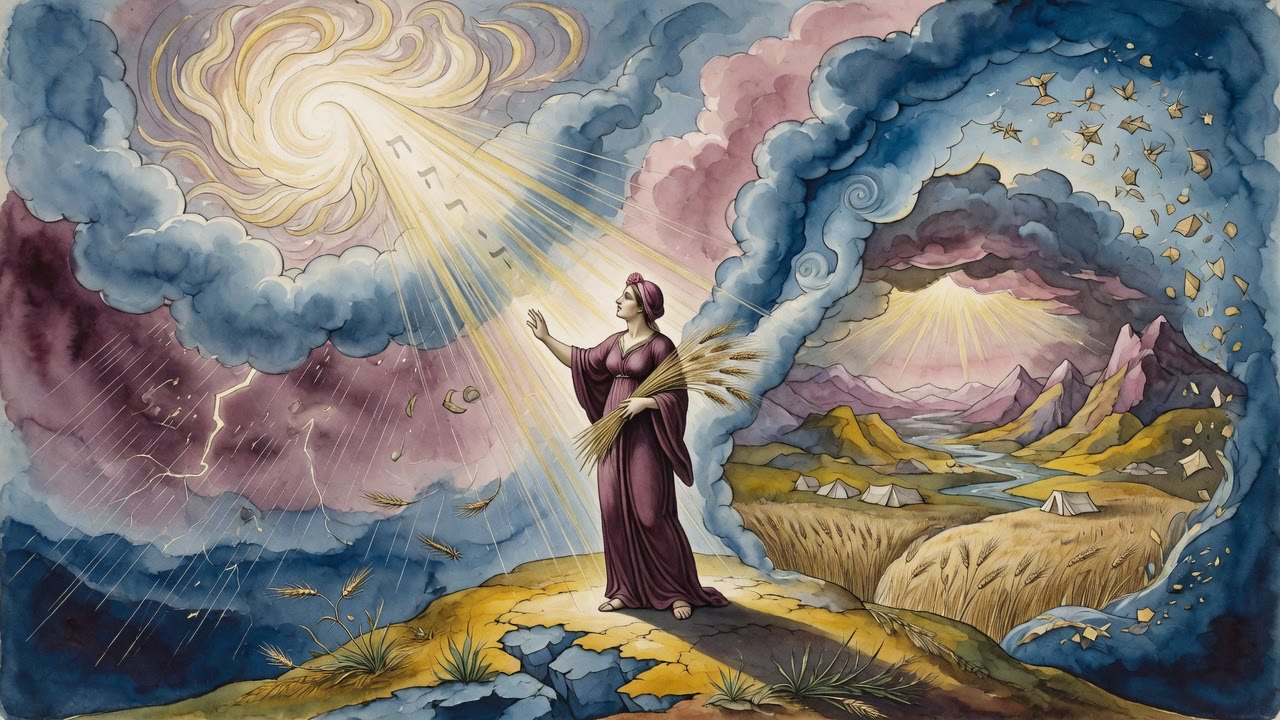
Ruth bowed in Boaz's field and asked why he had shown her kindness. The Tikkunei Zohar saw the Shekhinah, the Divine Presence, in her posture.
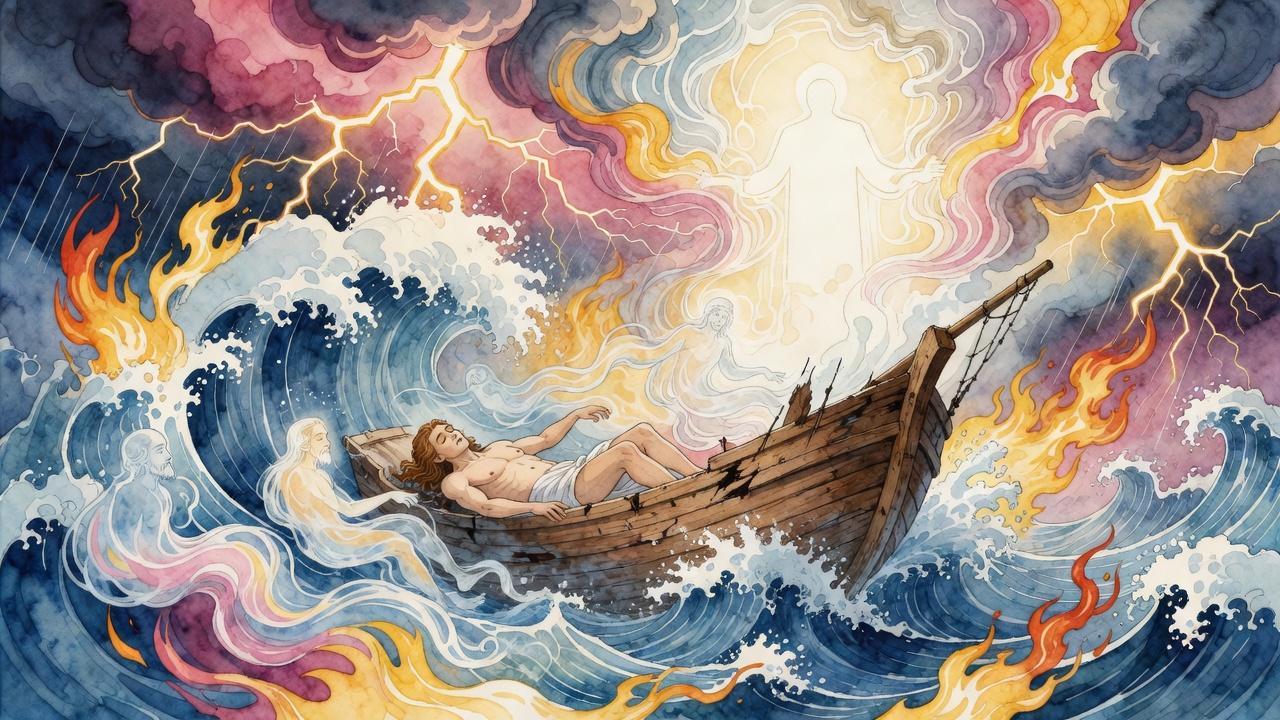
Jonah paid full fare to Tarshish and fell asleep in the storm. The Tikkunei Zohar says his three souls had separated. He slept like the dead.
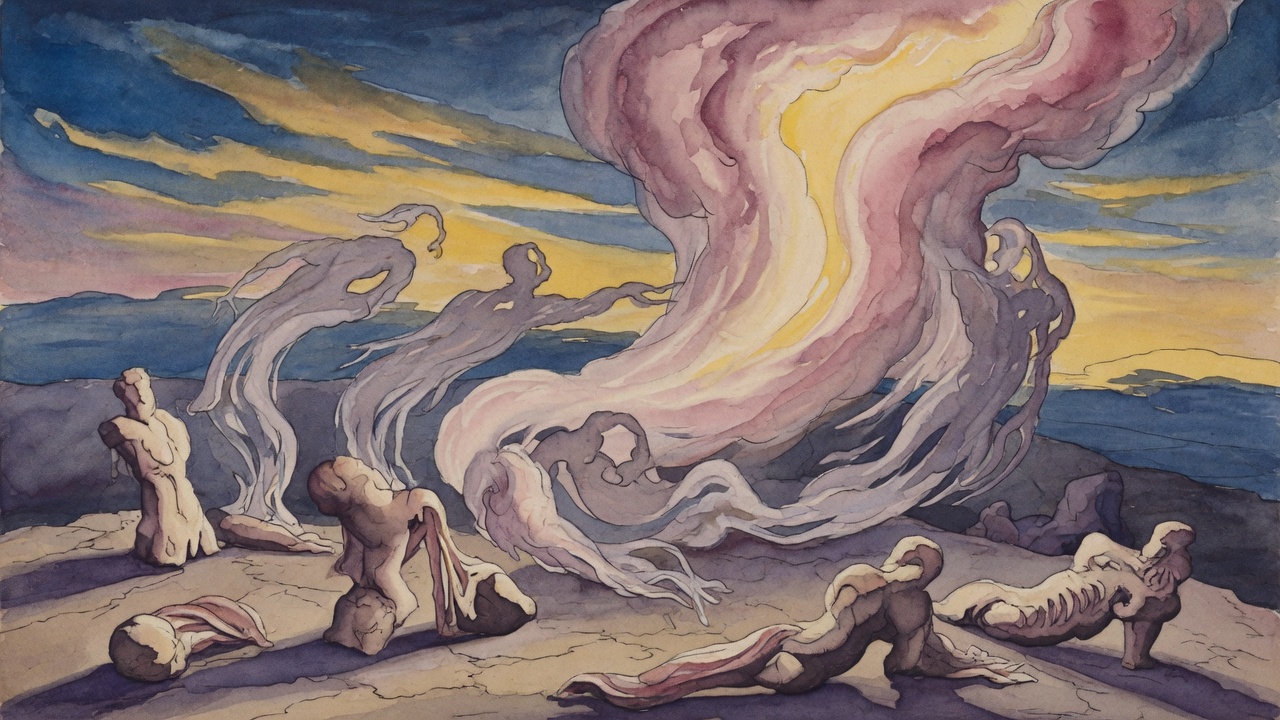
Jonah's ship was the human body. The sailors were the limbs. The captain was the heart. And the Torah was the soul that kept the whole vessel from going under.
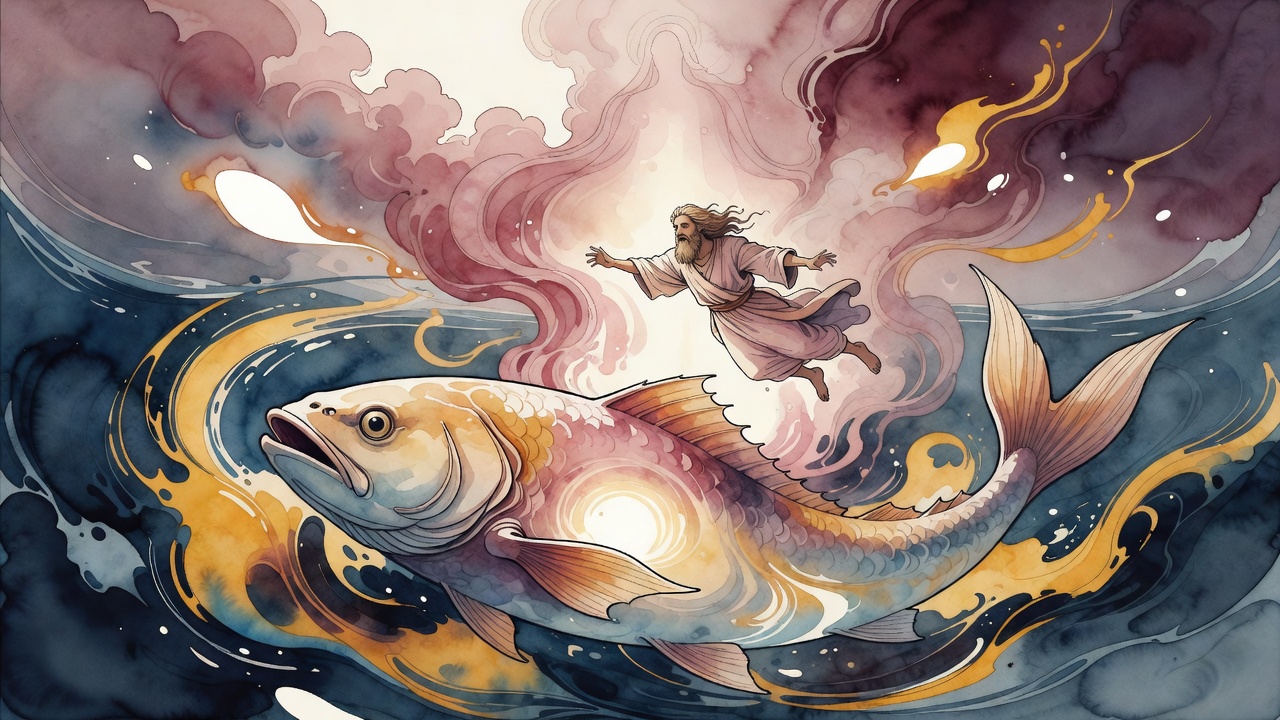
Jonah flees his mission and is swallowed by a fish the Tikkunei Zohar names as the Shekhinah, the Divine Presence, already waiting below.
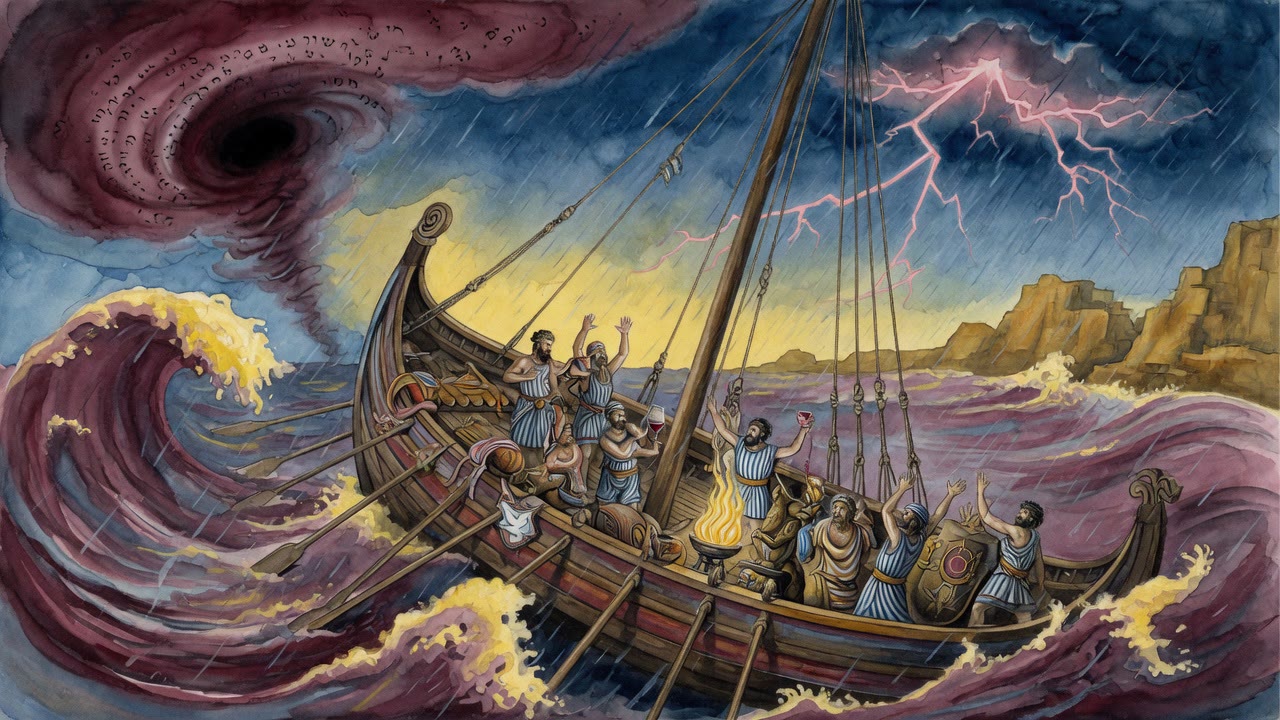
Jonah prays from the bowels of the fish. The Tikkunei Zohar hears the same prayer Israel prayed from the mud of Pharaoh's building projects.
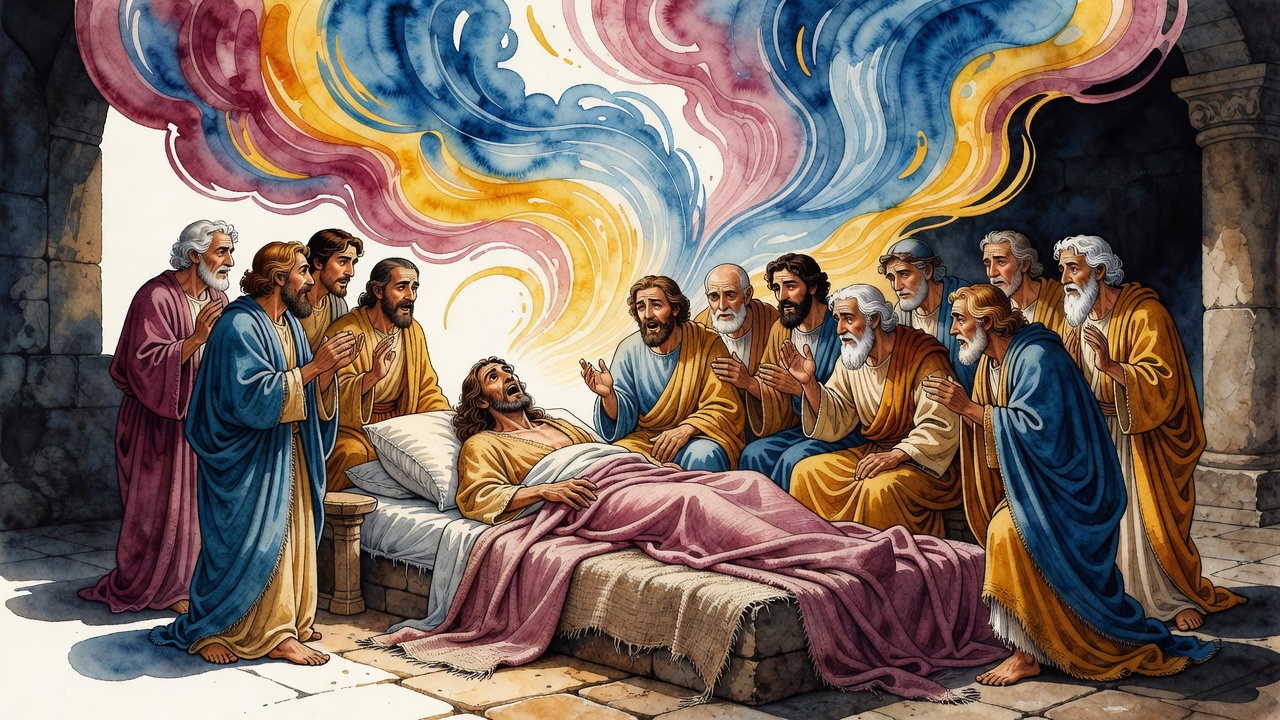
Twelve wet-haired sons waited for a date. Jacob opened his mouth, and the Presence took the year away before a number could land.
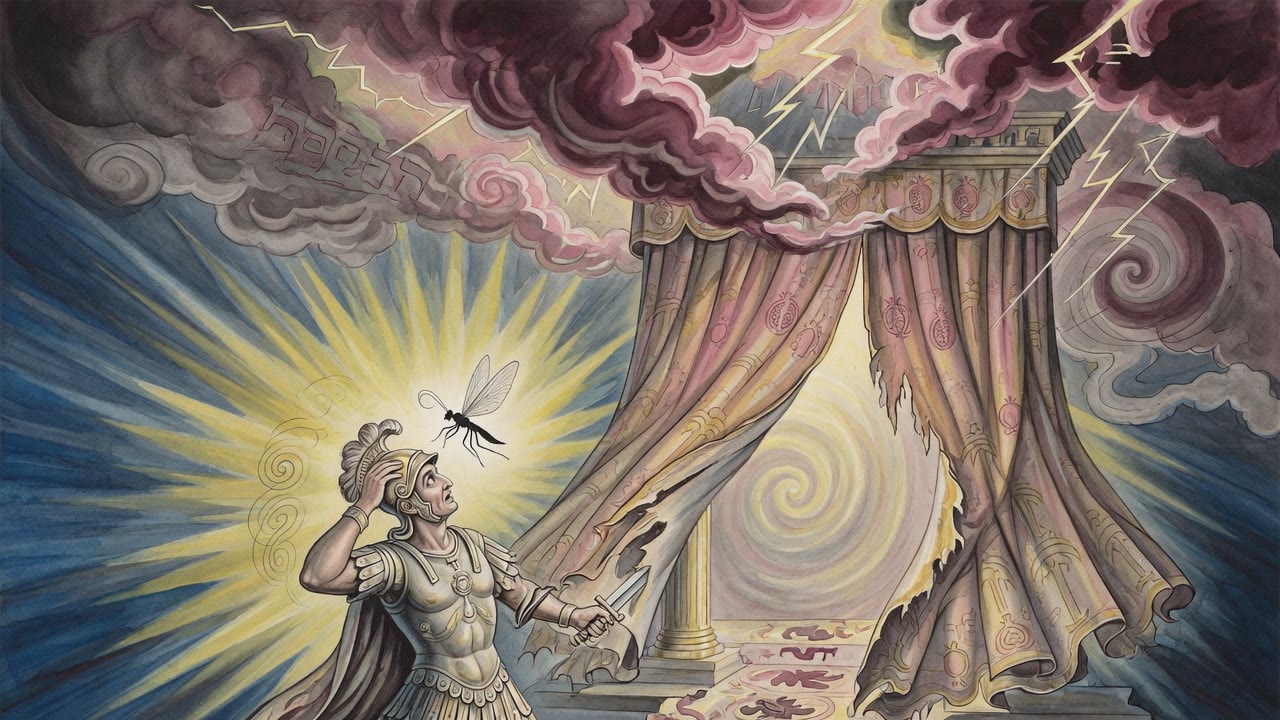
The Temple is burning and the priests have fled. One figure stands in the ruins with no right to be there, refusing to go until God answers him.
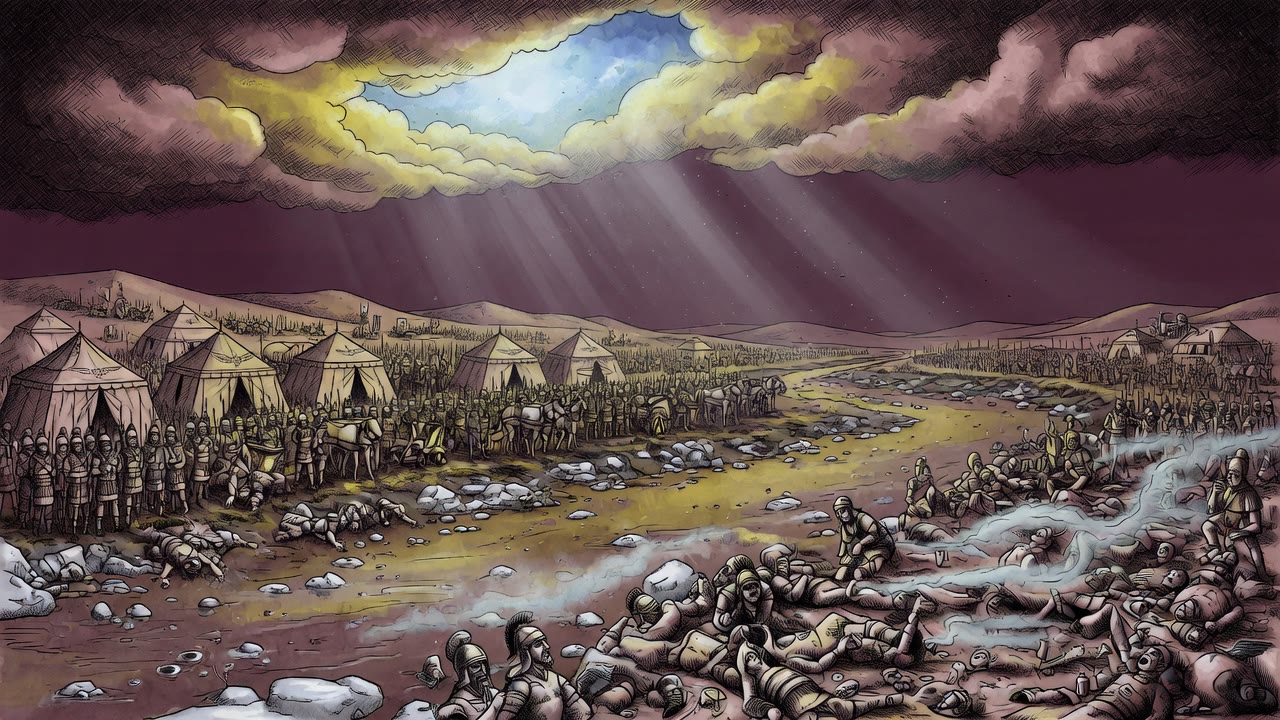
She kissed the pillars and called from the hill for three years. Nobody climbed up. The innkeeper would not open after dark.
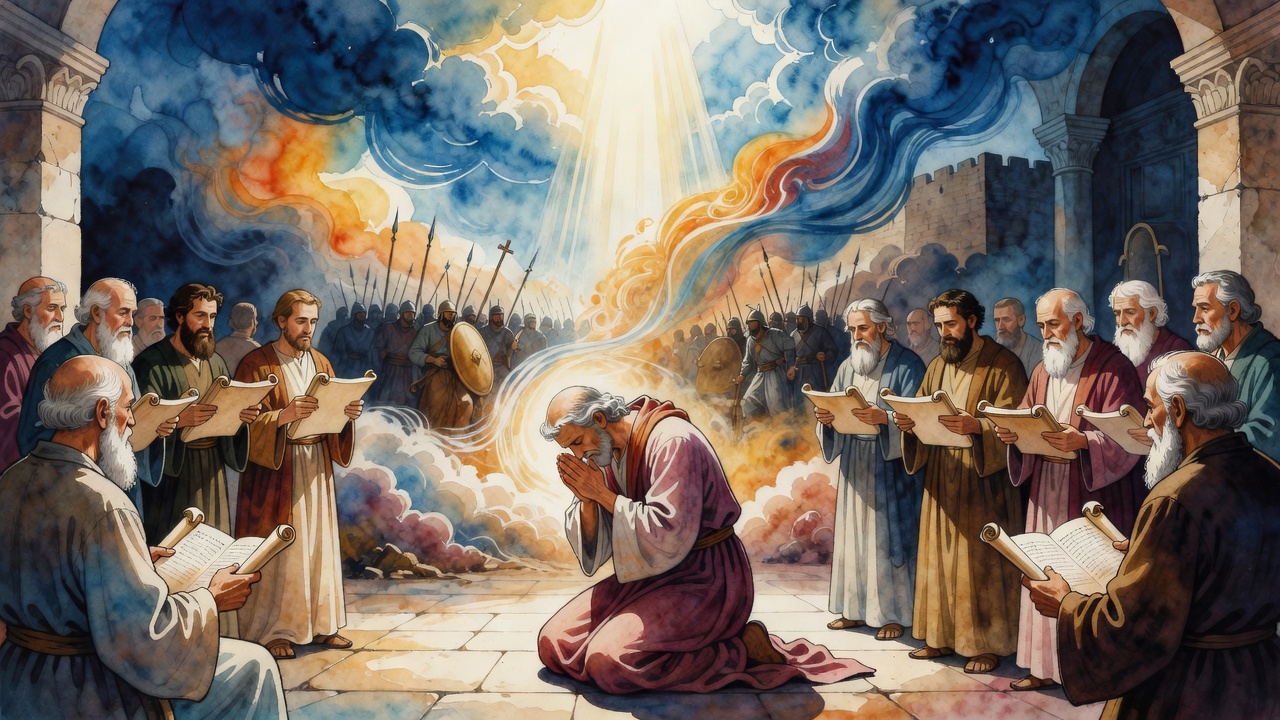
Ahaz meant to give his son to Moloch. The boy's mother rubbed him with the blood of a salamander first, and the fire could not have him.
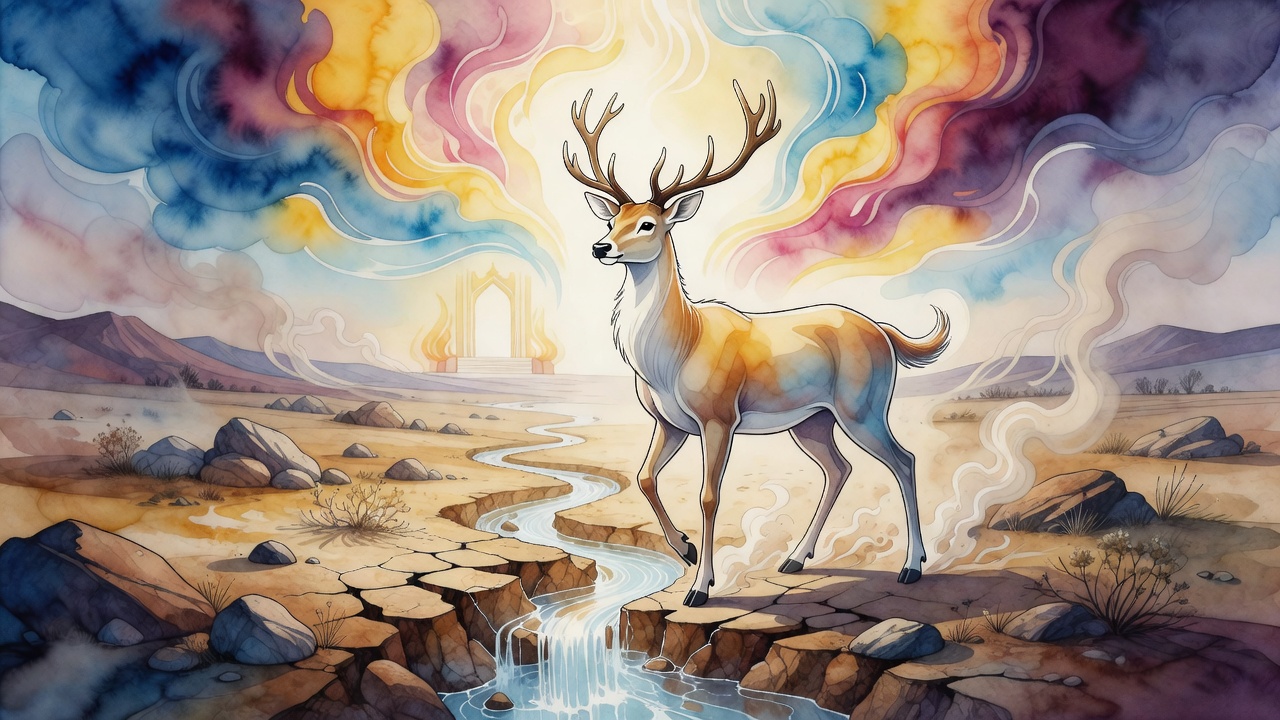
Her skin was the color of myrtle. She ate vegetables in the palace and told her heart to seek God's face. A second body went in at night.
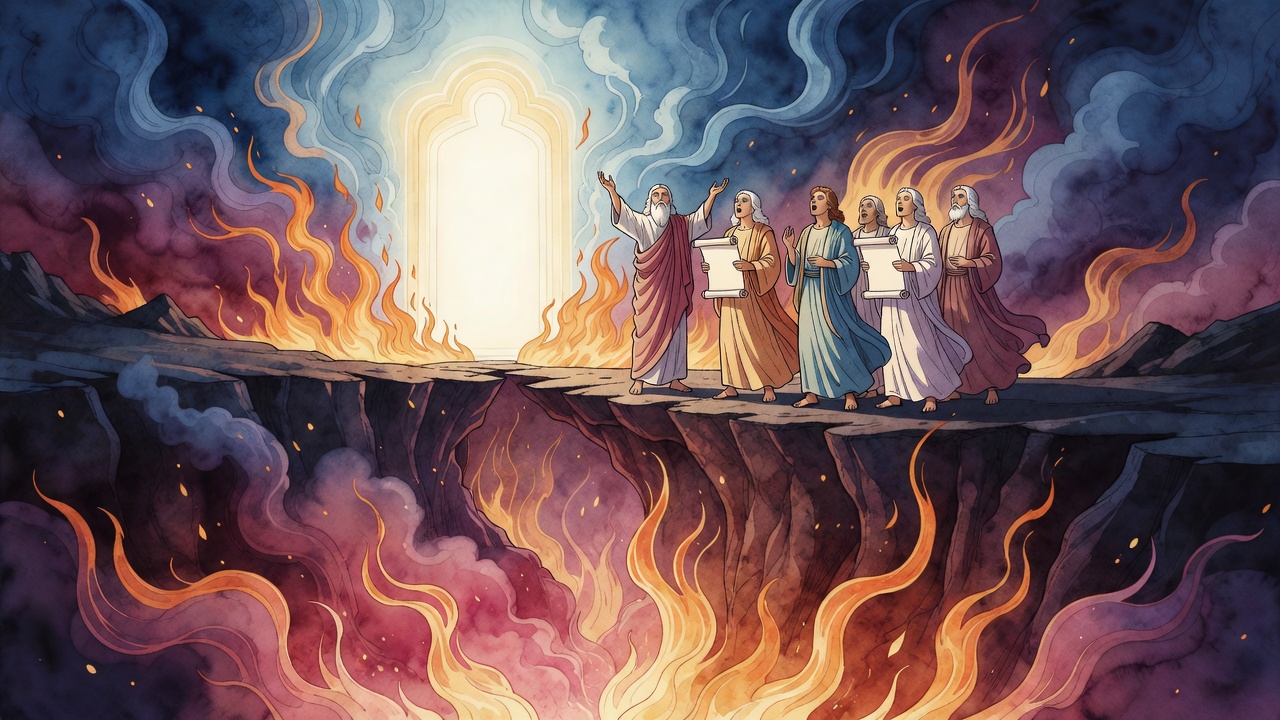
The earth opened beneath their father and they were left suspended on a ledge inside Gehinnom (afterlife of judgment), and from there they composed the psalms.
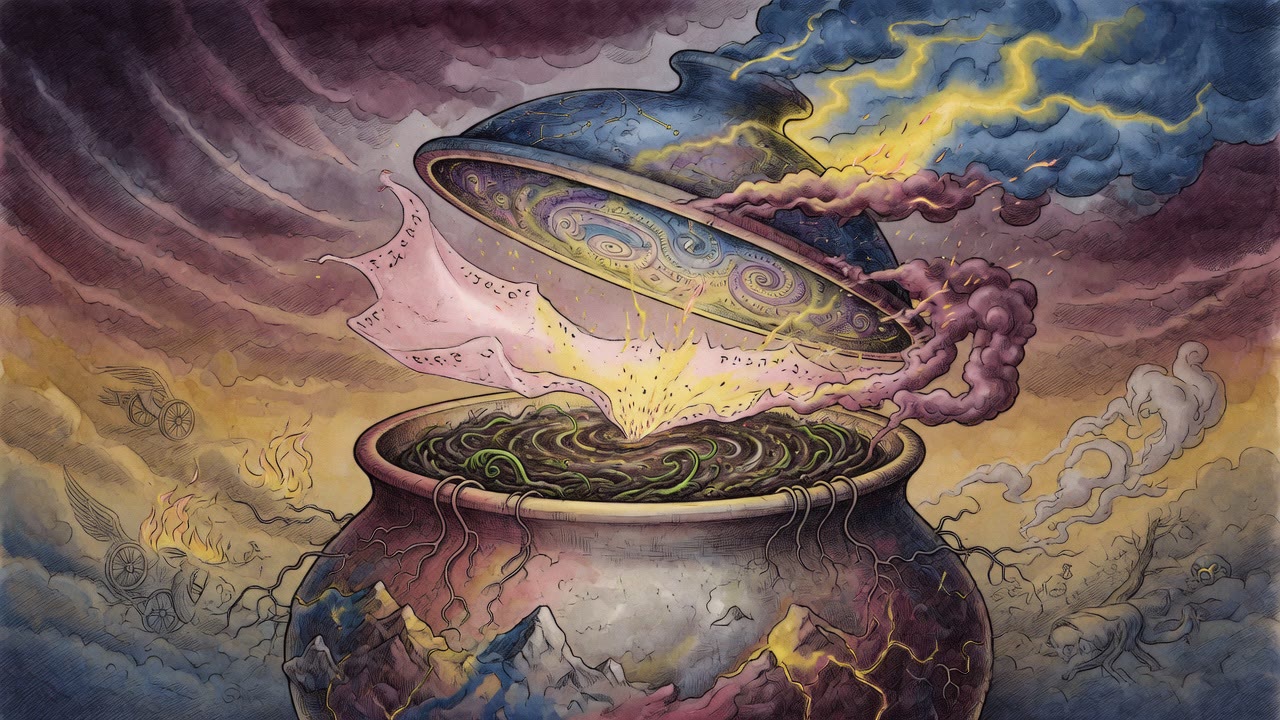
Jonah did not flee from God out of fear. He fled because he already knew what mercy would cost him, and he had already paid that price once.
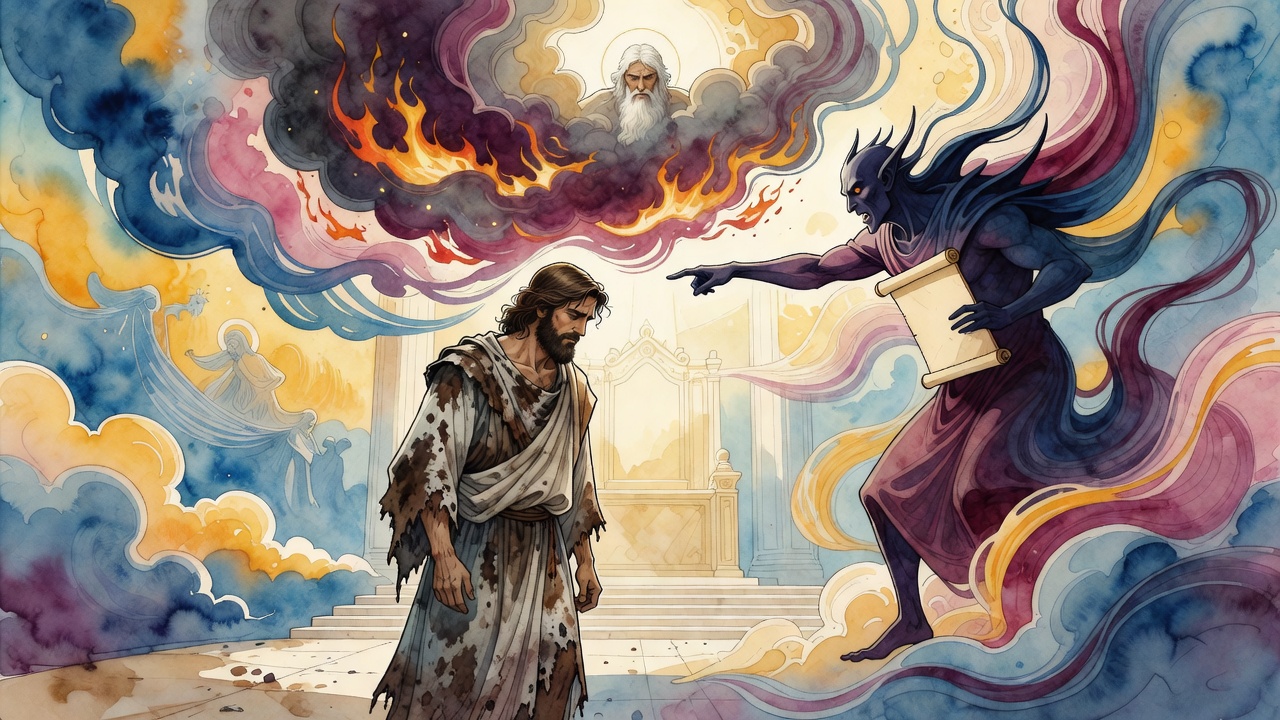
Two frauds sentenced to burn in Babylon gave the king a third name, the high priest's, hoping his merit would put the fire out for all three of them.
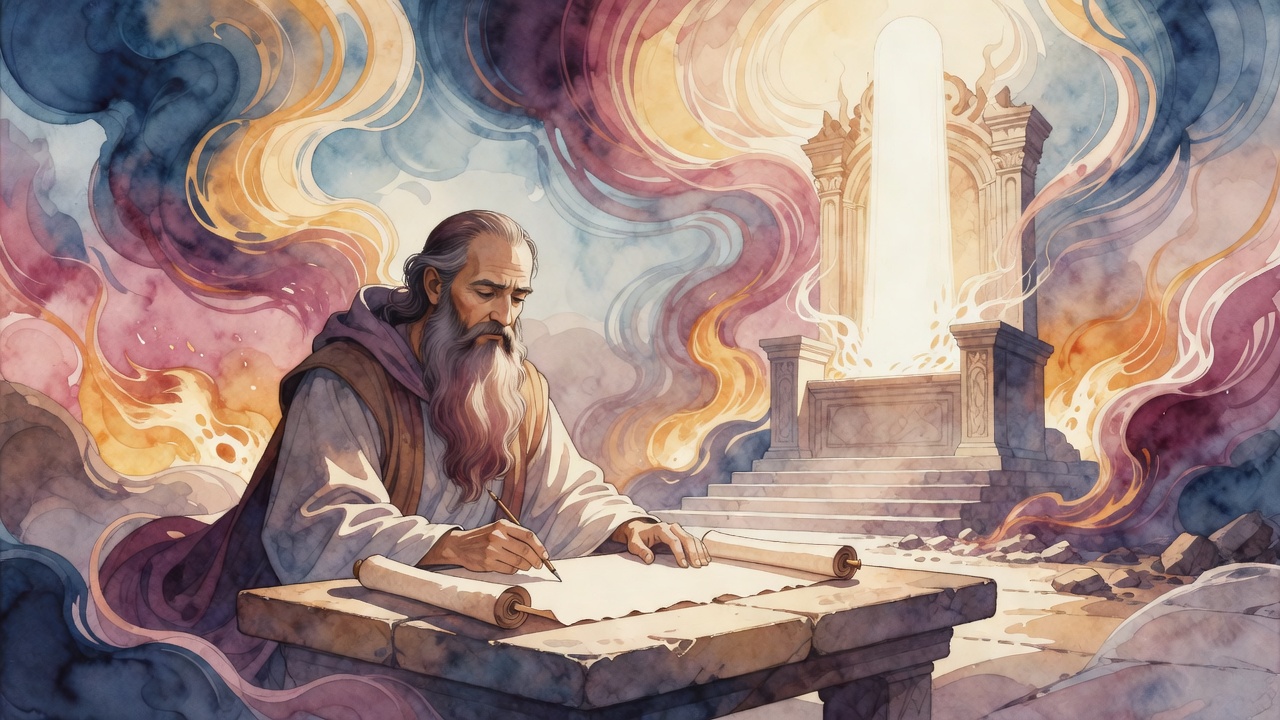
After Babylon burned the Temple, the rabbis refused to let the destroyer's years blur. Rabbi Abbahu counted them to forty-five and proved it twice.
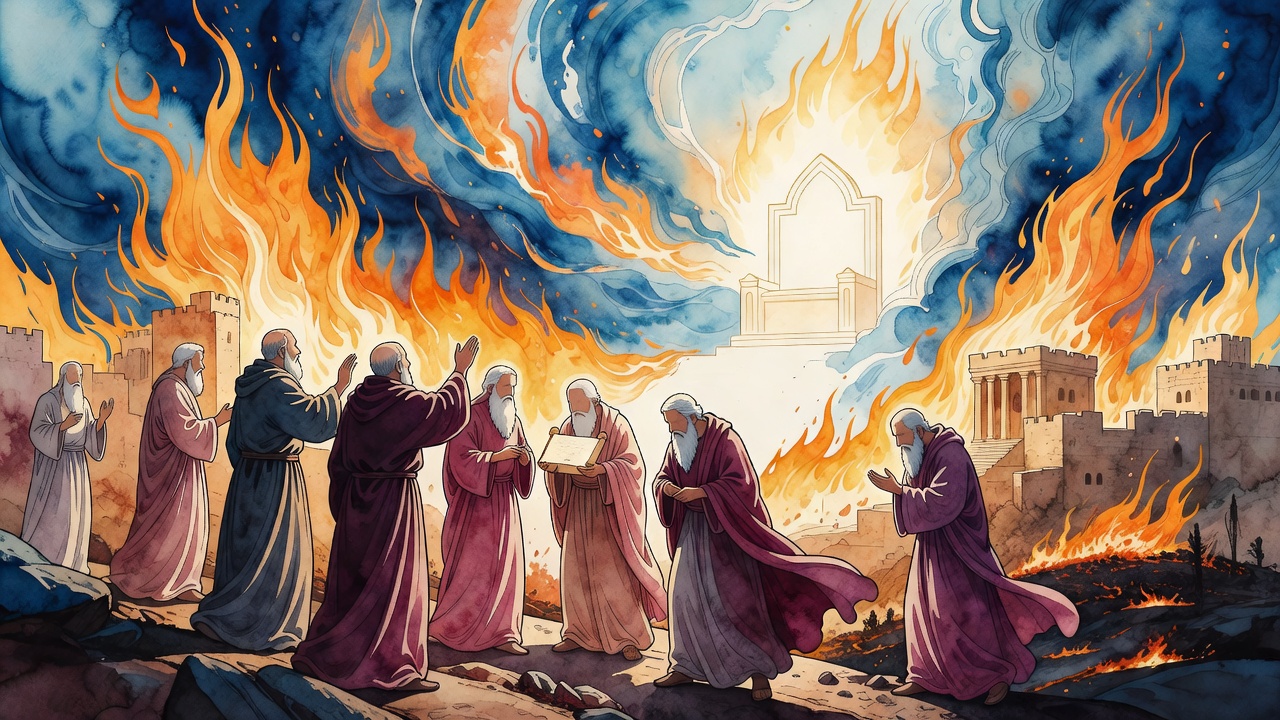
The soldiers of Babylon walked through the Temple as if they had won. In Judah they were still burying their children.
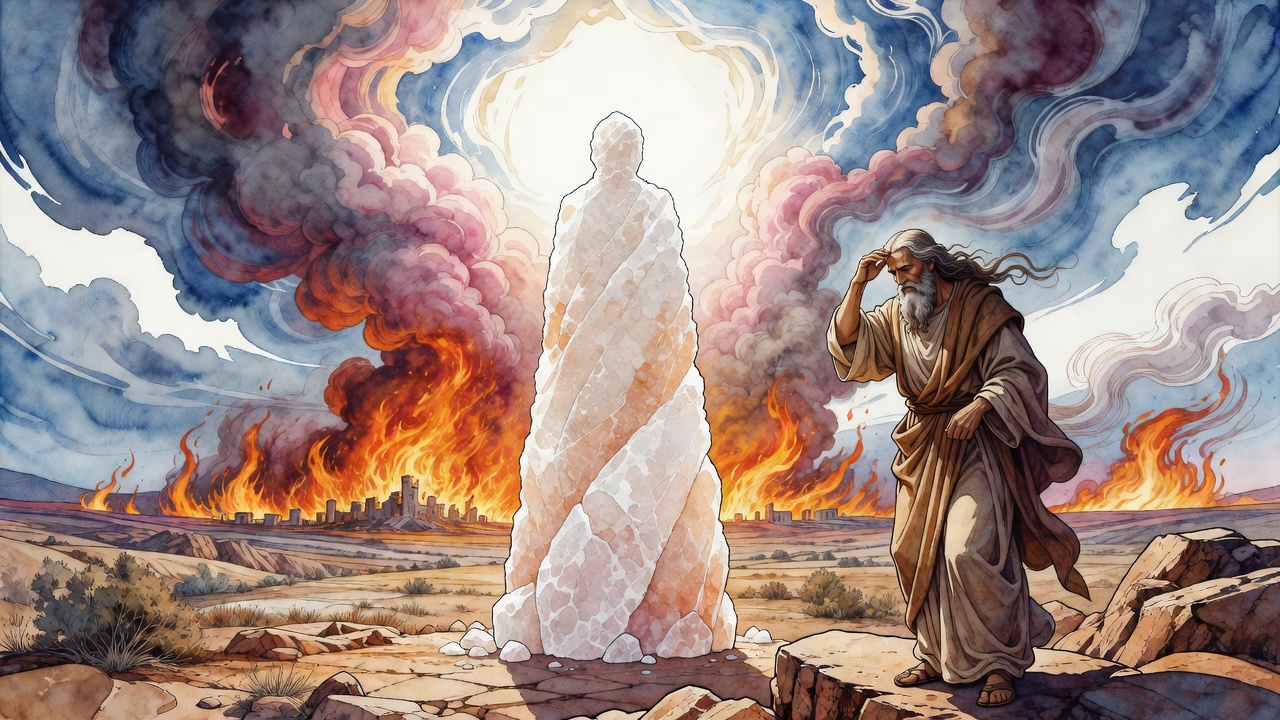
Cattle licked the pillar down to nothing by evening. In the morning she was standing whole again on the road outside Tzoar.
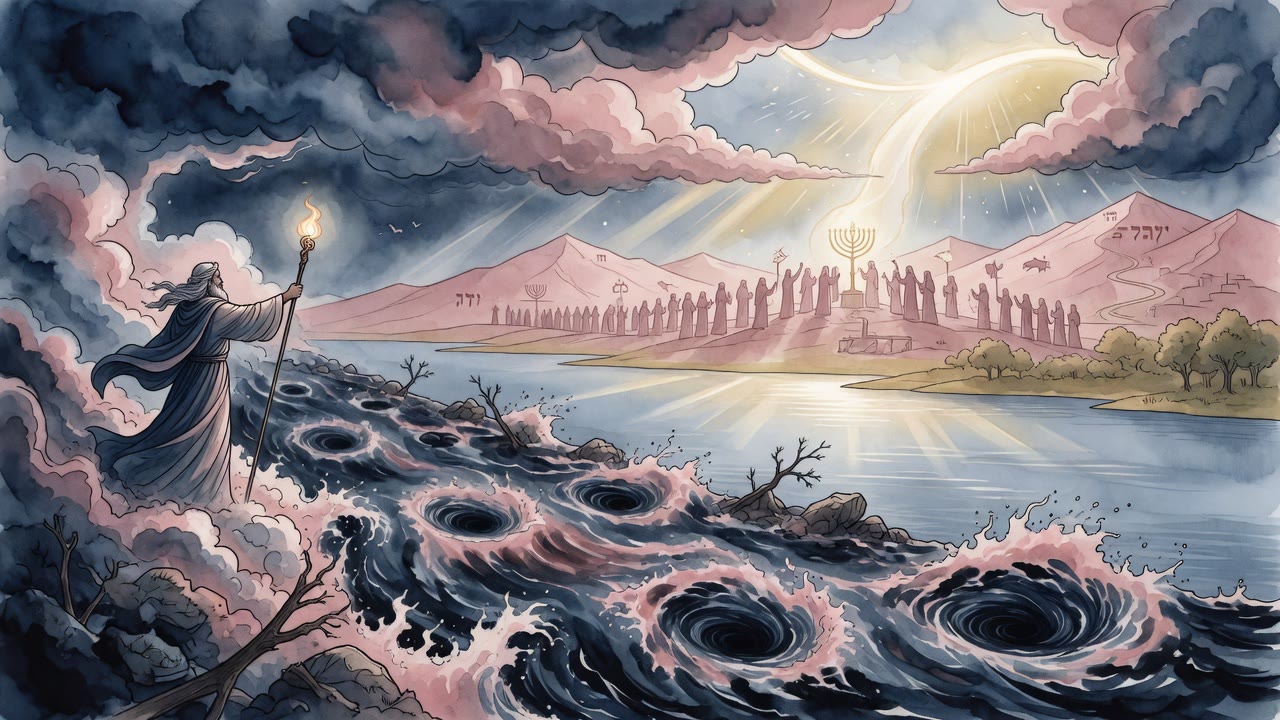
After the calf, Moses feared God would swap Israel for another people. God named a river that throws stones six days a week, and a way home.
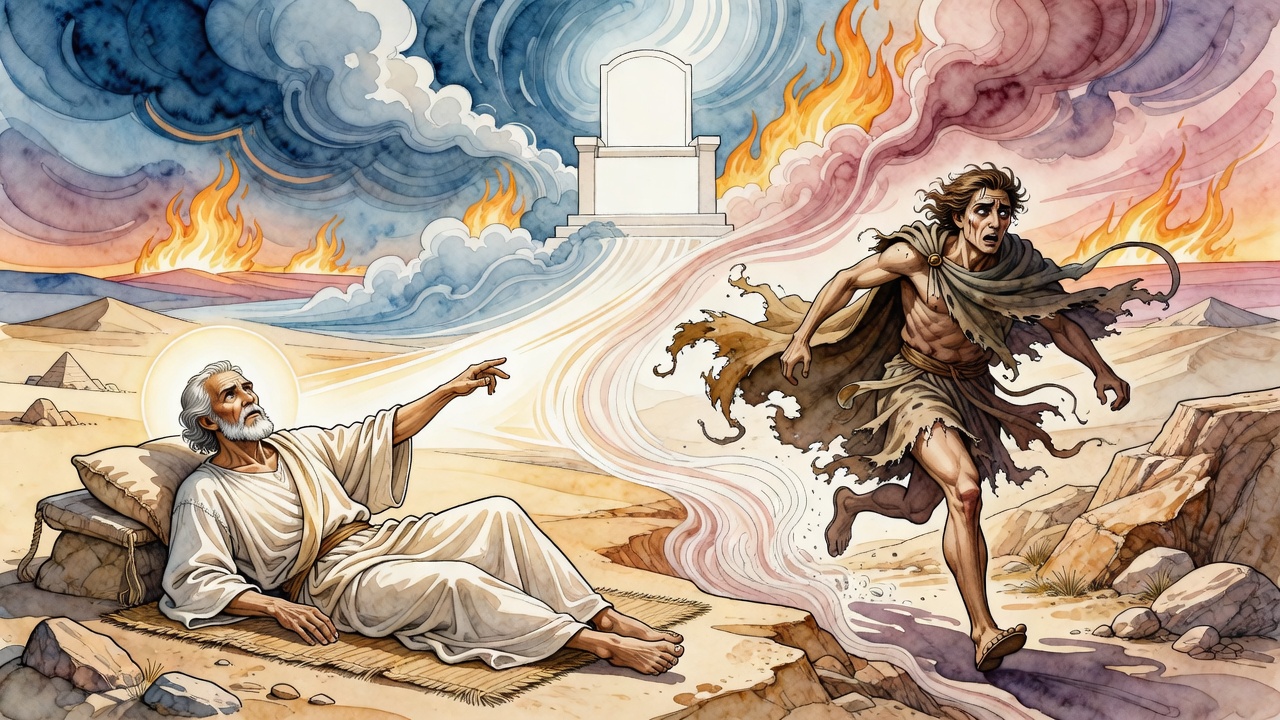
Joseph put his hand under Jacob's thigh. The oath was Canaan, not Egypt. Later Elijah sat under a broom tree in that land and asked God to take his life.
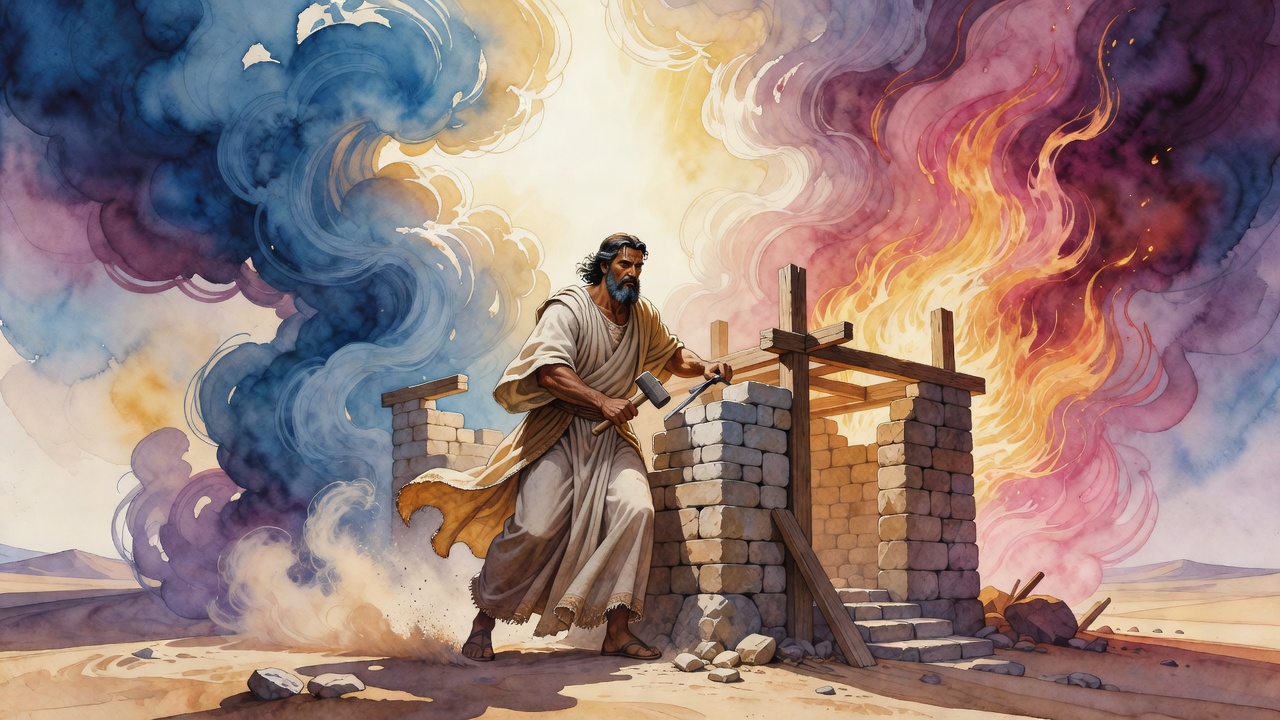
Jacob sent Judah ahead to Egypt before the family settled. Not to scout, not to cook. To build a house of Torah study before anyone else arrived.
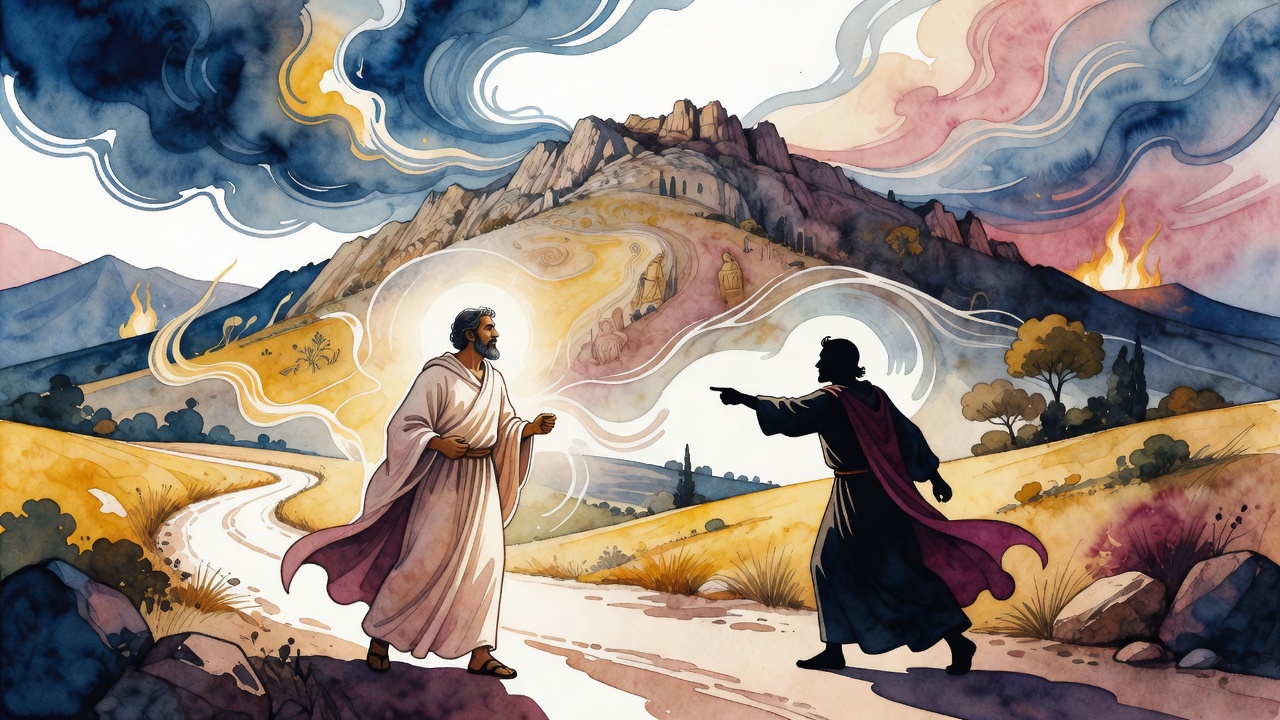
A man on Gerizim asked why walk to Jerusalem's ruins. Rabbi Ishmael named the refuse under the mountain, then ran for his life after dark.
