56 myths · Page 2 of 2
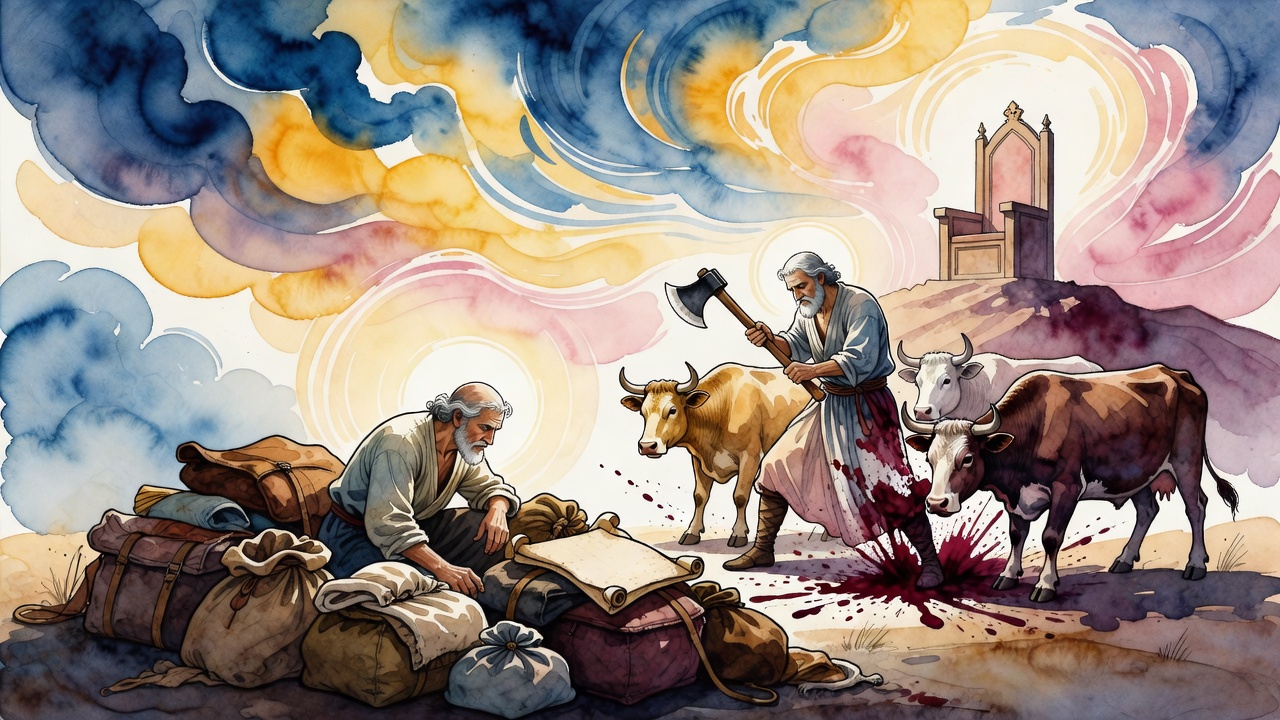
Samuel could not eat the night the elders demanded a king. God told him they were rejecting heaven, not the old judge at Ramah.
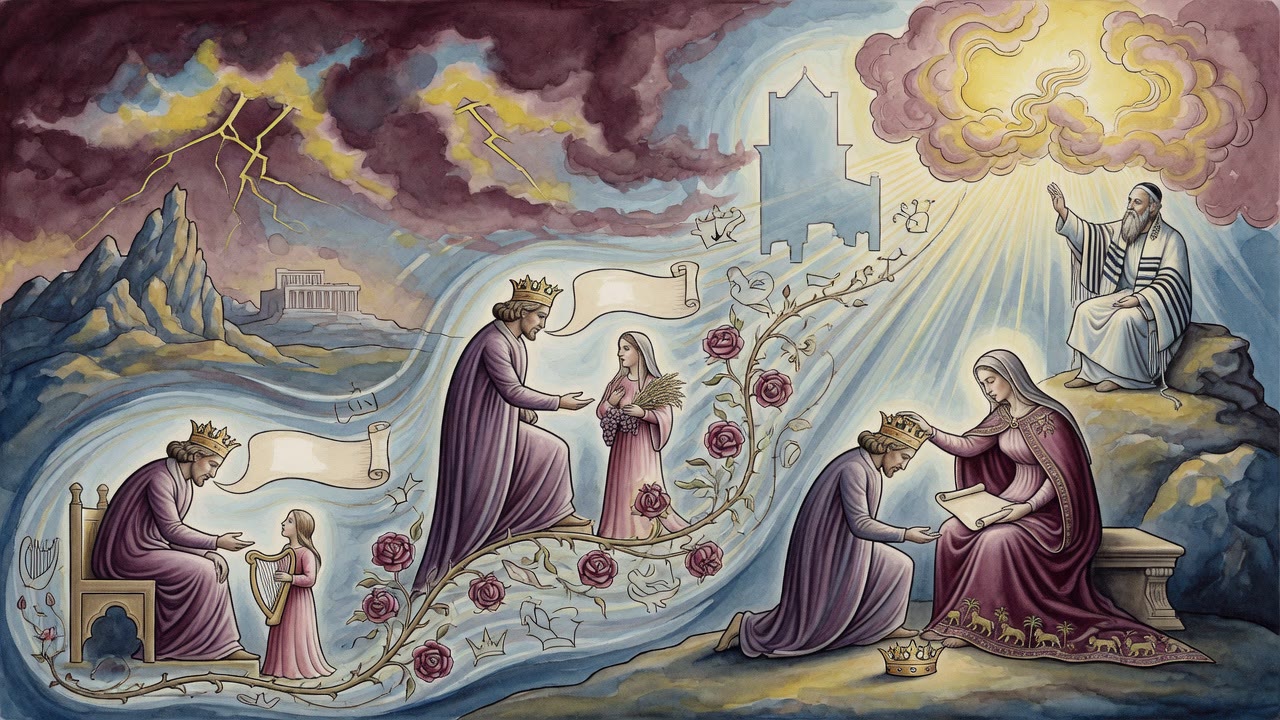
The army leaked into the hills on the seventh day. Saul put fire on the altar where no king belonged, and Samuel walked in on the smoke.
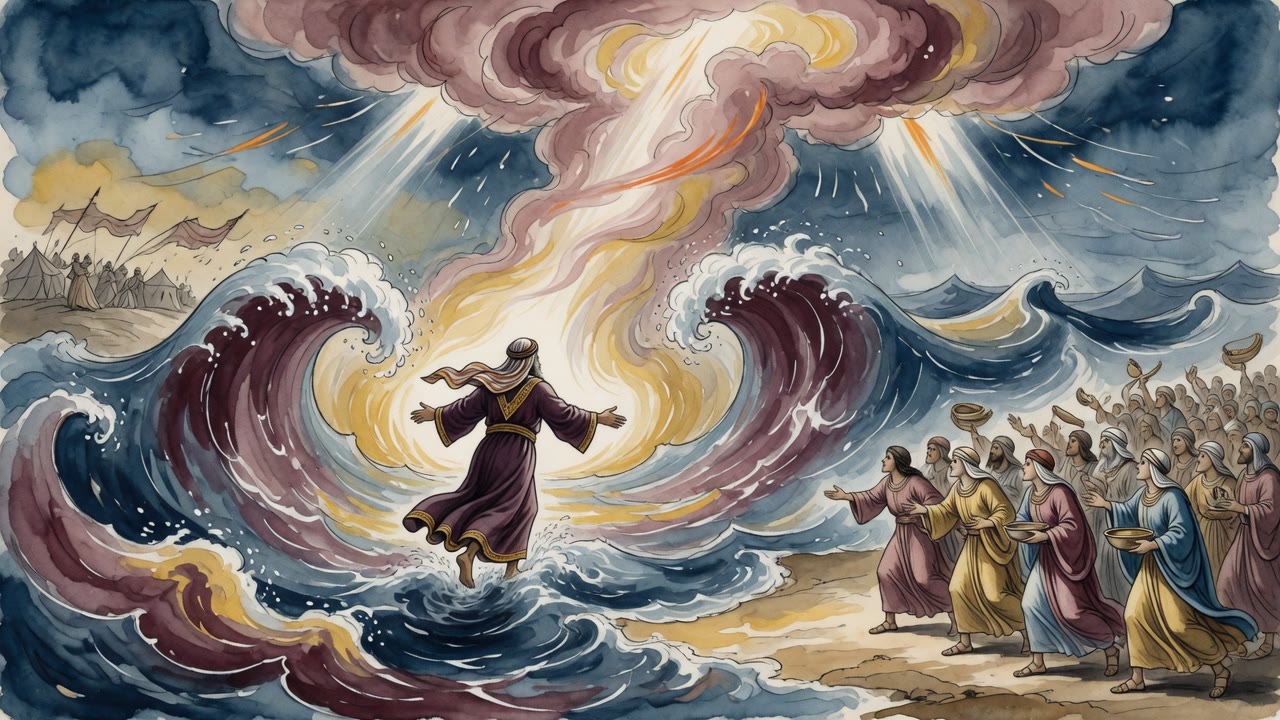
Heaven held Nabal through the Days of Awe after he insulted David. The gate stayed open ten days. He never walked through it.
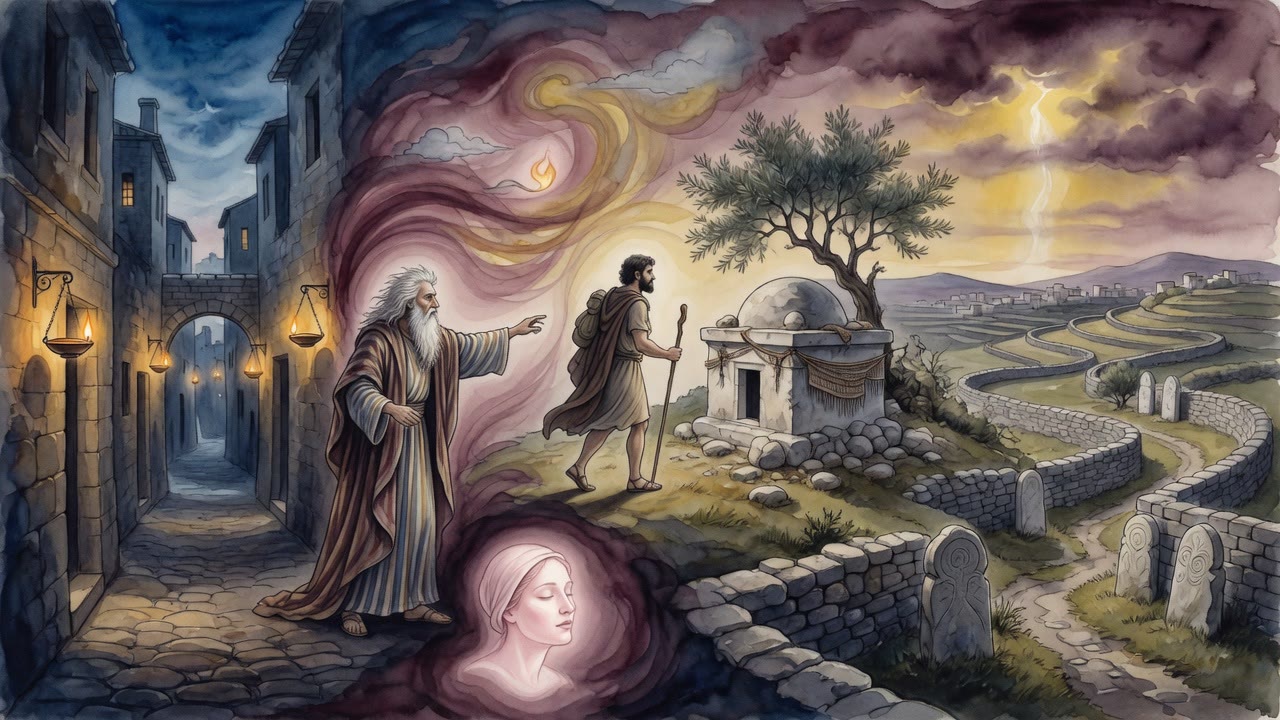
Disguised at Endor, the king swears by God while calling up the dead. Samuel offers him a place in truth if he accepts the sword.
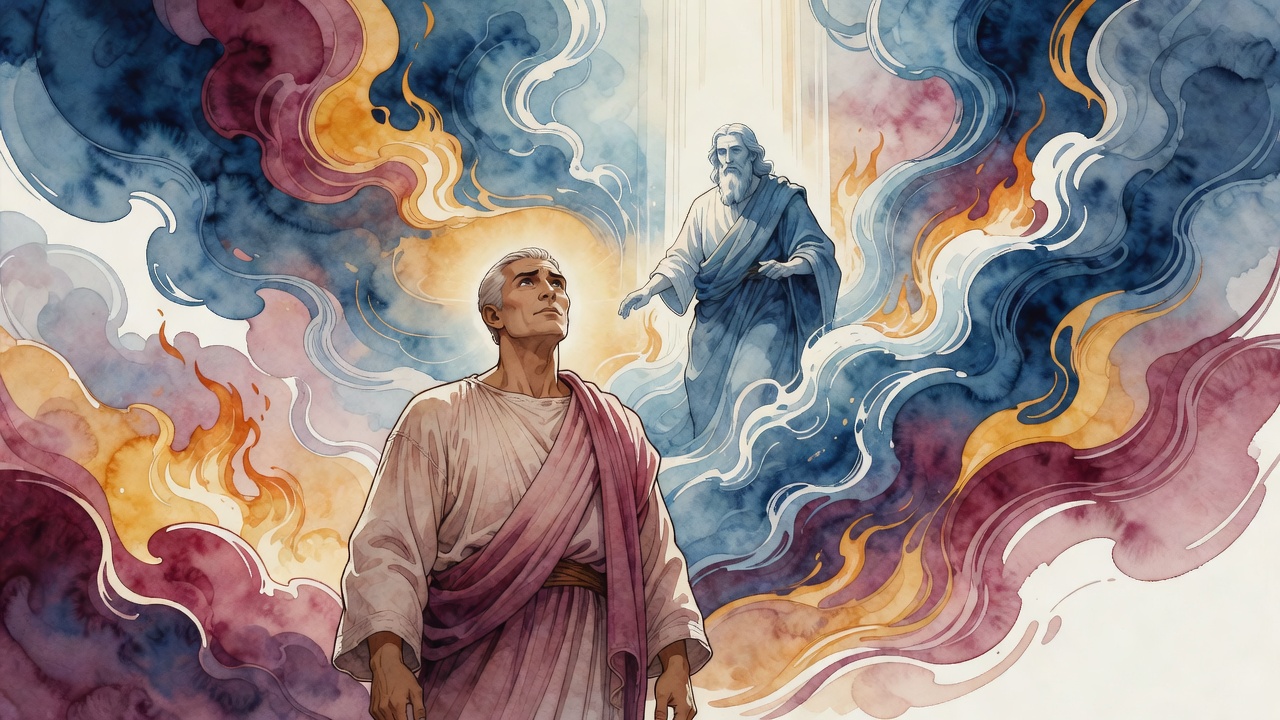
Two hundred fifty men came forward with censers. Moses reminded them that Nadab and Abihu had died holding pans like those. Korah put fire in his pan anyway.
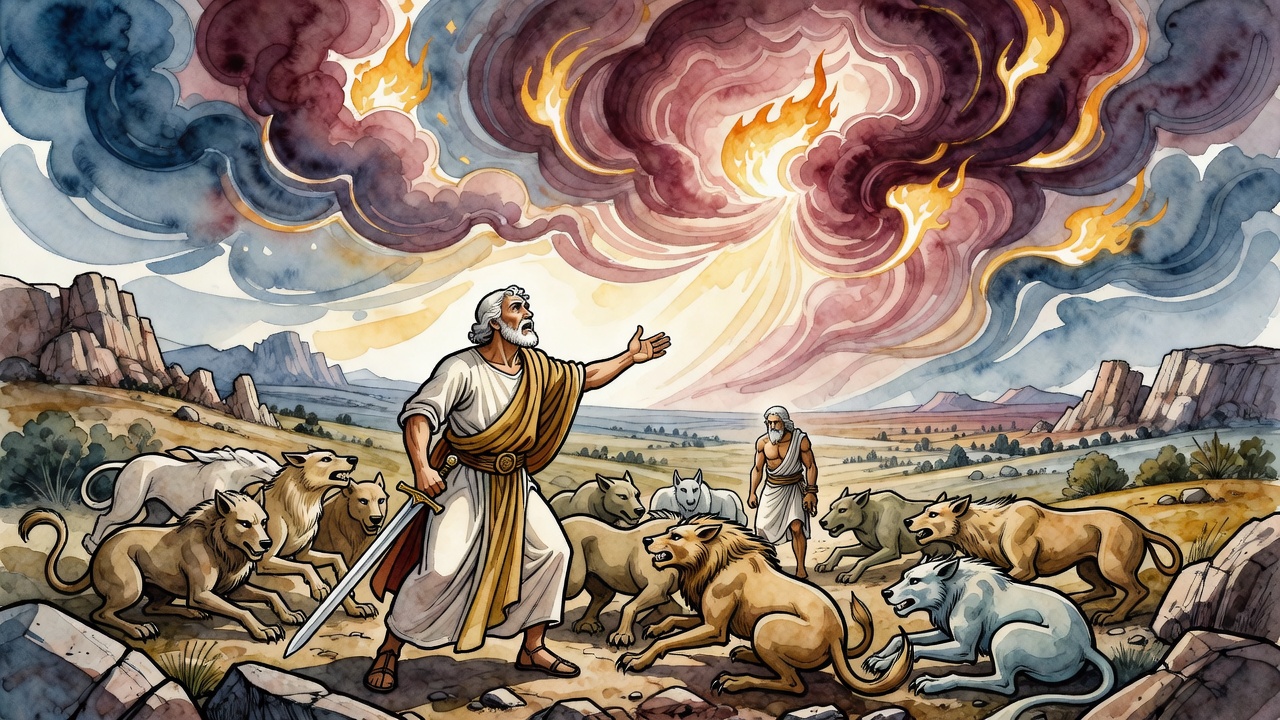
In the valley before Amalek Saul argues that beasts have not sinned. Heaven answers. He spares Agag. The sword he withheld later finds him.
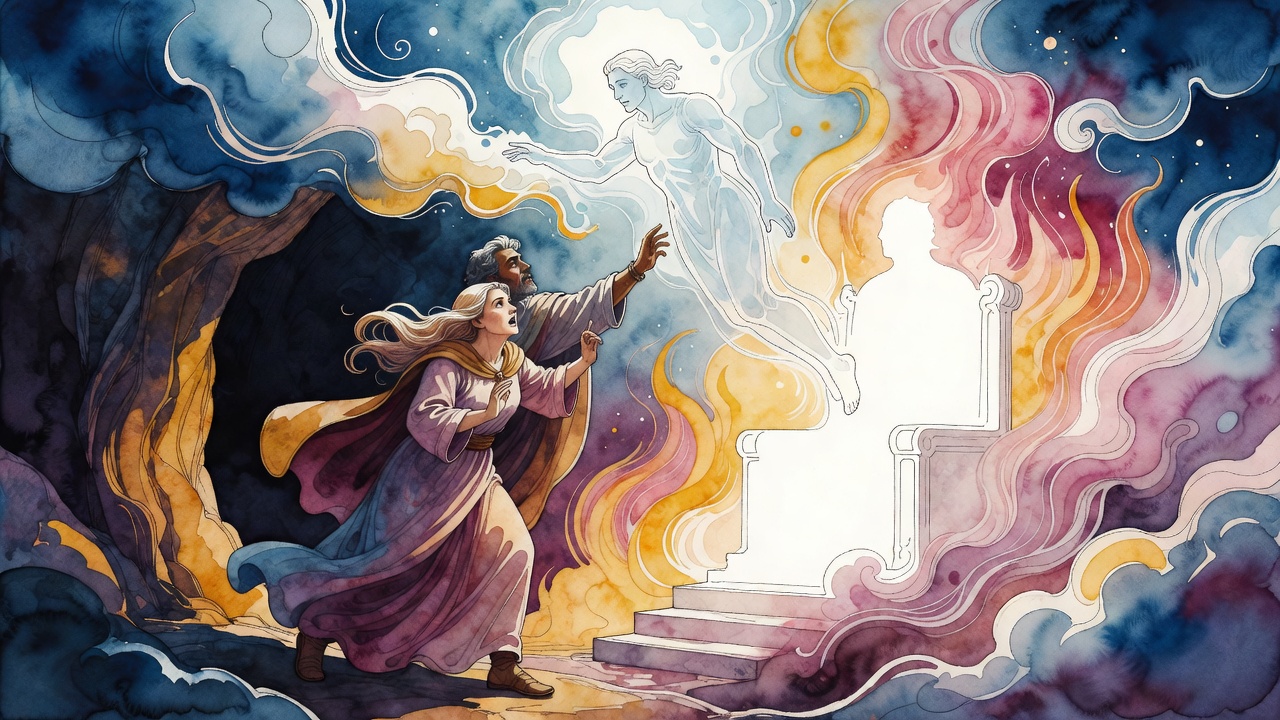
The prophets had gone quiet. He put on other clothes and asked a woman for a shade. The dead man still spoke as if interrupted on the road up.
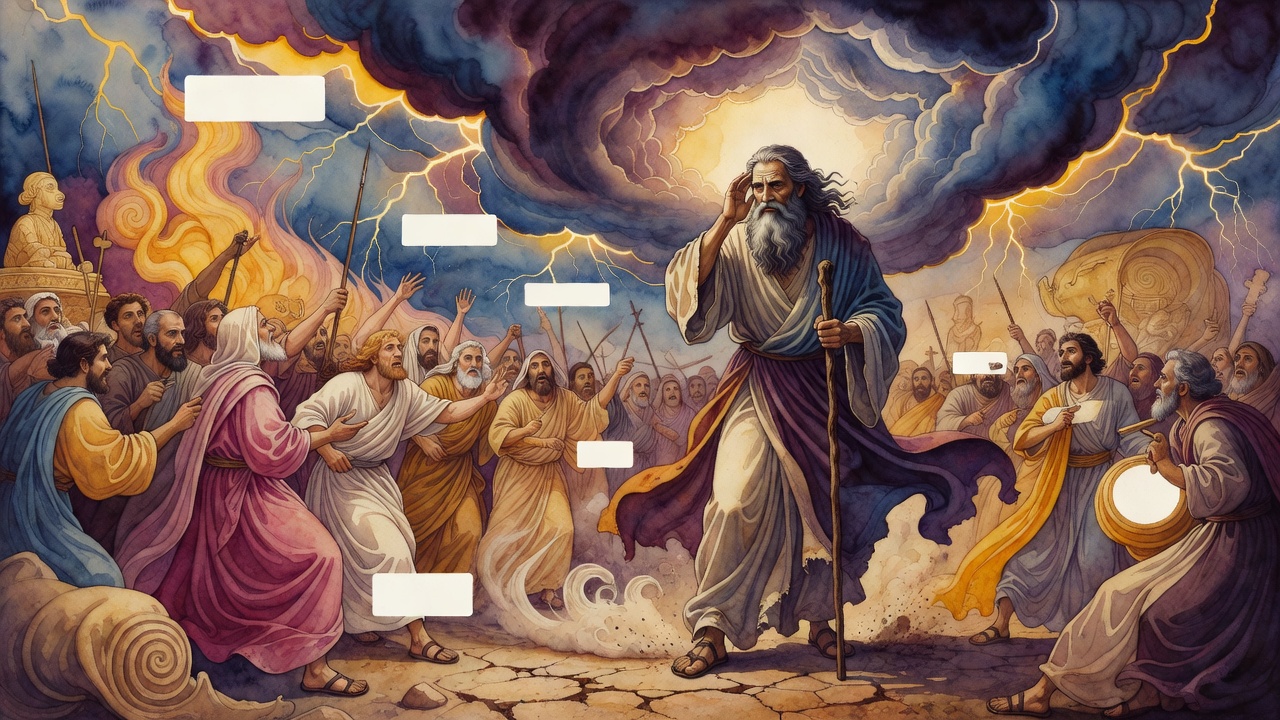
The elders wanted a man on a horse. Samuel heard other altars under the request. God told him to listen, and the oil waited for morning.
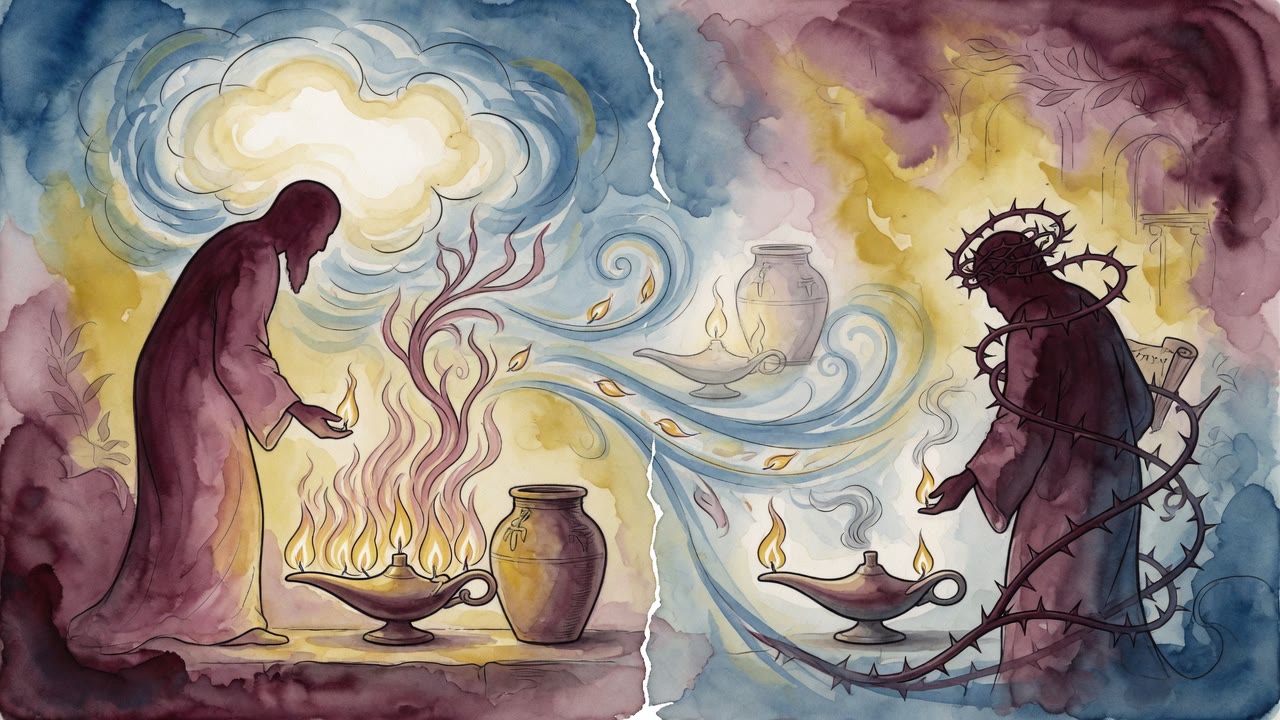
Nathan told David his hands had spilled too much blood to build the House. Better the anger fall on stone and cedar than on people, God said.
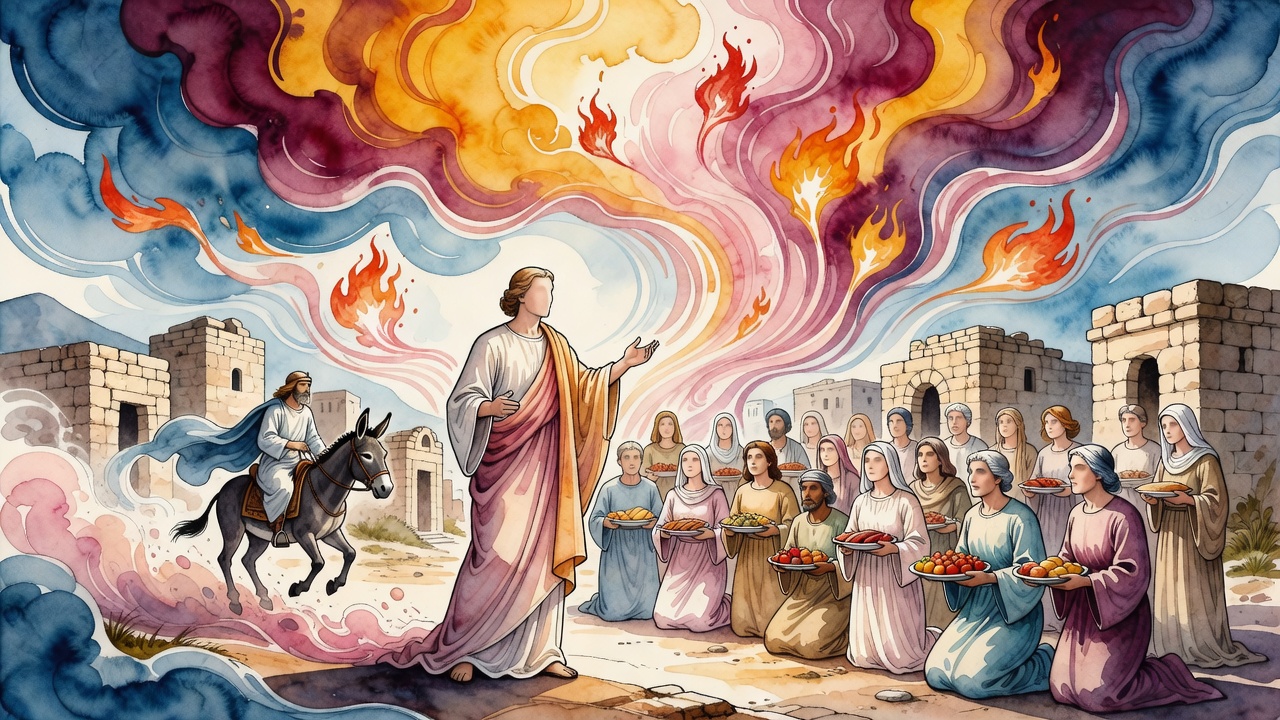
Saul entered a town hunting donkeys and found people waiting with full plates and empty mouths. Samuel had to bless first, or the meal stayed untouched.
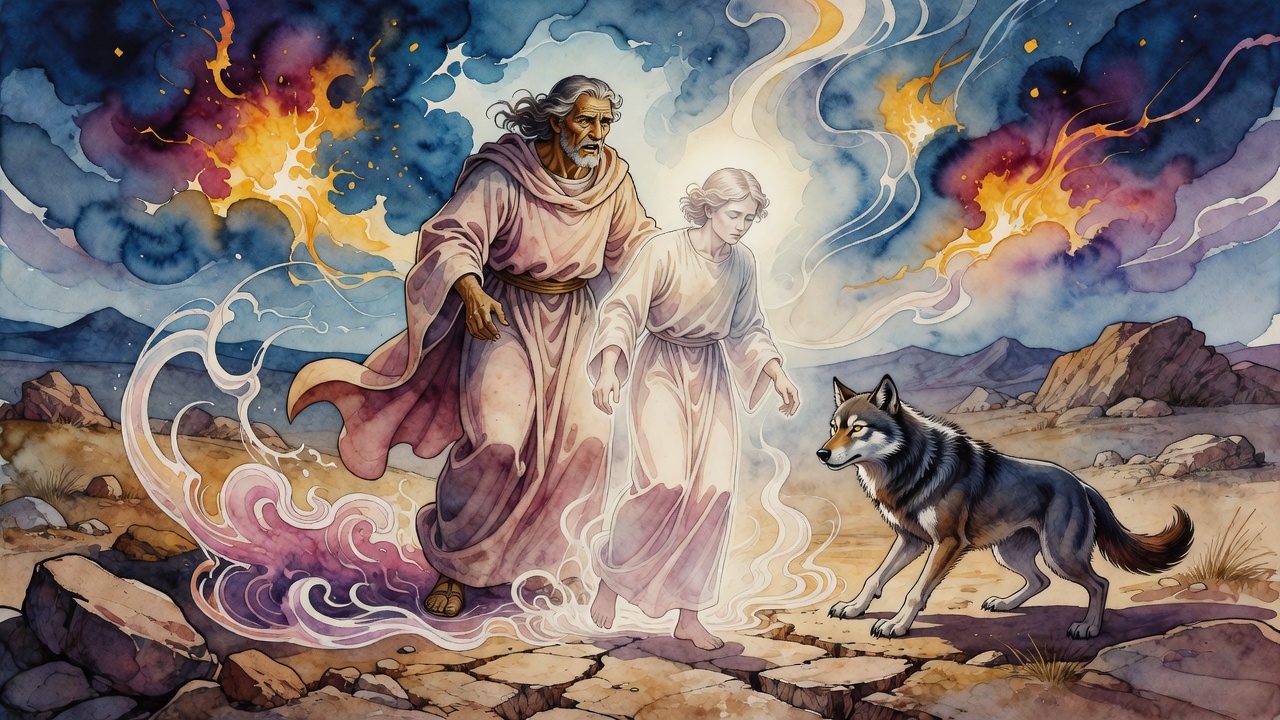
King Saul bans ghosts, then hunts one by night at En-dor. Samuel rises in his childhood robe and tells the wolf of Benjamin that morning has ended.
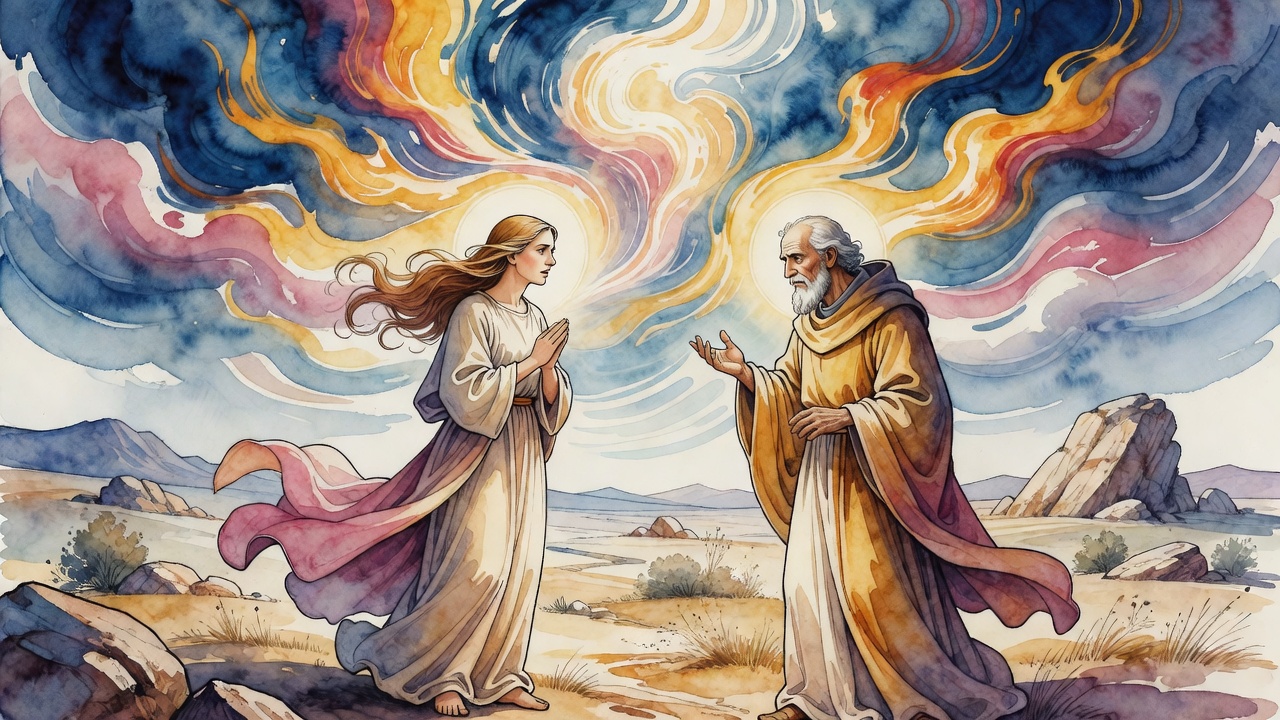
At Shiloh a barren woman moves her lips without sound. Eli calls her drunk. She answers that she is a woman of hardened spirit and bargains Heaven for a son.
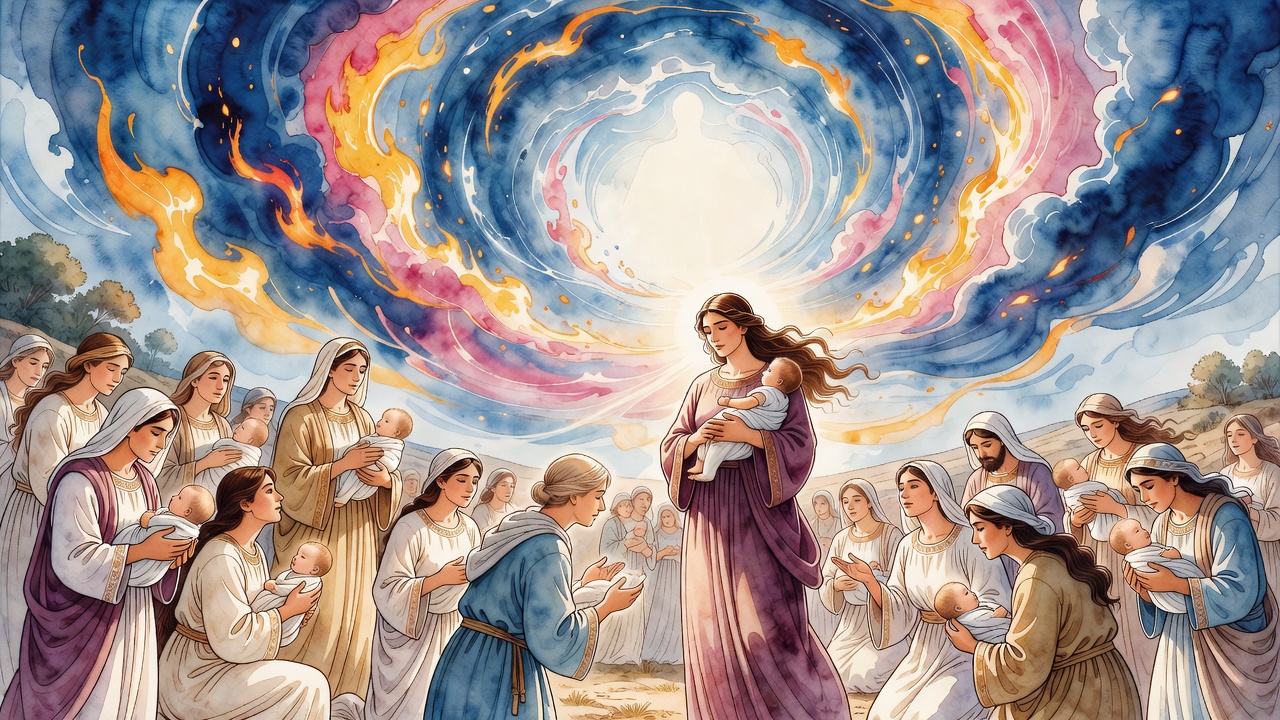
A bat kol (a heavenly voice) rang daily promising a righteous man named Shmuel. Mothers tried the name, returned it, until Hannah's son finally kept it.
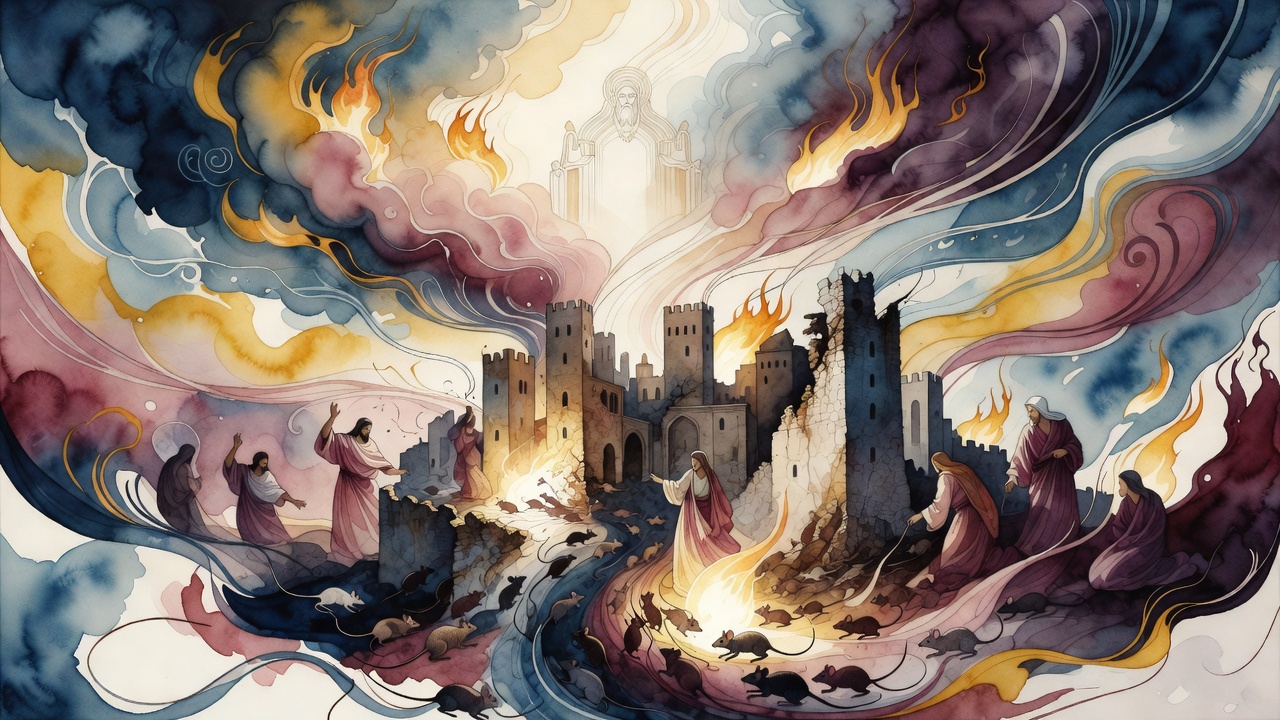
Philistines sneer that God's quiver is empty. A mouse climbs from under a man, drags out his bowels, and benches built for safety split open on command.
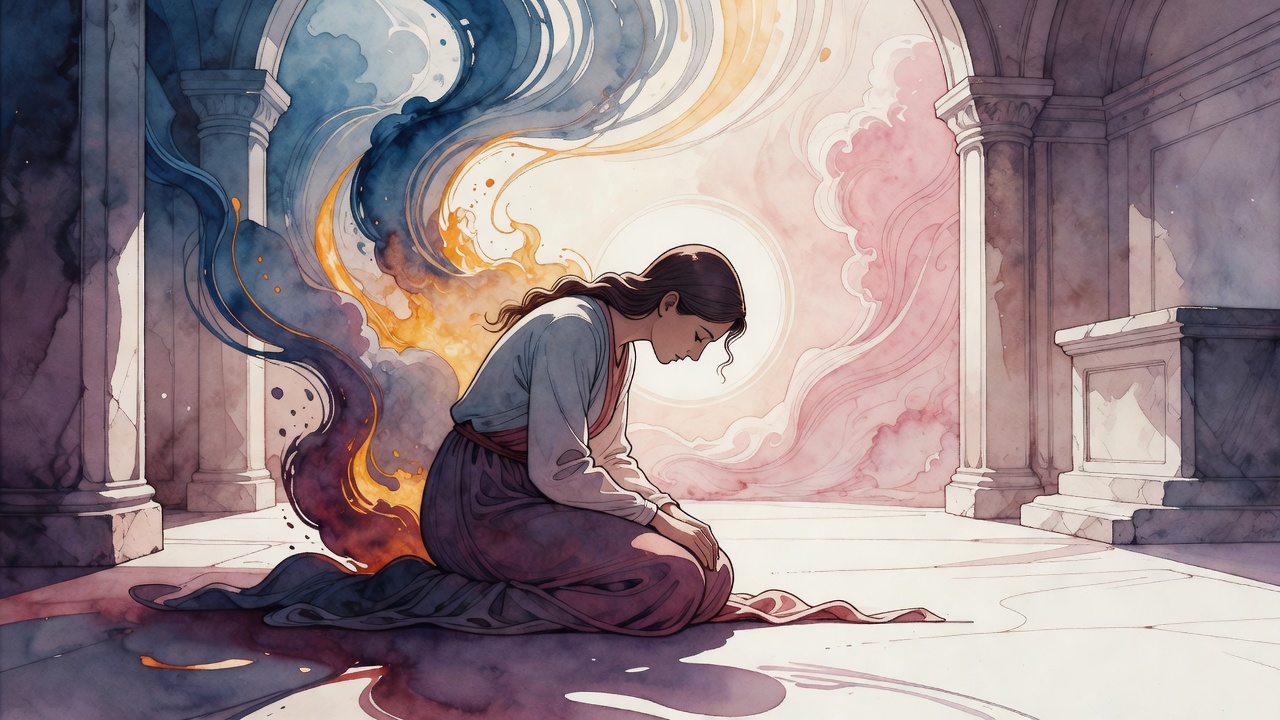
In the sanctuary at Shiloh, Hannah's lips move without sound while her bitterness rises, teaching Israel how a heavy head opens heaven.
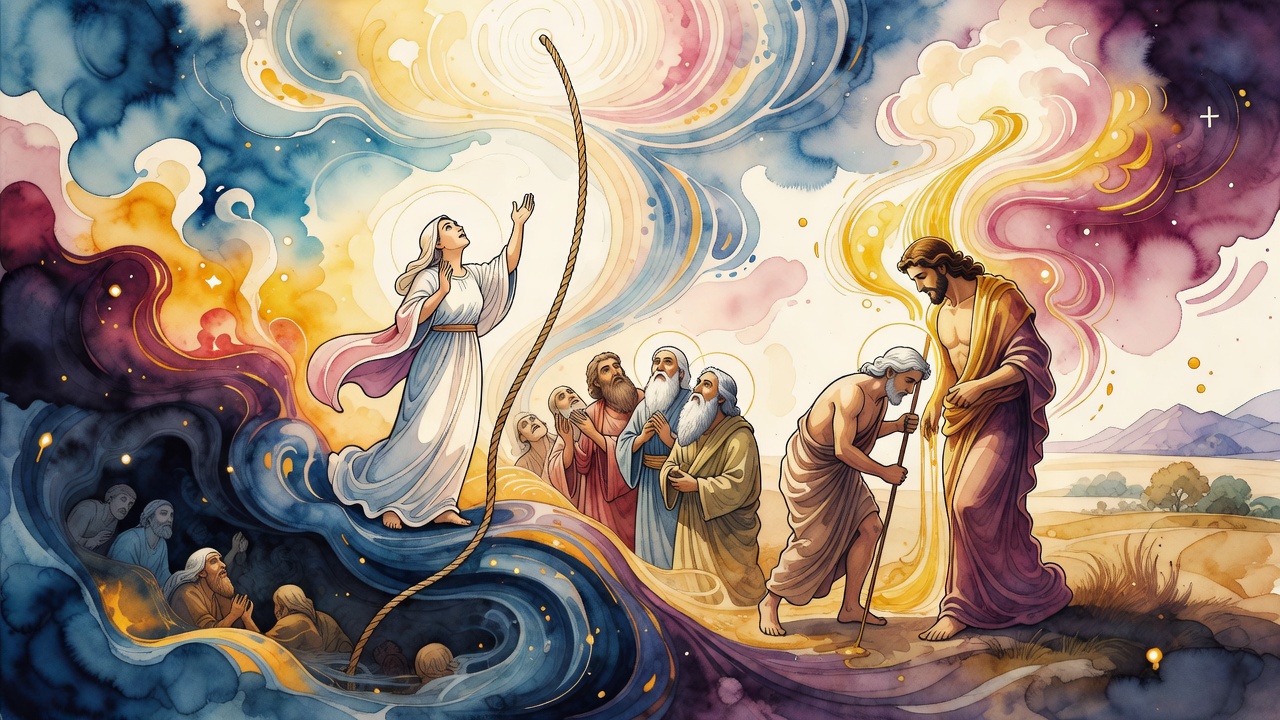
The earth had closed over Korah and Rabbi Akiva ruled that they were never coming up. Then a woman at Shiloh stood and sang about a son.
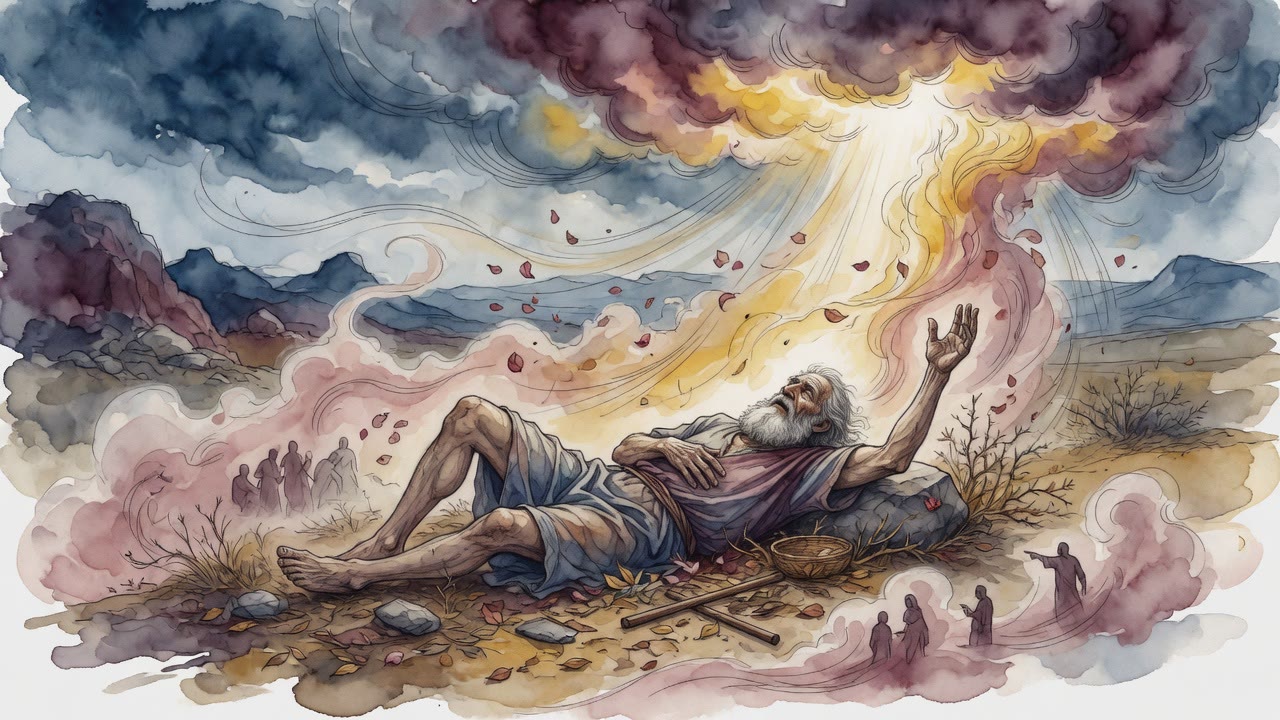
They camped in the town square and asked neighbors to walk to Shiloh. Five houses followed. Next year ten. Heaven paid him with Samuel.
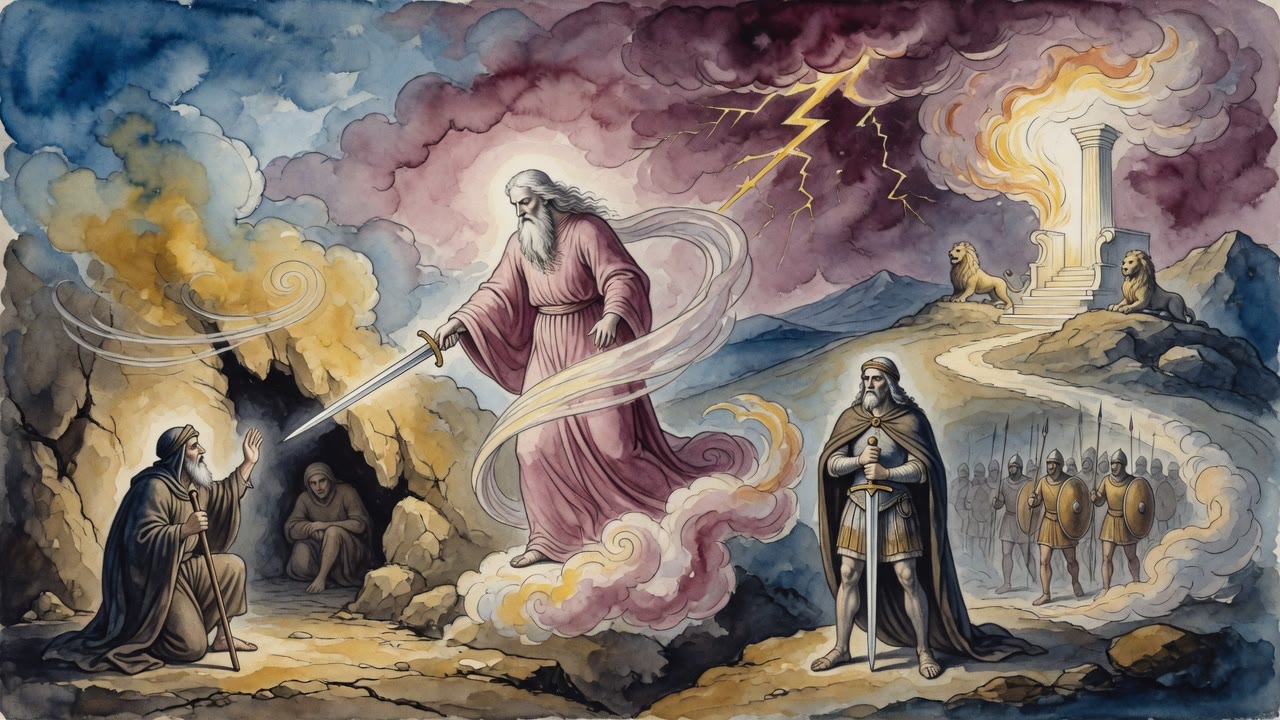
Three days out hunting his father's lost donkeys, Saul wanted to turn for home. The seer up the hill had been told the day before to expect him.
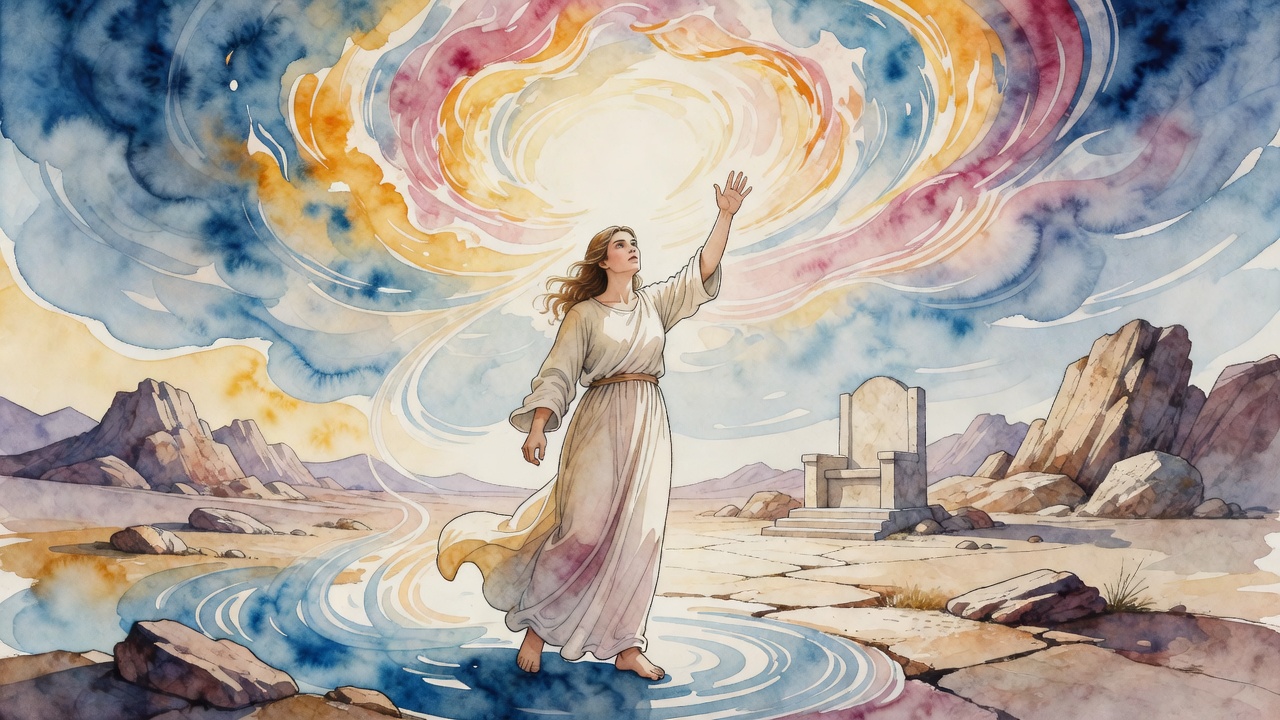
Barren and mocked, Hannah shaped a private plan that would force Heaven to honor its own promise of seed for the woman cleared by the waters.
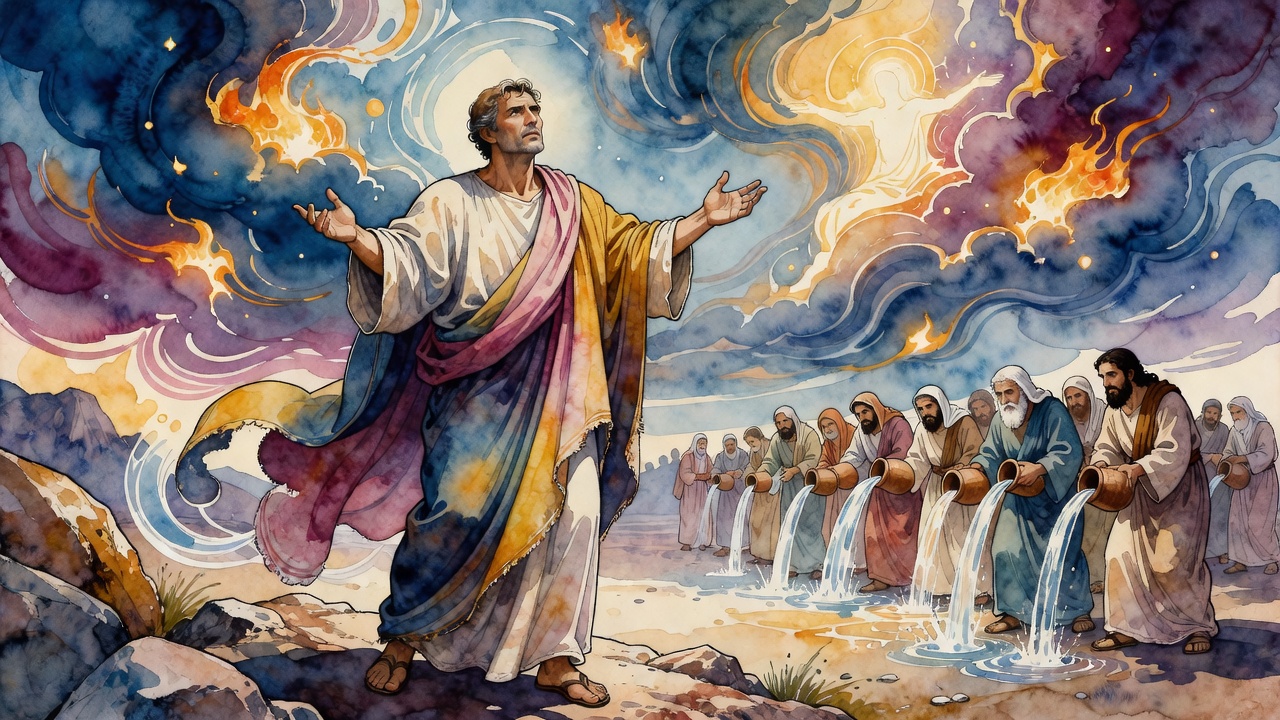
At Mizpah Israel pours out more than water. Samuel wraps himself in the people's garment and demands that heaven answer a plain admission of guilt.
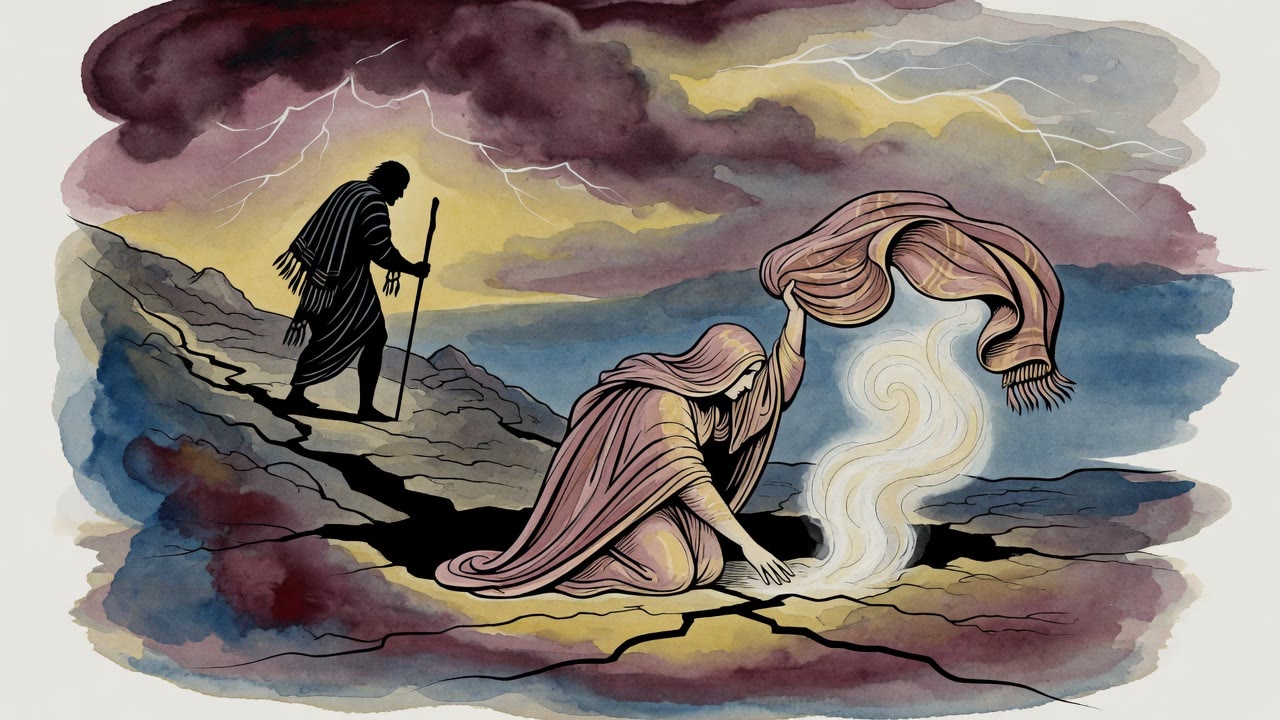
Saul banned the speakers with the dead, then walked to Endor at night. She saw Samuel's mantle. He heard only a whisper rising from under the earth.
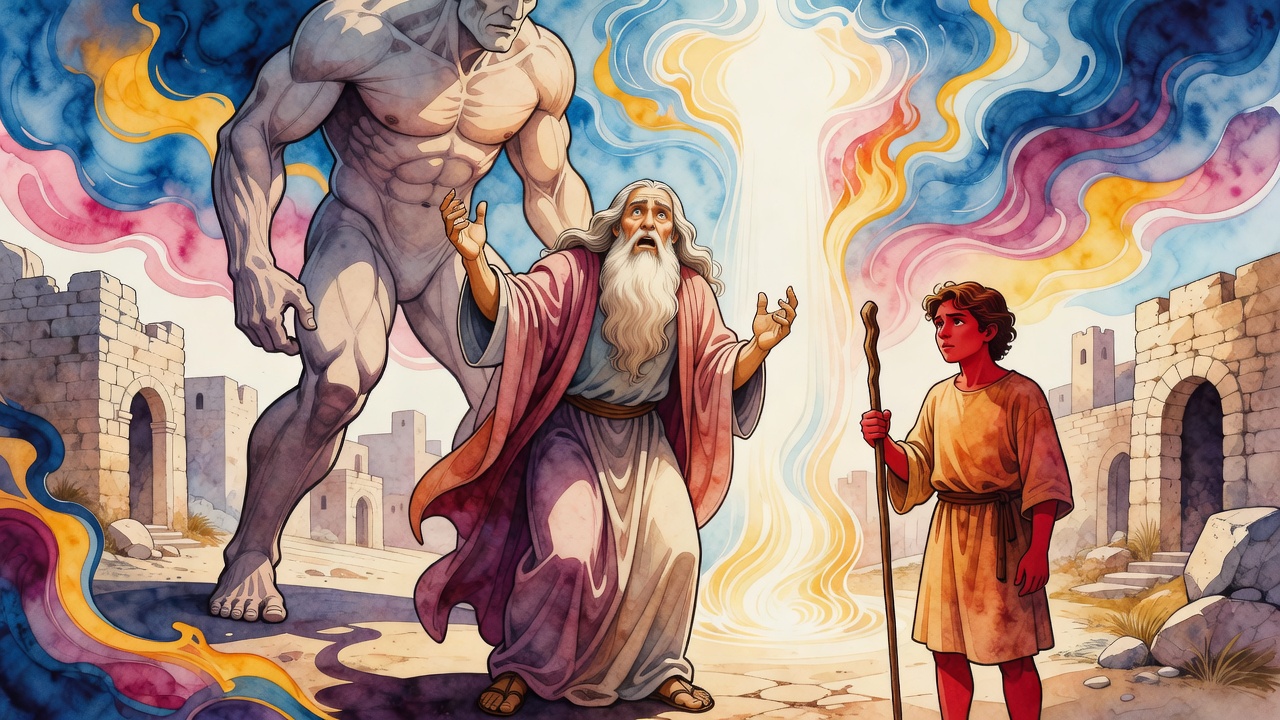
Seven sons of Jesse crossed the yard while Samuel held a full horn. Heaven said no to every one of them, and the youngest was still with the sheep.
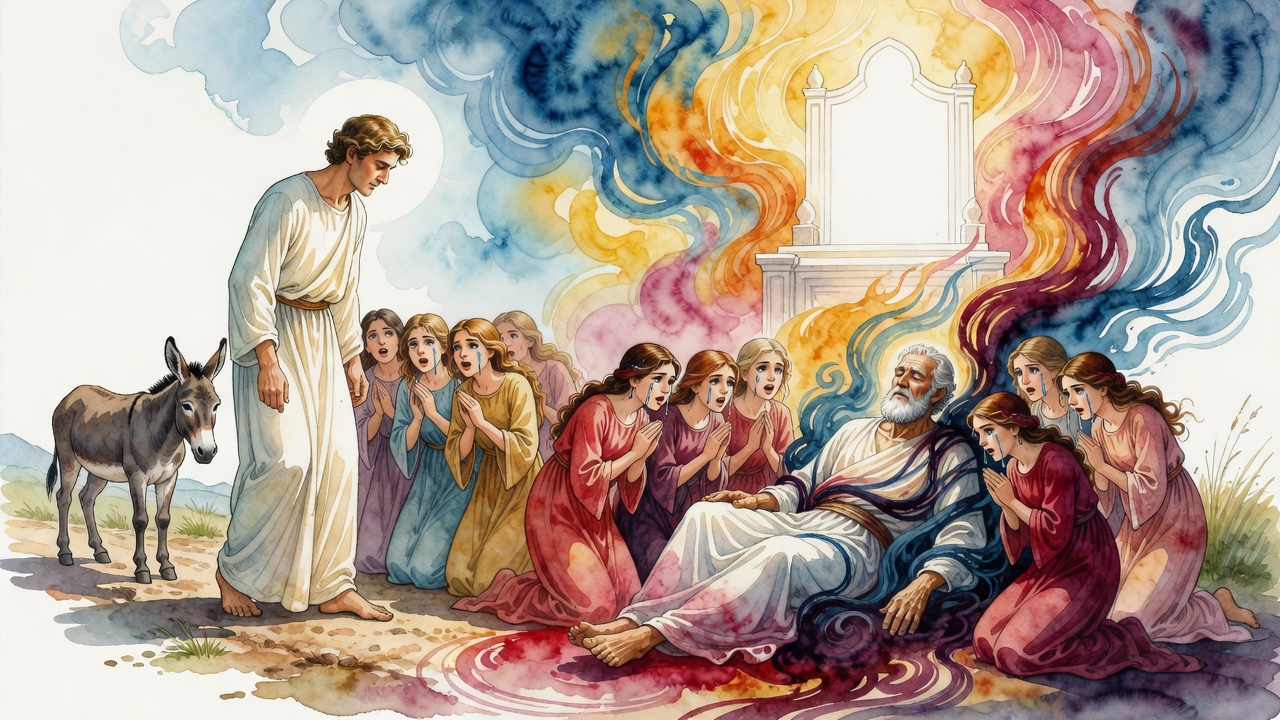
A modest giant searching for lost donkeys is stalled by maidens drunk on his beauty, then dies for five sins as Israel's daughters weep in crimson.
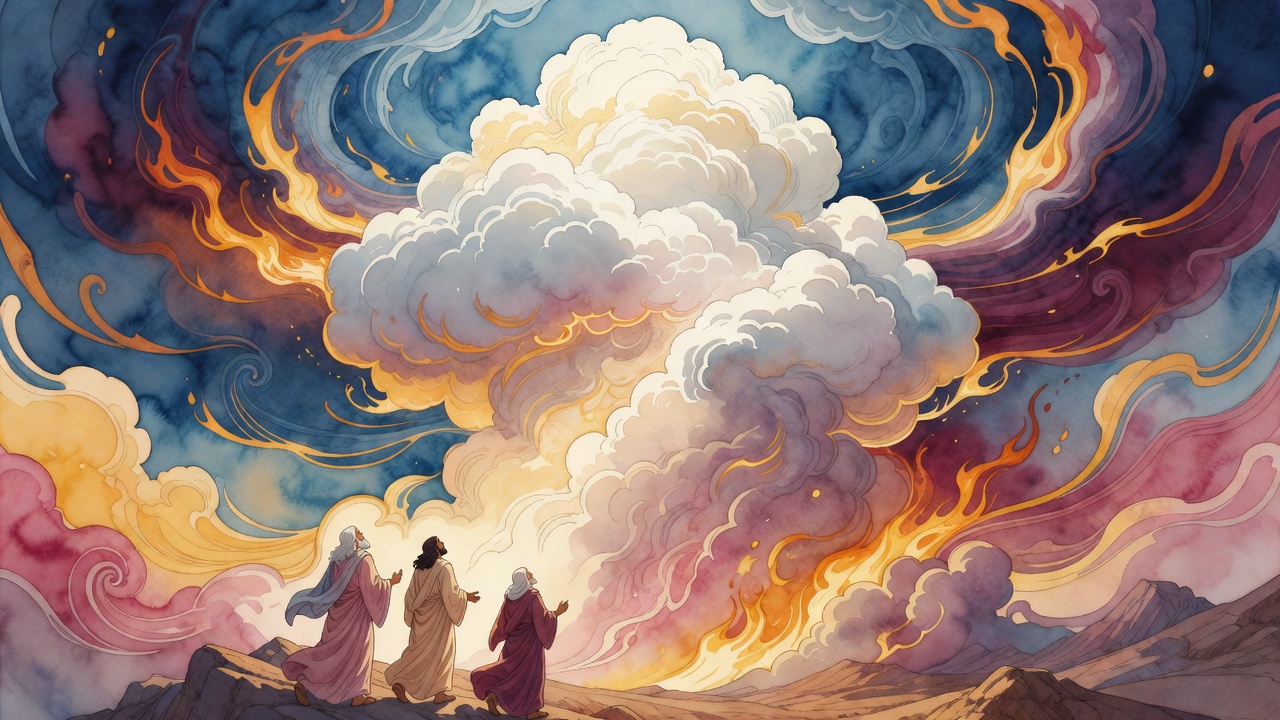
At Sinai the man spoke first and heaven answered out loud, and the same voice came down from the cloud for Aaron and for Samuel too.
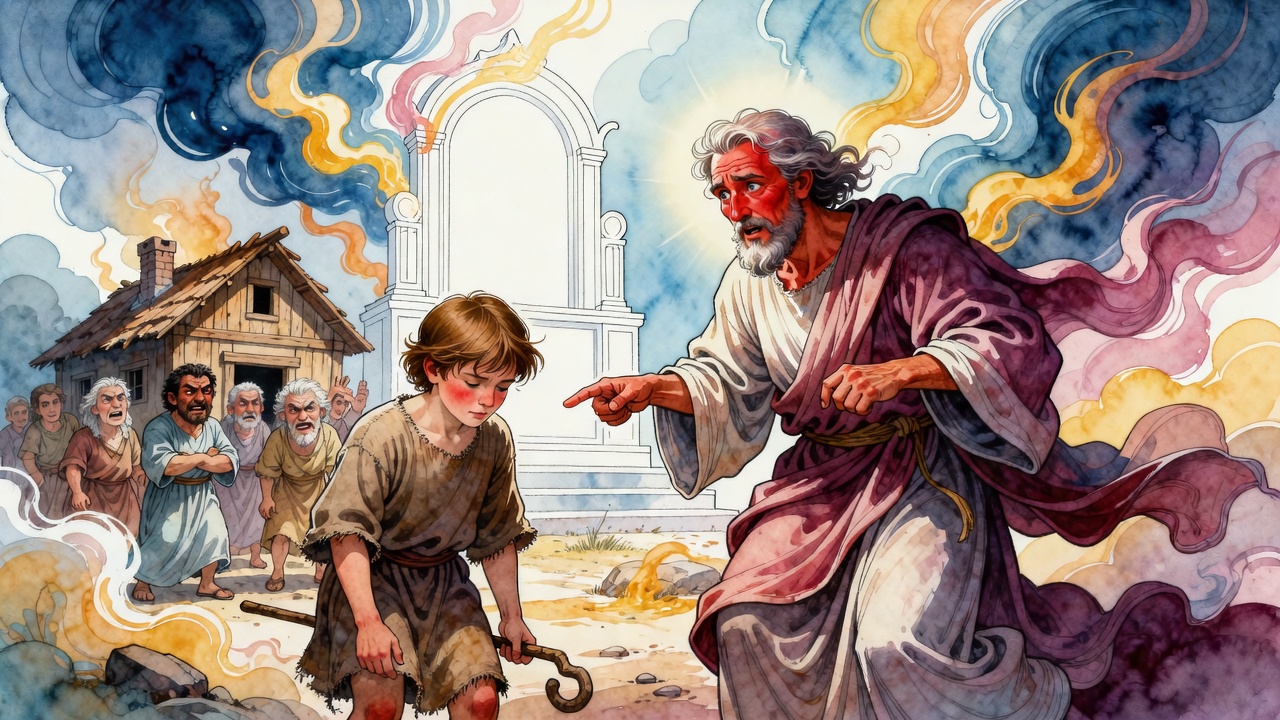
Samuel flushed red at the shepherd boy, sure he saw another Esau, while the house sneered at the son of Jesse who called himself a mere stain.
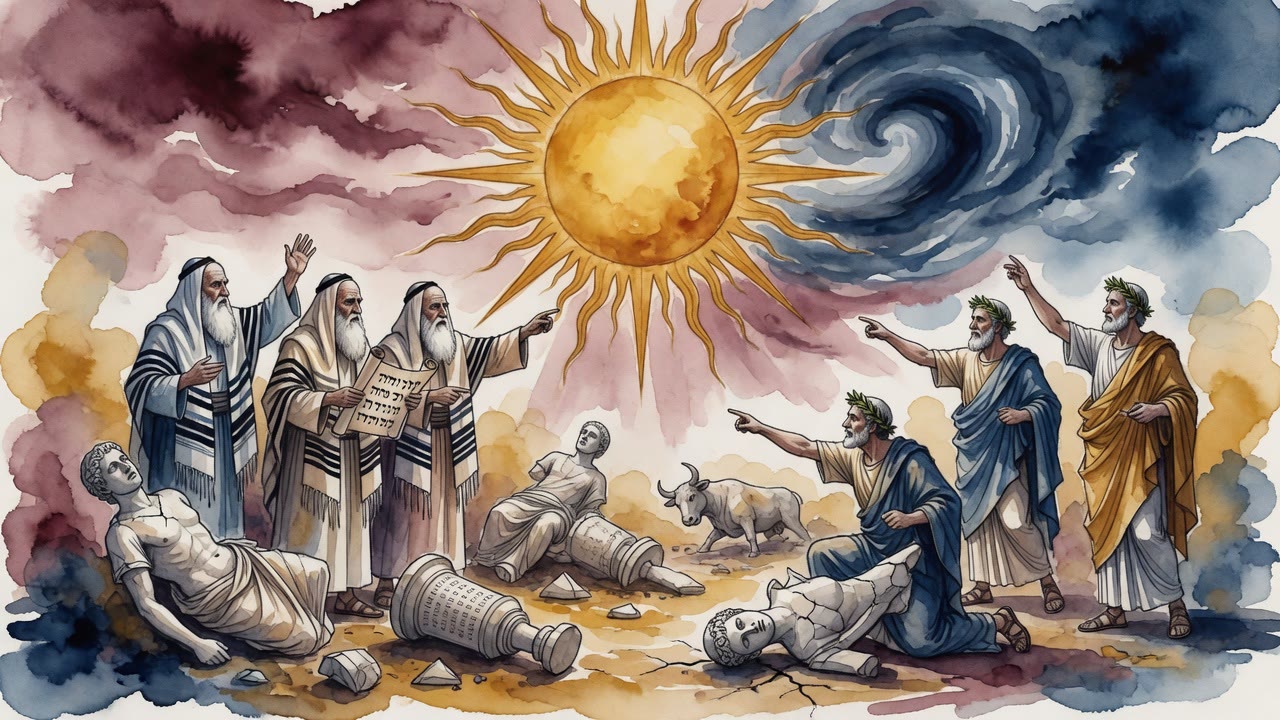
Before the sun of one tzaddik (a righteous person) goes dark God kindles another, and overhead the daylight charges out like a groom and drags home spent at.
