20 myths
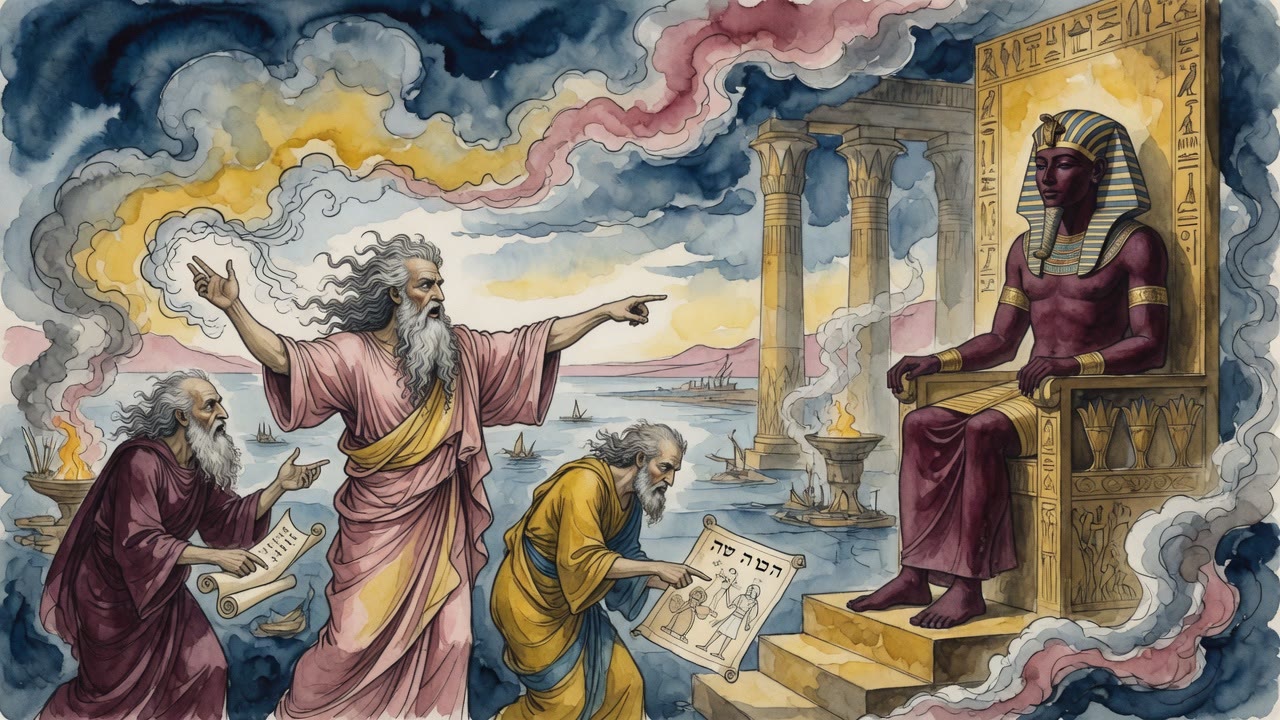
Three advisors stood before Pharaoh. One fled, one stayed silent, and Balaam found the loophole that drowned Hebrew babies in the Nile.
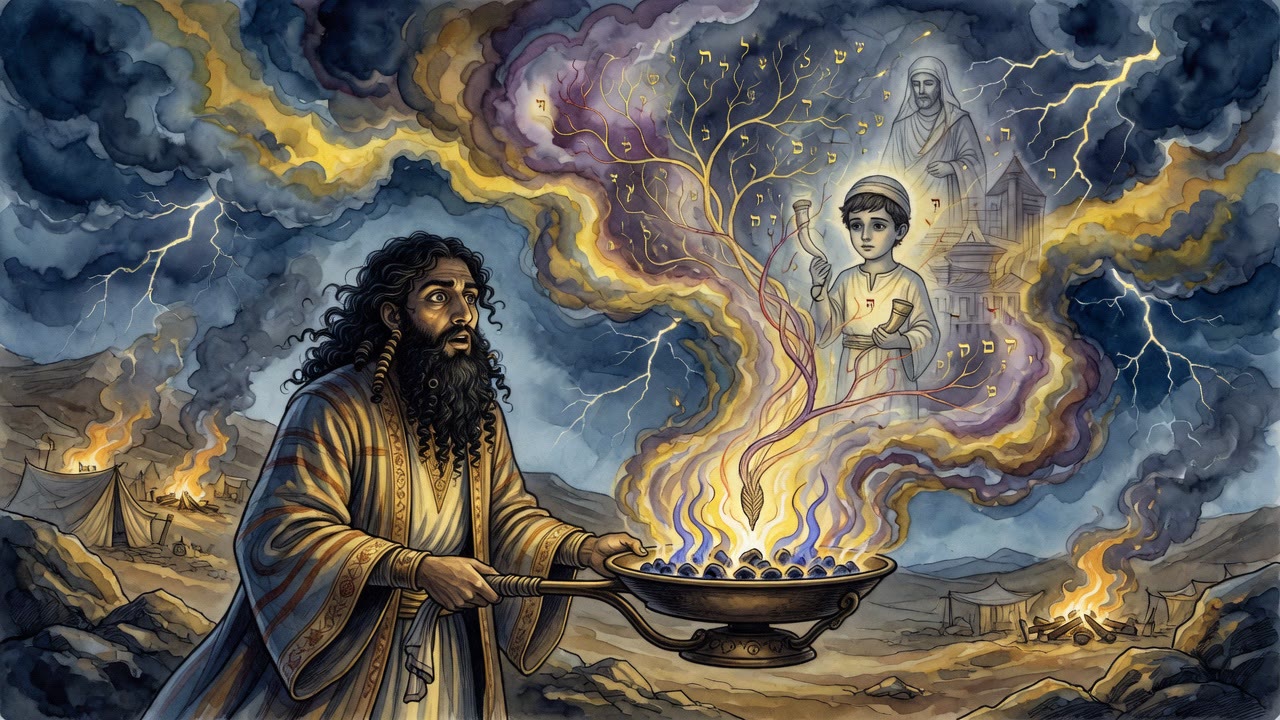
Korah saw Samuel shining in his bloodline and read the vision as permission. He reached for the fire-pan, and the fire reached back.
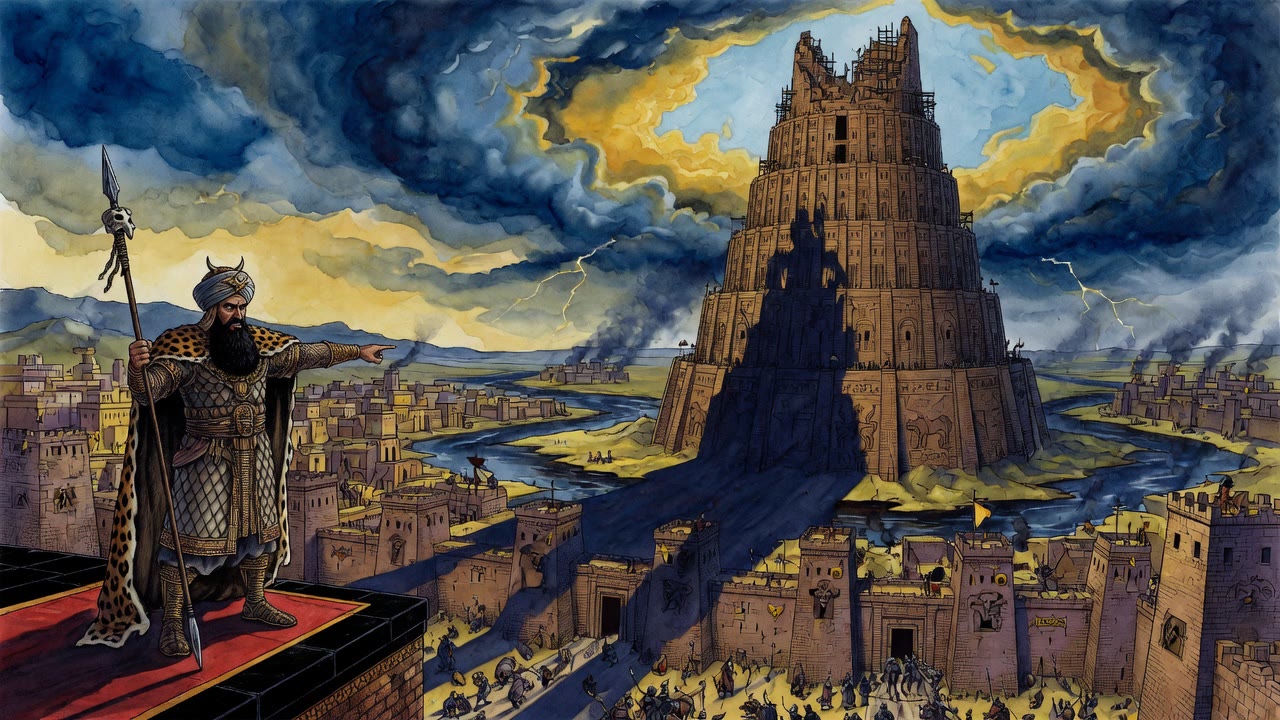
After the Tower of Babel fell, Nimrod did not repent. He built four cities and named them after what God had done to him. Then he threw children into a furnace.
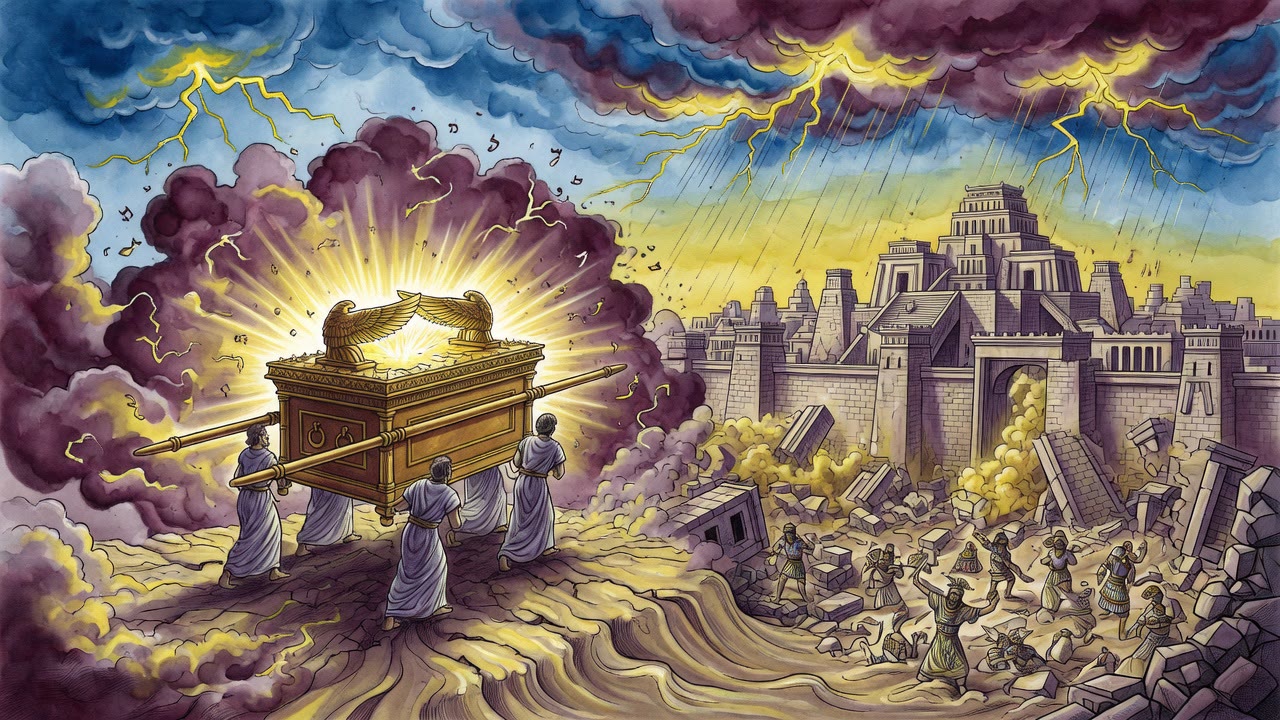
The Philistines set the captured Ark beside their god Dagon. In the morning Dagon was face down on the floor in front of it, and they stood him back up.
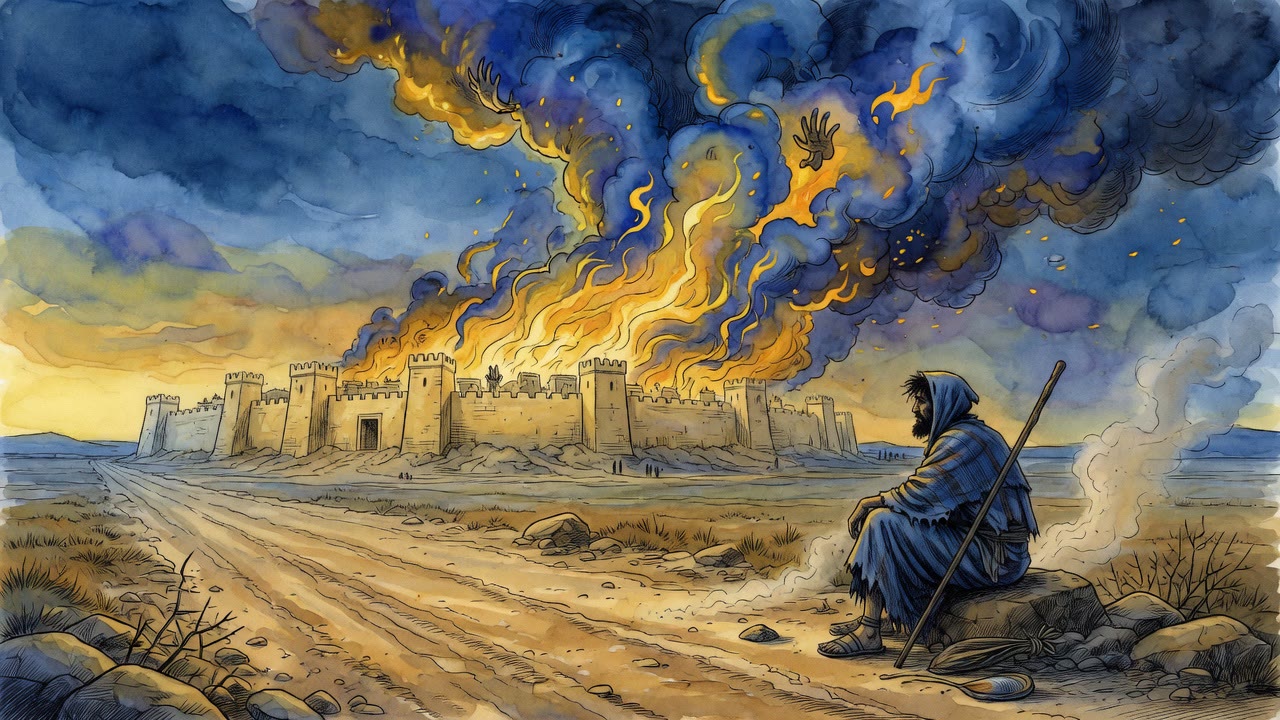
Sodom's stones held sapphire and its dust held gold, so the city closed its roads to the wayfarer. The fire answered.
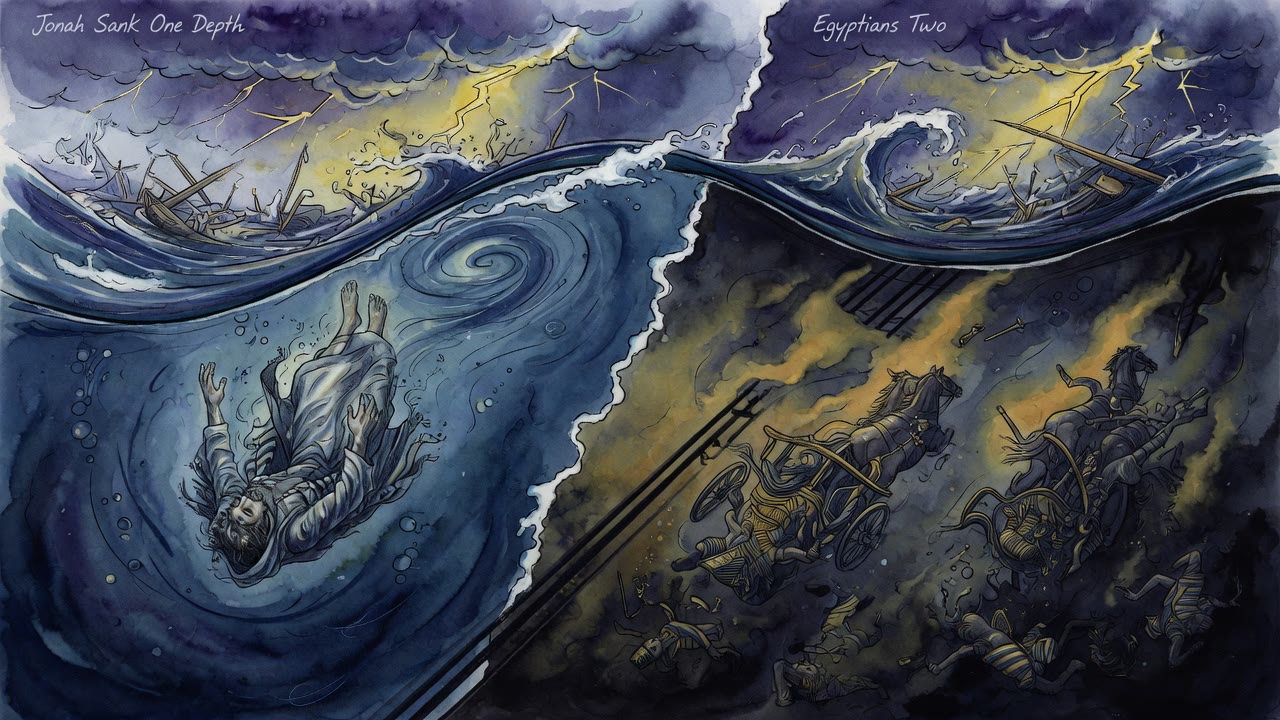
The army at the water could not agree. Some wanted the gold and no killing. Some wanted the killing and no gold. The third group wanted both at once.
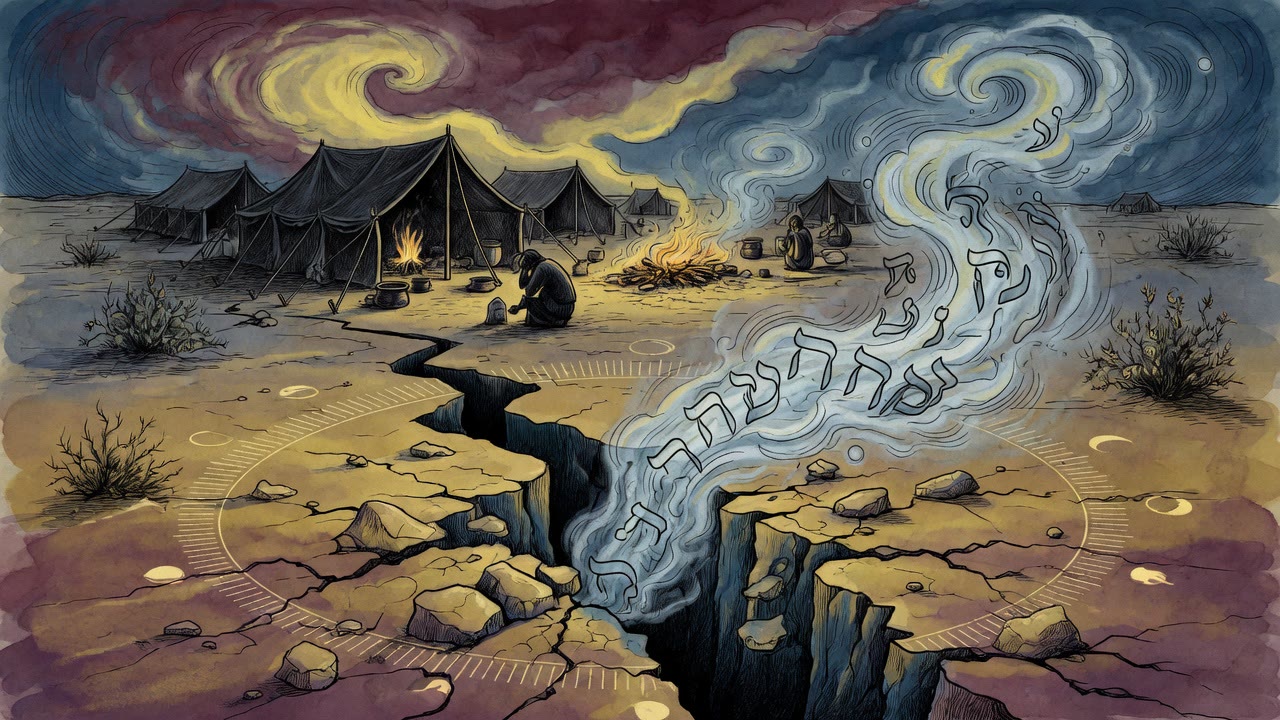
A Bedouin led Rabbah to two smoking cracks in the desert. Wet wool on a spear came up scorched. From below, Korah was still talking.
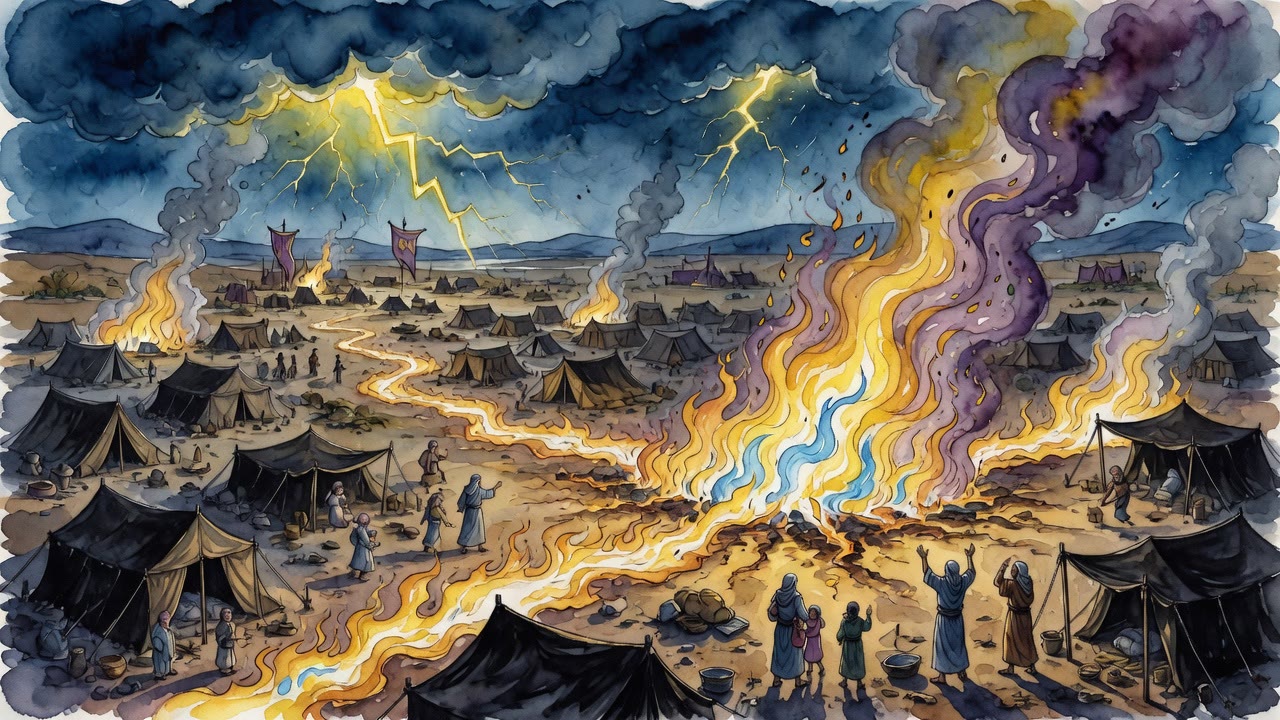
The camp still had water from the rock. Someone whispered whether God could set a table in this waste. Fire ran the edge of the tents before Moses stood.
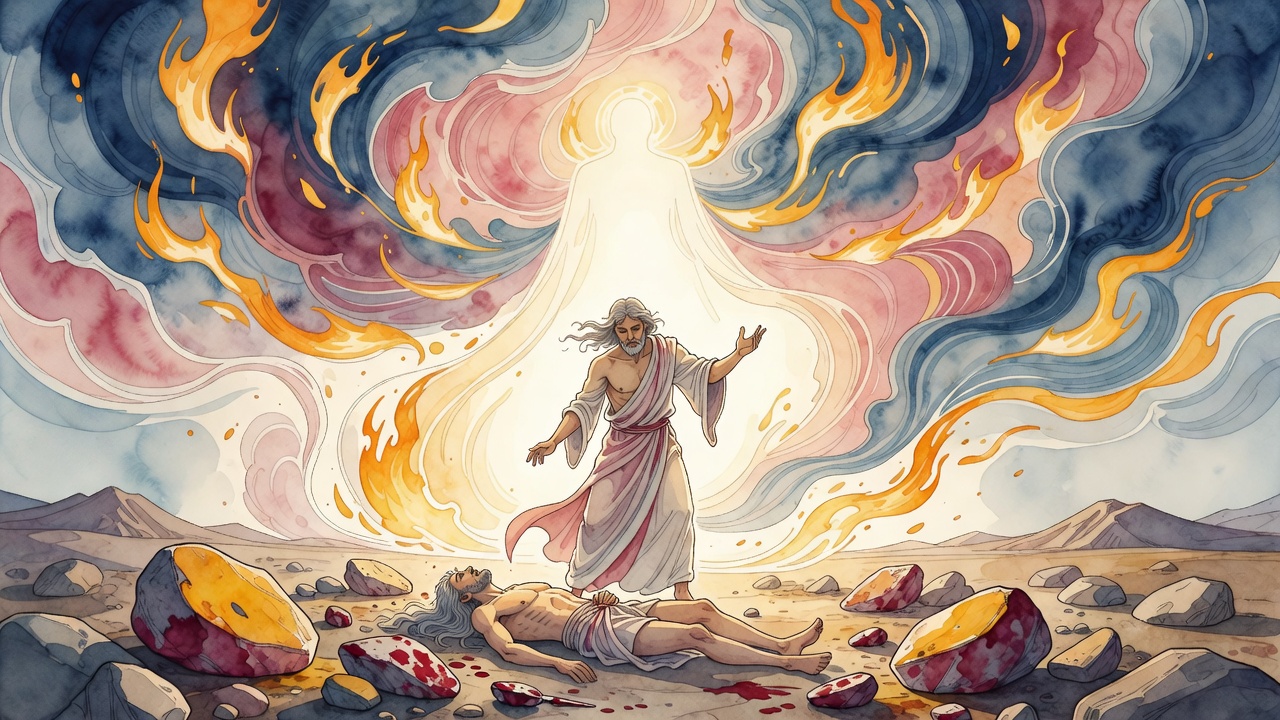
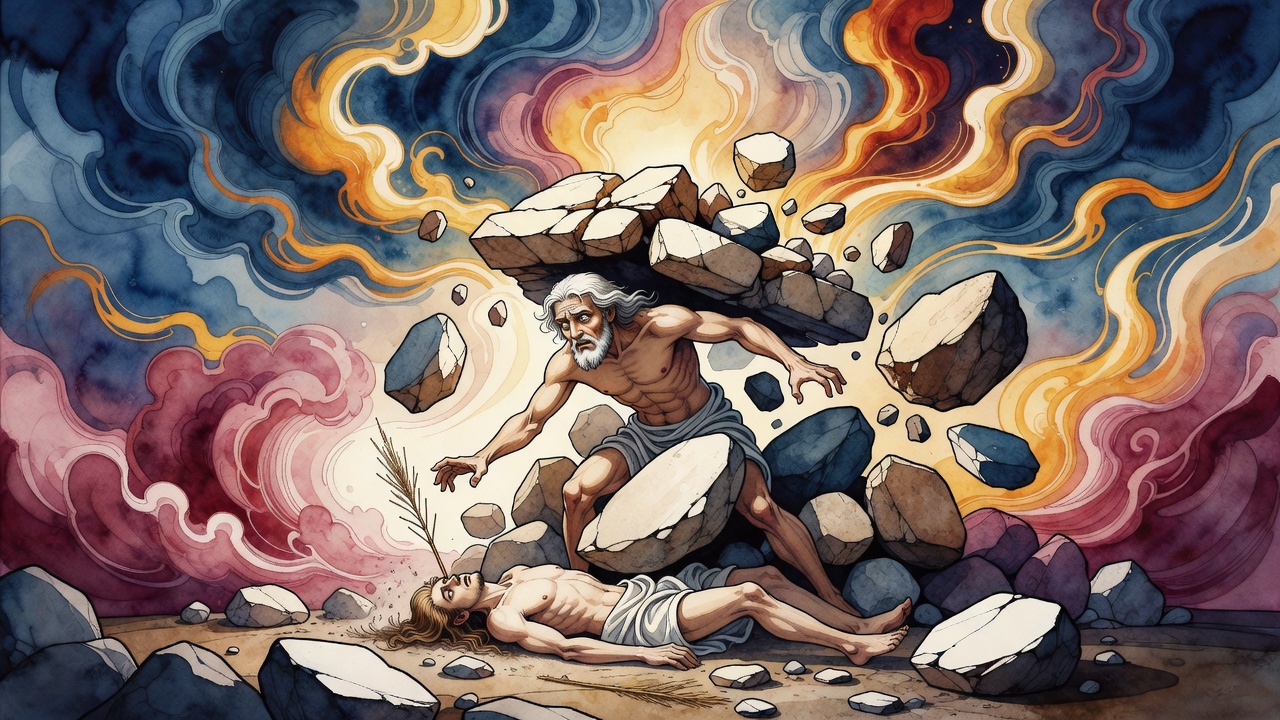
Cain kept throwing stones because no one had died yet. After the neck blow he told God the punishment was heavier than Heaven could carry.
Korah's men stopped at the tent. On's wife sat in the doorway with her hair uncovered. Inside, her husband slept and did not hear them.
Twelve angels still stood around the bed. The child was already standing. His first gift to Eve was a stalk he had taken from the ground.
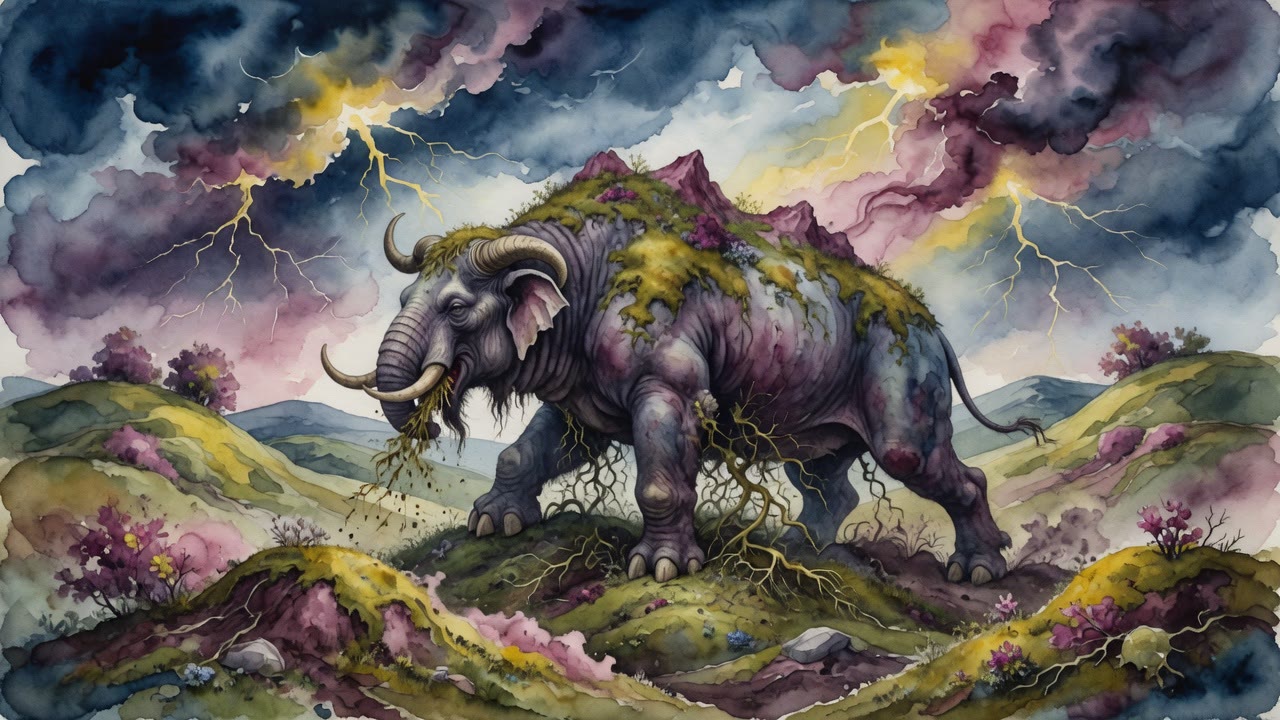
On the sixth day, Behemoth rose from the earth, ate a thousand hills each day, drank from the Jordan, and waited for its appointed end.
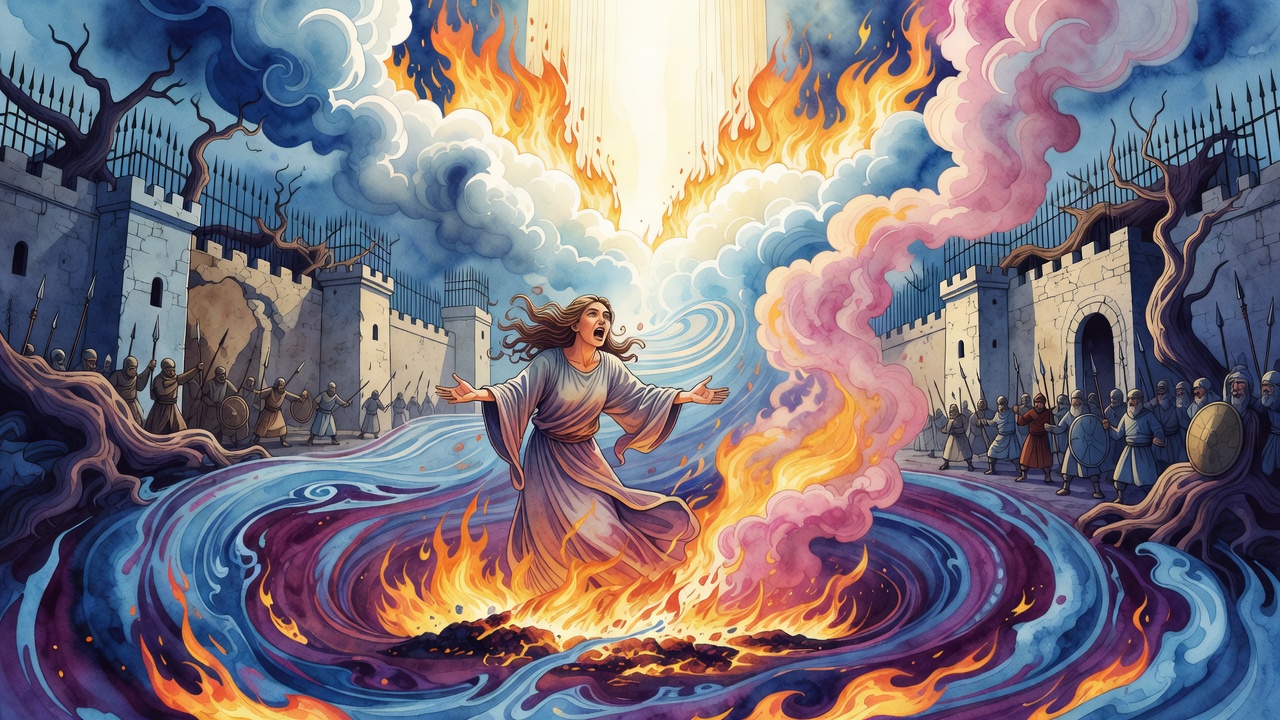
Peletith hid bread in her water bucket and carried it to the starving man in her street. Sodom burned her for feeding him.
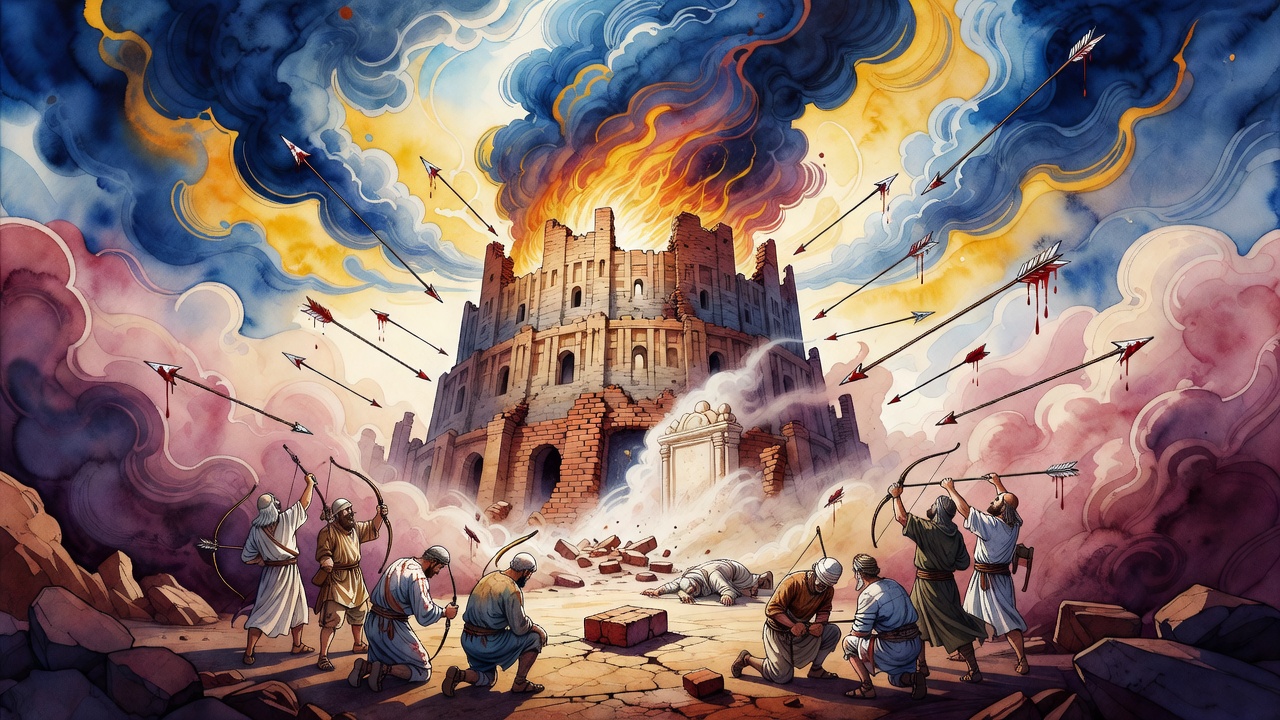
A brick slipped from the top of Nimrod's tower and they mourned it for a year. A man fell from the same height, and the line did not stop.
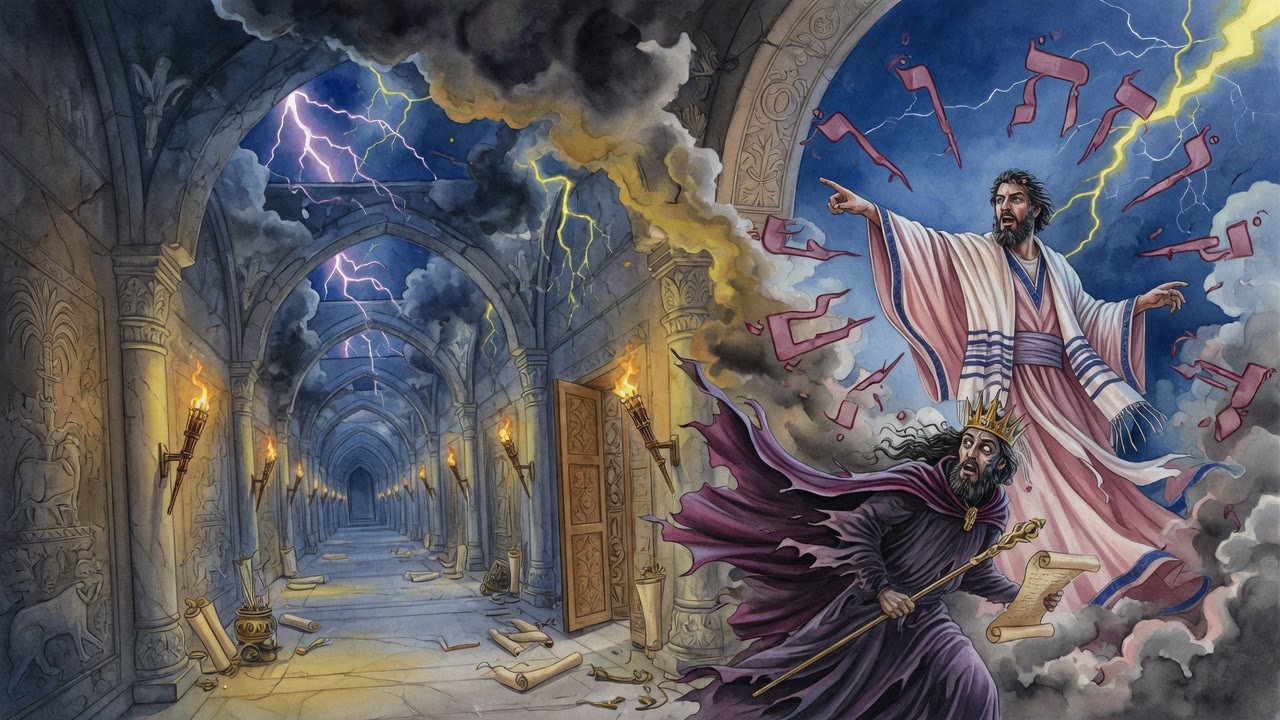
The angels at the gates called one word: Come. Isaiah walked in anyway. In the fifth chamber Pharaoh sat watching the other kings.
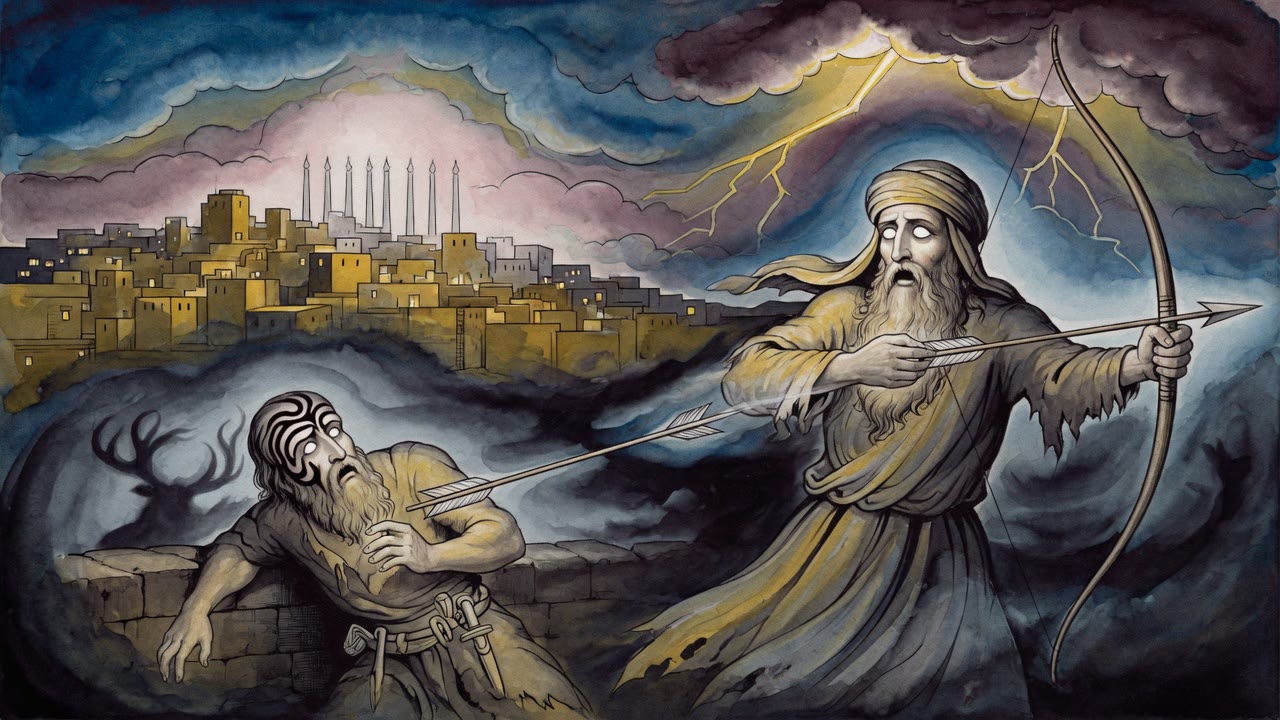
Cain built cities and survived the mark, but the count ran to seven generations. His blind descendant Lamech shot him in the dark, mistaking him for an animal.
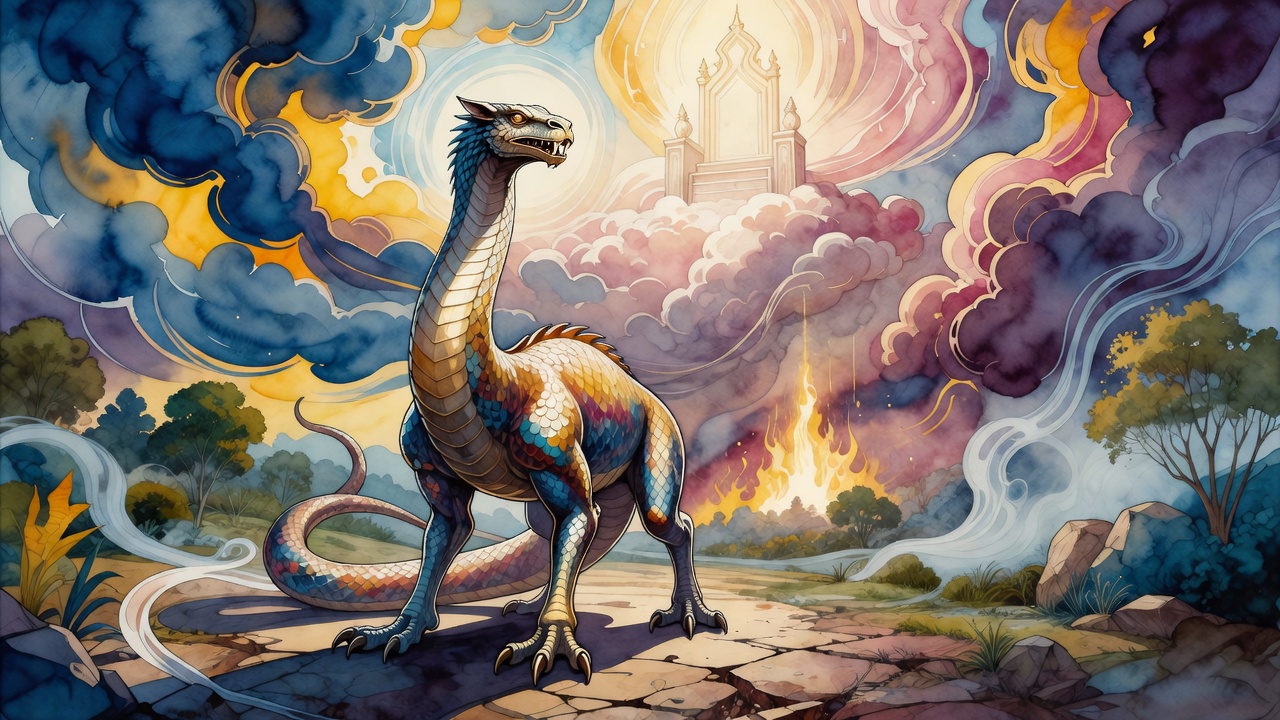
One pair of serpents could have done all of humanity's work and dug up gold and pearls besides. Then one of them decided it wanted Adam dead.
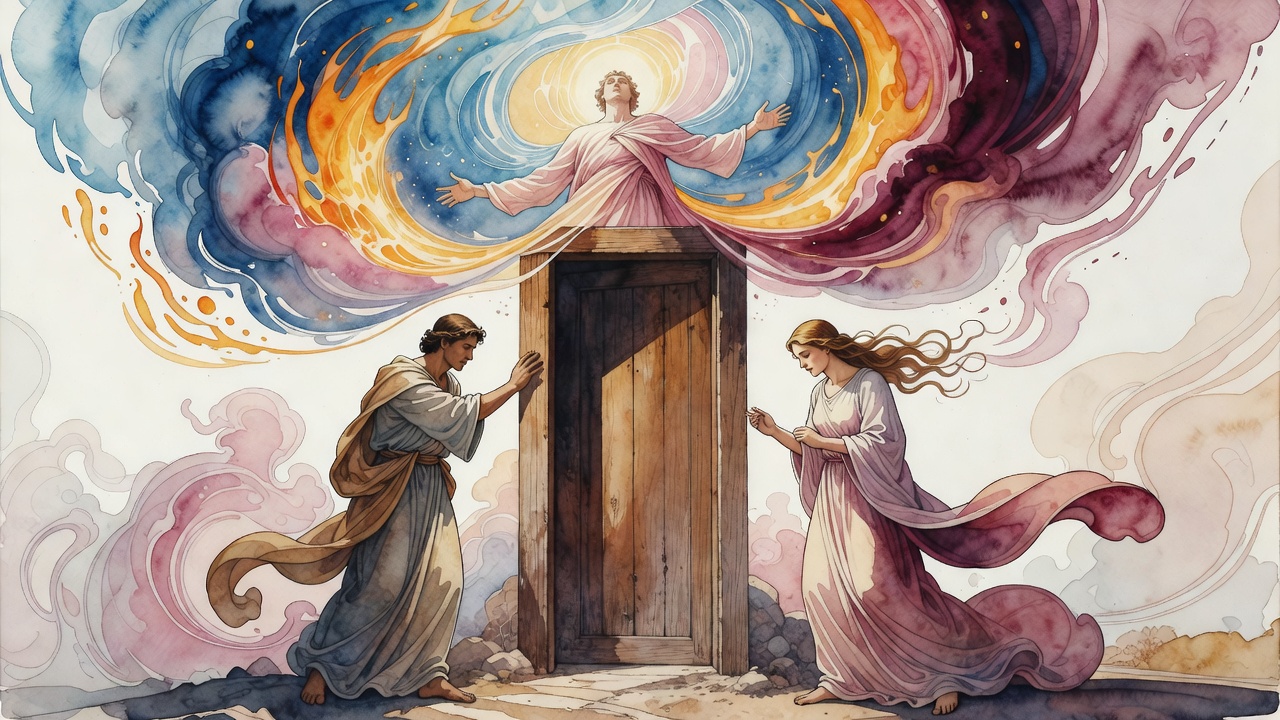
He took the offer back once she opened the latch. She swore by the throne of God, and by the tree of life, before he climbed.
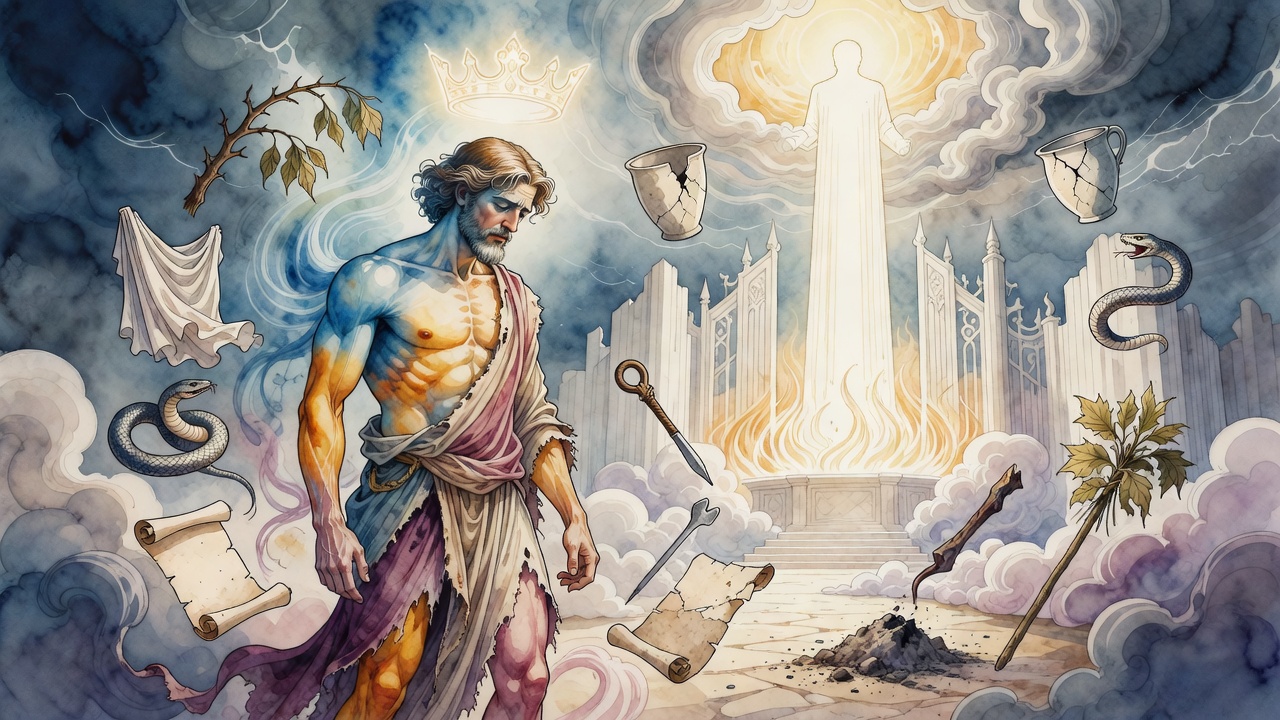
Eve asked to carry half of his dying. He sent her and Seth to the garden gate instead, to beg for oil from the tree.
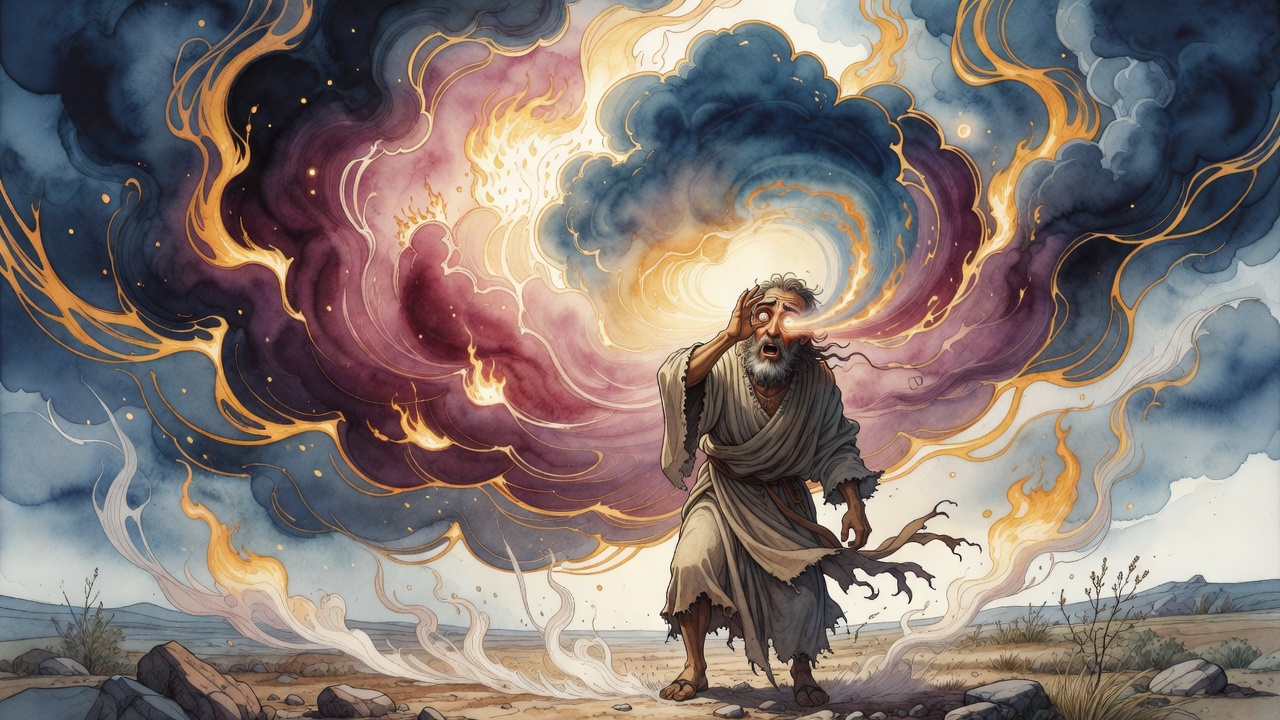
God asked Balaam a simple question. Balaam used it to boast. The reply cost him an eye and stripped his curse of force before it began.
