178 myths · Page 6 of 6
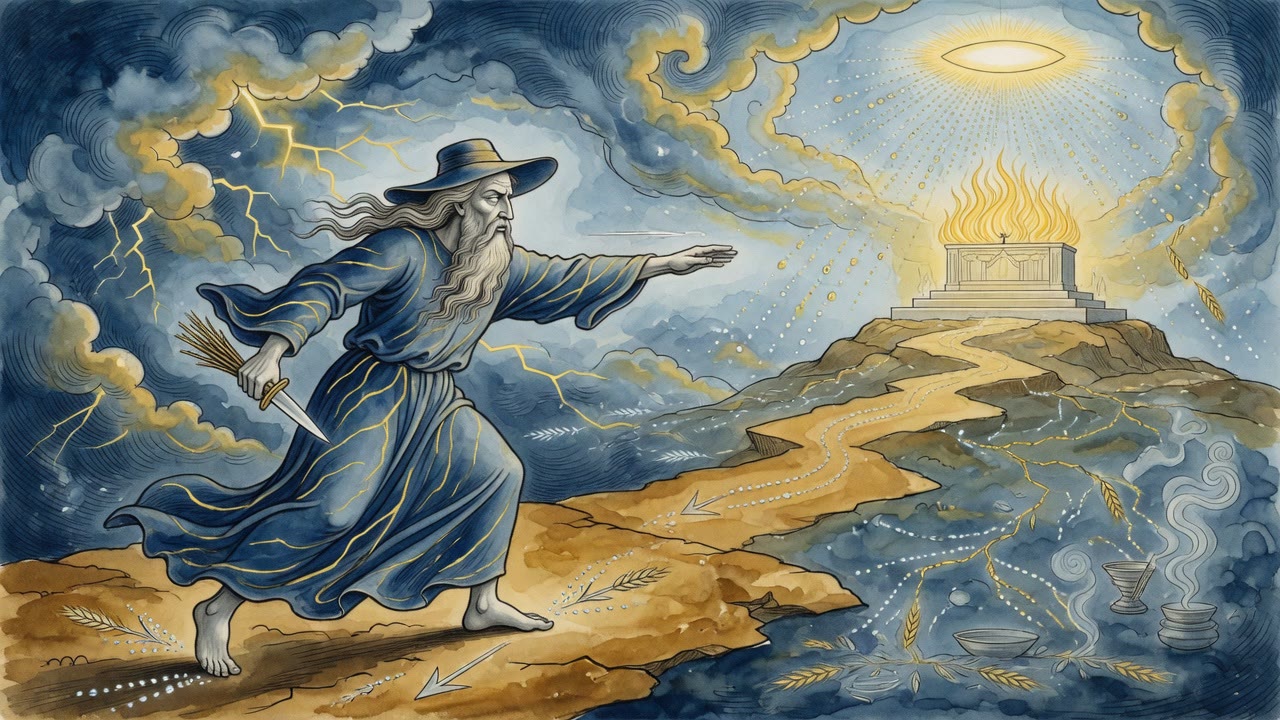
Eliezer held the paper that named every flock as Isaac's. He could have kept it. He folded it away and rode north with ten camels.
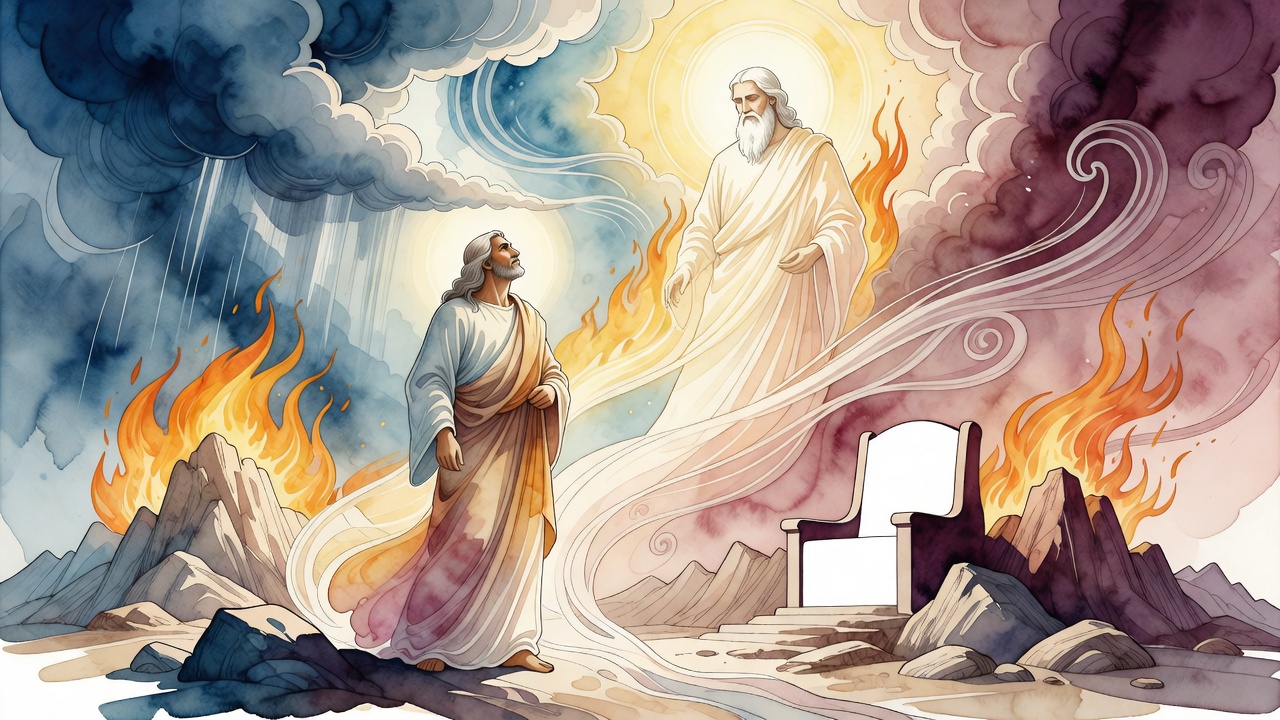
The protest sat on Abraham's tongue beside the knife. He swallowed it. Isaac's children would need that silence in Tishrei.
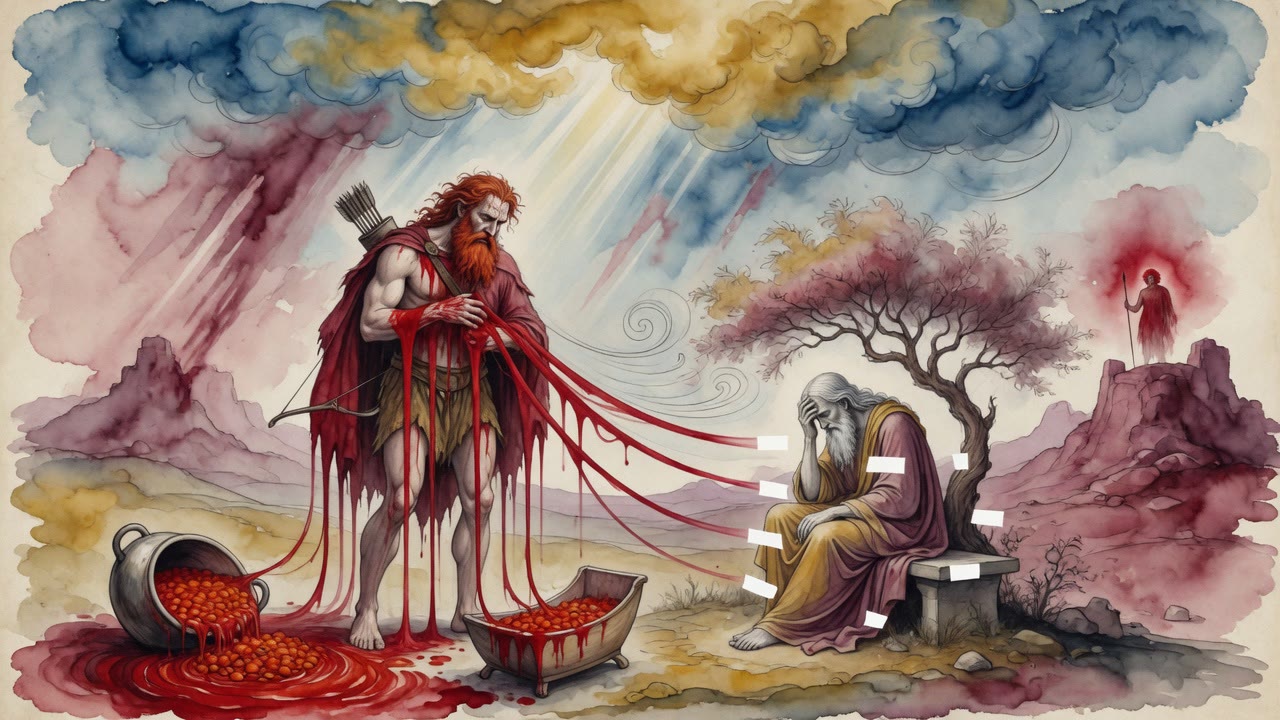
Esau's crimes cut five years from Abraham's life so the patriarch would not see his shame, and the color red clung from cradle stew to Edom's reckoning.
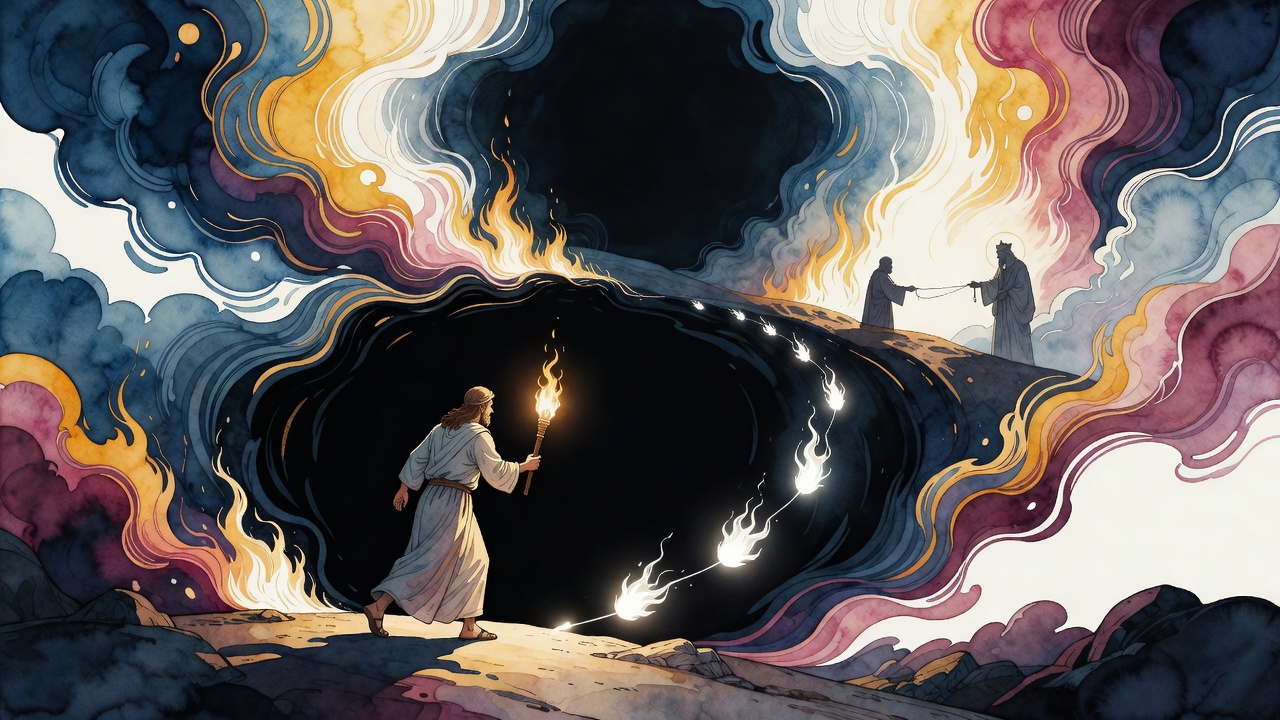
He was going to find a wife for Isaac, and the only light he got was lightning. Between flashes he pushed the ten camels forward in the dark.
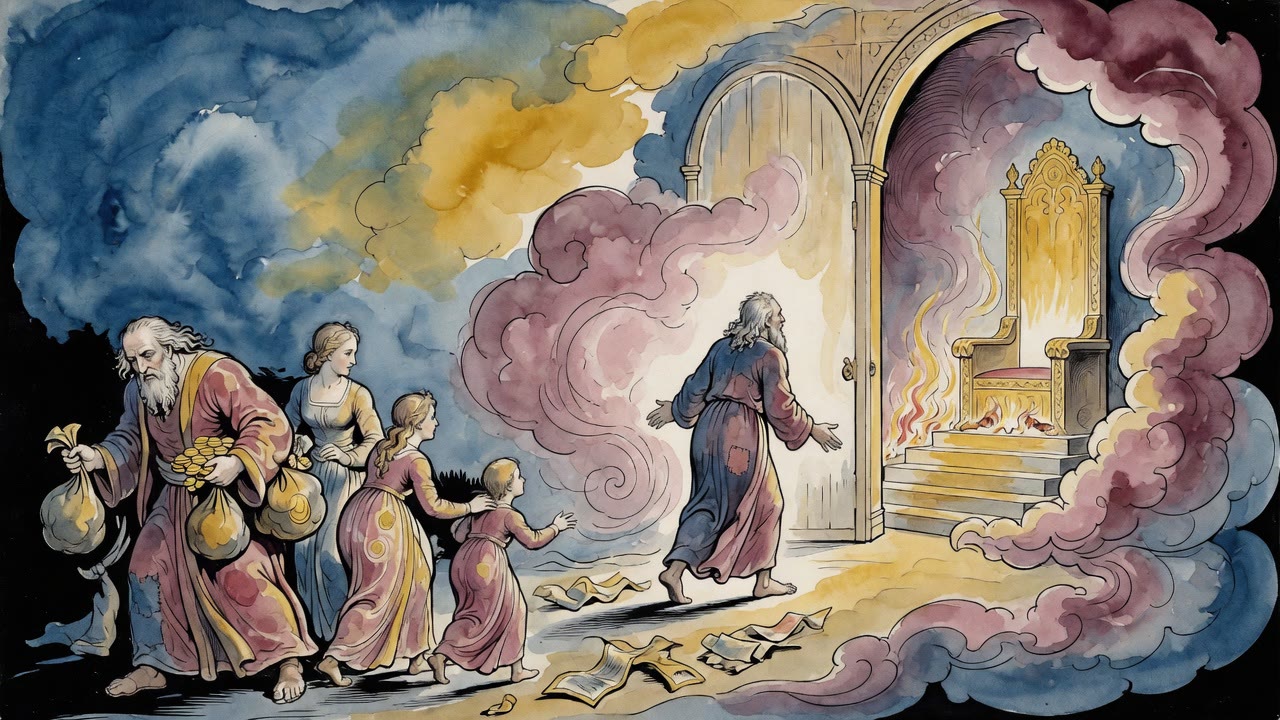
Courtiers made a king reclaim gifts from a poor friend who paid every coin back. Heaven then asked Abraham for more than wealth. It asked for Isaac.
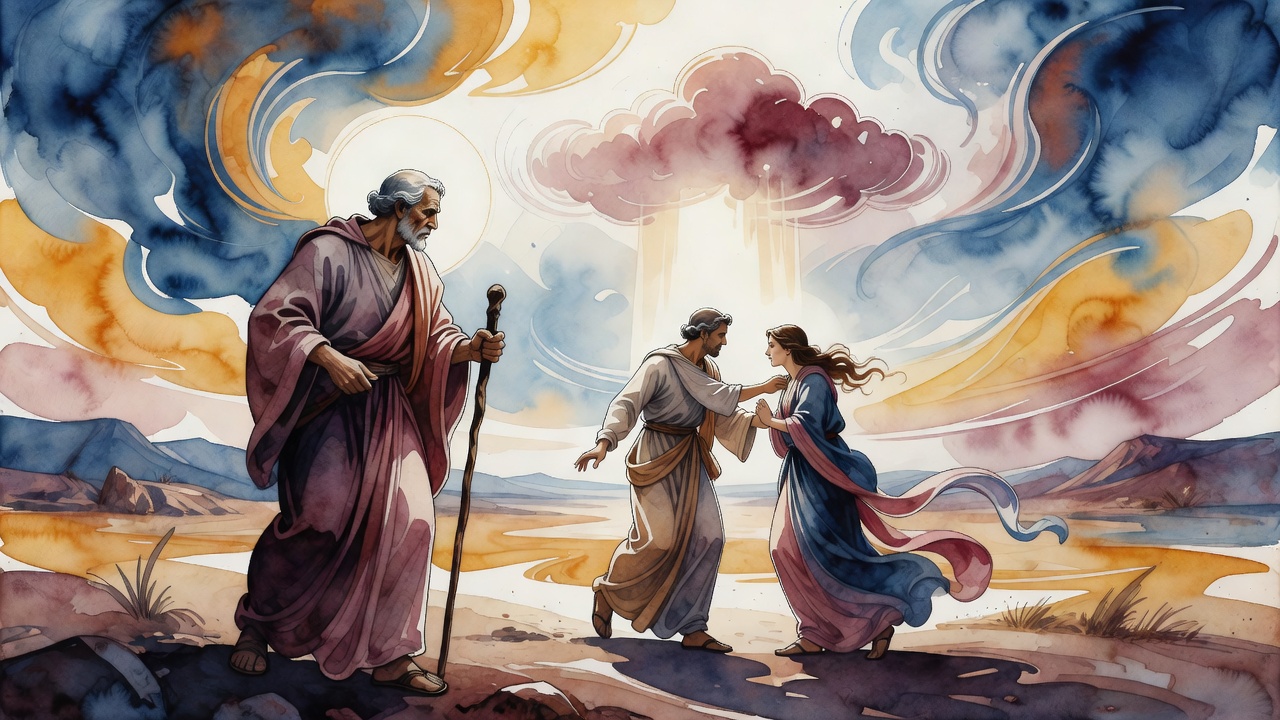
Years earlier a voice had woken the king in the night and called him a dead man over another man's wife. This time he did not reach for the woman.
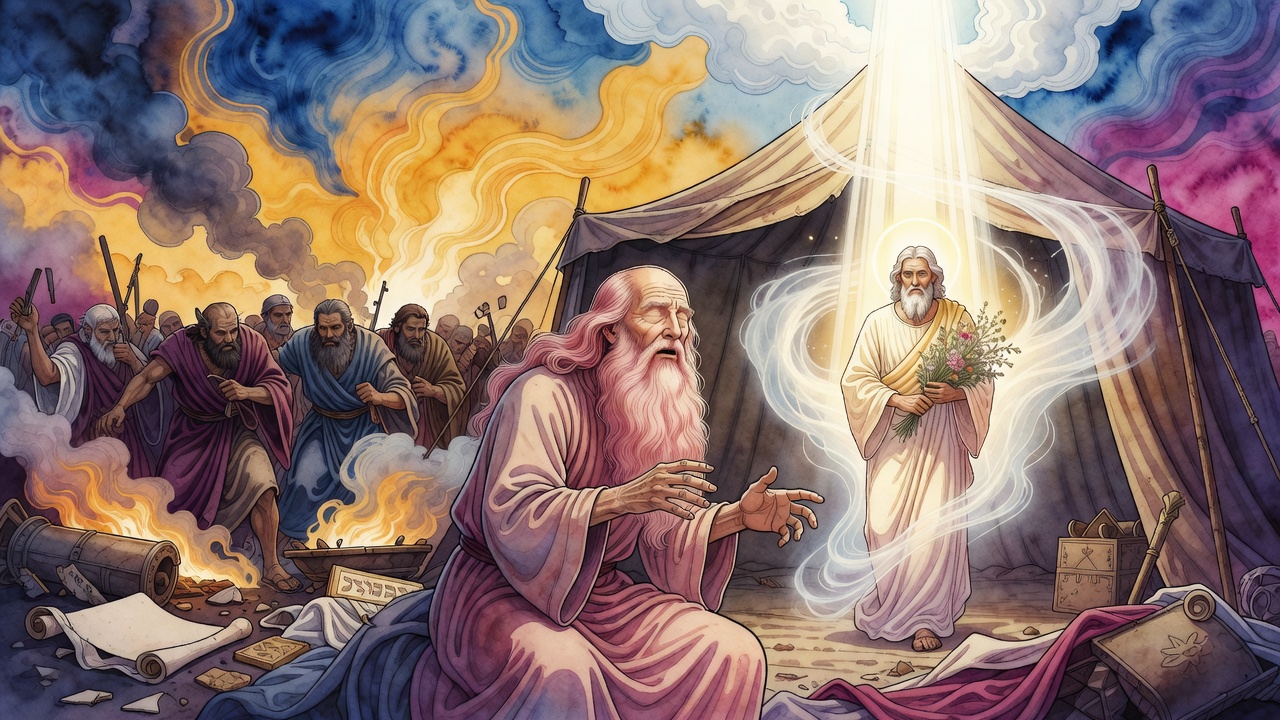
Blind Isaac held his hands above the wool and would not set them down. He had just watched a man walk out of the Temple with the lampstand.
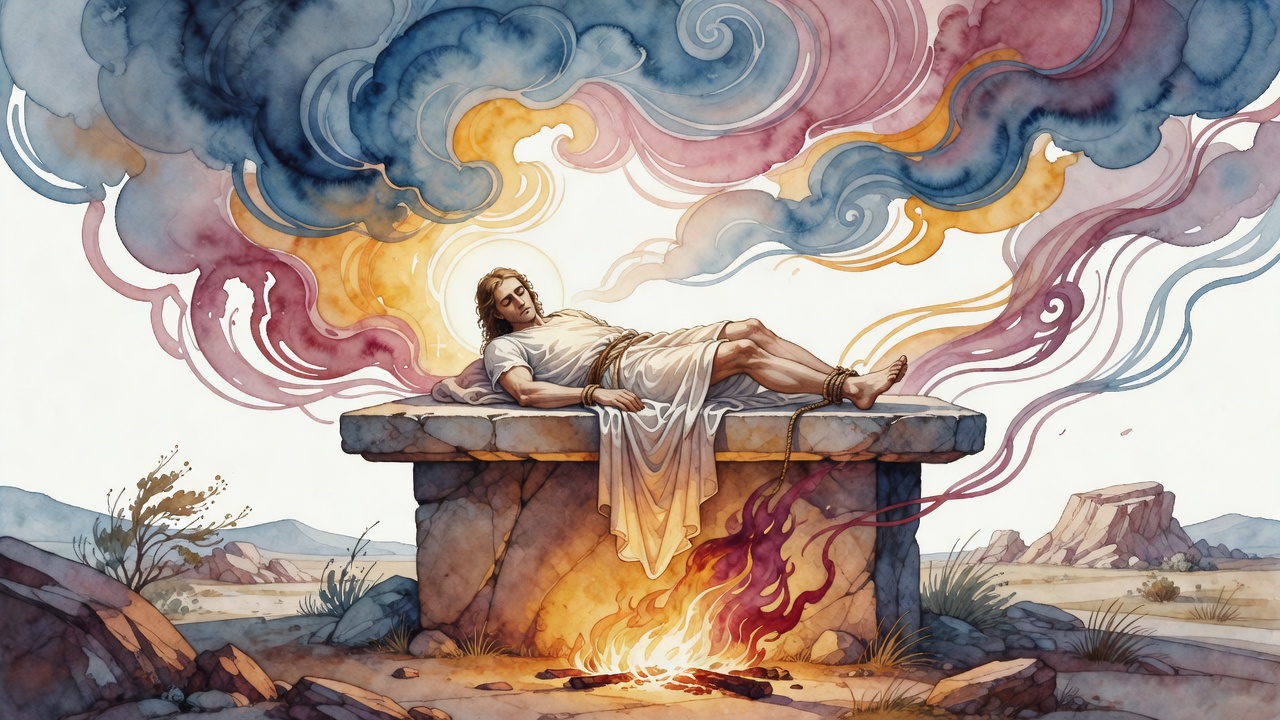
Bound on the altar as a living offering, Isaac was told that Egypt was forbidden ground, and famine could not drive him from the land that held his holiness.
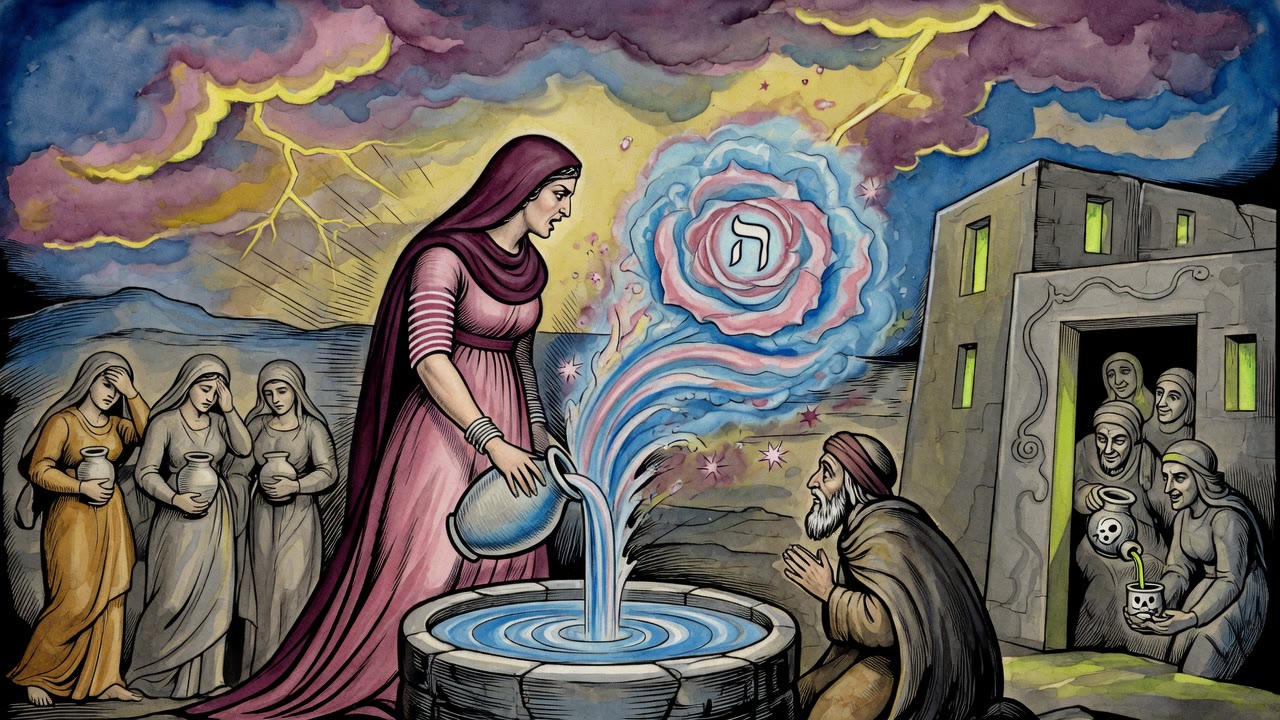
Twice the herdsmen of Gerar said the water was theirs, and twice Isaac walked away and dug somewhere else instead of fighting them for it.
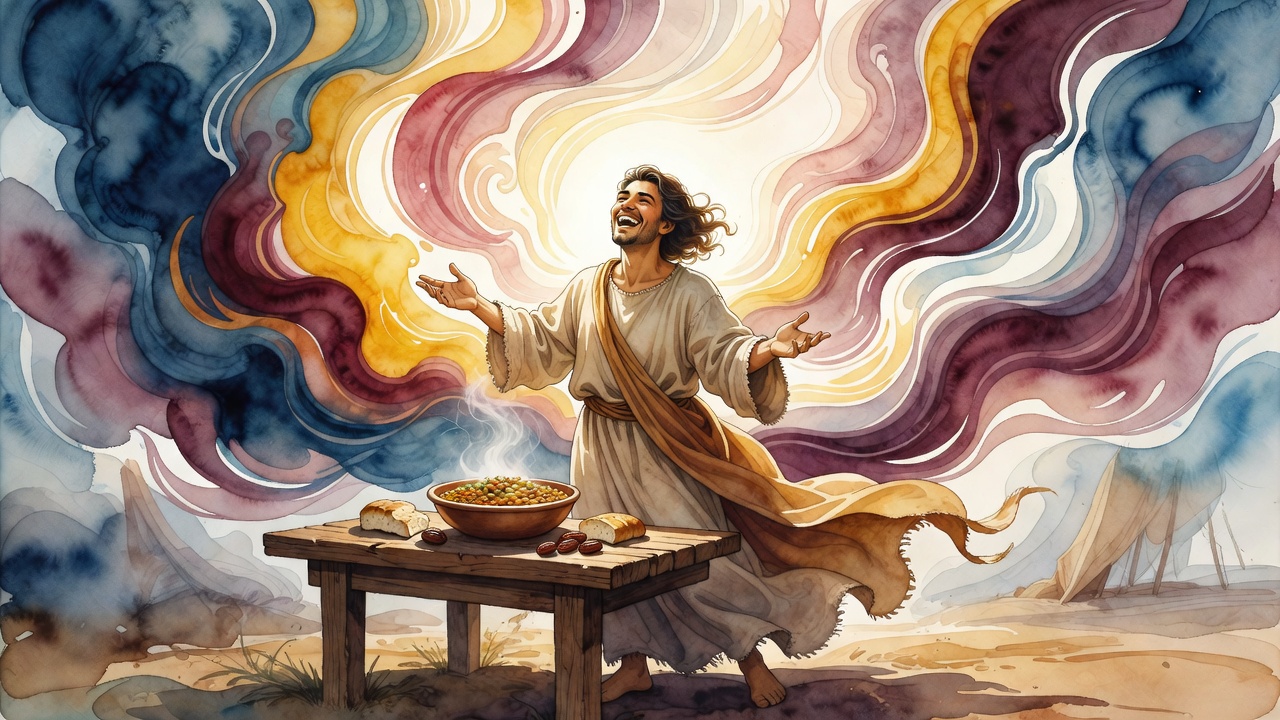
Rebekah sent the plate first. She knew the Presence would not sit on a sour heart, and Esau was still out in the field with his bow.
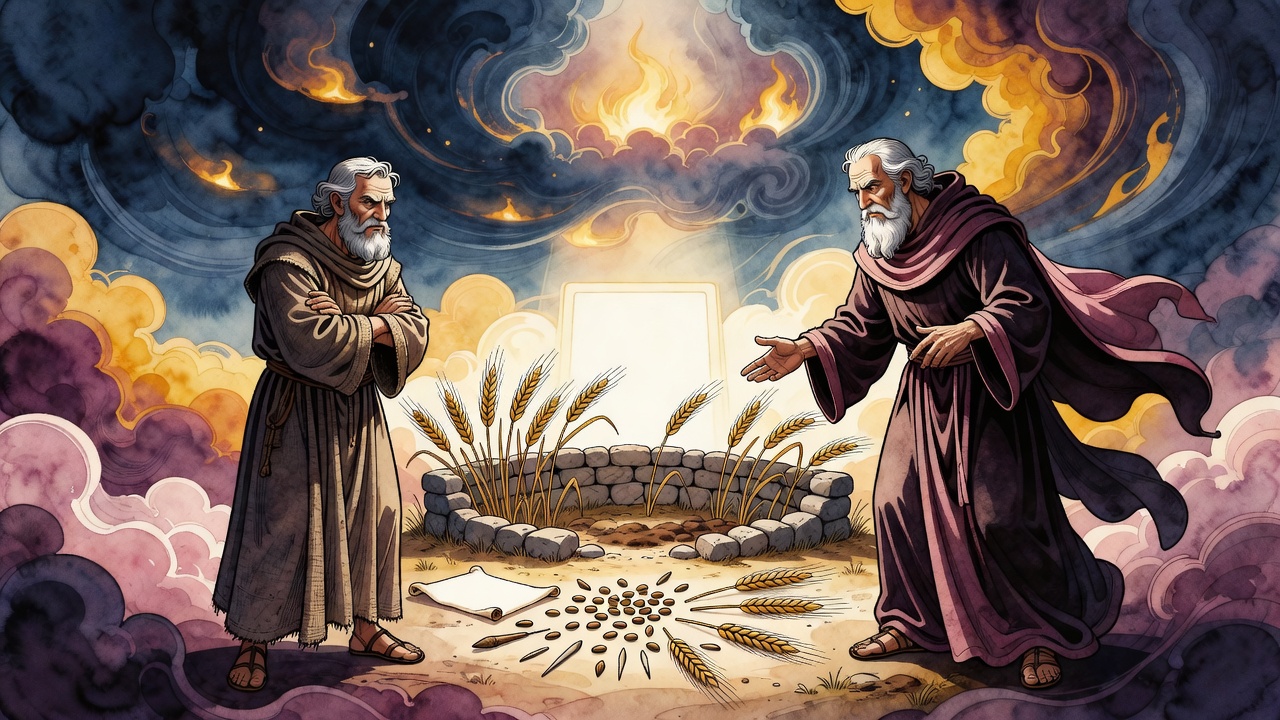
A philosopher called the covenant cut pointless. Hoshaya asked about the shaved head, then pointed at wheat still waiting for the mill.
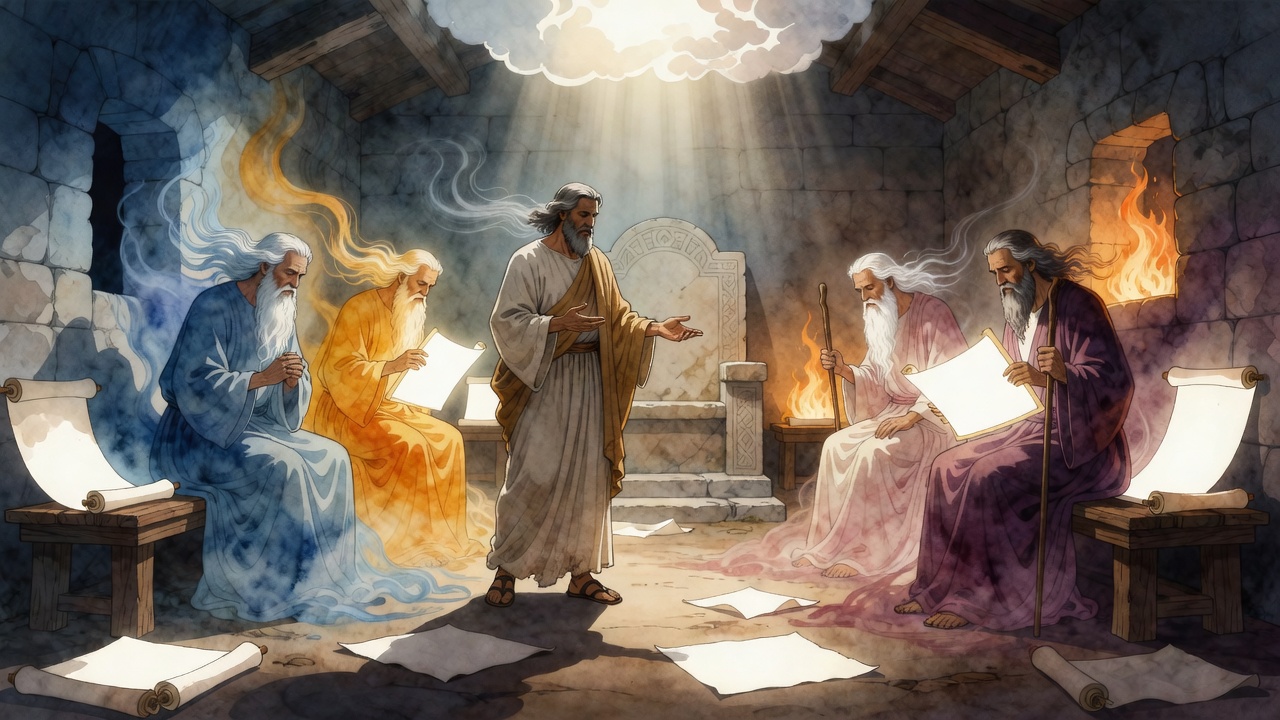
Elijah came late to Rabbi Judah's study house. He had been washing Abraham's hands, then Isaac's, then Jacob's, never all three at once.
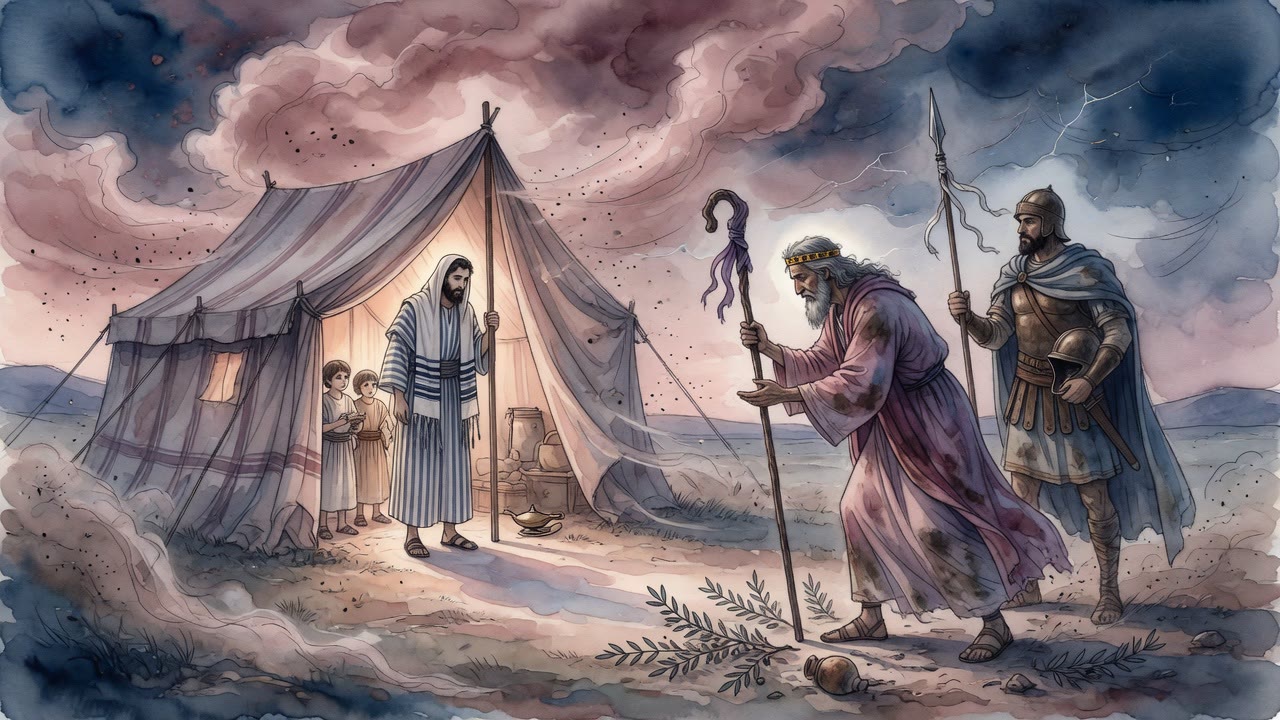
Thieves stripped the king's rooms at Gerar in one night. Avimelekh walked to Isaac's camp with his captain beside him, scratching at sores under royal cloth.
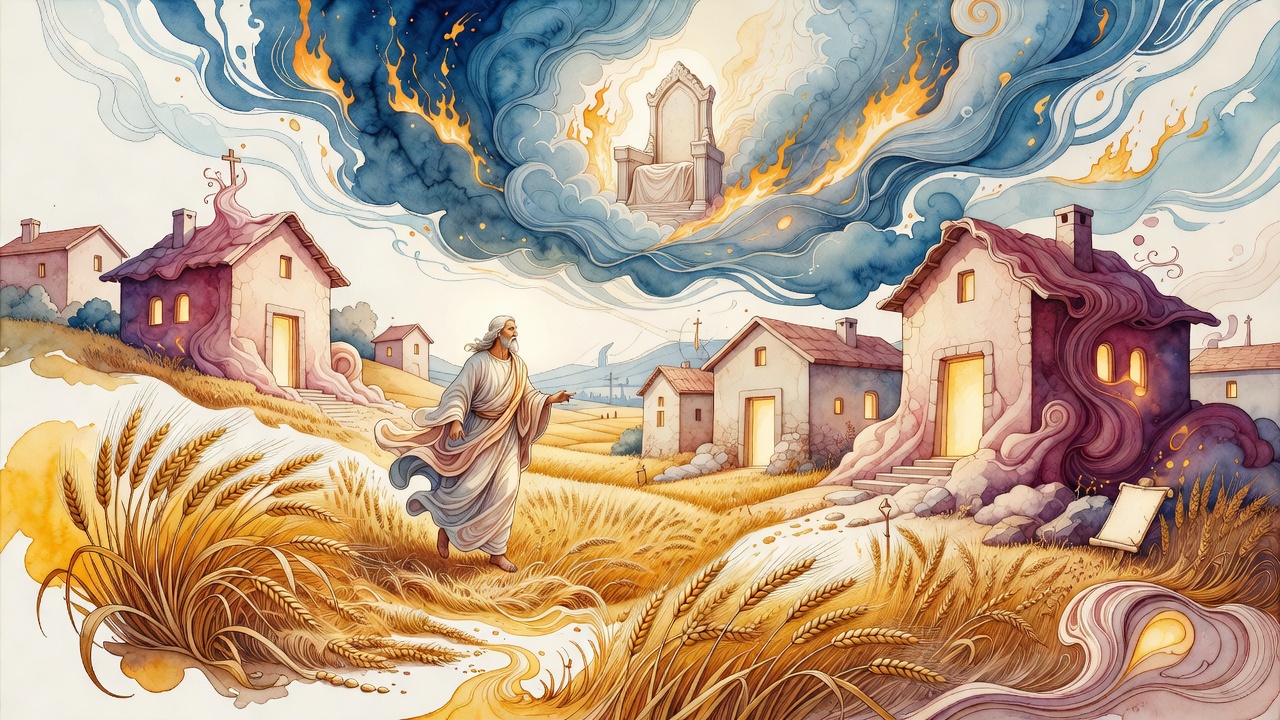
Wherever the patriarchs walked, harvests and houses bloated with blessing. Isaac's hundredfold in Gerar and Laban's confession prove the spill of the righteous.
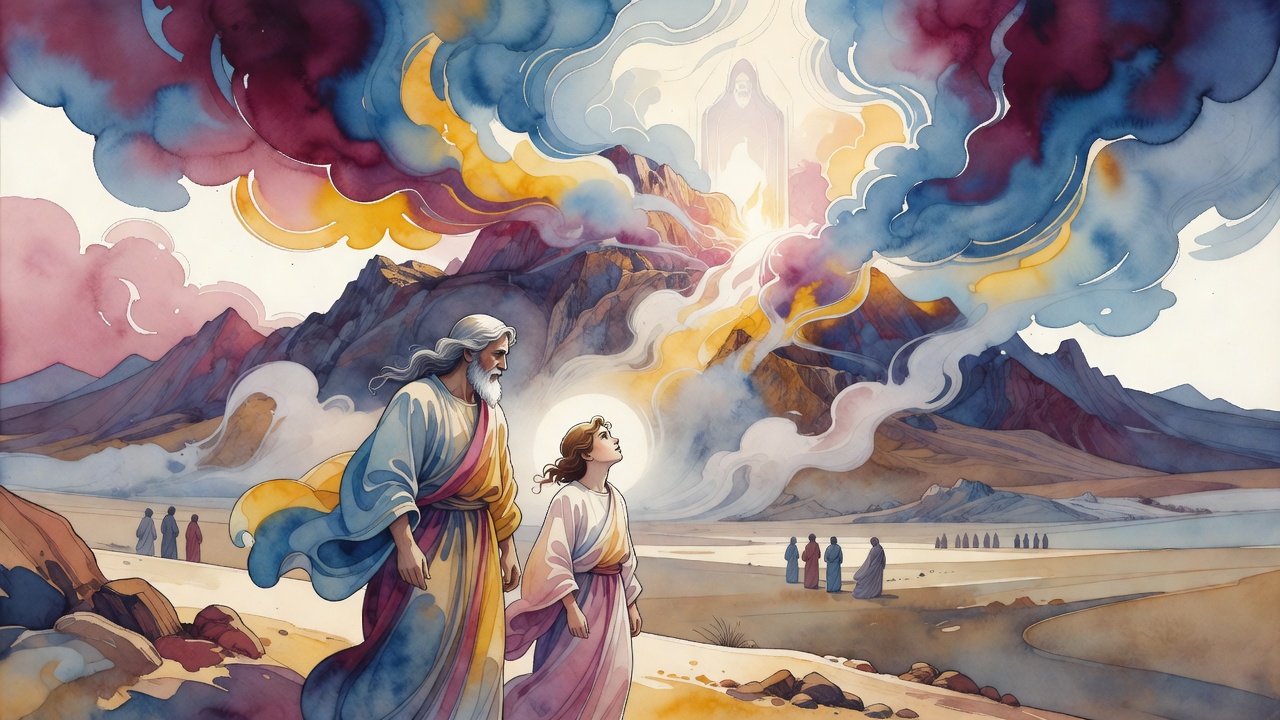
On the third day Abraham stopped and asked his son what he saw. Isaac named a mountain wrapped in cloud. The servants named only desert.
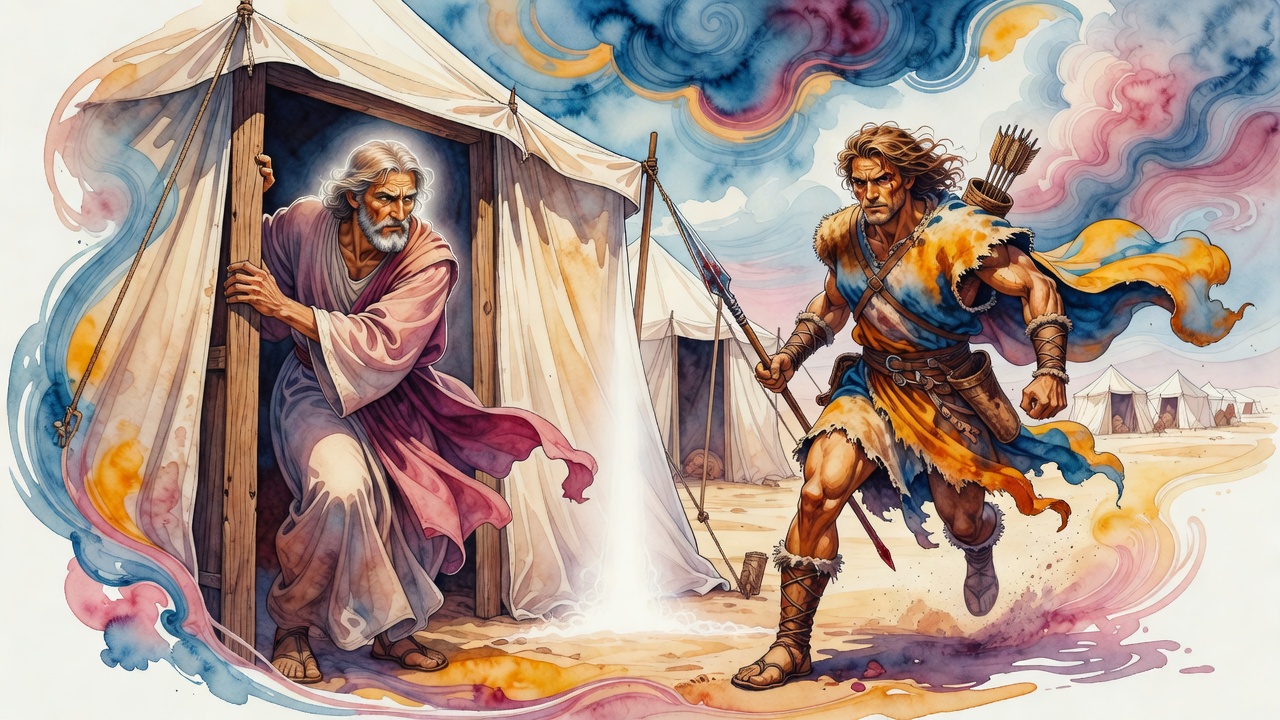
Jacob only seemed to leave Isaac's tent. He clung to the hinged door as Esau returned from a hunt the midrash hears as a hunt for his brother's life.
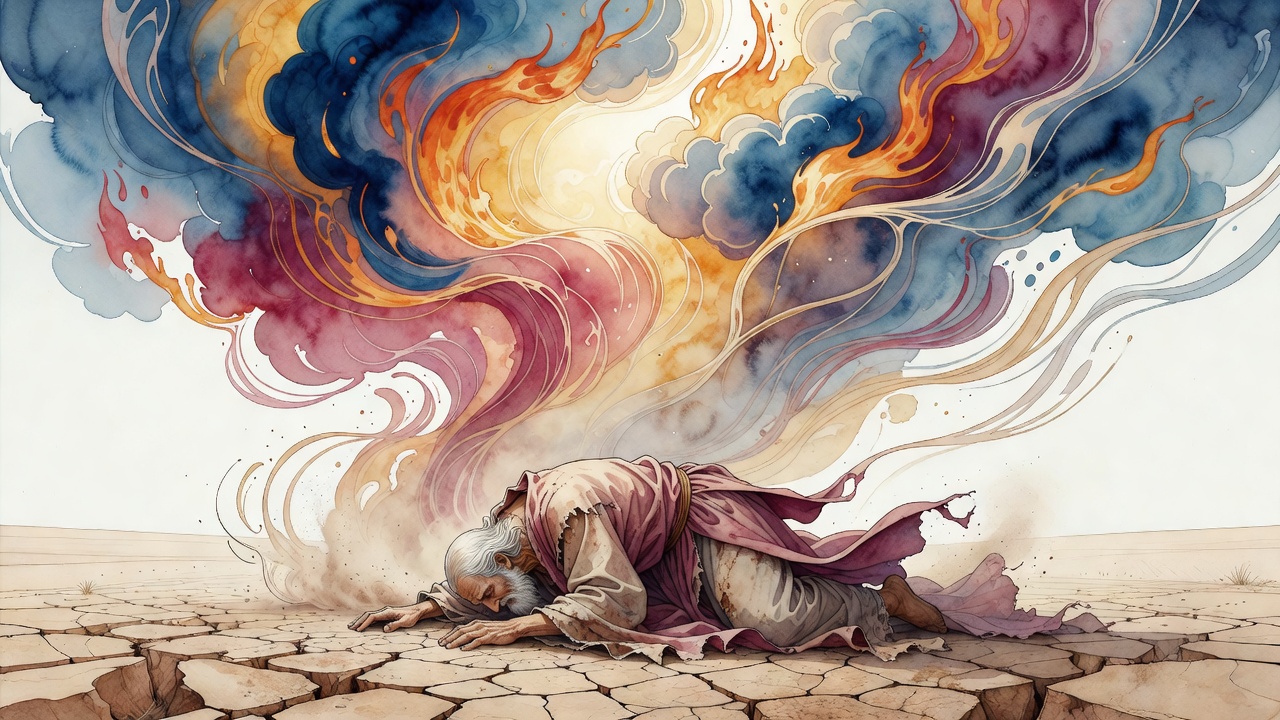
At ninety-nine he hit the dust while God named a son. The laugh stayed in his ribs. By night the tent smelled of blood and crushed herbs.
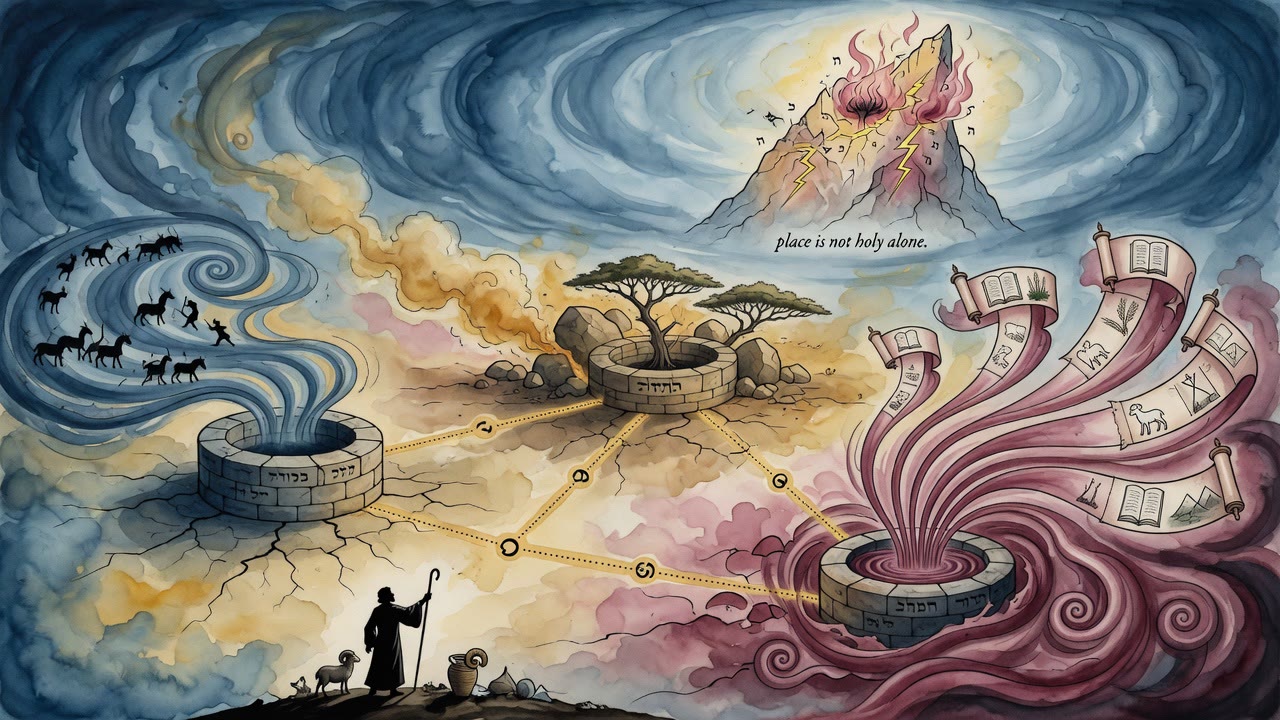
Eliezer asked for a girl who would offer water. Rebekah came, scolded the others, and the well rose to her jar while Laban's house readied poison.
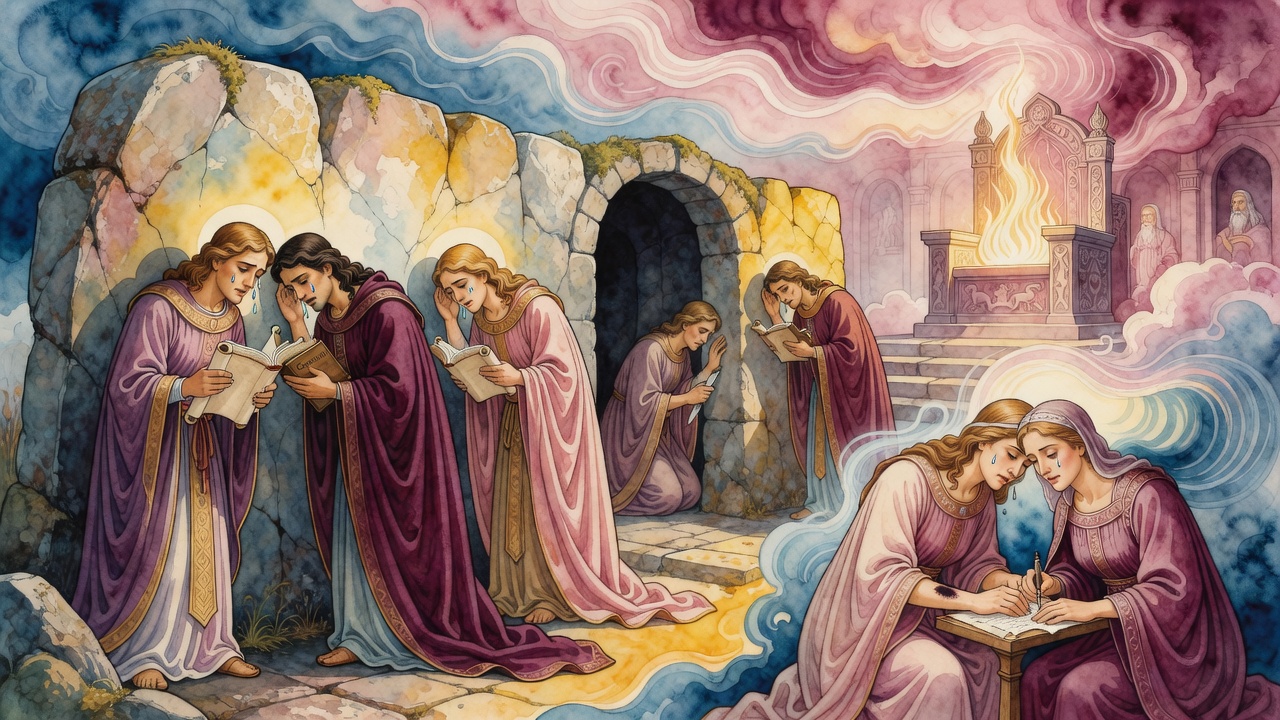
The verse would not stay ink. Each brother found a knife alone. Their mother told the king a doctor had ordered a mole removed.
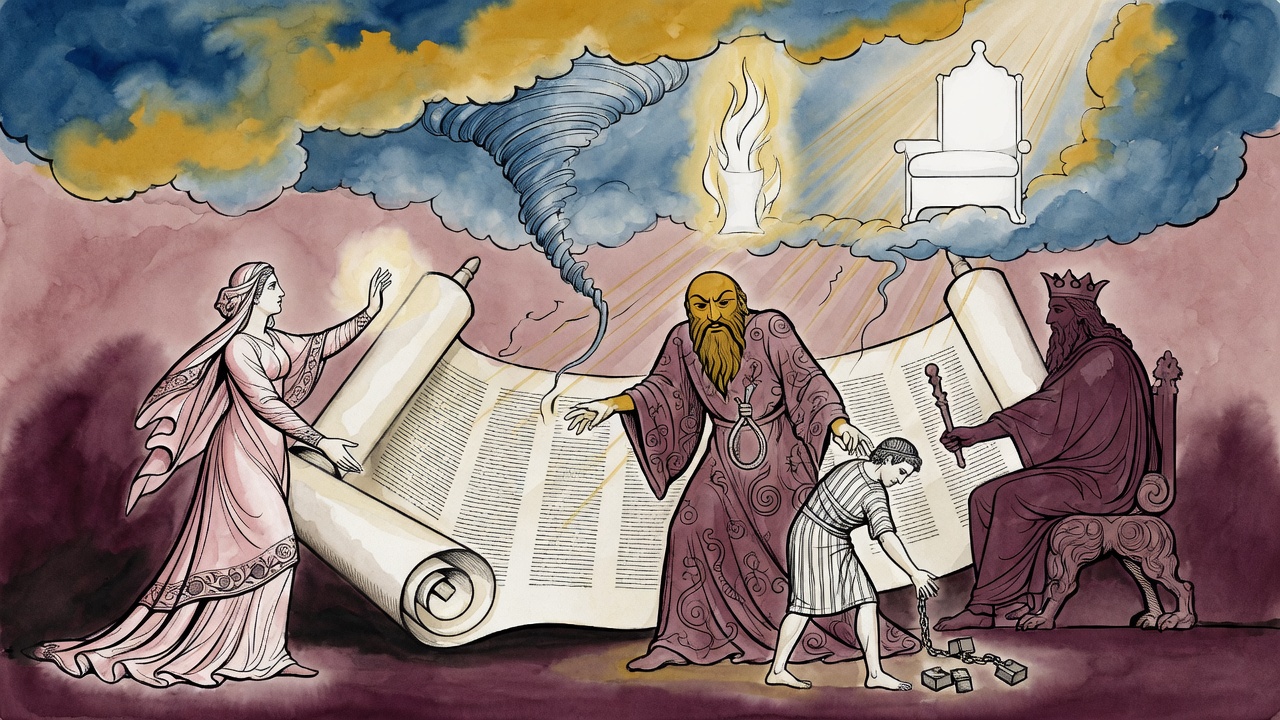
She had not eaten in three days. The corridor narrowed toward the king's face. Behind her, Haman's silver already sat in the account.
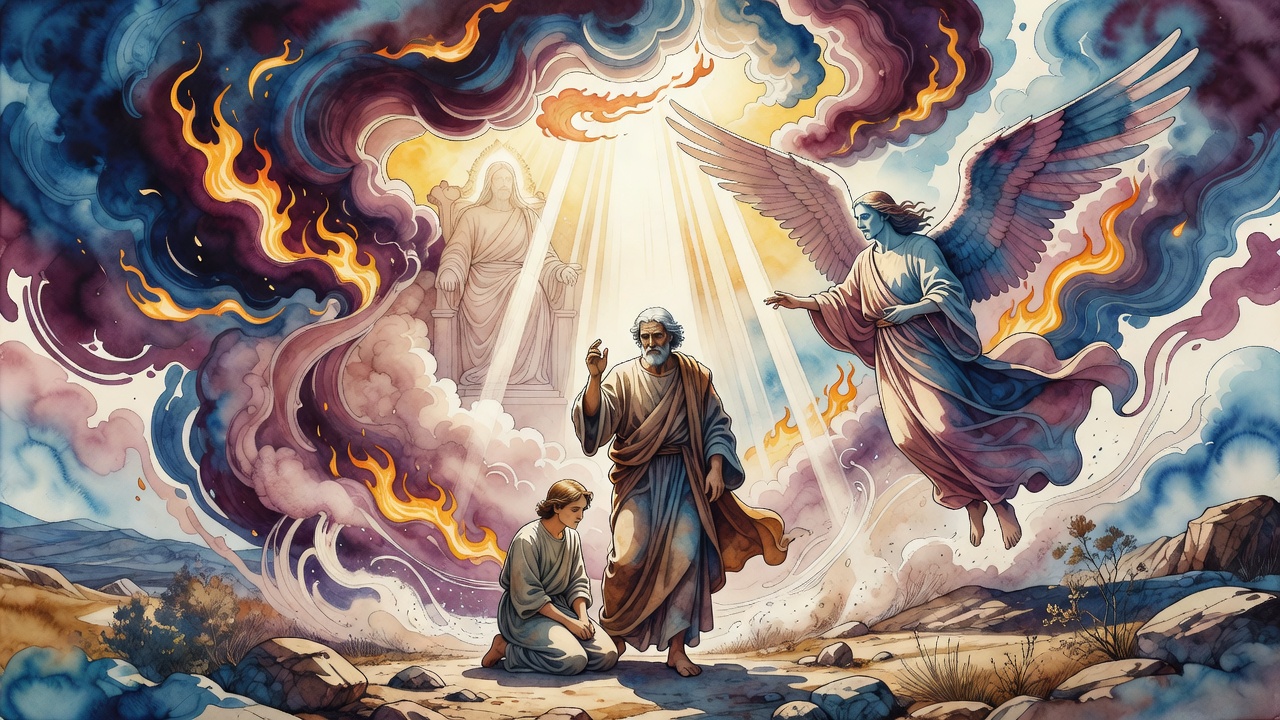
Michael found him among the oxen, still offering a beast for the road. The blessing stayed in his mouth. Heaven spoke it after he died.
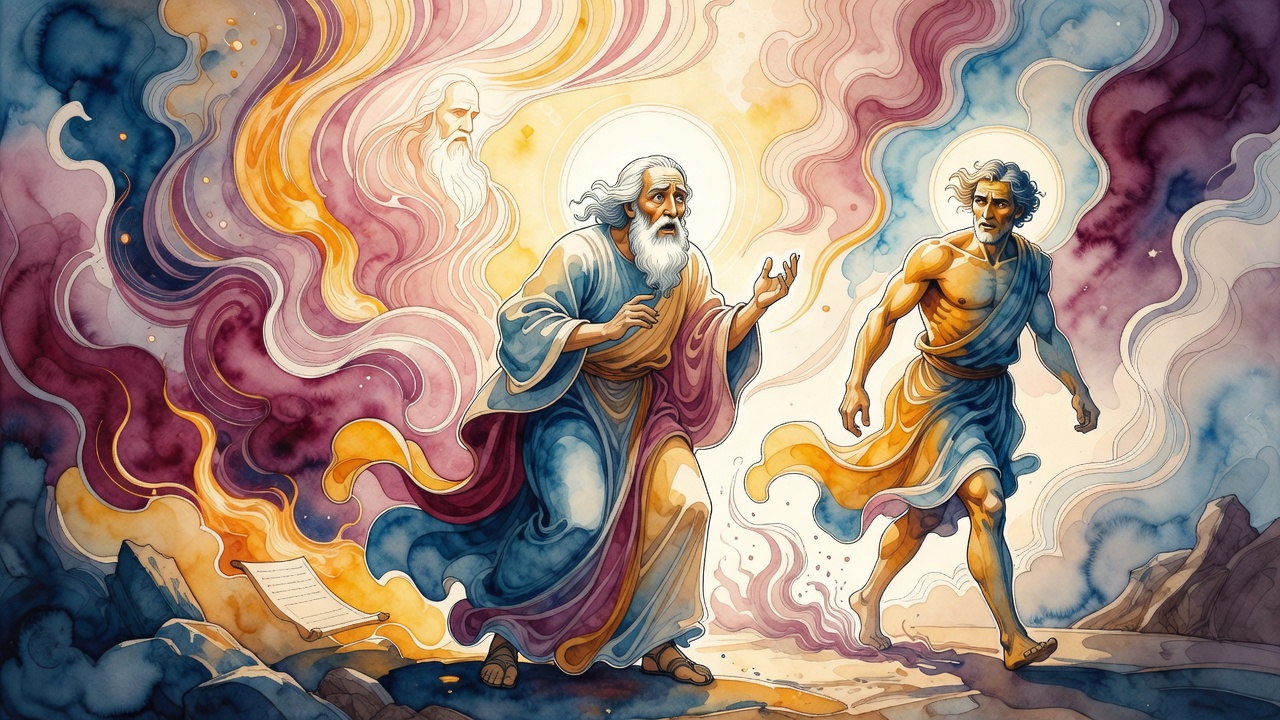
Isaac feared he had blessed the wrong son. Then Esau stood in the doorway wailing that Jacob had once bought his birthright with a bowl of lentils.
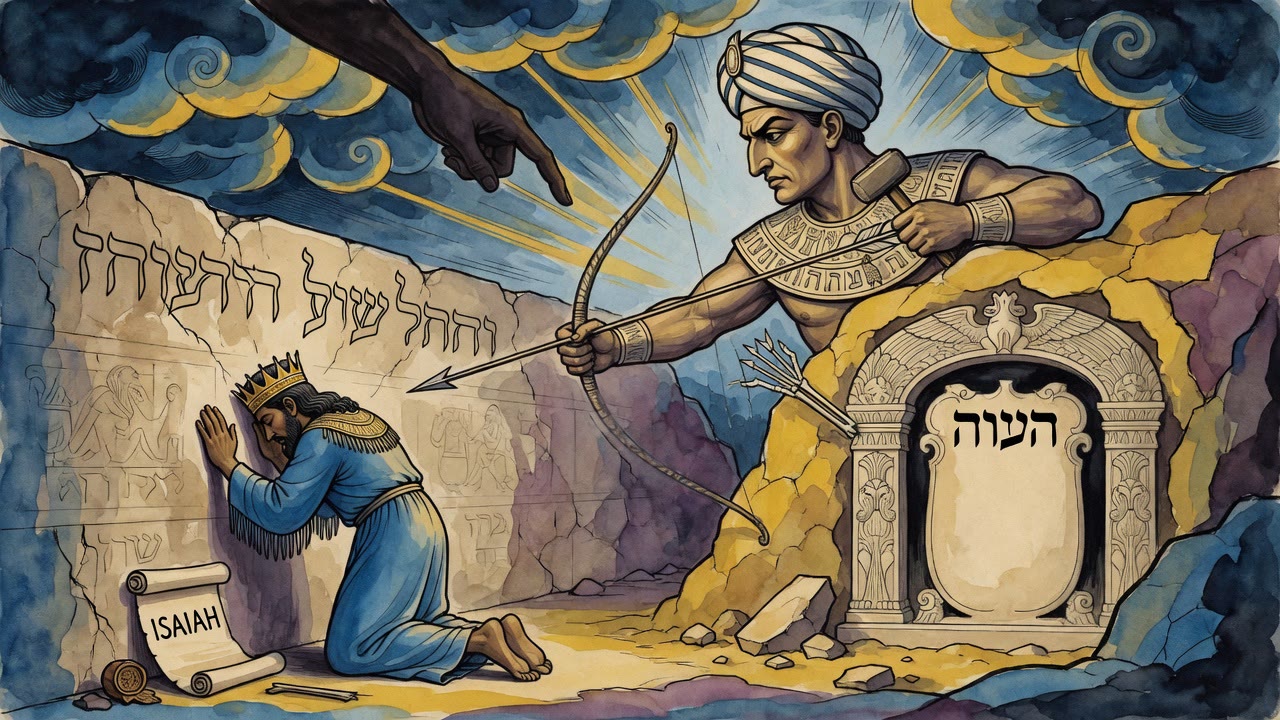
Ishmael had taken the cut at thirteen, standing. He sang about it until Isaac, at thirty-seven, let himself be bound on the mountain.
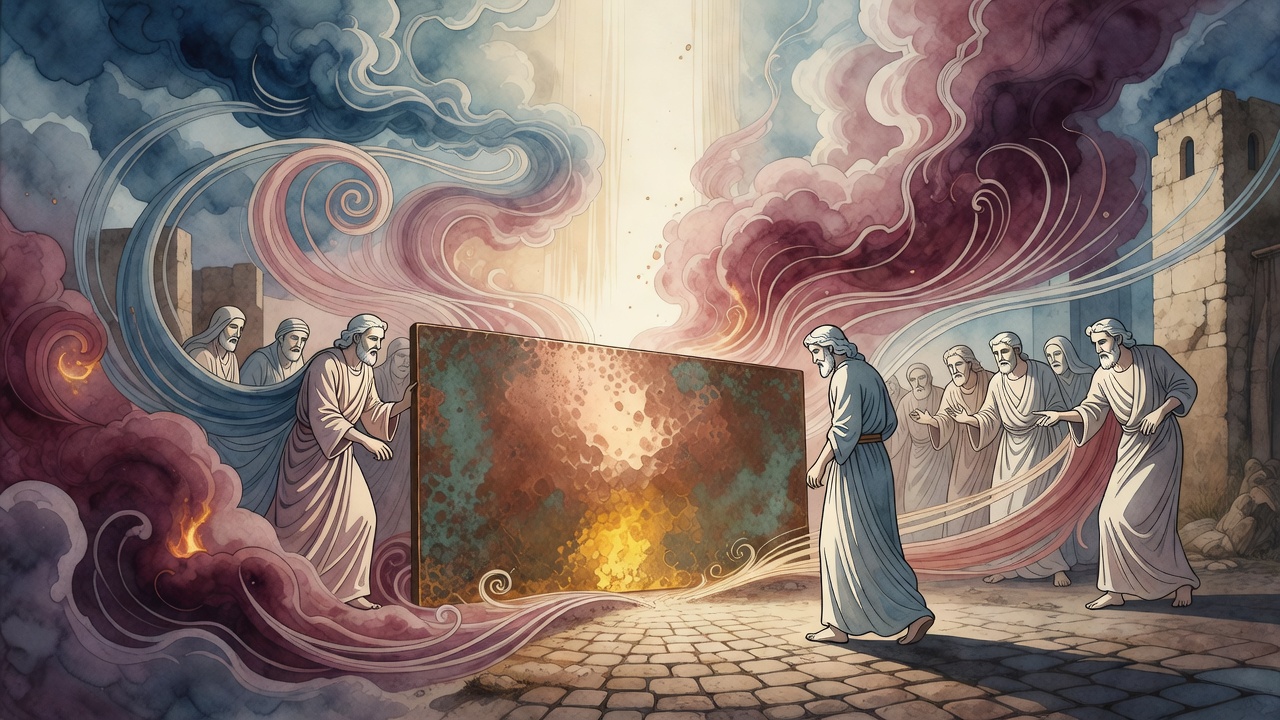
The images stood in the street. Abraham's oath was cut into the copper. David's men halted with their spears still raised.
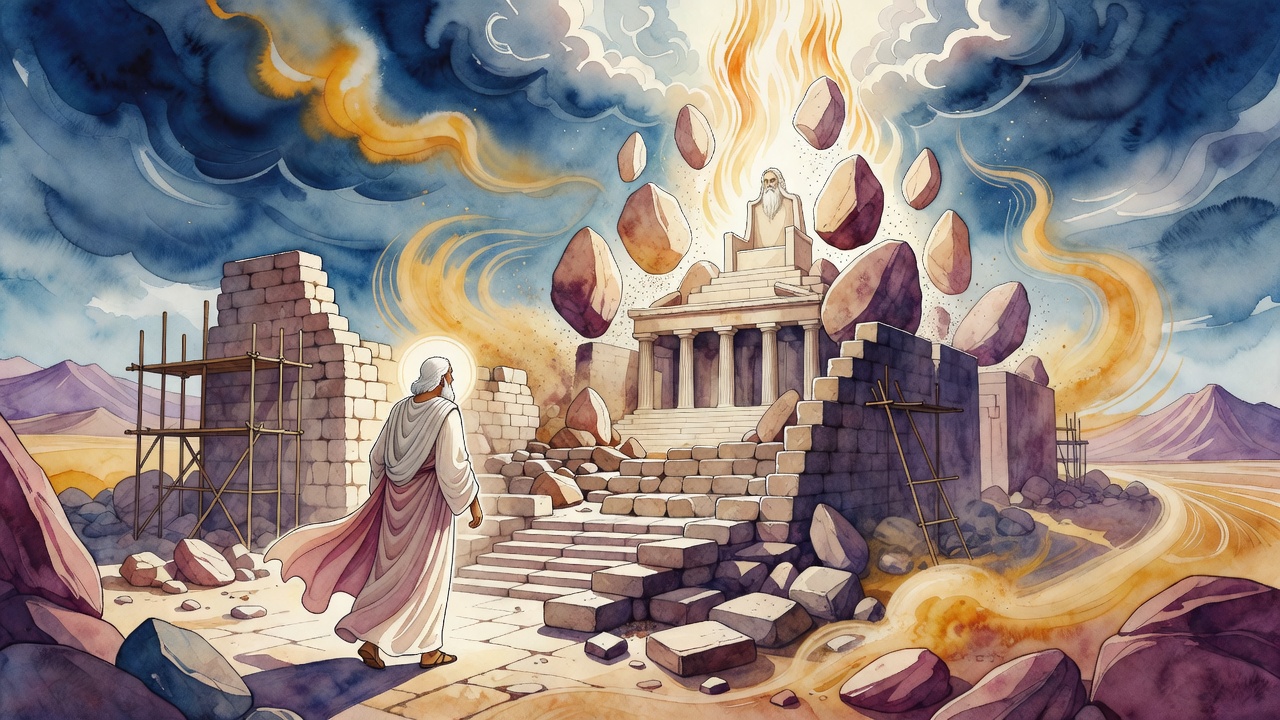
Solomon leaves his palace half-built for thirteen years while God's House rises in seven, stones lifting themselves onto the courses without a rope.
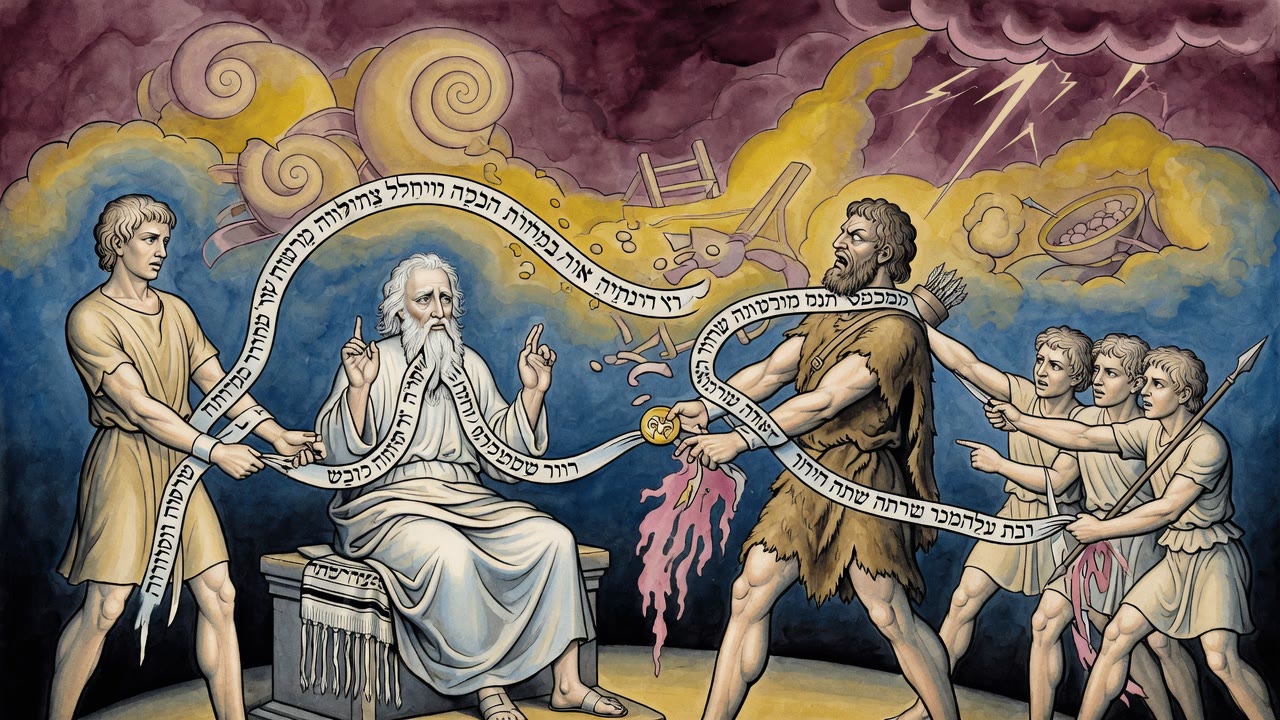
Rebecca knew she would be buried before the year turned. She sent for Esau and asked that he never raise his hand against Jacob. He gave her his word.
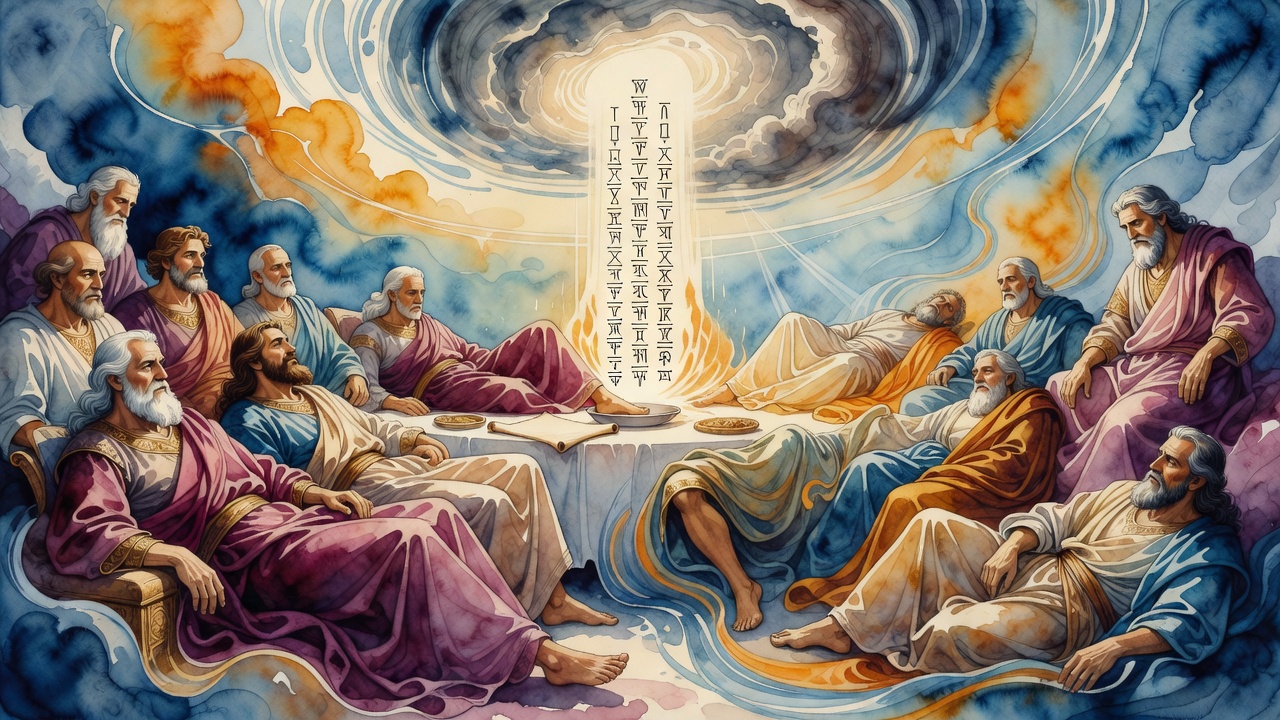
Every one of the thirty-one kings Joshua killed had once reclined at Abraham's weaning feast, their names later written in a column read in one breath
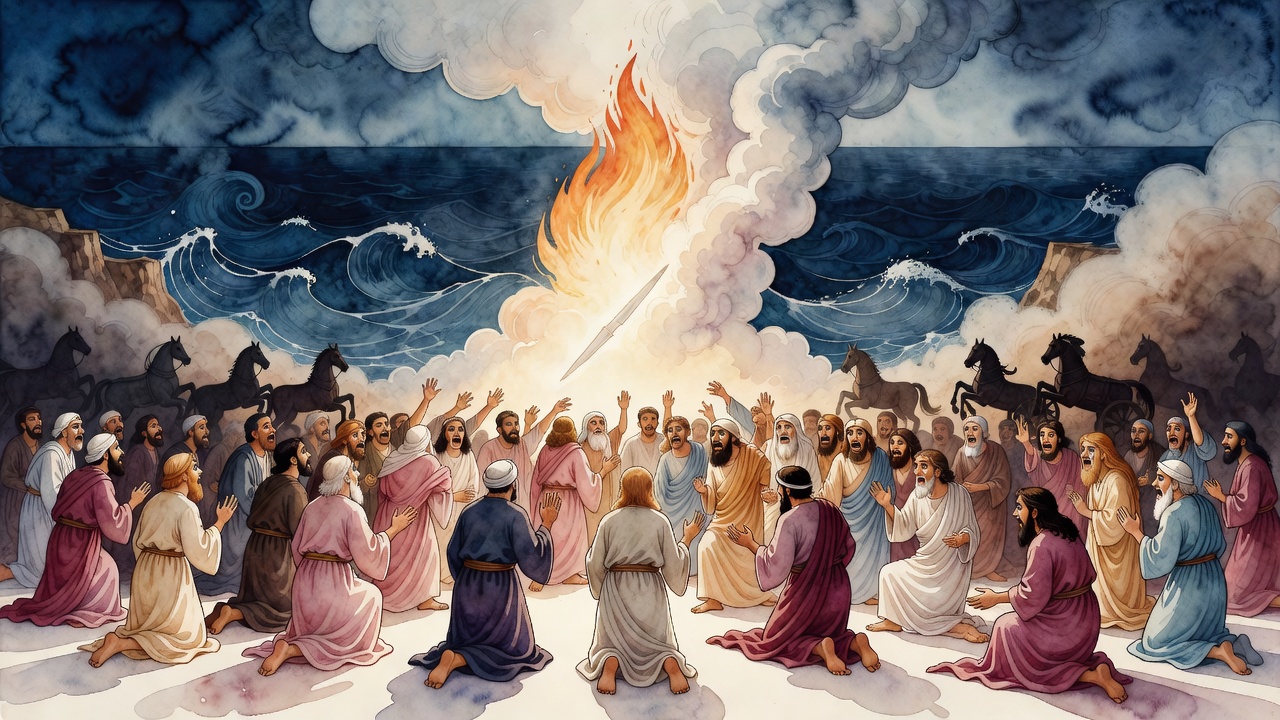
Pharaoh's chariots behind them and a sea that will not open ahead, and God answers Israel's weeping by remembering a knife on Moriah.
