477 myths · Page 14 of 16
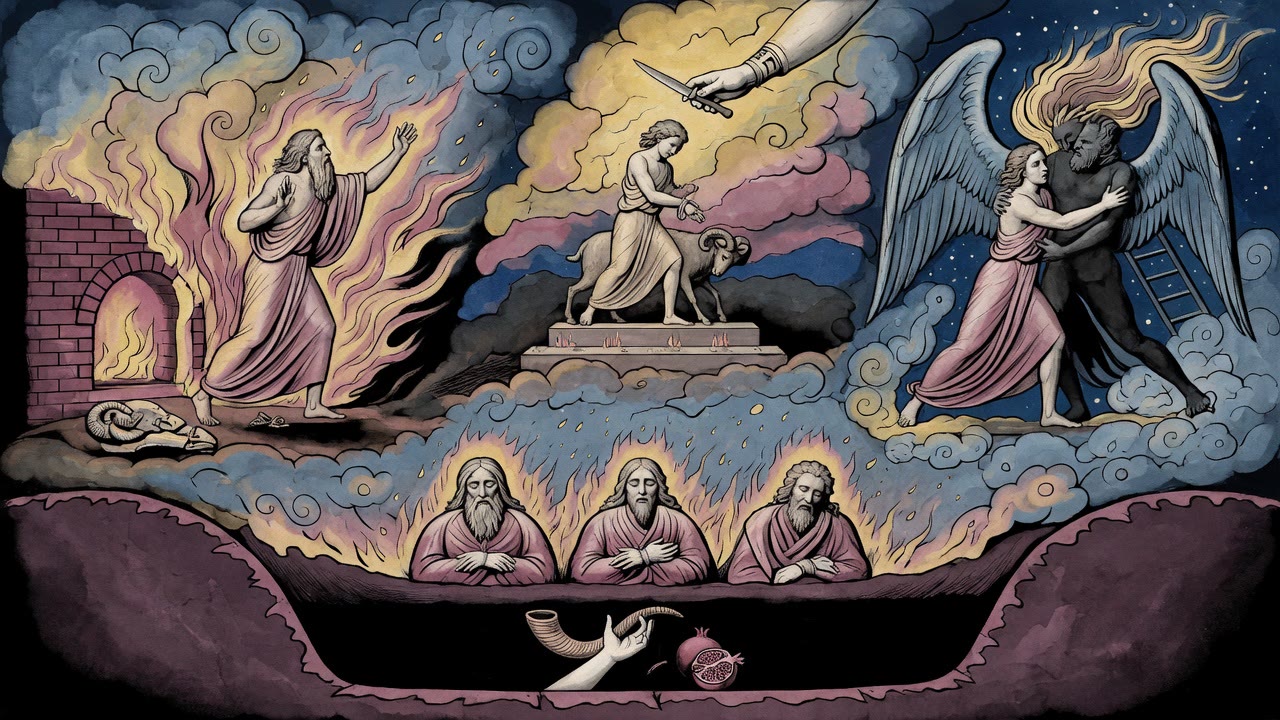
Abraham leaves the furnace alive, Isaac leaves the altar alive, Jacob leaves the angel alive. None of them leaves the grave unvisited.
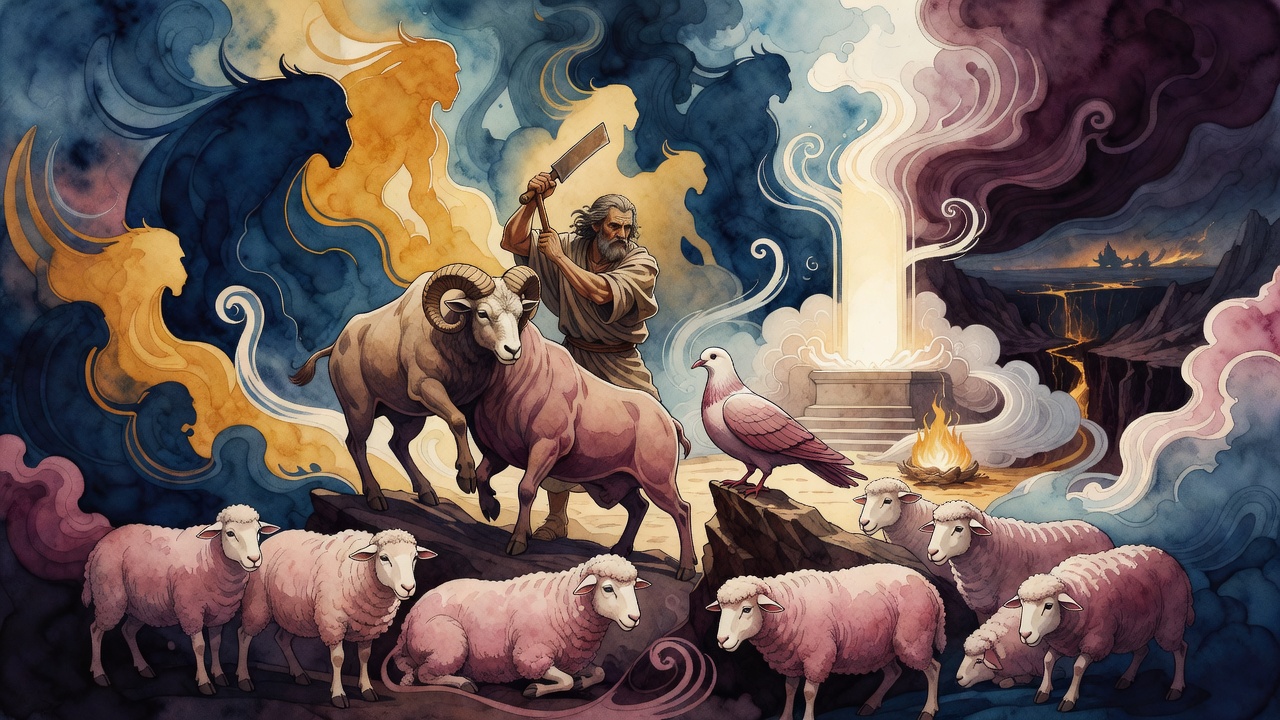
Abraham hands Abimelech seven ewe-lambs and seals a peace over a well. Heaven counts the lambs and sends the bill: seven righteous men, seven sanctuaries.
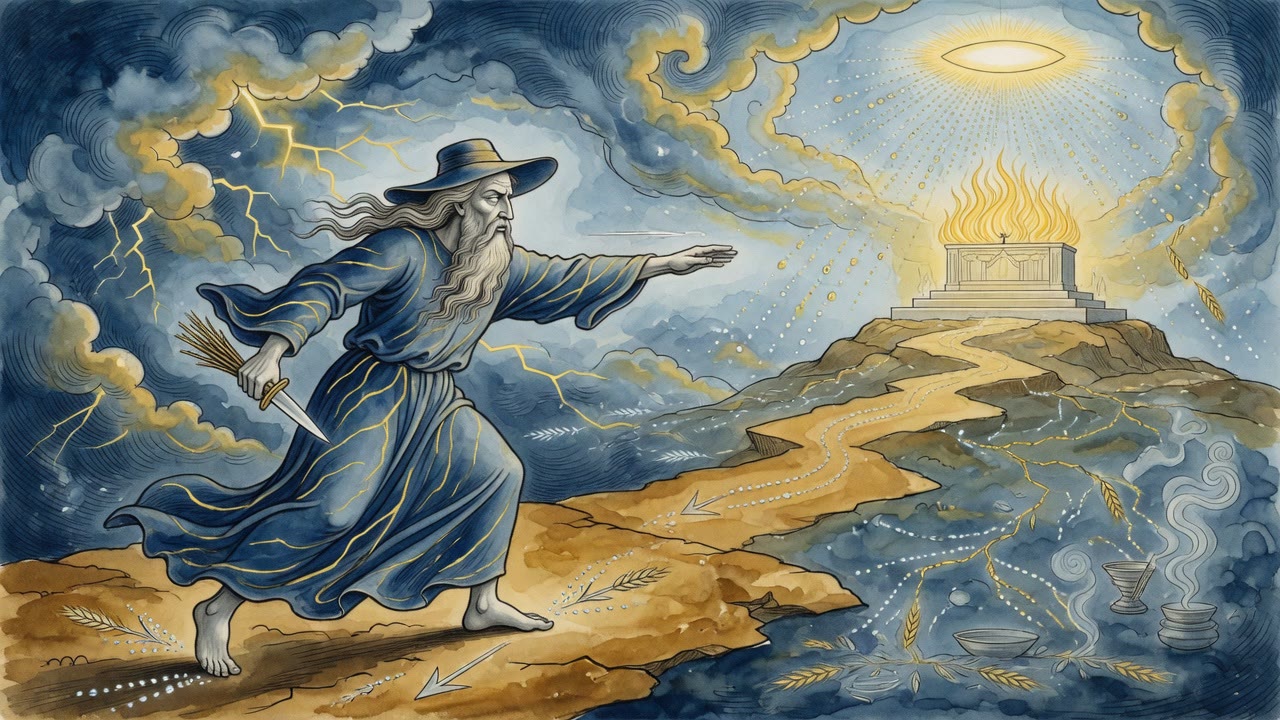
Eliezer held the paper that named every flock as Isaac's. He could have kept it. He folded it away and rode north with ten camels.
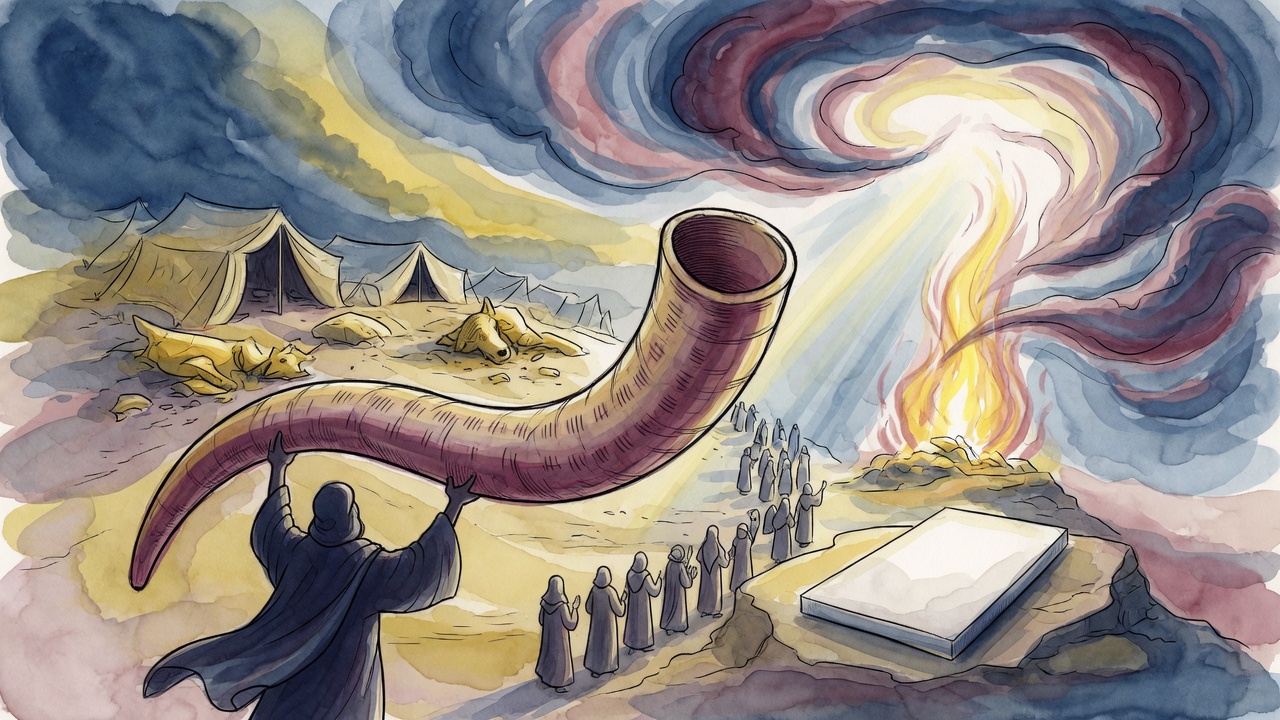
When kings took Lot, Abraham marched with Eliezer and no shield. Prayer opened the harvest, and later bulls, rams, and goats kept that merit alive.
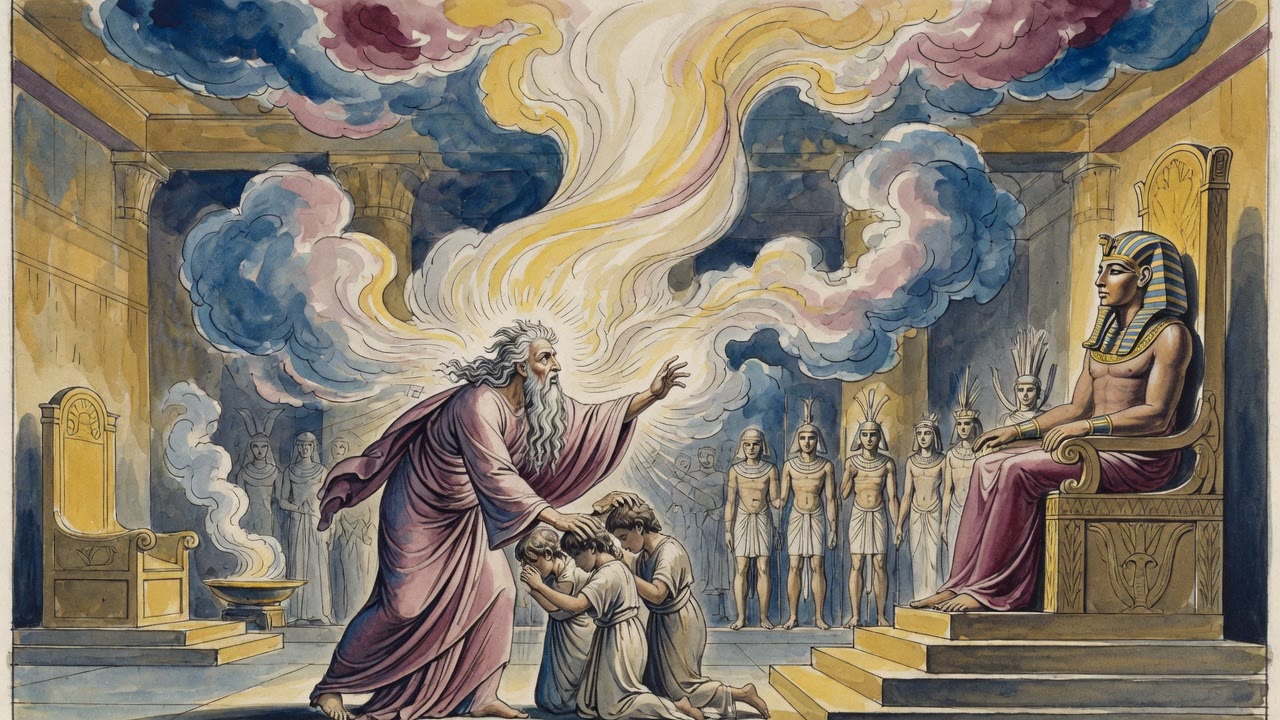
Two brothers left for Jerusalem while neighbors planned to loot them. Angels wore their faces at home, and covenant merit kept the road guarded.
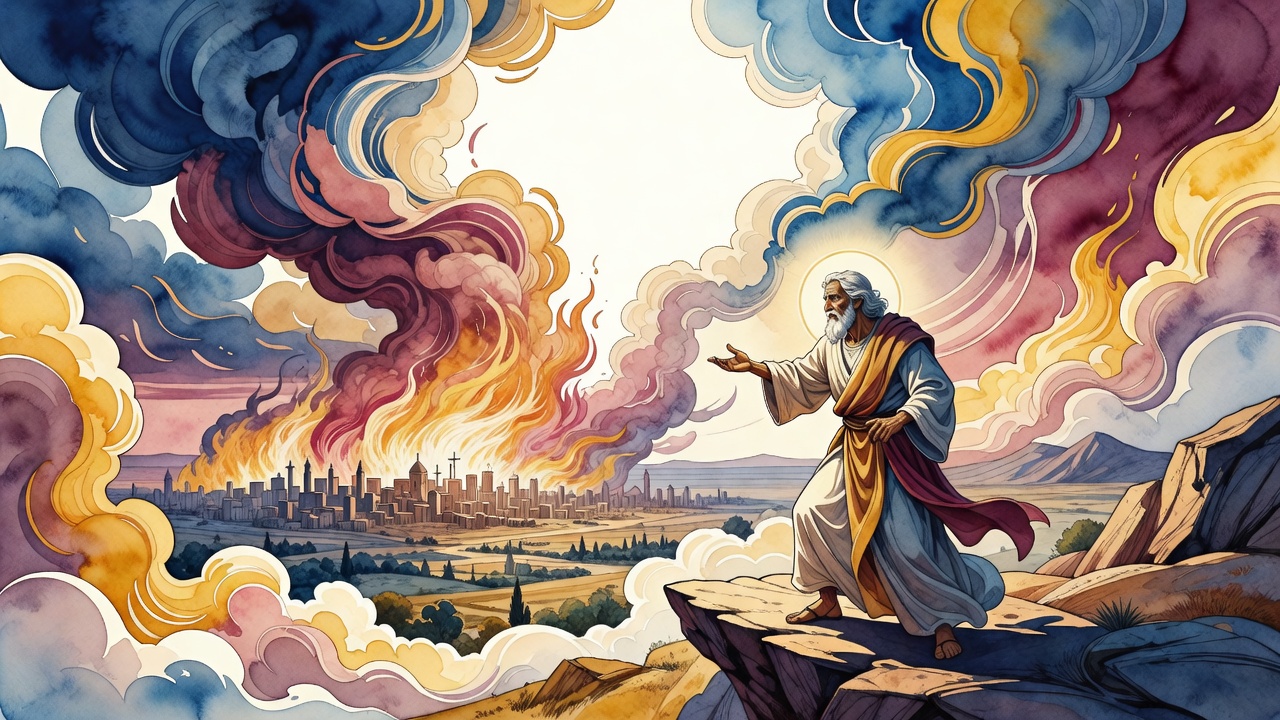
In Sodom the markets opened that morning. Men priced grain, children chased dogs. Fire fell, and salt stood on the plain where Lot's wife had looked back.
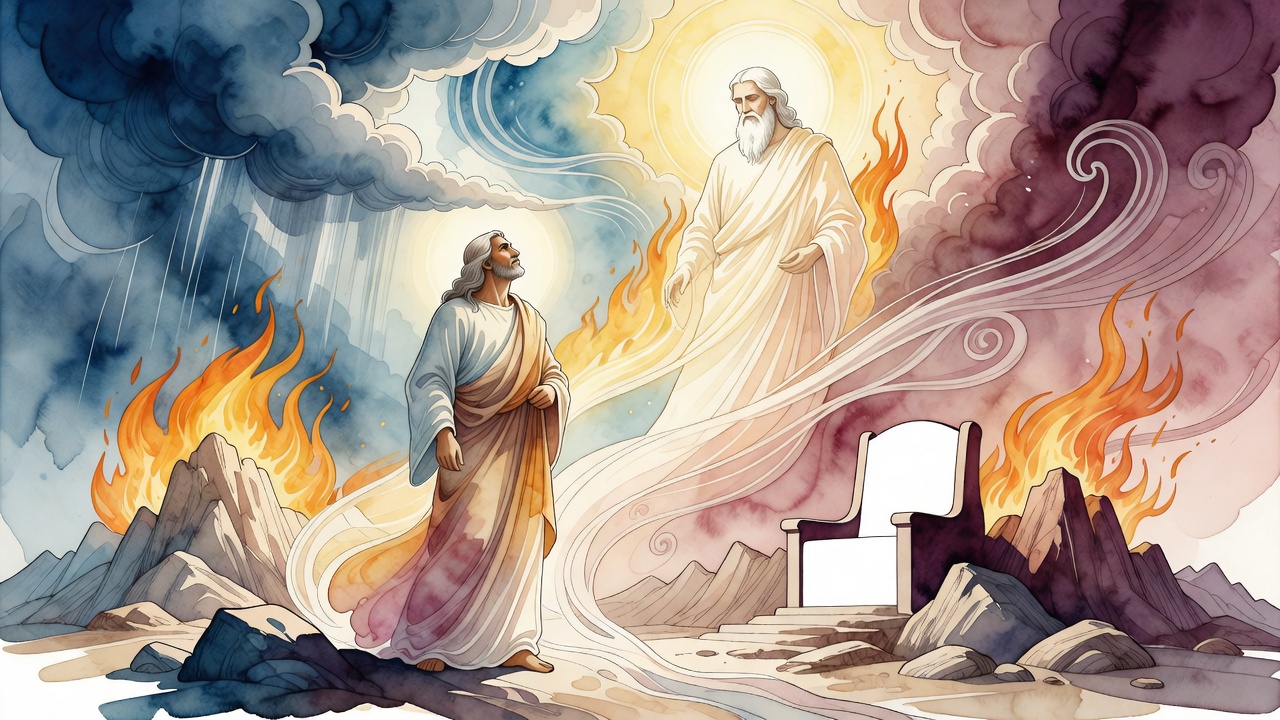
The protest sat on Abraham's tongue beside the knife. He swallowed it. Isaac's children would need that silence in Tishrei.
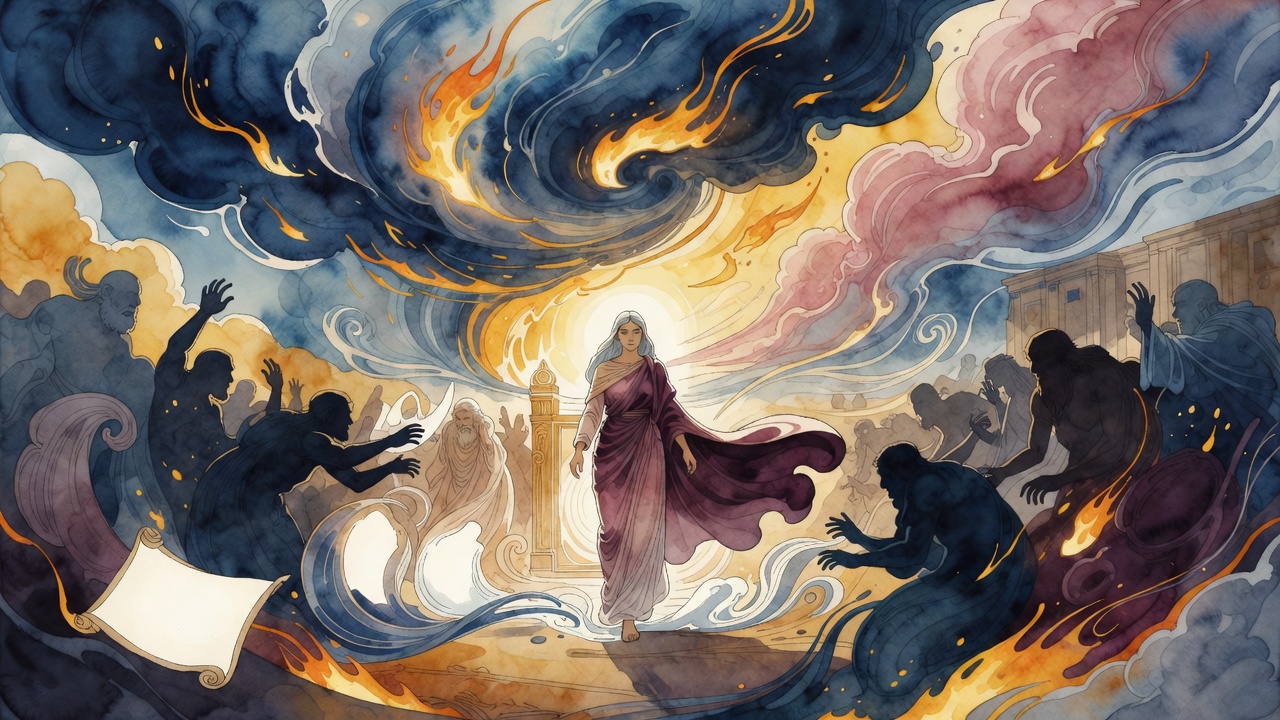
Abram pitched Sarai's tent before he pitched his own. Then the grain failed, and he asked her to tell the Egyptians she was his sister.
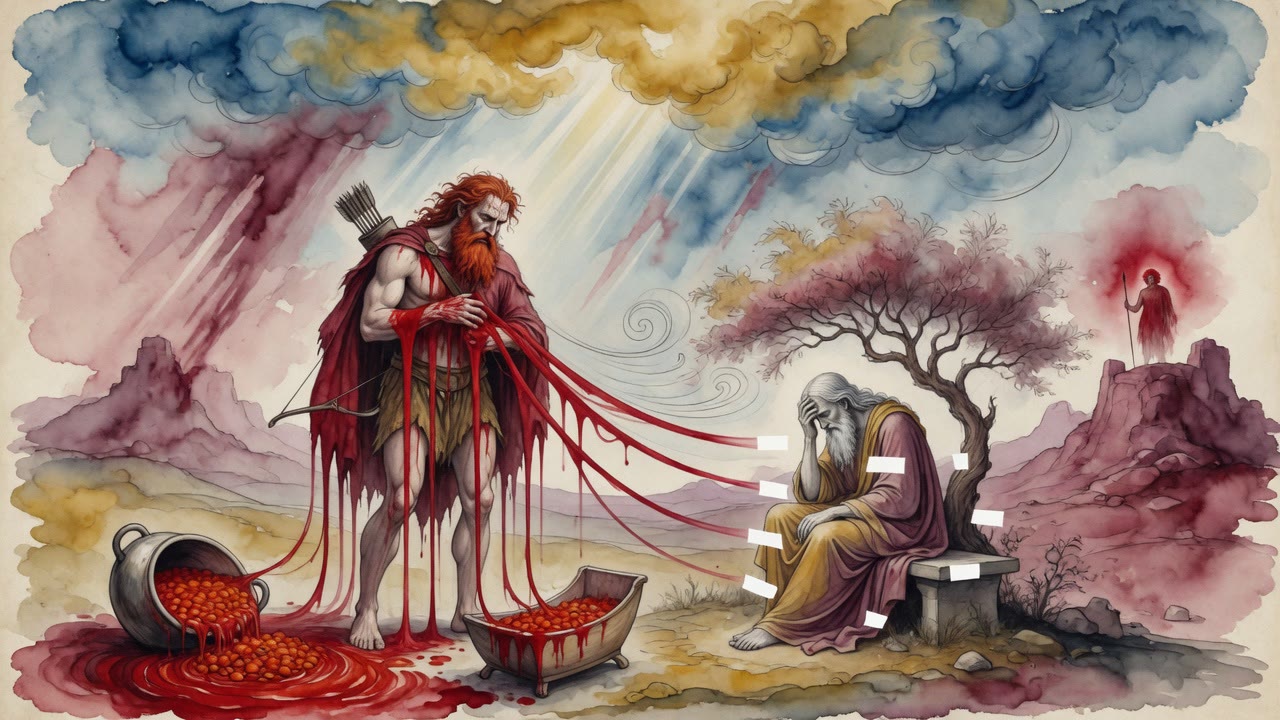
Esau's crimes cut five years from Abraham's life so the patriarch would not see his shame, and the color red clung from cradle stew to Edom's reckoning.
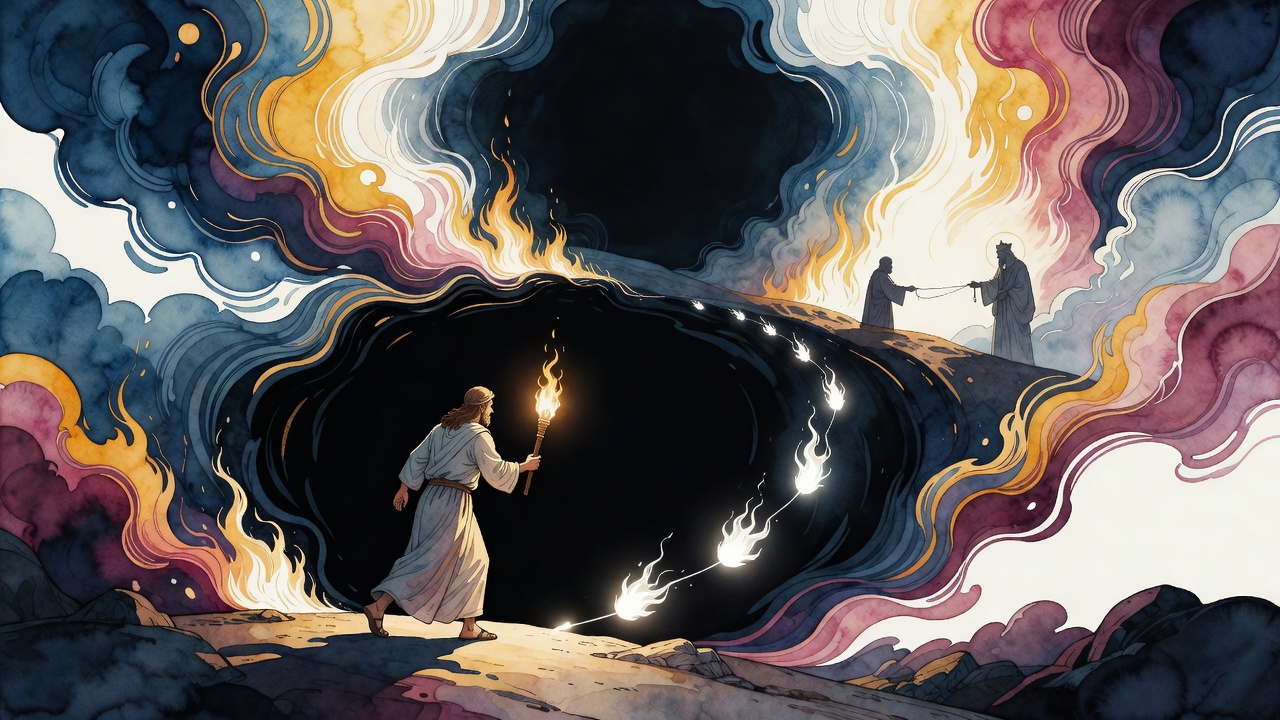
He was going to find a wife for Isaac, and the only light he got was lightning. Between flashes he pushed the ten camels forward in the dark.
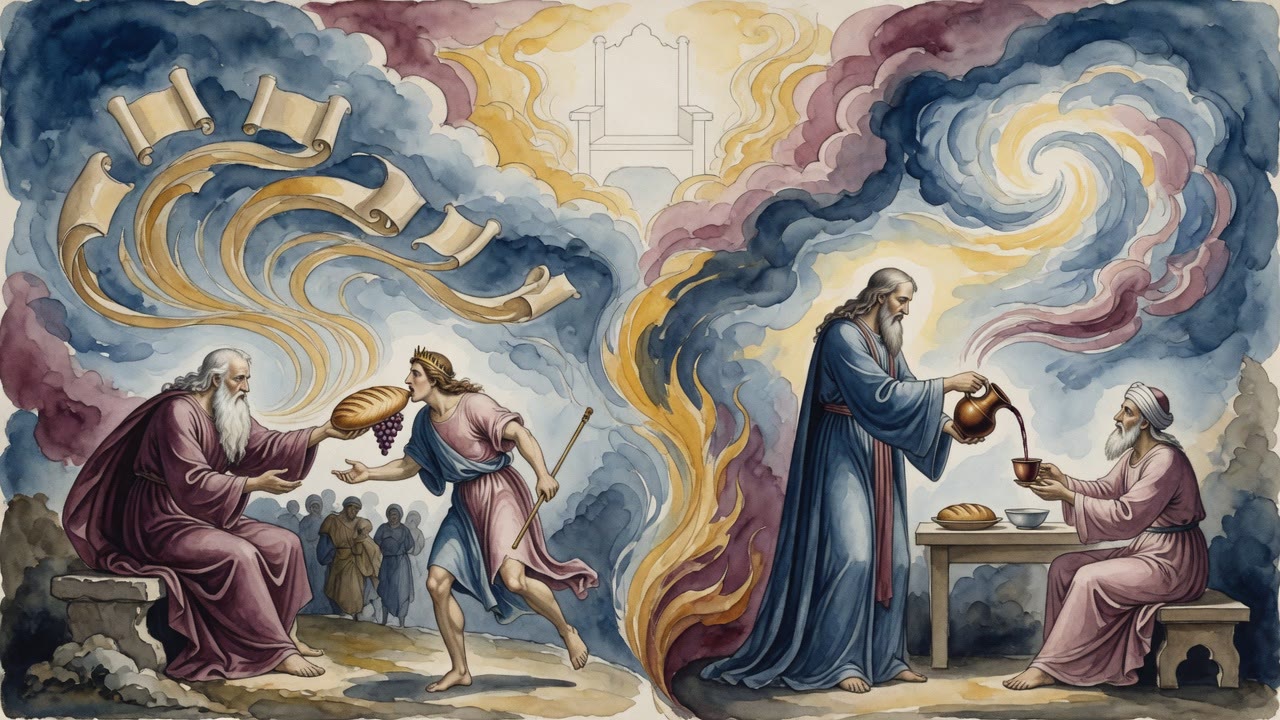
Old Barzillai fed fleeing David and earned five mentions like five Torah books, while Rabban Gamliel poured wine for Rabbi Yehoshua with his own hands.
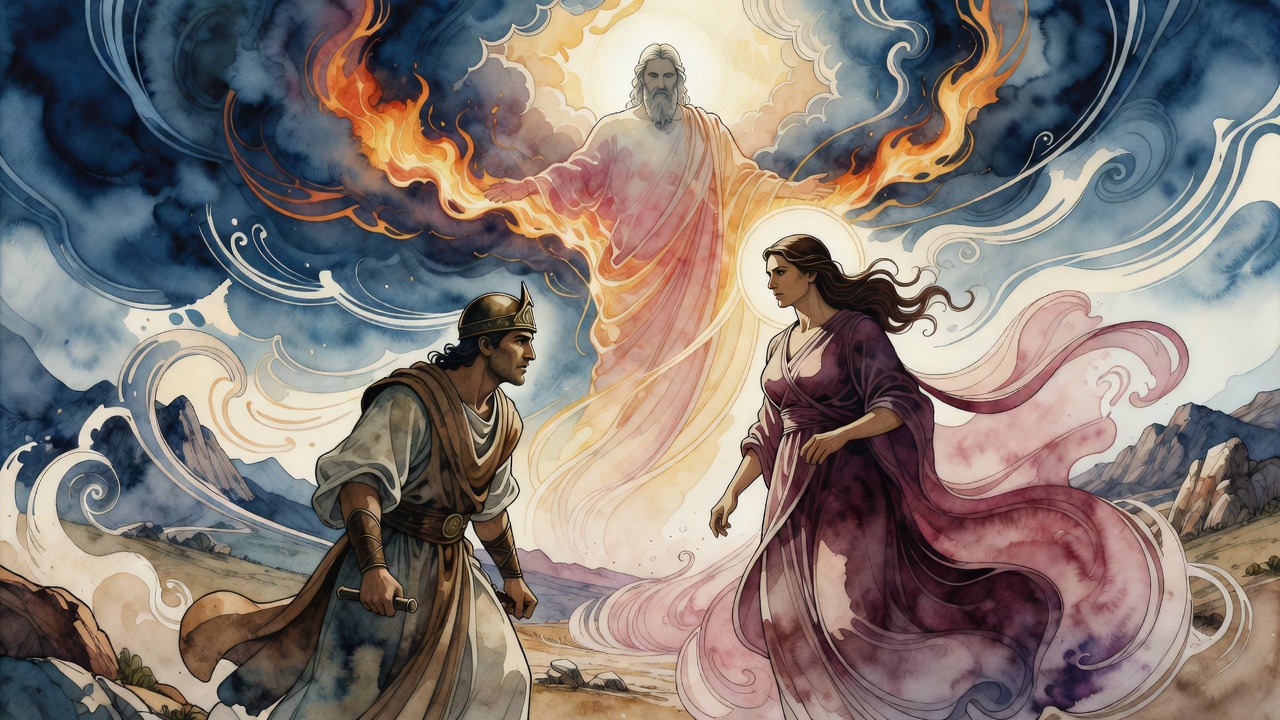
Barak refused to march unless Deborah went with him, and the prophetess warned that the day's glory would slip from his hands into a woman's.
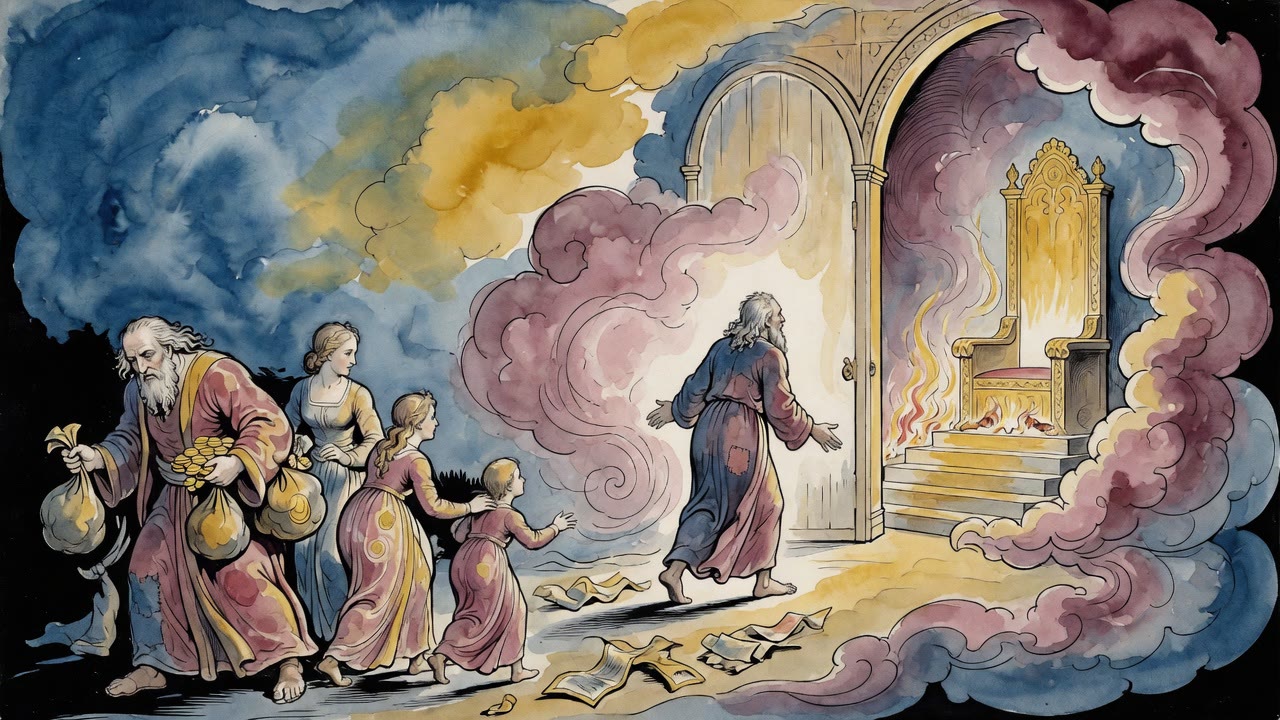
Courtiers made a king reclaim gifts from a poor friend who paid every coin back. Heaven then asked Abraham for more than wealth. It asked for Isaac.
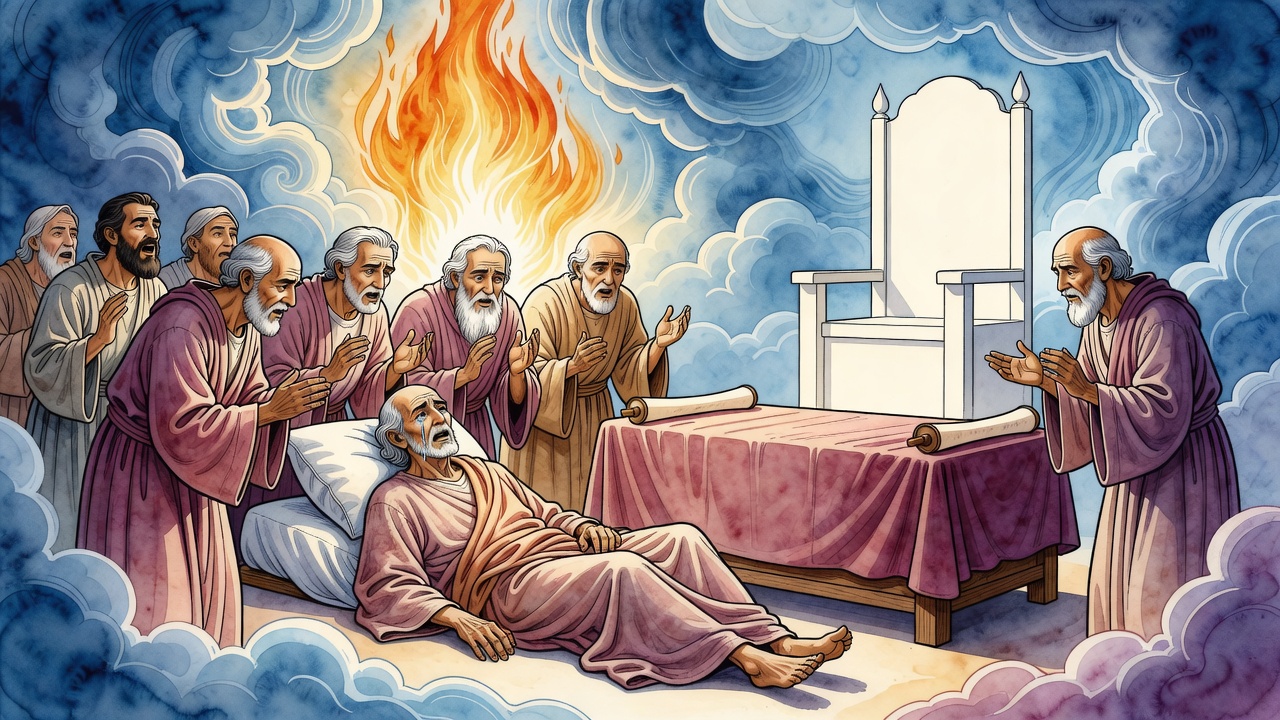
Rabbi Yochanan ben Zakkai wept on his deathbed while disciples begged a blessing, and Sarahs bier taught whom a eulogy truly honors.
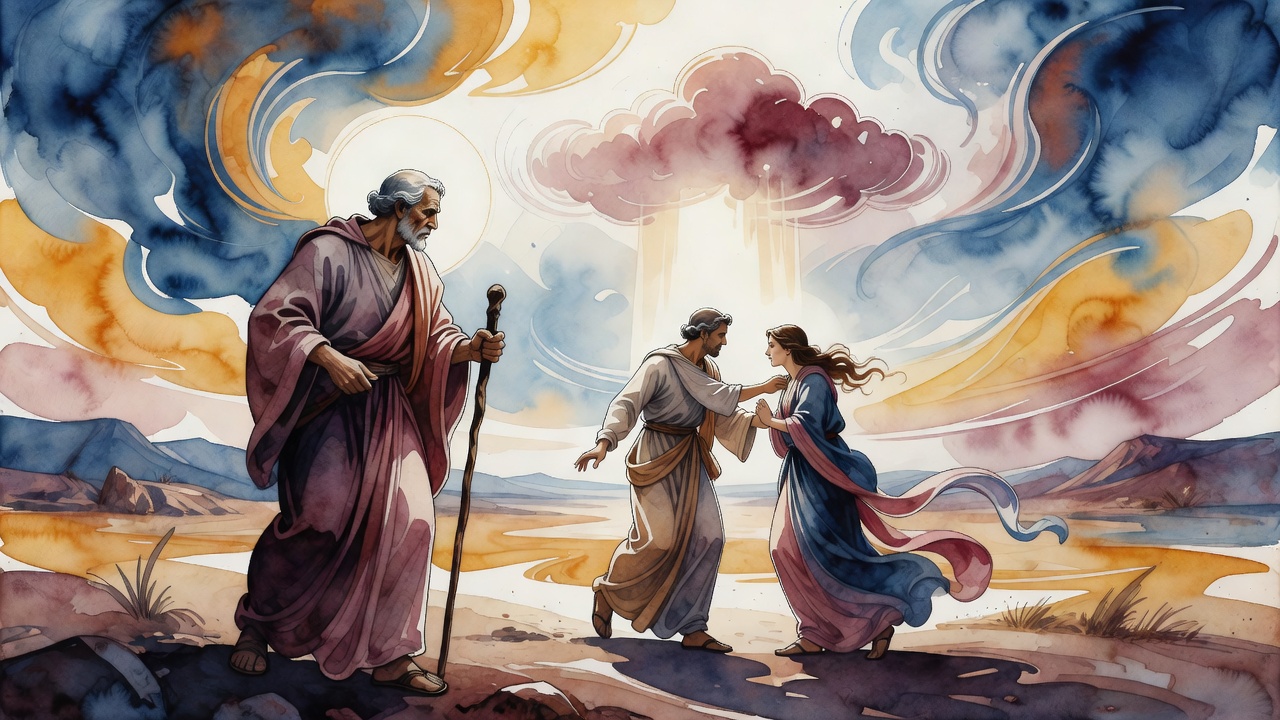
Years earlier a voice had woken the king in the night and called him a dead man over another man's wife. This time he did not reach for the woman.
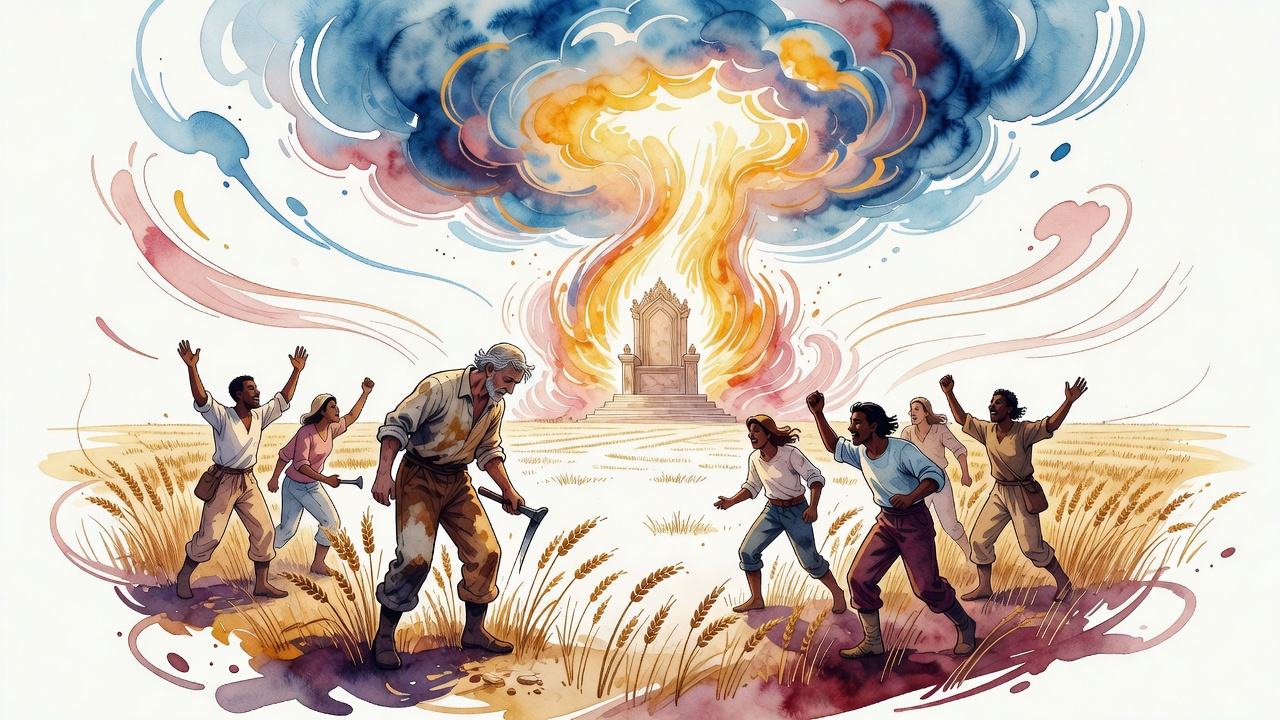
He shaved the tithe year by year until the harvest came in at a tenth. In the market his friends congratulated him. God, they said, was the landlord now.
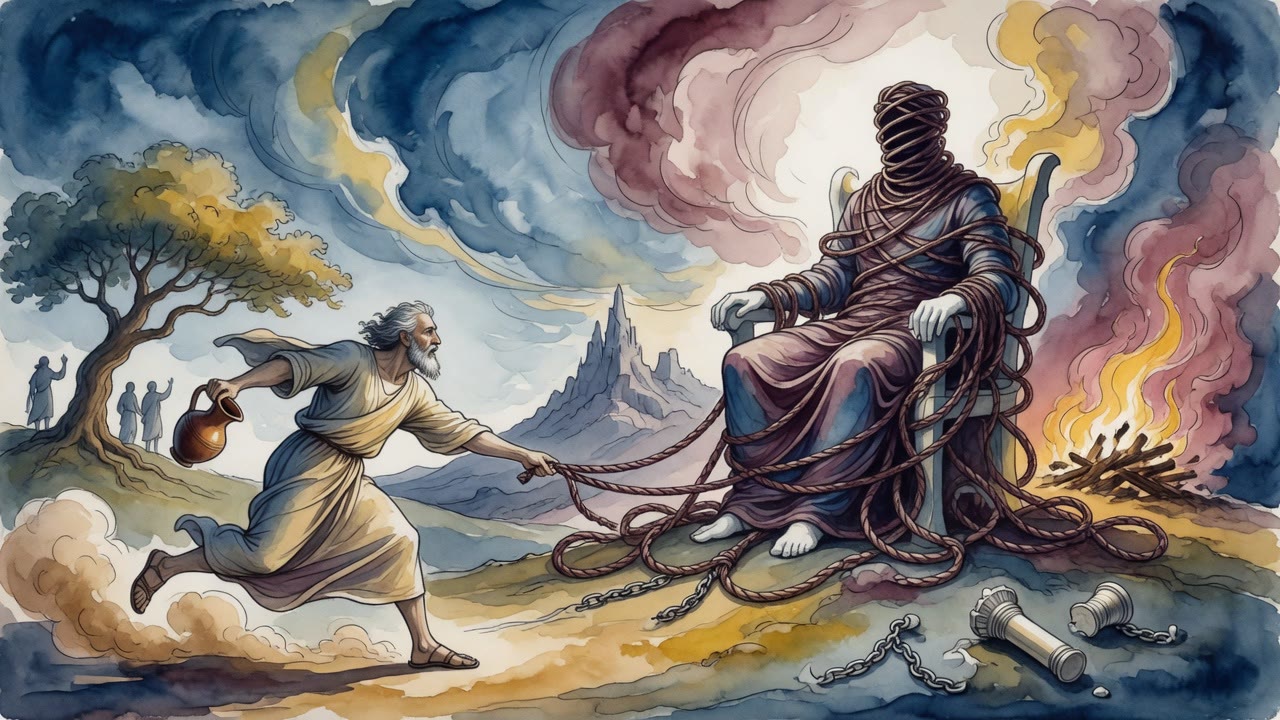
Heat sat on the tent. Abraham's cut was still new. He ran for water anyway, and the King chose to stay among his children.
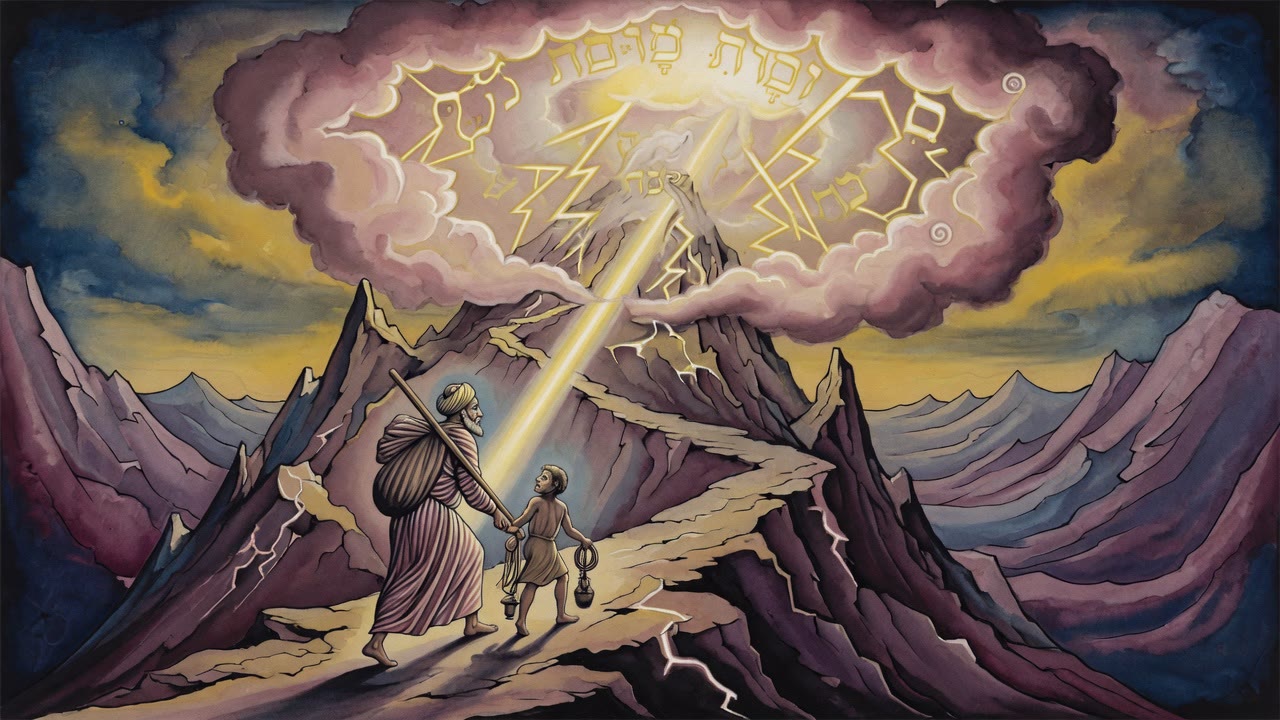
God says please and names Moriah. Abraham asks who will officiate, walks ahead as El Shaddai's partner, and nearly offers the son he was only asked to lift.
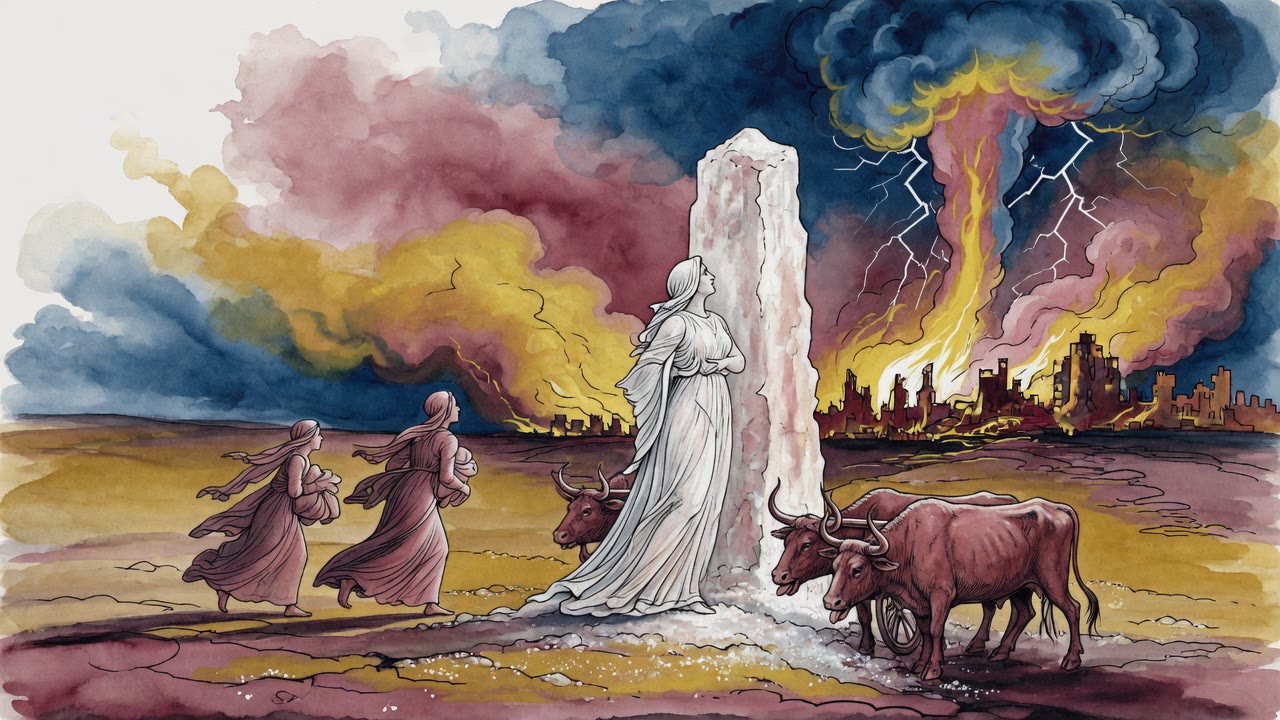
Fleeing Sodom under orders not to look behind, Lot's wife turned once toward the fire and stiffened into a pillar of salt the oxen still lick by day.
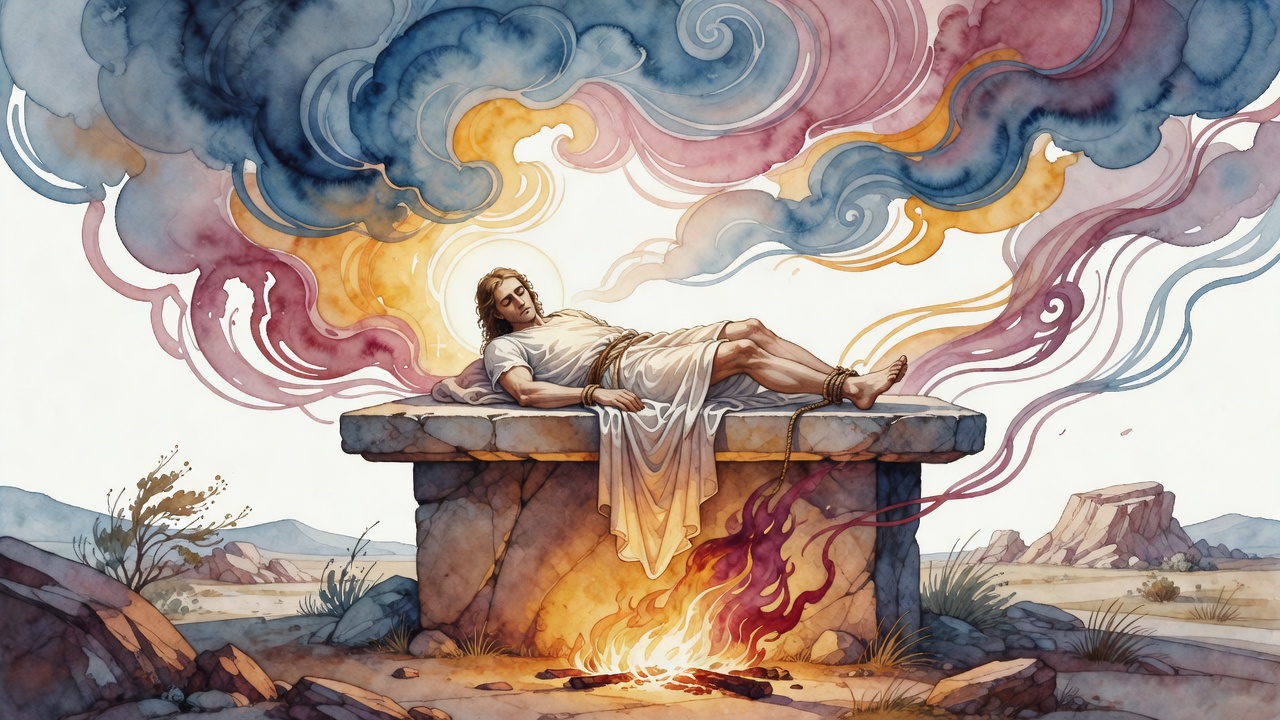
Bound on the altar as a living offering, Isaac was told that Egypt was forbidden ground, and famine could not drive him from the land that held his holiness.
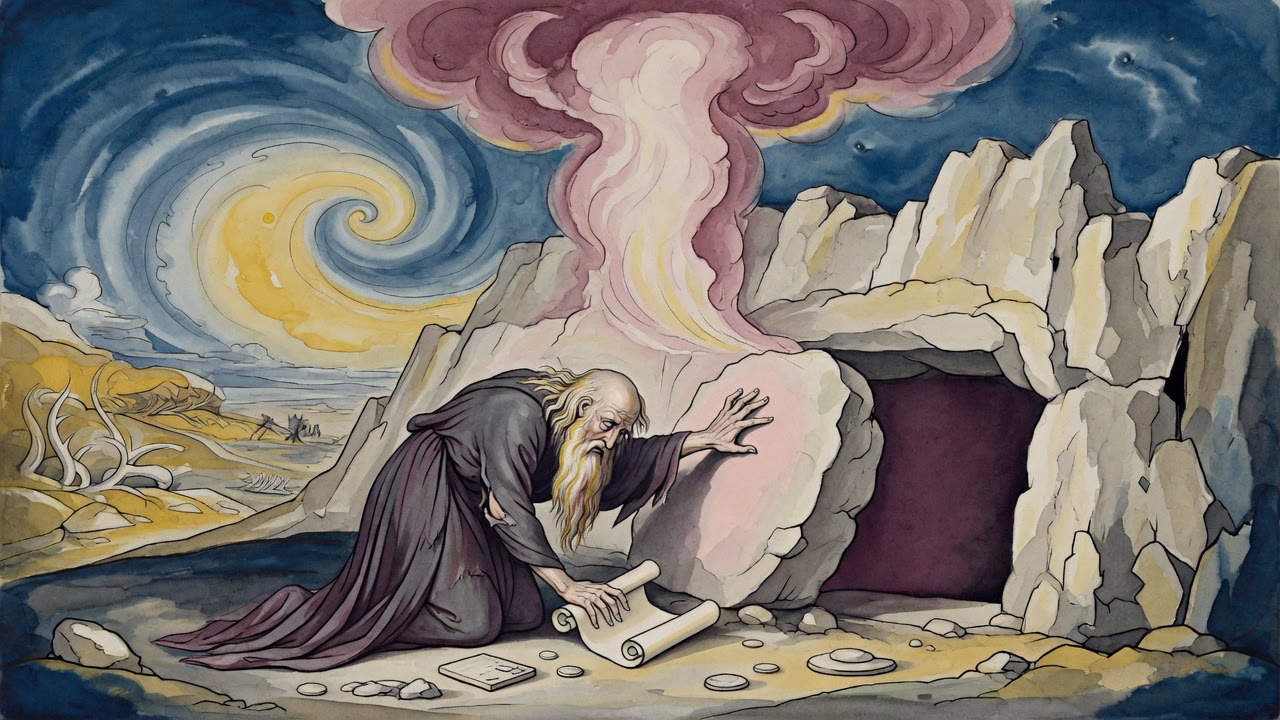
Sarah was in the cave. Abraham set the last stone and the years arrived. The first land he bought in the promise was her grave.
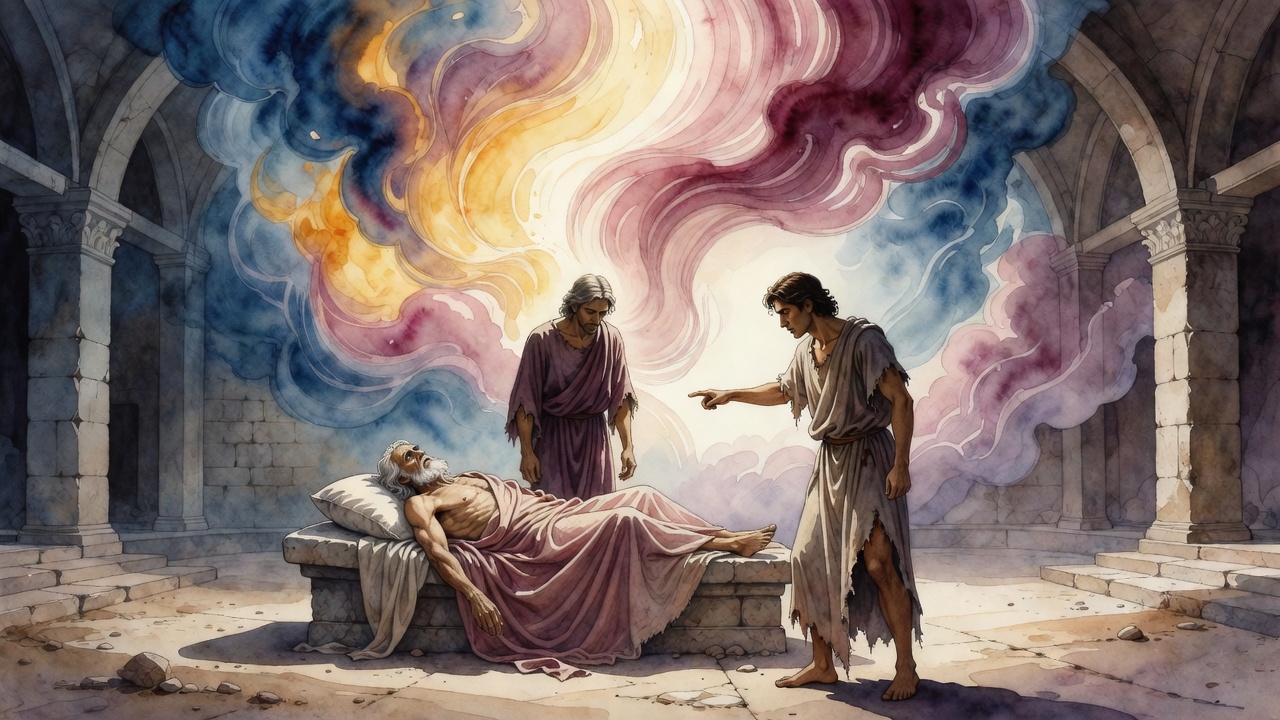
A father's will leaves everything to his slave and one choice to his son. In court the son names the slave himself, and the whole estate follows.
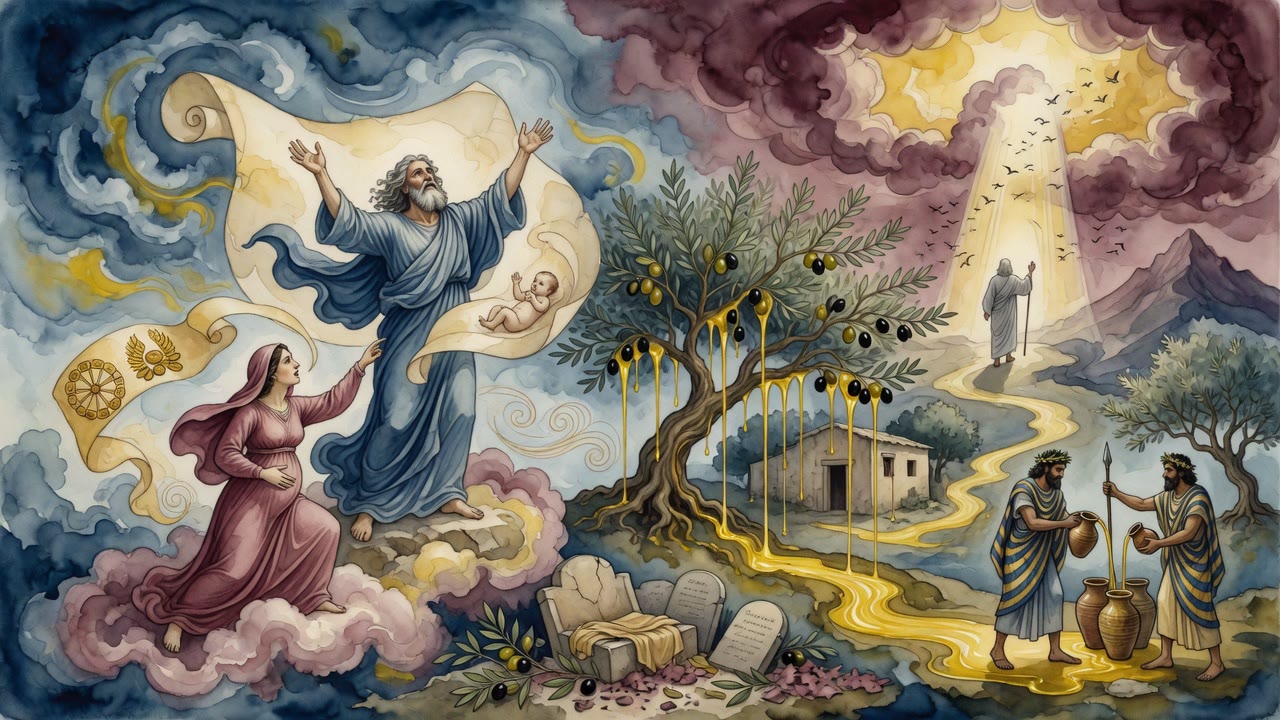
Two books lay open on the table. One named Benjamin. One named Gad. Then Elijah stood in the doorway and asked why they were dividing him.
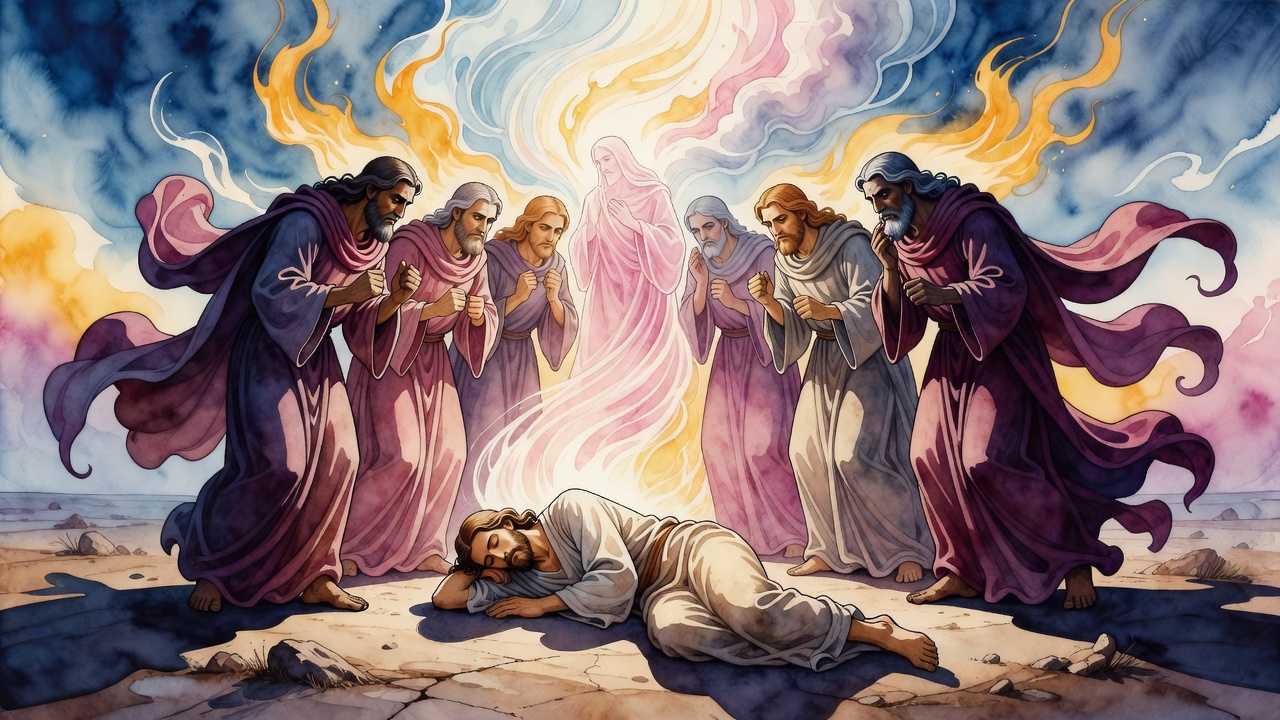
Jacob slept on bare ground while the guardian princes of the nations plotted above him, and God stepped between them and His favorite.
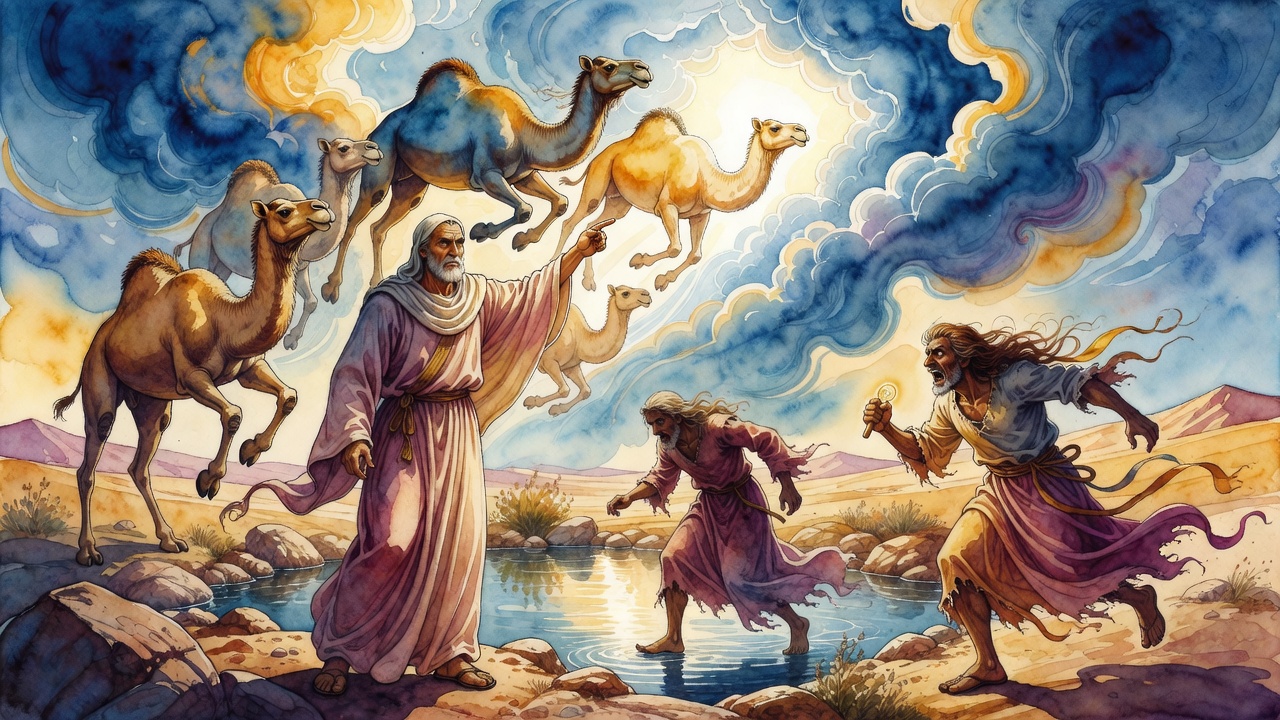
Laban ran for gold and murder. At the spring Eliezer spoke a Name, the camels rose, and a cursed servant crossed into blessing.
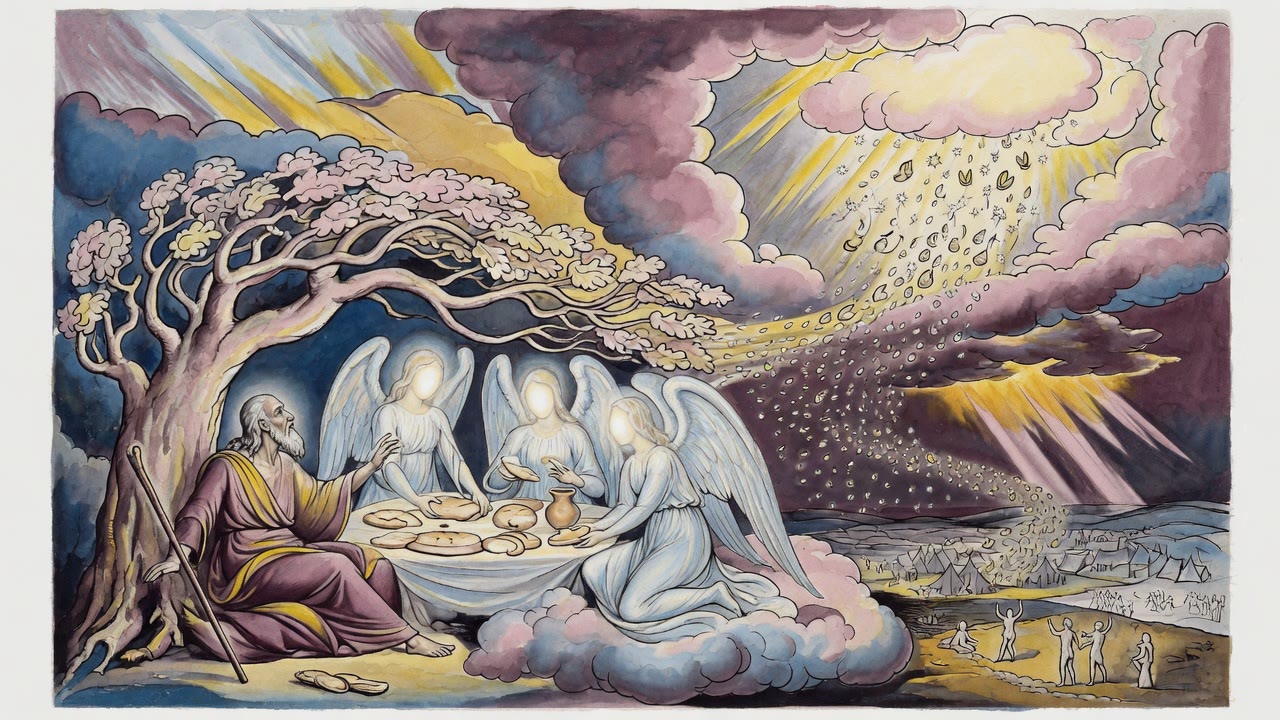
After the plain burned, Abraham did not freeze in grief. He moved to Gerar and opened the same tent that Sodom had refused to learn.
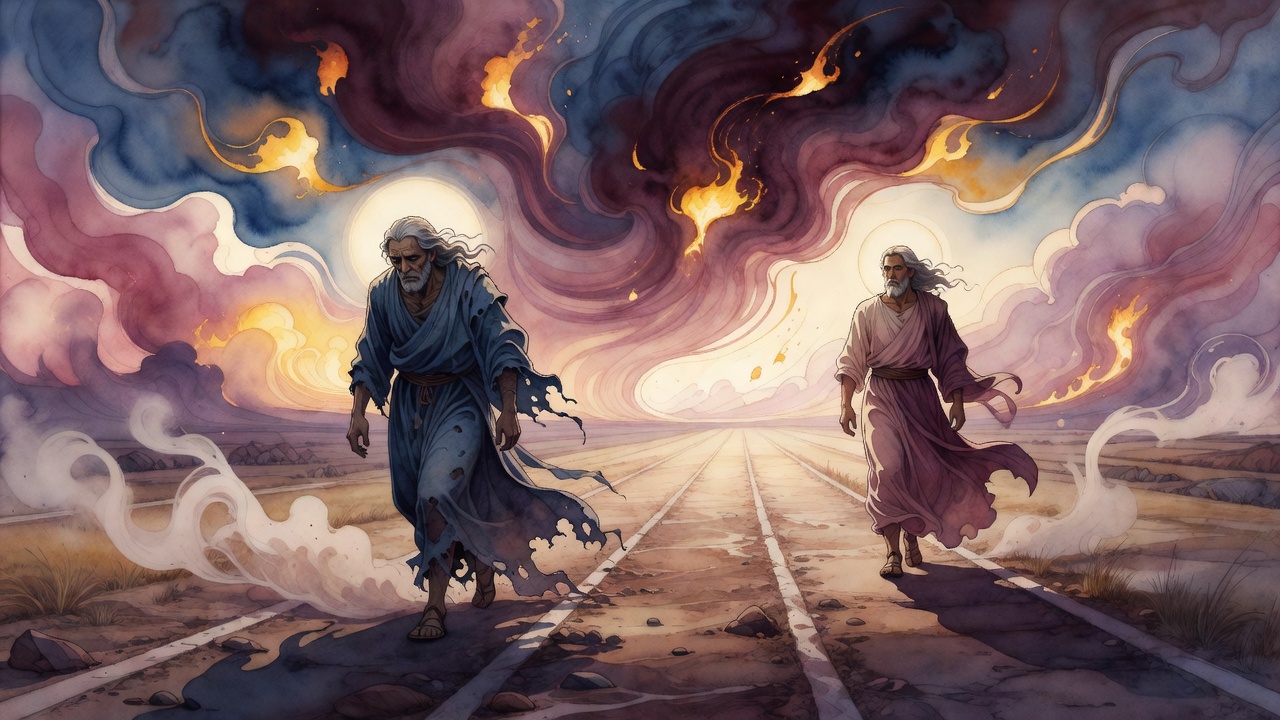
After night war, the king of Sodom meets Abram on a royal track stripped of chariots, prestige, and every prize he once flaunted.
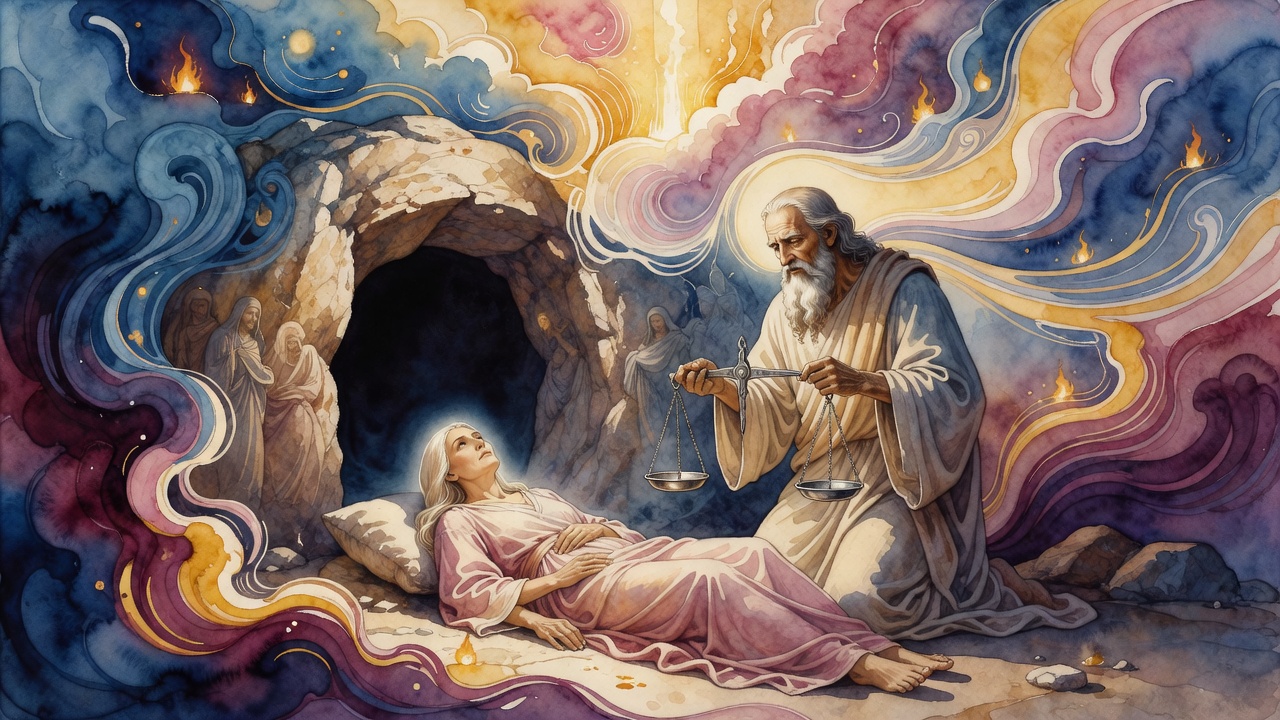
Ephron offered the cave as a gift. Abraham would not take it. A gift can be taken back. Silver stays in the deed.
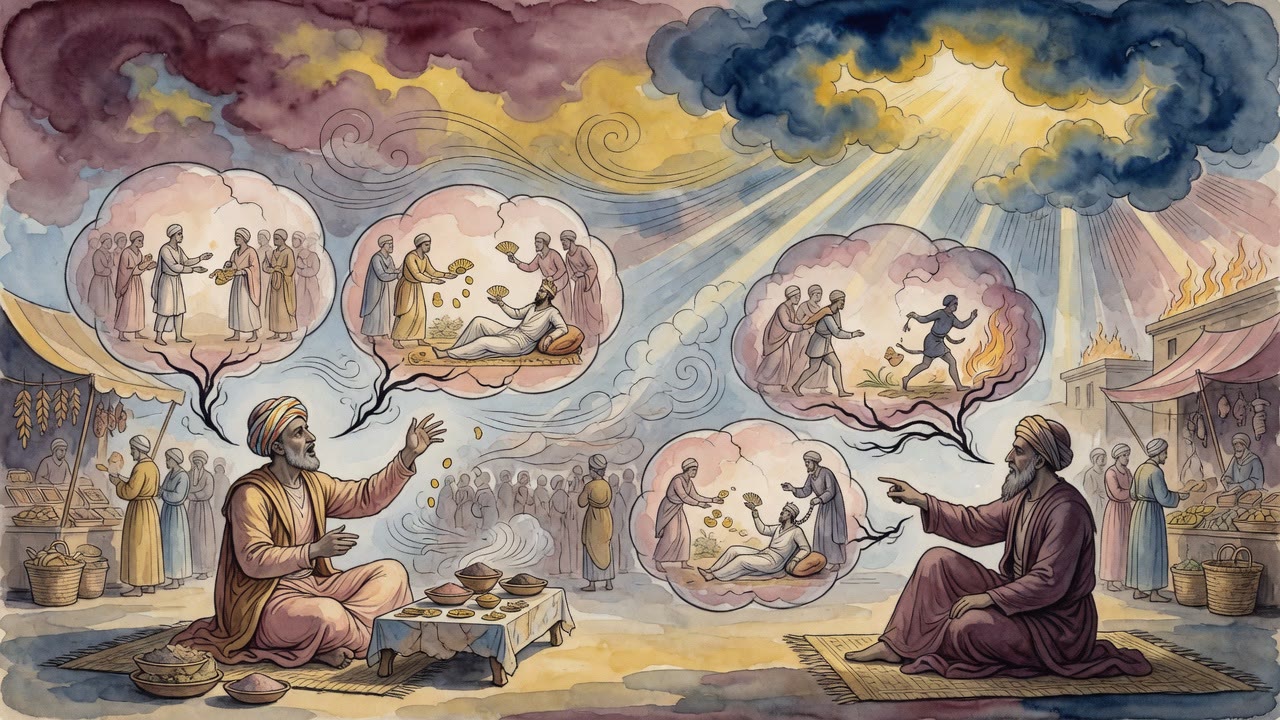
God told Abraham to sit as a model for the Shema (Hear O Israel). Later Rabbi Yishmael stood at evening prayer so one school's posture would not bind all.
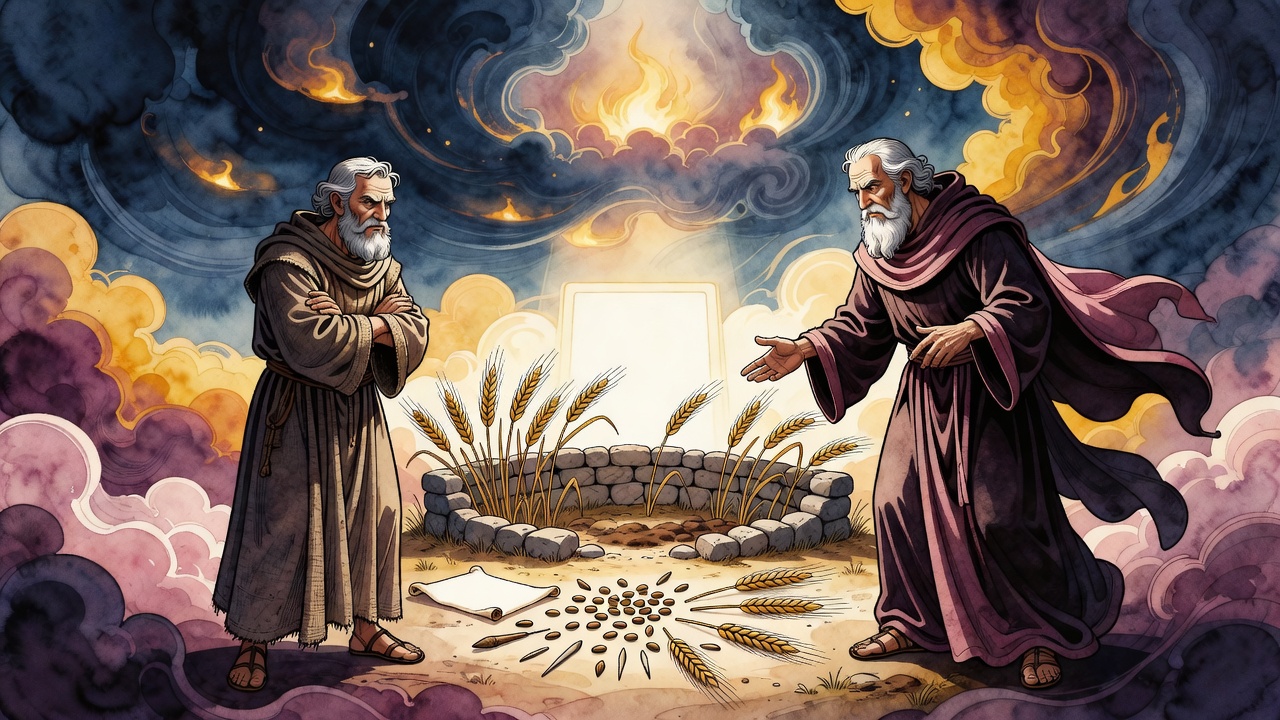
A philosopher called the covenant cut pointless. Hoshaya asked about the shaved head, then pointed at wheat still waiting for the mill.
