59 myths · Page 2 of 2
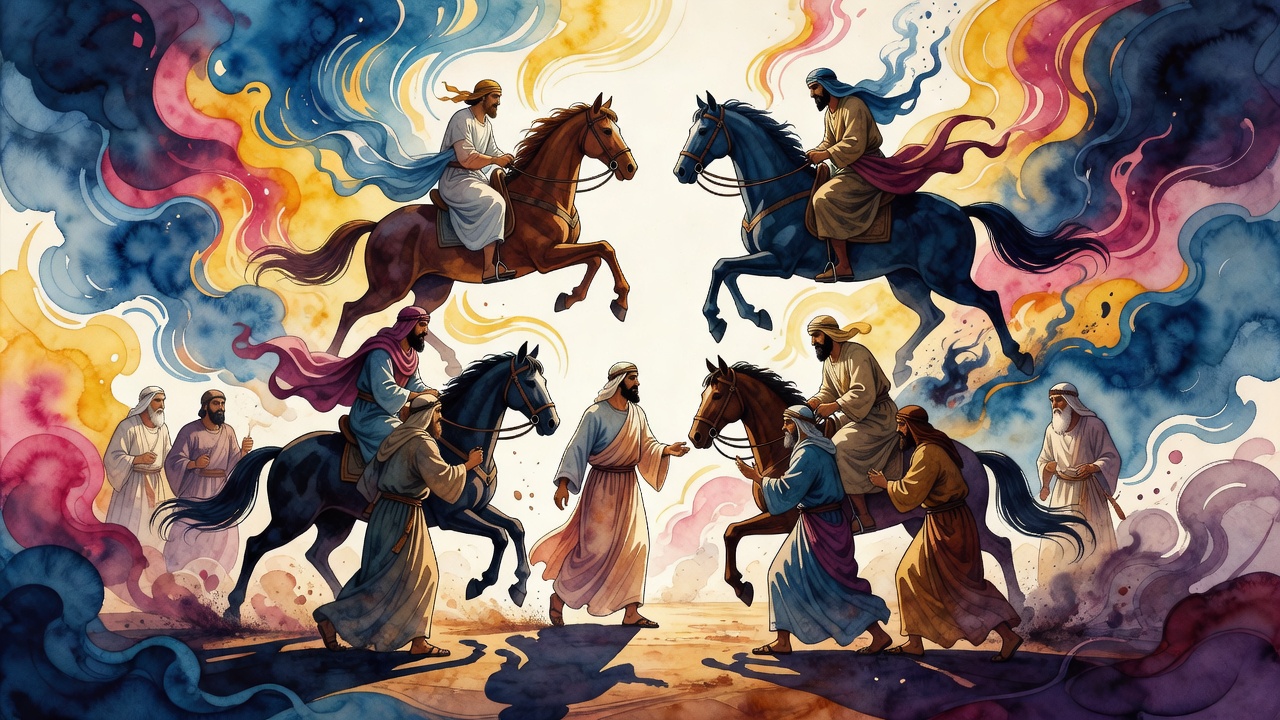
Judah talked his brothers into selling Joseph and let his father identify the bloody coat. God told him what the price would be, and it was children.
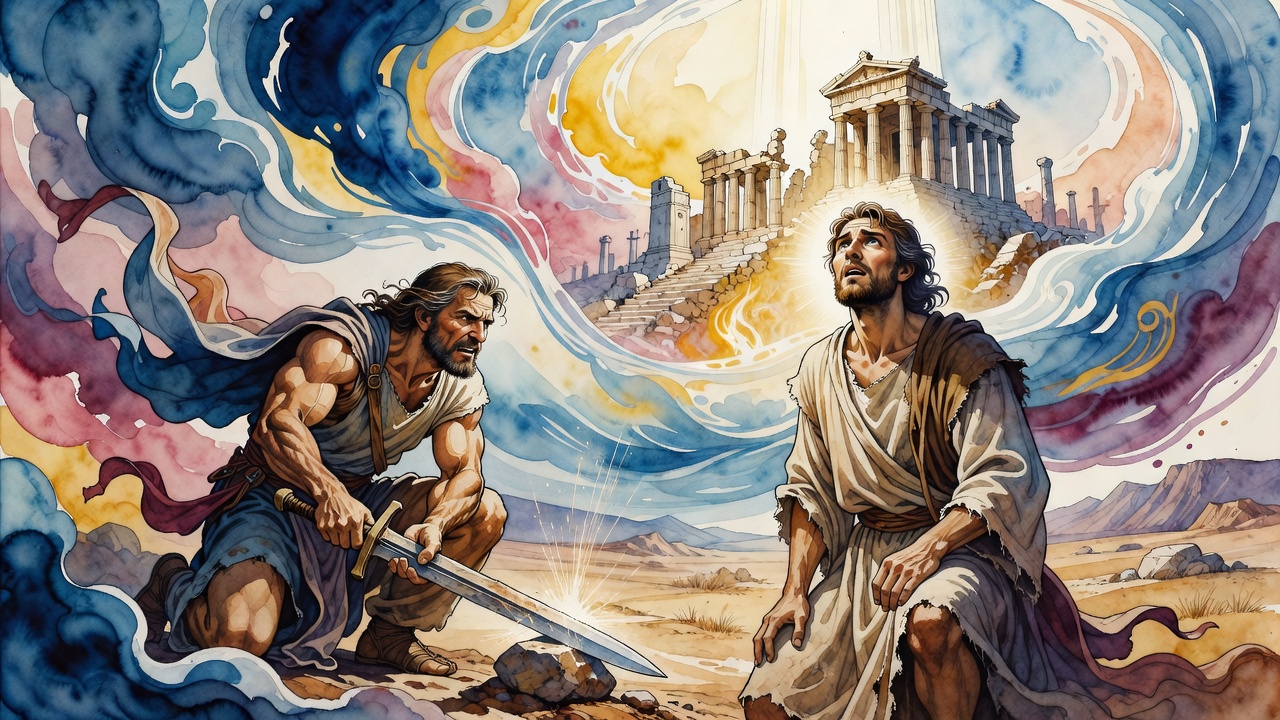
Esau timed a killing for the days of mourning, Jacob waited under the eye of Heaven through sword and famine, and at Bethel he saw the Temple fall and rise.
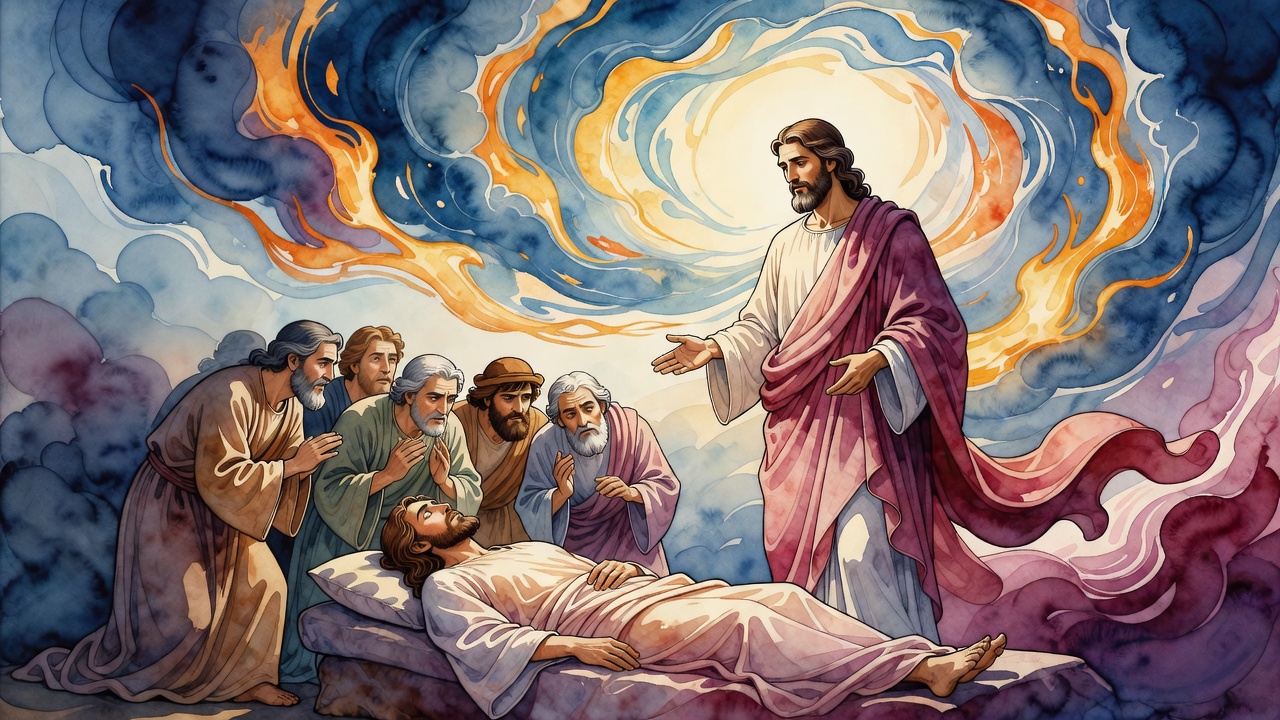
Joseph wept on his father's dead face, ordered the physicians to embalm, then faced brothers who still feared his revenge. He spoke straight into their fear.
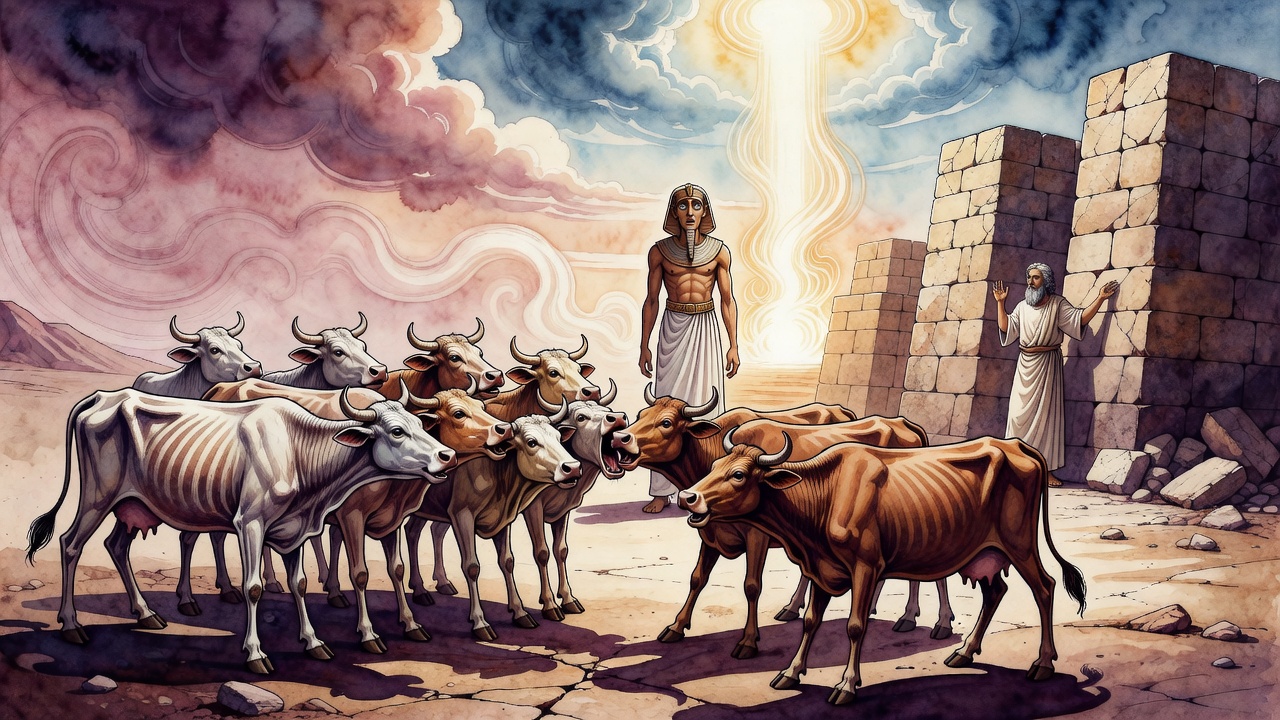
Pharaoh woke with the river still in his mouth. His magicians had words for the dream. None of them could fill the hollow cows.
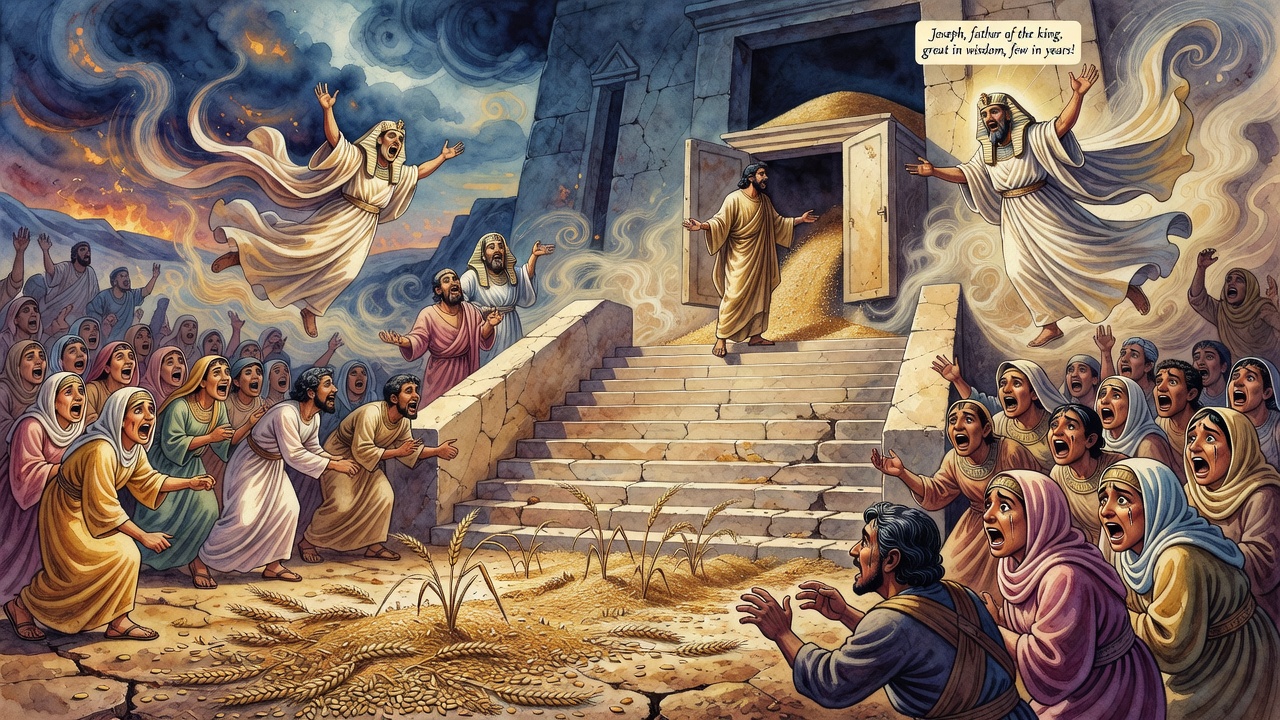
Seed wheat refused to rise. Crowds cried at Pharaoh's steps. Heralds called Joseph father of the king, great in wisdom, few in years, and he sold bread.
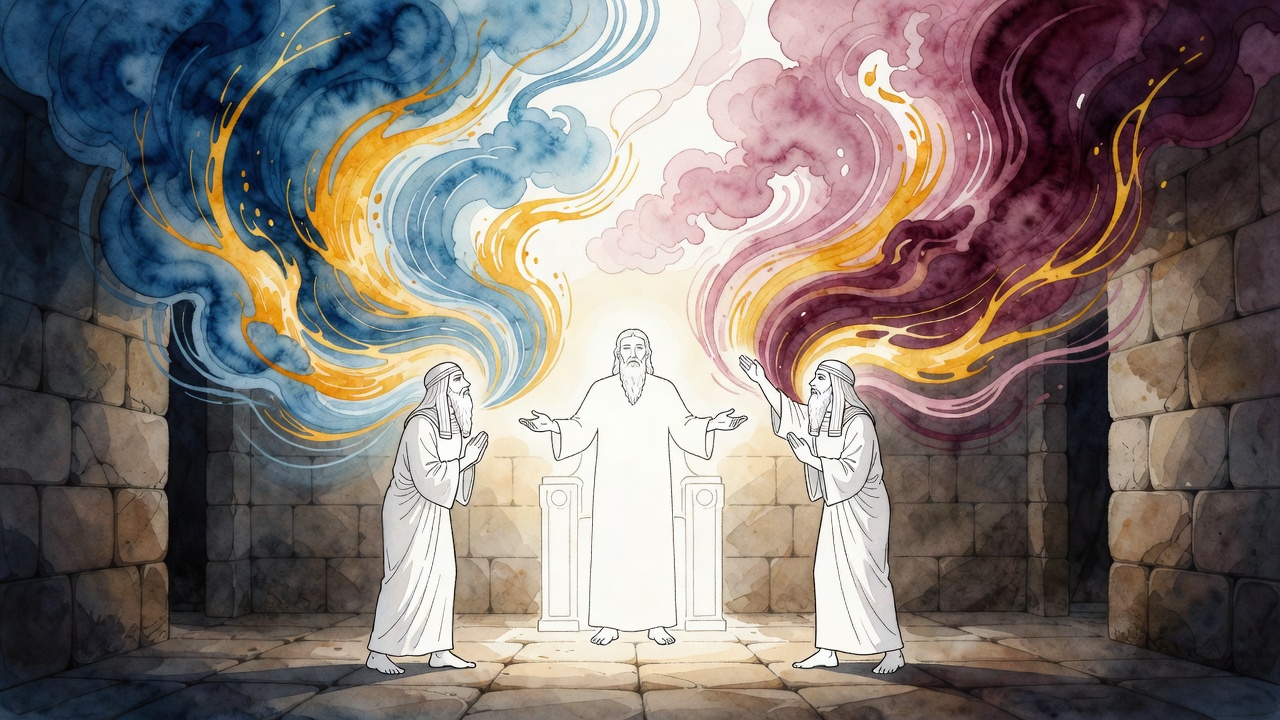
The butler woke first. The baker pressed both palms to his face. Iron still held their ankles, and neither man could name what he had seen.
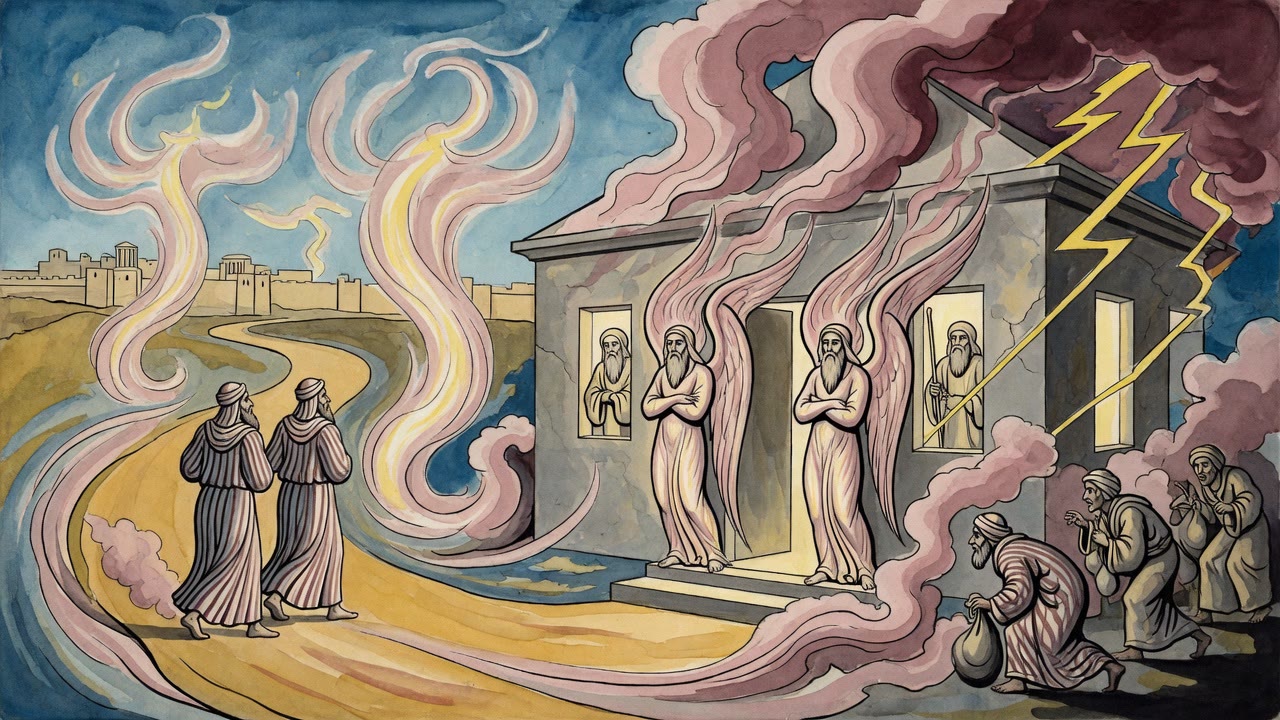
Egypt shut its doors for seventy days. In the streets they named him Jacob the Holy, and counted the harvests they had eaten because of him.
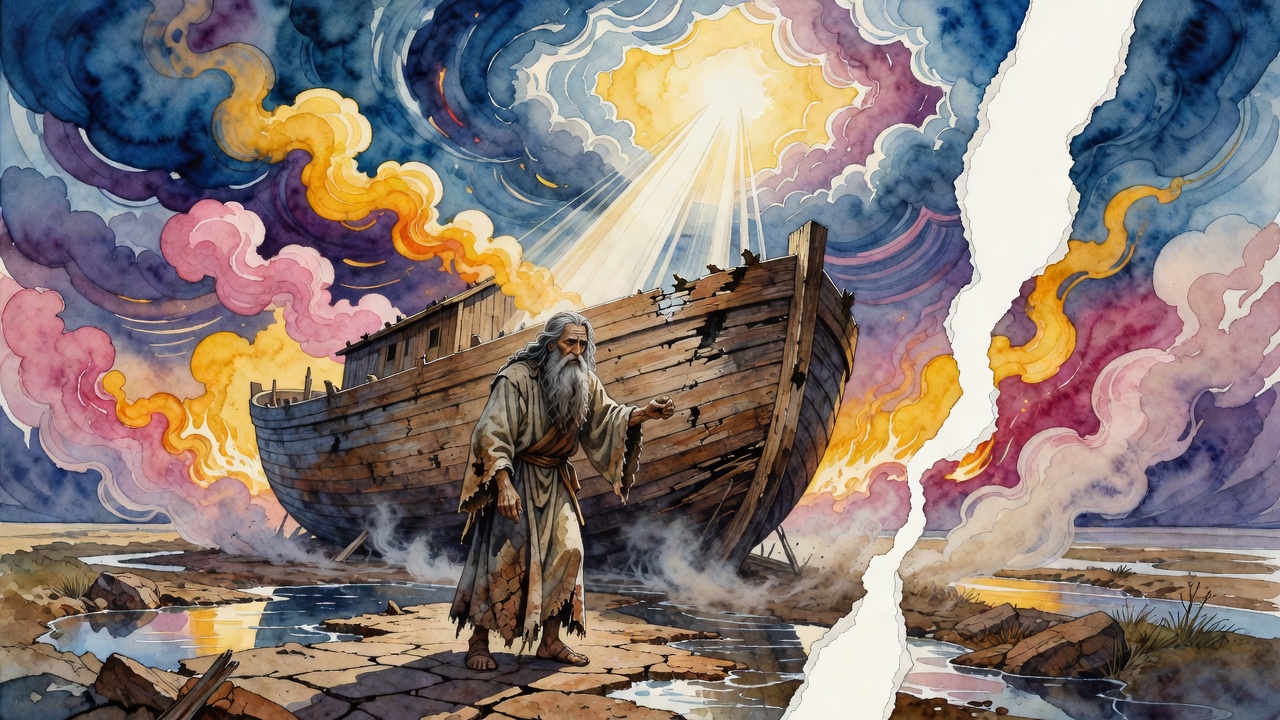
Pitch under his nails, hay dust in his throat, Noah kept the animals fed for a year. He wanted one boy small enough to crawl where an old man cannot bend.
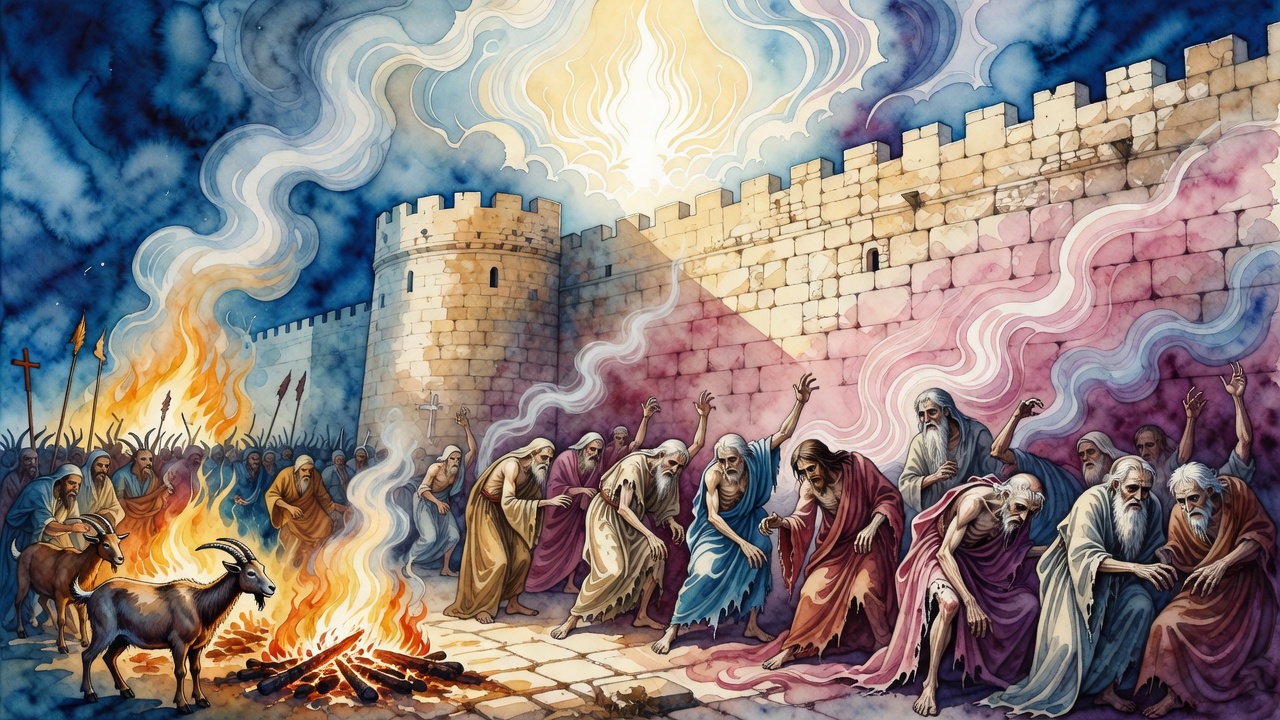
Outside Jerusalem the enemy roasted goats west of the wall so the starving inside died from the scent of meat they could not reach.
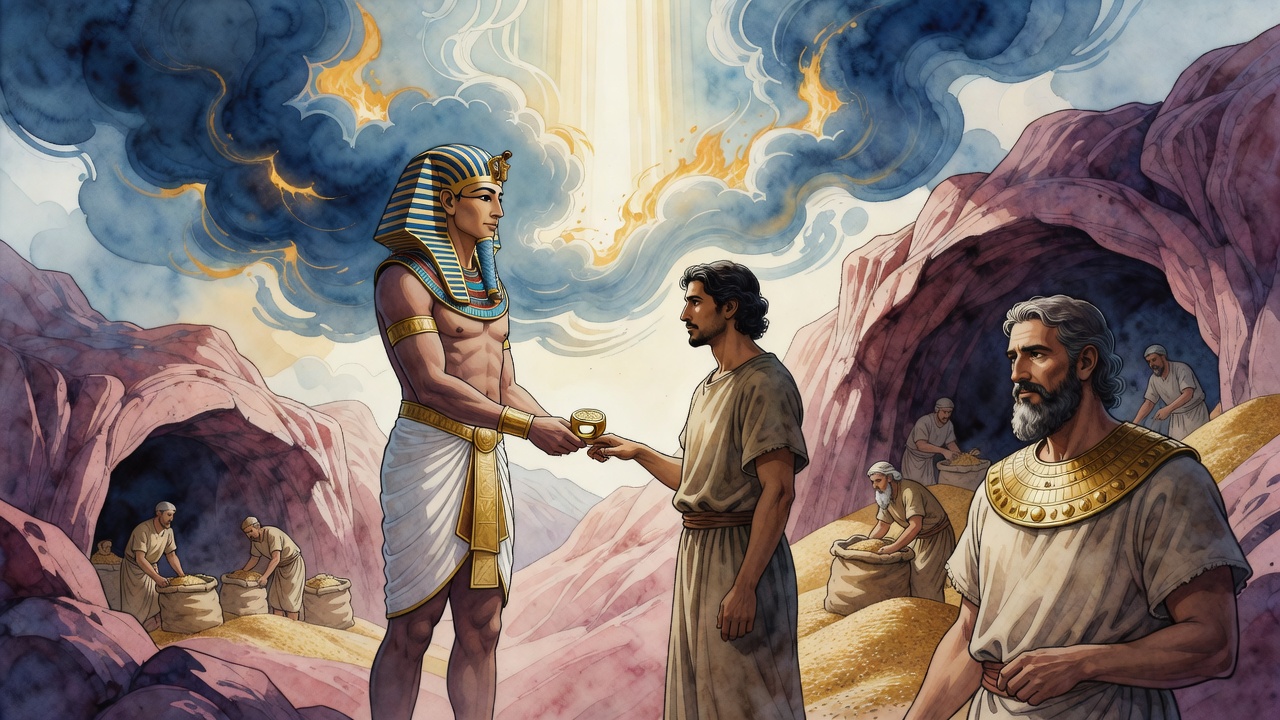
At thirty Joseph left prison for a ring, a gold collar, and power so total no Egyptian could arm or ride without his word, then buried grain in caverns.
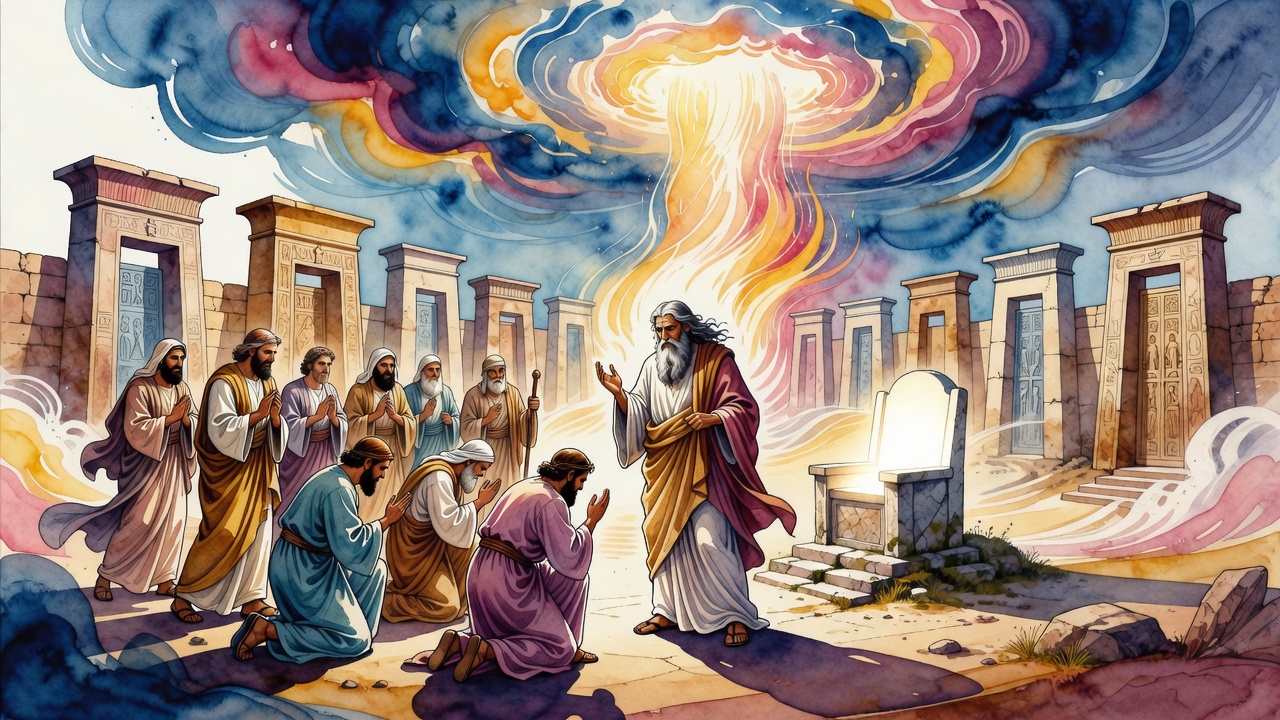
Jacob asked why his sons feared the road to Egypt. They split across ten gates against the evil eye, then bowed to a bearded stranger who remembered dreams.
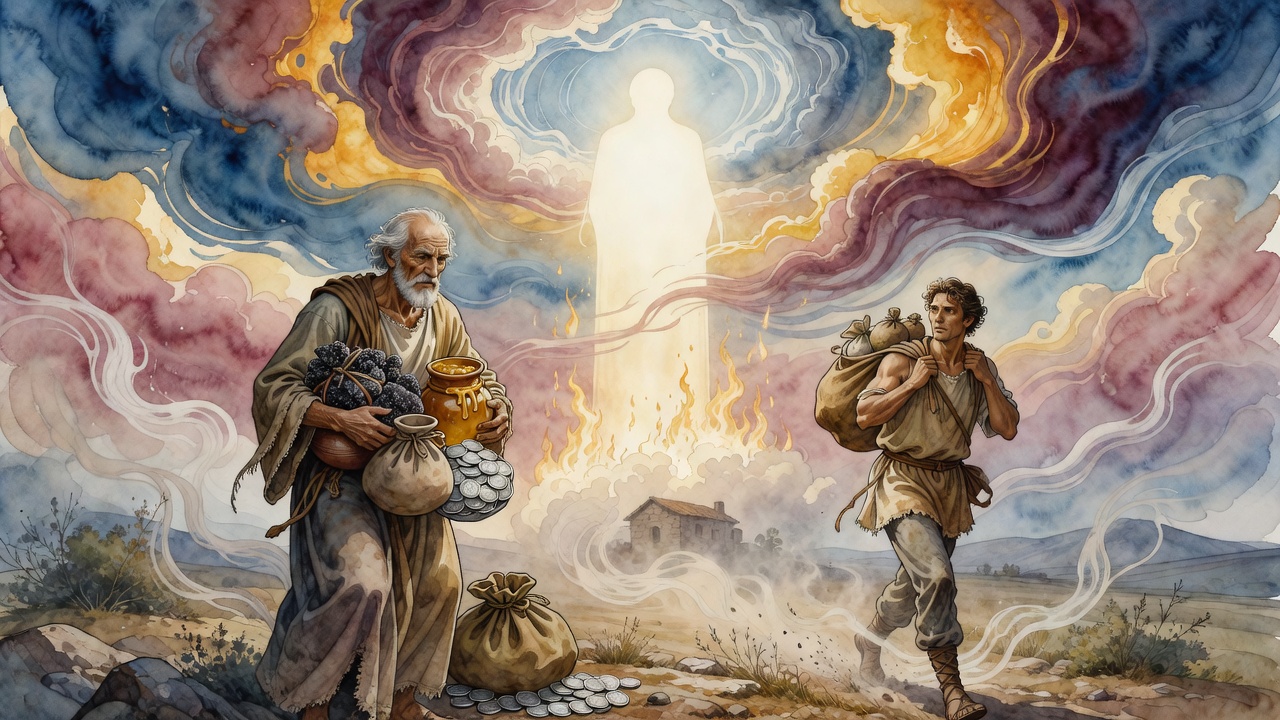
Jacob refused, then yielded. He packed gum, honey, and double silver, and sent Benjamin south into a house where five portions and first wine waited.
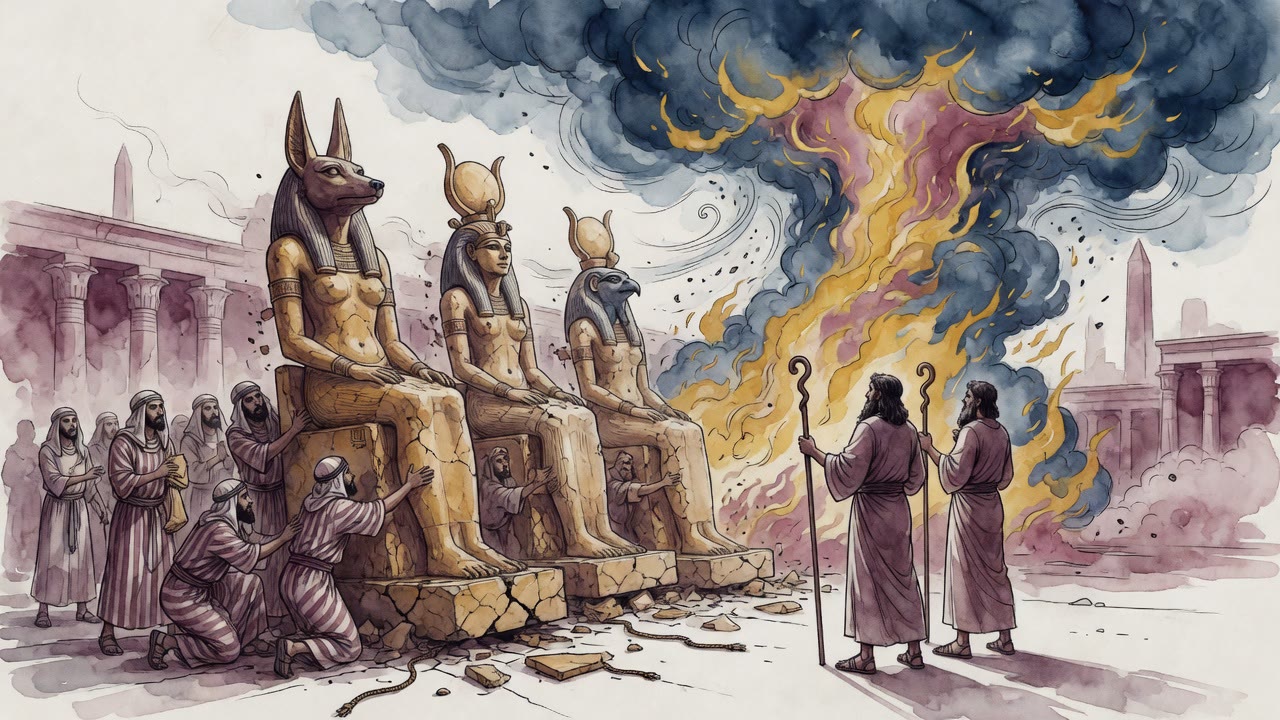
Jacob could recite the rescues in his sleep. Esau, Laban, the Canaanites who chased him. He had not kept a line for Joseph.
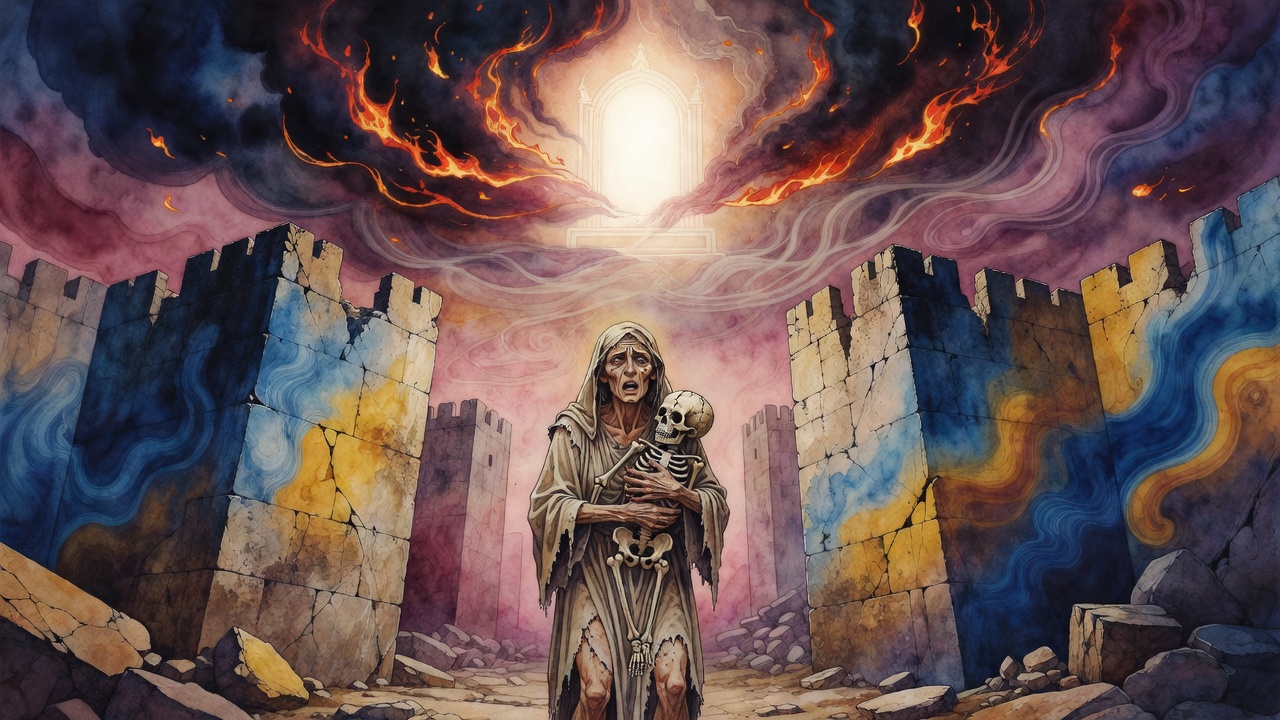
Two mothers made a bargain in a starved city. One child went into the pot. By morning the second mother had hidden her son.
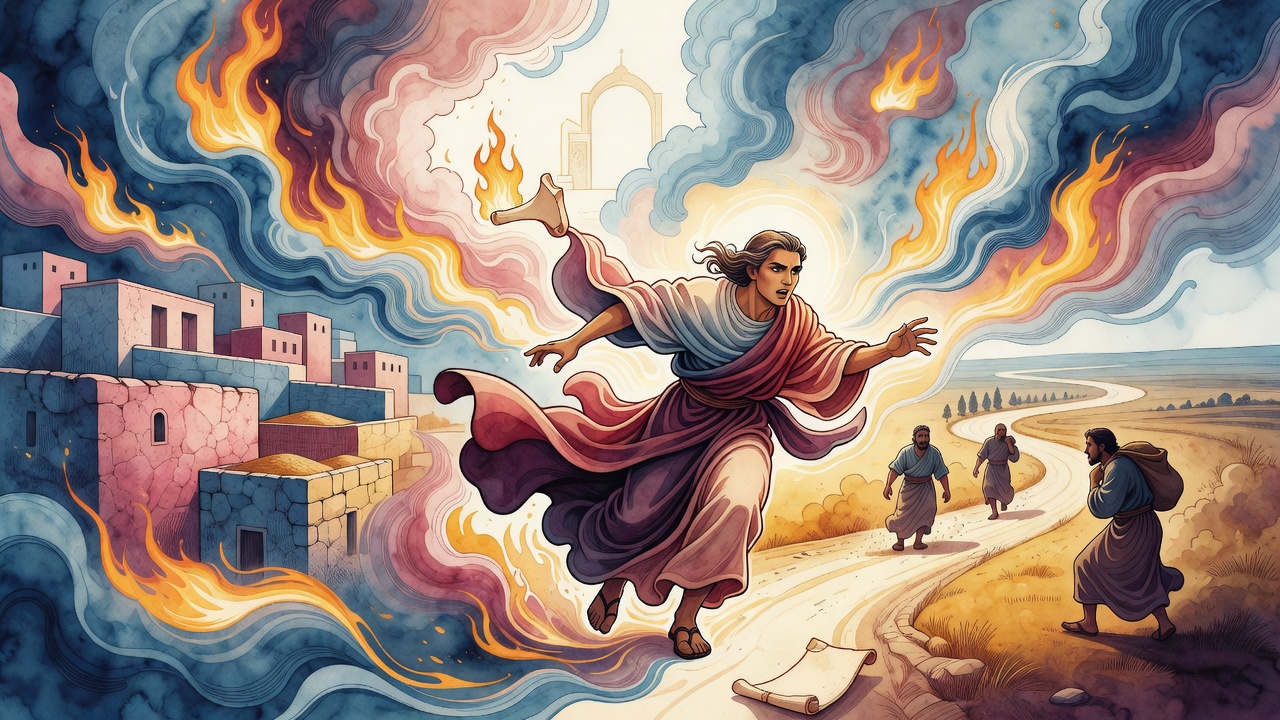
Simeon walked out of the back room alive and his brothers breathed again. They were barely clear of the city when the steward came up the road behind them.
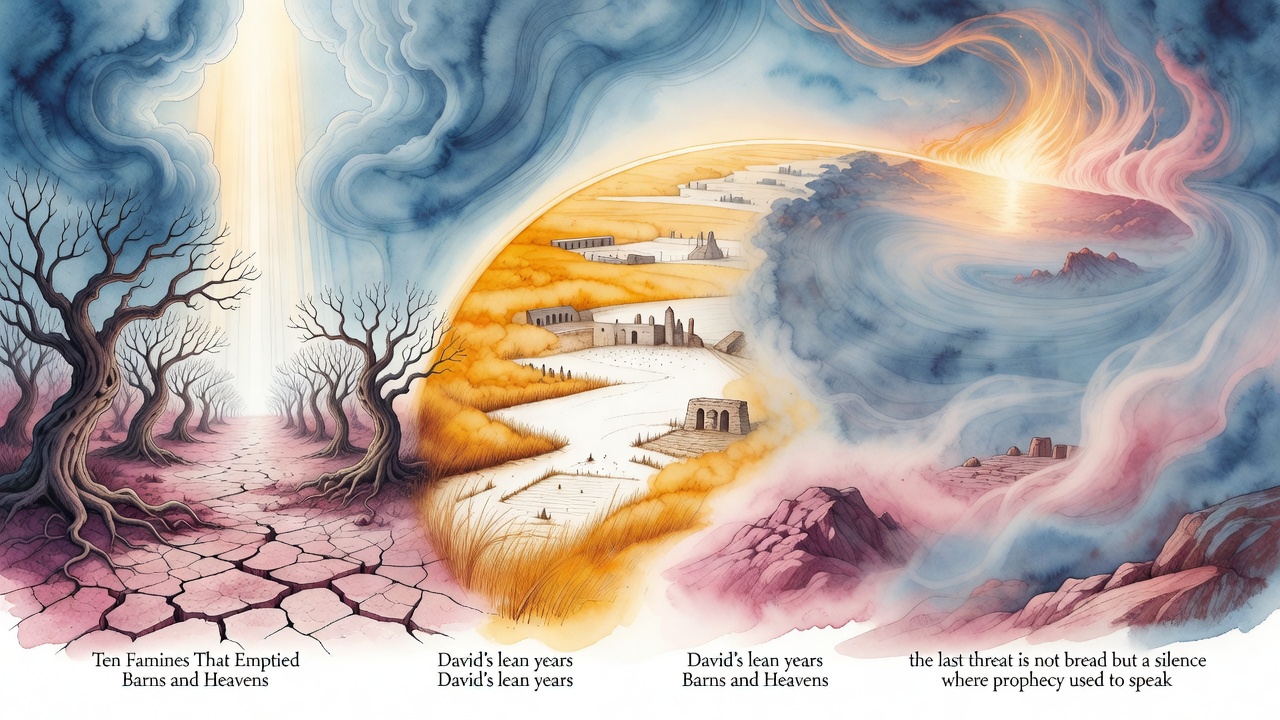
From Eden's cursed ground to David's lean years, the midrash counts ten famines. The last threat is not bread but a silence where prophecy used to speak.
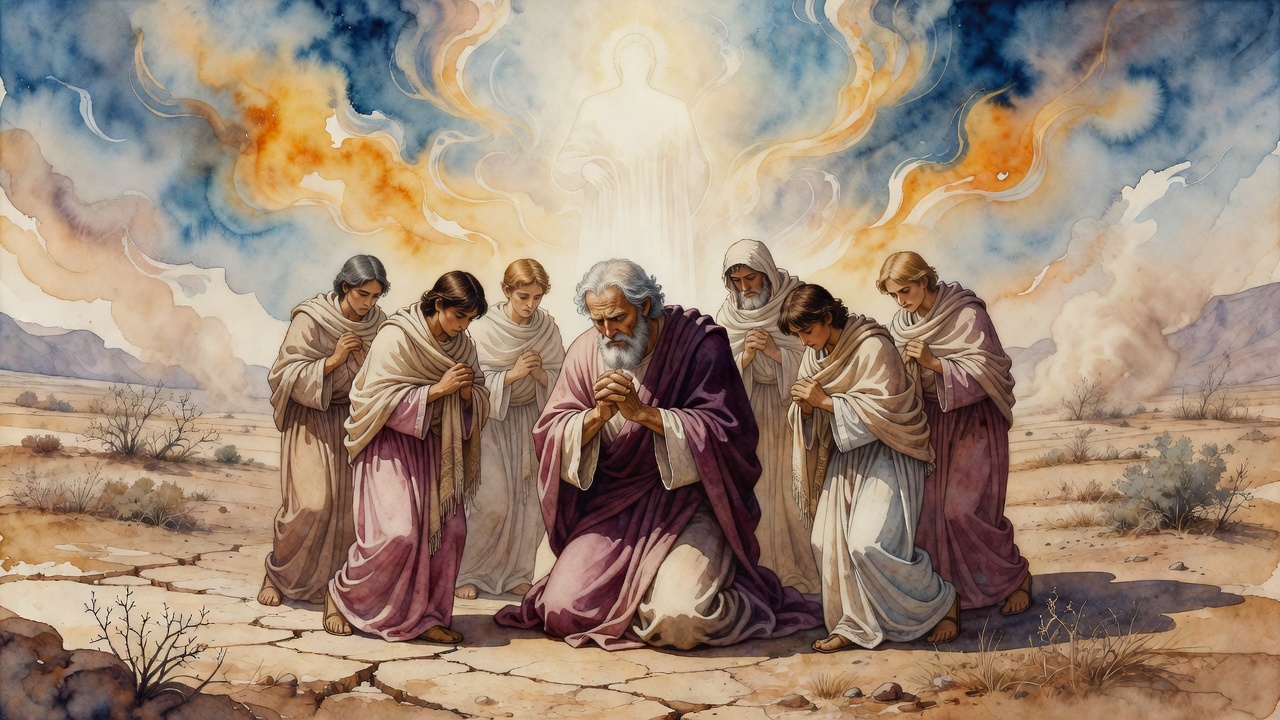
Famine presses Canaan. Jacob will not send Benjamin naked into Egypt. He wraps the boys in prayer first, and warns them to walk small under foreign eyes.
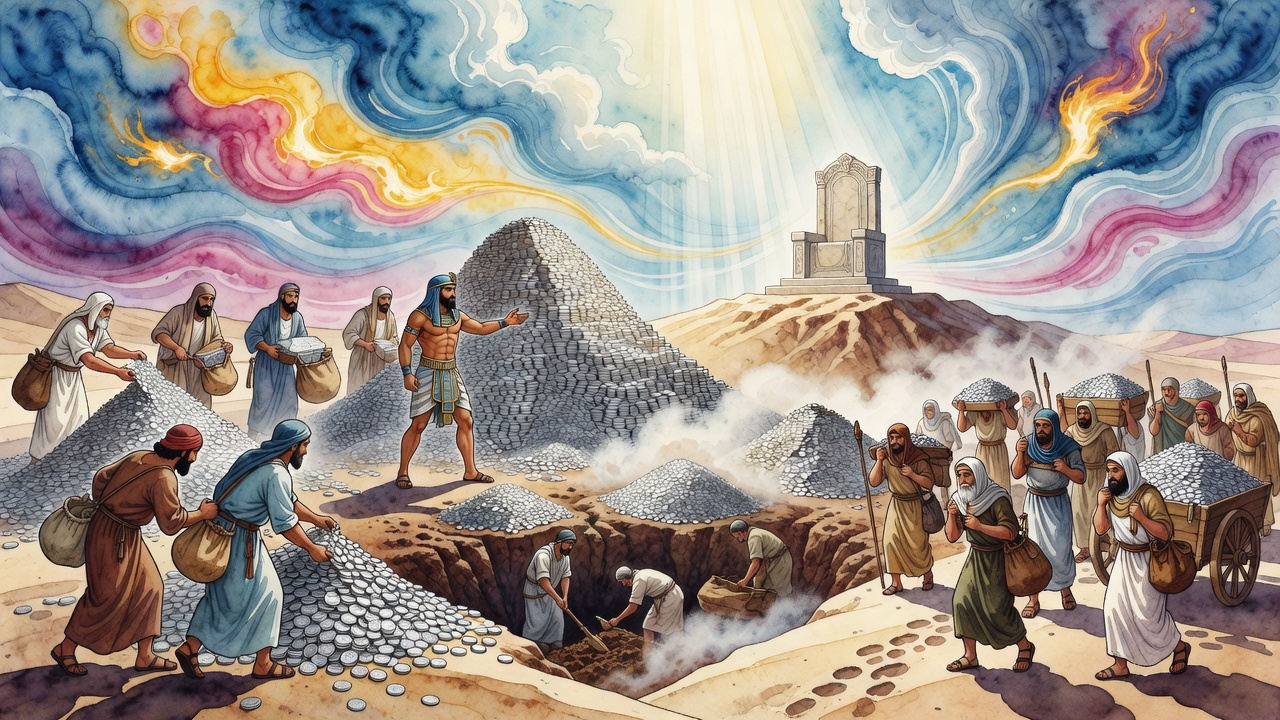
Nations empty their purses for grain. Joseph stacks the earth's silver in Egypt, buries three hoards, and later Israel carries the treasure out.
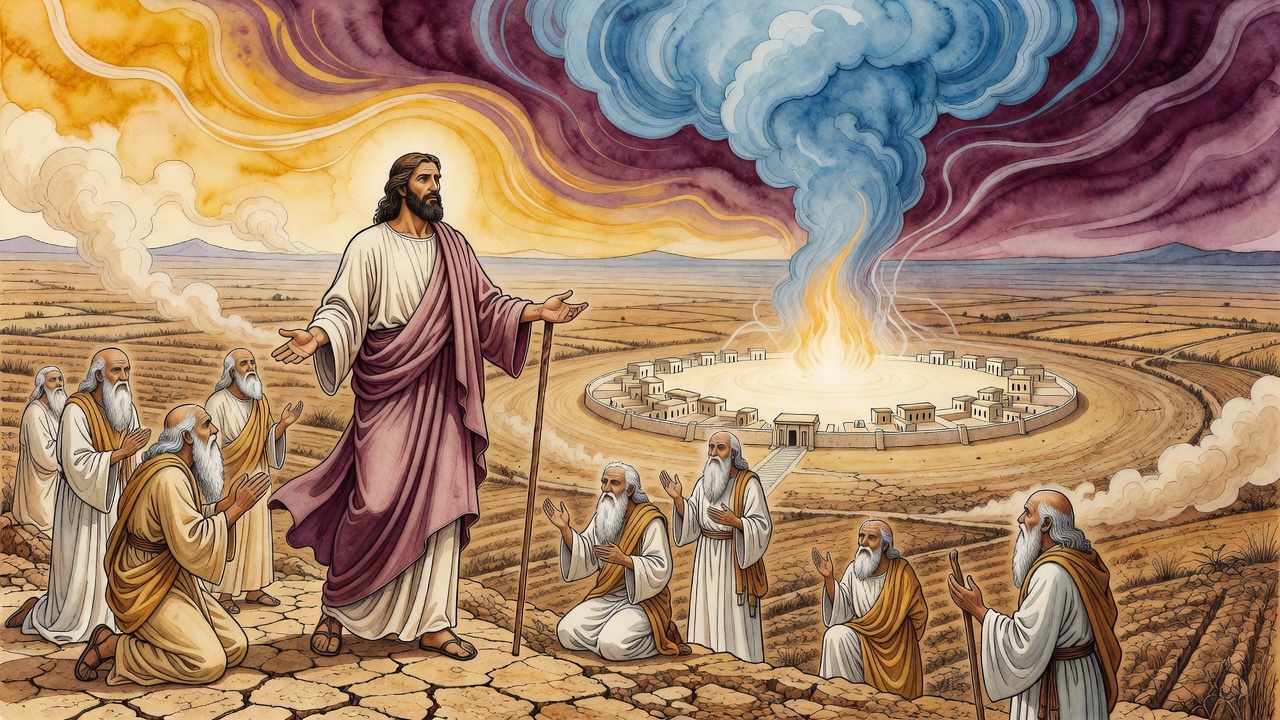
Famine sold Egypt's fields to the throne, but Joseph ringed the temple estates. Years earlier those priests read a torn coat and refused his death.
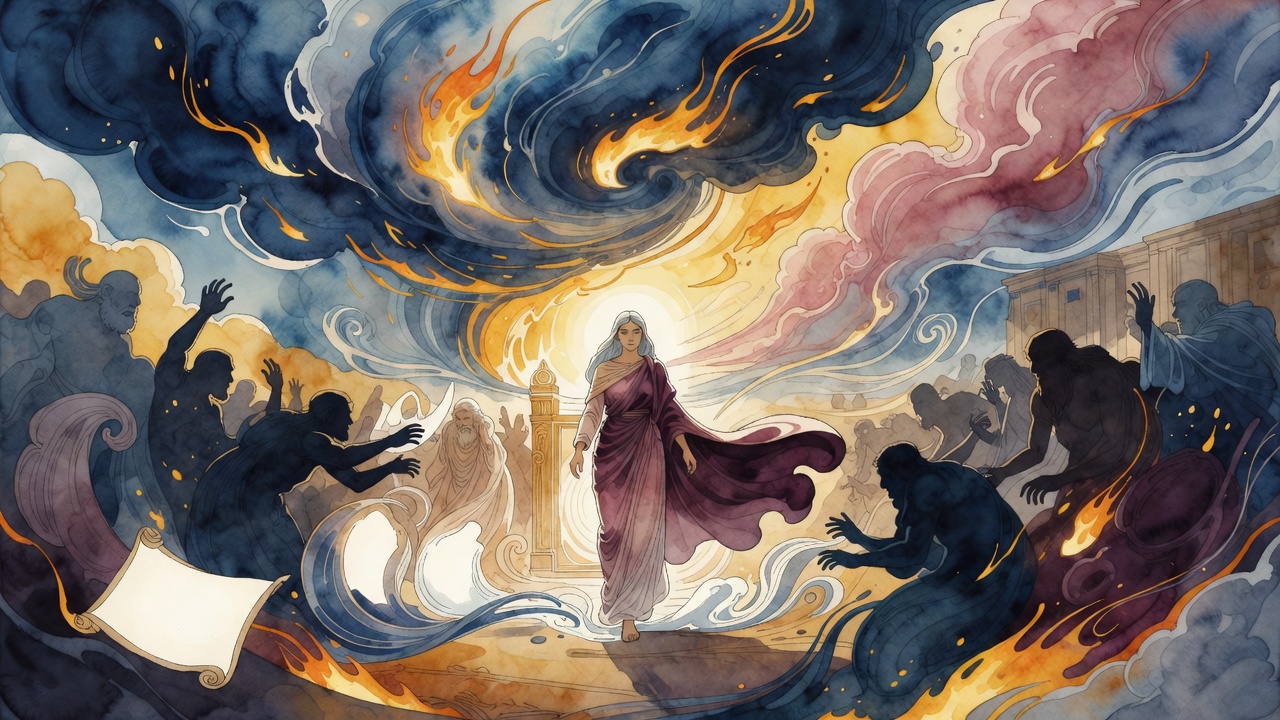
Abram pitched Sarai's tent before he pitched his own. Then the grain failed, and he asked her to tell the Egyptians she was his sister.
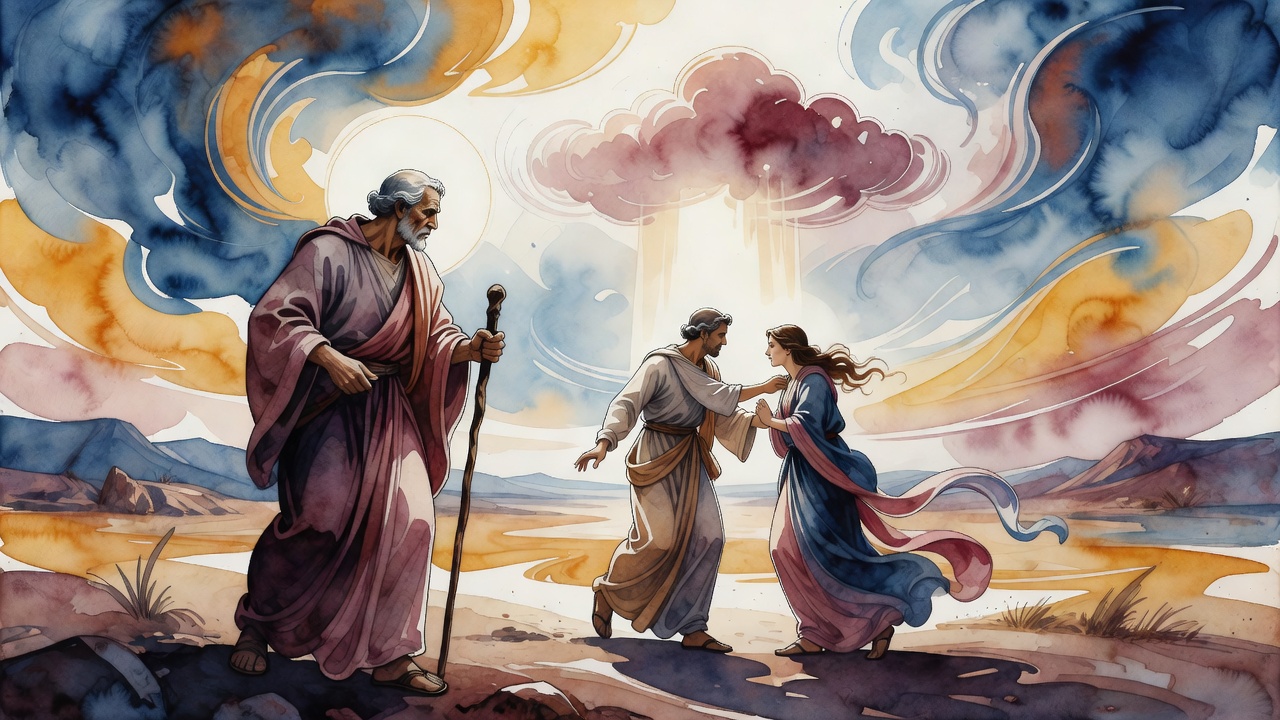
Years earlier a voice had woken the king in the night and called him a dead man over another man's wife. This time he did not reach for the woman.
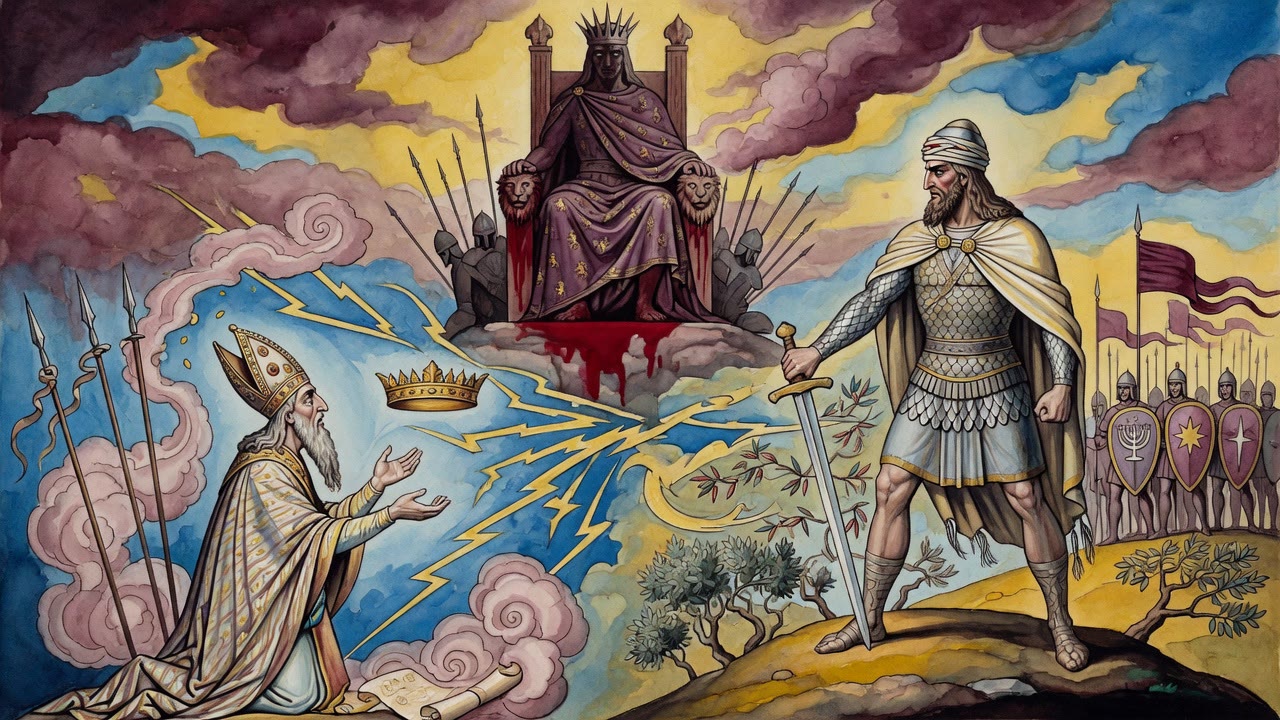
Turnus Rufus called charity mutiny against God's plan. Akiva answered with a father's hungry child, then priced each Torah word in gold.
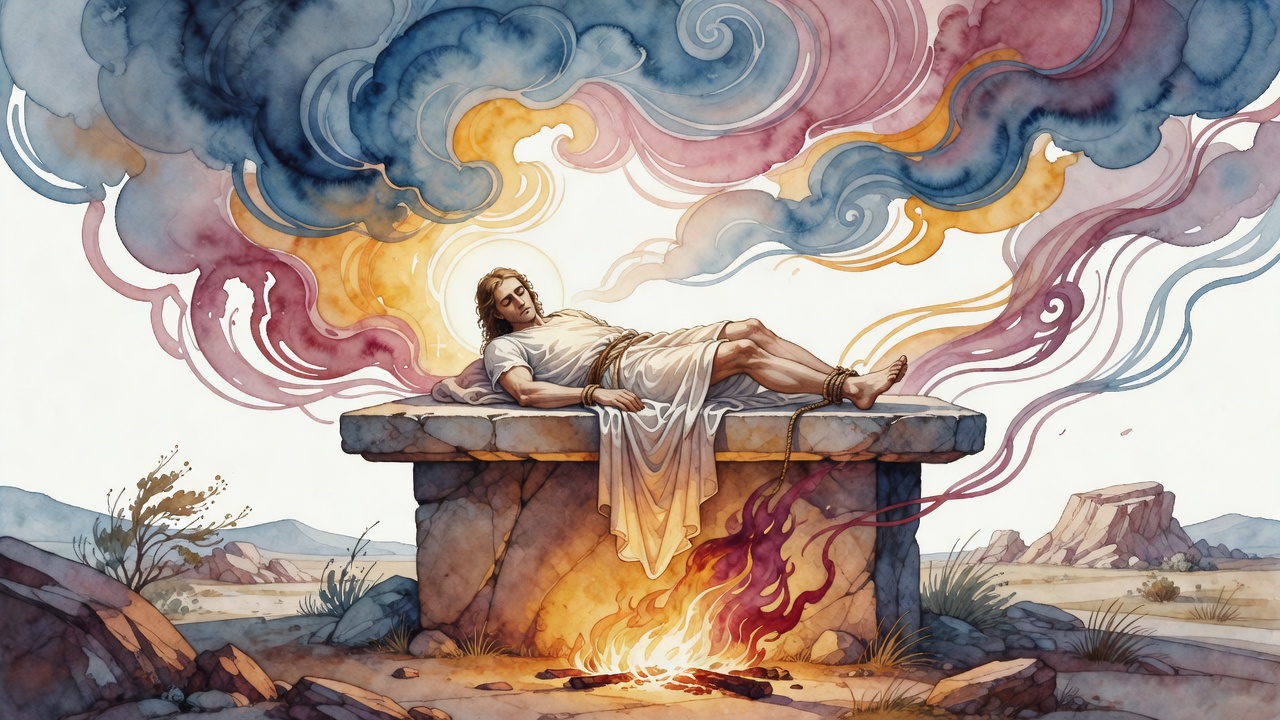
Bound on the altar as a living offering, Isaac was told that Egypt was forbidden ground, and famine could not drive him from the land that held his holiness.
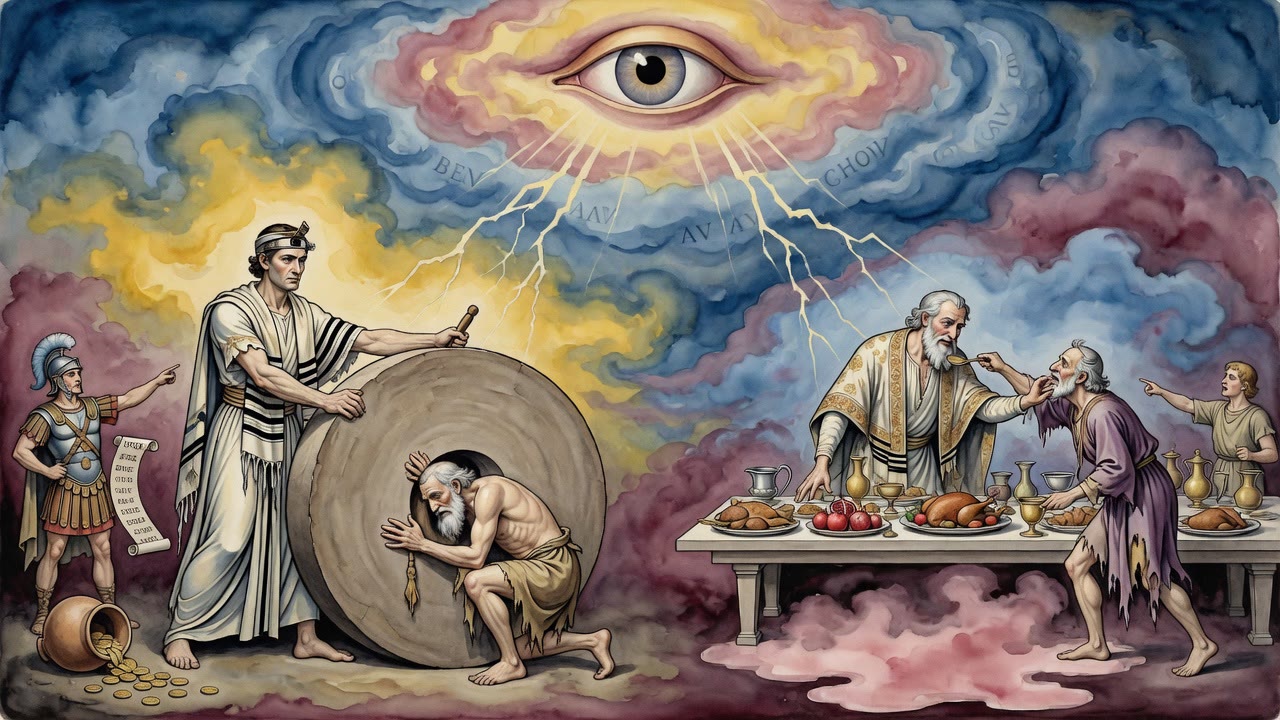
She hid his coin in the meal jar. Hunger came as a beggar at the door. The loaf left with the gold still inside, and he wanted an oath.
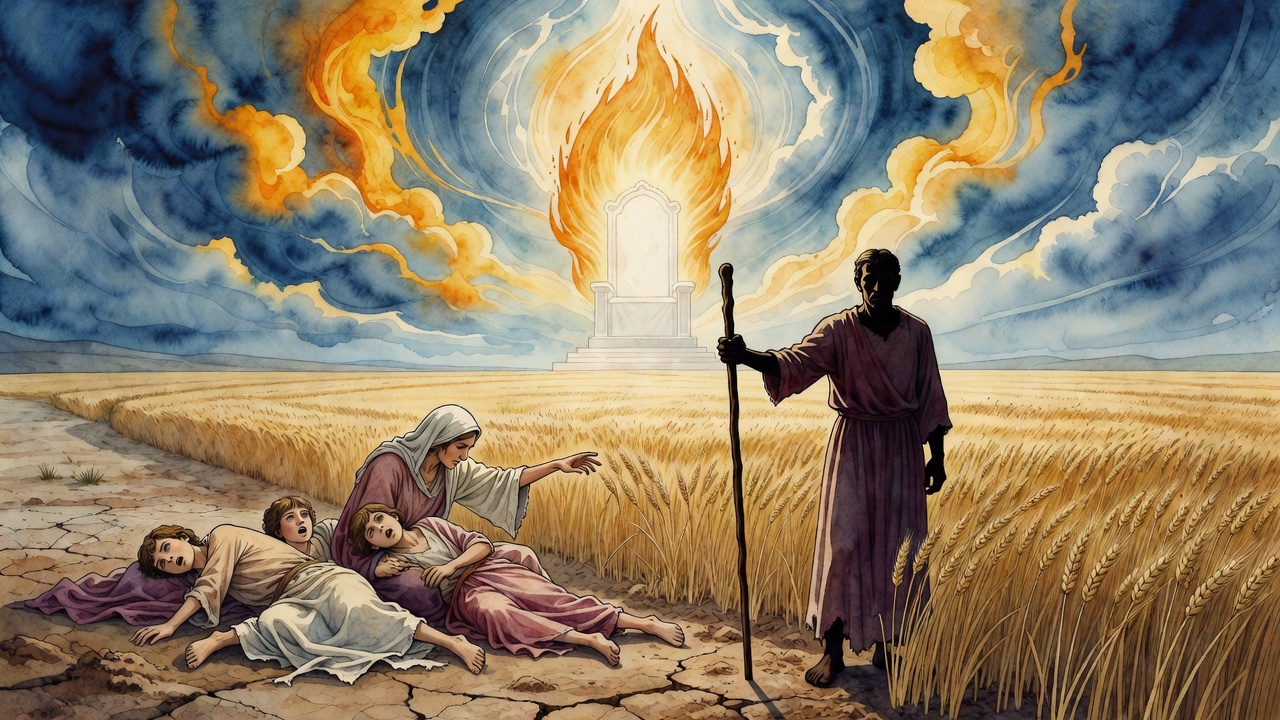
A landowner bars a widow's boys from the field, mother and sons die the same day, and heaven answers that the life taken will be exacted in full.
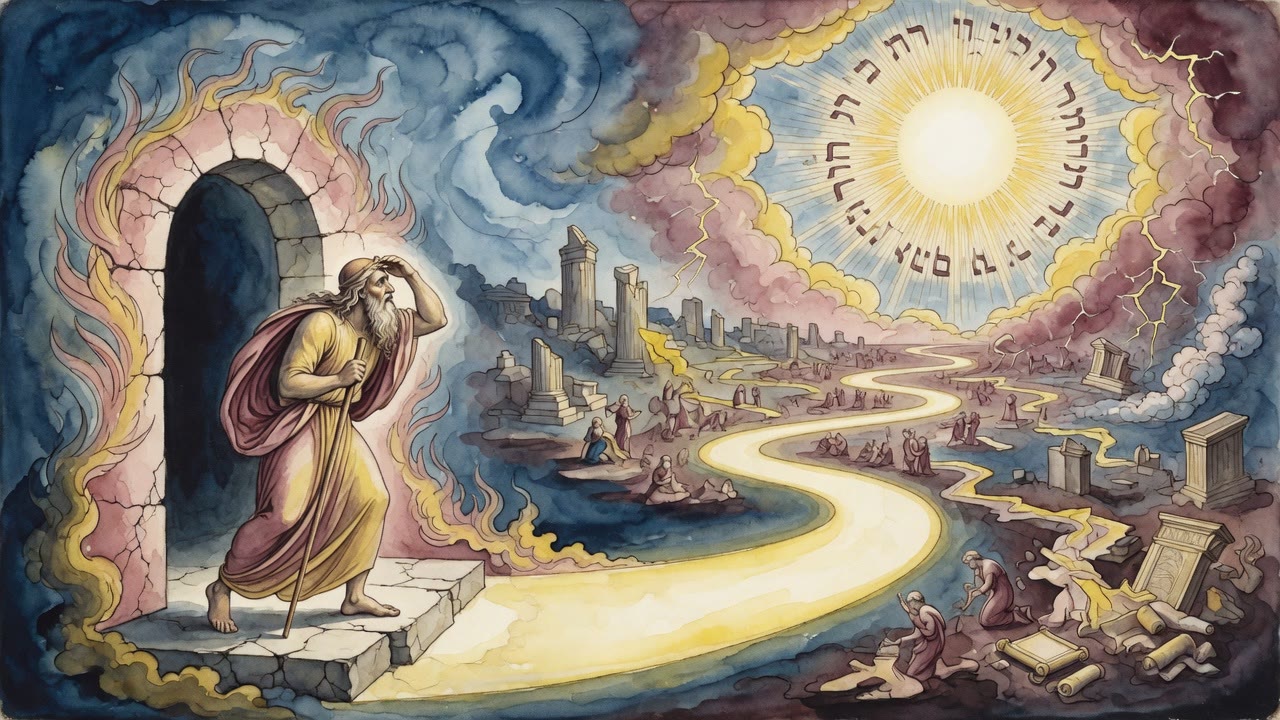
Joseph stocked Egypt against famine and vanished from its gratitude. God answered human forgetting with a verse that still named him ruler.
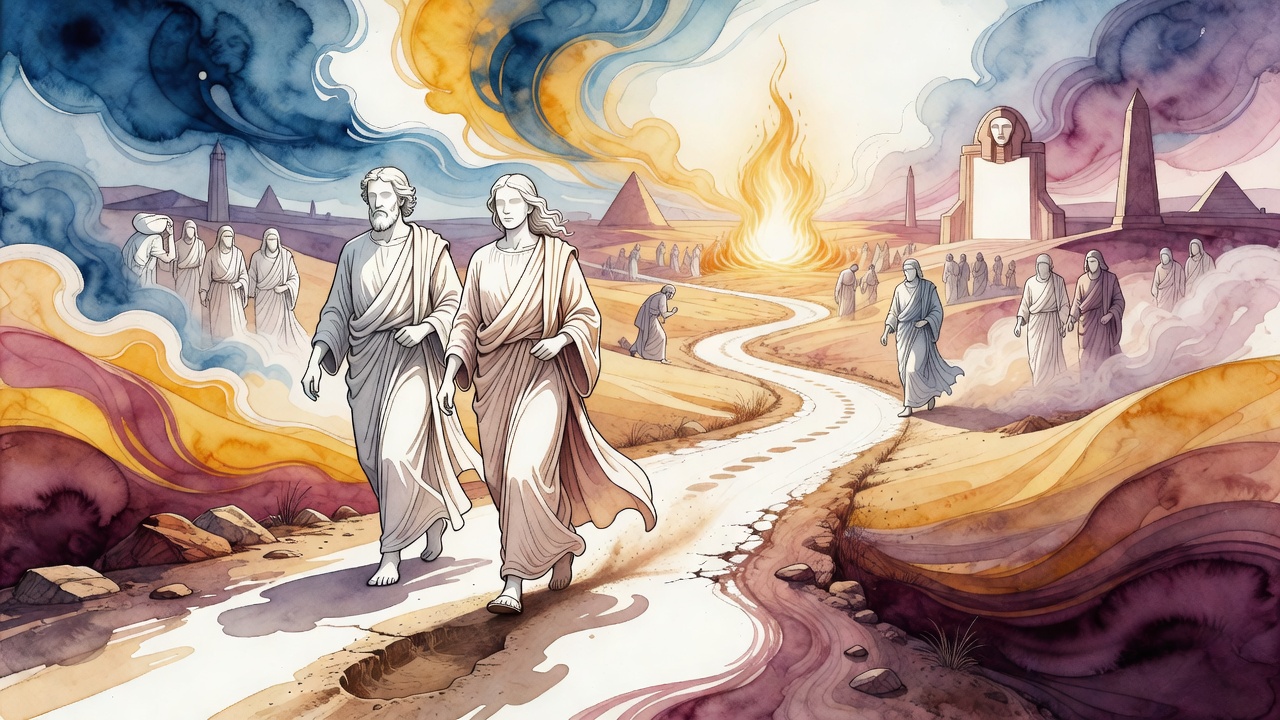
The flocks nosed empty troughs in Canaan. Abraham packed for Egypt, and Sarah walked beside him with a face that would catch a king's eye.
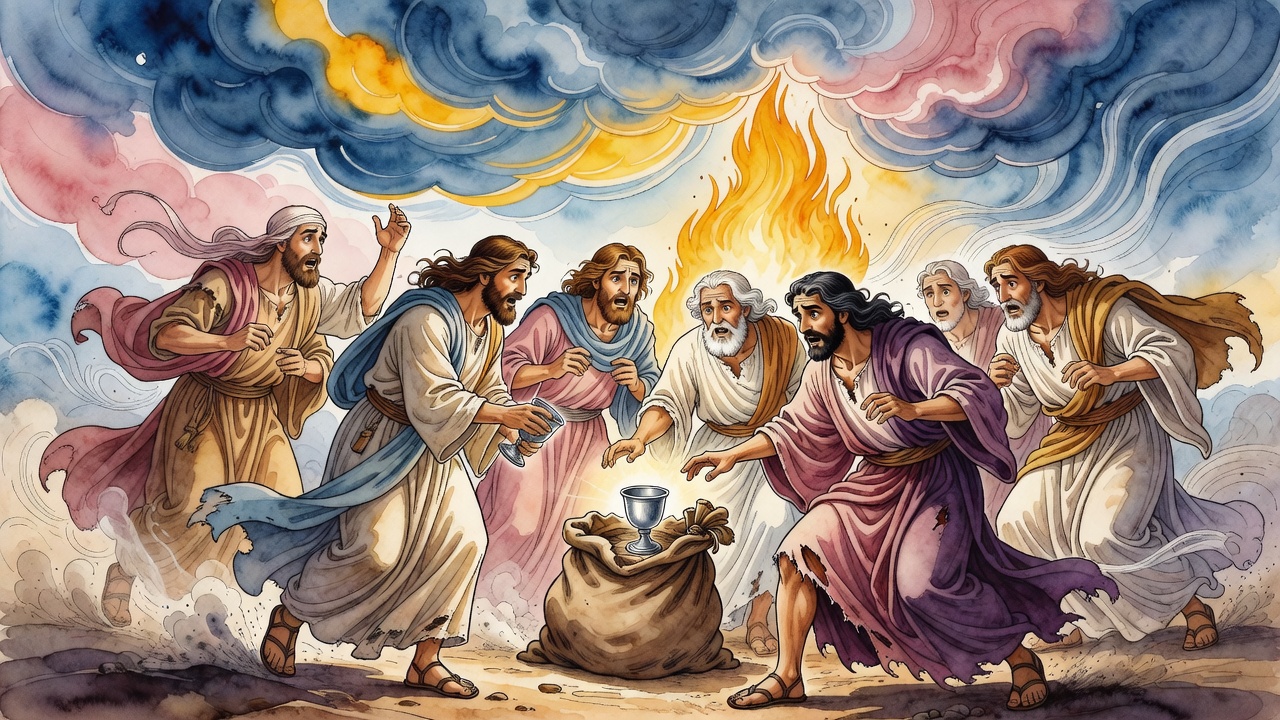
Joseph sends Manasseh after the brothers with a planted cup. Benjamin's sack opens last, and the men who sold a brother tear their own clothes.
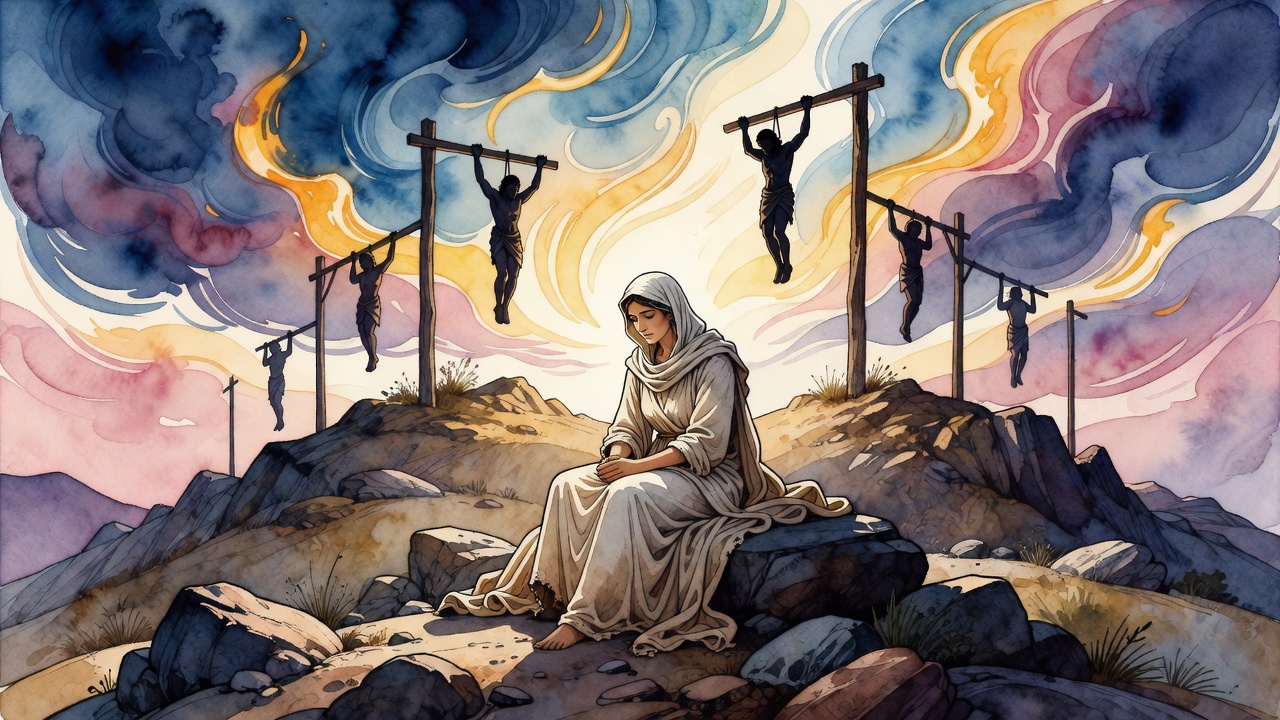
To end a three-year famine David hangs seven of Saul's sons, and Rizpah guards their bodies on a rock through summer until the rain returns.
