178 myths · Page 2 of 6
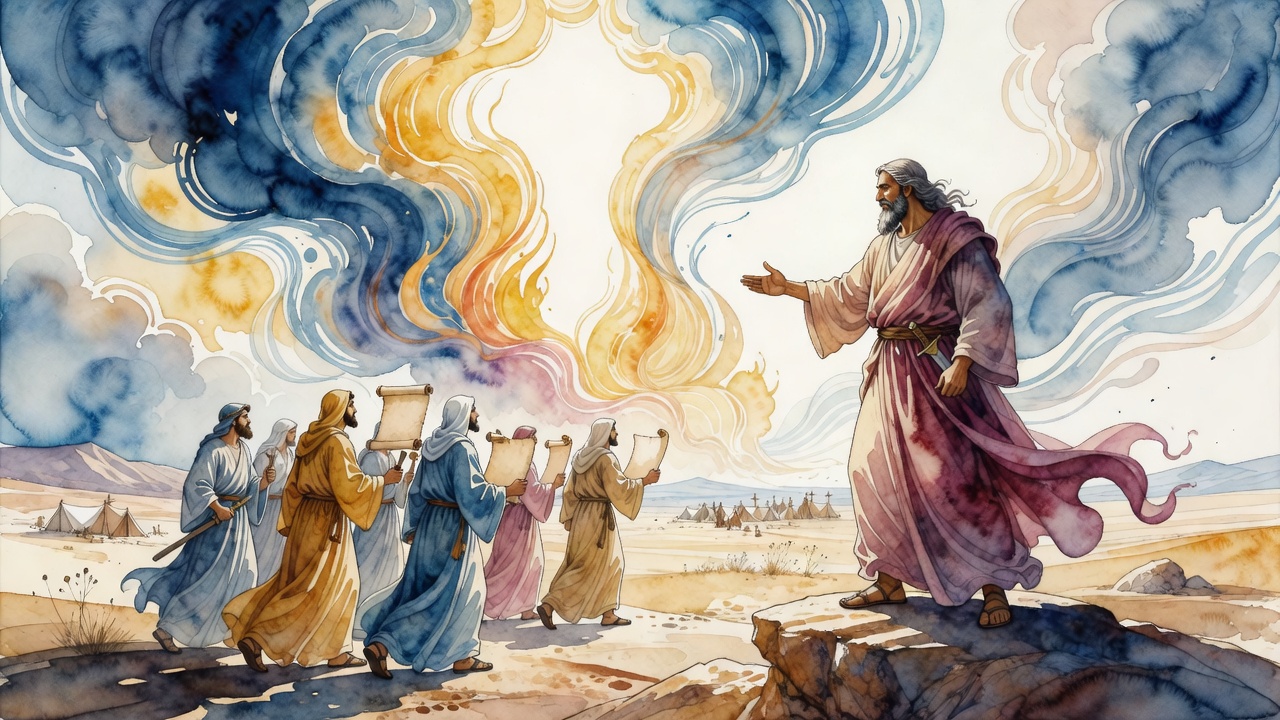
The envoys did not carry spears. They asked why Jacob envied dew when Esau had been given fat earth. They wanted to share the trouble too.
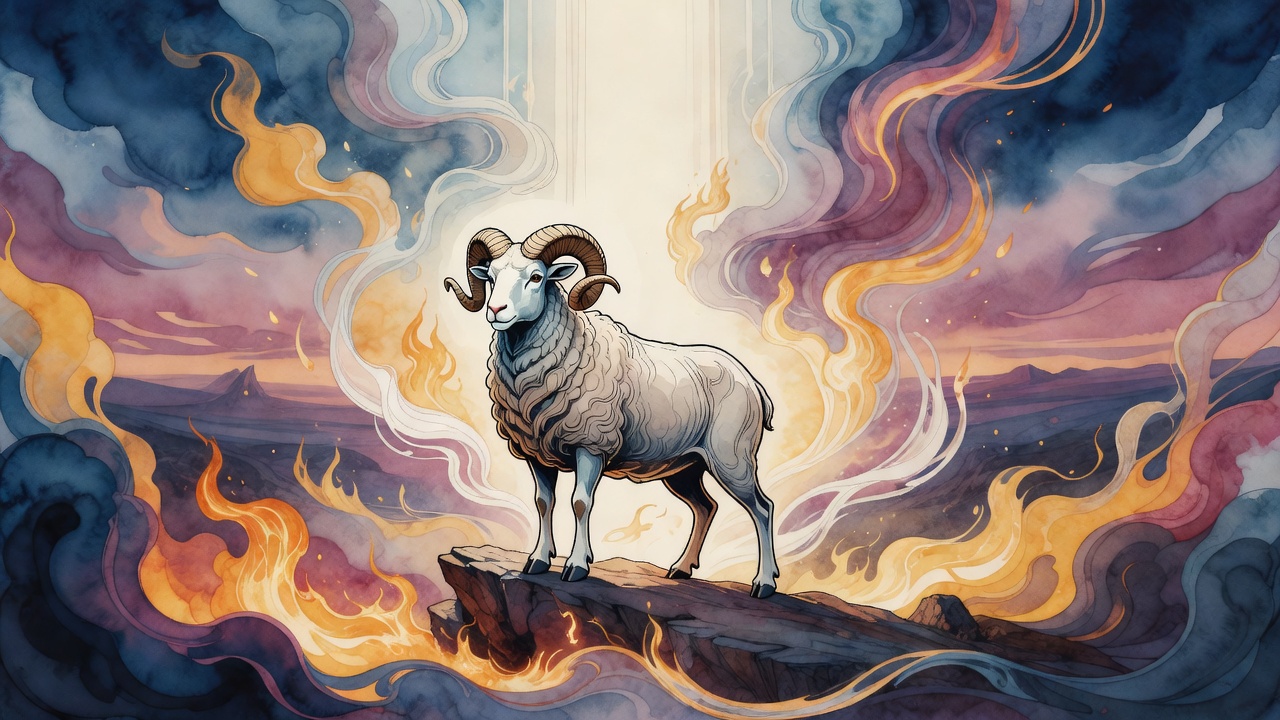
The ram had been waiting since the first dusk. Samael tangled its horns in the thicket. Abraham looked up from the knife and saw it catch his shawl.
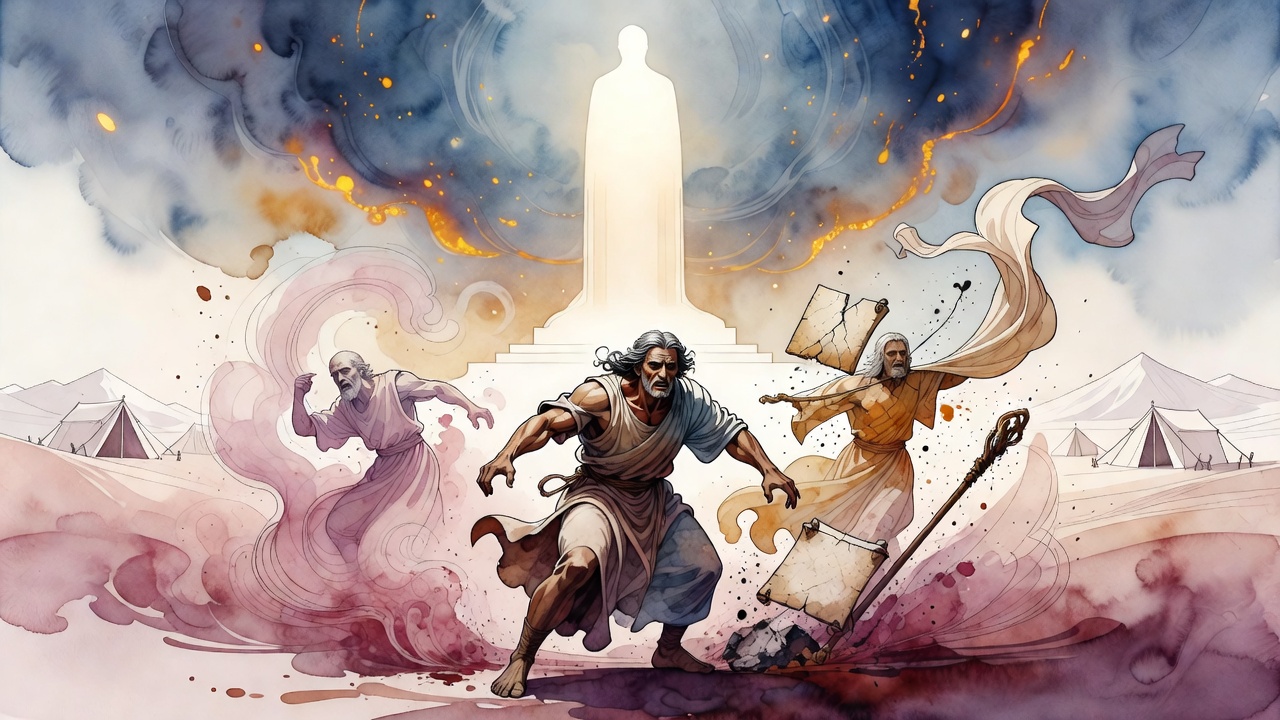
Lentils sat on the fire the day Abraham was buried. Esau did not ask what the pot meant. He opened his mouth and told Jacob to pour.
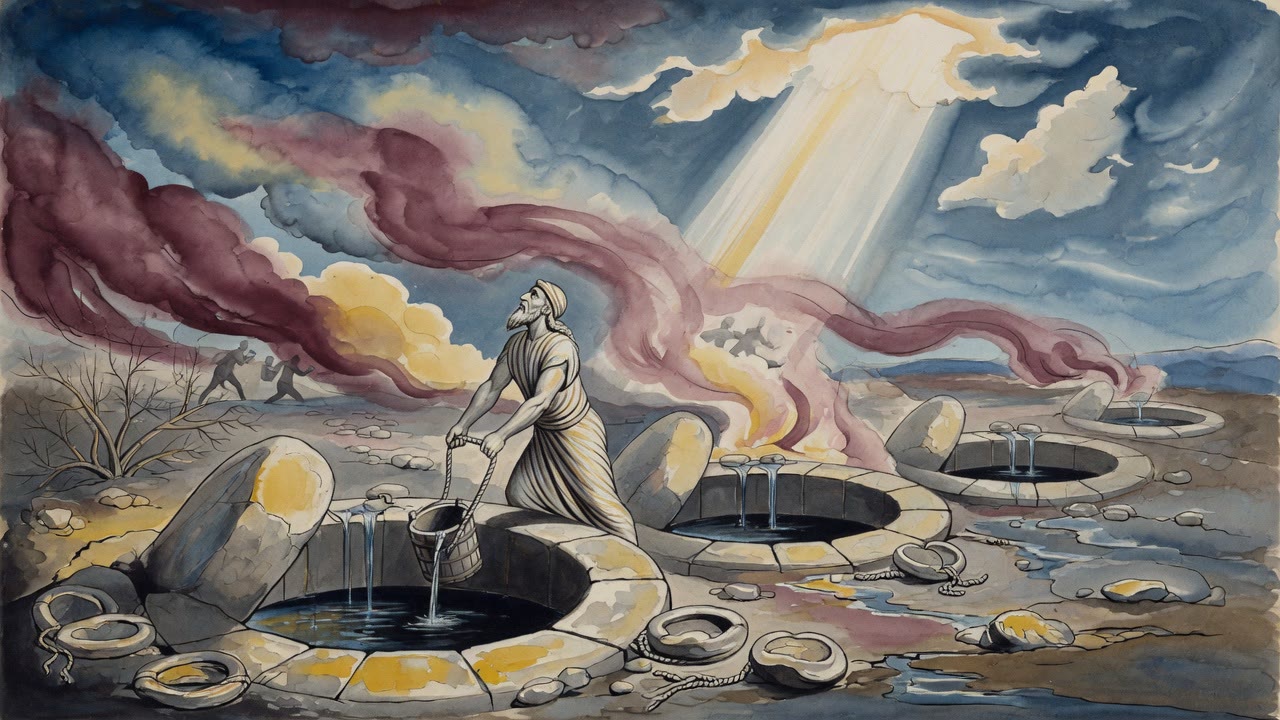
The Philistines poured earth into Abraham's wells until the rims sat useless in the sun. Isaac came back with a spade and sore shoulders.
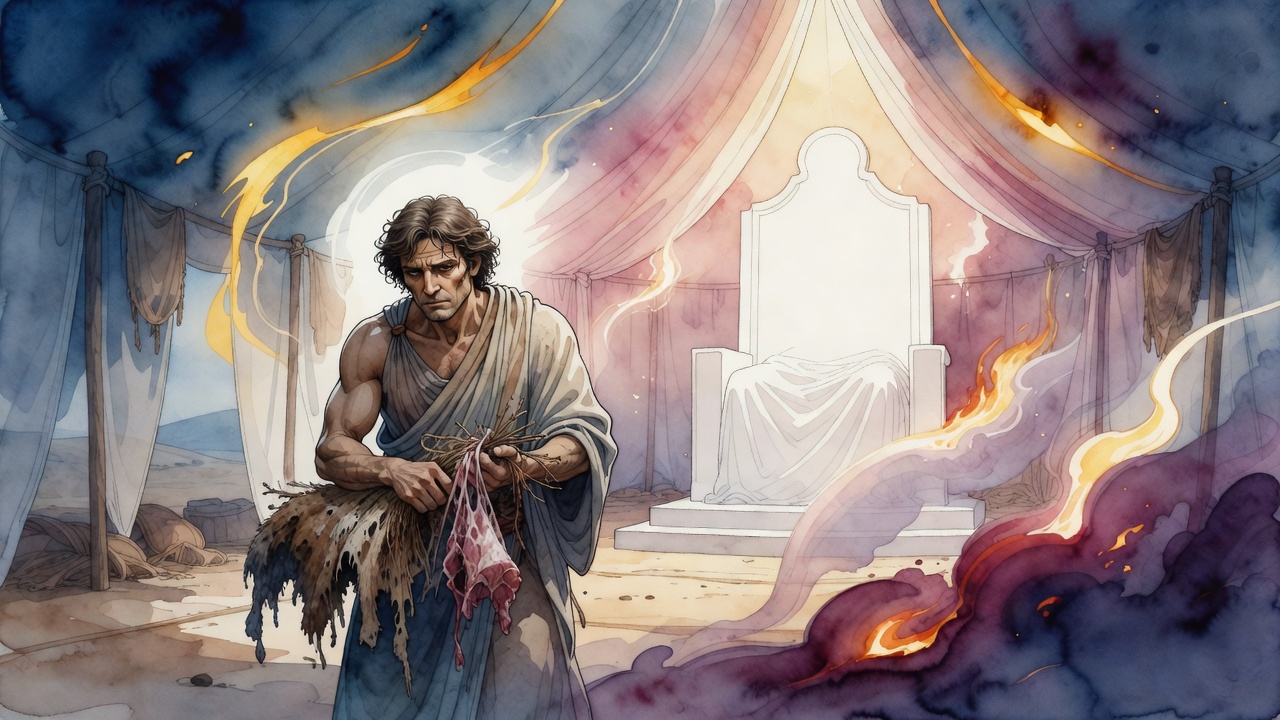
Esau came back four hours too late, carrying false venison and finding that Jacob had already taken the blessing meant for him.
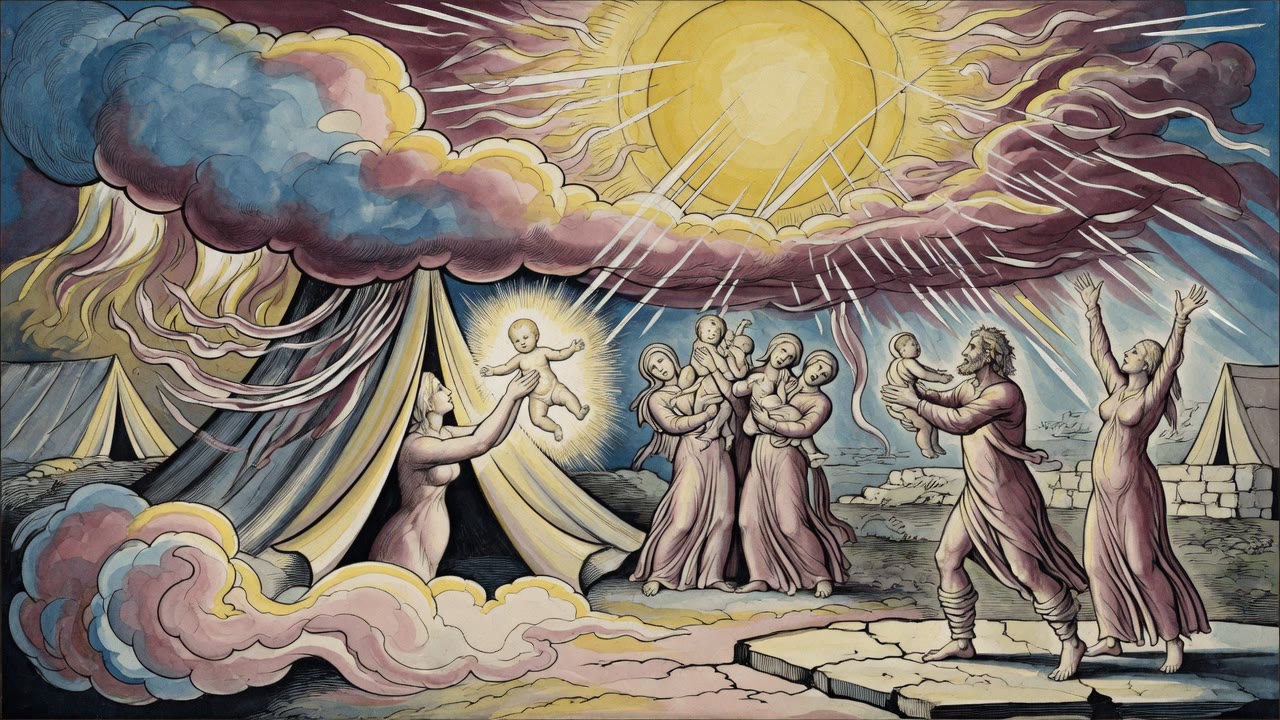
Isaac entered the world and barren women held children, broken bodies rose whole, and the old light of Eden flashed across the sun.
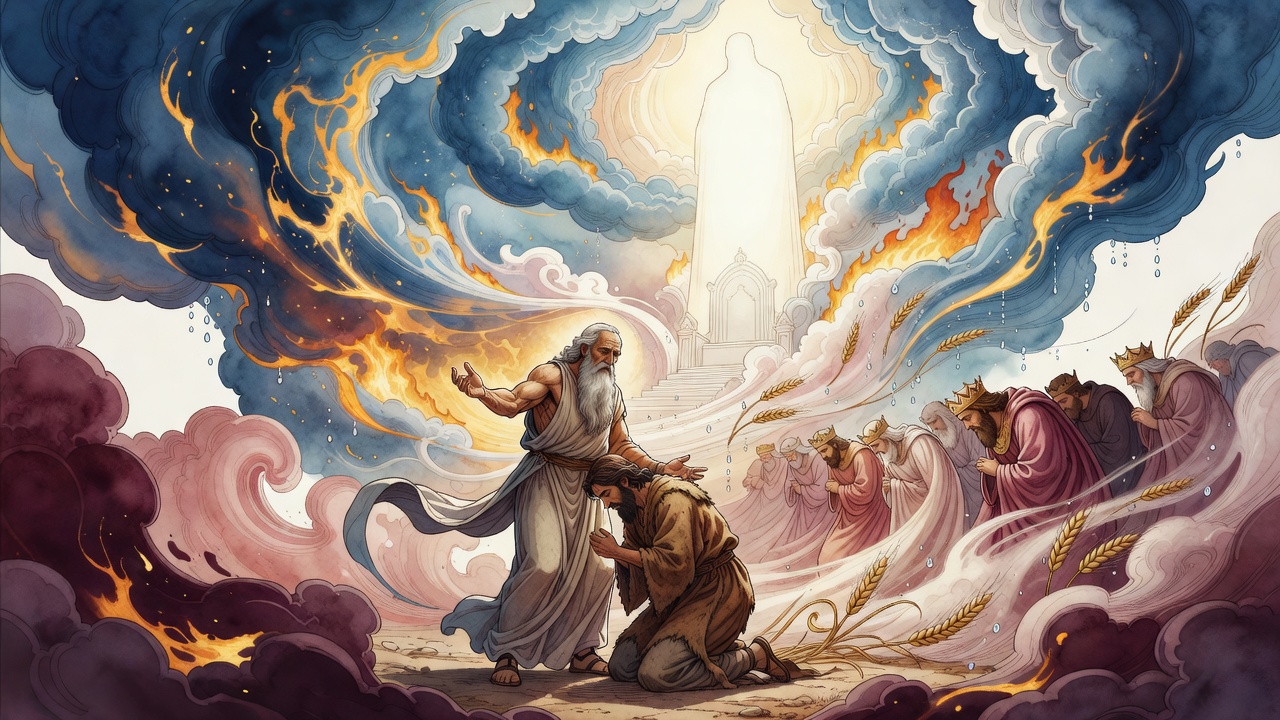
Blind Isaac felt goat hair and smelled the field. The voice was Jacob's. Later he blessed that same son with his eyes open.
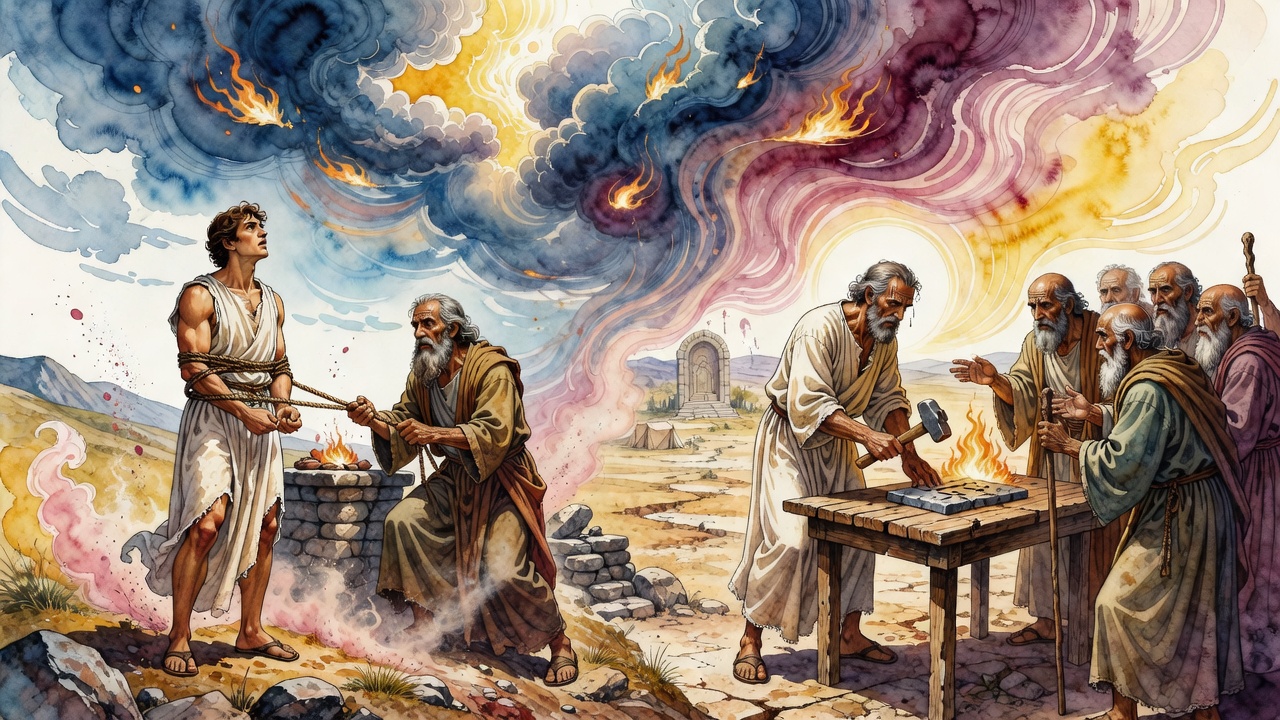
Isaac tells Abraham to bind him tightly so his fear won't ruin the offering. The same man later hammers out an imperfect peace with the Philistines.
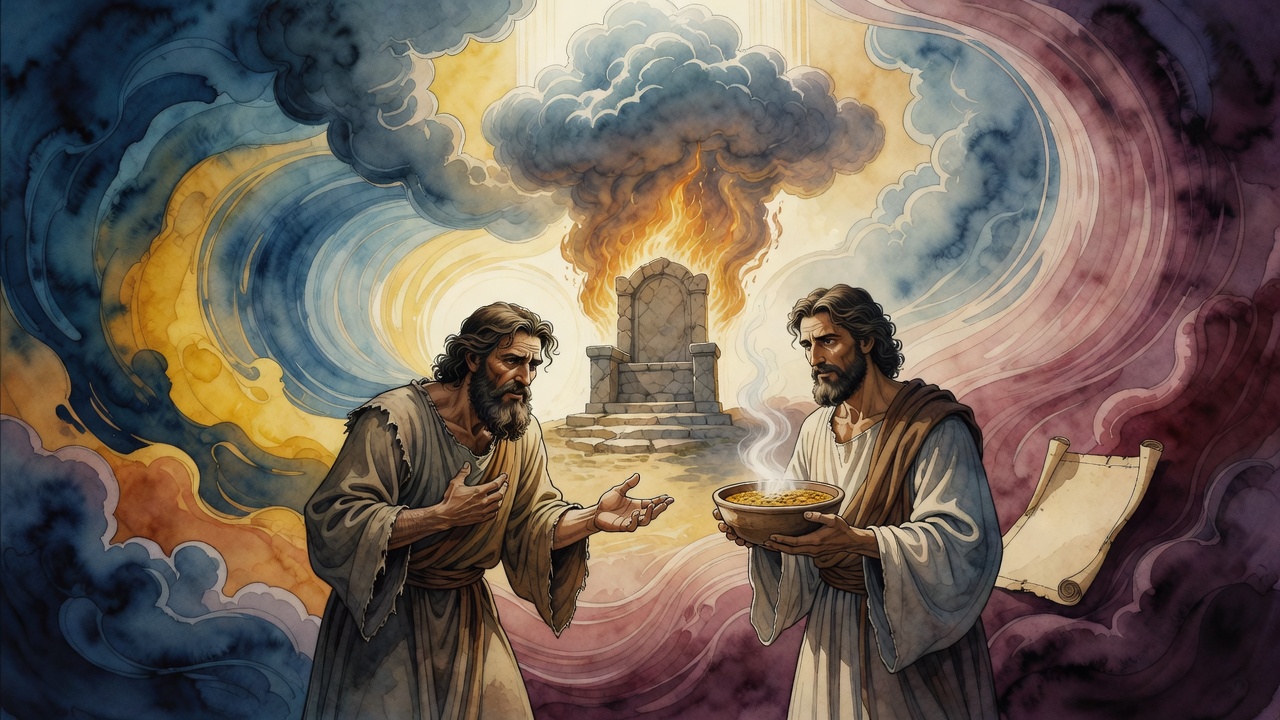
The soup was real. So was the hunger. But Jubilees and the Midrash say Esau traded away his burial place beside the patriarchs along with his inheritance.
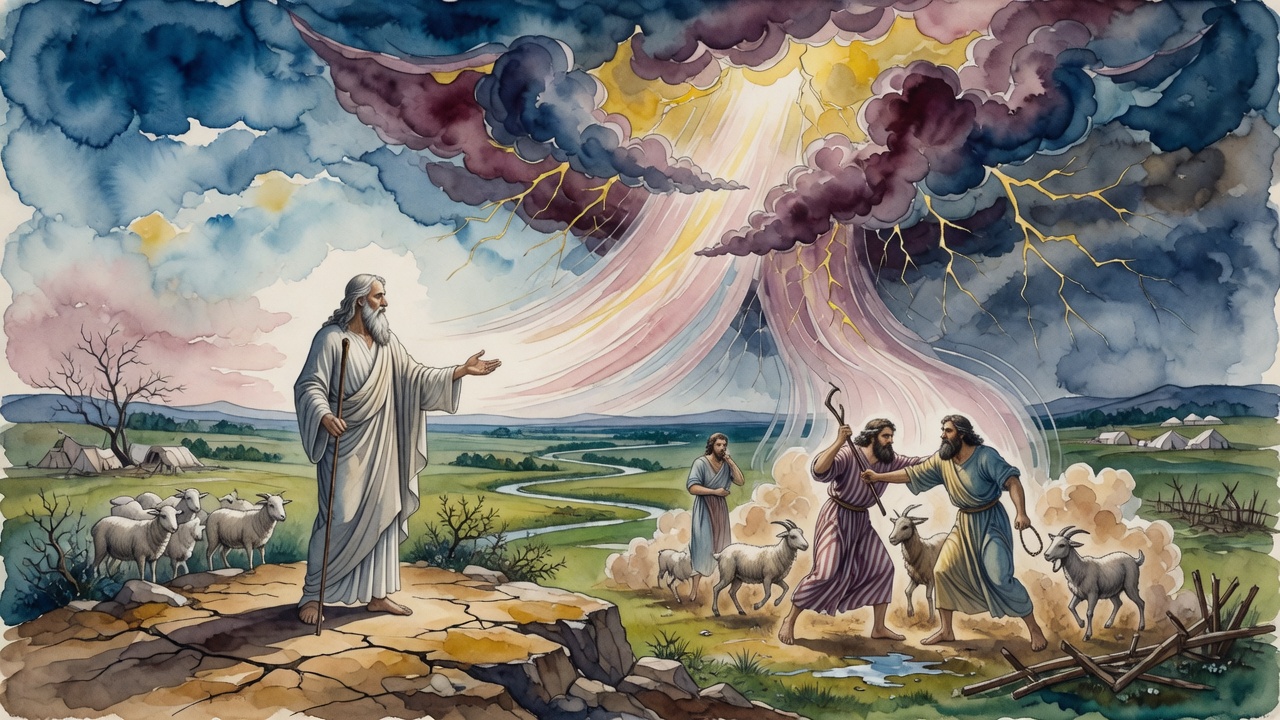
When Abimelech came seeking a covenant, Isaac agreed. But Jubilees records what the Torah omits. That night, Isaac said plainly he had sworn under constraint.
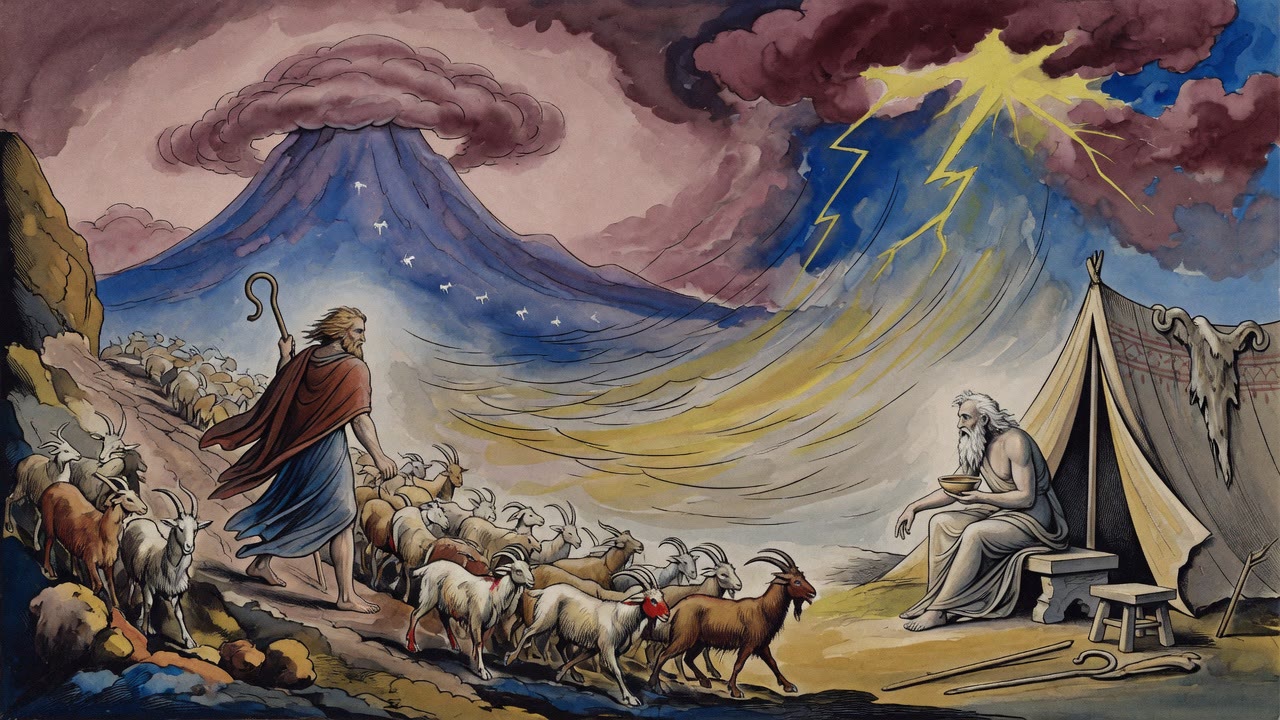
When Jacob left for Mesopotamia, Esau moved his herds to Mount Seir. The word that sits in the text like a verdict is: alone.
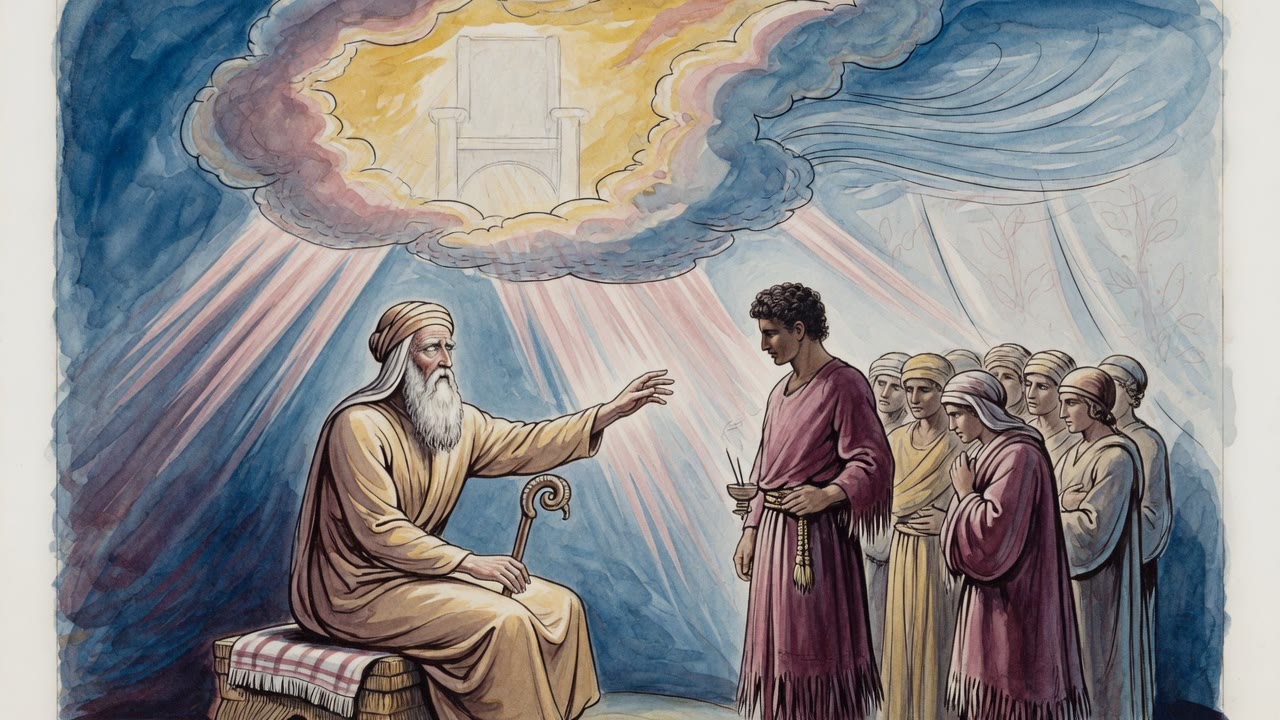
Isaac's eyes had been dark for years. Jacob kissed him, and the dimness lifted long enough to see two grandsons waiting.
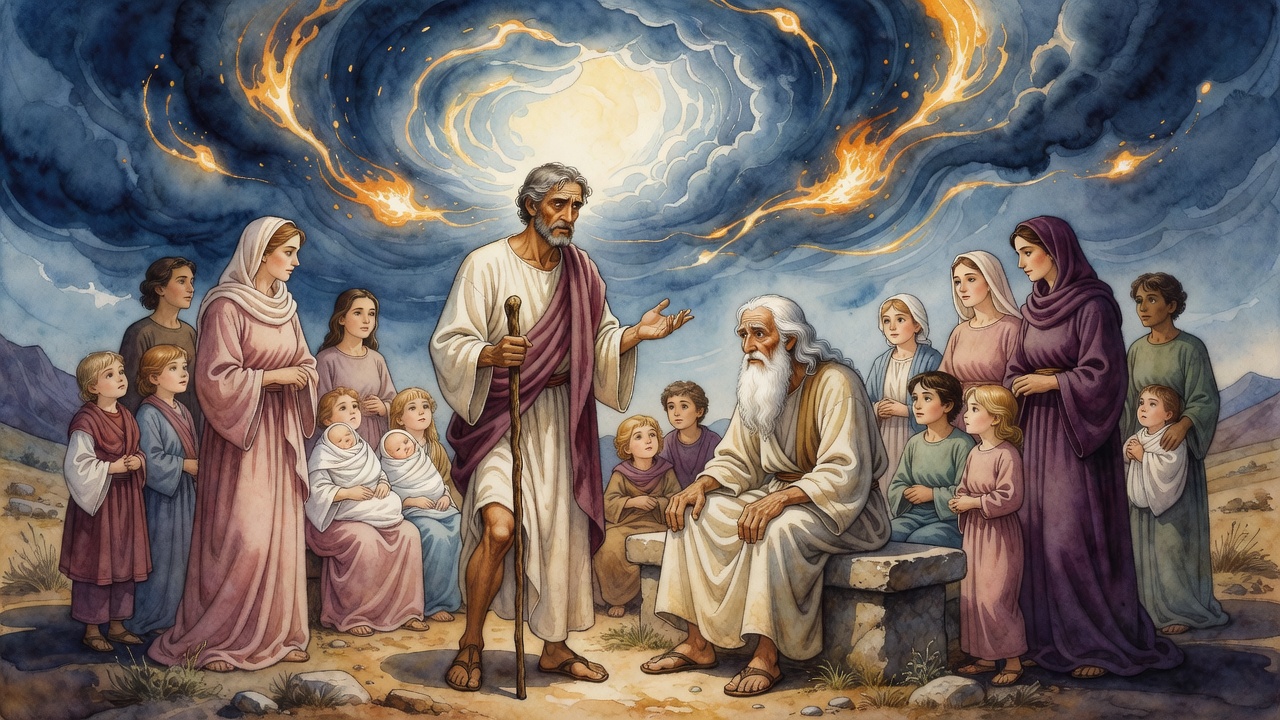
After twenty years apart, Jacob came back to Isaac with wives, children, and a limp. That night he told his father everything.
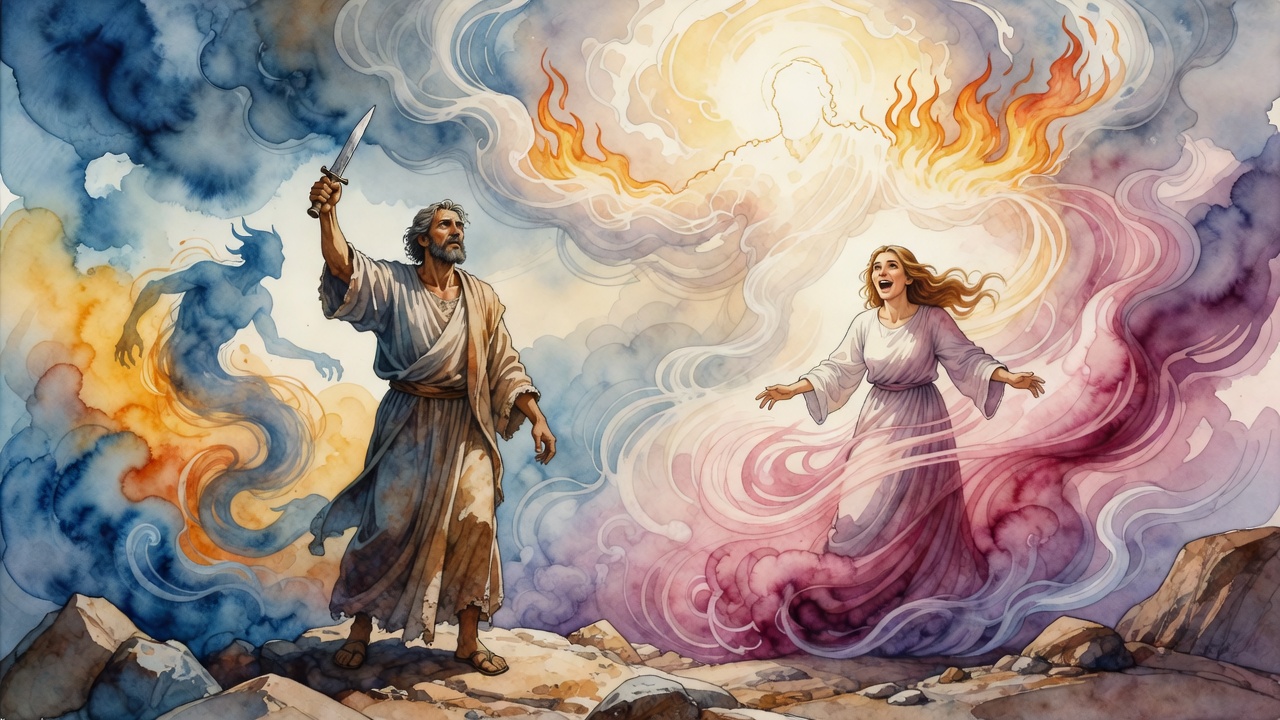
She went looking for Isaac as far as Hebron. No one had seen him. Then an old man came back to say the first news had been a lie.
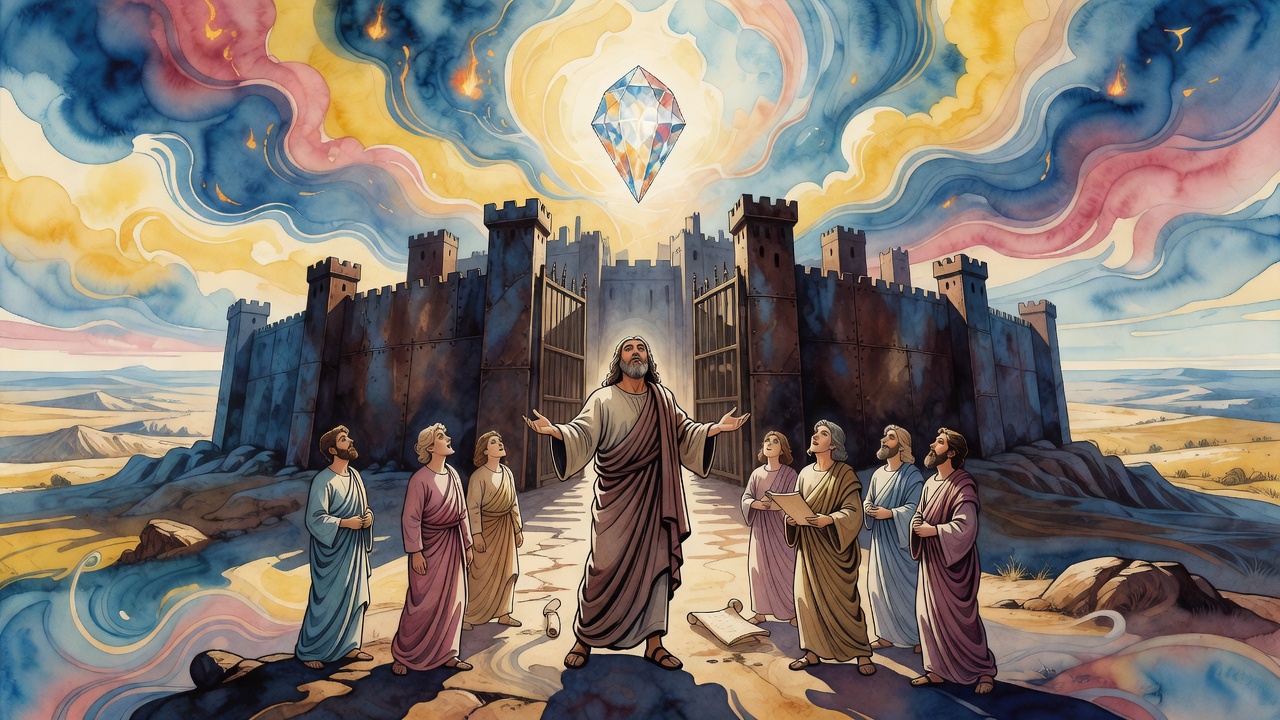
Abraham had six sons by Keturah. He gave them a gem that outshone the sun, taught them secret arts, and built them an iron-walled city in the eastern lands.
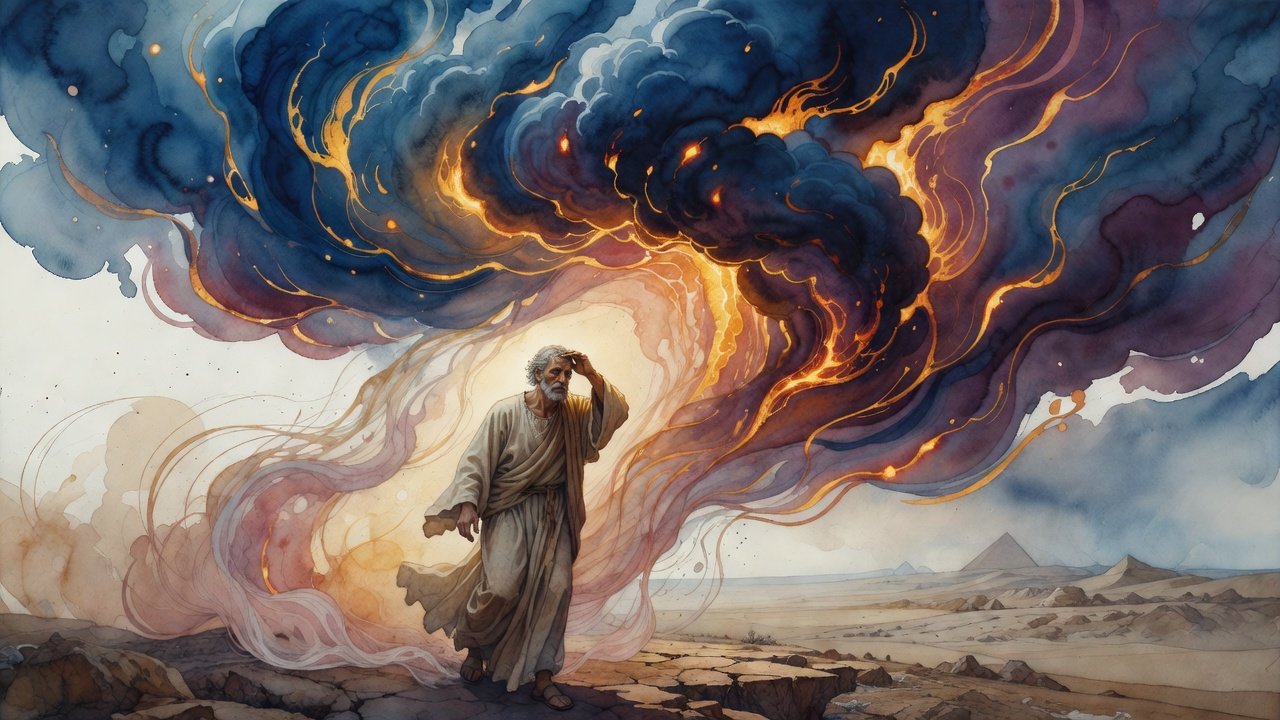
Famine struck and Isaac looked toward Egypt. God stopped him with one reason: a consecrated offering taken outside its sanctuary becomes invalid. He stayed.
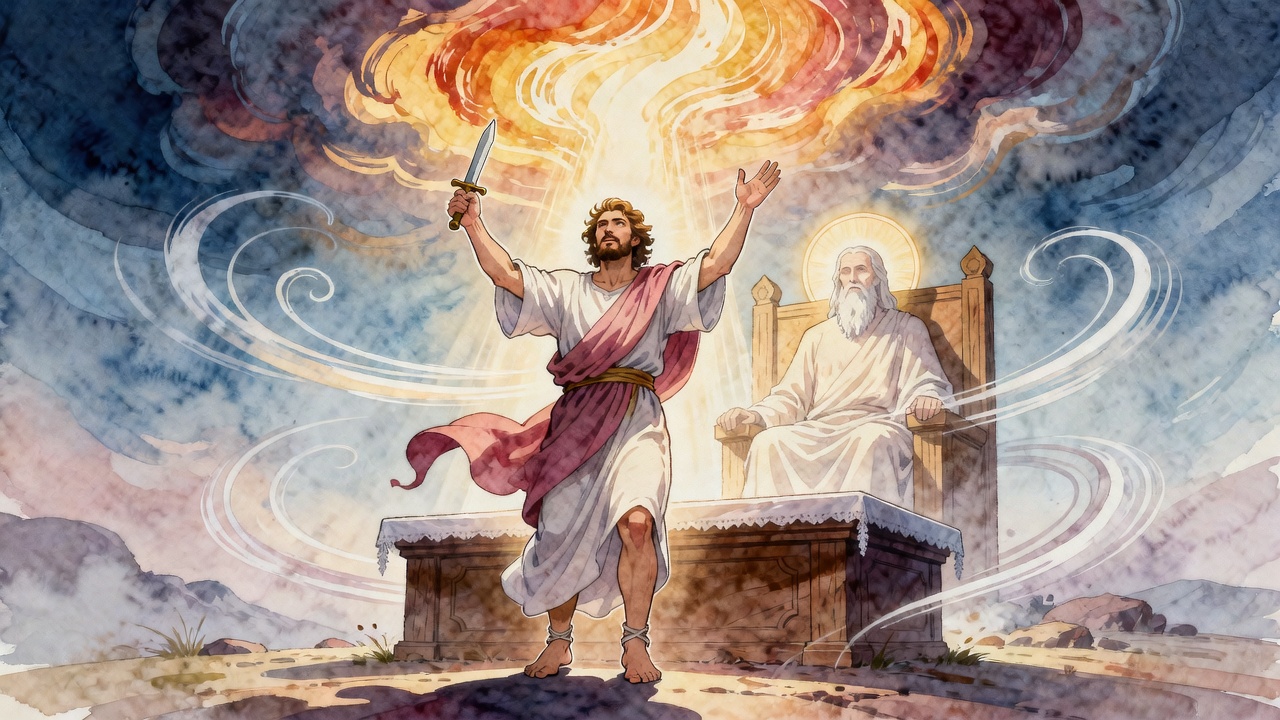
The moment Abraham's knife stopped, Isaac's soul returned. He rose from the wood, stood on bound feet, and blessed God for reviving the dead.
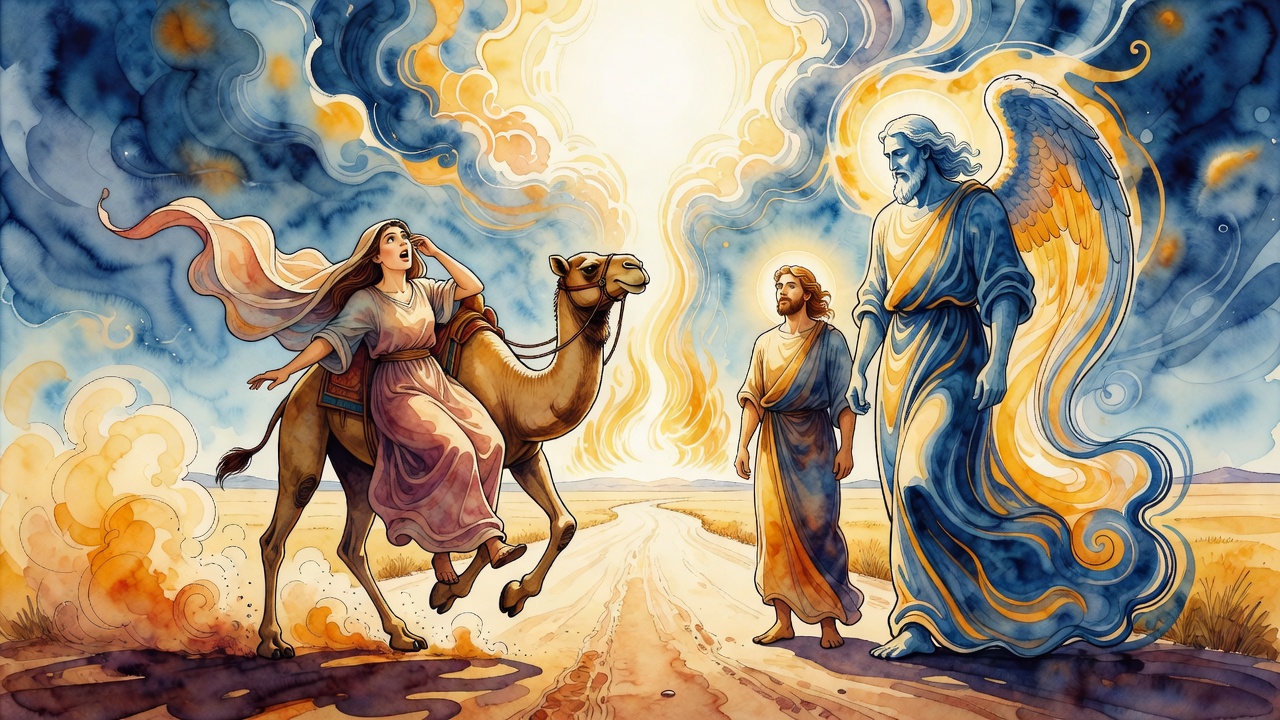
Rebekah looked up on the road to Canaan and saw an angel walking with Isaac. Then the holy spirit showed her the son she was going to bear.
Abraham told God to wipe Israel out so the Name would stay holy. Jacob said the same. Isaac, who had been on the altar, began to count.
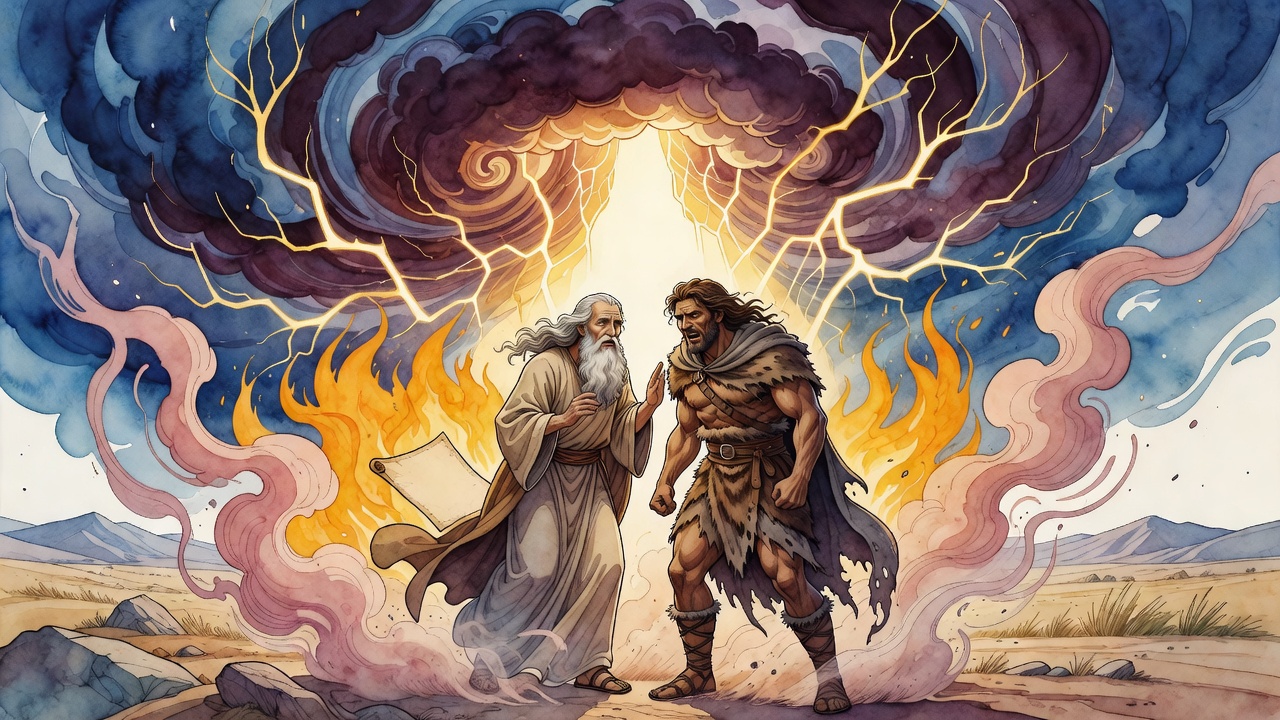
After Jacob fled with the blessing, Isaac tried to comfort Esau. God rebuked him for it. The exchange is one of the most unsettling in midrash.
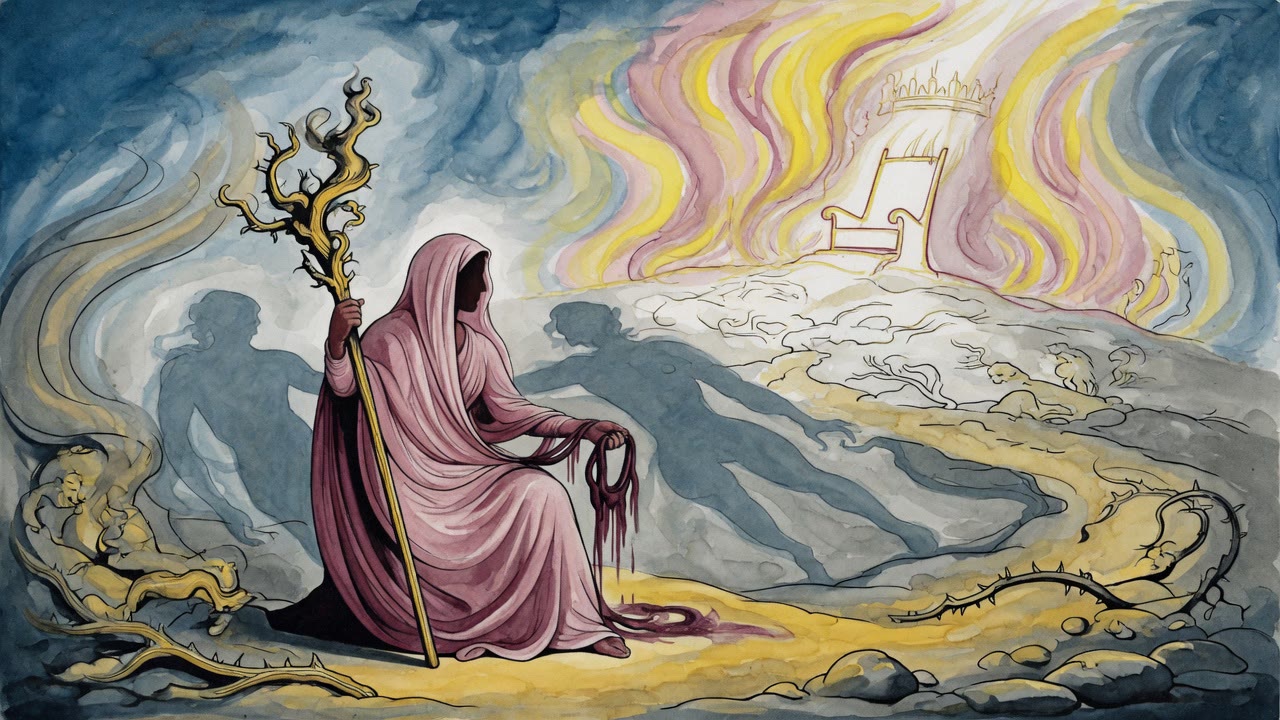
When Tamar was brought before the judges, Isaac sat on the bench. So did Jacob. So did Judah, who had to speak first and already knew what he had done.
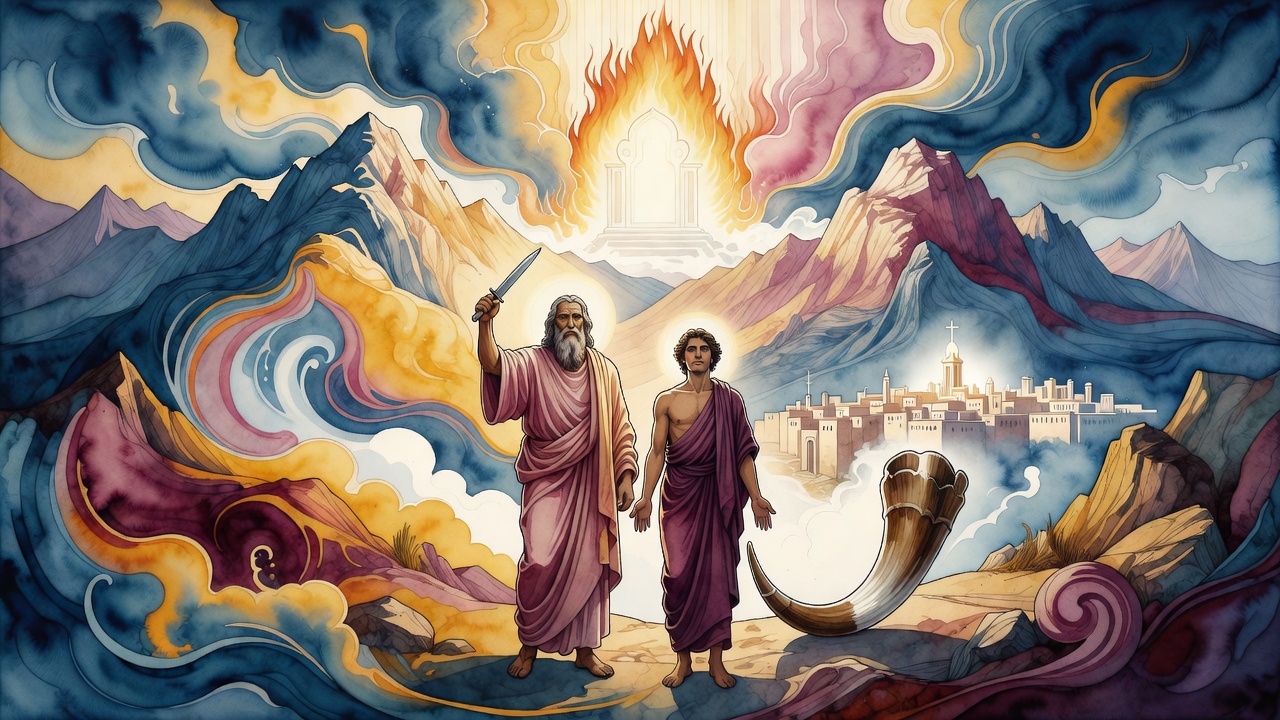
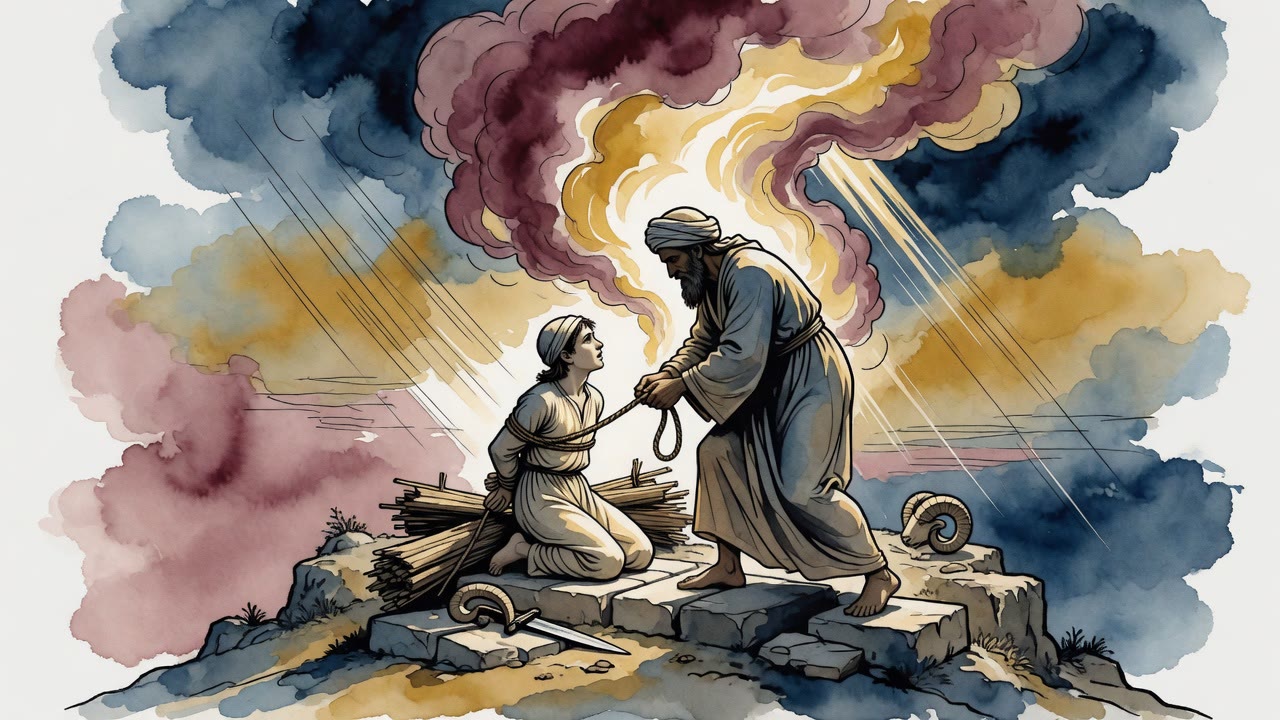
Isaac told his father to bind him tight so a tremble would not spoil the offering. He looked at the angels, not at the knife.
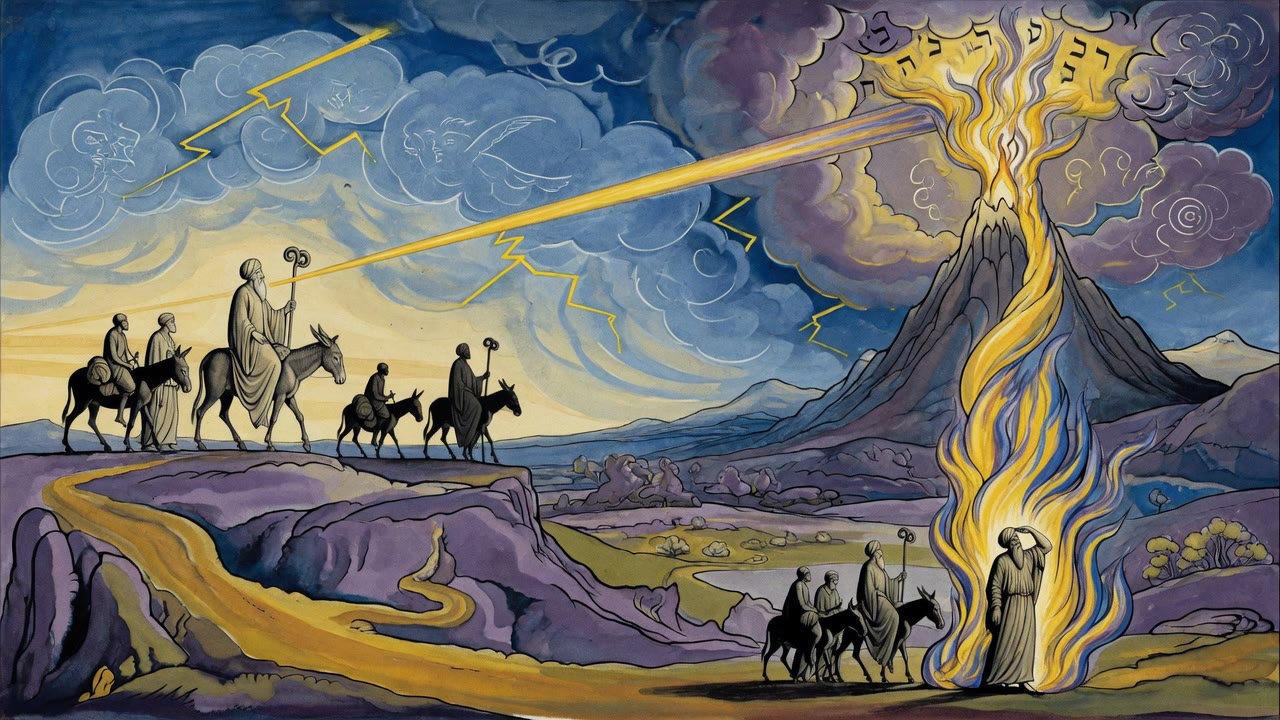
God told Abraham to go to one of the mountains I will show you, without naming it. Three days of walking and a pillar of fire resolved the navigation.
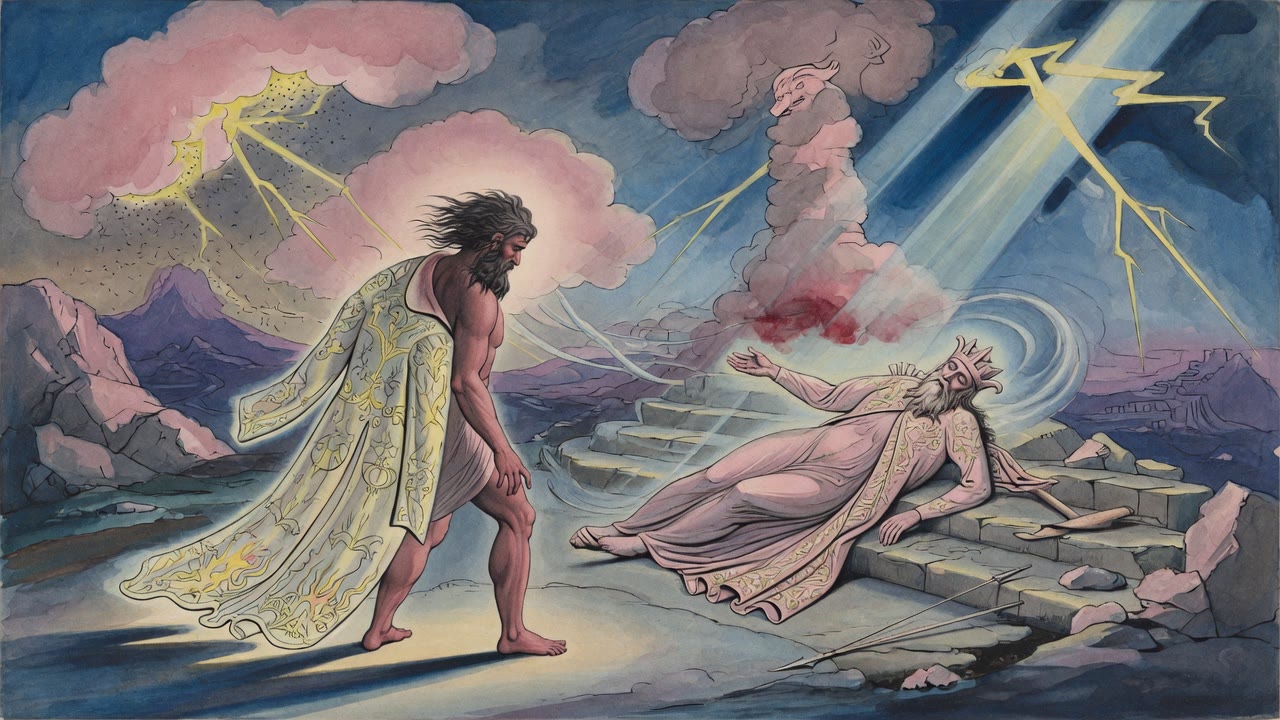
Isaac was blind and near death. He took Esau's head in his hands and asked God for mercy. The answer came back without softening.
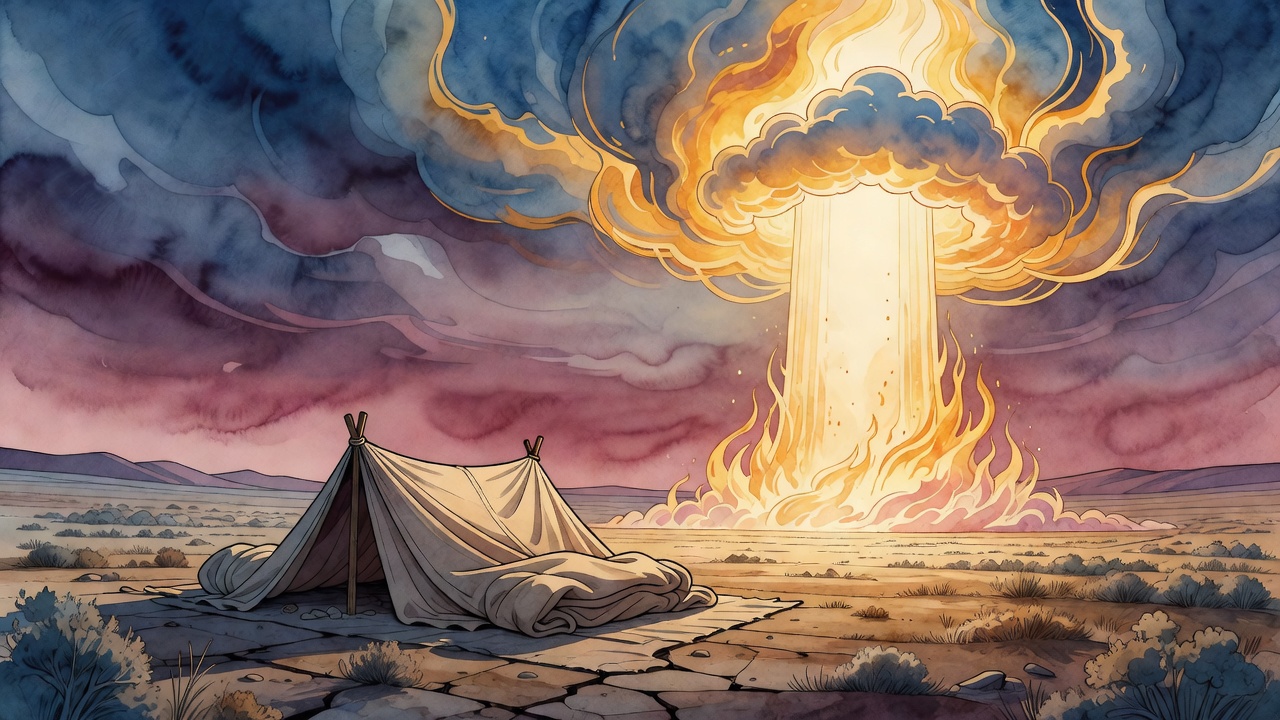
The Tabernacle was finished on the 25th of Kislev and sat folded for months. God held the dedication for Nisan, Isaac's month, to repay an ancient debt.
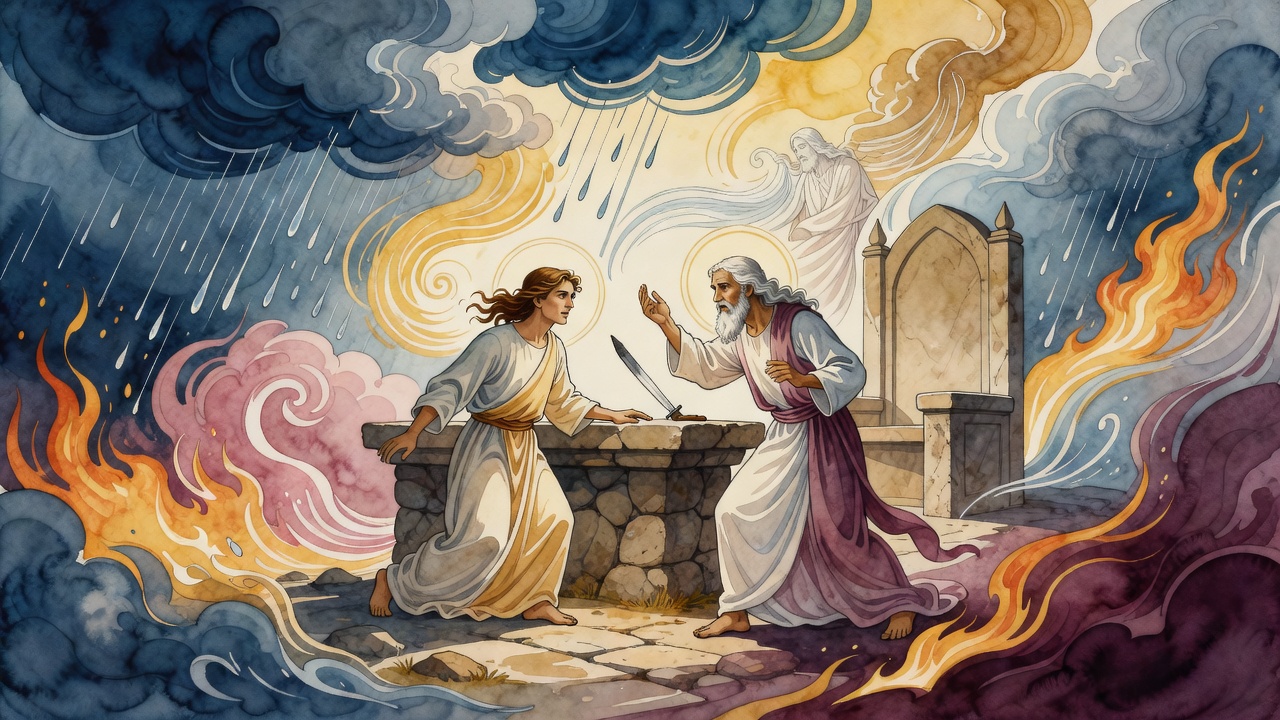
The Akedah was not only Abraham's test. In the Aramaic tradition, Isaac offered himself willingly, heaven wept, and the knife became useless.
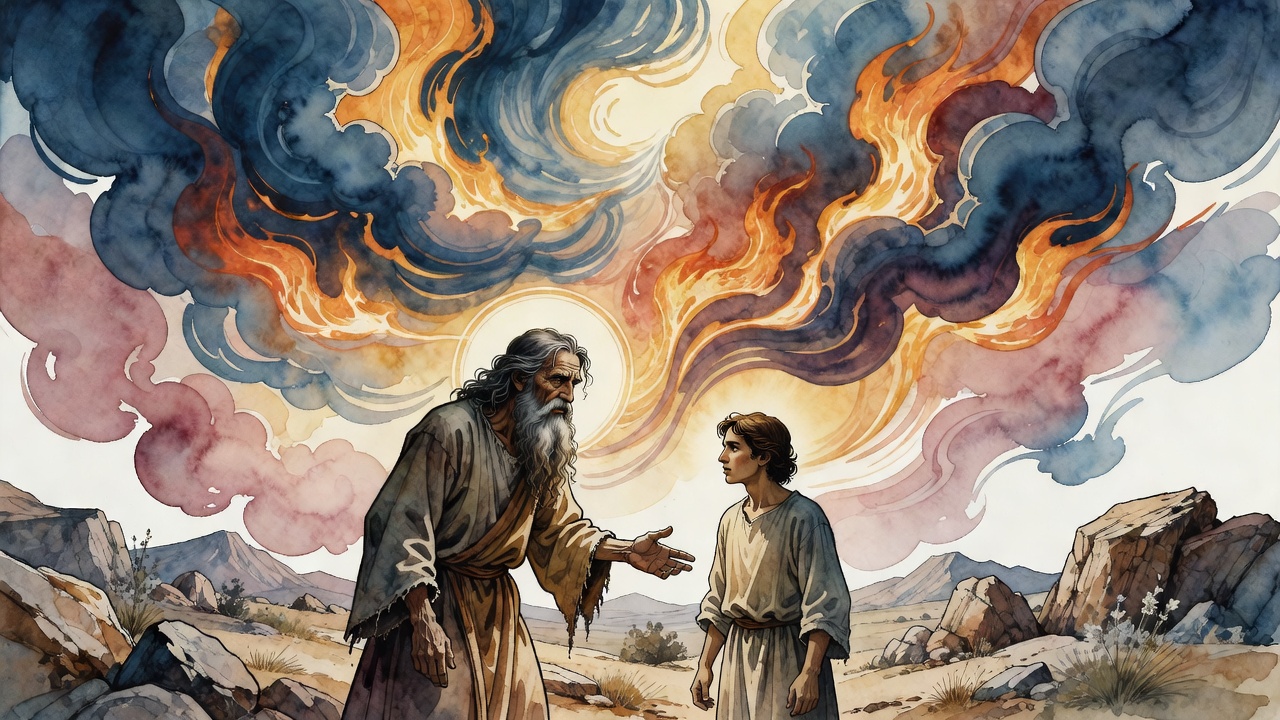
Ishmael shot arrows toward Isaac and called it play. When the water ran out in the wilderness, Hagar set him under a bush and walked away.
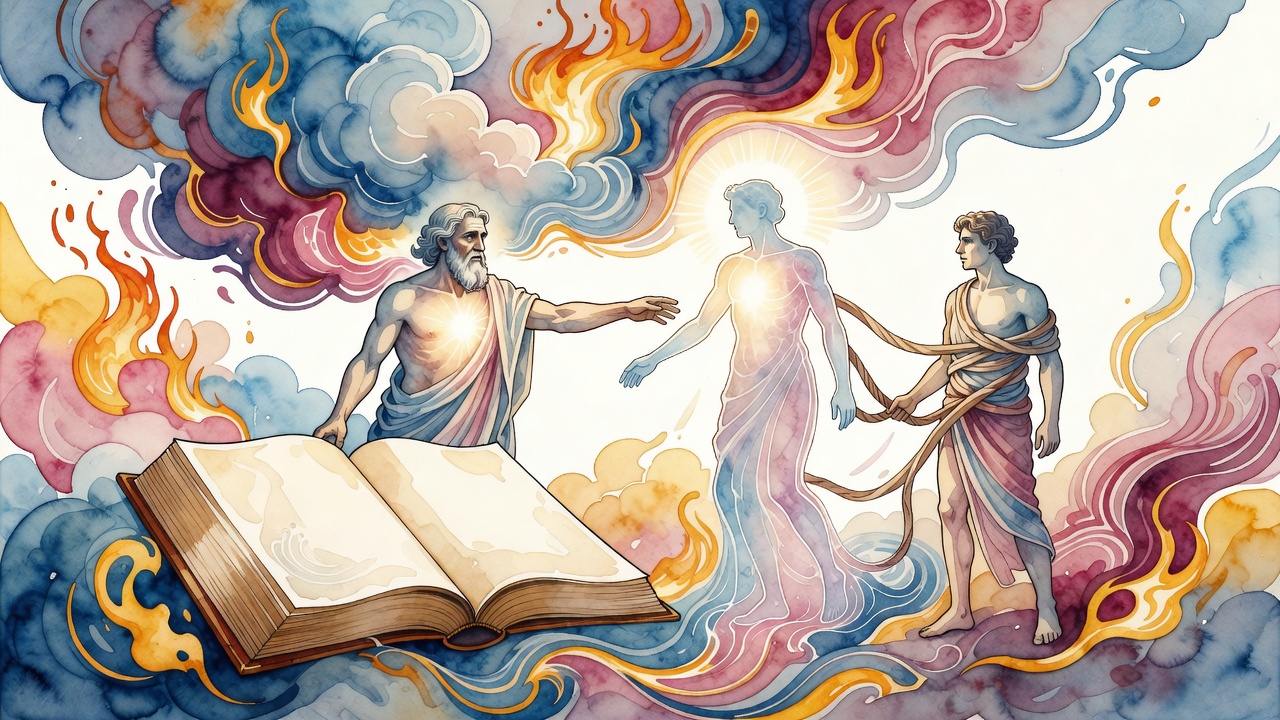
Adam found David's soul in the book of generations with almost no lifespan assigned to it and gave seventy of his own years away.
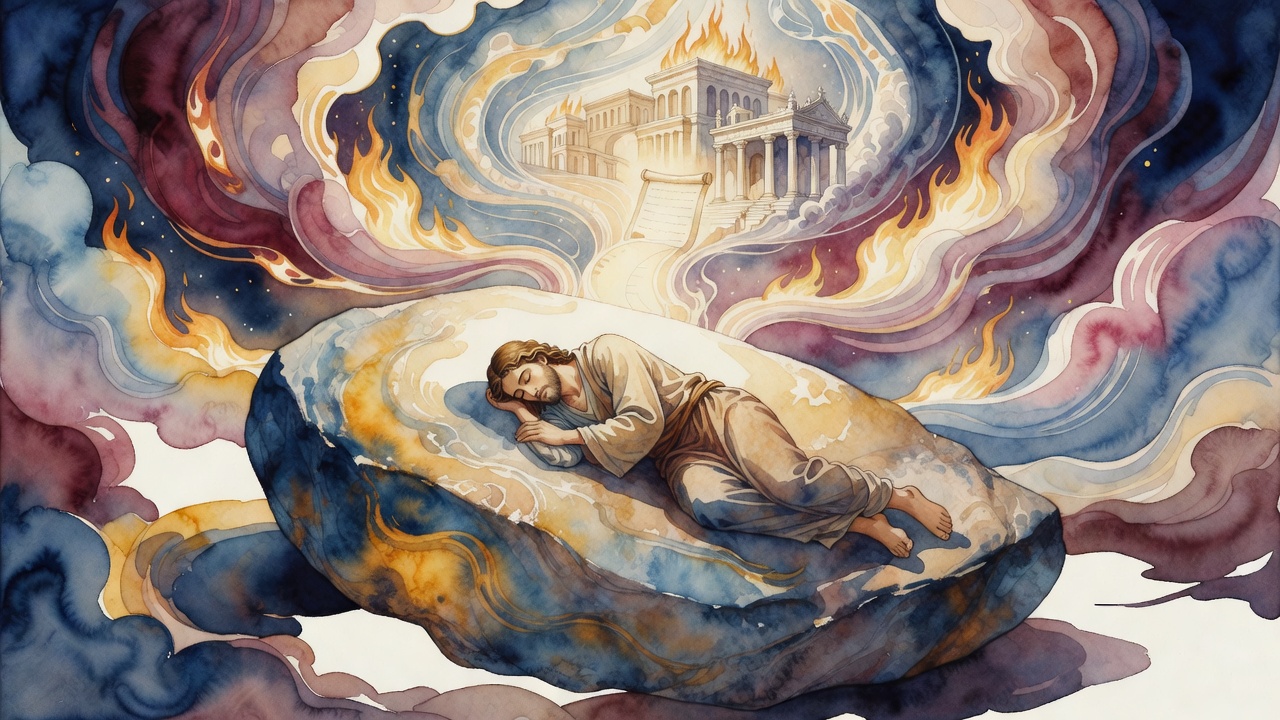
The stone Jacob used as a pillow at Bethel was the stone from which God had spread all creation outward. Jacob's dream showed him what would be built there.
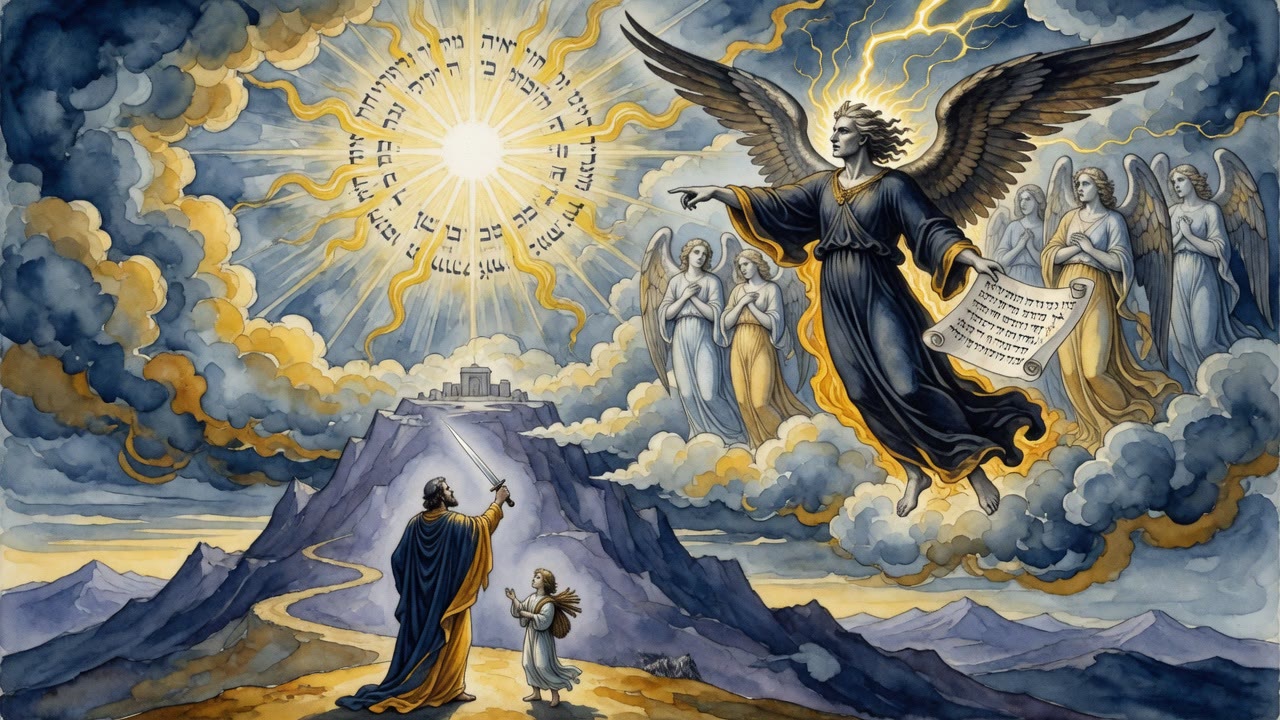
Prince Mastema asked if Abraham would still obey. God said yes. Three days later the ram was already waiting in a thicket on the mountain.
