391 myths · Page 13 of 14
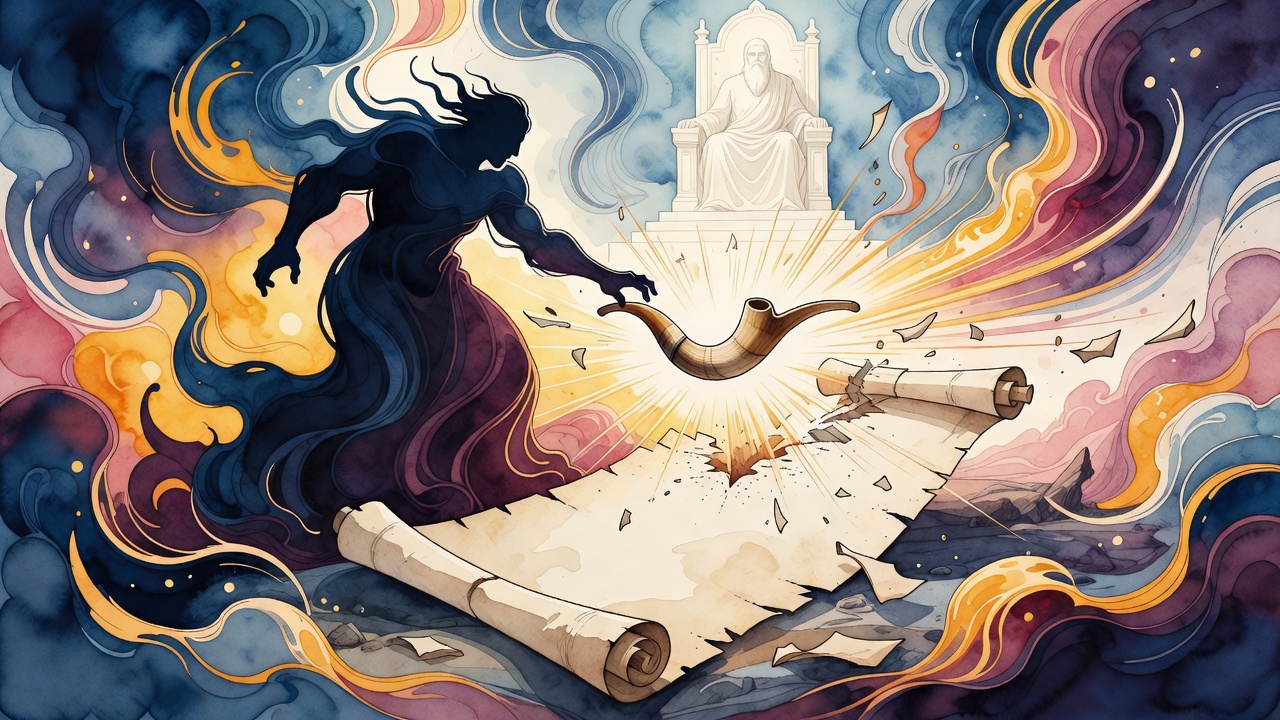
Ha-Satan had the year's unpaid vows stacked by name. Then a ram's horn rose in a shaking hand, and the pages would not stay in order.
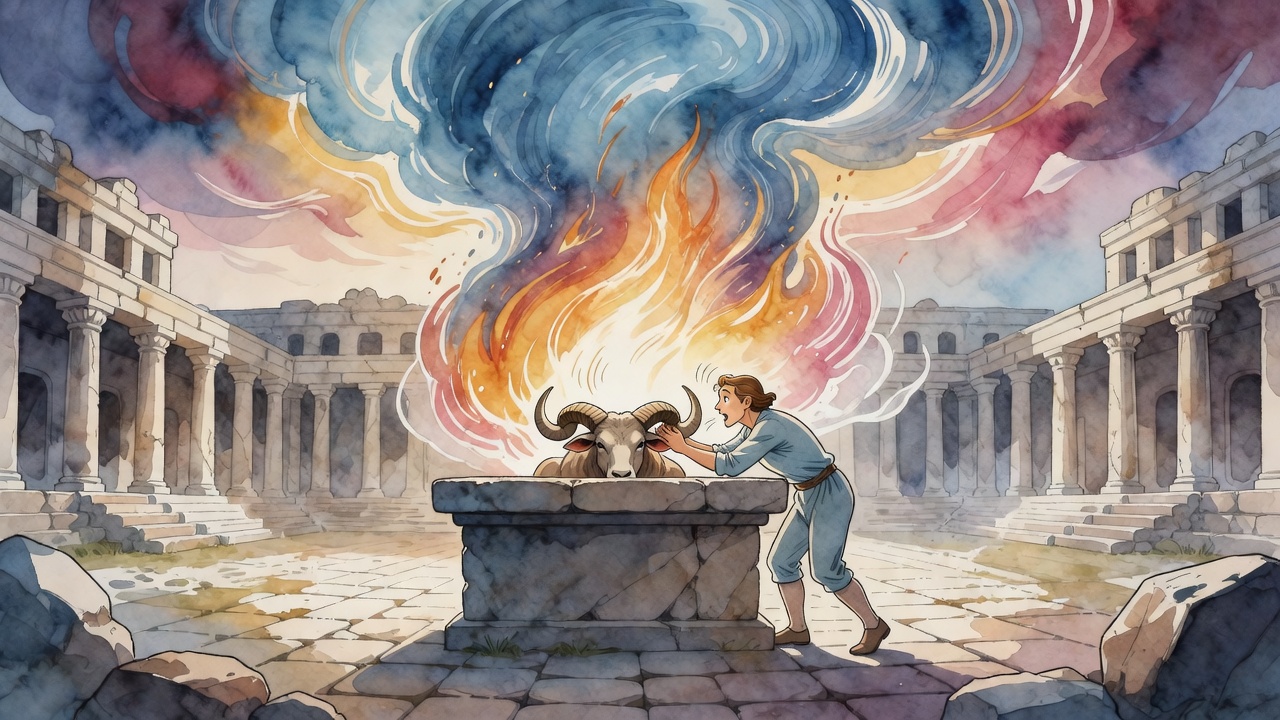
The animal faced west in the north court. A servant reached for the horns and was pulled back. The owner had to lean with his own palms.
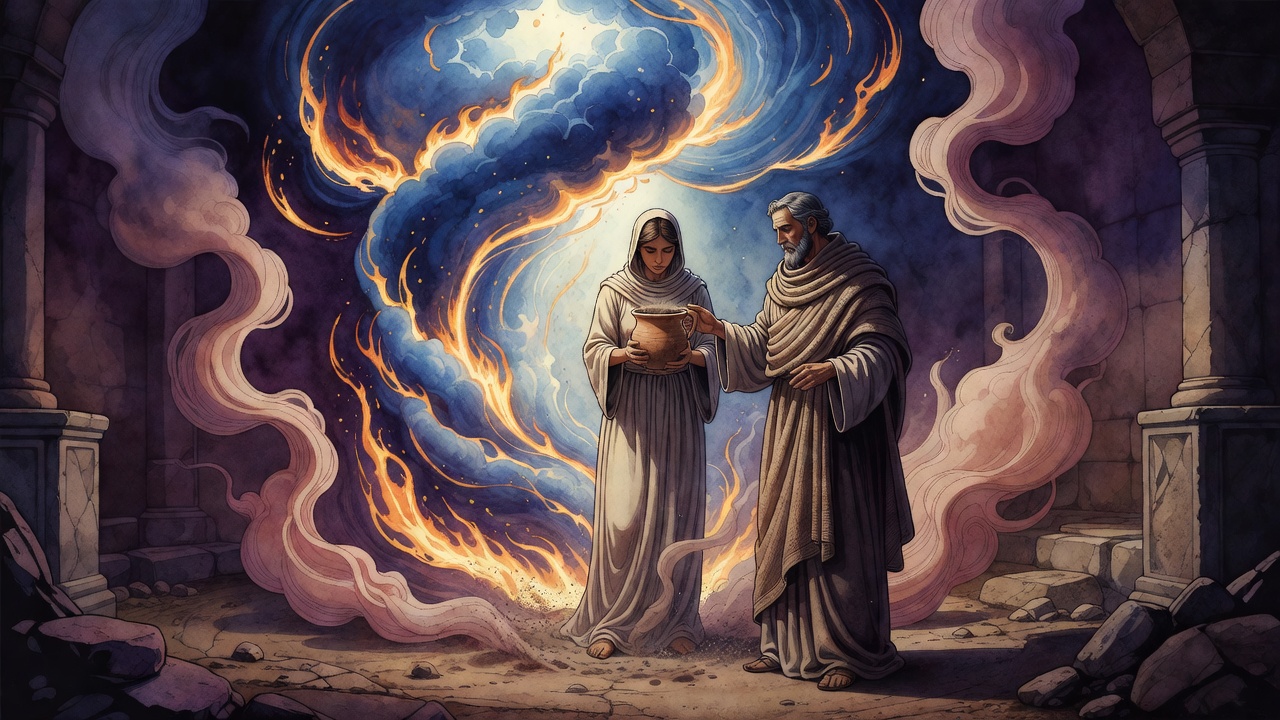
Dust from the sanctuary floor mixed with water and erased curses. A woman stood before the priest with a cup that could clear her name or write her as a curse.
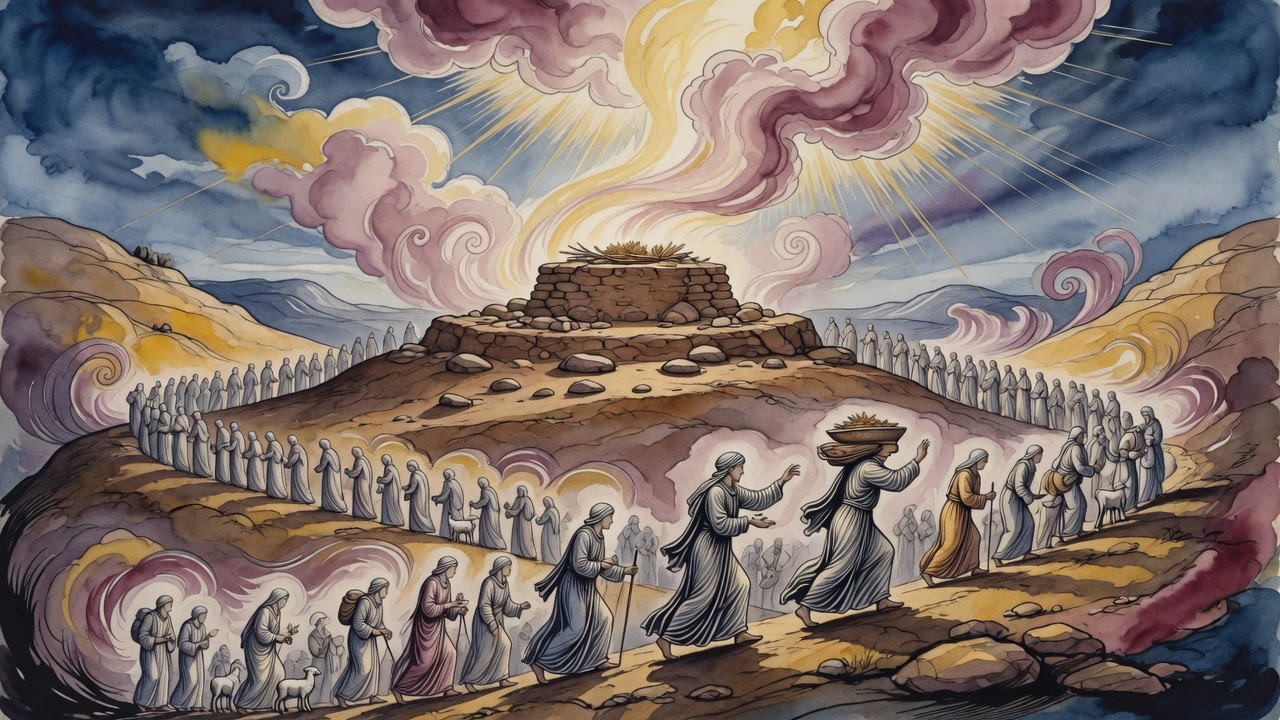
Farmers leave fields empty for the festival, and God posts lions and wildcats so no stranger seizes what obedience left behind.
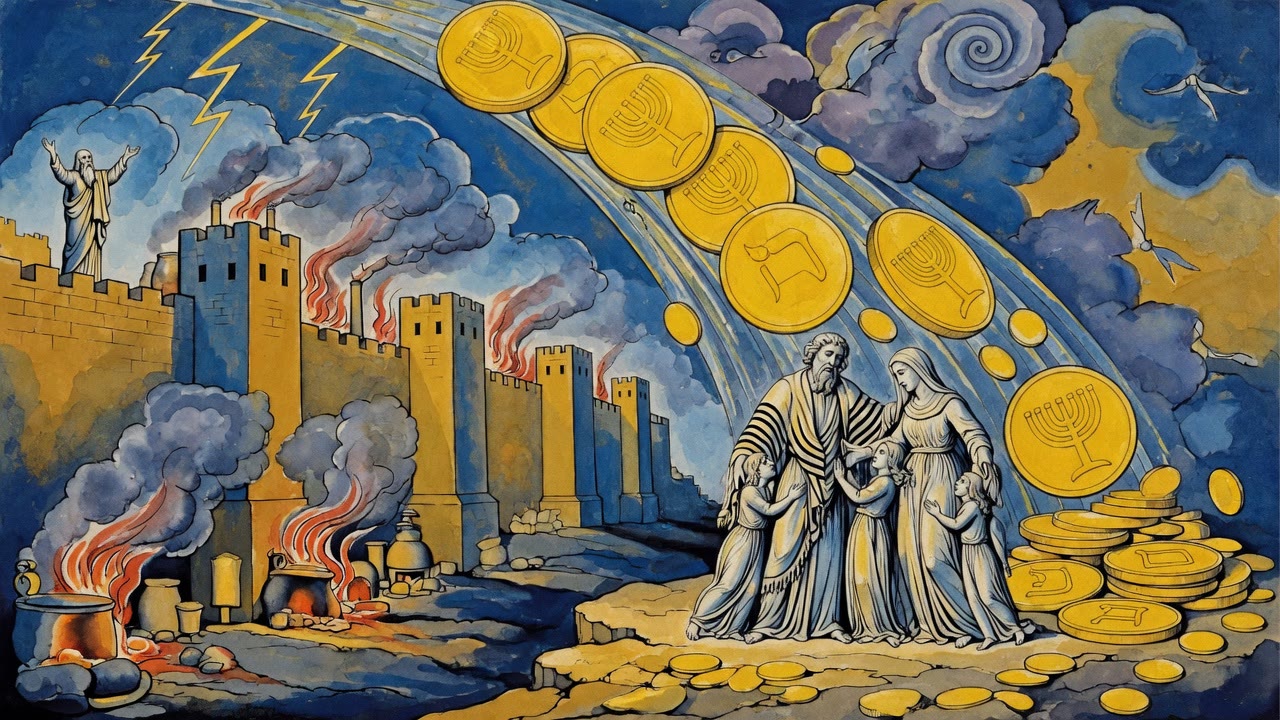
One family in the holy city was starving. Their neighbors counted out six hundred talents of gold so the family would not have to move away.
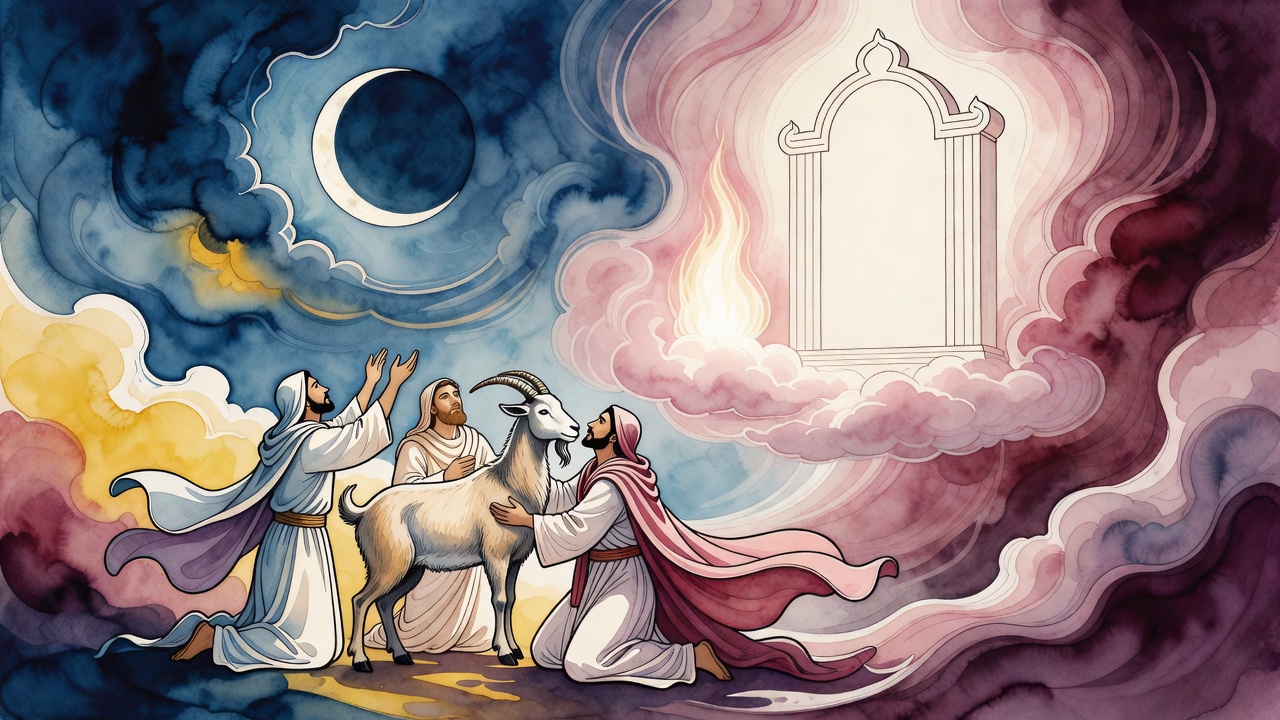
The moon stood as bright as the sun and asked how two kings could share one crown. God told her to make herself small.
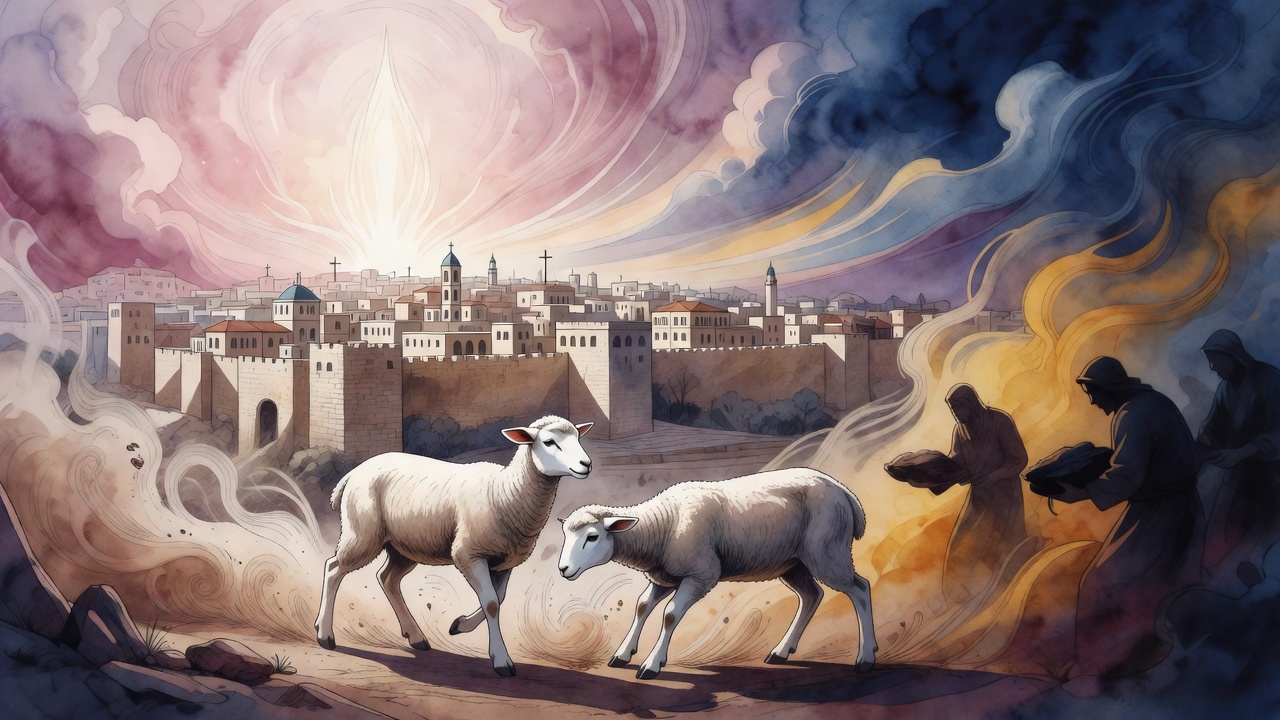
The first lamb climbed the ramp while Jerusalem still held last night's cool. Bakers had not opened their doors.
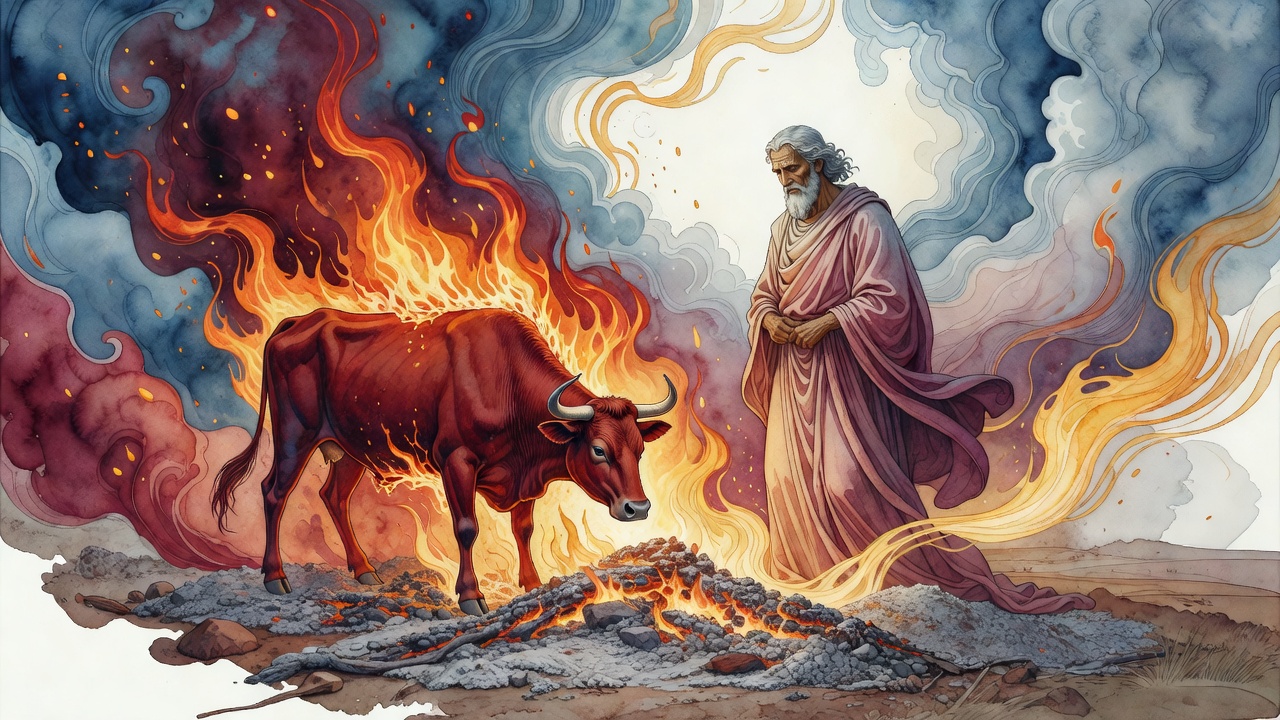
A cow drank the water made from red heifer ashes, and thirty-two elders ruled on its flesh. Rabbi Yossi Haglili lost that room, then came back.
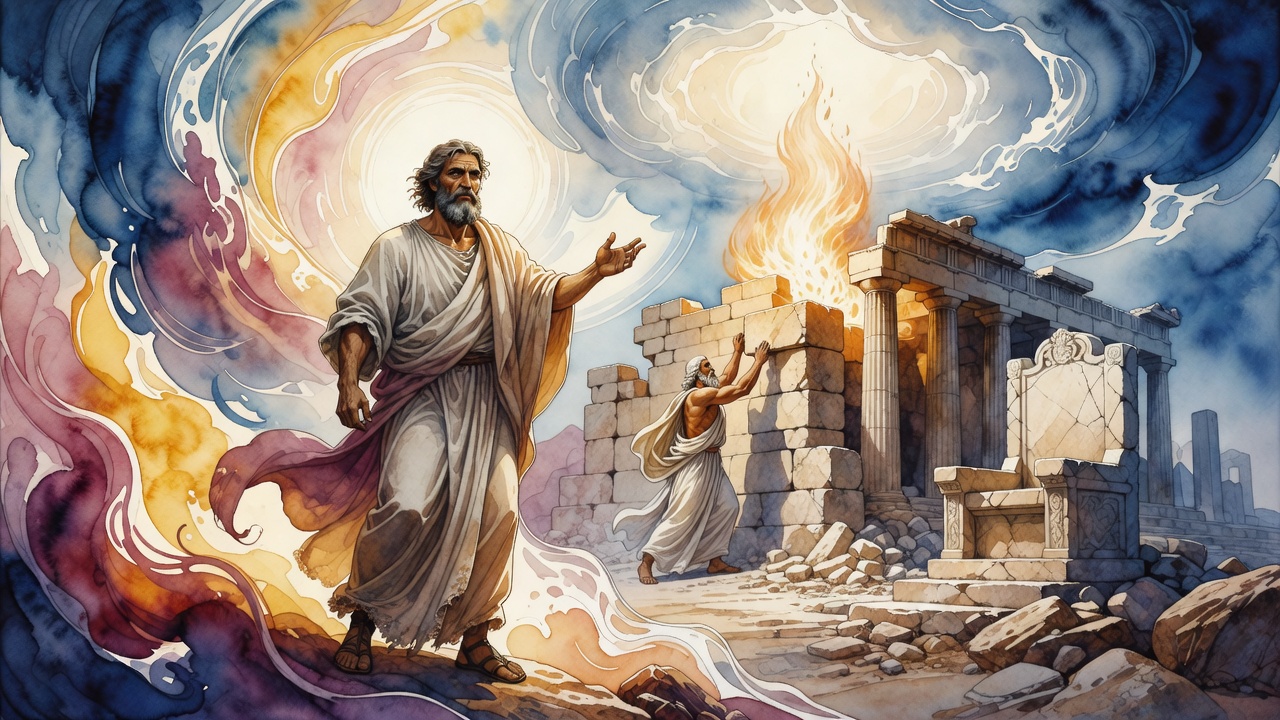
Solomon raised the last cedar. The dedication song still said of David. The king who would not go to bed had already paid for the fruit.
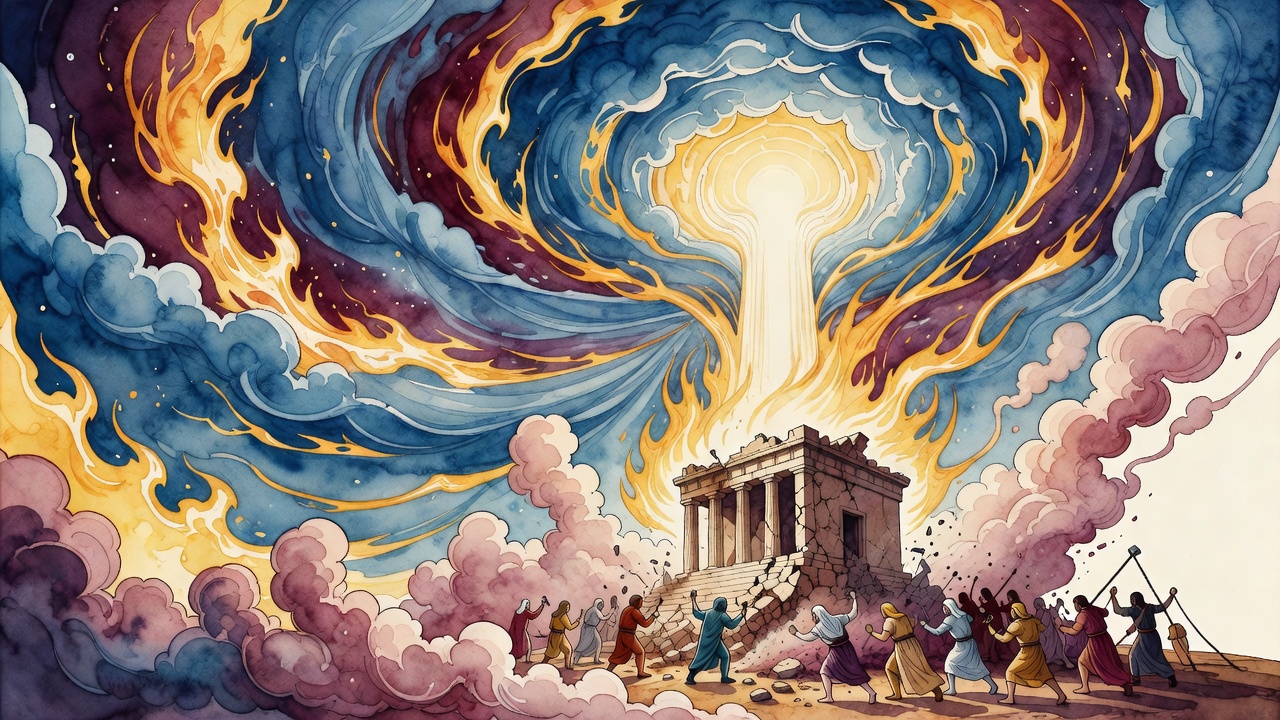
The soldier laughed when the outer course gave way. Jeremiah heard a roar above the dust. Heaven had spoken worlds, then labored over this house.
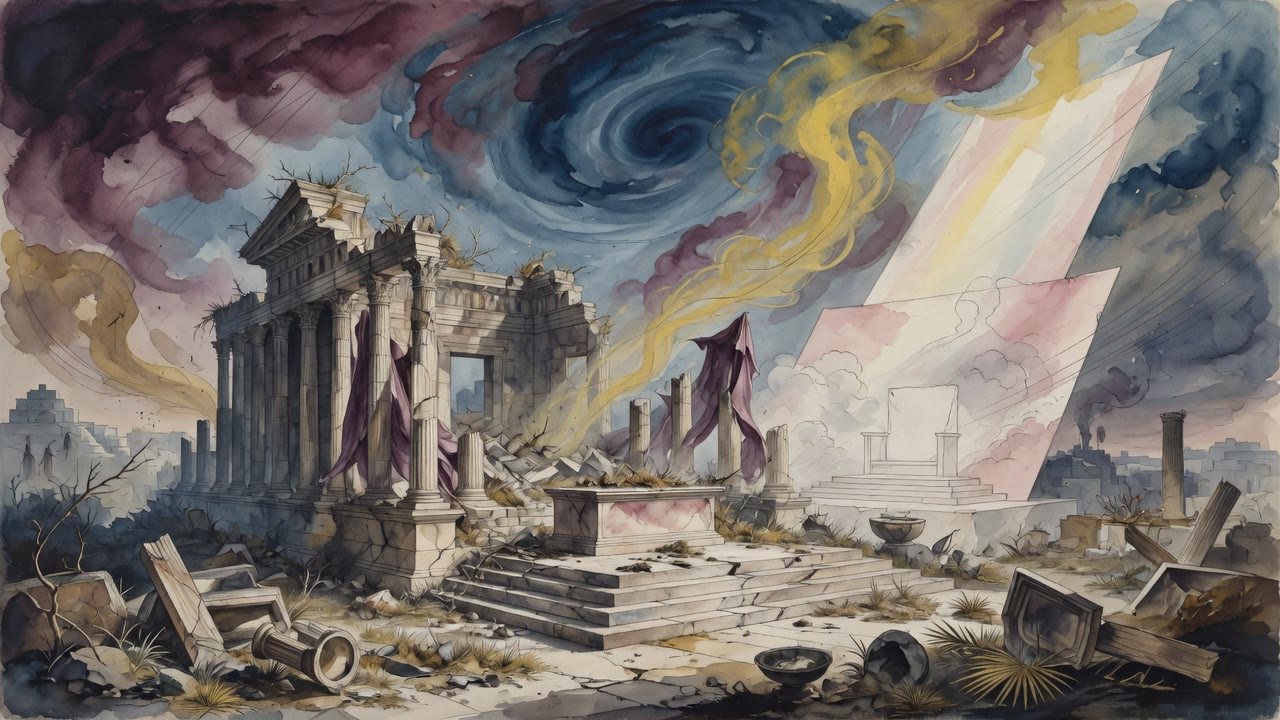
Ash stuck to a priest's heel. The courts went quiet. Fifty winters later, an old man put his palm on fresh mortar and could not find the old shadow.
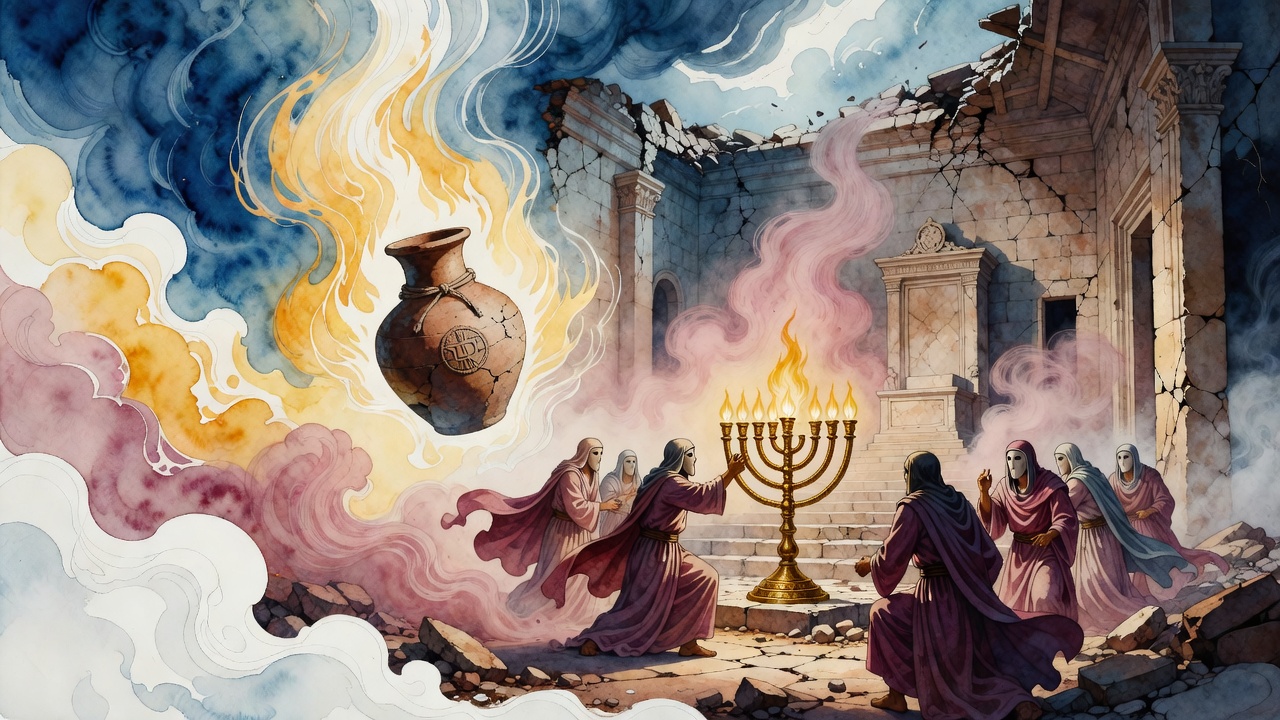
Hasmonean searchers find one stamped jar of pure oil in a wrecked sanctuary, light the Menorah (the lampstand) anyway, and watch one day of fuel hold for eight.
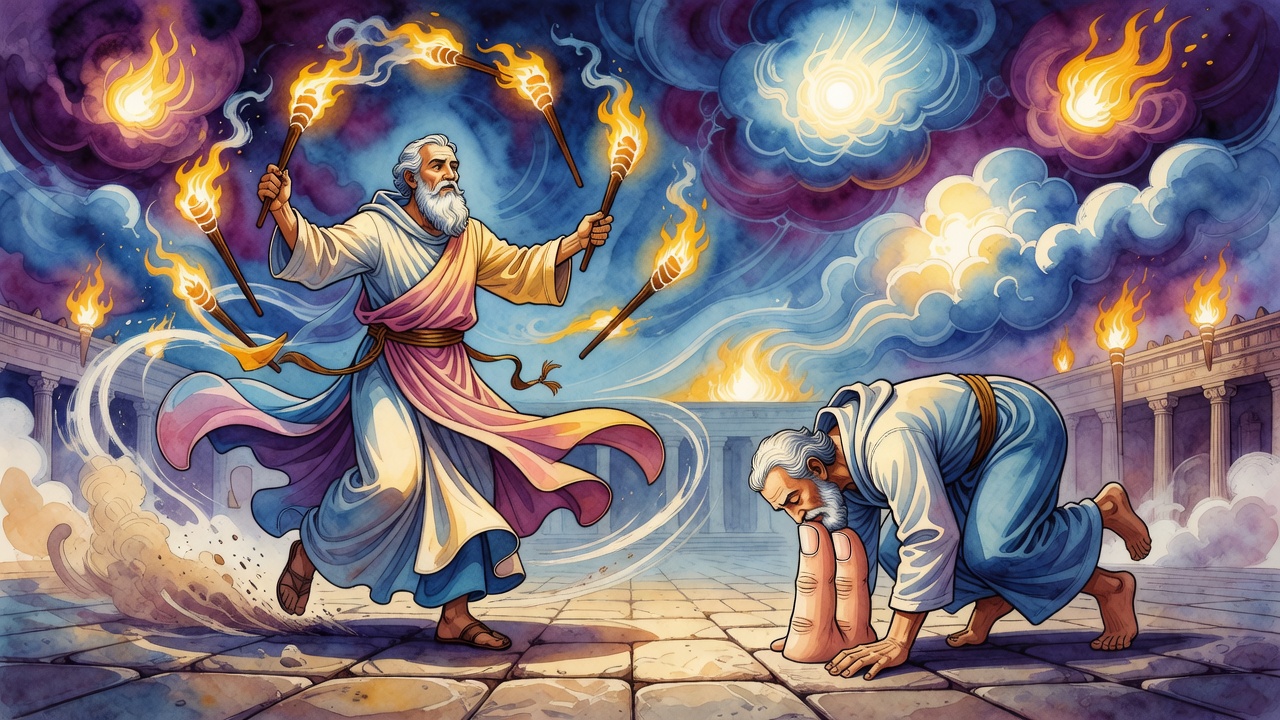
Oil spat from eight wicks over the Court of the Women. He caught every torch, then put them down and pressed his mouth to the floor.
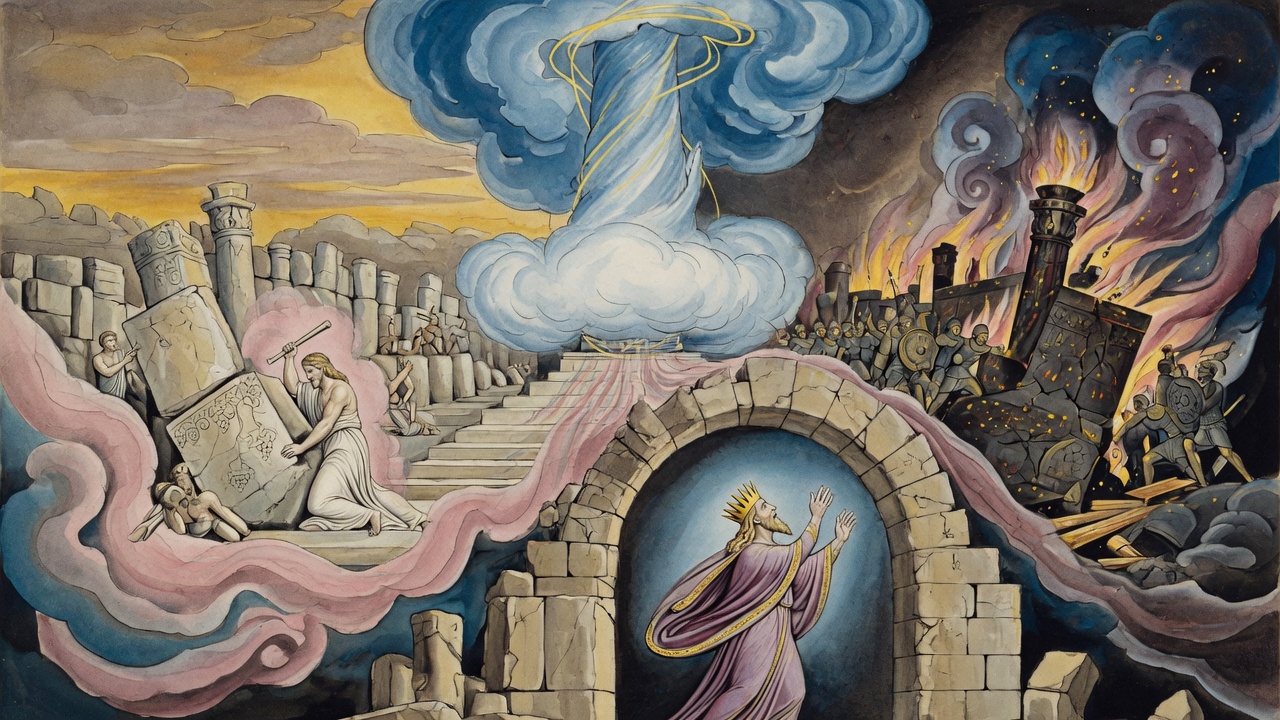
The beams still smelled of cut cedar. He did not ask first for a long life. He asked God to keep a dead father's name warm.
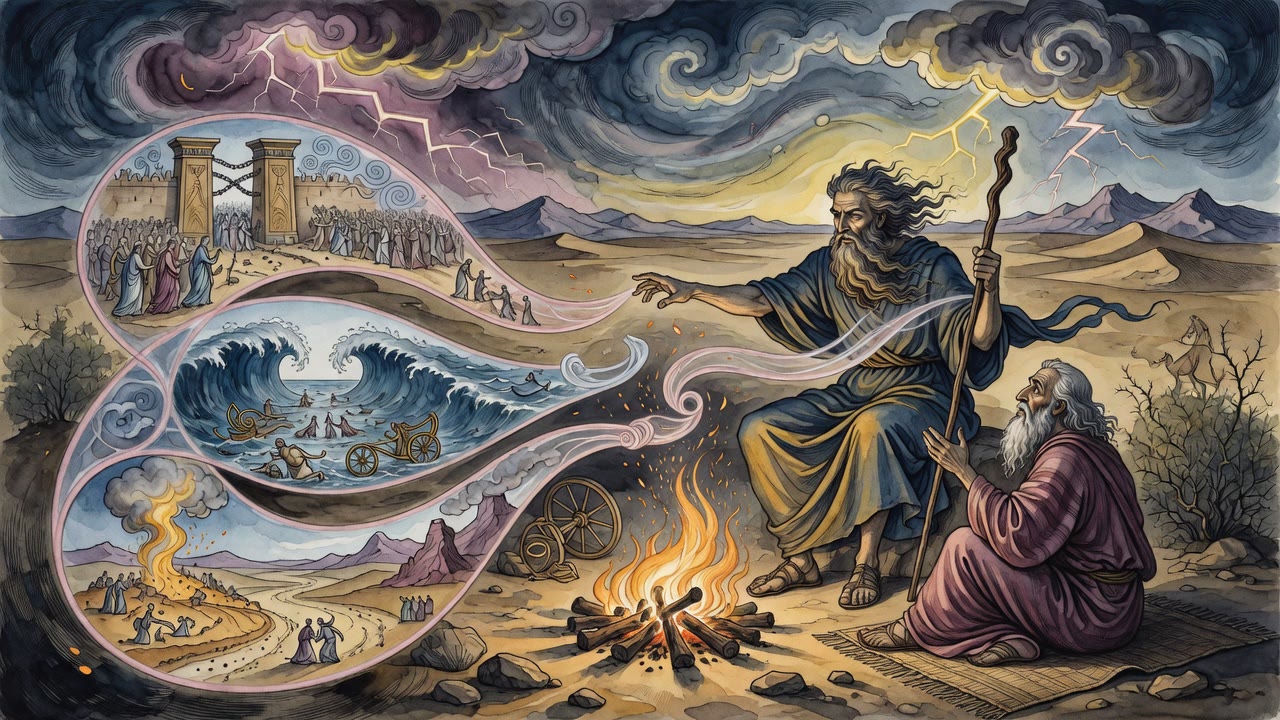
He poured the wine on the dirt and hated the sound it made. The altar in Jerusalem was gone. His hair kept growing anyway.
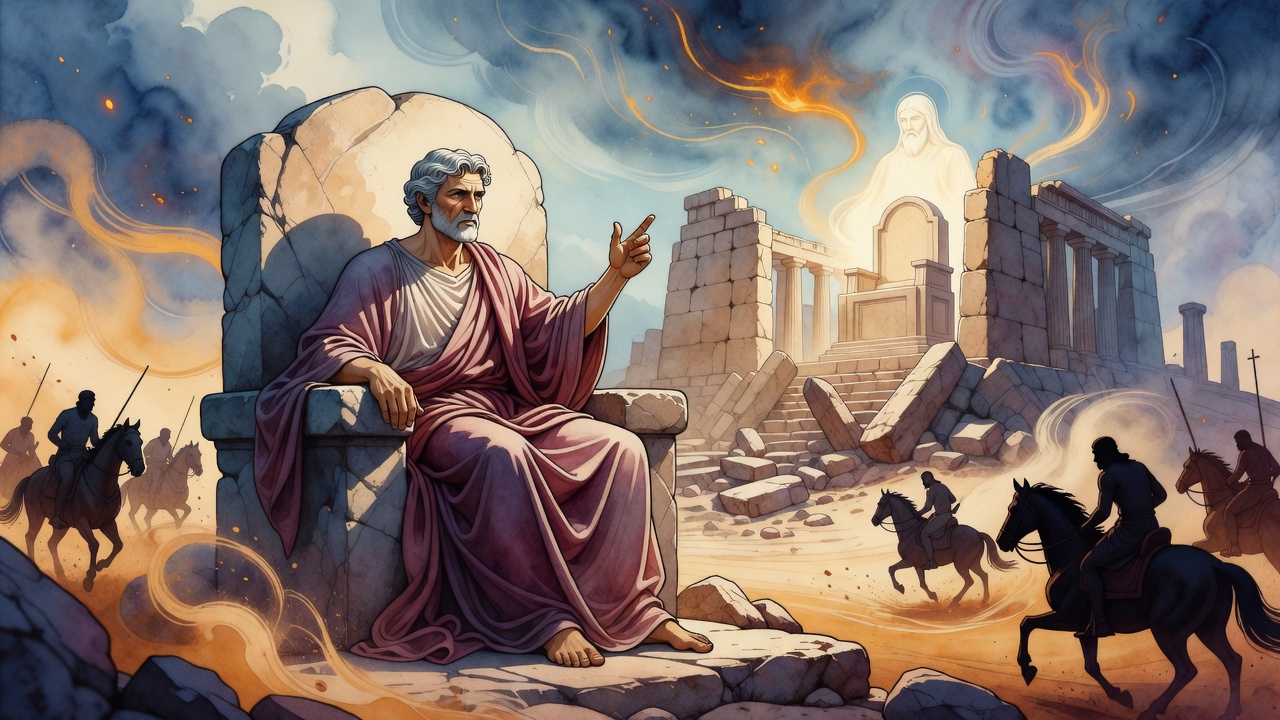
David sat under cedar and hated the curtains over the Ark. Nathan said yes at dusk. By morning the House was not his to build.
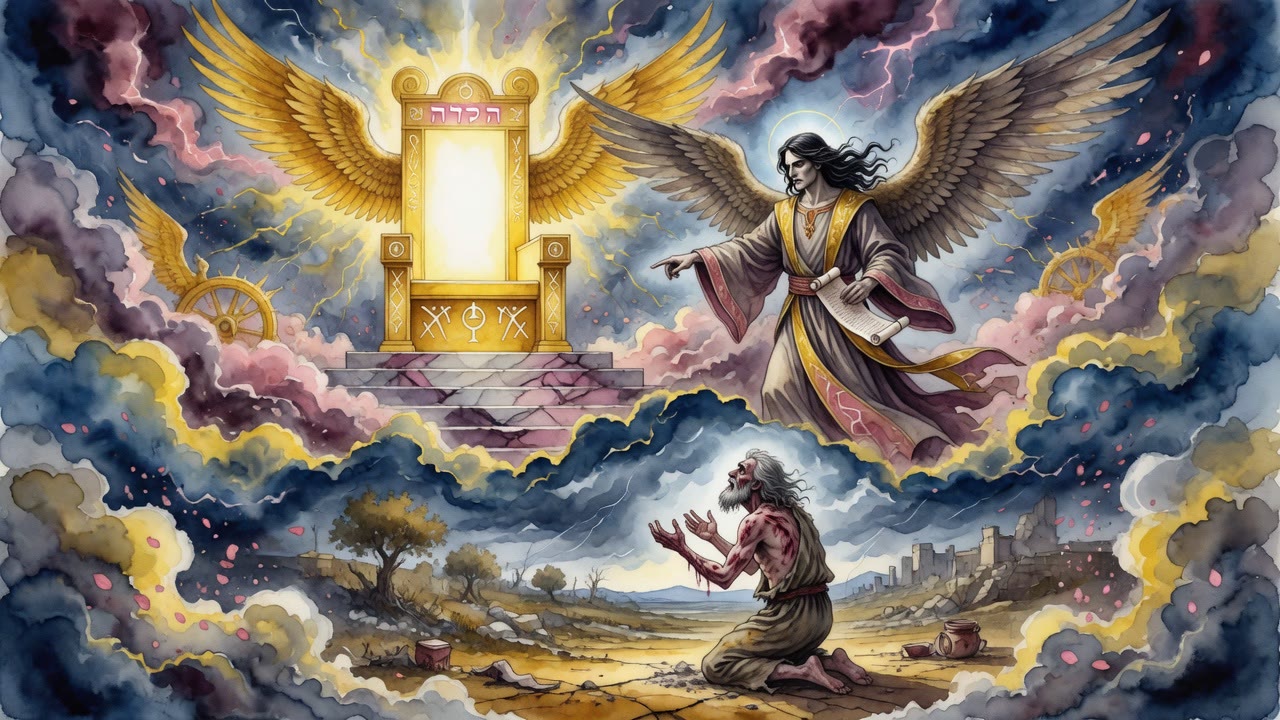
On his last day Moses orders Israel to put heart, eye, and ear into the words. Torah hangs like mountains on a hair, and a slip drops the range.
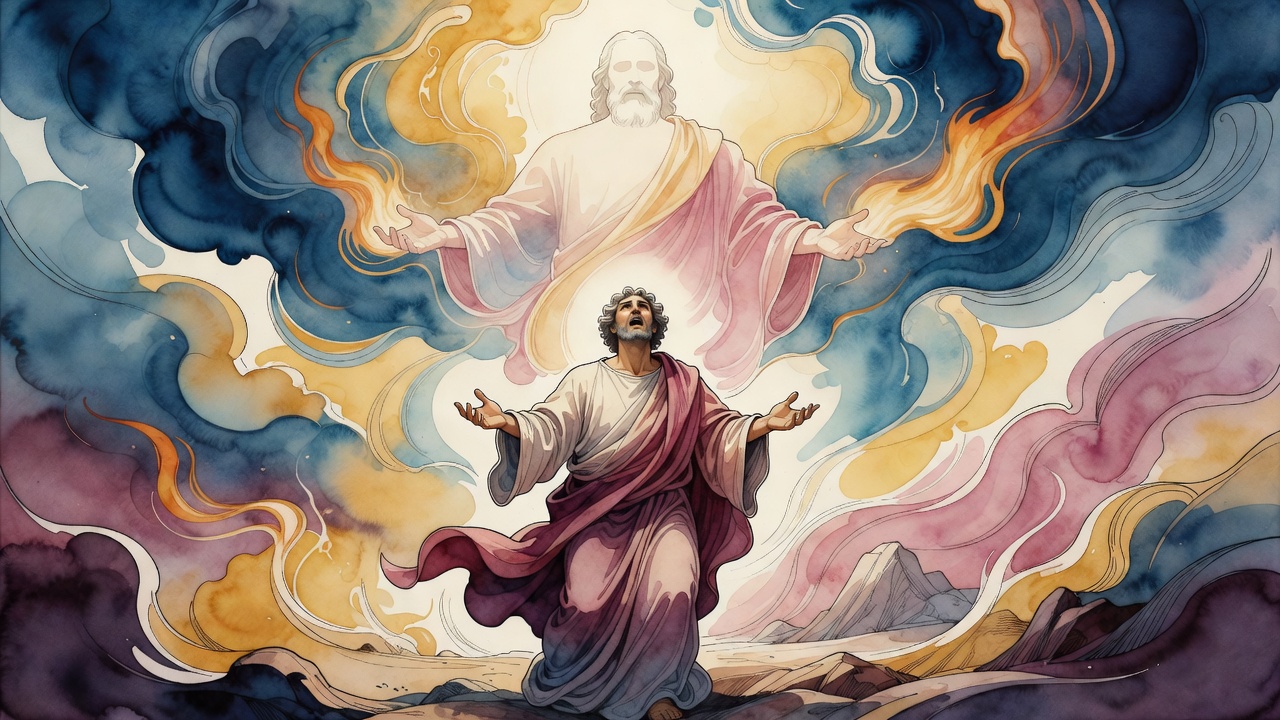
Dust sat in his hair. Absalom had the counselor. David did not ask for a general blessing. He asked heaven to look at him and no one else.
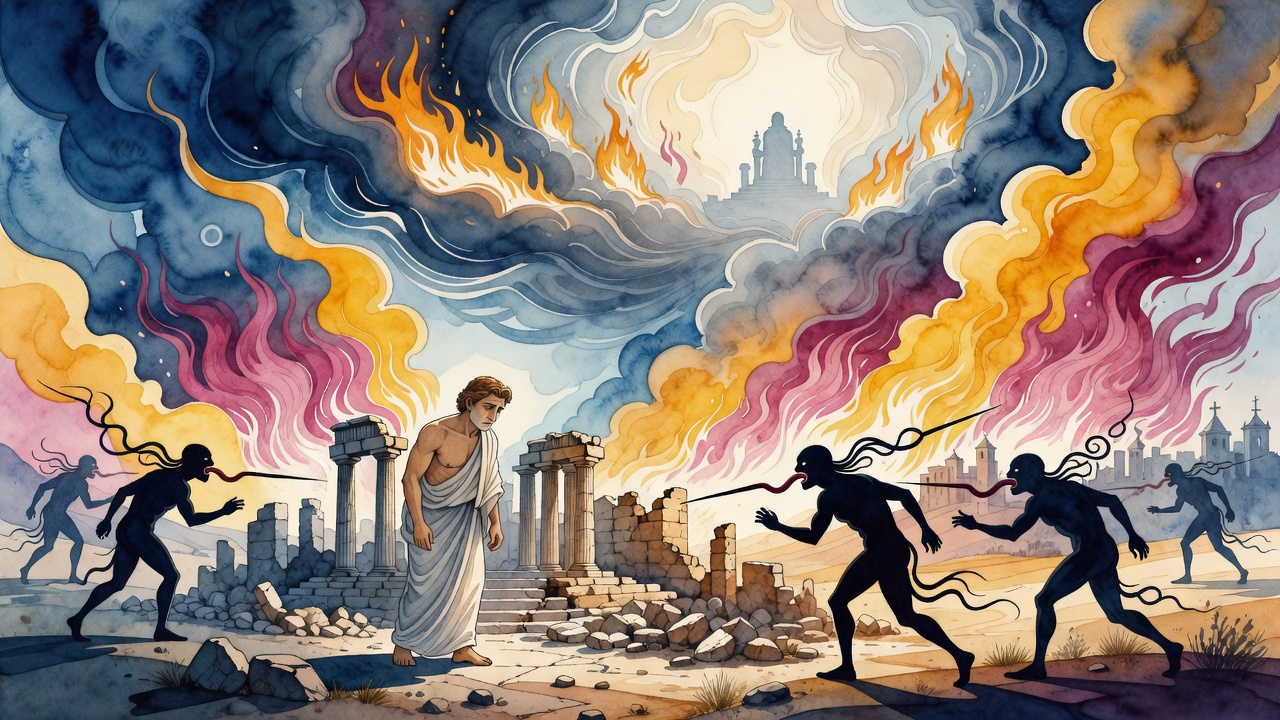
David longed to build God's house and was refused. Informers like Doeg turned tongues into spears, Nov burned, and justice still outweighed every offering.
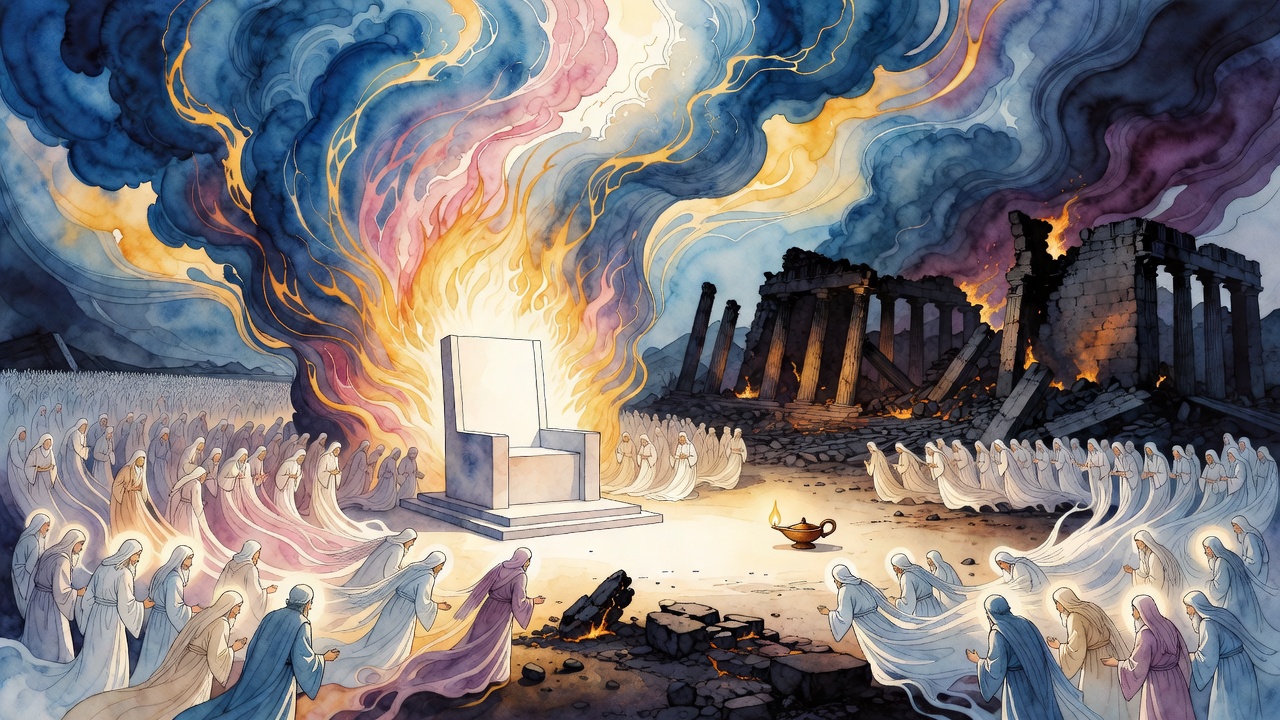
Smoke hung over the stones. A seraph folded his fire smaller and took a place farther from the Throne. Below, the last priests had already fallen.
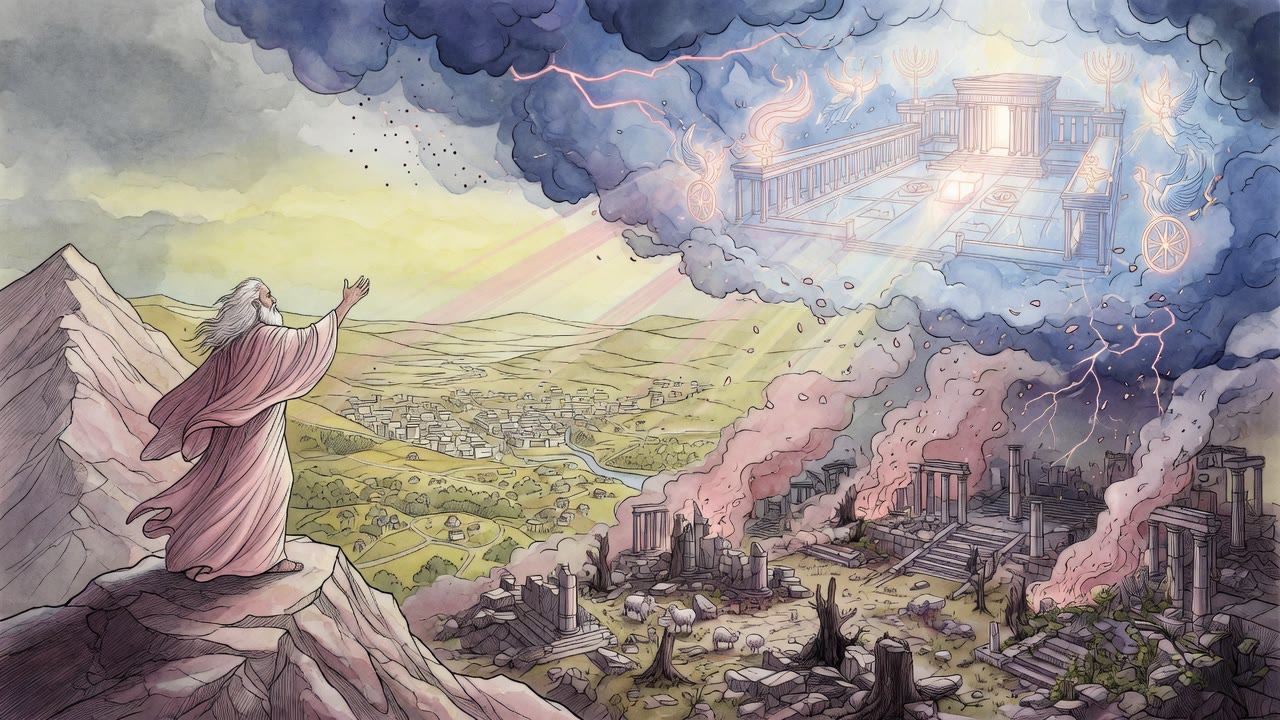
Barred from the soil, Moses sees tribe shares, kings, ruin, and judgment. He begs to meet the Messiah and learns the Name so the Shekinah will not burn him.
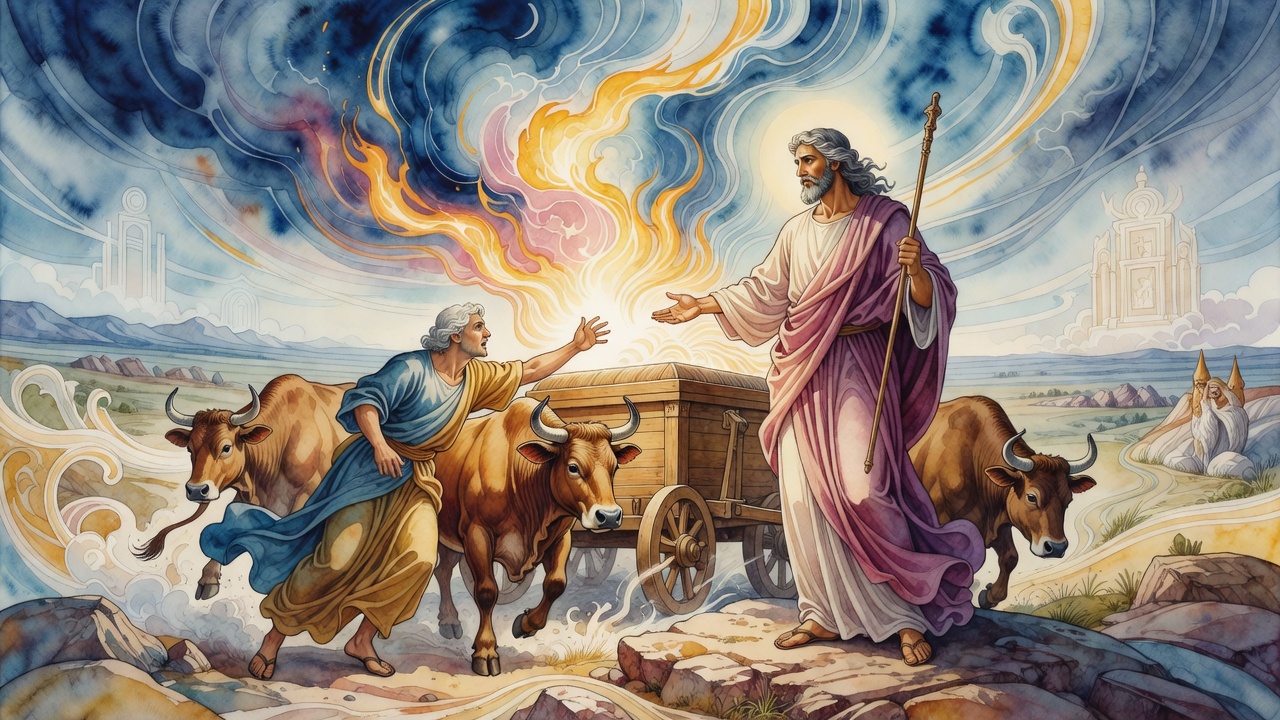
The oxen stumbled and the chest leaped off the wagon. Uzzah put out his hand to save it, and he fell dead before the harps could stop.
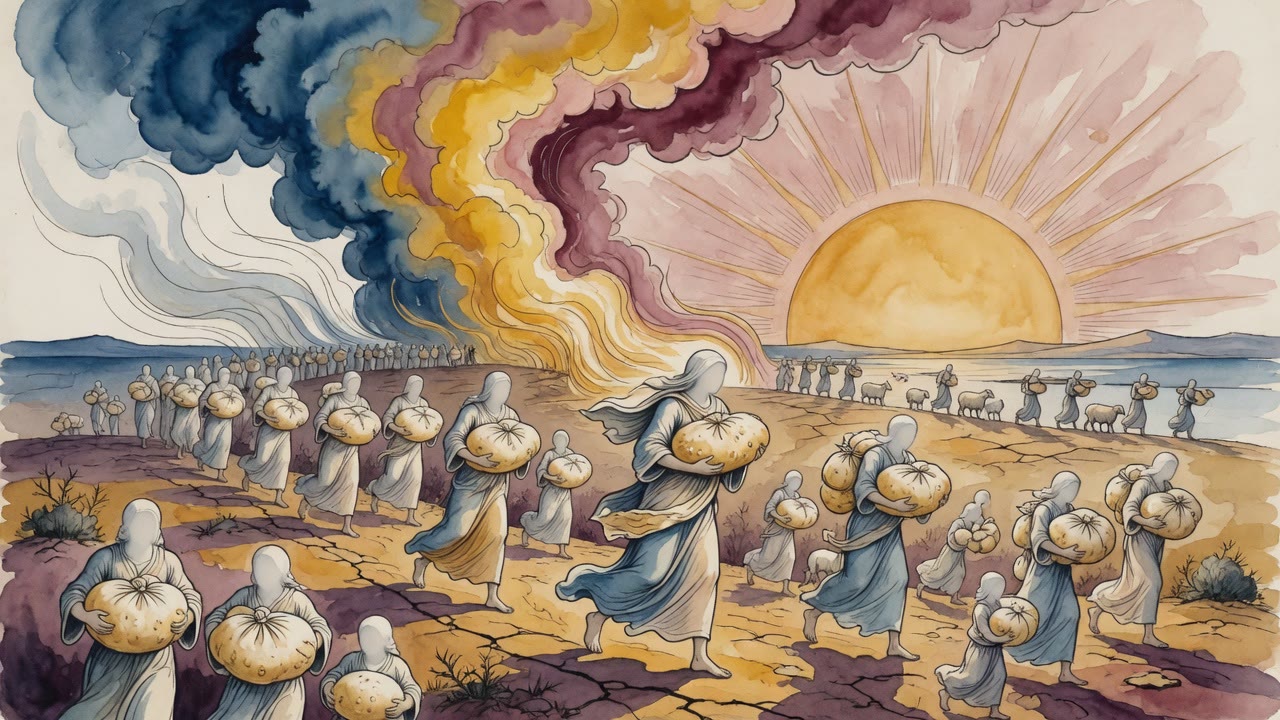
Jeroboam pressed the north to fight Judah. The people refused. When he turned to Dan's warriors, they swore by their ancestor and left the land.
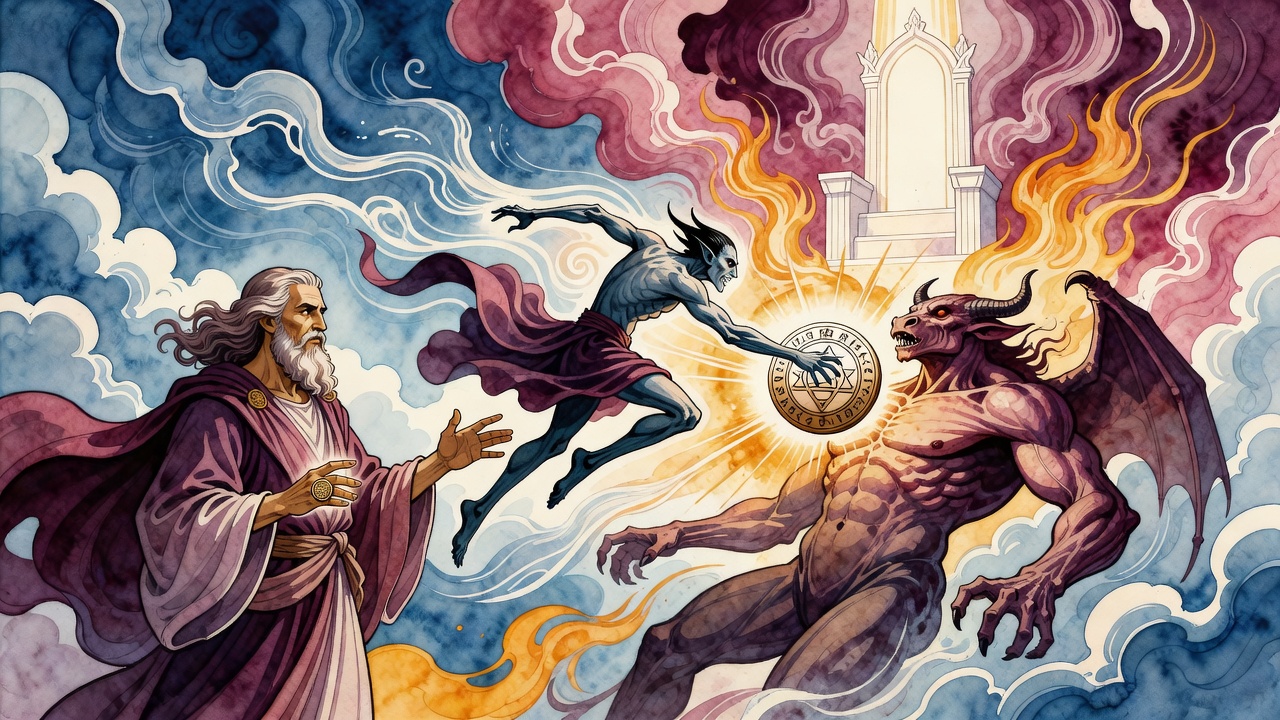
Solomon put a vampire spirit to work cutting stone at the Temple. Then he handed it his seal ring and sent it to fetch the king of the demons.
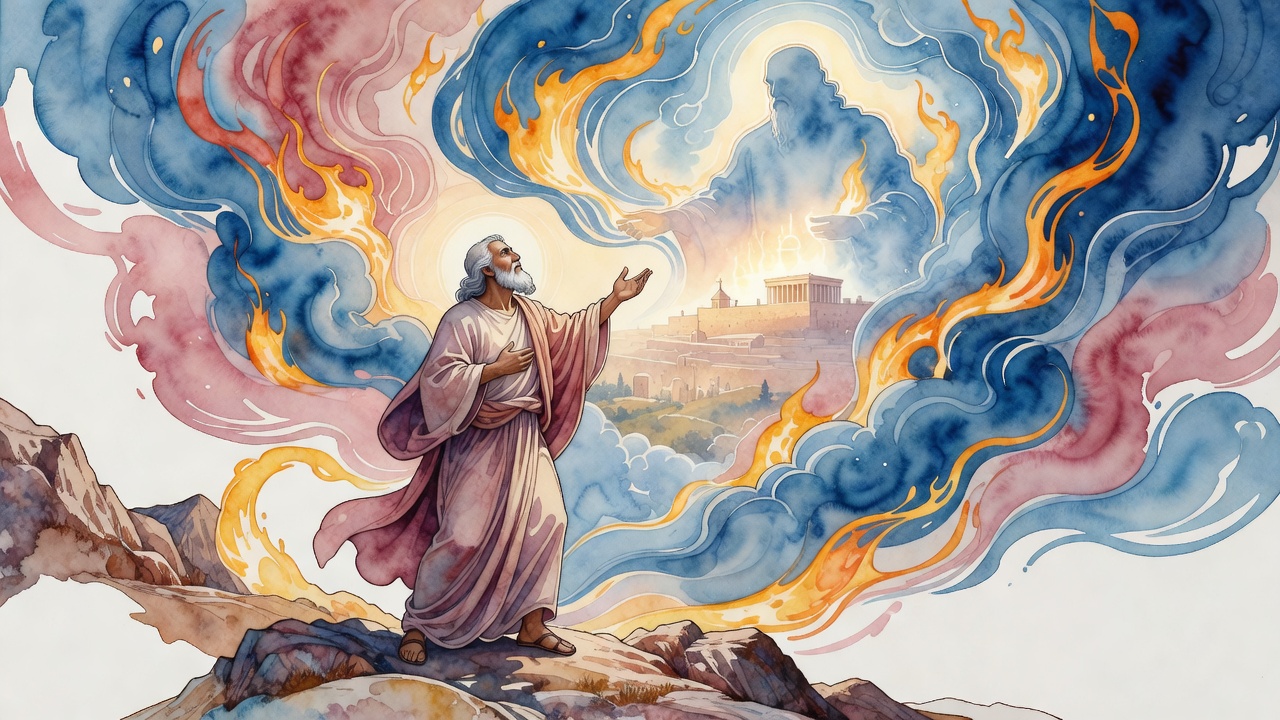
He had talked heaven out of destroying Israel twice. On the riverbank he used the softest word in the language, and the answer was still no.
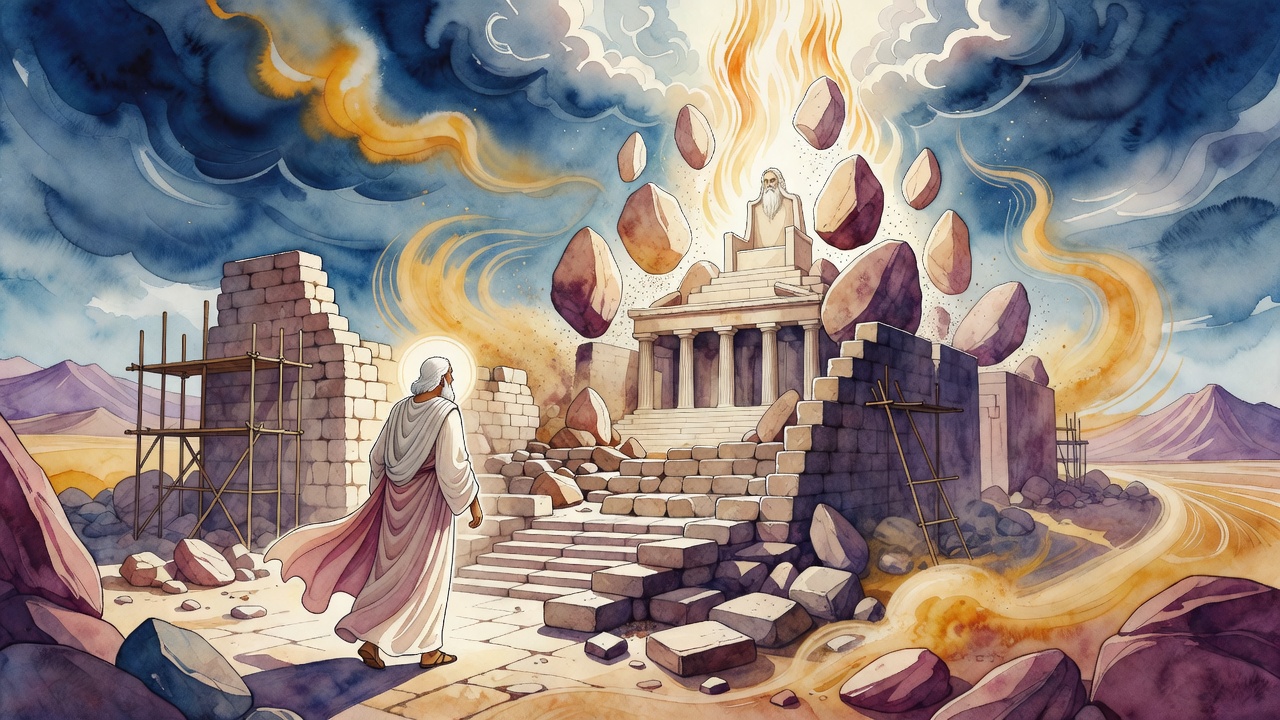
Solomon leaves his palace half-built for thirteen years while God's House rises in seven, stones lifting themselves onto the courses without a rope.
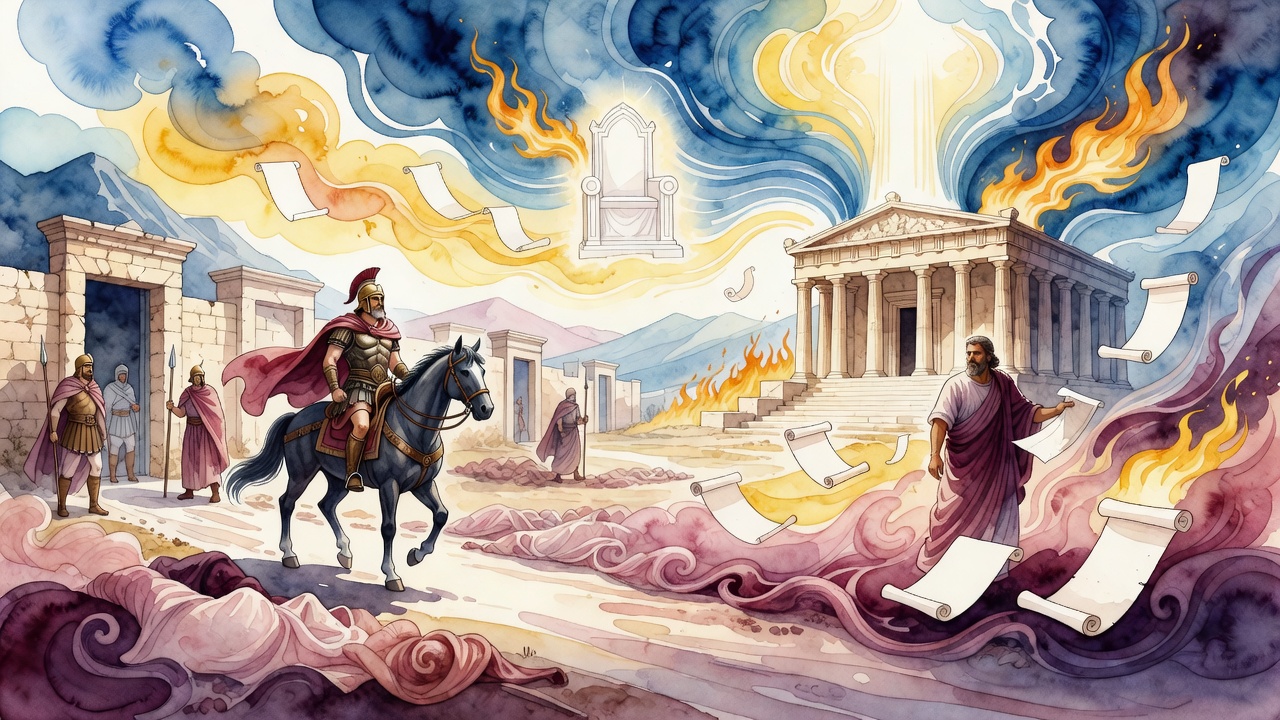
A shopkeeper watched foreign shields lean against his wall and said nothing. He wanted the stall open tomorrow. Near Azotus the dead lay stacked by the road.
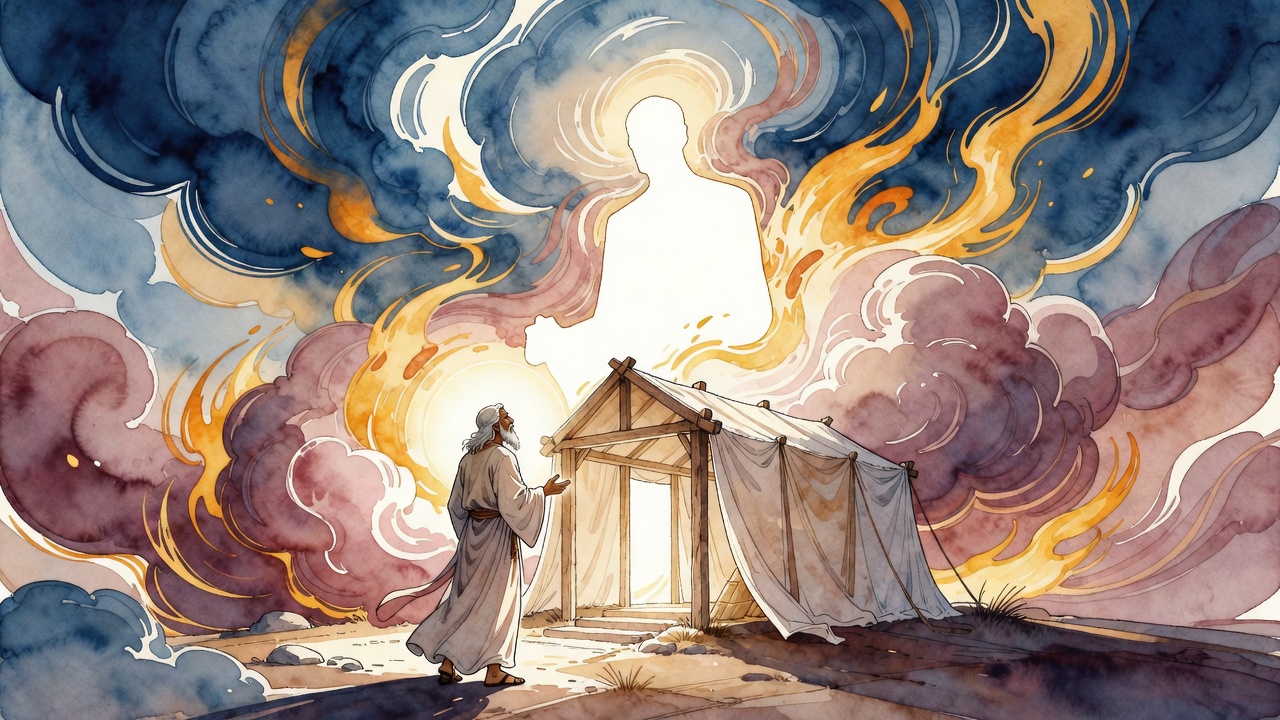
Moses built the Mishkan beam by beam as the Lord commanded, then stood outside while the Name filled the house. Heaven refused to leave him at the door.
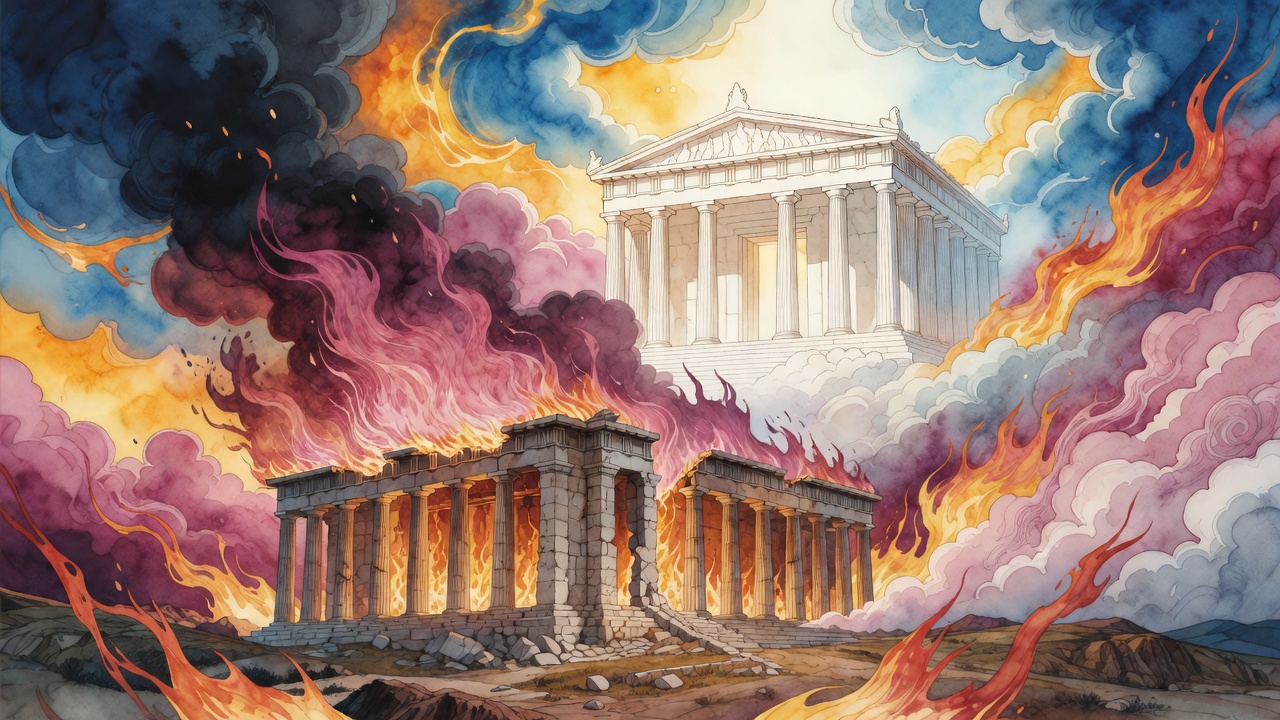
When the Temple burned, the fire found only an empty shell. The true sanctuary had slipped out of sight, still standing, waiting on Zion.
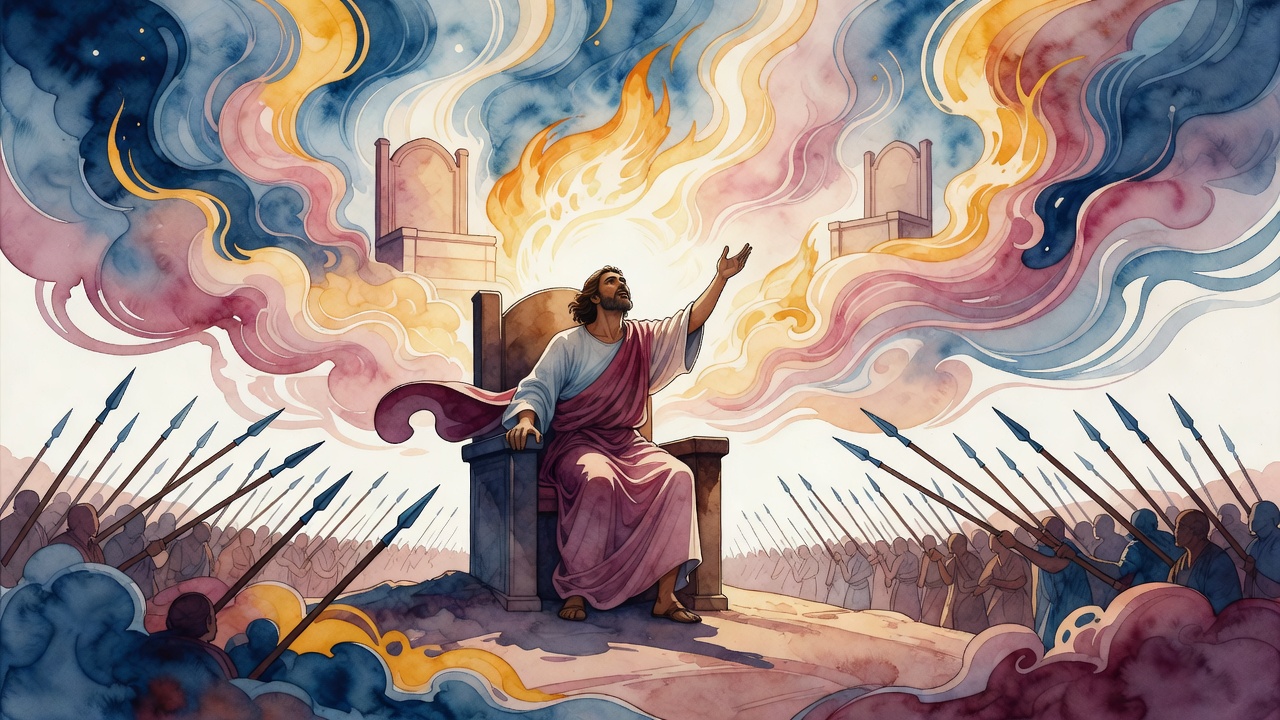
Judah's mightiest king rose from his throne for every scholar, then met an impossible siege not with his sword but with one cry to heaven.
