191 myths · Page 3 of 7
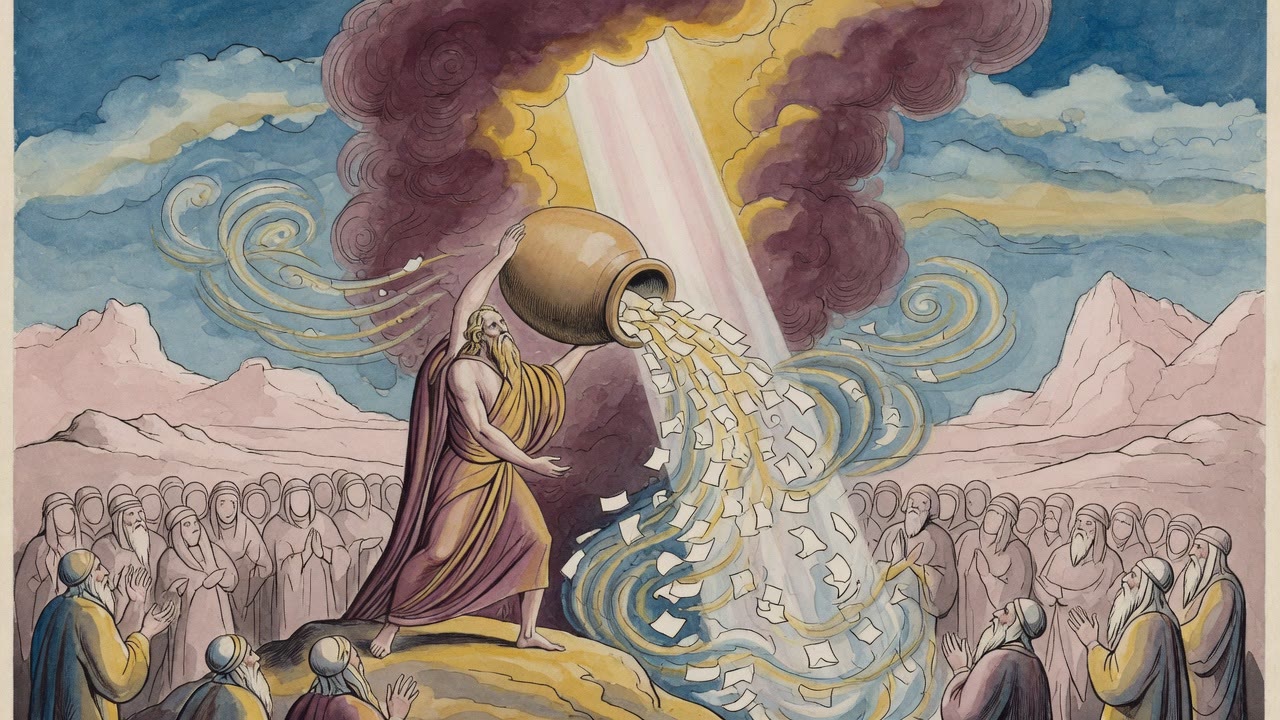
Moses had seventy-two worthy candidates and only seventy spots. He designed a lottery that left no human hand to resent and no accusation to sustain.
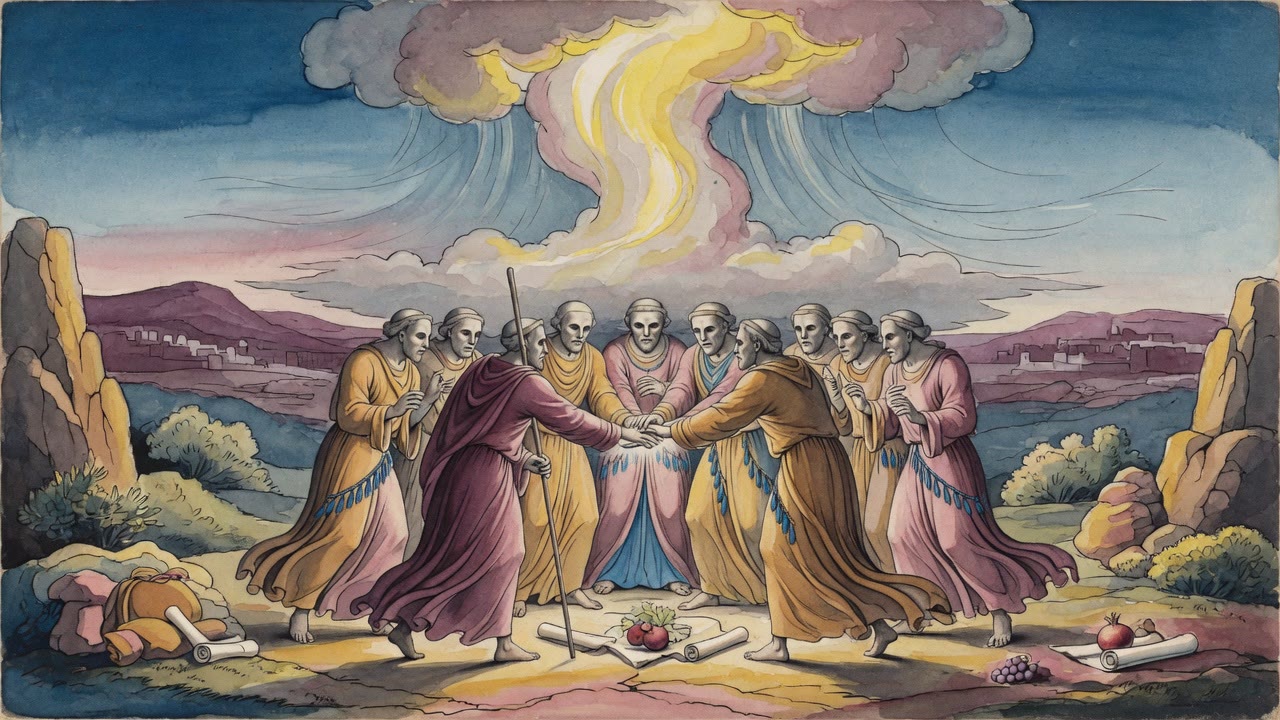
God approved every name Moses wrote. Two men came back under a grape cluster hung from a pole. Ten mouths had already called the land a grave.
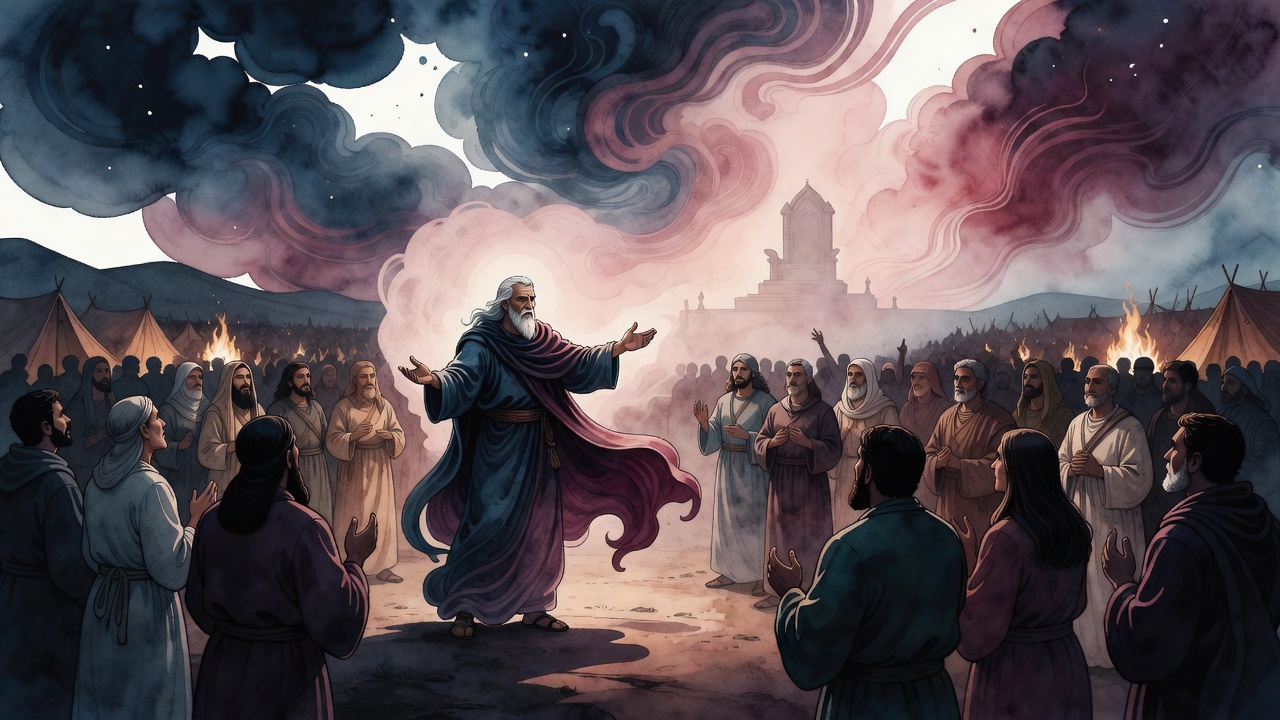
Moses had given him until morning to think. Korah used the dark on tent flaps, and dawn brought a whole camp to the incense test instead.
A generation raised under divine clouds had never seen direct sunlight. The day Aaron died on Mount Hor, every cloud dissolved at once.
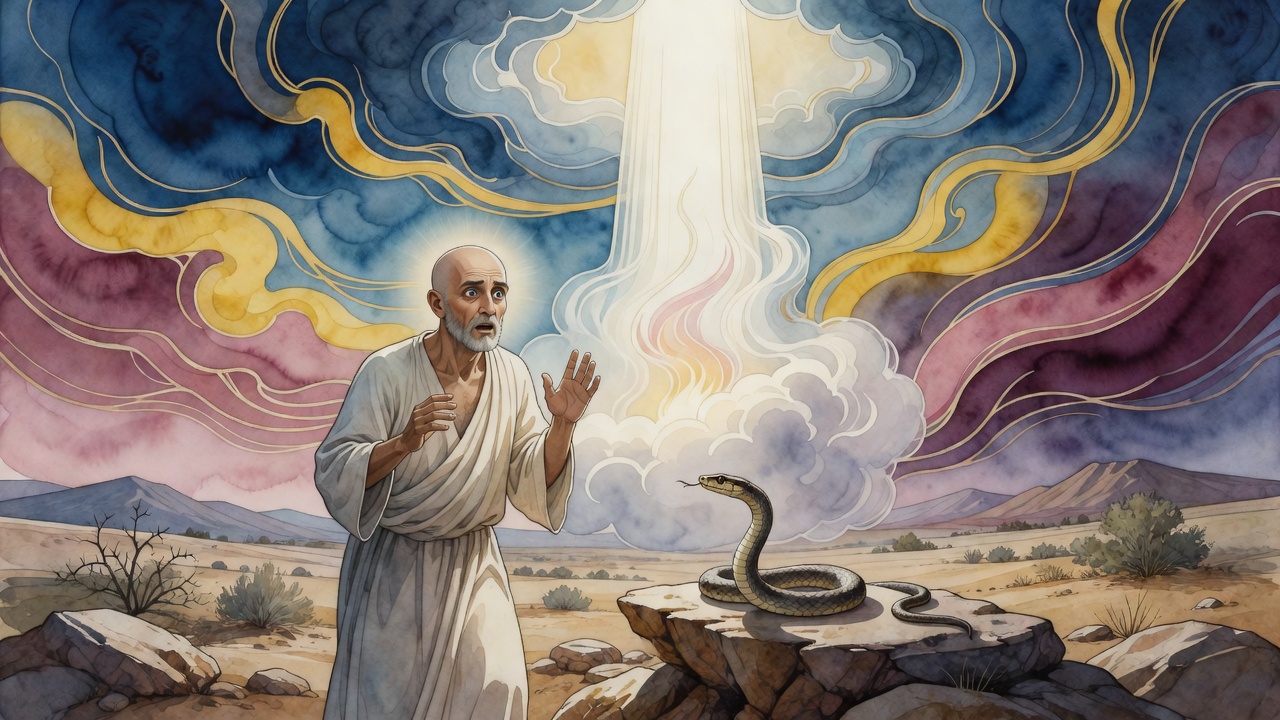
He went up the hill for firewood. The snake lay in the scrub and never looked at him. His hair came out before he reached the bottom.
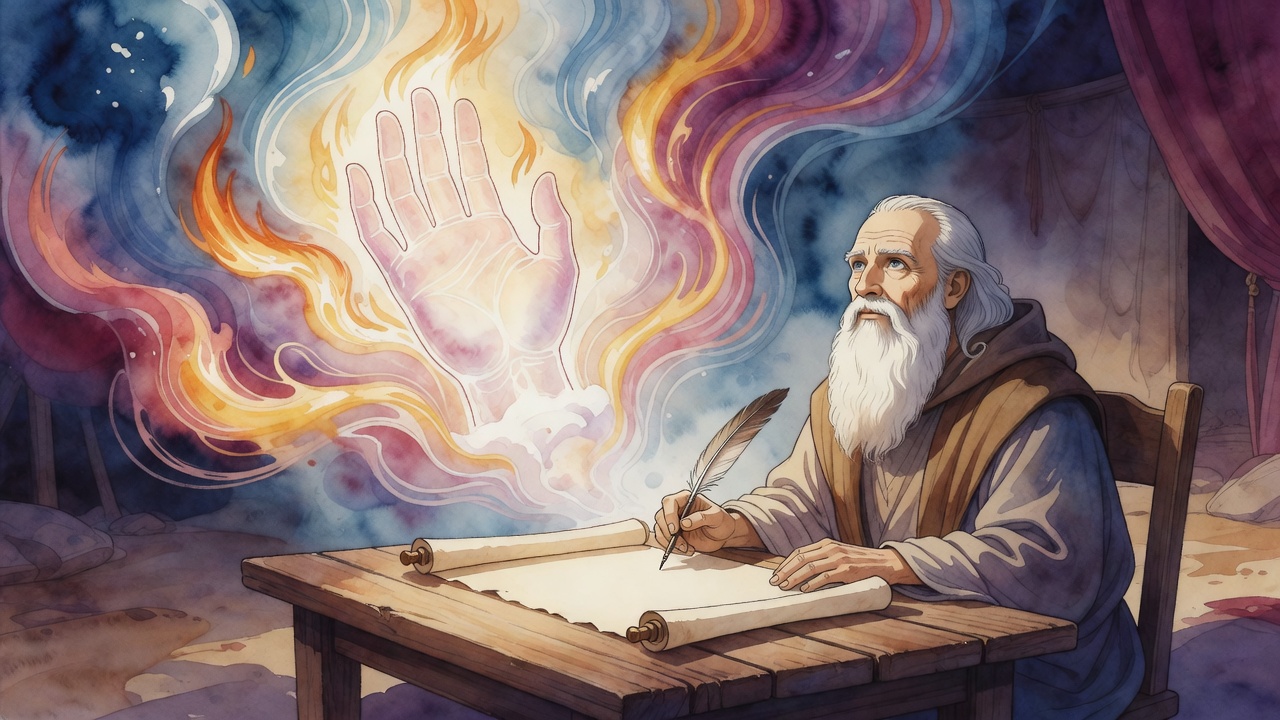
The camp woke to frost on the ground that was bread. Nobody sang over it. God had opened His palm before they asked.
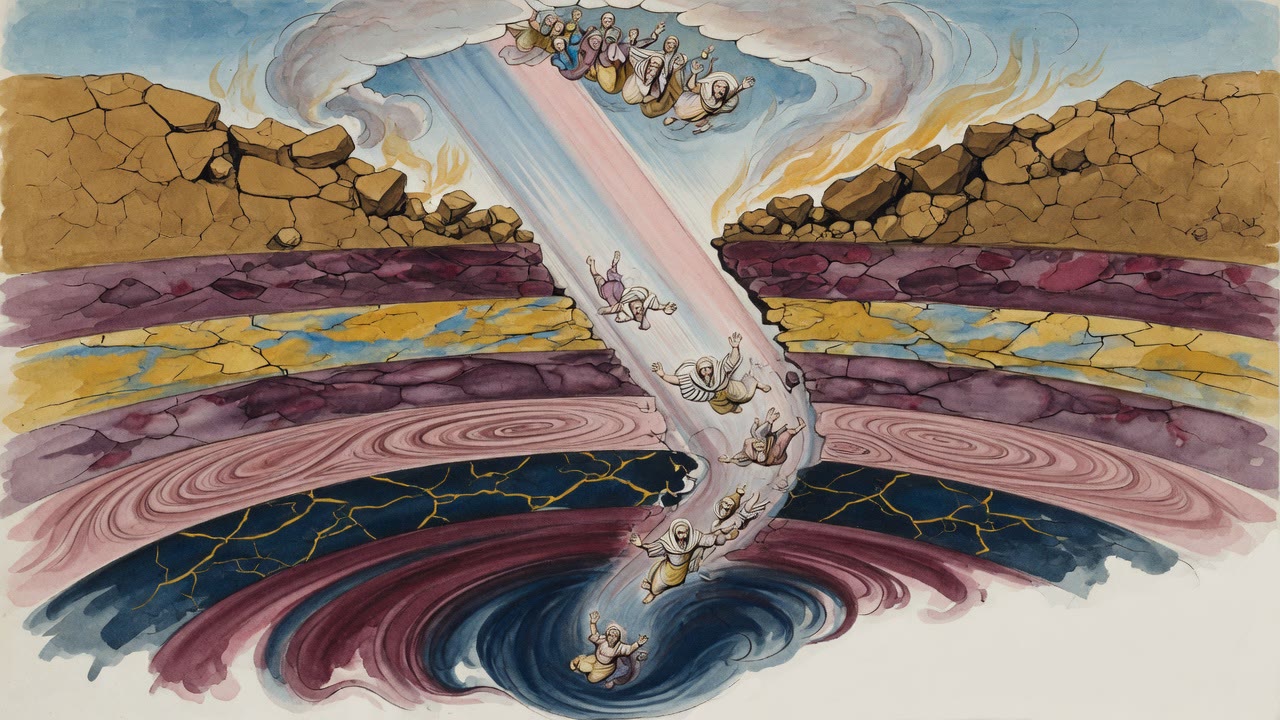
Moses shaved him bald as part of a purification rite. Korah walked back through the camp and his own neighbors asked him who he was.
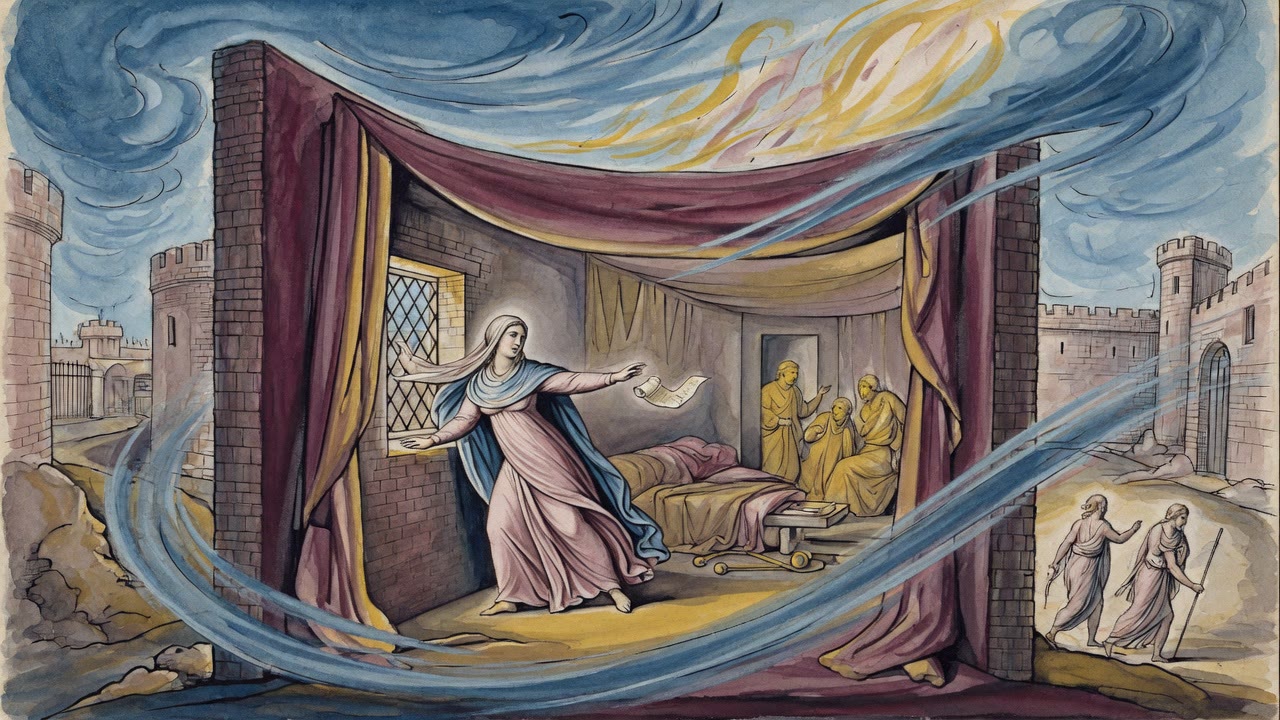
She was twelve and she was being held in the prince's house when she overheard what the men downstairs were planning to do to her family.
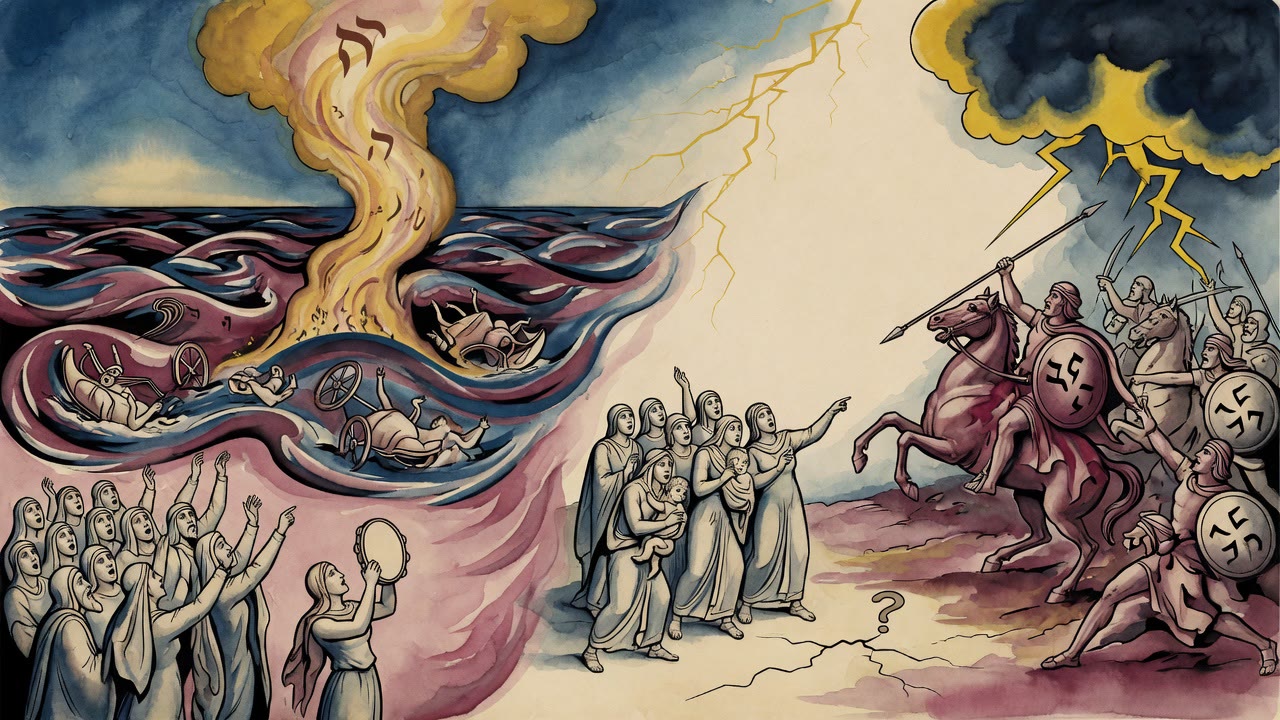
Israel crossed the sea, watched Egypt drown, and sang. Then they asked whether God was really among them. Amalek came the next moment.
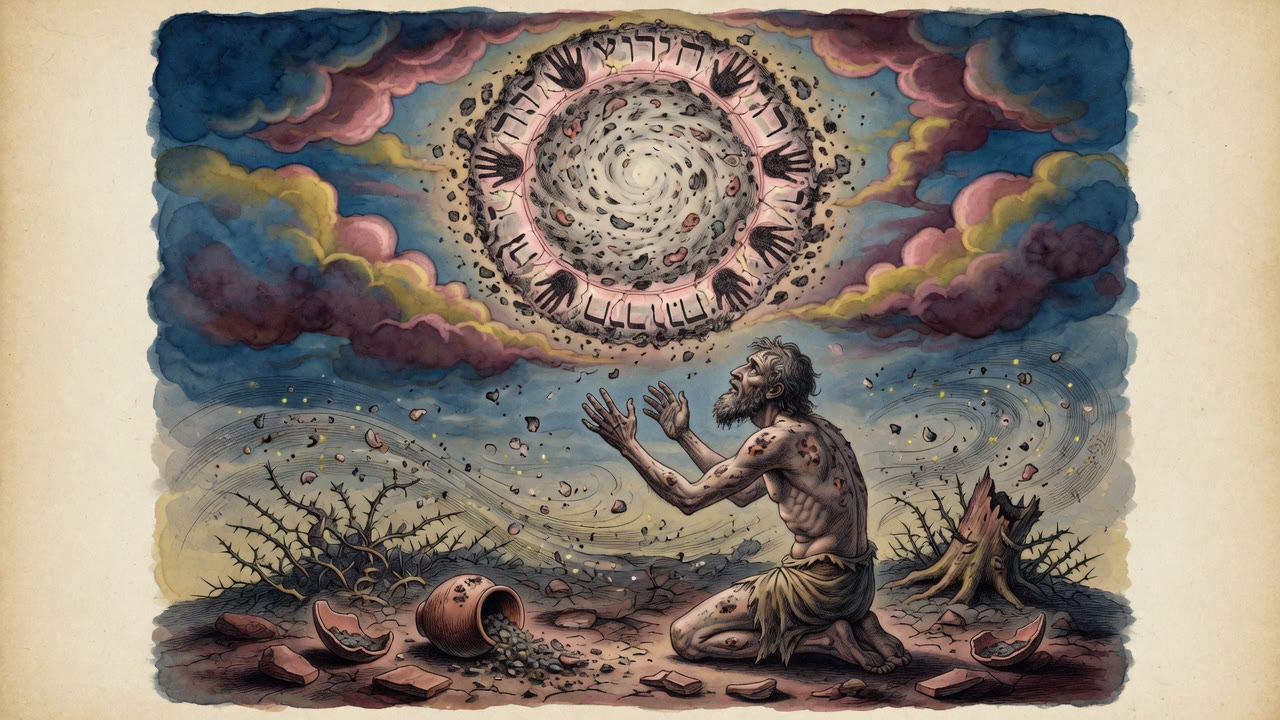
Old women priced the linen high. A girl behind the curtain poured wine and set Peor's idol beside the cup. Bow first, she said, then you may stay.
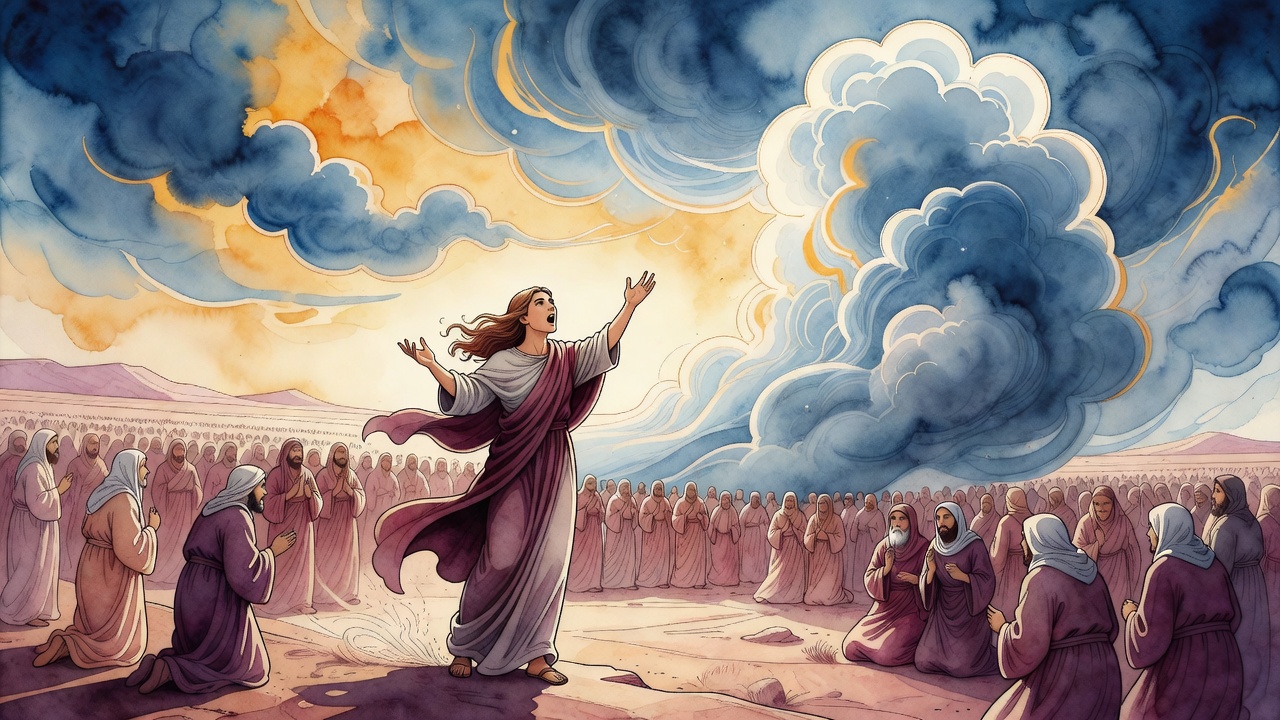
A sister speaks against Moses and the cloud withdraws. The whole nation waits seven days in the wilderness until shame finishes its work and Miriam can return.
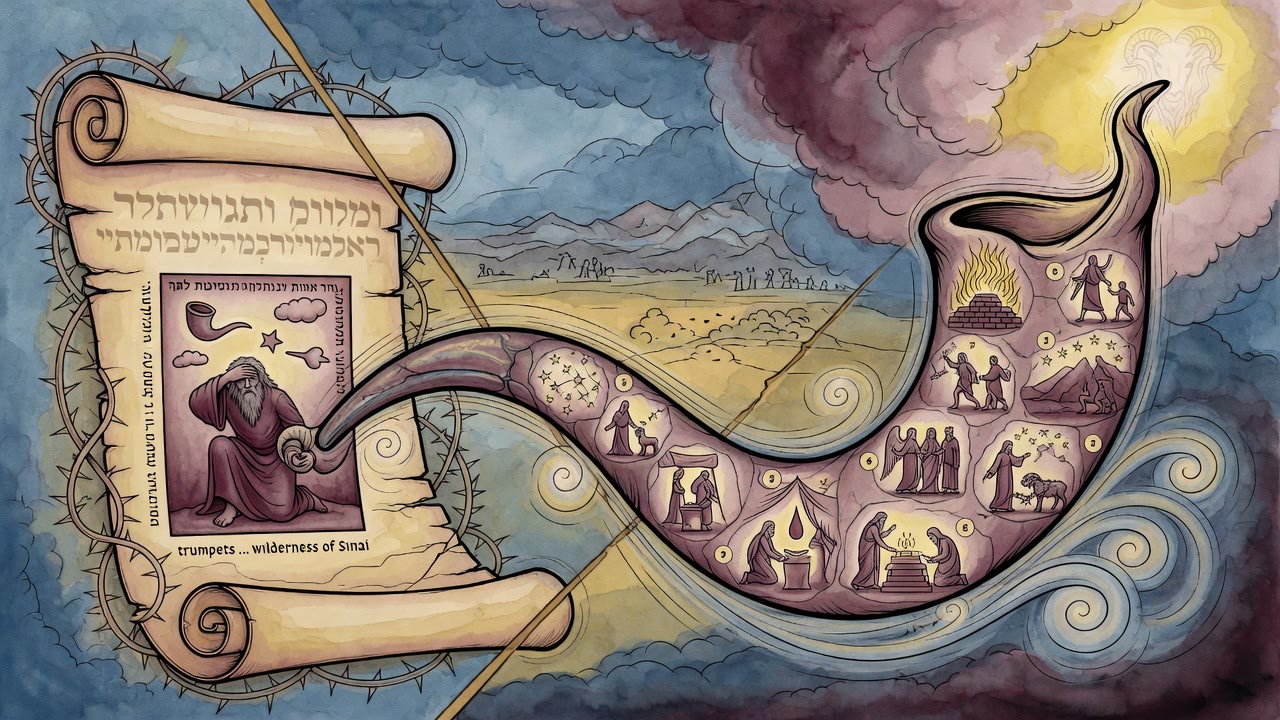
Two silver trumpets told the camps when to gather and when to march. The sages traced that broken blast back to Abraham standing over Isaac with a knife.
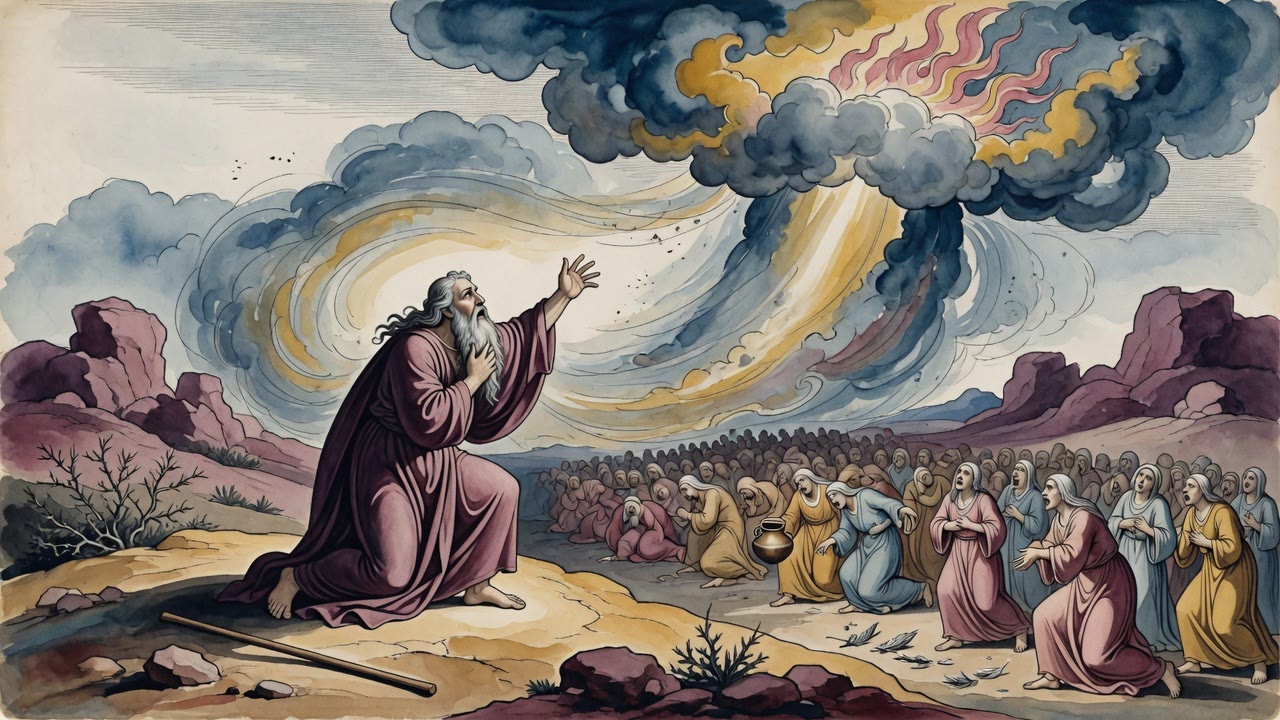
When Israel wept for meat in the wilderness, Moses did not pray for quail. He asked God to end his life. Sifrei Devarim examined the prayer word by word.
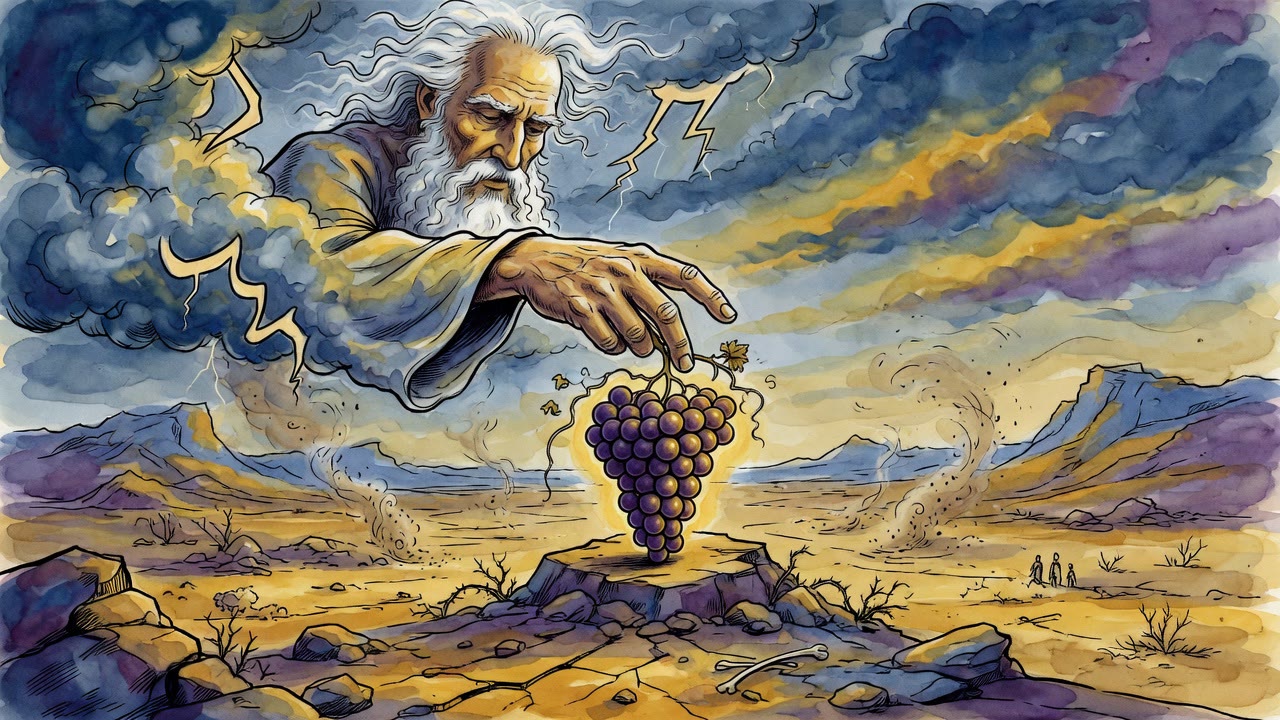
Moses asked heaven for two more years in the land and was refused. Then he asked to be carried in dead, and he was refused that too.
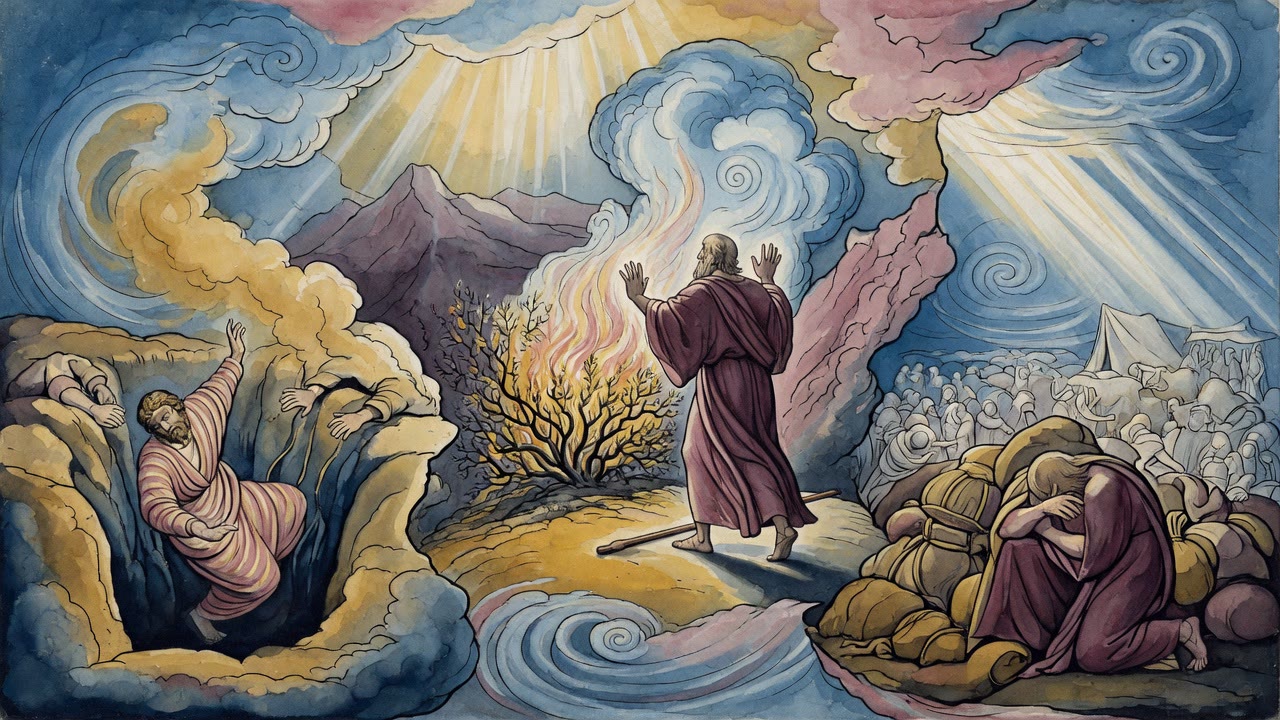
Ten men came back from the land certain it would kill them. When Joshua stood up to answer them, they shouted that a childless man had nothing to lose.
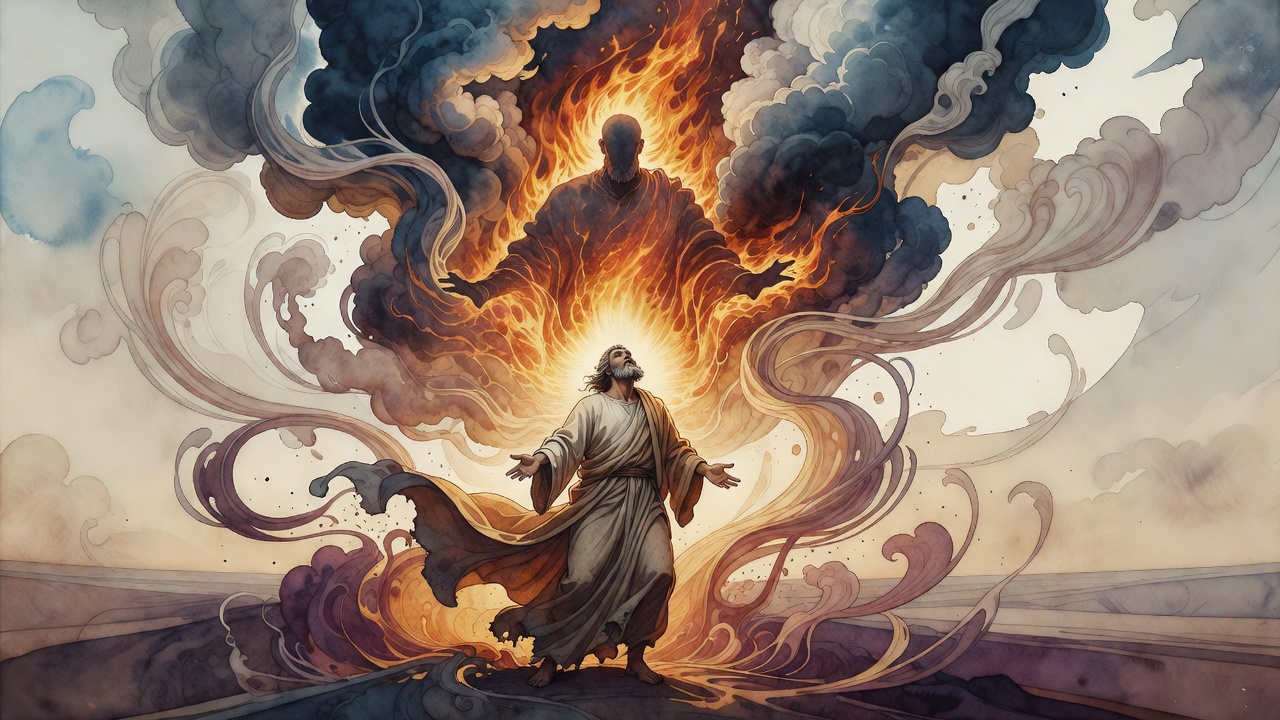
After the golden calf, God said He would send an angel instead of coming Himself. The people heard it, took off their ornaments, and never put them back on.
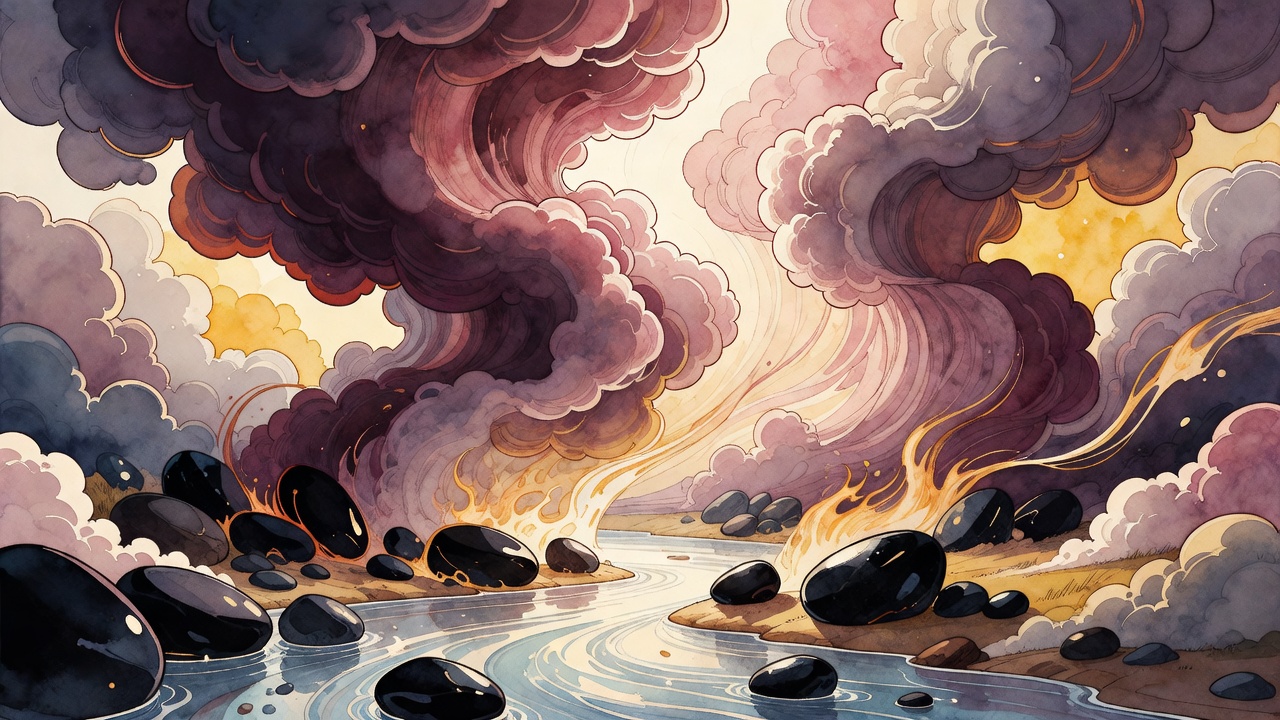
Clouds flew to the river Pishon at Eden's border and gathered onyx stones for Aaron's breastplate before Israel built the Tabernacle.
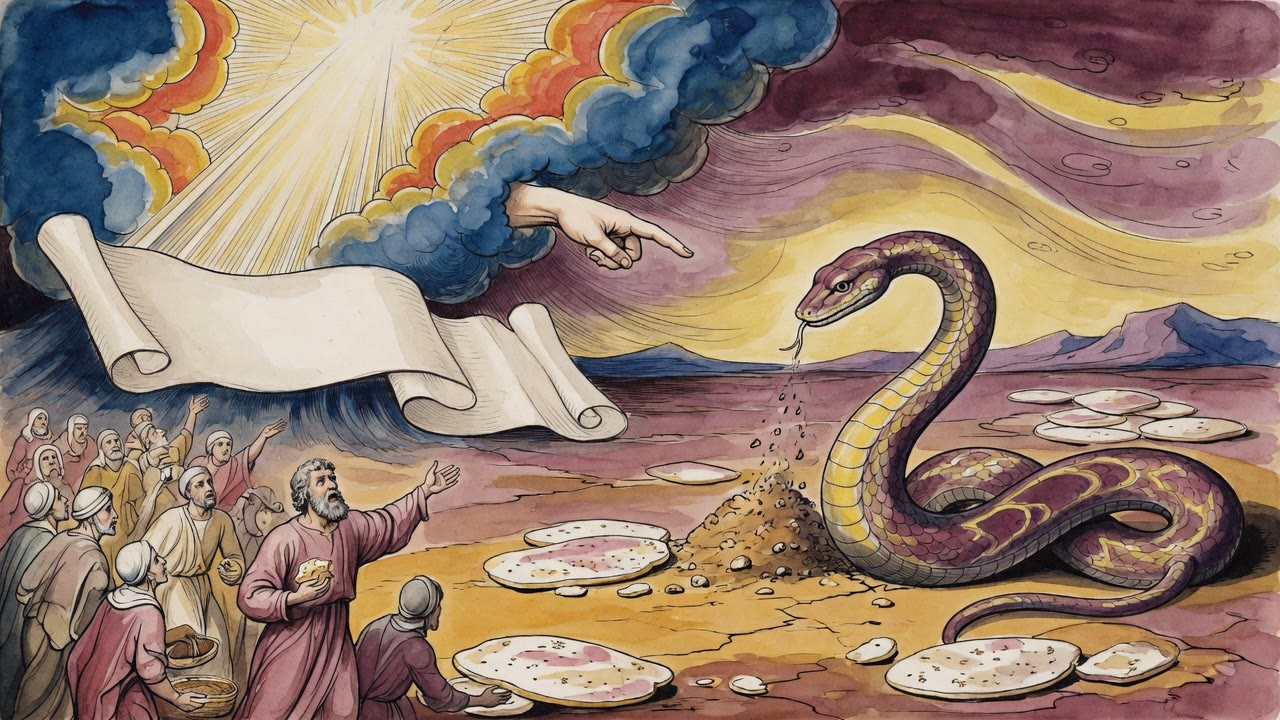
Israel called the manna disgusting after forty years. A heavenly voice answered by pointing to the serpent, who eats dust without complaint.
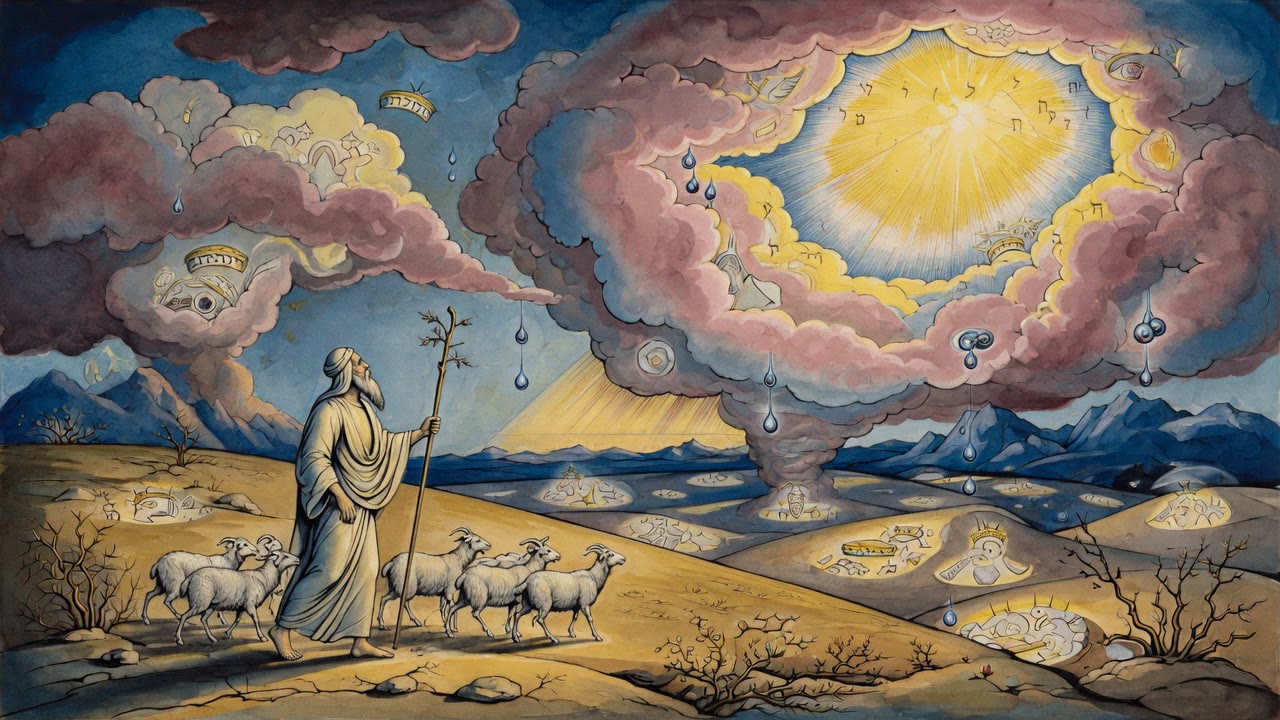
When Moses asked how to find the Israelites who sinned at Peor, God proposed peeling back the cloud so the sun would mark the guilty.
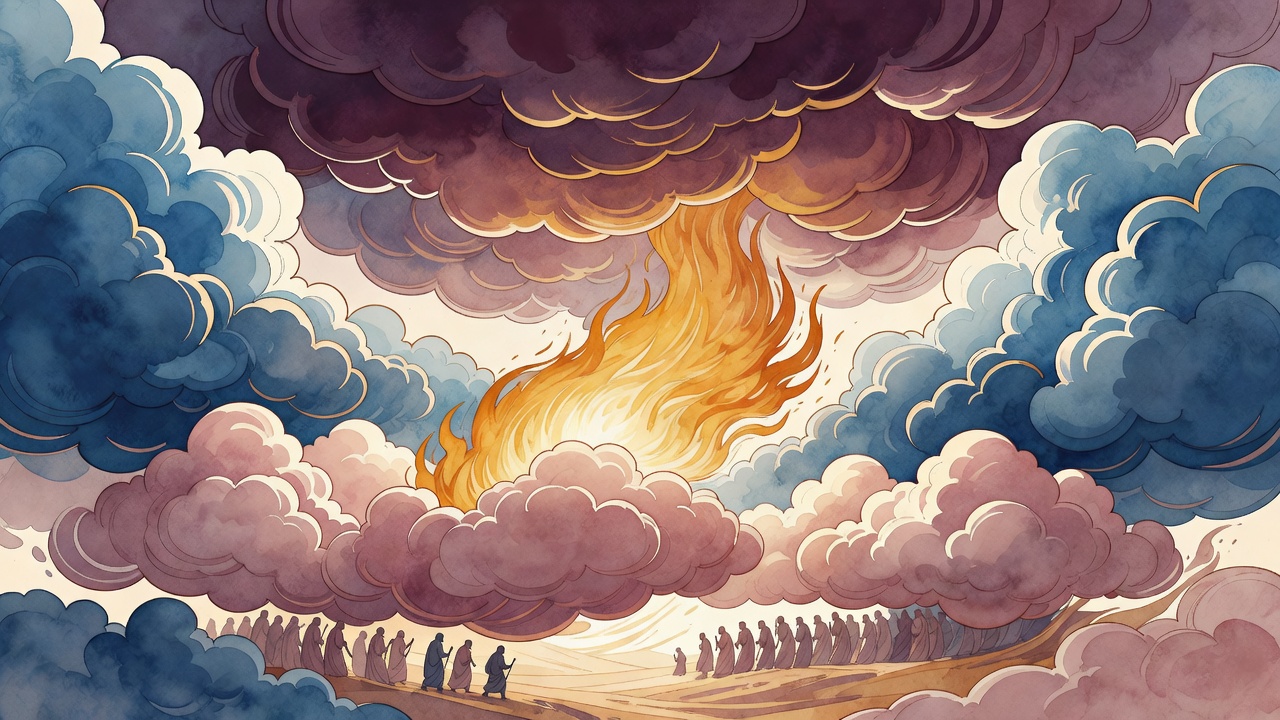
Esau told his grandson he had failed to kill Jacob and left him the job. Watch for the stumble, he said. That is the only opening you get.
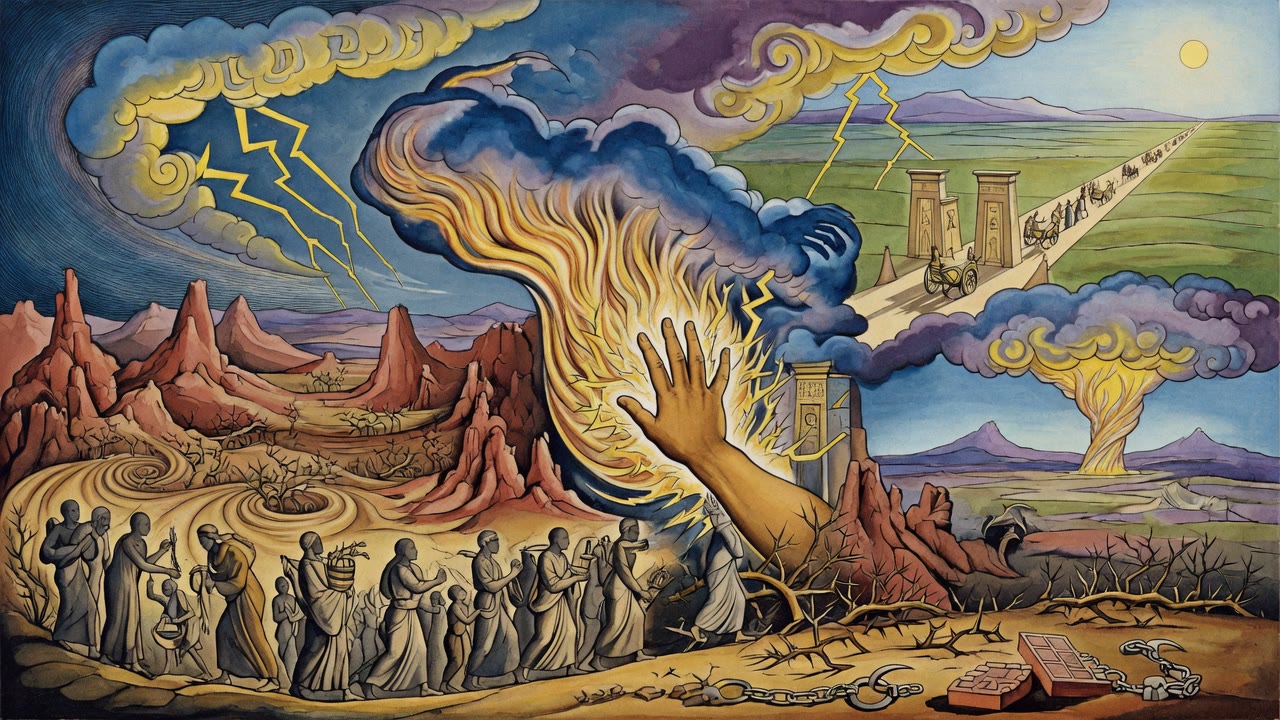
God told Moses to turn the Nile to blood. Moses refused. No man drinks from a well and then throws a stone down into it.
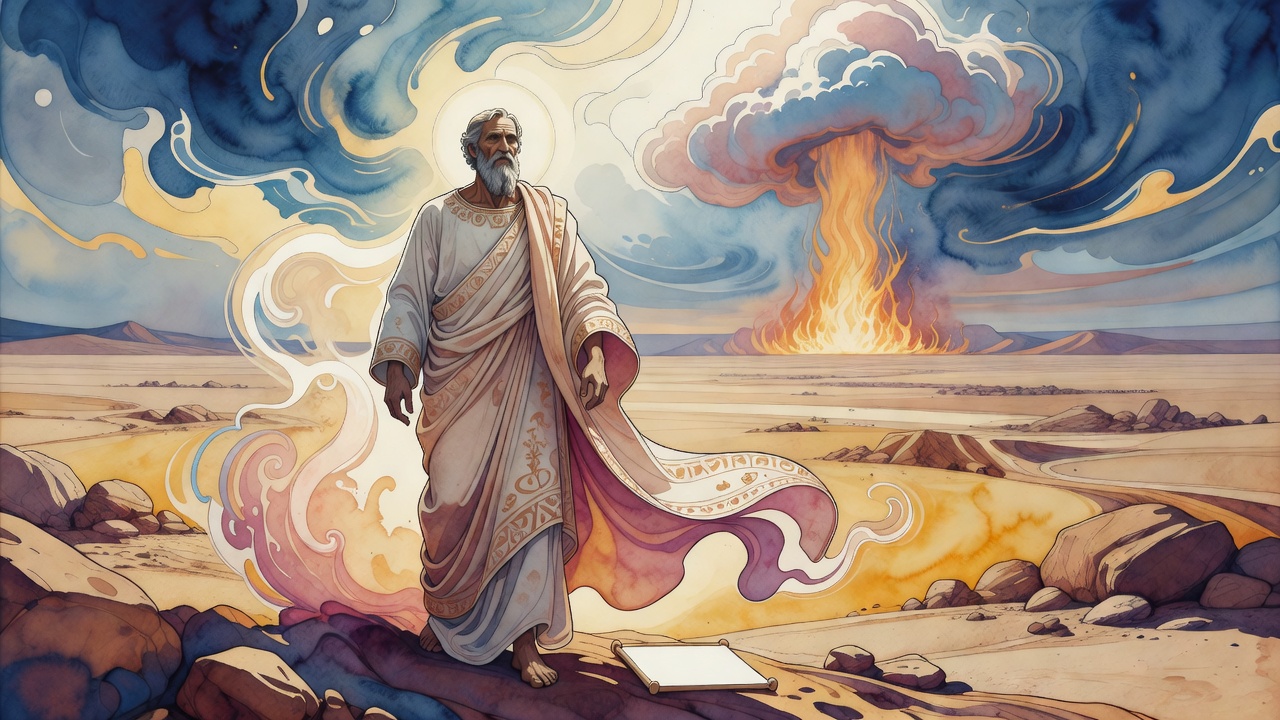
A boy born in the sand still wore the same tunic at the Jordan. The cloud had rubbed it white for forty years, like a snail's shell.
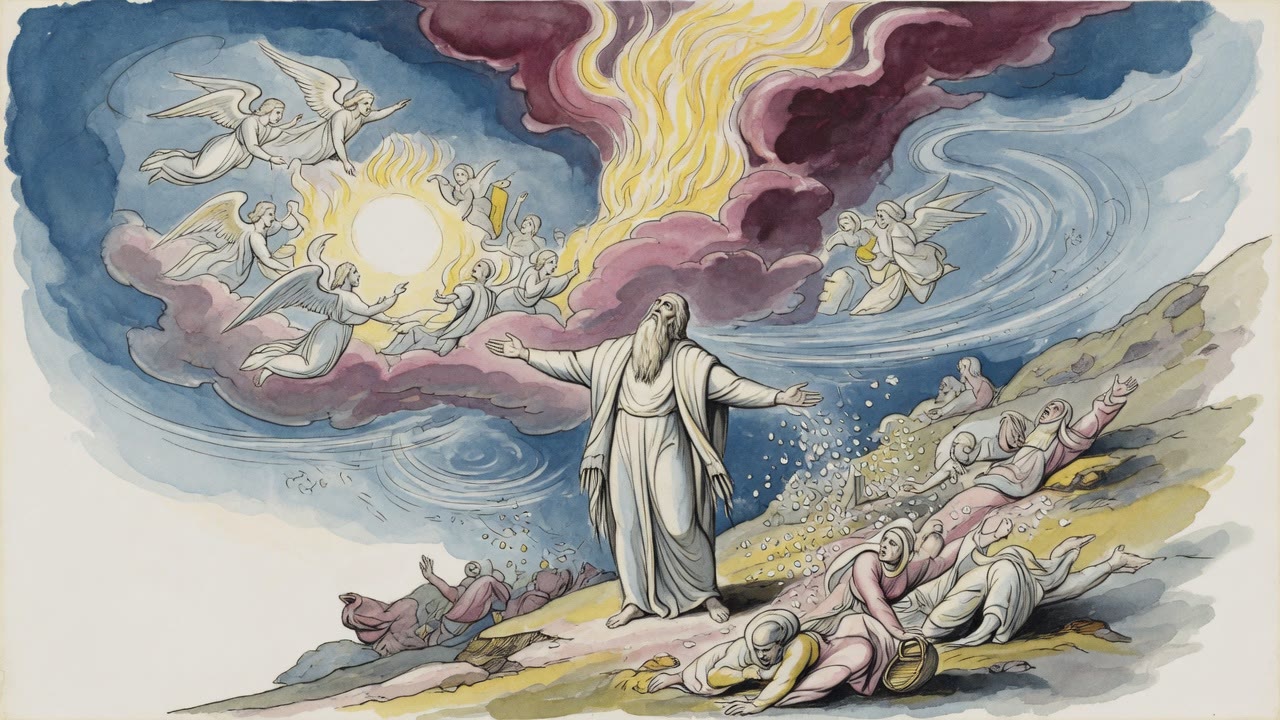
The tablets were still warm in his hands when he saw the calf. He broke them. Below the mountain, Israel was already dancing.
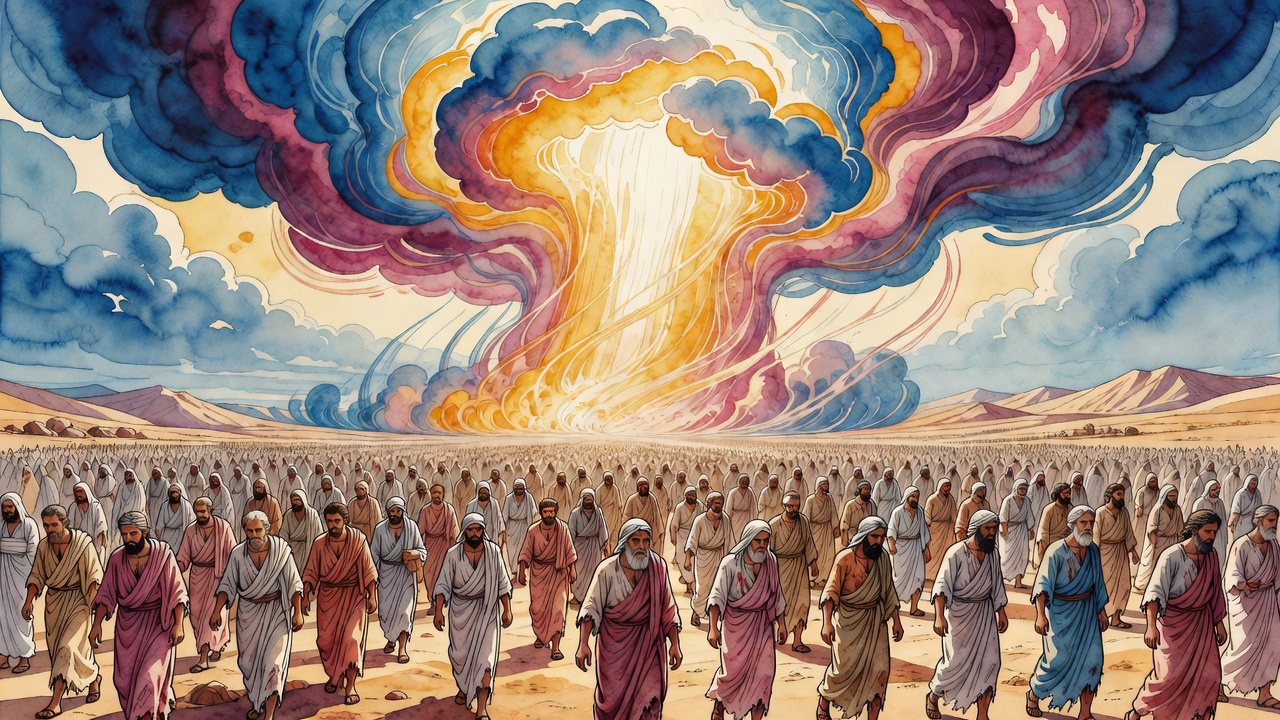
The nations watching in the wilderness said these children had Egyptian fathers. God told Moses to count them house by house and settle the question.
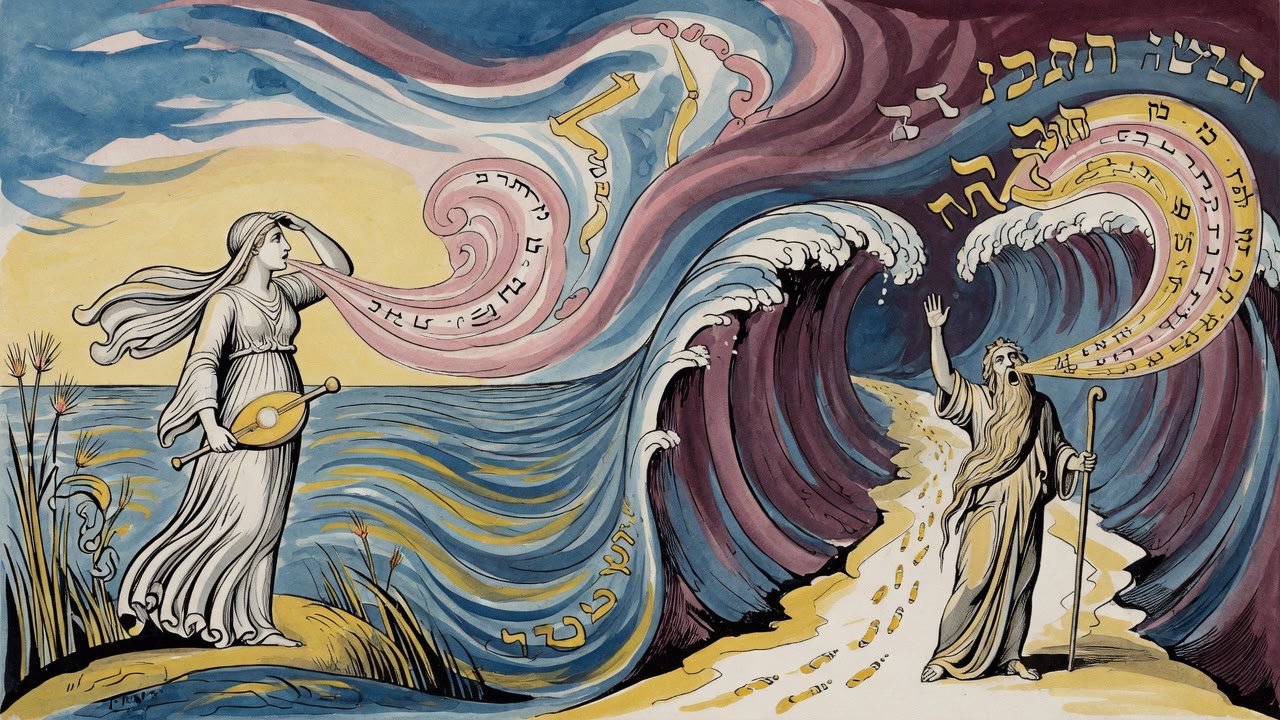
The choir of fire stood ready. On the far bank, escaped slaves were still finding their voices, and God would not let heaven start first.
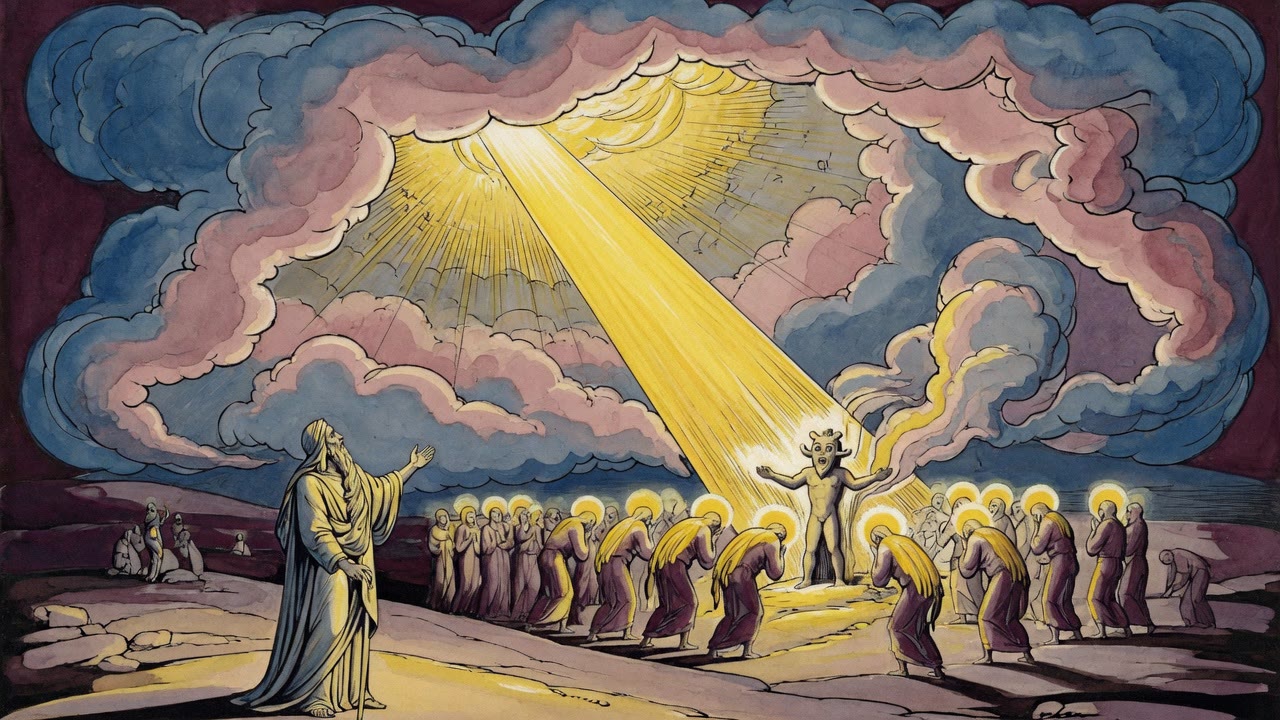
Moses drove Jethro's sheep forty days to reach Horeb. The empty desert already held the manna, the well, and the clouds of glory.
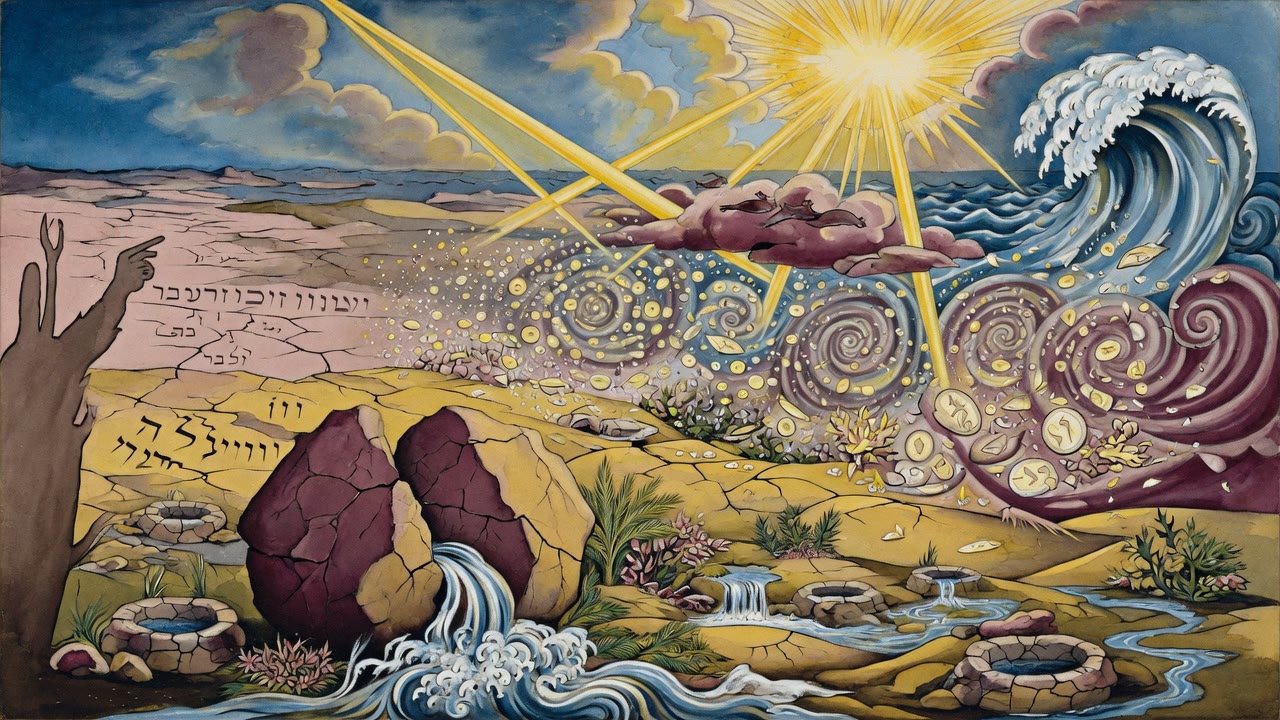
The people said the desert was empty and God had brought them there to die. So the sea split twelve ways, a cloud flattened the road, a rock followed them.
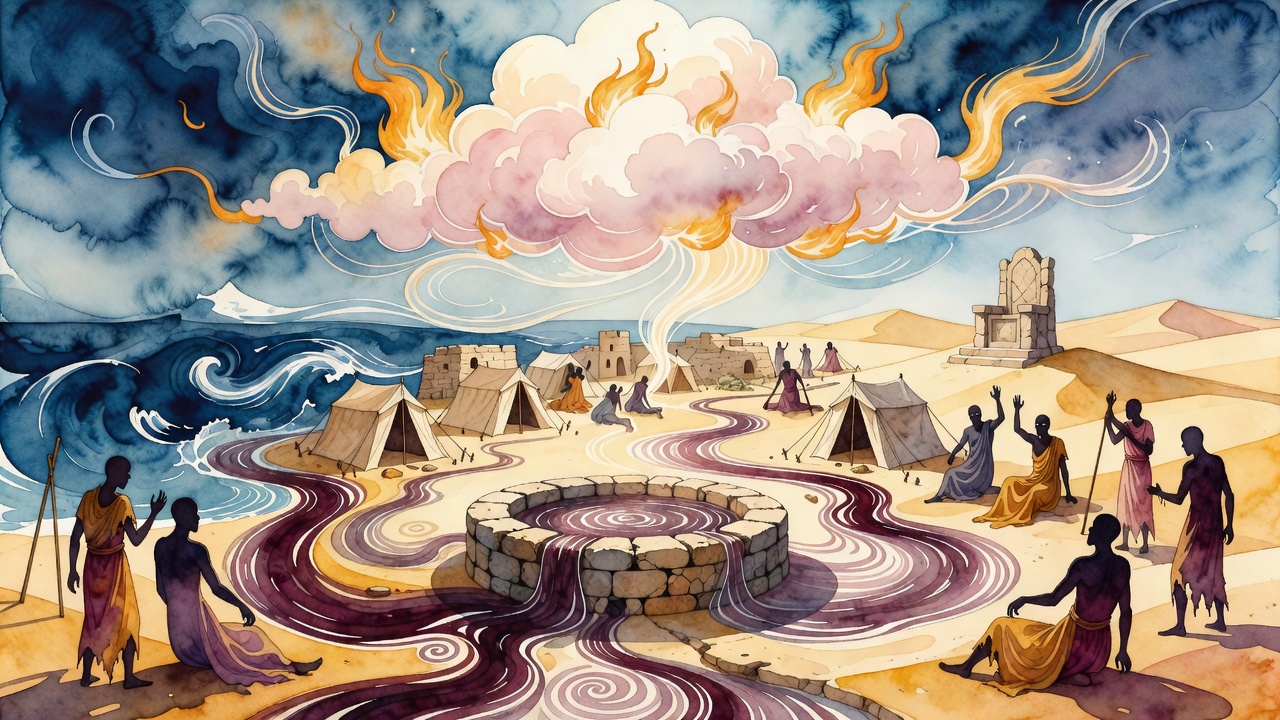
Before any Israelite army reached Canaan, the news from the sea had already hollowed out its kings. A singing well then drew rivers around the desert camp.
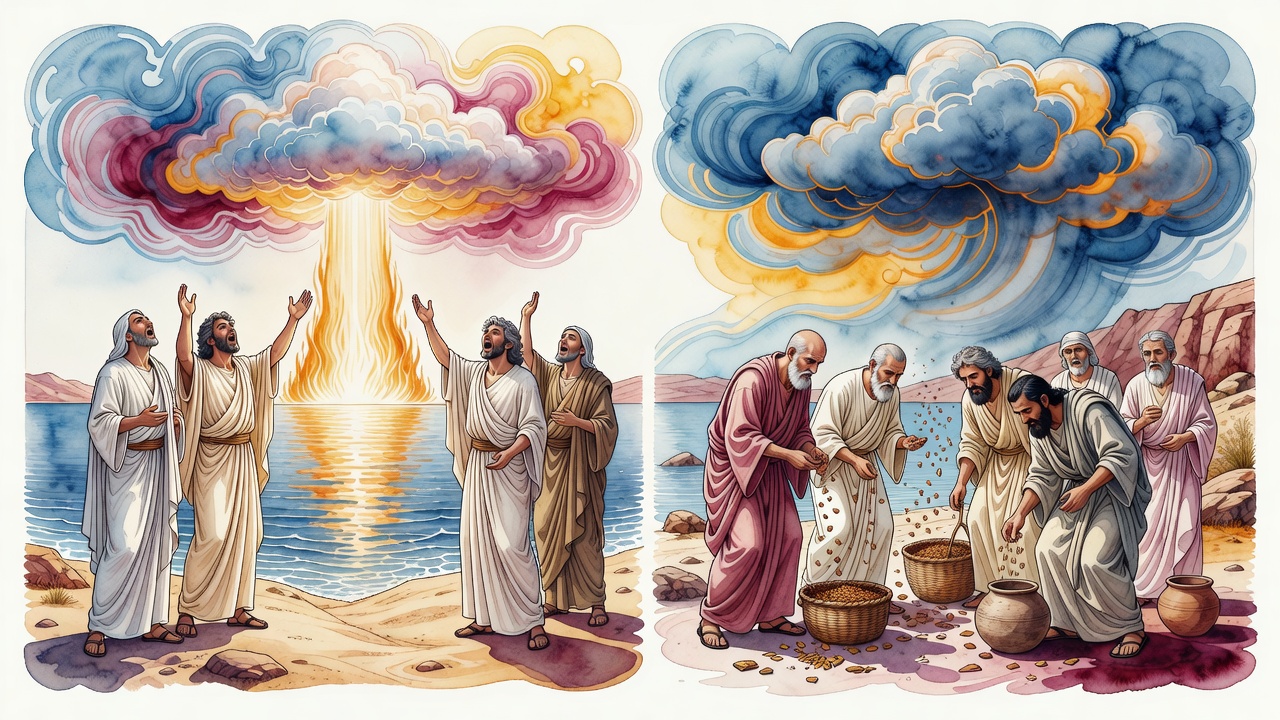
The song rose before they had bread or a plan. Six weeks later some of them walked out at dawn with empty vessels.
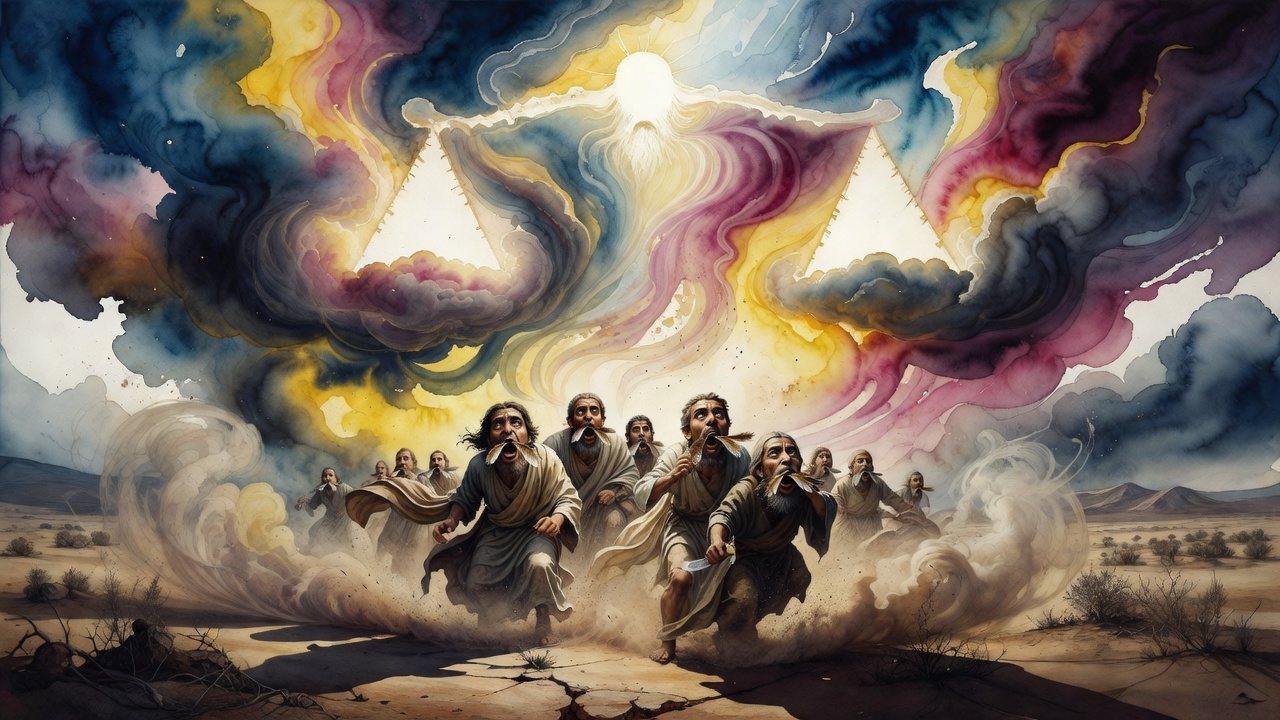
The quail were still in their mouths when the plague hit. The Mekhilta reads the wilderness to learn how God measures punishment against the size of a sin.
