203 myths · Page 5 of 7
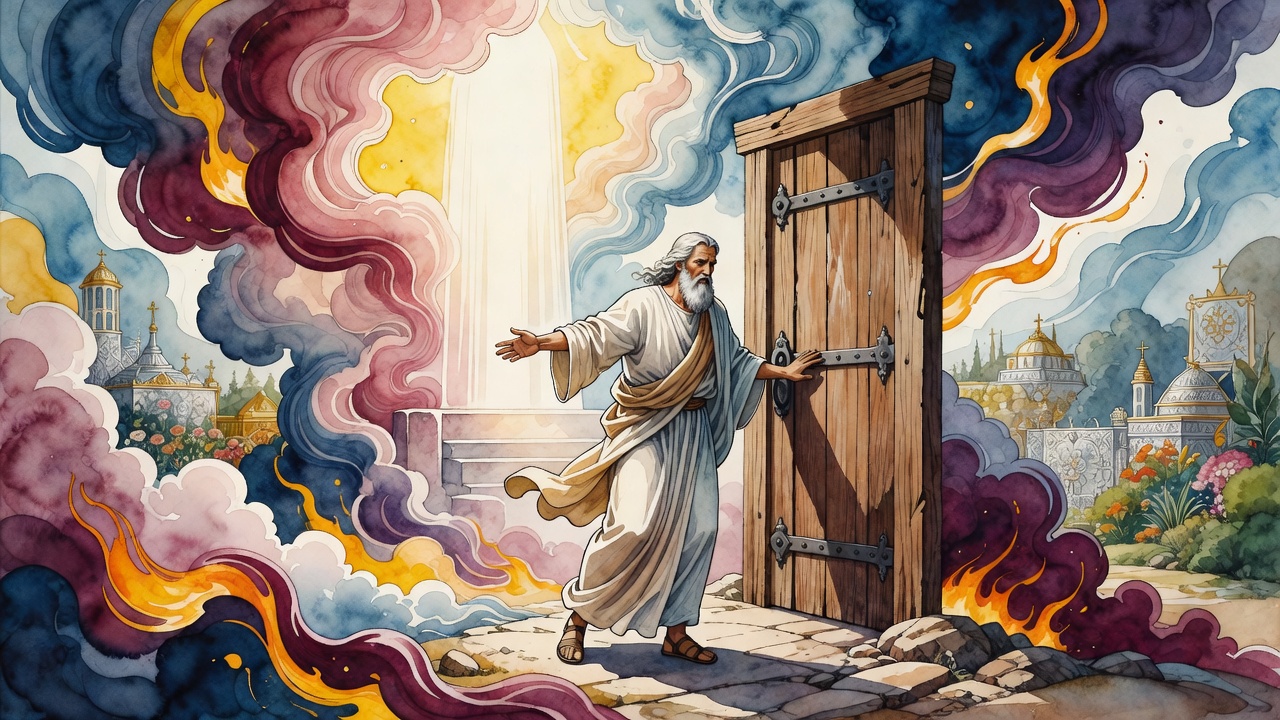
For six days God walks Moses through silver and gardens. On the seventh Moses still pulls his hand back, and a door closes.
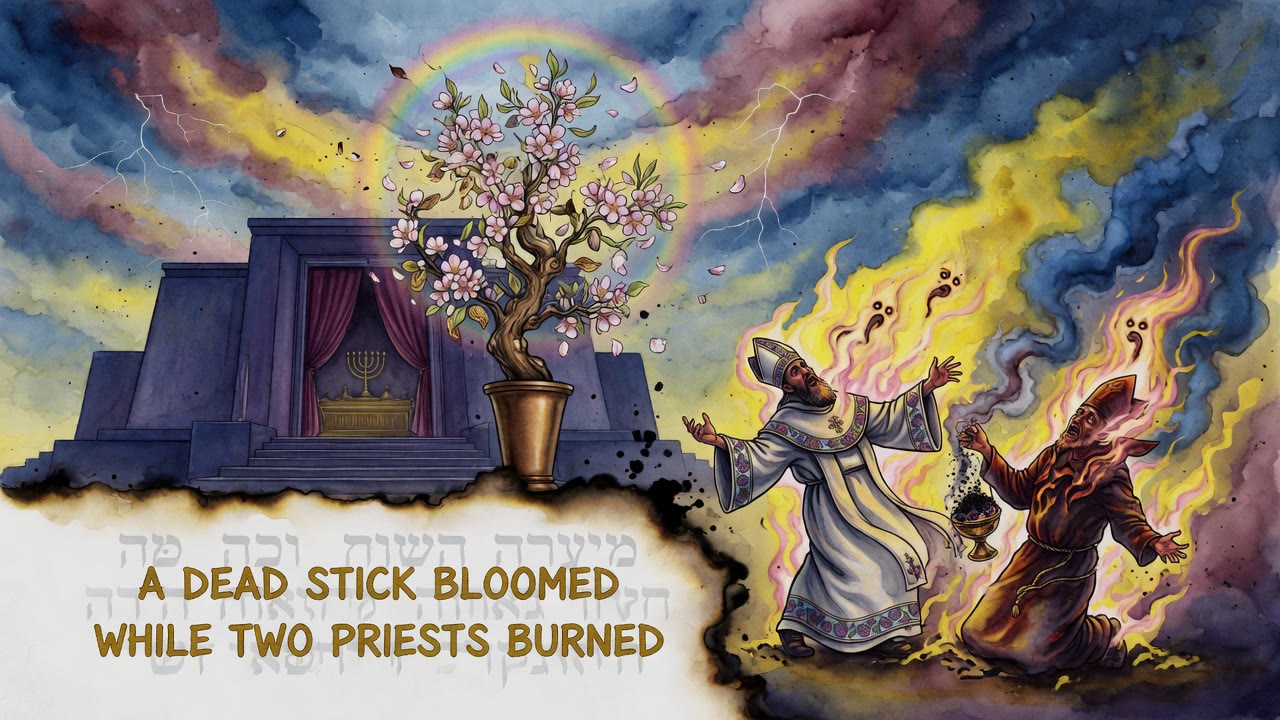
Aaron's dry rod came out of the sanctuary alive with blossoms. His sons entered to serve and were carried out as fire-killed corpses.
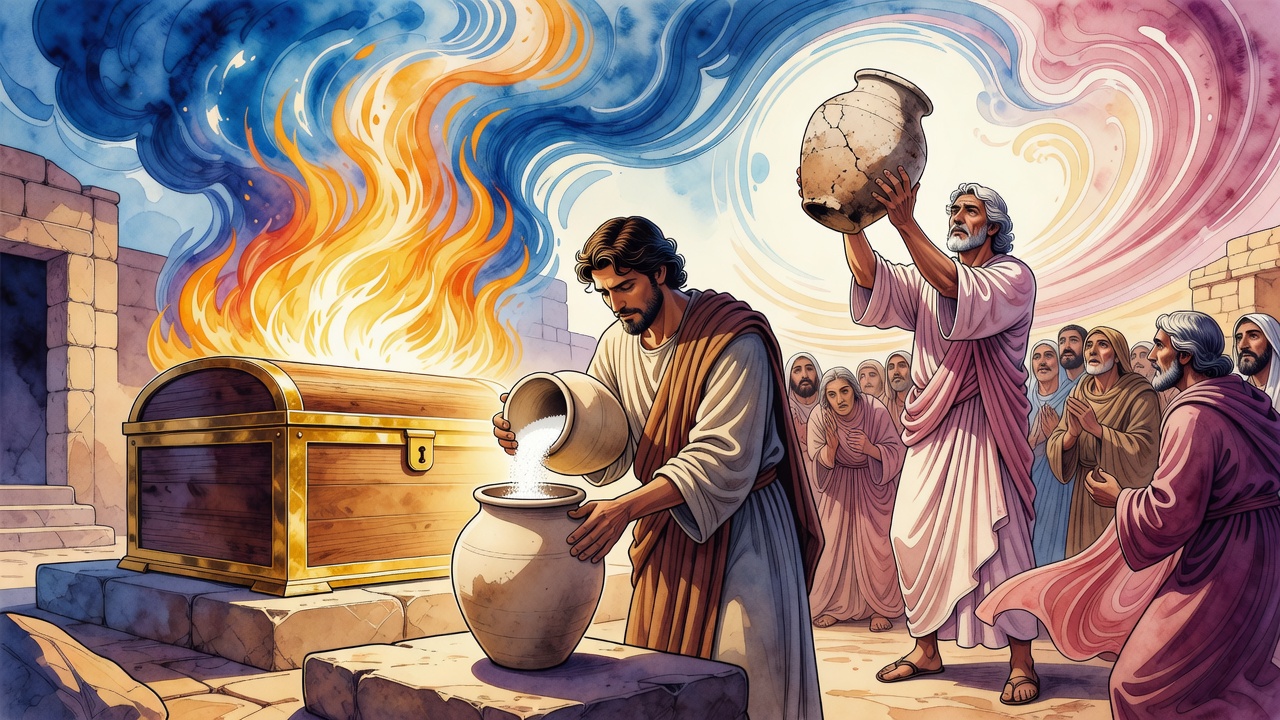
Aaron fills a plain clay jar with an omer of manna and sets it by the ark. Centuries later Jeremiah lifts the same jar to feed a doubting people.
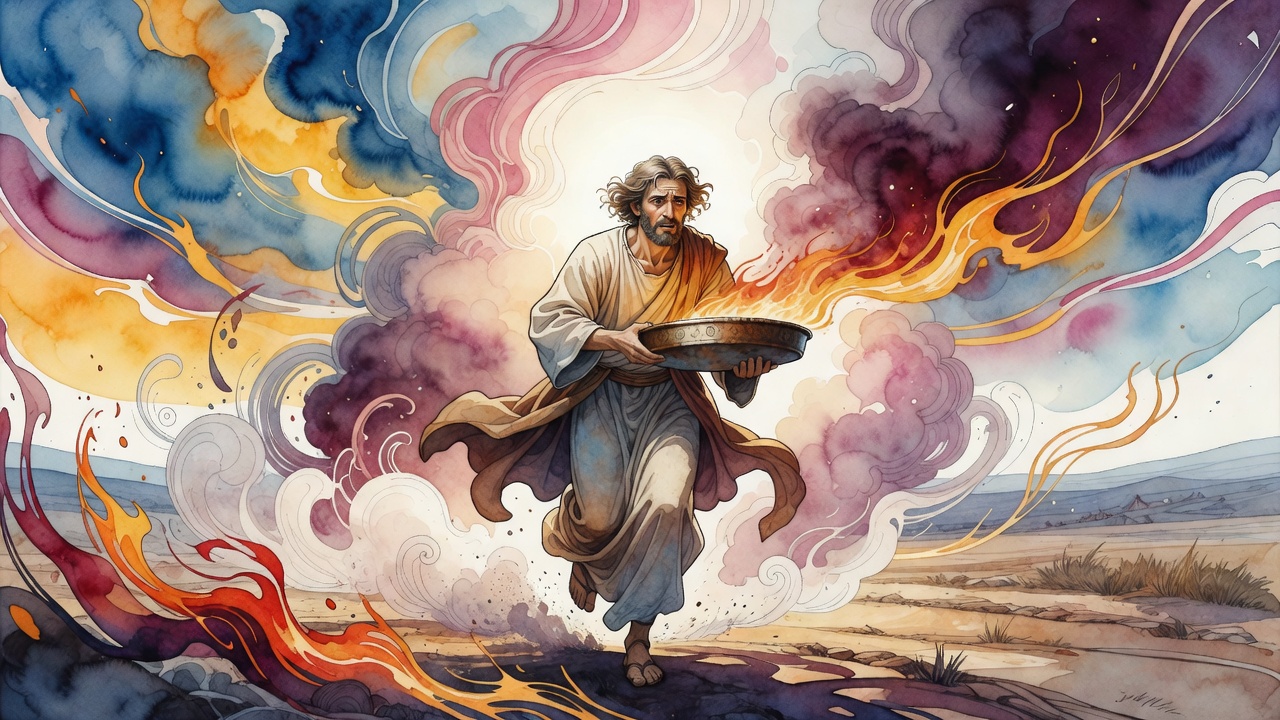
Men were falling in the tents when Moses put the fire-pan in Aaron's hands. Aaron's sons had died by fire. He ran toward the plague anyway.
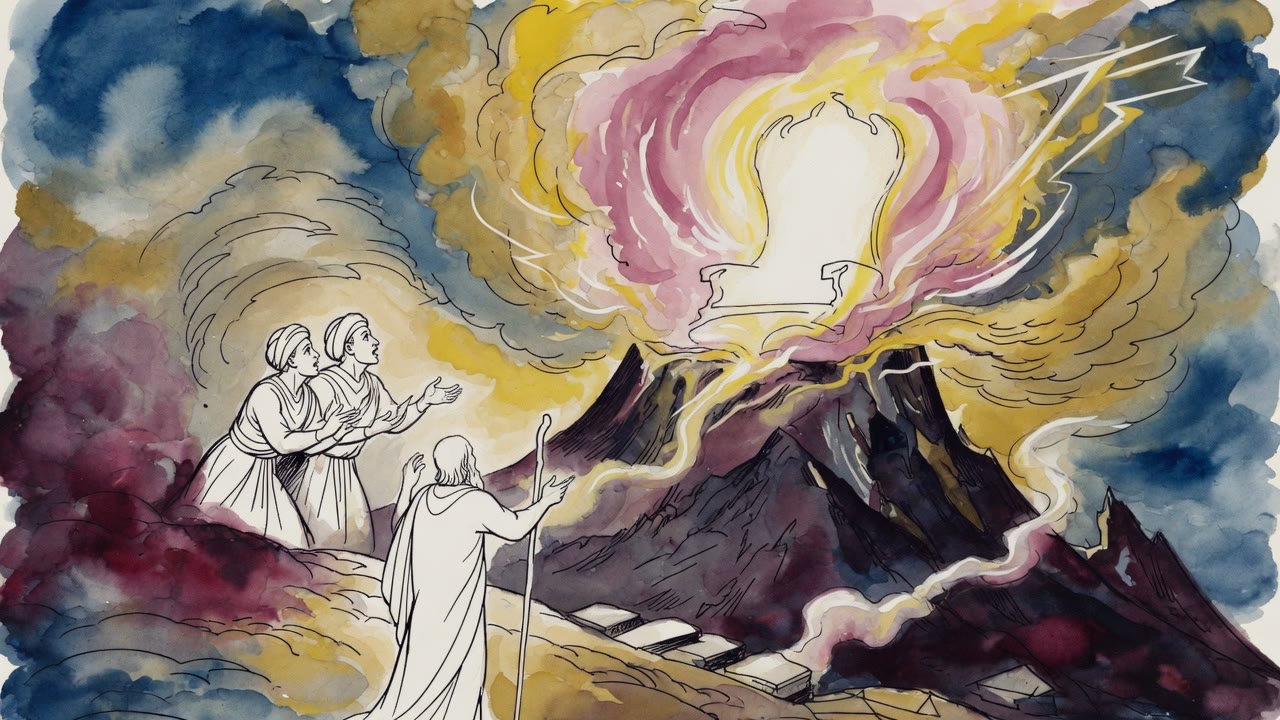
Behind Moses at Sinai the gifted sons whisper of a community that will be theirs. They stare at the Presence like a meal. Fire answers later.
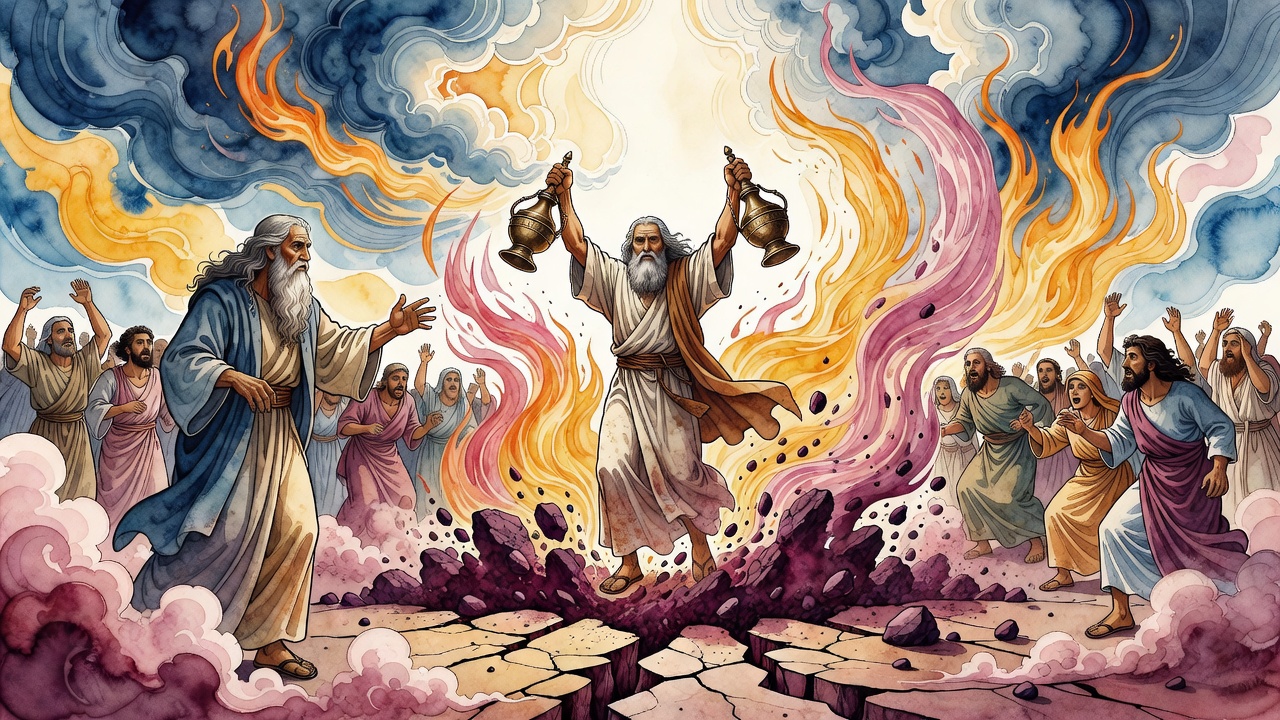
Moses pleaded like a brother. Take heed, he said. Do not stake your souls on a contest you cannot win. They would not hear him.
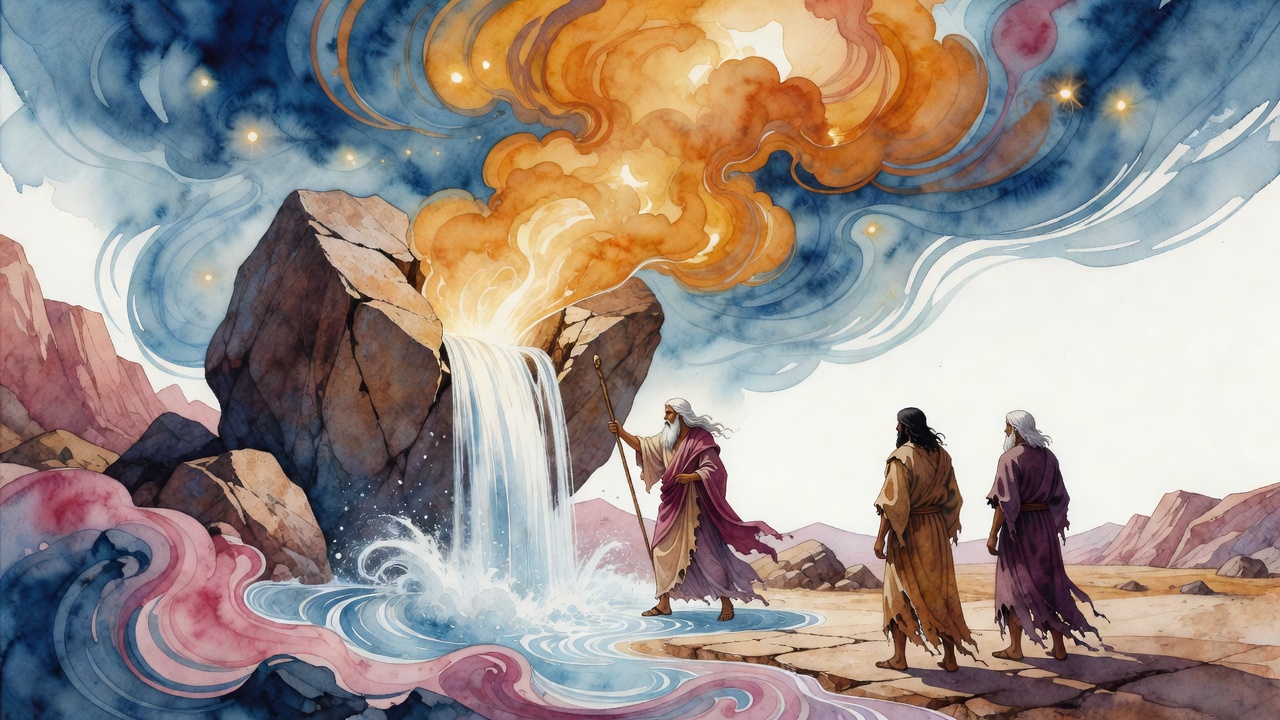
Speak, they had been told. They struck. Water ran. After that the Holy One could not pass the place without saying the brothers' names.
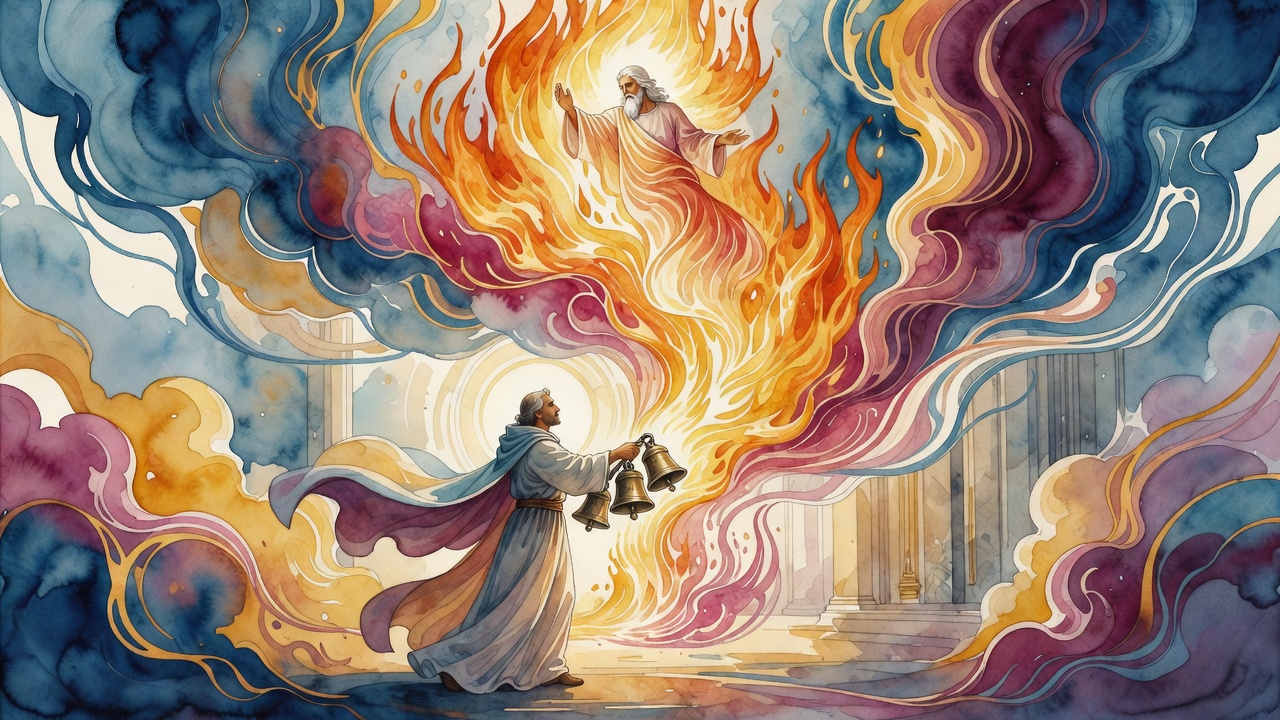
Aaron stopped at the curtain until the gold on his hem spoke. Without that sound, the Holy Place would have taken him as fuel.
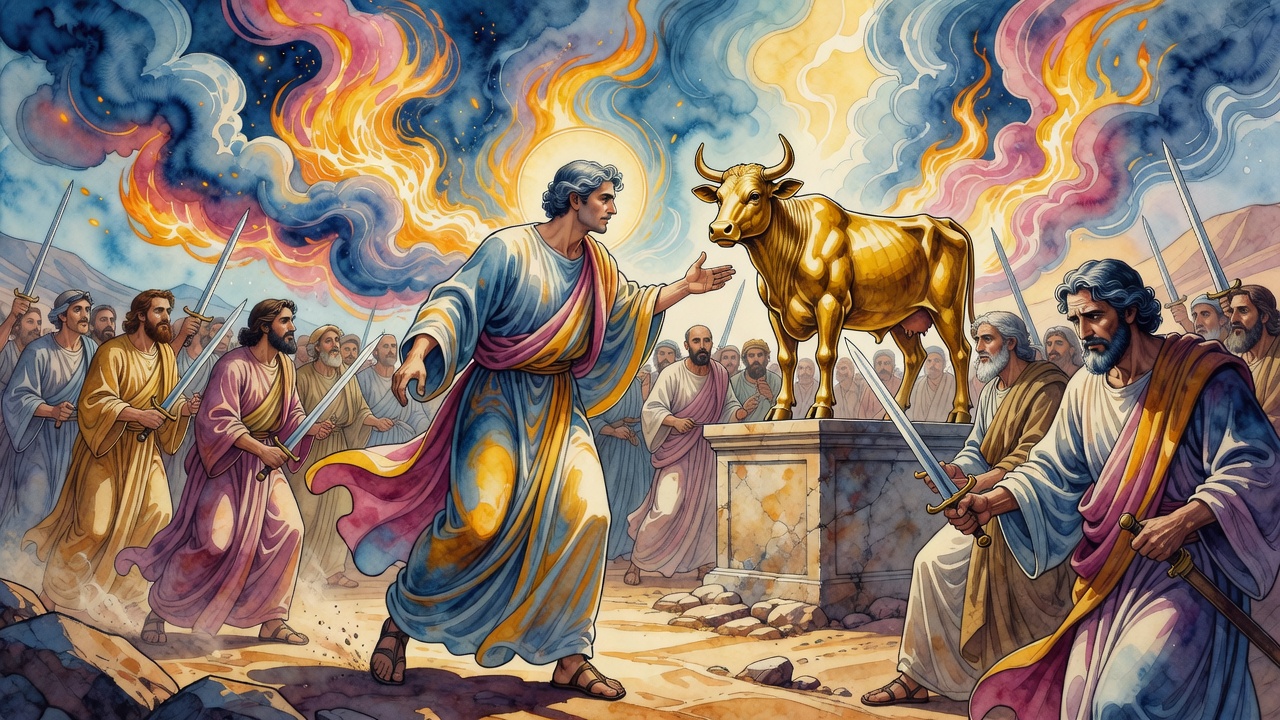
Aaron takes the gold before the people can. Better one tutor cut than a nation bleed. Moses sees guilt written, and Levites draw swords.
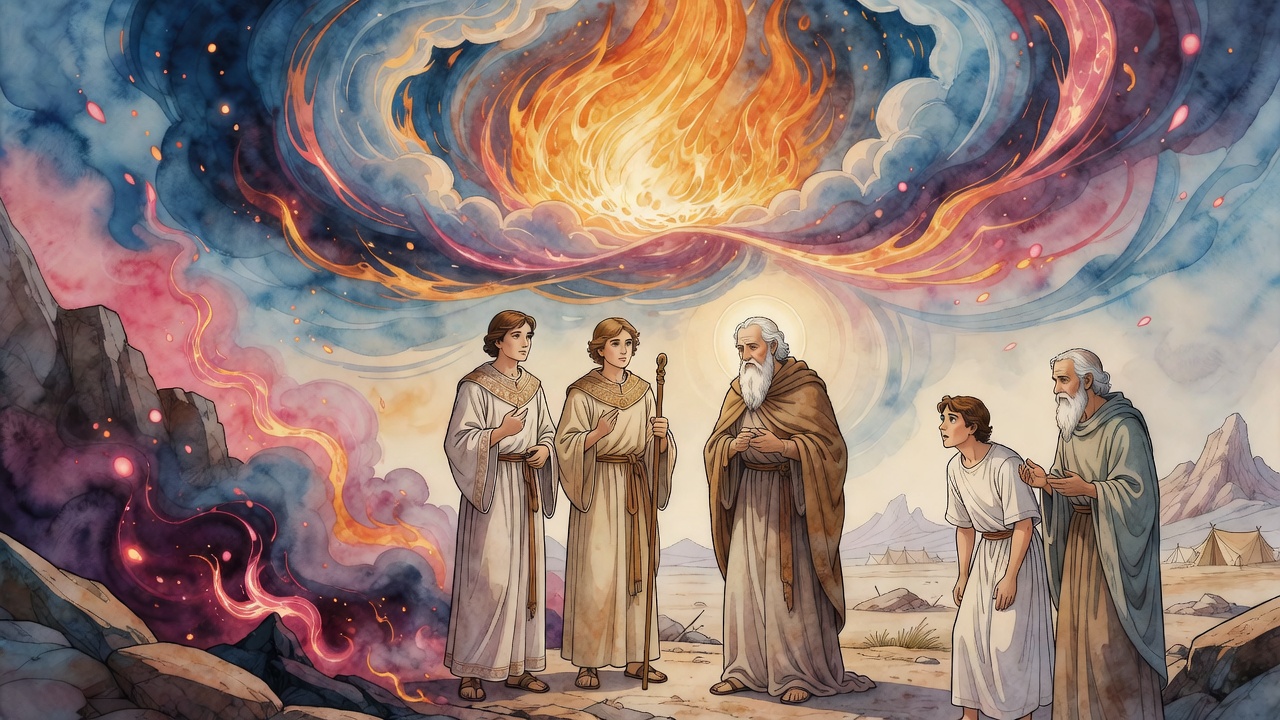
Two sons of Aaron decided law with Moses present, and fire answered. A later student learned the same danger when a master timed his death in a week.
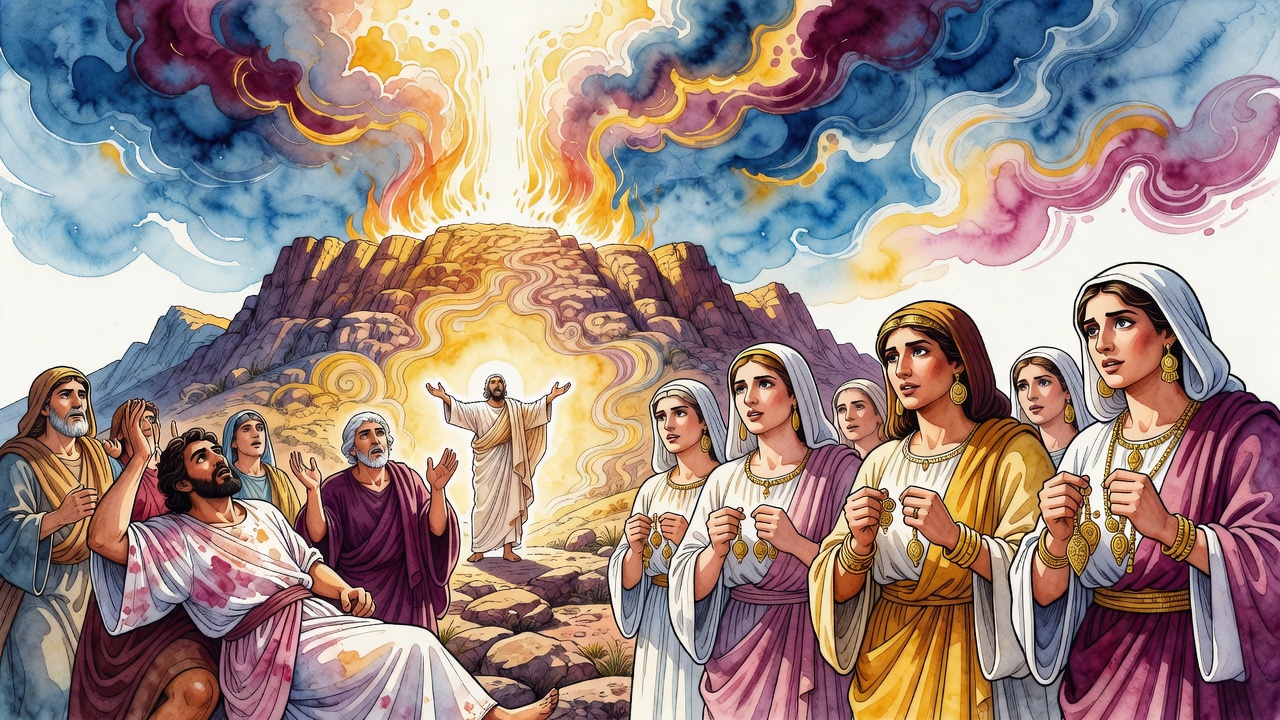
The men came home with a fever in their eyes and open hands. The wives kept their earrings on. So the men tore the rings from their own ears instead.
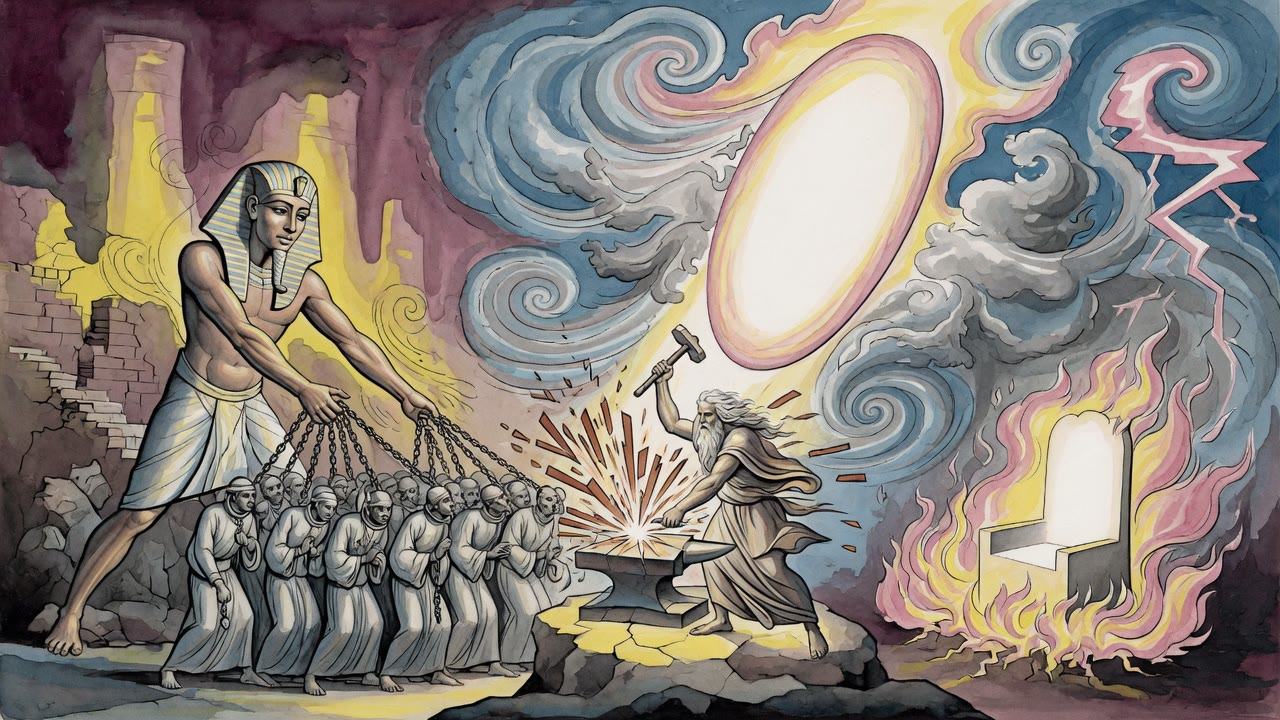
Kings brought crowns. Moses and Aaron brought nothing. Pharaoh read Edom, Moab, Sidon, then laughed because the Name was not listed.
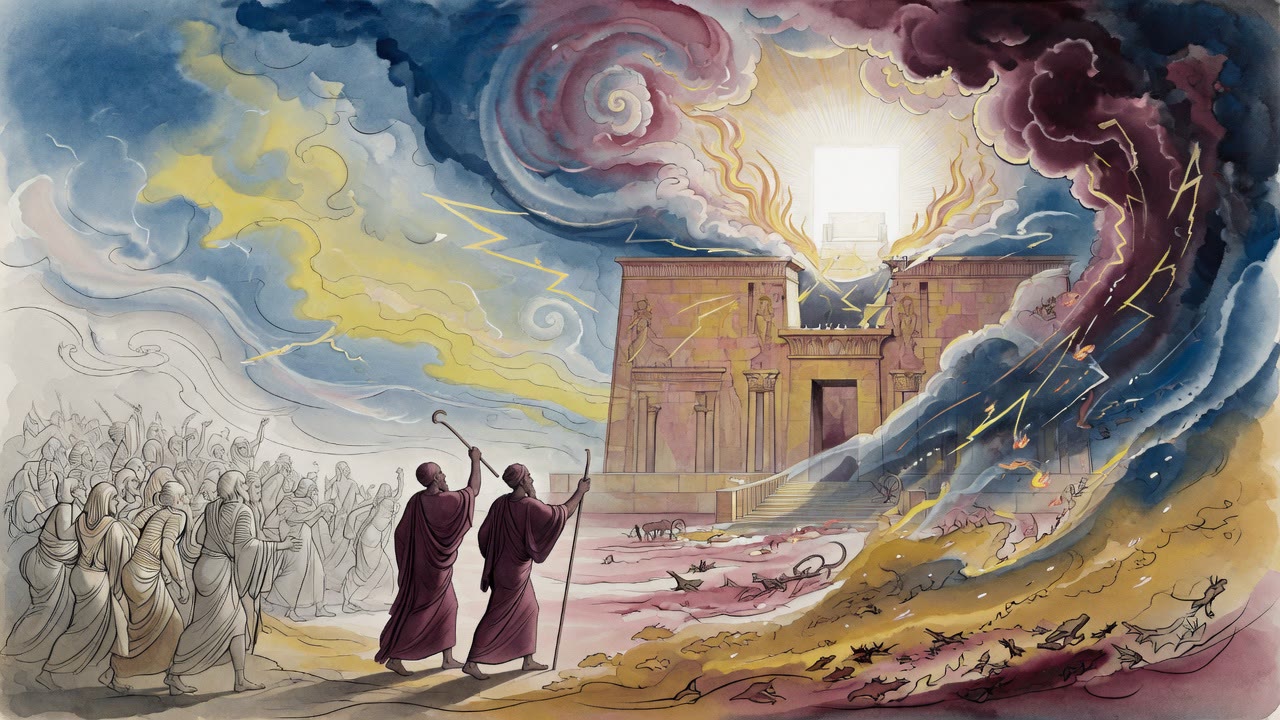
Kings do not rise before the third hour. This one was out in the dark asking strangers where to find the man he had thrown out of his hall.
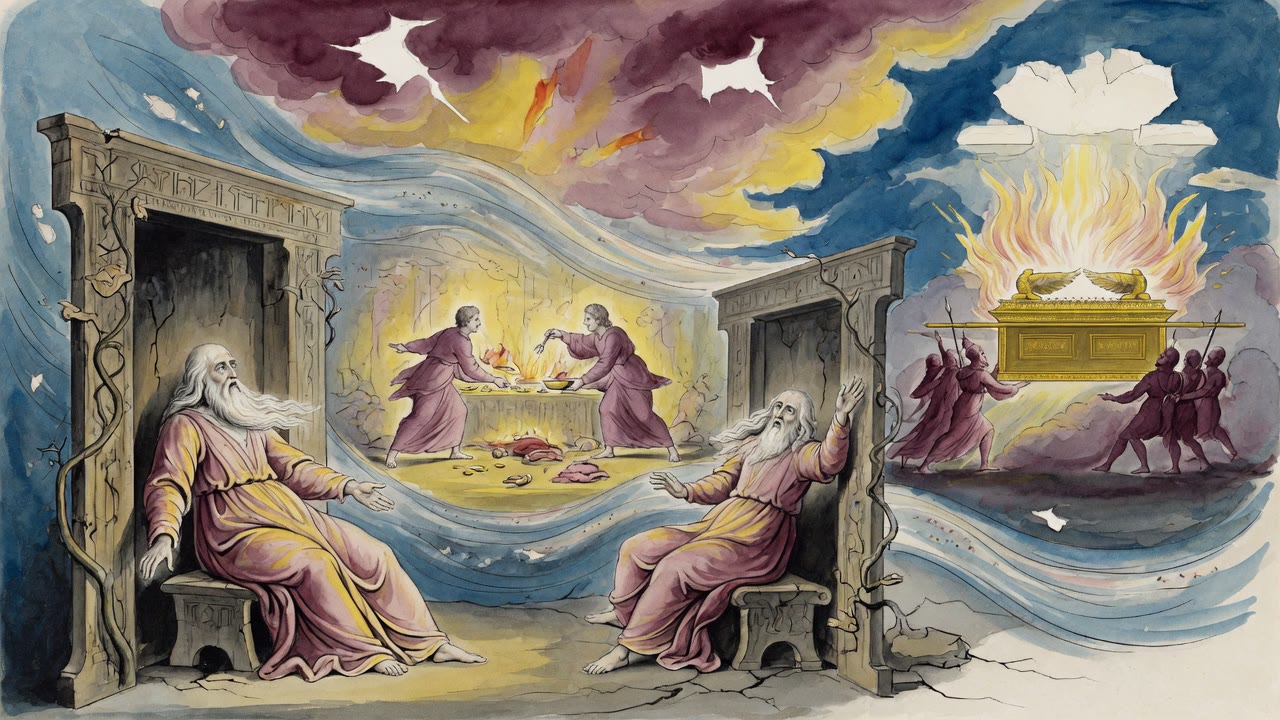
Nadab and Abihu refused to marry. No woman was fit, they said, for sons of the High Priest and nephews of the king. Their line ended in strange fire.
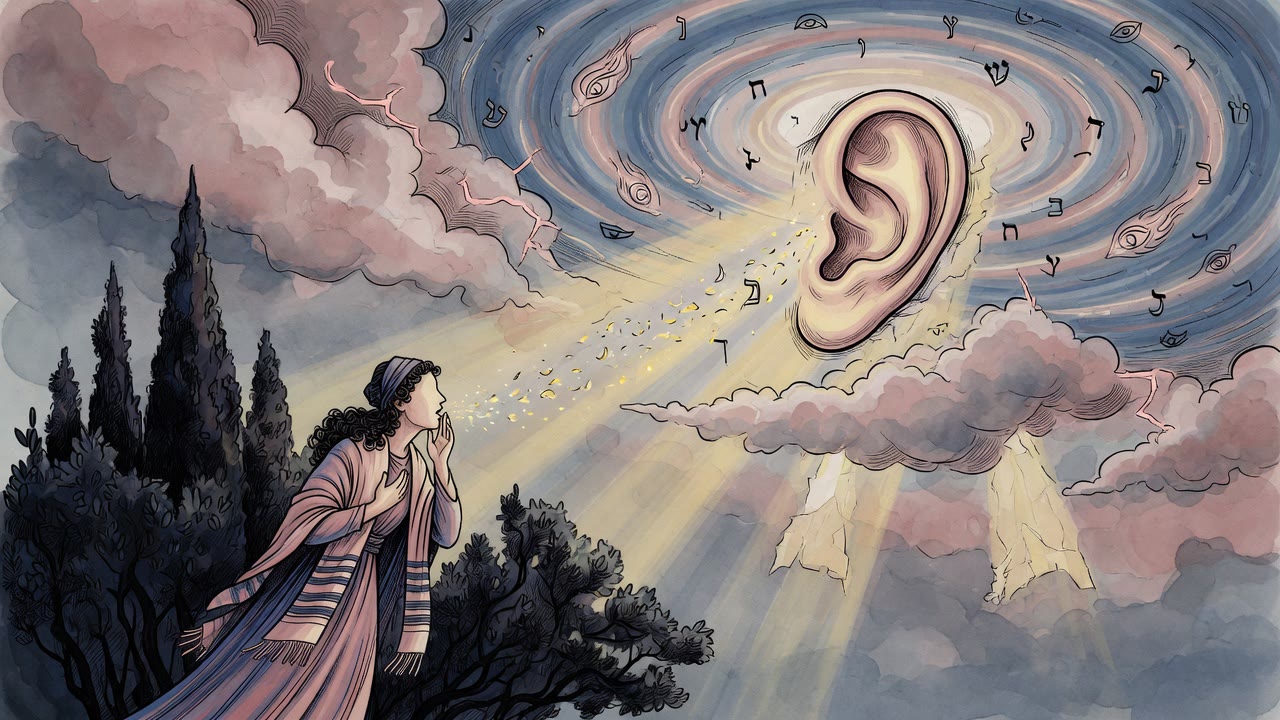
Miriam and Aaron spoke of Moses where no human ear could reach. Heaven heard. White skin, seven days outside, and six short words of healing followed.
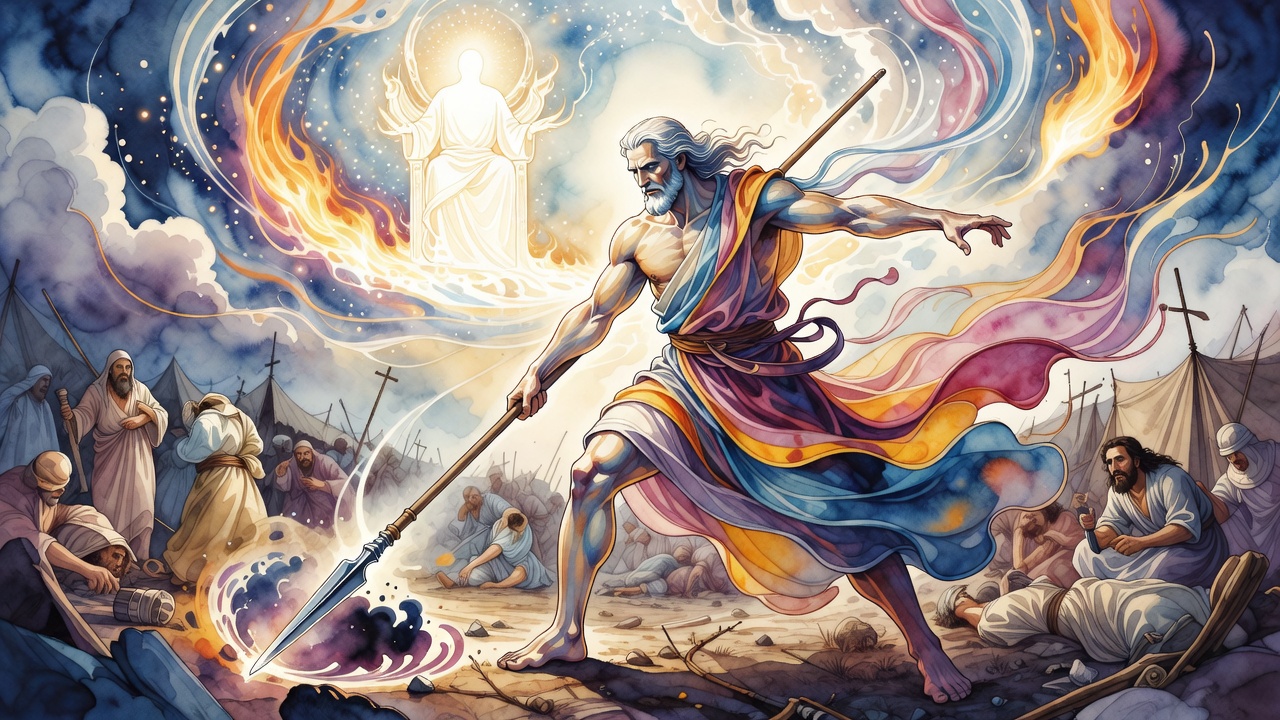
At Peor a plague tore the camp until Phinehas rose with a spear. Foreleg, jaws, and maw still feed priests in memory of arm, prayer, and strike.
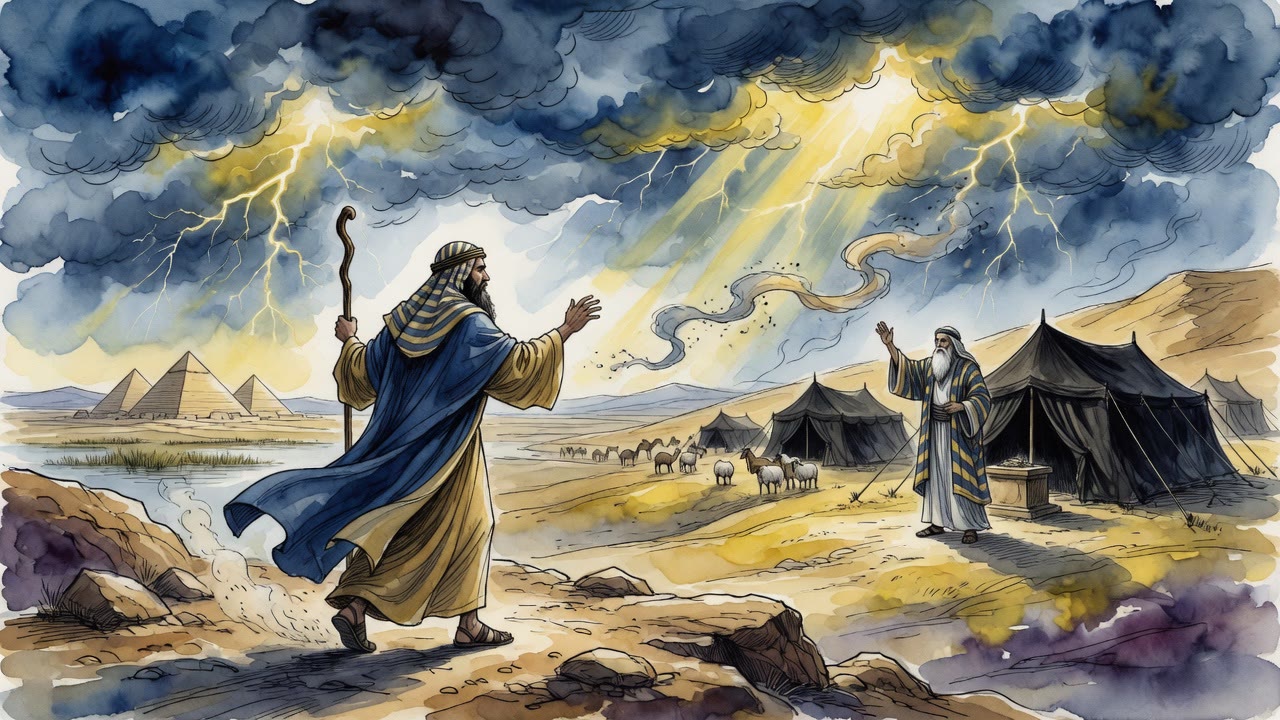
The bush sent Moses toward Egypt, but first he went back to Midian. He had sworn not to leave without leave, and Heaven itself helped untie the vow.
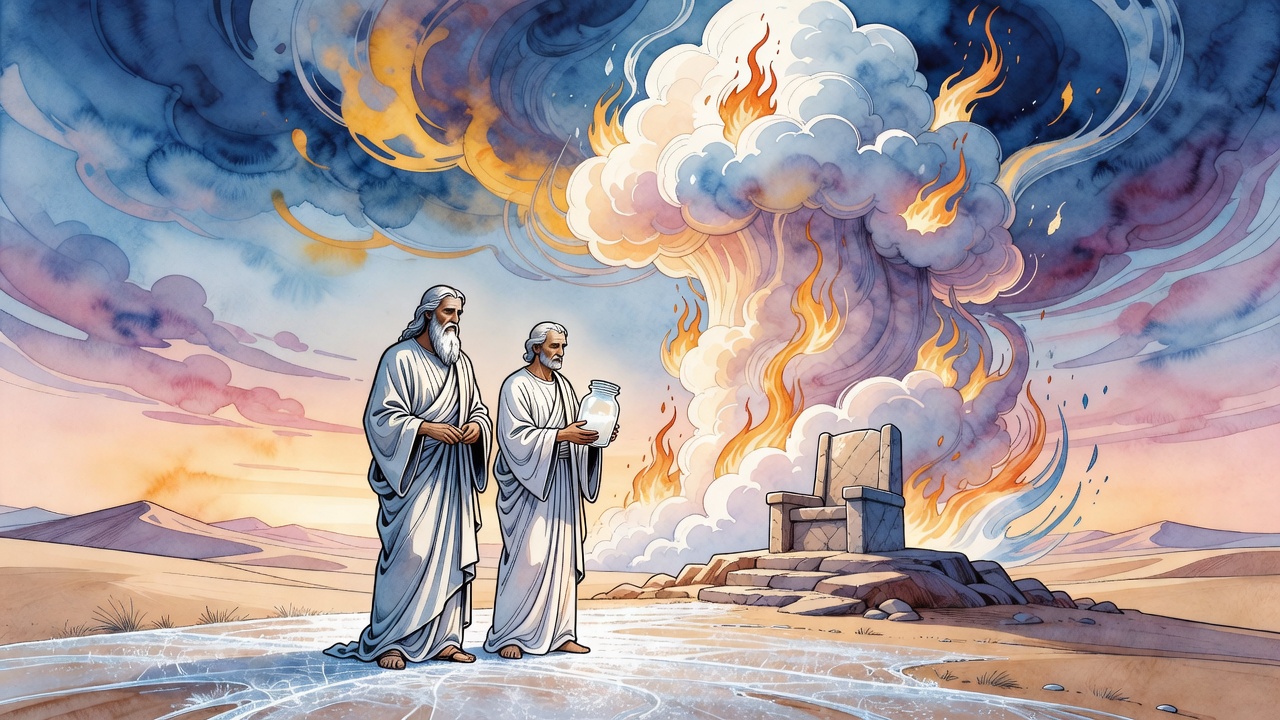
Each dawn a thin ice-like crust covered part of the desert. Moses and Aaron promised morning glory, and Aaron sealed a clear jar for later eyes.
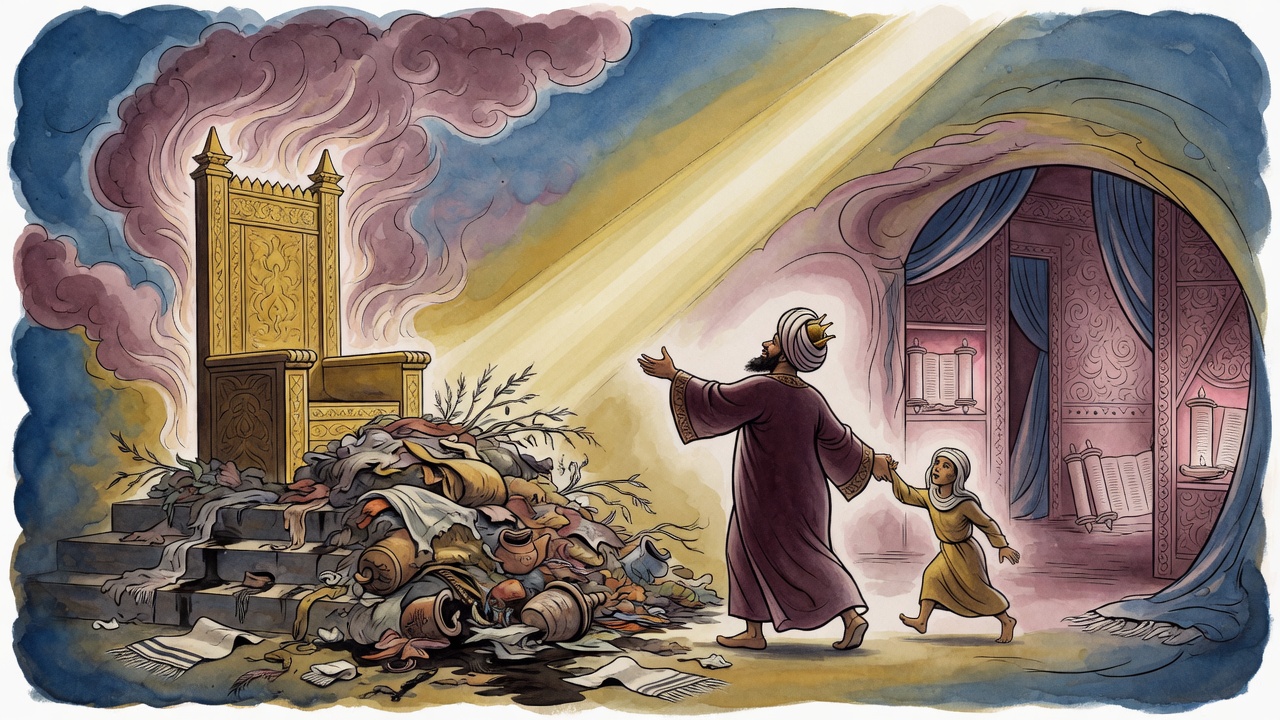
After Nadab and Abihu fell, the law fenced Aaron from the veil. Moses still walked him into the Tent to teach the incense, brothers without rivalry.
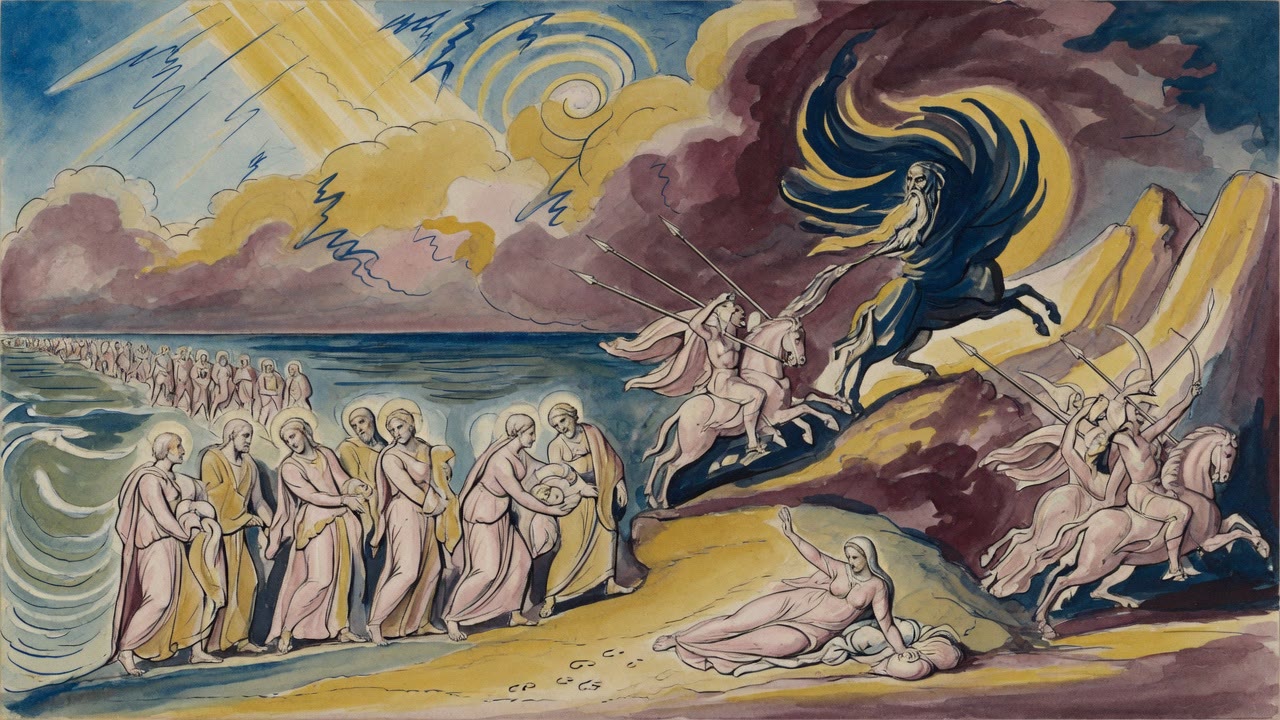
After Aaron died, Amalek dressed as Canaanites to dodge Israel's prayer. Israel named no foe. God still knew. The camp also learned thirst again.
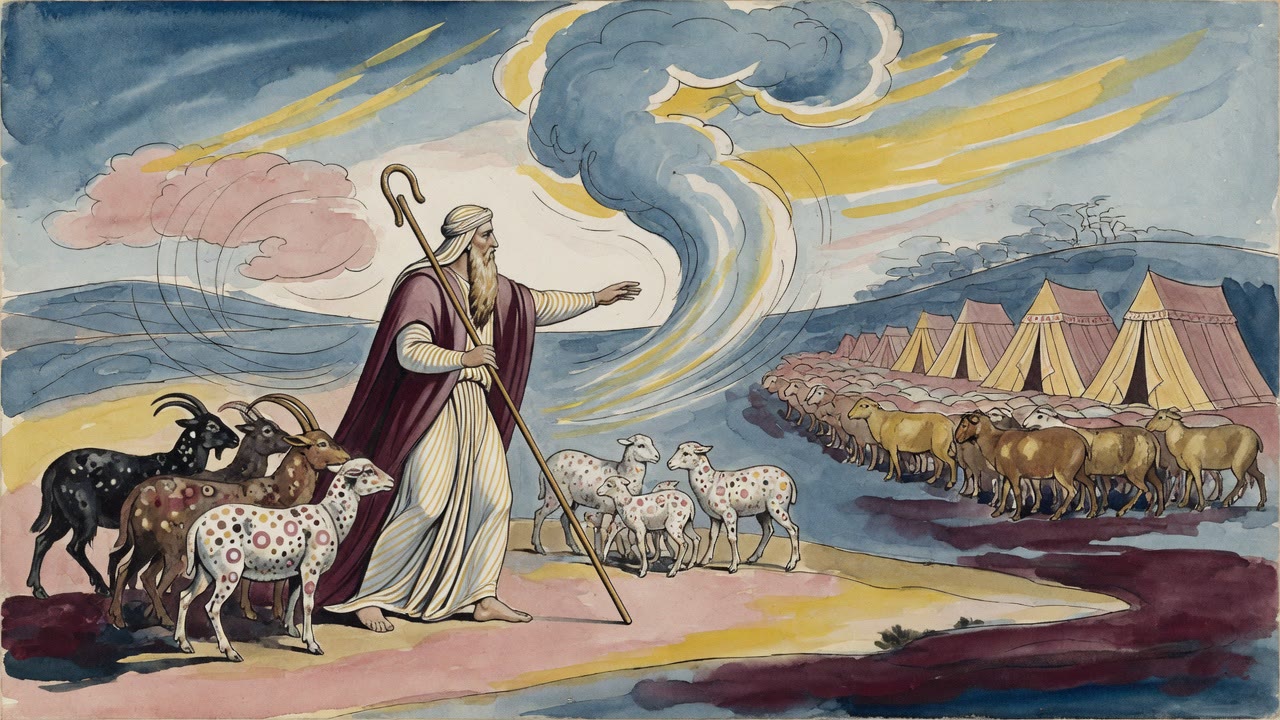
Korah measured Kohath's sons and decided Elizaphan's prince-seat belonged to him. From that envy he tried to unmake Moses, Aaron, and the boundaries of light.
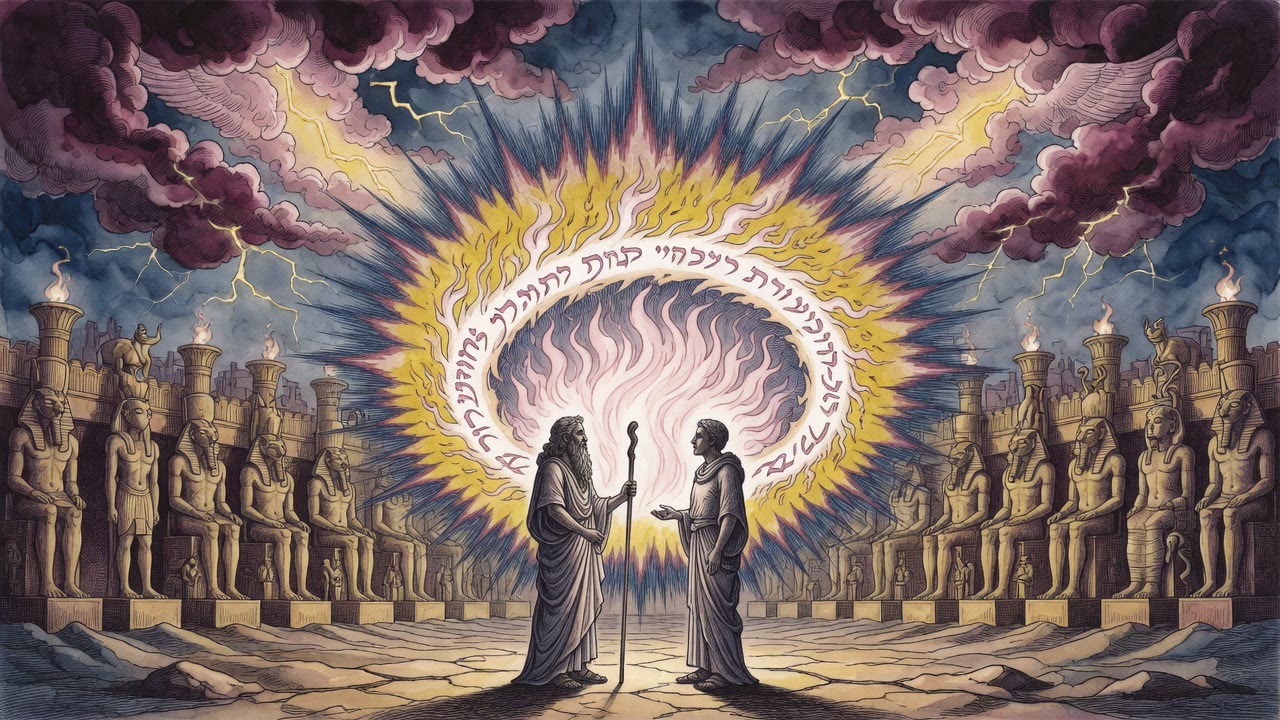
Outside a city thick with idols, God spoke to Moses and Aaron as equals, and the quieter brother learned prophecy would not leave him in shadow.
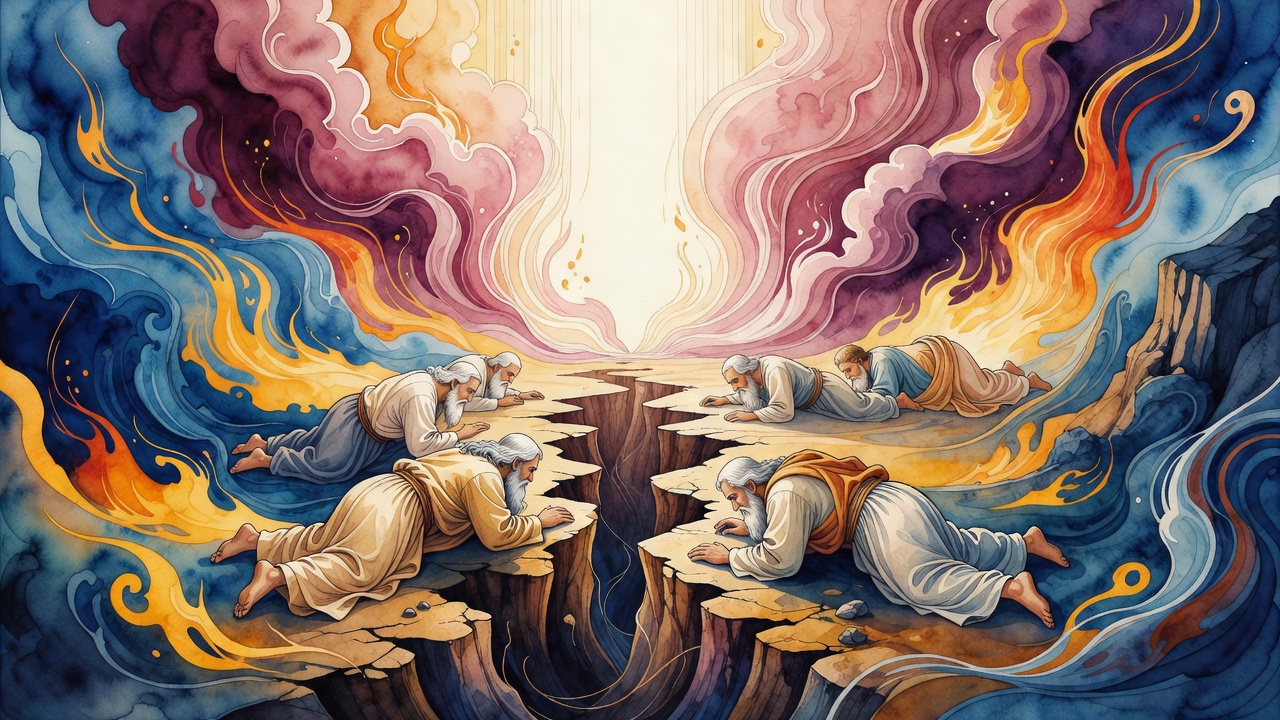
As the earth split under Korach, Moses and Aaron fell on their faces and begged God to judge each spirit alone, not the whole camp with one blow.
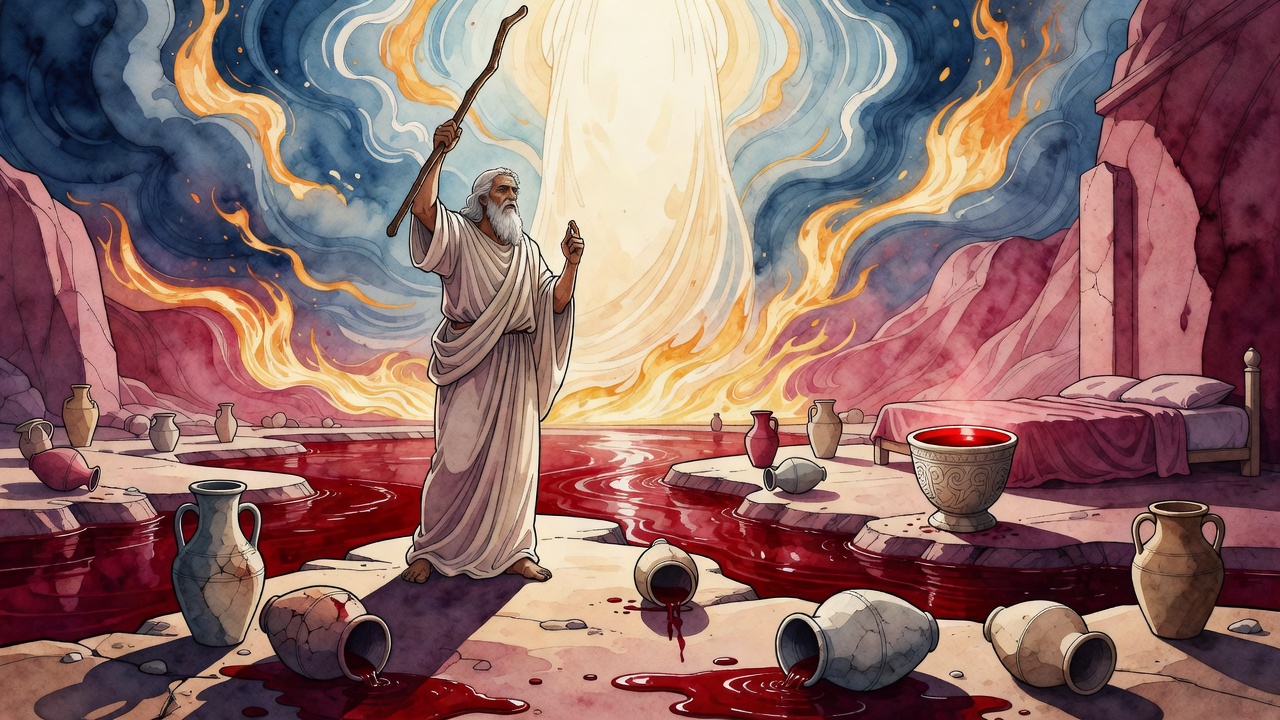
The wooden bucket by the door still held yesterday's water. Aaron lifted the rod. Even the stone jug by the master's bed went dark.
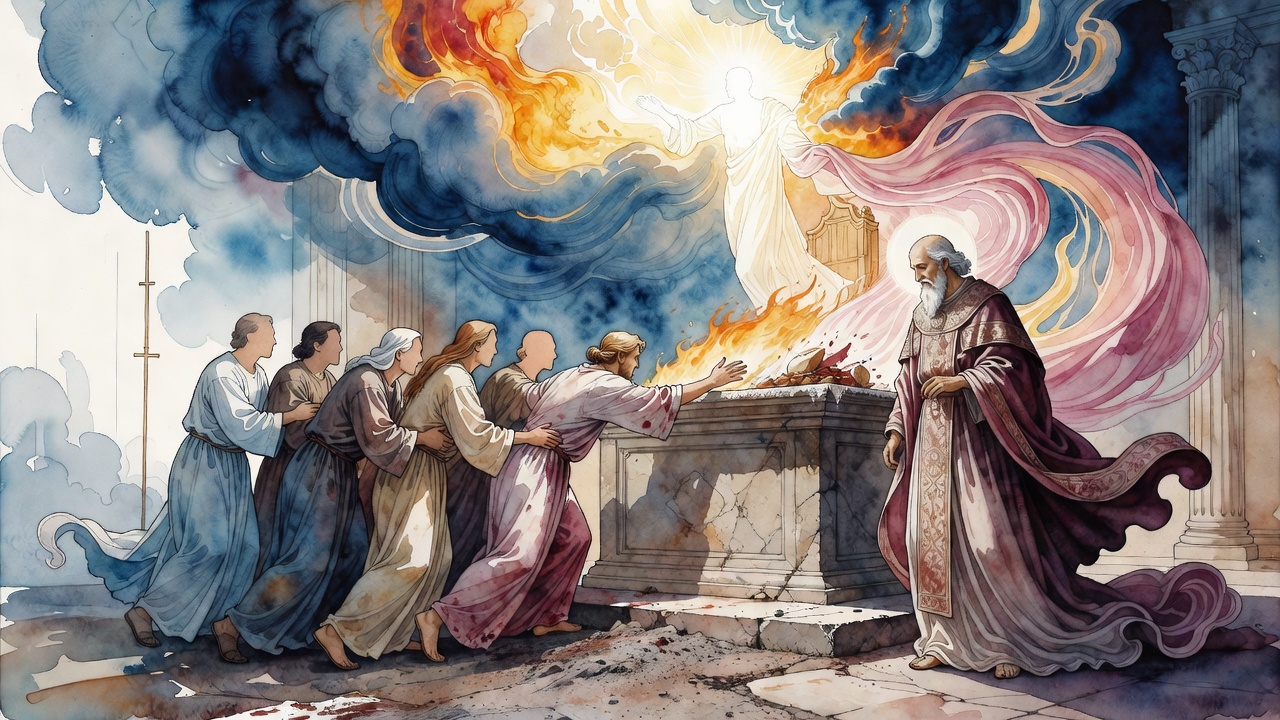
Even a killer mid-service at the Tamid was pulled out to die, while the high priest's tunic atoned daily for innocent blood.
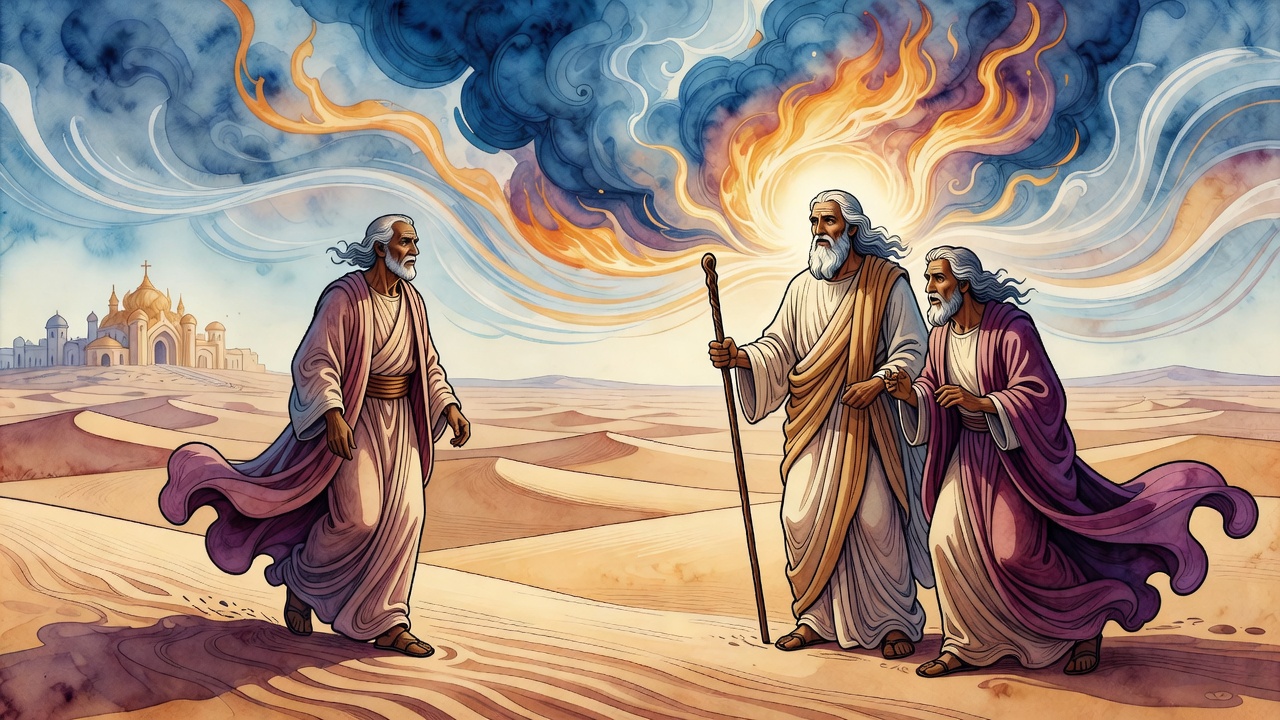
Jethro left settled glory for empty sand to stand near Moses, while Aaron leaned toward every word as if God Himself still spoke through his brother mouth.
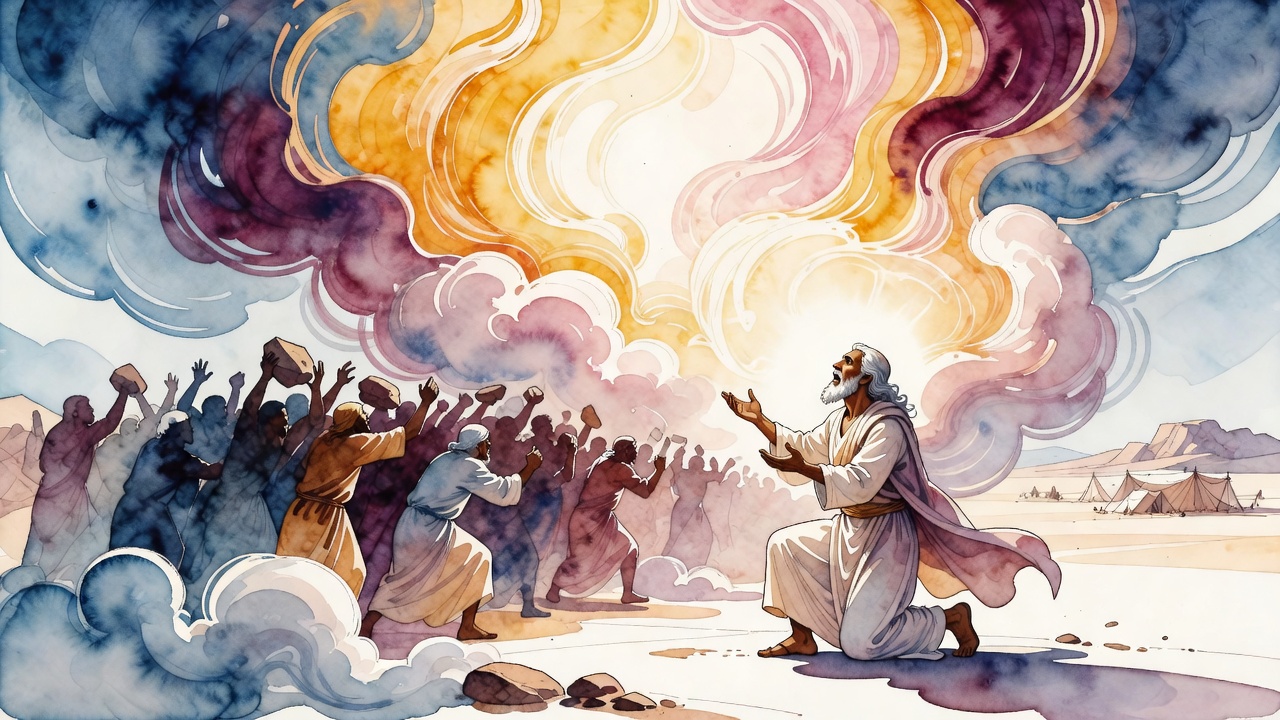
Long before the spies, Moses asked God not to be slow to anger with the wicked. God said nothing back. Then came the sentence of pestilence on the camp.
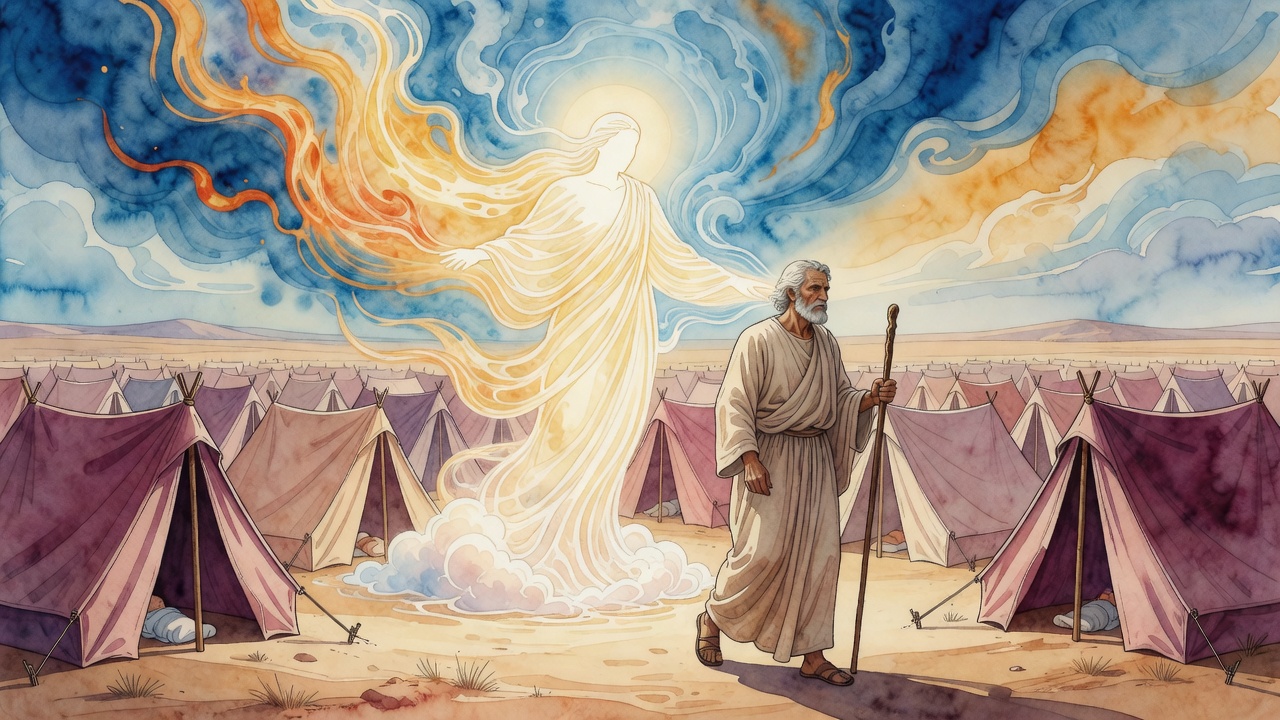
Moses cannot enter every courtyard to count Levi from a month old. The Presence walks ahead of him and whispers how many infants sleep in each tent.
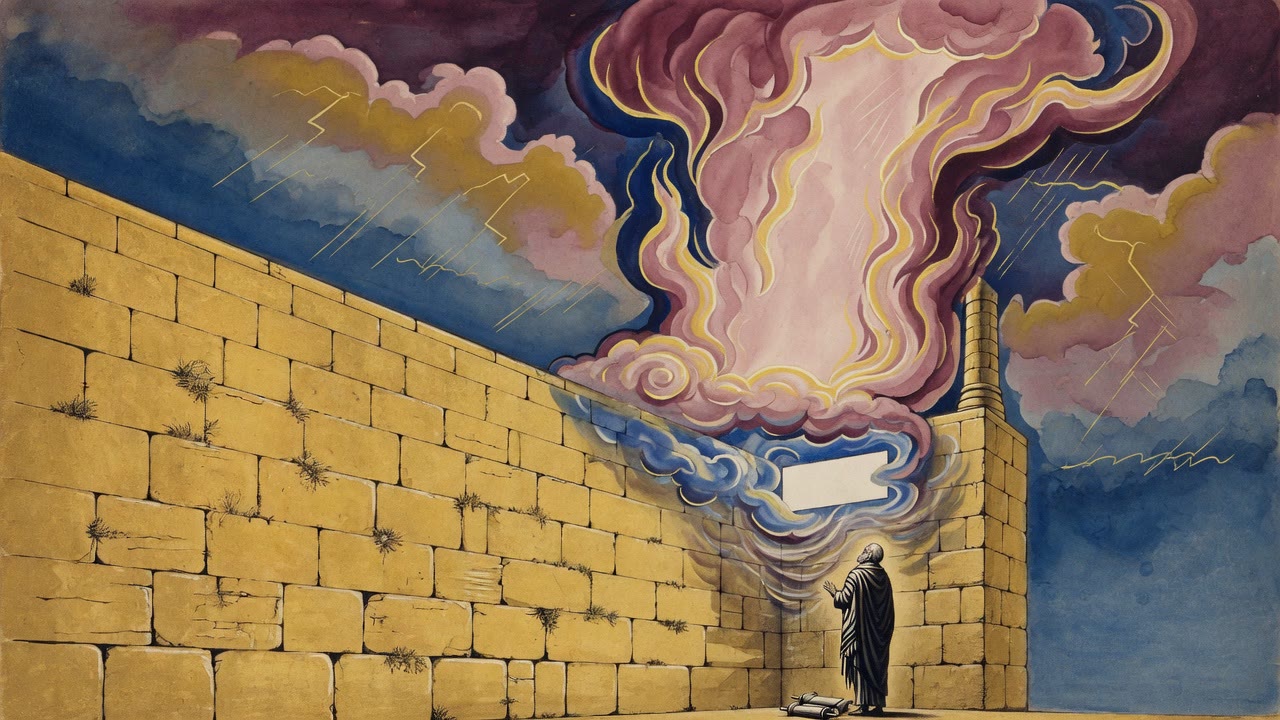
Aaron stopped at the veil with incense and the word zot, this. The Presence stood near or far by the side he took, and even goodness could taste death.
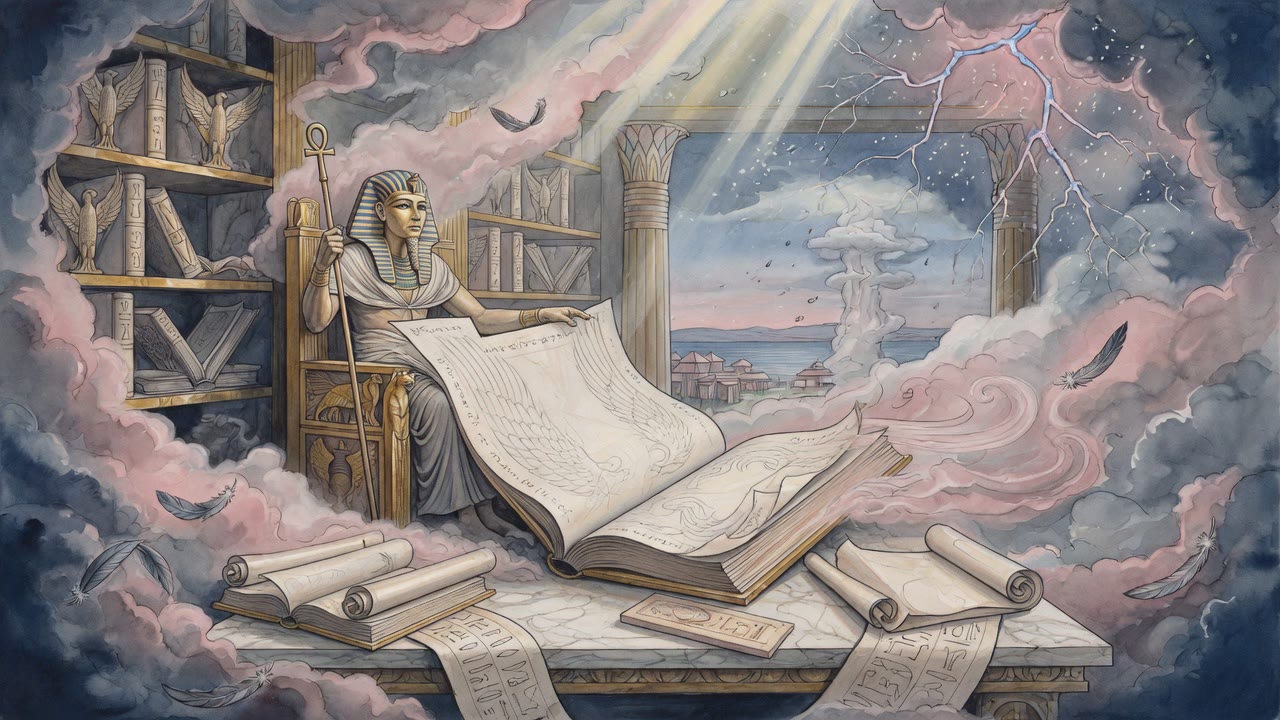
Pharaoh ran a finger down every name Egypt feared. The Name Moses carried was not written in the Book of the Angels.
