203 myths · Page 4 of 7
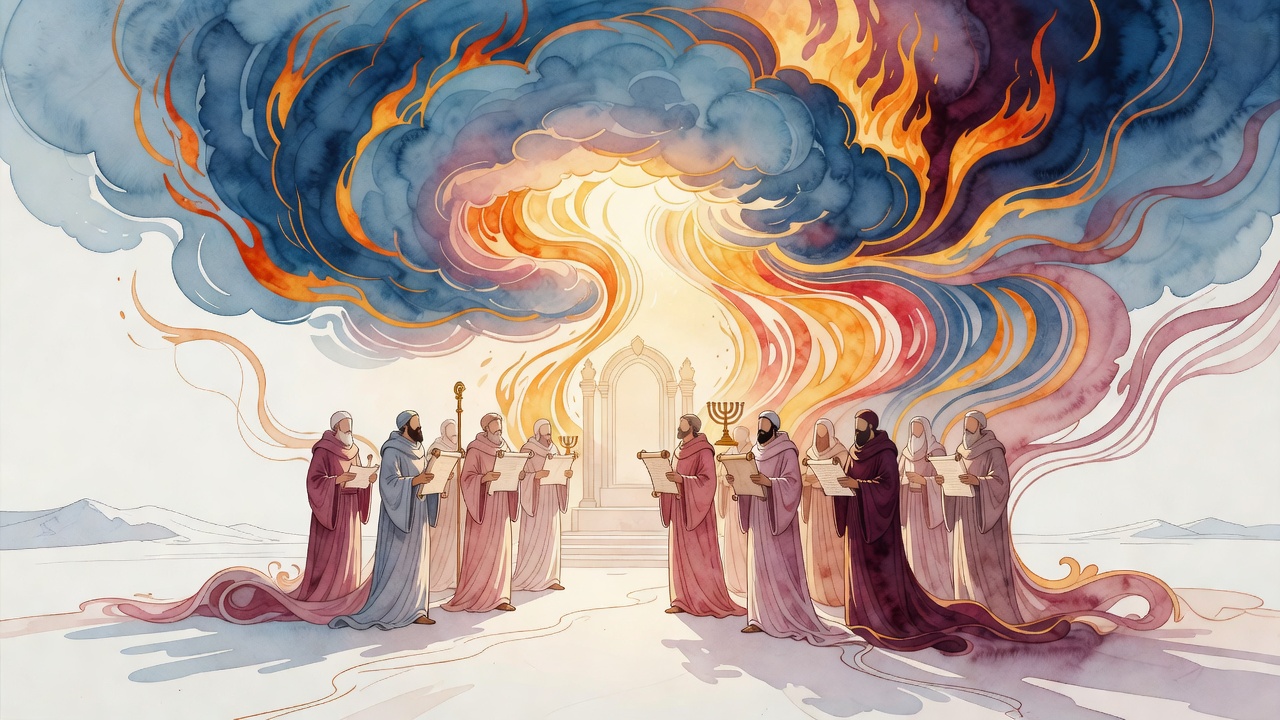
Abraham asked who pours blessing back on Levi. God said He blesses the blessers. The priestly lines open wealth, Torah, priests, prophets, and favor.
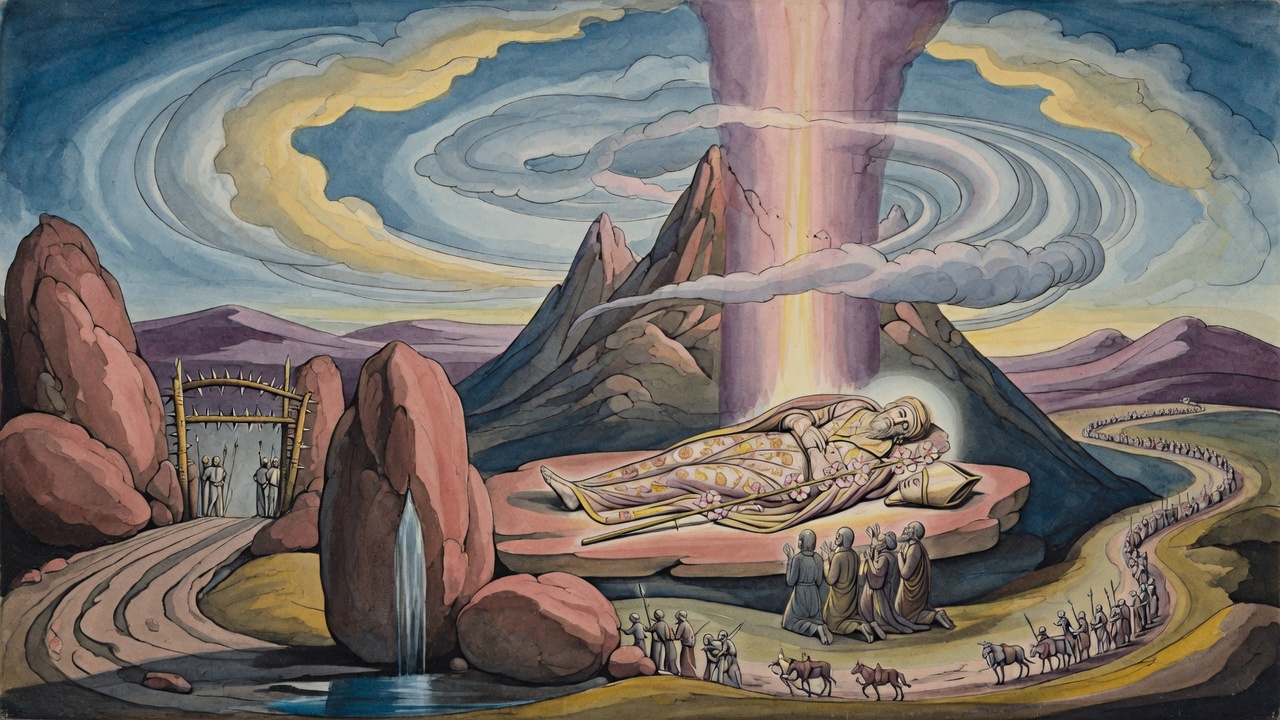
Edom would not open the road. Aaron climbed a mountain like a small apple on a large one. The garments left him while he stood.
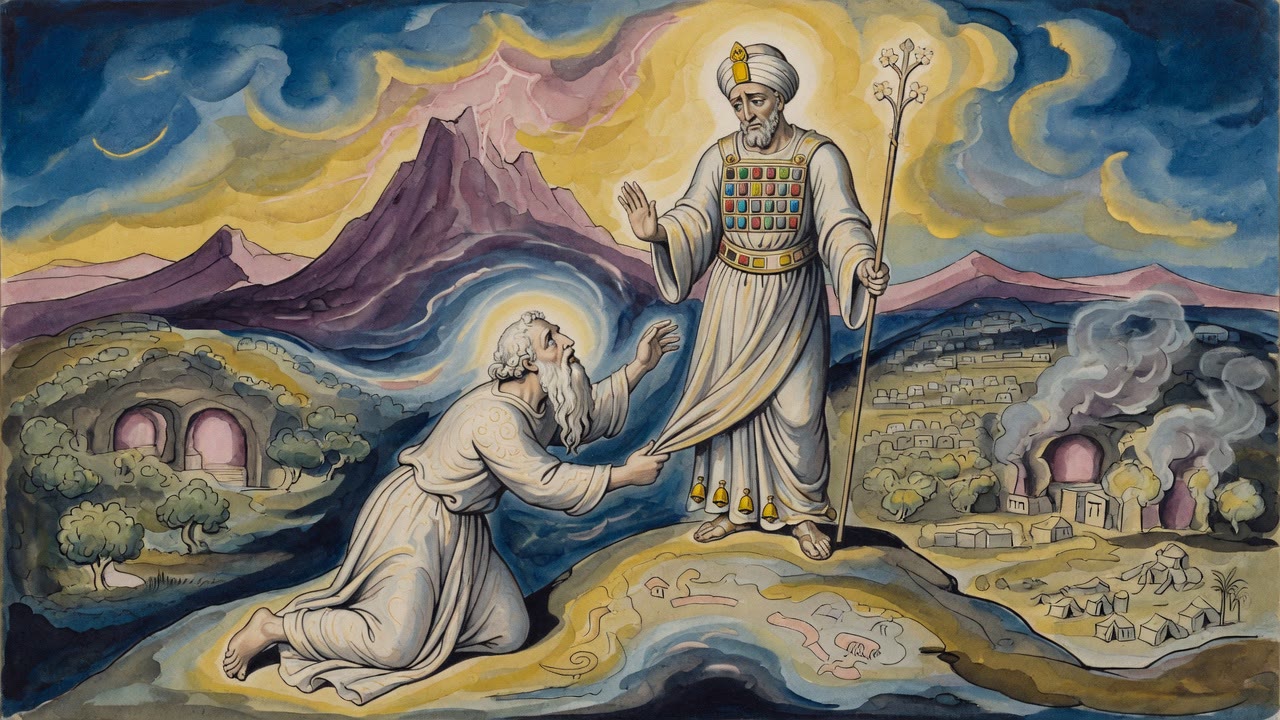
The man who had prayed Aaron out of the fire put his face on a younger priest's sandals and asked for one prayer back.
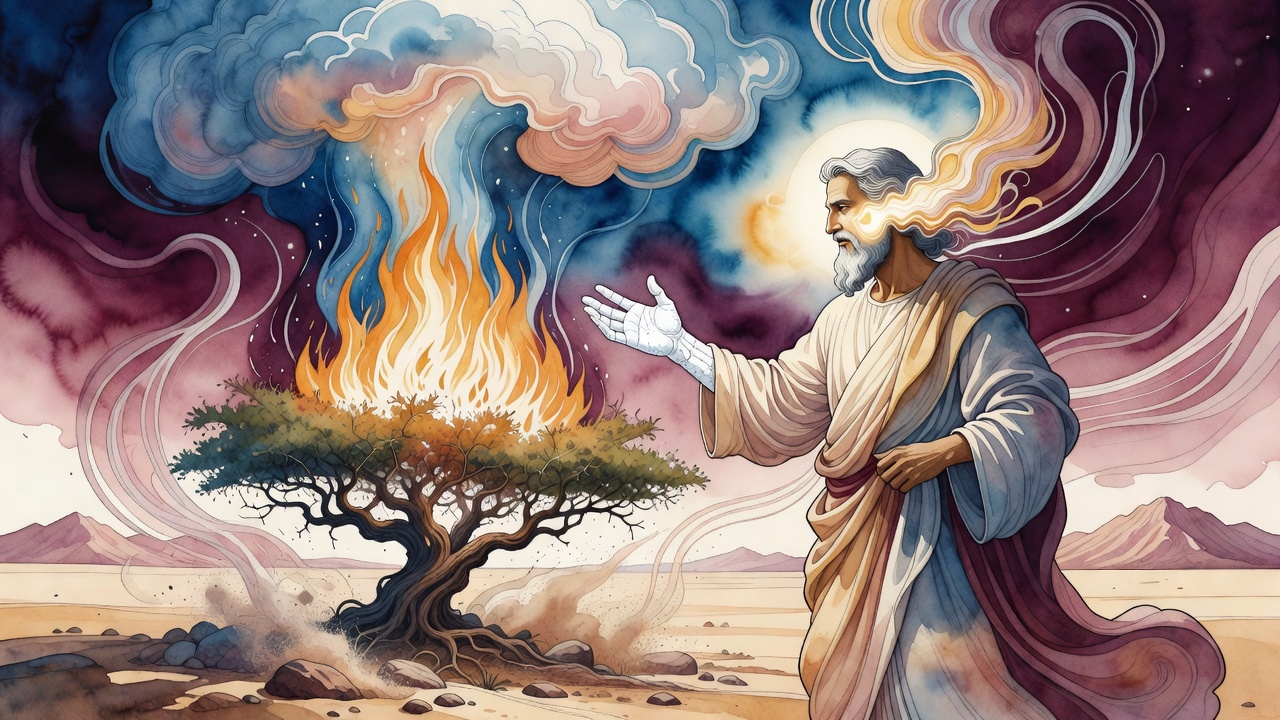
At the bush Moses said Israel would not believe. God put the serpent's leprosy in his hand, then remade his mouth to carry a nation's redemption.
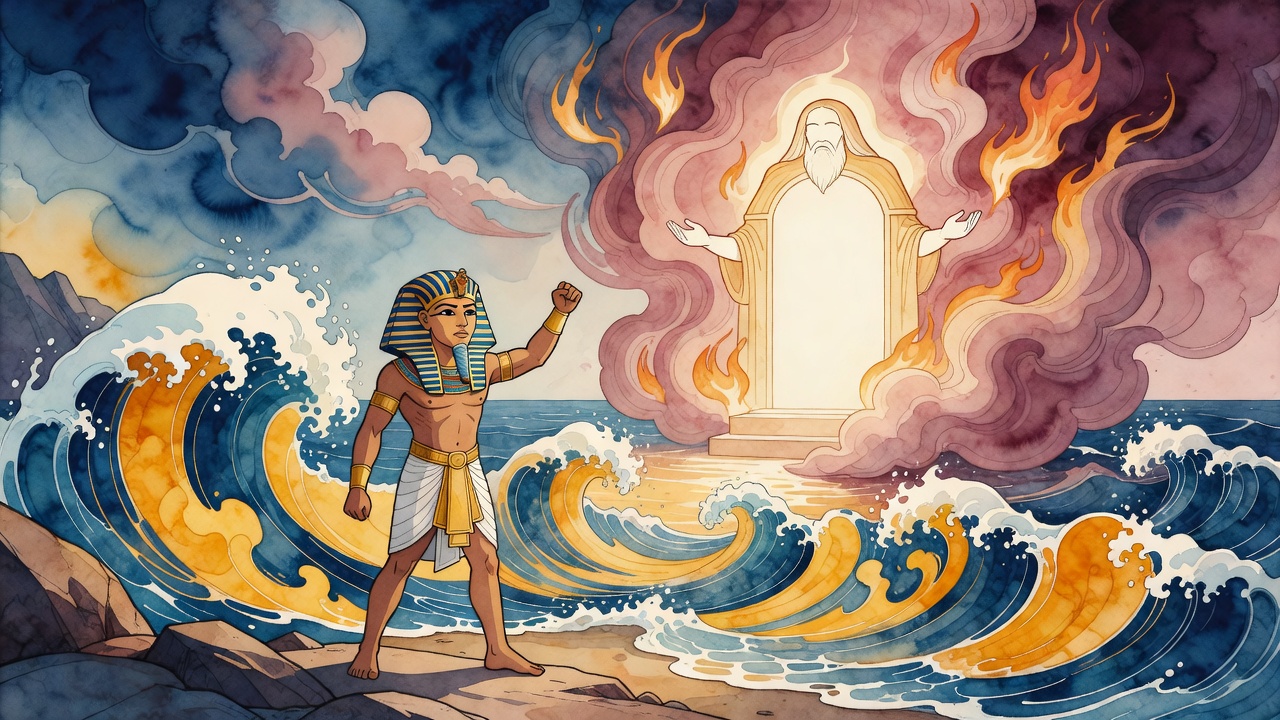
Aaron's rod hit the palace floor. Pharaoh laughed and called it straw brought to a city of magic. He asked who the Lord even was.
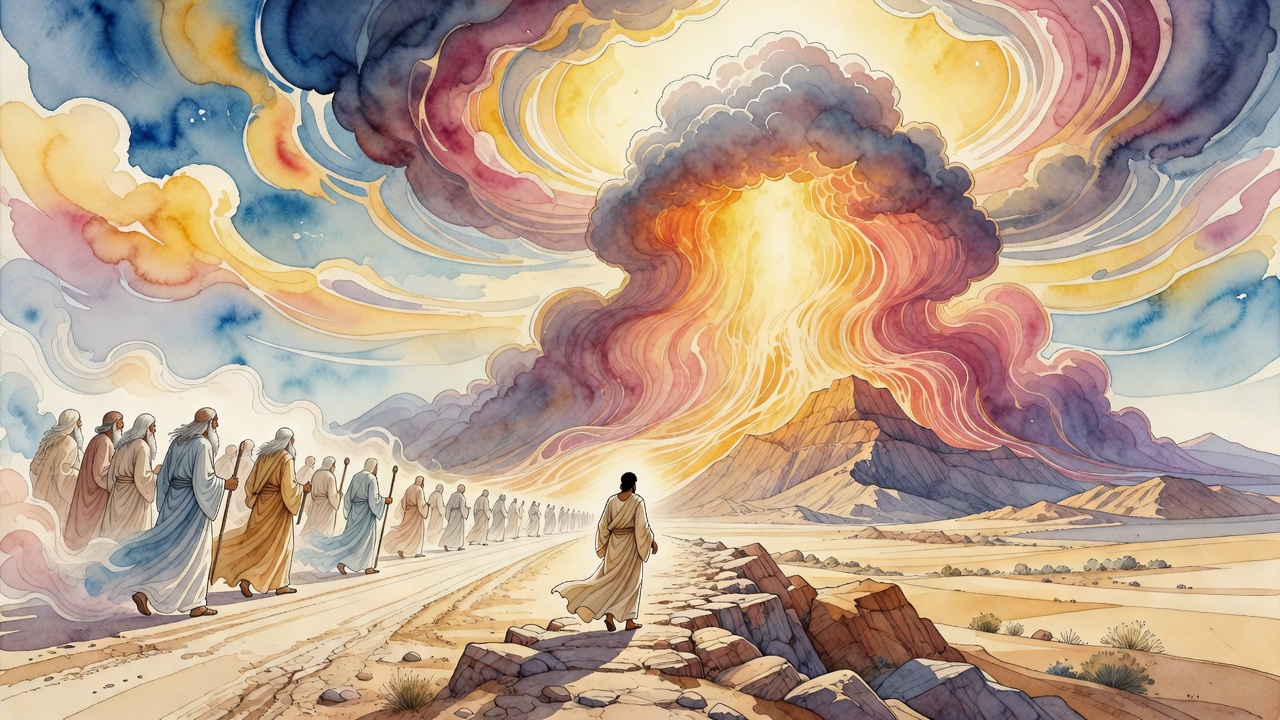
They had agreed to walk with Moses. At Pharaoh's wall the line behind him went quiet, and the two brothers entered alone.
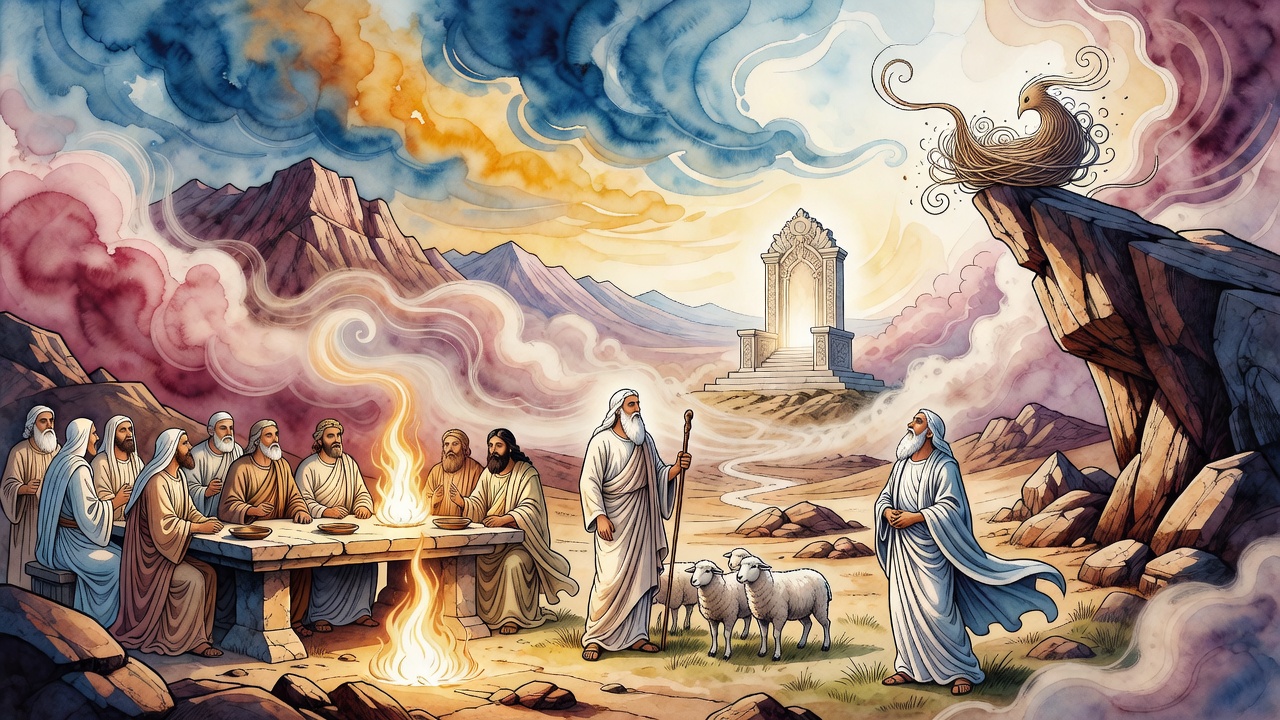
Yitro stood up while the decree was still being written. Bilam stayed in his chair. The river would take the infants.
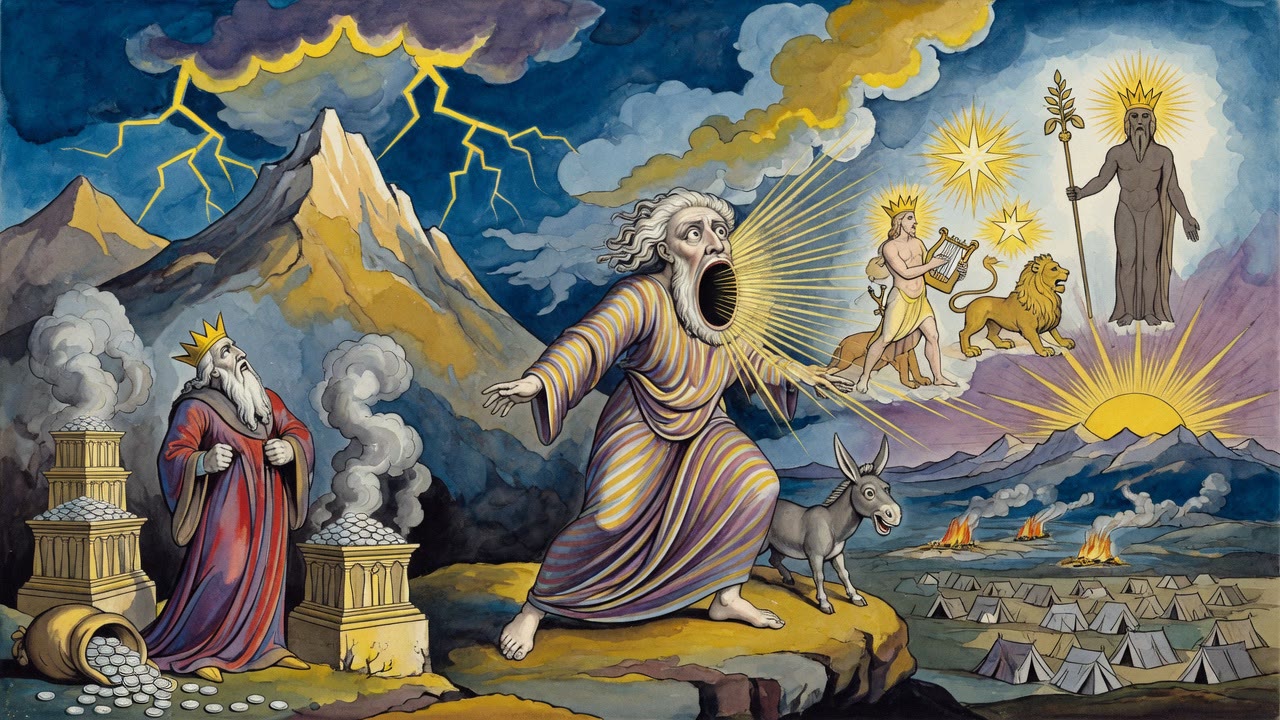
Balaam stacked seven altars and offered rivers of oil. Heaven wanted Israel's small gifts and Aaron's public priesthood.
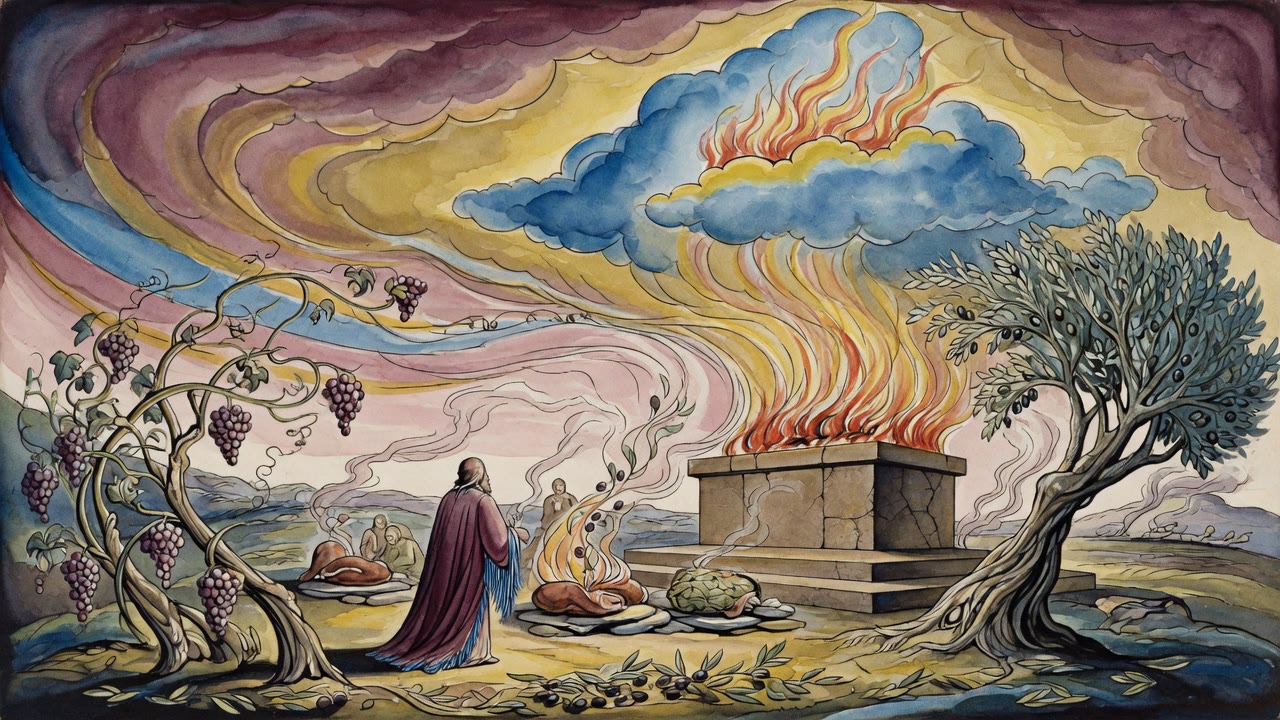
Every tree may feed the altar except vine and olive, whose fruit is too precious, while peace offerings share meat three ways.
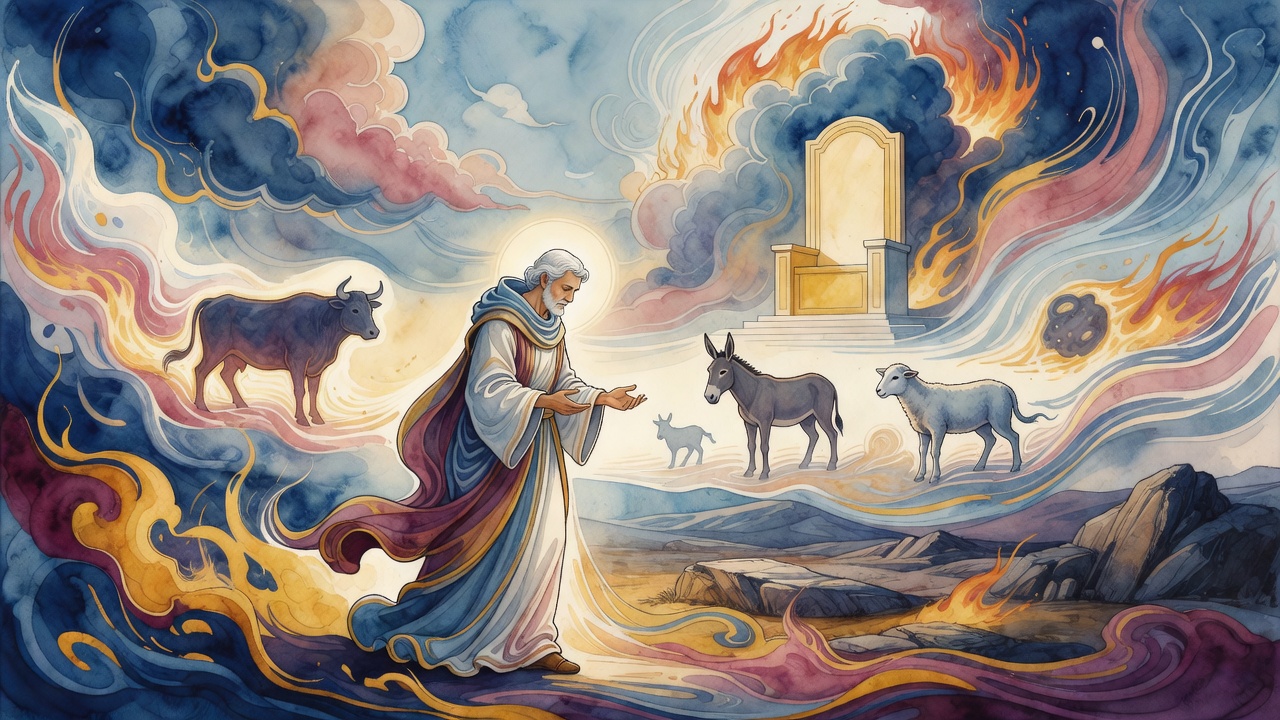
After the fire, God did not start with comfort. He named the ox from Sinai. Aaron's two sons were the double payment.
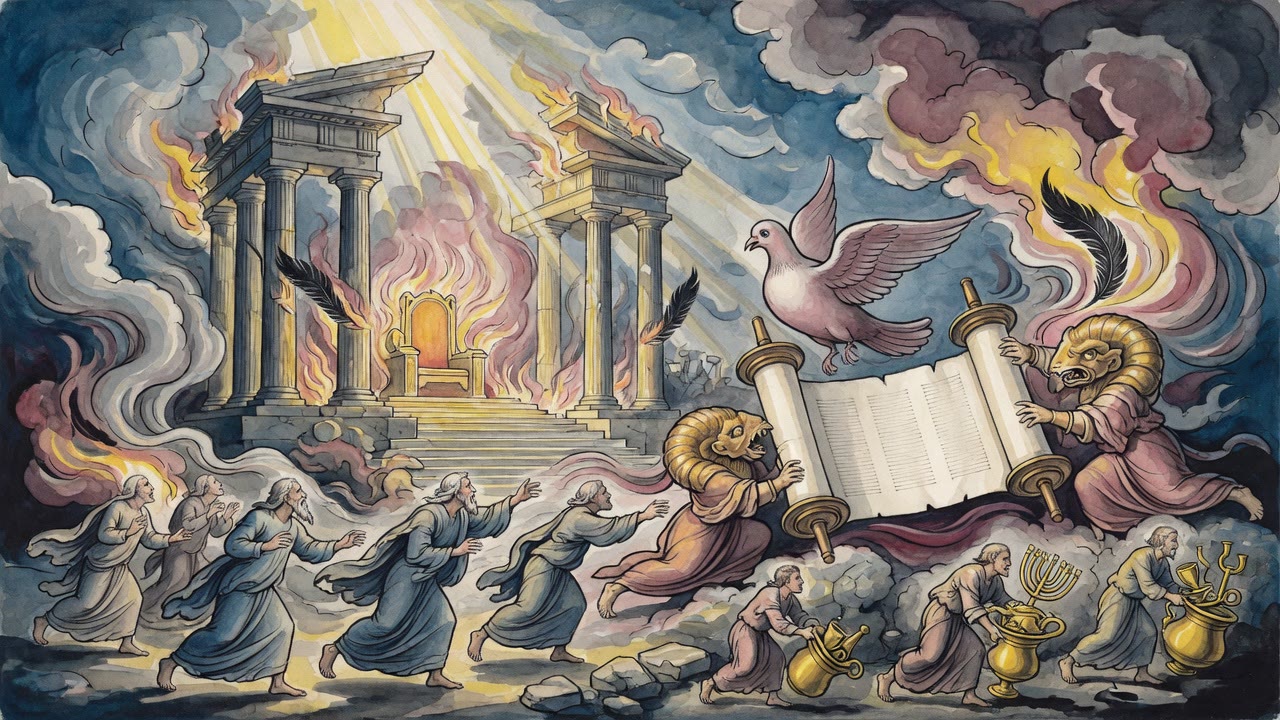
The foremen came out of Pharaoh's house with their backs opened and cursed Moses in the road. Moses turned around and said the same thing to God.
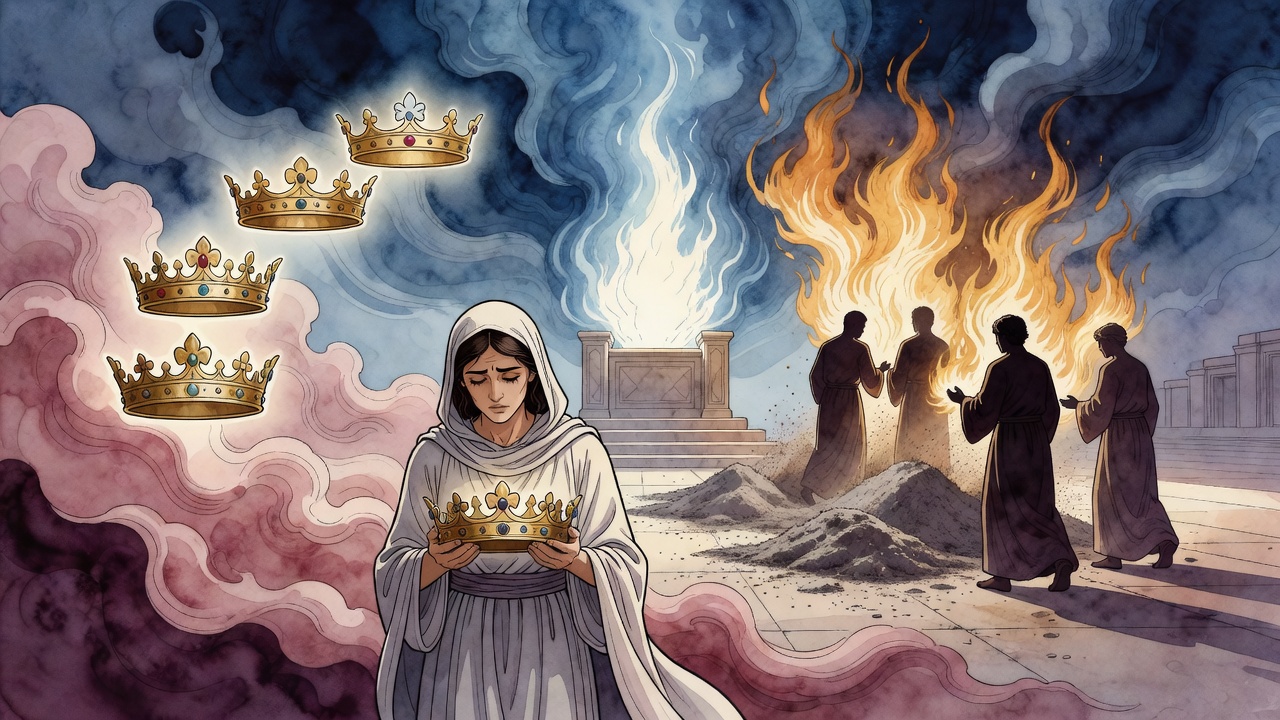
Oil still shone on Aaron's beard. By nightfall Nadab and Abihu lay as ash at the Tent, and Elisheba's hands were empty.
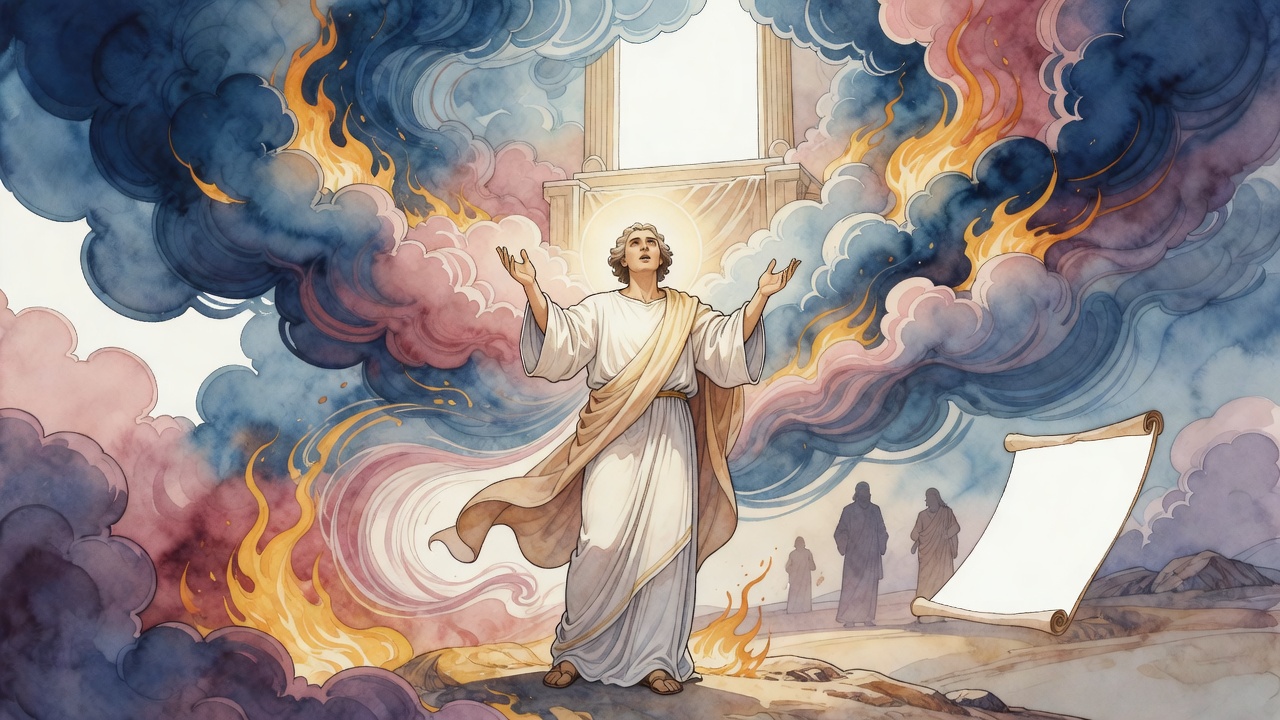
Moses put the vestments on his brother. Aaron had not asked for them. The lamps stood on the wrong side of the table.
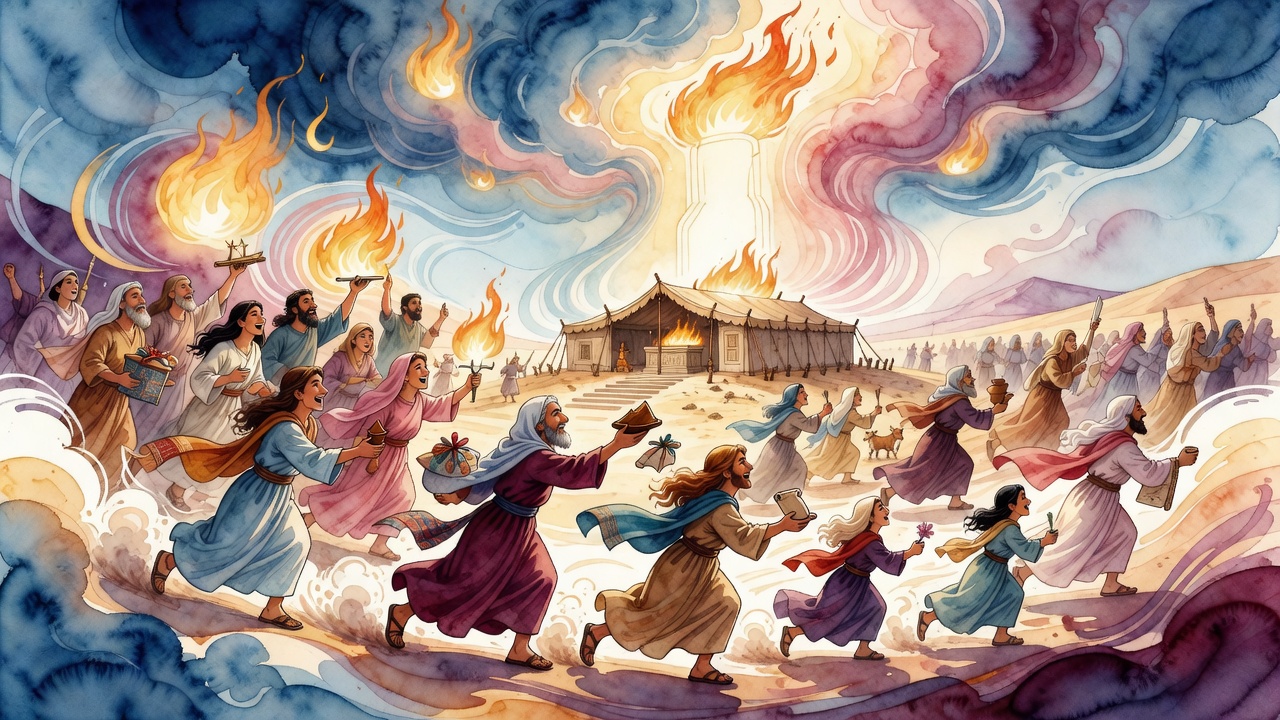
After the golden calf, Israel did not creep back. When the Mishkan opened atonement, the whole congregation ran forward with gifts and joy.
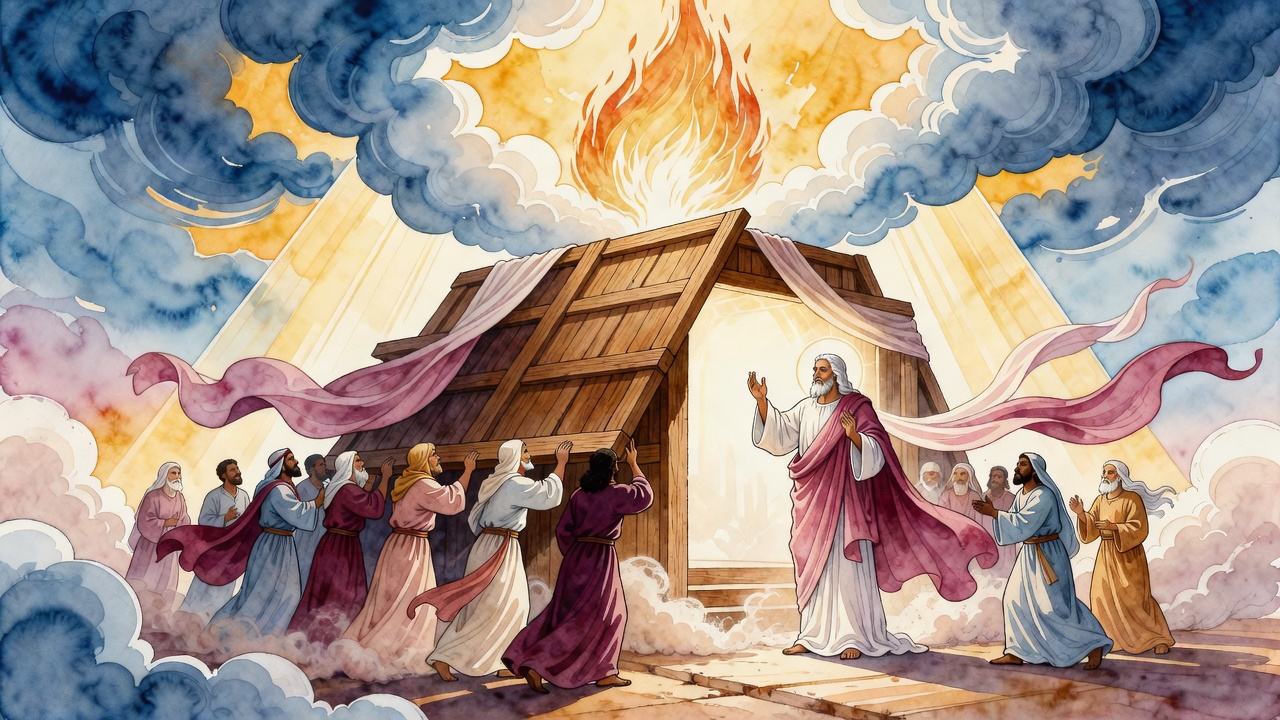
On the eighth day the people set the last board. Heaven used creation's own words again, and Moses blessed the work of their hands.
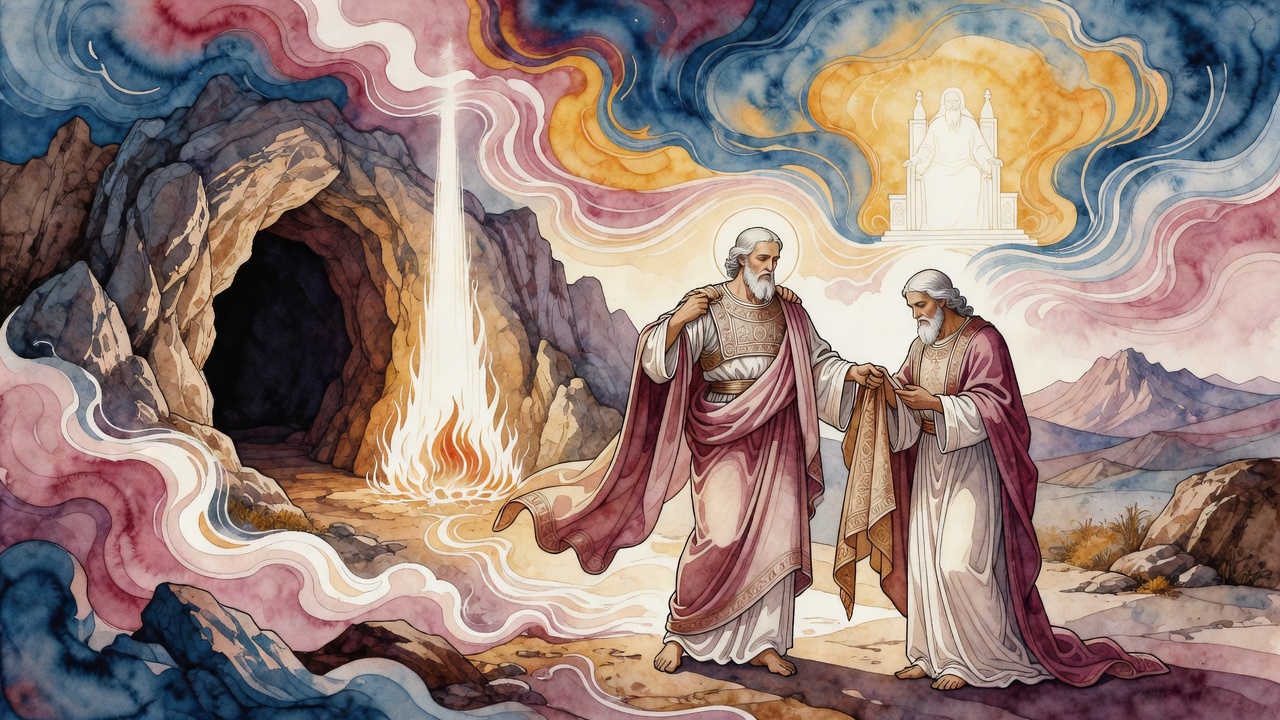
The cave on Mount Hor was cool. Aaron raised his arms so Moses could take the priestly clothes. He still trusted him.
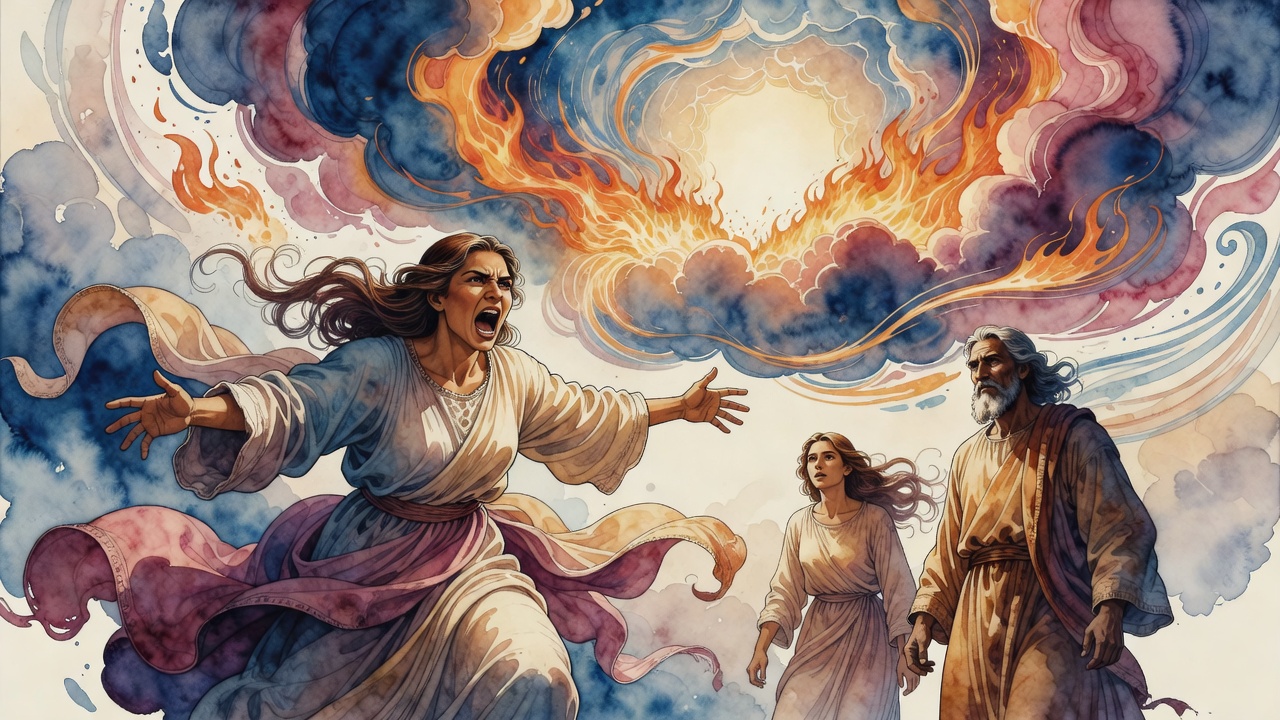
Tzipporah walked the camp with a bare neck. Miriam asked why the prophet's wife looked like a widow while he still breathed.
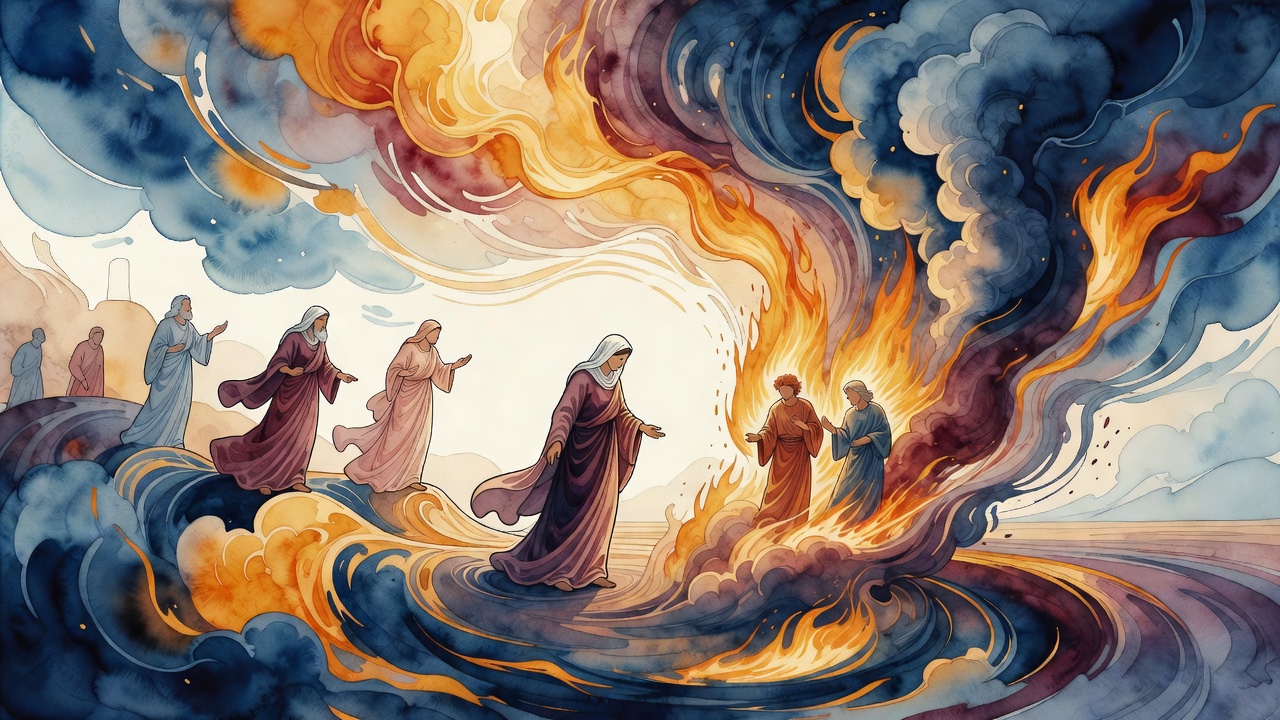
Oil still shone in Aaron's hair. By afternoon two of Elisheva's sons were carried out burnt, and the five honors stayed.
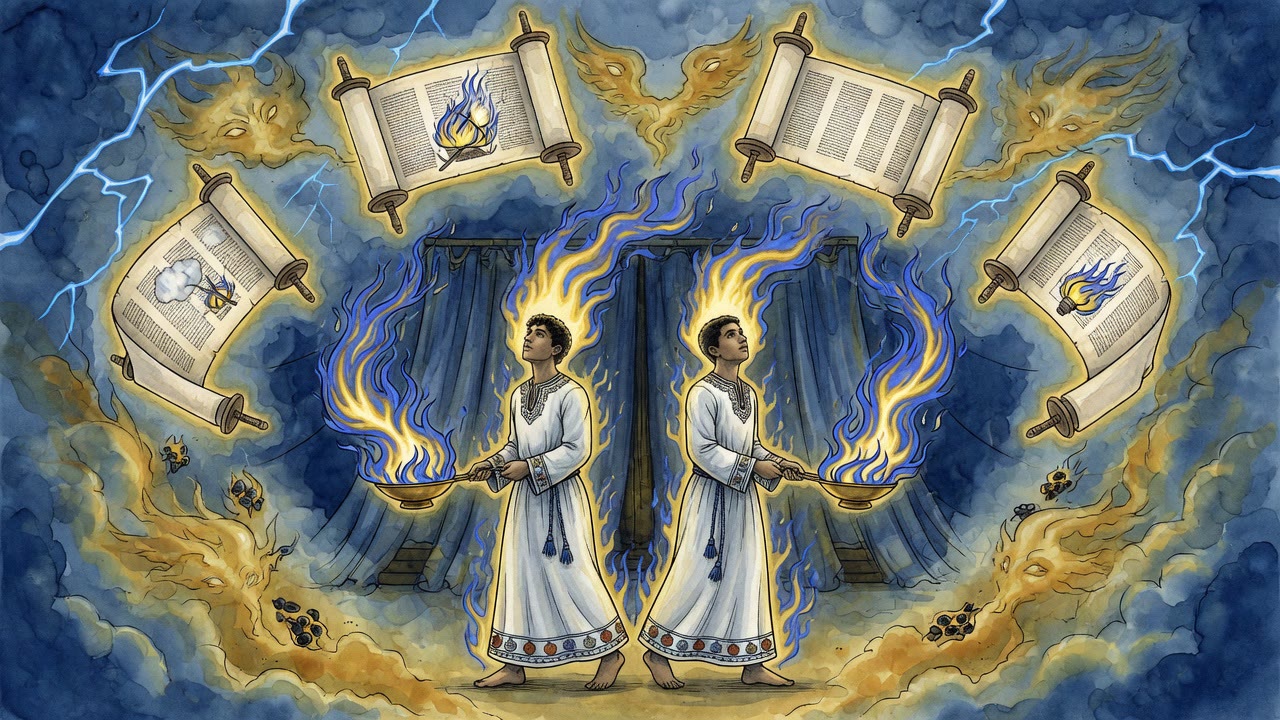
Each brother lifted his own pan. The coal came from a stove, not the altar. By noon Aaron's sons were dead on the court stones.
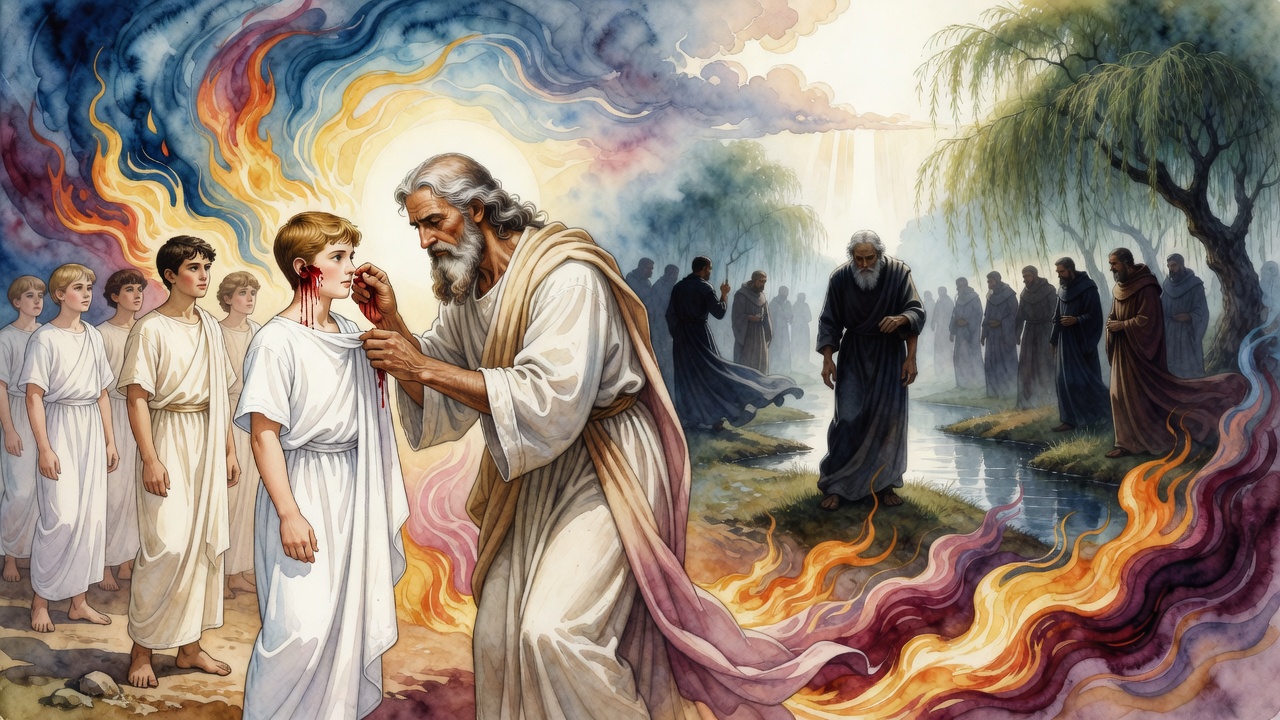
Moses bent to tunic each son of Aaron, painted blood on ear and thumb, and centuries later Simon still stood ringed by priests like willows at the brook.
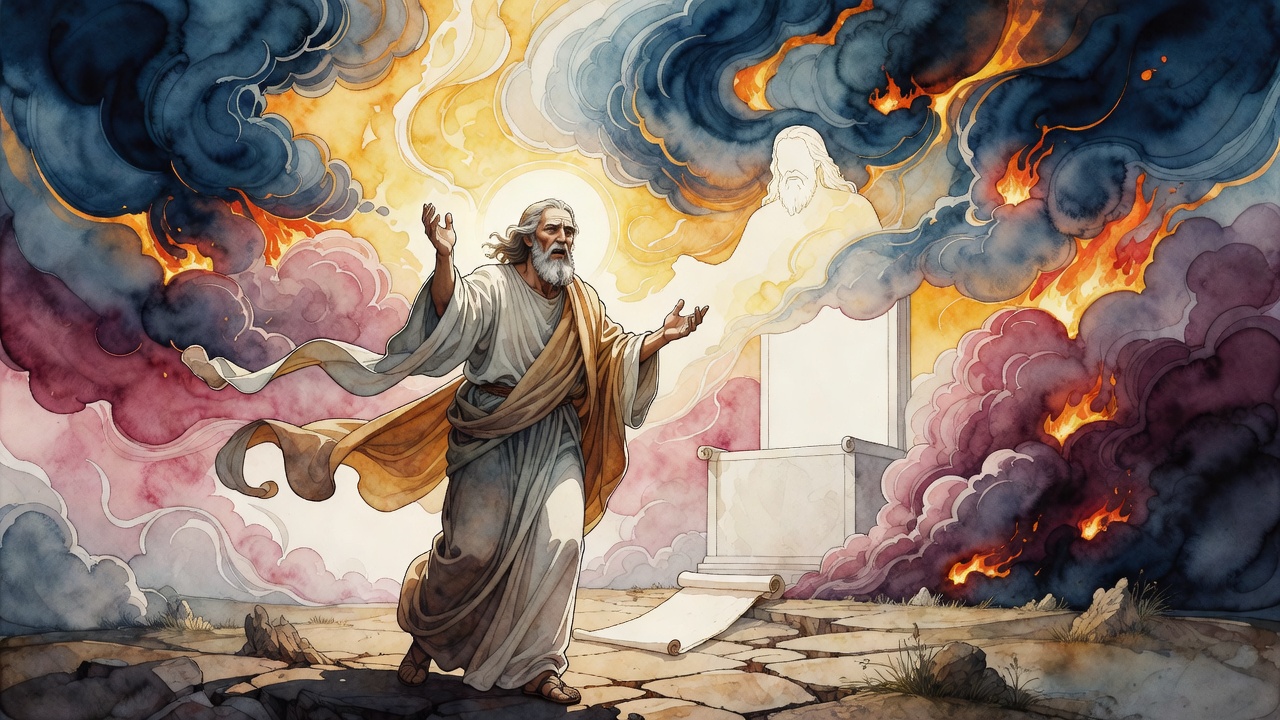
At Meribah an oath of death settled on Moses. He begged for the mercy he had won for sixty myriads and heard that fate was no longer his.
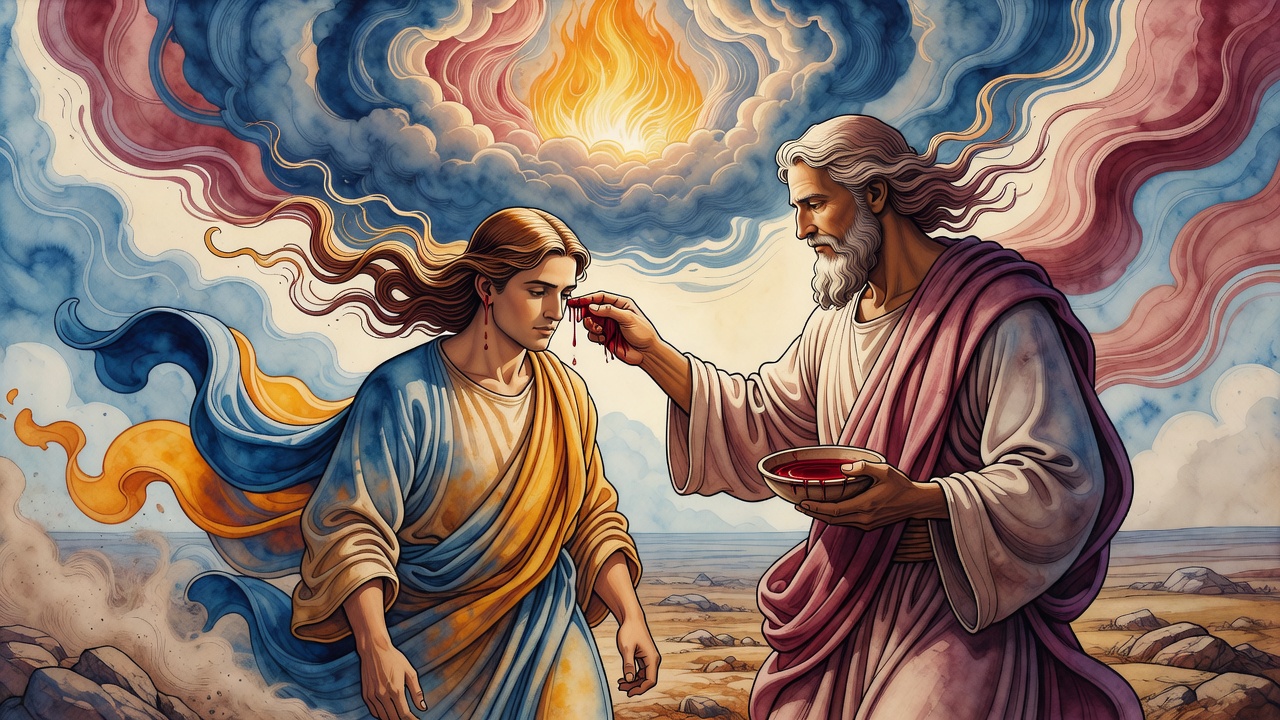
Moses takes ram's blood to Aaron's right ear, thumb, and toe. Three bloods, three measures, one brother made high priest.
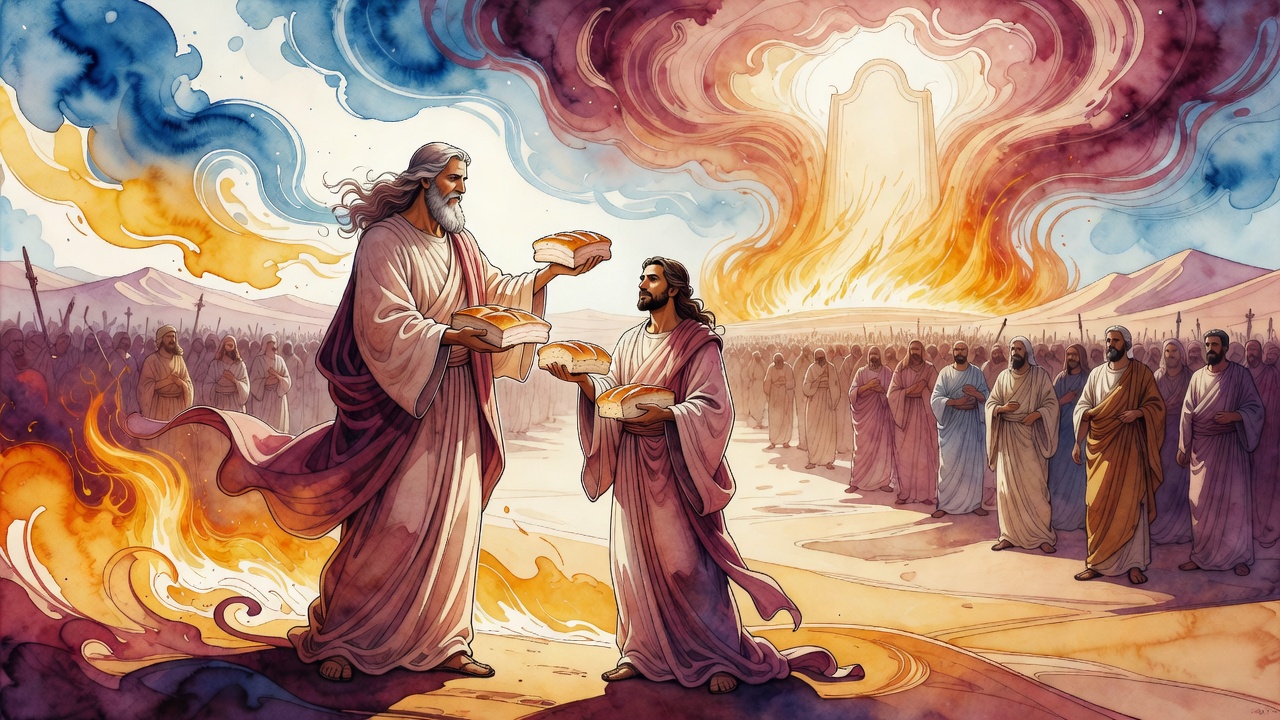
The courtyard filled until children sat on shoulders. Fat and bread sat on Aaron's palms. Moses swung them, then took them back for the fire.
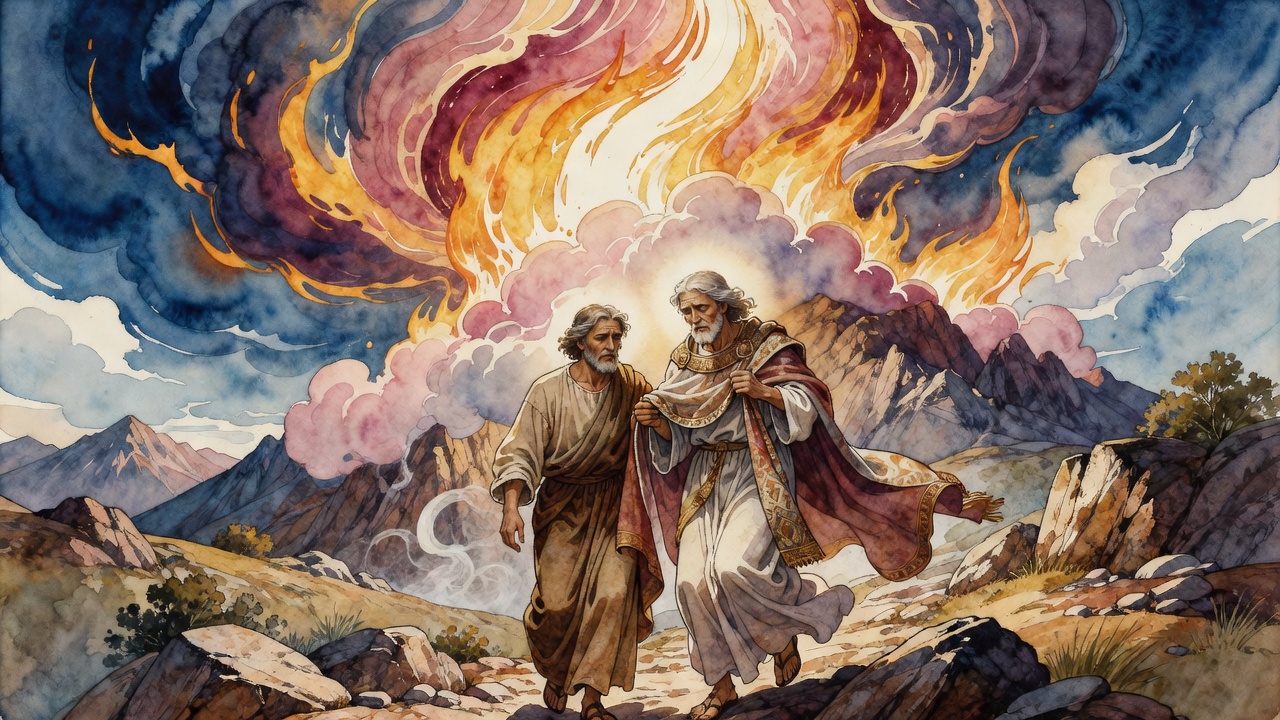
God tells Moses that Aaron will die for Meribah, so Moses leads his brother up the ridge with quiet words and a transfer of garments.
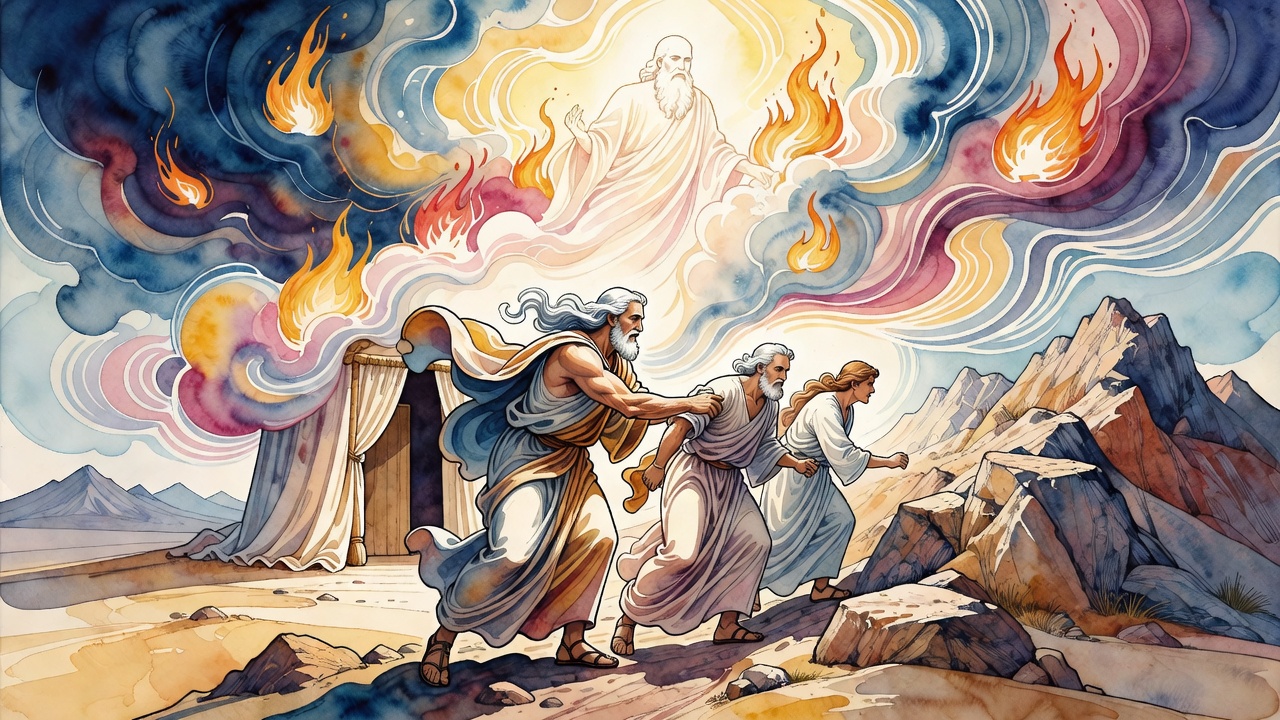
Curtains, new wood, oil. Aaron wanted the first service under his own feet. Moses walked him past the door and out of the camp.
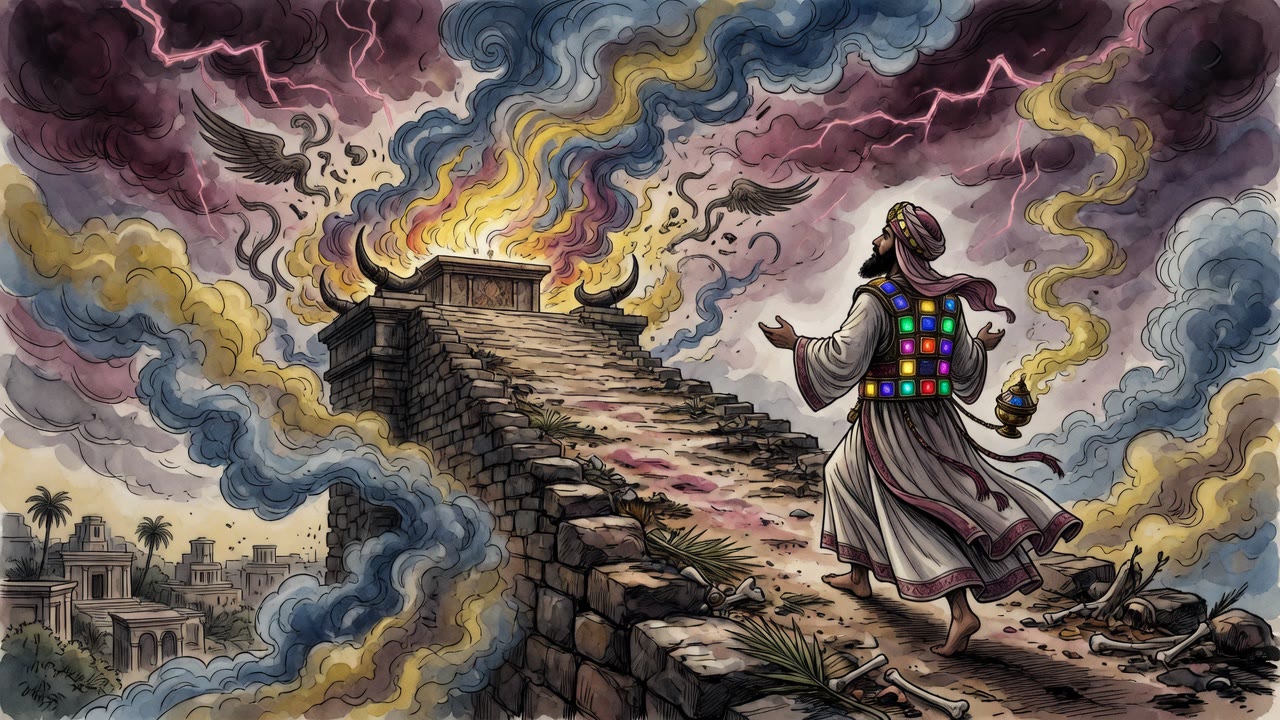
God tells Moses that Aaron will be gathered, and the high priest climbs the mountain to strip his garments and hand them to his son.
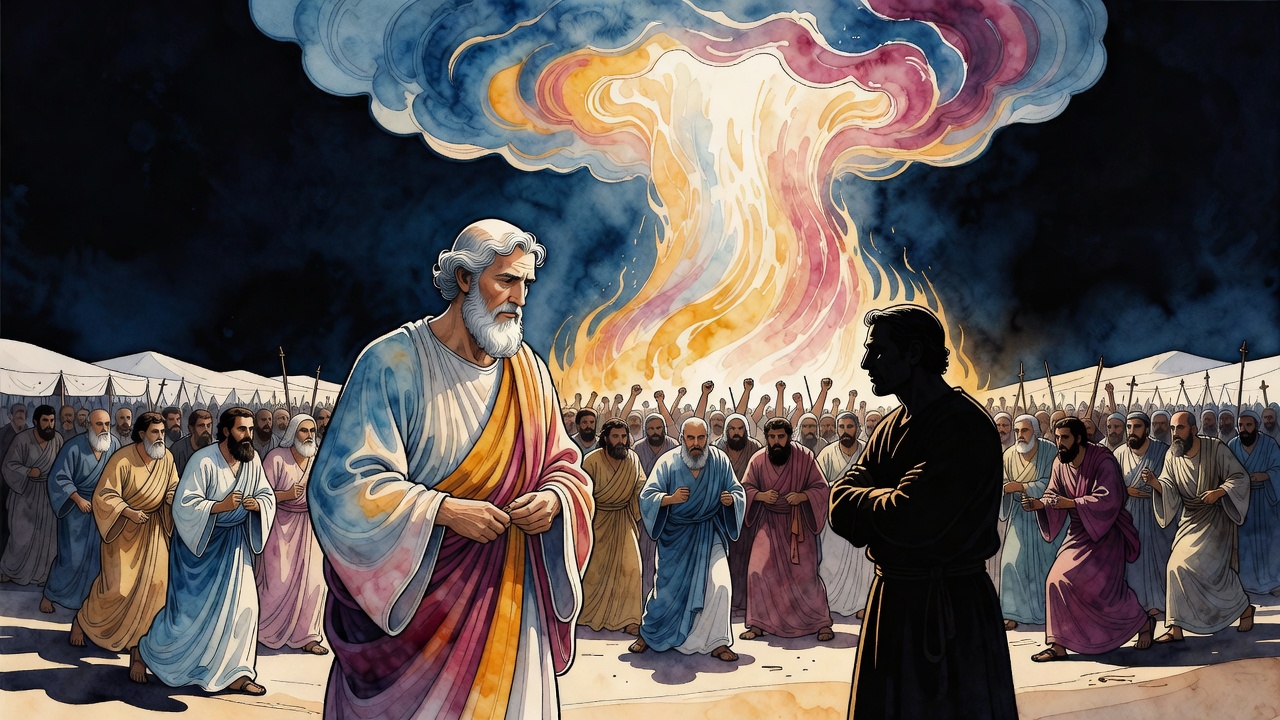
Two hundred fifty men want the altar by nightfall. Moses buys them until morning, hoping sleep will unmake a rebellion.
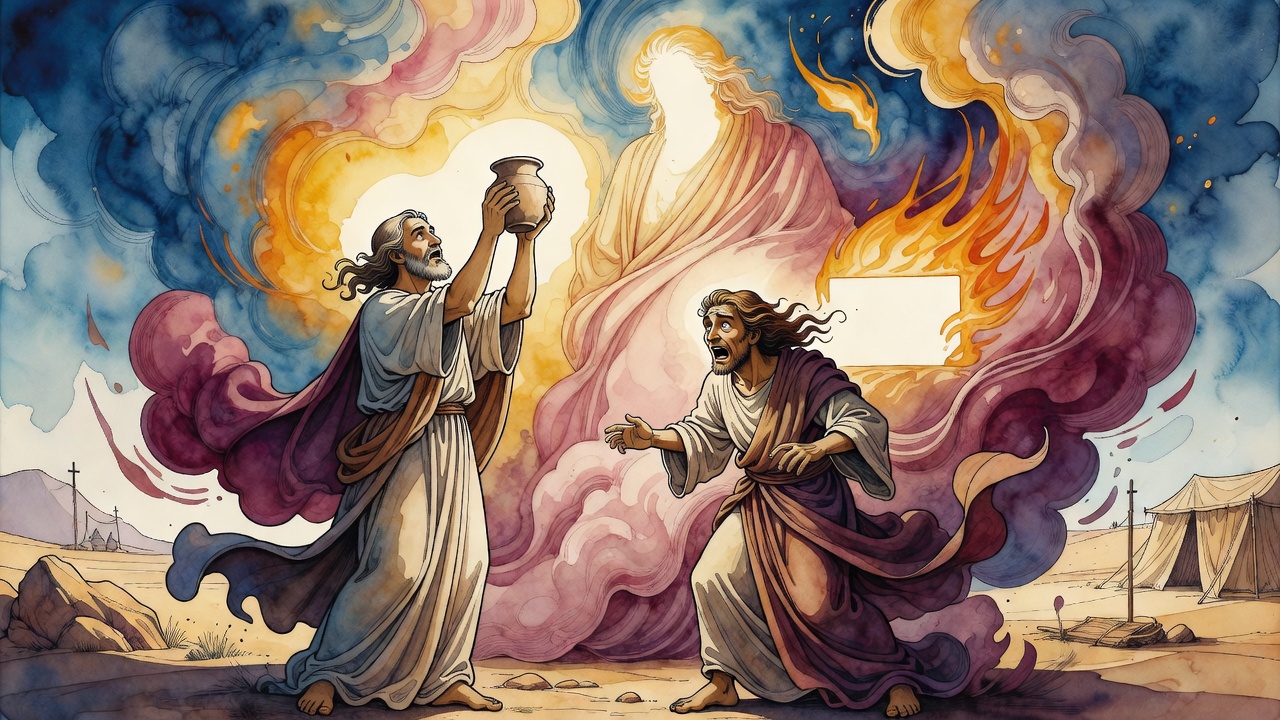
The flask caught the light over Aaron's hair. He asked his brother if holy oil could kill a man who was not worthy of it.
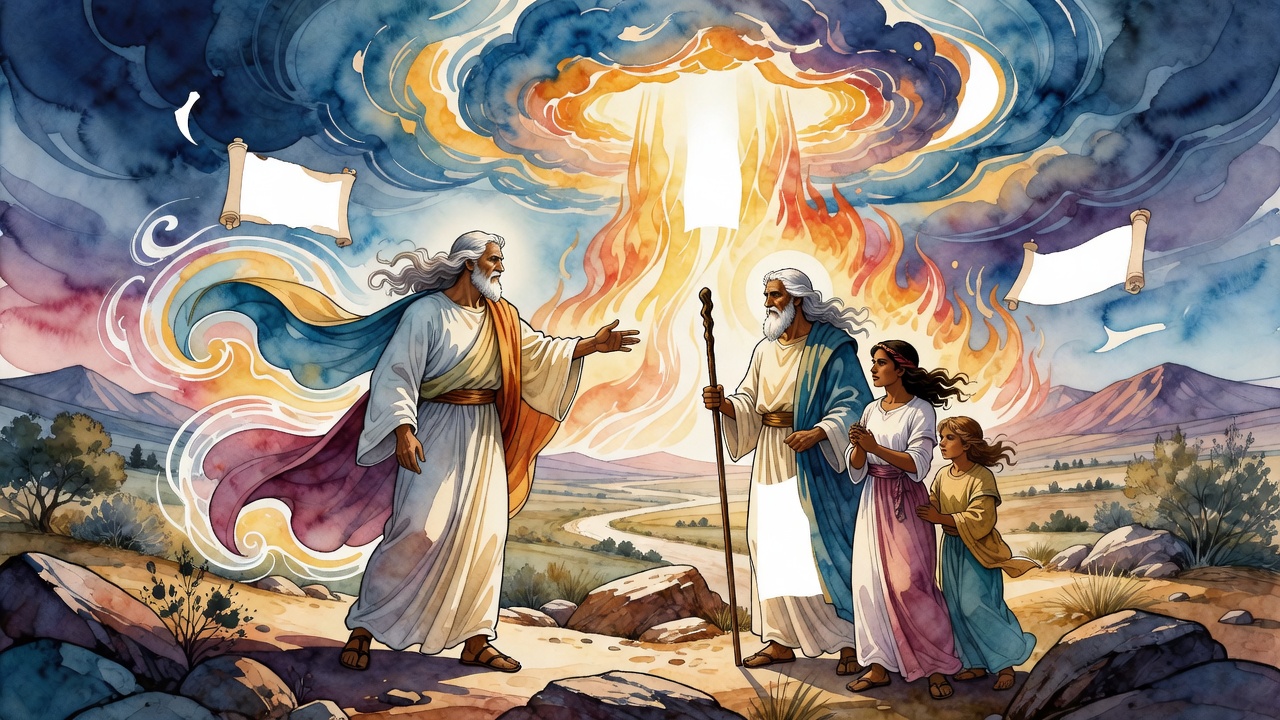
Brothers meet in the wilderness. Aaron asks why Moses is bringing a wife and sons into Pharaoh's fire, and the family turns around.
Joshua cuts Amalek's ranks below while Moses' arms fail on the hill, and Aaron and Hur hold them skyward until the enemy breaks at dusk.
