203 myths · Page 3 of 7
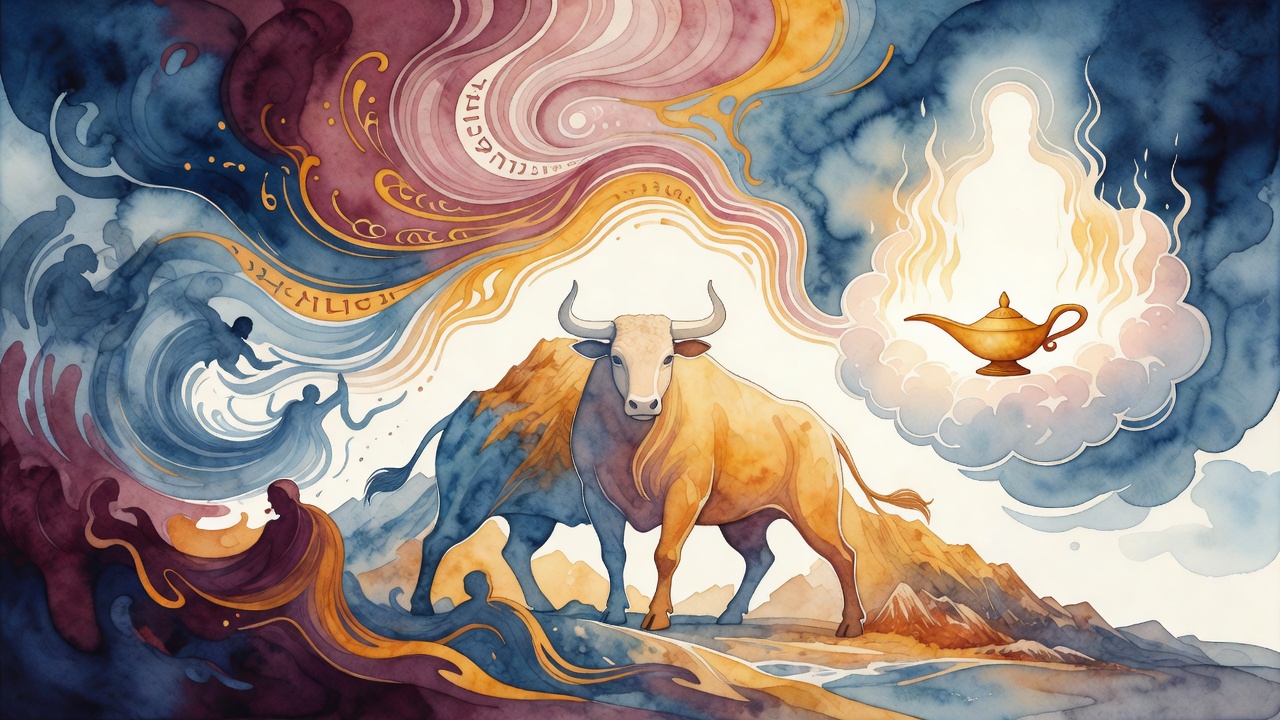
Malkitzedek walked out of Shalem with bread and wine for a man coming off a battlefield, and then he blessed him in the wrong order.
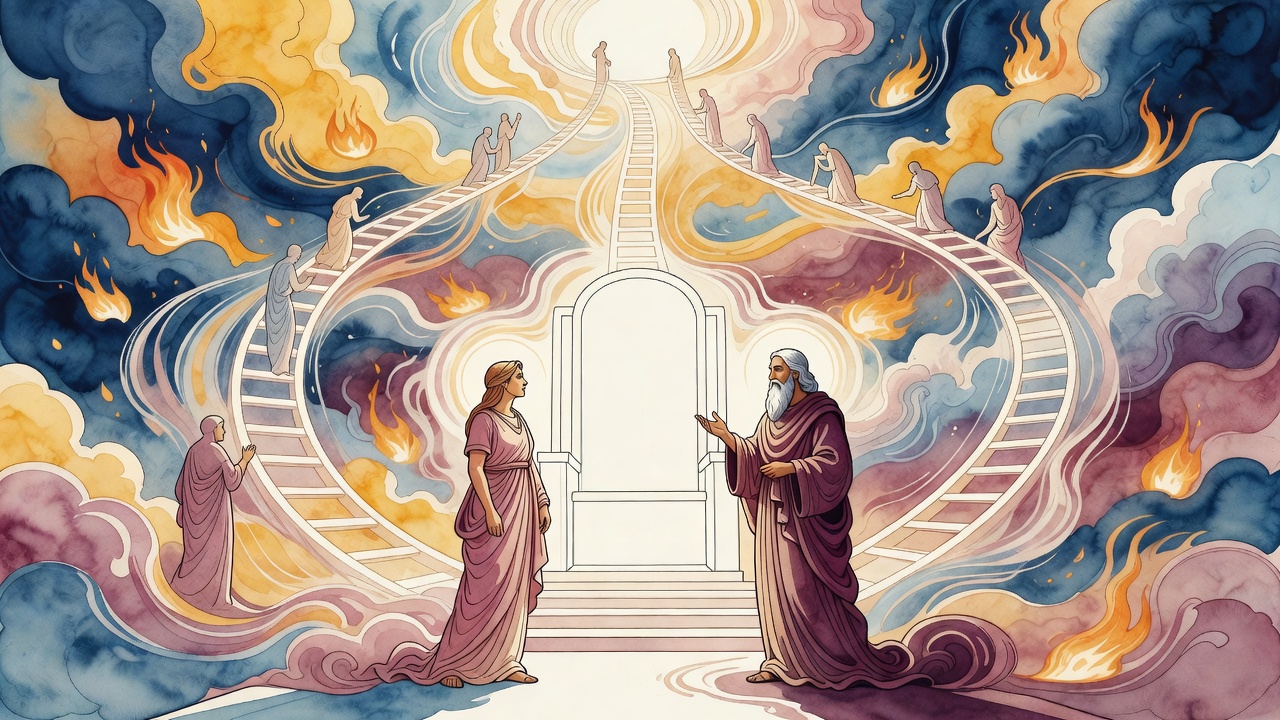
A Roman noblewoman asks Rabbi Shimon what God does all day. He answers without hesitation: God builds ladders and moves people up and down them.
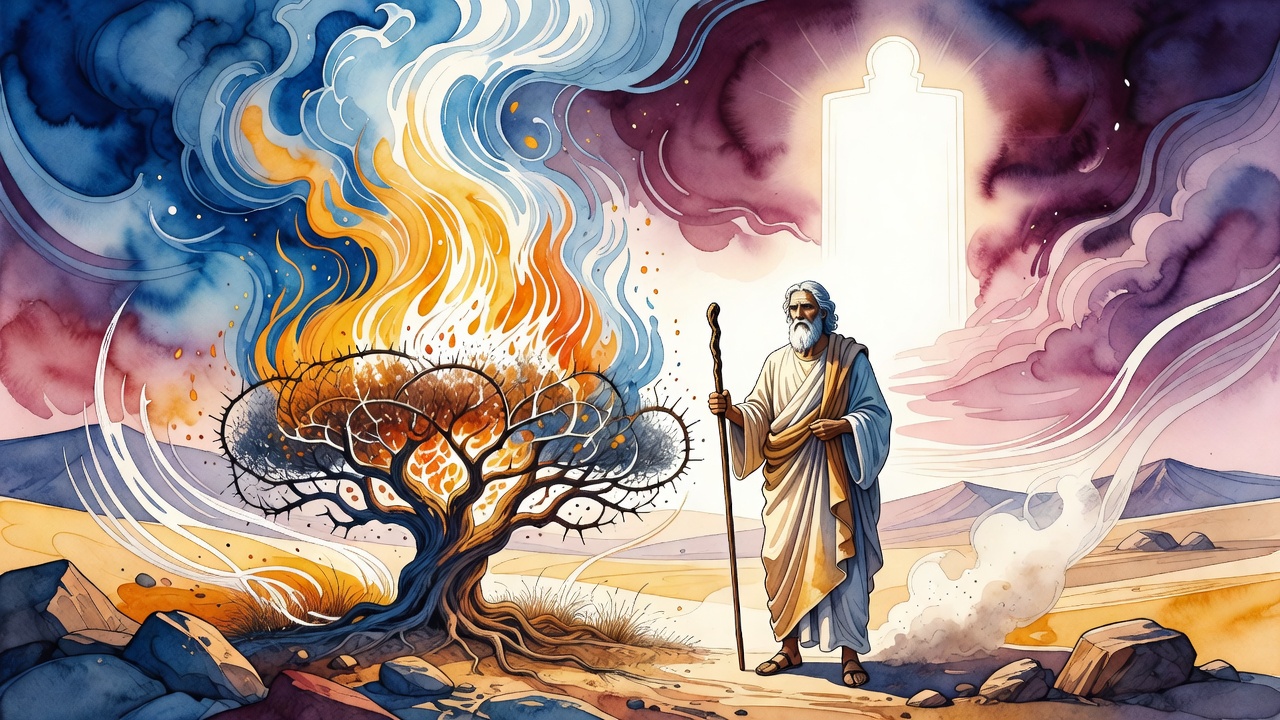
Aaron had been prophesying in Egypt for eighty years when his younger brother was chosen. He felt no envy, and so he wore the breastplate over his heart.
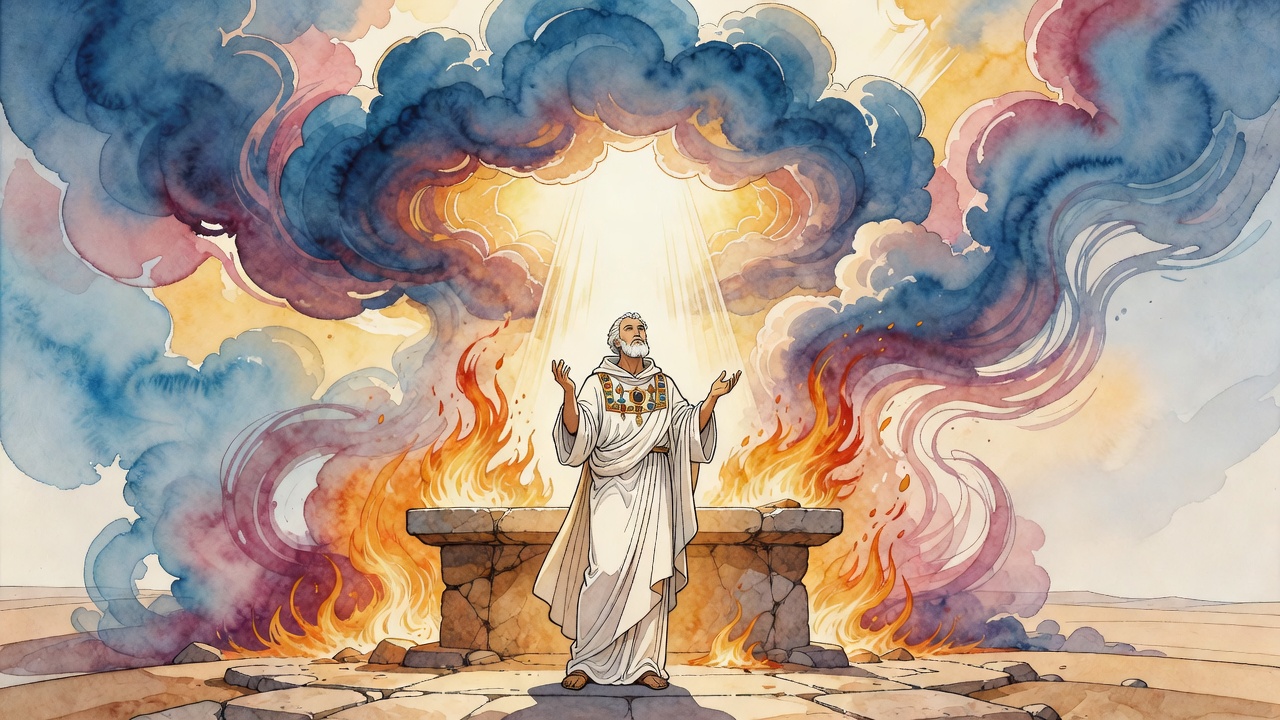
Aaron would not step toward the altar. He still saw the calf in the bronze. Moses took his brother's hand and pulled him forward.
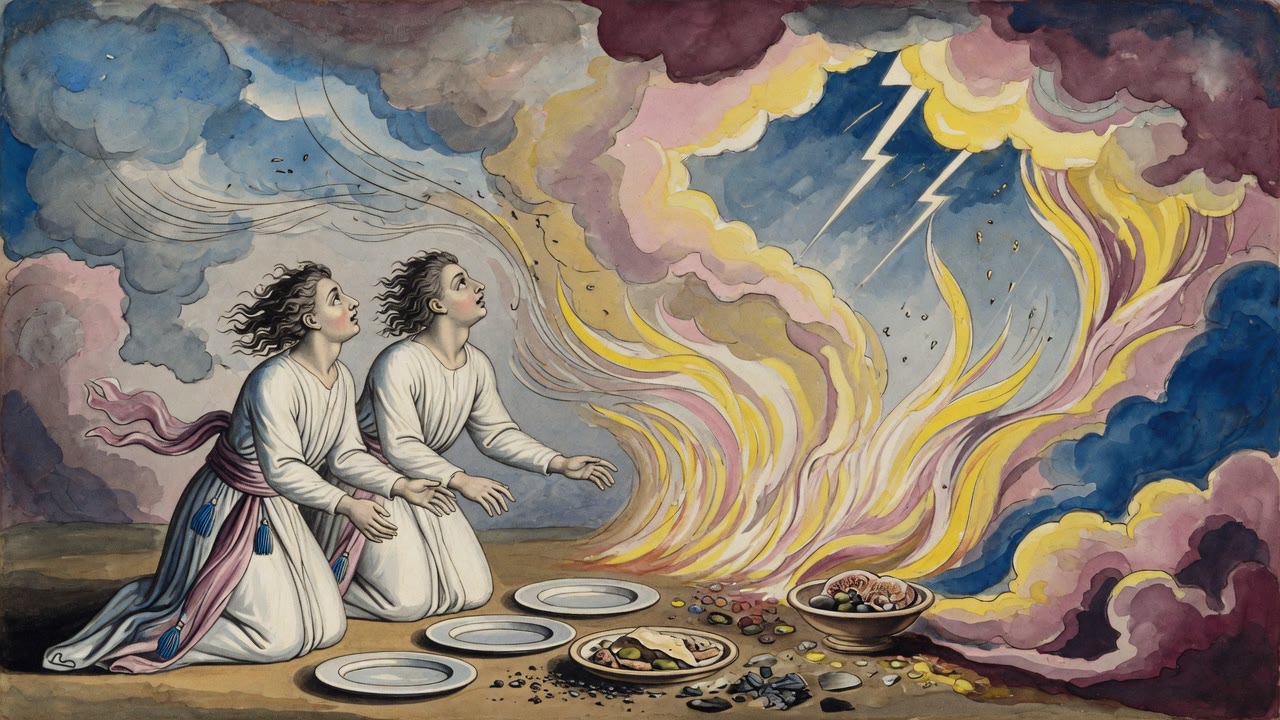
Aaron's two eldest sons reasoned that if Moses lived on the sight of God alone, they could feast their eyes and skip the body too.
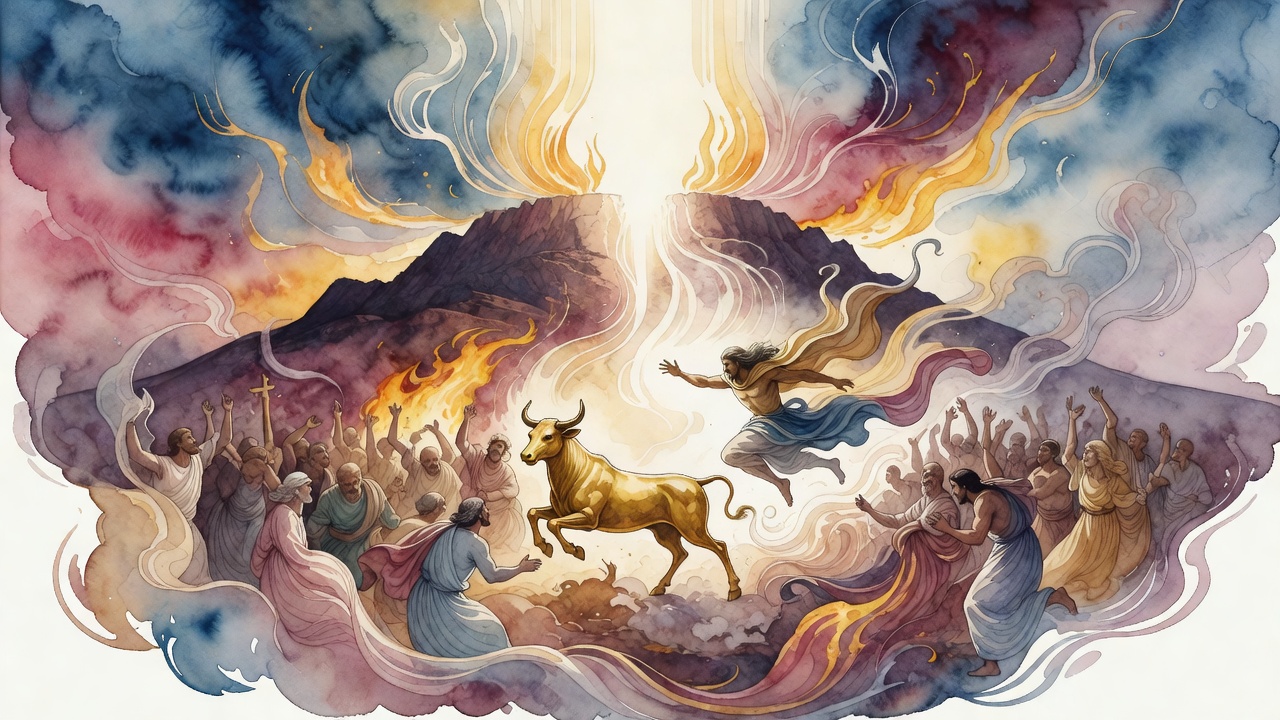
A bier hung in the air at noon, and the face on it was Moses. The camp pointed up and asked Aaron for a god they could carry.
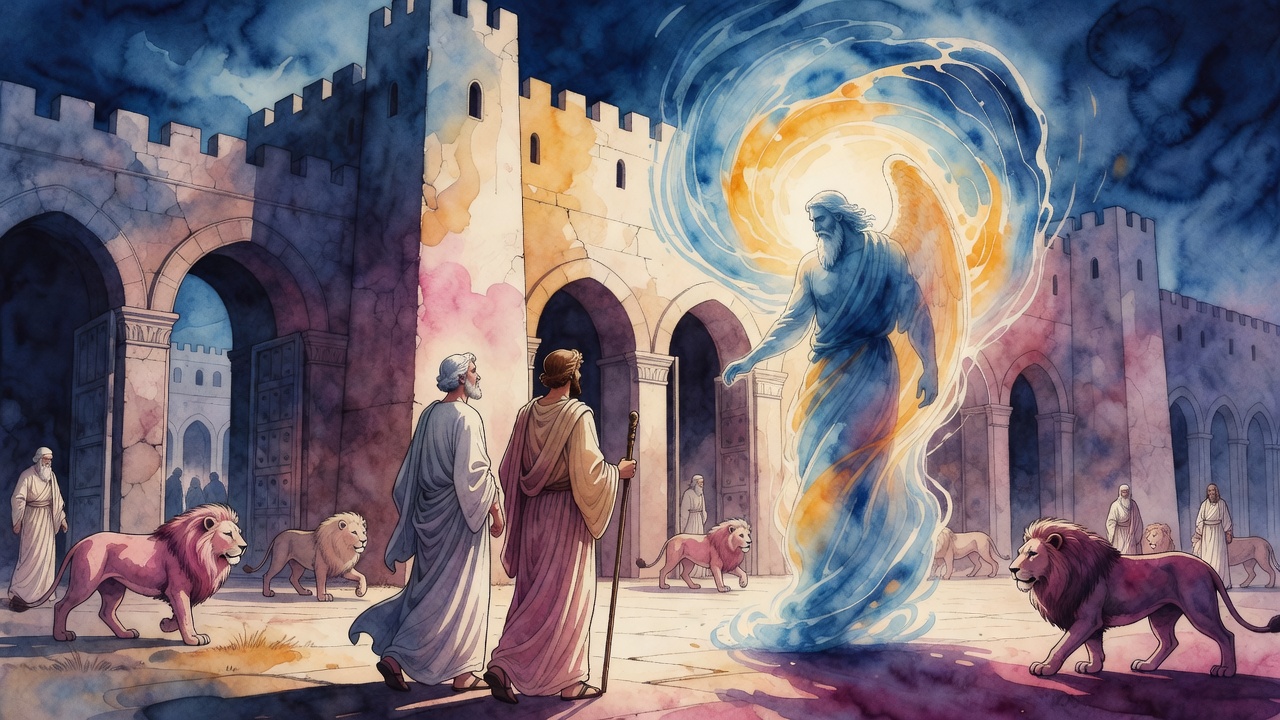
The elders slipped away one by one until only two brothers faced a fortress of four hundred gates and lions, and an angel walked them in.
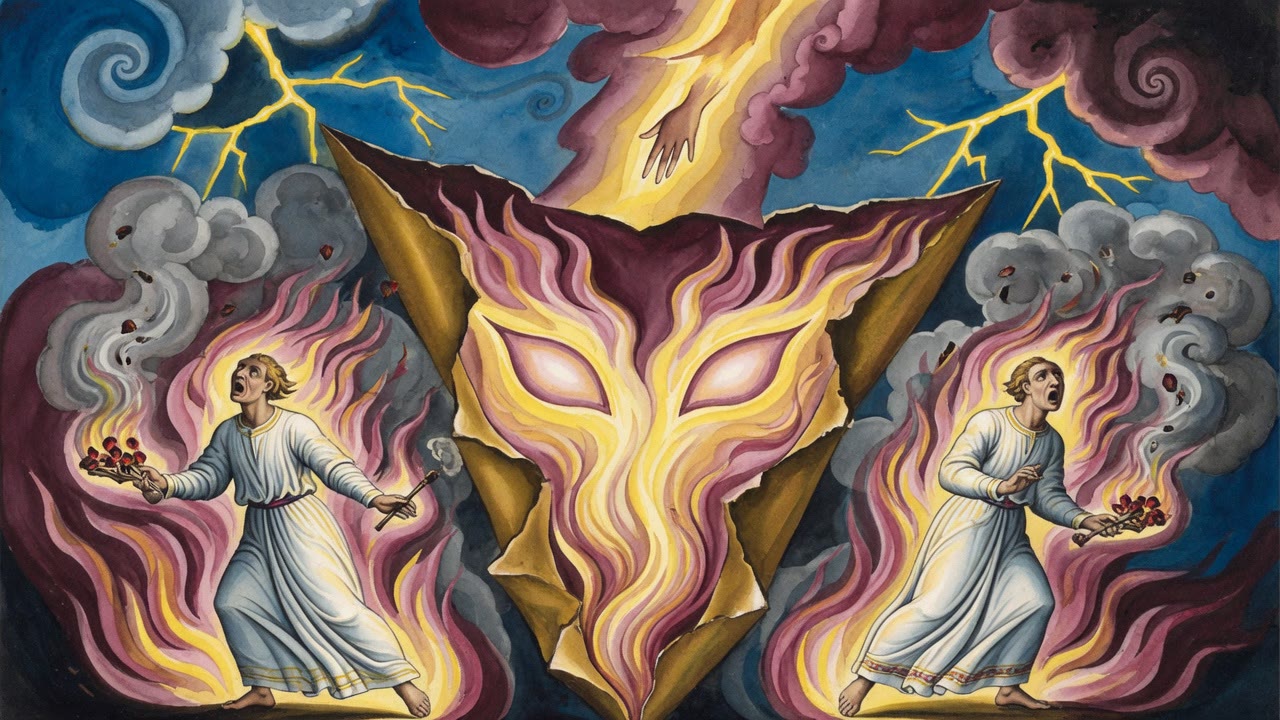
On the Mishkan's eighth day two priests carried their own fire into the Holy of Holies, and a purer flame answered by burning them alive.
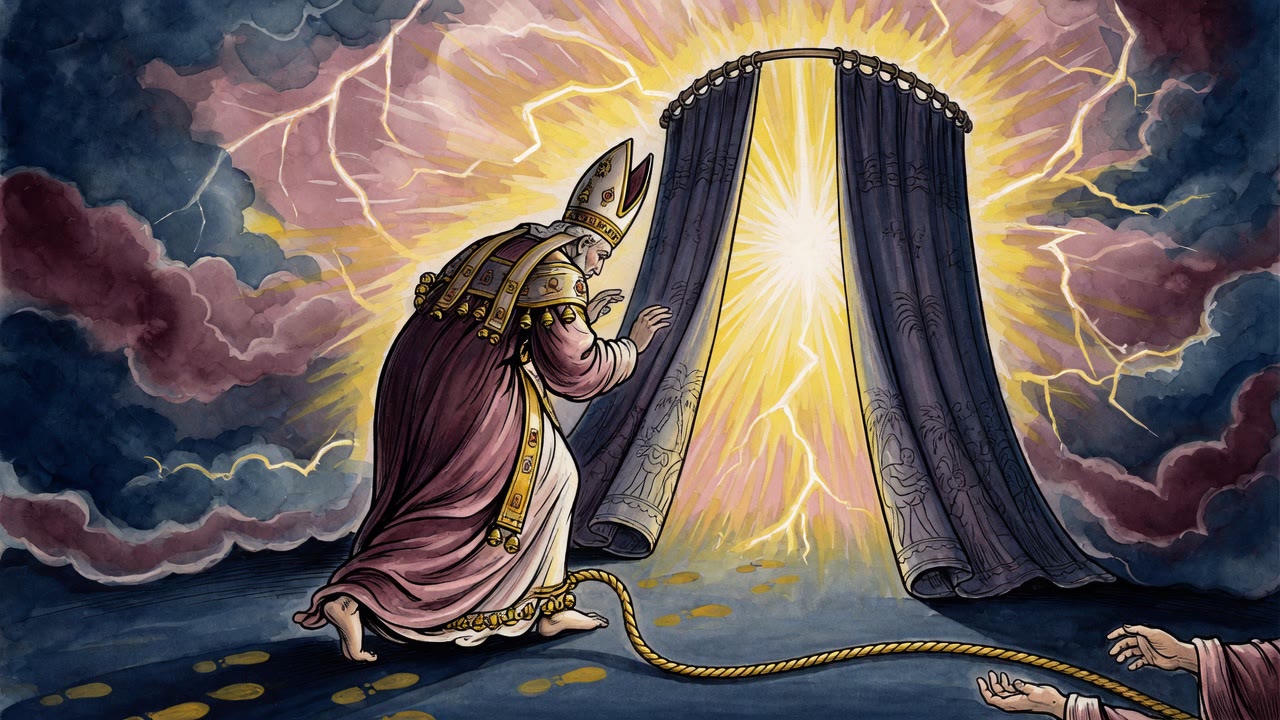
Men broke their own earrings. Aaron cast a plate bearing the Name. A living calf stepped from the flames, and Yom Kippur was born in the repair.
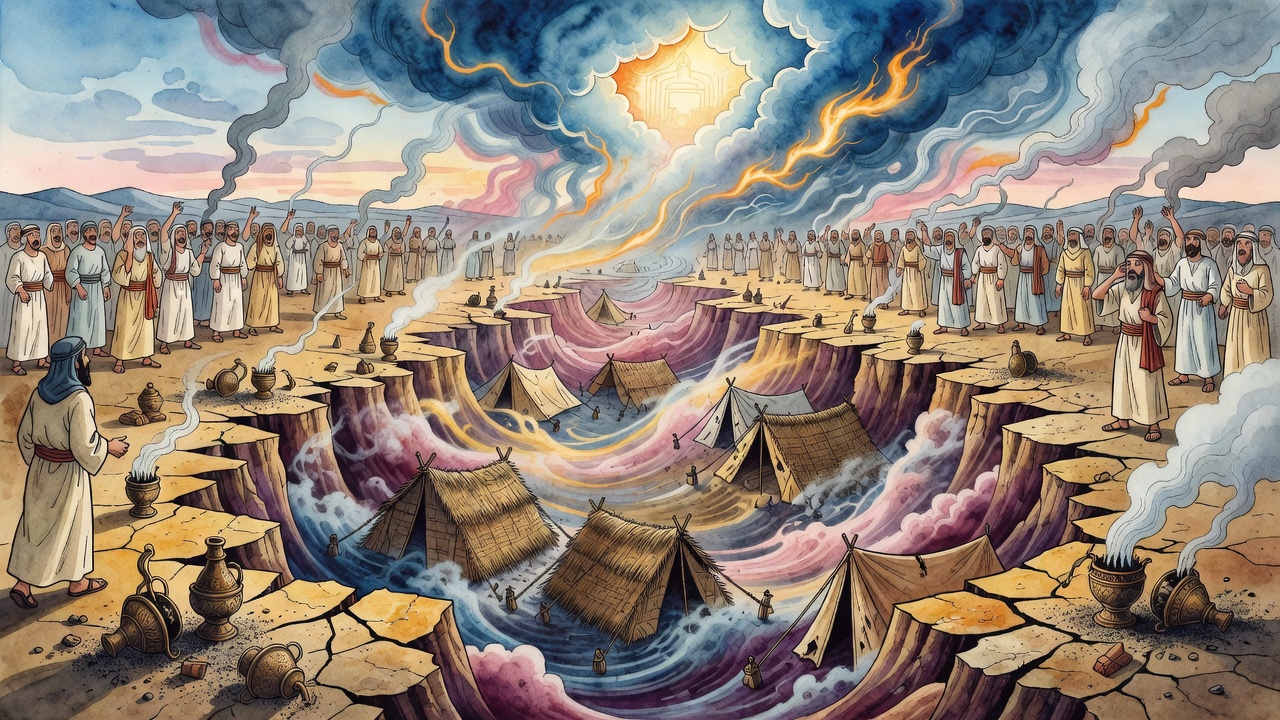
Korah still wore Pharaoh's keys when he came for the altar. Moses gave them the night. By dawn, nobody wanted the priesthood less.
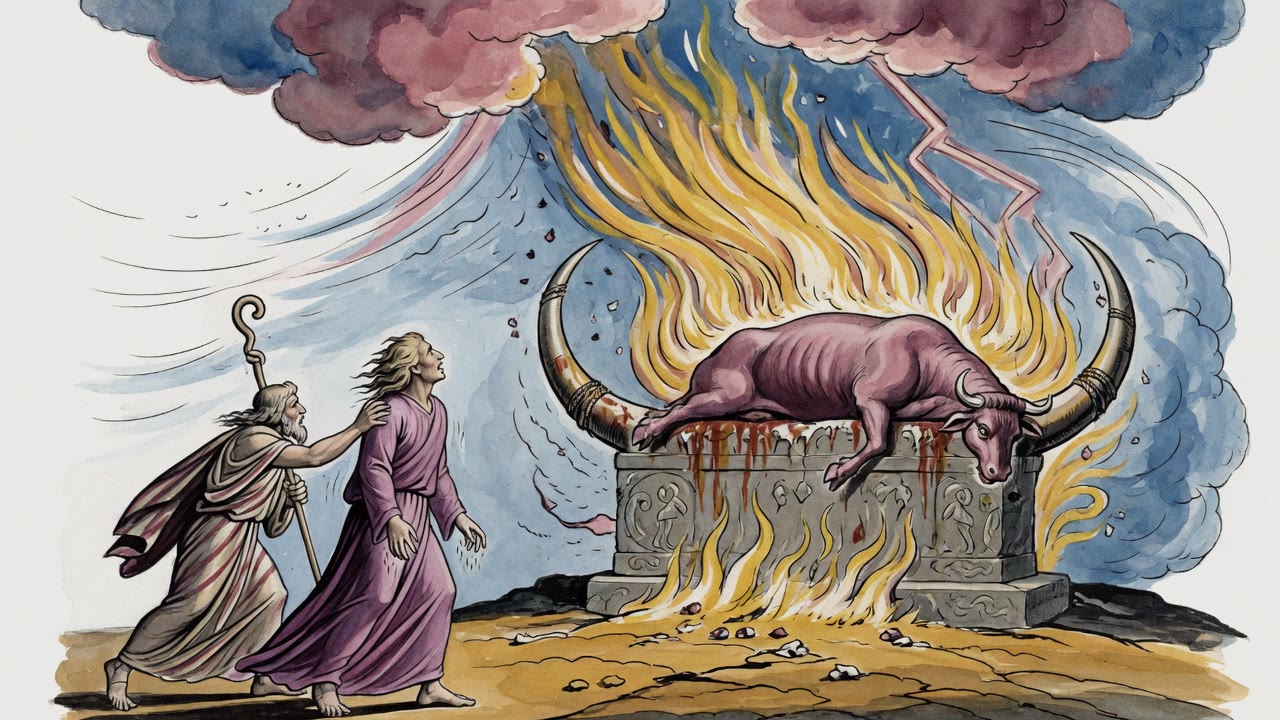
On the eighth day Aaron saw an ox in the altar horns and could not move, until Moses pushed him forward and fire fell that no human hand had kindled.
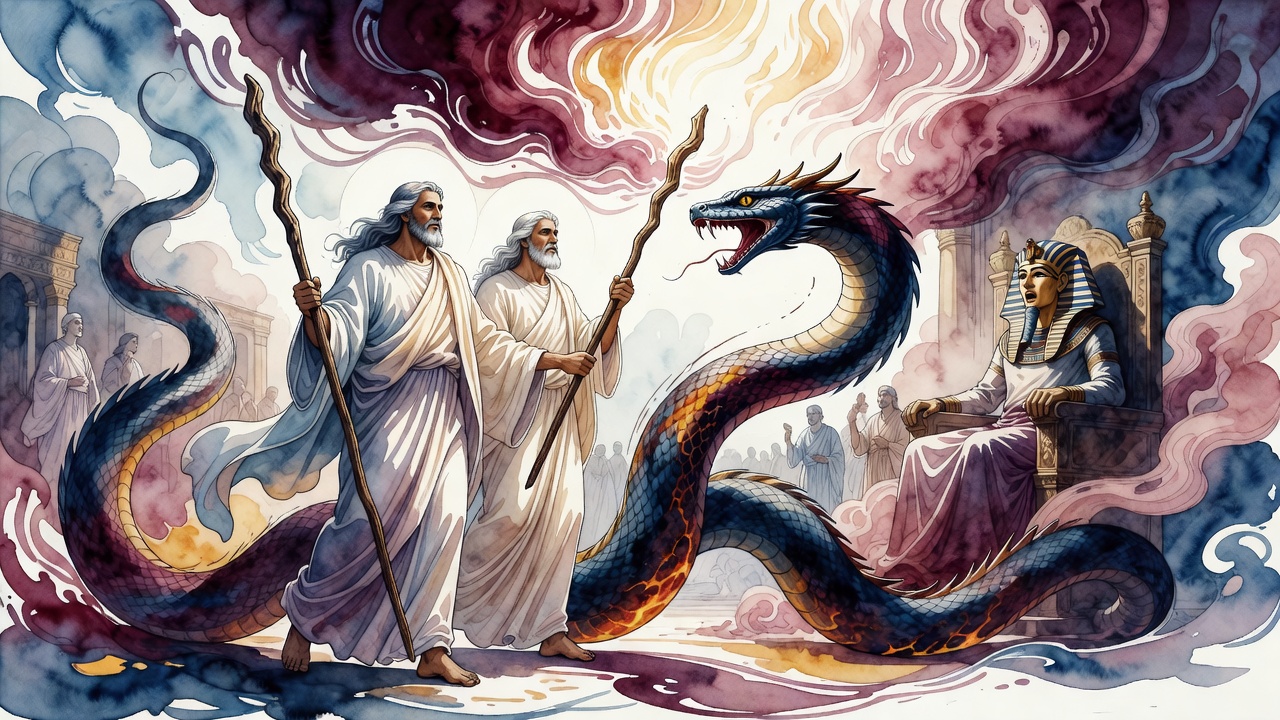
Pharaoh made the two old Hebrews wait while lesser kings finished their bows. Seventy secretaries were writing the empire in seventy languages. Pens stopped.
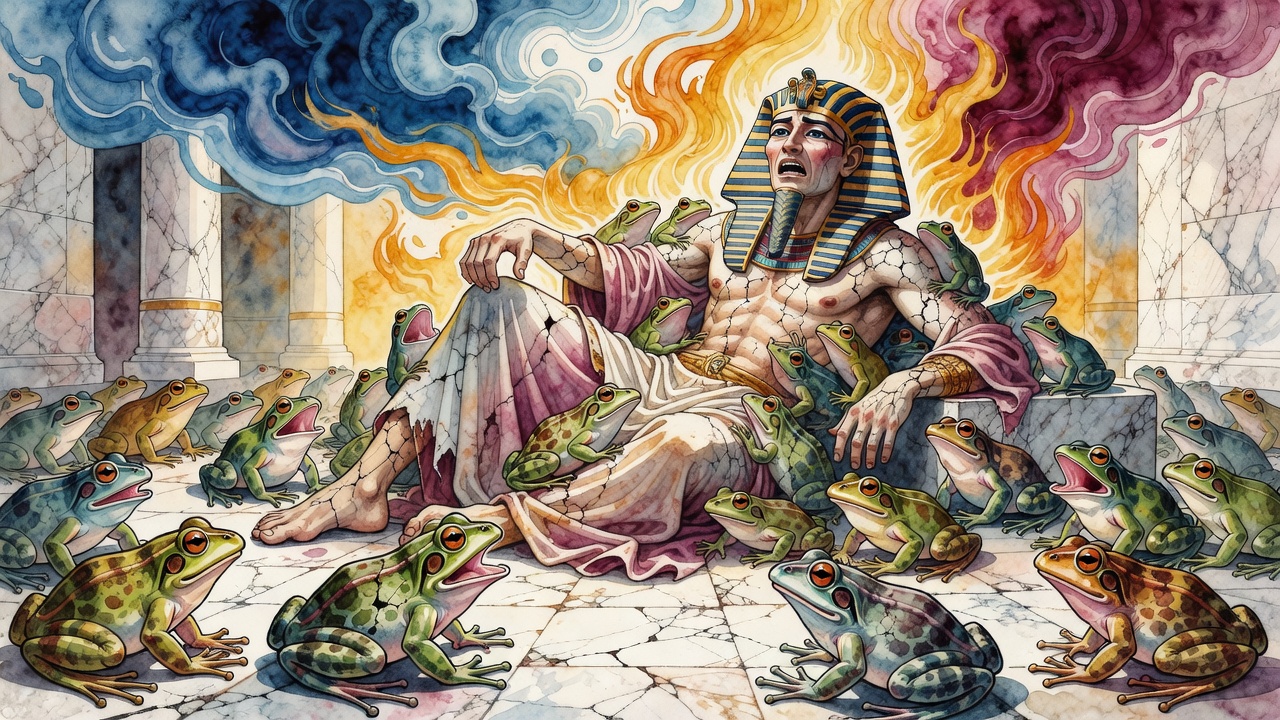
One frog croaked and an army answered, marble cracked on command, and Pharaoh finally suffered in his own body what blood in the Nile had left untouched.
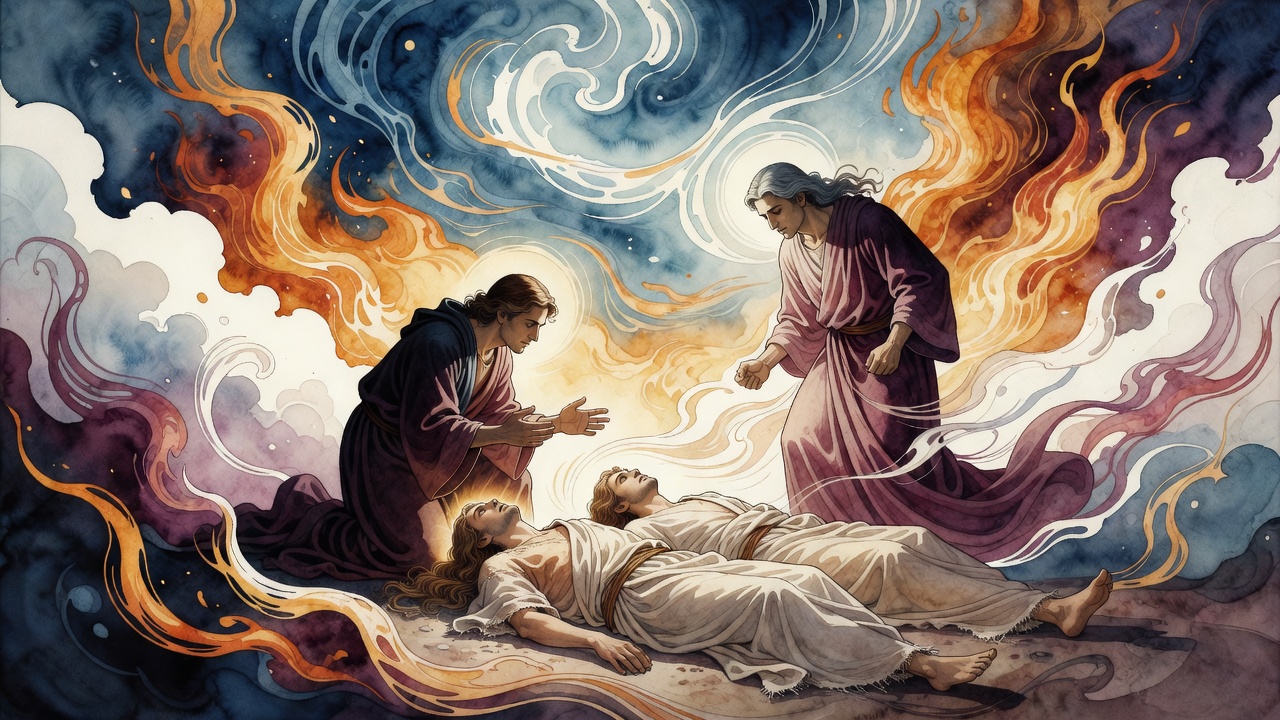
Fire from before God took Aaron's eldest sons. Elazar and Ithamar longed to lift the bodies, and holiness forbade their hands.
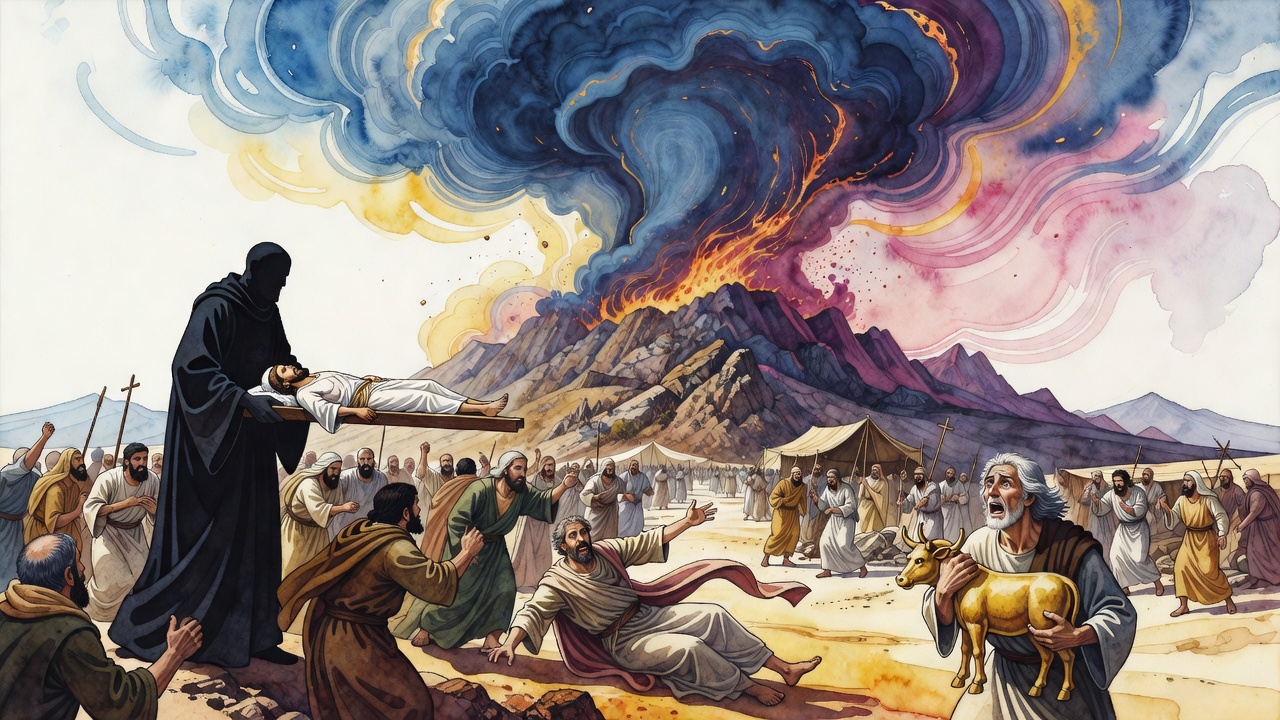
At the sixth hour of the fortieth day, Ha-Satan (the Accuser) painted Moses dead on the mountain. Hur rebuked the mob and fell, and Aaron faced gold with.
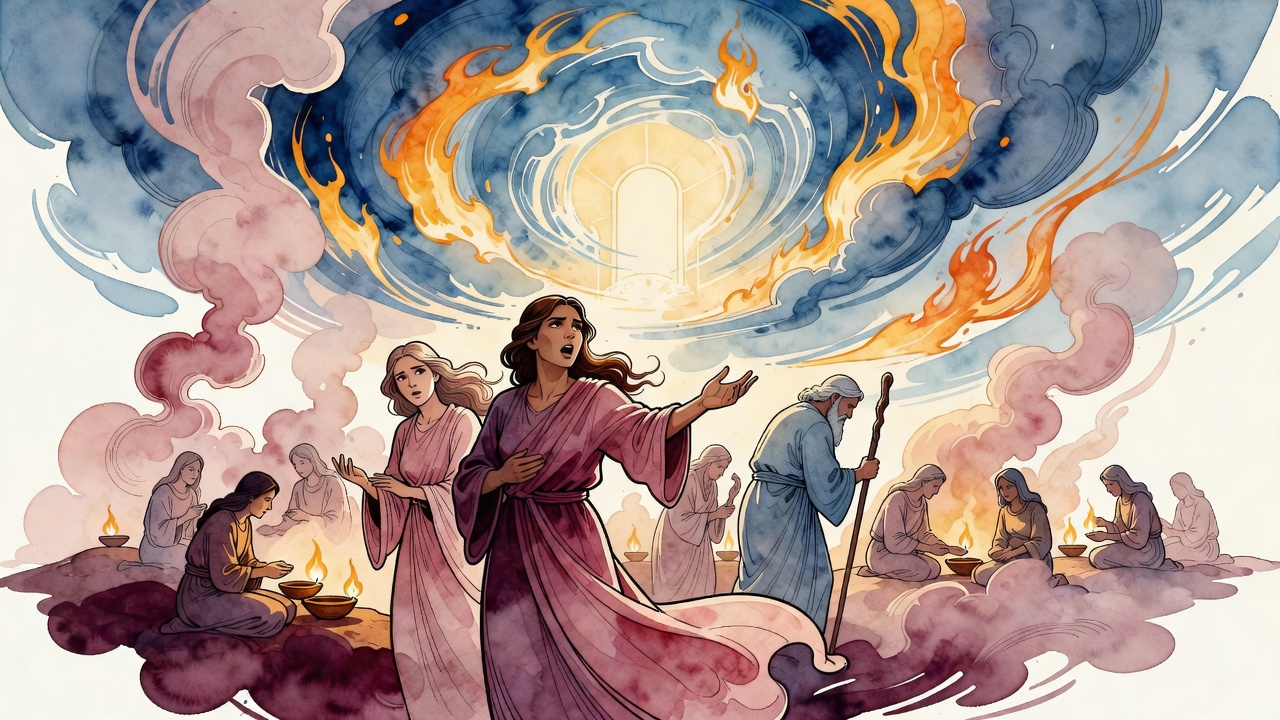
Women lit lamps for new prophets. Zipporah told Miriam to bless the wives with woe. Moses heard the charge and kept his mouth shut.
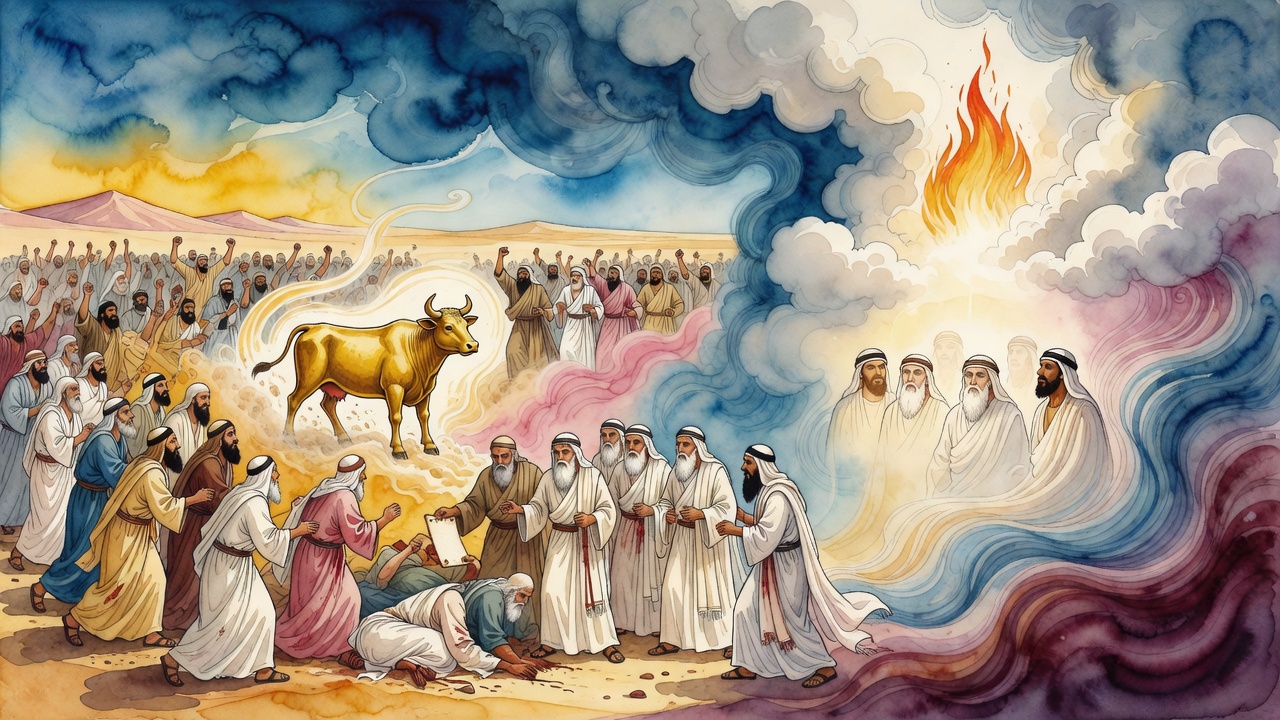
The crowd made the metal bull move and bellow, then told the judges to call it God. The judges said no, and the crowd killed them for it.
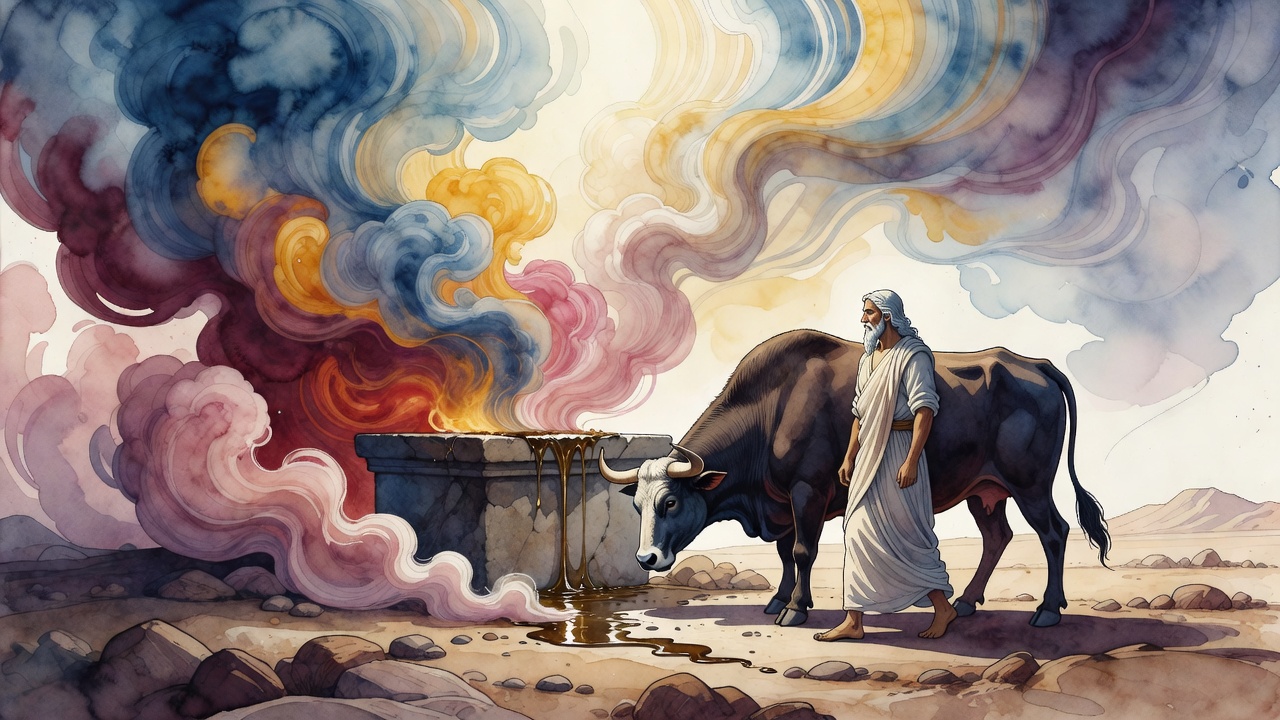
Moses was told to take Aaron, not by the arm, but with speech that turned a heart. Oil, a sin-bullock, and rising smoke finished the hour.
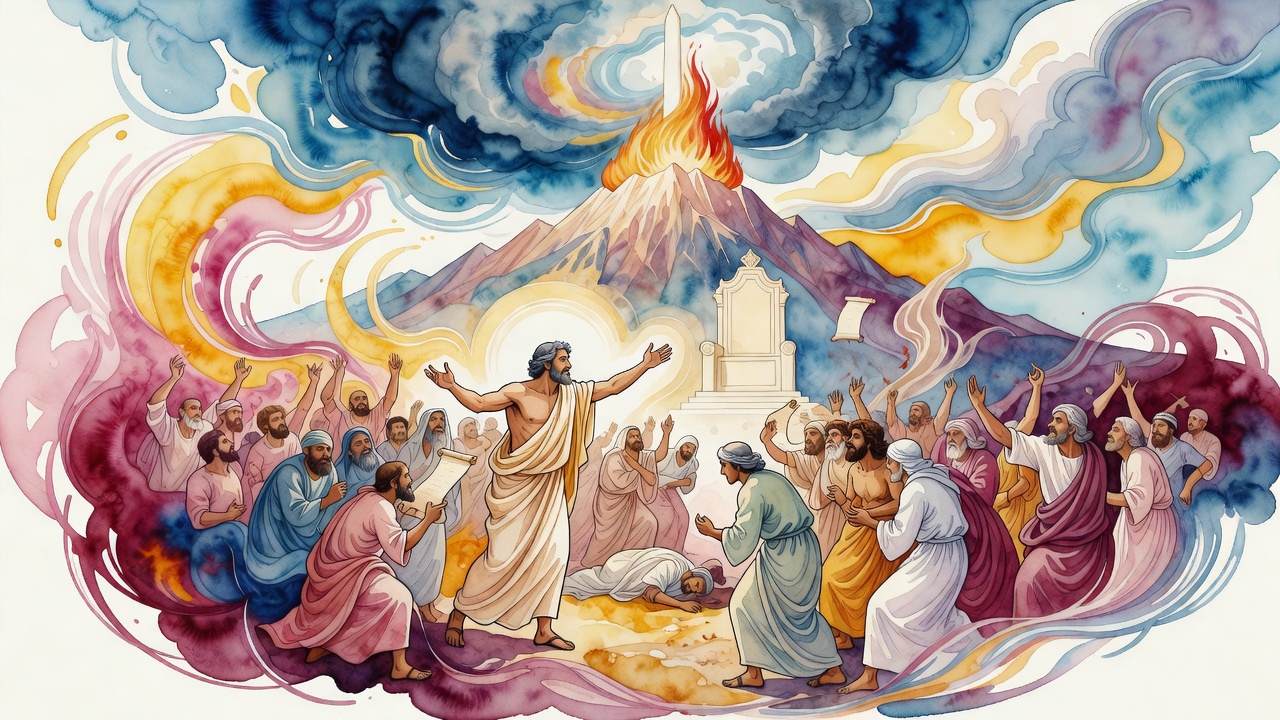
While Moses received Torah above, Hur rebuked the restless camp and was slain. Aaron faced a people who had already killed the man who said no.
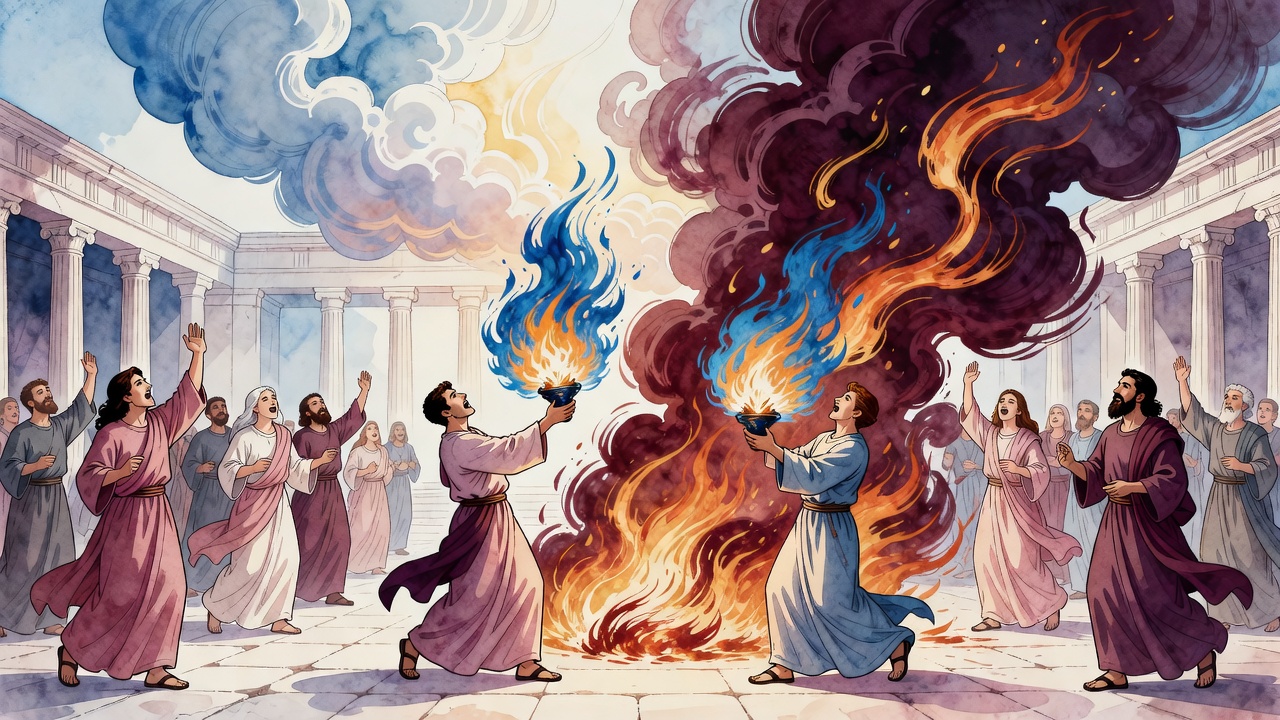
This was the best day of Elisheba's life. Her husband was high priest. Two of her sons were dead before the morning service ended.
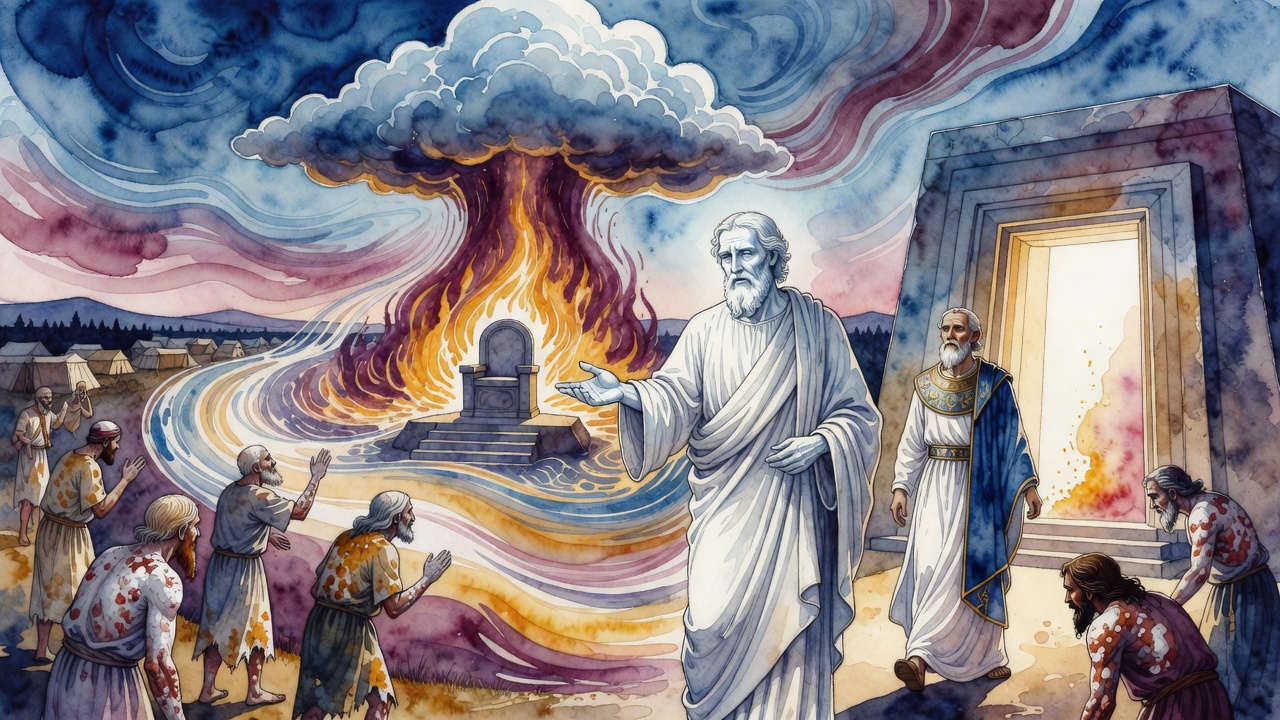
The dancers woke with white skin. They were walked to the edge of the camp, farther than ordinary uncleanness ever sent a body.
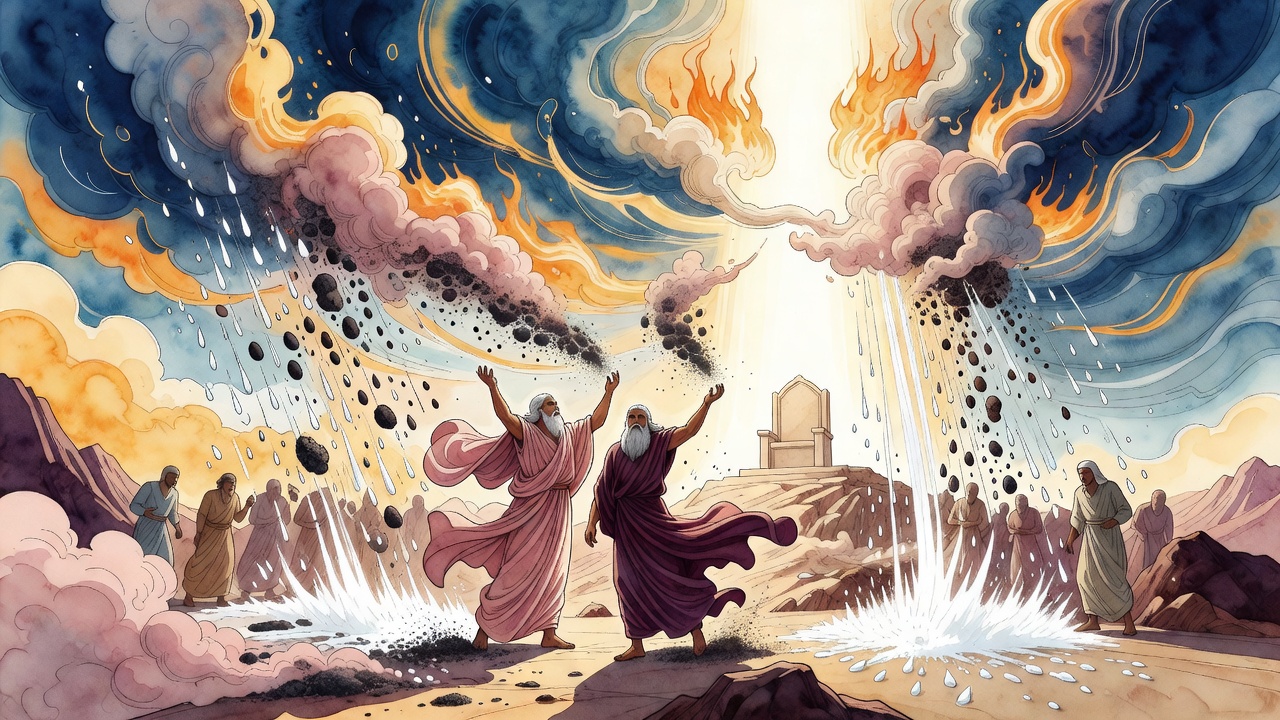
Moses and Aaron each scooped ash from the brick furnace. Moses held both handfuls in one palm and threw them at the sky.
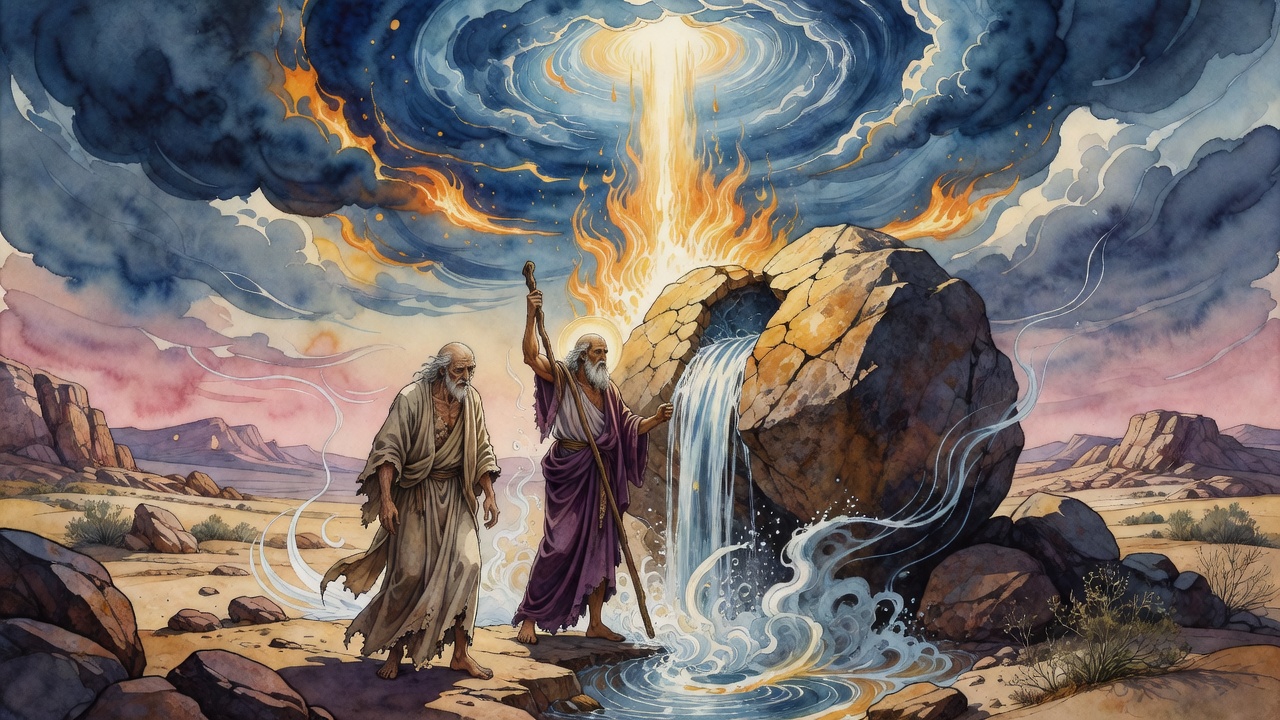
After nineteen years near Kadesh, thirst turned on Aaron, Moses struck the rock for water, and a deeper sin sealed him out of the land.
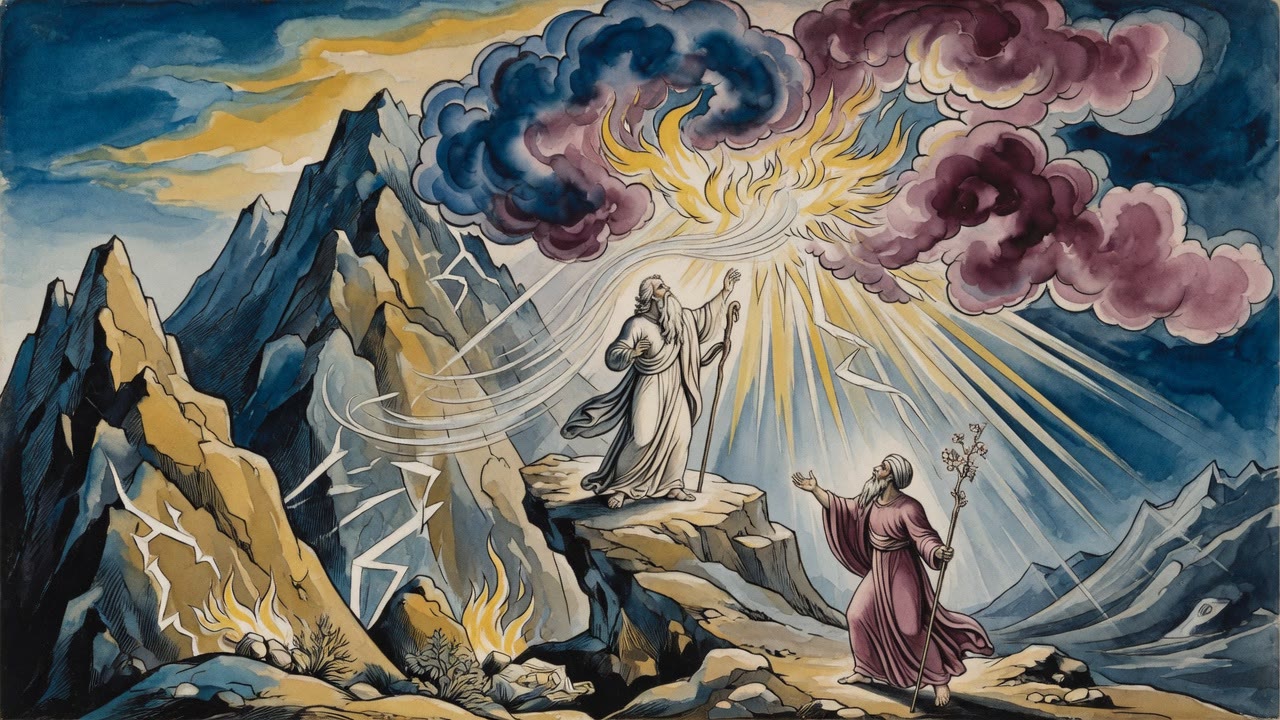
At the burning bush Moses said no for seven days running. God told him there would be a bill for that, and it came due at the door of the Tabernacle.
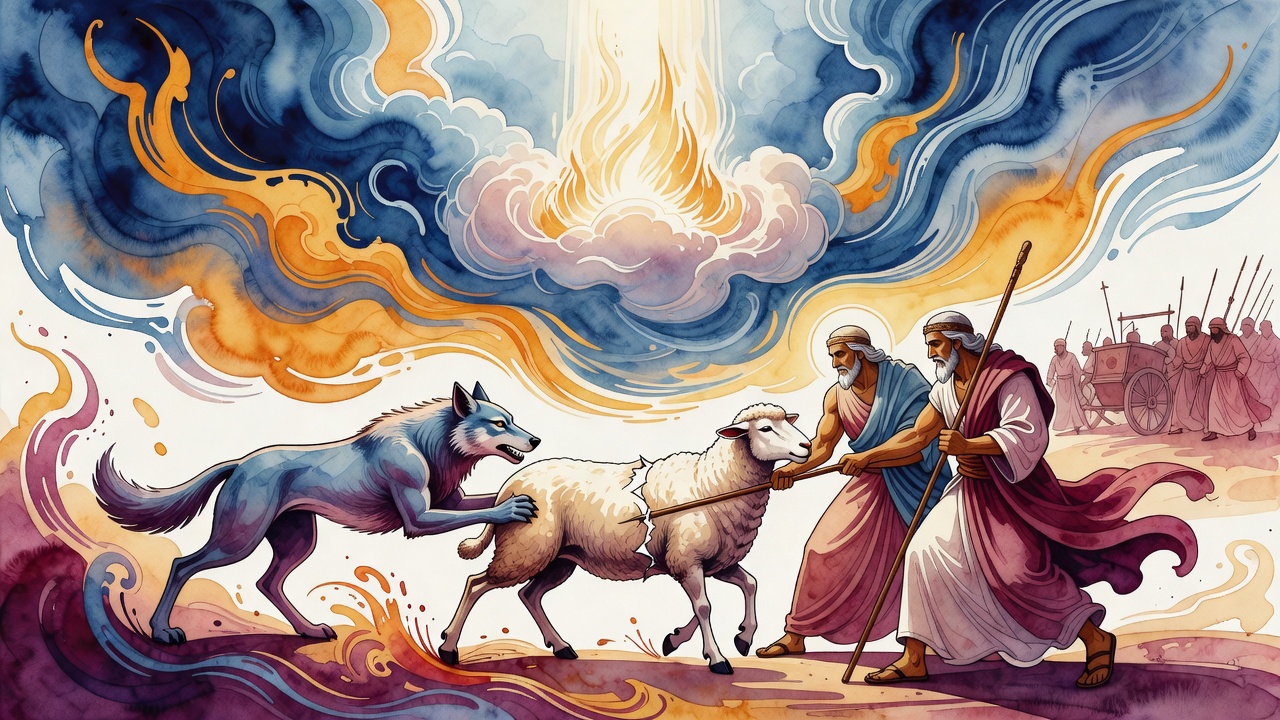
Officers told Moses that Israel was a sheep pulled by Pharaoh the wolf and by rescuers until the body tore, while Egypt planned total erasure.
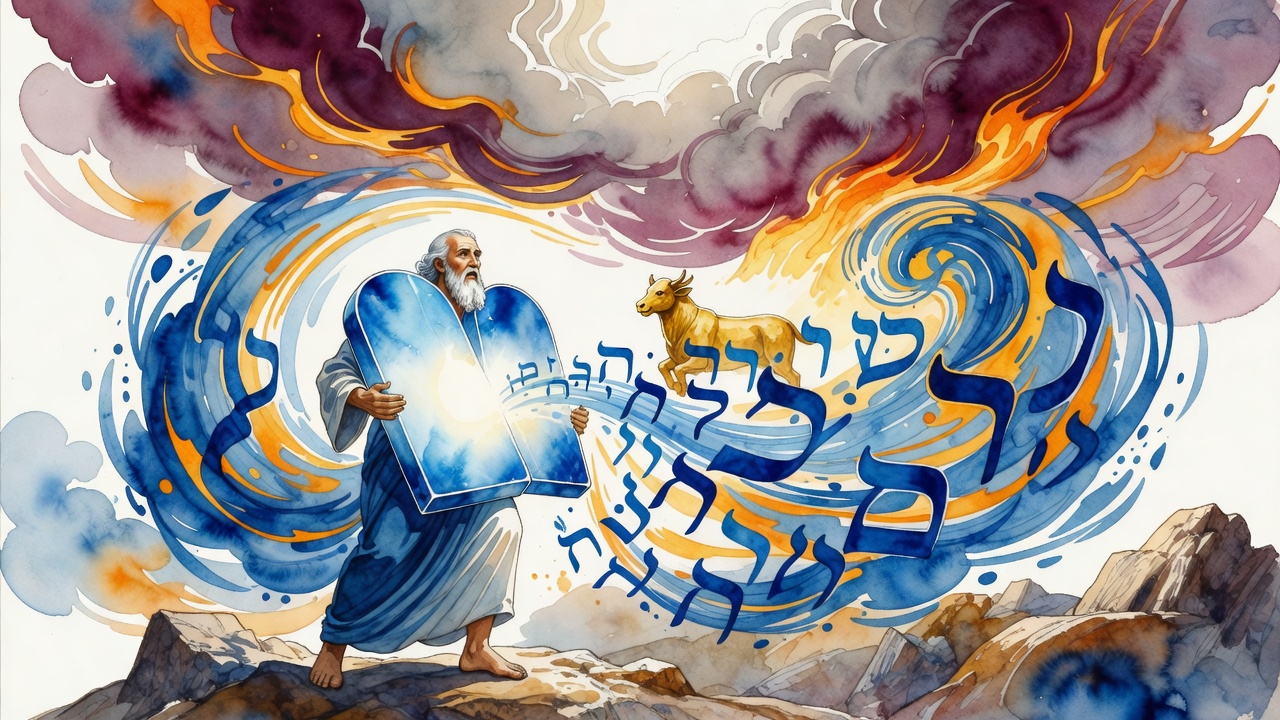
The tablets weighed as much as forty measures of wheat, and Moses carried them down easily. At the camp they turned to dead weight in his hands.
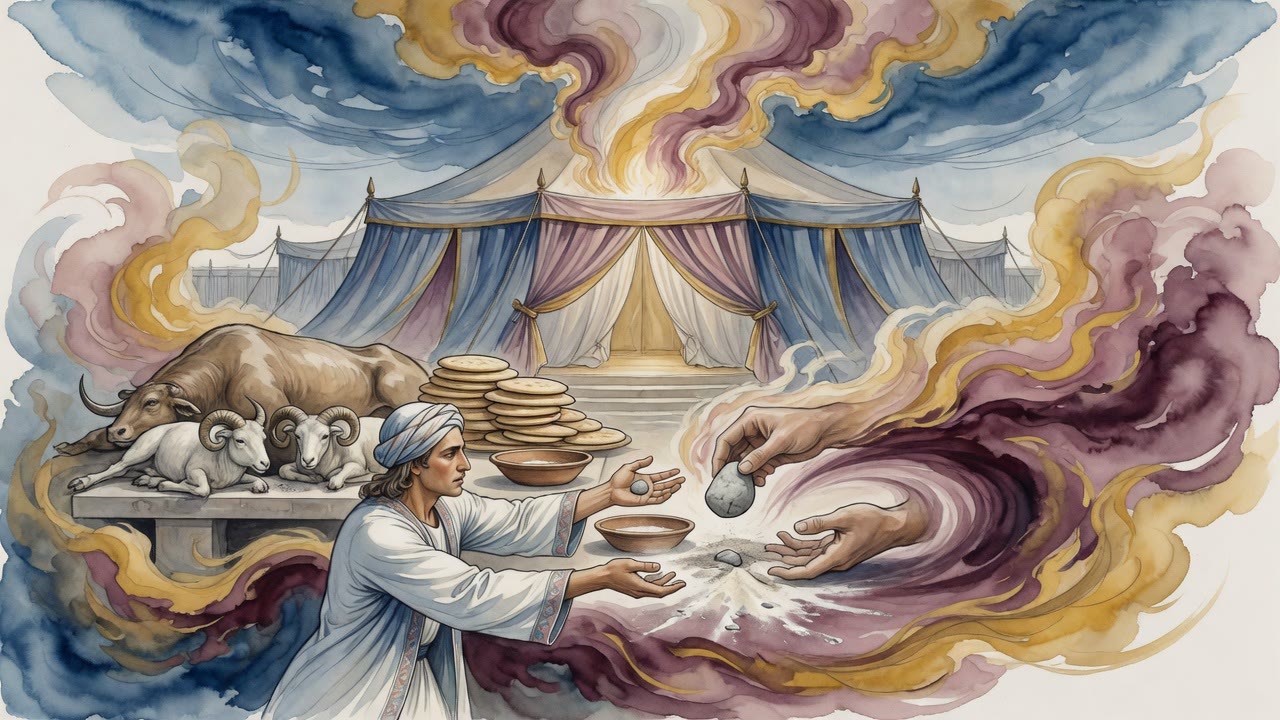
At the Mishkan, Aaron needed bullock, twin rams, and bread whole, while one pebble in his fistful spoiled the meal-offering for Heaven.
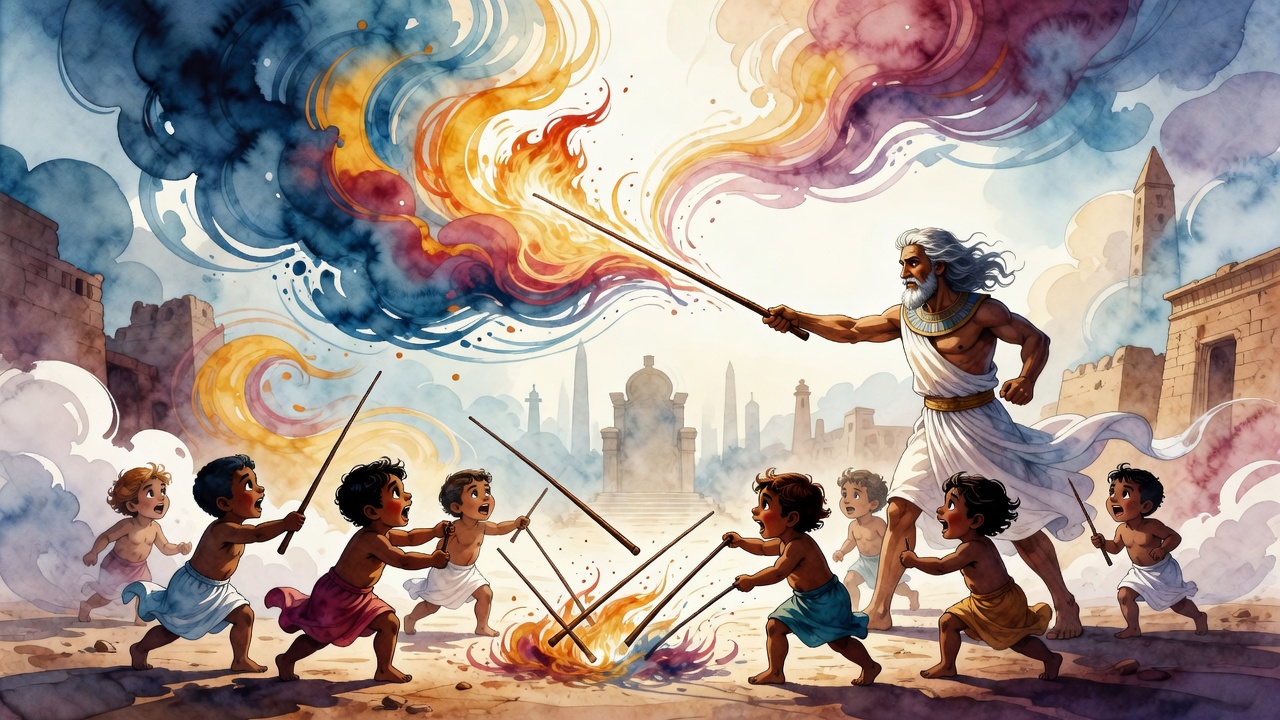
Pharaoh mocked God's wonder as street magic, then called toddlers to cast rods. Aaron's rod swallowed them all and stayed no thicker than before.
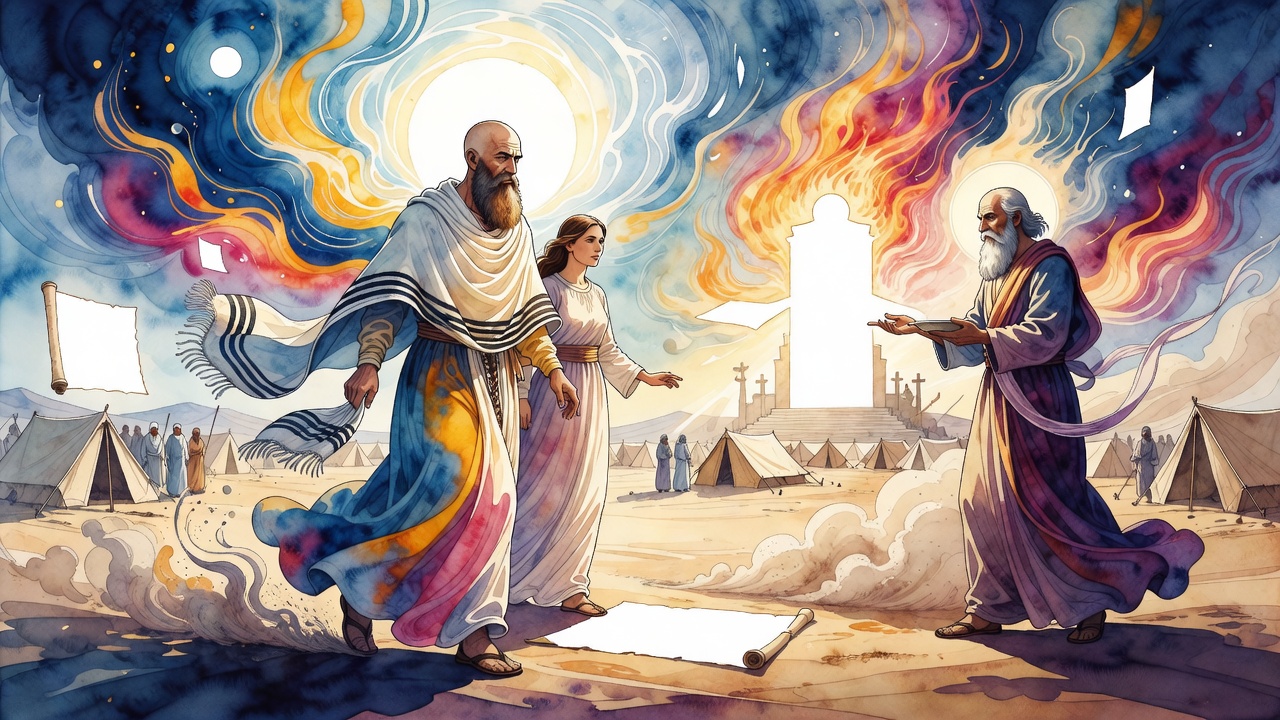
The camps did not know Korach's face. He said Moses had waved him by the hands and feet, then dressed Aaron like a bride.
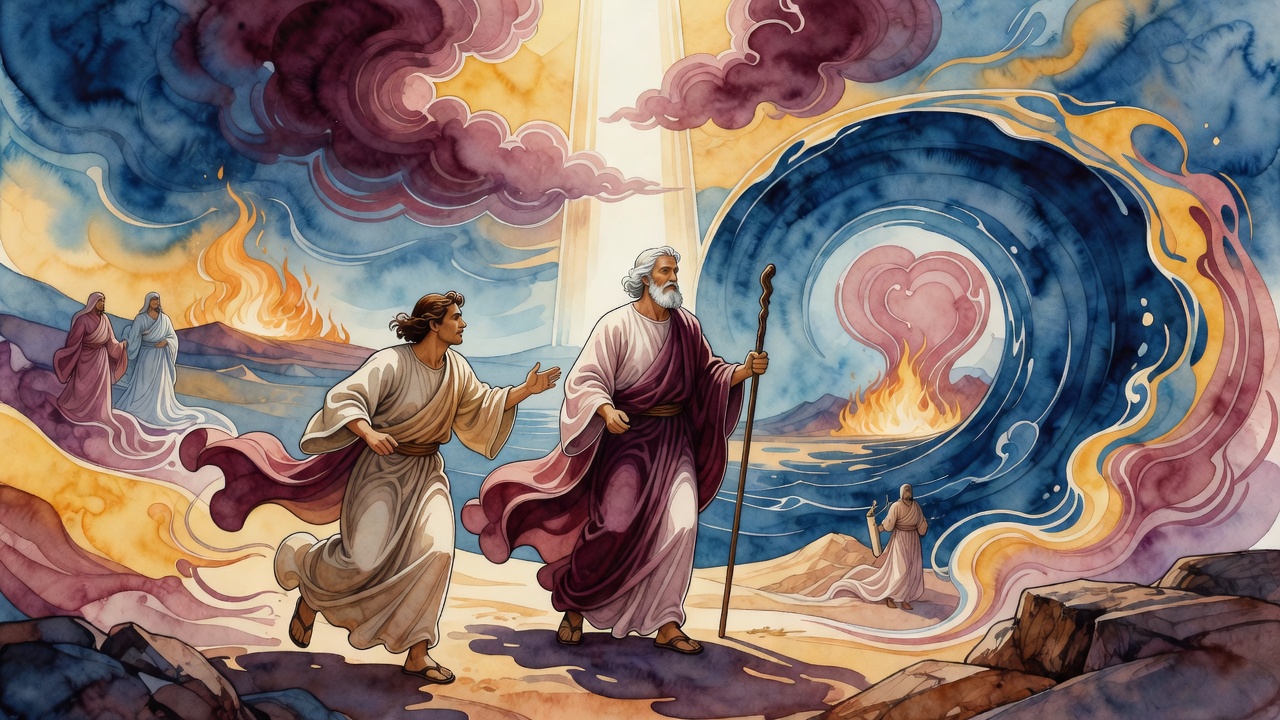
Moses tried to hand the mission back. Aaron had prophesied in Egypt for eighty years, and Moses feared taking his brother's place.
