485 myths · Page 12 of 17
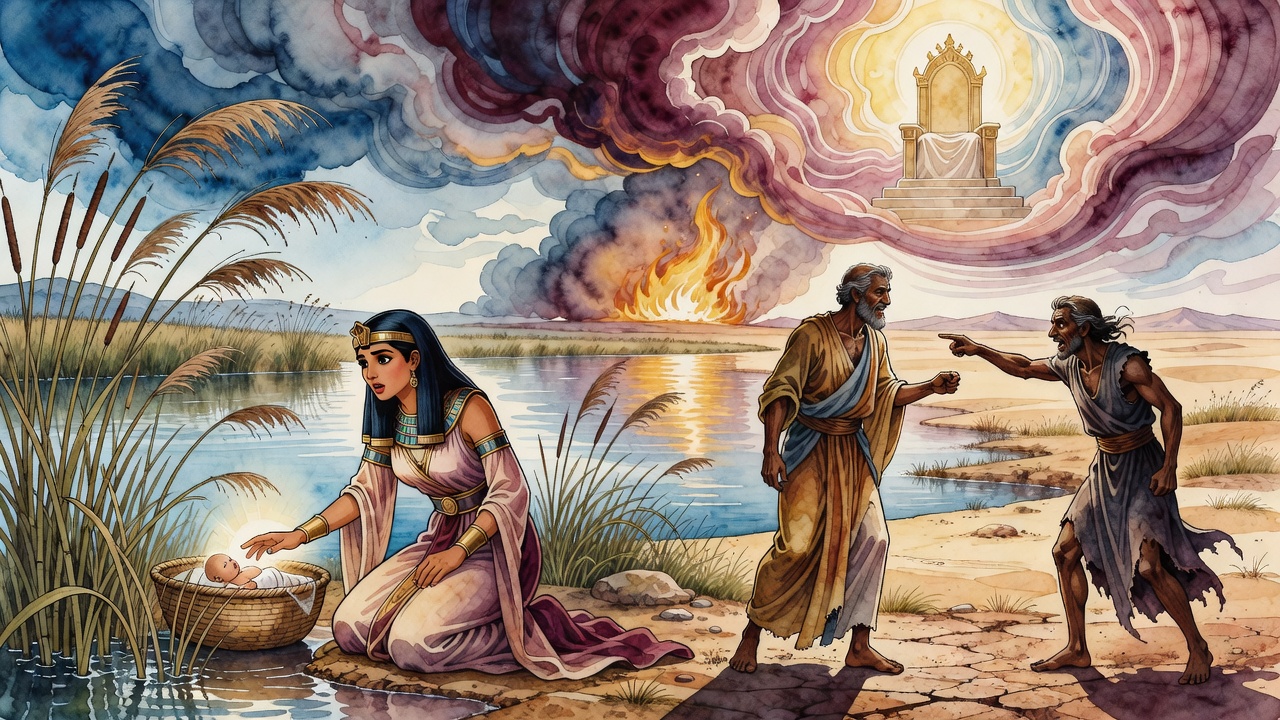
Pharaoh's daughter heard a Hebrew cry in the reeds. Years later Dathan told Moses the buried Egyptian was already public knowledge.
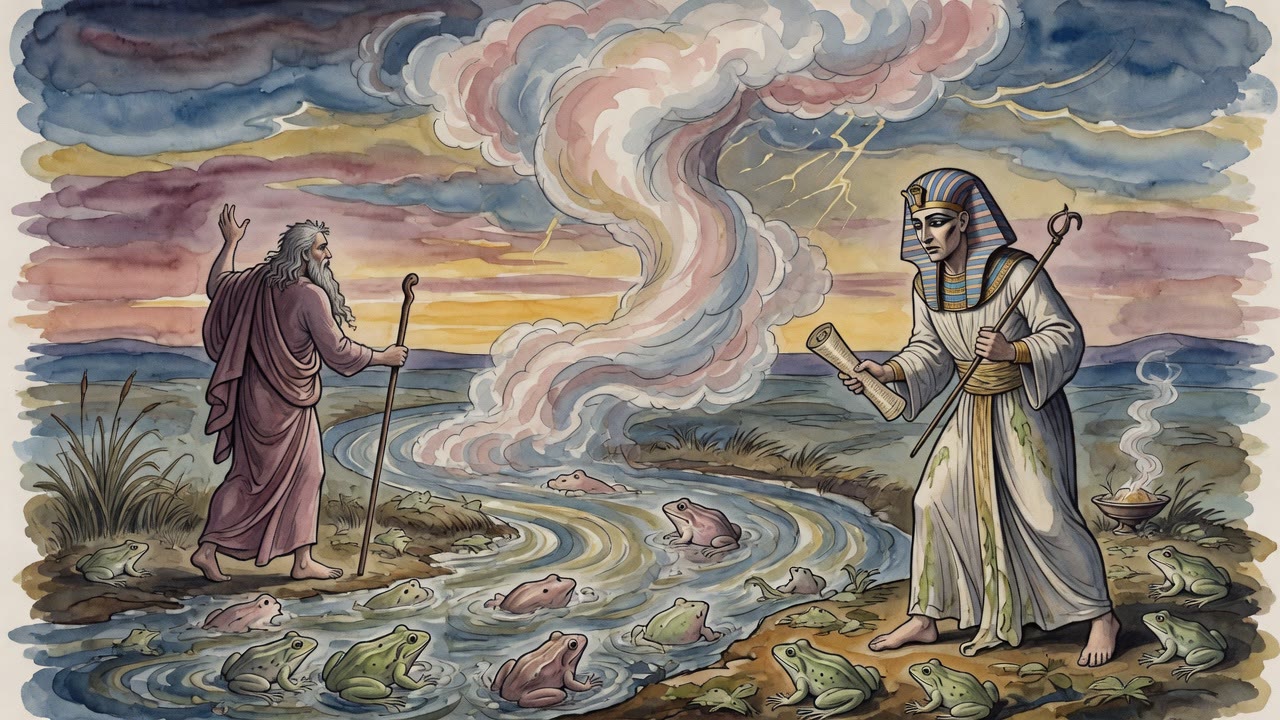
Frogs filled the beds and the ovens. Moses would not name the minute they would die. He handed the clock to the king who still called himself a god.
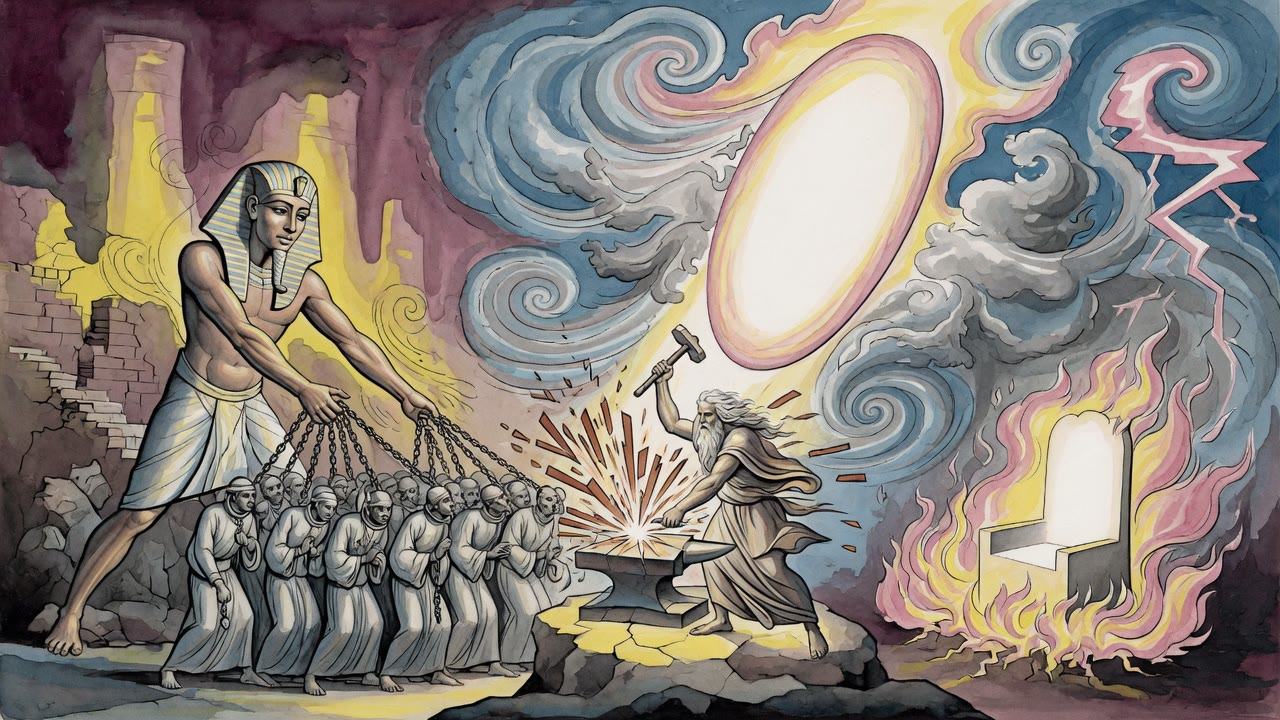
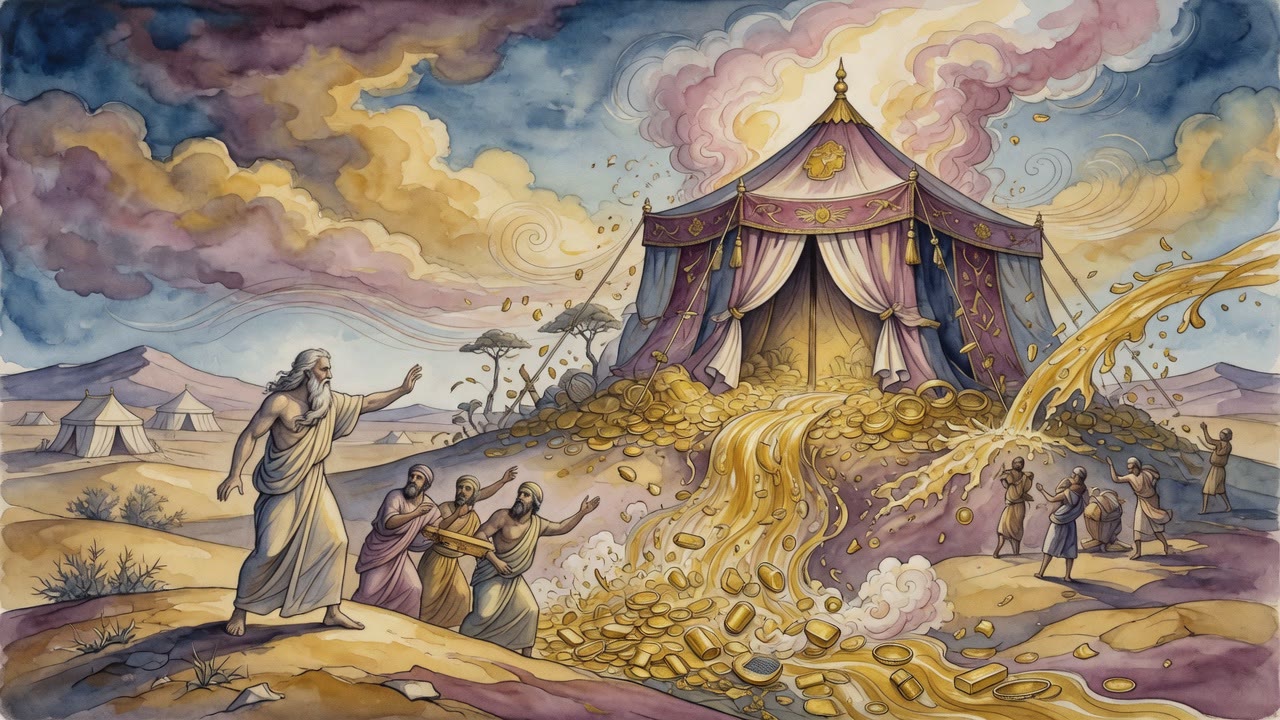
Kings brought crowns. Moses and Aaron brought nothing. Pharaoh read Edom, Moab, Sidon, then laughed because the Name was not listed.
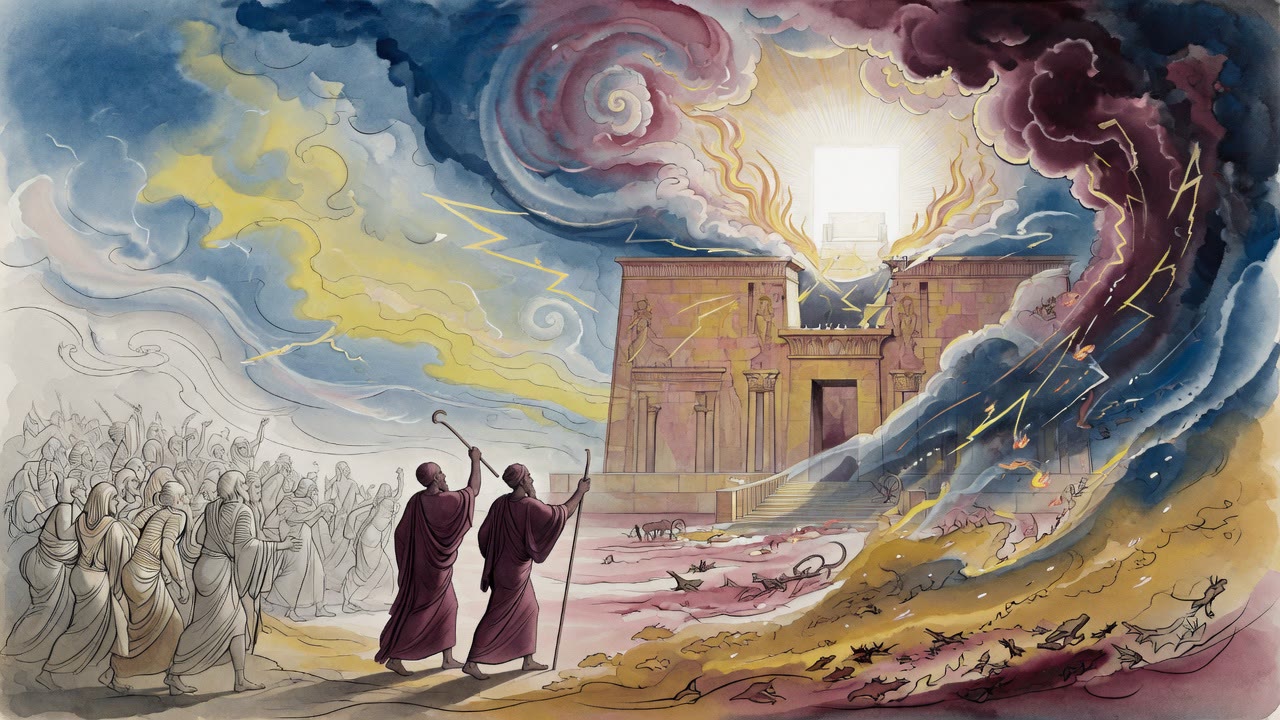
Kings do not rise before the third hour. This one was out in the dark asking strangers where to find the man he had thrown out of his hall.
The steward opened the sacks from the eldest down. When the cup came up in Benjamin's sack, the brothers struck him and called him a thief.
One dawn the taskmaster led a Hebrew out early, then slipped back inside. Shelomith thought the man in the doorway was her husband.
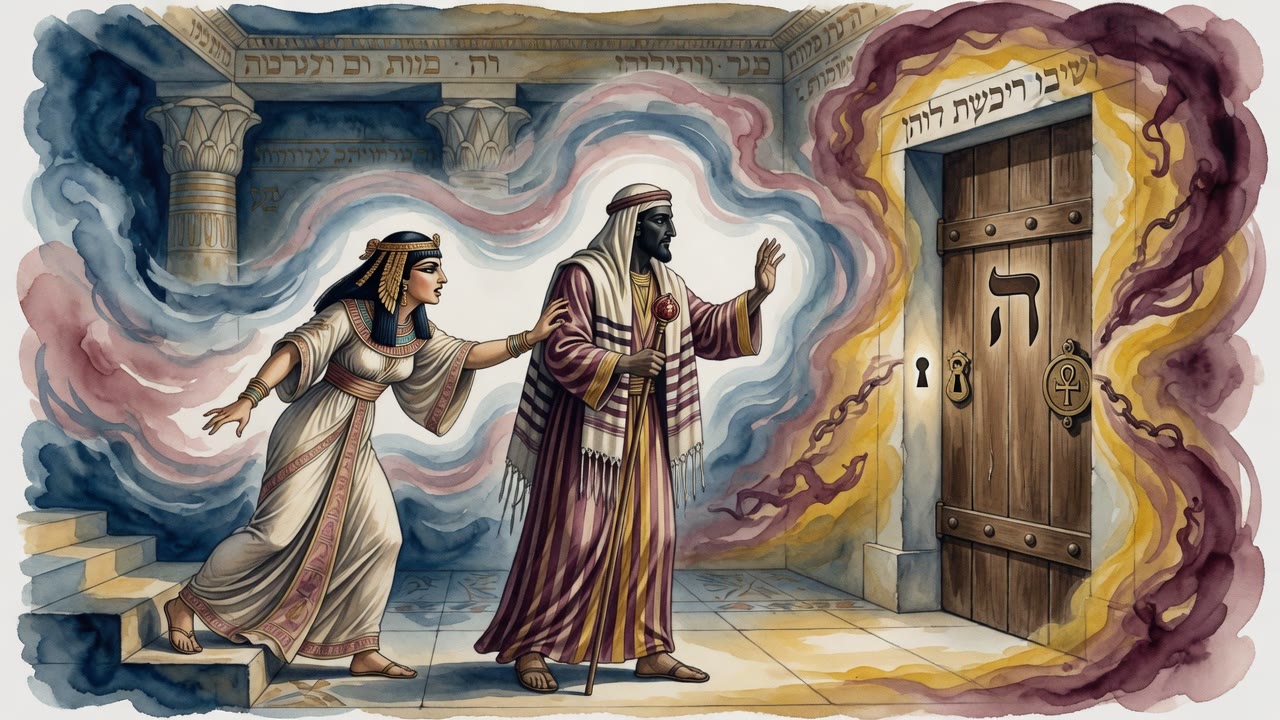
She got a fist into his linen at the shoulder. He twisted. The garment stayed in her hand. He went out with his back bare.
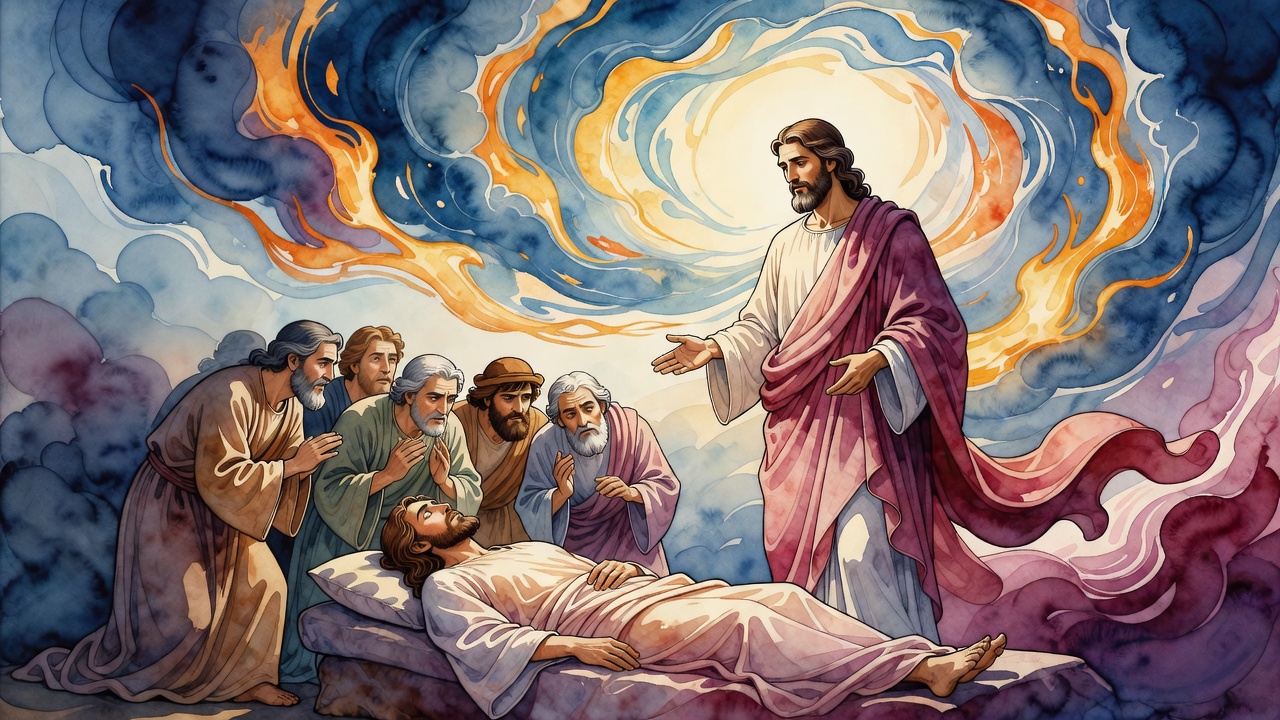
Joseph wept on his father's dead face, ordered the physicians to embalm, then faced brothers who still feared his revenge. He spoke straight into their fear.
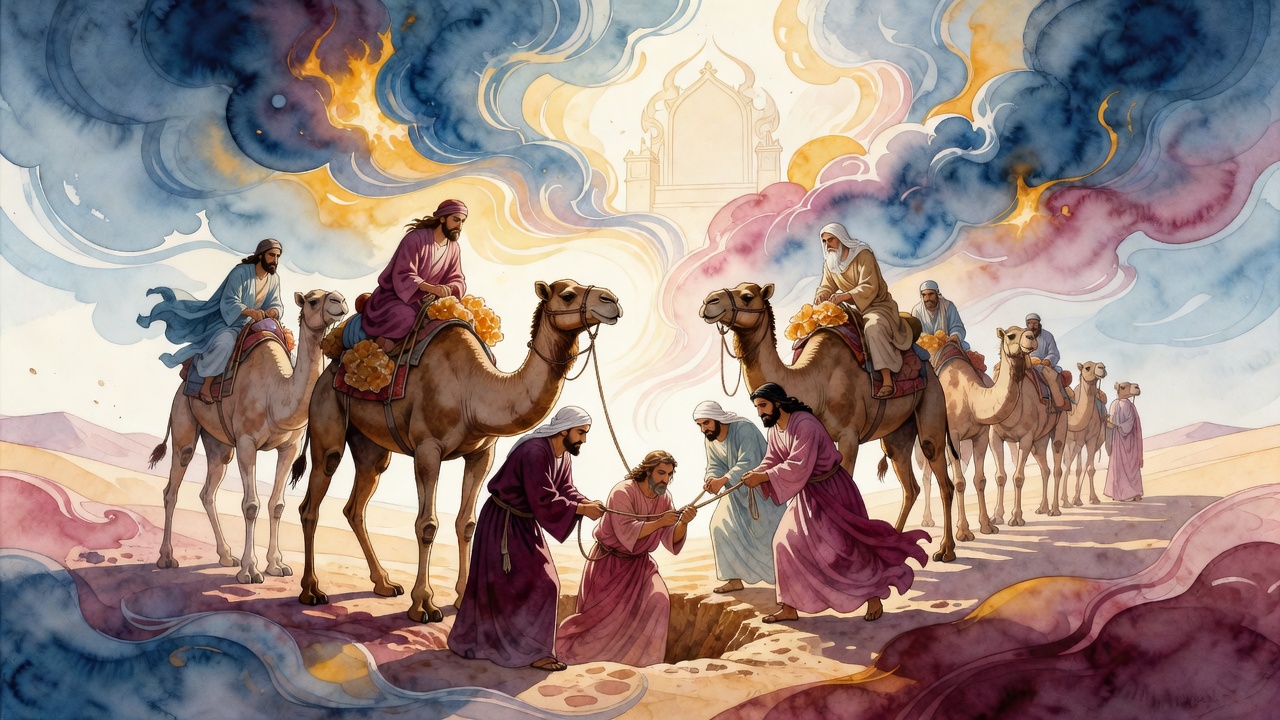
The camels on that road usually carried tar. Joseph rode south in balsam. Years later Jacob saw him and learned he would die only once.
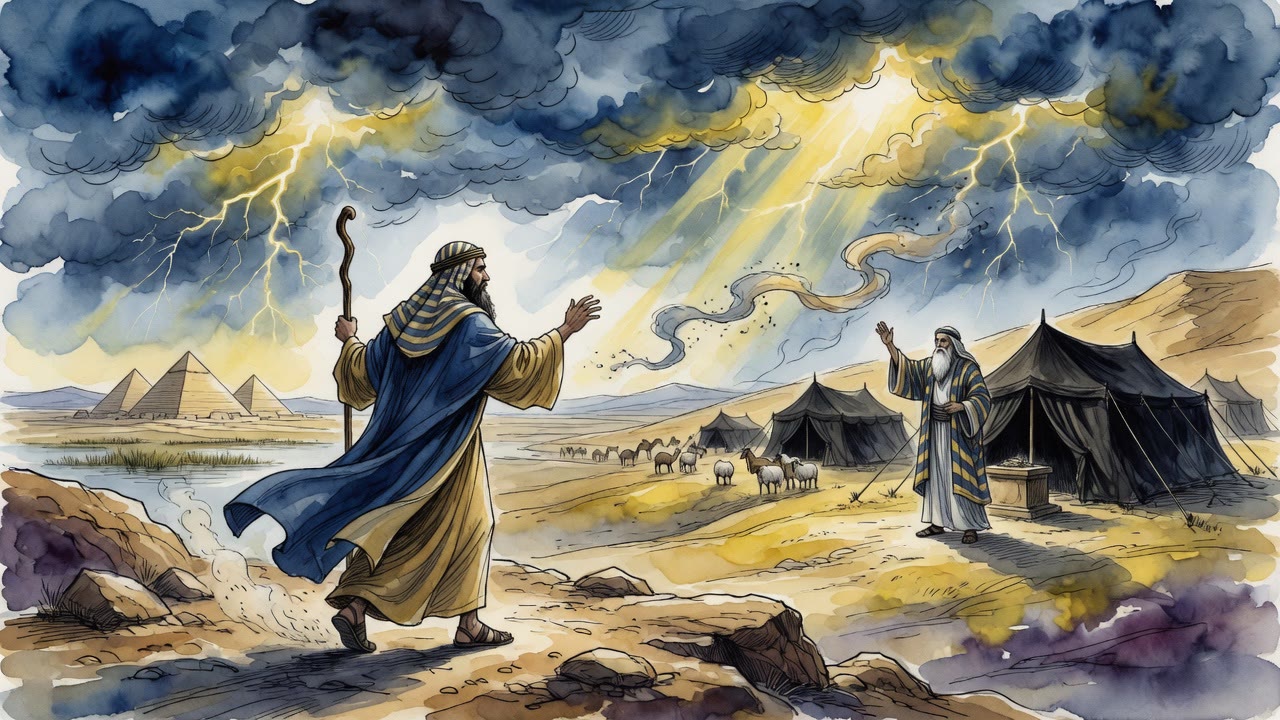
The bush sent Moses toward Egypt, but first he went back to Midian. He had sworn not to leave without leave, and Heaven itself helped untie the vow.
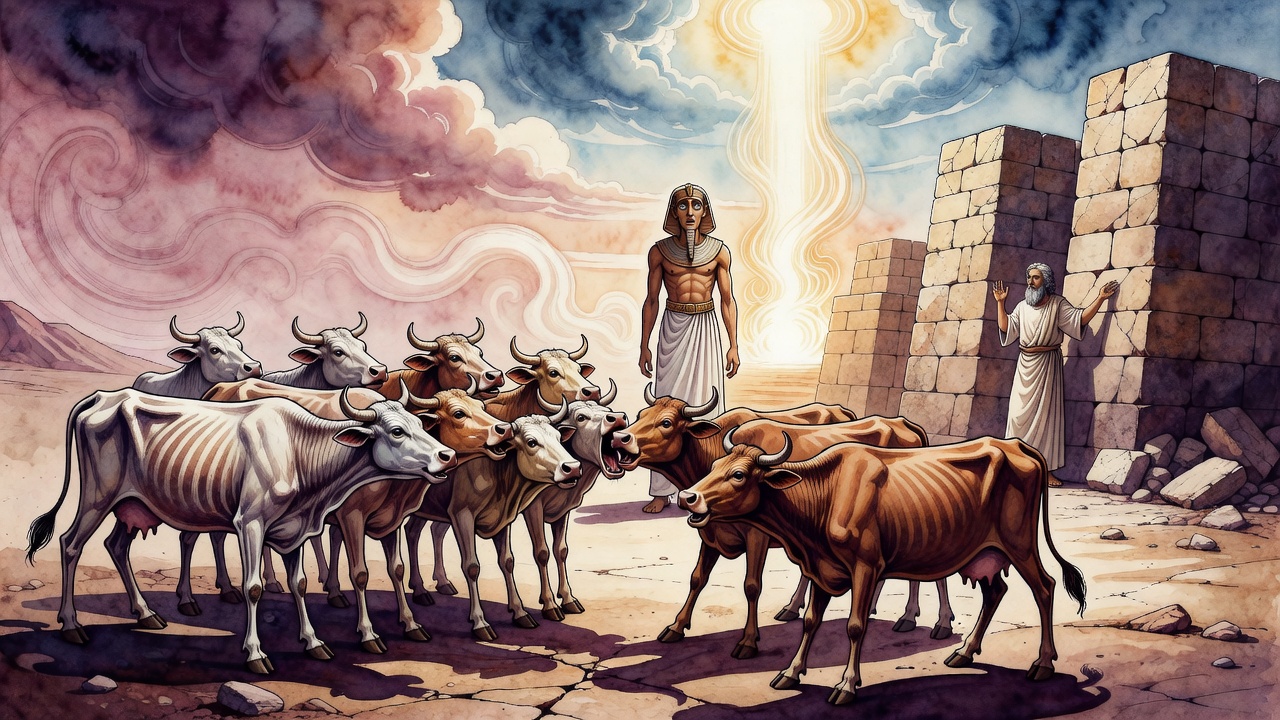
Pharaoh woke with the river still in his mouth. His magicians had words for the dream. None of them could fill the hollow cows.
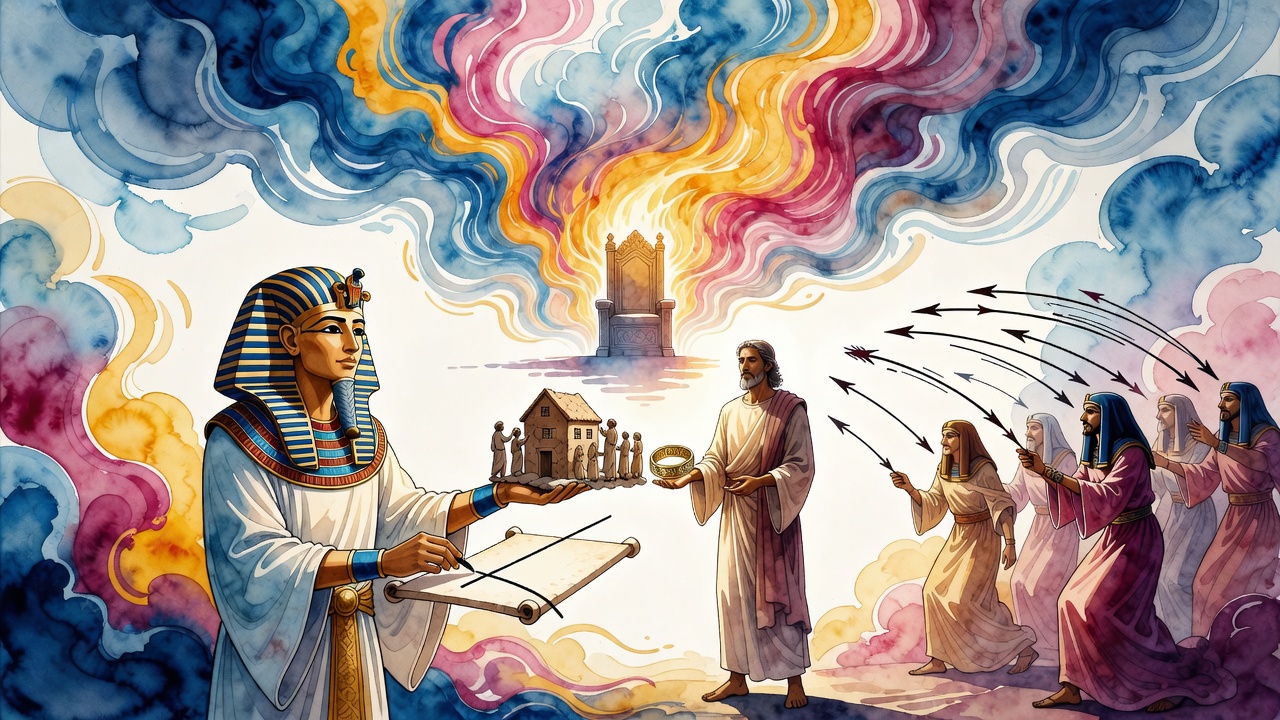
The magicians who failed to read the king's dream watched a prisoner take their place at court. Then they began carrying stories to Pharaoh.
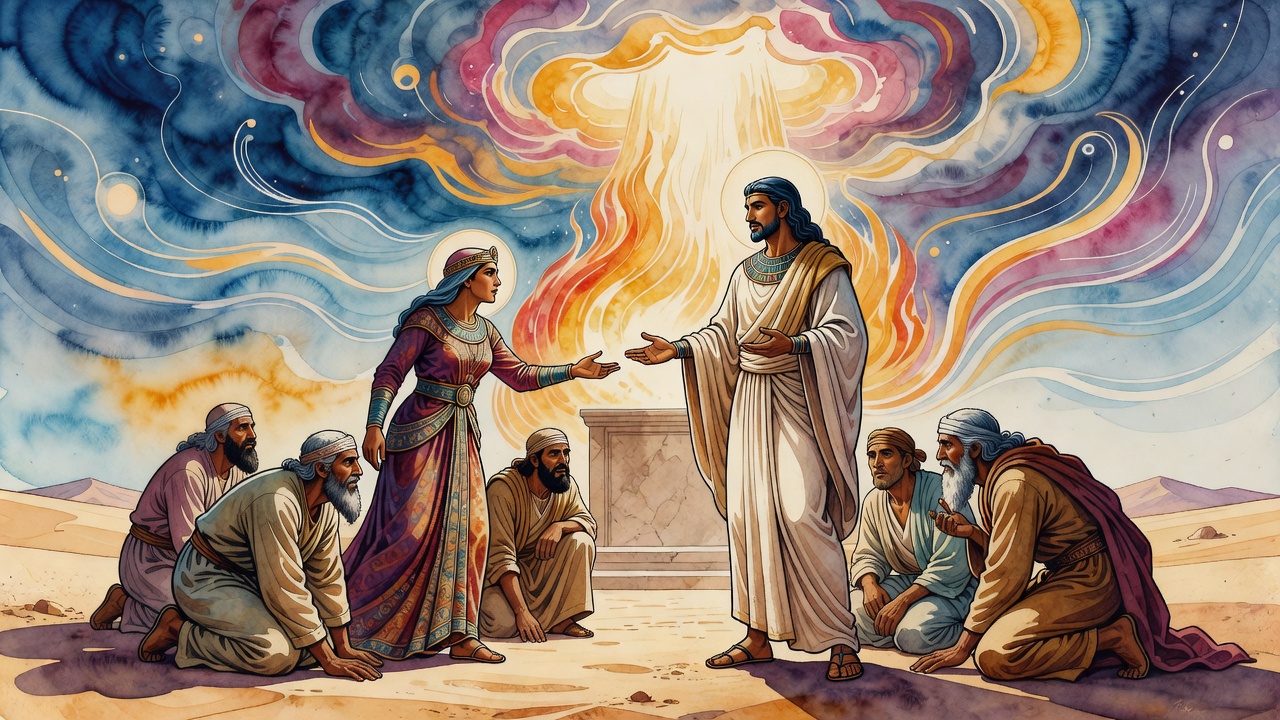
Before Sinai thunders, Joseph lives the Ten Words in Egypt. He refuses Potiphar's wife, spares his brothers, and will not play God with their lives.
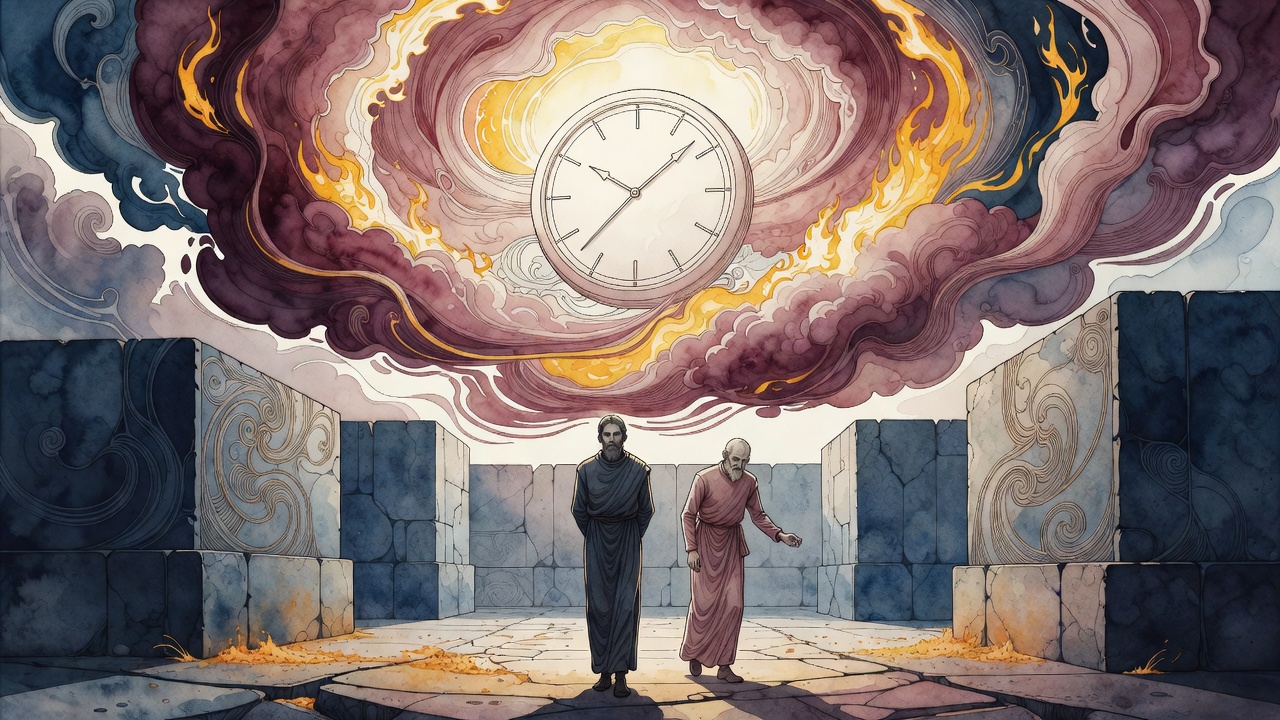
Joseph ran a prison the way he had run a house. One request to a butler cost two years. Heaven kept the release clock when human memory failed.
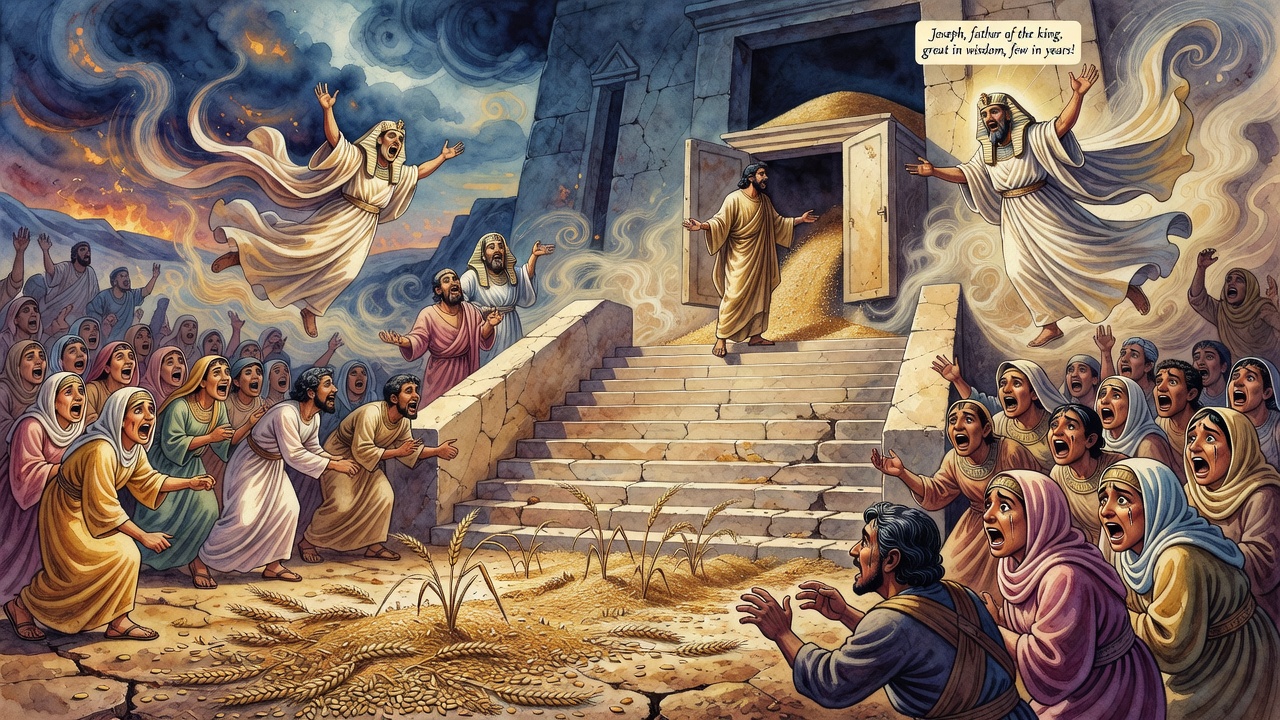
Seed wheat refused to rise. Crowds cried at Pharaoh's steps. Heralds called Joseph father of the king, great in wisdom, few in years, and he sold bread.
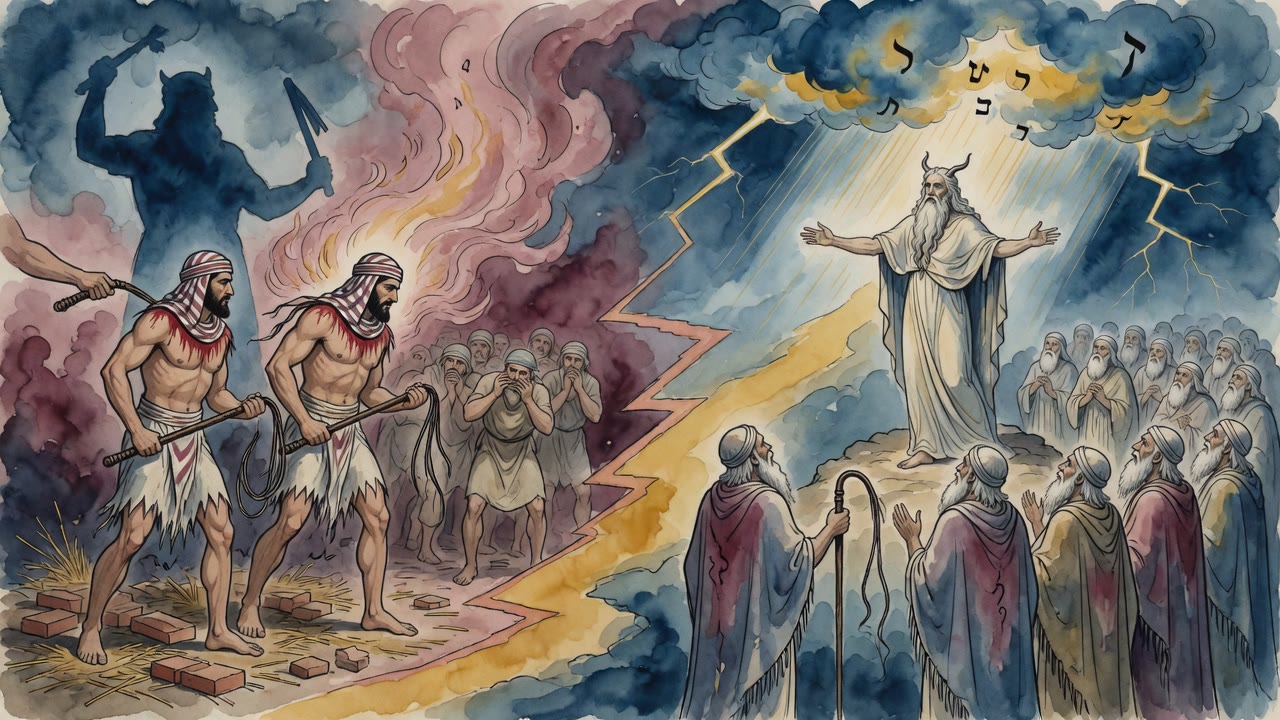
In Egypt the Israelite officers took the whip so the people would not. In the wilderness God told Moses to gather those same men as seventy elders.
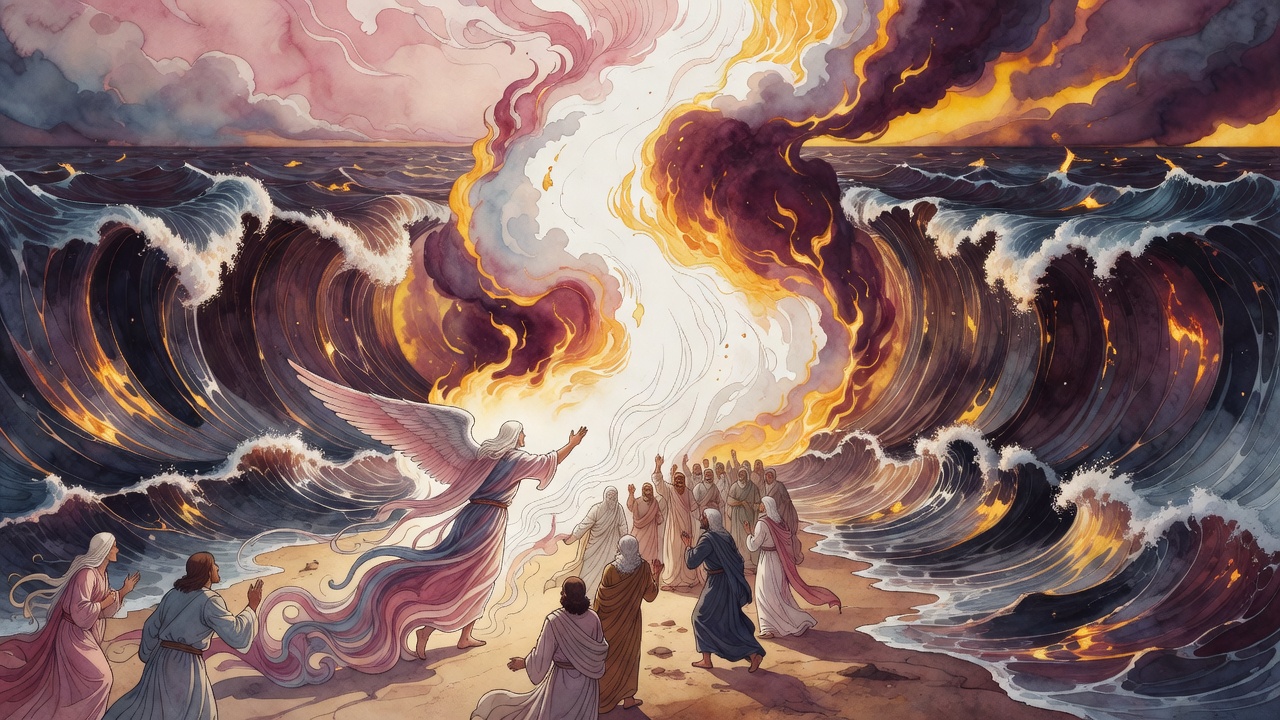
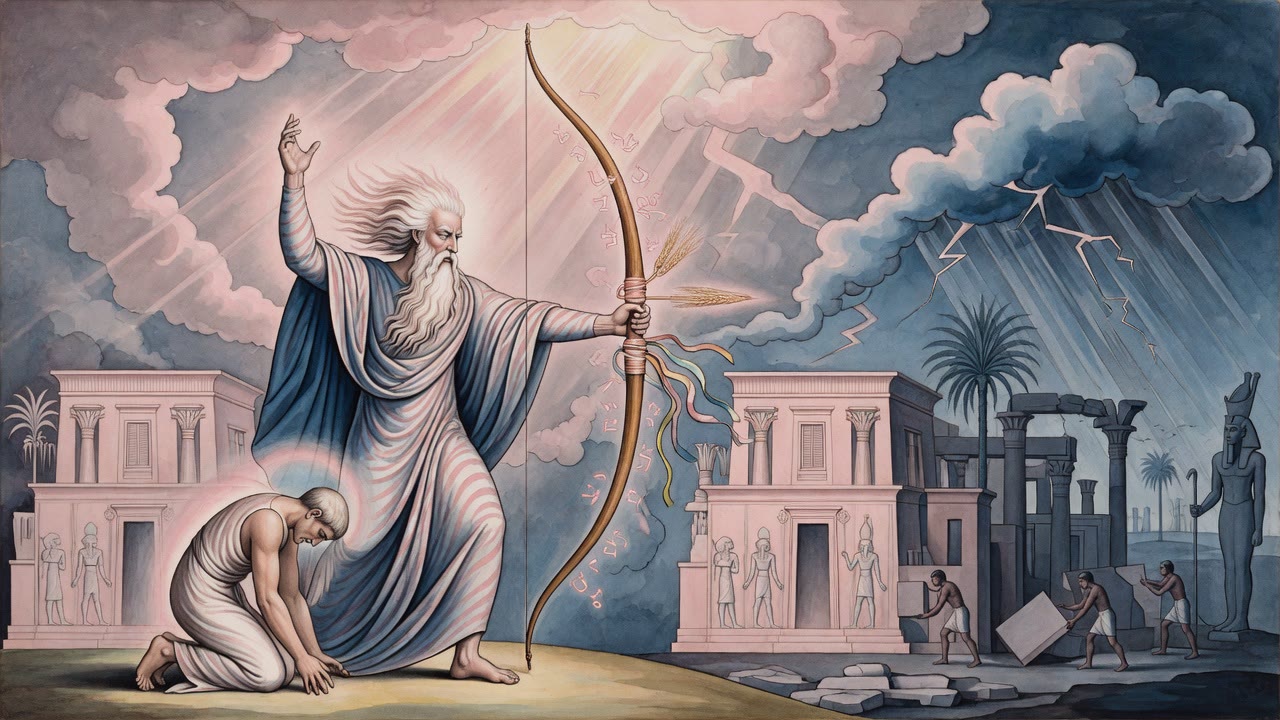
Darts hit a cloud and dropped into the sand. The Angel of the Lord had left the front of the camp and taken Israel's back.
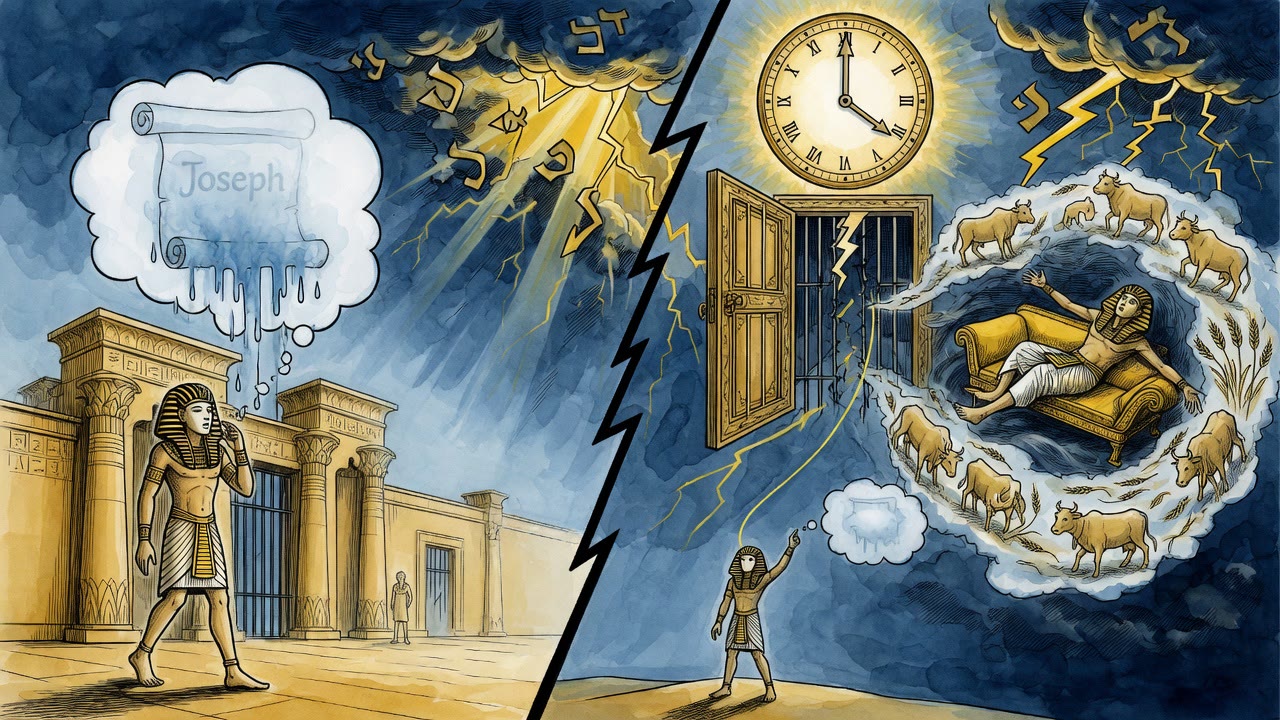
Birds were already at the top basket. The baker waited for a kind reading. Joseph gave him three days, then a map of servitude the man would never live to see.
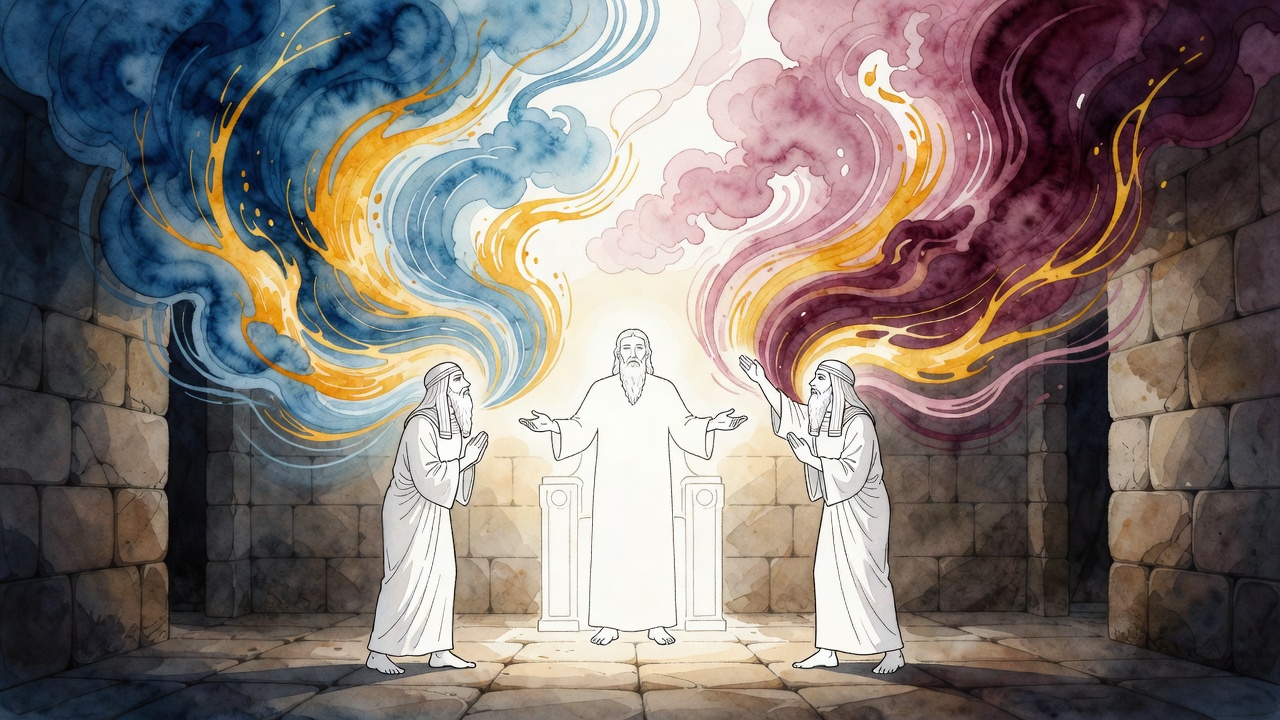
The butler woke first. The baker pressed both palms to his face. Iron still held their ankles, and neither man could name what he had seen.
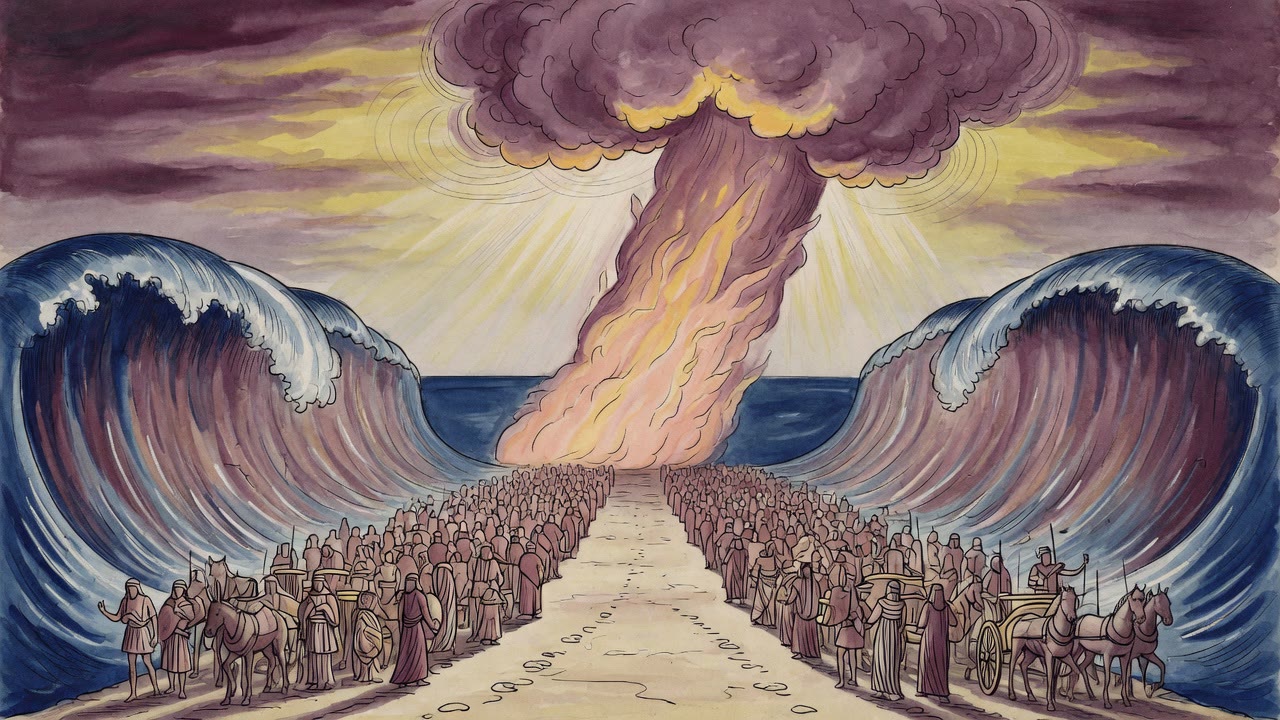
In the pit of the dead Pharaoh found company among fallen kings, but God refused to be comforted for the suffering Egypt had forced on Israel.
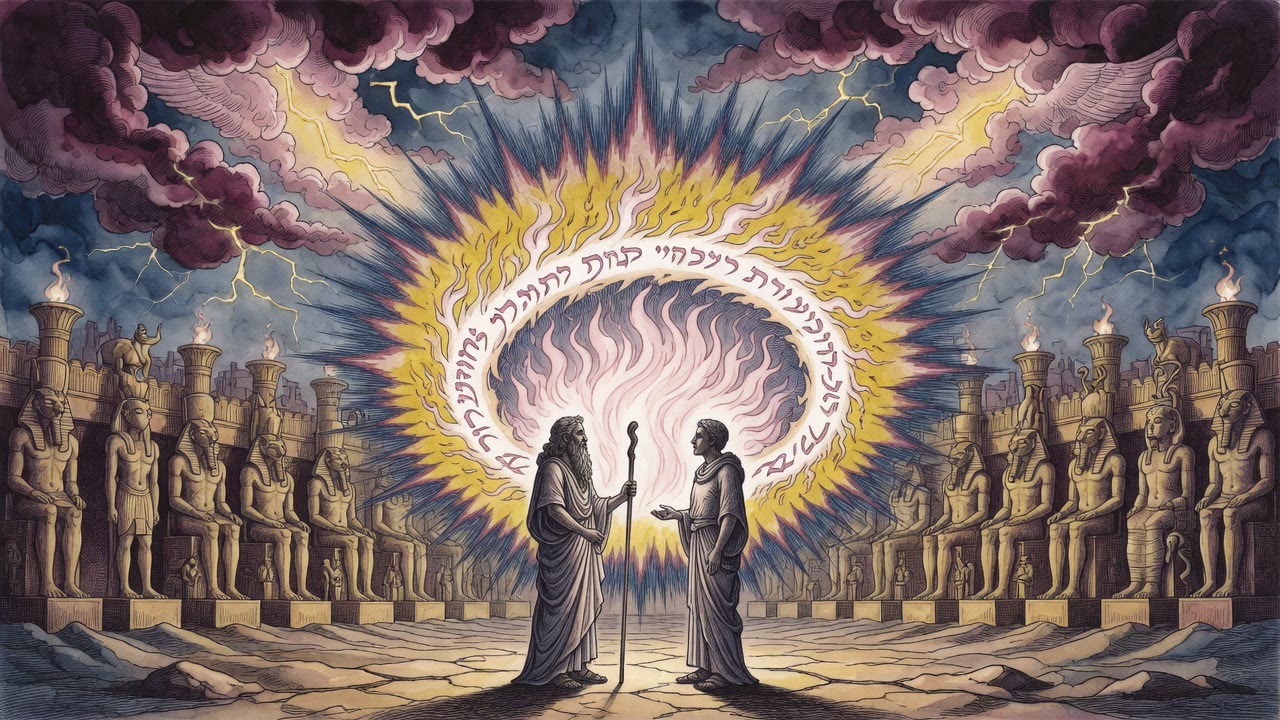
Outside a city thick with idols, God spoke to Moses and Aaron as equals, and the quieter brother learned prophecy would not leave him in shadow.
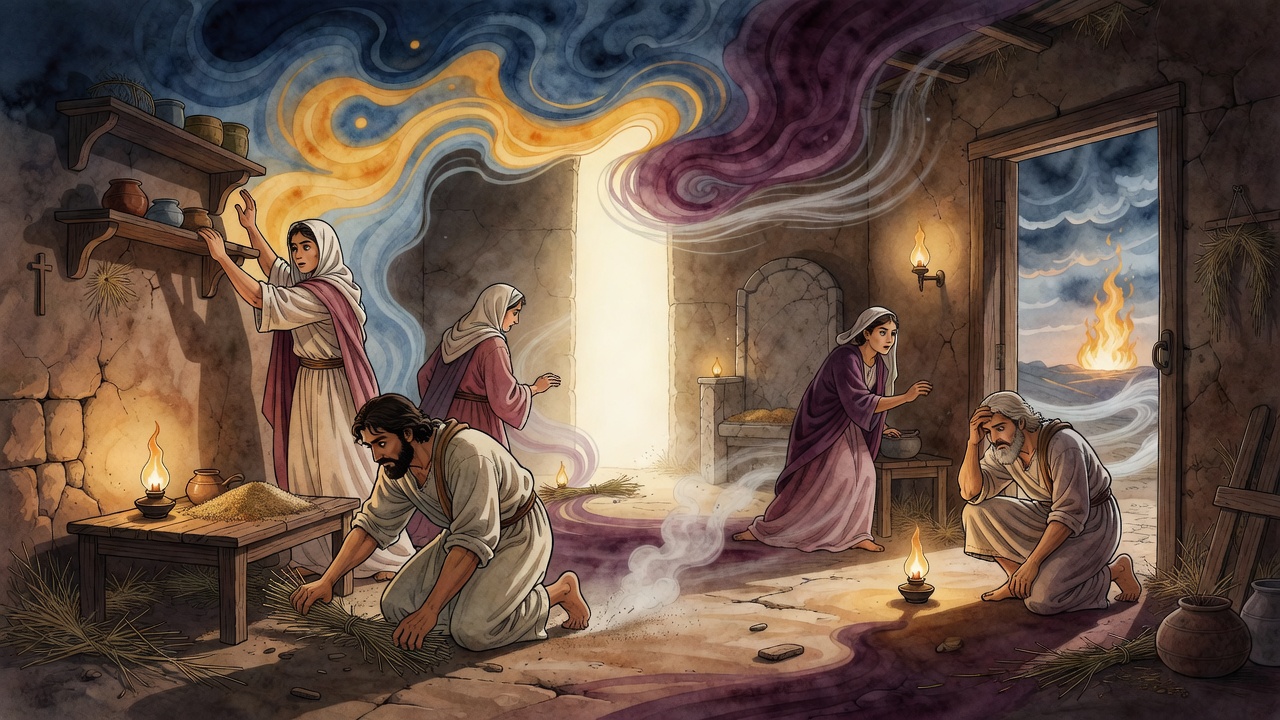
A woman in Goshen dug one hard crumb out of the mortar with her fingernail. Lamb's blood was drying on the door, and her firstborn son watched.
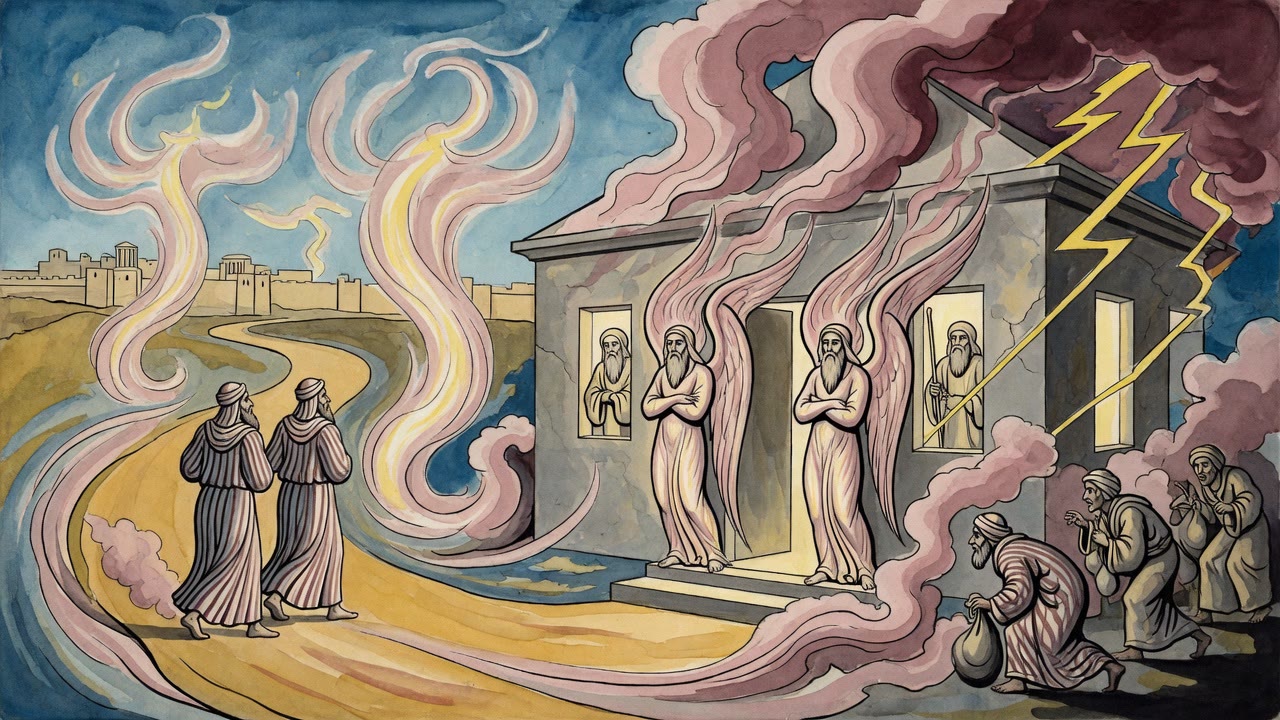
Egypt shut its doors for seventy days. In the streets they named him Jacob the Holy, and counted the harvests they had eaten because of him.
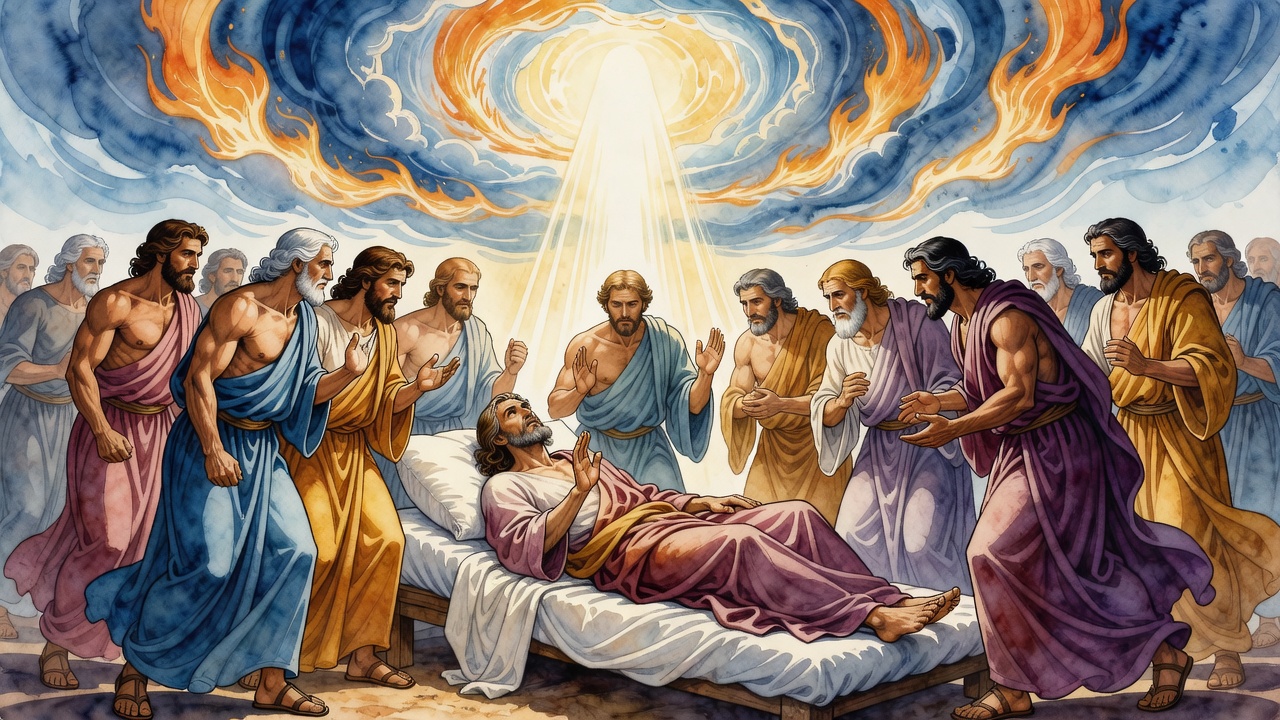
Jacob wanted a hand on the mark of the covenant and a formal oath. Joseph balked; a son's word should not need that. He swore anyway, and Pharaoh let him go.
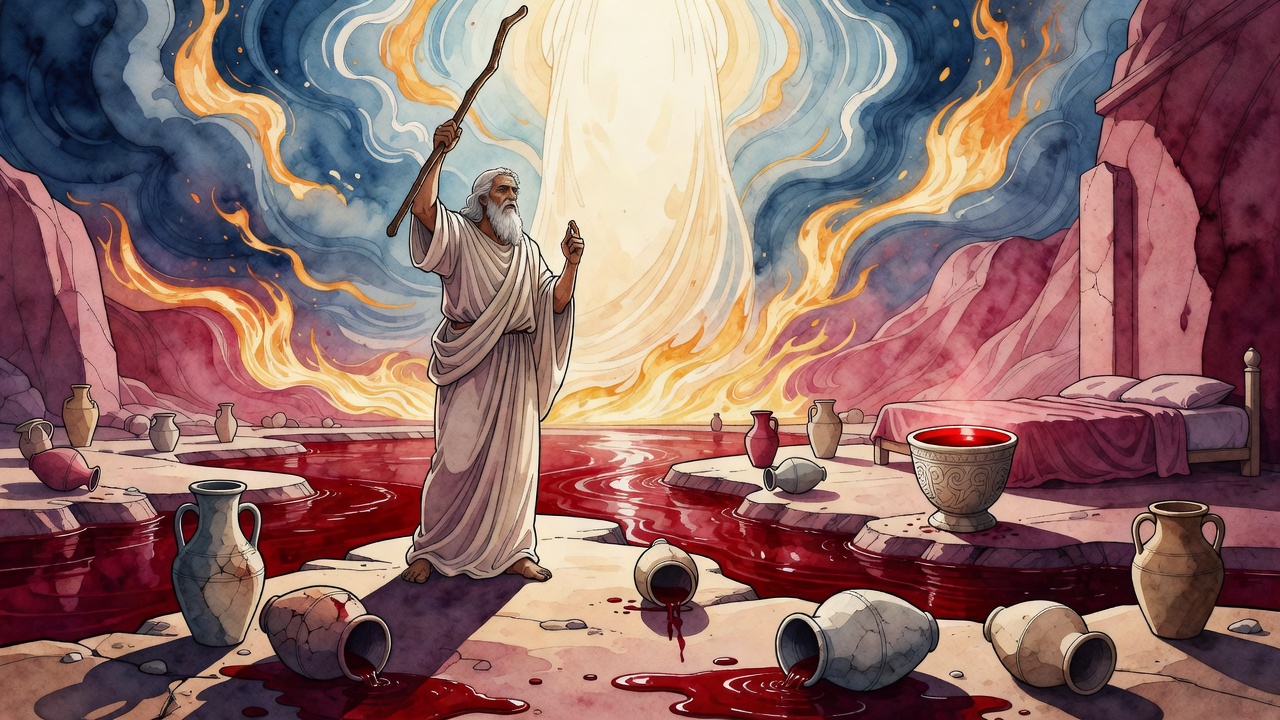
The wooden bucket by the door still held yesterday's water. Aaron lifted the rod. Even the stone jug by the master's bed went dark.
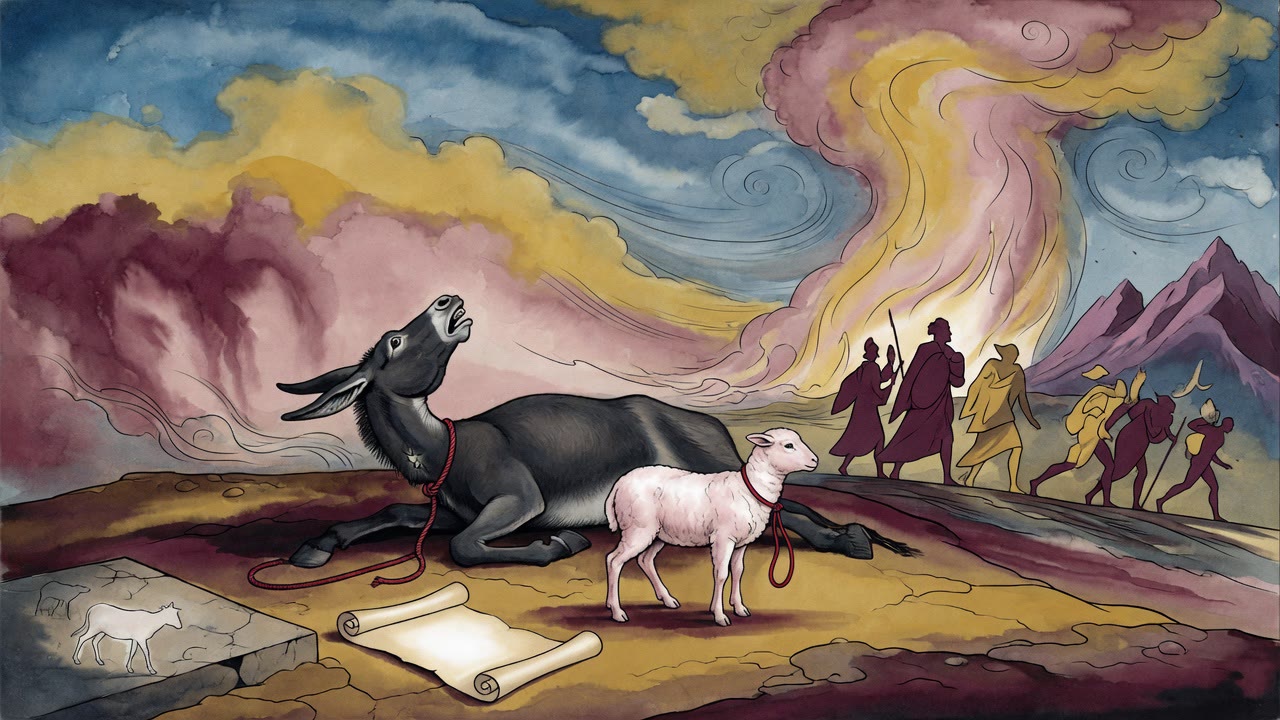
On Nisan night Israel ate whole lamb from open flame with horehound and lettuce before midnight, loins girded, staff ready.
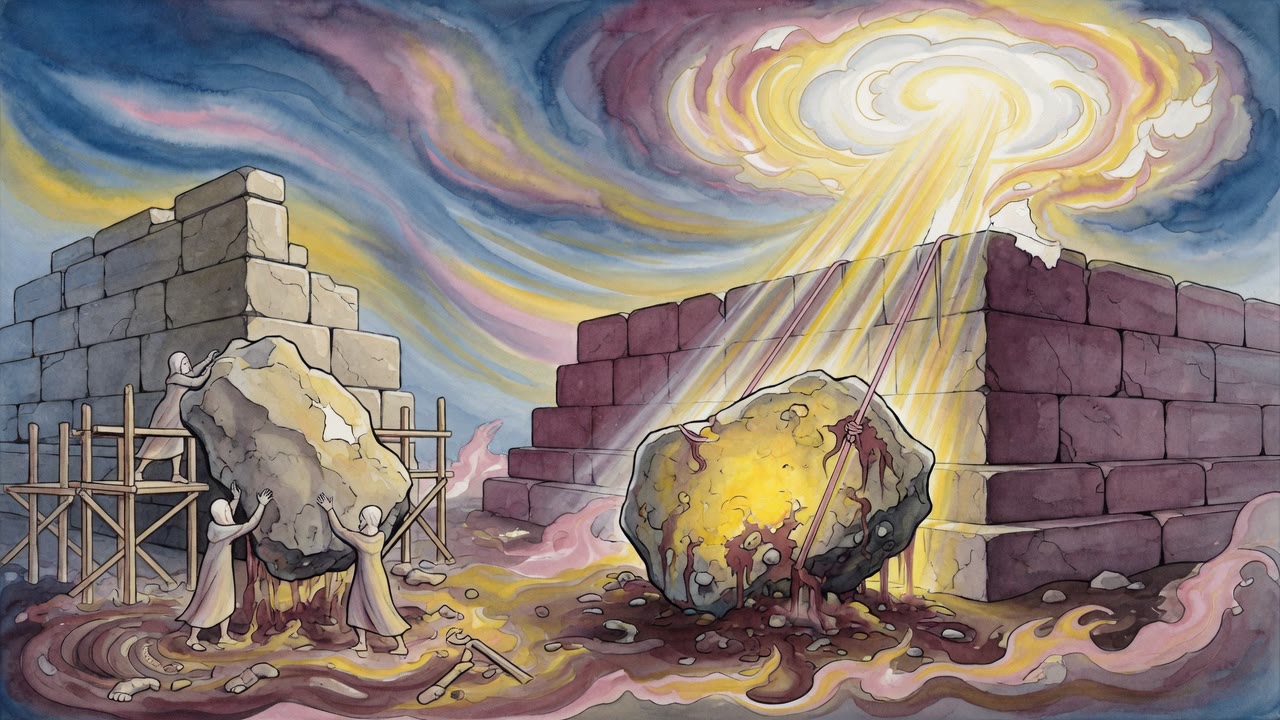
Nebuchadnezzar looked down from his boat, saw the kings of Judah walking the riverbank with nothing on their backs, and ordered loads put on them.
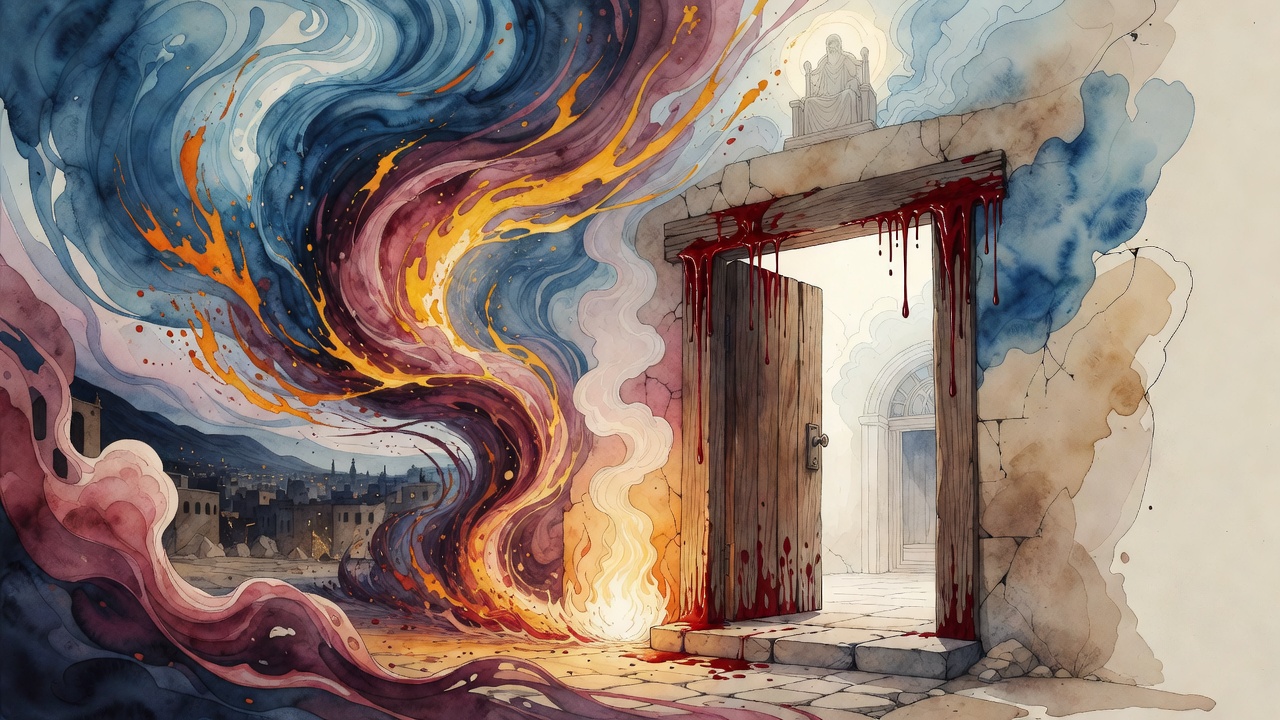
Israel stayed behind blood-marked lintels while Egypt screamed, because once the destroyer received leave he would not sort righteous from wicked in the street.
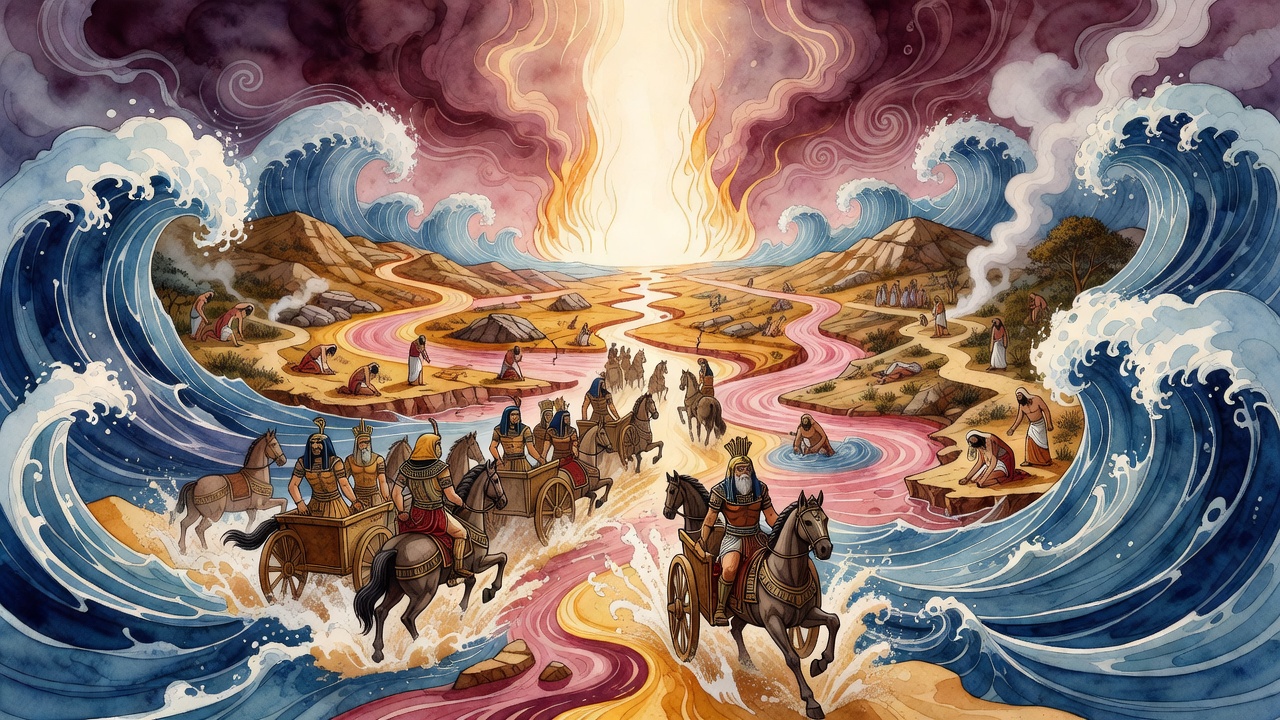
The drivers who once whipped Hebrew backs raced their horses down the dry seabed as if it were a road. Then the water came back and broke the chariots.
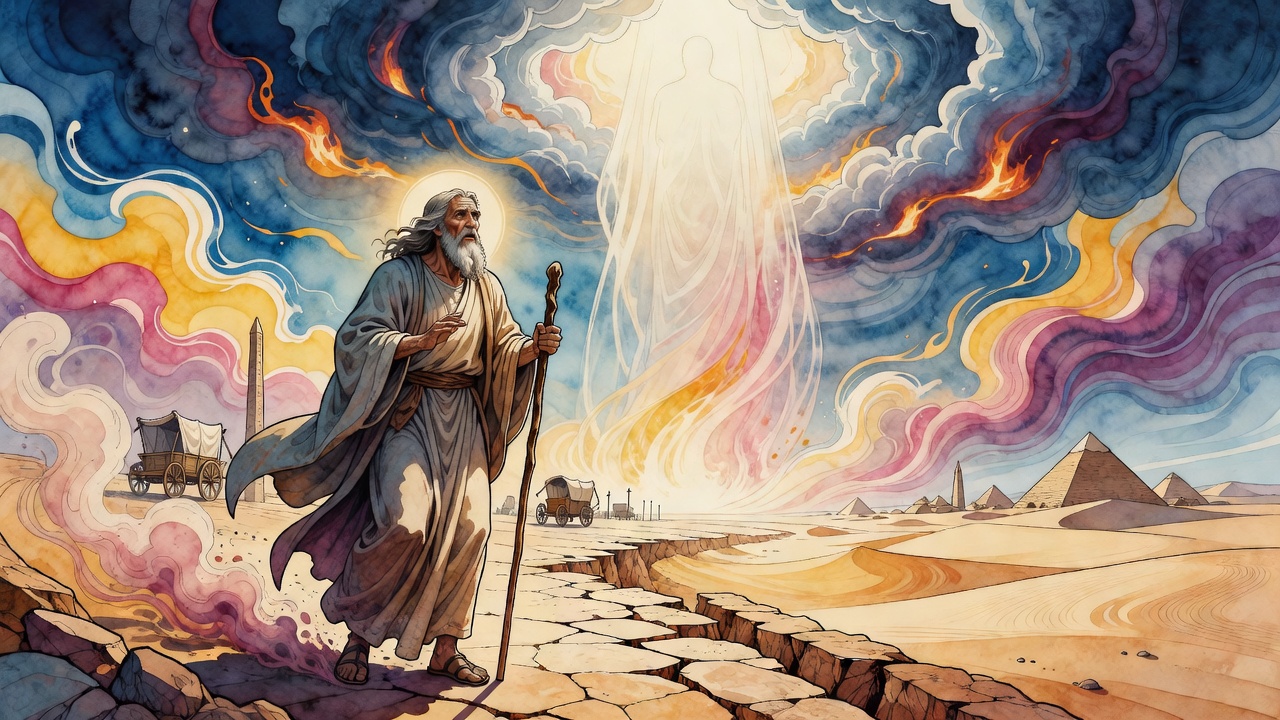
Jacob froze at the border of an unclean land even after hearing Joseph lived; only God's vow to go down with him unlocked the wagons south.
