485 myths · Page 15 of 17
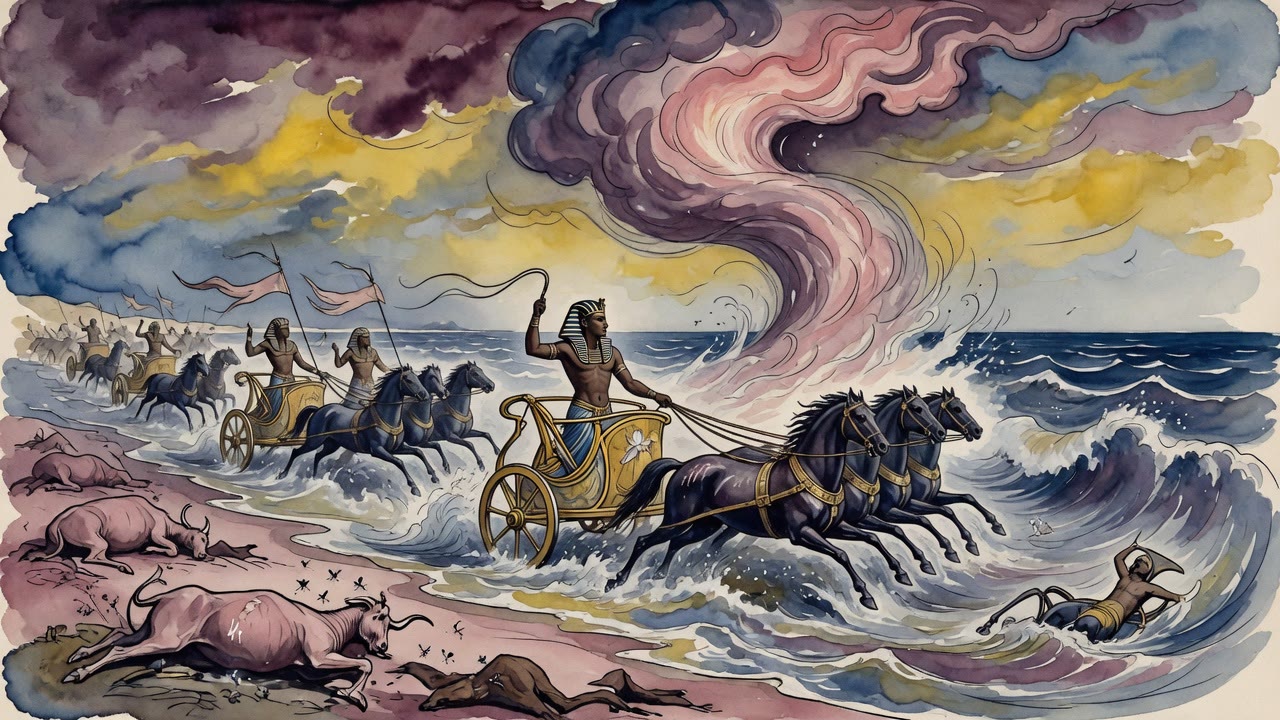
They stood dry on the far bank and would not turn inland. The Sea kept Egypt's dead until a dry river signed for the debt.
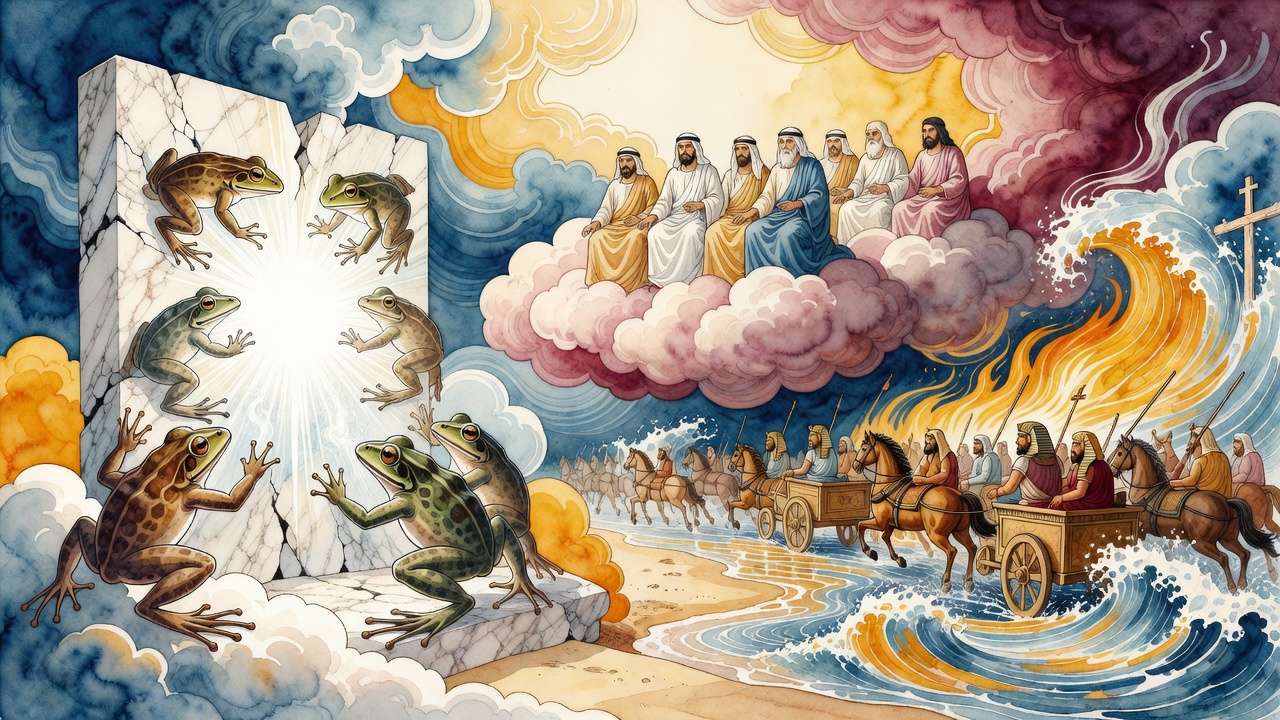
Pharaoh woke to stone cracking. A frog came up through the marble and named the One who had sent it. The king had called that river his own god.
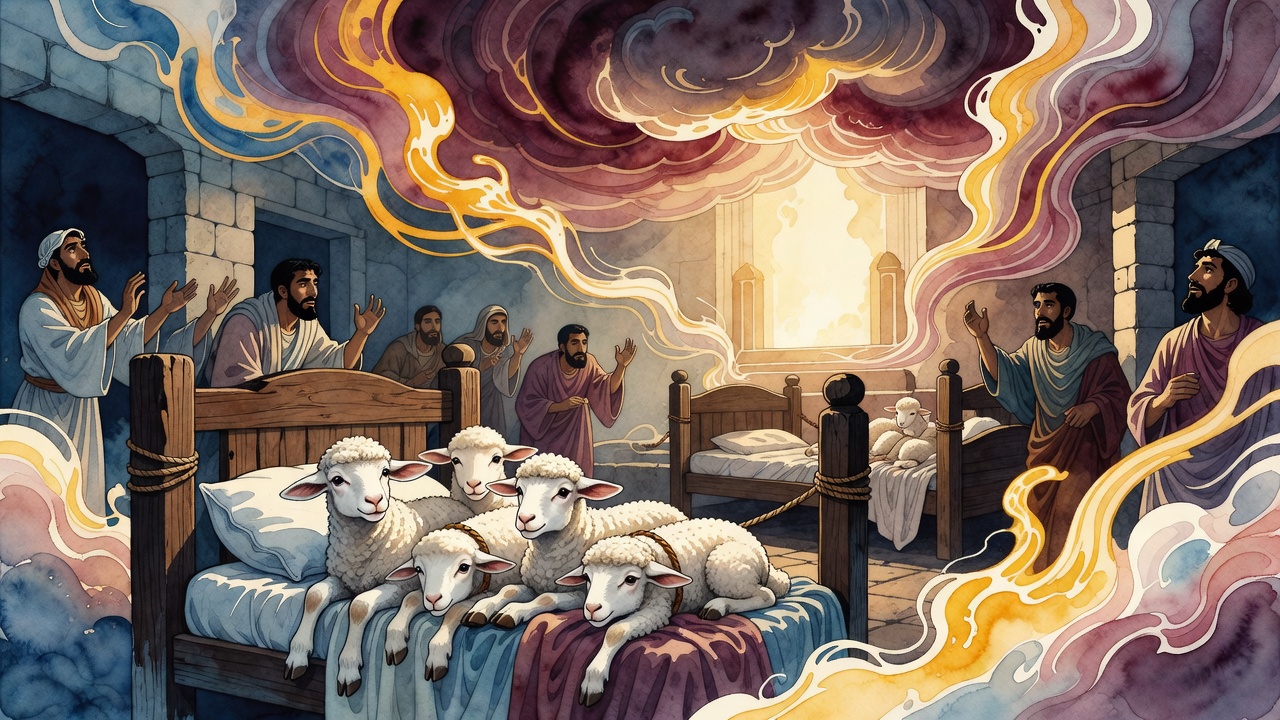
The lamb kicked the bedpost for four days. An overseer stood in the doorway with empty hands and could not cut the rope.
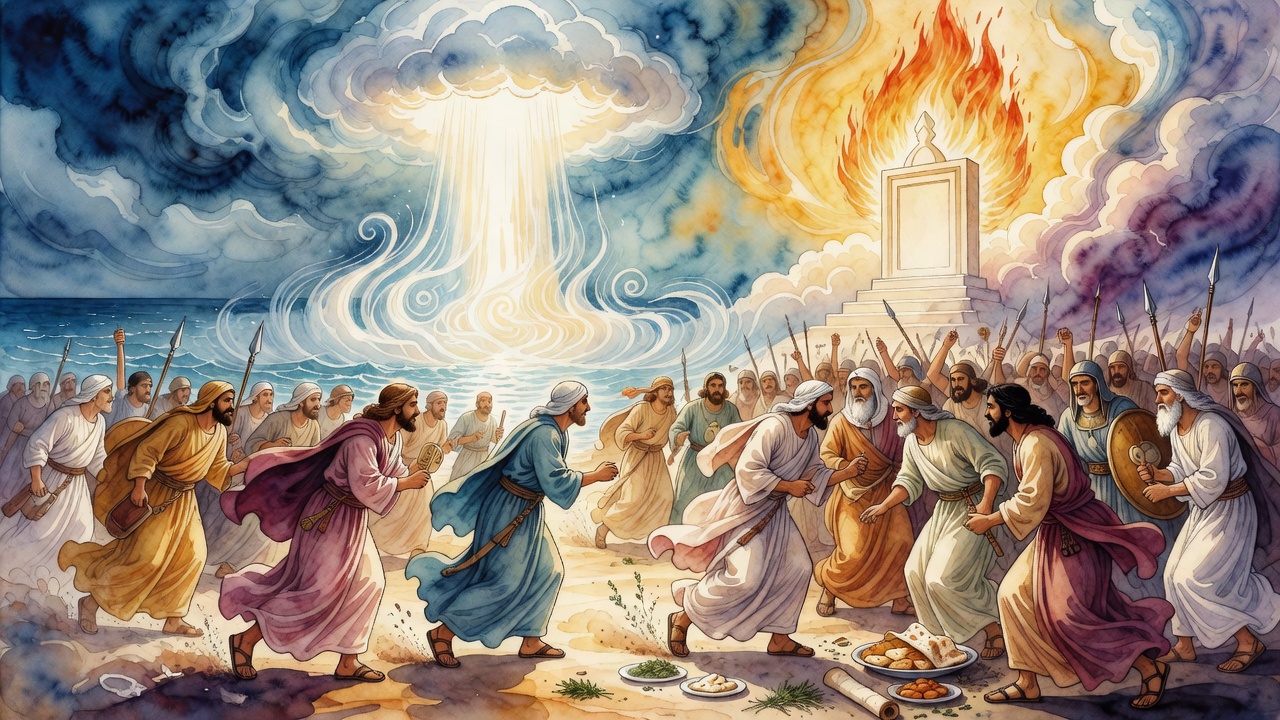
Your three-day leave is up, said the Egyptian officers on the road. The ones who could still run afterward reached Pharaoh with blood on their report.
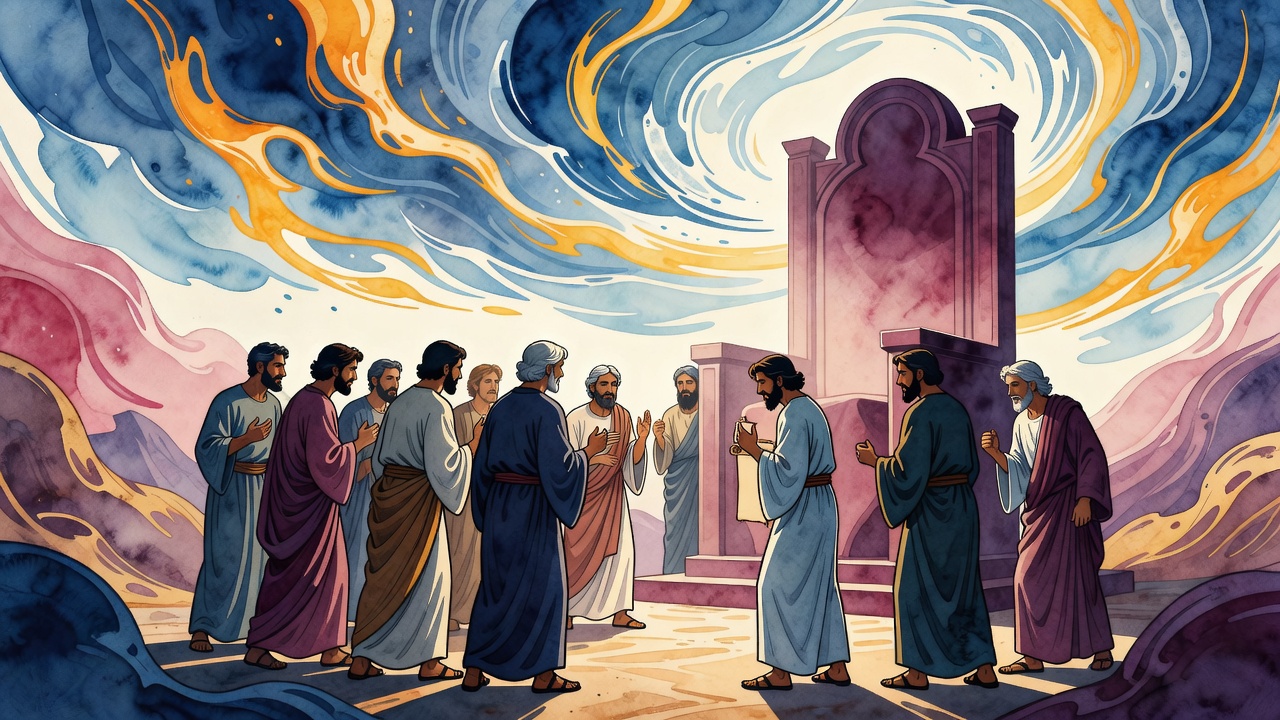
Ten men stand before Egypt's ruler and say one brother simply went from them, while Joseph hears his own sale cleaned into passive grammar.
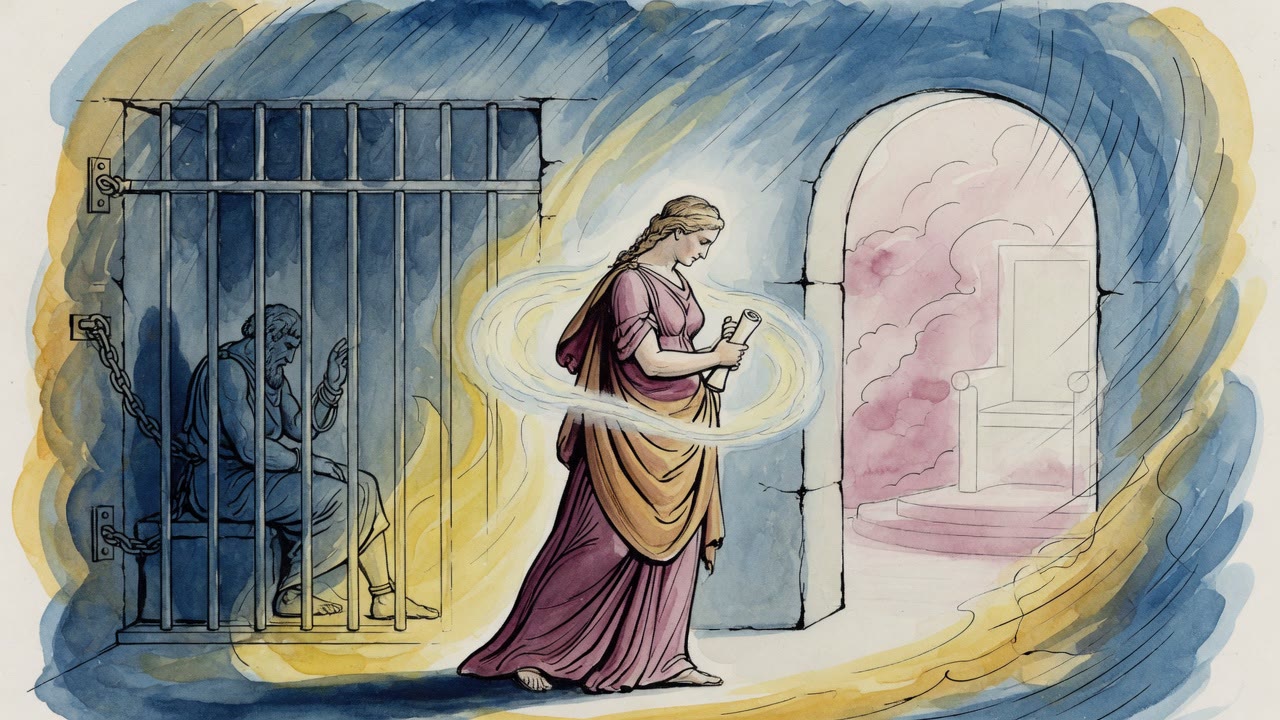
She set a knife and a citron at each place. The women cut their hands and did not feel it until the blood ran into the fruit.
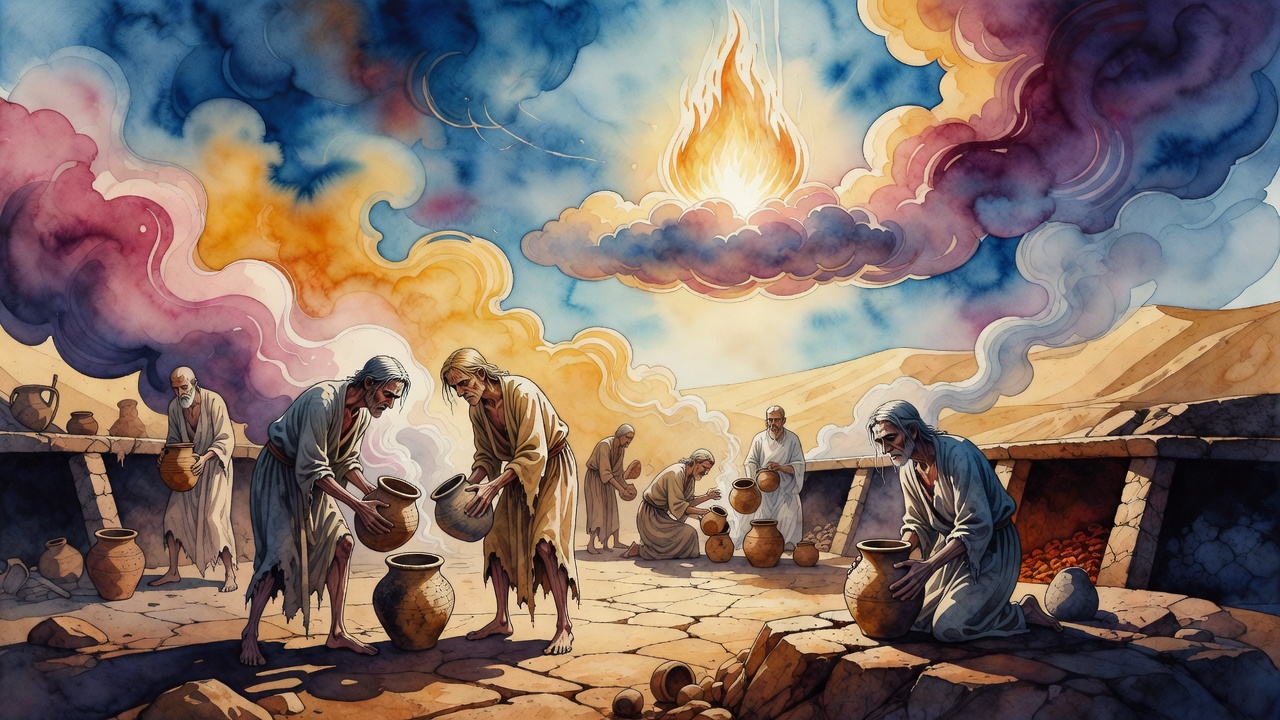
Hunger rewrote slavery as a feast. At the kilns every scream had already been heard, and Passover night kept watch.
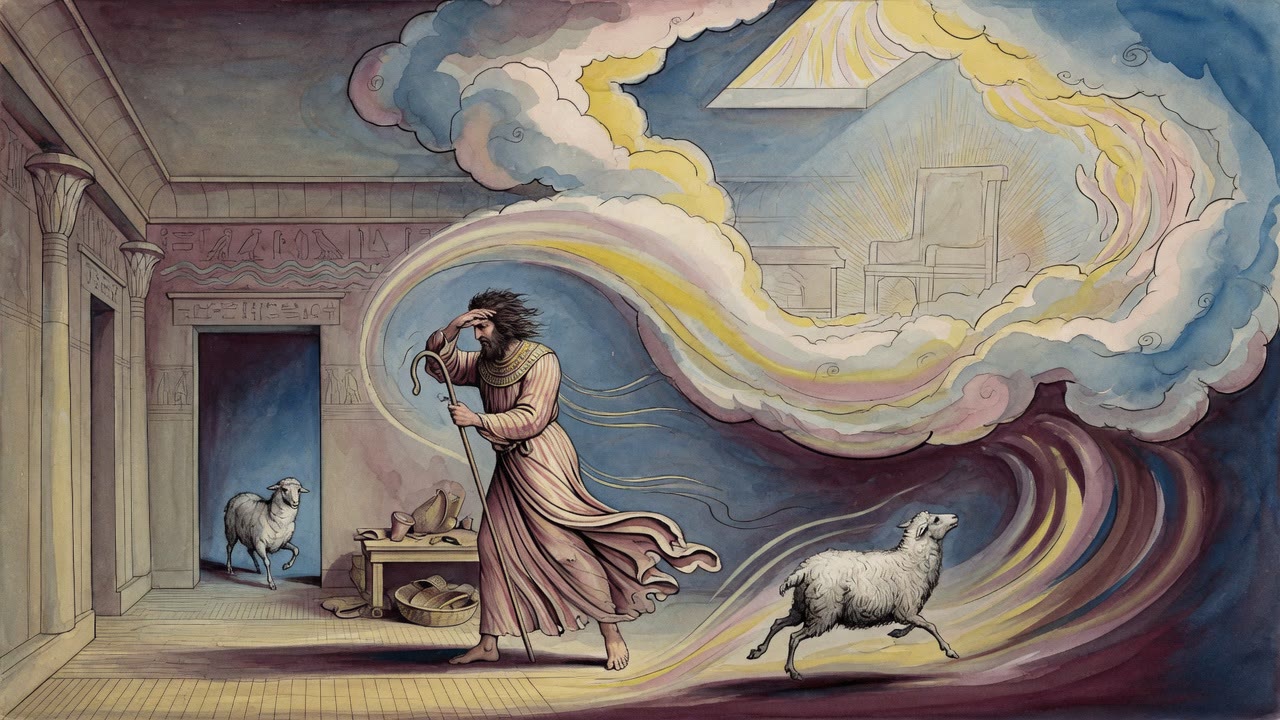
A she-bear stood in a street hung with jewels. The crowd stared at the stones. Joseph watched the teeth, and left his coat in her hand.
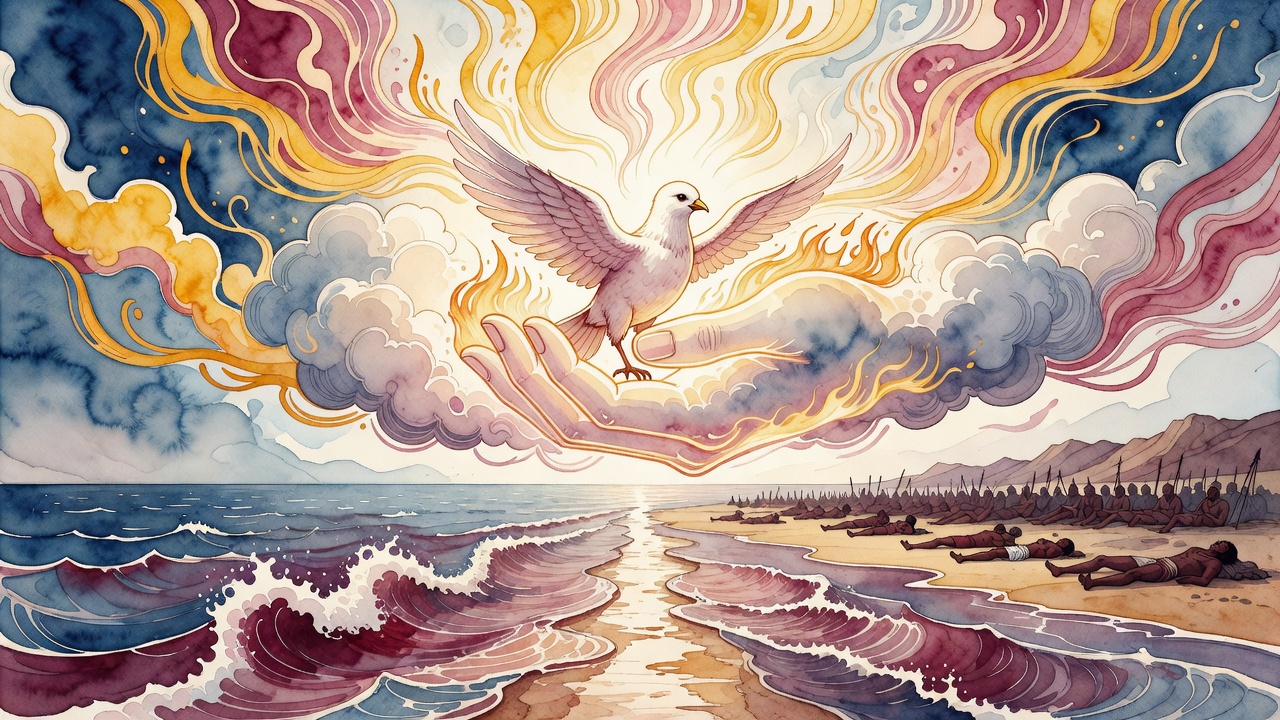
God cradles Israel like a bird in an open palm at the sea, then the song crowns Him king while Egypt lies dead on the shore.
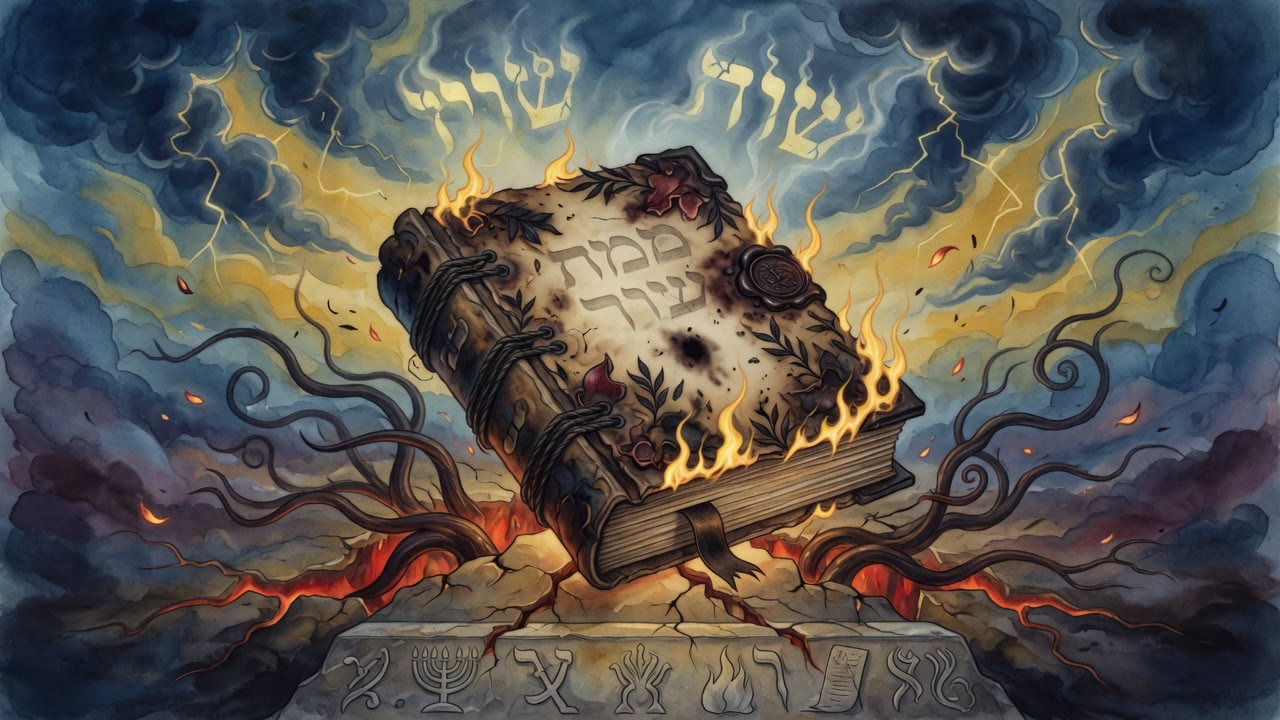
A closed booklet held names no one should speak. Ninety-seven forces of impurity hid in two Torah words, and Gehenna (afterlife of judgment) shook for the.
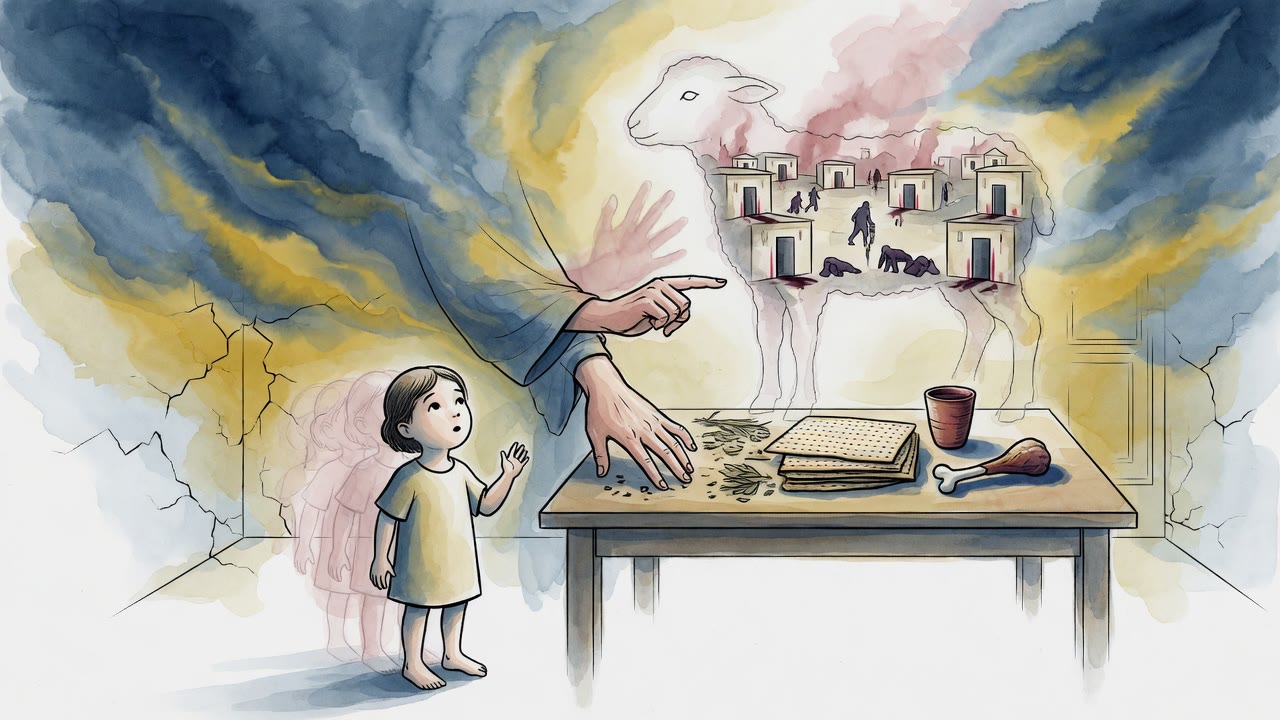
When a child asks what the Passover means, the house remembers both future questions and the many who never left Egypt alive.
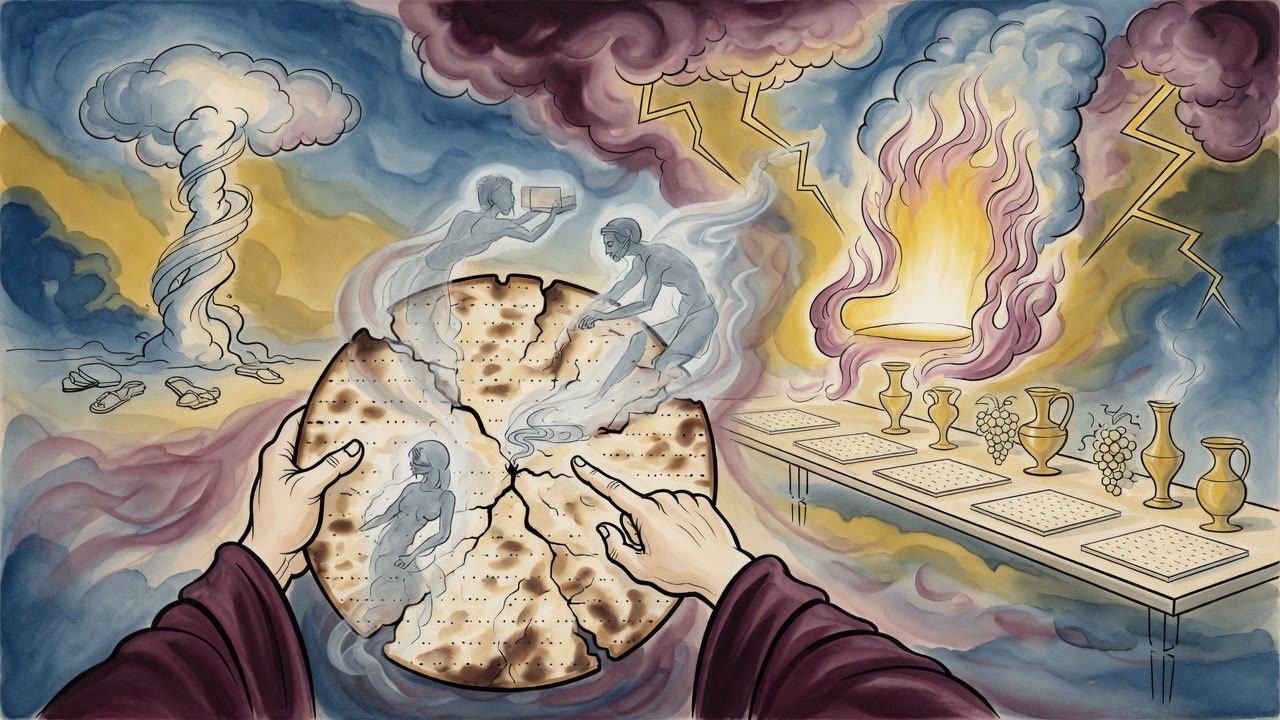
After soft words came hard bricks. On the night of dying, Egypt shoved Israel toward the door and still hoped for a three-day return.
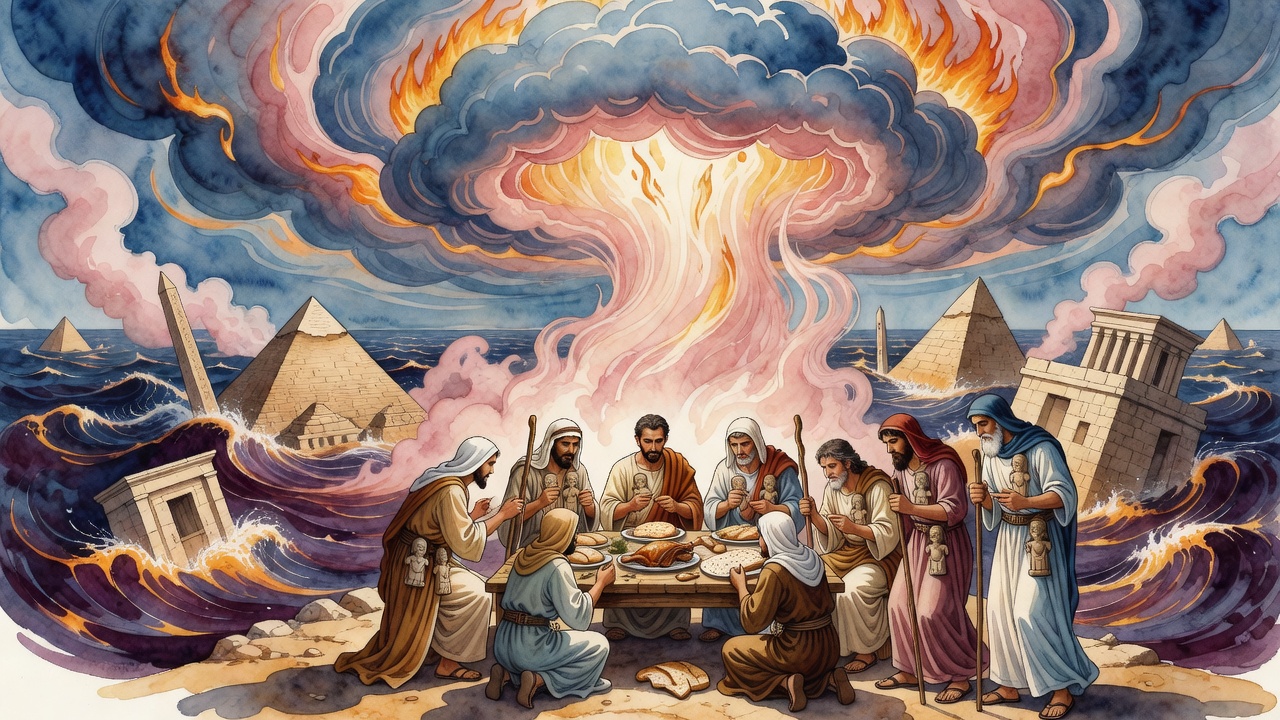
Israel ate Passover with loins girded and staff in hand, packed before the door opened. God redeemed a people still clutching idols while Egypt sank like stone.
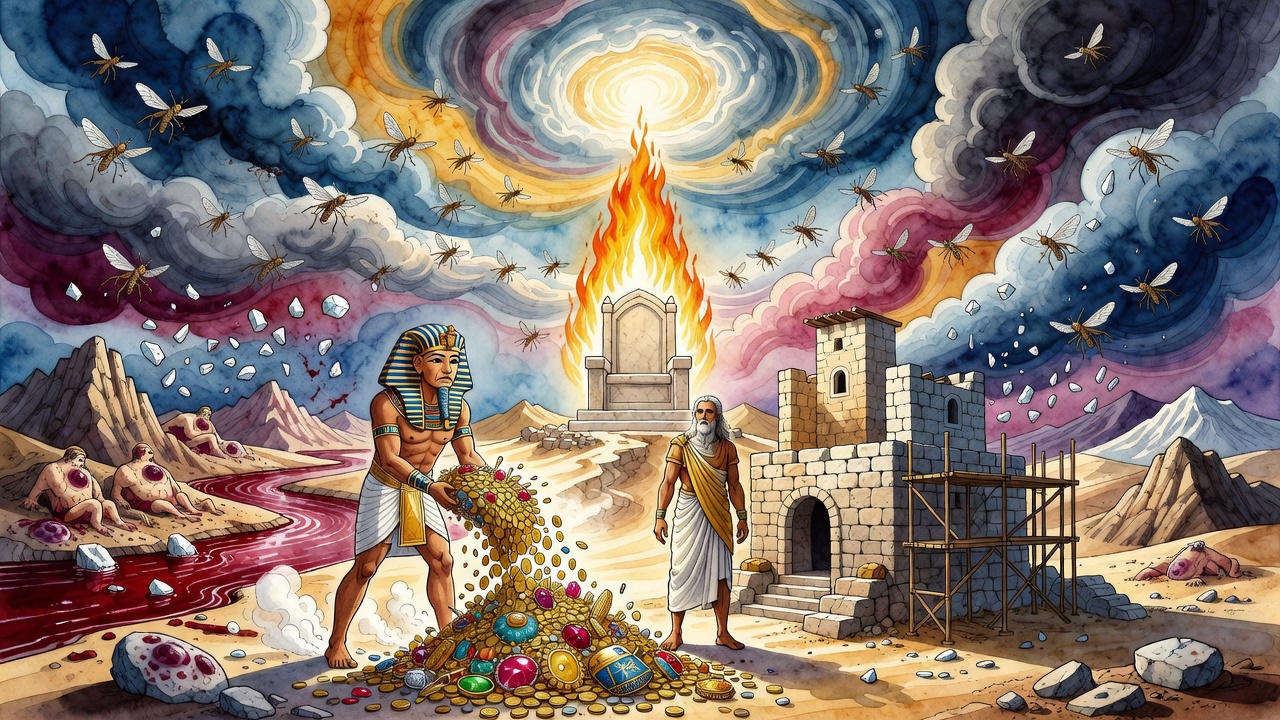
The seller stood in the market and could not swallow. His cheap field had become a palace, and the retinue now belonged to someone else.
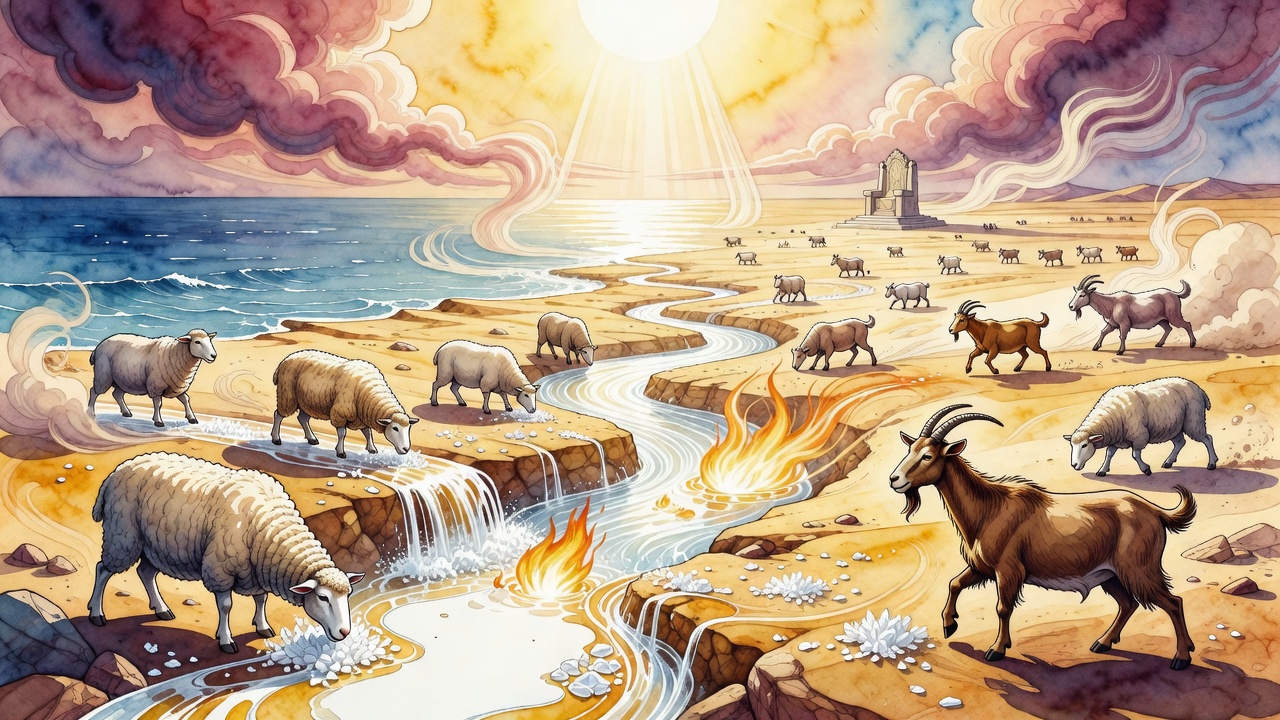
By the fourth hour the sand ran wet toward the Great Sea. Clean beasts drank what no one had gathered, and later the camp ate those beasts.
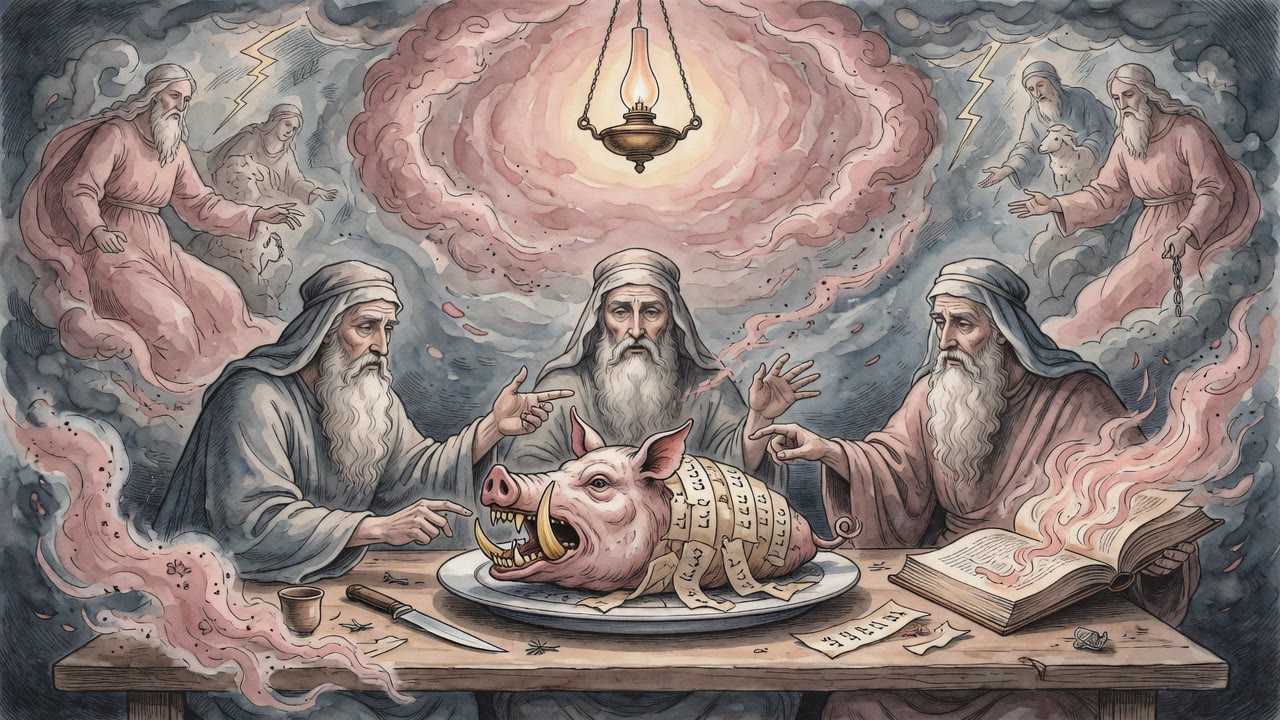
The Mekhilta forbids reminding a convert of idols and swine, because Israel were strangers too, and harming him trespasses against God.
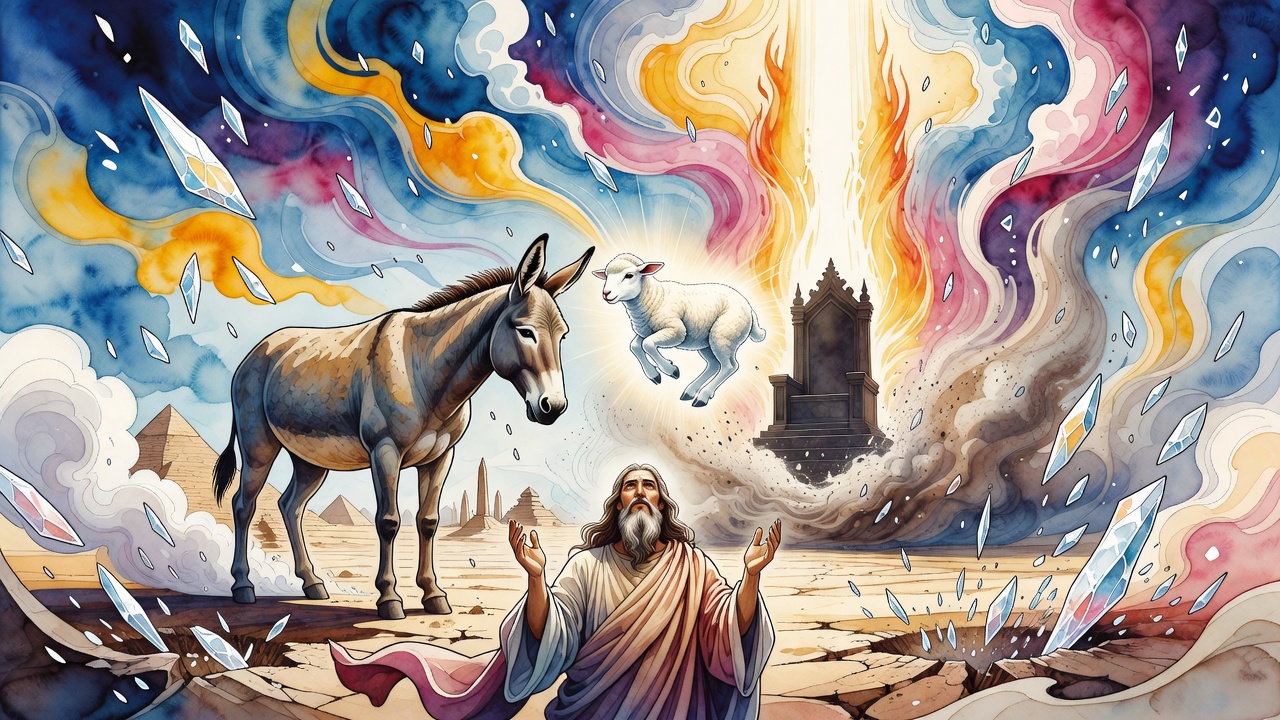
Six hundred thousand people walked out of Egypt and not one of them said the word first. A Midianite priest arrived weeks later and said it.
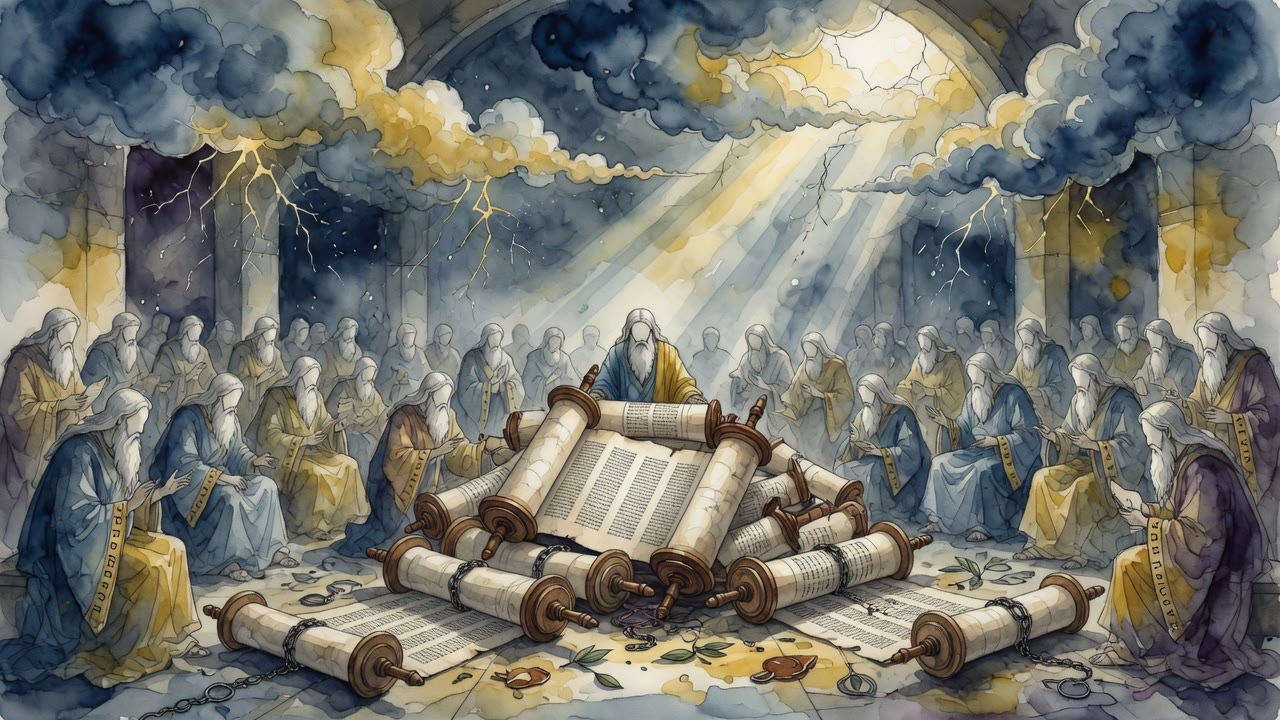
King Ptolemy seals each sage in a room to force a Greek Torah, and God places the same careful changes in every mind at once.
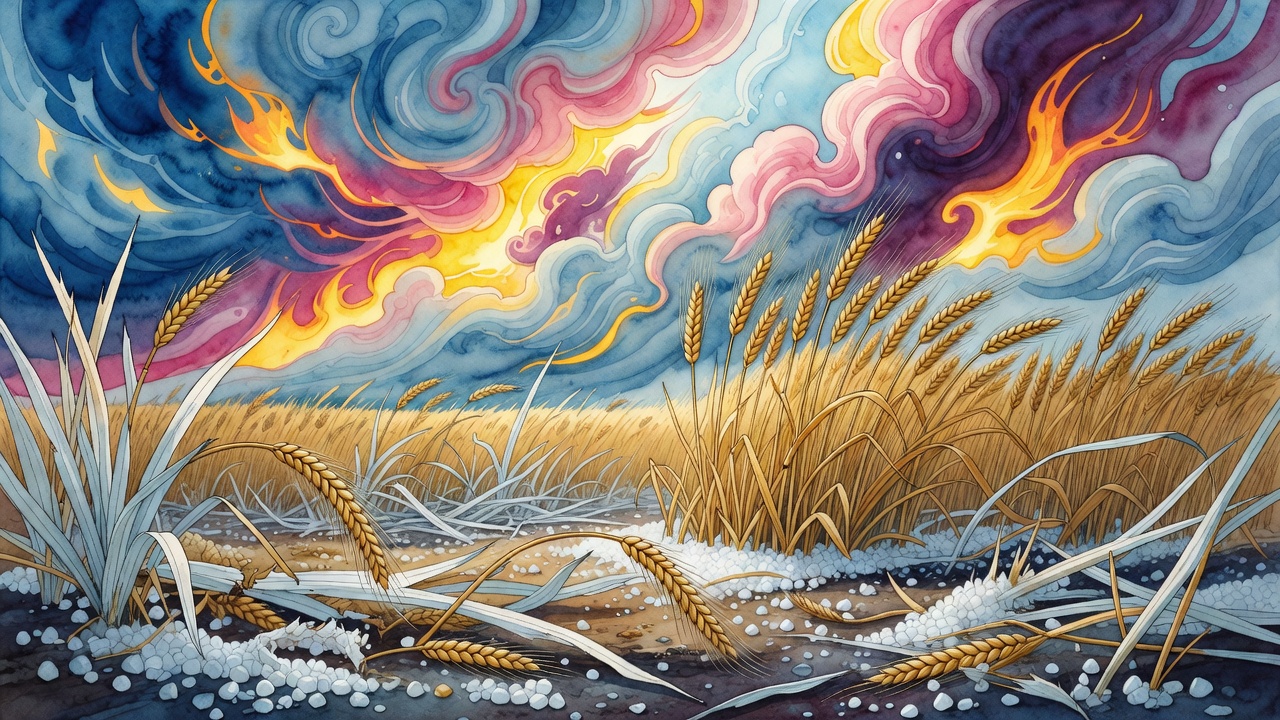
Hail mixed fire with ice. Livestock left in the open died. After the storm, flax lay black and wheat still stood in the same field.
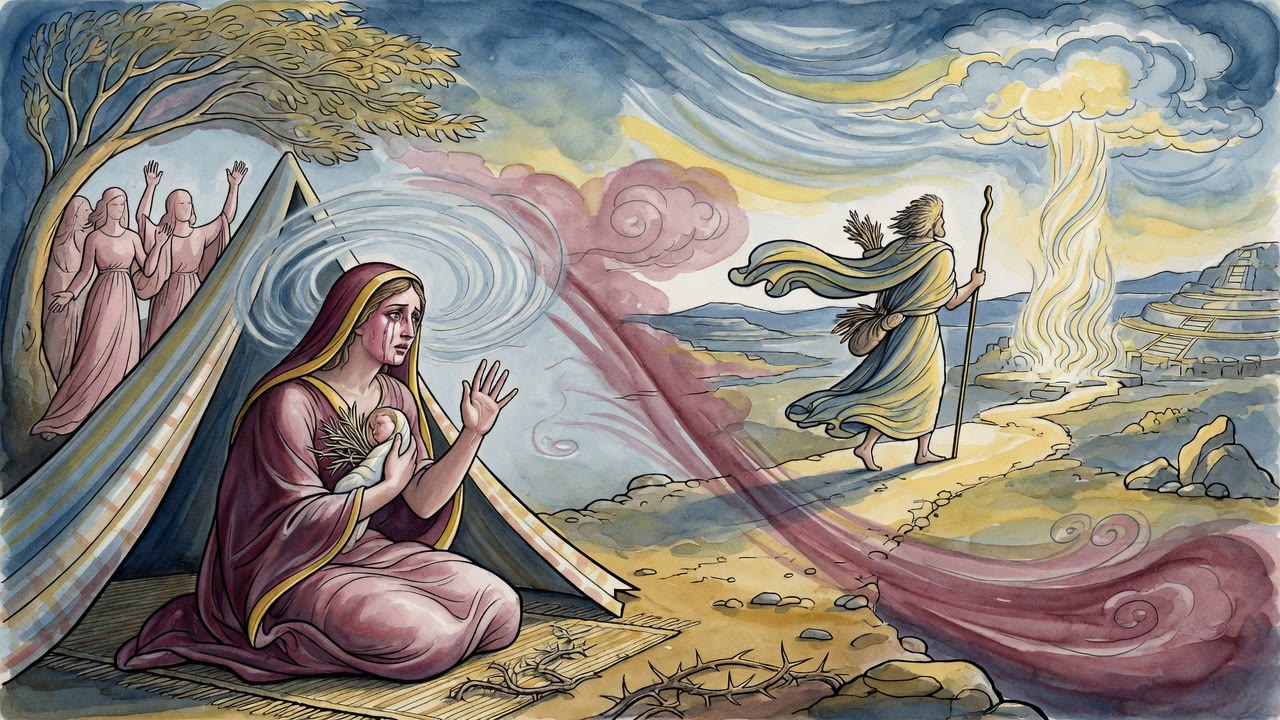
His heel found sand. Behind him the last Egyptian horse pushed into the corridor. The water still stood, waiting on a count.
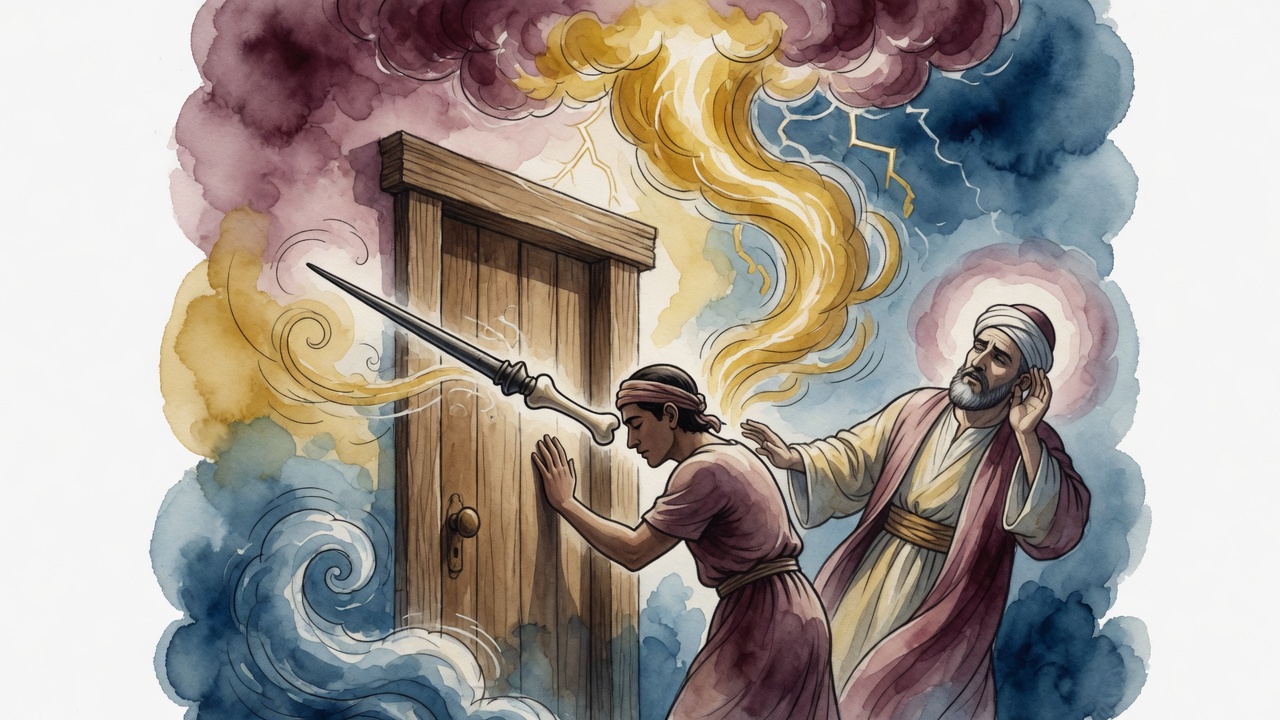
A king may keep two horses and eighteen wives, the Targum warns, because excess cavalry and desire open the road back to Egypt.
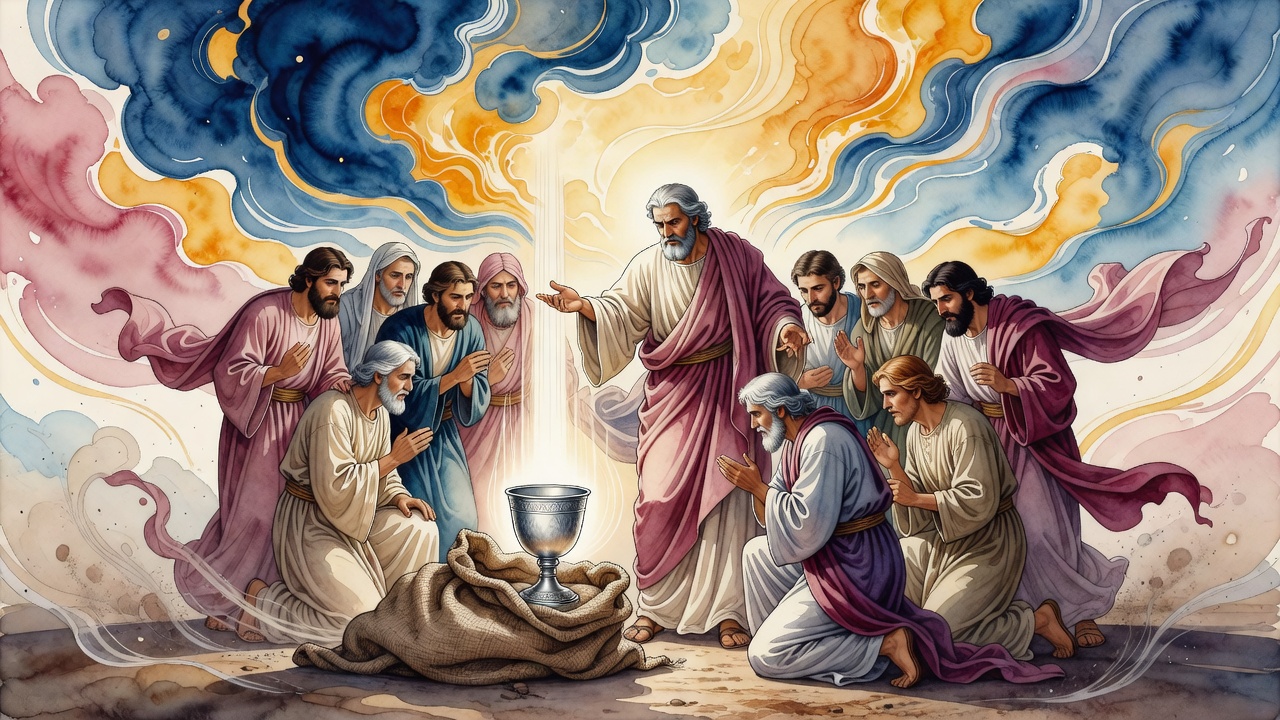
Grain spilled. The vizier's cup rang on a stone at Benjamin's feet. Judah had sold a brother once. He would not walk home in peace again.
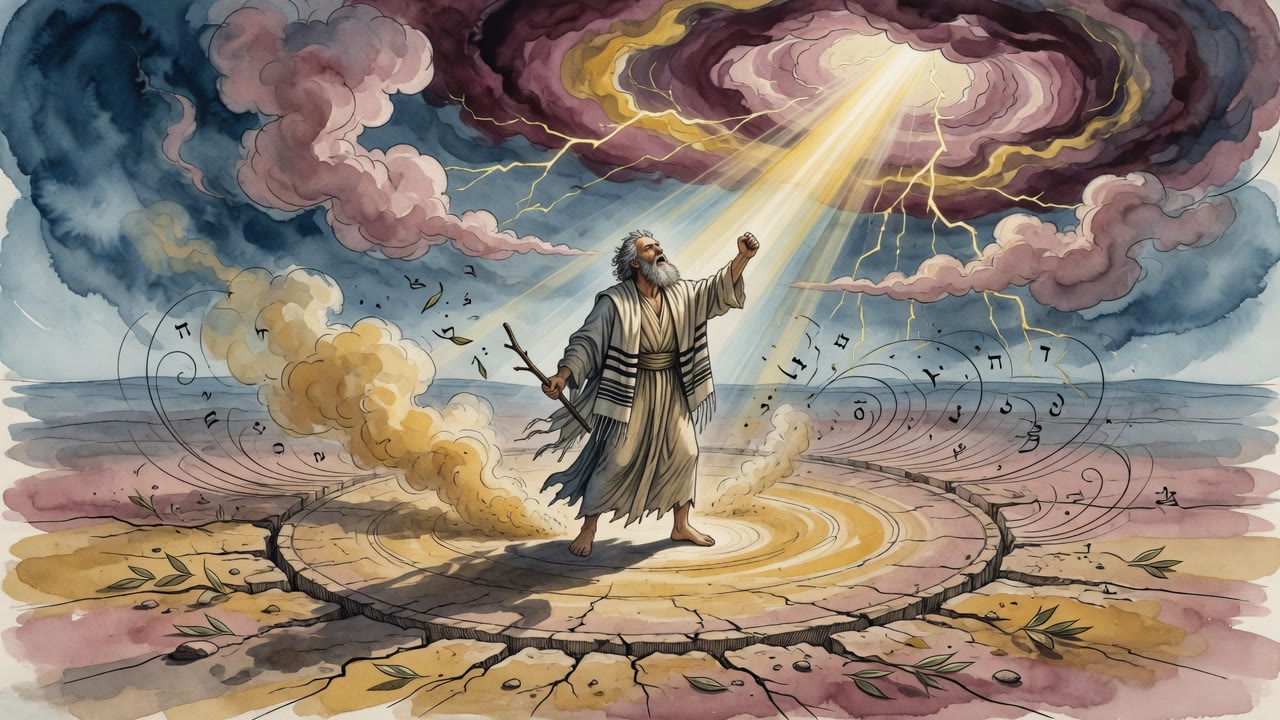
Israel left Succoth under more than weather. Rabbi Akiva heard booths of glory while Rabbi Elazar named five conditions of redemption.
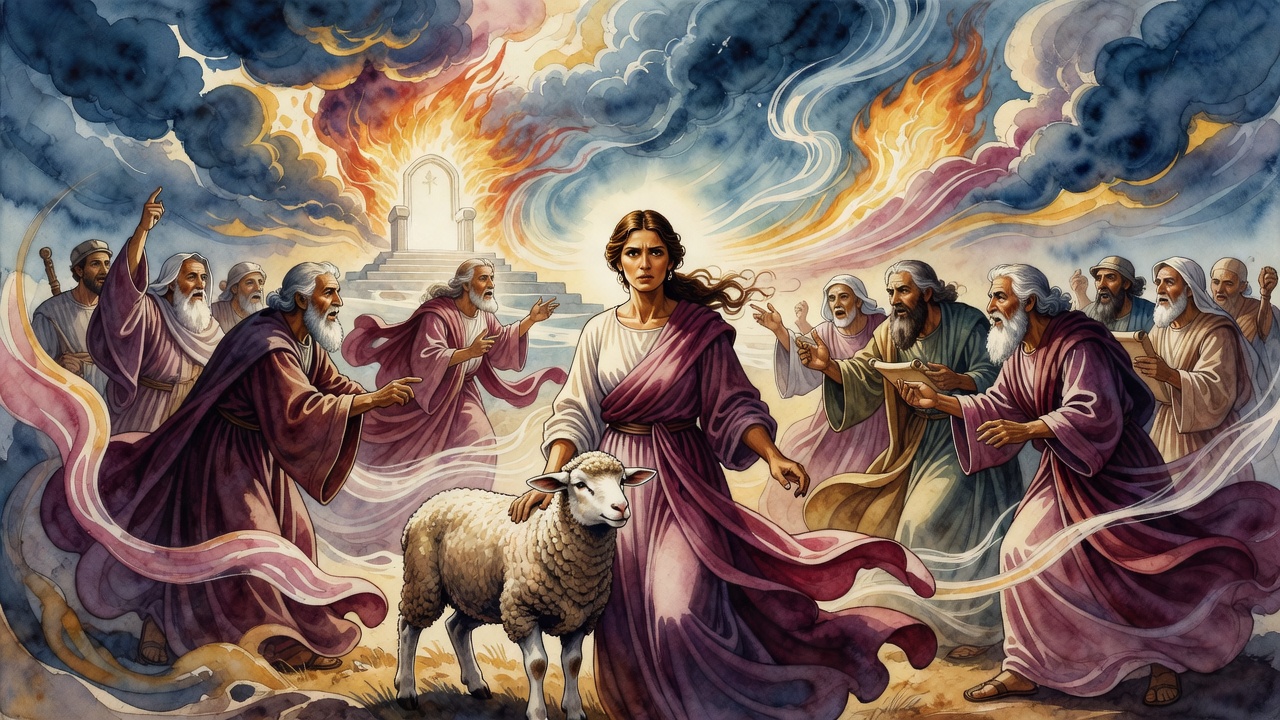
A woman waits for her lamb on Passover night. Sages argue whether she may stand alone for the sacrifice or only ride as a name on another household list.
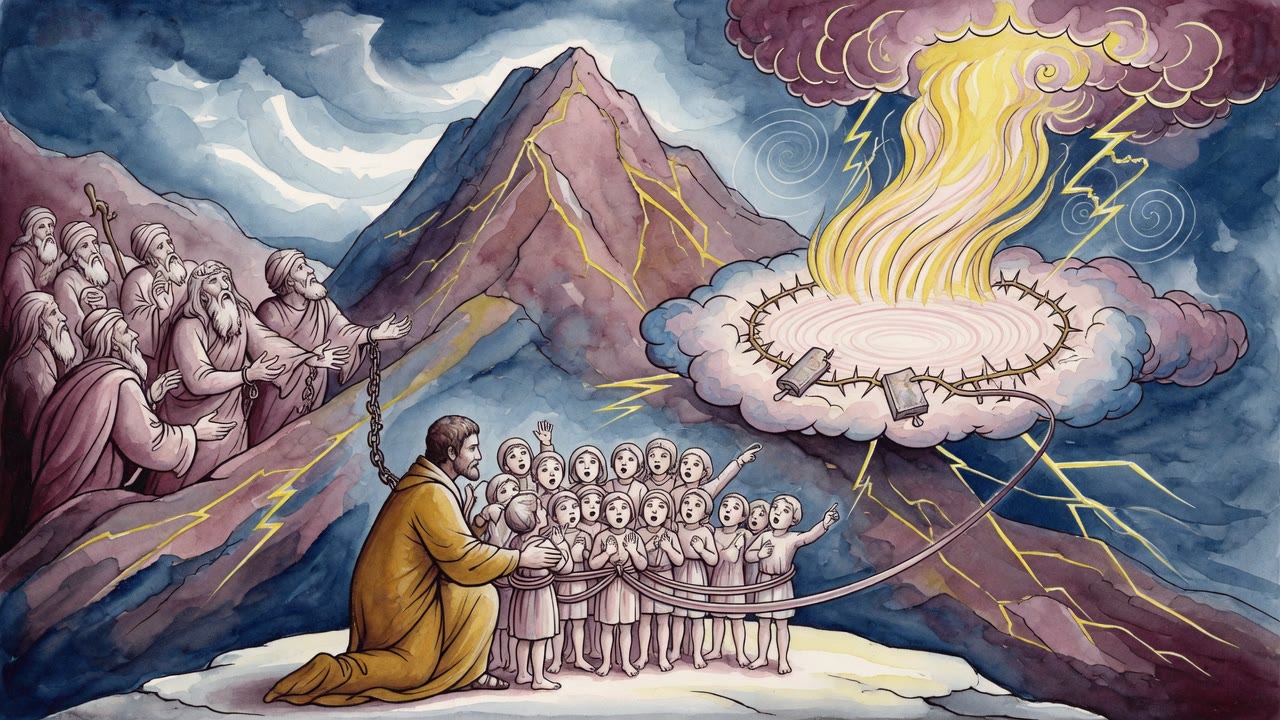
The Egyptian woman opened the chest and did not look up. By morning the gold sat crooked on a sleeping child's hair, and the chest was empty.
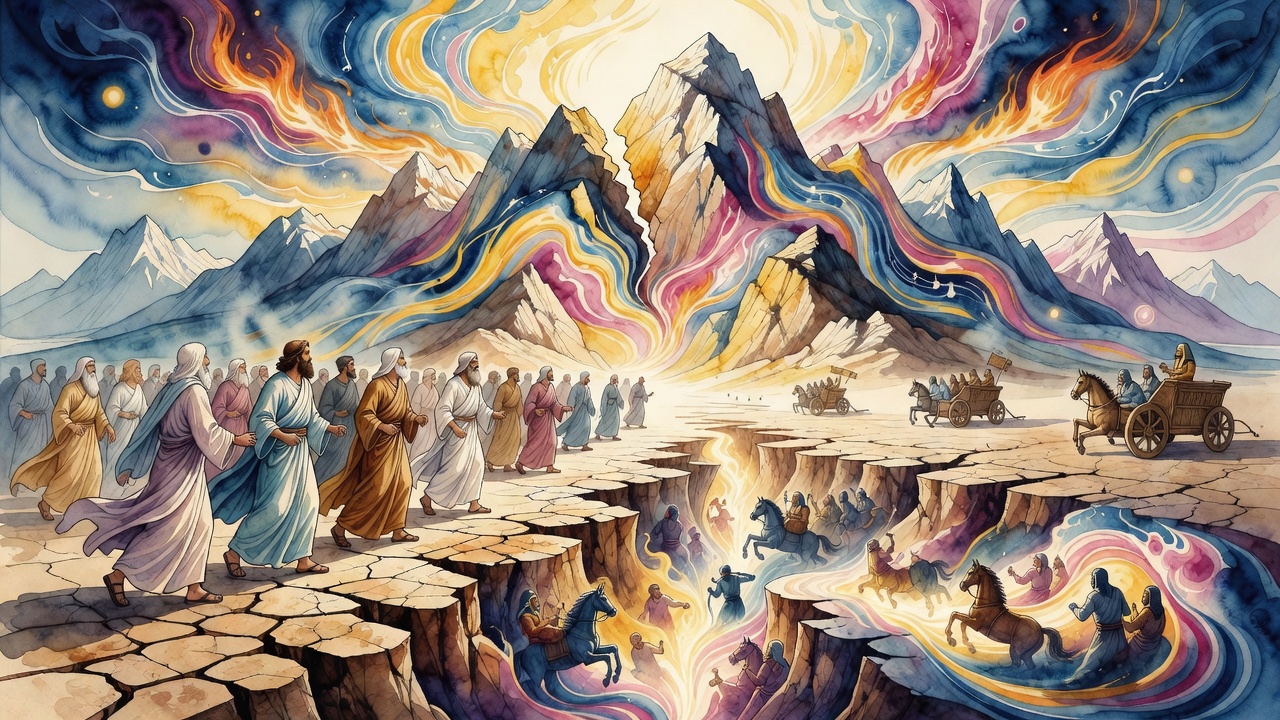
Aaron watched a basket float away on the Nile once and could do nothing about it. Now the sea had closed and he was still staring at water.
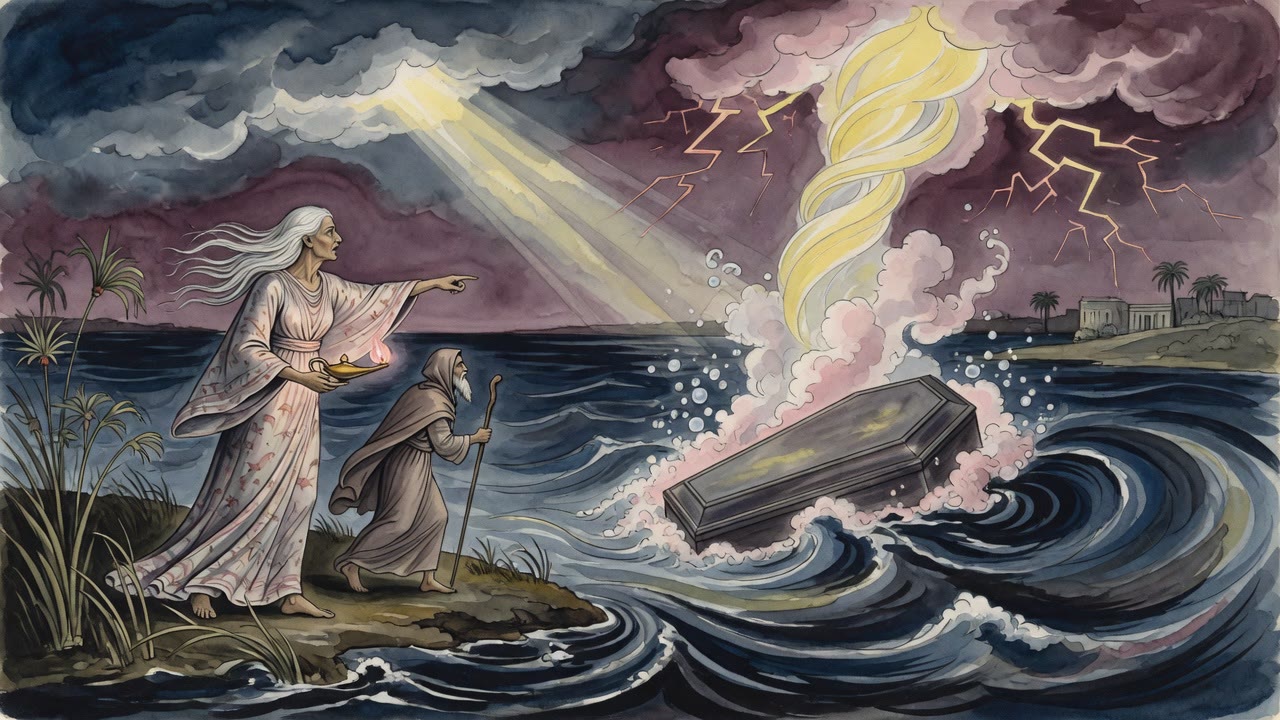
Judah drove the first post into Goshen dirt while the famine carts still stood packed. The beds could wait. The verses could not.
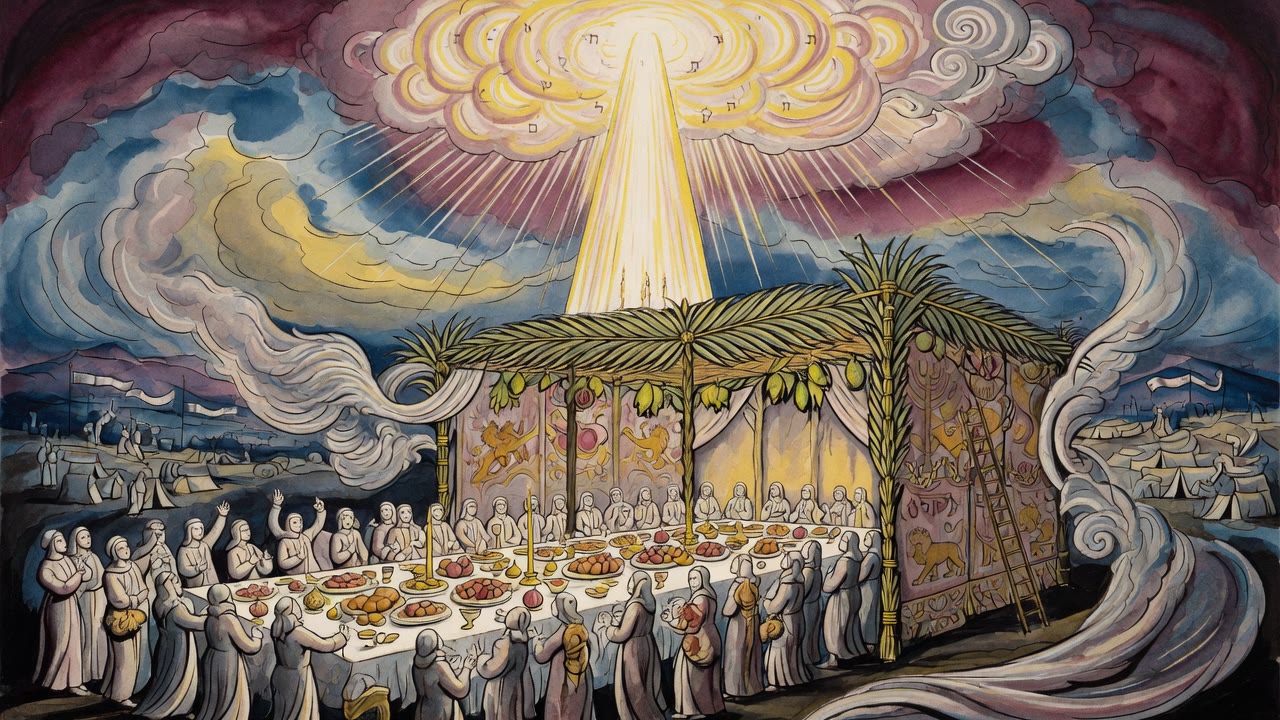
Hebron looked like refuse and tombs. Zoan held Pharaoh's officers. The sages still ranked that dust higher than the capital.
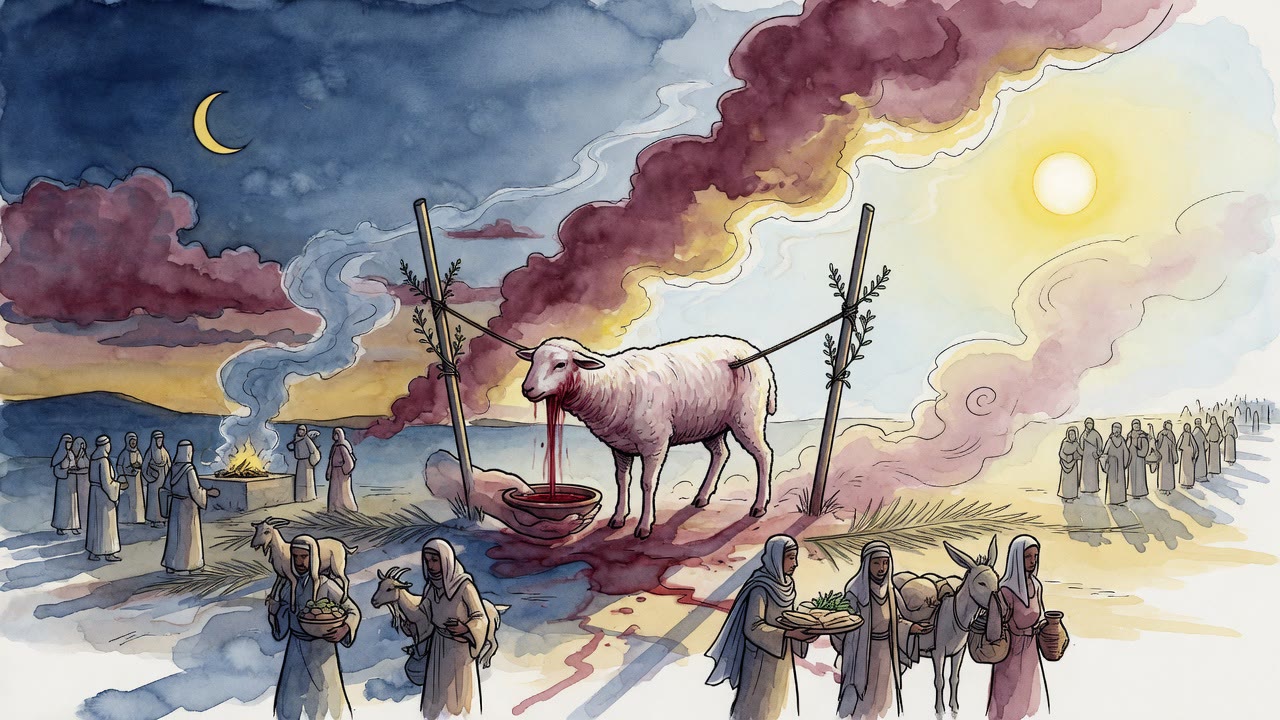
Rain drove them from courtyard to house, yet the company stayed one. No one carried flesh outside the circle, and no bone was broken for marrow.
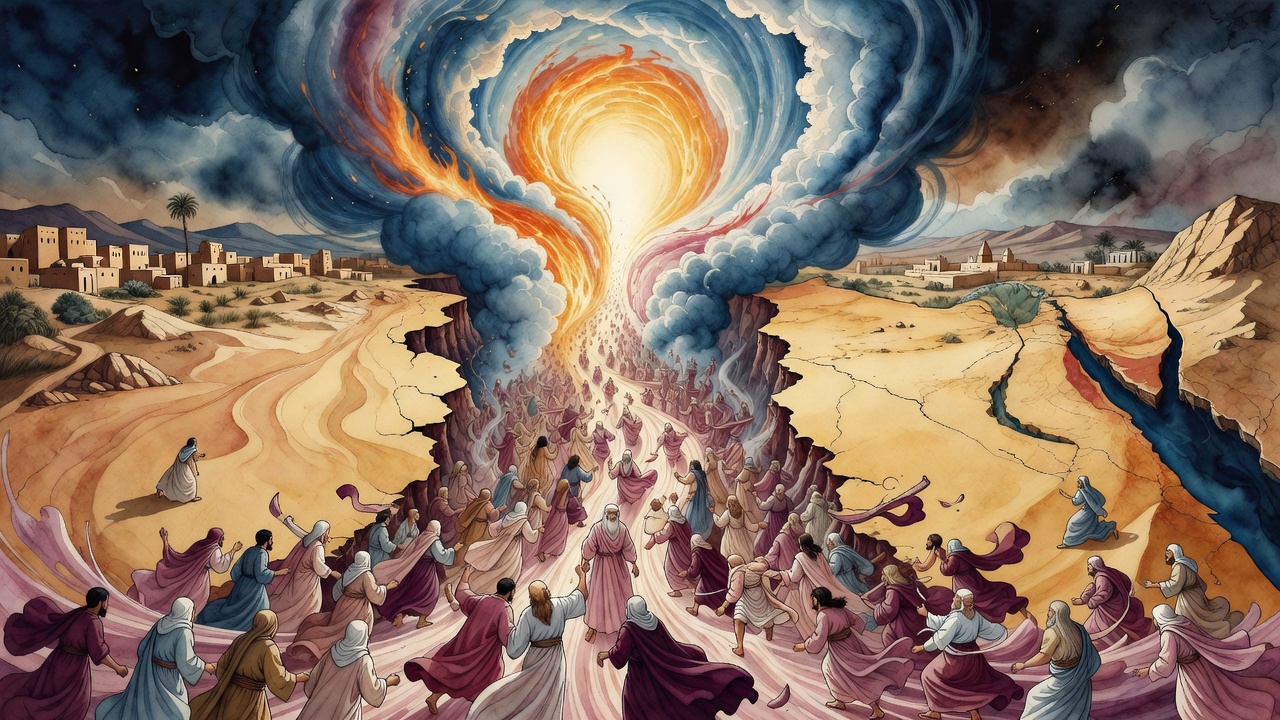
Egypt and Israel looked the same until the night God tore one people out of the other and began a new calendar from the rescue.
