485 myths · Page 16 of 17
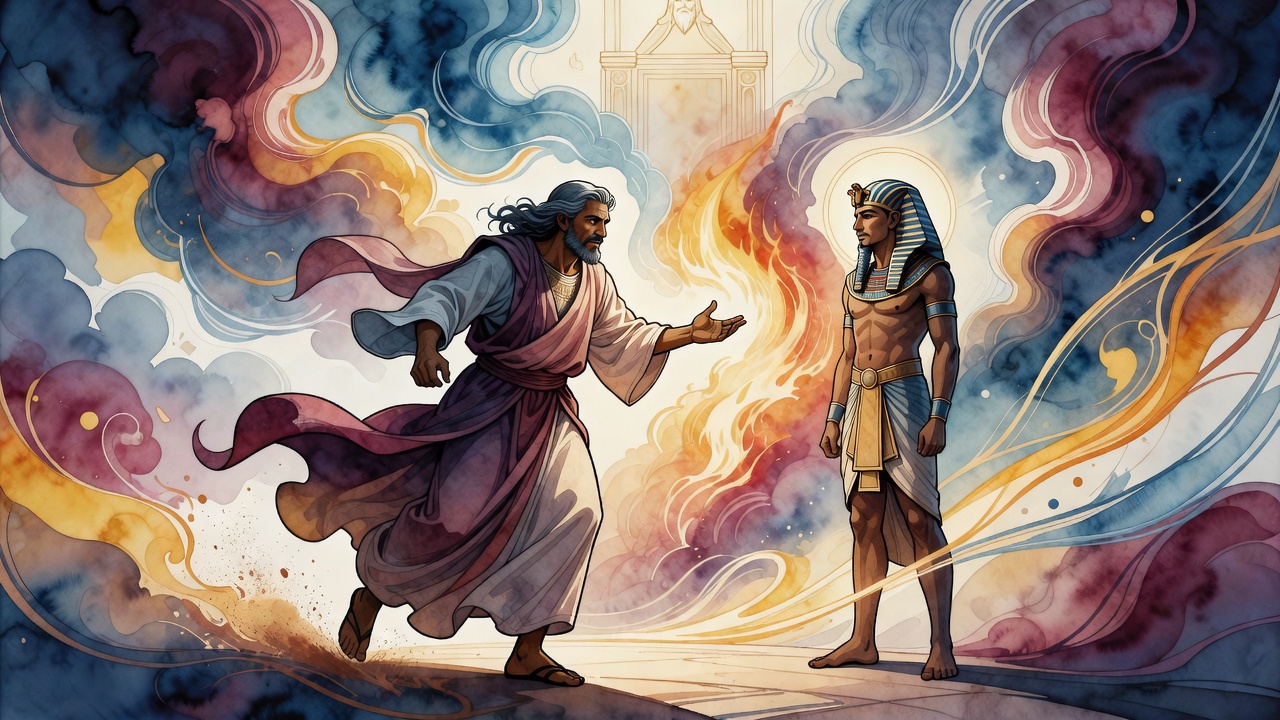
Judah stepped toward the Egyptian lord with Benjamin's life in his throat, ready to wreck markets or die before he returned to Jacob without the boy.
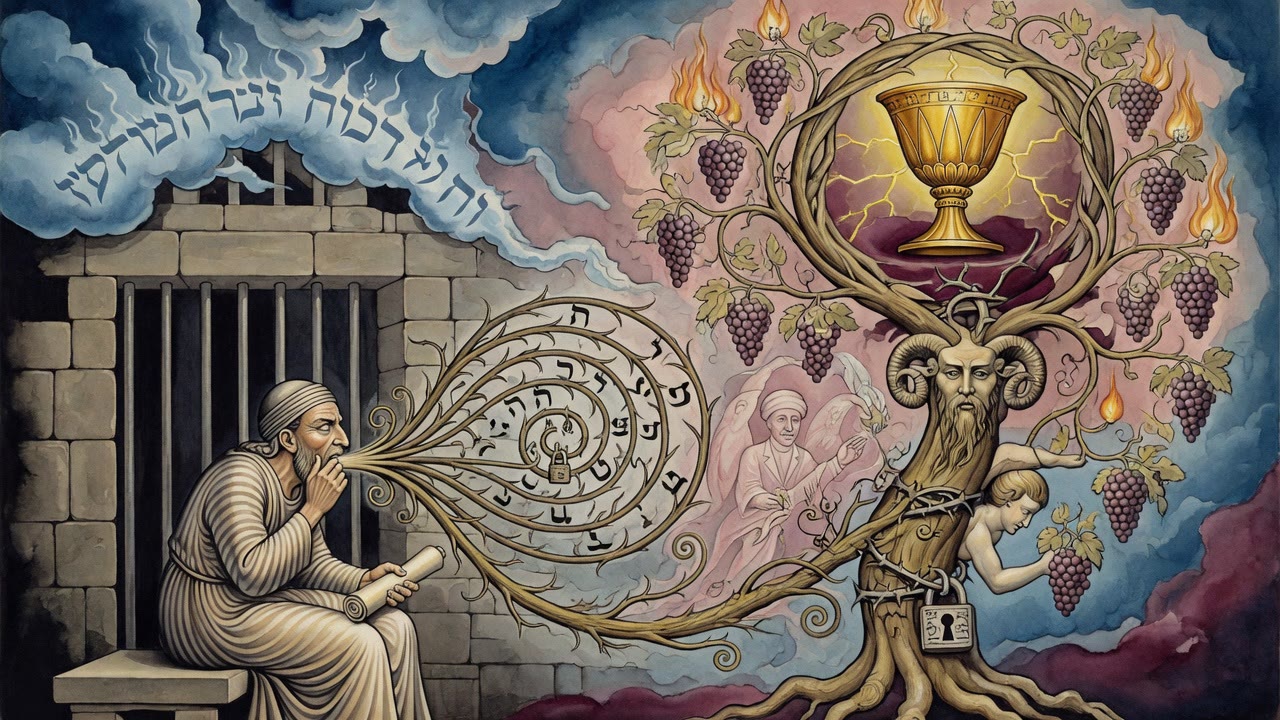
Water dripped in the cell. The butler spoke of grapes. Joseph saw patriarchs in the branches and kept Egypt's wrath in his jaw.
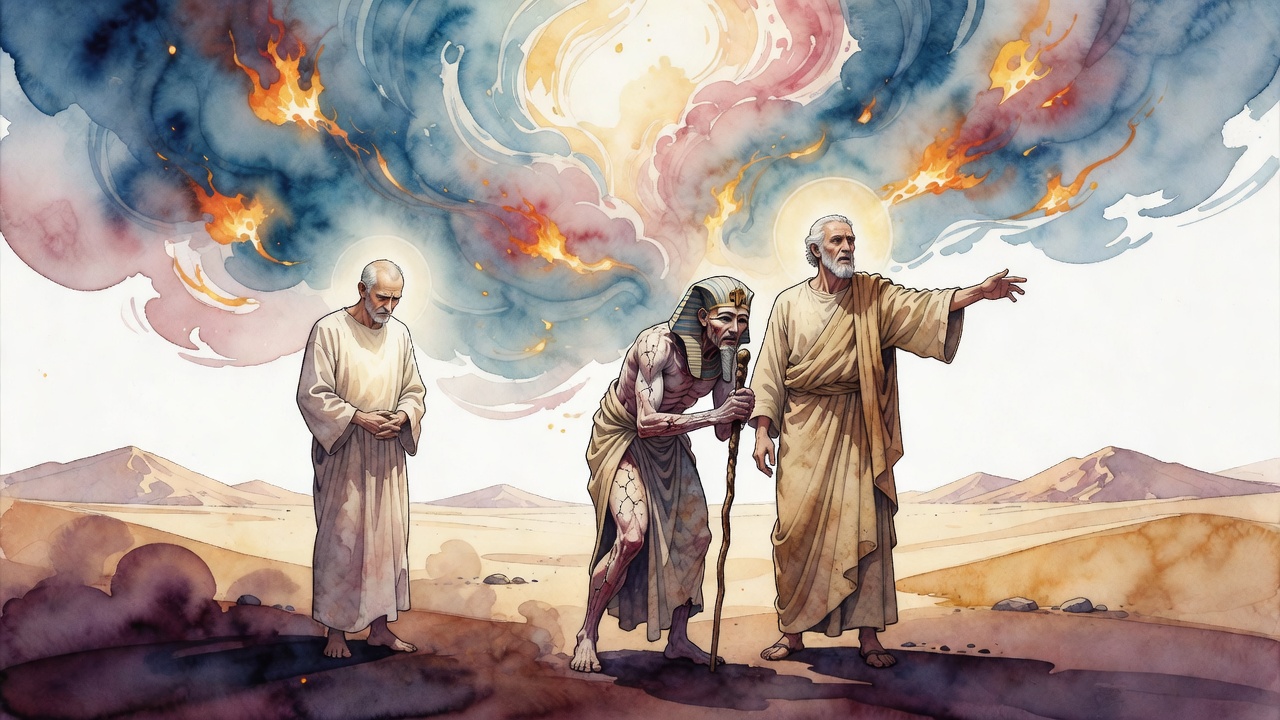
Leprous Pharaoh asked how to heal. Balaam said bathe in Israelite blood. Job disapproved, said nothing, and heaven marked the silence for a year of pain.
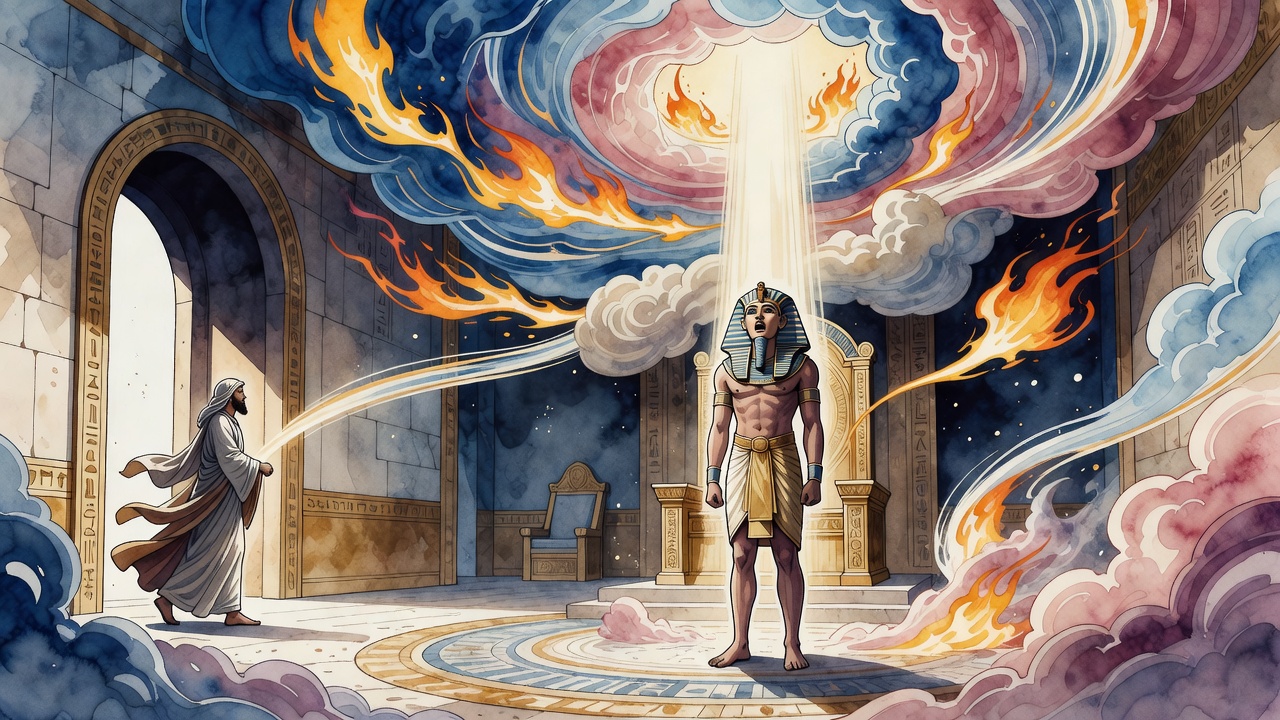
The doors shut. Pharaoh promised hanging, burning, a head on a pole. Moses walked back in, and the king's arms hung like kindling.
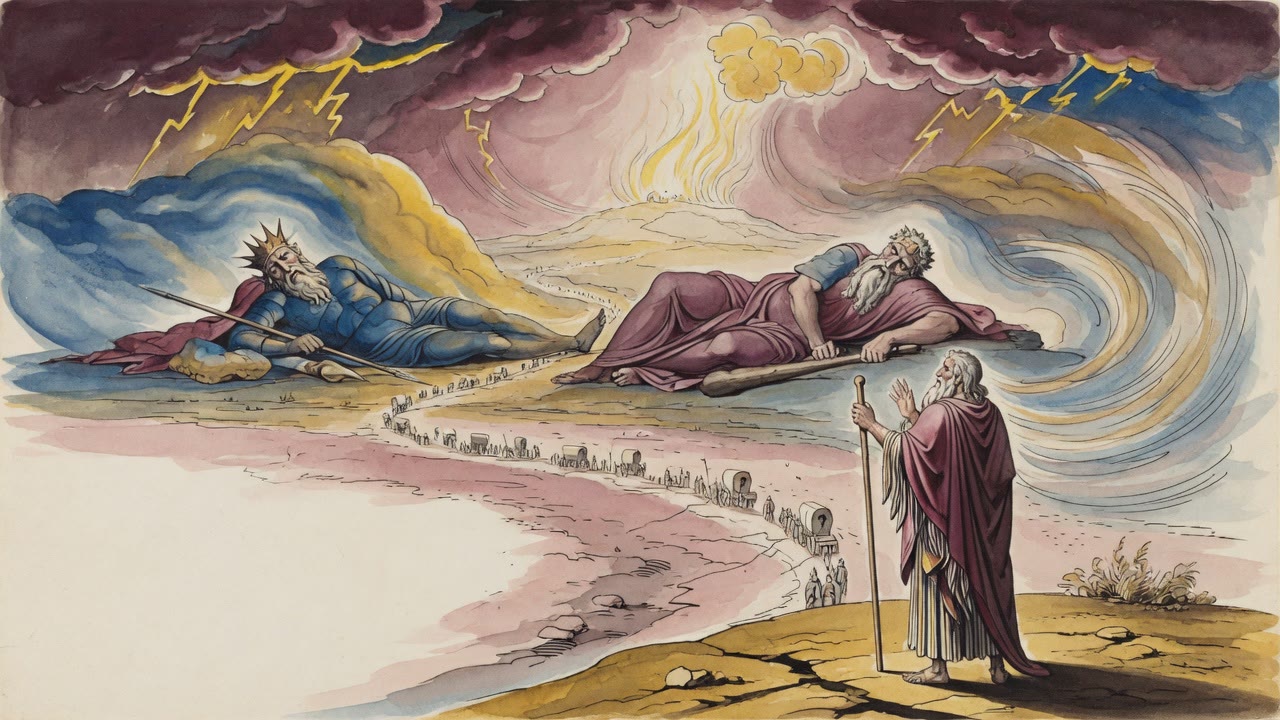
Officers rode in on Sunday to collect a three-day leave. Israel would not fold the tents. Moses pointed them back toward the sea.
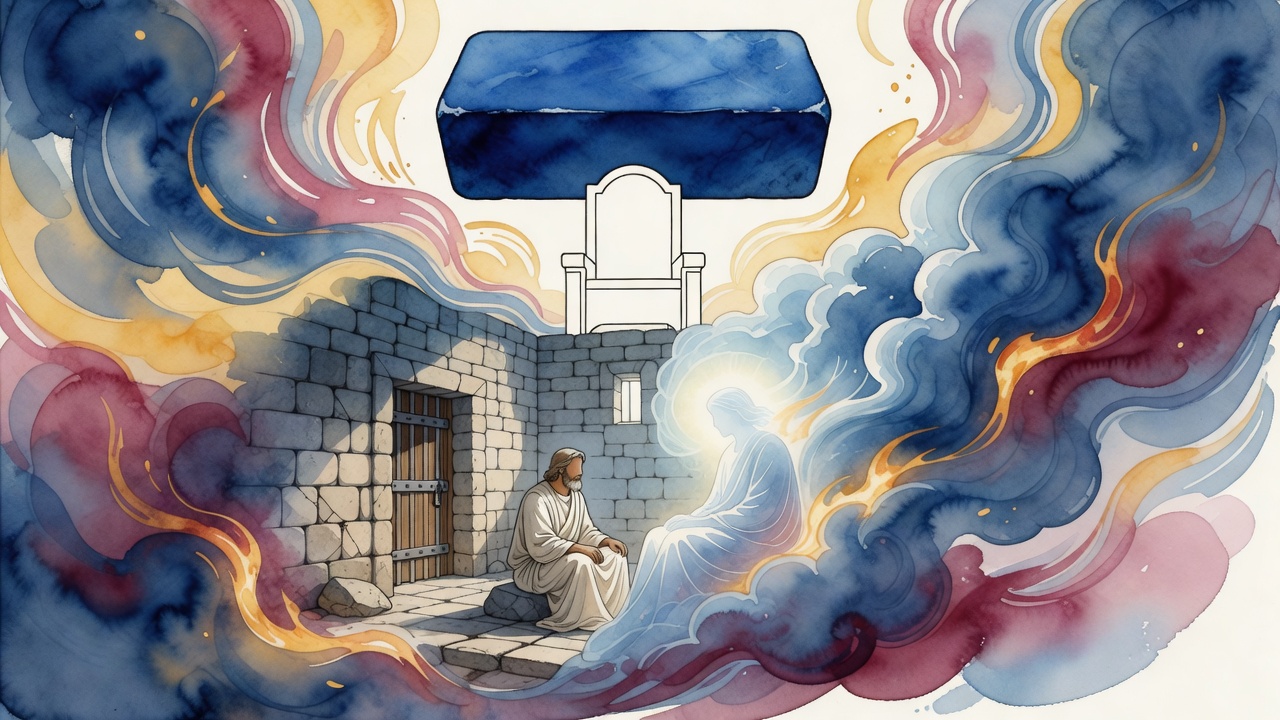
The door closed on Joseph with a sound that tried to be final. An Egyptian jailer counted keys and thought God stopped at the stone.
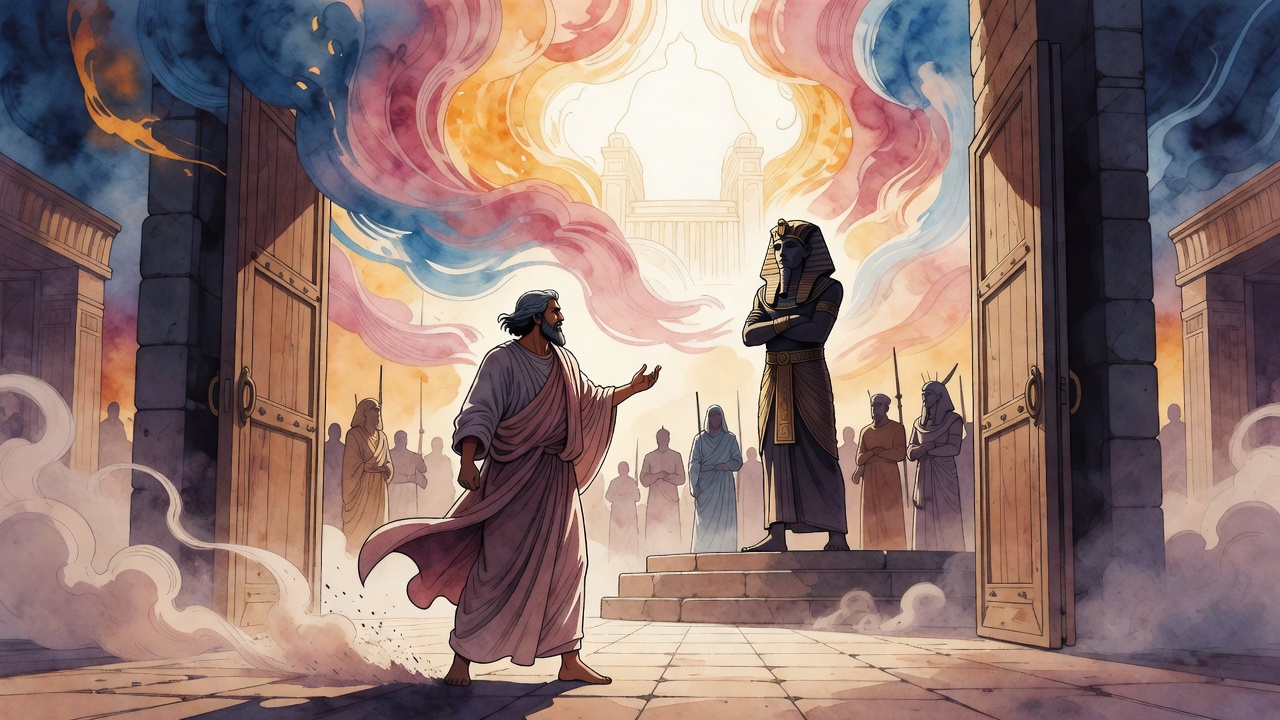
Go, Pharaoh said, but leave the flocks. Moses asked for the king's own animals too. The next word from the throne was a death threat.
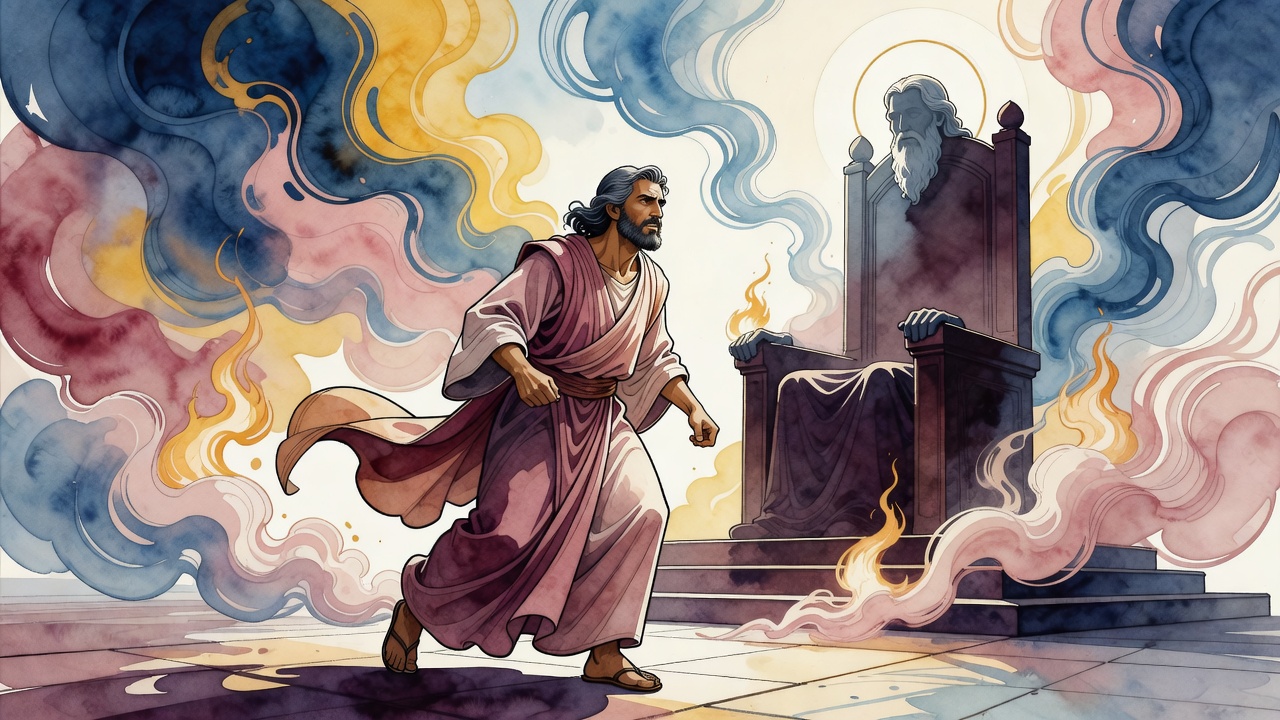
The cup was in the youngest sack. Their father was waiting in Canaan for Rachel's last son. Judah moved closer to the chair.
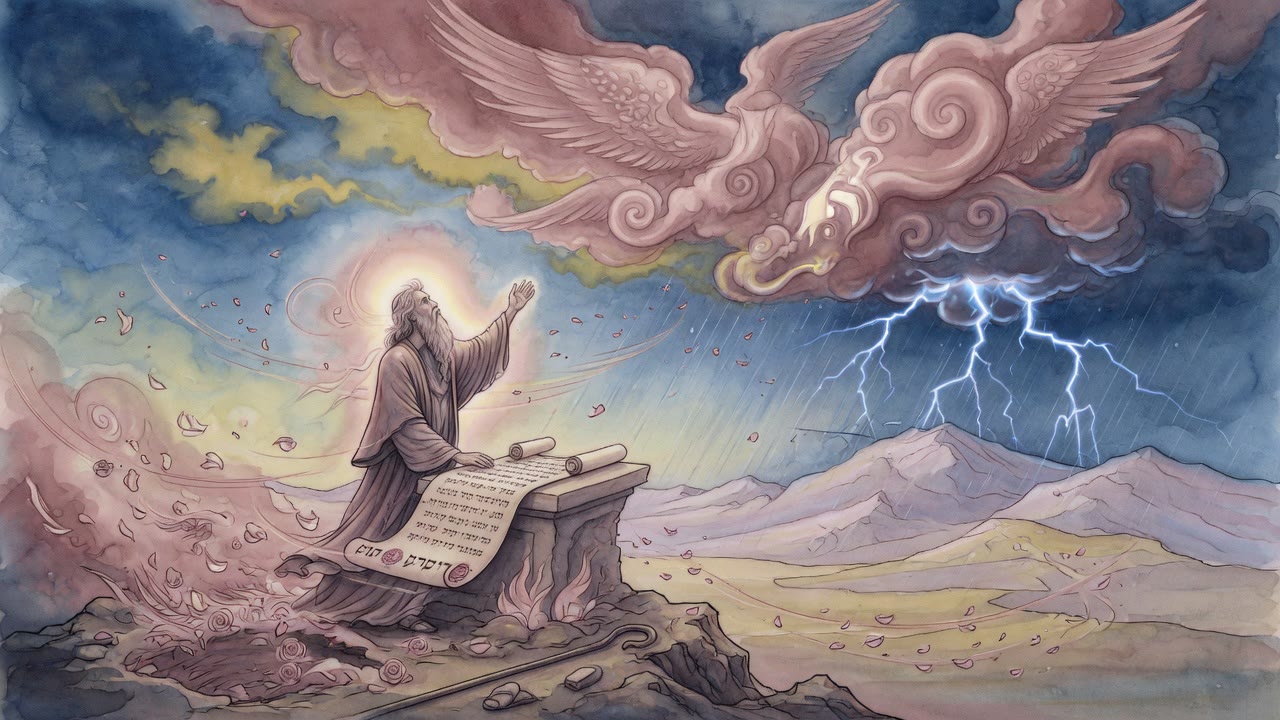
Moses begged for more life with the same word that once framed his praise of heaven. God answered with that word, cold and exact, and closed the border.
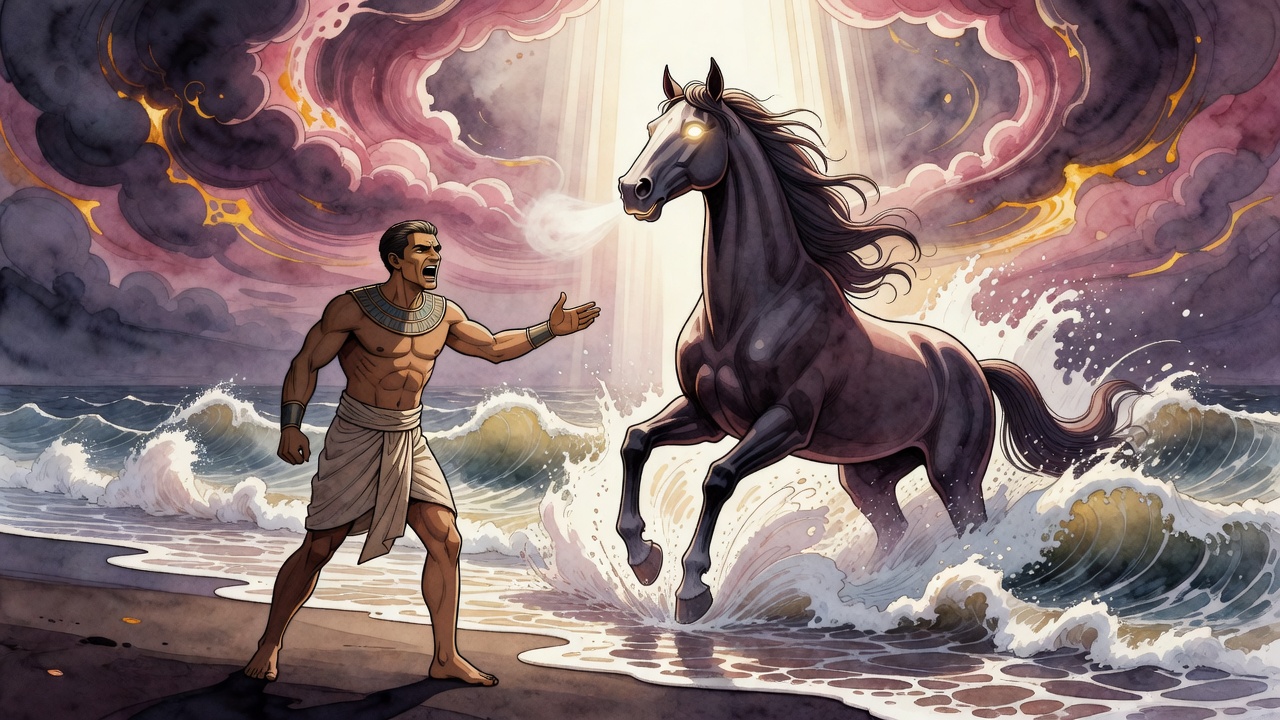
Yesterday the stallion would not drink. Today it dragged the chariot into the sea. In the wall of water the animal saw heaven folded down.
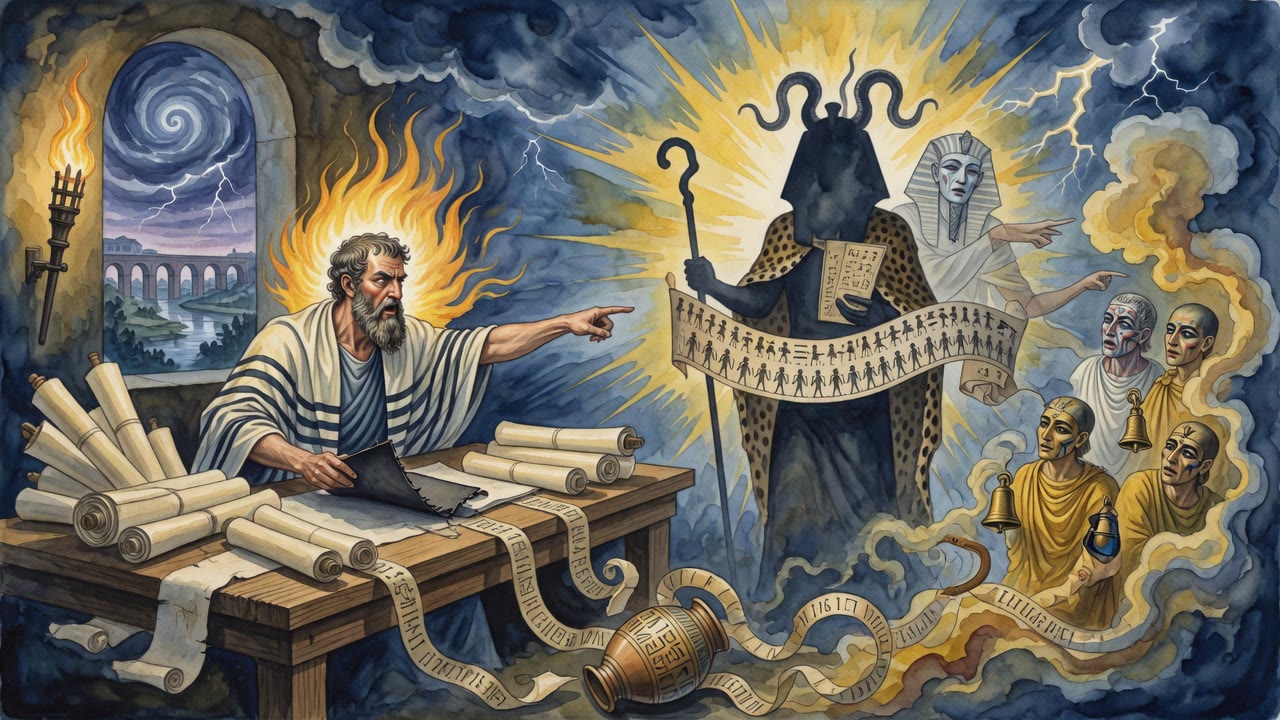
Manetho wrote that eighty thousand lepers were driven out of Egypt. Josephus read the story in Rome and pulled it apart, question by question.
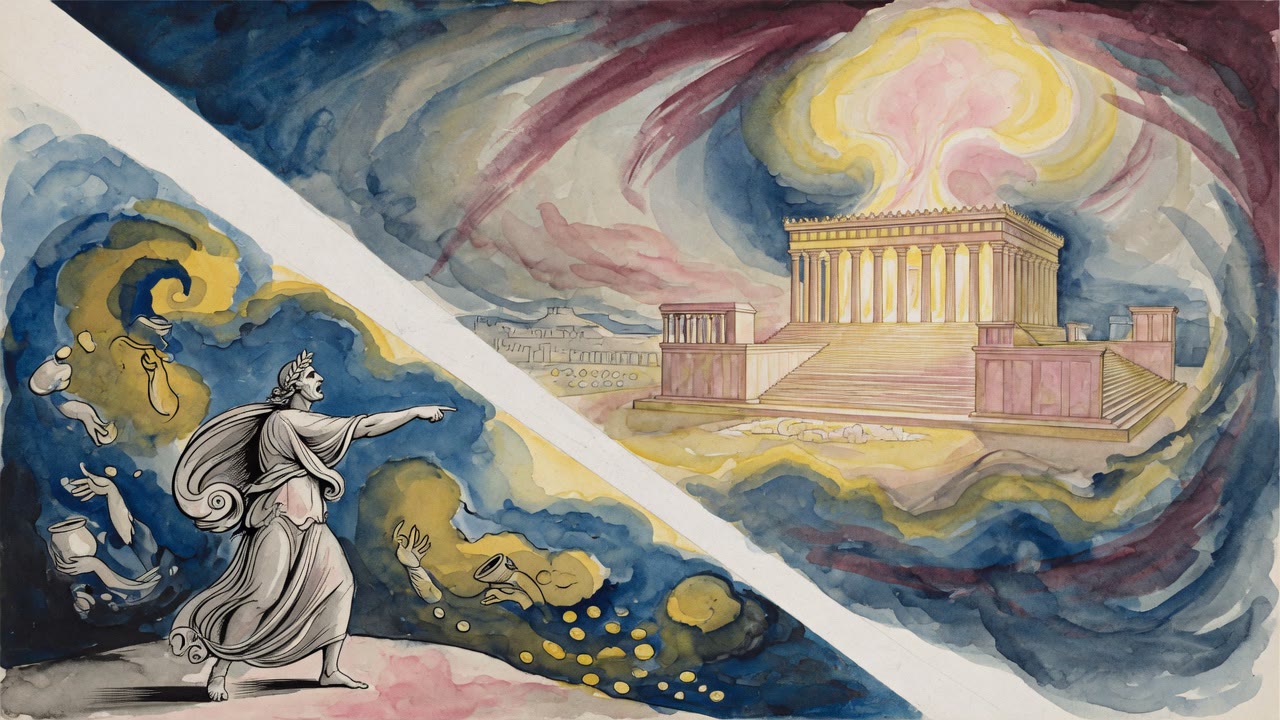
Lysimachus wrote that Egypt wrapped its lepers in lead and sank them in the sea. Josephus read the story as a forgery and took it apart.
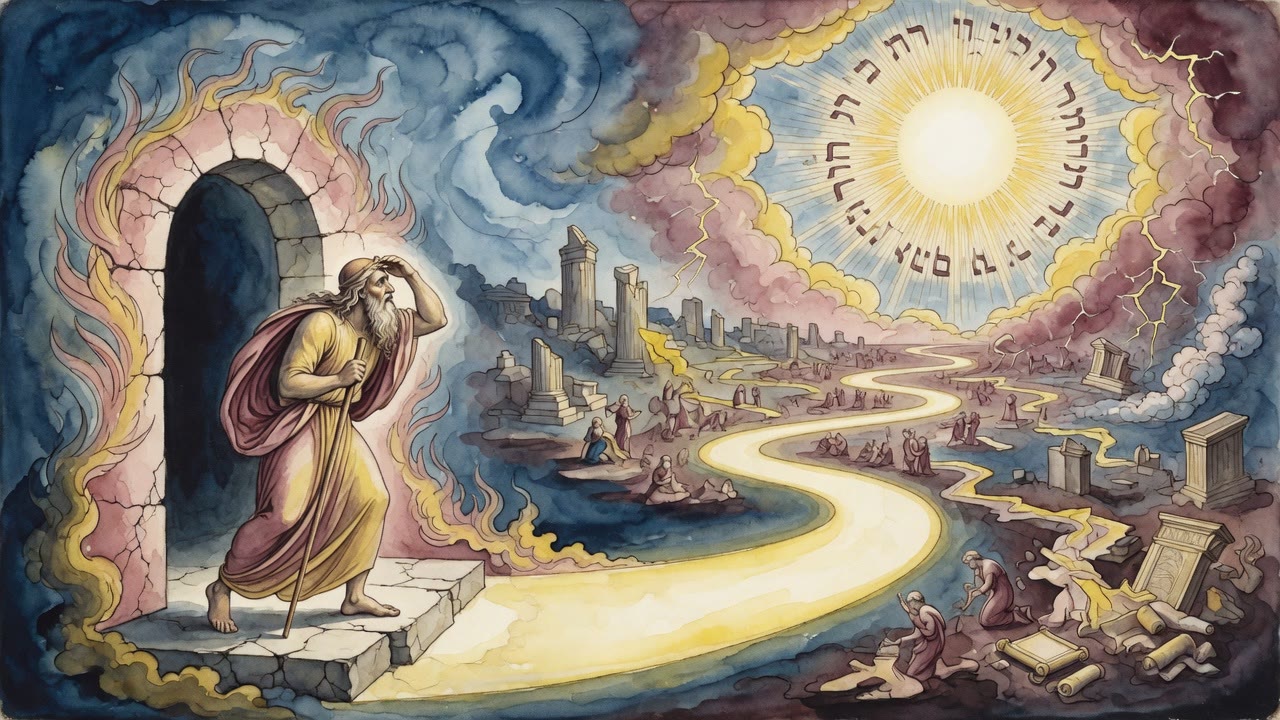
Joseph stocked Egypt against famine and vanished from its gratitude. God answered human forgetting with a verse that still named him ruler.
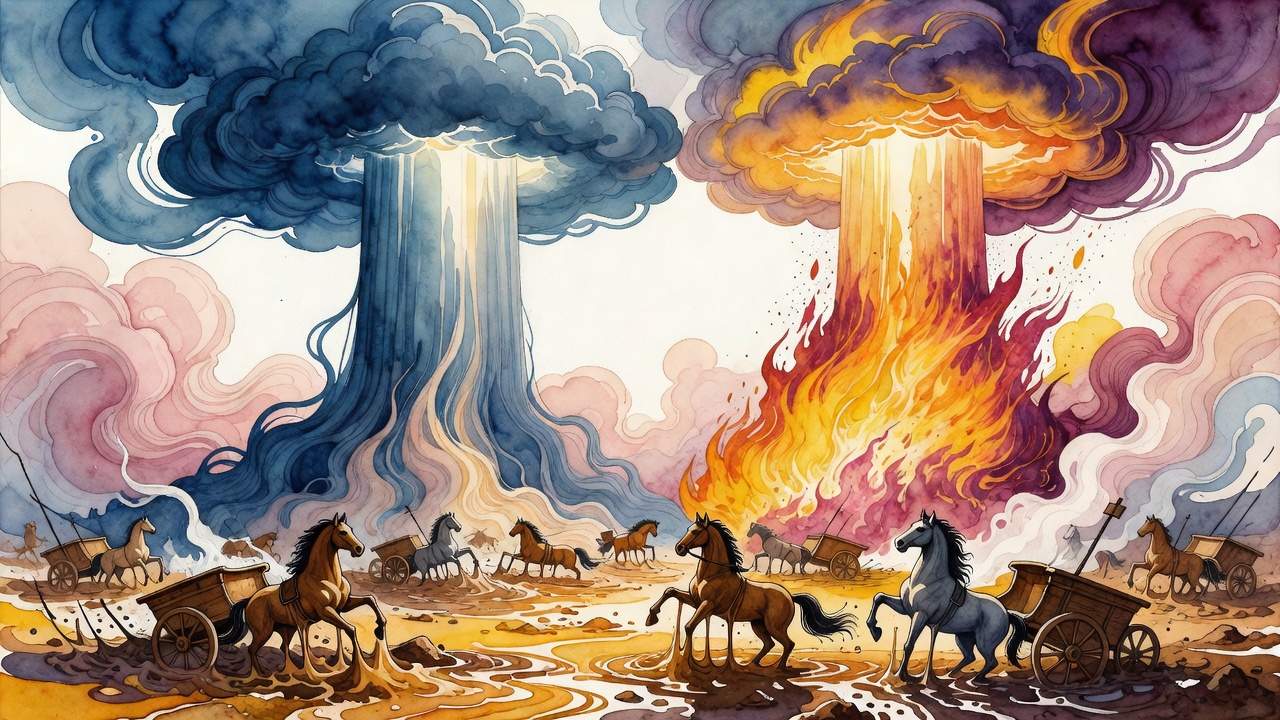
Bronze wheels hit packed sand between walls of water. Then the cloud dropped, and the horses sank as if the earth had grown hands.
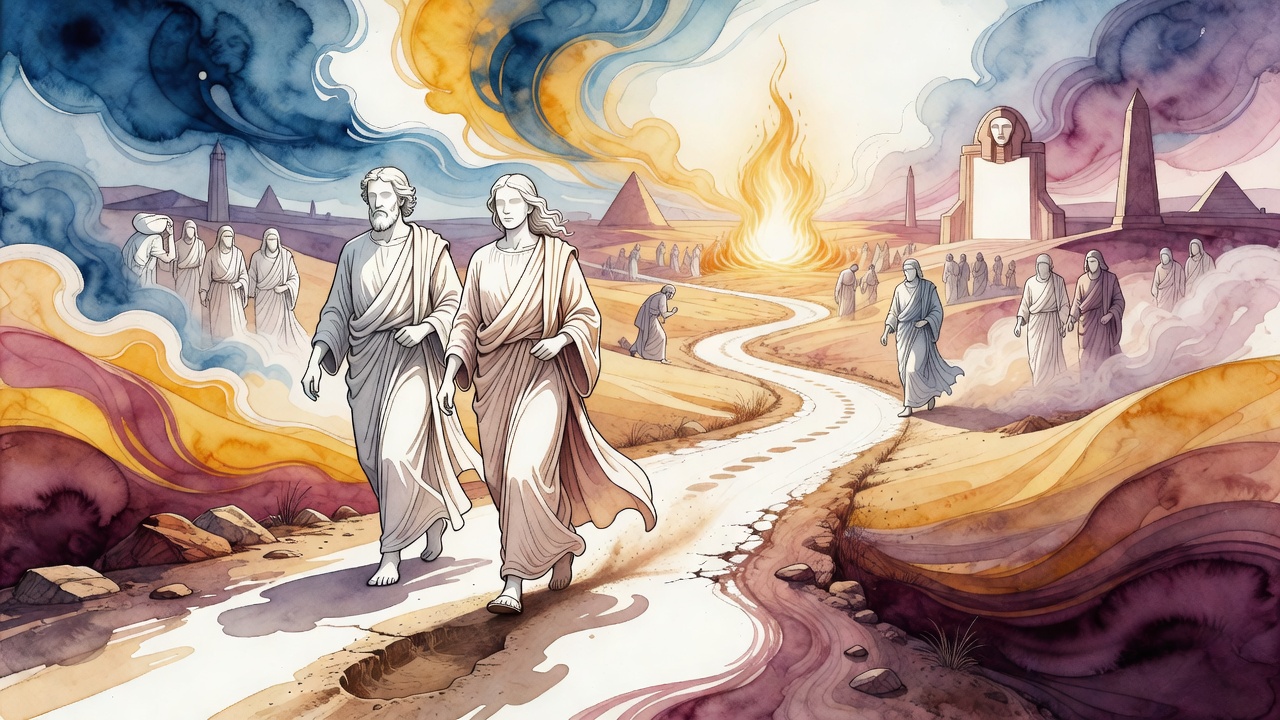
The flocks nosed empty troughs in Canaan. Abraham packed for Egypt, and Sarah walked beside him with a face that would catch a king's eye.
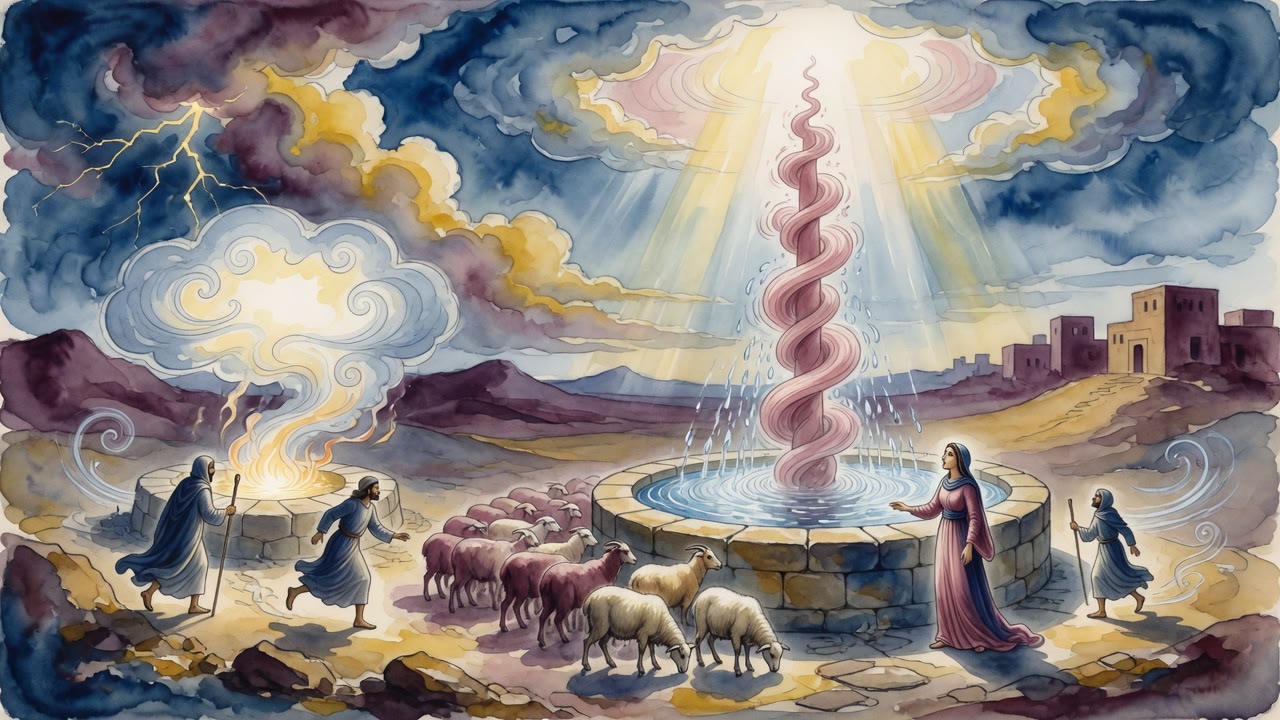
Dying in Egypt, Joseph makes his brothers swear the bones and the nation wait for one phrase. Moses later carries the password into Pharaoh's court.
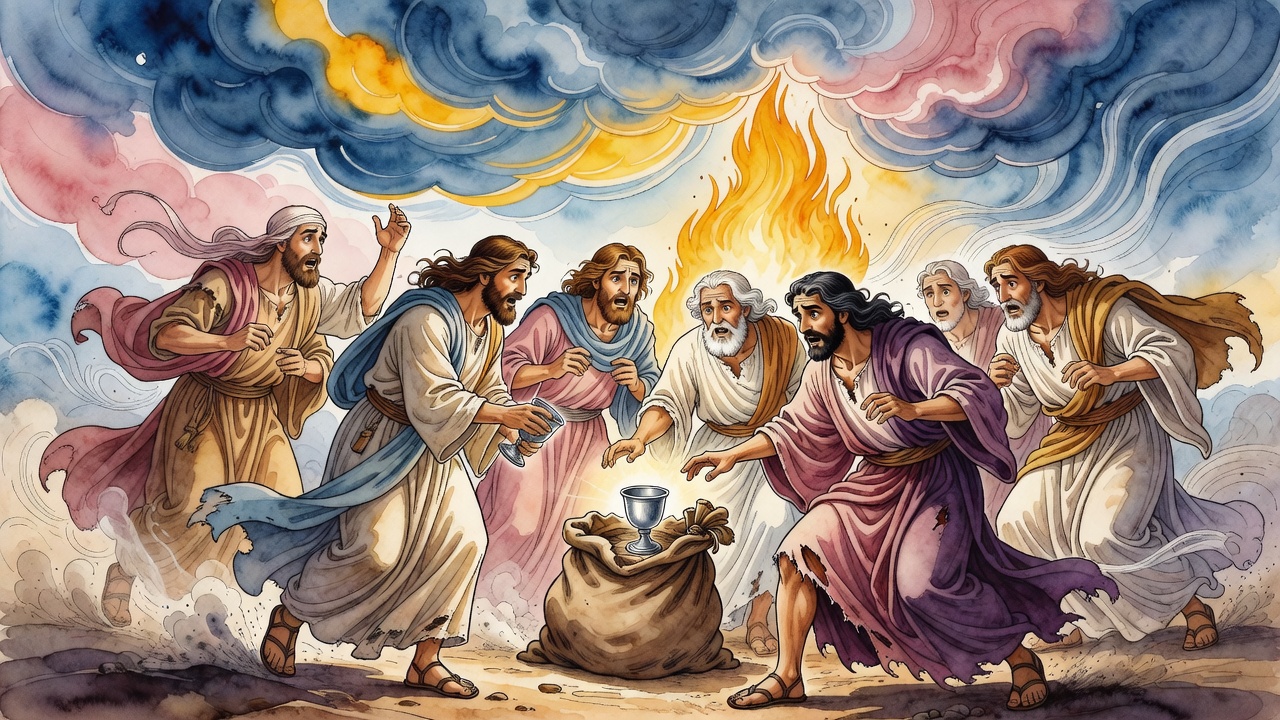
Joseph sends Manasseh after the brothers with a planted cup. Benjamin's sack opens last, and the men who sold a brother tear their own clothes.
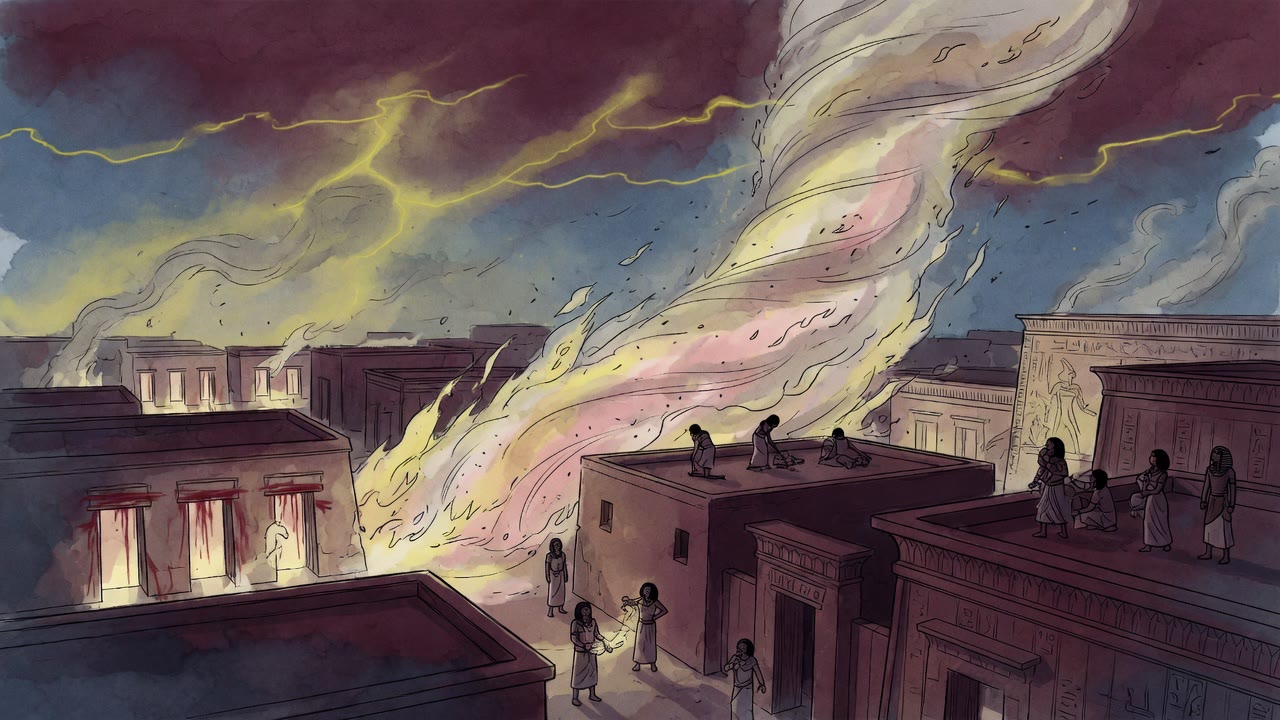
Iron still cut a foreigner's wrist when the King entered the cell. The man had clapped for Hebrew chains. He did not live the night.
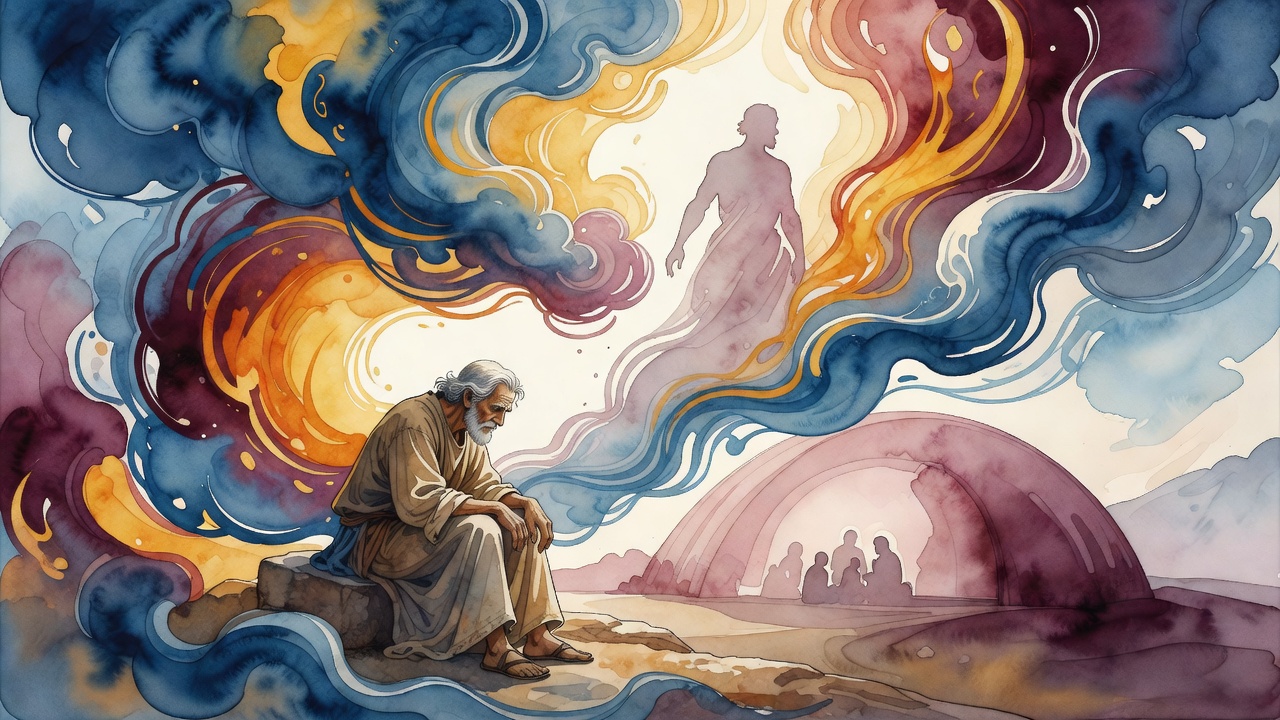
Jacob finally wants quiet after Esau, Laban, and Dina. The heavenly Accuser objects, Joseph vanishes, and only late Egypt gives him seventeen shielded years.
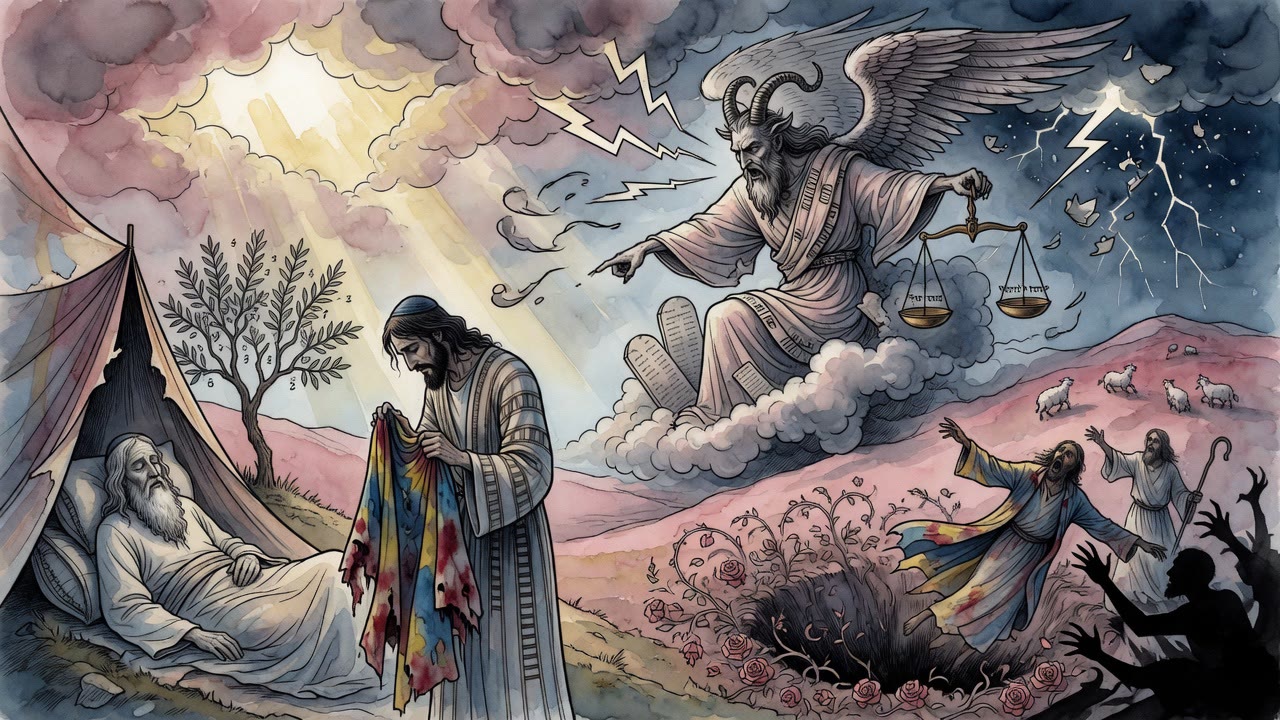
Joseph still sat at the table when the Accuser stood up in heaven. Eight quiet years, he said, was already more than a pious man should keep.
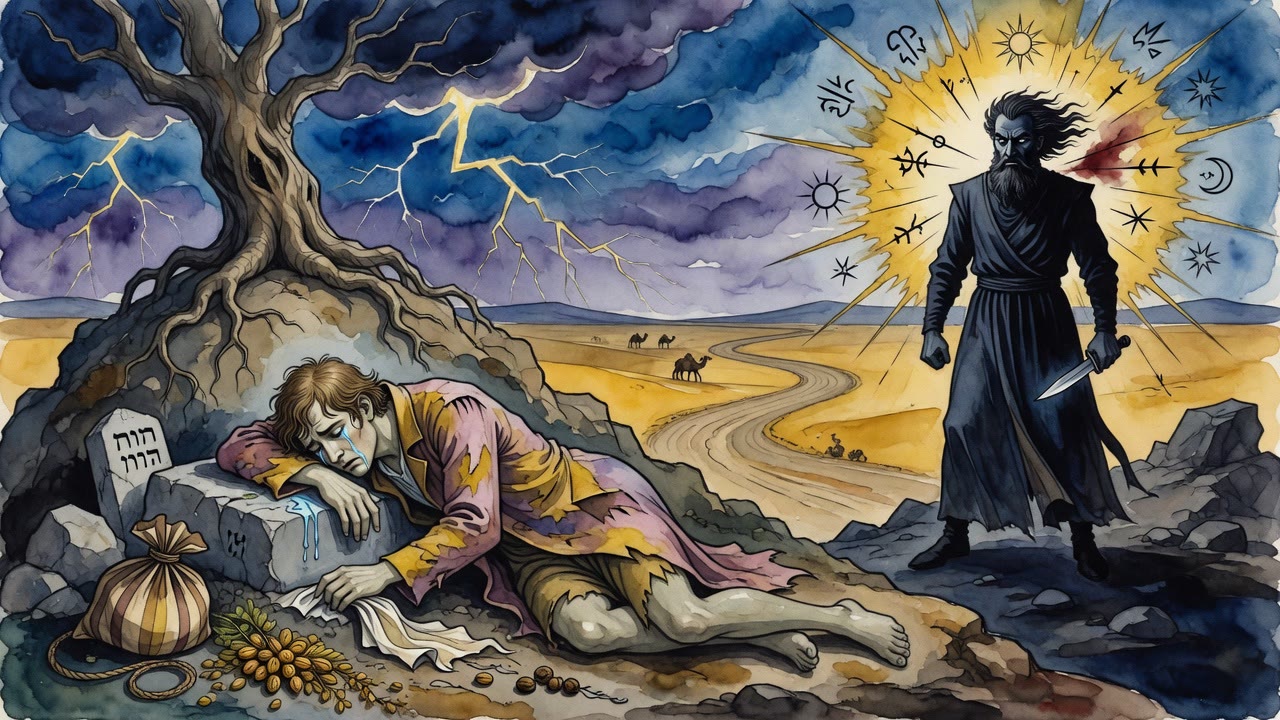
The ropes bit his wrists and the packs smelled of perfume. He threw himself on Rachel's grave. Gad later told his sons he had wanted the boy dead.
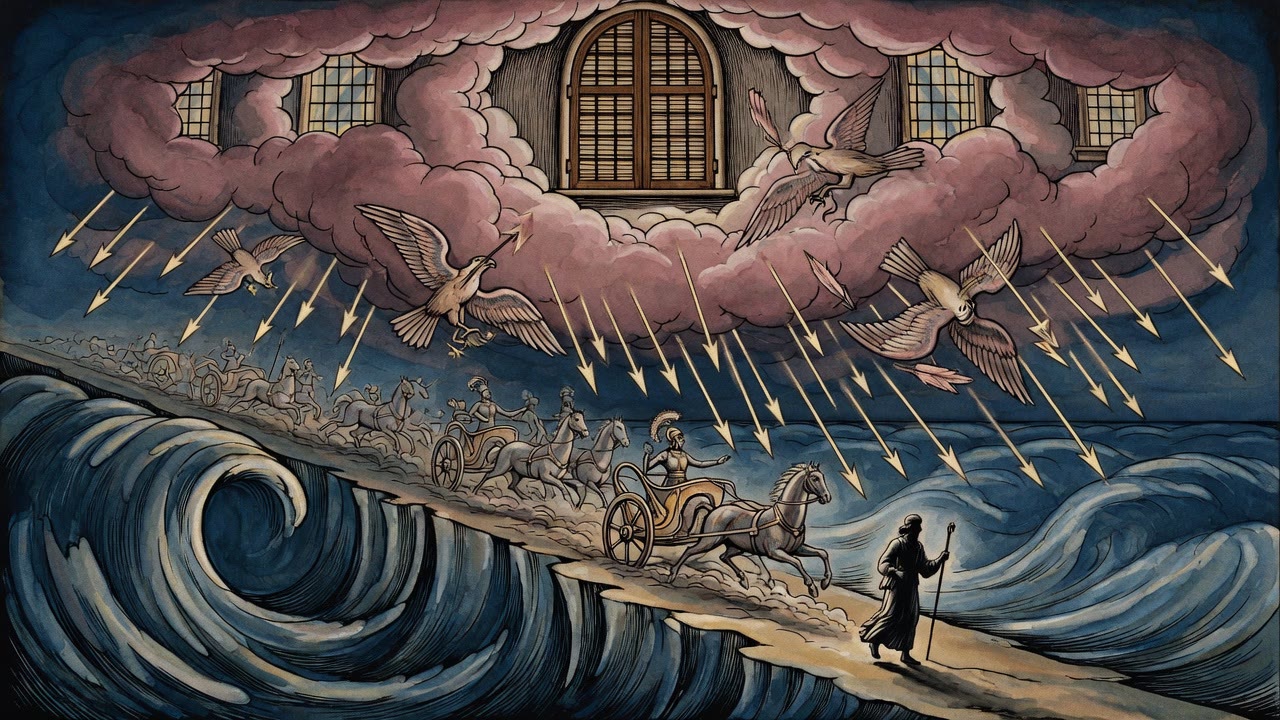
The last heel left the sea path. A chariot wheel hit the mud. Then heaven shut its windows, and the arrows started.
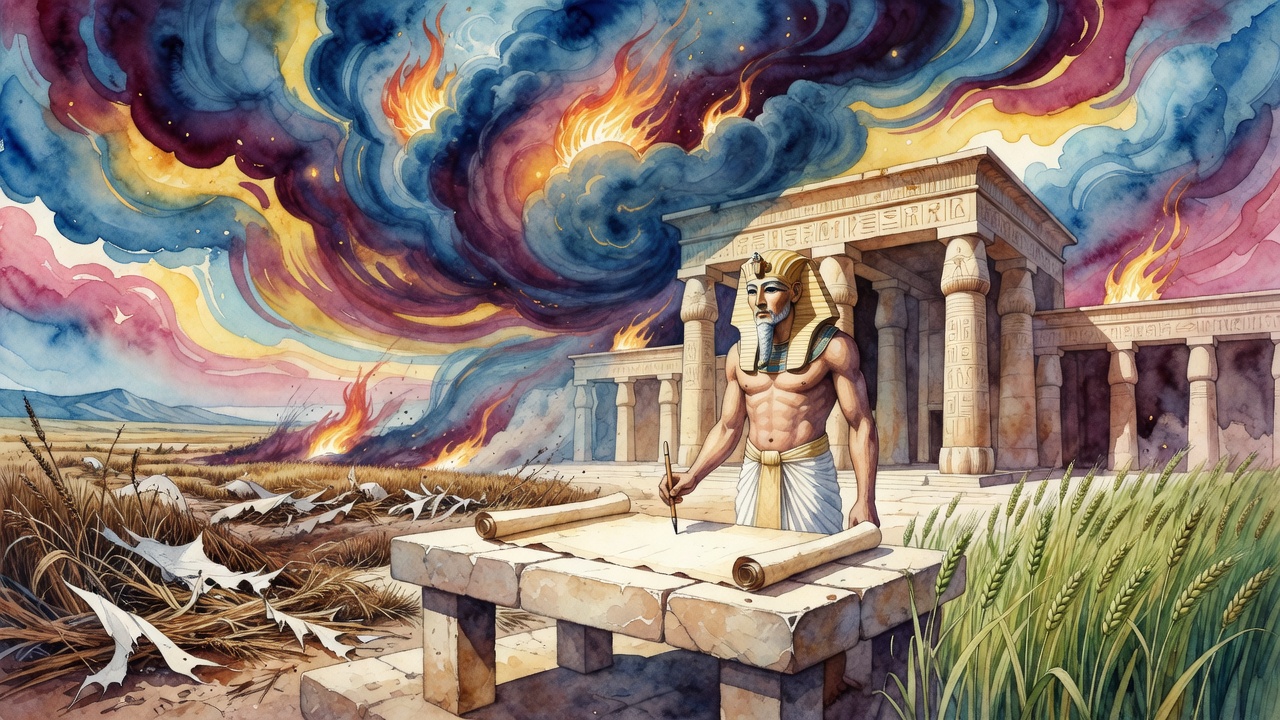
He cut a line in the plaster after every blow. If a plague had a length, he could wait it out and send the overseers back to the bricks.
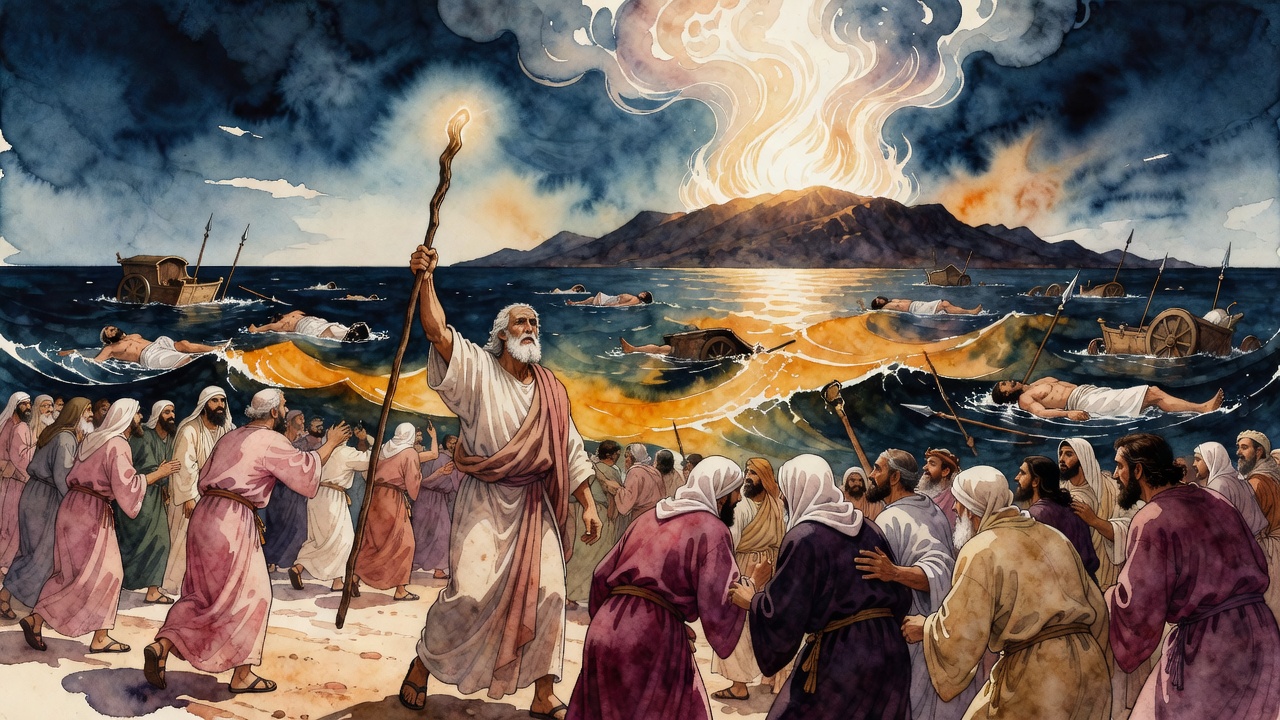
After the sea fell, Israel saw Egyptian corpses on the water and tried to turn back home, until Moses raised his staff and forced the march toward the mountain.
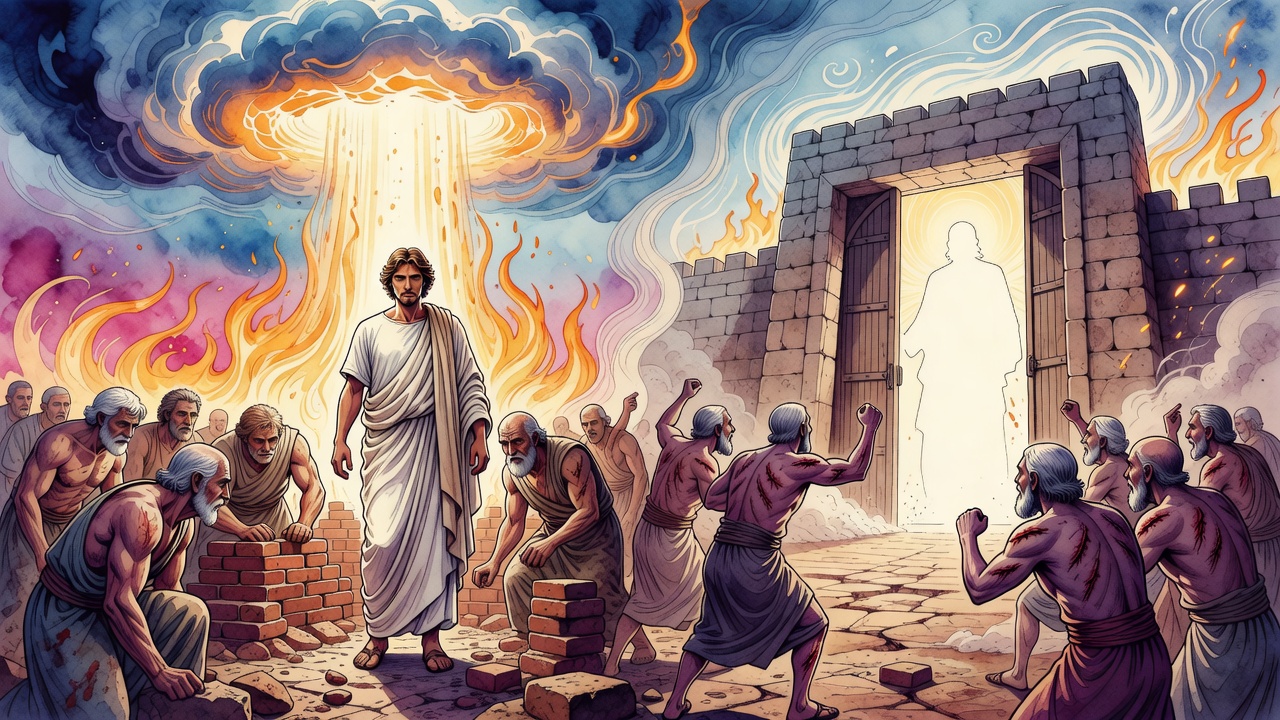
Young Moses wins a weekly rest for the brickmakers. Years later the Israelite foremen absorb Pharaoh's lashes and meet him with curses at the gate.
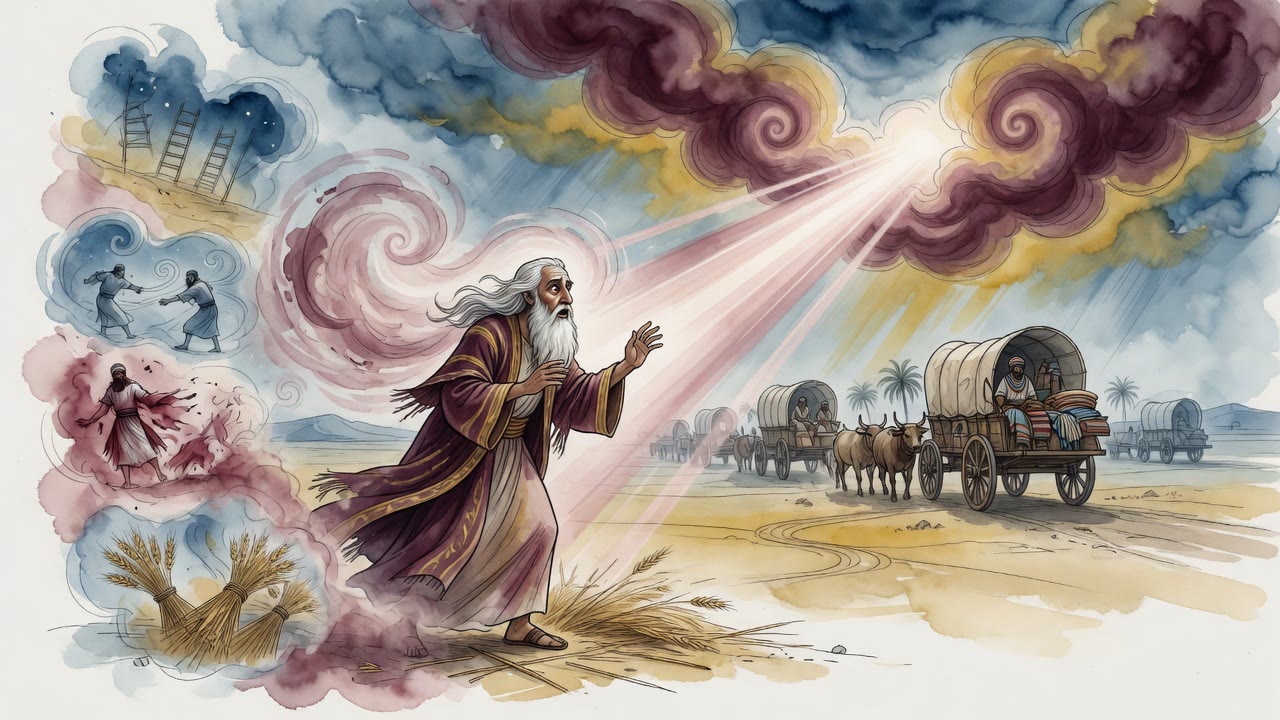
Moses carried the promise into brick-dust streets. A woman turned a small clay figure in her palm until it warmed. A man kept his eyes on the floor.
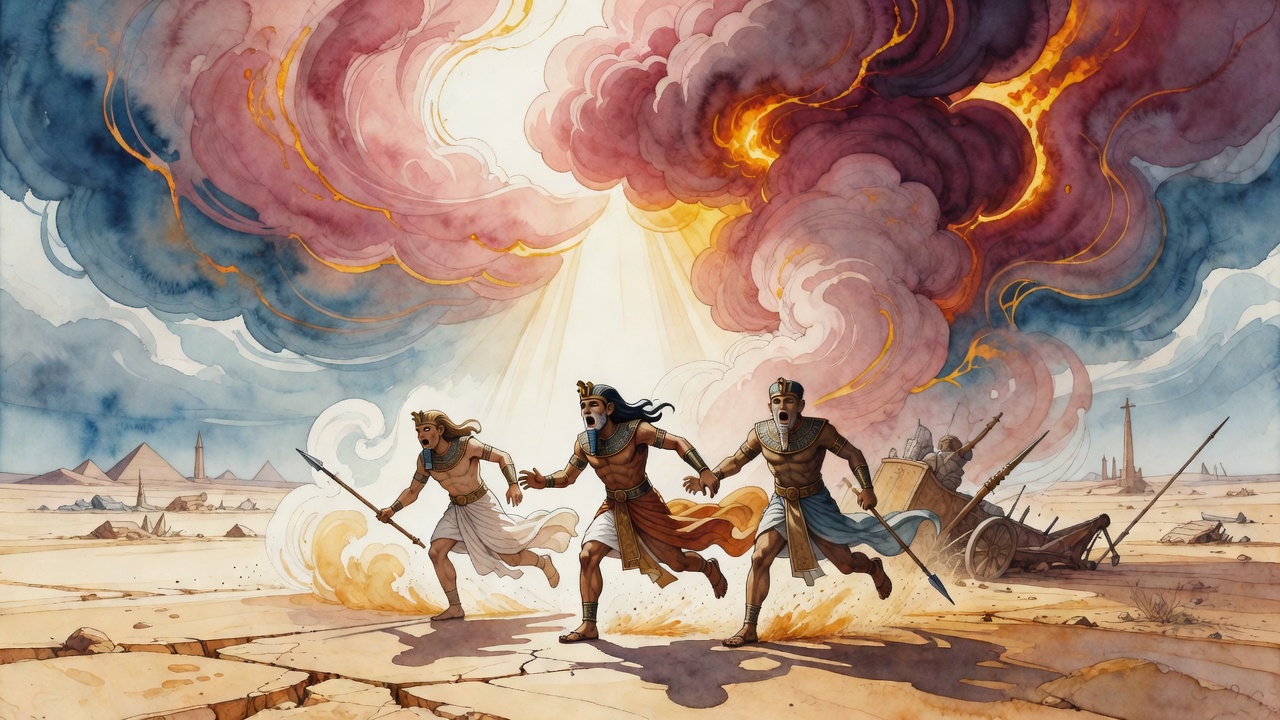
After Moses struck the taskmaster, Pharaohs hunters closed in. God did not kill them. He emptied their mouths, ears, and eyes mid-chase.
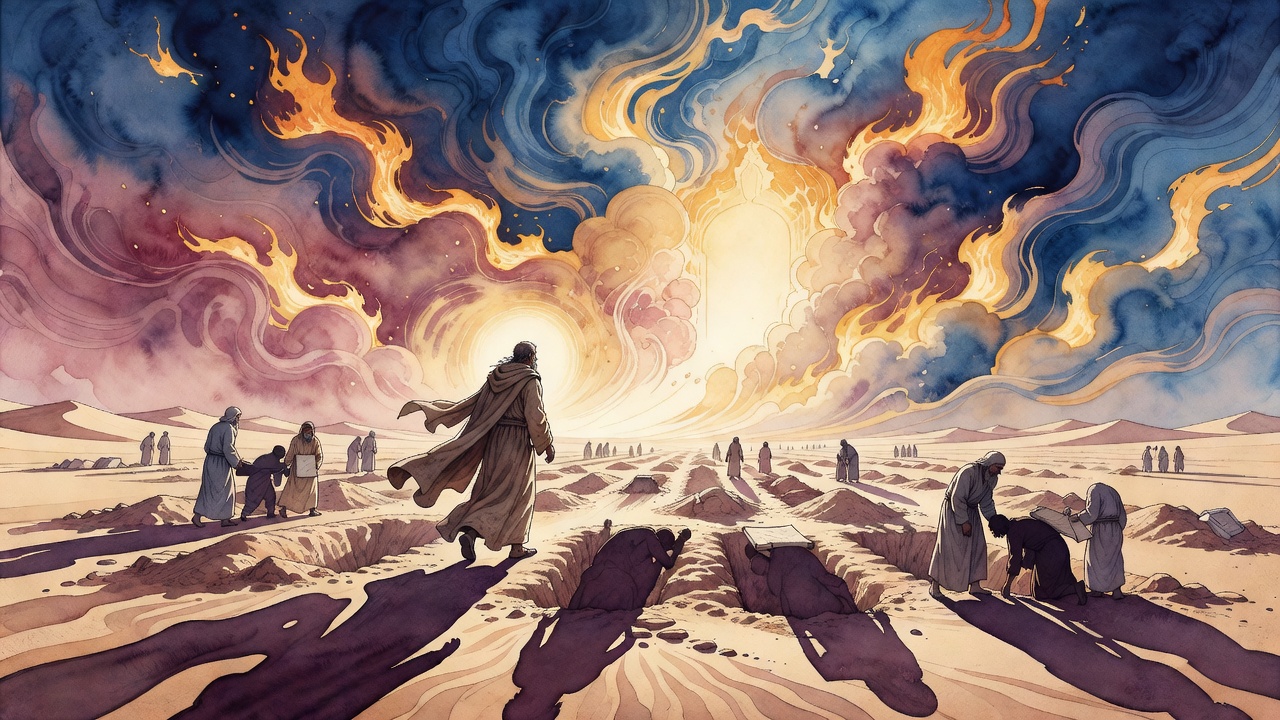
A man reached for his brother's wrist in the dark and it did not close. They buried the unwilling before Egypt could see the graves.
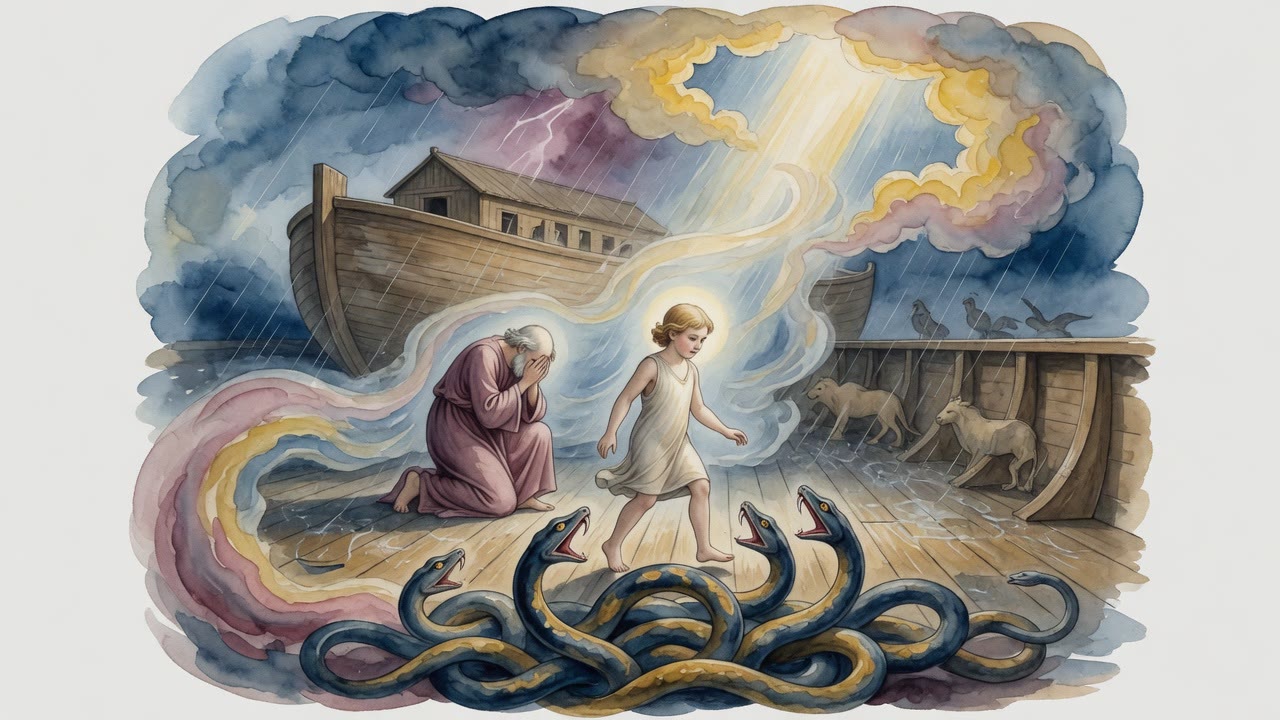
Seeing a taskmaster beat one of his own kin, Moses looked this way and that, gathering the angels into a court to weigh whether the man deserved to die.
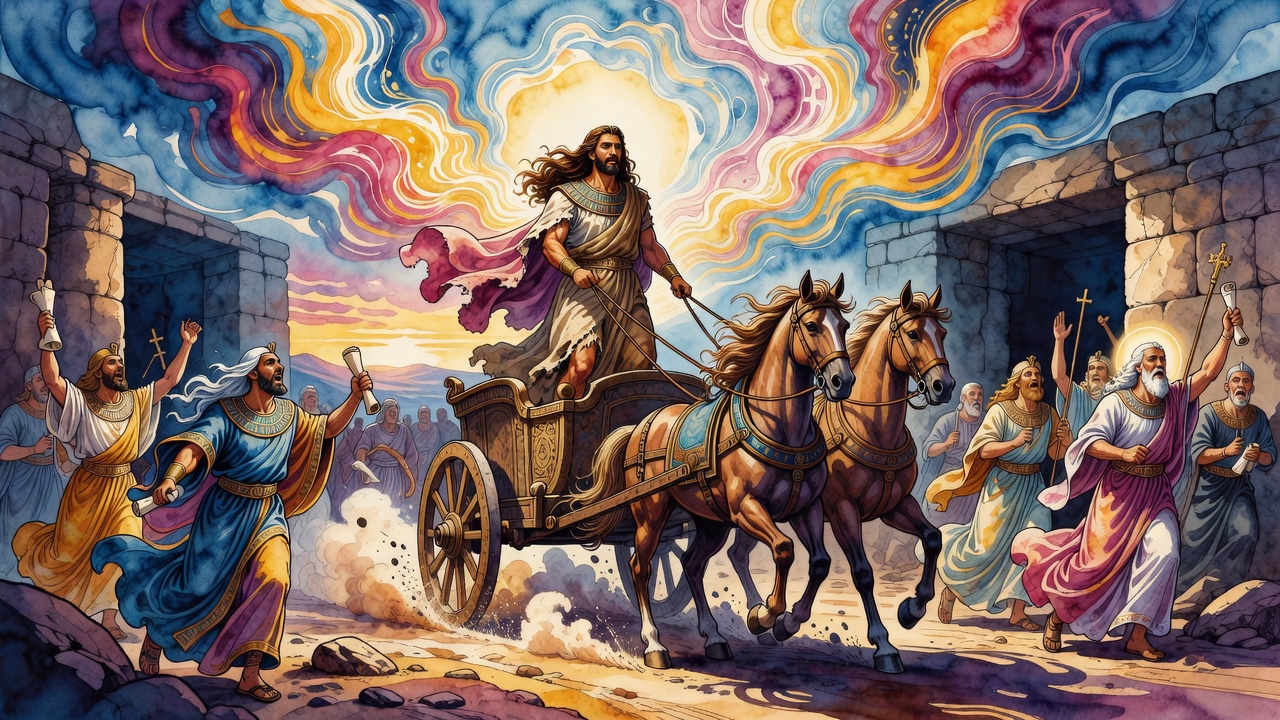
Hauled from a dungeon at dawn, Joseph rides Pharaoh's second chariot while heralds shout his praise, and a strange new name spells out his whole life.
