180 myths · Page 2 of 6
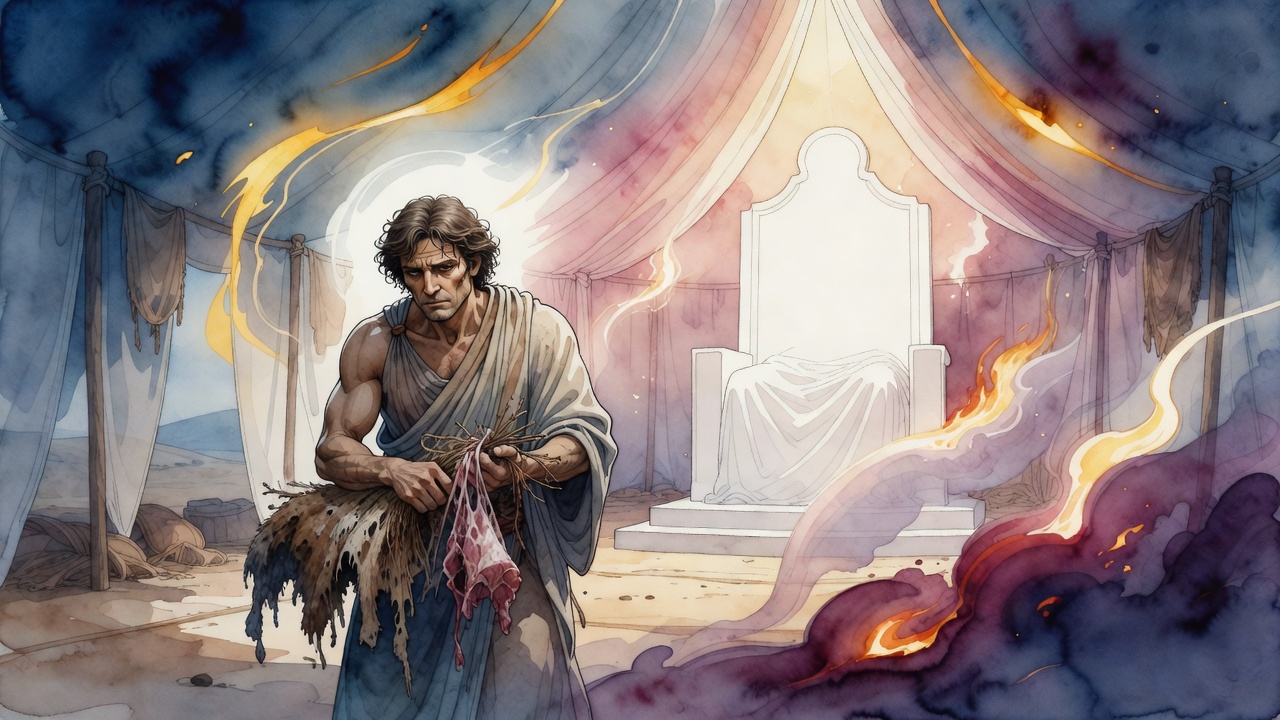
Esau came back four hours too late, carrying false venison and finding that Jacob had already taken the blessing meant for him.
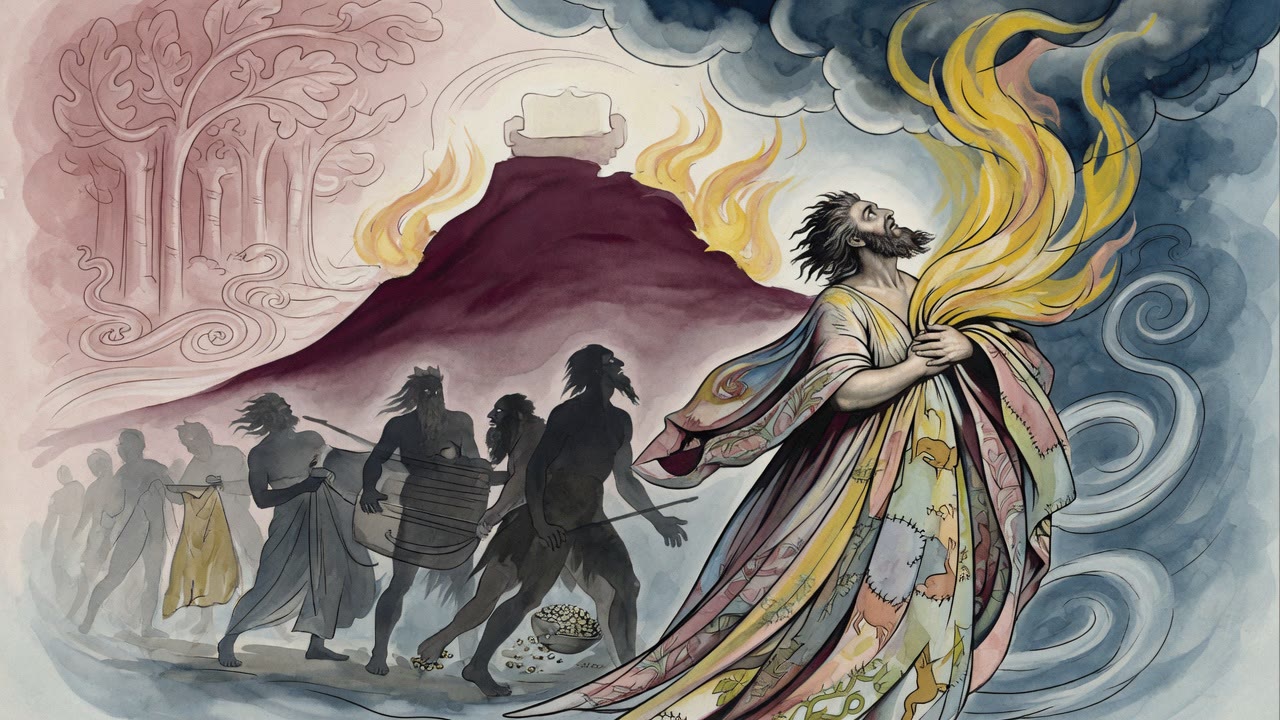
Esau sharpened murder into a plan, but Jacob carried Isaac's blessing into exile. Years later, Egypt rose to escort his coffin home.
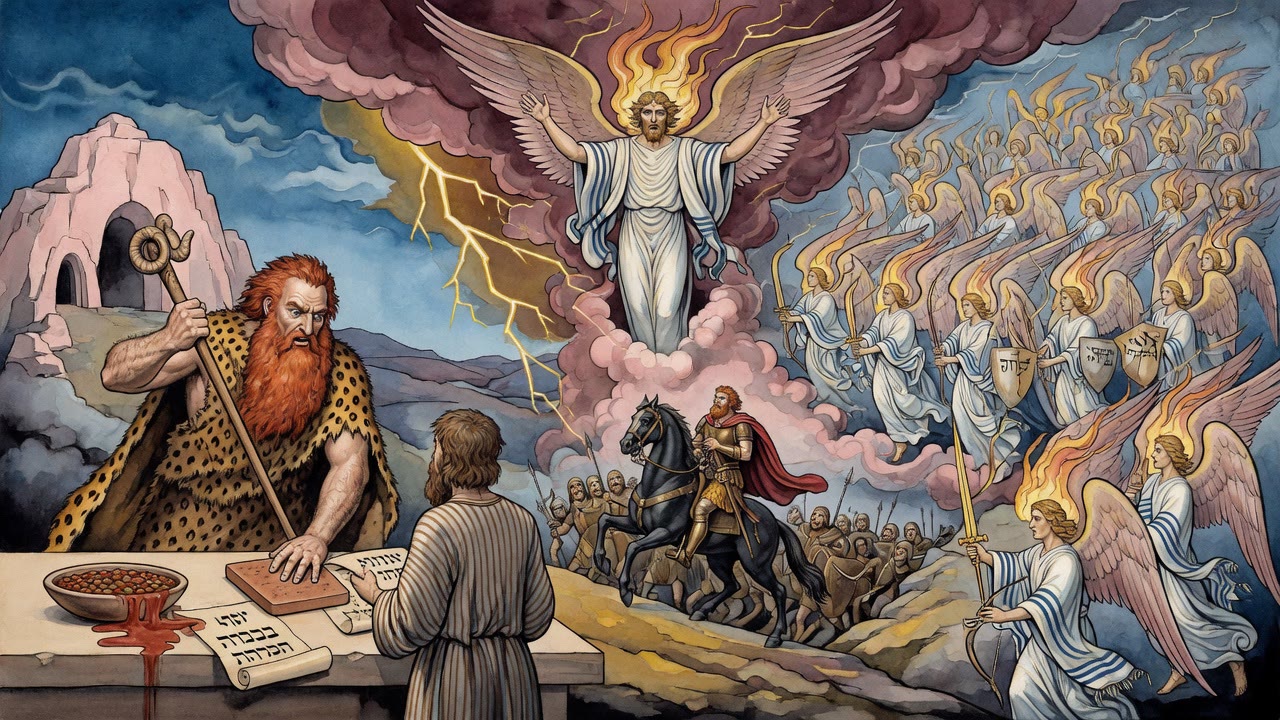
Esau signed away the birthright and Machpelah claim, then marched on Jacob years later and met forty thousand angelic warriors.
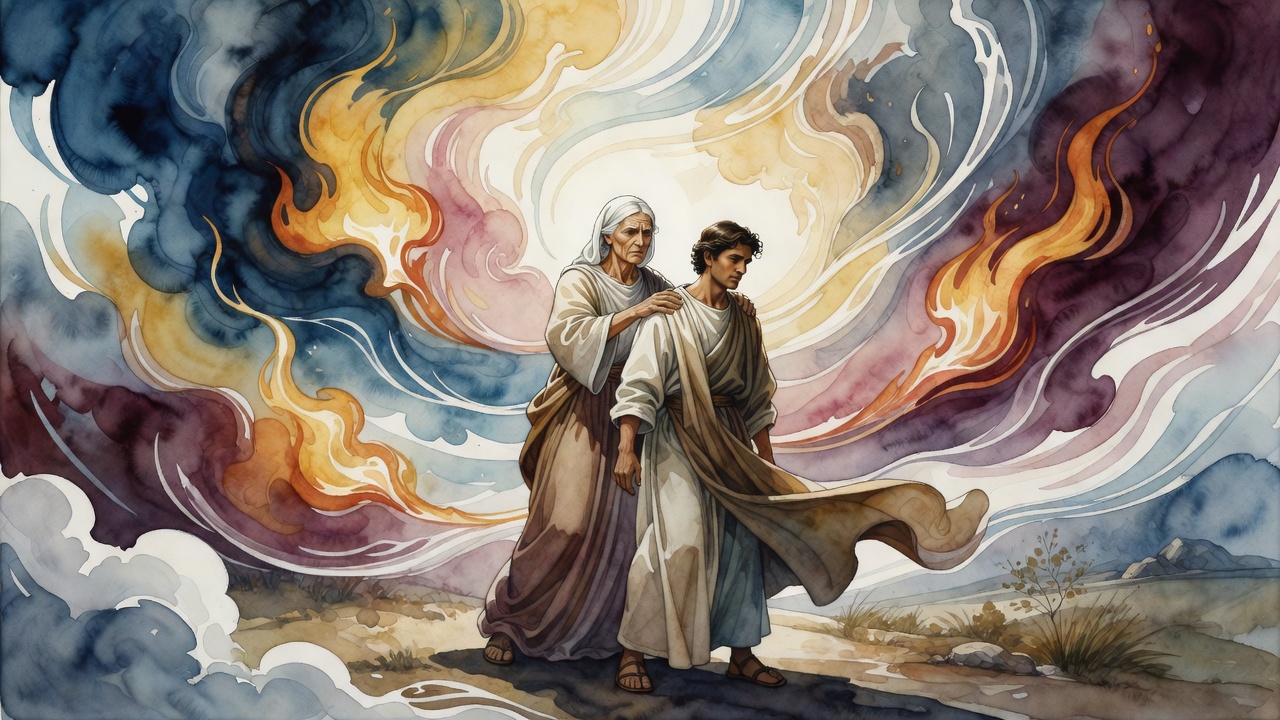
Rebekah laid hands on Jacob, dressed him in priestly garments, and sent him from Esau. Her warning became prophecy at Jacob's burial.
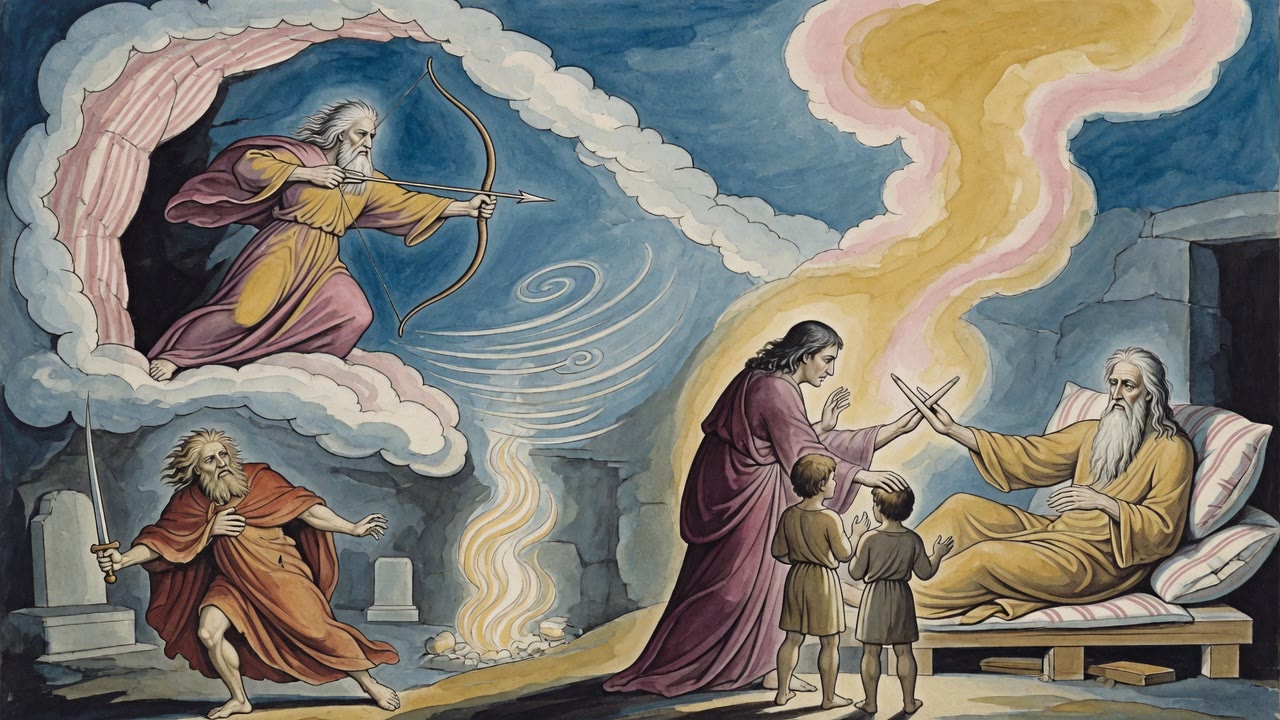
Joseph set the firstborn under the right hand. The old man crossed his wrists anyway. At the cave those same hands still knew a bow.
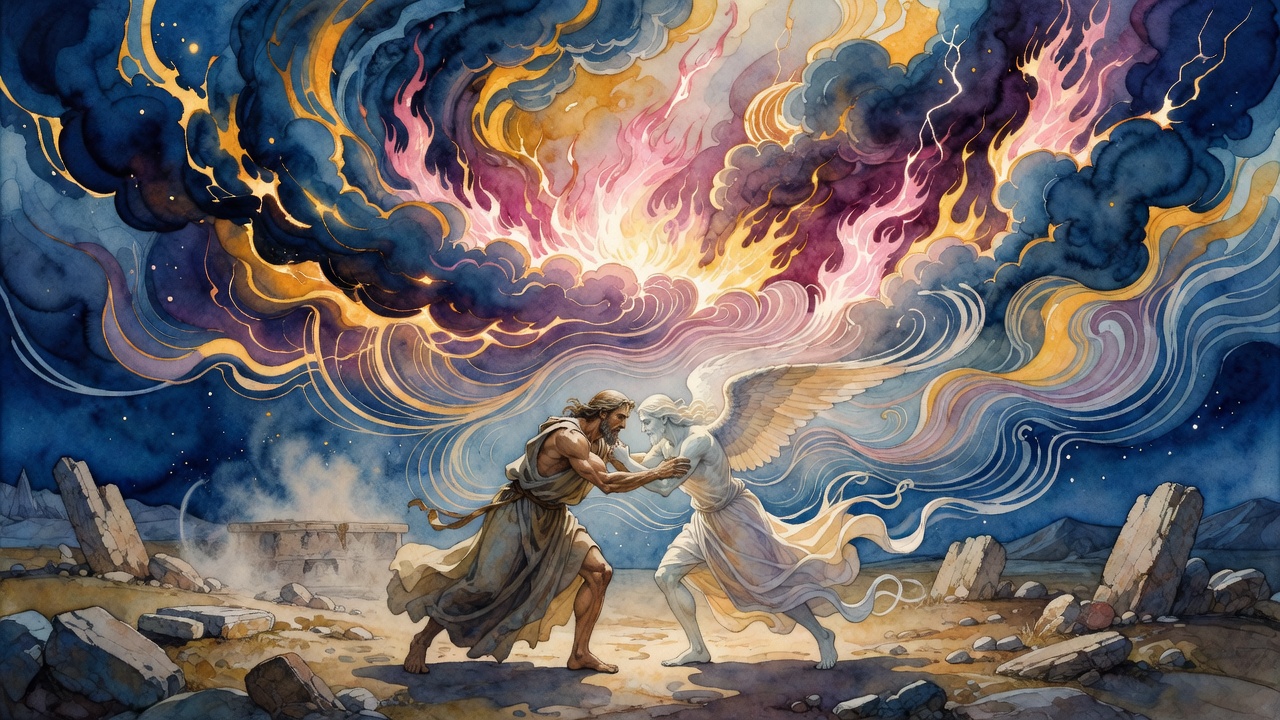
Jacob wrestles through the night over a forgotten tithe, a stolen blessing, and an angel whose first song waited since creation.
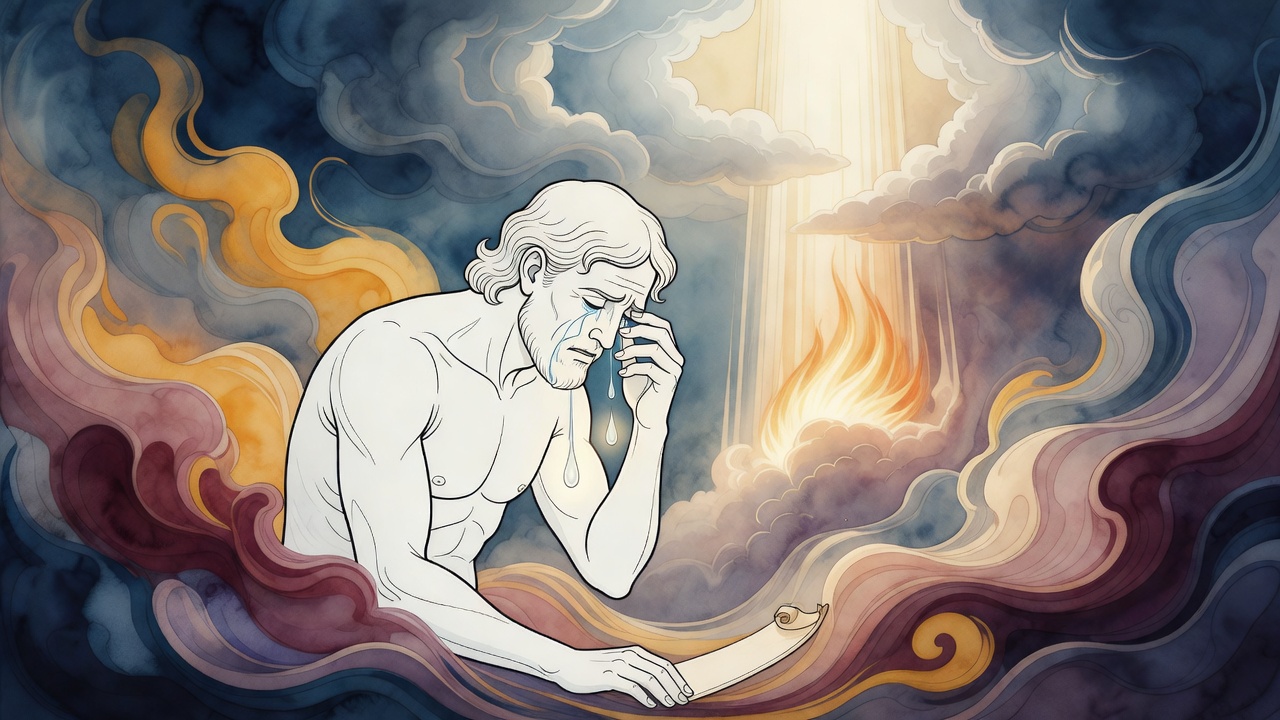
The meat had gone cold in Esau's hands. He cried for a blessing anyway. Heaven kept three tears and did not throw them out.
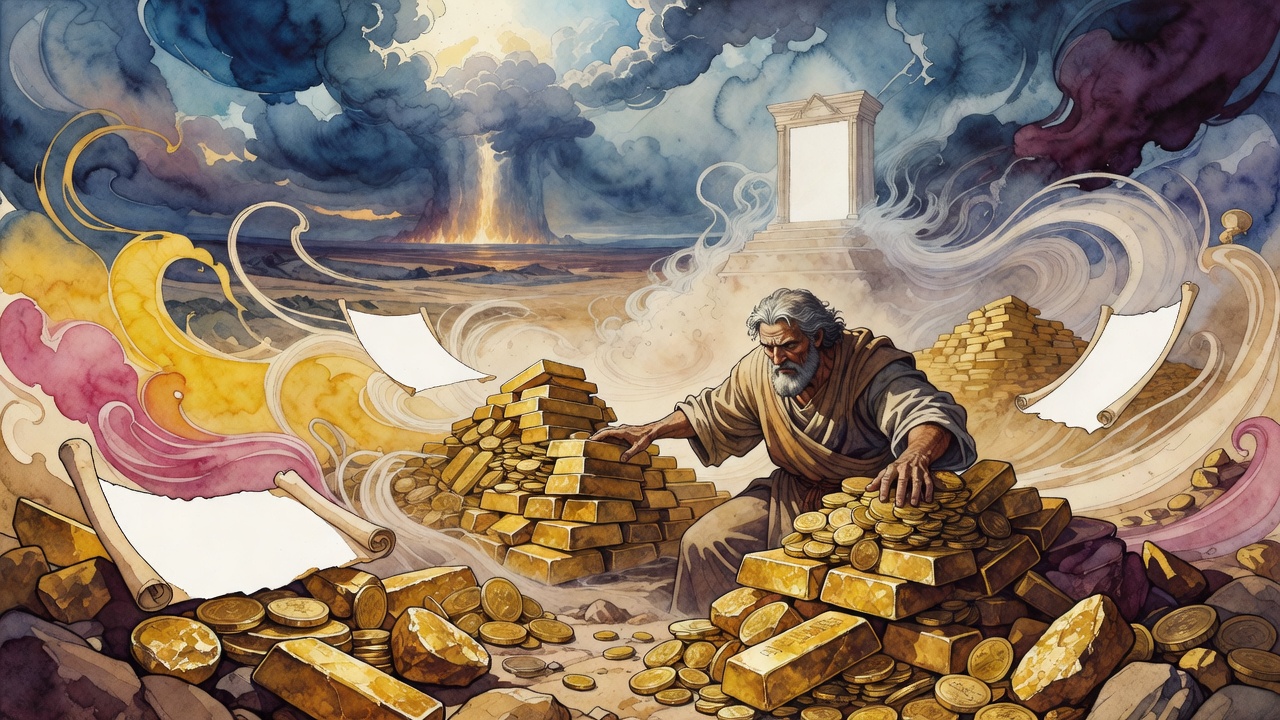
Jacob's mouth hit the dirt seven times. Esau's men watched with swords on their hips. The gold in the tents was already spoken for.
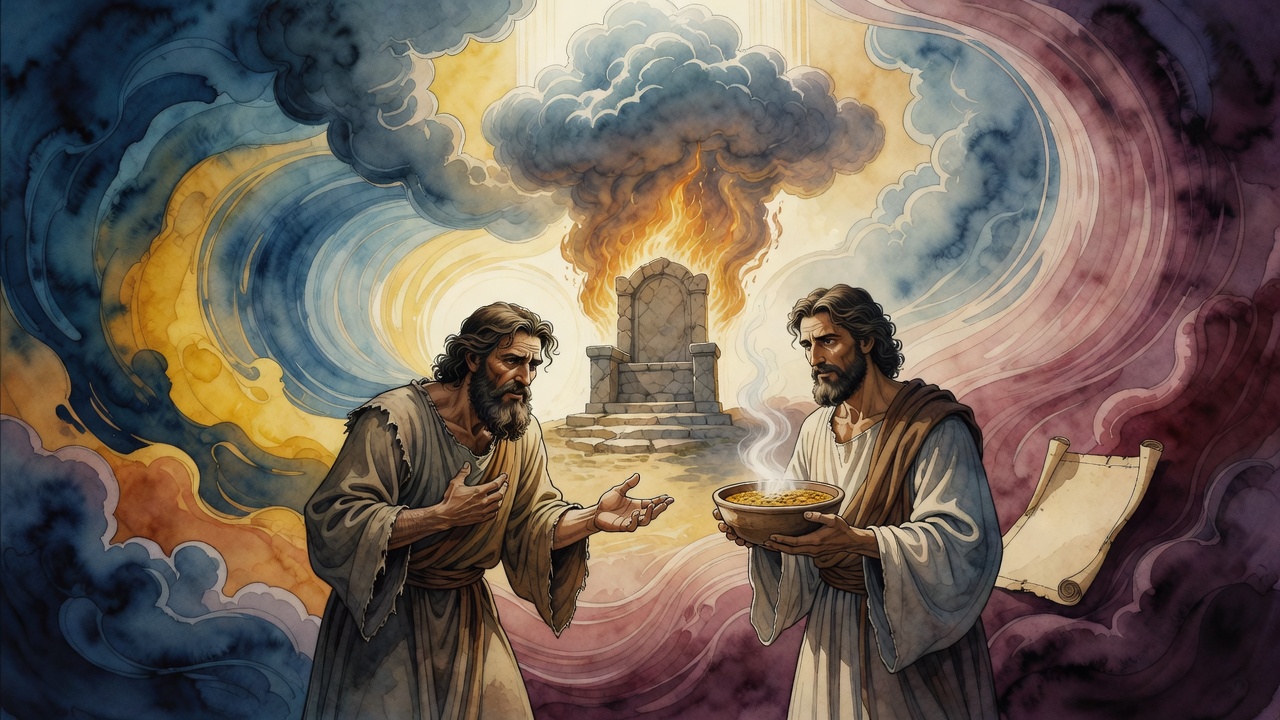
The soup was real. So was the hunger. But Jubilees and the Midrash say Esau traded away his burial place beside the patriarchs along with his inheritance.
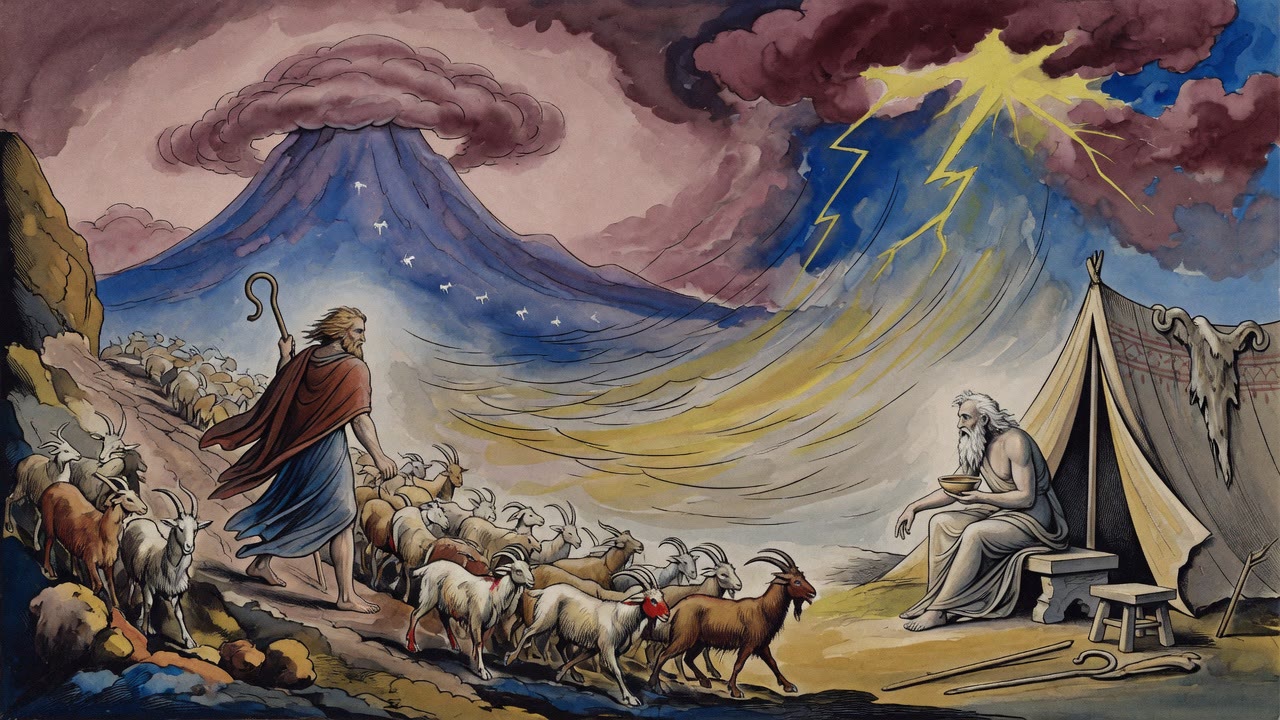
When Jacob left for Mesopotamia, Esau moved his herds to Mount Seir. The word that sits in the text like a verdict is: alone.
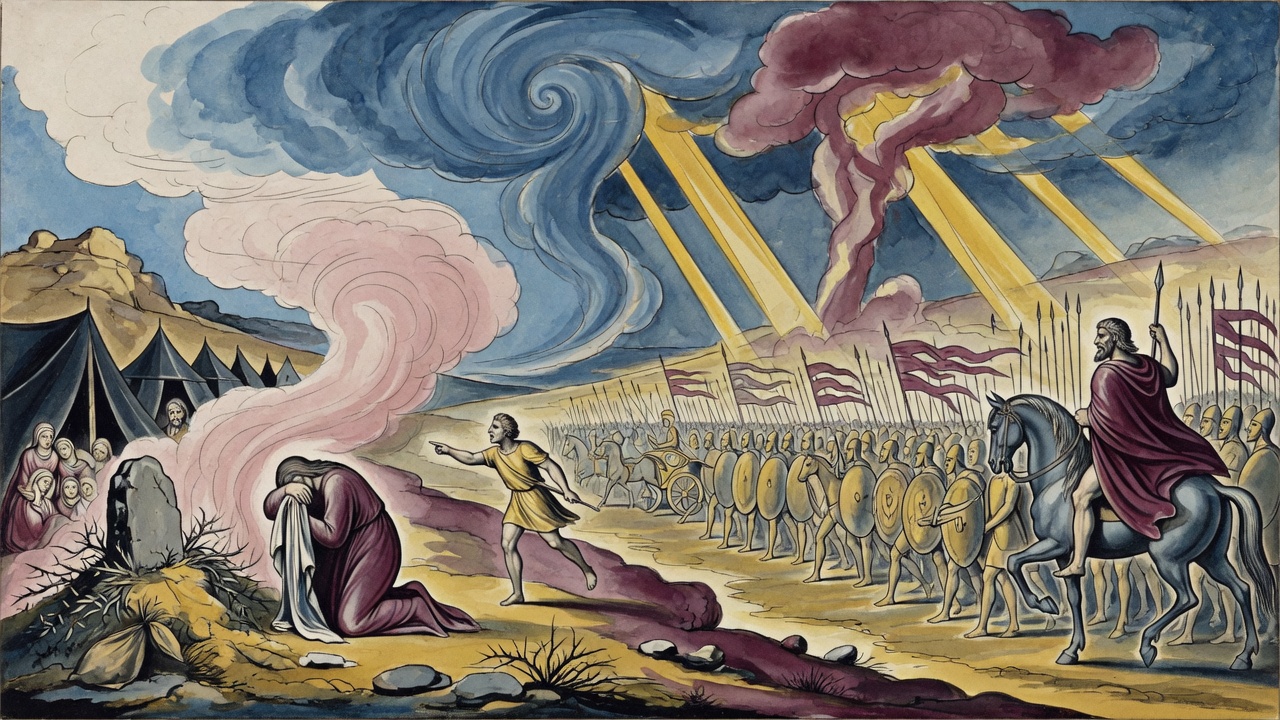
Jacob's wife had just died when the men of Hebron sent warning. His brother was coming with four thousand soldiers, and the timing was deliberate.
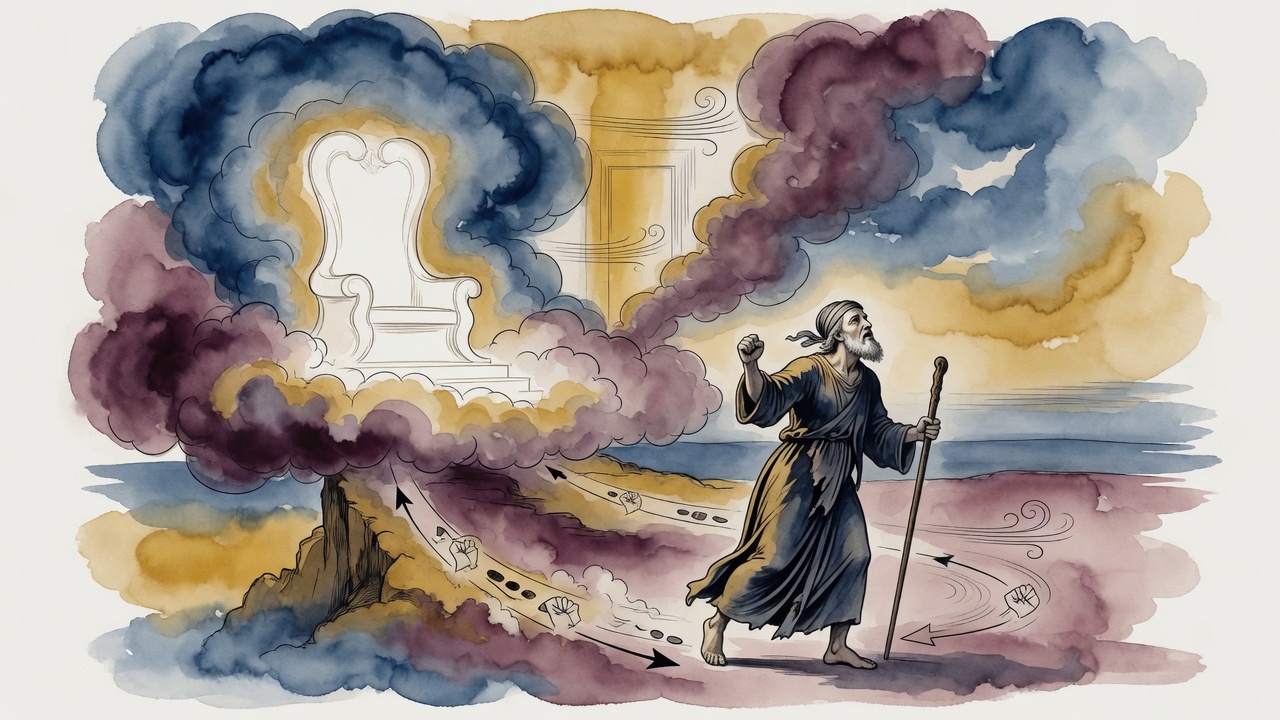
He stood under Jacob's tower with four thousand men. He did not ask for land. He said brotherhood would come when wolves kept peace with lambs.
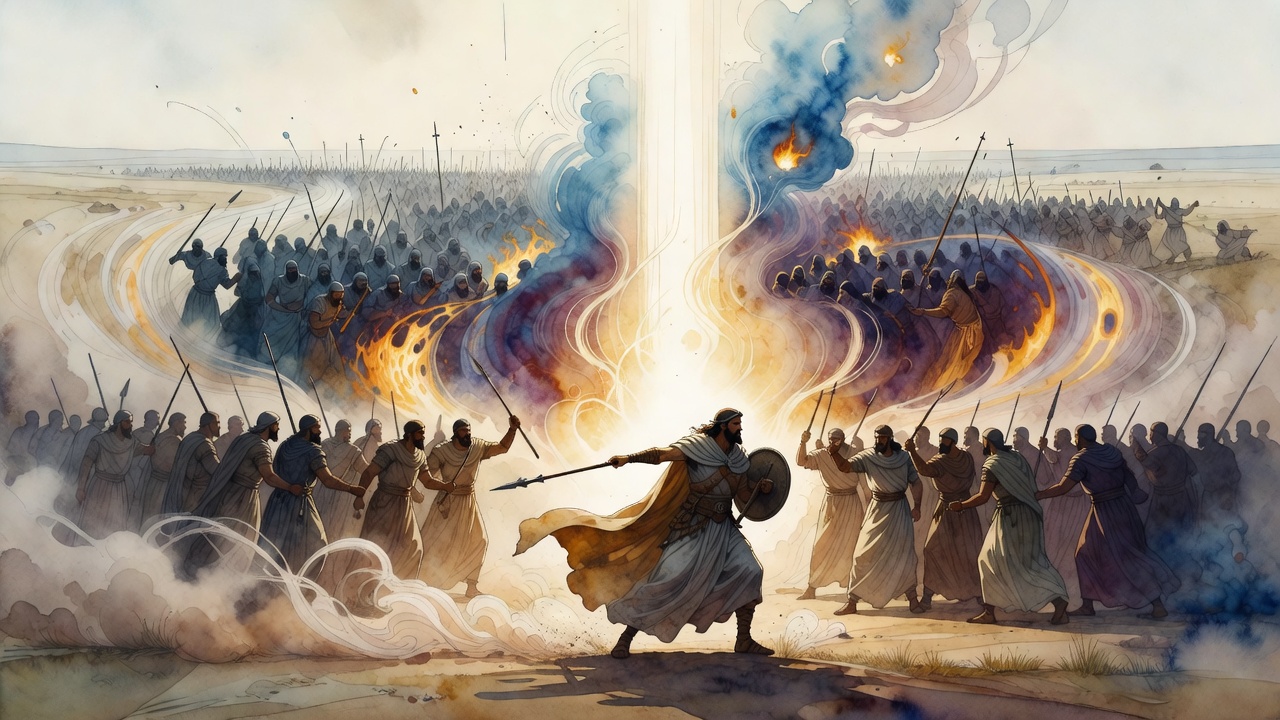
Esau came with four thousand men. Judah went out in front with fifty servants. The south side of the tower went quiet.
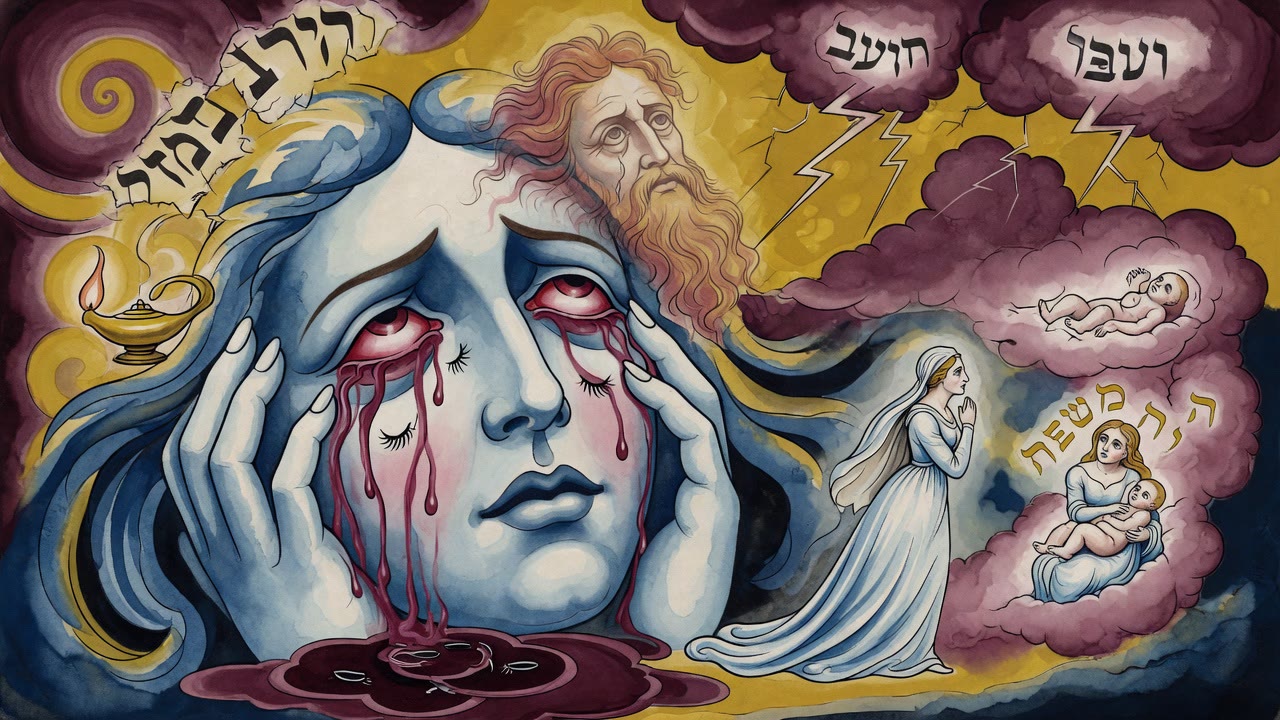
No other woman had suffered what Rebekah suffered. She climbs to the oldest living man she can find and demands to know what is inside her.
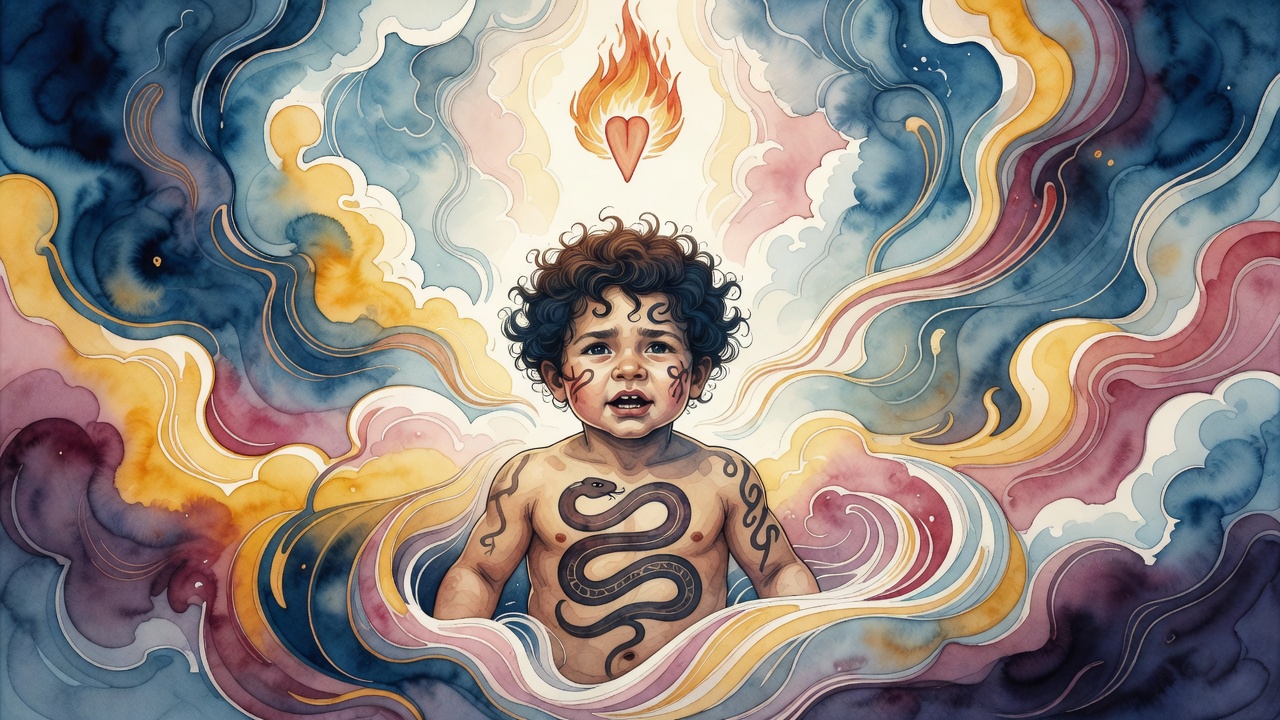
Esau was born with hair, teeth, and a serpent mark on his body. The signs on his skin read like a verdict before he had made a single choice.
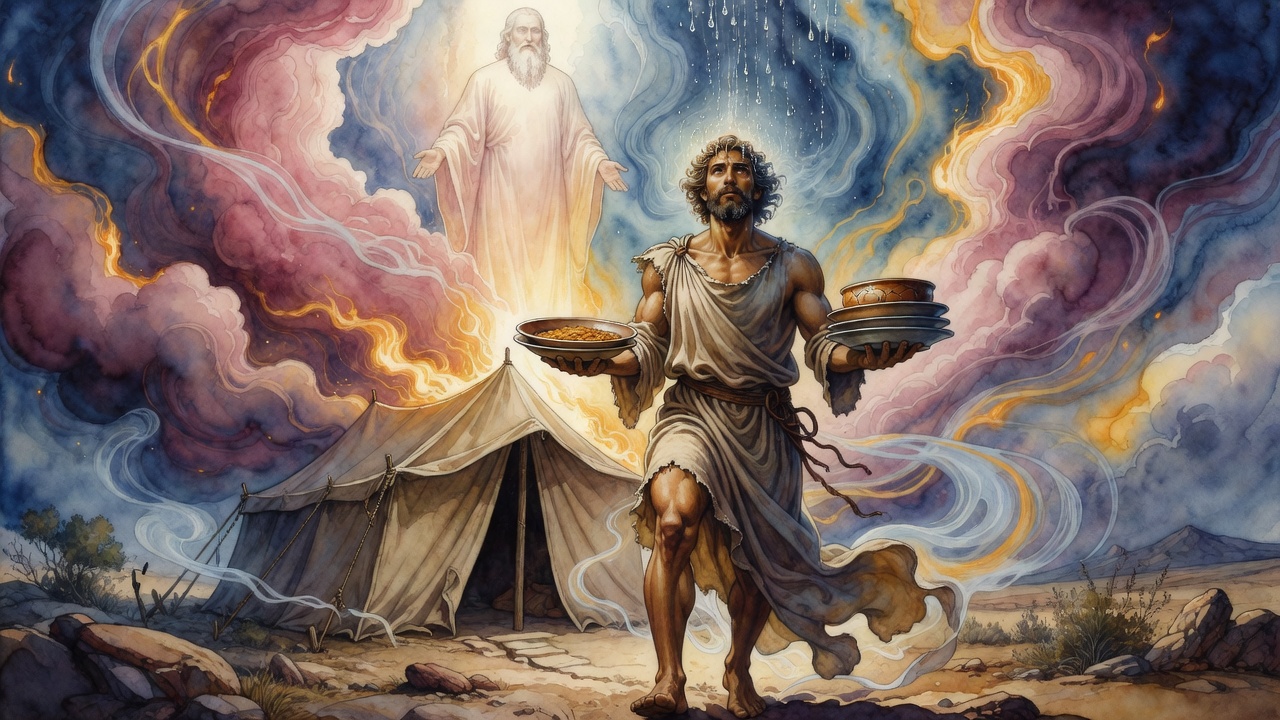
When Jacob stepped from Isaac's tent, celestial dew fell on him and changed his body. He was carrying his father's meal plates when it happened.
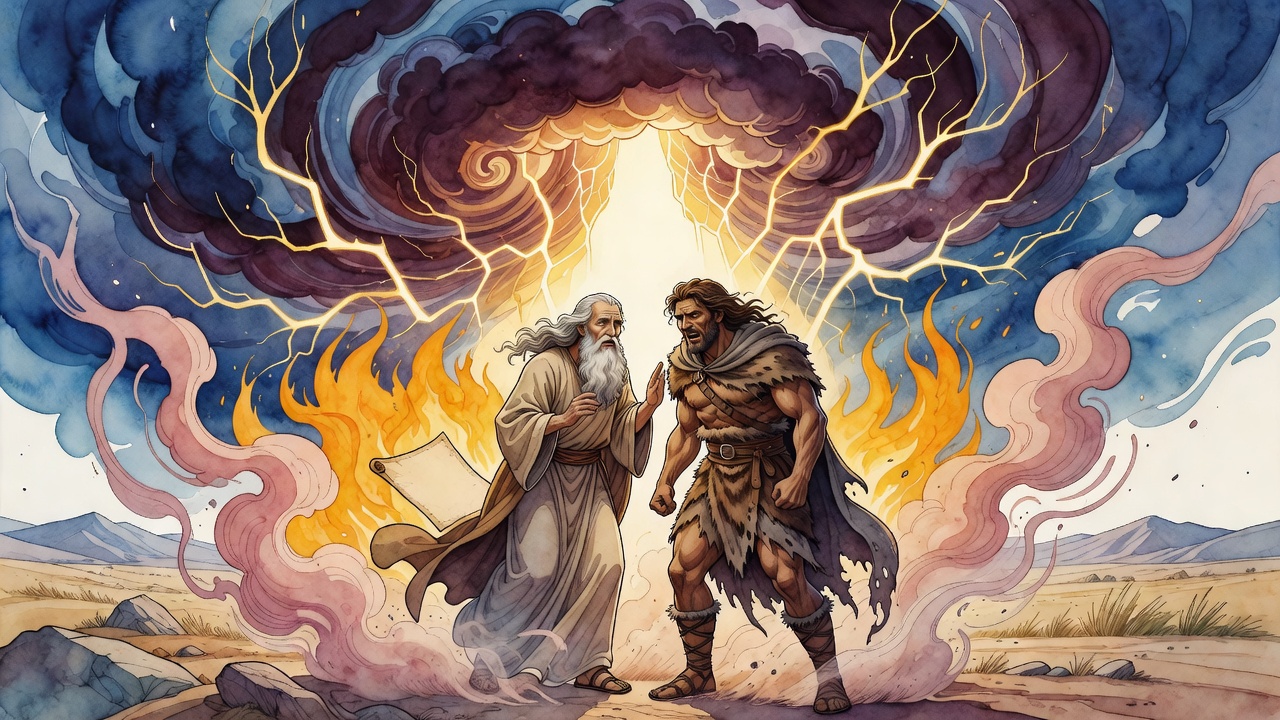
After Jacob fled with the blessing, Isaac tried to comfort Esau. God rebuked him for it. The exchange is one of the most unsettling in midrash.
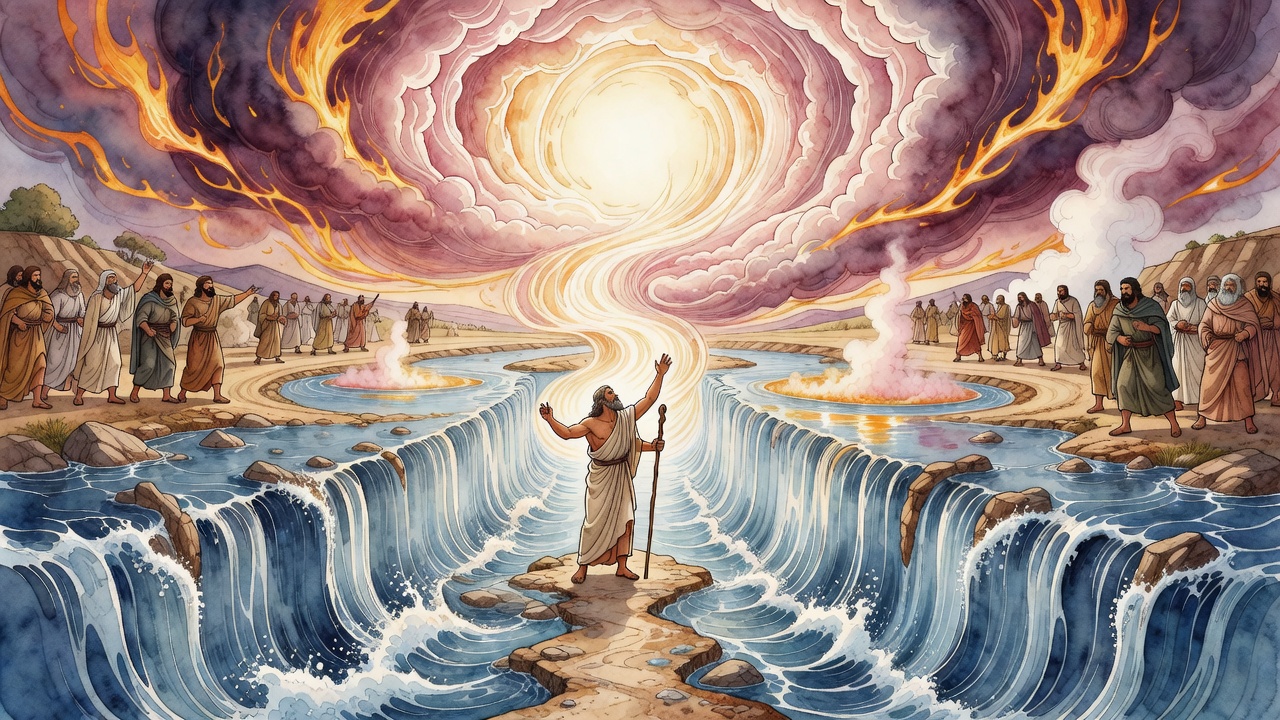
Esau's men held the road to Haran. Jacob had a staff and no bread. The river stood in his way, and his brother was already ahead.
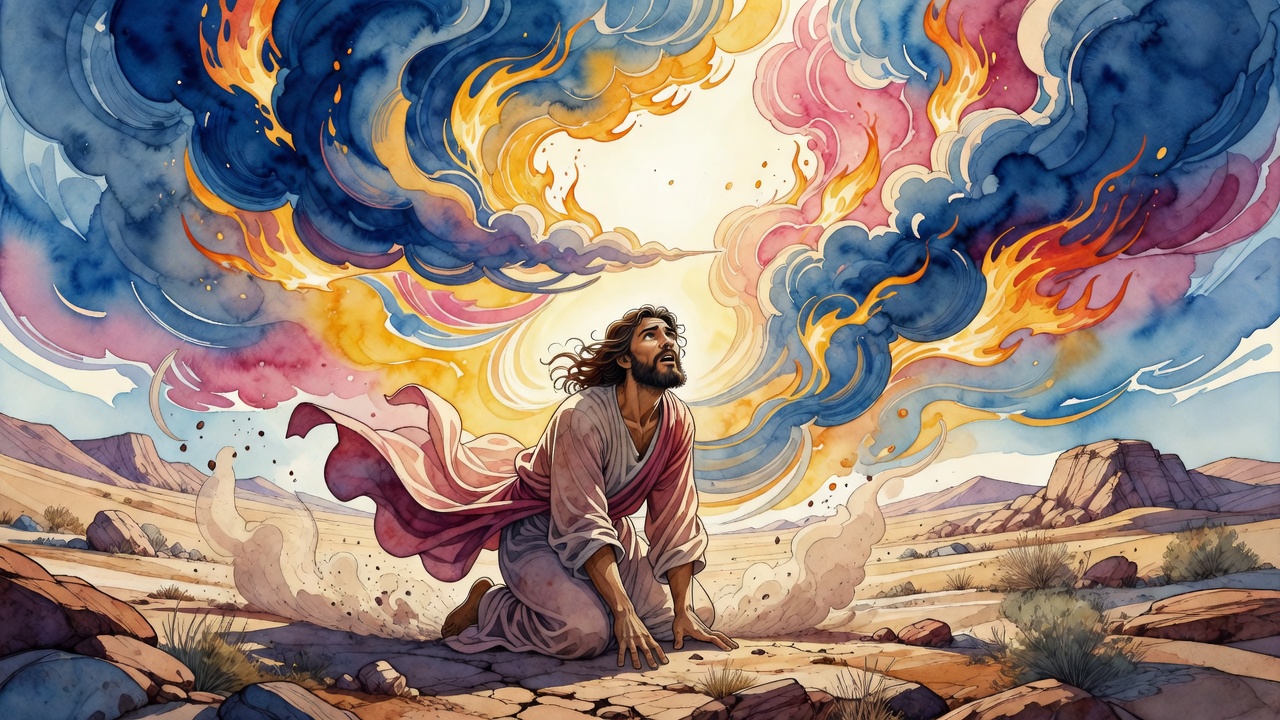
His parents told Jacob to run to Haran. He stopped at Beersheba first and waited. He needed to know whether leaving the land was God's will.
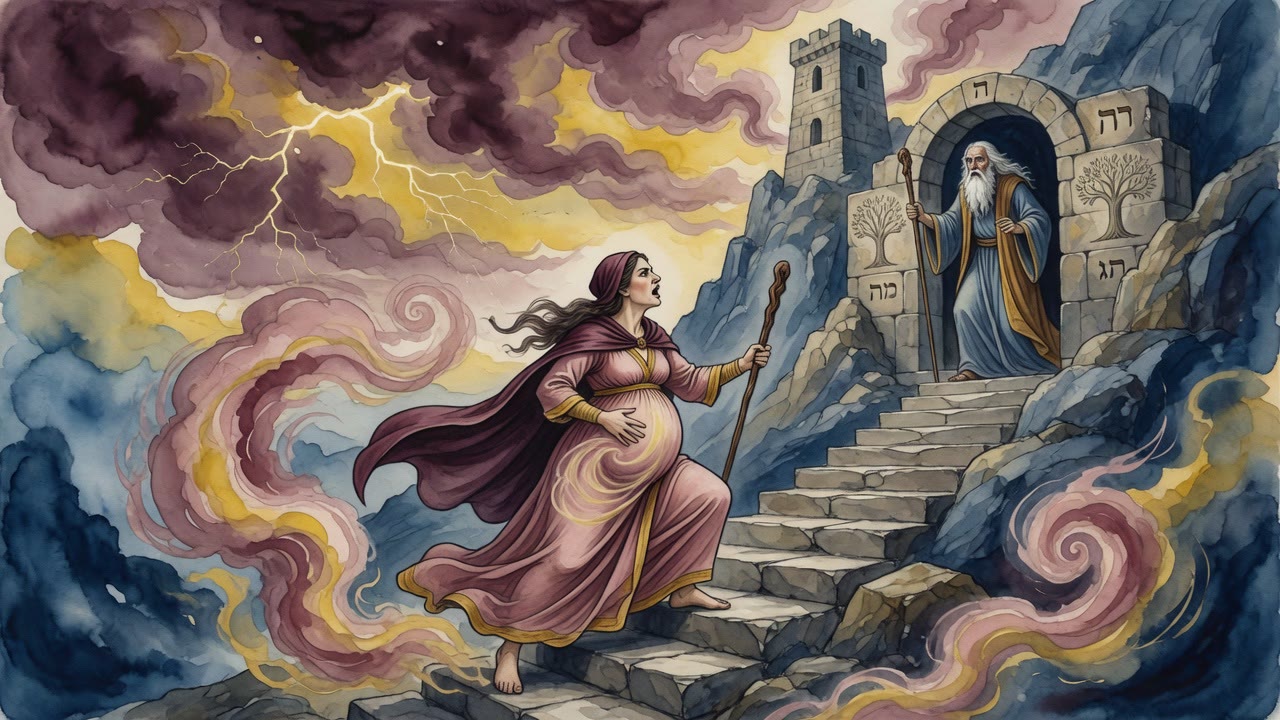
Leah wept over her promised fate as Esau's wife until her eyelashes fell out. What she feared, what she got instead, and what she named her sons.
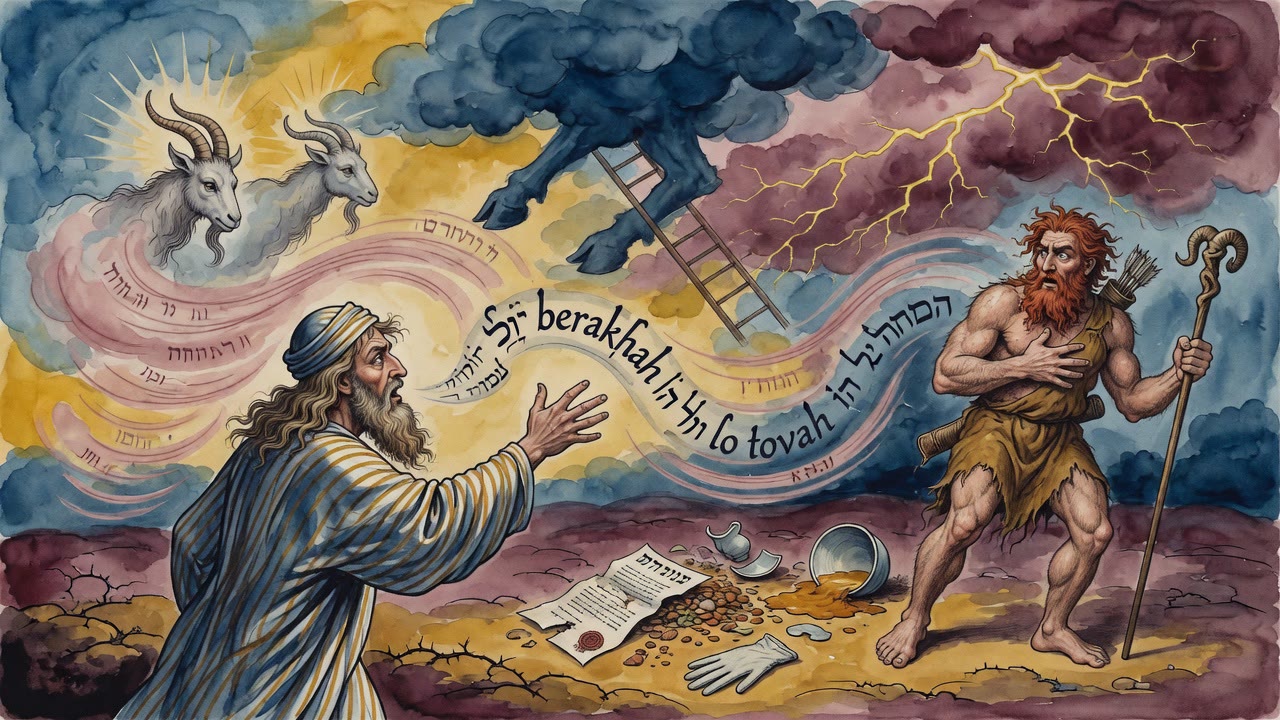
He looked at the host and said they were not Esau's men, and not Laban's. Then the messengers came back with four hundred riders.
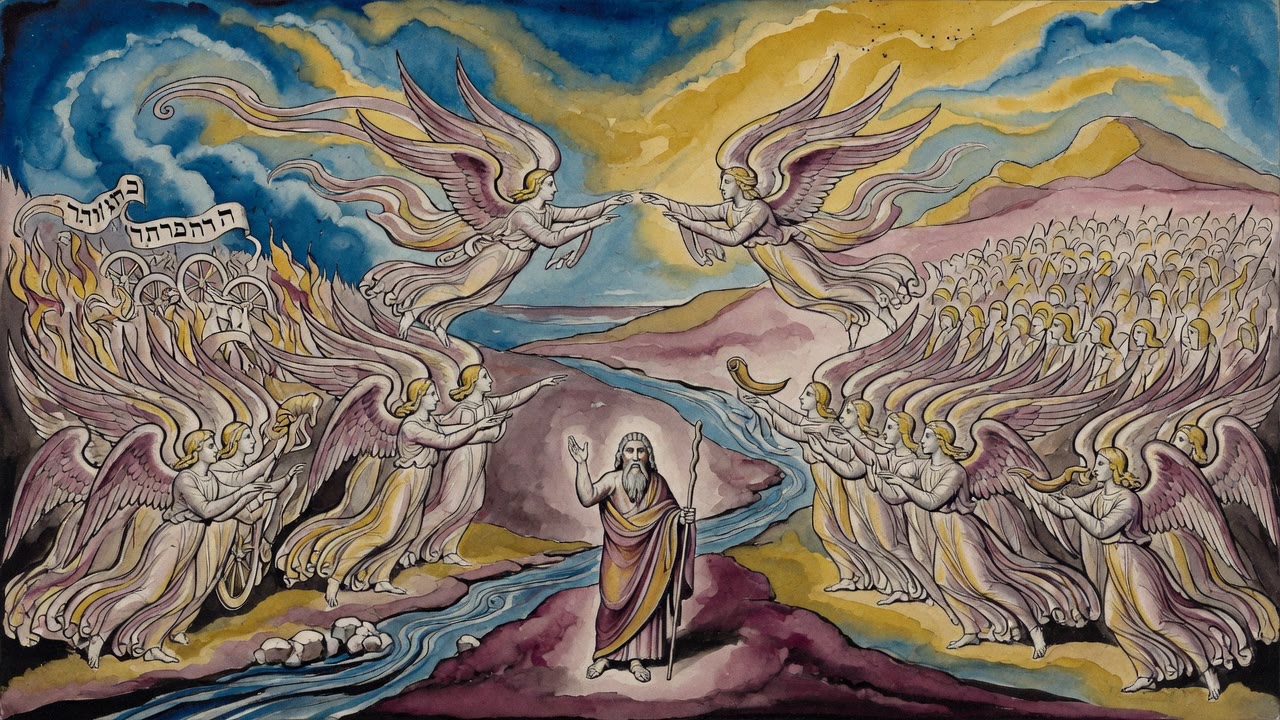
Jacob wept when he heard of Esau's four hundred men. He sent word that the stolen blessing had left nothing in his hand but a few cattle.
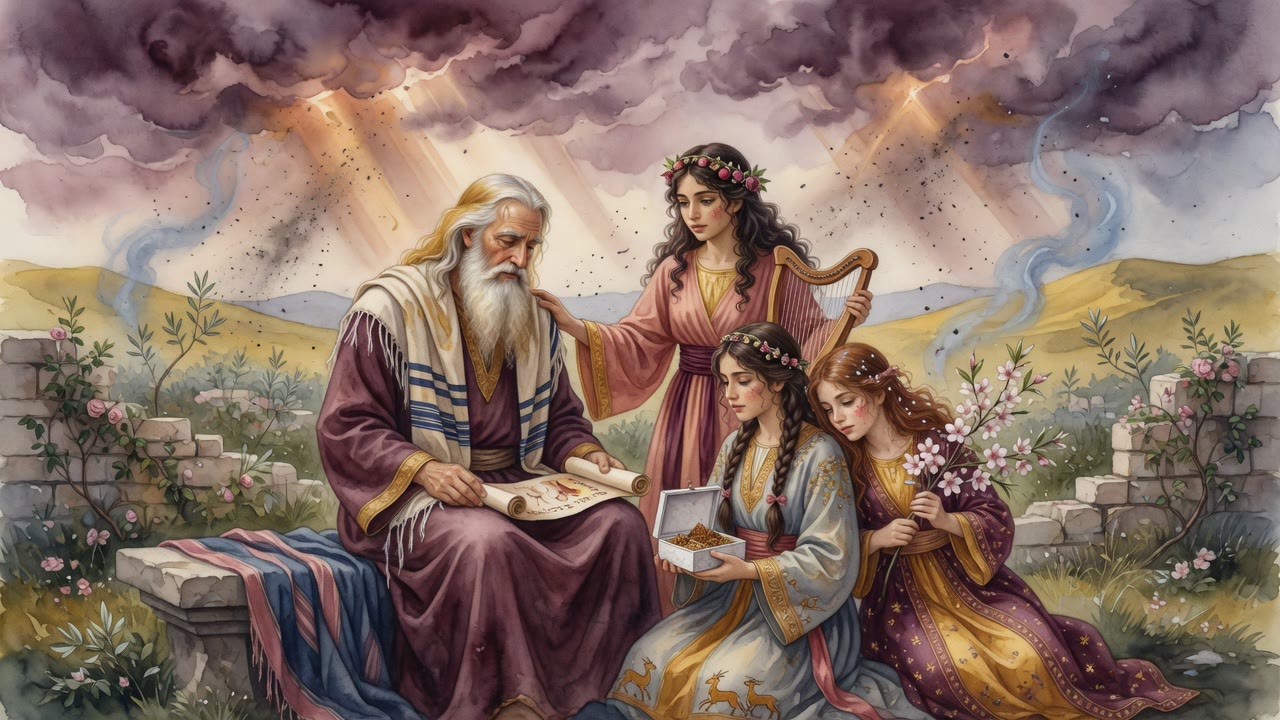
Job told Eliphaz to go look at his own father Esau. Eliphaz answered that a son does not carry his father's guilt, and heaven made him carry it anyway.
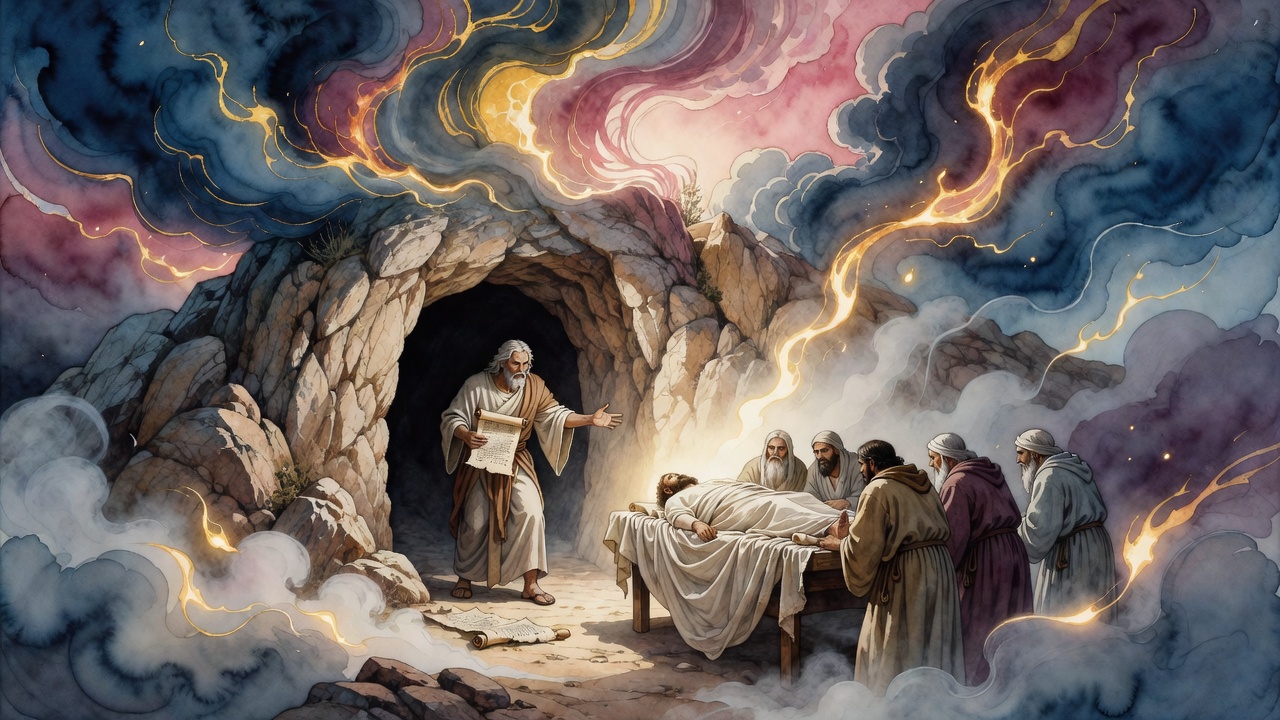
The funeral from Egypt stopped at the cave mouth. Esau filled the doorway and said the last empty place inside belonged to him.
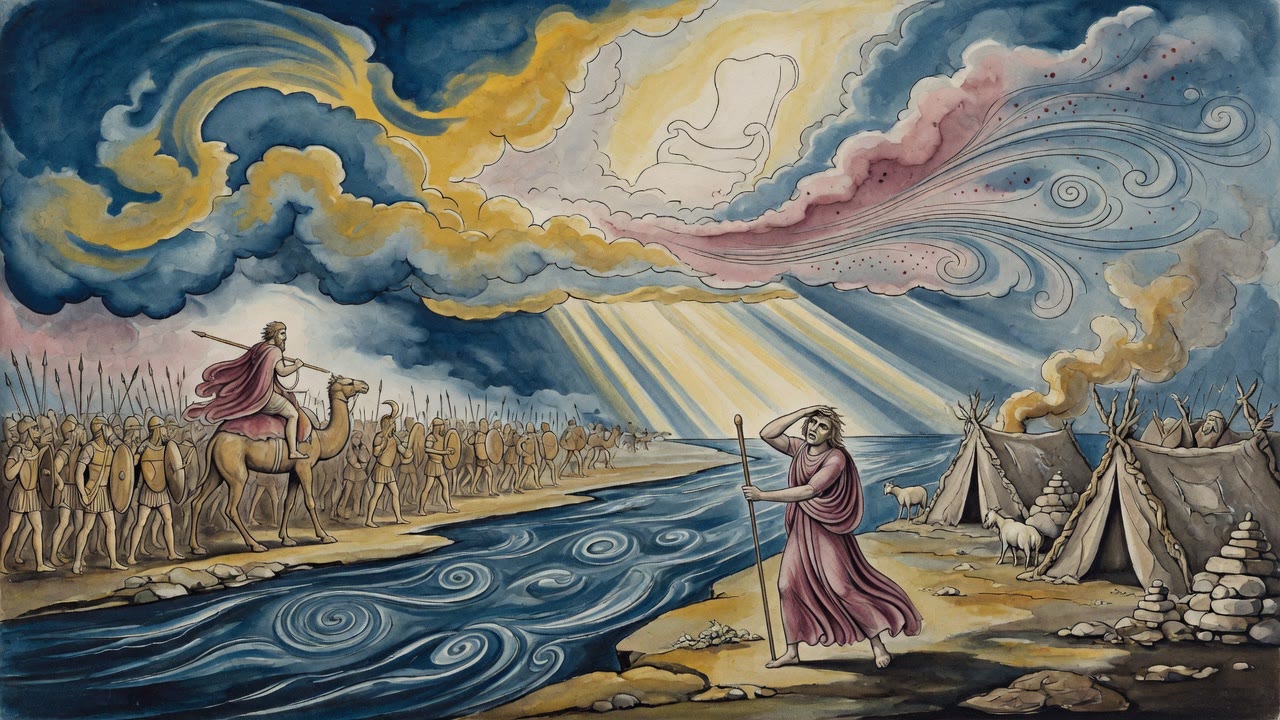
Jacob survived Laban, crossed the Jordan alone, and built two camps. Then he heard Esau was coming with four hundred men and was genuinely afraid.
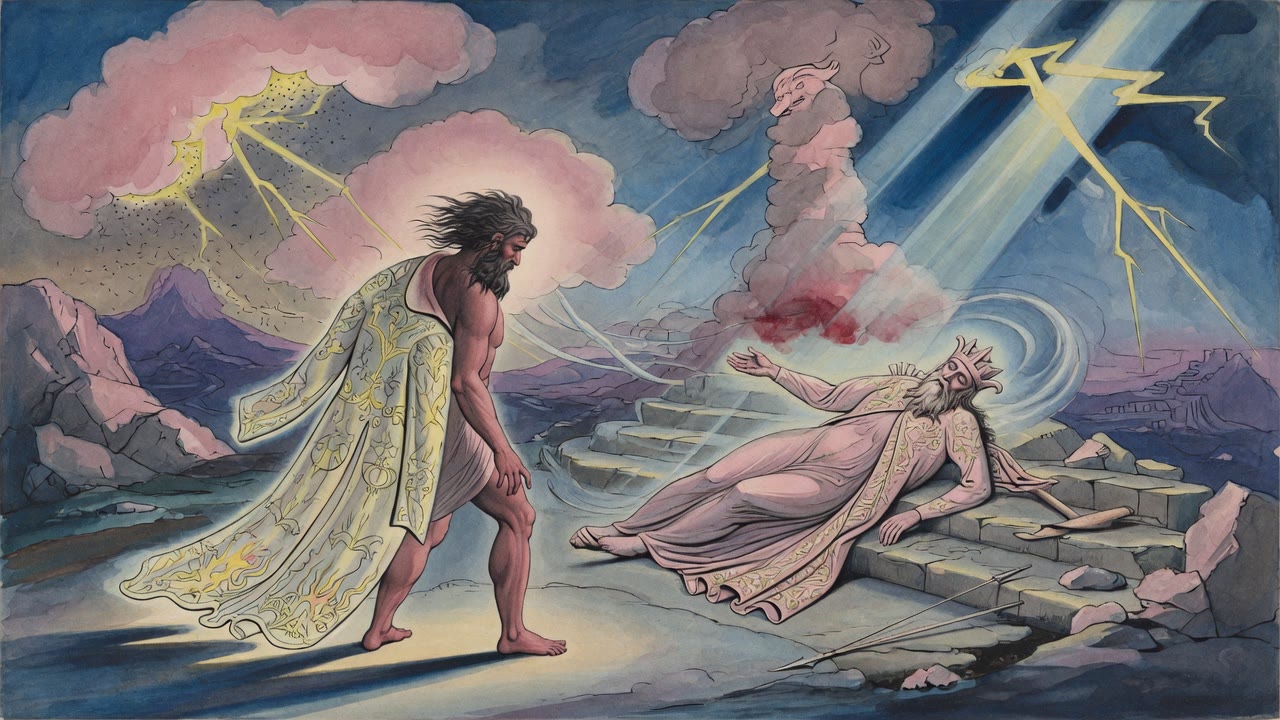
Isaac was blind and near death. He took Esau's head in his hands and asked God for mercy. The answer came back without softening.
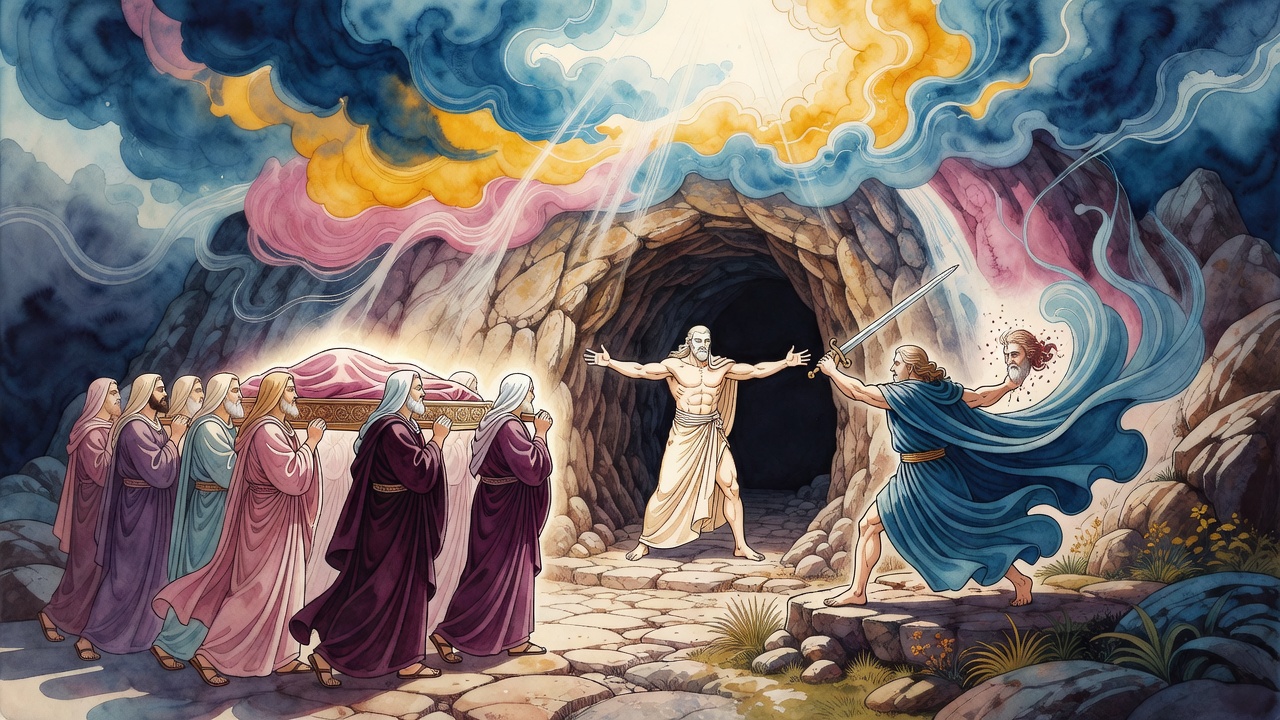
Jacob's body waited at the cave mouth while the brothers argued a deed. Dan's deaf son asked why the grave was still empty.
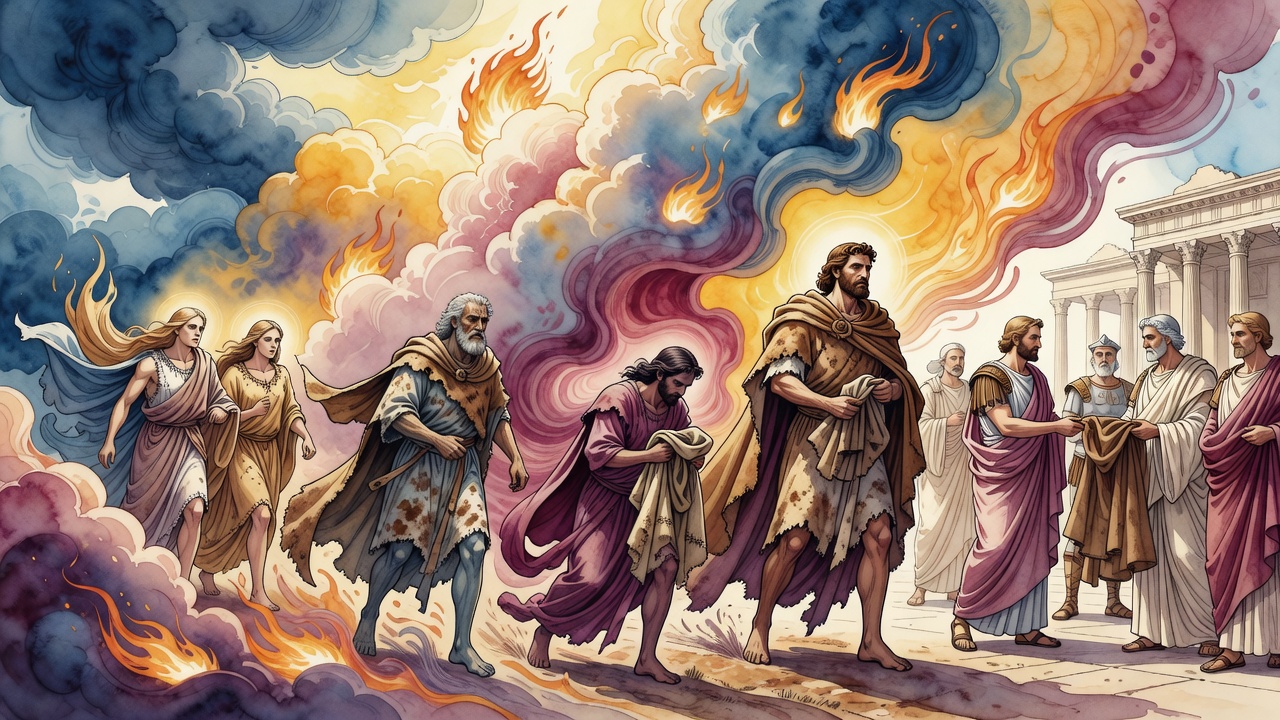
When Nimrod put on Adam's garments, the animals stood still for him. Esau killed him for them and stripped them off the body in the field.
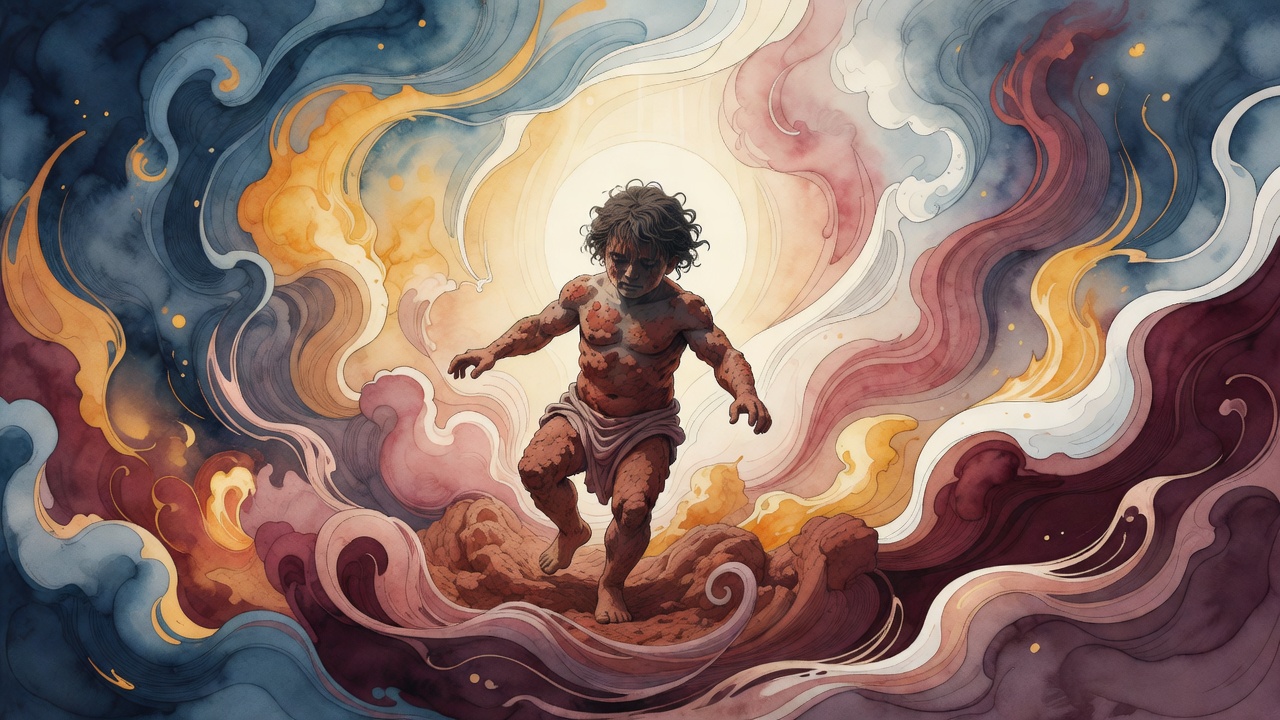
Rebekah's twins fought inside her, and one threatened to kill her to get out first. Shem told her why: her body was holding two nations.
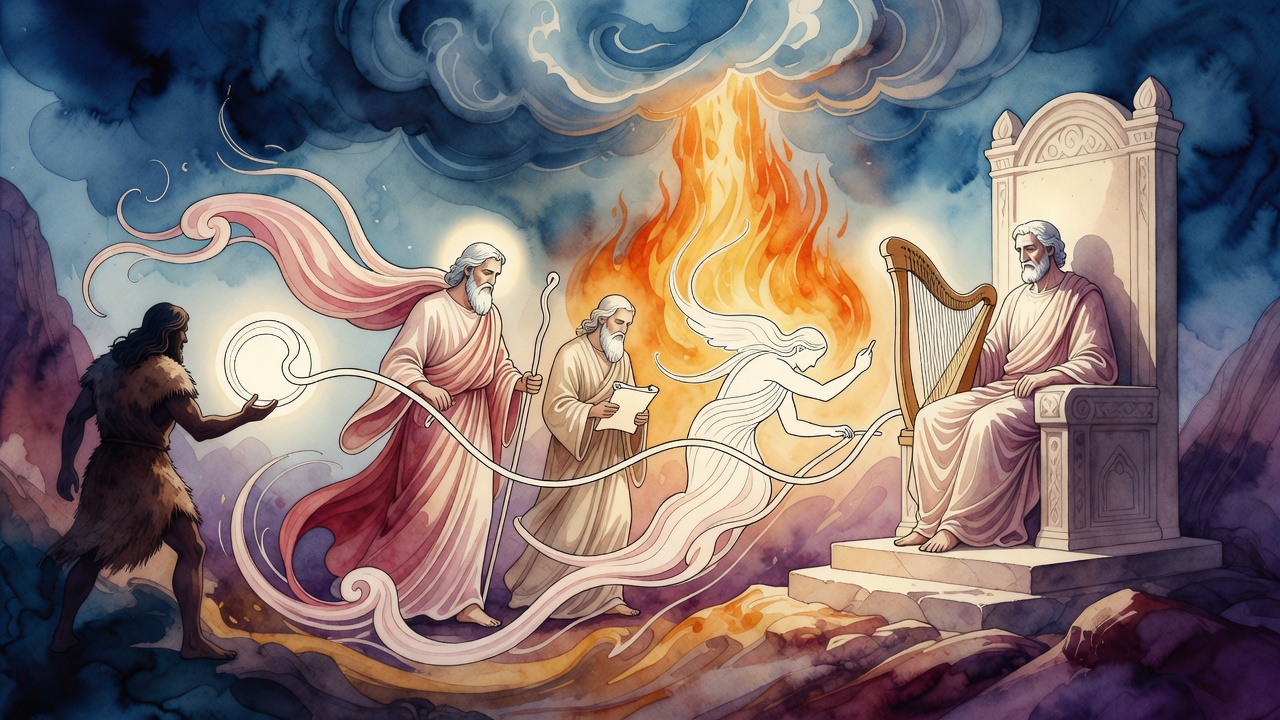
Abraham called Rebecca to his bed and named the grandson to watch. Years later a hunter kept tying deer that would not stay tied.
