480 myths · Page 13 of 16
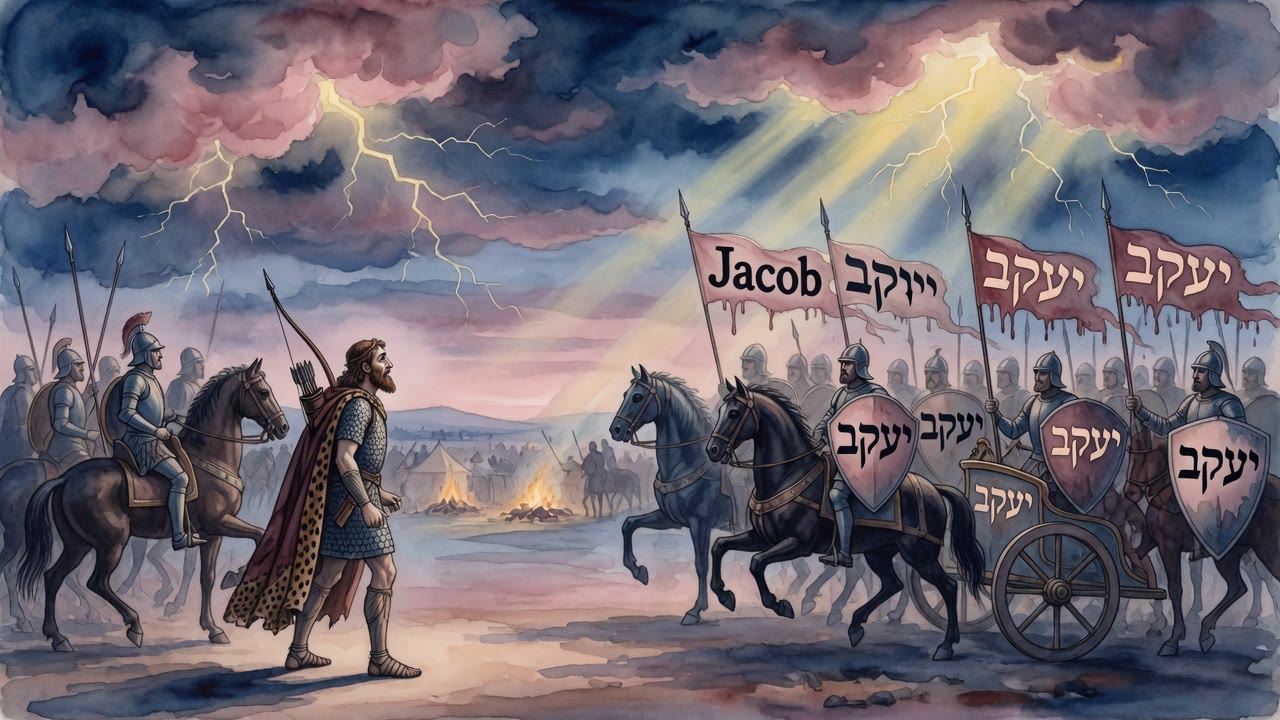
He came in from the field empty. Steam rose off a red bowl. He priced the world to come at a meal he could taste now.
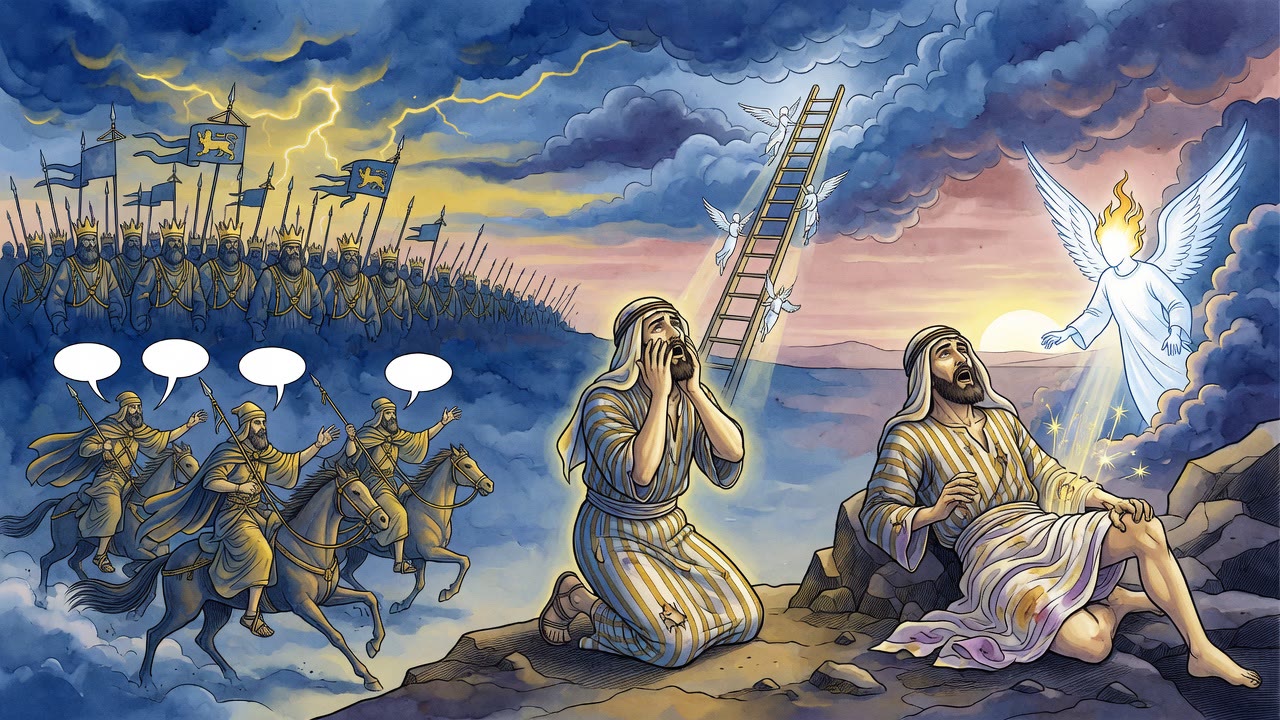
Esau sent Elifaz to kill his brother. The boy had been raised in Isaac's house and could not do it, so Jacob told him to take the money and the clothes.
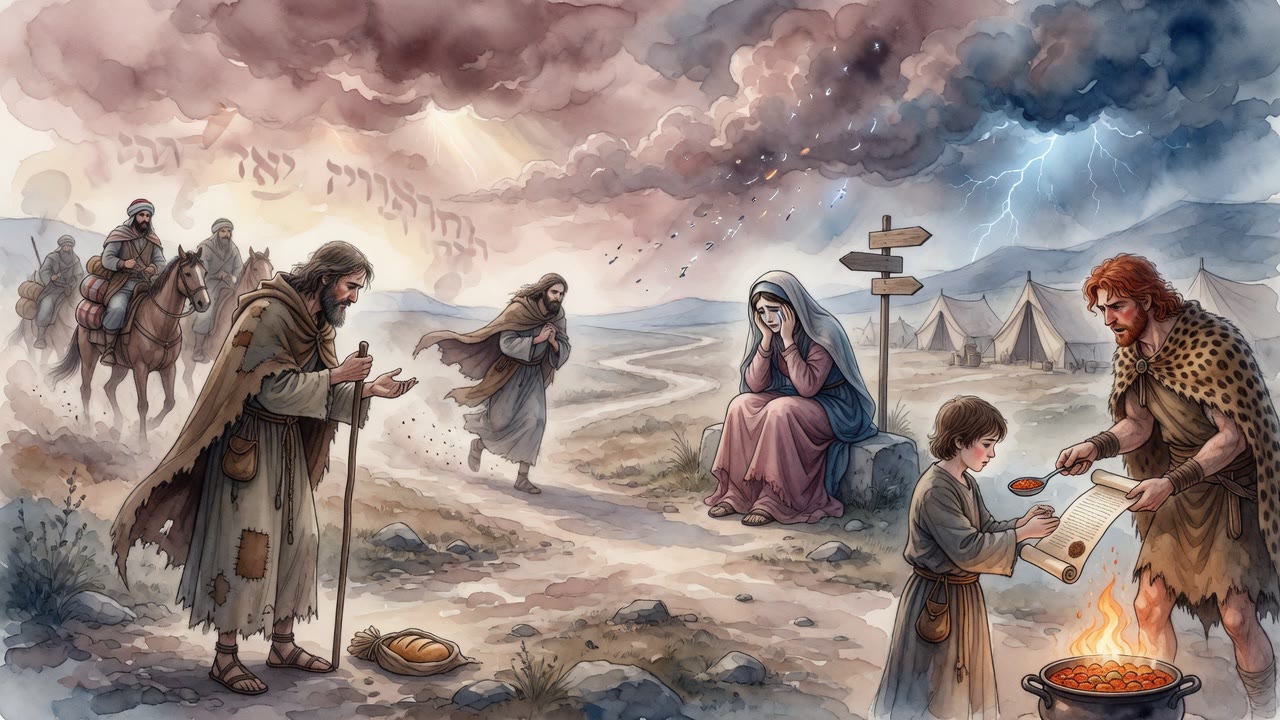
Jacob split the camp in two, then held God to His own law. You forbid taking a mother bird with her young. Will You allow it against my wives and children?
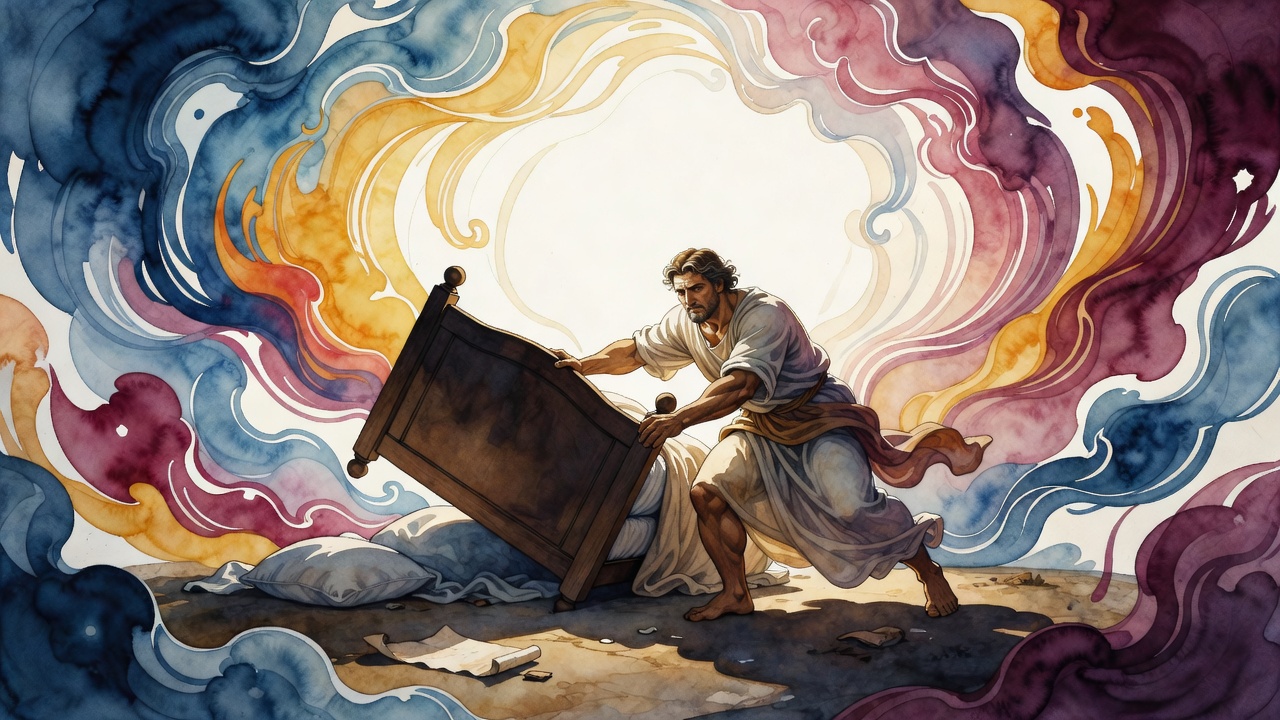
Jacob set his bed beside Bilhah after Rachel died. Reuben turned the frame over for Leah. The next line of Torah still named him among the twelve.
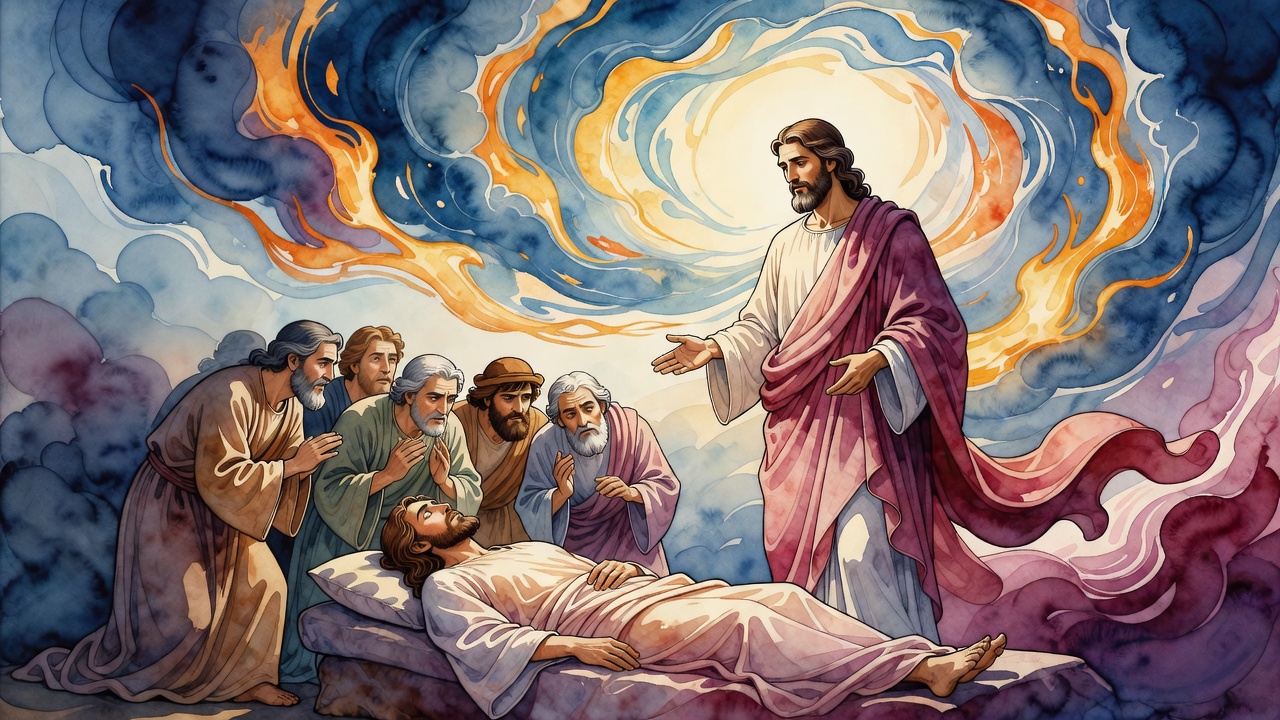
Joseph wept on his father's dead face, ordered the physicians to embalm, then faced brothers who still feared his revenge. He spoke straight into their fear.
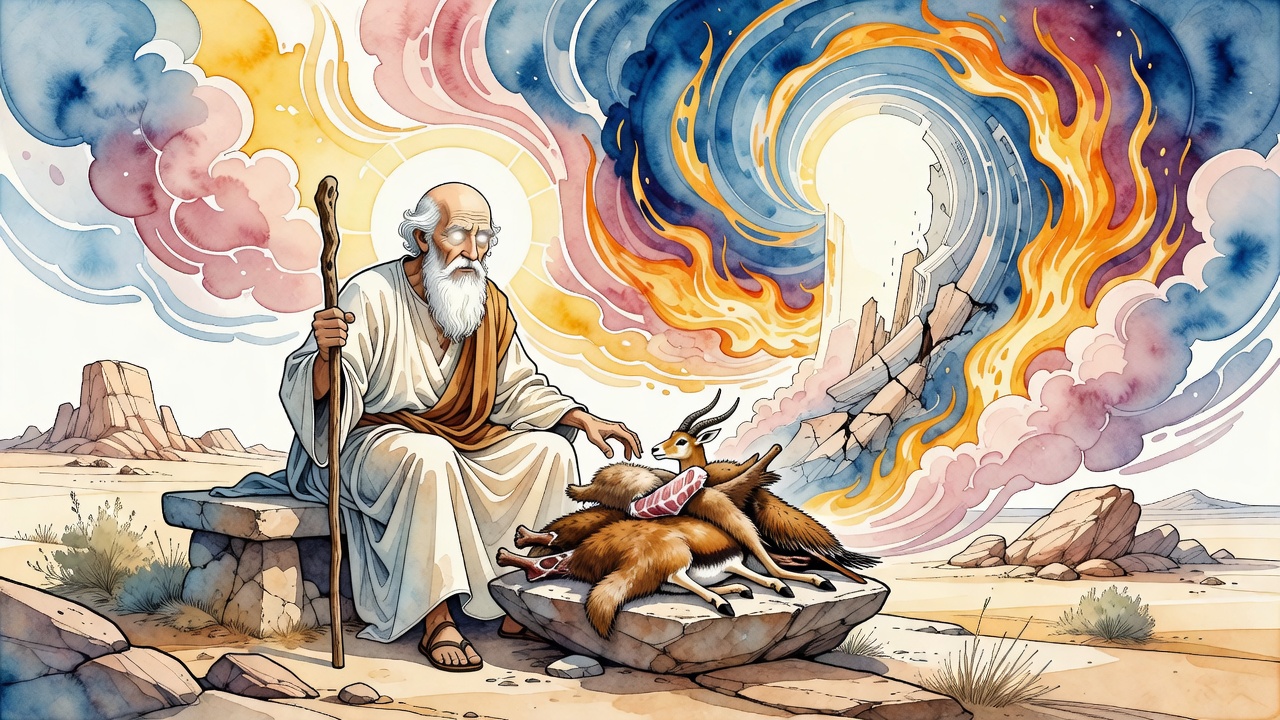
Isaac lay on the altar at Moriah and got up with his eyes intact. What put them out was a plate of his son's hunting, brought home too often.
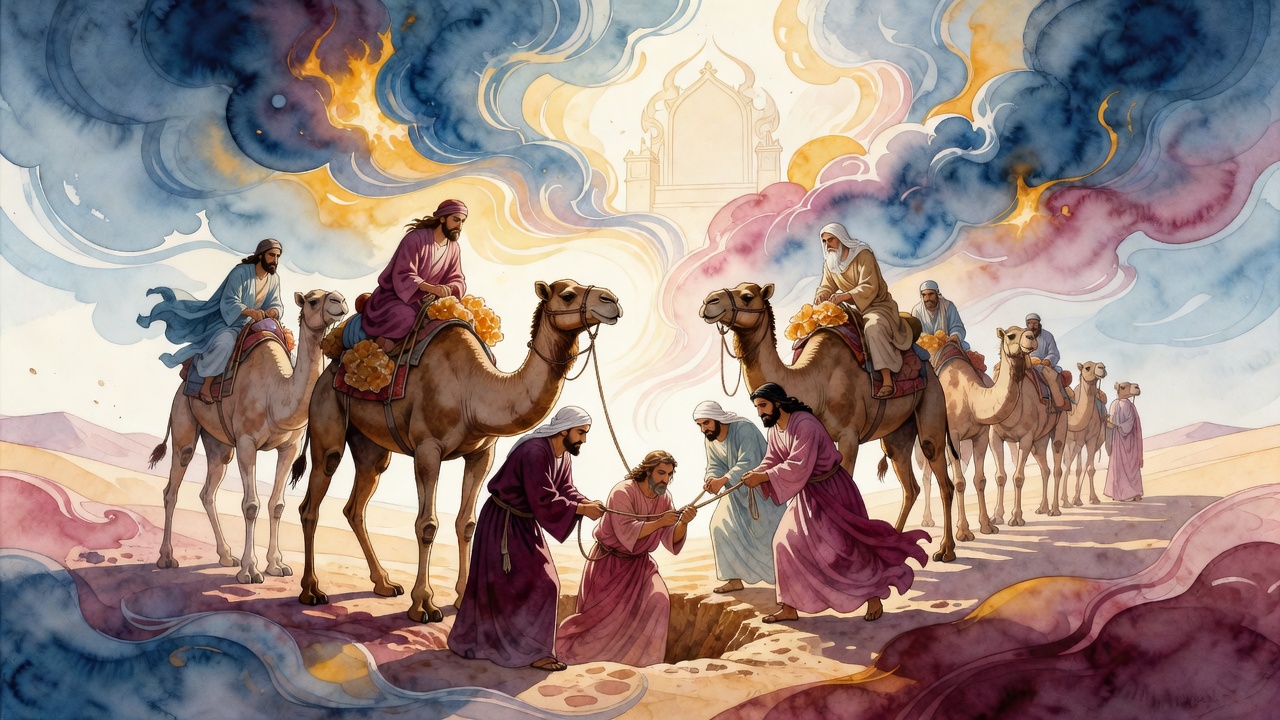
The camels on that road usually carried tar. Joseph rode south in balsam. Years later Jacob saw him and learned he would die only once.
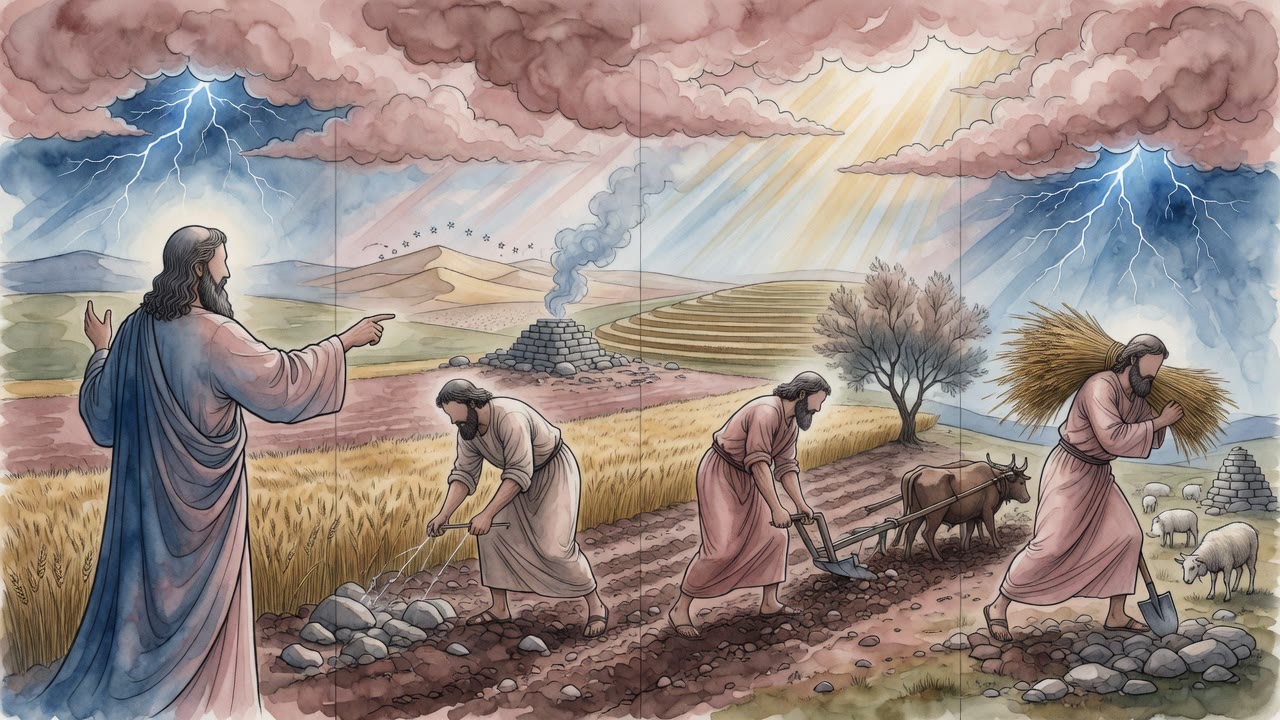
Moses lists Abraham, Isaac, and Jacob one by one because the land was not a blanket gift. Each patriarch worked the field until the promise stuck.
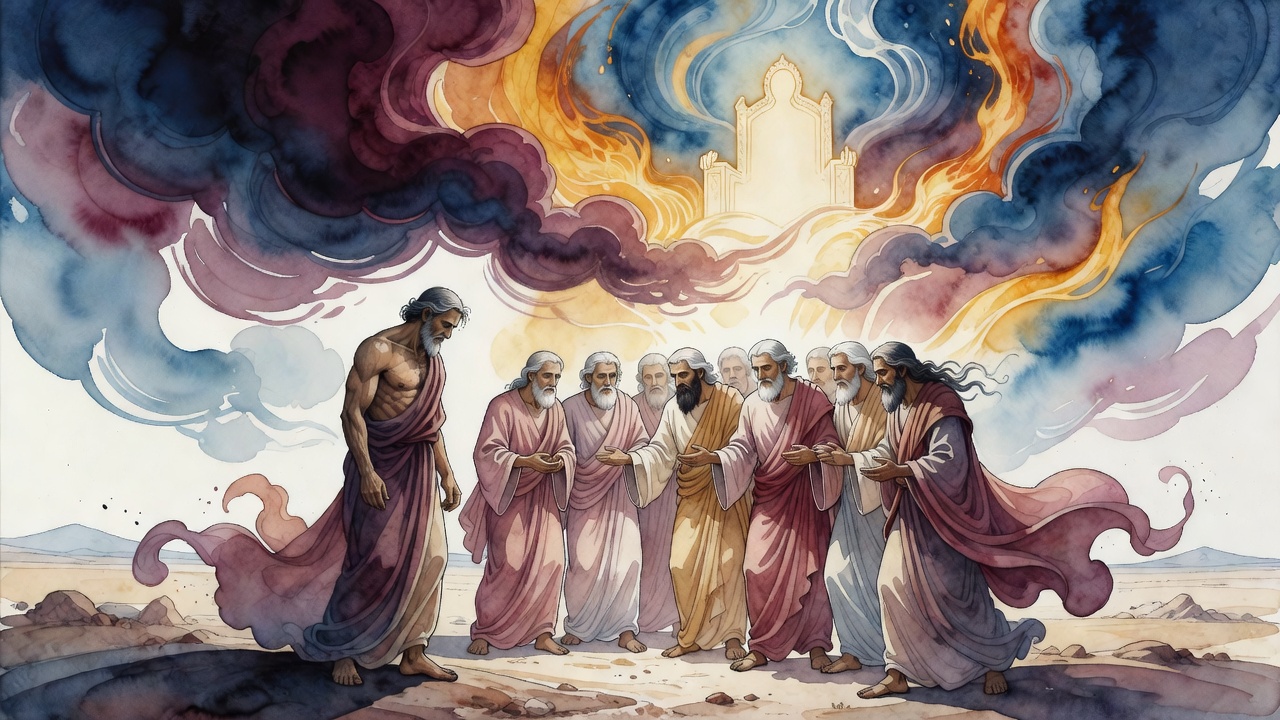
Jacob had left Reuven a hard word and no blessing. Years later the tribes were offered anything they wanted, and they asked for their brother instead.
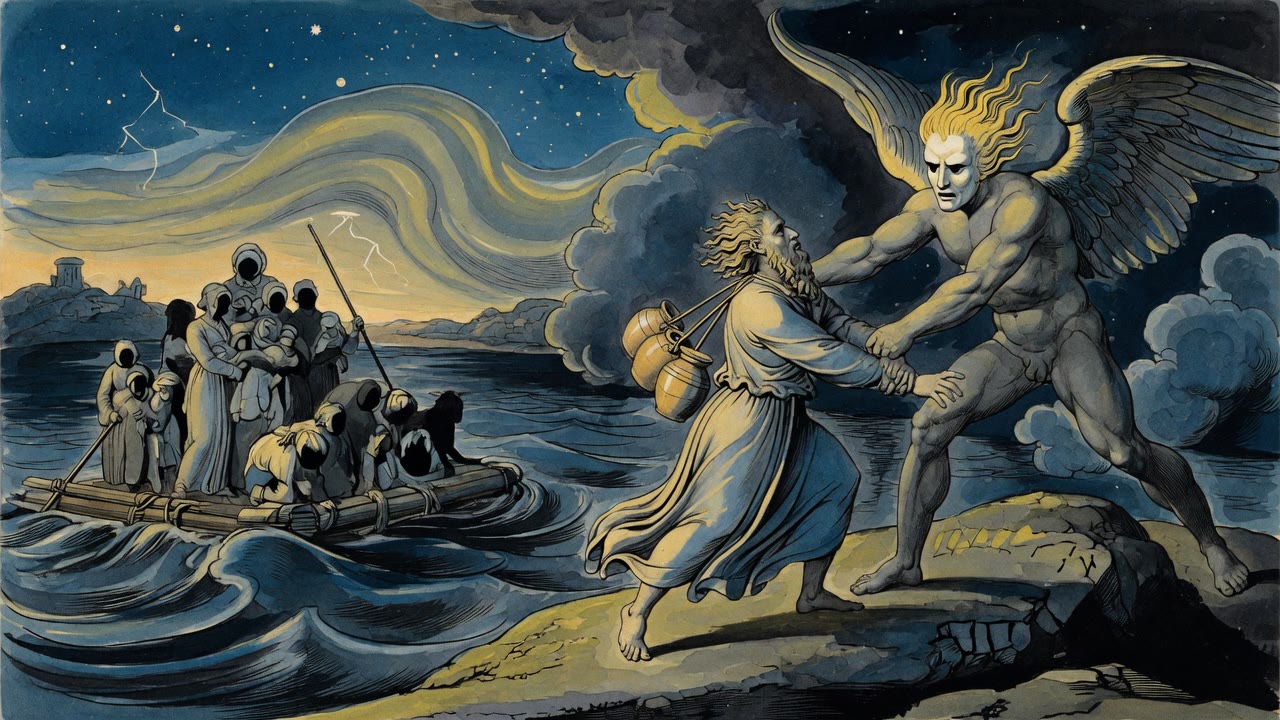
Grain vanished into private sacks while the boundary stones still looked loyal. The king waited until he had a son, then he wanted his rows back.
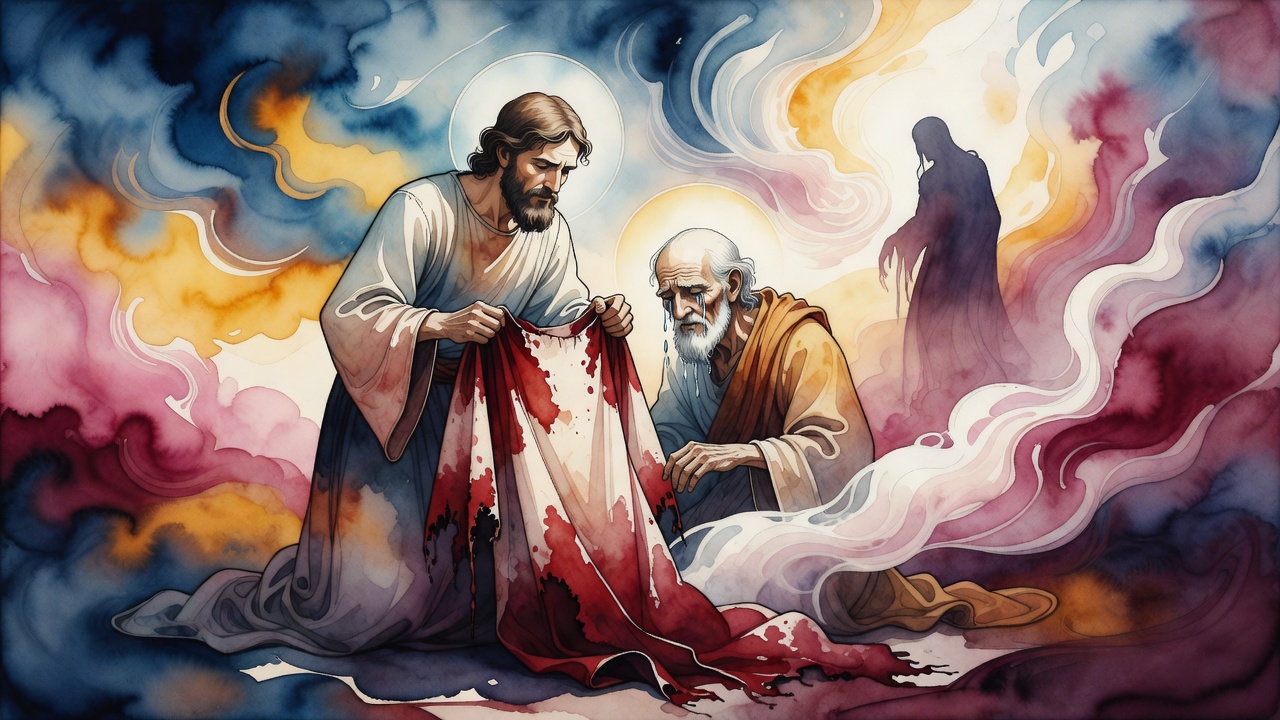
They laid the stiff coat in Jacob's hands. He named a woman standing against Joseph, and still went down to the grave in mourning.
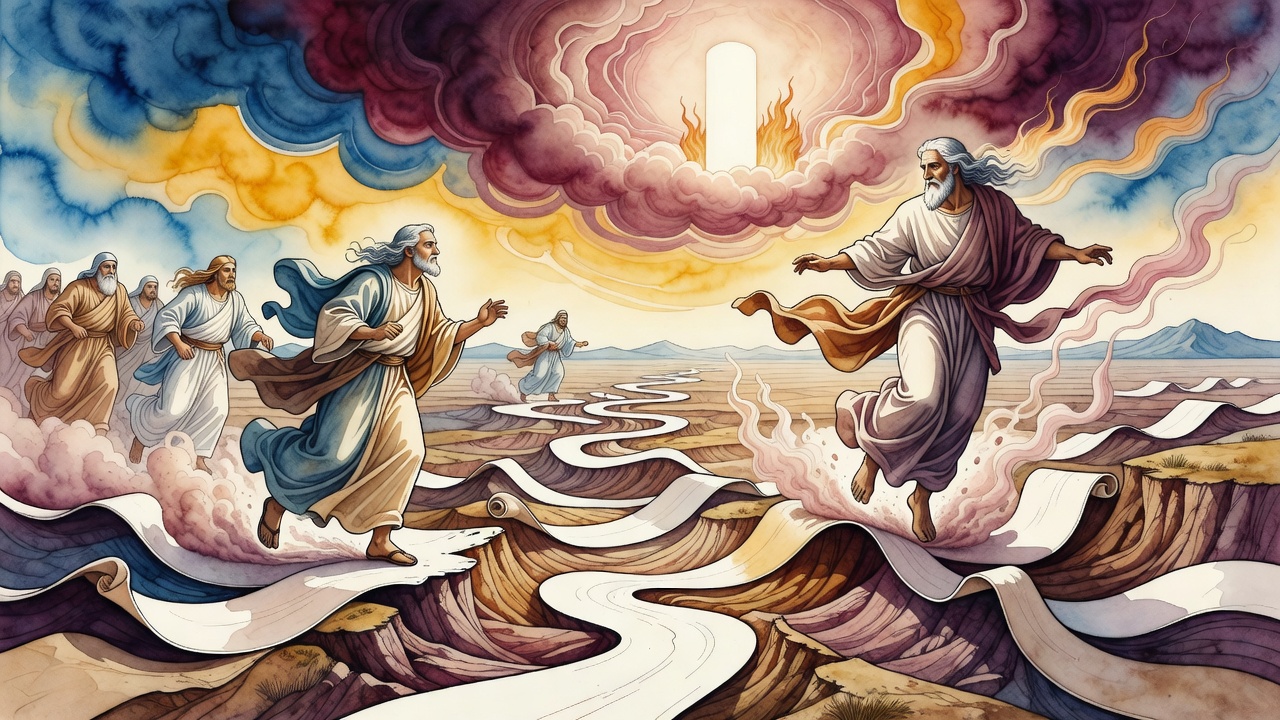
Lot was already gone. Abraham divided his men in the dark. The miles under his sandals shortened before he asked them to.
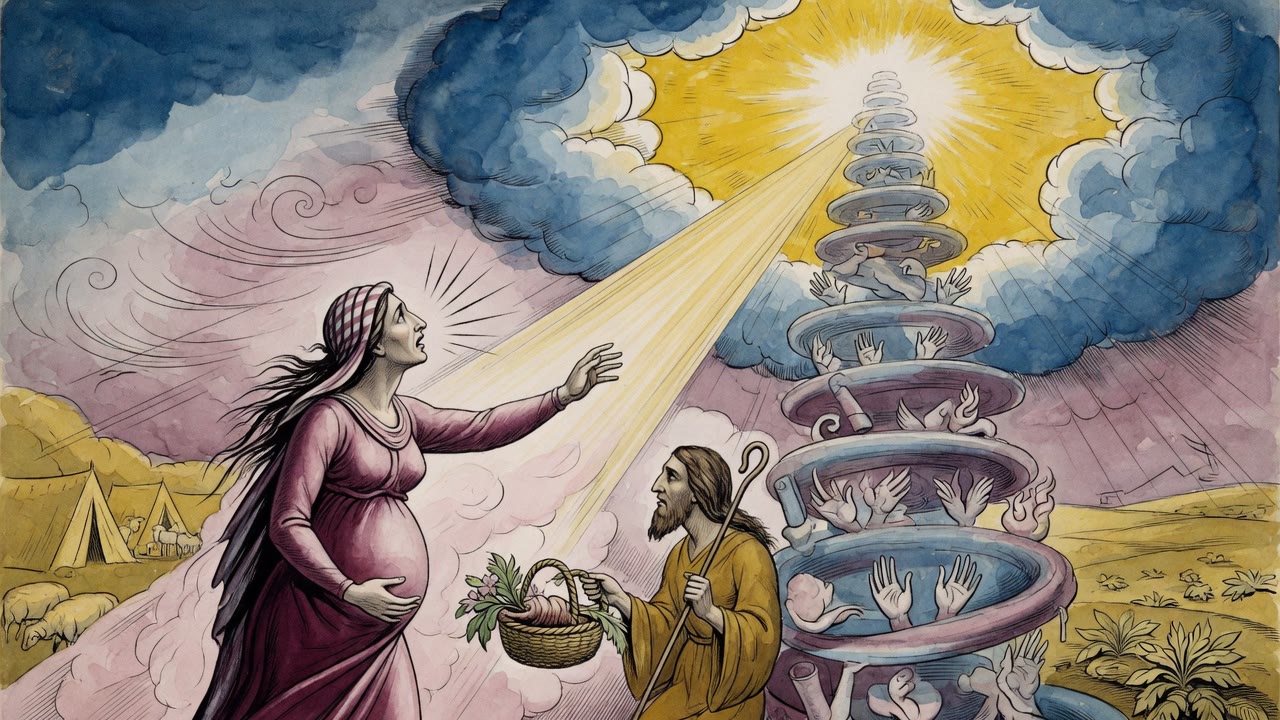
Jacob would not pray for his wife. The sister with every reason to gloat asked heaven to turn her own unborn son into a daughter instead.
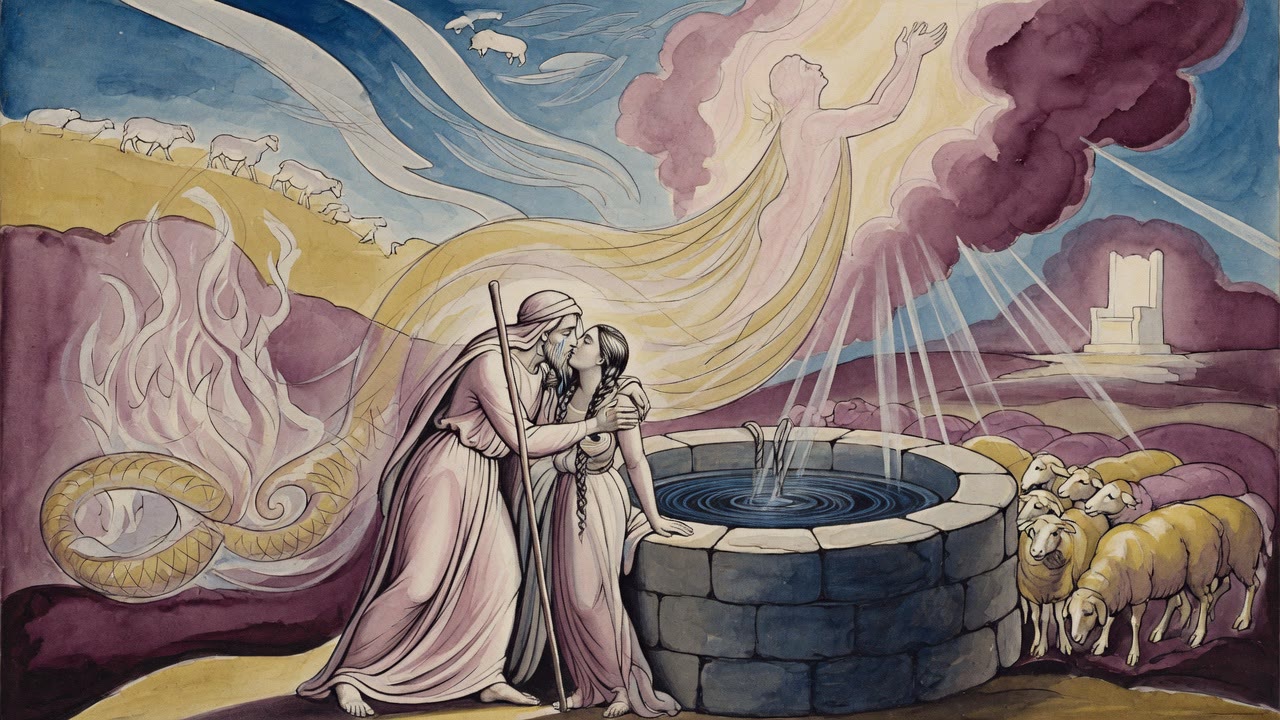
The stone came off the well as if it had waited for his hands alone. Rachel stood there with her father's flock. The shepherds stared while he wept.
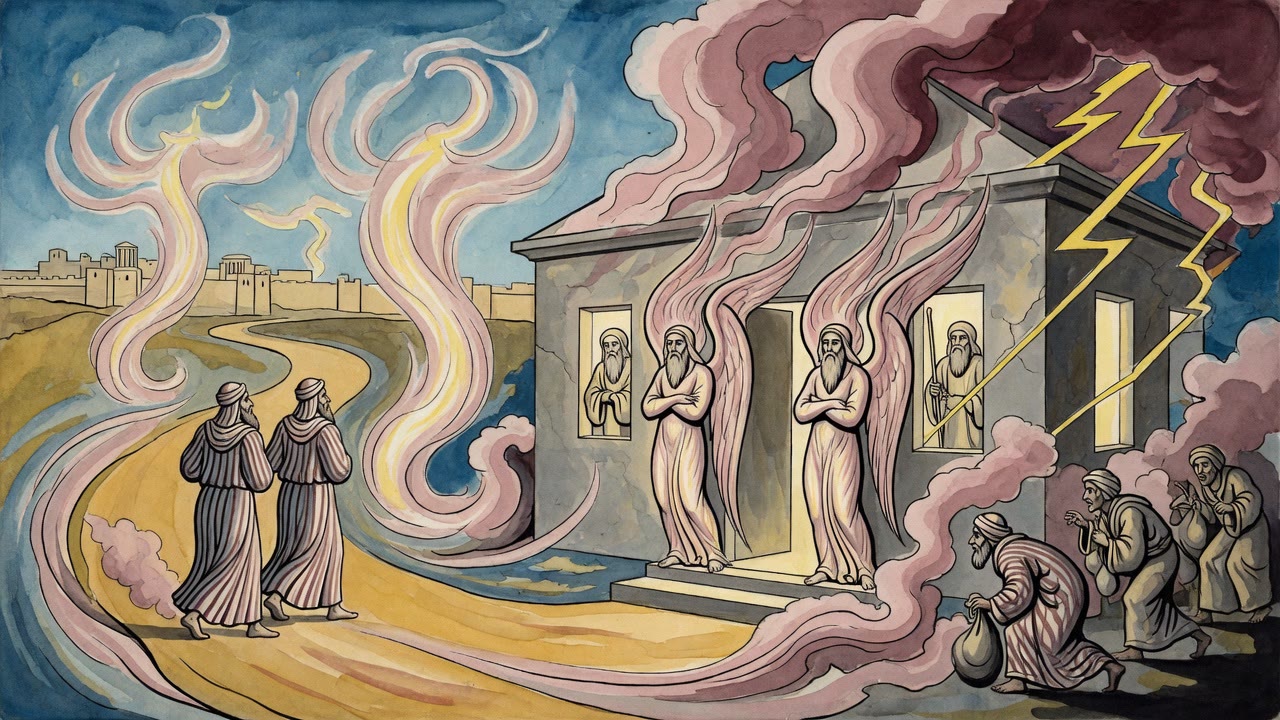
Egypt shut its doors for seventy days. In the streets they named him Jacob the Holy, and counted the harvests they had eaten because of him.
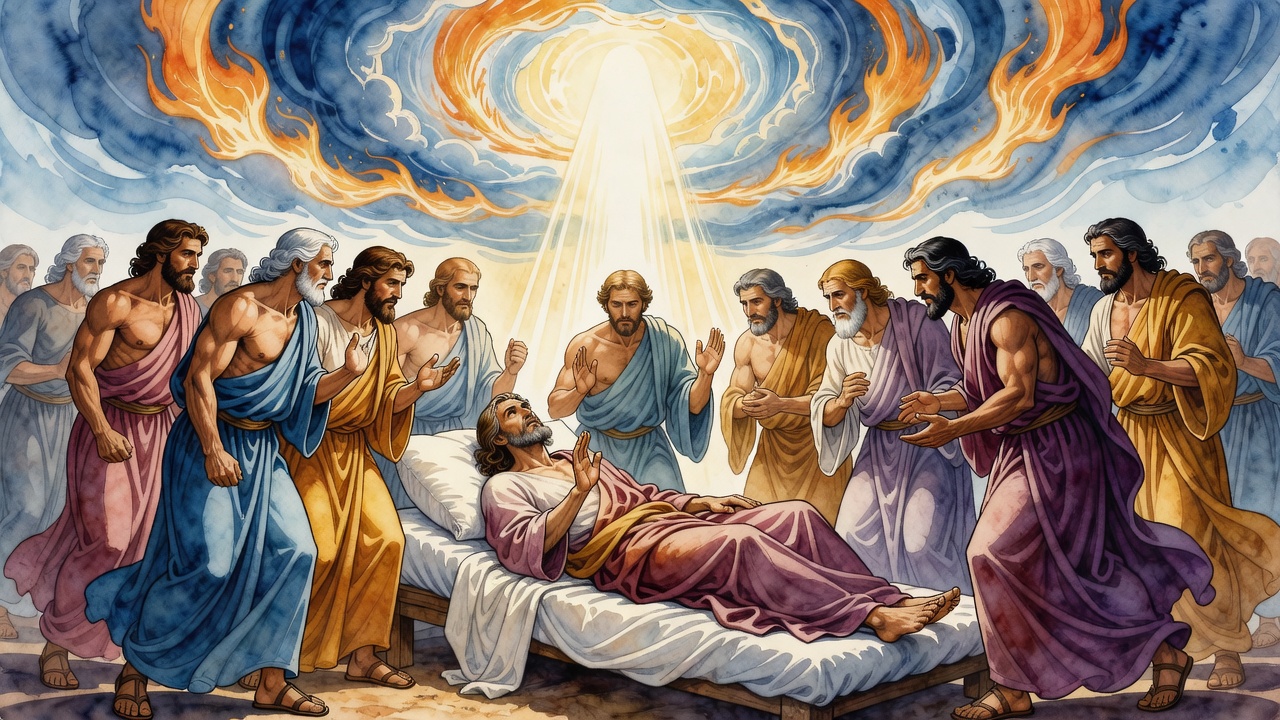
Jacob wanted a hand on the mark of the covenant and a formal oath. Joseph balked; a son's word should not need that. He swore anyway, and Pharaoh let him go.
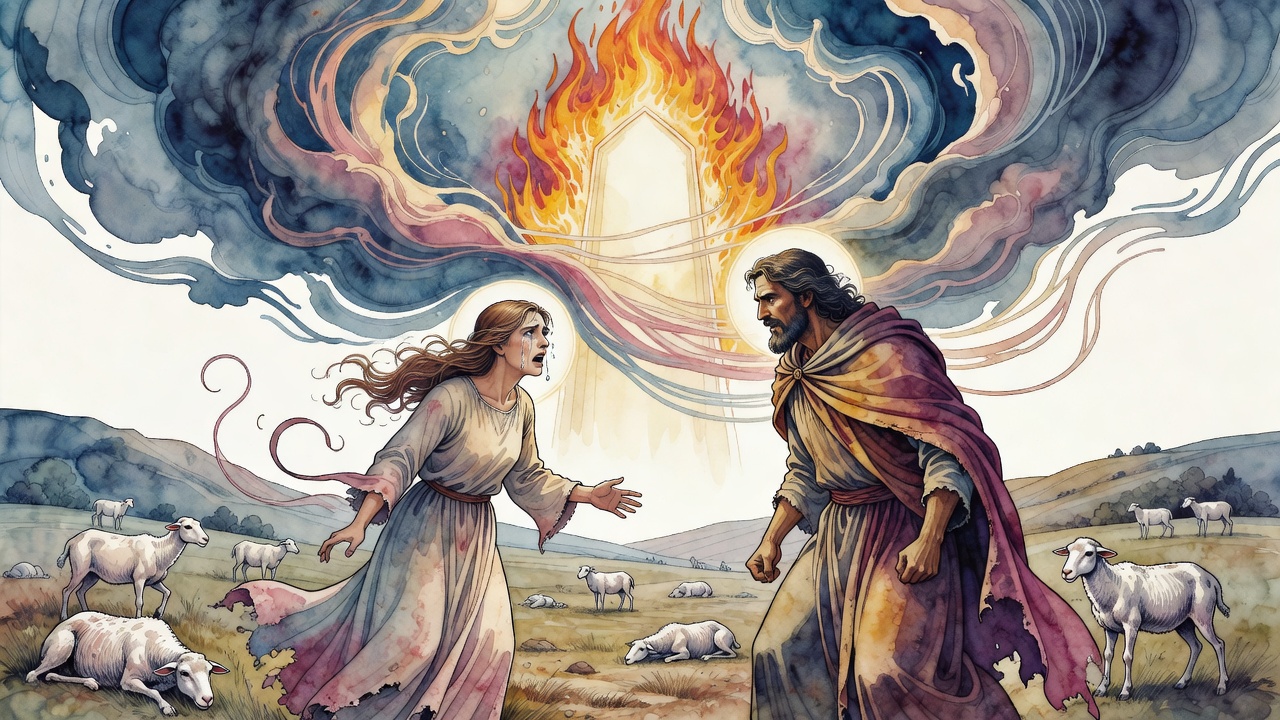
Rachel, once shepherdess of a plague-thinned flock, cried give me children or I die, and Jacob's anger answered that children come only from God.
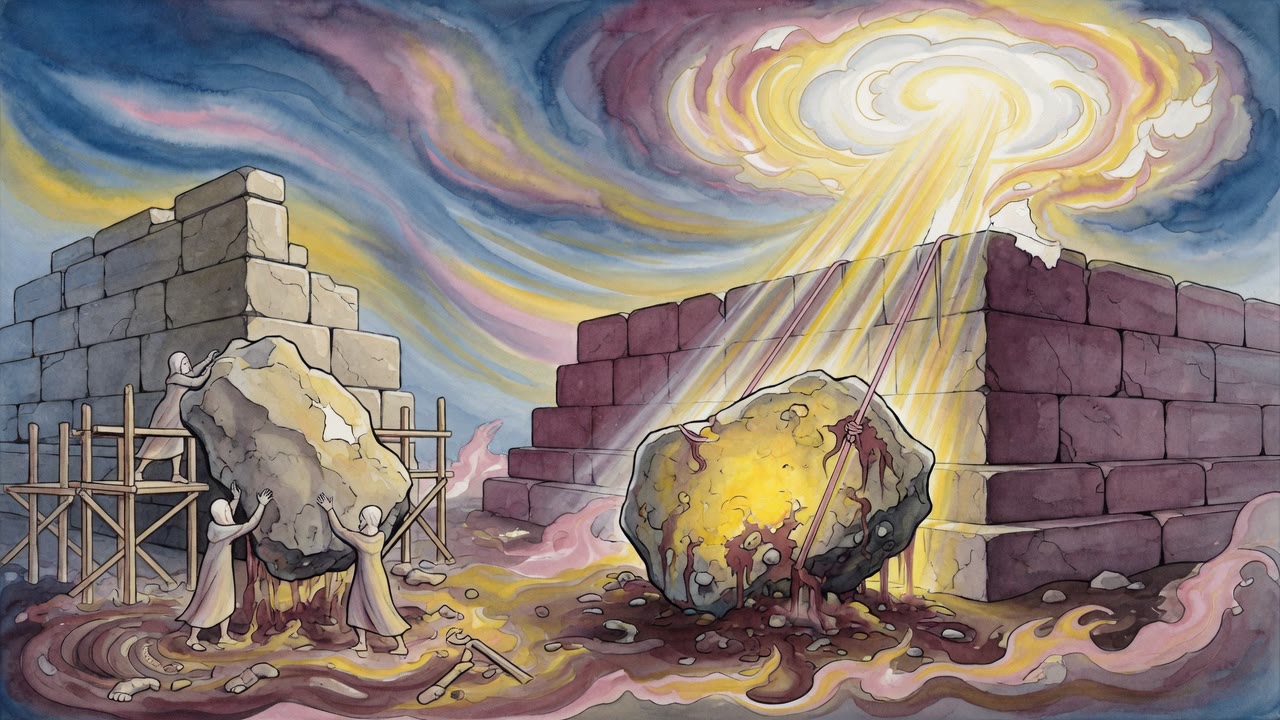
Nebuchadnezzar looked down from his boat, saw the kings of Judah walking the riverbank with nothing on their backs, and ordered loads put on them.
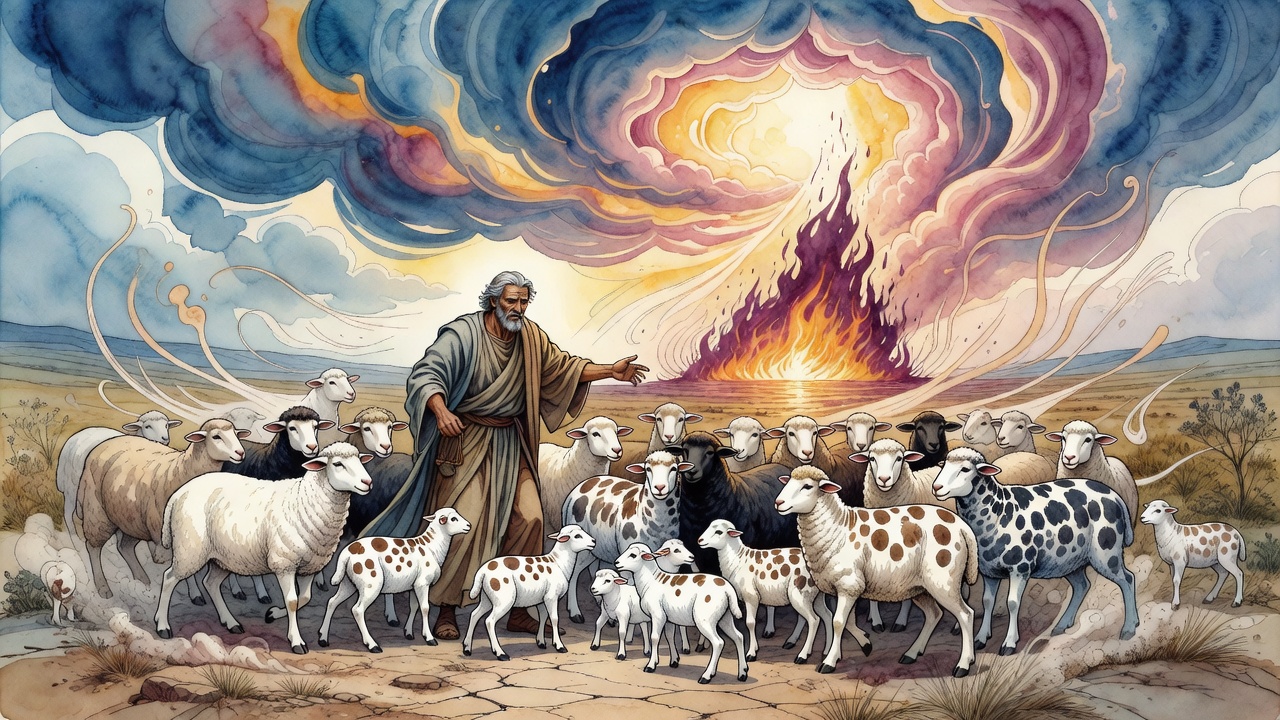
Laban smiled when they shook on it. Jacob would take only the marked young. That night the ewes labored in colors Laban had not counted.
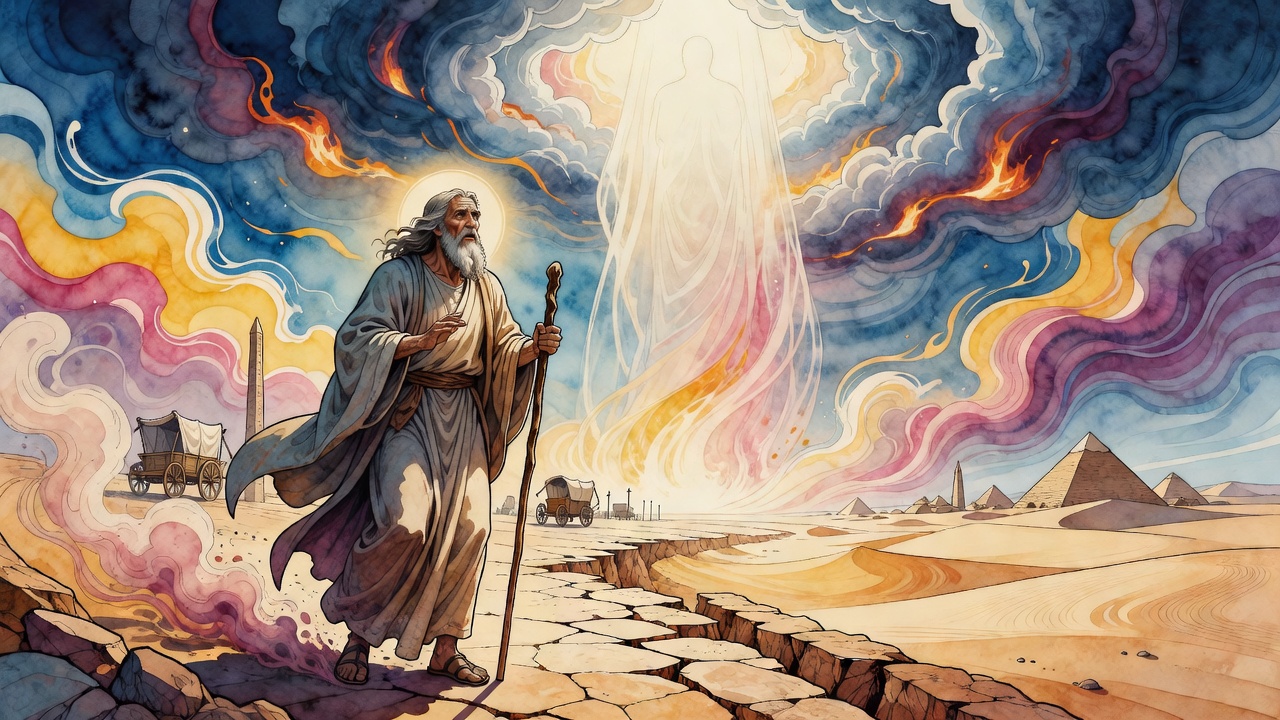
Jacob froze at the border of an unclean land even after hearing Joseph lived; only God's vow to go down with him unlocked the wagons south.
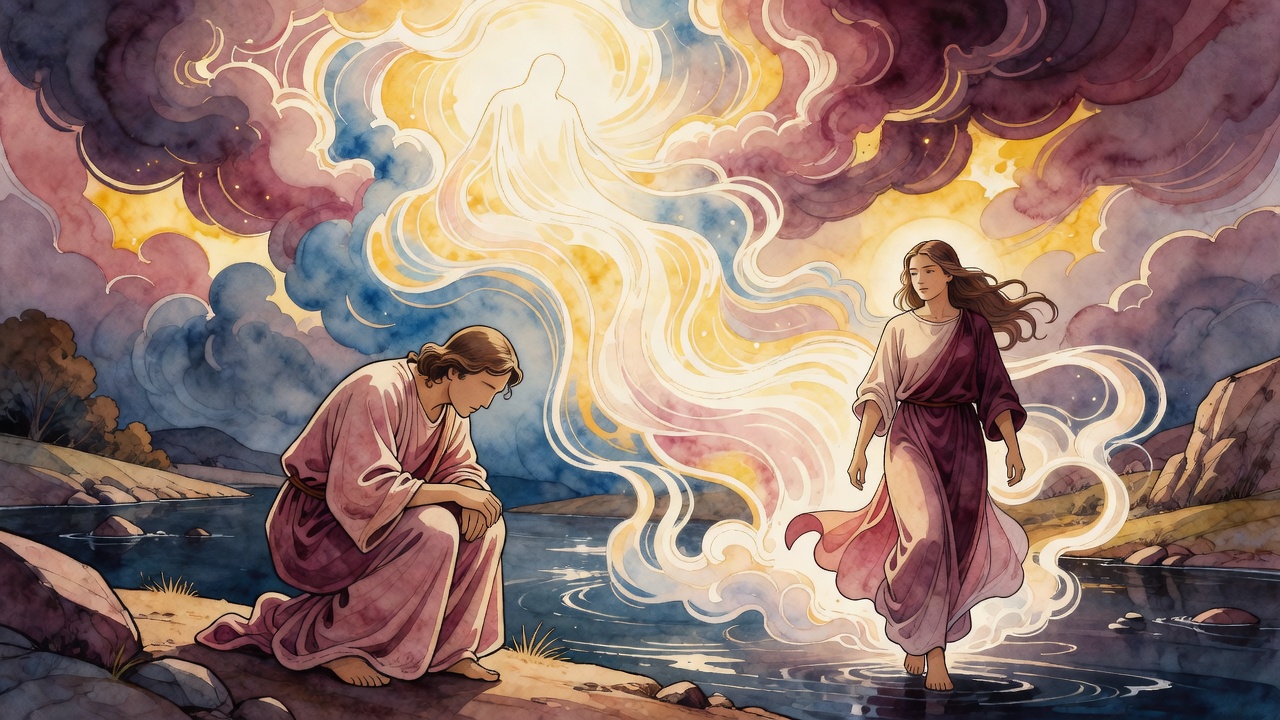
At the Jabbok Jacob called himself too small for kindness already given, and heaven loosened the merit that might have guarded Dinah when she went out.
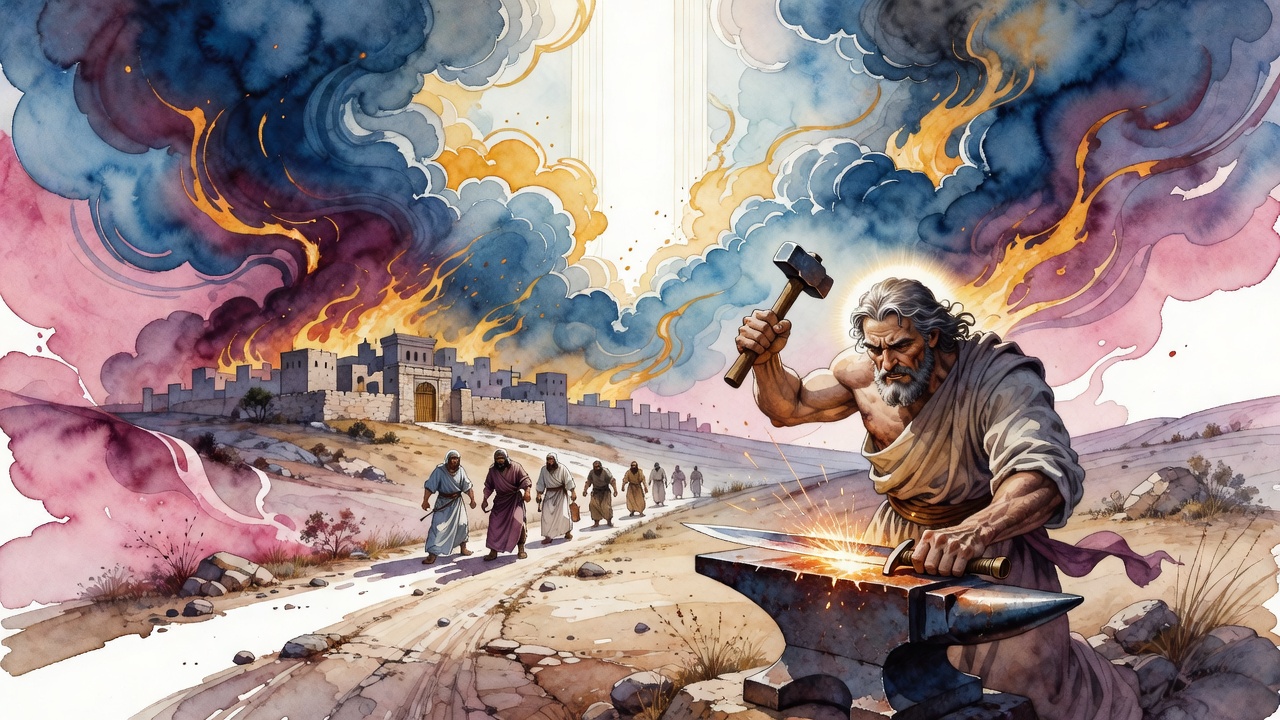
Dinah was still in the tent when her brothers went in with swords. The cities around them should have risen. The watchmen could not lift their horns.
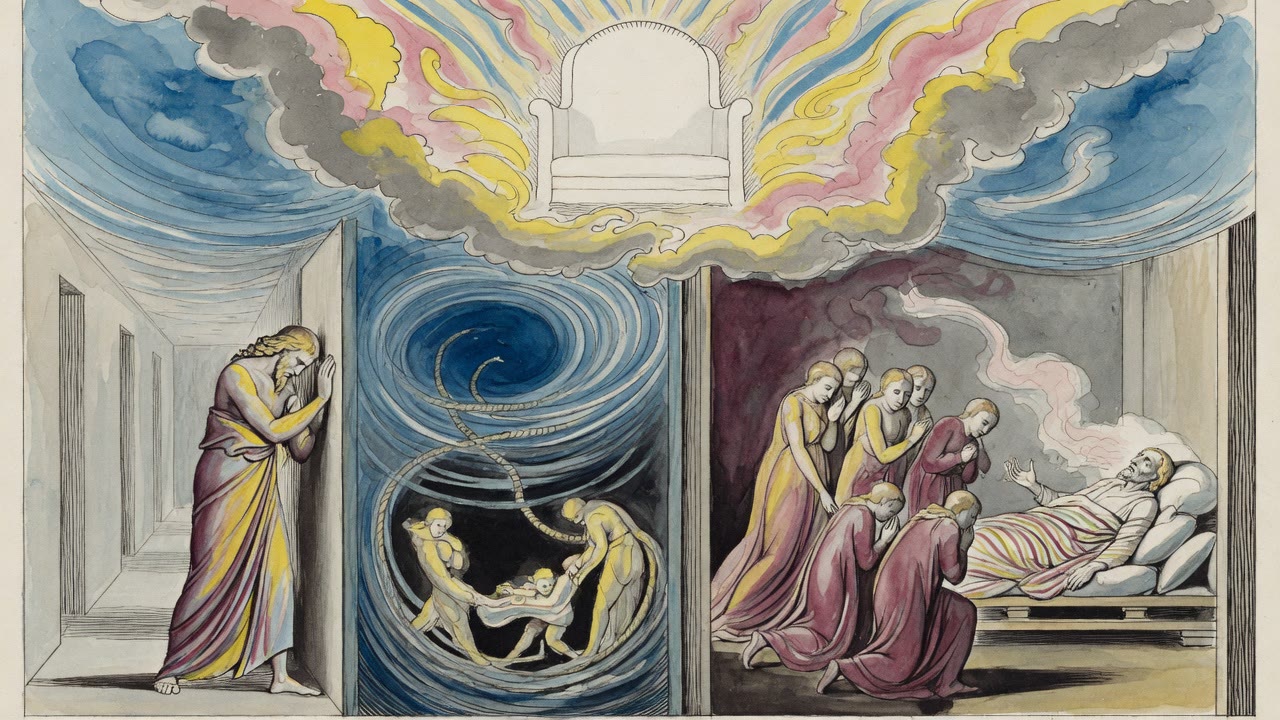
Joseph keeps distance from Jacob's sickbed so no private talk can drag the pit and the sale into a father's curse against the brothers.
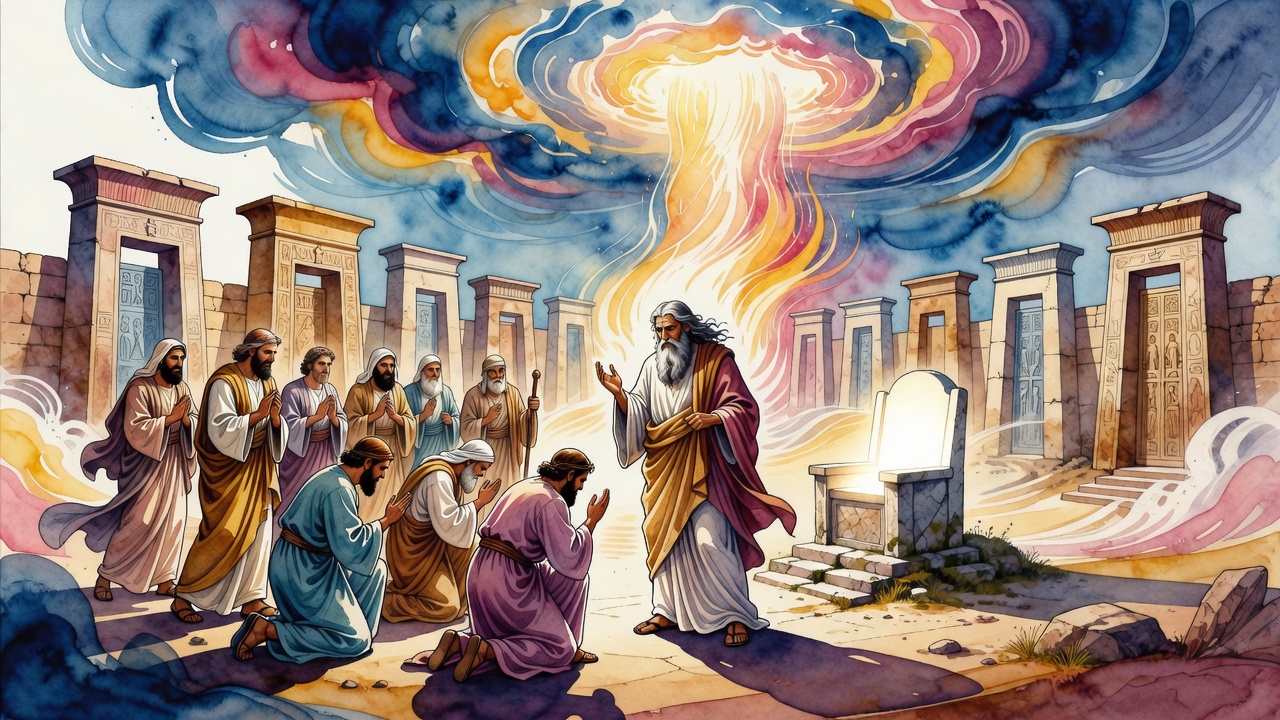
Jacob asked why his sons feared the road to Egypt. They split across ten gates against the evil eye, then bowed to a bearded stranger who remembered dreams.
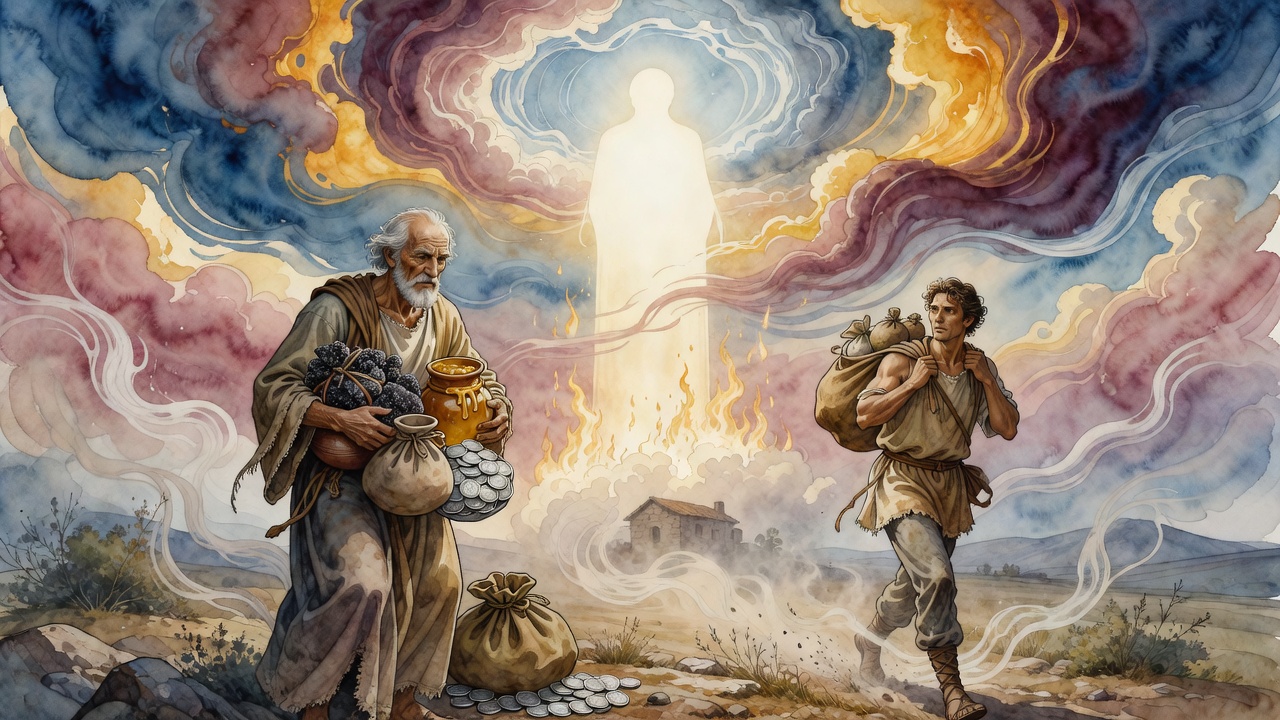
Jacob refused, then yielded. He packed gum, honey, and double silver, and sent Benjamin south into a house where five portions and first wine waited.
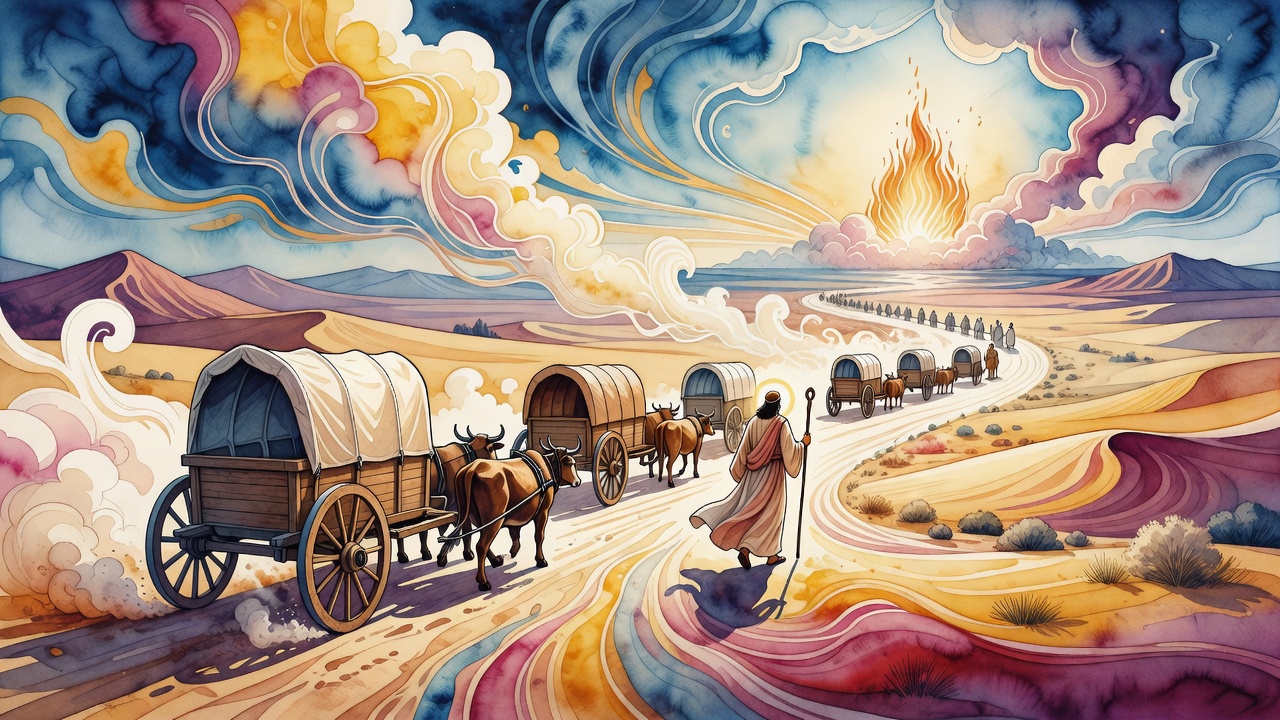
Pharaoh sent wagons for Jacob's house. God promised His Word would go down to Egypt and bring them up, while Judah went ahead to open study in Goshen.
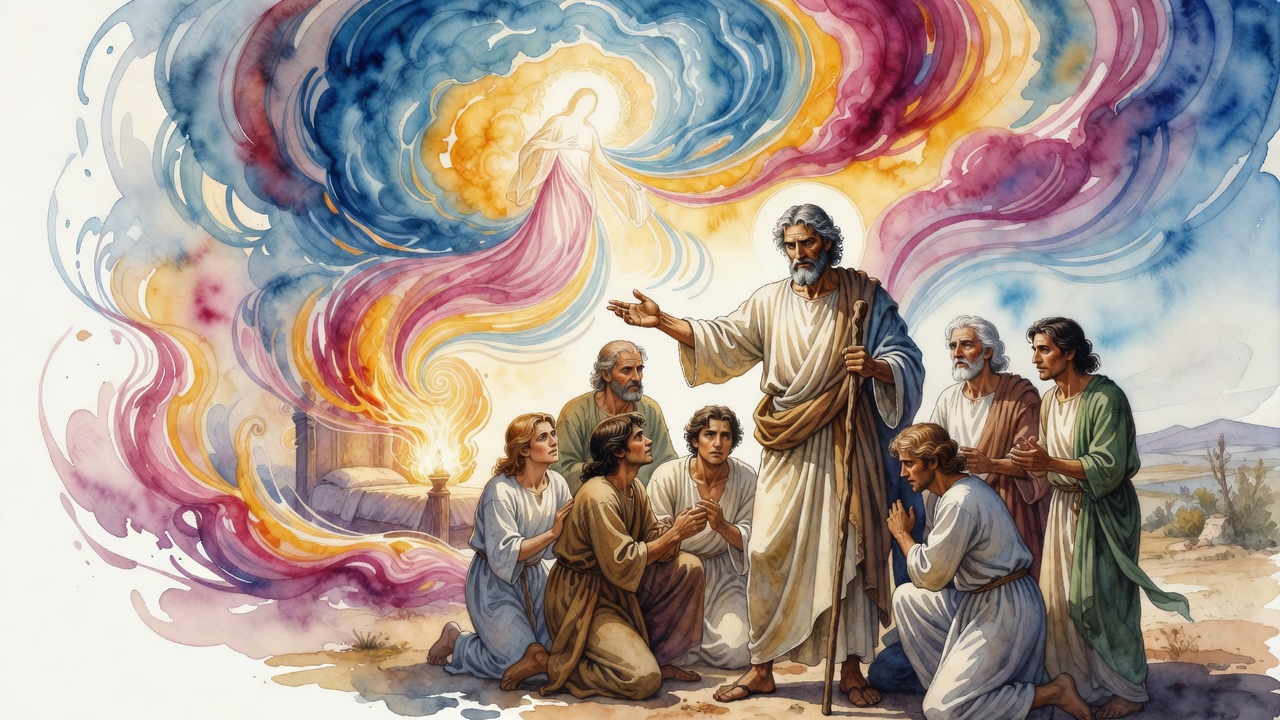
The brothers saw the empty seat and feared the pit again. Joseph made them swear a doubled word no false deliverer would know.
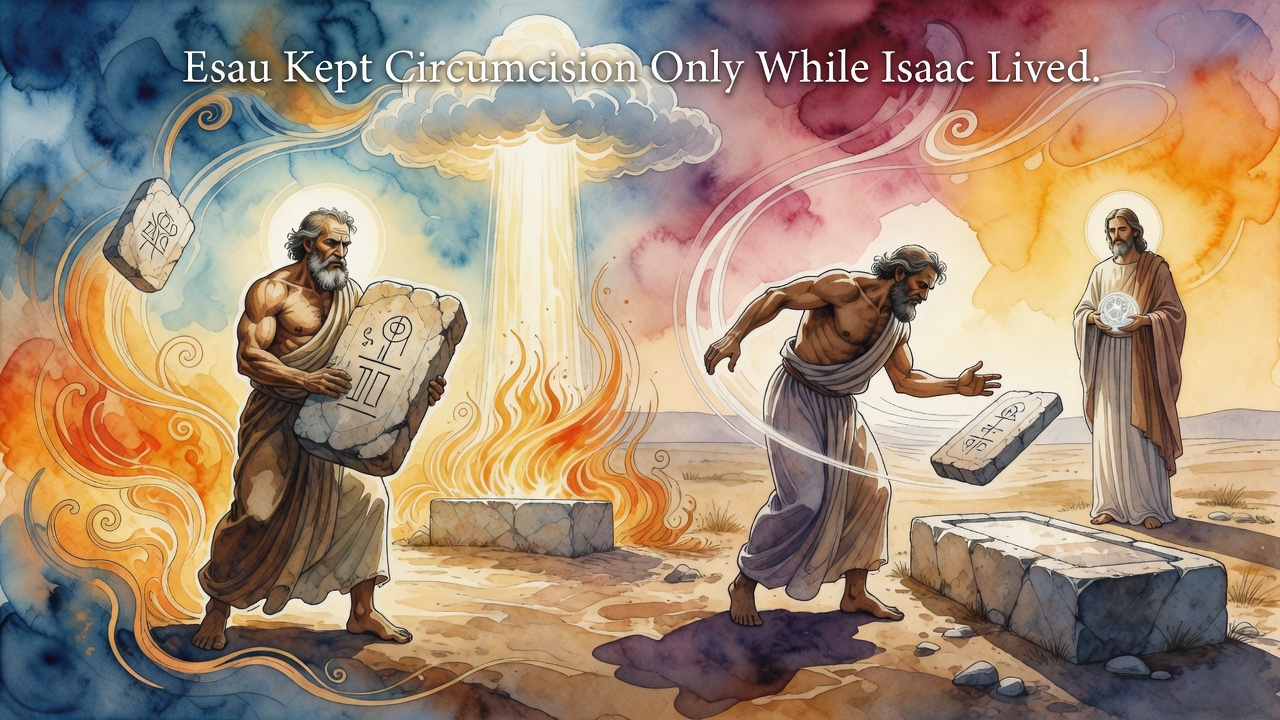
While Isaac breathed Esau held the covenant, then cast it off at the grave, while Jacob kept the moons quieter clock against the suns loud day.
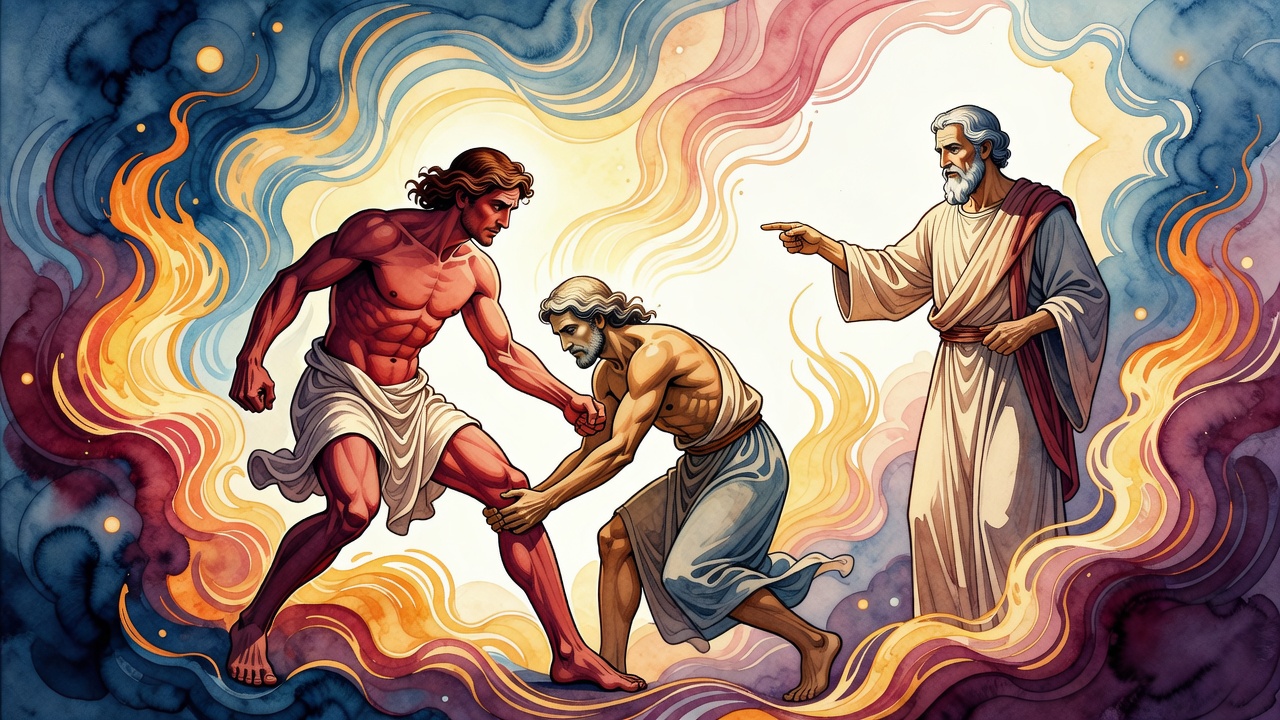
Esau arrived already marked by blood-hunger. Jacob's hand locked on his heel, and centuries later Rabban Gamliel showed Rome that verse as its fate.
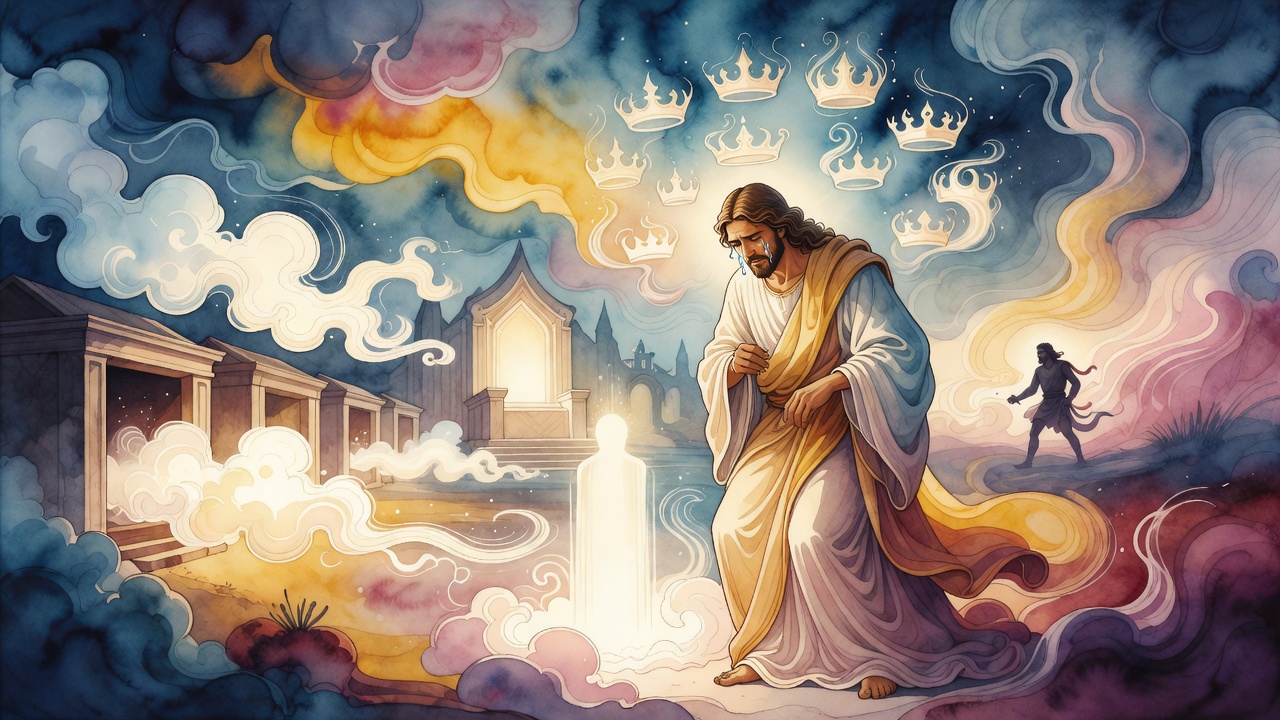
On Passover night Isaac sent Esau to hunt while storehouses of dew opened. Jacob went forced and weeping in royal clothes, and ten blessings crowned him.
