340 myths · Page 10 of 12
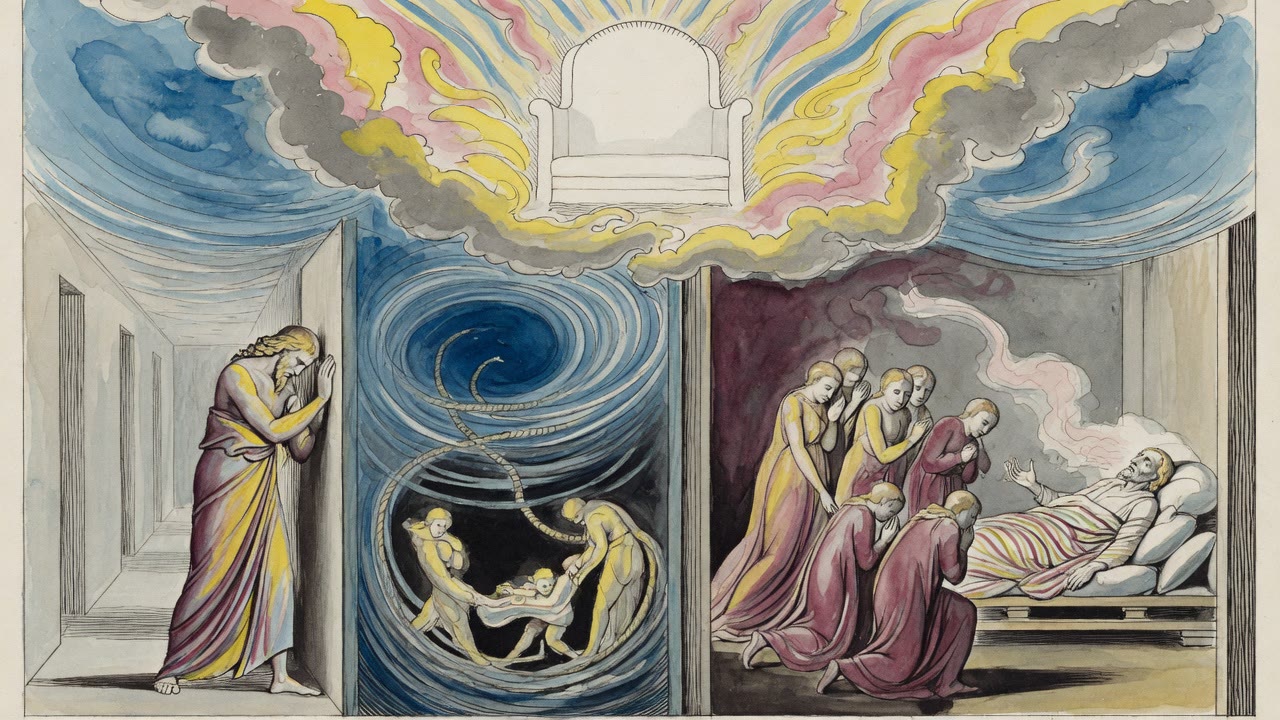
Joseph keeps distance from Jacob's sickbed so no private talk can drag the pit and the sale into a father's curse against the brothers.
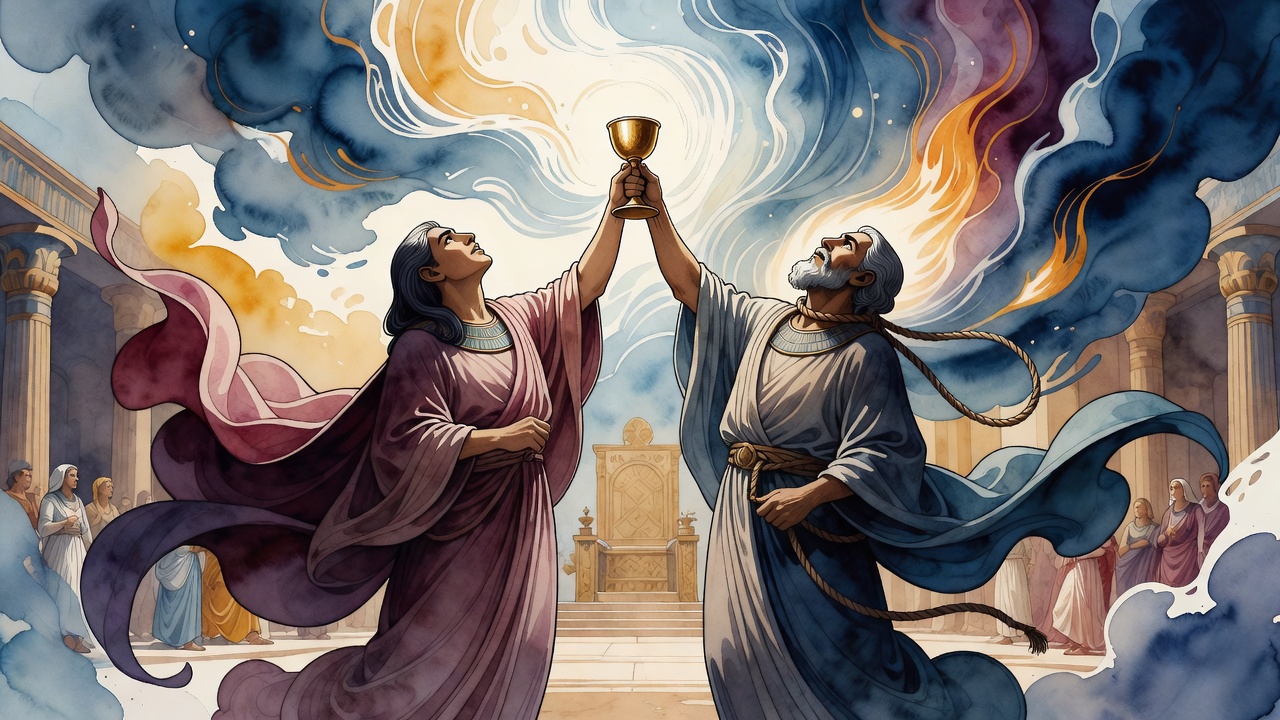
In the prison Joseph named two endings. Three days later the cupbearer poured again, and the baker hung where the kitchen staff could see.
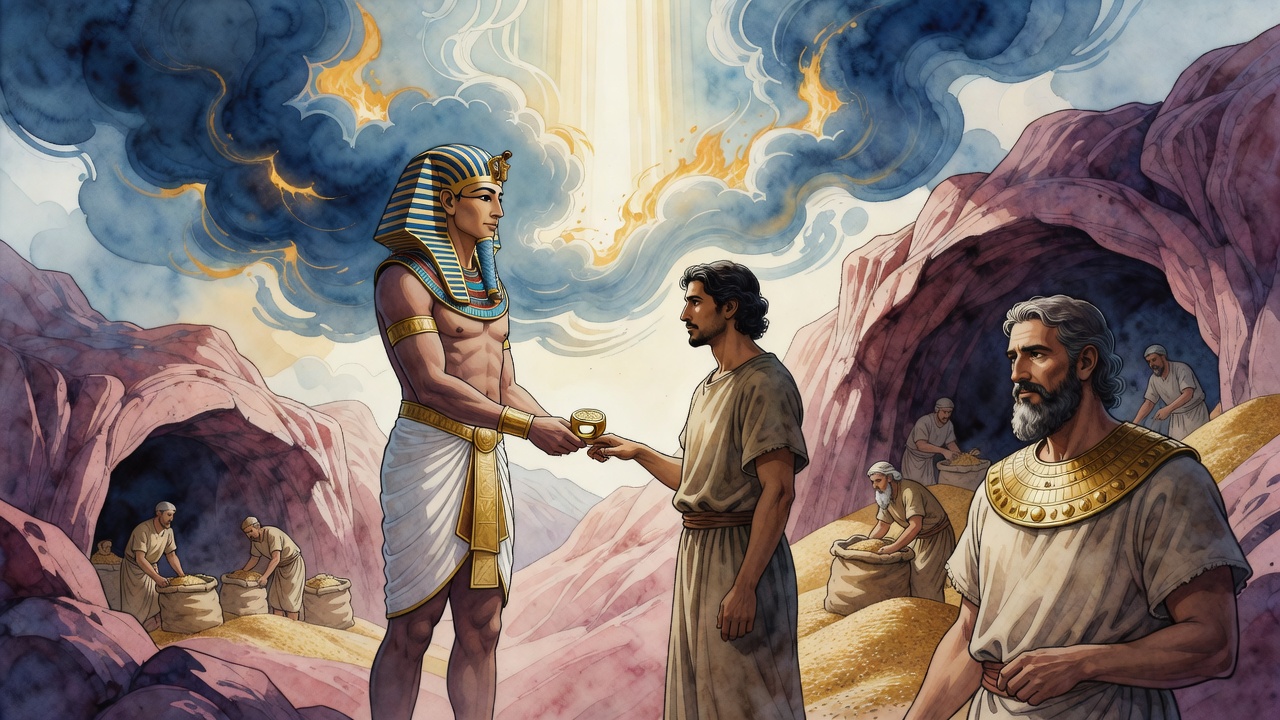
At thirty Joseph left prison for a ring, a gold collar, and power so total no Egyptian could arm or ride without his word, then buried grain in caverns.
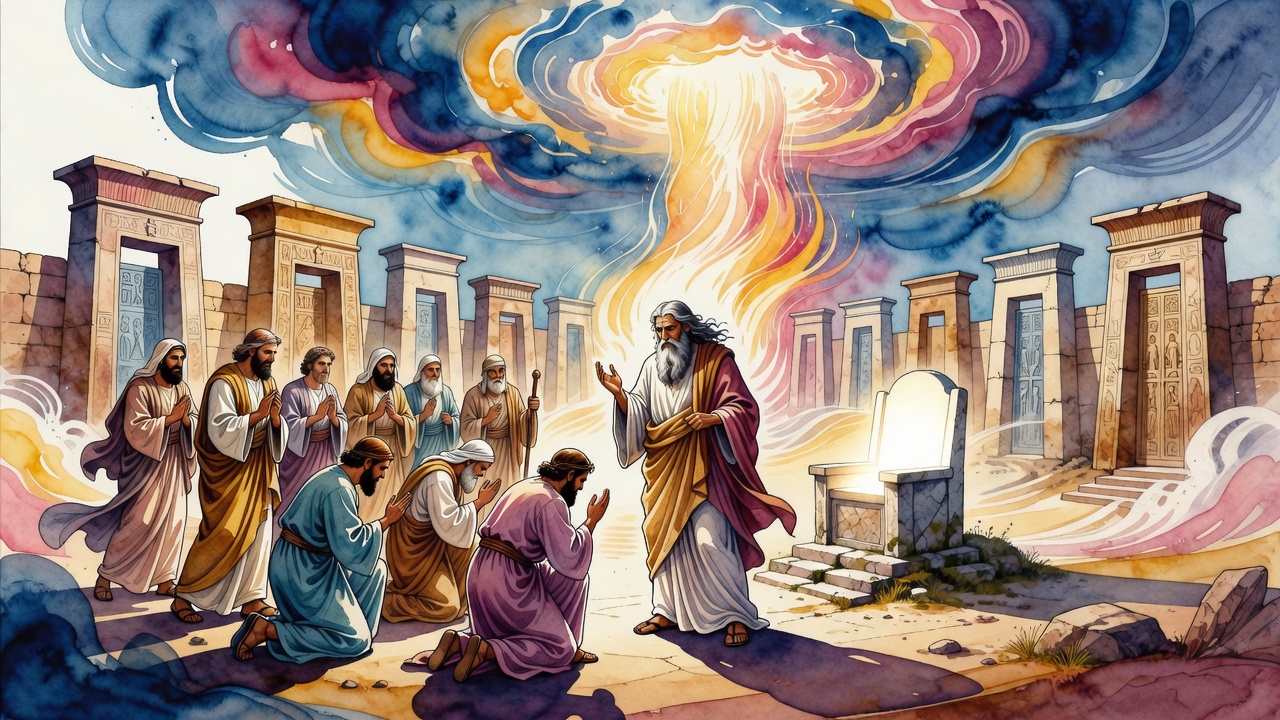
Jacob asked why his sons feared the road to Egypt. They split across ten gates against the evil eye, then bowed to a bearded stranger who remembered dreams.
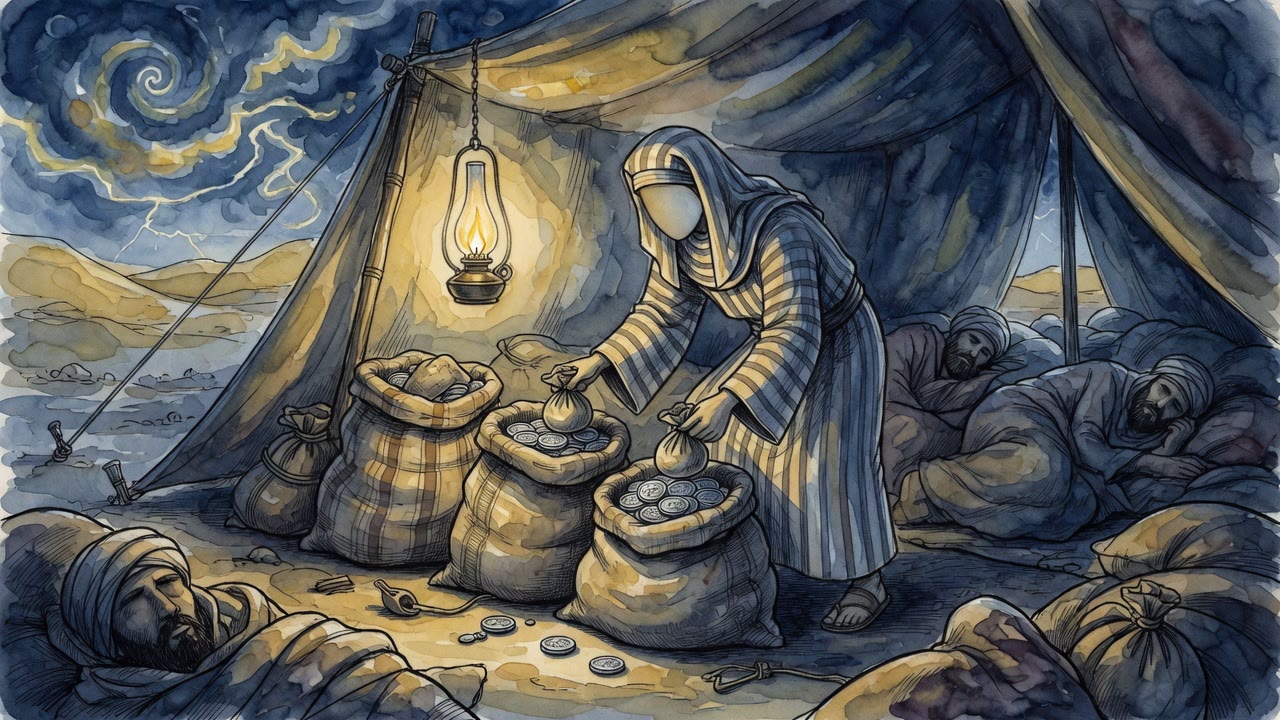
The brothers emptied their sacks in Canaan and found every man's money bundled inside. Simeon was still in an Egyptian cell, and the silver looked like a trap.
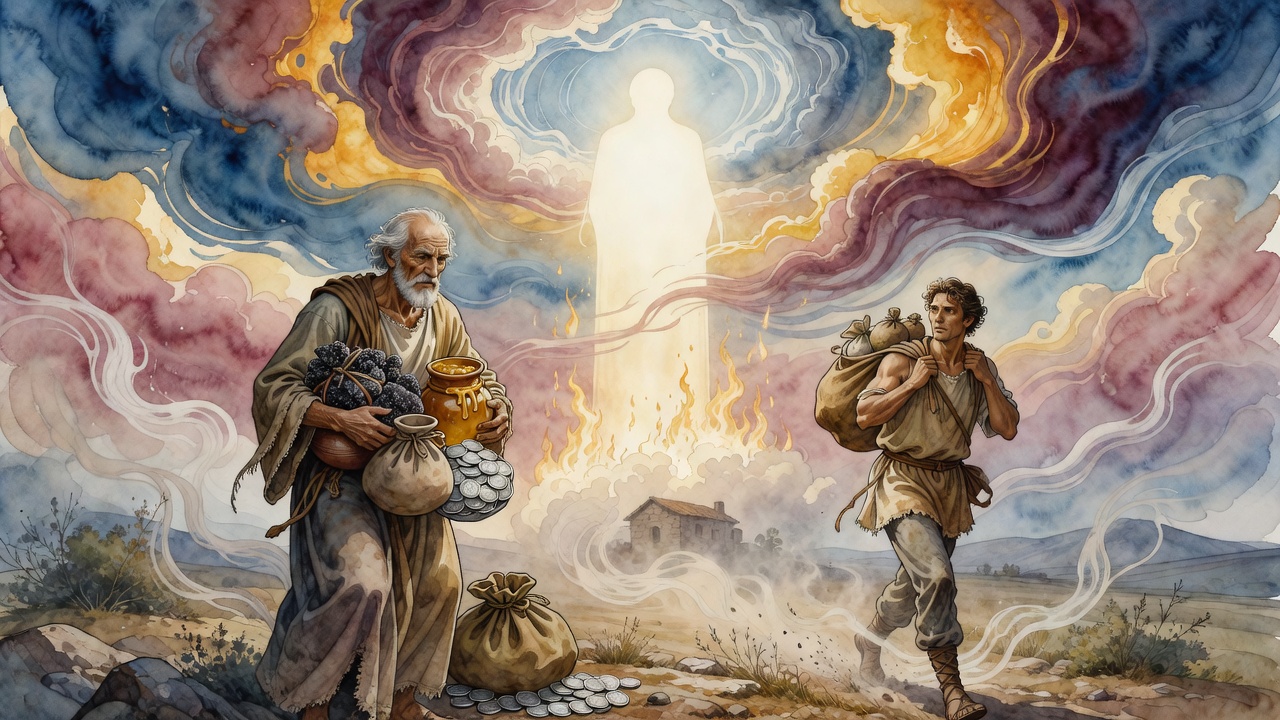
Jacob refused, then yielded. He packed gum, honey, and double silver, and sent Benjamin south into a house where five portions and first wine waited.
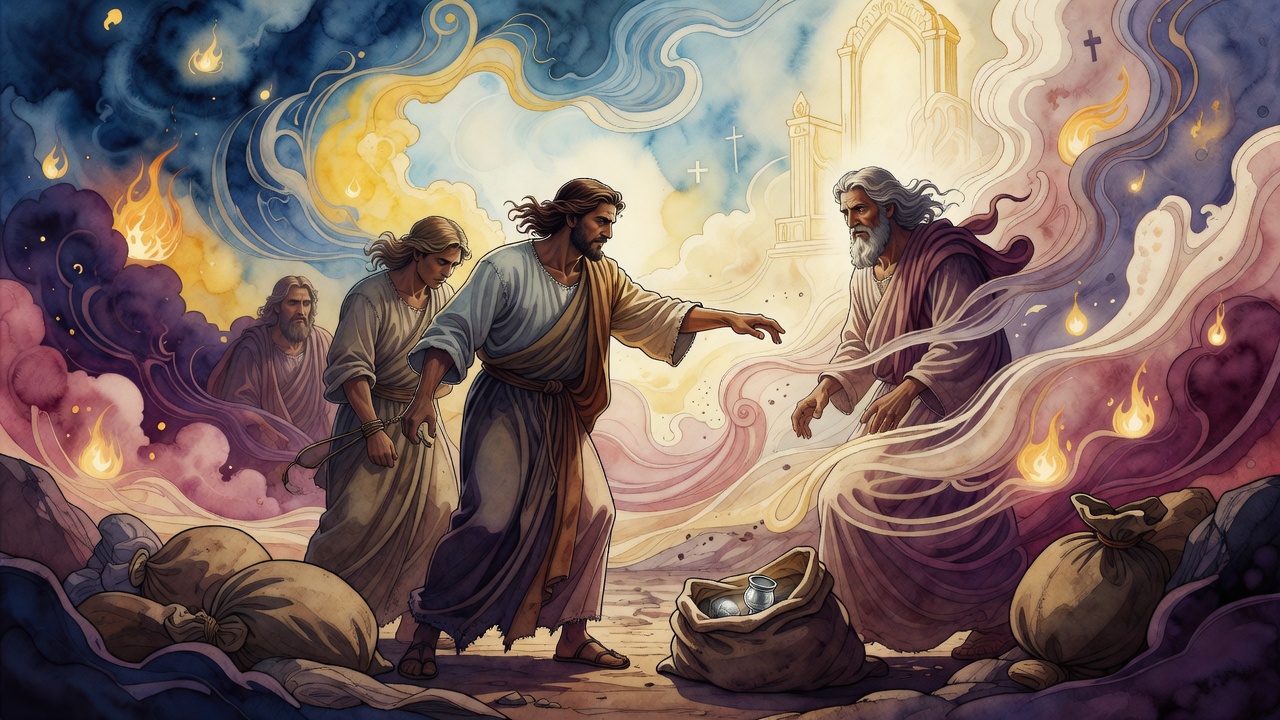
Joseph planted his silver cup in Benjamin's sack, offered the rest peace, and watched Judah refuse a road home that left Rachel's last son in chains.
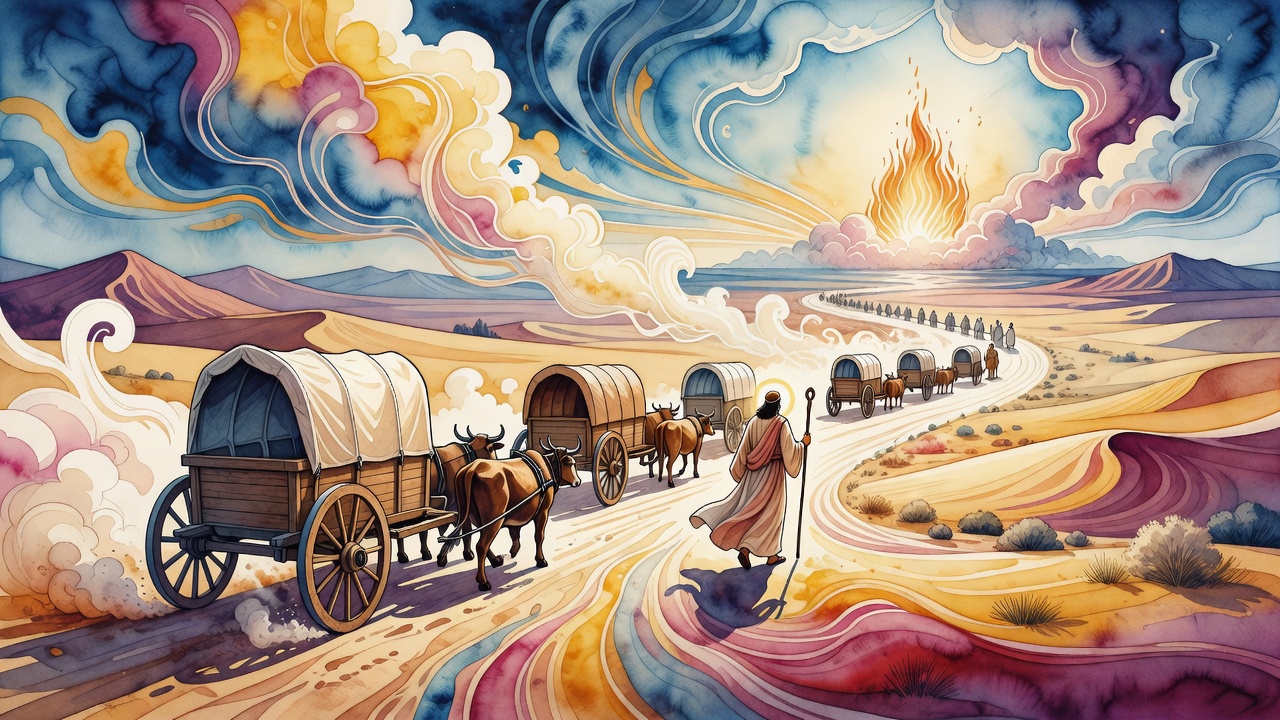
Pharaoh sent wagons for Jacob's house. God promised His Word would go down to Egypt and bring them up, while Judah went ahead to open study in Goshen.
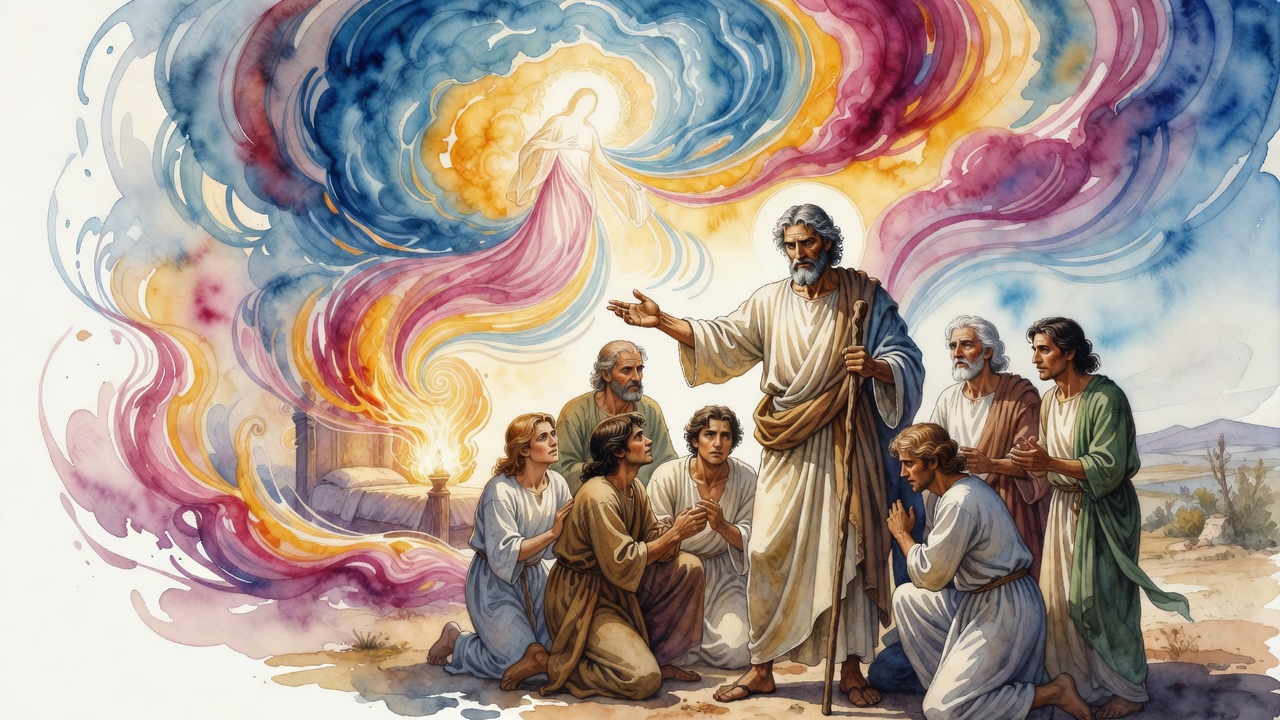
The brothers saw the empty seat and feared the pit again. Joseph made them swear a doubled word no false deliverer would know.
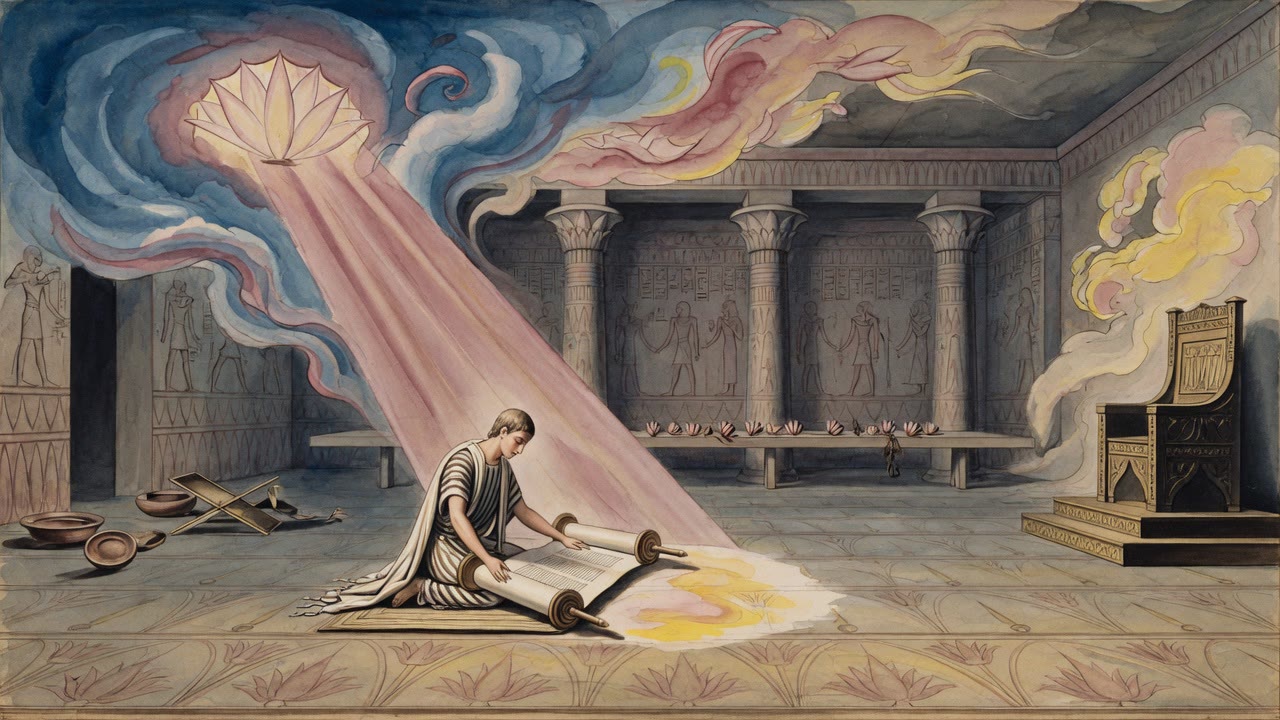
Potiphar looked at the traders, then at the boy they were selling, and said out loud that this was no slave. He bought him anyway, and not for the accounts.
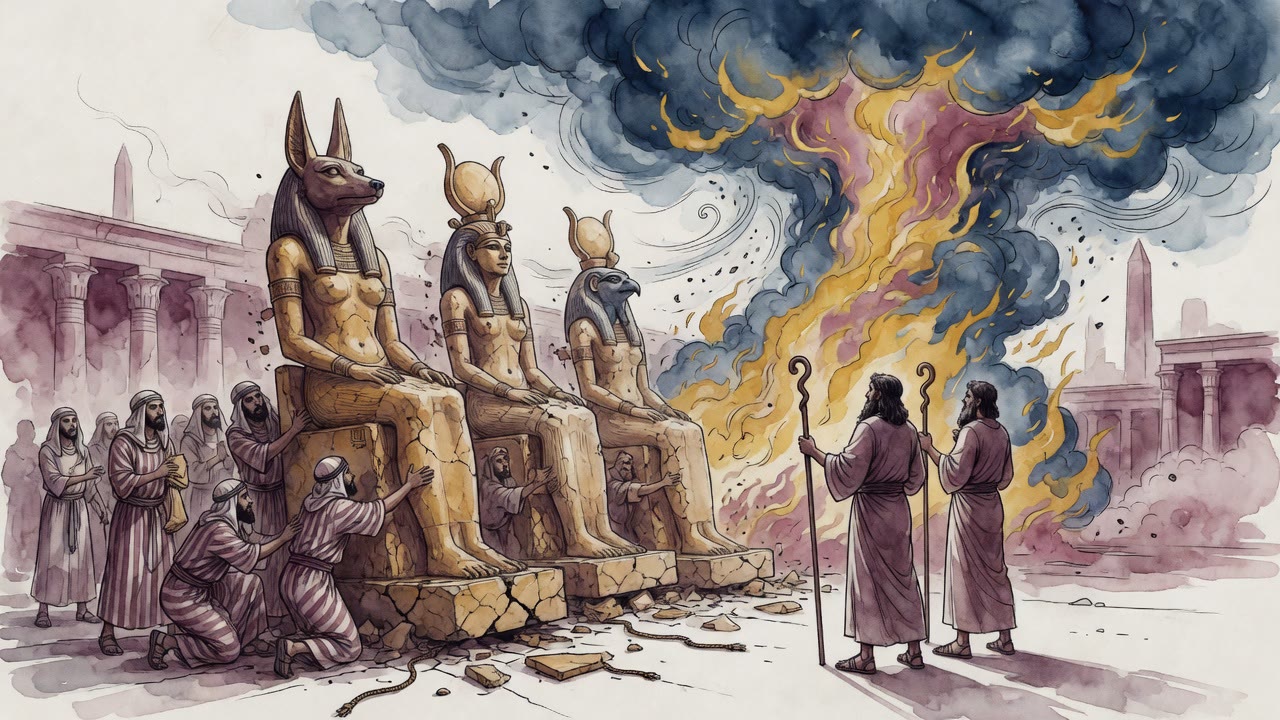
Jacob could recite the rescues in his sleep. Esau, Laban, the Canaanites who chased him. He had not kept a line for Joseph.
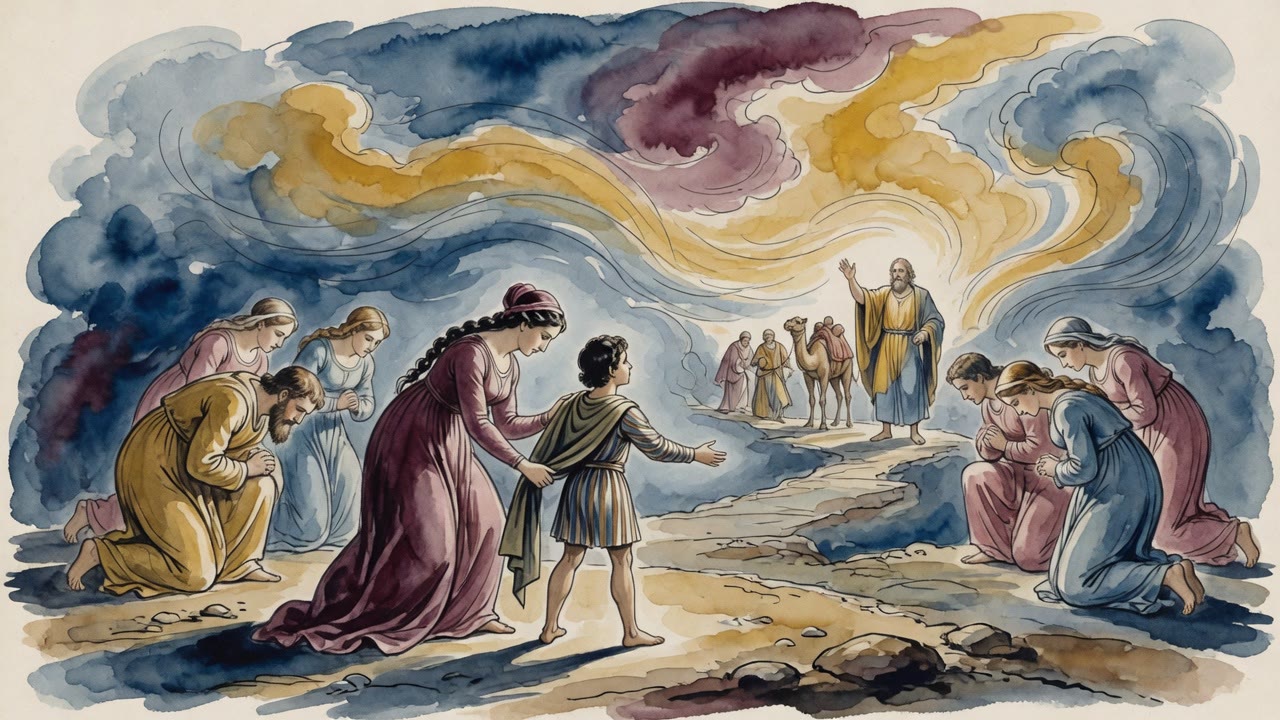
When the family bowed before Esau, Joseph stepped in front of Rachel and used his small body as a shield for his mother.
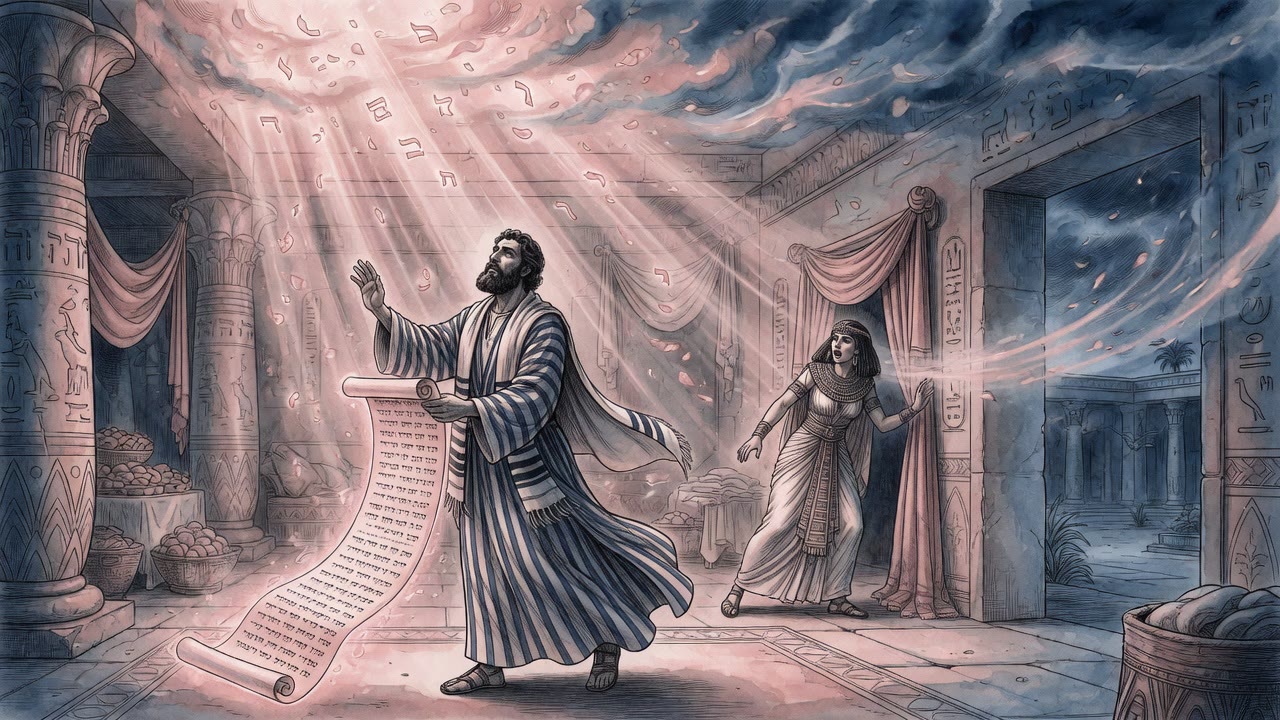
Grain jars, door bolts, accounts, the order of the servants: an Egyptian officer's whole house hung on a slave his brothers had sold.
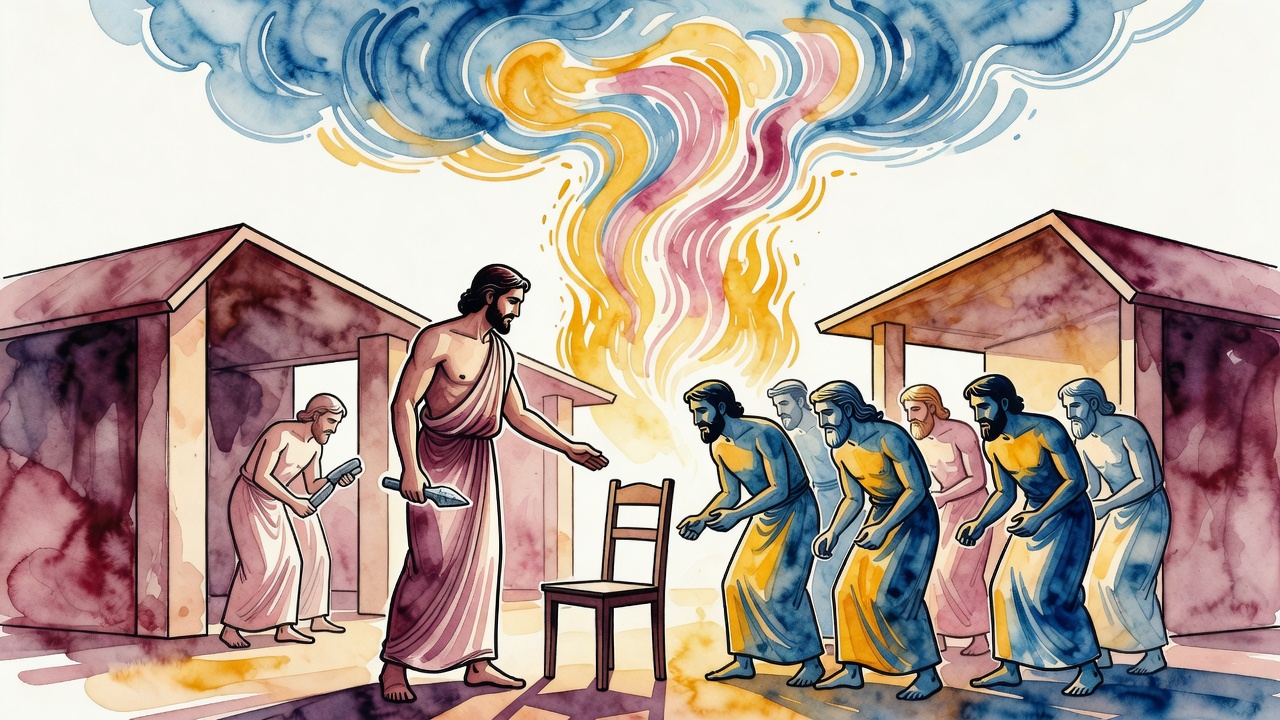
Joseph's brothers invent a grudge from his empty seat. He names their fear, then takes flint himself to circumcise great-grandsons under Egyptian roofs.
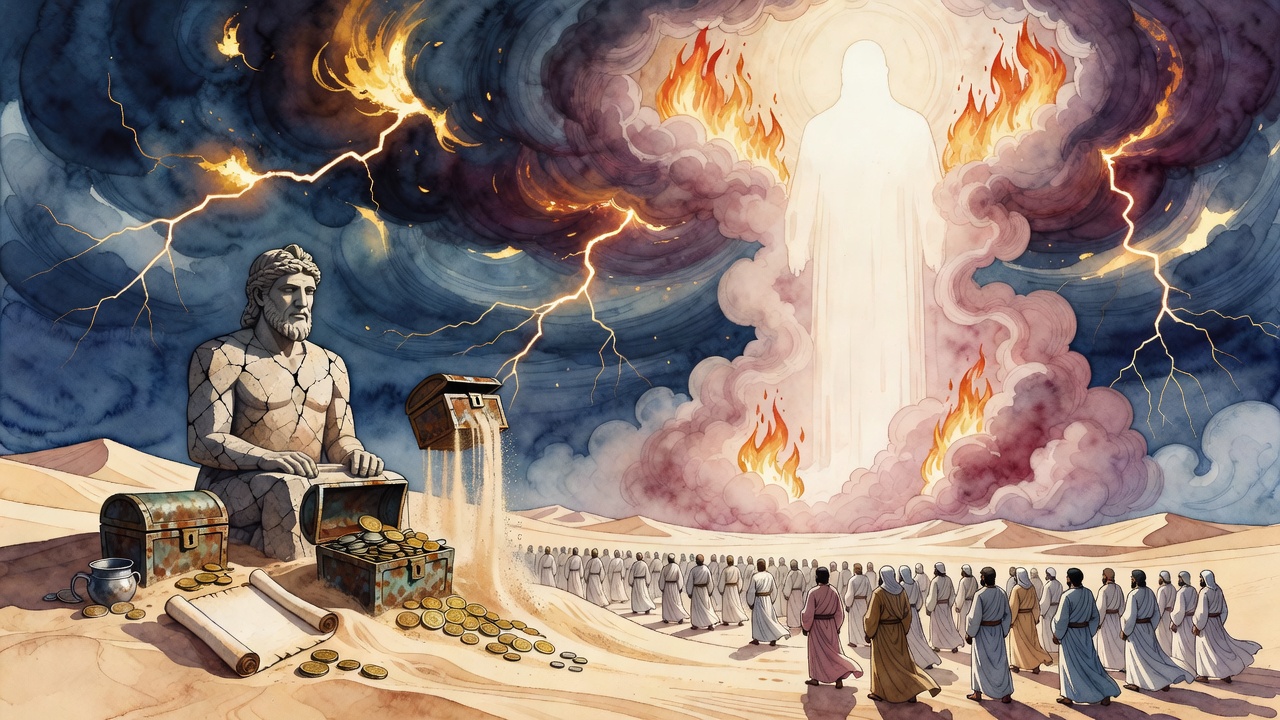
God told them to turn back toward Egypt and camp at the one idol left standing. Under it lay the silver and gold Joseph had stored away.
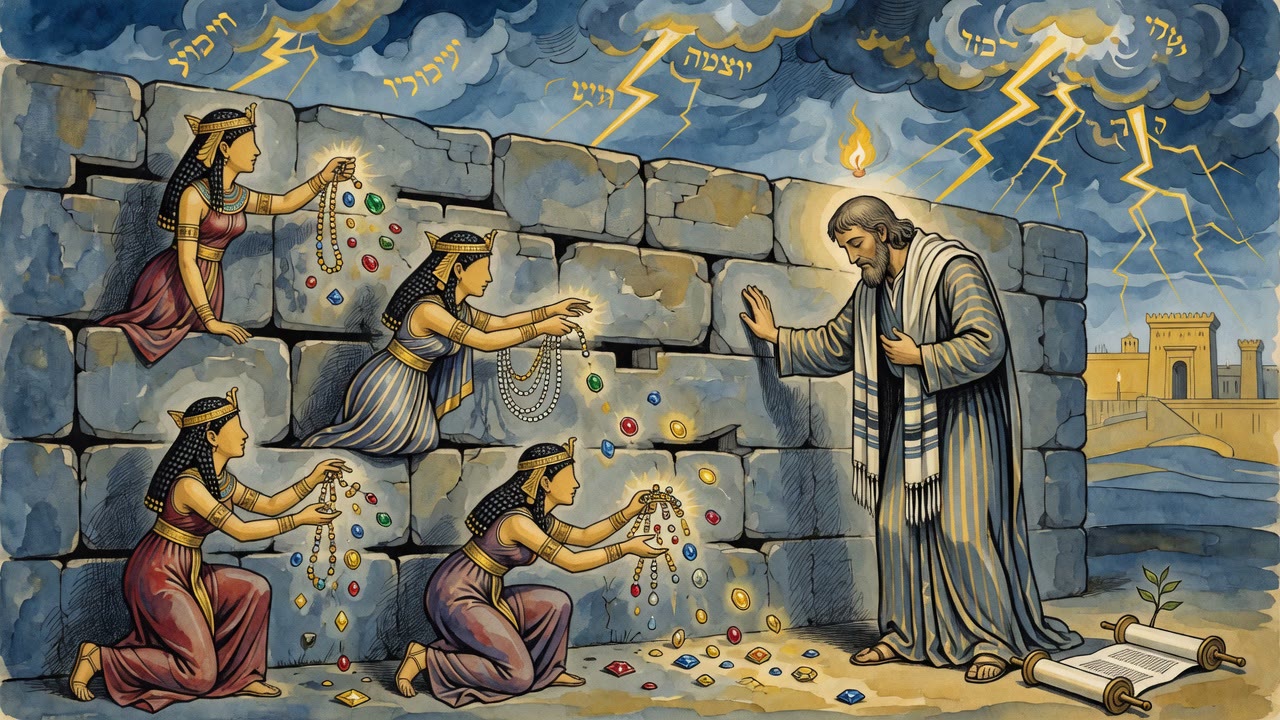
Royal daughters press jewels through wall slits to catch Josephs eye. He keeps his gaze down, and a later Torah law becomes his reward.
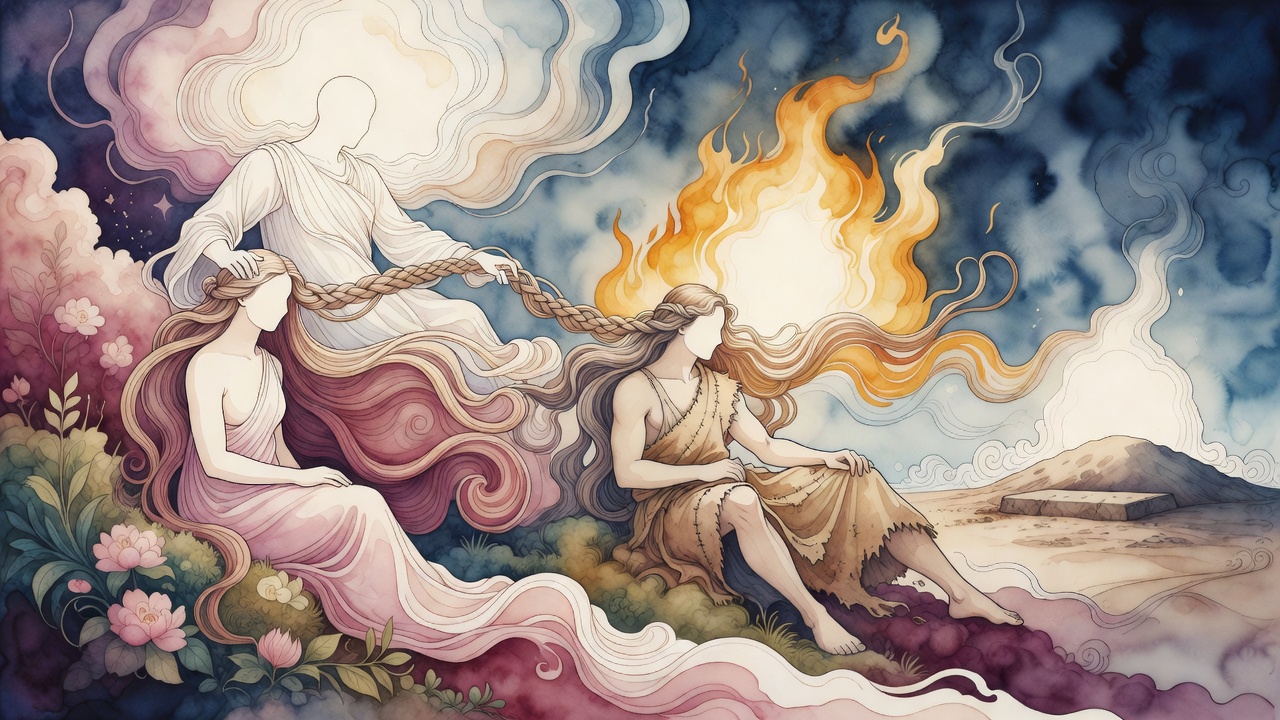
God did not shove her out from behind a tree. He braided her hair first. Adam waited, short a rib, with nothing to offer her but a name.
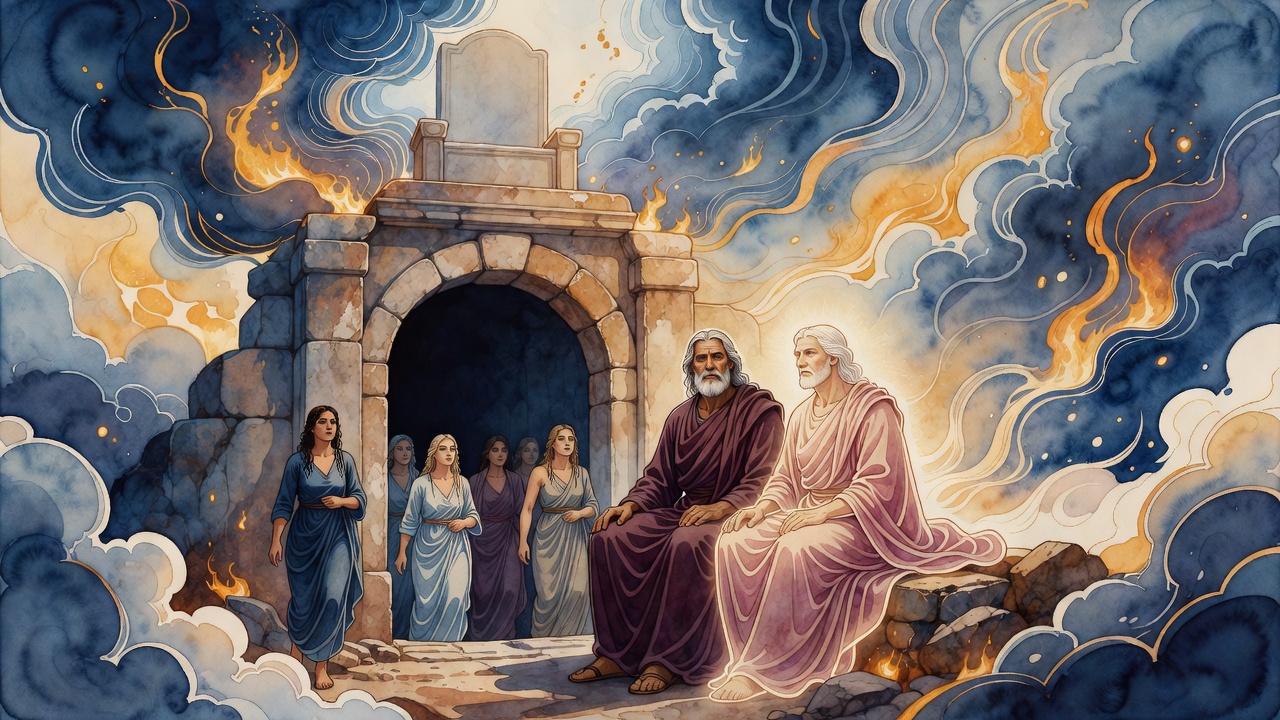
Rabbi Yochanan parks his famous beauty where women leave the mikveh so they will bear radiant children. He trusts Josephs immunity to the evil eye.
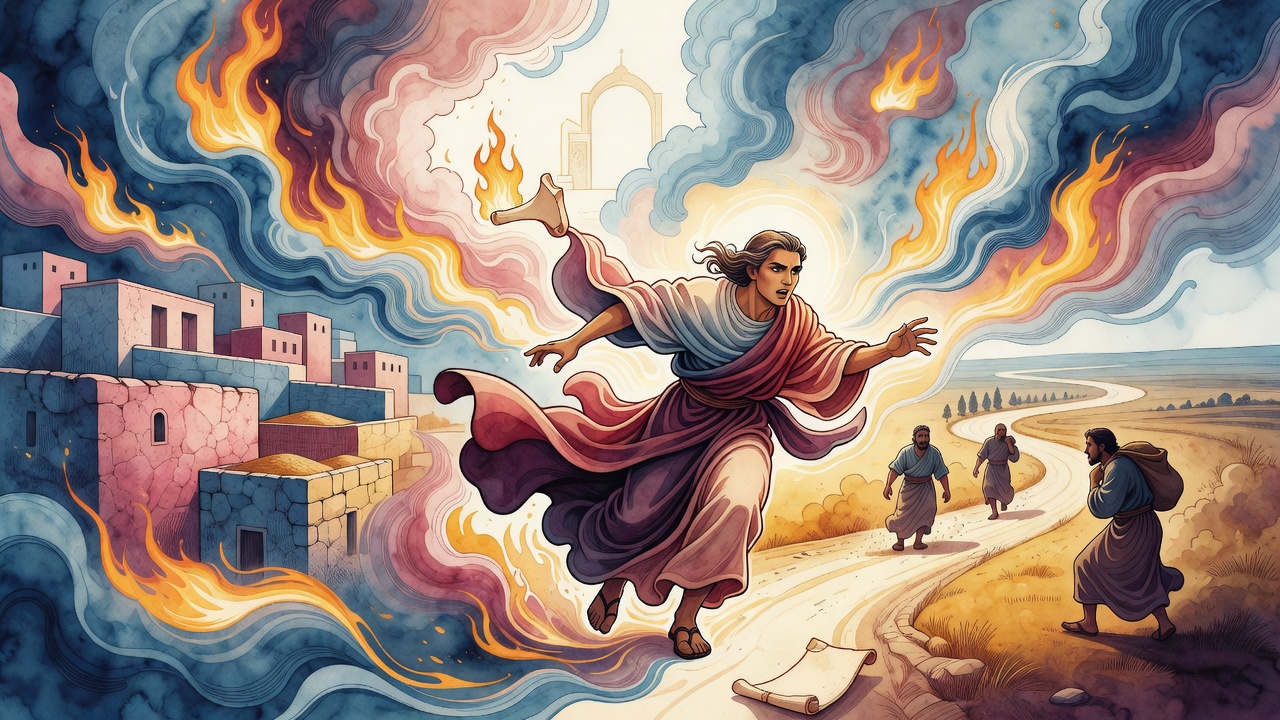
Simeon walked out of the back room alive and his brothers breathed again. They were barely clear of the city when the steward came up the road behind them.
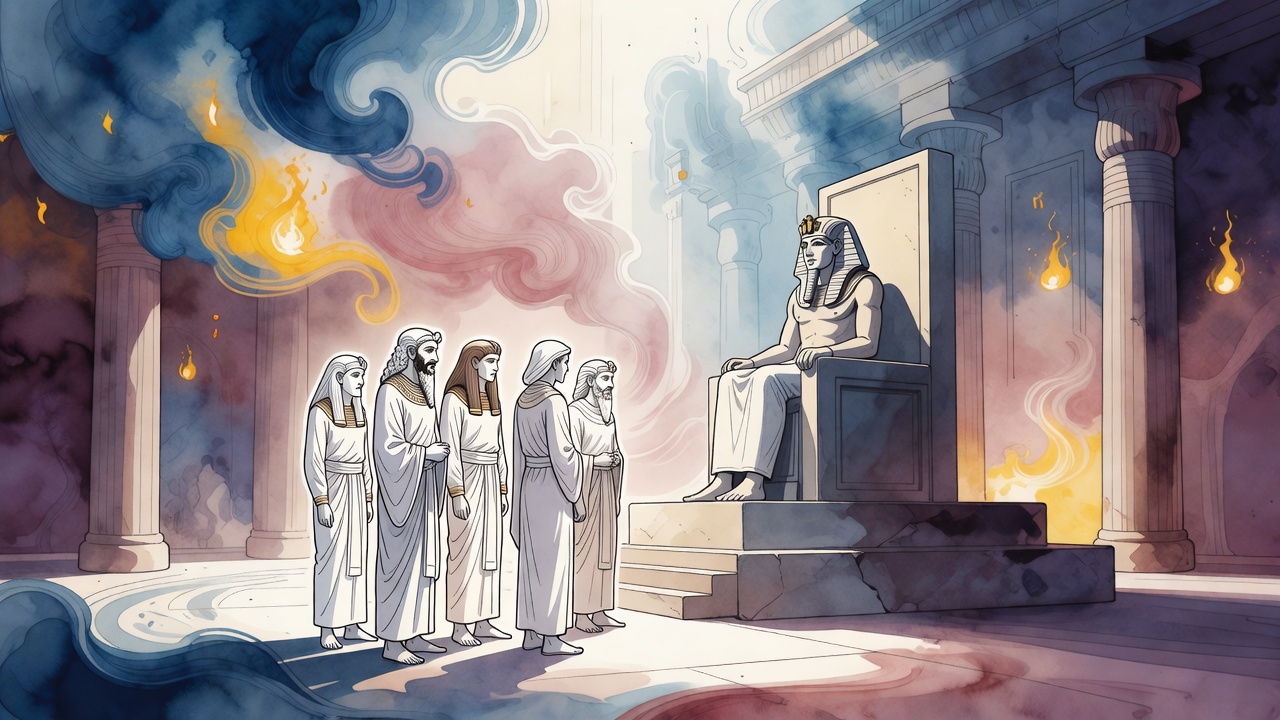
Only five brothers went in to see Pharaoh. Joseph chose the quiet ones and left the fighters outside, so Egypt could not draft them into its army.
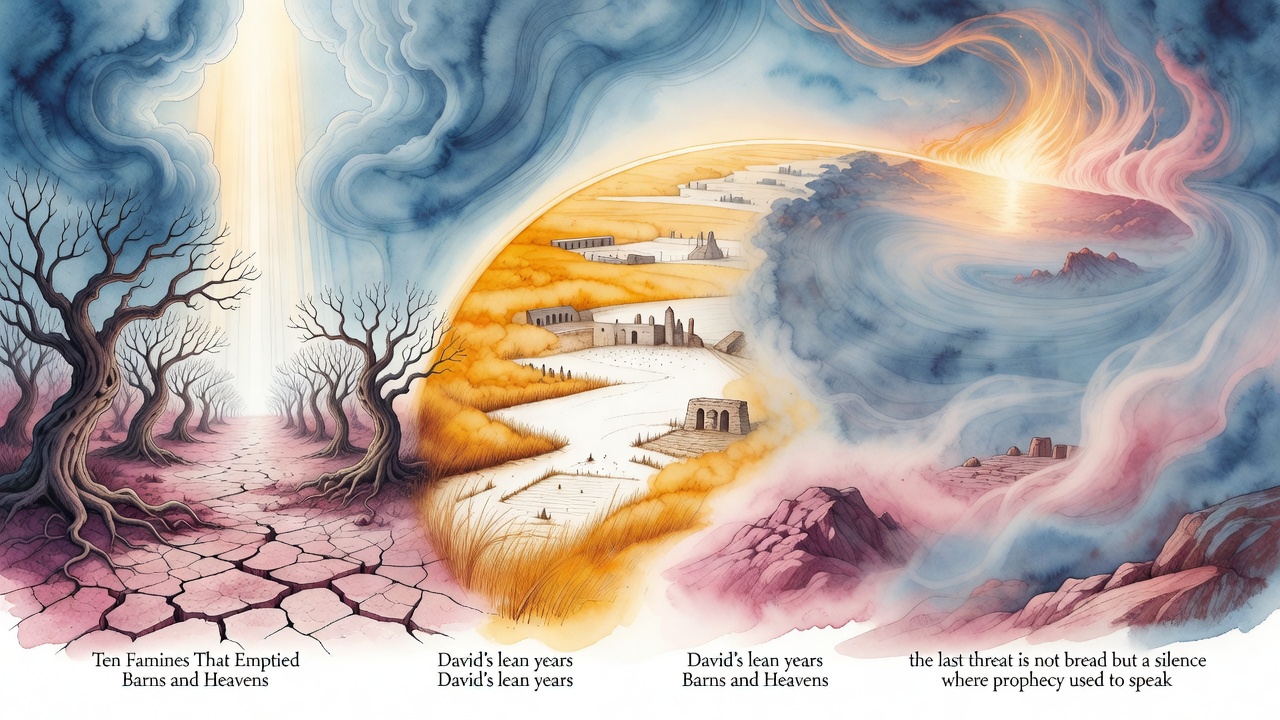
From Eden's cursed ground to David's lean years, the midrash counts ten famines. The last threat is not bread but a silence where prophecy used to speak.
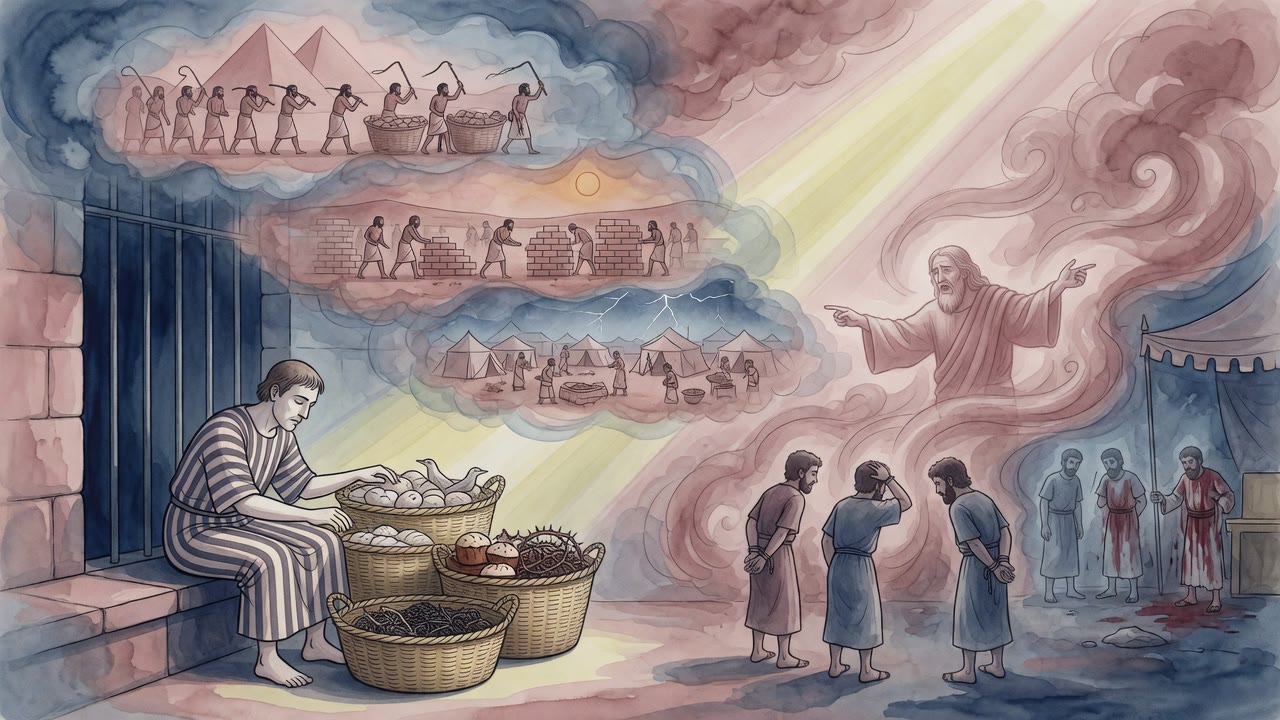
The cupbearer had Joseph's name in his mouth. Then the thought emptied, and two years of prison held until a king woke sweating.
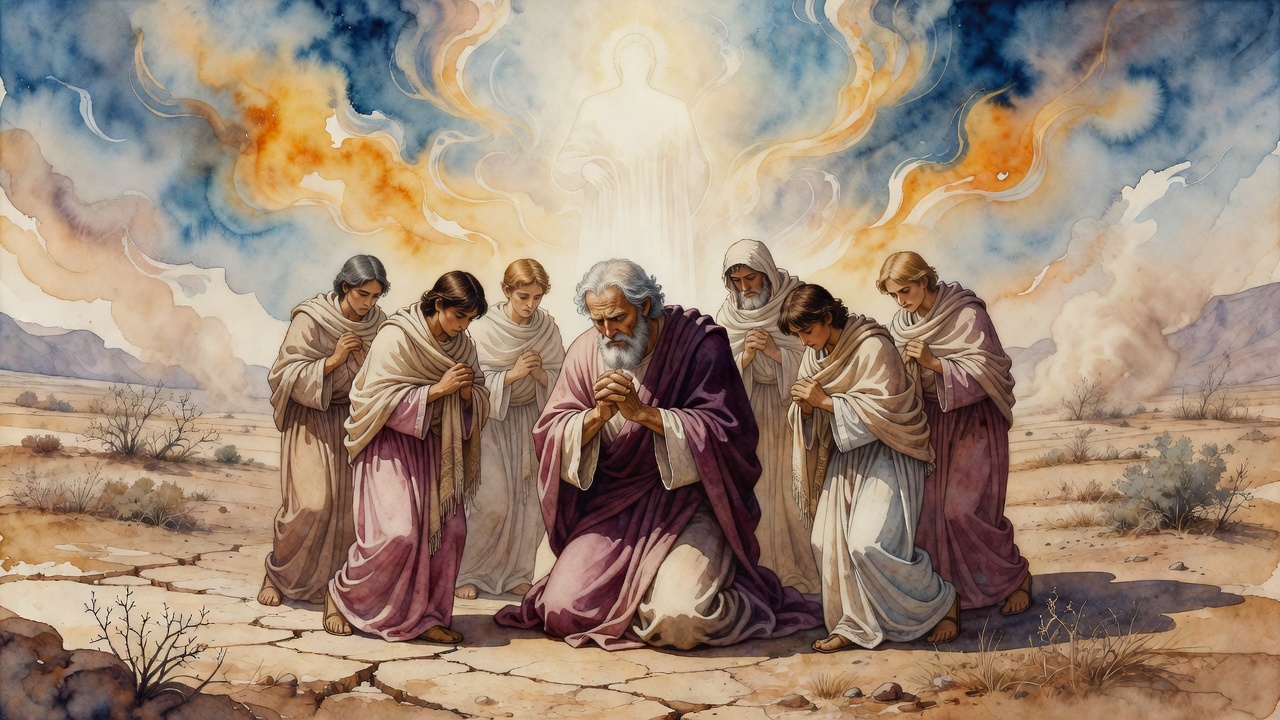
Famine presses Canaan. Jacob will not send Benjamin naked into Egypt. He wraps the boys in prayer first, and warns them to walk small under foreign eyes.
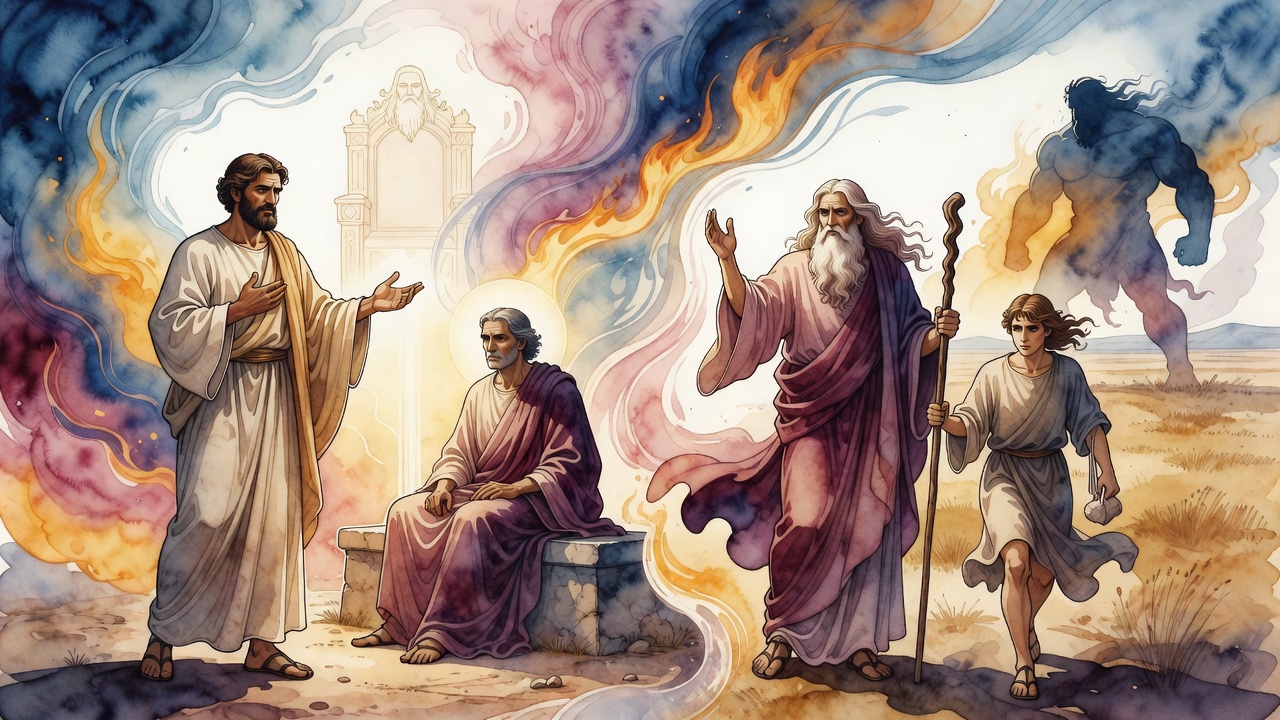
Judah offered his body for Benjamin in a foreign court. Years later Jesse looked at his youngest and said the old pledge was due.
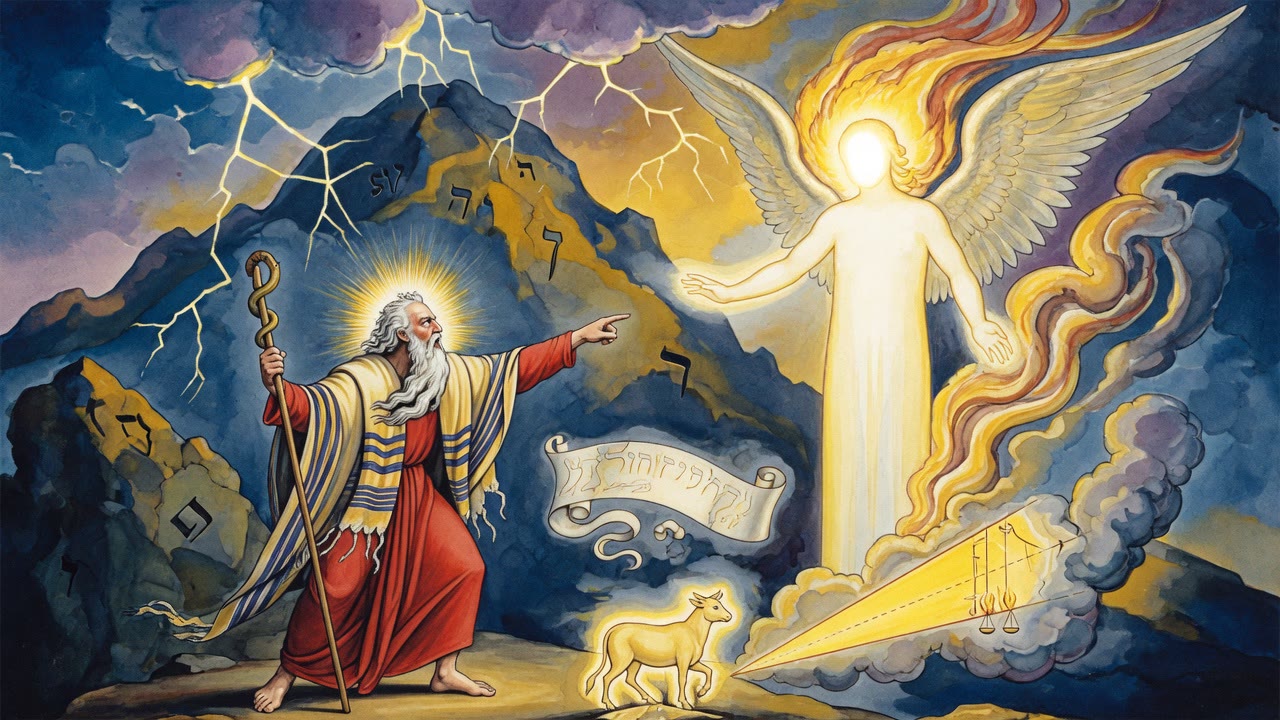
In Potiphars house Joseph prays under his breath. The Egyptian demands to see his God. Joseph points at the sun and asks who can stare at a mere servant.
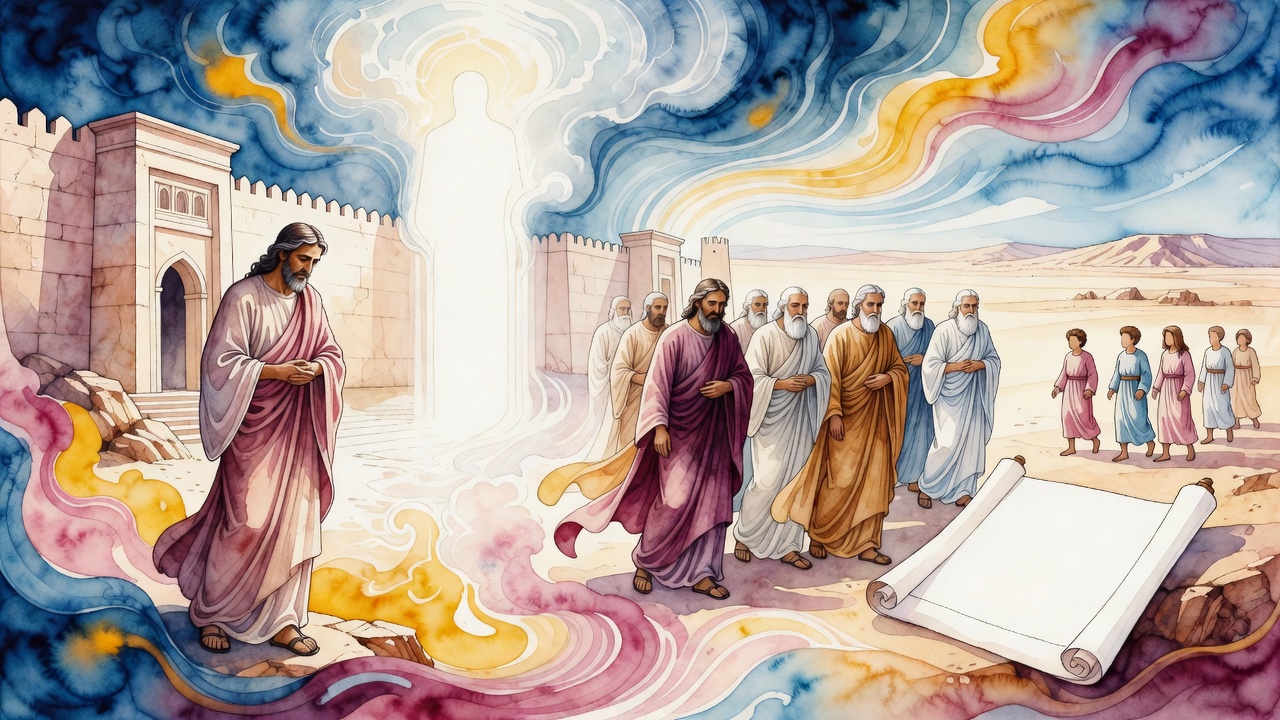
Grief kept Joseph out of the throne room. The second man in Egypt sent his request through clean-shaven mouths. Then a coffin pulled the court toward Hebron.
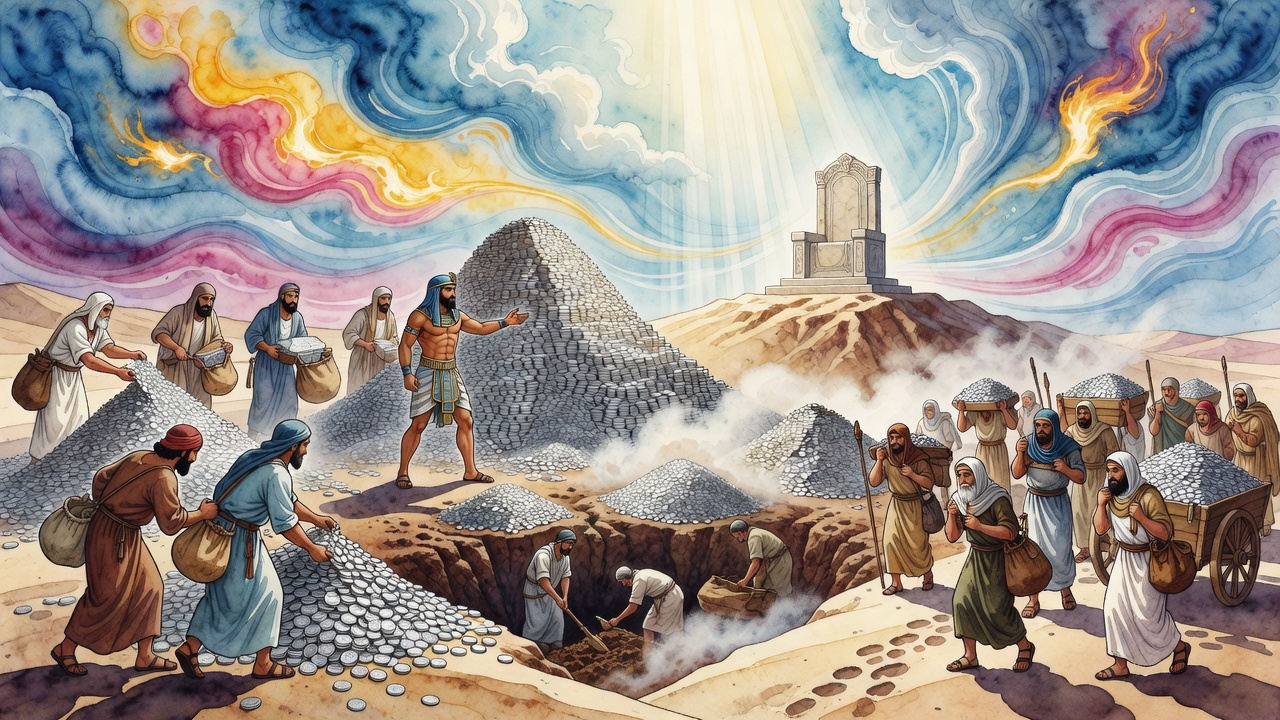
Nations empty their purses for grain. Joseph stacks the earth's silver in Egypt, buries three hoards, and later Israel carries the treasure out.
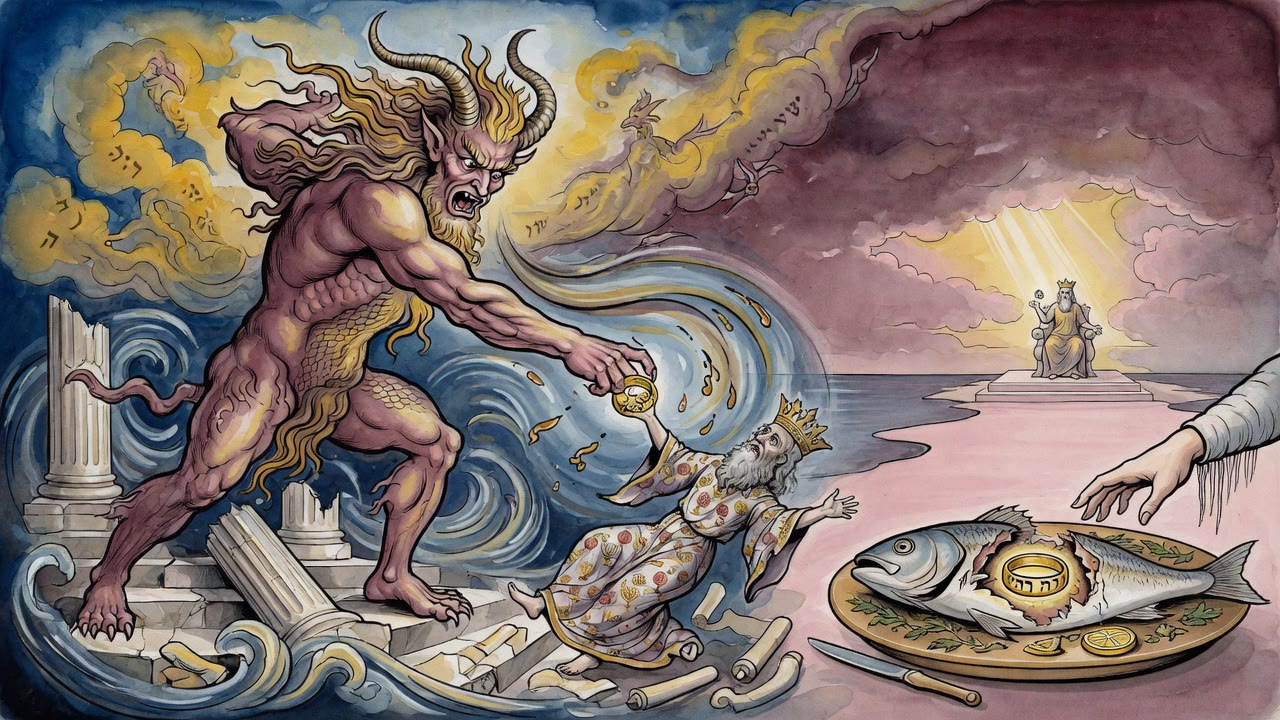
Jacob hangs a golden plate on Dinah's infant, leaves her by Egypt's wall, and years later that foundling becomes the wife of Egypt's lord.
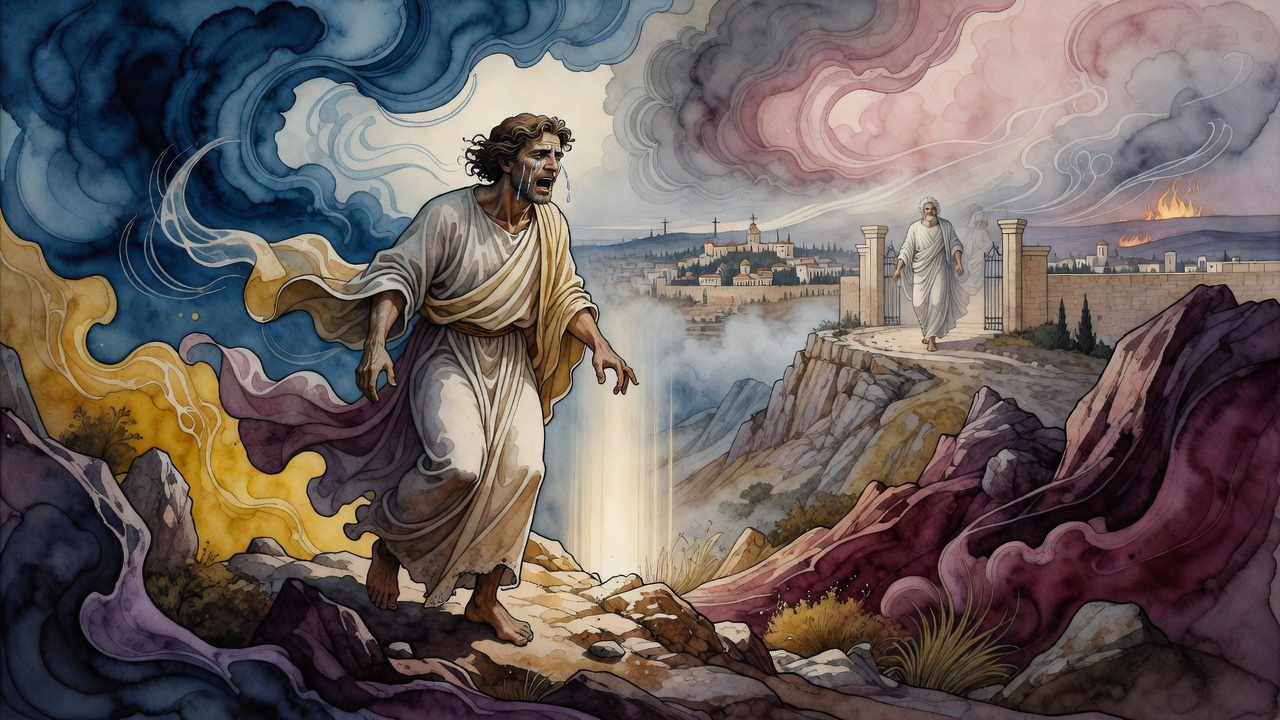
On the Mount of Olives David climbs barefoot, tears on his face, a psalm in his mouth. Absalom takes the city, and measure for measure walks with the king.
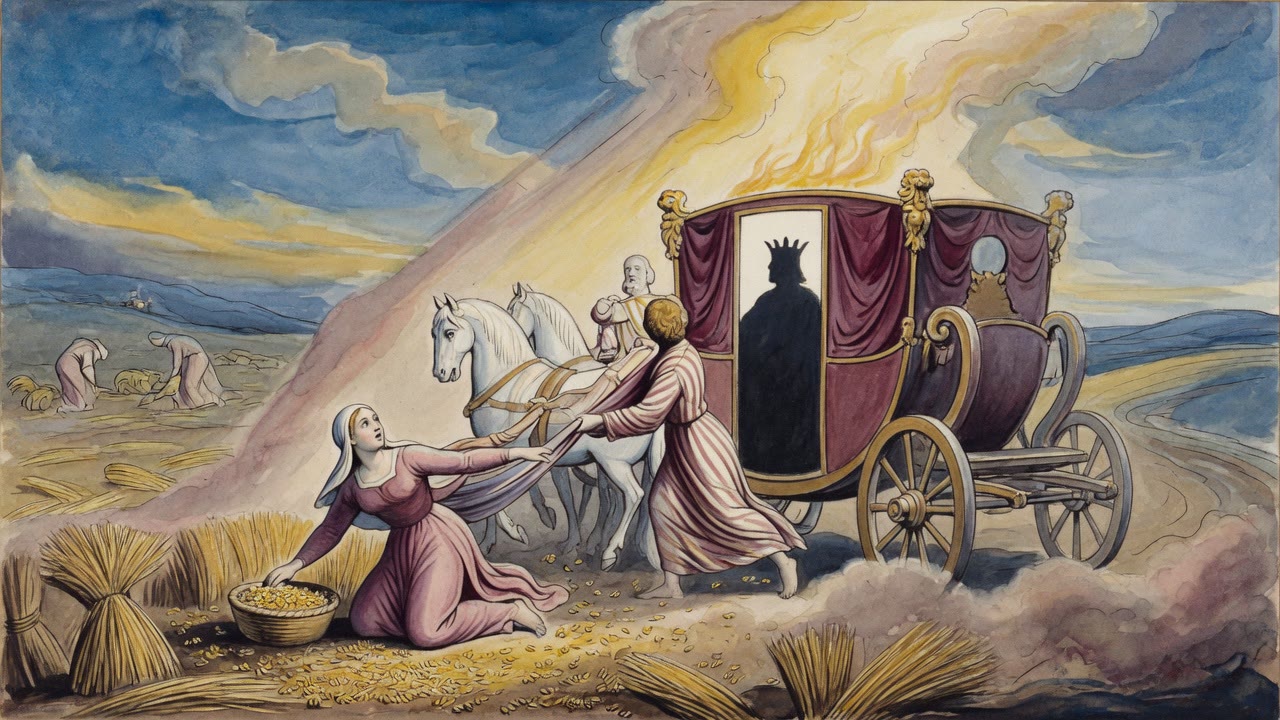
A princess gleaning leftovers is lifted into the royal carriage. Israel and Joseph know that same astonished rise from dust to throne.
