340 myths · Page 11 of 12
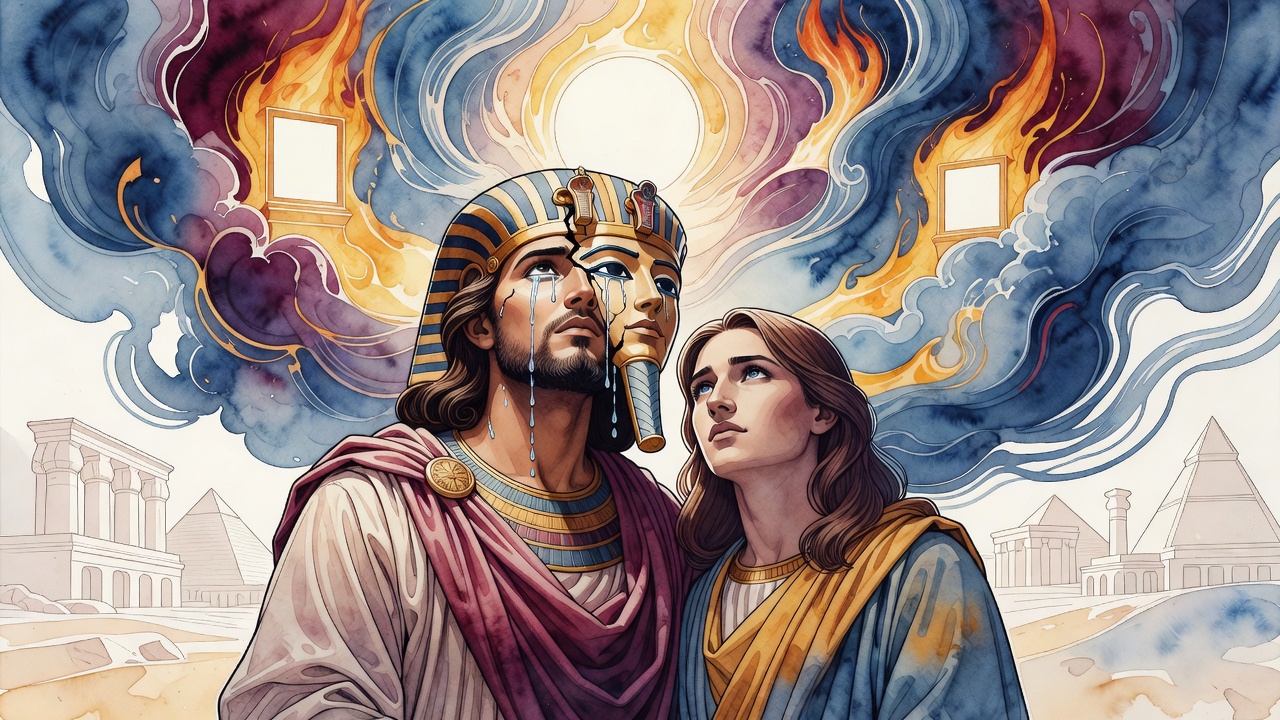
Ten of the men on the floor had sold him to a caravan. The eleventh was his mother's other son. He got as far as ordering dinner before he broke.
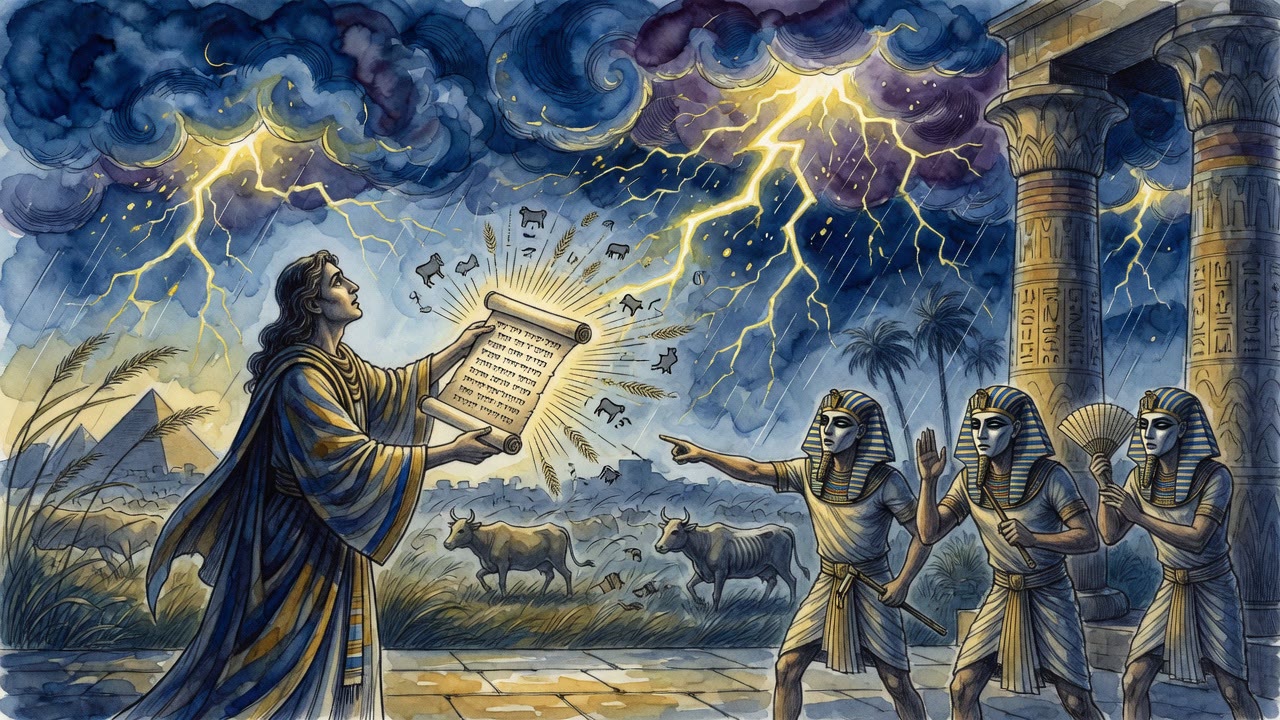
Joseph told Jacob his brothers ate meat torn from live animals and chased Canaanite women. In Egypt, Potiphar's wife accused him of the same thing.
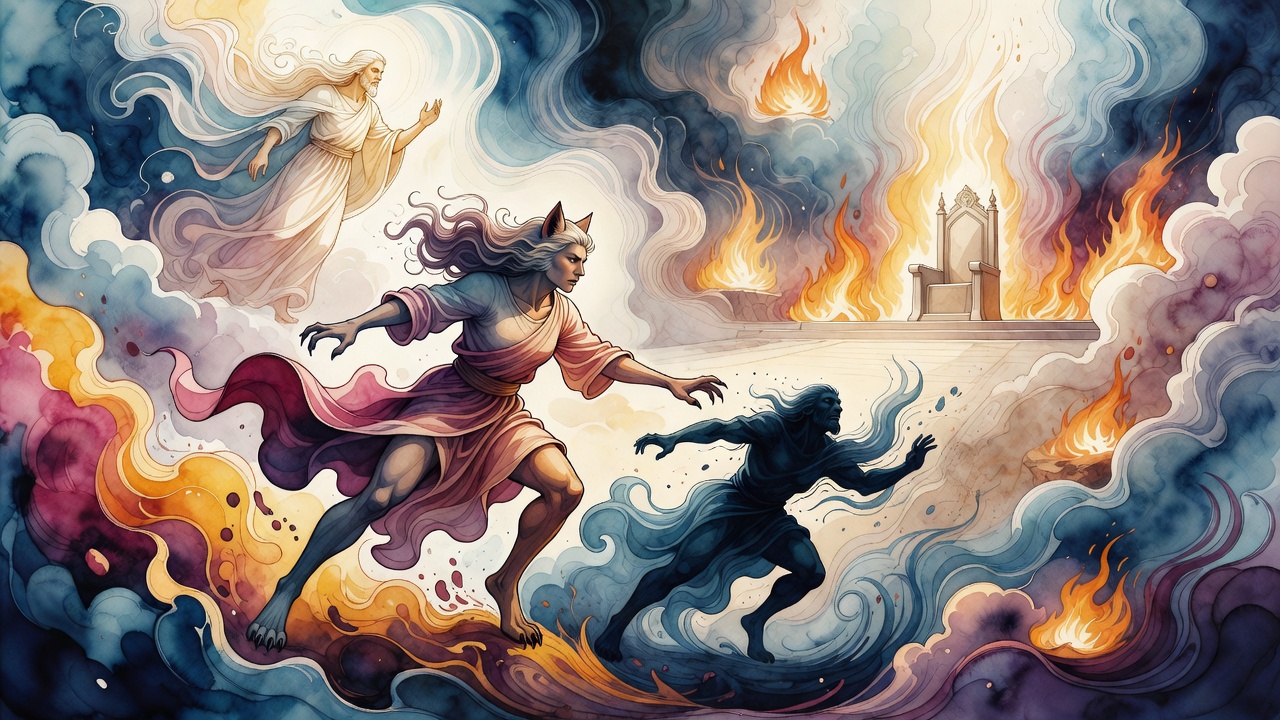
Haman had cast his lots and raised a gallows. Esther walked into a throne room without being summoned and pointed at the man beside the king.
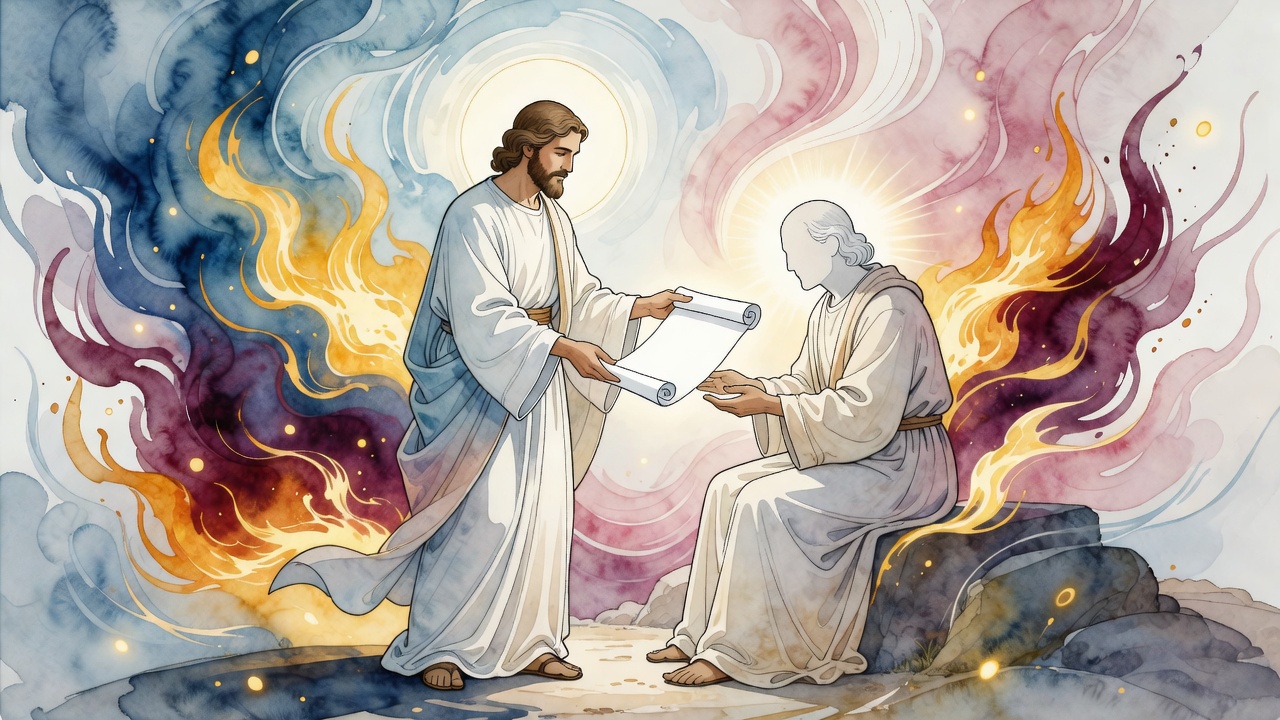
Jacob could not make out the boys at his bed. Joseph put a marriage contract in his hands. The old man's fingers followed lines he could not see.
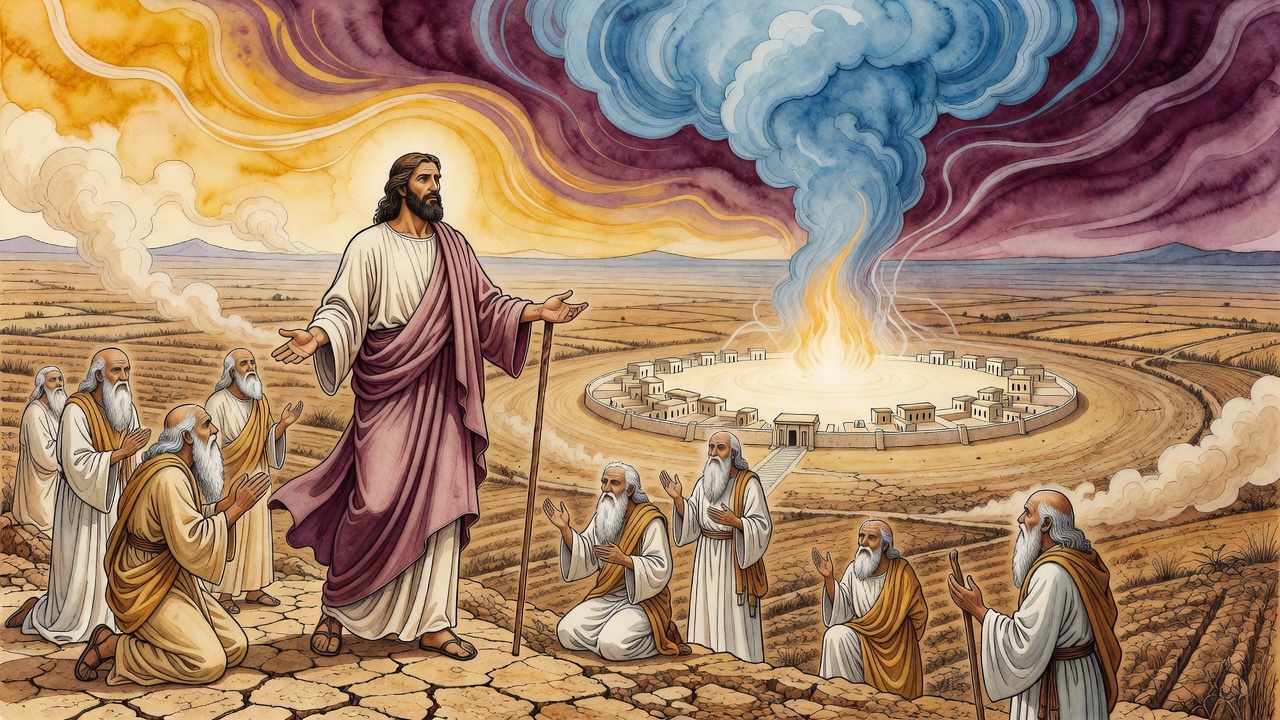
Famine sold Egypt's fields to the throne, but Joseph ringed the temple estates. Years earlier those priests read a torn coat and refused his death.
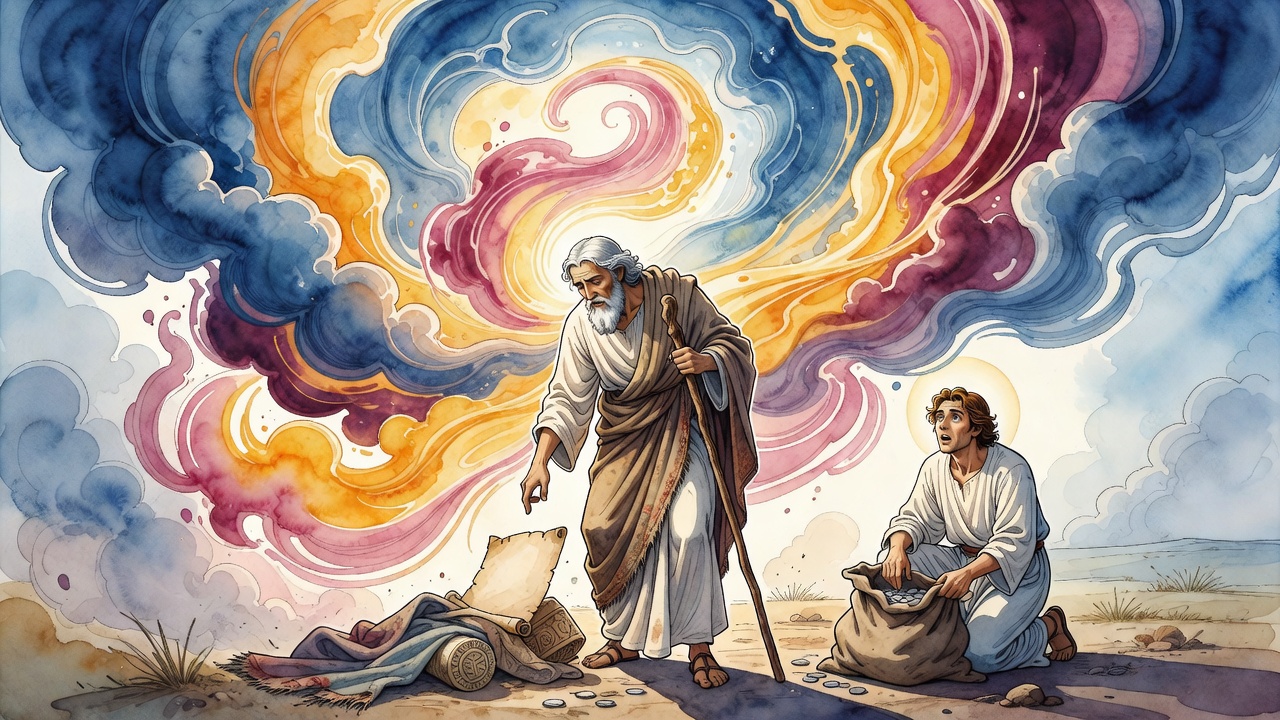
Tamar stood ready for the fire with Judah's staff on the table. He had a speech that could save his name. He did not give it.
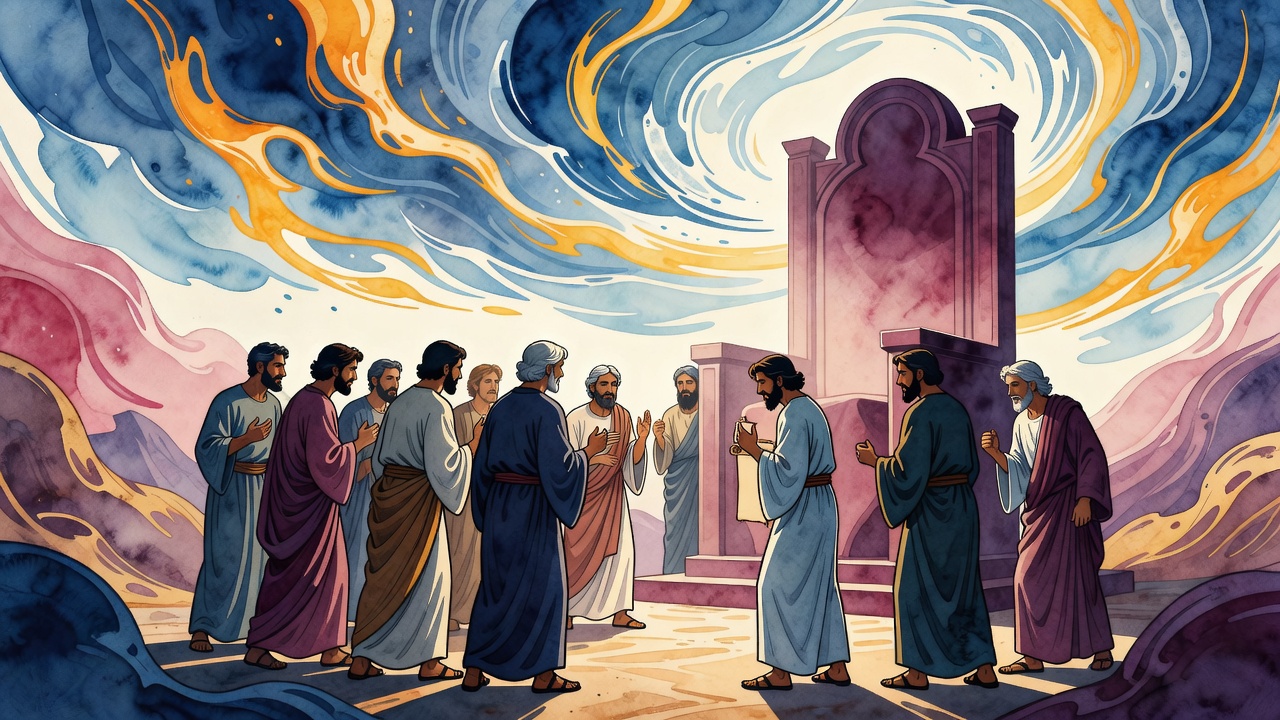
Ten men stand before Egypt's ruler and say one brother simply went from them, while Joseph hears his own sale cleaned into passive grammar.
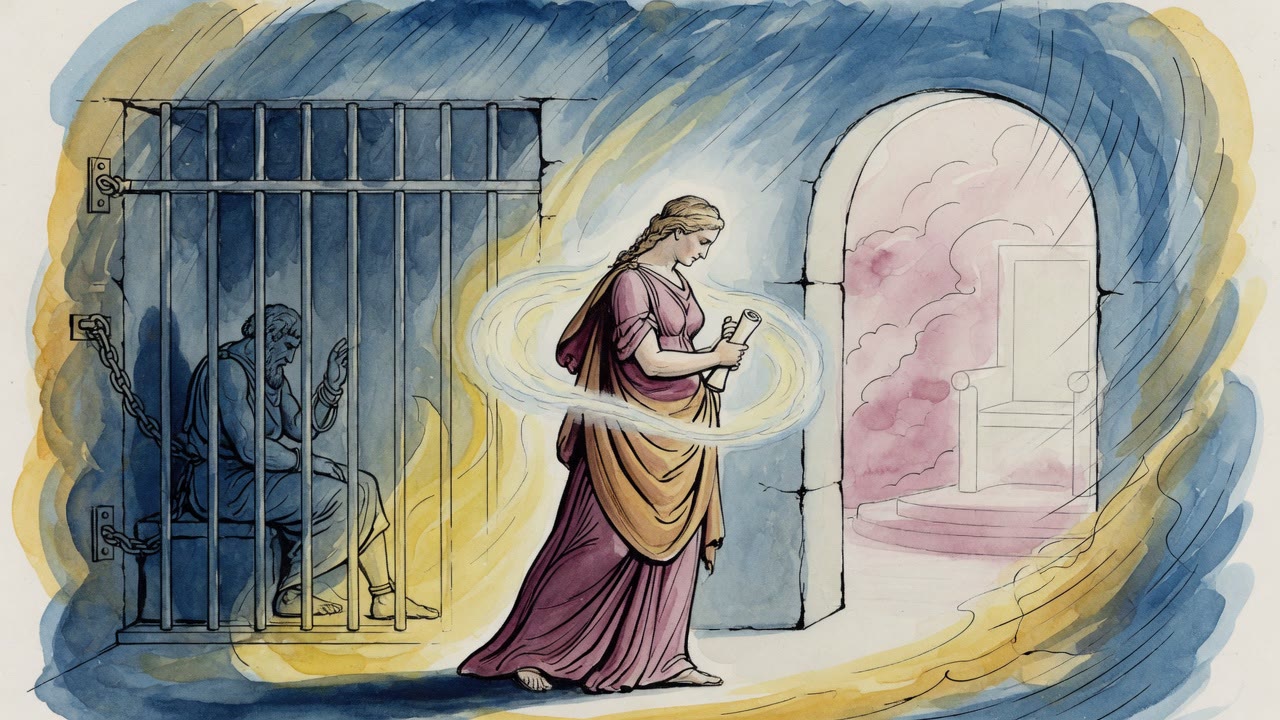
She set a knife and a citron at each place. The women cut their hands and did not feel it until the blood ran into the fruit.
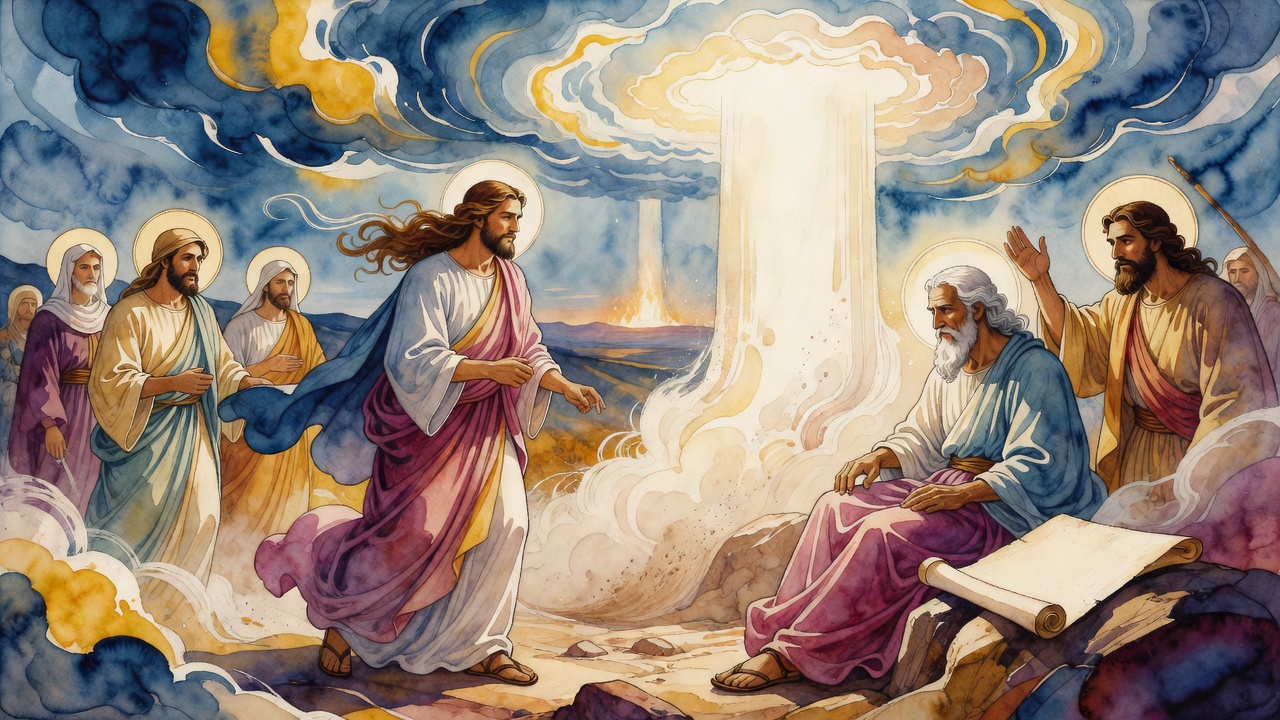
Dust rose on the road and Jacob sorted his camp by love. Maidservants and their children in front. Rachel and Joseph at the very back, farthest from Esau.
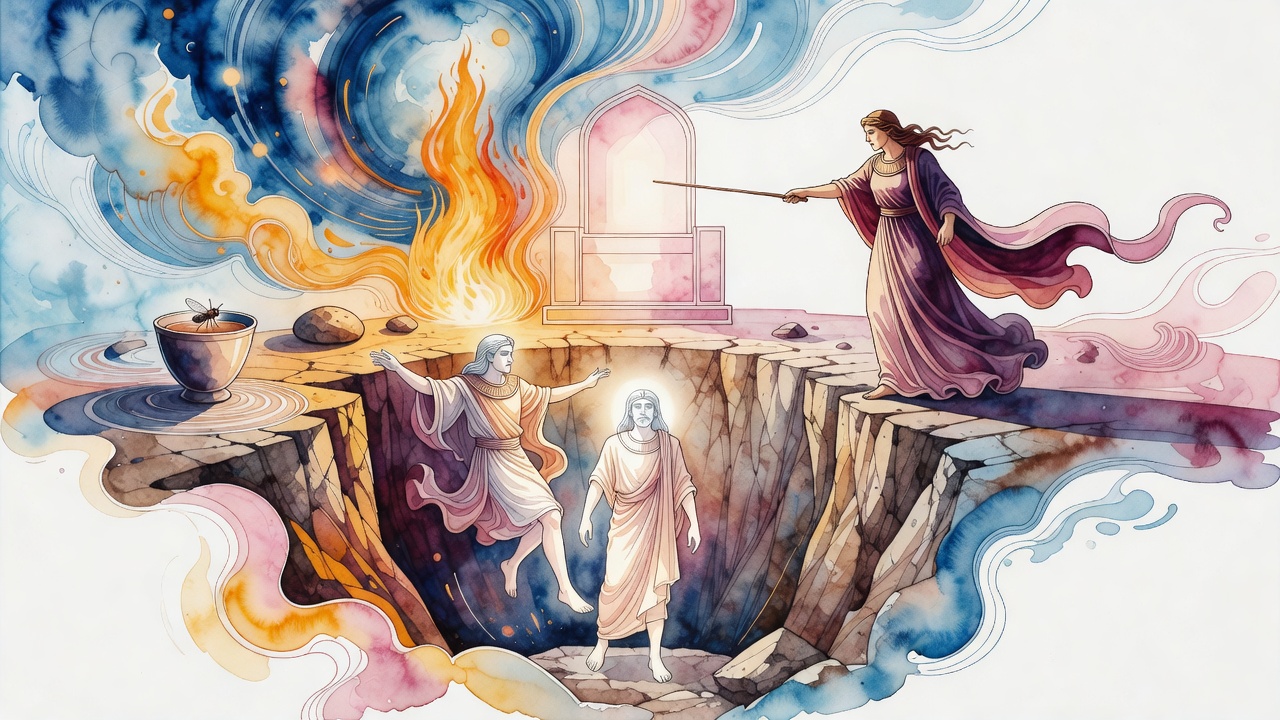
Pharaoh raised his cup and found something floating in it. By evening the man who had poured it was in the prison where Joseph already slept.
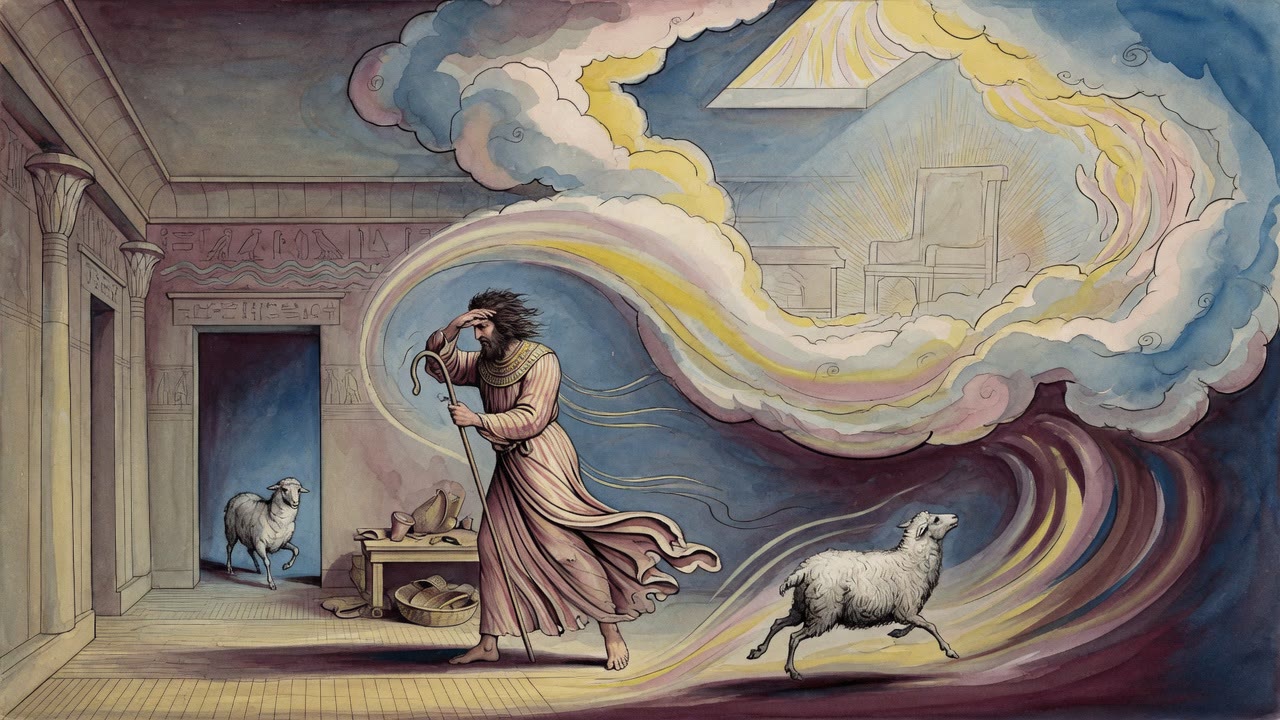
A she-bear stood in a street hung with jewels. The crowd stared at the stones. Joseph watched the teeth, and left his coat in her hand.
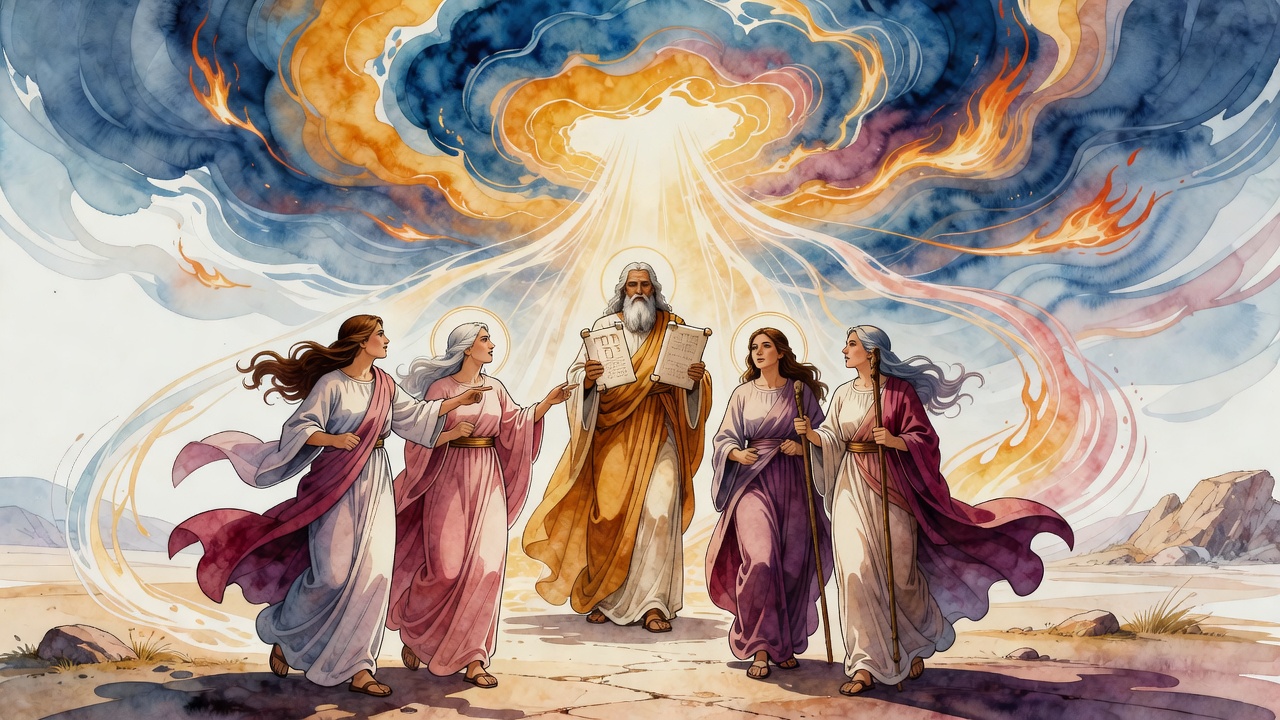
Five sisters walked into the law with no brother to speak for them. They demanded land, and heaven answered through Moses.
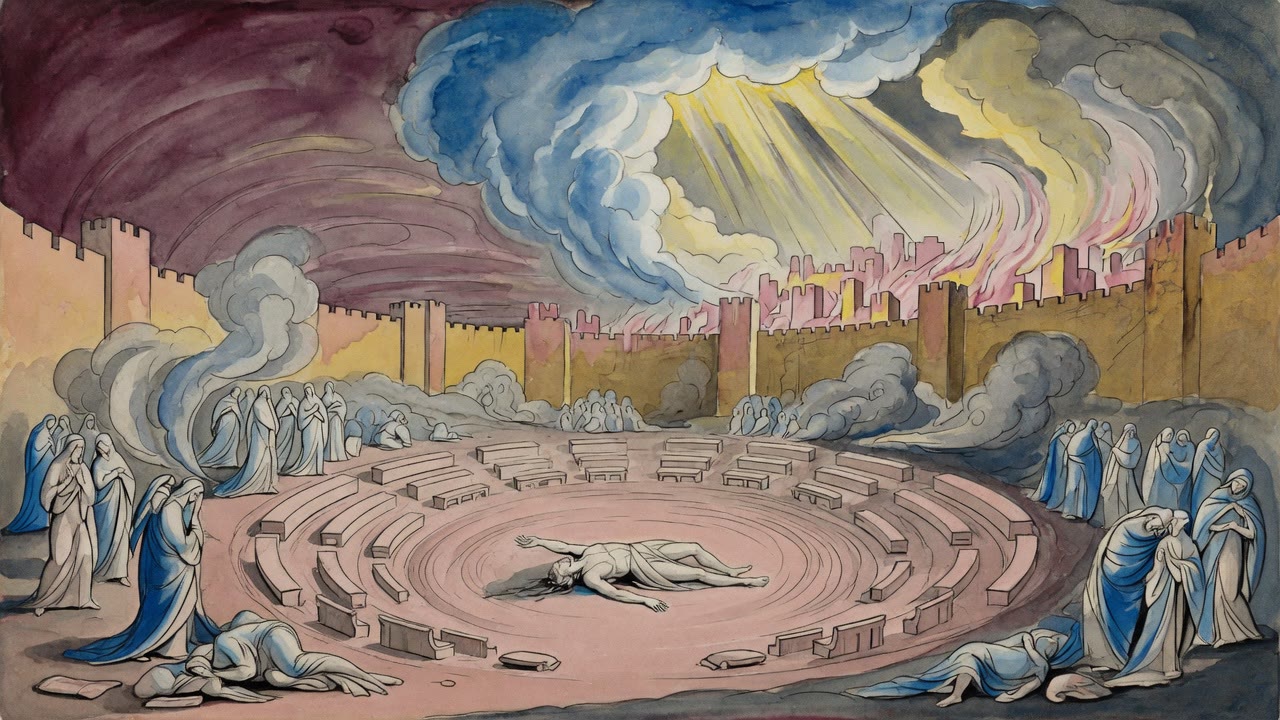
About thirty-six died at Ai, yet the sages hear one man worth a court. Joshua tears cloth, and a ledger of torn robes opens across ages.
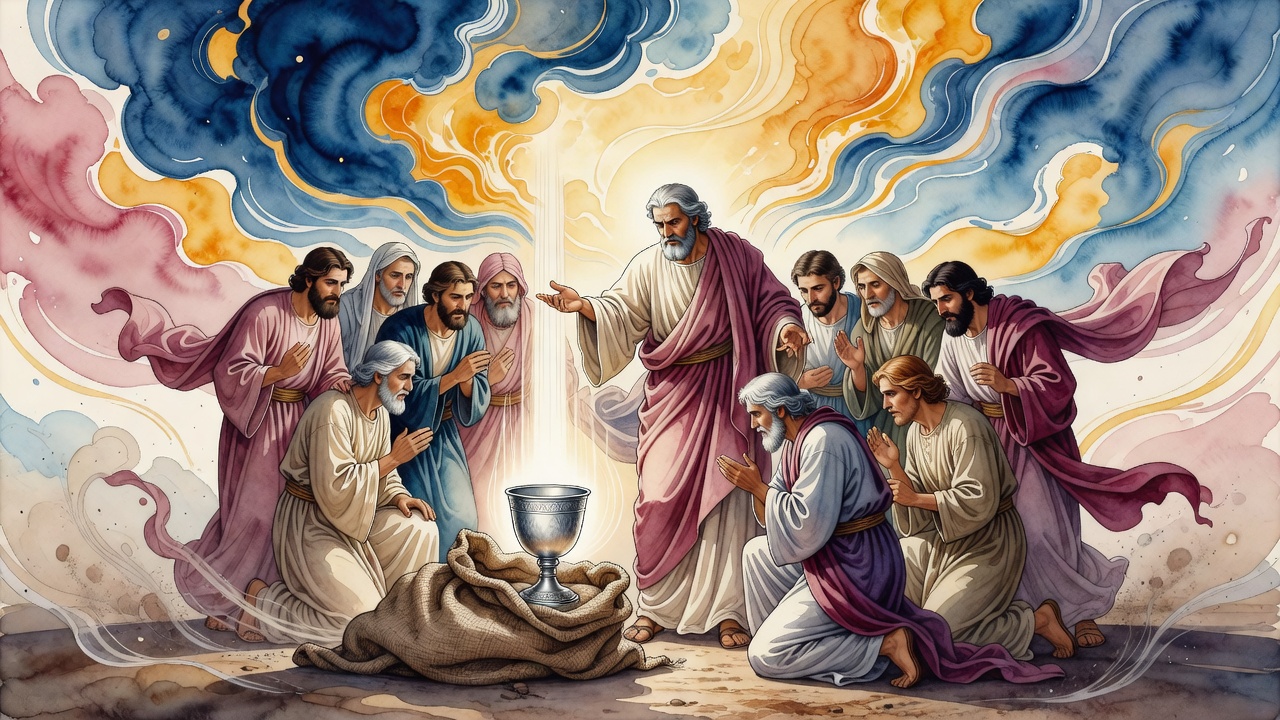
Grain spilled. The vizier's cup rang on a stone at Benjamin's feet. Judah had sold a brother once. He would not walk home in peace again.
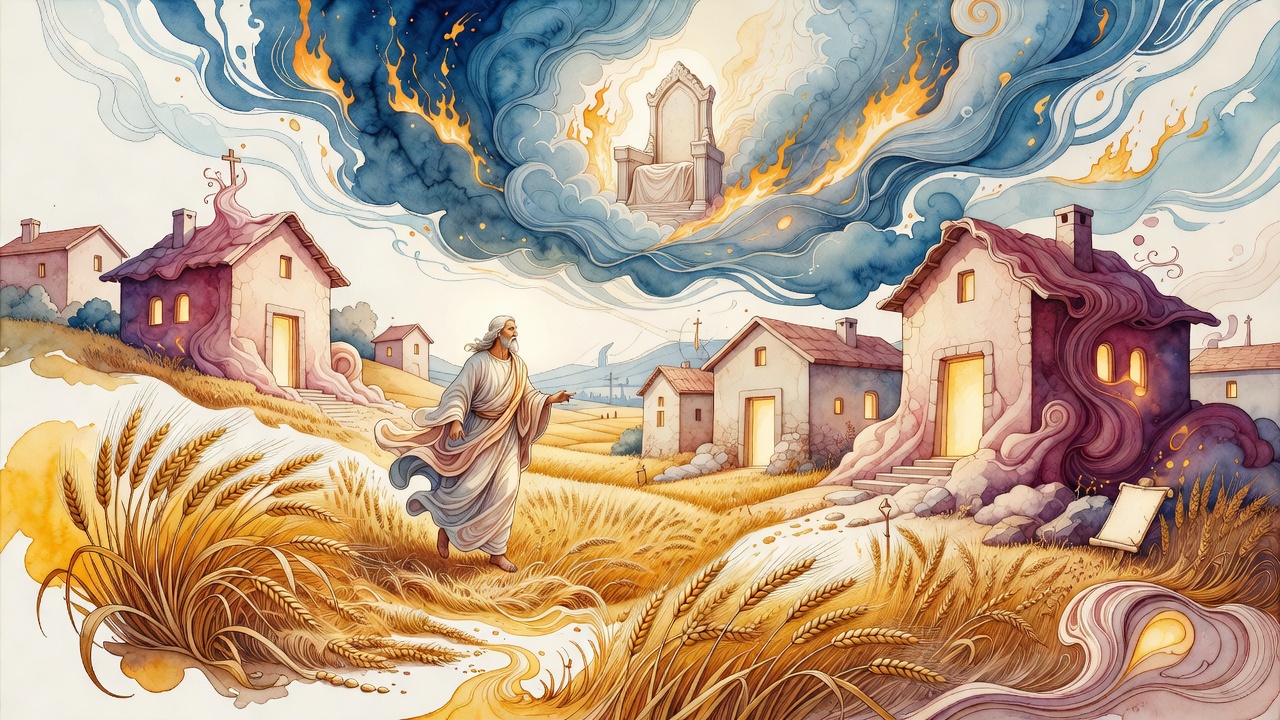
Wherever the patriarchs walked, harvests and houses bloated with blessing. Isaac's hundredfold in Gerar and Laban's confession prove the spill of the righteous.
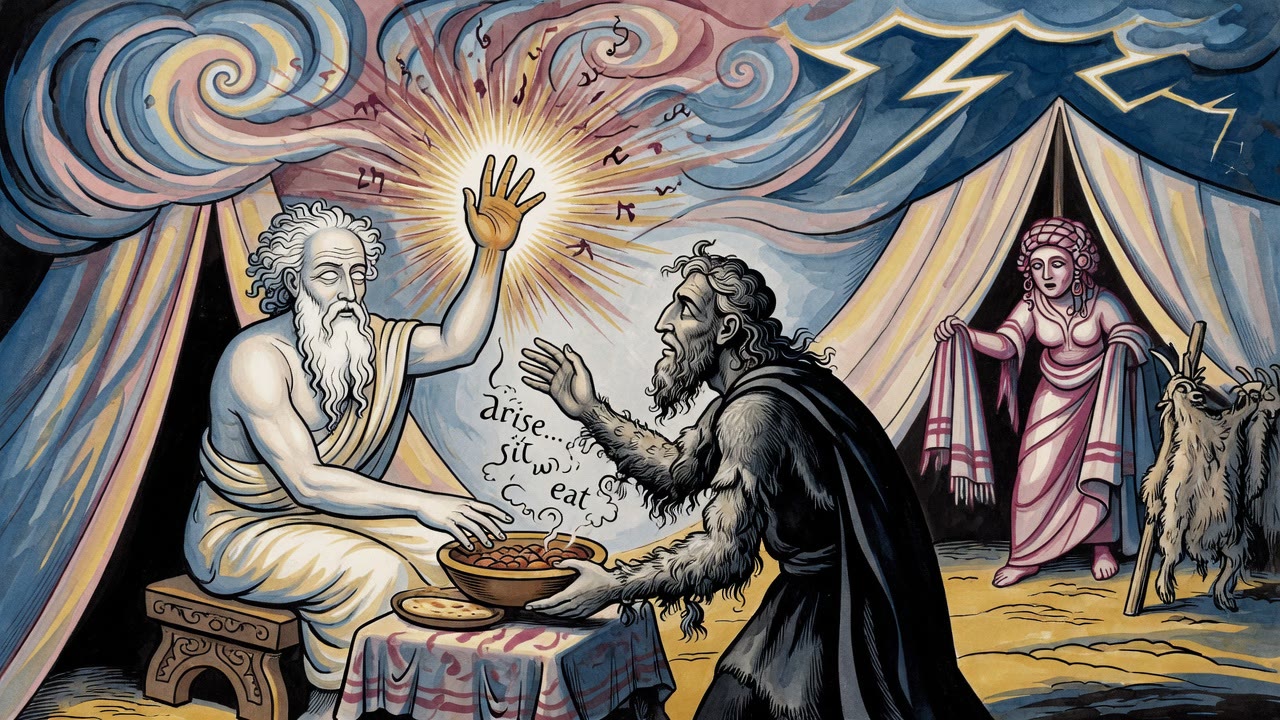
Every vision meant light, the stallkeeper said. Olive trees, stars, a ledger. Rabbi Yishmael sat down and named the crimes the dreams were hiding.
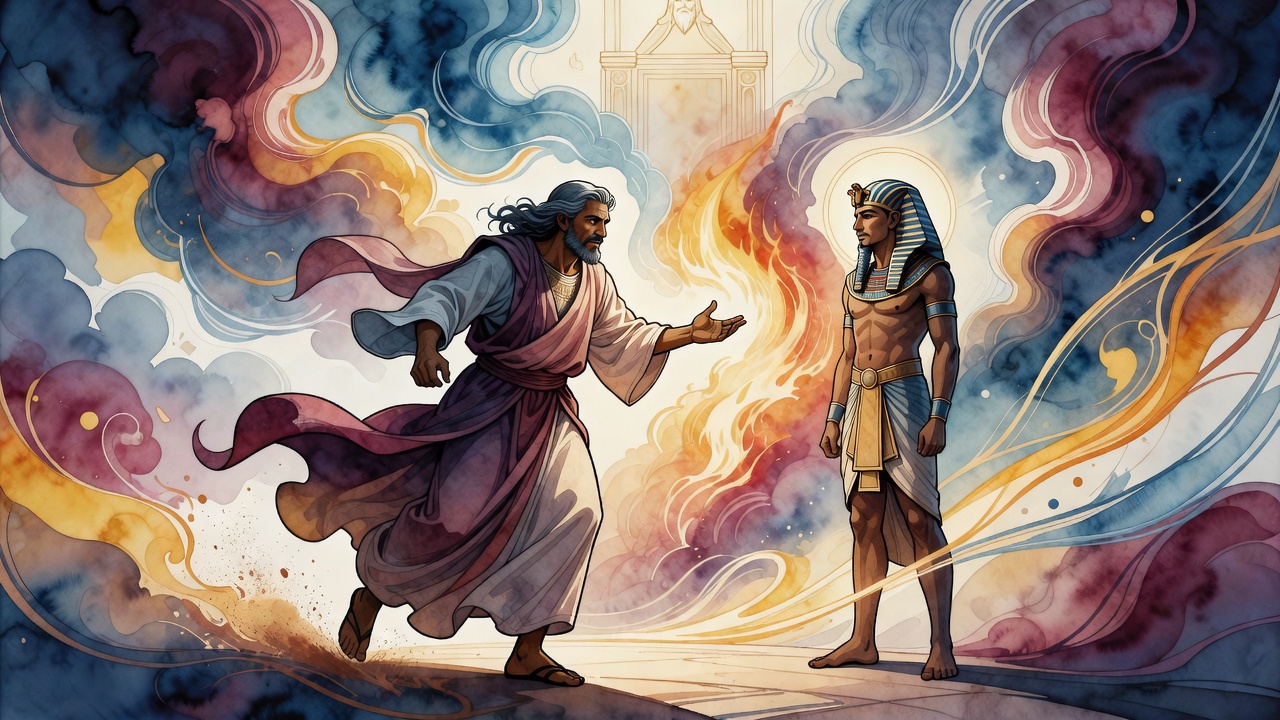
Judah stepped toward the Egyptian lord with Benjamin's life in his throat, ready to wreck markets or die before he returned to Jacob without the boy.
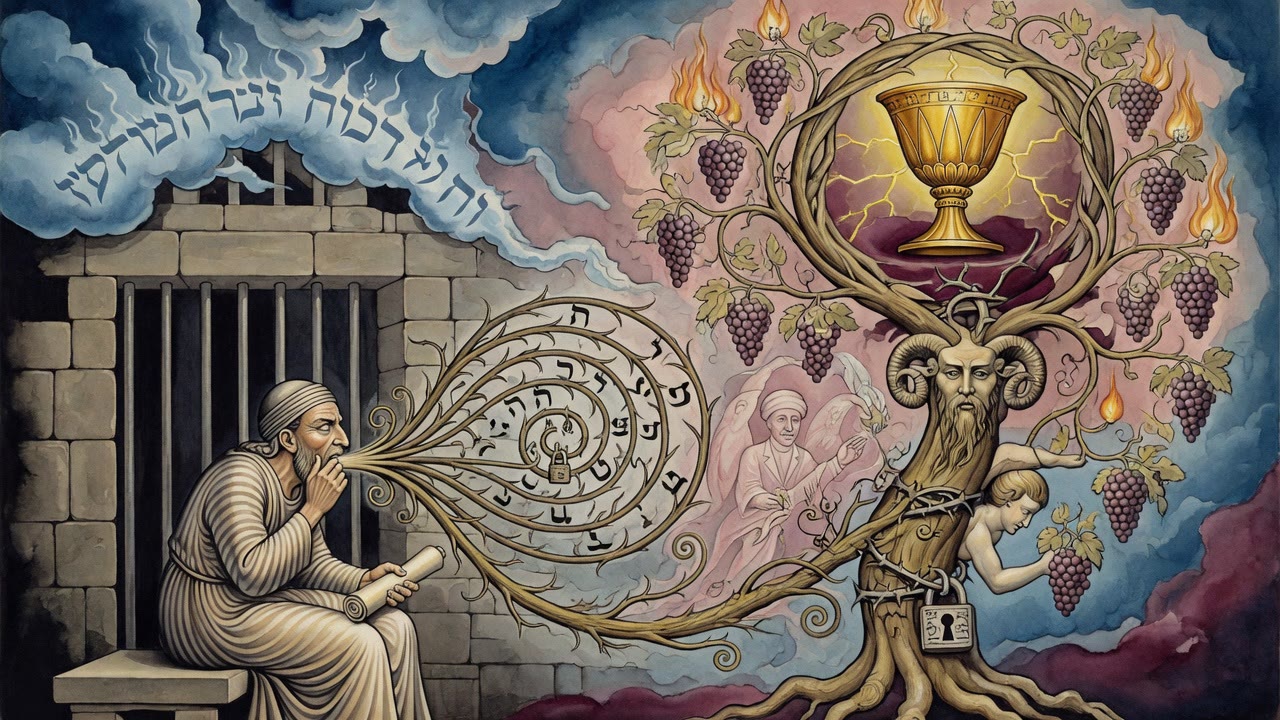
Water dripped in the cell. The butler spoke of grapes. Joseph saw patriarchs in the branches and kept Egypt's wrath in his jaw.
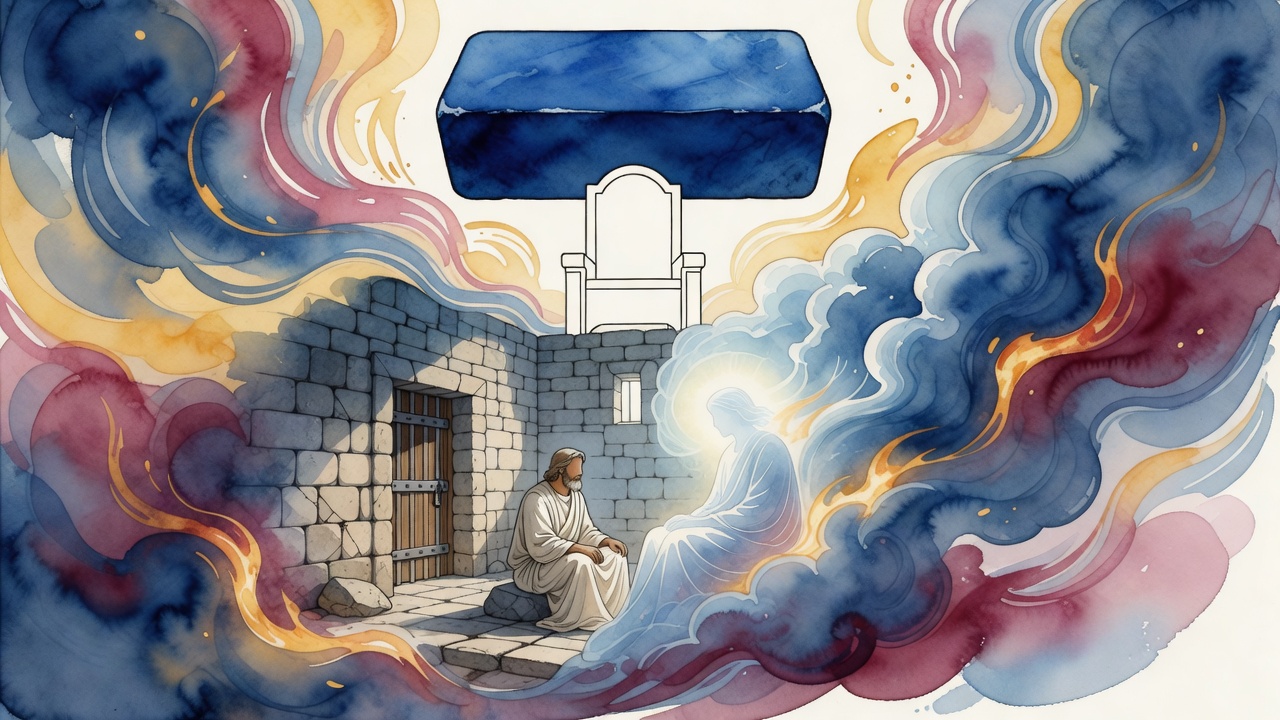
The door closed on Joseph with a sound that tried to be final. An Egyptian jailer counted keys and thought God stopped at the stone.
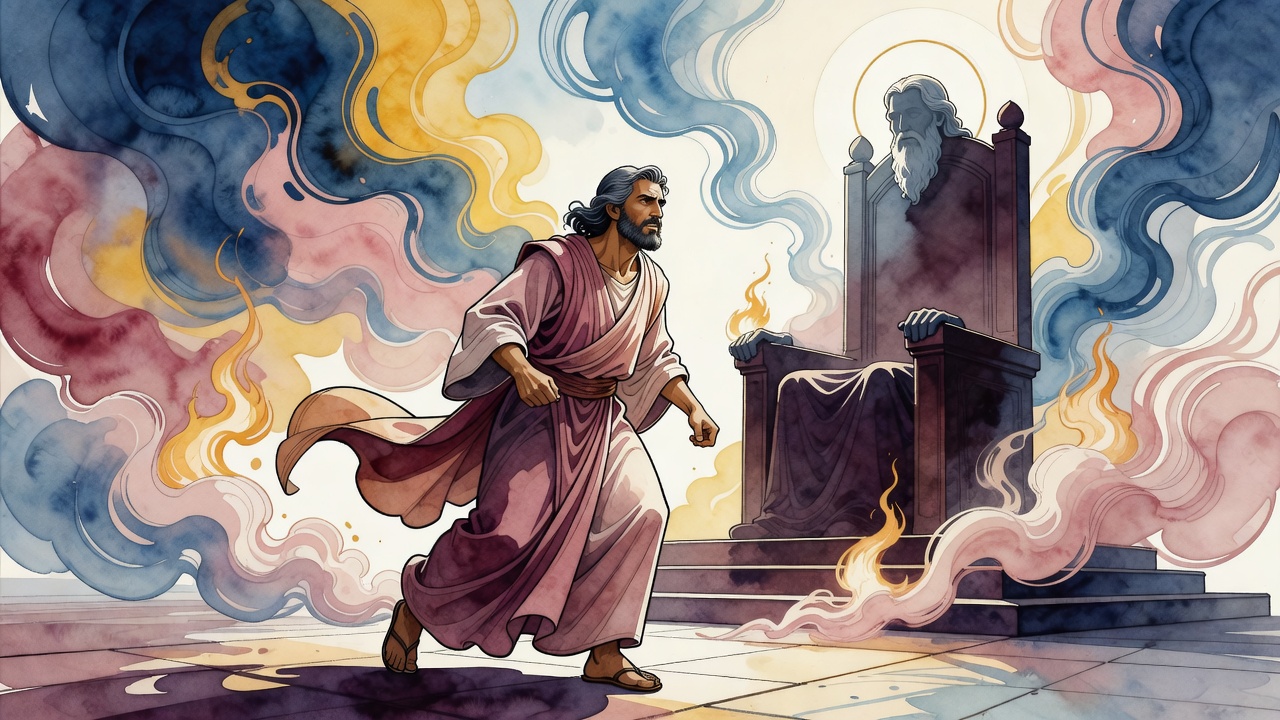
The cup was in the youngest sack. Their father was waiting in Canaan for Rachel's last son. Judah moved closer to the chair.
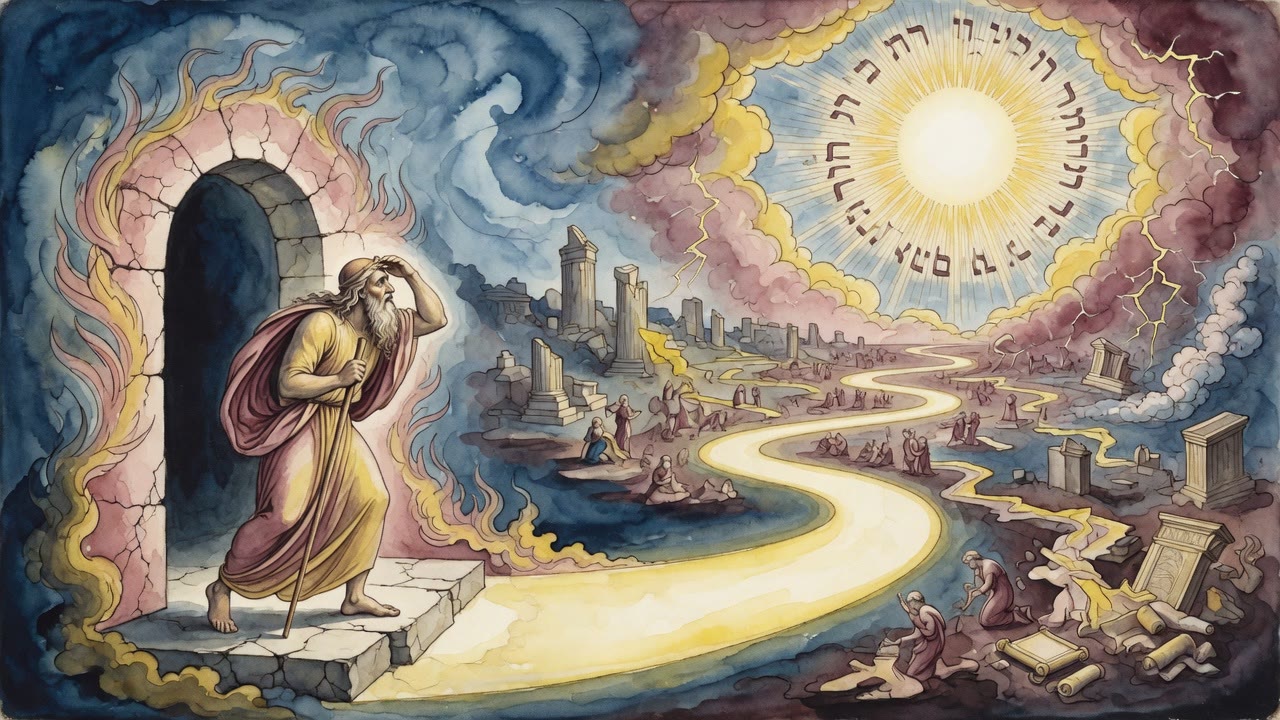
Joseph stocked Egypt against famine and vanished from its gratitude. God answered human forgetting with a verse that still named him ruler.
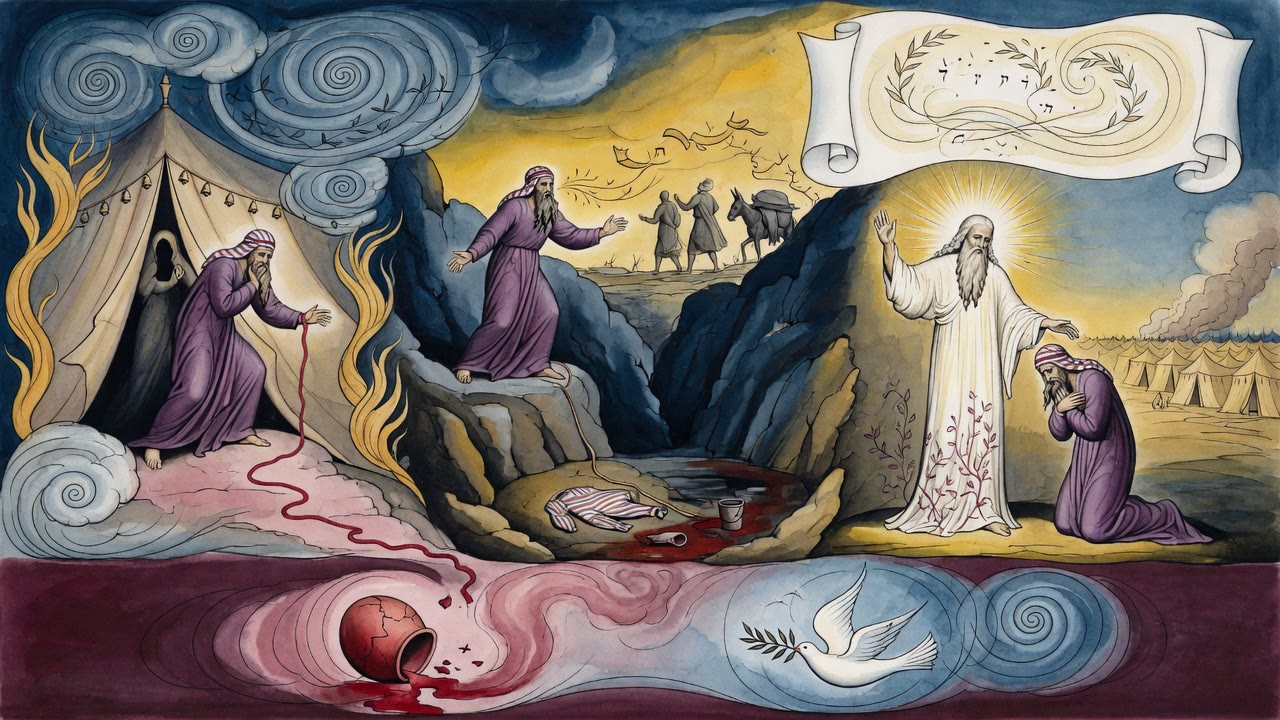
Reuven came back to the pit and found an empty hole and a coat that would lie to Jacob. Years later Moses gave him six words. Live and do not die.
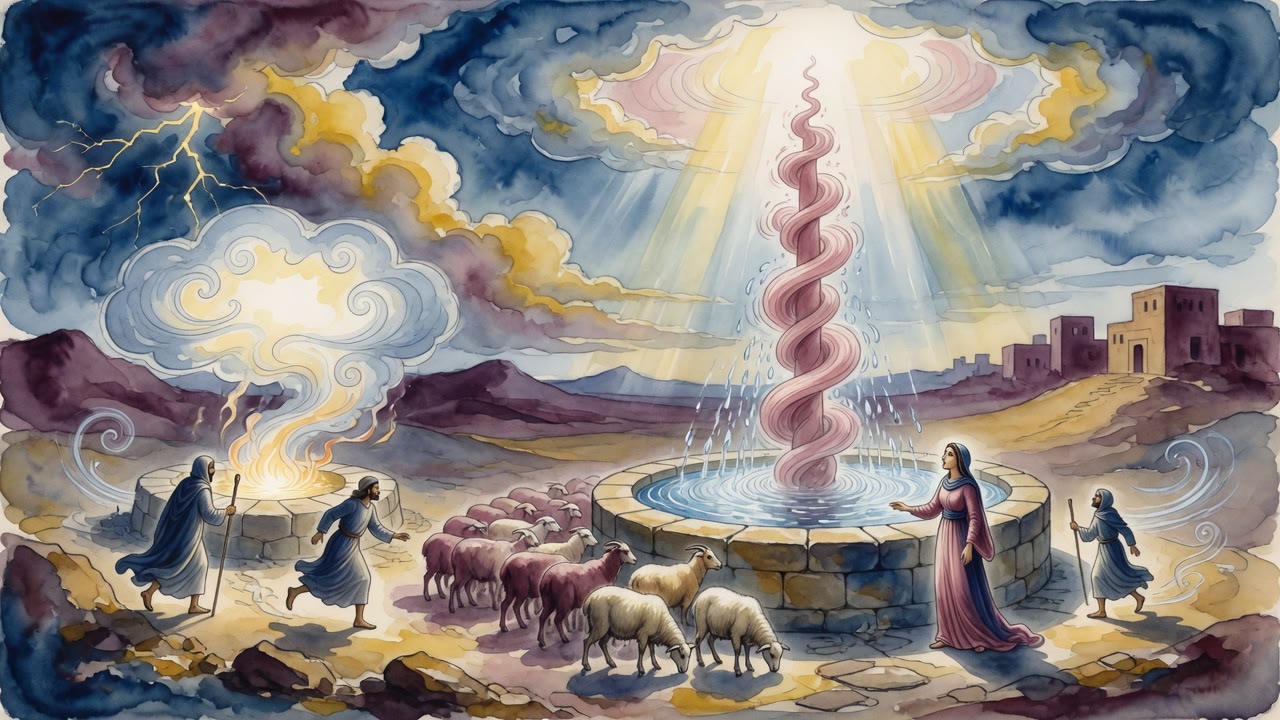
Dying in Egypt, Joseph makes his brothers swear the bones and the nation wait for one phrase. Moses later carries the password into Pharaoh's court.
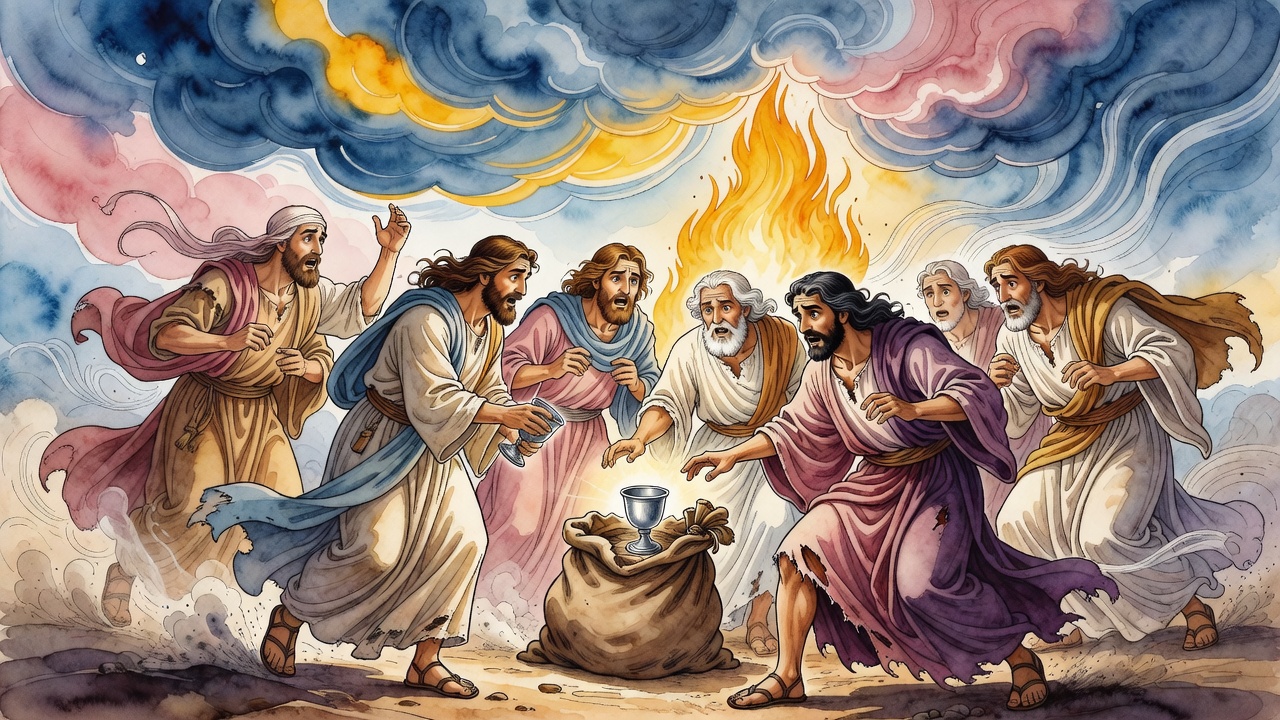
Joseph sends Manasseh after the brothers with a planted cup. Benjamin's sack opens last, and the men who sold a brother tear their own clothes.
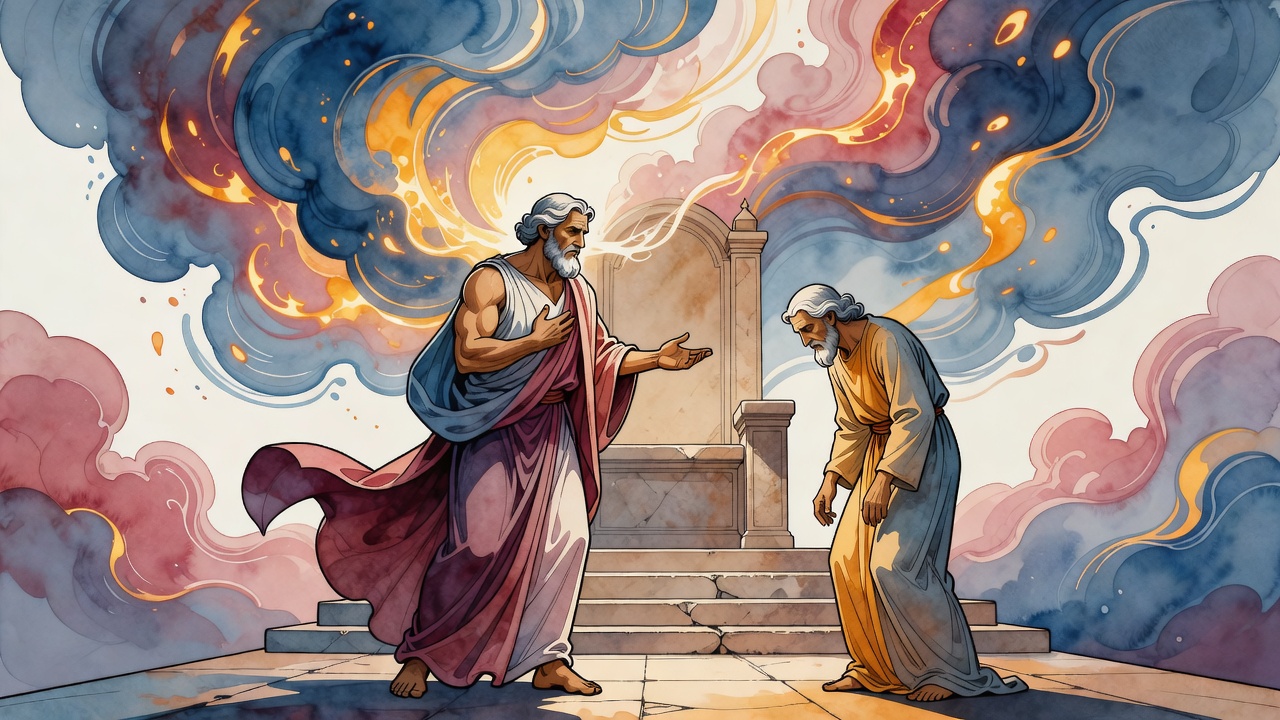
Judah told Jacob the Egyptian face was locked, then pledged guilt for all days. In the court he offered his body so Rachel's last son could walk free.
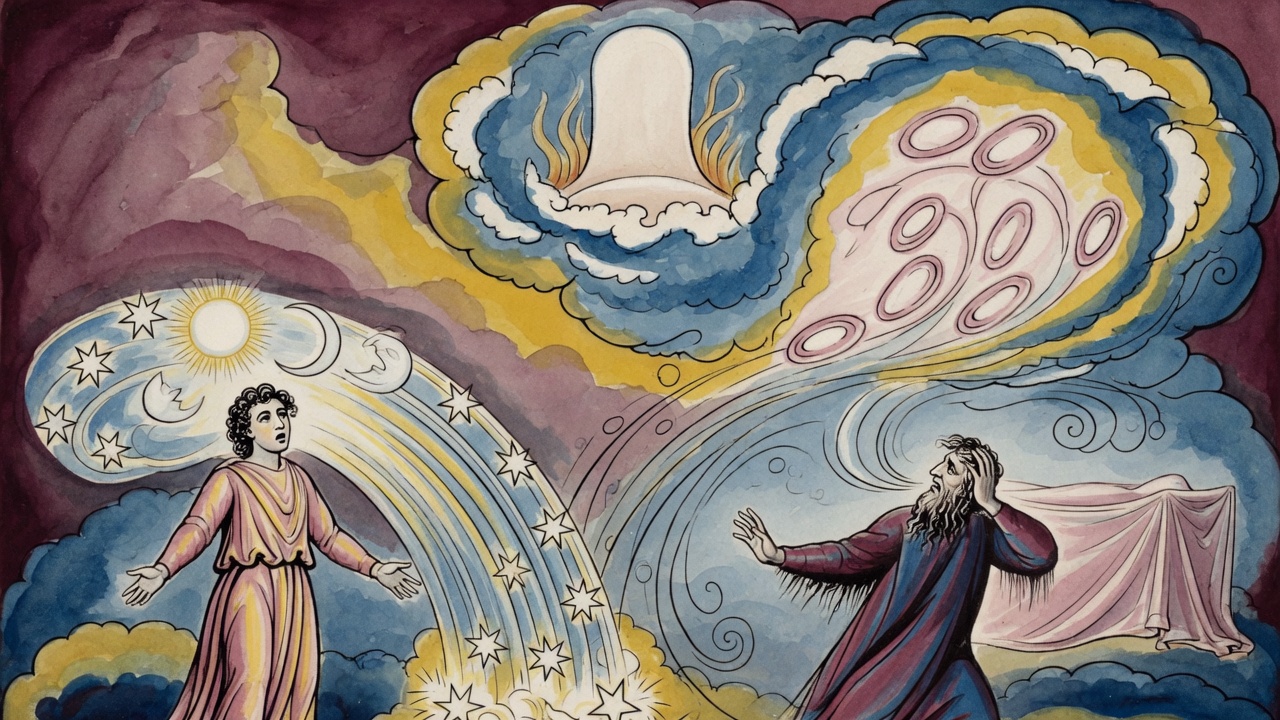
Joseph told of sun, moon, and stars bowing. Jacob rebuked him because Rachel was dead. Heaven answered that soft prophecy breeds later mouths that silence…
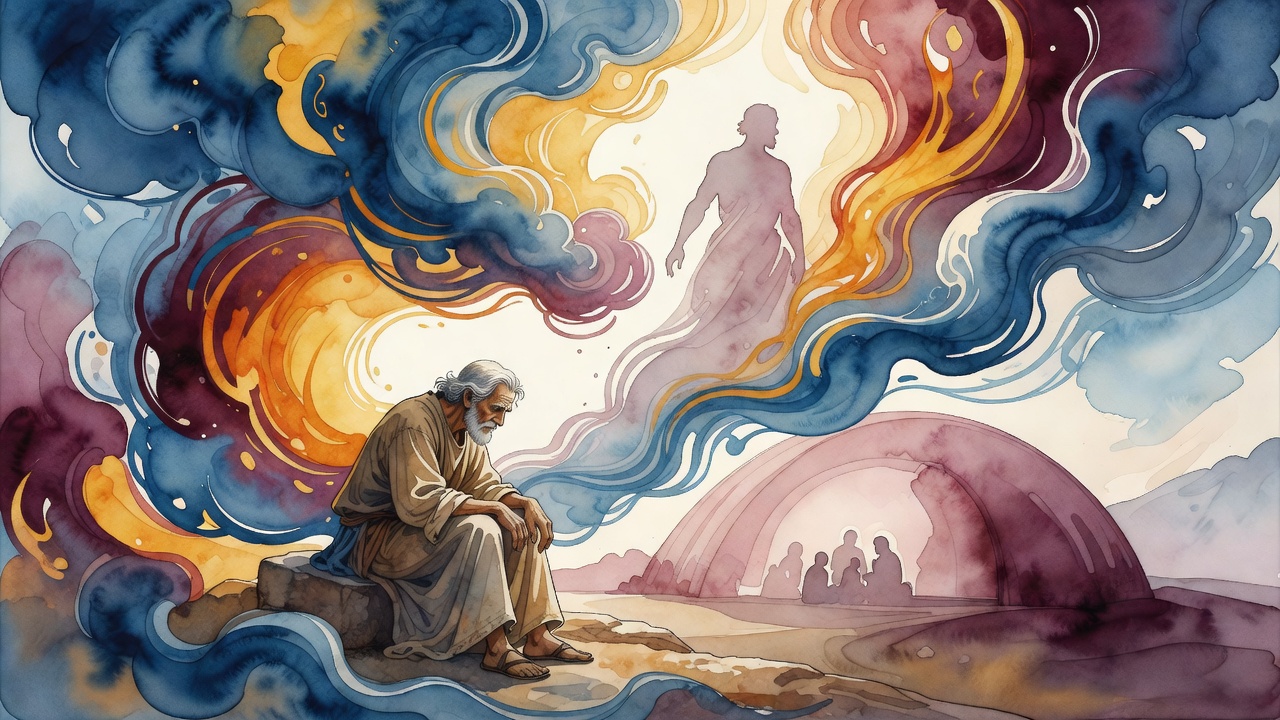
Jacob finally wants quiet after Esau, Laban, and Dina. The heavenly Accuser objects, Joseph vanishes, and only late Egypt gives him seventeen shielded years.
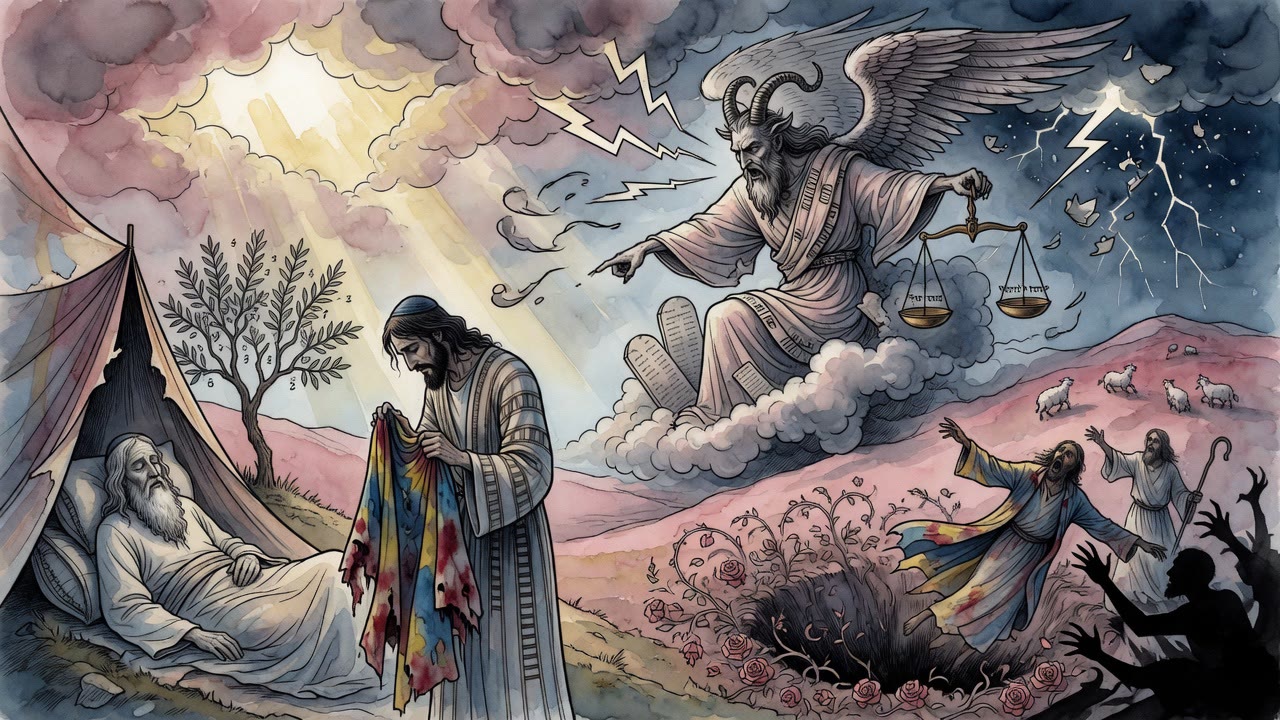
Joseph still sat at the table when the Accuser stood up in heaven. Eight quiet years, he said, was already more than a pious man should keep.
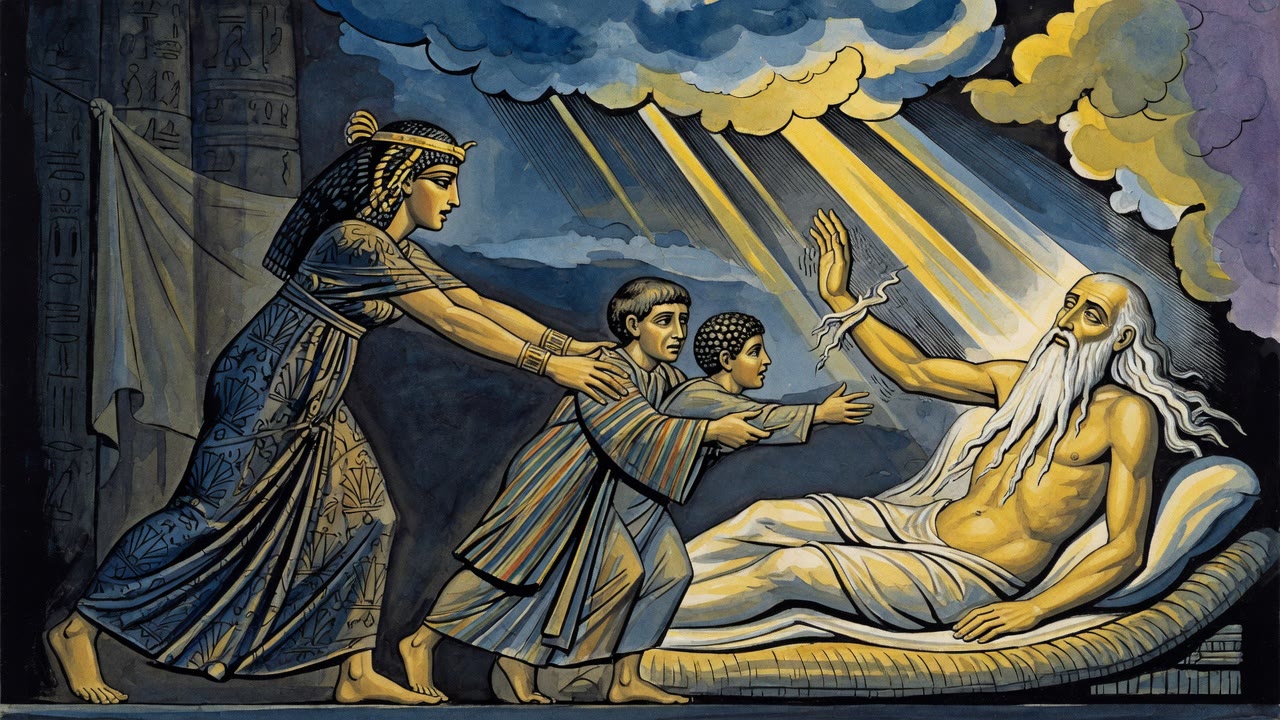
Asenath washed Jacob's mouth and counted the pauses between words. She would not wait for a public deathbed. The boys had to reach him now.
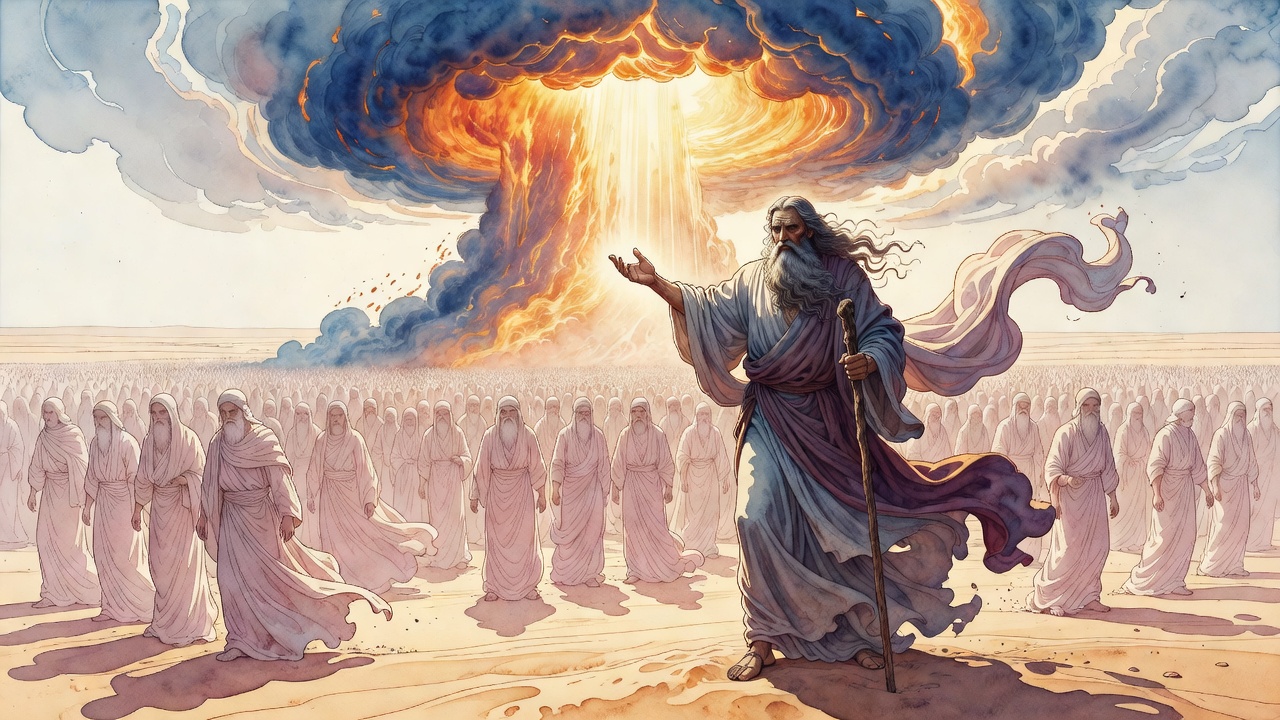
Moses begged to enter the land. God told him the desert dead needed their captain for the resurrection, so Kadesh became the public reason he stayed outside.
