60 myths · Page 2 of 2
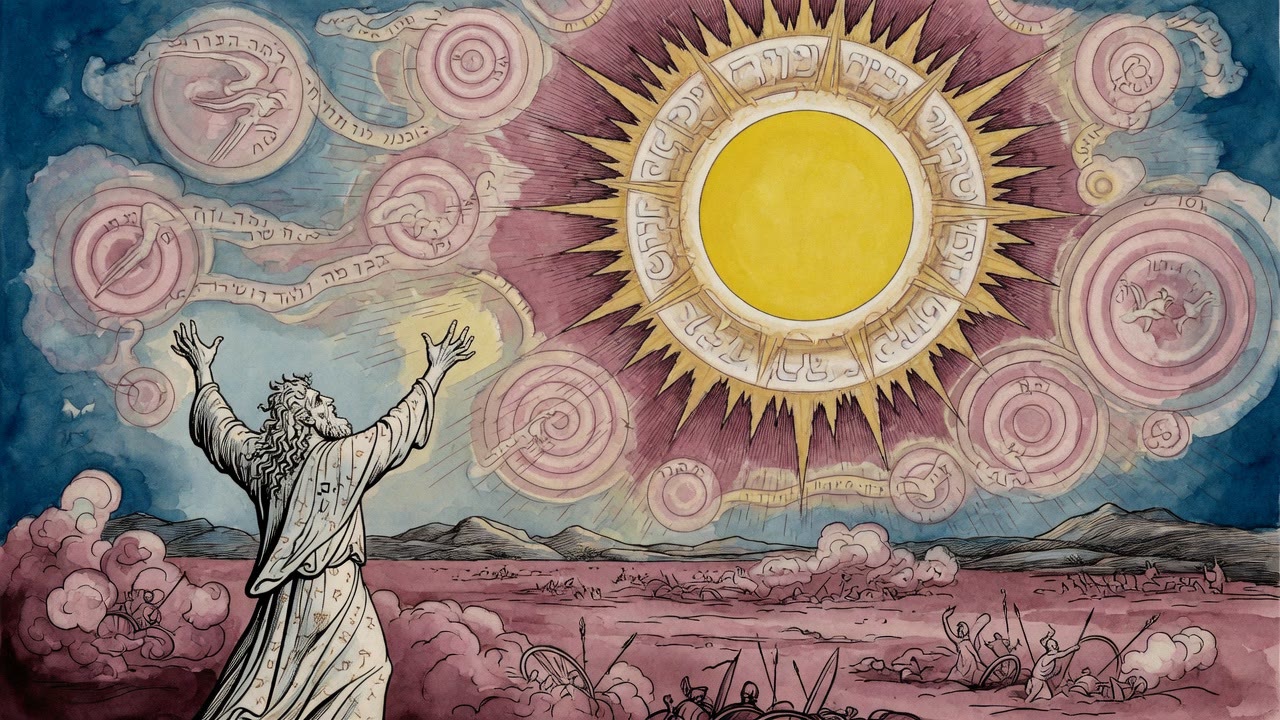
When Joshua commanded the sun to stand still, the rabbis said every power he had came from Moses. The moon was still the moon. Its light was borrowed.
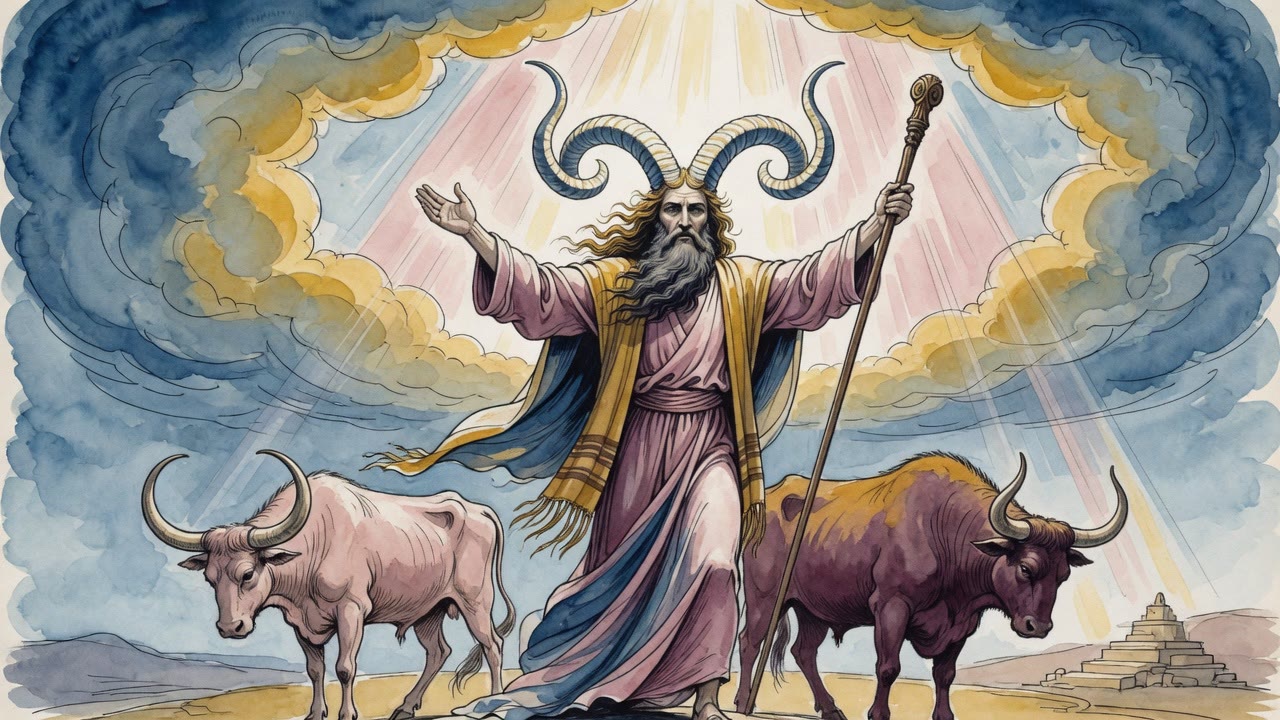
Moses argued at the bush until God's anger flared. Joseph sat in a dry pit while his brothers settled on twenty pieces of silver. Saul hid in the baggage.
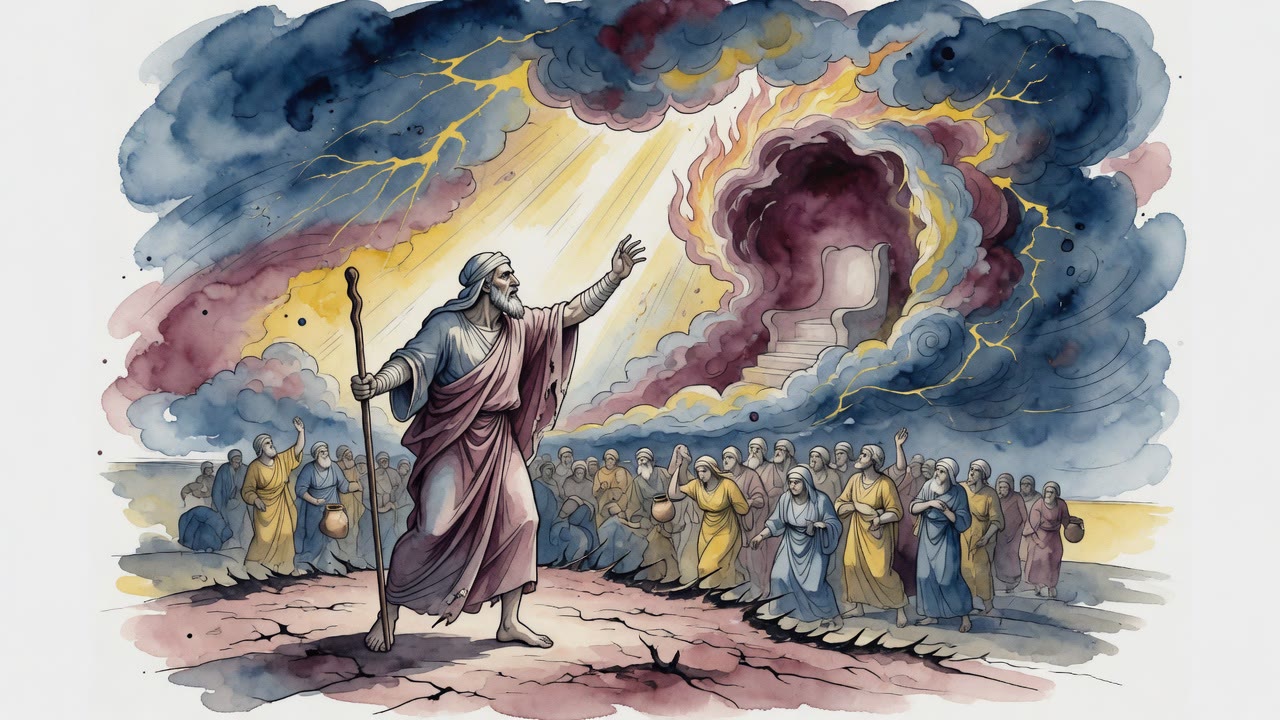
Solomon denied himself nothing his eyes desired. Then he looked at what his hands had made and called it vanity, the houses and the gardens and the pools.
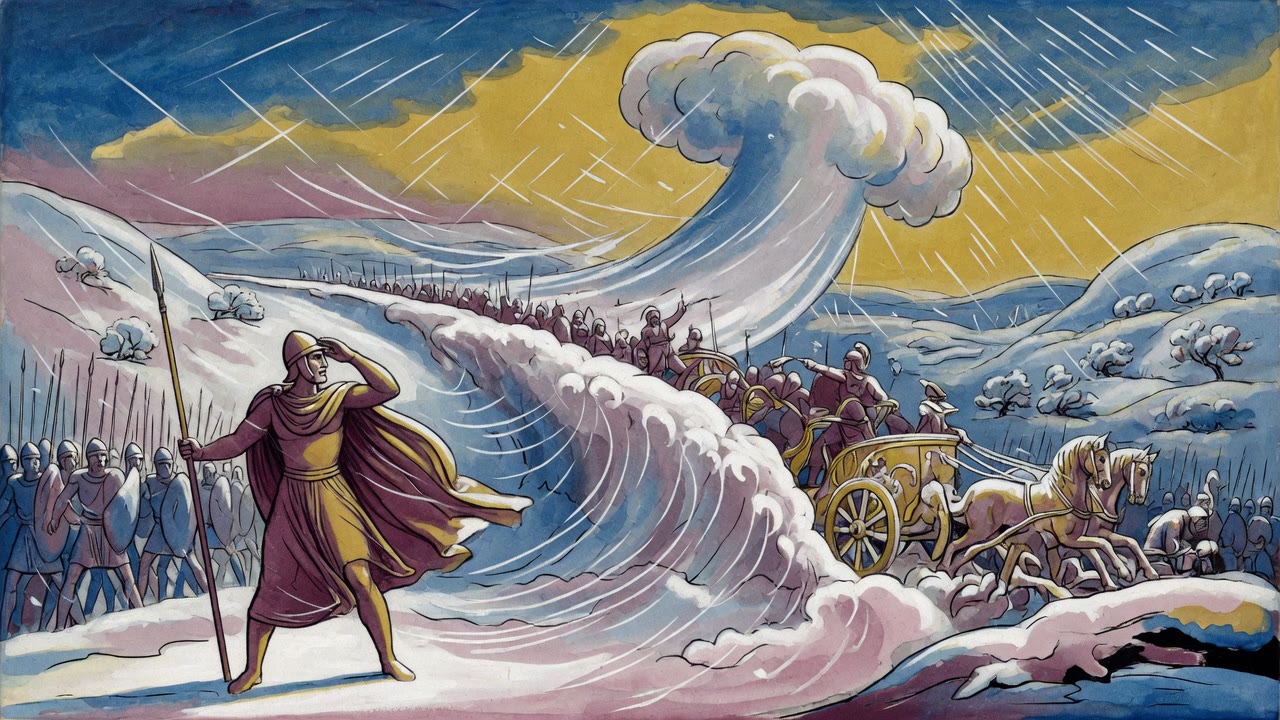
Jonathan was still alive in Tryphon's camp when the price arrived. Simon paid anyway. Snow, not swords, shut the last road to Jerusalem.
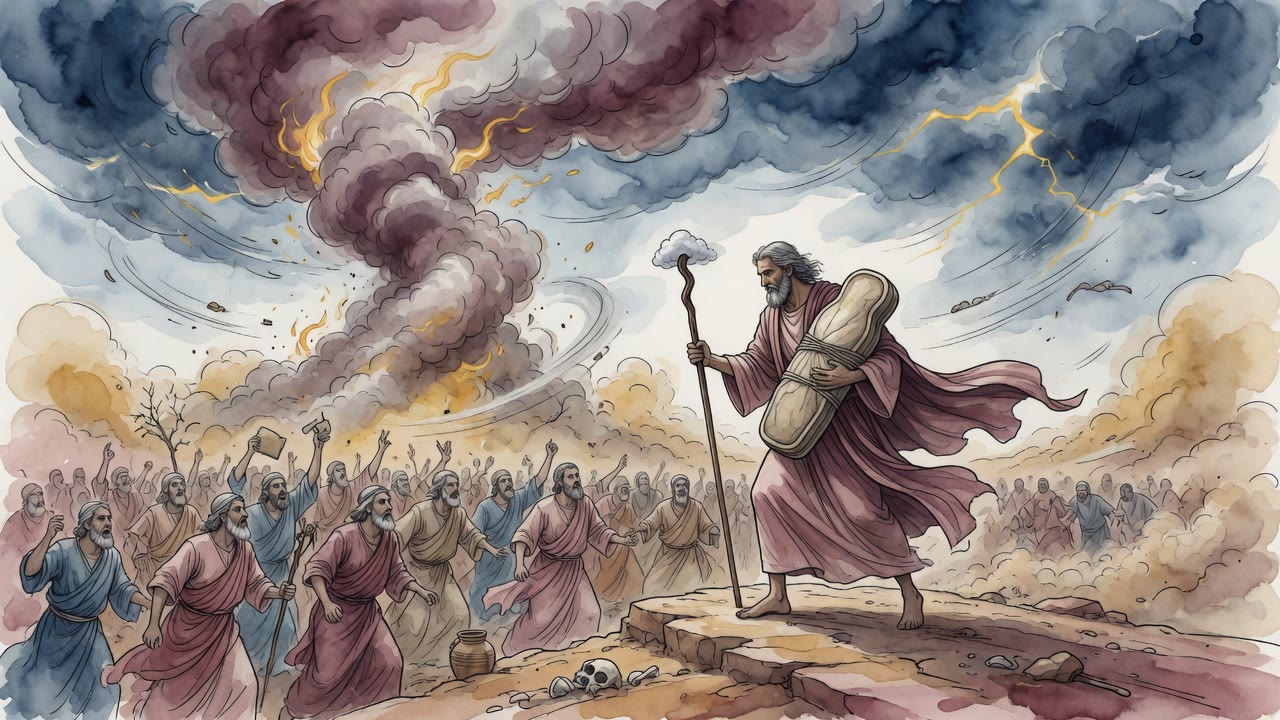
The people wept for meat and called the manna worthless. Moses told God the weight was too heavy and asked to be killed rather than watch it.
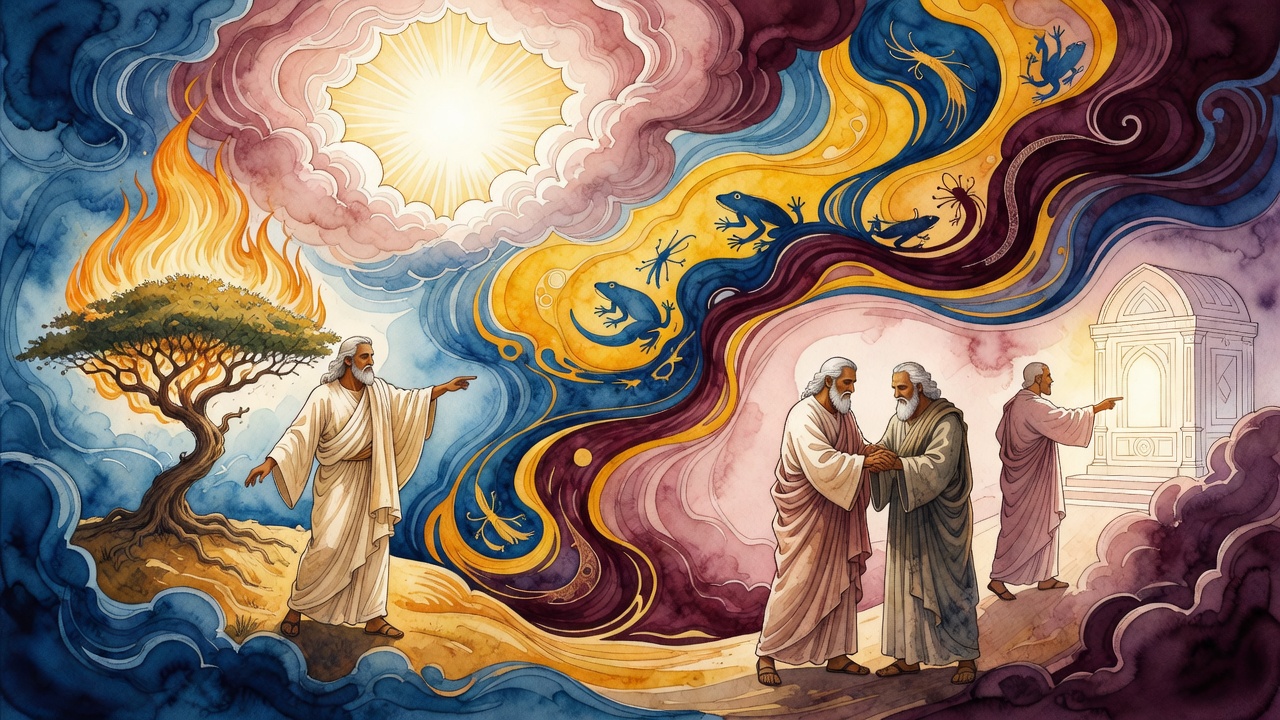
God had already told him the elders would listen. Moses said they would not. The staff hit the sand and became a serpent, and he ran from it.
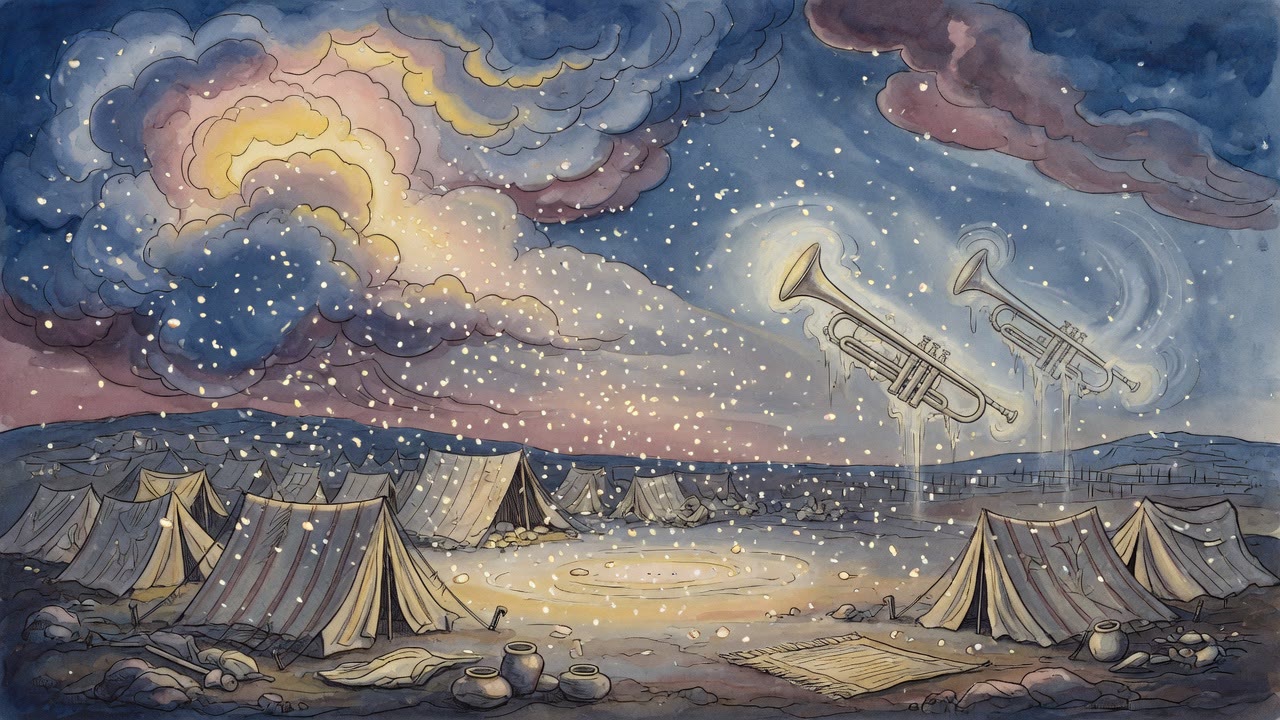
When Moses died, heaven's bread fed Israel thirty-nine more days. His silver trumpets disappeared before Joshua could touch them.
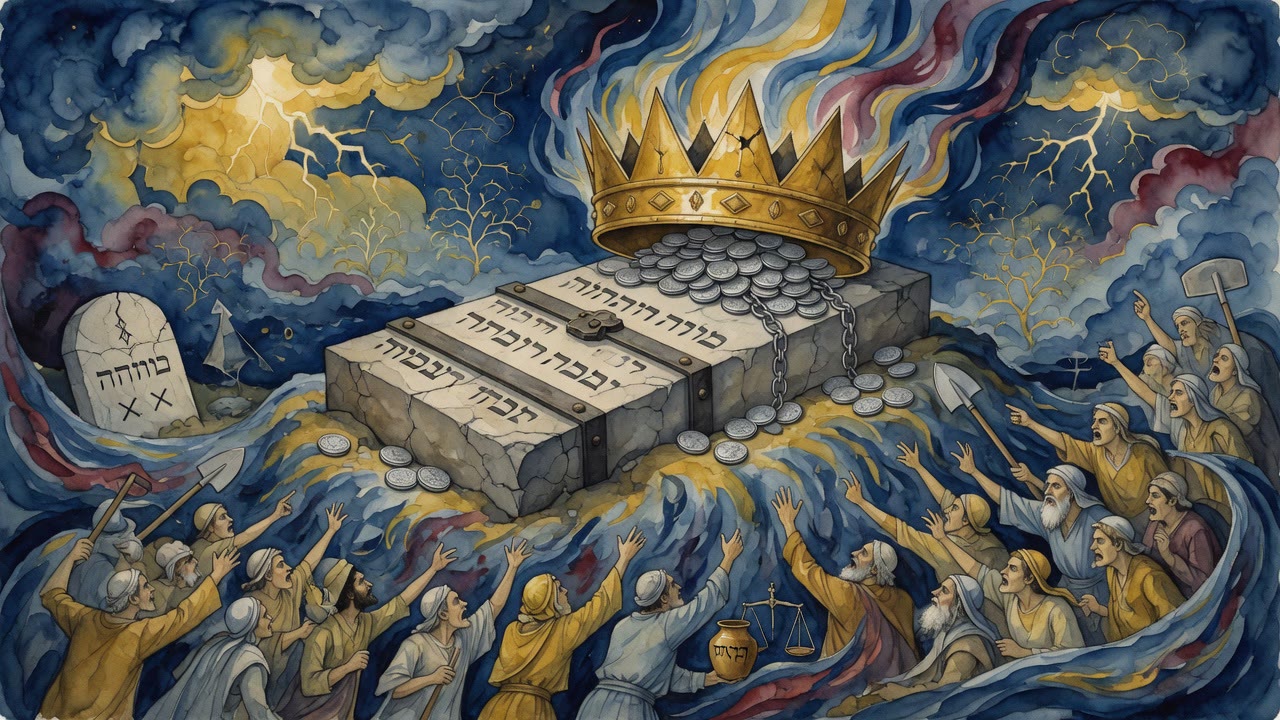
No family could close a grave until the crown had its silver. On the day the king came out for cheers, the street used his name for something else.
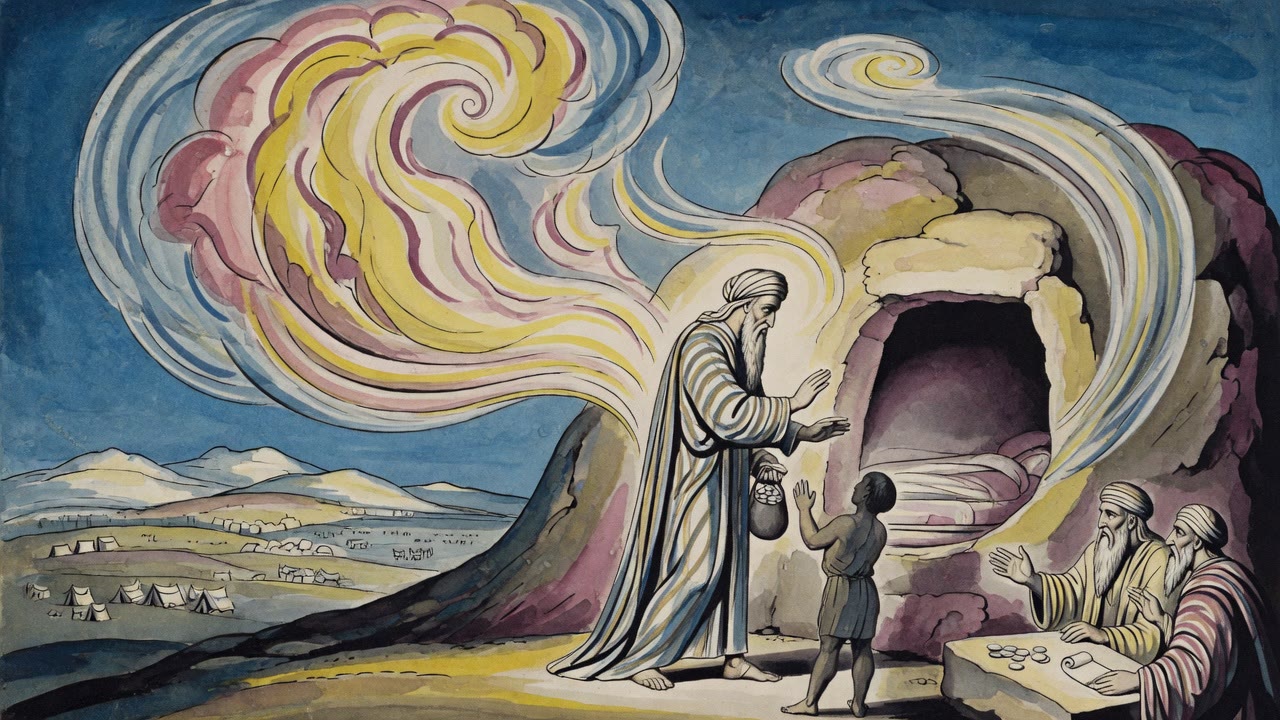
Moses broke under Israel's complaints. God took spirit from him like light from a menorah lamp and set it on seventy elders.
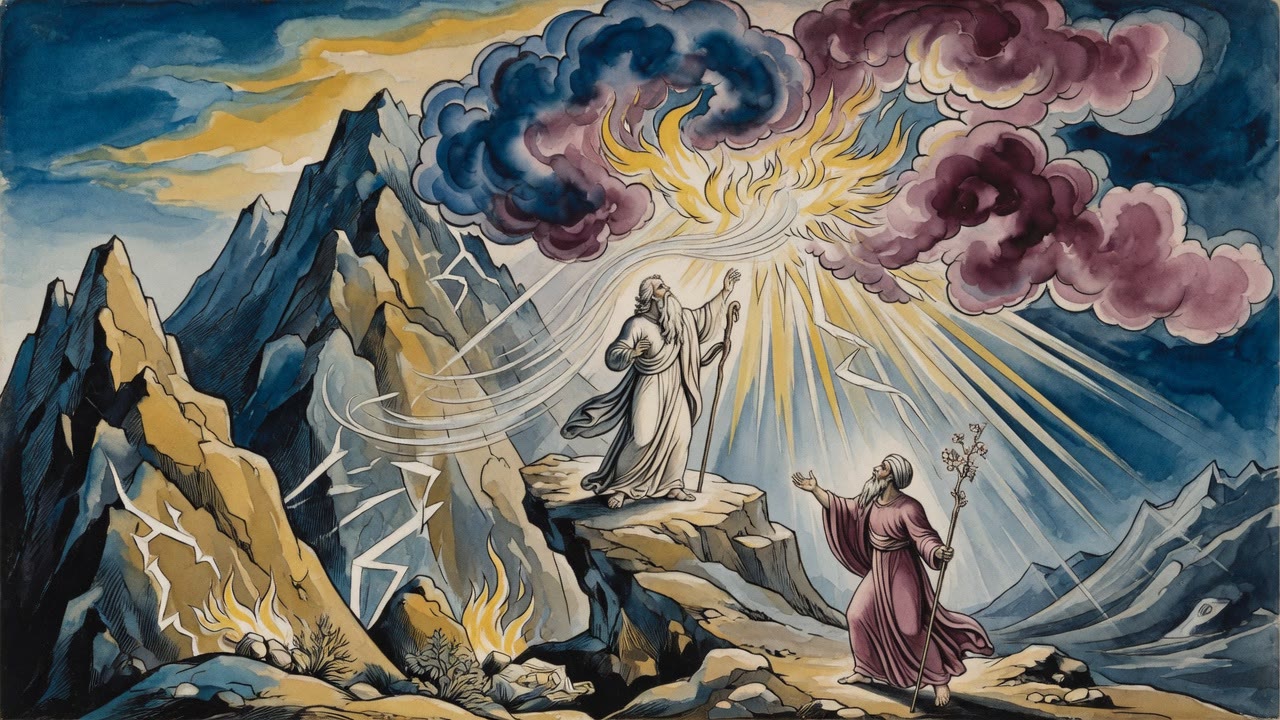
At the burning bush Moses said no for seven days running. God told him there would be a bill for that, and it came due at the door of the Tabernacle.
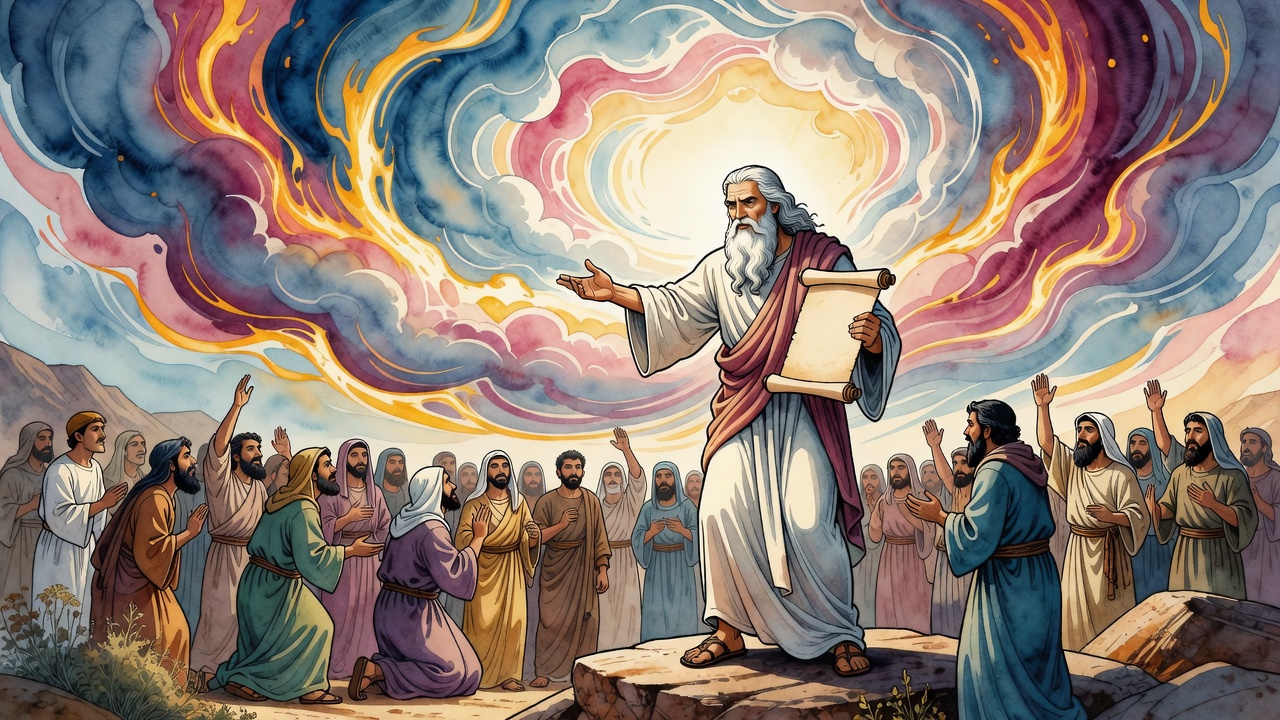
The last blessing left his mouth. Moses asked the tents for names. He took the list and did not promise to use it.
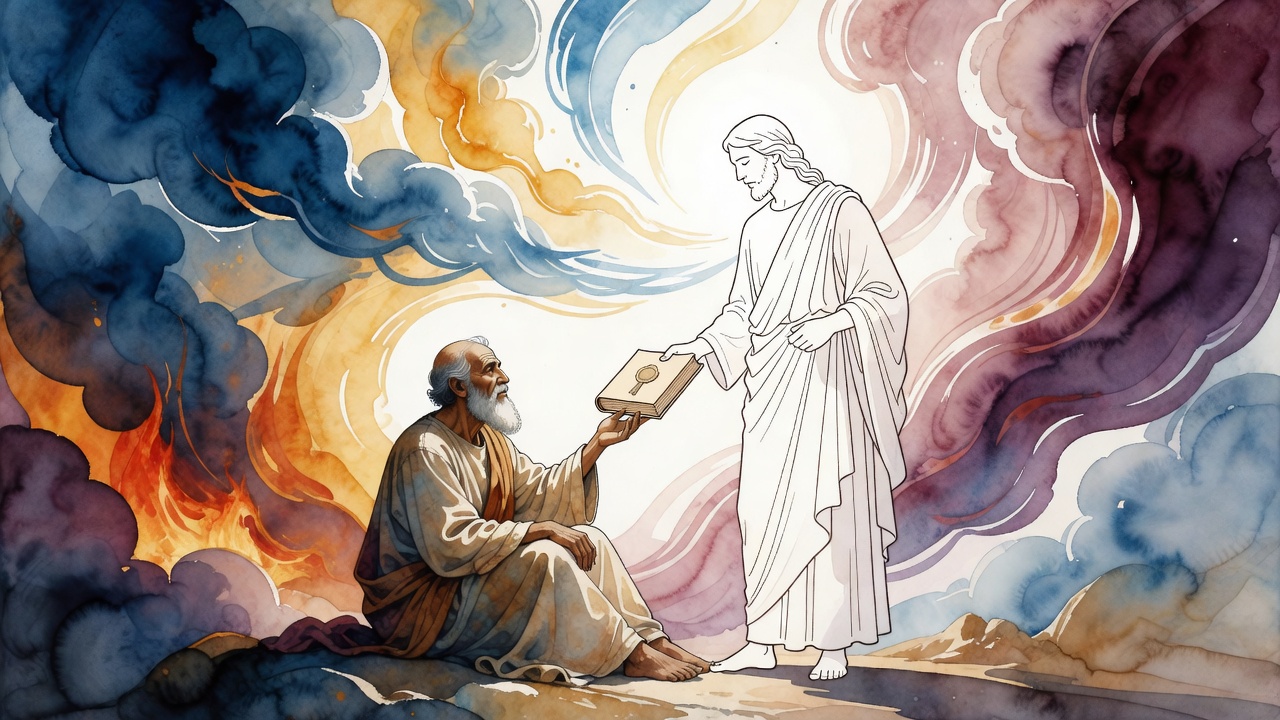
They found Moses standing with his hands folded. Joshua sat in the teacher's place. Then the wisdom left the older mouth.
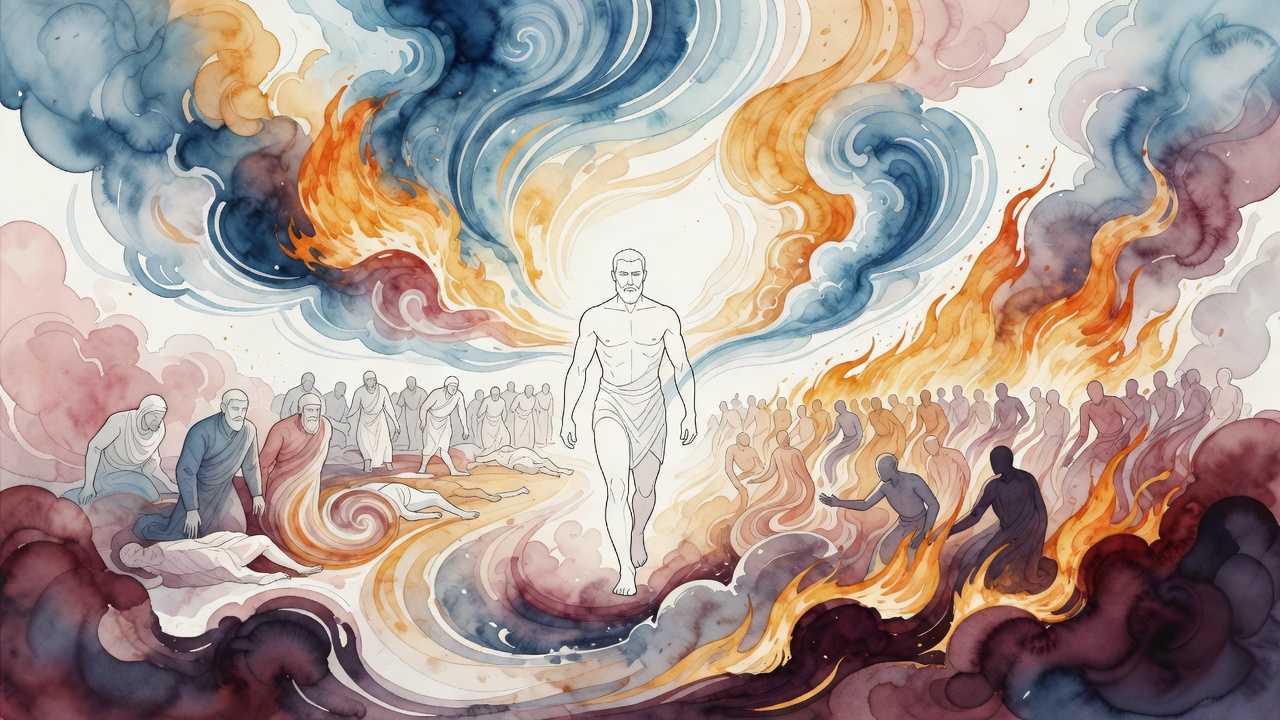
Kenaz sent the crowd to his own soldiers. They remembered marching out. They woke among corpses. The hours between those facts were gone.
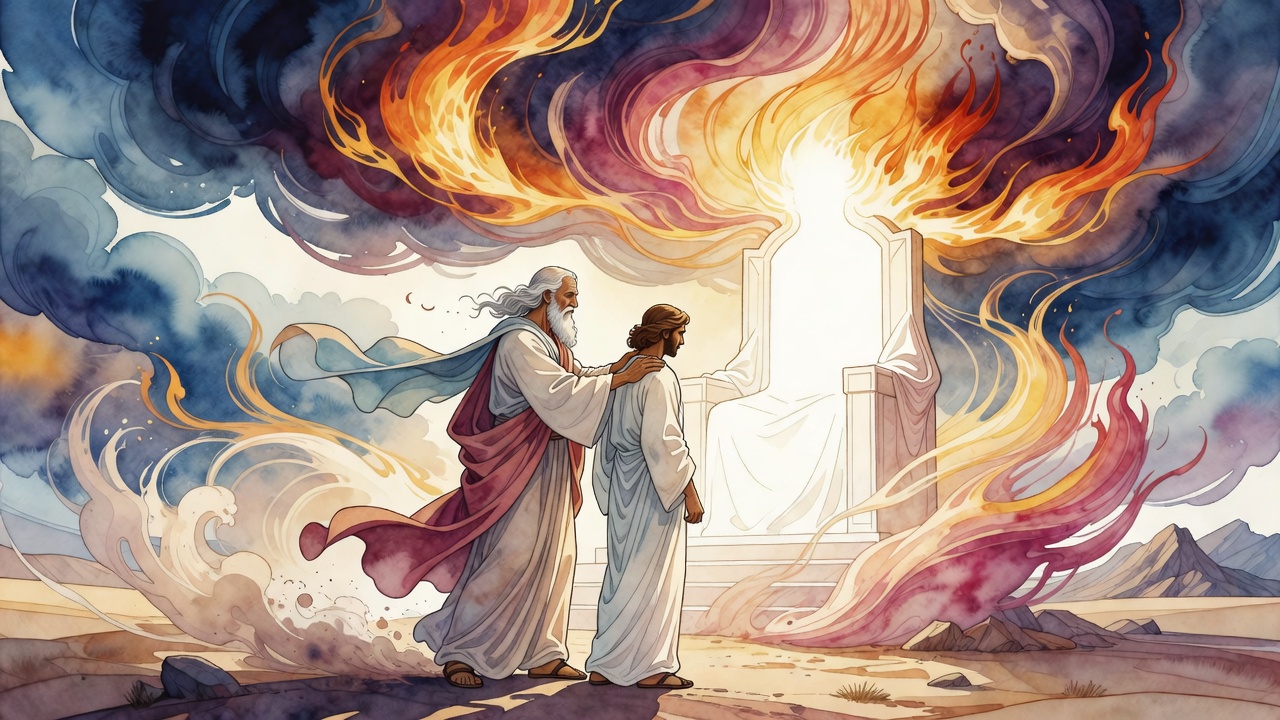
God courted Moses seven days like a king pursuing an orphan bride. When succession came, Moses laid both hands on Joshua beyond the command.
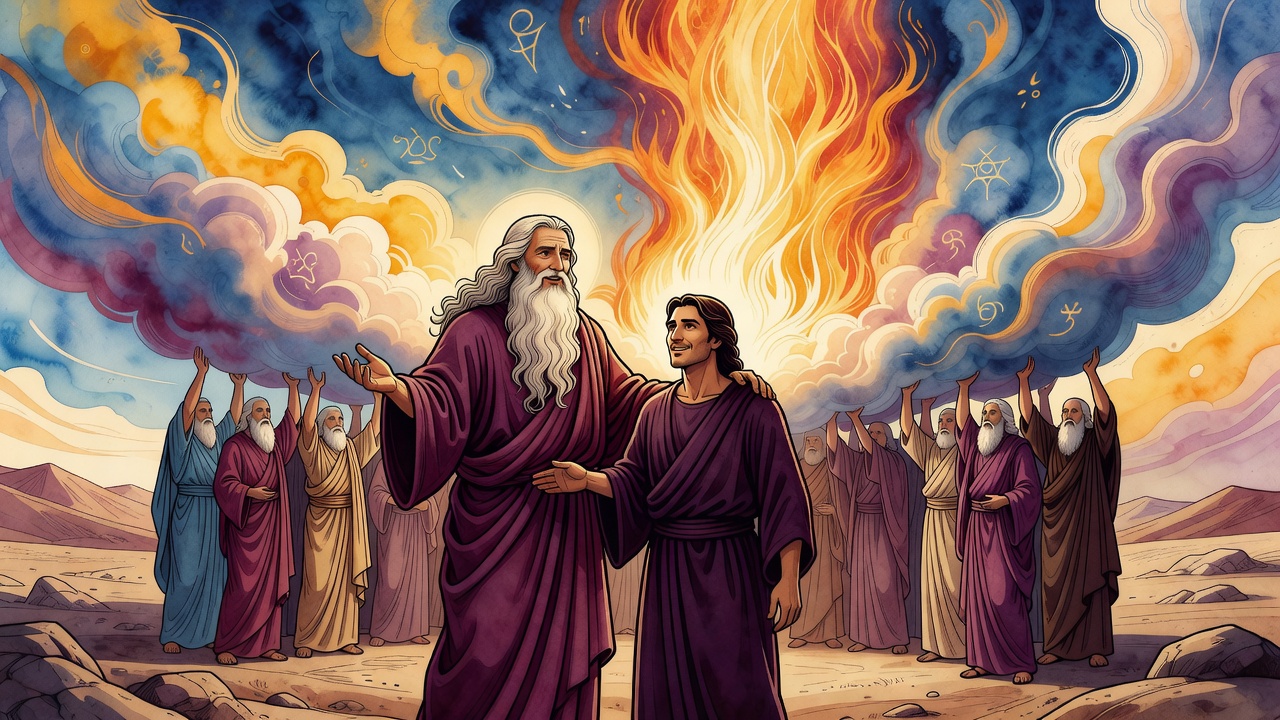
At a hundred and twenty his eye had not dimmed. Moses laid hands on Joshua anyway, with joy, and never asked why the honor missed his own sons.
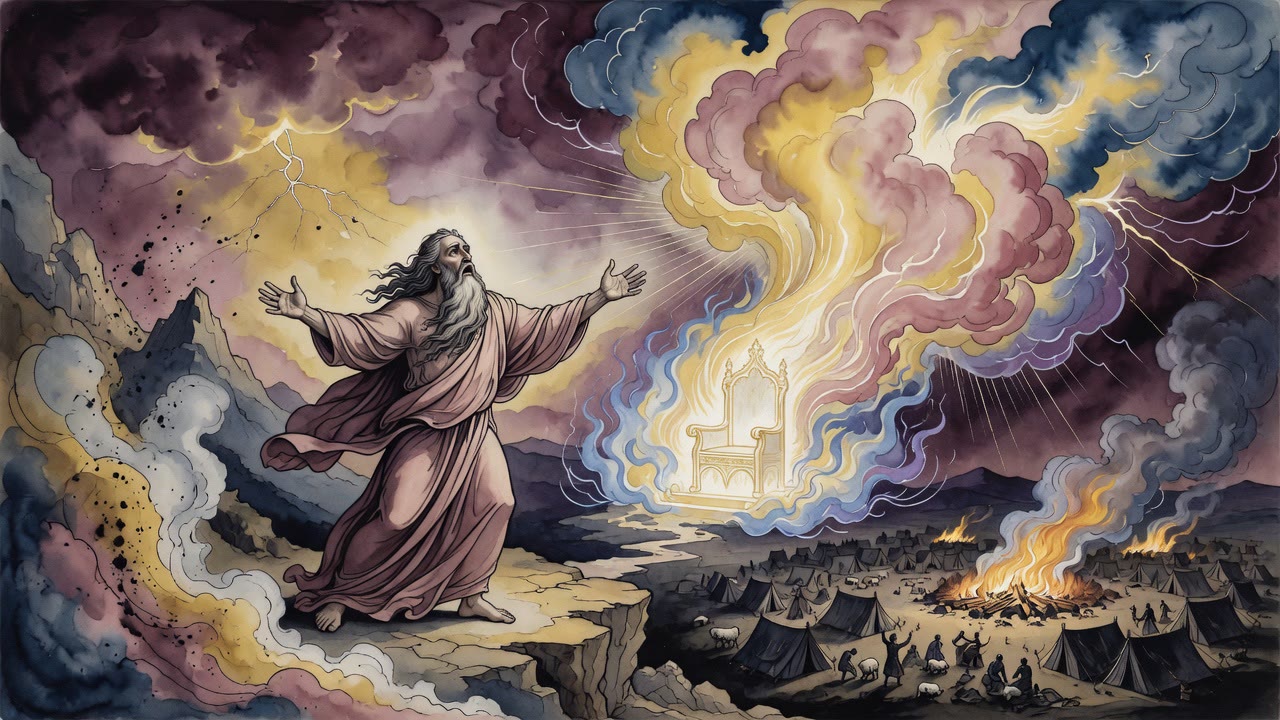
God would break one vow, not two. Live, and the people fall. Moses looked at both ends of the rope and left his own life on the table.
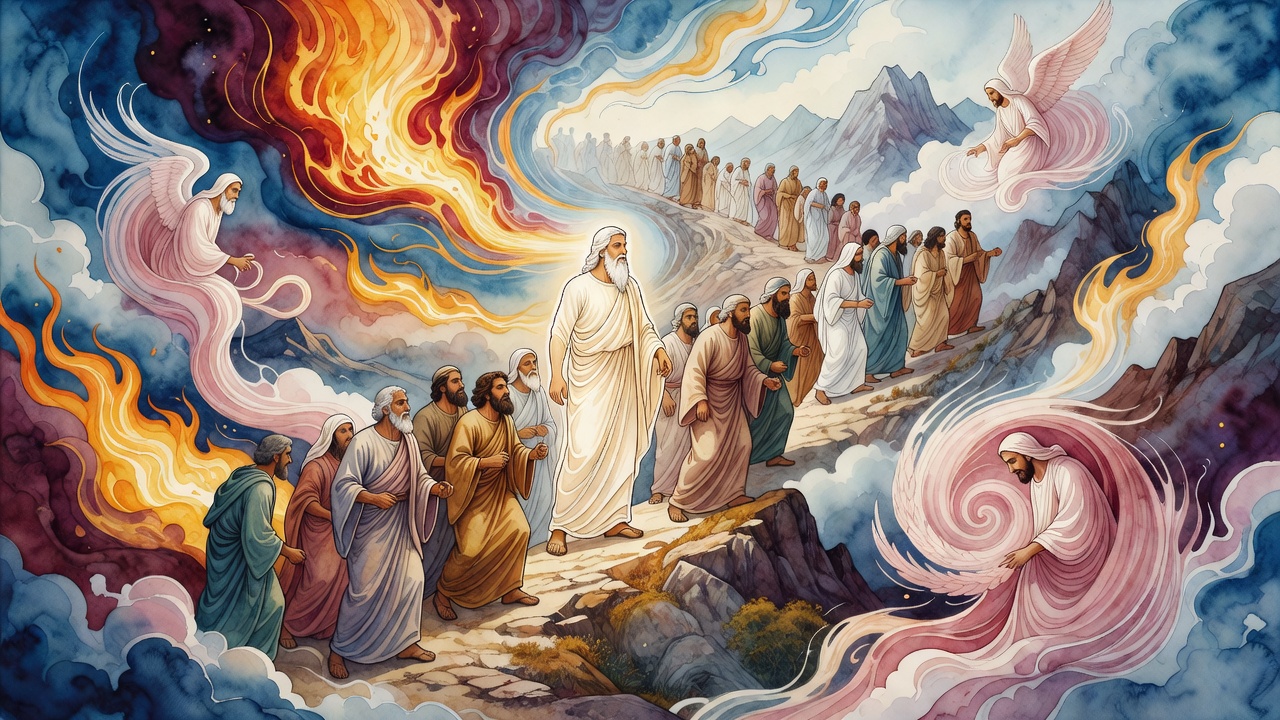
On his last day Moses did the arithmetic and it frightened him. Bilam was called a prophet too. Both of them were going to die.
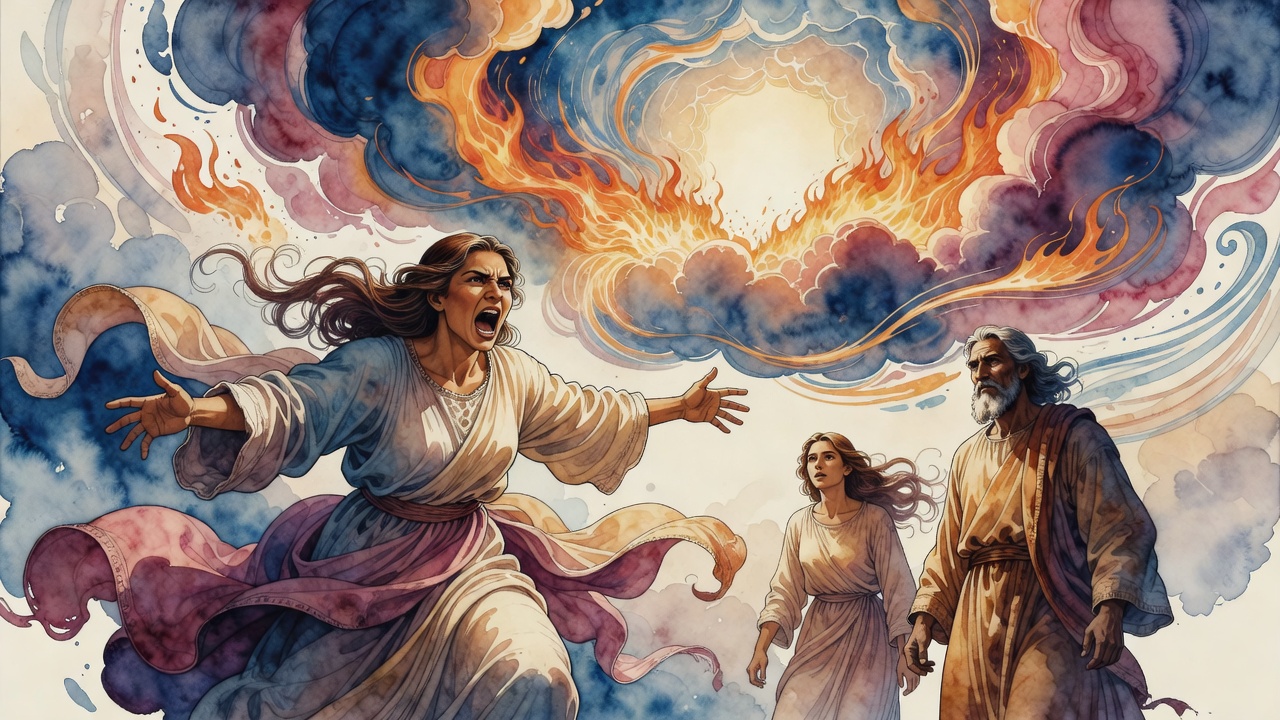
Tzipporah walked the camp with a bare neck. Miriam asked why the prophet's wife looked like a widow while he still breathed.
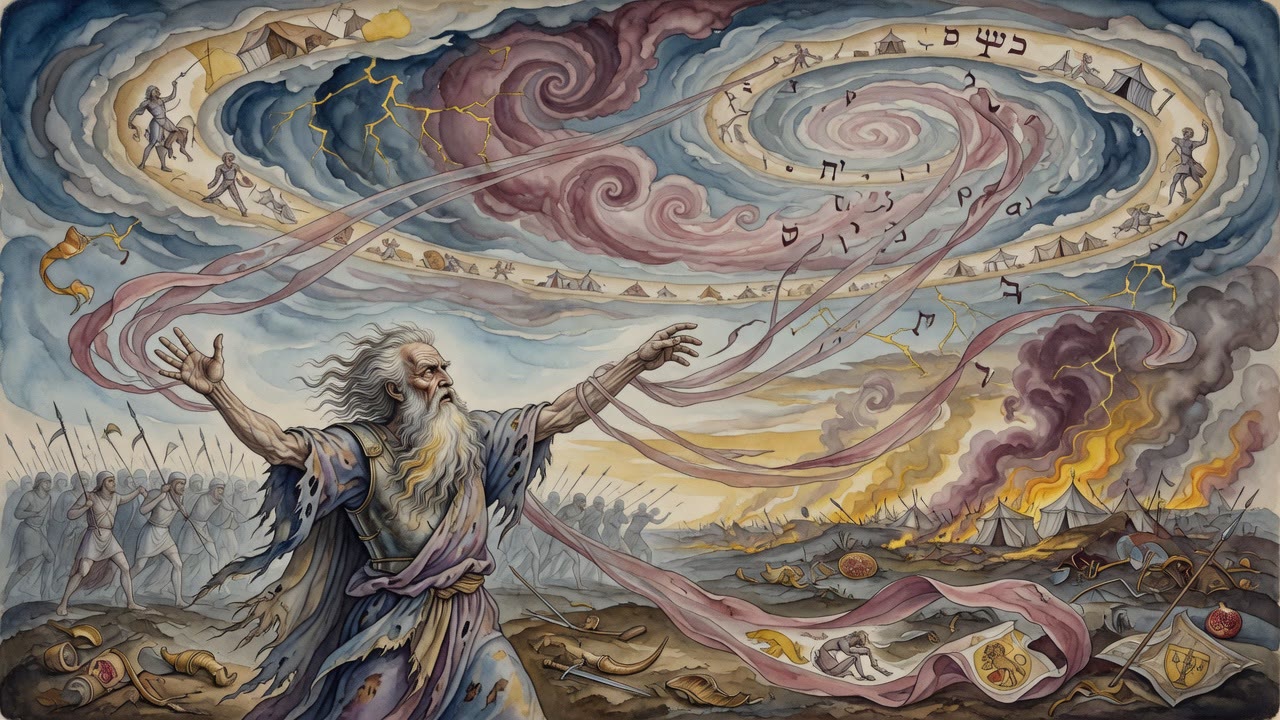
Moses rushes Midian's war knowing death waits after, while Joshua drags thirty-one kings across many years and loses a decade of life.
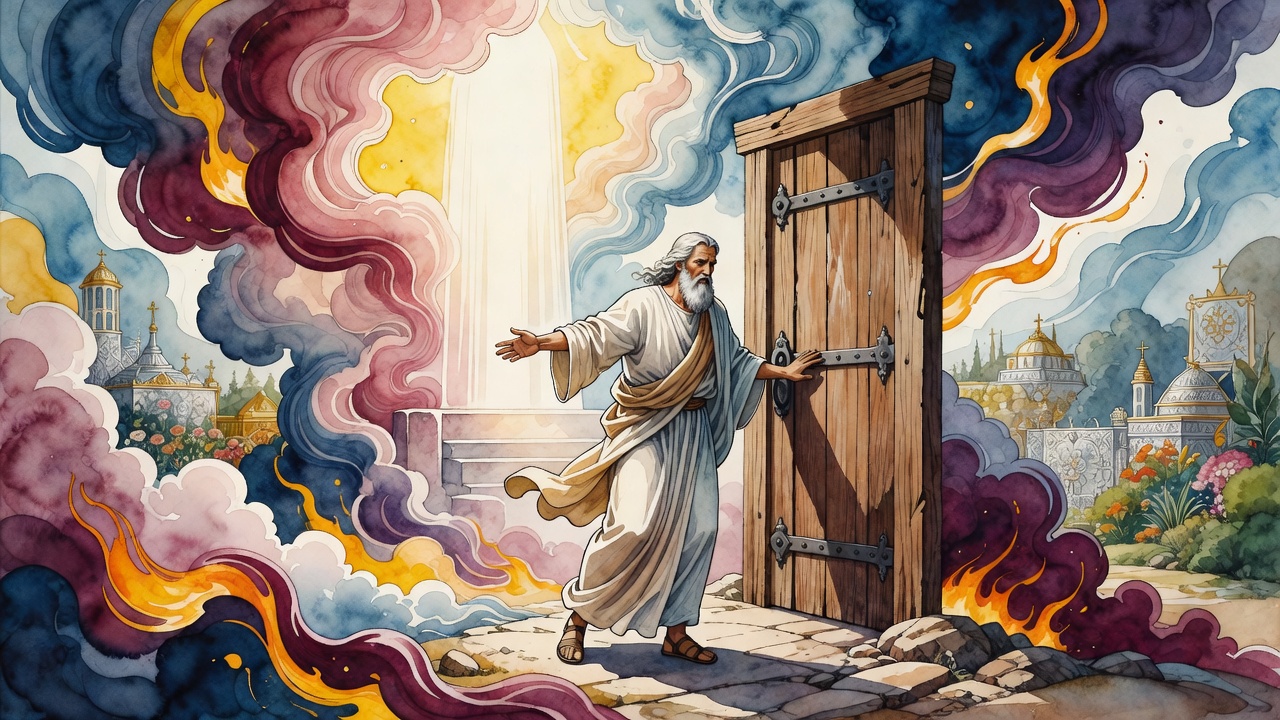
For six days God walks Moses through silver and gardens. On the seventh Moses still pulls his hand back, and a door closes.
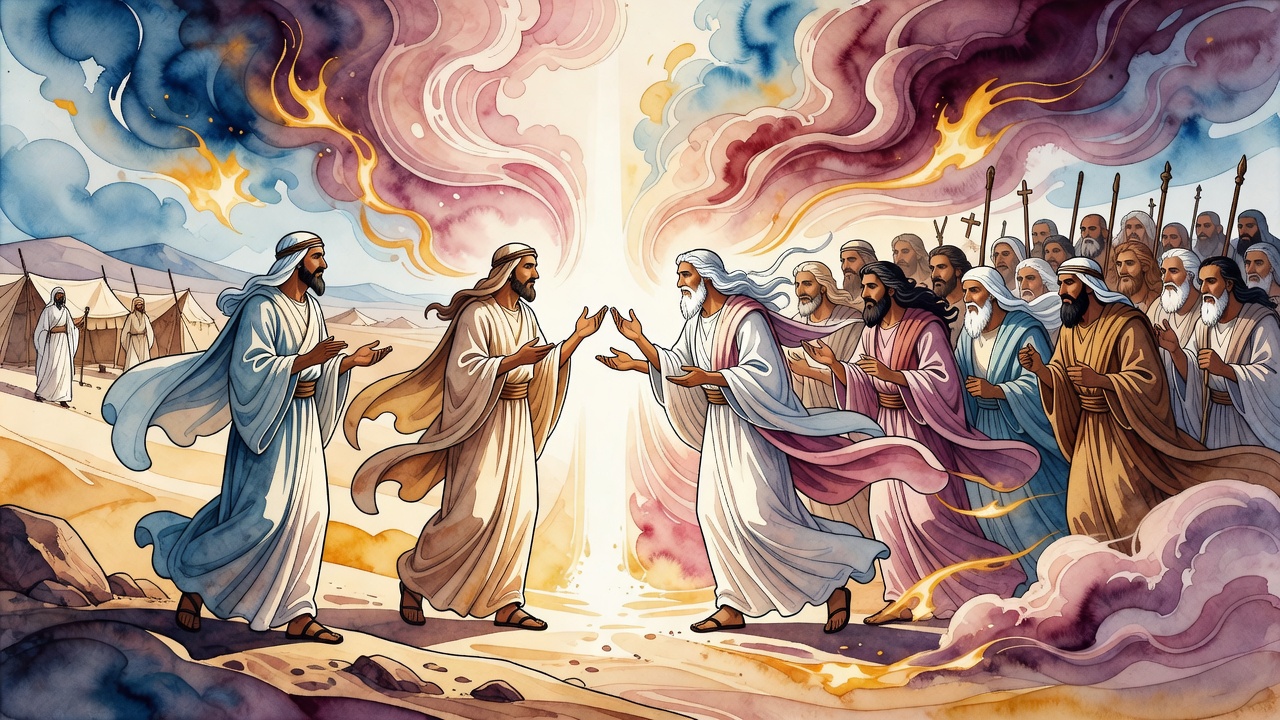
A Midianite priest nears the camp. Moses, Aaron, and seventy elders stream out. Before any miracle is told, two men ask after each other's peace.
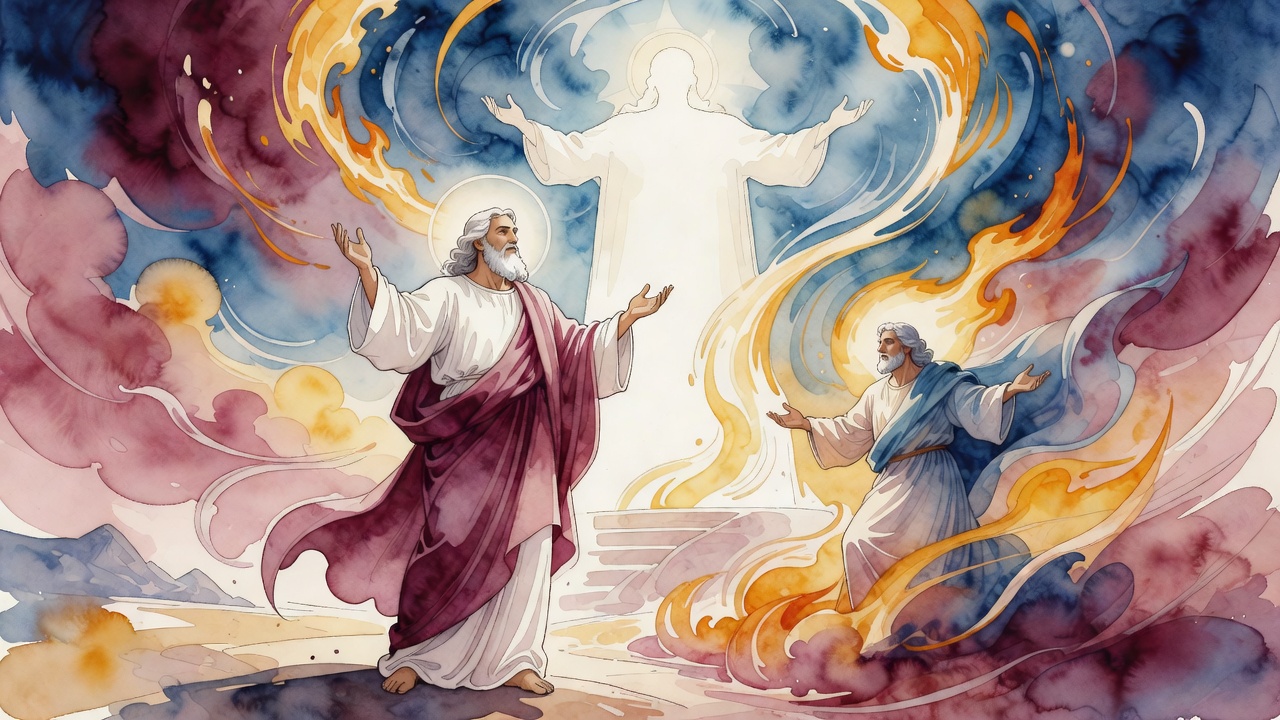
After the calf Moses asked to be wiped from Gods book if Israel were not forgiven. David later stood in a plague and called the people his sheep.
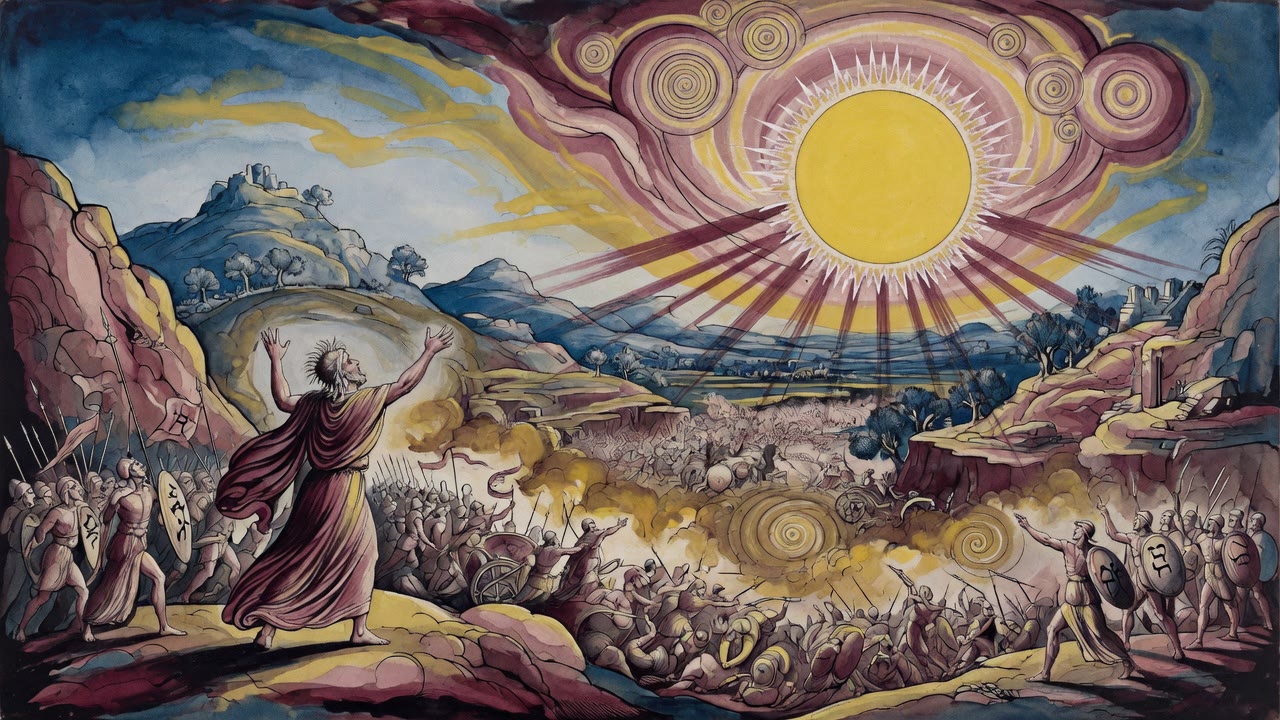
The army had lost at Ai and men were dead. God offered no comfort, only a question about why Joshua was lying face down in the dust.
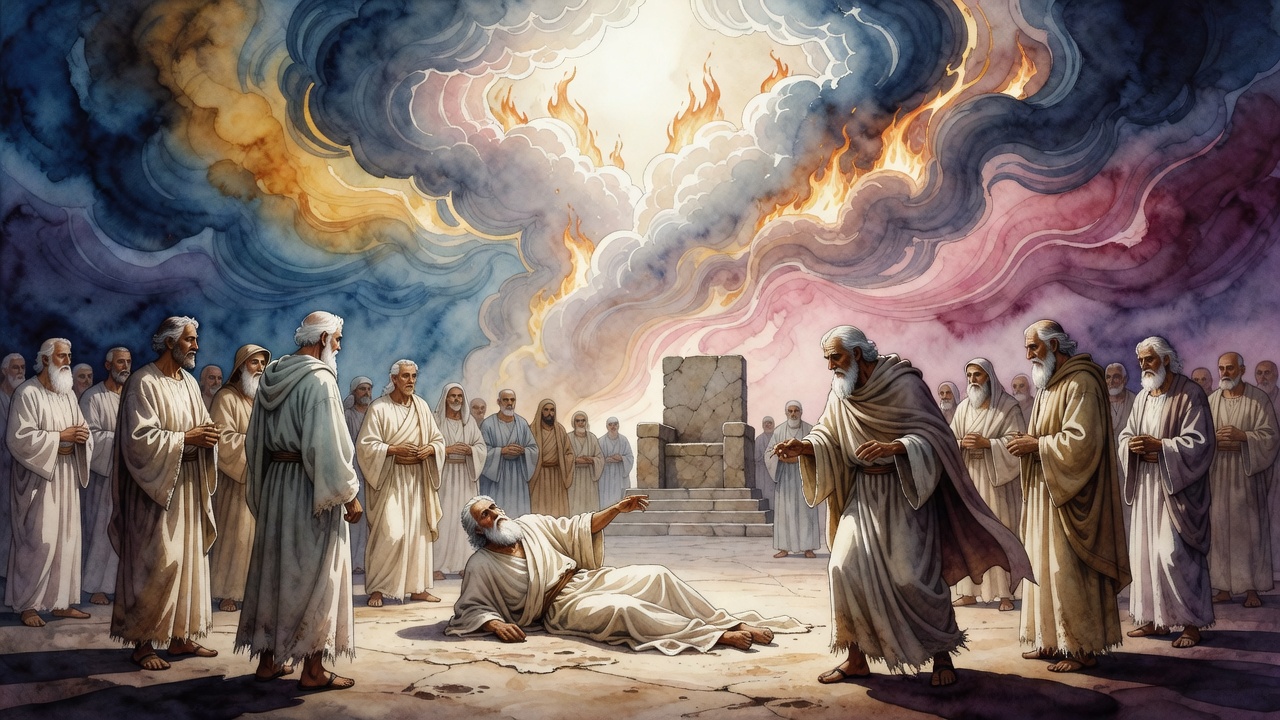
Moses judged from sunrise until dark and would not share the bench. His father-in-law watched one full day of it and said the line would kill him.
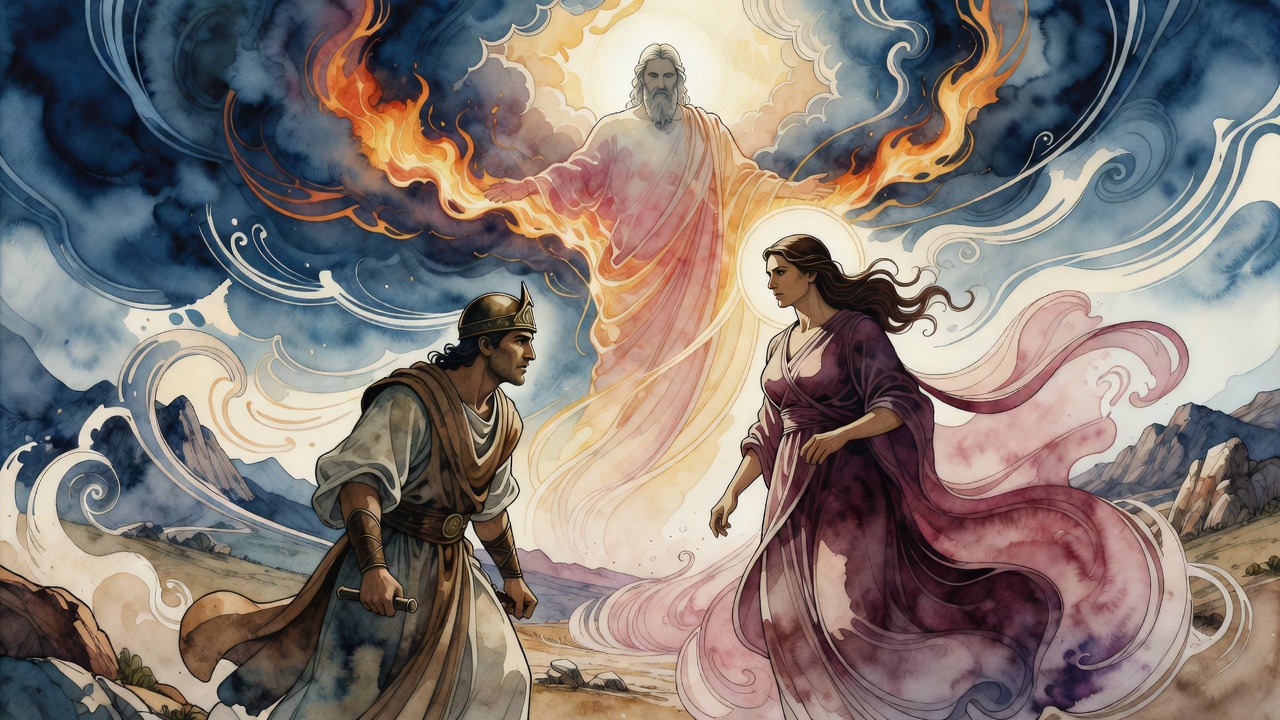
Barak refused to march unless Deborah went with him, and the prophetess warned that the day's glory would slip from his hands into a woman's.
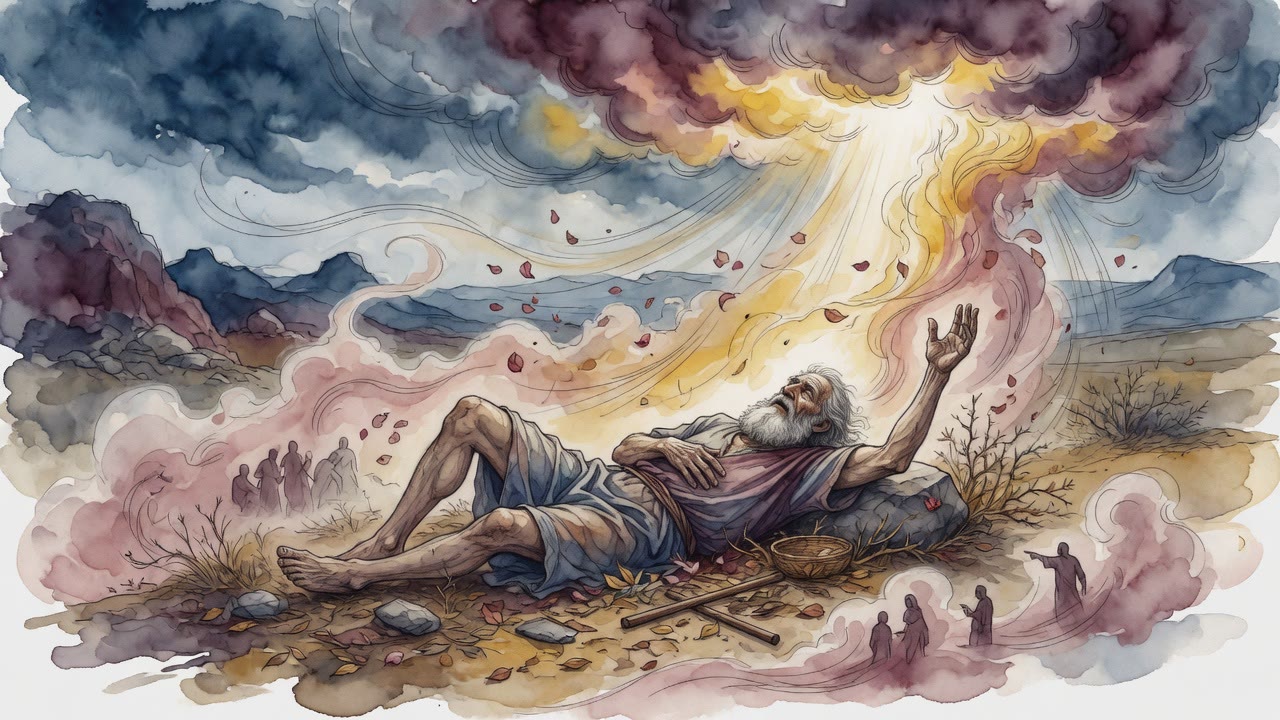
They camped in the town square and asked neighbors to walk to Shiloh. Five houses followed. Next year ten. Heaven paid him with Samuel.
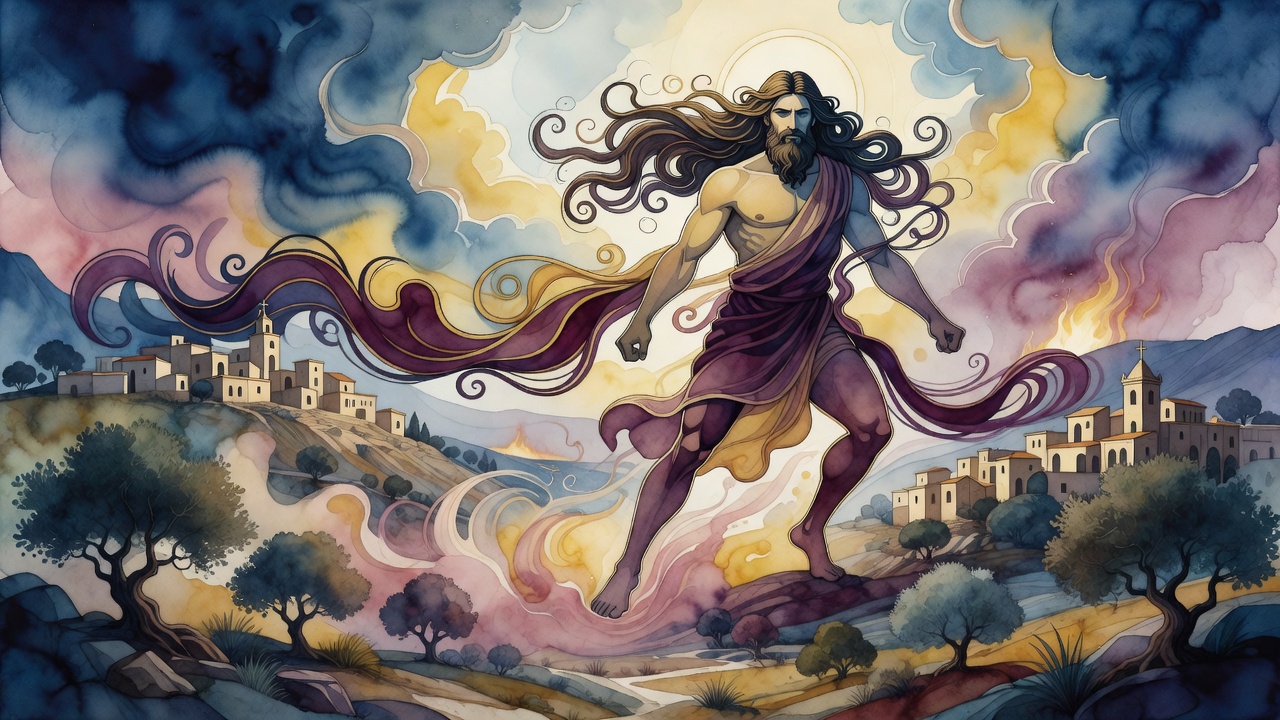
A potter set down a wet jar and forgot the rim. Dust rose in two towns at once. Between them a Nazirite's hair began to ring.
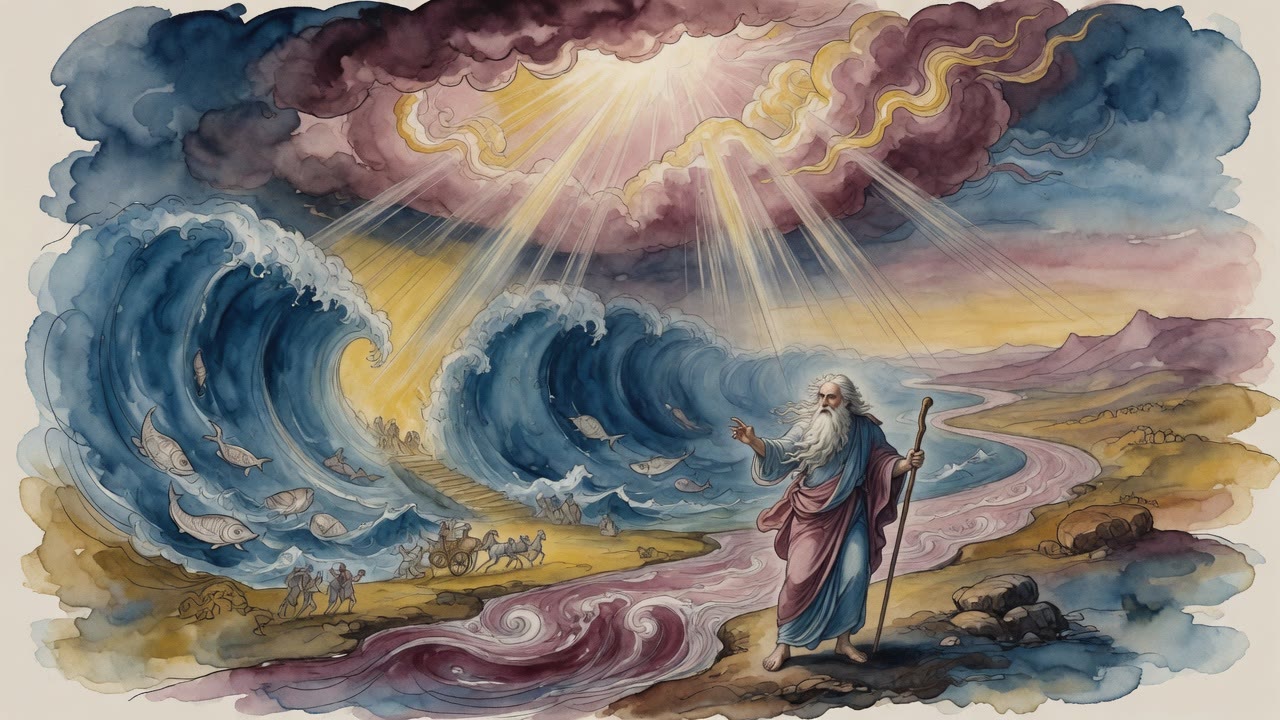
A sea had stood up in walls when he raised his staff. The Jordan in front of him was a morning's walk across, and God had told him he would not go over it.
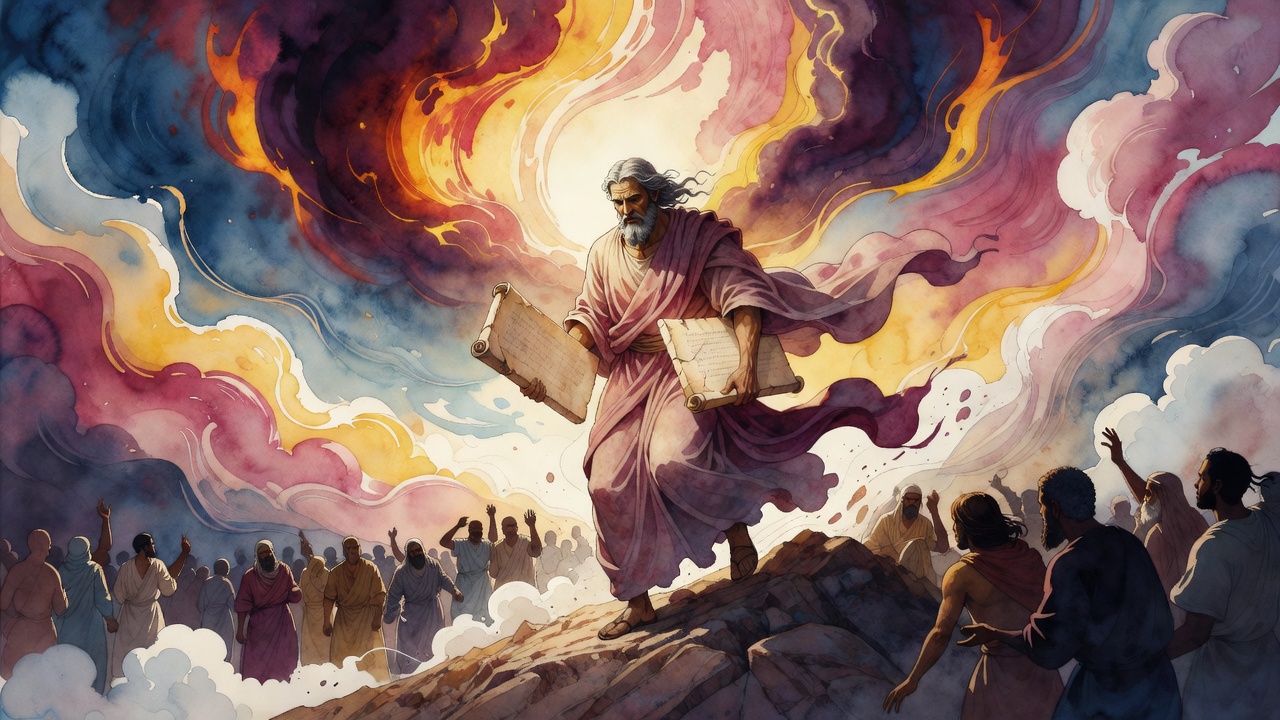
Moses comes down Sinai with the tablets still warm. Israel asks what justice is like on high, and the answer leaves no room to swap guilt for innocence.
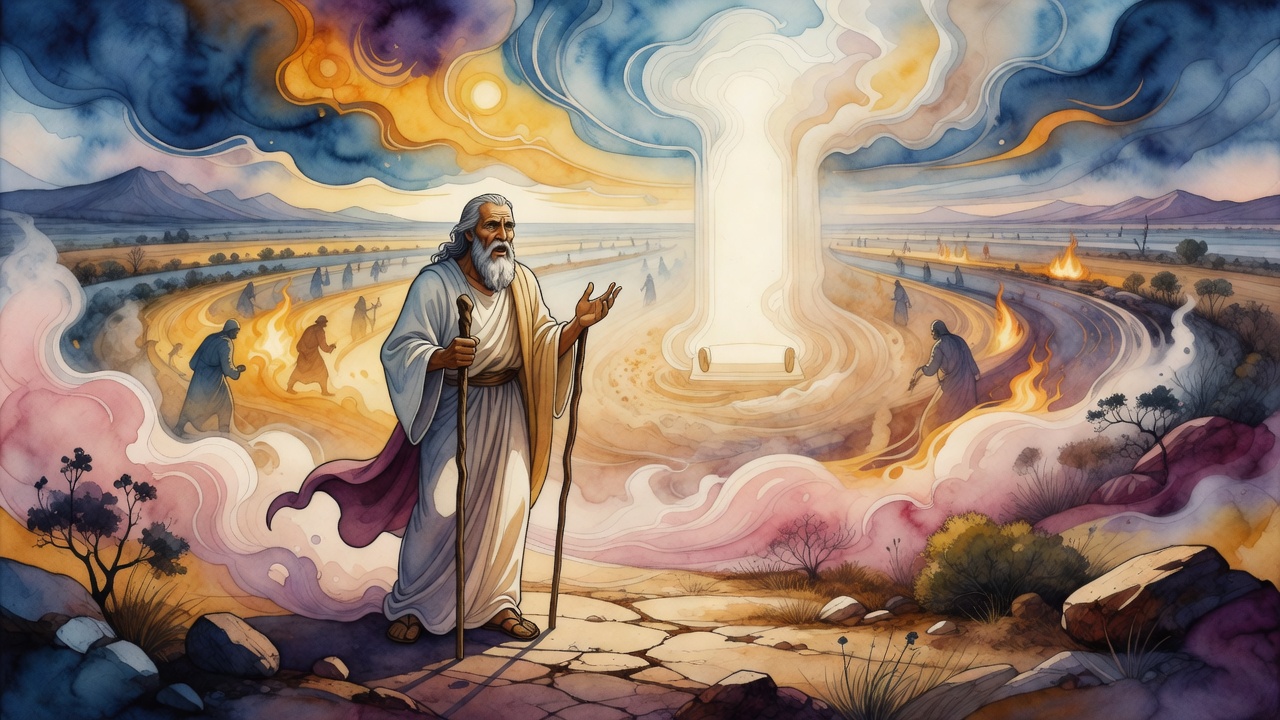
Under Pharaoh, Jochebed vanished from hunters. In the wilderness, Moses stood in a court that never ended and finally said he could not lead alone.
